
As the winter frost begins to fade, there is nothing quite as refreshing as watching your garden wake up with a vibrant display of life. Spring flower borders serve as the perfect frame for your outdoor sanctuary, offering a chance to experiment with textures, heights, and a spectrum of seasonal colors. Planning a successful border requires a thoughtful approach to timing, soil health, and plant selection to ensure a continuous bloom from early March through late May. Whether you prefer the structured elegance of formal gardens or the untamed beauty of a wild meadow, these curated concepts will help you transform your yard into a Pinterest-worthy masterpiece that welcomes the warm weather.
1. Cottage Garden Border
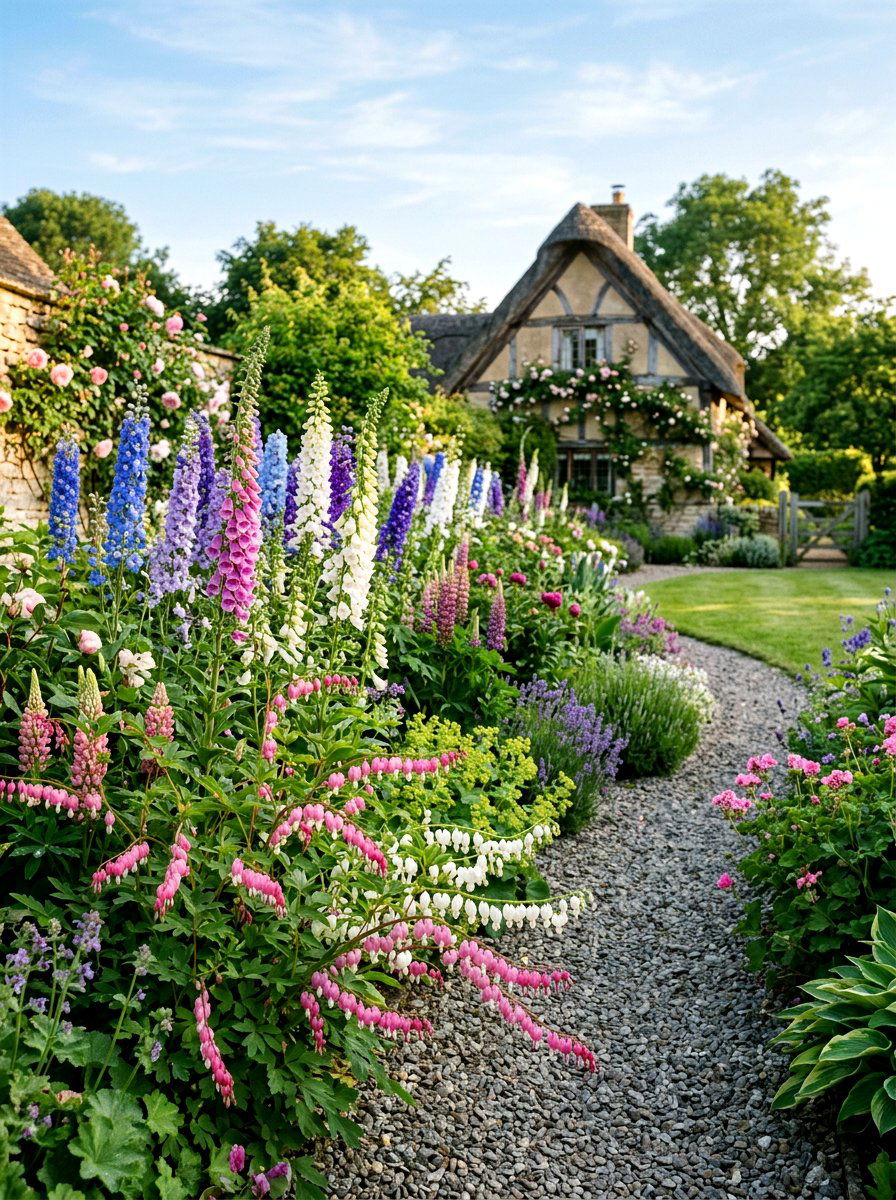
The classic cottage style is all about creating a dense, informal look that feels both romantic and effortlessly natural. You can achieve this by mixing various heights and textures, allowing plants to spill over the edges of your walkways for a soft, lived-in feel. Incorporating staples like delphiniums, foxgloves, and bleeding hearts creates a nostalgic atmosphere that reminds many people of traditional English landscapes. It is important to plant these tightly so that very little soil is visible, which also helps to suppress weeds throughout the growing season. This approach celebrates a bit of beautiful chaos while ensuring that every corner of the border is packed with interest and sweet spring fragrances.
2. Tulip and Daffodil Mix
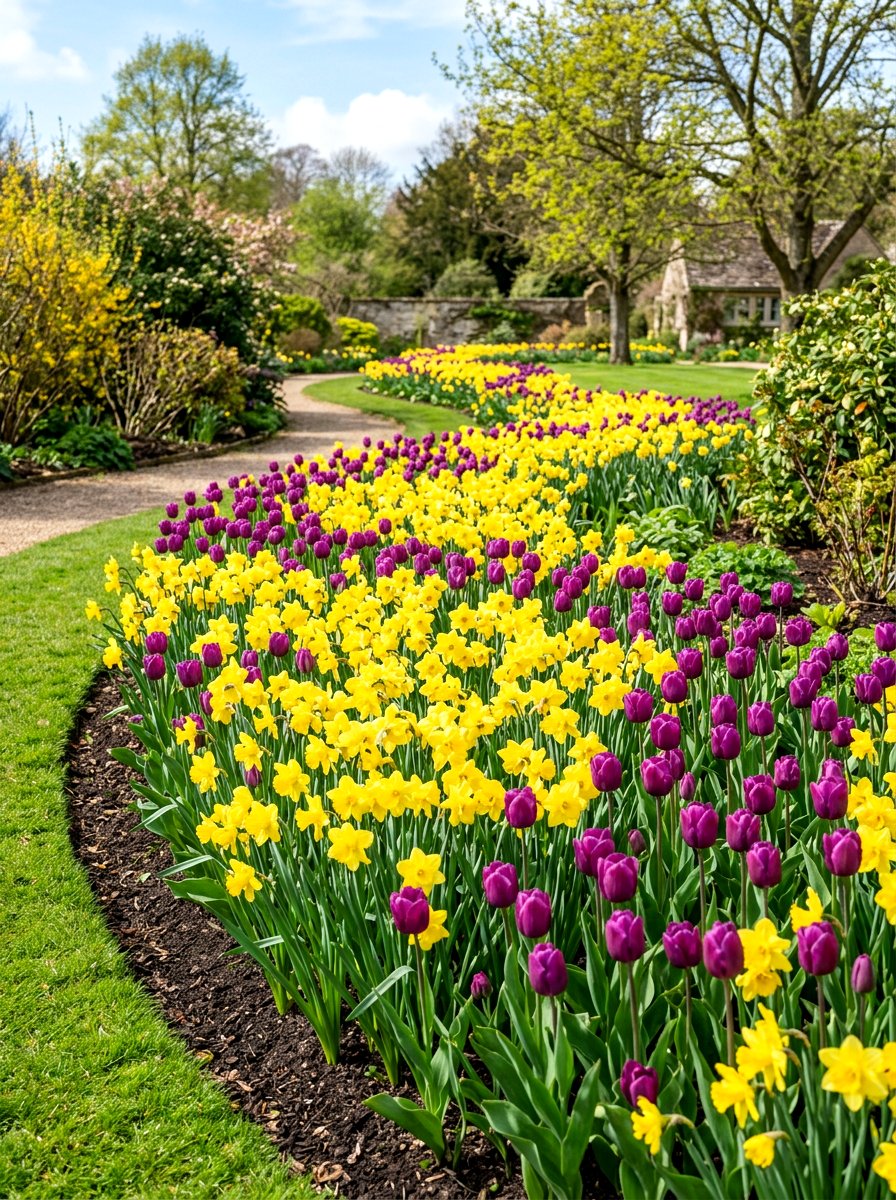
There is no combination more iconic for the early months than the cheerful pairing of tulips and daffodils planted in sweeping drifts. By selecting different varieties that bloom at slightly different times, you can extend the visual impact of your border for several weeks. Consider mixing bright yellow daffodils with deep purple or soft pink tulips to create a high-contrast look that catches the eye from across the lawn. Planting these bulbs in clusters rather than single lines makes the border appear much fuller and more intentional. Once the flowers finish blooming, you can easily hide the fading foliage by planting fast-growing perennials nearby to take over the spotlight.
3. Lavender Path Edging
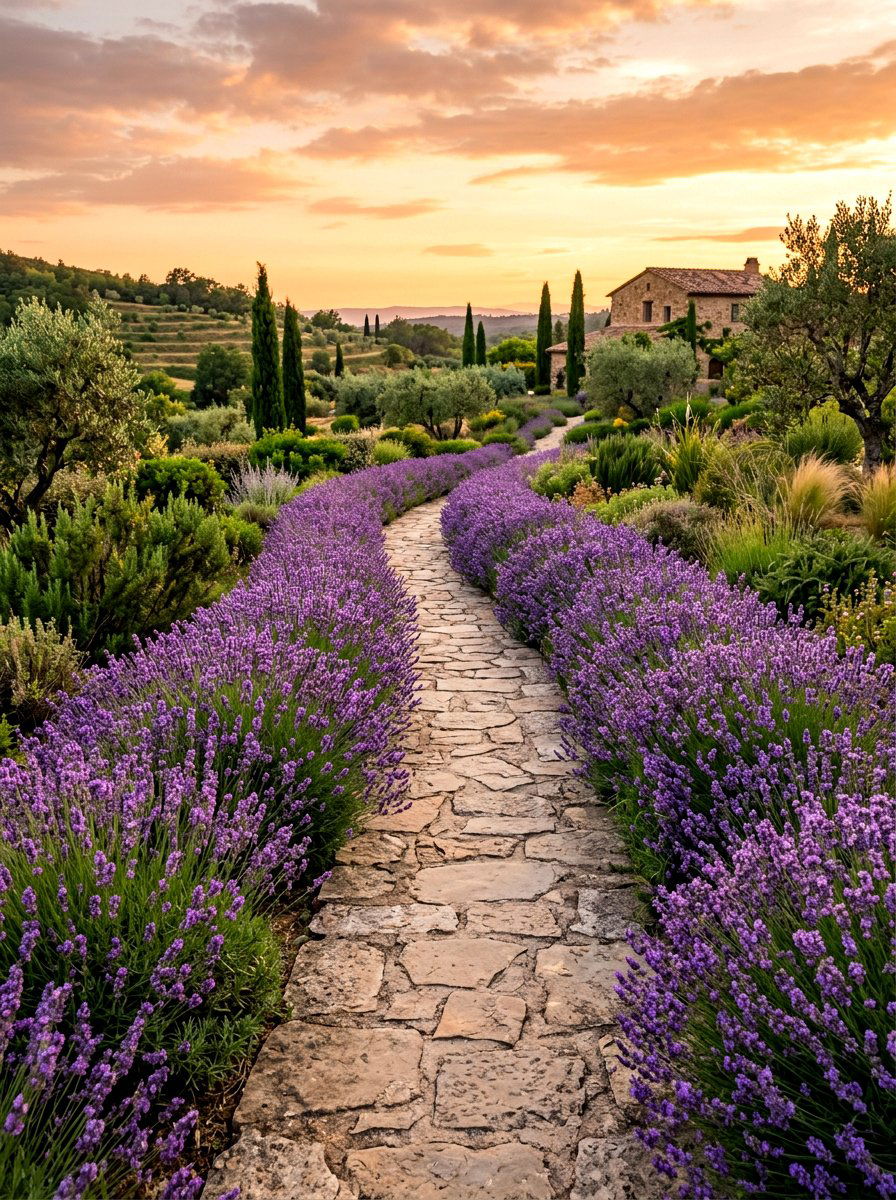
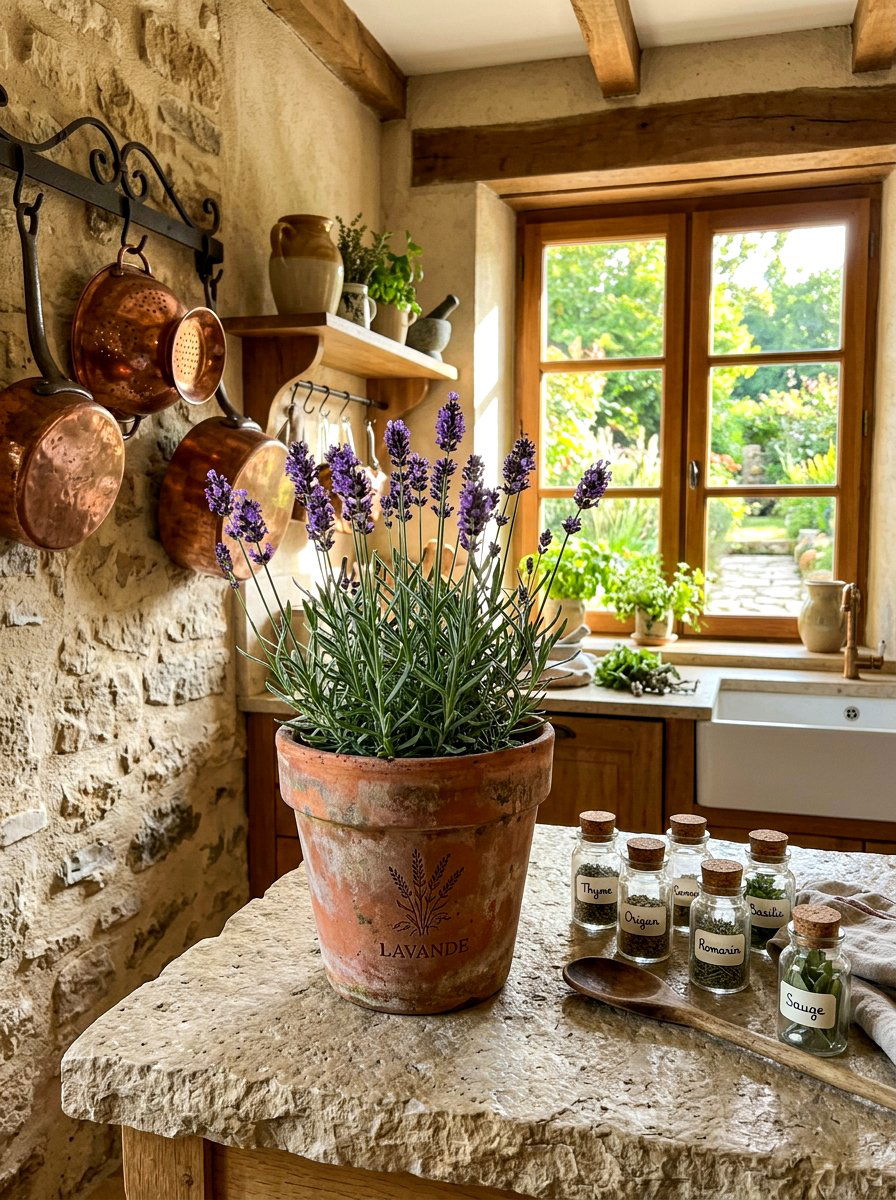
Creating a sensory experience along your garden walkway is easy when you use lavender as a primary border plant. As guests walk by, the gentle movement of the stems releases a calming fragrance that defines the spring and summer atmosphere. Lavender provides a structured, silvery-green foliage that looks great even before the purple spikes fully emerge. This type of border works best in sunny spots with well-draining soil, making it a perfect choice for Mediterranean-style landscapes. You can keep the plants looking tidy with a light pruning in early spring to encourage fresh growth. It serves as a beautiful, low-growing hedge that neatly defines the transition between paths and beds.
4. White Spring Garden
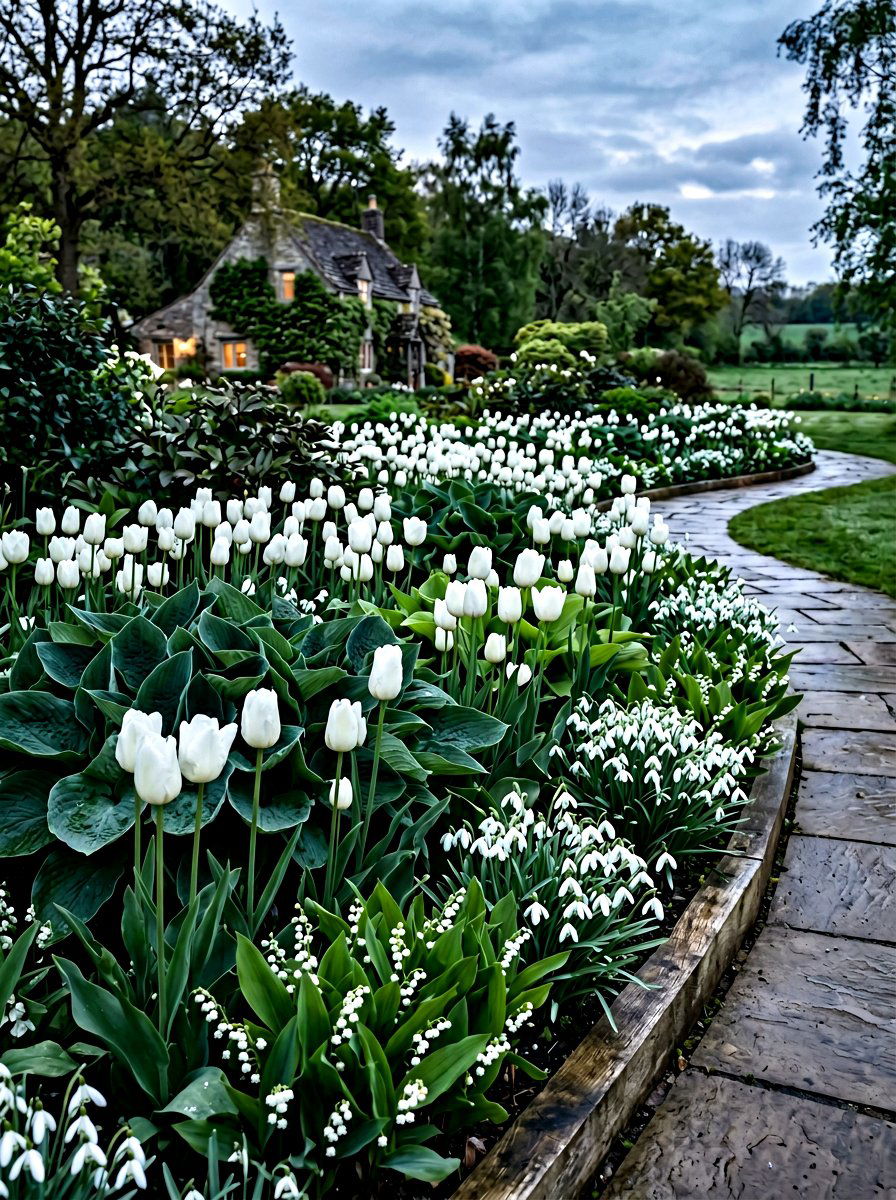
A monochromatic white border offers a sophisticated and serene look that glows beautifully during the twilight hours. You can use a variety of white blooms like snowdrops, white tulips, and lily of the valley to create layers of interest. Mixing different petal shapes and foliage textures prevents the single-color theme from looking flat or boring. For example, the broad leaves of hostas can provide a lush green backdrop for delicate white bleeding hearts. This clean aesthetic works exceptionally well in modern landscapes or small courtyard gardens where you want to create a sense of space. It provides a peaceful retreat that feels organized, timeless, and incredibly elegant throughout the entire season.
5. Perennial Flower Bed
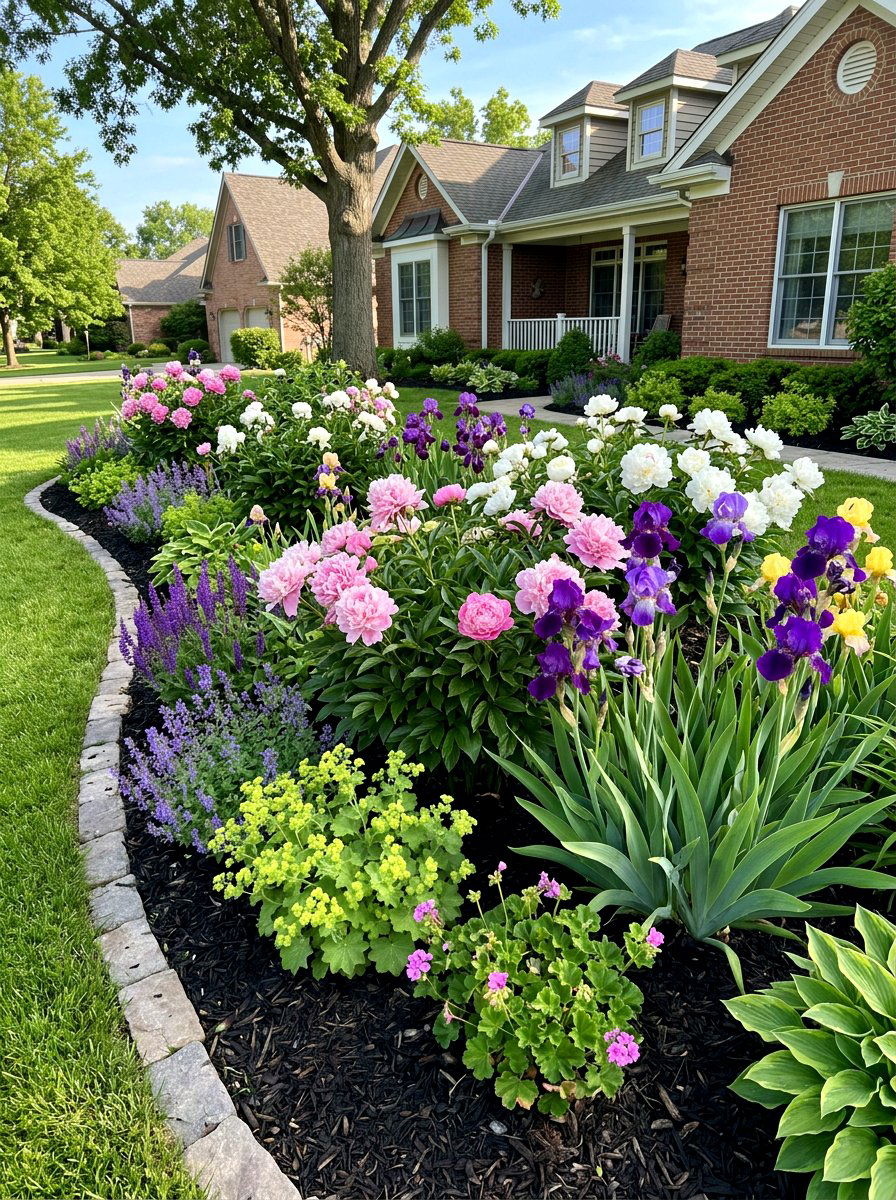
Investing in a perennial border is a smart way to ensure your garden returns with minimal effort year after year. Focus on plants like peonies, iris, and hardy geraniums that establish deep roots and grow larger with each passing spring. To keep the bed looking full, you should plan for a variety of bloom times so there is always something colorful to admire. Adding a layer of organic mulch helps retain moisture and provides the nutrients these long-lived plants need to thrive. Because perennials come back every season, you can spend less time replanting and more time enjoying the evolving beauty of your landscape. It is a sustainable and rewarding gardening strategy.
6. Shade Garden Border
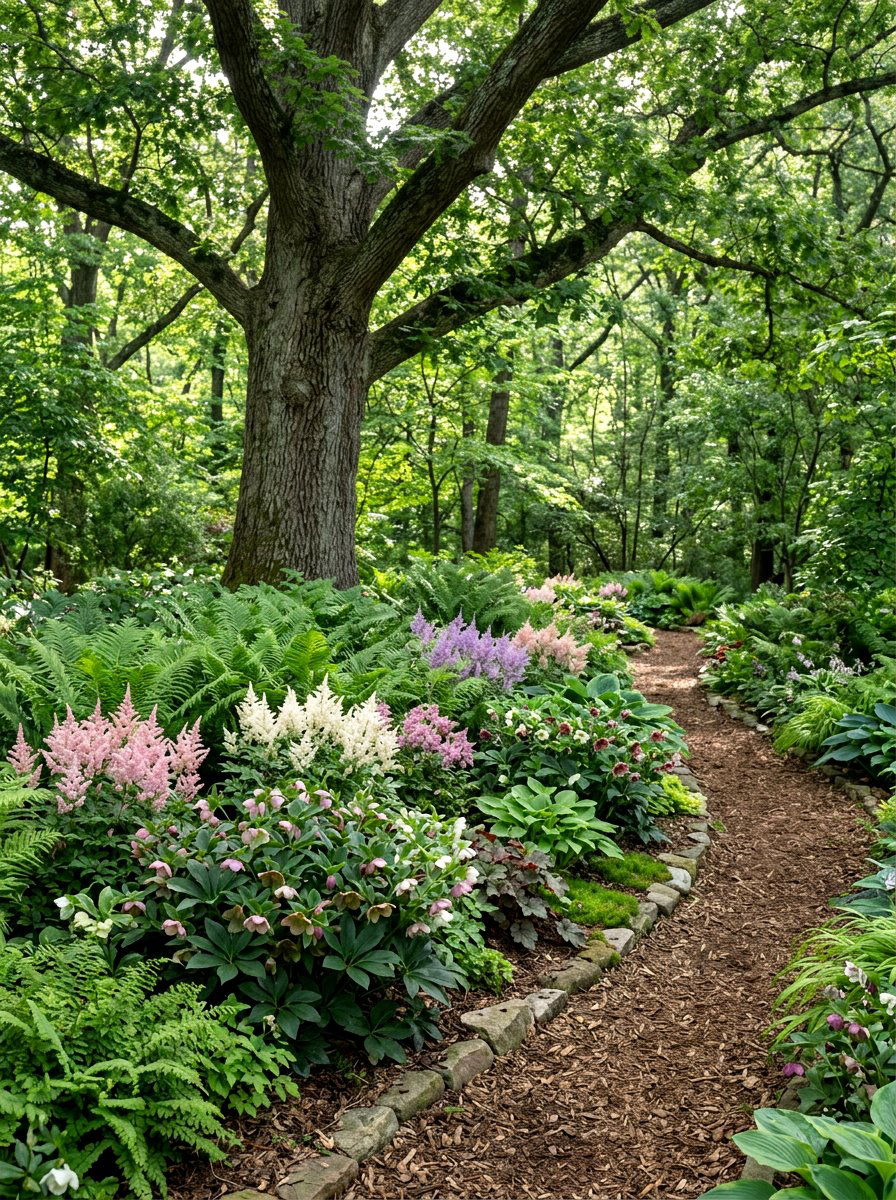
Do not let a lack of direct sunlight stop you from creating a stunning floral display in the darker corners of your yard. Shade-loving plants like astilbe, hellebores, and various types of ferns can create a lush, woodland-inspired border that feels cool and inviting. Hellebores are particularly wonderful because they often bloom while there is still snow on the ground, providing very early color. Using plants with variegated foliage, such as certain hostas, can help brighten up dim areas by reflecting the little light available. This type of border typically requires less water than full-sun beds, making it a practical and low-maintenance choice for many suburban homeowners with mature trees.
7. Modern Garden Edge
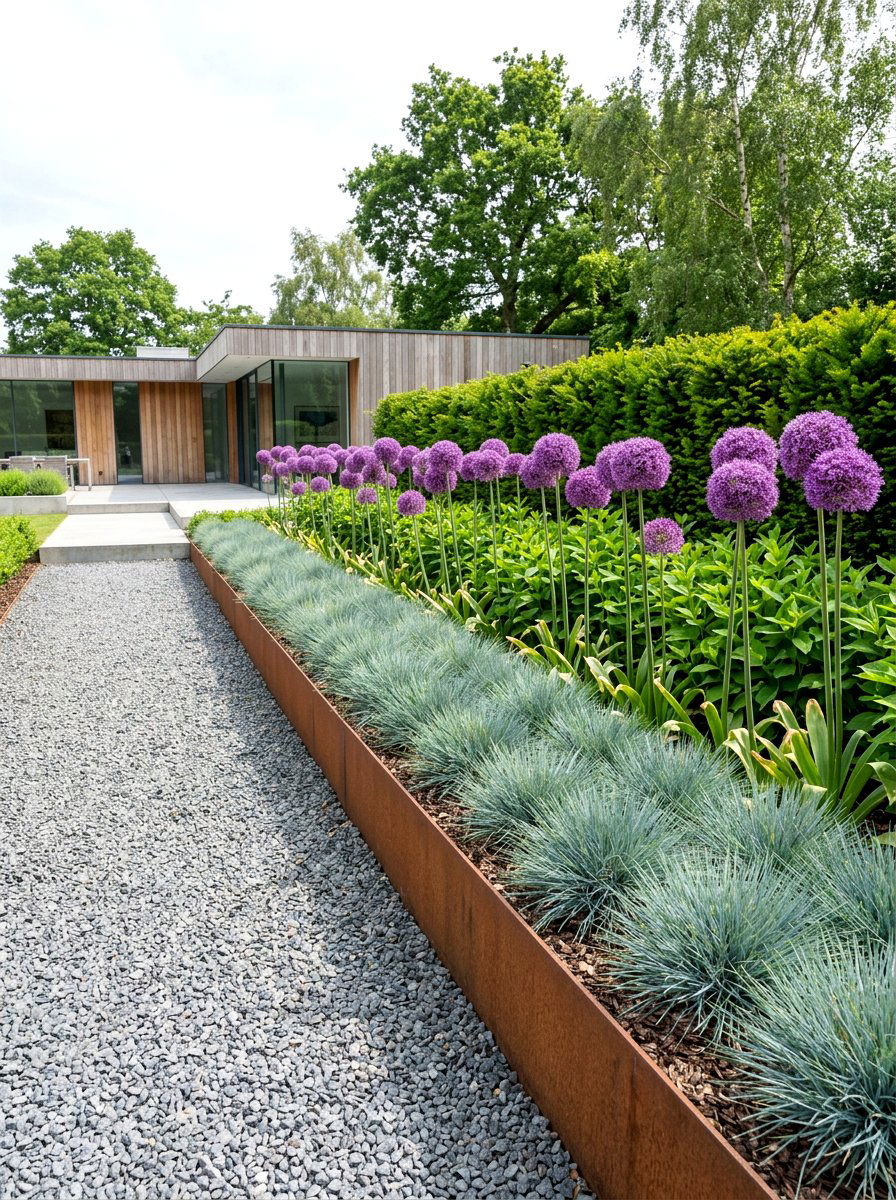
If you prefer a clean and contemporary look, a modern garden border focuses on geometric lines and a limited plant palette. Instead of a wild mix of colors, try using repeating patterns of the same plant to create a sense of rhythm and order. Use sleek materials like steel edging or smooth concrete to define the border against a perfectly manicured lawn or gravel path. Grasses like blue fescue mixed with structured alliums can provide a striking architectural look that complements modern home designs. This style emphasizes form and negative space, proving that you do not need hundreds of different flowers to make a bold and memorable visual statement in your yard.
8. Wildflower Meadow Border
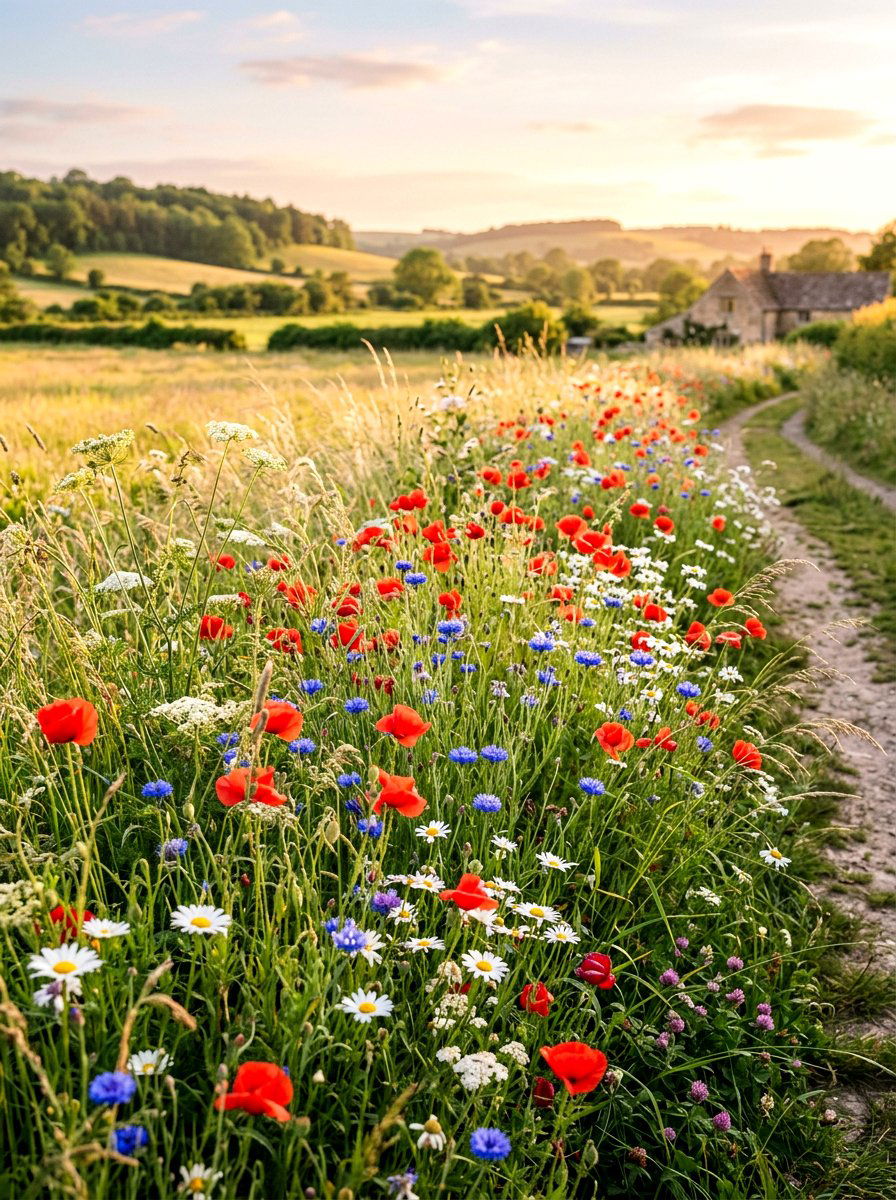
Embracing a more naturalistic approach can be achieved by dedicating your borders to a blend of native wildflowers. This style is perfect for those who want to support local wildlife while enjoying a low-maintenance and ever-changing landscape. You can sow a mix of seeds that include poppies, cornflowers, and daisies to create a vibrant tapestry of color that sways in the wind. Unlike formal beds, a wildflower border does not require precise spacing or constant deadheading to look beautiful. It offers a relaxed, whimsical charm that works well in larger properties or along the fringes of a backyard. This approach encourages biodiversity and brings a touch of the countryside home.
9. Raised Stone Bed
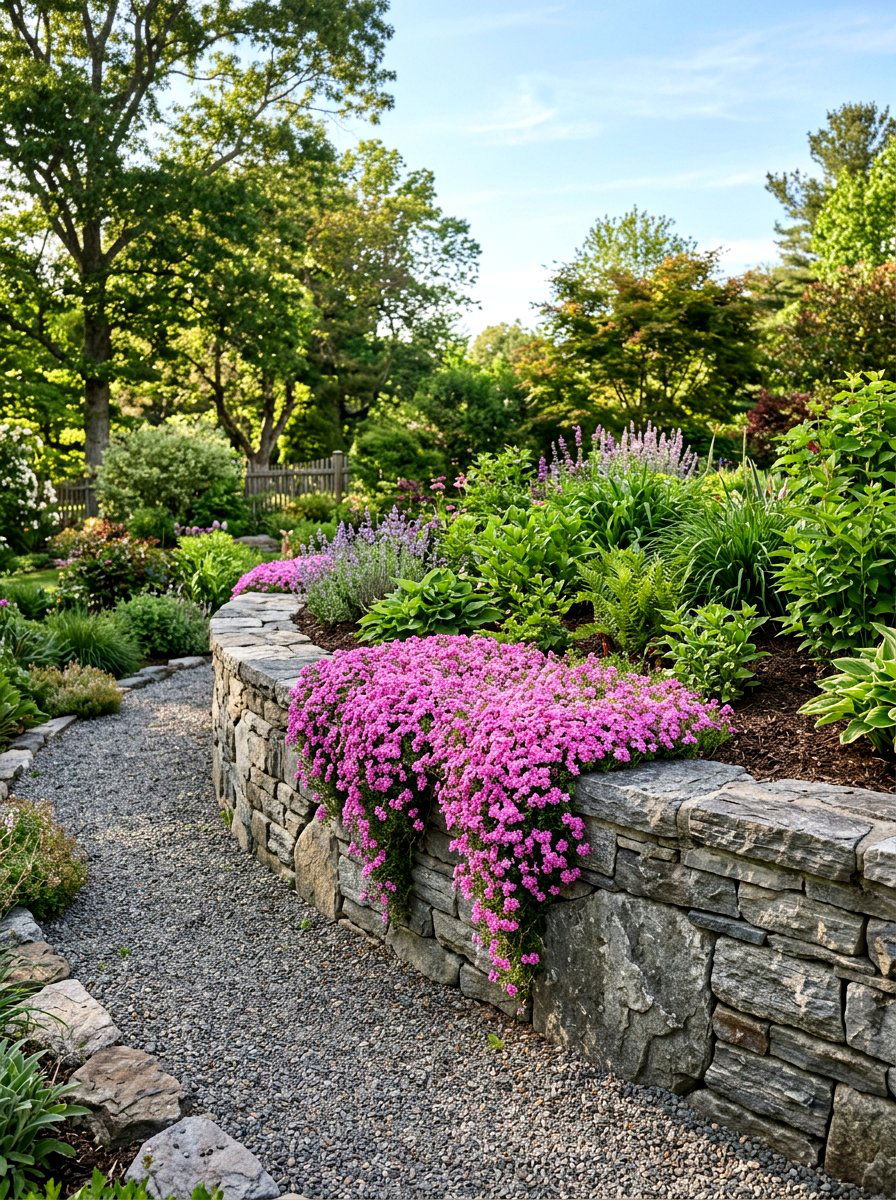
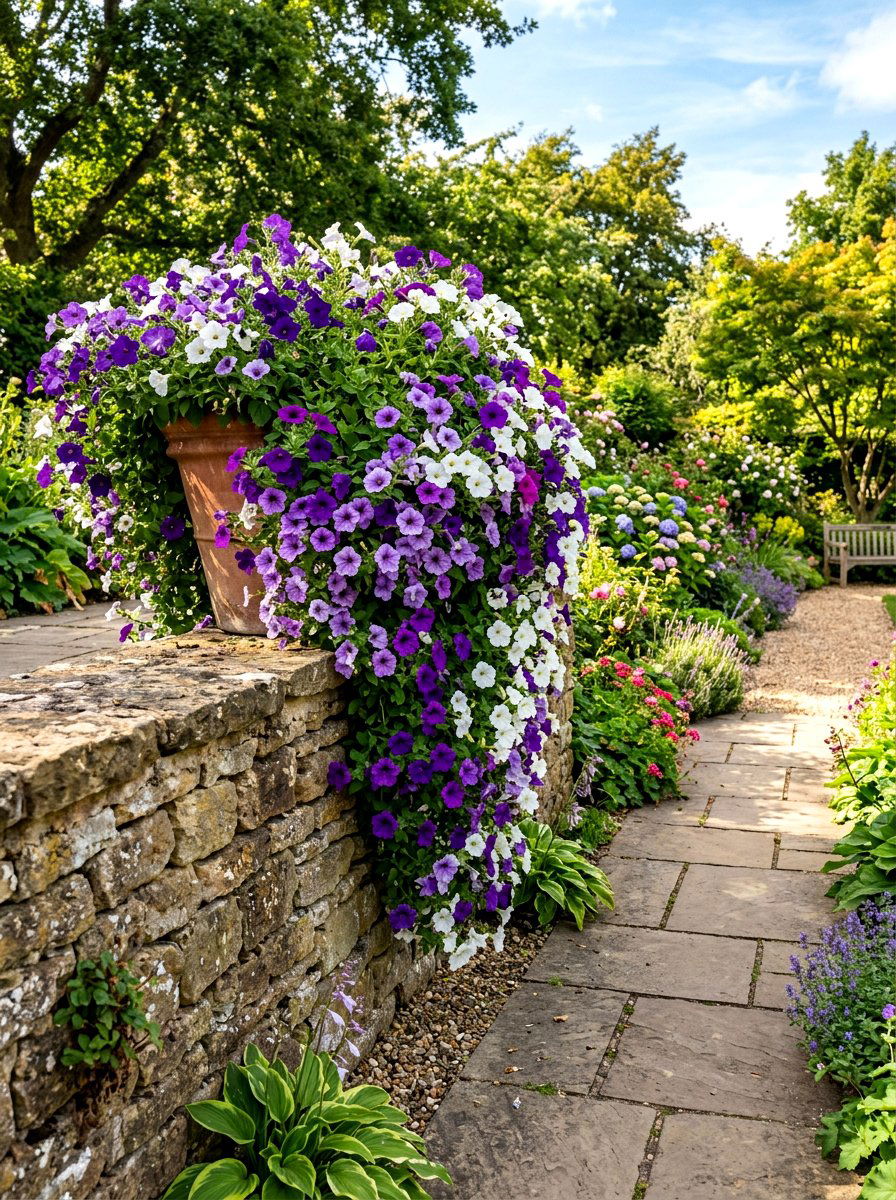
Building a raised border using natural stone adds a permanent architectural element to your garden while improving soil drainage for your plants. The height of a raised bed makes it much easier to maintain, as you do not have to bend down as far for weeding or planting. You can fill the stone structure with premium soil to give your spring flowers the best possible start. Trailing plants like creeping phlox or aubrieta look stunning when they cascade over the stone edges, softening the hard lines of the masonry. This type of border is ideal for creating focal points in a flat yard or for managing sloped areas with terrace-style levels.
10. Pastel Flower Palette
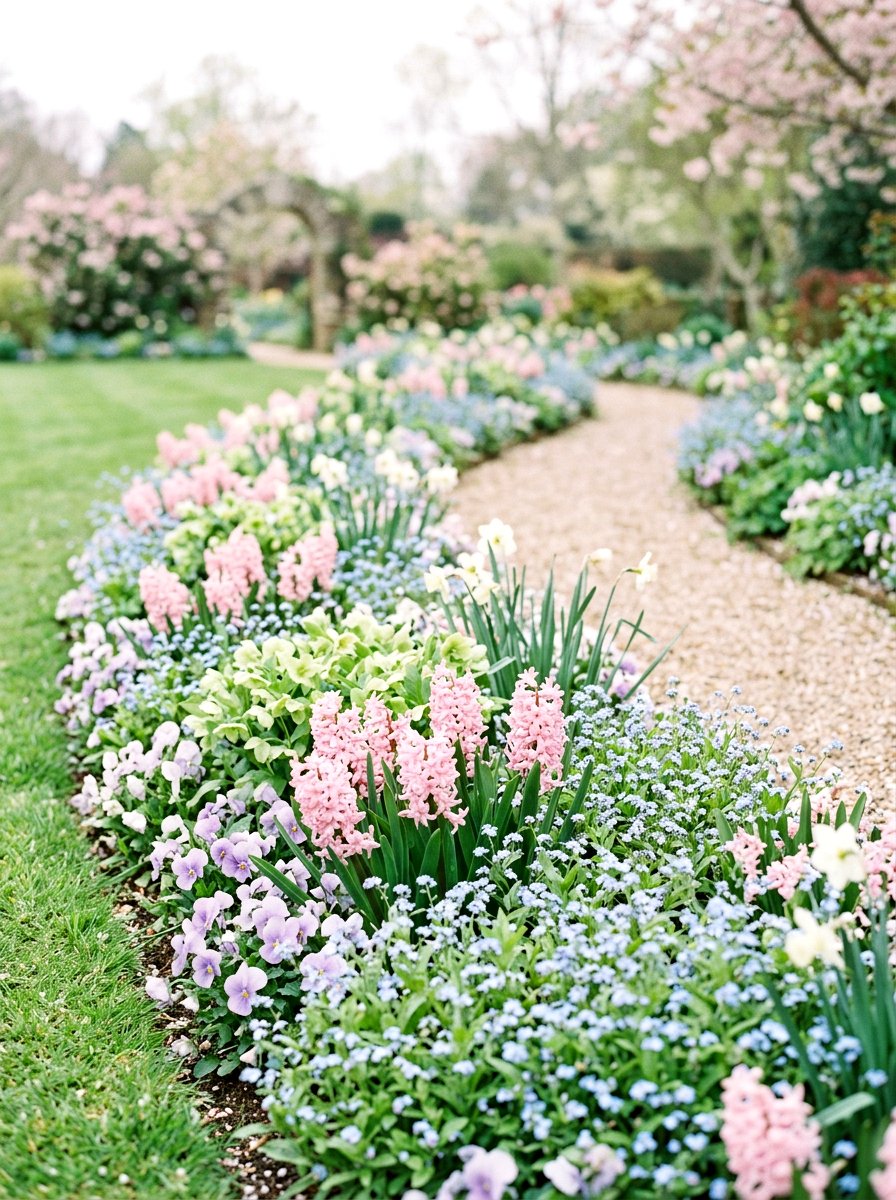
Soft hues of lilac, baby blue, and pale pink create a dreamlike atmosphere that perfectly captures the gentle essence of the spring season. You can achieve this look by grouping plants like forget-me-nots, pink hyacinths, and light purple pansies together in soft, rounded clusters. This color scheme is visually soothing and works well in both sunny and partially shaded areas of the garden. To prevent the pastels from looking too washed out, you can incorporate plenty of silvery foliage like dusty miller or lamb’s ear. This combination creates a romantic and airy feeling that is very popular on Pinterest and in high-end landscape magazines. It is a timeless choice for many.
11. Fragrant Flower Border
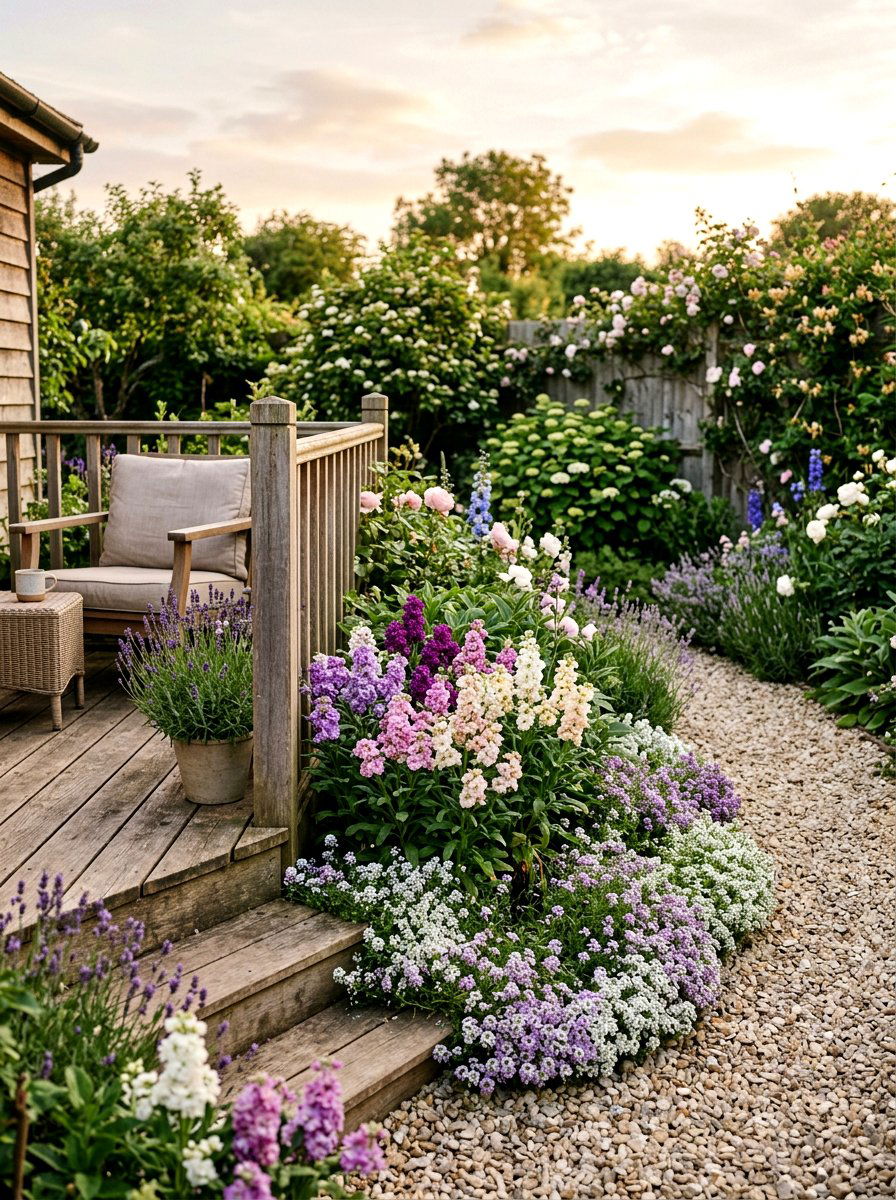
Designing a garden border specifically for its scent allows you to enjoy your outdoor space with more than just your eyes. Choose plants like sweet alyssum, stocks, and hyacinths that are famous for their powerful and pleasant perfumes. Placing these fragrant borders near windows, patios, or entryways ensures that the scent drifts into your living spaces on a warm breeze. Spring is the best time for fragrant blooms, as many of the most iconic scents belong to early-season bulbs and shrubs. Mixing in some night-scented varieties can also make your garden a magical place to spend time after the sun goes down. It creates an immersive and memorable garden experience.
12. Pollinator Garden Edge
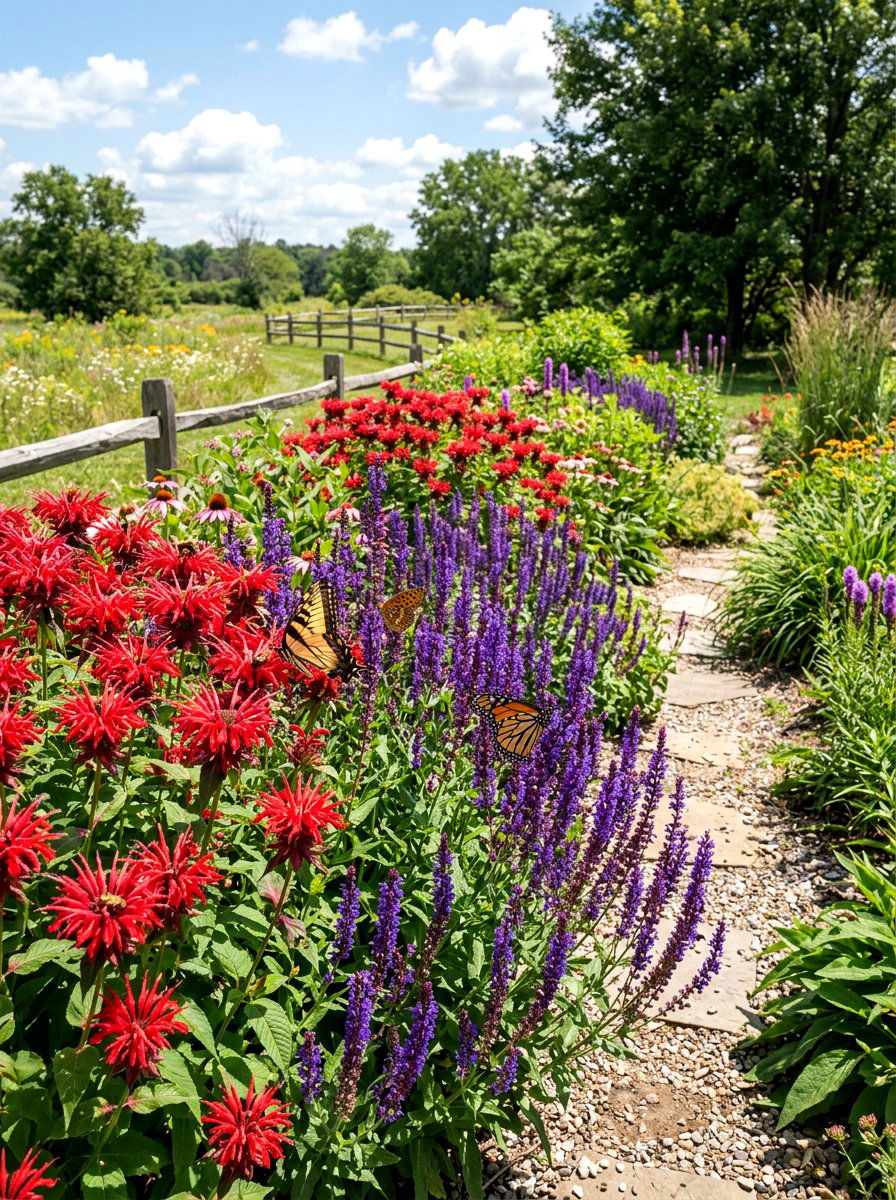
Attracting bees, butterflies, and hummingbirds to your yard is easy when you plant a border filled with nectar-rich spring flowers. Look for varieties like bee balm, lupines, and salvia that provide essential food sources for these helpful creatures after their winter dormancy. A pollinator border is not only functional but also incredibly lively, as you get to watch different species visit your flowers all day long. Avoid using harsh chemicals in these areas to ensure the environment remains safe for the insects you are trying to attract. By choosing a variety of flower shapes, you can cater to the specific needs of different pollinators, making your garden a vital part of the local ecosystem.
13. Victorian Garden Border
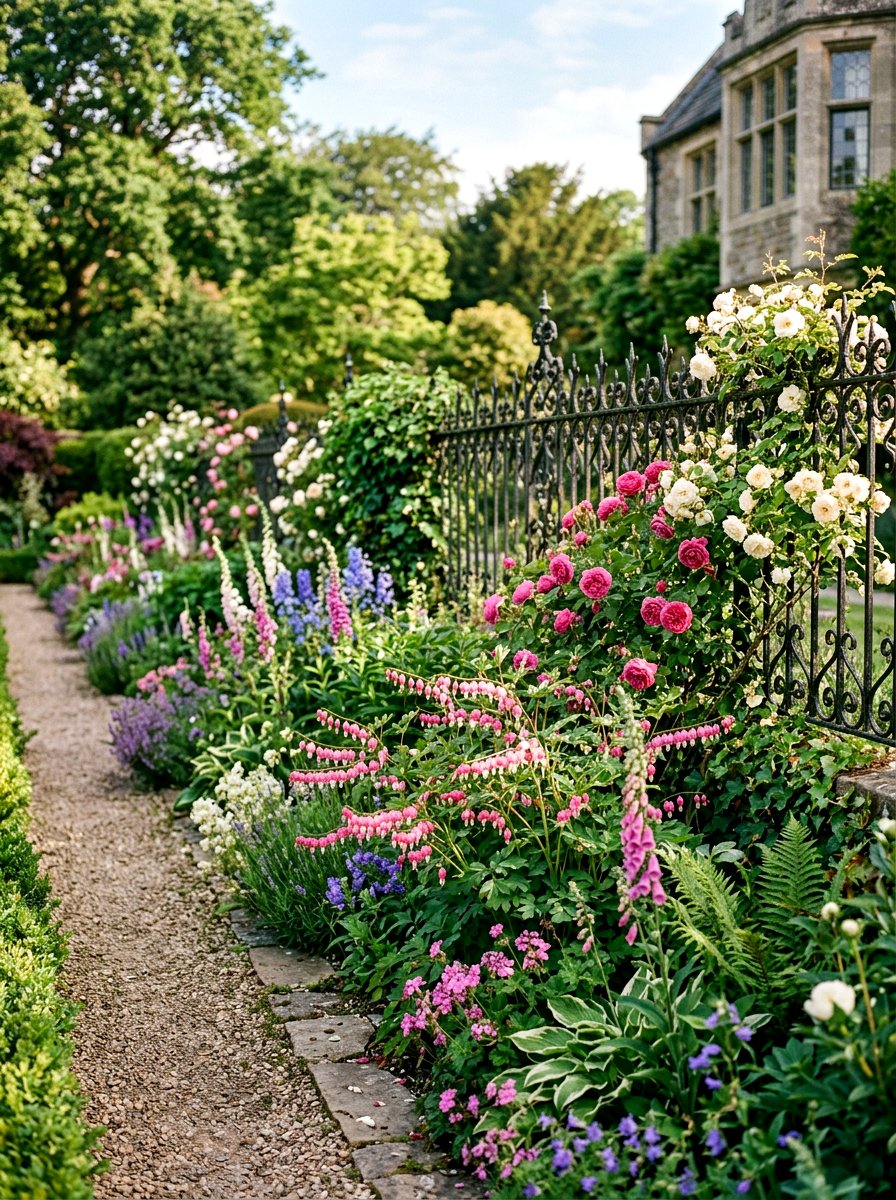
For a touch of historical elegance, a Victorian-style border uses intricate patterns and a wide variety of ornate flowering plants. This look often includes classic favorites like roses, peonies, and bleeding hearts arranged in a way that feels lush and abundant. Incorporating decorative elements like wrought iron trellises or small birdbaths can further enhance the vintage feel of the space. Victorian borders are known for their romantic "more is more" philosophy, where every inch of soil is covered with beautiful blooms and interesting foliage. This style is perfect for older homes or for anyone who wants to create a garden that feels like a hidden, secret sanctuary from another era.
14. Rock Garden Edge
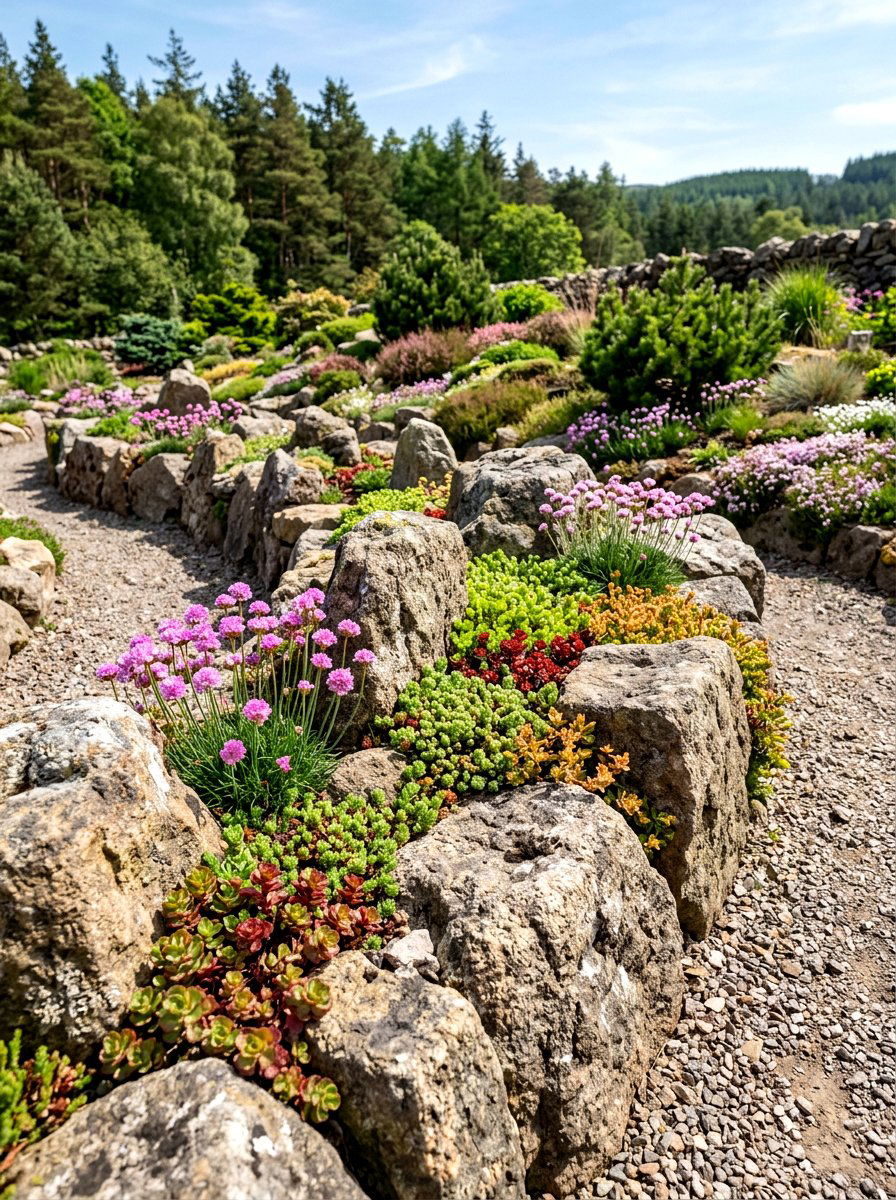
Utilizing rocks and boulders within your flower border can create a rugged, alpine-inspired look that is both durable and visually interesting. This setup is perfect for drought-tolerant spring plants like sedum, thrift, and saxifrage that thrive in the small crevices between stones. The rocks help to regulate soil temperature and provide a beautiful natural contrast to the delicate petals of the flowers. You can use different sizes and colors of stone to create a sense of depth and age in a relatively new garden. This type of border is especially effective on slopes or in areas where the soil is naturally rocky, turning a potential landscaping challenge into a beautiful design feature.
15. Hyacinth and Muscari Mix
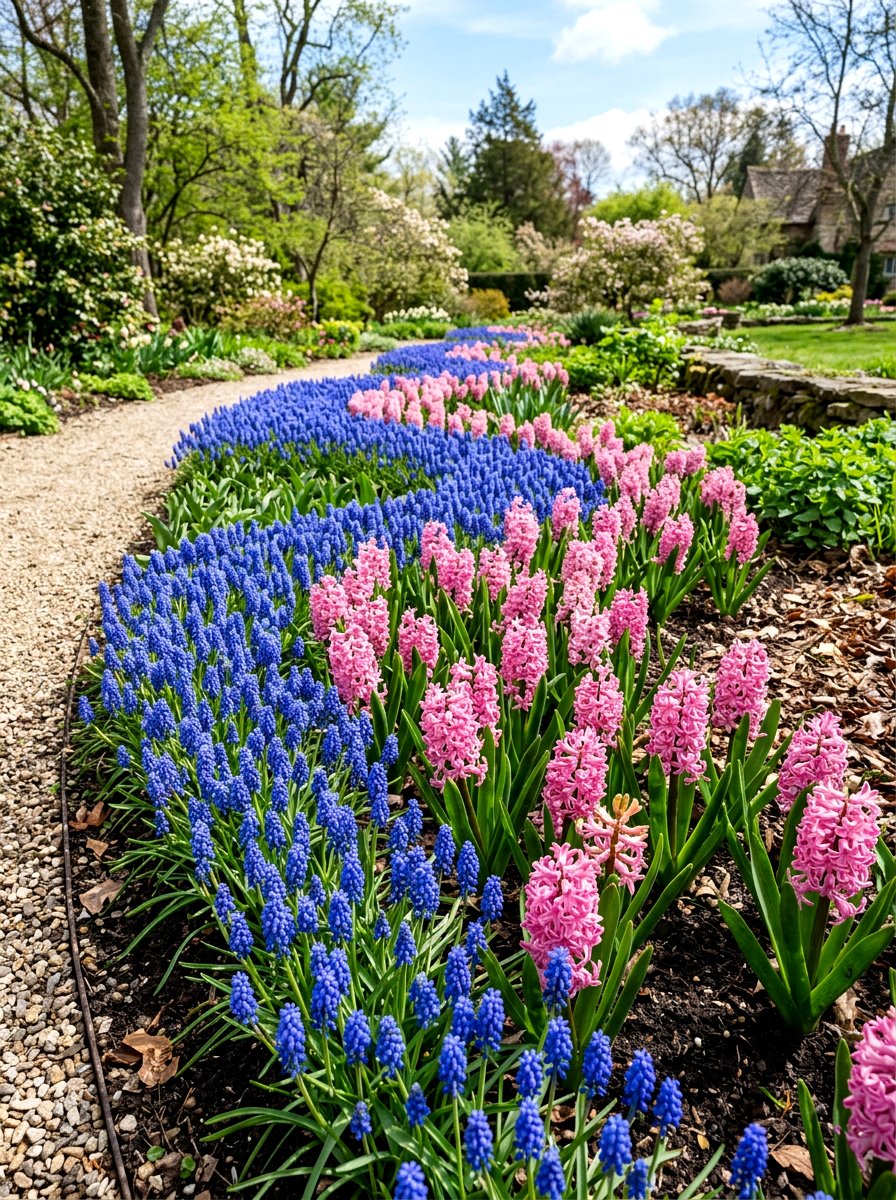
Combining the bold, upright spikes of hyacinths with the delicate, bell-shaped clusters of muscari, also known as grape hyacinths, creates a stunning textural contrast. These two bulbs bloom around the same time and offer some of the most intense blues and purples available in the plant world. You can plant them in tight groups to create a "river" of color that flows through your garden beds. The heavy scent of the hyacinths complements the dainty appearance of the muscari, making for a multi-sensory delight. This combination is very easy to grow and works well in containers or as a front-of-the-border display where their small details can be appreciated up close.
16. Layered Garden Border
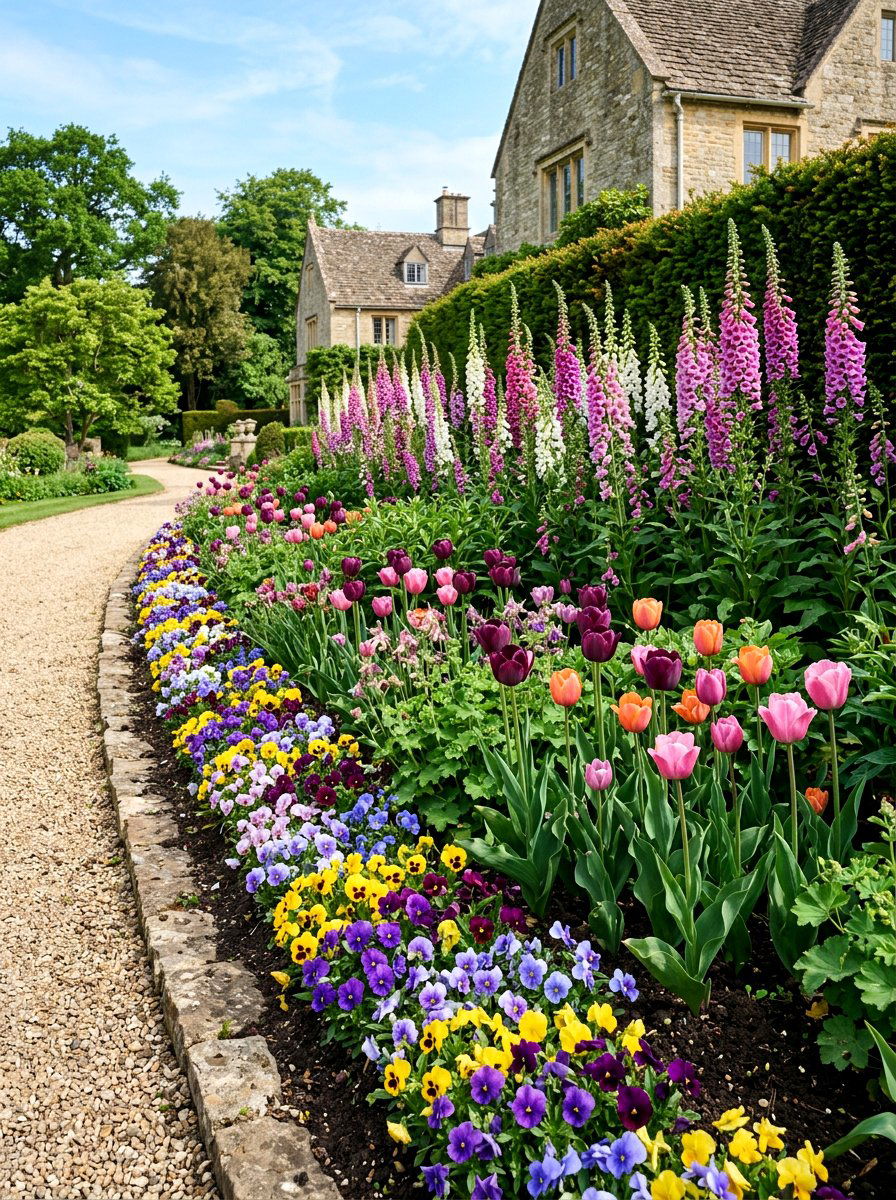
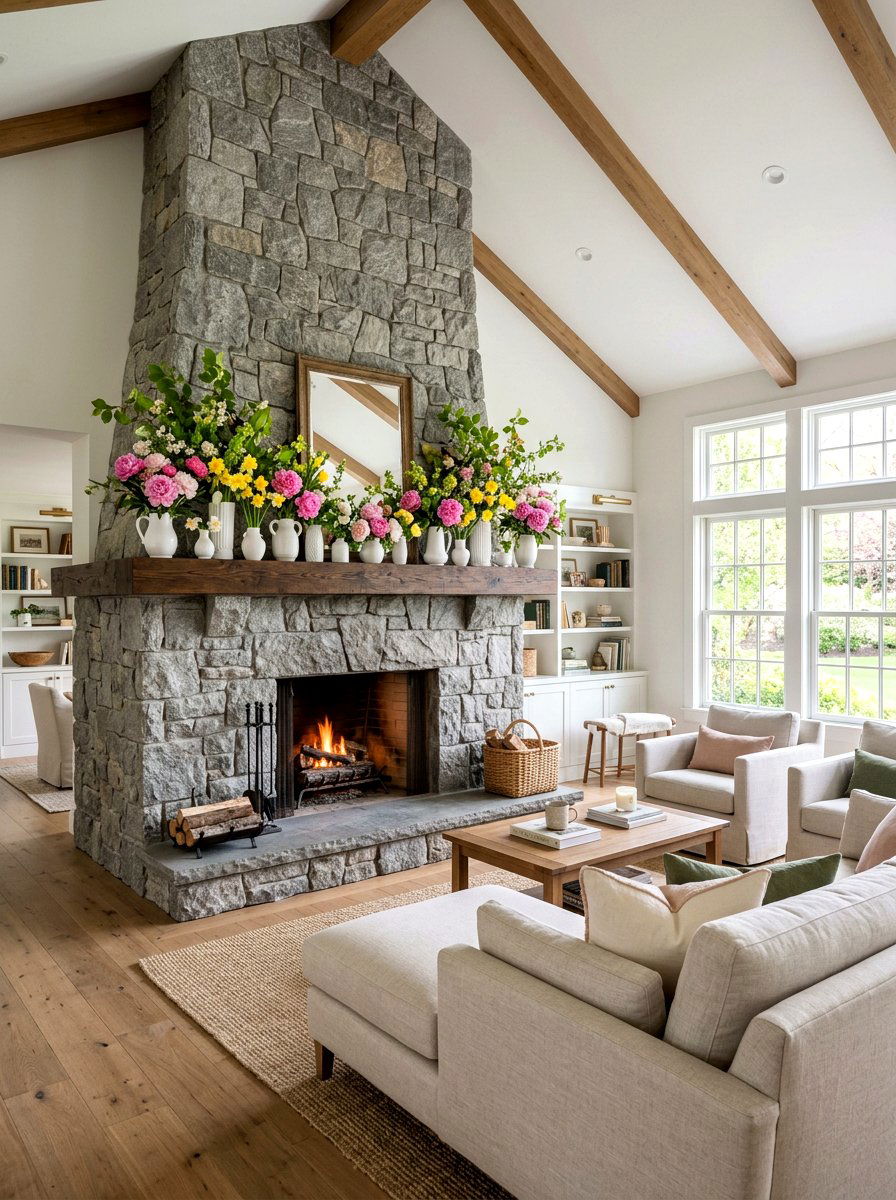
A layered approach to planting ensures that every plant is visible and that the border looks professional and well-planned. Start by placing the tallest plants, like ornamental grasses or large shrubs, at the back of the bed to act as a backdrop. In the middle, use medium-height flowers like tulips or irises, and finish with low-growing groundcovers or pansies at the very front edge. This "stadium seating" arrangement allows light to reach all the plants and creates a sense of abundance and depth. It is a fundamental technique in landscape design that prevents smaller plants from being overshadowed. Proper layering makes even a narrow border look much larger and more complex.
17. Primrose Garden Bed
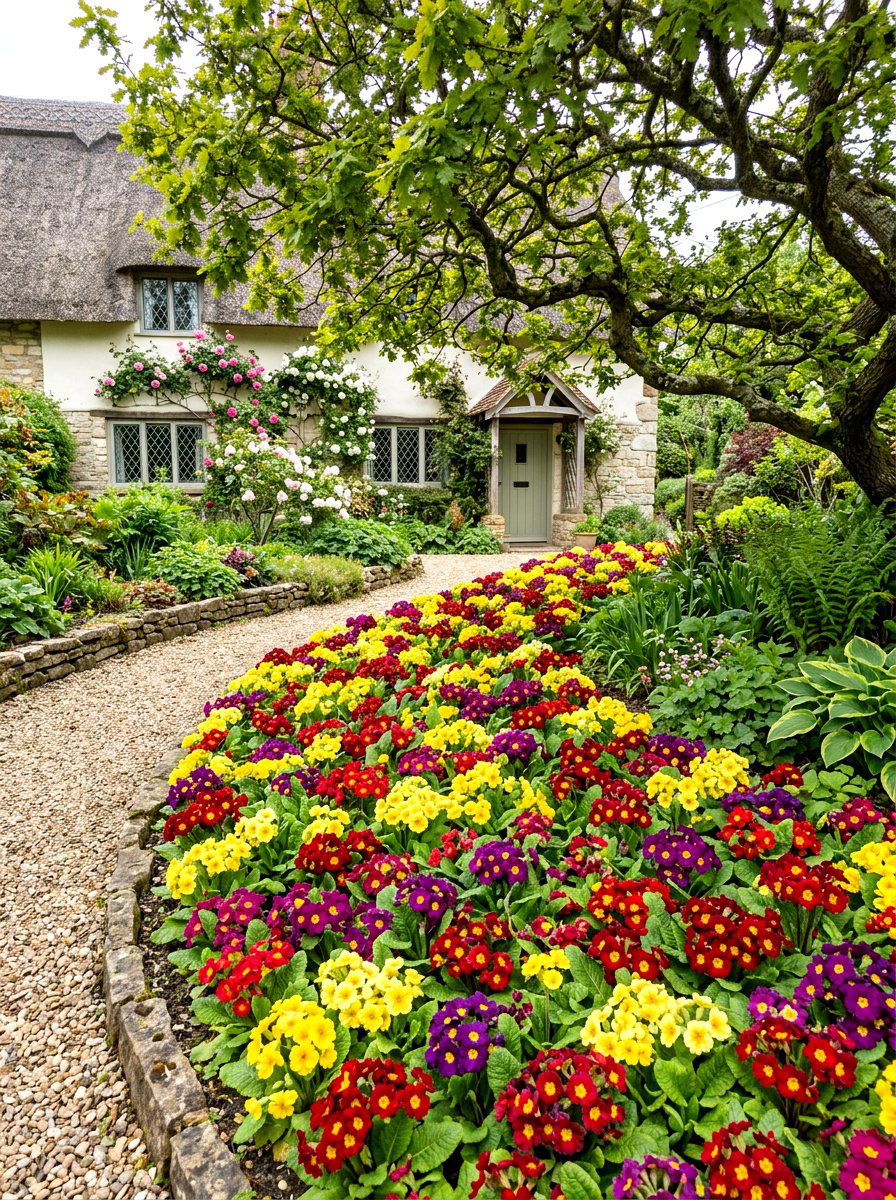
Primroses are one of the most versatile and colorful options for a spring border, offering a huge range of shades and patterns. They are incredibly hardy and can handle the fluctuating temperatures of early spring with ease, often blooming for weeks on end. Planting them in large groups creates a vibrant carpet of color that can brighten up even the gloomiest corners of your yard. They prefer moist, well-draining soil and a bit of shade, making them perfect for planting under deciduous trees. Because they are low-growing, they make excellent edging plants that define the boundary of your garden beds. Their crinkled green leaves provide a nice texture even when not in bloom.
18. Blue Flower Border
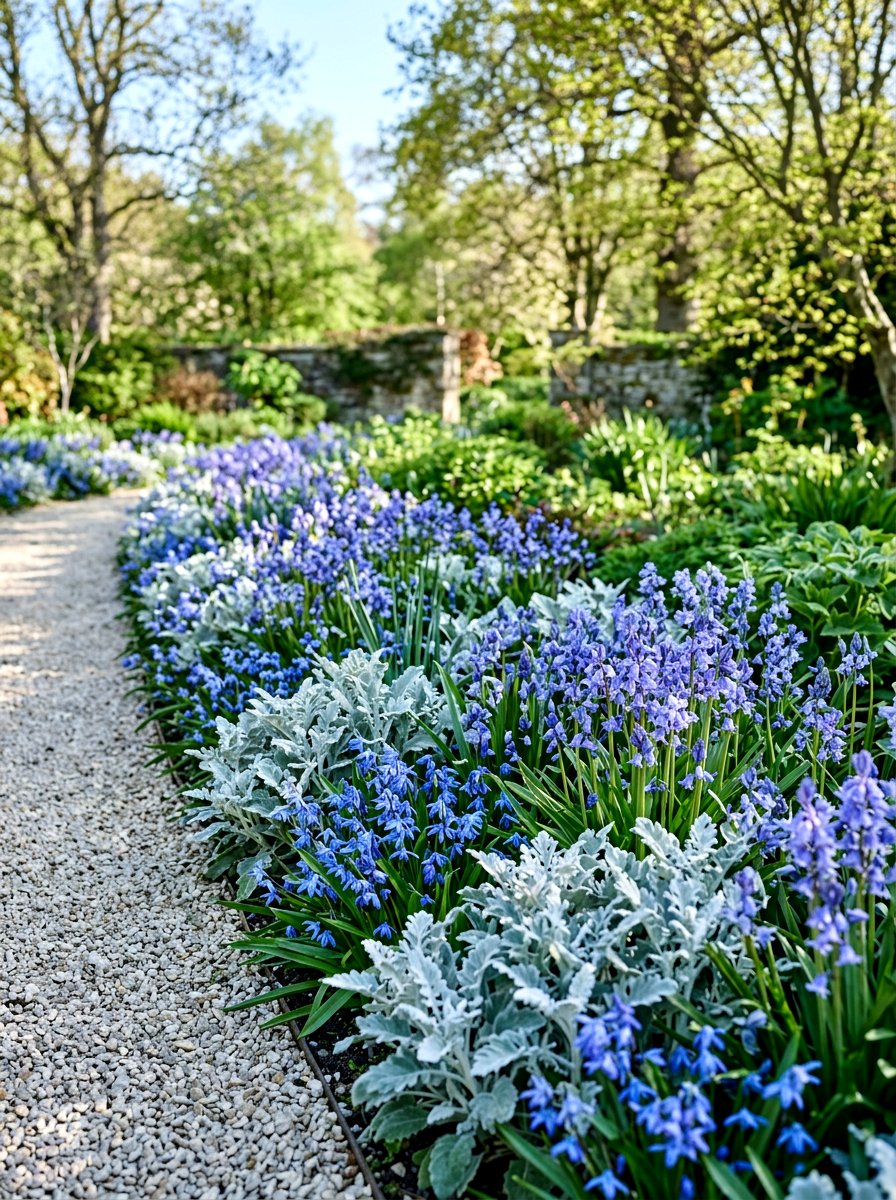
True blue is a relatively rare color in the natural world, which makes an all-blue or blue-themed spring border feel very special and unique. You can use plants like Siberian squill, forget-me-nots, and bluebells to create a cool and calming aesthetic in your landscape. Blue flowers often appear even more vivid when planted next to white or silver foliage, which helps the blue tones pop. This color palette is known for its ability to make small gardens feel larger and more distant, providing a sense of depth. It is a sophisticated choice that stands out from the more common yellows and reds of the season, offering a refreshing and tranquil visual experience.
19. Pansy and Viola Border
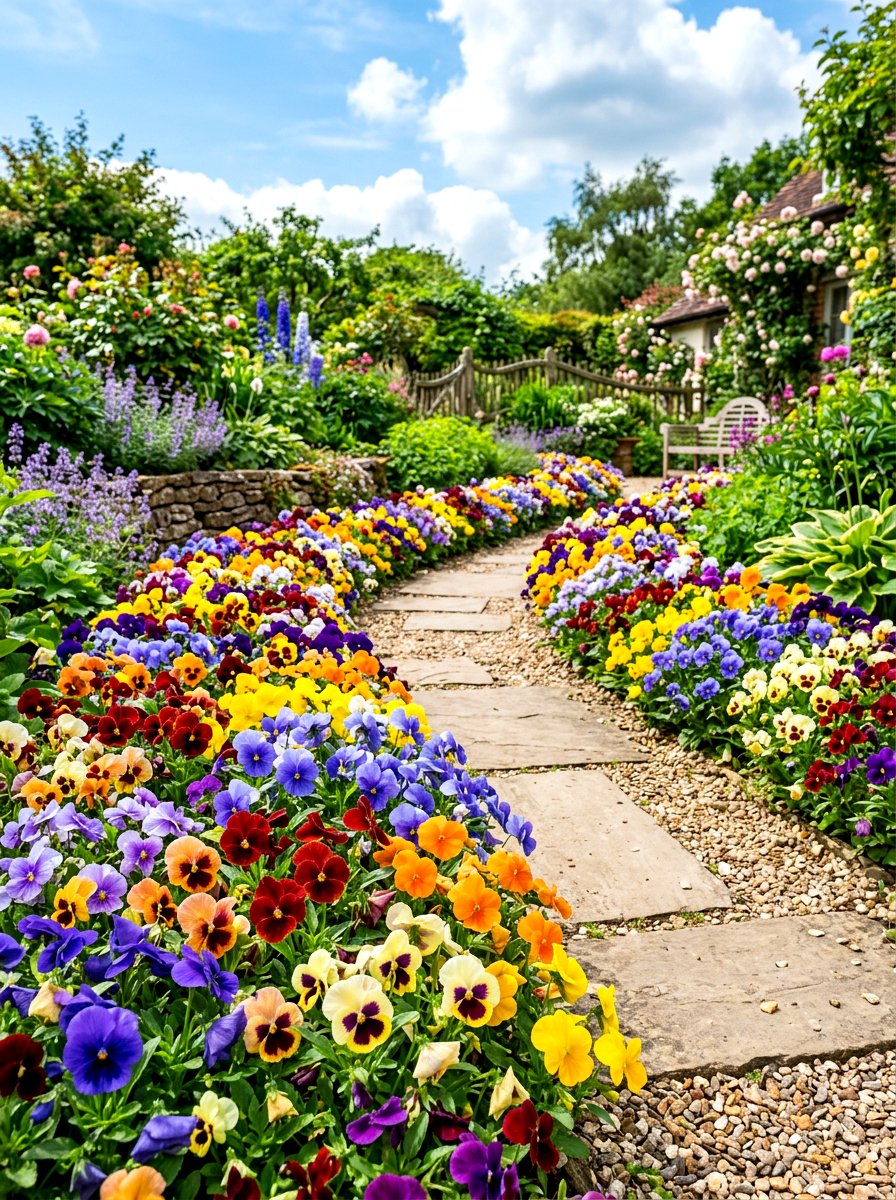
Pansies and violas are the workhorses of the spring garden, providing instant color and incredible resilience against late-season frosts. Their "faces" come in almost every color imaginable, allowing you to create specific patterns or a multi-colored rainbow along your garden edges. These flowers are very affordable and easy to find, making them a great choice for filling in gaps between larger perennials. They also tend to self-seed, meaning you might find new little flowers popping up in unexpected places next year. Deadheading the spent blooms will encourage the plants to keep producing new flowers well into the early summer. They are perfect for adding cheer to any size garden.
20. Allium Garden Border
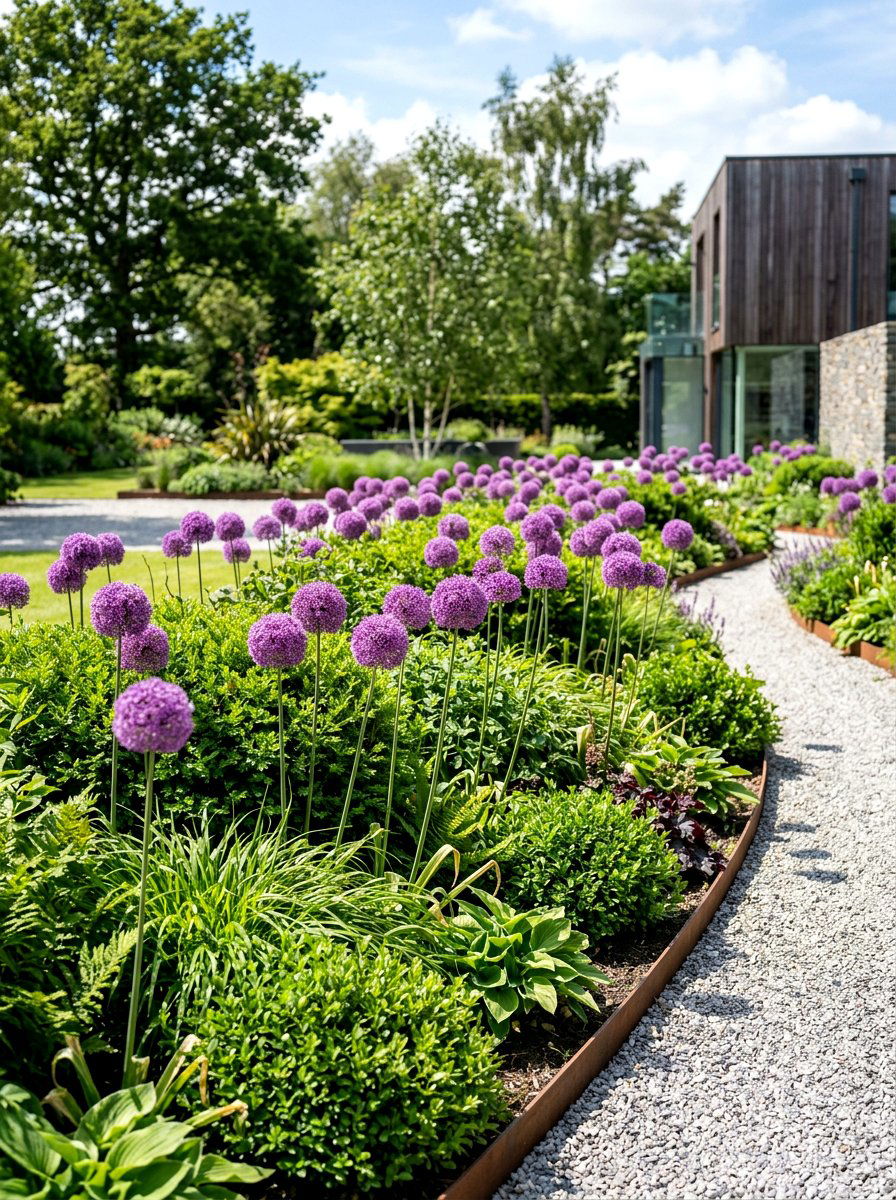
Alliums, often called ornamental onions, bring a unique architectural element to the spring border with their perfectly spherical flower heads on tall, sturdy stems. They act like living lollipops that float above lower-growing plants, adding height and a sense of whimsy to the design. Most allium varieties bloom in late spring, acting as a perfect bridge between the early bulbs and the summer perennials. They come in various sizes, from tiny drumsticks to massive globes the size of a dinner plate. Because their foliage can start to wither before the flower is finished, it is best to plant them among other leafy plants that can hide the base of the stems.
21. Peony Flower Bed
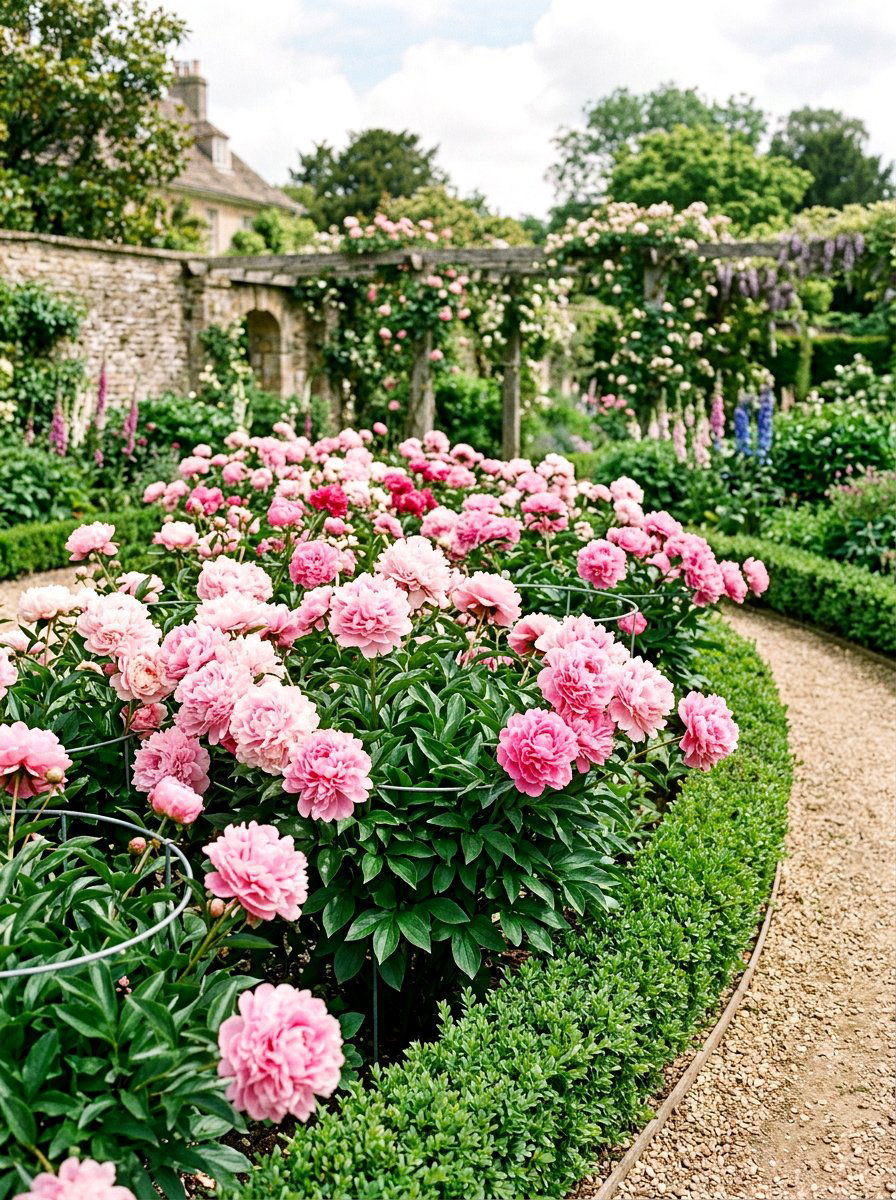
Peonies are the undisputed queens of the late spring border, offering massive, fragrant blooms that look like they belong in a high-end floral arrangement. While they only bloom for a few weeks, their lush green foliage remains attractive throughout the entire summer and fall. To create a successful peony border, you need to provide them with plenty of sun and sturdy support, as the heavy flowers can sometimes cause the stems to droop. Mixing different varieties, such as singles, doubles, and intersectional types, can provide a range of shapes and colors. These plants are incredibly long-lived, often thriving in the same spot for decades with very little intervention or specialized care.
22. Woodland Garden Border
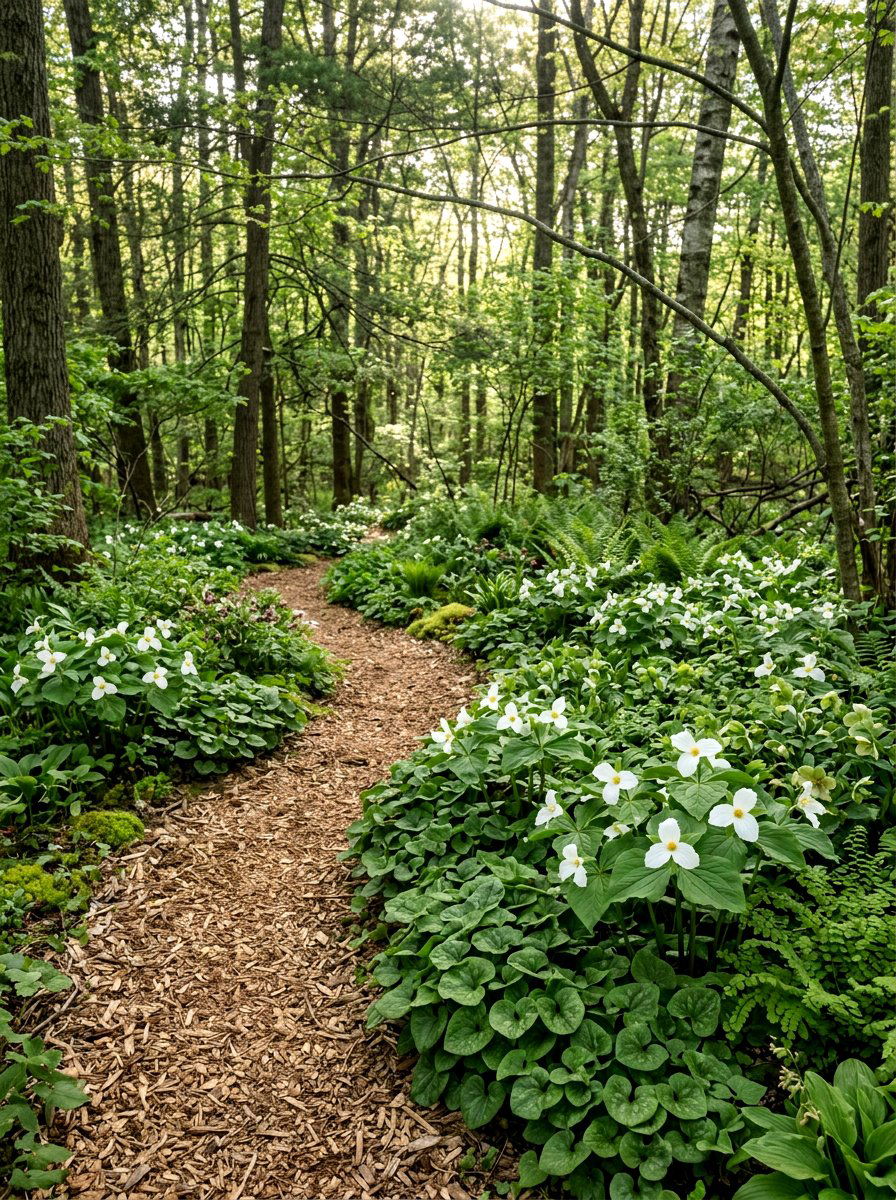
A woodland border mimics the natural beauty of a forest floor, using plants that thrive in dappled light and organic, leafy soil. Incorporate native species like trilliums, wood anemones, and wild ginger to create an authentic and peaceful environment. This style of gardening is very low-maintenance once established, as it relies on plants that are naturally adapted to the local climate and conditions. Adding a path made of wood chips or natural stepping stones can enhance the "forest walk" feel of the border. It is a wonderful way to utilize the shaded areas under large trees, turning a difficult spot into a lush, green sanctuary filled with delicate and interesting spring flowers.
23. Boxwood and Bulb Border
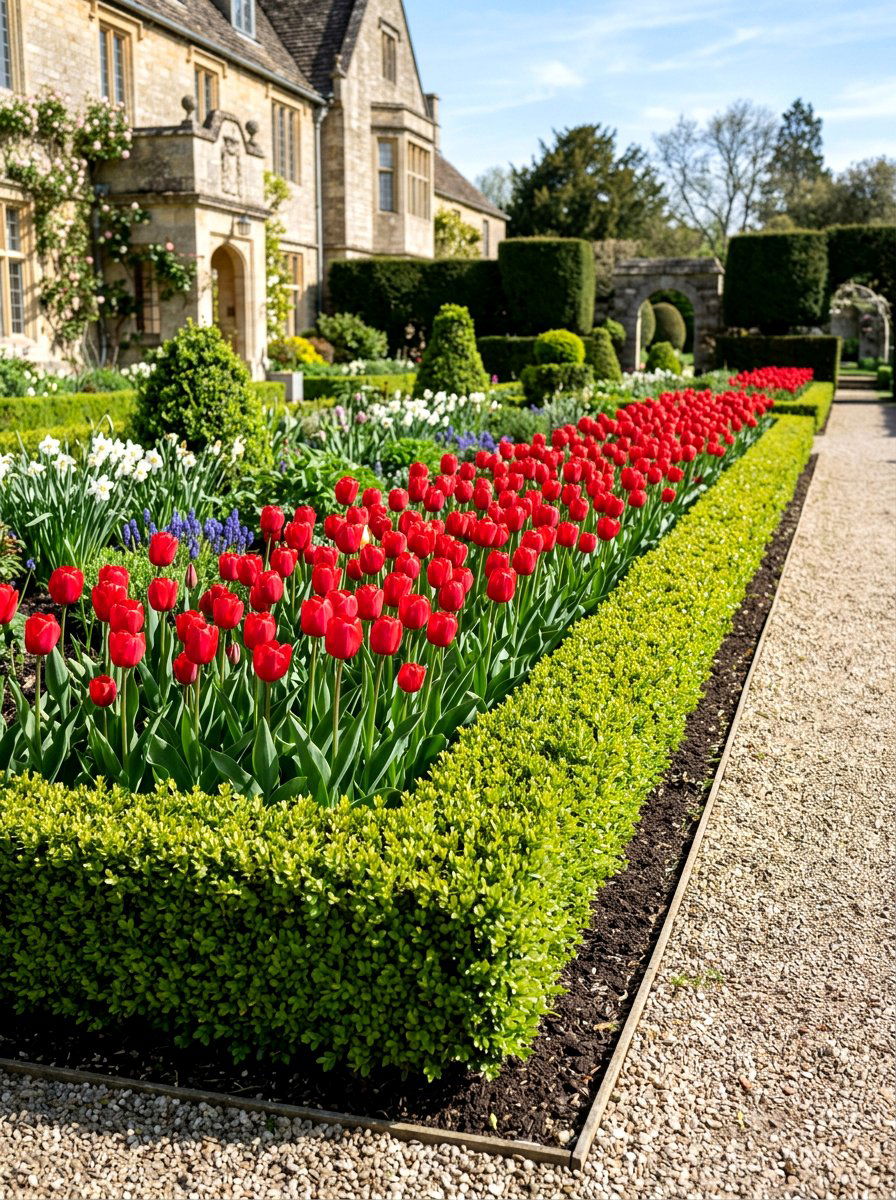
Using evergreen boxwoods as a permanent framework for your spring bulbs provides a sense of structure and elegance all year round. The dark green, clipped hedges create a formal backdrop that makes the bright colors of tulips or daffodils appear even more vivid. This combination is a staple of traditional European garden design and works perfectly for lining driveways or front walkways. During the winter, the boxwood provides greenery and shape when everything else is dormant, while the spring brings a sudden burst of floral energy. It is a classic look that balances the permanence of shrubs with the fleeting beauty of seasonal flowers, offering the best of both worlds.
24. Small Backyard Border
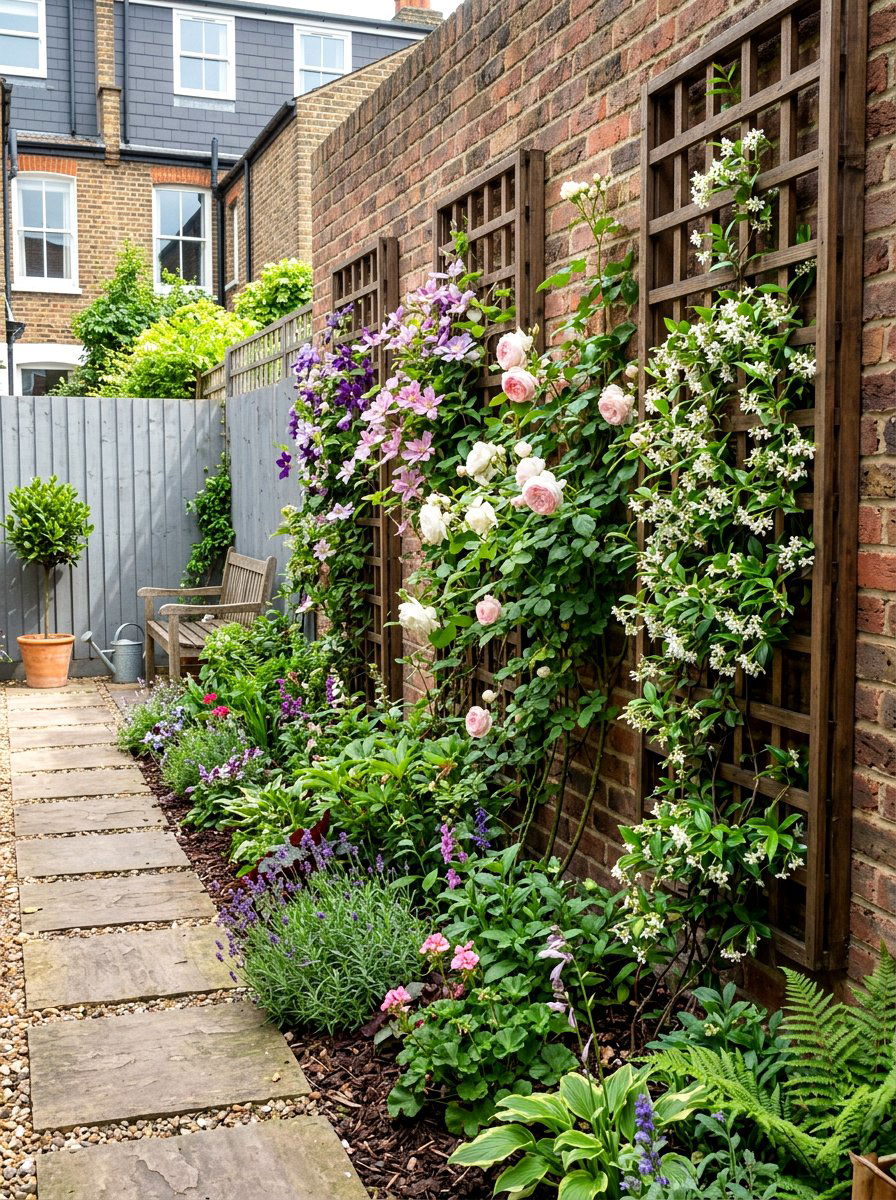
Even if you only have a tiny outdoor space, you can still create a high-impact spring border by focusing on verticality and intensive planting. Use narrow beds along fences or walls and fill them with tall plants like foxgloves or climbing roses to draw the eye upward. Incorporating mirrors or light-colored decorative elements can help make a small bordered area feel more expansive and bright. Focus on a few high-quality plants rather than trying to cram too many different varieties into a small space, which can look cluttered. Using containers of different heights within the border can also add depth and allow you to move plants around as the blooms fade and change.
25. Red and Yellow Flower Bed
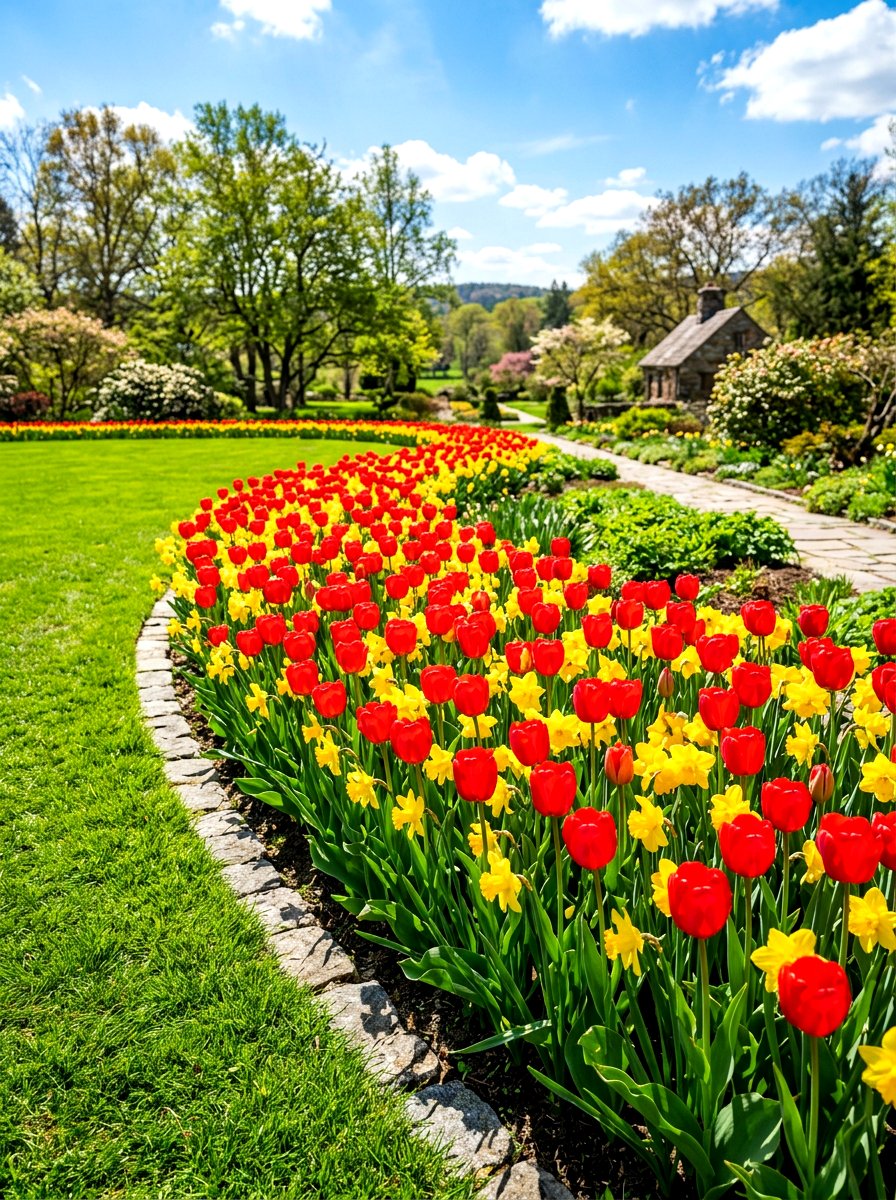
For those who want their garden to be noticed from a distance, a high-energy red and yellow border is the perfect solution. This bold color combination is incredibly cheerful and signals the definitive arrival of warm weather with its fiery tones. Use red tulips mixed with golden yellow daffodils or yellow primroses paired with red pansies to create a vibrant and warm atmosphere. This palette works particularly well in full sun, where the bright light makes the colors appear even more saturated and intense. It is a great way to boost curb appeal and create a welcoming, high-energy entrance to your home that will certainly stop neighbors in their tracks.
Conclusion:
Designing the perfect spring flower border is a rewarding journey that allows you to express your personal style while connecting with the natural rhythm of the seasons. From the romantic charm of a cottage garden to the sleek precision of modern edging, there is a concept to fit every home and skill level. By considering factors like color harmony, bloom timing, and plant height, you can create a landscape that provides joy and beauty year after year. Remember that gardening is an evolving process, and you can always add new bulbs or perennials as your vision grows. Now is the perfect time to start planning your dream spring garden.
Related posts:
Leave a Reply