
Bringing the vibrant colors of spring into your home before the frost even thaws is a magical experience for any decorator. Spring forced bulbs are the perfect way to bridge the gap between late winter and the first signs of outdoor growth. This process involves tricking bulbs like tulips, hyacinths, and daffodils into blooming early by mimicking winter conditions and then providing warmth. You can use various containers, from sleek glass vases to rustic wooden crates, to display these living treasures indoors. The scent and sight of fresh flowers on a kitchen table or mantel instantly lift your mood. It is an easy DIY project that adds a touch of nature to any interior space.
1. Hyacinth Glass Vase
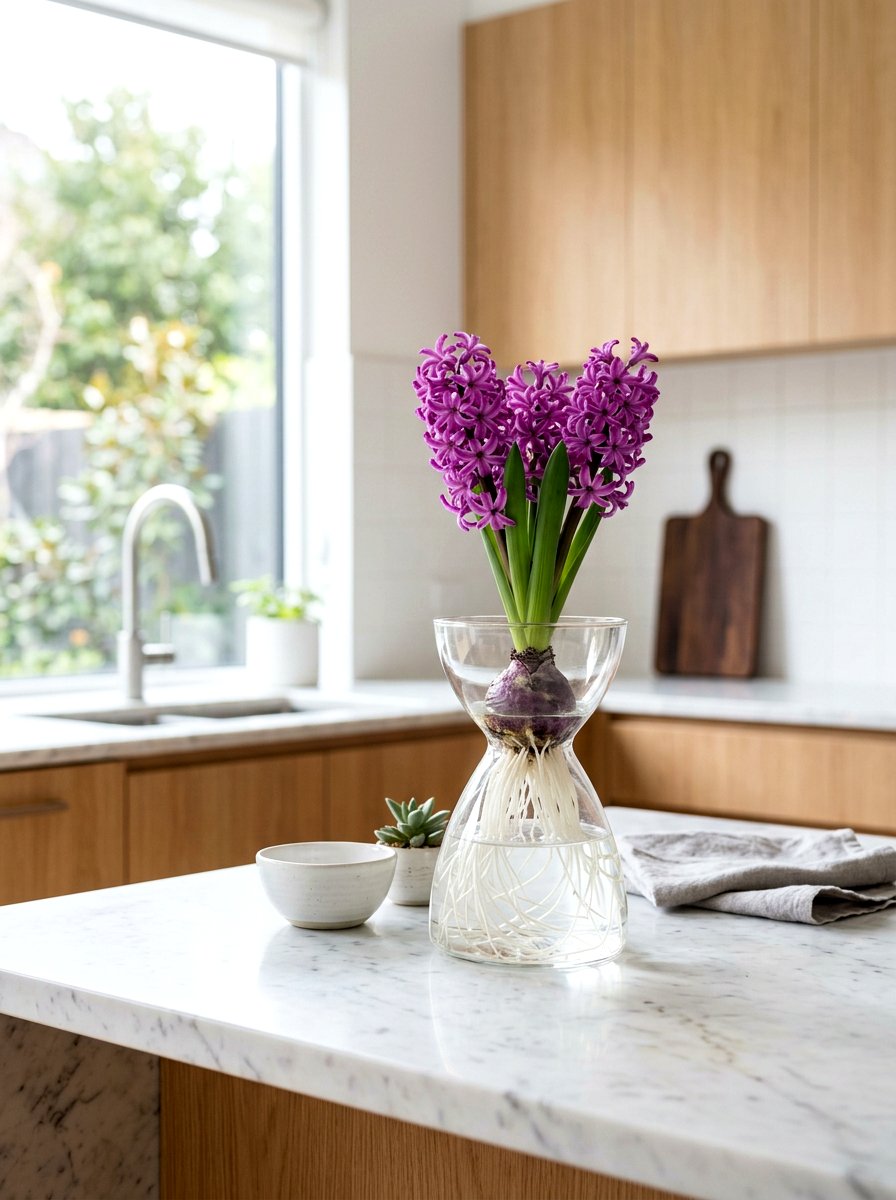
Hyacinth bulbs look stunning when grown in specialized glass vases that hold the bulb just above the water level. This method allows you to see the intricate white roots as they grow down into the clear liquid. The vibrant purple, pink, or white blooms emerge slowly, filling your entire room with a deep and sweet fragrance. You do not need any messy soil for this particular setup, which makes it a very clean option for a modern living room. Place the vase on a bright windowsill to encourage strong growth and prevent the stems from flopping over. It is a simple way to create a striking floral focal point.
2. Paperwhites In Pebbles
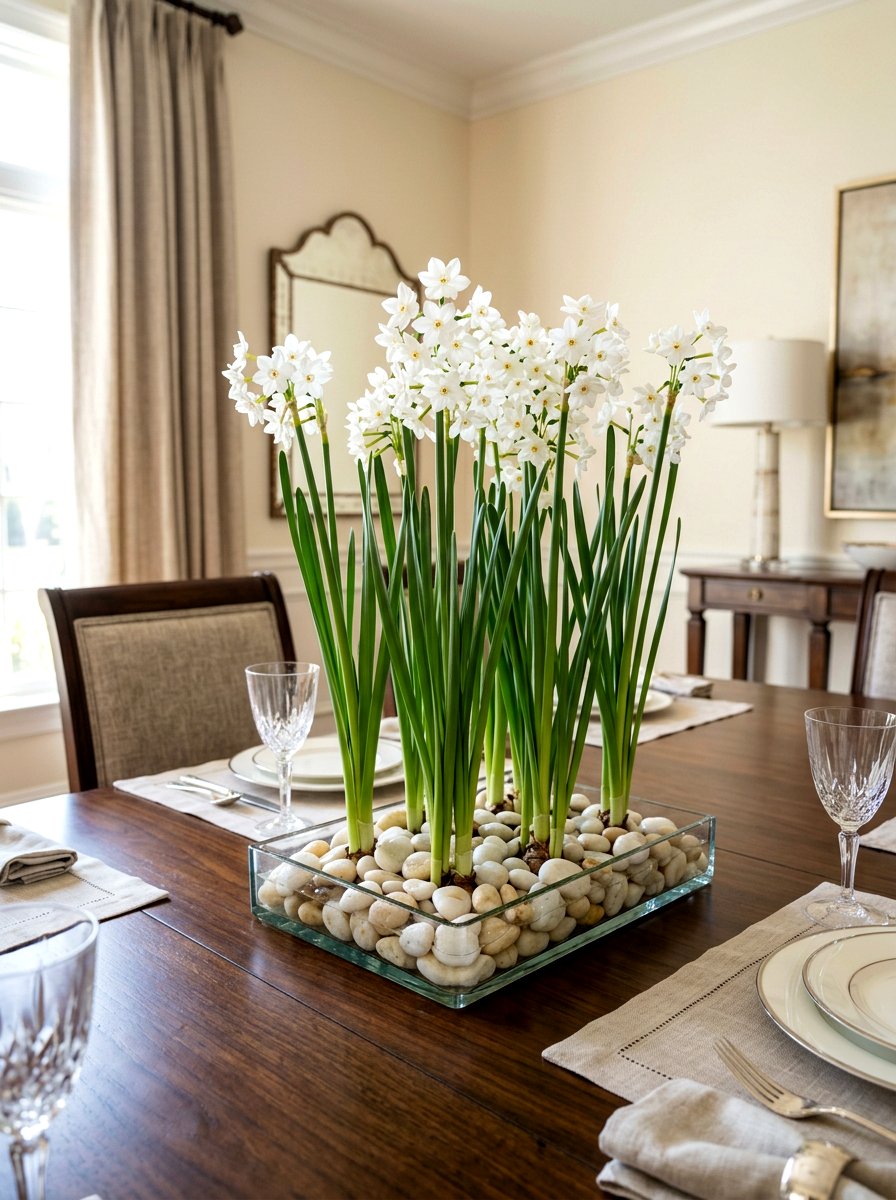
Paperwhites are some of the easiest bulbs to force indoors because they do not require a long chilling period like tulips do. You can simply nestle the bulbs into a shallow layer of decorative pebbles or river stones in a glass dish. Add just enough water so the base of the bulbs touches the moisture but does not sit fully submerged. Within a few weeks, you will have tall stalks topped with clusters of delicate and snowy white flowers. These blooms have a very strong and distinct scent that can fill a large entryway or dining area easily. They look best when grouped together for a full and lush effect.
3. Tulips In Wooden Crates
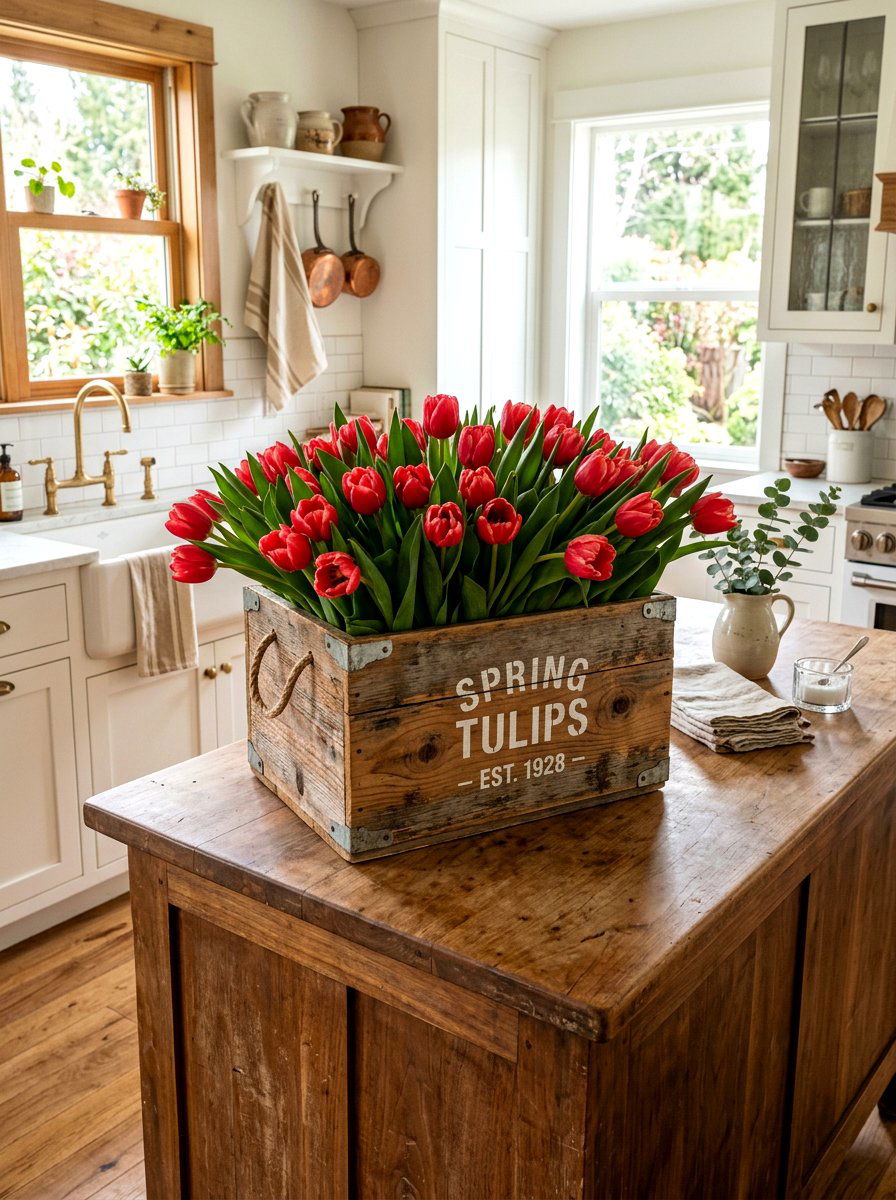
Using a small wooden crate to force tulips adds a wonderful rustic charm to your indoor spring garden. You can line the crate with plastic and fill it with a light potting mix before planting your chilled tulip bulbs. Once they begin to sprout, the green leaves contrast beautifully against the weathered wood of the container. This setup works perfectly as a centerpiece for a farmhouse-style kitchen table or a side console. You can choose vibrant red or yellow tulips to create a bold pop of color against the neutral wood tones. It feels like bringing a small piece of a spring field right inside.
4. Muscari In Moss Bowls
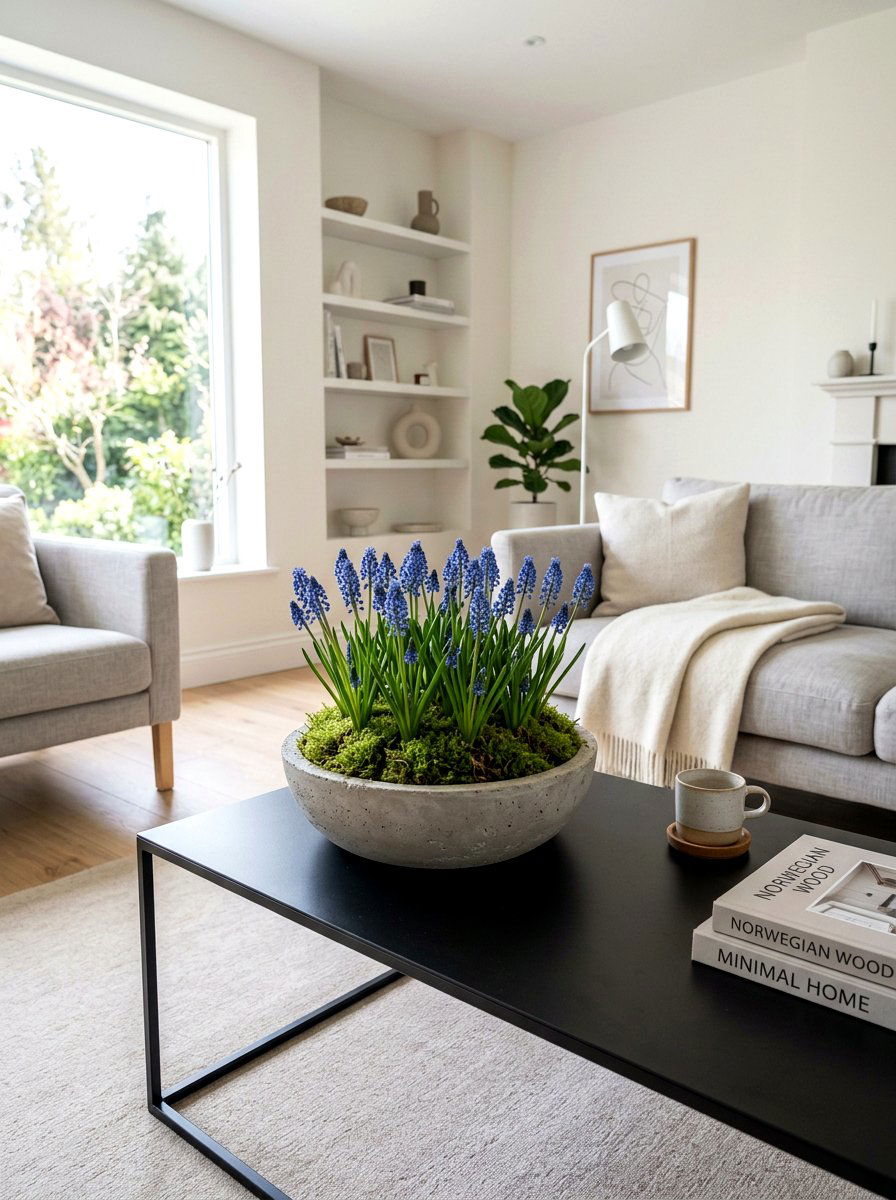
Grape hyacinths, also known as muscari, look incredibly charming when nestled into a shallow bowl filled with green moss. These tiny blue flowers create a dense carpet of color that resembles a miniature woodland scene. You can plant the bulbs in a bit of soil and then cover the surface with preserved or living moss for a finished look. This design idea works well on a coffee table or a bookshelf where people can see the small details. The contrast between the deep blue petals and the bright green moss is visually refreshing. It is a subtle but very effective way to welcome the new season.
5. Daffodils In Vintage Crocks
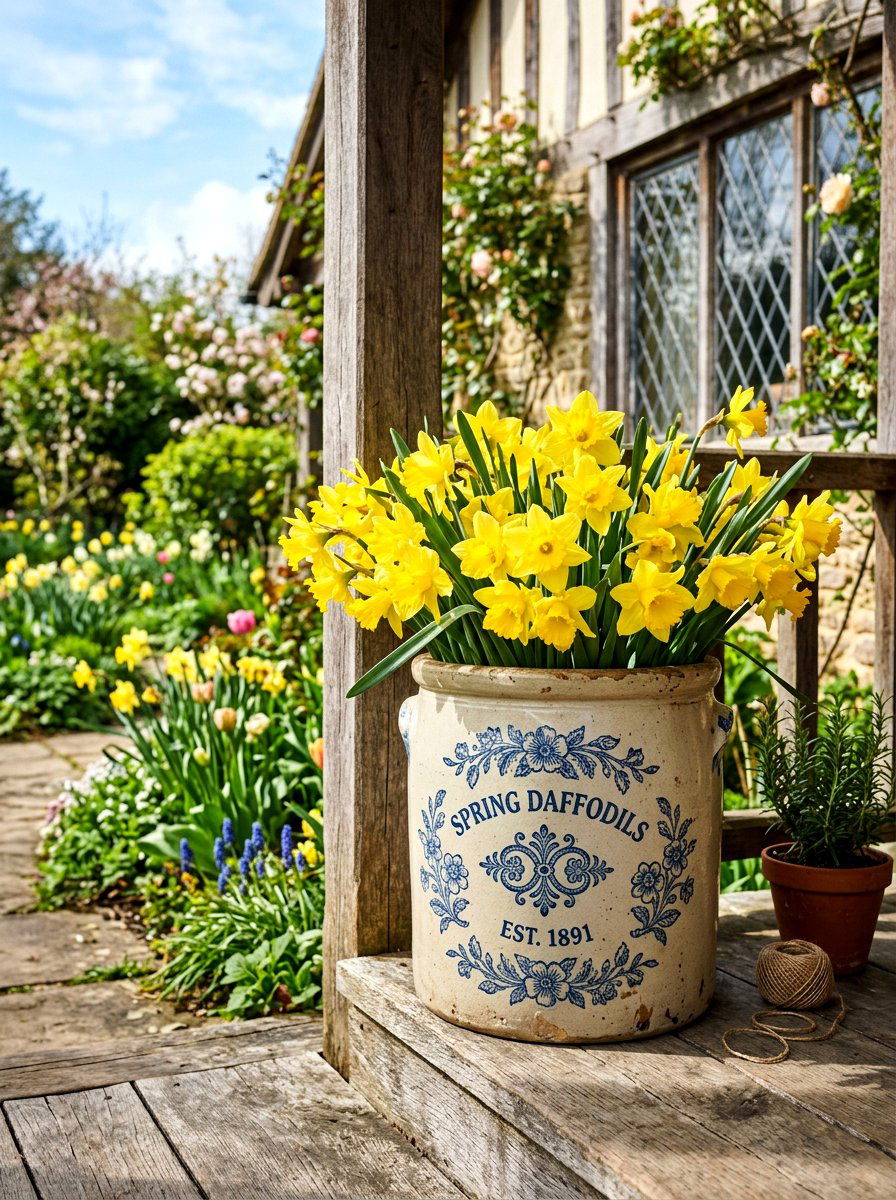
Do you have old stoneware crocks sitting in your basement or attic? These heavy containers are perfect for forcing bright yellow daffodils because they provide a sturdy base for the tall flower stems. The creamy white or gray tones of the vintage pottery make the sunny yellow blooms stand out even more. Fill the crocks with high-quality potting soil and plant the bulbs closely together for a dense display. This arrangement looks fantastic sitting on a porch or near a sunny entryway. It brings a nostalgic and cozy feeling to your home decor while celebrating the first signs of warmer weather ahead.
6. Forced Bulbs In Terrariums
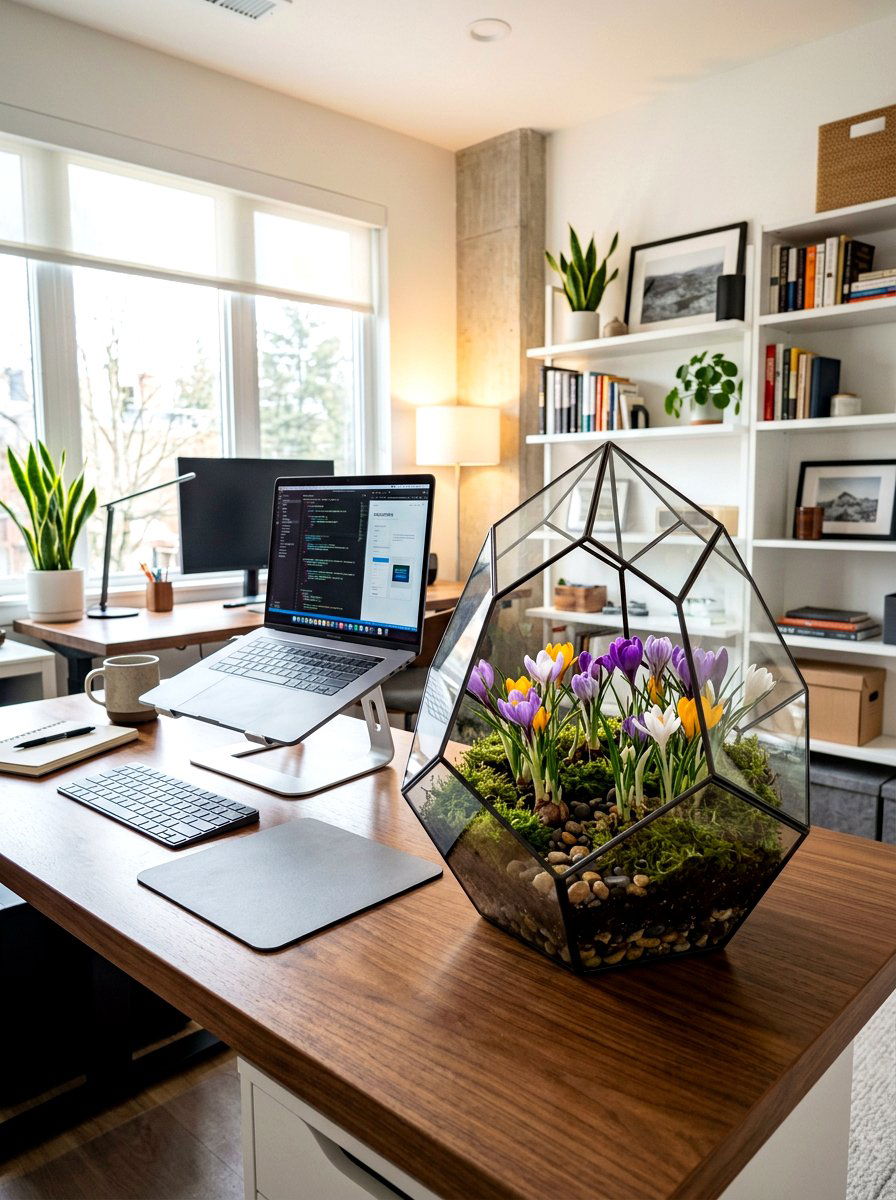
A glass terrarium offers a unique and modern way to showcase forced spring bulbs while maintaining a humid environment. You can layer charcoal, small rocks, and potting soil inside a large glass orb or geometric container before planting your bulbs. This enclosed space helps to keep the moisture levels consistent and protects the delicate sprouts from dry indoor air. Use a variety of small bulbs like crocus or miniature iris to create a diverse indoor landscape. The transparent walls allow you to appreciate the growth process from every angle. It is a sophisticated way to add greenery to an office or a bedroom side table.
7. Crocus In Tea Cups
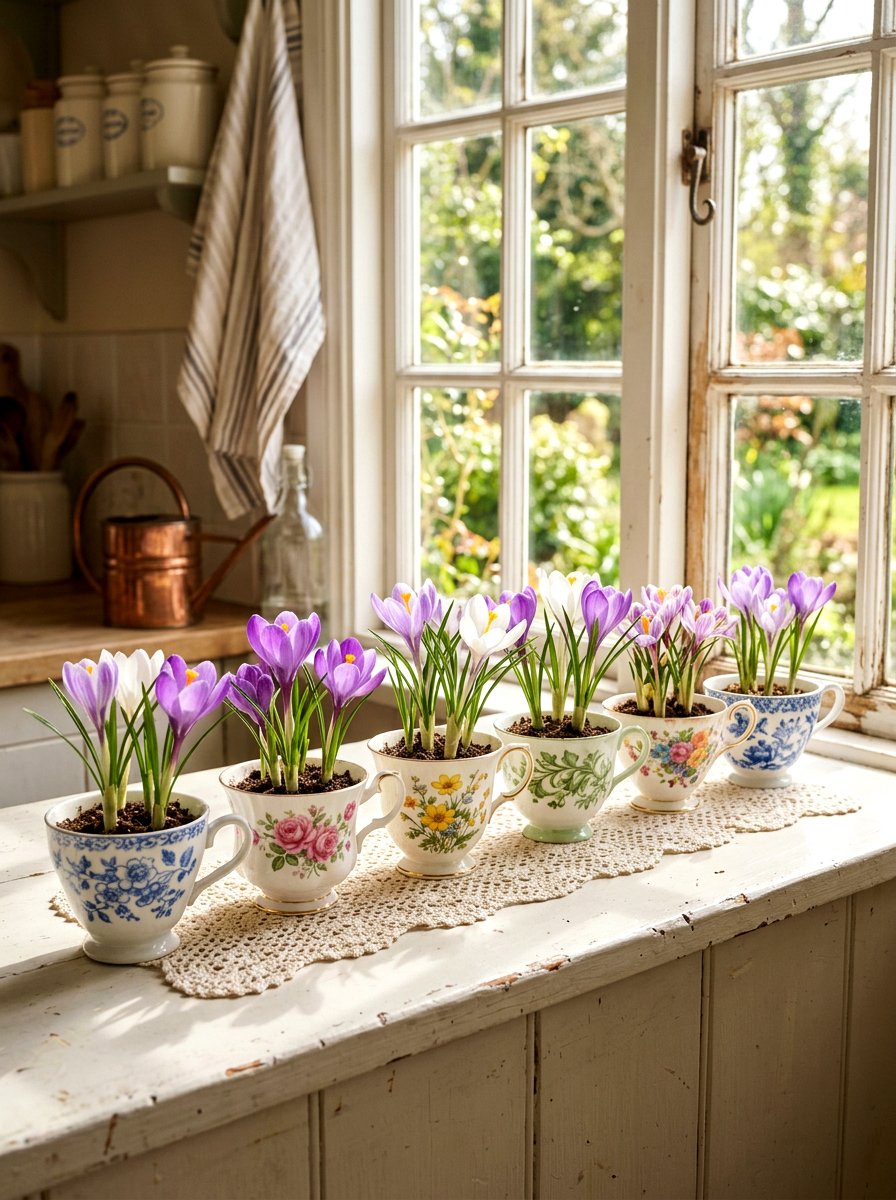
Have you ever wondered what to do with those beautiful but mismatched vintage tea cups? They make the perfect miniature planters for small bulbs like crocus. Since crocus bulbs are quite tiny, they fit comfortably inside the shallow basin of a cup. You can place one or two bulbs in each cup with a little bit of soil and a topping of fine gravel. Line them up along a window ledge to create a colorful and whimsical display. This is a great way to repurpose old items while adding a delicate touch of spring to your morning routine in the kitchen.
8. Amaryllis In Ceramic Pots
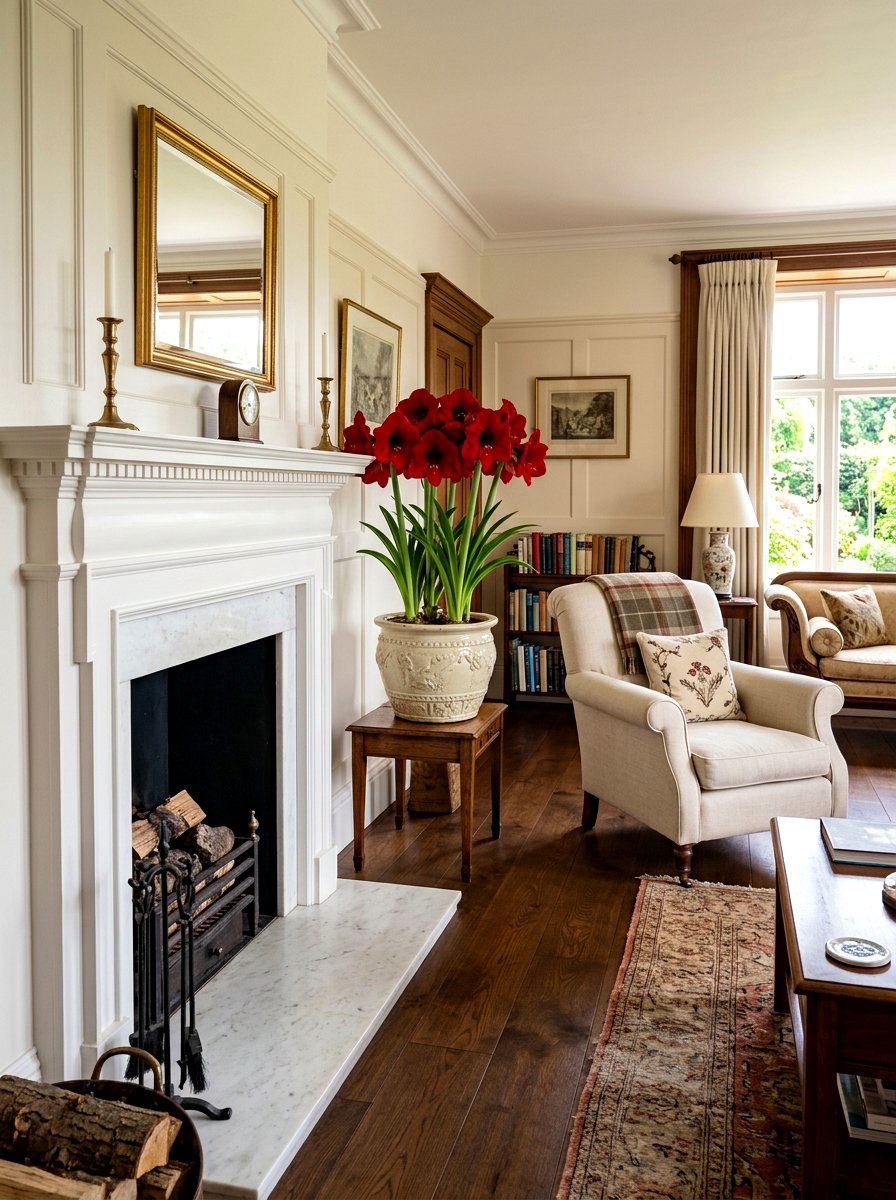
Amaryllis bulbs produce some of the most dramatic and large flowers you can grow indoors. These giant blooms come in shades of deep red, soft pink, and pure white, often with striking stripes. Because the flowers are so heavy, planting them in a heavy ceramic pot is essential to prevent the plant from tipping over. A simple glazed pot in a neutral color allows the magnificent blossoms to be the main attraction. These plants grow quite tall, so they work well as floor plants or as a bold statement piece on a large dining table. They bring a touch of tropical elegance.
9. Snowdrops In Glass Cloches
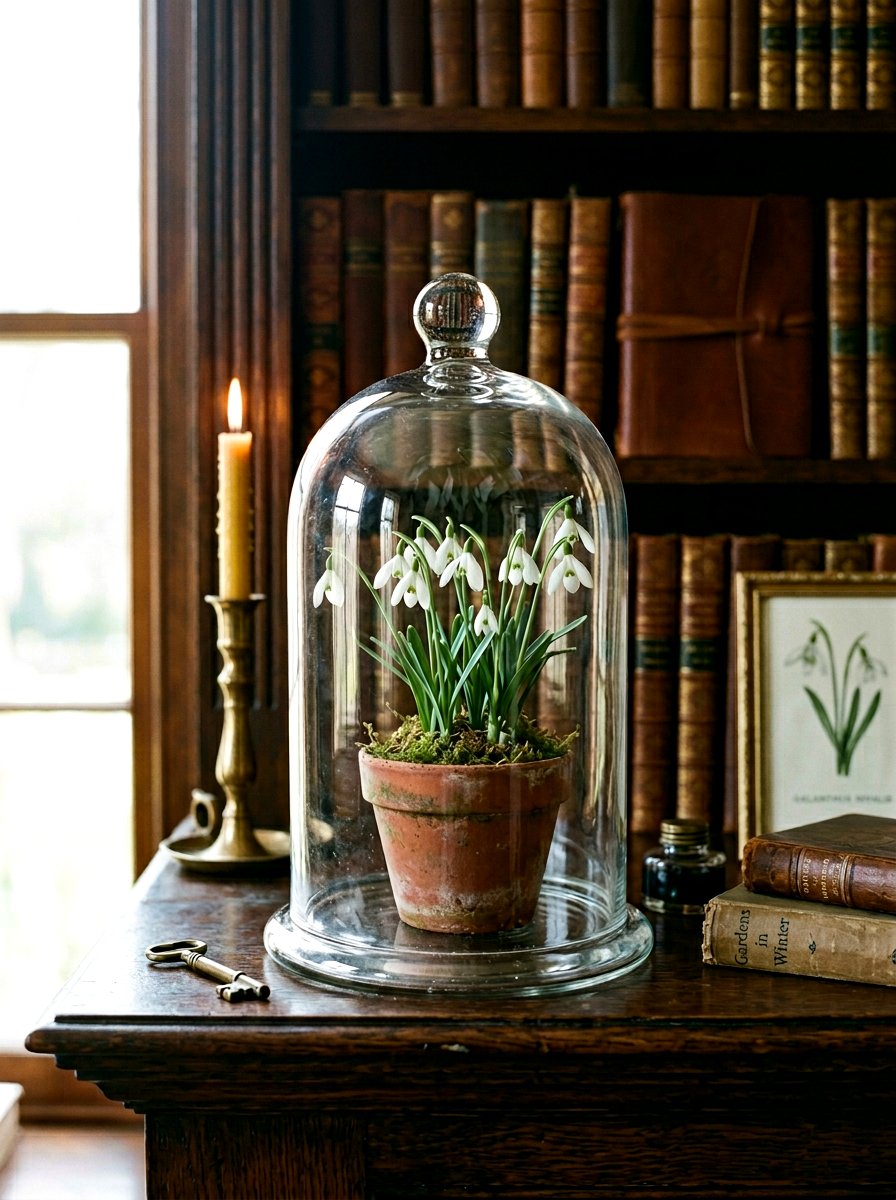
Snowdrops are usually the very first flowers to appear outside, but you can also enjoy them indoors under a glass cloche. The delicate white bell-shaped flowers look almost like fine jewelry when displayed under a protective glass dome. Plant the bulbs in a small terracotta pot and place the cloche over the top to create a vintage botanical look. This setup helps to trap moisture and creates a small microclimate for the plants to thrive. It is an elegant and quiet way to decorate a study or a mantle. The simplicity of the snowdrop is highlighted by the clear glass surrounding it.
10. Mixed Bulbs In Wicker Baskets
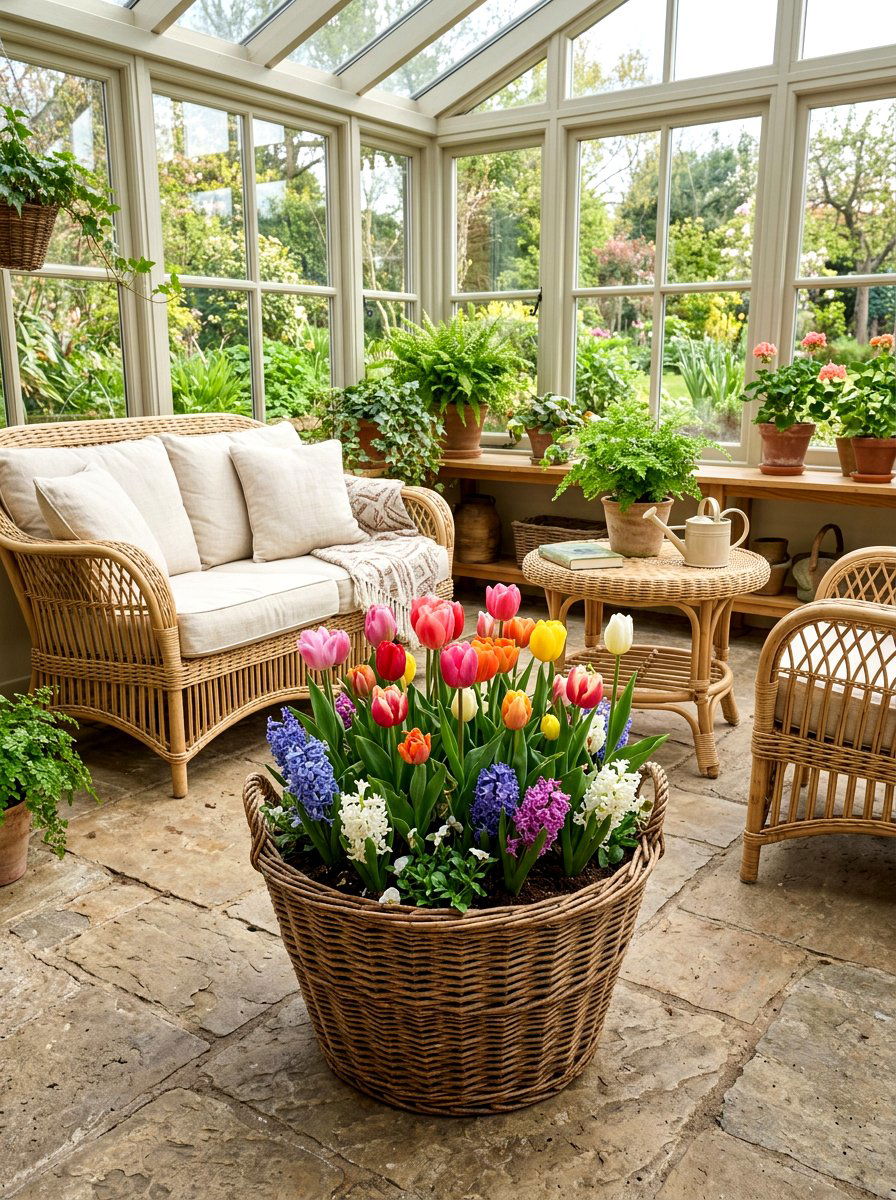
Wicker baskets provide a natural and airy texture that complements the fresh growth of spring bulbs. You can create a mixed arrangement by planting tulips, daffodils, and hyacinths all together in one large basket. Make sure to use a plastic liner to prevent water from leaking through the wicker fibers. The variety of heights and colors makes for a very dynamic and interesting display that mimics a real garden bed. This type of arrangement is perfect for a sunny corner in a sunroom or on a covered patio. It creates a lush and abundant feeling in any room of the house.
11. Narcissus In Galvanized Buckets
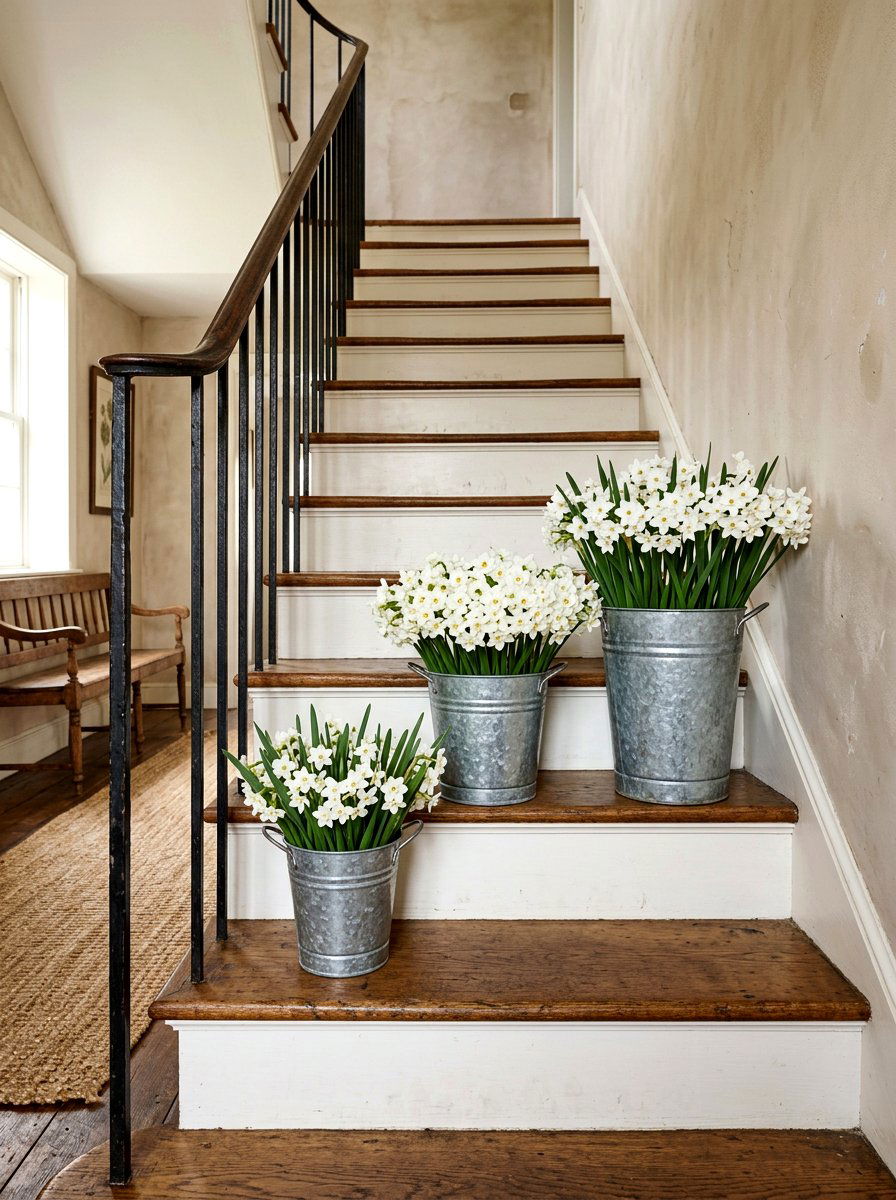
For a more industrial or farmhouse look, try forcing narcissus bulbs in small galvanized metal buckets. The cool silver tones of the metal look wonderful against the bright white petals and orange centers of the flowers. You can group several buckets of different sizes together on a bench or a staircase for a tiered effect. These containers are very durable and easy to move around as needed. Narcissus flowers often have a lovely spicy scent that adds a wonderful layer of fragrance to your home. This design is simple to put together and has a very clean and modern aesthetic for spring.
12. Hyacinths In Mossy Nests
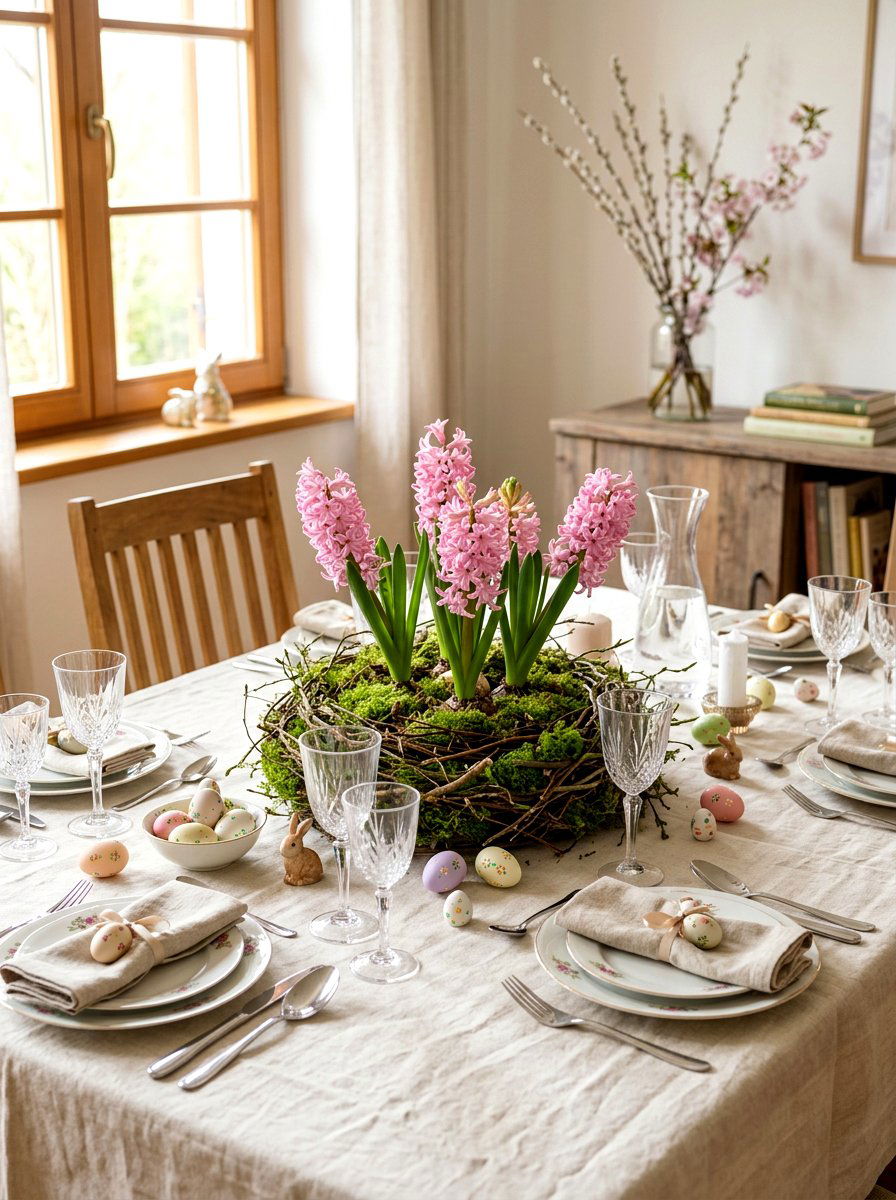
Creating a nest-like base for your forced hyacinths adds a whimsical and organic touch to your seasonal decor. You can use a shallow basket or a wire frame and fill it with dried twigs and plenty of green moss. Place the pre-chilled hyacinth bulbs in the center so they appear to be growing out of a natural bird's nest. This arrangement is perfect for an Easter-themed brunch table or as a festive decoration in a hallway. The earthy textures of the twigs and moss contrast beautifully with the soft and colorful petals. It feels very connected to the natural world and early spring.
13. Forced Tulips In Water
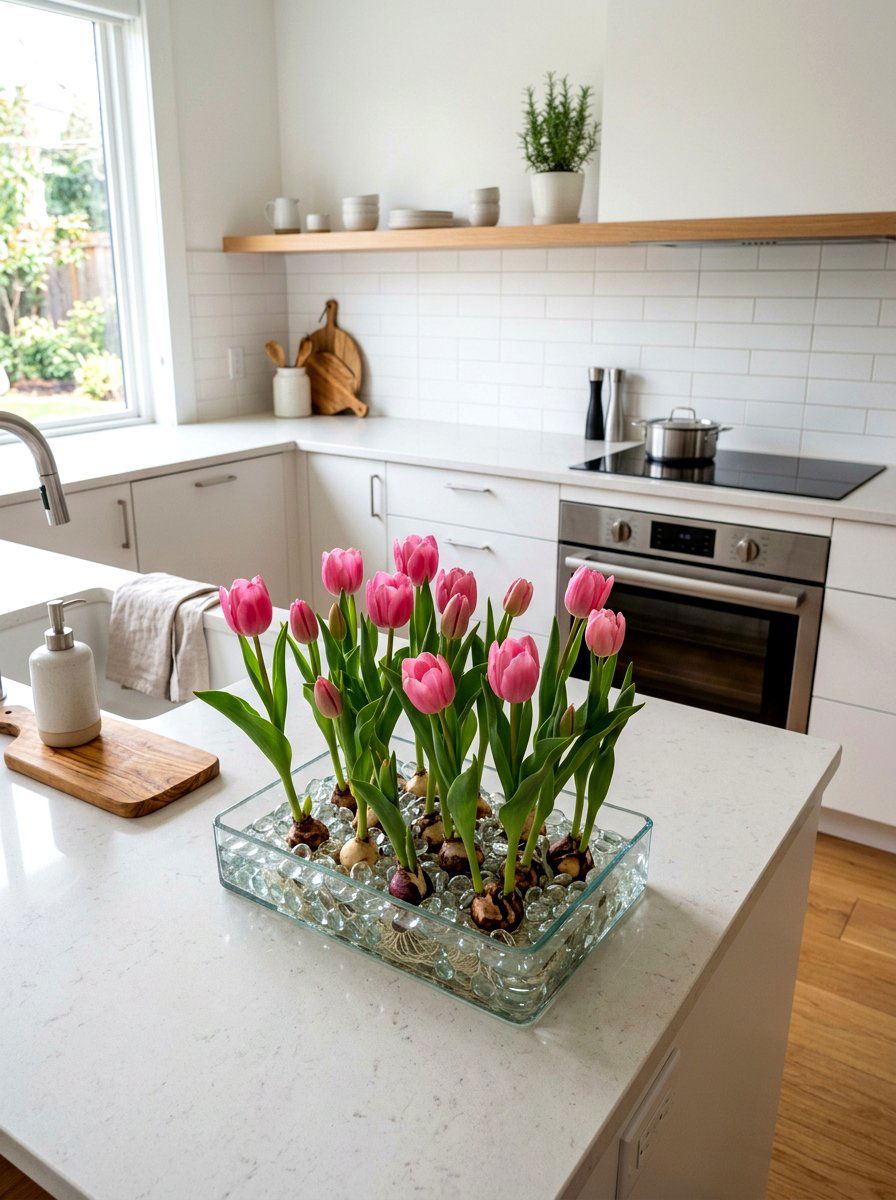
While most people plant tulips in soil, you can actually force them in water using a shallow tray and heavy glass beads. Place the tulip bulbs on top of the beads and fill the tray with enough water to touch only the bottom of the bulbs. This method prevents the bulbs from rotting while allowing the roots to grow freely. It creates a very clean and minimalist look that is perfect for a modern office or kitchen. You can watch the entire life cycle of the tulip from the first root to the final bloom. This technique is both educational and visually stunning for any viewer.
14. Paperwhites In Silver Bowls
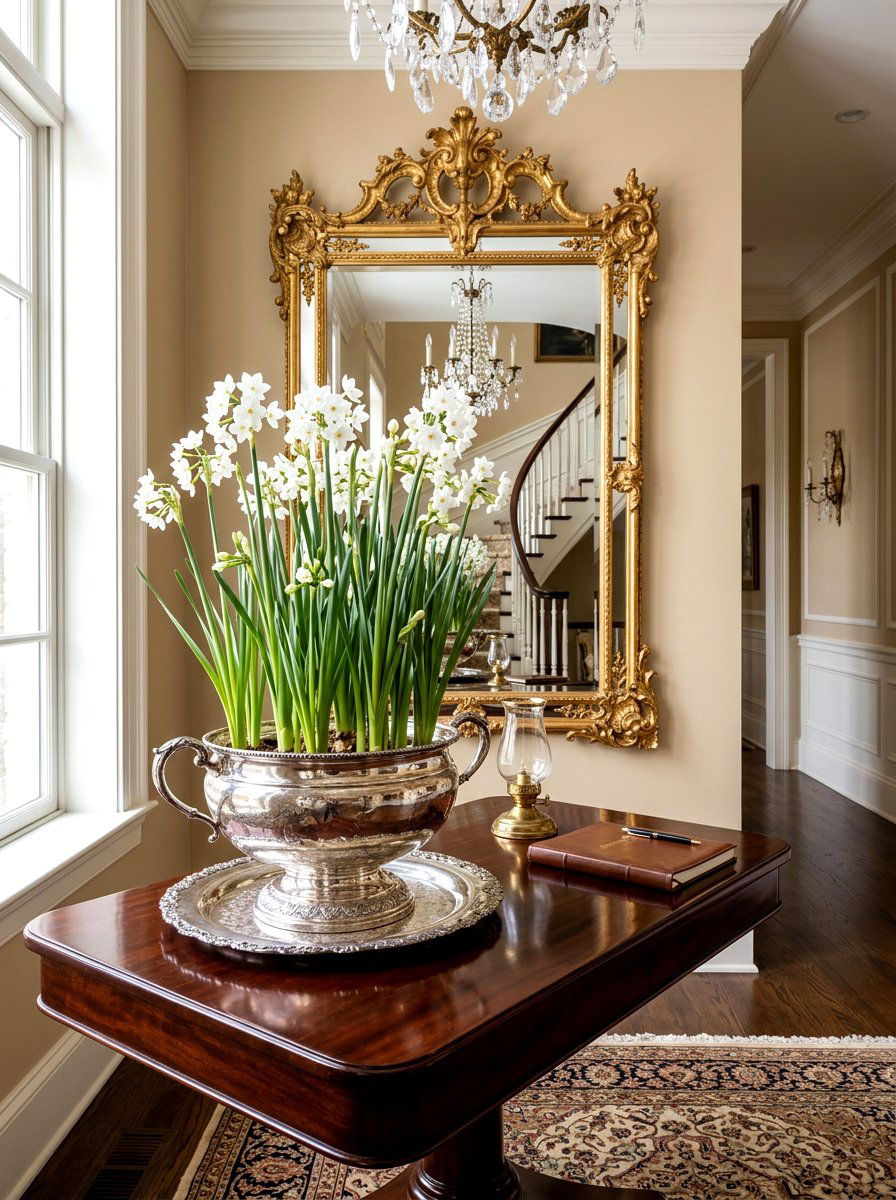
If you want to add a touch of luxury to your spring decorating, try planting paperwhites in an antique silver bowl. The reflective surface of the silver makes the delicate white flowers look even more luminous and bright. This is a classic choice for a formal dining room or an elegant entryway table. Fill the bowl with white marble chips or polished stones to hold the bulbs securely in place. The tall and slender stems of the paperwhites provide a nice vertical element to your decor. It is a sophisticated way to use live plants in a more formal or traditional home setting.
15. Bluebells In Rustic Jars
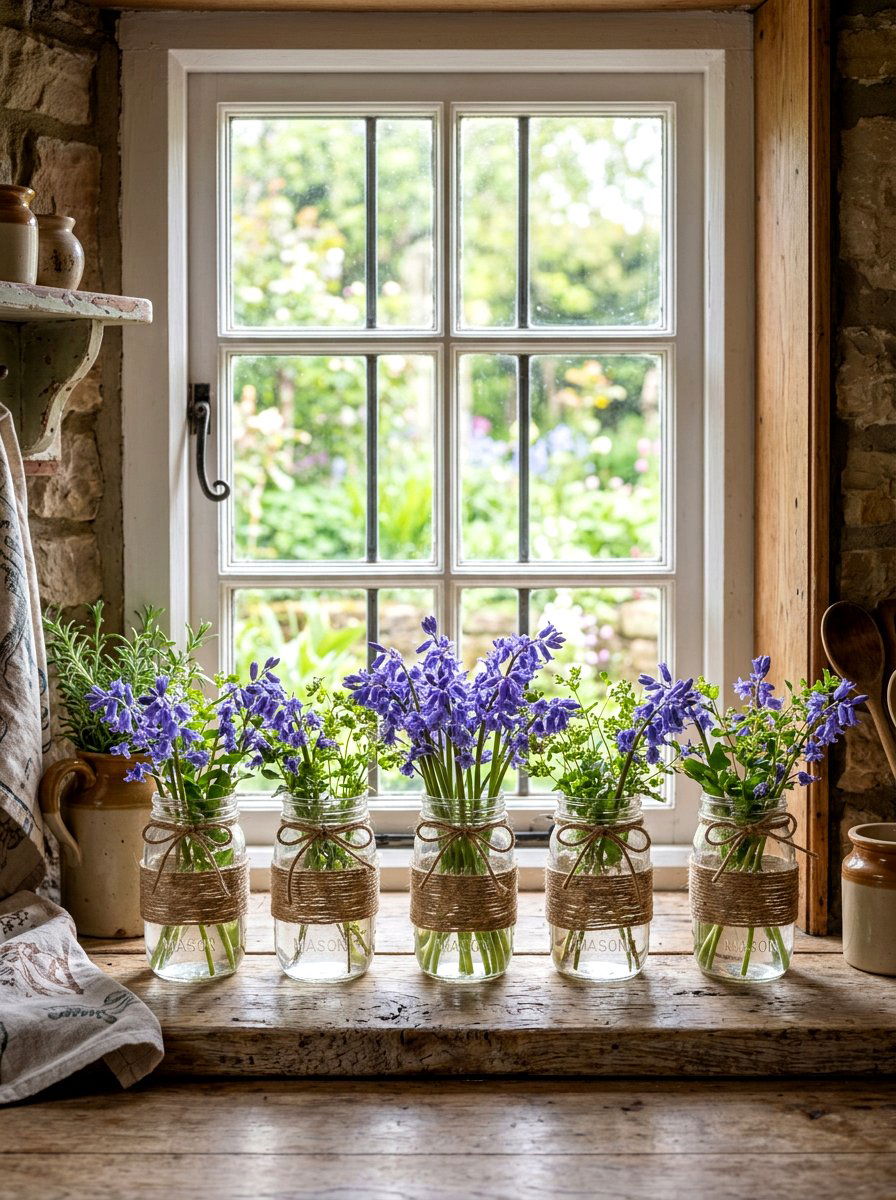
Bluebells bring a soft and romantic feel to any indoor space with their nodding heads and gentle blue color. You can force these bulbs in simple rustic glass jars or old jelly containers for a relaxed look. Tie a piece of twine around the neck of the jar to enhance the cottage-style aesthetic. These flowers look best when they are allowed to grow in a slightly messy and natural way. Place a few jars together on a kitchen windowsill to catch the morning light. The soft color of the bluebells is very calming and provides a nice break from more traditional spring colors.
16. Scilla In Miniature Pots
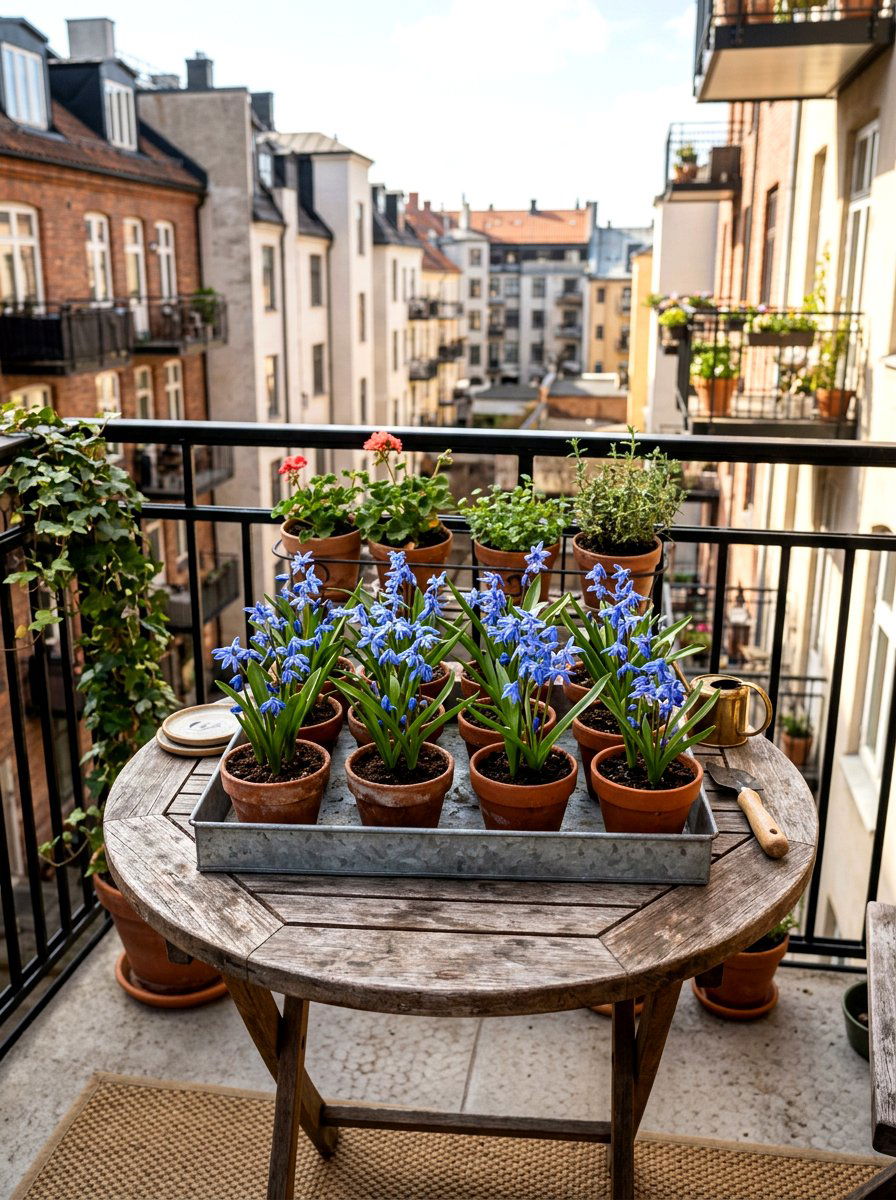
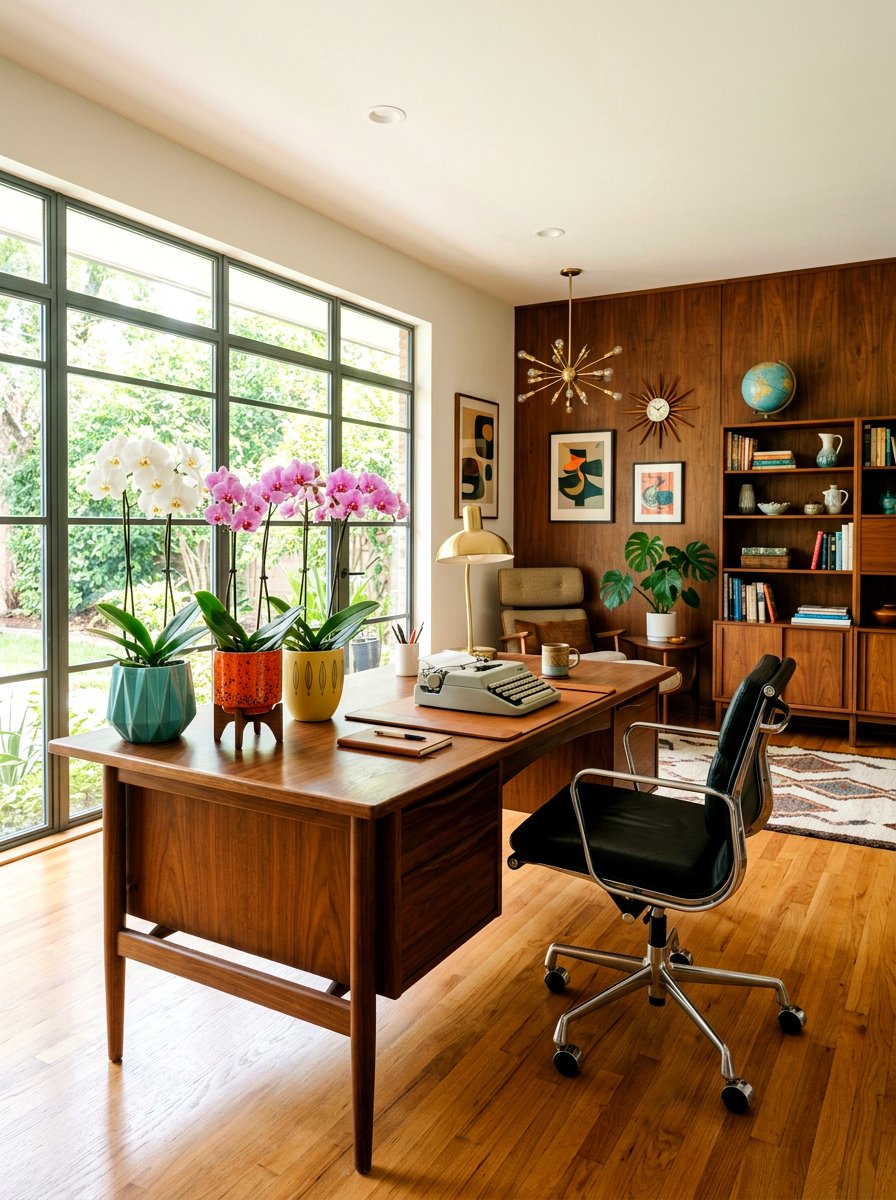
Scilla bulbs produce tiny star-shaped flowers that are usually a brilliant shade of blue. Because they are so small, they look best when planted in miniature terracotta pots. You can group a dozen of these tiny pots together on a tray to create a massive impact with very little space. They are perfect for decorating a small apartment or a crowded desk where you still want a bit of nature. The intense blue color of the scilla is very rare in the flower world and always draws the eye. These little plants are tough and very easy to care for indoors.
17. Forced Iris In Modern Planters
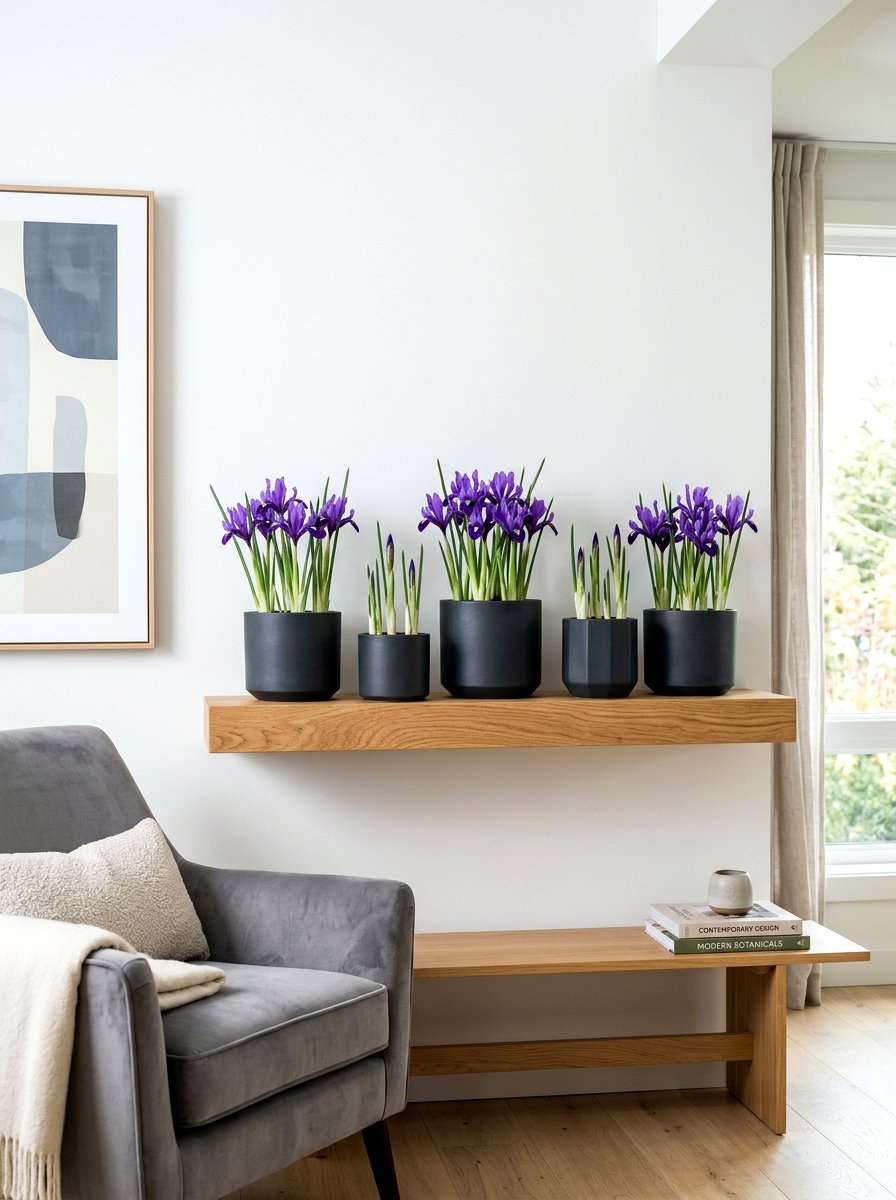
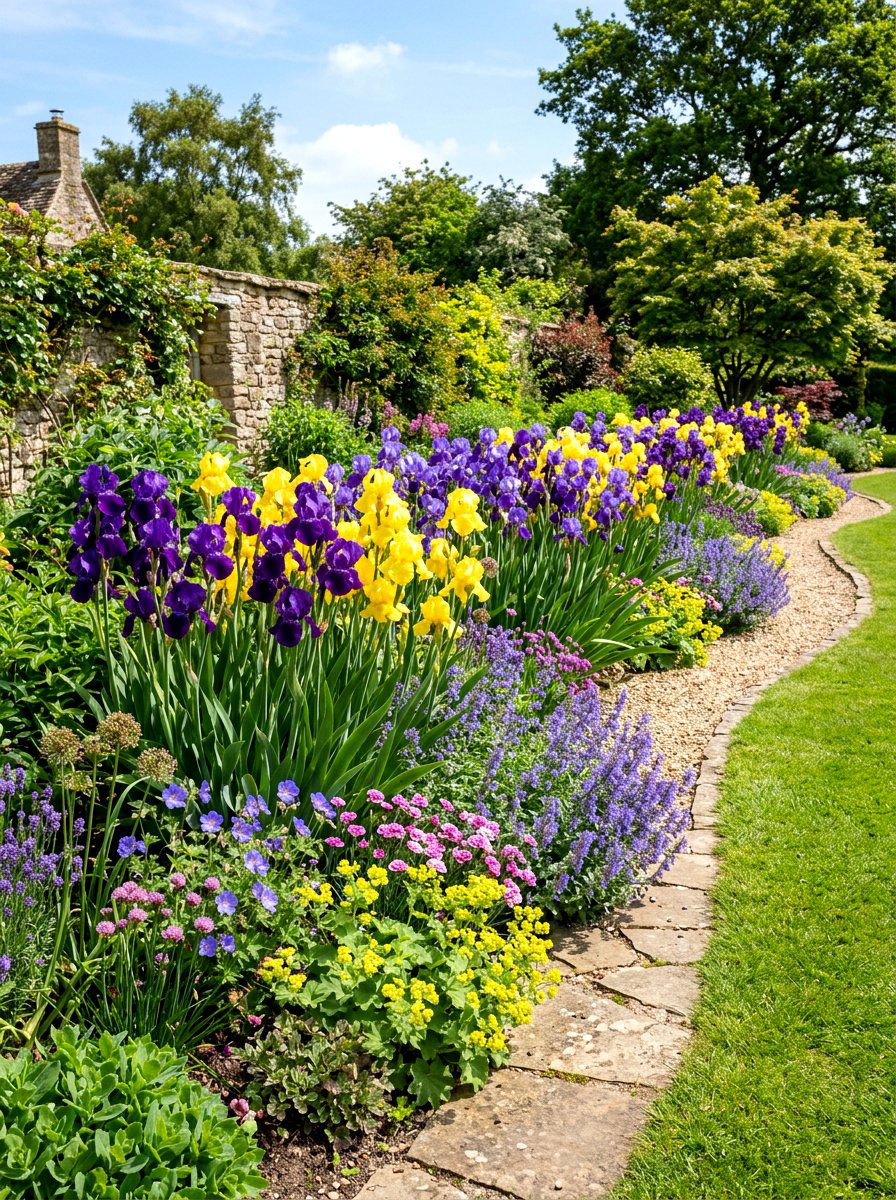
Dwarf irises are known for their intricate patterns and bold colors, such as deep purple and bright yellow. They look fantastic when planted in sleek and modern ceramic planters with clean lines. Choose a planter in a dark color like charcoal or navy to make the bright iris petals really pop. These flowers have a very architectural shape that fits perfectly with contemporary home design. They do not take up much room but offer a lot of visual interest. Placing them in a minimalist setting allows you to truly appreciate the complex beauty of each individual bloom during the early spring.
18. Daffodils In Glass Jars
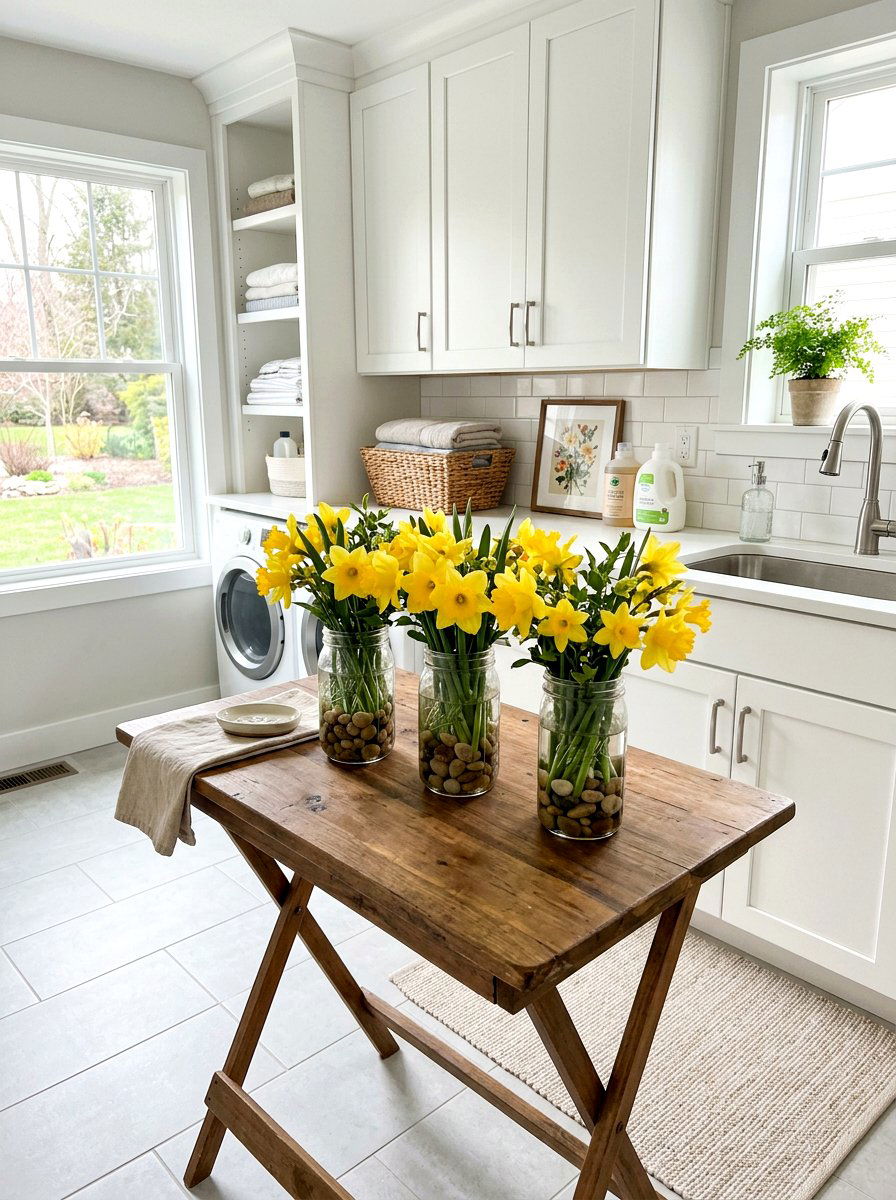
Using large glass canning jars to force daffodils is a fun and easy way to see the growth process. You can fill the bottom of the jar with a layer of colorful sea glass or simple gravel for drainage and support. The clear glass allows you to monitor the water levels easily and see the roots stretching down. This look is very casual and works well in a laundry room, a mudroom, or a child's bedroom. It is a great project for kids to help with because they can see everything happening inside the jar. The bright yellow flowers bring cheer to any utility space.
19. Hyacinths In Antique Urns
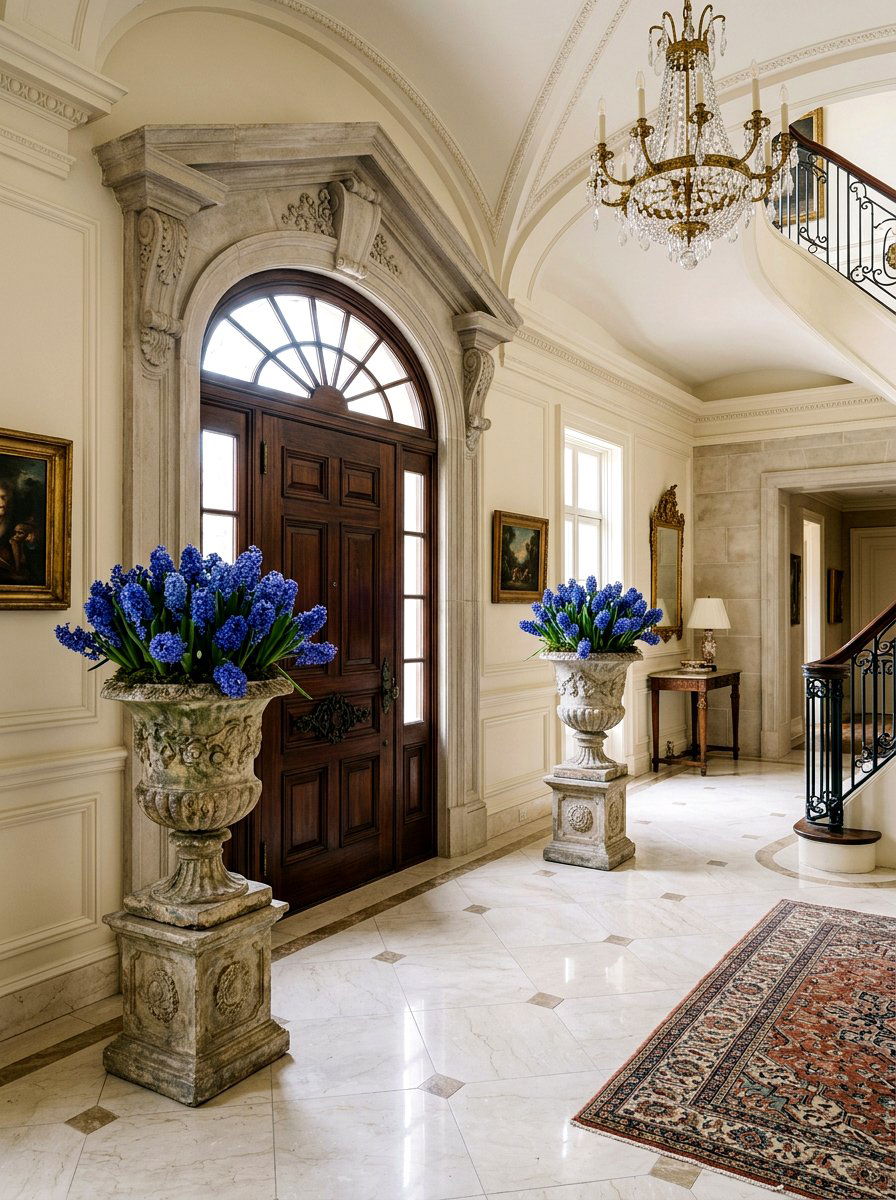
For a more dramatic and grand display, consider using small antique urns to hold your forced hyacinths. The classical shape of an urn provides a sense of history and permanence to your temporary spring garden. You can use stone, metal, or even heavy plastic urns that have been painted to look like aged bronze. Plant several bulbs in each urn to create a full and rounded shape that mimics the curve of the container. These look excellent when placed in pairs on a fireplace mantel or at either end of a long sideboard. They offer a timeless and very elegant spring look.
20. Forced Bulbs In Wall Planters
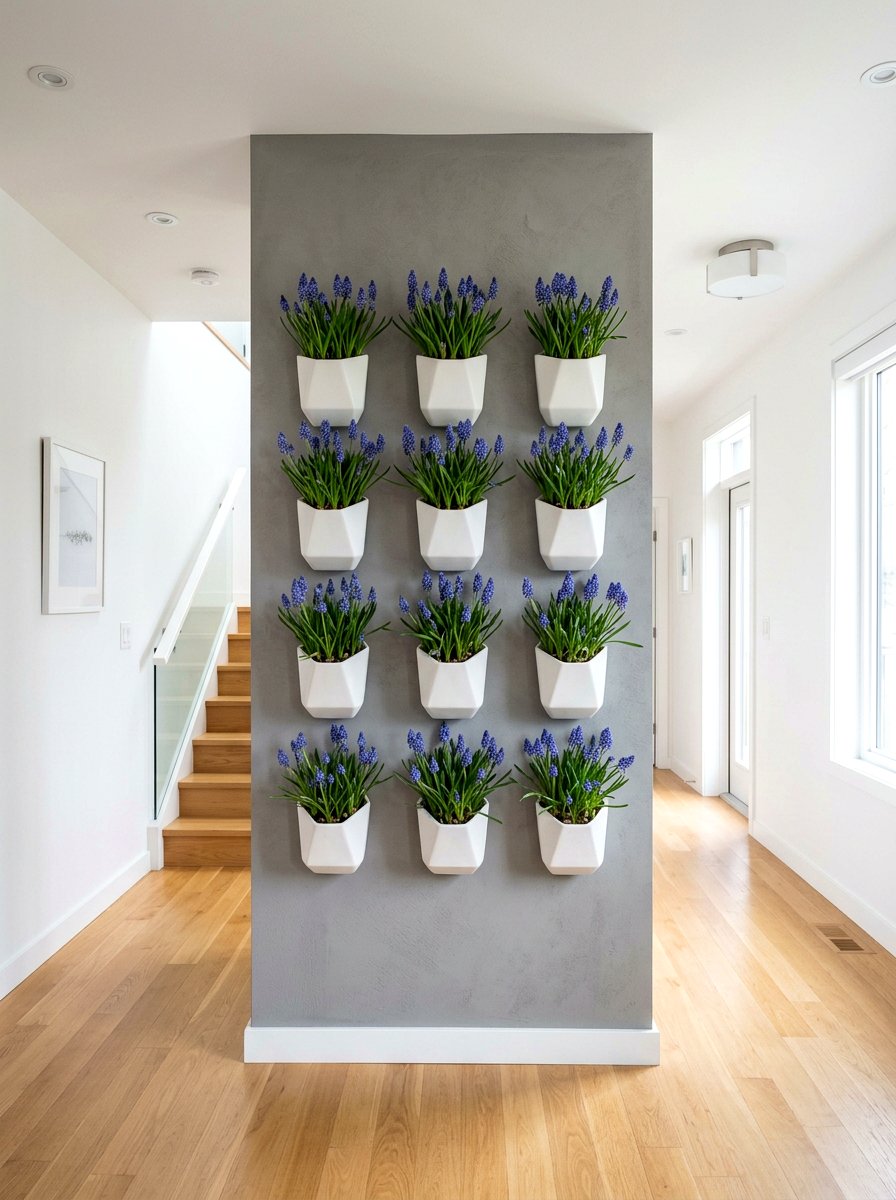
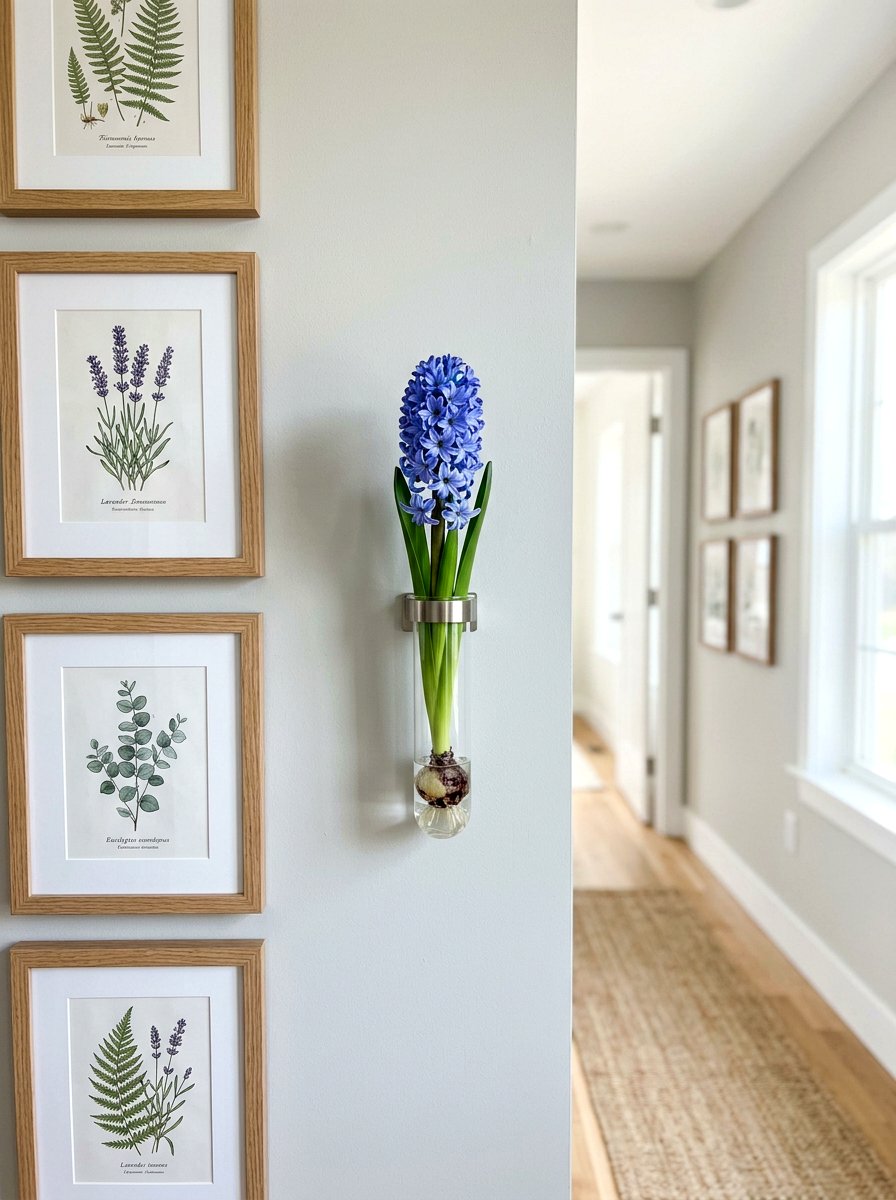
If you are short on counter space, why not use wall-mounted planters to grow your forced spring bulbs? You can find pockets made of ceramic or metal that attach directly to the wall and hold a small amount of soil. Planting trailing flowers like certain varieties of small daffodils or muscari can create a living wall of color. This is a brilliant way to decorate a hallway or a small bathroom where floor space is limited. The vertical growth adds an unexpected element to your interior design. It makes your walls come alive with the fresh energy and scent of the new spring season.
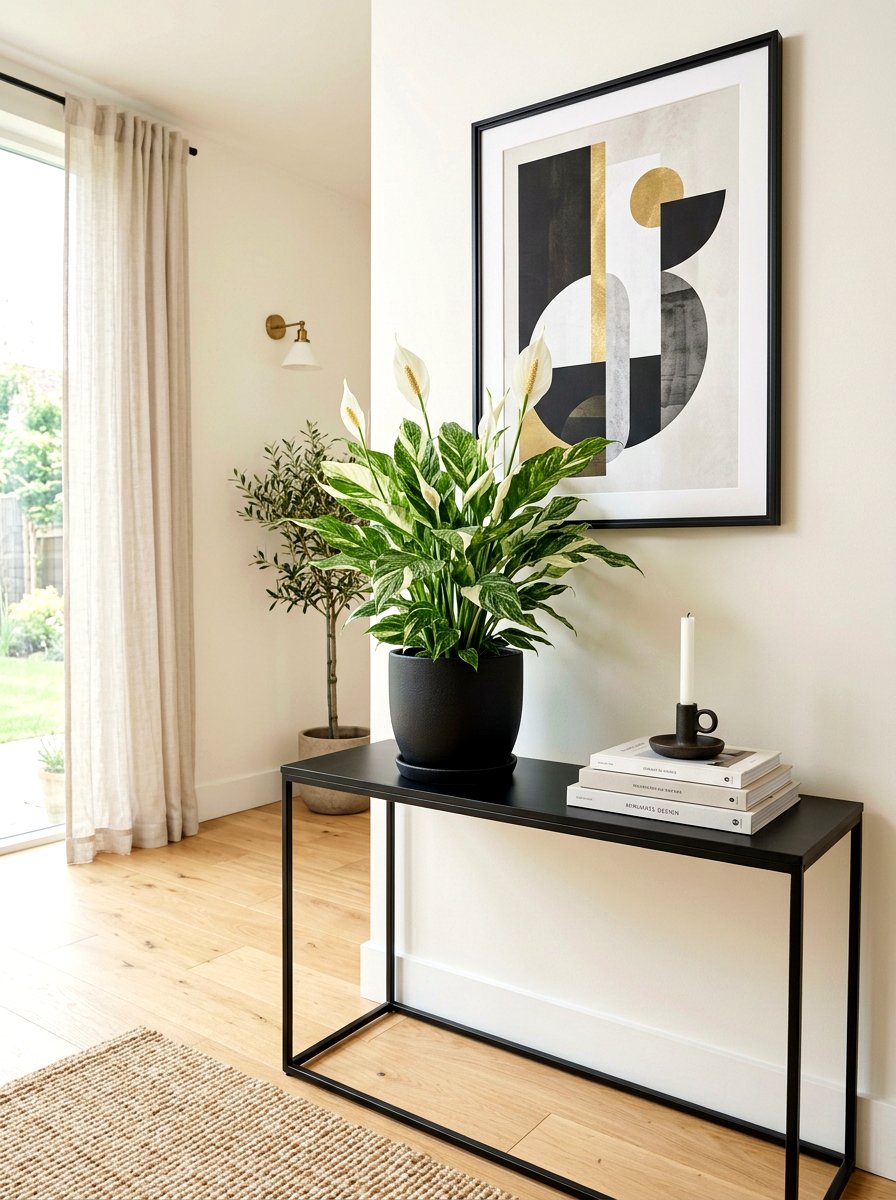
21. Muscari In Eggshell Planters
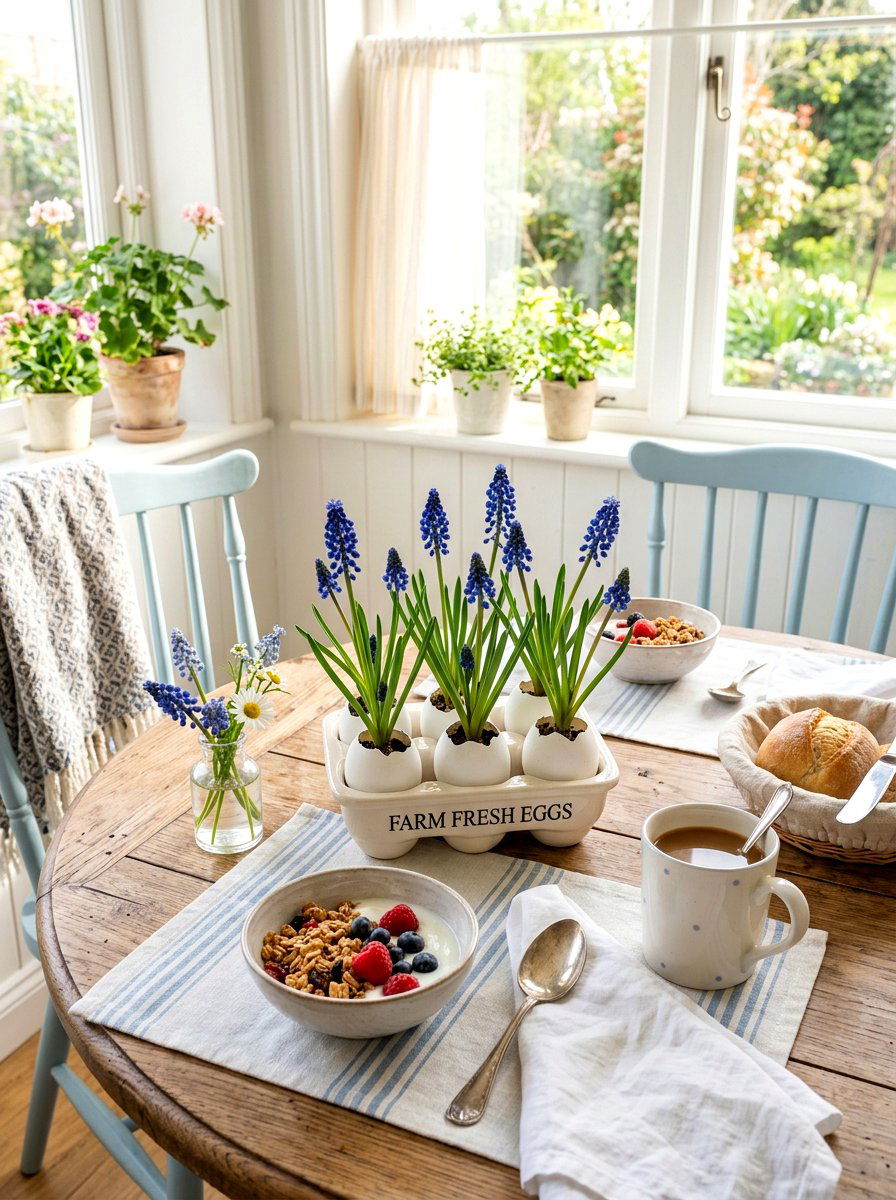
For a very delicate and festive spring look, you can use cleaned-out eggshells as tiny planters for grape hyacinths. Carefully crack the top of an egg, remove the contents, and wash the shell thoroughly. Fill it with a tiny bit of damp moss and nestle a sprouted muscari bulb inside. You can place these eggshell planters back into a ceramic egg carton or individual egg cups. This is an incredibly popular idea for an Easter centerpiece or a seasonal brunch. It is a fragile and beautiful way to celebrate the themes of new life and growth that define the spring season.
22. Tulips In Copper Pots
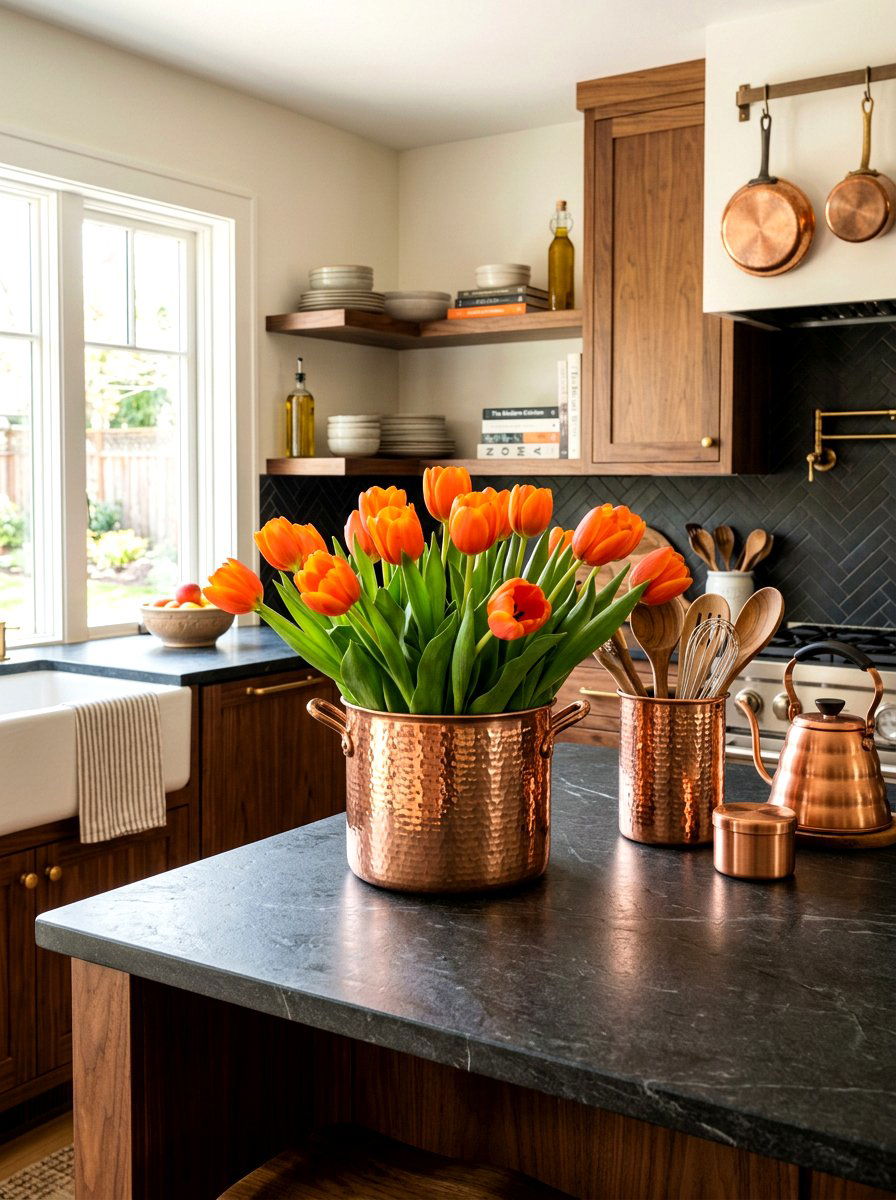
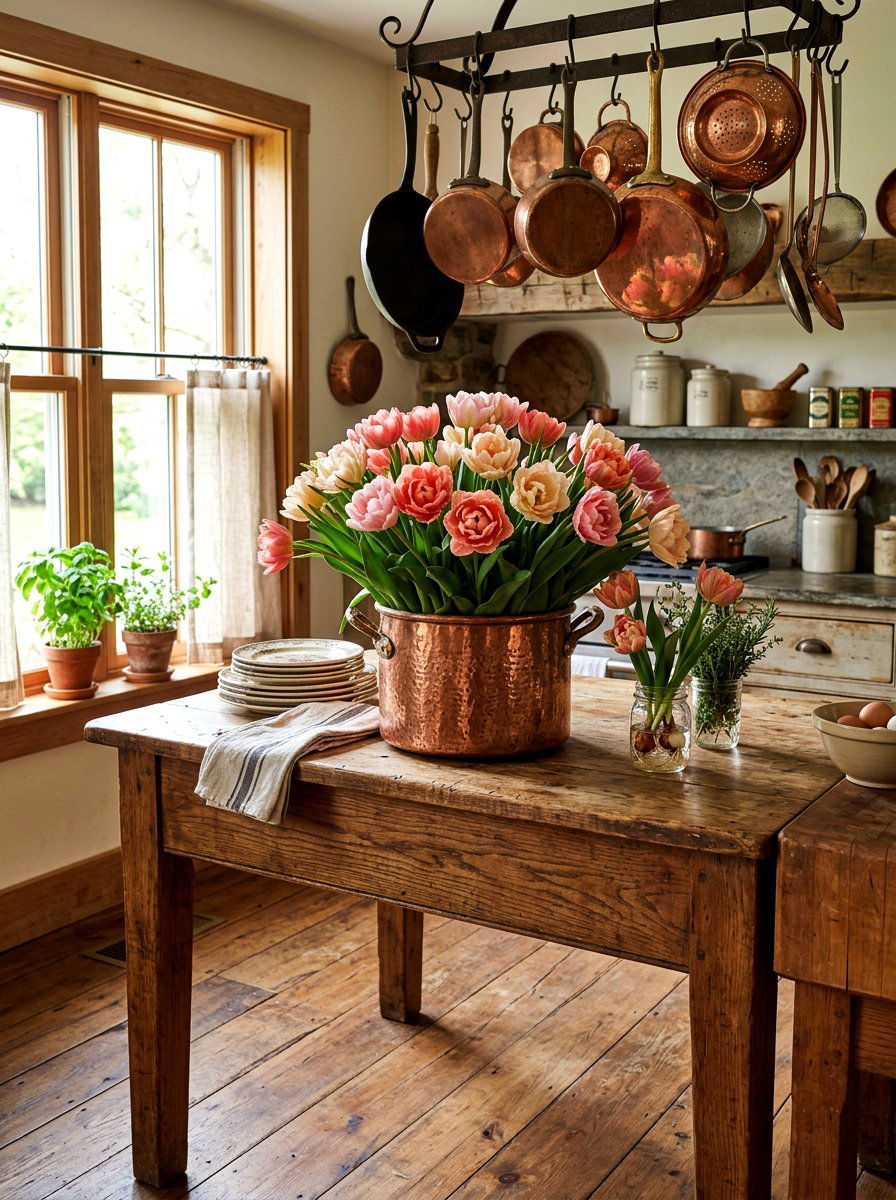
Copper pots provide a warm and glowing metallic finish that looks stunning with almost any flower color. The orange and pink tones of the copper enhance the natural beauty of red or orange tulips. As the light hits the metal, it creates a cozy atmosphere in your kitchen or dining area. Copper is also a very durable material that will last for many years of spring forcing. You can find vintage copper kettles or modern copper bowls to use as your containers. This look is very trendy and fits well with both industrial and bohemian interior styles during the early months.
23. Forced Bulbs In Bird Cages
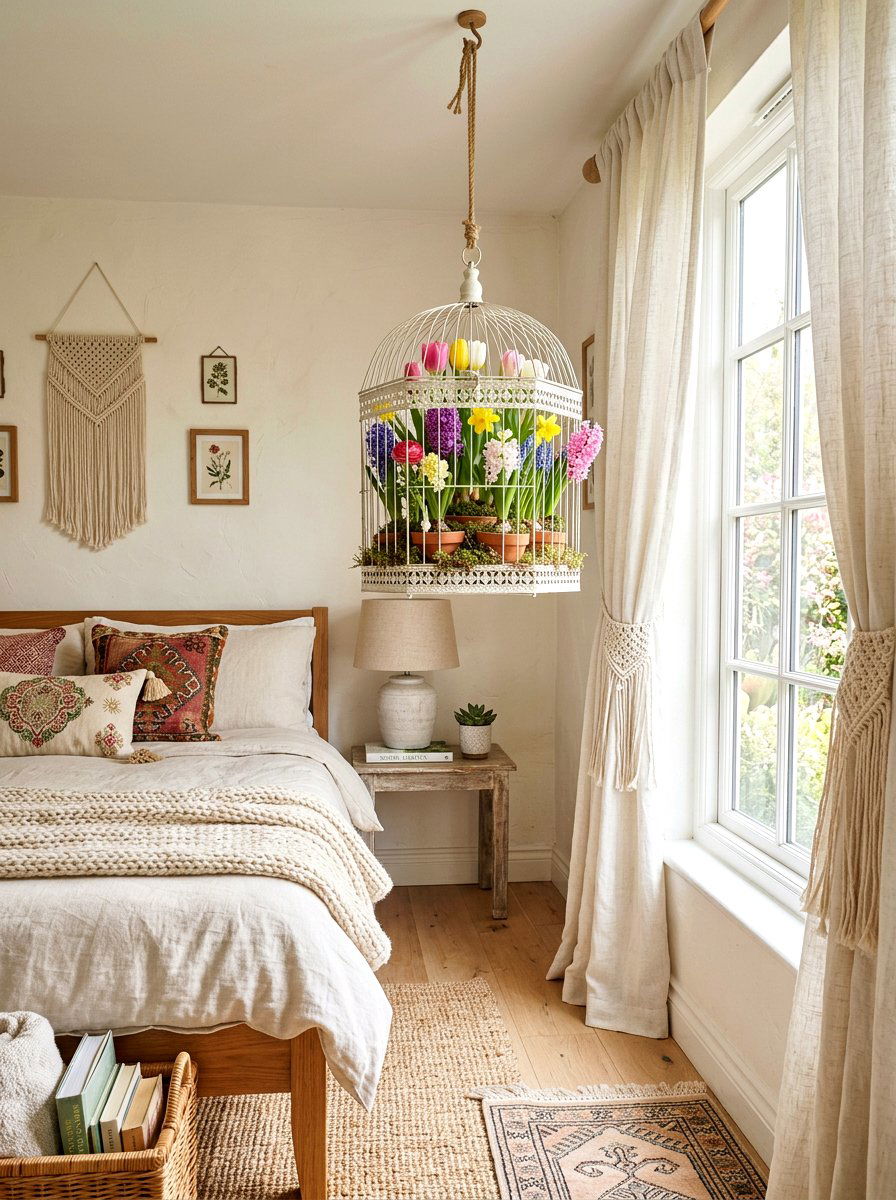
Using a decorative vintage bird cage to house your forced bulbs adds a touch of whimsical storytelling to your home. You can place a variety of pots inside the cage and let the flowers grow up through the wire bars. This creates a contained garden look that feels very artistic and unique. It is a great way to protect your plants from curious pets while still enjoying their beauty. You can hang the bird cage from a ceiling hook or place it on a pedestal in a sunny corner. It becomes a conversation piece that captures the essence of a spring meadow indoors.
24. Paperwhites In Driftwood
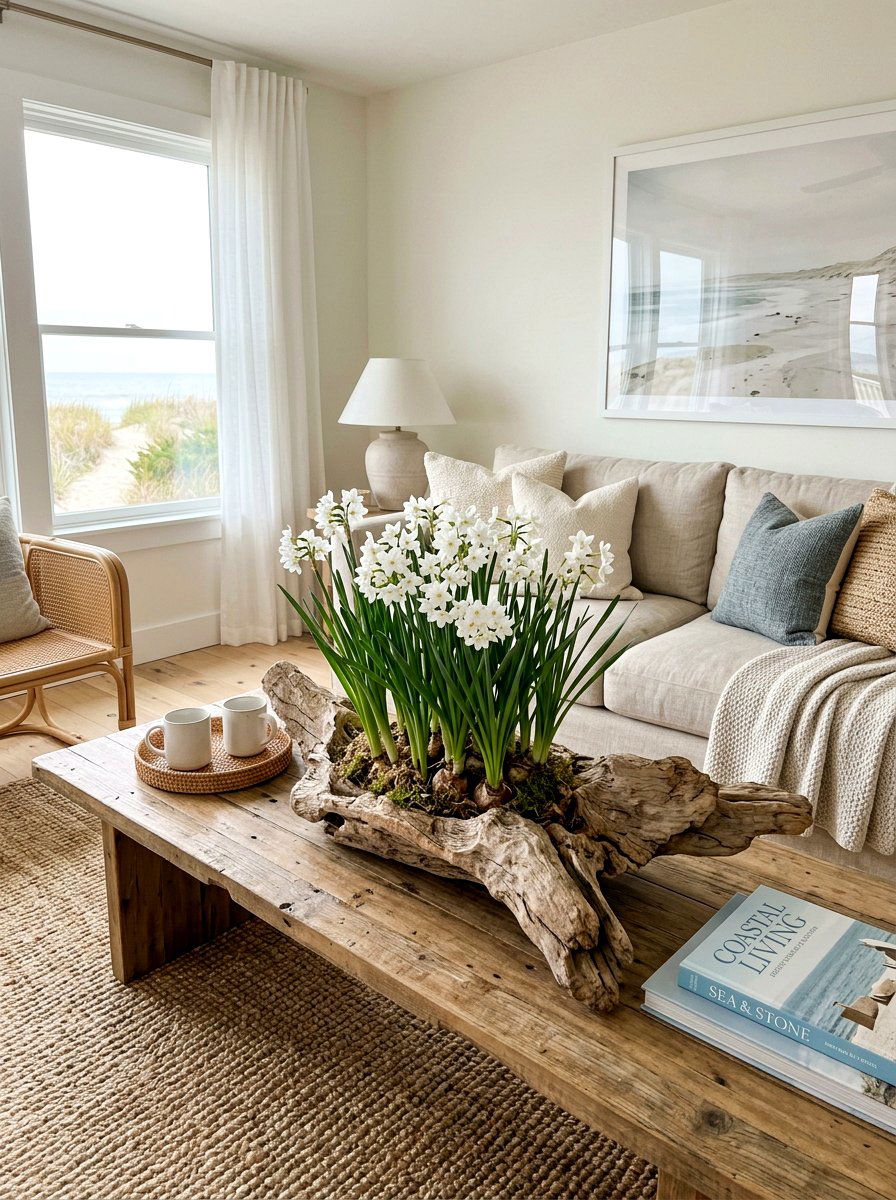
For a coastal or organic modern vibe, try nestling paperwhite bulbs into the natural hollows of a large piece of driftwood. You can use a small amount of damp moss to hold the bulbs in place within the wood's crevices. The bleached and weathered look of the driftwood provides a beautiful contrast to the green stems and white flowers. This arrangement looks like something you would find on a beach after a spring storm. It is a very creative way to use natural elements in your decorating. It works perfectly as a low-profile centerpiece for a long rectangular dining table or a coffee table.
25. Mixed Spring Bulbs In Window Boxes
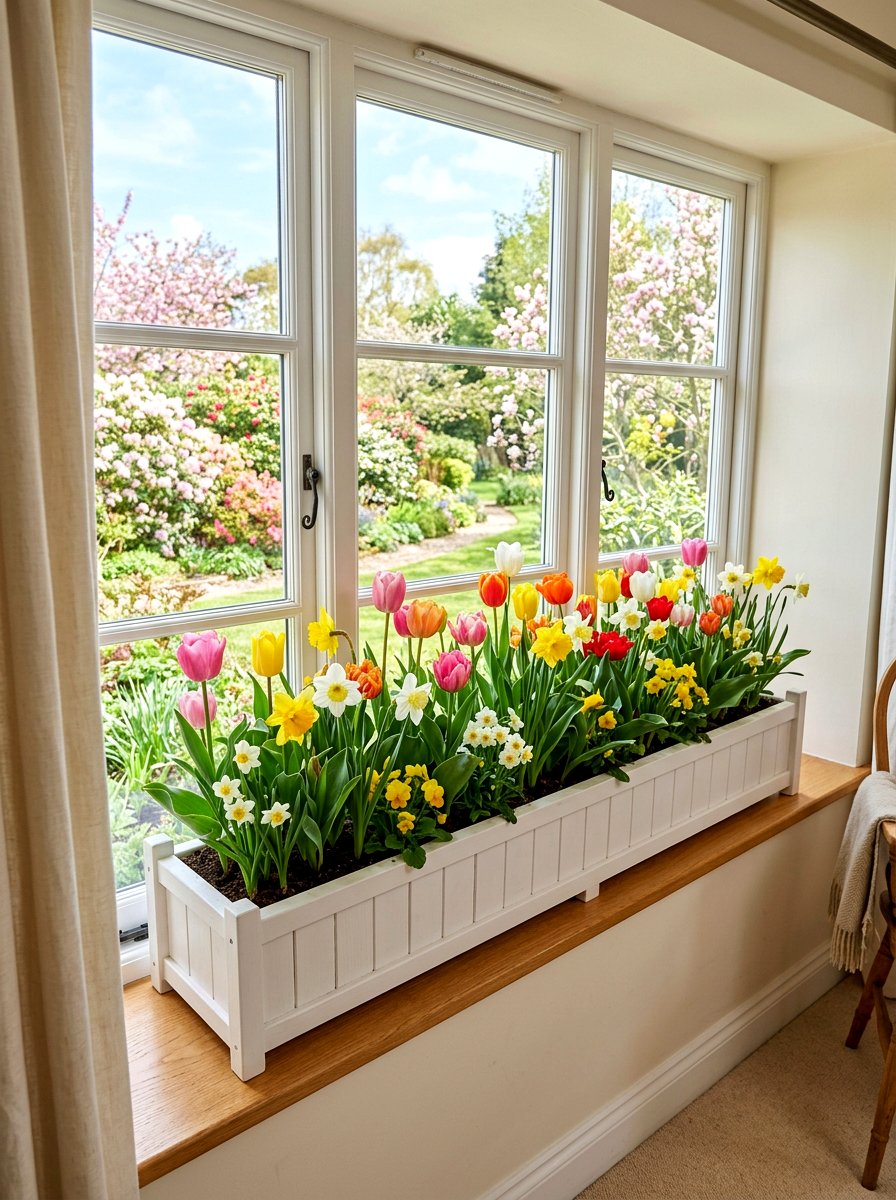
Mixed spring bulbs in a window box create a miniature indoor garden that looks beautiful from both inside and outside your home. You can combine different heights and textures by planting taller daffodils in the back and shorter grape hyacinths in the front. This layered look provides a continuous display of color as different varieties bloom at slightly different times. Use a long and narrow planter that fits perfectly on your interior windowsill to catch the most natural sunlight possible. It is a fantastic way to enjoy a traditional garden feature even if you do not have a large outdoor space for planting bulbs.
Conclusion:
Spring forced bulbs are an incredible way to invite nature into your home long before the outdoor garden begins to wake up. Whether you prefer the elegant look of paperwhites in silver or the rustic charm of tulips in wooden crates, there is a style for everyone. These projects are relatively inexpensive and provide weeks of beauty and fragrance during the darkest days of the year. By experimenting with different containers and bulb varieties, you can create a truly custom look for your interior space. We hope these twenty-five ideas inspire you to start your own indoor spring garden today and enjoy the fresh blooms.
Related posts:
Leave a Reply