
Spring marks the ultimate transition for any outdoor living area, offering a fresh canvas to express your personal style through landscape architecture. A garden pathway serves as the backbone of your yard, dictating the flow of movement while framing your most beautiful seasonal plantings. By focusing on decor that complements the blooming flora, you can create a cohesive and inviting environment that feels both professional and lived-in. In this comprehensive guide, we will explore various materials and decorative elements that elevate simple walkways into stunning features. From soft lighting to fragrant groundcovers, these twenty-five concepts will help you craft a spring garden that truly resonates with beauty and function.
1. Flagstone Path Creeping Thyme
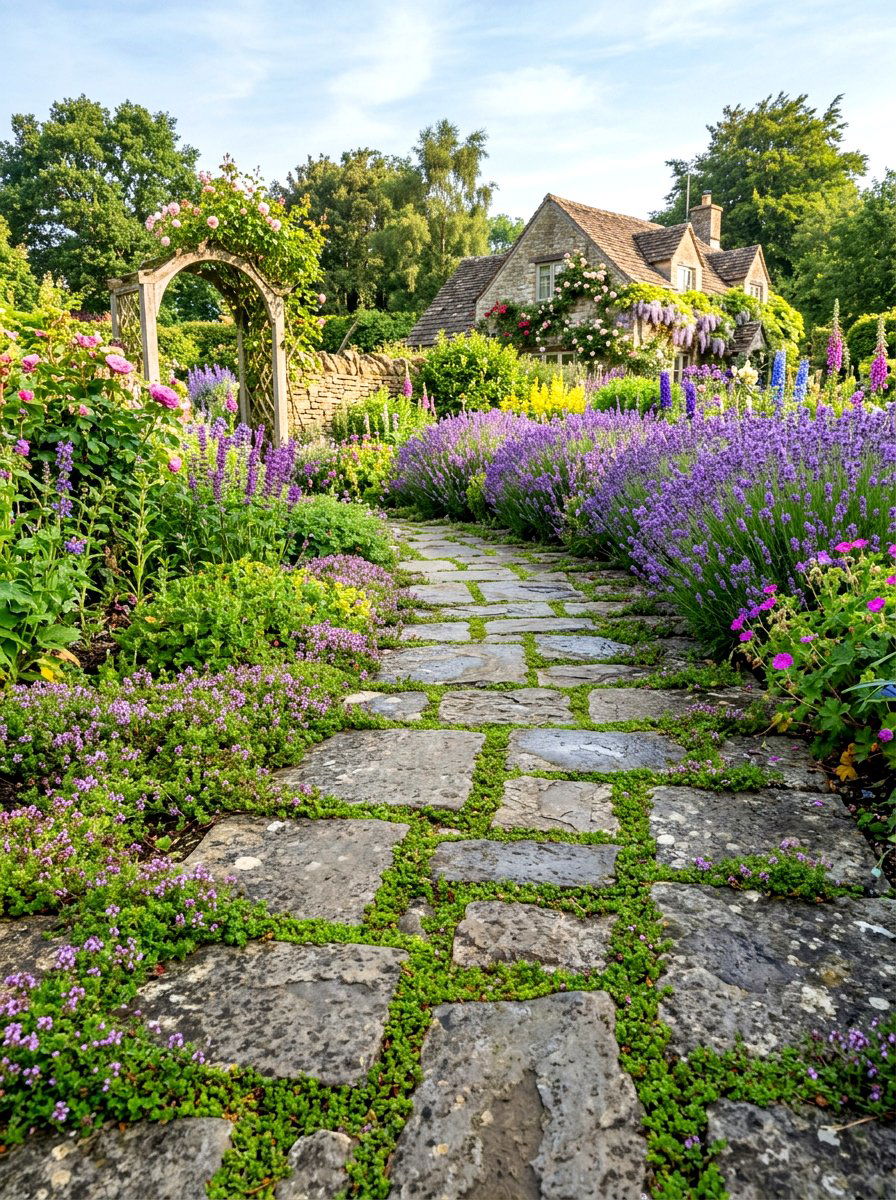
Installing a flagstone path is a classic way to introduce natural textures into your spring garden layout. These large, flat stones offer a sturdy walking surface while blending seamlessly with the surrounding earth and plants. To elevate the look, you should consider planting creeping thyme in the narrow crevices between each stone. This hardy groundcover provides a lush, green carpet that feels soft underfoot and produces tiny purple blooms in the spring. It effectively keeps weeds at bay and adds a delightful herbal scent to your stroll. This combination of hard stone and soft foliage creates a balanced, organic aesthetic that looks stunning in any backyard setting or front yard entrance.
2. Solar Lanterns Gravel Walkway
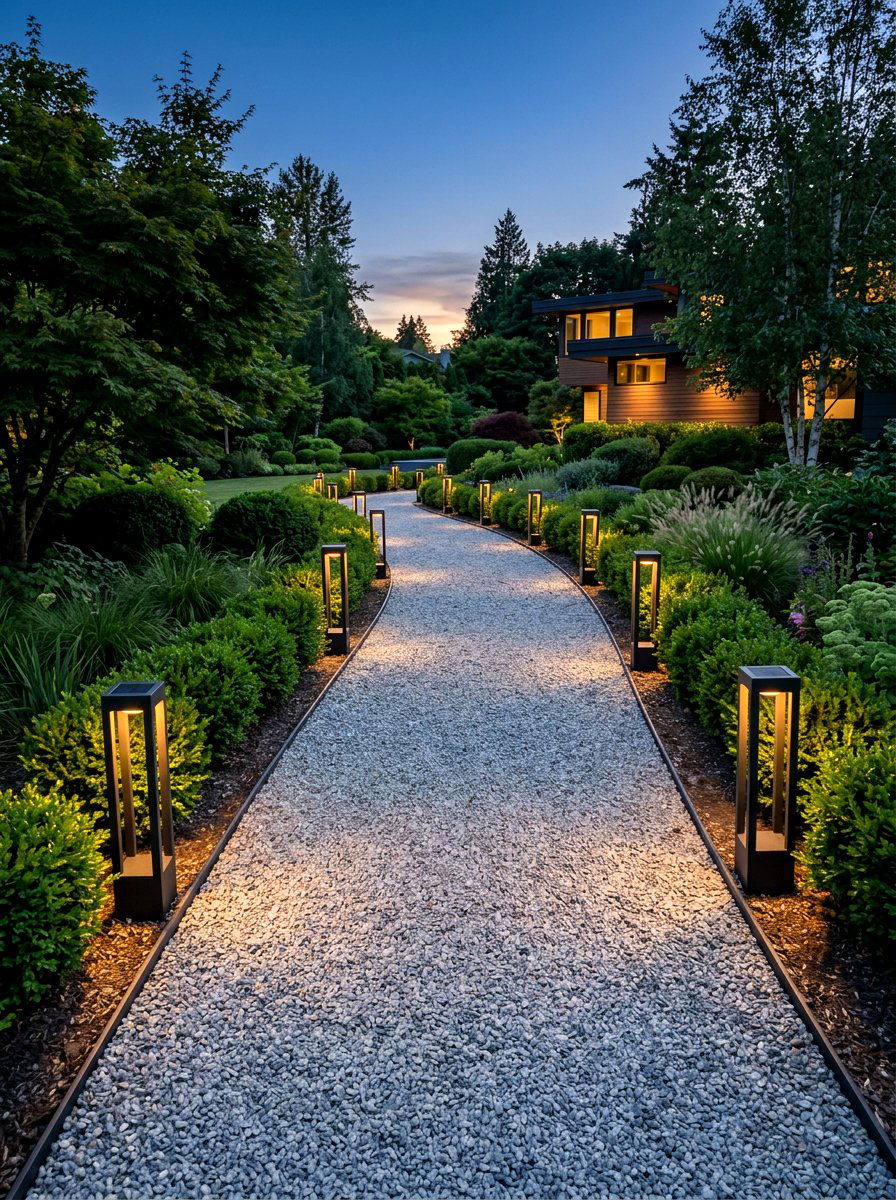
Gravel walkways are highly prized for their excellent drainage and satisfying crunching sound underfoot. To make your gravel path feel more intentional during the spring months, you can line the edges with modern solar-powered lanterns. These lights charge during the day and cast a warm, inviting glow over the small stones once the sun sets. Choosing lanterns with a matte black finish provides a sharp contrast against light-colored pea gravel or crushed granite. This setup ensures your garden is accessible and safe at night while adding a touch of contemporary elegance. It is an affordable way to create a high-end look without needing complex electrical wiring or professional installation.
3. Brick Edging Blooming Tulips
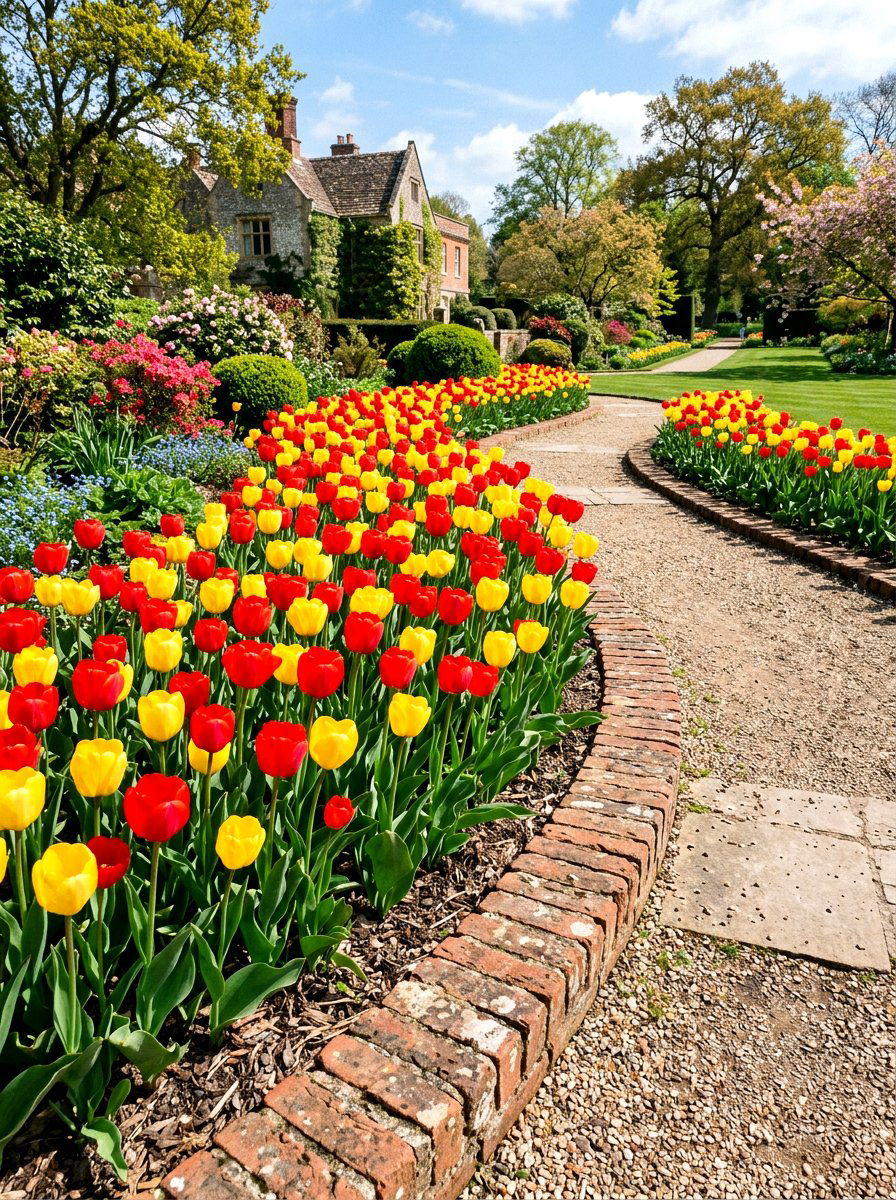
Nothing says spring quite like a row of bright tulips lining a classic brick garden path. Using weathered red bricks for edging creates a defined border that separates your walkway from the surrounding flower beds. By planting a dense row of colorful tulips just behind the bricks, you create a vibrant corridor that guides visitors through the space. The geometric patterns of the brickwork provide a sense of order that contrasts beautifully with the organic, flowing shapes of the flowers. This design works particularly well in traditional or colonial-style gardens where structure and symmetry are valued. It is a timeless look that brings immediate cheer to any outdoor area.
4. Reclaimed Wood Boardwalk
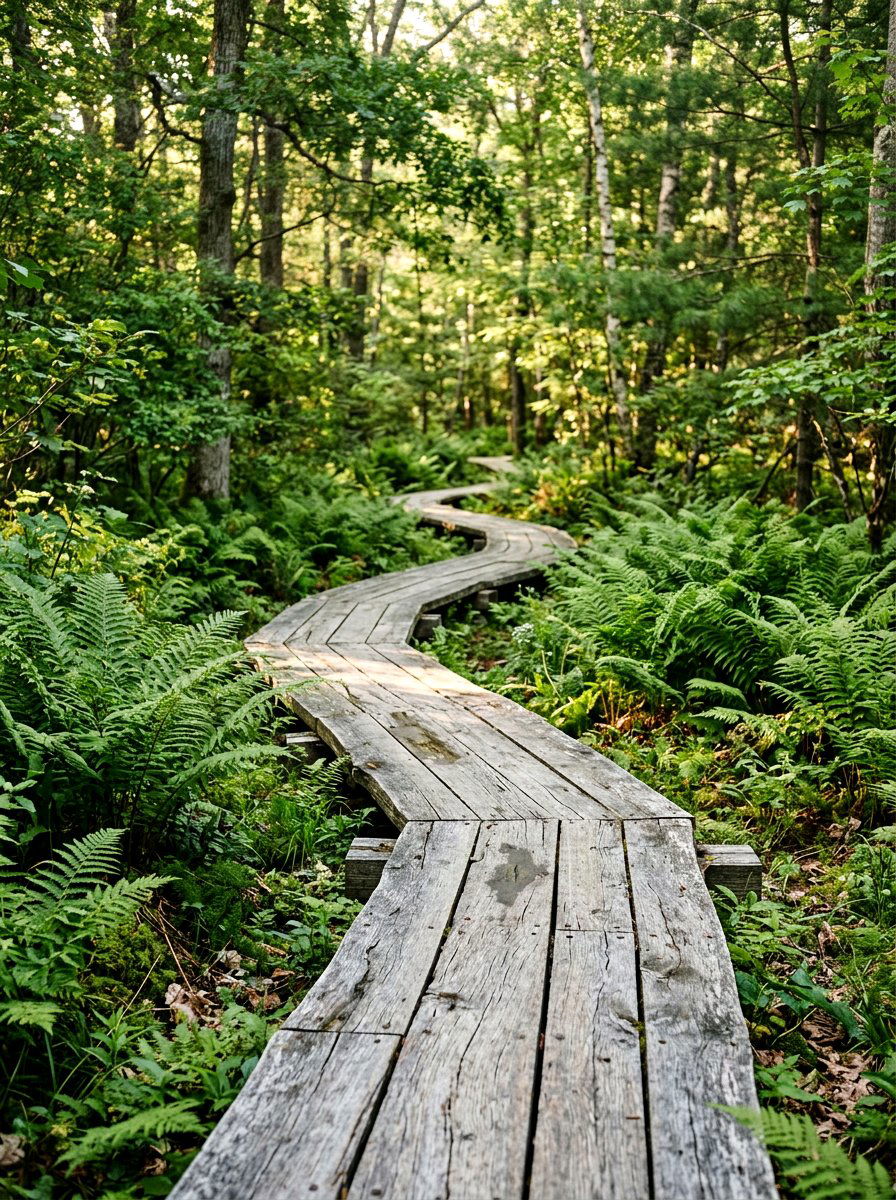
A reclaimed wood boardwalk is a fantastic choice for gardens with uneven terrain or damp soil conditions. Using salvaged timber planks allows you to create an elevated walkway that feels rustic and environmentally friendly. The natural weathering of the wood develops a beautiful silvery-gray patina over time, which looks stunning against fresh spring greenery. You can arrange the planks in a simple horizontal pattern or a more complex herringbone design for extra visual interest. Surrounding the wooden path with ferns or shade-loving hostas enhances the woodland feel of the space. This approach turns a simple garden transit zone into a unique architectural feature that feels both cozy and sophisticated.
5. Mosaic Stepping Stones
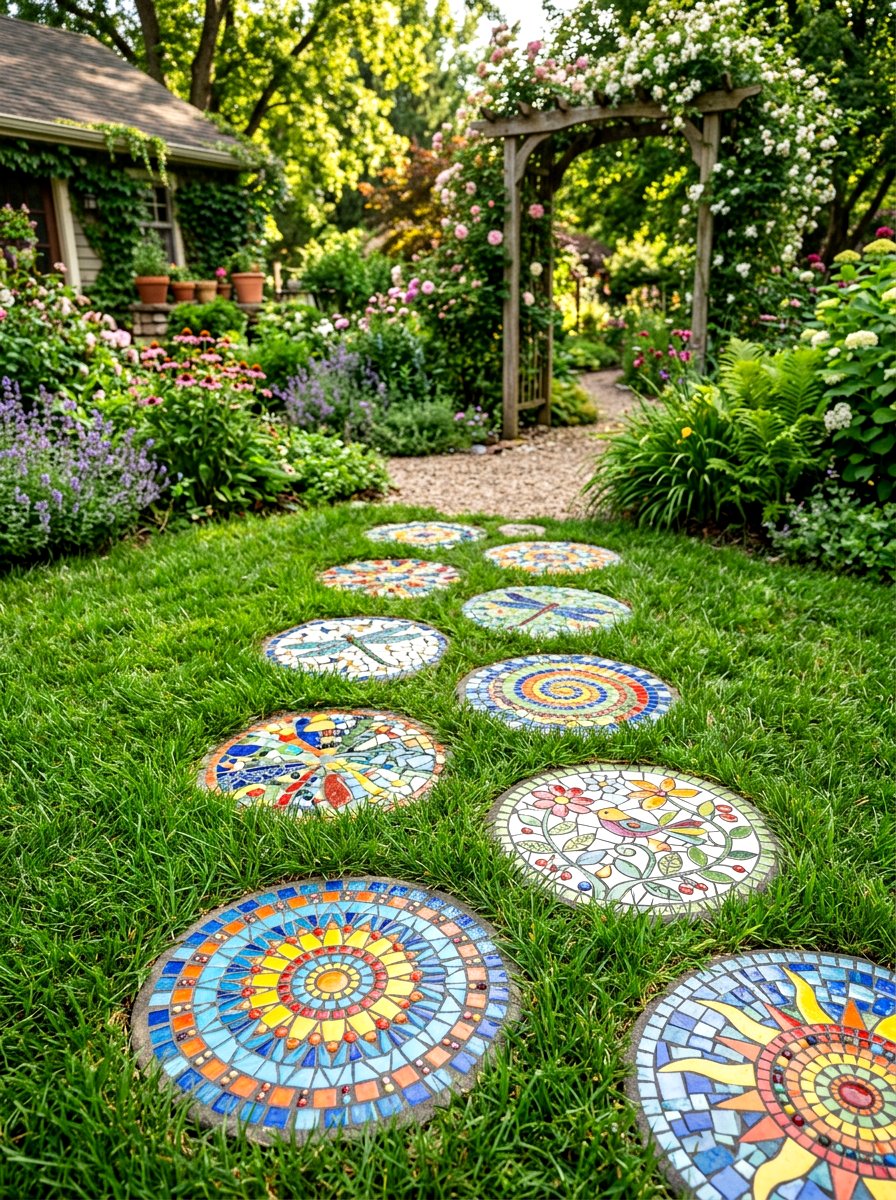
Handcrafted mosaic stepping stones add a personal and artistic touch to any spring garden pathway. You can create these stones using broken ceramic tiles, glass beads, or colorful river rocks embedded in concrete rounds. When placed through a lush lawn or a bed of mulch, they act as functional pieces of art that capture the light. The intricate patterns and bright colors of the mosaics can reflect the floral themes of your spring garden. This project is a great way to recycle old materials while making your walkway feel unique and whimsical. These stones are particularly effective in smaller garden corners where you want to draw the eye and encourage exploration.
6. Arched Trellis Climbing Roses
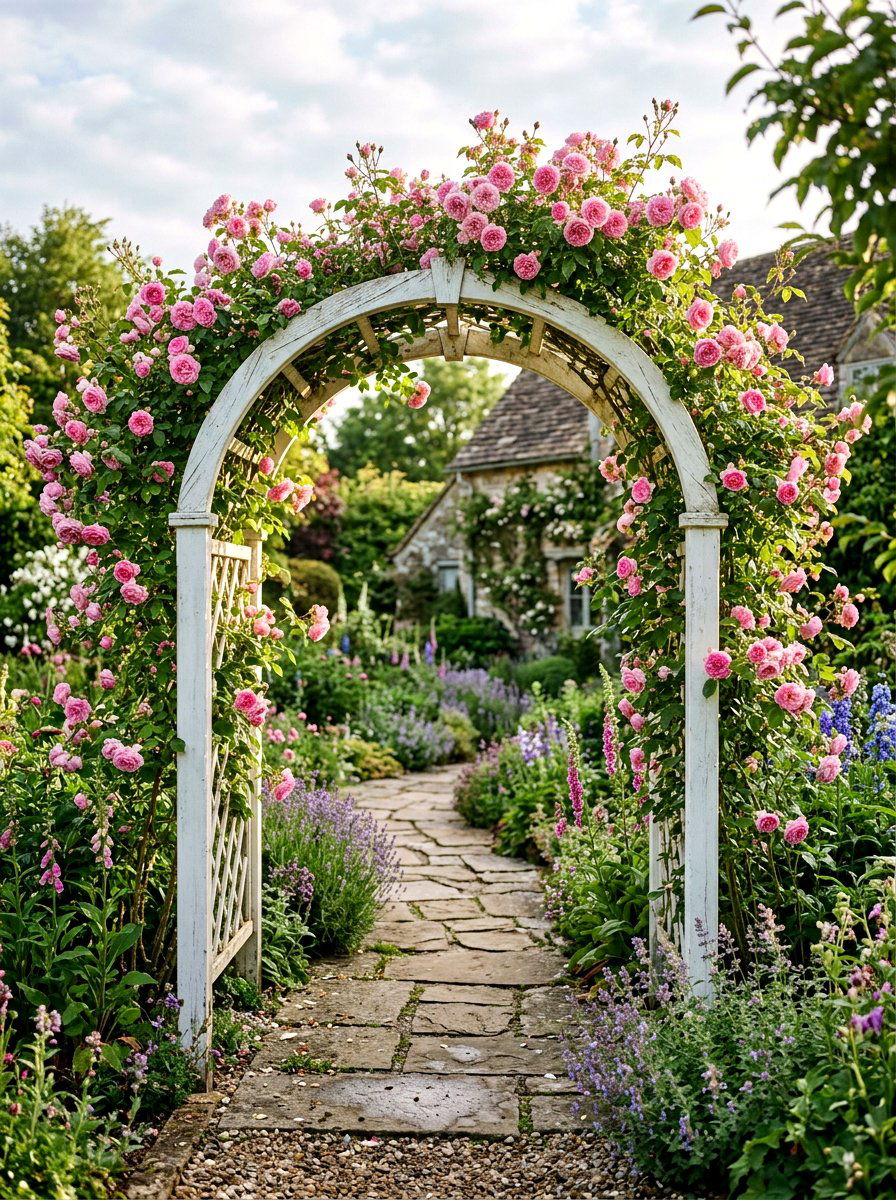
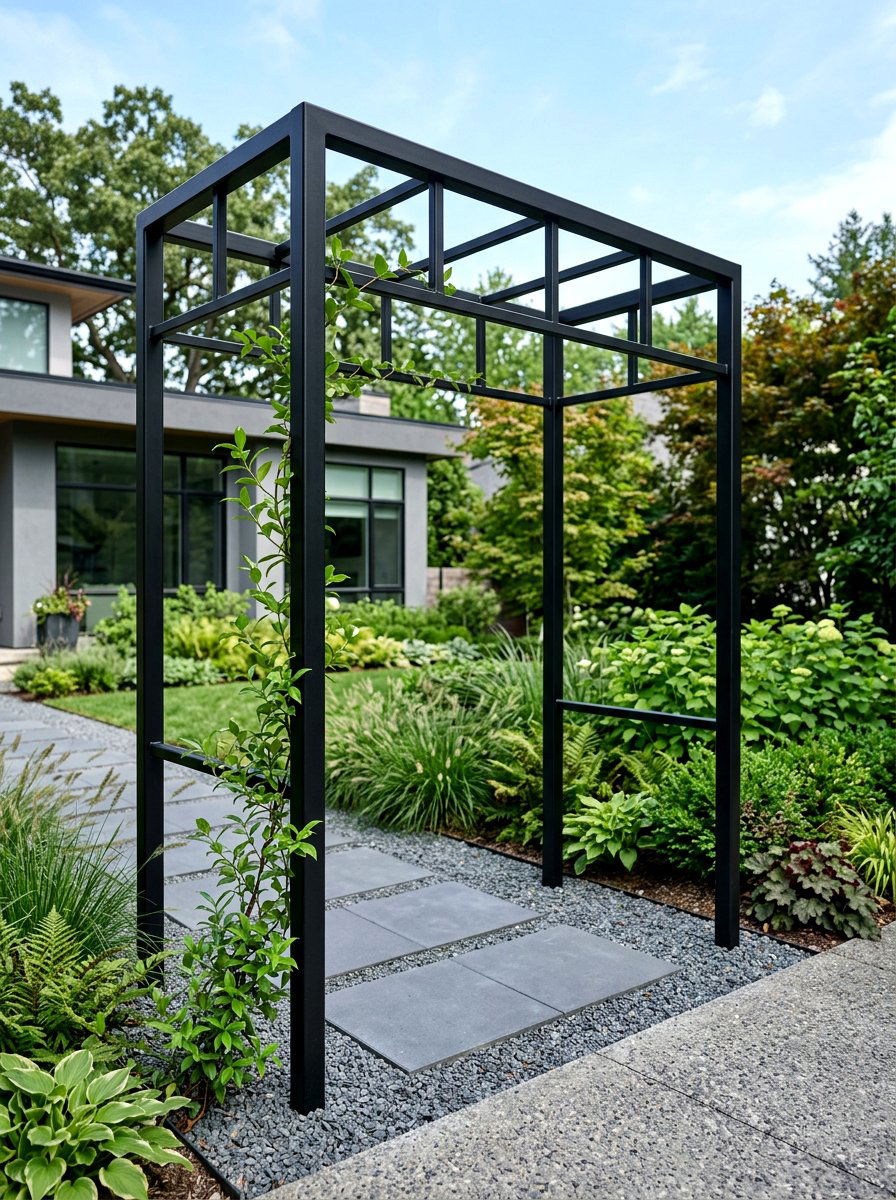
An arched trellis placed at the entrance or middle of a path creates a breathtaking vertical focal point. During the spring, you can train climbing roses or fragrant jasmine to grow over the structure, creating a living tunnel of blooms. As you walk through the arch, the overhead canopy of flowers provides a sense of enclosure and intimacy. This design element adds height to your garden and breaks up the flat horizontal lines of the ground. Choosing a white or dark green trellis allows the colors of the roses to pop vividly against the frame. It is a romantic addition that makes any garden path feel like a professional landscape.
7. White Pebble Path Boxwood
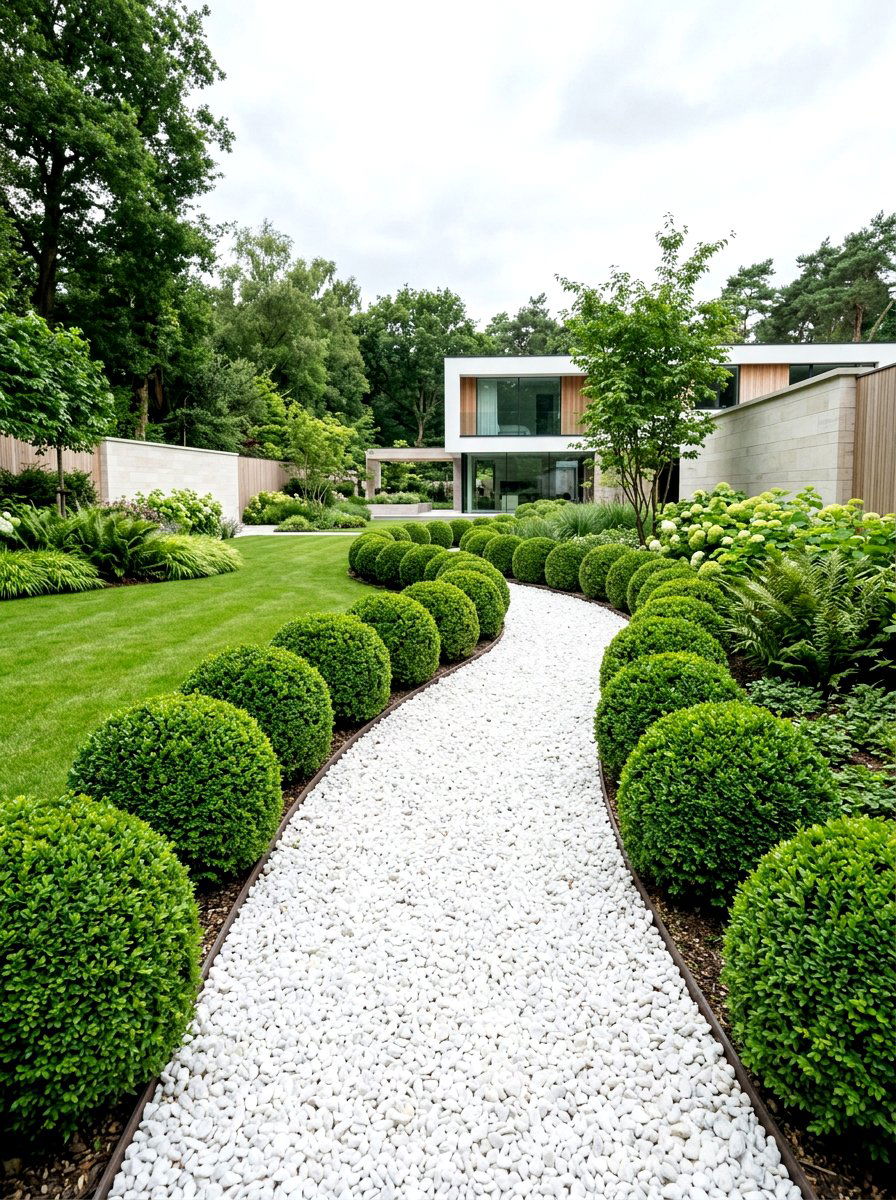
A white pebble path combined with manicured boxwood hedges offers a clean, minimalist aesthetic that feels very refreshing in the spring. The bright white stones reflect sunlight, making the pathway appear wider and more open. Lining the path with low, rounded boxwood shrubs provides a permanent green structure that looks great all year round. The contrast between the stark white gravel and the deep green foliage creates a sophisticated and modern vibe. This style is perfect for formal gardens or contemporary homes where neatness and precision are key. It requires minimal maintenance once installed, as the stones suppress weeds and the boxwood only needs occasional trimming.
8. Natural Slate Tiles Lawn
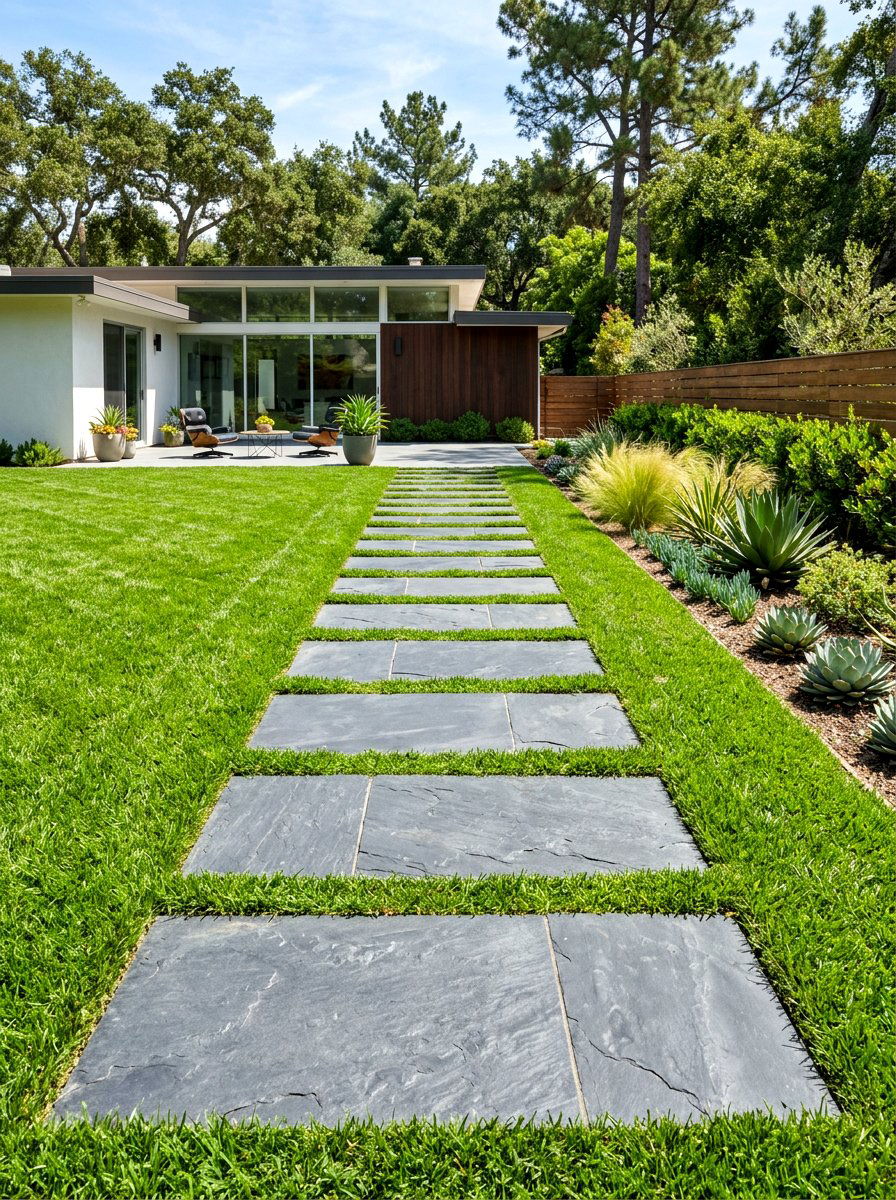
Embedding natural slate tiles directly into a well-manicured lawn creates a seamless and modern stepping stone path. The dark, earthy tones of the slate provide a moody contrast to the vibrant green of the spring grass. By spacing the tiles evenly, you allow the grass to grow between them, which helps the path blend into the landscape. This look is very popular in minimalist and mid-century modern garden designs. The flat surface of the slate is easy to walk on and stays relatively cool in the sun. It is a subtle way to define a route across your yard without cluttering the view with bulky materials or tall borders.
9. Lavender Border Stone Path
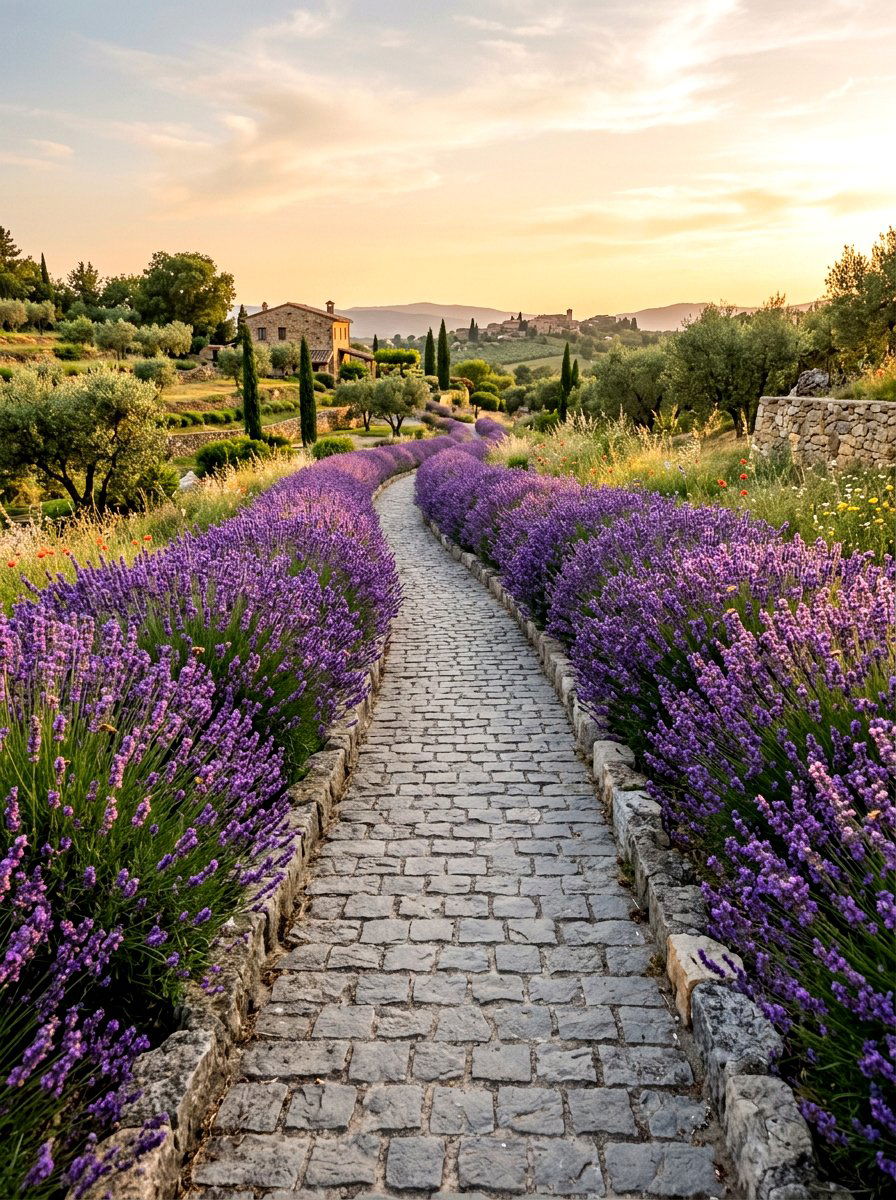
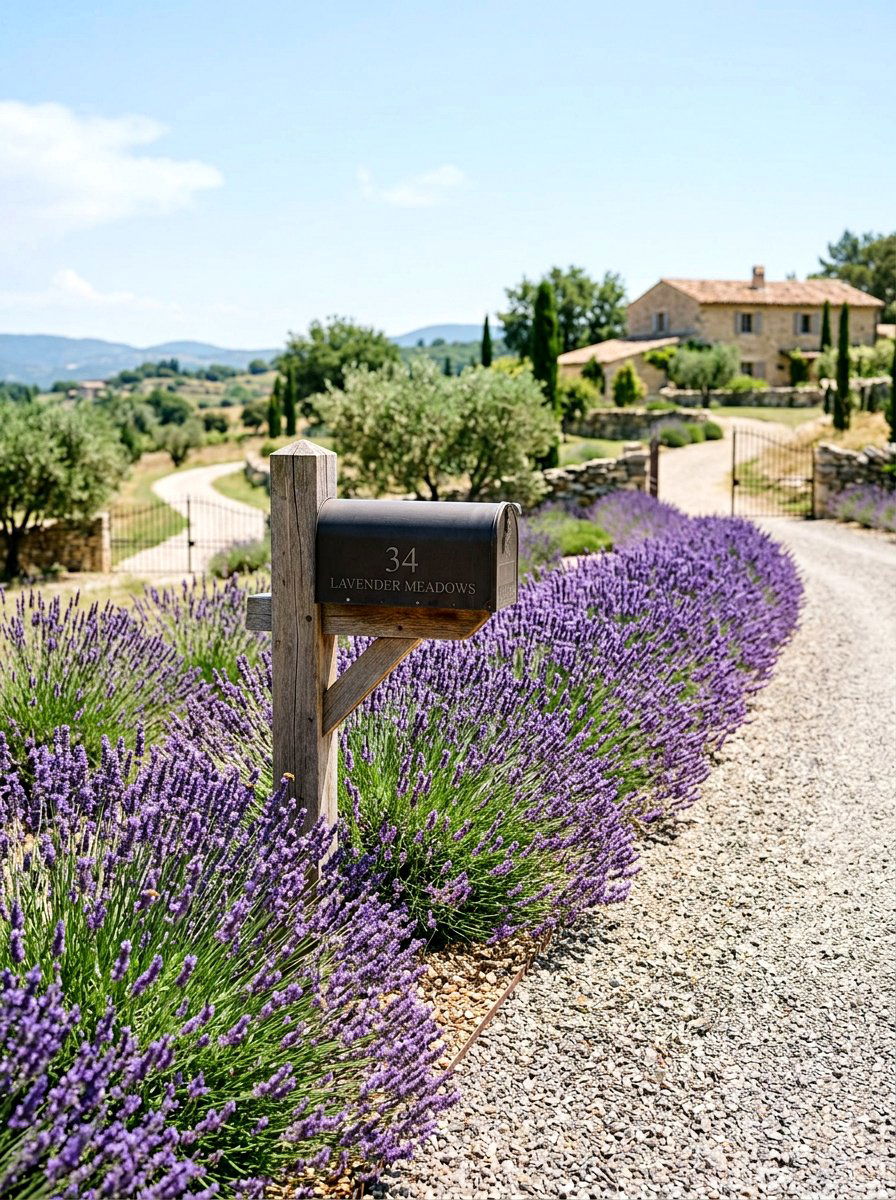
Planting a thick border of lavender along a stone path is a brilliant way to engage the senses during spring. As people walk by, their legs might brush against the plants, releasing a calming floral fragrance into the air. Lavender thrives in the sun and provides a beautiful purple-hued edge that softens the hard lines of a stone walkway. The silvery-green foliage of the lavender also adds a Mediterranean feel to your garden. This type of decor attracts beneficial pollinators like bees and butterflies, making your path a hub of natural activity. It is a practical and beautiful choice for sunny paths that receive plenty of light.
10. Log Slices Wildflower Meadow
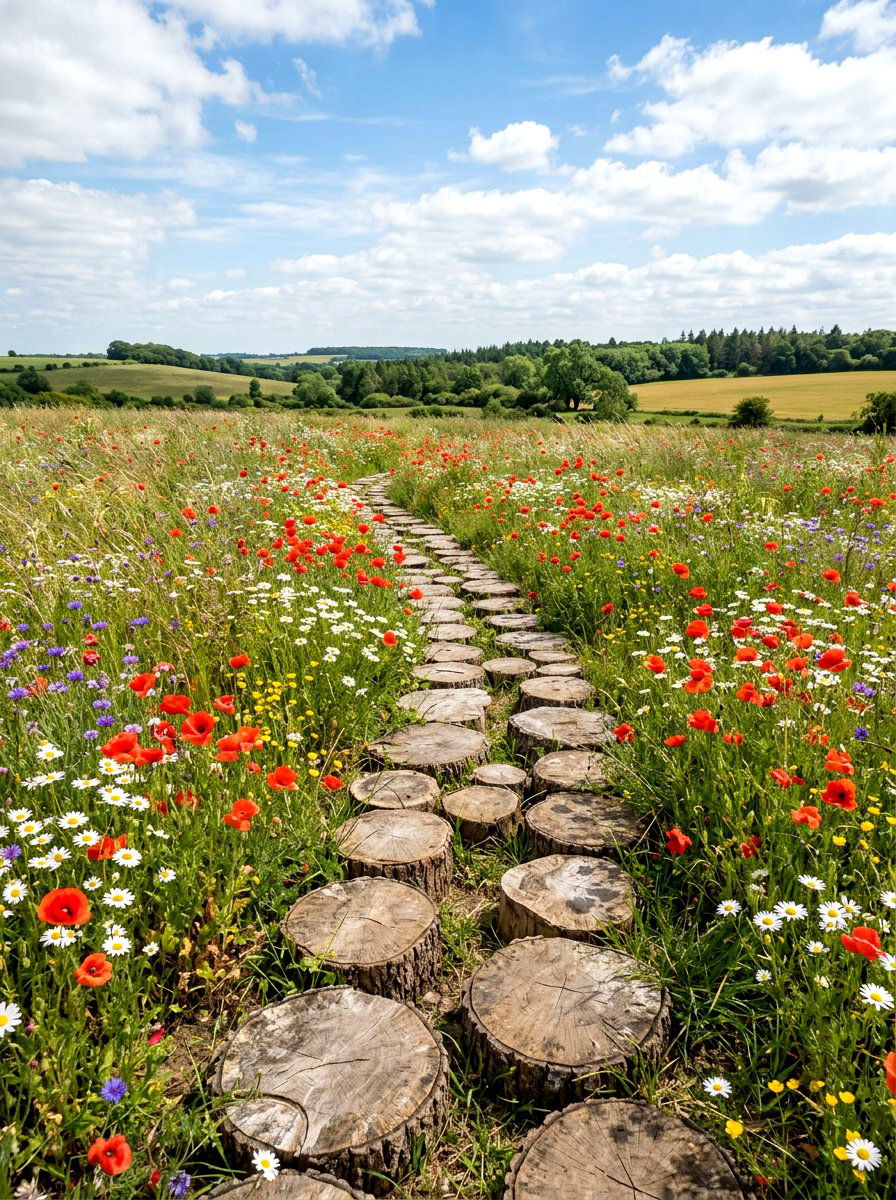
For a truly natural and whimsical look, you can use cross-sections of logs as stepping stones through a wildflower meadow. These wooden rounds provide an organic feel that perfectly complements the unstructured beauty of spring wildflowers. Each log slice has a unique ring pattern and shape, adding character to every step you take. Surrounding the path with a mix of poppies, daisies, and clover creates a vibrant and eco-friendly landscape. This design is ideal for cottage gardens or large rural properties where you want the path to feel like a hidden trail. It is a low-cost option that utilizes fallen timber while supporting local biodiversity.
11. Curvy Mulch Path Hostas
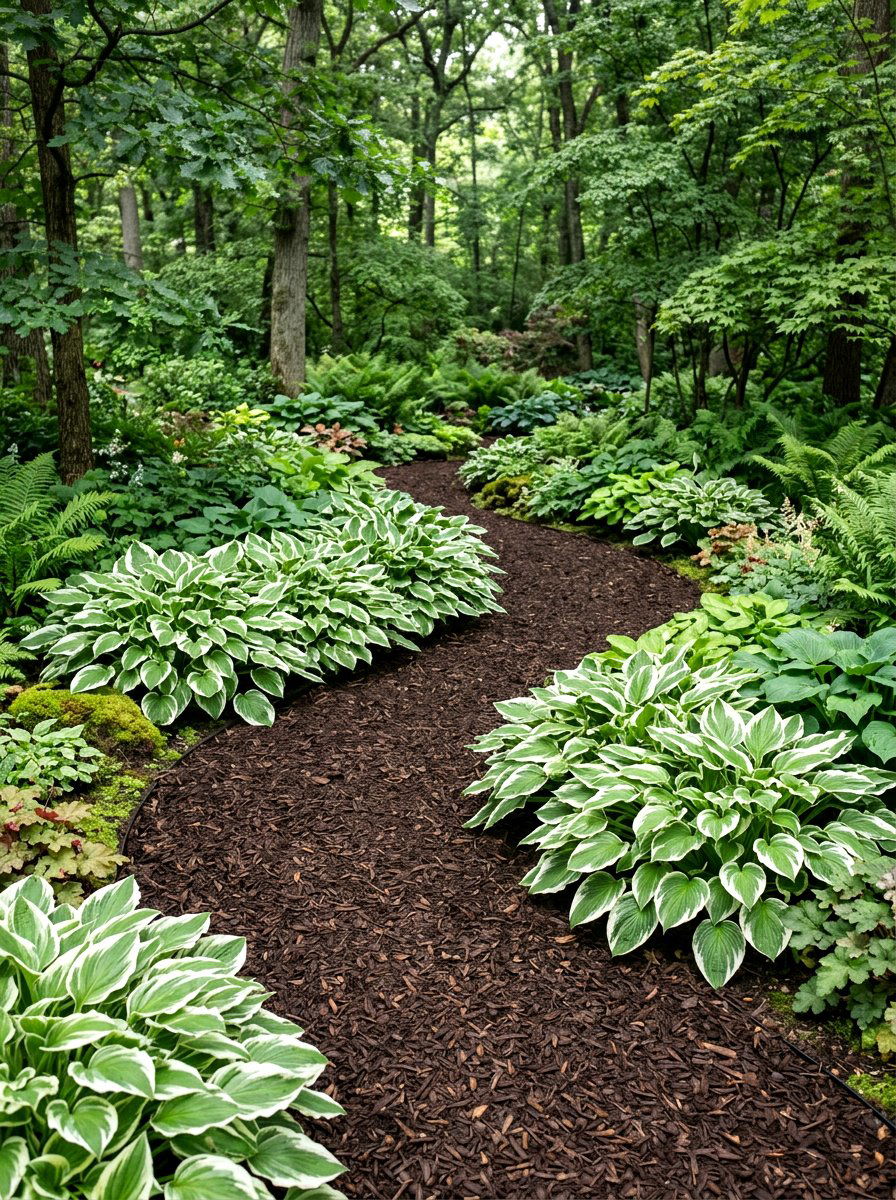
A curvy mulch path is an excellent choice for creating a relaxed and informal flow through your garden beds. The soft texture of the wood chips is gentle to walk on and helps retain moisture for the surrounding plants. Lining the curves with various types of hostas provides a lush, leafy border that thrives in the spring. Hostas come in many shades of green, blue, and variegated patterns, allowing you to create a textured edge. The winding shape of the path encourages visitors to slow down and enjoy the different plant varieties along the way. This setup is particularly effective in shaded areas or under large garden trees.
12. River Rock Drainage Path Ferns
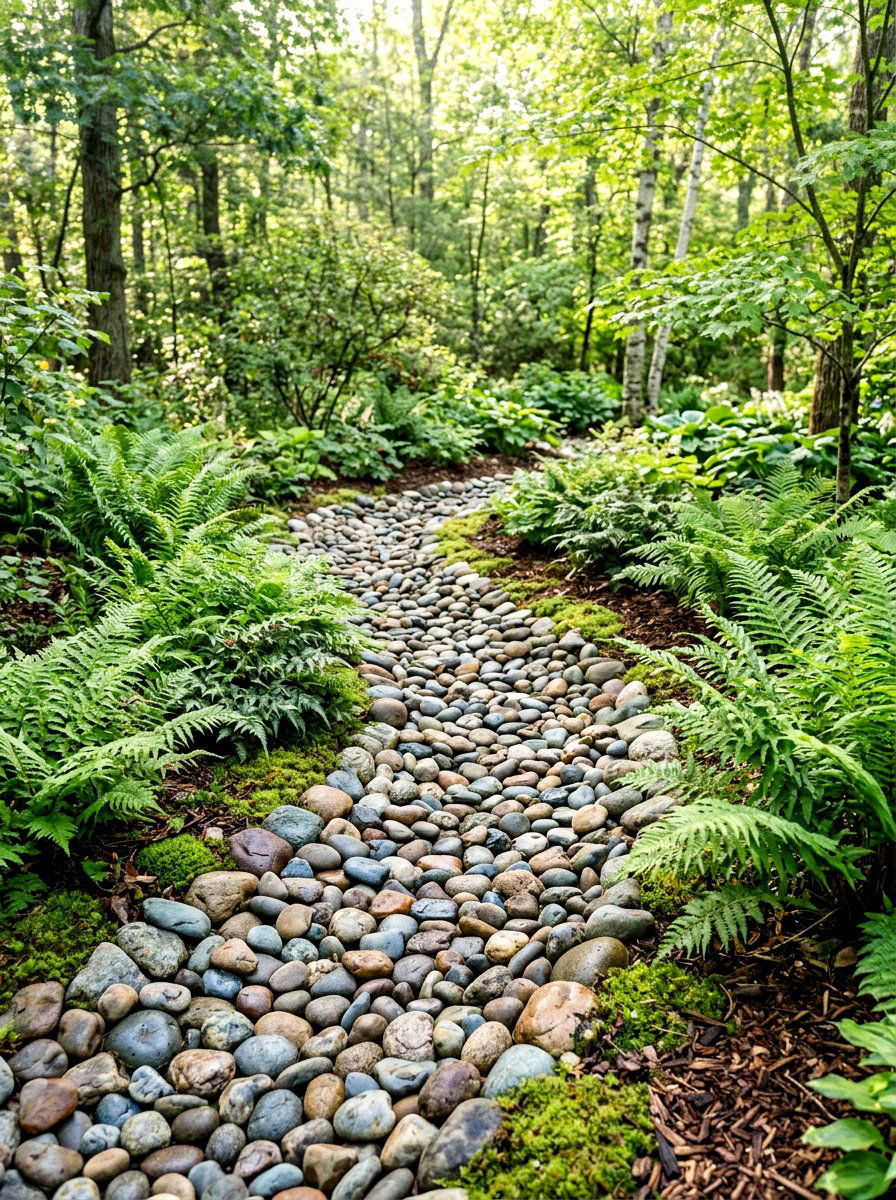
In areas of your garden that tend to get wet during spring rains, a river rock path can serve as both decor and drainage. Large, smooth river stones in various shades of gray and tan create a dry creek bed appearance. You can plant various ferns along the edges to embrace the moist environment and add a prehistoric, lush feel. The delicate fronds of the ferns contrast beautifully with the solid, heavy nature of the river rocks. This design turns a potential mud problem into a beautiful landscape feature. It looks incredibly natural and requires very little upkeep, making it a functional and attractive solution for your backyard.
13. Concrete Pavers Grass Gaps
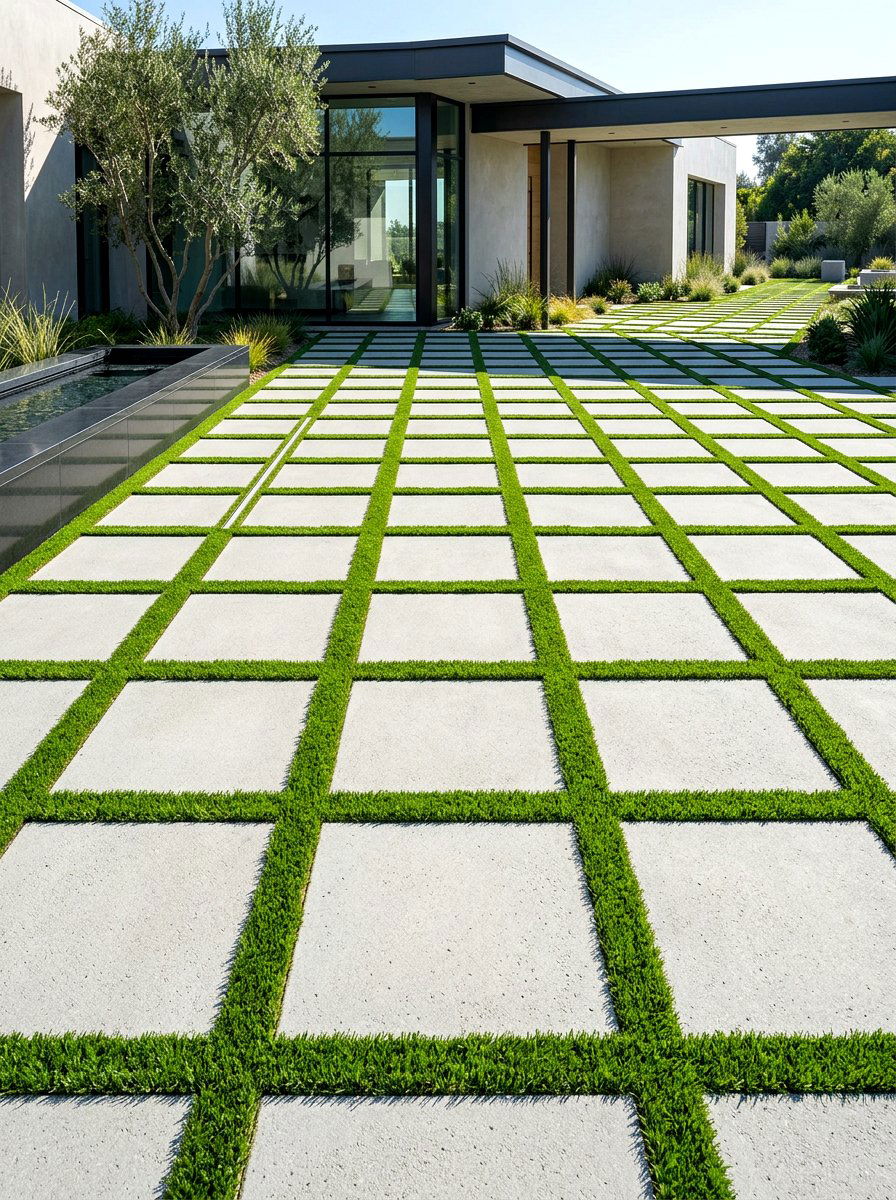
Using large rectangular concrete pavers with intentional gaps for grass is a popular trend in modern landscape design. This grid-like pattern offers a clean and architectural look that feels very organized. During the spring, the bright green grass growing between the gray concrete creates a striking visual rhythm. This design allows for better water infiltration compared to a solid concrete slab, making it an eco-conscious choice. It is perfect for wide walkways or patios where you want to maintain a sense of greenery without a full lawn. The flat pavers provide a stable surface for patio furniture or heavy foot traffic while looking very high-end.
14. Wrought Iron Gate Path
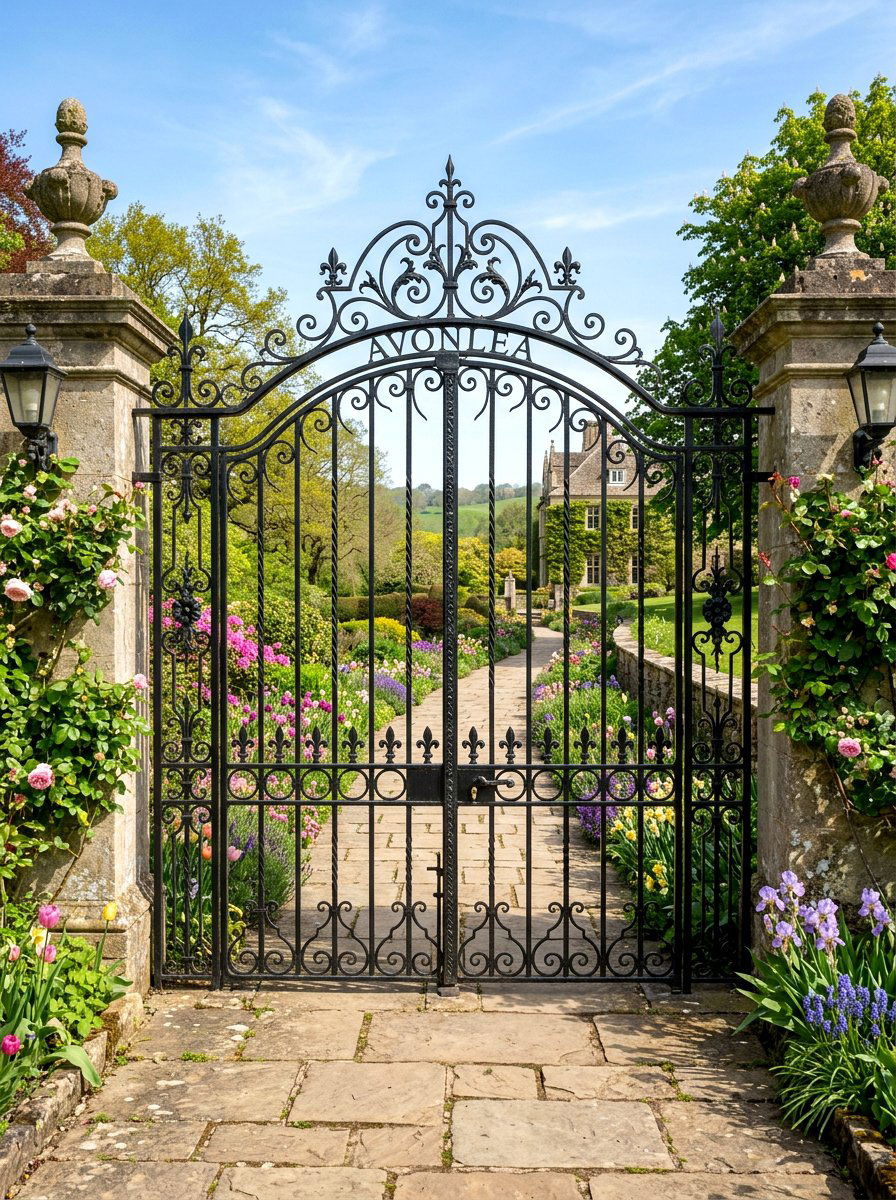
Installing a decorative wrought iron gate at the start of your garden path adds a sense of mystery and grandeur. A gate acts as a visual "entryway" that signals the transition into a private and curated space. During the spring, you can let ivy or light vines wrap around the metal bars for an aged, classic look. Wrought iron is durable and comes in many intricate patterns, from simple vertical lines to ornate floral scrolls. This element provides a sense of security while also serving as a beautiful silhouette against the blooming garden backdrop. It makes the journey down your pathway feel much more significant and intentional for any guest.
15. Bluebells Lining Woodland Path
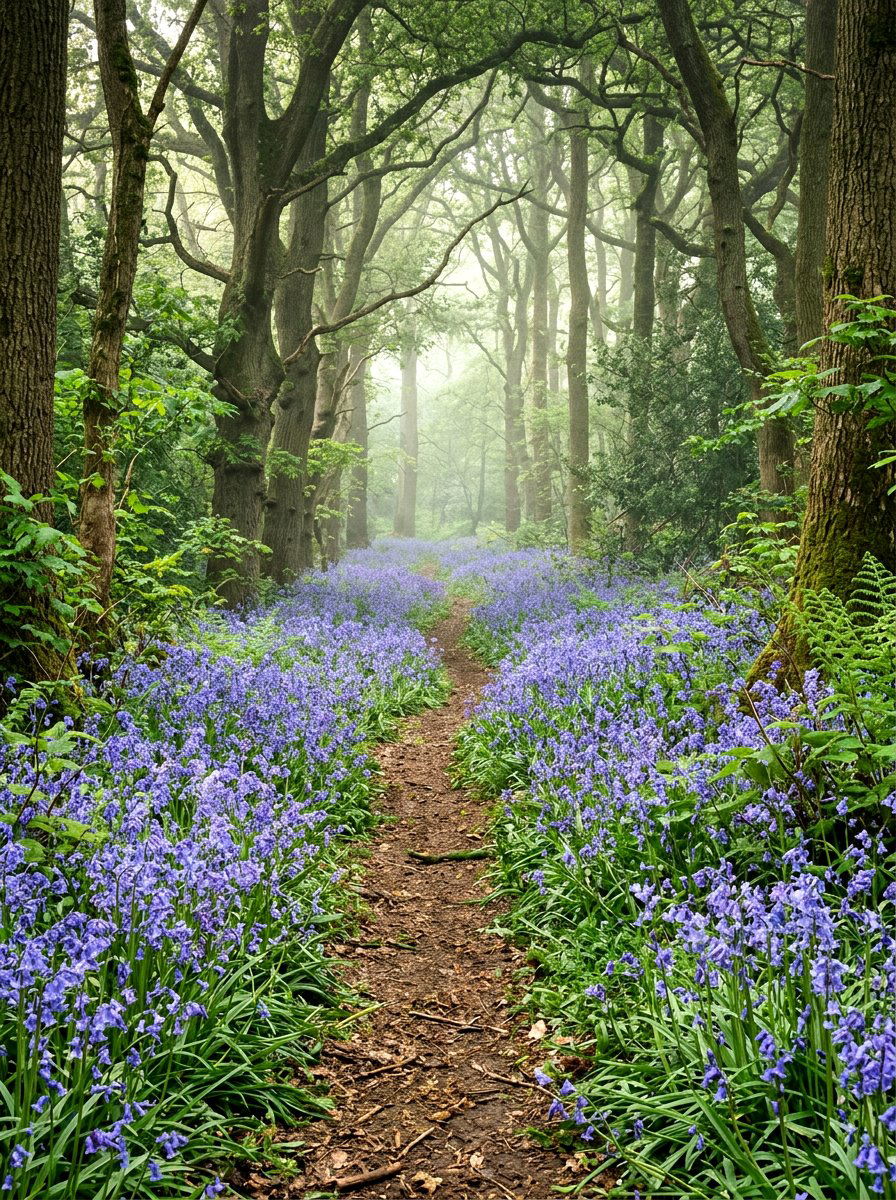
If you have a shaded or wooded area in your yard, lining the path with bluebells creates a magical spring experience. These nodding blue flowers thrive under the canopy of trees and spread quickly to form a stunning floral carpet. Walking through a sea of bluebells feels like stepping into a storybook or a protected forest glen. The contrast of the deep blue petals against the brown earth or mulch path is visually arresting. This type of pathway decor requires minimal effort once the bulbs are established, as they return year after year. It is the perfect way to celebrate the arrival of spring in a naturalistic garden setting.
16. Terraced Garden Stairs Succulents
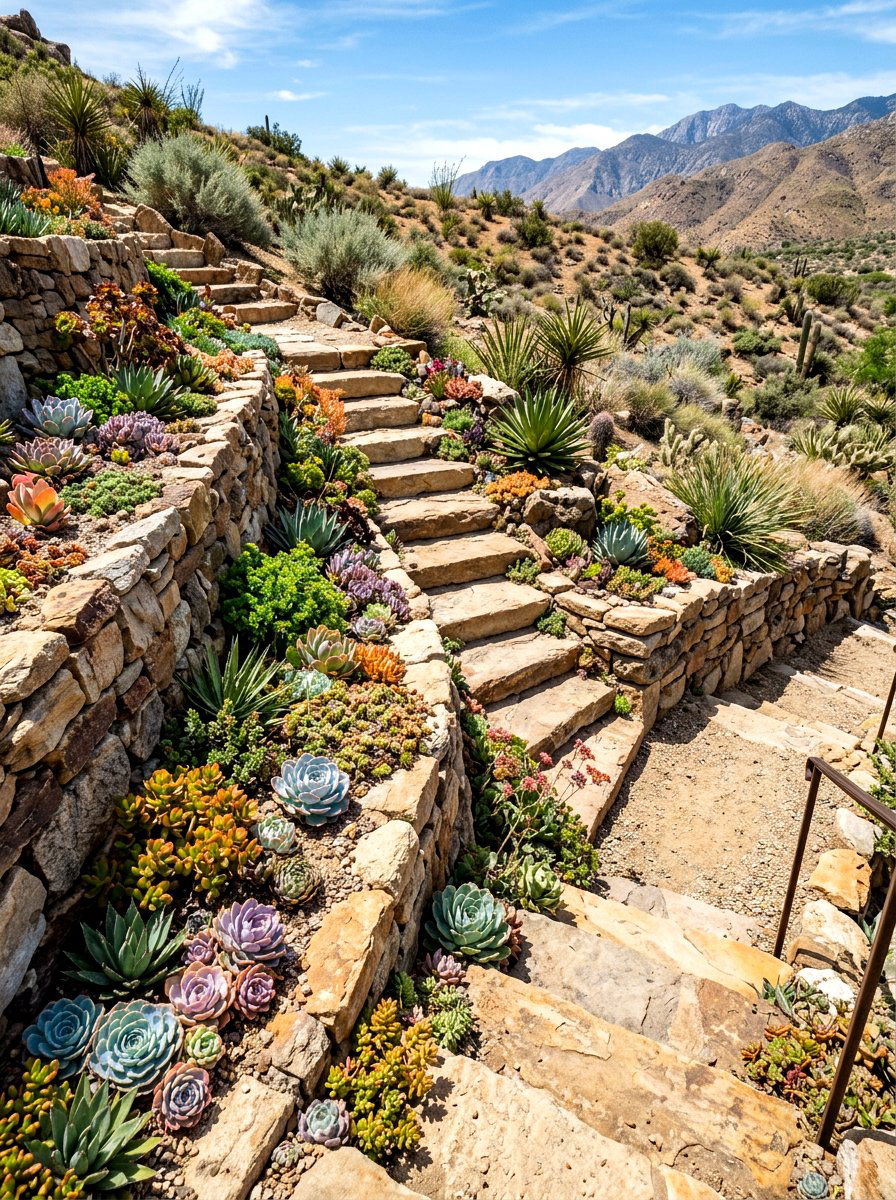
For gardens with steep slopes, creating terraced stairs made of stone or timber is essential for accessibility and style. You can decorate the edges of each step with a variety of hardy succulents that thrive in the well-drained soil of a hillside. Succulents offer unique shapes and colors, from rosettes to trailing vines, which add interest to the vertical journey. During the spring, many succulents produce delicate flowers on long stalks, adding an extra layer of beauty. These plants are drought-tolerant and require very little maintenance, making them ideal for staircase borders. This setup transforms a difficult incline into a tiered masterpiece of texture and color.
17. Pea Gravel Path Herb Border
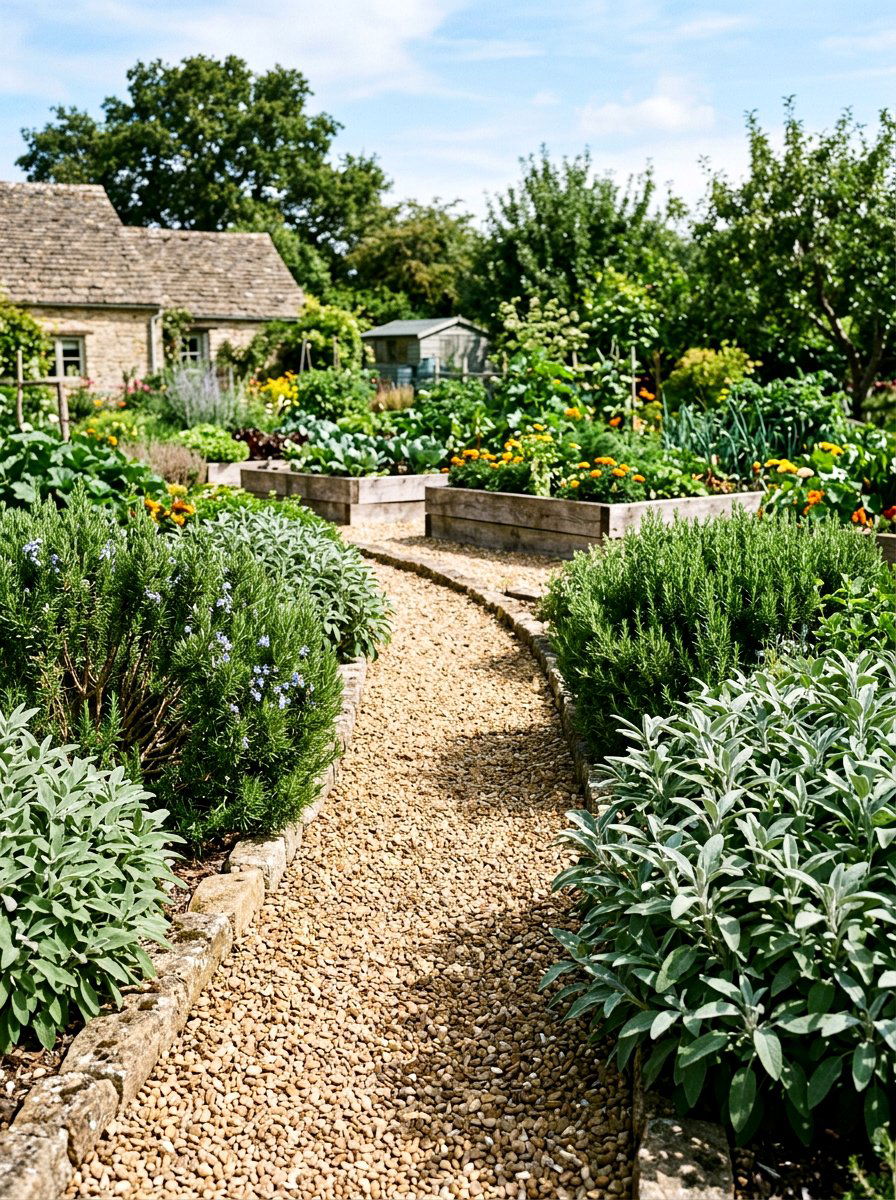
A pea gravel path paired with an edible herb border is a practical and charming addition to any spring garden. Herbs like rosemary, thyme, and oregano are sturdy enough to grow near a walkway and offer wonderful scents. As you walk on the small, rounded pea gravel, the crunching sound complements the rustic feel of the herb garden. This setup is perfect for kitchen gardens or small backyards where space is limited. The gray or tan tones of the gravel make the bright green herbs stand out clearly. It is a functional design that allows you to harvest fresh ingredients while enjoying a beautiful and well-maintained garden path.
18. Low Voltage Spotlighting Walkway
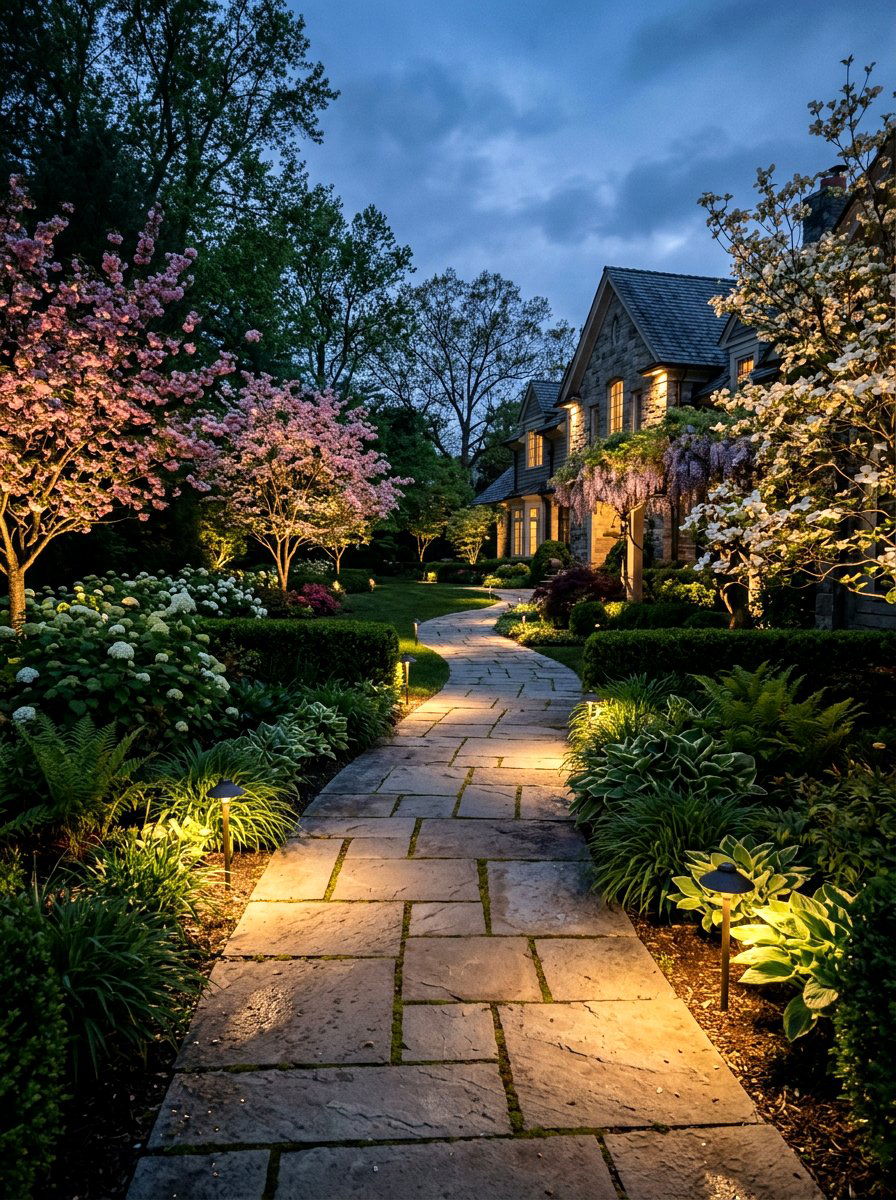
Installing low-voltage spotlights along your garden walkway is a sophisticated way to highlight your landscaping after dark. By positioning the lights to shine upward into the branches of spring-blooming trees or across the surface of the path, you create depth. This type of lighting is much more subtle than standard floodlights and allows you to control the mood of the space. You can use warm white bulbs to create a cozy atmosphere or cool tones for a more modern look. Good lighting also increases the safety of your pathway by illuminating potential tripping hazards. It is a professional touch that makes your garden look stunning throughout the evening hours.
19. Checkerboard Paver Path Moss
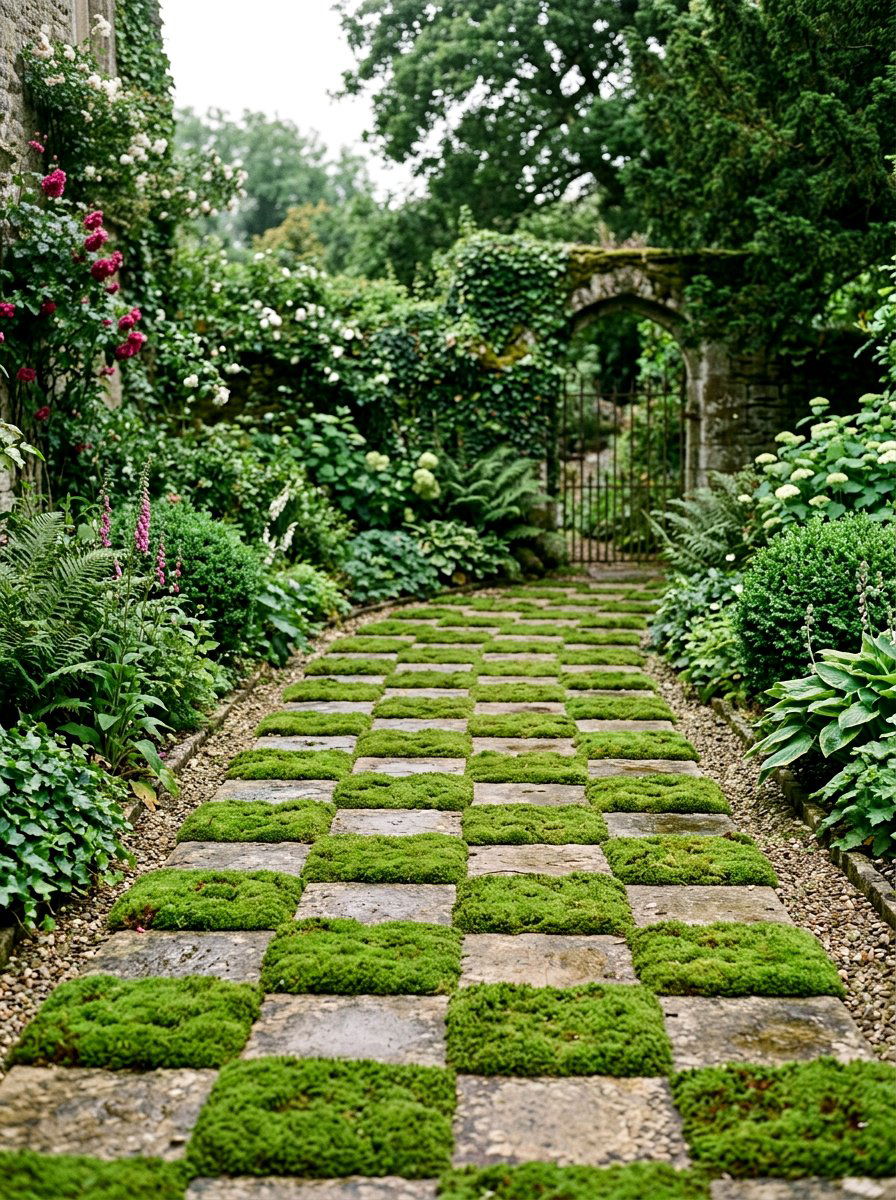
A checkerboard pattern using square stone pavers and living moss is a unique and enchanting decor idea for damp, shady areas. By alternating the solid pavers with patches of soft, green moss, you create a living tapestry on the ground. Moss thrives in the cool, moist conditions of spring and provides a vibrant emerald color that lasts. This design feels very old-world and whimsical, reminiscent of European estate gardens. It is a great way to handle areas where grass refuses to grow due to lack of sunlight. The flat stones provide a stable walking surface while the moss adds a soft, cushioning effect to the overall design.
20. Hydrangea Hedge Gravel Walk
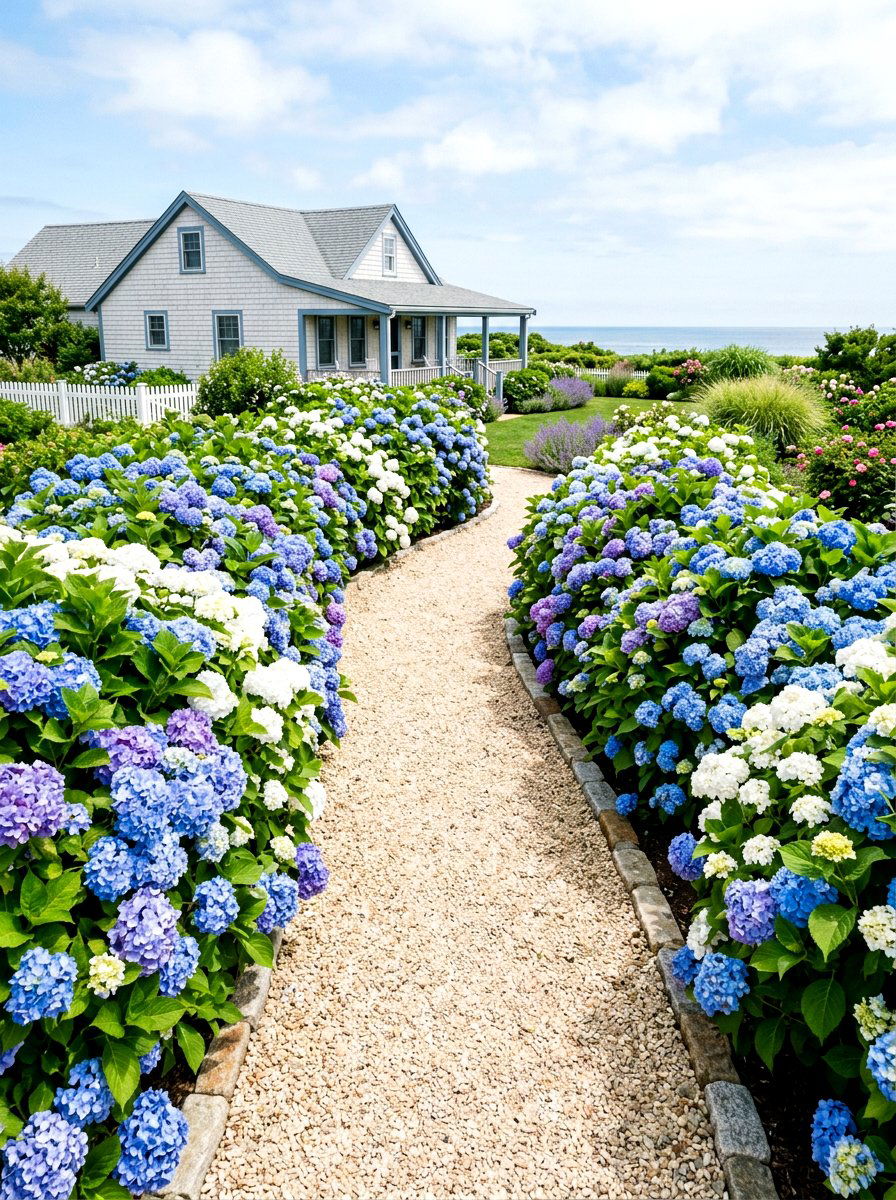
Lining a simple gravel walk with a tall hydrangea hedge creates a stunning wall of color and texture. During the spring, the large green leaves fill out quickly, providing privacy and structure to the pathway. As the season progresses into late spring, the massive flower heads begin to form, creating a spectacular display. Hydrangeas come in shades of blue, pink, and white, allowing you to customize the color palette of your walk. The bulkiness of the shrubs creates a sense of enclosure that makes the path feel like a private room. This is a bold and classic choice for anyone who loves large, showy floral displays.
21. Birdhouse Village Garden Trail
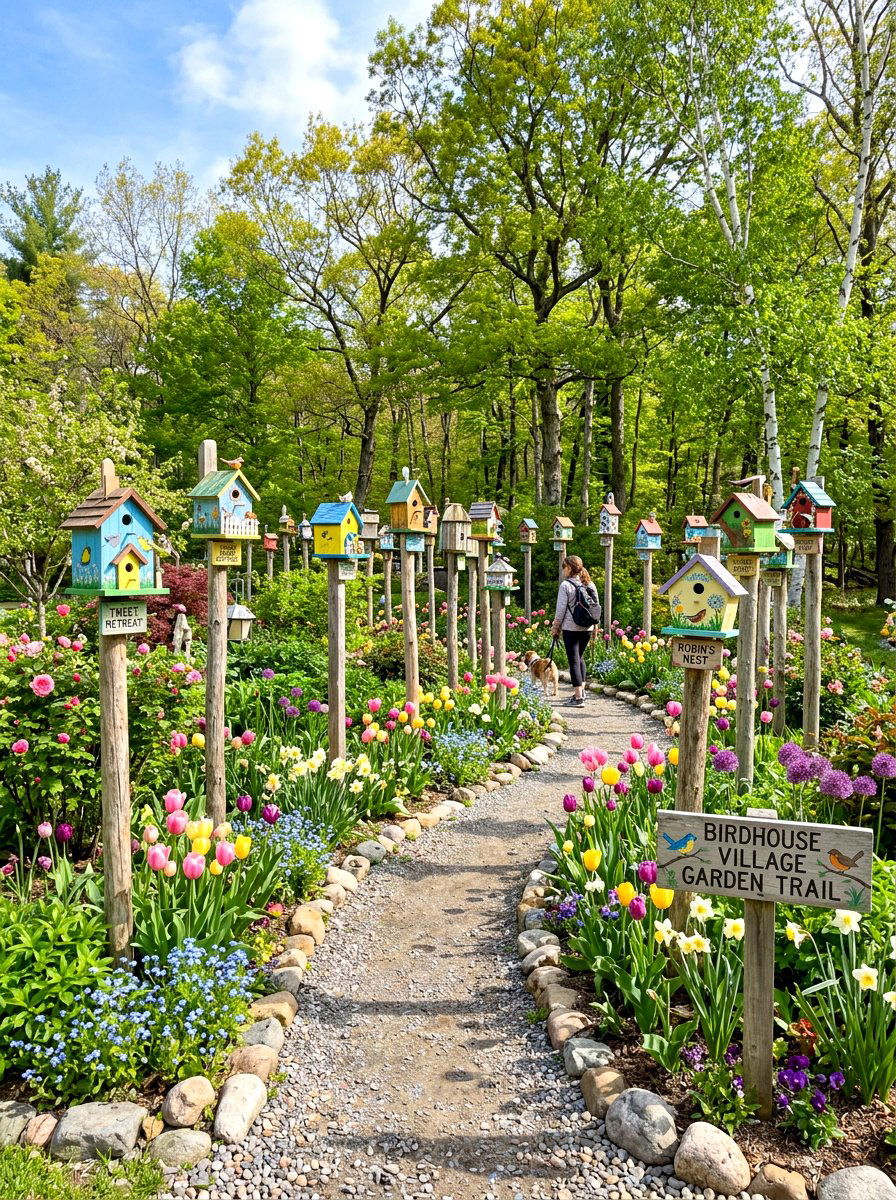
Creating a "birdhouse village" along a winding garden trail is a fun and decorative way to attract wildlife. You can mount various styles of colorful birdhouses on wooden posts at different heights along the path. During the spring, these houses become active nesting sites, adding the sound of birdsong to your garden experience. The different shapes and colors of the birdhouses act as whimsical ornaments that brighten up the landscape. This decor idea is perfect for families or bird enthusiasts who want to create a lively and interactive outdoor space. It turns a simple walk through the yard into an educational and charming nature trail for everyone.
22. Painted Pallet Wood Path
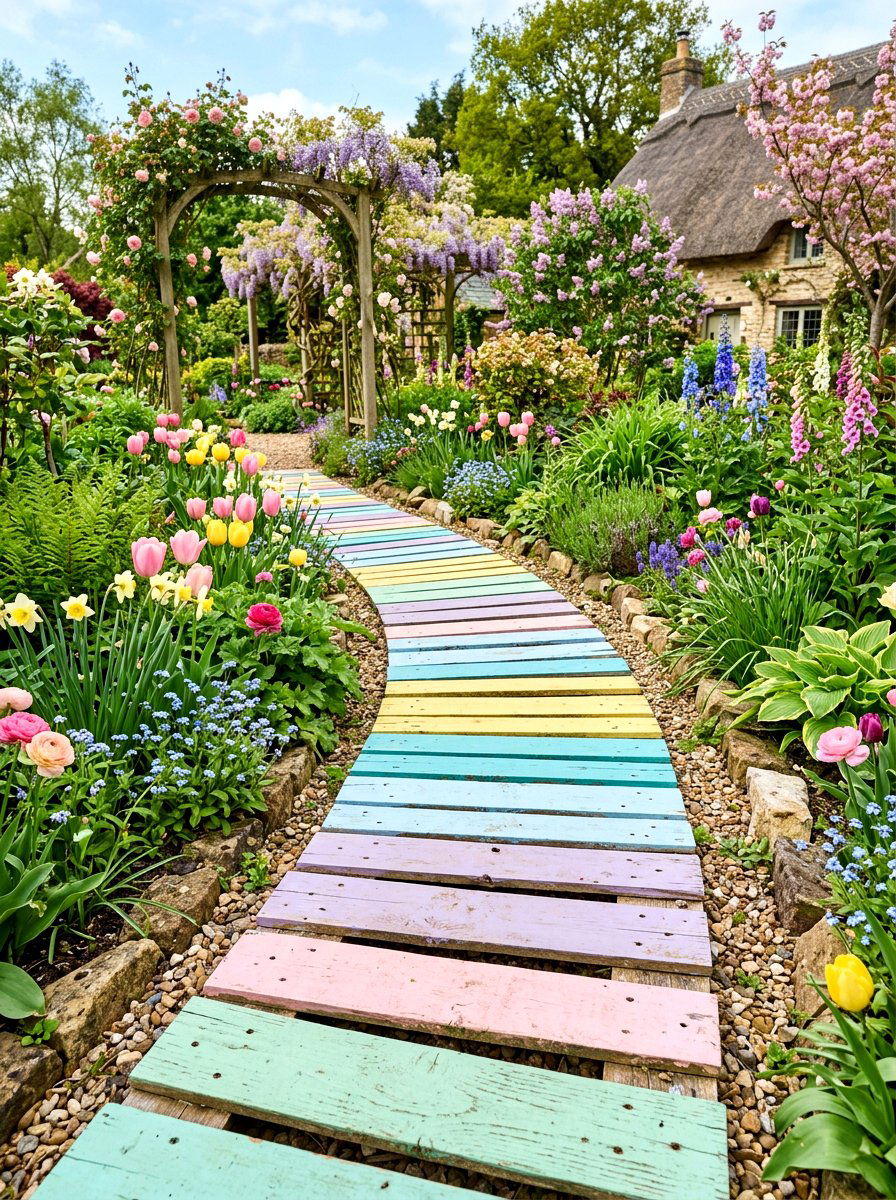
If you are looking for a creative and budget-friendly DIY project, a painted pallet wood path is a fantastic option. You can take apart old wooden pallets, sand the planks, and paint them in various spring colors or patterns. Laying these colorful boards horizontally creates a vibrant boardwalk effect that immediately catches the eye. You can use a single solid color for a modern look or a rainbow of hues for something more playful. This is a great way to upcycle materials while adding a unique artistic element to your backyard. It works exceptionally well in children's gardens or eclectic outdoor spaces that embrace a handmade aesthetic.
23. Bamboo Path Zen Garden
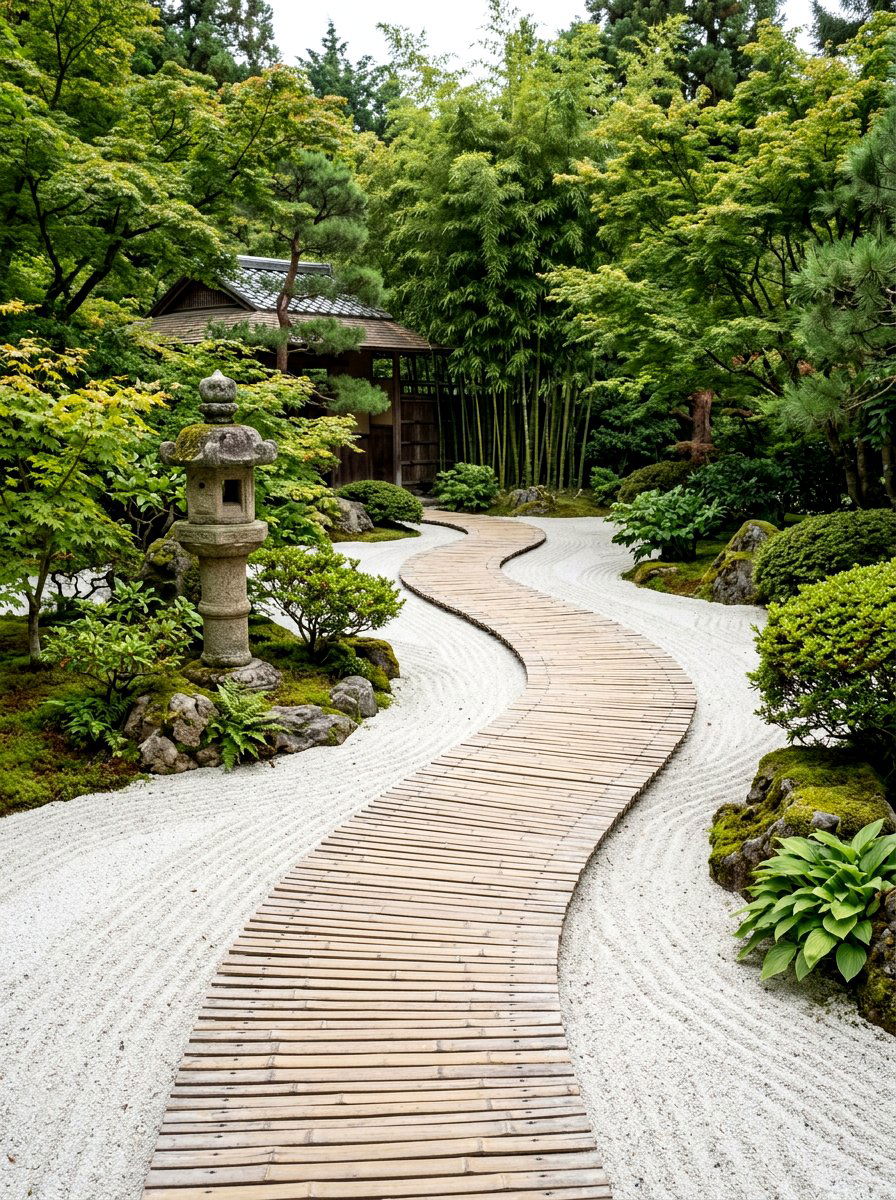
For a serene and meditative atmosphere, a bamboo path set within a zen garden is a perfect choice. Using flattened bamboo poles or bamboo mats as the walking surface provides a unique texture that feels very peaceful. Surrounding the path with raked sand, smooth river stones, and a few carefully placed Japanese maples enhances the Eastern aesthetic. During the spring, the fresh green shoots of the bamboo and the delicate leaves of the maples create a calming environment. This design encourages mindfulness and provides a quiet retreat from the busy world. It is a sophisticated way to bring a sense of balance and harmony to your property.
24. Oversized Stone Steps Slope

Using oversized, irregular stone slabs to create steps on a gentle slope provides a grand and natural look. These large stones feel very permanent and substantial, giving your garden an established and professional feel. You can nestle smaller plants like rock cress or sedum around the edges of the slabs to soften their appearance. During the spring, these edge plants often bloom, adding small pops of color to the gray or brown stone. This design is highly functional for navigating changes in elevation while acting as a major visual anchor in the landscape. It is a timeless approach that works well with rustic or mountain-style home designs.
25. Picket Fence Border Pathway
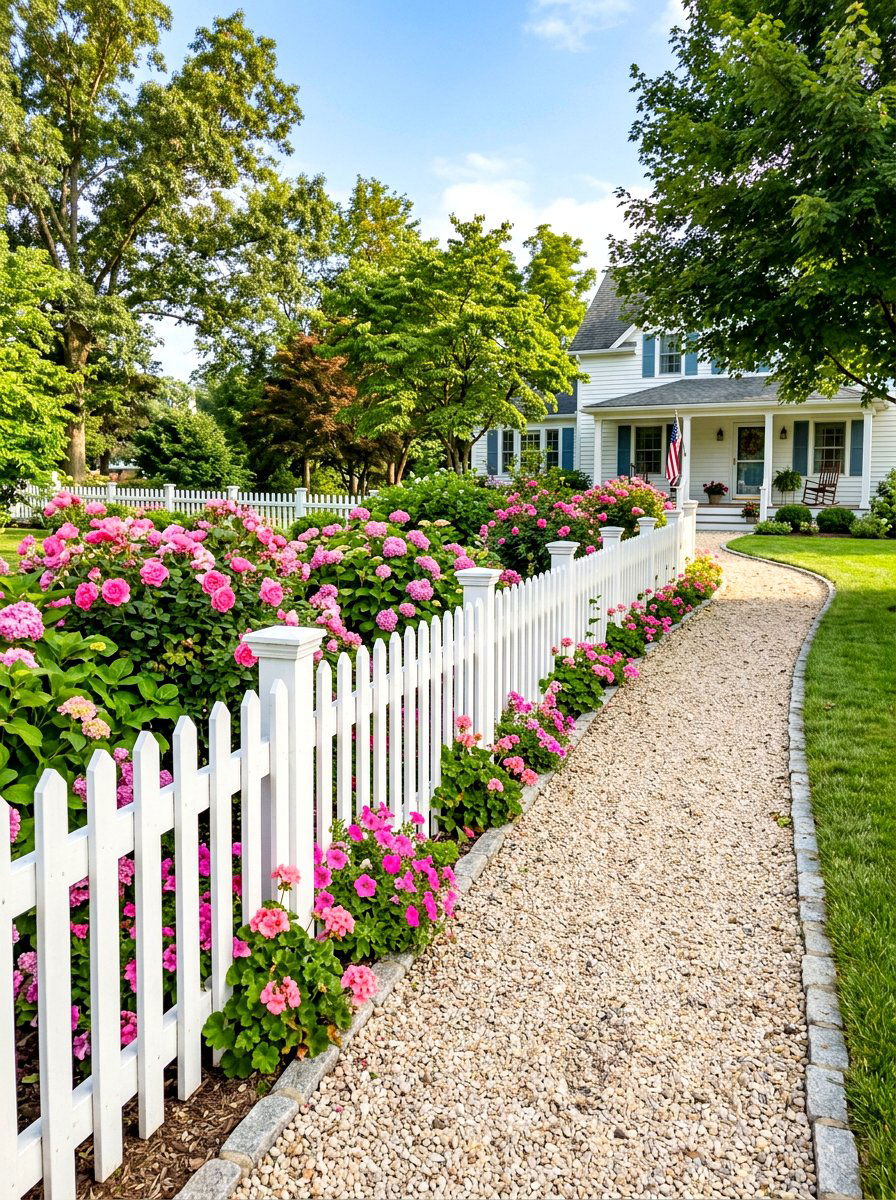
A low white picket fence running alongside a garden pathway is the epitome of classic cottage charm. This decorative border provides a clear boundary for your walkway while allowing the spring flowers to peek through the slats. You can plant tall perennials like foxgloves or hollyhocks behind the fence to create a layered and traditional look. The crisp white paint of the fence makes the green foliage and colorful blooms of spring appear even more vivid. It is a simple yet effective way to add structure and a sense of "home" to your outdoor space. This design is always popular on Pinterest for its nostalgic and inviting feel.
Conclusion:
Designing a garden pathway is about more than just utility; it is an opportunity to express your creativity and enhance your home's curb appeal during the most vibrant season of the year. Whether you choose to line your walk with fragrant herbs or install elegant lighting for evening strolls, these small details make a significant impact. We hope these twenty-five concepts have inspired you to look at your outdoor space with fresh eyes and a renewed sense of possibility. By combining different textures, heights, and colors, you can create a path that leads to a peaceful and beautiful spring sanctuary for everyone to enjoy. Your garden journey starts with just one step.
Related posts:
Leave a Reply