
Spring is the perfect season to refresh your outdoor space and embrace the joy of growing your own fresh ingredients. Creating a beautiful herb garden is not just about functionality; it is also about enhancing the aesthetic appeal of your home with lush greenery and fragrant scents. Whether you have a sprawling backyard or a tiny apartment balcony, there are endless ways to display your favorite plants like basil, mint, and rosemary. Integrating decor elements like rustic wood, sleek ceramics, or vintage containers can turn a simple patch of dirt into a stunning focal point. This guide explores creative ways to organize and style your herbs to ensure they flourish while looking absolutely breathtaking throughout the warmer months ahead.
1. Vertical Herb Wall
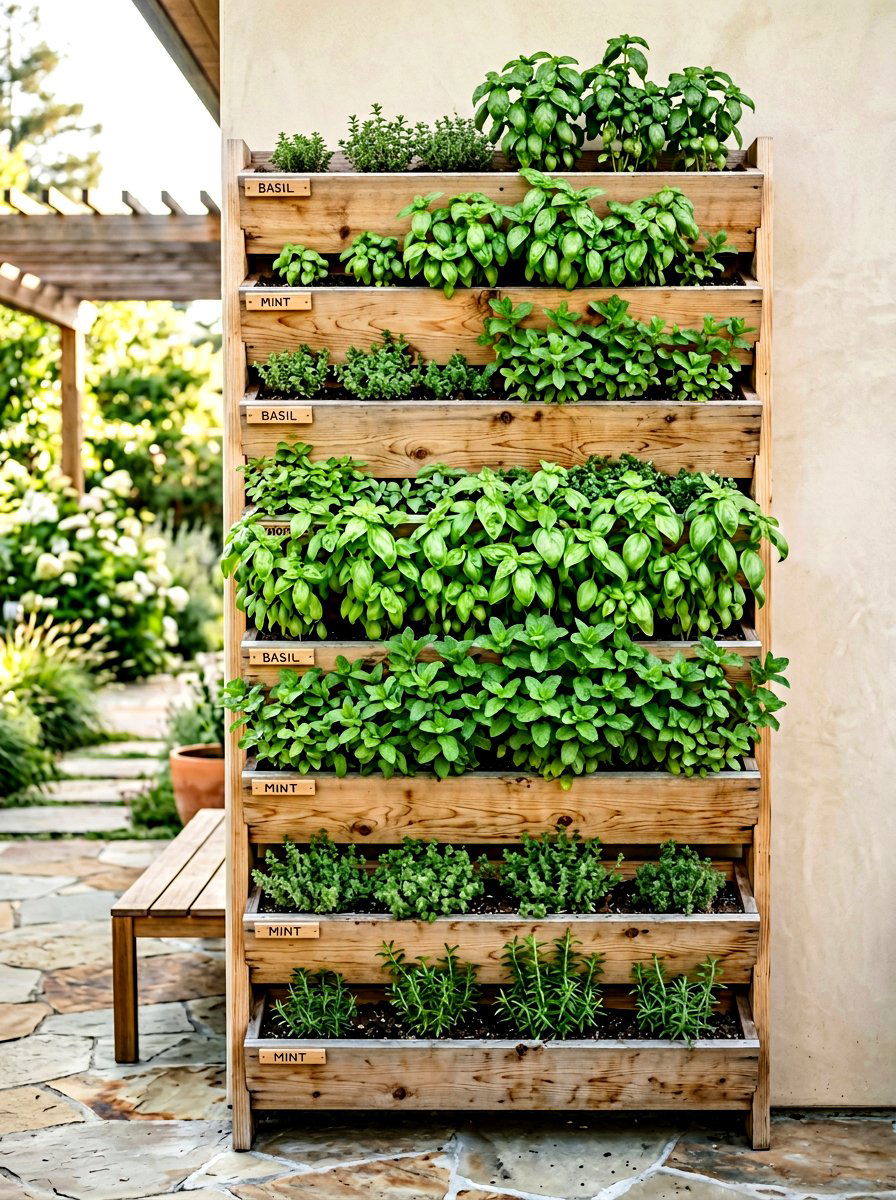
Imagine a lush wall of green that saves precious floor space while providing a constant supply of fresh flavors for your cooking. A vertical garden is a fantastic solution for small patios or balconies where horizontal room is limited. You can use a variety of mounting systems, such as wooden lattices or specialized pocket planters, to secure your herbs against a sunny wall. This setup allows for excellent air circulation and makes harvesting a breeze since everything is at eye level. By mixing different leaf textures and colors, you create a living piece of art that instantly elevates the mood of your outdoor area. It is a practical yet visually striking way to bring nature closer to your home.
2. Raised Garden Bed
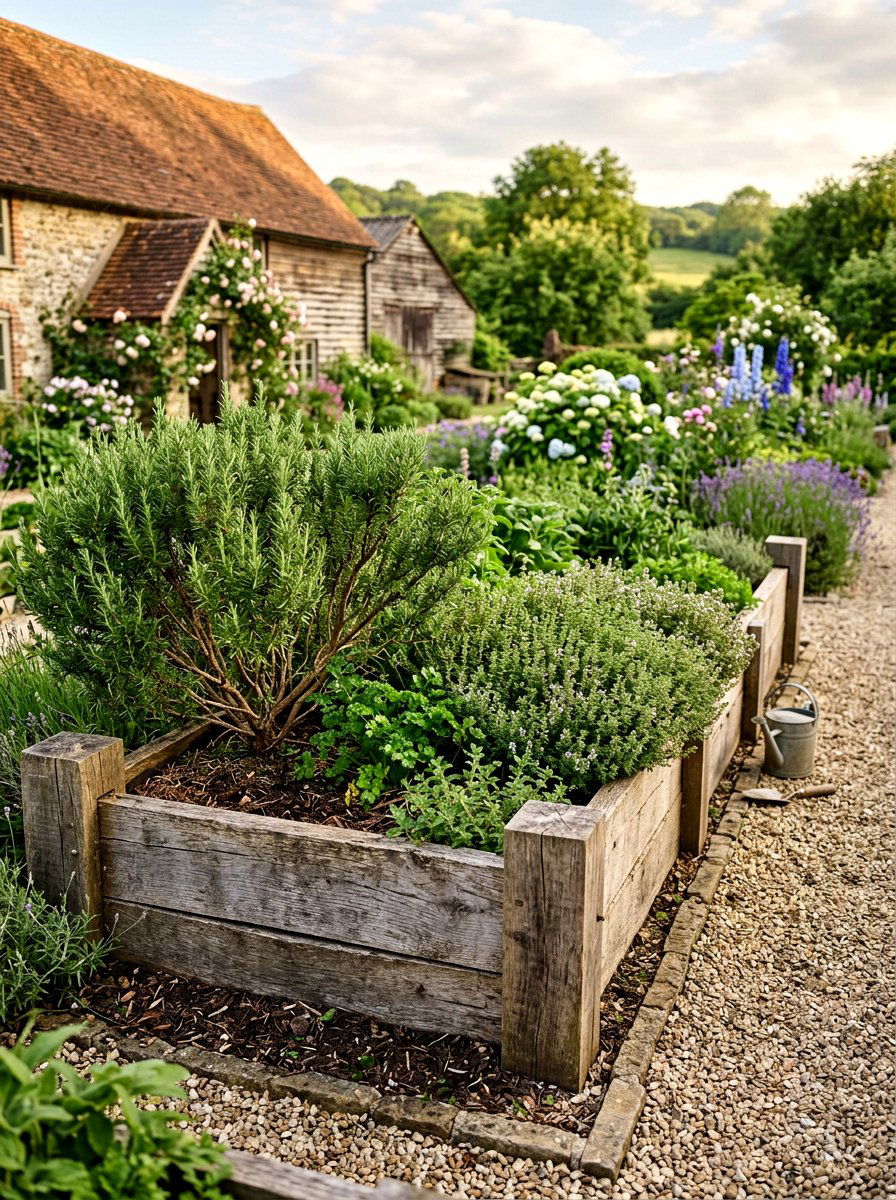
Raised beds offer a structured and organized look that makes any garden feel professional and tidy. These elevated structures are perfect for defining specific areas in your yard while providing better soil drainage and temperature control for your herbs. You can build them using high-quality cedar or reclaimed wood to match a rustic or modern farmhouse aesthetic. Walking between these beds makes gardening much easier on your back and helps prevent pests from reaching your delicate plants. To make them truly stand out, consider adding decorative gravel paths between the beds or painting the wood in a soft, neutral tone. This approach creates a clean, intentional layout that looks beautiful throughout the entire spring season.
3. Window Box Planter
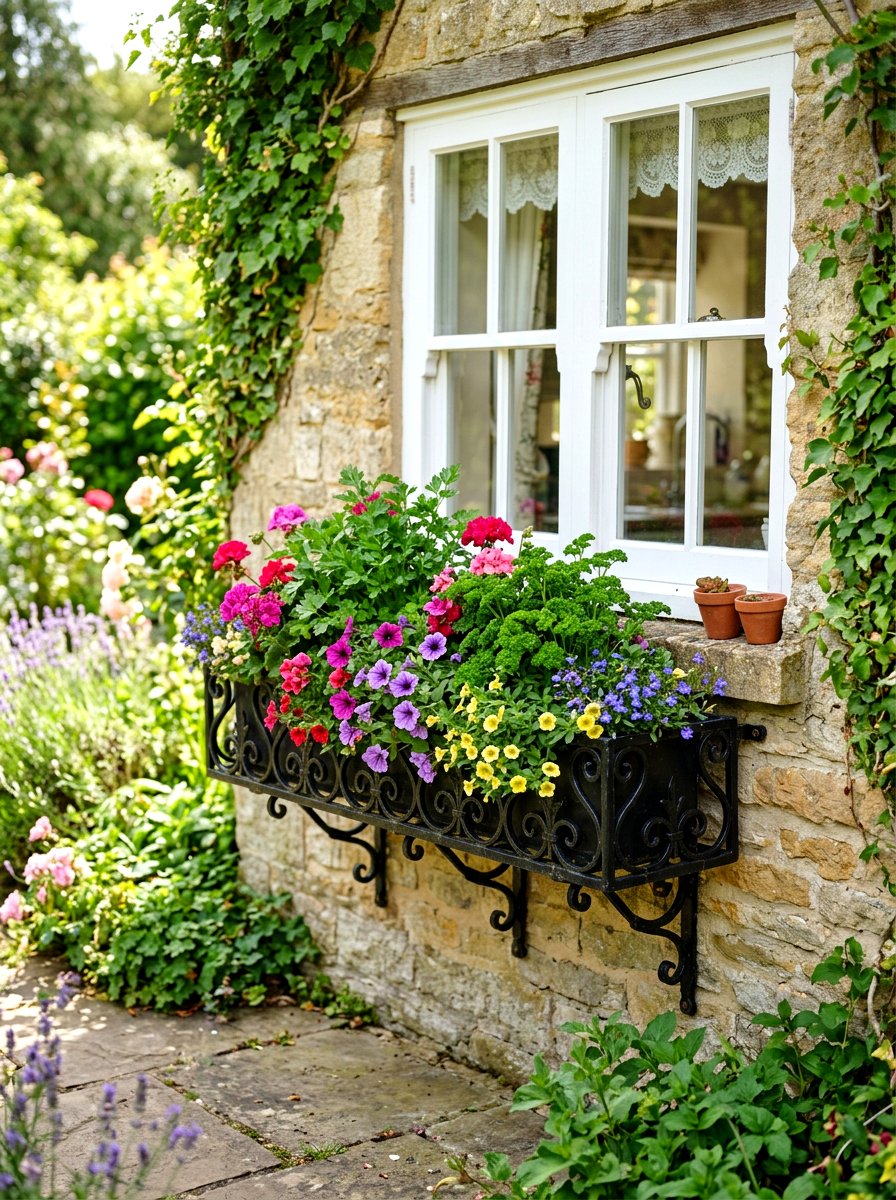
Adding a window box is one of the quickest ways to boost your home’s curb appeal while keeping herbs within reach. These charming planters sit right outside your kitchen window, allowing you to snip fresh parsley or chives while you are busy cooking. You can choose from classic wooden boxes, ornate wrought iron designs, or modern plastic versions that mimic the look of stone. To create a professional look, try to layer your plants by putting taller herbs in the back and trailing varieties like thyme at the front. The combination of blooming flowers and green herbs in a window box creates a soft, welcoming atmosphere that greets everyone who passes by your home.
4. Terracotta Pot Cluster
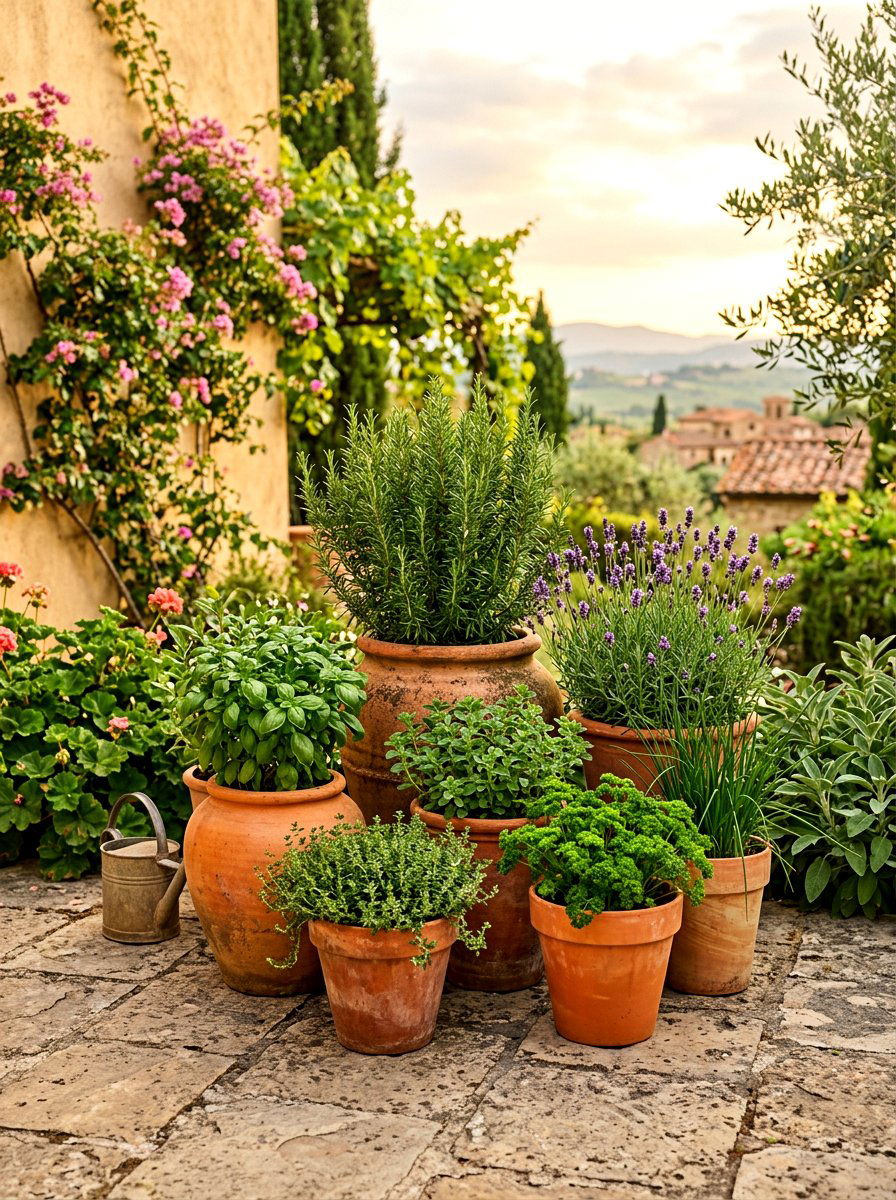
There is something timeless and earthy about using traditional terracotta pots to house your spring herb collection. Grouping various sizes and heights of these clay containers on a patio or porch creates a warm, Mediterranean feel. You can keep the natural orange hue for a rustic look or paint them in soft pastel shades to match your spring decor. Using different heights helps each plant get the sunlight it needs while adding visual depth to the arrangement. This method is incredibly flexible, as you can easily move the pots around to chase the sun or bring them indoors if the weather turns cold unexpectedly. It is a simple yet very effective gardening strategy.
5. Tiered Plant Stand
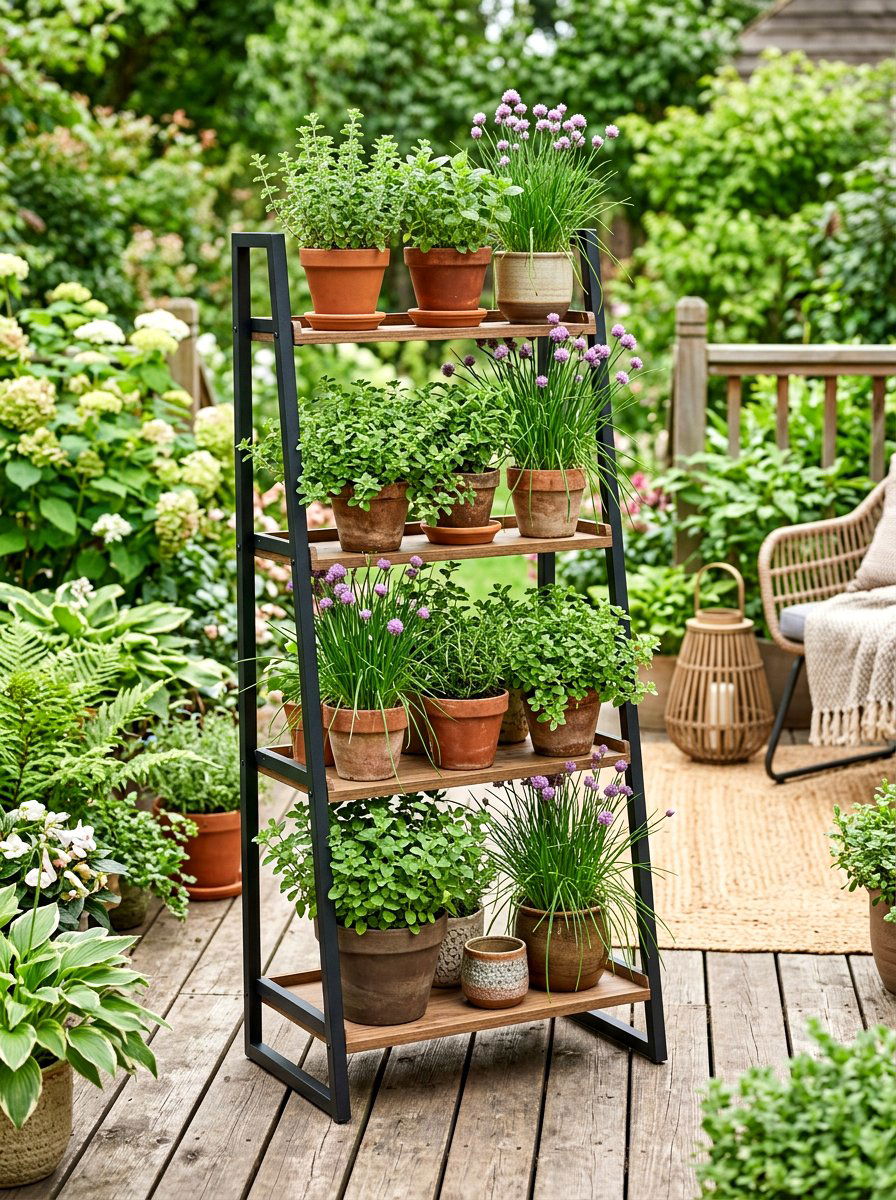
A tiered plant stand is a brilliant way to display multiple herb varieties without taking up a large footprint on your deck. These stands often come in metal or wood and feature several levels that allow you to layer your greenery vertically. By placing sun-loving herbs like oregano on the top and shade-tolerant ones on the bottom, you can optimize growth for every plant. The height of the stand adds a vertical dimension to your garden, making the space feel more dynamic and full. You can style the stand with small decorative items like fairy lights or small garden statues to give it a personal and whimsical touch for the season.
6. Hanging Mason Jar Garden
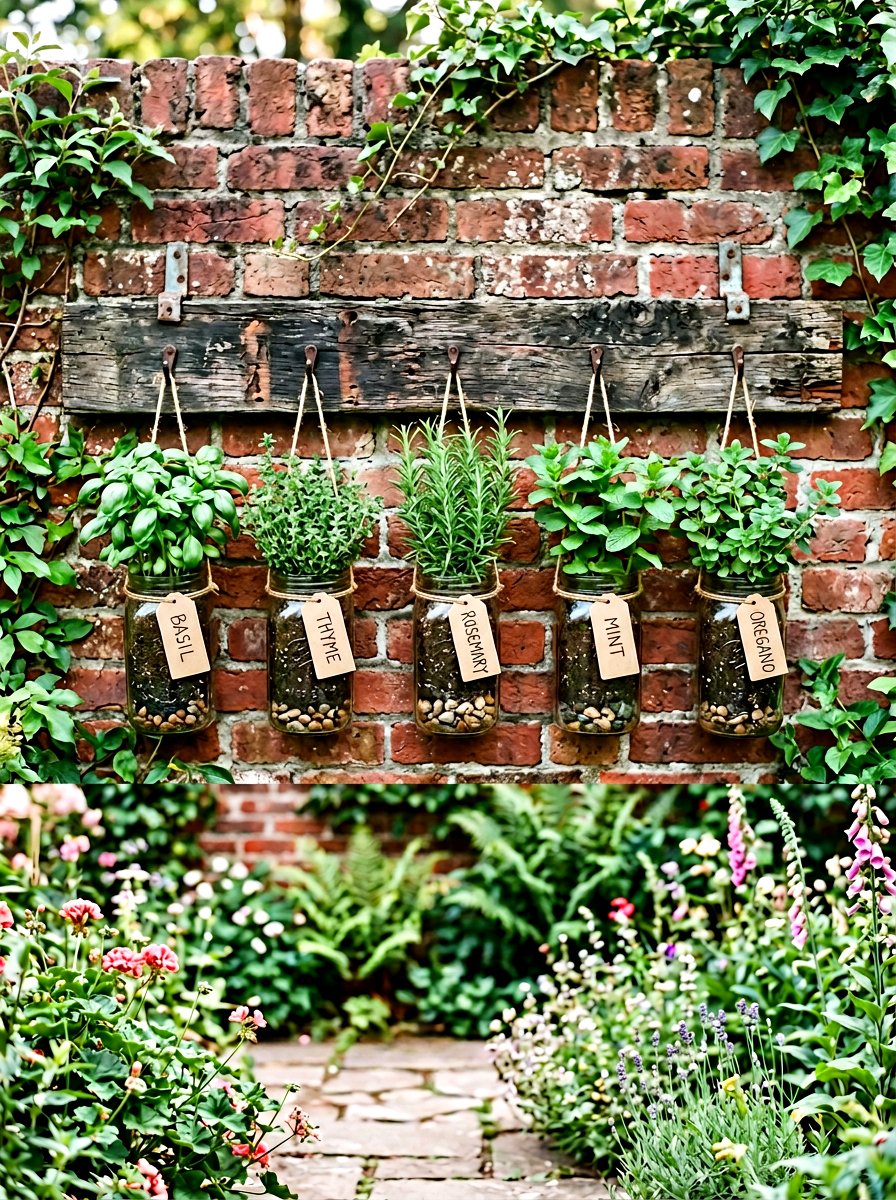
Using glass mason jars as planters is a popular choice for those who love a vintage or farmhouse aesthetic. These jars can be mounted onto a piece of weathered wood and hung on a wall, creating a beautiful and functional display. Since jars do not have drainage holes, it is important to add a layer of pebbles at the bottom to prevent root rot. The clear glass allows you to see the root system and soil moisture levels, which can be quite interesting to observe. This type of garden works exceptionally well in a bright kitchen or on a covered porch, adding a touch of rustic charm while keeping your herbs organized.
7. Galvanized Metal Tub
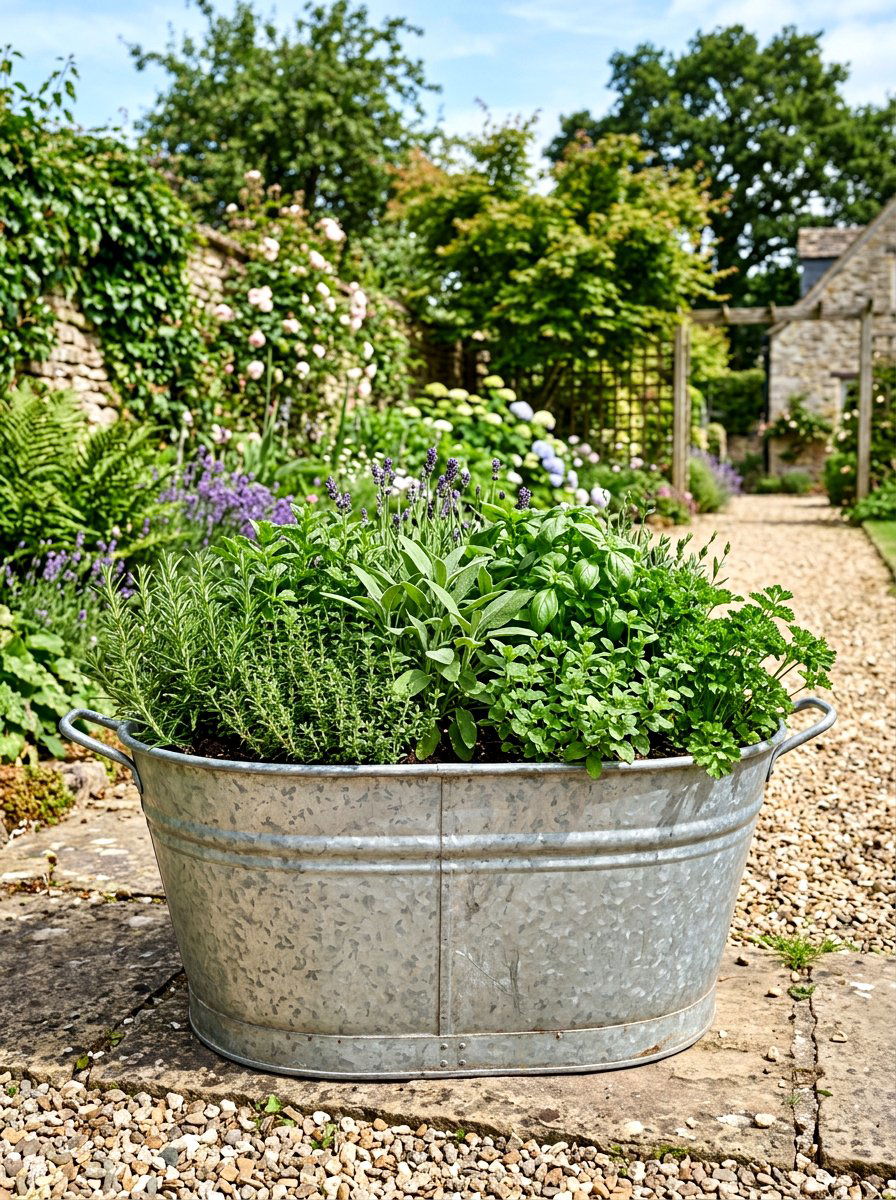
Large galvanized metal tubs provide a sturdy and industrial-chic home for a variety of different herbs in one place. These oversized containers are perfect for creating a mini-ecosystem where different plants can grow together in a single, cohesive unit. The silvery finish of the metal reflects light beautifully and contrasts sharply with the deep greens of basil and rosemary. You must remember to drill drainage holes in the bottom to ensure your plants stay healthy and do not get waterlogged. Placing a large tub on a wooden dolly with wheels allows you to move your herb garden around easily, ensuring it always receives the perfect amount of afternoon sunlight.
8. Ladder Herb Planter
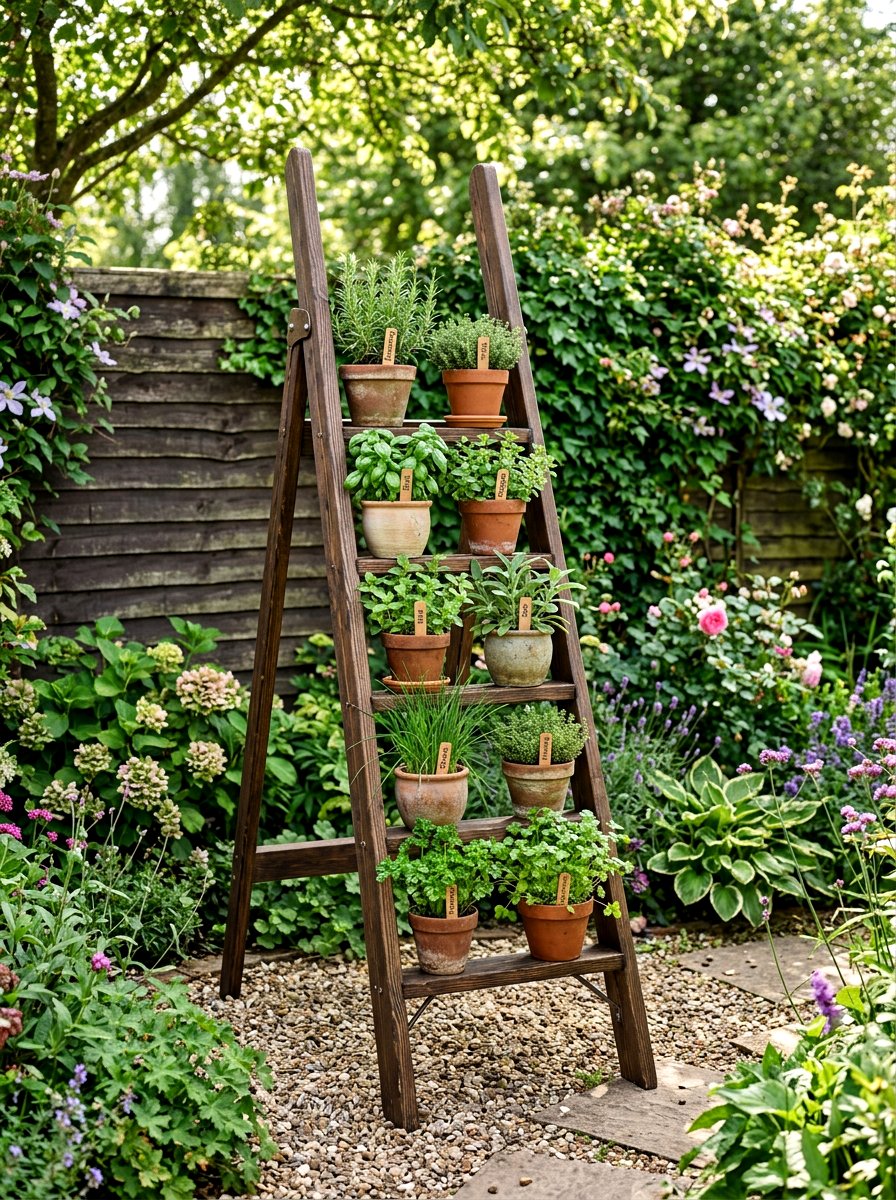
An old wooden ladder can be repurposed into a stunning multi-level herb display that looks great in any garden setting. By placing long wooden planks across the rungs, you create sturdy shelves that can hold dozens of small herb pots. This design allows you to showcase a wide variety of plants in a relatively small area, making it perfect for corner spaces. The height of the ladder draws the eye upward, creating a focal point that feels both creative and intentional. You can leave the wood in its natural state for a weathered look or stain it a dark espresso color to create a more sophisticated and modern garden vibe.
9. Chalkboard Label Pot
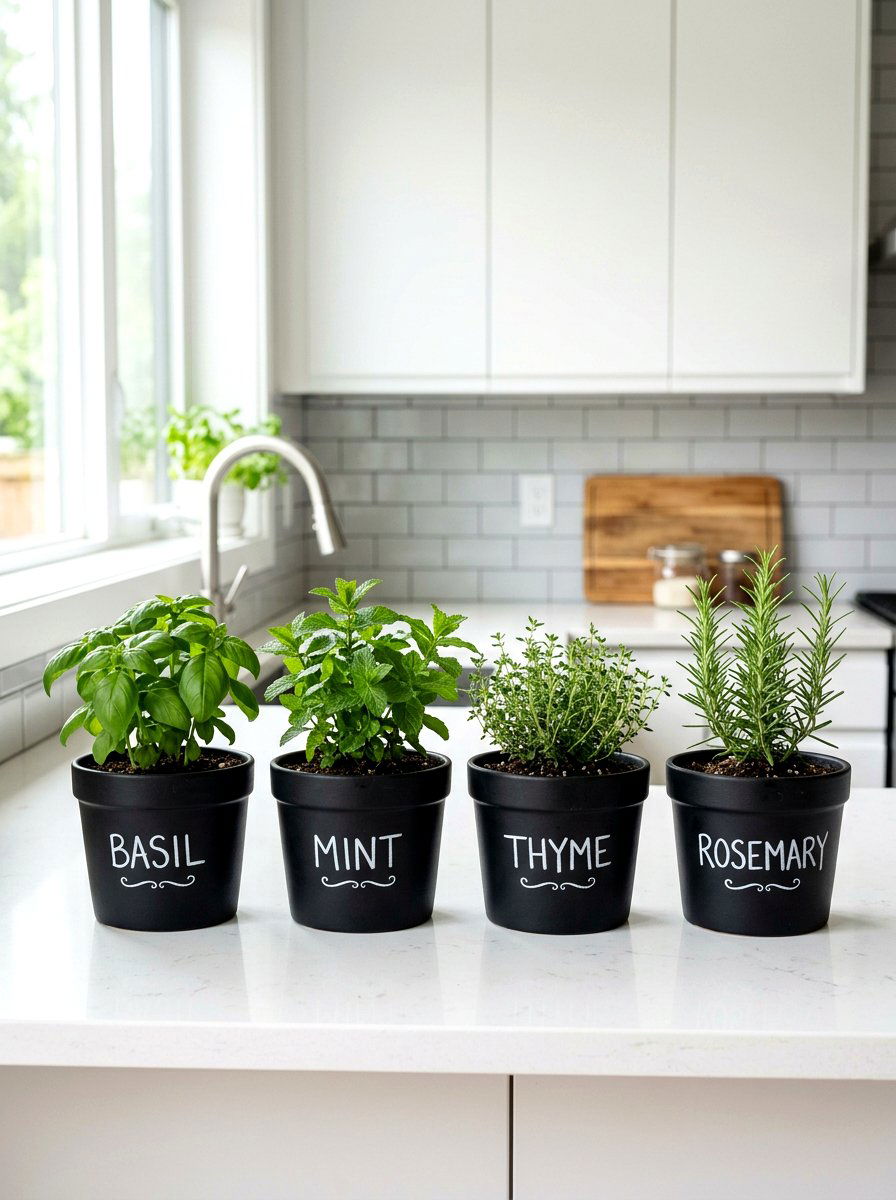
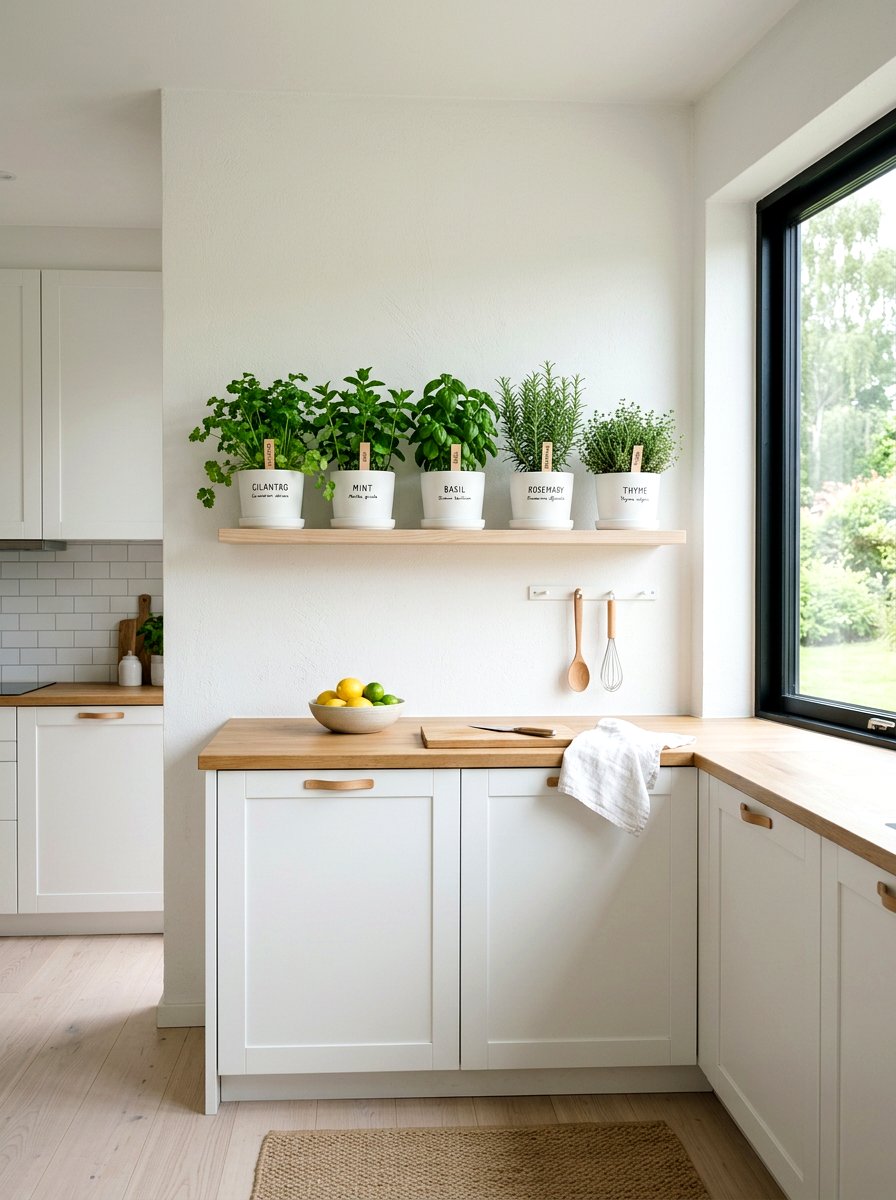
Labeling your herbs is not only helpful for identification but can also serve as a stylish decor element in your garden. Using pots with built-in chalkboard surfaces allows you to write the name of each herb in beautiful white calligraphy. This look is particularly popular for indoor kitchen gardens or modern outdoor patios where clean lines are appreciated. You can easily change the labels if you decide to plant something new, making it a versatile option for seasonal gardeners. Pairing these black chalkboard surfaces with vibrant green herbs creates a high-contrast look that is very photogenic and modern. It adds a touch of classroom charm to your functional growing space.
10. Pallet Wood Garden
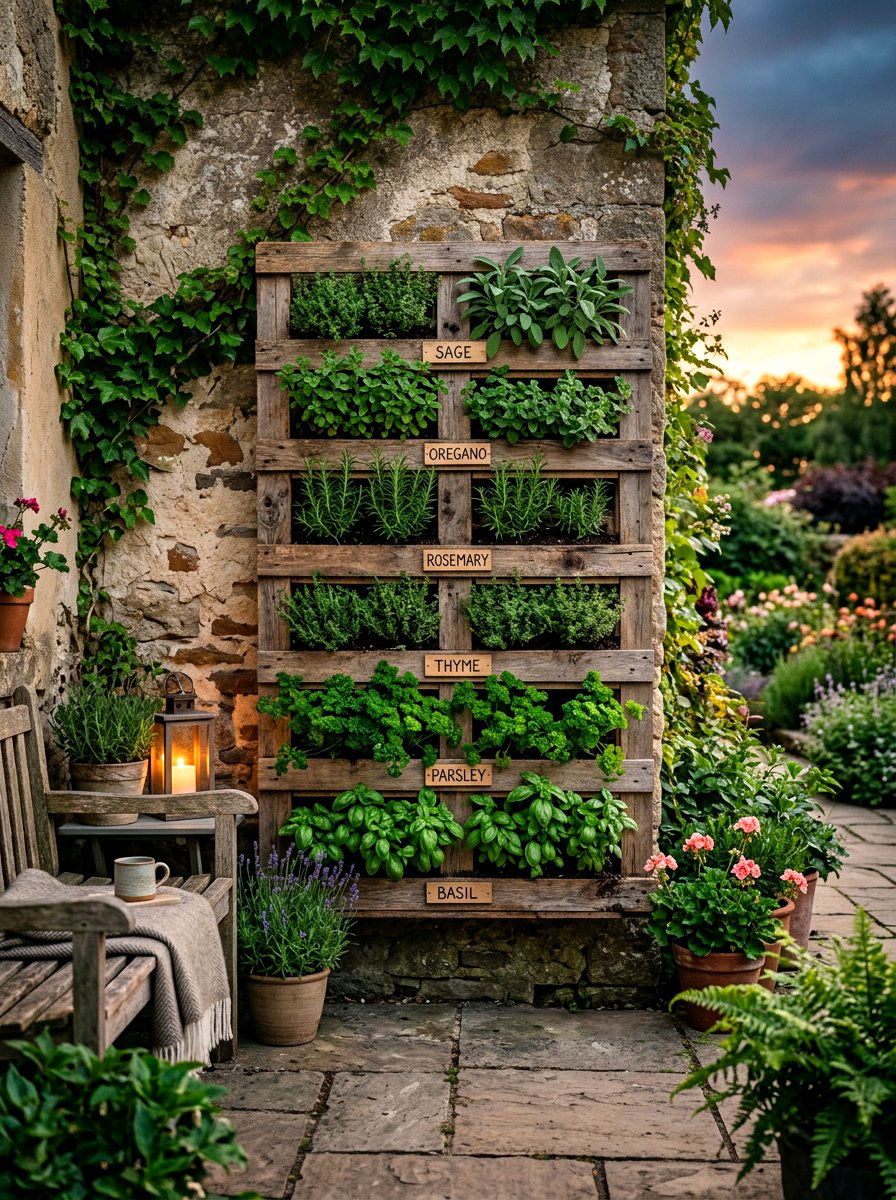
Repurposing wooden pallets into herb gardens is an eco-friendly way to create a rustic and vertical growing space. You can lean a pallet against a fence or mount it directly to a wall to create rows of planting pockets. By filling the gaps with landscape fabric, you create sturdy troughs for soil and herbs like cilantro and dill. This project is affordable and allows you to customize the look with paint or wood stain to match your outdoor furniture. It is a great way to recycle materials while gaining a significant amount of planting space. The rough texture of the wood provides a wonderful backdrop for the soft, delicate leaves of your herbs.
11. Herb Spiral Garden
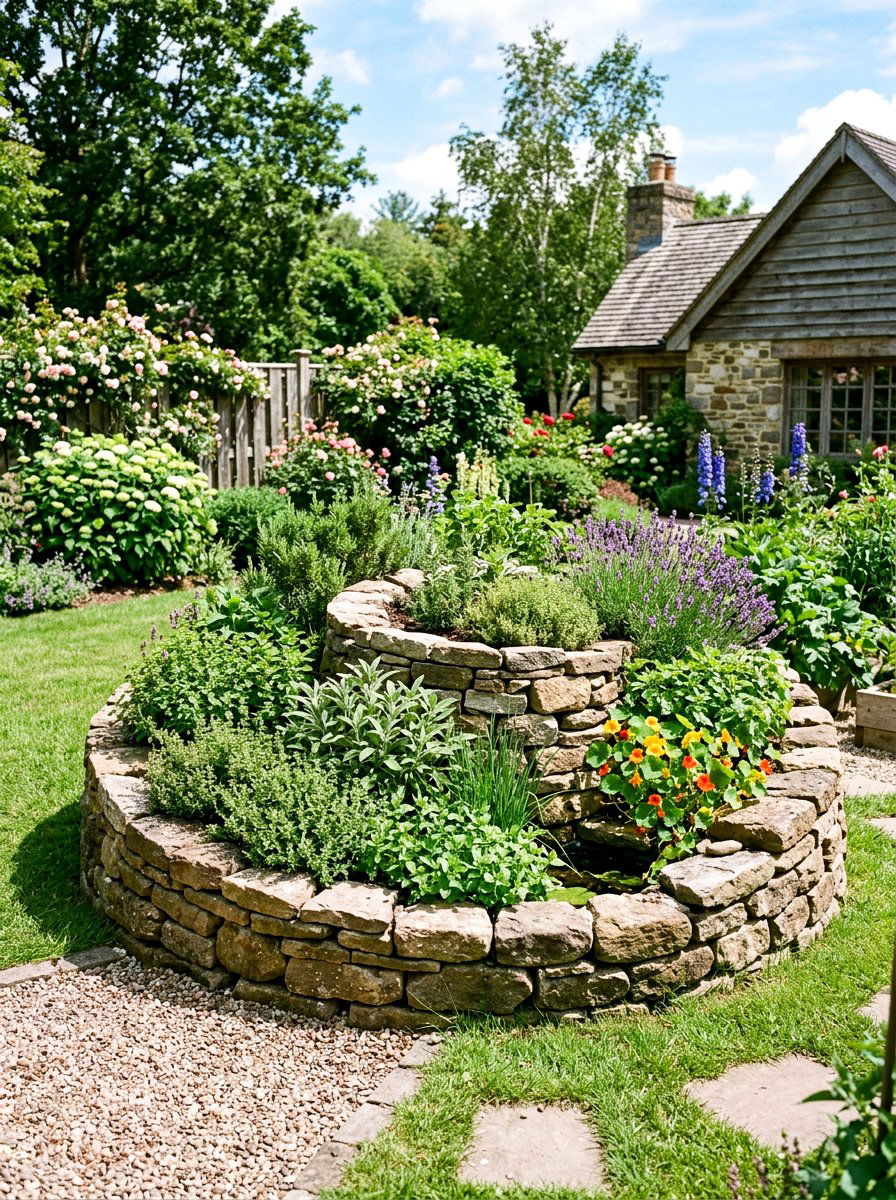
An herb spiral is a unique landscape feature that uses stones or bricks to create a rising spiral shape. This design is not only visually captivating but also creates different microclimates within a very small area. The top of the spiral is drier and warmer, making it perfect for Mediterranean herbs like lavender or sage. As the spiral moves downward, the soil stays moisture-rich and cooler, which is ideal for plants like mint or parsley. This clever use of vertical space and gravity-fed watering makes it a highly efficient gardening method. It acts as a permanent architectural element in your yard that provides a beautiful harvest throughout the growing season.
12. Woven Basket Planter
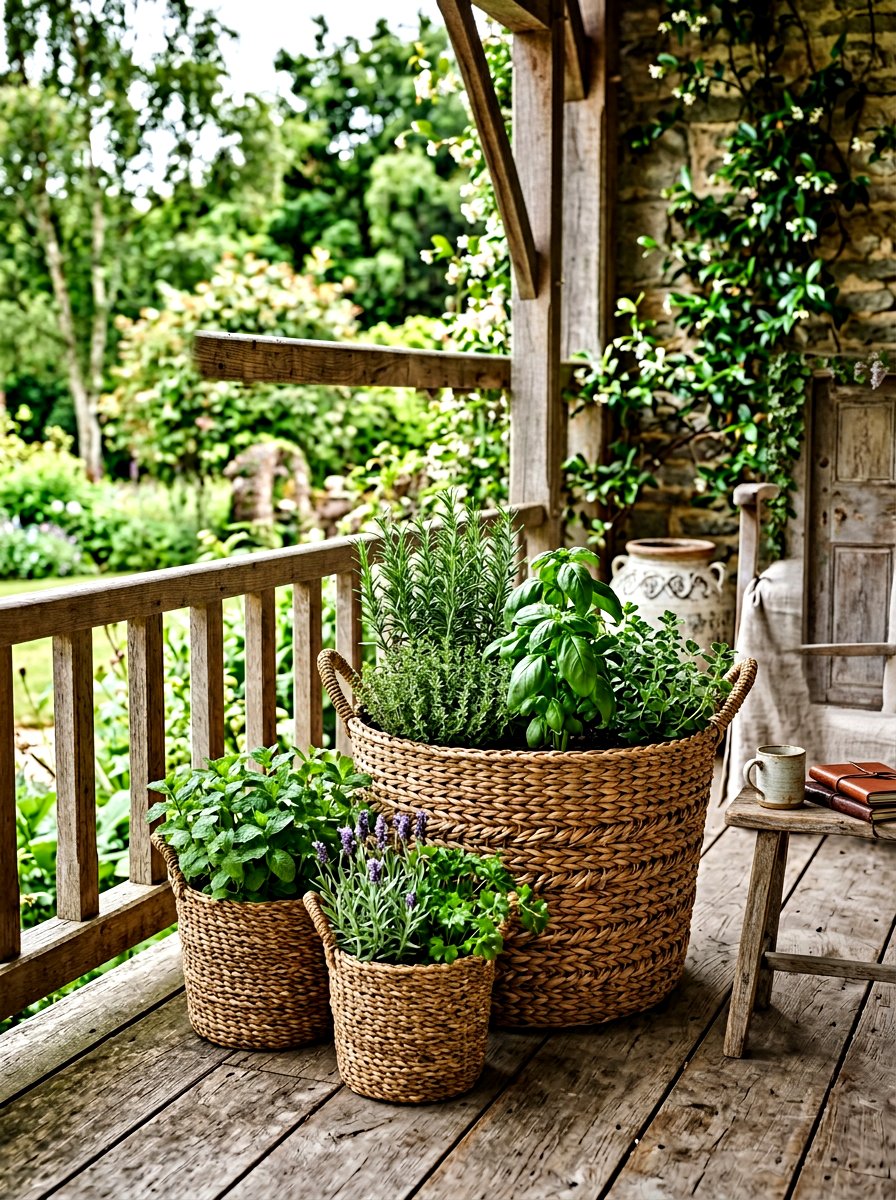
Woven baskets bring a soft, organic texture to your herb garden that balances out the hard surfaces of a patio or deck. You can line these baskets with plastic to protect the fibers and then fill them with potting soil and your favorite spring herbs. The natural tan and brown tones of the wicker or seagrass complement the vibrant greens of the plants perfectly. These planters are lightweight and easy to move, making them ideal for styling different areas of your home. Using a variety of basket shapes and weaving patterns adds a curated, boho-chic feel to your outdoor decor. It is an effortless way to make your garden feel cozy.
13. Recycled Tin Can Garden
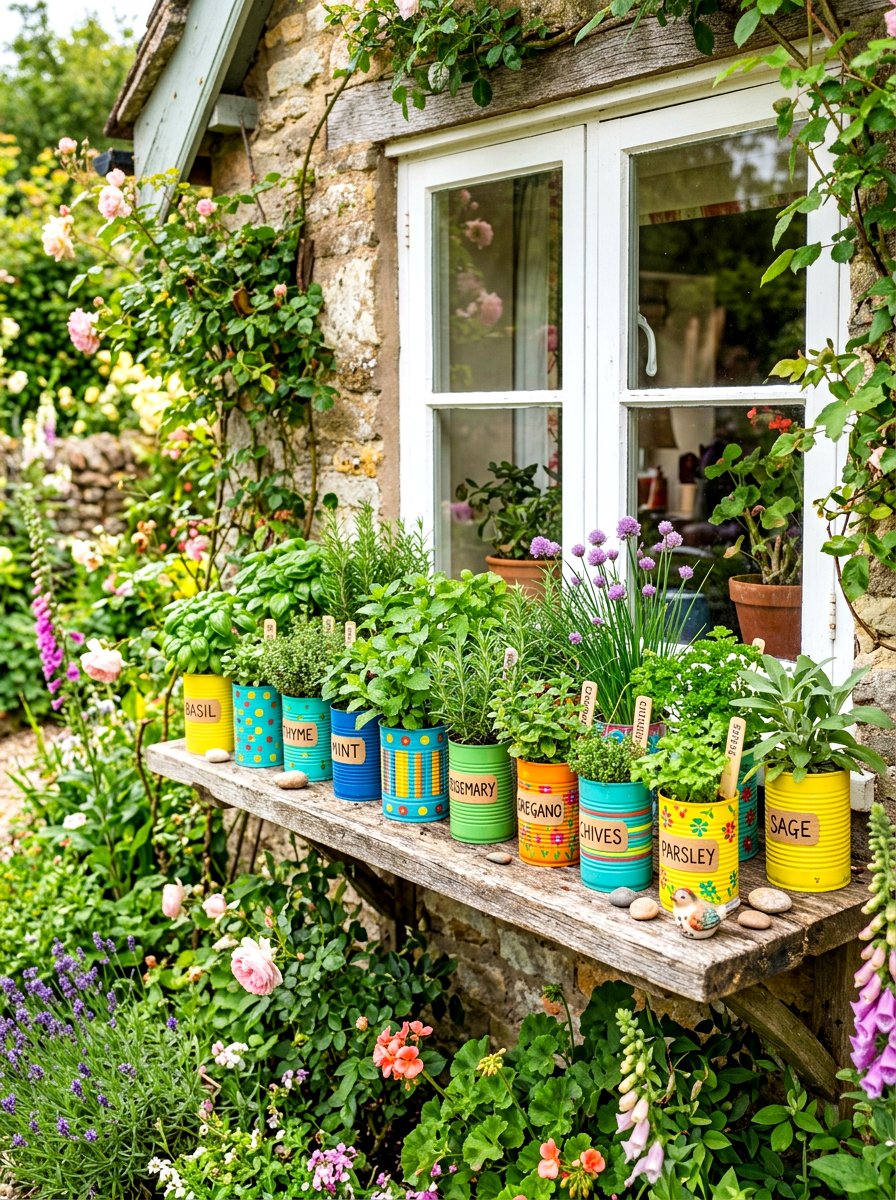
Turning old tin cans into colorful herb planters is a fun and budget-friendly way to add some personality to your garden. After cleaning the cans, you can paint them in bright, cheerful colors like yellow, teal, or pink to celebrate the arrival of spring. Once you drill a few holes in the bottom for drainage, they become perfect little homes for small herb starts. You can line them up on a windowsill or hang them from a wire fence using simple S-hooks. This playful approach to gardening is great for families and adds a pop of color to any space. It proves that you do not need expensive pots to create a beautiful garden.
14. Modern Concrete Planter
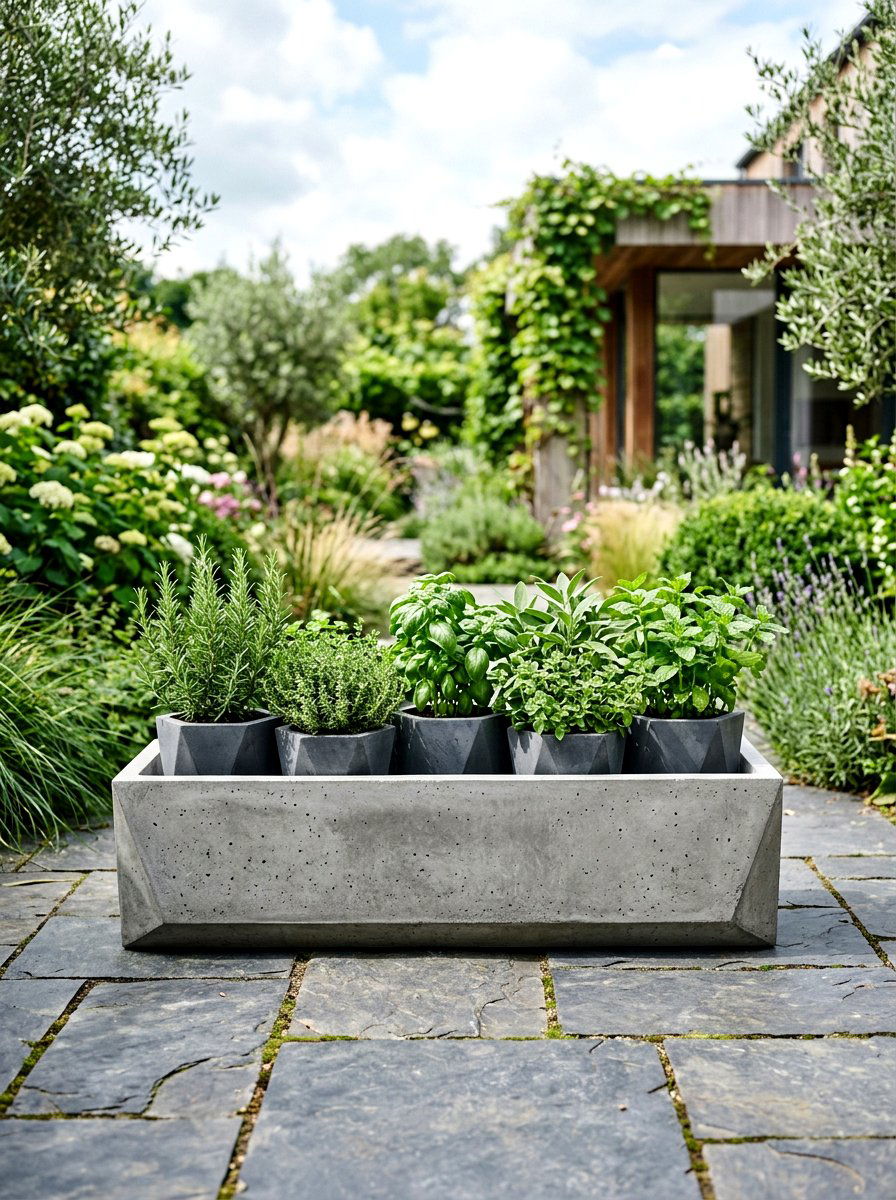
For those who love a minimalist and contemporary aesthetic, concrete planters are a perfect choice for housing spring herbs. The heavy, solid feel of concrete provides a sense of permanence and style that looks great against modern architectural lines. These planters often come in geometric shapes like cubes, cylinders, or troughs, allowing you to create a very structured layout. The neutral gray tone of the concrete makes the colors of the herbs appear more vibrant and saturated. Concrete is also excellent for regulating soil temperature, which helps keep herb roots cool during the warmer spring days. It is a sophisticated way to integrate nature into a modern outdoor living area.
15. Kitchen Herb Garden
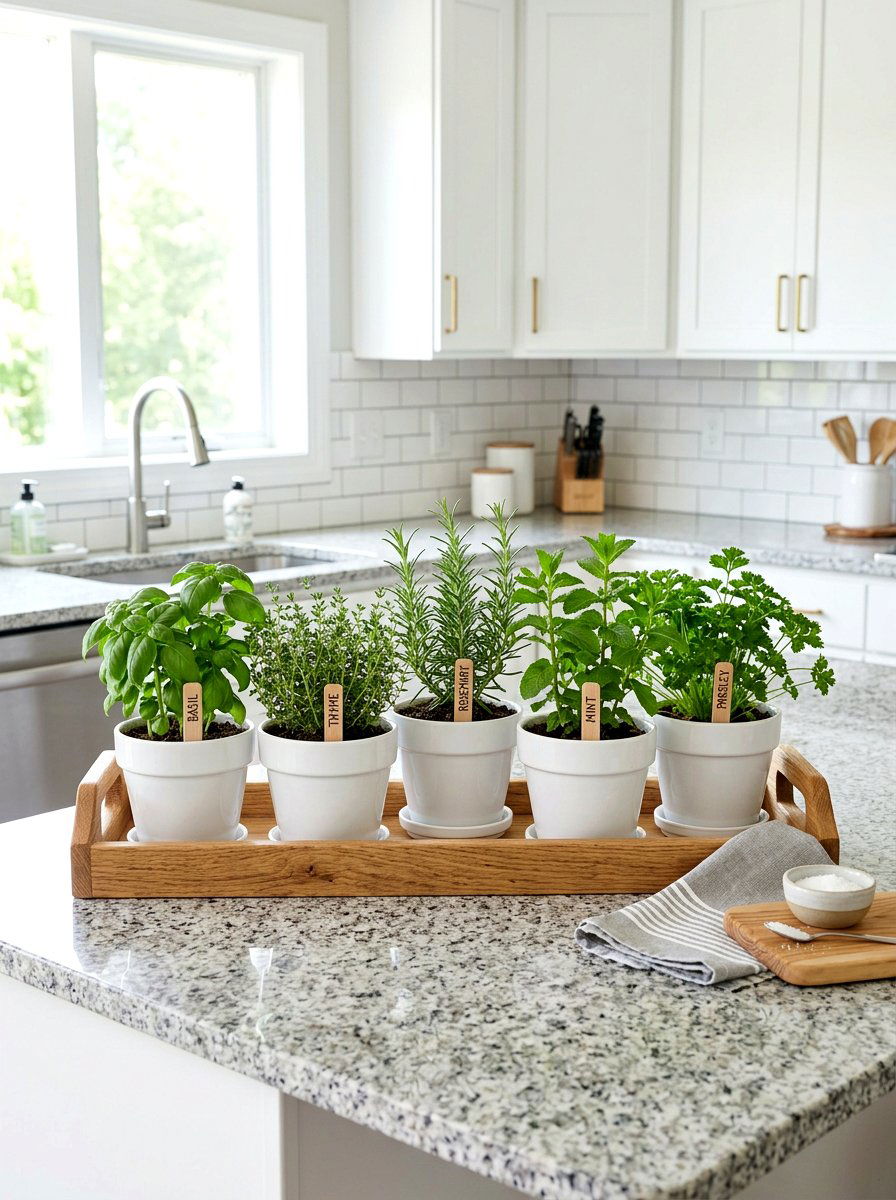
Bringing your herbs inside the kitchen is a wonderful way to enjoy their scent and convenience every single day. You can set up a dedicated herb station on a sunny countertop using a long wooden tray to hold several small pots. This keeps your space organized and prevents water from spilling onto your surfaces. Having fresh basil, thyme, and oregano just inches away from your cutting board makes cooking much more enjoyable and flavorful. To keep the look cohesive, use identical pots that match your kitchen's hardware or backsplash. This indoor garden serves as a beautiful piece of living decor that bridges the gap between the outdoors and your home.
16. Hanging Macrame Planter
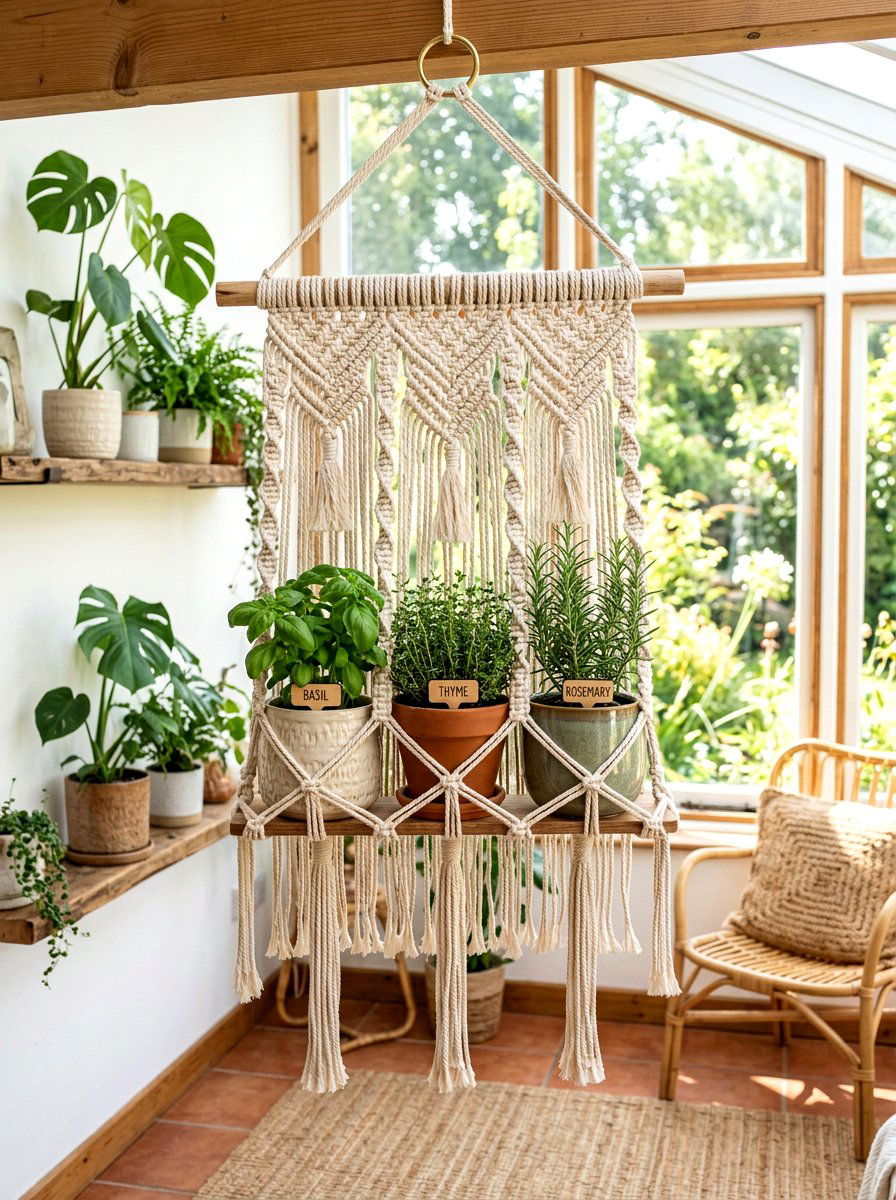
Macrame plant hangers are a staple of bohemian decor and provide a beautiful way to display herbs at different heights. These hand-knotted cotton ropes can hold ceramic or glass pots, allowing you to hang your herbs from porch ceilings or indoor curtain rods. The intricate knots and fringed edges add a soft, artistic touch to the greenery. Hanging your herbs this way keeps them away from curious pets and frees up valuable surface space on your tables. When the wind blows, the gentle swaying of the hangers adds a sense of movement and life to your garden. It is a stylish way to incorporate vertical interest and texture into your decor.
17. Greenhouse Herb Cabinet
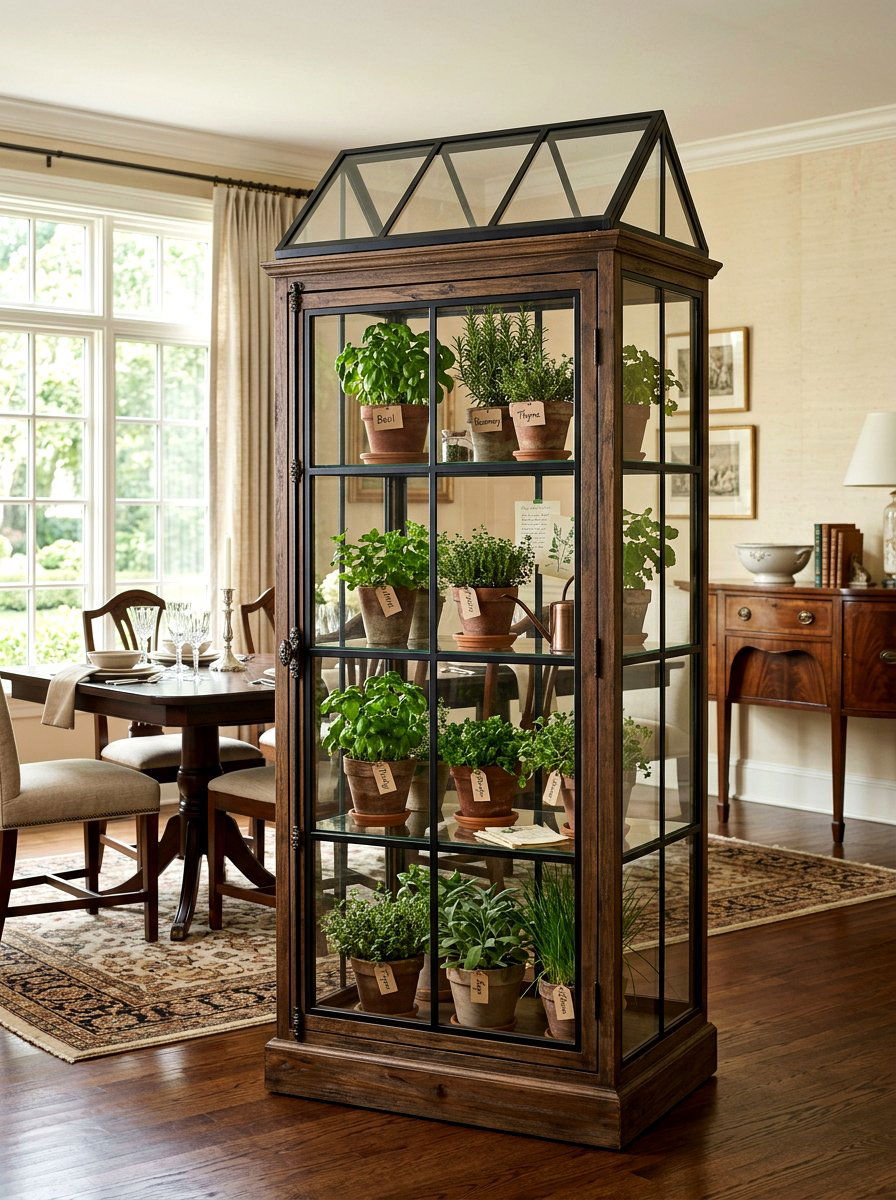
A small glass cabinet can be transformed into a stylish indoor greenhouse that protects your herbs while putting them on full display. This setup is perfect for early spring when the weather might still be a bit too chilly for delicate seedlings. The glass walls trap heat and moisture, creating a perfect environment for herbs to thrive and grow quickly. You can find vintage-style cabinets with metal frames that add a touch of elegance to your dining room or sunroom. Placing your herbs inside a cabinet also creates a curated look that feels more like a museum exhibit than a simple garden. It is a beautiful way to celebrate your plants.
18. Wooden Crate Garden
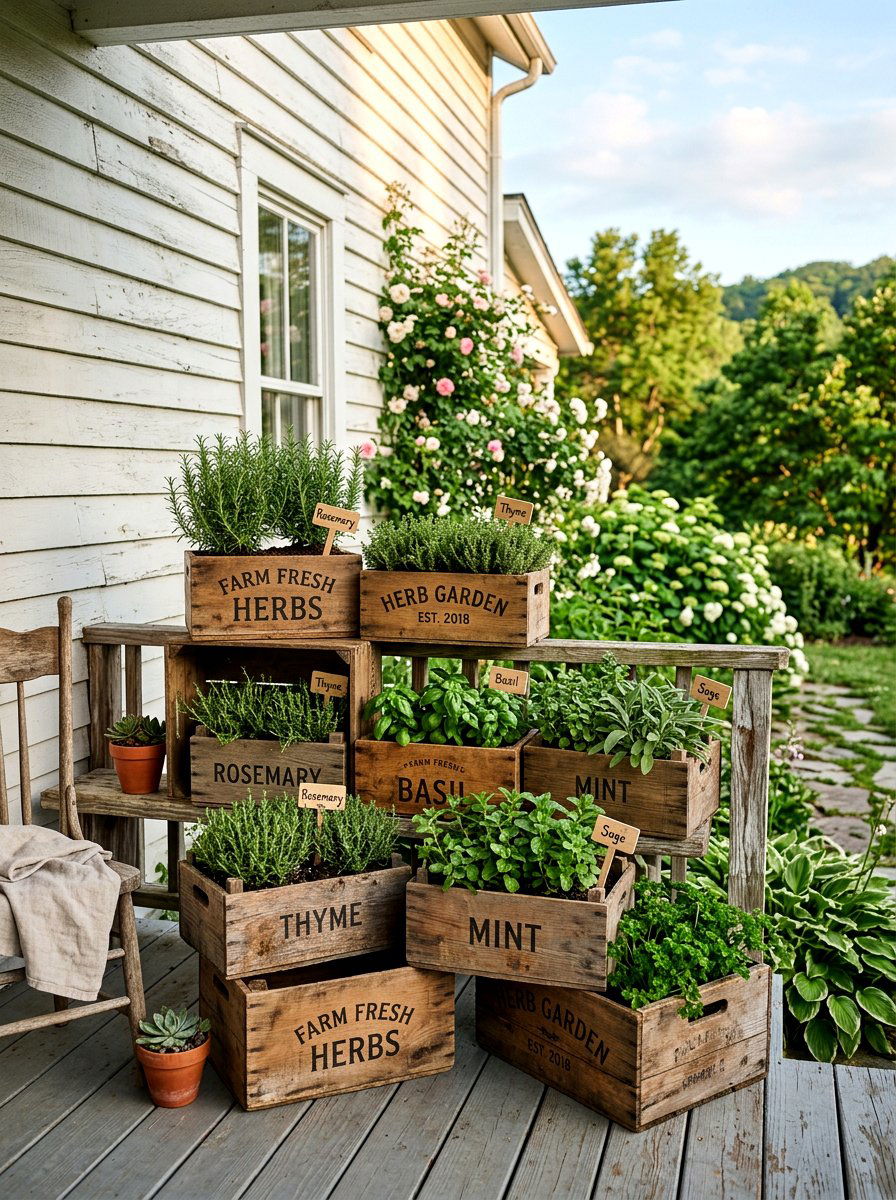
Vintage wooden crates offer a charming and rustic way to house a collection of spring herbs on your porch. You can stack several crates on their sides to create a shelving unit or use them as large individual planters on the ground. The weathered wood and old-fashioned typography often found on these crates add a sense of history and character to your garden. To prevent the wood from rotting, it is a good idea to use plastic liners before adding soil and plants. These crates are sturdy and can hold larger herb varieties that need more root space. They create an instant "farm-to-table" vibe that is perfect for the spring season.
19. Ceramic Bowl Garden
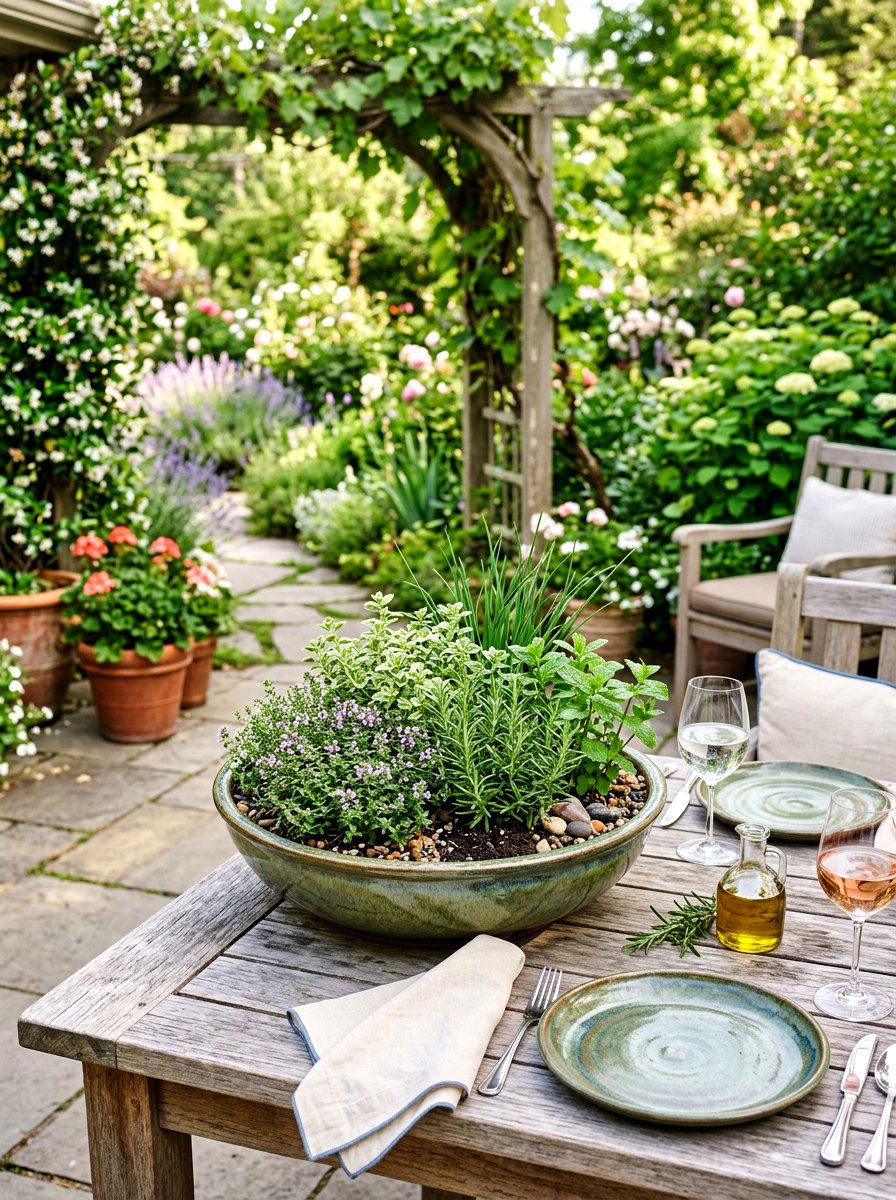
Using wide, shallow ceramic bowls is a sophisticated way to create a miniature herb landscape on an outdoor dining table. You can plant several different types of low-growing herbs, like creeping thyme and small chives, in a single bowl to create a lush carpet of green. Choosing bowls with interesting glazes or hand-painted patterns adds an extra layer of artistry to your garden. This type of arrangement works beautifully as a living centerpiece for spring brunch or dinner parties. It is a low-profile design that allows guests to see over it while enjoying the fresh fragrance of the herbs. It brings a touch of refined elegance to your garden decor.
20. Self Watering Planter
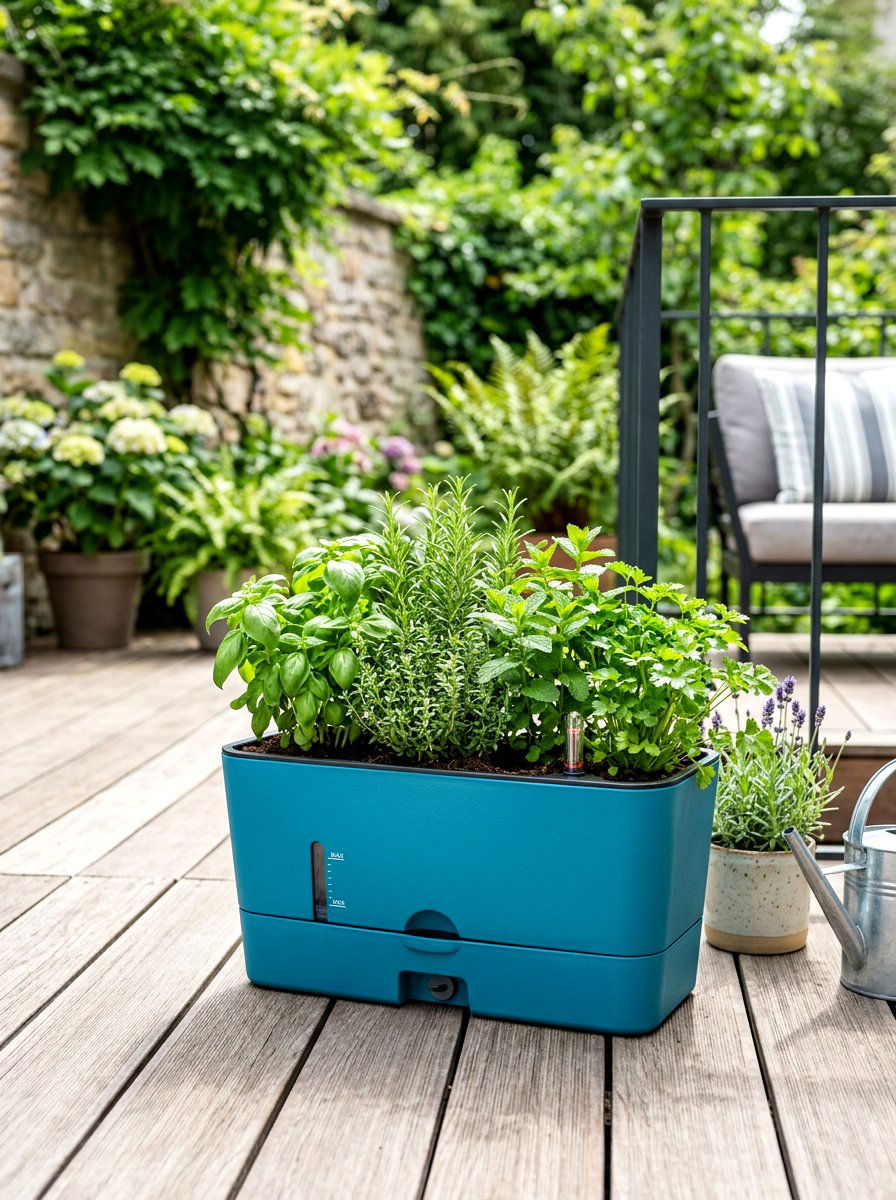
Self-watering planters are a practical choice for busy gardeners who want to ensure their herbs stay hydrated without constant monitoring. These clever containers feature a reservoir at the bottom that allows plants to drink water as they need it through a wicking system. Many modern self-watering pots are designed with sleek lines and vibrant colors, making them a stylish addition to any patio. They are particularly useful for thirsty herbs like mint and cilantro that can wilt quickly in the spring sun. Using these planters takes the guesswork out of gardening and ensures your herb display stays lush and healthy all season long. It is the perfect blend of technology and nature.
21. Birdbath Herb Garden
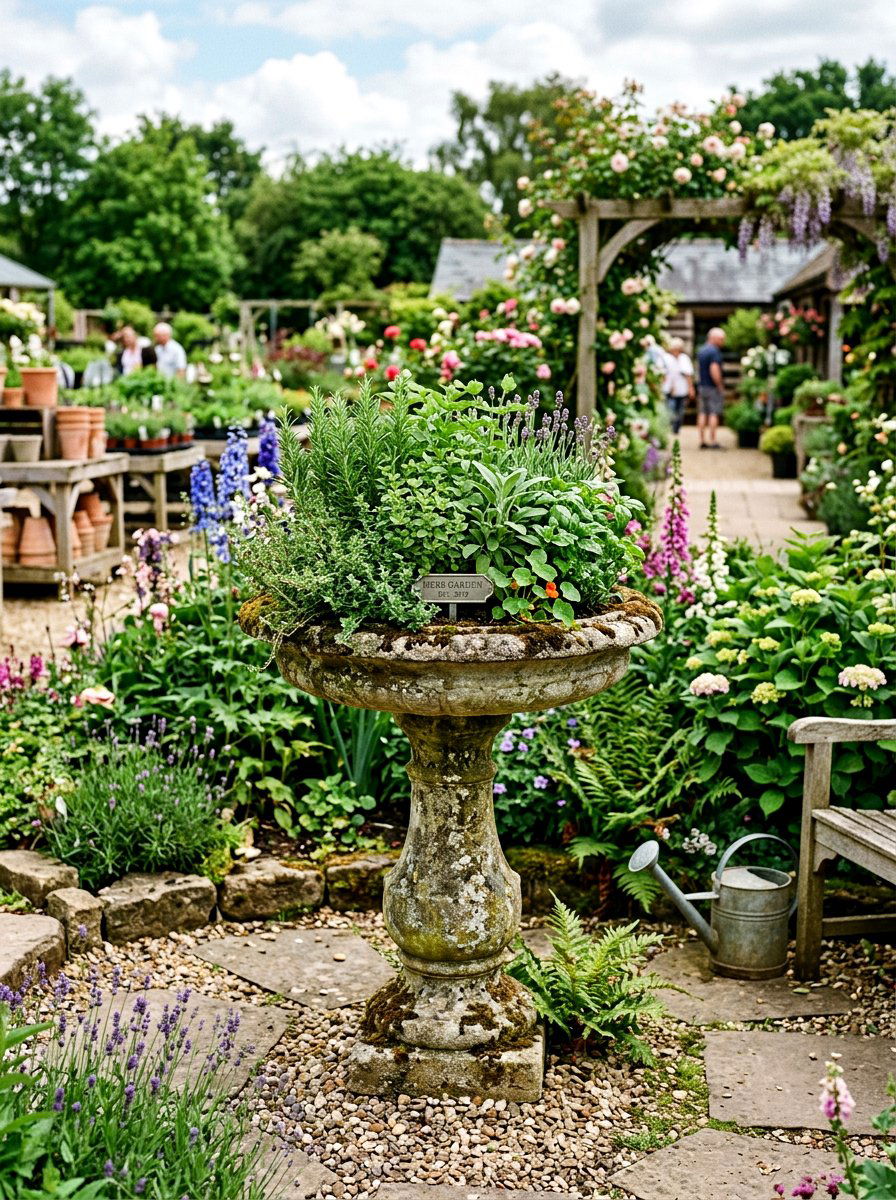
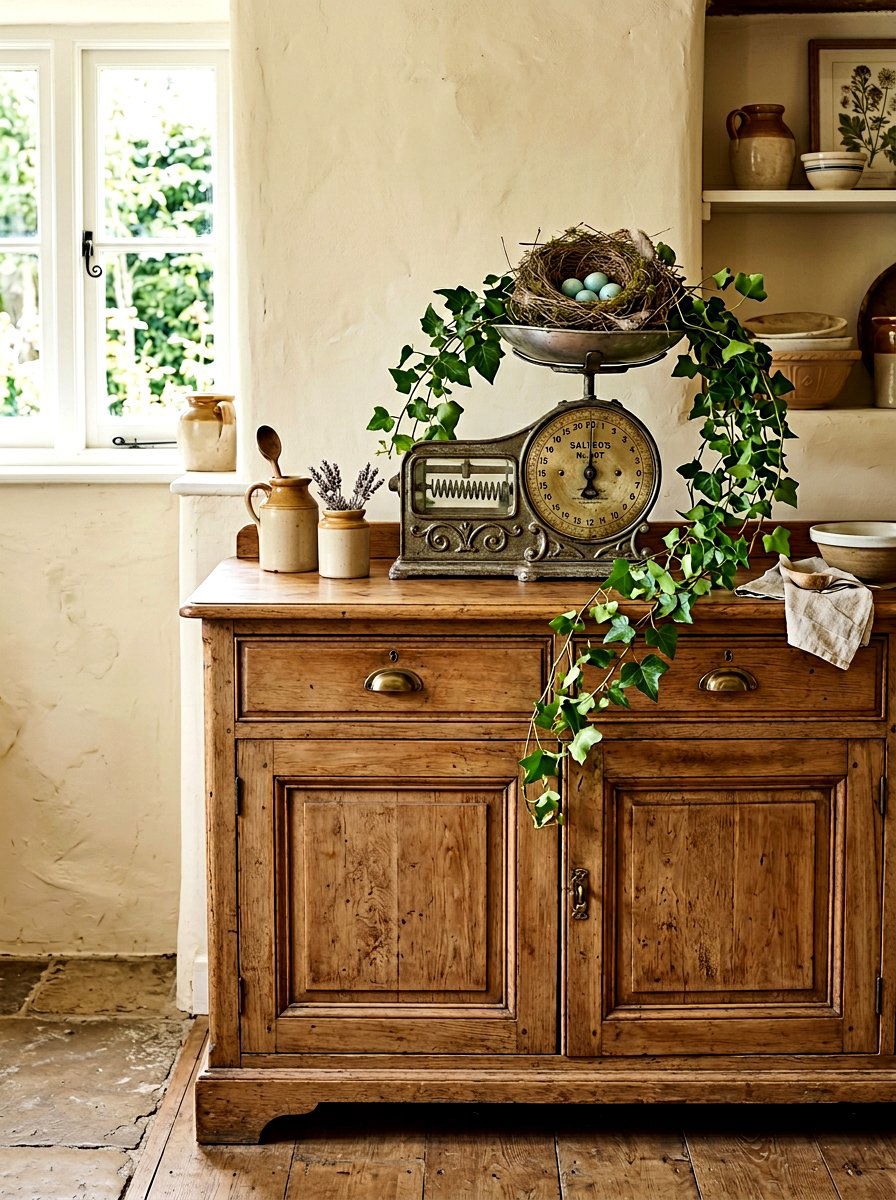
Repurposing an old or leaking birdbath into an herb planter is a creative way to give a second life to a garden ornament. The shallow basin of a birdbath is the perfect depth for many herbs that have relatively small root systems. You can fill the basin with high-quality potting mix and plant a variety of herbs in a circular pattern for a balanced look. The height of the birdbath keeps the herbs off the ground and creates a unique focal point in the middle of a flower bed or on a patio. It adds a touch of classic garden charm and vintage whimsy to your outdoor space while remaining highly functional.
22. Stone Border Garden
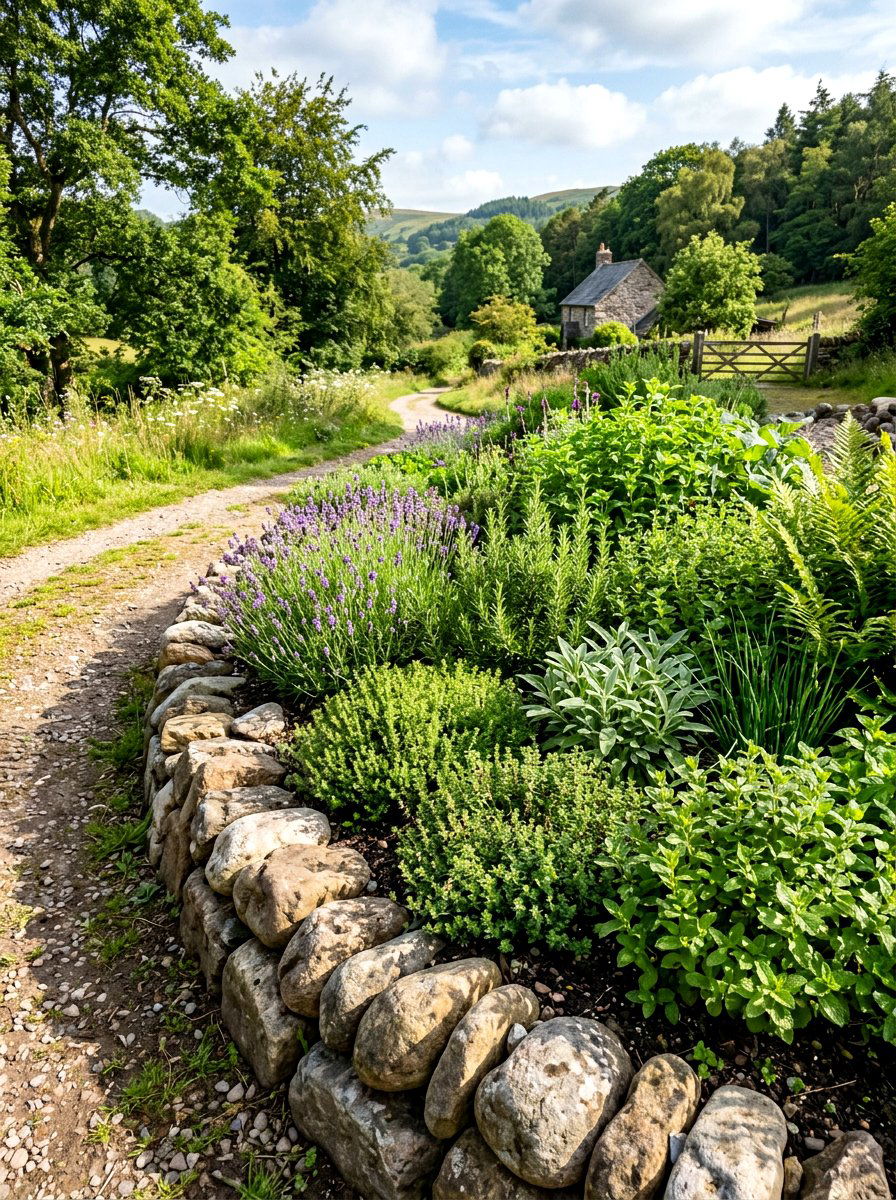
Creating a dedicated herb border along a stone path or walkway is a classic way to integrate edibles into your landscape design. You can use large river rocks or flat flagstones to edge the garden bed, providing a clean and natural look. As you walk along the path, your feet might brush against herbs like rosemary or lavender, releasing their wonderful scents into the air. This type of garden feels very integrated with the rest of your yard and looks beautiful year-round. The stones help retain heat in the soil, which can give your spring herbs a head start as the ground warms up. It is a timeless and very effective design.
23. Wheelbarrow Herb Planter
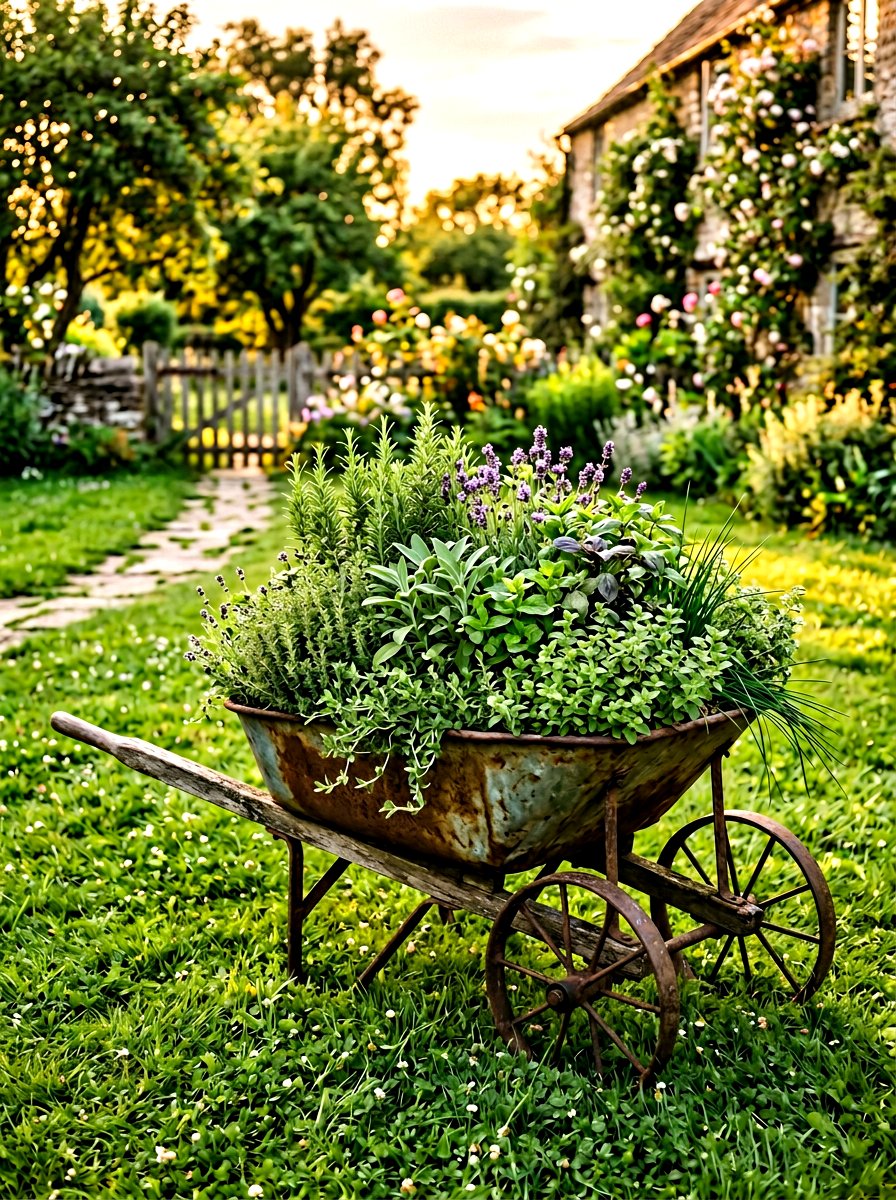
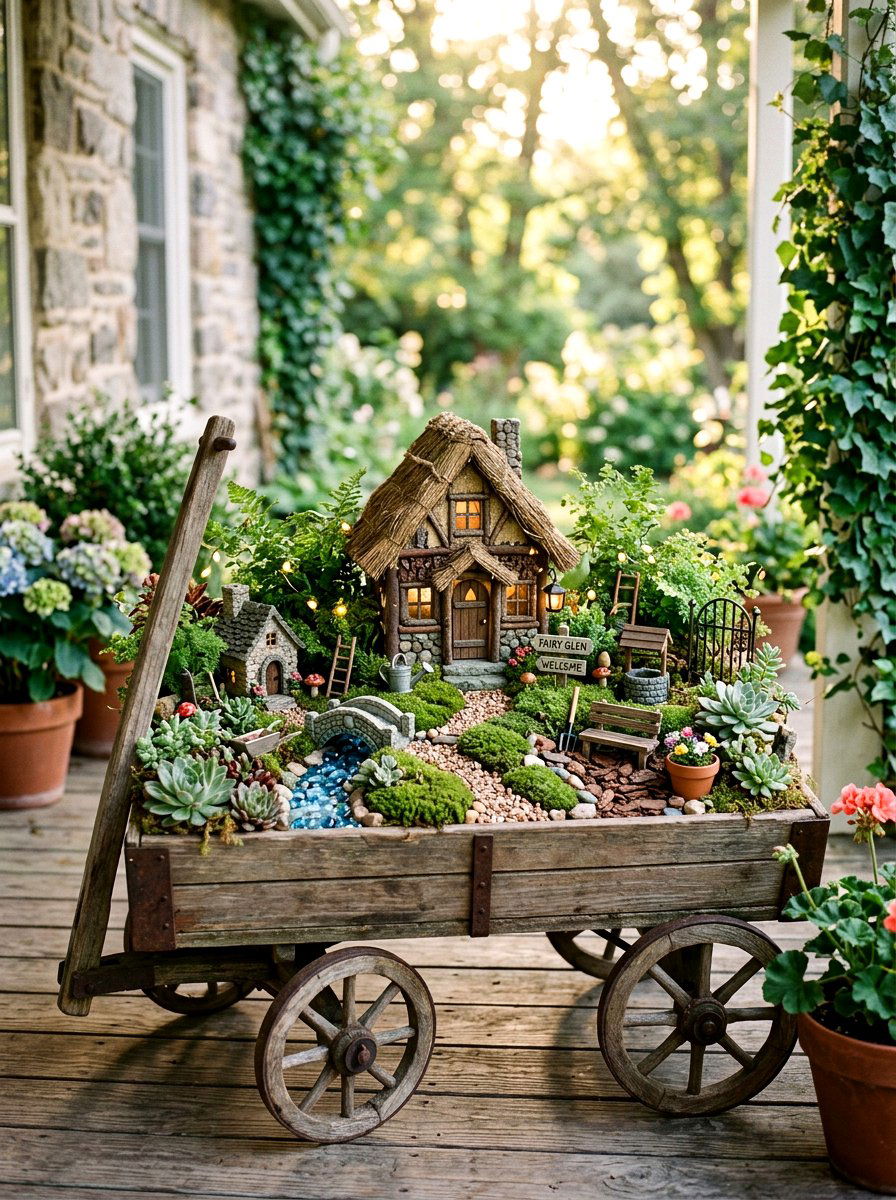
An old metal or wooden wheelbarrow makes for a fantastic and mobile herb garden that adds a rustic, country feel to your yard. You can fill the main bed with soil and plant a overflowing collection of herbs that spill over the sides. This large container allows for a great deal of variety, from tall lemongrass to trailing oregano. The best part about using a wheelbarrow is that you can easily move it around to different spots in your garden depending on the light or for special events. It serves as a large-scale decorative piece that feels both nostalgic and productive. It is a great conversation starter for any garden visitor.
24. Floating Shelf Herb Garden
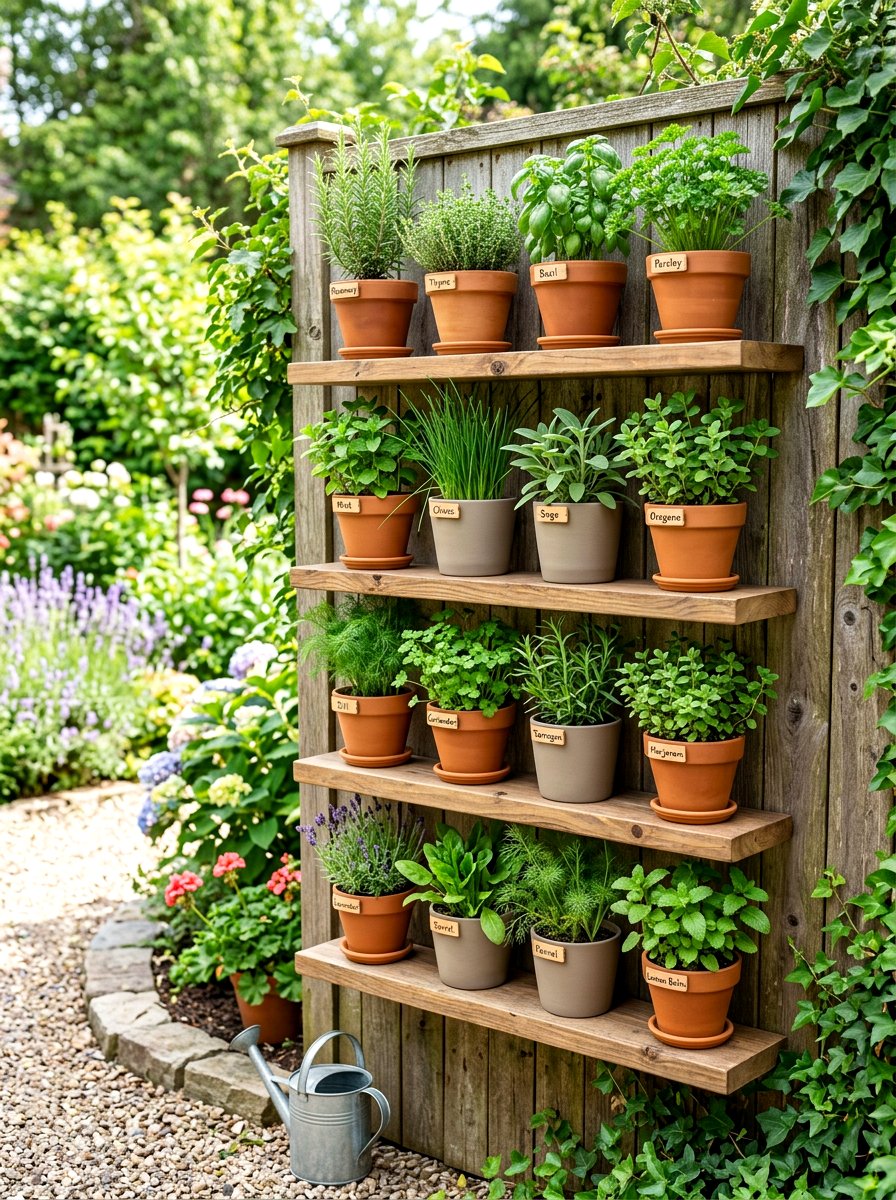
Installing floating wooden shelves on an exterior wall or a sturdy fence creates a clean and modern way to display herb pots. This design keeps the ground clear and gives your garden a very organized and minimalist appearance. You can line up identical white or black pots along the shelves to create a rhythmic and satisfying visual pattern. Floating shelves allow you to utilize vertical space that might otherwise go to waste, which is ideal for small urban gardens. The simplicity of the shelves lets the natural beauty and textures of the herbs take center stage. It is a very effective way to create a contemporary look with very little effort.
25. Greenhouse Style Cold Frame
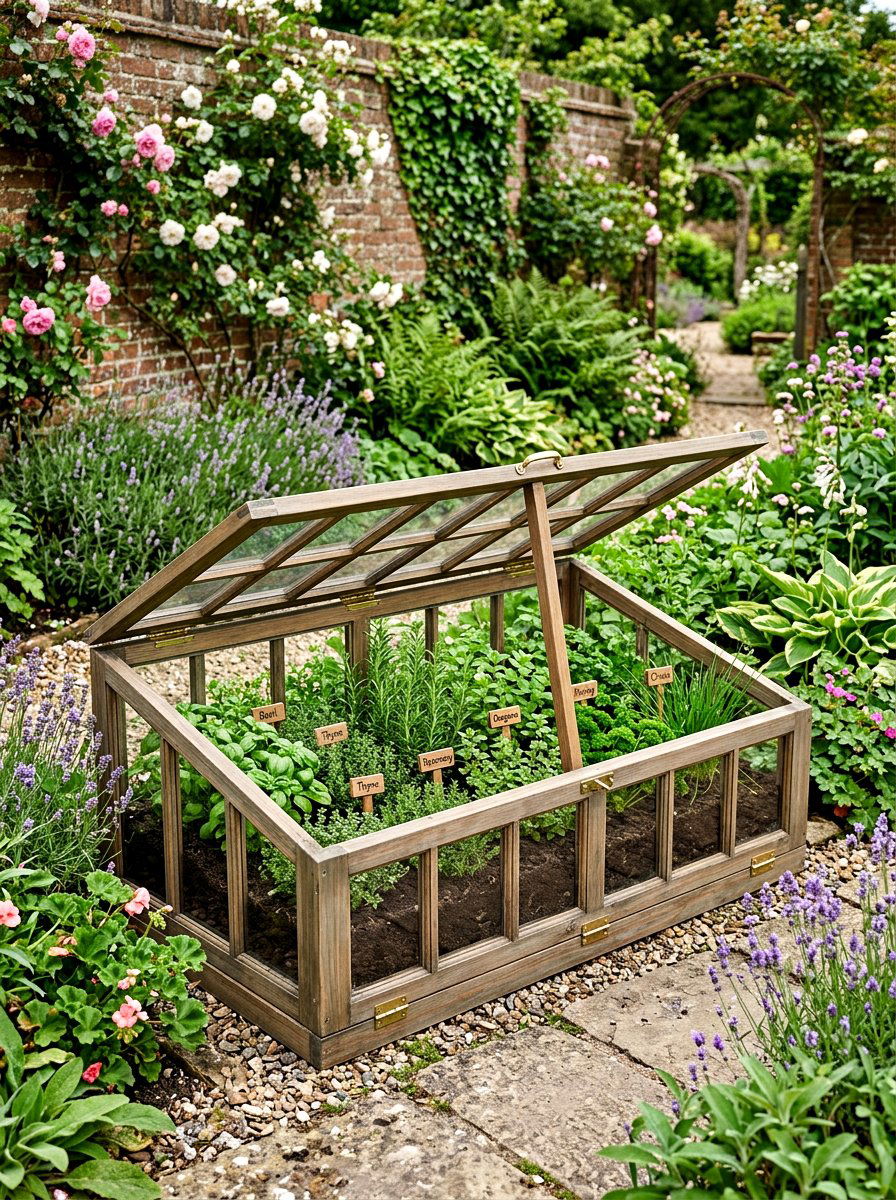
A cold frame is essentially a small, bottomless box with a transparent roof that protects herbs from early spring frosts. While its primary job is functional, a well-designed cold frame made of wood and glass can be a beautiful addition to your garden. It creates a "miniature greenhouse" look that feels very professional and purposeful. You can tuck this frame into a sunny corner of your patio or place it directly over a garden bed. The sight of young, bright green herbs growing safely behind glass panels is a wonderful sign of the season. It adds an architectural element to your garden while extending your growing season by several important weeks.
Conclusion:
Spring herb gardening is a rewarding way to blend culinary utility with stunning home decor. By choosing the right planters, structures, and layouts, you can transform a simple collection of plants into a vibrant and inviting outdoor sanctuary. Whether you prefer the rustic charm of wooden crates or the sleek lines of modern concrete, there is a style that fits every home and personality. Remember that the key to a successful herb garden is balancing aesthetics with the specific needs of each plant, such as sunlight and drainage. As you spend time tending to your herbs, you will not only enjoy fresh flavors in your kitchen but also a beautiful, peaceful space to relax. Embrace the season and let your creativity grow alongside your favorite herbs this spring.
Related posts:

Leave a Reply