
When the first hints of spring arrive, few things capture the essence of the season quite like the fragrance of a blooming lilac bush. These stunning flowering shrubs have been a staple in gardens for generations, offering both nostalgic charm and incredible visual appeal. Whether you are looking to create a private sanctuary in your backyard or simply want to add color to your front walkway, lilacs provide a versatile solution for any landscape. Their lush clusters of flowers come in shades of purple and white, making them a favorite for homeowners who enjoy a classic garden aesthetic. In this guide, we explore many ways to incorporate these beautiful plants into your outdoor space for a refreshing look.
1. Common Purple Lilac Bush
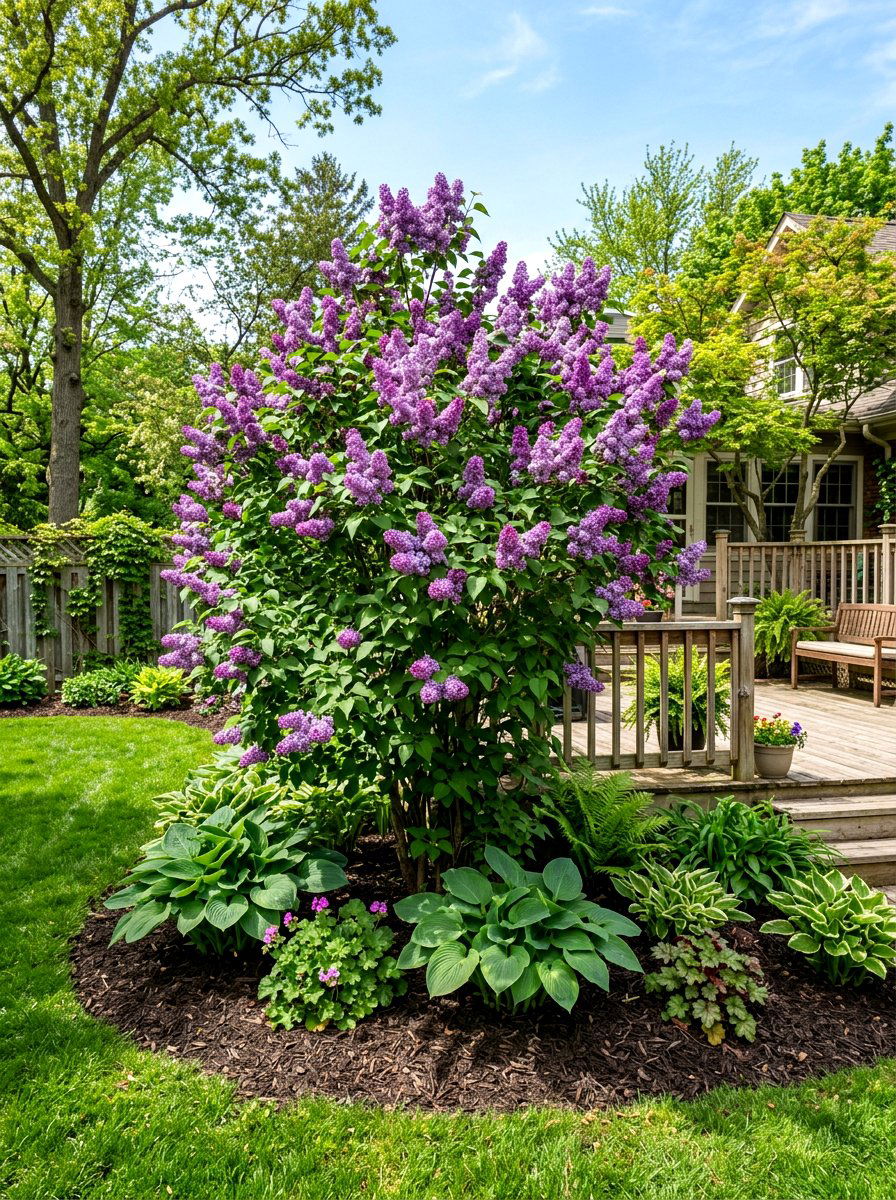
A common purple lilac bush is a classic choice for any backyard that needs a traditional touch of beauty. This variety is famous for its heart-shaped leaves and deep violet flower clusters that fill the air with a sweet scent during late spring. You can plant this bush near a patio or a deck to enjoy the fragrance while you relax outside. It grows quite large, so it works perfectly as a stand-alone specimen in the middle of a lush green lawn. To make the area look finished, you can add a layer of dark mulch around the base and some low-growing perennials like hostas to provide a nice contrast.
2. White Lilac Hedge
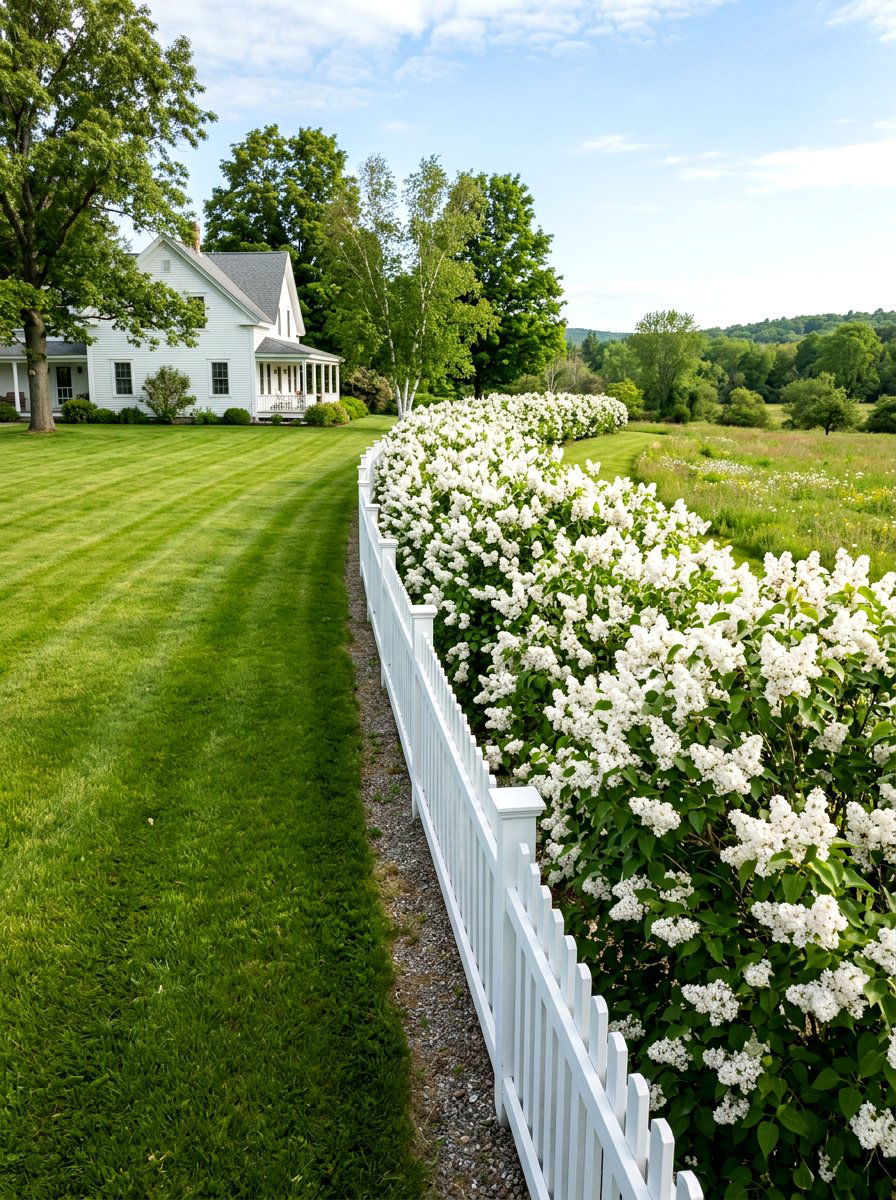
Creating a white lilac hedge is a brilliant way to define your property lines while adding a clean and elegant look to your landscape. The bright white blossoms pop beautifully against a backdrop of dark green foliage and traditional wooden fences. This type of planting provides a soft, natural wall that looks much better than a standard metal fence. You can trim these bushes to maintain a uniform shape or let them grow naturally for a more relaxed, cottage feel. These hedges look stunning when they frame a long driveway or a stone path leading to the front door of a suburban home.
3. Miss Kim Lilac
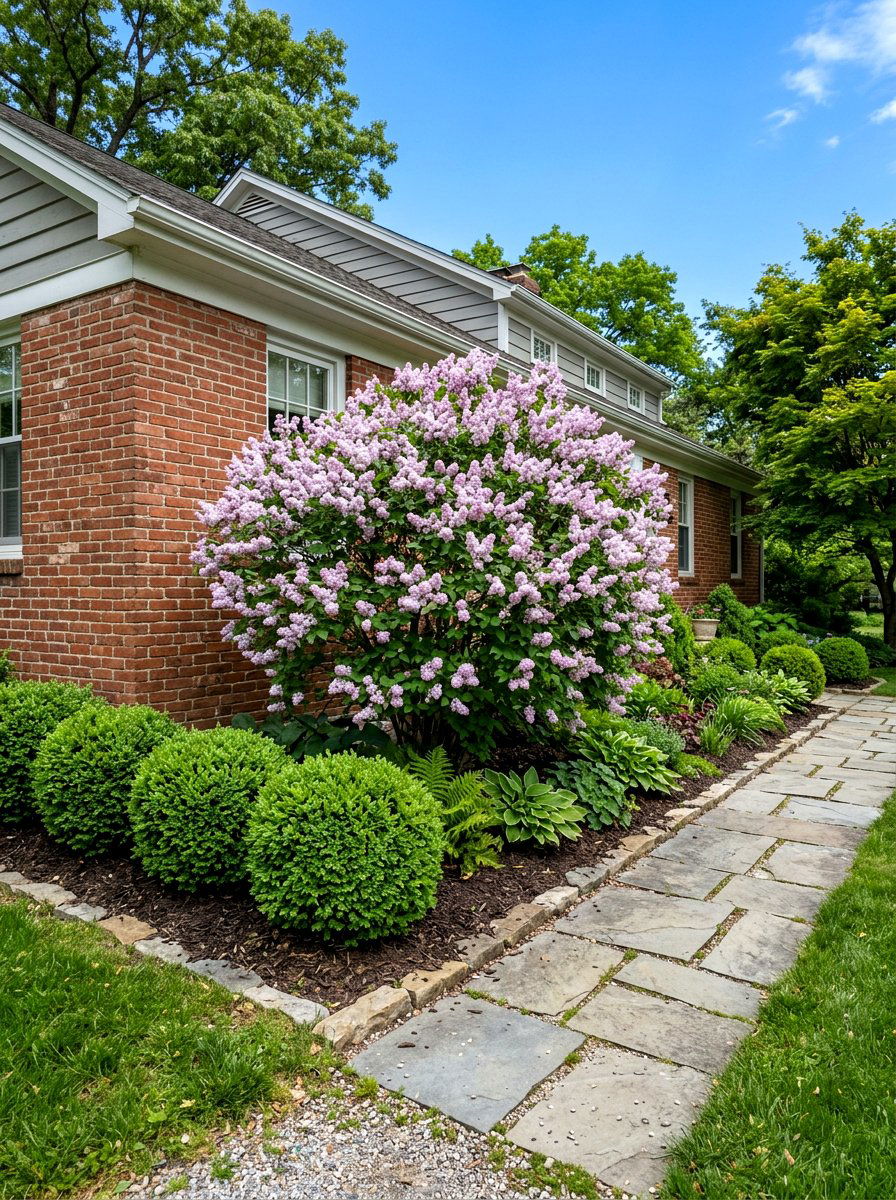
The Miss Kim lilac is a smaller, more compact variety that is perfect for homeowners with limited garden space. This shrub is known for its pale purple flowers that bloom slightly later than other varieties, extending your garden color well into the summer. Because it stays relatively small, you can plant it near the foundation of your house without worrying about it blocking your windows. It looks fantastic when paired with other low-maintenance shrubs like boxwoods. The leaves also turn a beautiful burgundy color in the fall, which provides visual interest throughout multiple seasons in a well-planned garden layout.
4. French Hybrid Lilac
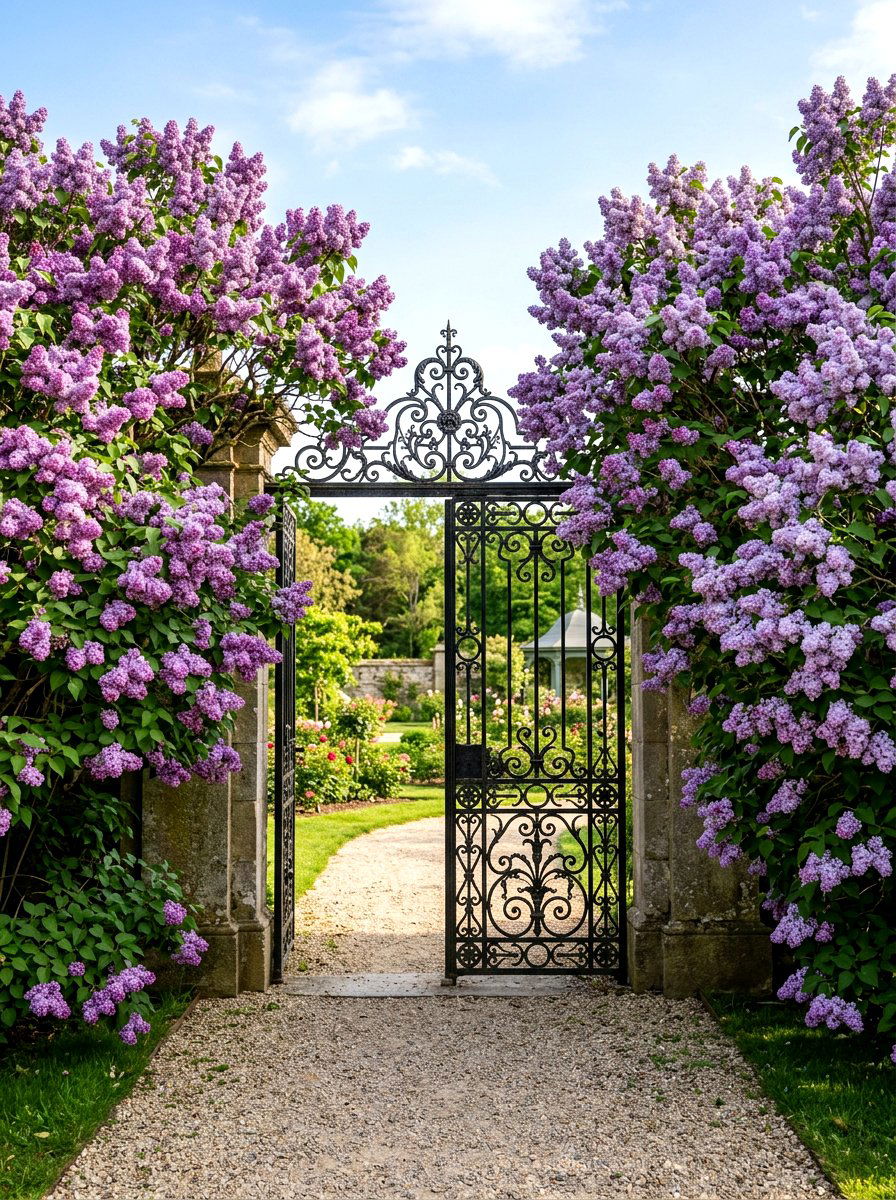
French hybrid lilacs are prized for their exceptionally large and fragrant flower clusters that come in a wide range of stunning colors. These bushes often have double blooms, which gives the flowers a fuller and more luxurious appearance compared to standard varieties. They are ideal for creating a focal point in a formal garden setting where symmetry is important. You can plant them in pairs on either side of a garden gate or an arbor to create a grand entrance. The stems are sturdy and tall, making the blooms excellent for cutting and bringing inside to decorate your dining room or kitchen table.
5. Lilac Privacy Screen
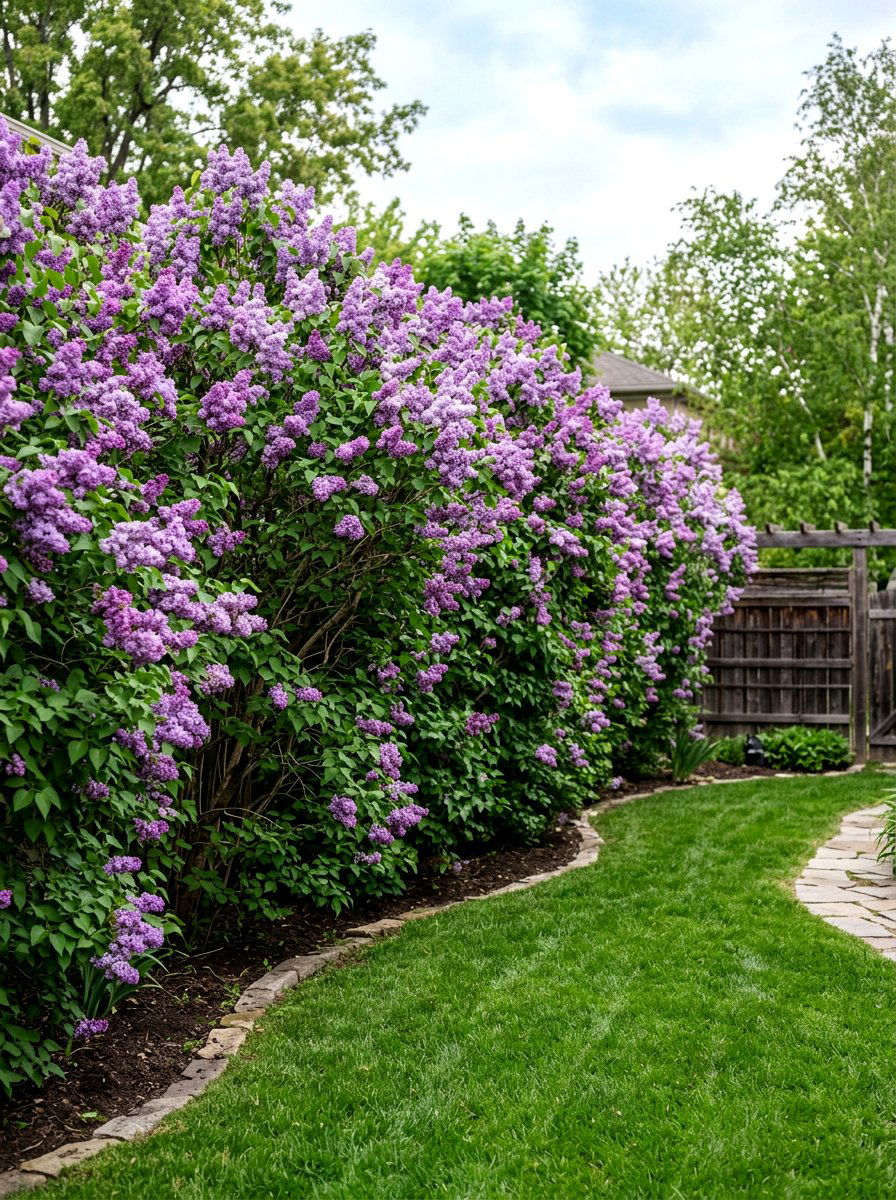
Using a row of tall lilacs as a privacy screen is a smart way to block out neighbors while keeping your yard looking beautiful. Unlike a brick wall, a lilac screen changes with the seasons and provides a home for local birds and butterflies. To achieve a dense look, you should space the bushes closely together so their branches overlap as they grow. This creates a thick wall of greenery that muffles street noise and provides a quiet place for your family to enjoy. Adding a simple gravel path alongside the screen can help you navigate the garden while enjoying the blooms.
6. Persian Lilac Garden
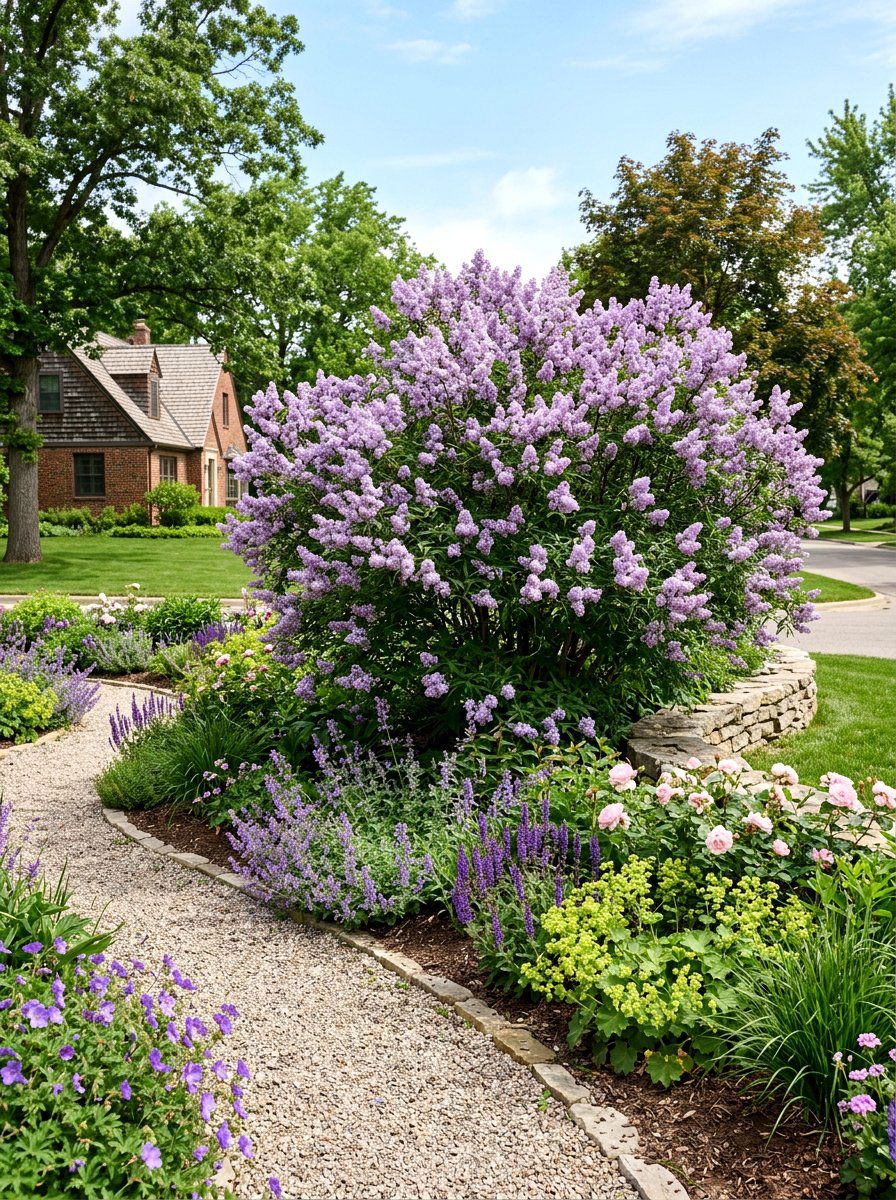
A Persian lilac garden offers a more delicate and airy feel compared to the heavy blooms of traditional varieties. These shrubs have smaller, more lance-shaped leaves and light lavender flowers that hang in graceful clusters. They are very hardy and can tolerate different soil types, making them a great choice for many regions. You can plant them in a cluster at the corner of your property to create a soft, rounded look that softens the sharp edges of your house. The fine texture of the foliage provides a lovely contrast to broader-leaved plants like peonies or hydrangeas in a mixed border.
7. Bloomerang Reblooming Lilac
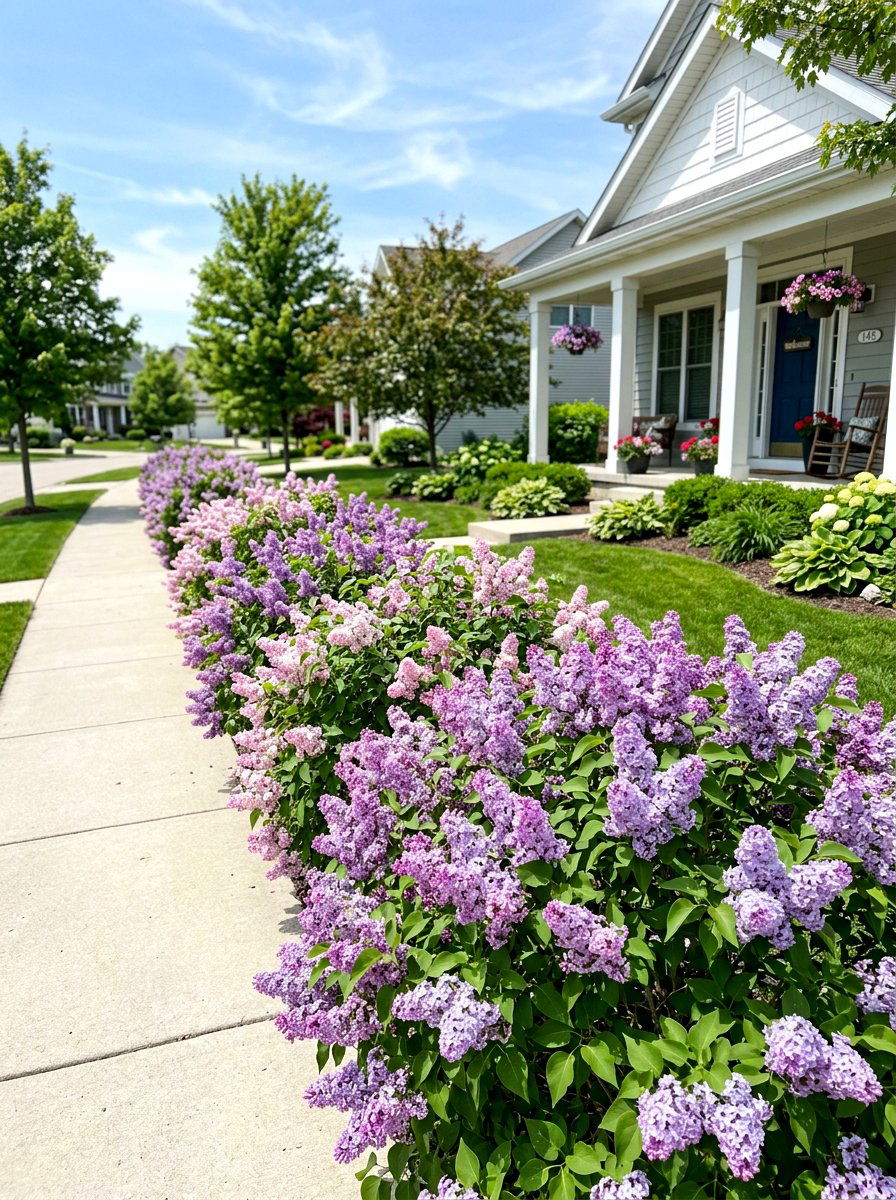
The Bloomerang reblooming lilac is a game changer for gardeners who want to enjoy the scent of lilacs all summer long. Unlike traditional types that only bloom for a few weeks, this variety flowers in the spring and then again in late summer and fall. This makes it an excellent choice for a prominent spot in your front yard where you want constant curb appeal. You can plant these in a row along a sidewalk to welcome guests with color for months. The bush stays relatively small and tidy, so it requires very little pruning to stay looking its best.
8. Japanese Tree Lilac
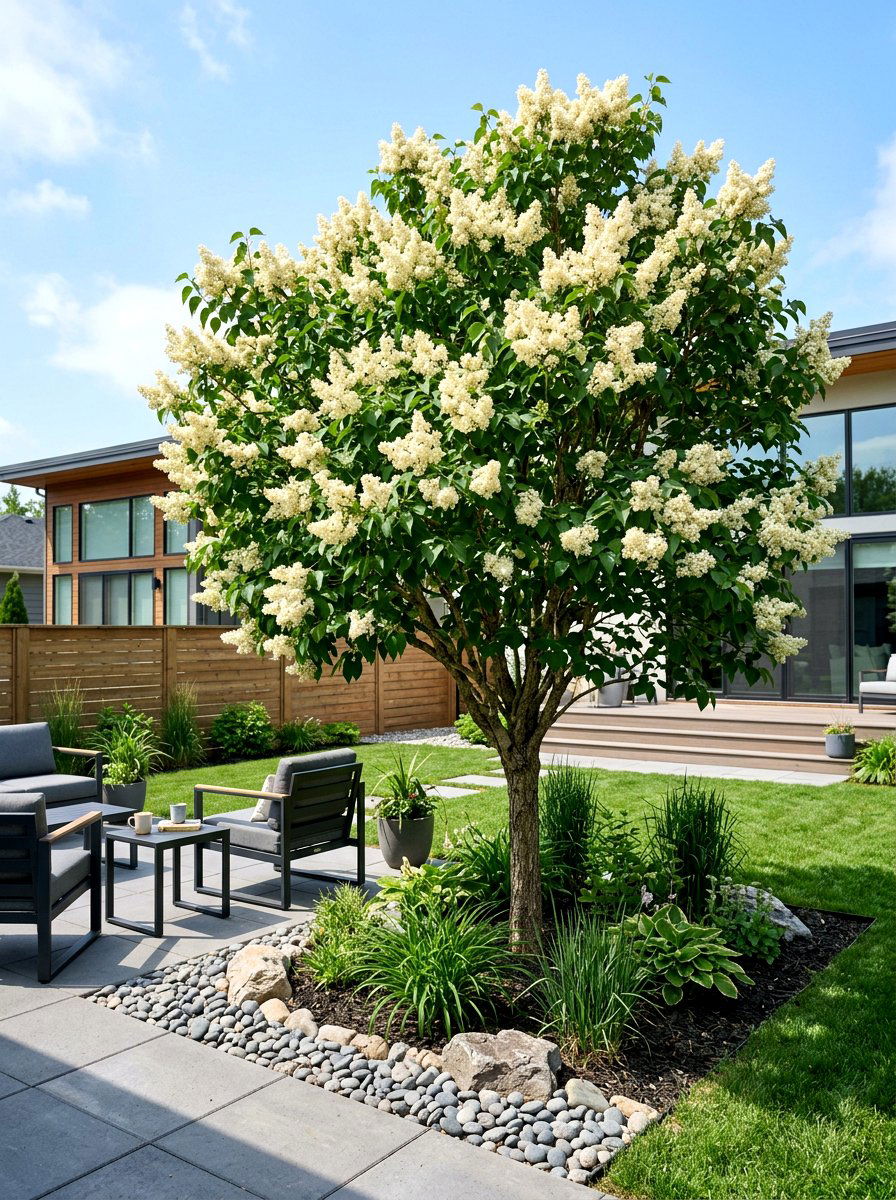
The Japanese tree lilac is a unique option that grows more like a small tree than a traditional bush. It features creamy white flowers that bloom in early summer, which is later than most other lilac varieties. This tree is perfect for planting near a backyard patio where you need a bit of shade but do not want a massive oak tree. The bark is dark and shiny, adding visual interest even during the winter months when the leaves are gone. It looks beautiful when surrounded by a ring of colorful annual flowers or a decorative stone border in a modern landscape.
9. Lilac Entrance Gate
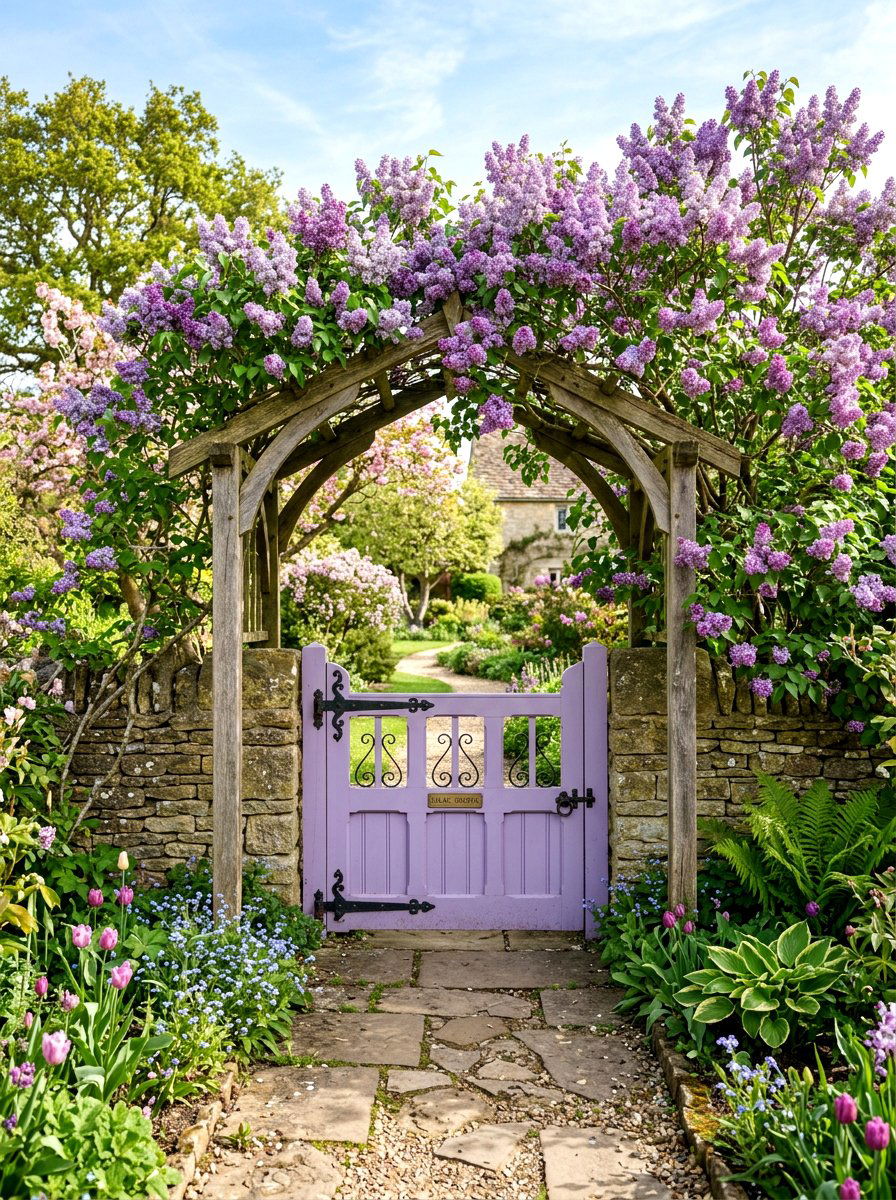
Placing lilac bushes on either side of an entrance gate creates a welcoming and magical feeling for anyone visiting your home. As people walk through the gate, they are greeted by the sight and smell of lush purple or white flowers. This setup works especially well with a white picket fence or a rustic wrought iron gate. You can train the taller branches to arch slightly over the opening to create a natural tunnel effect. This design idea adds a lot of character to a front yard and makes even a small cottage feel like a grand and established estate.
10. Mixed Flower Border Lilac
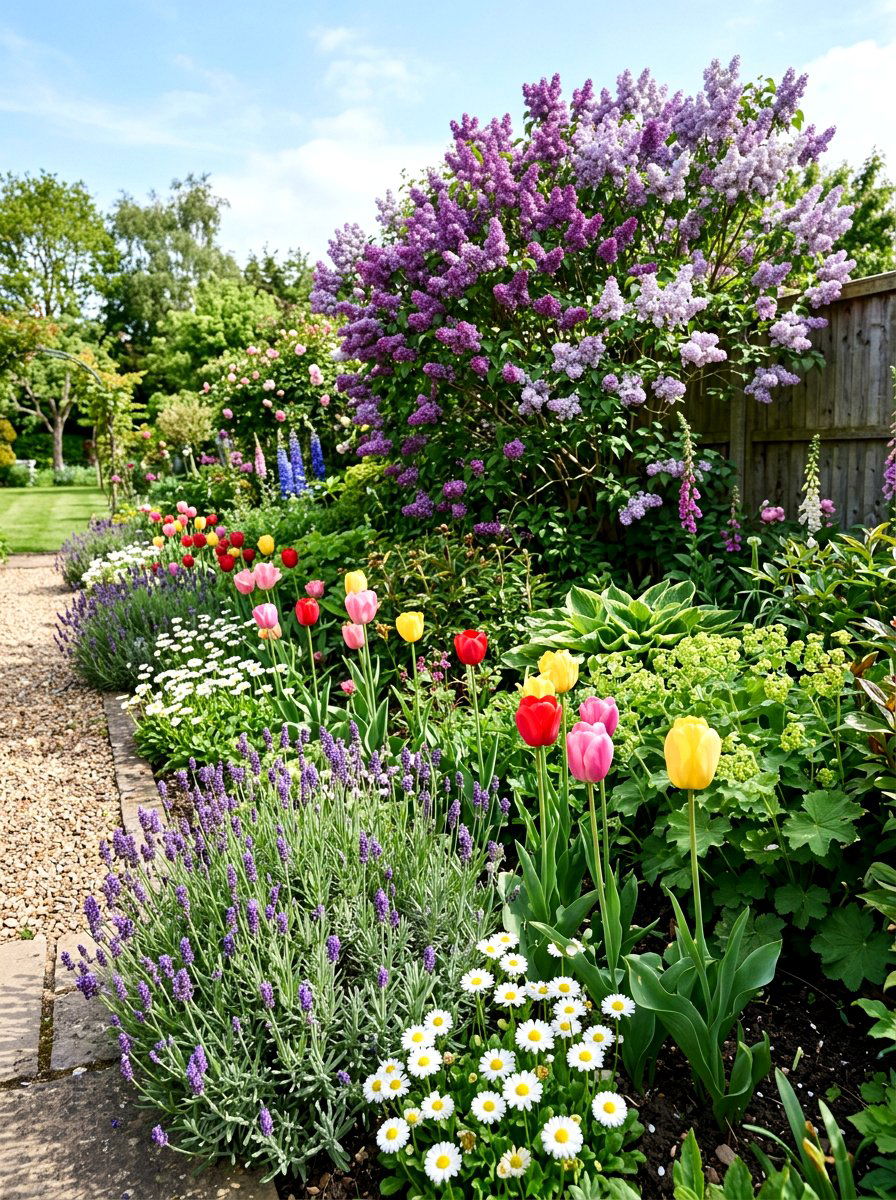
Integrating a lilac bush into a mixed flower border is a great way to add height and structure to your garden beds. By placing the lilac at the back of the border, you create a tall green backdrop for shorter flowers like tulips, daisies, and lavender. This layering technique makes your garden look professionally designed and full of life. The lilac provides a solid green mass once the flowers fade, which helps the brighter summer flowers stand out. You can also mix different lilac colors, such as light pink and dark purple, to create a varied and interesting color palette.
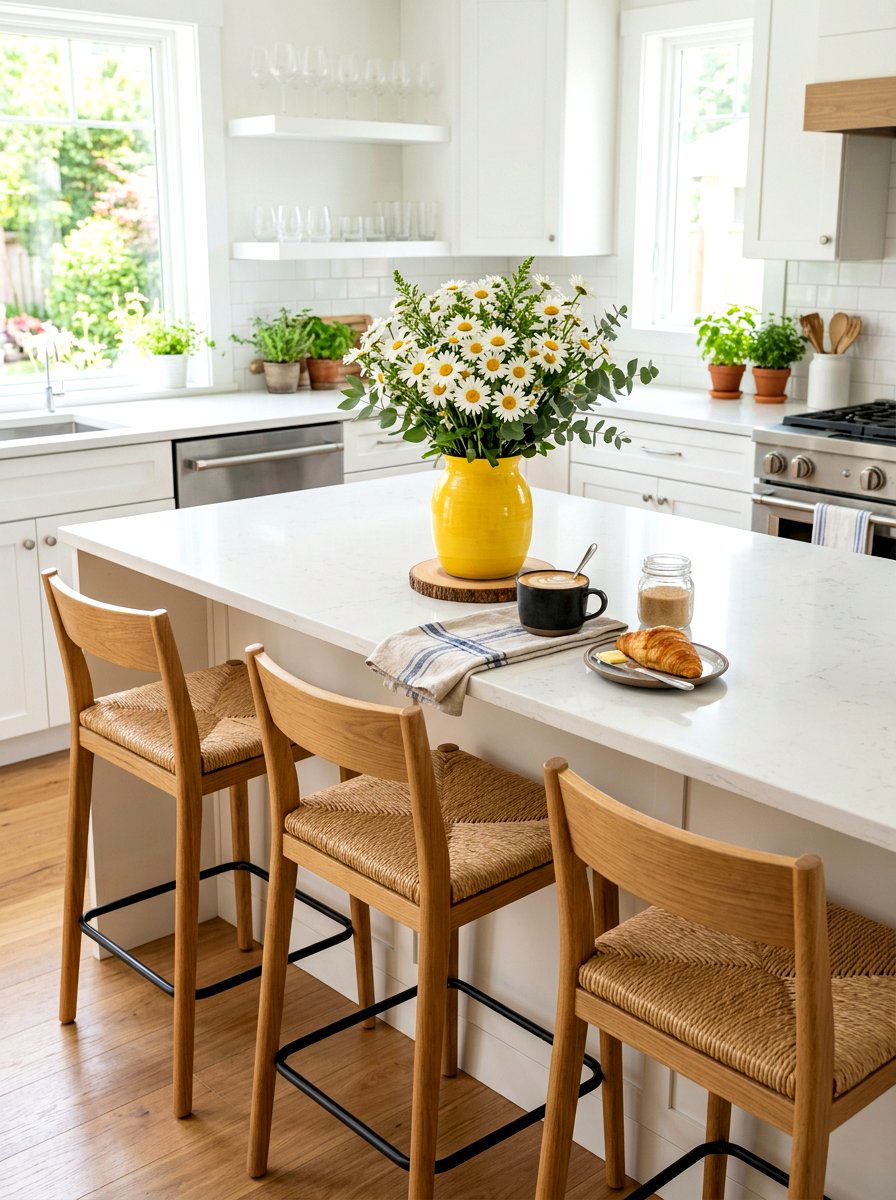

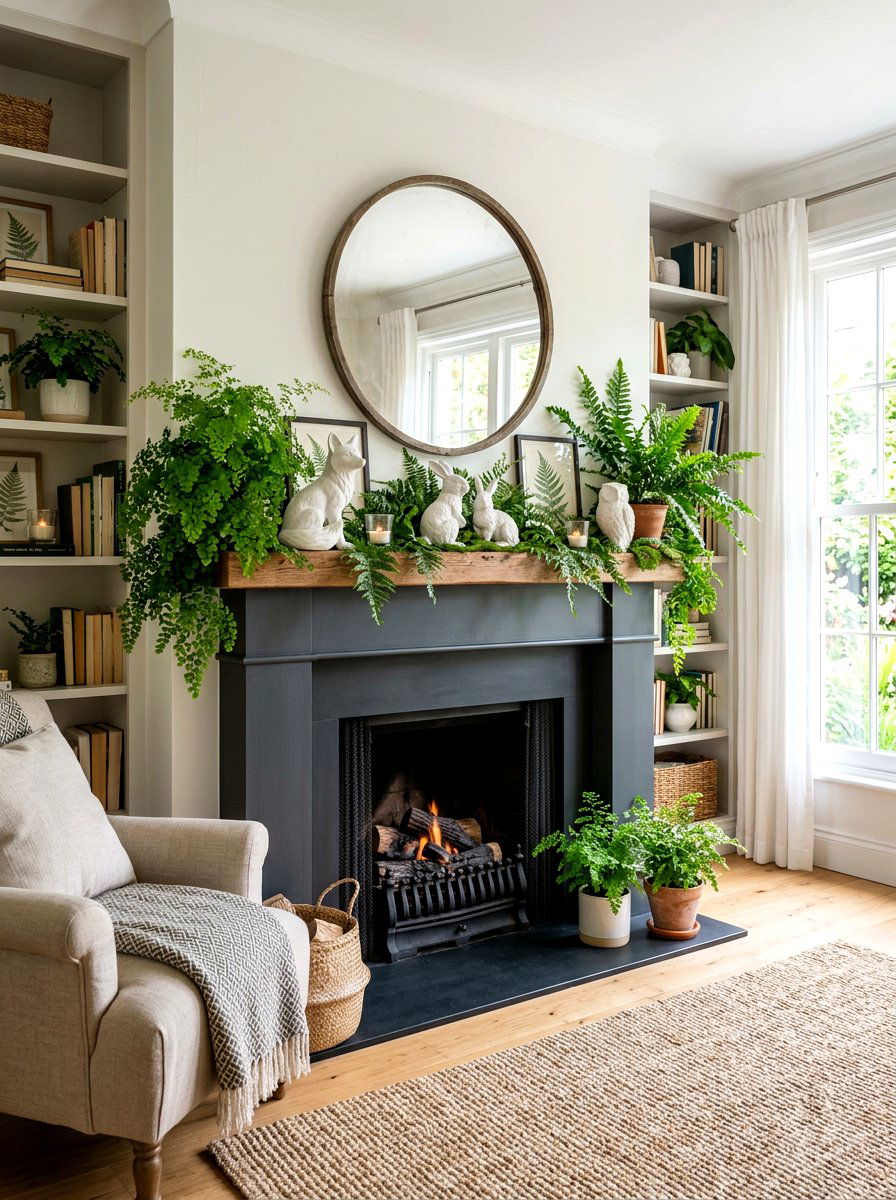
11. Lilac Container Patio
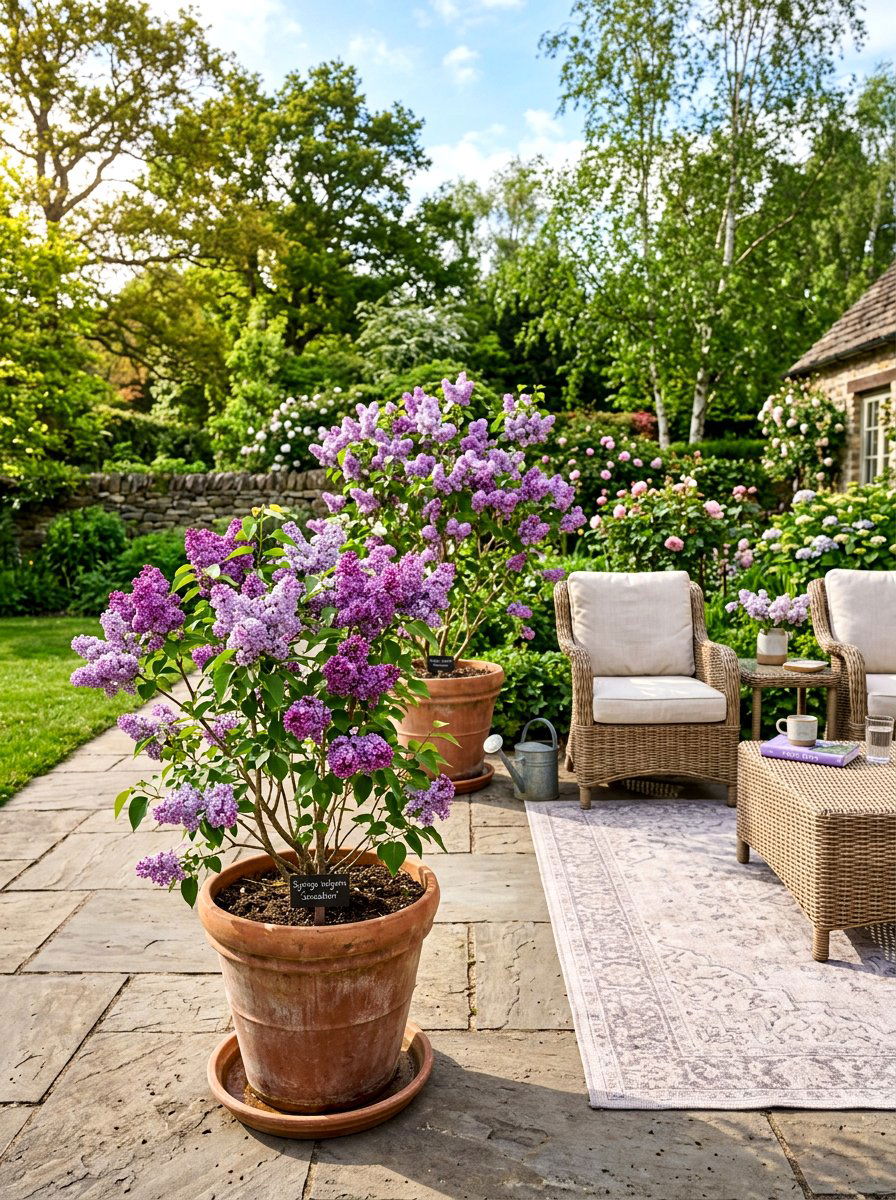
If you only have a small patio or balcony, you can still enjoy these plants by creating a lilac container garden. Many dwarf varieties are specifically bred to thrive in large pots and planters. You can place two large terracotta pots on either side of your sliding glass door to bring nature closer to your living space. This setup allows you to move the plants around to catch the best sunlight or to clear space for outdoor furniture. Use high-quality potting soil and ensure the containers have good drainage to keep your lilac healthy and blooming year after year.
12. Meyer Lilac Foundation Planting

The Meyer lilac is a slow-growing and compact shrub that is perfect for foundation planting along the front of your house. Because it does not grow very tall, it will not cover your windows or obstruct the view from inside. It produces a dense carpet of tiny, fragrant violet flowers that look very tidy and manicured. This bush is also resistant to powdery mildew, which keeps the leaves looking fresh and green all summer long. Planting a row of these under a front window allows the sweet scent to drift into your home whenever you open the glass for fresh air.
13. Scented Sensory Garden Lilac
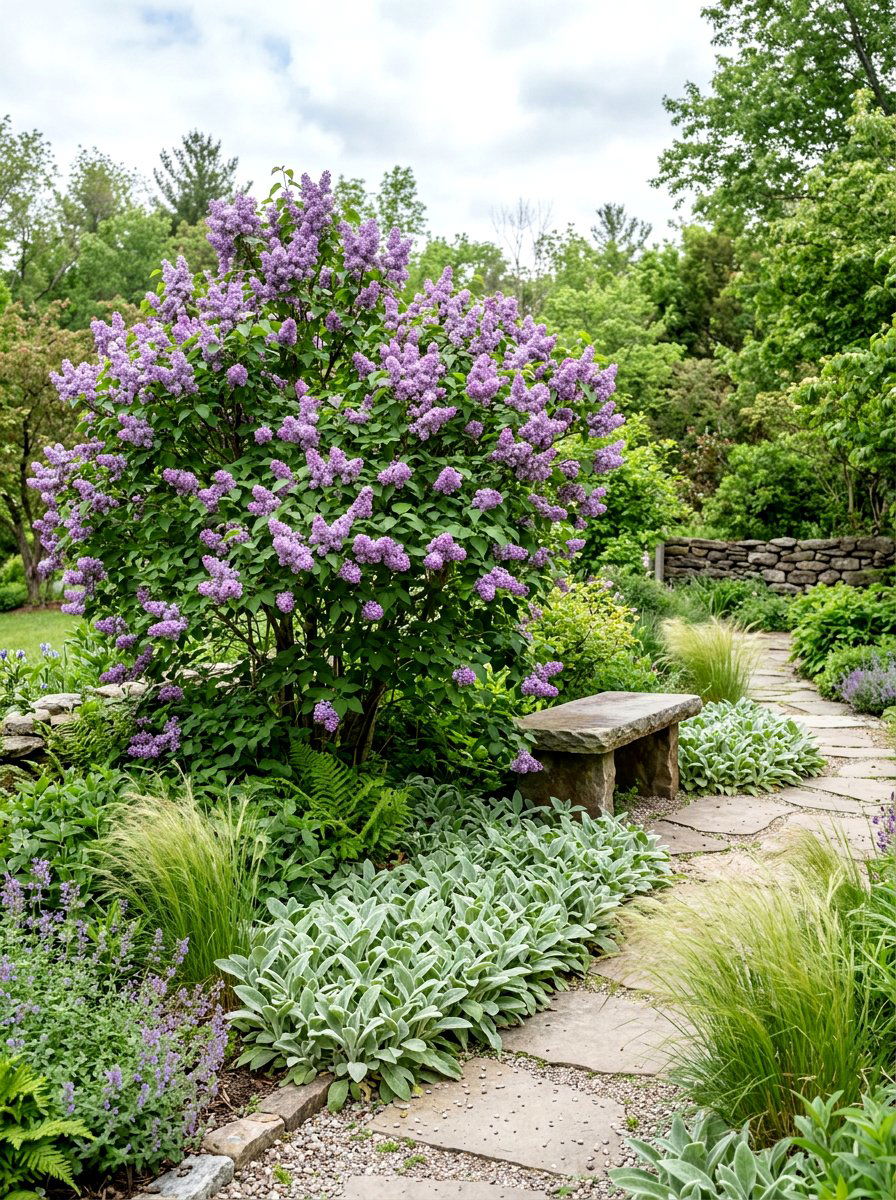
A scented sensory garden is designed to engage all your senses, and a lilac bush is a must-have for this type of space. You should place the lilac in a central location where you can easily reach the flowers to smell them. Surround the bush with soft-textured plants like lamb’s ear and rustling grasses to create a rich sensory experience. This area can be a peaceful retreat for meditation or simply a quiet place to sit with a book. Adding a small stone bench nearby encourages people to linger and enjoy the complex fragrance that lilacs provide during the spring.
14. Cut Flower Garden Lilac
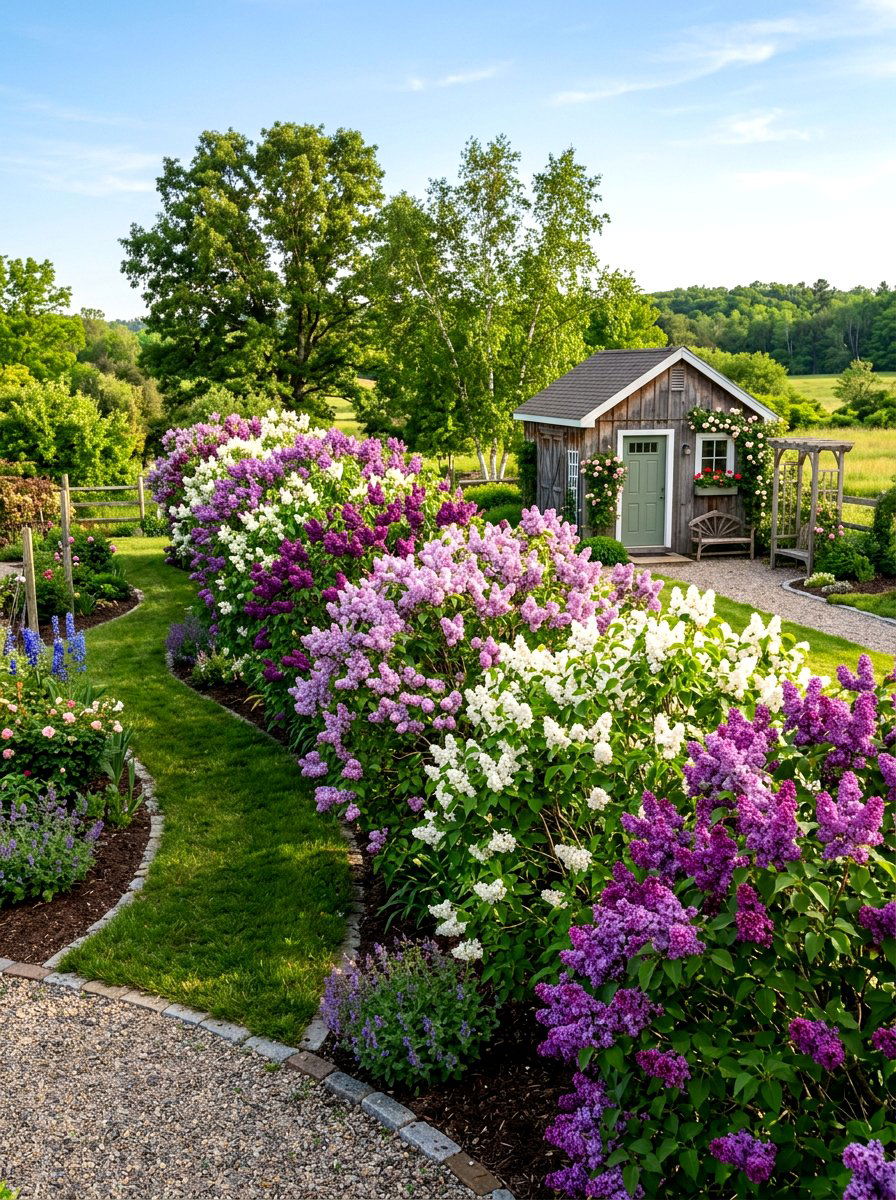
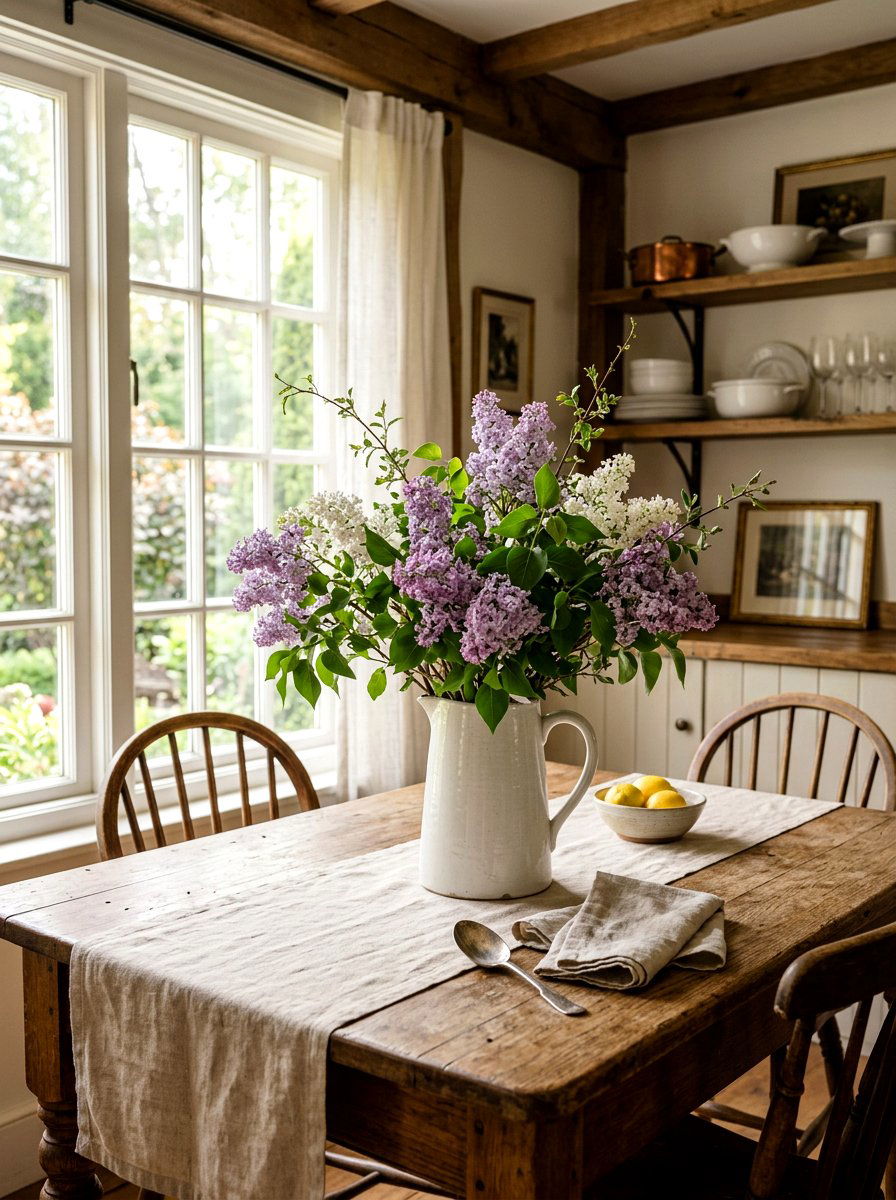
If you love having fresh flowers inside your home, a lilac bush is an essential addition to your cut flower garden. You can plant a few different varieties with staggered bloom times to ensure you have a steady supply of bouquets for several weeks. When the flowers are in full bloom, you can snip long stems and place them in large glass vases throughout your house. This brings the beauty of the outdoors inside and fills your rooms with a natural perfume. To help the flowers last longer, you should cut the stems at an angle and remove any leaves.
15. Vintage Cottage Garden Lilac
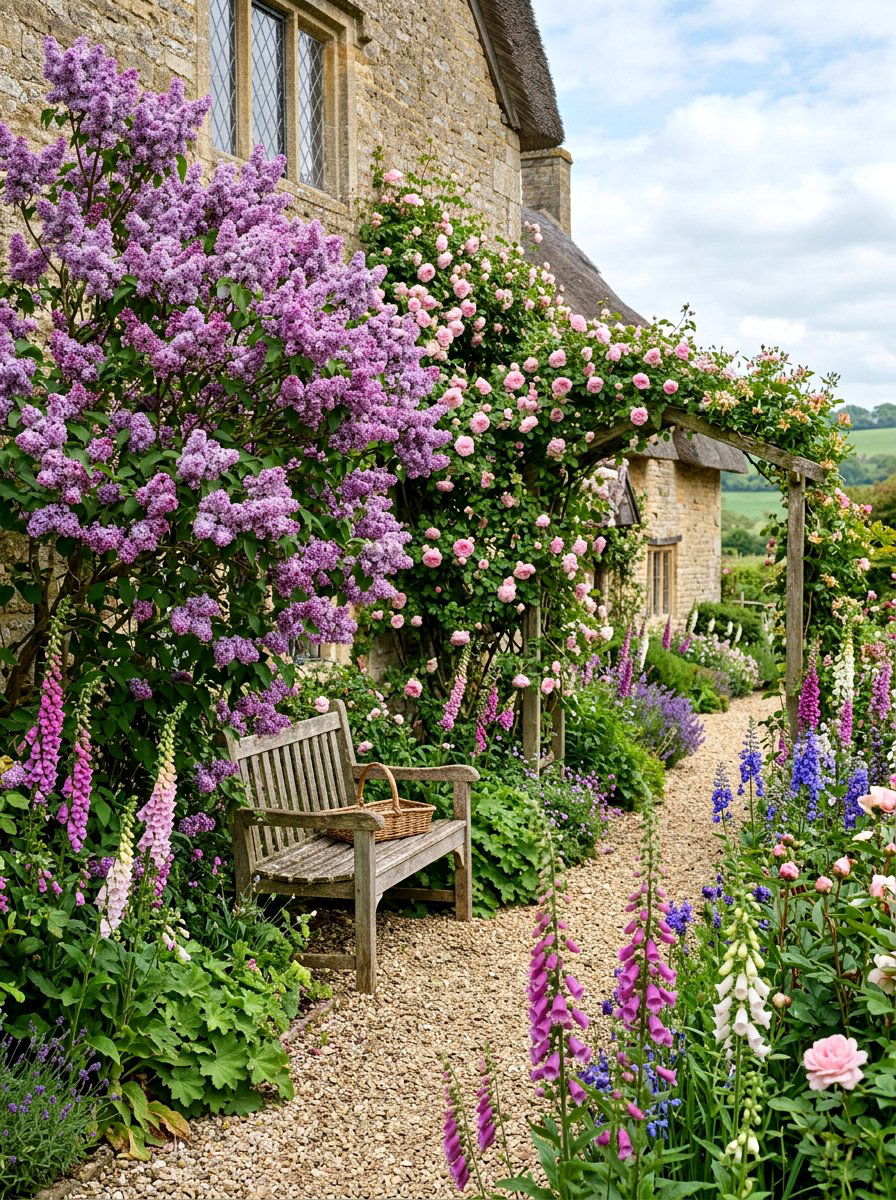
The vintage cottage garden style is all about a relaxed and slightly overgrown look, and lilacs fit this aesthetic perfectly. You can plant your lilac bushes among climbing roses, foxgloves, and hollyhocks for a romantic and timeless feel. Let the lilac grow to its full height to provide a sense of age and history to your landscape. This style looks best with gravel paths and rustic wooden benches that feel like they have been there for decades. The messy, beautiful clusters of lilac flowers add to the charm and make the whole garden feel cozy and very inviting for guests.

16. Pollinator Garden Lilac
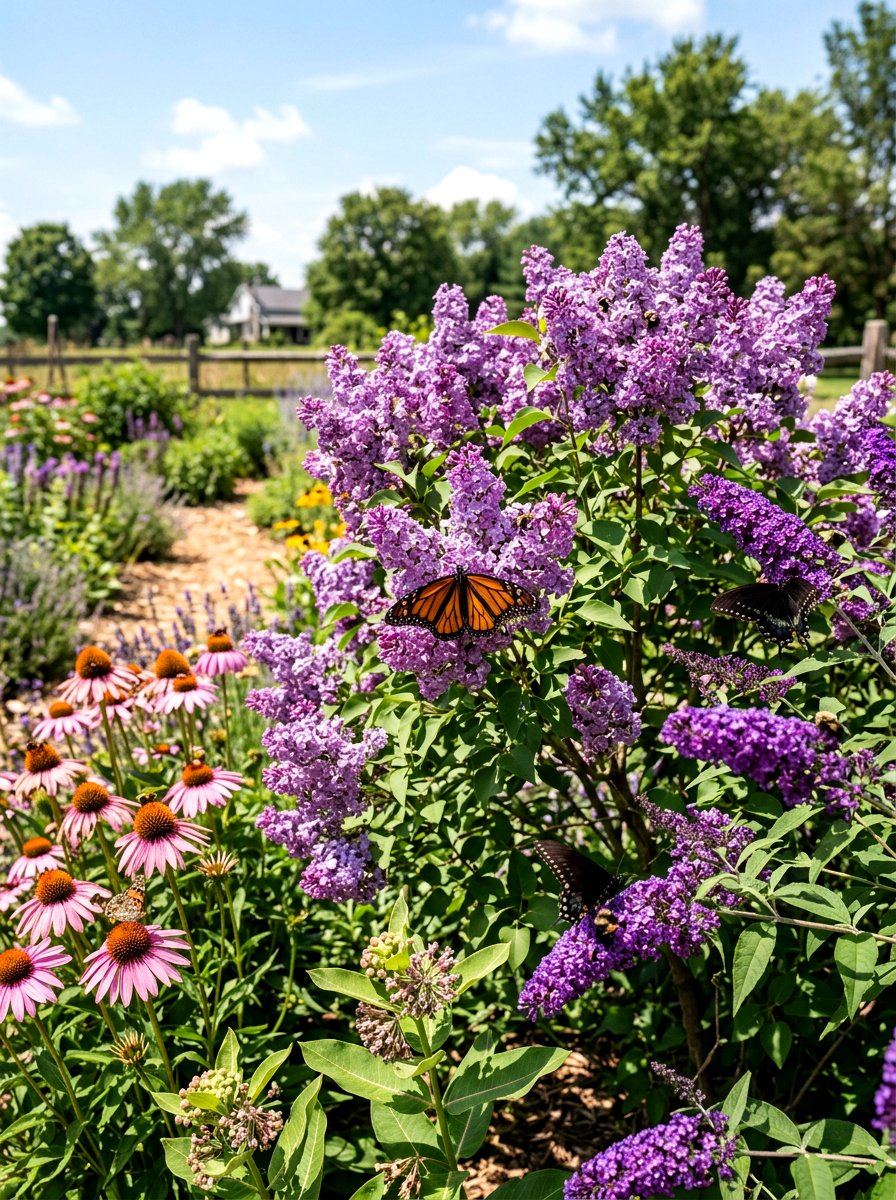
A pollinator garden is designed to attract bees, butterflies, and hummingbirds, and lilacs are excellent at drawing these creatures in. The nectar-rich flowers are a vital food source for insects that wake up early in the spring. By planting a few lilac bushes in a sunny spot, you will see your garden come alive with movement and color. You can pair them with other pollinator-friendly plants like butterfly bush and coneflowers to create a complete ecosystem. This not only helps the environment but also provides you with a beautiful and active garden to watch from your porch or kitchen window.
17. Sloping Hillside Lilac

If you have a sloping hillside in your yard that is difficult to mow, planting lilac bushes is a wonderful solution. Their strong root systems help to stabilize the soil and prevent erosion on the incline. As the bushes grow, they will cover the slope in a blanket of green leaves and colorful flowers, turning a problem area into a highlight of your property. You can plant them in a staggered pattern to ensure full coverage of the hill. This creates a massive wall of color that can be seen from a distance, making your entire landscape look much more expansive.
18. Stone Wall Lilac
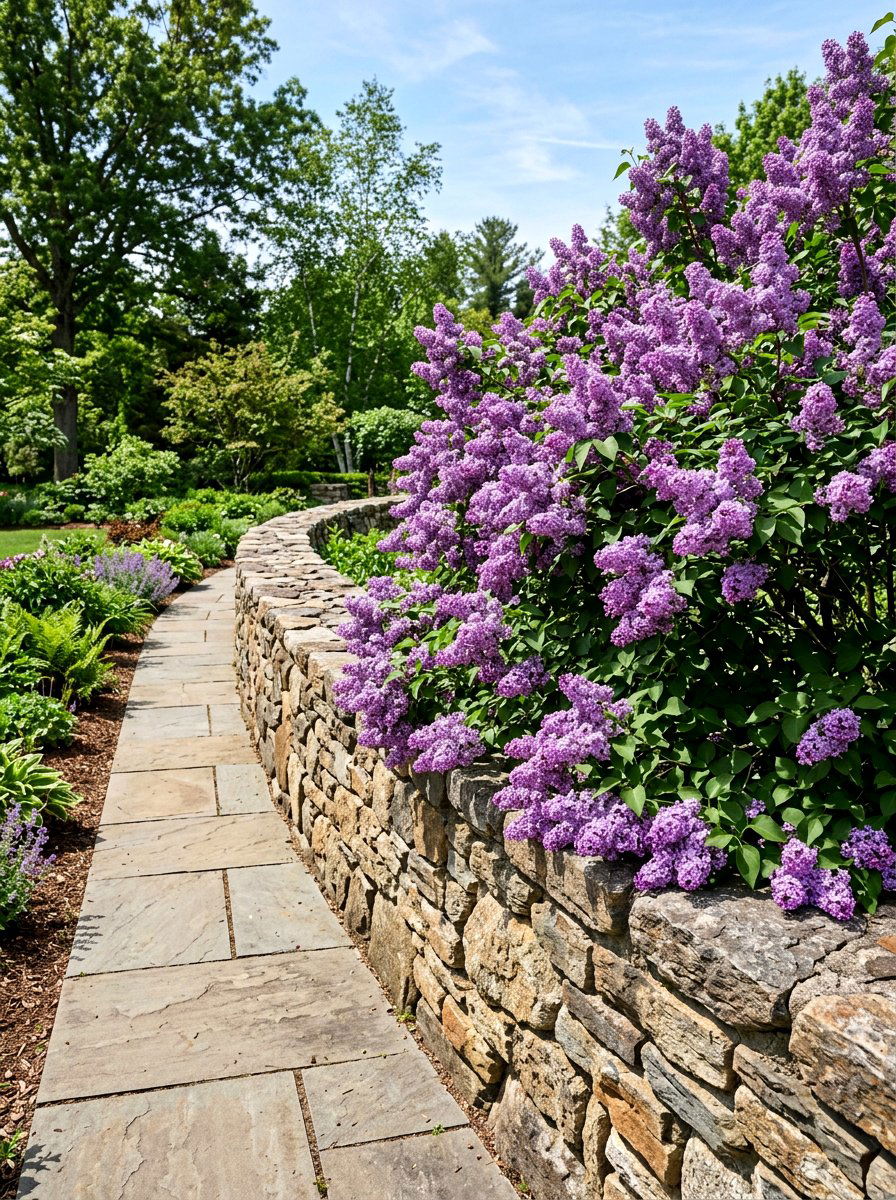
Planting lilac bushes behind a low stone wall creates a stunning contrast between the hard texture of the rock and the soft flowers. The purple blooms often spill over the top of the wall, creating a beautiful cascading effect. This design works well for front yards where the wall acts as a border between the lawn and the sidewalk. The heat trapped by the stones can also help the lilacs bloom a bit earlier in the spring. You can add small solar lights along the wall to highlight the bushes and the architecture of your garden at night for a sophisticated look.
19. Backyard Focal Point Lilac
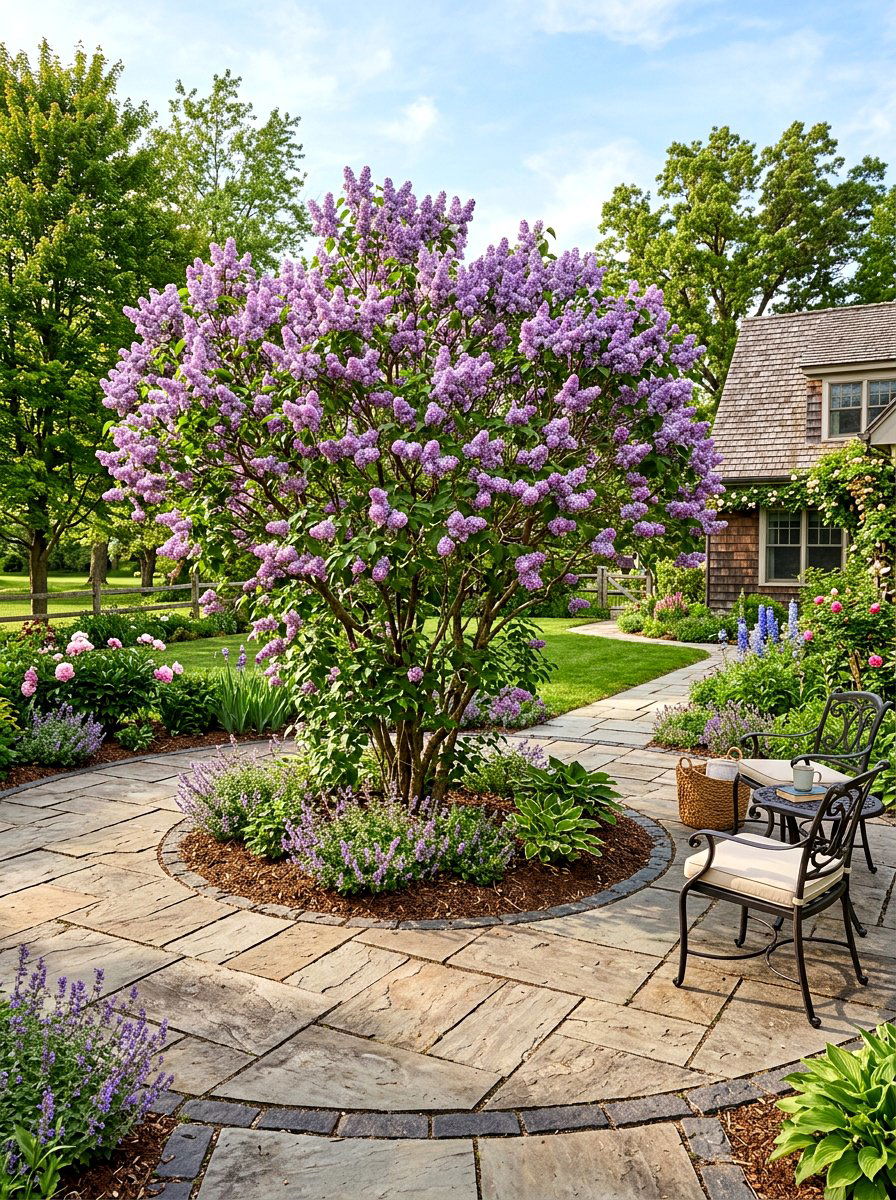
A single, large lilac bush can serve as a majestic focal point in the center of a backyard garden. You can design the rest of your landscaping around this one central plant to create a sense of balance. Surround the base of the bush with a circular stone patio or a ring of colorful mulch and flowers. This draws the eye immediately to the lilac and makes it the star of the show. During the blooming season, this focal point will be the main topic of conversation for anyone who visits your home for an outdoor party or a quiet afternoon visit.
20. Compact Lilac Walkway
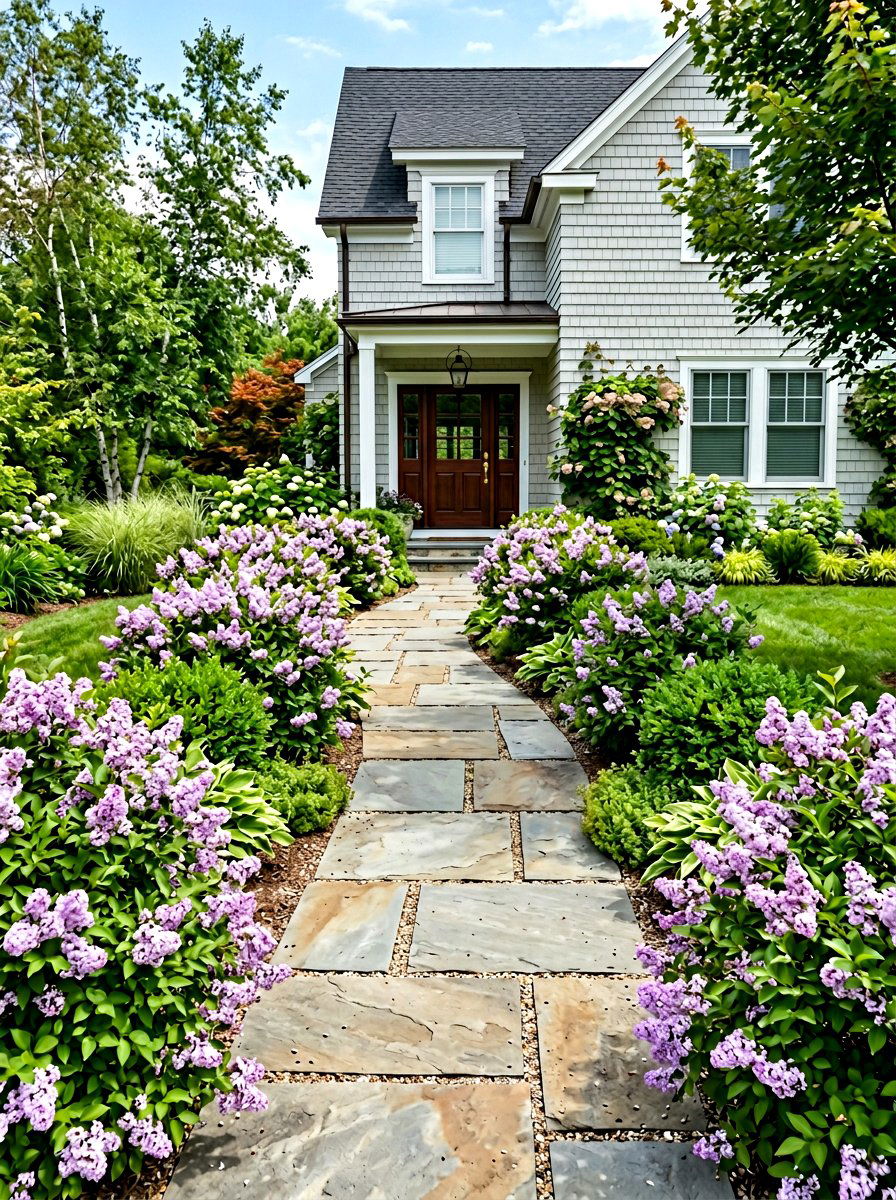
A compact lilac walkway uses smaller varieties to line a path, creating a fragrant journey through your garden. You can use dwarf lilacs that stay low to the ground so they do not crowd the walking space. This is a great way to lead people from the driveway to the front door or from the house to a hidden garden shed. The proximity of the flowers allows people to enjoy the scent without having to lean over. Using a consistent color, like light lavender, creates a very clean and organized look that adds a lot of elegance to your home exterior.
21. White And Purple Lilac Mix
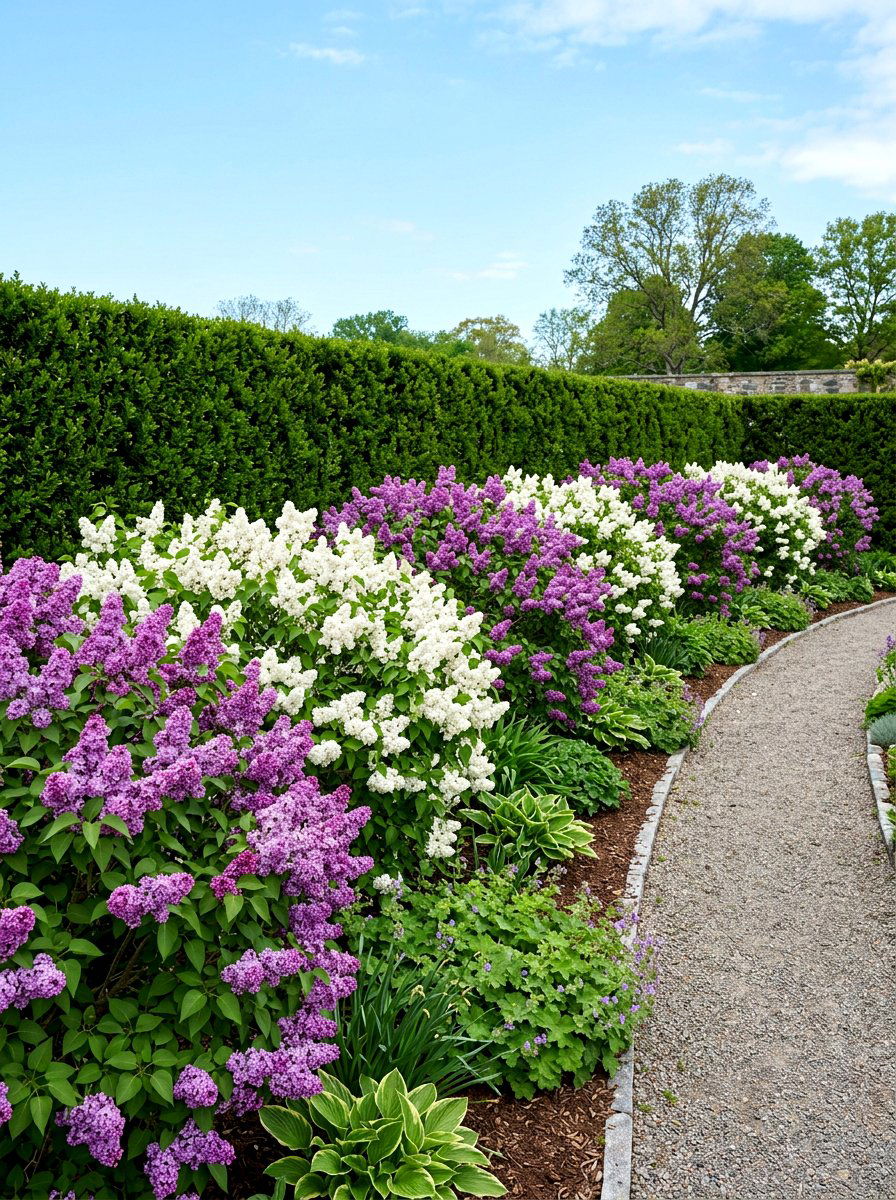
Mixing white and purple lilac bushes together creates a vibrant and dynamic look in any garden bed. The contrast between the dark violet and the crisp white makes each individual cluster of flowers stand out more than they would on their own. You can plant them in an alternating pattern along a fence line or group them together in a large cluster for a bold statement. This color combination is classic and looks great with almost any house color. It also allows you to pick mixed bouquets that look very professional and balanced when placed in a vase indoors.
22. Lilac Bush Near Porch
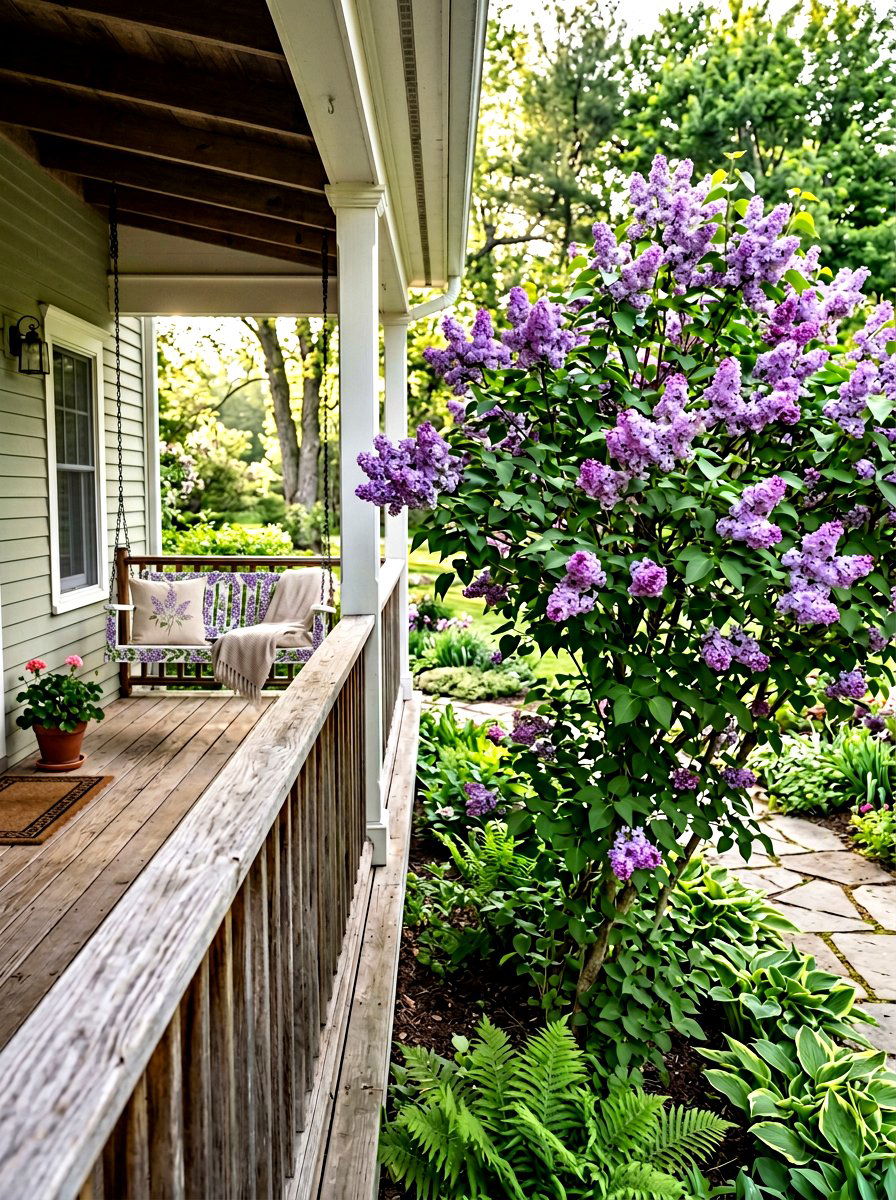
Planting a lilac bush right next to your front porch or back deck allows you to experience the fragrance every time you step outside. The tall branches can provide a bit of shade and privacy for your outdoor seating area. This is a perfect spot for reading a book or drinking your morning coffee while surrounded by the beauty of spring. You should choose a variety that matches the scale of your porch so it does not overwhelm the structure. Keeping the bush well-pruned will ensure it remains a beautiful companion to your porch rather than a messy or overgrown obstacle.
23. Lilac Garden Bench Area
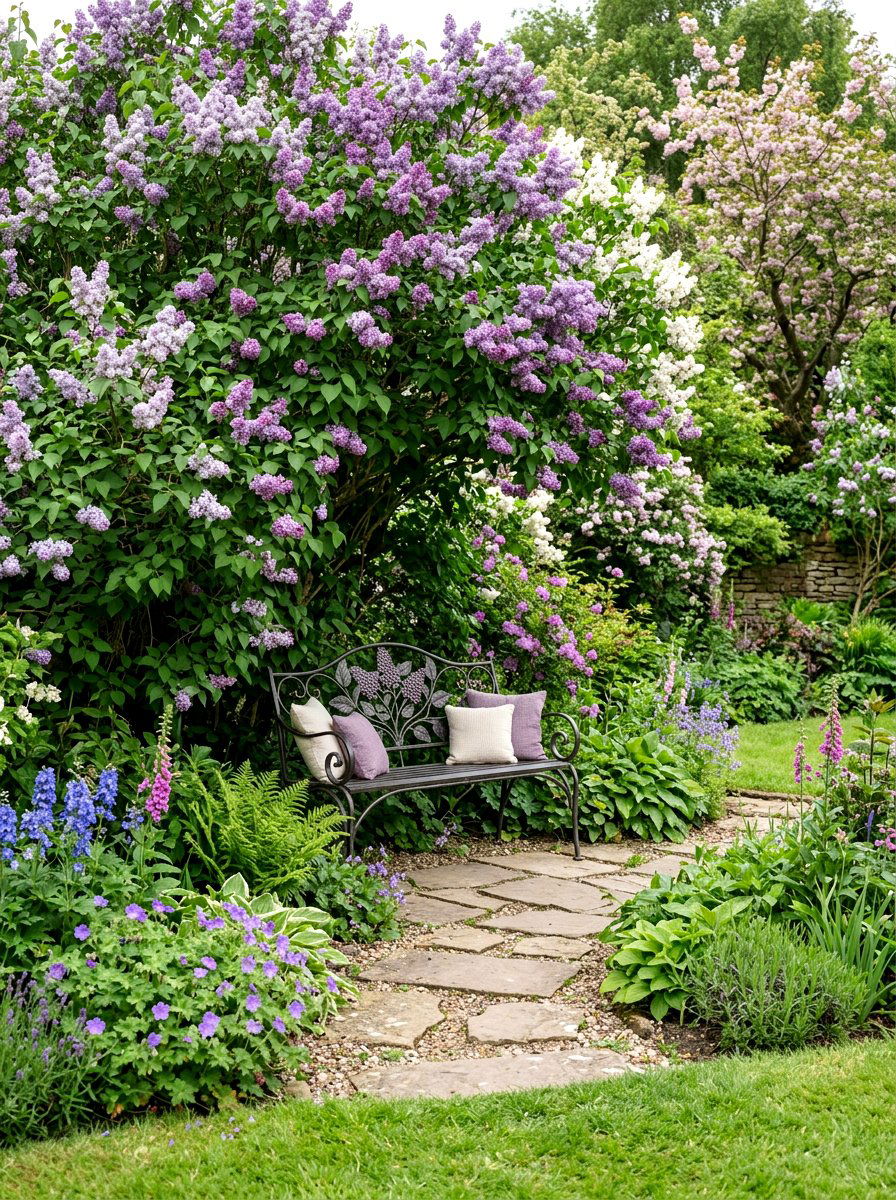
Creating a dedicated seating area around a lilac bush provides a peaceful nook for relaxation and quiet thought. You can place a simple wooden or metal garden bench under the overhanging branches of a mature lilac. Surround the area with flat stepping stones and a few shade-loving plants to make it feel like a secret room within your garden. This is a wonderful place to escape the heat of the day or to enjoy the cool evening air. The fragrance of the lilacs will make this spot your favorite place to unwind after a long day at work or school.
24. Small Space Dwarf Lilac
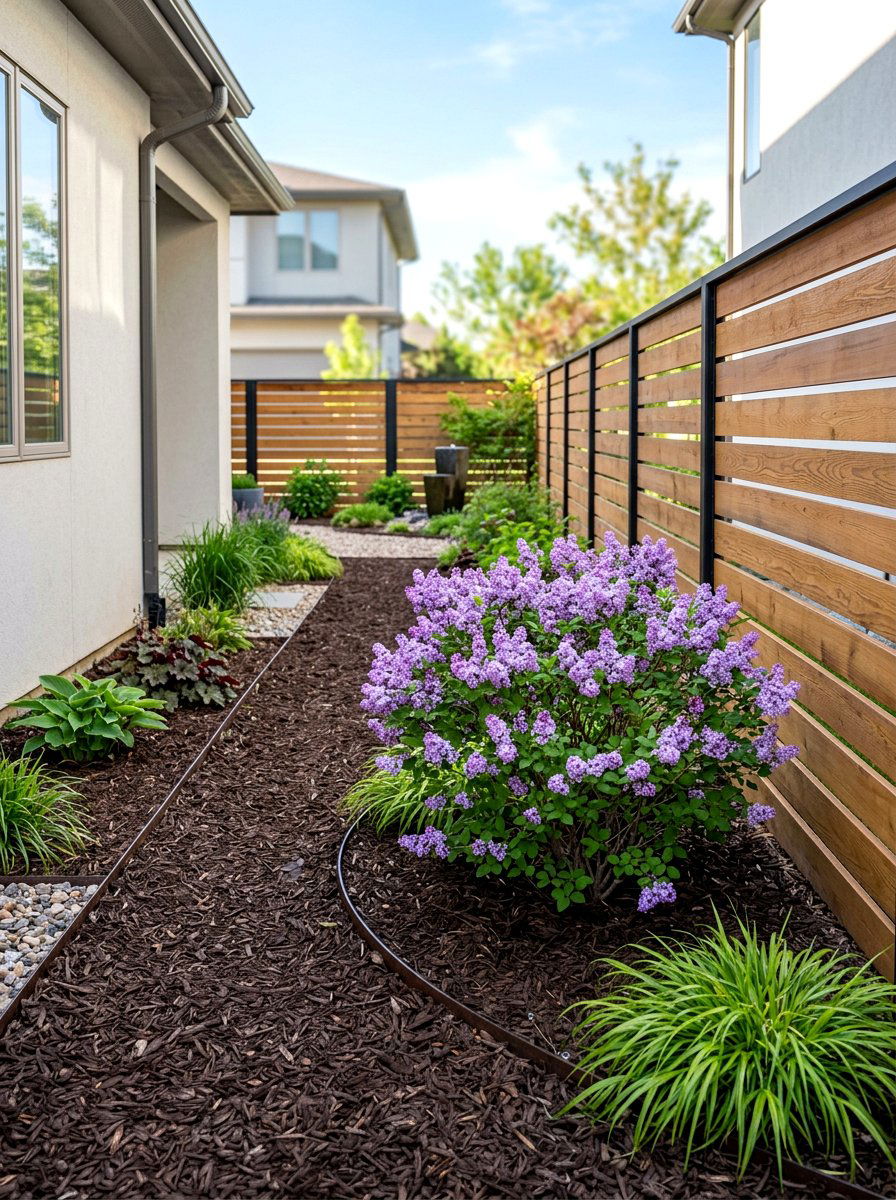
For those living in urban areas or homes with tiny yards, a small space dwarf lilac is the perfect solution. These plants are designed to stay under three feet tall and wide, making them ideal for narrow garden beds or small corners. You can plant them in a row along a narrow side yard to add color and life to a previously dull area. Despite their small size, these lilacs still produce an abundance of flowers and a very strong fragrance. They prove that you do not need a massive estate to enjoy the classic beauty of a blooming lilac bush.
25. Woodland Edge Lilac
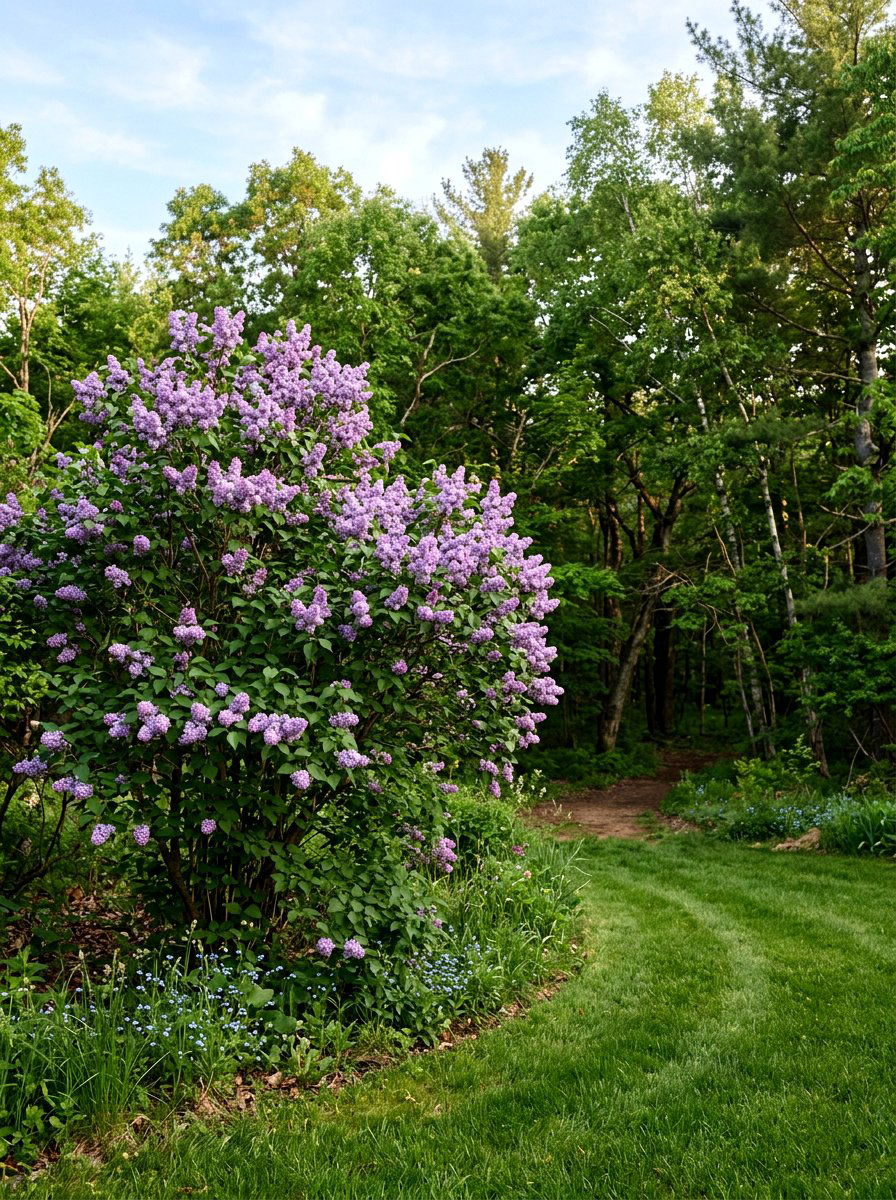
Lilacs look very natural and beautiful when planted at the edge of a wooded area on your property. They act as a transition between the wild forest and your manicured lawn, providing a soft edge that looks very intentional. Because they are quite hardy, they can handle the slightly dappled shade that occurs at the tree line. This placement allows the lilacs to grow more freely and take on a natural, rugged shape. During the spring, the purple or white blooms will light up the dark edge of the woods, creating a stunning visual contrast that improves your overall landscape.
Conclusion:
Spring lilac bushes are truly one of the most rewarding plants you can add to your home landscape. From their incredible fragrance to their variety of sizes and colors, they offer something for every type of gardener and yard size. Whether you choose a large privacy screen or a small container plant for your patio, you are sure to enjoy the beauty they bring each year. By following these ideas, you can create a garden that is not only visually stunning but also full of nostalgic charm. We hope this guide helps you transform your outdoor space into a fragrant and colorful spring sanctuary you will love.
Related posts:

Leave a Reply