
Spring is the perfect season to breathe new life into your home and garden by incorporating whimsical and charming elements that celebrate nature. One of the most delightful ways to do this is by repurposing old ceramics into miniature botanical displays that capture the essence of the season. These small-scale gardening projects allow you to express your creativity while adding a touch of vintage elegance to any corner of your living space. Whether you are an avid gardener or a beginner looking for a simple DIY project, teacup planters offer a versatile and budget-friendly solution for spring decorating. By combining delicate porcelain with vibrant greenery, you can create stunning focal points that brighten up windowsills, tablescapes, or patio areas. This guide explores a wide variety of creative concepts that will inspire you to transform your favorite cups into flourishing little gardens.
1. Vintage floral teacup planter
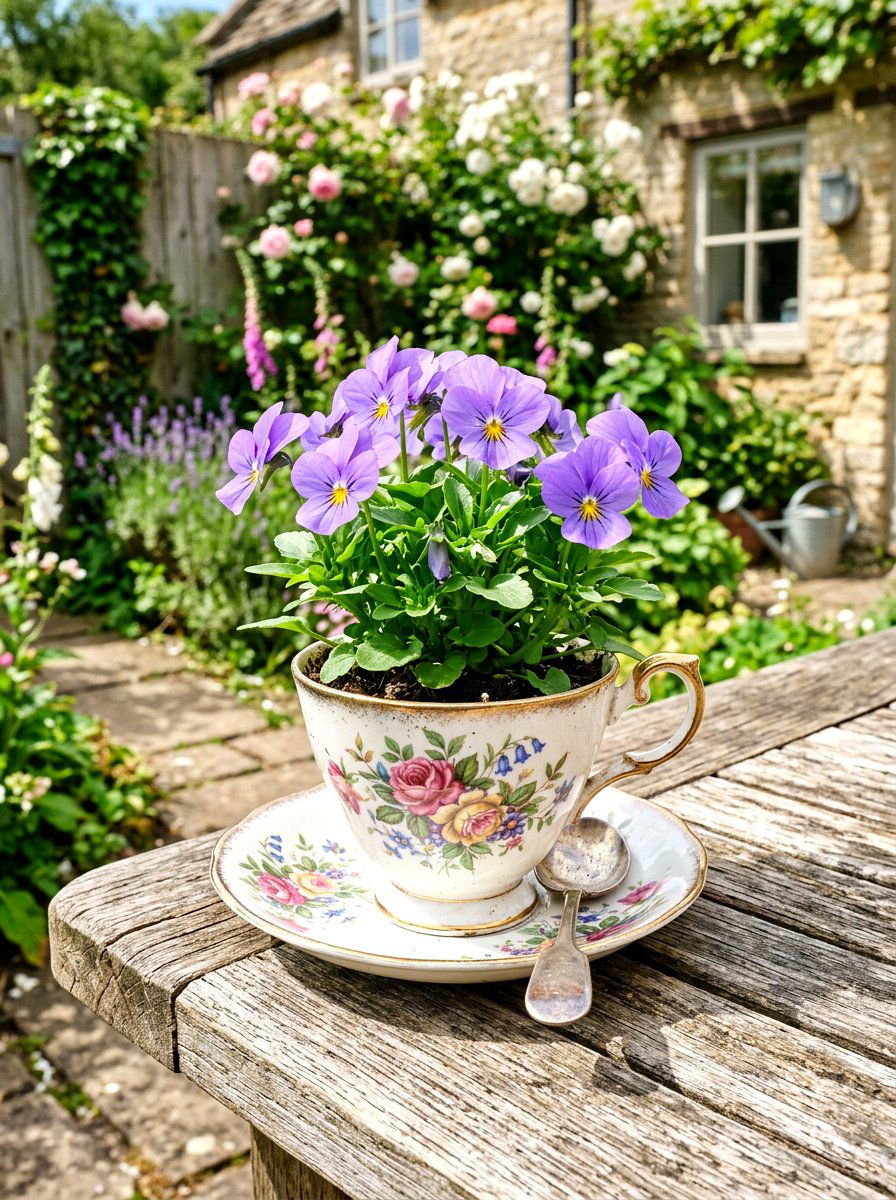
Vintage floral teacup planters bring an air of nostalgic charm to your interior decor while celebrating the delicate beauty of spring blooms. You can often find these ornate pieces at local thrift stores or antique shops, featuring intricate hand-painted patterns and gilded edges. When selecting a vintage cup, look for classic rose or lavender motifs that complement the living plants you intend to tuck inside. To ensure your plants thrive, place a small layer of pea gravel at the bottom for drainage before adding high-quality potting soil. Small flowering species like pansies or violas work beautifully in these containers because their low growth habit maintains the visual balance. These tiny arrangements look stunning when grouped together on a sunny kitchen windowsill or used as individual place settings for a spring brunch.
2. Succulent teacup arrangement
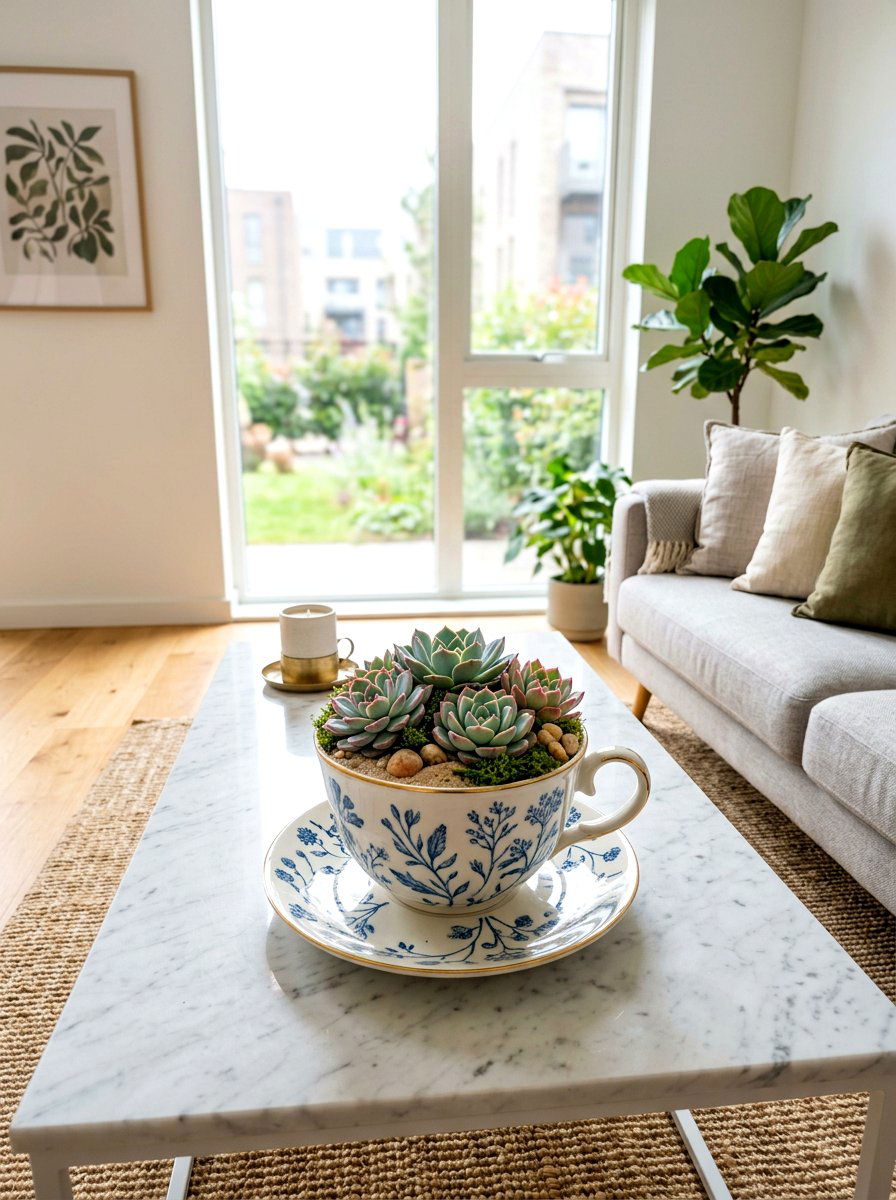
Succulent teacup arrangements are a favorite for modern homeowners who want a low-maintenance yet stylish way to introduce greenery into their living spaces. Since succulents come in a vast array of shapes, colors, and textures, you can create a miniature landscape within a single ceramic vessel. Choose varieties like Echeveria or Sedum that offer a rosette shape to mimic the look of a blooming flower sitting inside the cup. Because succulents require excellent drainage to prevent root rot, it is essential to use a specific cactus mix and avoid overwatering. You might even consider using a diamond-tipped drill bit to carefully create a drainage hole in the bottom of the cup. These hardy little displays are perfect for office desks or coffee tables where they can receive bright, indirect light throughout the day.
3. Hanging teacup garden
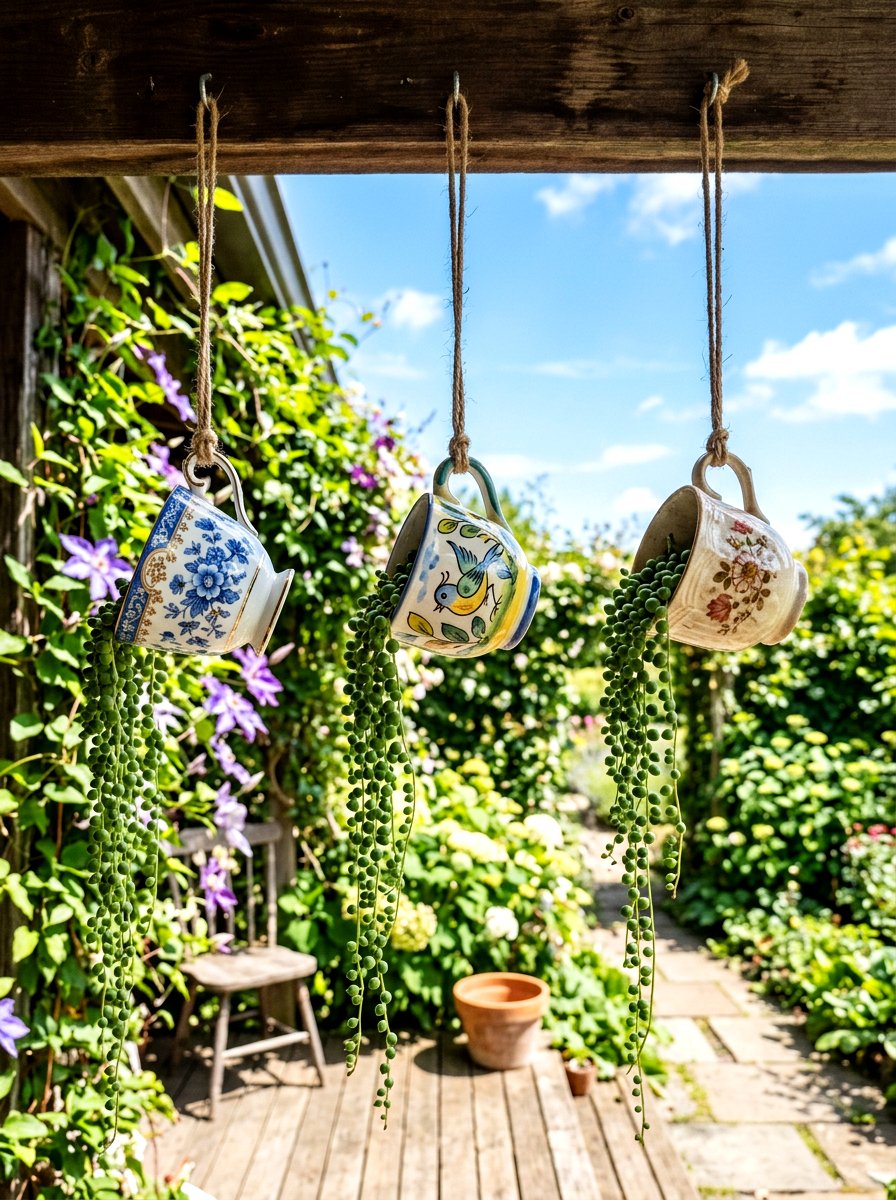
Hanging teacup gardens offer a creative way to utilize vertical space on your porch or inside a bright sunroom during the spring months. By using sturdy twine or decorative metal chains, you can suspend a series of mismatched teacups at varying heights to create a floating botanical installation. This approach works exceptionally well with trailing plants like English ivy or string of pearls, which will eventually spill over the sides of the porcelain. Ensure that the mounting hardware is secure enough to support the weight of the ceramic and moist soil. This whimsical design choice adds a sense of playfulness to your outdoor living area and serves as a great conversation starter for guests. The elevated position also helps protect delicate plants from some ground-level pests while catching the gentle spring breeze.
4. Teacup herb garden windowsill
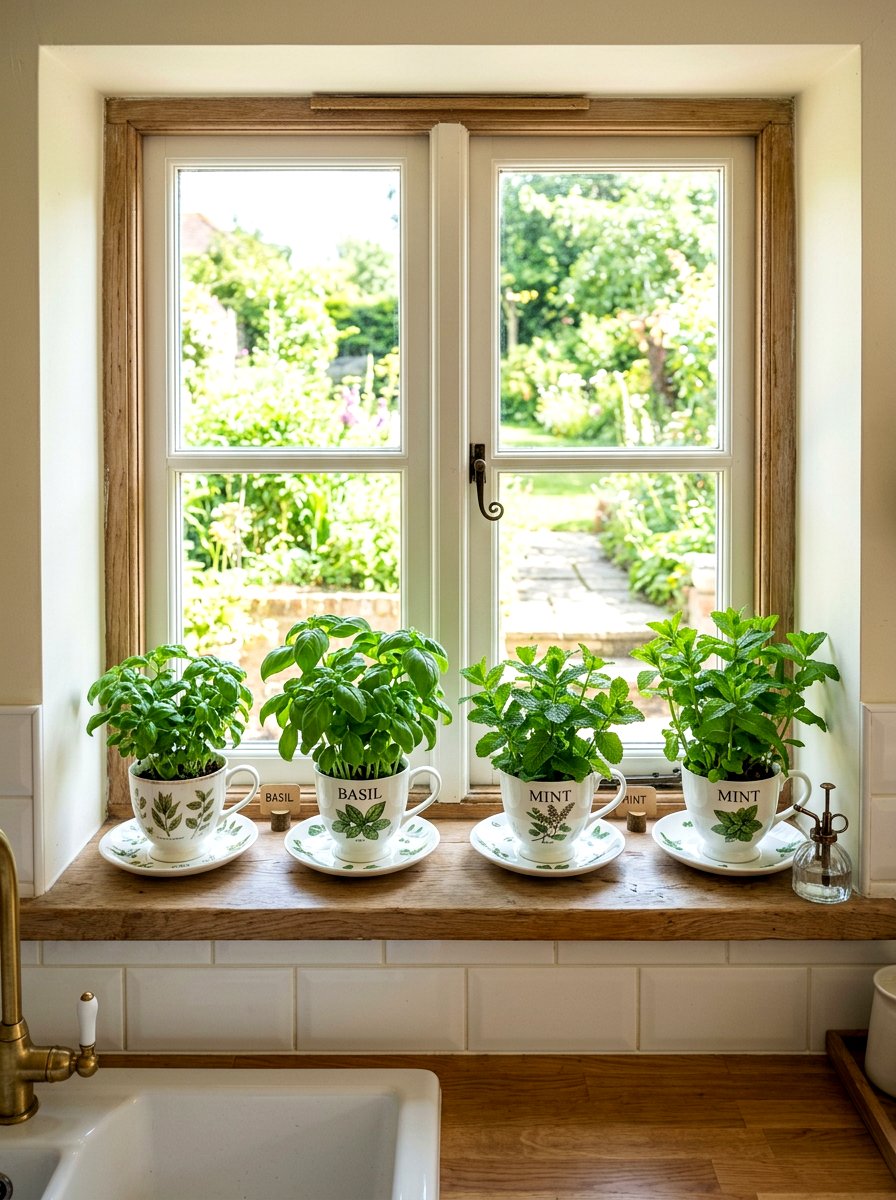
A teacup herb garden windowsill is a practical and beautiful addition to any kitchen, providing fresh aromatics within arm's reach while you cook. Small culinary herbs such as thyme, oregano, and chives are particularly well-suited for the compact environment of a standard-sized teacup. These edible arrangements look best when placed in a row of matching or coordinated cups to create a clean and organized aesthetic along the window ledge. Since herbs generally love sunlight, a south-facing window is the ideal spot for them to flourish during the lengthening spring days. Not only do these mini planters provide functional value, but they also release a subtle, refreshing scent every time you brush against the leaves. Using labeled markers can help you distinguish between the different varieties while adding a professional touch.
5. Moss filled teacup decor
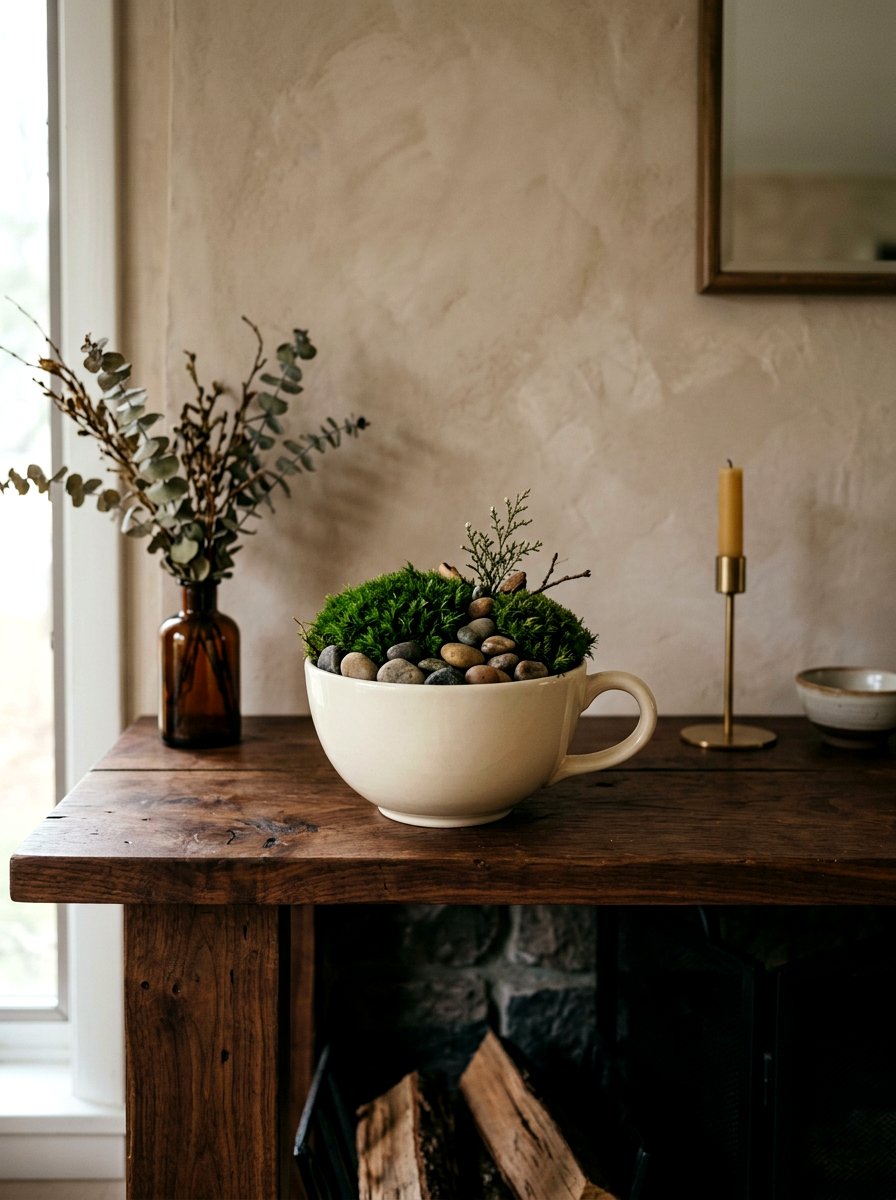
Moss filled teacup decor provides a lush, velvety green texture that feels incredibly fresh and earthy for the spring season. Living moss is surprisingly resilient and can thrive in the humid microclimate created within a ceramic cup, making it an excellent choice for shadier spots. You can layer different types of moss, such as sheet moss and cushion moss, to create a miniature rolling hill effect that looks like a tiny forest floor. To keep the moss healthy, all you need is a light misting of water every few days to maintain the moisture levels. This minimalist design approach focuses on the purity of the green color and the smooth surface of the porcelain. These quiet, green accents are perfect for adding a sense of calm to a bathroom vanity or a bedroom nightstand.
6. Mismatched teacup stack planter
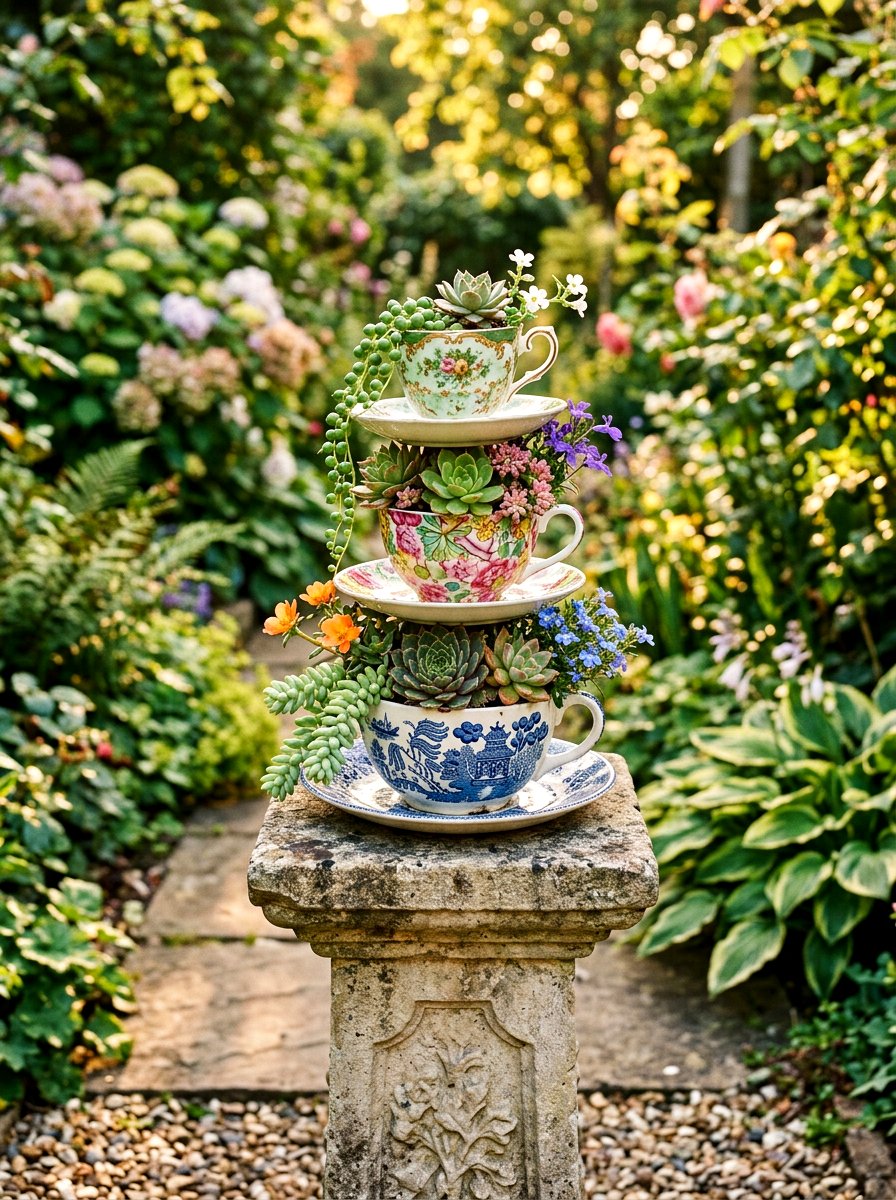
Mismatched teacup stack planters are a brilliant way to display multiple plants in a single, eye-catching tower that adds height and interest to your decor. You can create this look by carefully gluing three or four cups and saucers together in a staggered or centered stack using a strong waterproof adhesive. Each level of the stack provides a new pocket for soil and small plants, allowing you to mix and match different species for a diverse look. For example, you might put a trailing plant at the very top and small succulents in the lower tiers to create a balanced silhouette. This design style works perfectly for garden enthusiasts who have a collection of single cups without matching sets. These towers look particularly impressive when placed in the center of a patio table or a garden pedestal.
7. Spring bulb teacup forced
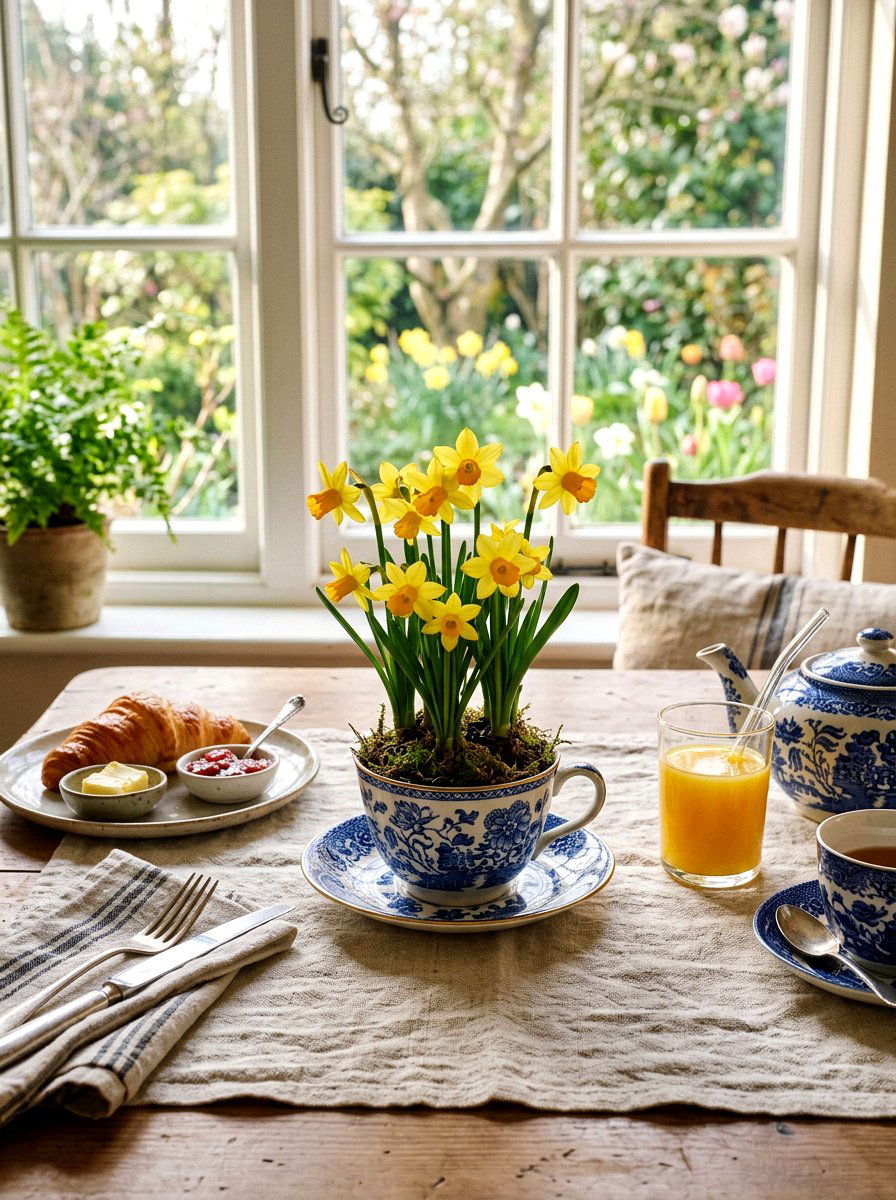
Spring bulb teacup forced displays allow you to enjoy the first signs of the season earlier than usual by bringing the blooming process indoors. Small bulbs such as crocus, grape hyacinth, or miniature daffodils are the perfect size for standard teacups and provide a burst of vibrant color. You can start this process by placing the bulbs in the cups with just enough water or damp soil to encourage root growth. Once the stems begin to emerge, the transition from brown bulb to bright green leaf and colorful petal is a joy to observe. These forced bulbs make wonderful seasonal gifts for friends and neighbors, as they symbolize the rebirth and energy of the springtime. After the flowers fade, you can even transplant the bulbs into your outdoor garden for a repeat performance next year.
8. Pastel porcelain teacup planter
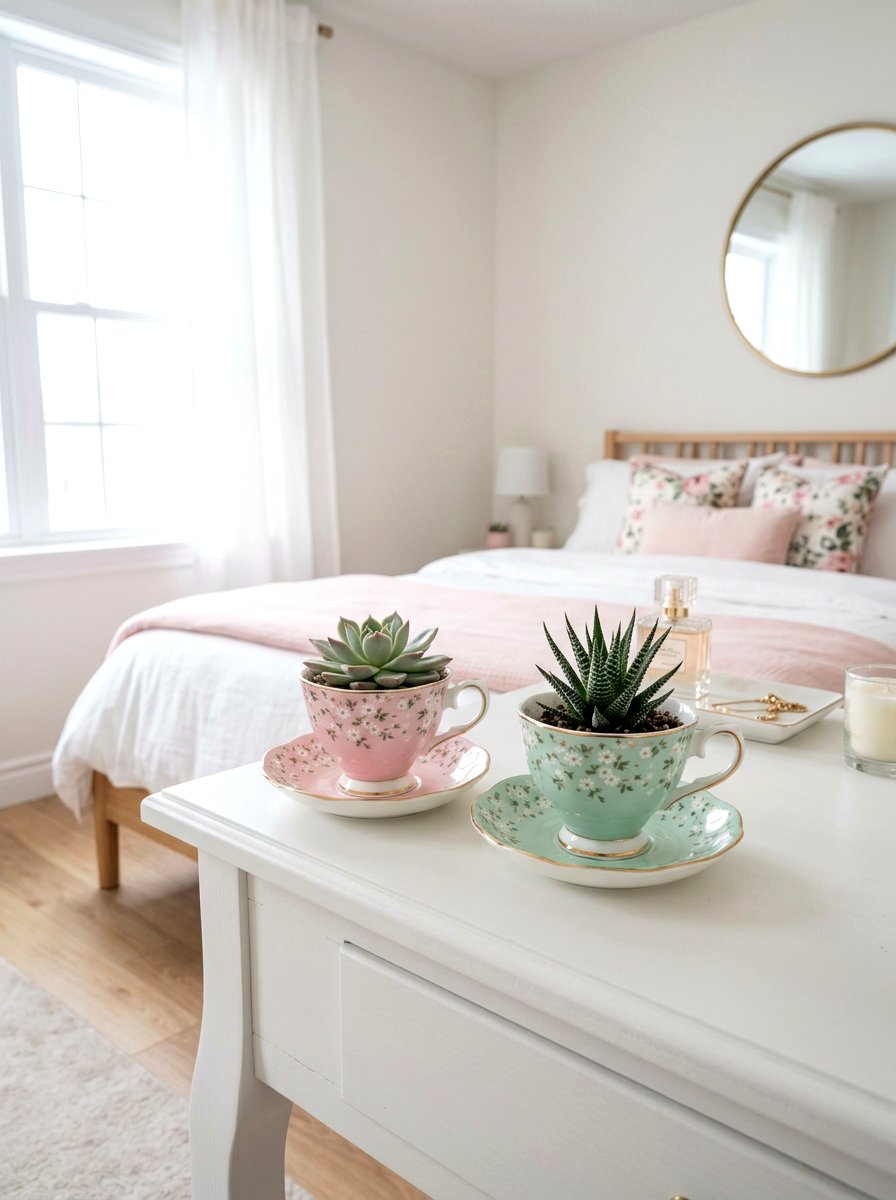
Pastel porcelain teacup planters perfectly mirror the soft and airy color palette that defines the traditional aesthetic of the spring season. Light shades of mint green, baby blue, soft pink, and lemon yellow create a cohesive and soothing look when grouped together on a tray. These colors enhance the fresh green tones of your plants and help reflect natural light to make the space feel brighter and more open. When styling these, consider using white flowering plants or silver-toned foliage to keep the overall look light and ethereal. This approach is ideal for those who prefer a more curated and feminine style in their home decor. These pastel vessels also work beautifully as centerpieces for seasonal events like bridal showers or Easter luncheons, where a soft touch is desired.
9. Miniature fairy garden teacup
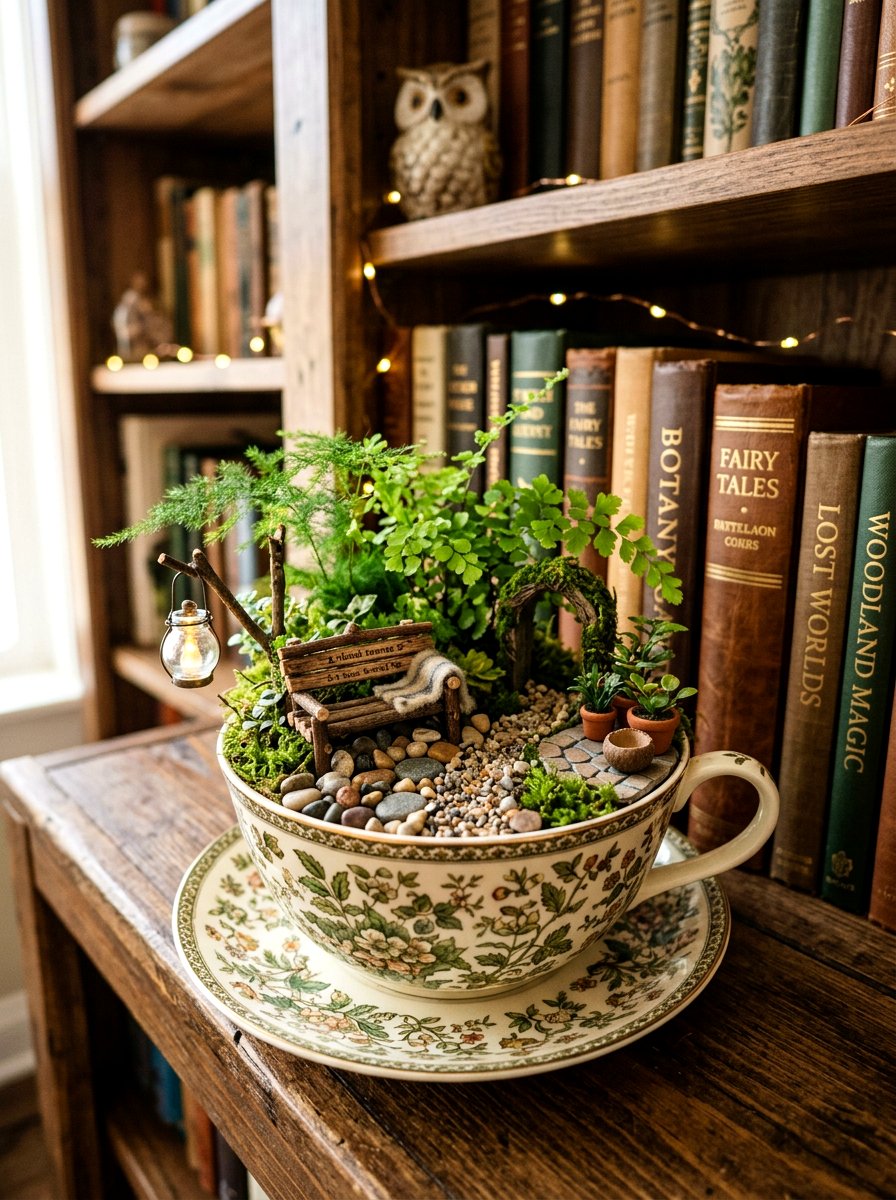
Miniature fairy garden teacups turn a simple planting project into a tiny, enchanted world that sparks the imagination of both children and adults. Within the small confines of a single cup, you can create a detailed landscape featuring tiny pebbles, a miniature bench, and even a small fairy figurine. Slow-growing plants like baby’s tears or miniature ferns act as the "trees" and "shrubs" for your magical garden scene. The key to a successful fairy teacup is the scale of the accessories, ensuring they are small enough to look realistic within the porcelain environment. These little dioramas are perfect for tucking into bookshelves or placing on a mantle where they can be admired up close. It is a wonderful way to combine gardening with storytelling and creative craft work during the rainy spring days.
10. White ceramic teacup minimalist
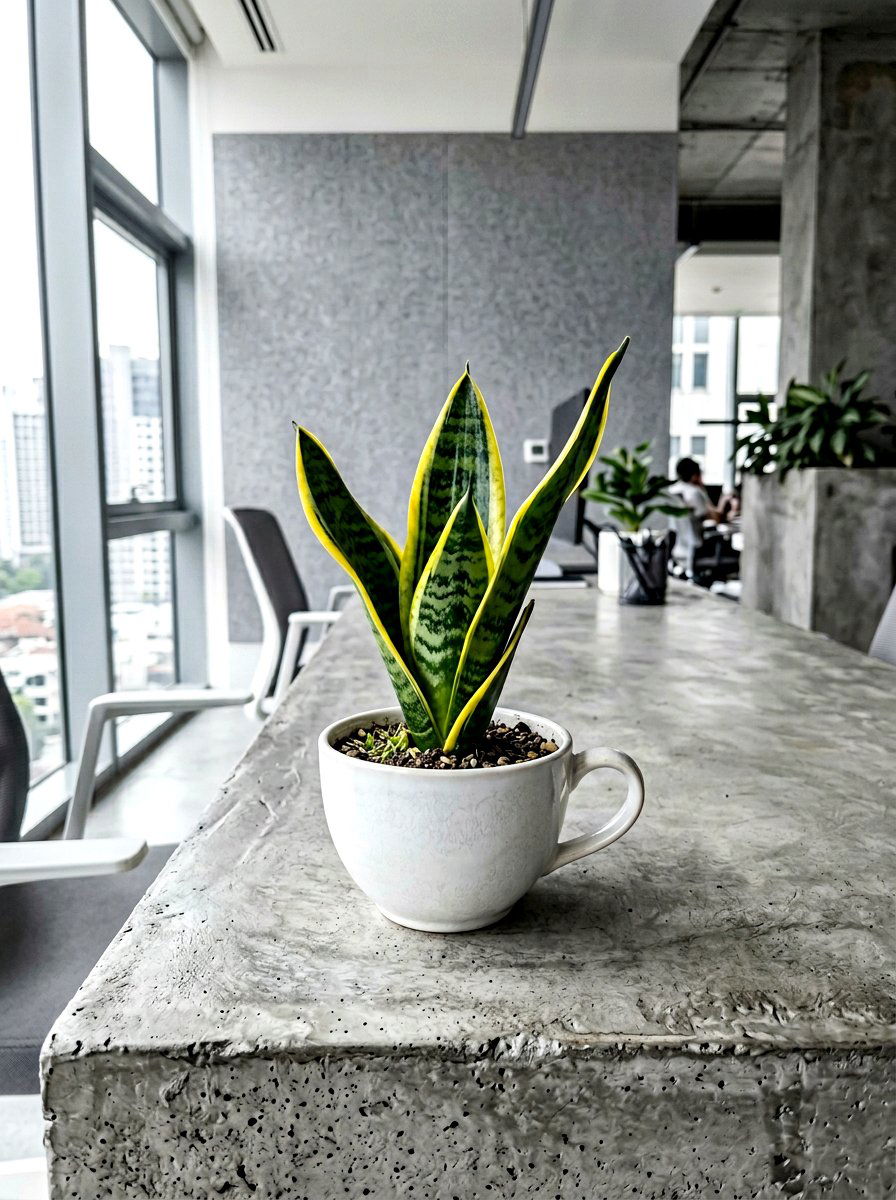
White ceramic teacup minimalist designs focus on clean lines and the stark contrast between the crisp porcelain and the organic shapes of the plants. This style is perfect for modern interiors that prioritize simplicity and a clutter-free environment while still wanting to incorporate natural elements. A plain white cup allows the intricate details of a plant’s leaves, such as the veins of a small ivy or the spines of a tiny cactus, to become the focal point. For a truly minimalist look, use white decorative sand or smooth white stones to cover the soil surface around the base of the plant. These understated planters look sophisticated when placed in a neat row on a sideboard or as a single accent on a minimalist desk. The neutrality of the white ensures the greenery looks incredibly vibrant and healthy.
11. Colorful teacup patio centerpiece
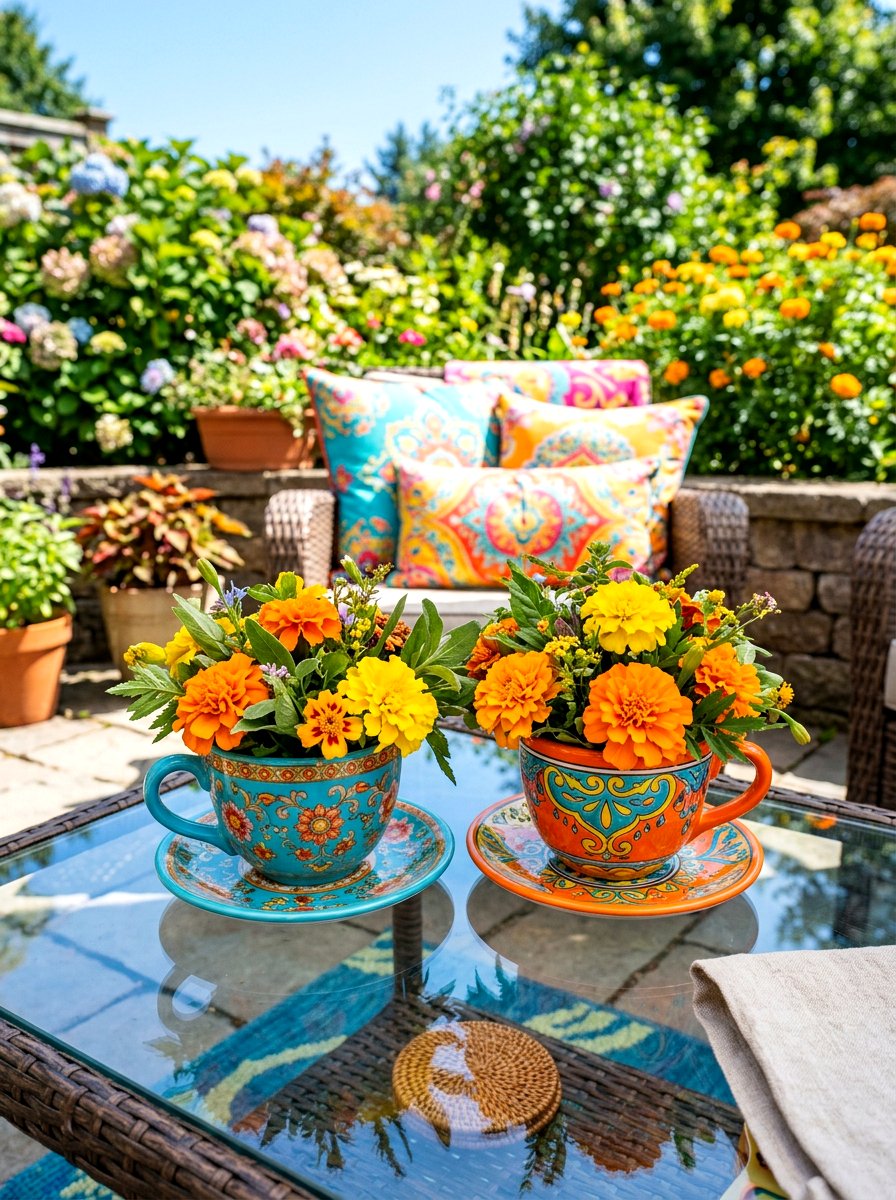
Colorful teacup patio centerpieces are an excellent way to inject a bold personality into your outdoor dining or lounging area during the spring. Using brightly glazed cups in shades of orange, turquoise, or deep red creates a festive and energetic atmosphere for your patio table. You can fill these vibrant vessels with contrasting flowers, such as orange marigolds in a blue cup, to create a high-impact visual statement. Because these will be used outdoors, it is important to ensure the cups are stable enough to withstand a light breeze, perhaps by choosing heavier ceramic or stone options. These cheerful arrangements help bridge the gap between your indoor decor and the blooming landscape of your backyard. They are especially effective when used in multiples to create a long, colorful runner down the center of an outdoor table.
12. English rose teacup planter
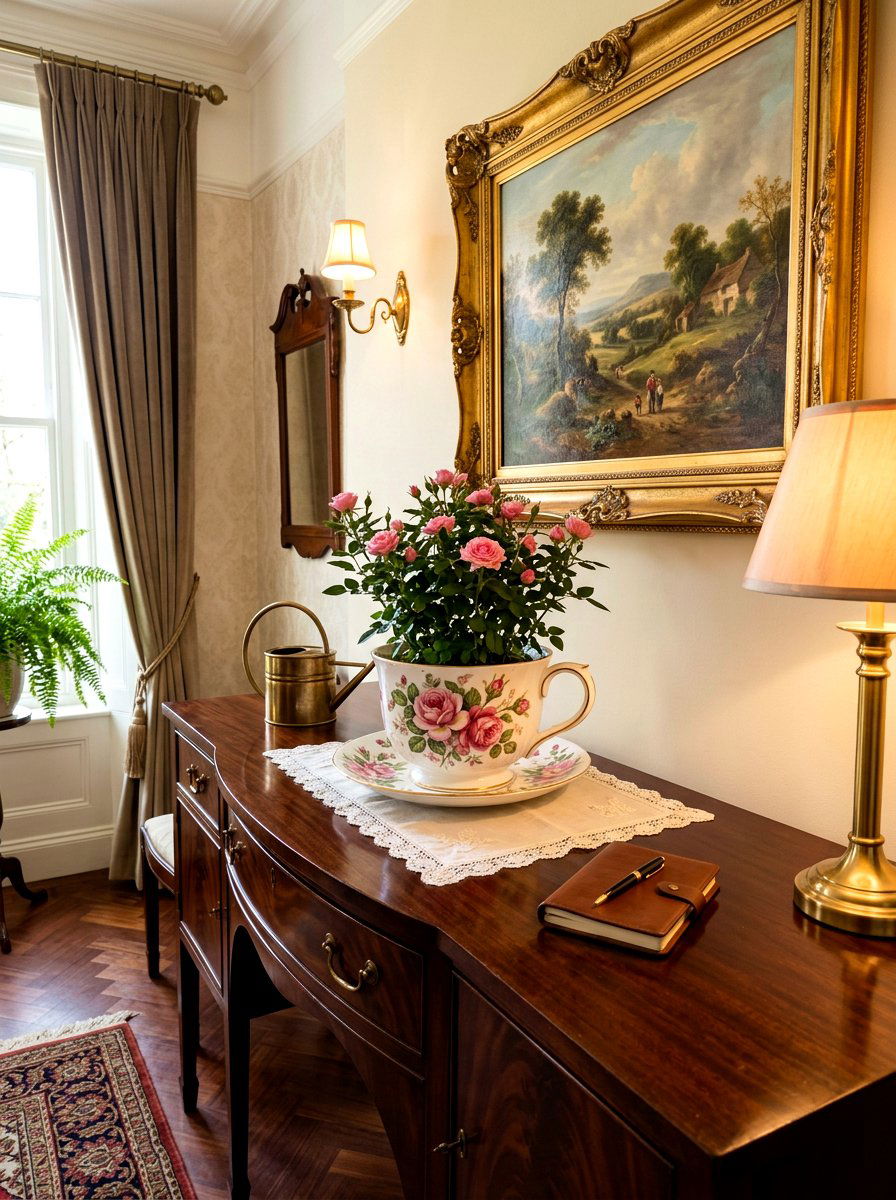
English rose teacup planters evoke the timeless elegance of a traditional cottage garden and bring a sophisticated floral touch to your home. These cups often feature high-quality bone china and detailed illustrations of blooming roses, which pair beautifully with actual miniature rose bushes or similar flowering plants. The classic aesthetic of these planters makes them a perfect fit for a traditional dining room or a formal parlor setting. To keep the look authentic, choose plants with soft, romantic petals and delicate fragrances that enhance the overall sensory experience of the room. This style of planter is often passed down through families, making it a meaningful way to display heirloom ceramics while giving them a functional purpose. The combination of fine china and living roses is a quintessential expression of spring grace.
13. Polka dot teacup planter
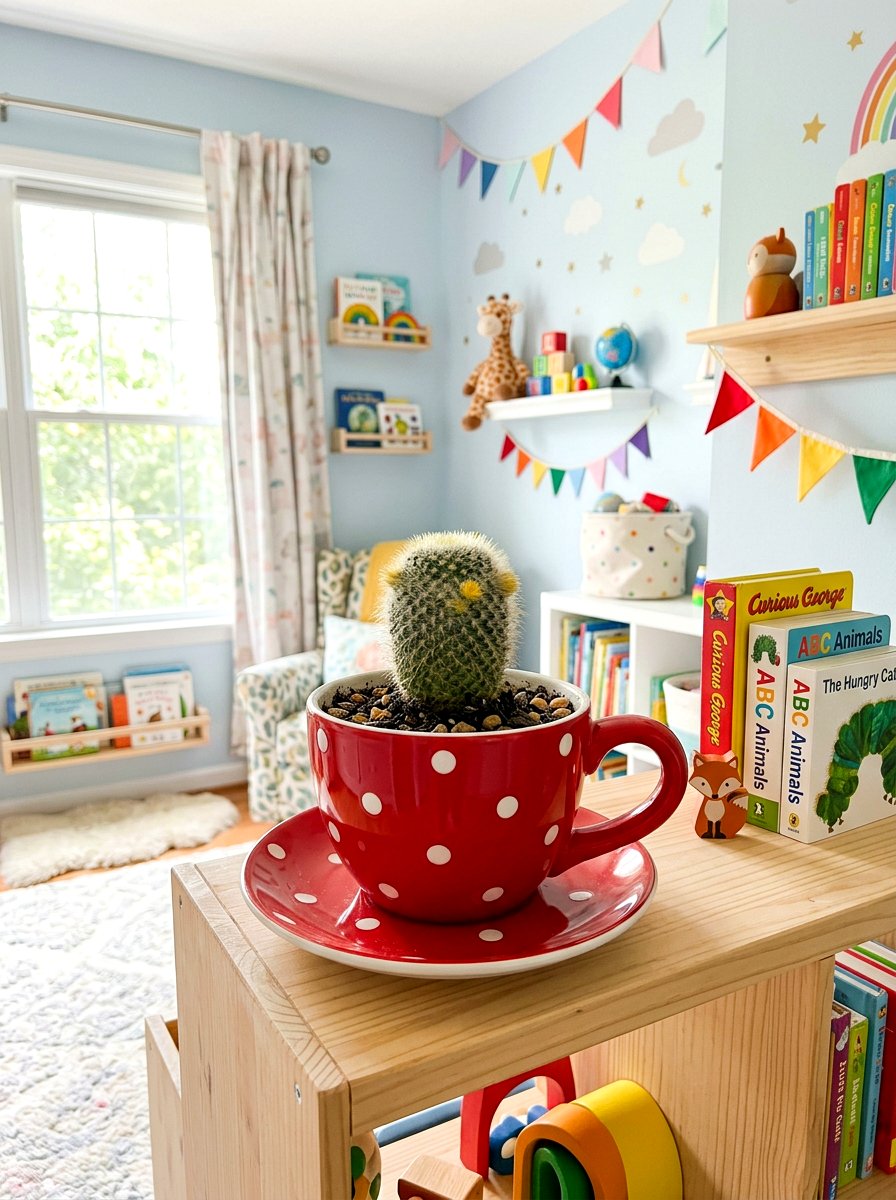
Polka dot teacup planters offer a fun and whimsical approach to spring gardening that is sure to bring a smile to anyone who sees them. The repetitive pattern of dots adds a sense of movement and playfulness that works well in informal spaces like a child's bedroom or a sunny breakfast nook. You can find these in various color combinations, from classic black and white to multi-colored dots on a bright background. When choosing plants for these patterned cups, consider something with a unique texture, like a fuzzy Kalanchoe or a spiky aloe, to match the energetic vibe of the vessel. This design is all about not taking decor too seriously and enjoying the lighthearted side of the season. These also make fantastic party favors for a spring-themed birthday celebration or a casual garden gathering.
14. Gold rimmed teacup planter
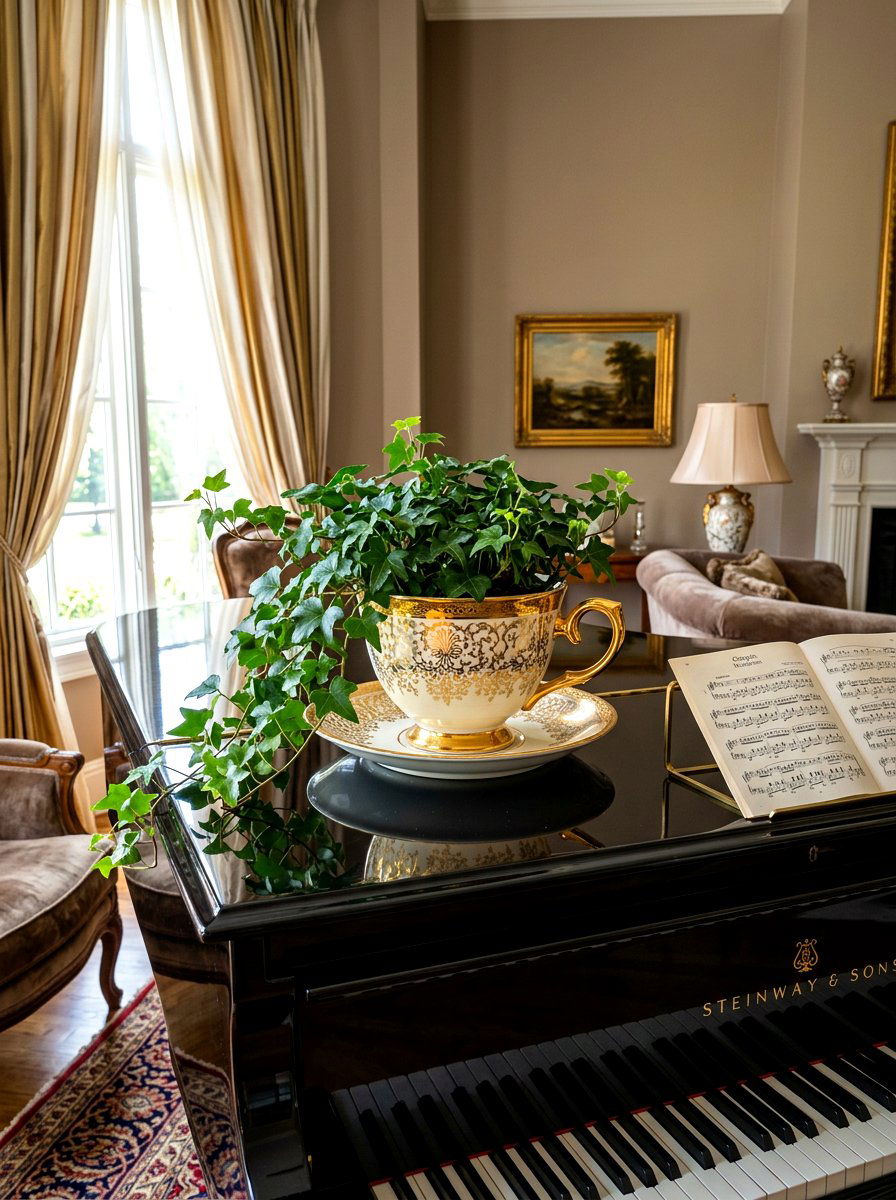
Gold rimmed teacup planters add a touch of luxury and glamour to your indoor garden displays, catching the spring sunlight and making the space feel more upscale. The metallic accent provides a beautiful frame for whatever greenery you choose to plant inside, elevating even the simplest succulent or fern. These elegant vessels are ideal for more formal areas of the home, such as a grand entryway or a sophisticated living room mantel. To maintain the high-end look, keep the porcelain clean and polished, and choose plants that have a structured or architectural growth habit. The gold trim pairs exceptionally well with dark green foliage, creating a classic and rich color palette that feels timeless. Using these refined planters is a great way to repurpose fancy dishes that might otherwise be tucked away in a cabinet.
15. Glass teacup terrarium planter
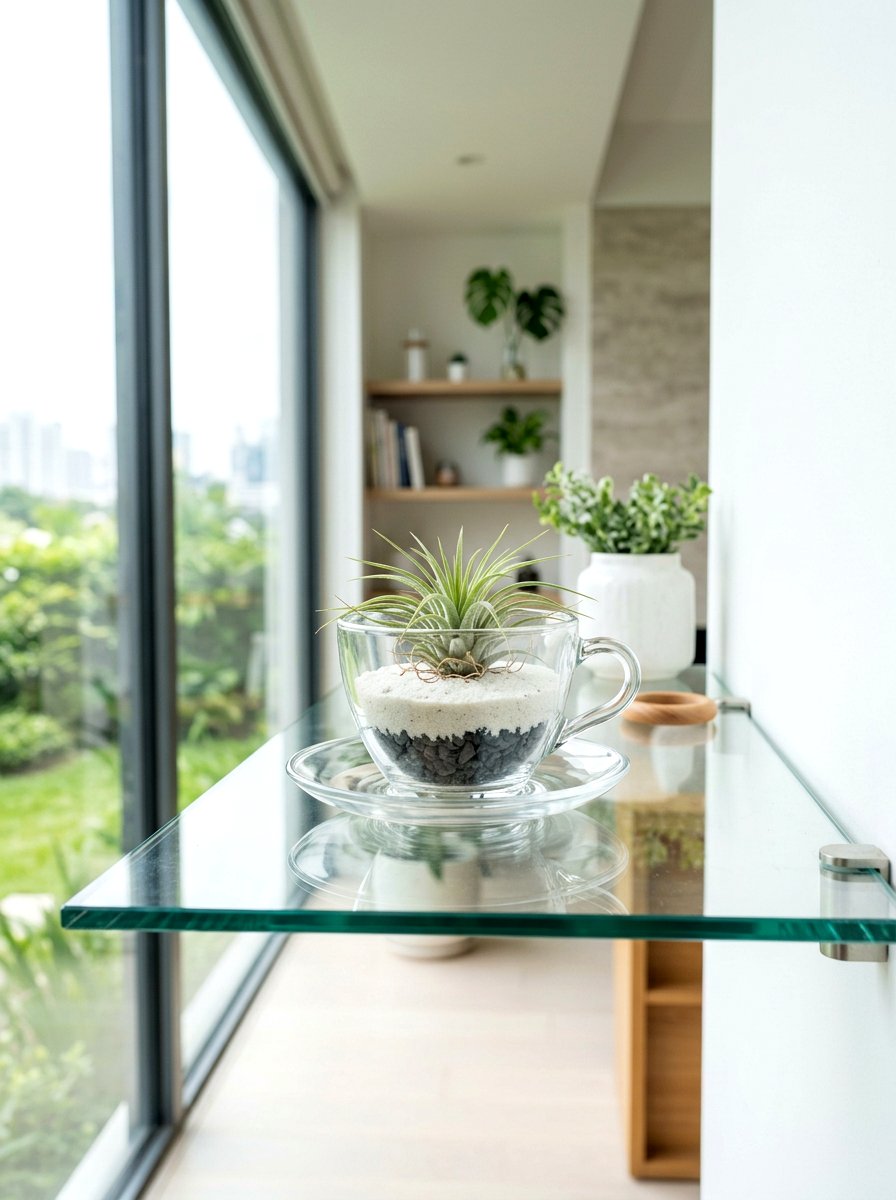
Glass teacup terrarium planters provide a unique, see-through perspective on your miniature garden, allowing you to see the different layers of soil and moss. These transparent vessels are perfect for creating tiny ecosystems where you can layer colorful sand, charcoal, and potting mix for a decorative geological effect. Since glass does not have drainage holes, these are best suited for plants that enjoy a bit more humidity or for creating "dry" terrariums with air plants. Air plants are particularly easy to care for in glass cups as they don 't require soil and can be easily removed for their weekly soaking. The clear glass gives the arrangement a light, modern feel that doesn' t feel heavy in a room. These look beautiful when placed where the light can pass through the glass, highlighting the textures inside.
16. Oversized teacup garden pot
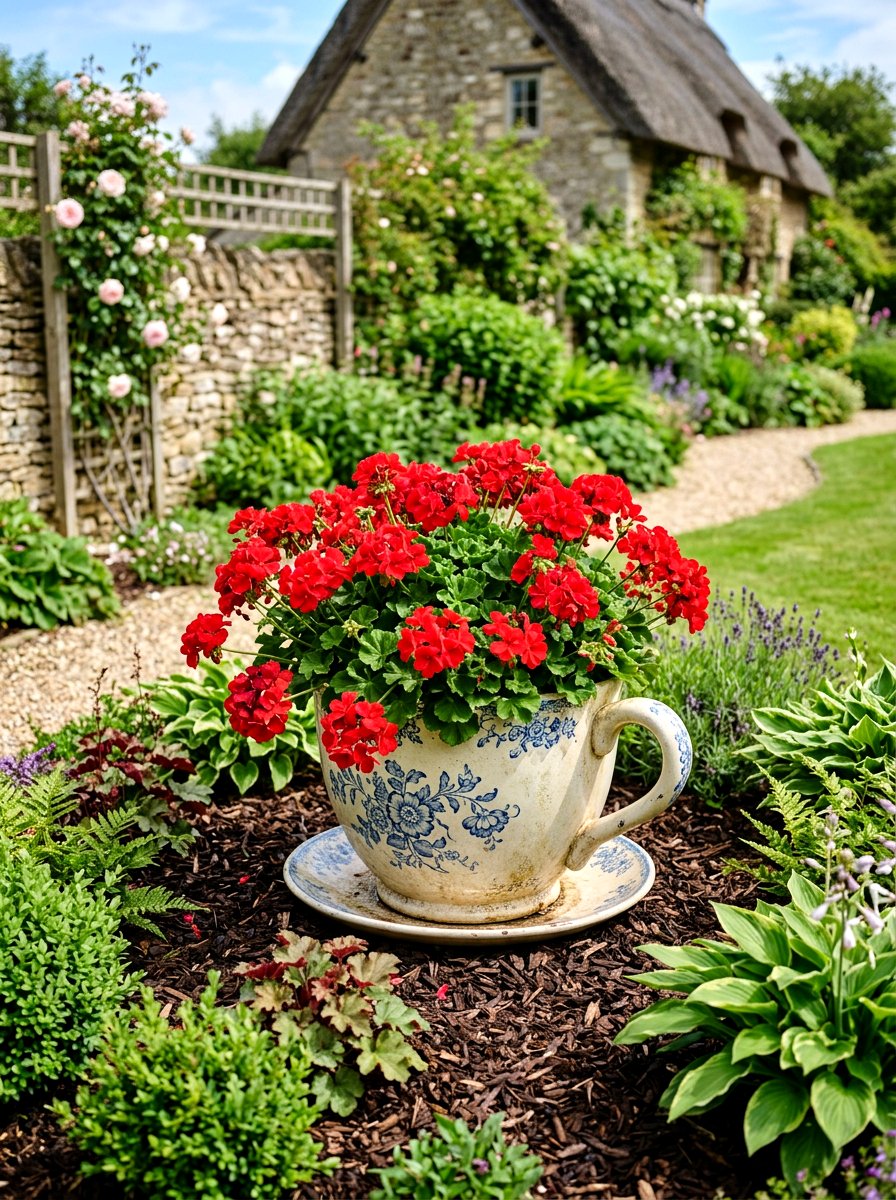
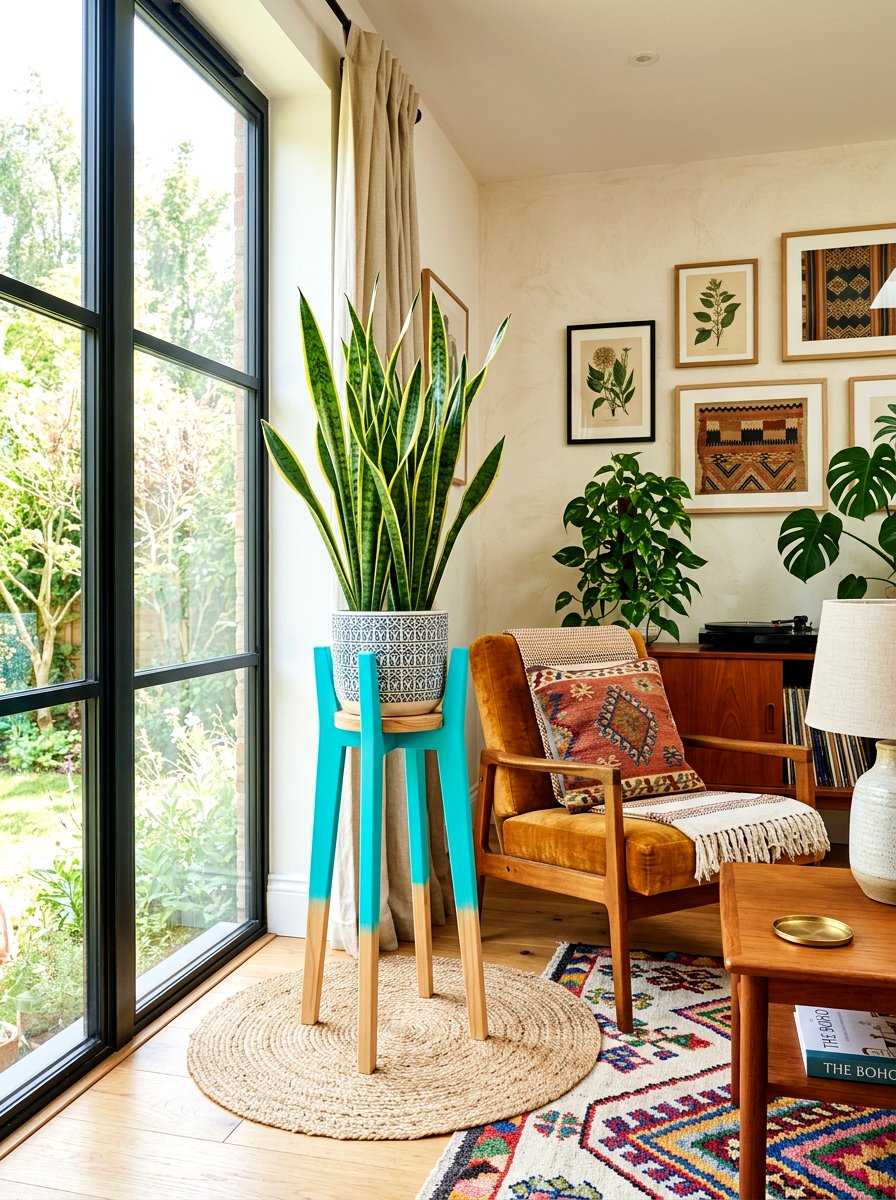
Oversized teacup garden pots are large-scale ceramic planters shaped like traditional teacups, offering a bold and quirky focal point for your garden beds or porch. These large vessels allow for much more substantial plantings than a standard drinking cup, such as a cluster of geraniums or a small ornamental grass. The exaggerated scale of the teacup shape adds a "Wonderland" feel to your landscape, creating a sense of charm and surprise for visitors. These are typically made of durable frost-resistant ceramic or resin to withstand outdoor conditions throughout the spring and summer. Placing one at the end of a garden path or tucked among larger shrubs creates a delightful discovery in the garden. They provide the perfect blend of traditional garden pottery functionality with a unique, artistic design twist that stands out.
17. Tea set planter display
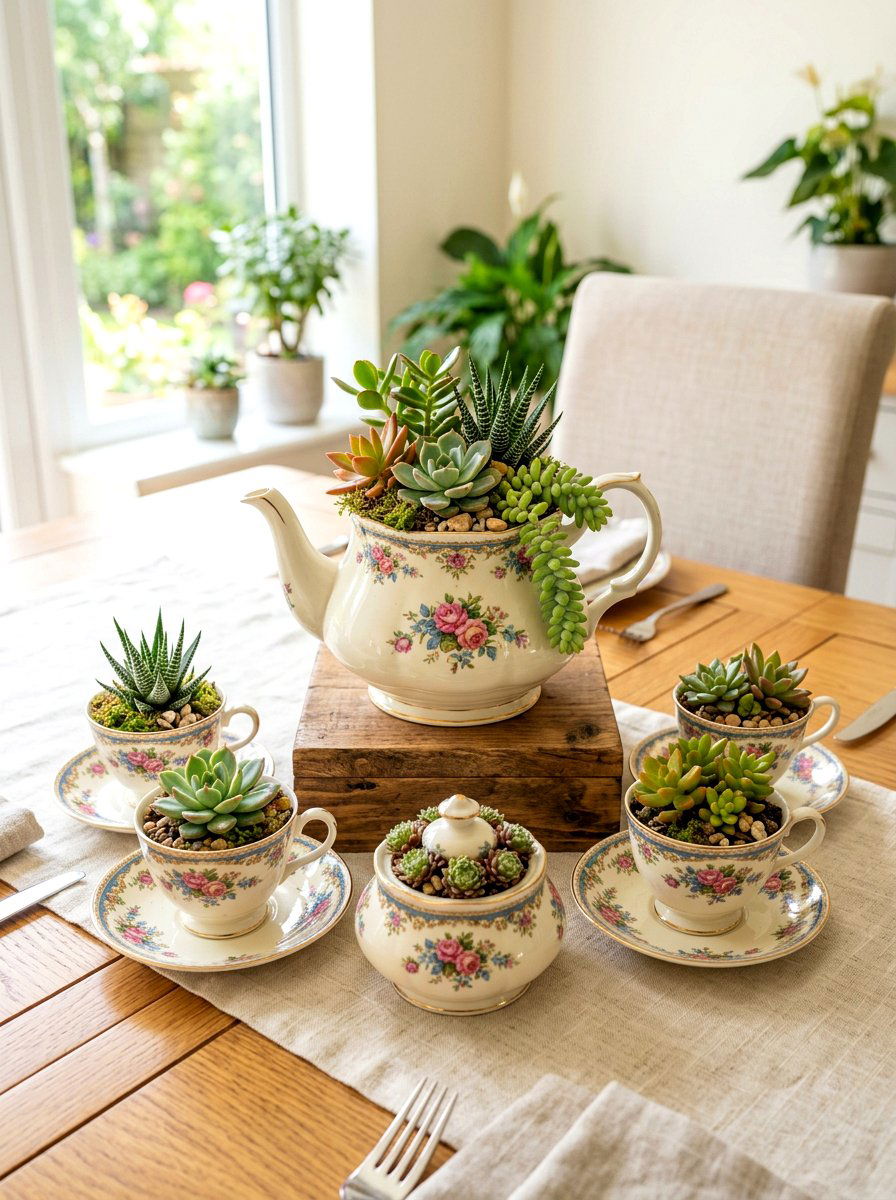
A tea set planter display utilizes an entire set of ceramics, including the teapot, sugar bowl, and creamer, to create a cohesive and multi-layered botanical scene. By planting different but complementary species in each piece of the set, you can create a miniature garden vignette that tells a visual story. For example, use the teapot for a taller focal plant and the smaller cups for low-growing groundcovers to create a sense of height and depth. This arrangement looks fantastic on a tiered garden shelf or as a sprawling centerpiece on a large sideboard. It is a creative way to use a complete set that may have a few chips or cracks that prevent it from being used for serving. The repetition of the pattern across different shapes creates a very polished and intentional design aesthetic.
18. Blue and white chinoiserie teacup
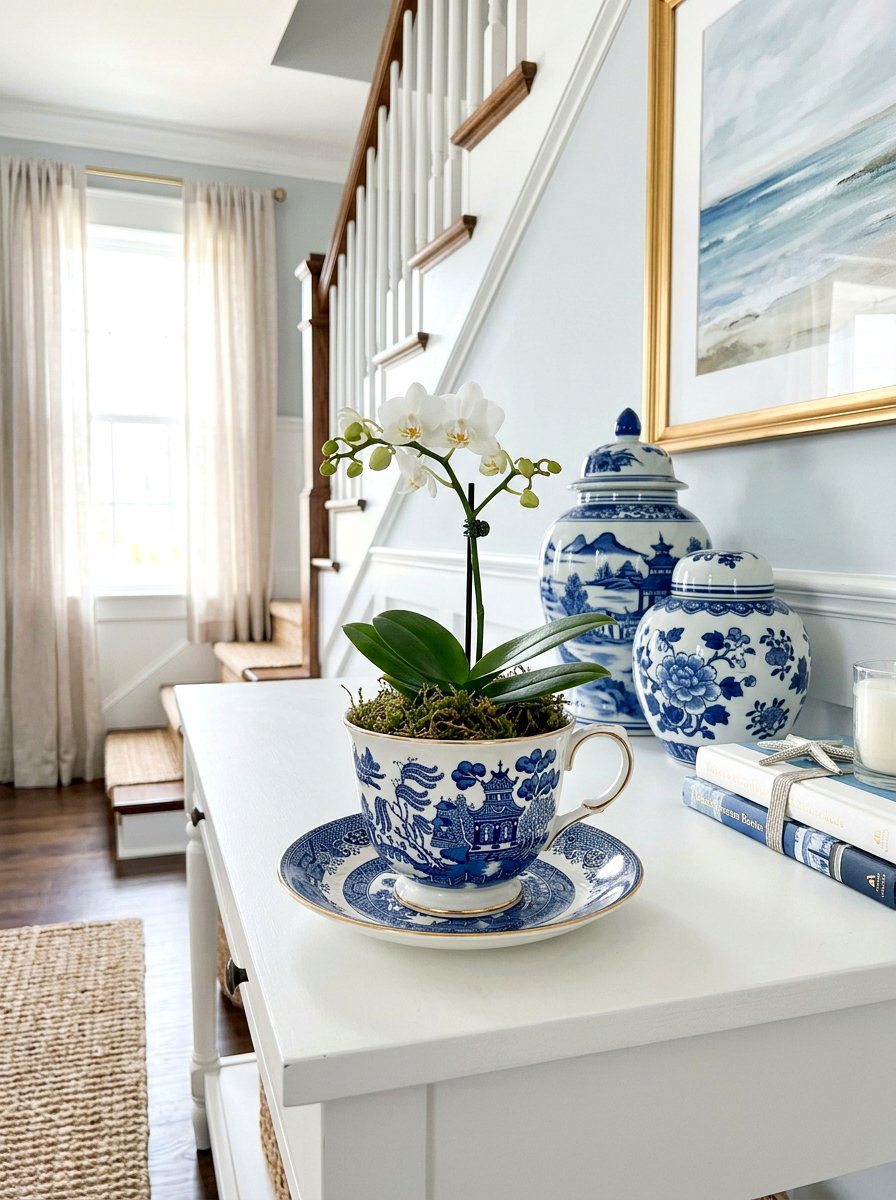
Blue and white chinoiserie teacups bring a classic, globally-inspired look to your spring decor that feels both traditional and incredibly fresh. The timeless combination of cobalt blue patterns on a crisp white background provides a striking contrast to the vibrant greens of indoor plants. These elegant vessels work particularly well with white flowering plants like jasmine or small orchids, which mimic the sophisticated color scheme of the porcelain. This style of planter fits seamlessly into various decor themes, from coastal grandmother to traditional colonial styles. Because the patterns are often quite busy and detailed, these cups look best when paired with plants that have relatively simple leaf shapes. They add a refined, curated feel to a bookshelf or a bedside table, serving as both a functional planter and a piece of art.
19. Rustic clay teacup planter
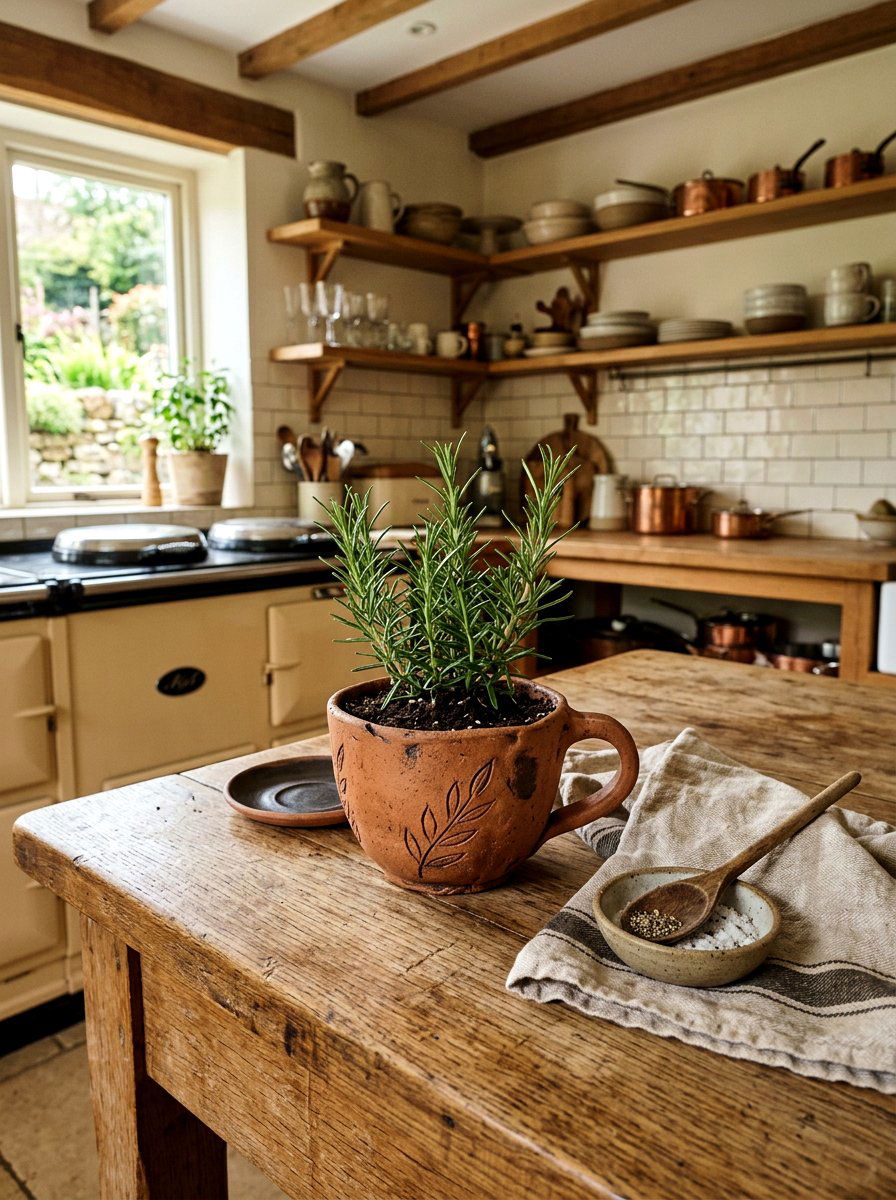
Rustic clay teacup planters offer a more grounded and organic feel for those who prefer a farmhouse or naturalistic aesthetic in their home. These cups are often handmade or feature a matte, unglazed finish that highlights the beauty of the raw material and the artisan's touch. The warm, earthy tones of the clay provide a beautiful backdrop for Mediterranean herbs like rosemary or sage, which naturally thrive in similar environments. Clay is also a breathable material, which can be beneficial for plant roots as it allows for better air circulation and moisture evaporation. This style of planter looks right at home on a wooden potting bench or a rustic kitchen island. The imperfections and textures of the clay add character and a sense of history to your spring garden displays, making them feel more personal.
20. Teacup cactus arrangement indoor
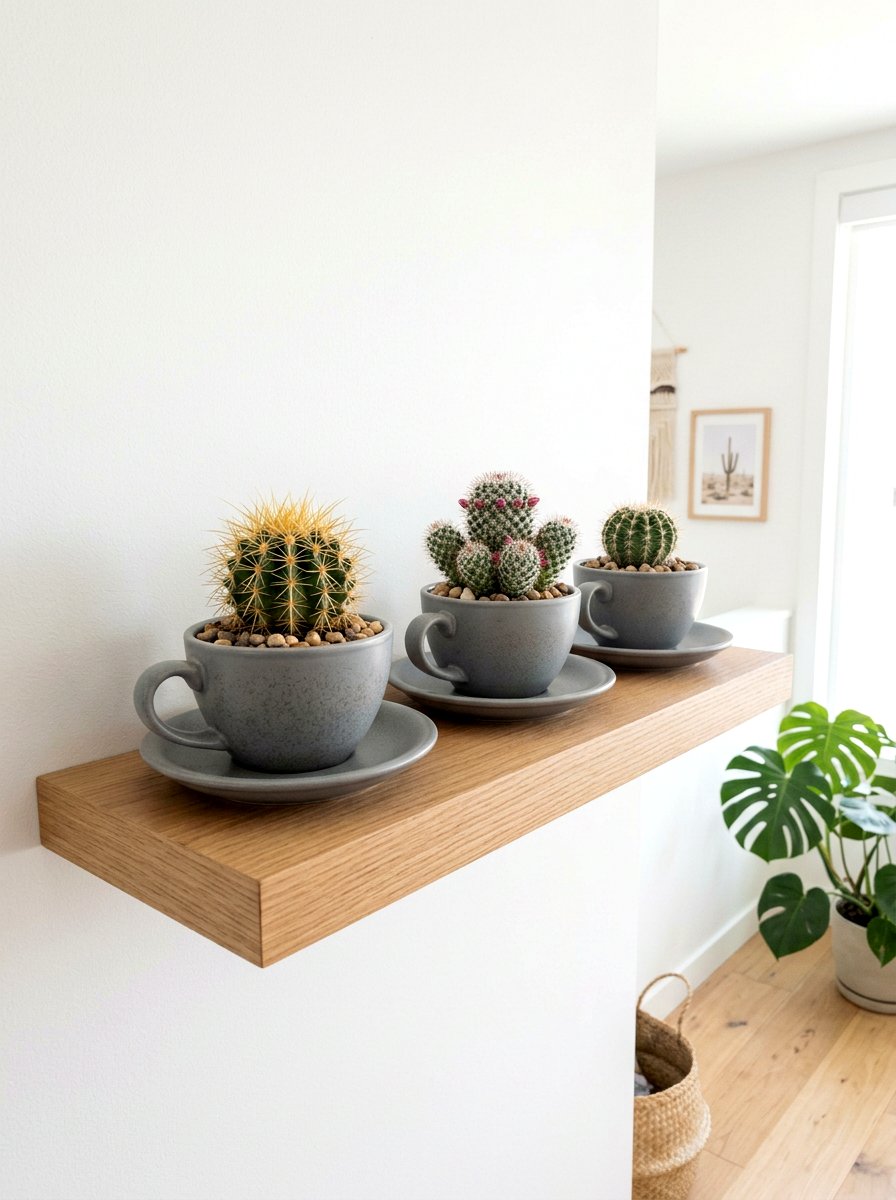
Teacup cactus arrangements are a smart choice for sunny spots where other delicate spring plants might struggle with the heat or direct light. Cacti come in a fascinating variety of shapes, from round "barrels" to tall, ribbed towers, allowing you to create a tiny desert landscape in a single cup. When planting cacti in porcelain, it is crucial to use a very gritty, fast-draining soil and to be extremely careful with watering, only doing so when the soil is completely dry. You can add a layer of decorative gravel or small desert stones on top to finish the look and keep the base of the cactus dry. These prickly little planters add a modern, edgy vibe to your decor and are incredibly easy to care for throughout the season. Their unique forms provide a nice contrast to the softer, leafier plants typical of spring.
21. Floating teacup garden wall
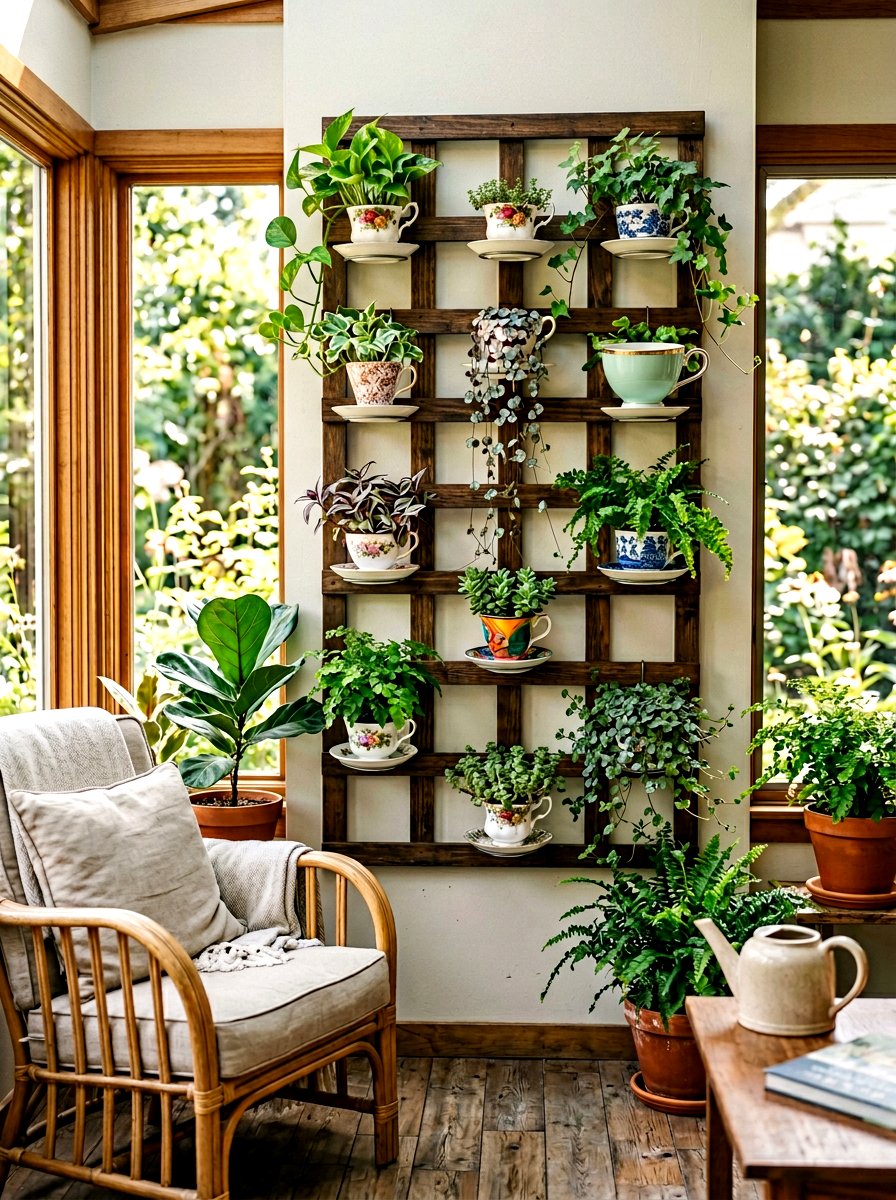
A floating teacup garden wall is a stunning DIY project that involves mounting several saucers and cups directly onto a wooden lattice or a decorative wall board. This vertical garden allows you to create a living tapestry of plants that takes up zero floor space, making it perfect for small balconies or narrow hallways. You can use specialized adhesive or small metal brackets to secure the ceramics safely to the vertical surface. When choosing plants for a wall display, consider the light levels of the specific wall and choose varieties that will thrive in those conditions. This arrangement creates a high-impact visual feature that feels like a piece of living art. It is a fantastic way to display a large collection of cups in a way that is organized, architectural, and deeply connected to nature.
22. Antique silver teacup planter
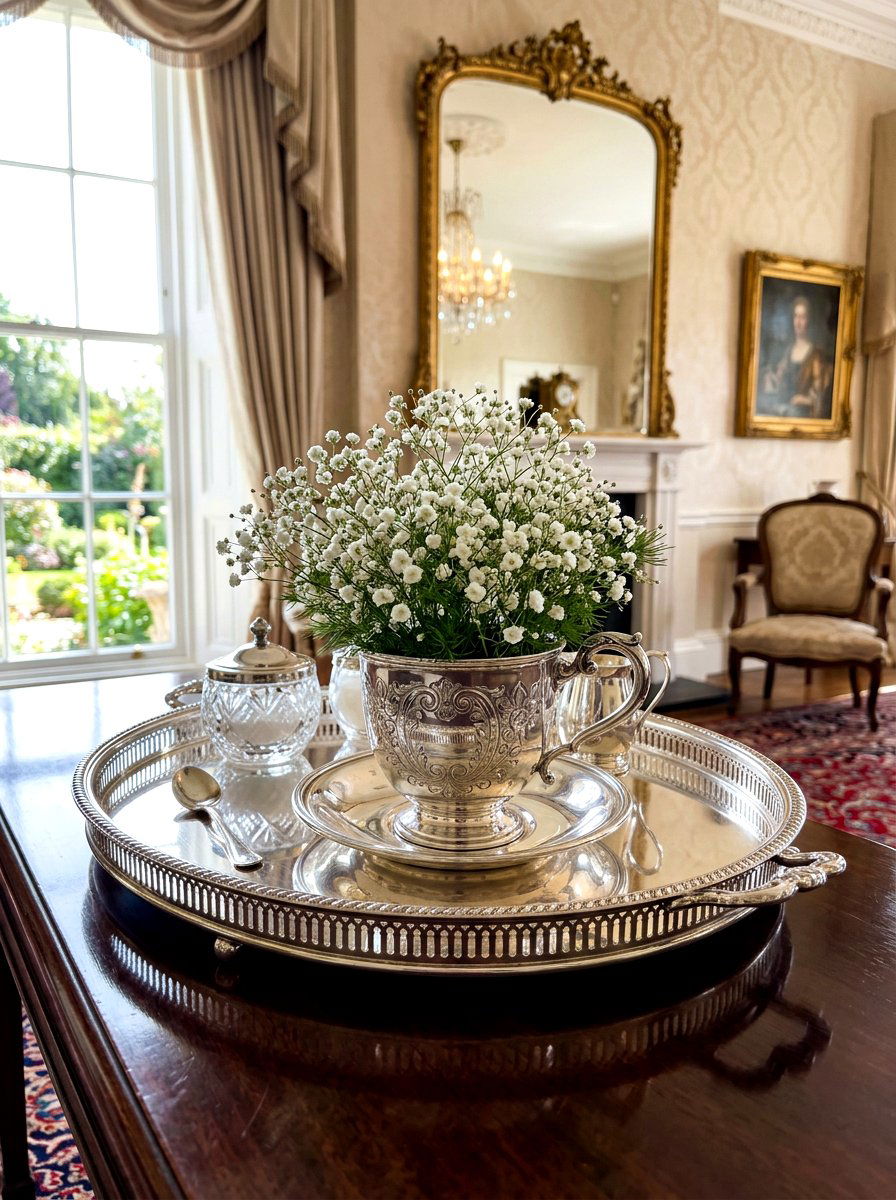
Antique silver teacup planters offer a shimmering and sophisticated way to display your spring greenery, adding a touch of vintage glamour to any room. While not technically ceramic, these metal vessels provide a unique metallic texture that reflects light and makes the surrounding plants appear even more vibrant. Silver patinas over time, giving the cups a sense of history and depth that looks beautiful against the fresh growth of new leaves. Because silver can be sensitive to moisture, it is often best to use a small plastic liner inside the cup to prevent tarnishing and corrosion of the metal. These shiny planters are perfect for adding a bit of "sparkle" to a dark corner or for creating a fancy centerpiece for a formal spring dinner party. They bridge the gap between classic metalwork and modern botanical styling.
23. Butterfly motif teacup planter
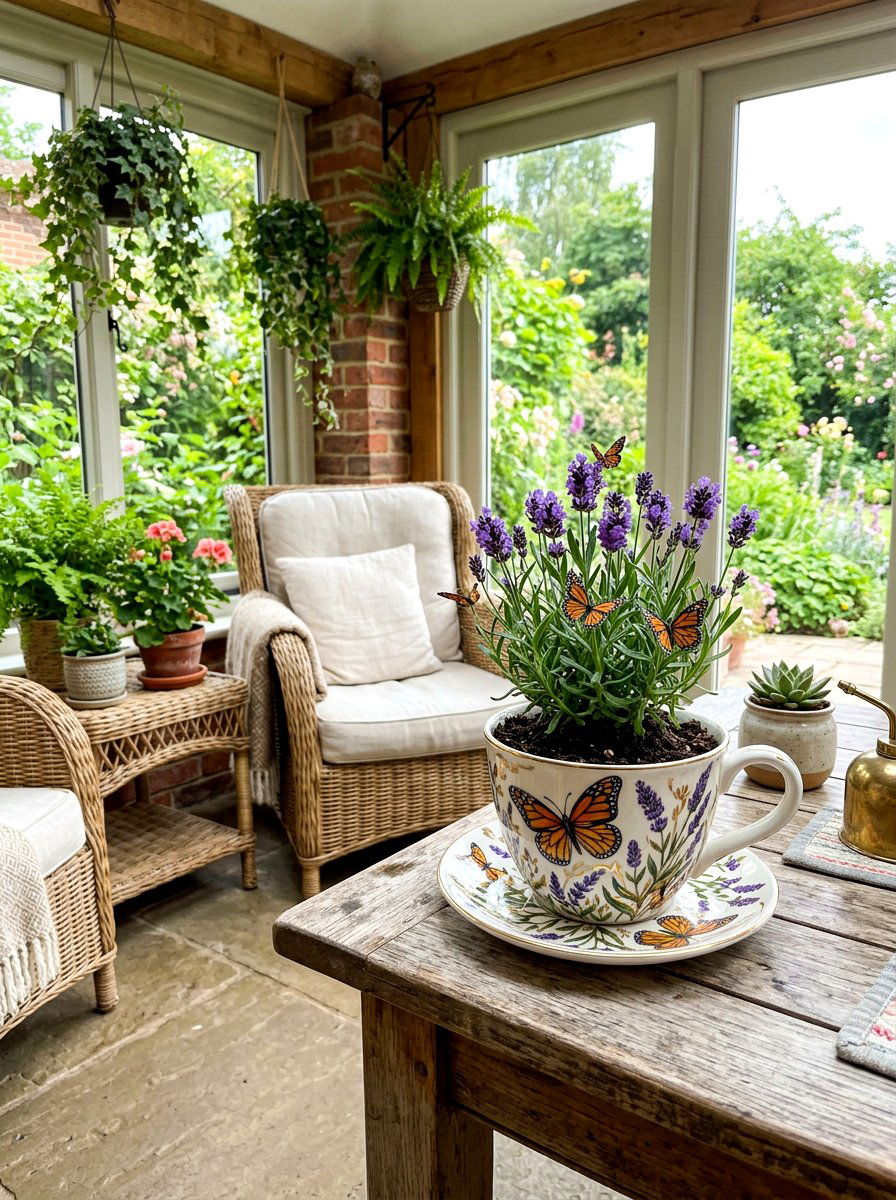
Butterfly motif teacup planters are a direct nod to the pollinators that return to our gardens every spring, making them a very thematic choice for the season. These cups often feature colorful illustrations of various butterfly species, which pair perfectly with nectar-rich plants or flowers that physically resemble butterflies, such as butterfly peas or certain orchids. This design choice brings a sense of life and movement to your indoor spaces, reminding you of the natural activity happening just outside your window. These planters are particularly popular in sunrooms or garden-facing areas where they can blend in with the view of the outdoors. They make wonderful gifts for nature lovers or anyone who enjoys the symbolic meaning of transformation and renewal that butterflies represent. The bright colors of the motifs help create a cheerful and optimistic atmosphere.
24. Wildflower teacup arrangement
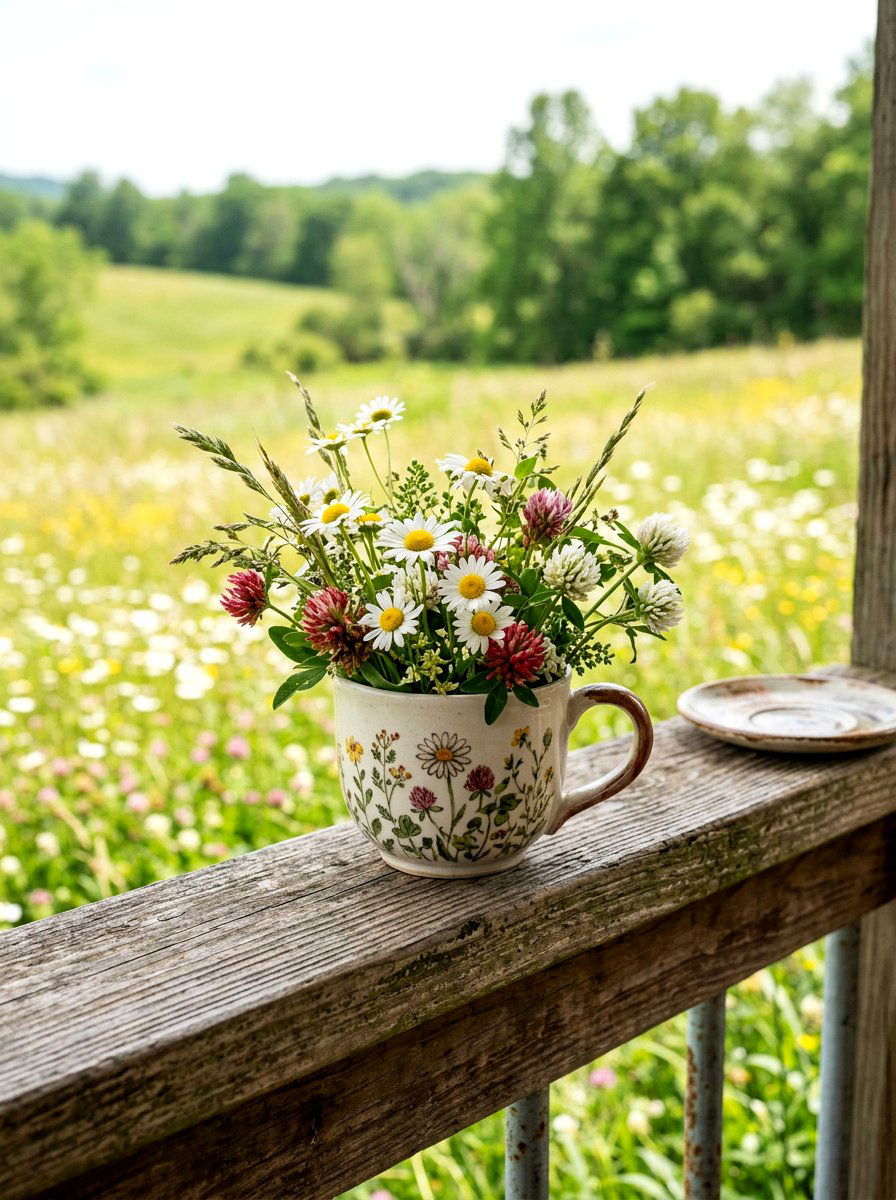
Wildflower teacup arrangements capture the untamed beauty of a spring meadow and bring a casual, effortless feel to your home decor. Instead of formal nursery plants, you can use small varieties of native wildflowers or even "weeds" that have beautiful blooms, like tiny daisies or clover. This approach celebrates the simple joys of nature and looks best in more casual, sturdy ceramic cups that don't feel too precious. The key to this look is a bit of purposeful messiness, allowing the stems to lean naturally and the flowers to vary in height. This style of planter is perfect for a kitchen table or a back porch where you want a relaxed and inviting vibe. It is a great way to bring the beauty of the surrounding landscape directly into your living space without spending a lot of money.
25. Geometric teacup succulent planter

Geometric teacup succulent planters represent the intersection of modern design and natural elements, featuring sharp angles and bold patterns on the ceramic surface. These contemporary vessels often use matte finishes and monochromatic color schemes to highlight the mathematical beauty of the cup’s shape. When paired with the geometric growth patterns of certain succulents, such as the star-shaped Haworthia, the result is a very structured and visually interesting display. This style is highly effective for minimalist or industrial-themed homes where clean lines are a priority. These planters look best when placed in a very intentional way, perhaps centered on a square side table or lined up precisely on a floating shelf. The contrast between the rigid geometry of the cup and the organic growth of the plant creates a compelling modern aesthetic for the spring season.
Conclusion:
Spring is a time of renewal and exploration, and creating your own teacup planters is a wonderful way to participate in the season’s transformative energy. These miniature gardens allow you to repurpose cherished ceramics while bringing the vibrant beauty of nature into every room of your home. From the nostalgic appeal of vintage florals to the sleek lines of modern geometric designs, there is a teacup planter style to suit every personality and interior theme. By following simple care tips like ensuring proper drainage and choosing the right plants for your light levels, you can enjoy these charming displays for weeks to come. We hope these twenty-five ideas have inspired you to look at your kitchen cabinets and local thrift stores with a fresh perspective. Embrace the creativity of the season and start planting your own small-scale botanical masterpieces today to celebrate the arrival of spring in a truly unique way.
Related posts:
Leave a Reply