
Spring is the perfect season to bring the outdoors inside by creating a miniature ecosystem that thrives within a glass vessel. Terrariums offer a unique way to celebrate the renewal of nature while adding a touch of sophisticated greenery to your home decor. These self-sustaining gardens are not only beautiful to look at but also provide a calming hobby that connects you with the soil and plant life. As the days get longer and brighter, selecting the right plants becomes essential for a successful indoor garden. This guide explores various species that flourish in the controlled environments of glass containers, from humid-loving ferns to sun-seeking succulents.
1. Fittonia Nerve Plant
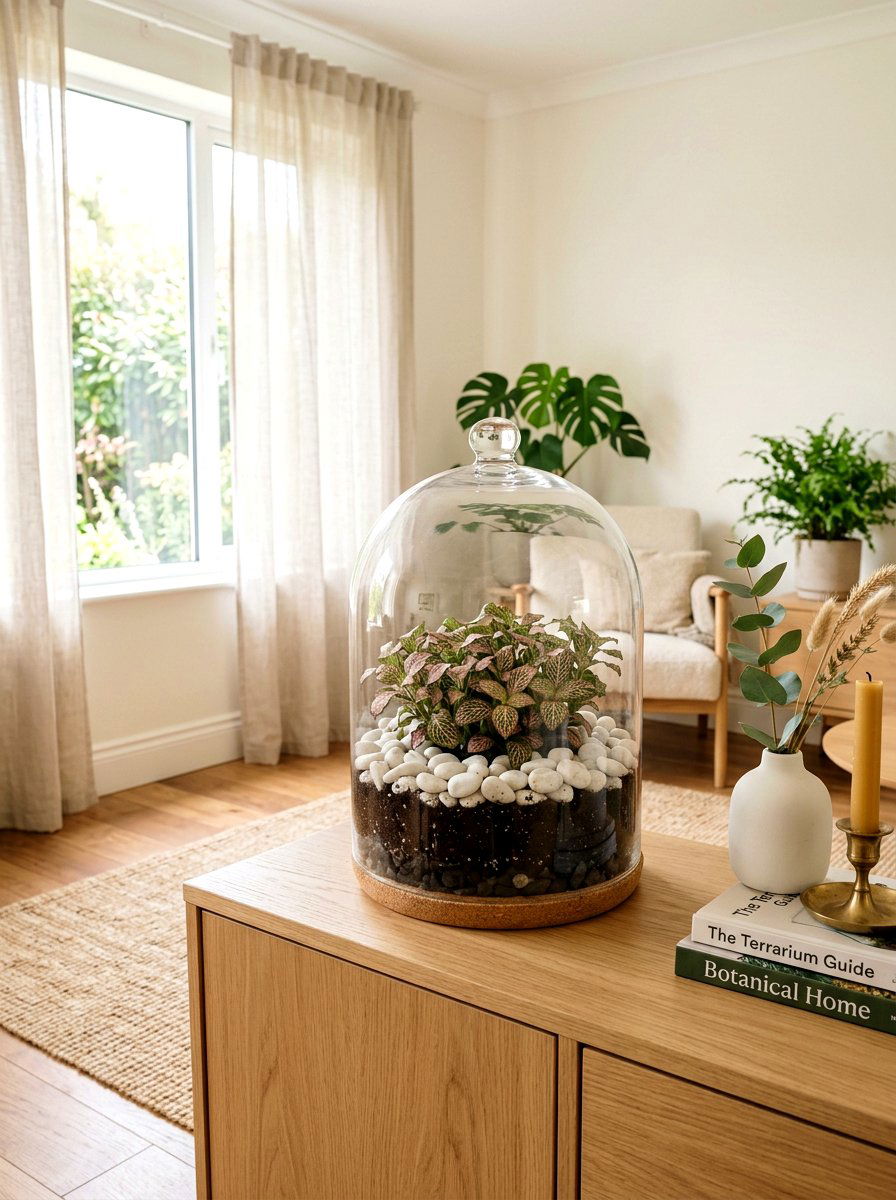
The vibrant veins of a Fittonia nerve plant make it a stunning centerpiece for any spring-themed glass container. These plants thrive in the high humidity found within a closed terrarium environment, making them a perfect choice for beginners. To create a full design, start with a layer of drainage pebbles followed by activated charcoal to keep the water fresh. Add a rich potting mix and nestle the Fittonia among soft cushions of green moss. The contrast between the pink or white veins and the deep green foliage creates a miniature landscape that feels like a lush forest floor during the early spring months.
2. Polka Dot Plant
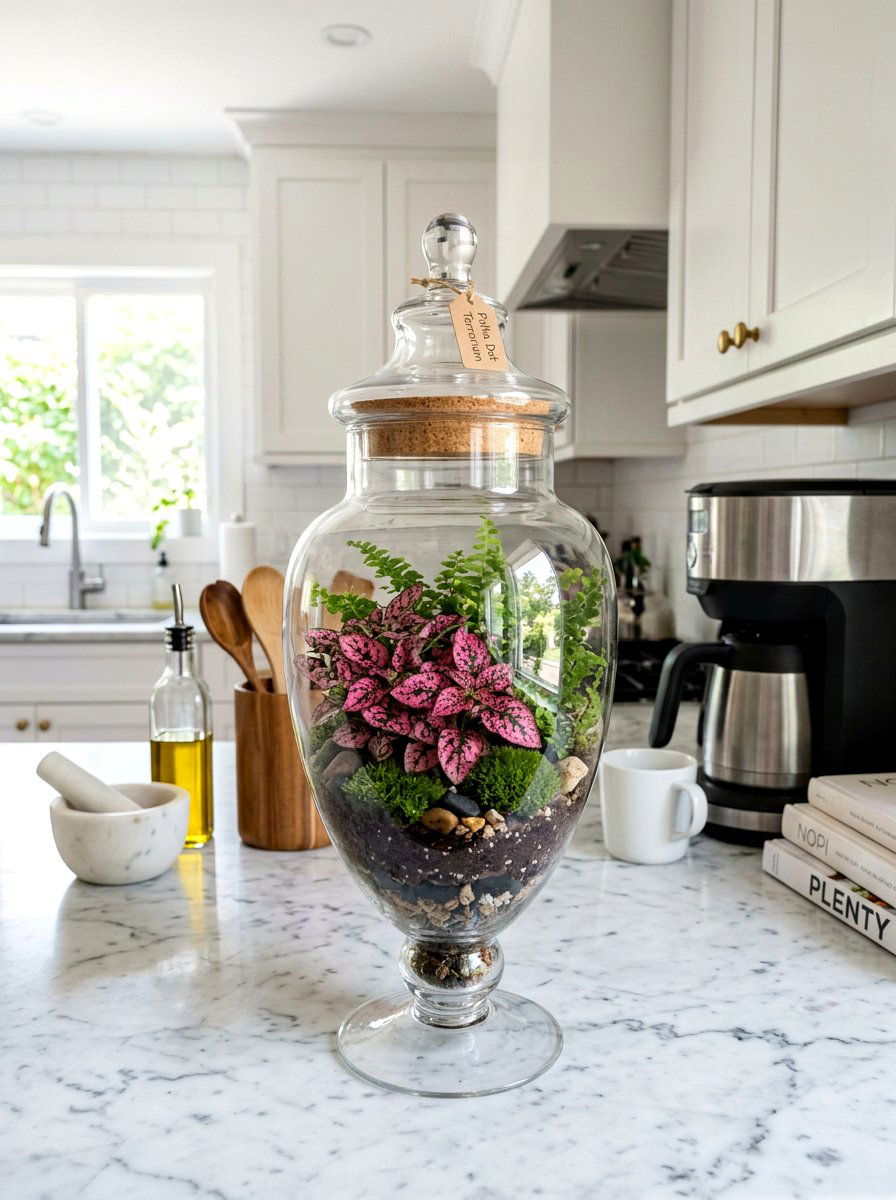
A Polka Dot plant brings an immediate splash of color to your indoor garden setup with its spotted leaves. Usually available in shades of pink, red, or white, these plants mimic the look of spring blooms without the fleeting nature of actual flowers. When designing this terrarium, consider using a taller glass apothecary jar to allow the plant room to stretch upward. Pair it with dark stones and slate chips to make the bright foliage pop. This arrangement works beautifully on a sunny windowsill where the filtered light can highlight the intricate patterns on every single leaf throughout the day.
3. Creeping Fig
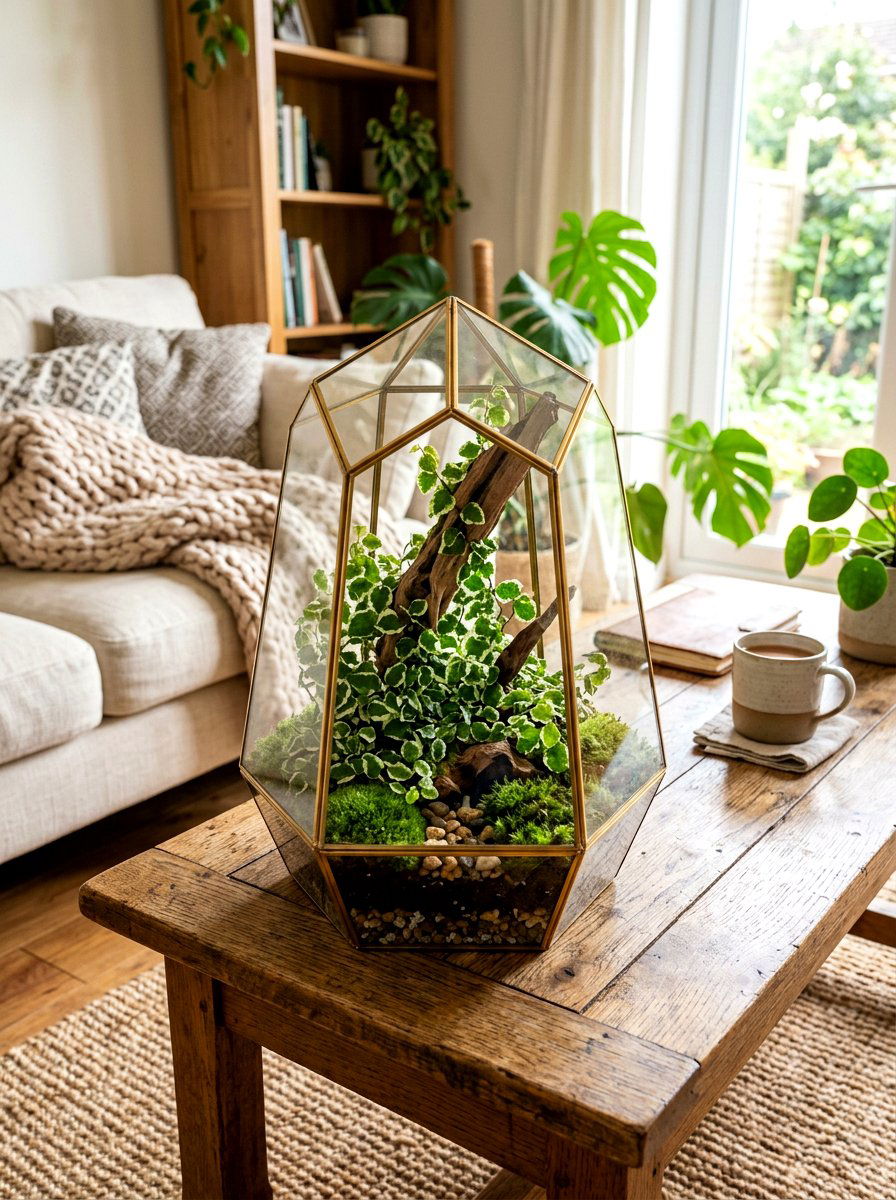
If you are looking for a plant that adds movement and texture, the Creeping Fig is an excellent choice for a glass enclosure. This hardy climber will eventually cover the interior walls of your terrarium, creating a living green backdrop that looks incredibly professional. Use a medium-sized fishbowl or a geometric glass container to house this fast grower. Complement the vine with a few pieces of driftwood or bark to give it something to climb. The small, heart-shaped leaves provide a delicate aesthetic that embodies the fresh and growing spirit of the spring season in any room.
4. Maidenhair Fern
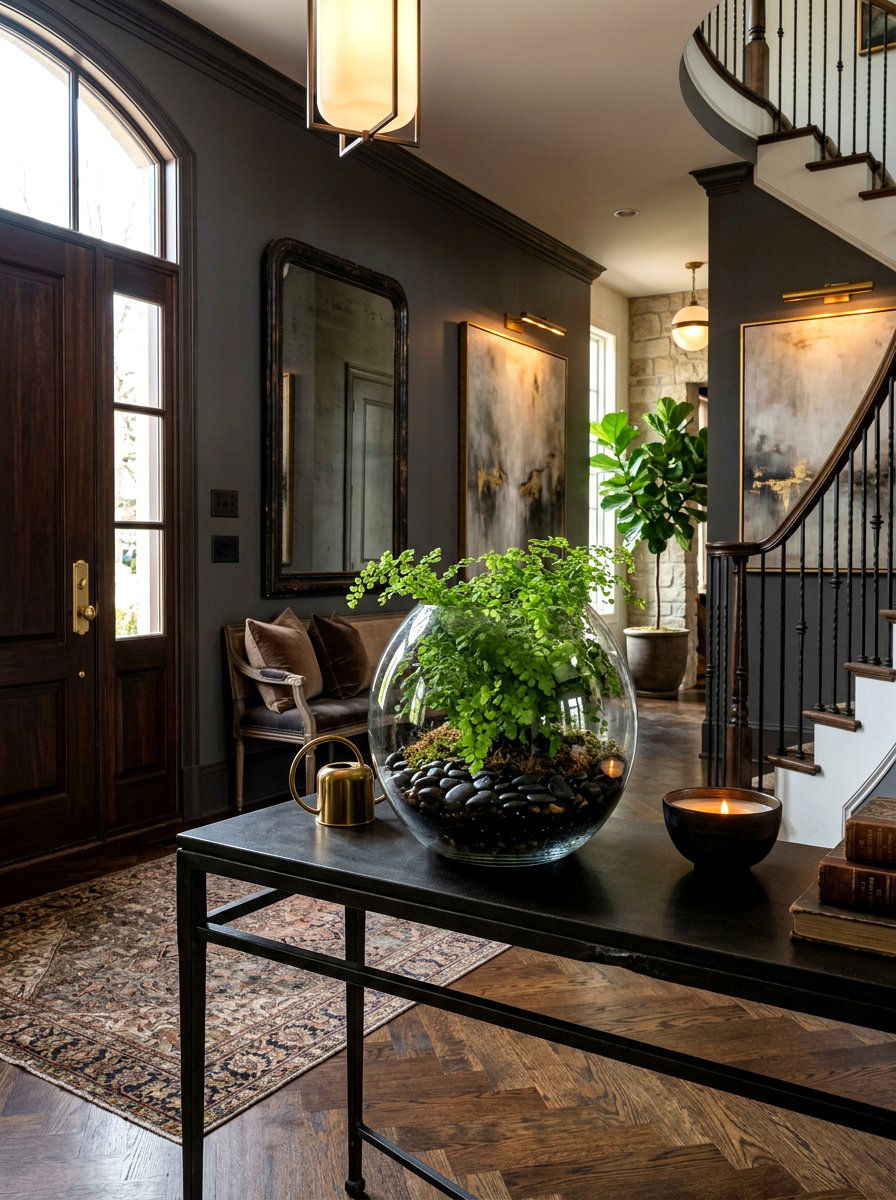
For a more elegant and airy design, the Maidenhair fern offers delicate fronds that look like soft green clouds trapped in glass. This plant loves the consistent moisture of a closed terrarium, which prevents its thin leaves from drying out. To build a complete scene, place the fern in the center of a large round vase and surround it with smooth black river rocks. The misty environment inside the glass will keep the fern lush and vibrant. This setup serves as a sophisticated focal point for a coffee table or a desk, bringing a tranquil woodland vibe indoors.
5. Button Fern
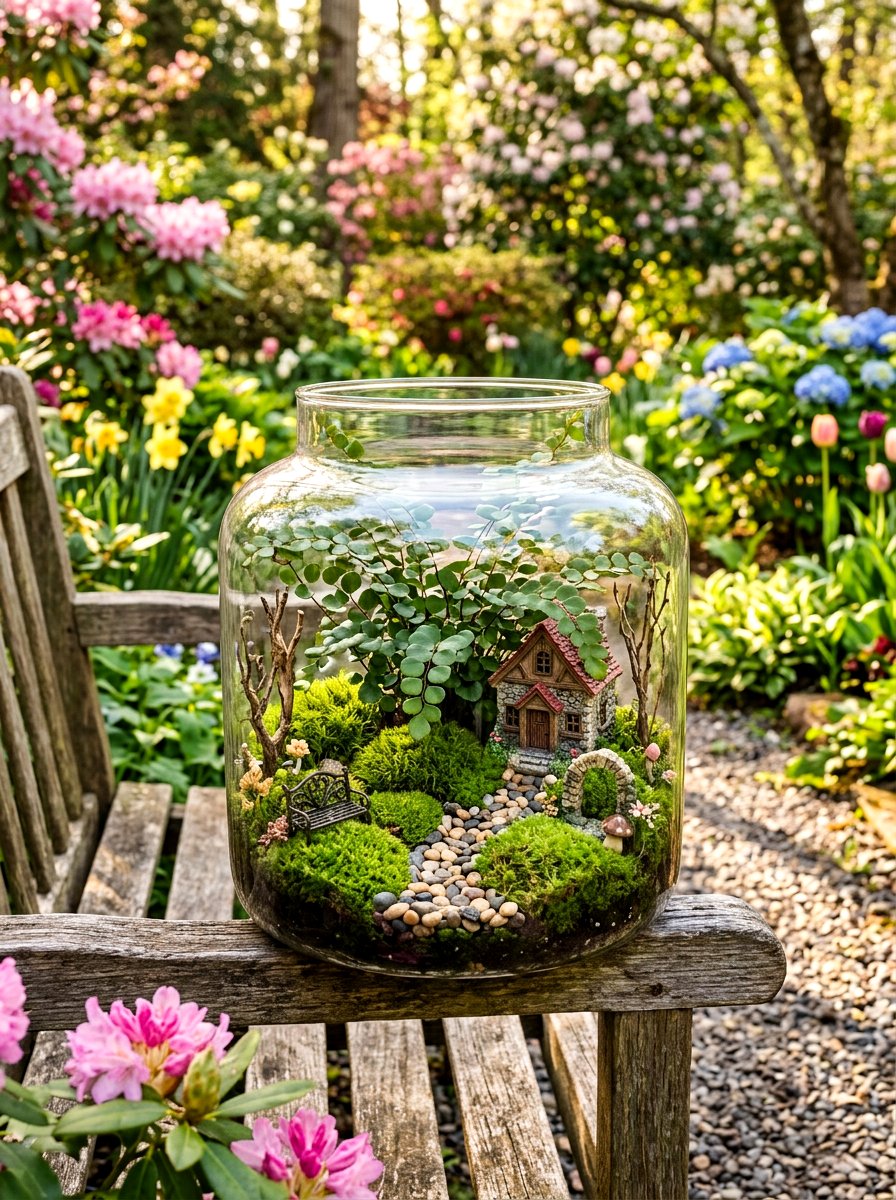
The Button fern is a charming addition to any miniature garden because of its round, leathery leaves and compact growing habit. Unlike some of its larger relatives, this fern stays relatively small, making it ideal for tabletop terrariums. To create a cohesive look, combine it with bright green sheet moss and small decorative figurines to create a tiny fairytale scene. The dark green circular leaves stand out against lighter substrates like sand or tan pebbles. This design is particularly effective in a wide, open-top glass bowl where the interesting texture of the foliage is easily visible.
6. Pilea Glauca
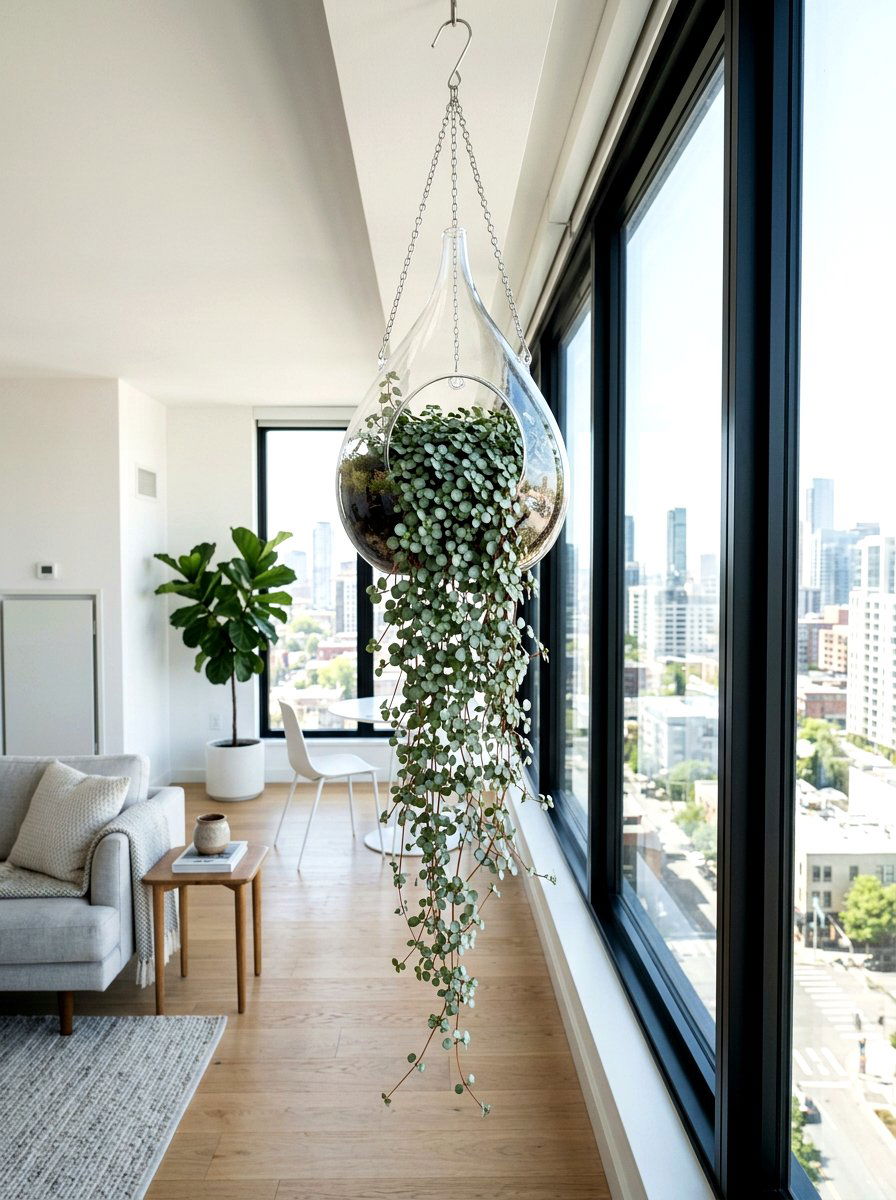
Often referred to as Silver Sparkle, Pilea Glauca features tiny, shimmering leaves that trail beautifully over the edges of a container. When planted in a hanging glass terrarium, it creates a waterfall of silver and green that catches the sunlight perfectly. For a complete design, use a mix of lightweight potting soil and perlite to ensure good drainage. Surround the base with small pieces of volcanic rock to add an earthy, rugged contrast to the dainty leaves. This plant is perfect for adding a vertical element to your spring decor, making any small space feel much more alive.
7. Strawberry Begonia
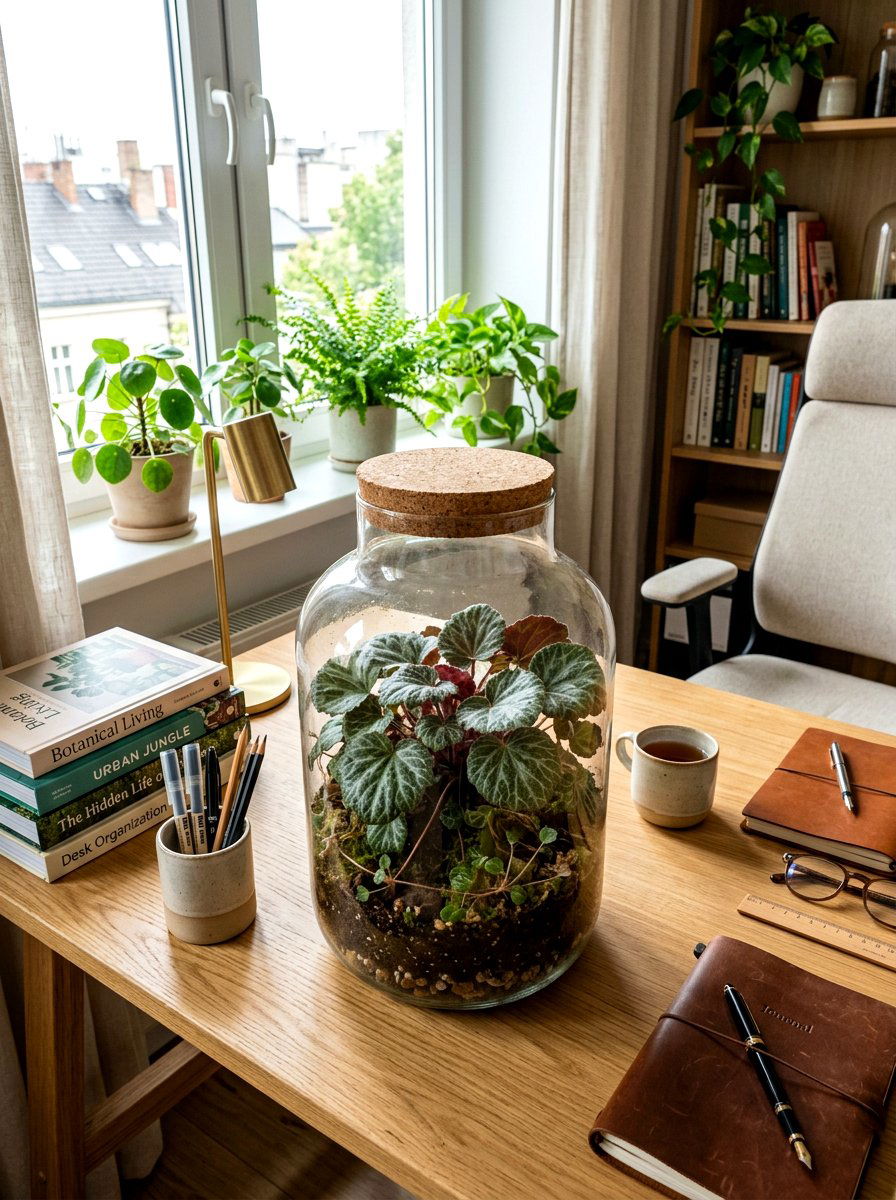
The Strawberry begonia is not actually a begonia or a strawberry, but it brings the best of both worlds to a terrarium. It produces lovely scalloped leaves with silver marbling and sends out runners that grow into new plantlets. This creates a layered, multi-dimensional look inside a large glass jar. To design this space, use a deep layer of soil to support the rooting runners and add some colorful gravel for visual interest. The reddish undersides of the leaves provide a surprising pop of color when viewed from different angles, making the entire arrangement look very dynamic.
8. Watermelon Peperomia
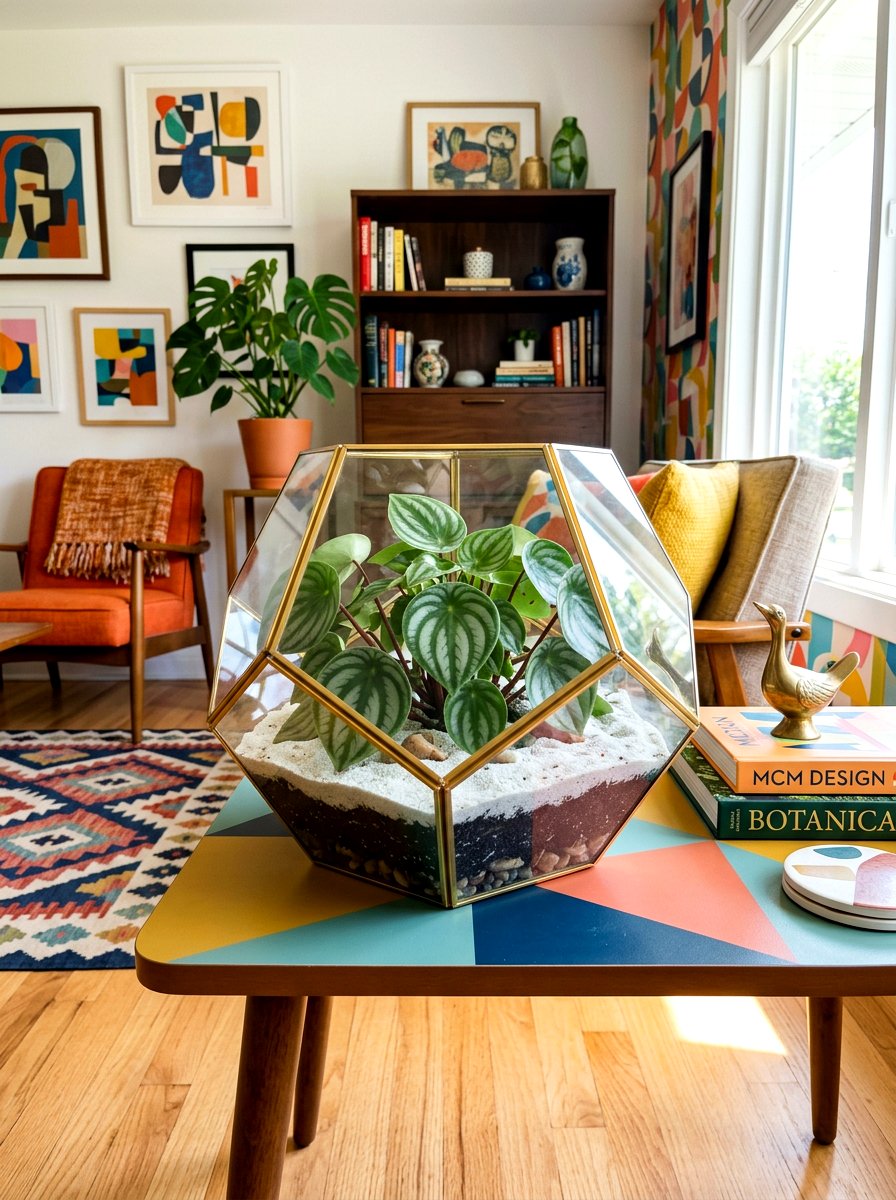
With leaves that look exactly like the rind of a miniature watermelon, this Peperomia is a fun and whimsical choice for spring. Its compact size and thick, waxy leaves help it retain moisture, which is ideal for a semi-open glass container. To create a full room-ready design, place the Peperomia in a modern geometric terrarium alongside a few small succulents that share similar light requirements. Use white sand as a top dressing to give the arrangement a clean, contemporary feel. This specific plant always draws attention and serves as a great conversation piece in a bright living area.
9. Baby Tears
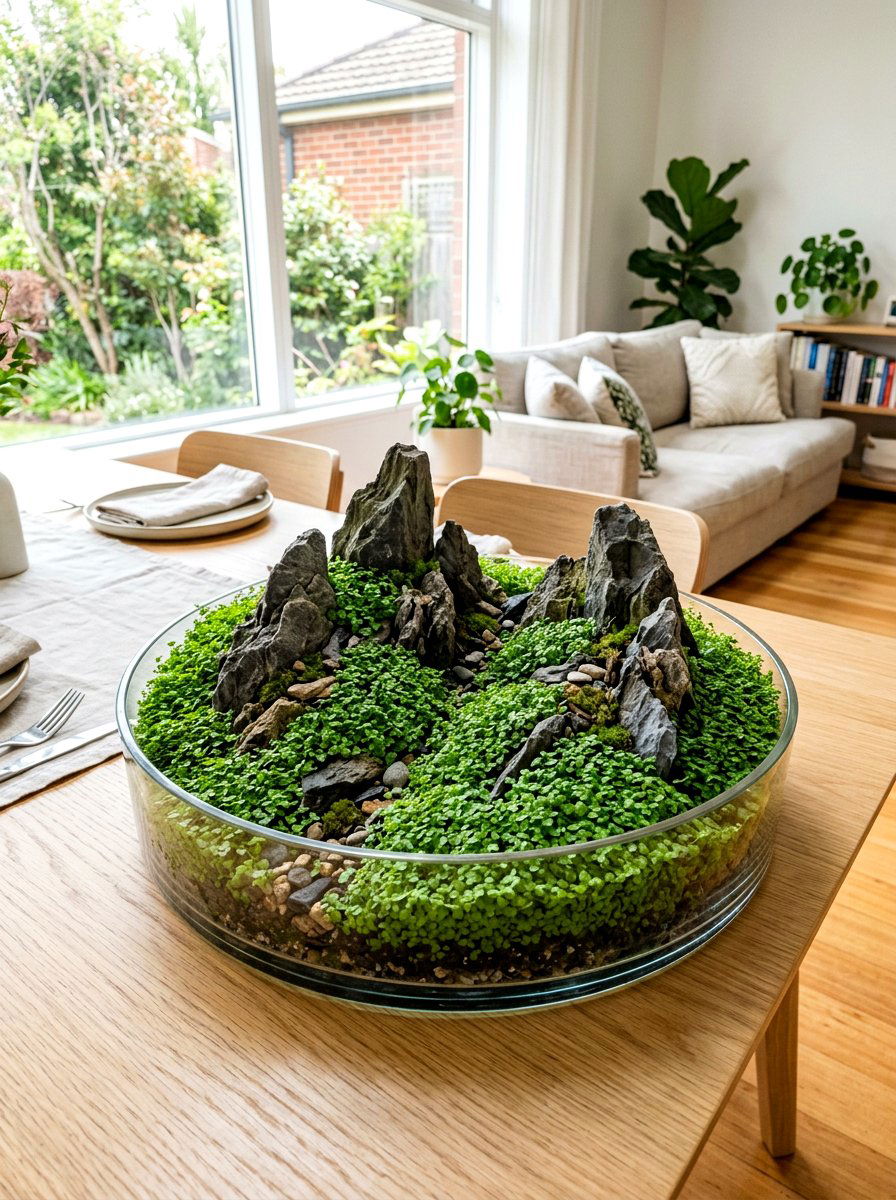
Baby Tears create a dense, carpet-like mat of tiny green leaves that can cover the entire floor of a terrarium. This plant is perfect for creating a "lawn" effect in a miniature garden scene. To build this design, start with a wide glass tray or a large bowl and spread the Baby Tears across the center. Place a few larger "hero" stones or a piece of petrified wood to act as mountains in your tiny landscape. The bright green color is incredibly refreshing and perfectly captures the essence of a meadow waking up during the first weeks of spring.
10. Miniature Orchid
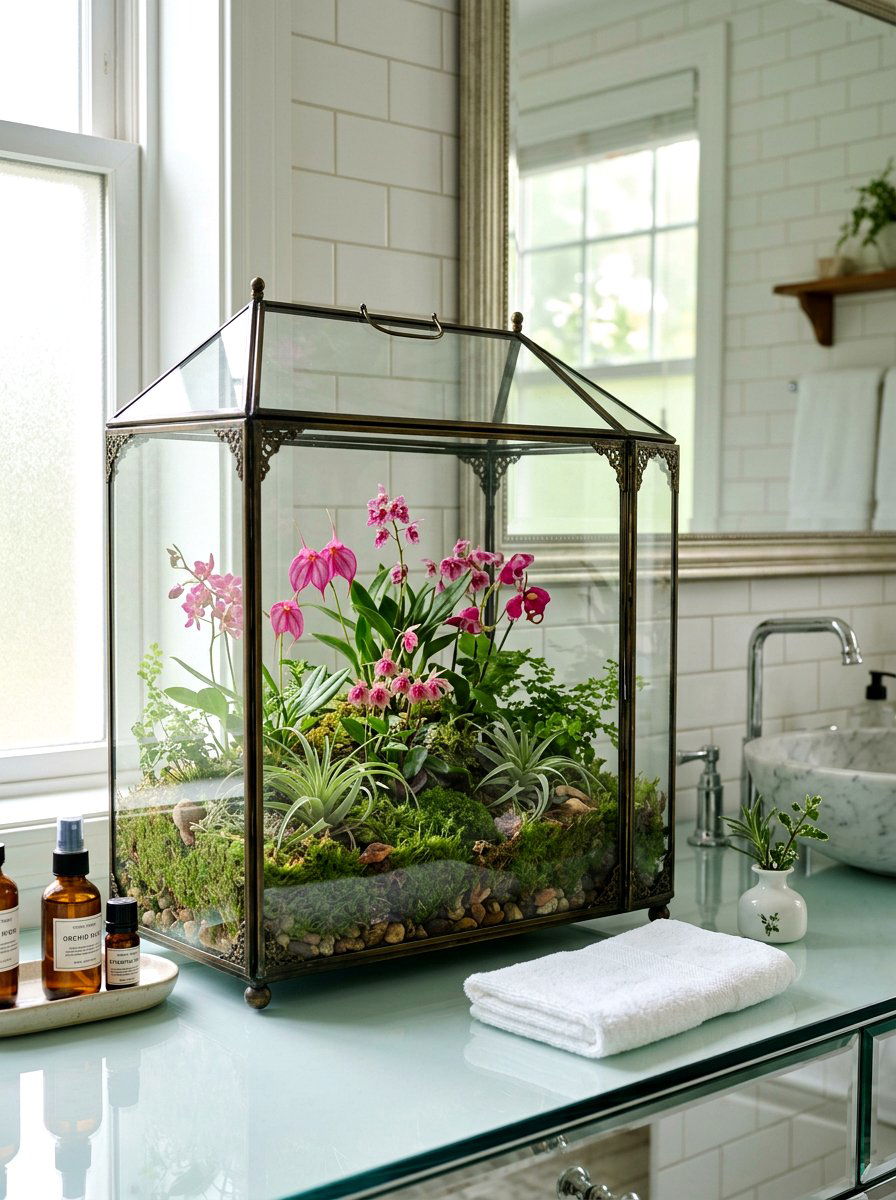
For a touch of luxury and exotic beauty, a miniature orchid can be the star of a specialized terrarium. These plants require a bit more care, specifically an orchid bark mix rather than standard soil, to keep their roots healthy. Design the enclosure with plenty of height to accommodate the flower spike and use a glass door or lid to maintain high humidity. Surround the orchid with lush live moss and a few air plants to create a tropical paradise. The delicate blooms bring a high-end, artistic feel to your interior design that lasts for many weeks.
11. Tillandsia Air Plant
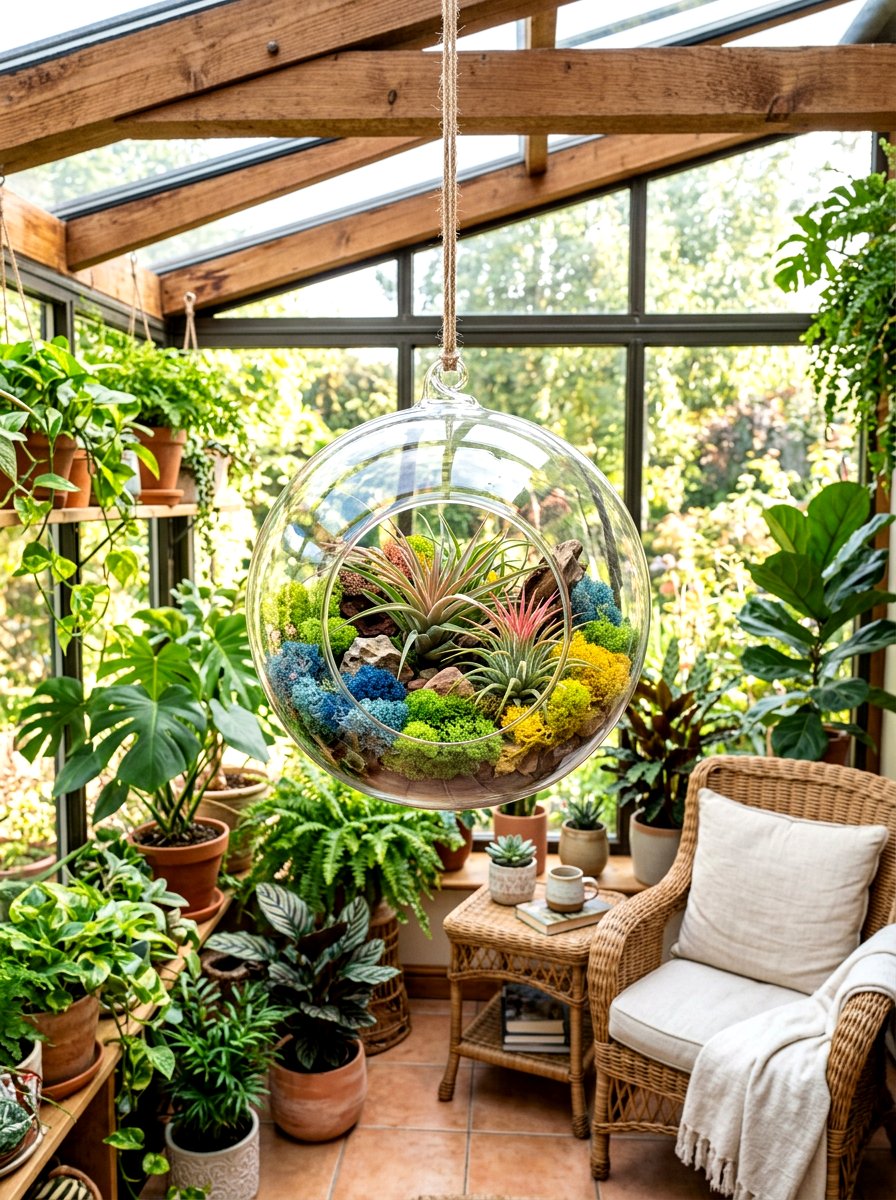
Air plants are incredibly versatile because they do not require soil to grow, allowing for creative terrarium designs. You can place them on top of decorative sand, nestle them in sea shells, or even glue them to pieces of interesting wood. For a spring-inspired look, use a hanging glass globe filled with pastel-colored reindeer moss and several different types of Tillandsia. The spiky texture of the air plants provides a modern architectural element that fits well in minimalist homes. Since they are easy to move, you can rearrange your miniature garden whenever you want a change.
12. String Of Turtles
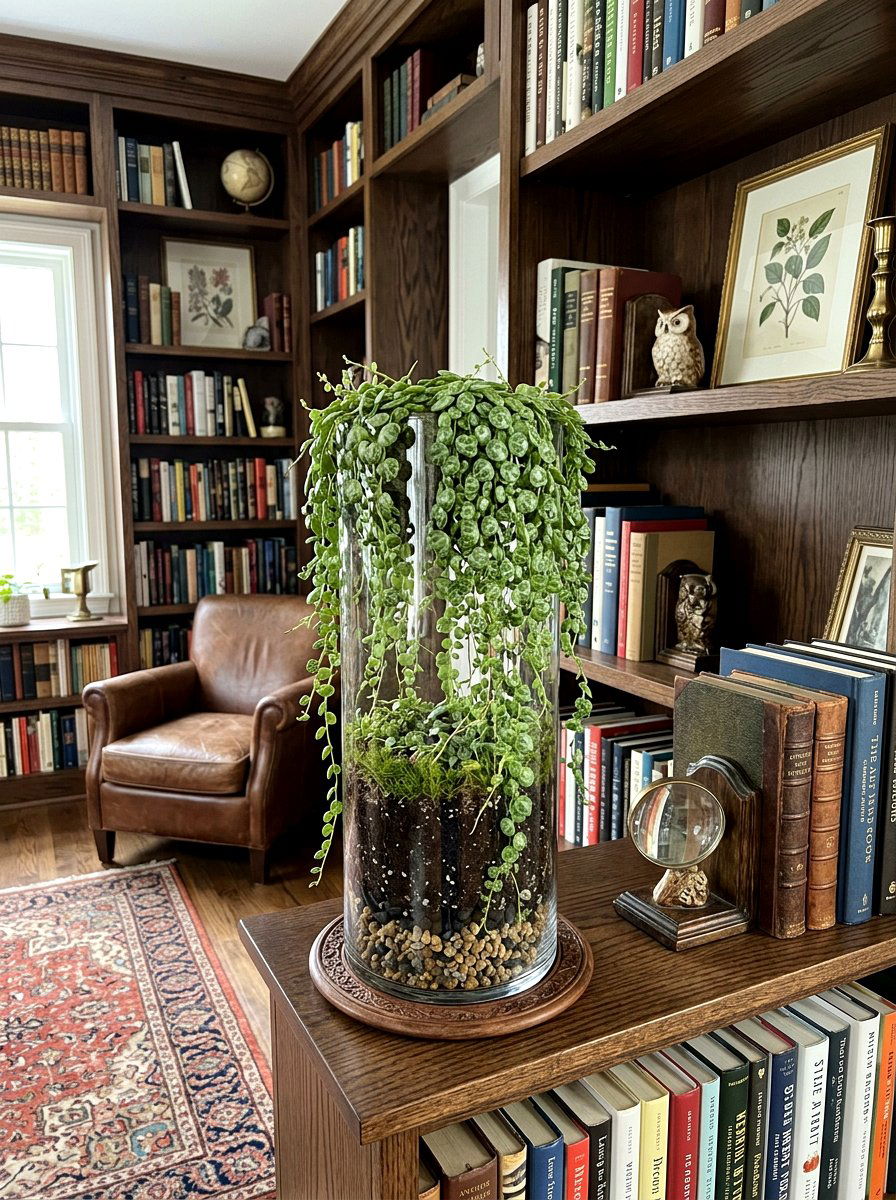
The String of Turtles is a succulent-like trailing plant with tiny leaves that feature patterns resembling turtle shells. It looks spectacular when allowed to cascade over the sides of a tall glass cylinder or a wall-mounted terrarium. To create a full design, use a gritty soil mix and top it with fine pea gravel. Pair the trailing vines with a small upright plant like a dwarf jade to provide a sense of scale and balance. This plant is a favorite for Pinterest-worthy interiors because of its unique pattern and the way it softens the hard edges of glass.
13. Selaginella Moss
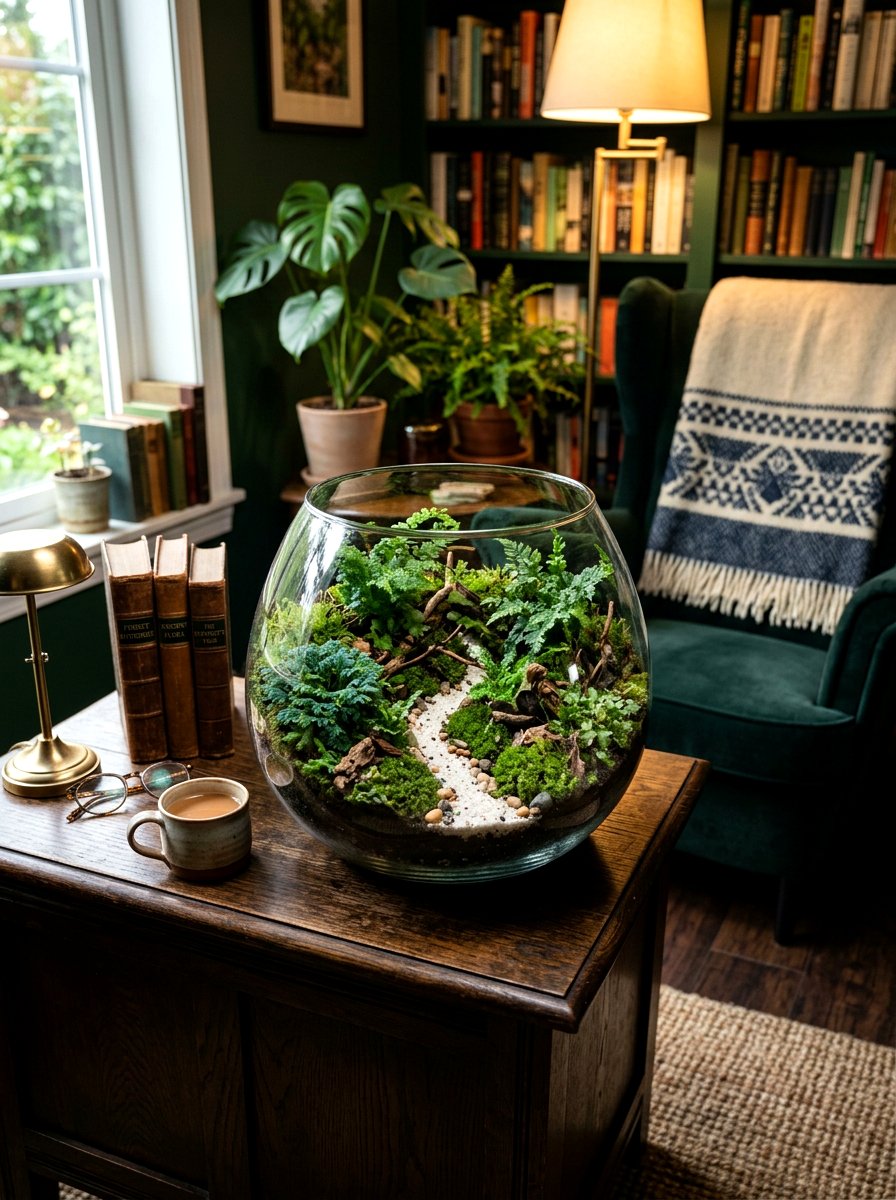
Often called Spike Moss, Selaginella is a primitive plant that loves the damp, shady conditions of a closed terrarium. Its fern-like appearance and deep green or bluish hues add a prehistoric feel to your indoor garden. To design a captivating scene, use a deep glass container and create different elevations with the soil. Plant the Selaginella on a "hillside" and add a tiny path made of fine white sand leading through the greenery. This creates a sense of depth and mystery, making the terrarium look like a small slice of an ancient forest preserved behind glass.
14. Prayer Plant
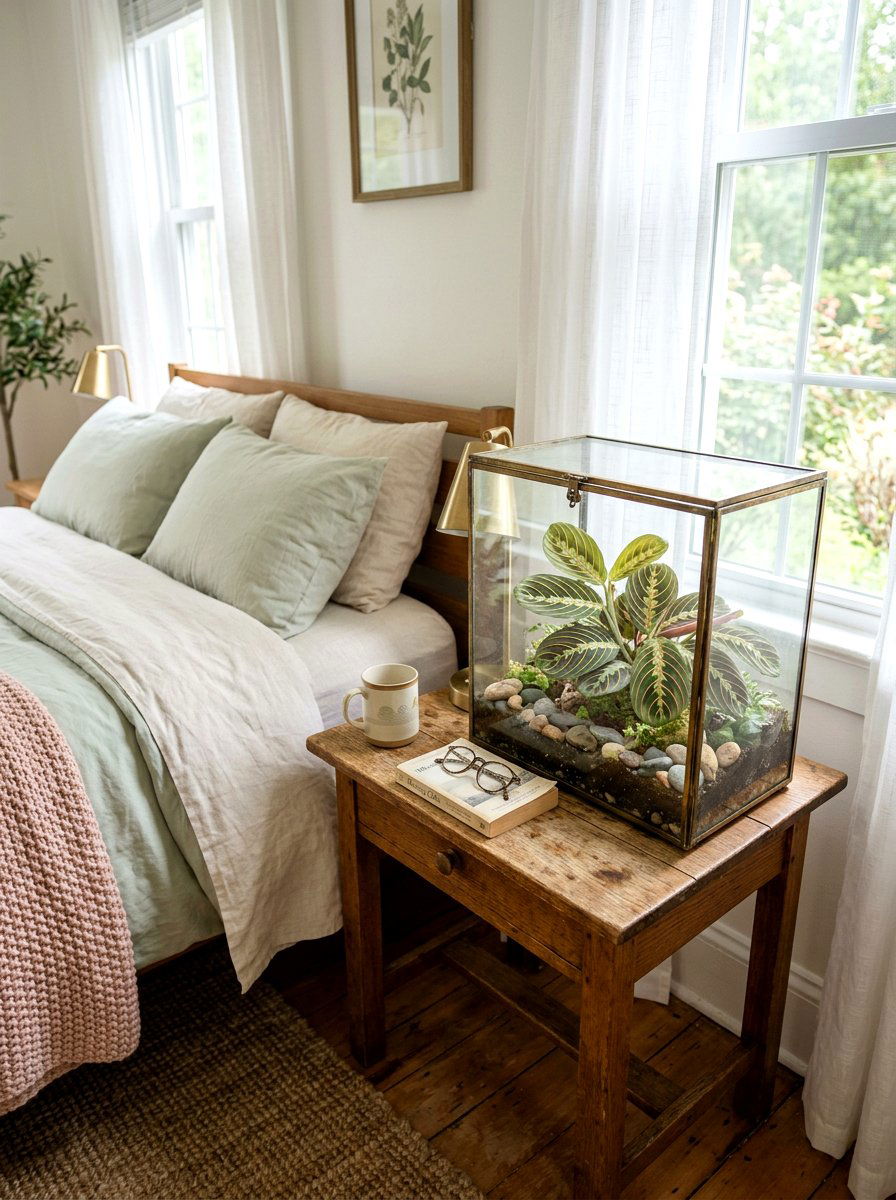
The Prayer Plant is famous for its striking leaf patterns and its unique habit of folding its leaves upward at night. This movement adds a literal sense of life to your terrarium design throughout the day and evening. Because they prefer medium light and high humidity, they are perfect for a large glass wardian case. Combine the Prayer Plant with simple green mosses and a few smooth river stones to keep the focus on the decorative foliage. The red veins and dark green patches make this plant a sophisticated addition to a bedroom or a quiet reading nook.
15. Spider Plant
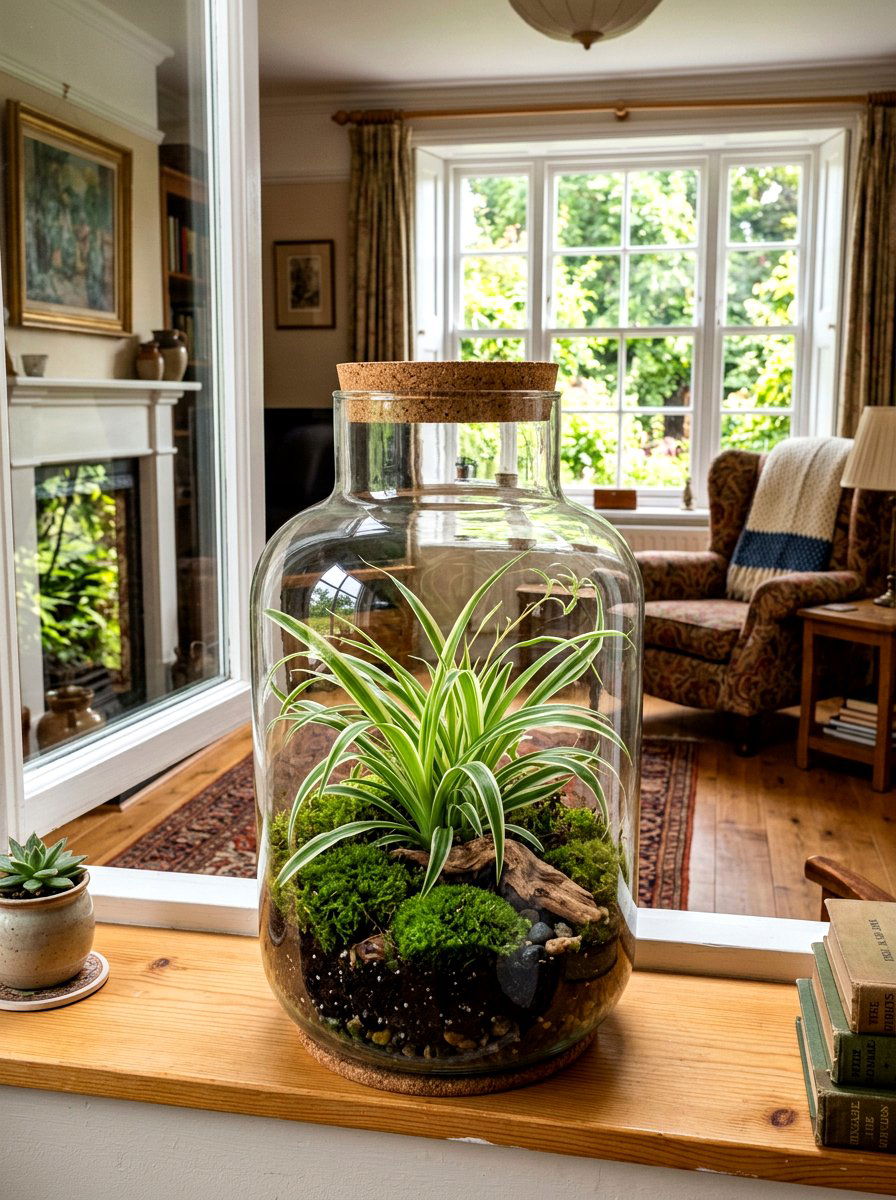
While standard spider plants grow quite large, the baby offsets or "pups" are perfect for a medium-sized terrarium. Their arching, variegated leaves provide a classic look that fits into any home style from traditional to modern. To design this space, plant the spider plant offset in the center of a glass jar and surround it with low-growing groundcover like moss or small pebbles. The white and green stripes of the leaves brighten up darker corners of a room. As the plant grows, you can easily transplant it and start a new miniature version in its place.

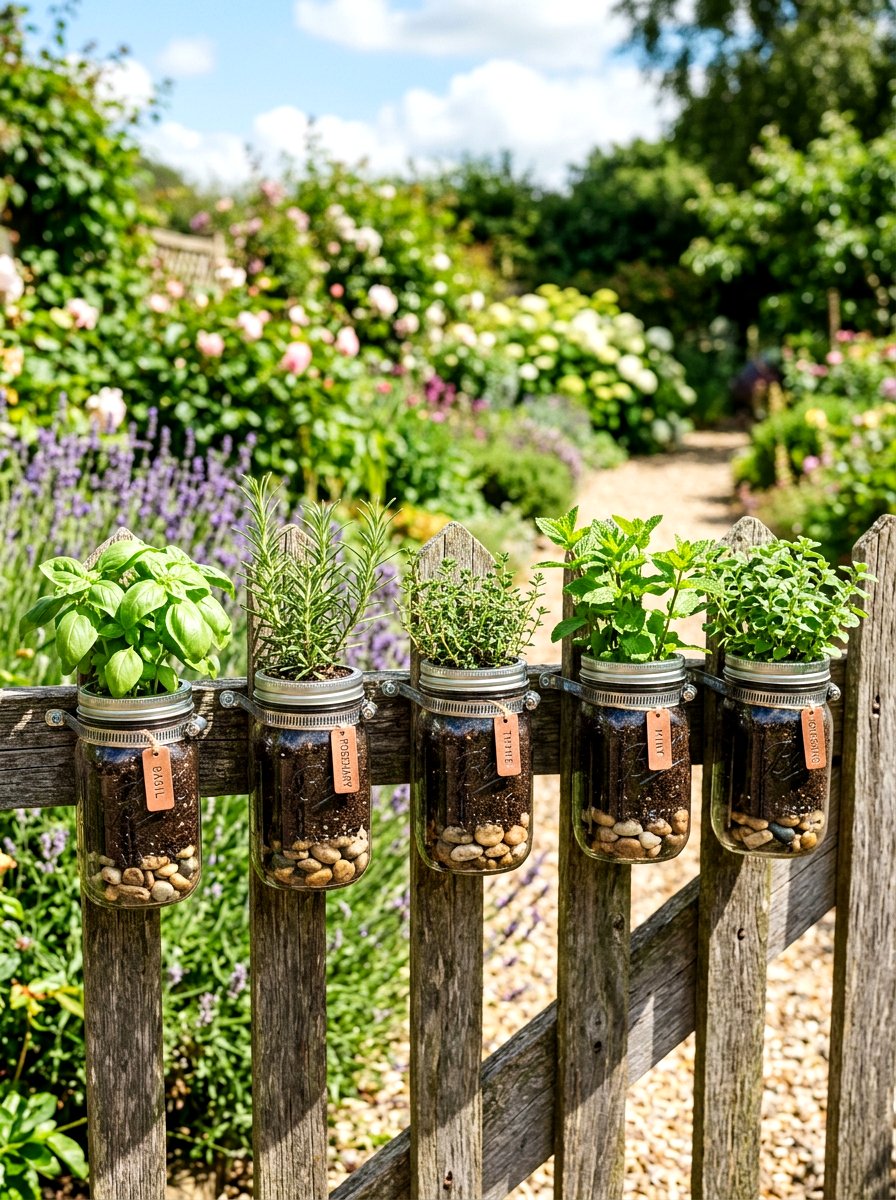
16. Jade Plant
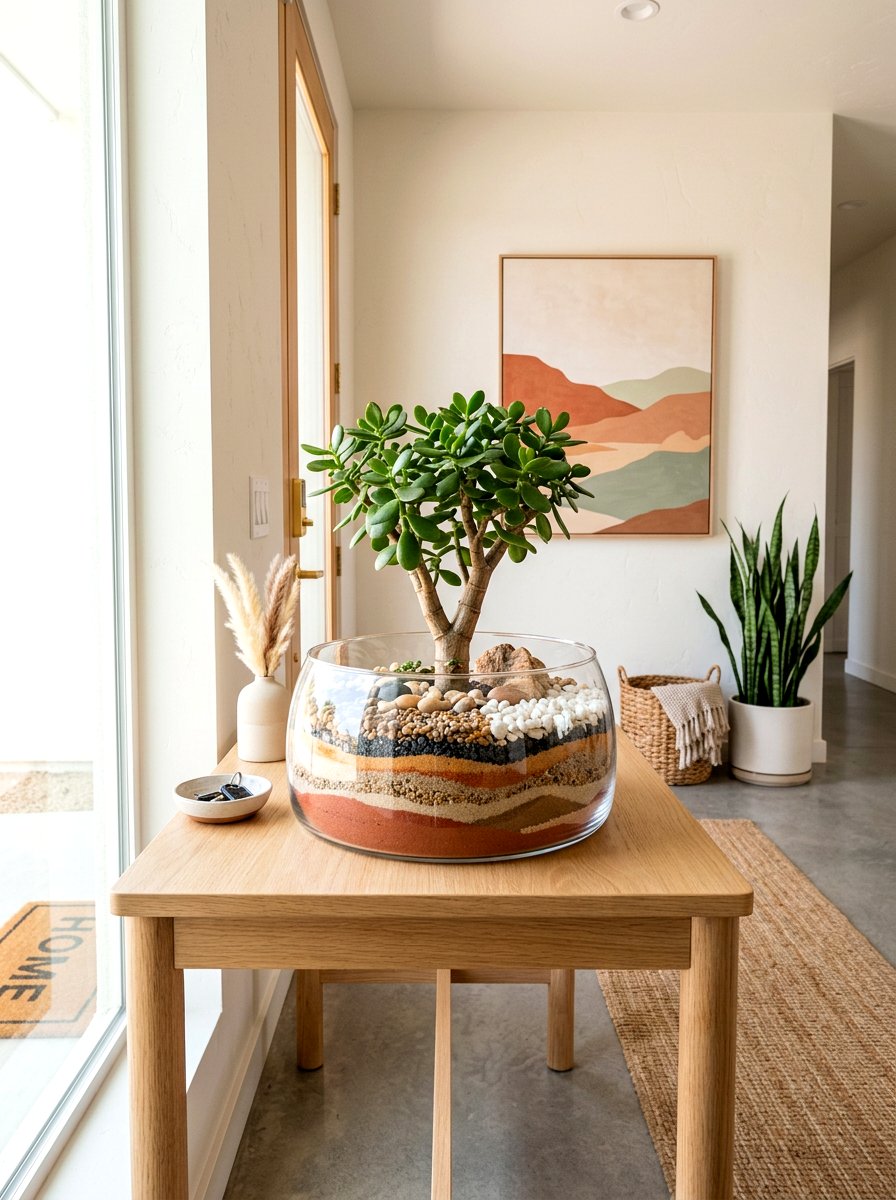
A miniature Jade plant is a classic choice for an open terrarium because it mimics the appearance of a tiny tree. Its thick, woody stems and fleshy green leaves give it a bonsai-like quality that is very grounding. To create a desert-themed spring design, use a wide glass bowl and fill it with layers of colorful sand and gravel. Place the Jade plant slightly off-center and add a few larger desert rocks to complete the look. This setup is perfect for busy people because the Jade plant requires very little water and thrives in bright, direct sunlight.
17. Cryptanthus Starfish Plant
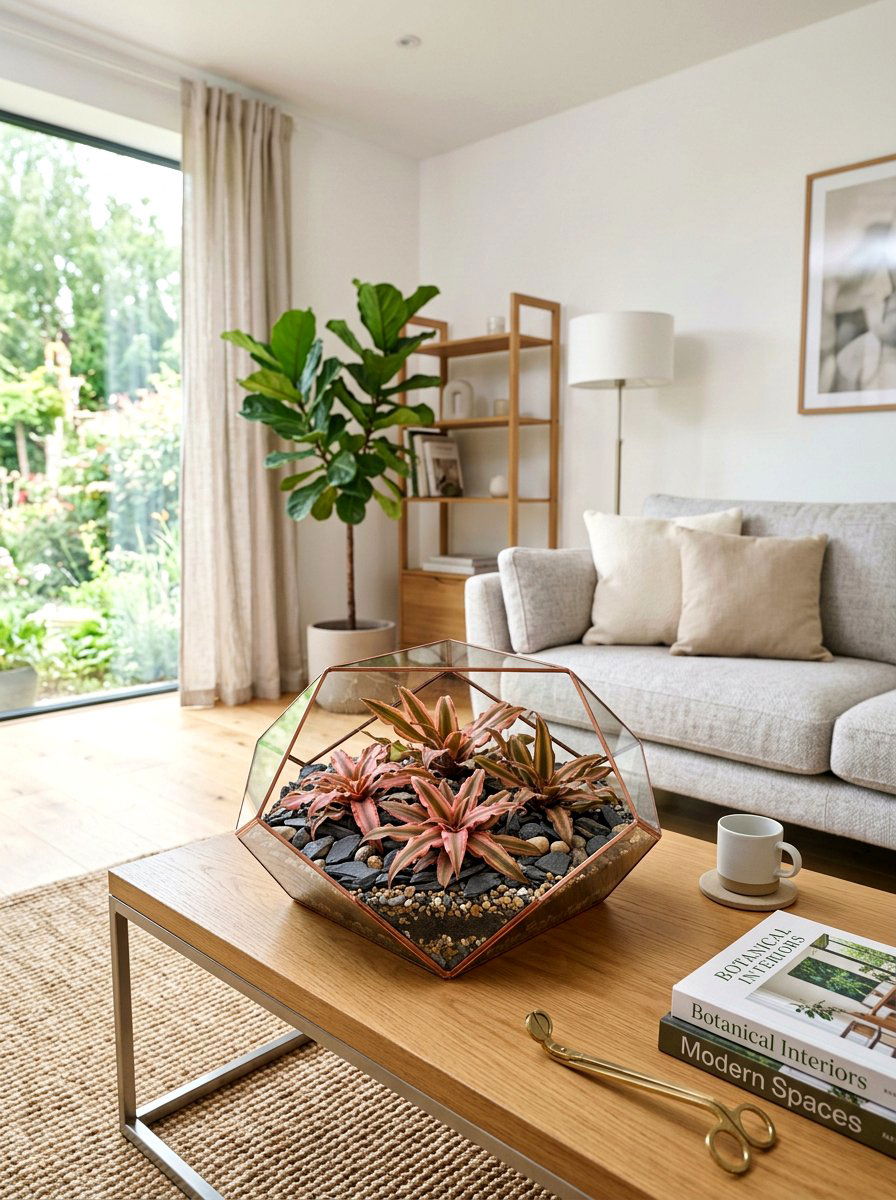
The Cryptanthus, or Starfish plant, grows in a flat rosette shape with jagged edges and interesting stripes. Unlike most bromeliads, this plant grows in soil, making it a wonderful addition to the floor of a terrarium. To design a visually striking arrangement, choose a variety with pink or copper tones to add warmth to your greenery. Place it in a shallow glass dish with a mix of potting soil and sand. Surround the star-shaped foliage with dark gray slate to highlight the unique colors. This plant stays low to the ground, providing a great foreground element.
18. Friendship Plant
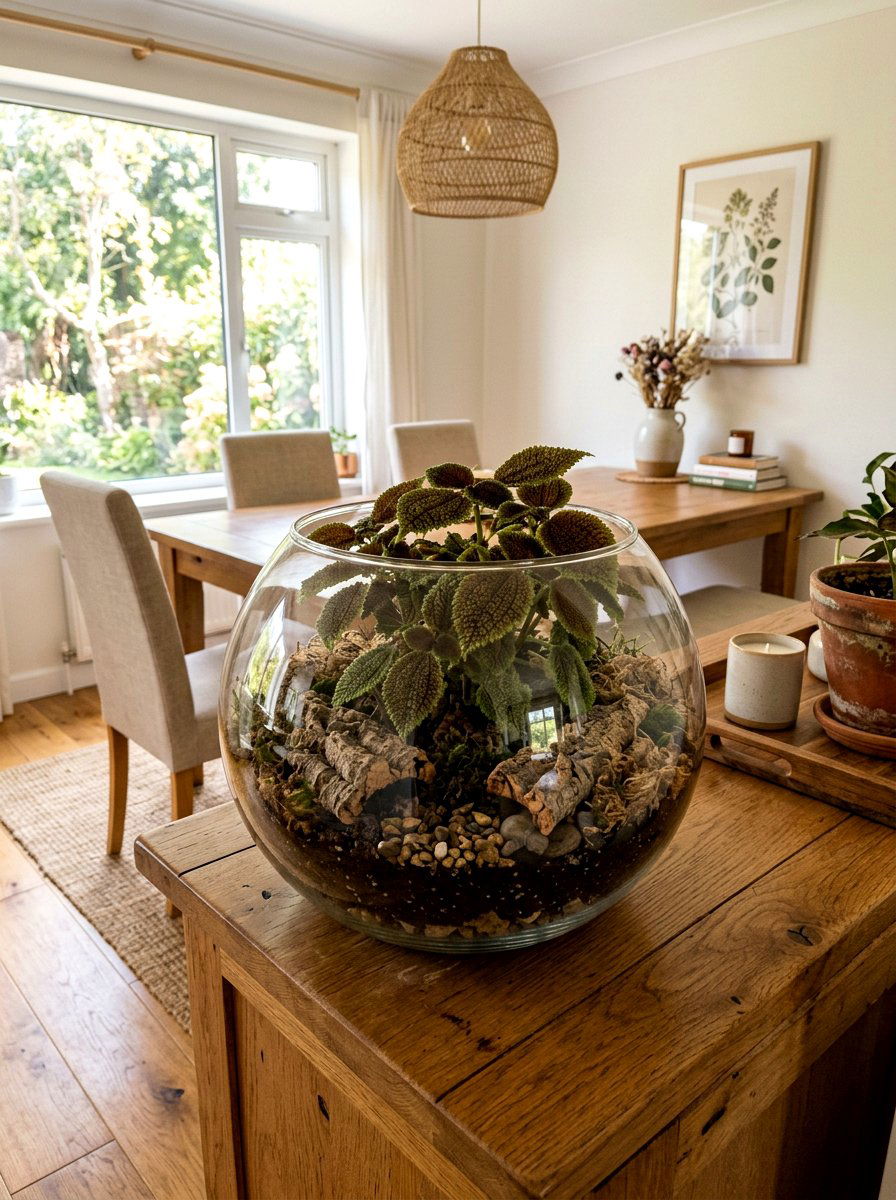
The Friendship plant is loved for its deeply textured, velvety leaves that feature a rich bronze and green color scheme. It grows quickly and fills out a container beautifully, making it ideal for a larger glass bowl. When designing this terrarium, consider adding a small piece of natural cork bark to provide a rustic, organic feel. The crinkled texture of the leaves catches the light in a way that looks almost metallic. This plant is a great way to introduce darker, moodier tones into your spring decor while still maintaining a lush and healthy indoor garden.
19. African Violet
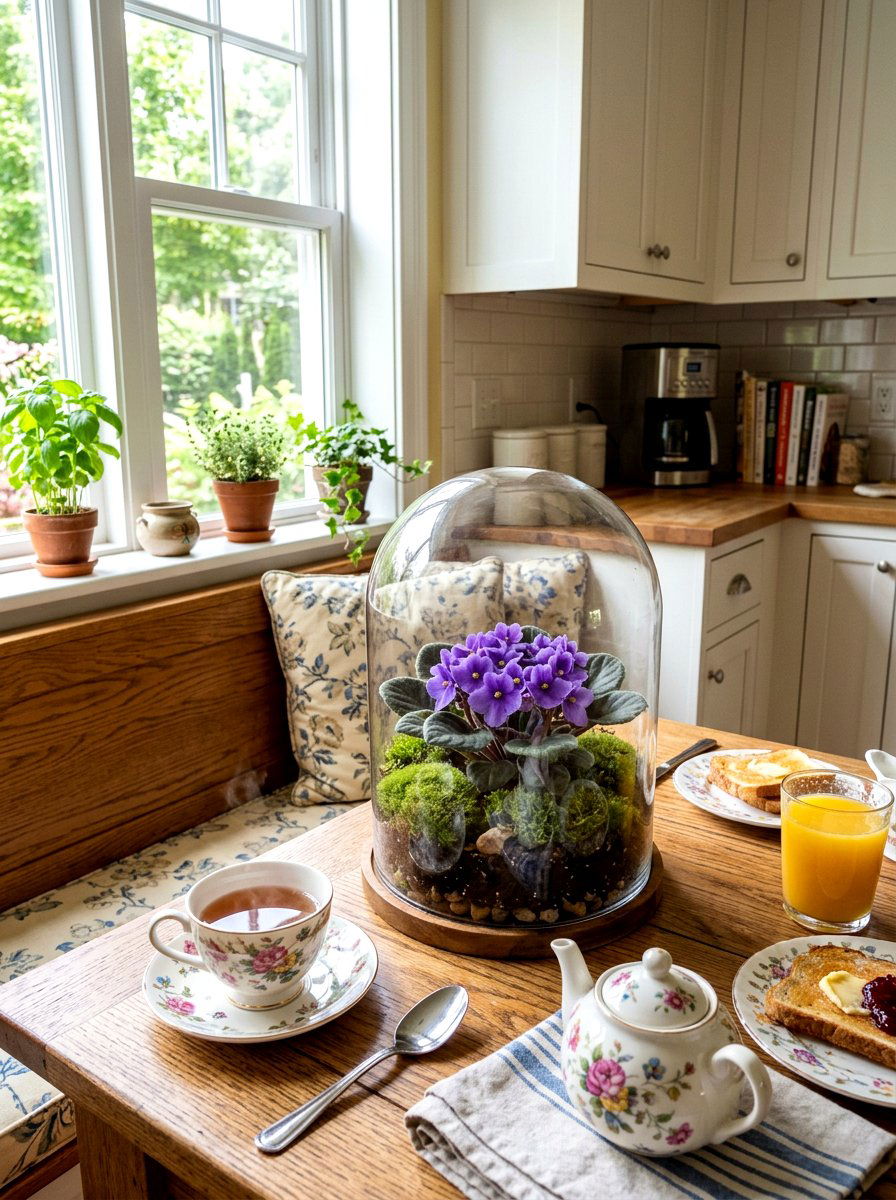
If you want constant flowers inside your glass garden, the miniature African Violet is a fantastic option. These plants produce clusters of purple, pink, or white blooms that contrast beautifully with their fuzzy, dark green leaves. To design a flowering terrarium, use a large glass cookie jar or a specialized planter with a wide opening for airflow. Surround the violet with soft green moss to keep the soil moist without getting the leaves wet. The presence of flowers makes this terrarium feel like a permanent piece of spring that brightens up any kitchen or dining room table.
20. Miniature Bromeliad
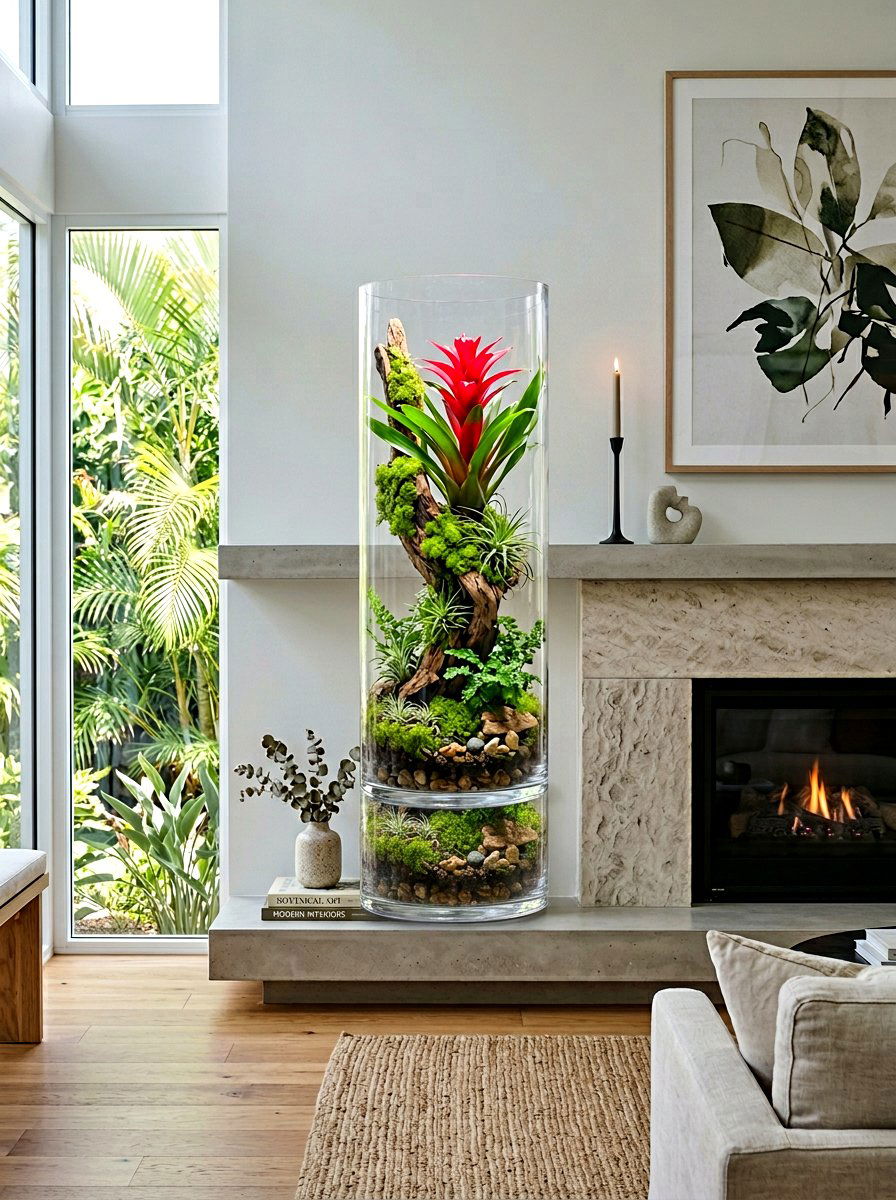
Miniature Bromeliads bring a tropical flair to your spring terrarium with their bright central cups and stiff, arching leaves. Many varieties have colorful bracts that stay vibrant for months, providing a long-lasting pop of red, orange, or yellow. To create a full tropical design, use a tall glass cylinder and mount the bromeliad on a piece of driftwood using some floral wire and moss. Fill the bottom of the container with black pebbles and a few small ferns. This vertical arrangement is perfect for narrow spaces like bookshelves or mantels, adding a sophisticated architectural element to the room.

21. Marimo Moss Ball
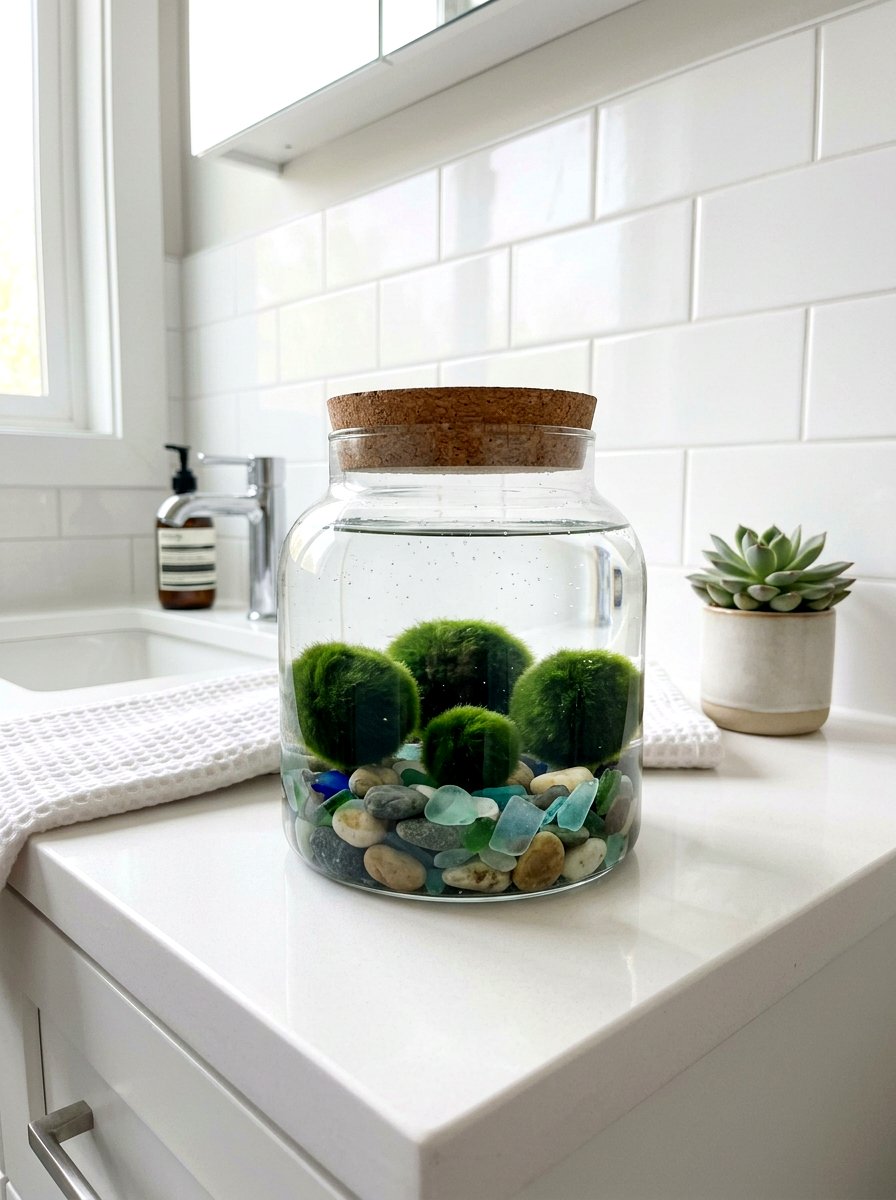
For an entirely different take on the terrarium, consider a Marimo moss ball, which lives entirely underwater. These soft, green spheres are actually a rare form of algae that grows in a perfect ball shape. To design an aquatic terrarium, use a clean glass vase and fill it with filtered water. Add a layer of polished sea glass or colorful stones at the bottom for the moss balls to rest on. You can even include a few decorative branches or a small ceramic figure. This low-maintenance water garden is incredibly peaceful and looks beautiful in a sunny bathroom or kitchen.
22. Venus Flytrap
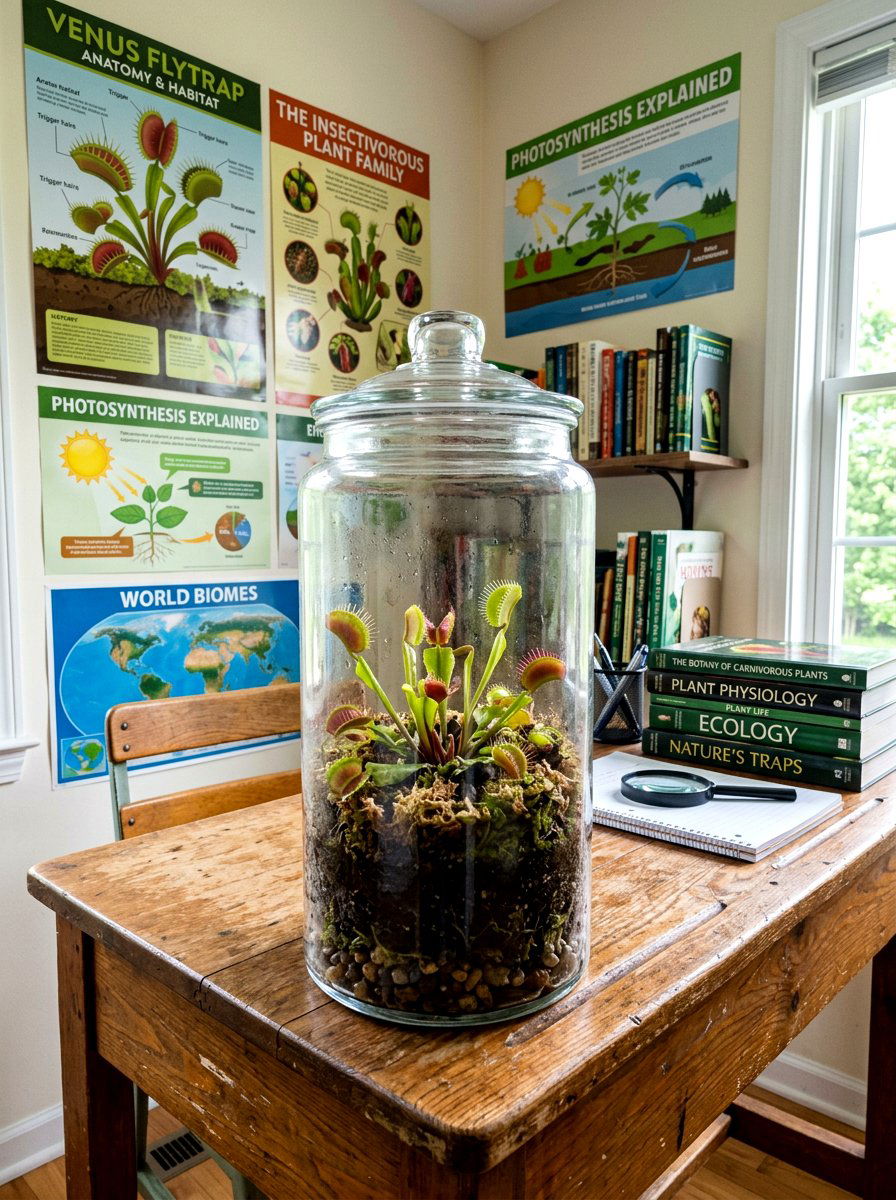
A carnivorous terrarium featuring a Venus Flytrap is a fascinating project for the spring season. These plants have a very specific set of needs, including nutrient-poor soil like peat moss and sand, and they must be watered with distilled water. Design the enclosure as a bog-like environment with plenty of damp moss and a tall glass lid to trap humidity. The snap-trap leaves are not only functional but also have a very interesting architectural look. This unique setup is perfect for a home office or a kid’s room, offering an educational and visually captivating conversation piece.
23. English Ivy
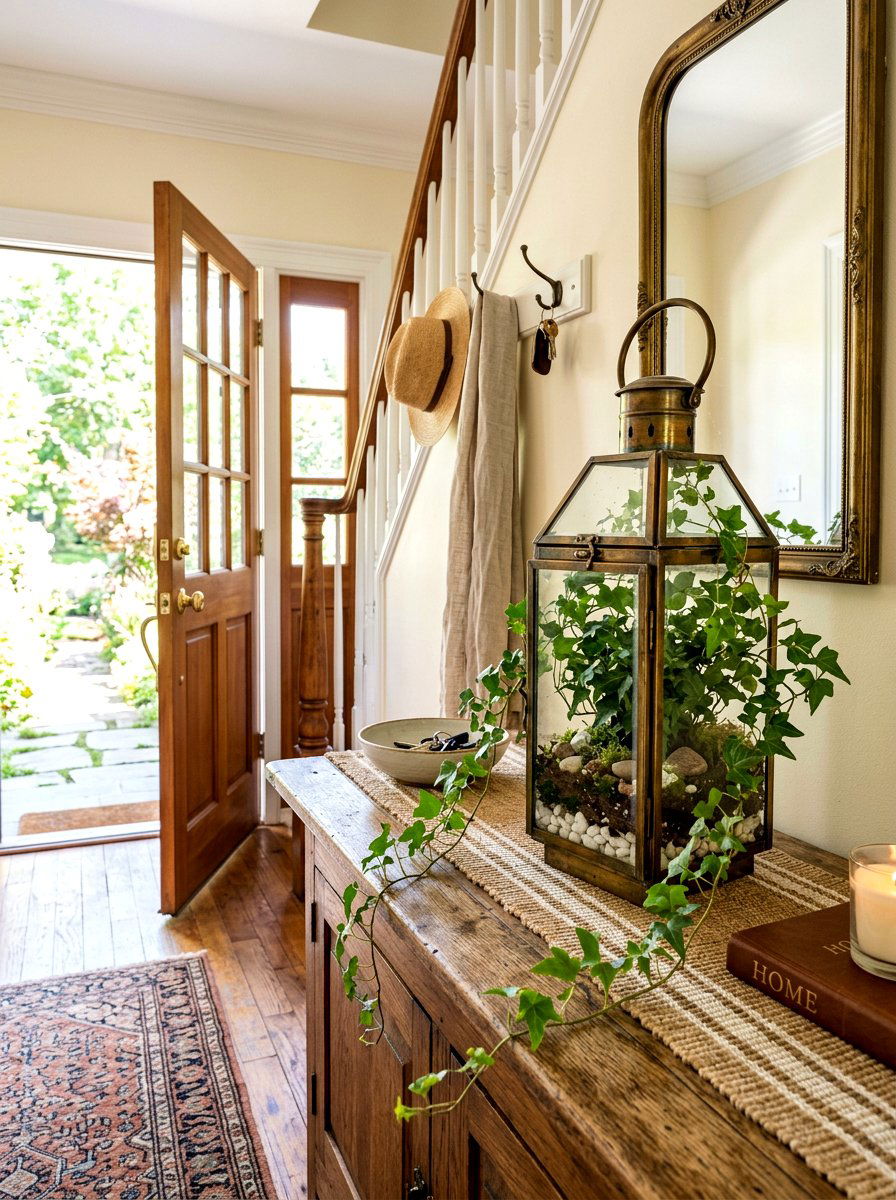
Small-leafed varieties of English Ivy are wonderful for adding a traditional, cottage-style feel to a glass container. The trailing vines can be trained to grow around a small wire trellis inside the glass or allowed to spill out over the edges. To design a classic spring look, use a vintage-style glass lantern and fill it with ivy and white decorative stones. The deep green, lobed leaves provide a thick canopy of foliage that feels very lush. This design works particularly well in entryway consoles, providing a warm and inviting green welcome to guests entering your home.
24. Oxalis Triangularis
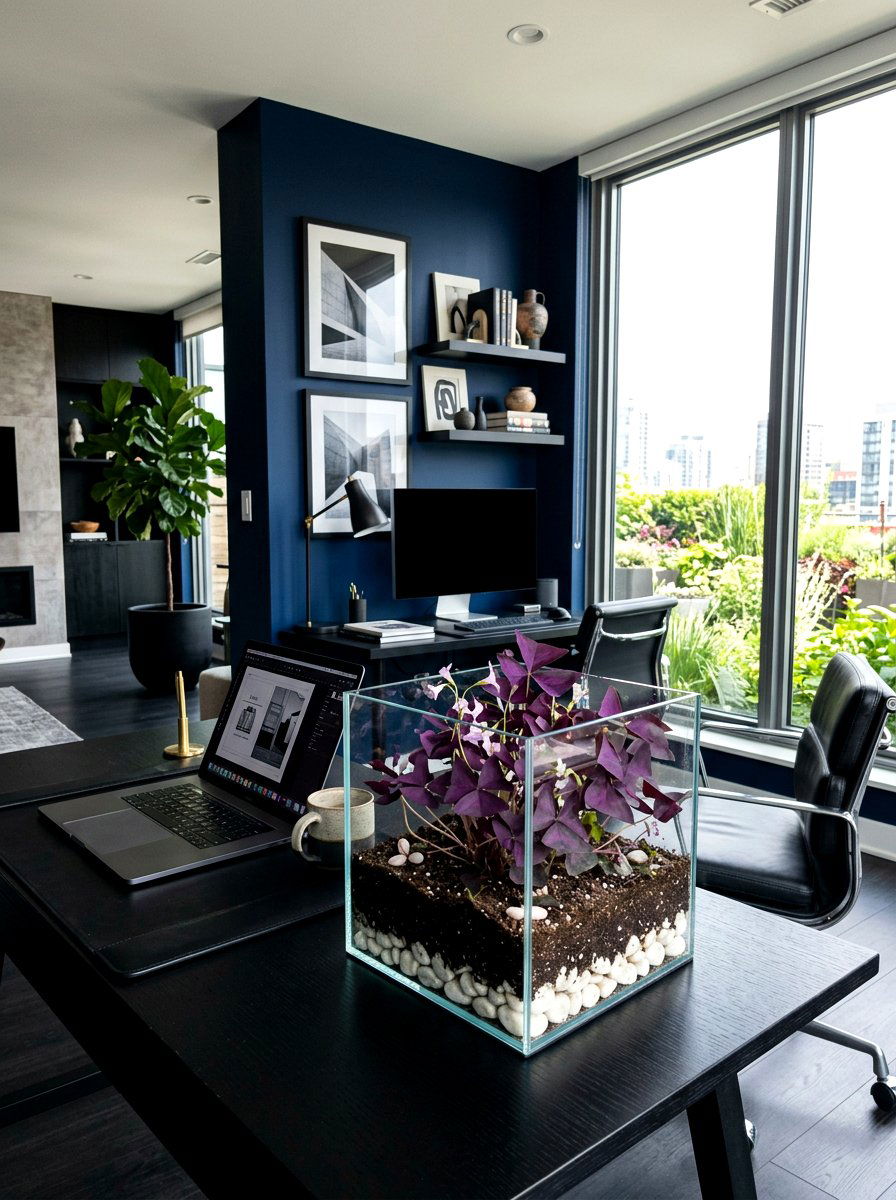
Commonly known as the Purple Shamrock, Oxalis Triangularis features stunning triangular leaves in a deep shade of plum or burgundy. During the spring, it often produces delicate pale pink flowers that hover above the foliage. To create a high-contrast design, plant the Oxalis in a clear glass cube filled with light-colored soil and white pebbles. The deep purple color provides a dramatic departure from the standard green plants and looks incredible when paired with modern, neutral interior decor. The leaves also fold up at night, adding a sense of movement to your indoor garden display.
25. Asparagus Fern
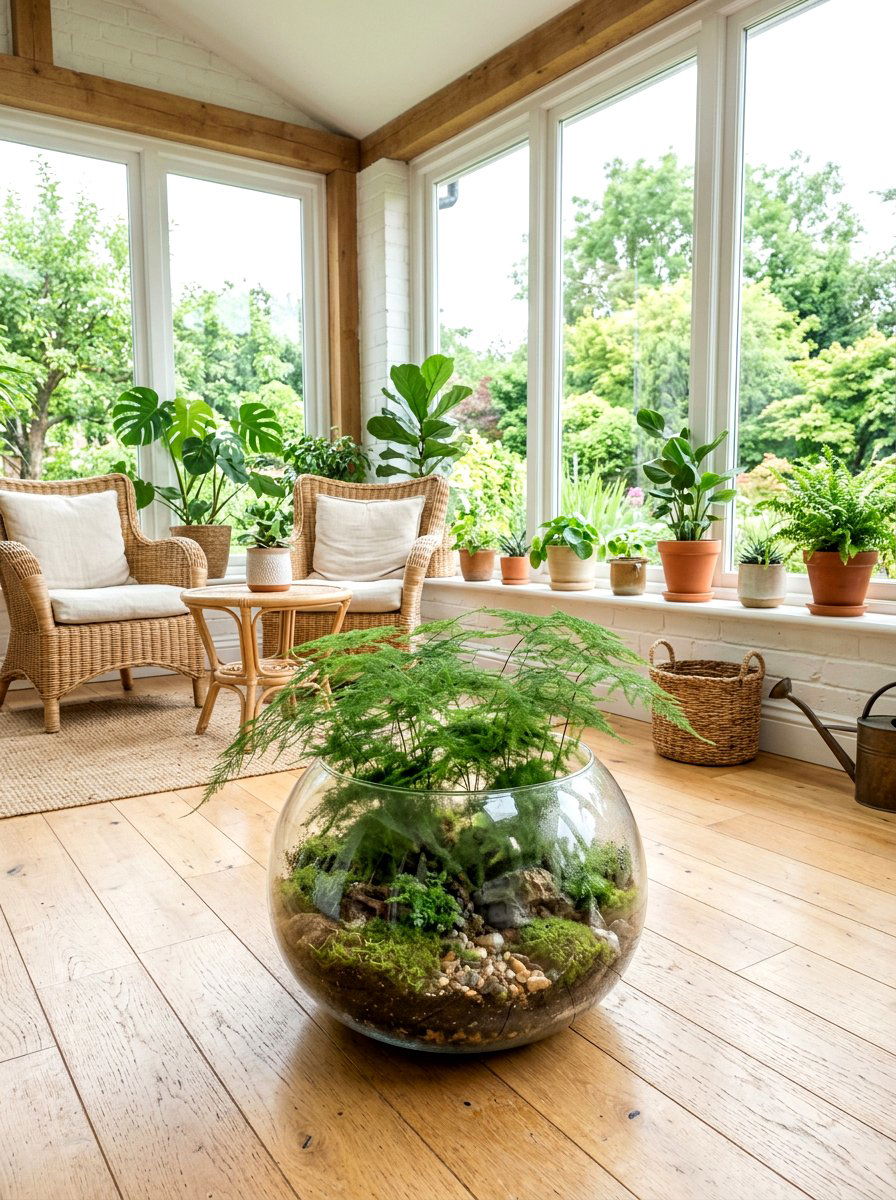
Despite its name, the Asparagus fern is actually a member of the lily family and features soft, needle-like foliage that looks like a miniature forest. It can grow quite quickly, so it is best suited for a larger glass container where it has room to expand. To design a dreamy, misty landscape, plant the fern in the back of a large glass bowl and use lower-growing mosses in the foreground. The wispy texture of the fern creates a sense of depth and perspective. This plant is excellent for softening the look of a room with its feathery, light-catching branches.
Conclusion:
Building a spring terrarium is a rewarding way to experiment with interior design and gardening simultaneously. By selecting the right plants and containers, you can create a lasting piece of living art that brings the refreshing energy of the season into your daily life. Whether you prefer the lushness of a tropical fern or the clean lines of a desert succulent, there is a miniature ecosystem that fits your personal style perfectly. These glass-enclosed gardens require very little maintenance once established, allowing you to enjoy the beauty of nature year-round. Start your project today and watch your tiny indoor garden flourish as the spring sun shines brighter.
Related posts:
Leave a Reply