
Summer brings a vibrant energy to the outdoors, inviting everyone to step outside and embrace the warmth of the sun. Creating a beautiful garden doesn 't have to be a daunting or expensive task that takes months to complete. With a few simple projects and thoughtful plant choices, you can transform your backyard into a lush oasis. Whether you have a sprawling lawn or a tiny balcony, these easy-to-follow concepts focus on maximizing beauty and minimizing effort. From colorful blooms to functional vegetable patches, there is something for every level of gardener to enjoy. Let' s explore how you can refresh your outdoor space this season and make the most of the long, sunny days ahead.
1. Container Gardens
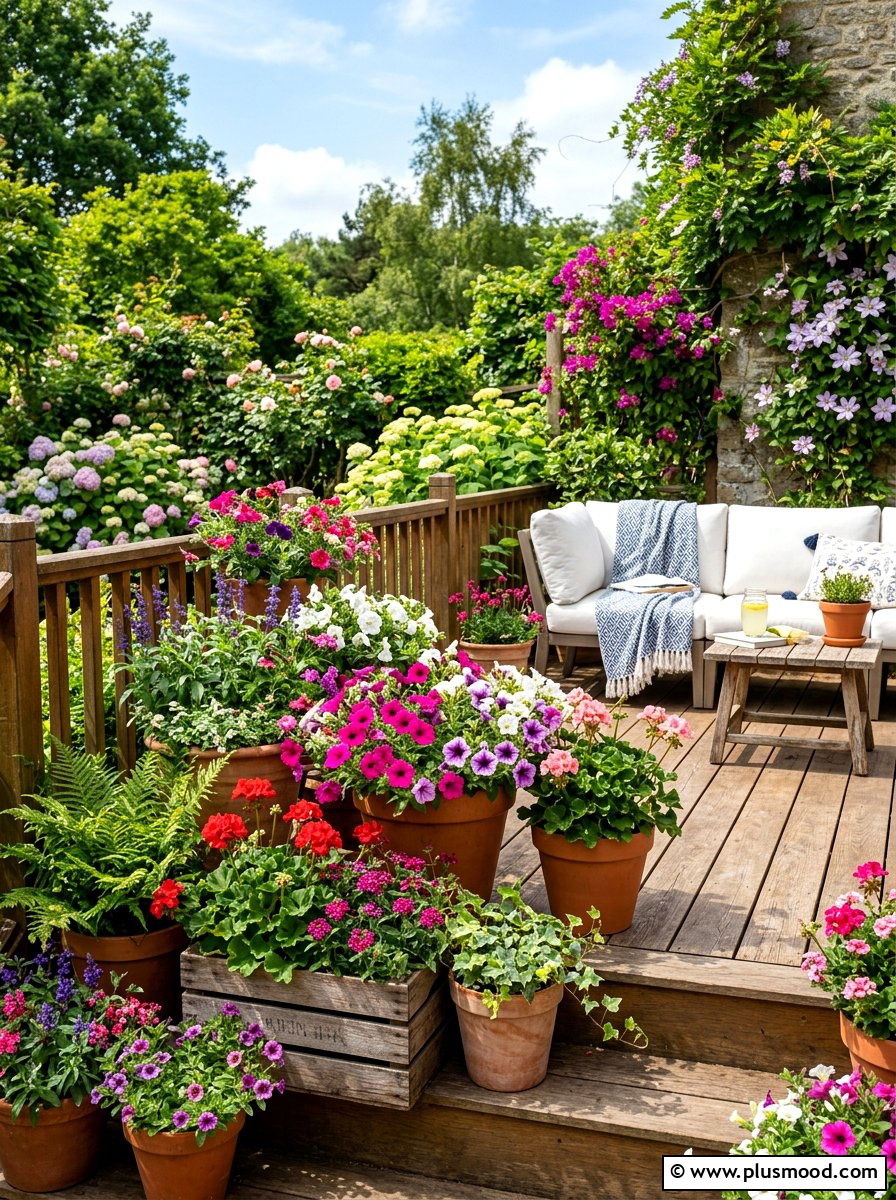
Have you ever wanted to add a pop of color to your patio without digging up the entire lawn? Container gardening is the perfect solution for beginners and experienced enthusiasts alike who want flexibility and variety. You can use terracotta pots, wooden crates, or even recycled buckets to house your favorite summer annuals like petunias and geraniums. This approach allows you to move plants around to find the best sunlight or to change the look of your entryway instantly. It also makes pest control much easier since the plants are elevated and contained. Choosing a high-quality potting mix ensures that your flowers thrive throughout the hottest months of the year.
2. Vertical Garden
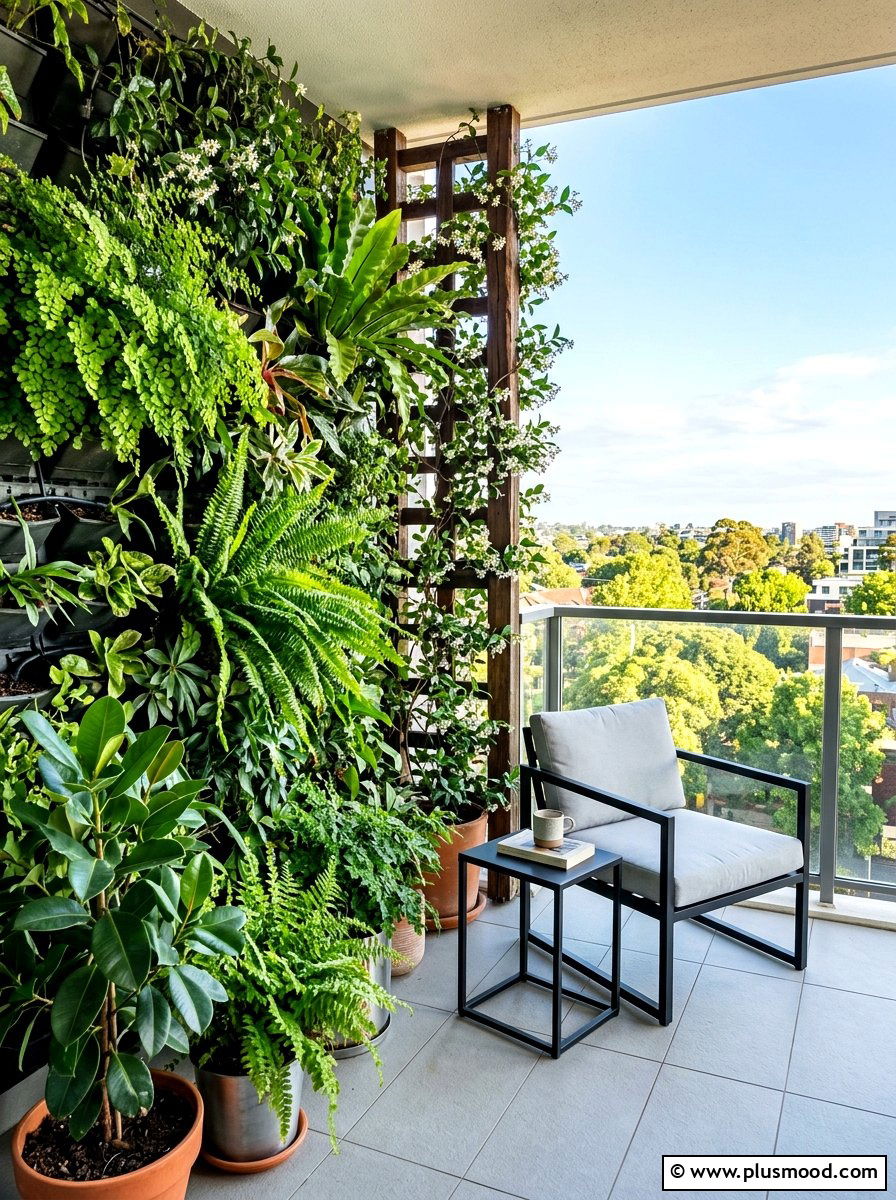
Are you looking for a way to maximize space in a small backyard or on a narrow balcony? Vertical gardening is an innovative technique that utilizes wall space to grow lush greenery and vibrant flowers. You can install a wooden trellis, a series of wall-mounted planters, or even a repurposed pallet to create a living wall. This method is excellent for growing climbing vines like jasmine or clematis, which fill the air with sweet scents. It also provides a wonderful privacy screen from neighbors while adding a modern aesthetic to your outdoor area. Watering systems like drip irrigation can be easily integrated to keep your vertical plants healthy and hydrated without much fuss.
3. Native Plants
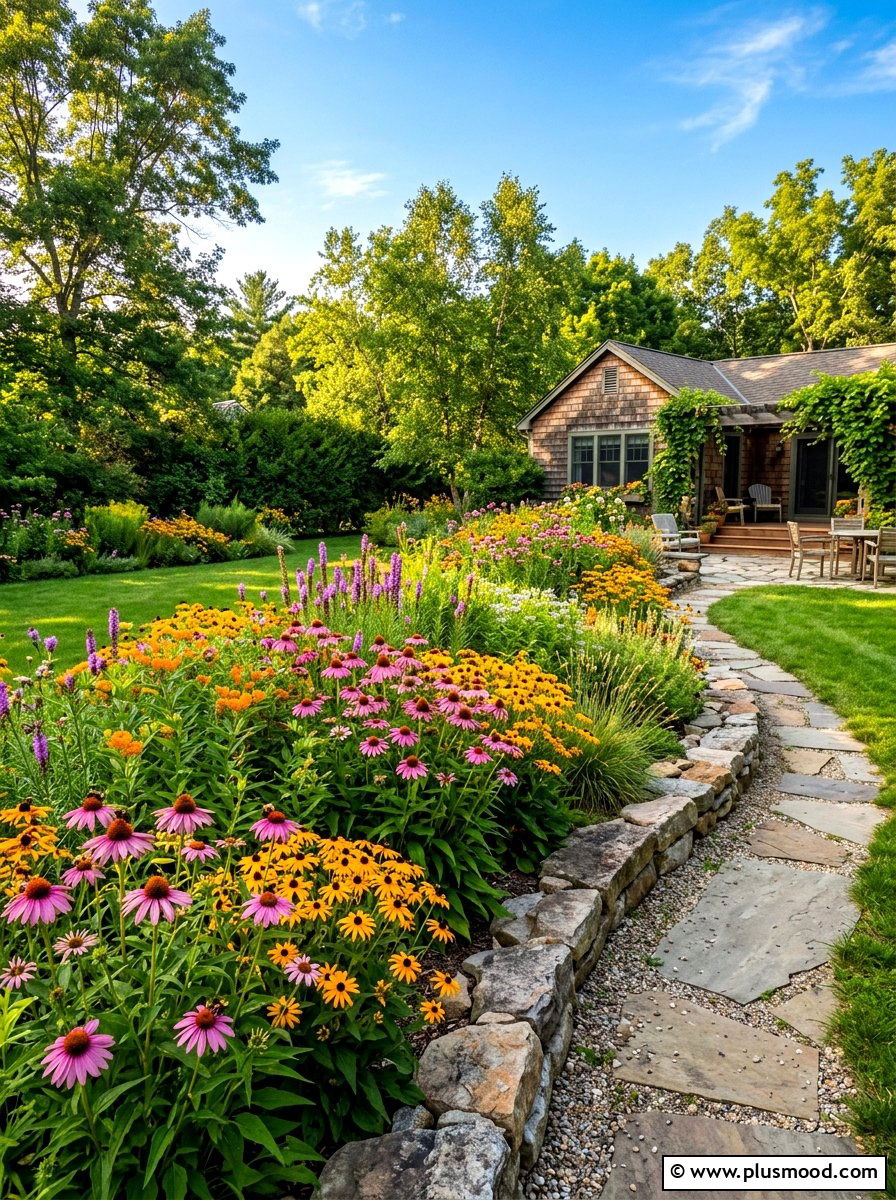
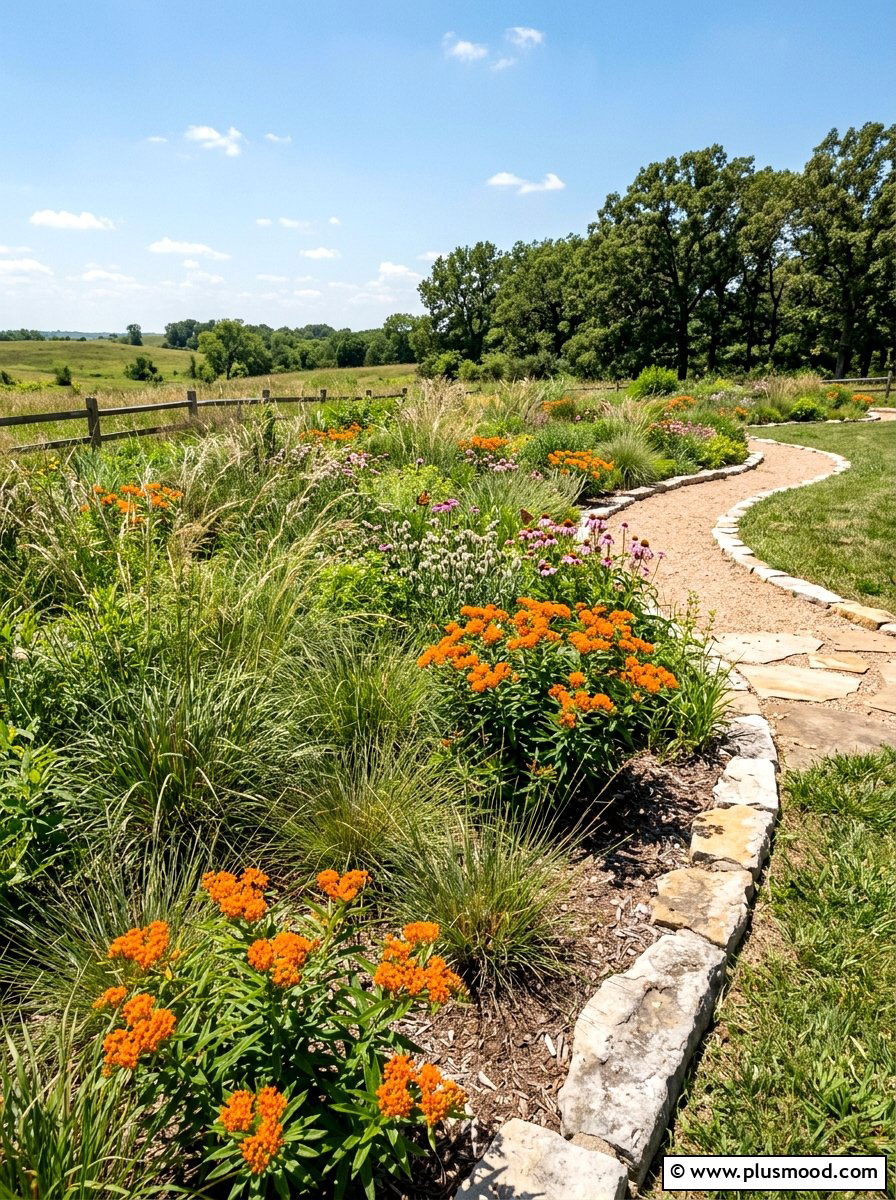
Why spend hours worrying about delicate exotic flowers when you can choose hardy varieties that naturally thrive in your local climate? Native plants are an incredible choice for any low-maintenance summer garden because they are already adapted to the soil and weather conditions of your region. These species typically require much less water and fewer fertilizers compared to non-native alternatives, saving you time and money. Additionally, native flora provides essential food and habitat for local birds, bees, and butterflies, promoting a healthy ecosystem in your own backyard. By selecting indigenous shrubs and wildflowers, you create a sustainable landscape that remains beautiful and resilient throughout the intense summer heat.
4. Outdoor String Lights
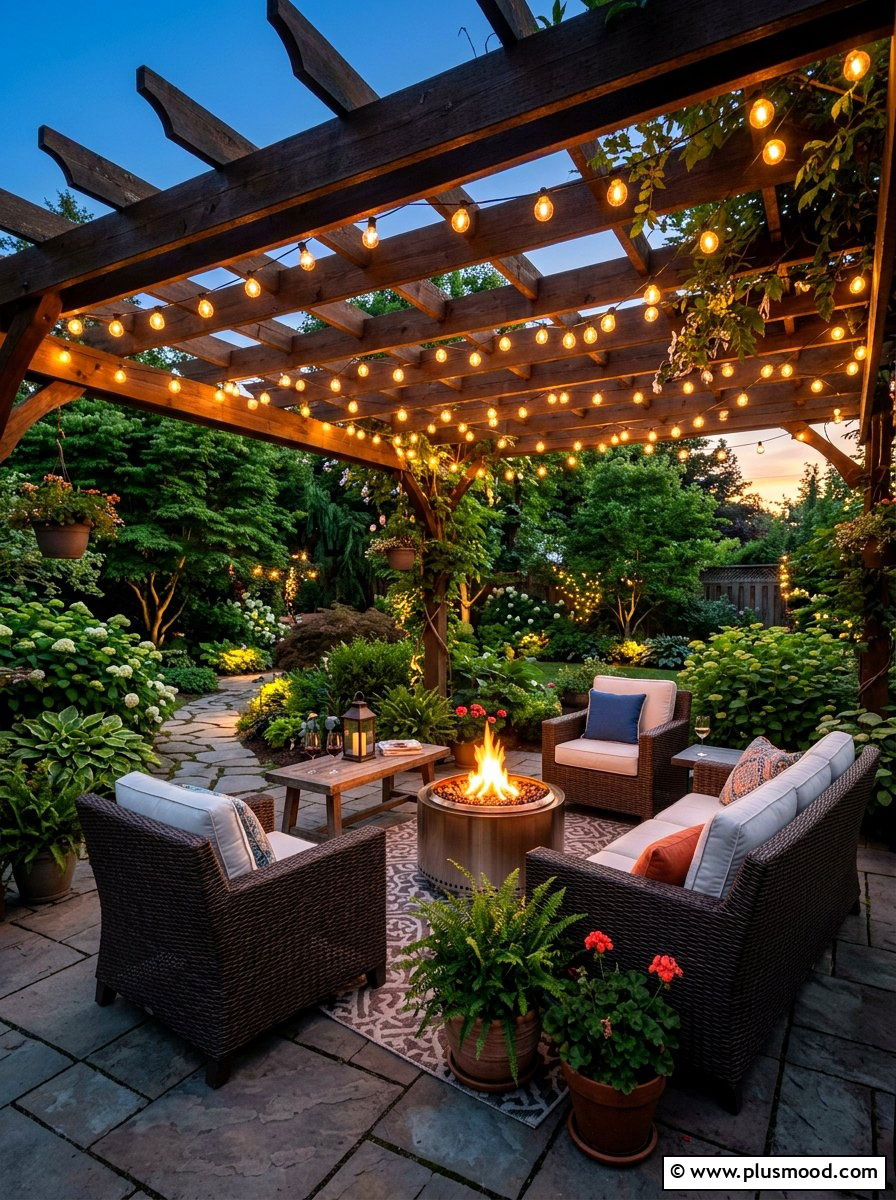
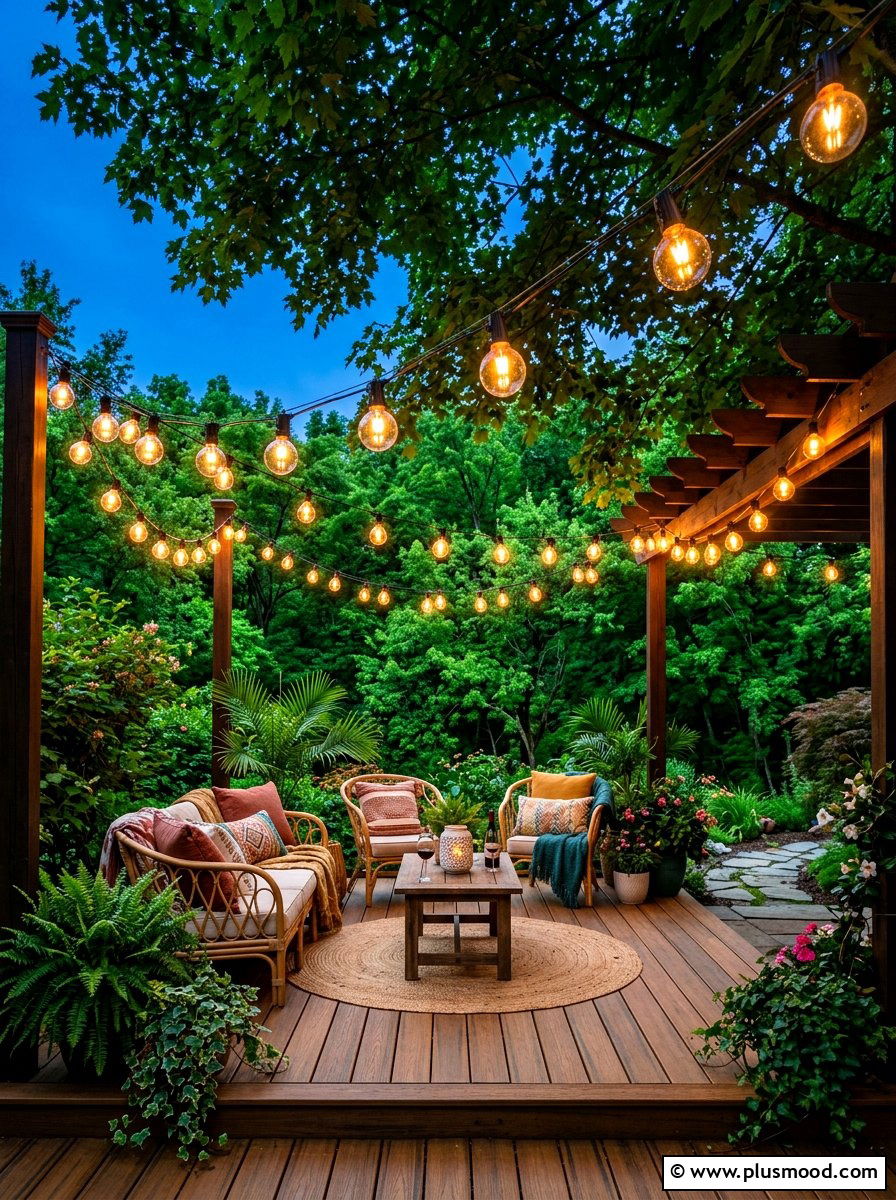
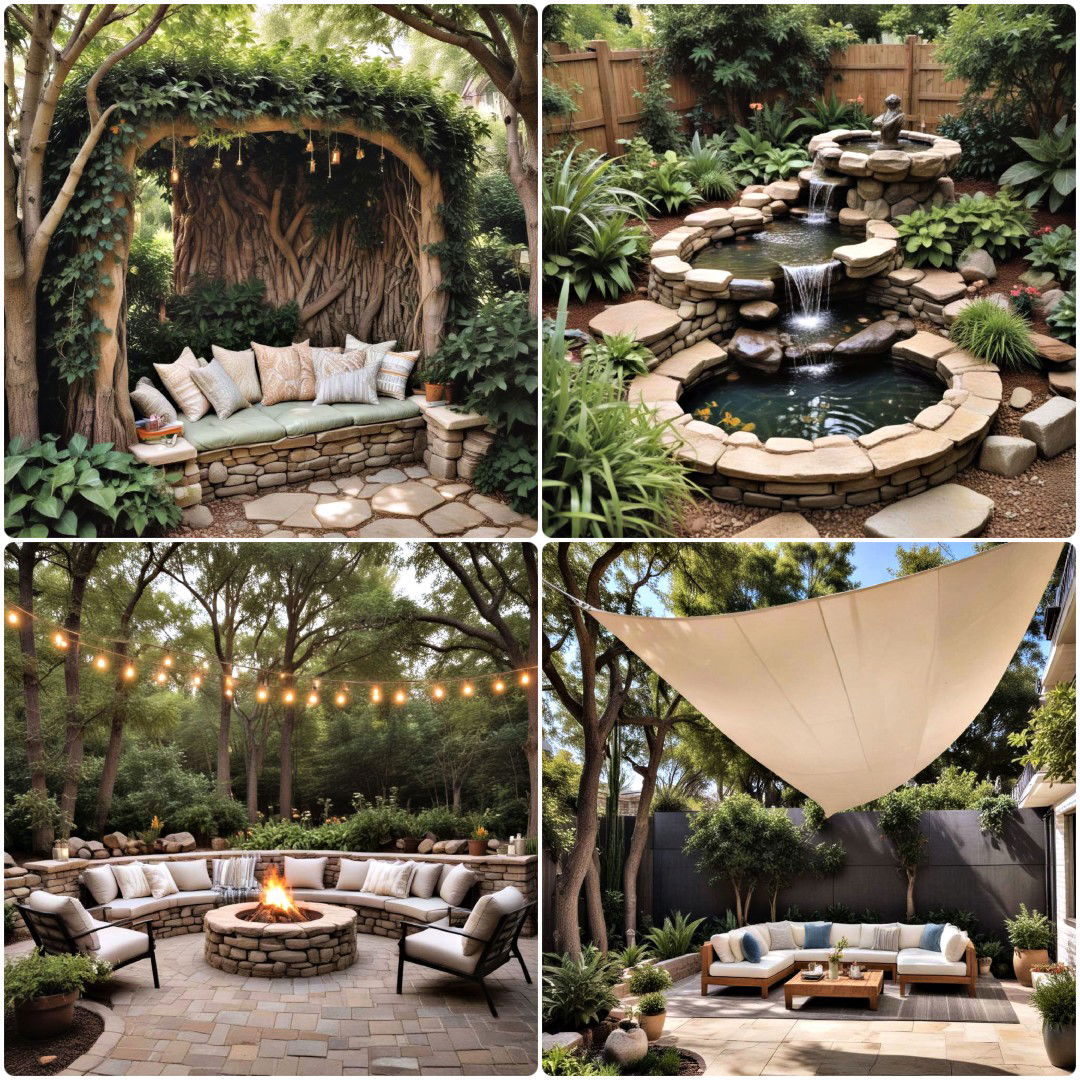
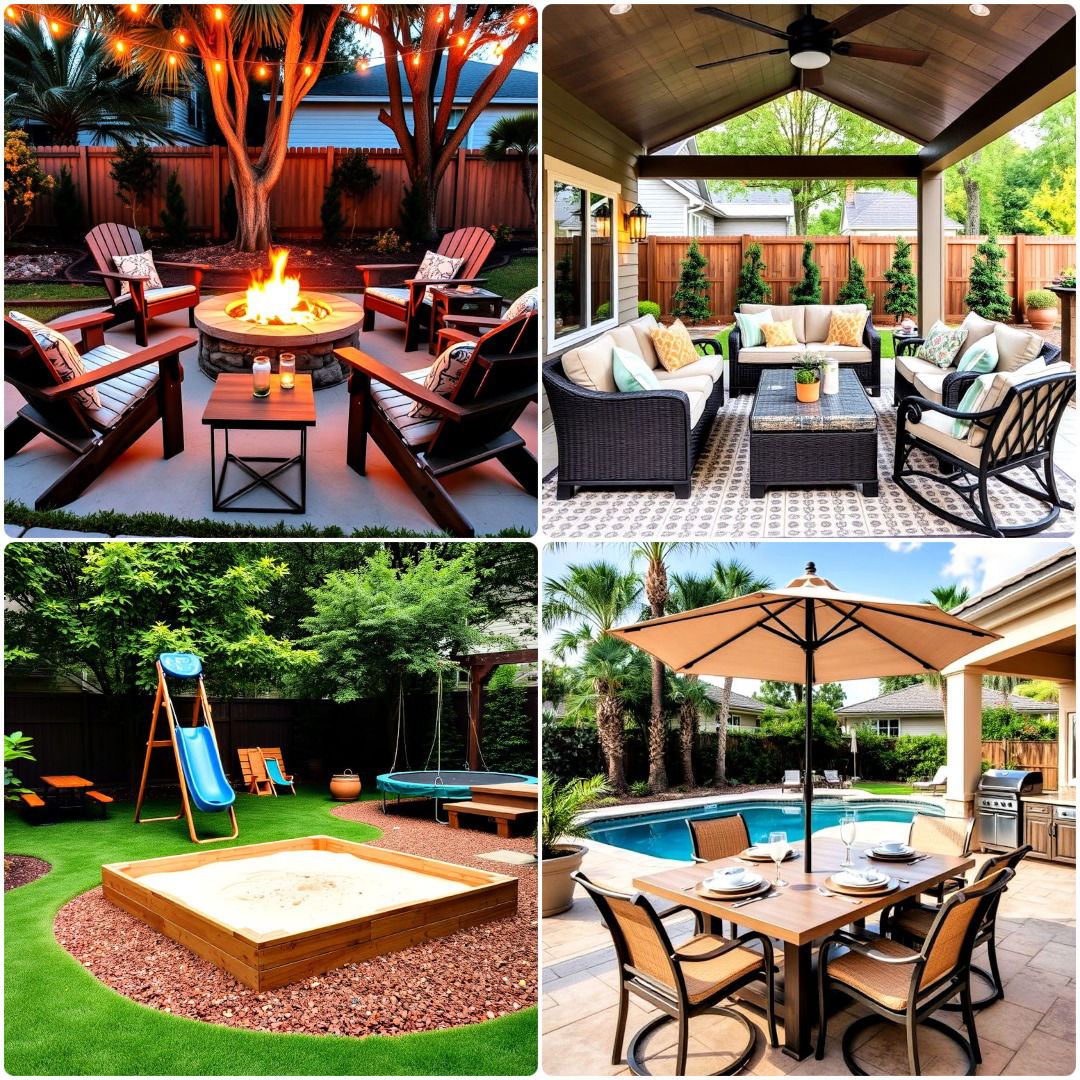
Can you imagine anything more magical than a garden glowing under a canopy of soft, twinkling lights during a warm summer evening? String lights are one of the easiest ways to instantly elevate the ambiance of your outdoor living space. You can drape them over a pergola, wrap them around tree trunks, or hang them along a fence line to create a cozy atmosphere. Solar-powered options are particularly convenient because they charge during the day and turn on automatically at dusk without needing an outlet. This simple addition transforms your yard into a perfect spot for hosting dinner parties or simply relaxing with a book after the sun goes down.
5. Raised Bed Garden
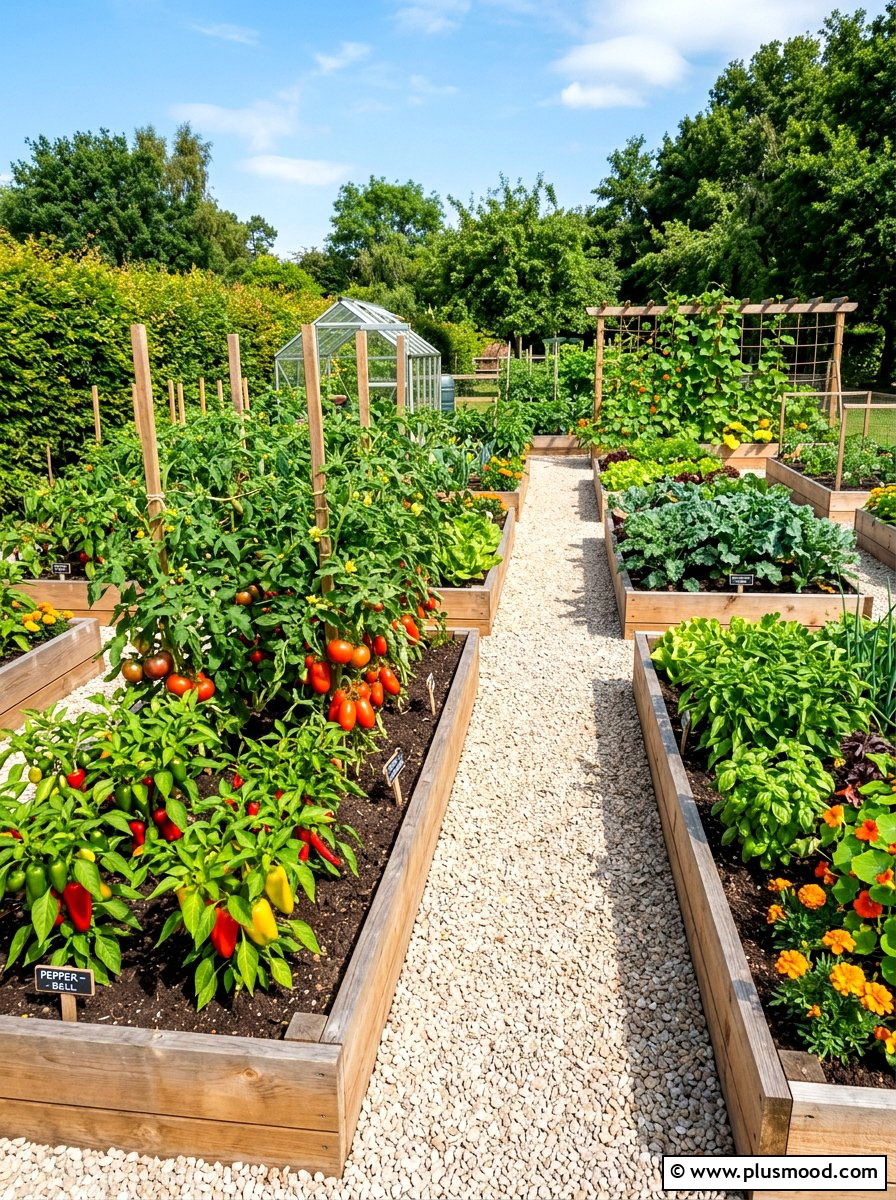
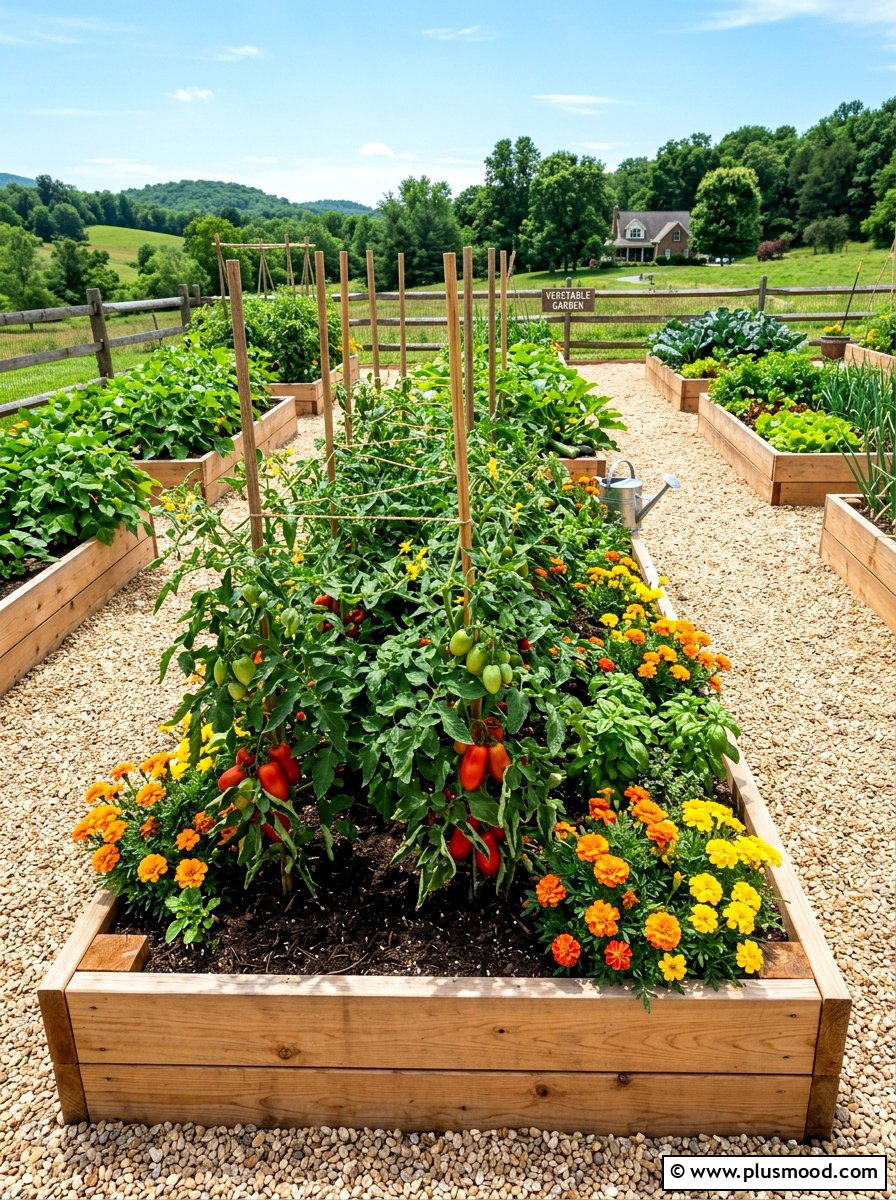
Raised beds offer a structured and organized way to grow a variety of plants while keeping your garden looking neat and tidy. These elevated frames help prevent soil compaction and provide excellent drainage, which is crucial for healthy root development during the rainy summer months. You can build your own beds using cedar wood, stones, or even metal troughs to match your home’s style. Because the soil warms up faster in a raised bed, you can often start your planting season a bit earlier than usual. This method also reduces the amount of bending and kneeling required, making gardening much more comfortable and accessible for everyone in the family.
6. Pollinator Garden
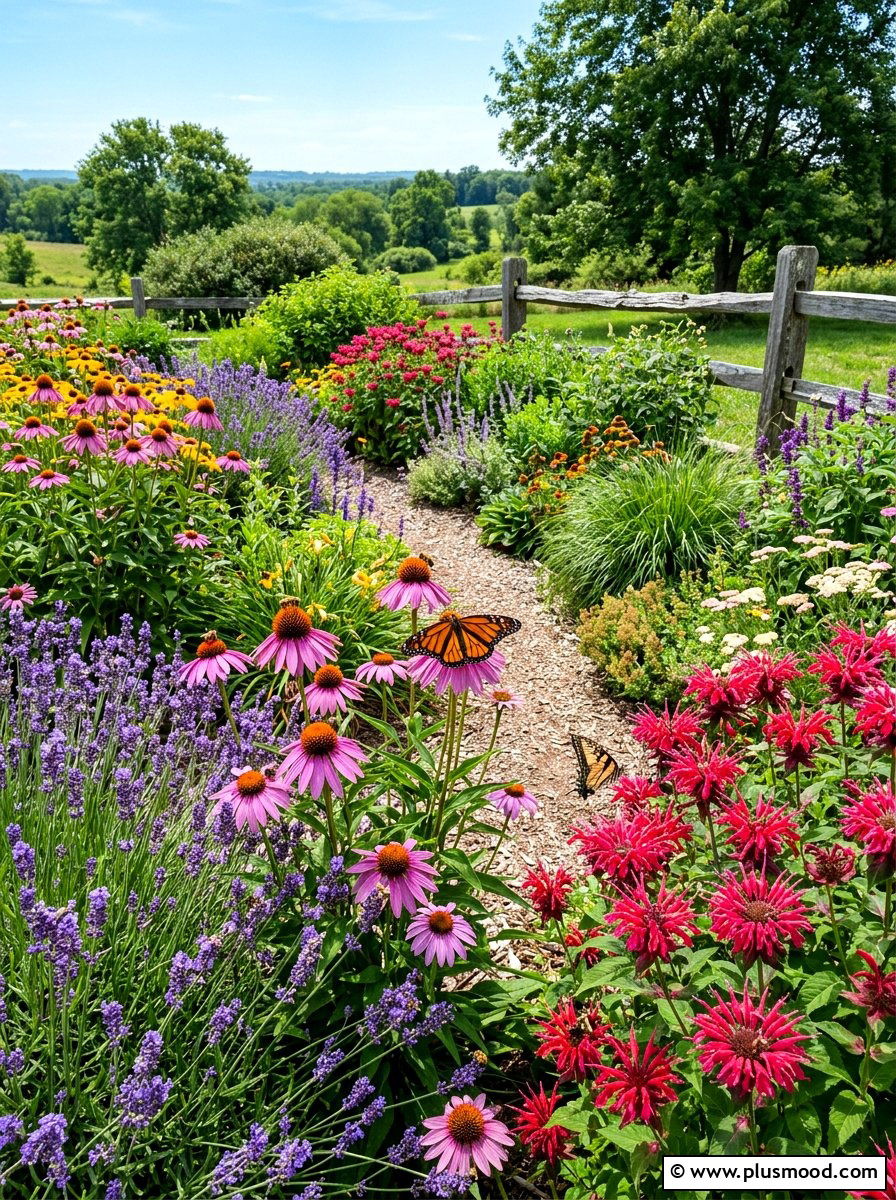
Do you want to play a part in supporting the environment while enjoying a yard filled with life and movement? A pollinator garden is specifically designed to attract and nourish essential insects like honeybees, bumblebees, and various types of butterflies. By planting a diverse range of nectar-rich flowers such as lavender, coneflowers, and bee balm, you provide a vital food source for these creatures. These gardens are usually very colorful and dynamic, offering a constantly changing display of blooms throughout the summer season. Not only do you get to enjoy the beauty of the flowers, but you also contribute to the health of the planet by helping pollinators thrive.
7. Vegetable Garden
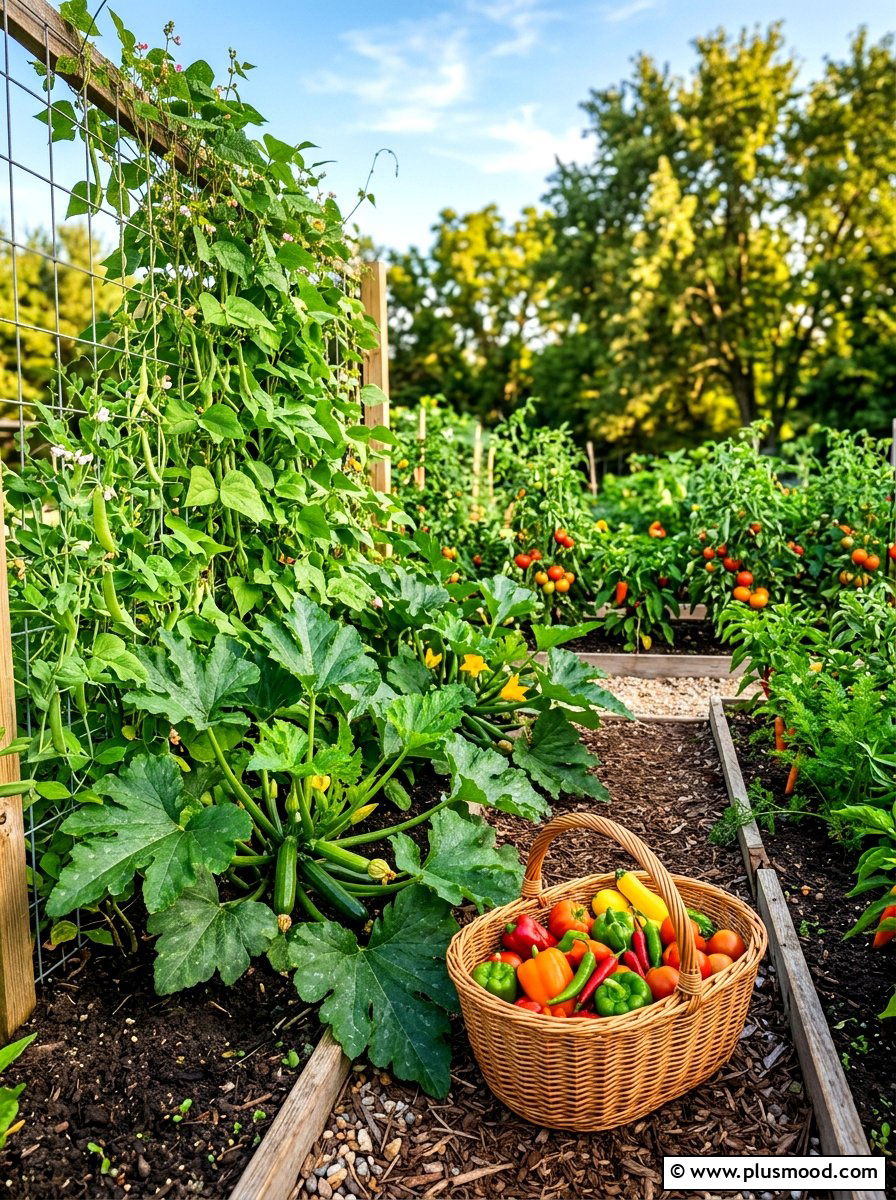
Nothing compares to the incredible taste of a sun-ripened tomato or a crisp cucumber harvested directly from your own vegetable garden. Starting a small edible patch is a rewarding summer project that provides fresh, organic produce for your kitchen table all season long. You can start with easy-to-grow favorites like zucchini, peppers, and beans, which tend to flourish in the heat. Even if you have limited space, many vegetables can be grown in large pots or compact raised beds quite successfully. Watching your food grow from a tiny seed into a bountiful harvest is a satisfying experience that encourages healthy eating and a deeper connection to nature.
8. Hanging Baskets
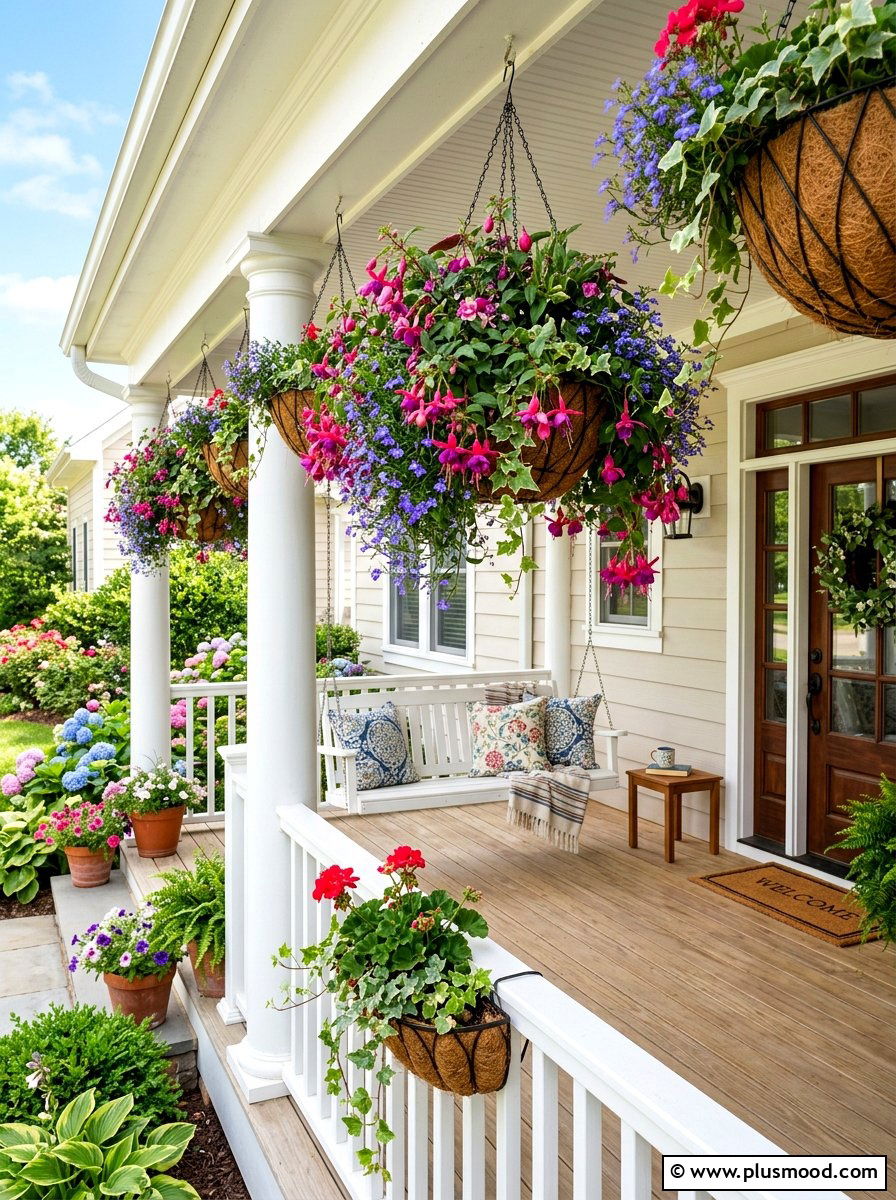
Hanging baskets are a fantastic way to add layers of color and texture to your porch, patio, or garden trees. These elevated displays draw the eye upward and make even the smallest outdoor areas feel more lush and inviting. You can create stunning arrangements using trailing plants like lobelia, fuchsia, or sweet potato vine that spill over the edges beautifully. It is important to check the moisture levels daily, as hanging containers tend to dry out more quickly in the summer wind and sun. With regular watering and occasional liquid fertilizer, these baskets will stay vibrant and full of life until the first frost of the autumn.
9. Stone Path
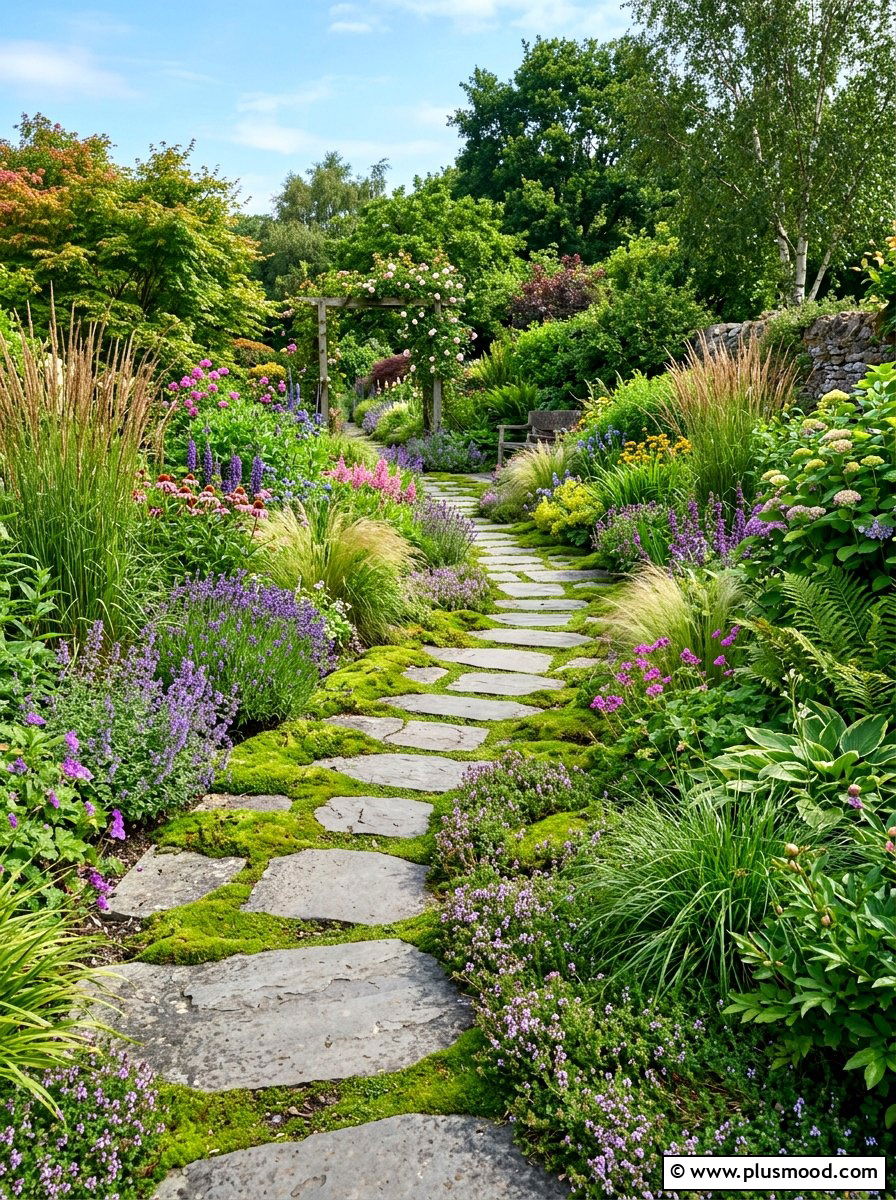
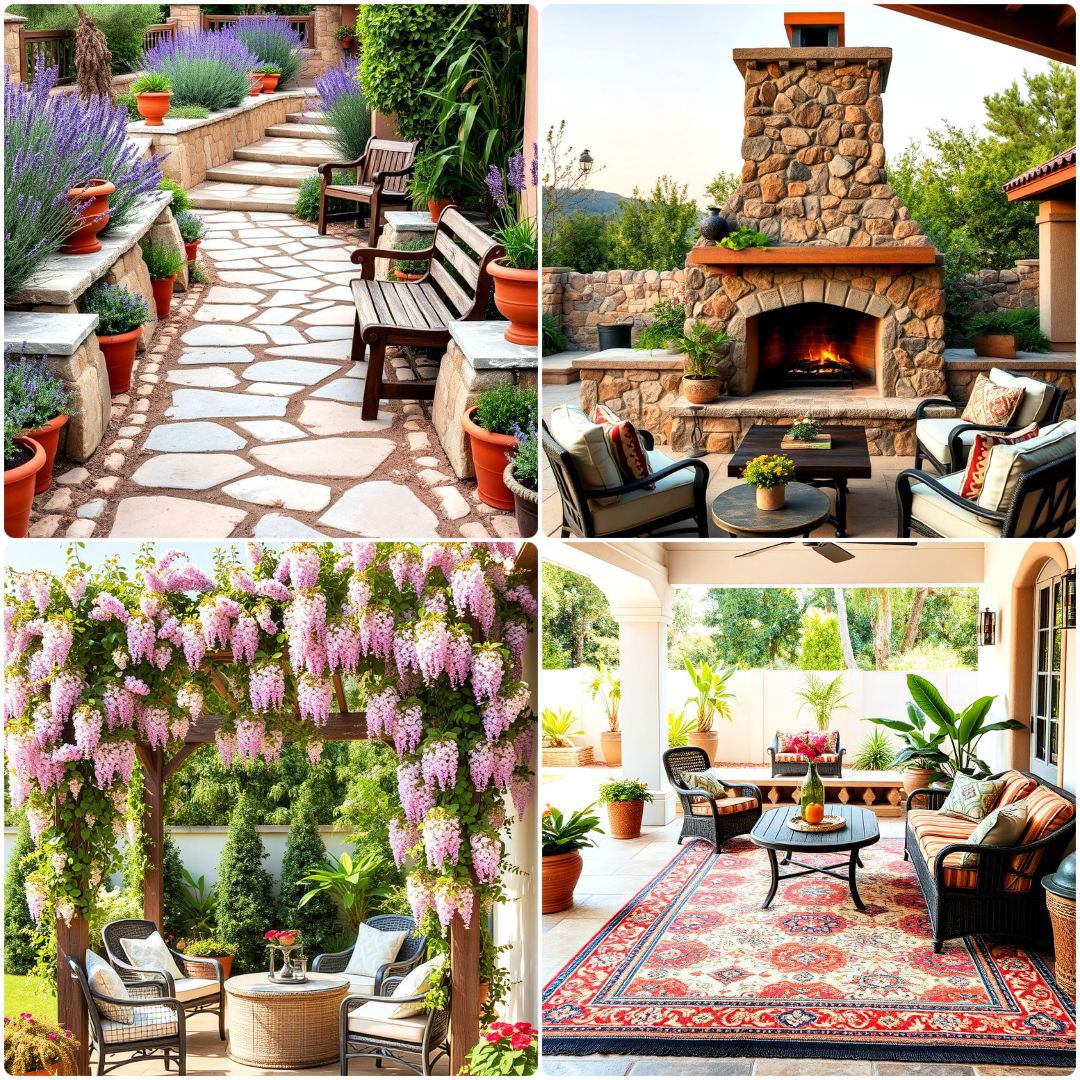
A well-placed stone path can lead your guests on a journey through your backyard while protecting your grass from heavy foot traffic. You can use flat flagstones, smooth river rocks, or even simple concrete pavers to create a natural-looking walkway. This project is surprisingly easy to complete over a weekend and adds a sense of structure and charm to any landscape design. Nestling small groundcover plants like creeping thyme between the stones can soften the look and release a pleasant fragrance when stepped upon. A path not only connects different areas of your yard but also provides a clean, dry place to walk after a summer rain shower.
10. Garden Bench
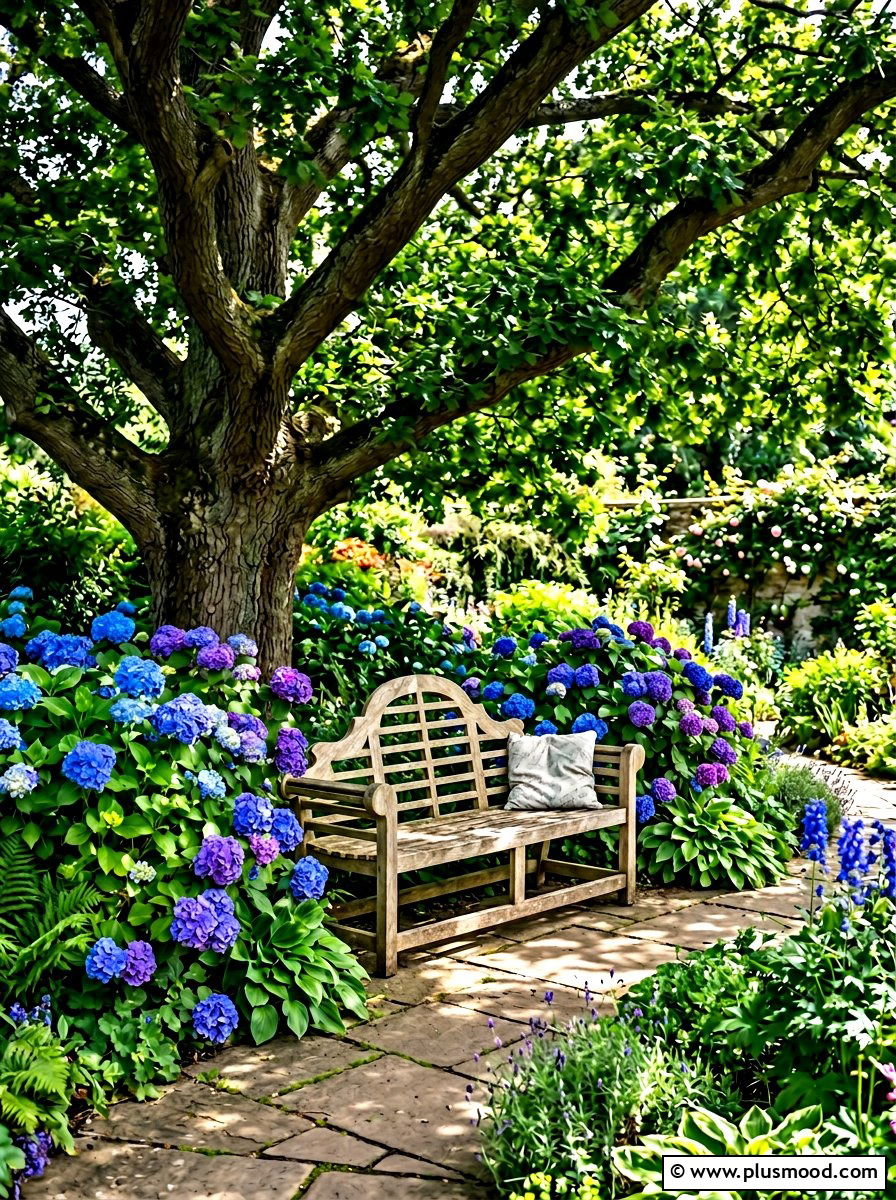
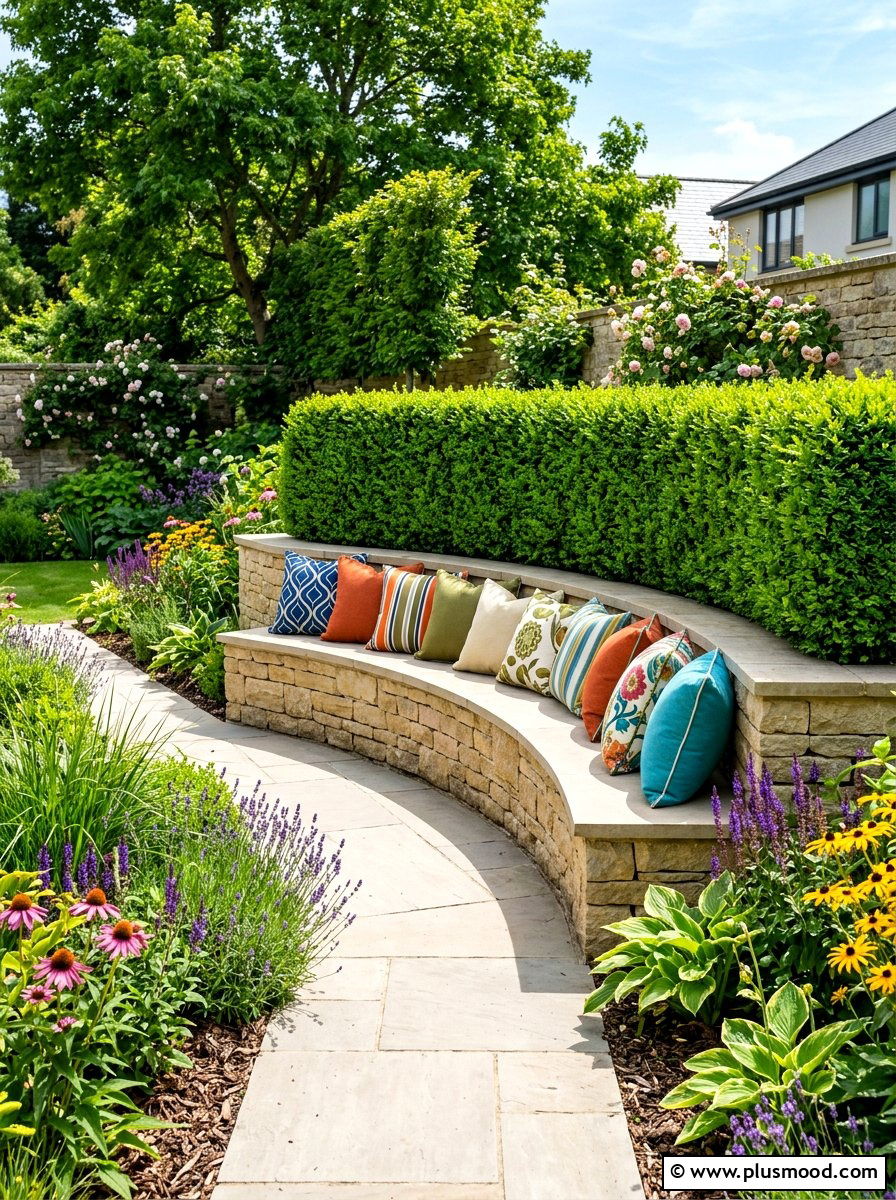
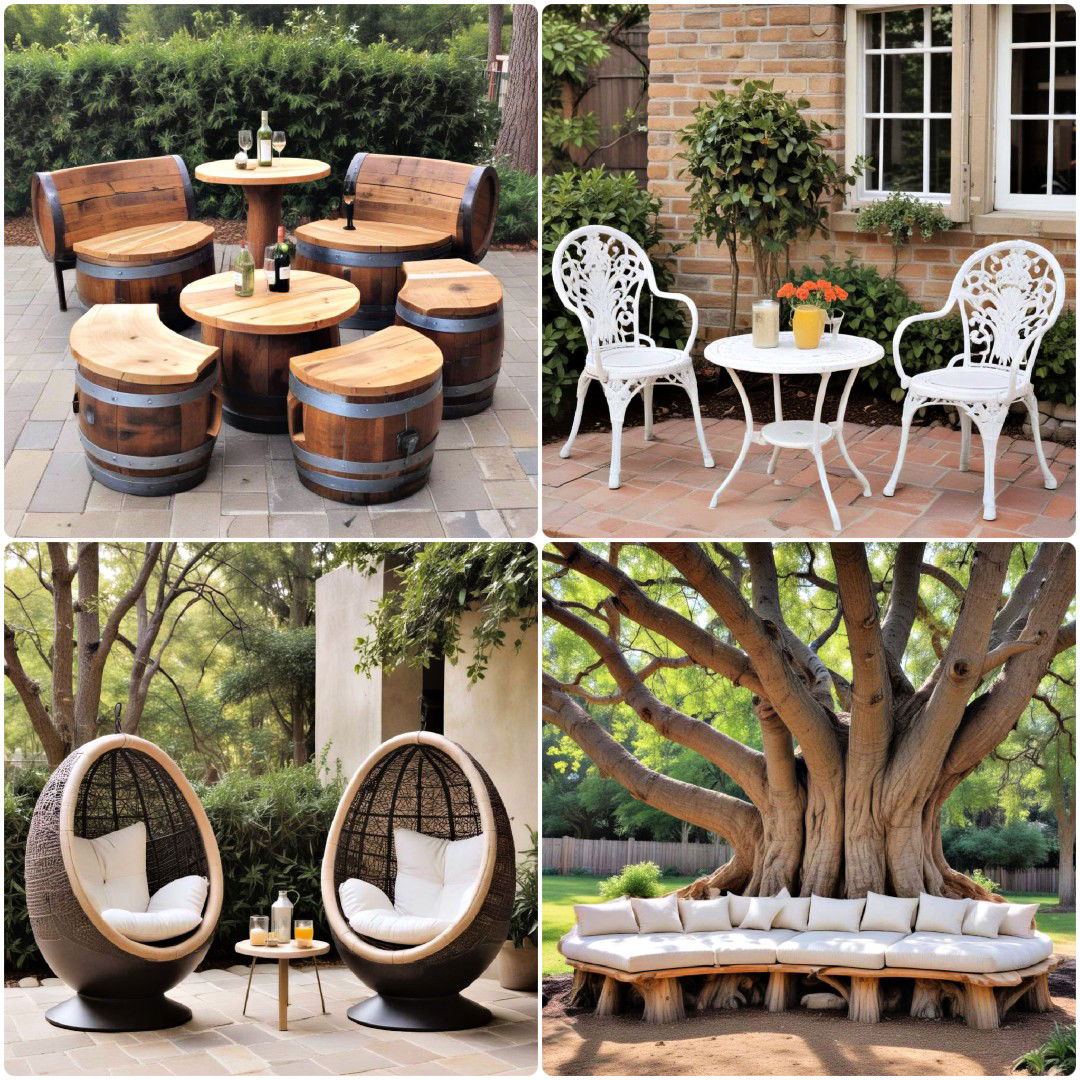
Every outdoor space needs a quiet corner where you can sit back and appreciate the fruits of your labor. Adding a garden bench made of weather-resistant wood or classic wrought iron creates an instant focal point and an inviting place to rest. You can tuck it under a large shade tree or place it in the middle of a flower border to surround yourself with nature. Adding a few outdoor cushions in bright summer colors can make the seat even more comfortable and stylish. This simple piece of furniture encourages you to slow down, breathe in the fresh air, and enjoy the peaceful surroundings of your summer garden.
11. Bird Bath
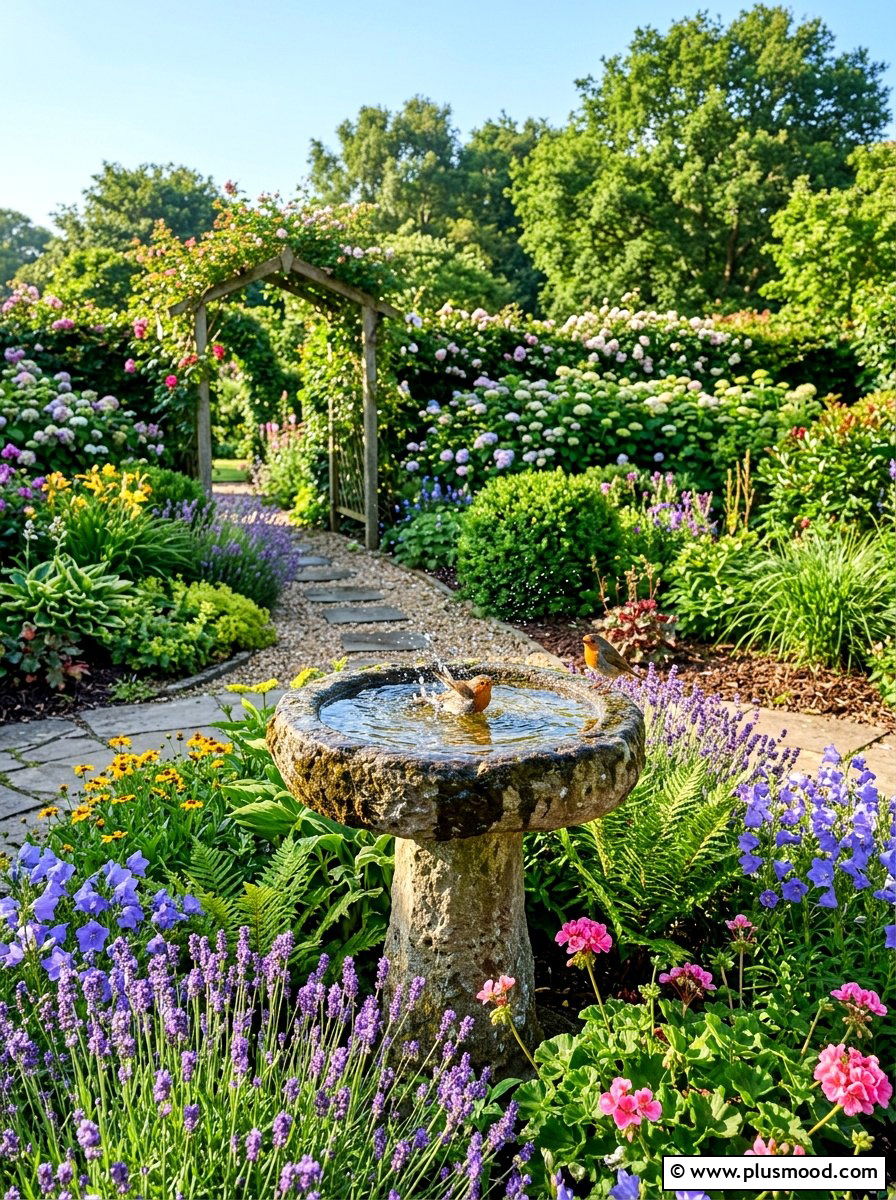
Adding a bird bath is a wonderful way to bring songbirds into your yard while providing a much-needed cooling station for them. These decorative basins come in many styles, from traditional stone pedestals to modern glass bowls that catch the sunlight beautifully. Watching birds splash around in the water is a joyful experience that adds a sense of life and sound to the environment. To keep the birds healthy, it is essential to change the water every couple of days and scrub the basin to prevent algae growth. Placing the bath near some shrubs gives the birds a quick place to hide if they feel threatened by local predators.
12. Herb Garden
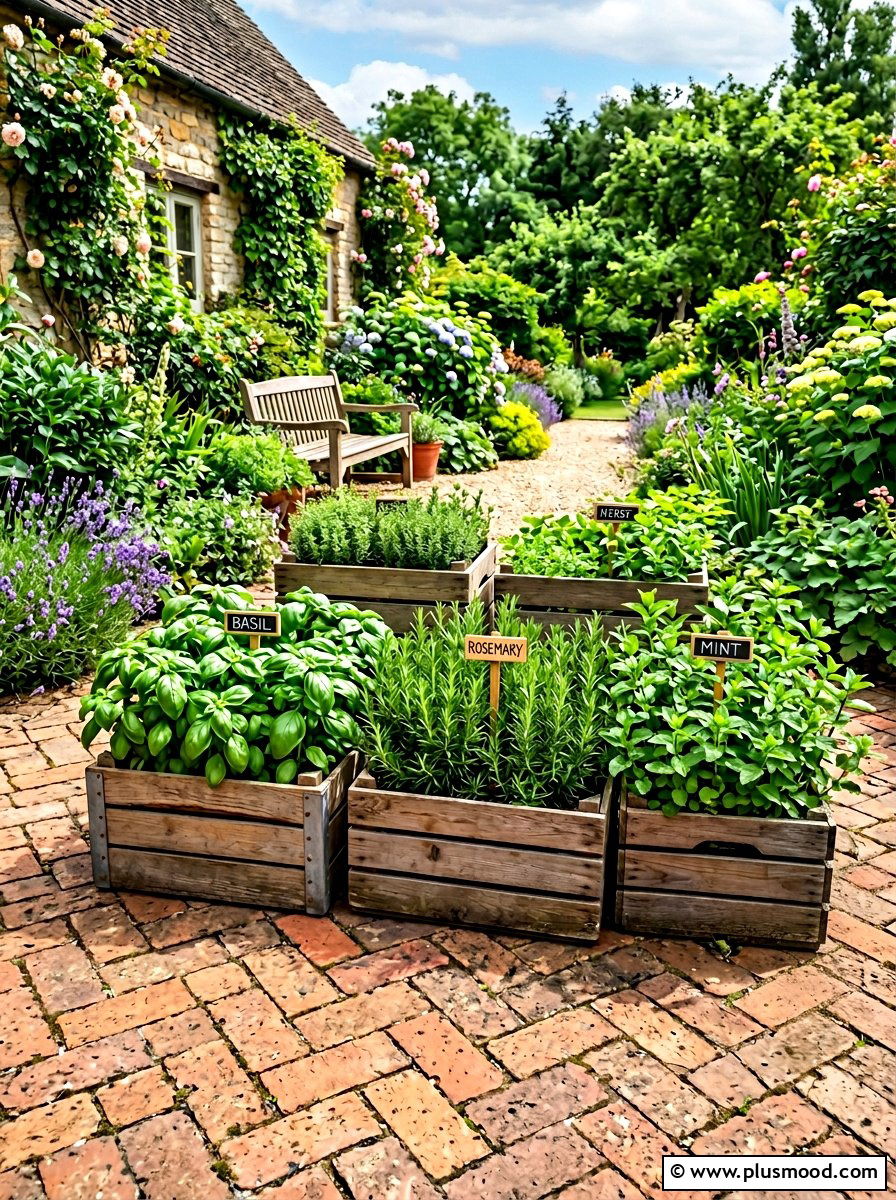
Growing your own herbs is one of the most practical and aromatic ways to enhance your summer gardening experience. A dedicated herb garden can be placed right outside your kitchen door for easy access to fresh basil, mint, rosemary, and cilantro. These plants are generally very hardy and can be grown in the ground, in raised beds, or in small individual pots. Many herbs also produce beautiful flowers that attract beneficial insects while adding a delicate touch to your landscape. Using fresh herbs in your summer cocktails, salads, and grilled dishes will instantly elevate your cooking with flavors that are far superior to anything found in a grocery store.
13. Succulent Garden
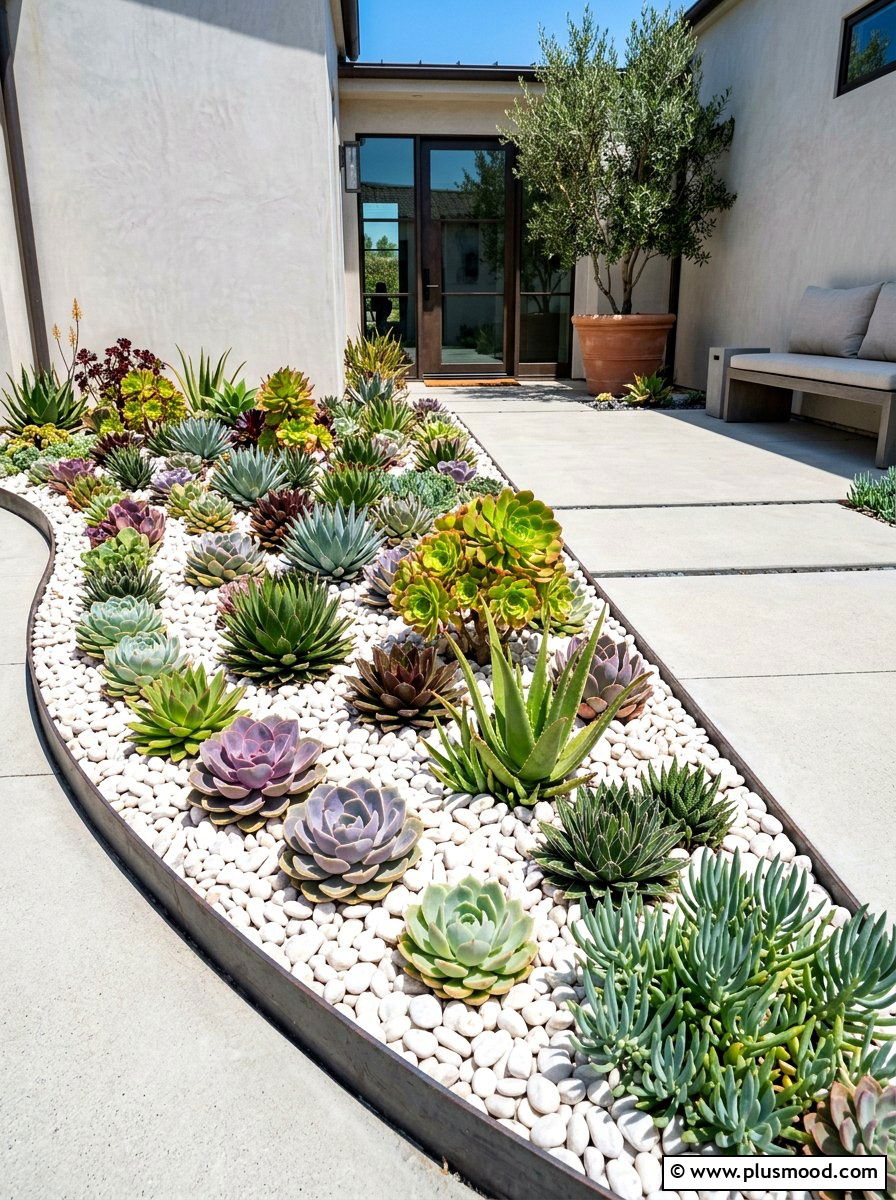
For those who live in hot, dry climates or simply want a low-maintenance option, a succulent garden is an ideal choice. These fascinating plants store water in their thick leaves, allowing them to survive long periods of drought with very little attention. You can arrange different varieties like echeveria, jade, and aloe in a shallow dish or a rocky corner of your yard for a modern look. Their unique shapes and muted colors provide a sophisticated aesthetic that works well with contemporary home designs. Because they grow slowly, they maintain their neat appearance for a long time without needing frequent pruning or heavy watering throughout the peak of summer.
14. Mulch Flower Beds
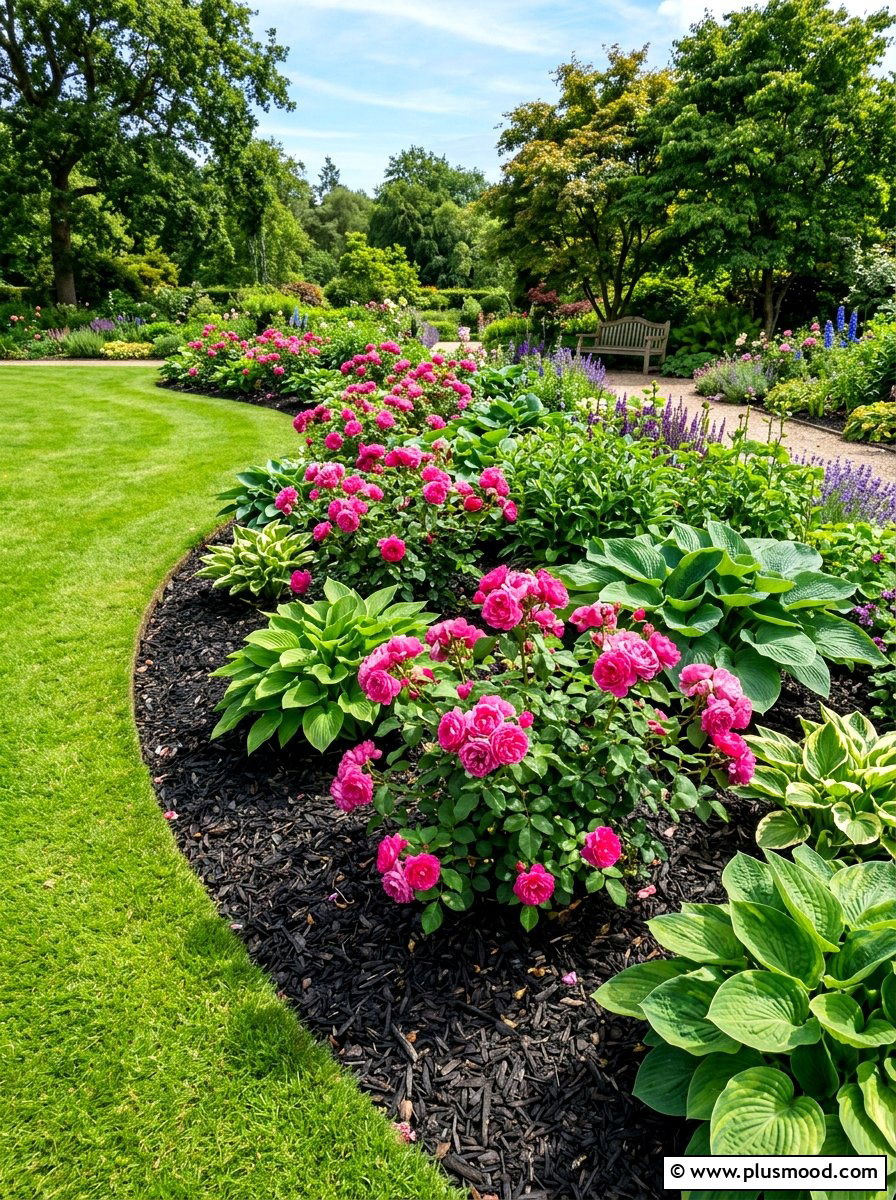
Applying a fresh layer of mulch is one of the most effective ways to keep your garden looking polished while improving plant health. Mulch helps to retain moisture in the soil, which is vital during those intense summer heatwaves when the ground dries out quickly. It also acts as a natural weed suppressant, saving you from spending your weekends pulling unwanted plants from your flower beds. You can choose from organic options like wood chips or cocoa hulls, which eventually break down and enrich the soil with nutrients. A thick layer of dark mulch provides a beautiful contrast against the bright greens and vibrant colors of your summer blooming plants.
15. Privacy Fence
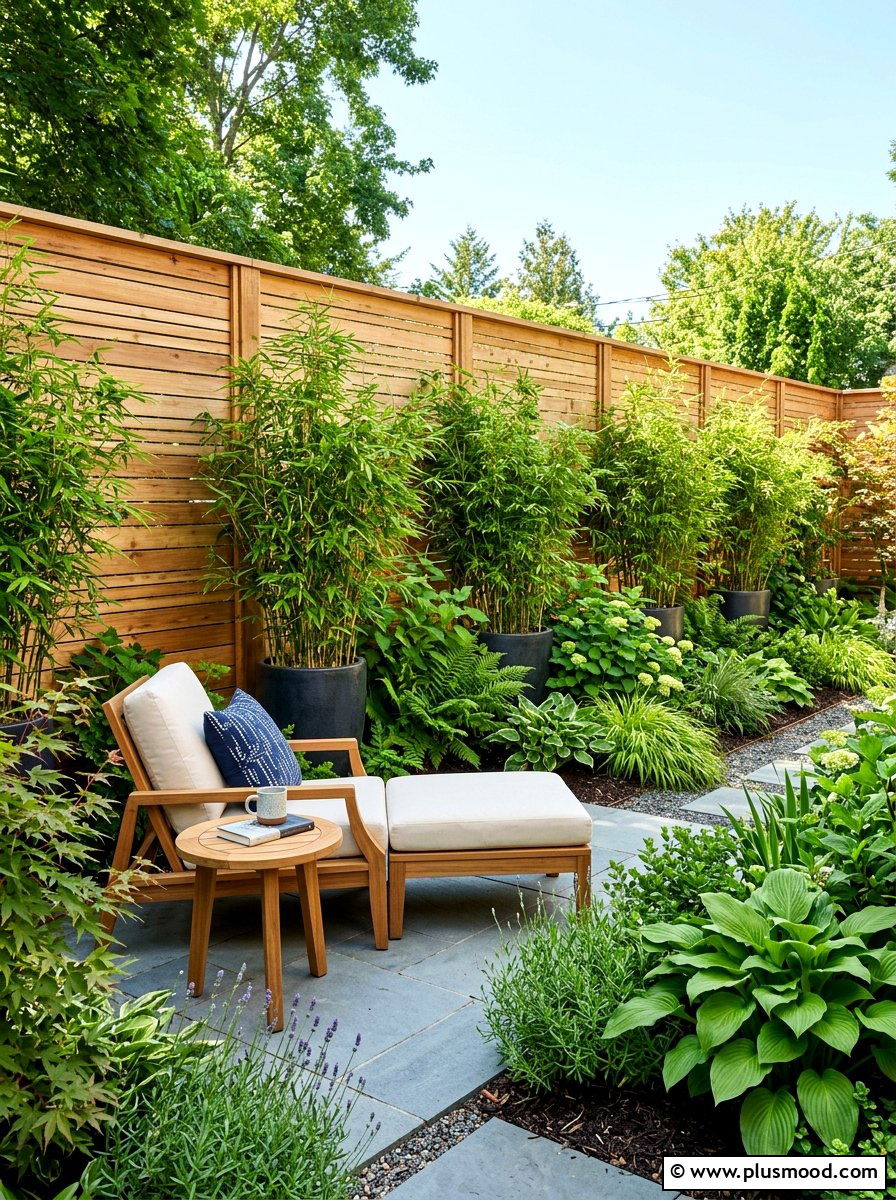
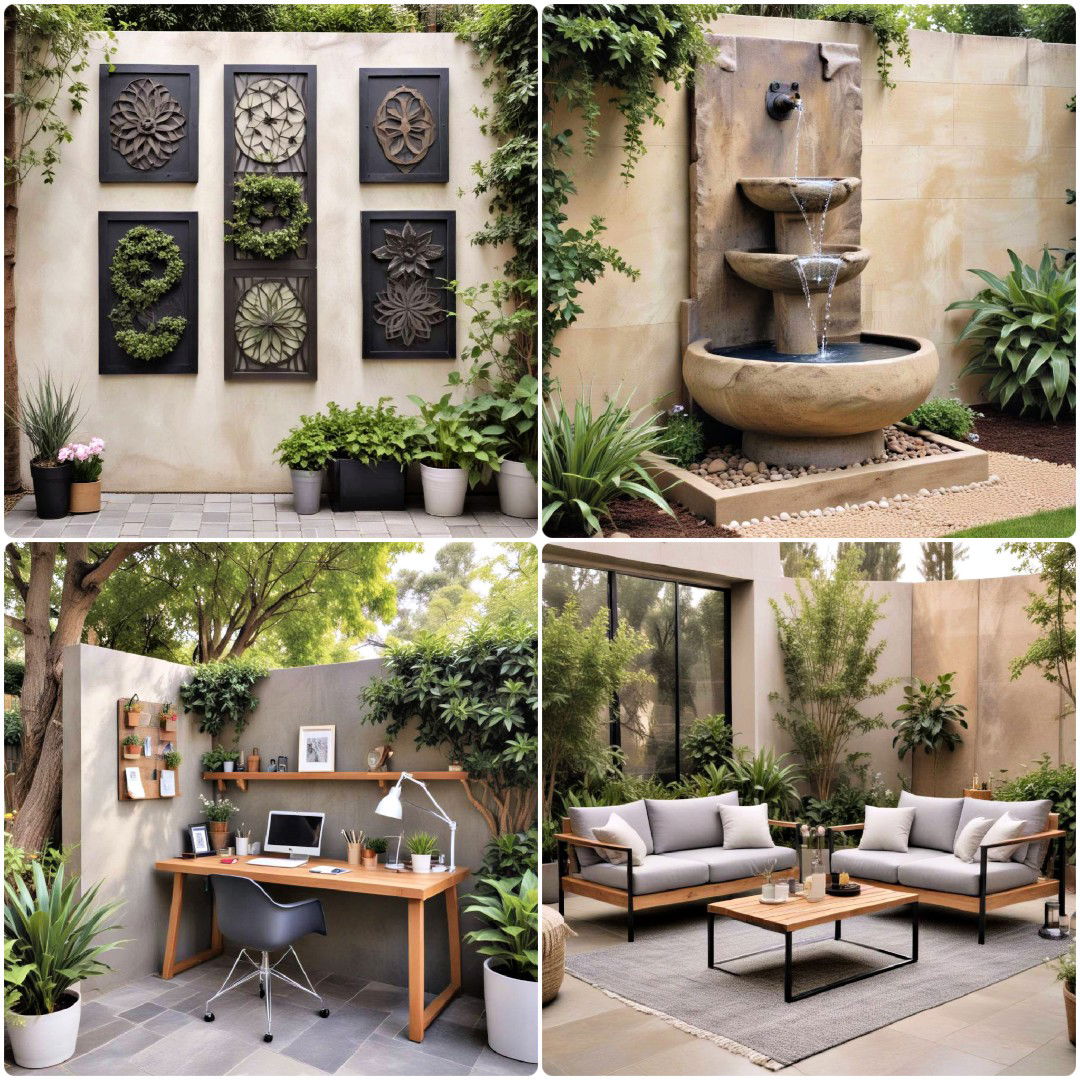
Creating a sense of seclusion in your backyard allows you to relax and enjoy your outdoor space without feeling overlooked by neighbors. A privacy fence can be a simple wooden structure, a modern metal screen, or even a living wall made of tall evergreen shrubs. If you prefer a more natural look, planting fast-growing bamboo or climbing vines on a trellis can create a lush green barrier. This addition not only provides privacy but also helps to dampen noise from nearby streets, making your garden feel like a private sanctuary. You can further decorate the fence with hanging lanterns or wall art to reflect your personal style and creativity.
16. Water Feature
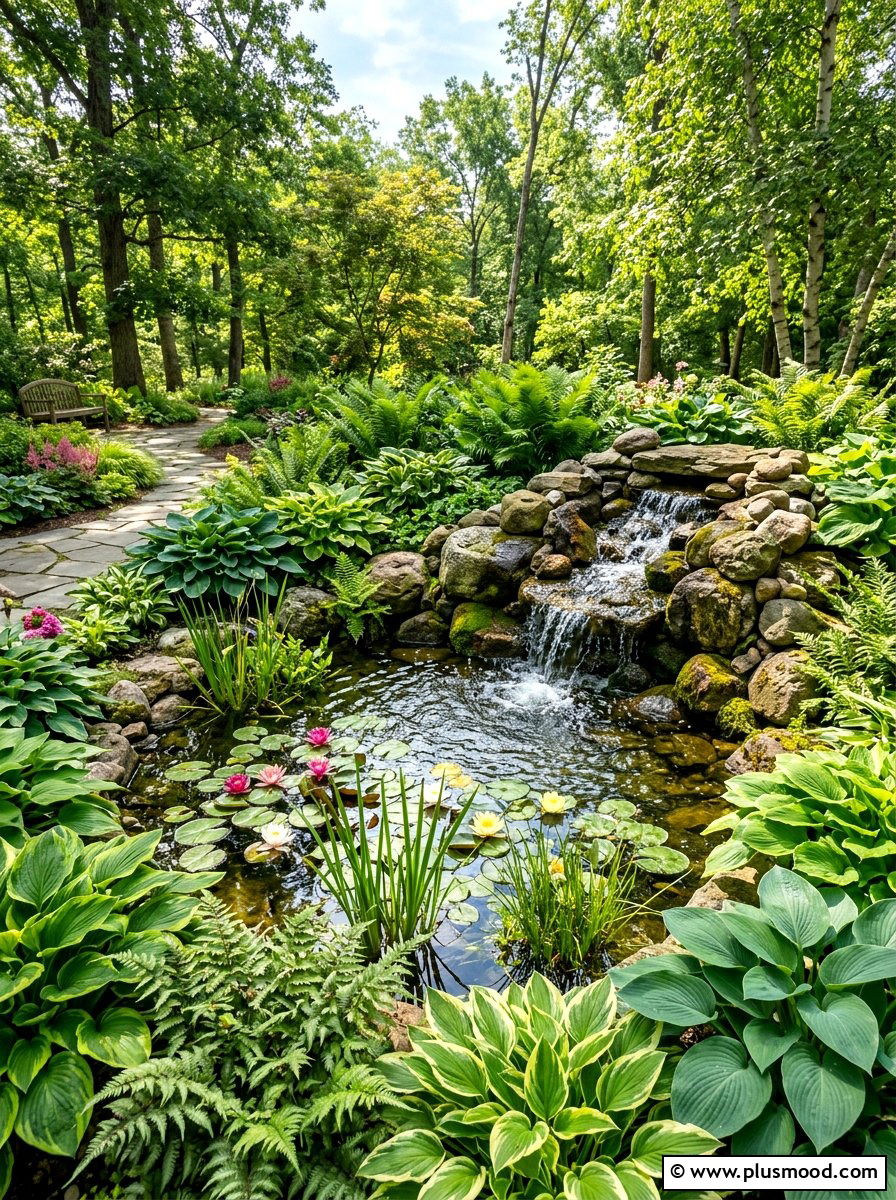
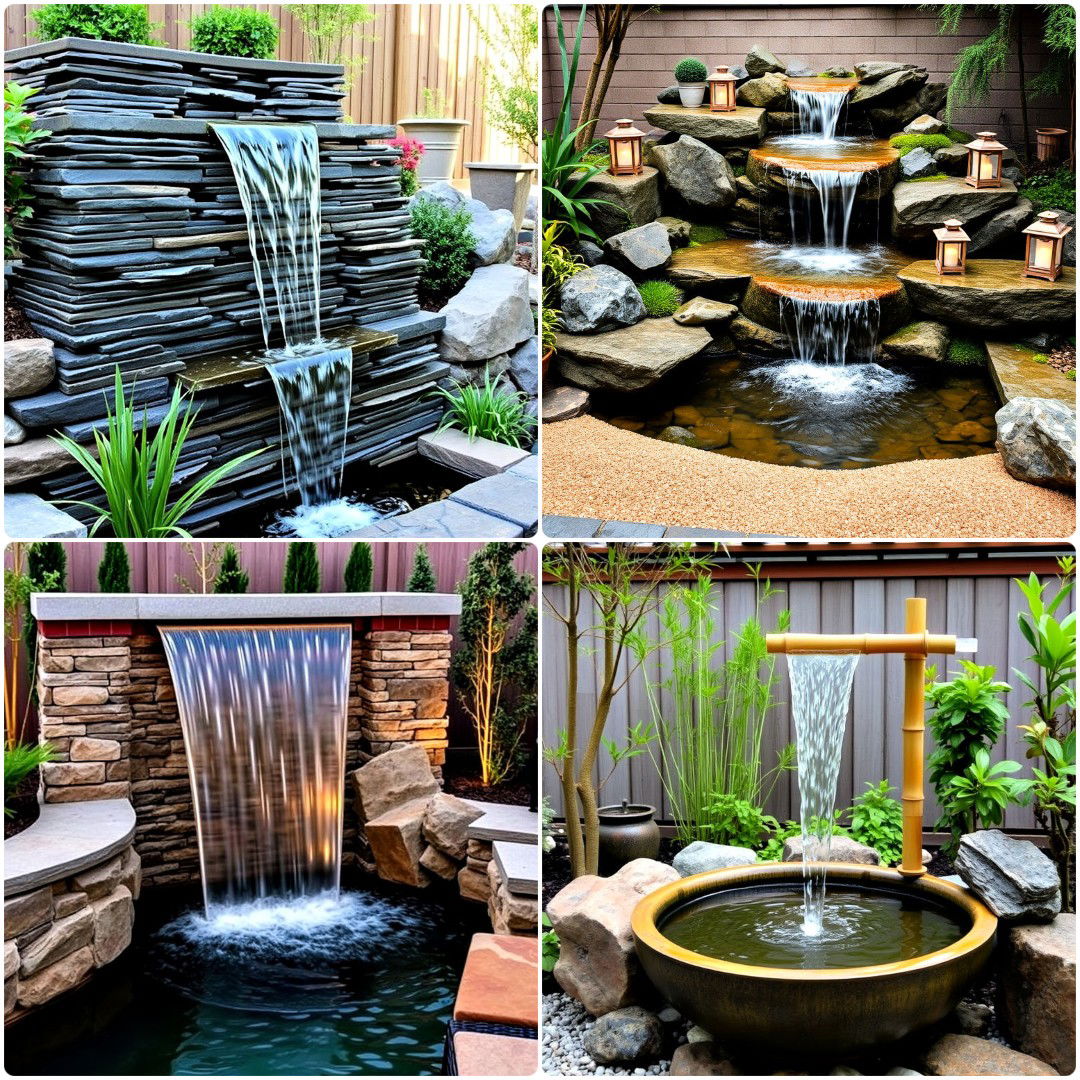
The soothing sound of trickling water can transform a basic backyard into a serene and relaxing retreat. Adding a simple water feature, such as a solar-powered fountain or a small bubbling rock, is an easy way to introduce movement and sound. These features don't require complex plumbing and can be set up in a matter of hours to provide immediate enjoyment. Water features also attract wildlife, offering birds and dragonflies a place to drink and cool off during the hot summer afternoons. Whether you choose a classic tiered fountain or a modern minimalist basin, the presence of water adds a layer of tranquility that enhances the entire garden atmosphere.
17. Potting Bench
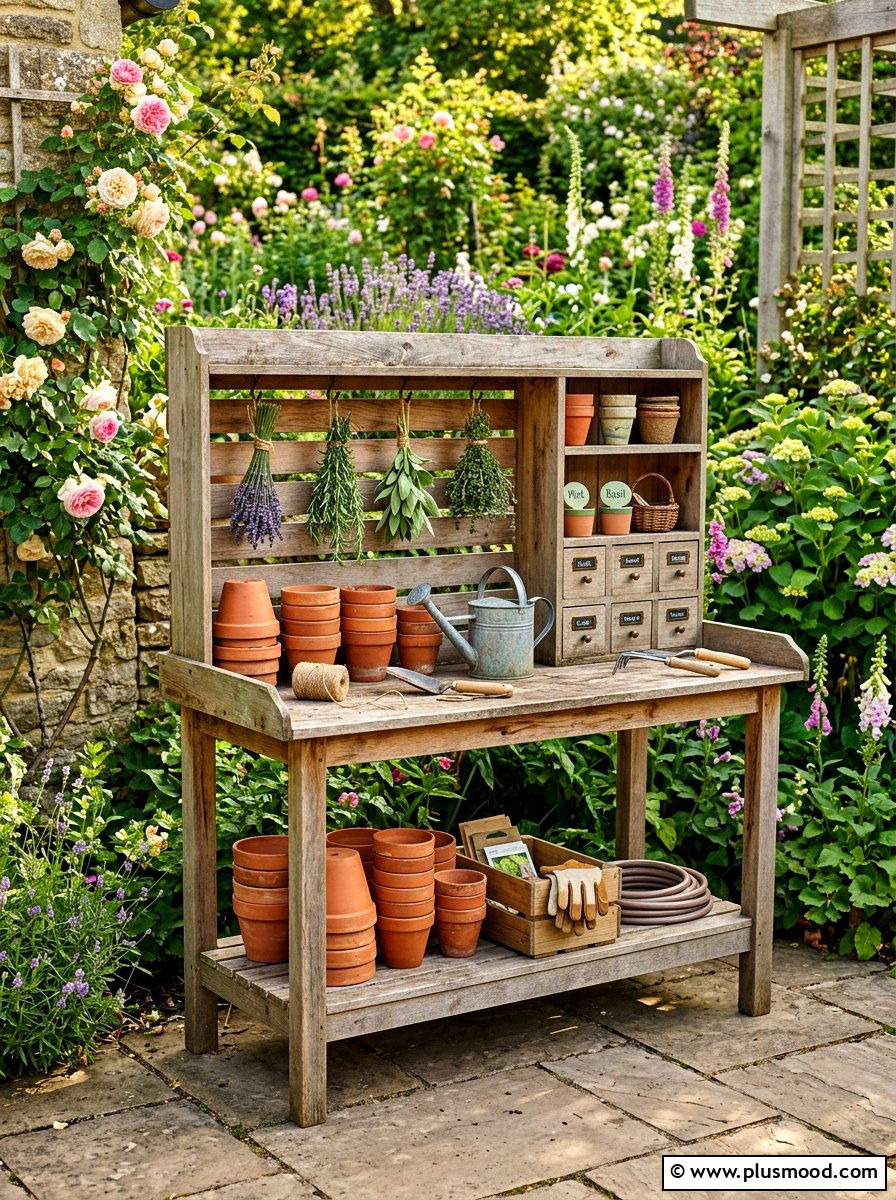
A potting bench is a functional and stylish addition that provides a dedicated workspace for all your gardening tasks. Having a comfortable spot to repot plants, organize seeds, and store your hand tools makes the entire process much more enjoyable and efficient. You can build a custom bench from reclaimed wood or repurpose an old table to fit your specific needs and backyard aesthetic. Many potting benches include shelves for displaying beautiful terracotta pots or small decorative items that add personality to the space. This organized station keeps your garden supplies in one place, preventing clutter from spreading across your patio or porch during busy planting days.
18. Perennial Borders
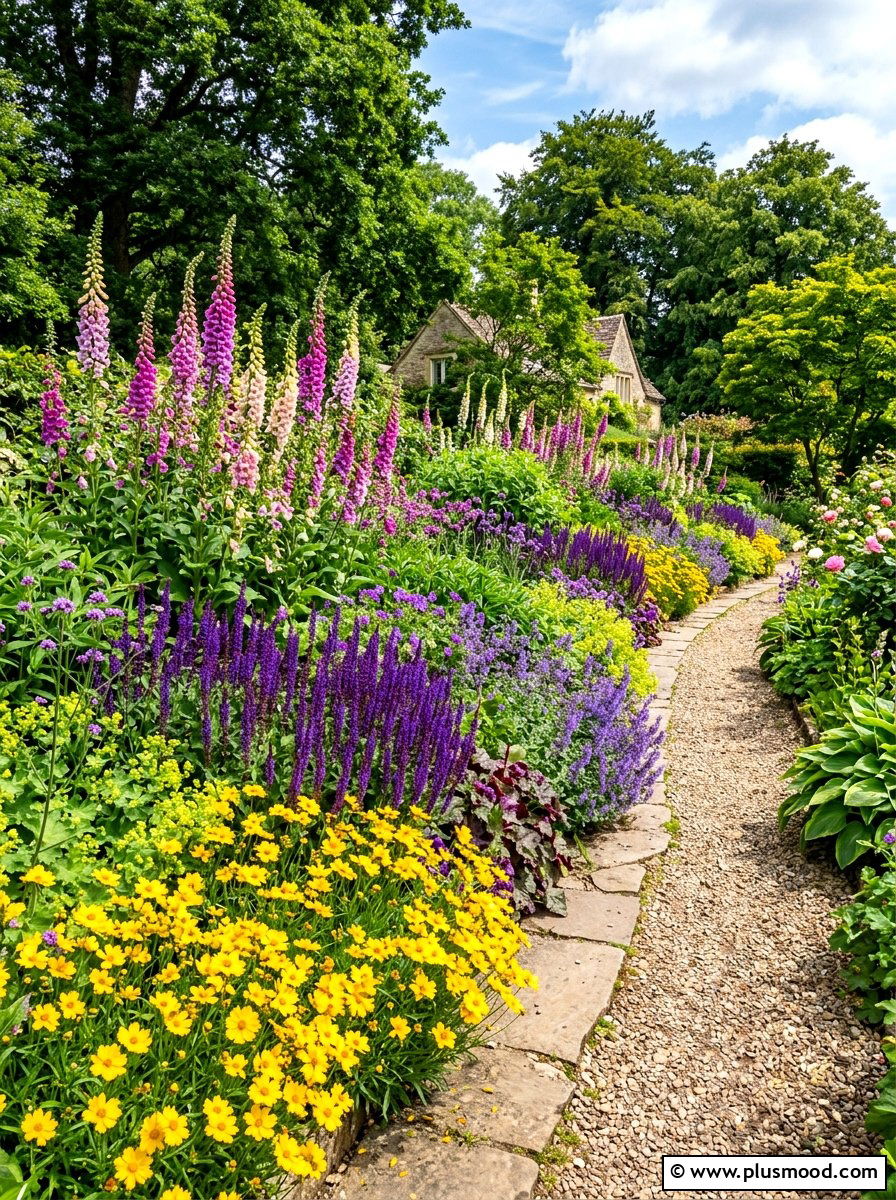
Perennials are the backbone of any beautiful garden because they return year after year, providing a reliable source of color and texture. Creating a perennial border along a fence or walkway ensures that your yard looks lush and established with minimal replanting effort. You can choose a mix of heights and blooming times, such as tall foxgloves in the back and low-growing hostas in the front. These plants often become larger and more impressive each season, filling in gaps and creating a full, professional-looking landscape. Once established, most perennials are quite hardy and can withstand the summer heat with just a bit of regular deadheading and occasional deep watering.
19. Edible Flowers
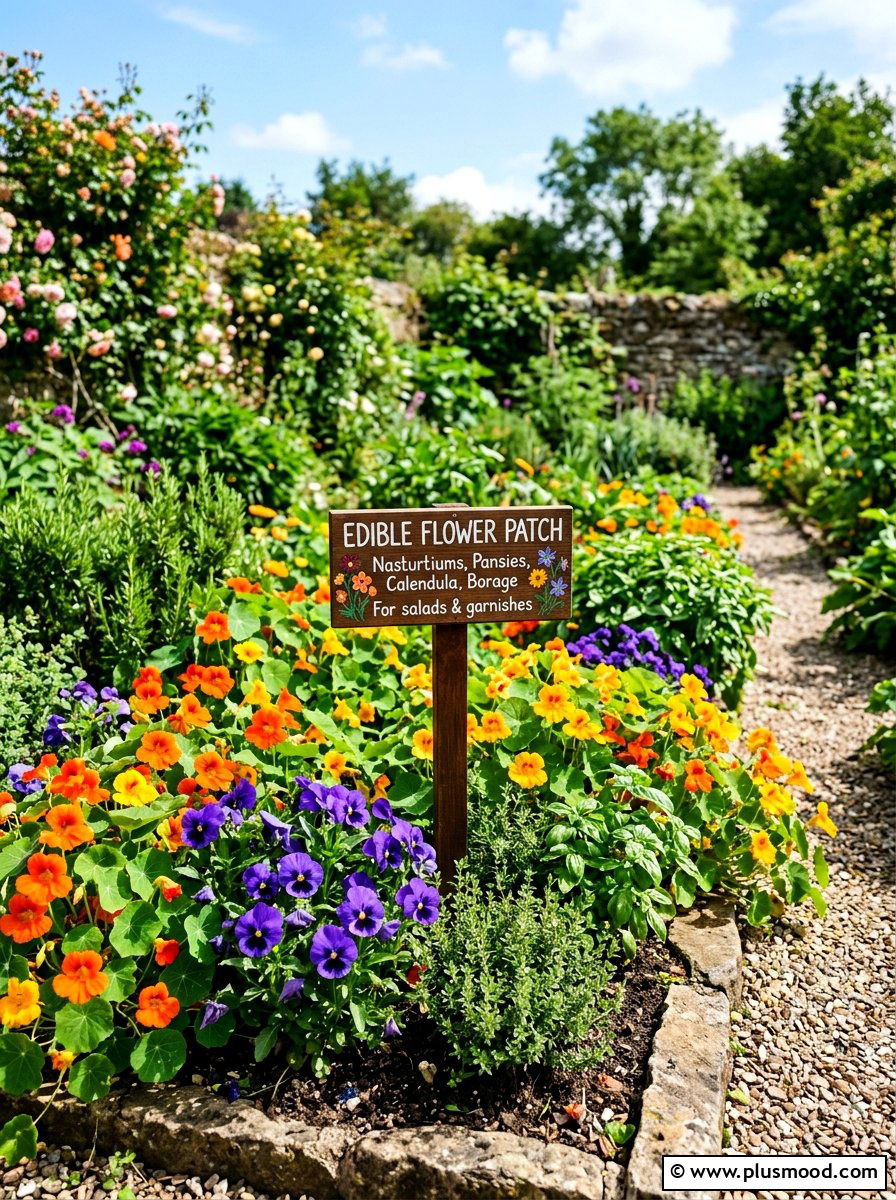
Have you ever thought about adding a touch of whimsy and flavor to your summer salads with flowers you grew yourself? Many common garden blooms, such as nasturtiums, pansies, and marigolds, are actually edible and possess a variety of interesting flavors. Growing these flowers is just as easy as growing any other annual, and they add a bright splash of color to your garden beds. You can use them to garnish desserts, freeze them into ice cubes for fancy drinks, or toss them directly into fresh summer greens. It is important to ensure that no harmful pesticides have been used on any flowers that you plan to consume for safety.
20. Fairy Garden
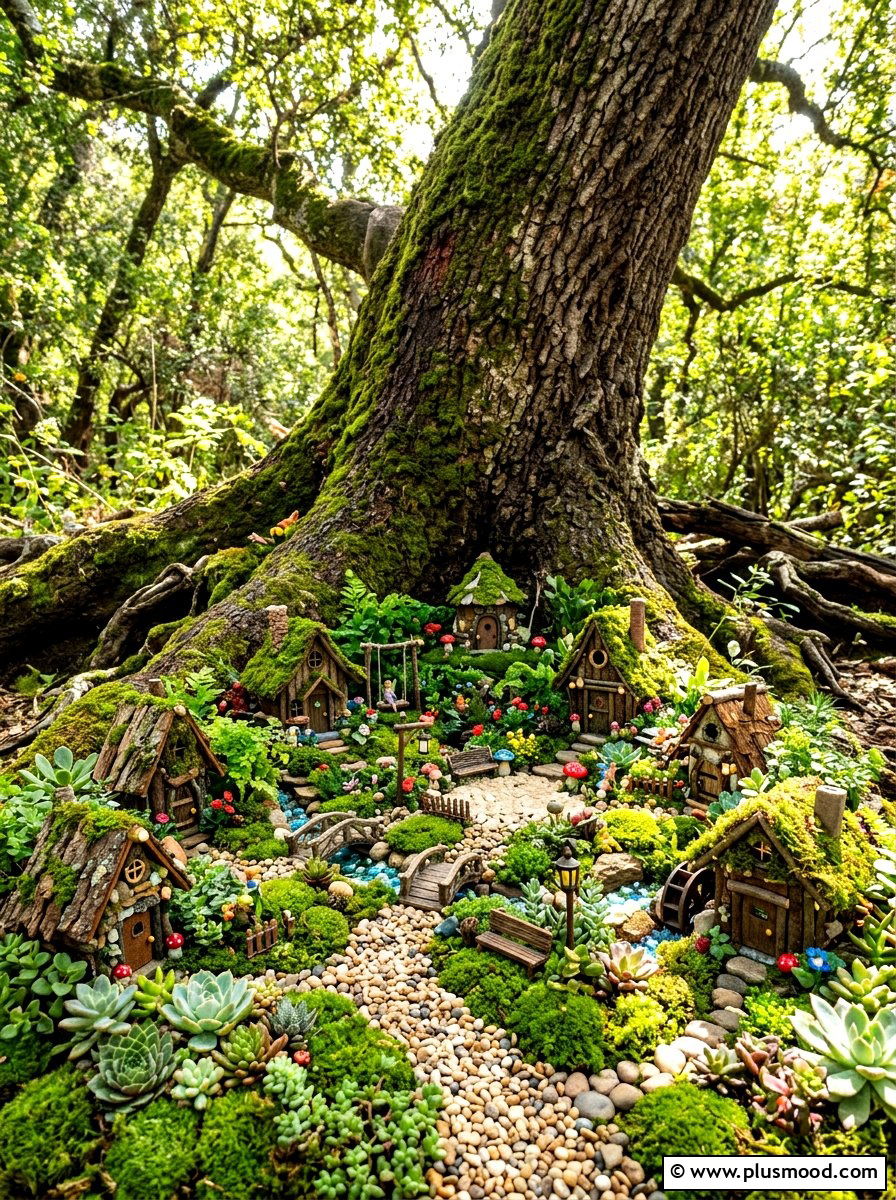
A fairy garden is a delightful and creative project that can be enjoyed by both children and adults alike. These miniature landscapes are often built inside large containers or at the base of a tree using tiny plants and small decorative accessories. You can use moss, pebbles, and small succulents to create a magical world filled with little houses, bridges, and paths. This type of gardening allows for endless imagination and is a great way to introduce younger family members to the joys of nature. Because they are small in scale, fairy gardens are easy to maintain and can be moved around to different spots in the yard.
21. Drought Tolerant Landscape
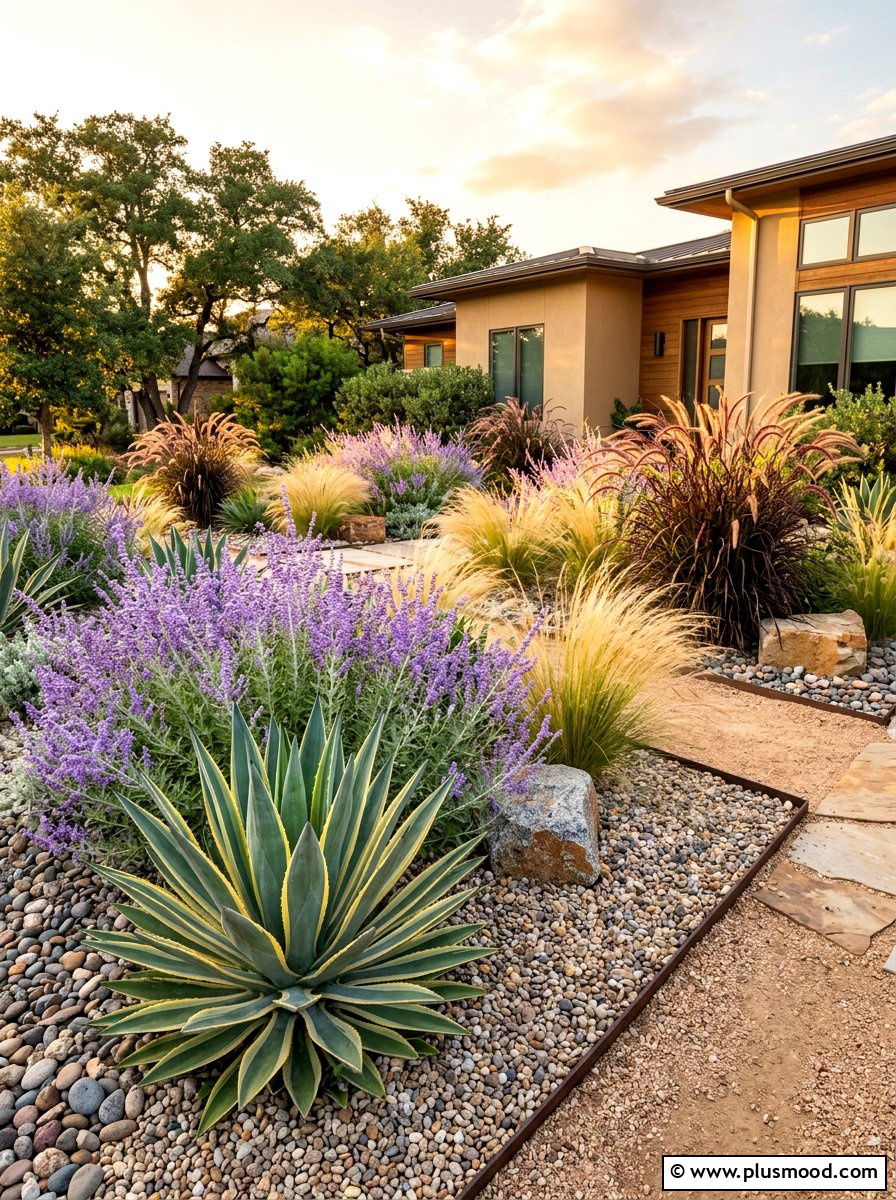
Designing a landscape that can withstand periods of little rainfall is a smart and environmentally friendly choice for the summer season. Drought-tolerant plants, also known as xeriscaping, focus on species like yarrow, Russian sage, and ornamental grasses that thrive in dry conditions. This approach significantly reduces your water bill and the amount of time you spend with a garden hose in your hand. By using rocks, gravel, and mulch, you can create a modern and clean look that requires very little maintenance throughout the year. These gardens are not only practical but also incredibly beautiful, offering a unique palette of colors and textures that stand up to the sun.
22. Rock Garden
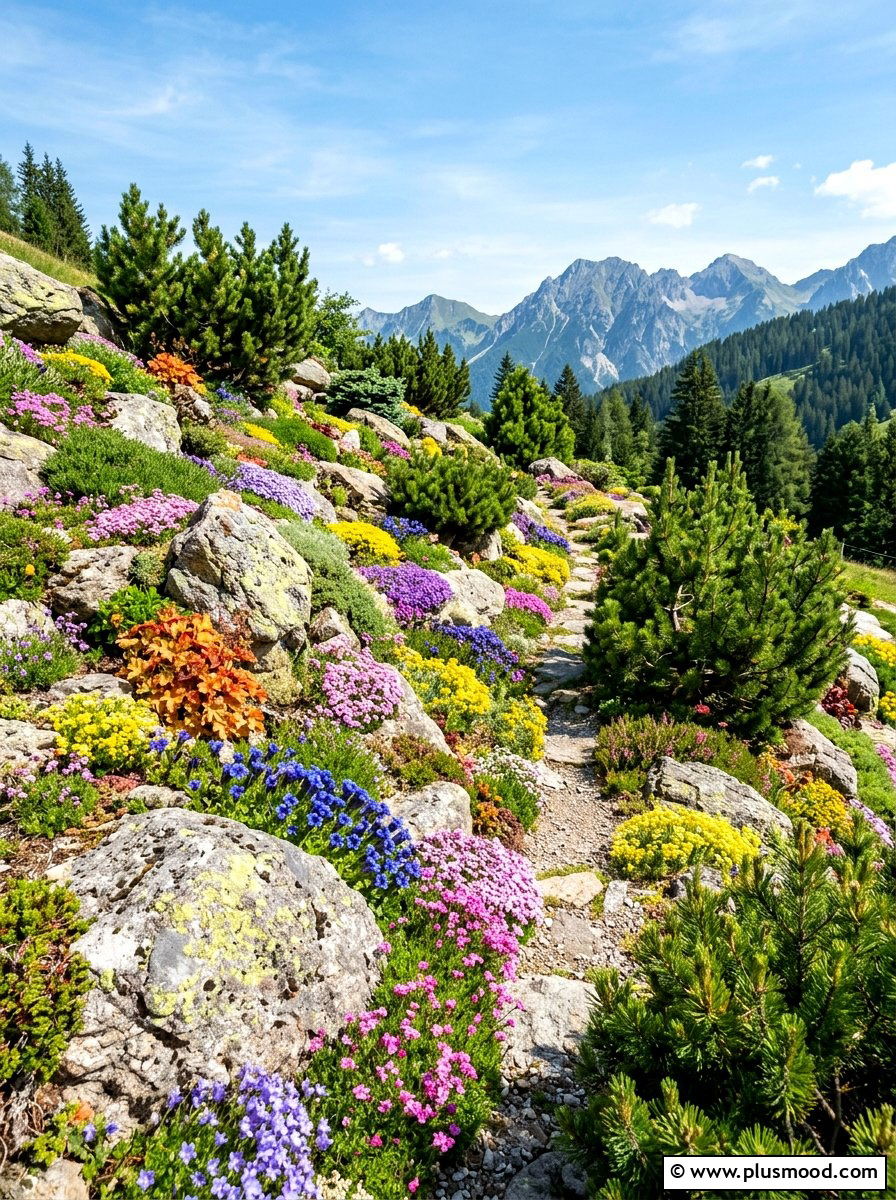
Rock gardens are an excellent way to add architectural interest and a natural, rugged feel to your outdoor space. This style of gardening uses various sizes of stones and boulders interspersed with hardy alpine plants that love well-drained soil. It is a perfect solution for sloping areas or spots where grass struggles to grow due to poor soil quality or intense sun exposure. You can create a peaceful Zen-inspired look or a more wild, mountain-like aesthetic depending on the types of rocks and plants you choose. Once the rocks are in place, the garden requires very little upkeep, making it an ideal choice for a busy summer lifestyle.
23. Garden Arch
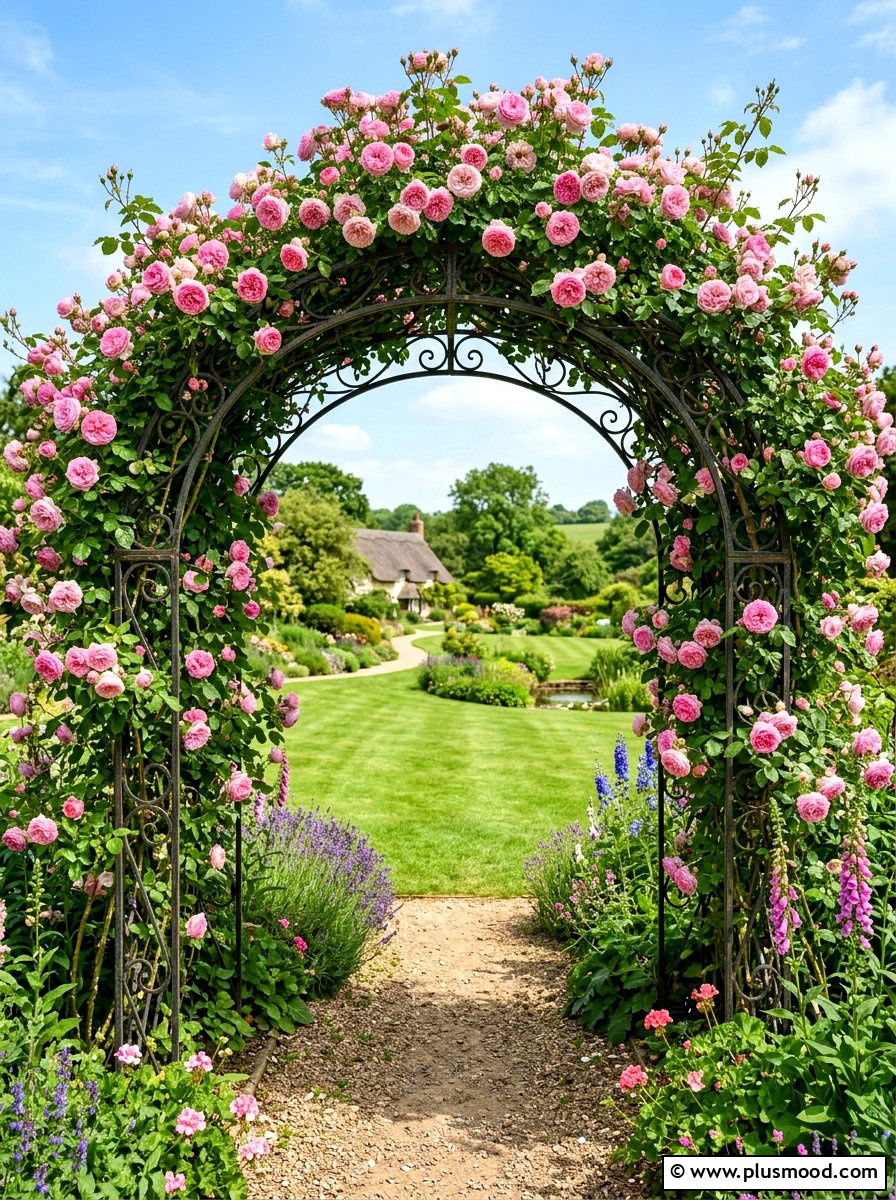
A garden arch provides a stunning vertical element that can frame an entrance or act as a beautiful focal point in a larger yard. You can use a metal or wooden structure and train climbing roses, wisteria, or honeysuckle to grow up and over the top. As the plants grow, they create a living canopy of flowers and fragrance that looks absolutely breathtaking in the middle of summer. This feature adds a sense of romance and elegance to the landscape, making it feel like a hidden secret garden. It also provides a wonderful backdrop for outdoor photos or a shaded spot to walk through as you explore your blooming backyard.
24. Butterfly Garden
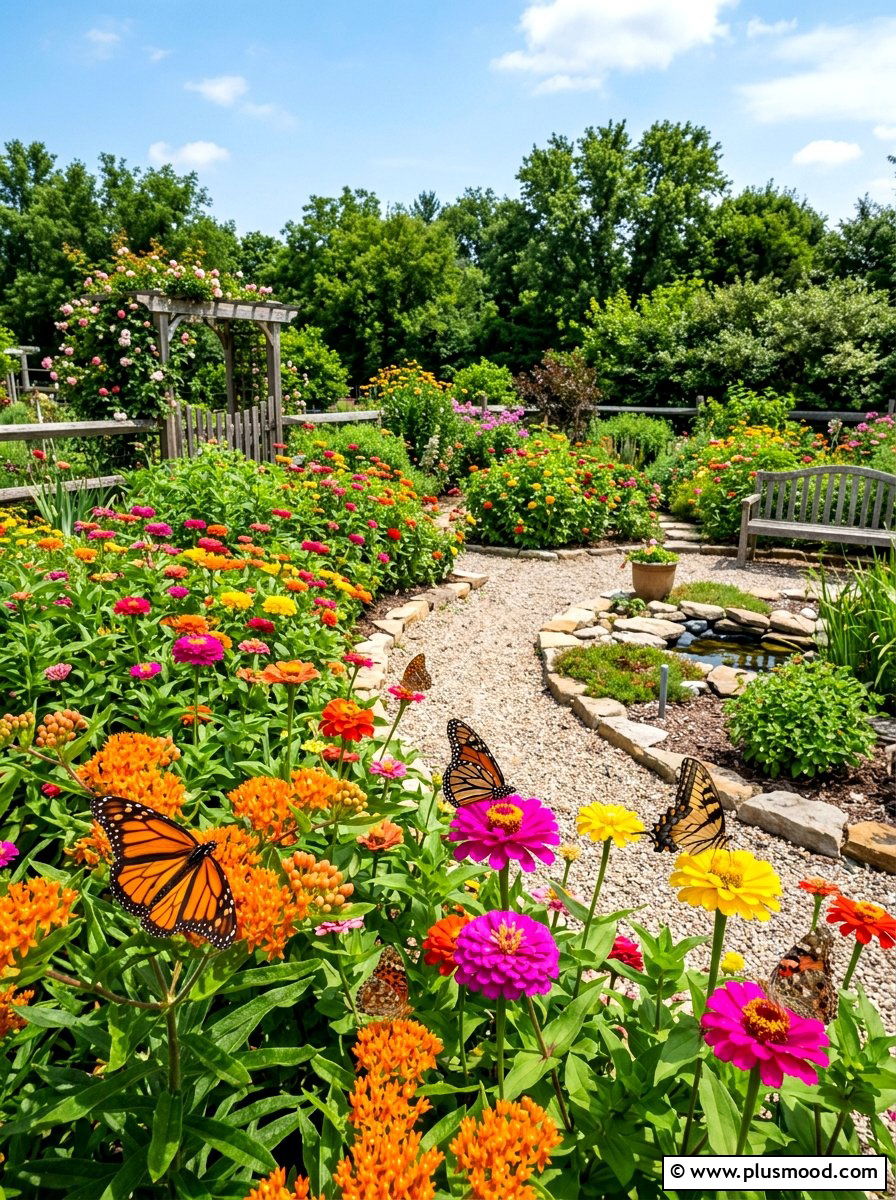
There is something truly captivating about watching a colorful butterfly flutter from flower to flower in the warm summer breeze. To attract these beautiful creatures, you should plant a variety of nectar-producing flowers like zinnias, milkweed, and buddleia, also known as the butterfly bush. These plants provide the energy butterflies need for their long journeys and the specific leaves required for their caterpillars to grow. Providing a few flat stones in a sunny spot allows butterflies to bask and warm their wings before flying again. Creating a butterfly-friendly habitat not only adds beauty to your garden but also supports the delicate life cycles of these important and stunning insects.
25. Wildflower Meadow
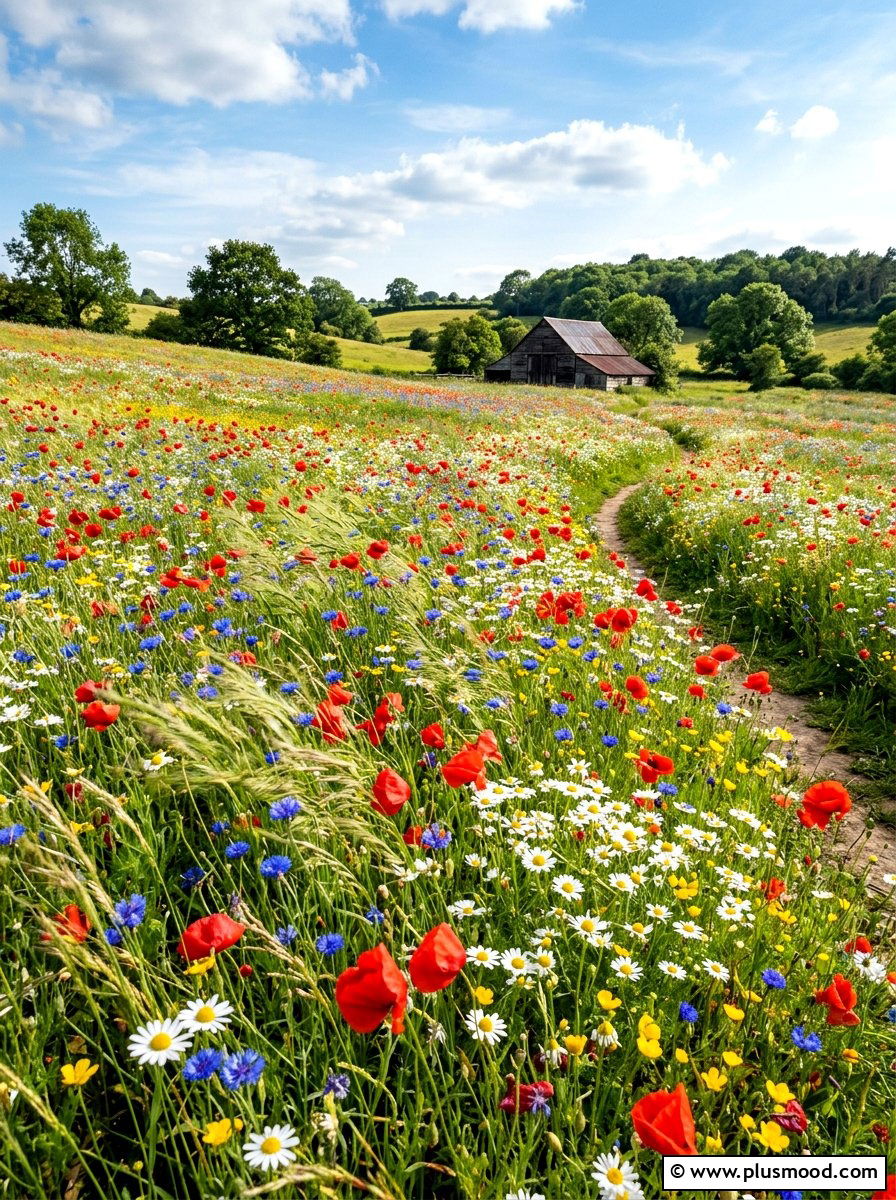
If you have a larger area of lawn that is difficult to mow or maintain, consider transforming it into a vibrant wildflower meadow. This natural approach to gardening involves sowing a mix of native wildflower seeds and letting them grow freely throughout the summer months. The result is a stunning carpet of diverse colors and shapes that changes constantly as different species come into bloom. Wildflower meadows are incredibly low-maintenance once they are established and provide a sanctuary for bees, birds, and other beneficial wildlife. This informal and relaxed style of gardening celebrates the wild beauty of nature and adds a whimsical, country feel to your home’s outdoor landscape.
Conclusion:
Transforming your outdoor space with these easy summer garden ideas is a fulfilling way to enjoy the season to its fullest. Whether you decide to plant a simple herb garden, install a cozy bench, or create a buzzing pollinator sanctuary, each small step makes a big difference. These projects allow you to express your personal style while creating a peaceful environment for relaxation and gathering with loved ones. Remember that gardening is a journey, and even minor changes can bring immense joy and a sense of accomplishment. We hope these suggestions inspire you to get outside, get your hands in the soil, and enjoy the sun.
Related posts:
Leave a Reply