
As the golden light of late August begins to fade, your backyard often transitions from a lush paradise into a slightly overgrown landscape that requires careful attention. Taking the time to perform a thorough end of summer garden cleanup is not just about aesthetics; it is a vital step for ensuring the long-term health of your soil and perennial plants. By clearing away debris and prepping your beds now, you prevent pests from overwintering and reduce the chances of fungal diseases spreading during the damp autumn months. This intentional transition helps you wrap up the current growing season while setting a strong foundation for a vibrant and successful spring.
1. Removing Spent Annuals
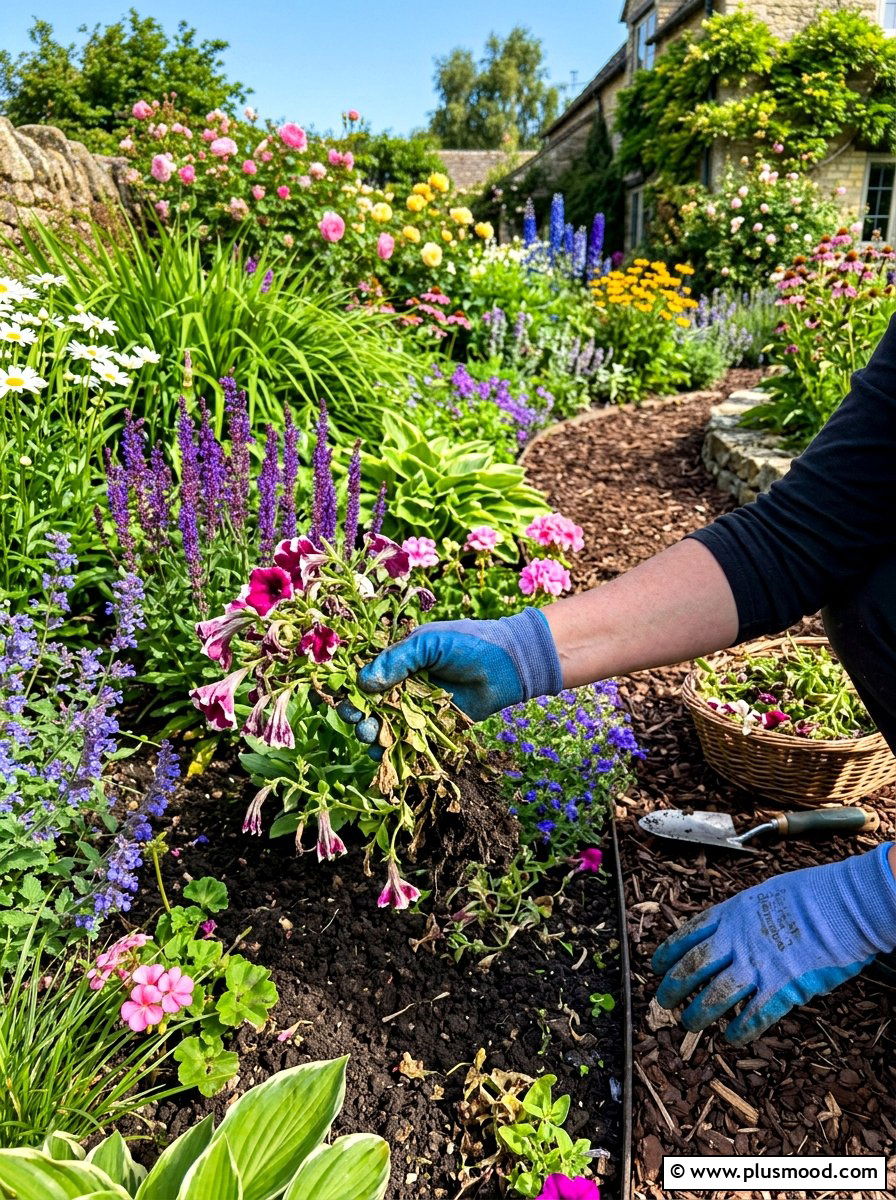
When your summer annuals begin to look leggy and stop producing vibrant blooms, it is time to remove them from your garden beds. Pulling these plants out by the roots prevents them from rotting in place, which can often attract unwanted pests or harbor harmful diseases over the winter. If the plants are healthy and free of mildew, you can chop them up and add them to your compost pile to recycle their nutrients. However, if you notice any signs of blight or aphids, it is much better to discard them in the trash to keep your garden soil clean for next year.
2. Dividing Perennial Clumps
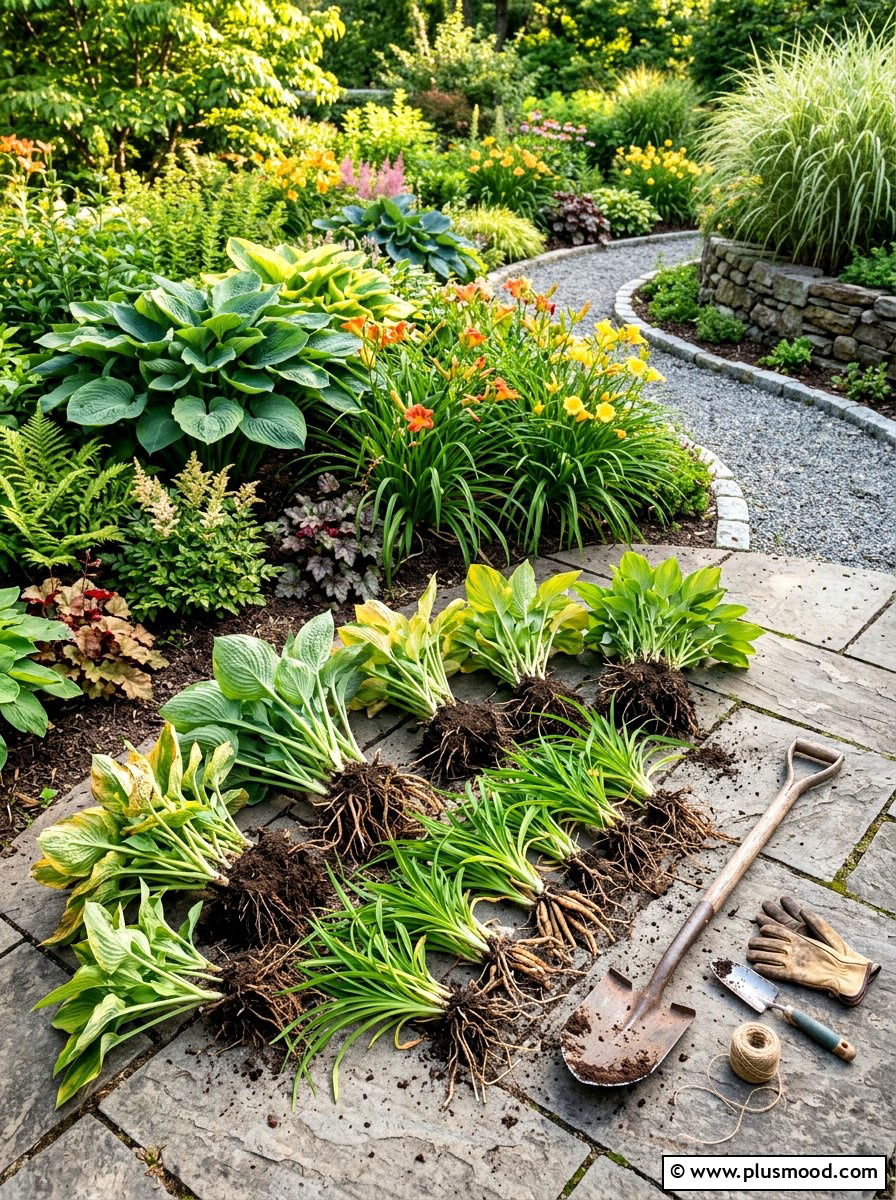
Late summer is the ideal window for dividing overgrown perennials like hostas, daylilies, and Siberian irises while the soil is still warm. Digging up these large clumps and carefully splitting them into smaller sections helps rejuvenate the plants and prevents them from becoming too crowded and weak. Once you have separated the roots, replant the new divisions immediately in well-draining soil and give them a deep soak to help them establish before the first frost. This simple task is a fantastic way to expand your garden collection for free while ensuring each individual plant has enough space to thrive and bloom.
3. Collecting Flower Seeds
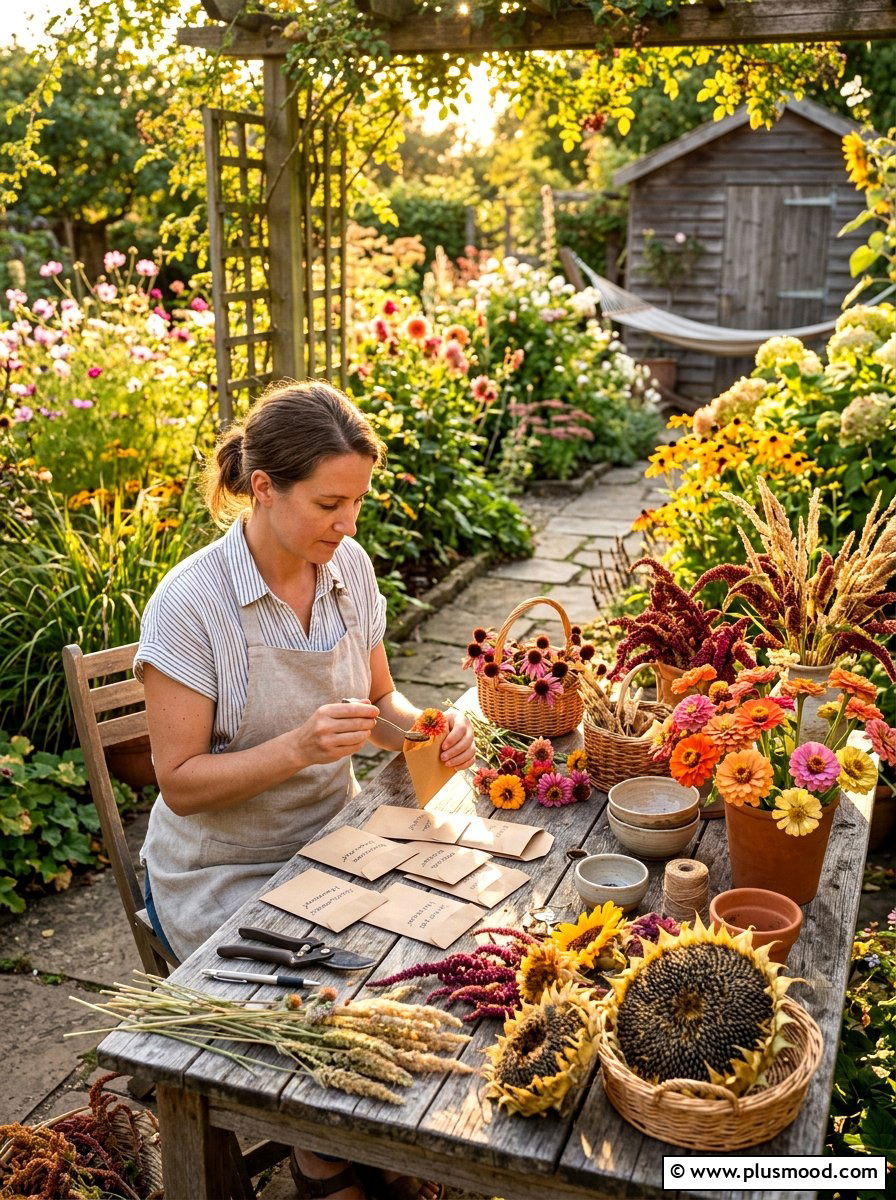
Instead of letting your favorite flowers drop all their seeds randomly, take a few moments to harvest them for future planting seasons. Look for dried seed pods on plants like zinnias, marigolds, and sunflowers, as these are easy to collect and store in paper envelopes. Make sure the seeds are completely dry before sealing them away in a cool, dark place to prevent any mold from forming during the winter. Labeling each envelope with the plant name and the date of collection will make your spring planting much more organized. This rewarding practice allows you to preserve specific varieties you truly loved this year.
4. Pruning Summer Shrubs
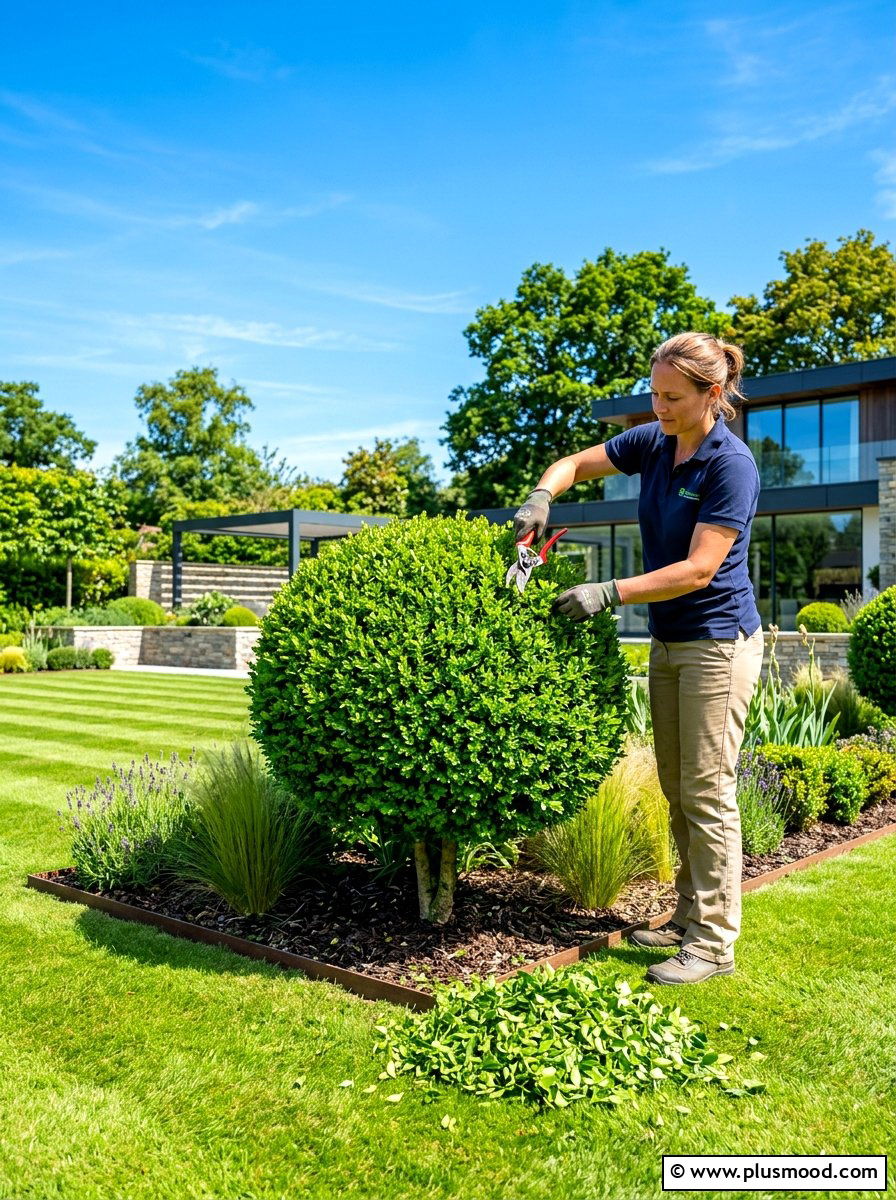
Once your summer-blooming shrubs have finished their display, a light pruning can help maintain their shape and encourage healthy new growth for the following year. Focus on removing any dead, damaged, or crossing branches that might restrict airflow through the center of the plant. Avoid heavy structural pruning late in the season, as this can stimulate tender new growth that might be easily damaged by early frosts. For plants like hydrangeas or roses, a gentle tidy-up helps the garden look much more intentional and prevents the landscape from appearing neglected as the leaves begin to change color and fall to the ground.
5. Cleaning Garden Tools
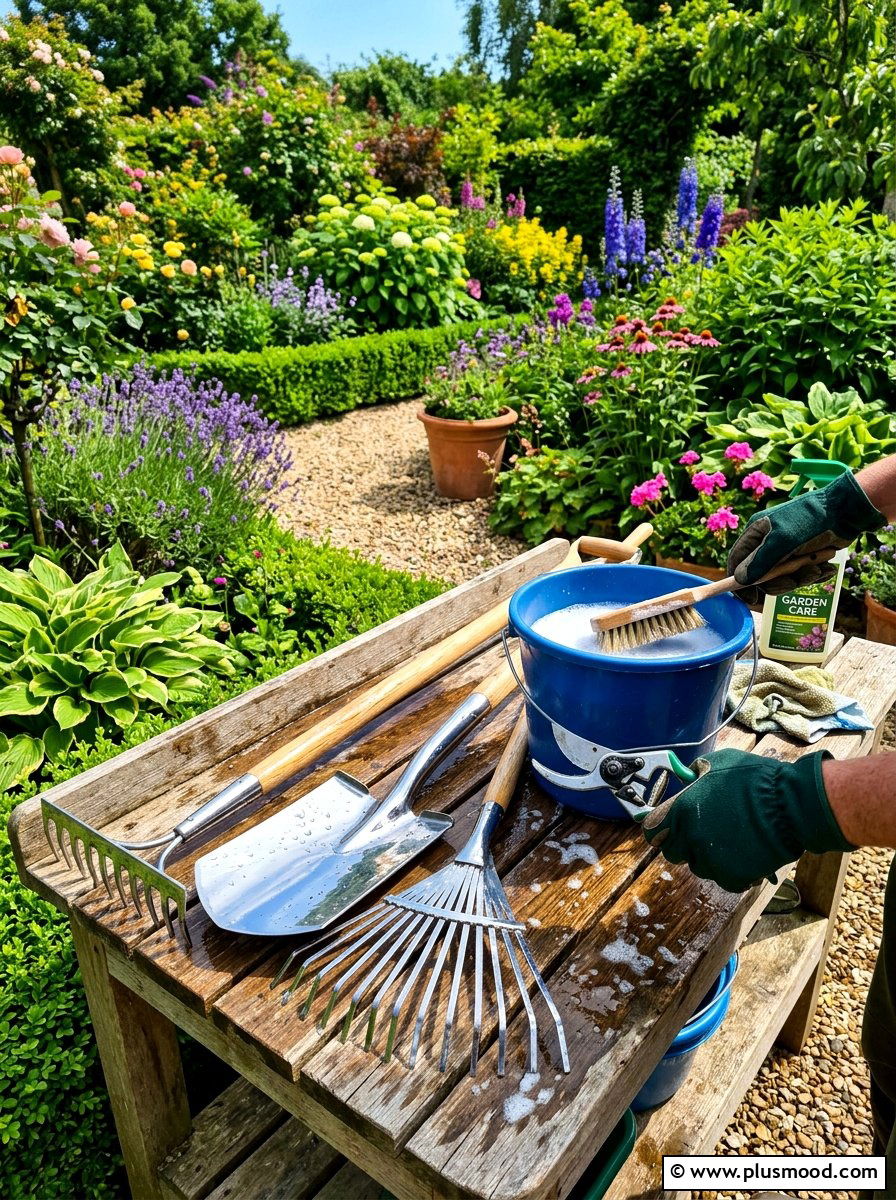
Before you tuck your tools away for the colder months, it is essential to give them a thorough cleaning to prevent rust and corrosion. Scrub off any dried mud or plant sap using a stiff brush and warm soapy water, then dry them completely with a clean rag. Sharpening the blades of your pruners and loppers now will ensure they are ready for action as soon as the next pruning season arrives. Applying a thin coat of mineral oil to the metal surfaces provides a protective barrier against moisture. Well-maintained tools last much longer and make your gardening tasks significantly easier and more efficient.
6. Starting Compost Pile
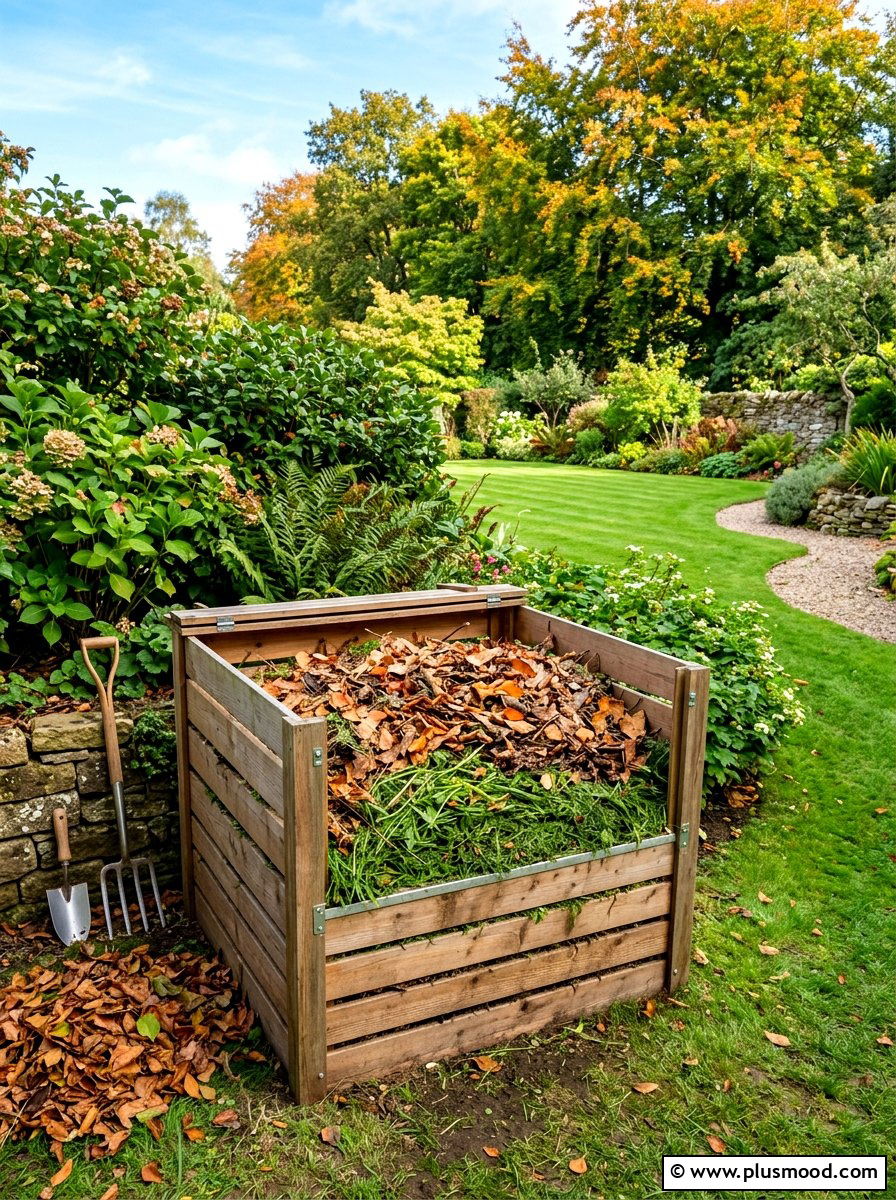
The abundance of garden waste generated during a cleanup provides the perfect opportunity to start a fresh compost pile for the upcoming year. Layering green materials like grass clippings and spent vegetable plants with brown materials like dried leaves creates a balanced environment for decomposition. Turning the pile occasionally helps aerate the mixture and speeds up the process of breaking down organic matter into rich, dark humus. By recycling your garden debris, you create a free source of high-quality fertilizer that will significantly improve your soil structure and nutrient levels. This sustainable habit reduces waste while directly benefiting the overall health of your entire landscape.
7. Testing Soil pH
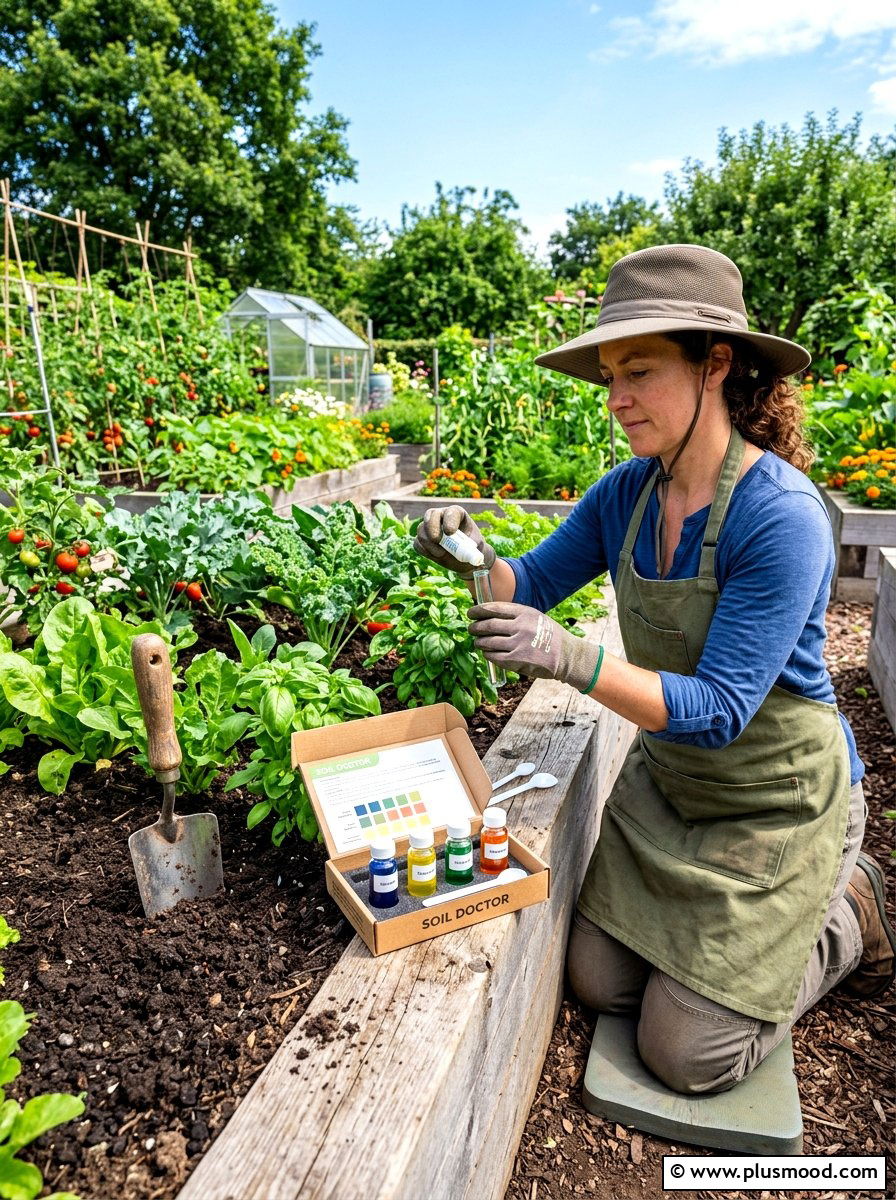
Understanding the current nutrient levels of your soil is a crucial step in preparing for a successful growing season next spring. Late summer is a great time to use a soil testing kit to check for pH imbalances or deficiencies in essential minerals like nitrogen and phosphorus. Once you have the results, you can apply the necessary amendments, such as lime or sulfur, which take several months to fully integrate into the soil. Addressing these issues now ensures that your garden beds are perfectly balanced and ready for planting when the weather warms up again. Proper soil health is the true secret to growing.
8. Planting Spring Bulbs
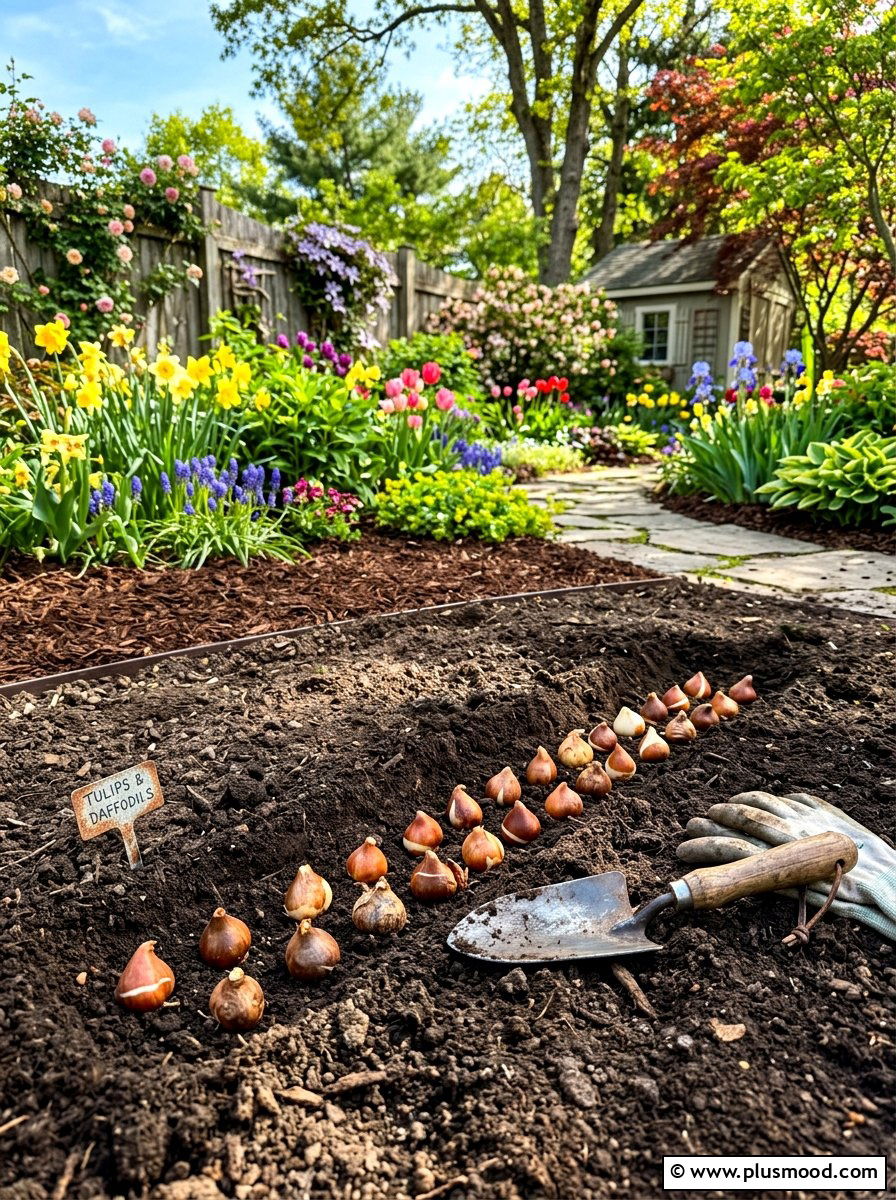
While you are clearing out the summer debris, start thinking ahead by planting spring-flowering bulbs like tulips, daffodils, and crocuses in your garden beds. These bulbs require a period of cold dormancy over the winter to develop their beautiful blooms for the following season. Dig small holes at the recommended depth and place the bulbs with the pointed end facing upward before covering them with fresh soil and a light layer of mulch. Strategic placement near your home’s entrance or along walkways will provide a cheerful burst of color when the snow finally melts. Planning your spring display now ensures a very rewarding transition.
9. Clearing Vegetable Beds
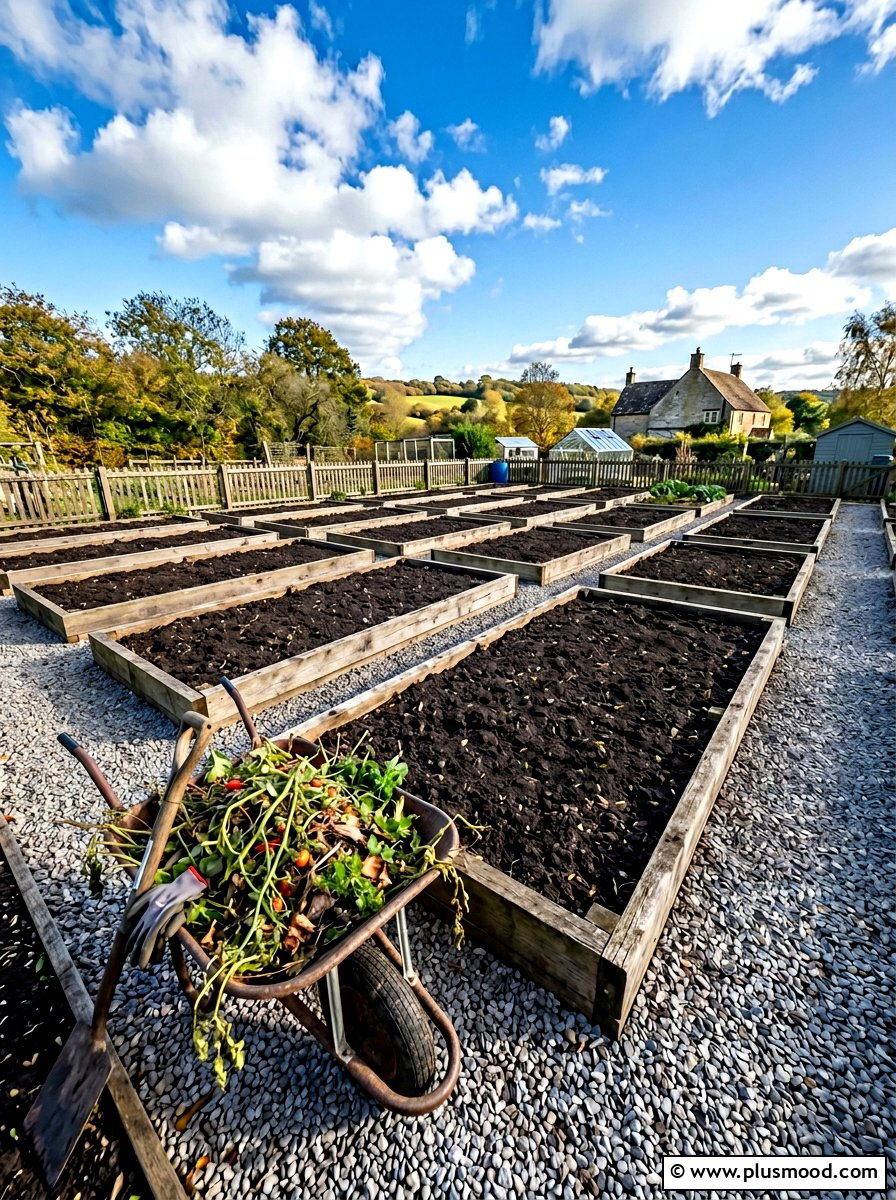
As your summer harvest winds down, it is important to clear out any remaining vegetable plants like tomatoes, peppers, and cucumbers. Removing these spent crops prevents diseases from lingering in the soil and provides a clean slate for planting cool-season greens or cover crops. Be sure to pick up any fallen fruit from the ground, as rotting vegetables can attract rodents and other unwanted wildlife to your garden area. If your beds are empty, consider adding a thick layer of organic compost to replenish the nutrients that were used up during the intense summer growing season. A clean vegetable patch is always easier.
10. Mulching Garden Beds
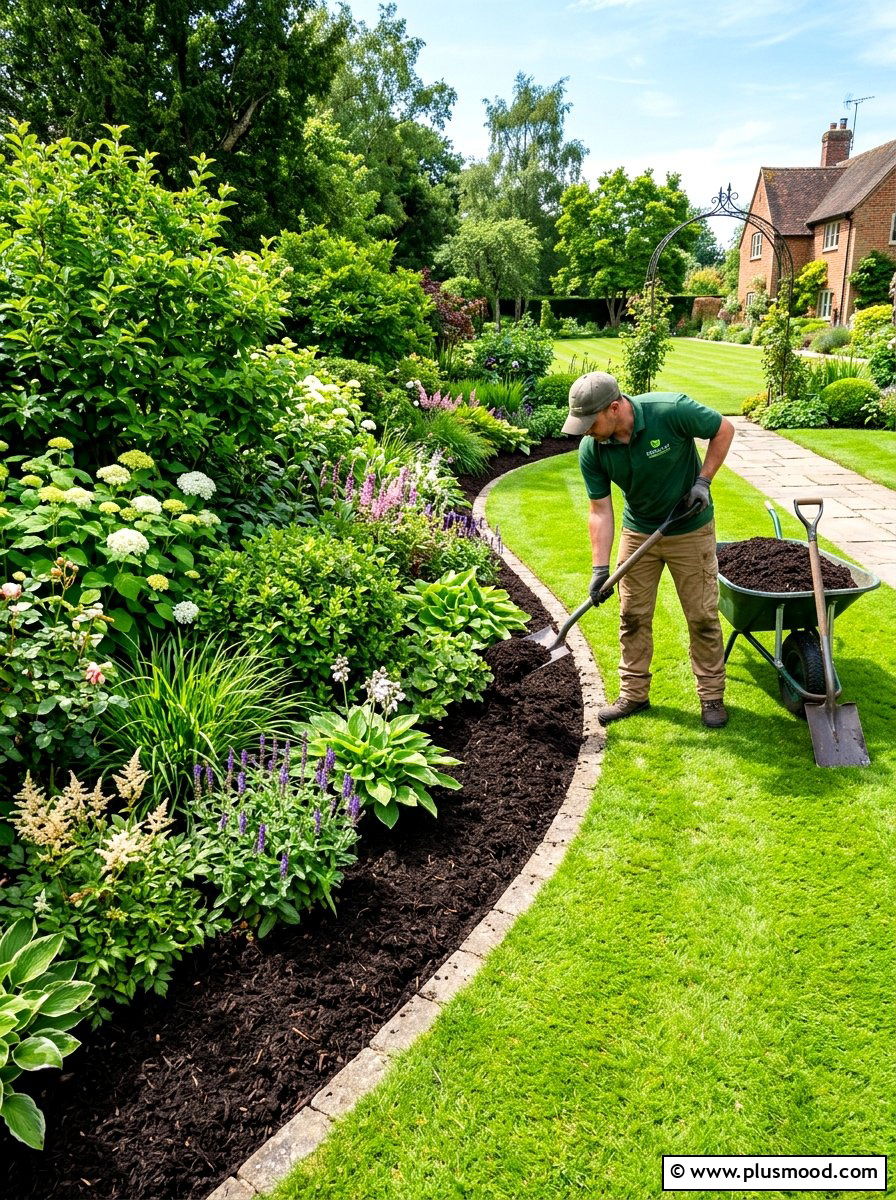
Applying a fresh layer of mulch is one of the most effective ways to protect your soil and plant roots from extreme temperature fluctuations. Choose organic materials like shredded bark, pine needles, or straw to cover the bare earth around your perennials and shrubs. This protective barrier helps retain moisture in the soil during dry autumn spells while suppressing the growth of winter weeds that try to take hold. Ensure the mulch is a few inches thick but avoid piling it directly against the stems of your plants to prevent rot. Proper mulching keeps your garden looking tidy and well-cared-for throughout the dormant winter months.
11. Mowing Lawn Short
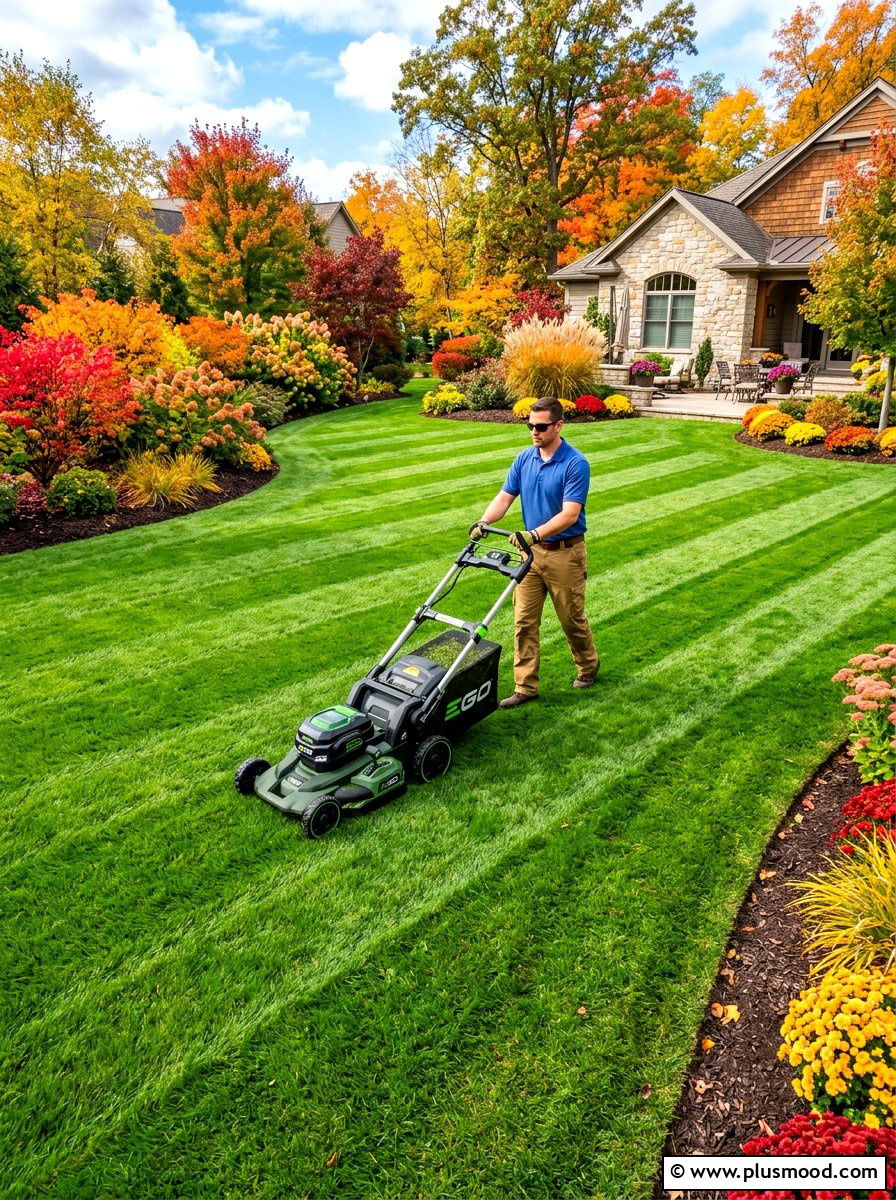
As the grass growth begins to slow down, gradually lowering your mower blade for the final few cuts of the season is beneficial. Keeping the grass a bit shorter during the winter prevents it from matting down under the weight of snow, which can lead to fungal issues like snow mold. Make sure you do not cut it too short all at once, as this can stress the root system of your lawn. Removing the excess height also makes it much easier to rake up fallen leaves as they begin to cover the ground. A neatly trimmed lawn provides a clean backdrop for your late-season garden features.
12. Dethatching Grass Lawns
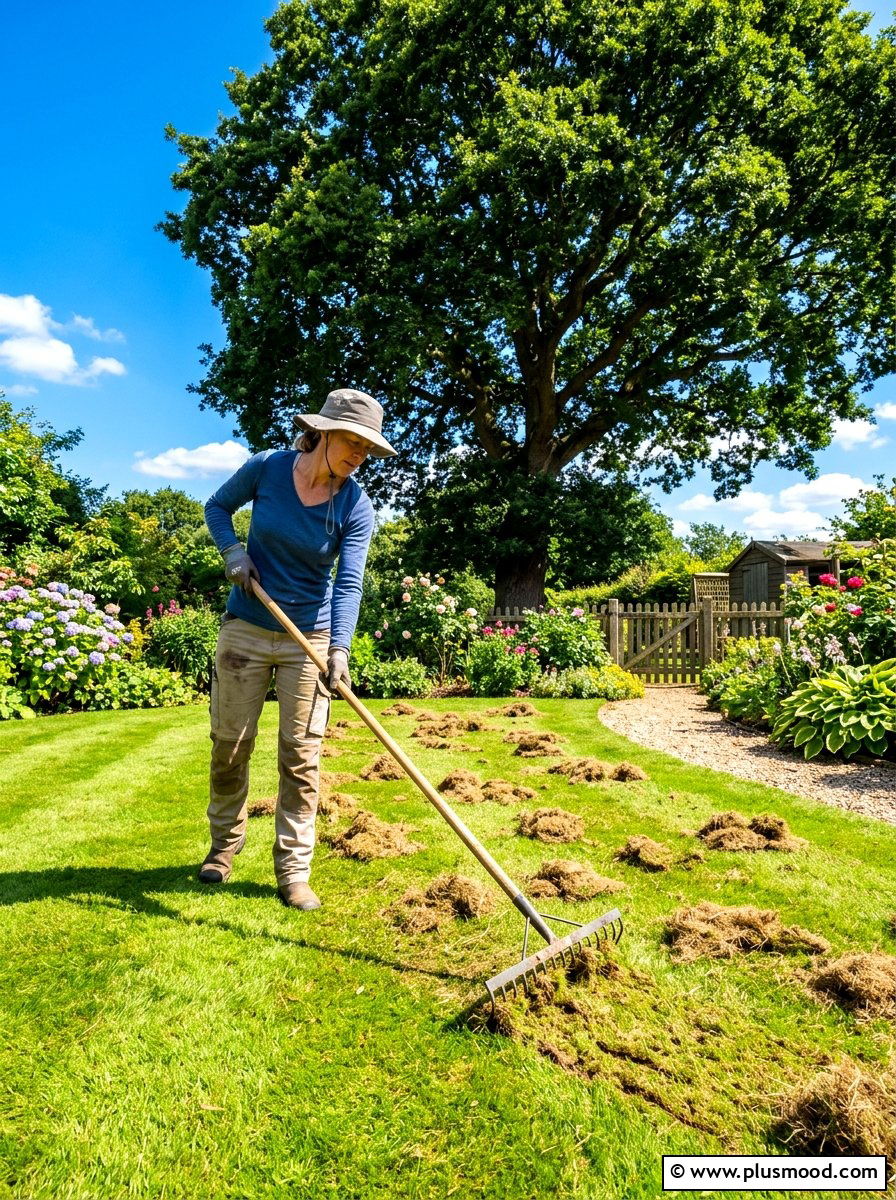
Over the course of the summer, a layer of dead grass and organic debris known as thatch can build up on the surface of your lawn. If this layer becomes too thick, it can prevent water, air, and nutrients from reaching the soil and the roots of your grass. Using a specialized dethatching rake or a motorized power rake helps break up this material and allows your lawn to breathe more effectively. This process might make the grass look a bit rough temporarily, but it is essential for promoting deep root growth and a thicker, healthier turf. Following up with aeration will further improve the soil.
13. Fertilizing Autumn Grass
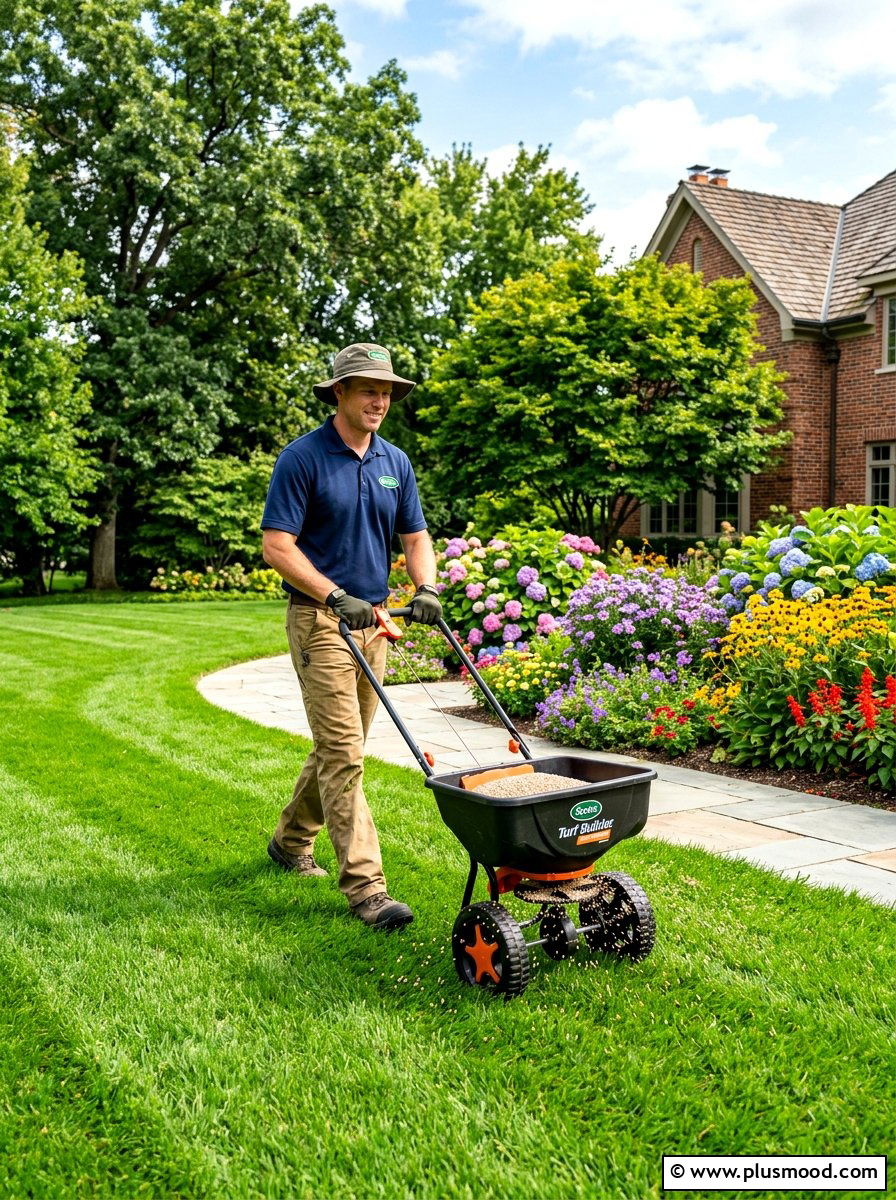
Feeding your lawn in the late summer or early fall is one of the most important steps for maintaining a lush green carpet. Use a high-quality fertilizer that is specifically formulated for autumn applications, which typically contains higher levels of potassium to strengthen the roots. This nutrient boost helps the grass recover from the stresses of summer heat and prepares it for the upcoming dormant period. A healthy root system developed now will lead to a much faster green-up when the temperatures rise in the spring. Applying the fertilizer evenly across the entire lawn ensures consistent growth and a professional, well-maintained appearance for your home.
14. Winterizing Irrigation Systems
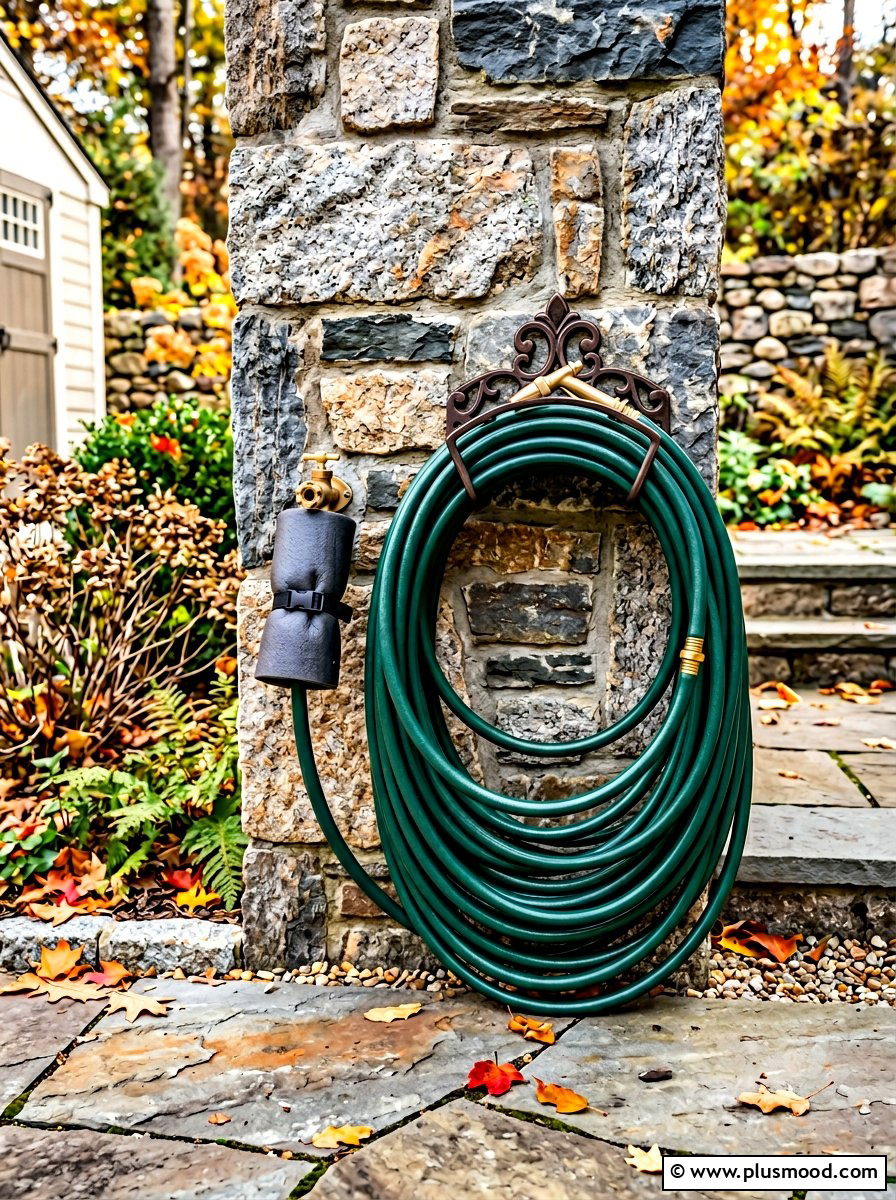
To prevent expensive damage from freezing temperatures, you must properly winterize your outdoor irrigation systems and garden hoses before the first hard frost. Start by turning off the main water supply and draining any remaining liquid from the pipes, valves, and sprinkler heads. If you have an underground system, consider using an air compressor to blow out the lines to ensure no water is left behind to expand and crack the pipes. Disconnect all garden hoses from outdoor faucets, drain them completely, and store them in a shed or garage. Taking these preventative measures now will save you from major plumbing headaches later.
15. Storing Patio Furniture

As the evenings get cooler, it is time to clean and store your outdoor furniture to protect it from the harsh winter elements. Wipe down chairs and tables with a mild detergent to remove any pollen or dust, and allow them to dry thoroughly before moving them inside. If you do not have enough indoor storage space, invest in heavy-duty waterproof covers that can be securely fastened to keep moisture out. Storing cushions and fabric umbrellas in a dry, pest-proof container prevents mold growth and ensures they stay in great condition for next year. Proper storage significantly extends the lifespan of your valuable outdoor decor.
16. Organizing Garden Sheds
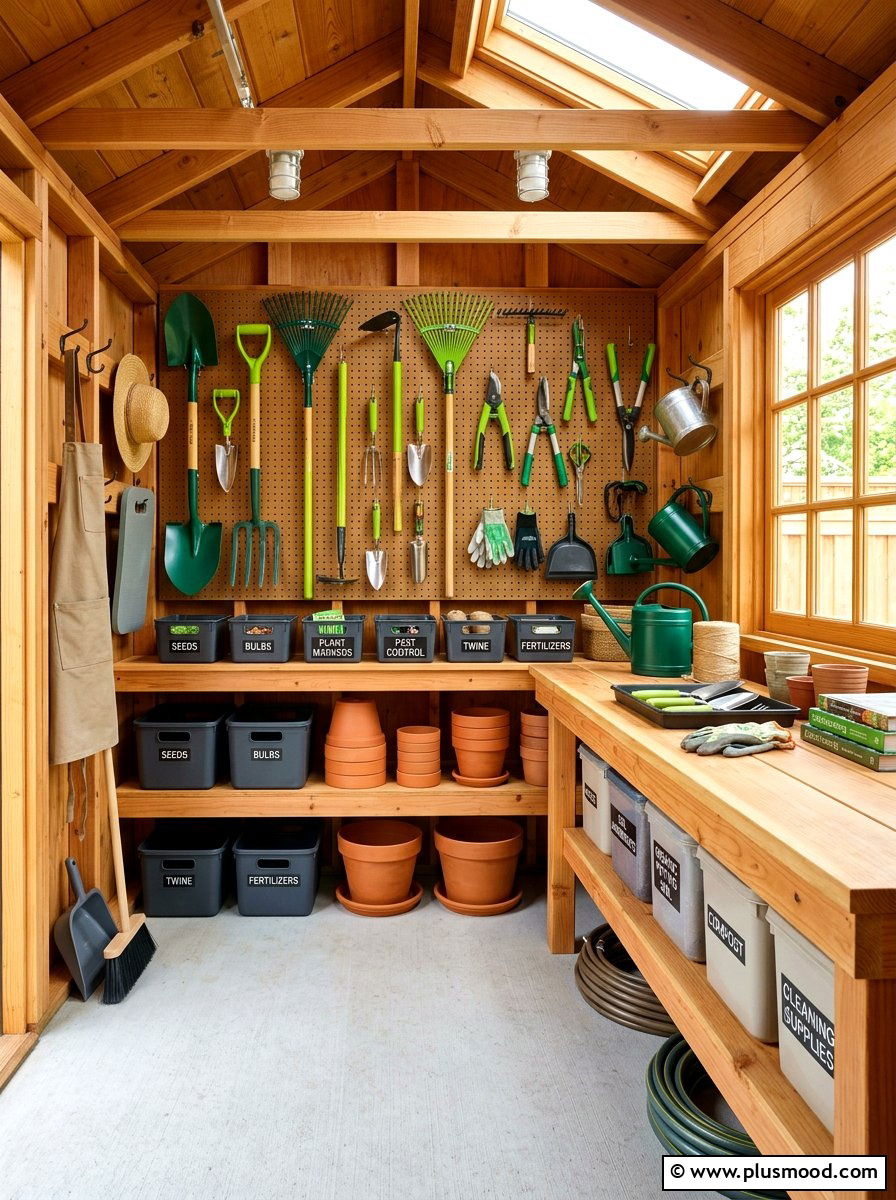
A late summer cleanup is the perfect excuse to declutter and reorganize your garden shed or storage area. Sort through your supplies, discarding any empty containers, broken pots, or expired chemicals that are no longer useful. Grouping similar items together on shelves or in bins makes it much easier to find what you need during the busy spring planting rush. Hanging long-handled tools on the walls saves valuable floor space and keeps your workspace looking neat and professional. A well-organized shed not only protects your investment in equipment but also makes the entire gardening process feel much more relaxing and enjoyable for you.
17. Scrubbing Plant Pots
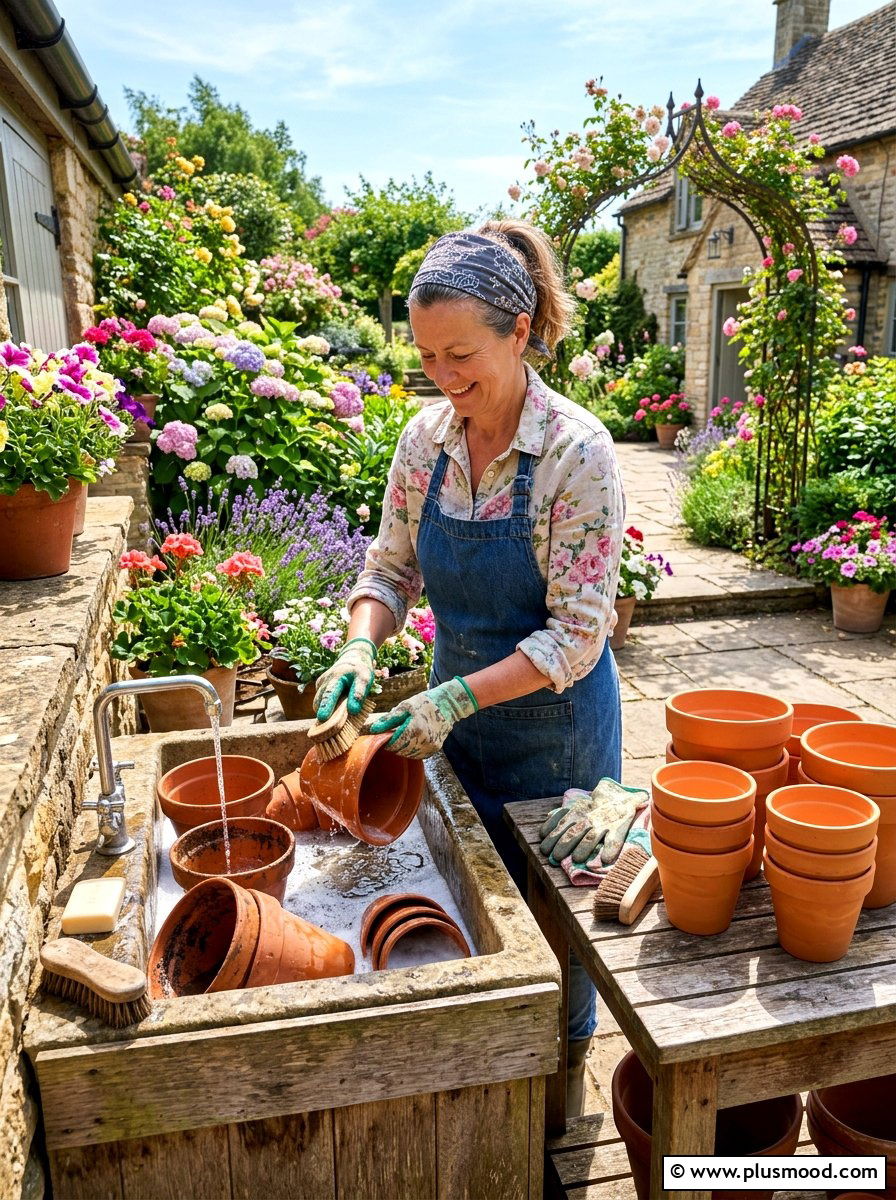
Before stacking your empty containers for the winter, give them a good scrubbing to remove any mineral deposits or lingering soil pathogens. Using a solution of water and a small amount of vinegar or bleach helps disinfect the pots and prevents the spread of diseases to new plants next season. Terracotta pots are especially porous and can crack if left outside with wet soil, so ensure they are completely dry before storing them in a frost-free area. Taking the time to clean your pots now means you will have a fresh, ready-to-use supply of containers as soon as the spring flowers arrive at nurseries.
18. Pulling Invasive Weeds
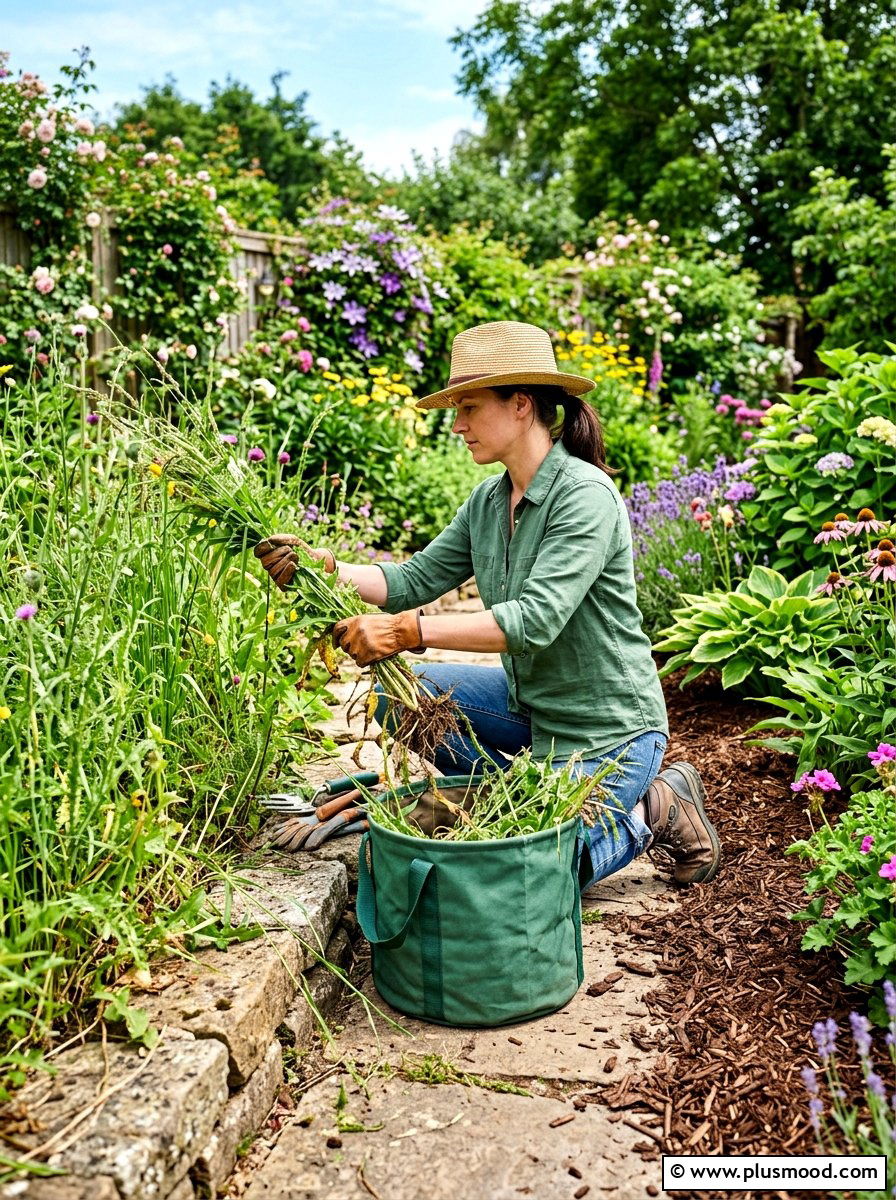
Don't let aggressive weeds go to seed in your garden beds during the final weeks of summer. Taking the time to pull these invaders now prevents them from dropping thousands of seeds that will sprout and cause problems next spring. Focus on removing the entire root system, especially for perennial weeds that can easily survive the winter underground. If the soil is dry and hard, water the area thoroughly a few hours before weeding to make the task much easier on your hands and back. Consistent weeding in the late season drastically reduces the amount of maintenance work you will have to do later.
19. Protecting Tender Plants
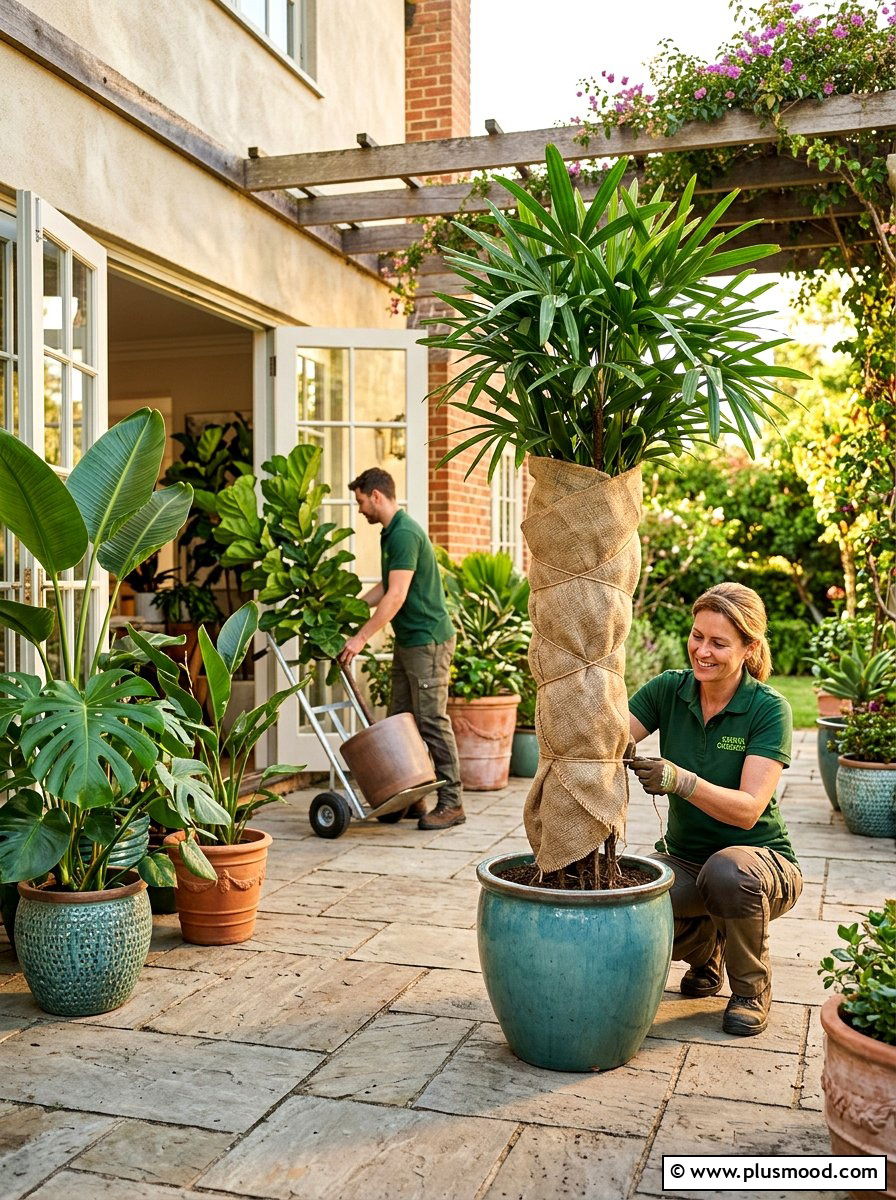
If you have tropical plants or delicate perennials that cannot survive freezing temperatures, now is the time to prepare them for the indoors. Gradually move these containers to shadier spots over a week to help them acclimate to lower light levels before bringing them inside your home. Inspect the foliage and soil carefully for any hitchhiking pests like spider mites or gnats to avoid an indoor infestation. For larger plants that stay outside, consider using frost blankets or burlap wraps to provide an extra layer of insulation against the cold wind. Being proactive with protection ensures your favorite exotic plants remain healthy and vibrant.
20. Cleaning Bird Feeders
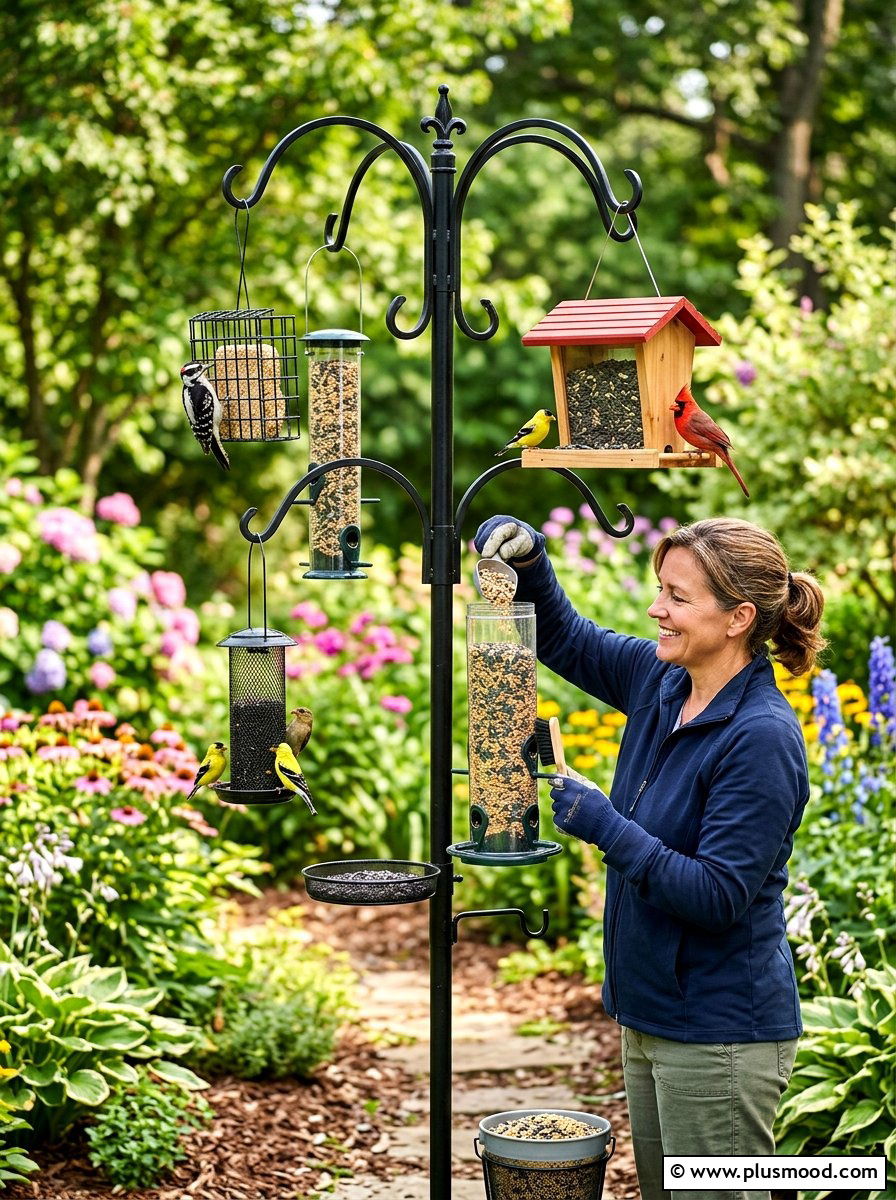
Supporting local wildlife is a wonderful part of gardening, and your bird feeders need a thorough cleaning as the seasons change. Over the summer, feeders can accumulate bacteria or moldy seed, which can be harmful to the birds that visit your yard. Disassemble the feeders and soak them in a weak bleach solution before scrubbing away any debris and rinsing them thoroughly with clean water. Once they are completely dry, refill them with fresh, high-quality seeds to provide a reliable food source for migrating and resident birds. Keeping your bird stations clean and well-stocked encourages a variety of feathered friends to visit.


21. Inspecting Garden Fences
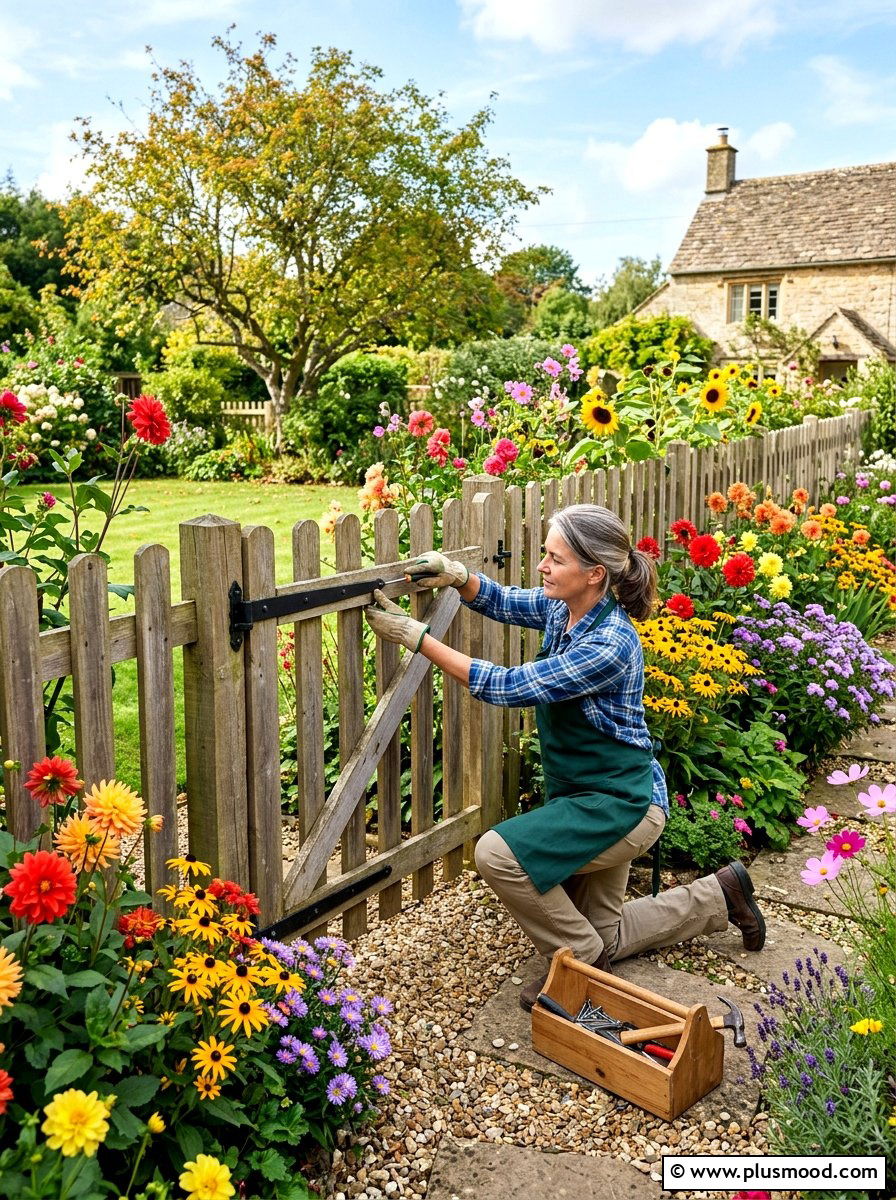
The transition between seasons is a great time to inspect your garden fences and gates for any signs of wear or damage. Look for loose boards, rusting hinges, or areas where the wood might be starting to rot after exposure to summer humidity. Making small repairs now, such as tightening screws or applying a fresh coat of sealant, prevents minor issues from turning into major structural problems during winter storms. Ensuring your perimeter is secure also helps keep hungry deer or rabbits away from your precious perennial plants during the sparse winter months. A sturdy and well-maintained fence adds significant curb appeal to your property.
22. Draining Water Features
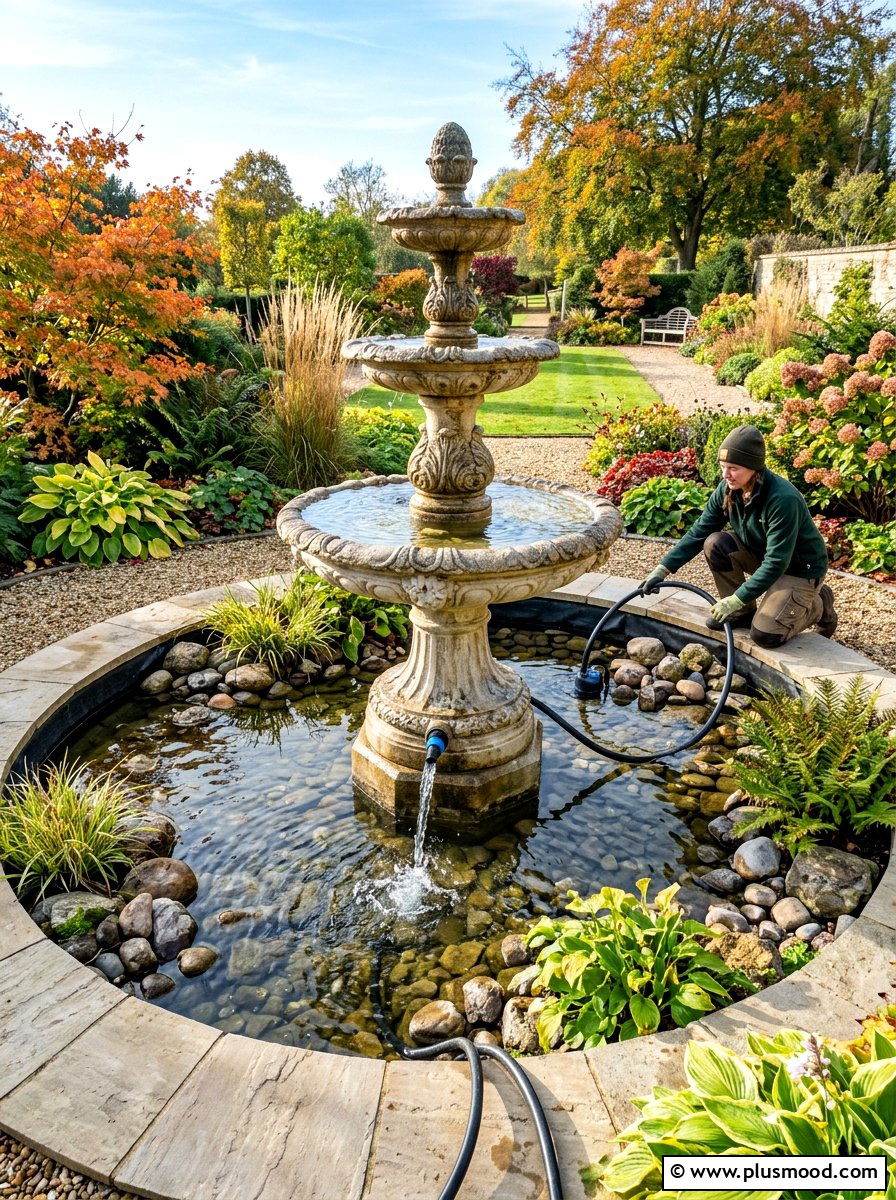
If you have a backyard pond or a decorative fountain, it is essential to prepare it for the cold weather ahead. Start by removing any fallen leaves or organic debris from the water to prevent them from rotting and affecting the water quality. For smaller fountains, drain the water completely and move the pump to a frost-free indoor location to prevent the motor from freezing and cracking. If you have fish, ensure you have a heater or a bubbler to keep a small hole open in the ice for oxygen exchange. Proper maintenance of your water features protects your equipment and ensures a beautiful display.
23. Labeling New Plants
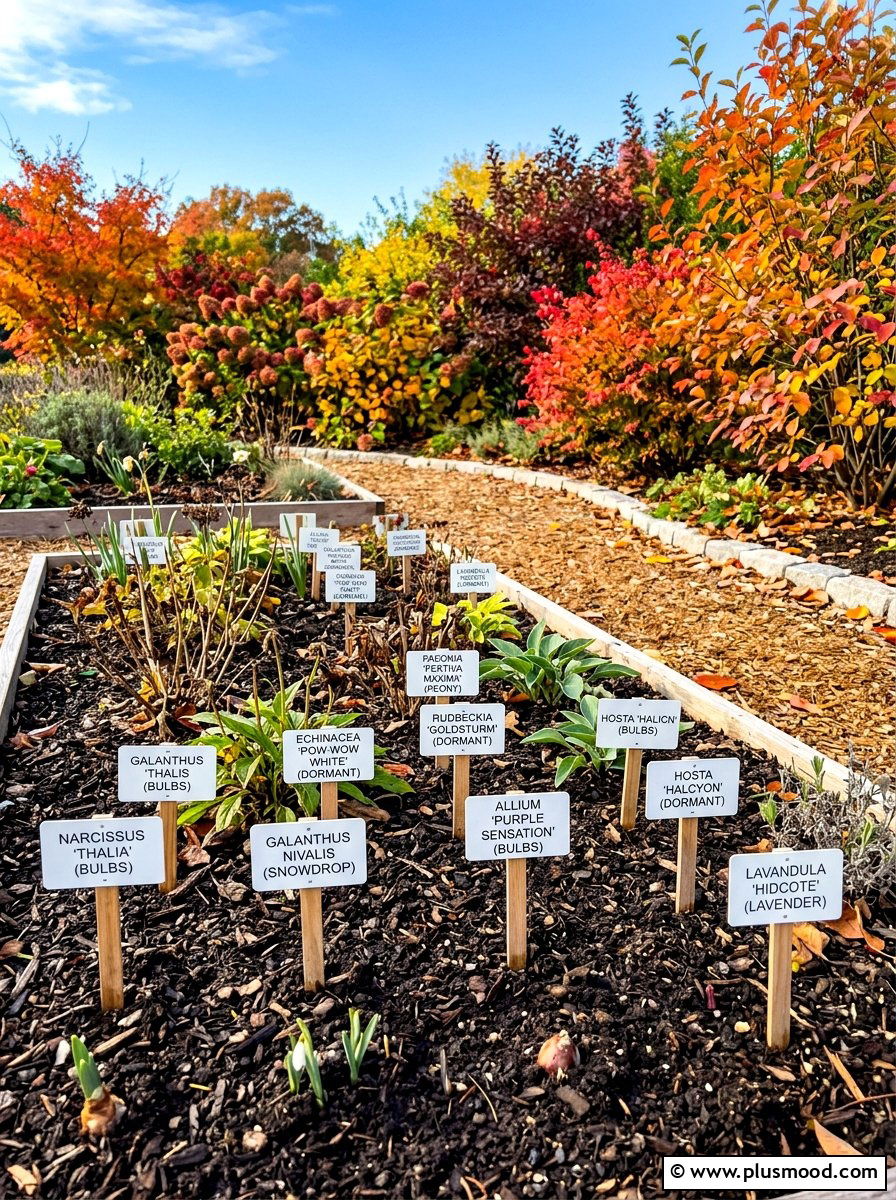
It is easy to forget exactly where you planted new perennials or bulbs once the foliage disappears during the winter dormancy period. Take a moment during your cleanup to place durable labels or stakes next to any recent additions to your garden beds. Using waterproof markers on metal or plastic tags ensures the information remains legible even after months of rain and snow. You might also want to take photos of your garden layout or update your garden journal to keep track of variety names and planting dates. Clear labeling prevents you from accidentally digging up dormant plants when you start your spring gardening projects.
24. Planting Fall Shrubs
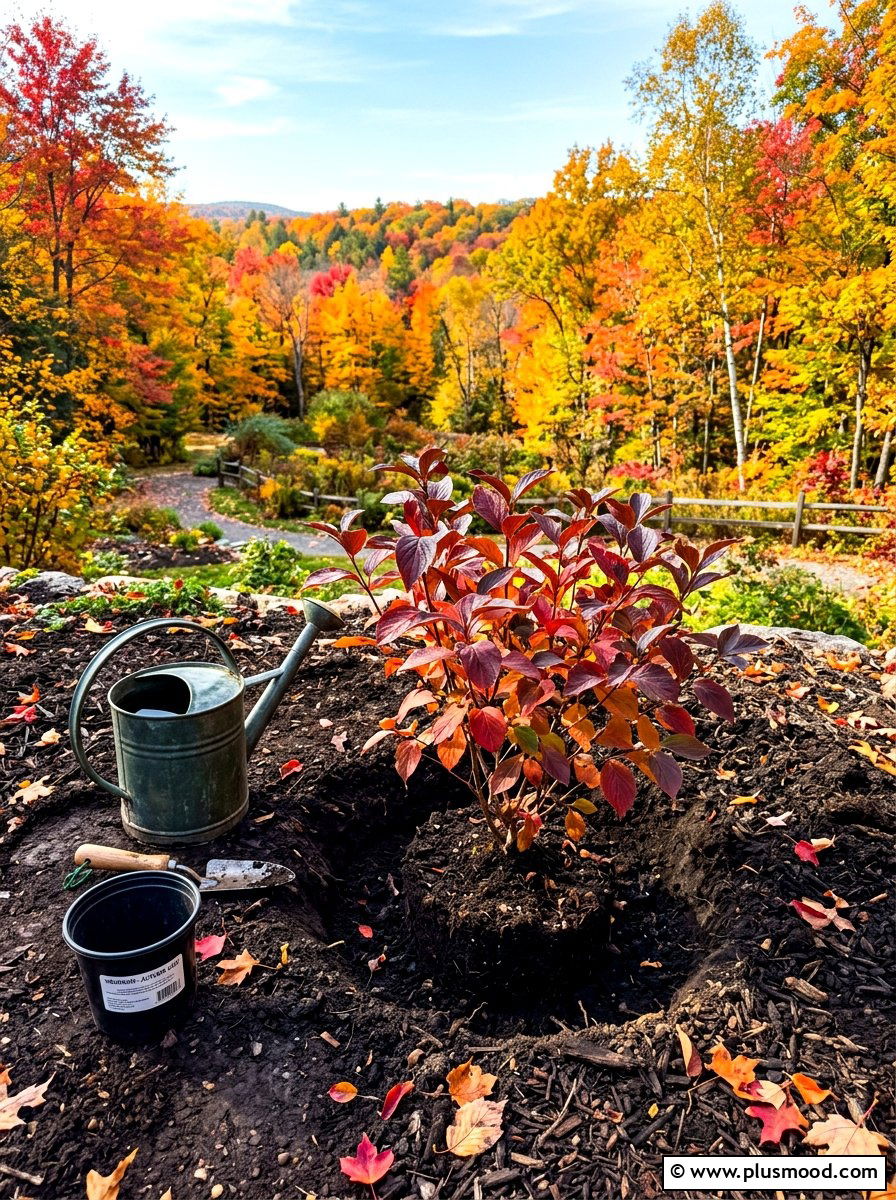
While the soil is still warm from the summer sun, it is actually a fantastic time to add new shrubs or trees to your landscape. The cooler air temperatures of late summer and early fall reduce transplant stress, allowing the plants to focus their energy on developing a strong root system. Choose varieties that offer beautiful autumn foliage or interesting winter berries to add year-round visual interest to your outdoor space. Be sure to water these new additions deeply and regularly until the ground freezes to help them settle in comfortably. Fall planting gives your garden a significant head start for the following growing season.
25. Planning Spring Garden

One of the most rewarding parts of an end of summer cleanup is the opportunity to reflect on what worked well and what you want to change. While the details are still fresh in your mind, sketch out a rough map of your current garden and make notes about plant performance. Identify any empty spots that need filling or areas where colors didn't quite harmonize as you had originally planned. Browsing through seed catalogs now allows you to dream about new varieties and color schemes while the landscape is quiet. This creative planning phase turns the end of the season into an exciting beginning.
Conclusion:
Spending time in your garden during the late summer transition is a deeply satisfying way to honor the hard work you put in all year. By following these comprehensive cleanup steps, you are not just tidying up a space, but actively investing in the future beauty and productivity of your home landscape. Each small task, from scrubbing a pot to dividing a perennial, contributes to a healthier ecosystem that will reward you with vibrant growth come spring. Embrace the cooling air and the changing colors as you prepare your sanctuary for its well-deserved rest. A well-prepared garden is truly the hallmark of a thoughtful and passionate gardener.
Related posts:






Leave a Reply