
Creating a Japanese garden is a journey toward peace and tranquility that often involves blending natural elements with artistic expressions. Integrating painted rocks into these serene landscapes allows you to add pops of color and meaningful symbols without disrupting the overall Zen atmosphere. These small artistic additions can represent centuries-old traditions like the graceful movement of koi fish or the delicate beauty of seasonal cherry blossoms. Whether you are working with a large backyard or a tiny balcony Zen corner, these hand-painted stones serve as focal points that invite mindfulness. They offer a unique way to personalize your outdoor sanctuary while respecting the minimalist aesthetic that defines traditional Japanese landscape design.
1. Red koi fish stone
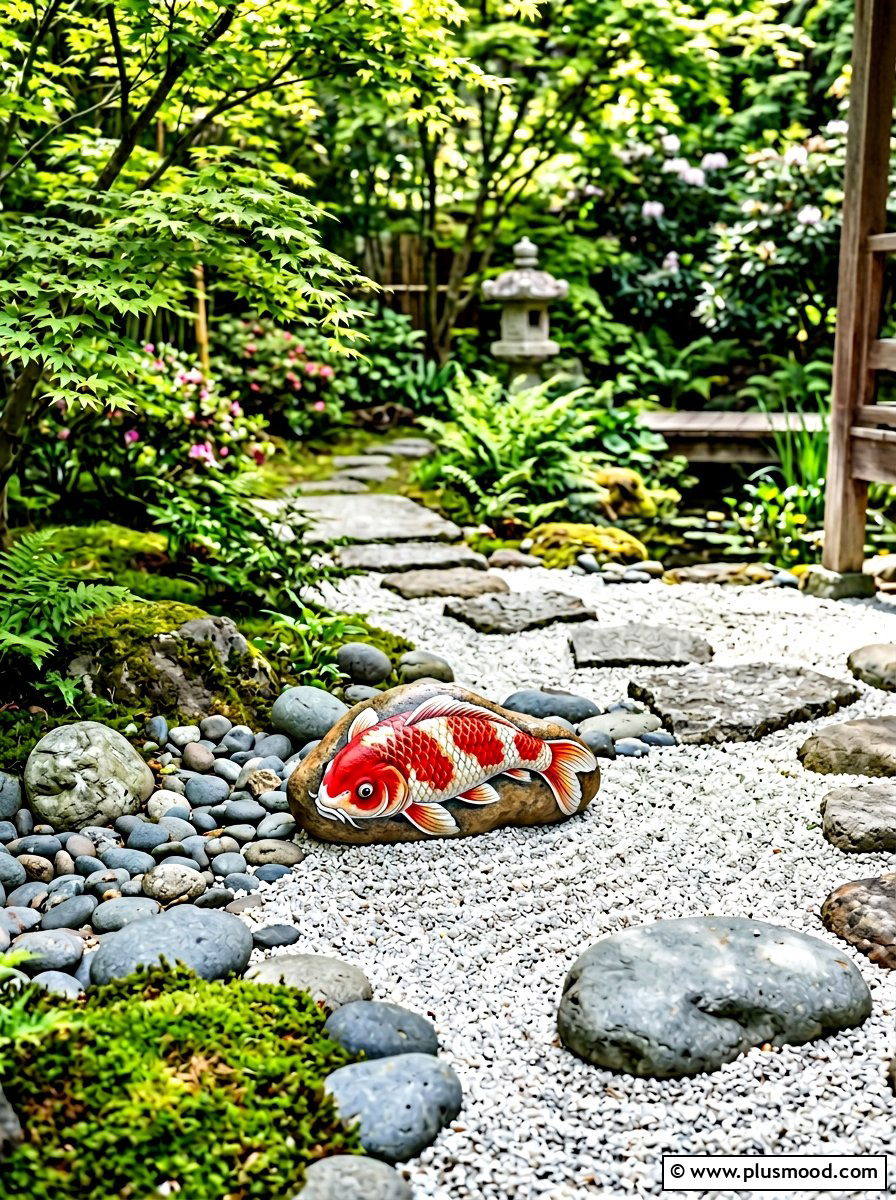
Have you ever noticed how the bright colors of a koi fish can instantly transform a quiet pond into a lively scene? Painting vibrant red and white koi patterns on smooth, flat river stones is a wonderful way to bring this energy into your Japanese garden without needing a real pond. These stones look stunning when placed nestled among grey gravel or tucked under a small bridge. Use thin brushes to capture the flowing movement of the fins and the distinct orange or red spots on their backs. The contrast between the bright fish and the natural stone background creates a beautiful visual interest that captures the spirit of Japanese water features perfectly.
2. Pink cherry blossom stone
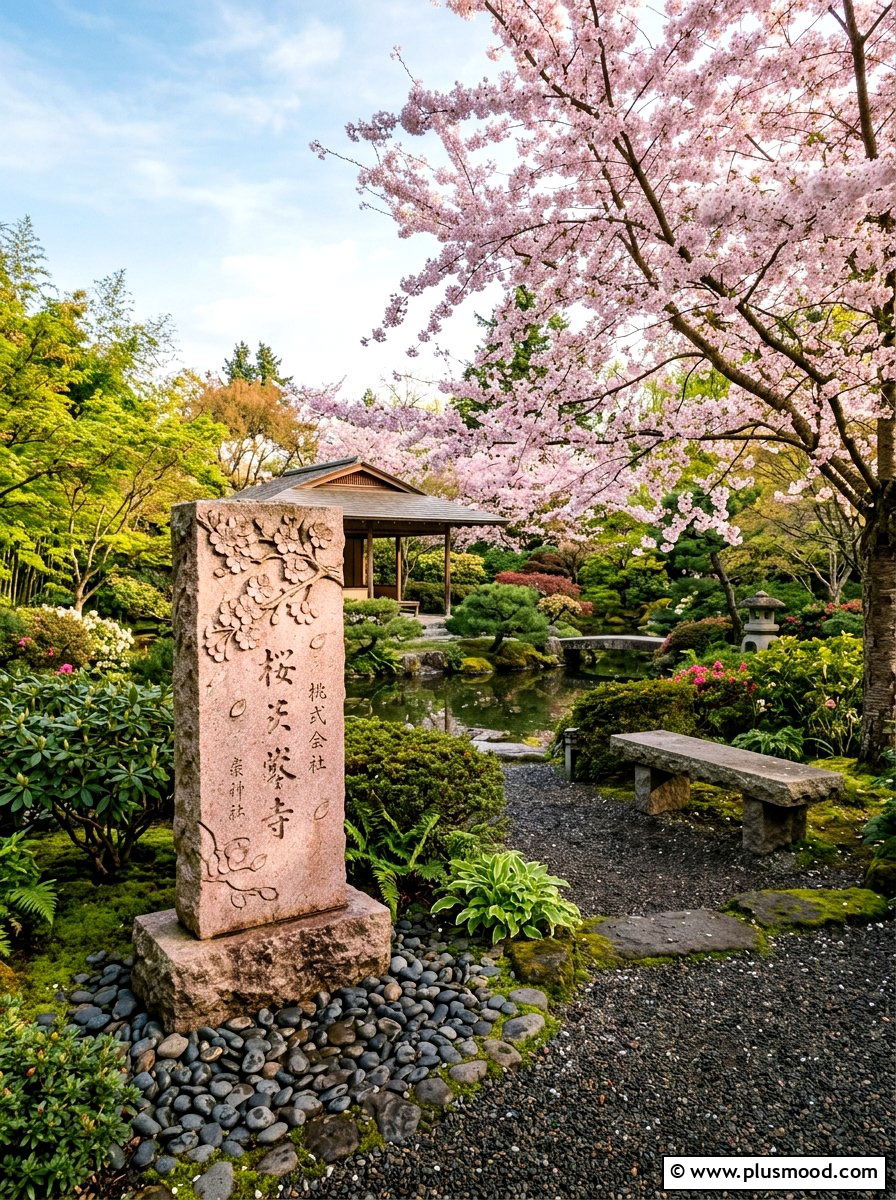
Imagine the delicate beauty of springtime captured forever on a small pebble sitting near your favorite garden bench. Pink cherry blossoms, or Sakura, are perhaps the most iconic symbol of Japanese nature and look incredible when painted on dark, weathered stones. You can use a dabbing technique with a small sponge or a fine-tip brush to create the soft, overlapping petals. Adding a few tiny dark branches connects the blossoms and gives the design a grounded, natural feel. These stones work best when grouped together in small clusters, mimicking the way petals fall gently to the ground during the peak of the flowering season in Japan.
3. Zen ensō circle
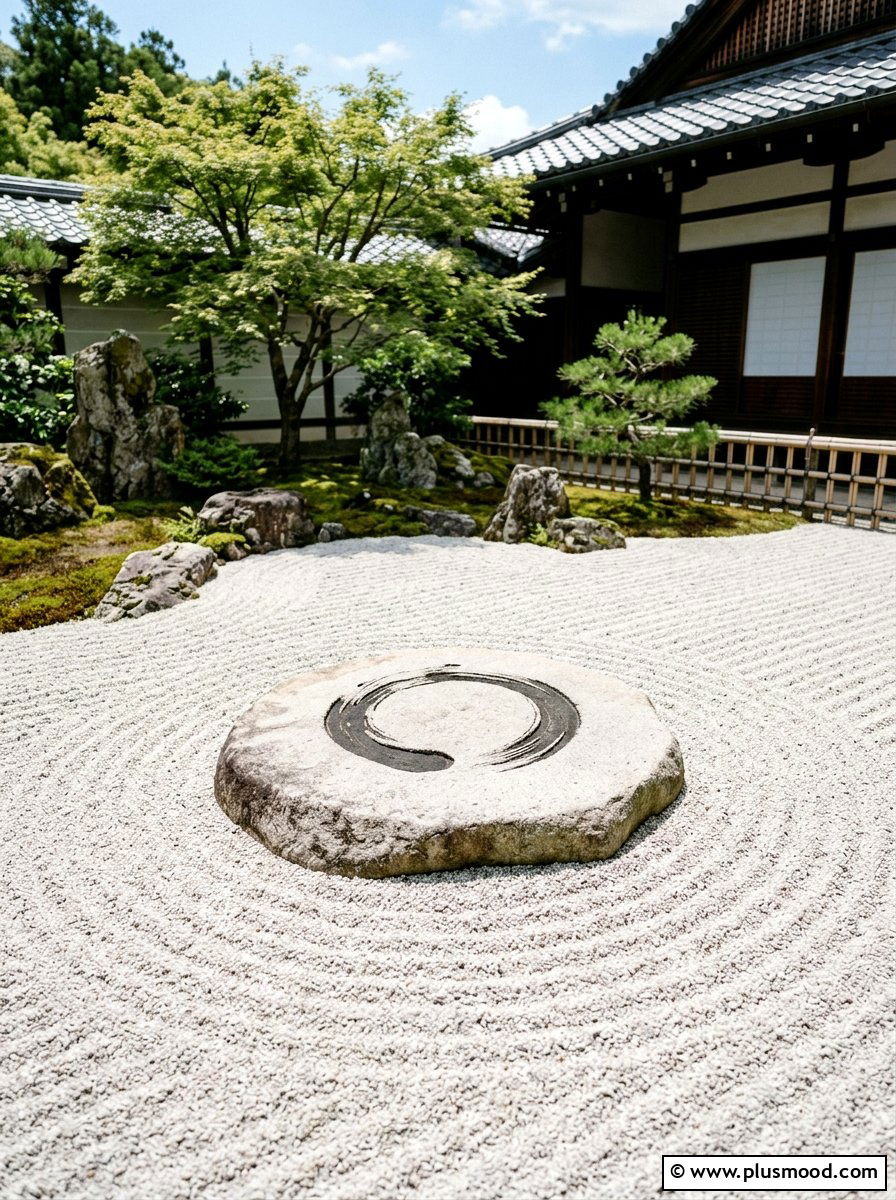
A single, bold brushstroke forming a circle is one of the most powerful symbols in Zen philosophy, representing enlightenment and the universe. Painting a black or dark grey ensō circle on a light-colored, smooth stone brings a sense of modern minimalism to your outdoor space. The beauty of this design lies in its imperfection, so you do not need to worry about making a perfect circle. A slightly rough or "dry" brush look adds character and mimics traditional Japanese ink wash painting. This type of stone is ideal for placement at the center of a raked sand garden or near a quiet meditation spot.
4. Japanese kanji calligraphy rock
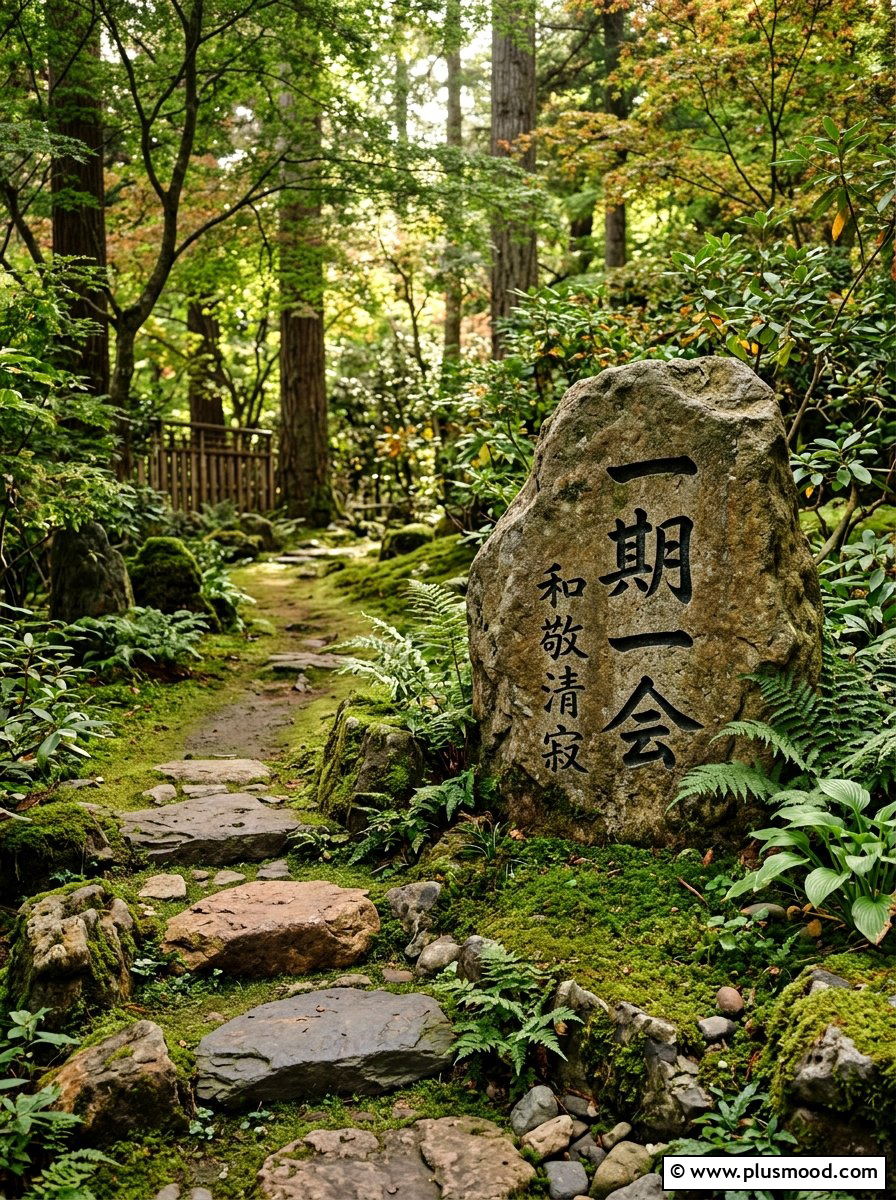
Could a single word written in beautiful calligraphy change the mood of your entire garden walkway? Using black acrylic paint or a specialized paint pen to write Japanese kanji characters like "Peace, " "Love, " or "Nature" onto flat stones adds a layer of deep meaning to your landscape. You should choose stones with a natural, earthy texture to complement the bold, structured lines of the script. If you are new to calligraphy, you can find many simple templates online to help you trace the characters accurately. These stones act as silent reminders of your intentions for the space, grounding your mind as you walk through the greenery.
5. Pagoda landscape stone
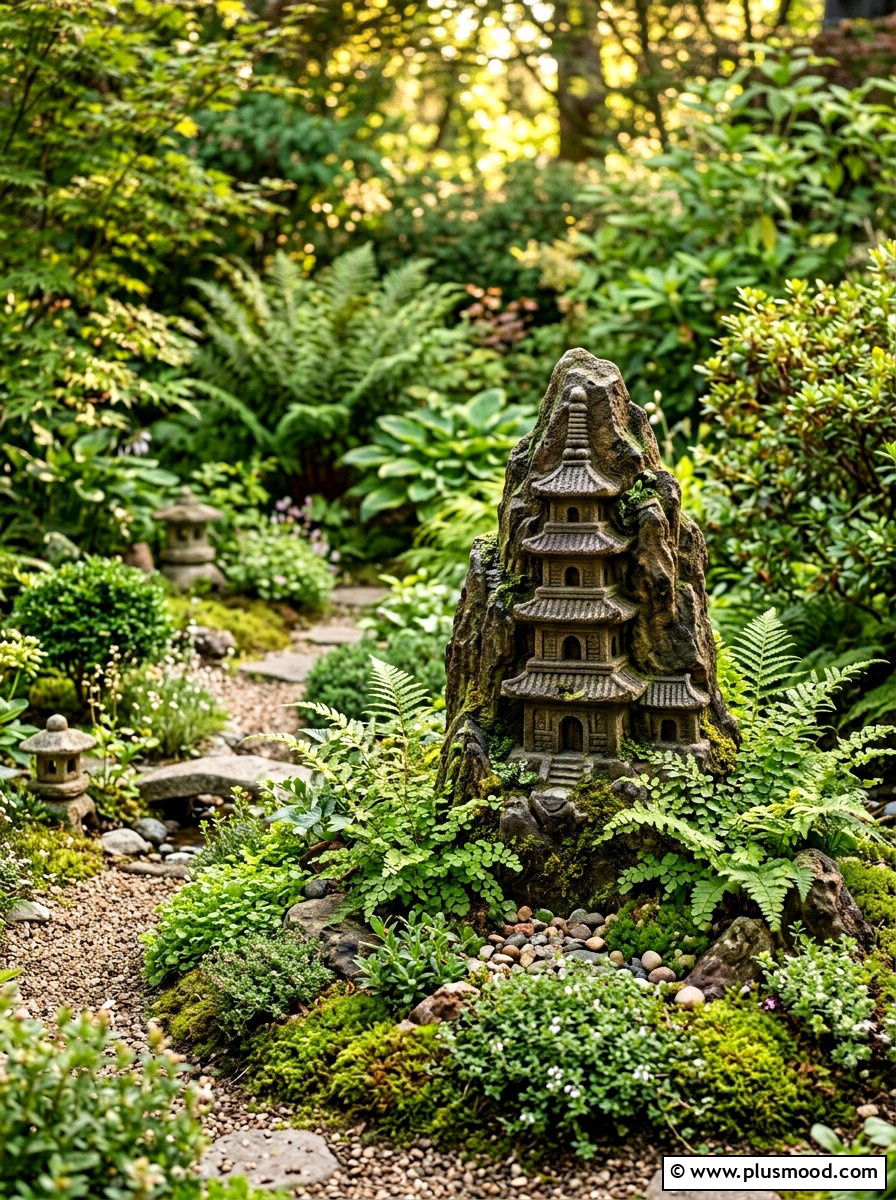
Adding a miniature architectural element can give your garden a sense of scale and history that is truly captivating. You can paint a simple silhouette of a traditional Japanese pagoda on a taller, upright stone to create a focal point in a mossy corner. Use dark colors like charcoal or deep brown to make the tiered roof structures stand out against the natural stone color. This design works exceptionally well on stones that have a natural "mountain" shape, as it mimics a temple sitting high on a peak. Surrounding the base of these stones with low-growing groundcover or small ferns enhances the realistic, miniature landscape effect.
6. White crane painting
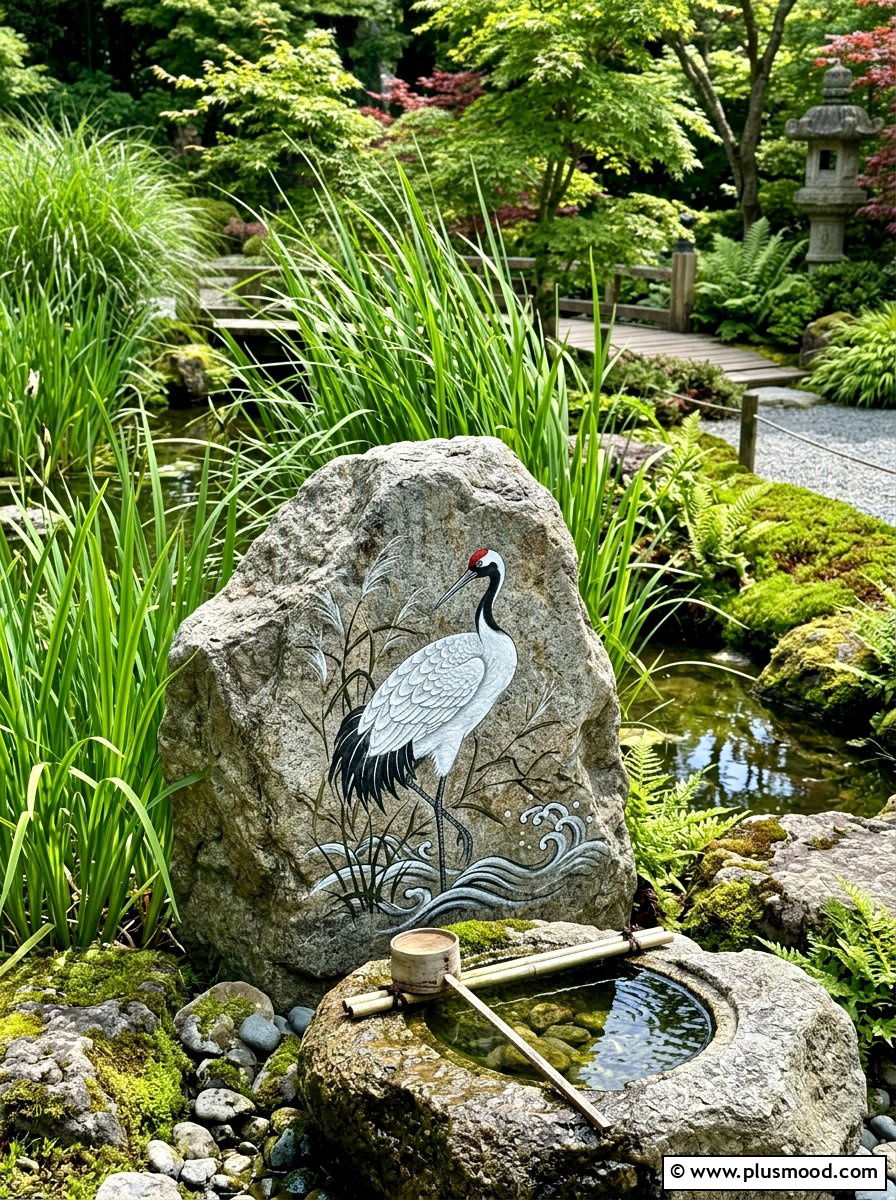
White cranes are revered symbols of longevity and good fortune in Japanese culture, making them a perfect subject for your garden art. You can paint a graceful crane with its wings tucked or extended on a large, smooth river rock to symbolize peace. Use bright white paint for the body and add a tiny touch of red on the head for an authentic look. These stones look very elegant when placed near a water feature or among tall grasses that mimic a marshy habitat. The bright white color pops beautifully against the green leaves of hostas or bamboo, drawing the eye toward the deeper corners of your garden.
7. Maneki neko lucky cat rock
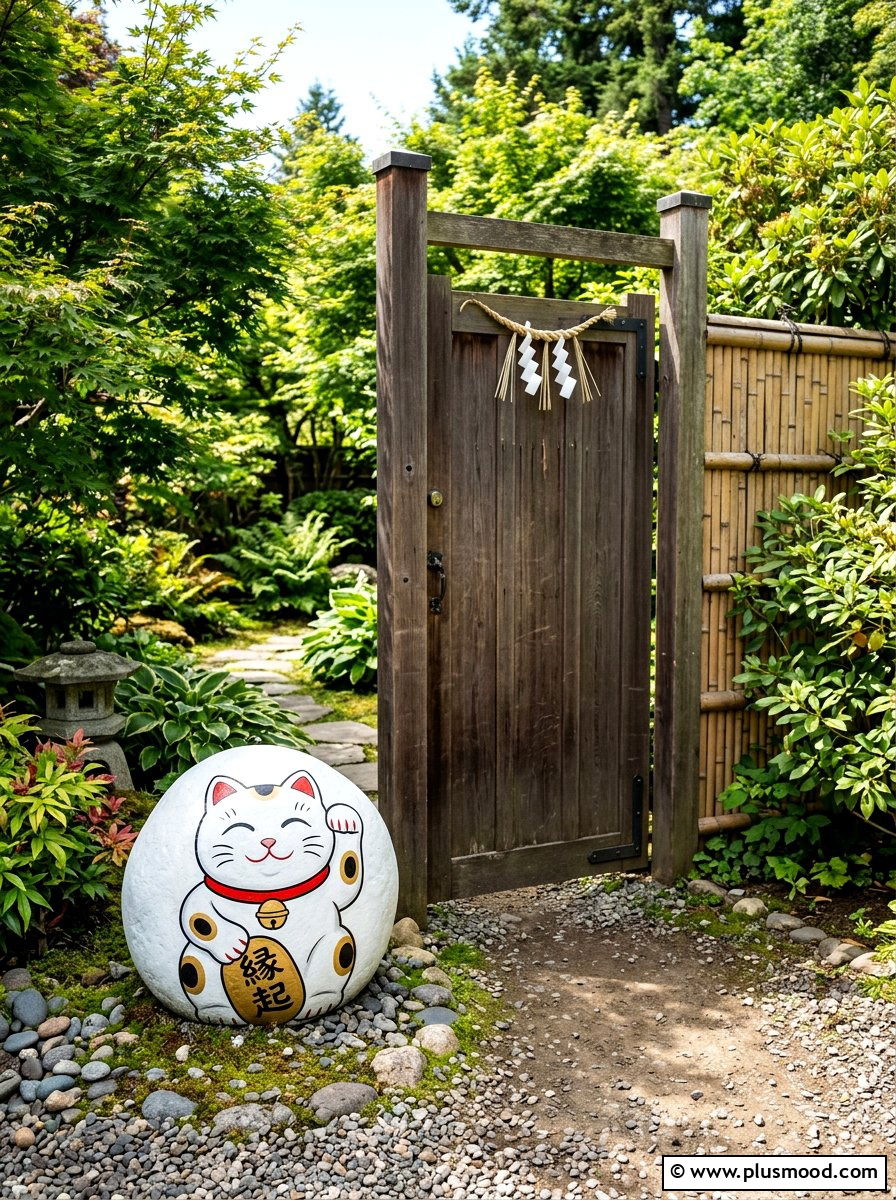
Who wouldn't want a little bit of extra luck and a friendly face greeting them as they enter their garden path? The Maneki-neko, or beckoning cat, is a charming and whimsical choice for a painted rock project that adds personality to your space. You can paint the cat with one paw raised, traditionally using white, gold, and red colors to represent wealth and protection. These stones are usually quite round, so look for "potato-shaped" rocks that can sit upright easily. Placing a lucky cat stone near your garden gate or entrance creates a welcoming atmosphere that will make every visitor smile as they pass by.
8. Mount Fuji mountain stone
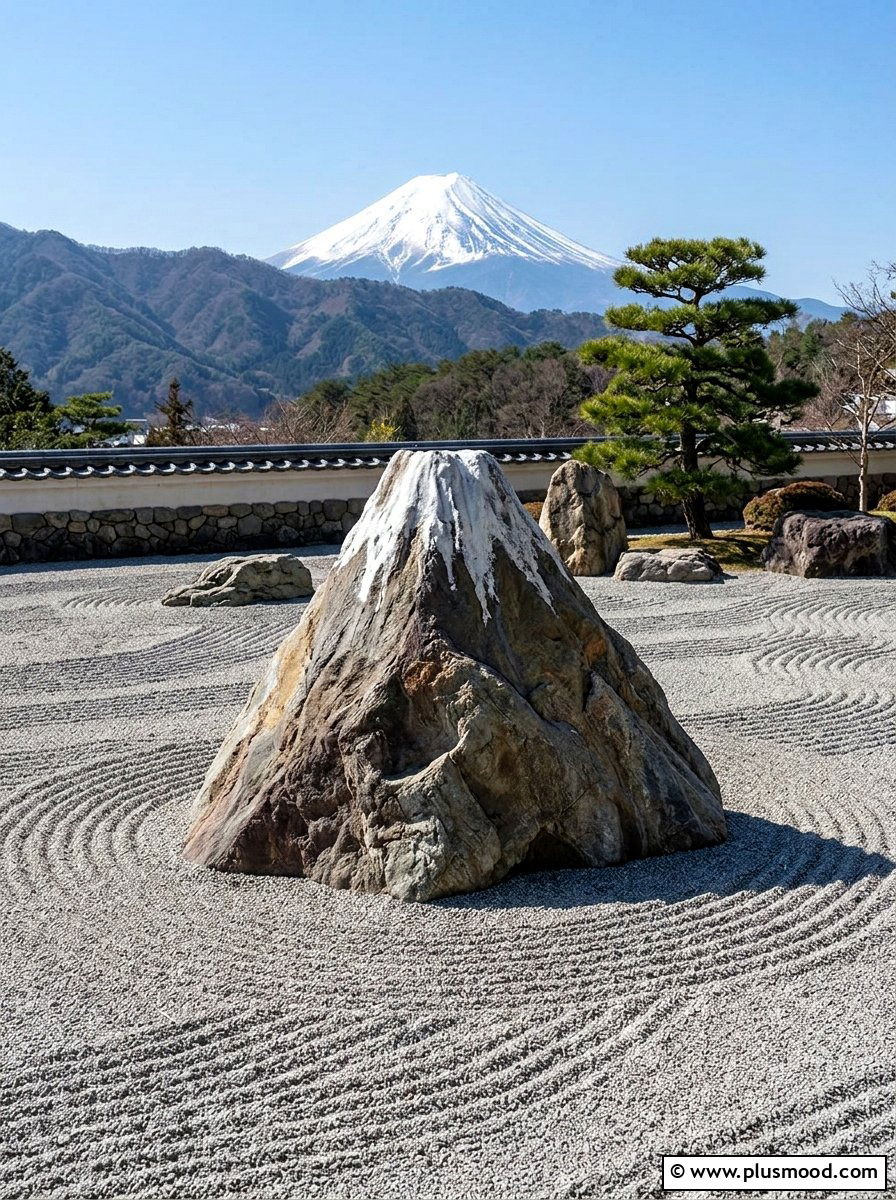
Capturing the majesty of Japan’s most famous peak on a simple garden stone is an inspiring way to celebrate natural beauty. Look for triangular or jagged rocks that already have a mountain-like silhouette to make your painting process even easier. Use a deep blue or purple for the base of the mountain and a bright, crisp white for the iconic snow-capped top. You can even add a small red sun in the background to create a classic artistic composition. These stones look best when placed in a dry rock garden, where they can serve as the "peaks" in a sea of raked gravel waves.
9. Green bamboo stalk painting
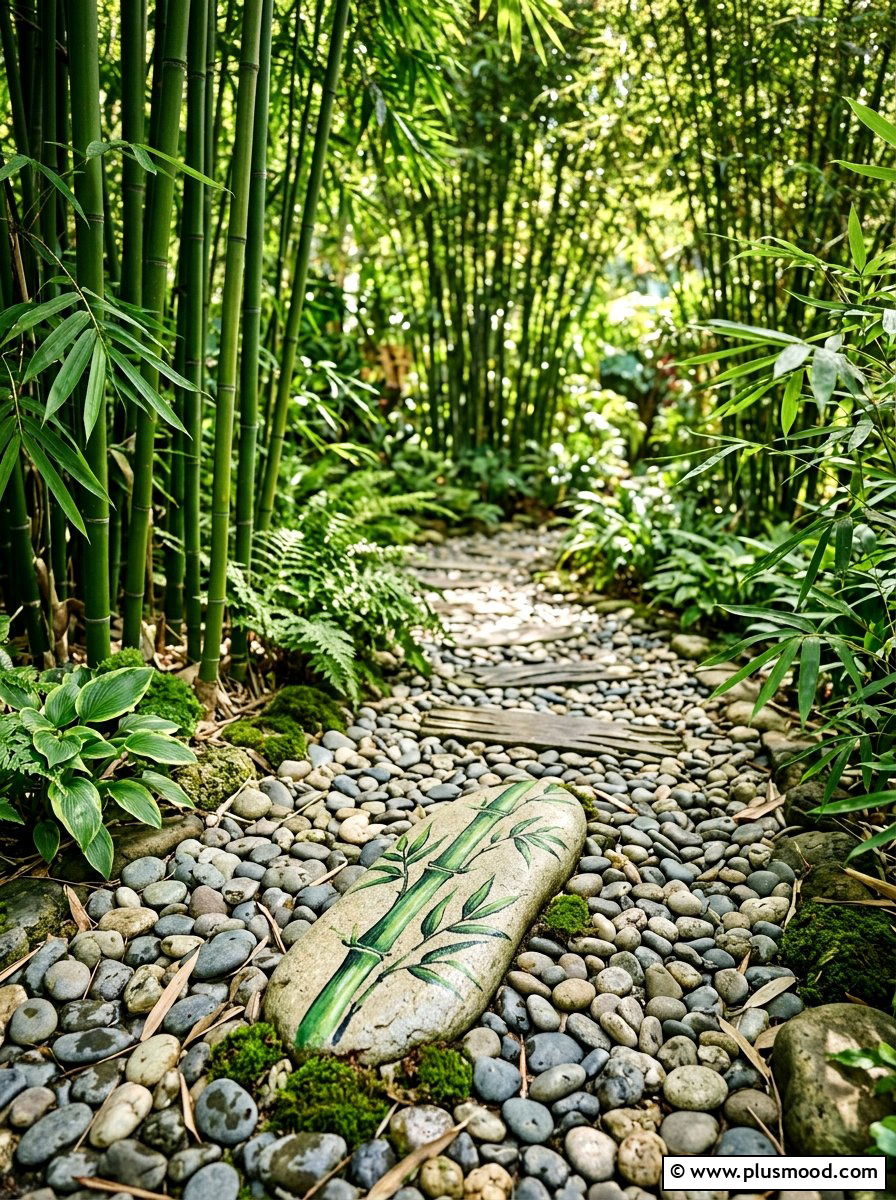
Bamboo represents strength and flexibility, and painting its segmented stalks onto long, narrow stones can reinforce these themes in your garden. You can use various shades of green and yellow to create a sense of depth and light hitting the round surfaces of the bamboo. Adding a few delicate, pointed leaves branching off to the sides will make the design look more realistic and organic. These stones are perfect for lining a path or filling in gaps between real bamboo plants to create a continuous wall of greenery. The vertical lines of the painted stalks provide a nice contrast to horizontal garden elements.
10. Blue wave pattern stone
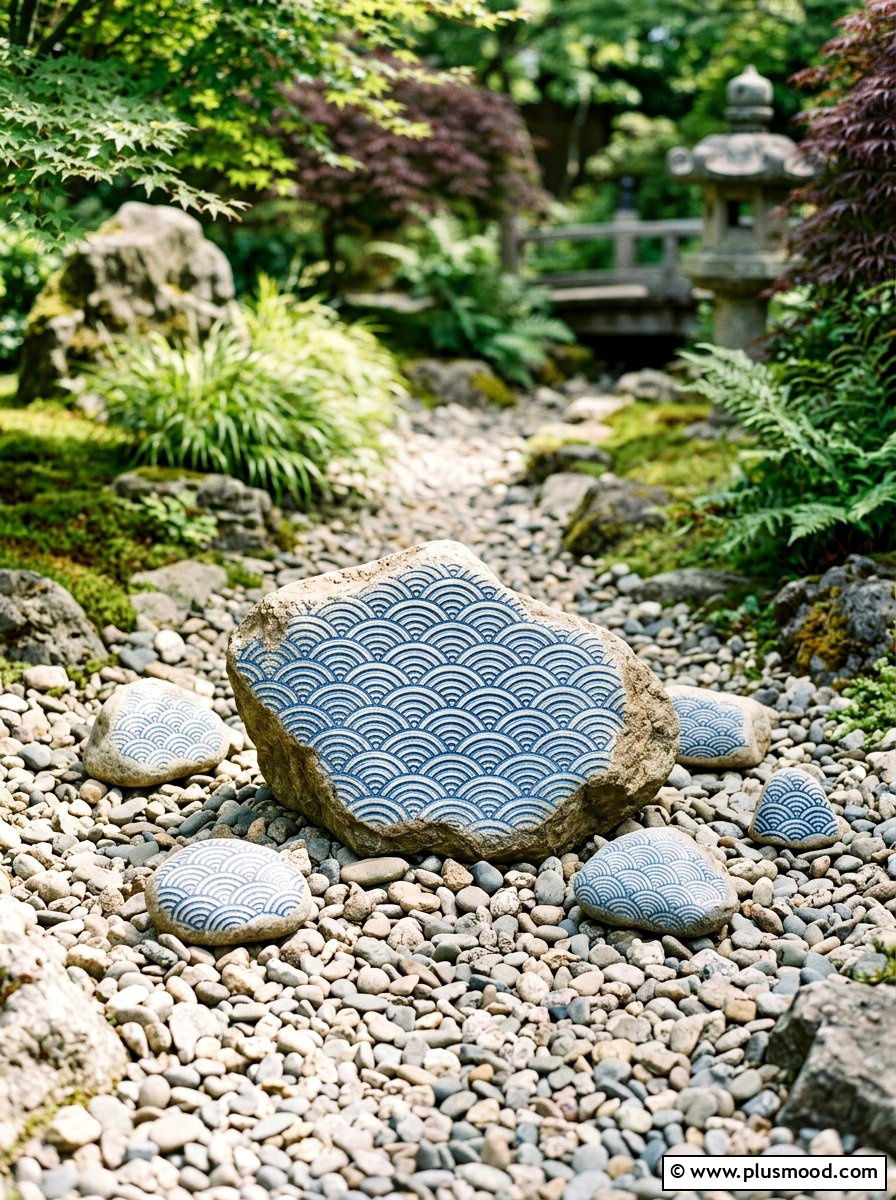
The "Seigaiha" or blue wave pattern is a classic Japanese motif that symbolizes surges of good luck and quiet strength. Painting these overlapping semi-circles on smooth stones creates a rhythmic and calming visual that mimics the movement of the ocean. You should use a fine-tip white paint pen over a deep blue background to get the cleanest lines for this geometric design. These wave stones are a fantastic addition to a "dry pond" area where you use gravel to represent water. Placing several wave-patterned stones together can give the impression of a flowing river moving through your landscape, adding motion to a static area.
11. Red bridge rock
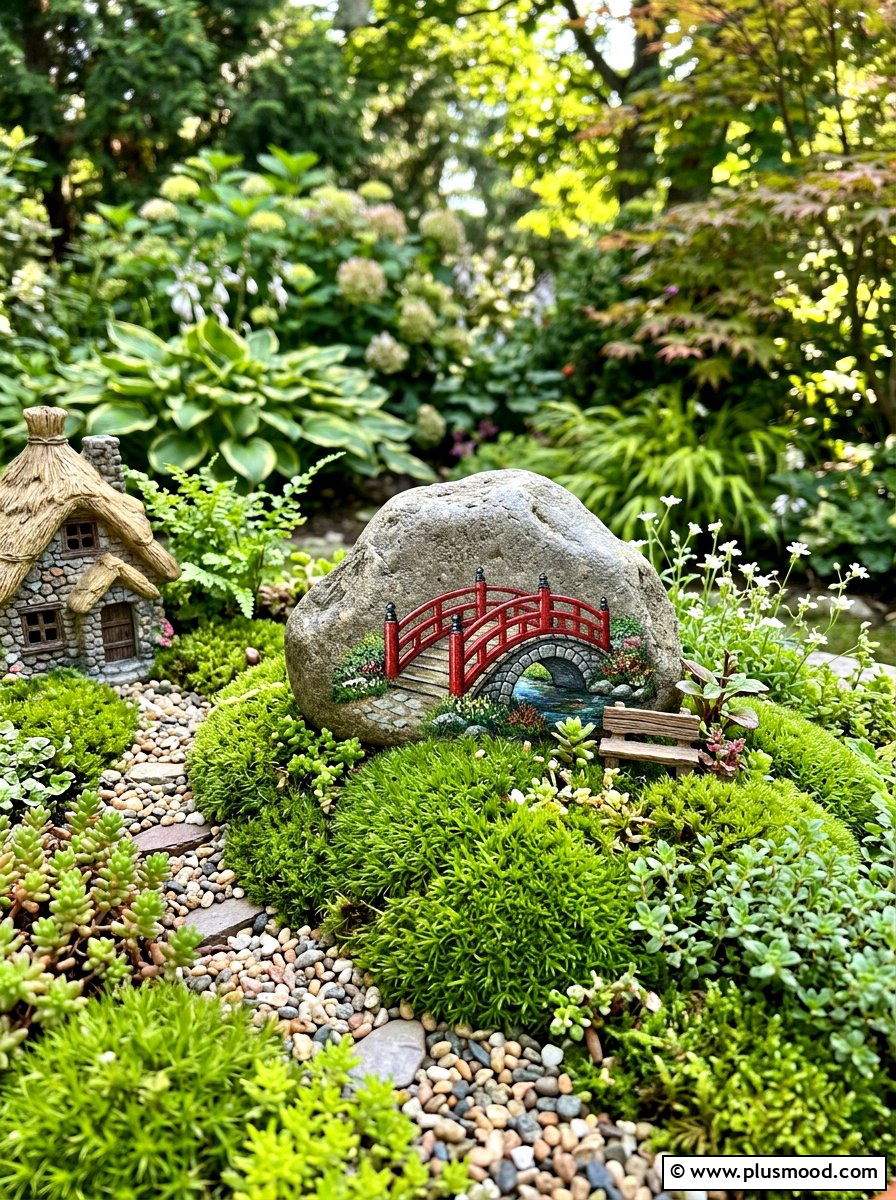
A traditional arched red bridge is a staple of Japanese garden design, and you can recreate this look on a small scale with paint. Find a stone with a natural curve or a very flat surface and paint a bright vermillion bridge spanning across an imaginary stream. You can add tiny details like the wooden railings and a dark reflection beneath the bridge to give the painting more depth. This idea is perfect for a fairy garden or a miniature Zen display on a tabletop or garden shelf. The vibrant red color provides a stunning contrast to the green moss and grey stones typically found in Japanese landscapes.
12. Pink lotus flower stone
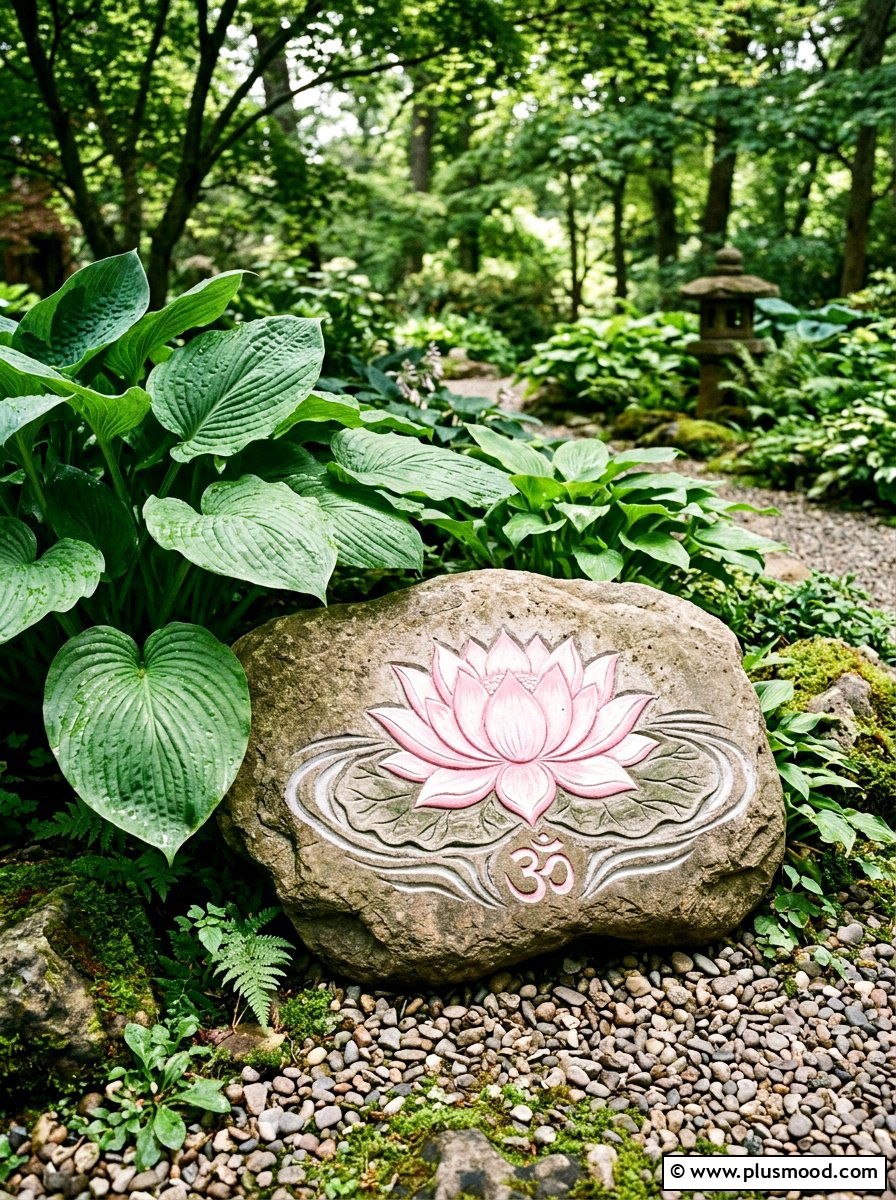
Lotus flowers are deeply spiritual symbols in many Eastern cultures, representing purity and rising above the mud to find beauty. Painting a large, multi-petaled pink lotus on a flat stone allows you to enjoy this bloom all year round, even if you don't have a pond. Use different shades of pink and white to create a glowing effect in the center of the flower. Placing these lotus stones among large green leaves or near a stone basin of water creates a peaceful and reflective atmosphere. The symmetry of the lotus petals adds a sense of order and balance to the more wild areas of your garden.
13. Yin yang balance stone
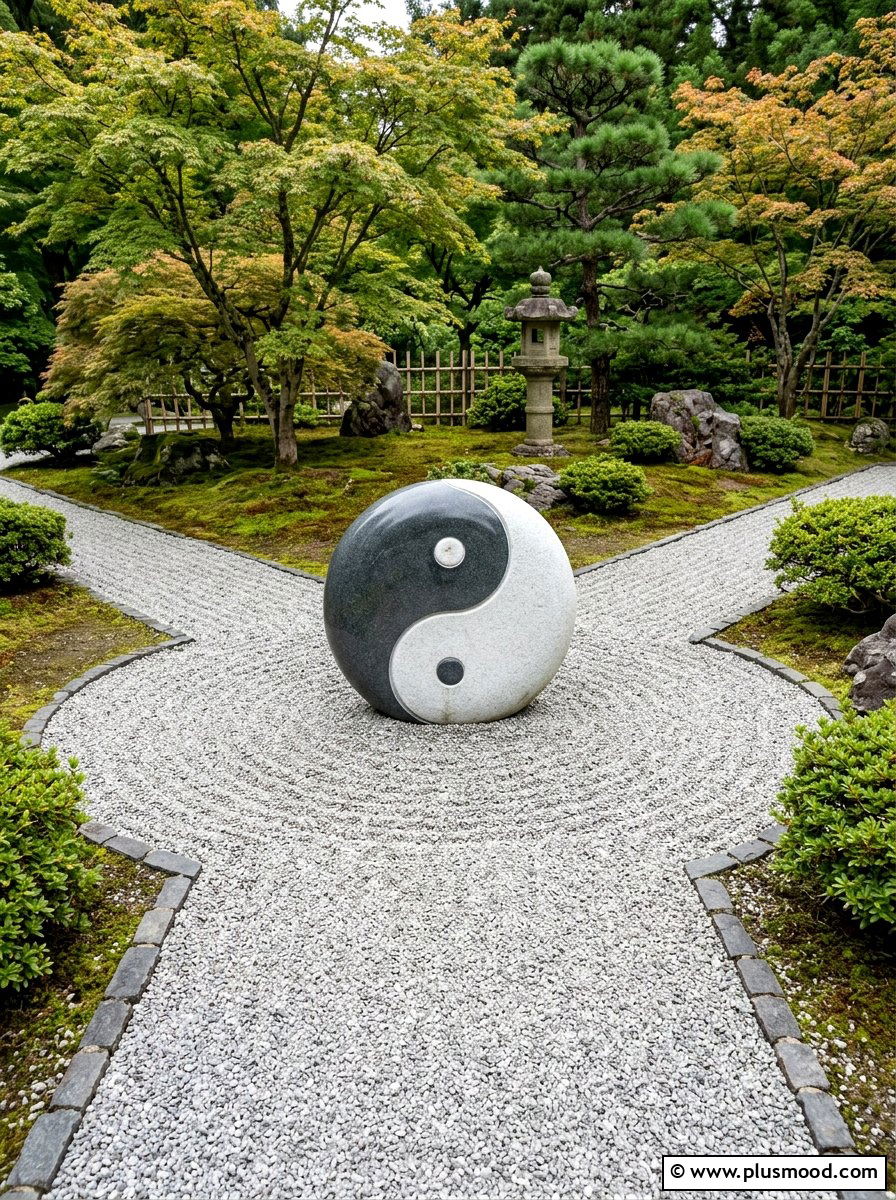
Balance is a core principle of Japanese garden design, and the yin yang symbol is the ultimate representation of harmony between opposites. You can paint this classic black and white swirl on a perfectly round, flat stone to serve as a meditation focal point. The simplicity of the design makes it accessible for painters of all skill levels while still carrying a very profound message. Placing this stone in a central location, perhaps where two paths meet, reminds you to seek balance in your own life as you enjoy the garden. It acts as a visual anchor that ties all the different garden elements together.
14. Traditional Japanese fan painting
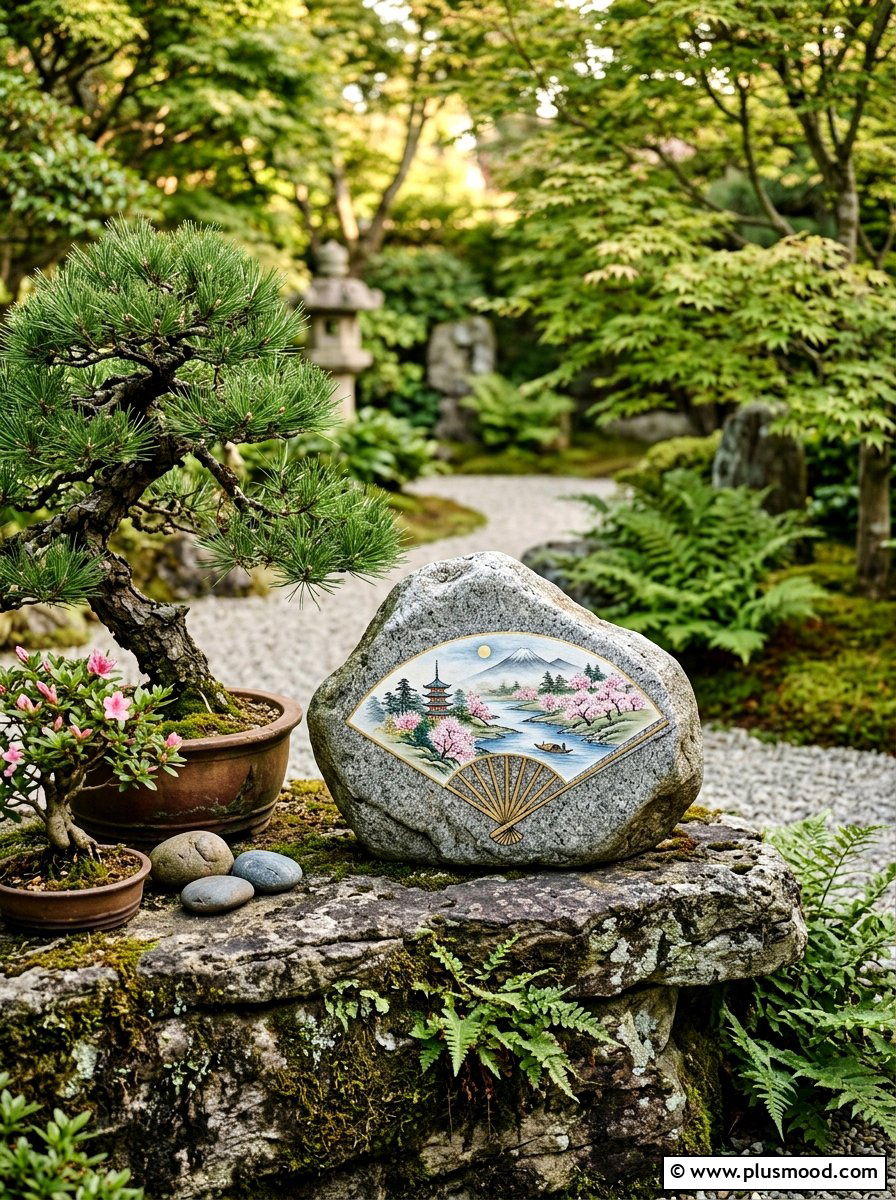
The elegant shape of a traditional folding fan provides a unique canvas for miniature landscapes or floral patterns on a rock. You can paint the fan shape first using a light cream or gold color, then add tiny details like cherry blossoms or small birds inside it. This design adds a touch of human artistry and cultural history to your outdoor space, making it feel more like a curated gallery. These stones look wonderful when perched on a stone ledge or placed inside a hollowed-out tree trunk. The intricate details of the fan design encourage visitors to slow down and look closely at the garden.
15. Stone lantern decoration
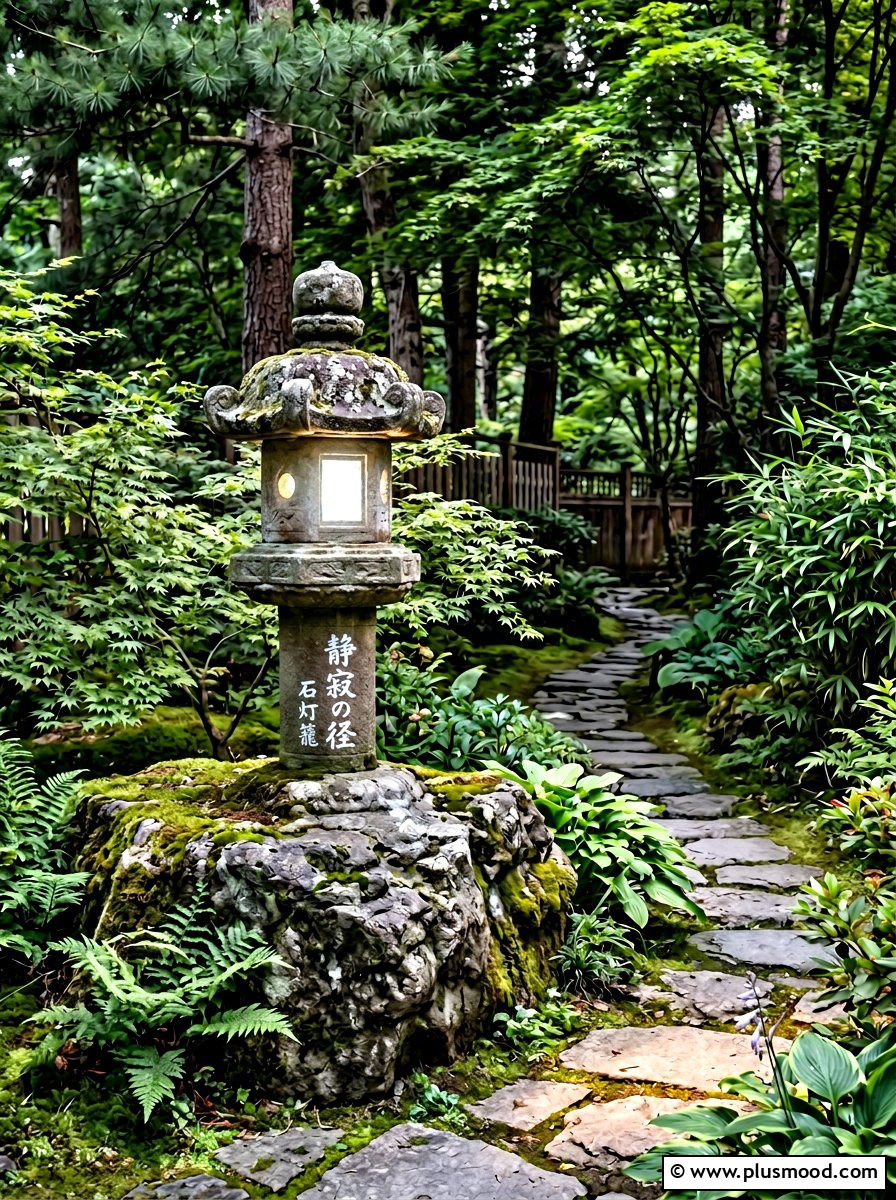
While real stone lanterns can be very expensive and heavy, you can paint a beautiful lantern silhouette onto a sturdy rock for a similar effect. Use dark grey or black paint to define the different levels of the lantern, from the base to the pointed roof. You can even add a small glow of yellow or orange in the "window" area to make it look like there is a candle burning inside. These stones are great for marking the corners of a patio or lighting up a shaded path in a metaphorical way. They help define the structure of your garden while adding a traditional decorative touch.
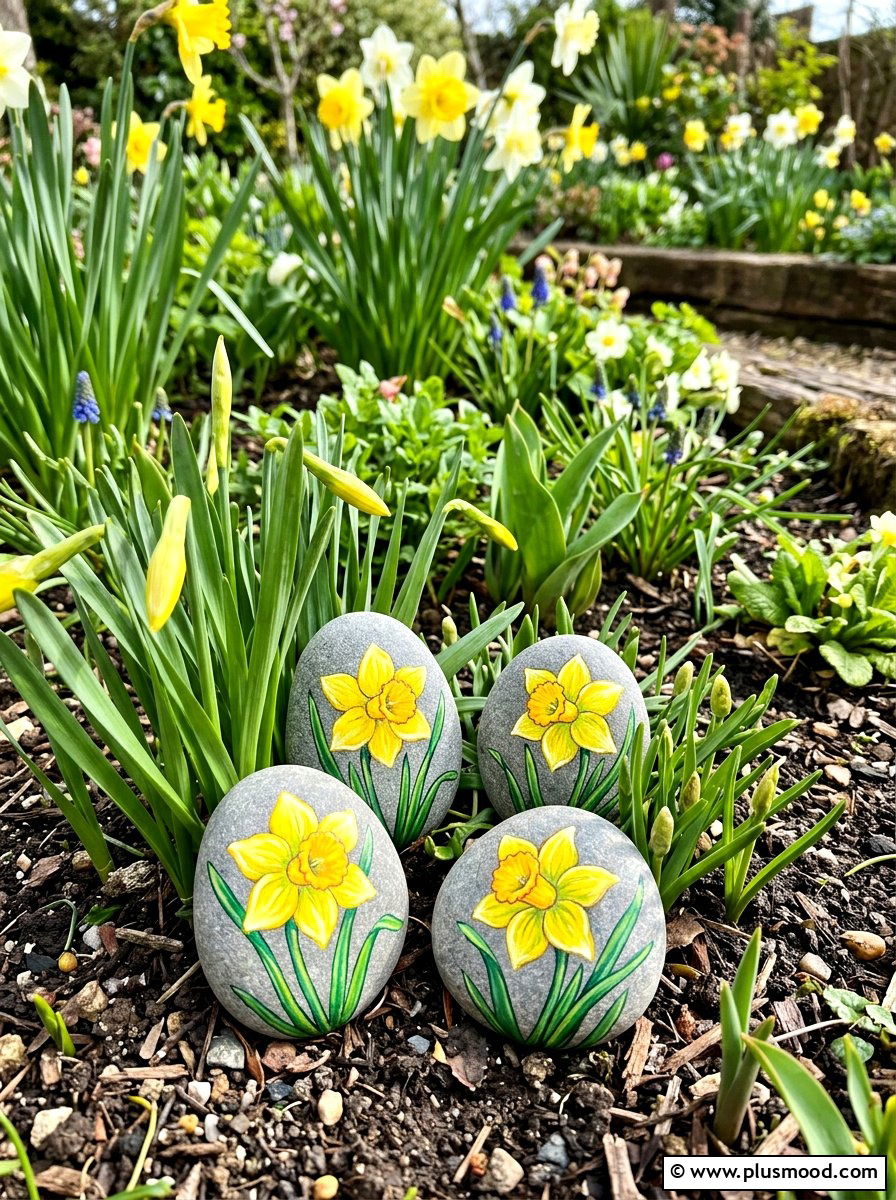
16. Golden dragonfly rock
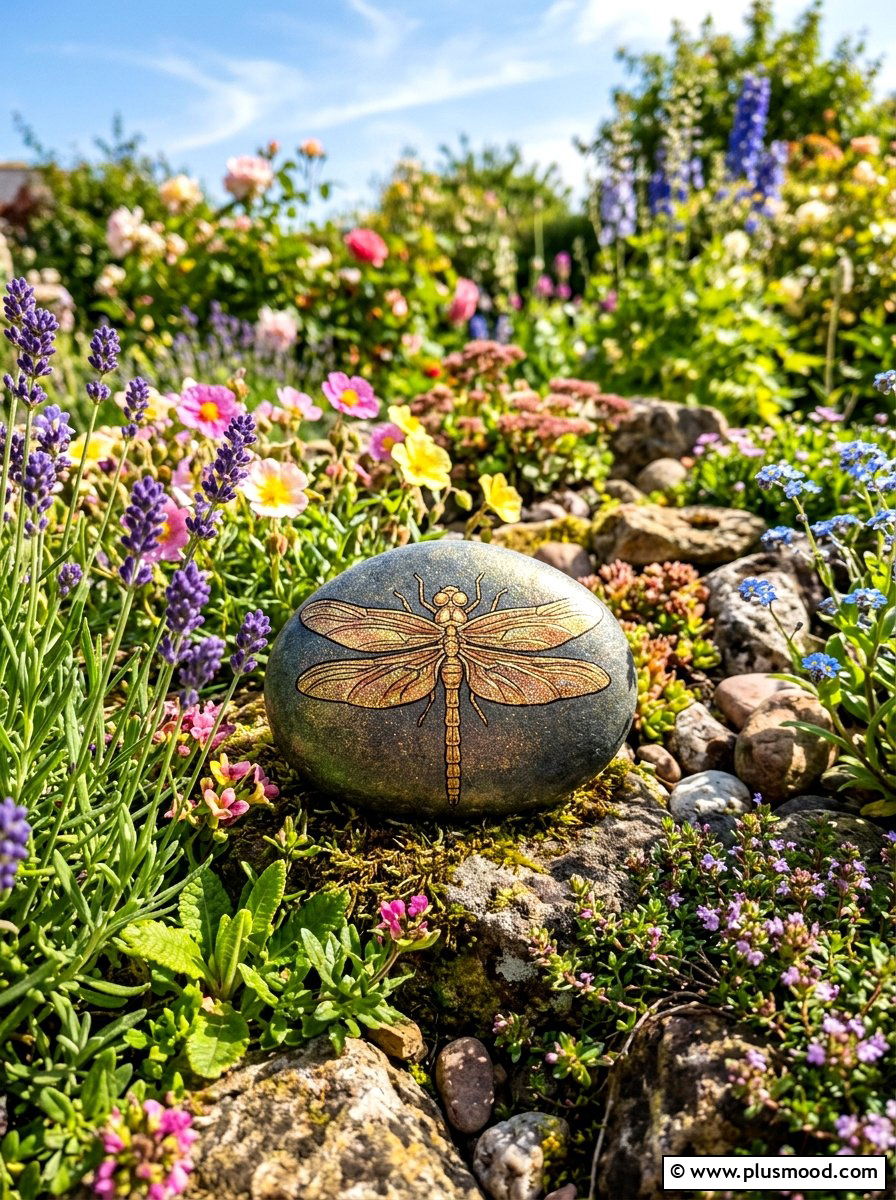
Dragonflies are often seen as symbols of courage and happiness in Japan, and their iridescent wings make them a joy to paint. You can use metallic gold or blue paints to capture the shimmering quality of their bodies as they rest on a sun-warmed stone. Painting the dragonfly from a top-down perspective allows you to show off the intricate patterns on their long, thin wings. These stones look best when placed in sunny spots where the light can catch the metallic paint, making the dragonfly seem almost alive. They add a whimsical and magical element to your garden that appeals to both children and adults.
17. Mossy green stone texture
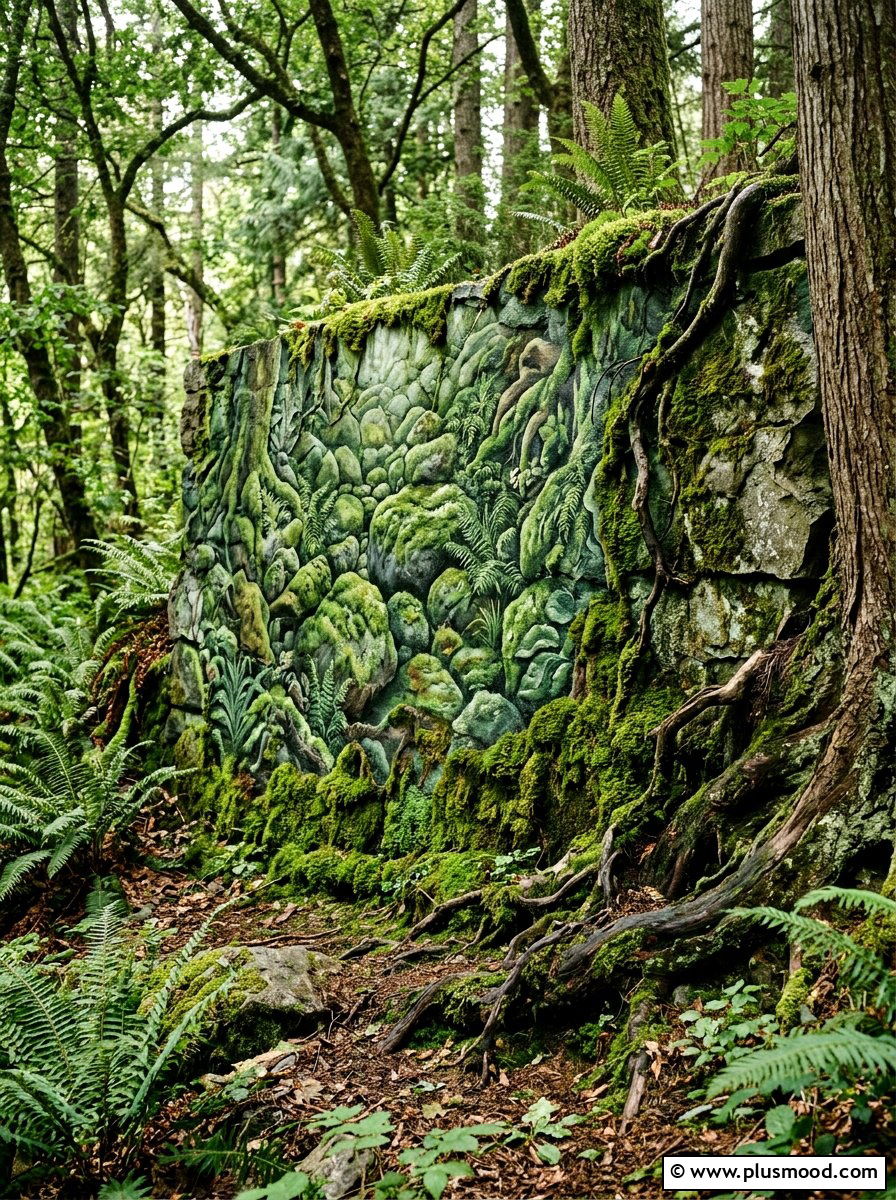
Sometimes the best art is the kind that mimics nature so perfectly that you can 't tell where the paint ends and the garden begins. You can use various shades of forest green, lime, and brown to paint "faux moss" onto smooth stones, giving them an aged and weathered look. Use a stippling technique with a stiff brush to create the bumpy, organic texture of real moss growing over the rock surface. These stones are perfect for adding a sense of history to a new garden that hasn' t had time to grow real moss yet. They blend in seamlessly with real plants and help create a lush, established feeling.
18. Red sun flag rock
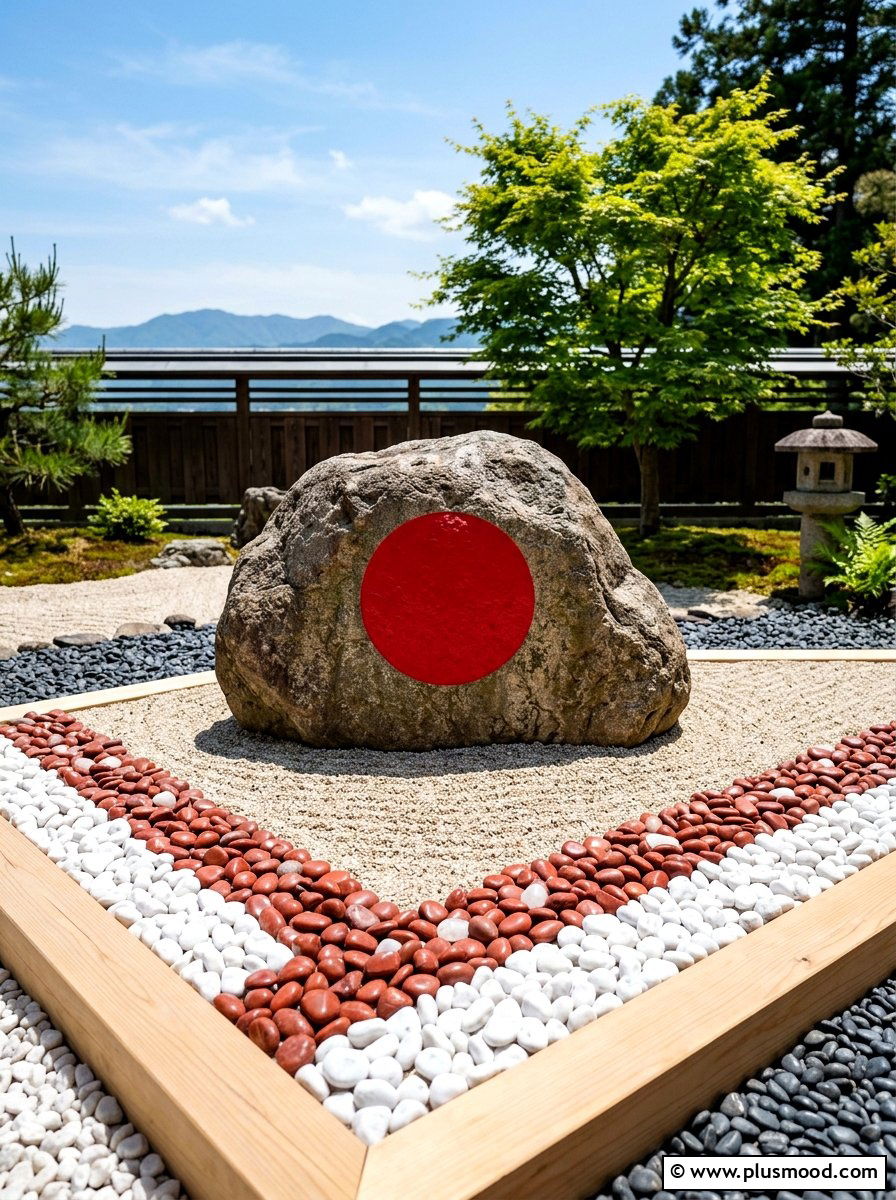
The simple yet bold design of the Japanese flag, a red circle on a white background, makes for a striking and modern garden stone. You can paint the entire rock a clean, bright white and then add a perfectly centered red circle to represent the rising sun. This design is very effective when used in a series, creating a repetitive pattern along a garden border or a wooden fence line. The minimalism of the flag design fits perfectly with the "less is more" philosophy of Zen gardening. It is an easy way to pay homage to the cultural roots of your garden's design style.
19. Bonsai tree painting
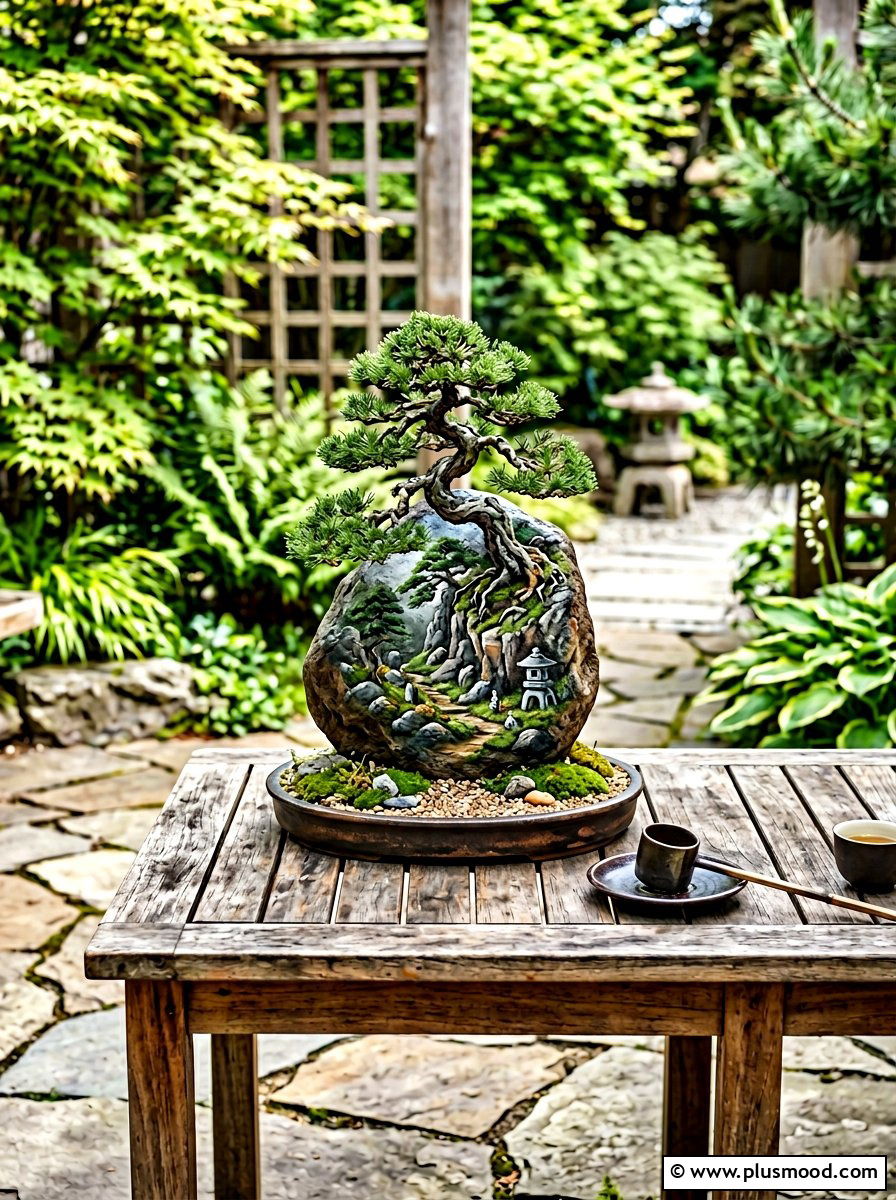
A bonsai tree represents the harmony between nature and man, and painting one on a stone allows you to enjoy the look without the maintenance. You can paint a gnarled, twisted trunk with small tufts of green leaves to represent a miniature ancient tree. Using a dark brown for the trunk and varying shades of green for the foliage will give the painting a realistic, three-dimensional appearance. These stones are perfect for placing on outdoor tables or near actual bonsai plants to create a layered visual experience. The detailed work of the branches provides a nice contrast to the large, simple shapes of boulders.
20. Origami crane stone
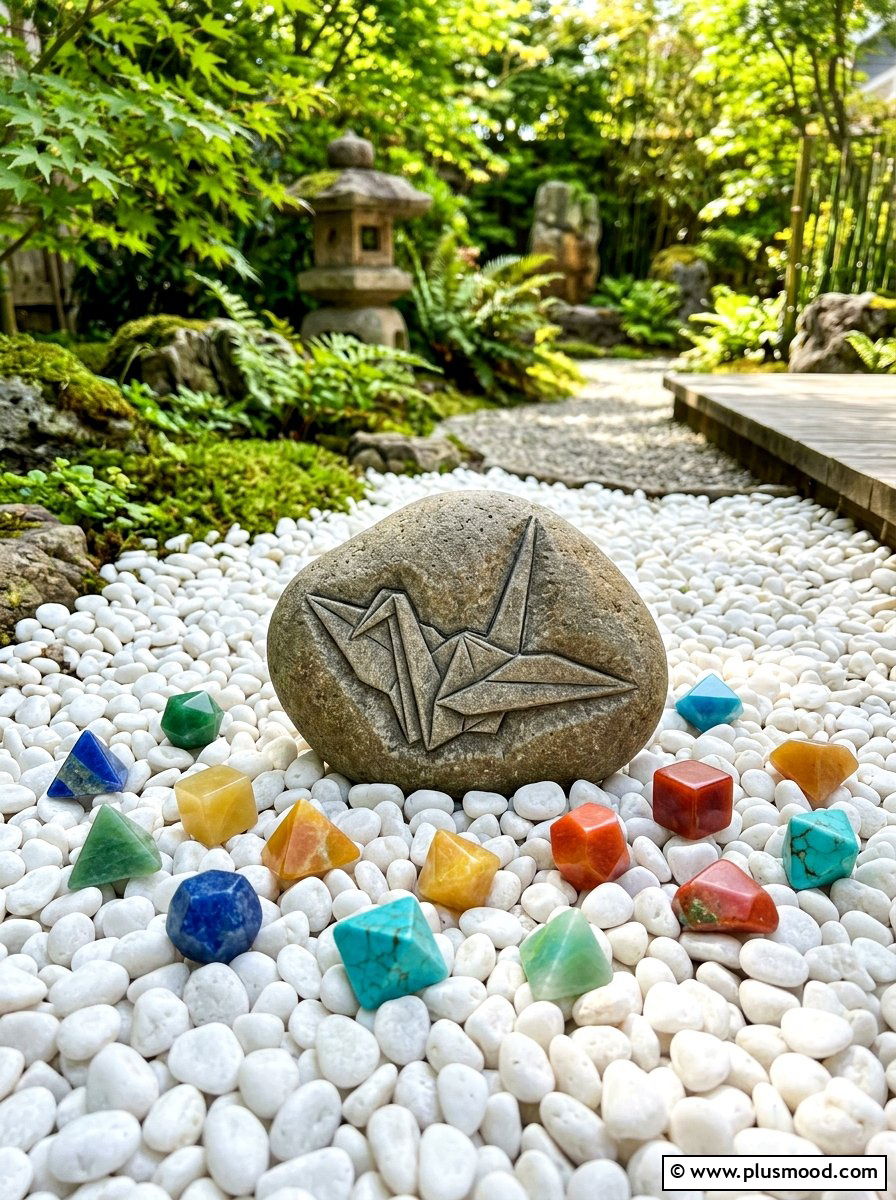
The art of paper folding is a beloved Japanese tradition, and an origami crane is a beautiful geometric subject for a painted rock. Use sharp, straight lines and triangular shapes to define the folded paper look, choosing a single bright color like yellow or blue to make it pop. Painting several of these stones in different colors can create a cheerful "flock" that moves through your garden beds. This design brings a playful, modern touch to the traditional garden setting while still honoring a deep cultural symbol of peace. These stones are excellent conversation starters for guests who appreciate Japanese crafts and art forms.
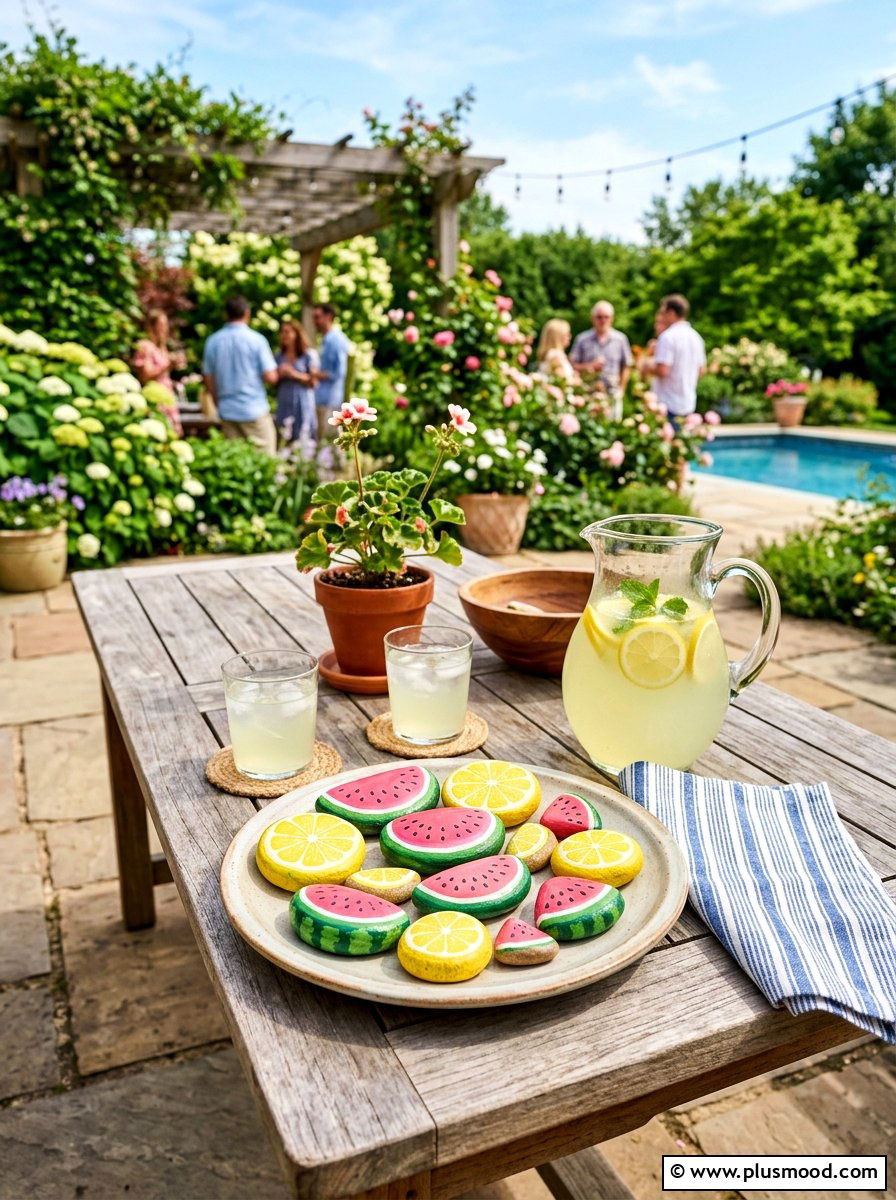


21. Kimono pattern rock
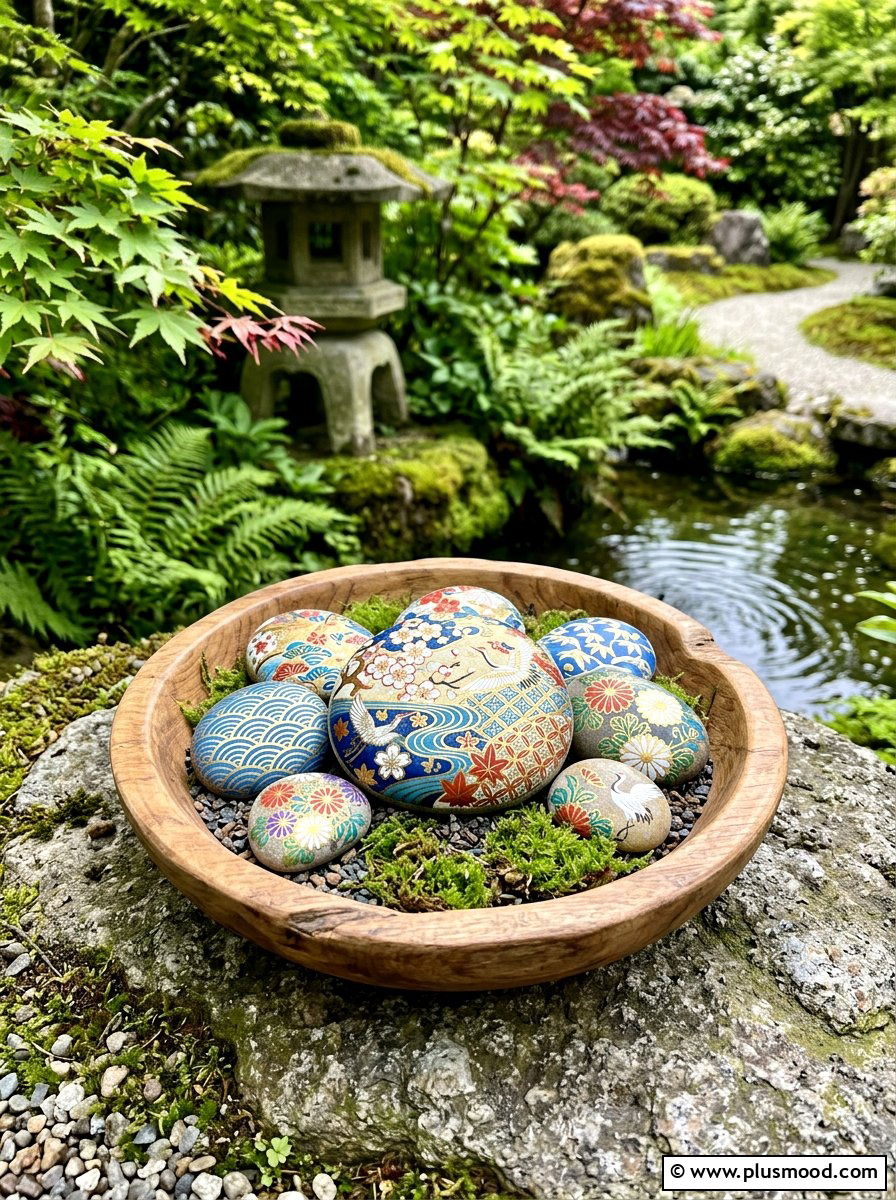
The intricate and colorful patterns found on traditional Japanese kimonos can be adapted into stunning abstract designs for your garden stones. You can use motifs like small flowers, geometric grids, or swirling clouds in vibrant colors like indigo, red, and gold. This approach allows you to experiment with different patterns and colors, creating a collection of stones that look like precious jewels hidden among the plants. These stones work well as decorative accents in a gravel garden or placed inside a shallow wooden bowl on a porch. The richness of the patterns adds a layer of sophistication and luxury to your outdoor sanctuary.
22. Daruma doll stone
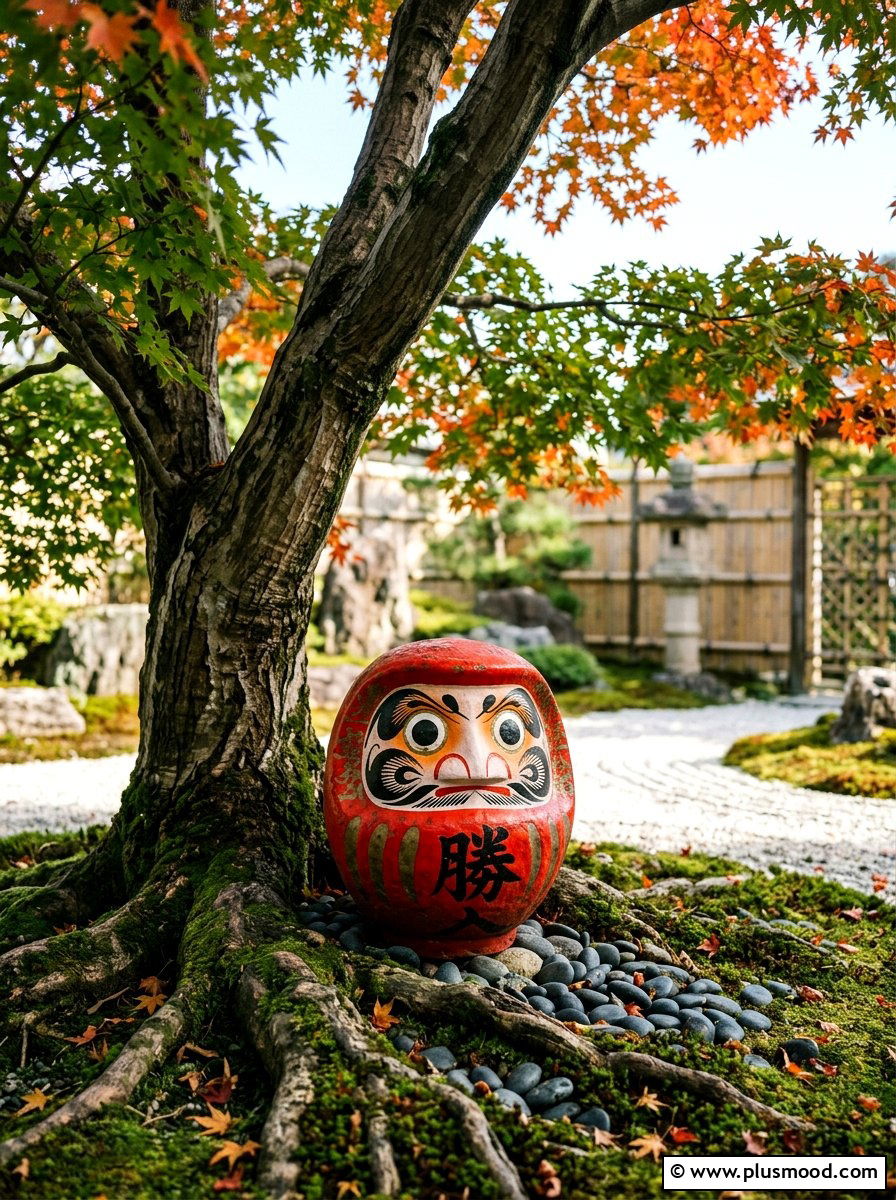
A Daruma doll is a traditional Japanese wishing doll that symbolizes perseverance and good luck, often painted with a fierce but determined face. You can transform a round, red-painted rock into a Daruma by adding the large white eyes, black eyebrows, and gold decorative accents. Traditionally, you paint one eye when you make a wish and the second when it comes true, which could be a fun garden project for your goals. These bright red stones are very visible and look great tucked into the roots of a tree or sitting on a stone wall. They add a bold splash of color and a sense of spirit.
23. Butterfly on branch painting
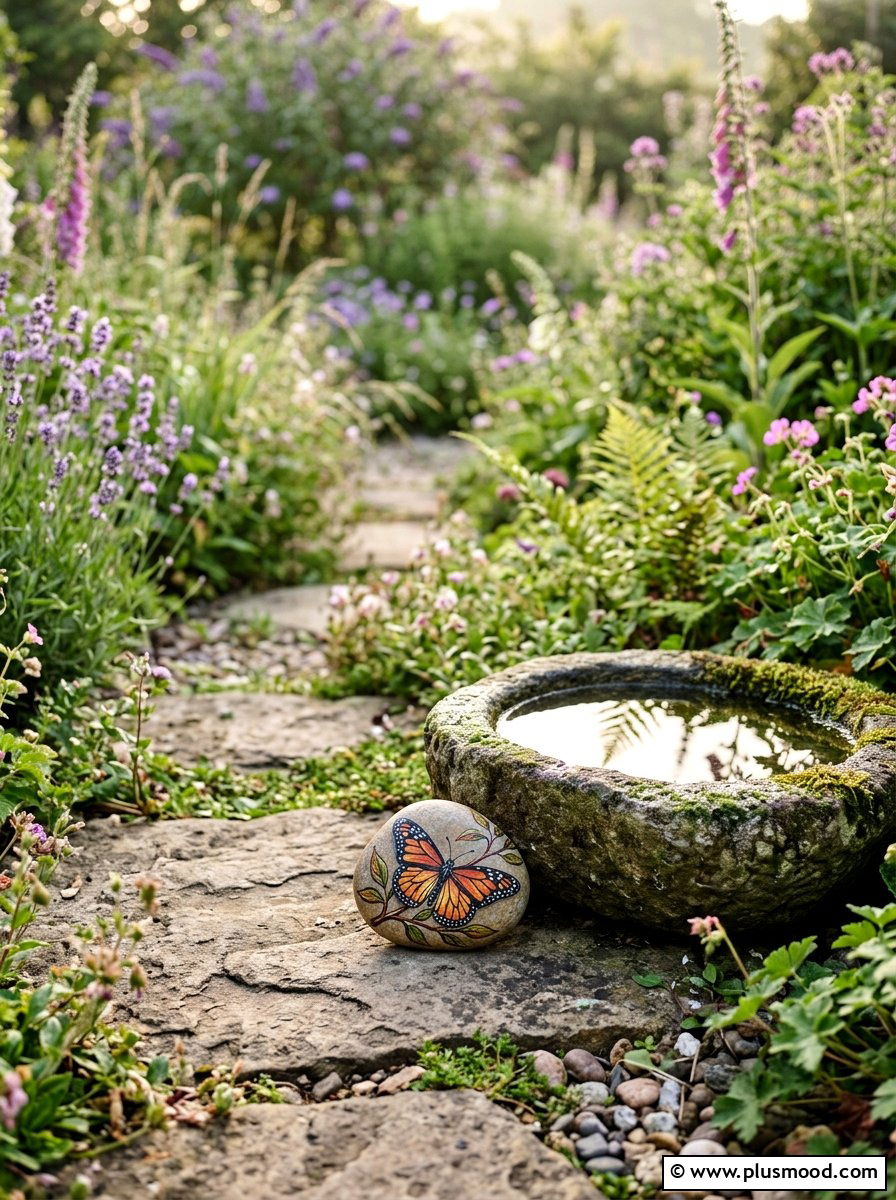
Butterflies are often associated with the souls of the living and the dead in Japanese folklore, making them a meaningful addition to a peaceful garden. You can paint a delicate butterfly with large, colorful wings resting on a simple black branch against the natural grey of a river stone. Using bright colors like orange, blue, or purple for the wings ensures that the stone is easily spotted among the green foliage. These stones look wonderful when placed near butterfly-friendly flowers or near a quiet sitting area where you can observe real insects. The flighty, light nature of the butterfly balances the heavy, grounded weight of the stone.
24. Maple leaf fall stone
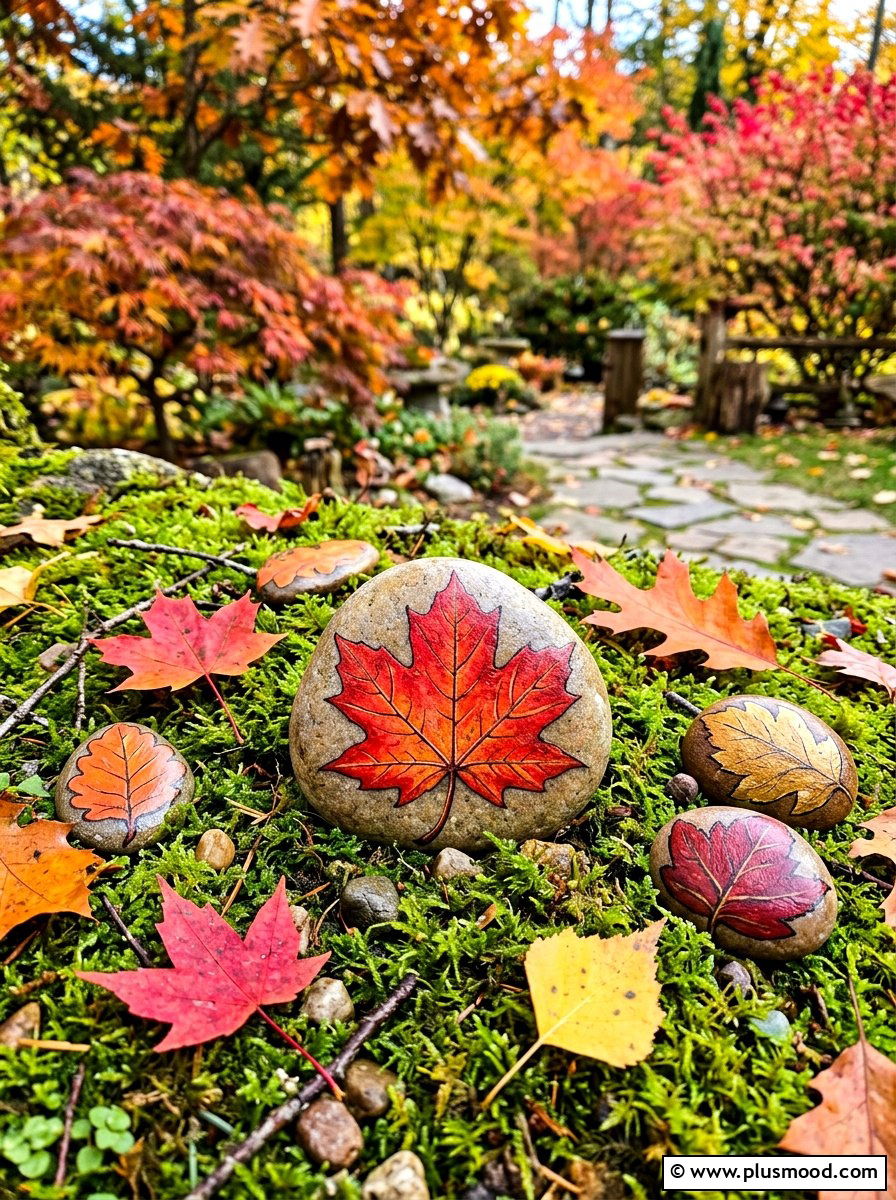
Japanese maples are famous for their brilliant red and orange colors in the autumn, and you can capture this seasonal transition with paint. Paint a single, star-shaped maple leaf on a flat stone, using a gradient of red, orange, and yellow to show the changing colors. You can add fine veins to the leaf with a dark brown paint pen to make it look even more realistic and detailed. Placing these "fallen leaves" on top of grey gravel or green moss creates a beautiful permanent autumn scene that lasts all year long. It is a wonderful way to celebrate the passage of time and the beauty of nature.
25. Moon over water rock
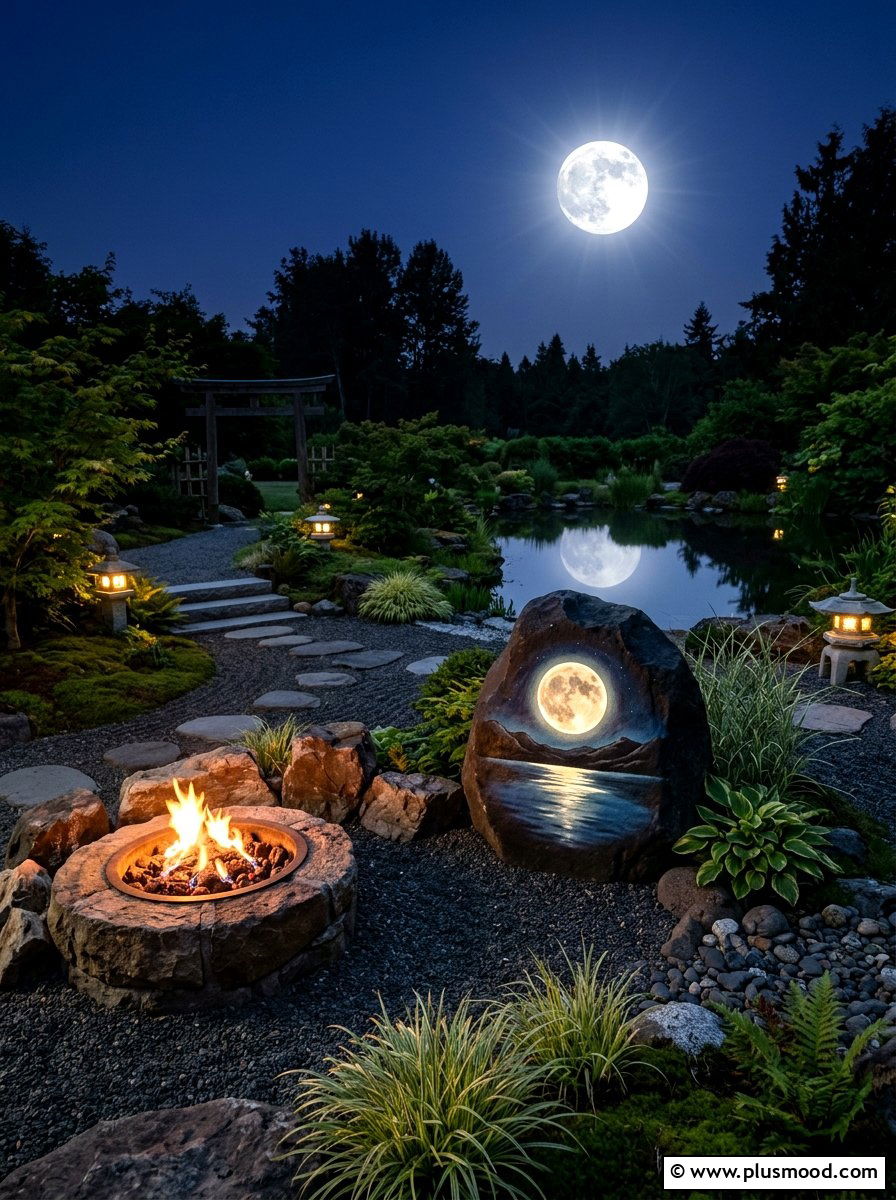
A full moon reflecting over a quiet body of water is a classic theme in Japanese poetry and art that brings a sense of deep calm. You can paint a bright white or yellow circle near the top of a dark stone, with shimmering horizontal lines below it to represent the water. This minimalist landscape design is very soothing to look at and works perfectly in a Zen garden meant for evening relaxation. Placing these stones near your outdoor lighting or a fire pit can enhance the "glow" of the painted moon. It serves as a reminder of the quiet beauty found in the night and the cycles of nature.
Conclusion:
Adding painted rocks to your Japanese garden is a creative and rewarding way to enhance the beauty of your outdoor sanctuary while expressing your personal style. Each stone tells a story or represents a symbol that contributes to the overall atmosphere of peace, balance, and mindfulness that Zen gardens are known for. By carefully choosing your subjects — from the graceful koi to the steady mountain — you can create a space that feels deeply connected to Japanese culture and nature. These small artistic touches are easy to maintain and can be moved around to keep your garden feeling fresh and inspiring throughout every season. Enjoy the process of creating your own miniature masterpieces and watching them bring a new level of charm to your peaceful landscape.
Related posts:
Leave a Reply