
Transforming your backyard into an organized sanctuary often starts with small and creative touches that reflect your personal style. Painted rock plant markers are a fantastic way to blend functionality with artistic flair in your outdoor spaces. These durable stones serve as permanent labels that withstand the elements while adding a splash of vibrant color to your soil. Whether you are a seasoned gardener or a beginner with a few pots, using stones is an eco-friendly alternative to plastic tags. This guide explores many beautiful ways to label your herbs and vegetables using simple craft supplies found at home. You will find that these projects are perfect for family activities and long-term garden planning.
1. Strawberry Garden Marker
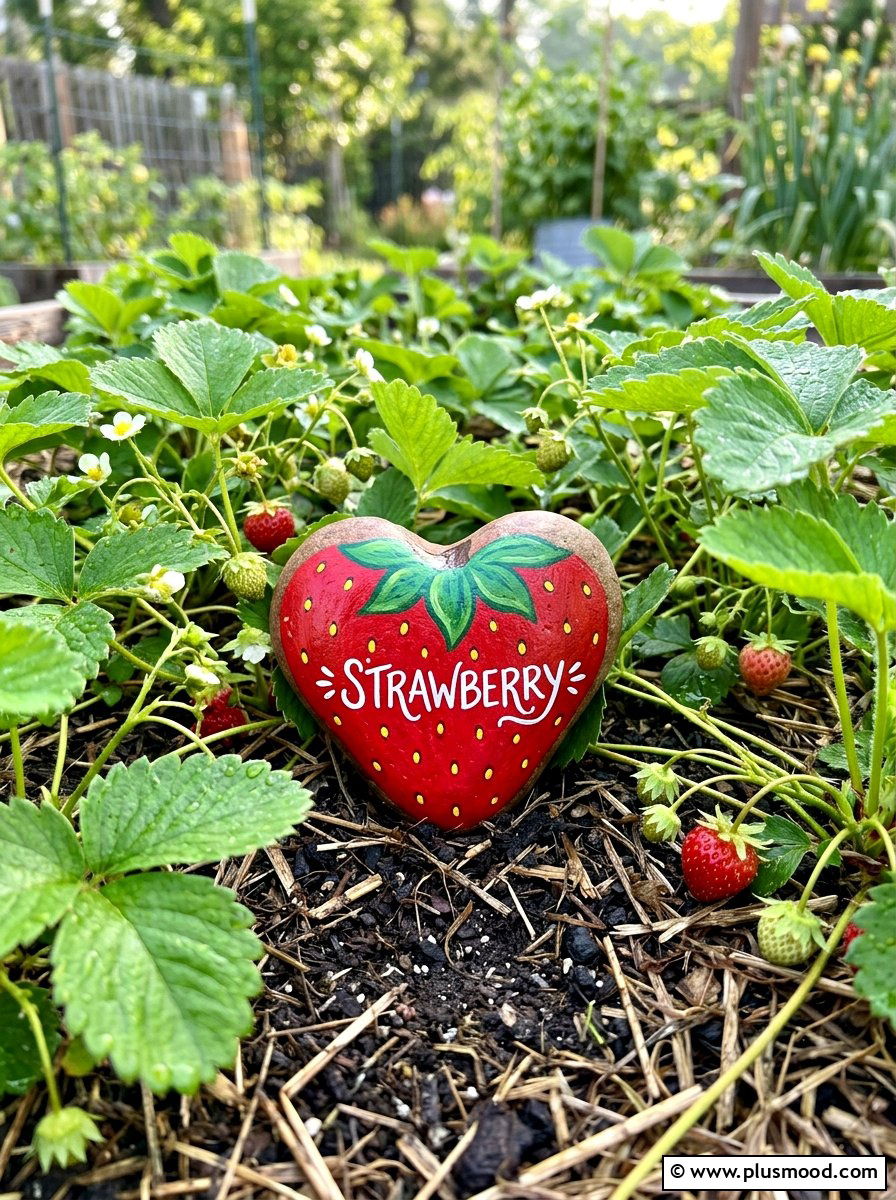
Have you ever struggled to remember exactly where your berry patches start and end during the early spring season? A strawberry garden marker is one of the most popular choices for beginners because of its simple shape and bright colors. You can transform a heart-shaped stone into a delicious-looking fruit by using a bold red base coat. Adding small yellow or white dots will mimic the seeds found on the surface of the berry. A touch of emerald green at the top creates the perfect leafy stem for a finished look. These stones look adorable tucked among real strawberry runners and help keep your garden patch looking professional and very well organized.
2. Basil Herb Stone
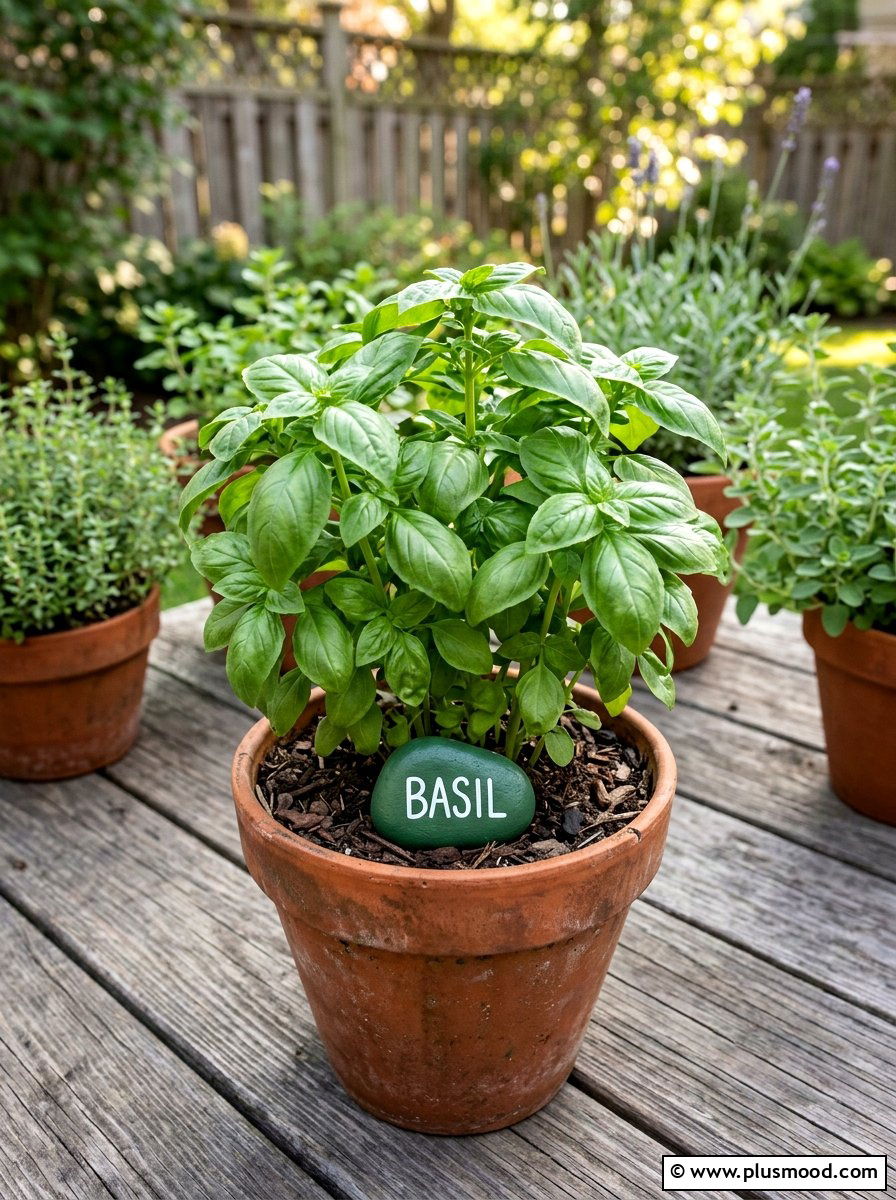
Are you looking for a clean and modern way to identify your aromatic herb collection this year? A basil herb stone focuses on deep green tones and crisp white lettering to create a sophisticated look for your kitchen garden. You can paint the entire rock a dark forest green to match the lush leaves of the plant itself. Use a thin paint pen to write the name of the herb in a bold font across the center of the smooth surface. This approach ensures that your labels remain legible even after several watering sessions. Placing these markers at the base of your pots adds a very nice decorative touch.
3. Tomato Plant Label
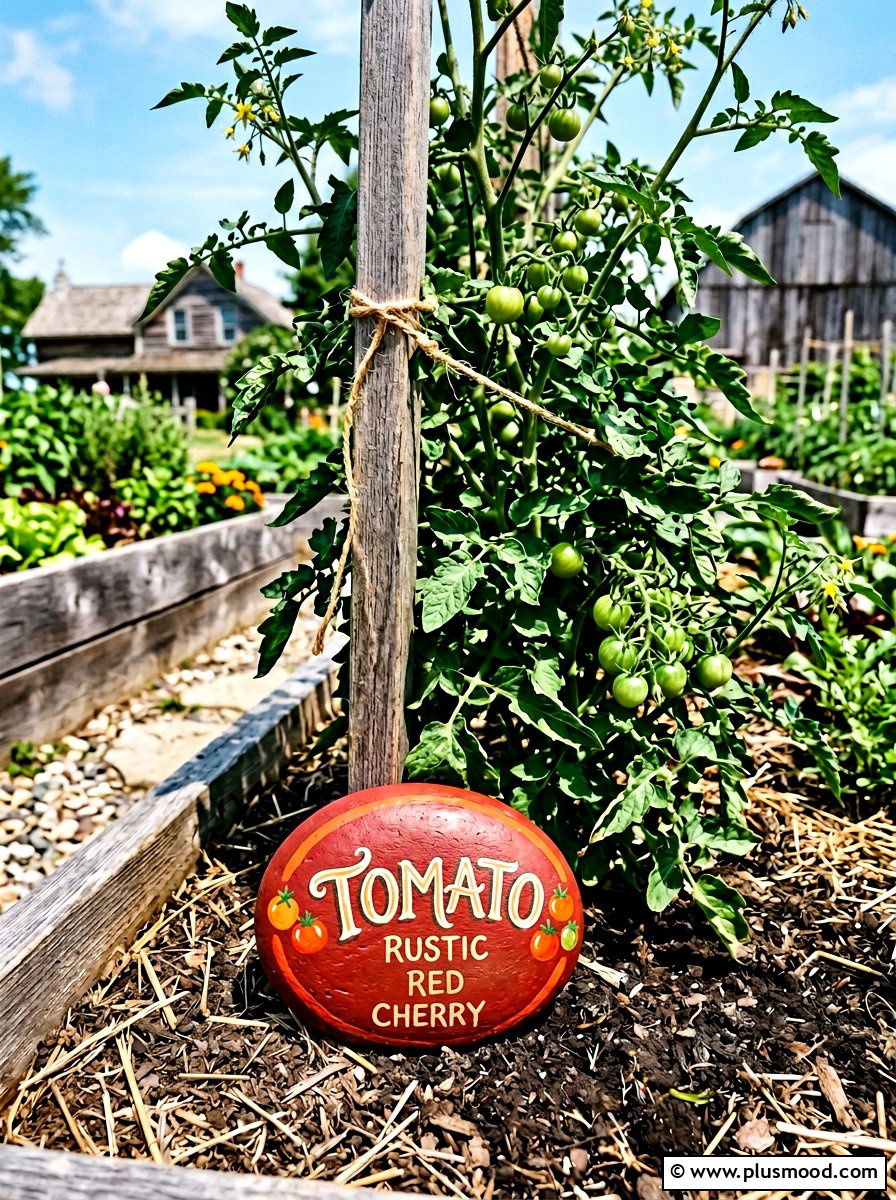
Growing your own tomatoes is a rewarding experience that deserves a bright and cheerful marker to match the harvest. A tomato plant label often features a large round stone painted in a glossy red shade to represent a ripe fruit. You can add a bit of orange or yellow highlighting to give the stone more depth and a realistic appearance. Writing the specific variety like cherry or heirloom on the back helps you track your different plants easily. These heavy markers stay in place much better than flimsy wooden sticks during summer storms. They bring a joyful energy to your raised beds or large garden containers throughout the summer.
4. Lavender Garden Rock
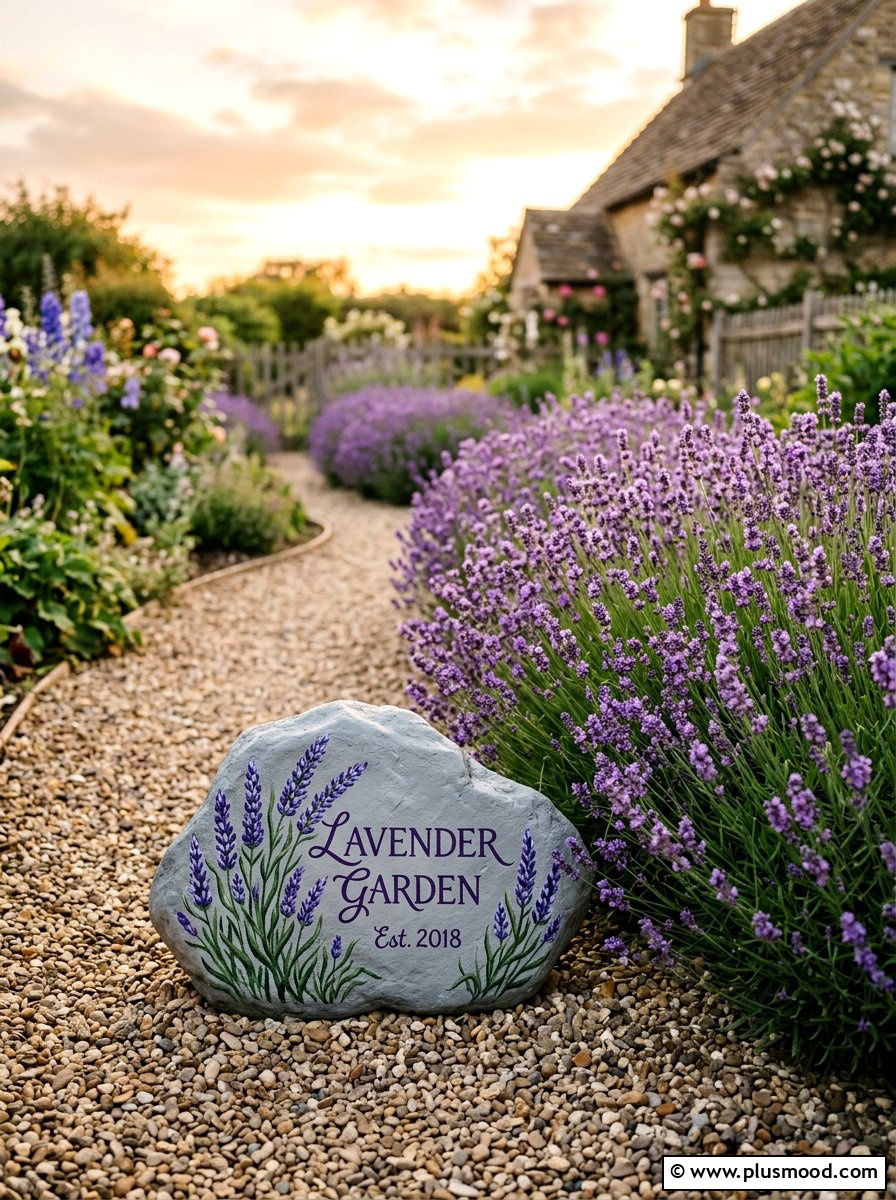
Creating a serene atmosphere in your garden is easy when you use soft purple hues for your lavender garden rock. This design usually incorporates long and slender brush strokes to represent the tall flower spikes of the fragrant lavender plant. You can use a light gray or beige background on the stone to make the purple shades really pop. This color palette looks beautiful against the silvery-green foliage of the actual herb. These markers are perfect for lining a pathway where you want to identify different types of flowers. They offer a calming visual element that complements the soothing scent of the plants in your backyard space.
5. Sunflower Garden Marker
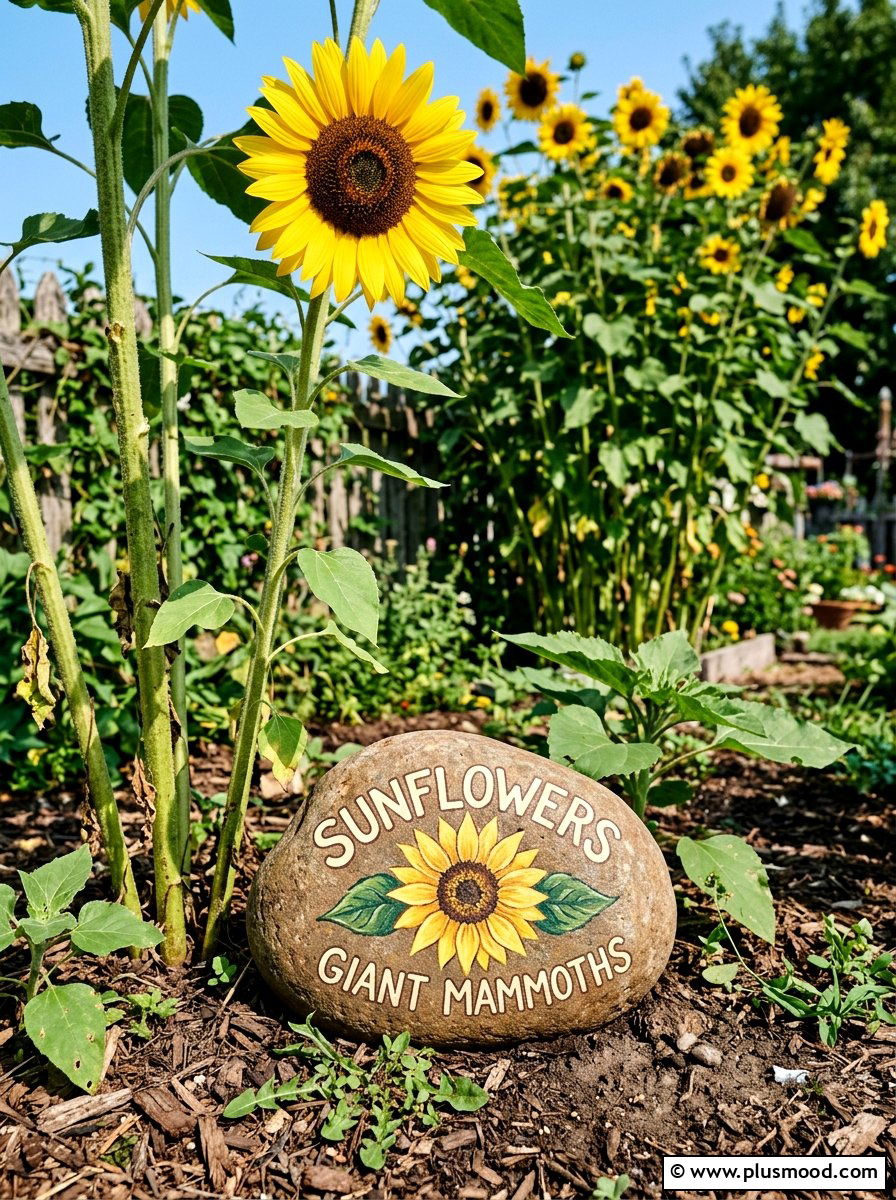
Sunflowers are the giants of the garden and they definitely require a bold marker that can stand out among tall stalks. A sunflower garden marker typically uses a bright yellow palette with a dark brown or black center for the seeds. You can paint large petals radiating from the middle of the stone to capture the iconic look of this summer bloom. Using a weather-resistant sealant is very important here since these rocks will sit in full sun for many months. The cheerful yellow color makes it very easy to spot your planting rows from a distance. It adds a lovely rustic charm to your farmhouse-style garden or your sunny front porch.
6. Rosemary Herb Label
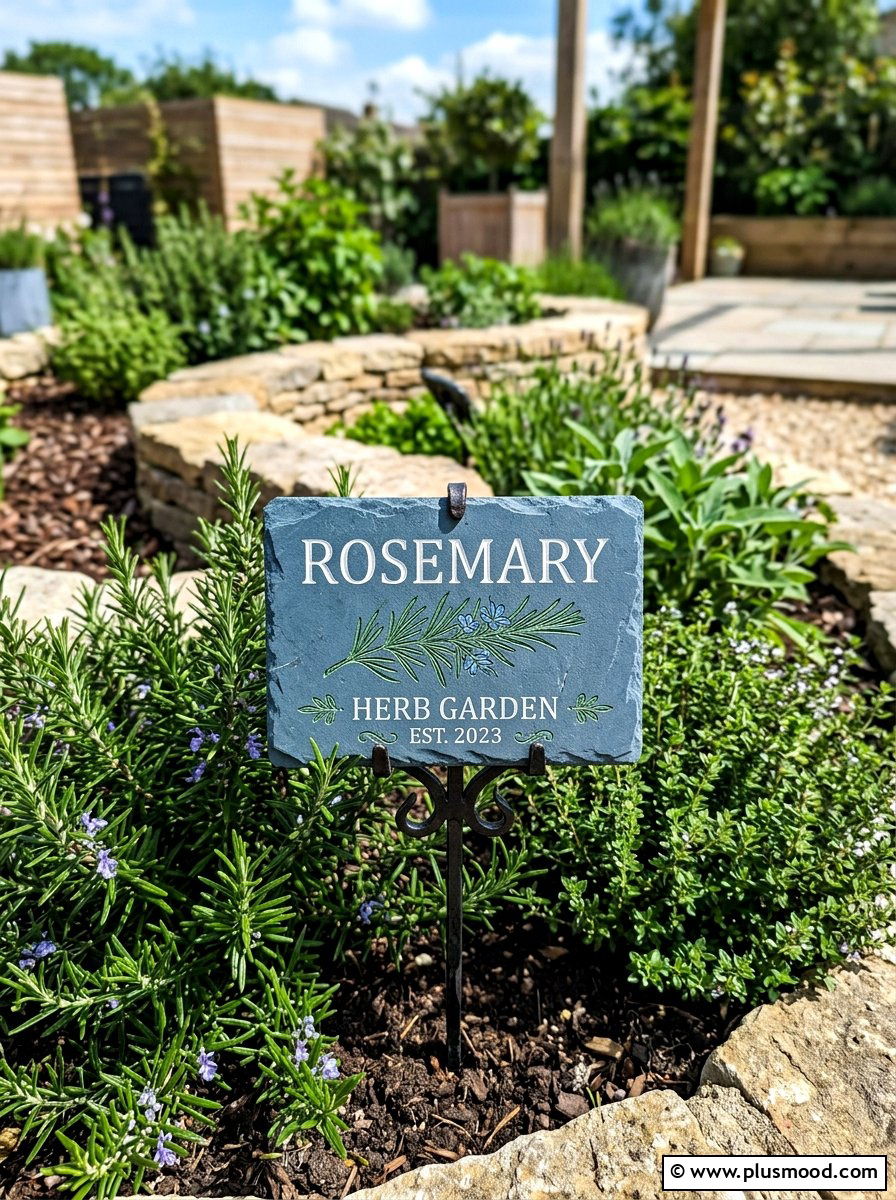
Rosemary is a hardy perennial that stays in your garden for a long time so it needs a durable label. A rosemary herb label often uses a minimalist design with needle-like strokes to represent the unique texture of the plant leaves. You might choose a sage green or a slate blue background for a more modern and earthy aesthetic. Writing the name in a simple serif font ensures that the marker looks timeless and elegant in your herb spiral. These stones are heavy enough to stay put even if you use a leaf blower nearby. They provide a sturdy and reliable way to organize your perennial herb bed throughout every season.
7. Carrot Garden Stone
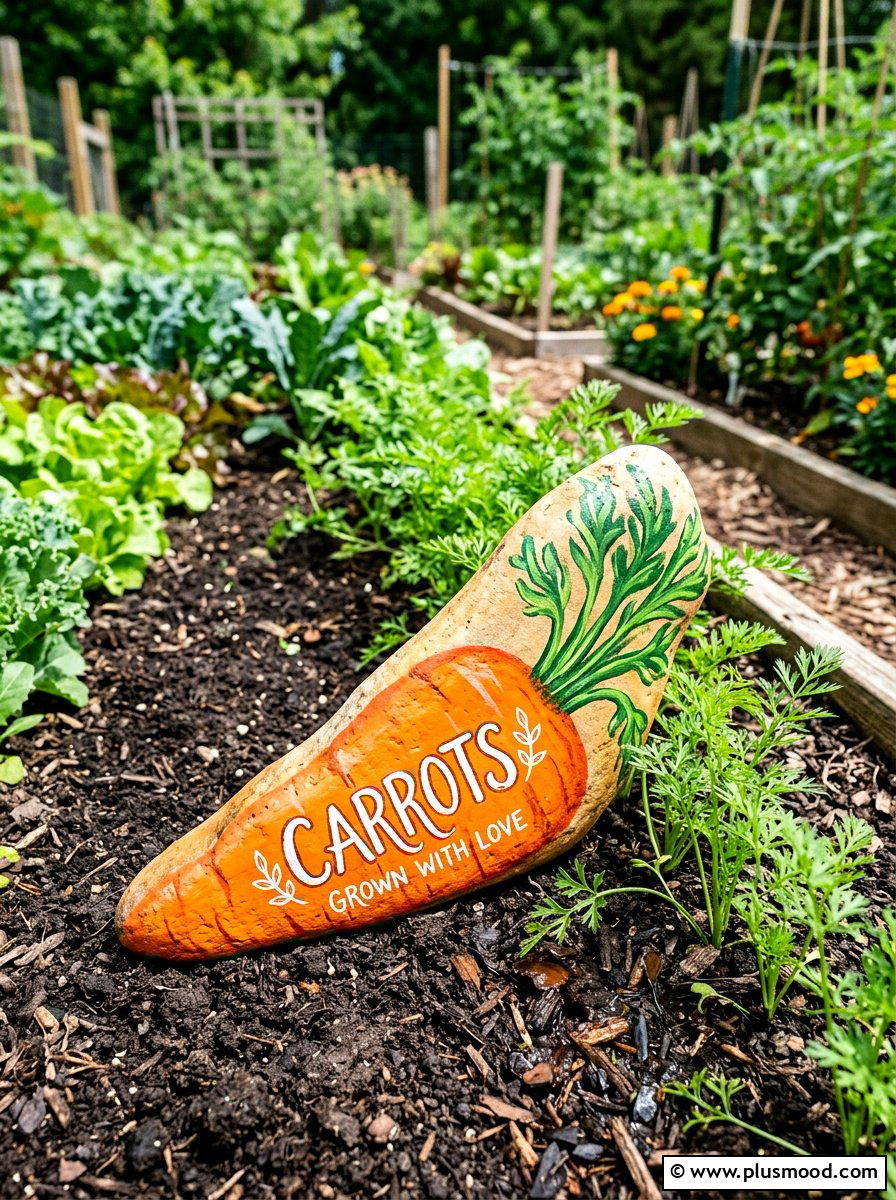
Identifying where your root vegetables are buried is much easier when you have a bright carrot garden stone resting on the soil. This marker features a long and tapered orange shape that mimics the vegetable growing beneath the surface of the earth. You can add small horizontal lines in a darker orange shade to give the carrot a more textured and natural look. Adding a feathery green top to the design makes it instantly recognizable even for young children who help in the garden. These stones are excellent for teaching kids about where their food comes from. They stay clean and visible even when the dirt gets moved around.
8. Mint Plant Marker
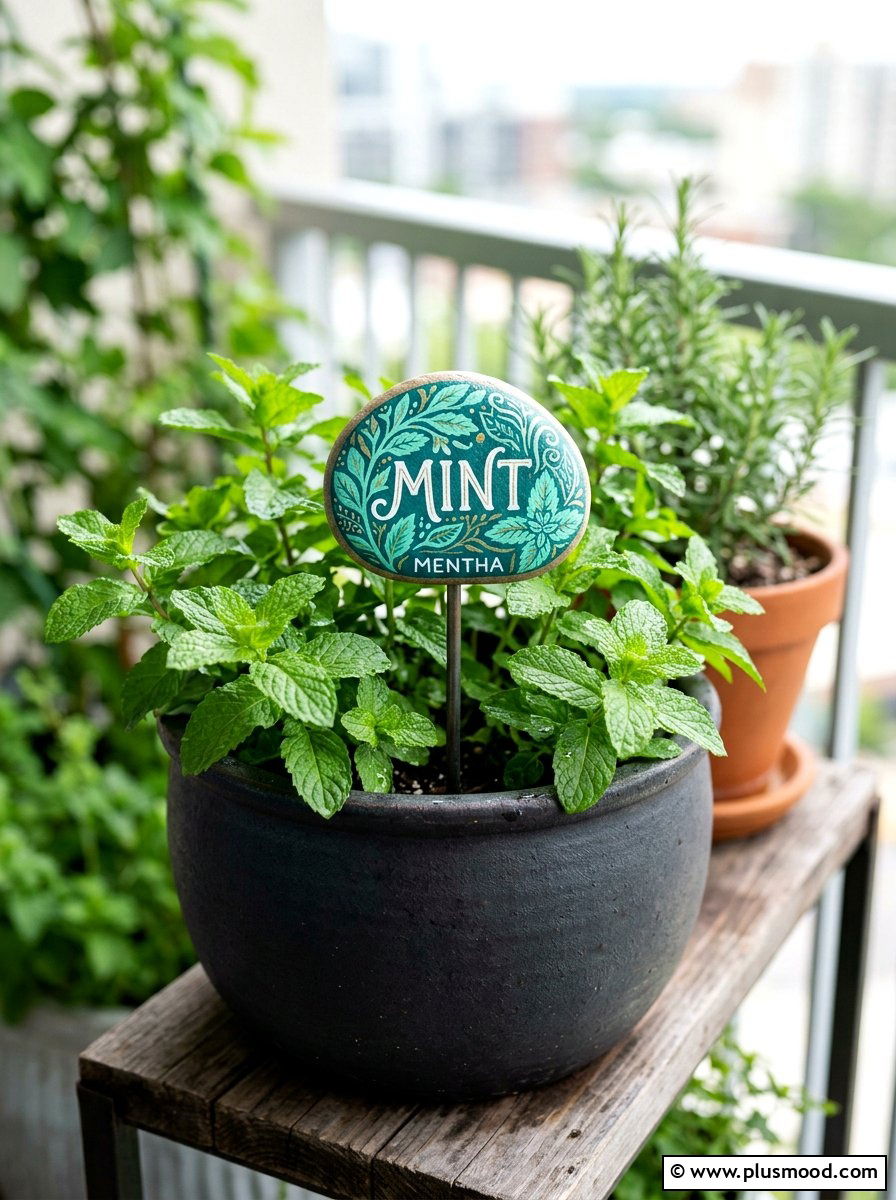
Mint is known for spreading quickly so having a clear mint plant marker helps you define the boundaries of its growing area. You can use various shades of mint green and teal to create a refreshing and cool look for this specific stone. Painting small serrated leaf shapes around the edges of the rock adds a nice thematic detail to the label. Since mint is often grown in pots to control its spread, these rocks fit perfectly on top of the potting soil. The bright colors provide a great contrast against the dark dirt. They help you distinguish between peppermint and spearmint varieties without having to taste the leaves first.
9. Pepper Garden Label
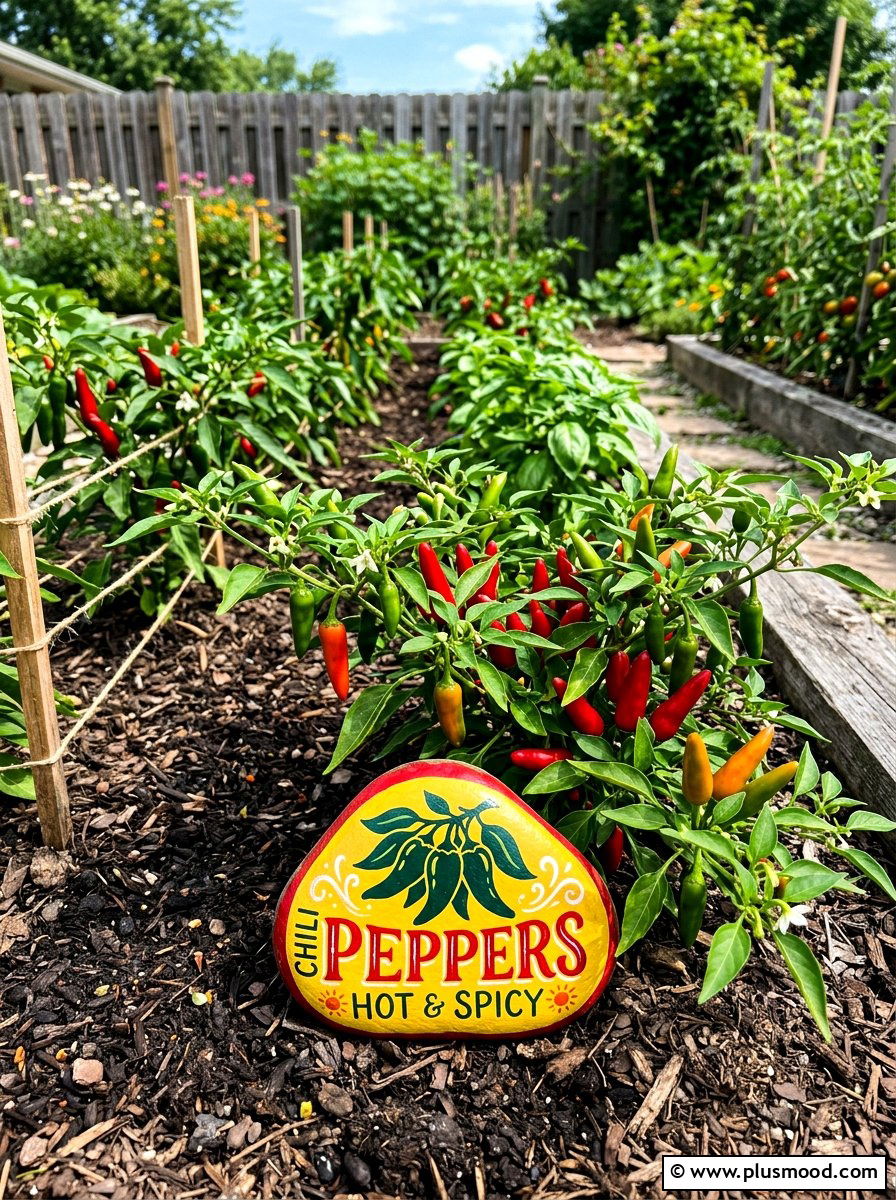
Whether you are growing sweet bells or spicy habaneros, a pepper garden label helps you keep track of the heat levels. You can use bright red, vibrant yellow, or deep green paint to match the specific type of pepper you are planting. Drawing a simple pepper silhouette on a medium-sized stone is a quick and effective way to label your rows. You might even want to add small flame icons to the rocks that mark your extra hot varieties as a fun warning. These markers are very practical for home chefs who need to pick the right ingredient quickly. They look great in both traditional gardens and modern containers.
10. Thyme Herb Stone
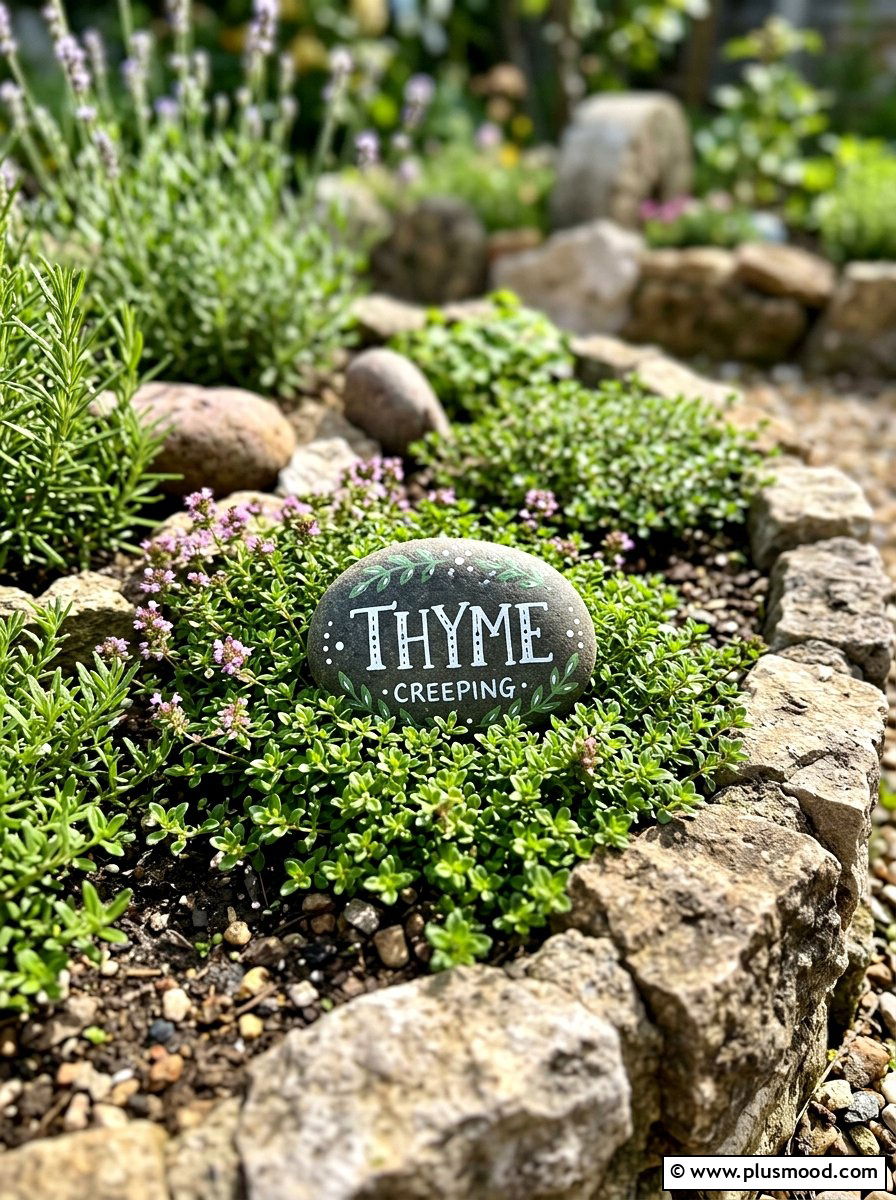
Thyme is a delicate herb that often gets overlooked in a busy garden patch because of its small and low-growing leaves. A thyme herb stone uses tiny dabs of green paint to represent the small foliage of this popular culinary plant. You can choose a flat and smooth river rock for this project to make the fine details easier to paint. Using a white or silver paint pen for the lettering creates a high-contrast look that is very easy to read. These markers are wonderful for rock gardens or herb wheels where space is limited. They provide a clear and concise identification point for your low-growing ground cover plants.
11. Pumpkin Garden Marker
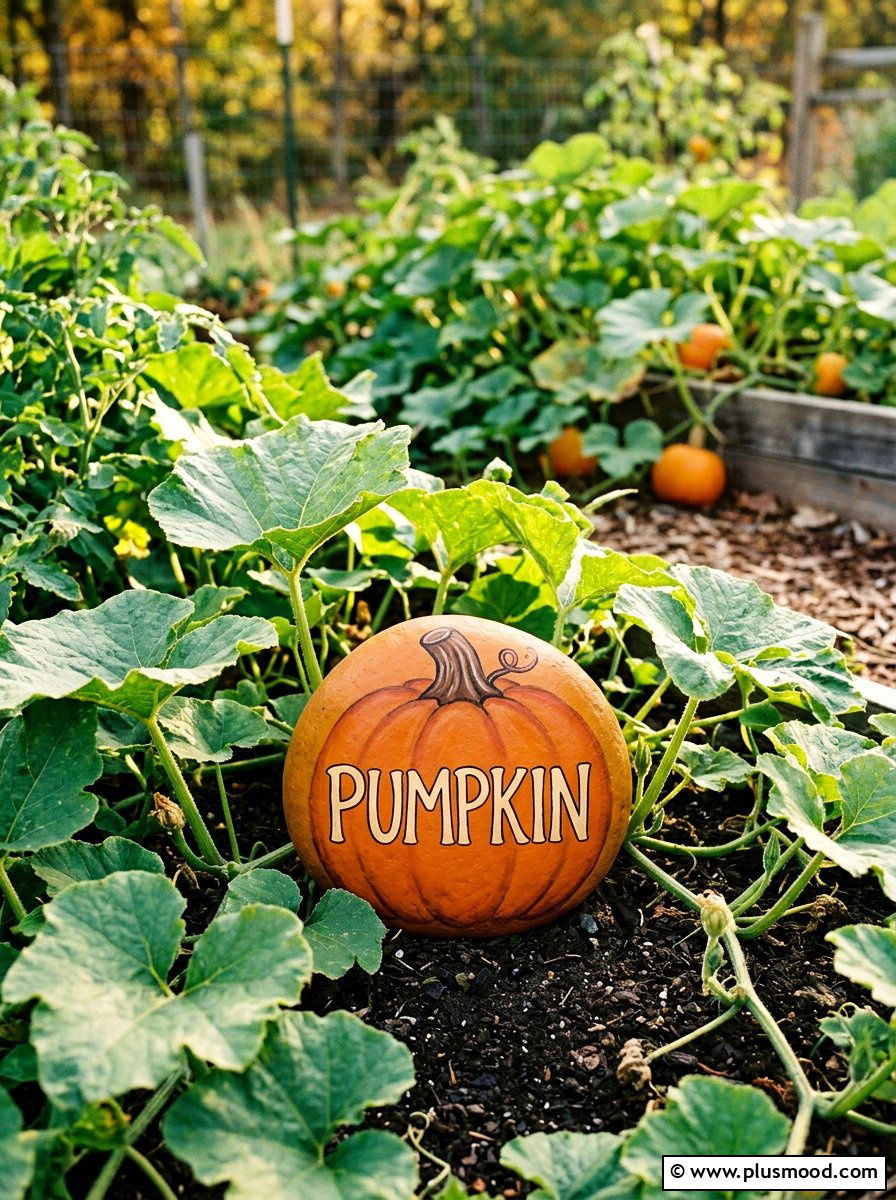
If you are planning a fall harvest, a pumpkin garden marker is a seasonal essential that looks great all year long. These markers are usually round and painted in a deep and warm shade of orange with vertical ridges for detail. You can add a sturdy brown stem at the top to complete the pumpkin look on your chosen stone. These rocks are particularly useful because pumpkin vines can grow very long and cover up other labels easily. A large and heavy rock will stay visible even when the large leaves try to hide it. It adds a festive and cozy feeling to your vegetable patch during the autumn months.
12. Watermelon Garden Stone
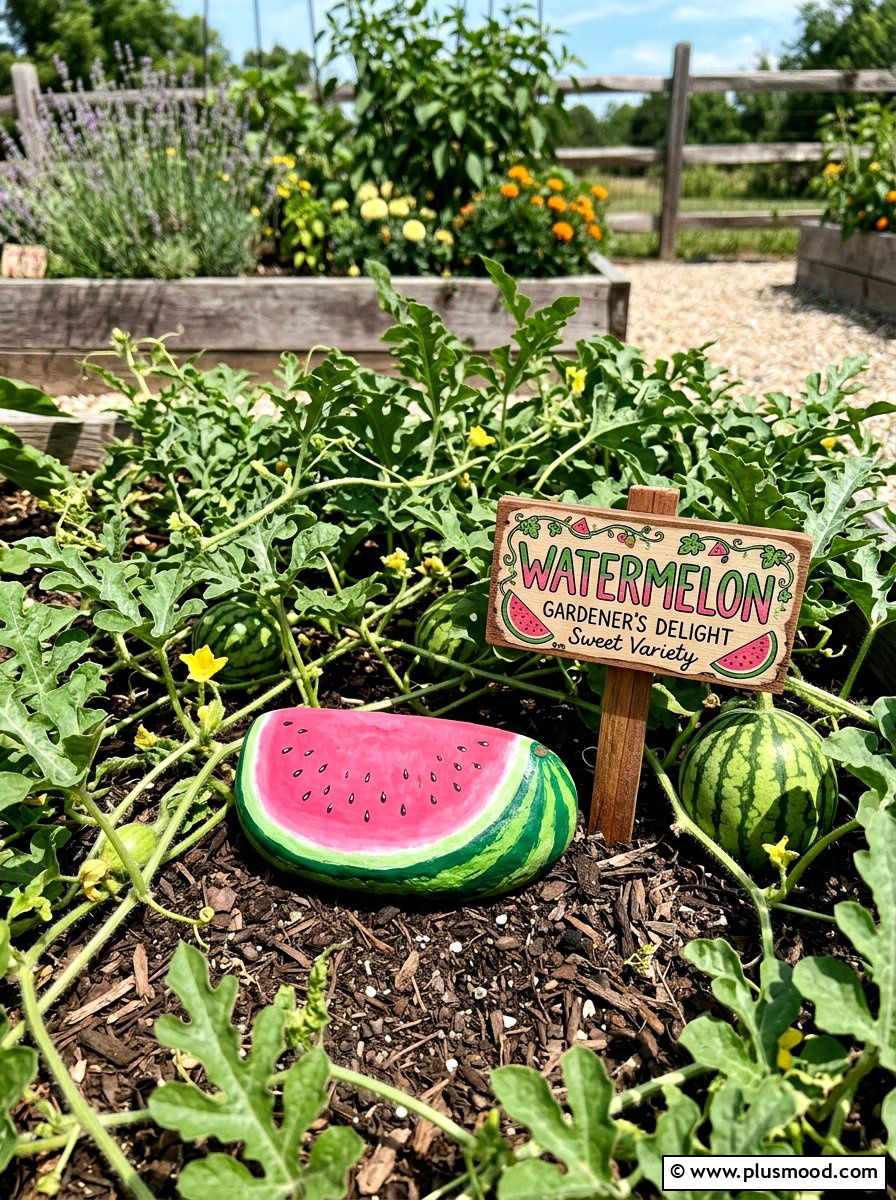
Watermelons take up a lot of space in the garden and a watermelon garden stone is a fun way to label them. You can paint a stone to look like a slice of the fruit with a green rind and a pink center. Adding small black dots for seeds makes the design look very whimsical and summery in your garden beds. This bright color scheme is very easy to see against the green vines and the brown soil. It creates a playful atmosphere that is perfect for a family-friendly garden space. These markers are durable enough to handle the heavy watering that watermelon plants typically require to grow large.
13. Cilantro Herb Label
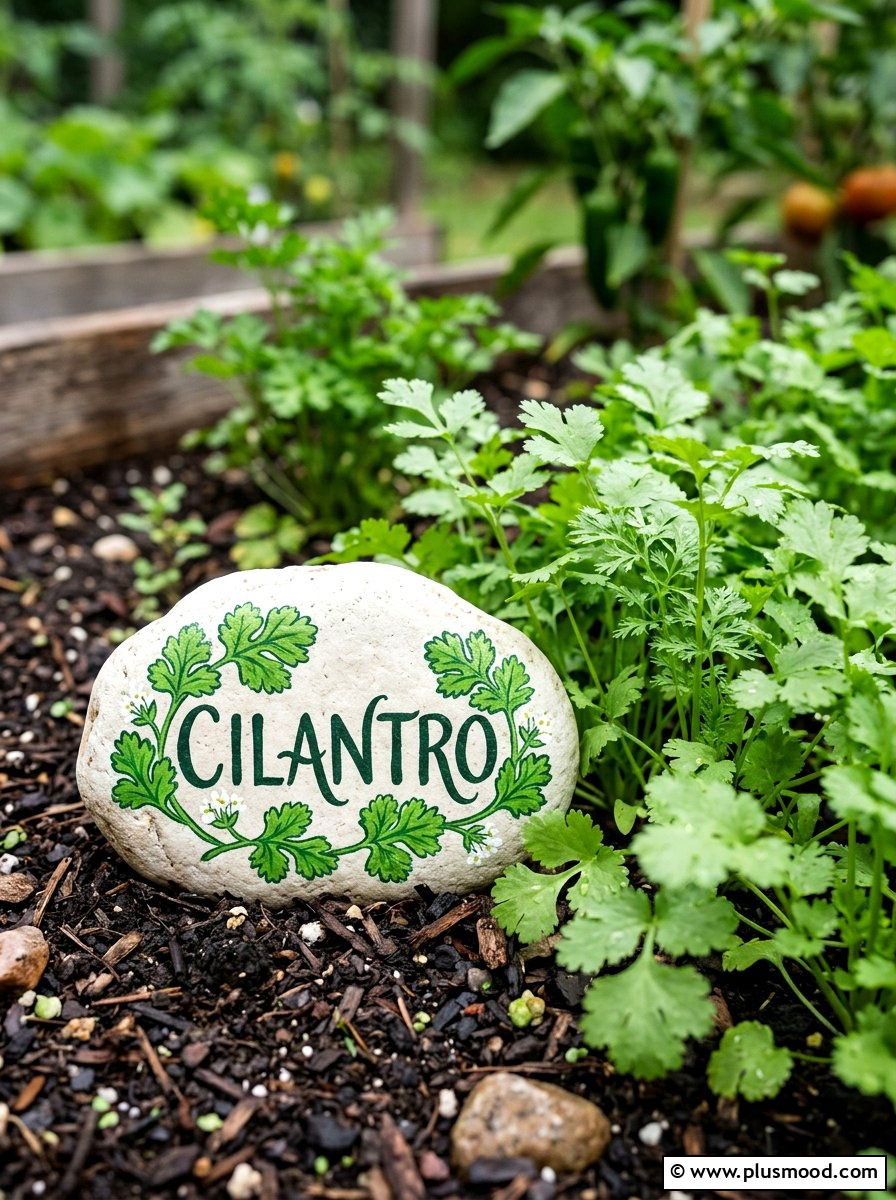
Cilantro can sometimes look very similar to flat-leaf parsley so having a clear cilantro herb label is very helpful for any gardener. This marker usually features a bright green leaf design that mimics the scalloped edges of the cilantro plant. You can use a light-colored stone like white or tan to make the green paint stand out more effectively. Writing the name in a casual and handwritten script gives the marker a friendly and artisanal feel. These stones are perfect for placing in your salsa garden alongside your peppers and tomatoes. They provide a quick reference for when you need to harvest fresh herbs for your favorite recipes.
14. Cucumber Garden Marker
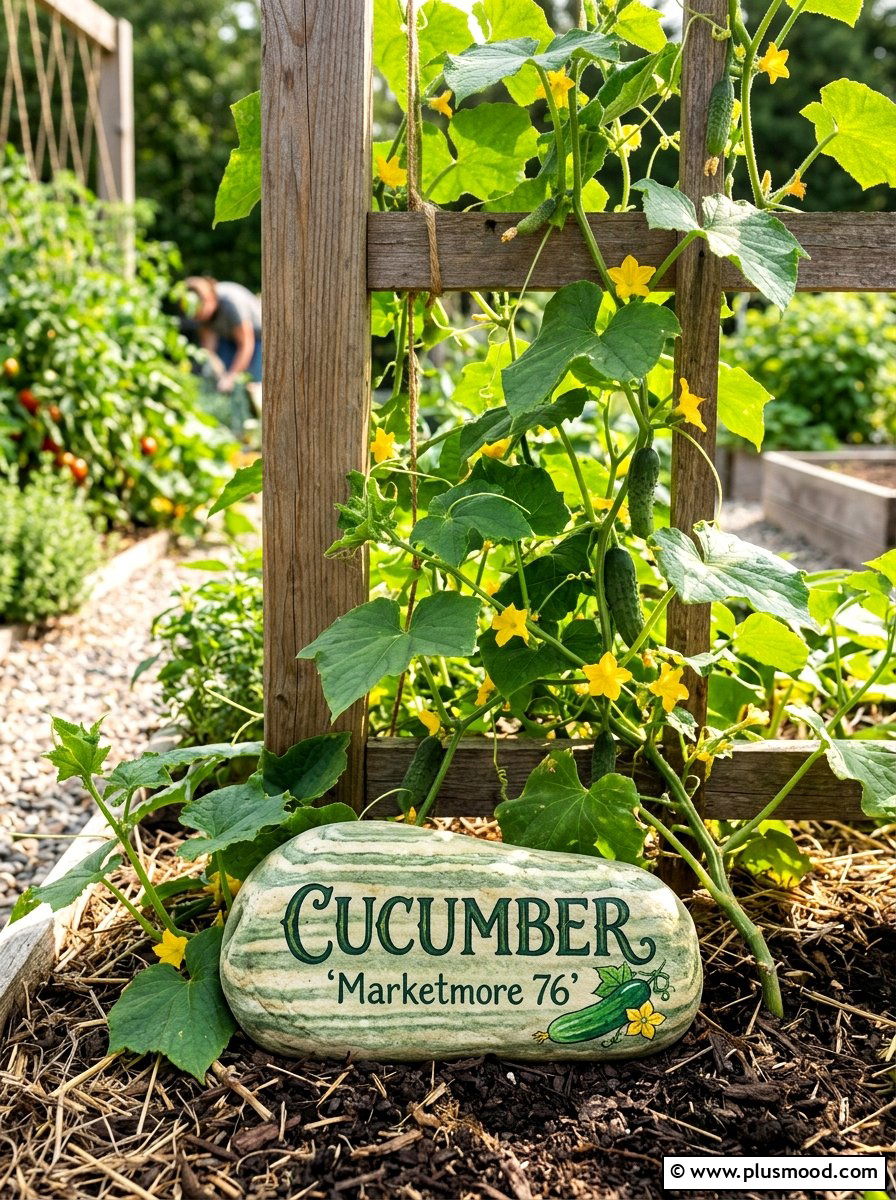
Cucumbers grow quickly on trellises and a cucumber garden marker helps you keep track of where each vine is rooted. You can paint a long and oval stone in various shades of green to represent the bumpy skin of a fresh cucumber. Adding a few yellow flower accents to the design can show the transition from bloom to fruit. This type of marker is very useful for distinguishing between pickling varieties and slicing varieties in your garden. The heavy stone sits firmly at the base of your trellis or fence. It remains a reliable guide for your harvest even as the vines become very thick and lush.
15. Parsley Herb Stone
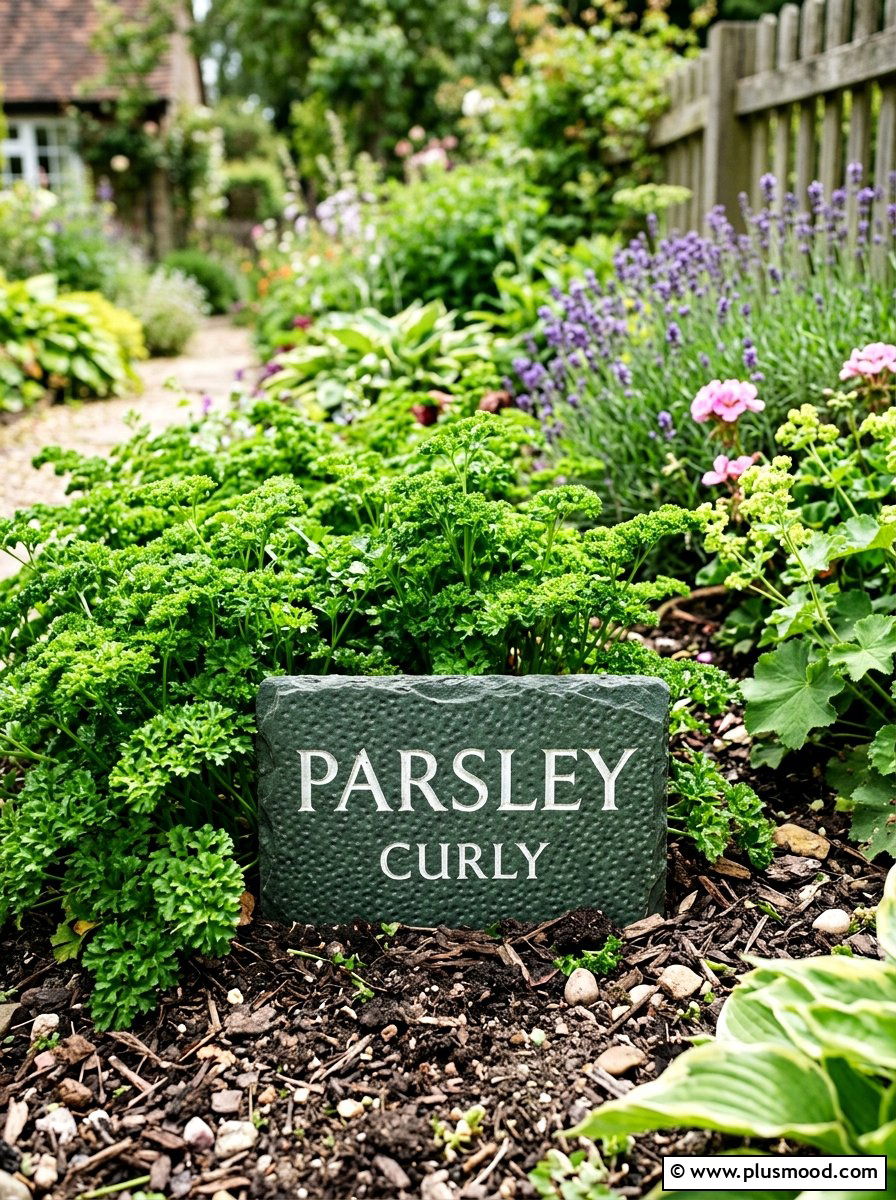
A parsley herb stone is a great way to mark this versatile plant in your herb garden or flower borders. You can use a dense stippling technique with your brush to recreate the curly or flat leaves of the parsley plant. Using a dark green paint on a gray stone provides a natural and earthy look that blends well with the surroundings. This marker is very durable and will not fade quickly under the hot summer sun if you use high-quality paints. Placing it near the edge of your garden bed makes it easy to find when you are in a rush to finish cooking. It offers a professional look.

16. Zucchini Garden Label
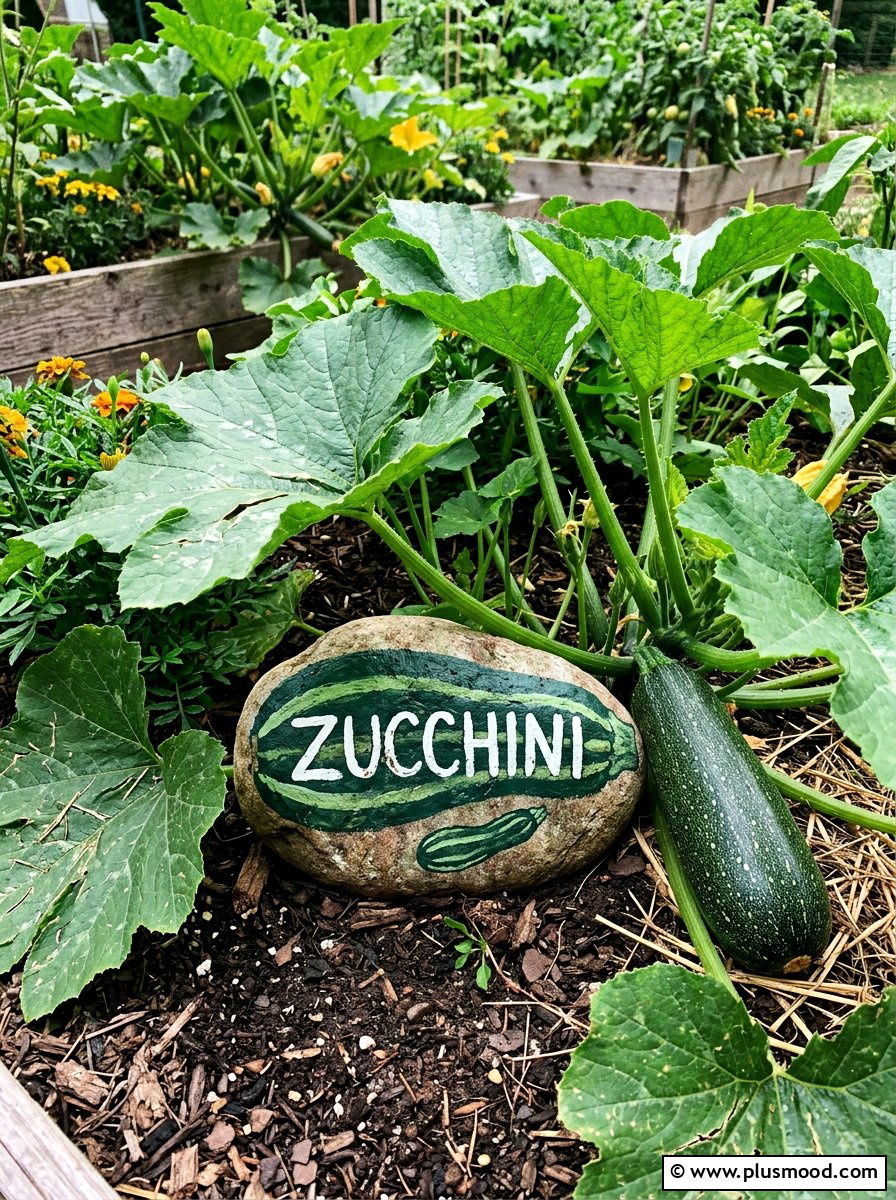
Zucchini plants are famous for their massive leaves and a zucchini garden label needs to be large enough to remain visible. You can paint a large rock with dark green and light green stripes to match the appearance of the vegetable. This bold pattern makes the marker very easy to find among the huge foliage of the squash plant. Writing the name in large and clear block letters ensures that you can read it from across the yard. These markers are heavy enough to stay in place even if the large leaves catch the wind. They provide a stable and attractive way to organize your summer squash varieties this year.
17. Blueberry Garden Marker
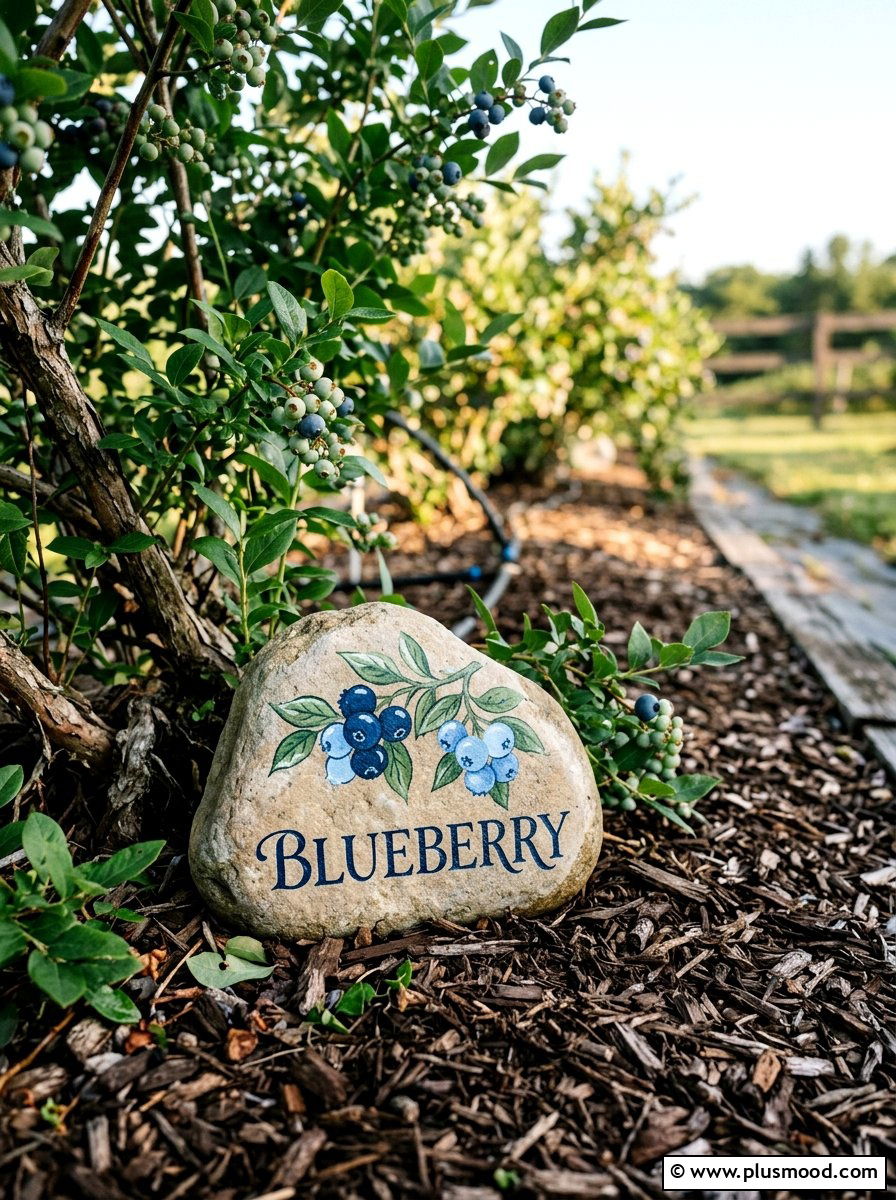
If you have a dedicated fruit area, a blueberry garden marker adds a lovely touch of blue to your landscape design. You can paint several small blue circles on a single stone to represent a cluster of ripe berries. Using a navy blue and a lighter sky blue creates a realistic highlight and shadow effect on the rocks. This color is a beautiful contrast to the green leaves of the bush and the brown mulch on the ground. These markers help you identify different types of blueberries like highbush or lowbush varieties. They are a charming addition to any edible landscape or backyard orchard project you are starting.
18. Oregano Herb Stone
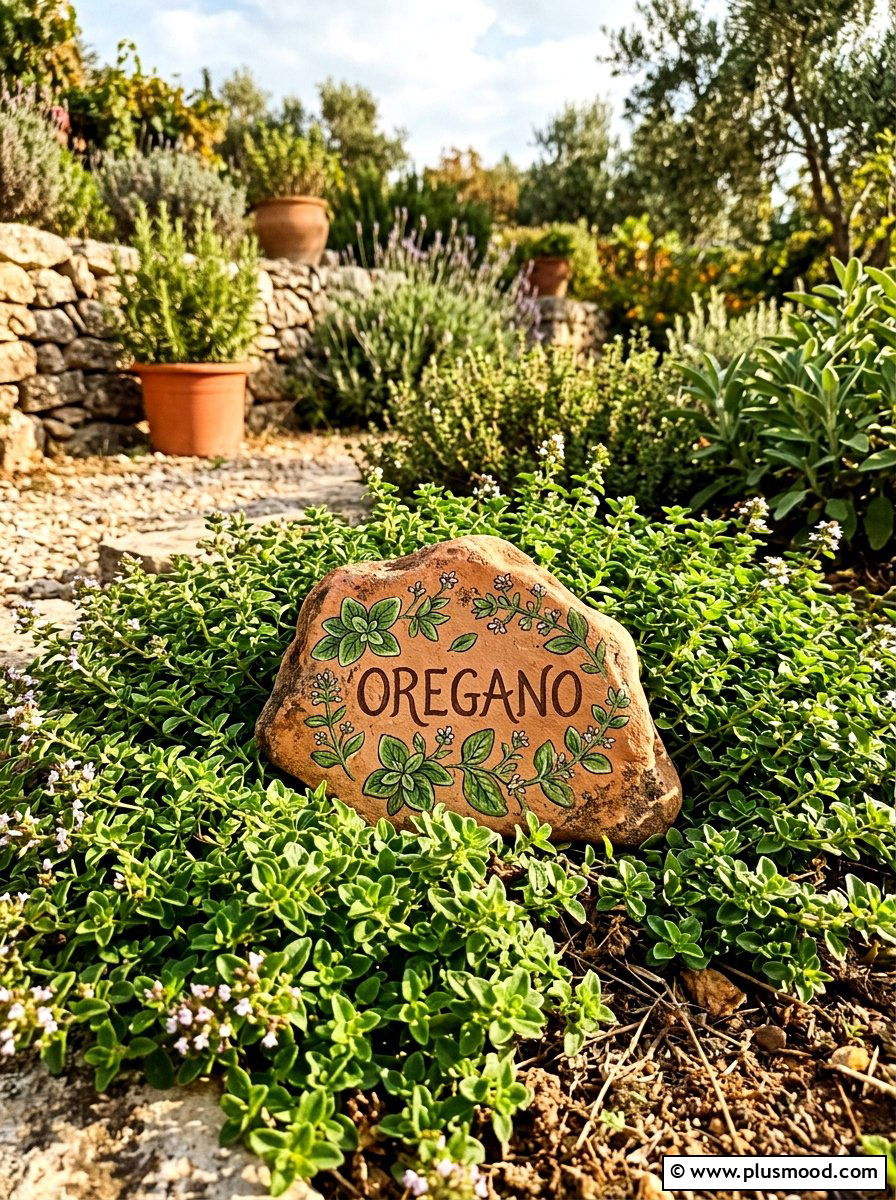
Oregano is a low-growing herb that can spread out as a beautiful ground cover in your garden beds. An oregano herb stone uses a simple and clean design to mark the spot where this flavorful plant is growing. You can use a warm terracotta color for the background to give the marker a Mediterranean or rustic feel. Painting a small cluster of round leaves in the corner of the stone adds a nice visual reference. This marker is small enough to fit into tight spaces but heavy enough not to get lost. It is a practical and stylish way to label your herbs for your outdoor pizza or pasta garden.
19. Garlic Garden Label
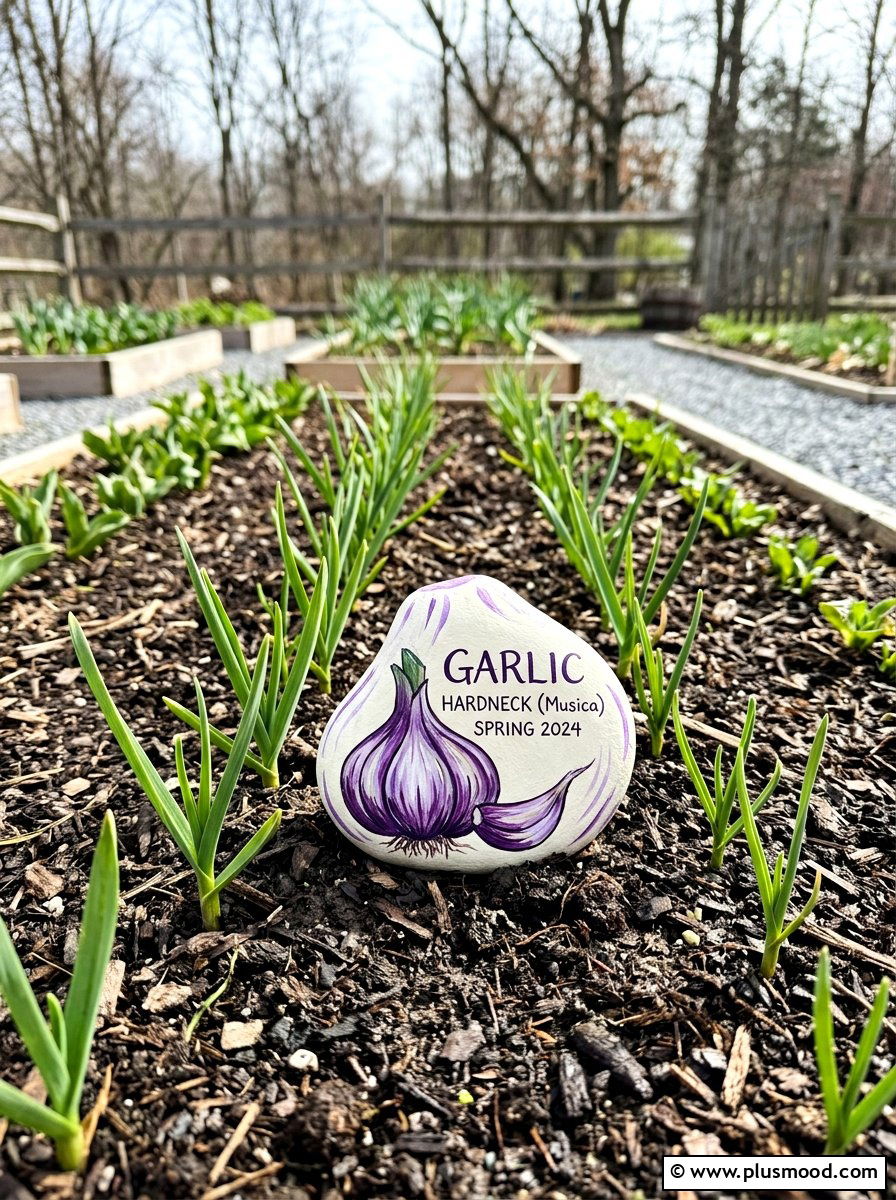
Since garlic is planted in the fall and harvested in the summer, a garlic garden label needs to last through the winter. You can paint a stone in creamy white and light purple shades to mimic the look of a garlic bulb. Adding vertical lines helps define the individual cloves on the surface of the marker for a more detailed appearance. This stone is very important for marking your rows so you do not accidentally dig them up during spring cleaning. The bright white color stands out against the dark winter soil or light snow. It provides a constant reminder of where your future harvest is safely sleeping underground.
20. Onion Garden Stone
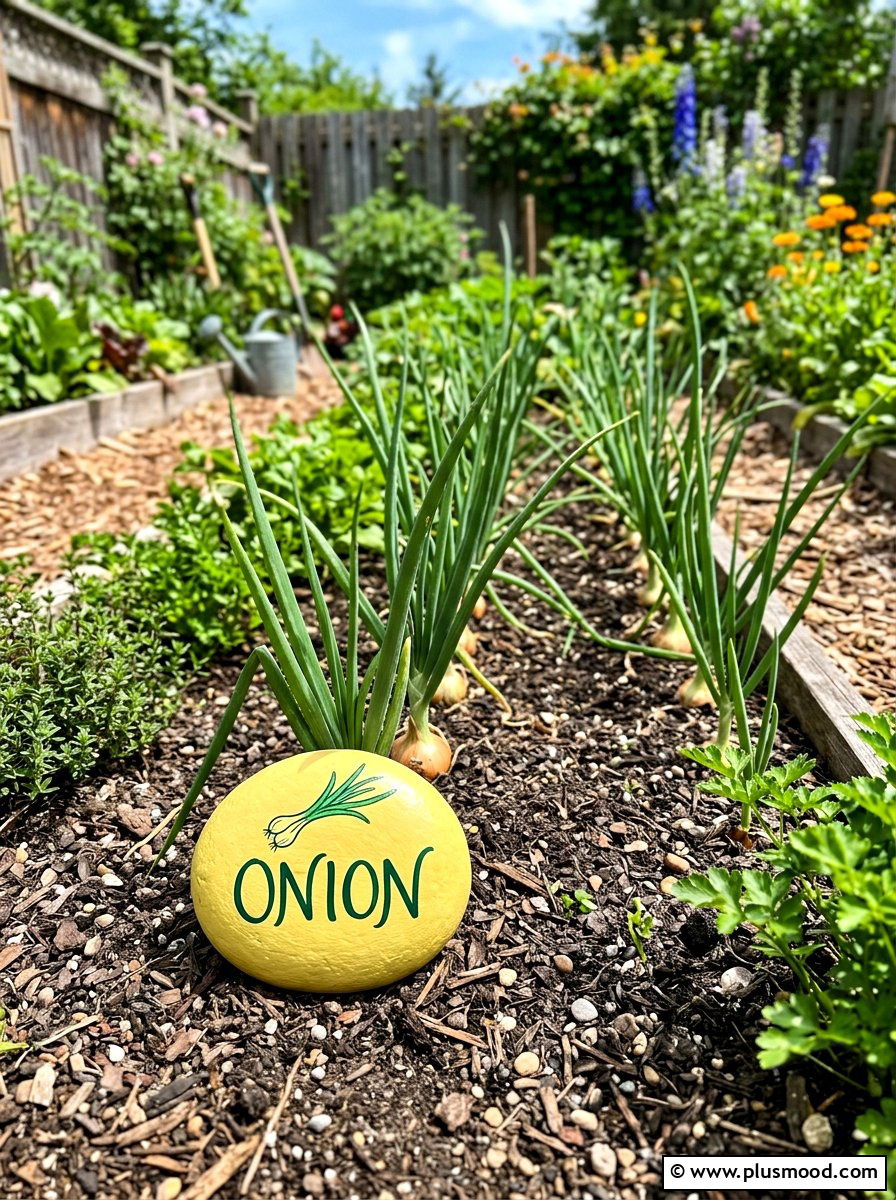
Onions are a garden staple and an onion garden stone helps you keep your rows straight and well-organized all season. You can choose to paint your stone in shades of yellow, red, or white depending on the type of onion you are growing. A round stone is the perfect shape to represent the bulbous nature of this essential cooking vegetable. Adding a few green sprouts at the top of the design makes the marker look very lively and realistic. These stones are easy to clean if they get covered in mud during a heavy rainstorm. They offer a simple and effective way to label your vegetable garden rows clearly.

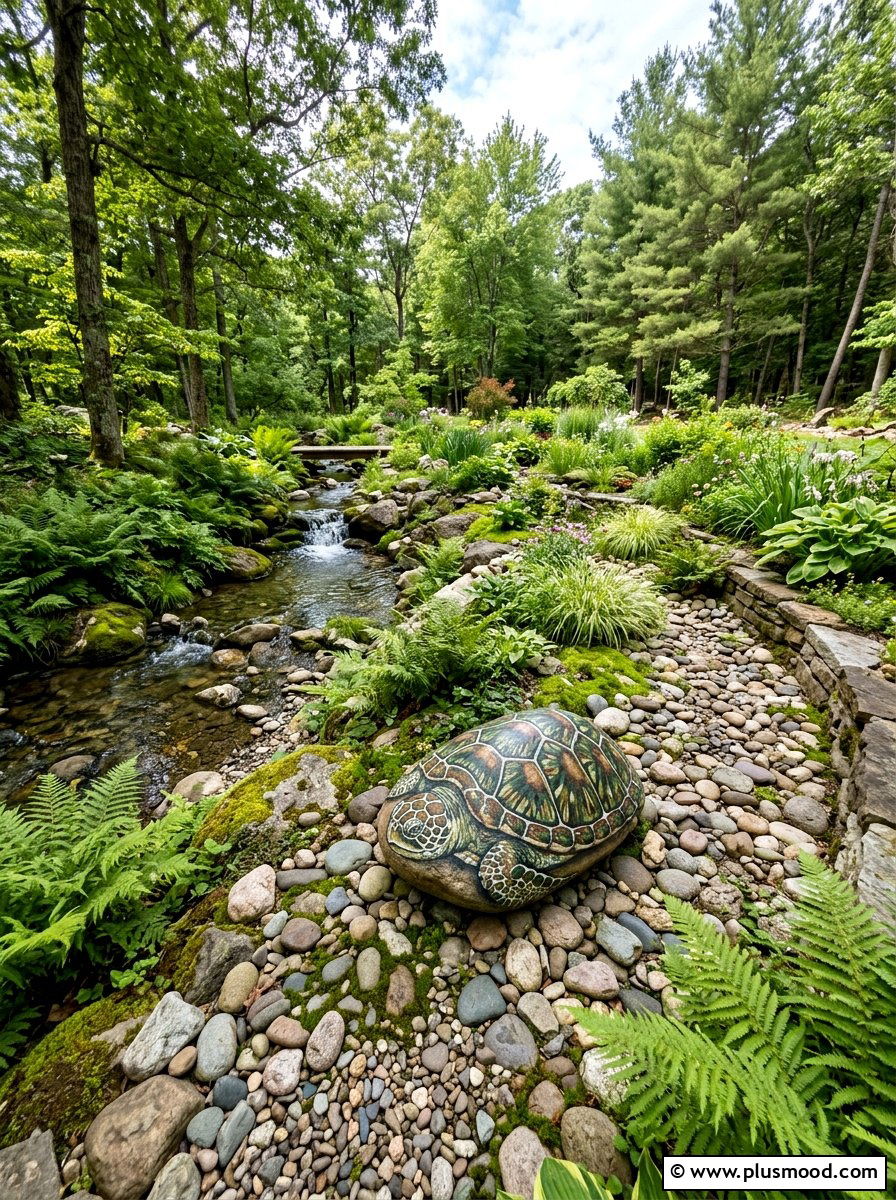
21. Radish Garden Marker
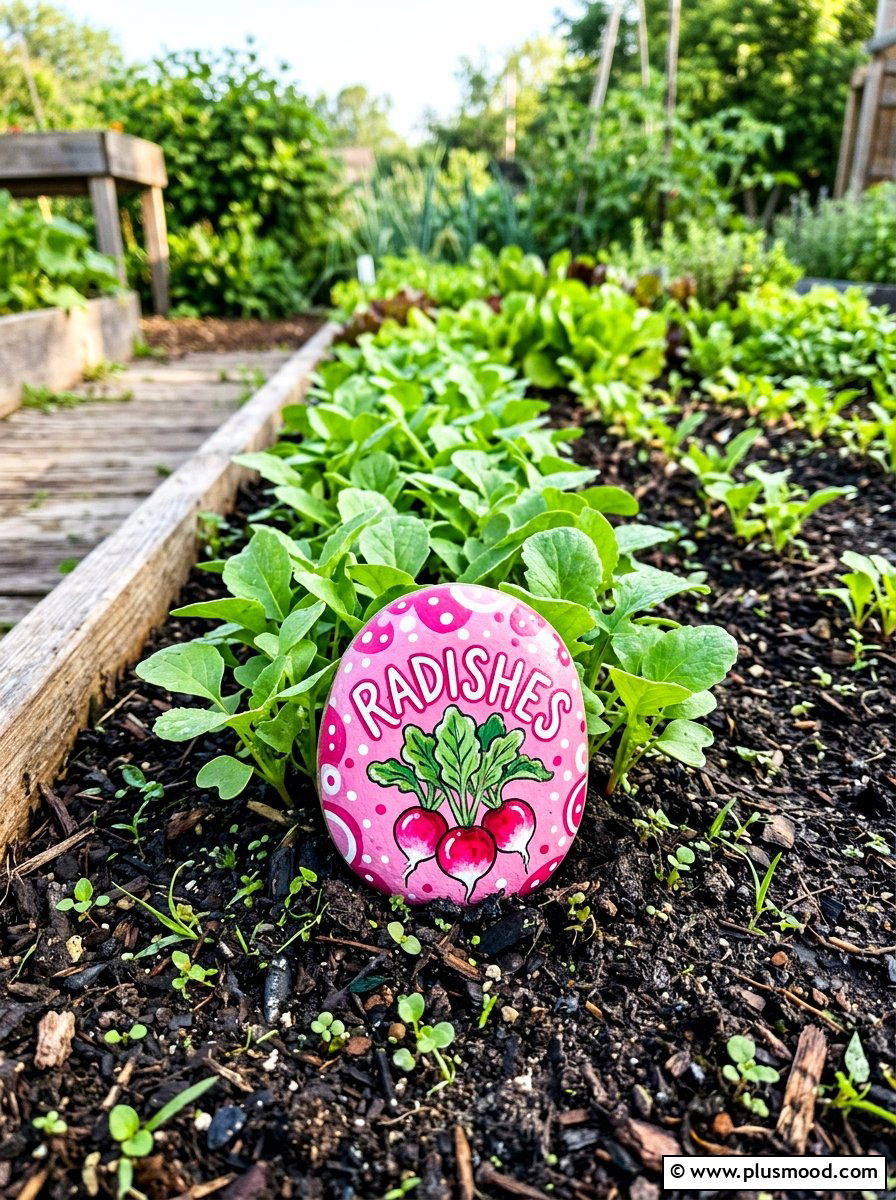
Radishes are one of the fastest crops to grow and a radish garden marker adds immediate color to your garden beds. You can paint a bright pink or red gradient on a round stone with a white tip at the bottom. Adding a few vibrant green leaves at the top creates a cute and recognizable icon for this crunchy root vegetable. These markers are great for labeling successional plantings where you might have radishes at different stages of growth. The bright pink color is very cheerful and looks wonderful next to the fresh green sprouts. It makes the task of gardening feel like a fun and artistic outdoor hobby.
22. Kale Garden Label
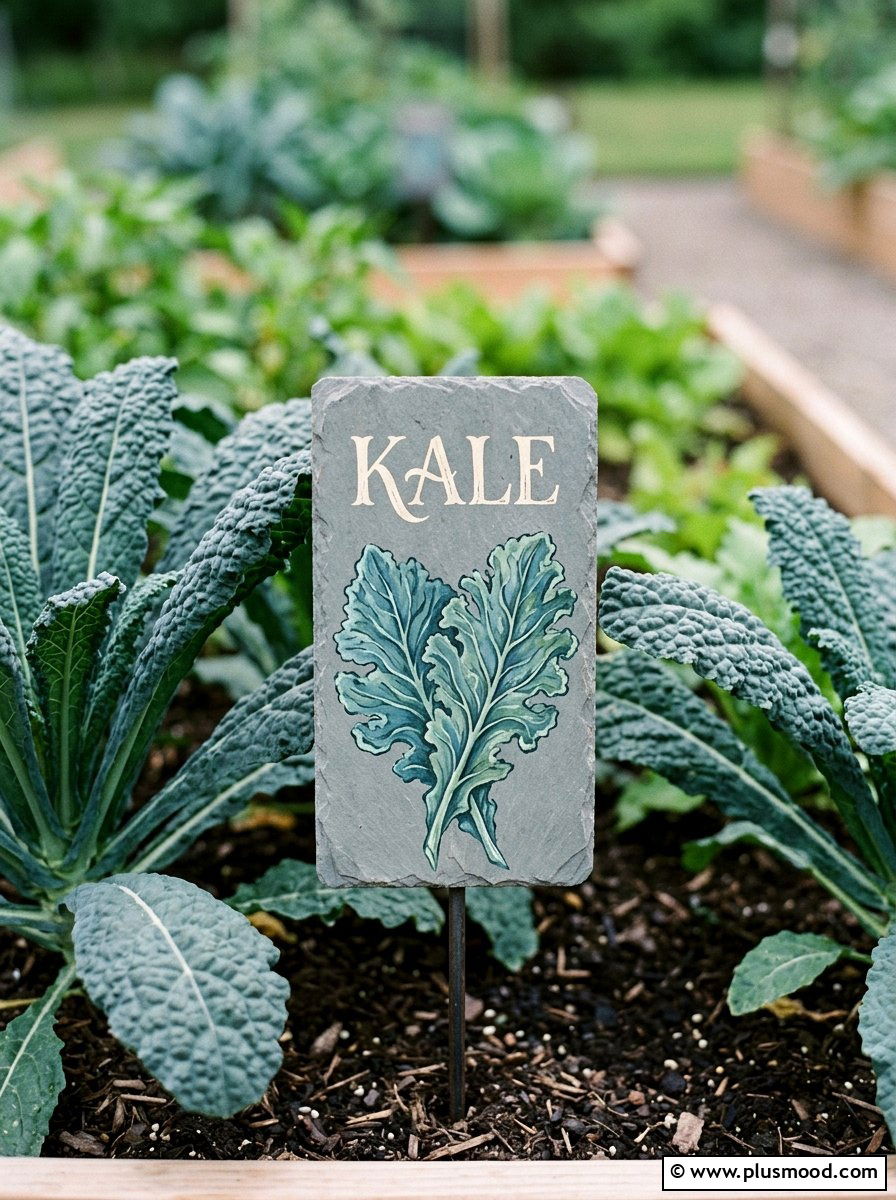
Kale is a hardy green that looks beautiful in the garden and a kale garden label should reflect its unique texture. You can use a dark blue-green paint and ruffled brush strokes to represent the curly edges of the kale leaves. A slate gray rock provides a sophisticated and modern background for this specific vegetable marker. This design works well for both edible gardens and ornamental landscapes where kale is often used for its color. The marker is heavy and sturdy enough to handle the cool winds of the early spring or late fall. It keeps your garden looking tidy and well-planned through every single month.
23. Sage Herb Stone
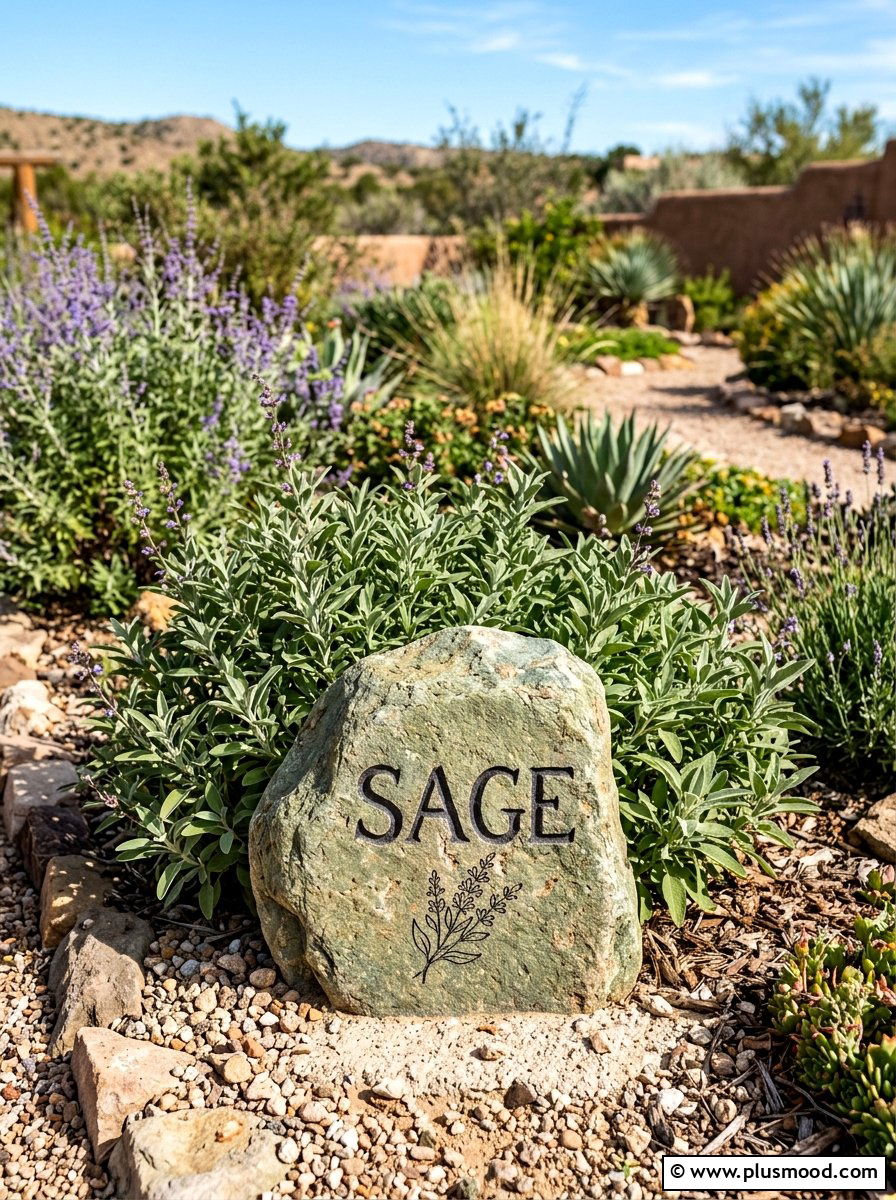
Sage has a unique fuzzy texture and a sage herb stone can capture this look with soft and muted paint colors. You can use a pale dusty green or a light gray to mimic the soft appearance of the sage foliage. Writing the name in a dark charcoal color provides a very clear and legible contrast on the stone surface. This marker looks especially good in a xeriscape or a drought-tolerant garden setting. It adds a touch of elegance to your herb collection without being too flashy or distracting. These stones are a durable way to identify your perennial herbs that return to the garden every single year.
24. Lemon Balm Marker
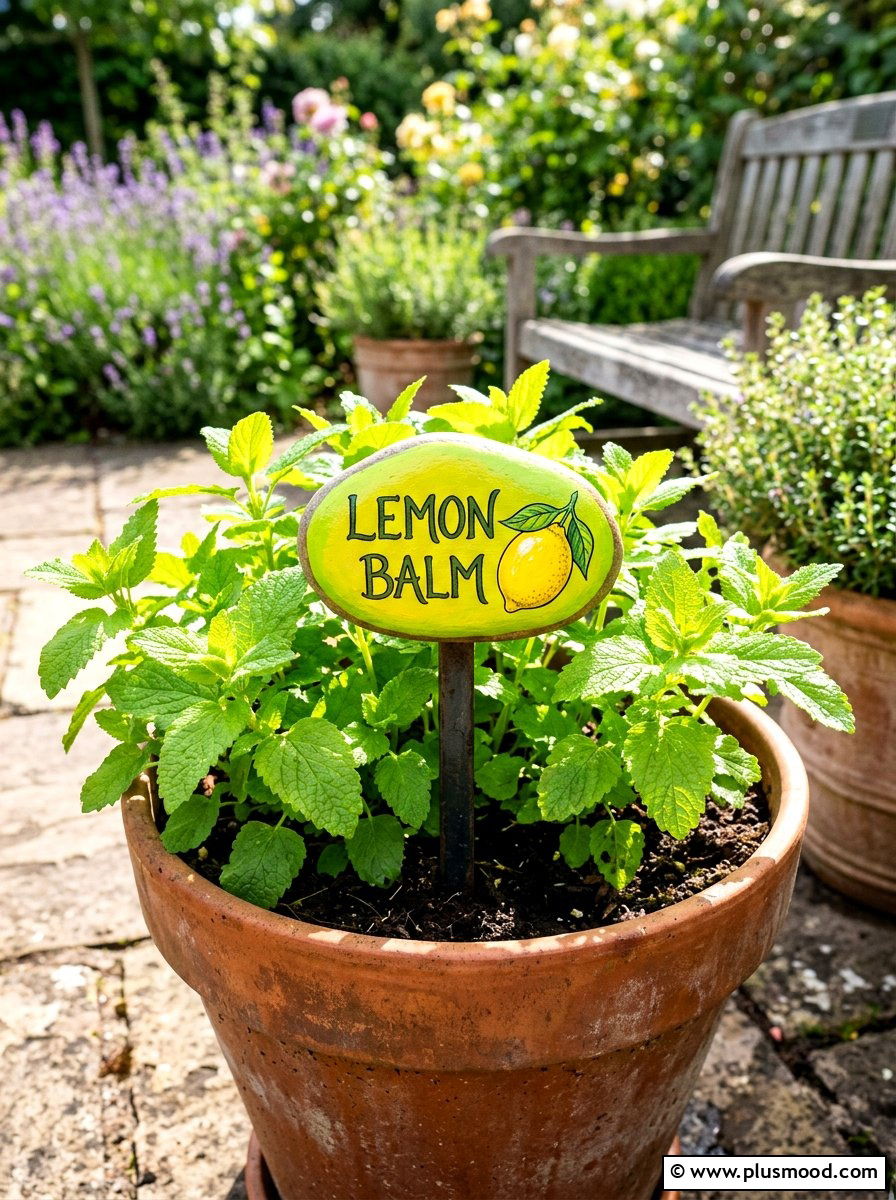
Lemon balm is a fragrant herb that can grow quite large so a lemon balm marker helps you identify it before it blooms. You can use a bright lemon yellow and a vibrant lime green color scheme for this particular stone design. Painting a small yellow lemon shape next to the name of the herb is a fun and helpful visual cue. This marker helps you distinguish lemon balm from other mint family members that might have similar-looking leaves. The bright colors bring a sense of freshness and energy to your herb pots or garden borders. It is a delightful way to mark your favorite tea herbs this season.
25. Marigold Garden Stone
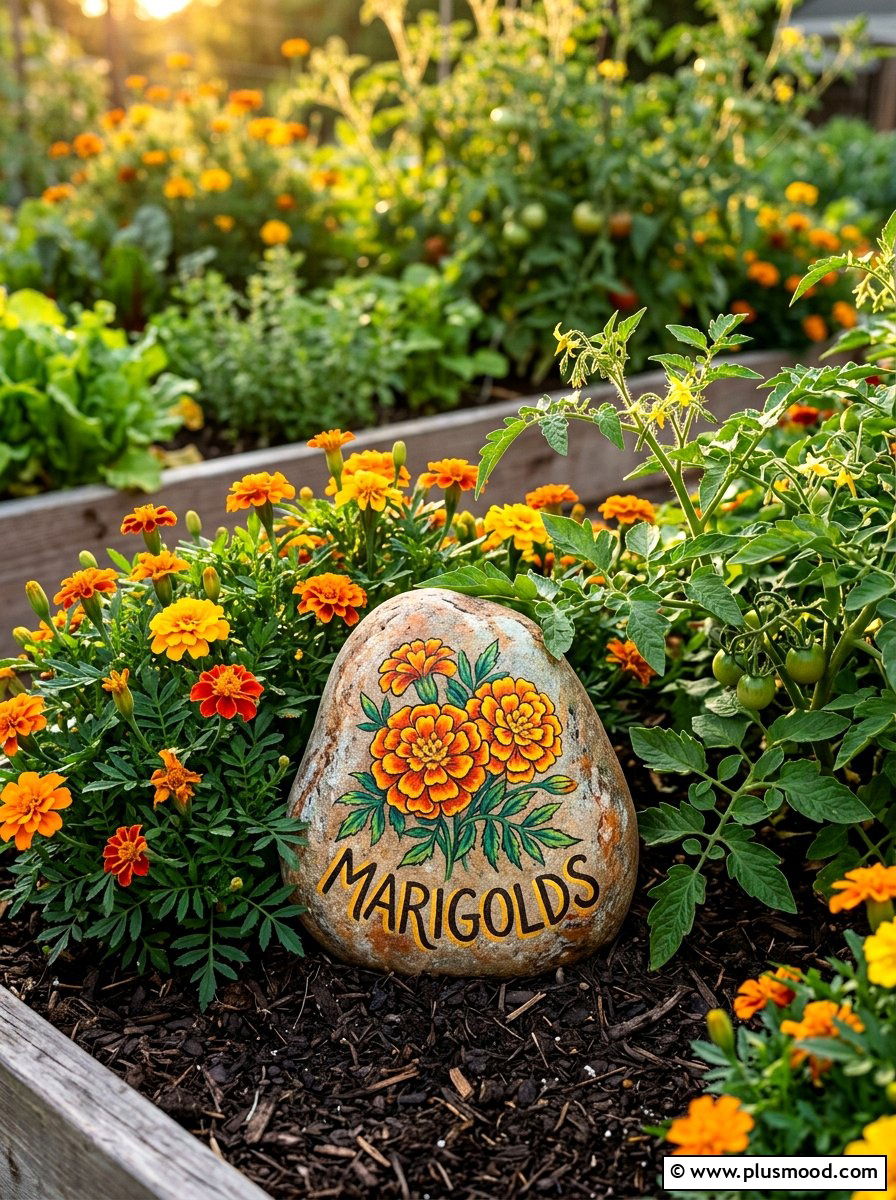
Marigolds are often used as companion plants and a marigold garden stone helps you place them perfectly in your vegetable rows. You can paint a stone with bright orange and yellow petals to represent the sun-like blooms of this beneficial flower. Adding a dark orange center gives the flower design more depth and makes it look more realistic. These markers are very useful for identifying where you have planted flowers to deter pests from your vegetables. The warm colors look fantastic against the green foliage of your tomato or pepper plants. They add a finished and professional look to your organic and natural garden space.
Conclusion:
Creating your own painted rock plant markers is a rewarding project that combines your love for gardening with a passion for crafting. These stones provide a permanent and beautiful solution for labeling your favorite herbs, vegetables, and flowers throughout the growing season. By using various colors and designs, you can create a garden that is not only organized but also serves as a canvas for your creativity. These markers are easy to make with simple supplies and offer a fun way to involve the whole family in outdoor activities. Your garden will look more vibrant and professional with these personalized touches that last for many years.
Related posts:


Leave a Reply