
Painted rock projects provide an incredible way for students to engage with art while learning essential educational concepts. These hands-on activities help develop fine motor skills and encourage creative thinking in a classroom setting. Whether you are a teacher looking for a collaborative outdoor project or a parent assisting with a science fair display, painted rocks offer a versatile medium that works for all ages. From teaching the solar system to exploring emotional intelligence through expressive faces, these small stones become powerful teaching tools. This collection focuses on comprehensive designs that transform simple rocks into educational masterpieces suitable for any school environment or creative home study space.
1. Alphabet painted rocks
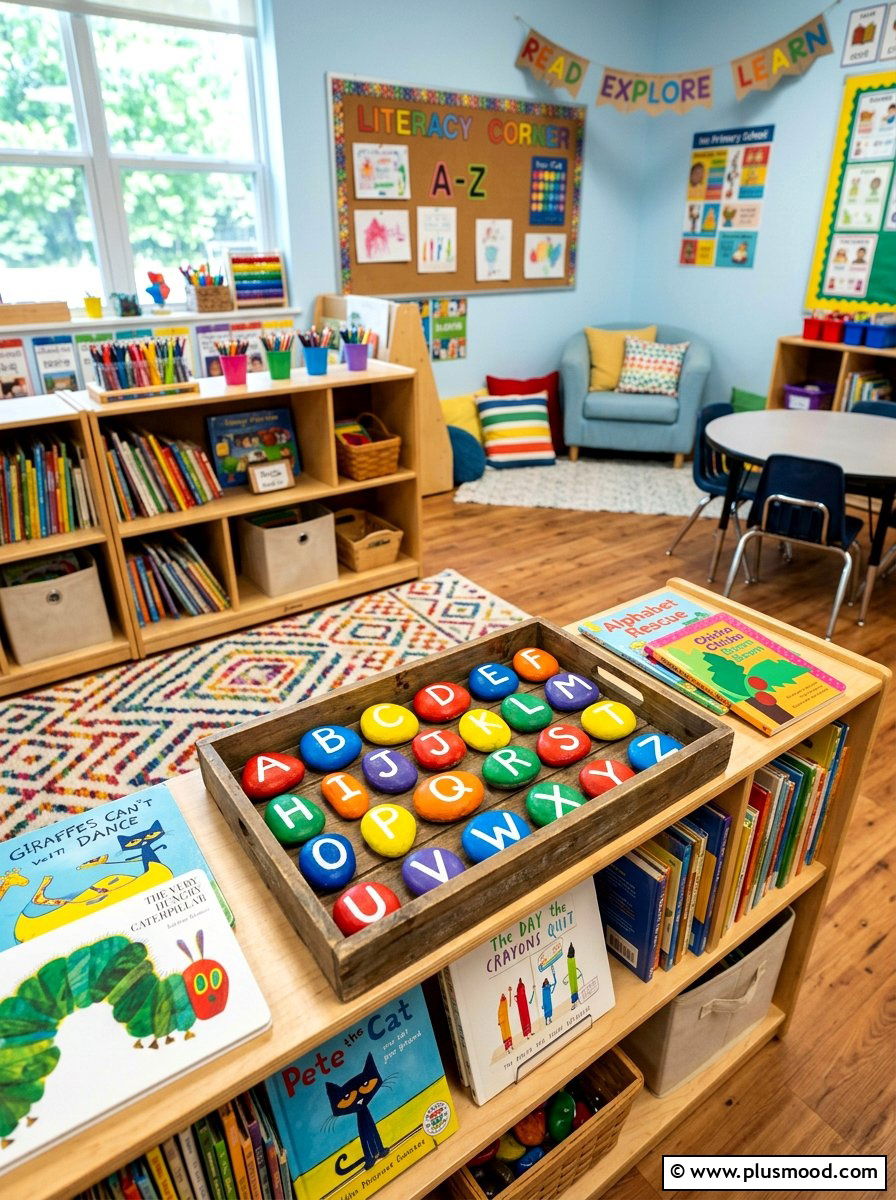
How can teachers make literacy more interactive for younger students? Painted rocks featuring the entire alphabet provide a tactile way for children to practice spelling and letter recognition during center time. These stones are usually painted in bright primary colors with bold black or white letters that stand out clearly against the smooth surface. You can arrange them in a dedicated wooden tray or a colorful basket within a reading nook to create an inviting learning station. Students love handling the heavy stones as they physically move letters to form their names or simple vocabulary words. This project effectively combines sensory play with fundamental language arts skills for preschool and kindergarten.
2. Solar system planets rocks
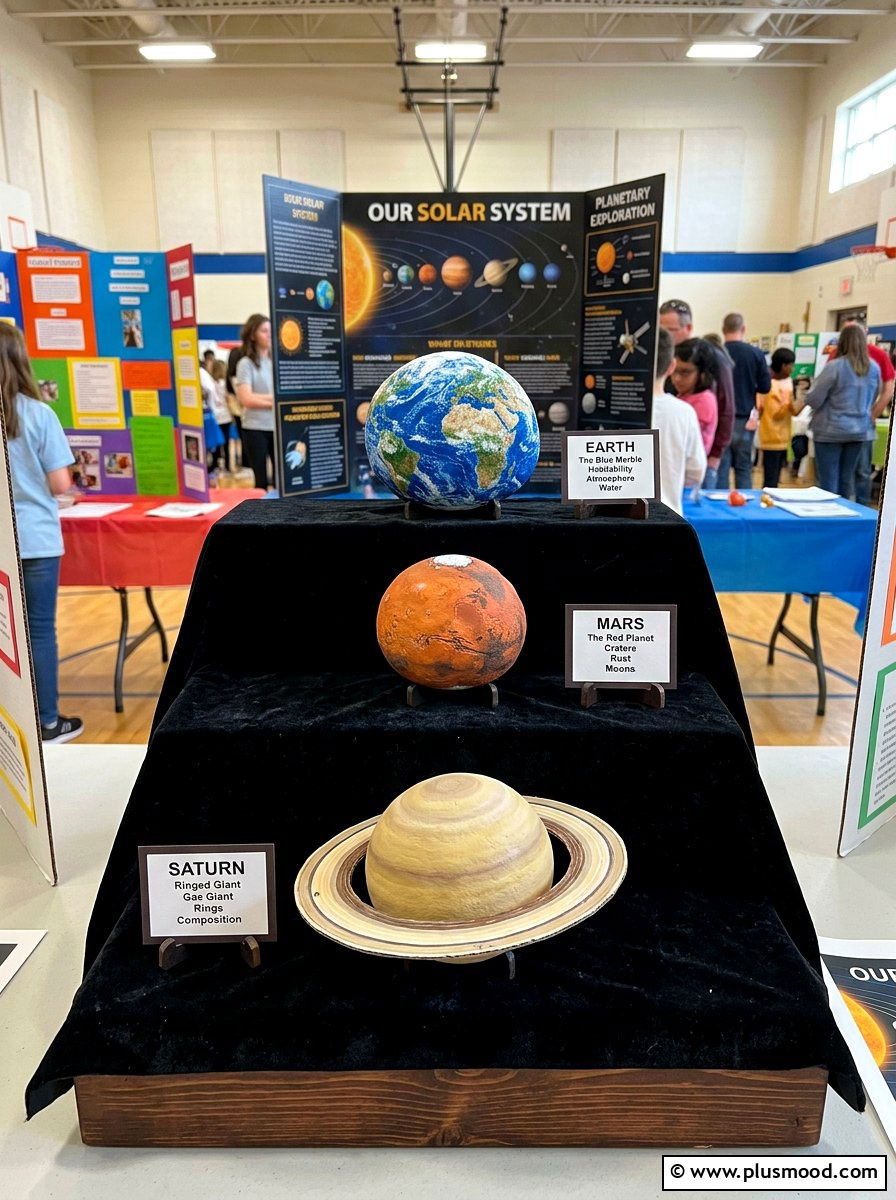
Creating a miniature version of our universe helps students visualize the vastness of space and the unique characteristics of each planet. For a school science project, a set of rocks painted to represent Mercury, Venus, Earth, and the rest of the solar system creates a stunning three-dimensional display. Each stone should reflect the specific colors and textures of the planet it represents, such as the swirling red of Mars or the deep blue of Neptune. When placed on a dark black poster board or a velvet-lined shelf, these celestial rocks transform into an educational exhibit that captures the imagination of every young astronomer in the classroom.
3. Kindness message rocks
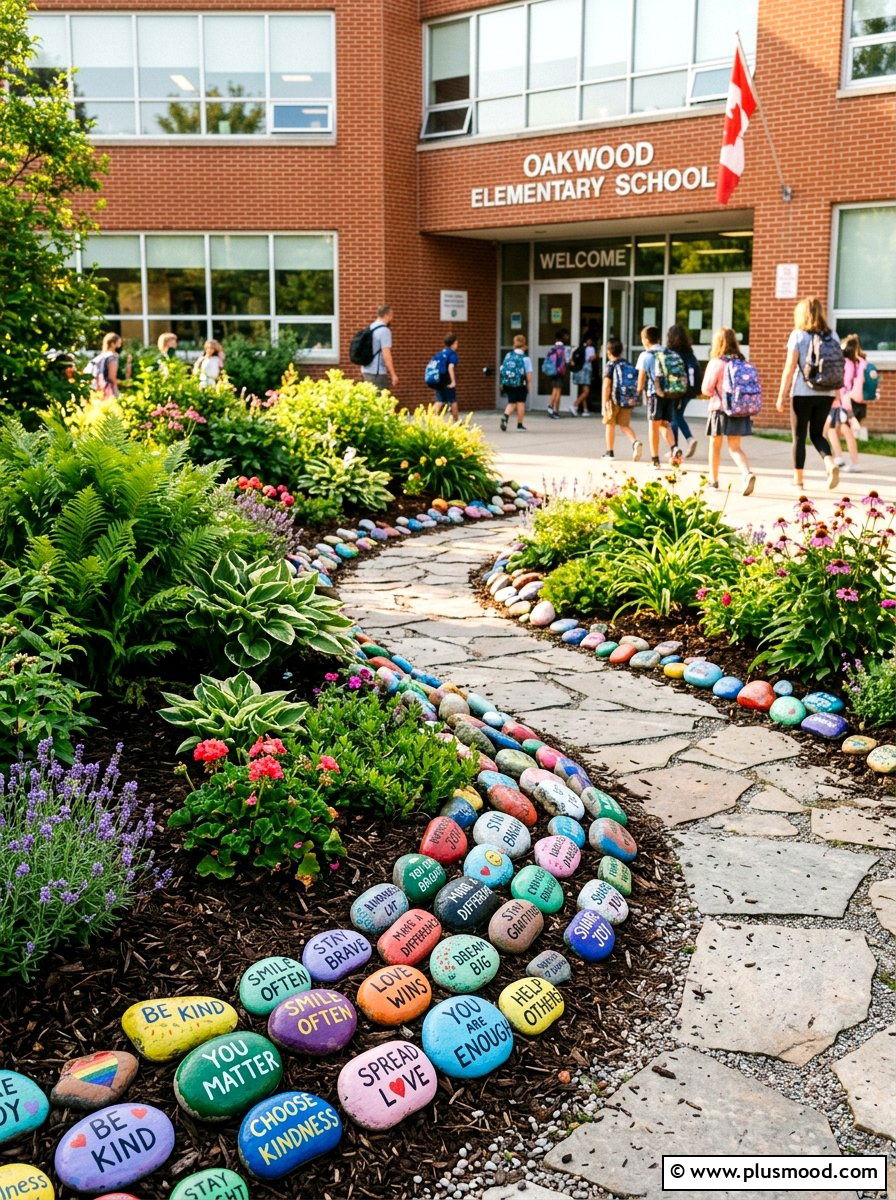
Promoting positivity throughout the school campus is easy with a kindness rock garden. Students paint smooth river stones with bright background colors and write uplifting messages like "be brave" or "you matter" on the top. These stones are then placed in a designated outdoor garden area or along school walkways for others to find and enjoy. This project teaches empathy and community spirit while allowing students to express their creativity through typography and color. The final display serves as a permanent installation of collective goodwill that brightens the day of every student and staff member who walks by the colorful stone arrangement.
4. Animal face rocks
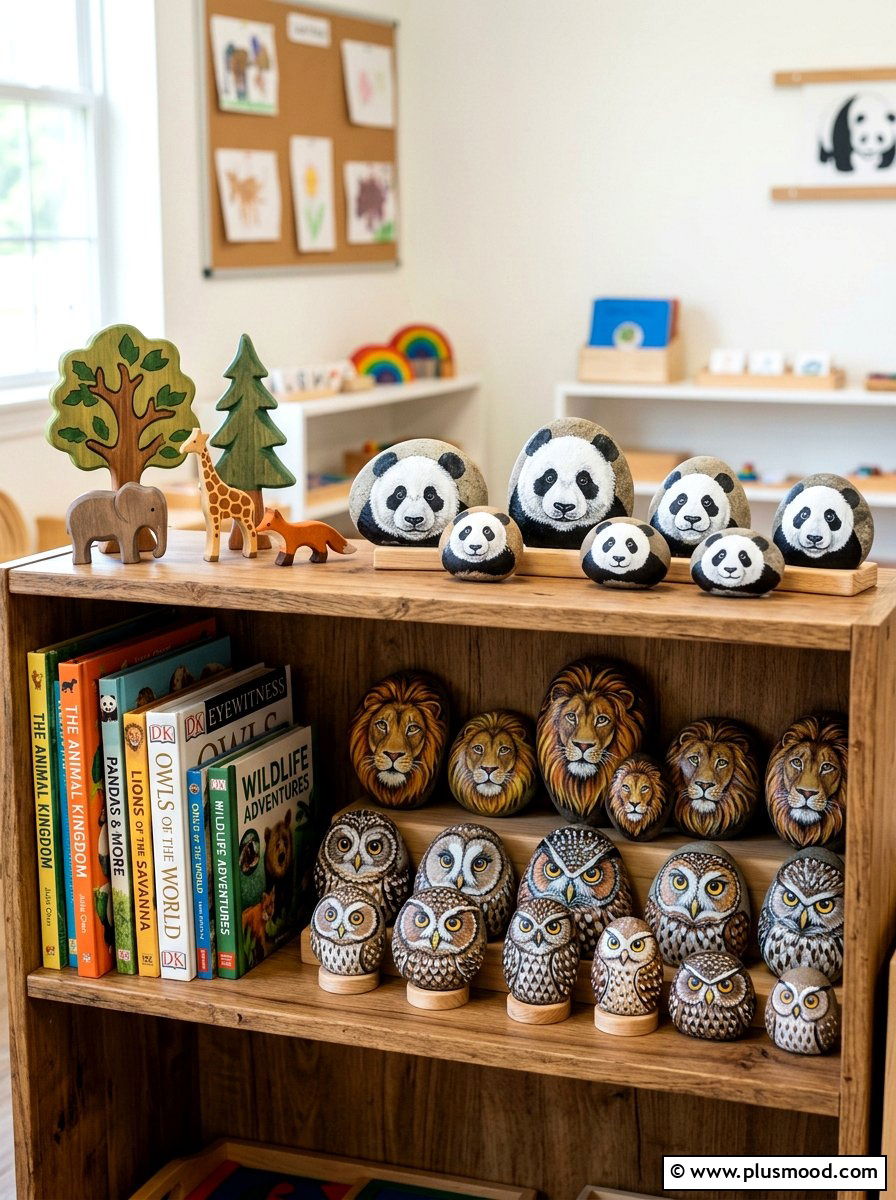
Exploring biology and animal habitats becomes much more fun when students create their own rock-based zoo. This project involves painting various animal faces, from lions and tigers to penguins and pandas, onto different shapes of stones. Each rock is designed to highlight the unique features of the animal, such as whiskers, ears, or distinctive fur patterns. These rocks can be used in a classroom play area or as part of a science display about diverse ecosystems. By focusing on the full facial structure of the animals, students learn about anatomy and the colorful diversity found within the natural world during their art session.
5. Ladybug rock garden
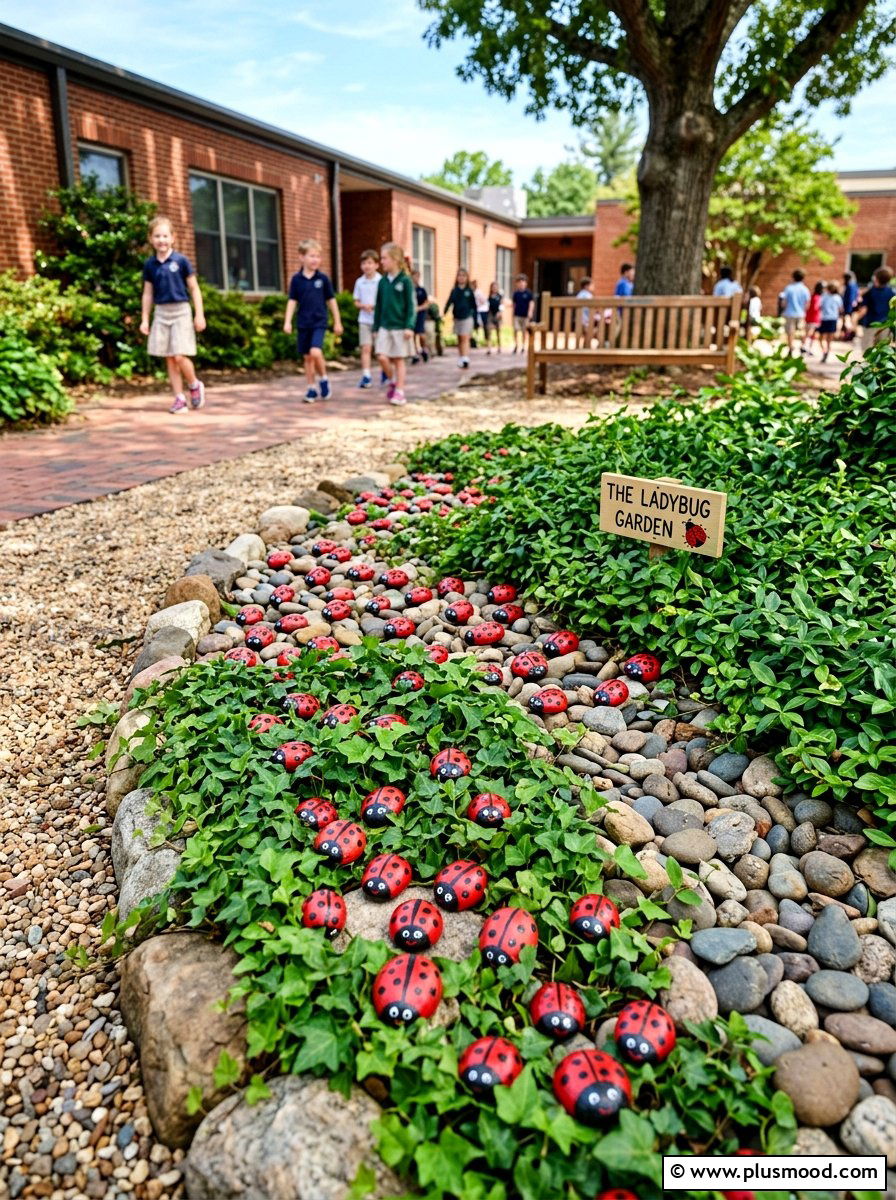
Teaching students about insects and garden life is simple with a ladybug-themed rock project. Each student paints a round stone red with black spots and a small black face to resemble a realistic ladybug. Once finished, these rocks are grouped together in a school garden or a large indoor planter to create a charming colony. This activity helps younger children understand symmetry and patterns while contributing to a shared decorative goal. The bright red insects look striking against green leaves and soil, making the school garden feel more lively and inviting. It is a classic project that never fails to spark joy among students.
6. Story stone characters
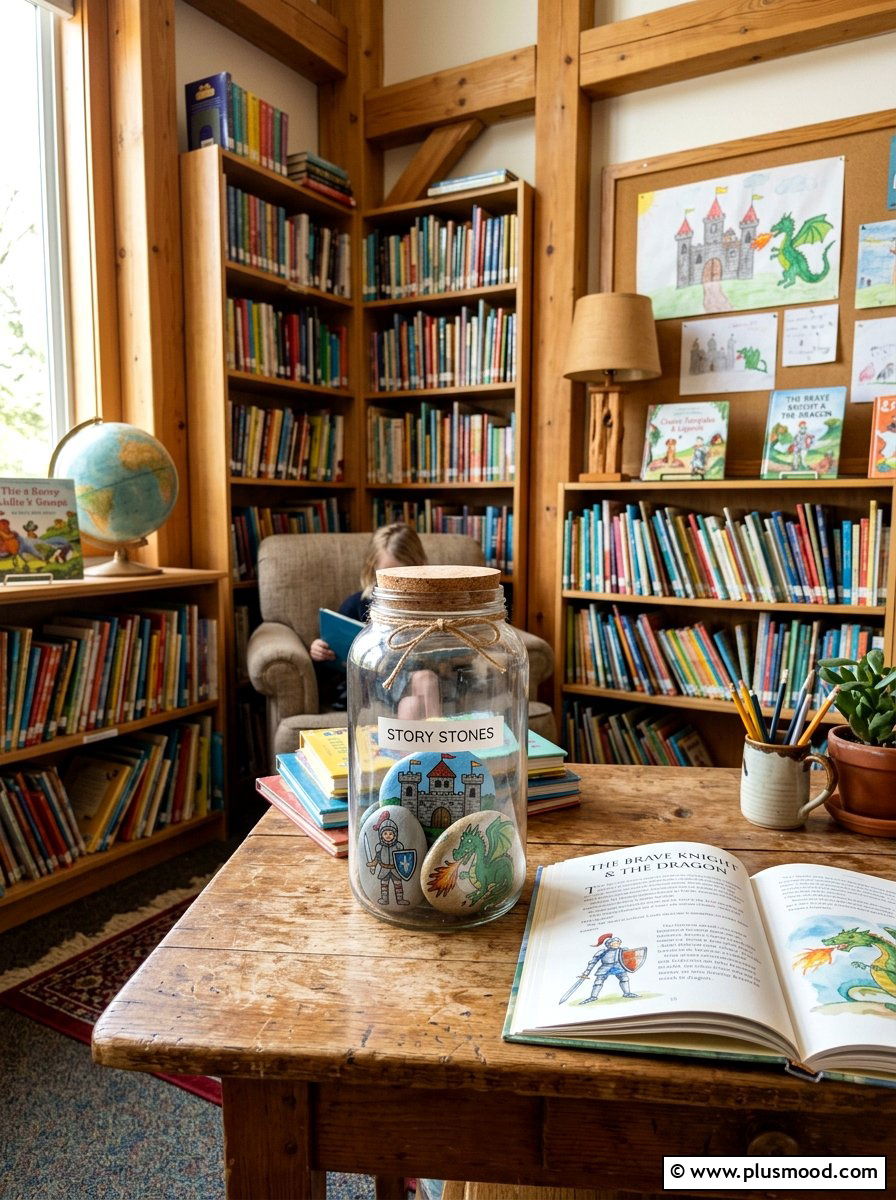
Storytelling becomes a multi-sensory experience when students use painted rocks to represent characters and settings from their favorite books. Each rock depicts a specific element, such as a brave knight, a tall castle, or a magical forest, allowing children to move the pieces around as they narrate a tale. This project encourages creative writing and verbal communication skills as students collaborate to build complex plots using their stones. These character rocks are often kept in a special storytelling jar in the classroom library. This method helps visual learners connect with literary themes and plot structures in a very physical and engaging way.
7. Weather symbol rocks
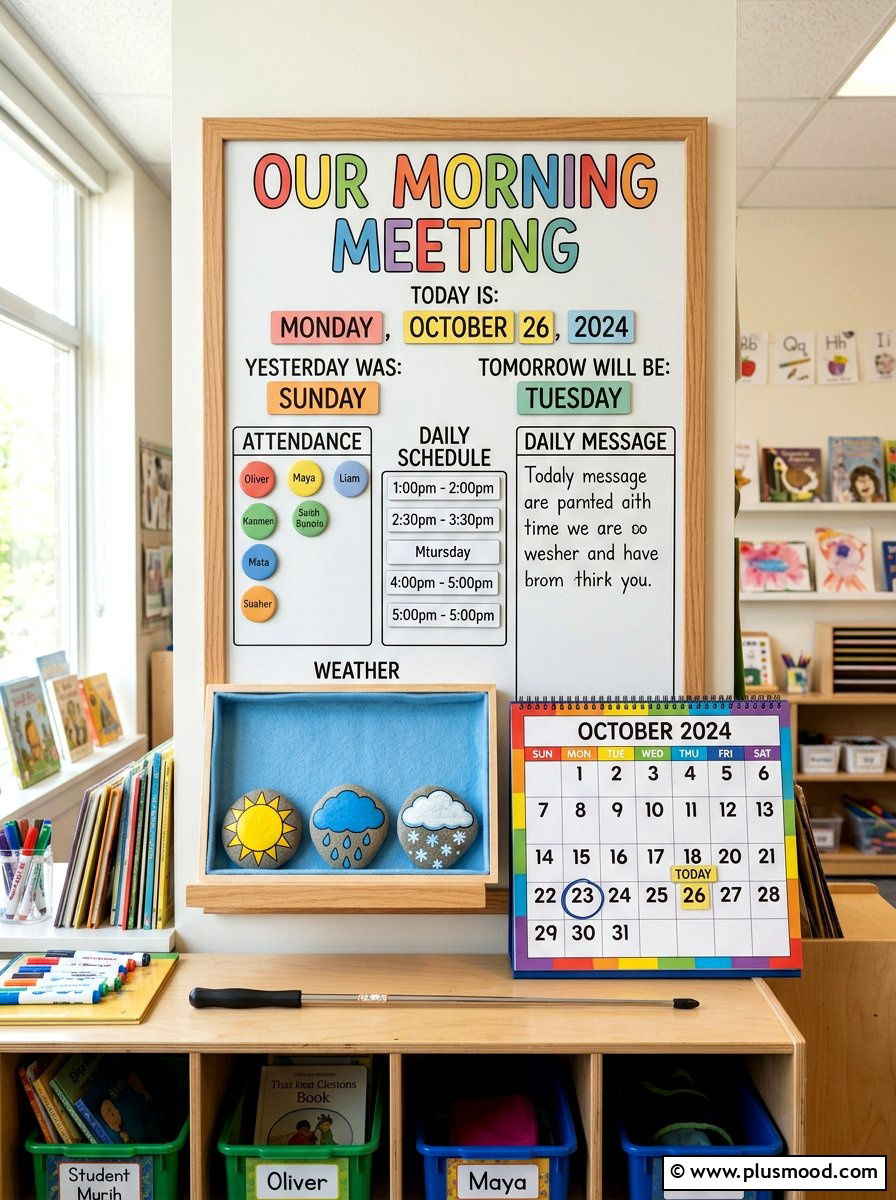
Introducing basic meteorology concepts is much more effective when students have visual aids they created themselves. A set of weather rocks might include designs for suns, clouds, raindrops, lightning bolts, and snowflakes painted on smooth grey stones. Teachers can use these rocks during morning meetings to discuss the daily forecast or to track weather patterns on a classroom calendar. The simple icons make it easy for children to identify different atmospheric conditions at a glance. This project turns abstract scientific concepts into concrete objects that students can handle and observe daily, reinforcing their understanding of the natural world and its changing cycles.
8. Emotion emoji rocks
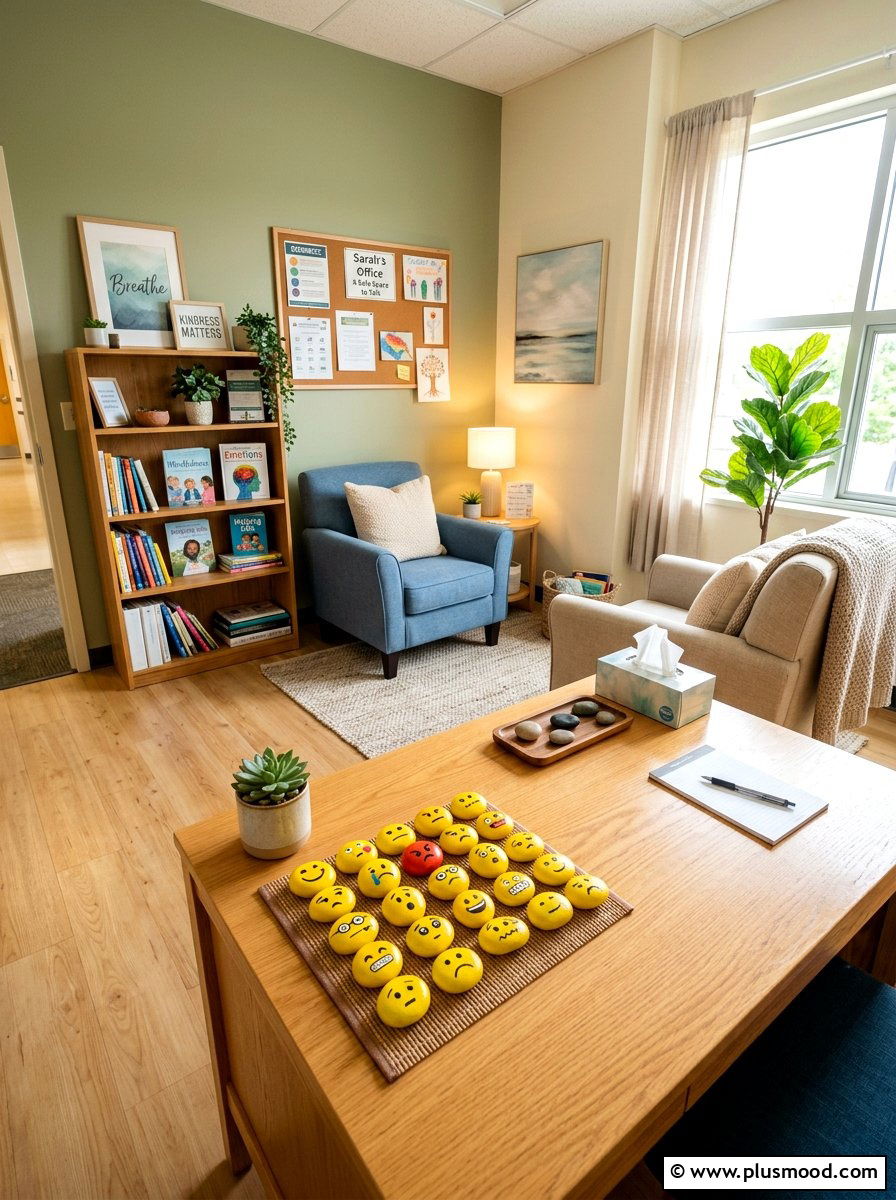
Developing social-emotional intelligence is a critical part of the modern school curriculum. Students can paint rocks with various facial expressions to represent feelings like happiness, sadness, anger, or surprise, similar to modern emojis. These rocks serve as a tool for children who might find it difficult to verbalize their emotions during the school day. A "feelings station" in the classroom allows students to pick a rock that matches their mood, fostering better communication between teachers and pupils. The project uses bright yellow backgrounds and simple black line art to ensure the expressions are clear, relatable, and easy for everyone to understand.
9. Multiplication math rocks
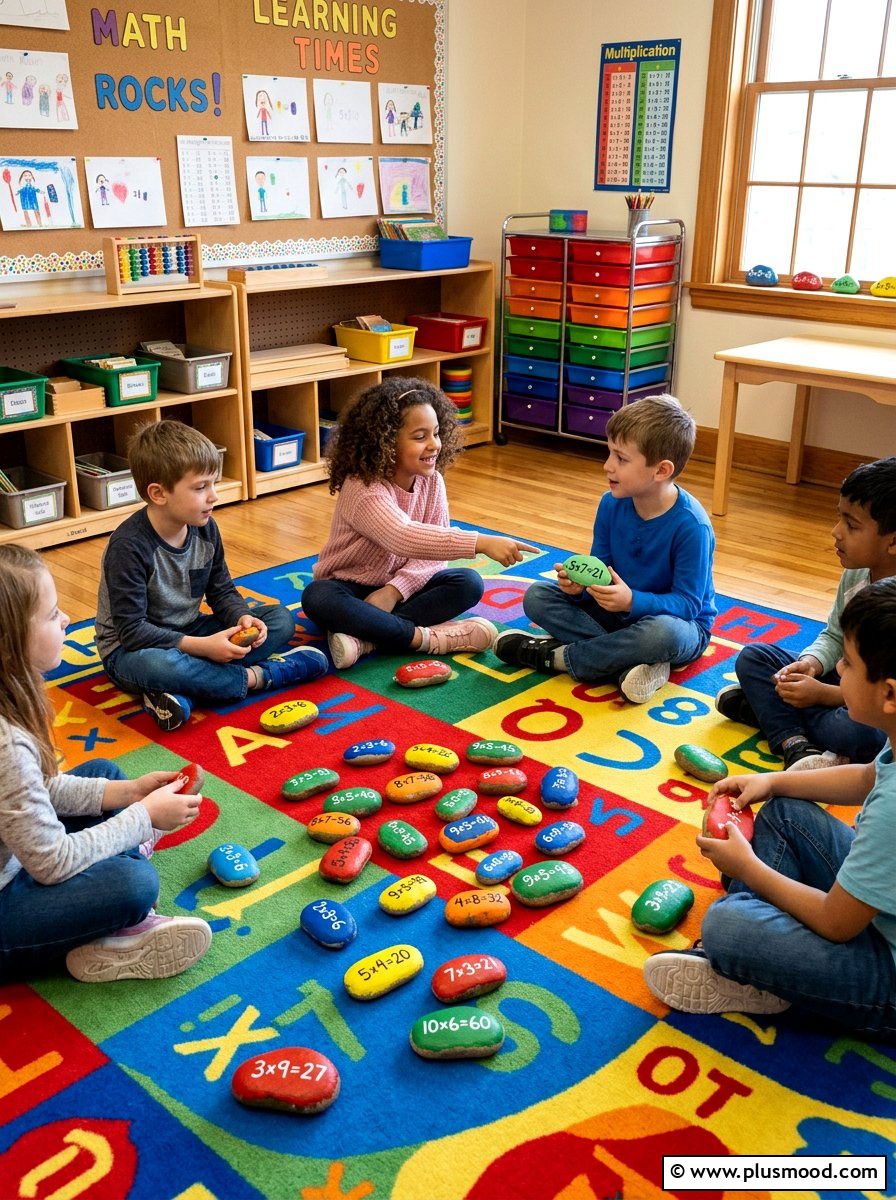
Math centers become much more engaging when students use painted rocks for multiplication practice instead of standard flashcards. Each rock features a math problem on one side and the answer on the reverse, or stones can be painted with numbers to create equations on the floor. These rocks are typically painted in vibrant colors to make the numbers pop and to keep the students interested in the activity. Handling the weight of the stones adds a tactile element to learning math that helps with memory retention and focus. This project is excellent for kinesthetic learners who thrive when they can move objects during their study time.
10. Periodic table element rocks
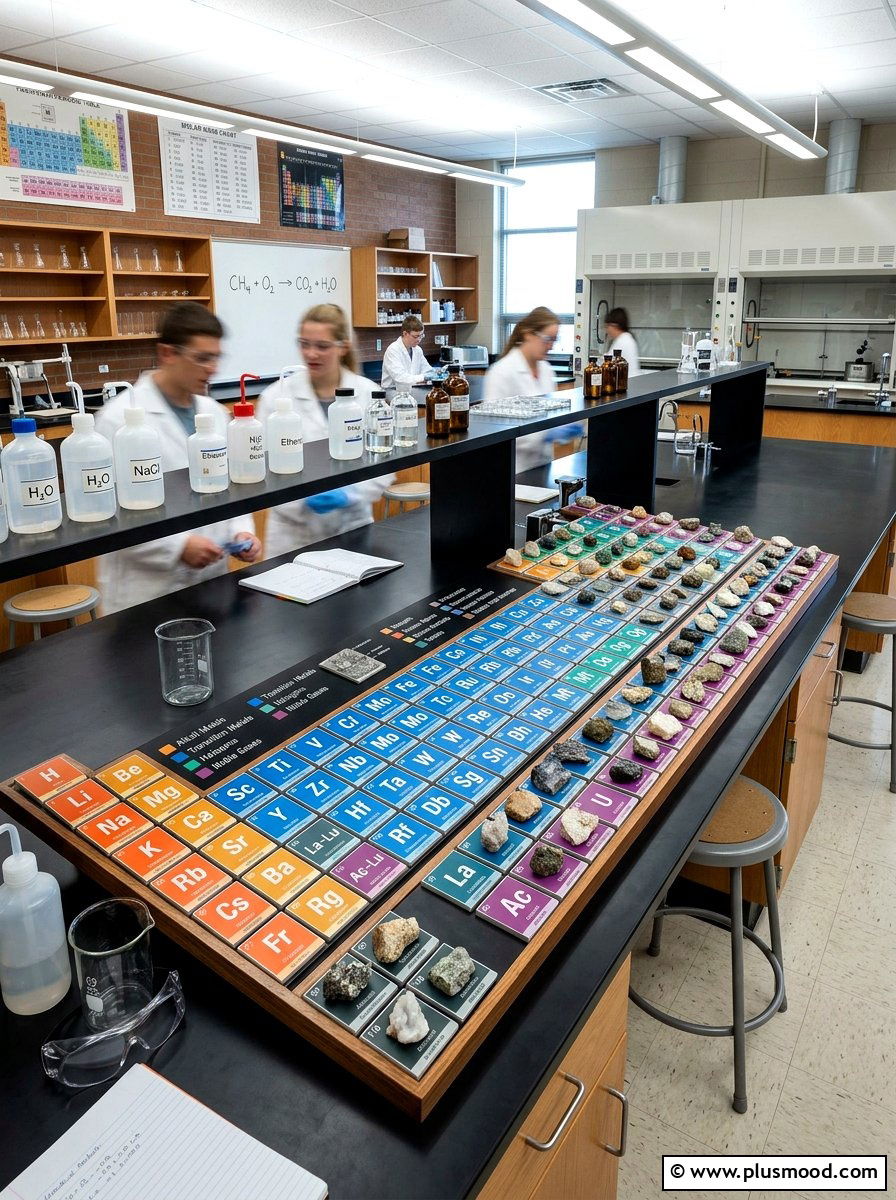
High school science students can benefit from a collaborative project where each person paints a rock to represent a different chemical element. The rocks include the element's symbol, atomic number, and a color-coded background based on its group, such as noble gases or alkali metals. When arranged together on a large table or shelf, the rocks form a massive, three-dimensional periodic table. This project helps students memorize the elements while creating a functional piece of classroom decor. The physical arrangement allows students to see the relationships between different chemicals in a way that a flat poster simply cannot replicate effectively.
11. Historical figure portraits
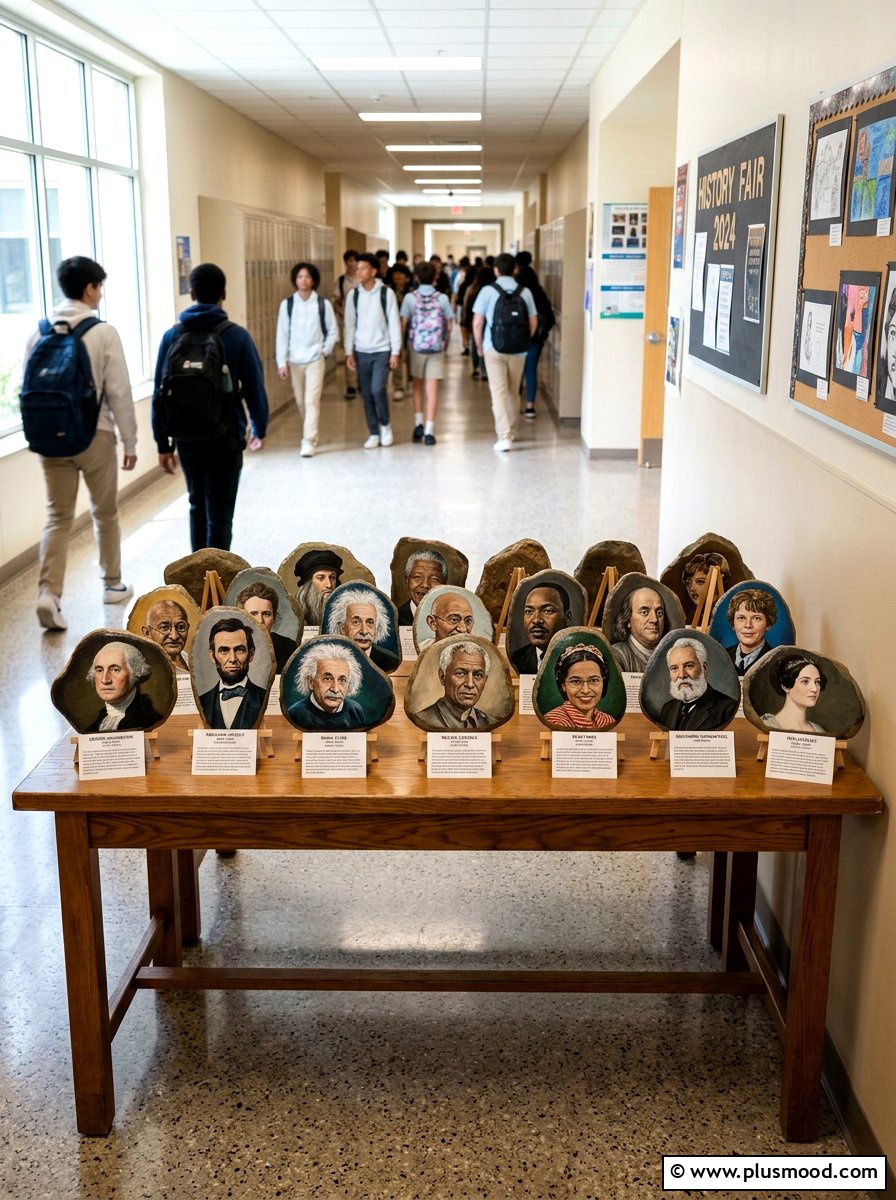
History lessons come alive when students paint portraits of famous figures onto large, flat stones for a classroom gallery. This project requires students to research a specific person, such as an inventor, world leader, or civil rights activist, and capture their likeness and key attributes. The rocks can be displayed alongside a short written biography, creating a comprehensive educational exhibit in the school hallway. This activity encourages attention to detail and helps students form a deeper connection with the people they are studying. Using stones as a canvas adds a unique, permanent feel to the artwork, making the history feel more grounded.
12. State map rocks
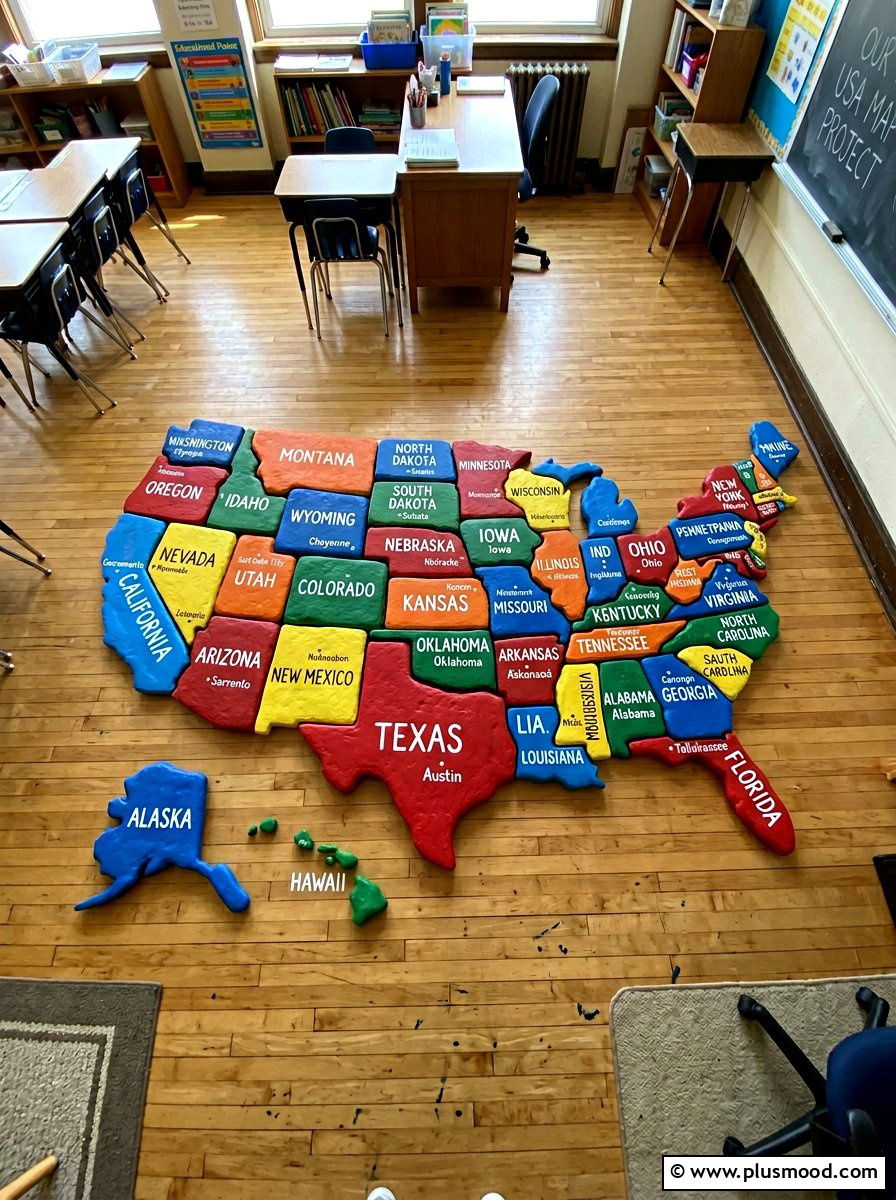
Geography projects often involve drawing maps, but painting state shapes onto rocks offers a much more durable and interesting alternative. Each student is assigned a specific state to paint, including its name, capital city, and a small symbol like a state bird or flower. When all fifty stones are gathered, they can be arranged on the floor to form a complete map of the country. This hands-on approach helps students learn about regional locations and the unique characteristics of different areas. It is a fantastic collaborative project that results in a large-scale visual aid for the entire social studies department.
13. Butterfly wing rocks
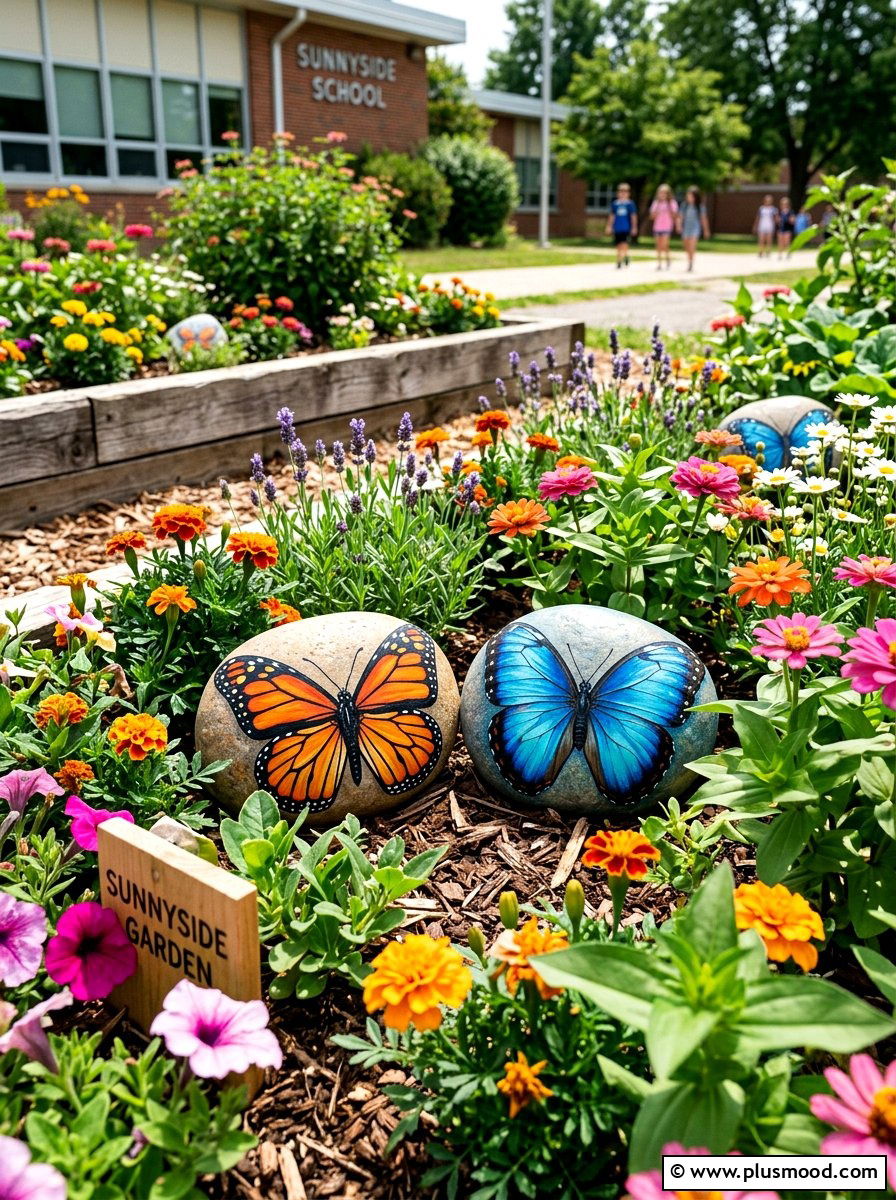
Learning about the life cycle and beauty of insects is easy with a butterfly rock project. Students can paint half of a butterfly wing on one rock and the matching half on another, or paint a complete, detailed butterfly on a large flat stone. These rocks often feature symmetrical patterns and bright colors like orange, blue, and yellow to mimic real species like the Monarch or Swallowtail. Placing these stones throughout a school courtyard adds a touch of natural beauty and whimsical charm to the environment. This project teaches students about symmetry in nature while allowing them to experiment with intricate painting techniques.
14. Potted cactus rocks
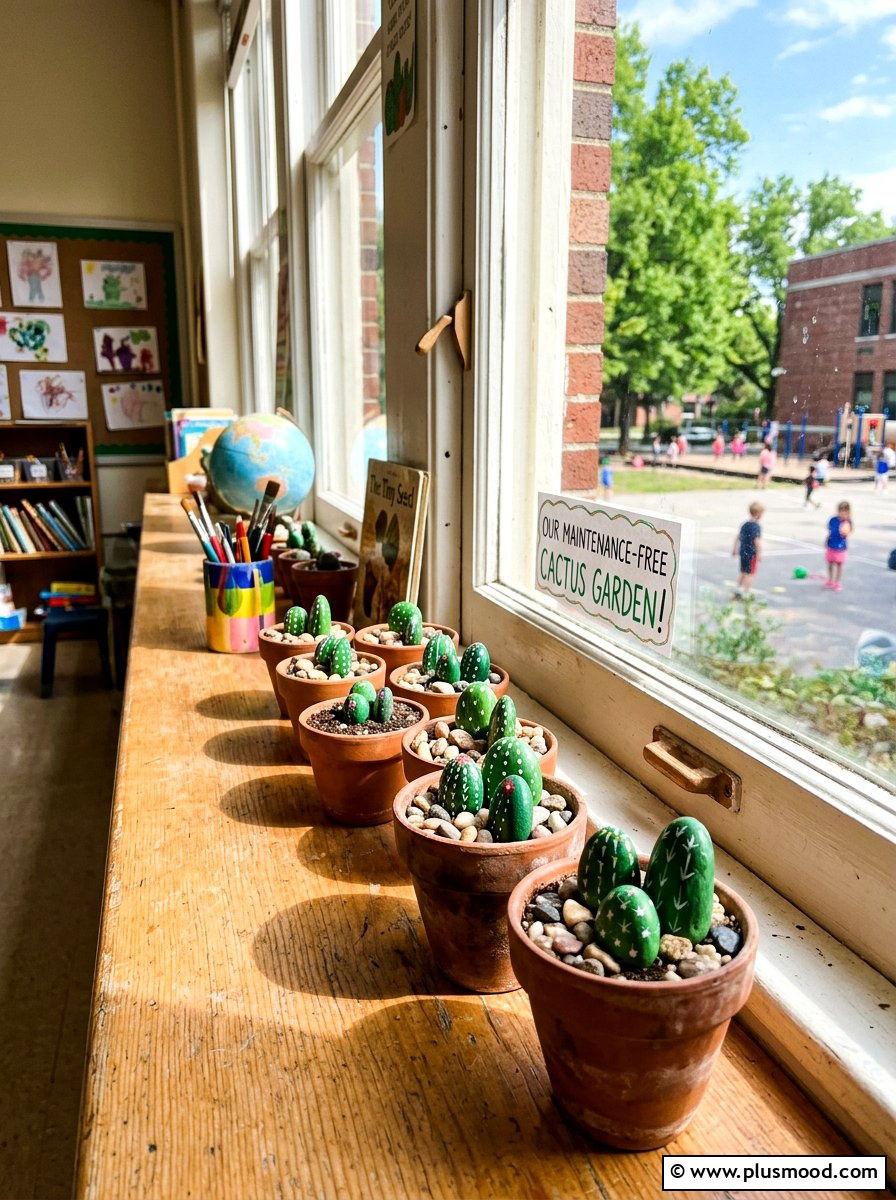
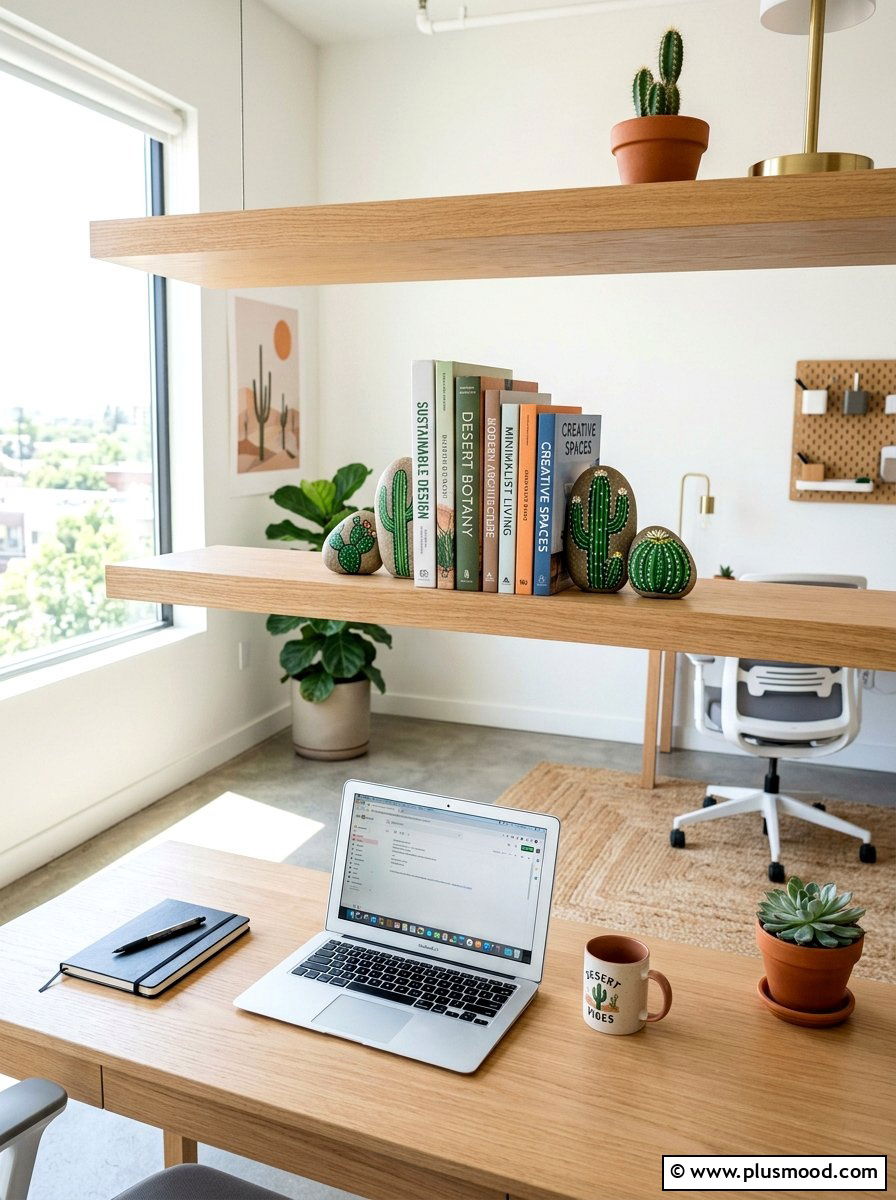
For a low-maintenance classroom decoration, students can create "cacti" by painting oval stones in various shades of green and adding white prickle details. These rocks are then "planted" in small terracotta pots filled with sand or pebbles to create a realistic desert scene. This project is perfect for teaching students about desert ecosystems and plant adaptations without the need for actual watering or sunlight. The finished pots look great on windowsills or teacher desks, bringing a bit of greenery into the room. It is a creative way to explore botanical themes through art while producing a lasting piece of school decor.
15. Geometric pattern rocks
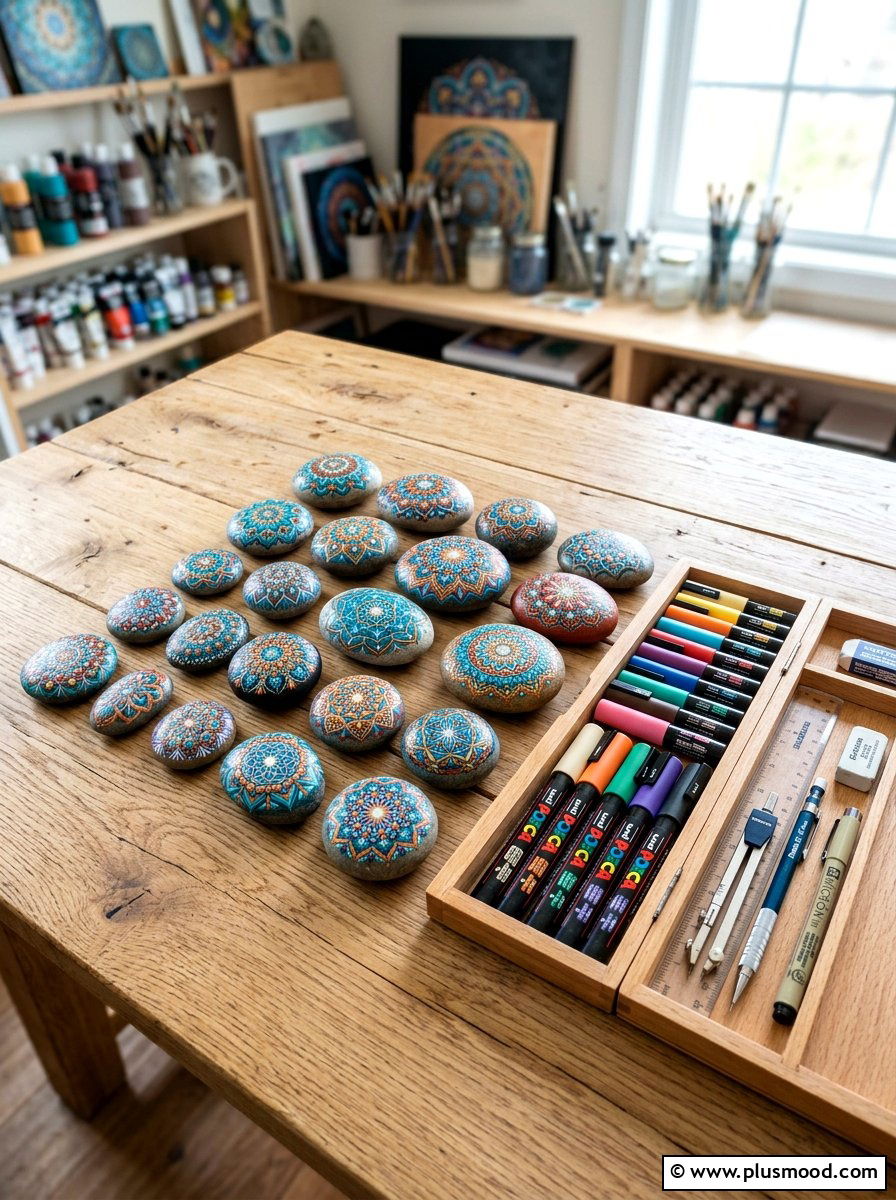
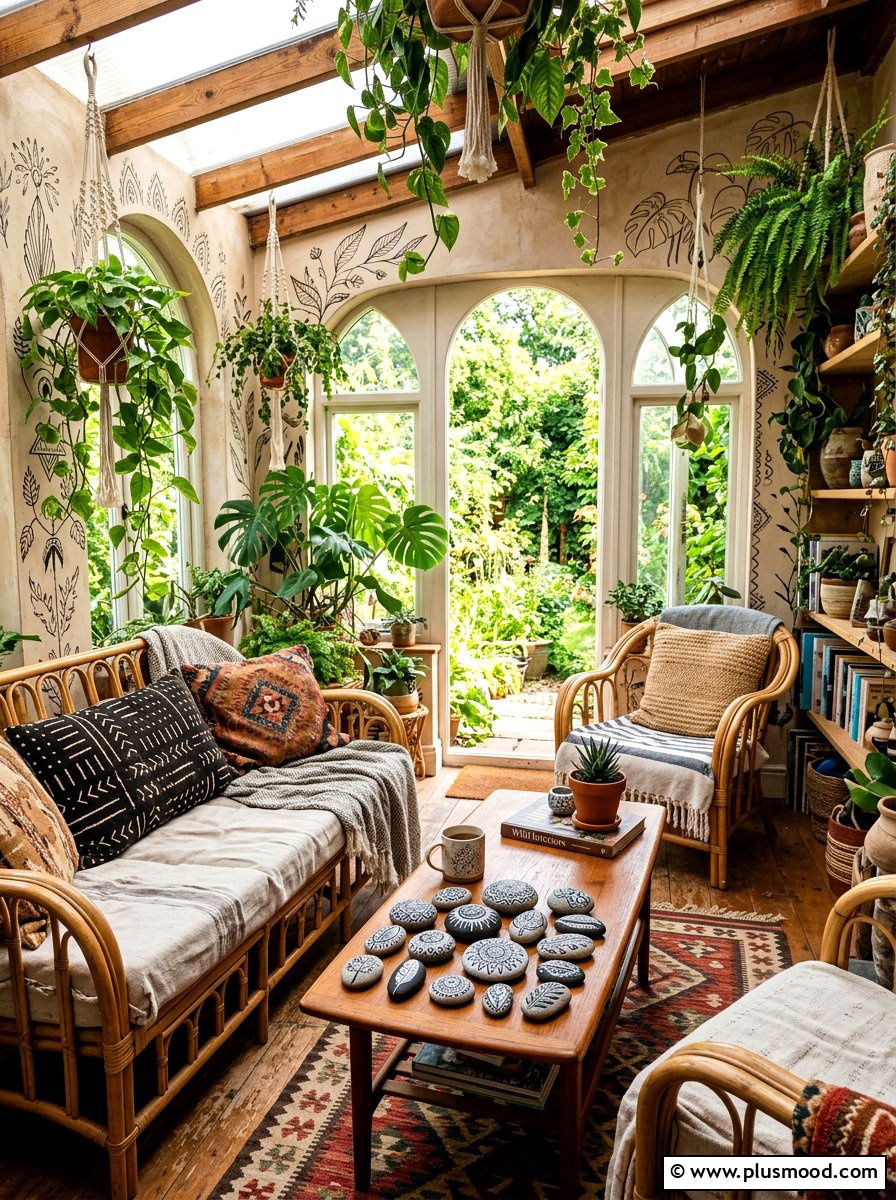
Exploring mathematical concepts like geometry and symmetry is fun when students paint intricate patterns onto smooth stones. Using tools like paint pens, students can create mandalas, tessellations, or simple striped designs that repeat across the surface of the rock. This project requires focus and precision, helping students develop patience and fine motor control. The finished rocks can be used as paperweights or as part of a classroom art installation that celebrates order and balance. By focusing on shapes and lines, students see how math and art intersect in the real world, making the subject matter feel more relevant and beautiful.
16. Healthy food rocks
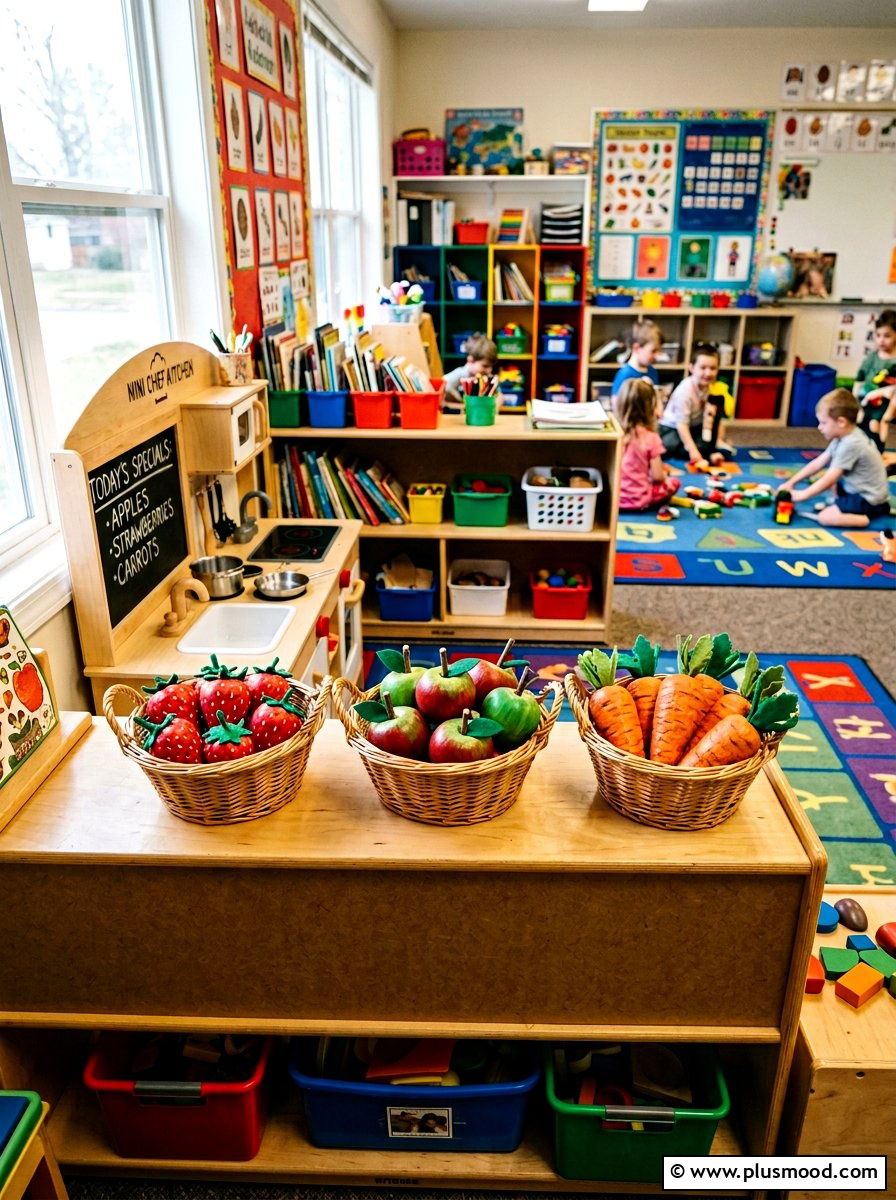
Nutrition education can be integrated into art class by having students paint rocks to look like various fruits and vegetables. From bright red apples and orange carrots to green broccoli and purple grapes, these rocks create a colorful "farmers market" in the classroom. Teachers can use these stones to talk about food groups, vitamins, and the importance of a balanced diet. Students enjoy the challenge of making the rocks look as realistic as possible using shading and texture. This project turns a health lesson into a creative exercise that results in a fun set of play food for younger students to use.
17. Ocean life rocks
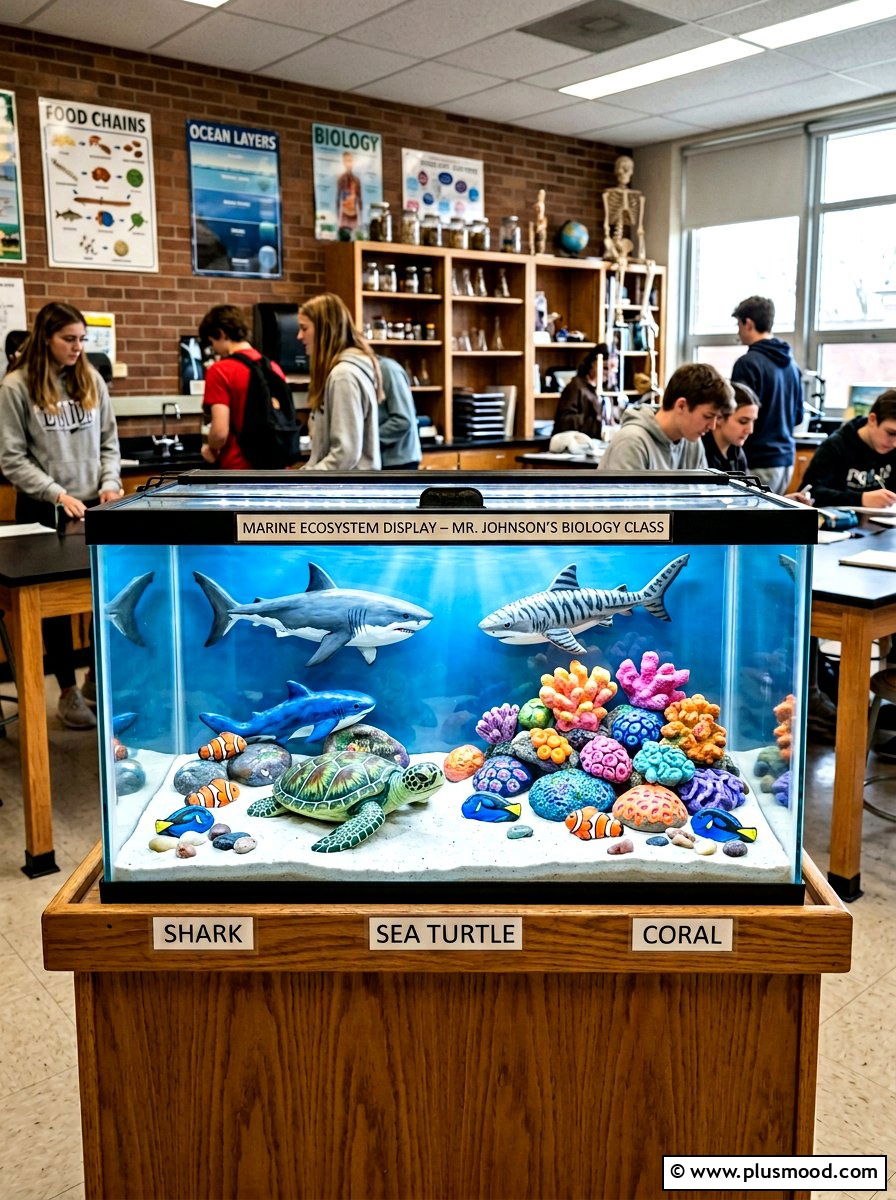
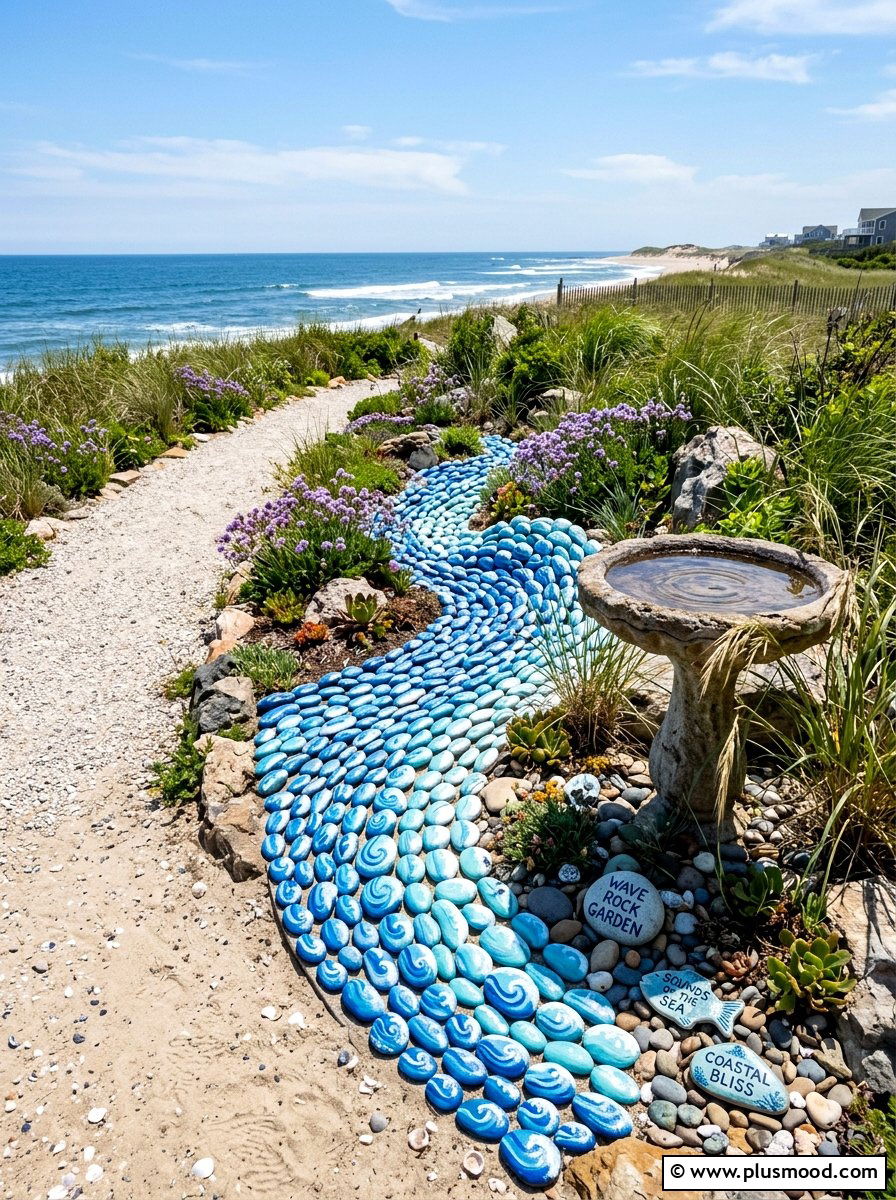
Studying marine biology is enhanced when students create their own underwater scene using painted rocks. Each stone can represent a different sea creature, such as a shark, a sea turtle, a colorful fish, or even a piece of coral. When these rocks are placed on a blue background or in a clear glass container with sand, they simulate a vibrant ocean floor. This project helps students learn about the variety of life in the sea and the importance of ocean conservation. The use of bright blues, teals, and corals makes this a visually stunning addition to any science classroom or library.
18. Space alien rocks
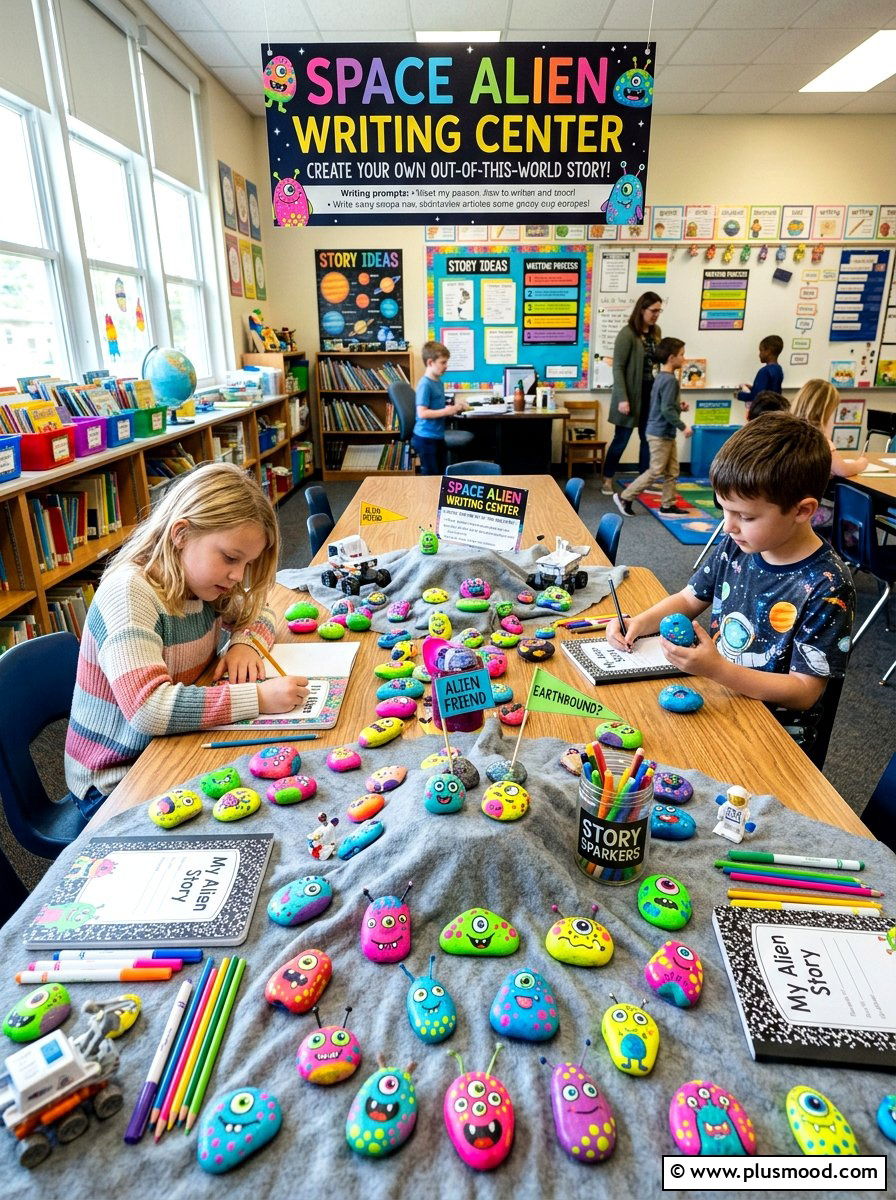
Encouraging creative writing and imaginative play is easy with a "design an alien" rock project. Students use their imagination to paint extraterrestrial beings with multiple eyes, strange colors, and unique features on oddly shaped stones. After painting, students can write a short story about their alien’s home planet and its special powers. This project allows for total creative freedom and is a great way to break up more traditional academic lessons. The rocks can be displayed in a "galaxy" area of the classroom, sparking conversations and collaborative play among the students as they introduce their alien characters to one another.
19. Autumn leaf rocks
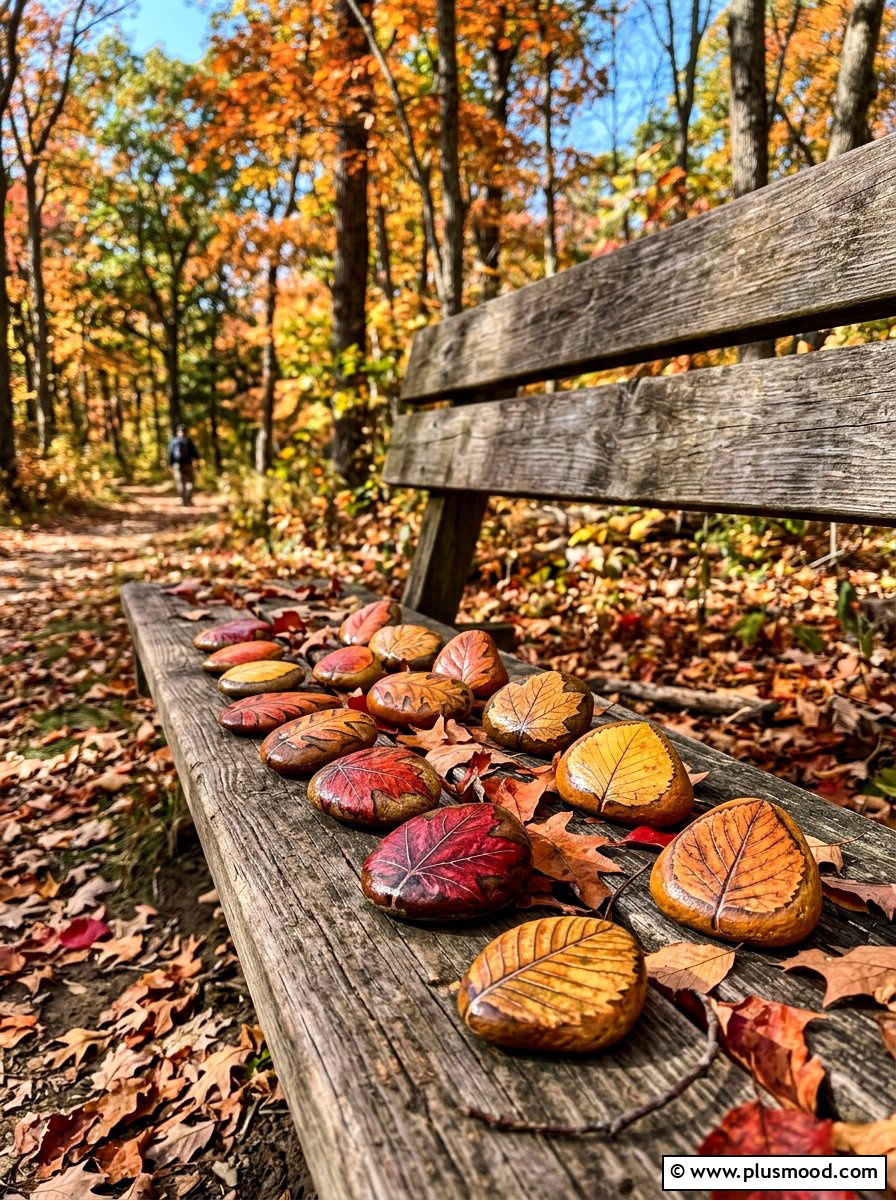
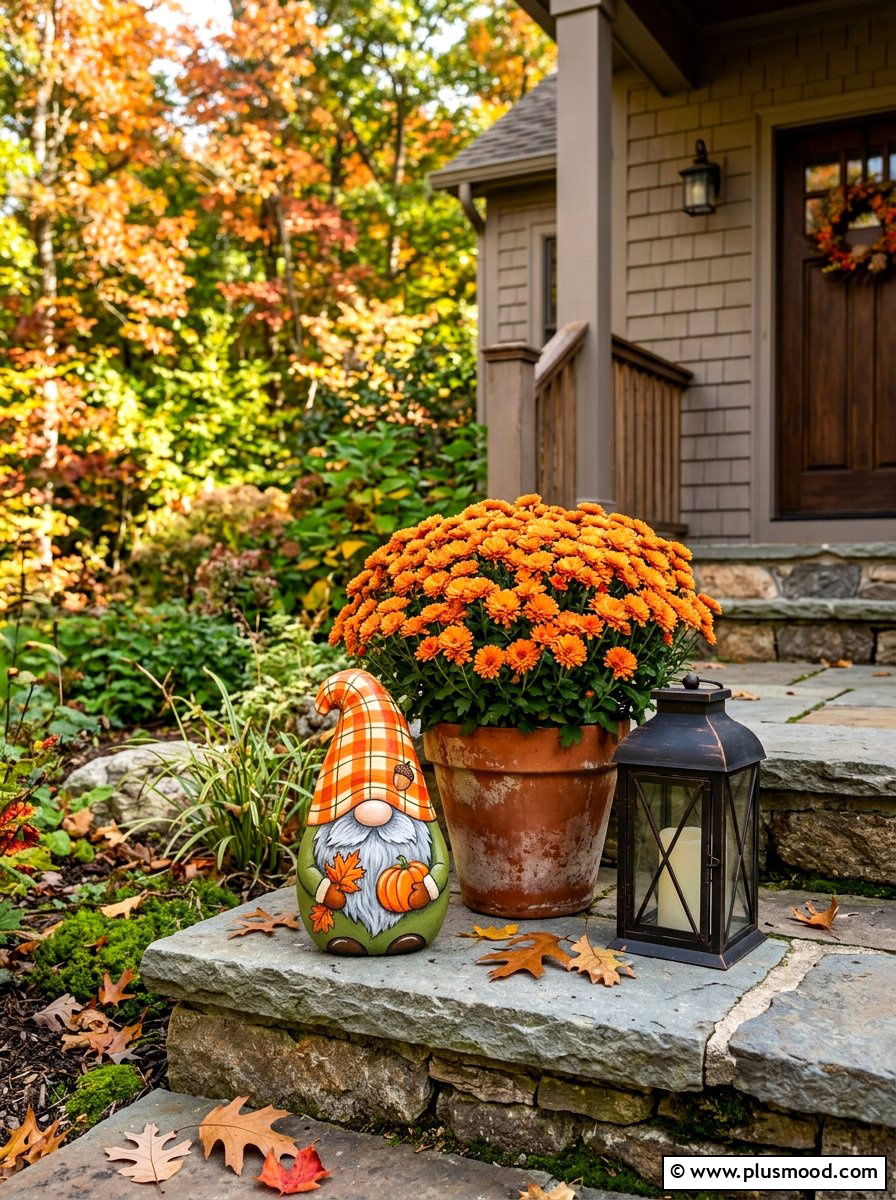
Teaching students about the changing seasons is simple with an autumn leaf rock project. Using warm colors like red, orange, yellow, and brown, students paint realistic leaf shapes and vein patterns onto flat stones. This project helps children observe the details of nature and understand why leaves change color during the fall. These stones can be used to decorate the classroom for a seasonal theme or placed outside in a leaf pile for a fun scavenger hunt. The focus on specific natural textures and warm palettes creates a cozy and educational atmosphere that celebrates the transition from summer to the cooler months.
20. Flower garden rocks
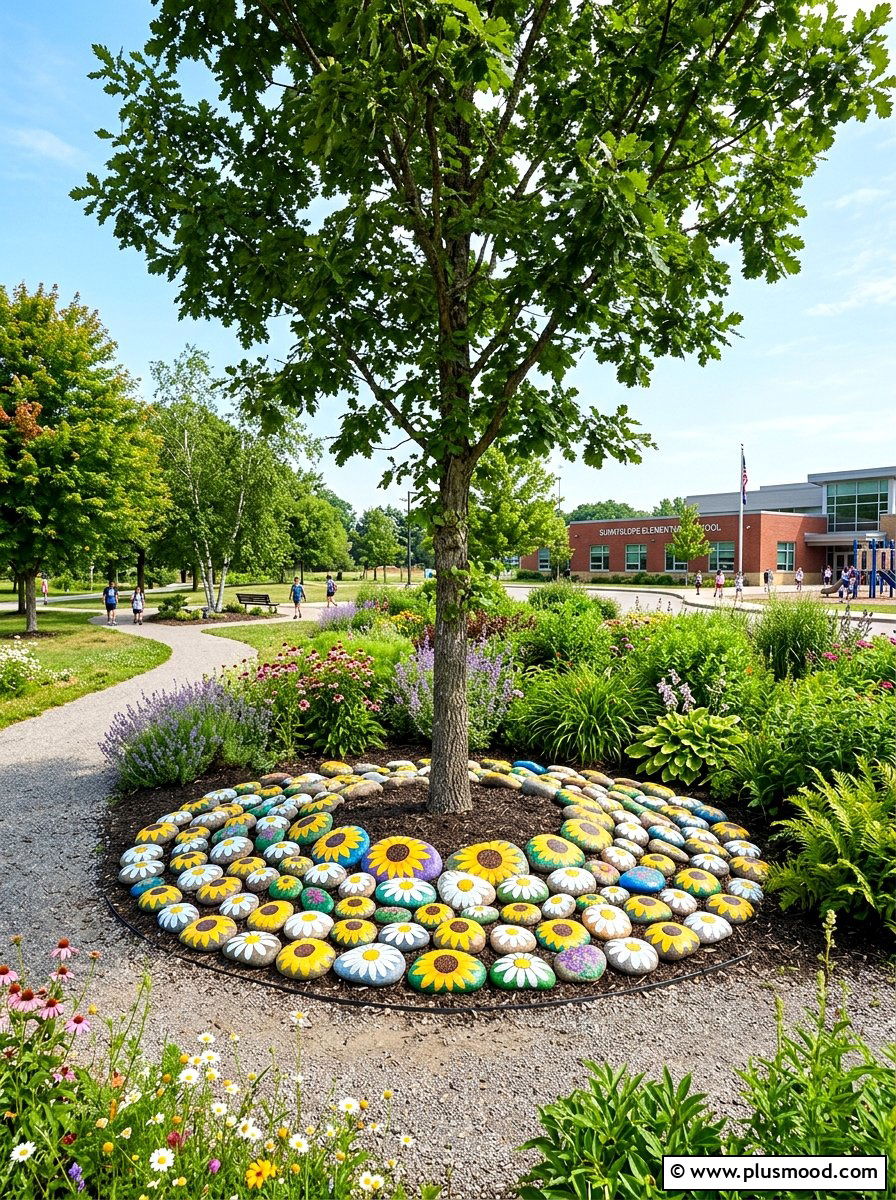
Springtime lessons about botany and plant growth can be highlighted with a flower-themed rock project. Each student paints a different type of flower, such as a sunflower, tulip, or daisy, onto a smooth river stone. These rocks are then arranged in a "forever garden" inside the school or in a protected outdoor area. This project teaches students about the different parts of a flower and the variety of species that bloom in the spring. The vibrant floral designs provide a permanent burst of color that requires no maintenance, making it an ideal way to beautify the school grounds throughout the entire year.
21. Monster face rocks
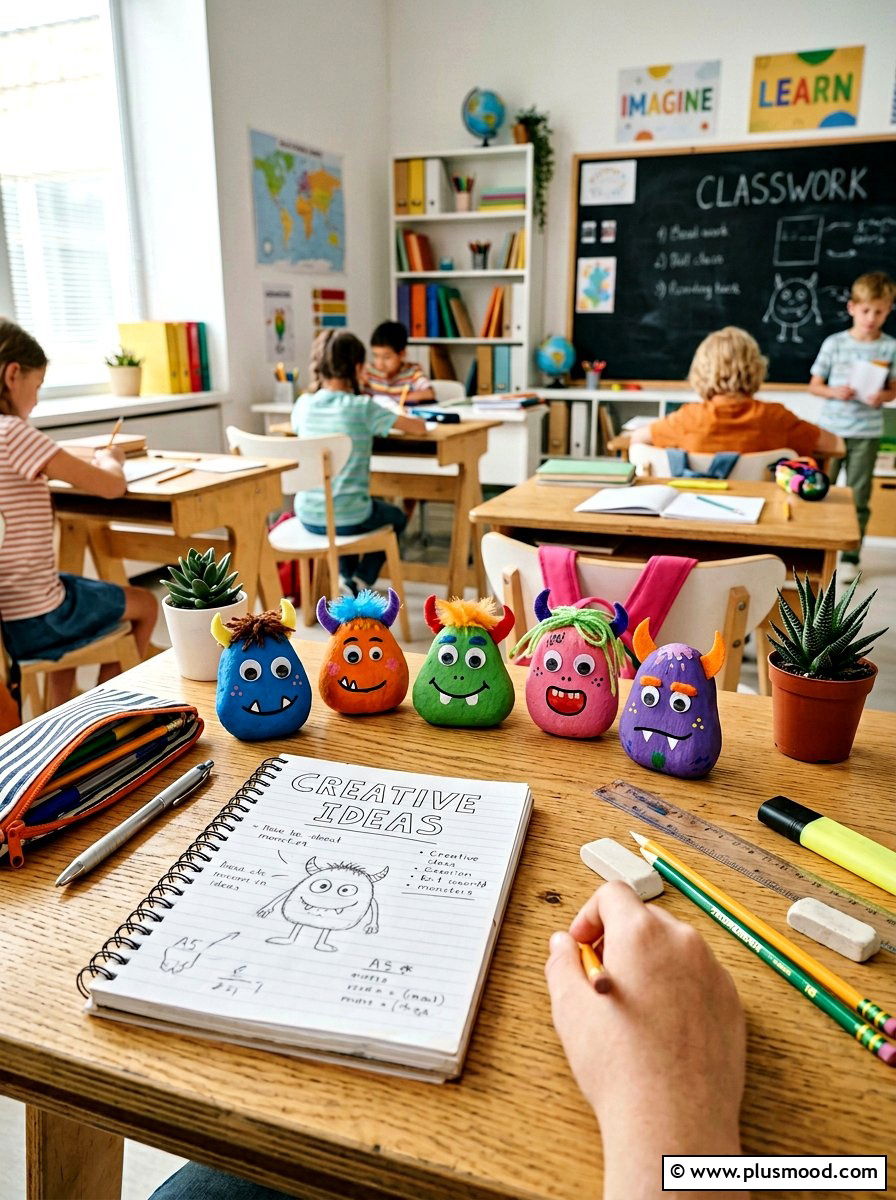
For a fun and slightly silly art project, students can create "worry monsters" or friendly monsters out of rocks. Using bright, clashing colors and adding details like googly eyes or big teeth, students turn ordinary stones into unique creatures. These monsters can serve as "desk buddies" that help students feel more comfortable and less anxious while working on difficult tasks. This project emphasizes that art doesn't always have to be realistic to be meaningful or fun. The expressive and quirky nature of the monster rocks encourages students to embrace their individuality and use their imagination without any strict rules or boundaries.
22. School mascot rocks
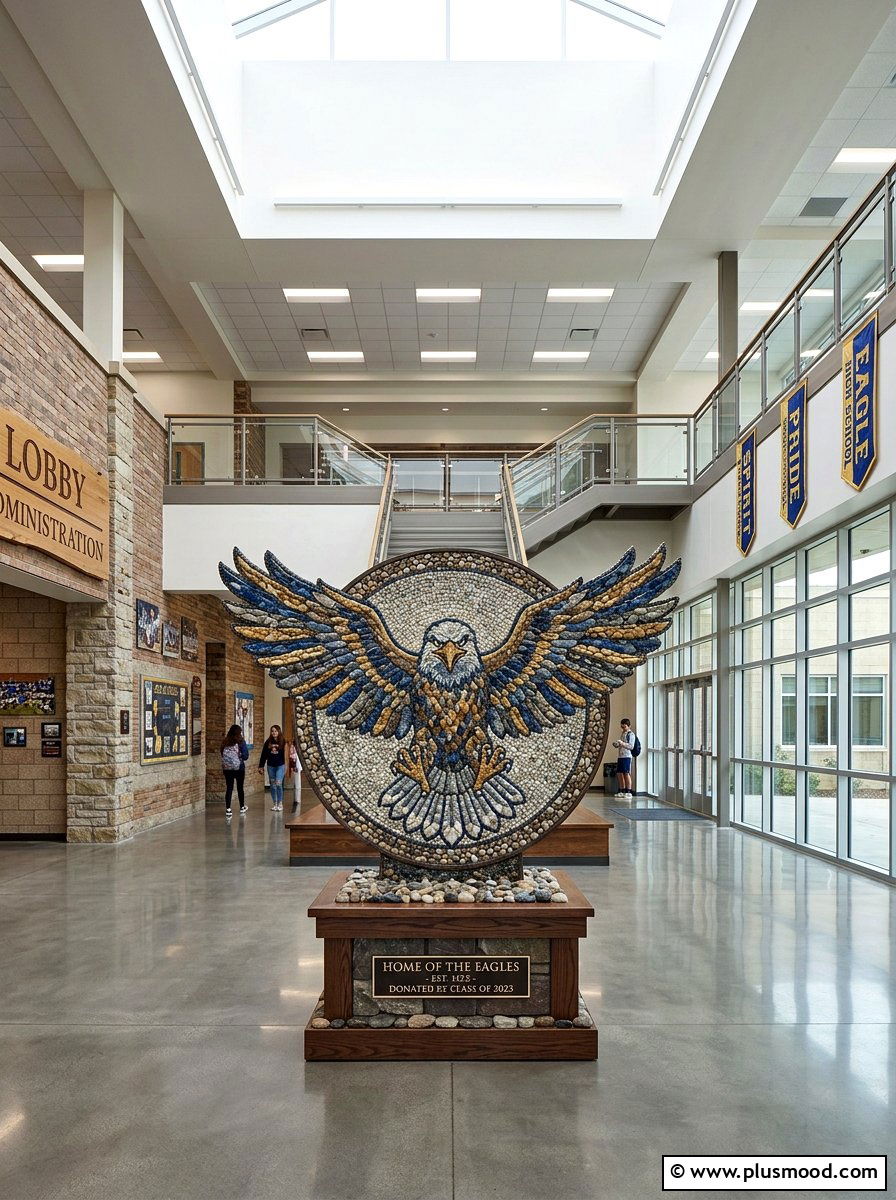
Building school spirit is easy when every student participates in painting rocks with the school mascot or school colors. Whether the mascot is a lion, an eagle, or a bulldog, students can paint the character 's face or the school logo onto their stone. These rocks are often collected and used to create a large mosaic or a decorative border around the school flagpole. This project fosters a sense of belonging and pride in the school community. It is a great activity for pep rallies or back-to-school events, resulting in a collective piece of art that represents the entire student body' s unity.
23. Traffic sign rocks
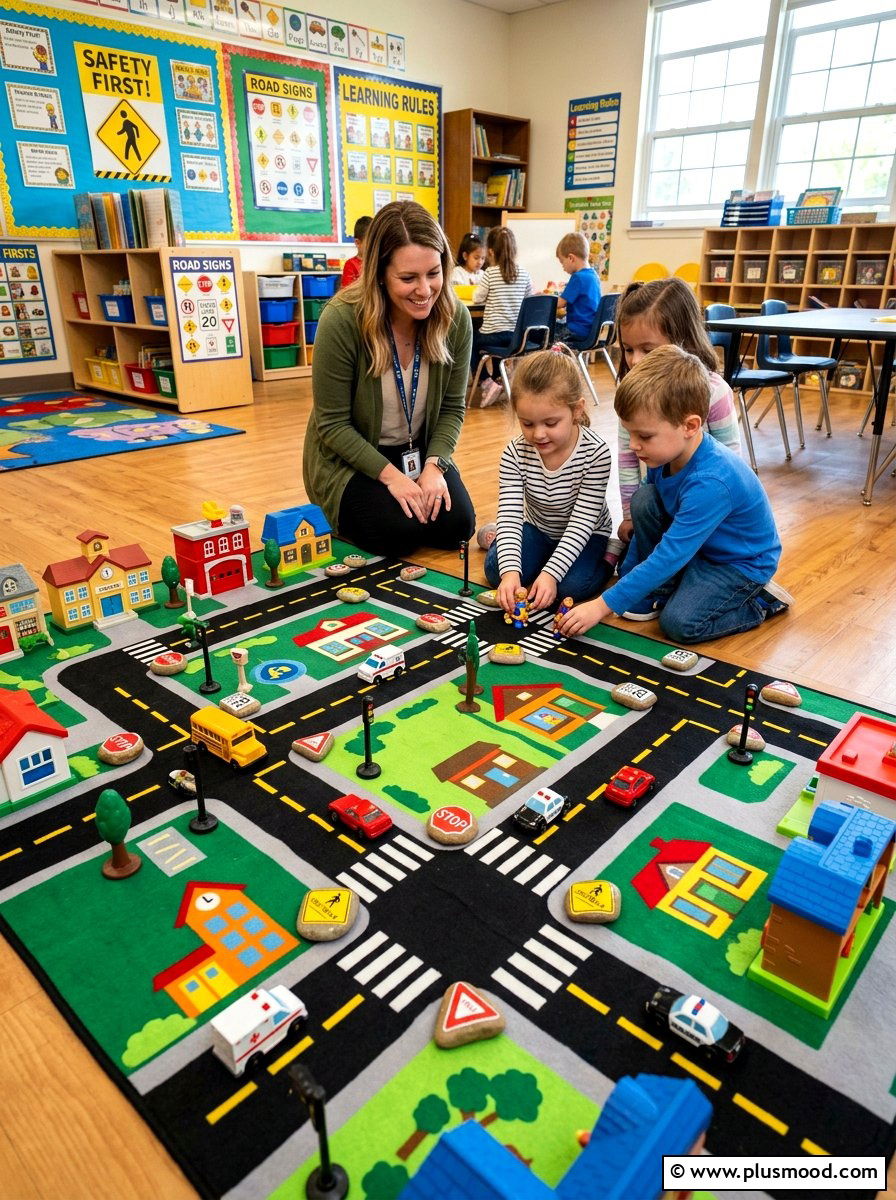
Teaching safety and community awareness is practical with a set of rocks painted to look like common traffic signs. Students can paint stop signs, yield signs, and pedestrian crossings onto stones to create a miniature town layout on the classroom floor. This project helps younger children recognize important symbols they see in their daily lives and understand basic road safety rules. Using these rocks with toy cars allows for interactive learning and role-playing scenarios. The clear shapes and bold colors of the signs make them easy to identify, turning a simple art project into a valuable lesson in civic responsibility and personal safety.
24. Mini house rocks
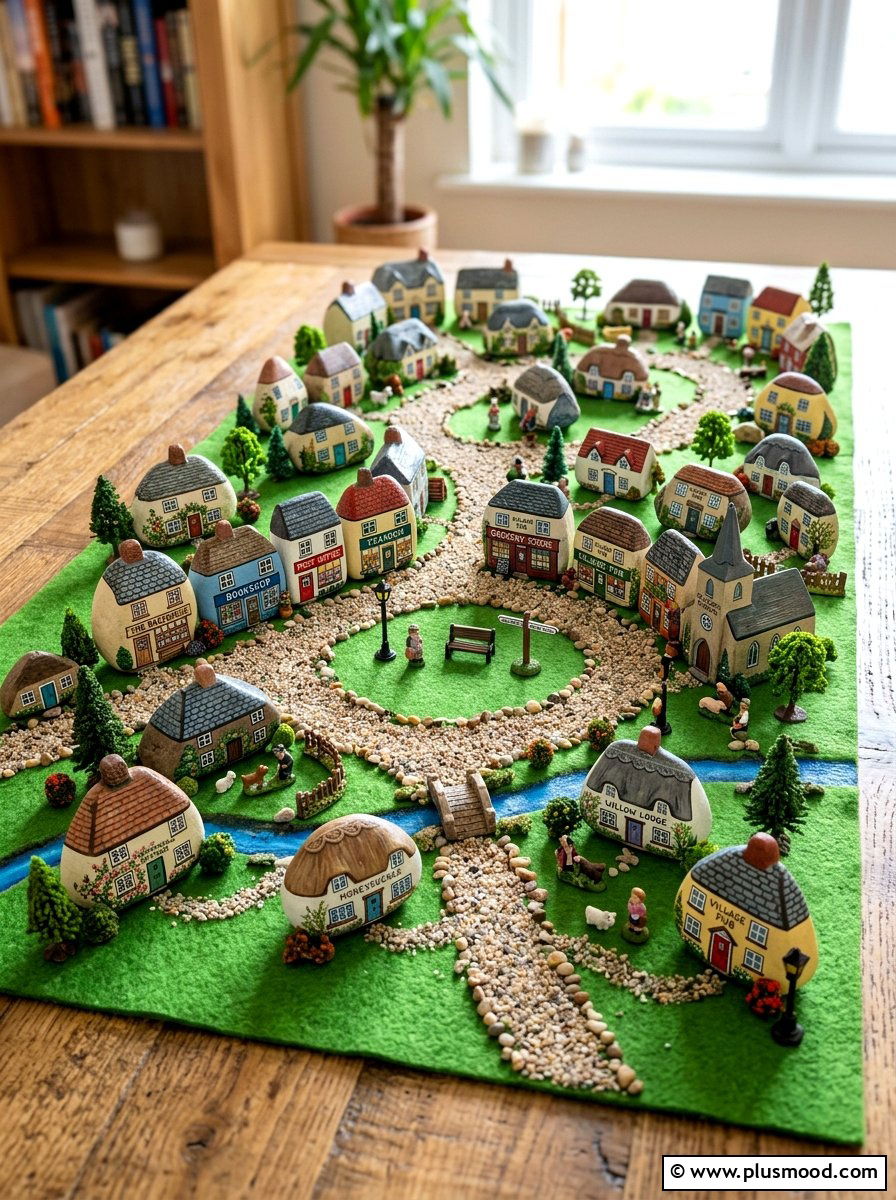
Creating a "rock village" allows students to explore architecture and community planning in a small scale. Each stone is painted to look like a tiny house, complete with windows, doors, and a roof, using different styles and colors. Students can then work together to arrange their houses into a neighborhood, adding "roads" and "parks" in between. This project encourages teamwork and discussion about what makes a community function well. The variety of house designs shows off each student's personal style while contributing to a larger, cohesive project. It is a charming way to teach social studies and urban design concepts to children.
25. Star constellation rocks
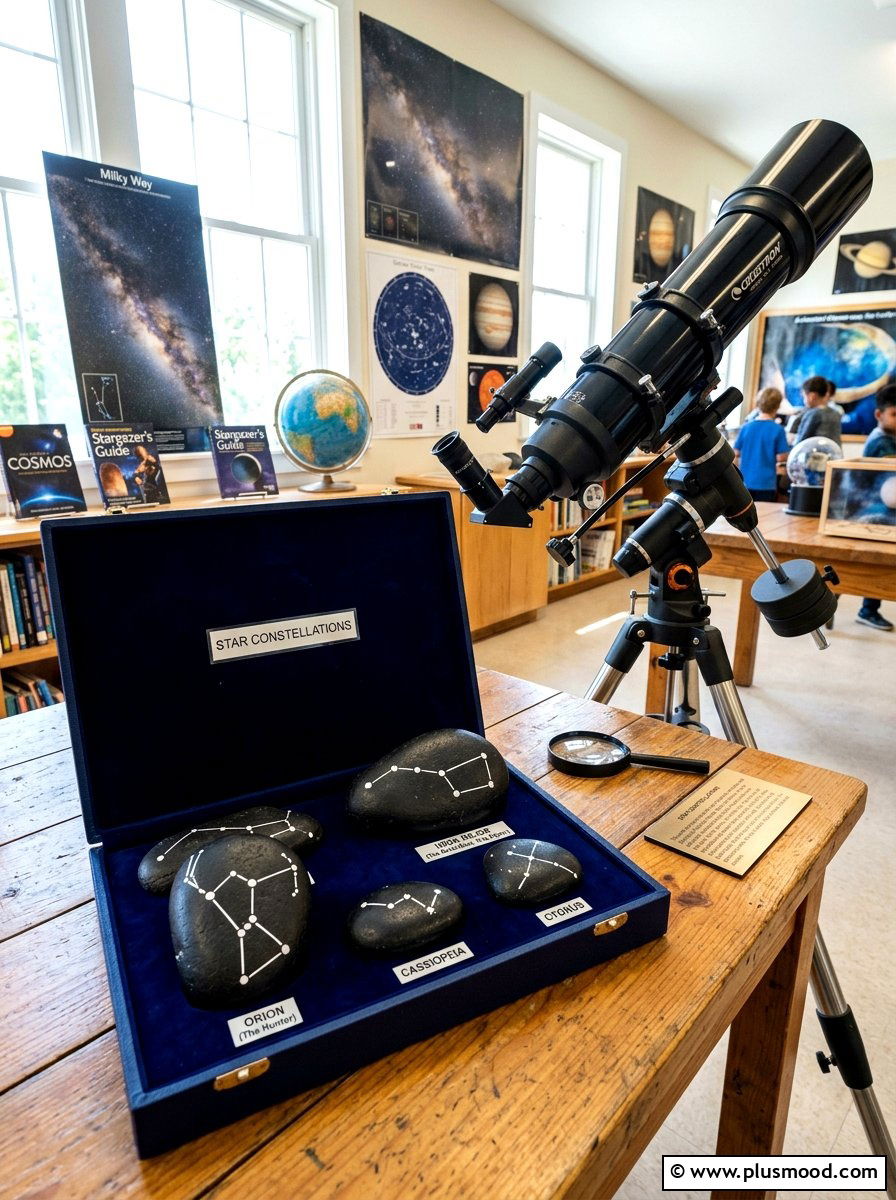
Science and mythology meet in this project where students paint specific star constellations onto dark, smooth stones. Using a deep blue or black background and small white or silver dots for stars, students can recreate patterns like the Big Dipper or Orion. Connecting the dots with thin lines helps them remember the shapes and the stories behind the names. These rocks can be used during a space unit or as part of a planetarium display in the classroom. This activity helps students look up at the night sky with more knowledge and wonder, connecting ancient storytelling with modern astronomical observations in a tangible way.
Conclusion:
Painted rock projects offer a unique and durable way to integrate art into the school curriculum across all grade levels. These activities are more than just a simple craft; they are versatile tools that enhance learning in science, math, literacy, and social-emotional development. By transforming natural stones into educational aids, teachers can provide students with a tactile and memorable experience that lasts long after the lesson is over. Whether these rocks are displayed in a kindness garden or used as math manipulatives, they contribute significantly to a vibrant and interactive school environment. Embracing these creative ideas ensures that every student finds a way to express themselves while mastering new skills.
Related posts:


Leave a Reply