
Transforming smooth stones into vibrant woodland creatures is a wonderful way to blend your artistic passion with the beauty of the great outdoors. These miniature masterpieces can turn a simple garden path or a plain bookshelf into a charming scene straight out of a forest fairytale. When you look at a river rock, you might see a blank slate, but with a bit of paint, it can become a clever fox, a sleepy owl, or a tiny hedgehog. This hobby is not only incredibly relaxing but also allows you to create personalized gifts that friends and family will cherish for years to come. Whether you are decorating a flower bed or adding character to your porch, these painted animals bring a sense of life and whimsy to any environment they inhabit.
1. Red fox rock
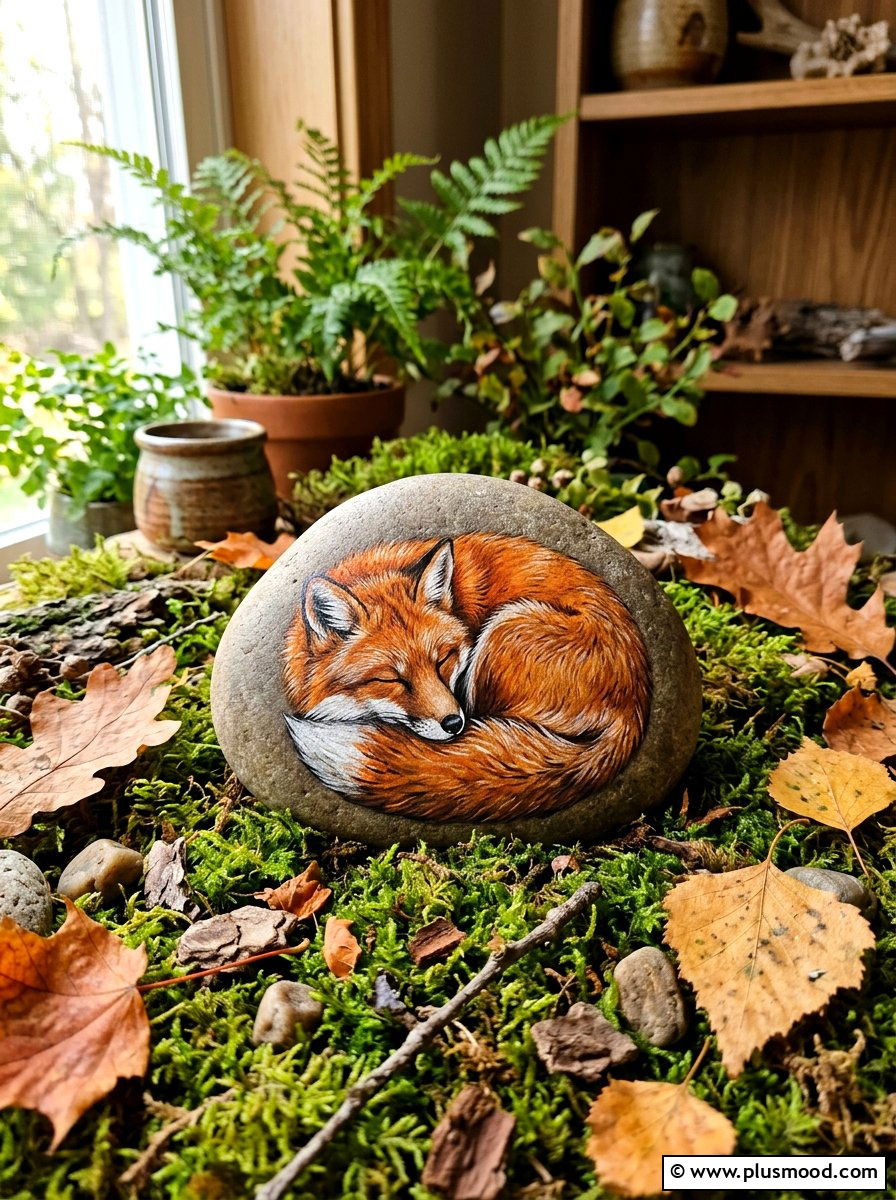
Have you ever noticed how the natural shape of a stone can perfectly mimic the curled-up body of a sleeping animal? A red fox is one of the most popular subjects for rock painting because of its striking orange and white colors. When you paint a fox on a rounded river rock, you can use the curves to define its fluffy tail and pointed ears. Start with a bright orange base coat and then add white details for the chest and the tip of the tail. Using a fine brush for the black nose and whiskers will make the little creature come to life immediately. These stones look incredible when tucked into flower beds or placed near a garden bench where guests can discover them.
2. Great horned owl stone
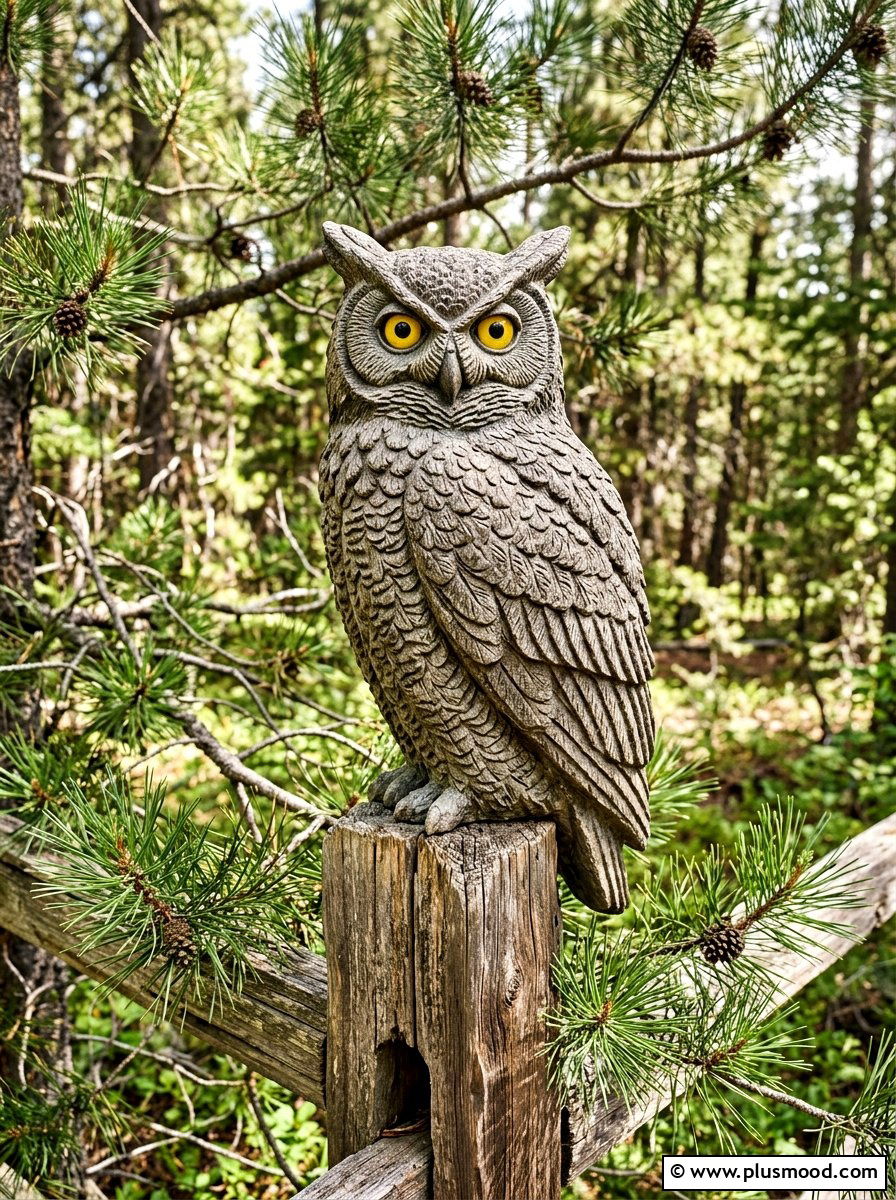
Does the idea of creating a wise guardian for your garden appeal to your artistic side? Owls are magnificent creatures that look stunning when painted on tall, oval-shaped stones that stand upright. To capture the essence of a great horned owl, focus on the large, captivating yellow eyes and the distinct "horns" which are actually tufts of feathers. You can use a dabbing technique with a stiff brush to create the textured appearance of feathers in shades of brown, gray, and cream. These painted owls serve as wonderful focal points in a rock garden or can be perched atop a stone wall to keep a watchful eye over your blooming flowers and plants.
3. Gray raccoon painted rock
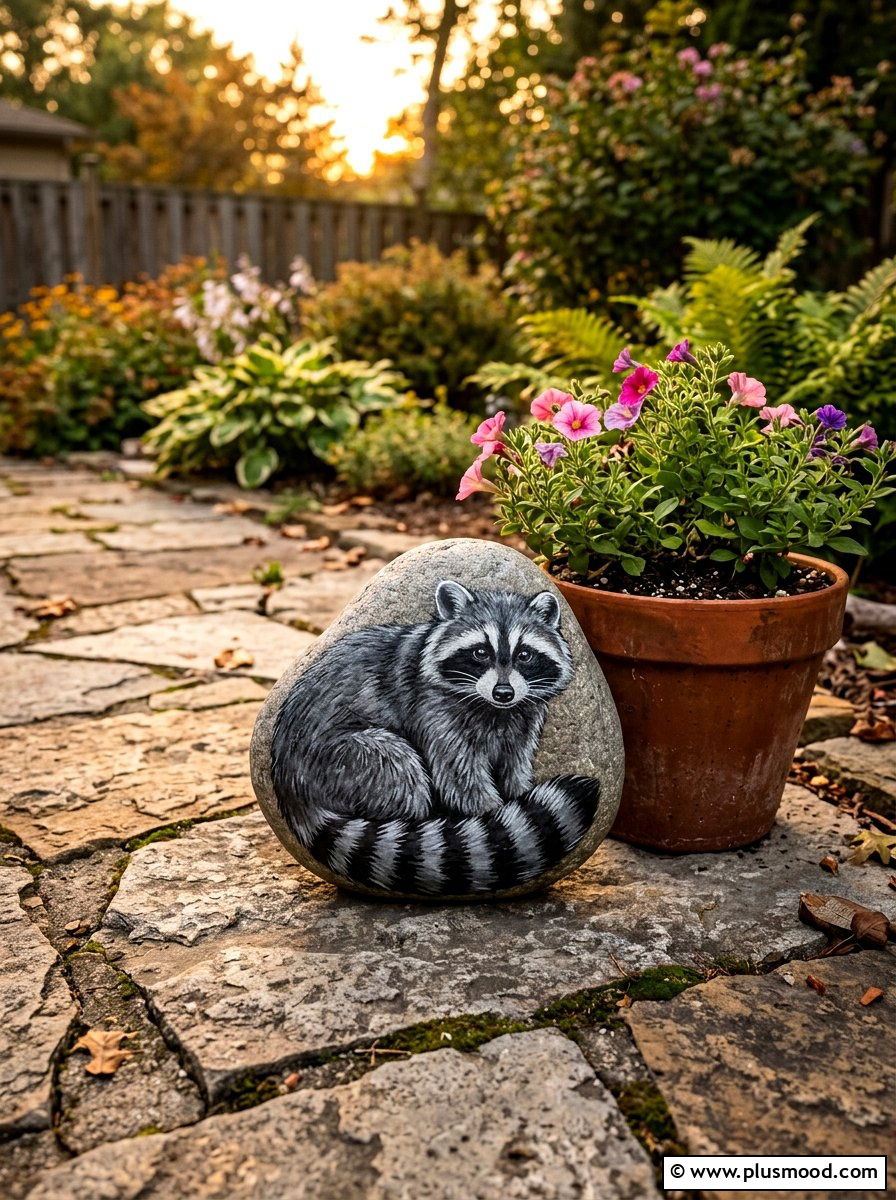
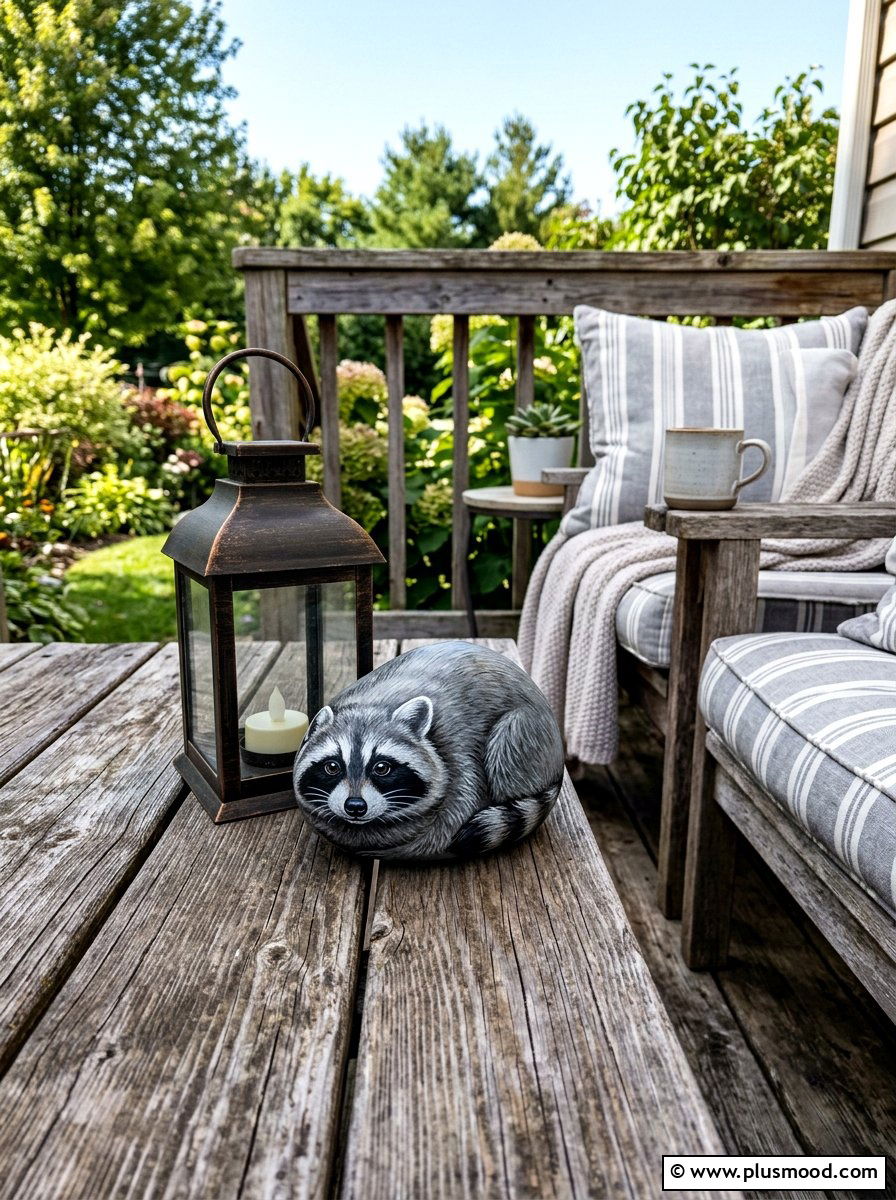
Imagine a tiny masked bandit peeking out from behind your potted plants or resting on your patio stairs. Raccoons have such distinct markings that they are easily recognizable even when painted in a simple, minimalist style. You should focus on the iconic black mask around the eyes and the ringed tail to ensure your rock looks authentic. Using shades of gray and charcoal will give the fur a realistic depth, while small highlights of white can make the eyes look bright and curious. These rocks look particularly charming when placed in pairs or small groups to represent a little family of raccoons exploring your backyard space during the quiet evening hours.
4. Brown bear stone
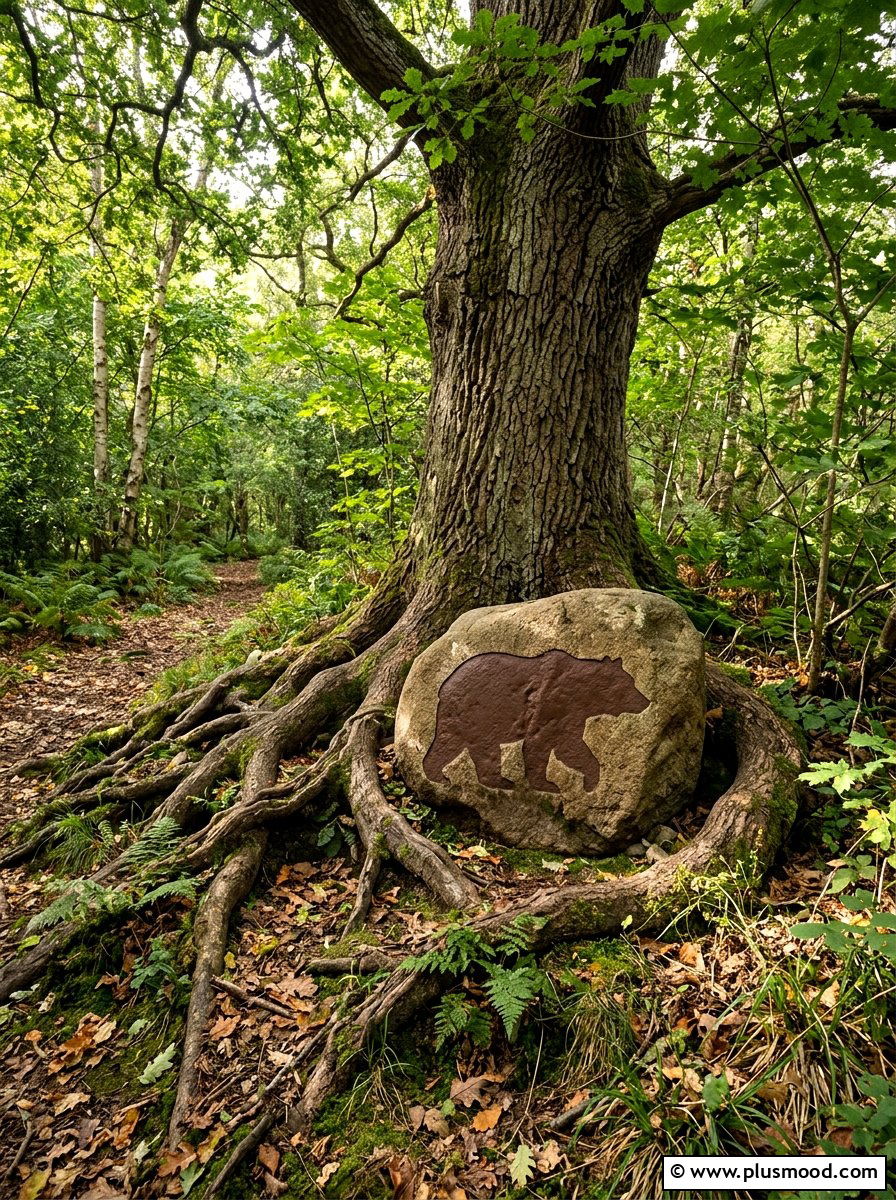
Large, sturdy stones are the perfect choice for creating a powerful yet cuddly-looking brown bear for your outdoor decor. Because bears have such heavy, rounded bodies, a thick and wide rock provides the ideal canvas for their silhouette. You can use a rich chocolate brown paint for the base and add lighter tan shades for the muzzle and the inside of the ears. Adding a few small dots for eyes and a large black nose completes the look with minimal effort. These bear rocks feel very grounded and look best when nestled among large hostas or placed at the base of a sturdy oak tree to enhance a rustic, forest-themed landscape design.
5. White tailed deer rock
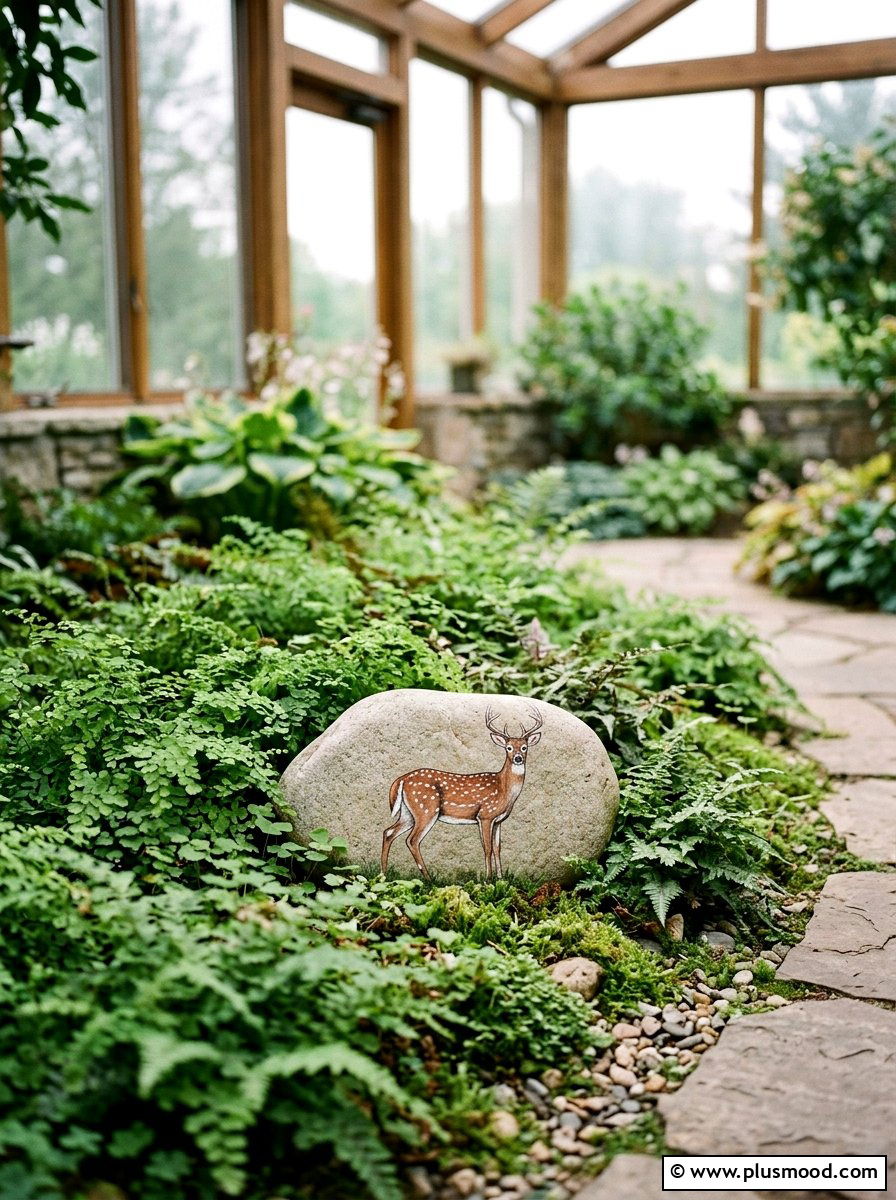
Could there be anything more graceful than a gentle deer resting quietly in a patch of soft green moss? To paint a deer, you should look for flatter, more elegant stones that allow for the long lines of the neck and back. Using a warm tawny color for the body and adding small white spots will give it the appearance of a young fawn. If you prefer an adult deer, you can paint delicate antlers reaching across the top of the stone. These painted rocks add a touch of serenity to your garden and work beautifully in shady areas where real deer might stop to rest in the cool afternoon breeze.
6. Forest hedgehog painted pebble
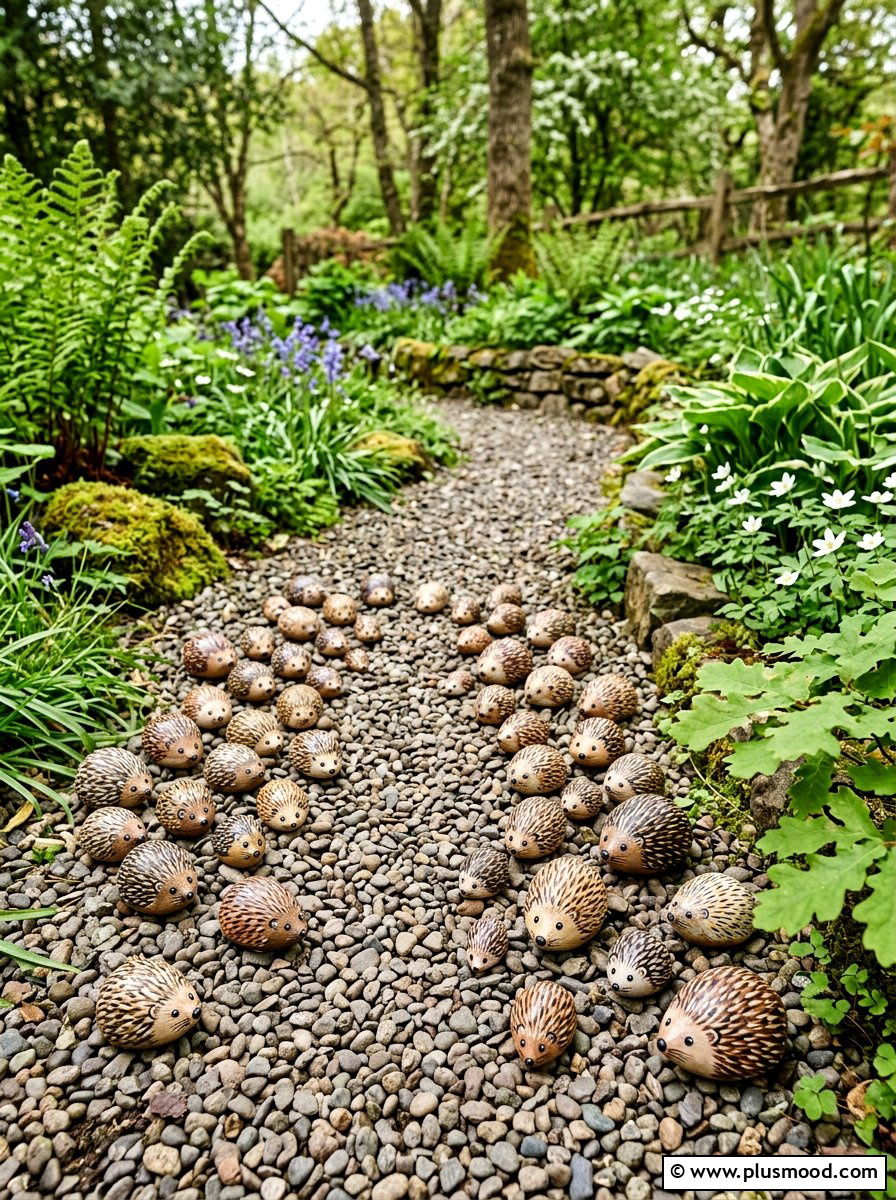
Small, round pebbles are the absolute best choice for making a collection of tiny, prickly forest hedgehogs. These little guys are incredibly easy to paint because their shape is so simple and their features are very concentrated at one end. Use a light beige for the face and a darker brown for the "spiky" back, using quick brush strokes to mimic the appearance of quills. Because hedgehogs are naturally small, you can make a dozen of them and scatter them throughout your garden as a fun scavenger hunt for children. They look especially cute when tucked into the crevices of a rock wall or hidden under the leaves of low-growing plants.
7. Little chipmunk stone
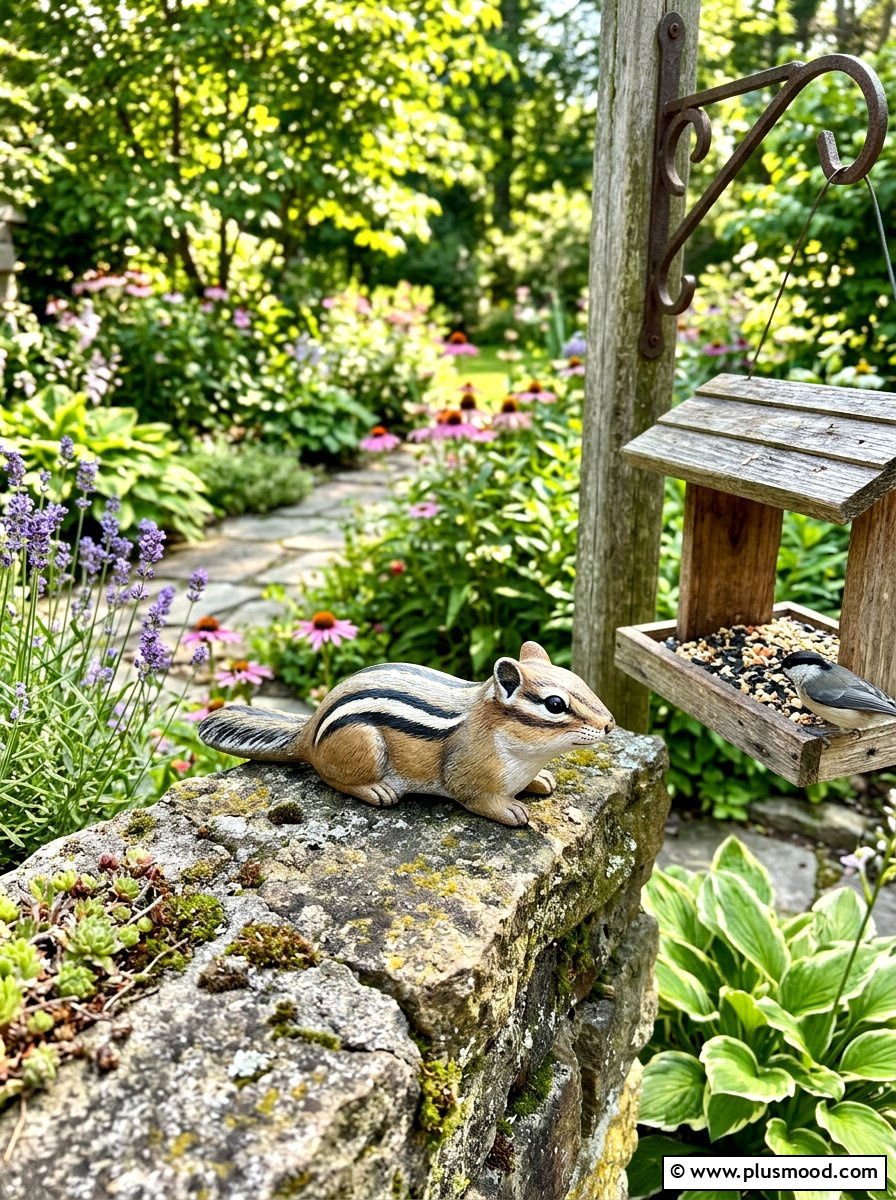
Have you ever watched a chipmunk scurry across your yard and wished you could capture that energetic spirit in your art? Painting a chipmunk requires a focus on the distinct stripes that run down its back, which are usually a combination of black, white, and dark brown. Use a small, elongated stone to represent the chipmunk's busy body as it gathers nuts. These rocks look wonderful when placed near bird feeders or on top of a stone ledge where real chipmunks might hang out. The vibrant stripes make them pop against the green grass, and they bring a sense of movement and playful energy to any outdoor or indoor display area.
8. Gray squirrel rock
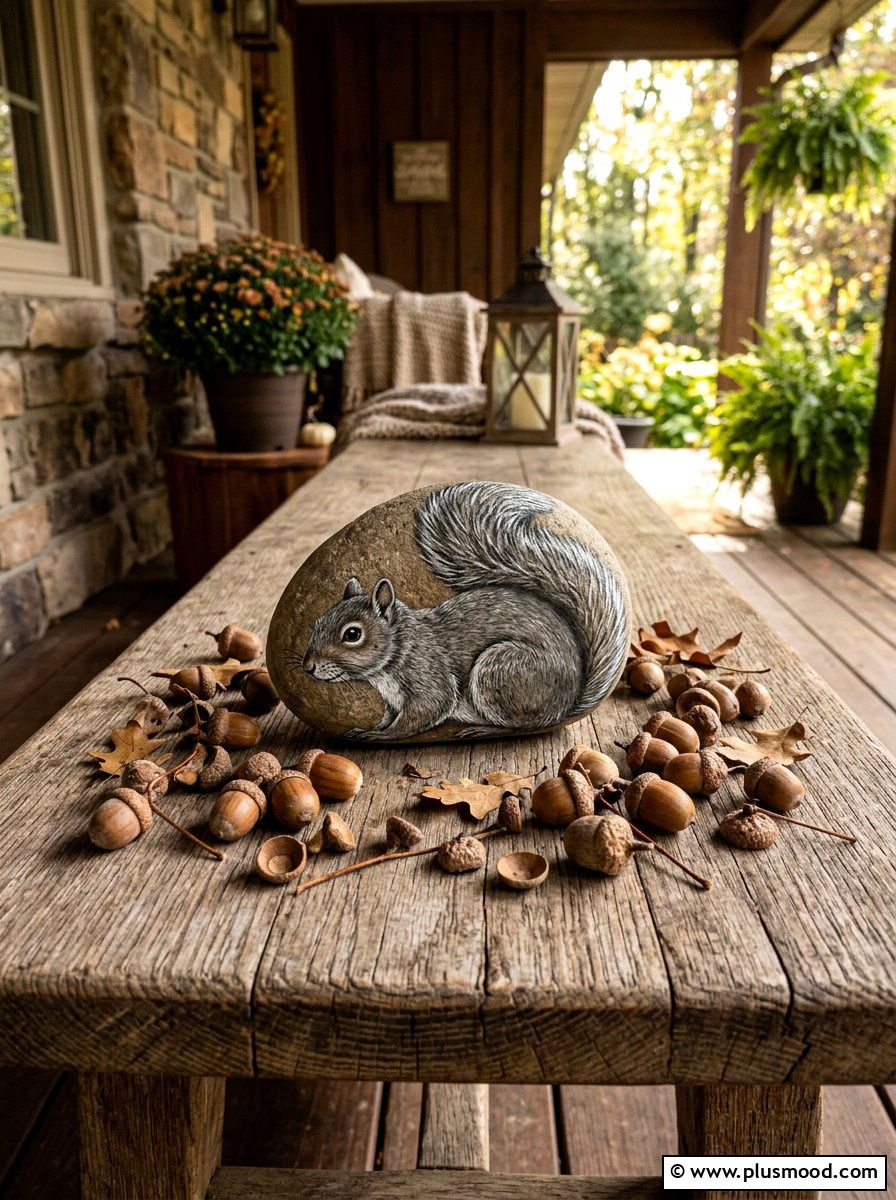
Squirrels are the quintessential forest animal, and they look fantastic when painted on stones that have a bit of a curve to represent a bushy tail. You can choose a soft gray or a reddish-brown palette depending on the type of squirrels that live in your local area. The key to a great squirrel rock is capturing the alert posture and the large, dark eyes that always seem to be looking for a snack. Placing these rocks near the base of a birdbath or on a garden table adds a touch of wildlife charm without the actual chatter. They are a delightful reminder of the busy life happening all around us in the trees.
9. Baby fawn painted stone
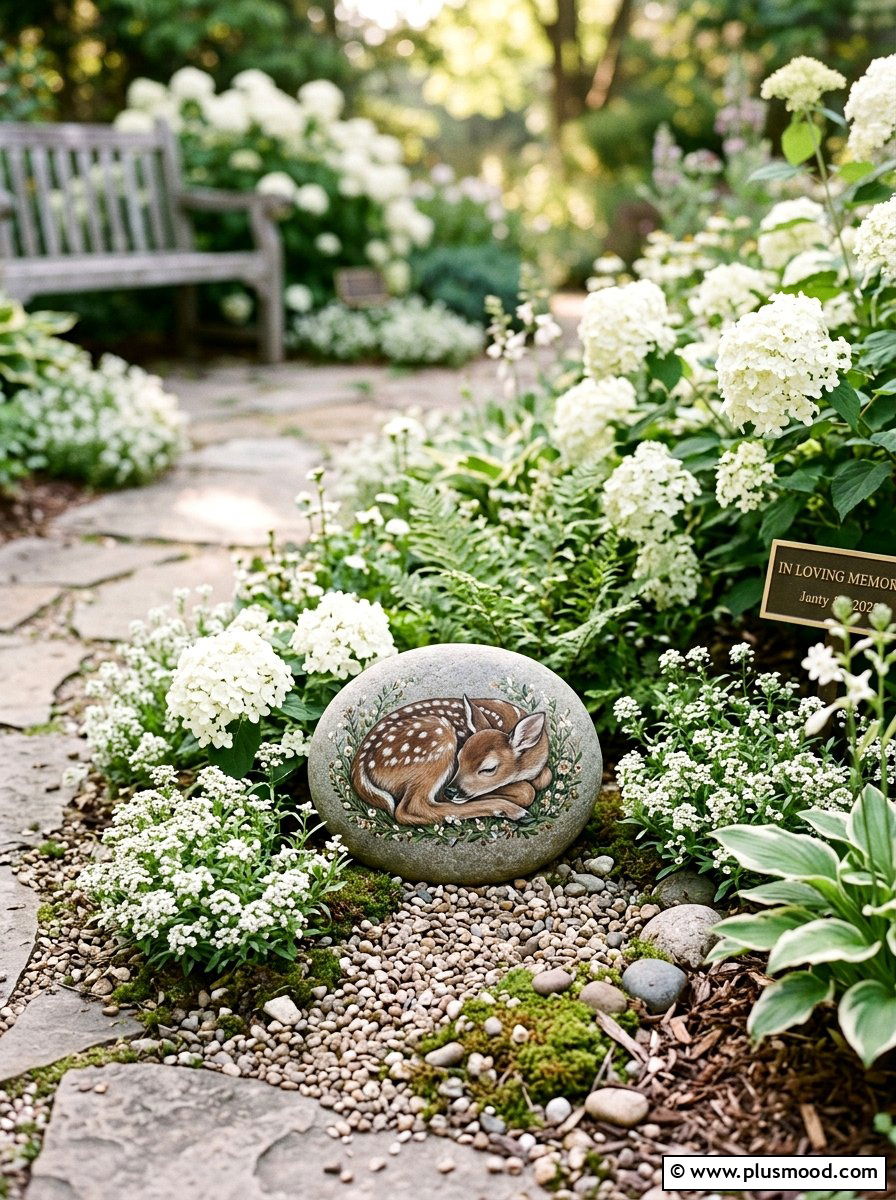
Softness and innocence are the main themes when you decide to paint a baby fawn on a smooth, rounded river stone. Fawn rocks are usually characterized by their reddish-brown coats and the bright white spots that help them blend into the dappled sunlight of the forest. You can paint the fawn curled up in a sleeping position, which fits perfectly on a circular or oval rock. This design feels very peaceful and is a lovely addition to a memorial garden or a quiet corner of your patio. The gentle colors and sweet expression of a fawn rock can instantly soften the look of a rugged landscape or a wooden deck.
10. Striped skunk rock
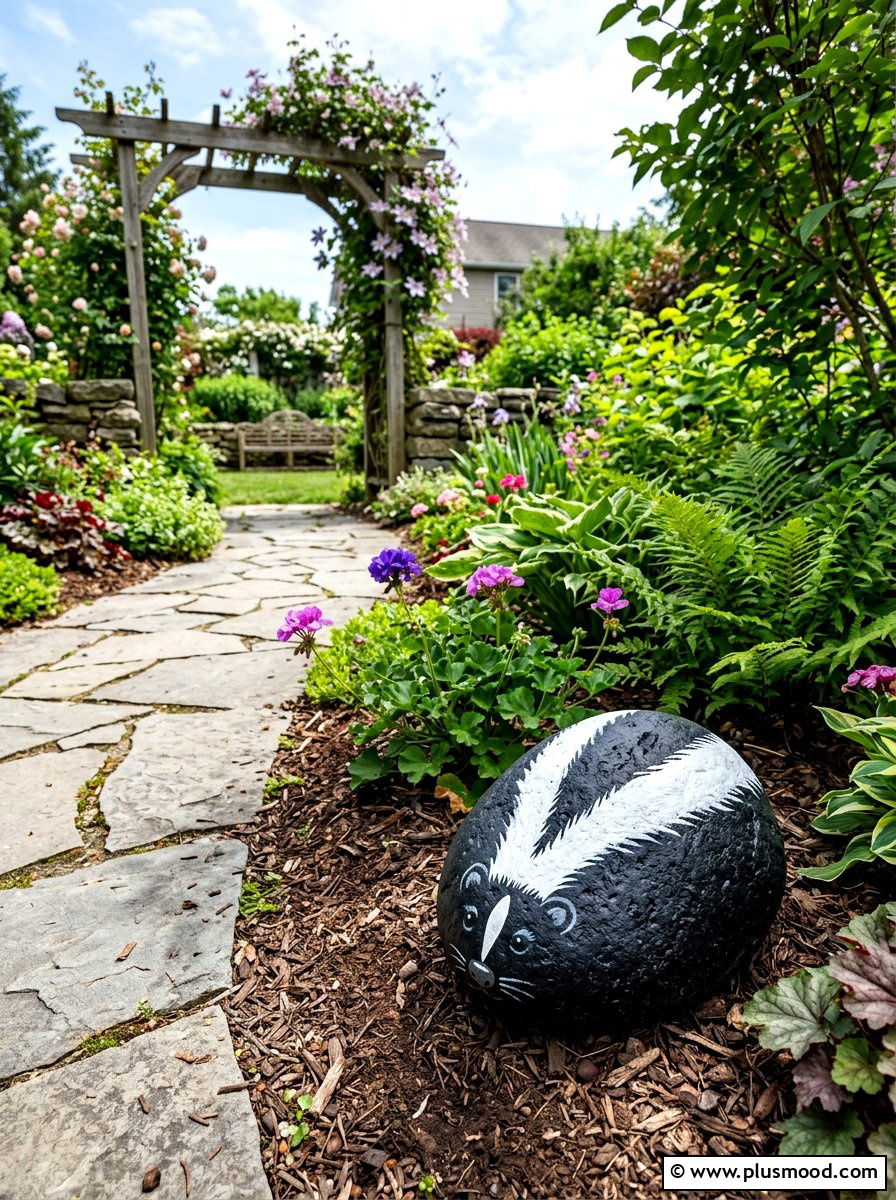
While you might not want a real skunk in your garden, a painted skunk rock is a cute and harmless way to include this forest dweller. The high contrast of black and white paint makes these rocks very eye-catching from a distance. You can paint a single white stripe or two branching stripes starting from the head and moving down the back. These rocks are great for adding a bit of humor to your garden decor. If you place them near a walkway, they are sure to get a laugh from visitors who might do a double-take. They look best on smooth, medium-sized rocks that emphasize their rounded, fluffy appearance.
11. North American moose stone
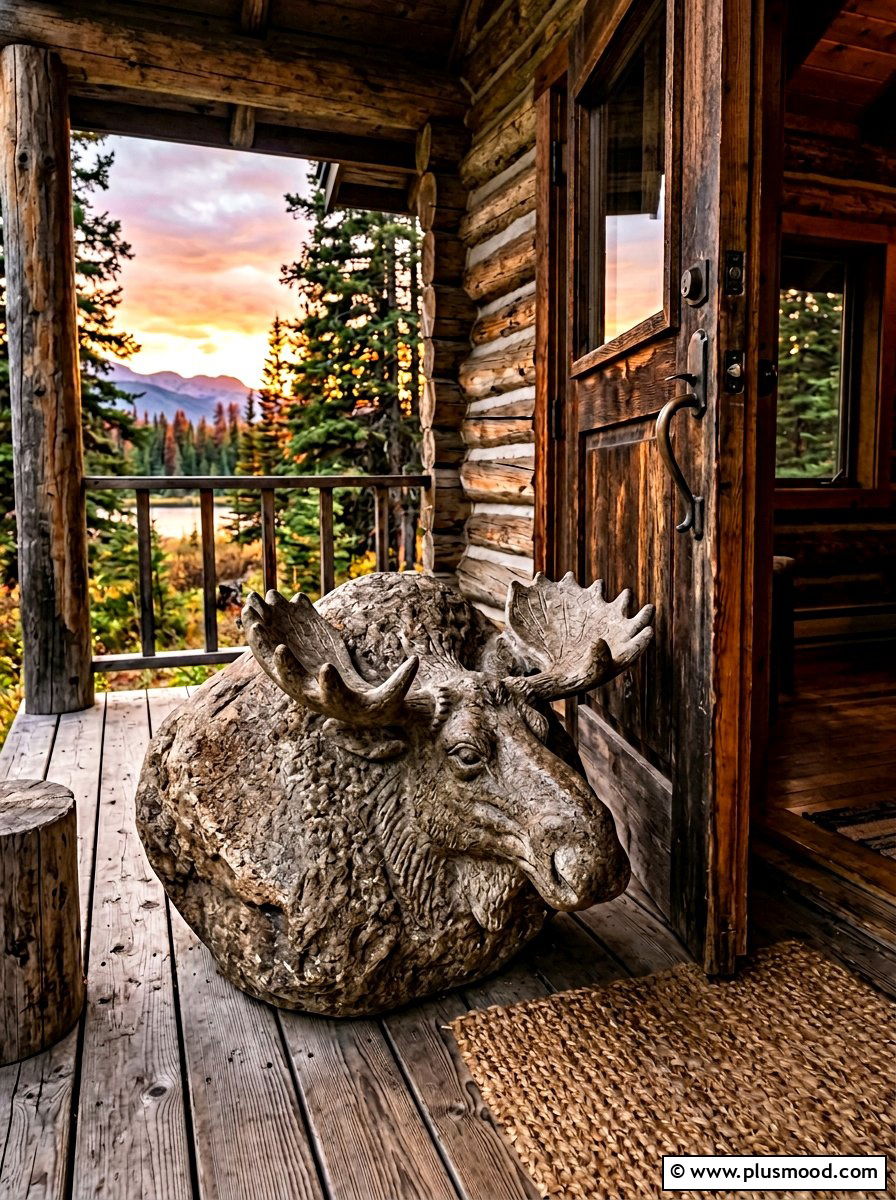
Moose are the giants of the forest, and they require a larger, perhaps more irregularly shaped stone to capture their unique profile. Focus on the large, bulbous nose and the massive, flat antlers that spread out wide. You can use deep umber and dark brown tones to give the moose a rugged, wild look. Because of their size and presence, moose rocks act as great anchors for a large garden display or can be used as a heavy doorstop for a cabin-style home. They evoke the feeling of the deep northern woods and bring a sense of adventure and strength to your personal collection of painted animal stones.
12. European badger rock
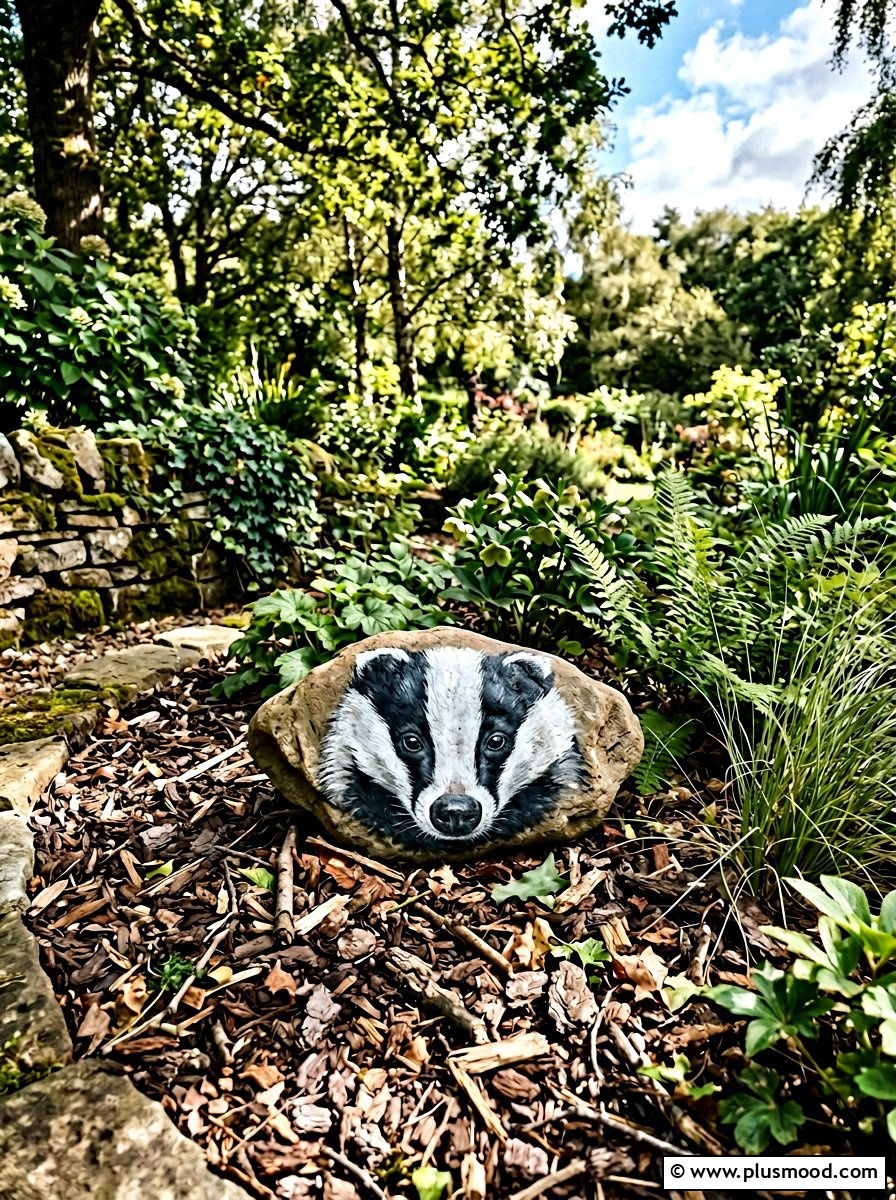
Badgers have a very distinctive black and white striped face that makes them a fun and graphic subject for any rock painter. Their low-slung, sturdy bodies are well-suited for flatter stones that sit close to the ground. Use gray paint for the majority of the body and reserve the bold black and white markings for the head. Badgers are often associated with courage and persistence, making these stones a meaningful gift for someone who shares those traits. These rocks look very natural when placed near the entrance of a garden path or nestled among some decorative bark or wood chips in a landscaped flower bed.
13. Forest bunny painted pebble
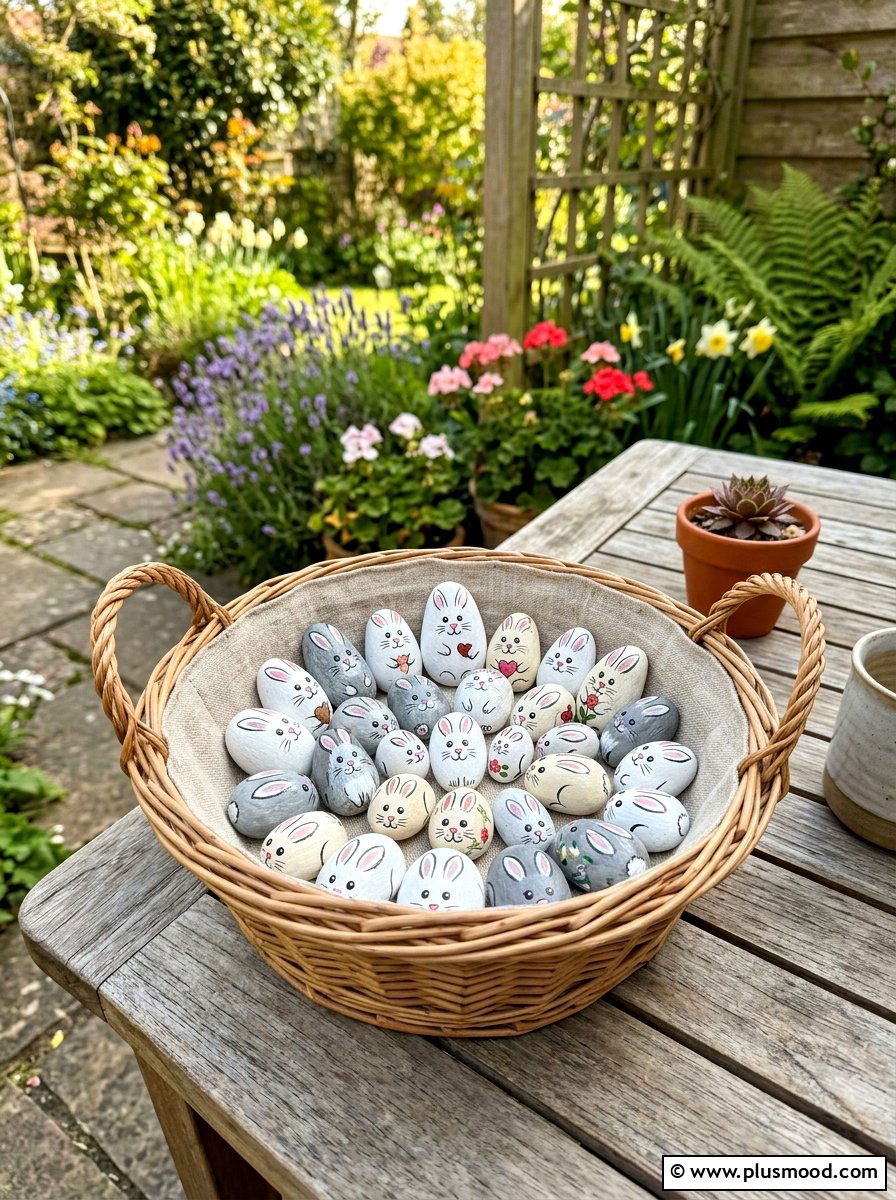
Bunnies are a favorite for rock painters of all ages because their soft, round shapes are so easy to replicate on smooth stones. You can use shades of white, gray, or brown to create a fluffy-looking rabbit with long ears tucked back against its body. These little bunny stones are perfect for adding a touch of spring to your home year-round. They look adorable when grouped together in a small basket or placed inside a large indoor planter. Because they are so small and sweet, bunny rocks are often used as "kindness rocks" that people hide in public parks for others to find and keep.
14. Gray wolf stone
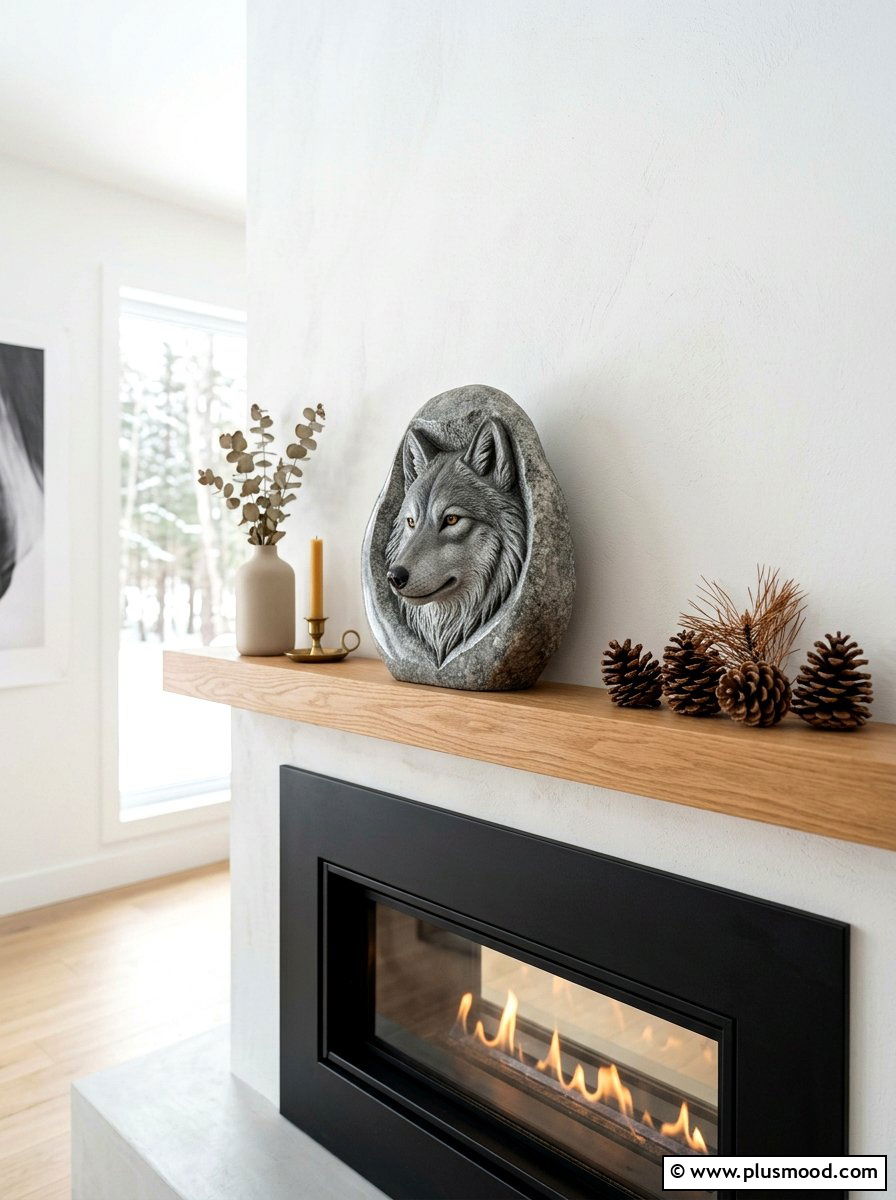
For a more majestic and mysterious vibe, you might consider painting a gray wolf on a stone with sharp, clean lines. Wolves represent the wild spirit of the forest, and their cool gray and white fur tones look beautiful against the natural color of most stones. Focus on the piercing eyes and the sleek shape of the head to convey a sense of intelligence and power. These rocks look stunning when placed in a more formal garden setting or on a mantle alongside other natural elements like pinecones and dried branches. A wolf rock can serve as a symbol of protection and strength within your home or outdoor space.
15. Woodland frog rock
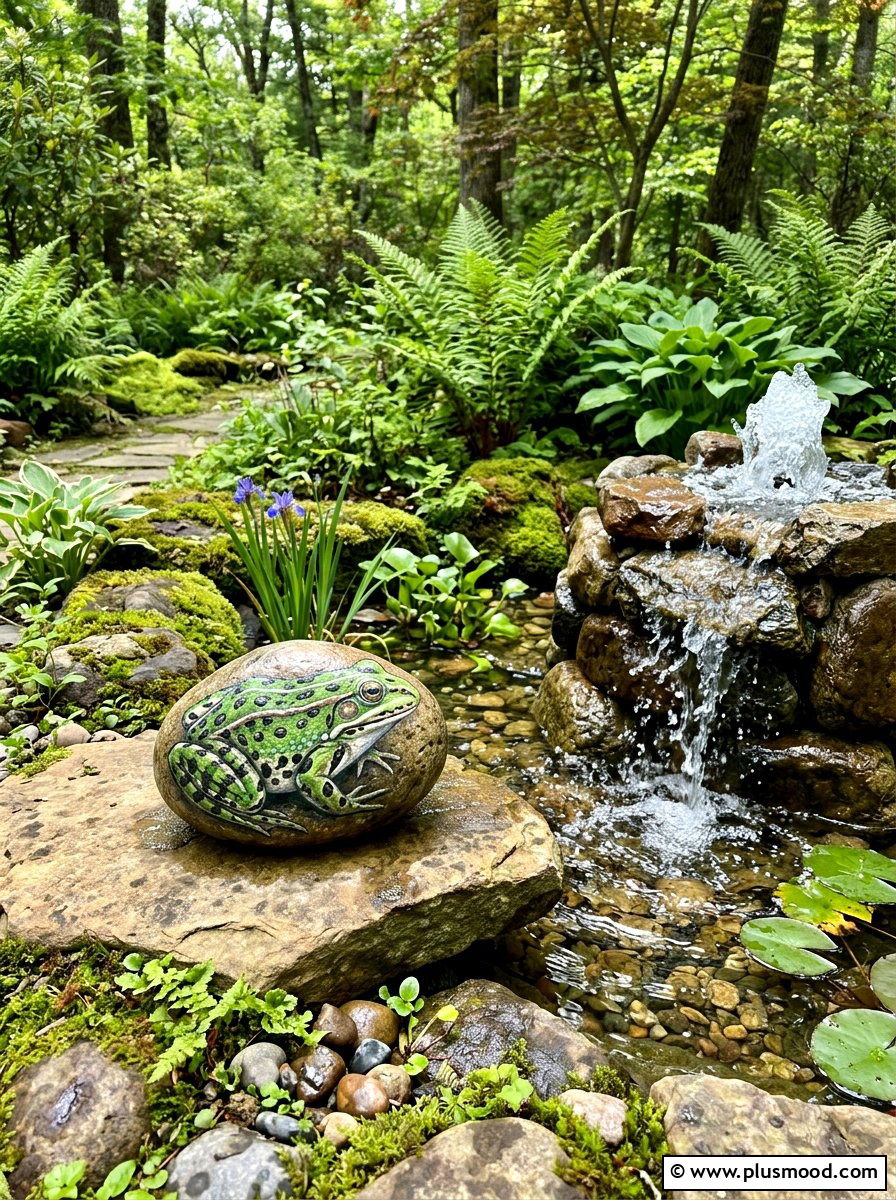
Frogs are perfectly shaped for rocks, as they naturally sit in a crouched, rounded position that matches the contours of a river stone. Using bright greens and yellows can make your frog rock stand out, or you can use earthy browns and tans to create a more realistic toad. Adding a few dark spots and large, bulging eyes will give your frog a lot of personality. These rocks are the ideal choice for placing near a pond, a fountain, or any water feature in your garden. They look like they are just about to hop into the water, adding a dynamic and playful element to your aquatic landscape.
16. Red cardinal bird stone

Bright colors are a great way to draw attention to your rock art, and nothing is brighter than a brilliant red cardinal. These birds are often associated with joy and are a favorite for many nature lovers. Use a vibrant scarlet paint for the body and a black mask around the orange beak. Because cardinals are small, you can paint them on smaller, flatter stones that can be placed on windowsills or tucked into the branches of a potted tree. They bring a pop of color to the garden even in the middle of winter when the real birds might be hiding from the cold.
17. Forest snail painted rock
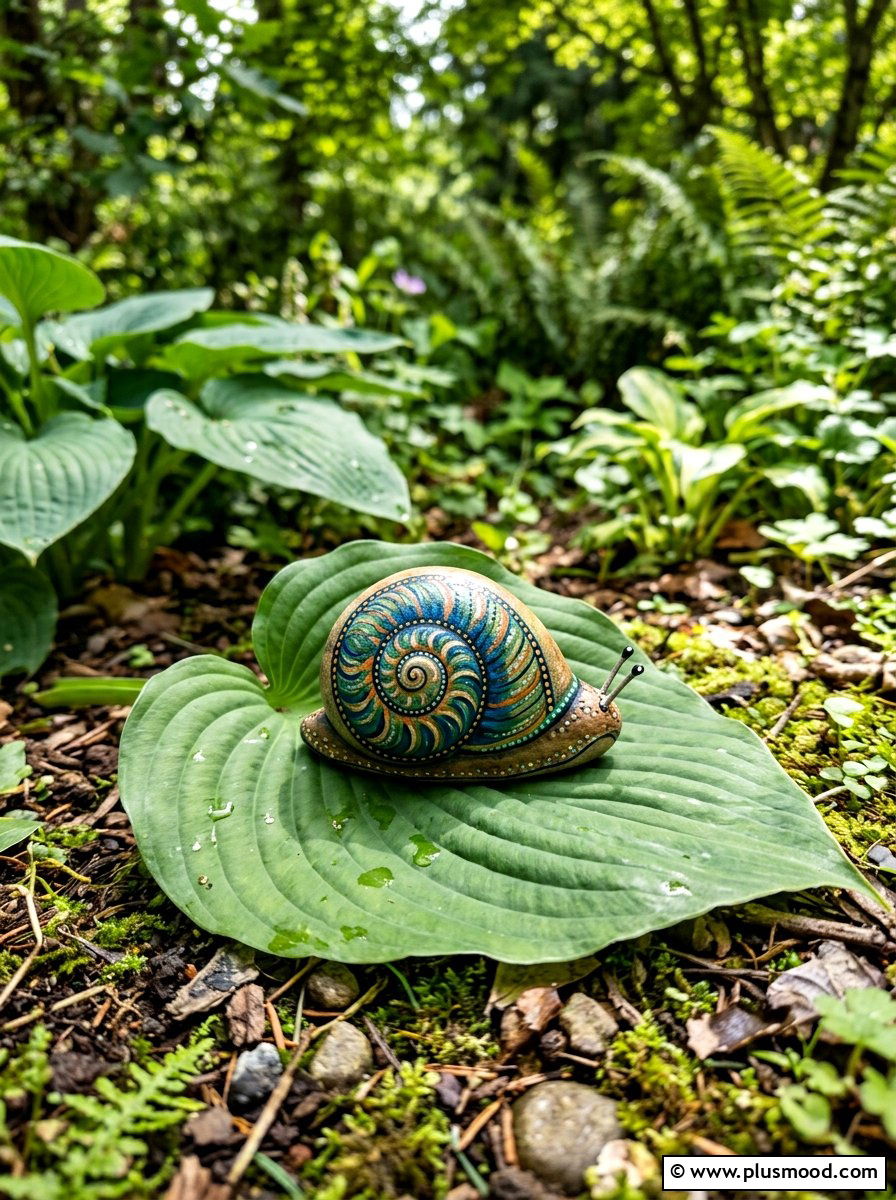
Snails offer a unique opportunity to play with patterns and spirals on the surface of a rock. The natural dome of a round stone acts as the perfect shell for a painted snail. You can get very creative with the shell design, using concentric circles or colorful dots to make it look whimsical and artistic. The body of the snail can be painted as if it is peeking out from under the shell, with two little antennae reaching forward. These rocks look wonderful when placed on the edge of a garden border or sitting on a large leaf, adding a slow and steady charm to your outdoor world.
18. Tiny field mouse stone

Do you have a collection of very small pebbles that you don't know what to do with? These tiny stones are perfect for creating adorable little field mice with big ears and long, thin tails. You can use a soft gray or light brown paint and add a tiny pink nose for extra cuteness. Because they are so small, you can hide them in unexpected places around your house, like on top of a door frame or behind a stack of books. These mouse rocks are a fun way to add a bit of hidden detail that only the most observant guests will notice and enjoy.
19. Spotted turtle rock
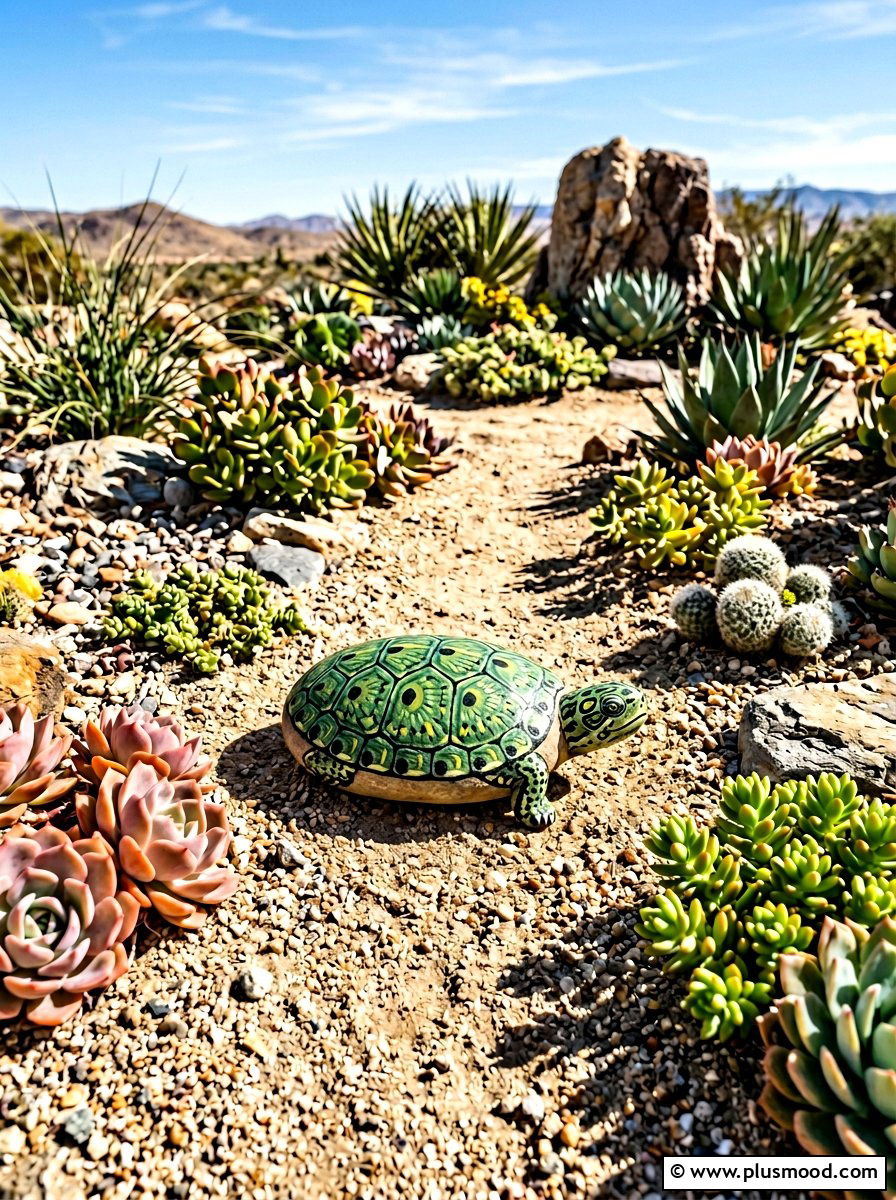
Turtles are a classic choice for rock painting because their shells are naturally mimicked by the shape of a smooth, flat stone. You can paint a detailed hexagonal pattern on the back or go for a more organic, spotted look. Use various shades of green, yellow, and brown to create a realistic texture that blends in with your garden environment. Turtle rocks look fantastic when placed in a row as if they are marching toward a nearby bushes or water source. They represent longevity and peace, making them a very grounding addition to any outdoor space that is designed for relaxation and quiet reflection.
20. Black bear cub stone
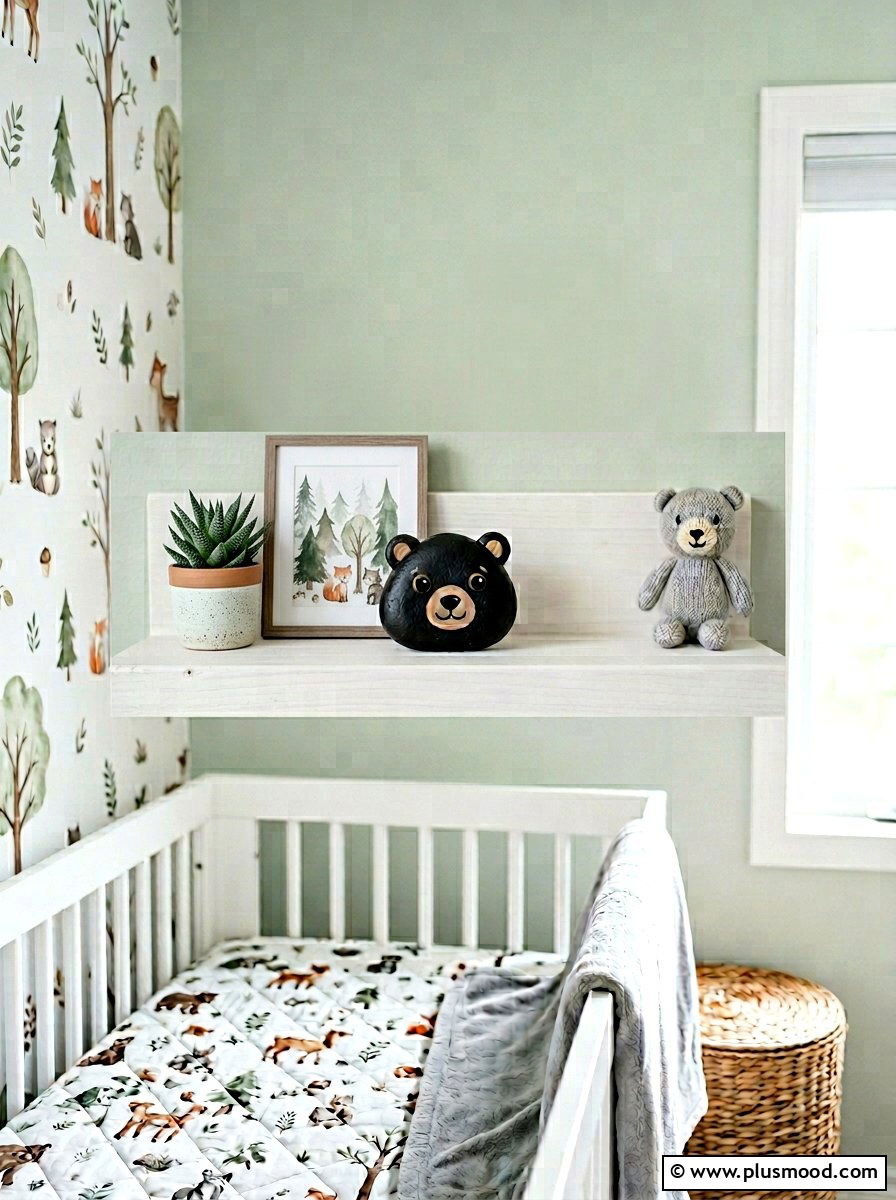
While a full-grown bear is impressive, a black bear cub is absolutely adorable and fits well on smaller, more manageable rocks. Use a deep black paint for the fur and a soft brown for the muzzle to create a friendly and approachable cub. You can paint the cub in a playful pose, perhaps reaching for a painted berry or climbing over the edge of the stone. These cub rocks are perfect for a nursery or a child's bedroom with a woodland theme. They add a sense of youthful wonder and nature-inspired charm to any room or garden corner where they are displayed for all to see.

21. Mountain bobcat rock
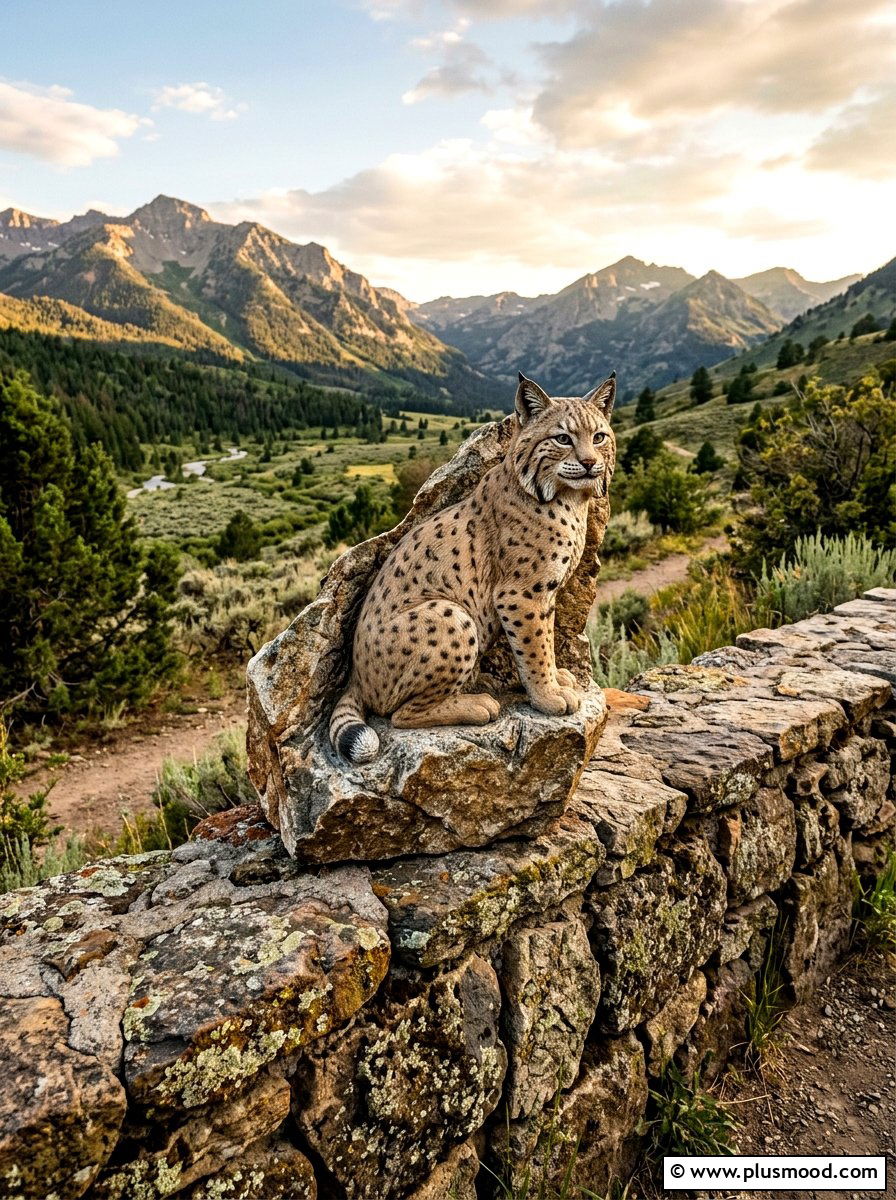
Bobcats have beautiful, tufted ears and spotted coats that provide a wonderful challenge for more advanced rock painters. Use a combination of tan, white, and black to create the complex patterns of a bobcat's fur. These cats are known for their stealth and beauty, and a painted rock can capture that focused, intense gaze. Place these rocks on a high stone ledge or among some rocky outcroppings in your yard to simulate their natural mountain habitat. They bring a touch of the wilder side of the forest to your decor and serve as a conversation piece for anyone who appreciates the grace of wild felines.
22. Forest porcupine stone
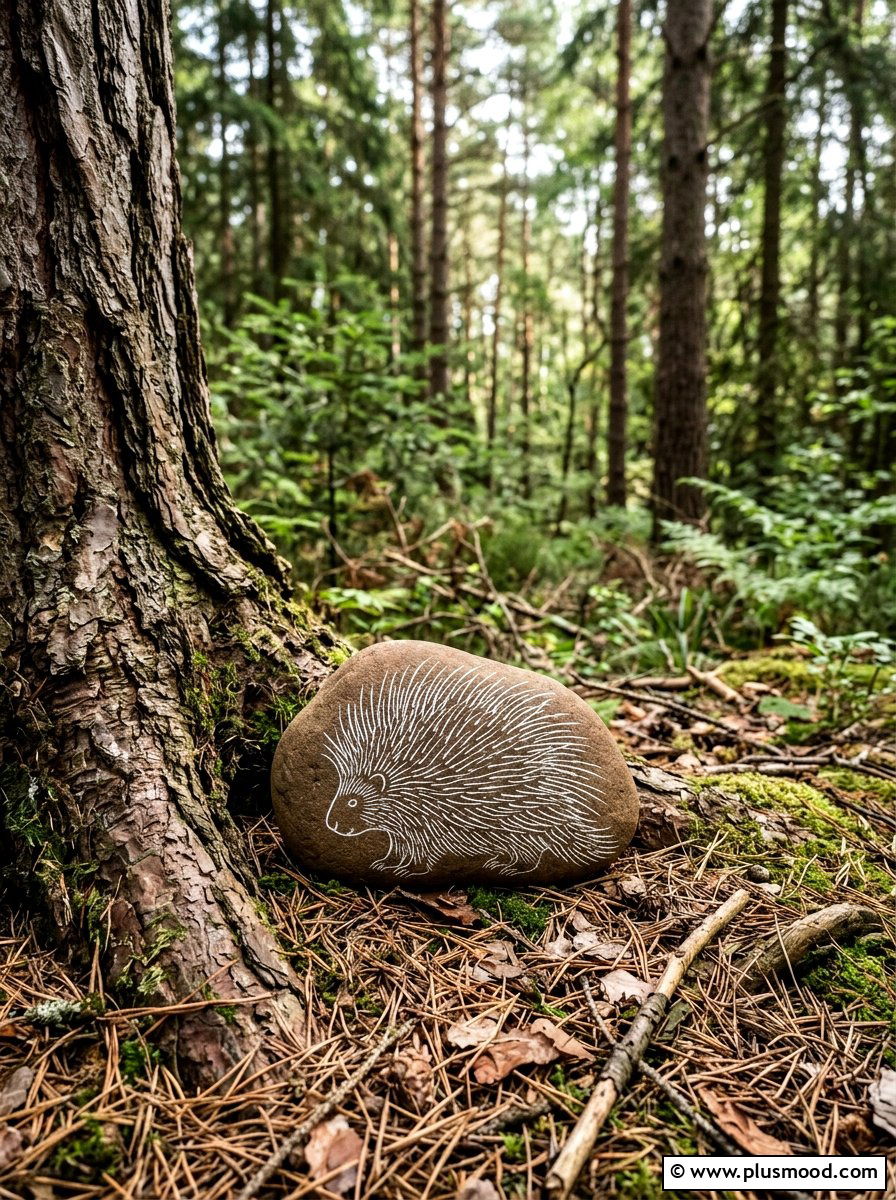
A porcupine rock is a great way to experiment with texture and fine lines in your painting process. Use a dark brown base and then use a very thin brush or even a toothpick to draw hundreds of white quills all over the back. This creates a visually interesting effect that makes people want to reach out and touch the stone to see if it is actually prickly. These rocks look very realistic when placed at the base of a pine tree or among some fallen needles. They add a unique and often overlooked member of the forest community to your collection of painted animal stones.
23. Woodland woodpecker rock
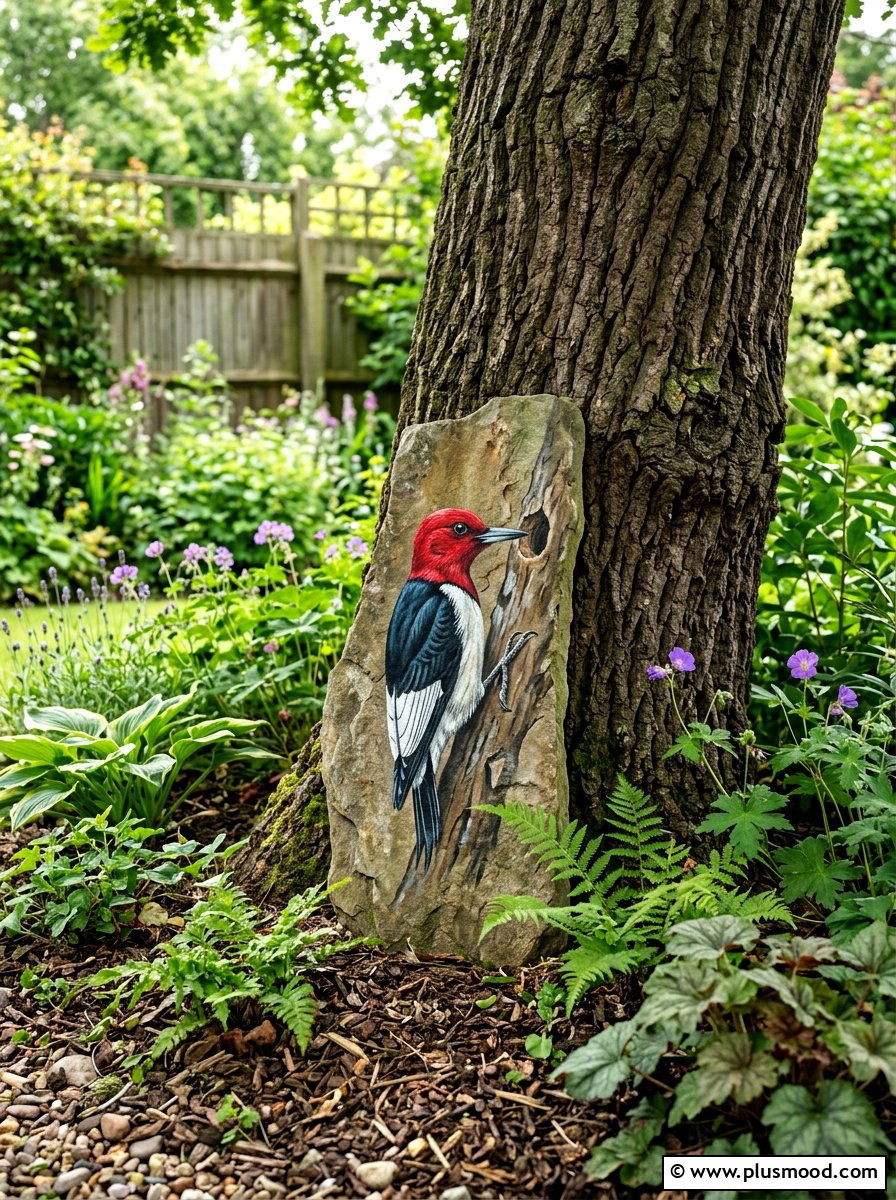
Woodpeckers are known for their bold colors and interesting silhouettes, making them a great subject for a more vertical stone. You can paint the bird as if it is clinging to the side of a tree, using bright red for the head and black and white for the wings. These stones can be leaned against a tree trunk or even attached to a wooden fence post with a bit of strong adhesive. They add a vertical element to your garden art and celebrate the birds that fill the forest with their rhythmic drumming. The high-contrast colors ensure that these woodpecker rocks are visible even from across the yard.
24. River otter stone
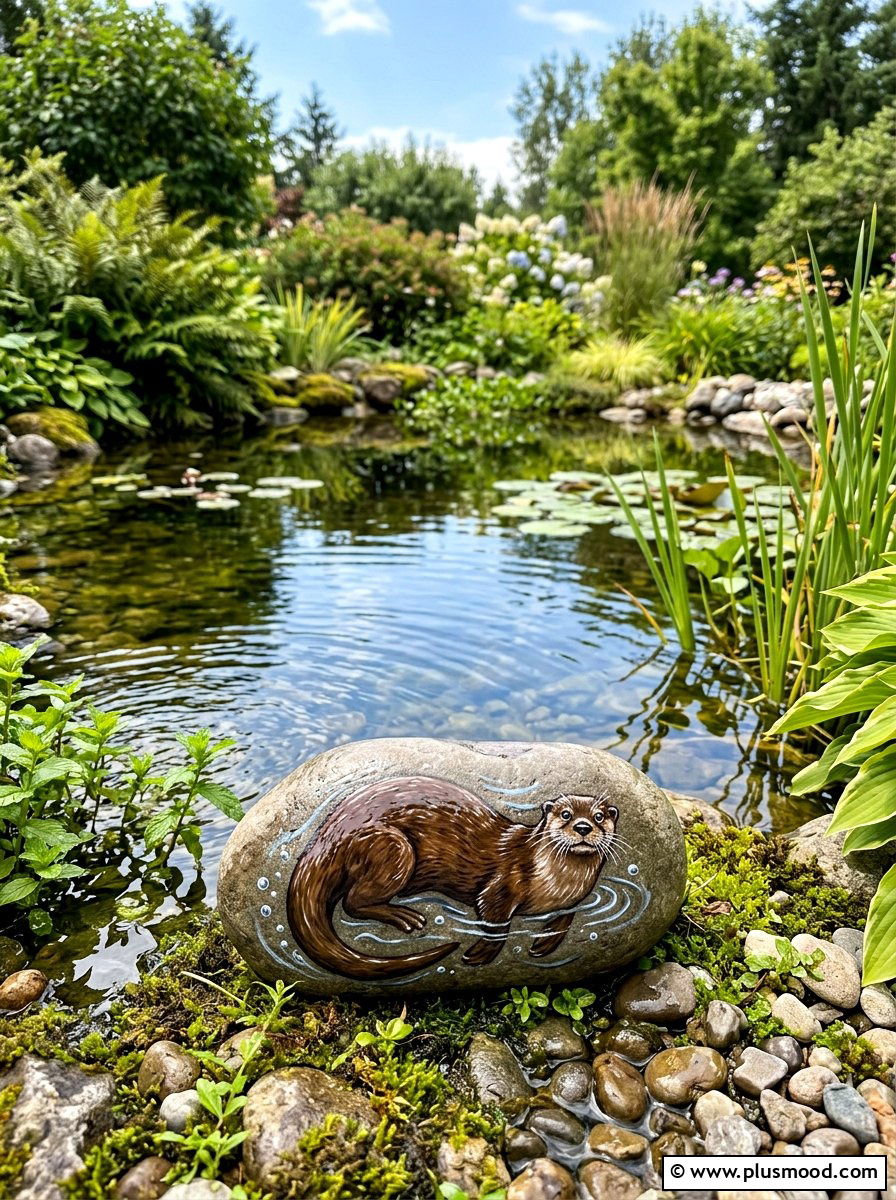
Otters are the clowns of the water's edge, and their long, sleek bodies are perfectly suited for smooth, oblong river stones. Use a dark, glossy brown paint to give the otter a "wet" look, as if it has just climbed out of a nearby stream. You can paint the otter holding a small stone or a fish between its paws to add more detail to the scene. These rocks look best when placed near a pool, a birdbath, or a decorative dry creek bed. Their playful energy is contagious and brings a sense of joy and movement to the more static parts of your landscape design.
25. Forest beetle painted pebble
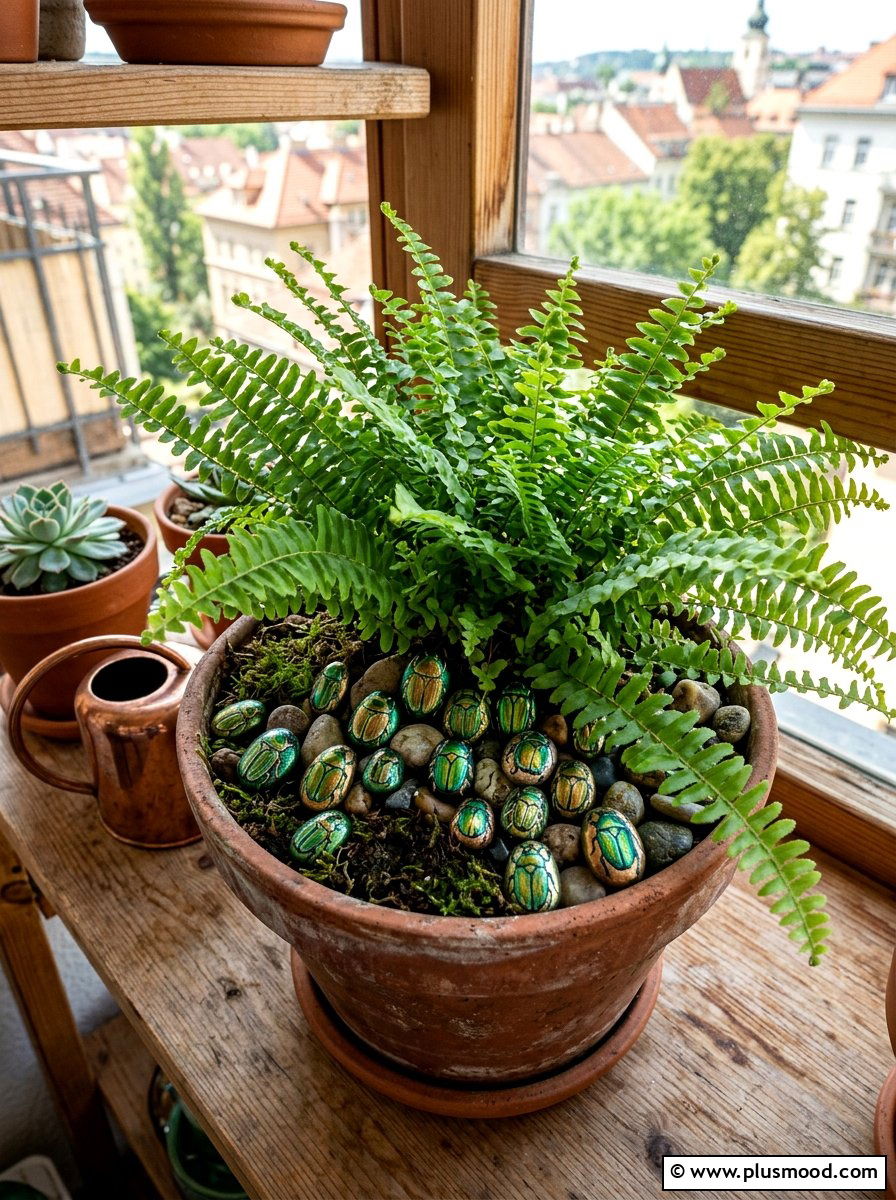
If you want to add some very small and colorful details to your garden, painting forest beetles on tiny pebbles is the way to go. You can use iridescent paints to mimic the shiny shells of many forest insects, or go for bold colors like green, blue, and gold. These beetle rocks can be scattered among your potted plants to look like they are crawling through the foliage. They add a layer of micro-interest to your garden that encourages people to look closer at the world around them. It is a fun way to celebrate the smallest inhabitants of the forest floor in your art.
Conclusion:
Painting rocks with forest animals is a rewarding and accessible way to bring nature's beauty into your daily life. This creative journey allows you to explore different textures, colors, and shapes while producing unique pieces of decor that reflect the spirit of the woods. Whether you choose to display these stones in a professional garden layout or use them as charming accents inside your home, they are sure to spark joy and conversation. The process of searching for the perfect stone and then bringing an animal to life upon its surface is a therapeutic experience that connects you more deeply with the environment. Enjoy the simple pleasure of crafting these woodland treasures for yourself or your loved ones.
Related posts:


Leave a Reply