
Painting rocks with moon phases is a wonderful way to bring the magic of the night sky into your daily life. This creative hobby has exploded in popularity because it combines the grounding nature of working with natural stones with the ethereal beauty of celestial bodies. Whether you are a seasoned artist or someone looking for a relaxing weekend project, these lunar designs offer endless possibilities for customization and style. Each stage of the moon carries its own unique energy and aesthetic appeal, making them perfect subjects for hand-painted decor. You will find that creating these pieces is not just about the art, but also about connecting with the natural rhythms of our universe in a tactile way.
1. Full moon painted rock
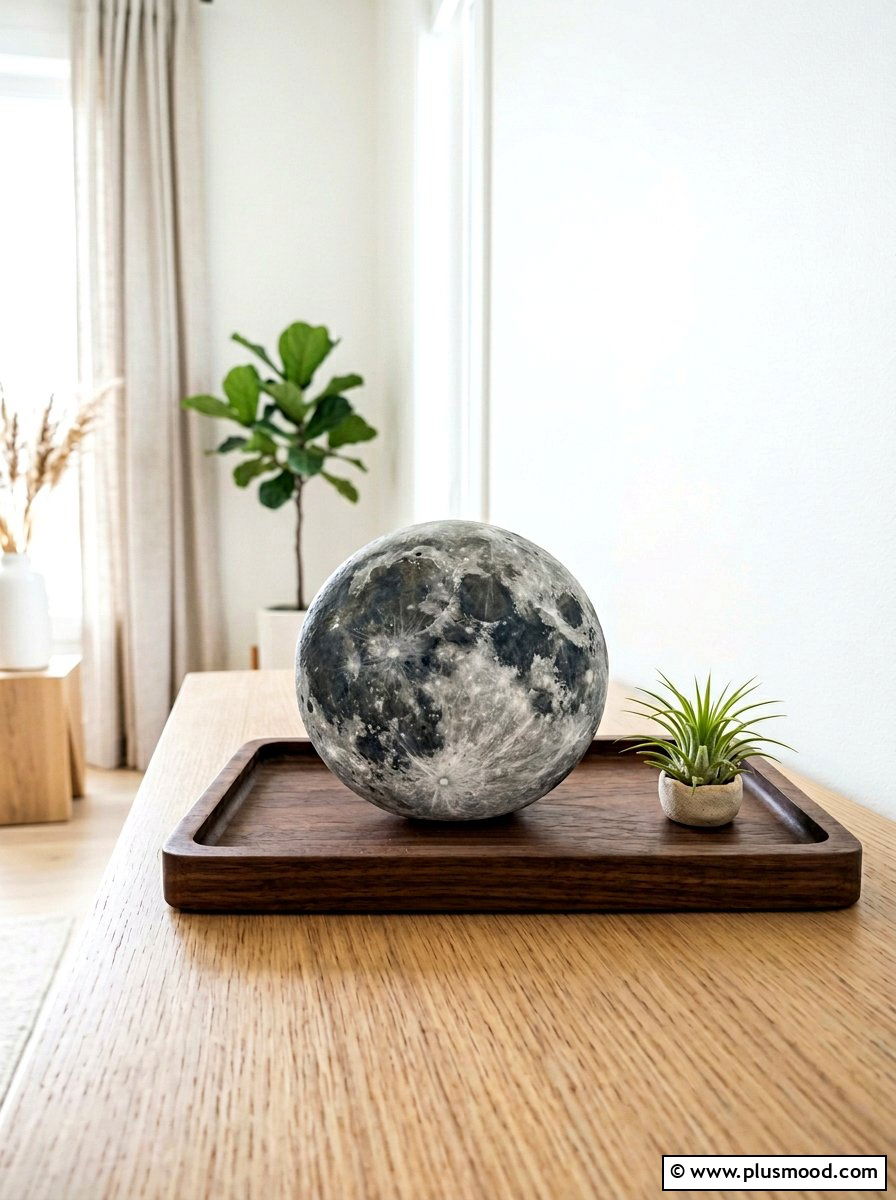
Have you ever looked up at a bright, luminous circle in the night sky and felt a sudden wave of calm? Recreating a full moon on a smooth river stone is one of the most rewarding projects for any crafter. You should start by selecting a perfectly round rock to mimic the natural shape of the lunar surface. Use various shades of white, soft gray, and even a hint of silver to create depth and texture. By dabbing a dry sponge lightly across the surface, you can simulate the craters and valleys that make the moon so iconic. This piece looks stunning when placed on a minimalist wooden tray or as a focal point in a small indoor Zen garden.
2. Crescent moon rock art
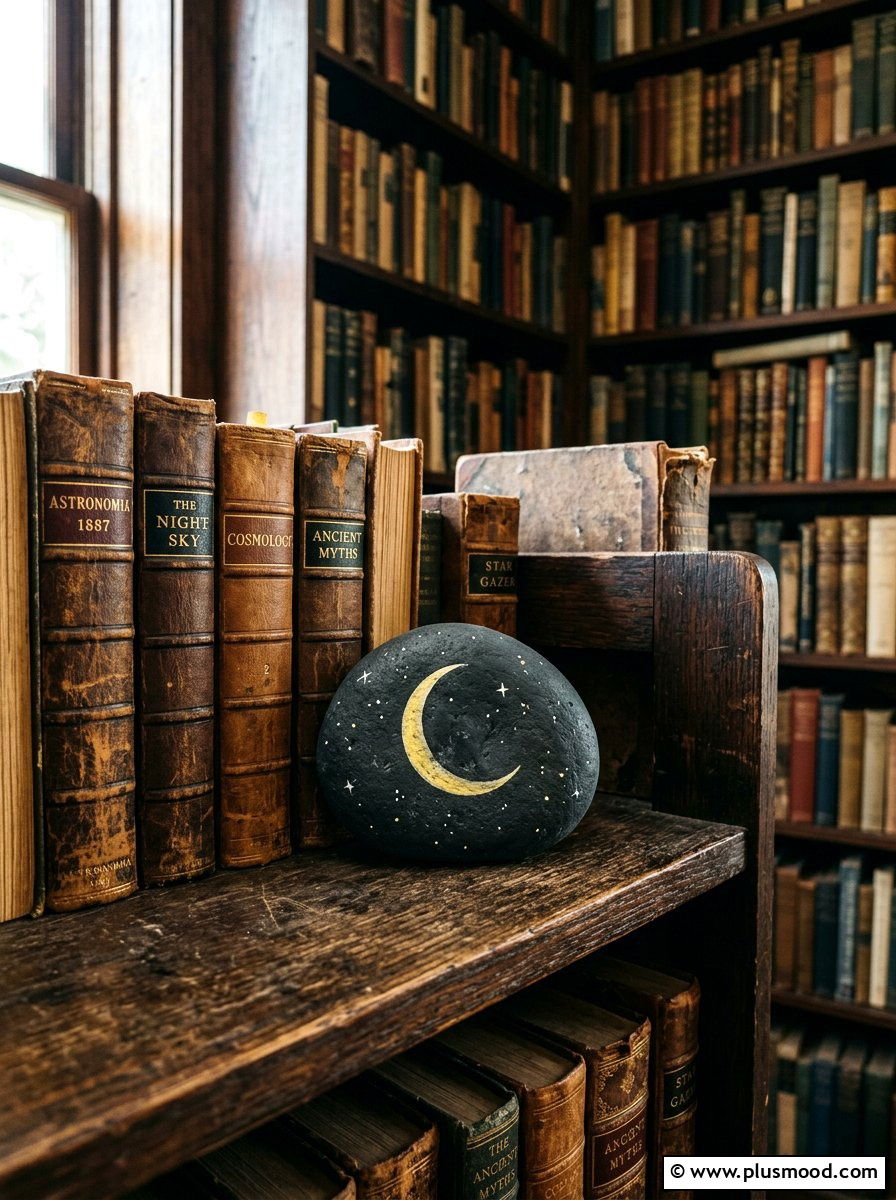
Is there anything more whimsical than a slender, glowing crescent moon nestled against a dark background? This design focuses on the delicate curve of the waxing or waning moon, often paired with tiny stars for added magic. You can use a fine-liner brush to achieve those sharp, elegant points at the ends of the crescent. To make the design pop, try using a deep navy or charcoal base coat on the rock before applying your bright yellows or whites. This style of rock painting is perfect for adding a touch of mystery and charm to your bedside table or a bookshelf filled with vintage leather-bound novels.
3. Galaxy moon phase painting
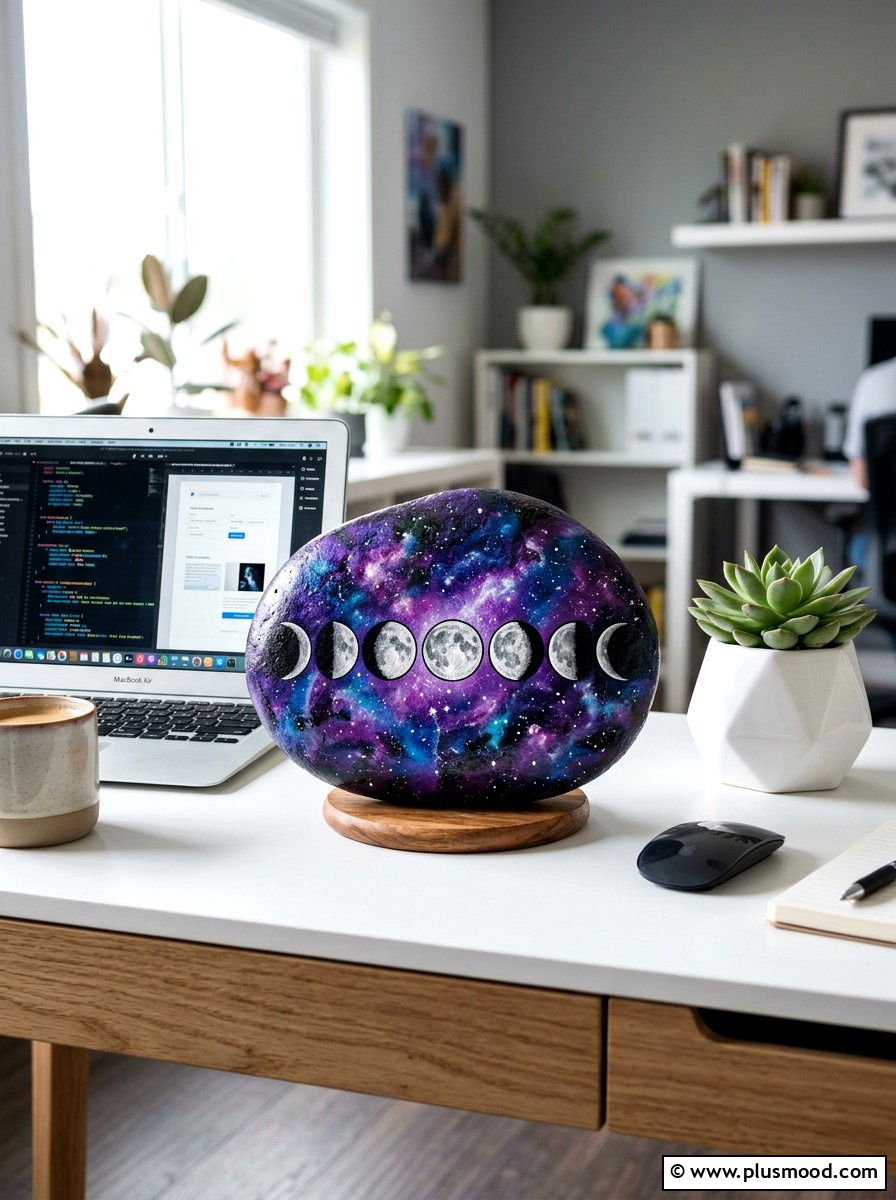
Imagine holding an entire swirling nebula in the palm of your hand while the lunar cycle sits front and center. To achieve this look, you will need to layer several shades of purple, blue, and pink paint using a stippling technique. Once the galaxy background is dry, you can paint the various moon phases in a straight line or a graceful arc across the stone. Adding a few flecks of white paint with a toothbrush will create a realistic starry effect that brings the whole scene to life. This vibrant and colorful design is a favorite for teenagers' rooms or modern, eclectic living spaces that need a bold pop.
4. Boho celestial stone
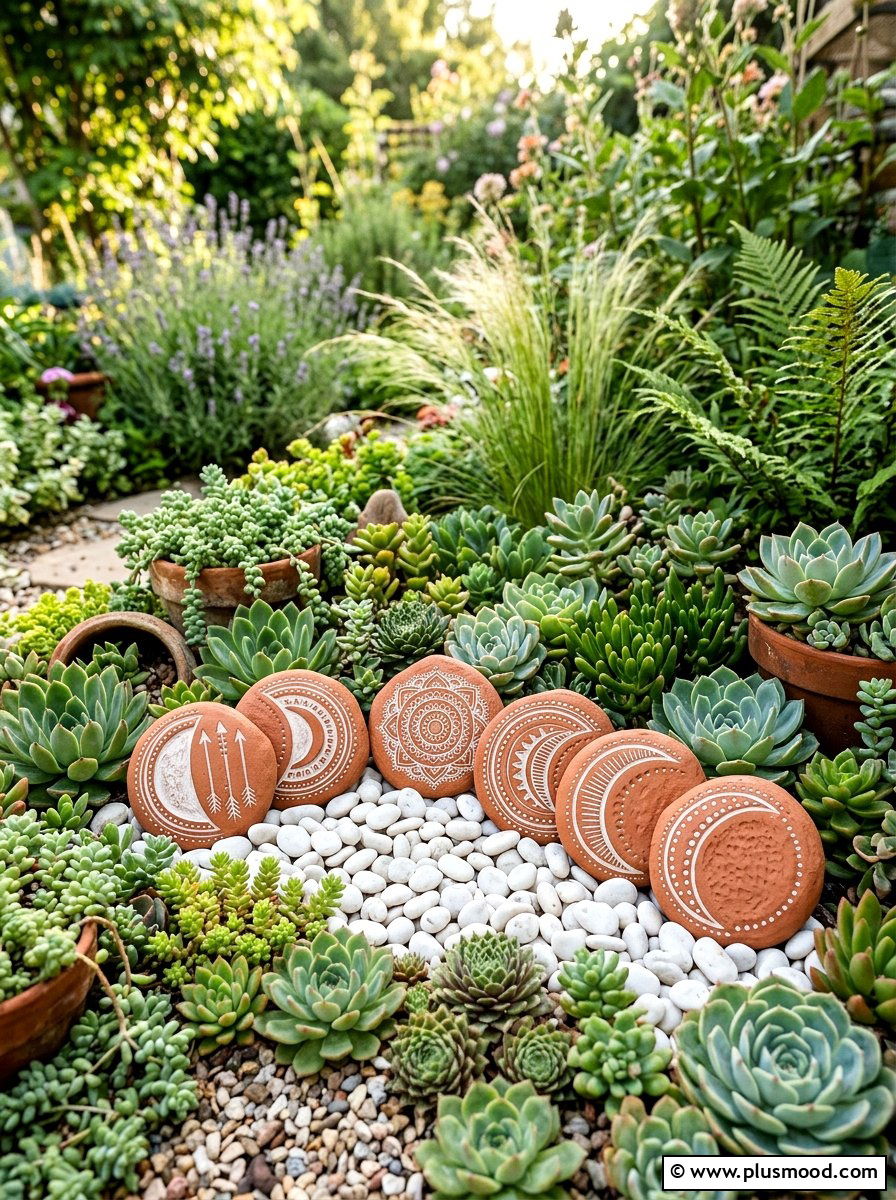
Do you love the earthy tones and natural vibes of bohemian decor? You can create a beautiful moon phase design using a palette of terracotta, sage green, and mustard yellow instead of traditional sky colors. Instead of realistic craters, use simple geometric shapes and thin lines to represent the lunar transitions. Incorporating small dots or arrows around the moons can give the rock a tribal or mystical feel that fits perfectly with macrame wall hangings and indoor plants. These stones look incredible when scattered among succulent pots on a sunlit windowsill, adding a personalized and handcrafted touch to your cozy bohemian home environment.
5. Minimalist moon phase set
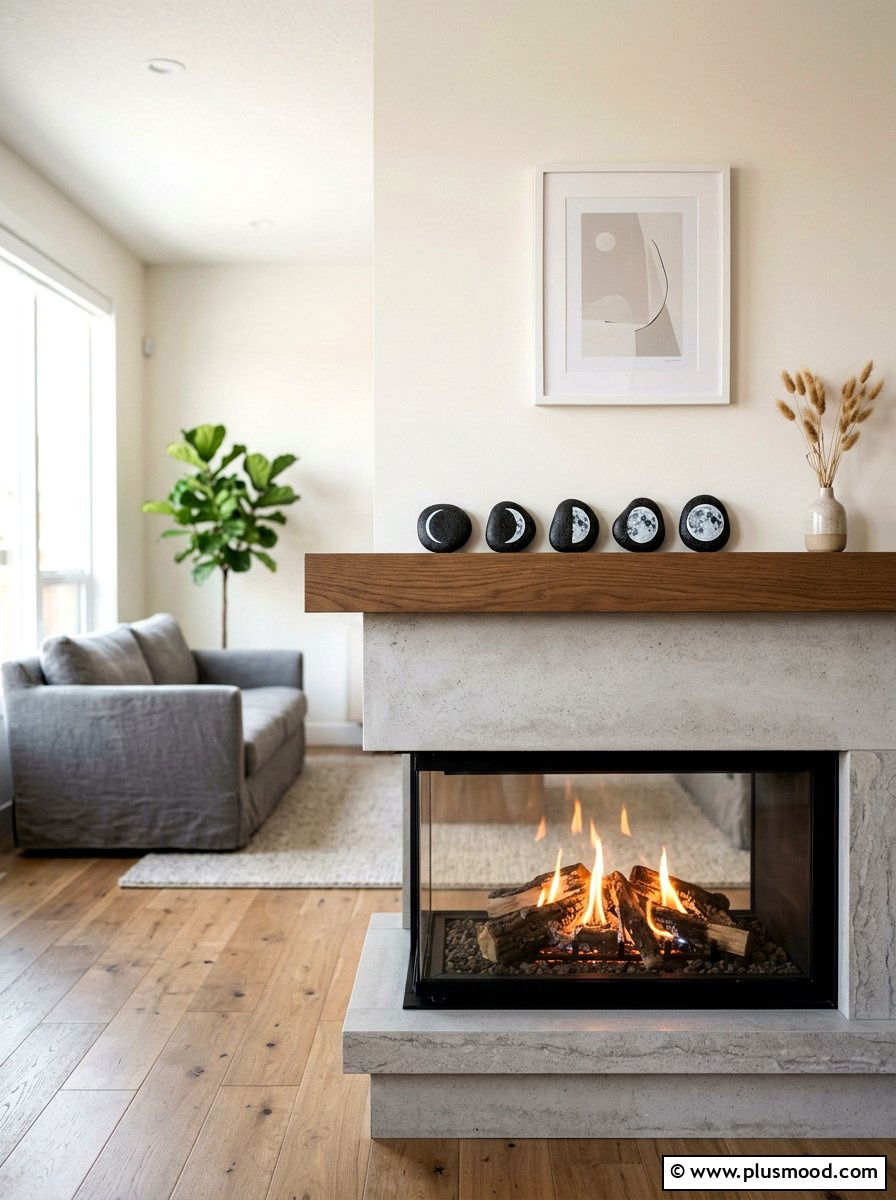
Sometimes, the most powerful designs are the simplest ones, focusing on clean lines and high contrast. For this project, you should collect a series of five or seven small, uniform rocks and paint one phase of the moon on each stone. Using a solid black background with crisp white paint creates a sophisticated look that fits well in a modern office or a contemporary living room. You can arrange them in a perfect line on a mantel or a long decorative bowl to show the progression of the lunar cycle. This minimalist approach highlights the beauty of the moon's changing shape without any distracting or unnecessary extra details.
6. Gold leaf lunar art
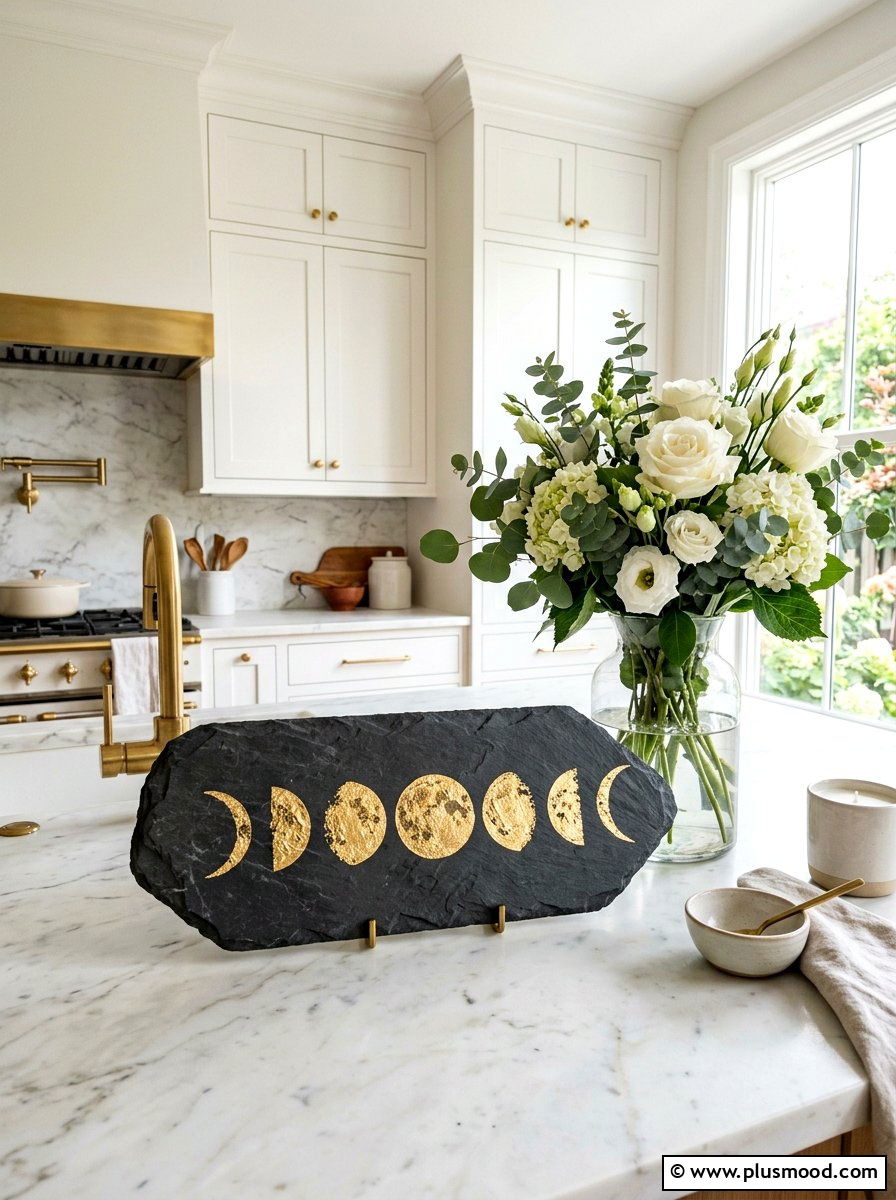
How would you like to add a touch of luxury and shimmer to your rock painting collection? Using gold leaf or high-quality metallic gold paint can transform an ordinary stone into a piece of high-end decor. First, paint your moon phases in a solid color, and then carefully apply the gold accents to the illuminated parts of the moon. The way the light catches the metallic surface will make the phases seem to glow, just like the real moon does in the night sky. These elegant stones are perfect for holiday table settings or as sophisticated paperweights in a professional and stylish home office setup.
7. Mandala moon phase rock
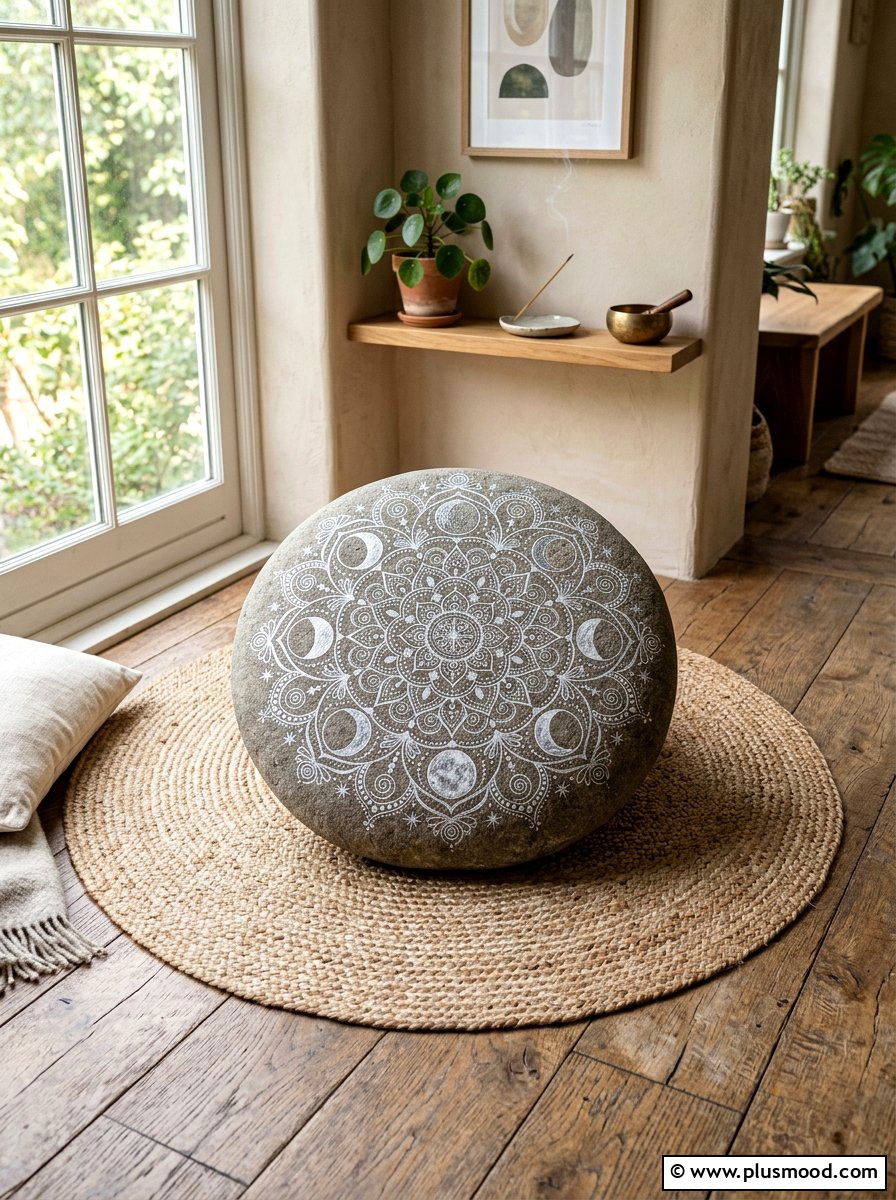
Can you picture the intricate patterns of a mandala combined with the timeless beauty of the lunar cycle? This design requires a bit of patience and a steady hand as you build outward from a central moon phase using tiny dots and flourishes. You can choose the full moon as your centerpiece and surround it with smaller crescent phases that blend into traditional mandala petals. Using a dotting tool will help you maintain consistent sizes and spacing for a professional-looking finish. These detailed rocks are excellent for meditation spaces, as the repetitive patterns and celestial themes encourage a sense of deep focus and inner peace.
8. New moon rock painting
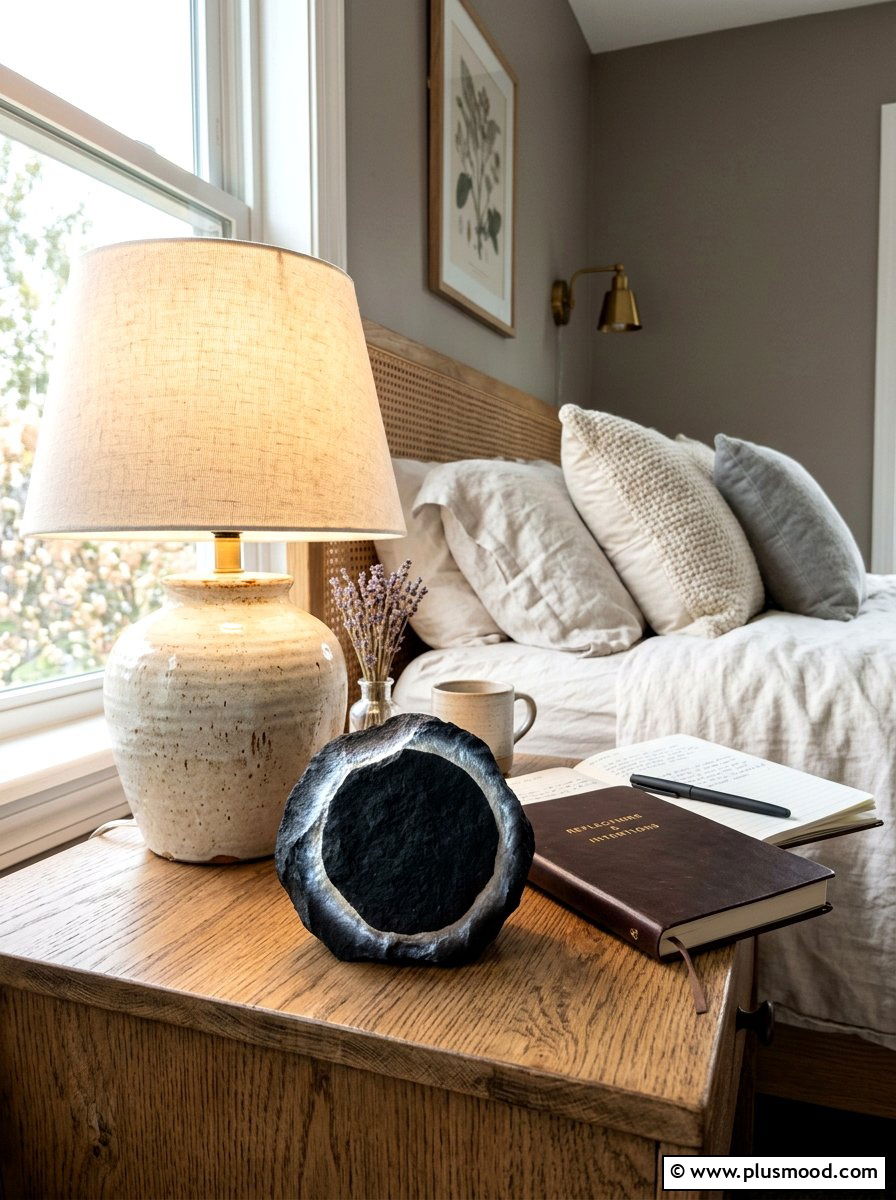
While the new moon is often overlooked because it is invisible in the sky, it makes for a very intriguing art piece. You can represent this phase by painting a dark, textured circle with a very faint, glowing outline or a shimmering halo. This design symbolizes new beginnings and the hidden potential that lies within the darkness. Use matte black paint for the moon itself and a subtle pearlescent paint for the surrounding glow to create a sophisticated tone-on-tone effect. This piece serves as a beautiful reminder of growth and is a perfect addition to a quiet corner dedicated to journaling or personal reflection.
9. Night sky lunar cycle
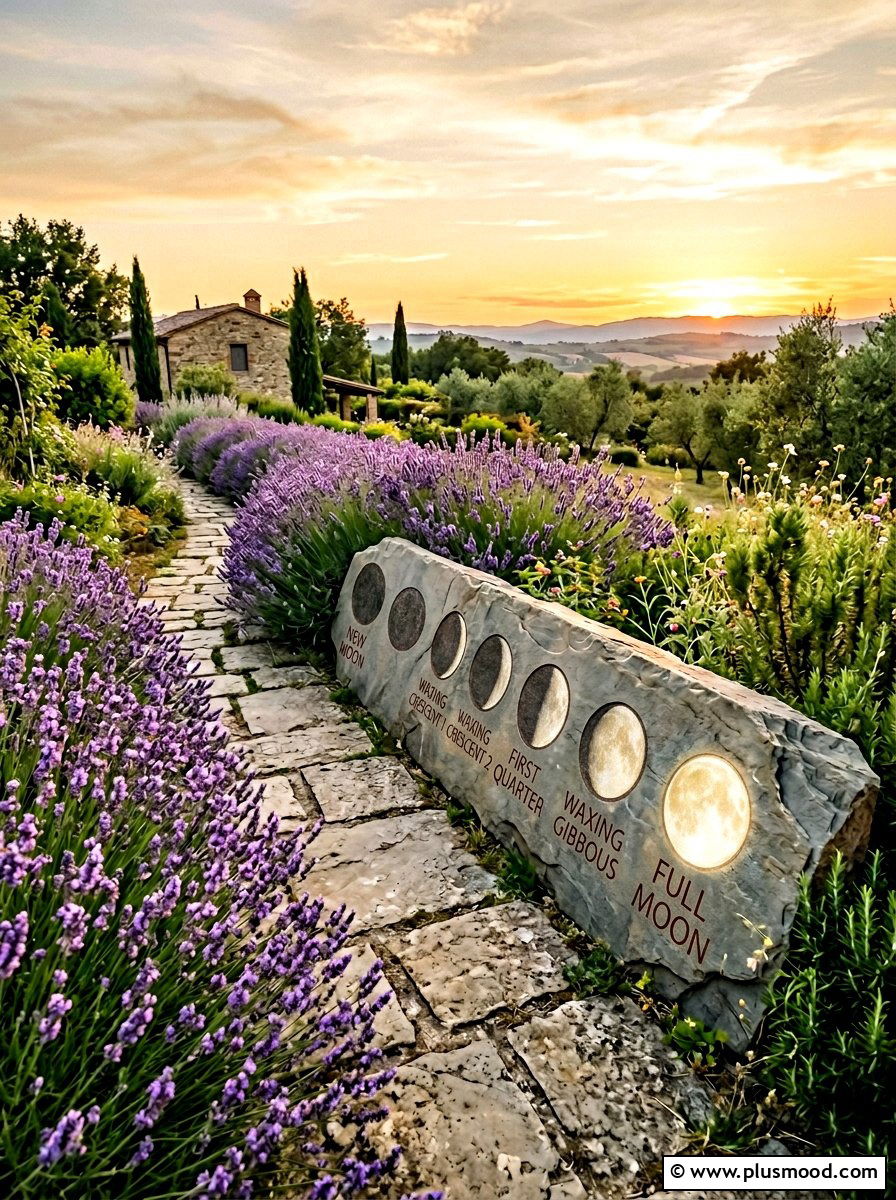
What if you could capture the entire transition of the moon across a single, long stone? This design idea involves painting the entire sequence from the new moon to the full moon and back again in a horizontal layout. Use a gradient of dark blues and blacks for the background to mimic the deep atmosphere of space. By placing the phases in order, you create a visual narrative of time passing and the natural cycles of the earth. This type of rock is a fantastic educational tool for children or a striking decorative piece for a long coffee table or a fireplace hearth.
10. Pastel moon phase stones
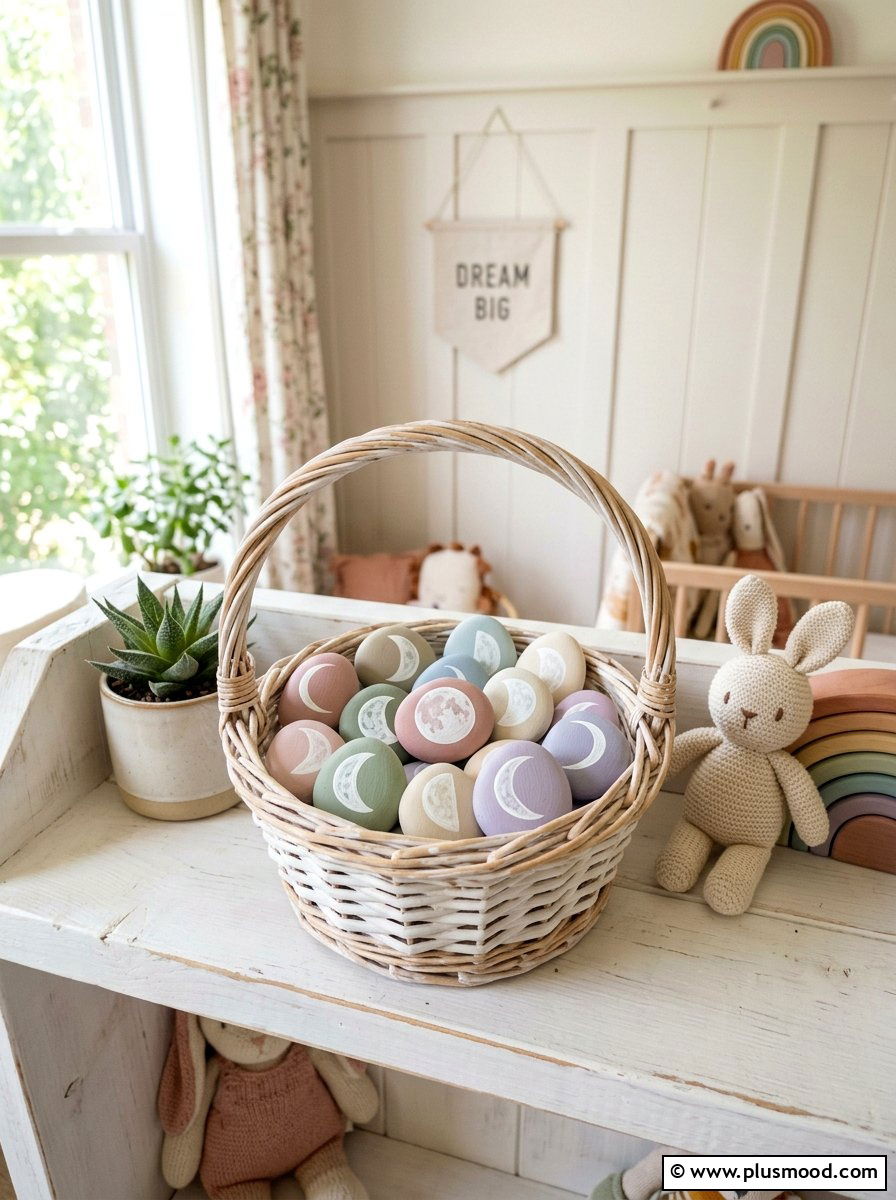
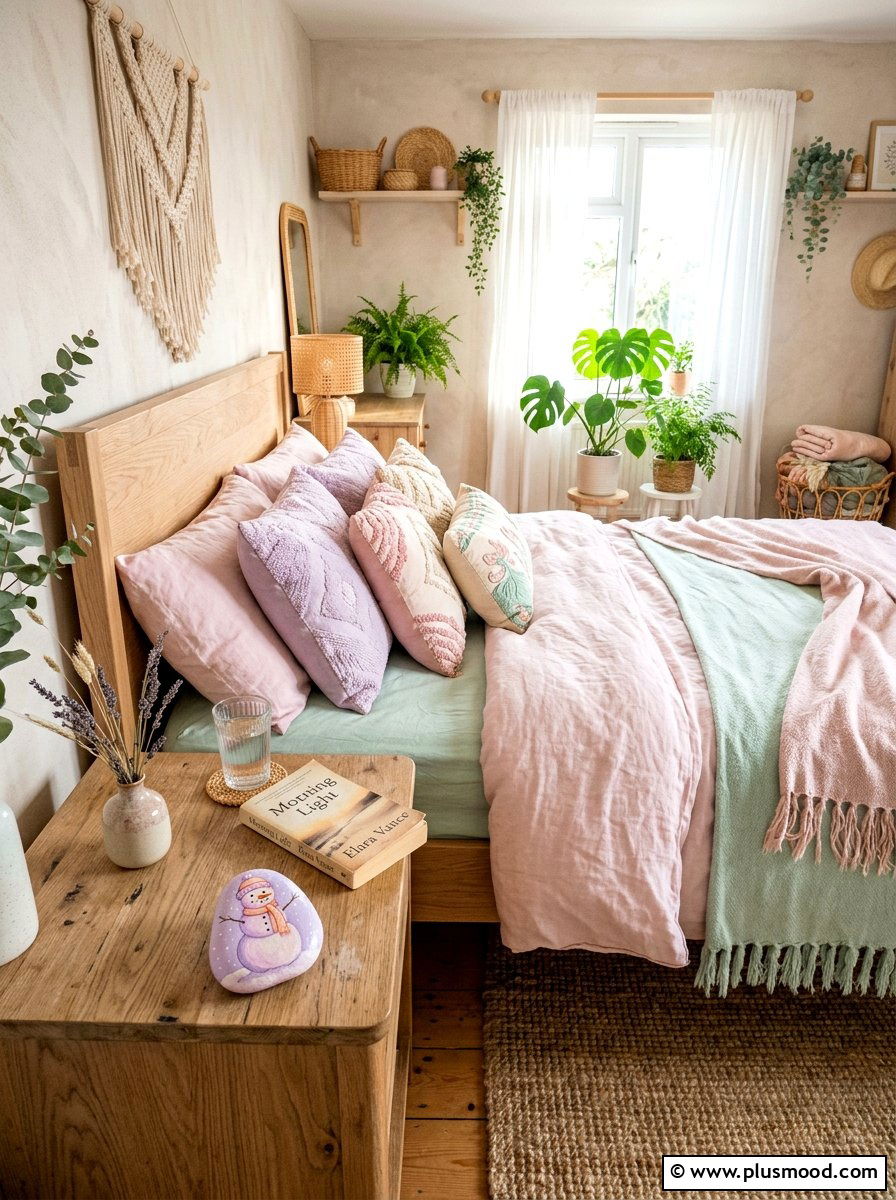
Are you looking for a softer, more whimsical take on celestial art that feels light and airy? Instead of dark nights, try painting your moon phases against a background of soft lavender, mint green, or baby blue. Use white or silver for the moons to keep the palette gentle and cohesive. This style is incredibly popular for nursery decor or for adding a bit of "cottagecore" charm to your garden. The lighter colors make the rocks feel less heavy and more like magical treasures found in a fairy tale forest. They look especially lovely when placed in a white wicker basket or on a glass shelf.
11. Metallic moon phase art
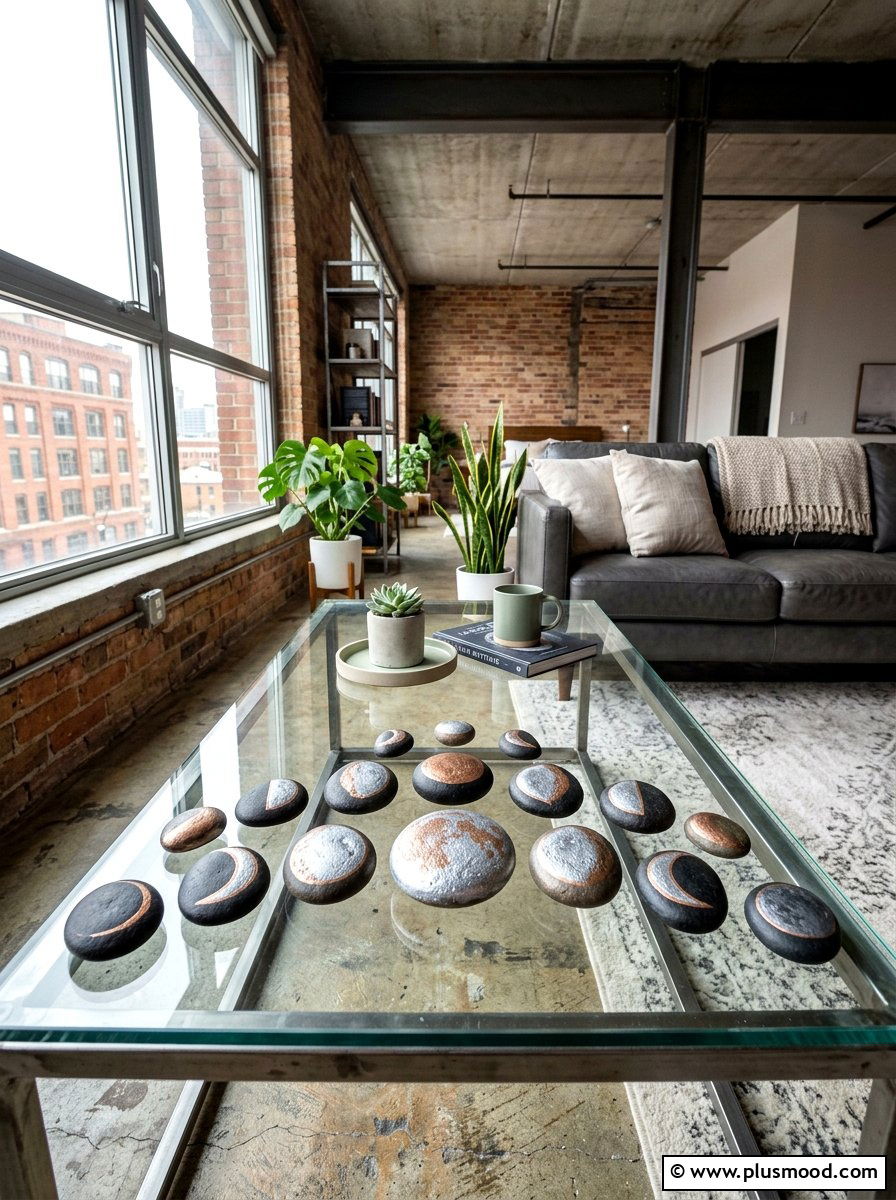
Have you ever noticed how the moon can look like polished silver or glowing copper depending on the time of night? You can recreate this effect by using an array of metallic paints, including bronze, silver, and pewter, to illustrate the lunar stages. These paints often have a reflective quality that changes as you move around the room, giving the rocks a dynamic and interactive feel. This design works best on dark, smooth stones that allow the metallic sheen to stand out without any competition. These rocks look great in a modern industrial setting or as part of a sleek, high-tech entertainment center display.
12. Black and white moon rock
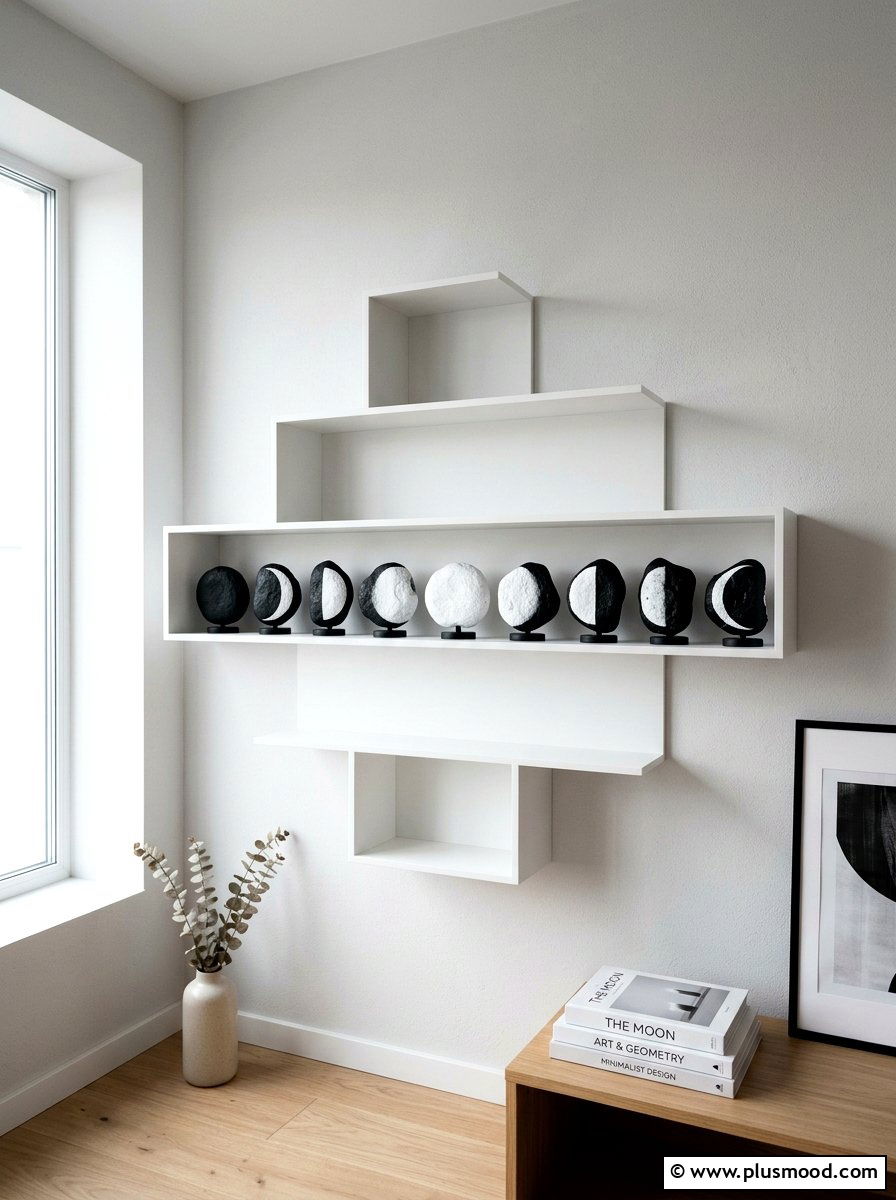
There is something timeless and bold about a strictly monochromatic color scheme for your celestial art. By using only black and white, you focus entirely on the contrast between light and shadow, which is the essence of moon phases. You can paint the rocks entirely white and use black for the shadows, or do the opposite for a more dramatic look. This style is very easy for beginners to master because you don't have to worry about color blending or theory. These high-contrast stones look striking when placed on a bright white bookshelf or as part of a modern, minimalist gallery wall arrangement.
13. Watercolor lunar phase painting
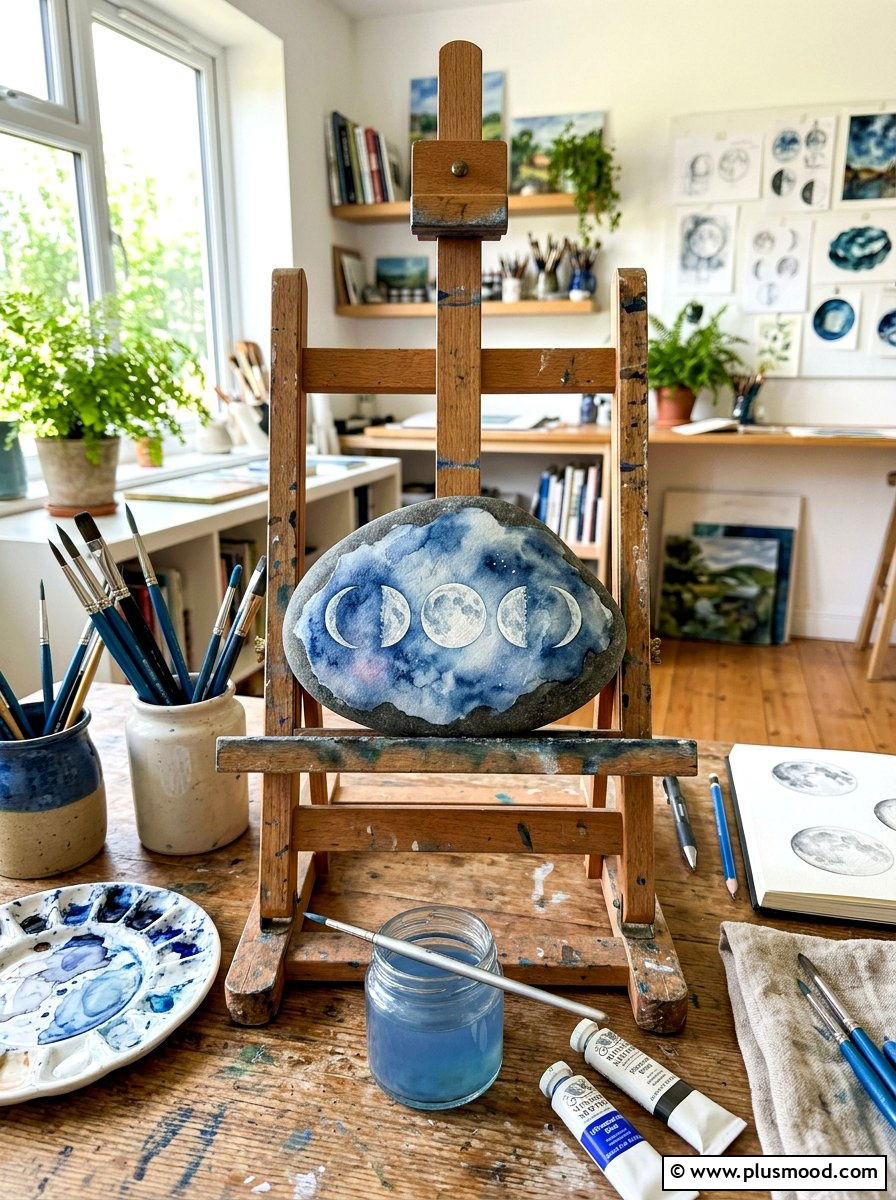
Did you know that you can achieve a soft, ethereal watercolor look on rocks by thinning out your acrylic paints? This technique allows the colors to bleed and blend naturally, creating a dreamy background that looks like a hazy night sky. Once the watery base is dry, you can paint the moon phases with more opaque paint to make them stand out against the soft backdrop. This approach results in a very artistic and unique piece where no two rocks look exactly the same. These stones are perfect for anyone who appreciates fine art and wants to bring a touch of painterly elegance to their home.
14. Dot art moon cycle
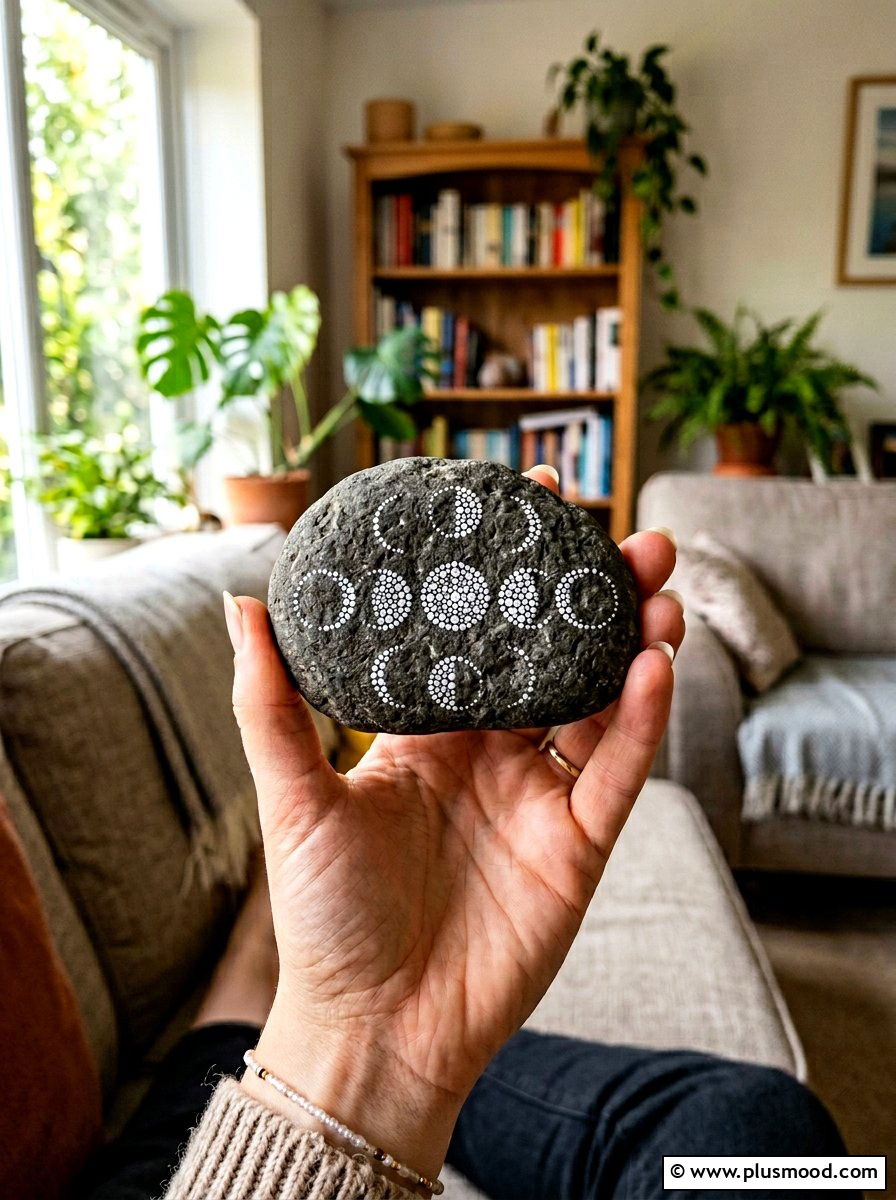
Are you a fan of pointillism and the satisfying process of creating images out of thousands of tiny dots? You can use this technique to build up the shapes of the moon phases, using larger dots for the bright areas and smaller, sparser dots for the shadows. This method creates a wonderful texture that you can actually feel when you run your fingers over the finished rock. It is a very meditative process that results in a highly detailed and visually interesting piece of art. These rocks are often used as "worry stones" or tactile anchors during breathing exercises and quiet moments of mindful relaxation.
15. Moon phase meditation stones
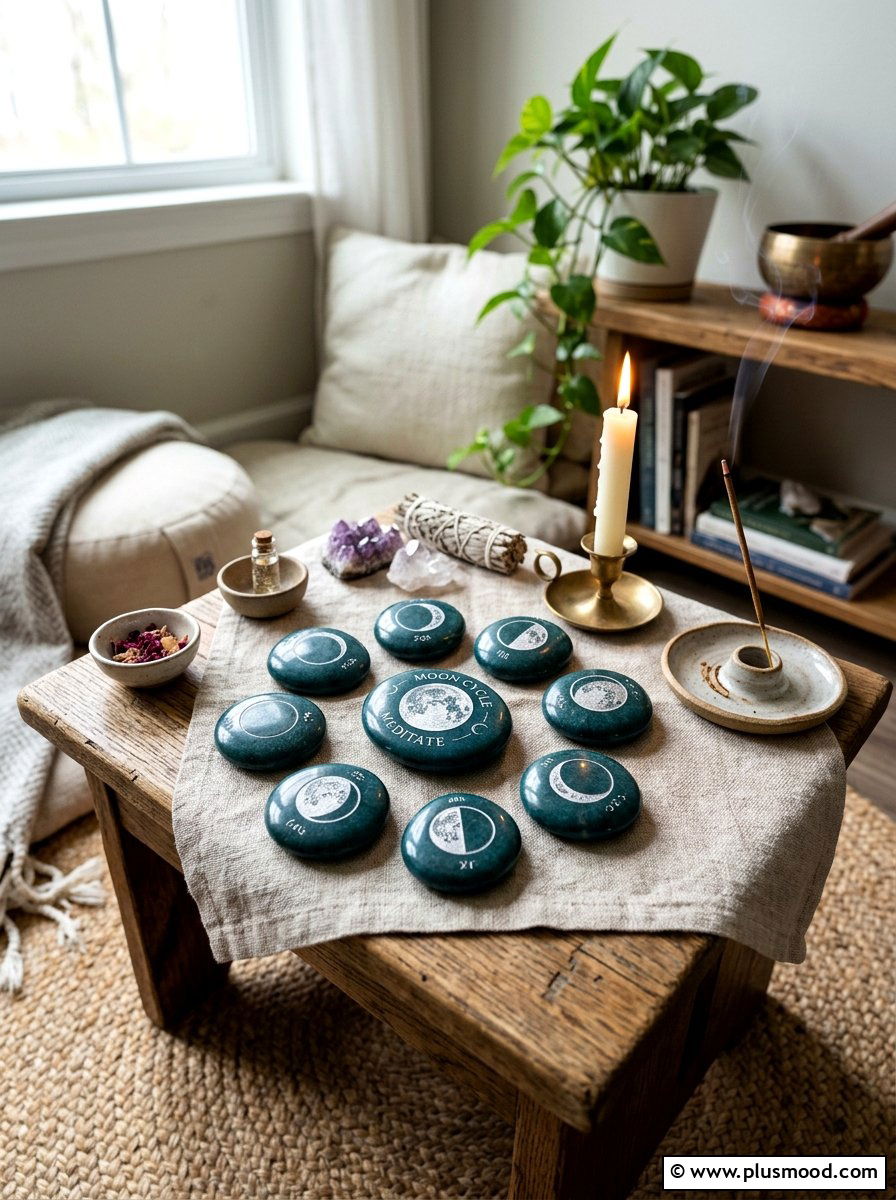
Have you considered using your painted rocks as tools for mindfulness and intention setting during your daily routine? Each moon phase can represent a different stage of a project or a personal goal, such as the new moon for planning and the full moon for completion. You can paint these stones with calming colors like deep teal or soft charcoal and keep them in a special silk pouch. Holding the stone that corresponds to the current lunar phase can help you feel more connected to the world around you. These functional pieces of art are beautiful additions to any altar, nightstand, or dedicated meditation space.
16. Waning gibbous rock art
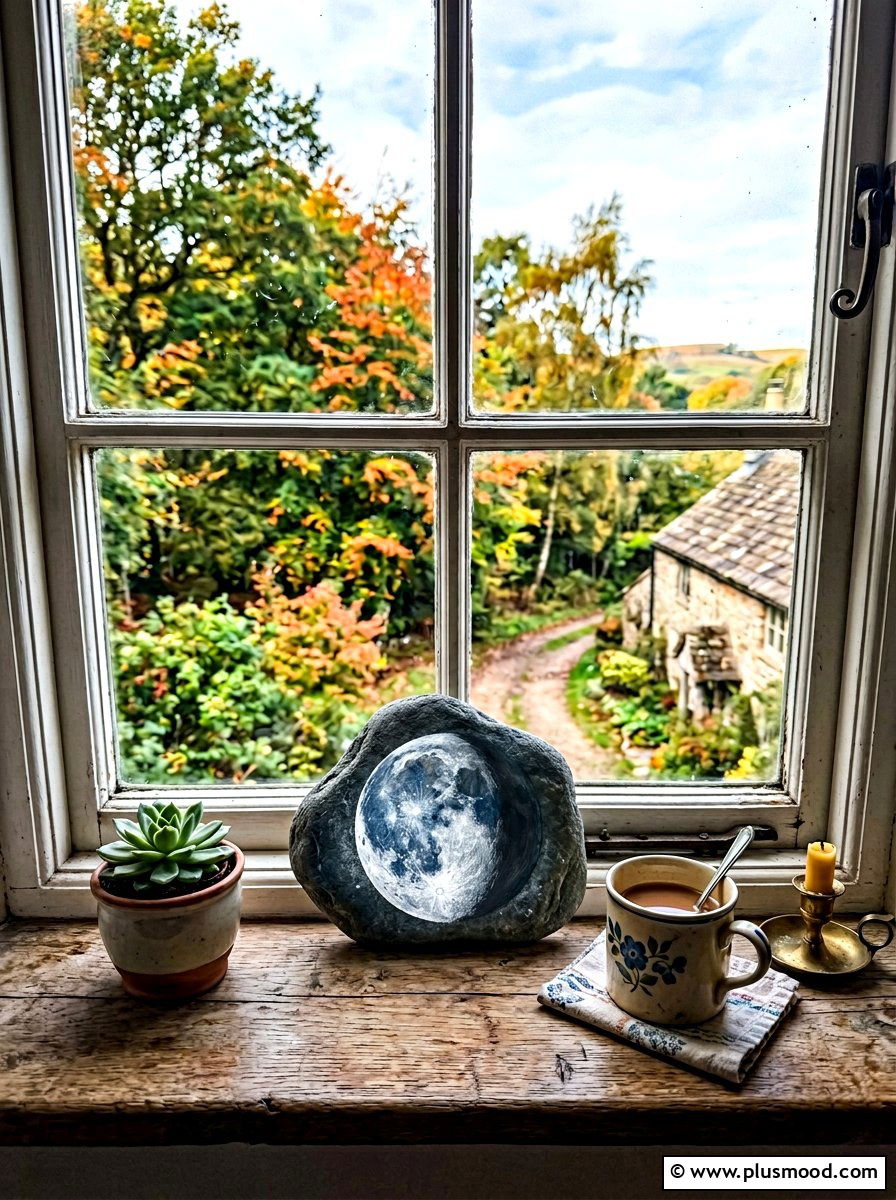
The waning gibbous phase is a unique time of transition that offers a lot of visual interest for an artist. This stage occurs just after the full moon, where a small sliver of shadow begins to creep across the right side of the lunar disc. You can use shades of deep blue or dark gray to paint this encroaching shadow, giving the moon a sense of weight and three-dimensional form. This design is perfect for those who appreciate the subtle changes in nature that often go unnoticed. It looks wonderful when displayed as part of a complete lunar cycle set or as a standalone piece of art.
17. Waxing crescent moon stone
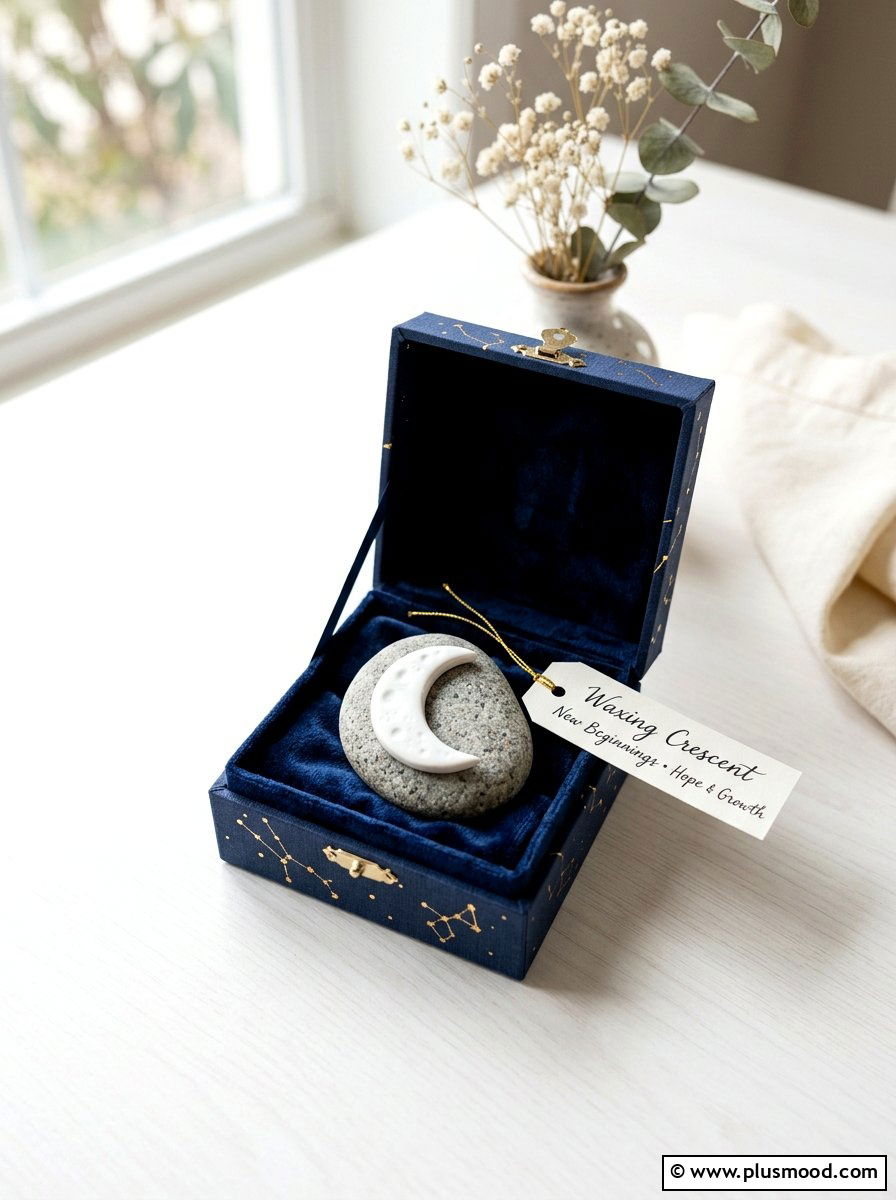
Is there anything more hopeful than the first sliver of light appearing after a period of total darkness? The waxing crescent is a popular choice for rock painting because it represents growth, motivation, and the beginning of a new journey. You can paint this delicate sliver with a bright, shimmering white or a pale yellow to make it look like it is truly glowing. Adding a tiny star or a bit of "Earthshine" in the shadowed part of the moon can add a professional and realistic touch. This stone makes a thoughtful gift for someone starting a new job, moving house, or beginning a fresh chapter.
18. Stardust moon phase painting
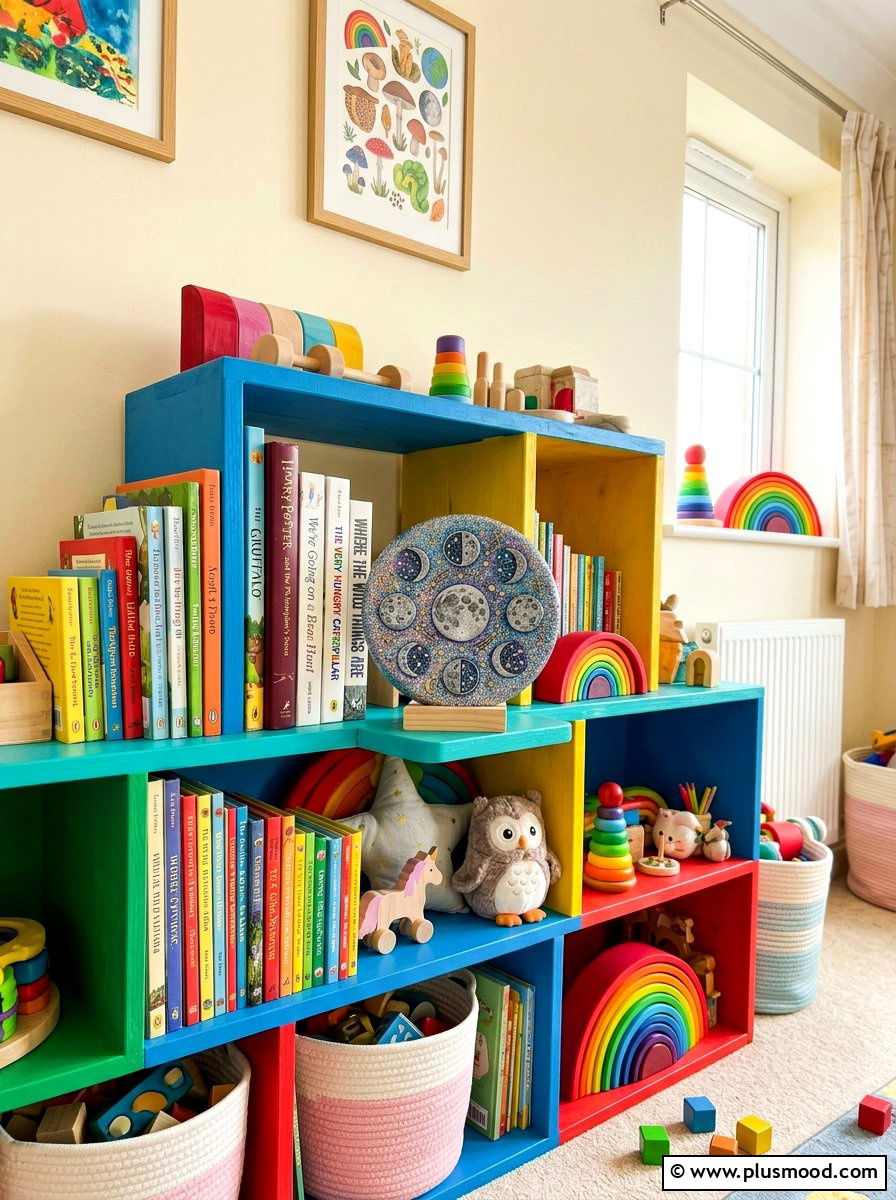
Imagine a moon phase that looks like it was plucked directly from the center of a sparkling star cluster. This design uses glitter paint or fine craft glitter to give the lunar stages a magical, otherworldly appearance that sparkles in the light. You can apply the glitter over a solid base color to ensure the shape of the moon remains clear and defined. This style is very popular for children's bedrooms or for anyone who loves a bit of fantasy and sparkle in their decor. These stones look especially beautiful when placed near a window where they can catch the natural sunlight during the day.
19. Glowing lunar phase rock
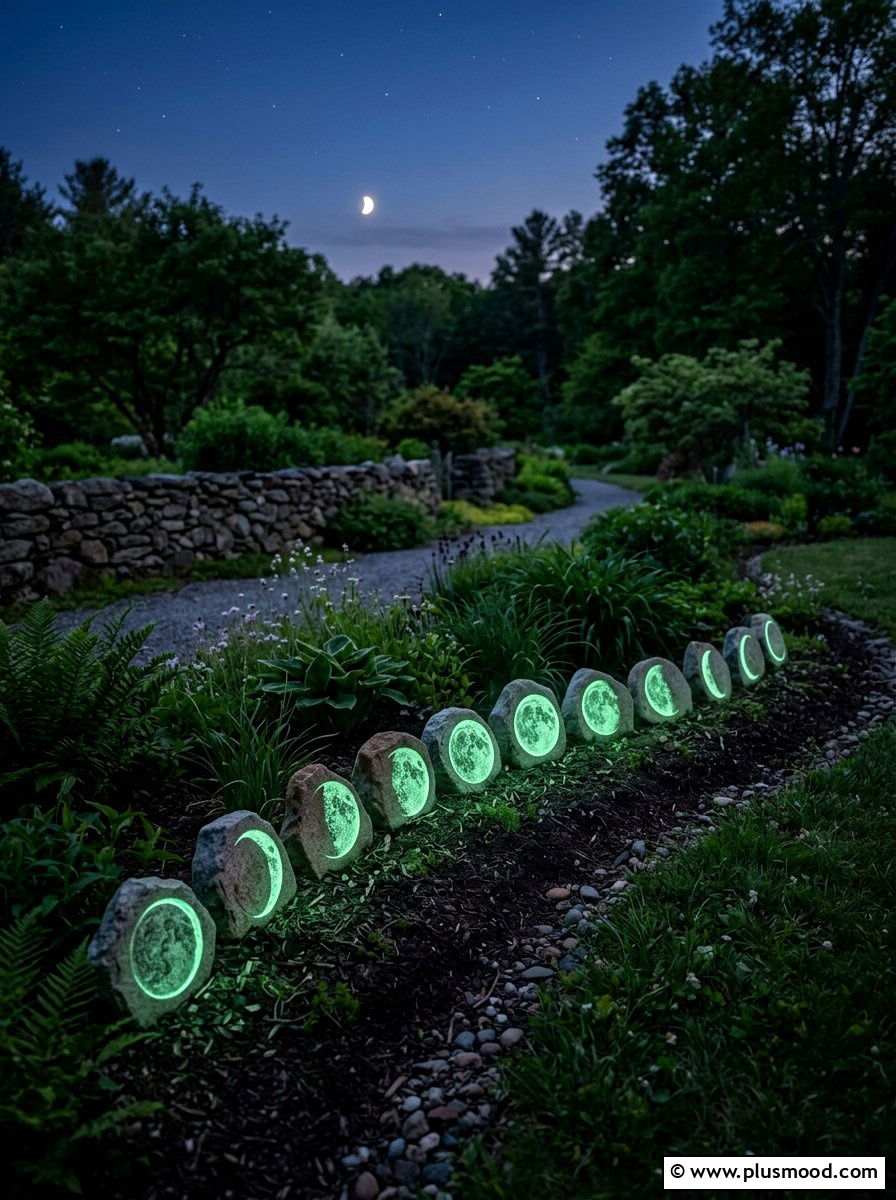
Have you ever wanted your art to come to life even when the lights go out in your home? By using glow-in-the-dark paint for the moon phases, you can create a piece of decor that looks different during the day and the night. In the daylight, the moons might appear as a soft white or light green, but in the dark, they emit a magical radiance. This is a fun project for kids' rooms or for placing along a garden path to guide your way at night. Just make sure to "charge" the stones under a bright light source to ensure a long-lasting and vibrant glow.
20. Abstract moon phase stone
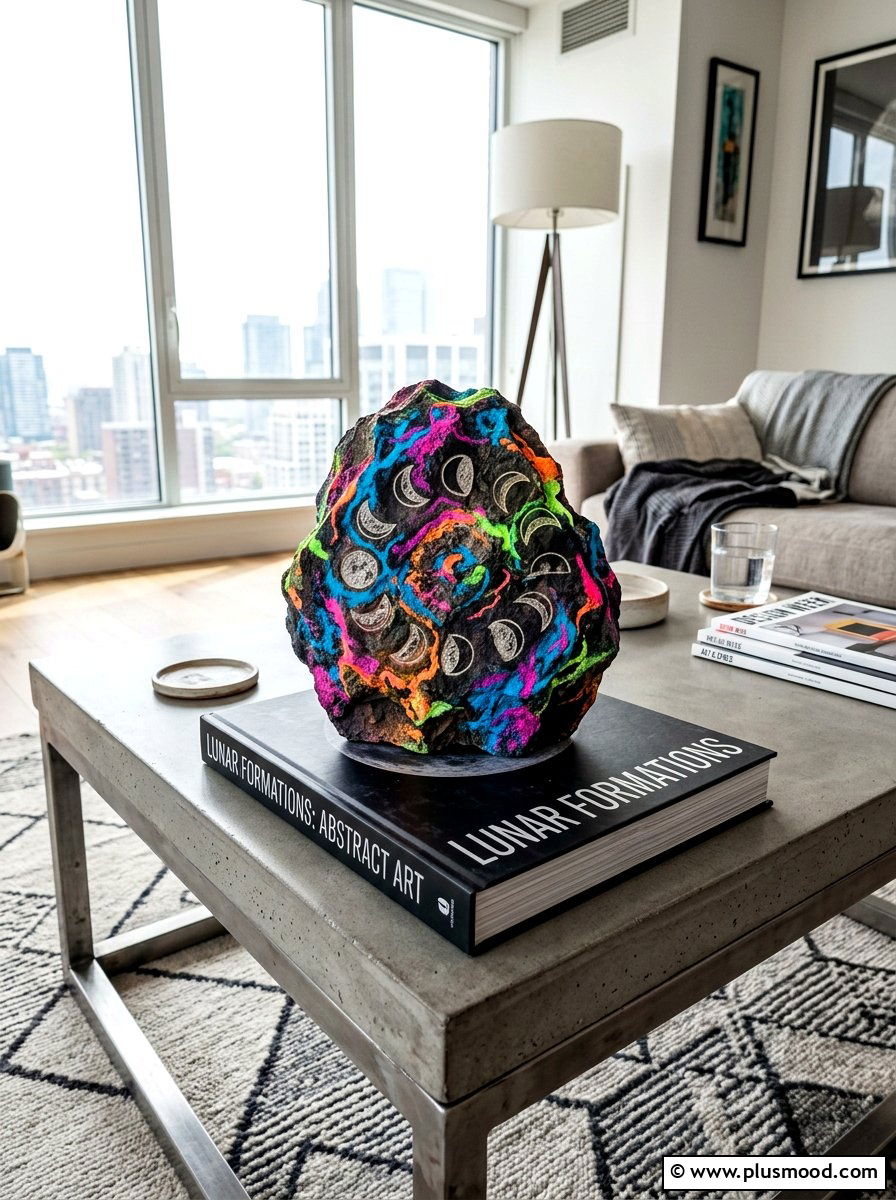
Do you prefer art that is more about feeling and mood than perfect, realistic representation of the subject? An abstract moon phase design might use splashes of color, rough brushstrokes, and non-traditional shapes to suggest the lunar cycle. You could use a palette of bold neons or moody, dark tones to express different emotions associated with the night sky. This style allows for a lot of creative freedom and is a great way to experiment with different painting techniques without any pressure. These stones are excellent conversation starters when placed on a coffee table or a modern entryway console for guests to see.
21. Detailed lunar cycle pebble
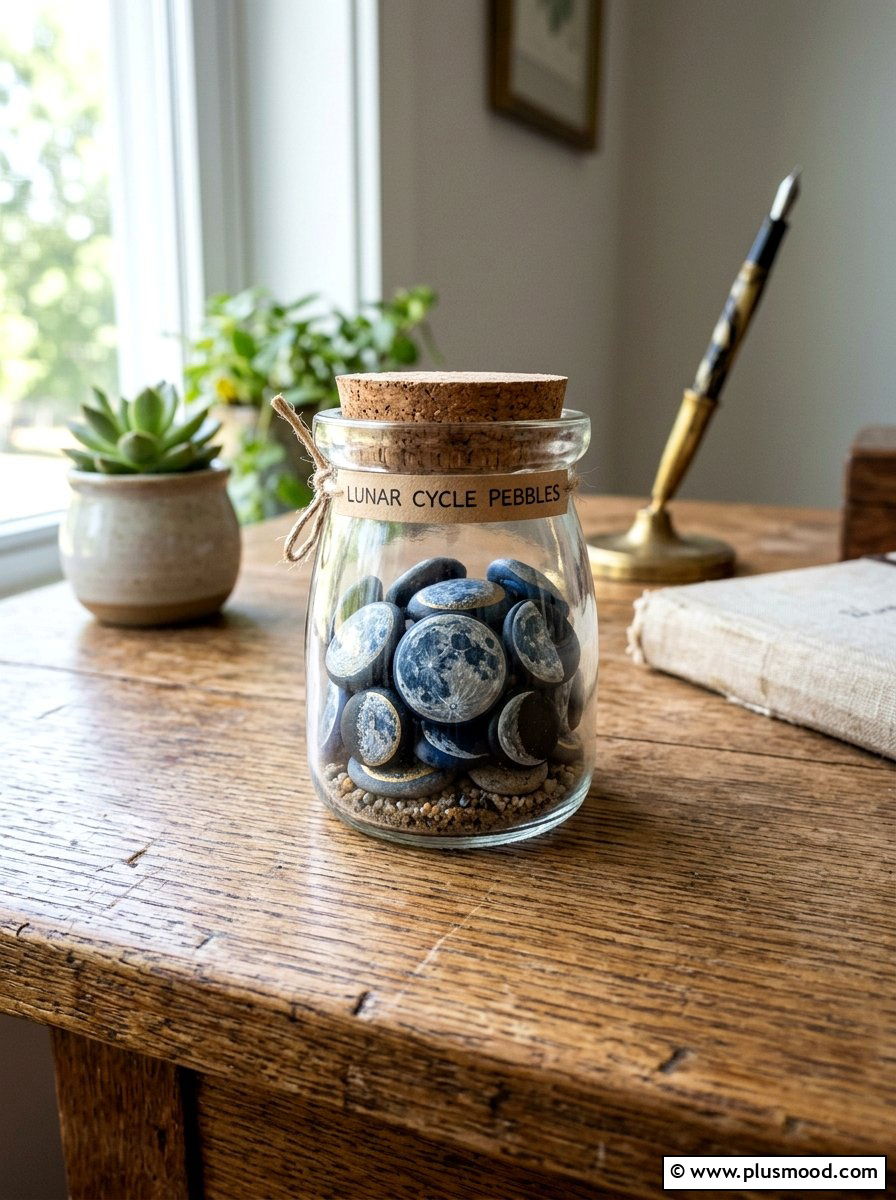
Sometimes, the most impressive art comes in the smallest packages, requiring focus and precision. You can use tiny, smooth pebbles found at the beach to create a miniature set of moon phases that fit in the palm of your hand. This requires using a very fine detail brush and perhaps even a magnifying glass to get the craters just right. These tiny treasures can be kept in a small glass jar or a decorative tin, making them a portable piece of art you can take anywhere. They also make wonderful "pocket charms" to carry with you for a little bit of celestial luck throughout your day.
22. Lavender moon phase art
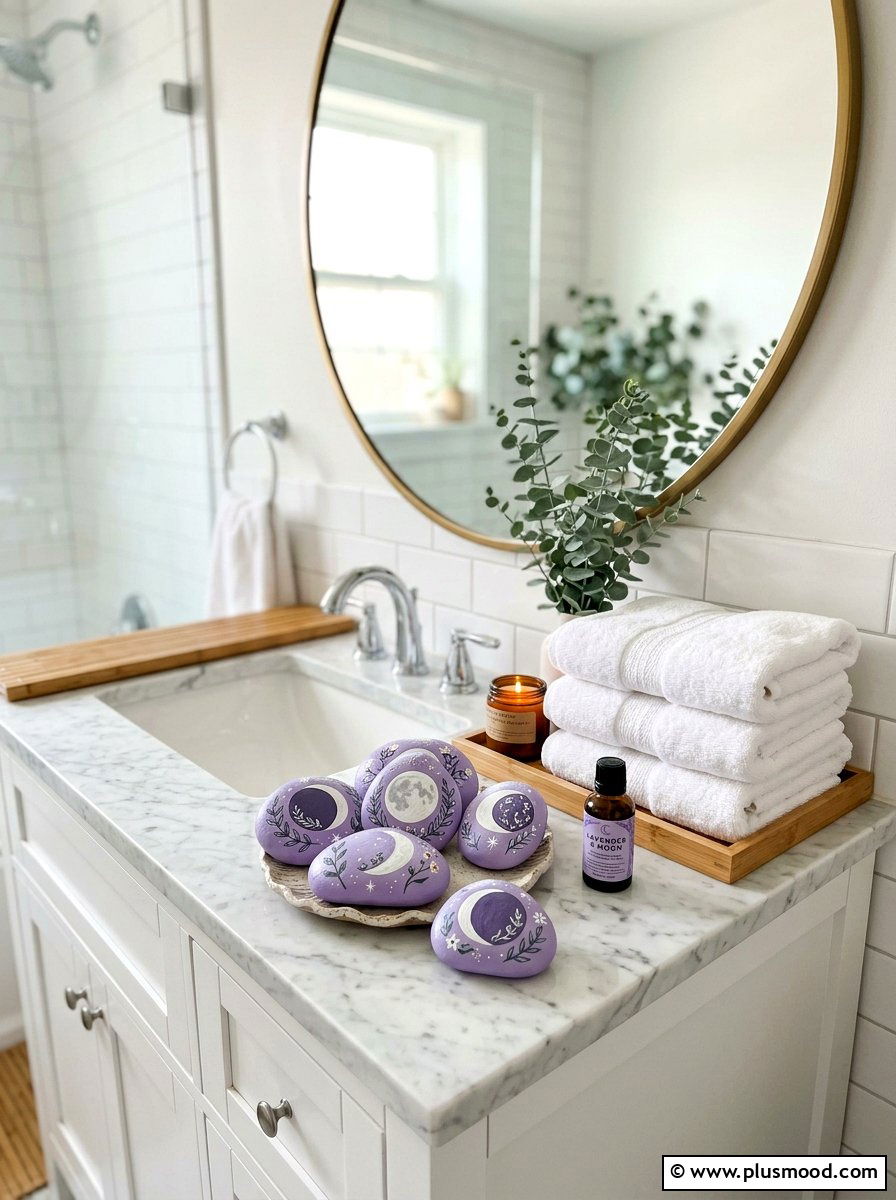
Why not combine the soothing aesthetic of dried lavender with the calming presence of the moon? You can paint your rocks with a soft purple background and decorate the edges with simple lavender sprigs or floral motifs. The moon phases can be painted in a creamy off-white to complement the floral elements and create a very feminine and romantic look. This design is perfect for a bathroom shelf or a vanity where you keep your perfumes and jewelry. It brings a sense of spa-like relaxation and natural beauty to your personal space, making it feel more like a private and peaceful sanctuary.
23. Dark academia moon rocks
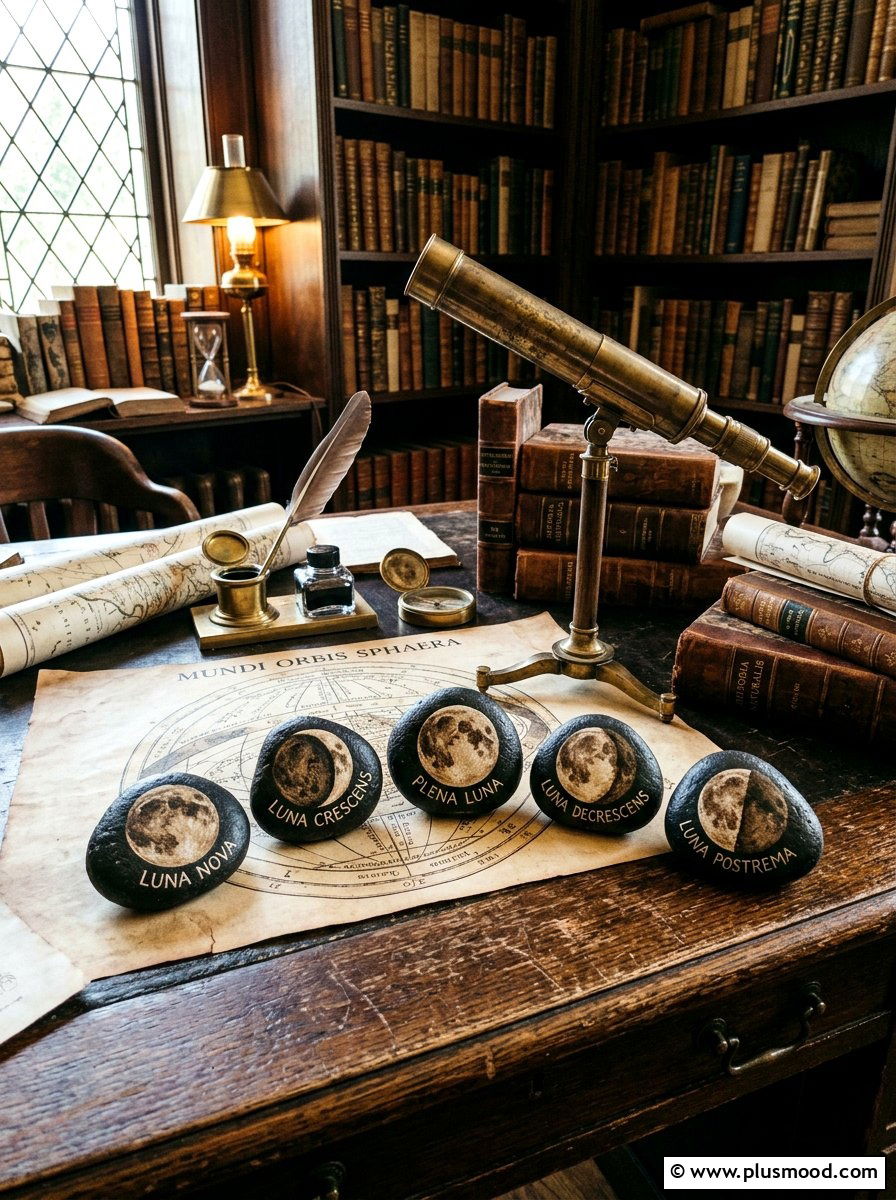
If you love the aesthetic of old libraries, vintage telescopes, and scientific sketches, this design is definitely for you. You can paint your moon phases to look like illustrations from an 18th-century astronomy book, using sepia tones and fine black lines for detail. Adding some handwritten-style Latin names or coordinates around the moons can enhance the scholarly and antique feel of the piece. These stones look best when placed among old books, brass instruments, or dried flowers. They add a sophisticated and intellectual touch to any room, appealing to the curious scientist and the nostalgic artist alike.
24. Silver moon phase painting
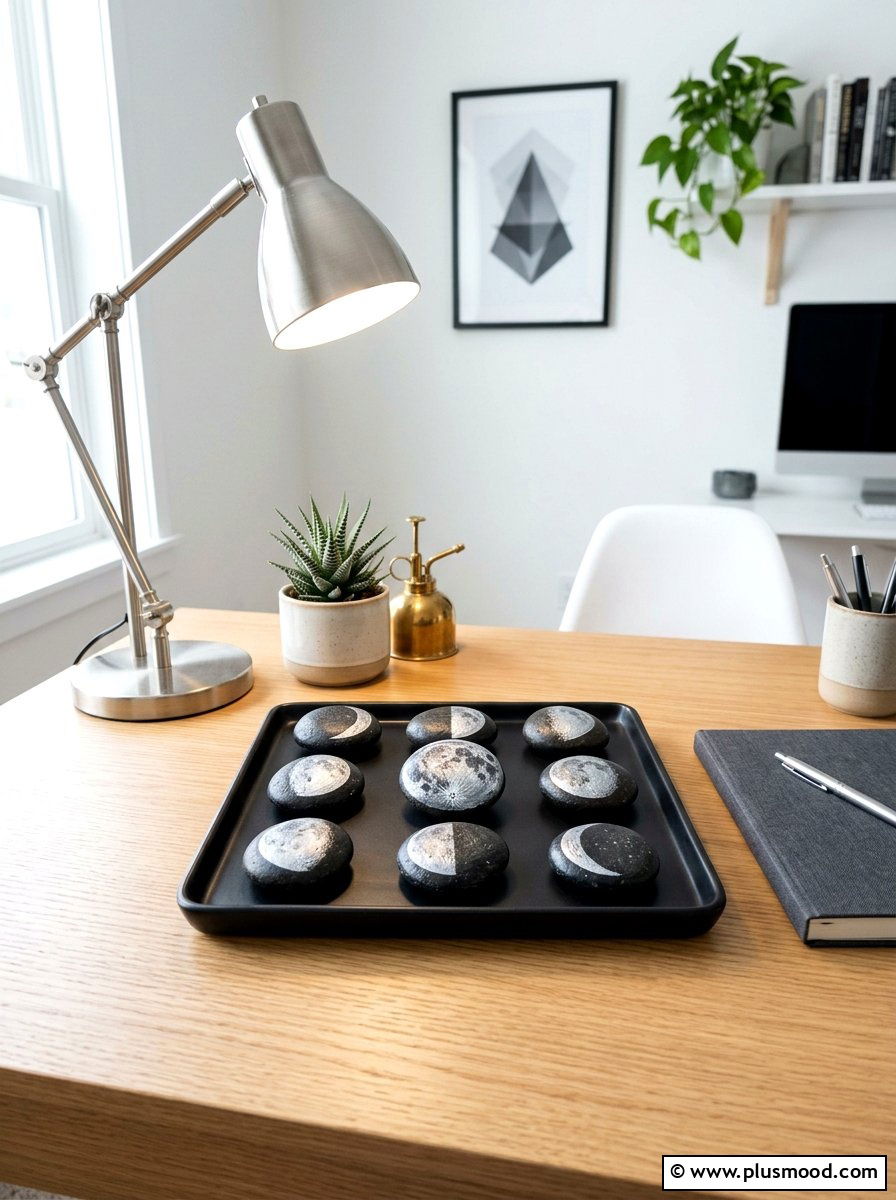
Silver is the traditional color associated with the moon, representing its cool, reflective light and its connection to the tides. You can use various shades of silver, from matte pewter to bright chrome, to create a monochromatic moon phase design that feels very cohesive. This style looks especially good on dark gray or black rocks, which mimic the deep void of space. The metallic finish adds a layer of sophistication that makes the rocks look like they could be made of actual precious metal. These stones are perfect for modern, high-end interiors or as elegant paperweights for a minimalist and organized desk.
25. Garden moon phase stones
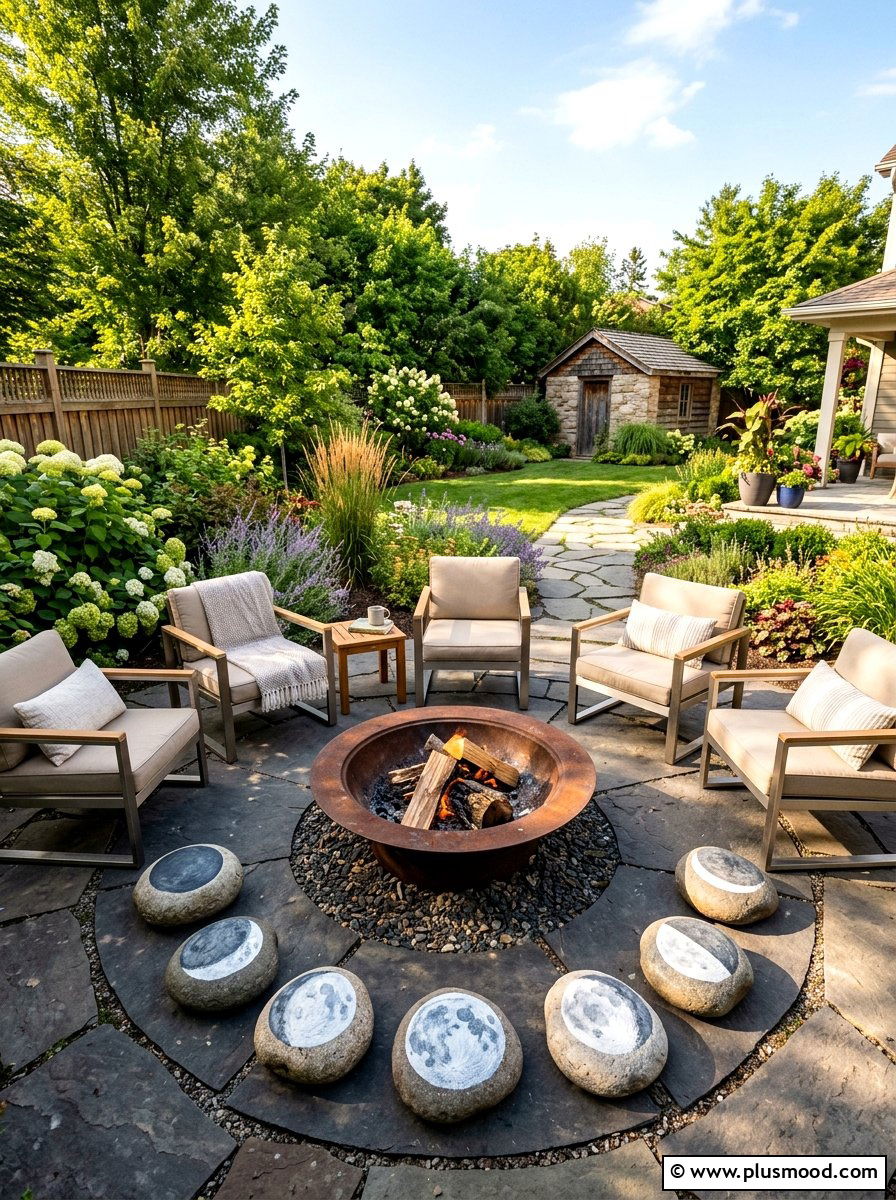
Have you ever thought about bringing your celestial art outdoors to decorate your flower beds or patio? You can use larger stones and weather-resistant outdoor craft paint to create a durable moon phase display for your garden. Painting the phases on large flat rocks allows you to place them along a walkway, showing the cycle as you move through your outdoor space. These stones look beautiful nestled among silver-foliage plants or white flowers that bloom at night, creating a "moon garden" effect. This is a wonderful way to enjoy your hobby while also enhancing the natural beauty and atmosphere of your backyard.
Conclusion:
Creating moon phase rock art is a rewarding journey that blends creativity with a deep appreciation for the celestial world. From minimalist black-and-white sets to vibrant galaxy-themed masterpieces, there is a style to suit every personality and home decor theme. These hand-painted treasures serve as more than just decoration; they are reminders of the constant cycles of change and the quiet beauty that exists in the night sky. Whether you keep them for yourself or give them as thoughtful, handmade gifts, these rocks carry a sense of magic and intention. We hope these twenty-five ideas have inspired you to pick up a brush and start your own lunar art collection today.
Related posts:
Leave a Reply