
Transforming your outdoor space into a colorful sanctuary becomes much easier when you incorporate handmade markers that bring personality to every row of crops. Gardening is a deeply rewarding hobby that allows you to express your personal style while keeping your growing plants perfectly organized. Using painted rocks as labels is a brilliant way to recycle natural materials into functional art pieces that serve a practical purpose. These sturdy markers withstand the elements much better than plastic or wood, ensuring your garden stays labeled throughout the entire growing season. Whether you are a seasoned artist or a beginner with a paintbrush, these charming additions will make your vegetable patch feel more intentional and whimsical.
1. Tomato garden markers
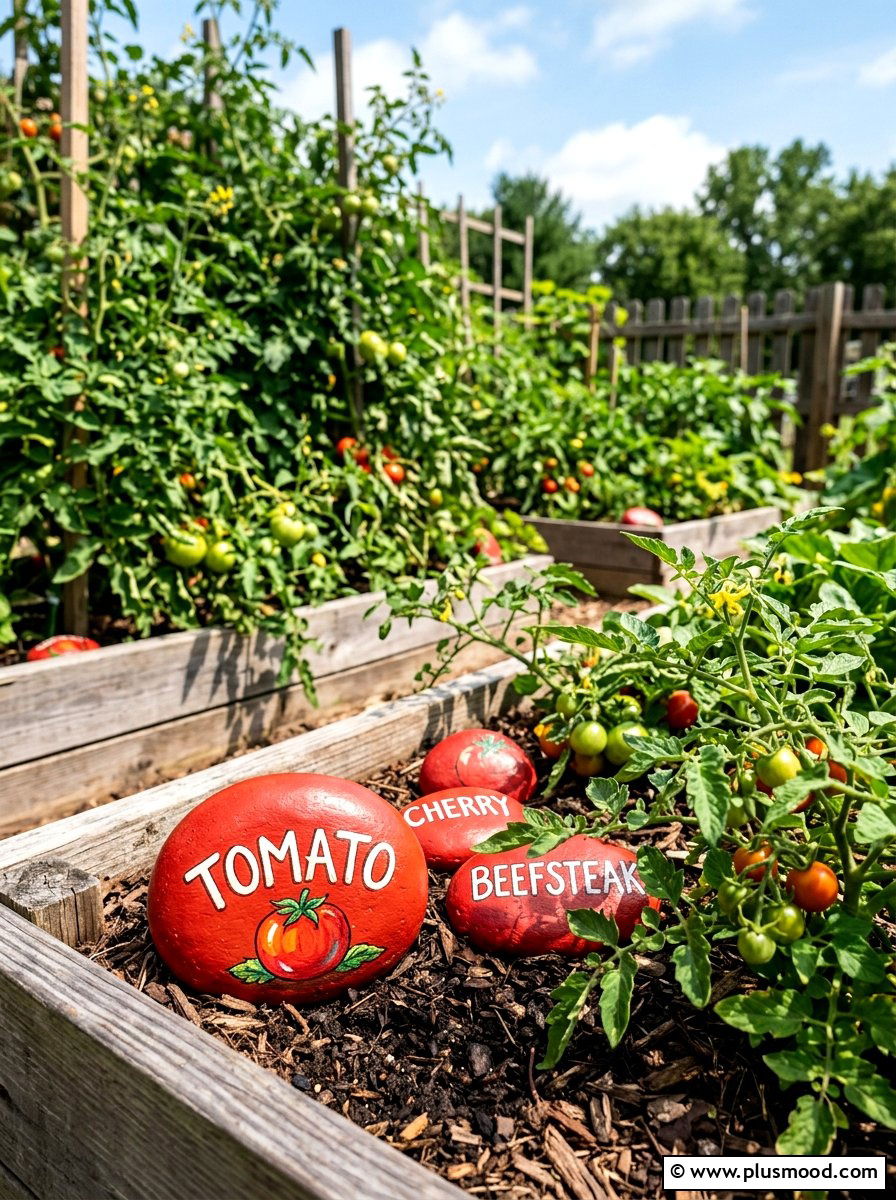
Painting a tomato on a smooth river stone is one of the most popular ways to identify your plants. You can choose a large round rock and cover it in a bright, glossy red acrylic paint to mimic the fruit's natural shine. Adding a small green star-shaped stem at the top makes the rock look incredibly realistic even from a distance. These markers are perfect for distinguishing between different varieties like cherry tomatoes or beefsteaks in a crowded garden bed. When you place these vibrant stones at the base of your vines, they add a splash of color before the actual fruit even begins to ripen for harvest.
2. Carrot rock painting
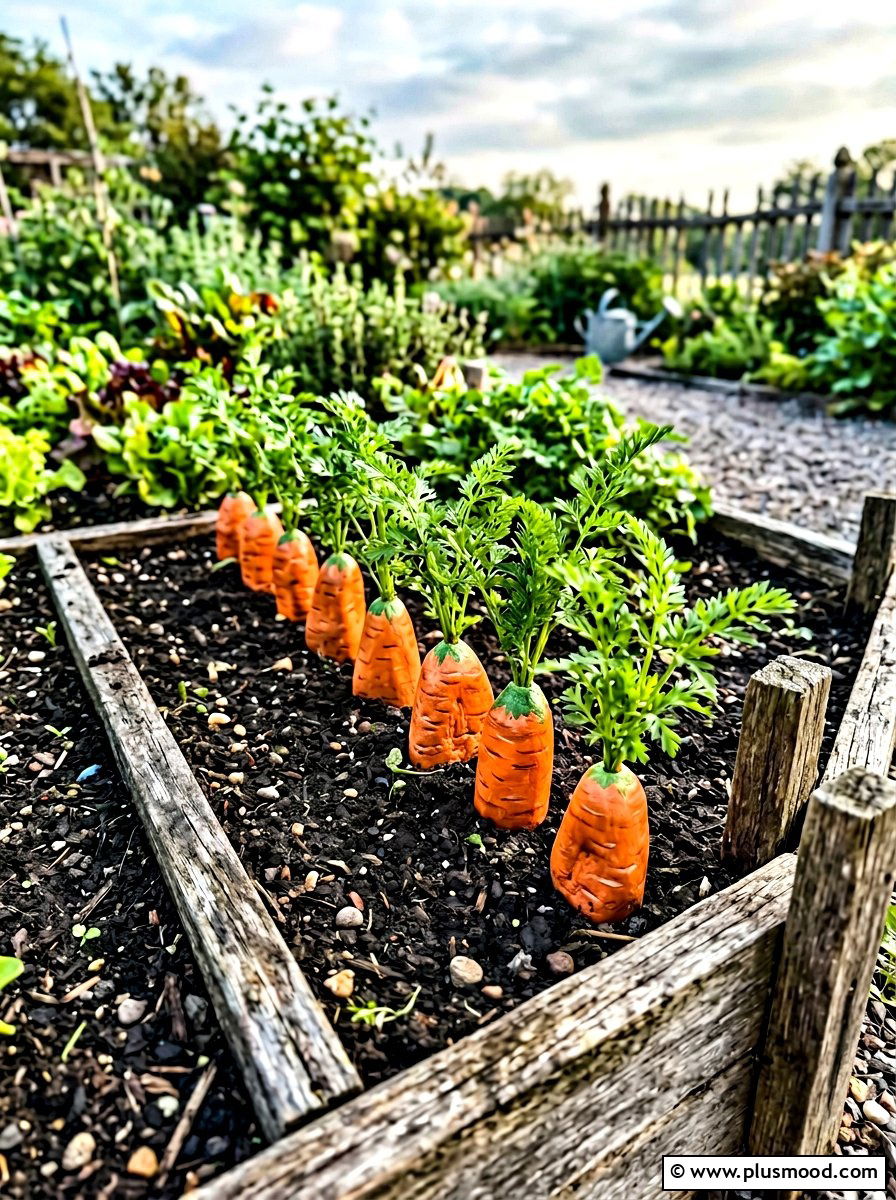
Have you ever struggled to remember where you planted your root vegetables after the seeds disappear into the soil? An orange painted rock shaped like a carrot provides a clear visual cue for your underground crops. You can use long, narrow stones to represent the tapering shape of the vegetable and add tiny horizontal lines for texture. Bright green sprouts painted at the wider end of the stone help it stand out against the dark mulch or dirt. This project is a fun way to involve children in gardening because the bright colors are so easy to spot. These markers remain visible even as the carrot tops grow.
3. Herb garden stones
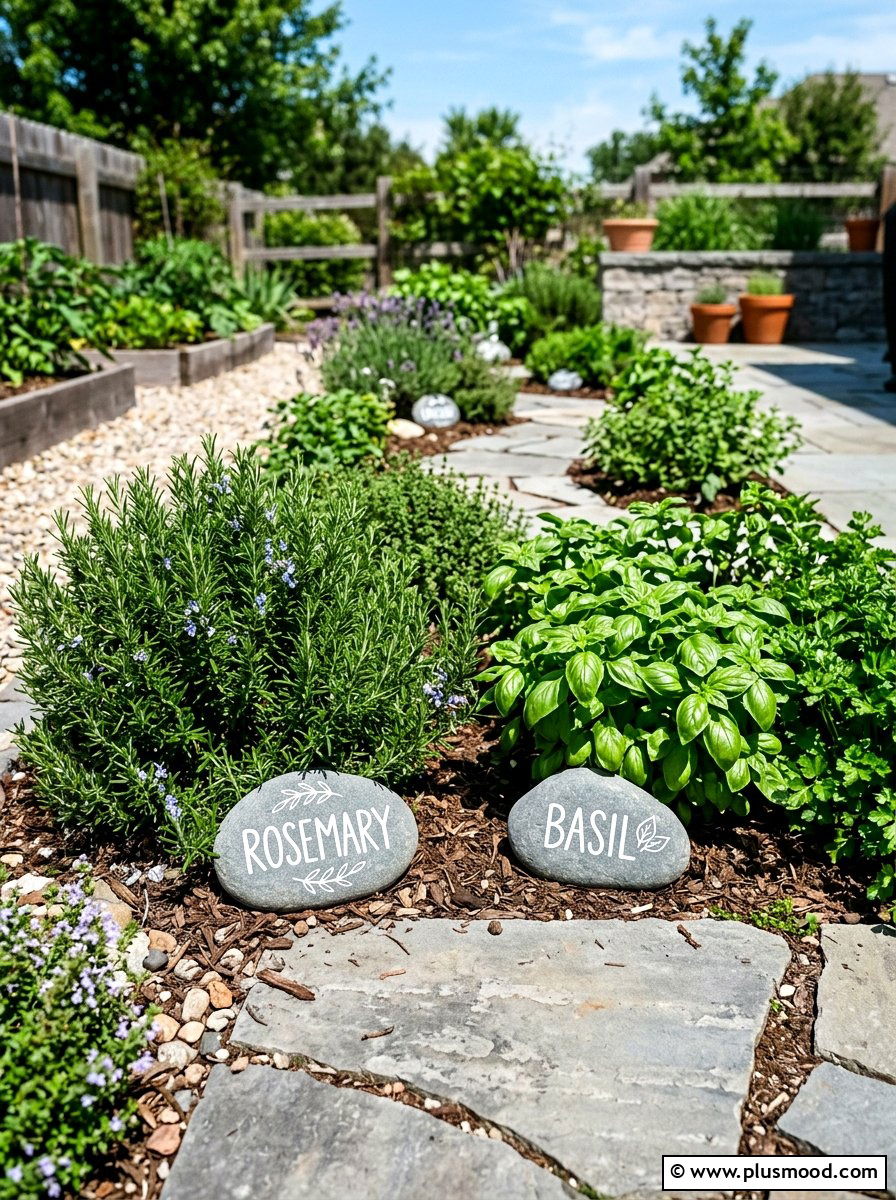
Creating labels for your herb garden helps you quickly identify different greens like basil, rosemary, and thyme while cooking. You should look for flat, slate-like stones that provide a smooth surface for writing the names of each herb in a contrasting color. A minimalist white font on a dark gray rock looks sophisticated and modern in a raised wooden planter box. You can also paint a small leaf icon next to the name to give it more character. These stones are heavy enough to stay in place during windy weather, which is a major advantage over lightweight plastic tags. They add a professional touch.
4. Strawberry garden labels
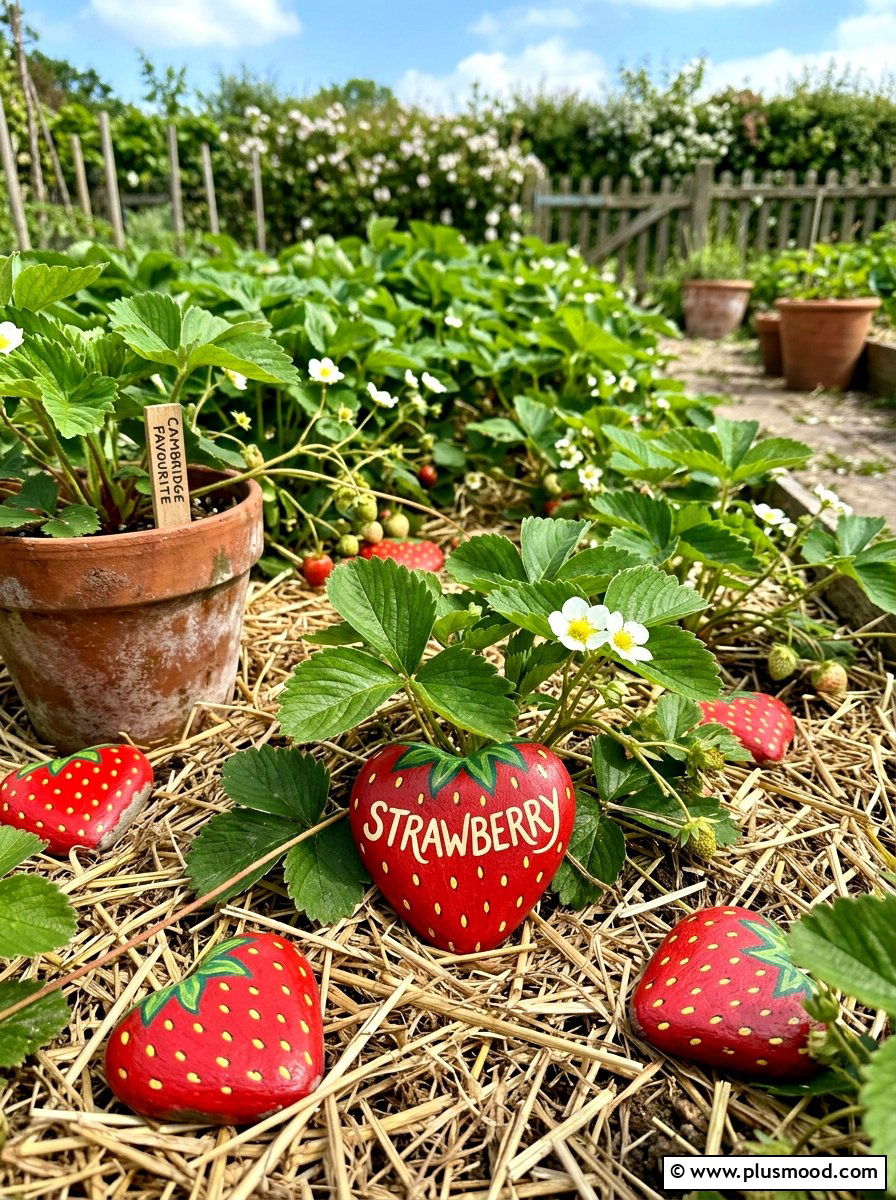
Strawberries are often the first treats of the season, and painting rocks to match them is a delightful summer activity. You can find small, heart-shaped stones and paint them bright red with tiny yellow or white dots to represent the seeds. Placing these rocks around your strawberry patch can actually help deter birds from pecking at your real berries. If the birds try to bite the hard stones first, they might get discouraged and leave your actual fruit alone. These markers look adorable tucked under the green leaves of the runners and provide a playful, berry-themed aesthetic to your berry patch or containers.
5. Bell pepper rock art
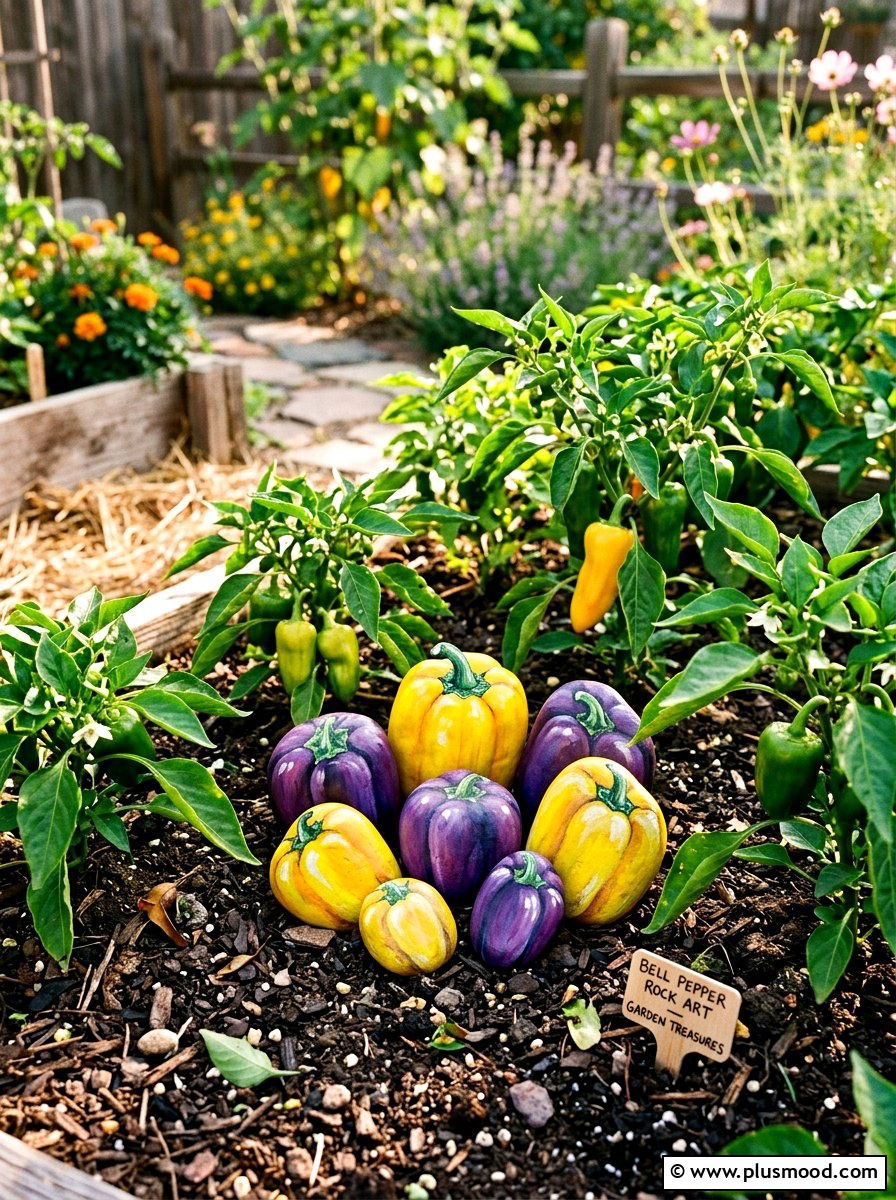
Bell peppers come in so many beautiful colors, making them the perfect subject for a vibrant rock painting project. You can choose rocks that match the specific variety you are growing, such as bright yellow, orange, or deep purple. Using a glossy sealant will give the stones a waxy finish that looks just like the skin of a fresh pepper from the grocery store. These markers help you remember which plants will produce sweet peppers versus spicy ones if you have a large garden. They sit beautifully in the soil and provide a permanent splash of color that lasts throughout the entire winter season.
6. Cucumber garden markers
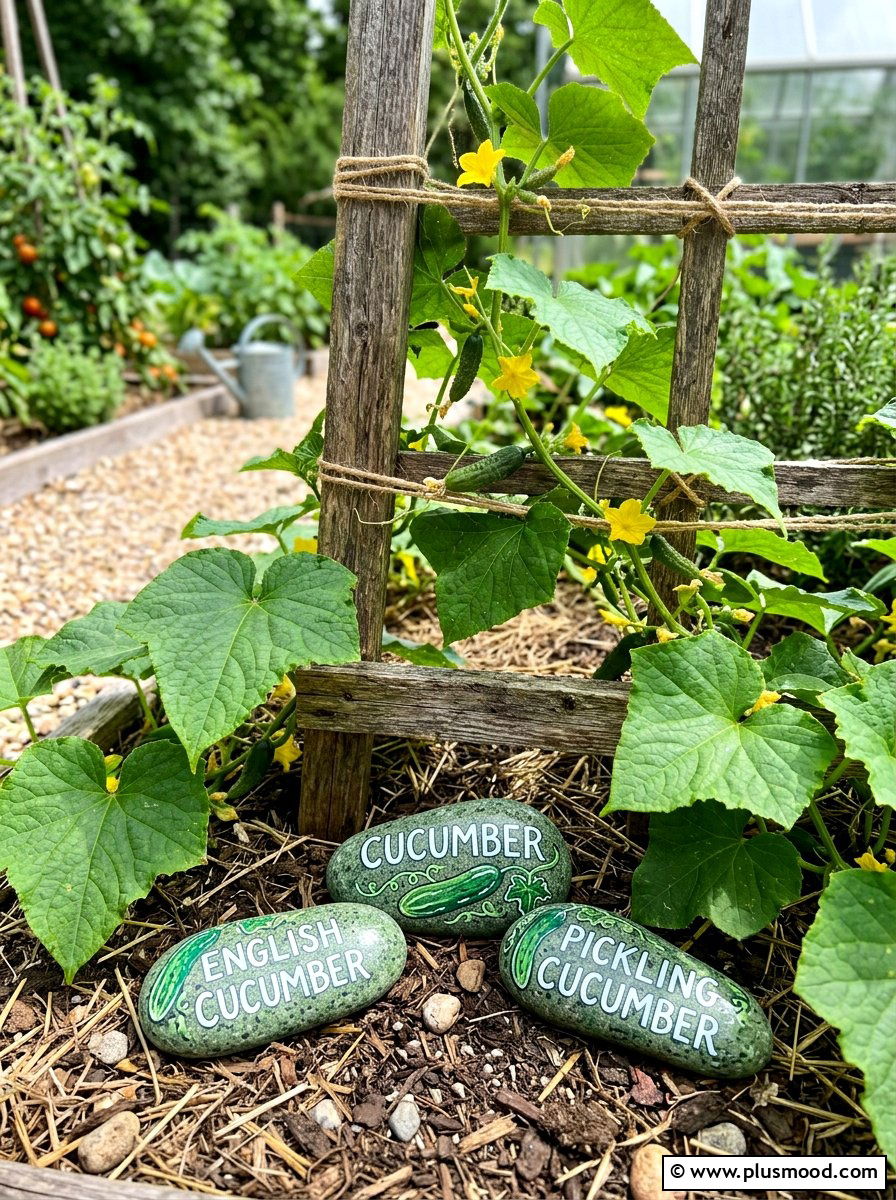
Cucumbers grow on sprawling vines that can quickly cover up small plant tags, so using a large painted rock is a smart solution. You can paint a long, oval stone in various shades of forest green to represent the bumpy texture of a pickling cucumber. Adding some light green or yellow stripes makes the design look more authentic and visually interesting. These heavy markers stay visible even when the large leaves of the cucumber plant start to take over the garden bed. They provide a sturdy anchor at the base of your trellis so you always know exactly where the main root system is located.
7. Pumpkin garden stones
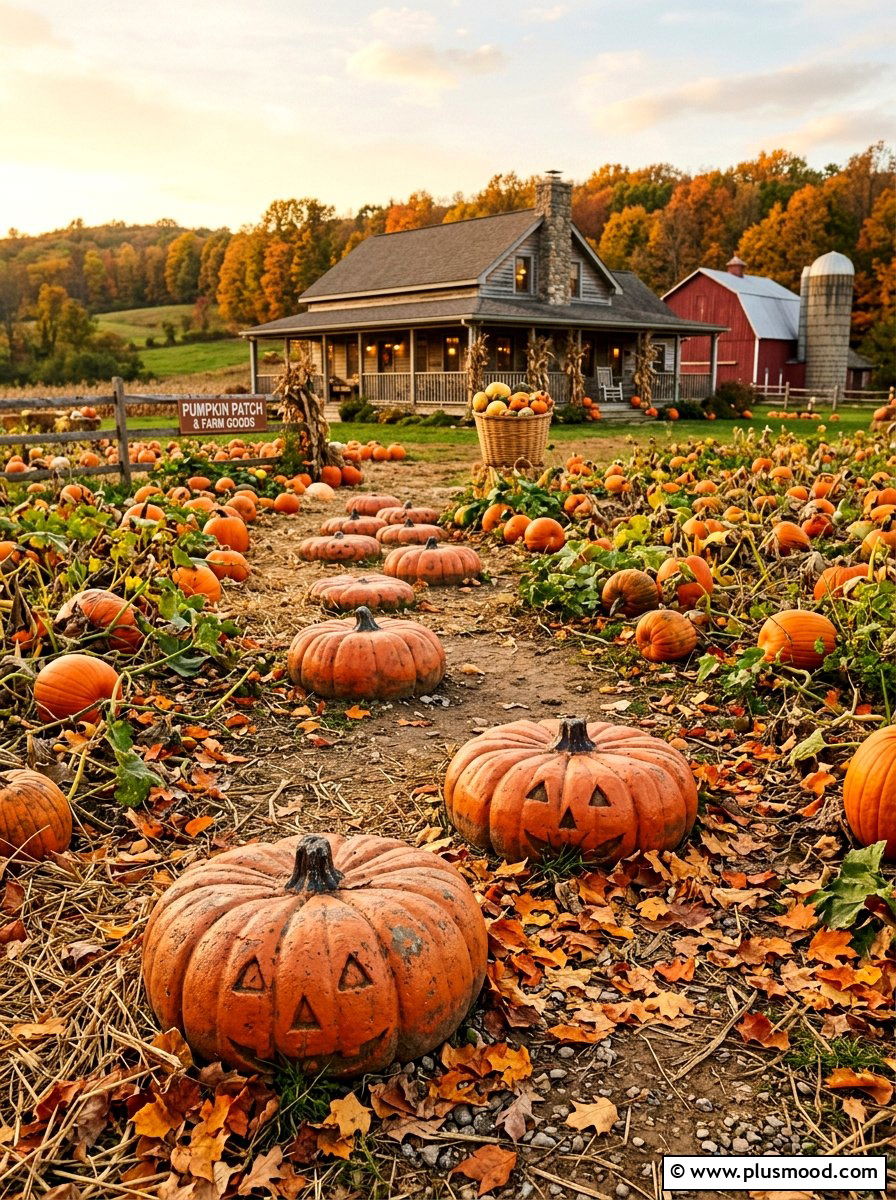
When the autumn season arrives, having pumpkin-themed markers in your garden creates a festive and organized atmosphere for your harvest. You should look for large, round, or slightly flattened stones that naturally mimic the shape of a pumpkin sitting in a field. Bright orange paint with deep vertical grooves painted in a darker shade creates a wonderful three-dimensional effect. You can even paint a curly vine and a brown stem on top to complete the look. These markers are particularly helpful in large patches where vines from different squash varieties tend to intertwine. They bring a cozy, farmhouse feel to your outdoor vegetable landscape.
8. Beet garden labels
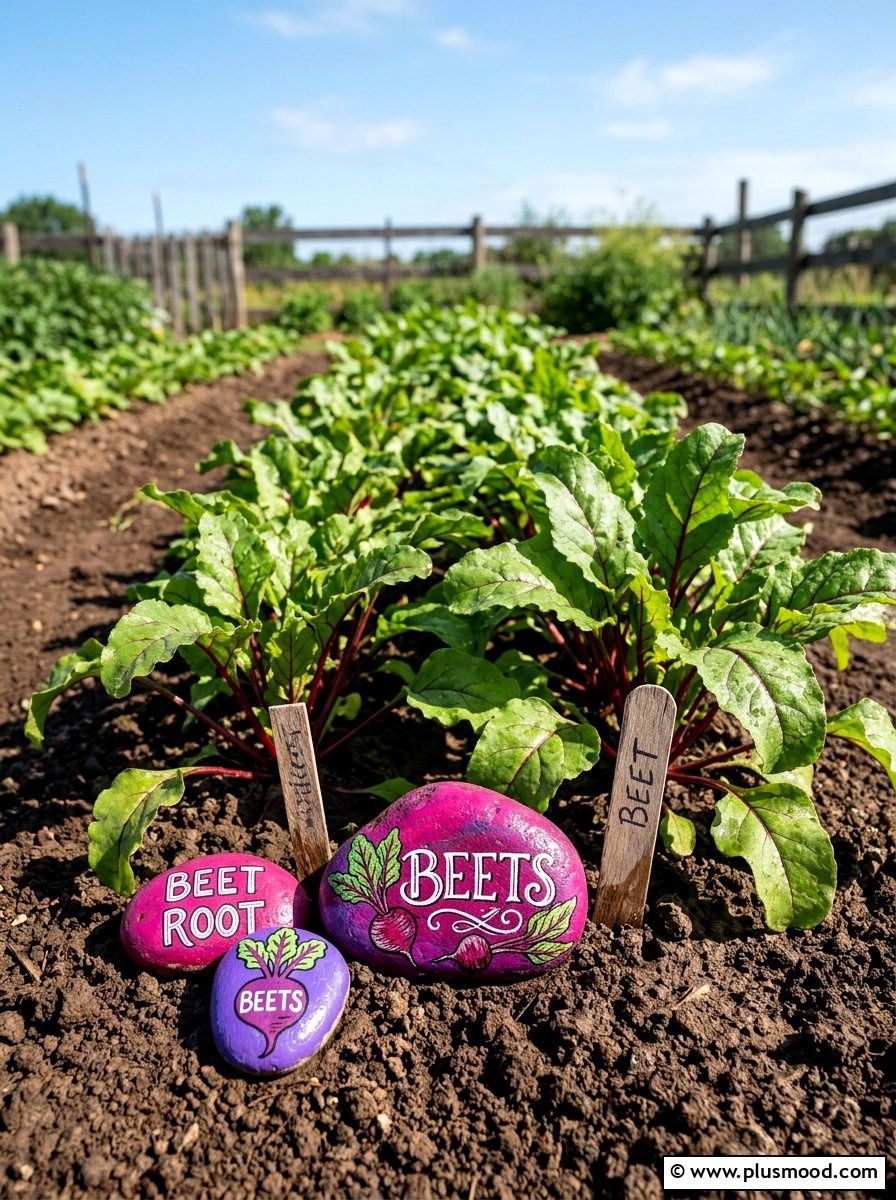
Beets have a very distinct deep purple and reddish-pink color that looks stunning when translated onto a garden stone. You can use round rocks and blend different shades of magenta to capture the earthy tone of this root vegetable. Painting long, upright green leaves with red veins on the top half of the stone helps it represent the whole plant. These markers look great when grouped together in a row, showing exactly where your nutritious harvest is buried. The bold colors of the beet rocks provide a nice contrast to the typical greens and browns found in most backyard vegetable garden beds.
9. Broccoli rock painting
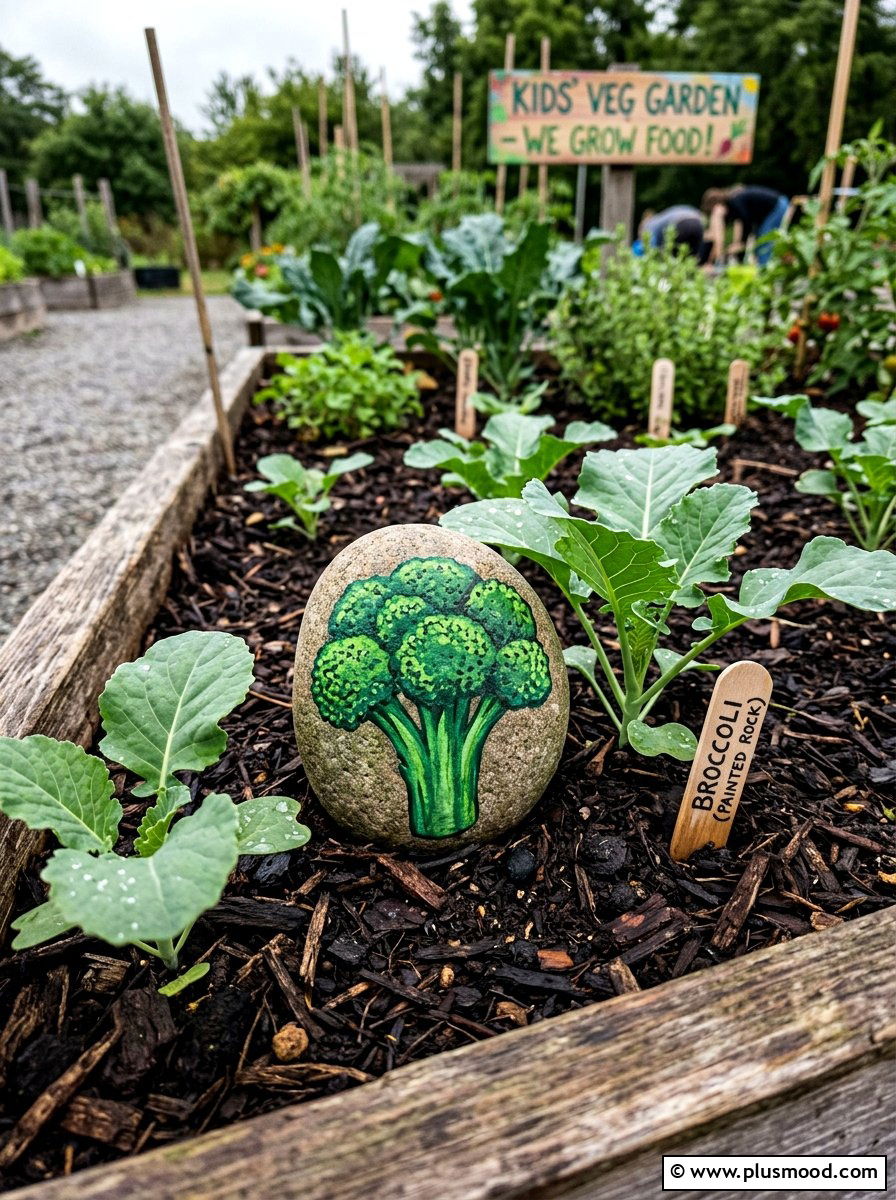
Broccoli can be a bit tricky to identify when the plants are still very small, so a painted marker is extremely useful. You can use a rock with a rougher texture to represent the florets of the broccoli head. Sponging on different shades of dark and light green creates a realistic, textured look that mimics the vegetable perfectly. These markers add an educational element to the garden, helping young children learn what the mature plant will eventually look like. They are durable and can be moved easily if you decide to rotate your crops in the following spring or summer planting season.
10. Eggplant garden markers
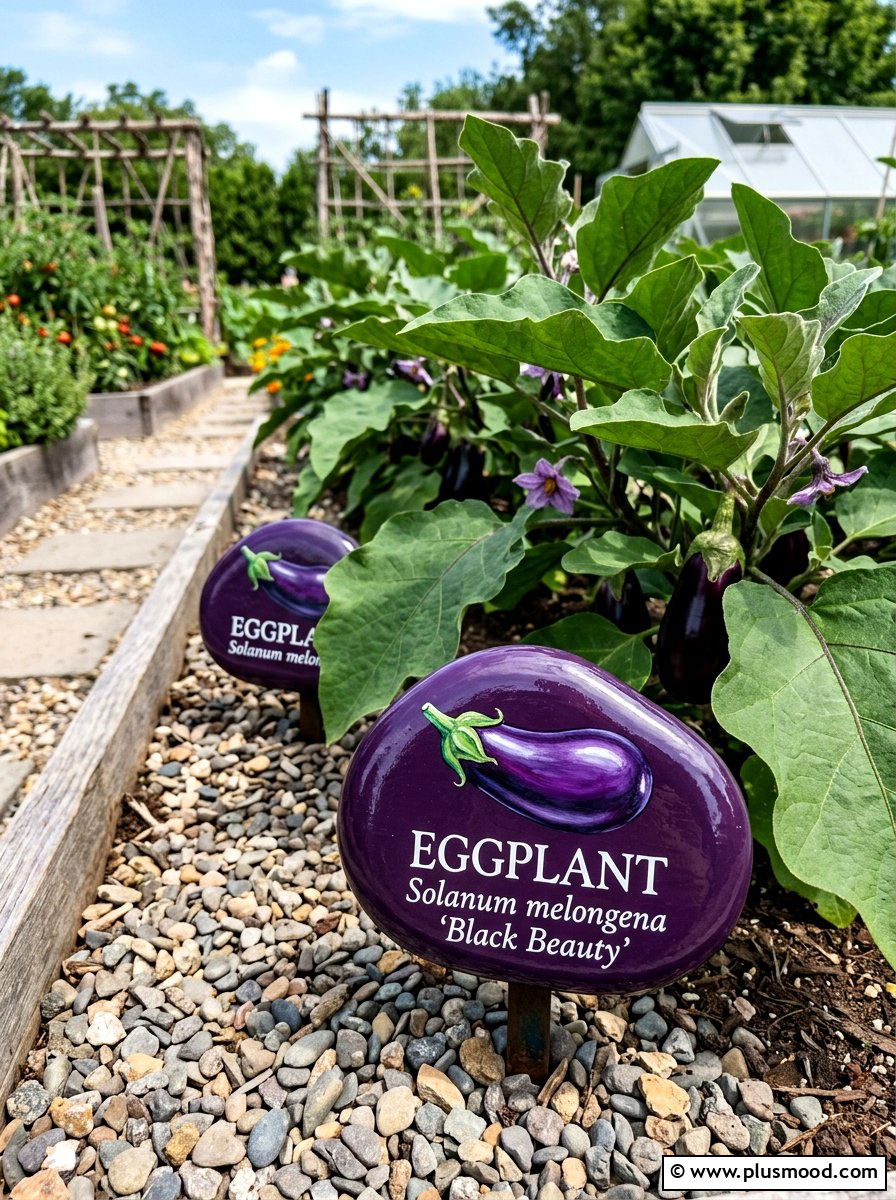
The deep, royal purple of an eggplant is one of the most striking colors you can add to your garden palette. You should look for smooth, oblong stones that can be painted with a high-gloss purple acrylic for a professional finish. A bright green cap at the top of the stone provides the perfect finishing touch for this garden label. These markers are very easy to see against the soil, making them a practical choice for large garden plots. They celebrate the unique beauty of this vegetable and keep your rows looking tidy and well-maintained throughout the hot summer months of the year.
11. Corn garden stones
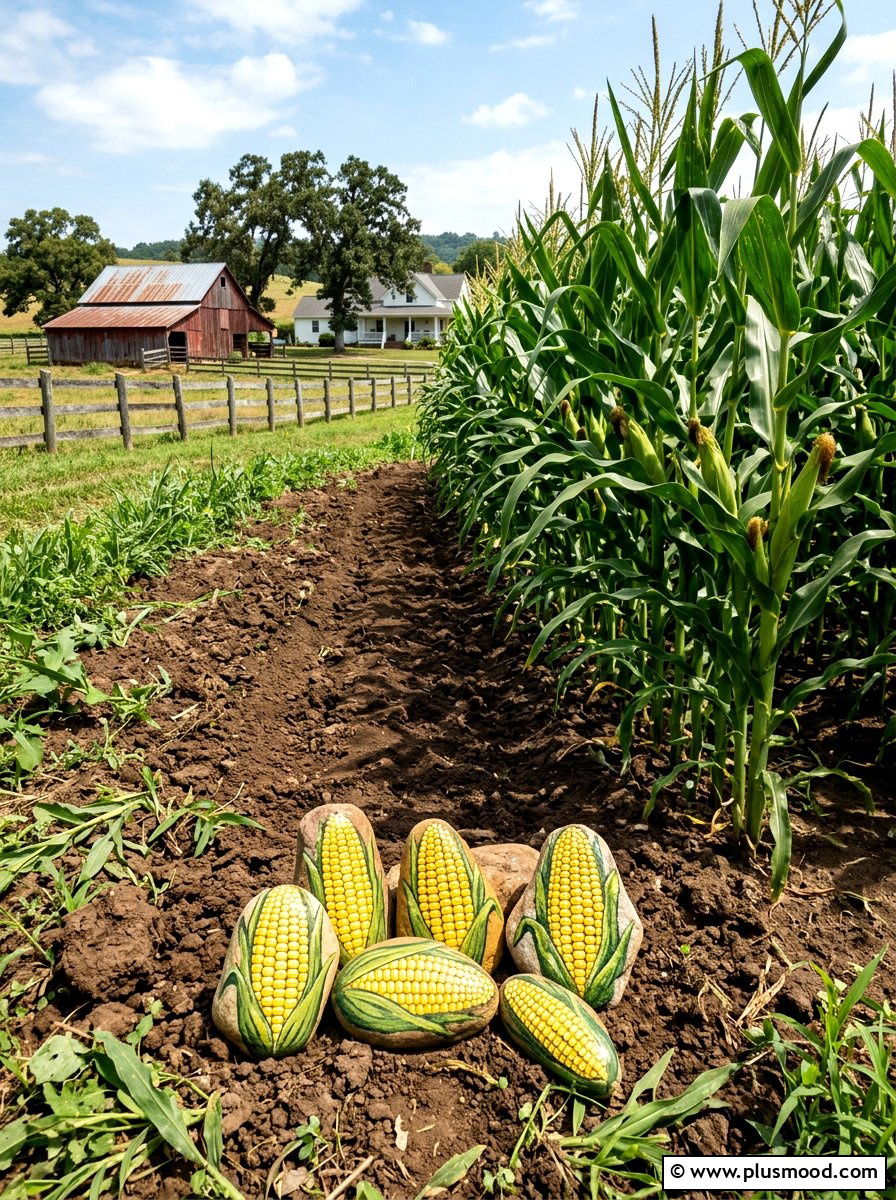
Corn grows very tall, but the base of the plant can sometimes look similar to other grasses when it is young. Painting a rock that looks like an ear of corn is a fun way to mark your stalks. You can paint rows of yellow kernels on a light tan or white background to create the texture of the corn. Adding some pale green husks peeling back from the sides makes the design look very traditional and recognizable. These markers look great when placed at the end of each row of corn, helping you keep track of different varieties like sweet or popcorn.
12. Lettuce rock labels
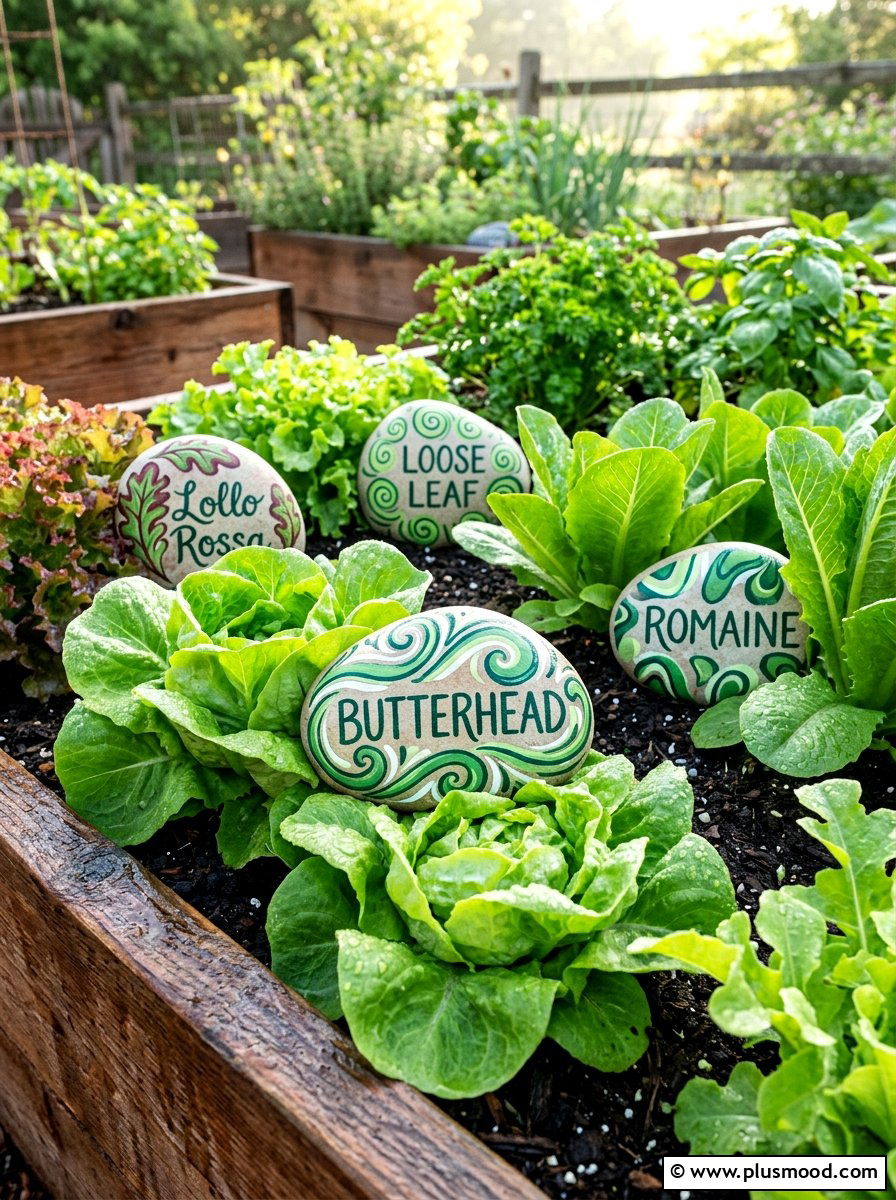
Lettuce comes in many different shapes and shades of green, from light lime to deep burgundy. You can paint rocks to match the specific type of lettuce you are growing, such as romaine or butterhead. Using a swirling technique with your paintbrush can help mimic the layered leaves of a head of lettuce. These markers are very helpful because lettuce is often planted in succession, and labels help you remember which sections were planted first. They sit low to the ground and blend in beautifully with the soft textures of the greens while providing a clear and solid identification point.
13. Zucchini garden markers
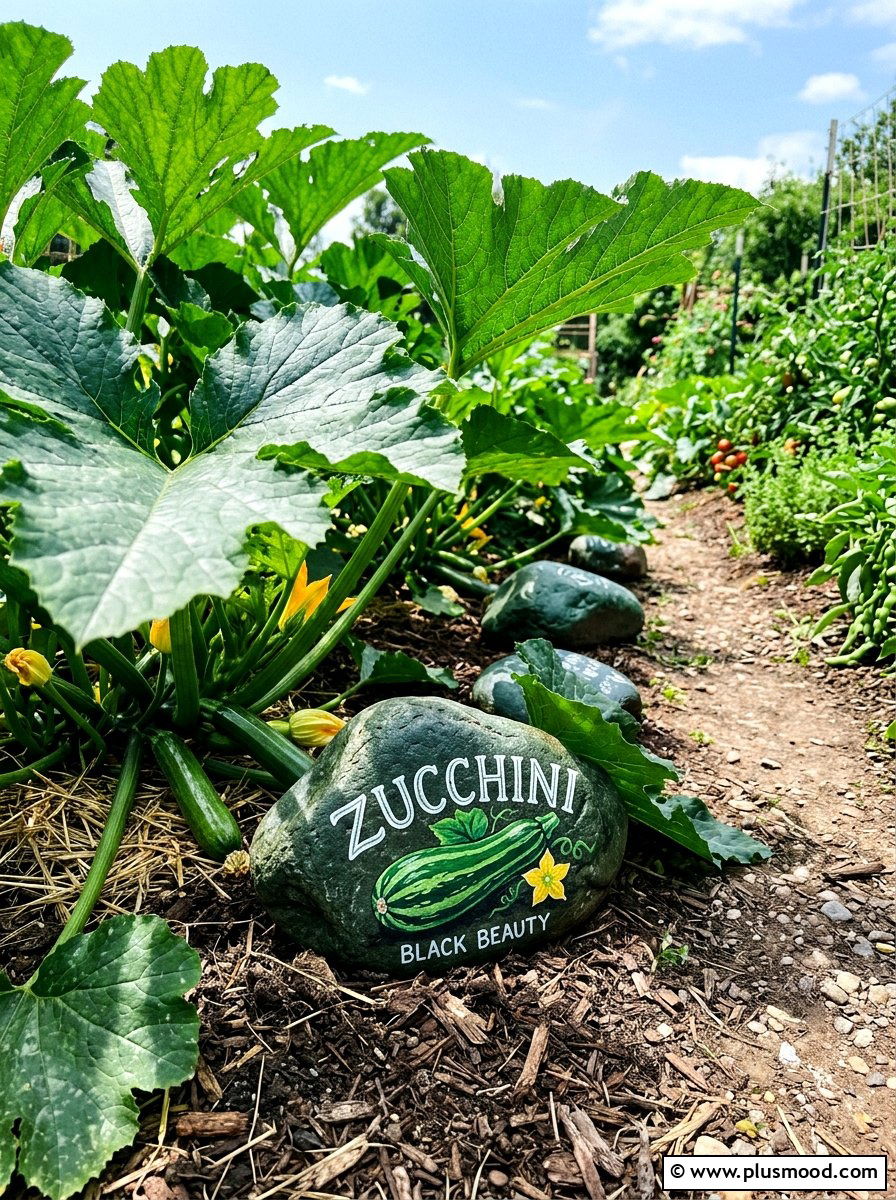
Zucchini plants are known for their massive leaves and prolific growth, which can easily hide small plastic labels. A large, dark green stone with light speckles or stripes is the perfect way to mark your zucchini patch. These rocks are heavy enough to stay put even when you are moving large leaves aside to search for hidden vegetables. The speckled pattern is easy to paint and looks very natural in an outdoor setting. These markers also help you distinguish between zucchini and other similar-looking squash plants that might be growing nearby in your garden. They add a professional and organized look.
14. Radish rock painting
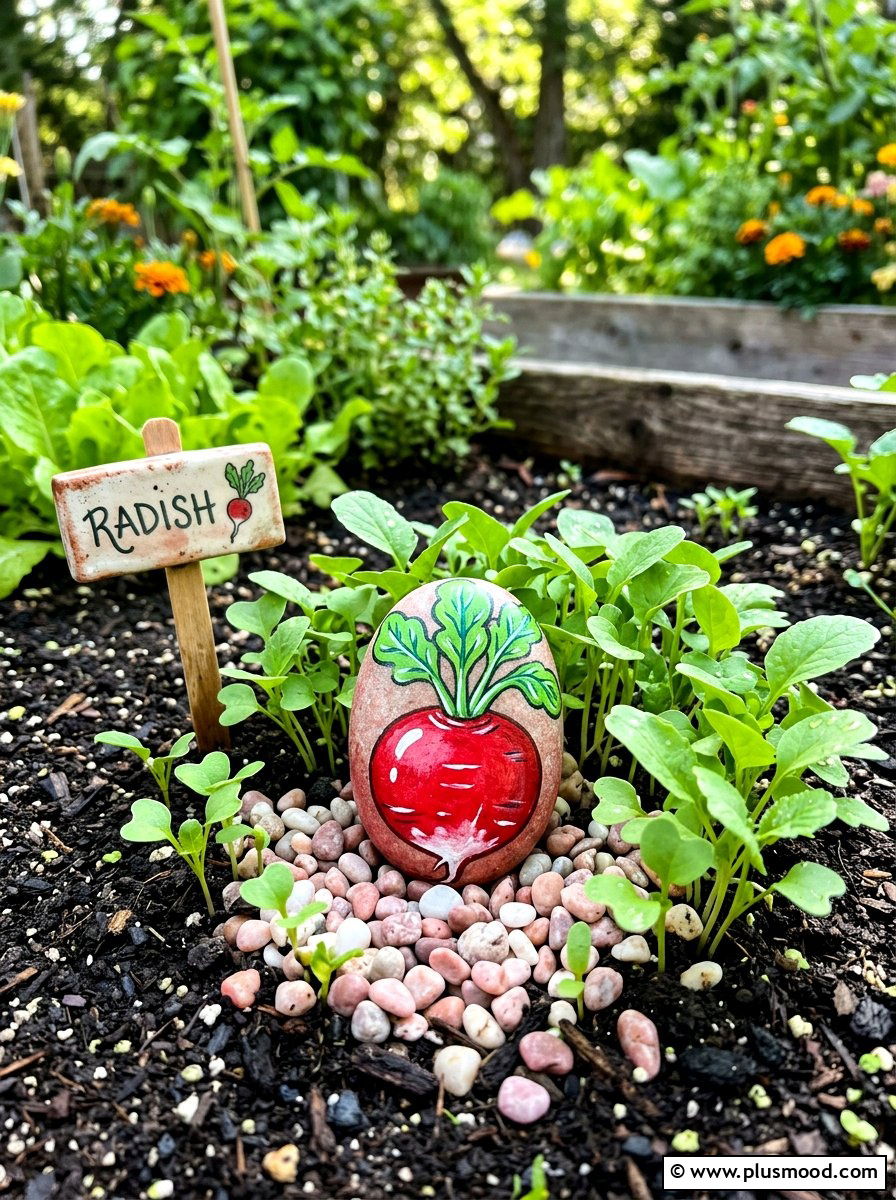
Radishes are fast-growing vegetables that deserve a bright and cheerful marker in the garden. You can use small, round stones and paint them a vivid pinkish-red with a white bottom to represent the root. Adding a few thin green lines on top for the leaves makes the radish look like it is popping out of the ground. These markers are great for small spaces or container gardens where you might be growing a variety of quick crops. Their small size makes them easy to handle and they bring a sense of joy and color to your garden beds very early.
15. Onion garden stones
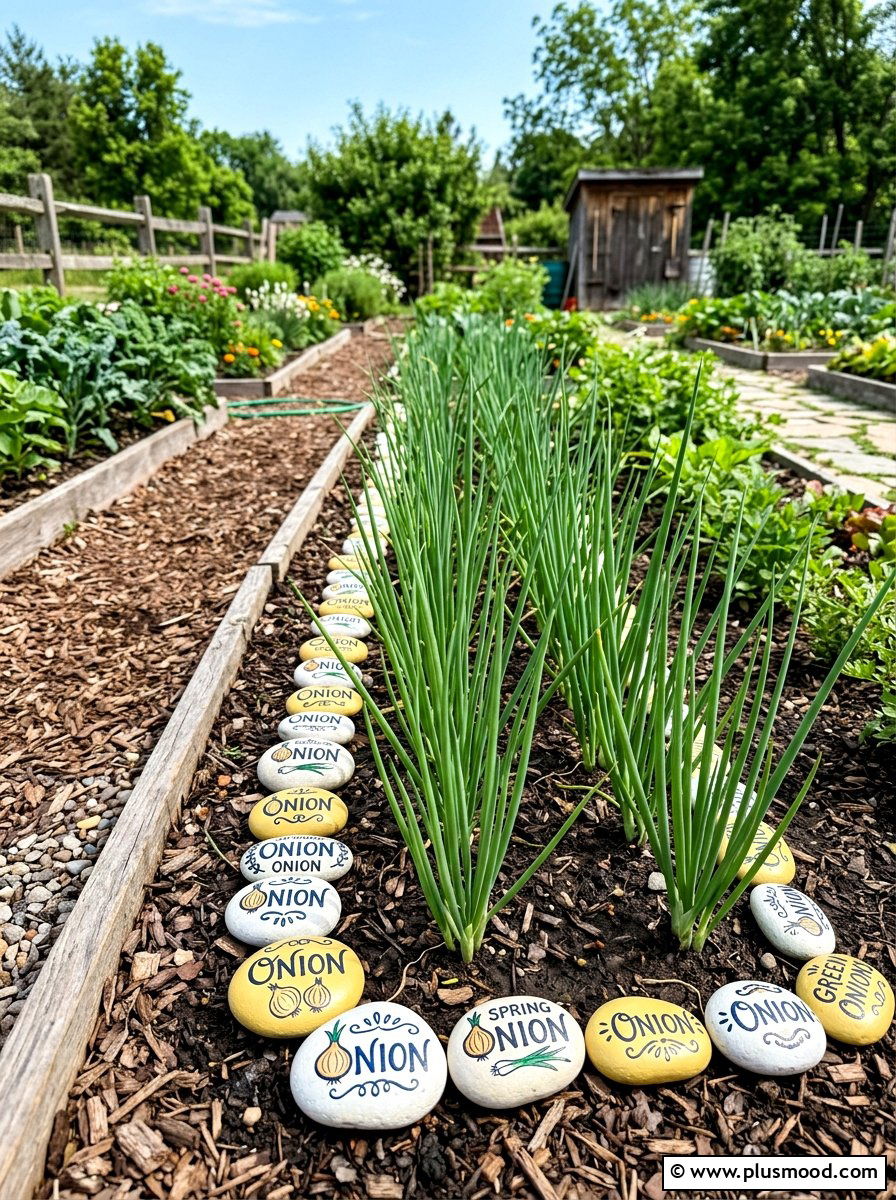
Onions are a staple in every kitchen garden, and painting rocks to label them is a practical and creative project. You can choose round stones and paint them in shades of white, yellow, or red depending on the variety you are planting. Adding thin, vertical lines can help create the appearance of the onion's outer skin layers. These markers are particularly useful because the tops of onions can look like simple weeds to the untrained eye. Having a clear rock label ensures that nobody accidentally pulls up your maturing onions. They stay clean and visible throughout the long growing process in the dirt.
16. Kale garden labels
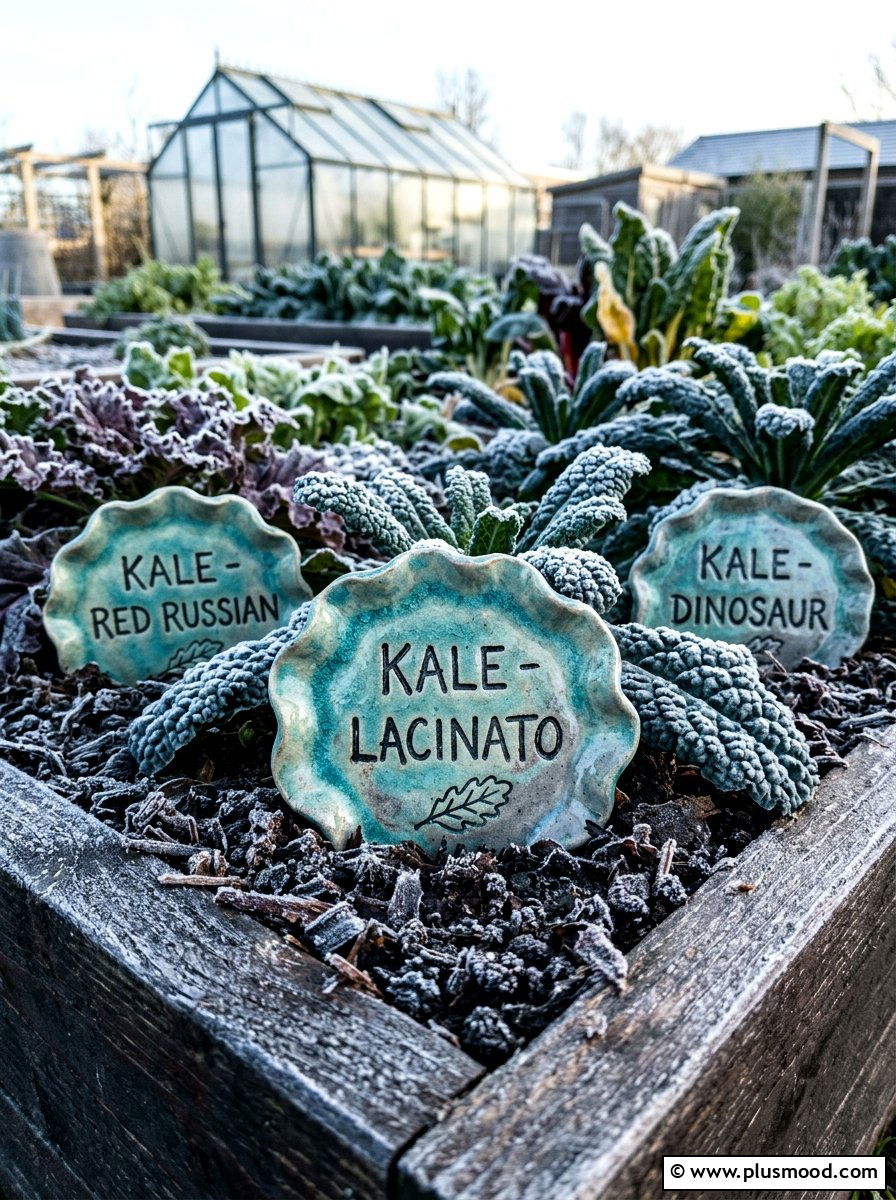
Kale has become a very popular garden vegetable due to its hardiness and nutritional value. You can paint a rock with ruffled edges or use a sponging technique to represent the crinkly texture of the kale leaves. Deep blue-green or dusty purple paints work well to capture the unique colors of varieties like Lacinato or Red Russian kale. These stones are very durable and can even stay out in the garden during the colder months when kale is often still growing. They provide a sturdy and attractive way to keep your superfood patch organized and easy to navigate for any gardener.
17. Pea pod rock markers
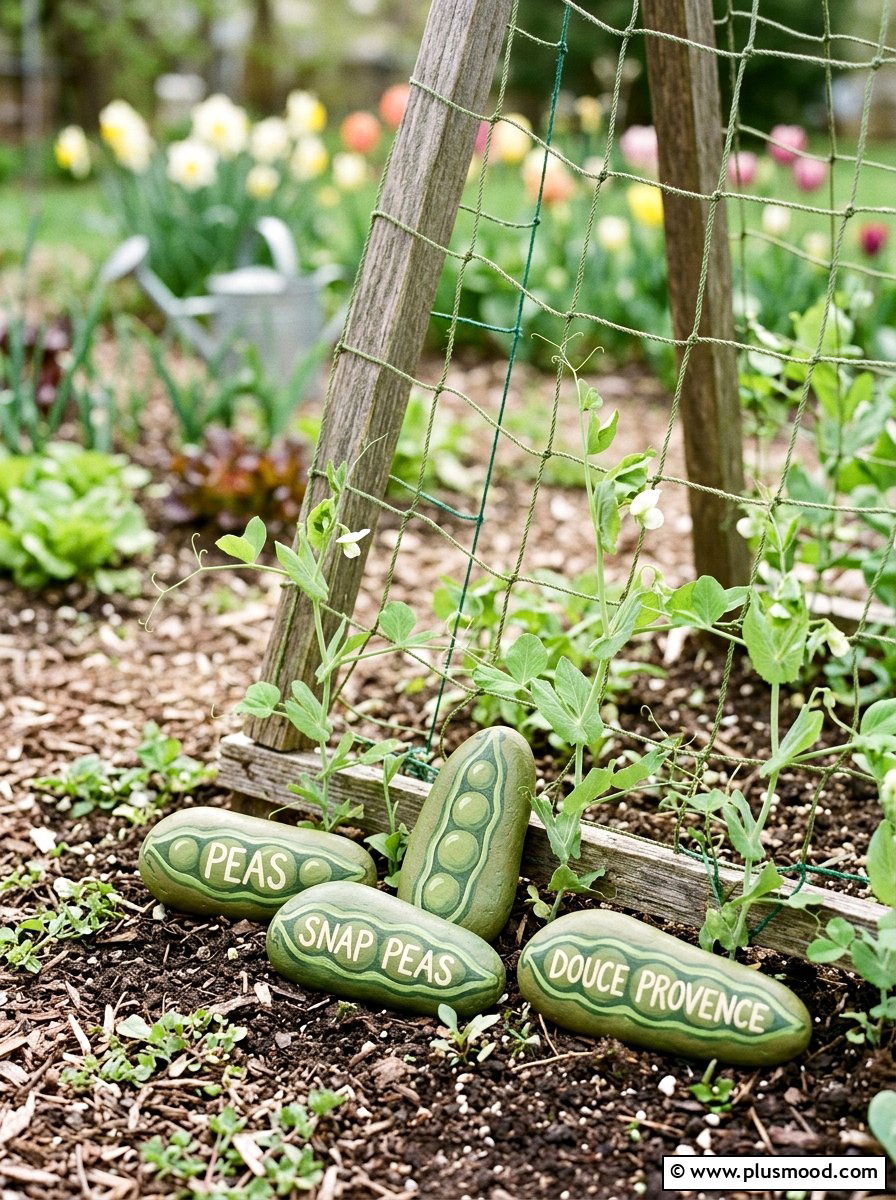
Peas are a classic sign of spring, and their delicate vines look lovely when paired with hand-painted rock markers. You can use long, thin stones and paint them bright green with a few raised circles to represent the peas inside the pod. This three-dimensional effect is very easy to achieve with a little bit of extra paint or 3D fabric paint. These markers look wonderful at the base of a trellis or pea fence, adding a touch of whimsy to the vertical garden. They are a great way to celebrate the start of the growing season with a fun and simple craft.
18. Watermelon garden stones
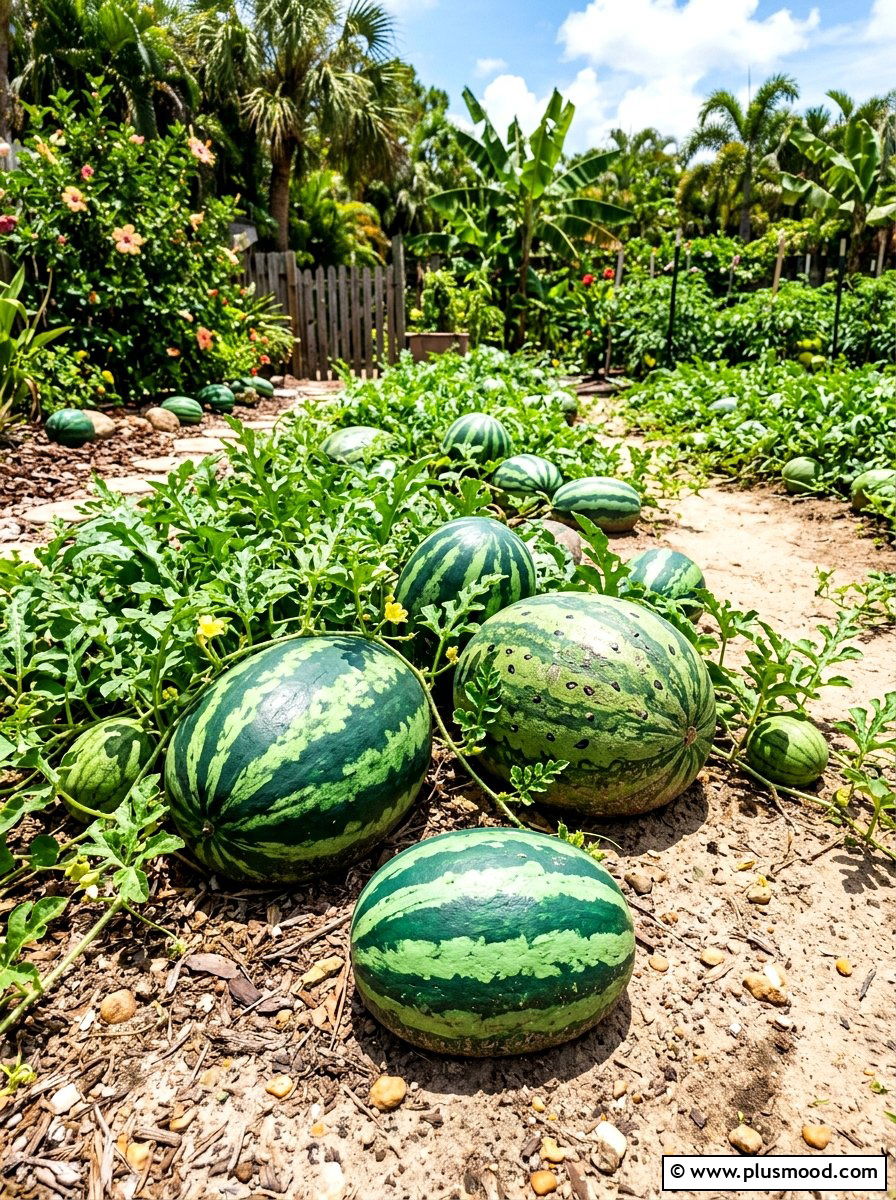
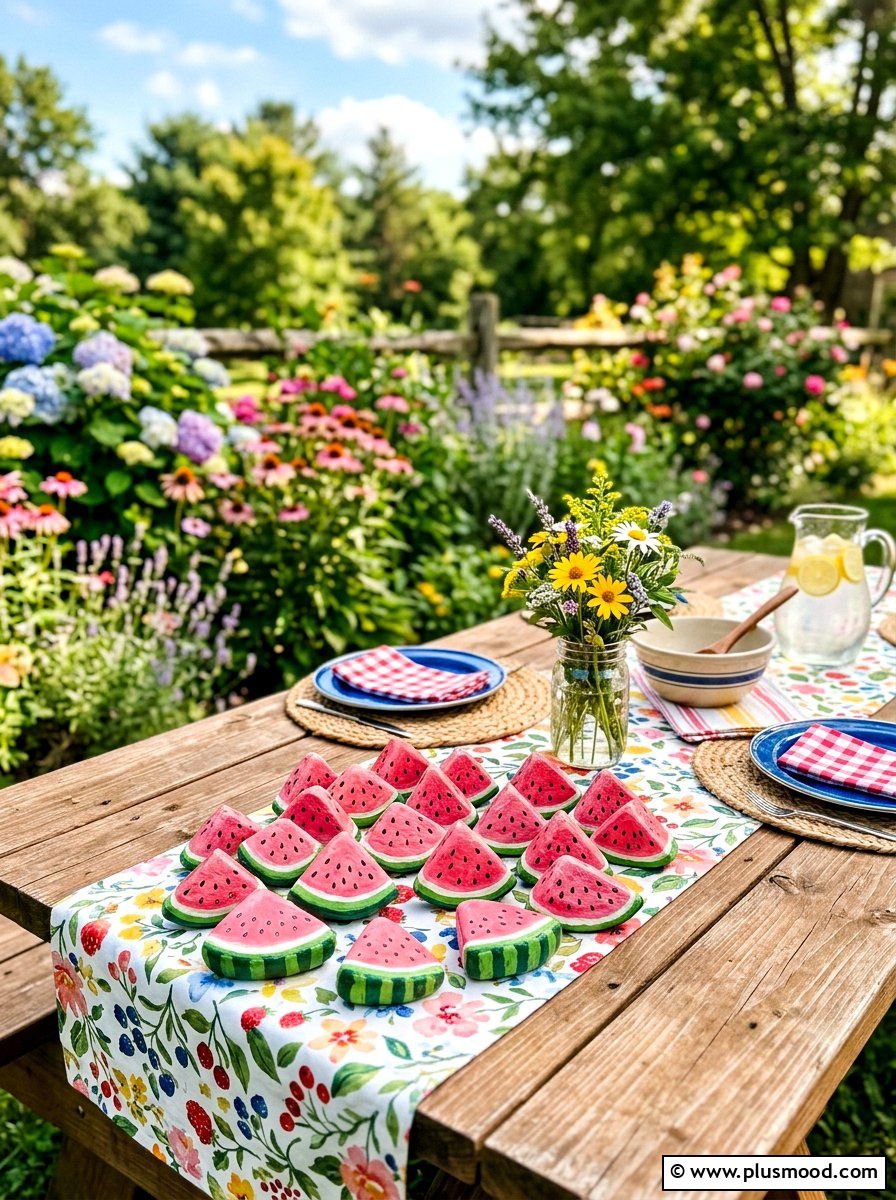
If you have enough space to grow watermelons, you definitely need a bold marker to keep track of these heavy hitters. You can find large, oval rocks and paint them with the iconic light and dark green stripes of a watermelon rind. These markers are very satisfying to create because the pattern is so recognizable and bold. Placing them in your melon patch adds a playful element to the garden that both kids and adults will love. They are heavy enough to stay in place even as the heavy melon vines move around them during the peak of the summer heat.
19. Garlic garden labels
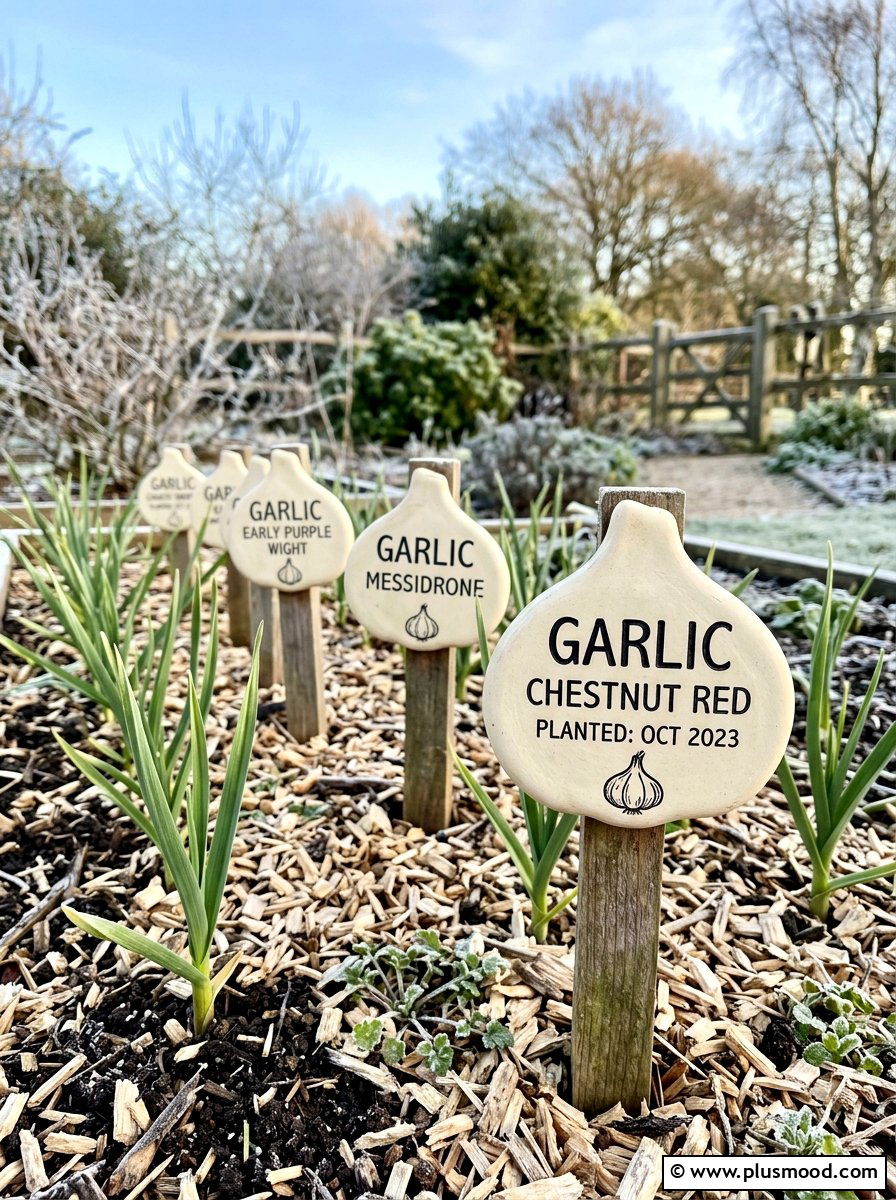
Garlic is planted in the fall and harvested in the summer, so you need a marker that can survive the winter snow and rain. Painting a rock to look like a bulb of garlic is a great way to mark your planting spot through the long dormant months. You can use an off-white or cream color and add thin gray or purple lines to show the individual cloves. These markers are incredibly tough and will not fade or rot like wooden stakes often do. They provide a reliable way to remember exactly where your garlic is buried when spring finally arrives.
20. Potato rock painting
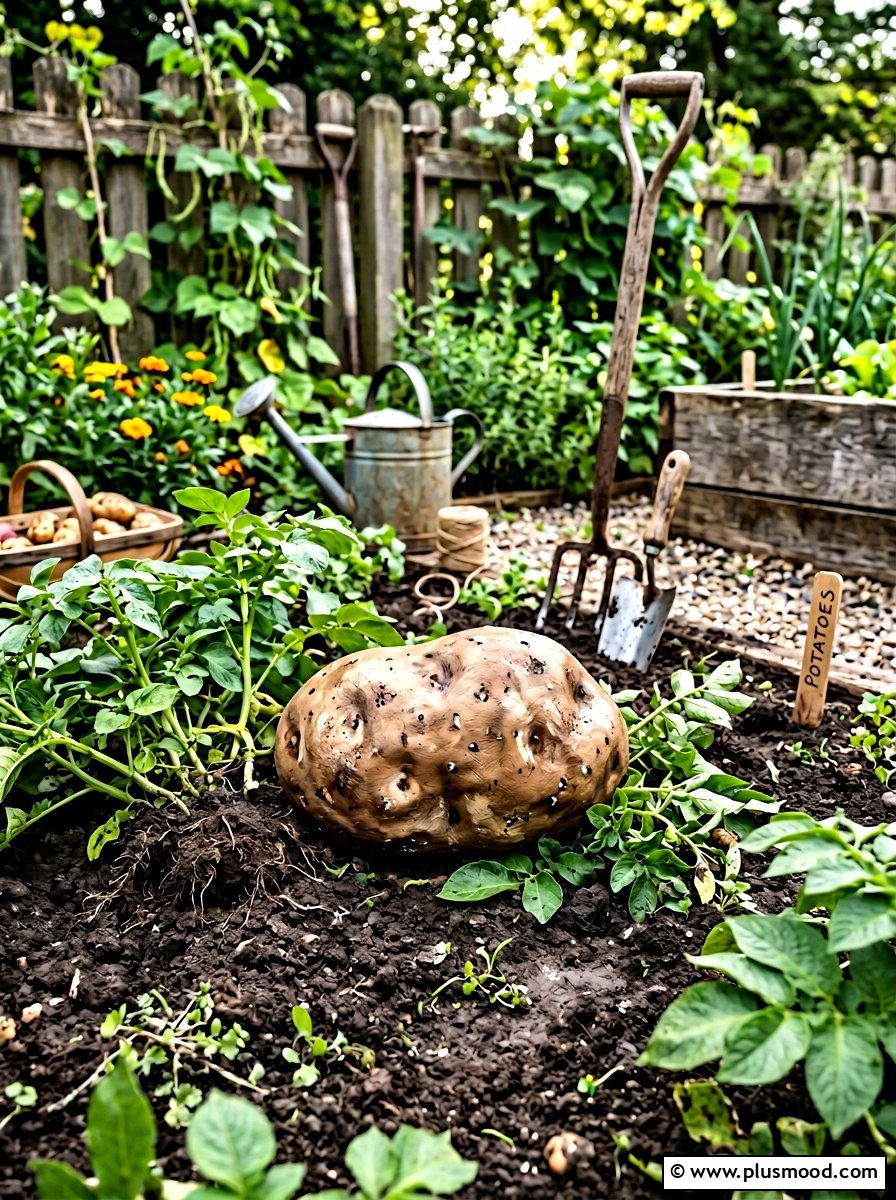
Potatoes grow entirely underground, making it very important to have a clear marker so you don't accidentally dig them up too early. You can choose lumpy, irregularly shaped stones and paint them a dusty brown or tan color to mimic a real potato. Adding a few small dots for the "eyes" of the potato makes the rock look very authentic. These markers are a practical addition to any garden, especially if you are growing different varieties like Yukon Gold or Red Bliss. They sit quietly in the garden, providing a solid reminder of the hidden treasures growing beneath the soil surface.


21. Jalapeno garden markers
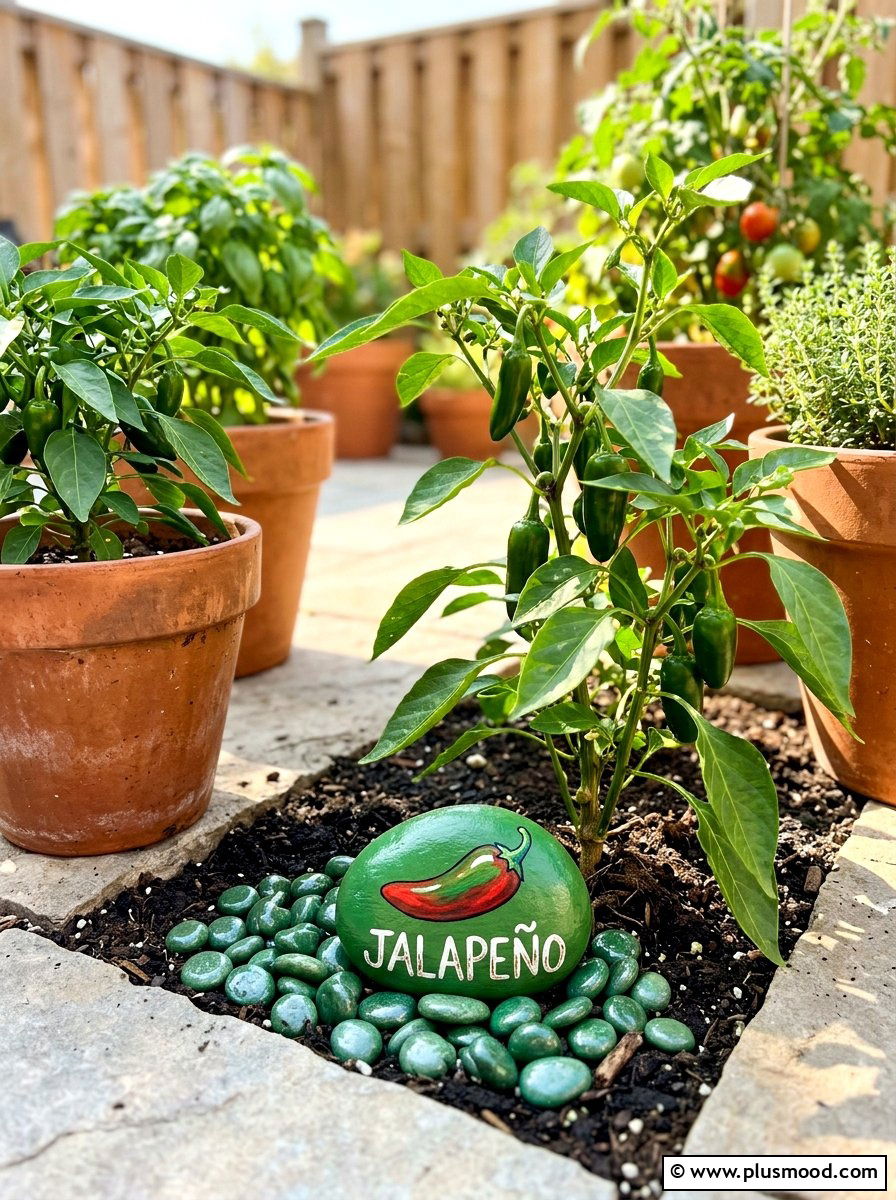
Spicy peppers like jalapenos need clear labels so you don't confuse them with milder varieties. You can paint a smooth, thumb-sized rock a deep, shiny green to represent a jalapeno. If you are growing them until they turn red, you can paint some red markers as well to match the harvest. These small but vibrant rocks are easy to tuck into the soil at the base of the pepper plants. They provide a warning and a guide for anyone picking vegetables in your garden. The glossy finish makes them look fresh and appetizing while keeping your spicy crops perfectly labeled.
22. Spinach garden stones
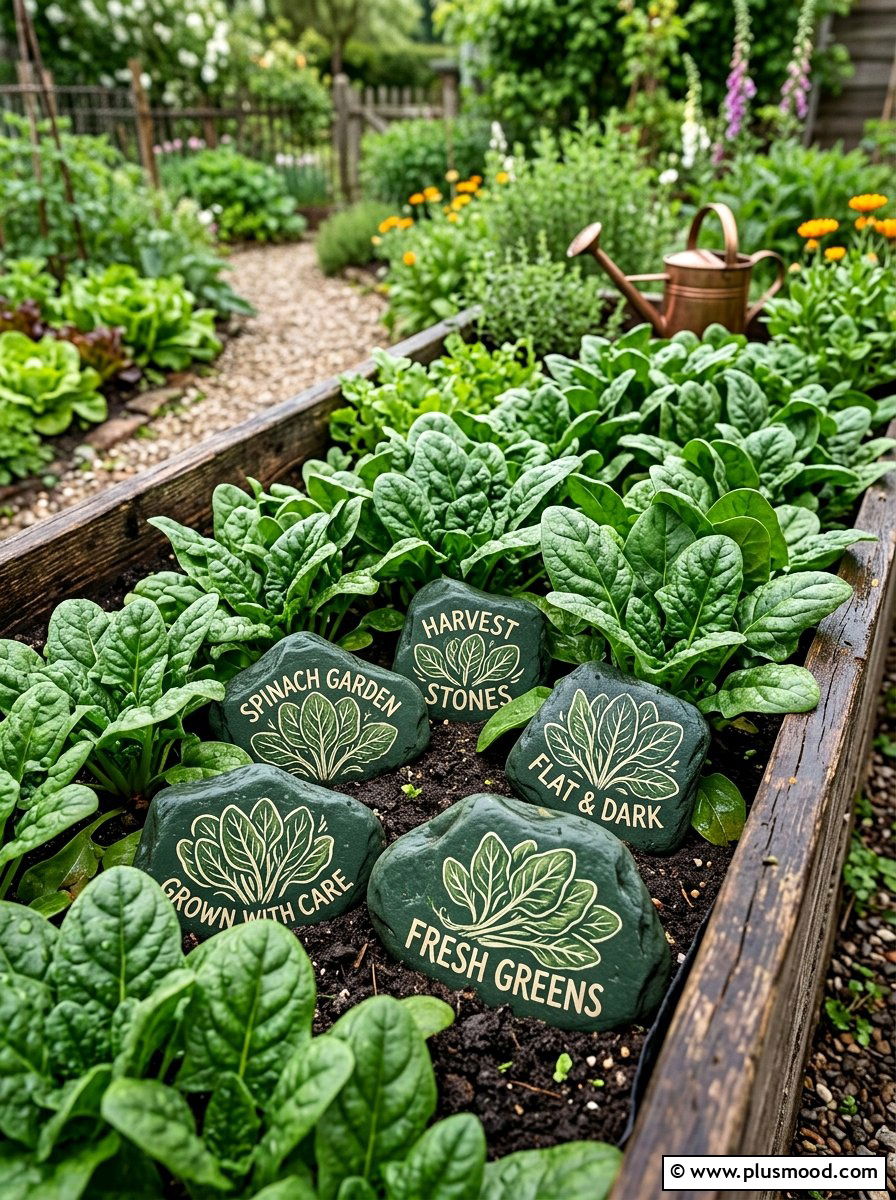
Spinach is a cool-weather favorite that grows in lush, green clumps. You can paint a flat stone with wide, dark green leaves to represent this healthy vegetable. Using a slightly lighter green for the veins of the leaves adds a nice level of detail that makes the stone stand out. These markers are very helpful in the early spring when many different seedlings are emerging at the same time. They provide a clear destination for your salad harvests and look beautiful nestled among the soft, green leaves. These stones are easy to clean and can be reused every single year for planting.
23. Asparagus garden labels
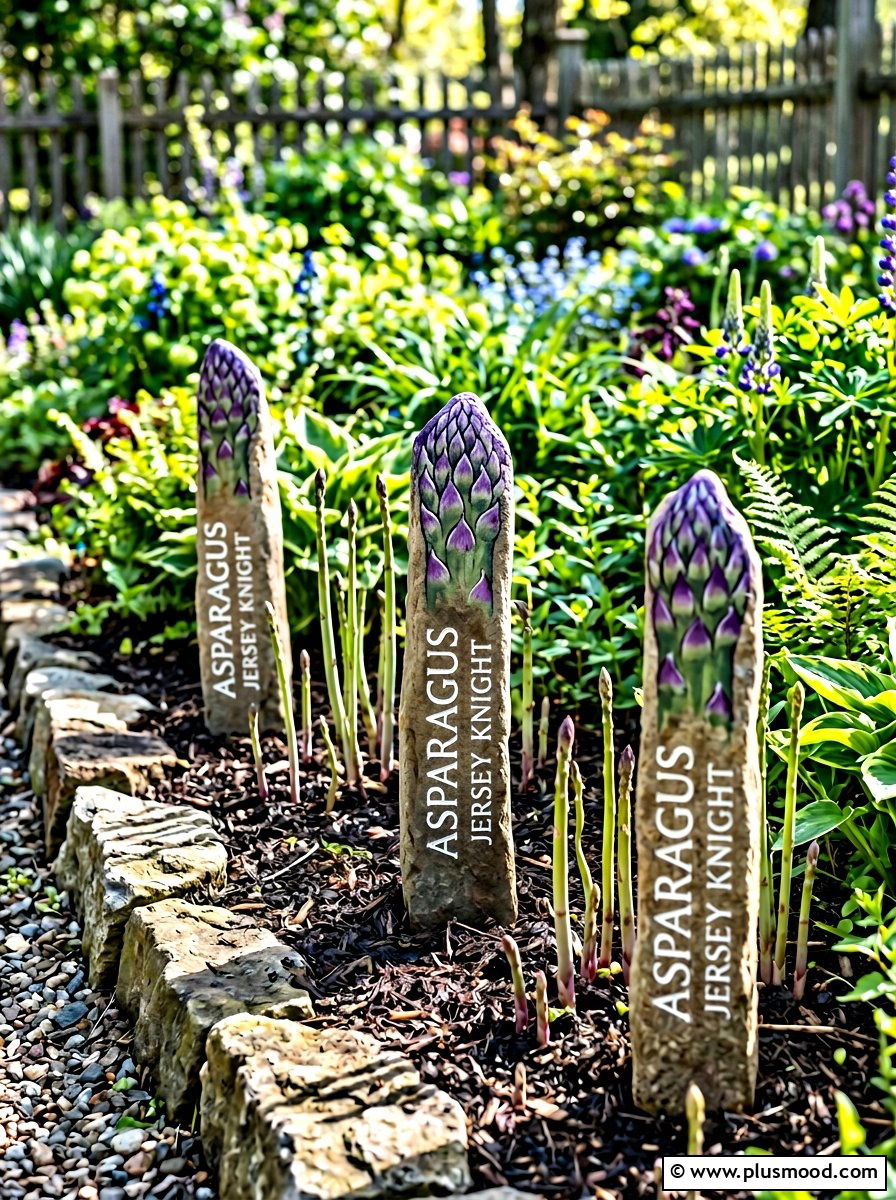
Asparagus is a perennial crop that stays in the same spot for many years, so a permanent rock marker is a fantastic investment. You can paint a tall, thin stone with the characteristic scaled tip of an asparagus spear. Using shades of green and purple will give the marker a very realistic and professional appearance. Since asparagus takes a few years to become established, having a beautiful and durable label helps you protect the area from being disturbed. These markers become a permanent part of your garden landscape, marking the spot where the first stalks of spring will eventually appear.
24. Cabbage rock markers
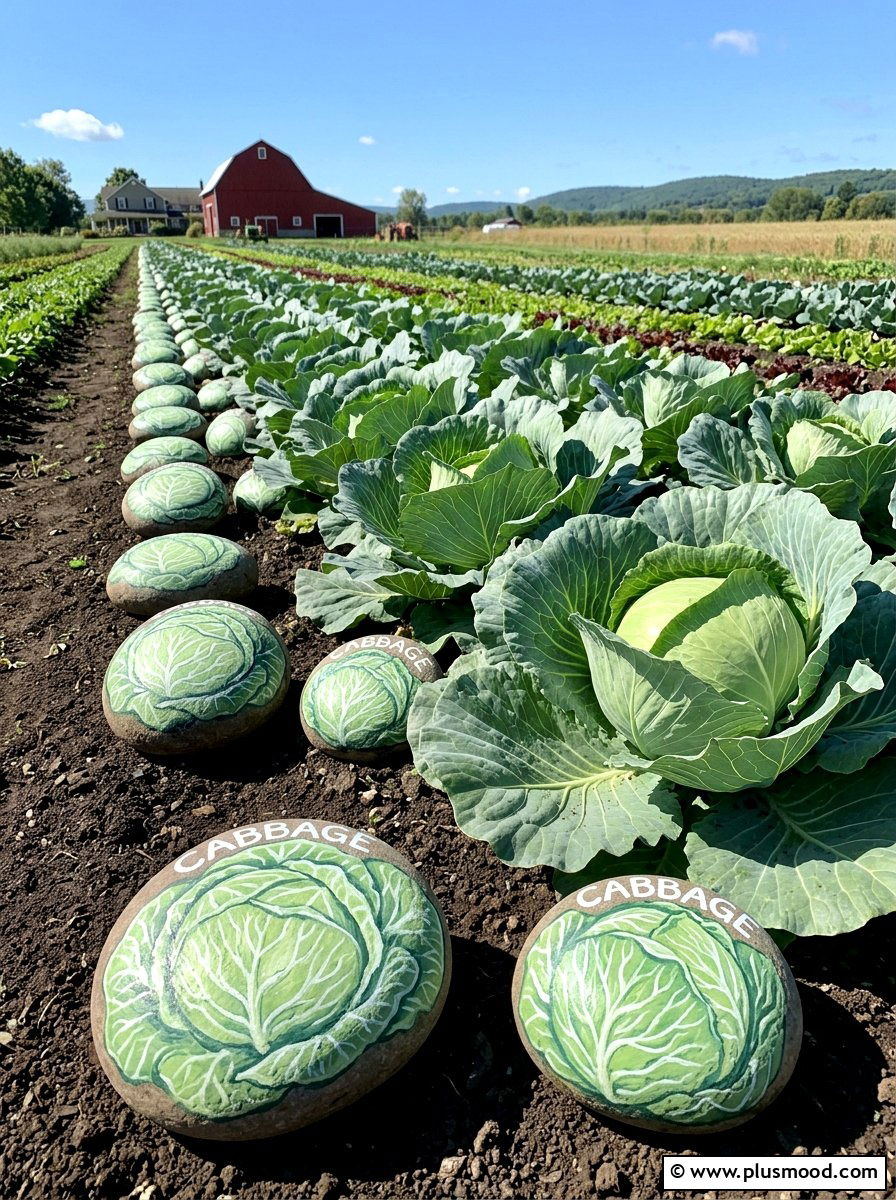
Cabbage heads are large and round, making them a perfect subject for a big, bold rock painting. You can use a round stone and paint layers of light green and white to mimic the tightly wrapped leaves of a cabbage. Adding some wavy lines at the edges of the "leaves" gives the design a more natural and organic feel. These markers are very heavy and stable, which is great for the open areas where cabbage is often grown. They add a sense of abundance and charm to your vegetable rows, making the garden feel like a well-tended and artistic space for plants.
25. Bean garden stones
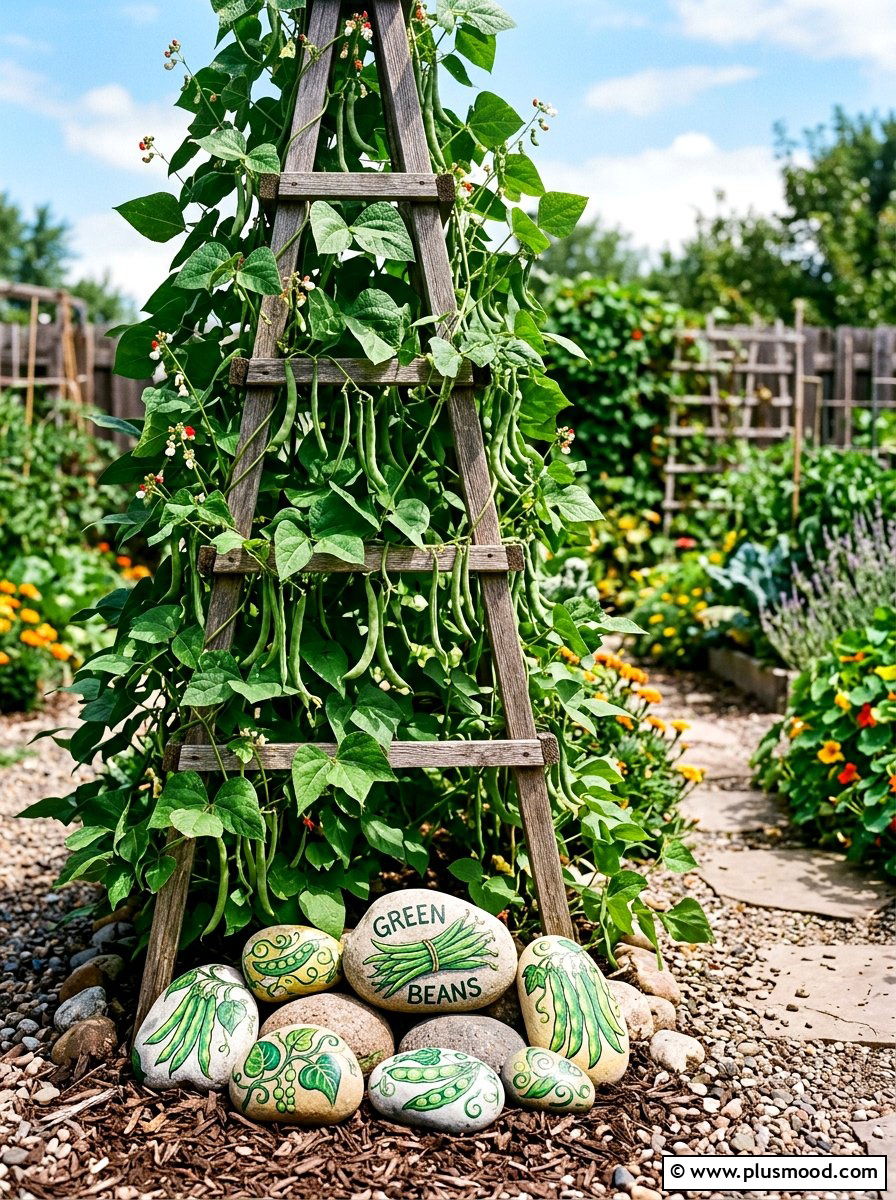
Whether you are growing bush beans or pole beans, a painted rock marker is a simple way to keep your varieties straight. You can paint a cluster of long, thin green beans on a neutral-colored stone for a clean and modern look. These markers are very effective when placed at the end of a long row or at the base of a bean tower. They help you remember which plants are for fresh eating and which ones are for drying later in the season. These durable stones are a wonderful way to finish off your garden organization project with a touch of handmade creativity.
Conclusion:
Incorporating painted rock labels into your vegetable garden is a wonderful way to blend functionality with artistic expression. These markers do more than just identify your plants; they bring a sense of joy and whimsy to the daily task of gardening. By using natural stones and vibrant paints, you create a durable and weather-resistant labeling system that can be used for many years to come. This project is accessible to everyone and provides a creative outlet that enhances the overall beauty of your outdoor living space. As your garden grows and evolves, these charming markers will remain a constant and colorful reminder of your hard work.
Related posts:

Leave a Reply