
Creating a beautiful outdoor space often feels challenging when you are working with limited square footage, but a curved path can completely transform your small backyard. Unlike straight lines that lead the eye directly to the fence, soft curves create a sense of mystery and make the area feel much larger than it actually is. By guiding your movement through the garden in a winding fashion, these paths encourage you to slow down and enjoy the surrounding greenery. Whether you prefer rustic stone, modern pavers, or natural gravel, a well-placed curve adds organic flow and visual interest. This guide explores creative ways to implement these walkways to maximize your small outdoor sanctuary.
1. Flagstone Walkway
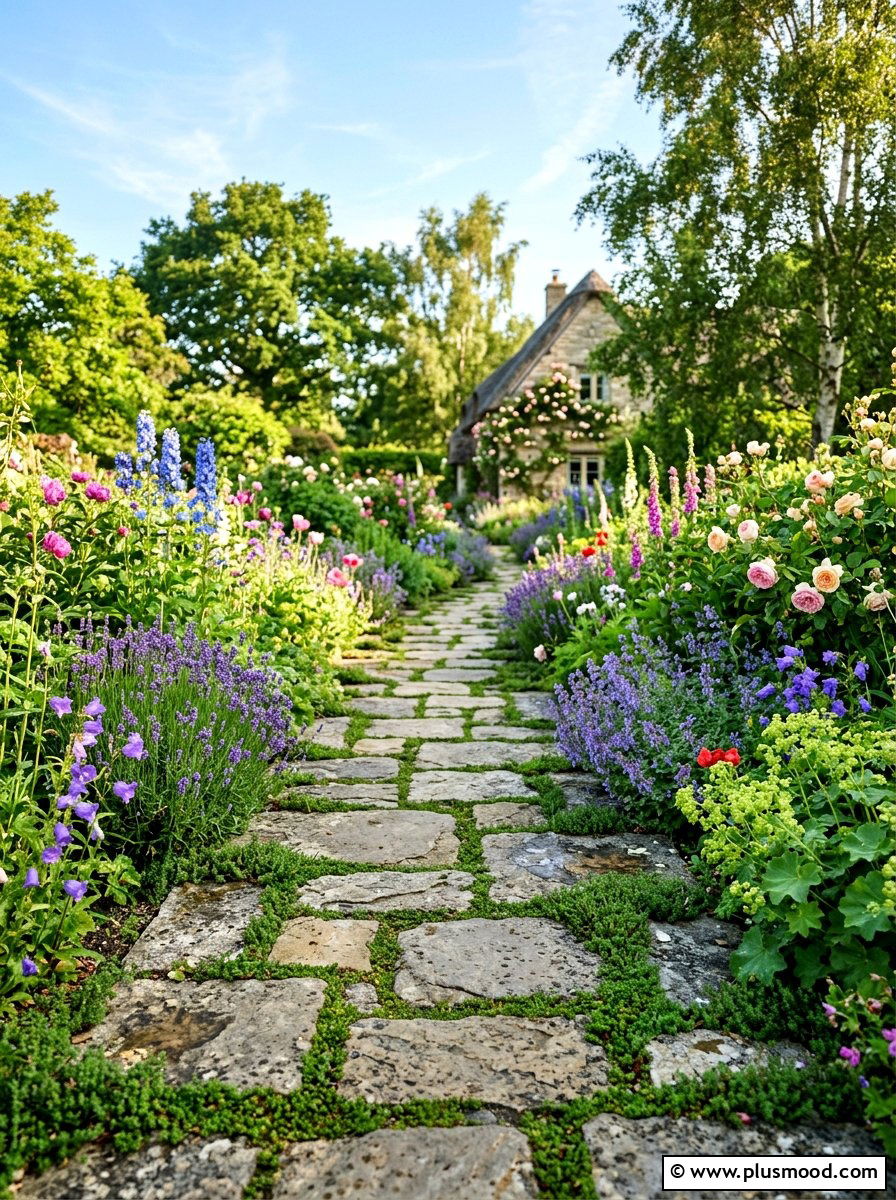
Have you ever noticed how natural stone instantly makes a garden feel more established and permanent? A flagstone walkway with wide, irregular shapes creates a beautiful organic curve that blends seamlessly into a lush backyard environment. Because each piece of stone is unique, the path looks like it has been there for decades, adding character to your small space. You can plant low-growing groundcovers like creeping thyme or moss between the stones to soften the edges and add a touch of fragrance when stepped on. This approach works exceptionally well in cottage-style gardens where soft textures and colorful blooms spill over the sides of the winding path.
2. Pea Gravel Path
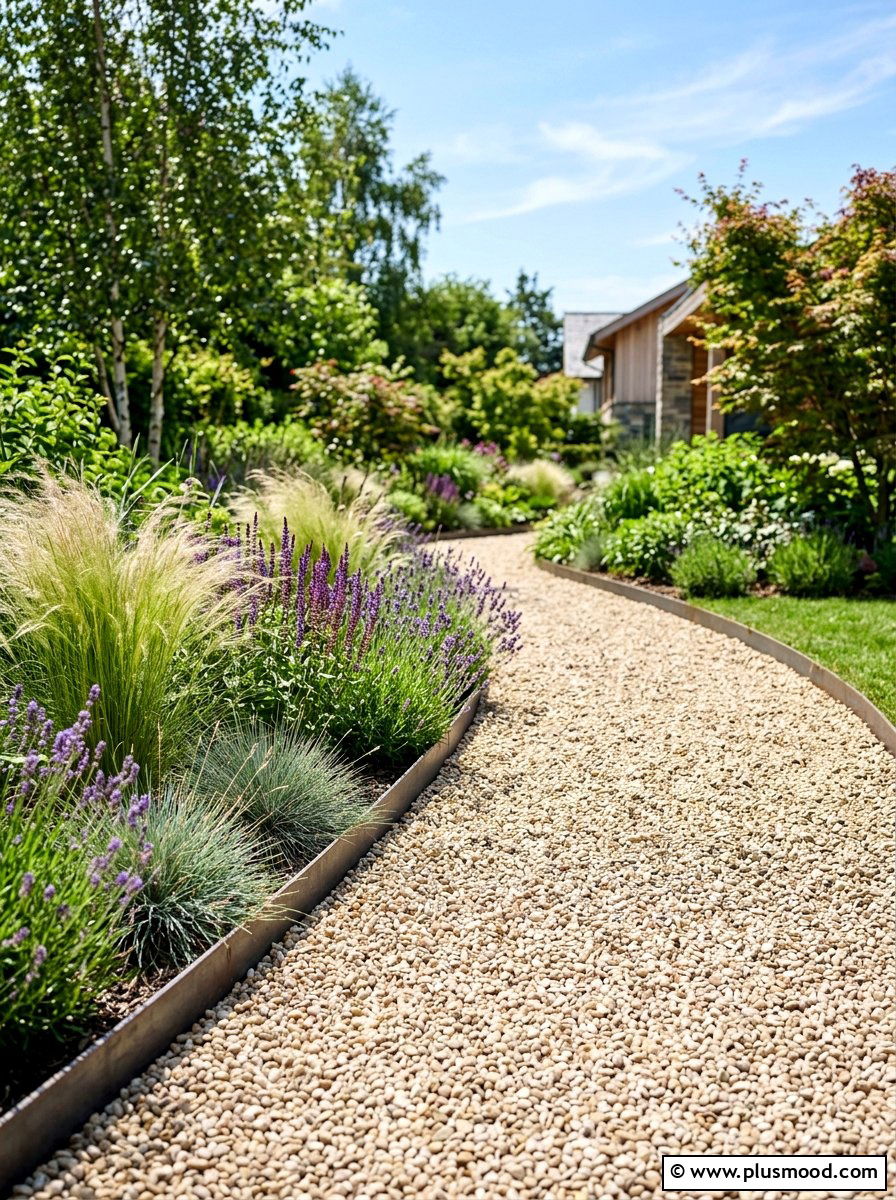
Can a simple change in texture really make your small backyard feel like a high-end retreat? A pea gravel path is one of the most affordable and versatile ways to create a curved walkway in a tight space. The small, rounded stones crunch underfoot, providing a sensory experience that grounds you in the moment. To keep the curves looking sharp and clean, use flexible metal or plastic edging to define the borders clearly. This type of path allows for excellent drainage, which is crucial in smaller yards. Surround the gravel with hostas or ornamental grasses to create a modern, minimalist aesthetic that feels both airy and inviting.
3. Brick Garden Path
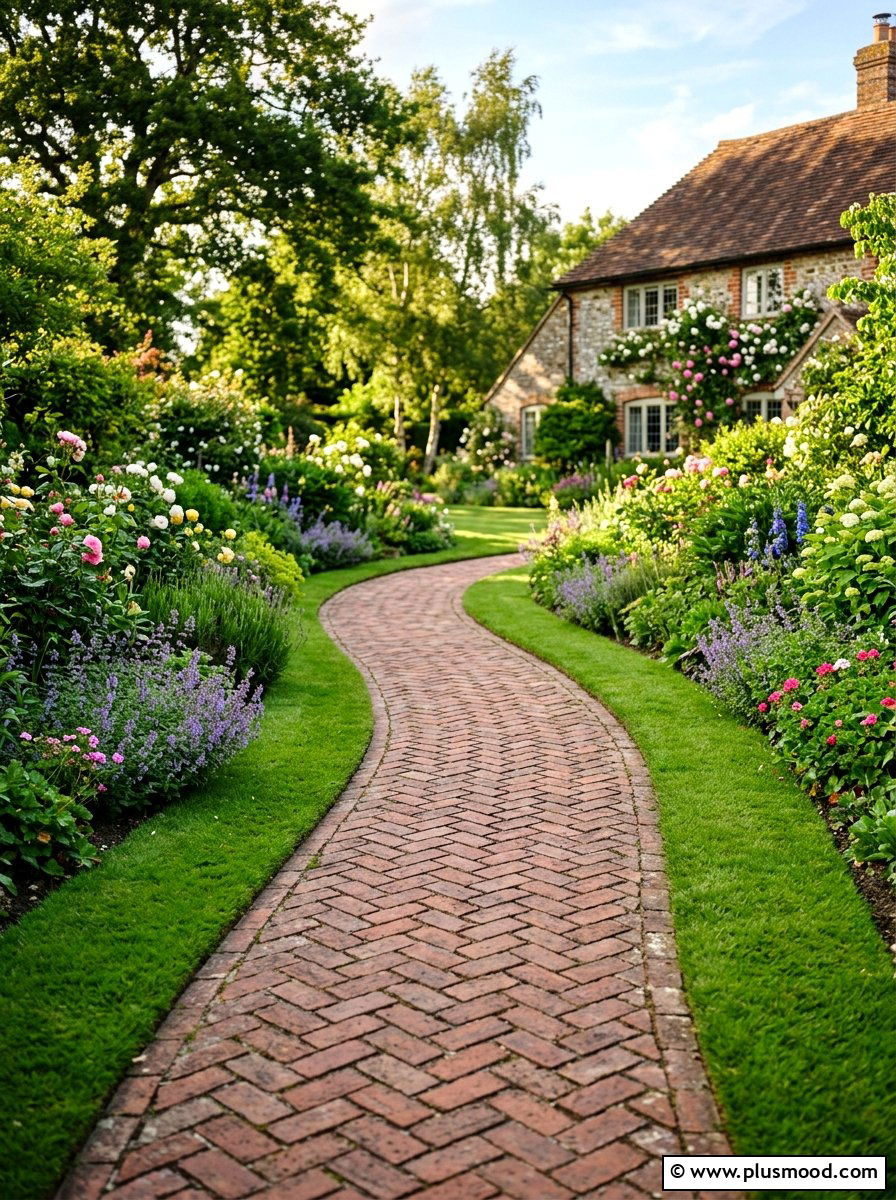
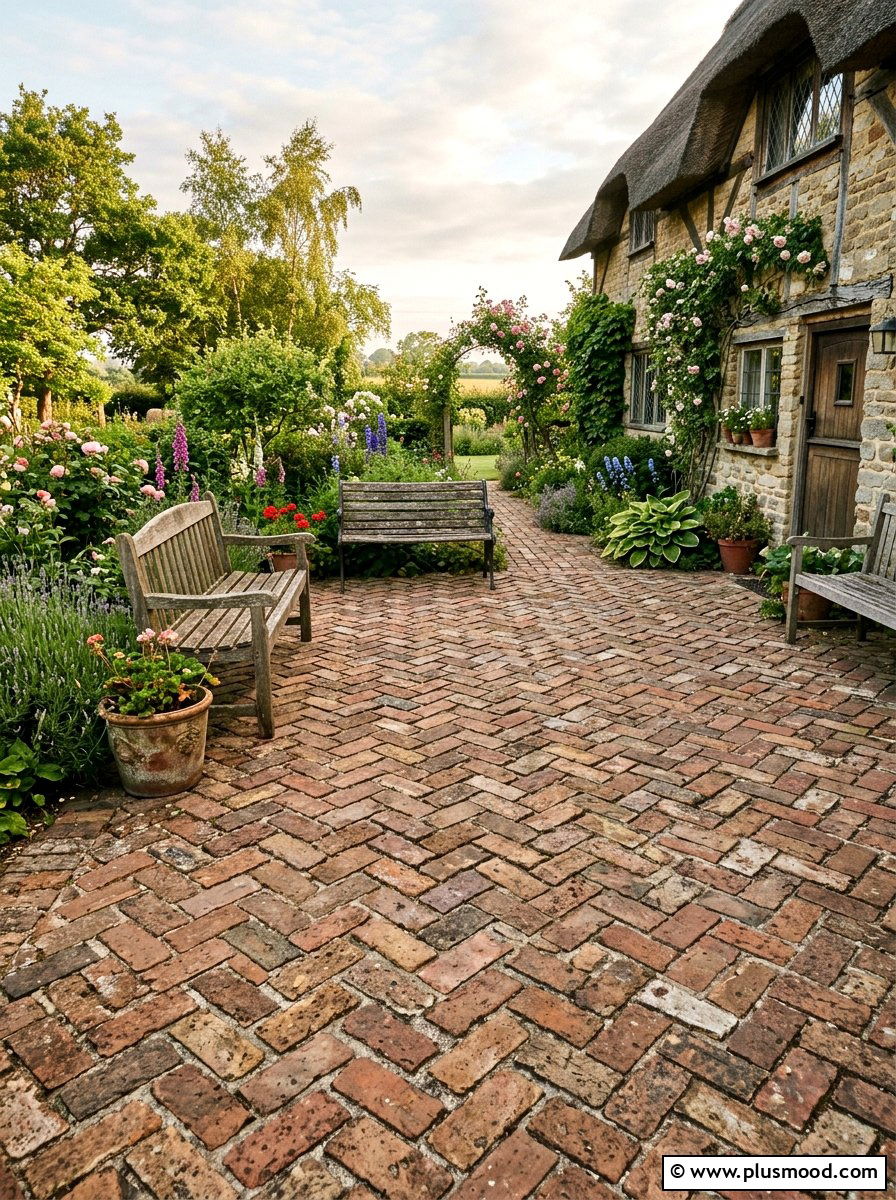
Would you like to bring a classic, timeless feel to your outdoor area without making it look cluttered? A curved brick path offers a traditional look that remains incredibly durable through all seasons and weather conditions. By laying the bricks in a running bond or herringbone pattern, you can easily navigate tight turns and gentle bends. The warm red or deep orange tones of the brick provide a lovely contrast against vibrant green lawns and blooming flower beds. Bricks are perfect for small backyards because their uniform size allows for precision in tight corners while still maintaining that charming, old-world aesthetic that many homeowners truly love.
4. Stepping Stone Path
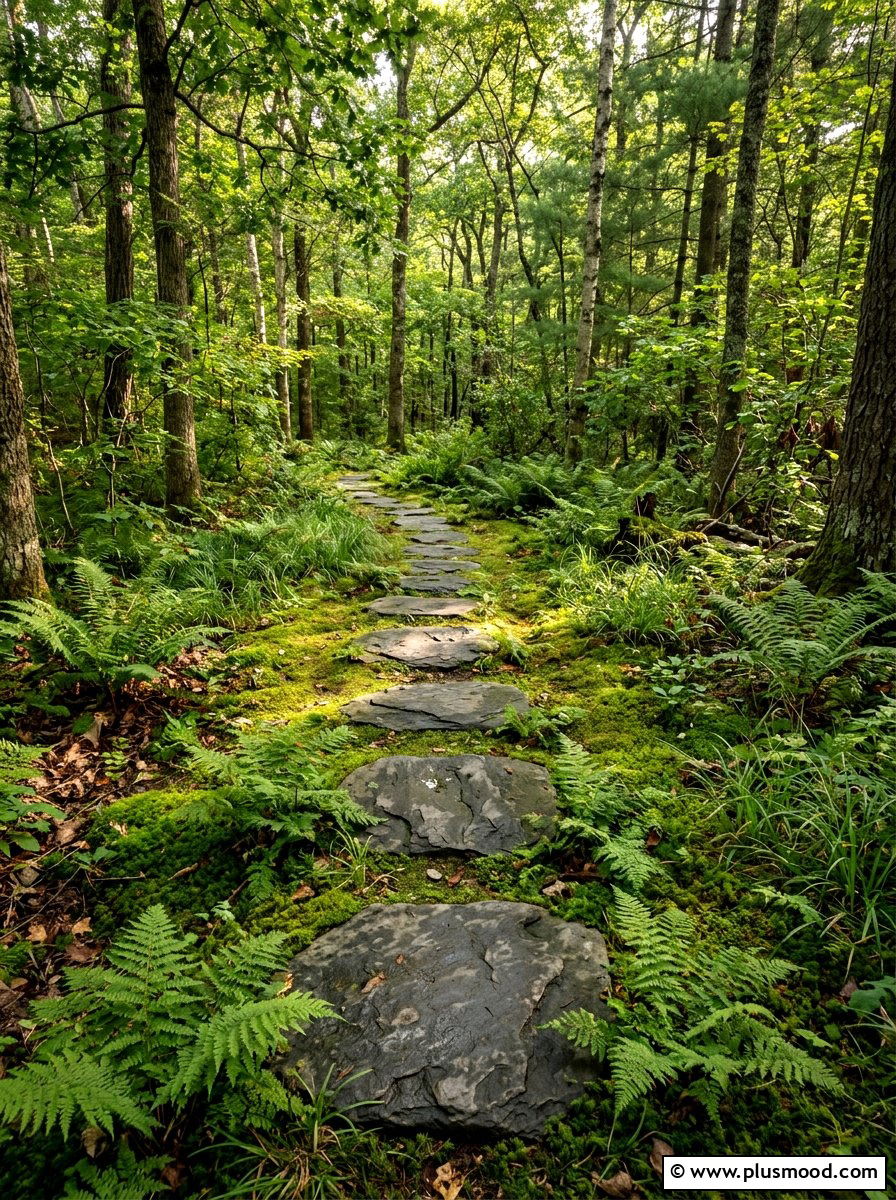
Is there anything more whimsical than a series of large stones leading you through a secret garden space? Using oversized stepping stones instead of a solid paved surface is a brilliant trick for small backyards because it leaves more room for soft landscaping. This design prevents the yard from feeling too "heavy" with hardscaping materials and keeps the focus on the plants. You can choose slate, granite, or even precast concrete rounds to create a playful curved trail across your lawn or mulch beds. The gaps between the stones can be filled with fine gravel or soft grass to maintain a very natural and relaxed appearance.
5. Concrete Paver Walkway
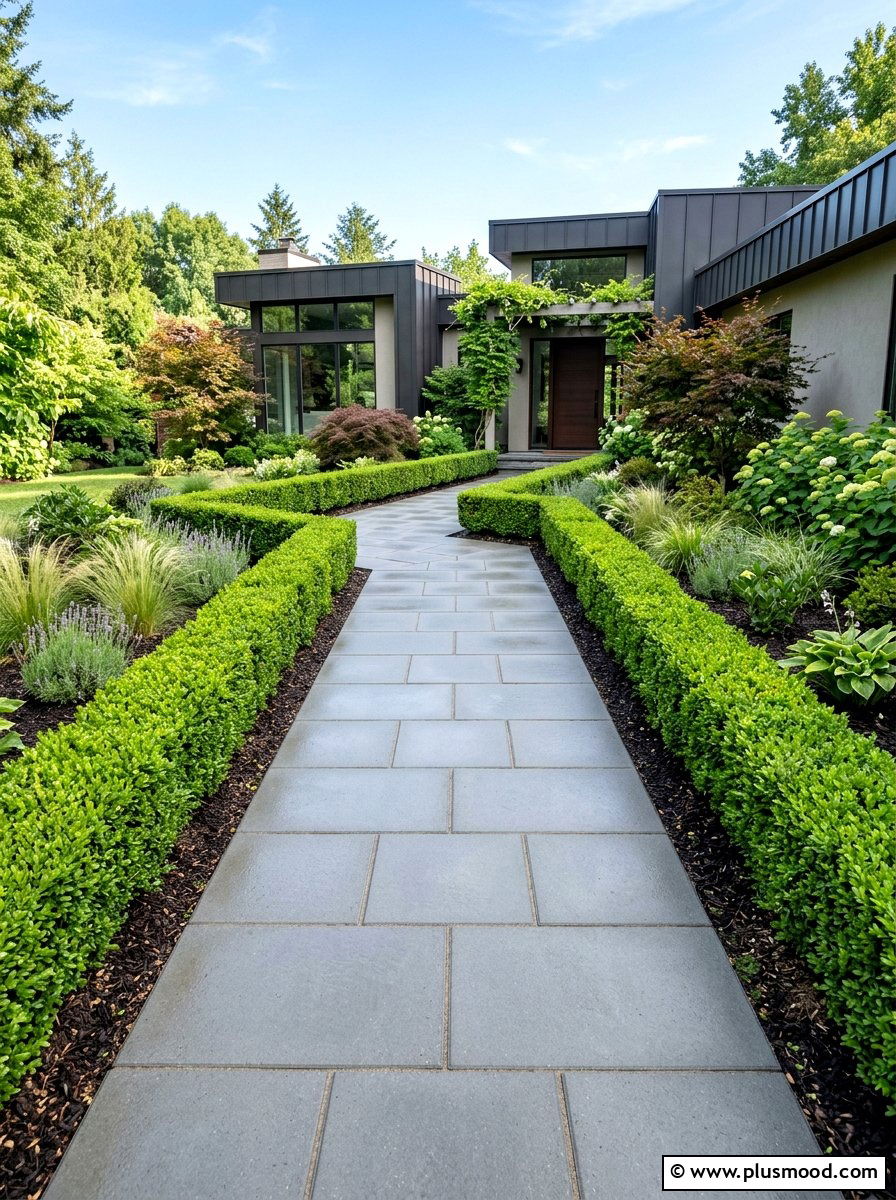
Do you prefer a clean and contemporary look that feels organized and very professional? Modern concrete pavers come in various shades of gray and beige, allowing you to create a sleek curved path that complements minimalist architecture. Even though pavers are rectangular, you can achieve a smooth curve by carefully spacing them or using smaller transition pieces. This style of path looks stunning when paired with architectural plants like yuccas or boxwood hedges. A concrete paver walkway provides a stable and flat surface, making it ideal for small backyards that also function as transition zones between the back door and a seating area or patio.
6. Wood Slice Path
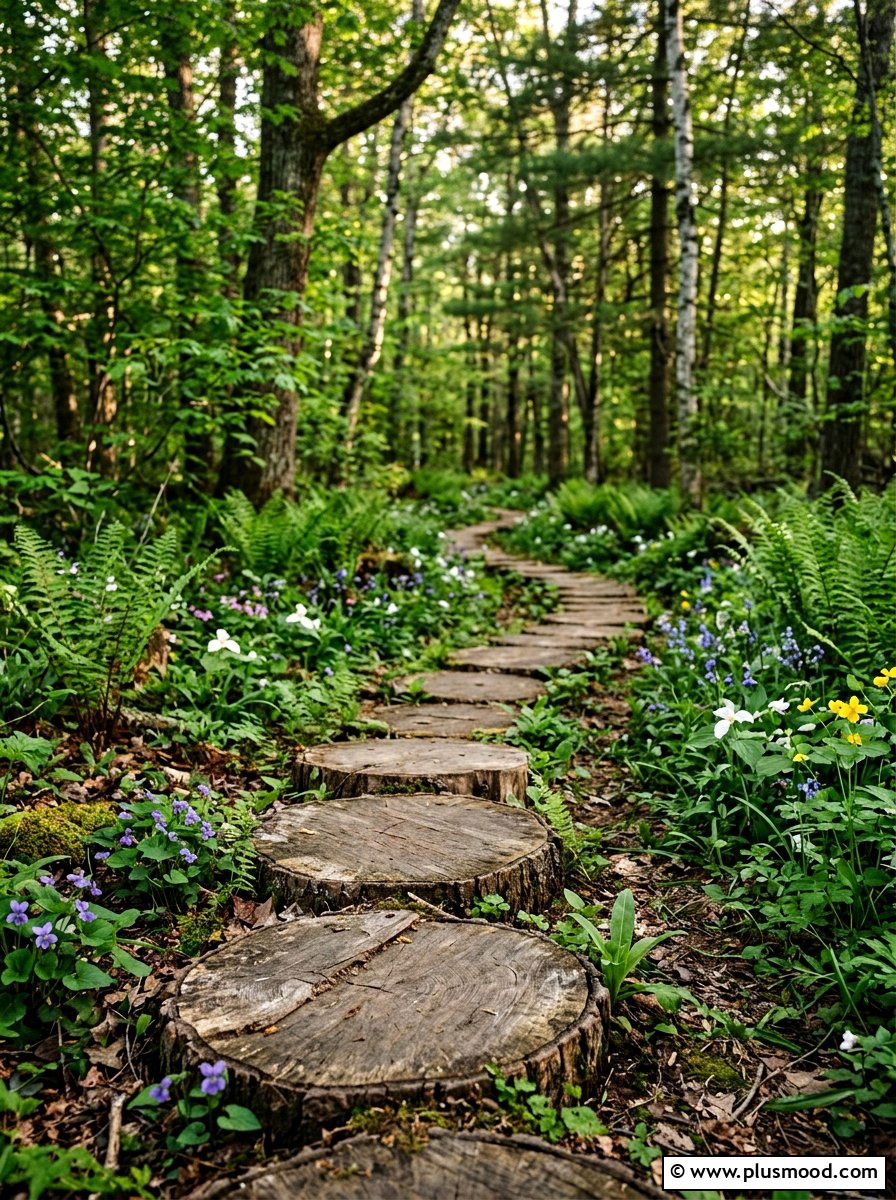
Are you looking for a way to bring a rustic, woodland vibe to your urban or suburban backyard? A wood slice path, often called a log "cookie" walkway, uses cross-sections of fallen trees to create a natural and winding trail. These circular shapes naturally lend themselves to curved designs, making it easy to snake the path around existing trees or flower pots. It is important to treat the wood or set the slices into a bed of sand to prevent rotting and ensure stability. This unique design adds a lot of texture and a very organic feel to small spaces, making the backyard feel like a tiny forest escape.
7. Mulch Garden Path
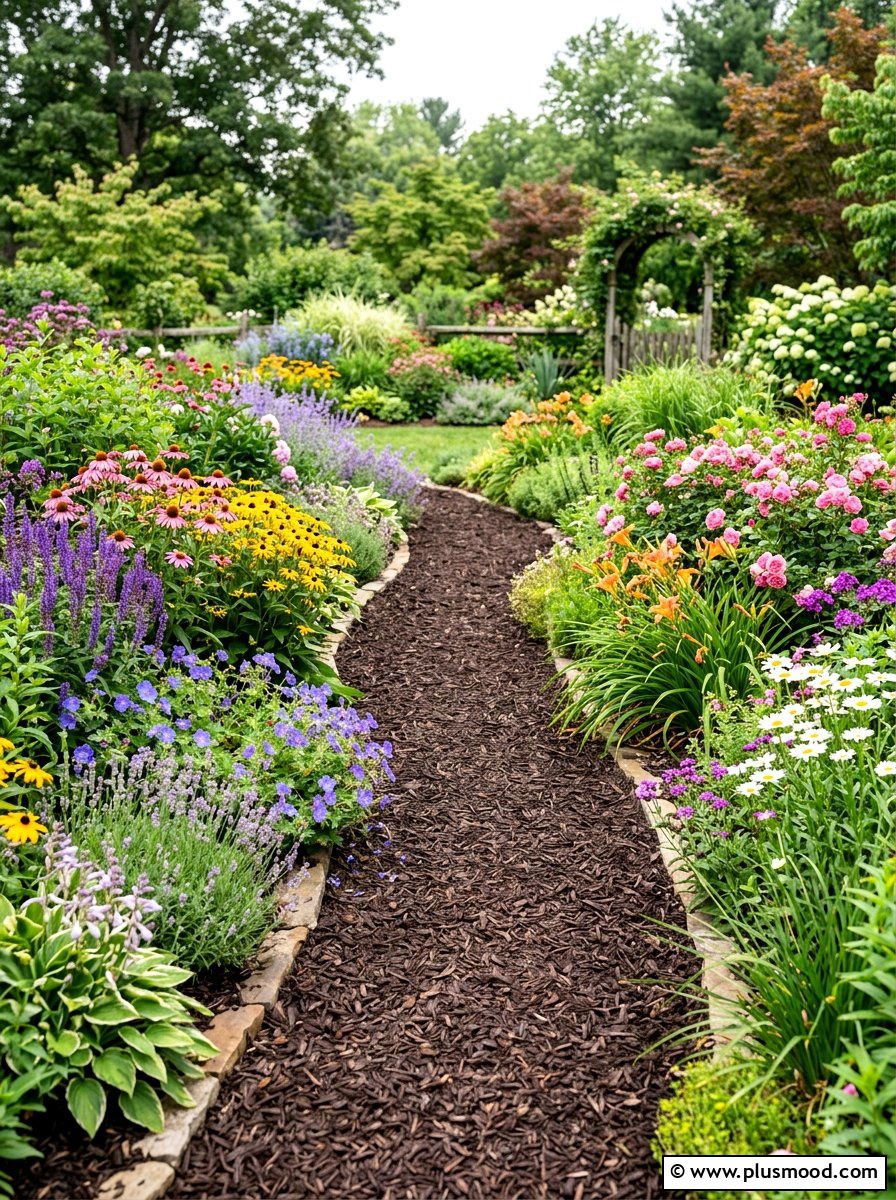
Sometimes the best solution for a small backyard is the most natural and least expensive one available today. A mulch path is incredibly easy to install and allows for complete creative freedom when designing your curves and bends. Because mulch is a loose material, you can change the shape of your path every season if you decide to expand your garden beds. It provides a soft walking surface that feels like a forest floor and helps suppress weeds in the surrounding area. Dark brown or black mulch makes the colors of your perennials pop, while cedar mulch adds a lovely scent and a lighter, brighter visual.
8. Slate Stone Path
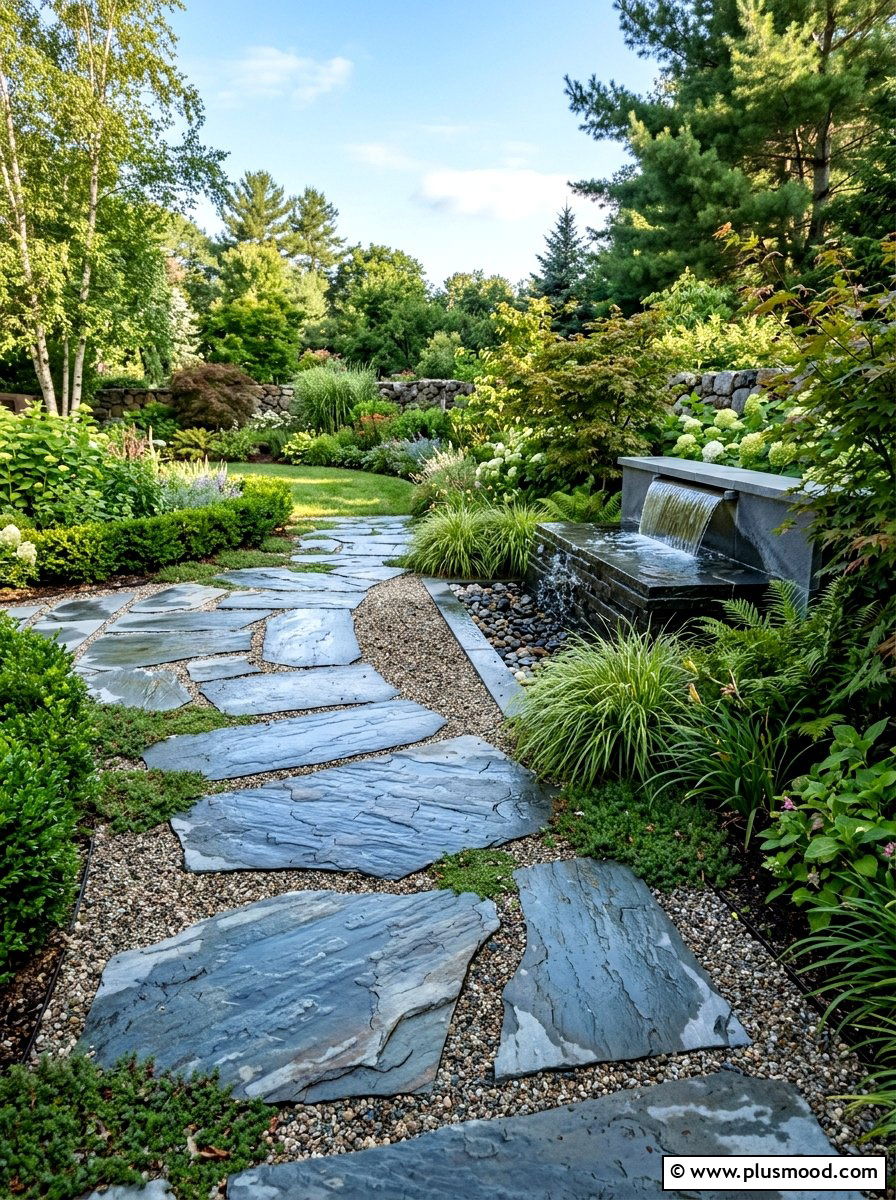
Imagine walking through a sophisticated garden where the ground shimmers slightly under the afternoon sun and looks very elegant. Slate stone is a premium material that offers thin, flat pieces perfect for creating a low-profile curved walkway in a compact yard. The deep blues, grays, and purples of slate provide a cool-toned palette that makes small spaces feel more expansive and serene. You can set slate stones into a bed of fine sand or mortar them for a more permanent and sturdy feel. This material is naturally slip-resistant, which makes it a safe and stylish choice for paths that lead to a hot tub or water feature.
9. Cobblestone Walkway
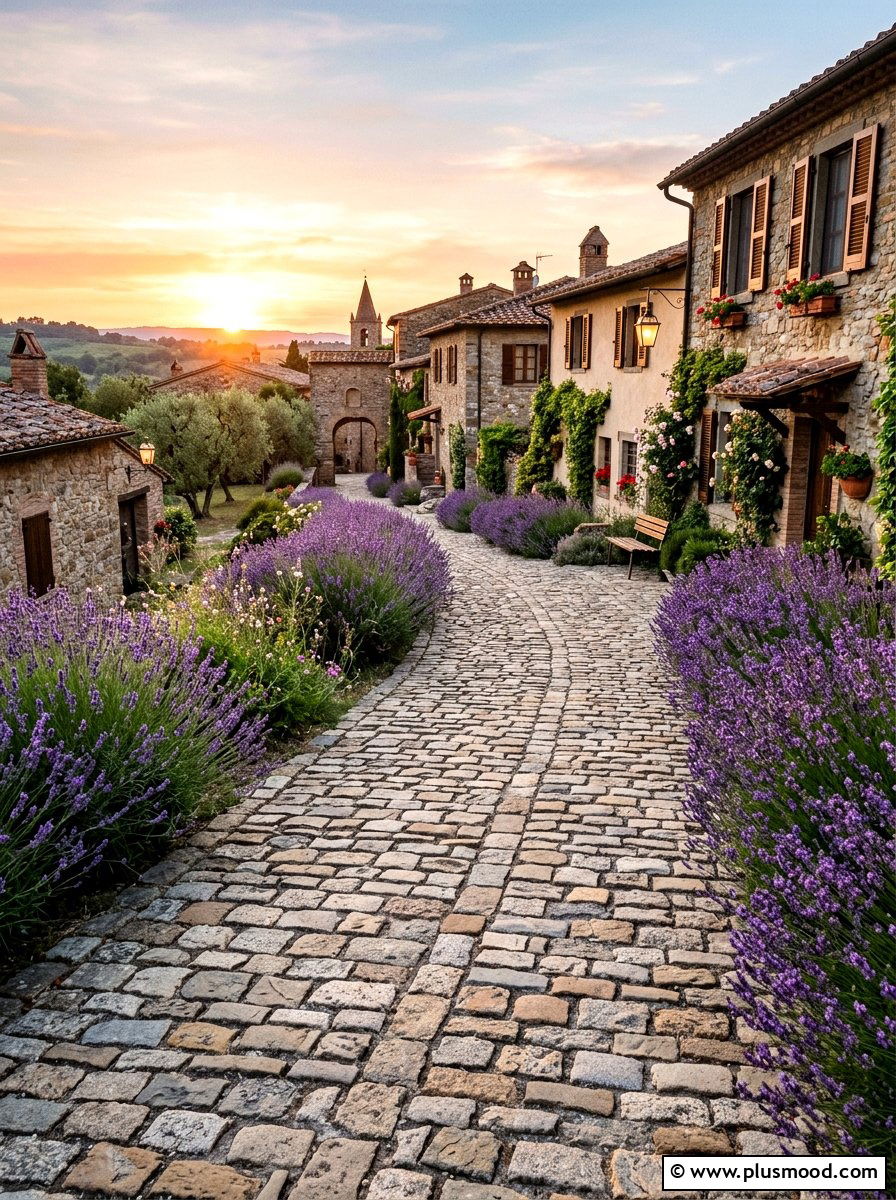
Does your heart long for the charm of a European village hidden right behind your own back door? A cobblestone path brings incredible texture and historical weight to even the smallest of backyards through its rounded, tumbled appearance. These small stones are perfect for creating tight, intricate curves that larger pavers simply cannot handle without being cut. The irregular joints between the cobblestones can be filled with sand or even a bit of moss to enhance the aged, antique look. When lined with lavender or rosemary, a cobblestone curve creates a sensory journey that makes your small backyard feel like a much larger, luxurious estate.
10. Travertine Path
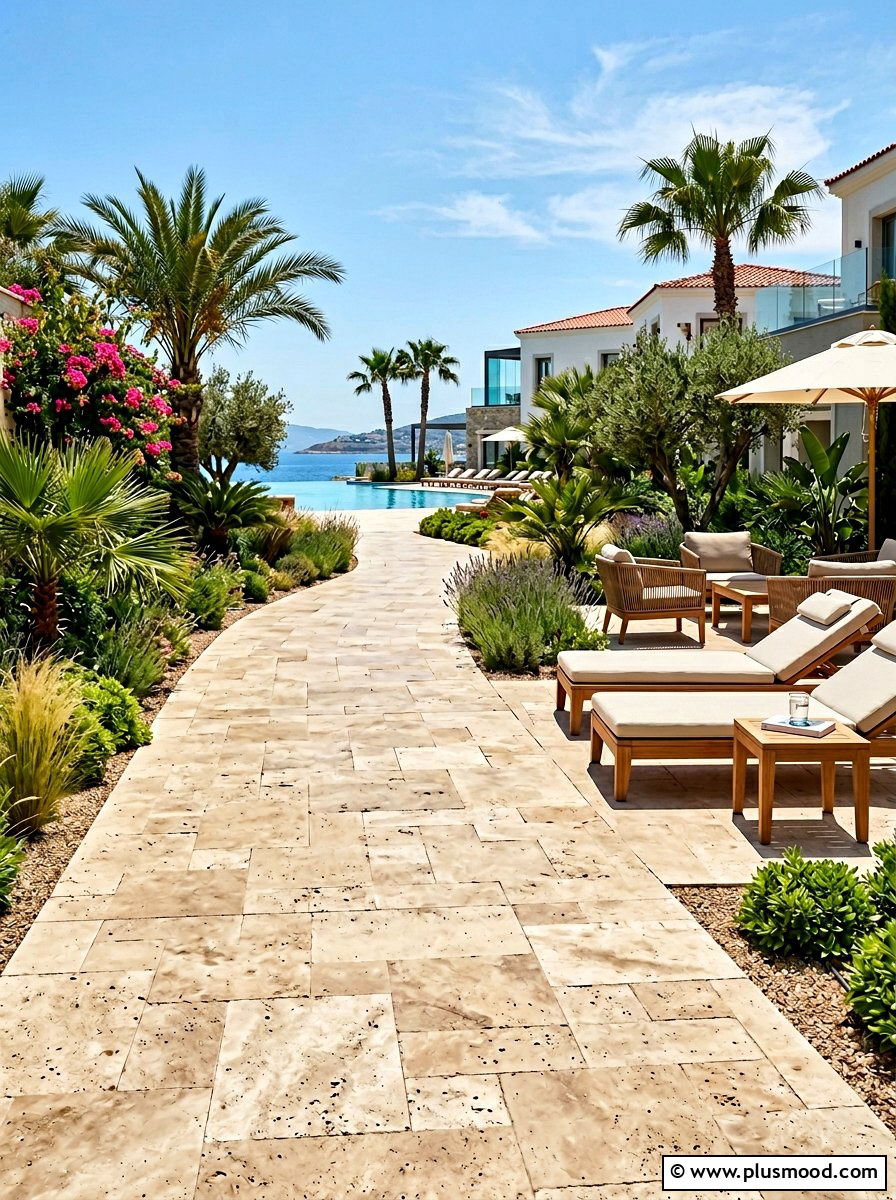
If you want your backyard to feel like a high-end resort, have you considered the elegance of travertine? This natural stone is known for its light, sandy tones and smooth surface that stays relatively cool under the summer sun. A curved travertine path looks exceptionally clean and sophisticated, especially when it leads toward a small patio or a modern lounge chair. The light color helps reflect sunshine, which can brighten up a dark or shaded small backyard significantly. Travertine tiles can be cut to fit precise curves, resulting in a polished look that increases the overall value and aesthetic appeal of your entire home.
11. Granite Sett Path
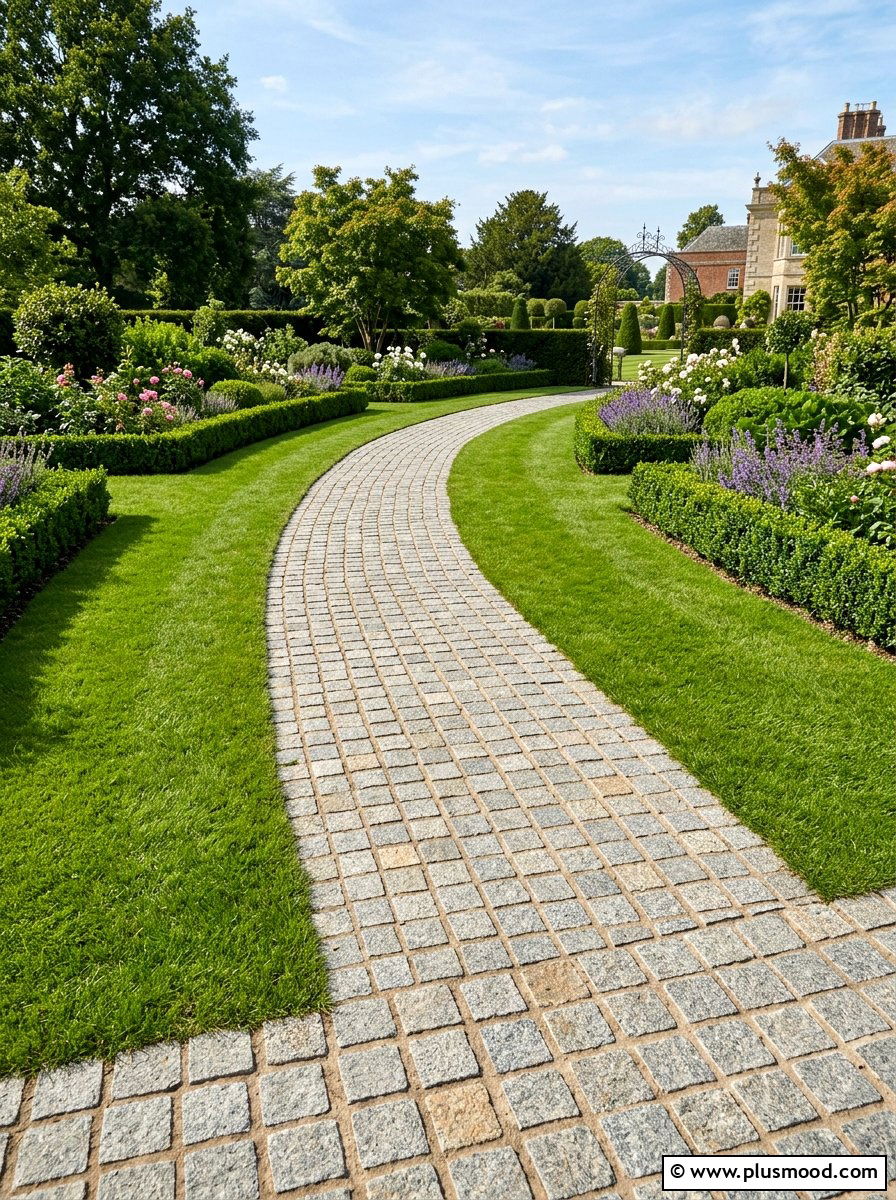
Are you searching for a material that combines extreme durability with a very neat and orderly appearance? Granite setts are small, square-cut stones that have been used for centuries in street paving because they are nearly indestructible. In a small backyard, these setts allow you to create very precise and sharp curves that look incredible against a manicured green lawn. The speckled texture of the granite adds visual depth without being overwhelming or looking too busy. Because they are small, they are easy to work with in tight corners where larger stones would be difficult to place, making them perfect for narrow side yards.
12. Pebble Mosaic Path
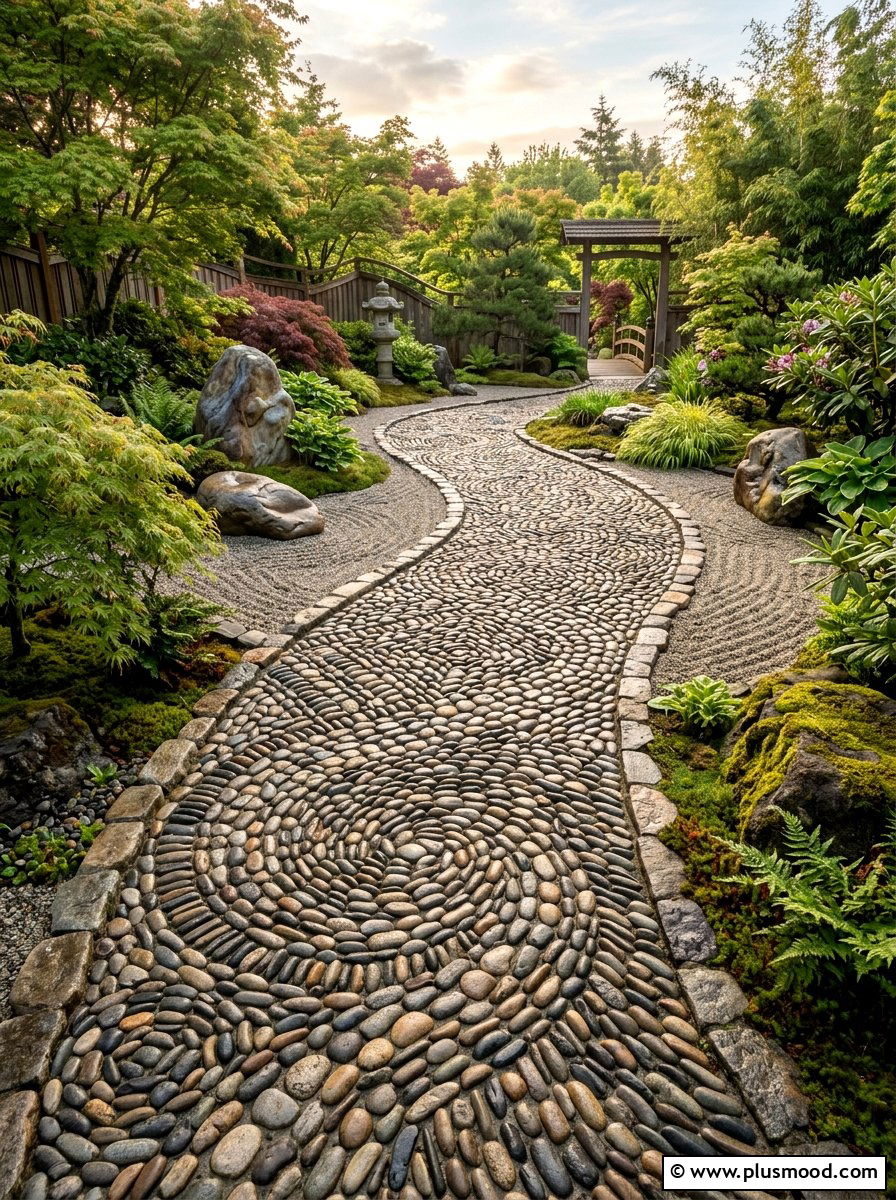
Why settle for a plain walkway when you can turn your garden path into a stunning piece of outdoor art? A pebble mosaic path involves setting small, smooth river stones into a mortar bed to create patterns, swirls, and intricate curved designs. This is a fantastic way to add a personal touch to a small backyard where every detail is noticed by guests. You can use different colored pebbles to highlight the curve of the path or create floral motifs along the way. While it takes more time to install, the result is a beautiful, tactile surface that serves as a major focal point in your landscape.
13. Limestone Path
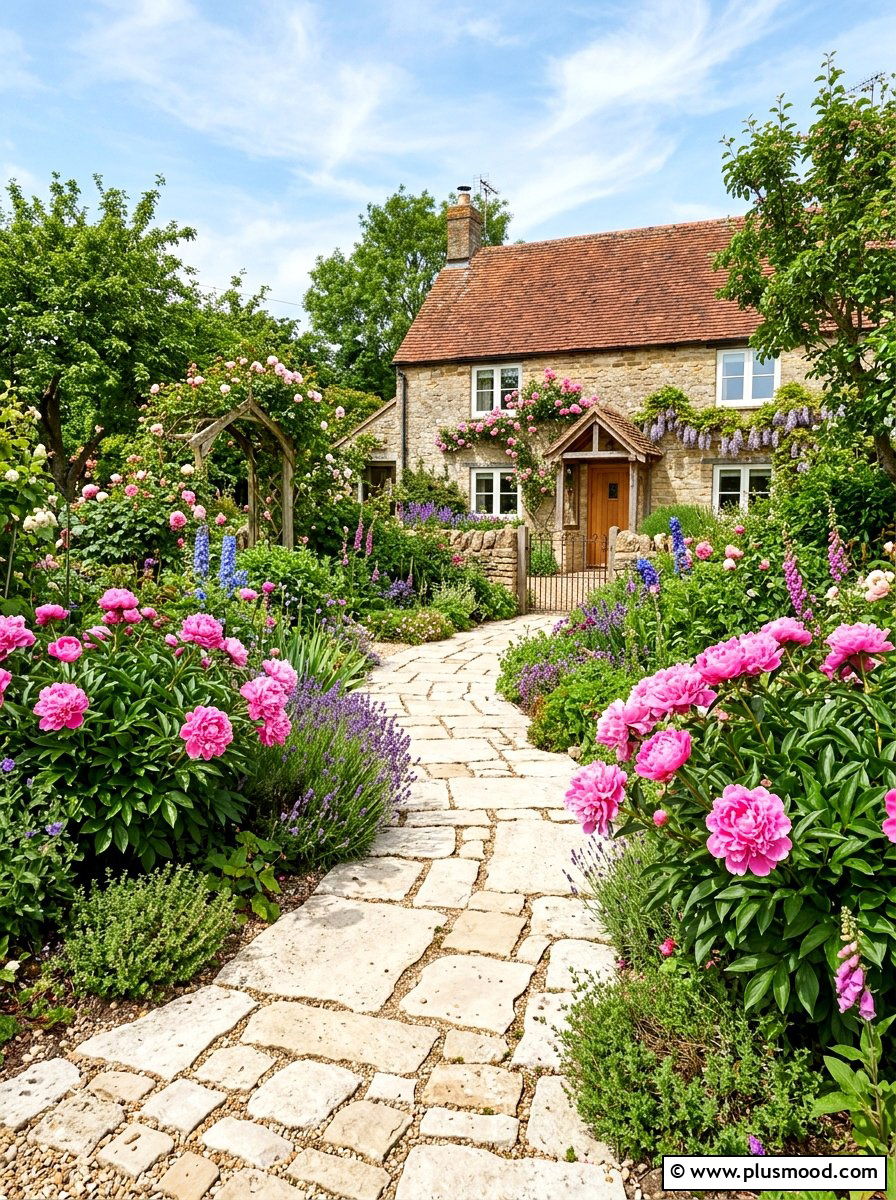
Do you want a garden path that looks bright, clean, and perfectly suited for a sunny cottage garden? Limestone is a popular choice for curved walkways because it is easy to shape and offers a consistent, creamy color palette. A winding limestone path looks beautiful when bordered by colorful perennials like salvia, daisies, or peonies. The light-colored stone creates a strong visual line that guides the eye through the garden, making the space feel intentionally designed and very organized. Limestone is also very durable, ensuring that your small backyard path will remain beautiful and functional for many years to come with minimal maintenance.
14. Decomposed Granite Path
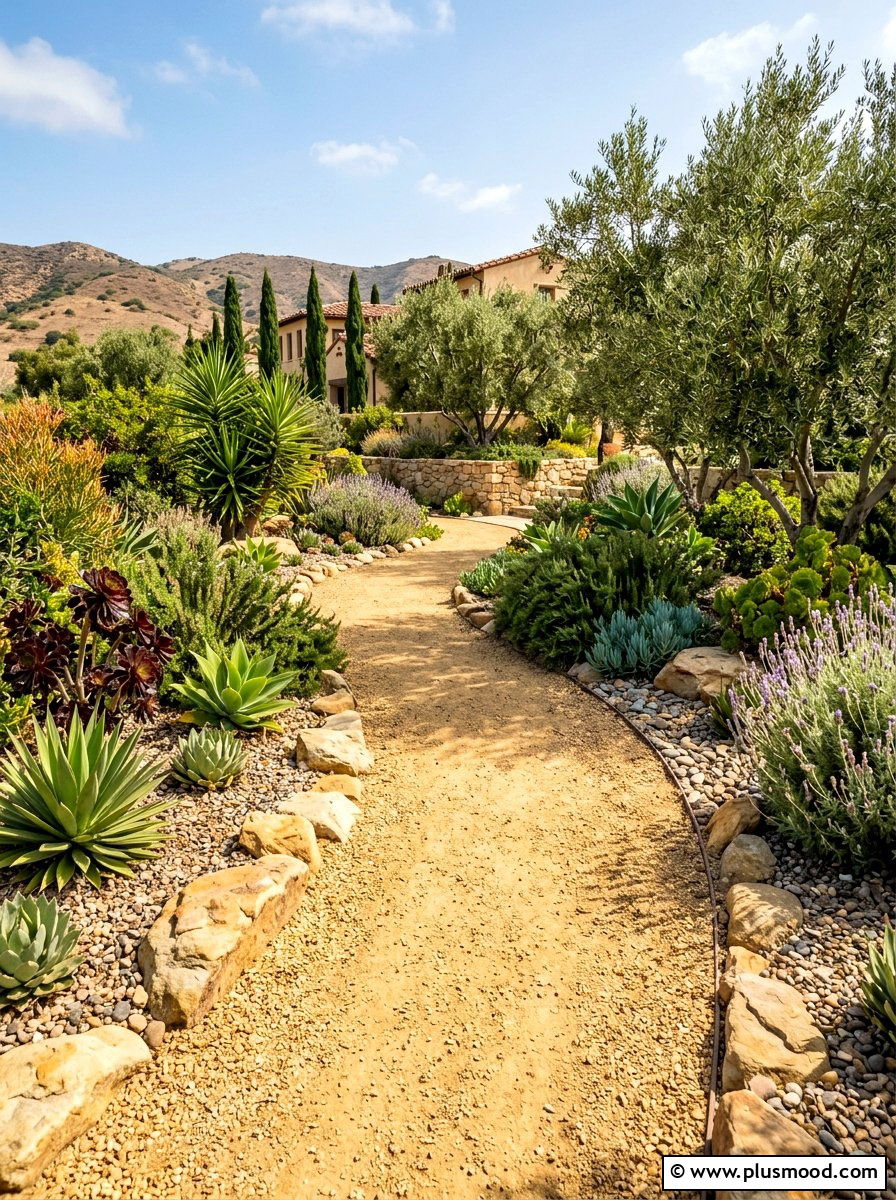
Have you considered using a material that looks like a natural trail but stays firm under your feet? Decomposed granite is a crushed stone material that packs down tightly to create a stable, permeable surface for a winding backyard path. It comes in various earthy tones, from tan to gold to reddish-brown, allowing you to match it to your home’s exterior easily. Because it is a loose material that hardens, it is incredibly easy to form into soft, sweeping curves around small garden islands or seating areas. It provides a relaxed, Mediterranean or Southwest feel that is very low-maintenance and highly effective for small spaces.
15. River Rock Path
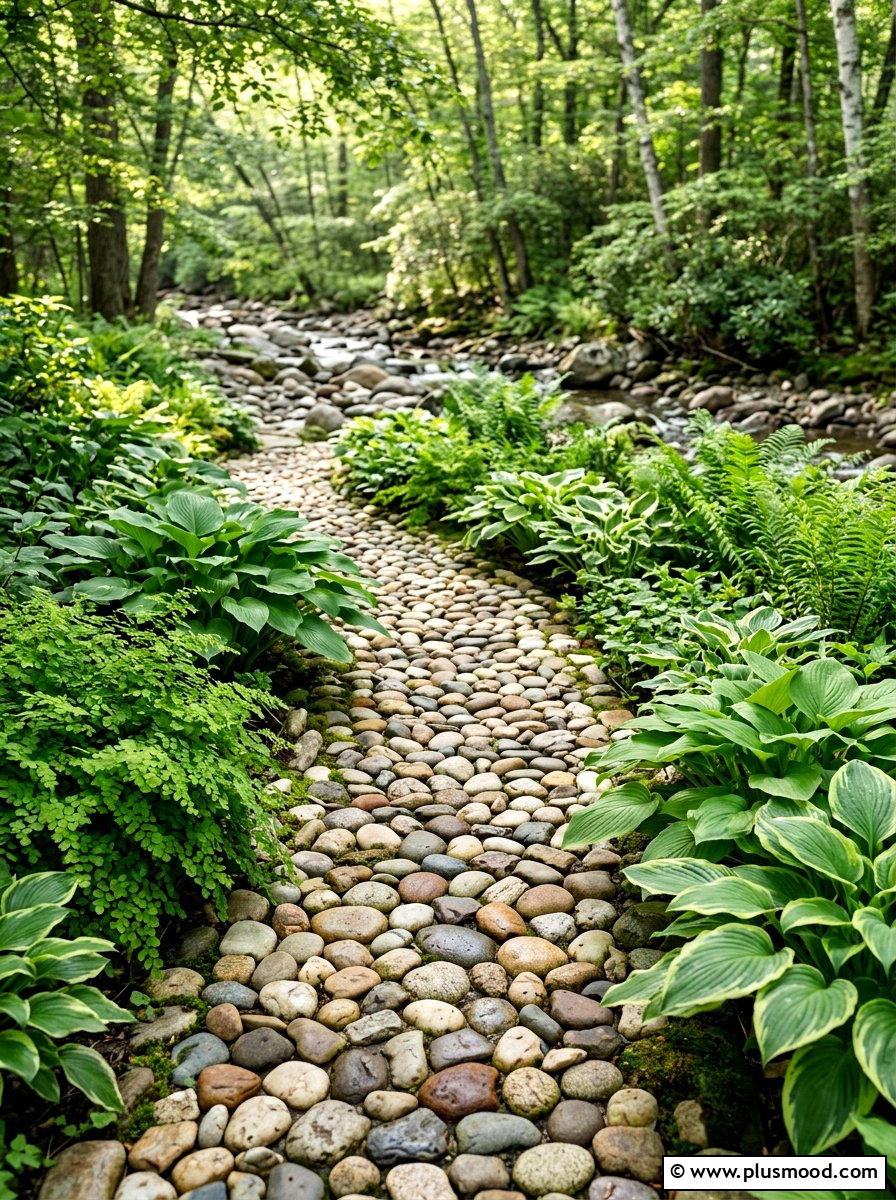
Would you like to bring the peaceful feeling of a dry creek bed into your small outdoor living area? A path made of smooth, rounded river rocks in varying sizes creates a very naturalistic and flowing curved walkway. You can use larger stones for the edges and smaller pebbles for the walking surface to ensure it is comfortable for your feet. This design works perfectly in Zen-inspired gardens or areas with a lot of natural shade and ferns. The variation in stone color — from grays to tans to blues — adds a layer of visual interest that makes a small backyard feel more layered and complex.
16. Reclaimed Brick Path
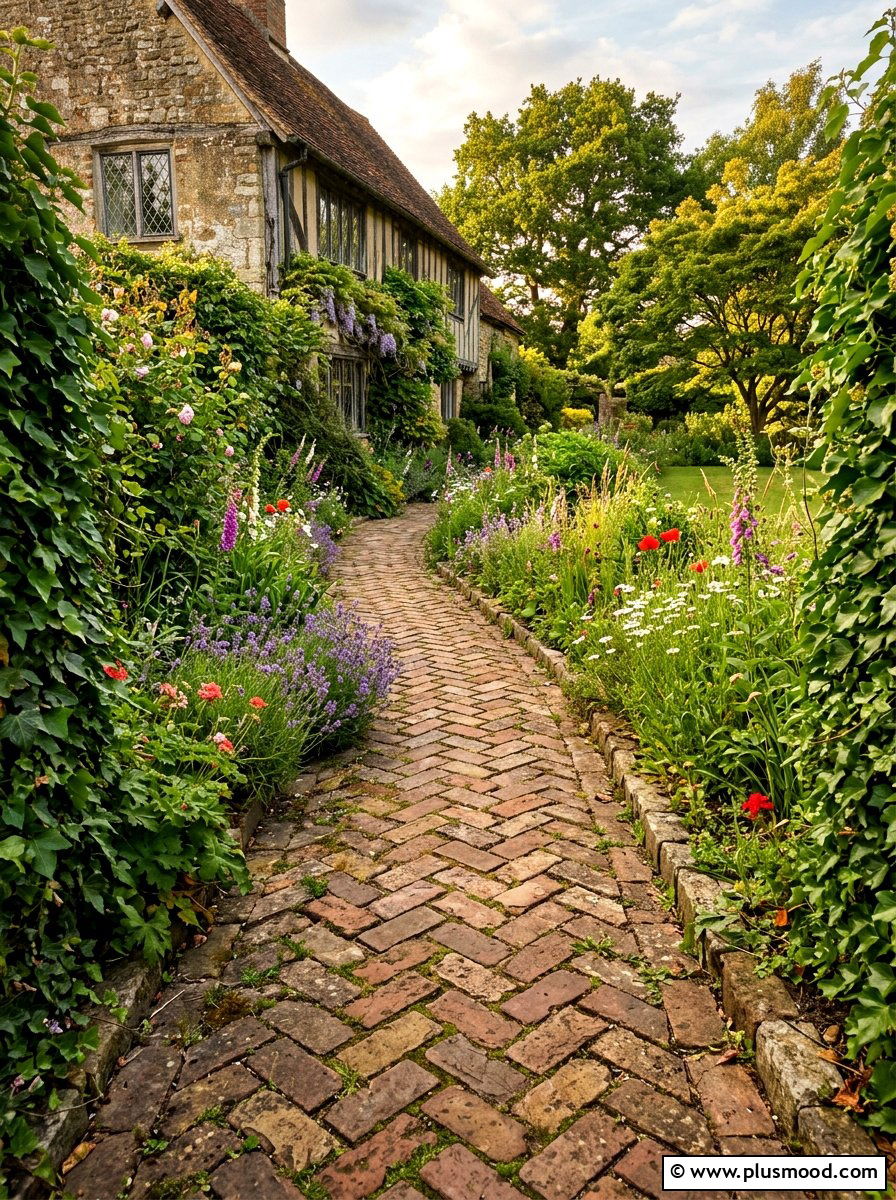
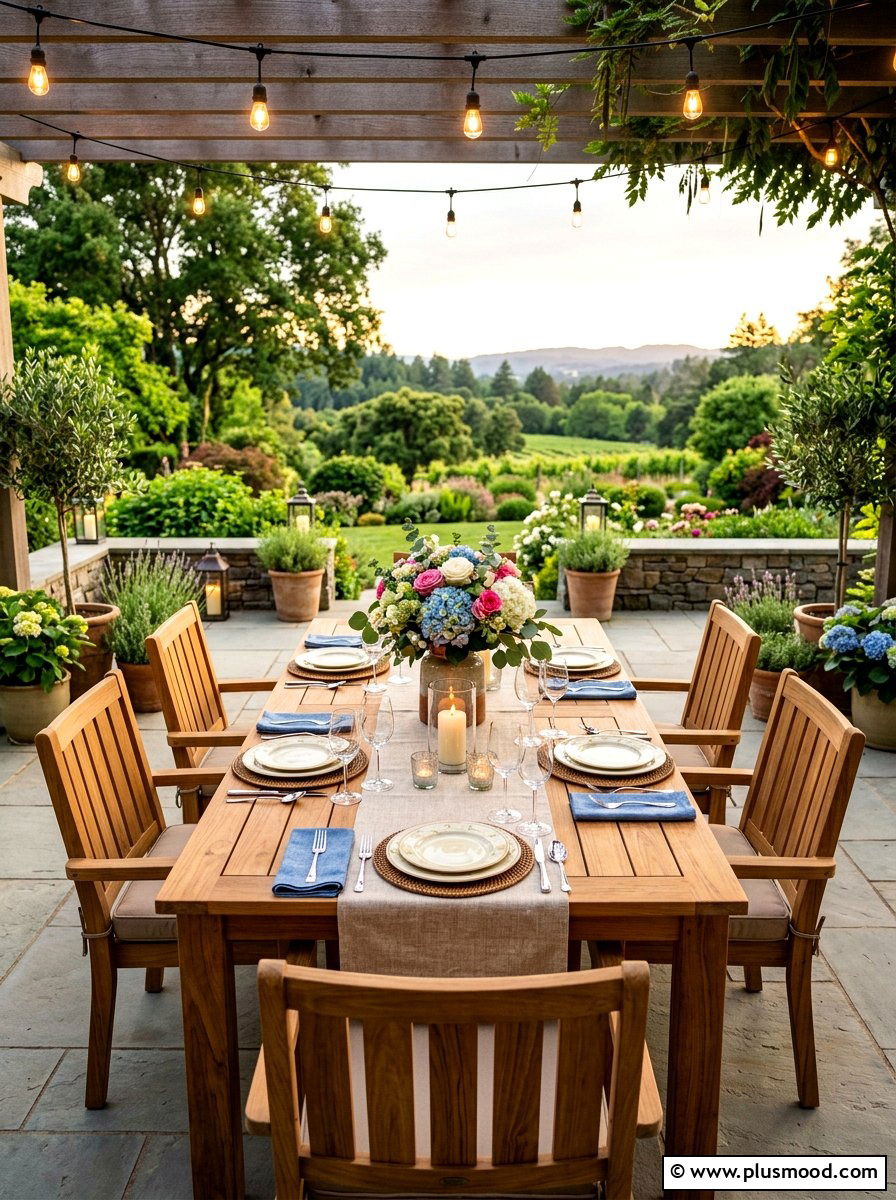
Do you love the idea of using recycled materials to give your backyard a sense of history and soul? Reclaimed bricks, often salvaged from old buildings, have worn edges and unique markings that new bricks simply cannot replicate. Using these to create a curved path adds instant "shabby chic" or historic charm to a small garden space. The slightly uneven surface and weathered colors look beautiful when surrounded by wildflowers or overgrown ivy. This eco-friendly choice not only looks fantastic but also tells a story, making your small backyard feel like a cherished space that has evolved gracefully over a long period of time.
17. Large Flagstone Walkway
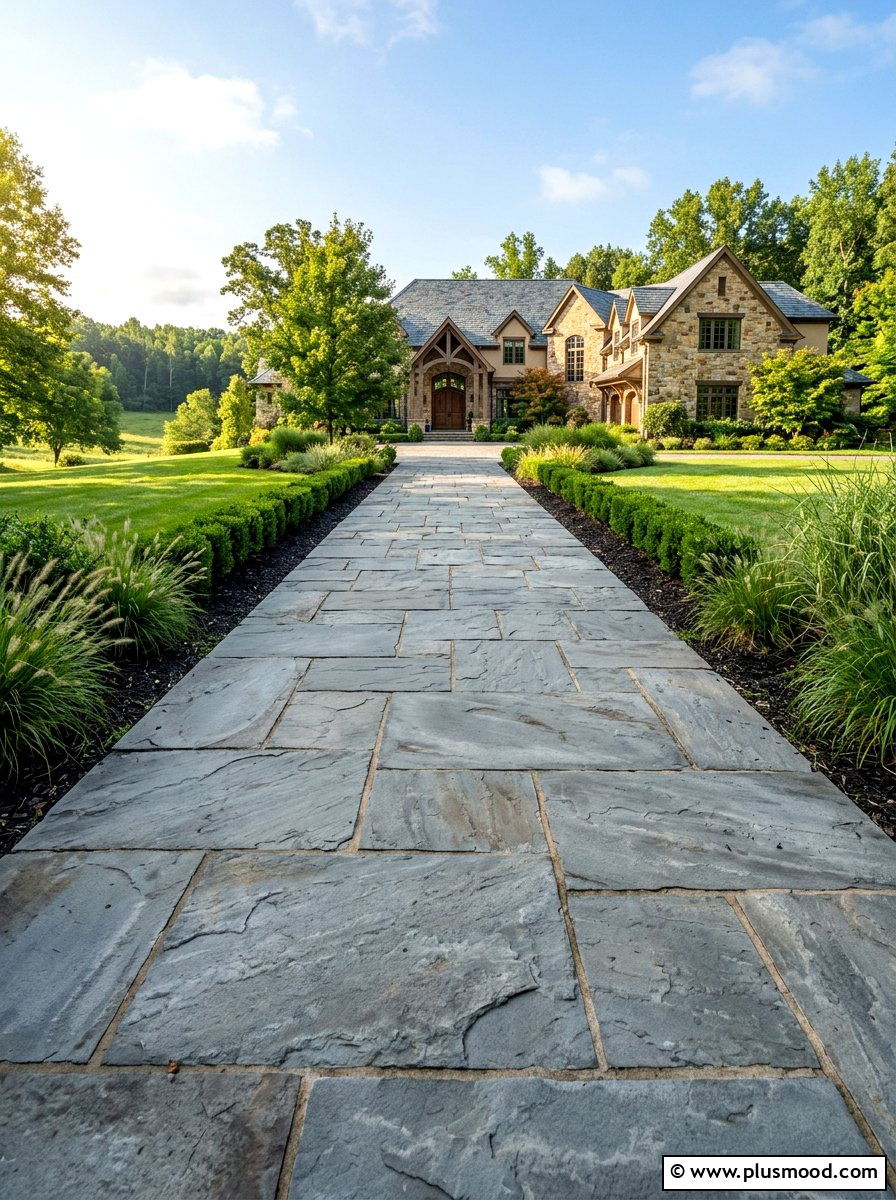
Could using larger materials actually make your small space feel more expansive and much less cluttered? Using oversized flagstones for your curved path reduces the number of joint lines, which can help a small backyard look more unified and open. These large, flat stones provide a very sturdy walking surface and a bold architectural statement that draws the eye. When you lay them in a gentle curve, the scale of the stones creates a sense of grandeur that mimics a much larger estate garden. This approach is perfect for homeowners who want a high-impact design that is also very practical and easy to walk on.
18. Mossy Paver Path
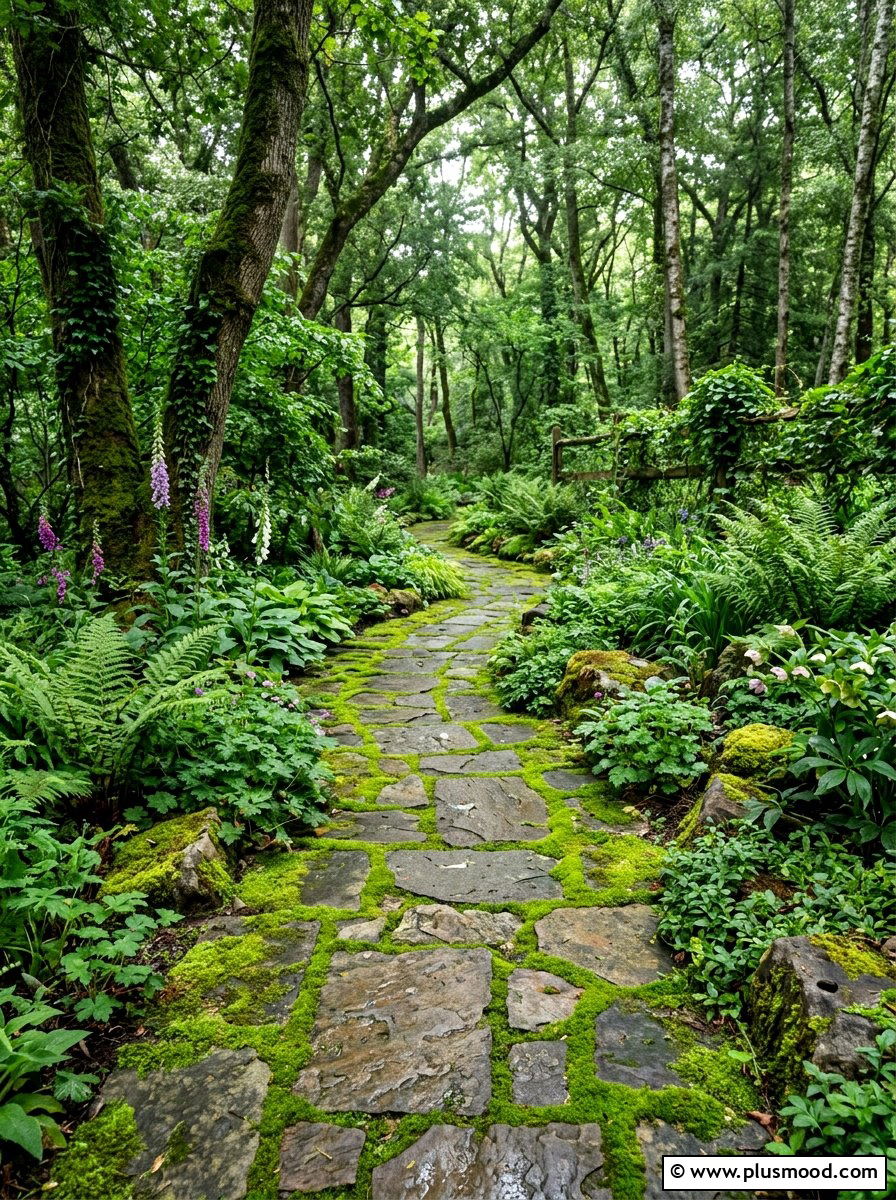
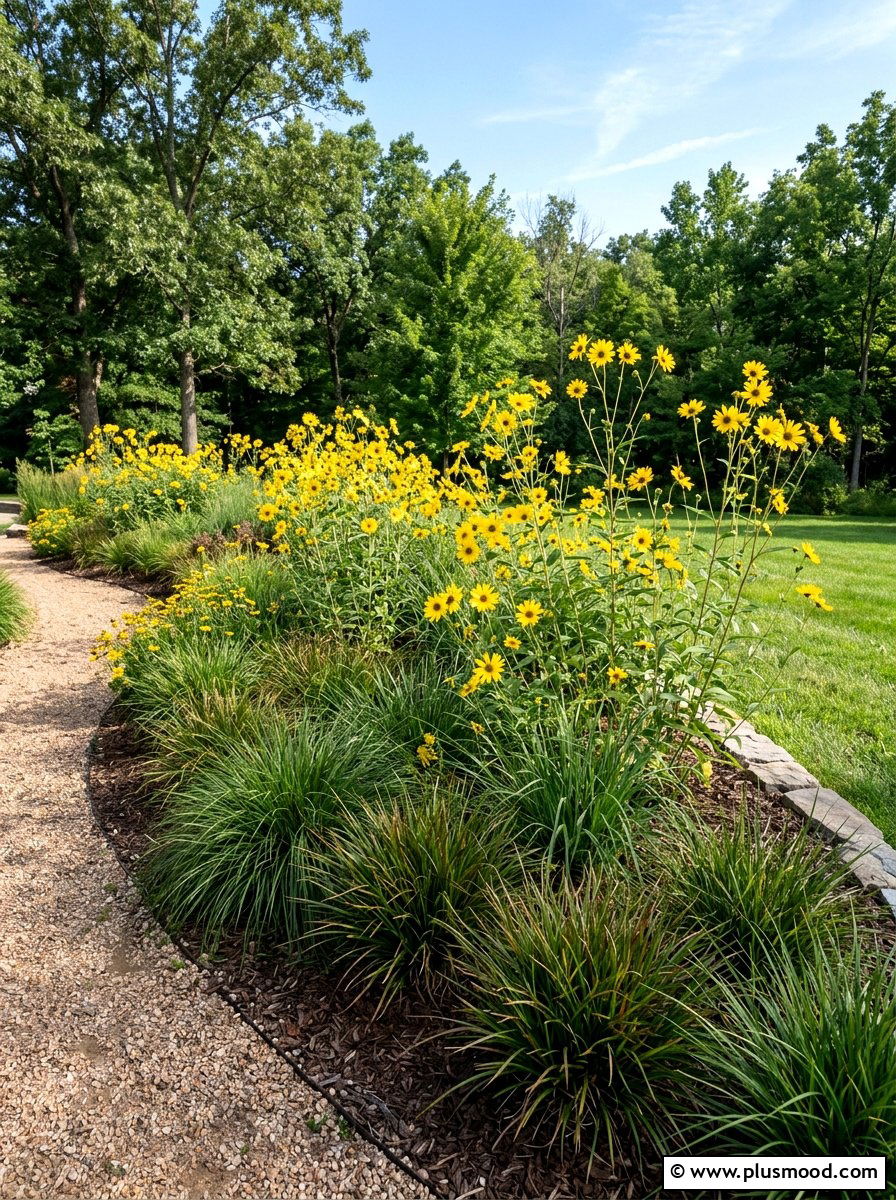
Imagine a path that looks like it belongs in a fairytale, with soft green life growing between every stone. A mossy paver path uses standard concrete or stone pavers but leaves wider gaps specifically intended for growing lush, emerald-green moss. This is an excellent solution for small backyards that receive a lot of shade and might struggle to grow a traditional grass lawn. The contrast between the hard stone and the velvety moss creates a soft, magical feeling that is very relaxing. It turns a functional walkway into a living part of the garden that feels cool, damp, and incredibly peaceful to walk through.
19. Wood Plank Walkway
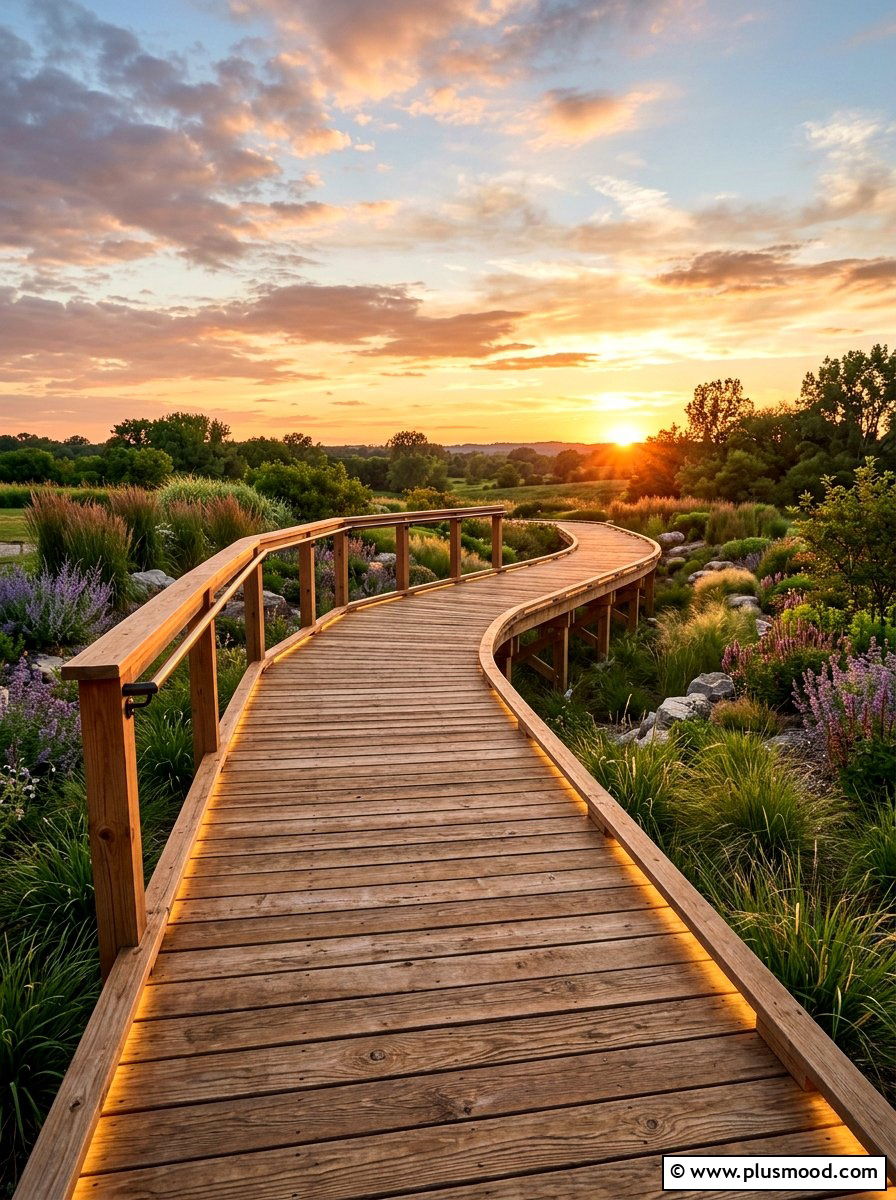
Are you looking for a way to add a bit of height and a different architectural element to your garden? A curved wood plank walkway, similar to a small boardwalk, can be built slightly above the ground to navigate uneven terrain or protect delicate soil. Using weather-resistant wood like cedar or redwood creates a warm, inviting path that feels very modern and intentional. The horizontal lines of the planks can be tapered to create smooth curves that lead toward a deck or a hidden bench. This style of path adds a structural element that makes a small backyard feel professionally designed and very well-organized.
20. Sandstone Garden Path
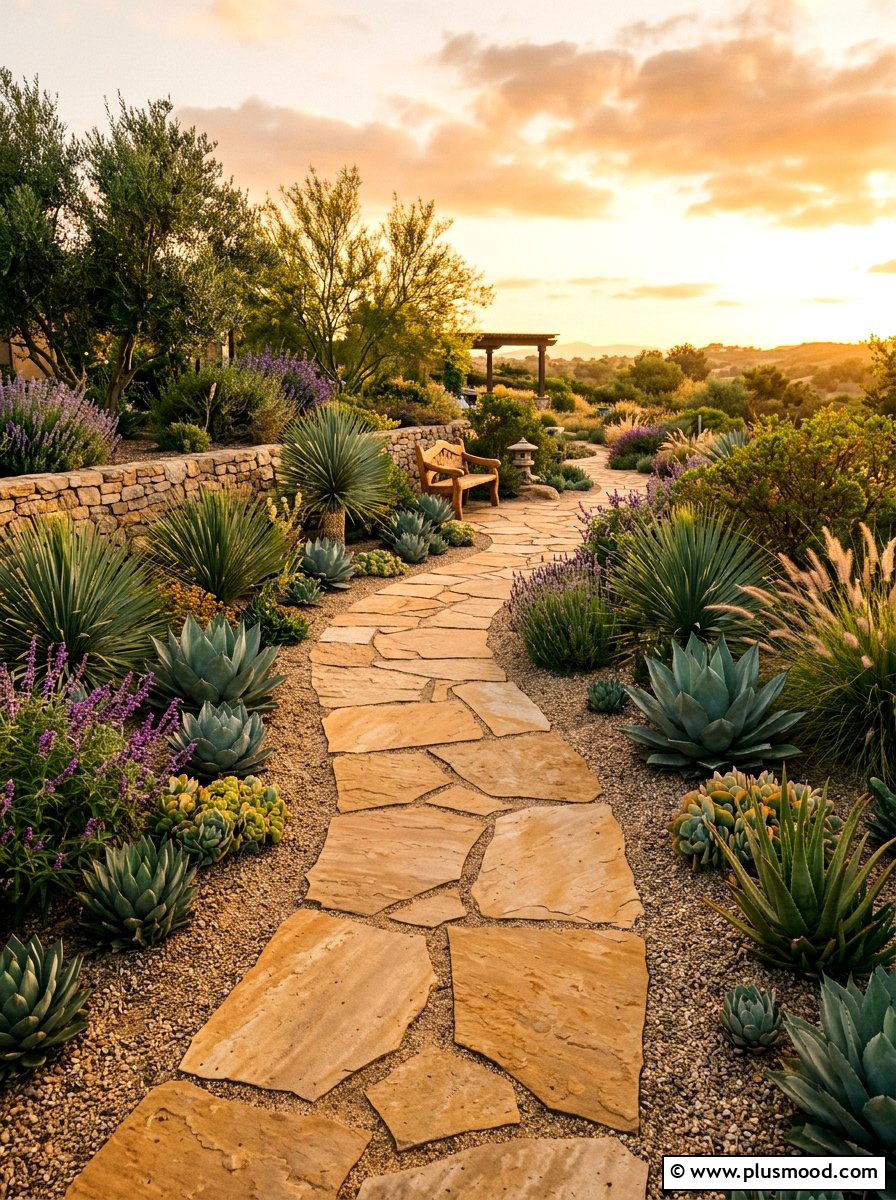
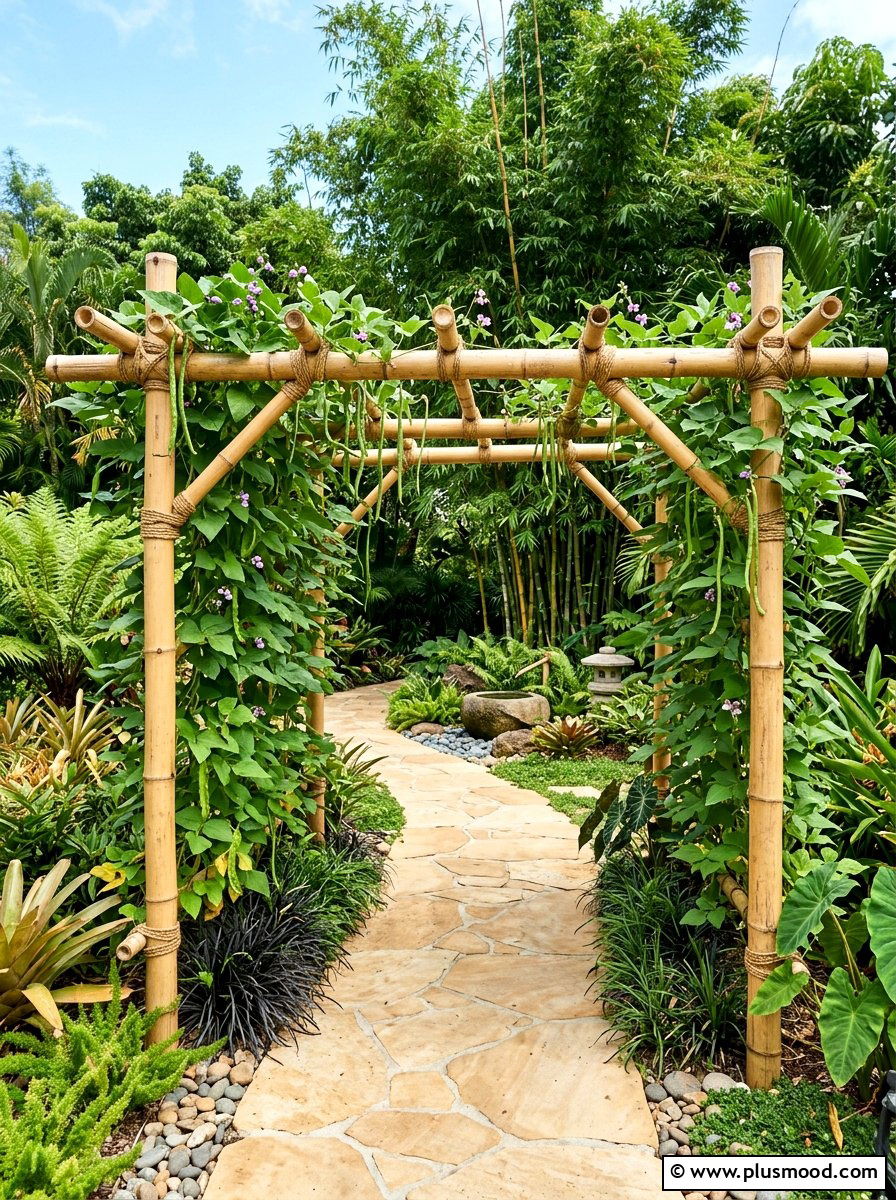
Do you want a path that feels warm, inviting, and glows beautifully when the sun begins to set? Sandstone is a gorgeous natural material with rich textures and earthy colors ranging from soft gold to deep chocolate brown. Its naturally cleft surface provides excellent grip, making it a functional choice for a curved path in any weather. Sandstone looks particularly striking when it winds through a garden filled with succulents or drought-tolerant plants. The natural variations in the stone mean that no two paths will ever look exactly the same, giving your small backyard a custom, handcrafted feel that is truly unique and very impressive.

21. Bluestone Path
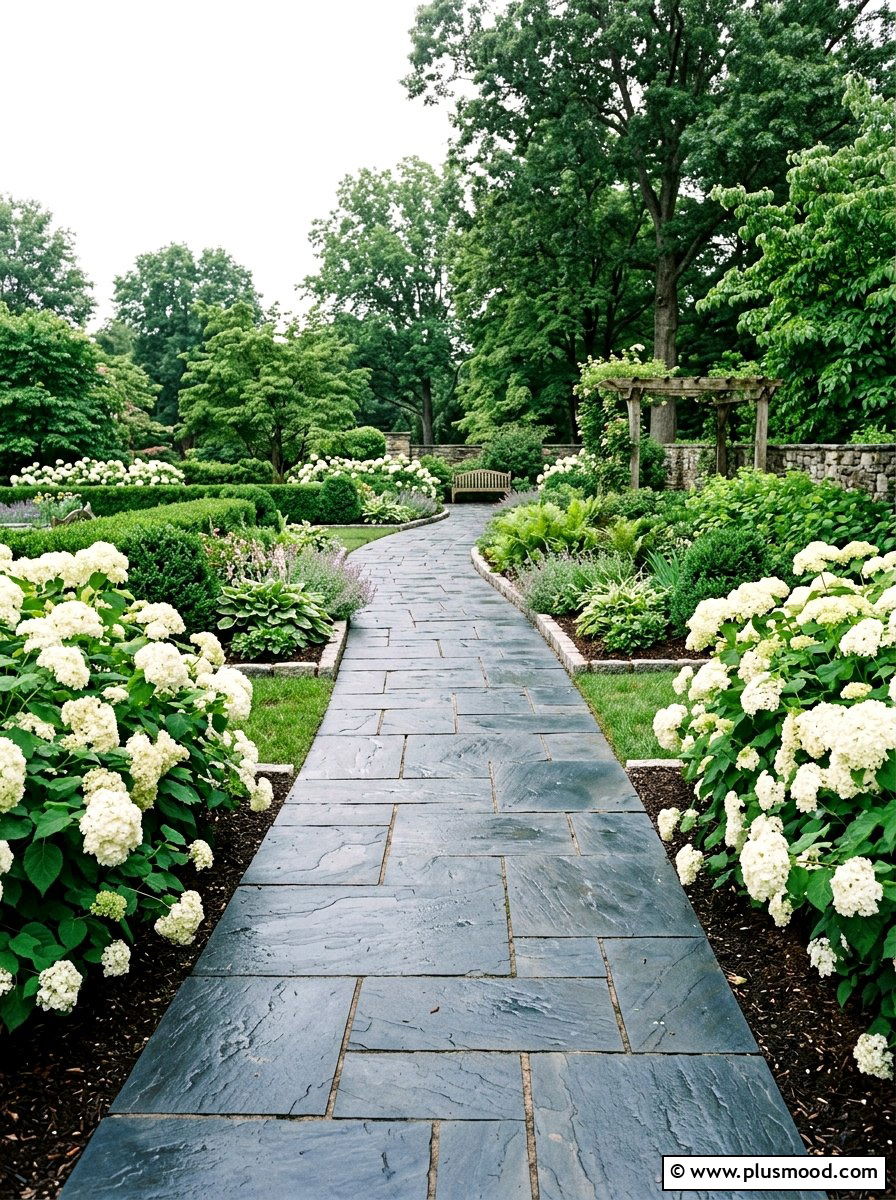
Have you thought about using a material that offers a perfect balance between a formal look and natural beauty? Bluestone is a dense, durable sandstone that comes in stunning shades of deep blue, lilac, and smoky gray. When cut into uniform squares or irregular shapes, it creates a sophisticated curved path that looks amazing in both modern and traditional small backyards. The cool tones of the bluestone help to create a calm atmosphere, making the yard feel like a quiet sanctuary away from the world. It is a very popular choice for high-end landscaping because it is long-lasting and maintains its color beautifully.
22. Mown Grass Path
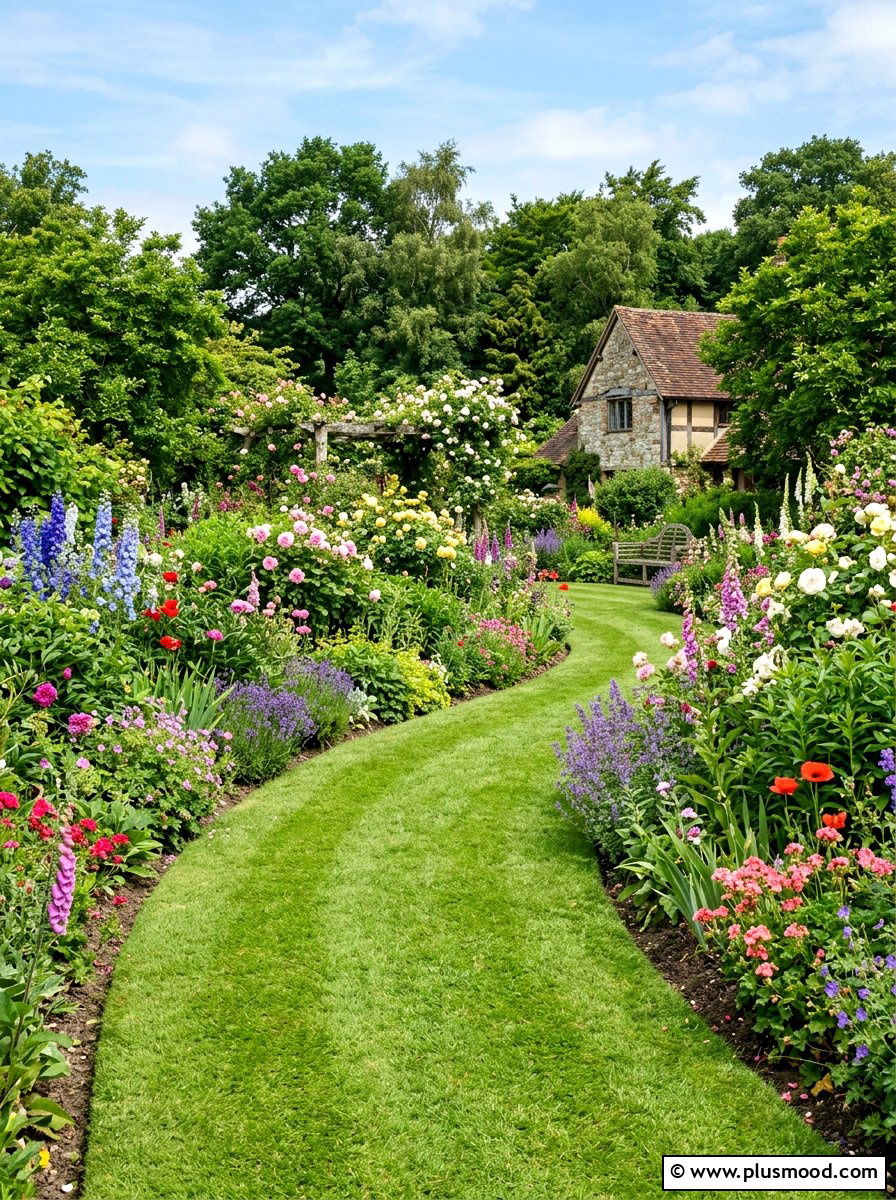
Is it possible that the simplest path is actually the one you already have growing in your backyard? In a small yard filled with dense flower beds, simply mowing a curved strip of grass can create a very effective and beautiful walkway. This "negative space" design allows the colorful blooms to take center stage while providing a clear, soft route through the garden. A mown grass path feels very English and traditional, adding a sense of soft luxury to the space. It requires no hardscaping materials at all, making it the most budget-friendly way to introduce a curved element into your small backyard landscape today.
23. Bark Chip Path
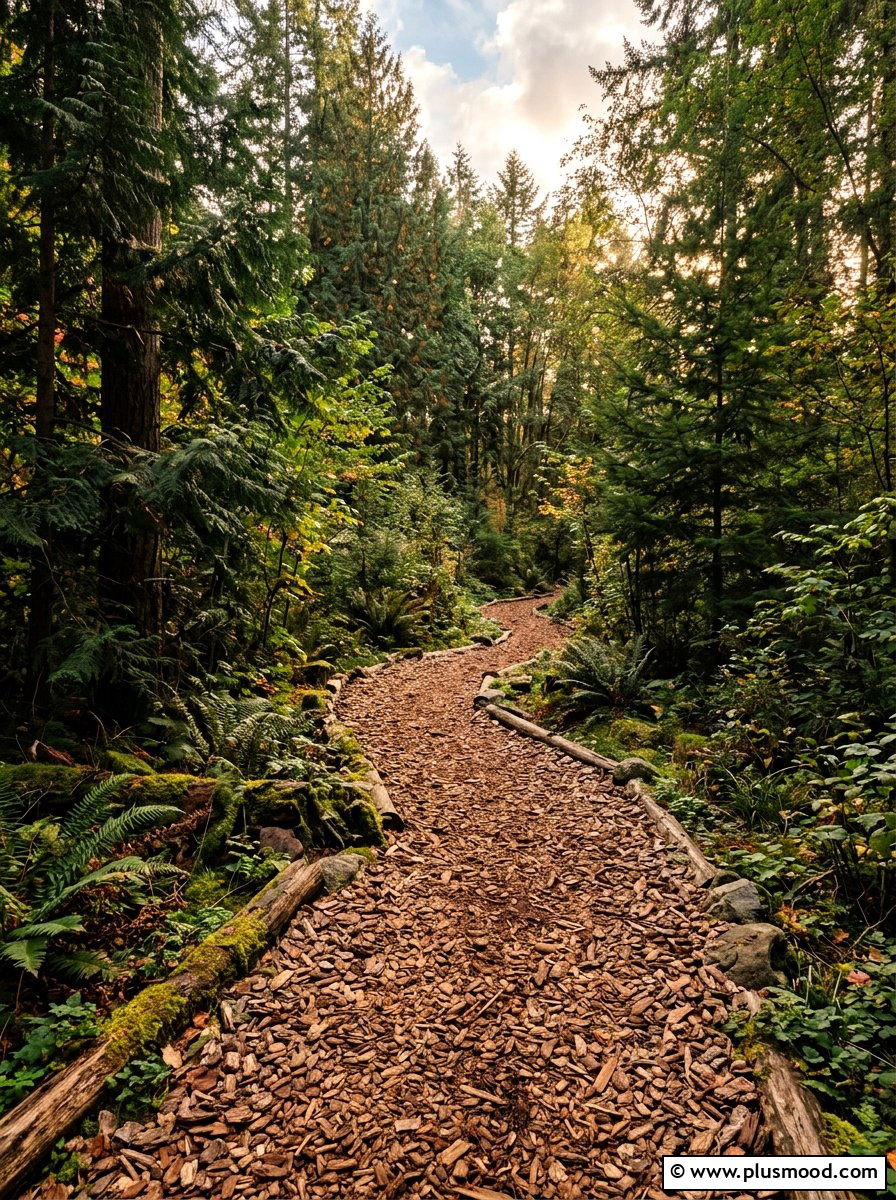
Are you trying to create a casual, woodland-inspired space where you can truly connect with nature every day? Bark chips are a fantastic material for a curved path because they are very easy to spread and naturally conform to any shape you desire. They provide a soft, bouncy walking surface that is great for kids and pets alike. In a small backyard, a bark chip path can wind between tall shrubs or under a canopy of trees to create a sense of adventure and discovery. Over time, the bark decomposes and improves the soil, making it a very sustainable and functional choice for any home garden.
24. Porcelain Outdoor Path
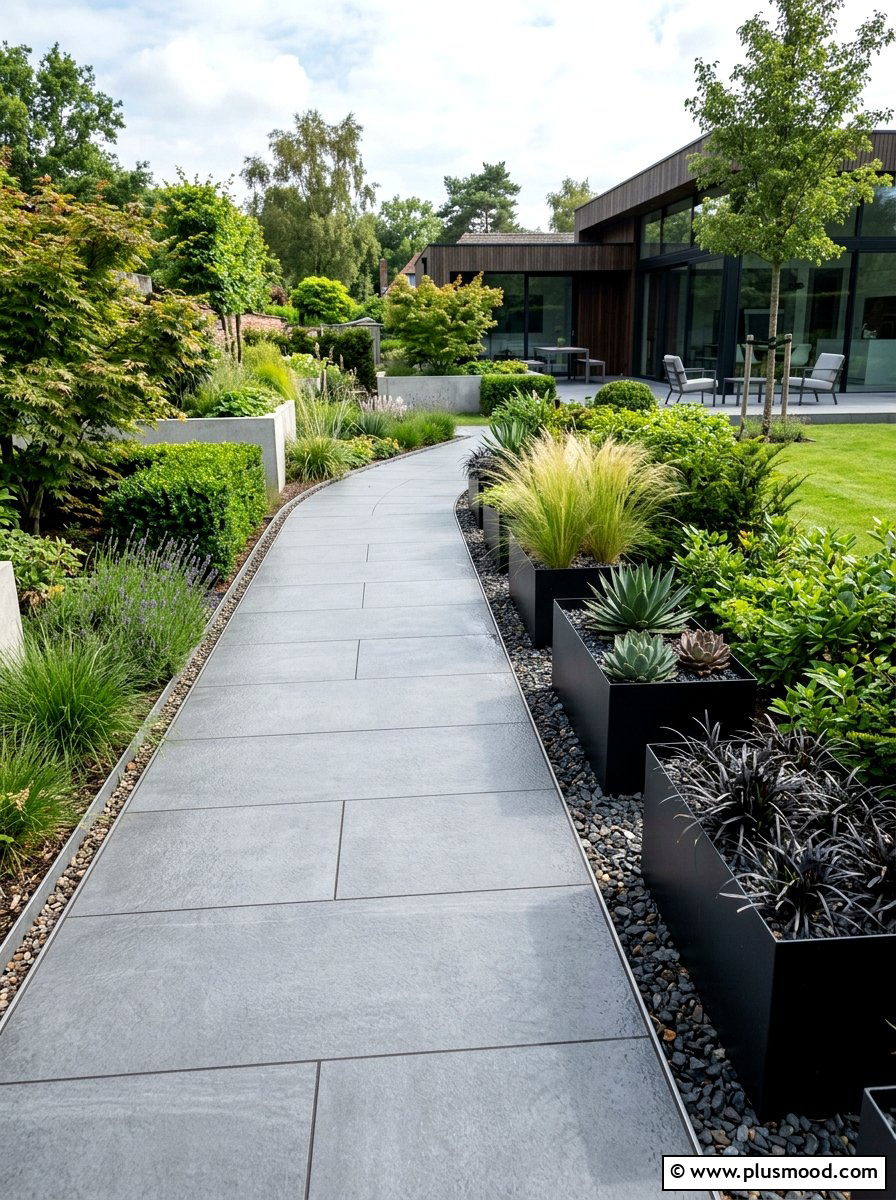
Did you know that you can use the same sleek materials found inside your home for your outdoor walkways? Modern porcelain pavers are specifically designed for outdoor use, offering a slip-resistant and incredibly durable surface that mimics stone or wood. A curved porcelain path looks very high-end and clean, making it a perfect match for contemporary small backyards with minimal plantings. These pavers are resistant to stains, moss, and fading, ensuring that your path looks brand new for many years. The precise edges allow for thin grout lines, resulting in a very smooth and sophisticated curve that feels extremely polished and modern.
25. Terracotta Path
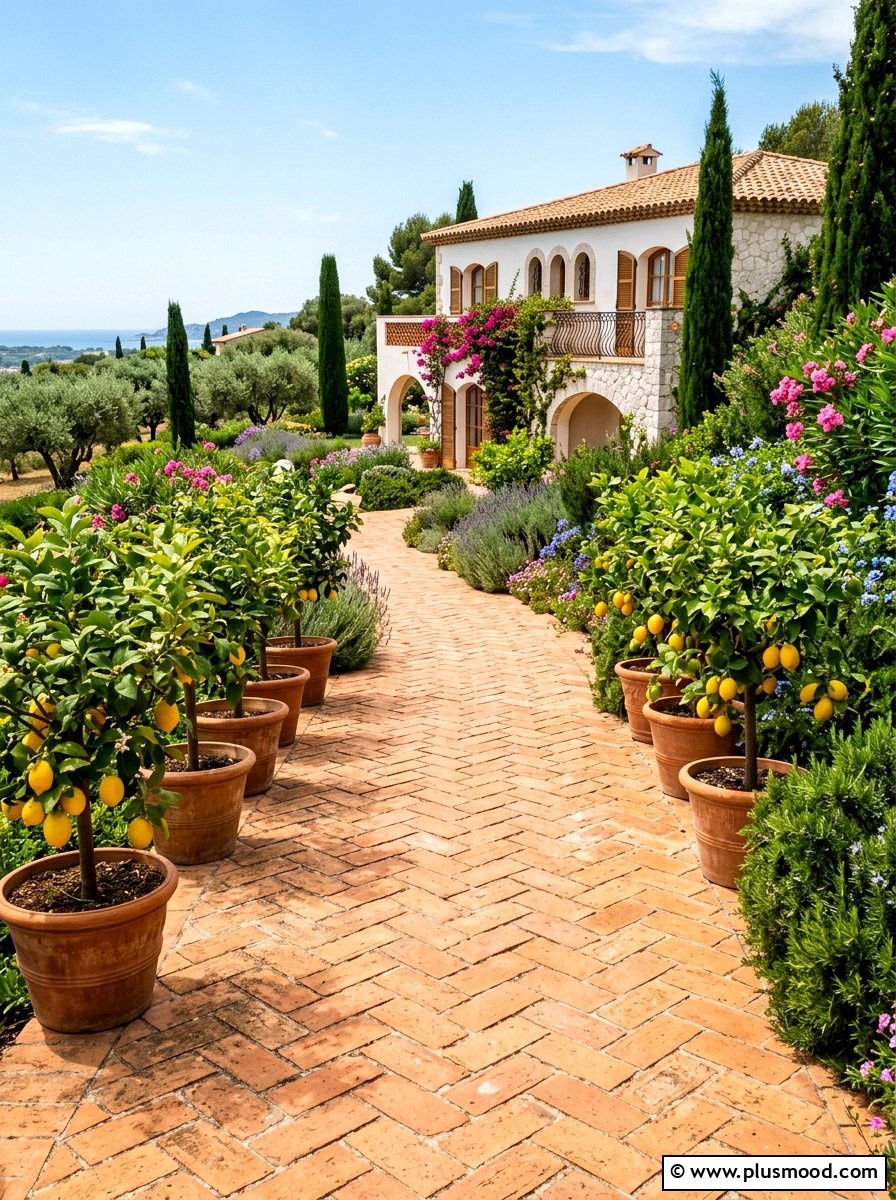
Would you like to infuse your small backyard with the warm, sun-drenched feeling of a Mediterranean patio or villa? Terracotta tiles or bricks offer a deep, earthy red color that feels incredibly cozy and inviting in a small outdoor space. When laid in a curved pattern, they create a vibrant focal point that contrasts beautifully with green foliage and bright blue skies. Terracotta is a classic material that adds a lot of warmth and a "handmade" quality to the garden. This type of path is perfect for small backyards with a lot of potted citrus trees, herbs, and terracotta containers, creating a very cohesive and charming look.
Conclusion:
Investing time in designing a curved path is one of the most effective ways to elevate the look and feel of a small backyard. By choosing the right materials — whether it is the rustic charm of reclaimed brick or the sleek elegance of porcelain — you can create a space that feels intentional, organized, and much larger than its dimensions suggest. These walkways do more than just provide a place to step; they define the flow of your garden and highlight your favorite plants. A beautiful curve invites exploration and provides a visual rhythm that straight lines simply cannot achieve. With these twenty-five ideas, you can now turn your small outdoor area into a stunning, winding retreat.
Related posts:
Leave a Reply