
Creating a magical outdoor space for children in a small backyard requires a clever blend of creativity and practical design. Many homeowners worry that limited square footage might prevent them from installing a fun sandbox area for their little ones. However, a well-planned small backyard sandbox can actually enhance your landscape while providing hours of screen-free entertainment. By choosing the right materials and strategic locations, you can turn a tiny patio or a narrow side yard into a play sanctuary. These designs focus on maximizing every inch of your outdoor environment. You can maintain a stylish aesthetic while ensuring your kids have a safe and inviting place to explore their imaginations every day.
1. Corner Wooden Sandbox
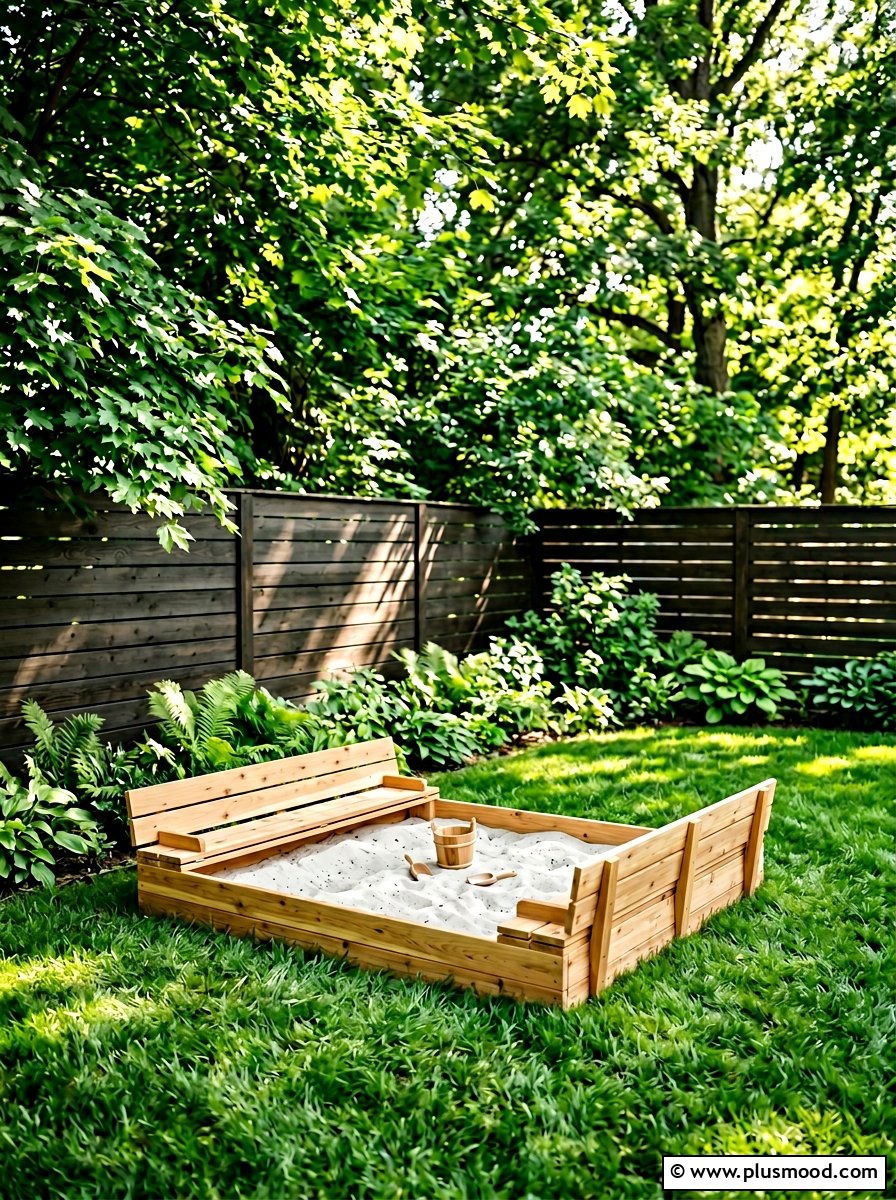
Utilizing a corner for a wooden sandbox is one of the smartest ways to save space in a compact backyard. When you tuck the play area into a 90-degree angle, you free up the central part of the lawn for other activities like dining or gardening. A triangular or L-shaped wooden frame fits perfectly against a fence or a retaining wall. Using rot-resistant cedar ensures the structure stays beautiful and durable against the elements for many years. You can add a small ledge along the top for children to sit on or use as a surface for building sandcastles. This design keeps the play zone contained and visually organized within your landscape.
2. Covered Sandbox Bench
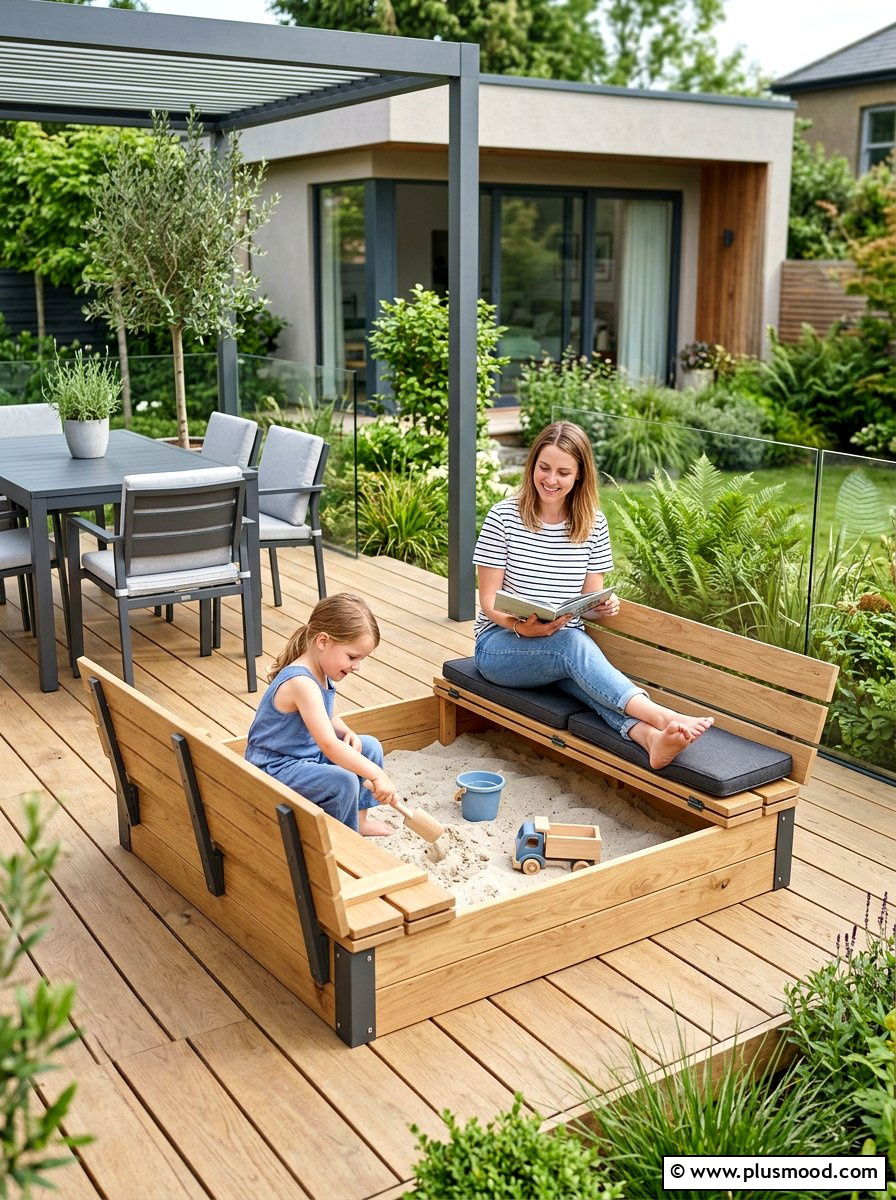
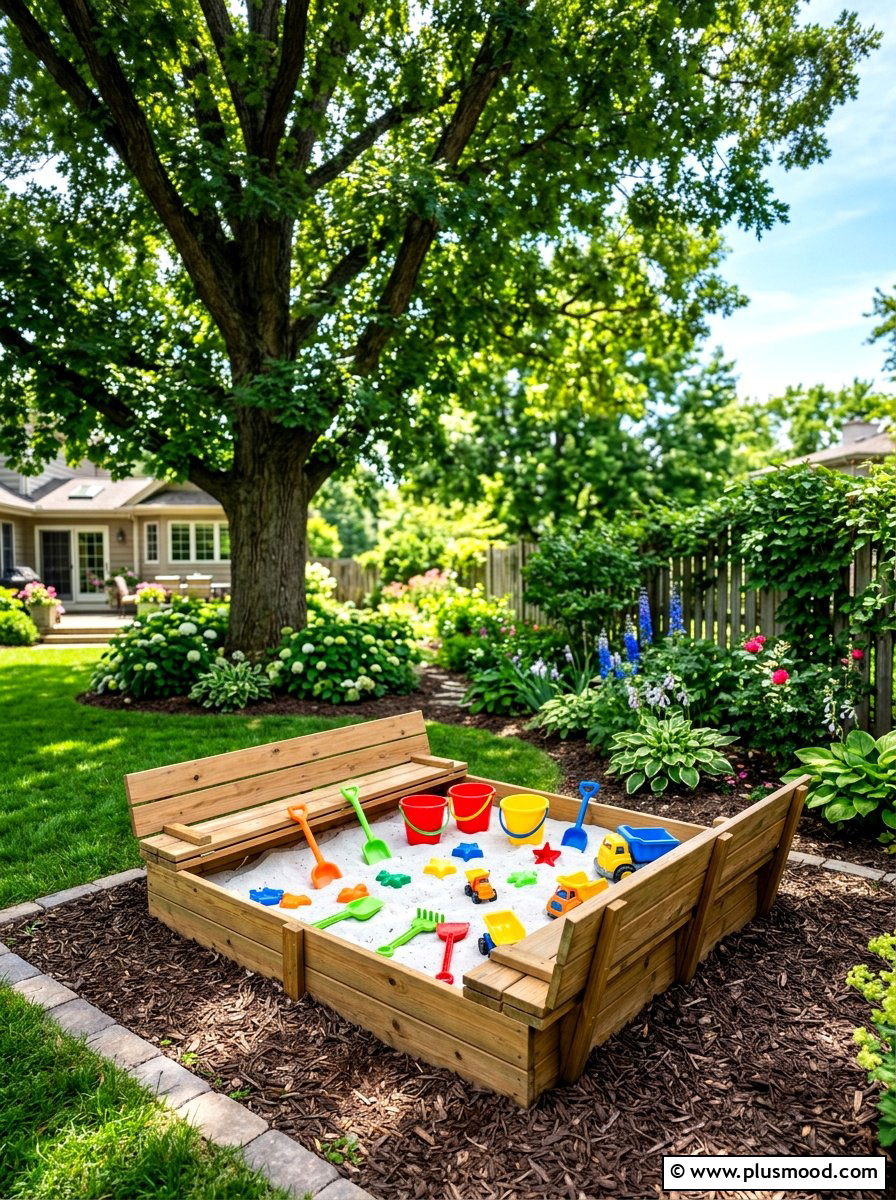
A covered sandbox bench is a brilliant multi-functional piece of furniture for any small outdoor area. This design features a wooden box with a lid that unfolds to become two comfortable benches with backrests. When the kids are finished playing, you simply fold the benches back down to create a solid protective cover for the sand. This keeps the sand clean from debris and pets while providing extra seating for adults during backyard gatherings. The compact footprint makes it ideal for small patios or decks where every square foot counts. It blends seamlessly with other garden furniture, maintaining a tidy and sophisticated look for your home.
3. Boat Sandbox
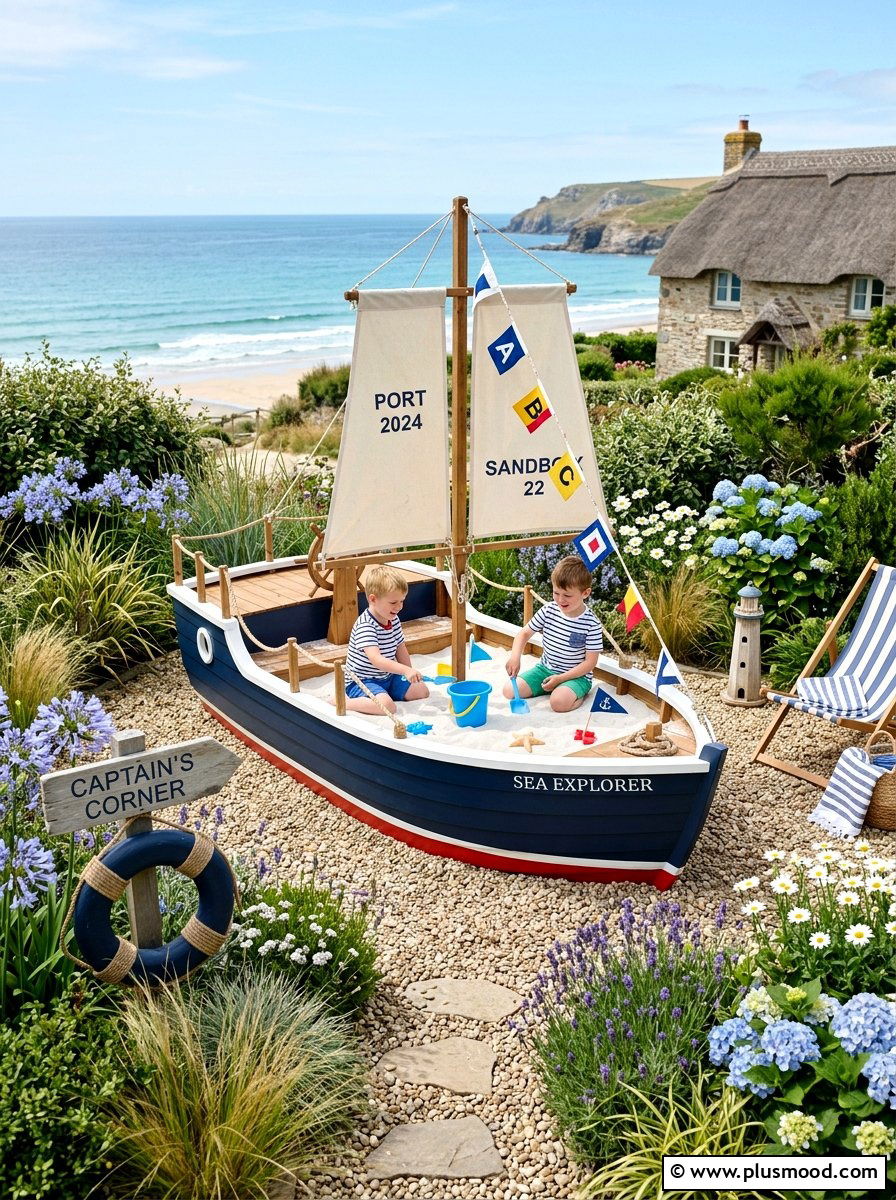
A boat sandbox adds a touch of nautical charm to your small backyard while providing a dedicated zone for creative play. This themed structure is usually shaped like a small rowboat or a pirate ship, complete with a pointed bow and sometimes even a steering wheel. Despite its decorative appearance, it can be built to fit into narrow spaces or alongside a garden path. The "cabin" area of the boat often provides a small shaded spot or storage for plastic buckets and shovels. Using blue and white paint or natural wood stains can help the boat fit into your overall coastal or rustic garden theme beautifully.
4. Sandbox Under Deck
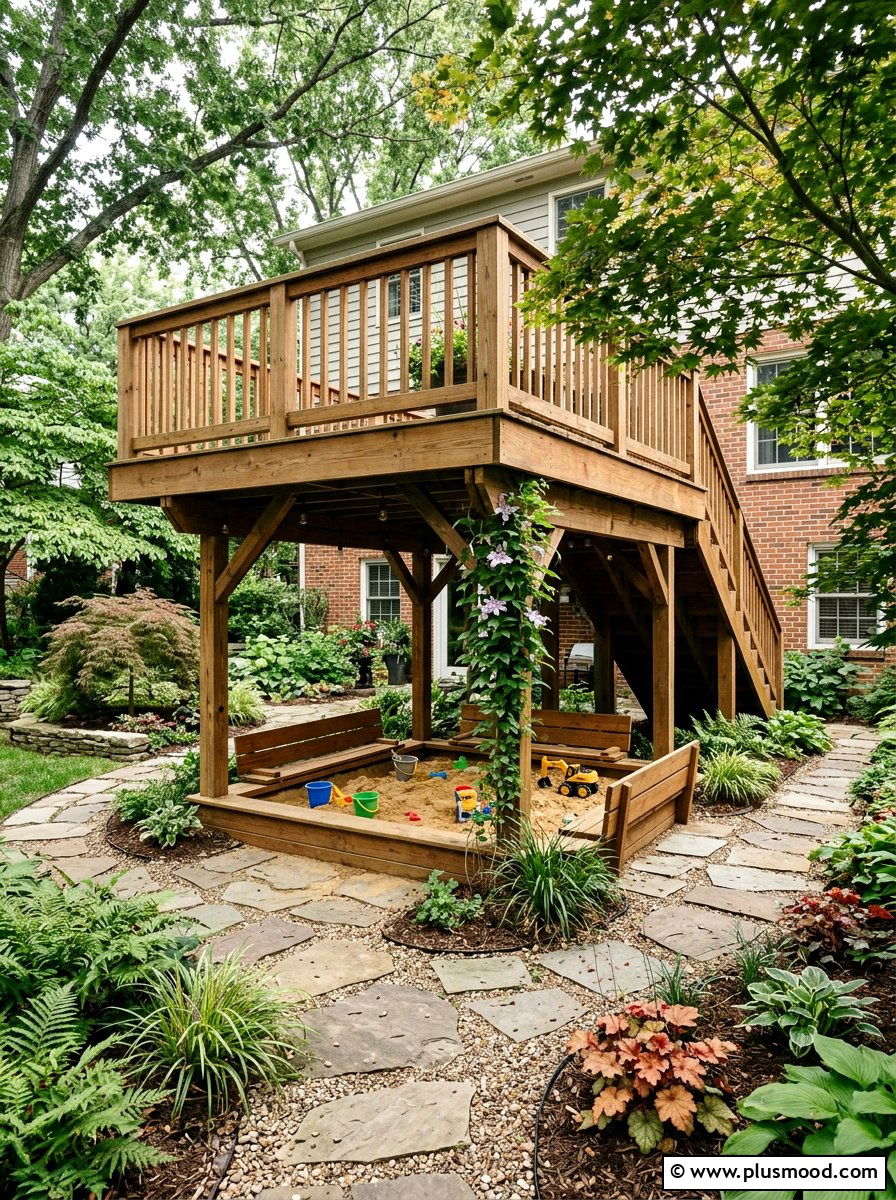
Transforming the often-wasted space under a raised deck into a sandbox is a fantastic way to maximize your yard. This area is naturally shaded, providing a cool and safe environment for children to play during hot summer days. You can define the boundaries with timber sleepers or stone pavers to keep the sand contained and separate from the rest of the lawn. Since the deck acts as a roof, the sand stays relatively dry even during light rain showers. This clever use of vertical space ensures that the play area does not take away from the usable square footage of your main lawn or patio area.
5. Raised Bed Sandbox
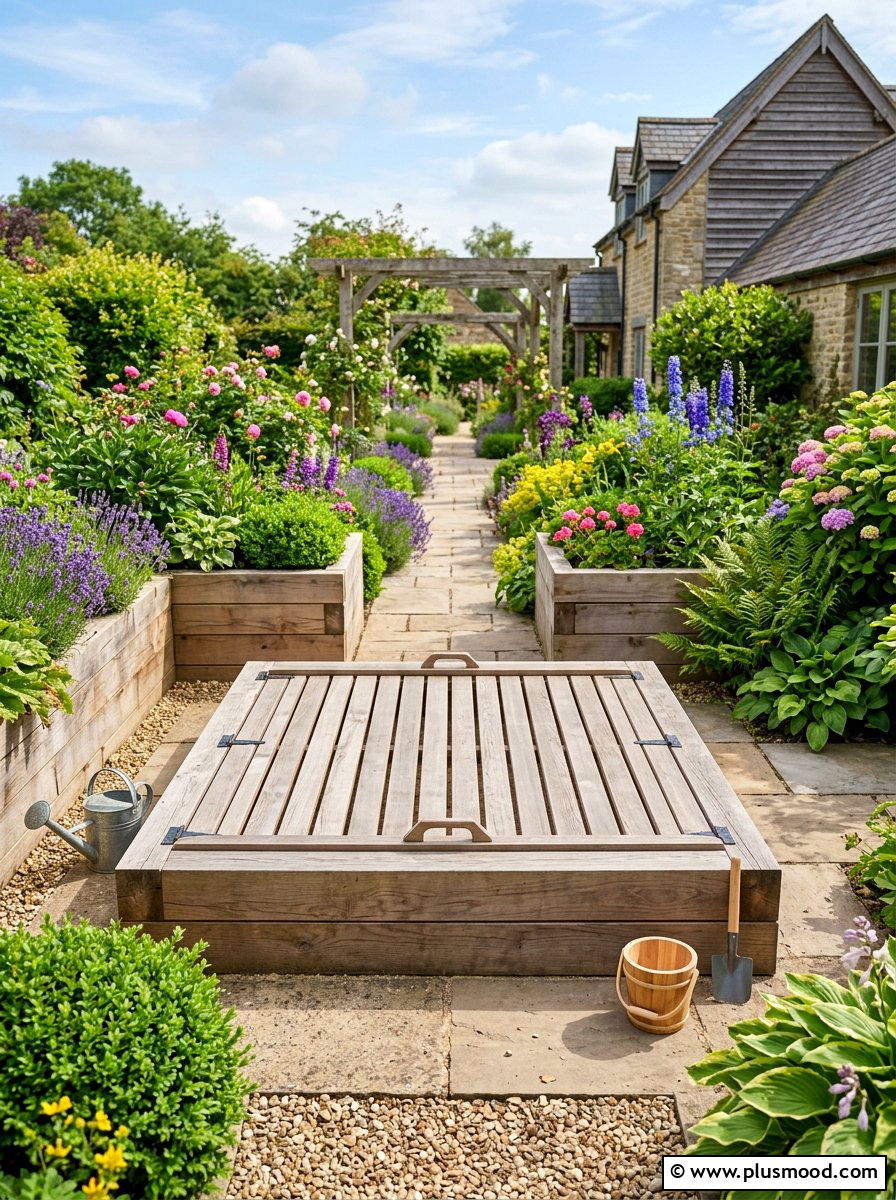
A raised bed sandbox looks just like a stylish garden planter, making it a perfect choice for homeowners who value a cohesive landscape. You can build a rectangular frame using high-quality timber or composite materials that match your existing flower beds. Instead of filling it with soil and plants, you fill it with clean play sand and add a removable cover. This design is excellent for small yards because it can sit along a fence line or border a walkway without looking like a typical plastic toy. As your children grow, you can easily convert the sandbox into a real garden for vegetables or flowers.
6. Natural Rock Sandbox
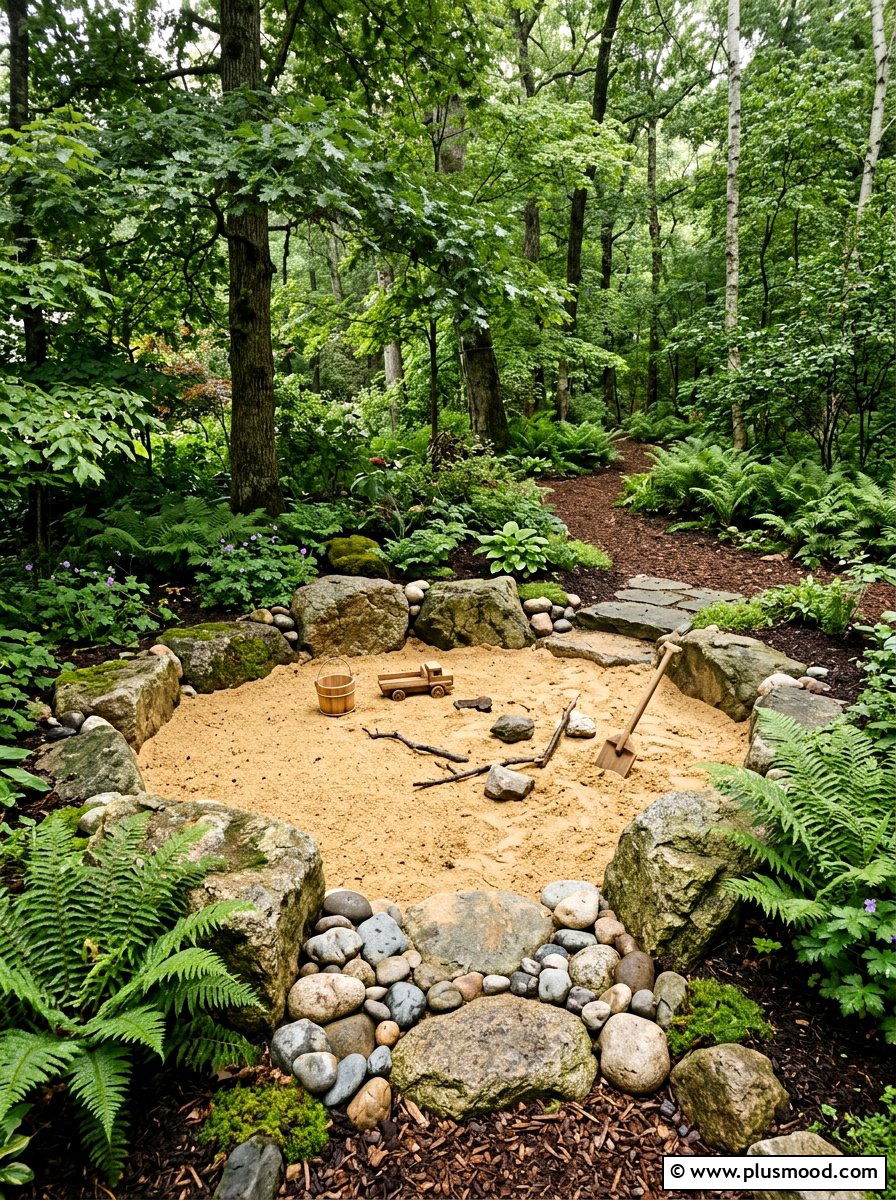
A natural rock sandbox uses large stones or boulders as a perimeter, creating a play area that feels like part of the natural landscape. This design is perfect for backyards with a rustic or woodland theme where plastic or sharp wooden edges might look out of place. By digging a shallow pit and lining it with landscape fabric, you can create a durable and organic-looking space. The irregular shapes of the rocks provide various heights for kids to climb on or use as small tables for sand play. This approach integrates the sandbox into the garden, making it a beautiful feature rather than just a child's toy.
7. Modern Geometric Sandbox
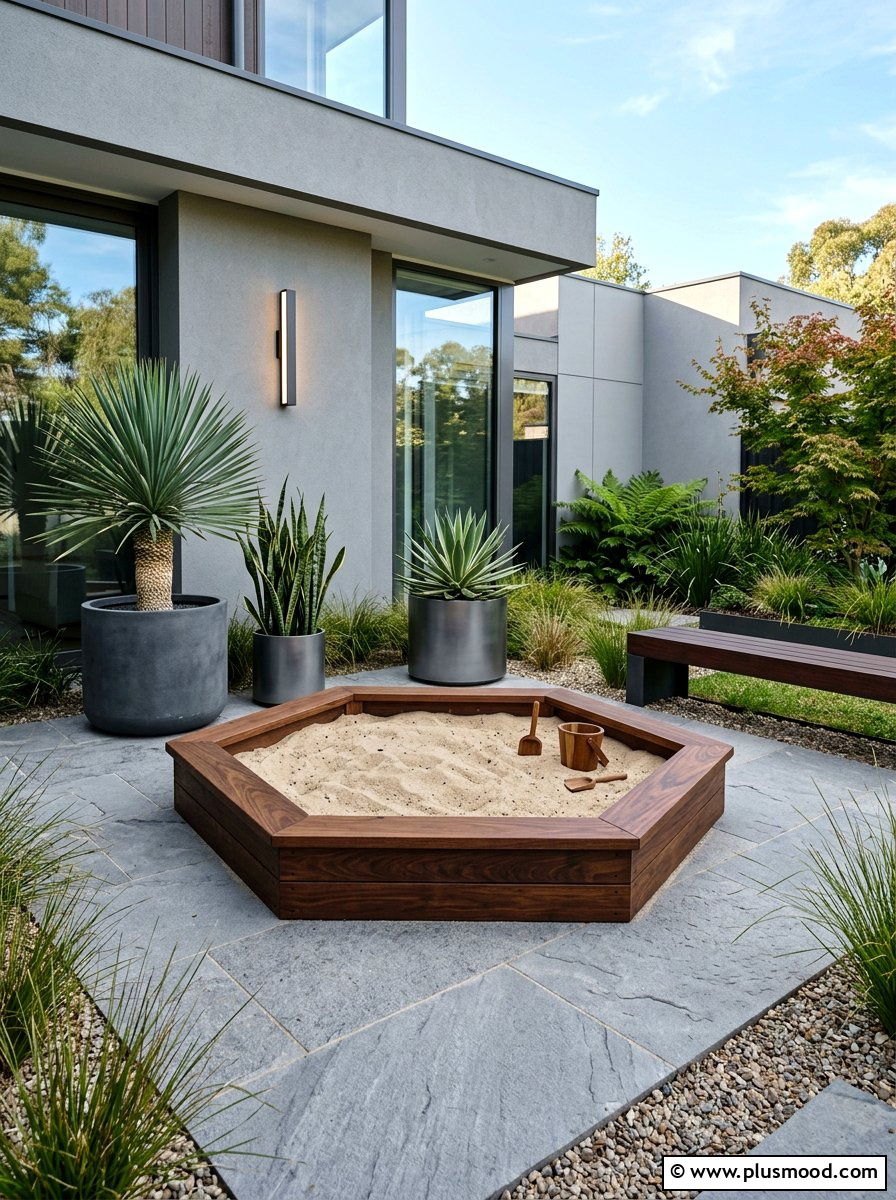
A modern geometric sandbox features clean lines and sharp angles that complement contemporary home architecture. Instead of a standard square, you might choose a hexagon or an asymmetrical shape to add visual interest to a small patio or yard. Using dark-stained wood or sleek concrete borders gives the play area a sophisticated edge that appeals to adults and children alike. You can place the sandbox on a bed of pea gravel or surrounded by modern pavers to keep the area tidy. This design shows that a play space can be a high-end design element that enhances the overall value and style of your outdoor living area.
8. Small Patio Sandbox
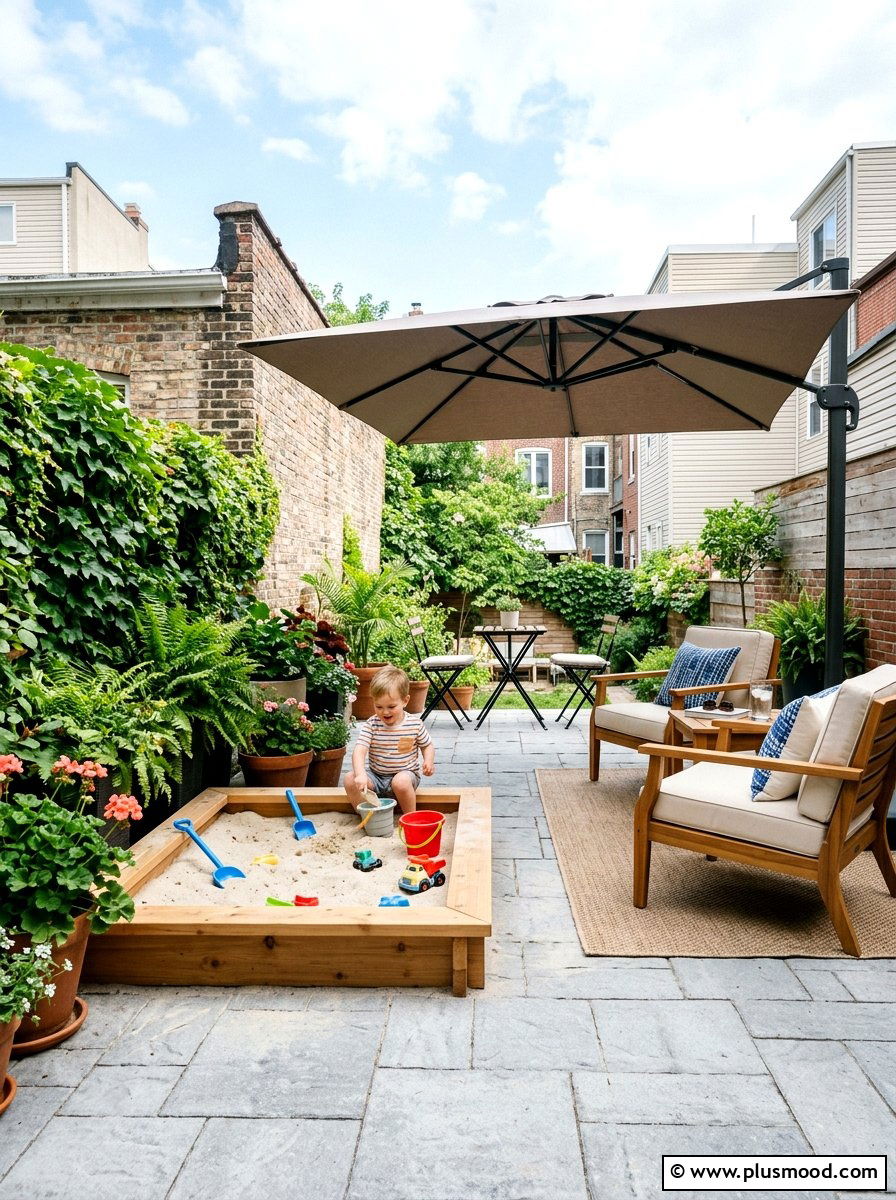
Creating a small patio sandbox is an excellent solution for urban homes with limited green space. You can build a low-profile wooden frame directly on top of your existing pavers or concrete to create a defined play zone. Using a heavy-duty liner ensures that the sand stays put and does not wash away into the patio joints. This setup is perfect for parents who want to keep an eye on their children while relaxing on nearby patio furniture. You can easily add a decorative umbrella or a small sail shade over the top to protect the little ones from the sun while they play on the hardscape.
9. Shaded Pergola Sandbox
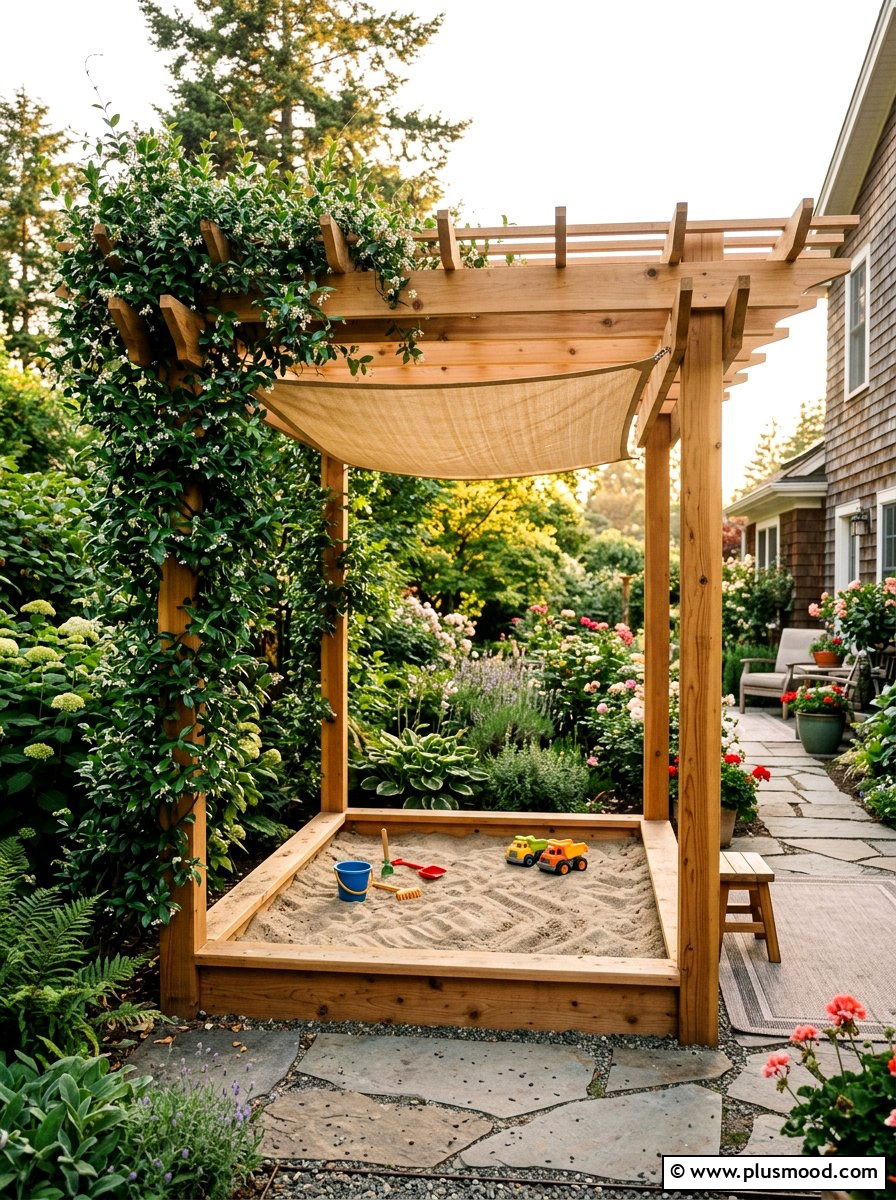
A shaded pergola sandbox combines a sturdy play structure with an architectural element that provides essential UV protection. By building a small wooden pergola over a square sandbox, you create a permanent shade solution that looks stunning in any backyard. You can even grow climbing plants like jasmine or honeysuckle up the posts to add fragrance and greenery to the play area. The overhead beams provide a place to hang small lanterns or decorative bunting for a whimsical feel. This design ensures that the sandbox is a comfortable and cool retreat even during the peak of the afternoon heat in the summer months.
10. Log Border Sandbox
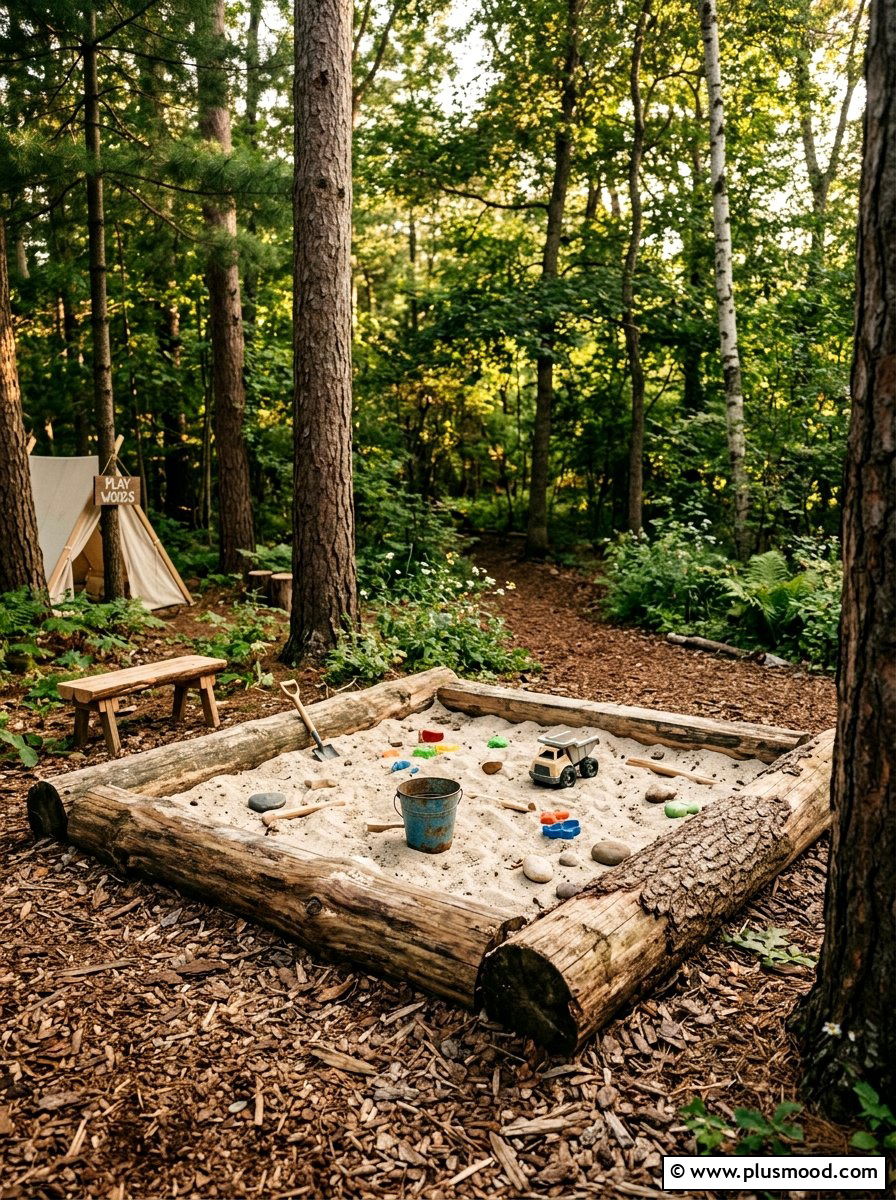
A log border sandbox is an affordable and charming way to create a play space using natural materials found in your environment. By using reclaimed logs or thick branches as the perimeter, you give the sandbox an adventurous, camp-like feel that kids love. This style works exceptionally well in garden corners or under the shade of a large tree. The texture of the bark adds a sensory element to the backyard, and the logs provide a wide, sturdy surface for children to balance on. It is a wonderful way to encourage outdoor exploration while keeping the design simple and grounded in the beauty of the natural world.
11. Sandbox With Sliding Lid
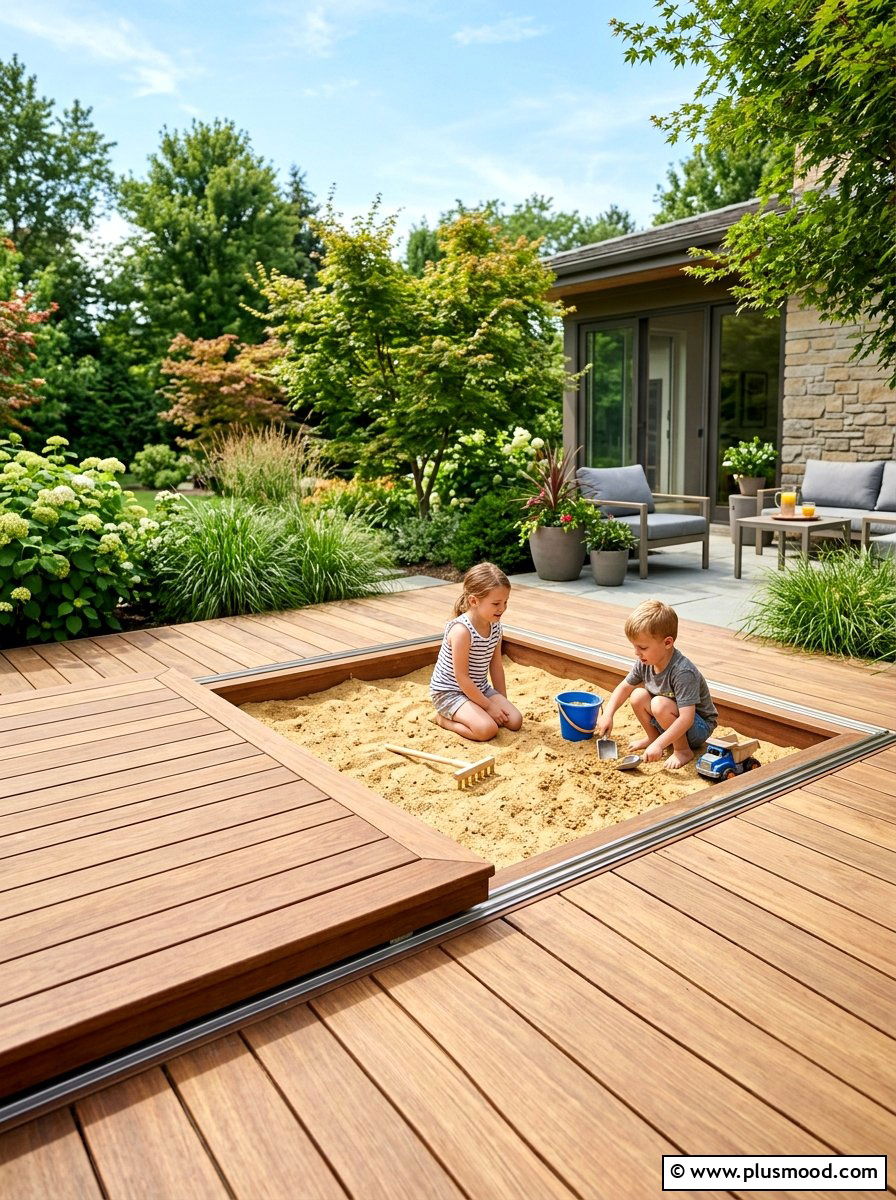
A sandbox with a sliding lid is a revolutionary design for families who prioritize safety and cleanliness in a small backyard. This clever setup features a sturdy cover that glides easily on tracks to reveal the sand underneath whenever it is time for play. When the sandbox is not in use, the lid slides back into place to protect the sand from rain, debris, and neighborhood pets. The top surface of the lid can even serve as a low-profile deck or a stage for kids to put on performances. This multi-functional approach ensures that your small outdoor space remains versatile and clutter-free throughout the entire year.
12. Treehouse Base Sandbox
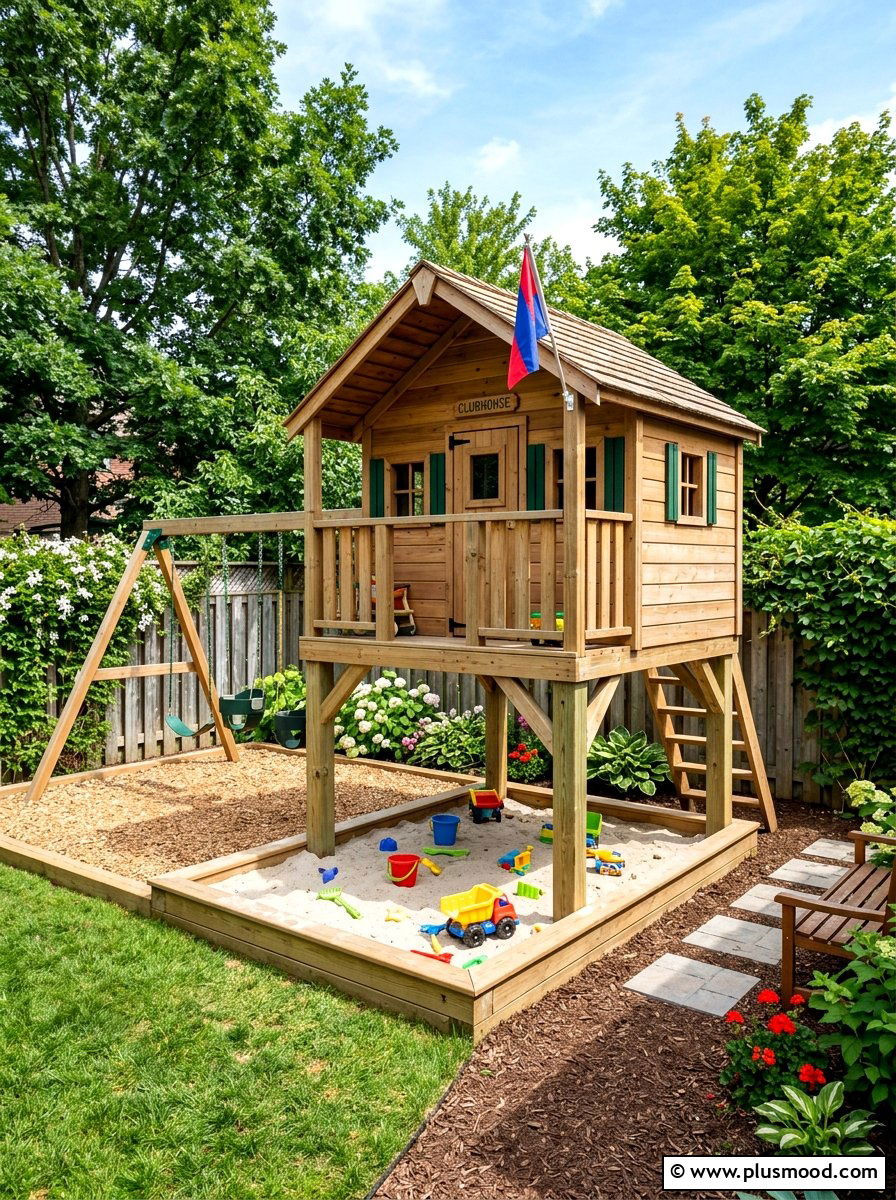
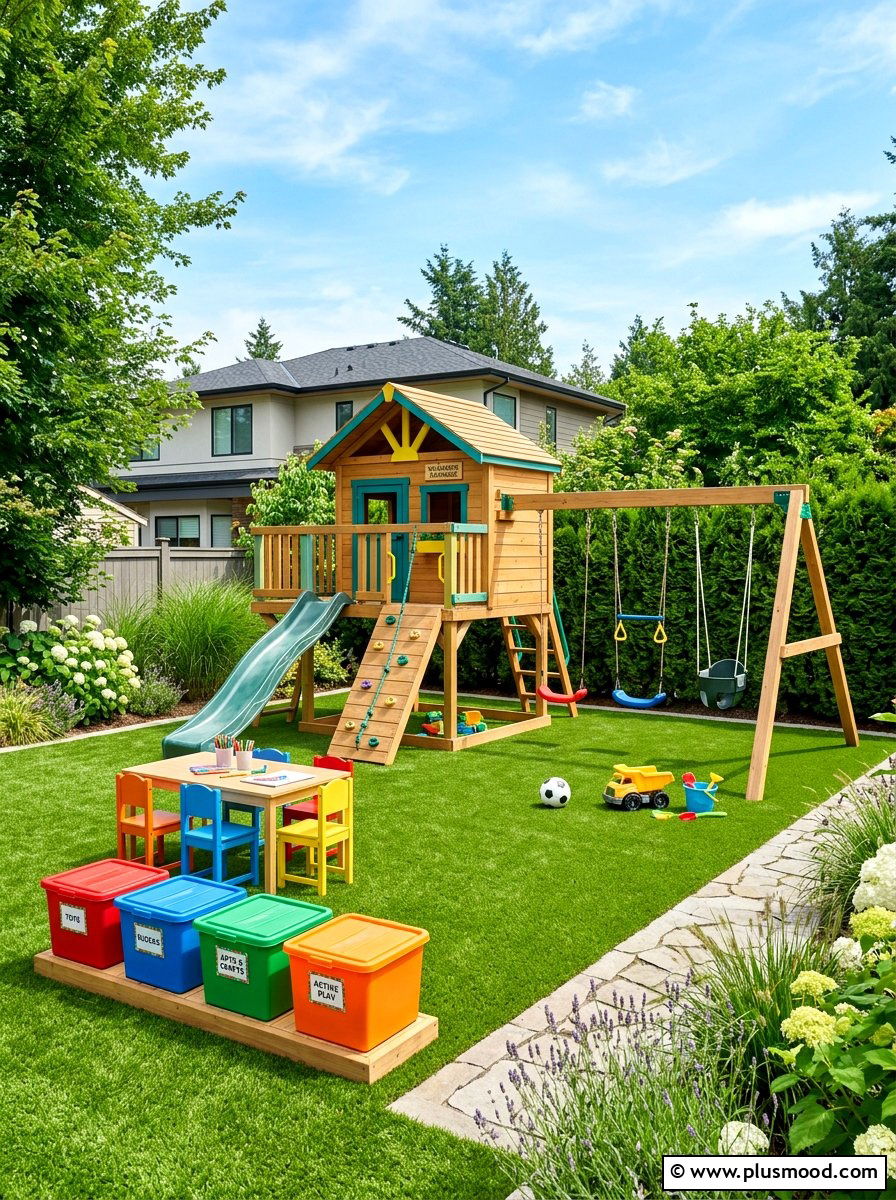
Installing a sandbox at the base of a small treehouse or play tower is the ultimate space-saving technique for active families. By utilizing the footprint of the existing play structure, you avoid taking up any additional room in your small backyard. The floor of the treehouse acts as a natural roof, keeping the sand shaded and dry for the most part. You can add a small ladder or a slide that leads directly into the sand for extra fun. This integrated approach creates a comprehensive play zone that keeps all the toys and activities in one central location, leaving the rest of your yard free for other uses.
13. Concrete Planter Sandbox
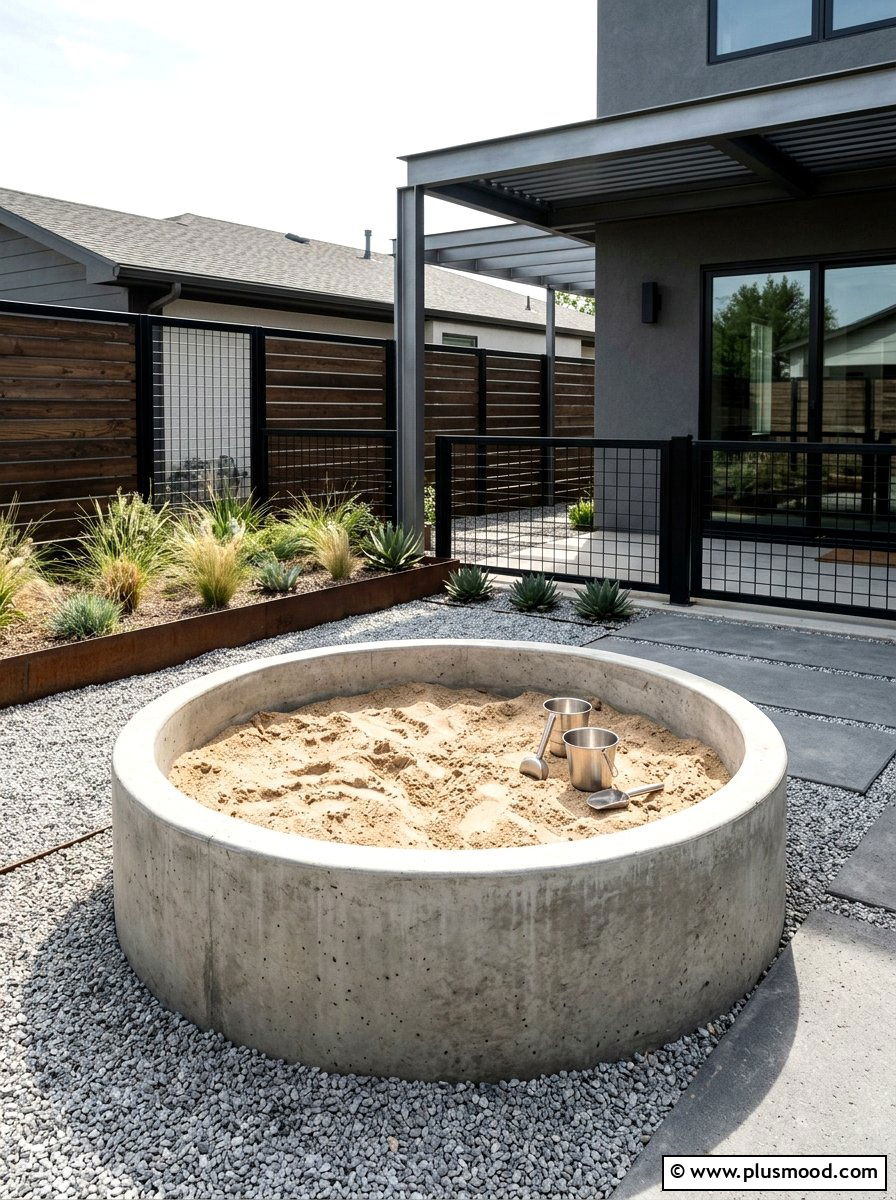
A concrete planter sandbox is a minimalist and incredibly durable option that fits perfectly into a modern or industrial-style backyard. You can use large, pre-cast concrete rings or rectangular troughs to create a sleek and permanent sand pit. The neutral grey of the concrete provides a beautiful contrast against the golden sand and green garden plants. This design is particularly useful in small spaces because it is very compact and can be tucked into tight spots. Because concrete is so heavy, it will not shift or move over time, ensuring a long-lasting play area that requires virtually no maintenance or repairs for many decades.
14. Minimalist White Sandbox
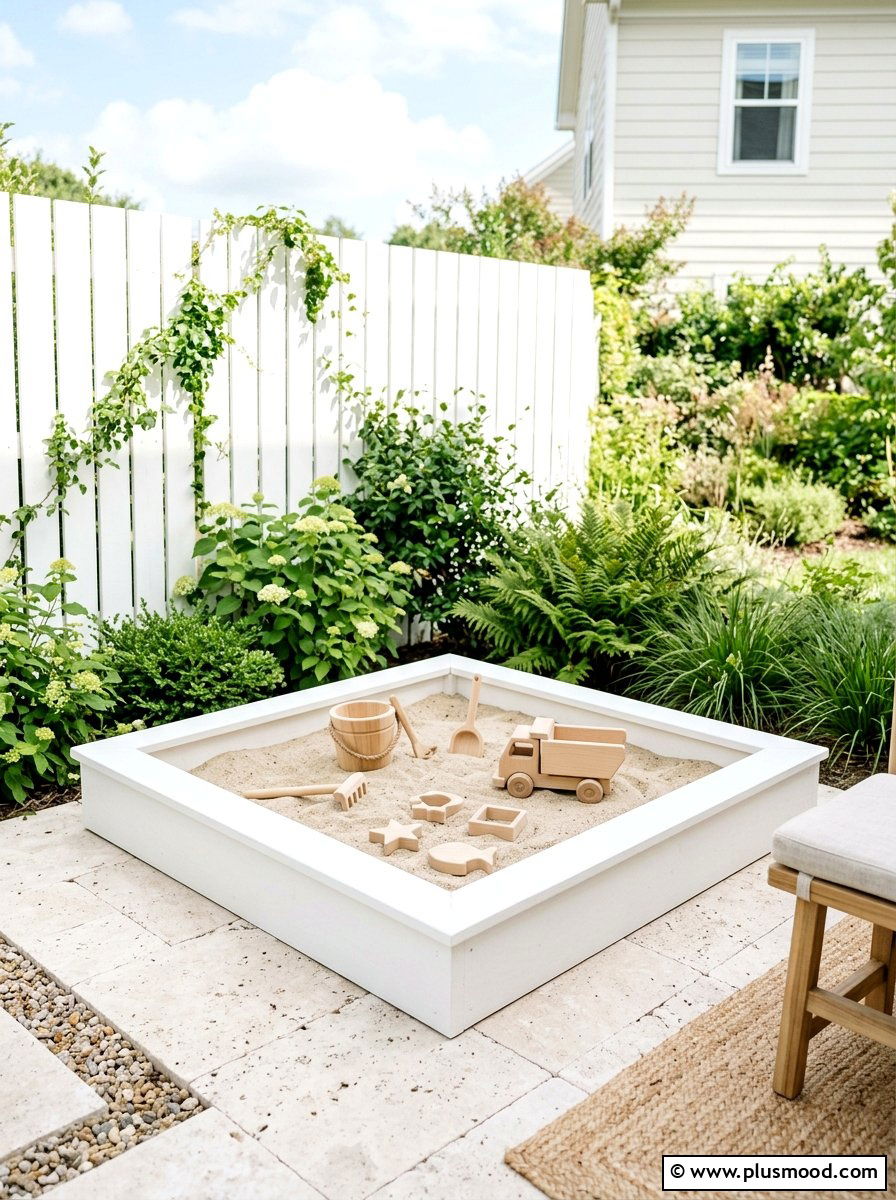
A minimalist white sandbox can make a small backyard feel much larger and more open than it actually is. By painting a simple wooden frame in a crisp, bright white, you create a clean and airy look that reflects sunlight. This aesthetic works beautifully with Scandinavian or coastal design themes, especially when paired with light-colored sand and simple wooden toys. You can place this sandbox against a white fence or a light-colored wall to create a seamless and unobtrusive play area. This design proves that children's play spaces do not have to be brightly colored or cluttered to be fun and engaging for your little ones.
15. Colorful Plastic Sandbox
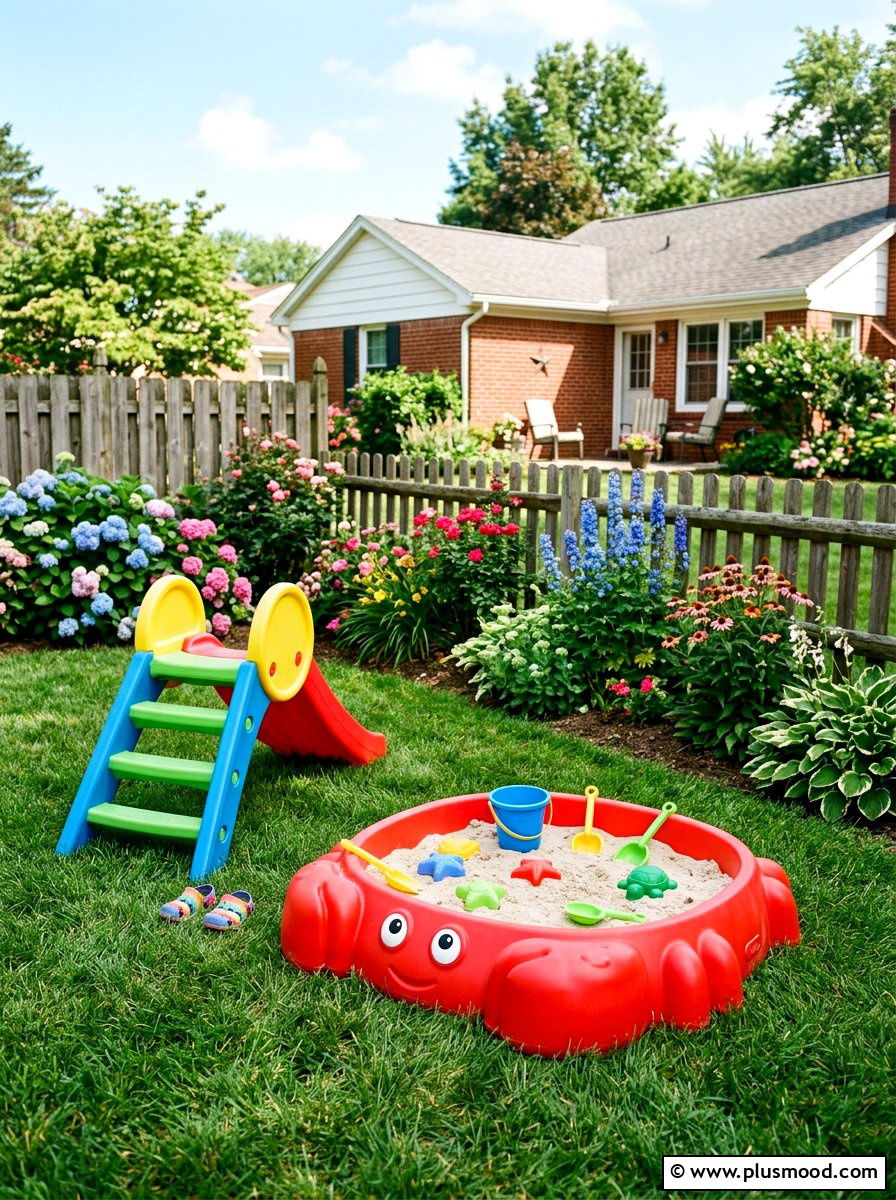
A colorful plastic sandbox is a classic and versatile choice for families who want a portable and easy-to-clean play option. These sandboxes often come in fun shapes like turtles, ladybugs, or crabs, adding a playful pop of color to a small yard. Because they are lightweight, you can easily move them around your patio or lawn to find the best shade or to clear space for a party. Many models come with a matching hard lid that snaps securely into place, keeping the sand dry and safe from pests. This is an ideal entry-level option for parents who want a quick and effective play solution.
16. In Ground Sandbox
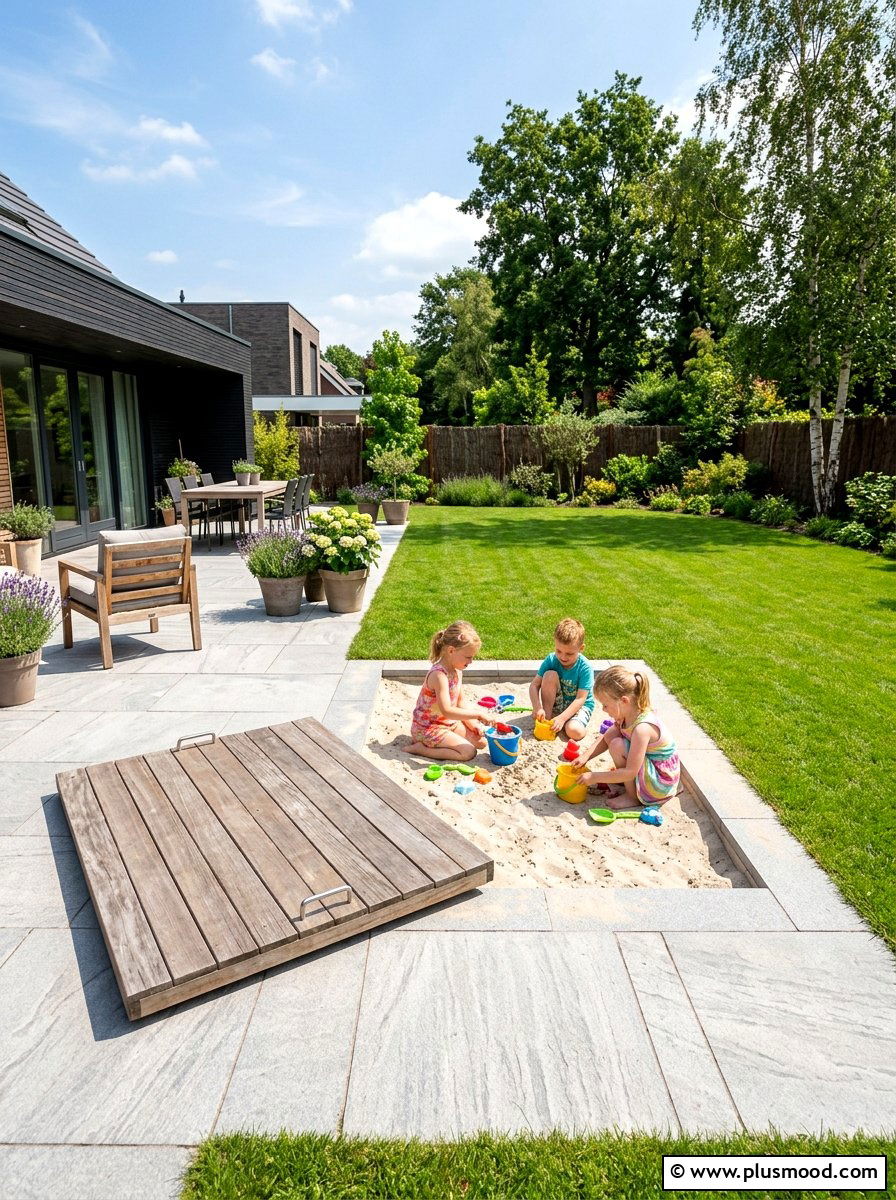
An in ground sandbox is the best choice for maintaining a completely flat and unobstructed view across a small backyard. By digging a hole and lining it properly, you can set the sand flush with the surrounding grass or patio pavers. This prevents the play area from becoming a visual or physical tripping hazard in a tight space. You can use a flat wooden or mesh cover that sits level with the ground when the sandbox is not in use. This design is incredibly discreet and allows the yard to feel expansive and tidy while still providing a deep and satisfying place for children to dig.
17. Foldable Bench Sandbox
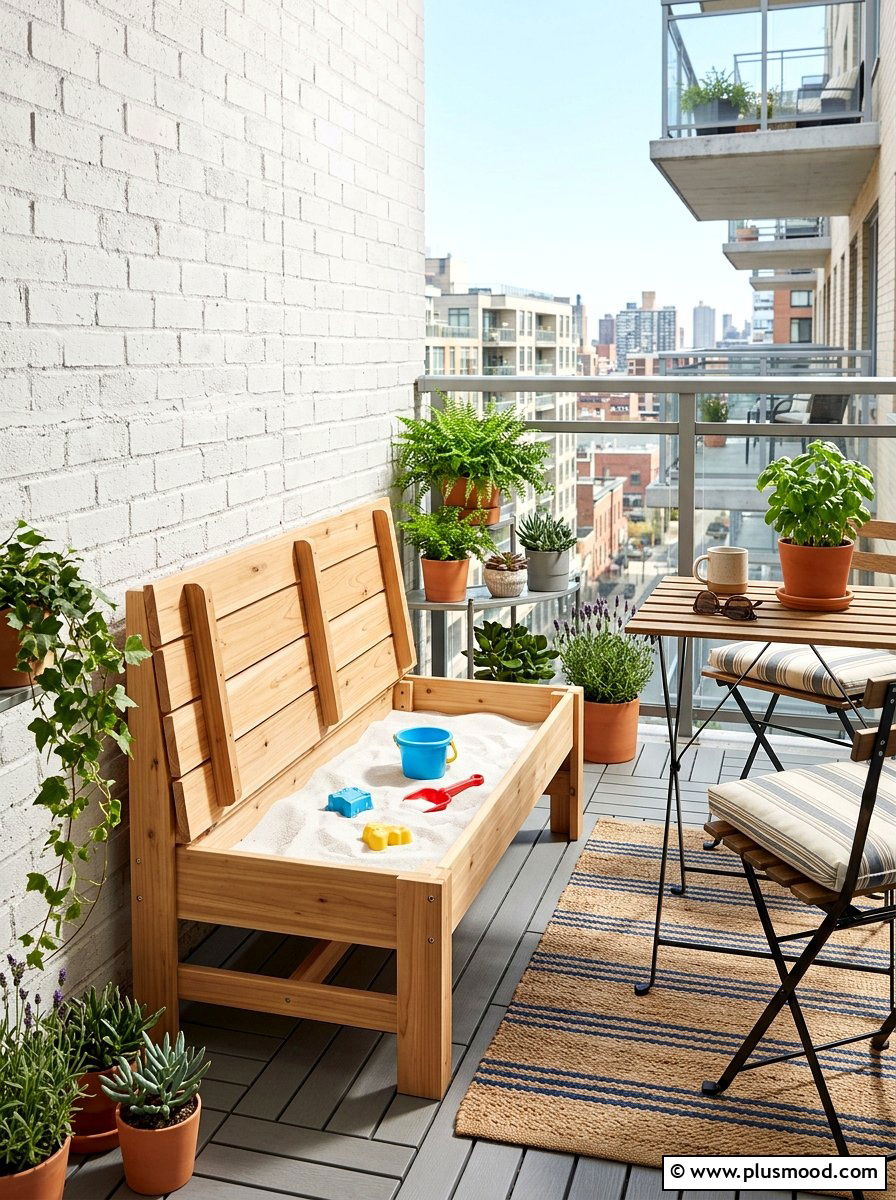
A foldable bench sandbox is specifically engineered for tiny spaces where every inch of floor room is a premium. This unique piece of outdoor furniture looks like a standard garden bench but features a seat that flips up to reveal a hidden sandbox underneath. It is perfect for narrow side yards or small balconies where a permanent sandbox would be too bulky. The bench provides a comfortable place for parents to sit while children play right at their feet. This dual-purpose design ensures that your backyard remains functional for adults while still offering a dedicated and secret play spot for the kids to enjoy.
18. Portable Sandbox Table
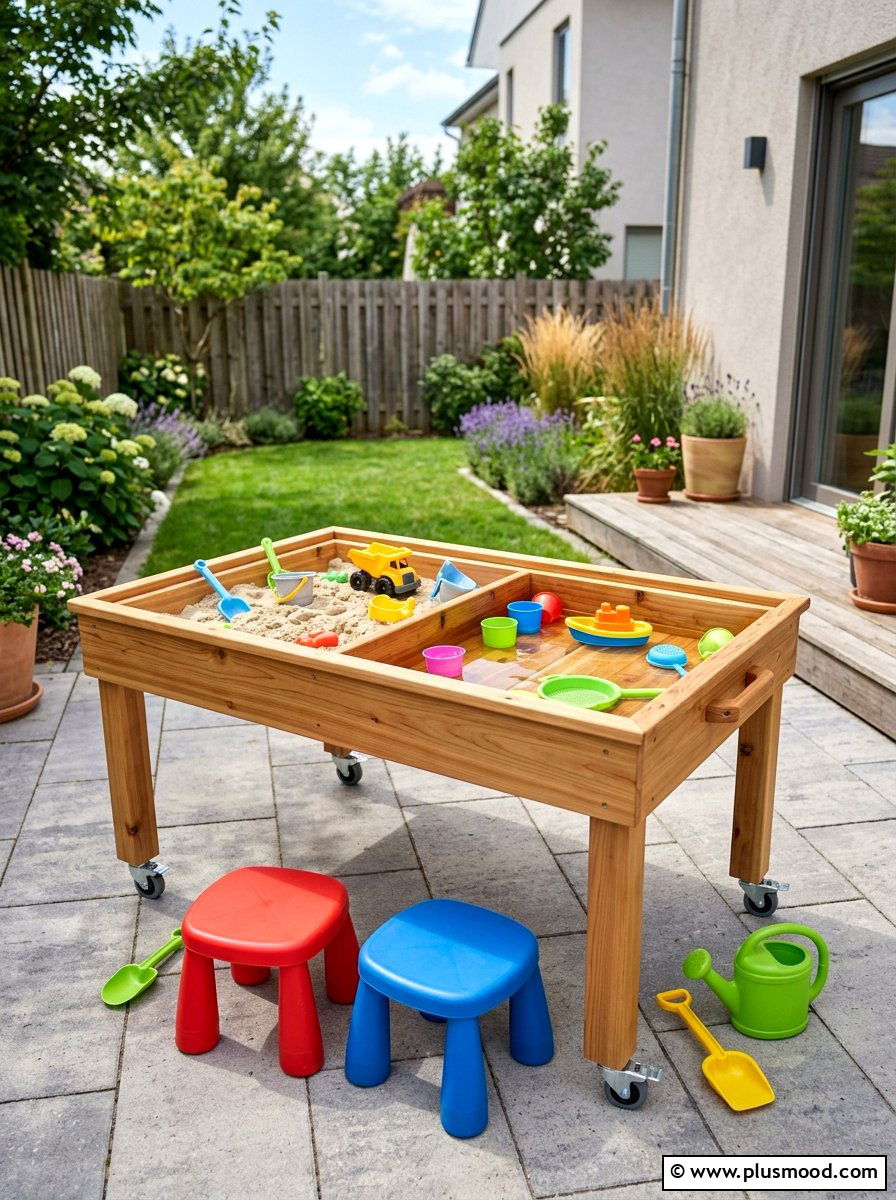
A portable sandbox table, also known as a sensory table, is a great alternative for very small backyards or even balconies. Instead of a large pit on the ground, the sand is contained in a waist-high basin supported by sturdy legs. This height is perfect for toddlers to stand and play without getting their clothes completely covered in sand. Many of these tables come with attached lids and integrated water compartments for even more sensory fun. Because they are elevated, they take up very little visual space and can be easily tucked away in a garage or shed when the children are not using them.
19. Tropical Beach Sandbox
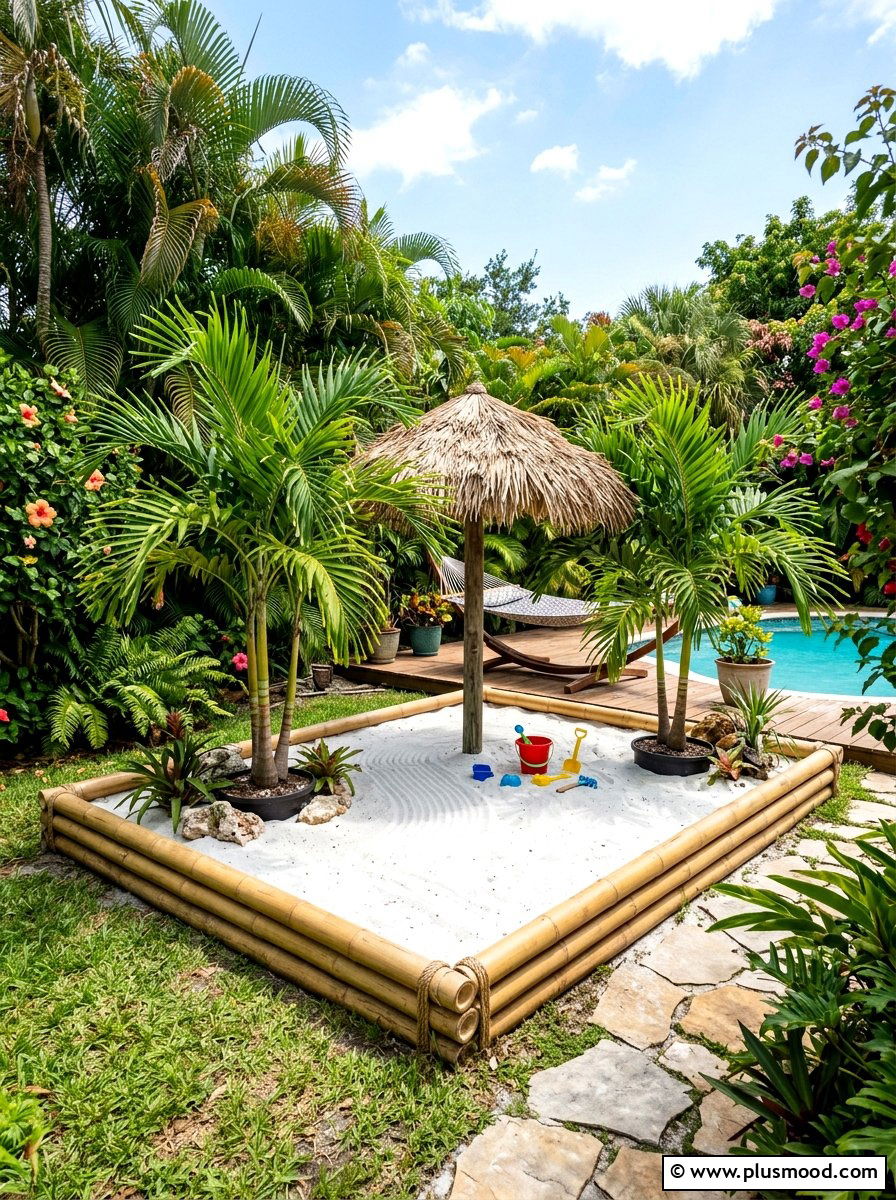
A tropical beach sandbox brings a vacation vibe to your small backyard by using specific materials and decor. You can border a standard sandbox with small palm plants, bamboo fencing, and smooth river stones to create a mini oasis. Using white silica sand mimics the look of a pristine beach, while a small thatched umbrella provides the perfect amount of shade. This themed approach turns the sandbox into a decorative landscape feature that adds a relaxed and exotic feel to your outdoor living space. It is a wonderful way to create a themed play area that feels integrated with your personal style and garden goals.
20. Rustic Cedar Sandbox
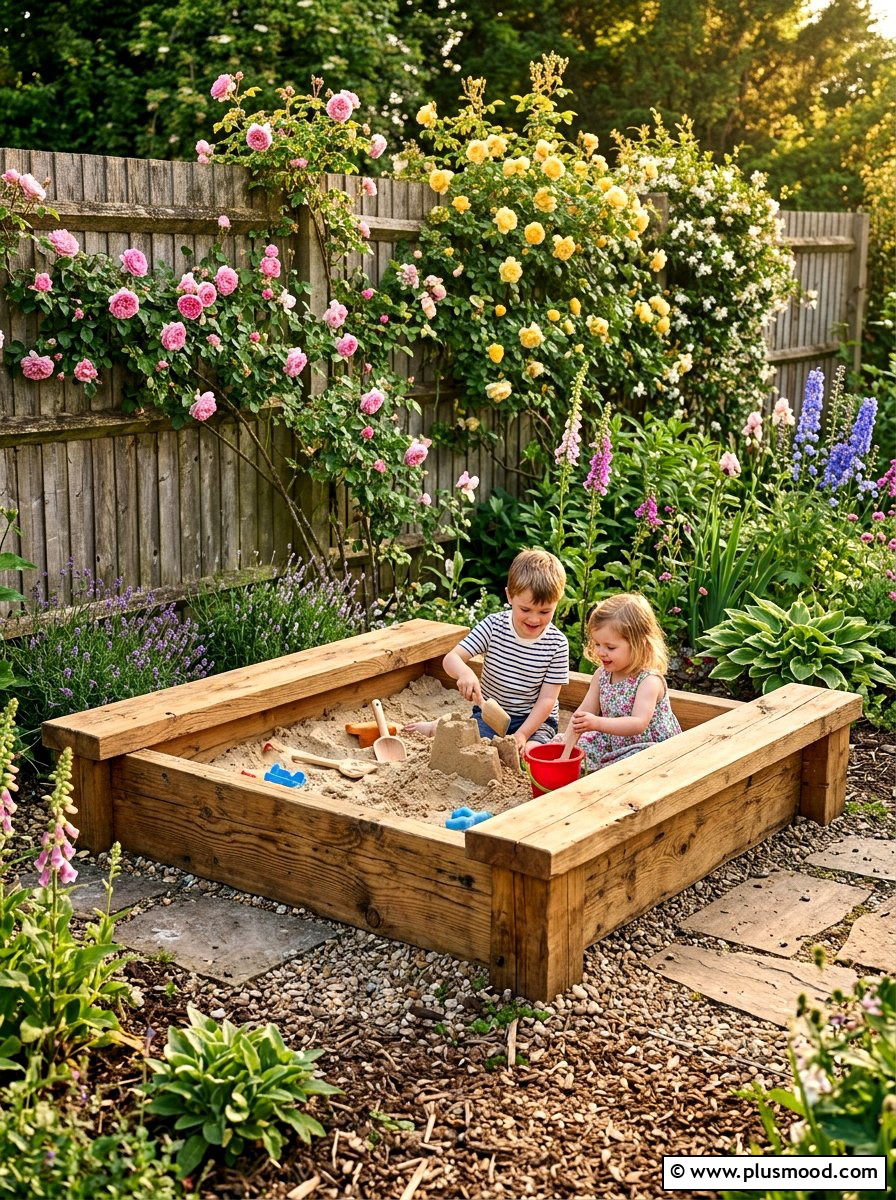
A rustic cedar sandbox is a timeless addition to a small backyard that values natural beauty and high-quality craftsmanship. Cedar is naturally resistant to rot and insects, making it the ideal wood for outdoor play structures that need to last a long time. The warm reddish tones of the wood age beautifully over time, eventually turning a soft silvery grey if left untreated. You can build a simple square or rectangular frame with wide top ledges that serve as seats for the kids. This design is sturdy, safe, and blends perfectly with traditional or farmhouse-style garden decor, providing a reliable space for childhood memories.
21. Multi Level Play Zone
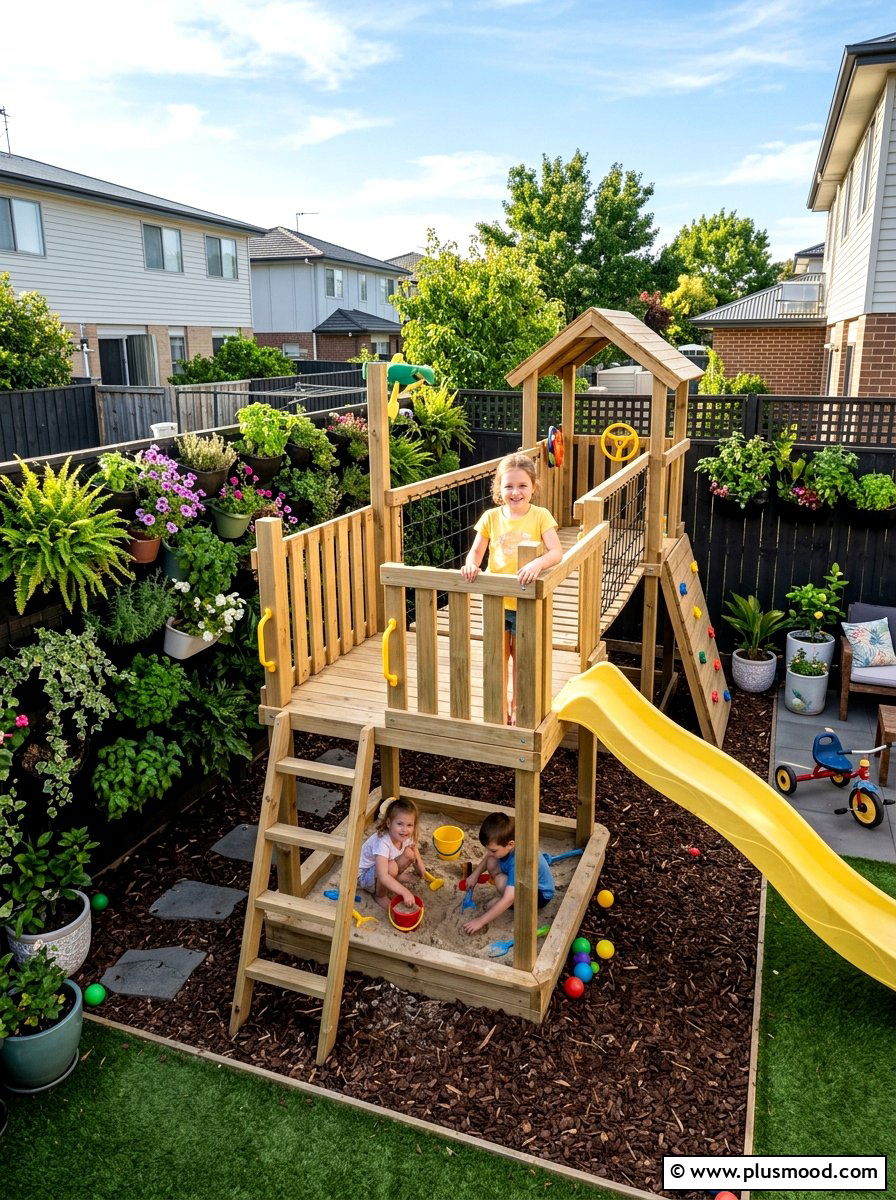
A multi level play zone is a clever way to add variety to a small backyard by utilizing different heights for different activities. You can design a small wooden platform with a sandbox on the lower level and a little reading nook or slide on the upper level. This vertical stacking allows you to cram more fun into a smaller footprint without making the yard feel overcrowded. The steps between levels can also serve as seating or storage for toys. This dynamic layout encourages children to move around and use their bodies in different ways, making the most of a limited outdoor area for active play.
22. Sandbox With Storage
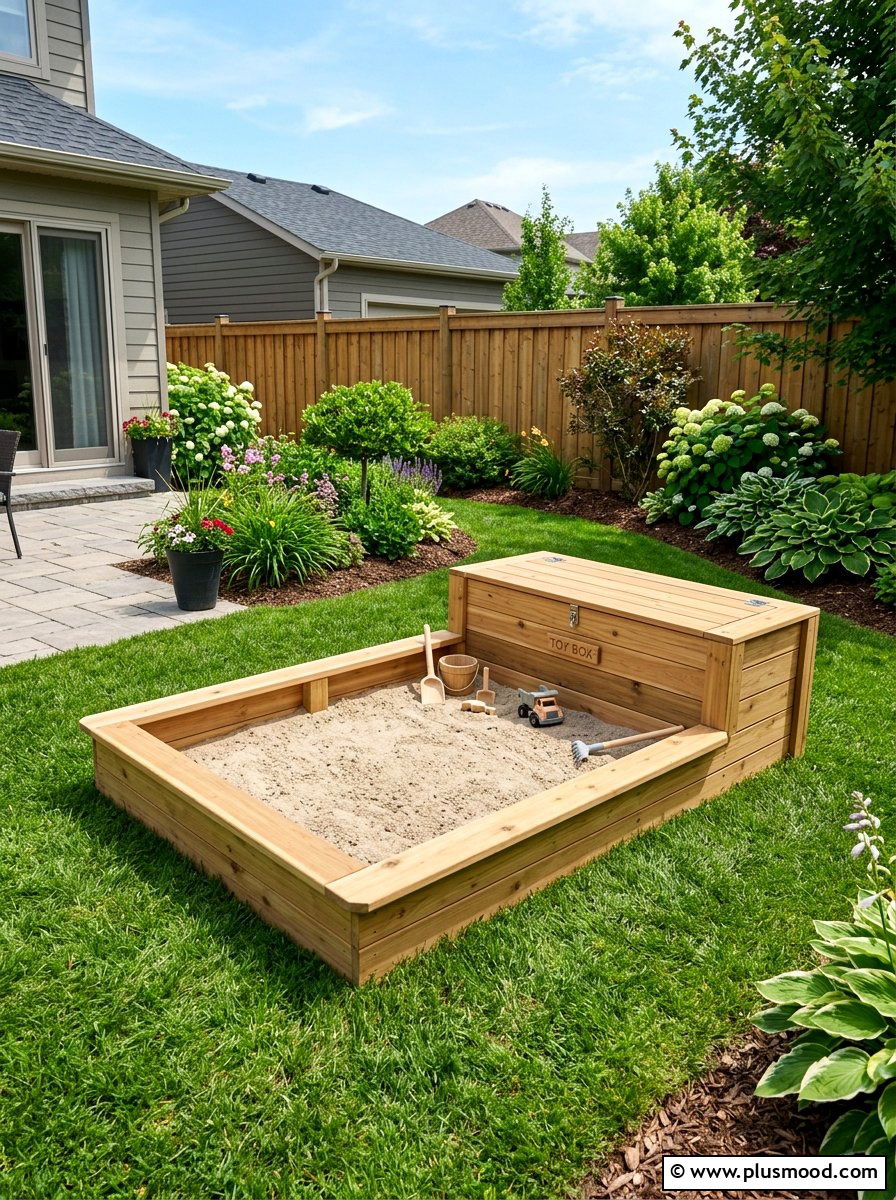
A sandbox with storage is a dream come true for parents who want to keep their small backyard looking tidy and organized. This design includes a built-in chest or hidden compartments along the side of the sandbox specifically for storing shovels, buckets, and trucks. Having a designated place for toys prevents them from being scattered across the lawn or patio where they could be stepped on or lost. You can even design the storage lid to function as a small table for sand play. This integrated storage solution ensures that your play area remains self-contained and neat, even in the smallest of urban garden spaces.
23. Mud Kitchen Sandbox
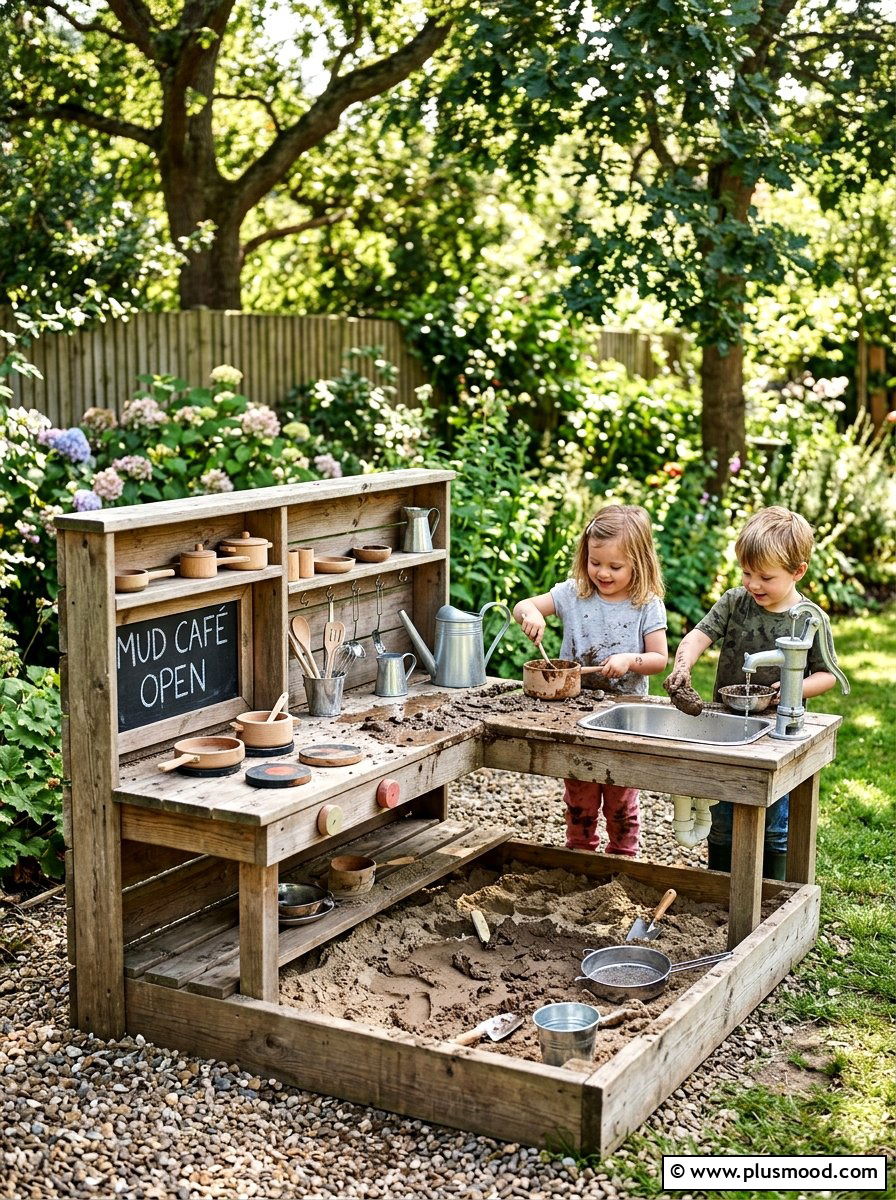
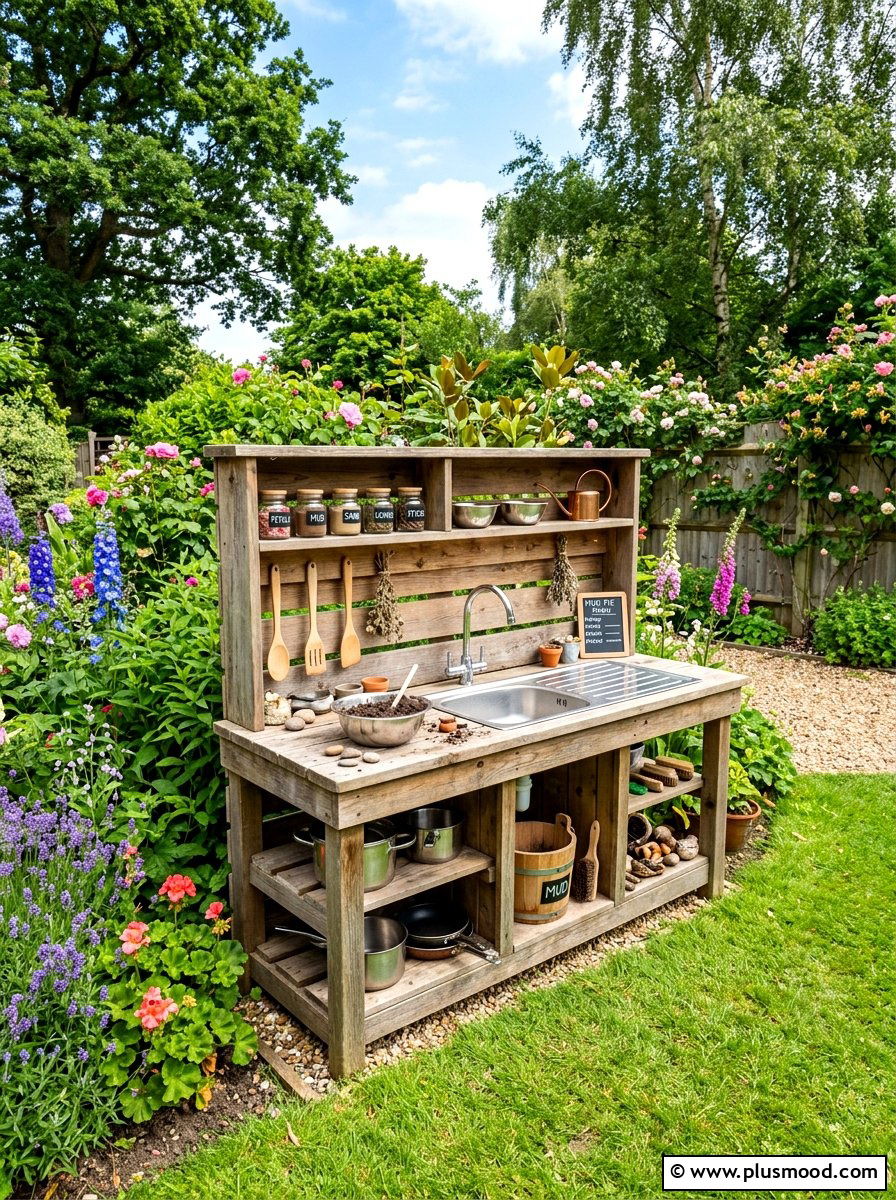
A mud kitchen sandbox combines the joy of digging in the sand with the creative play of a toy kitchen. This setup usually features a small wooden counter with a sink basin and knobs right next to or inside the sandbox area. Children can "cook" with sand and water, providing a rich sensory experience that keeps them engaged for hours. This design is perfect for a small backyard because it bundles two popular play activities into one compact unit. You can add small shelves for pots and pans and use hooks to hang utensils, keeping everything organized and within reach for your little chefs.
24. Zen Garden Sandbox
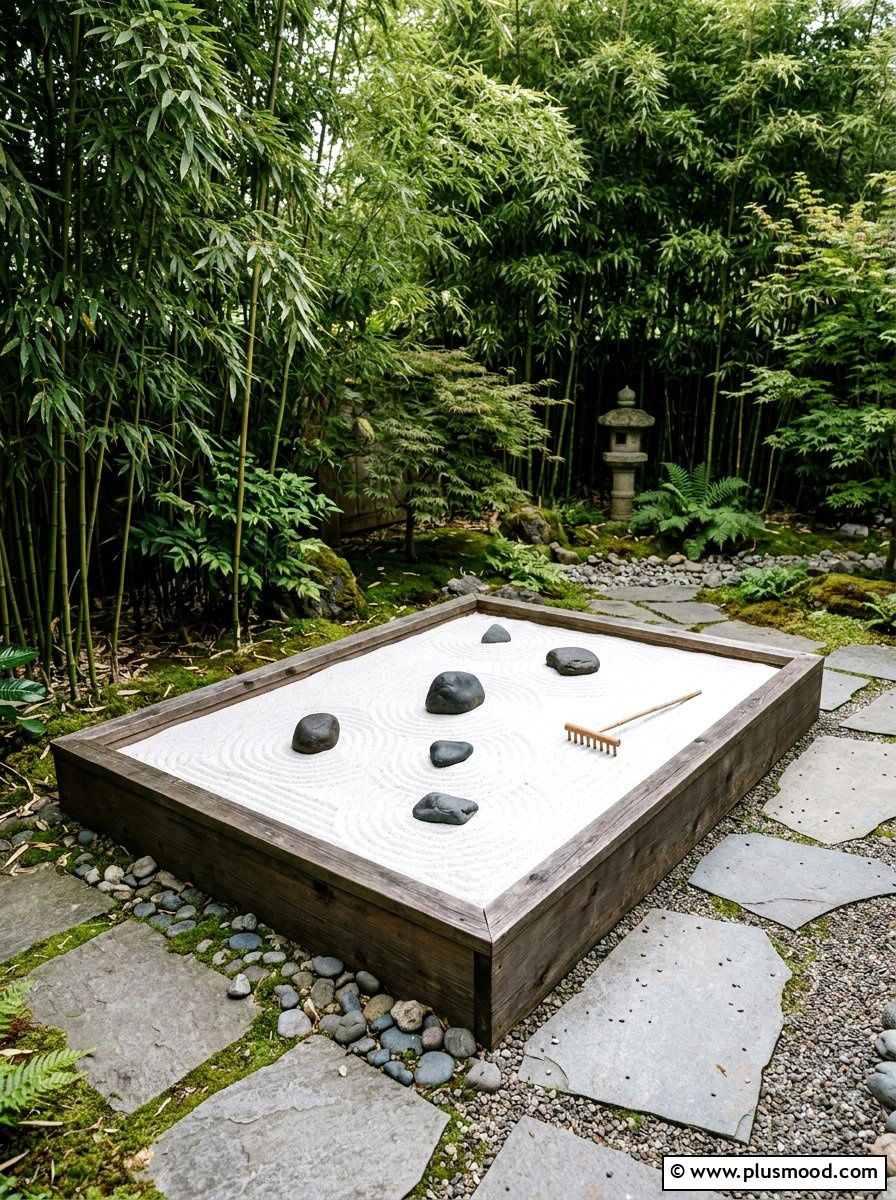
A Zen garden sandbox is a sophisticated take on a traditional play area that can be enjoyed by both children and adults. By using fine white sand and providing small rakes, you create a space that encourages calm and meditative play. The borders can be made of smooth dark stones or clean-lined timber to maintain a peaceful aesthetic. In a small backyard, this type of sandbox looks like a piece of art or a tranquil garden feature rather than a messy toy zone. It is a perfect choice for families who want a play space that promotes relaxation and focus while enhancing the beauty of the yard.
25. Circular Stone Sandbox
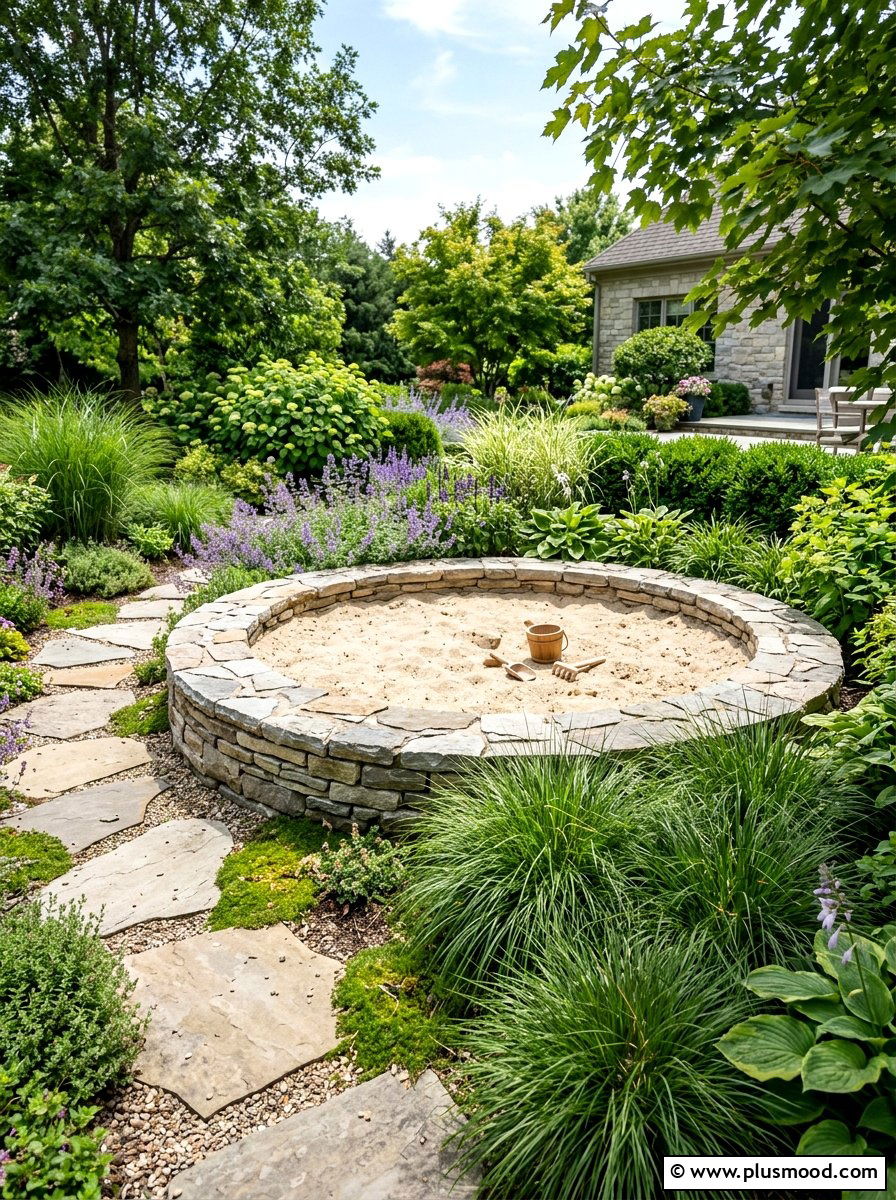
A circular stone sandbox adds a sophisticated and organic feel to any small backyard landscape. Instead of using traditional wood planks, you can use natural flagstone or stacked pavers to create a curved border for the play area. This shape softens the hard lines often found in modern yards and creates a beautiful focal point that looks like a permanent garden feature. The stone material is incredibly durable and requires almost no maintenance compared to timber. You can surround the circular structure with soft ornamental grasses or river rocks to blend it seamlessly into the surrounding garden beds. It creates a serene and permanent space for children to play.
Conclusion:
Designing a small backyard with a sandbox is a rewarding project that balances family fun with smart landscaping. Each of these twenty-five concepts shows that you do not need a massive estate to create a high-quality play environment for your children. Whether you choose a hidden sandbox under a bench or a stylish geometric frame, the key is to integrate the structure into your overall yard design. These thoughtful additions provide endless opportunities for sensory play and outdoor exploration right at home. By selecting durable materials and clever layouts, you can ensure your backyard remains a beautiful and functional retreat for everyone in the family to enjoy.
Related posts:
Leave a Reply