
Creating a beautiful outdoor sanctuary in a limited space often feels like a challenge, but incorporating stepping stones can completely transform a compact backyard into a functional and stylish retreat. These versatile elements offer more than just a place to walk; they provide structure, visual interest, and a sense of movement that draws the eye through the landscape. Whether you are dealing with a narrow side yard or a small square patch of grass, the right stone arrangement can make the area feel much larger and more intentional. By blending different textures, shapes, and materials, you can craft a personalized garden path that complements your home’s architecture while providing a low-maintenance solution for high-traffic zones.
1. Irregular Flagstone Path
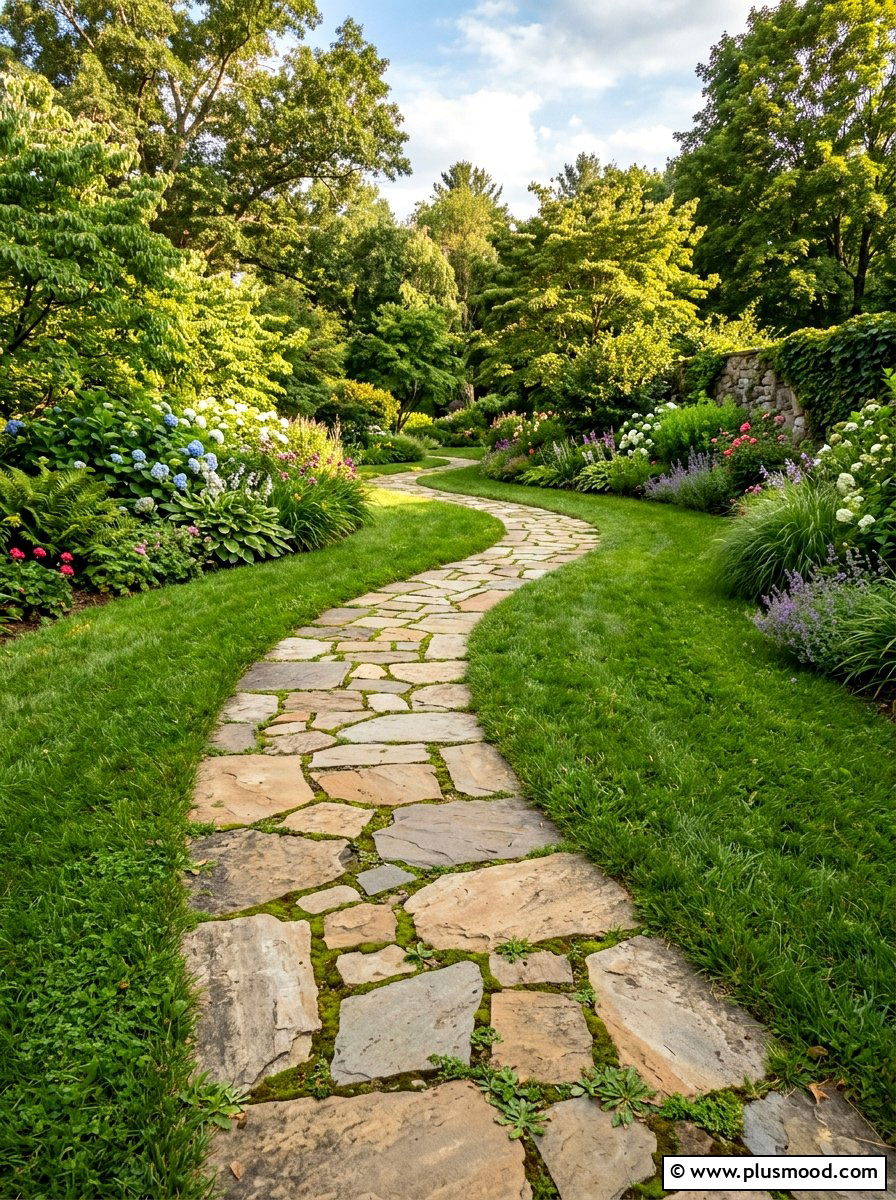
Have you ever noticed how natural, jagged edges can make a small garden feel like a hidden woodland escape? Using irregular flagstones is one of the most effective ways to introduce an organic, rustic vibe to your backyard. These stones come in various earthy tones like tan, gray, and rust, allowing them to blend seamlessly with surrounding mulch or vibrant green foliage. When laying them out, leaving generous gaps between each piece allows for low-growing ground cover to peek through, softening the overall look. This design works exceptionally well in narrow spaces because the staggered pattern breaks up straight lines, making the walkway feel much more expansive and visually intriguing for anyone strolling through.
2. Modern Square Concrete Pavers
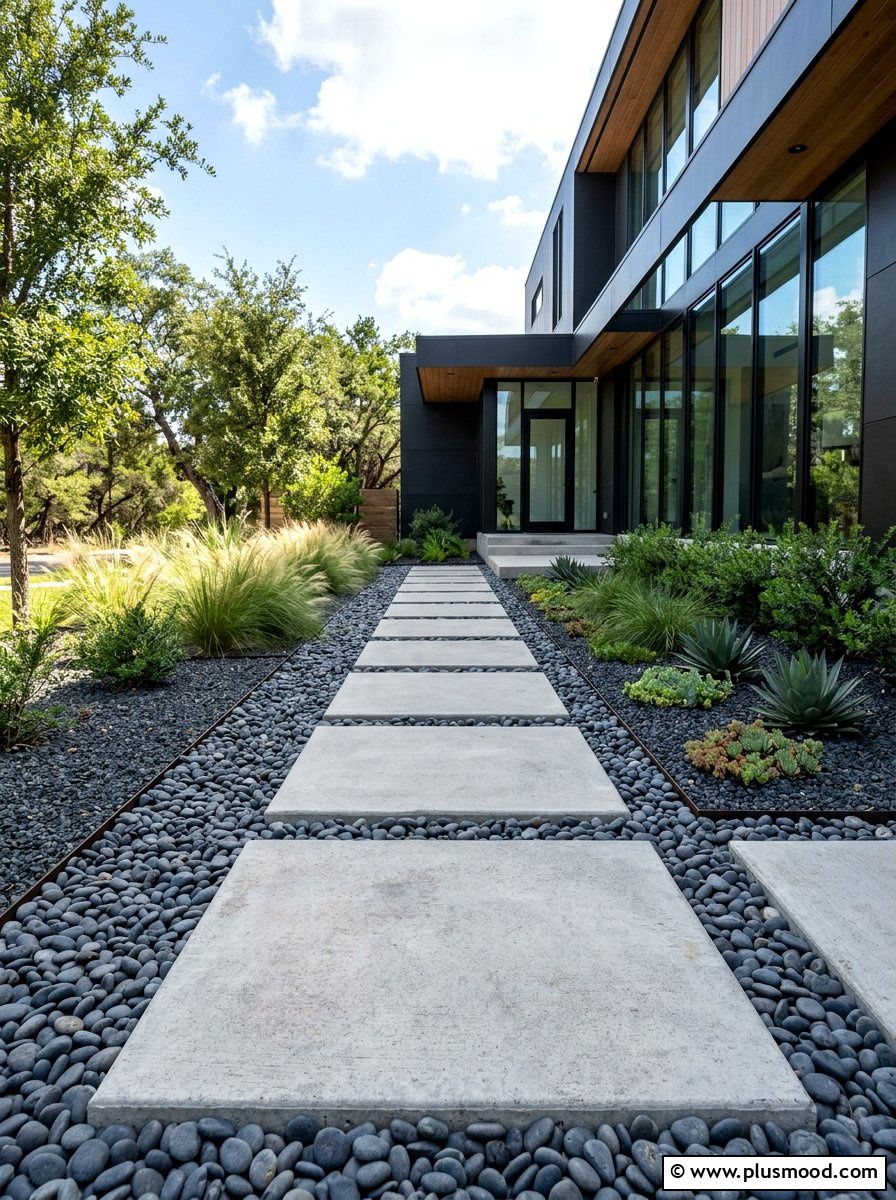
Crisp lines and geometric shapes are the hallmarks of a contemporary outdoor space that feels organized and clean. Modern square concrete pavers offer a sophisticated look that pairs perfectly with minimalist landscaping and architectural features. To achieve this aesthetic, space the pavers evenly along a straight path, perhaps surrounding them with dark gray Mexican beach pebbles for a high-contrast finish. This structured approach helps define specific zones in a small yard, such as a transition from a patio to a seating area. The uniform size of the pavers creates a rhythmic pattern that is incredibly soothing to the eye, ensuring your backyard looks polished without feeling cluttered or overly busy.
3. Round Stepping Stones
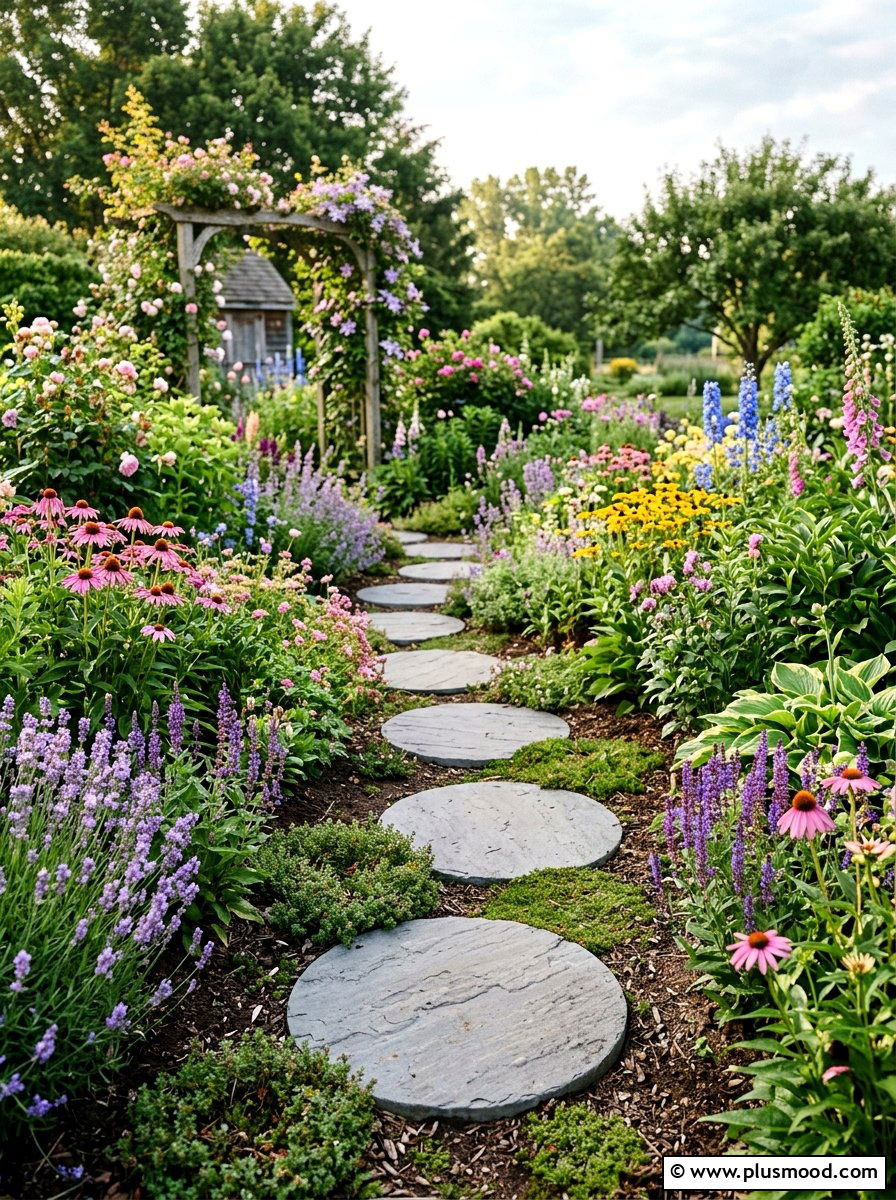
Are you looking for a way to soften the harsh corners of a small rectangular backyard? Round stepping stones provide a whimsical and gentle touch that can break up the monotony of traditional landscape design. These circular elements can be made from cast concrete, natural stone, or even reclaimed wood rounds, depending on the mood you want to set. By staggering them in a slightly curved "S" shape, you encourage a slower pace of movement, allowing guests to appreciate the surrounding plants and flowers. This layout is particularly effective in tiny spaces because the curves create an illusion of depth, making the journey across the yard feel much longer and more purposeful.
4. Wood Slice Walkway
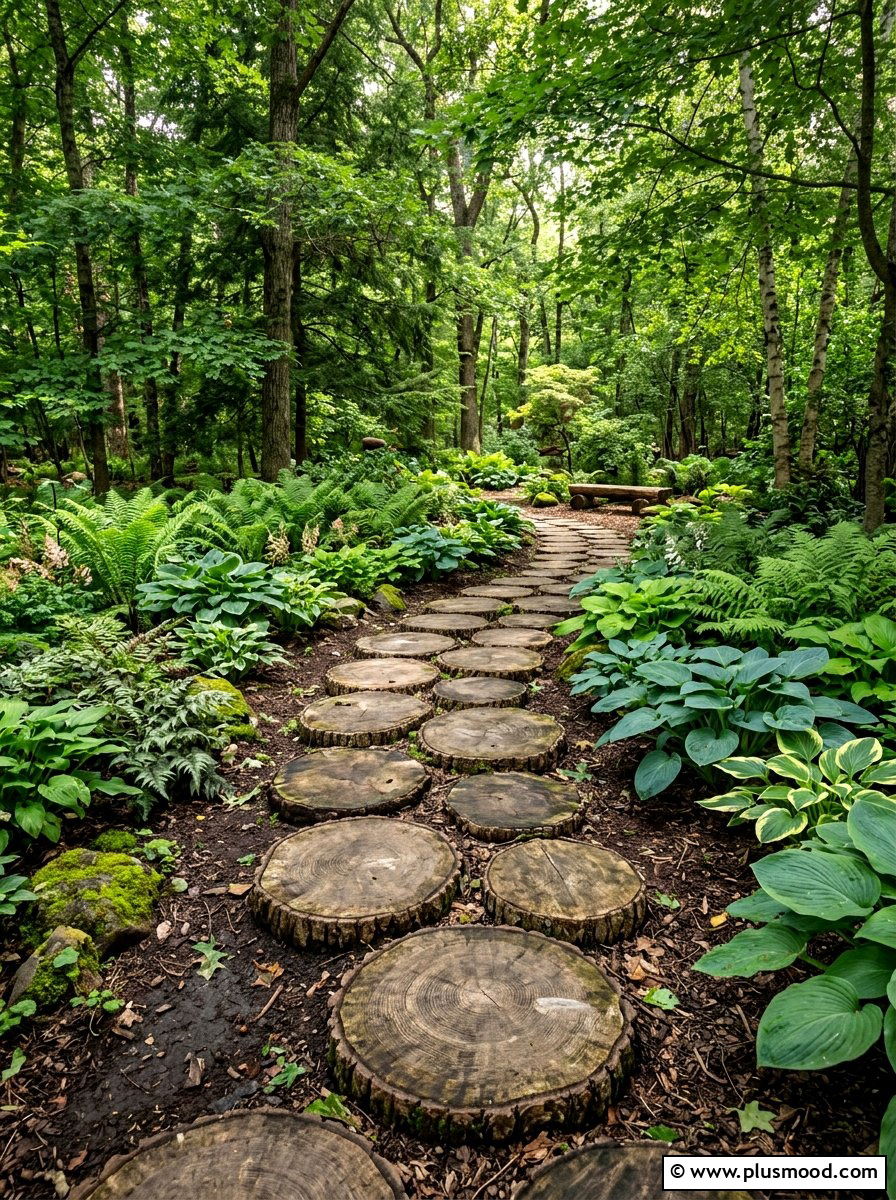
Imagine walking through a lush garden where every step feels like a stroll through an enchanted forest. Wood slice stepping stones, often referred to as "tree cookies, " bring an incredible amount of texture and warmth to a shaded backyard area. These natural rounds showcase beautiful grain patterns and bark edges that look stunning against a backdrop of ferns and hostas. To ensure longevity, these slices should be treated or set into a well-drained base of sand or gravel. Using wood instead of stone adds a soft, organic element that feels comfortable underfoot and provides an eco-friendly alternative for homeowners who want to maintain a very natural, unrefined garden aesthetic throughout their space.
5. River Rock Path Border
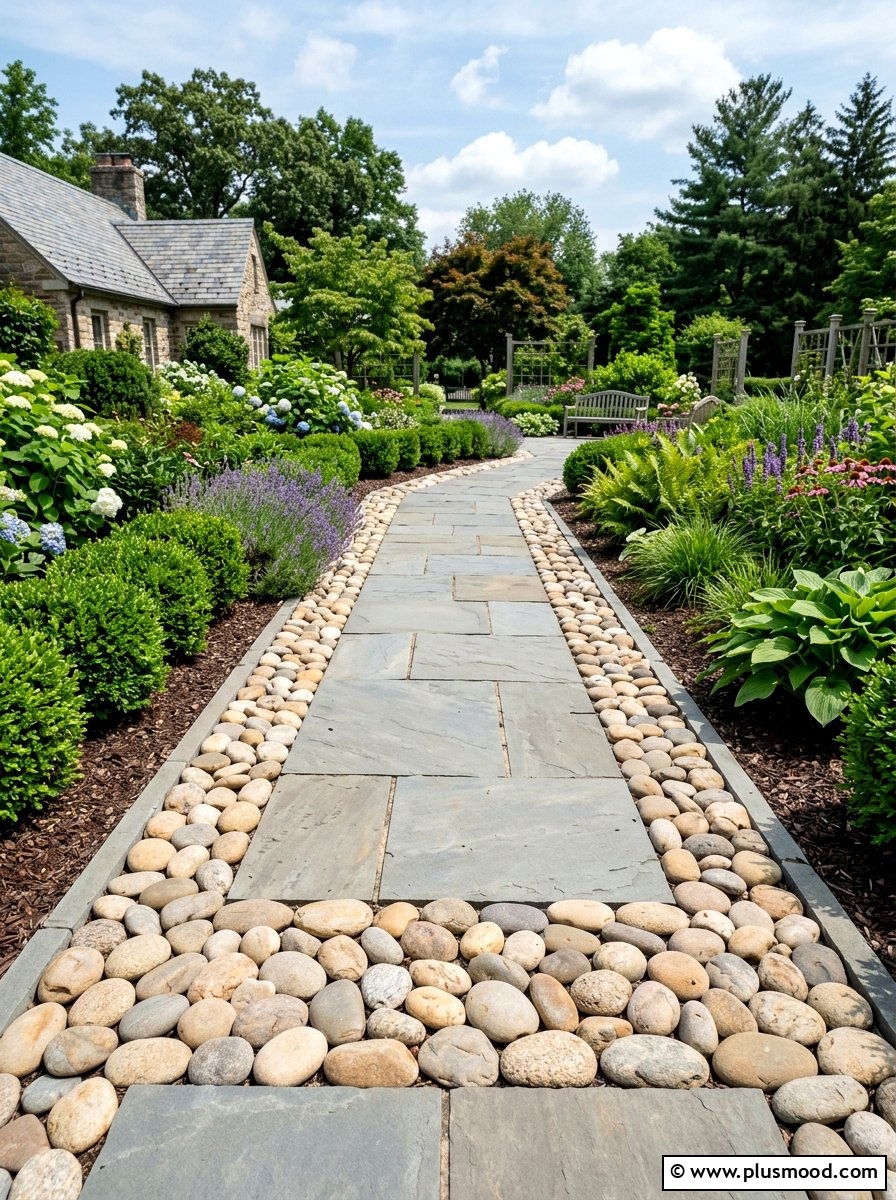
Sometimes the beauty of a path lies not just in the steps themselves, but in how they are framed by the surrounding landscape. Incorporating a river rock border around your stepping stones creates a clear boundary that prevents soil erosion and keeps the walkway looking tidy. You can use large, smooth river stones to line the edges of a slate or limestone path, creating a beautiful contrast between the flat walking surface and the rounded border rocks. This technique is excellent for small yards that struggle with drainage, as the rocks help manage water runoff while adding a professional, tiered look to your garden beds that elevates the entire outdoor experience.
6. Pea Gravel With Pavers
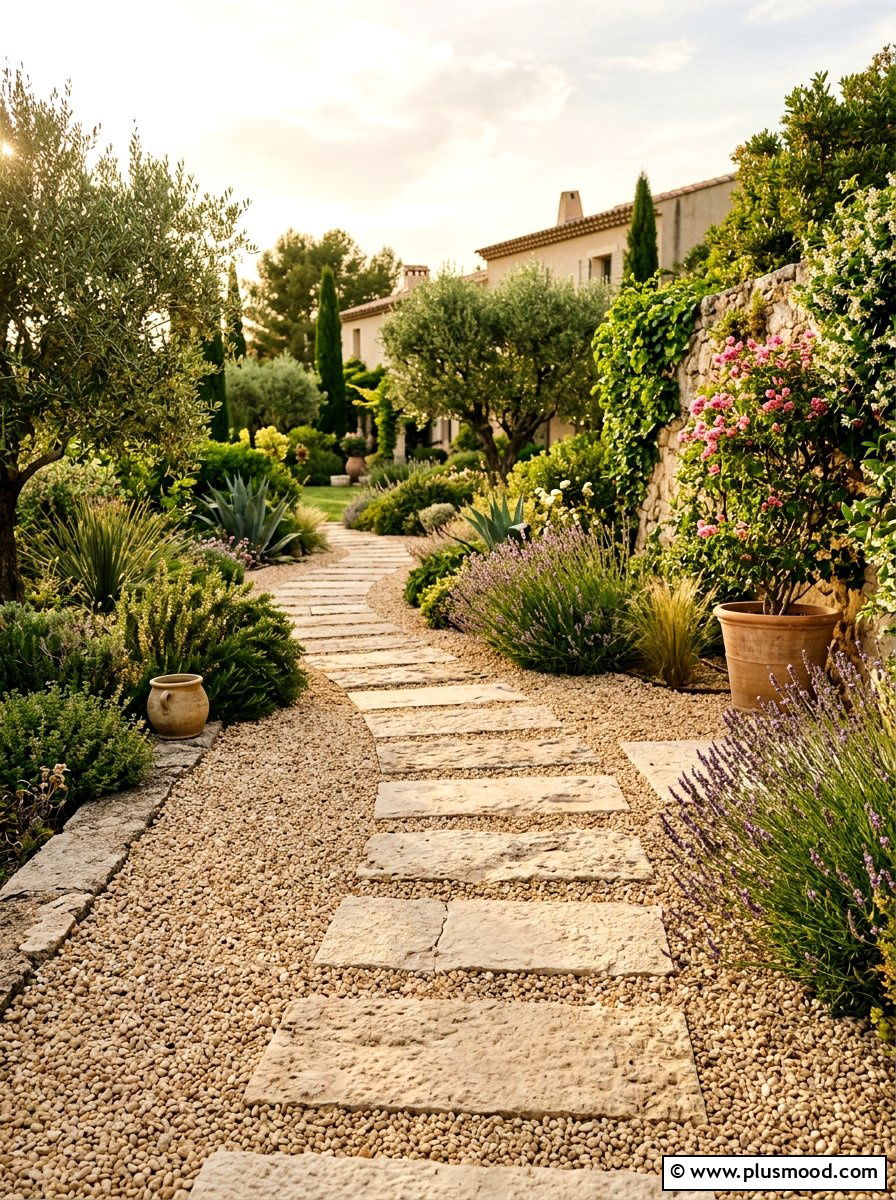
Mixing different sizes of stone is a classic landscaping trick that adds depth and professional flair to even the tiniest outdoor areas. Using pea gravel as a filler between larger stepping stones provides a stable, crunching sound underfoot that many find incredibly satisfying and nostalgic. The small, rounded pebbles fill in the gaps perfectly, creating a permeable surface that allows rainwater to soak into the ground rather than pooling on top. This combination is highly customizable, as you can choose light-colored gravel to brighten a dark corner or dark basalt gravel for a moody, modern appearance. It is a cost-effective way to cover ground while maintaining a high-end, textured look.
7. Grass Between Stepping Stones
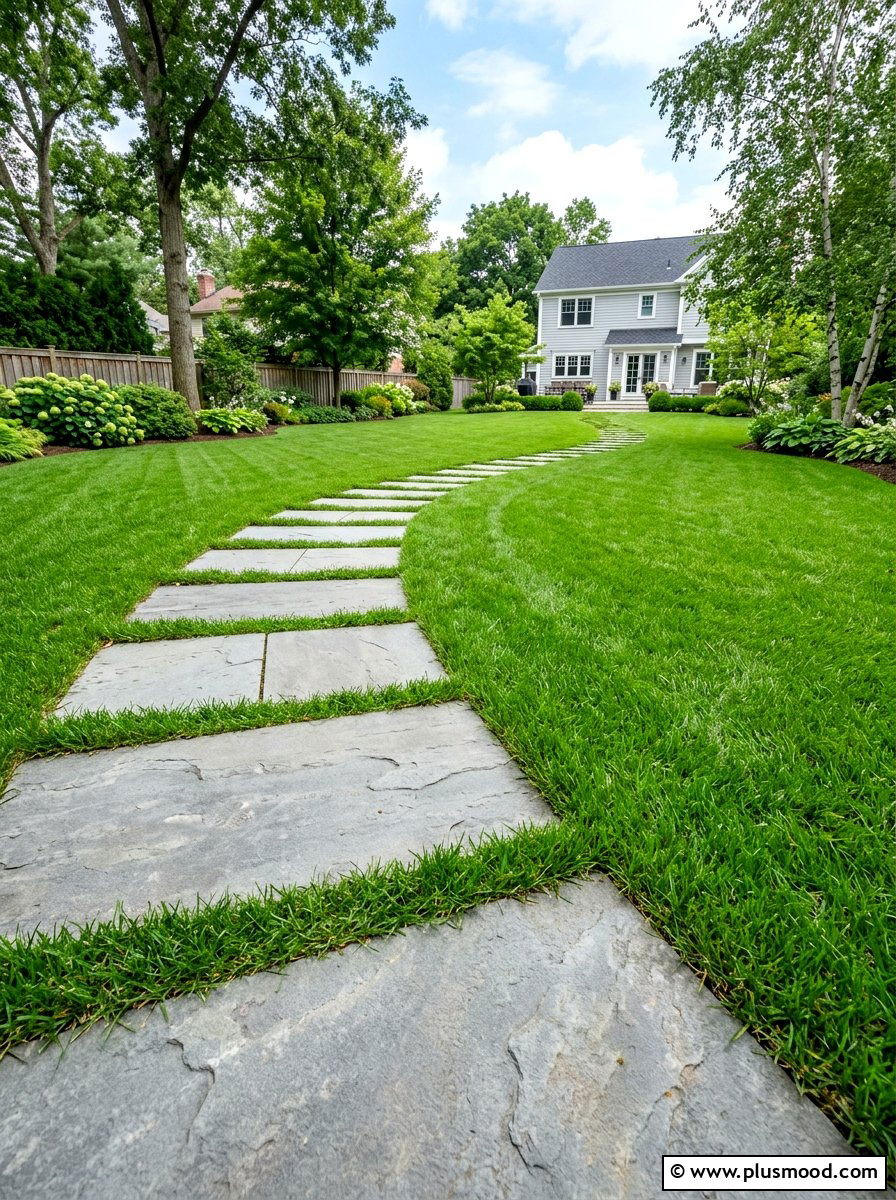
Nothing says classic garden charm quite like the sight of vibrant green grass growing perfectly between large, flat stones. This design approach, often called "steppable" landscaping, integrates the hardscape directly into the lawn for a seamless and lush appearance. To achieve this, choose large pavers and set them deep enough so that a lawnmower can pass right over them without damage. This is a brilliant solution for small backyards where you want to maintain as much green space as possible while still having a functional path. The contrast of the cool stone against the soft grass creates a timeless look that feels both established and incredibly well-maintained for any home.
8. Geometric Garden Path
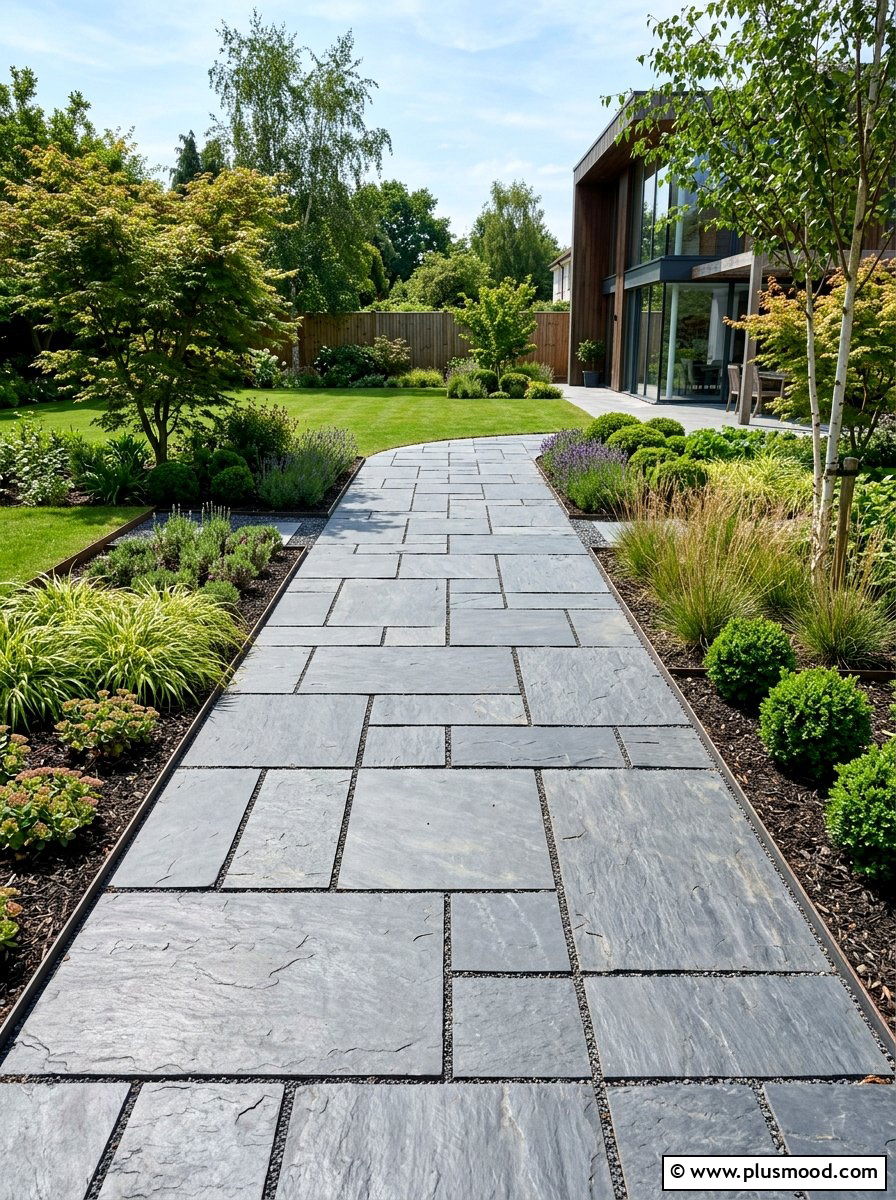
If you enjoy a more artistic and structured environment, a geometric garden path using various rectangular and square stones can be a real focal point. Instead of a simple straight line, try alternating sizes or laying the stones in a basket-weave or herringbone pattern. This draws the eye downward and creates a sense of movement and energy in the yard. By using stones with consistent colors but varying dimensions, you can create a sophisticated mosaic effect that looks custom-made. This strategy is particularly useful for small patios or entryways where you want to make a bold design statement without overwhelming the limited square footage available in your outdoor area.
9. Moss Between Stones
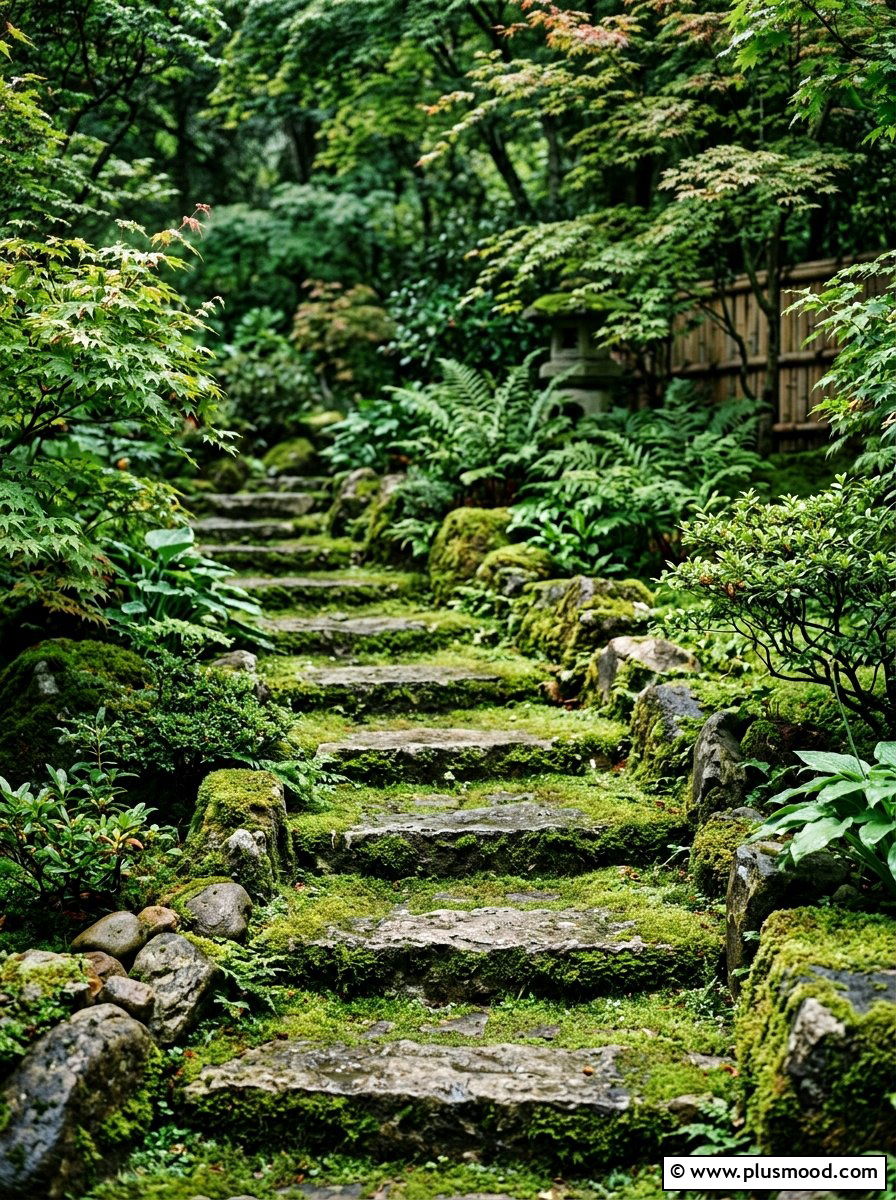
Walking into a garden filled with moss-covered stones feels like stepping into a peaceful, ancient sanctuary. For small backyards that receive plenty of shade and moisture, encouraging moss to grow in the crevices between stepping stones is a beautiful way to add character and age. The soft, velvety green texture of the moss cushions the hard edges of the rock, creating a soft and inviting walkway. This look is perfect for Japanese-inspired gardens or traditional cottage styles where a "lived-in" feel is desired. Moss is also a great low-maintenance alternative to grass, as it doesn't require mowing and stays green throughout the year in the right conditions, providing constant visual interest.
10. Slate Stepping Stone Walkway
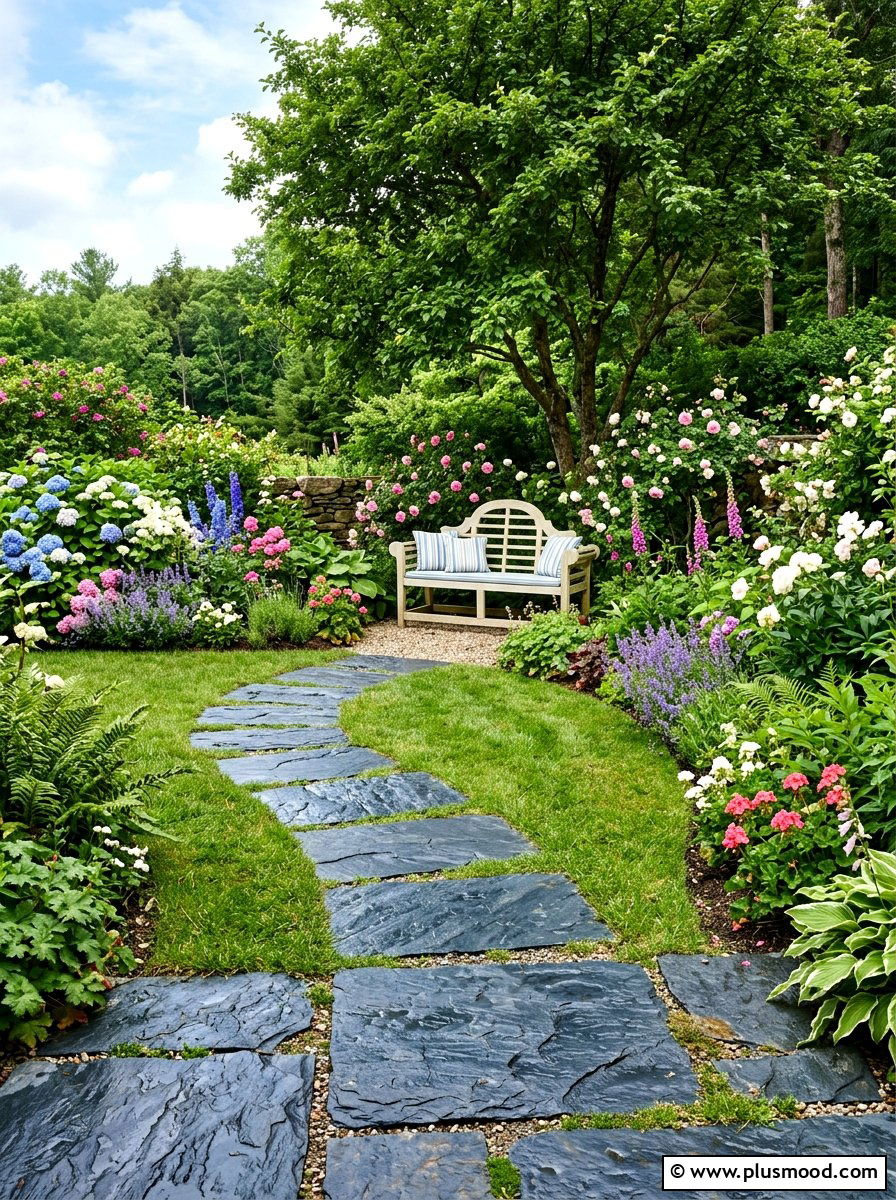
Slate is a premium material known for its incredible durability and its unique, layered texture that catches the light beautifully. Using slate stepping stones in a small backyard adds an instant touch of elegance and "old-world" charm. Because slate comes in deep blues, purples, and charcoals, it provides a dramatic foundation for a garden filled with bright flowers or silvery foliage. These stones are naturally slip-resistant, making them a practical choice for paths that might get wet from rain or sprinklers. Their thin profile allows them to be set easily into the ground, creating a low-profile walkway that doesn't obstruct the view of the rest of your carefully curated garden landscape.
11. Brick Stepping Stones
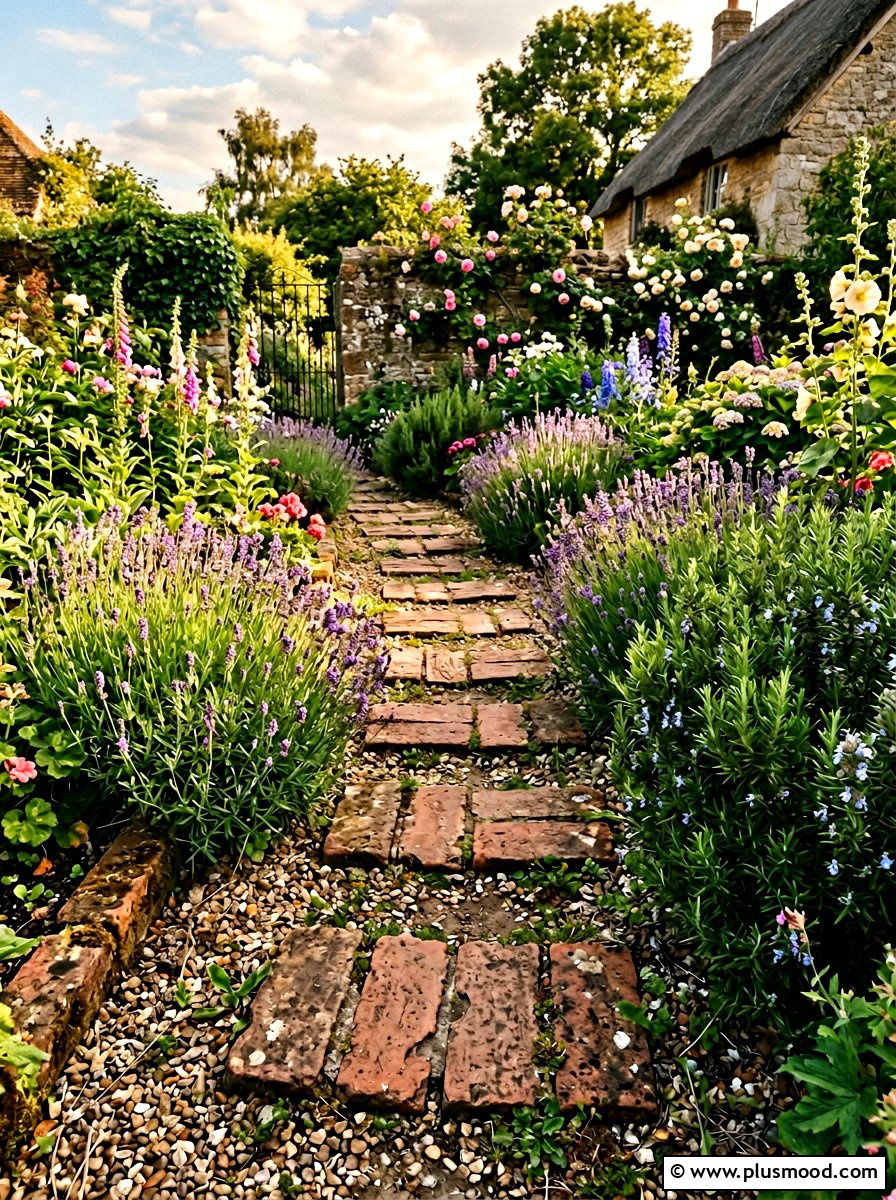
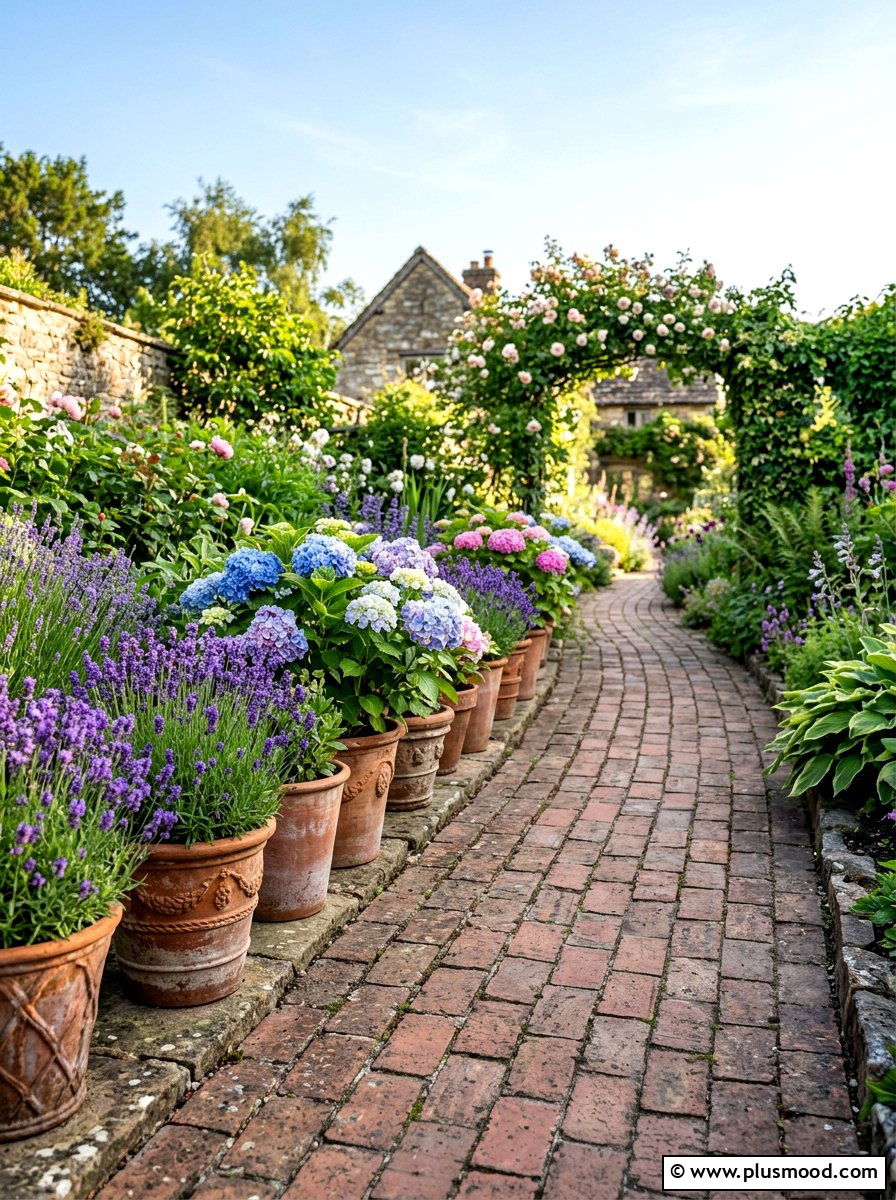
Do you want to bring a sense of history and tradition to your outdoor space? Using reclaimed or new bricks as stepping stones is a fantastic way to add a warm, red-toned palette to your backyard. Bricks can be laid in small clusters to form individual steps or arranged in a continuous line for a more traditional sidewalk feel. Because bricks are uniform in size, they are very easy to work with for a DIY project, allowing you to create straight lines or gentle curves with precision. Their earthy color provides a beautiful contrast against green shrubbery and brown mulch, giving your small yard a cozy, lived-in feel that never goes out of style.
12. Checkerboard Garden Pavers
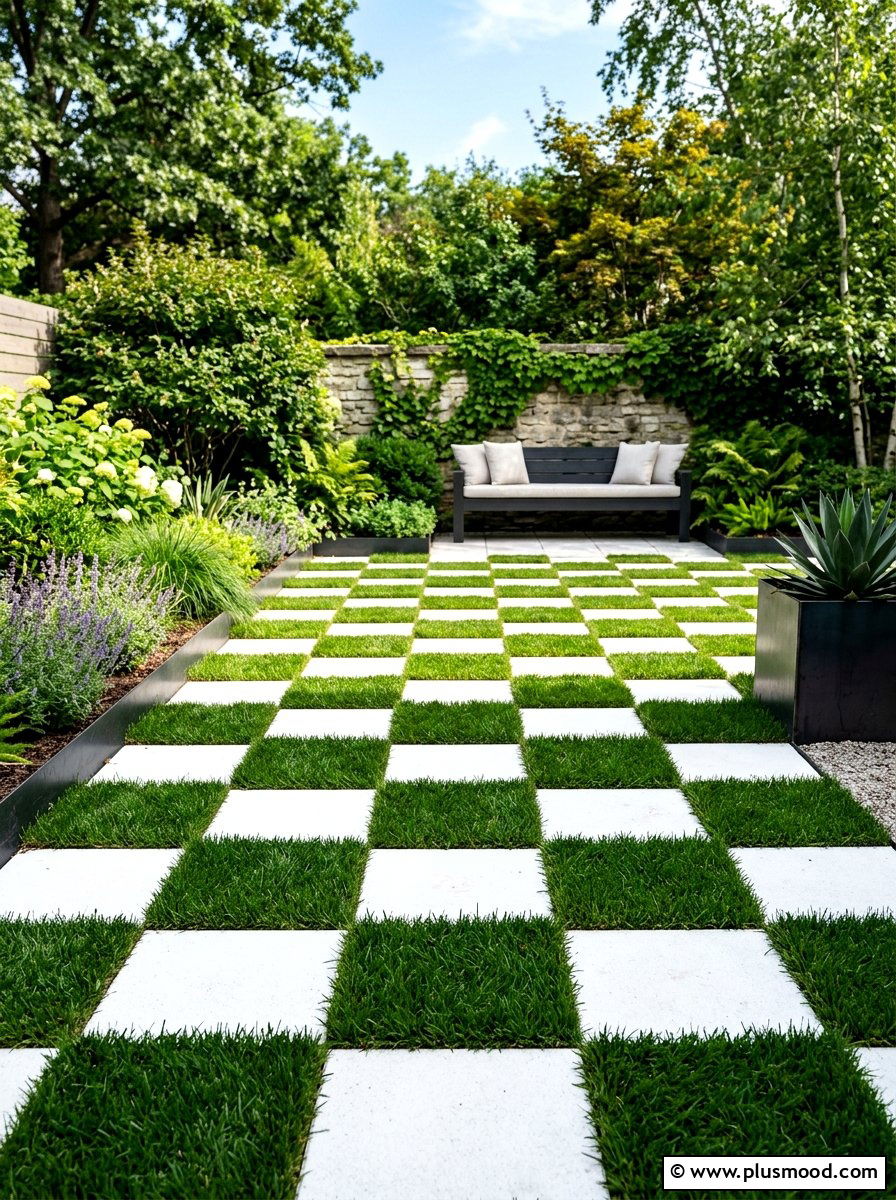
A checkerboard pattern is a bold and playful way to utilize stepping stones while maximizing the visual impact of a small space. By alternating square pavers with squares of grass, moss, or even different colored stones, you create a striking grid that looks like a work of art. This layout is perfect for a small seating area or a central path through a vegetable garden. The repetitive nature of the checkerboard provides a sense of order and symmetry, which can make a cluttered or irregularly shaped yard feel much more organized. It is a high-impact design choice that works best when the surrounding plants are kept relatively simple to let the pattern shine.
13. Natural Stone Garden Path
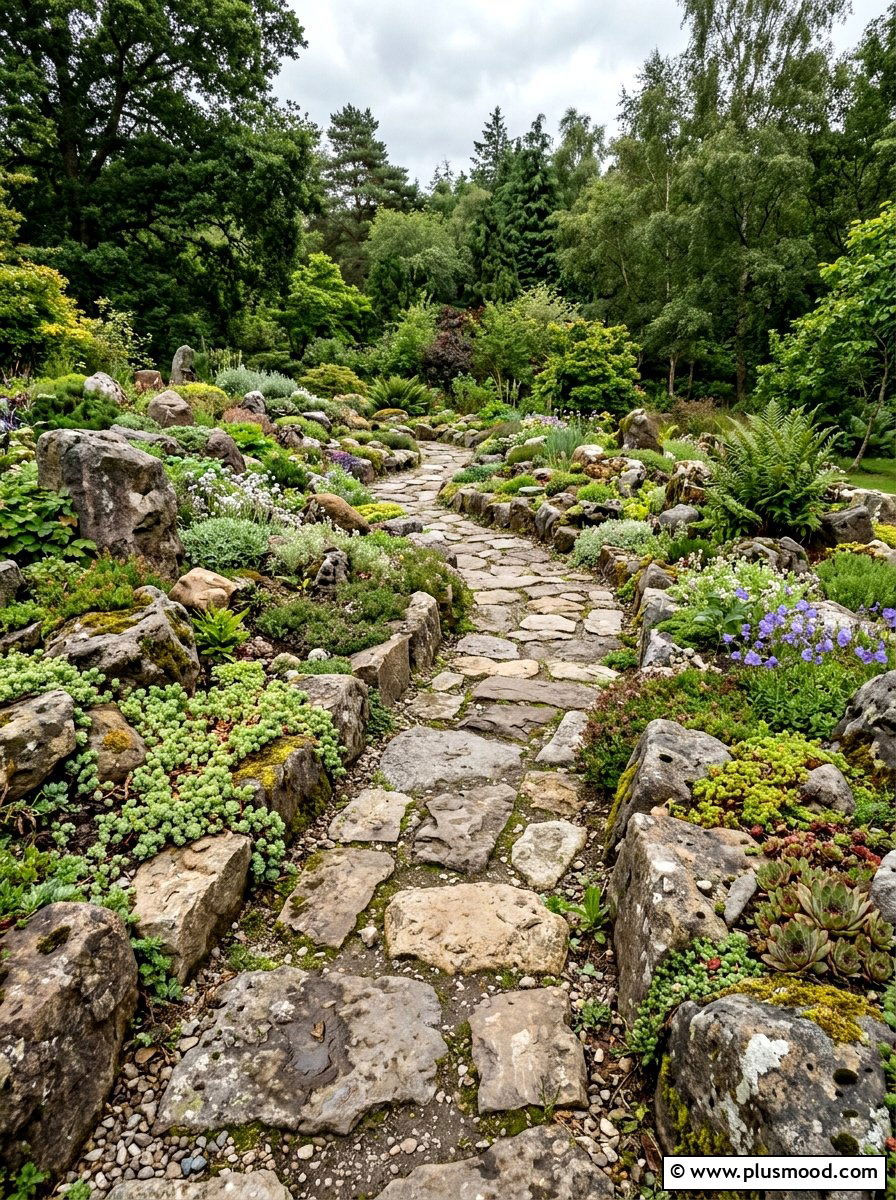
For a look that feels like it was shaped by nature itself, nothing beats a path made from raw, unpolished fieldstones. These stones vary significantly in thickness, size, and color, providing a rugged and adventurous feel to your backyard. Using natural stones is an excellent way to navigate slight changes in elevation or to create a transition between a manicured lawn and a wilder garden bed. Because no two stones are alike, every step on this path feels unique. This approach is highly effective in small yards where you want to emphasize a relaxed, informal atmosphere, allowing the garden to feel like a natural extension of the surrounding environment rather than something strictly manufactured.
14. Floating Paver Design
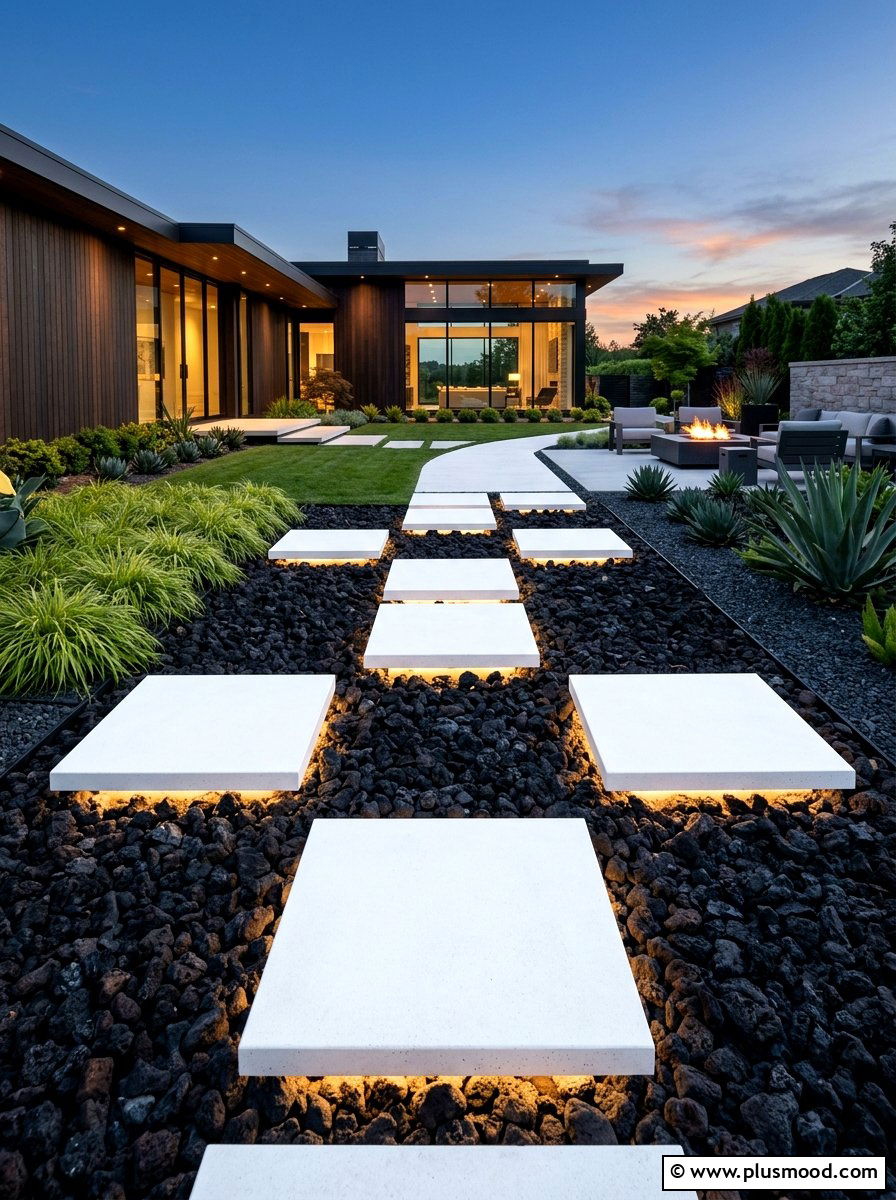
Have you ever seen a walkway that looks like it is hovering just above the ground? The "floating" paver effect is achieved by elevating the stepping stones slightly or surrounding them with a recessed layer of dark gravel or ground cover. This creates a modern, architectural look that is very popular in high-end landscape design. By using oversized, light-colored pavers, you create a clean and airy feeling that can make a cramped backyard feel much more open and breathable. This design style highlights the negative space between the stones, turning the walkway into a sculptural element that enhances the overall aesthetic of your home’s exterior while providing a very stable walking surface.
15. Stepping Stones For Sloped Yard
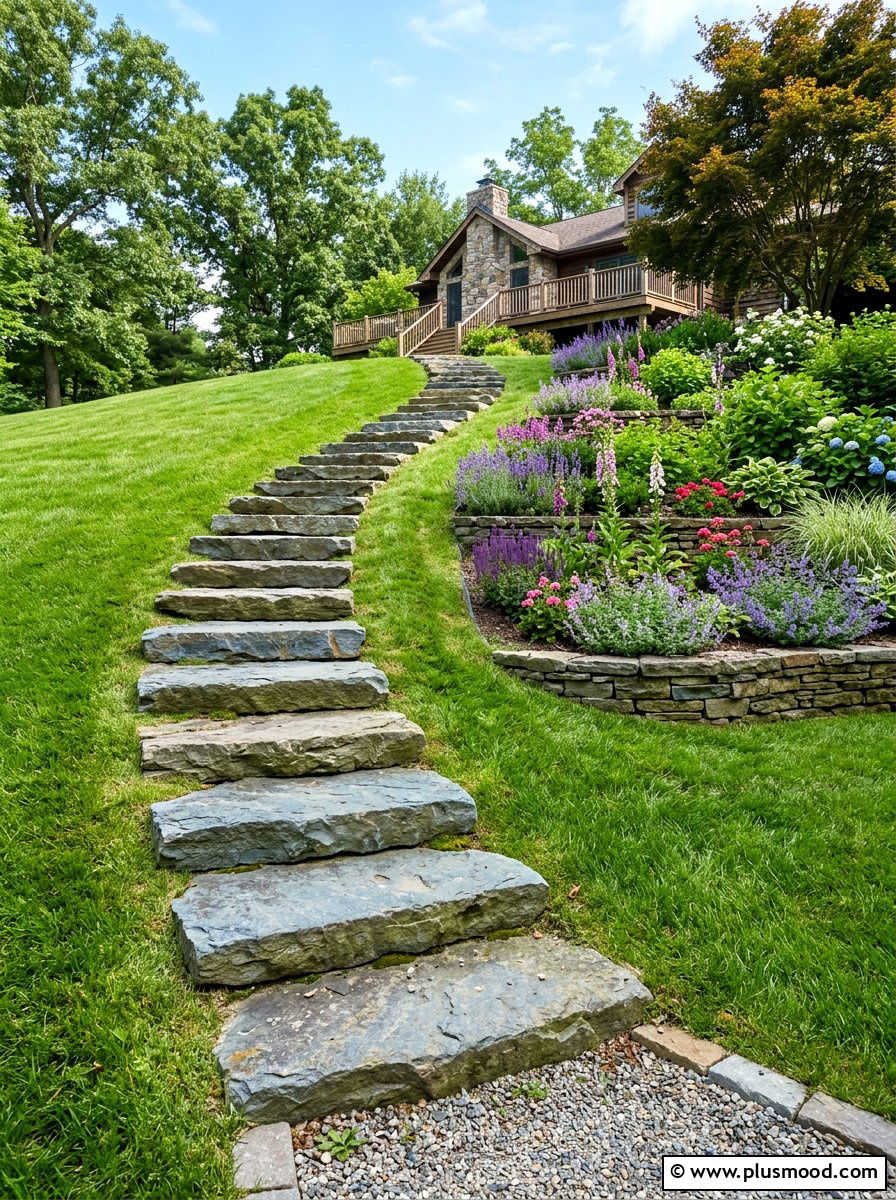
Navigating a slope in a small backyard can be tricky, but stepping stones offer a practical and attractive solution for creating a tiered walkway. By digging into the hillside and setting flat stones as "landing pads, " you can create a safe and easy-to-climb path that doubles as a mini retaining wall system. This prevents soil from washing away during heavy rains and adds vertical interest to your landscaping. You can plant creeping thyme or small succulents around the edges of these stones to soften the transition between levels. This functional design turns a difficult-to-use incline into a beautiful garden feature that allows you to access every corner of your property with ease.
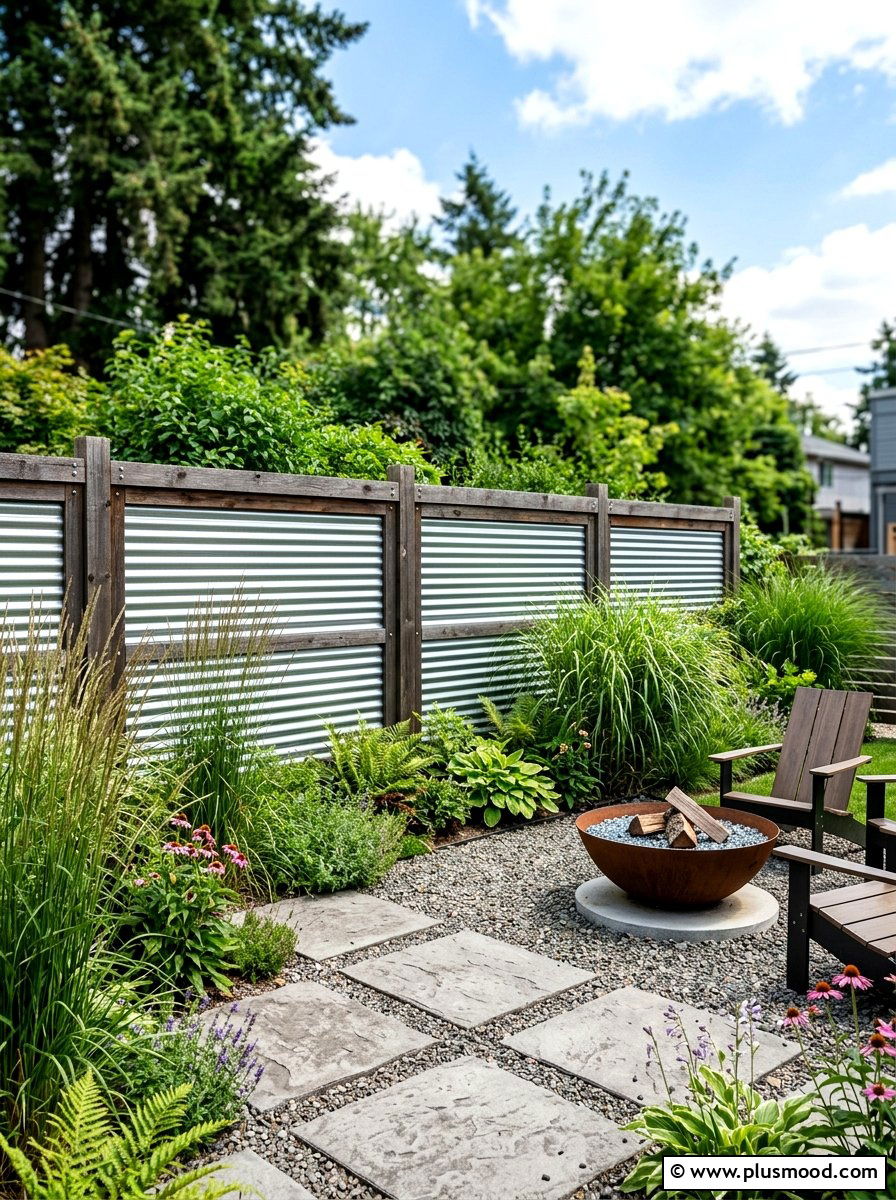
16. Zen Garden Walkway
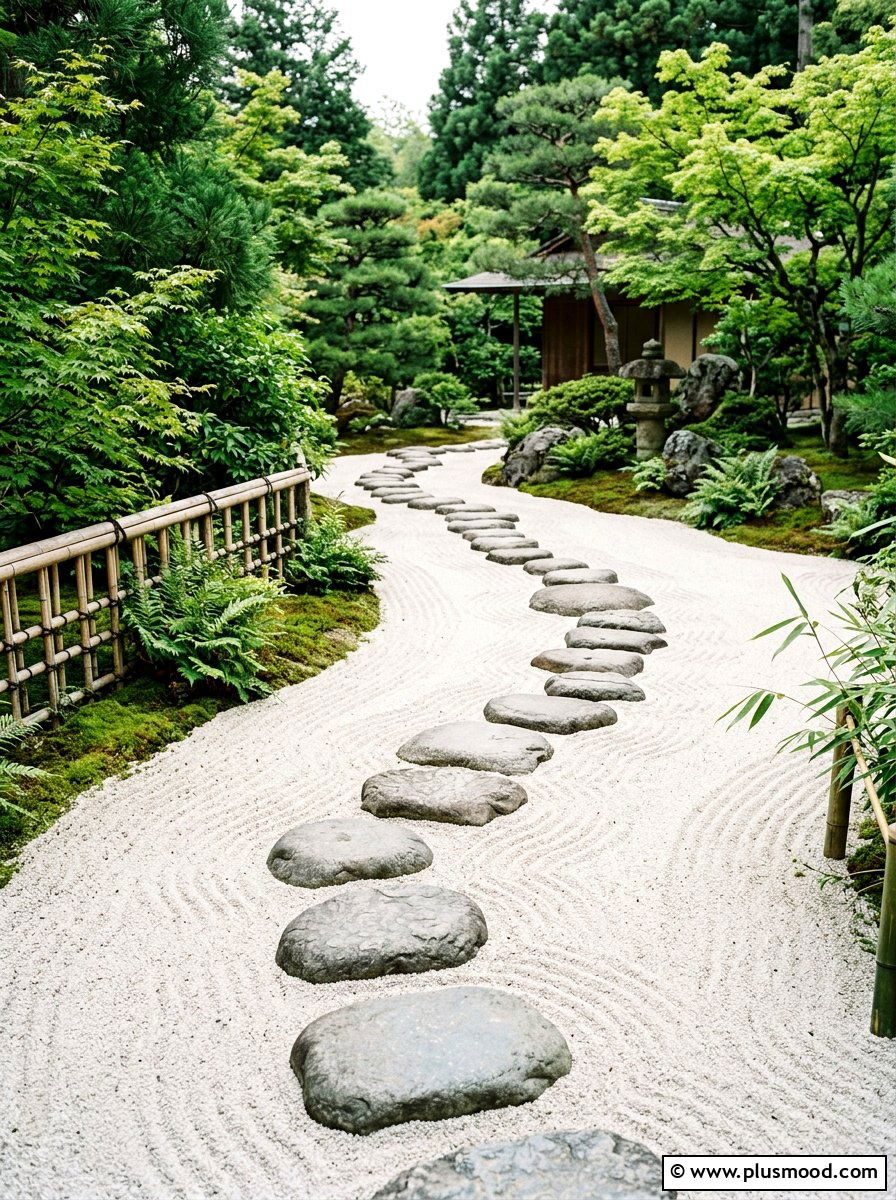
In a world that feels increasingly busy, creating a dedicated space for reflection and peace is essential. A Zen-inspired walkway typically features smooth, large stepping stones set within a bed of meticulously raked sand or fine gravel. The contrast between the solid, immovable stones and the fluid, wavy patterns in the sand creates a sense of balance and harmony. This design is perfect for very small backyards or even side yards where you want to minimize maintenance while maximizing aesthetic value. The simplicity of the materials encourages a mindful pace, making your backyard a true retreat from the outside world where you can relax and find your center in a quiet environment.
17. Glow In The Dark Stepping Stones
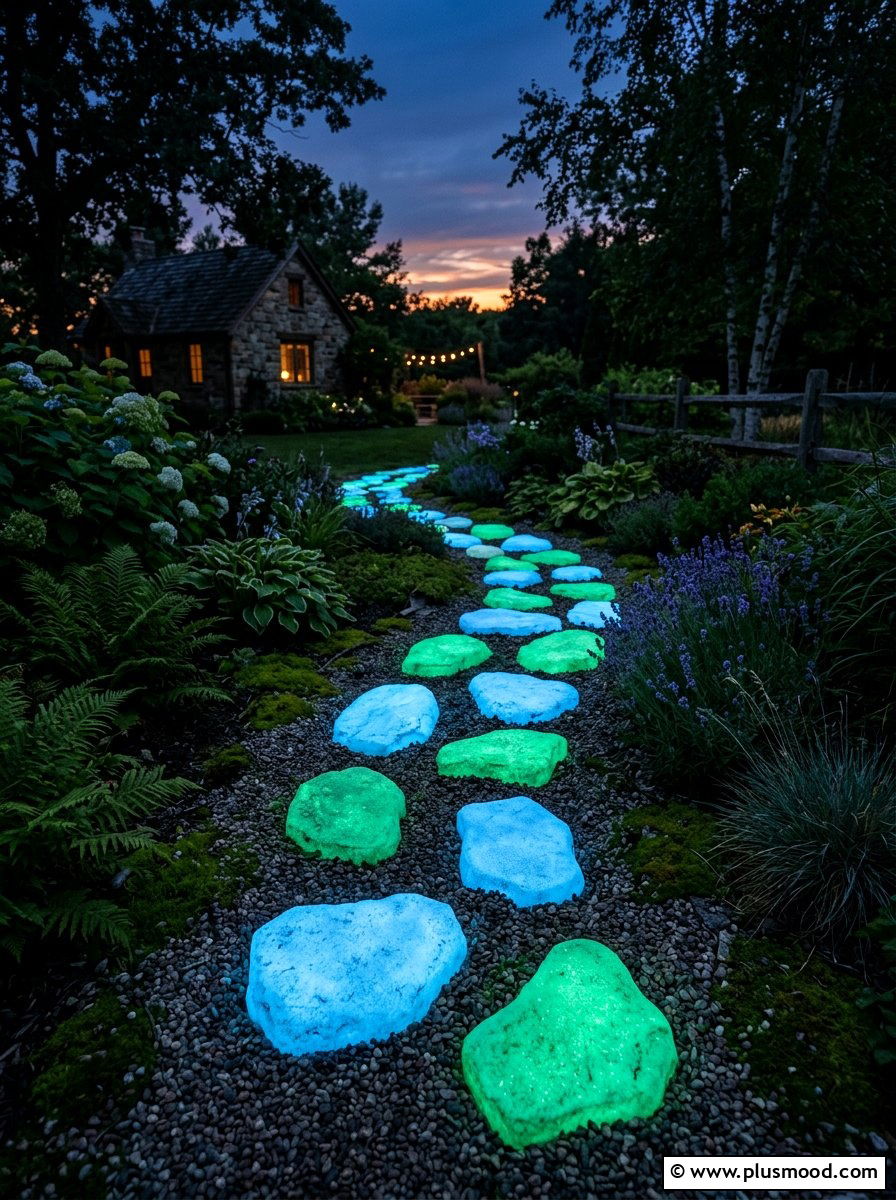
Why should your garden only look beautiful during the day when you can make it magical at night too? Glow-in-the-dark stepping stones are a fun and innovative way to add safety and charm to your backyard after the sun goes down. These stones are embedded with photo-luminescent materials that soak up sunlight during the day and emit a soft, ethereal glow at night. This is a practical solution for illuminating a dark path without the need for complex electrical wiring or solar lights that can sometimes look cluttered. It creates a whimsical, starry-night effect on the ground, making your small backyard feel like a fairytale destination for evening gatherings or quiet night walks.
18. Large Stepping Stones For Small Yard
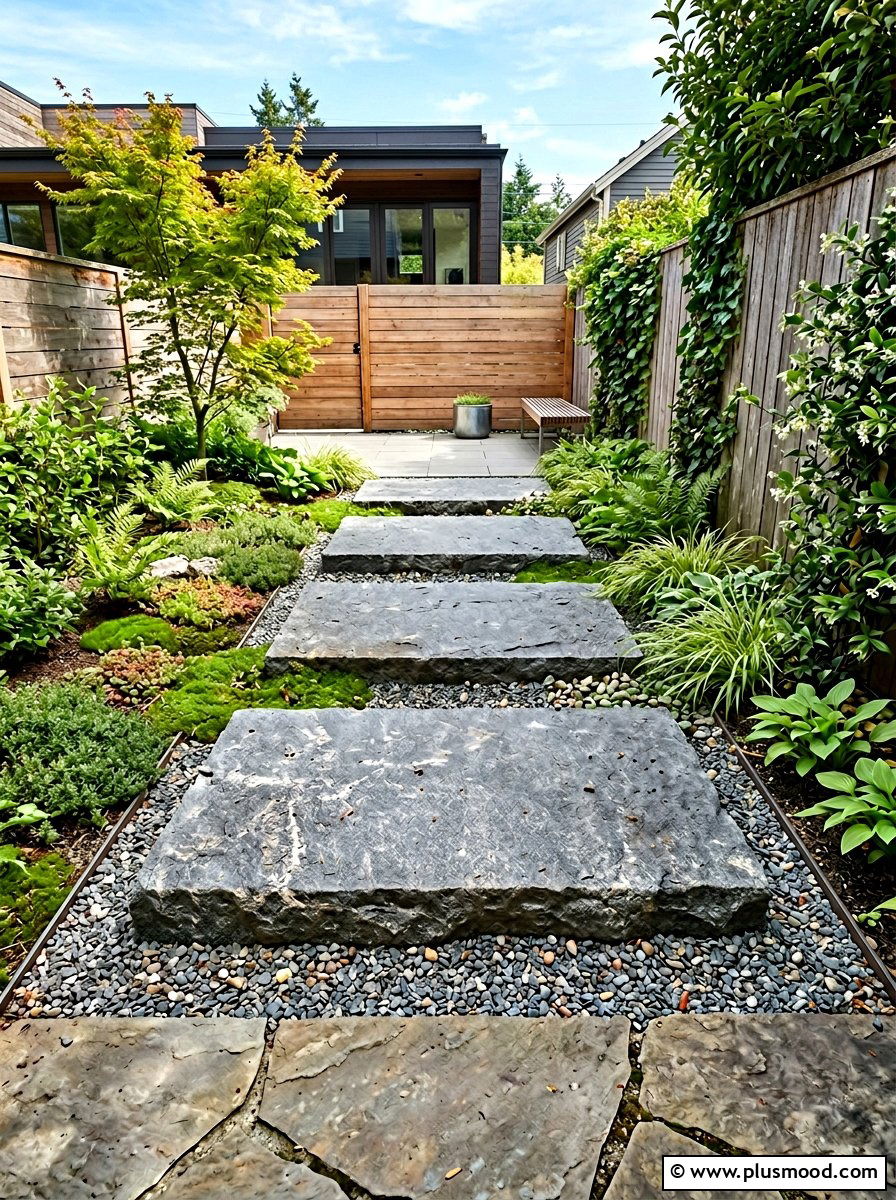
It might seem counterintuitive, but using oversized stepping stones can actually make a small yard appear much larger than it really is. When you use few, large-scale elements, it reduces visual clutter and simplifies the landscape, which tricks the eye into perceiving more space. These "jumbo" pavers provide a generous walking surface that feels luxurious and stable. You can arrange them with minimal gaps for a sleek look or space them further apart to emphasize the ground cover in between. This design strategy is particularly effective in minimalist or modern gardens where the goal is to create a bold, impactful statement with a limited number of high-quality materials and clean lines.
19. Diagonal Stone Path
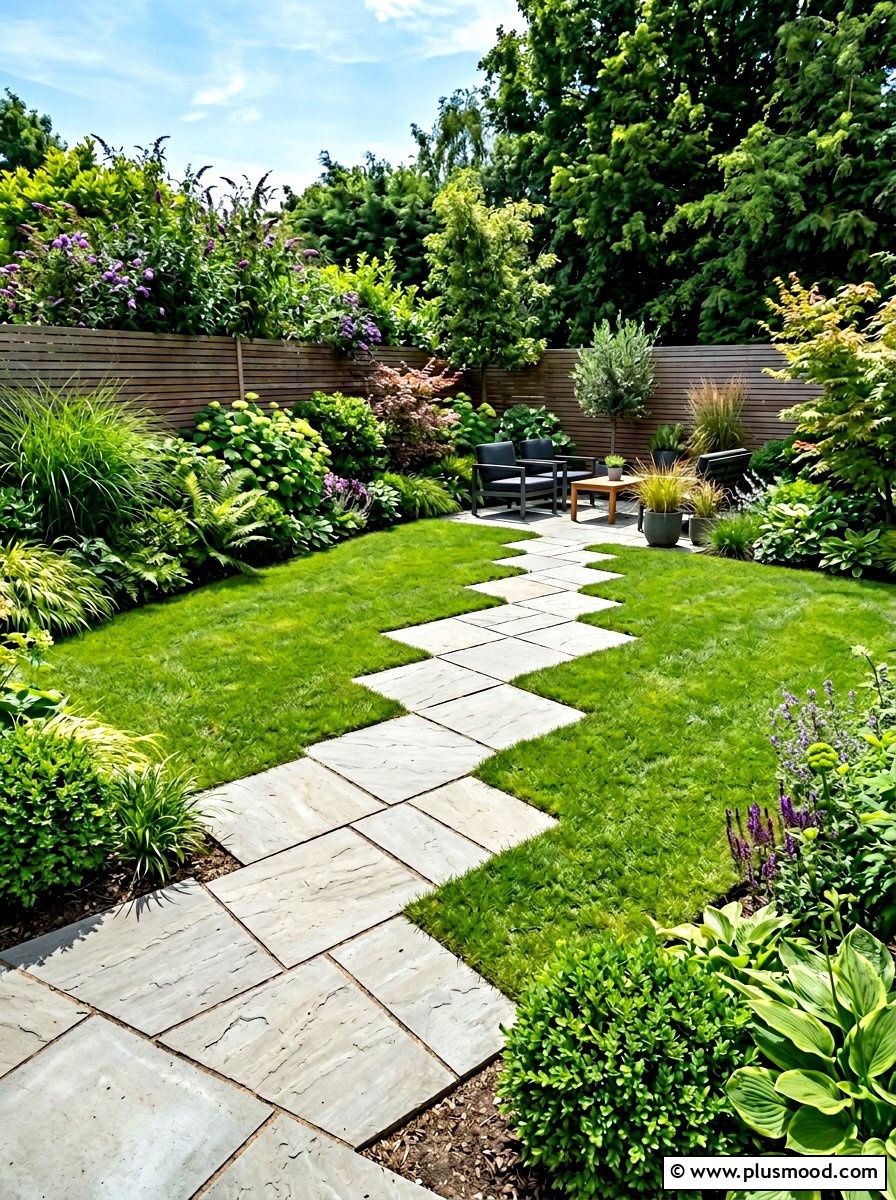
Changing the orientation of your walkway can have a massive impact on the perceived dimensions of your backyard. Laying stepping stones on a diagonal relative to your home’s walls or fence lines creates longer sightlines, making the yard feel wider and deeper. This technique breaks the "box" feeling that often plagues small, rectangular lots. A diagonal path invites the eye to move from corner to corner, rather than just straight across, which adds a sense of dynamic energy to the landscape. Whether you use square pavers or irregular flagstones, this simple shift in perspective can make your outdoor area feel more custom-designed and thoughtfully planned for a more interesting visual experience.
20. Kitchen Garden Stepping Stones
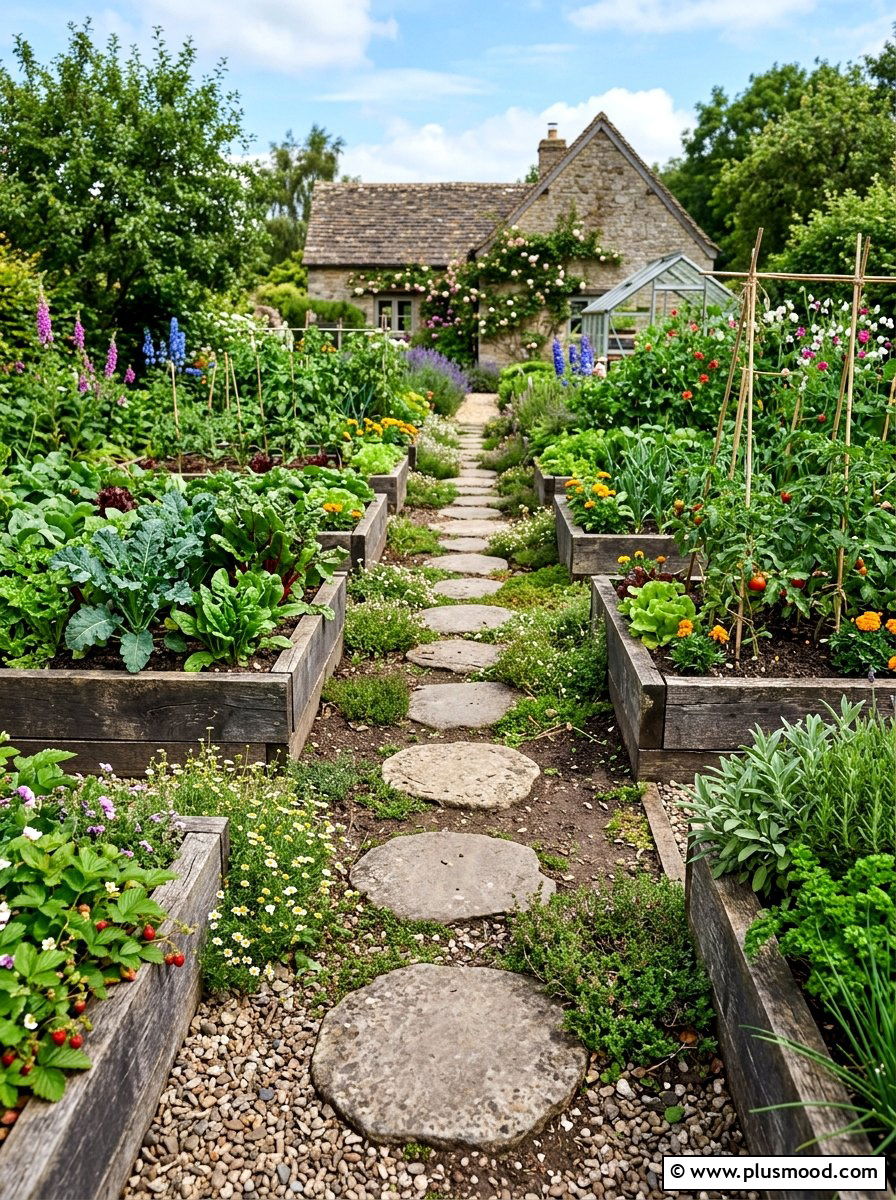
Integrating stepping stones directly into a vegetable or herb garden is a brilliant way to combine functionality with beauty. These stones provide a clean place to stand while you are harvesting basil or pruning tomatoes, preventing you from compacting the soil or getting your shoes muddy. You can use simple, weathered stones that look like they have been part of the garden for years. This creates a charming "potager" look that feels organized and accessible. By placing stones at strategic intervals, you ensure that every plant is within reach, making the task of gardening much more enjoyable in a tight space where every inch of soil is precious and productive.
21. Curved Garden Path
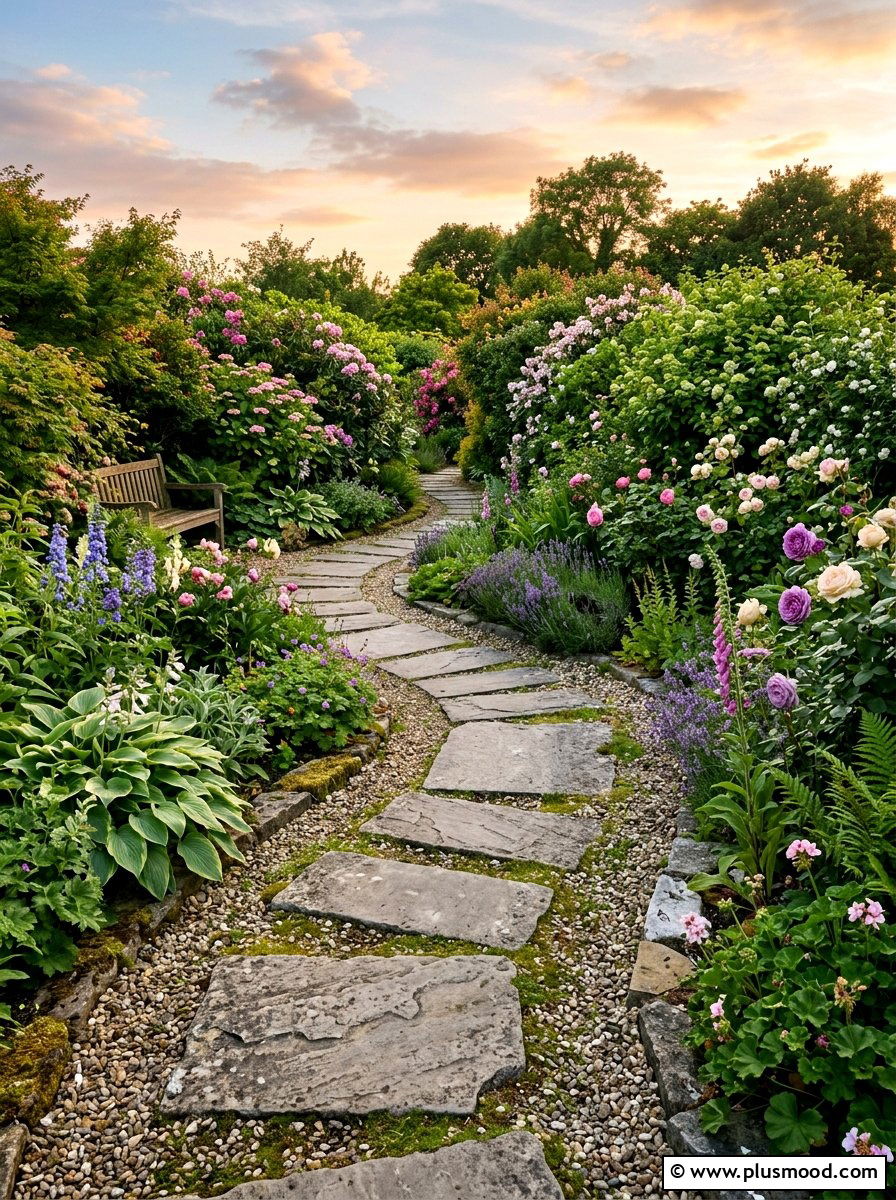
A straight line is the shortest distance between two points, but a curved path is often the most beautiful. In a small backyard, a gentle curve can hide the end of the path from view, creating a sense of mystery and making the space feel like it goes on forever. Stepping stones are the perfect medium for creating these soft arcs because they can be easily adjusted and repositioned until the flow feels just right. Surround the curve with tall grasses or flowering shrubs to enhance the feeling of a winding trail. This design approach is incredibly relaxing and helps to transform a basic backyard into an immersive garden experience that feels much larger.
22. Oversized Concrete Pavers
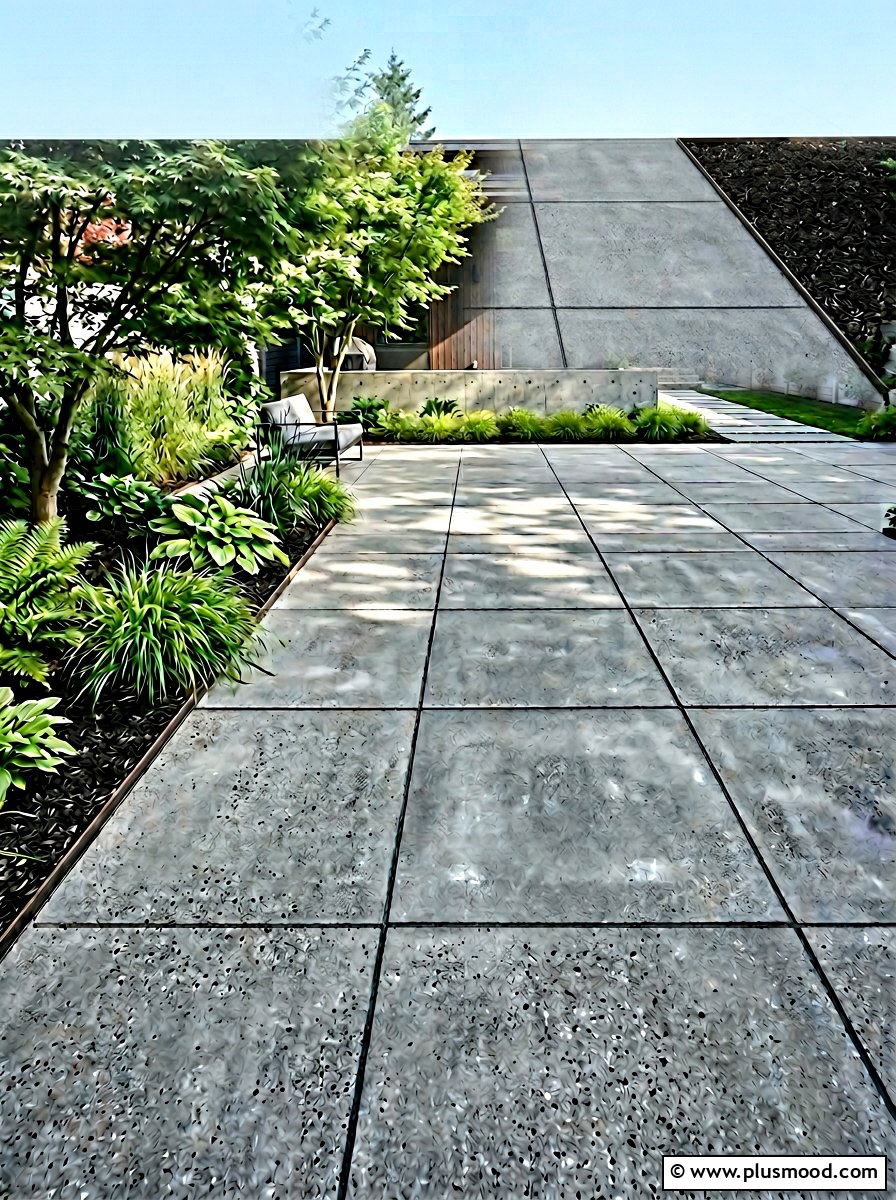
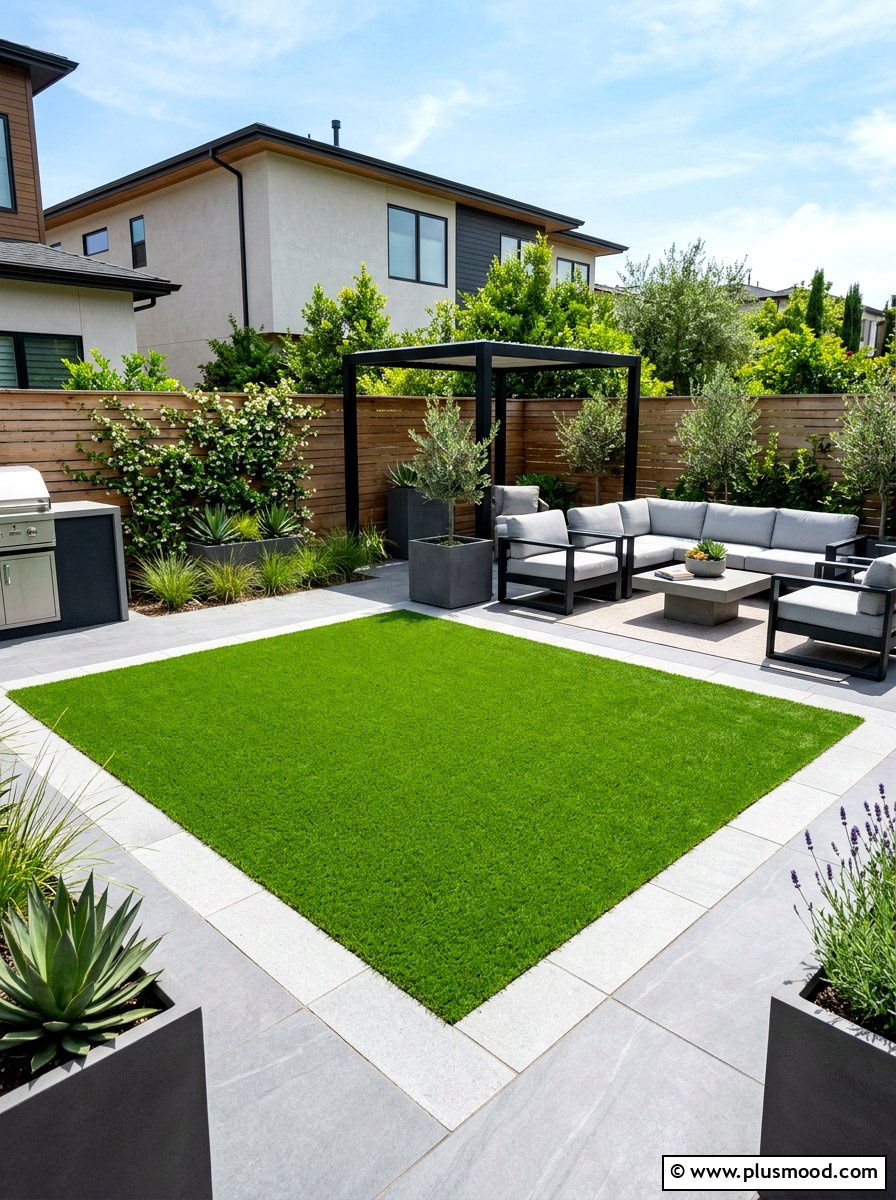
For those who love a high-end, industrial-chic look, oversized concrete pavers are a fantastic choice for a small backyard. These large, heavy slabs offer a clean and flat surface that is perfect for placing outdoor furniture or creating a sturdy walkway. Their cool gray color provides a neutral backdrop that makes the green of your lawn and the colors of your flowers pop with intensity. Because they cover so much ground, you don't need many of them to make a significant impact. This minimalist approach is not only stylish but also very practical, as it reduces the number of joints where weeds can grow, making your garden maintenance much easier.
23. Decorative Mosaic Stepping Stones
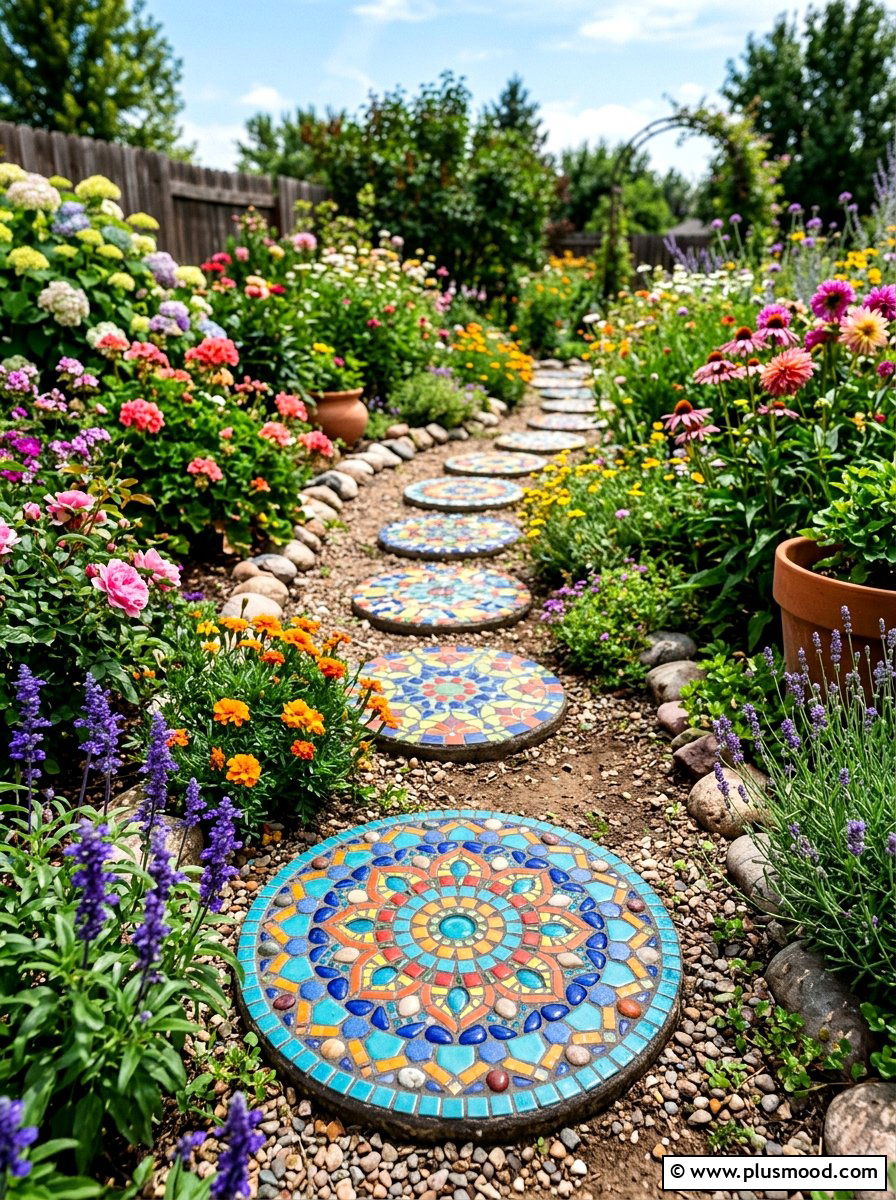
Do you have a creative side that you want to showcase in your garden? Decorative mosaic stepping stones allow you to infuse your backyard with personality and color. These stones can be handmade using broken ceramic tiles, glass beads, or even smooth sea glass embedded into concrete. Each stone becomes a unique work of art that tells a story or follows a specific color theme. In a small yard, these vibrant accents serve as jewelry for the landscape, drawing people closer to admire the details. This is a wonderful way to add a "handmade" feel to your outdoor space, making it feel more like a personalized art gallery rather than a standard lawn.
24. Minimalist Pathway
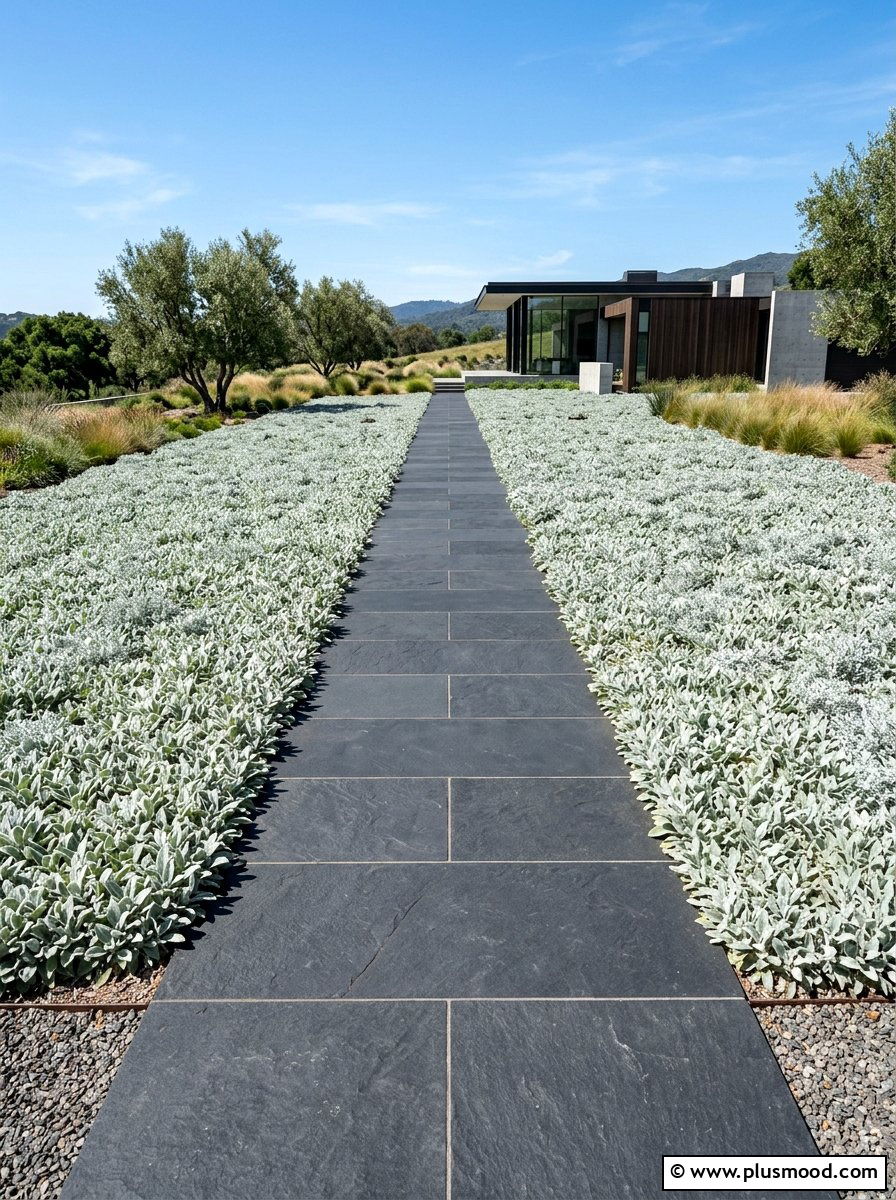
Less is often more when it comes to designing a small outdoor sanctuary. A minimalist pathway using simple, monochromatic stones set in a very orderly fashion creates a sense of calm and clarity. This design typically avoids excess ornamentation, focusing instead on the quality of the materials and the precision of the layout. Using dark slate or light limestone in a perfectly straight line through a field of low-profile ground cover produces a very high-end, gallery-like effect. This approach is ideal for homeowners who want their backyard to feel like a sophisticated extension of their modern interior living space, emphasizing clean lines and a clutter-free environment that promotes relaxation.
25. Rustic Fieldstone Walkway
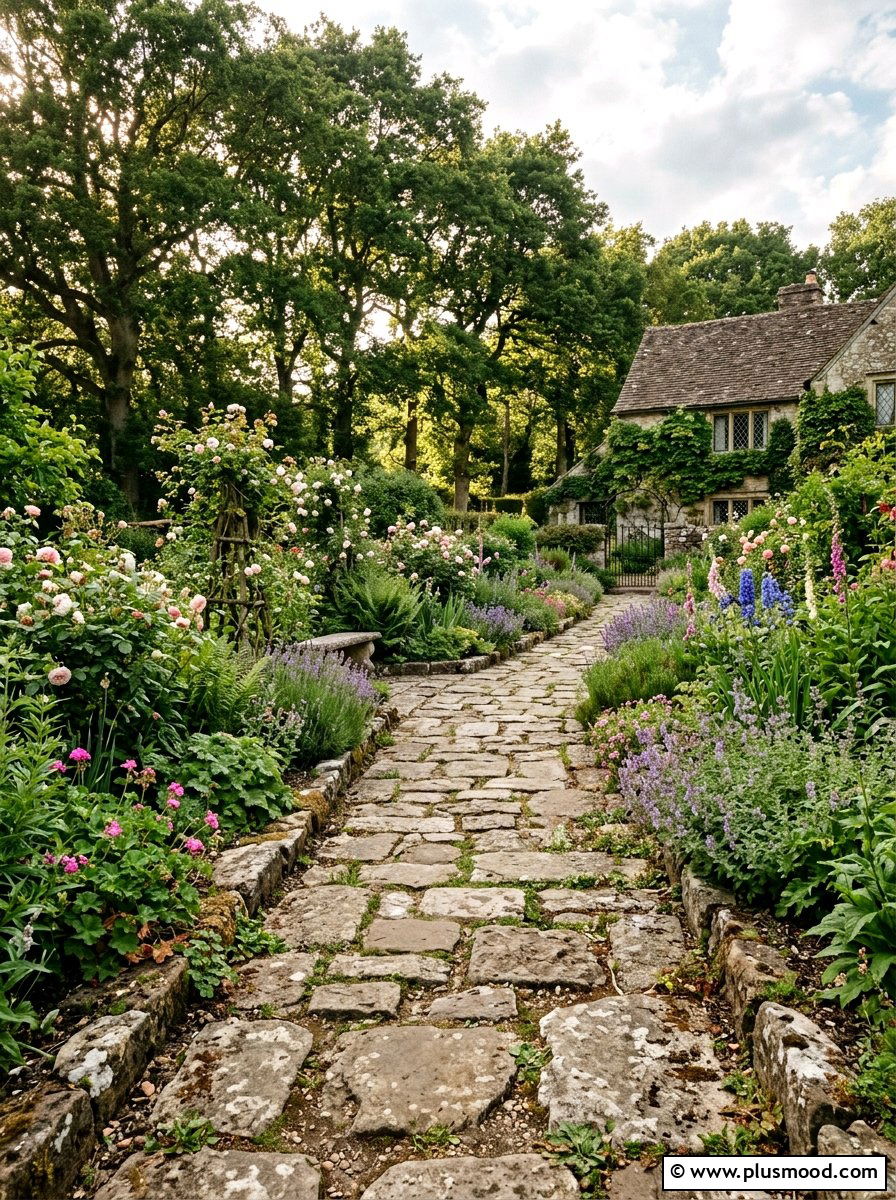
There is something deeply comforting about a path that looks like it has been there for centuries. A rustic fieldstone walkway uses stones of varying shapes, sizes, and textures to create a trail that feels grounded and permanent. Unlike manufactured pavers, fieldstones have unique weathered faces and natural patinas that only get better with age. This style is perfect for a cottage garden or a backyard with lots of mature trees and overgrown greenery. By nestling the stones into the soil and allowing low-growing herbs like creeping thyme to fill the gaps, you create a fragrant and beautiful walkway that feels like a natural part of the earth’s own landscape.
Conclusion:
Designing a small backyard with stepping stones is an incredible way to merge practicality with artistic expression. As we have explored, these stones do much more than provide a dry place to walk; they define the personality of your outdoor space, whether you prefer the clean lines of modern minimalism or the rugged charm of a rustic forest trail. By carefully selecting your materials and considering the layout, you can turn a tiny patch of land into a multi-dimensional garden that feels expansive, organized, and deeply inviting. Stepping stones are a low-maintenance, high-impact investment that will enhance your home's value and provide you with a beautiful sanctuary to enjoy for many years to come.
Related posts:
Leave a Reply