
Spring is a magical time when the earth finally wakes up from its long winter sleep. Planting bulbs in the fall is like burying little treasures that will surprise you when the weather warms up. These plants are incredibly resilient and store all the energy they need right inside the bulb itself. This makes them very easy for anyone to grow, even if you do not have a green thumb. You can find varieties that bloom from the very early snows until the heat of summer arrives. Adding these flowers to your landscape provides a much-needed boost of color and joy after a gray season.
1. Tulip garden flower bed
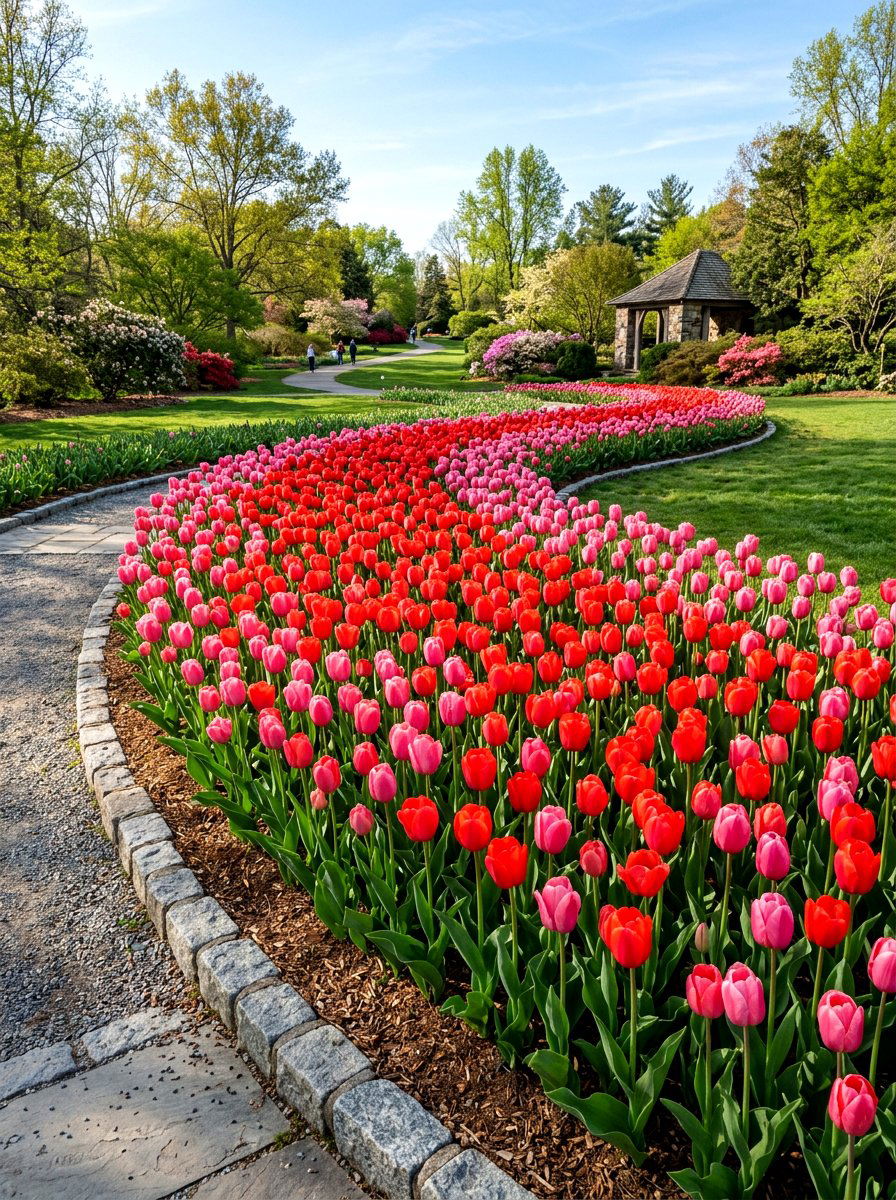
Tulips are often the first flower people think of when they imagine a spring landscape. These vibrant blooms come in almost every color of the rainbow and offer many different shapes. You can plant them in large drifts to create a massive impact in your front yard. They look best when they are packed closely together rather than spaced far apart. Make sure to choose a sunny spot where the soil stays dry during the summer months. Mixing early, mid, and late-season varieties will ensure you have beautiful flowers for many weeks. They are simple to plant and provide a classic look for any home.
2. Daffodil naturalized in grass
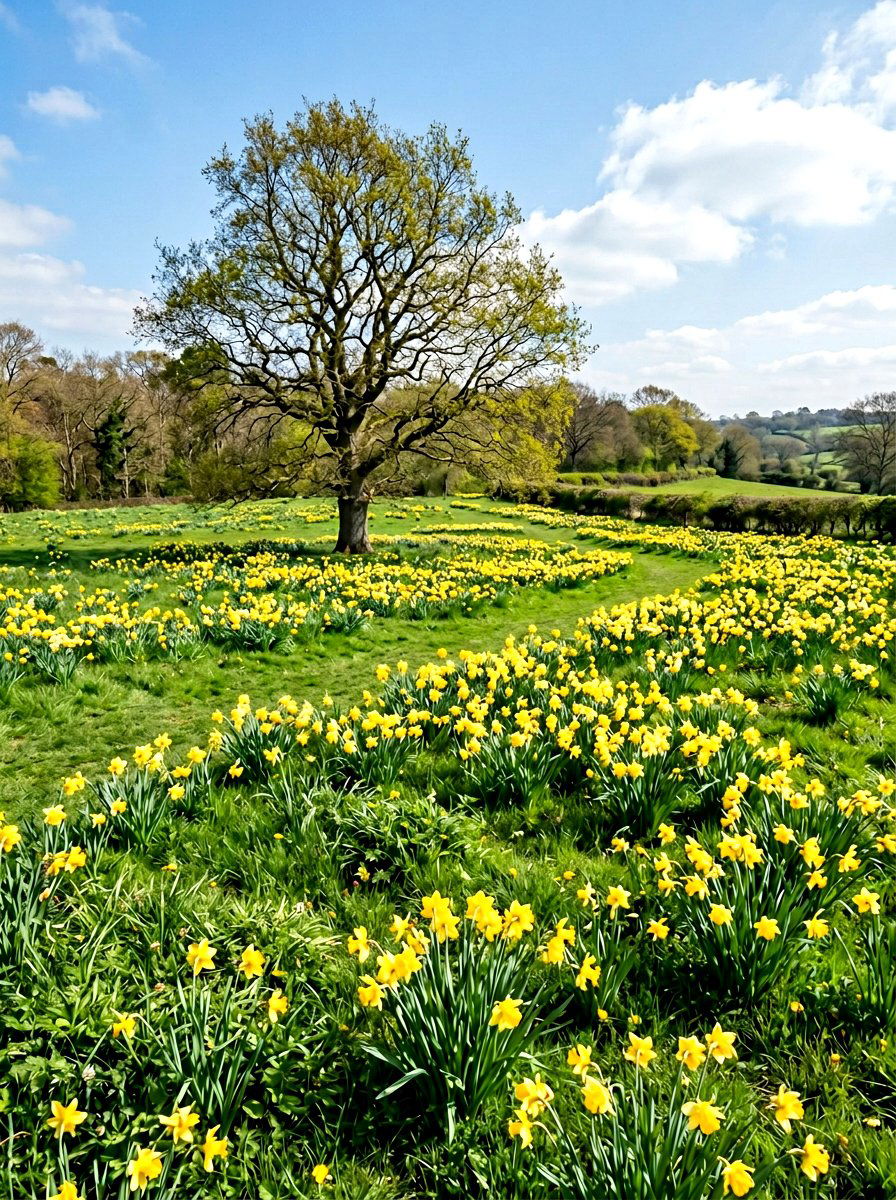
Daffodils are famous for their bright yellow petals and their ability to come back year after year. One of the best ways to plant them is to scatter them across a lawn or a meadow. This creates a very natural look that feels like the flowers grew there on their own. These hardy bulbs are also resistant to deer and rabbits, which is a huge plus for many gardeners. They brighten up the landscape before the grass even starts to turn green. Once they finish blooming, you must let the leaves turn yellow before mowing them down. This helps the bulb store energy for next year.
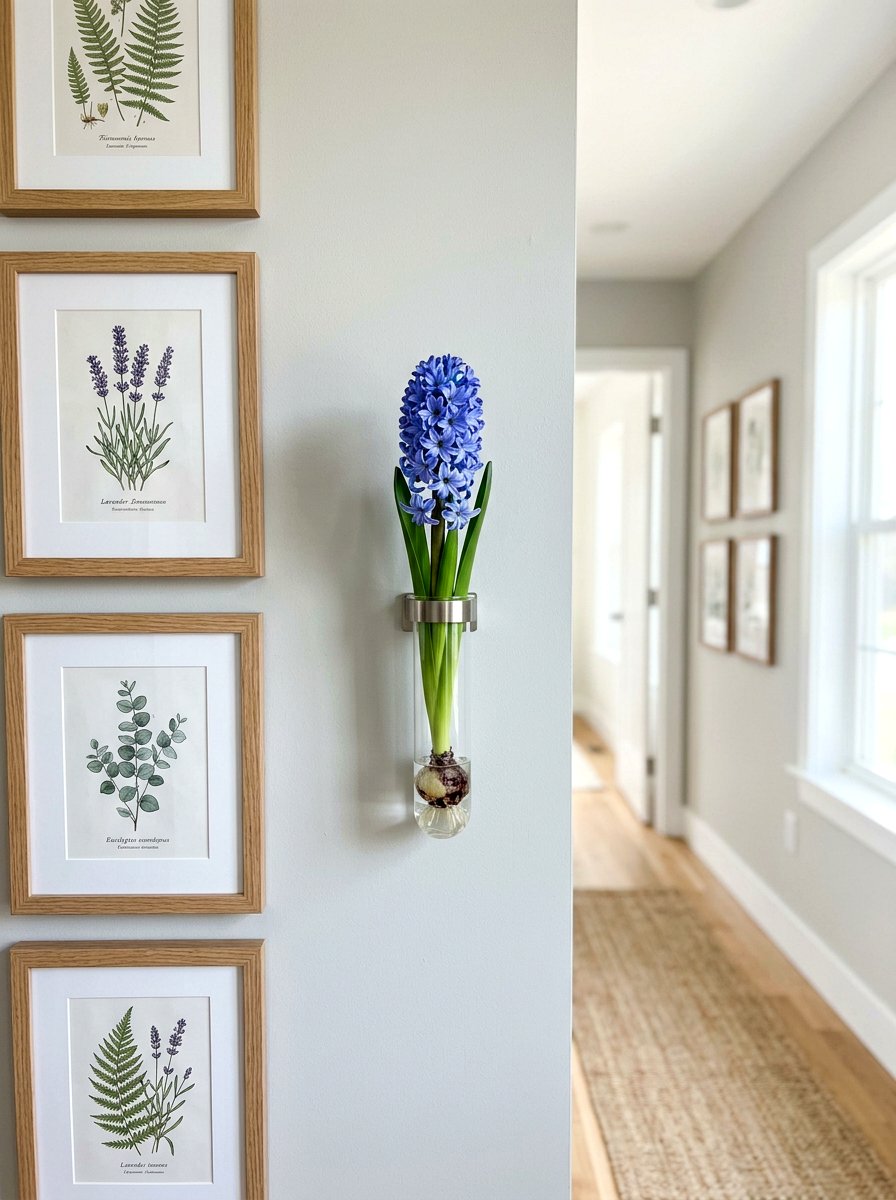
3. Hyacinth container arrangement
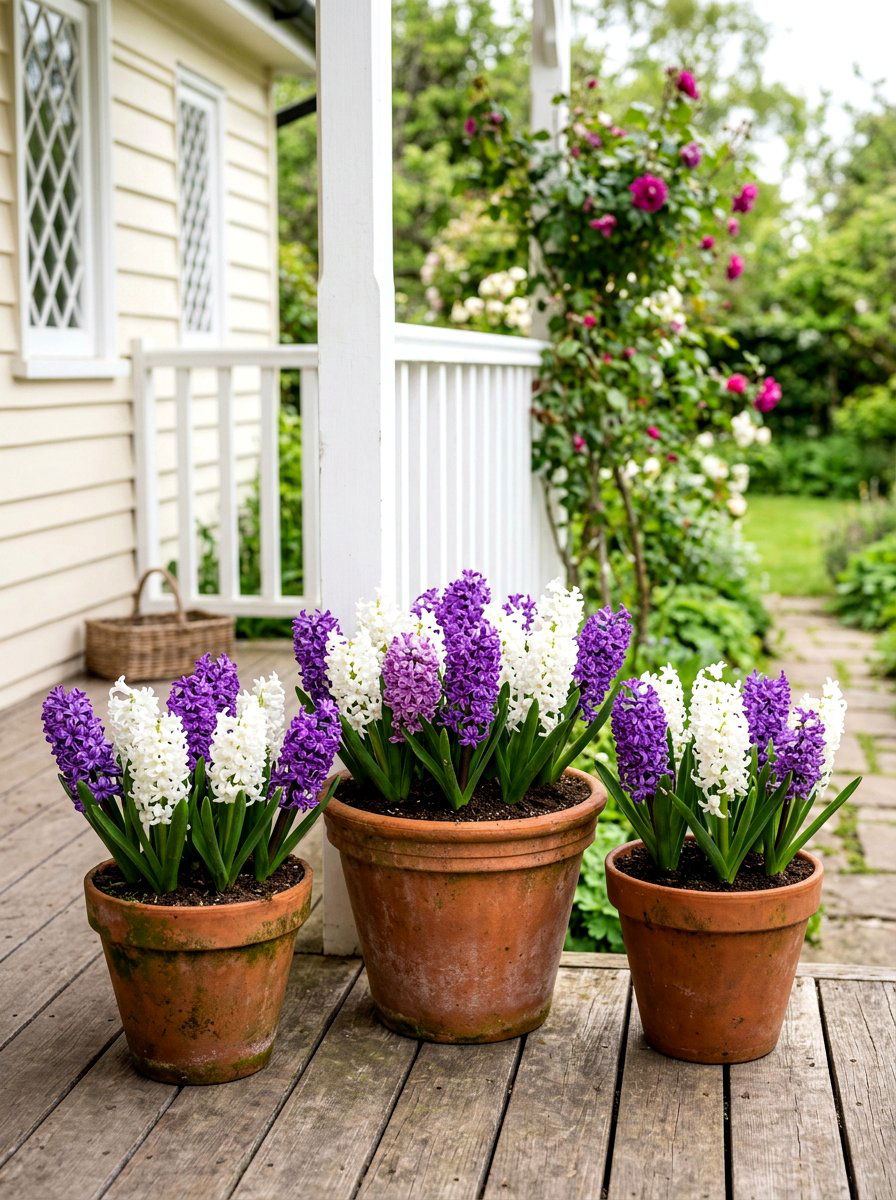
Hyacinths are known for their incredible scent and their tightly packed columns of tiny flowers. Planting them in pots allows you to move the fragrance closer to your doors or windows. They come in beautiful shades of purple, pink, blue, and white that look very elegant. Because they grow on sturdy stems, they handle wind and rain quite well compared to taller flowers. You can mix them with other cool-season plants like pansies for a full and lush look. These bulbs prefer well-draining soil so their roots do not get too wet in the container. They bring a professional touch to any porch.
4. Crocus lawn carpet
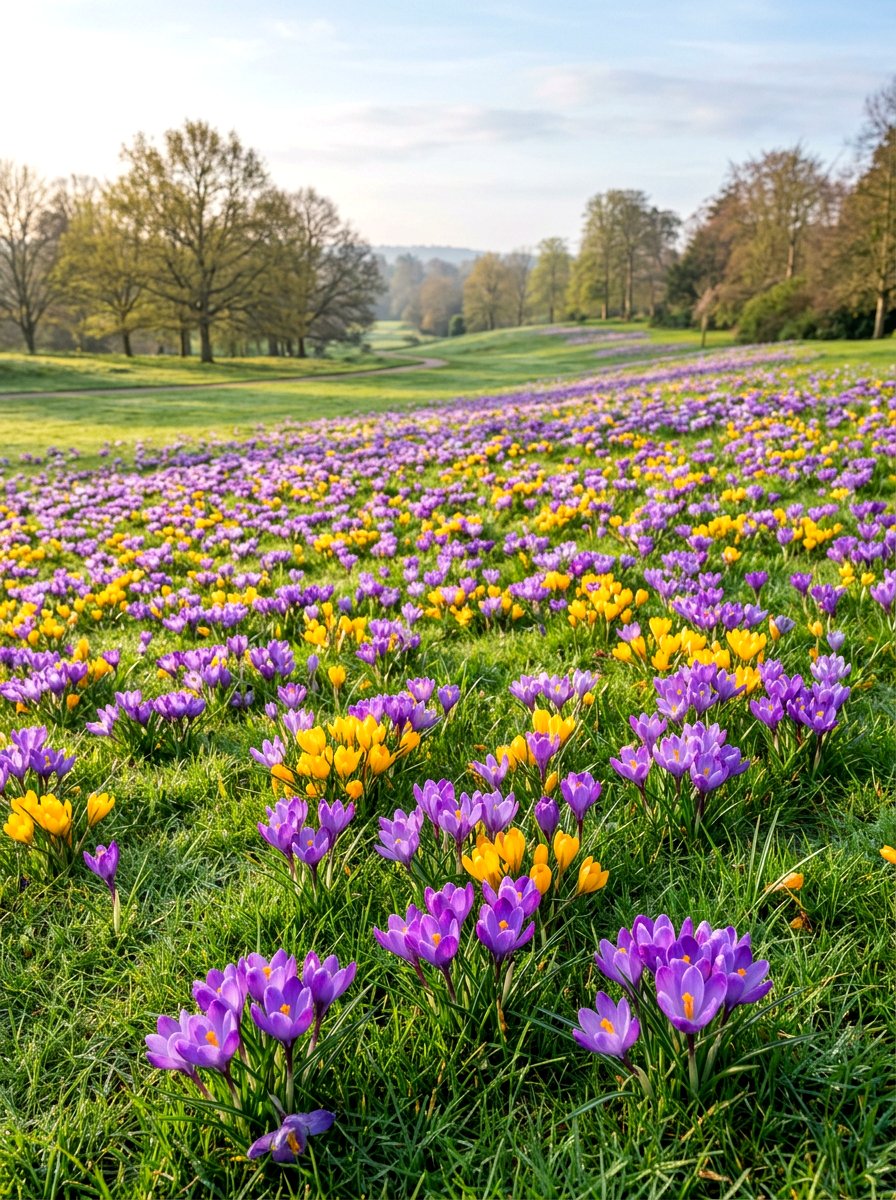
Crocuses are some of the earliest flowers to appear, sometimes even popping up through a layer of snow. They are very small but have a huge visual impact when planted in massive numbers. You can tuck these tiny bulbs right into your existing lawn for a carpet of color. They usually come in shades of purple, yellow, and crisp white with bright orange centers. Bees absolutely love these flowers because they provide food very early in the season when little else is blooming. They finish their growth cycle quickly, so you can mow your grass as usual by late spring without hurting them.
5. Snowdrop woodland walkway
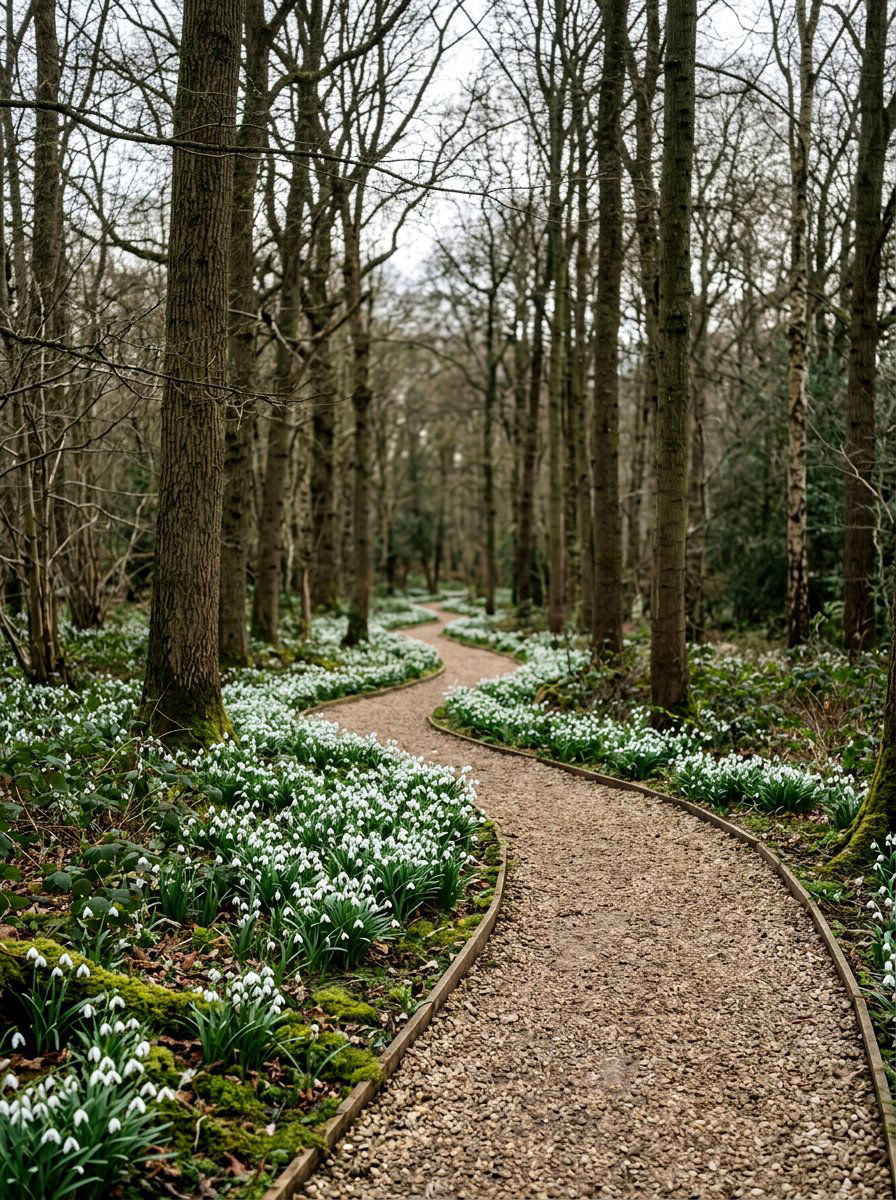
Snowdrops are the true messengers of spring because they bloom while the air is still very chilly. These delicate white flowers hang down like little bells and look wonderful along a shady path. They thrive in the dappled light under deciduous trees where the soil stays slightly moist. Planting them in clusters creates a charming and whimsical feel for any backyard woodland area. They are very tough plants that do not mind the frost or freezing temperatures at all. Over time, they will spread and create a larger colony that covers the ground beautifully. They bring a sense of peace to the early garden.
6. Allium purple border plant
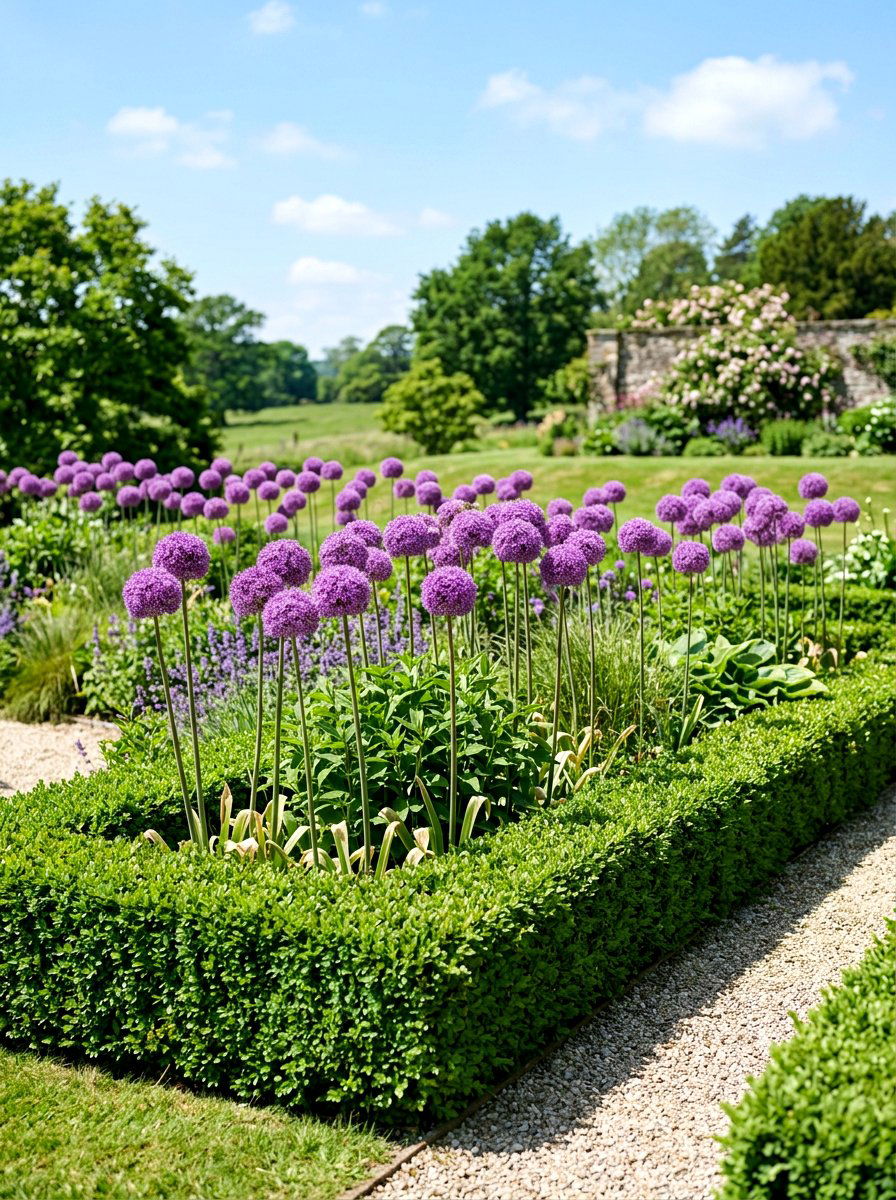
Alliums are unique because they produce large, round flower heads that look like something from a fairy tale. These ornamental onions add a fun architectural element to your garden borders in late spring. Most varieties come in stunning shades of purple, but you can find white and pink ones too. They stand on tall, straight stems that rise above other low-growing plants and perennials. Because they are part of the onion family, most garden pests like deer and squirrels will leave them alone. They also make excellent dried flowers once the blooming season is over. They add great height and interest to any space.
7. Muscari grape hyacinth pot
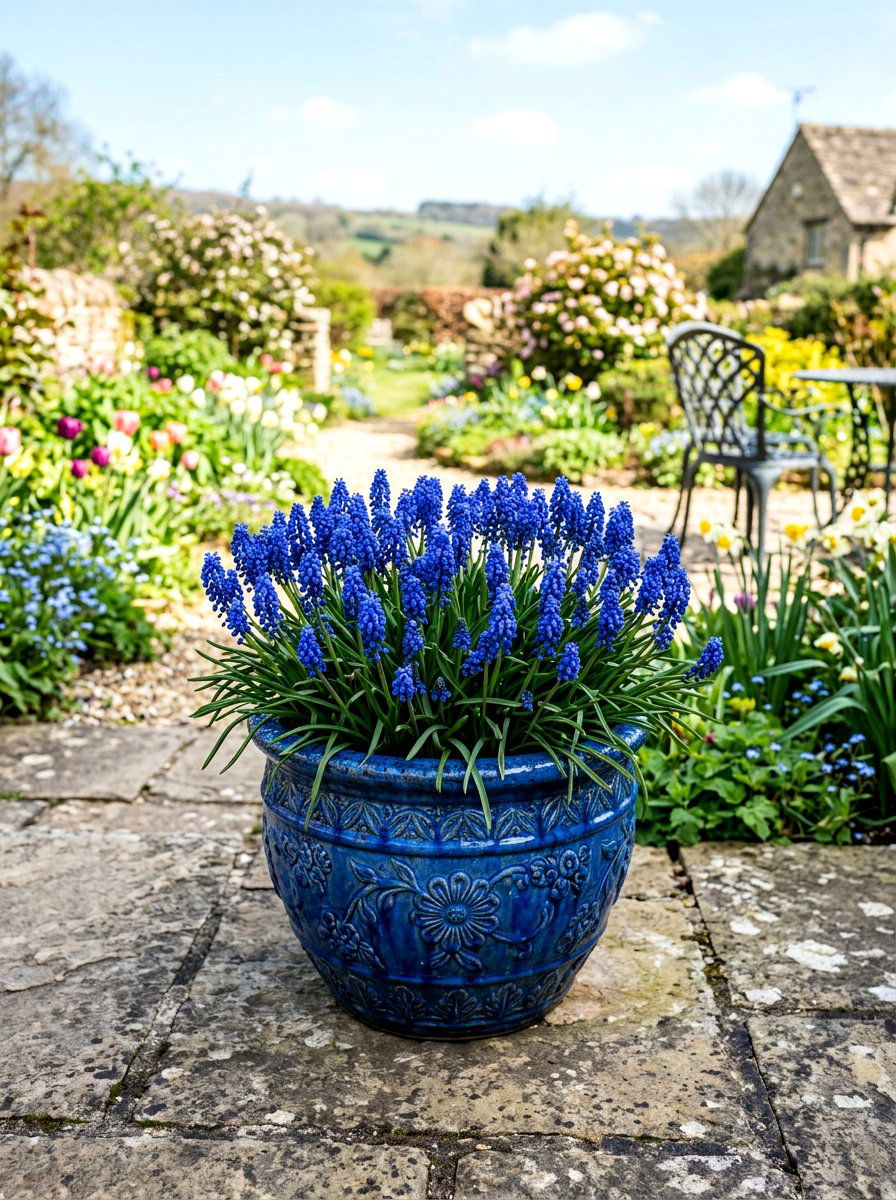
Muscari are commonly called grape hyacinths because their flower clusters look like tiny bunches of grapes. These small bulbs are incredibly easy to grow and look fantastic in small decorative ceramic pots. They usually feature a deep cobalt blue color that is quite rare in the plant world. You can also find them in light blue or pure white for a different look. They look best when planted very densely so they create a thick tuft of color. These bulbs are very reliable and will often multiply and spread if you plant them in the ground later. They provide a cute and cheerful vibe.
8. Spring bulb lasagna planter
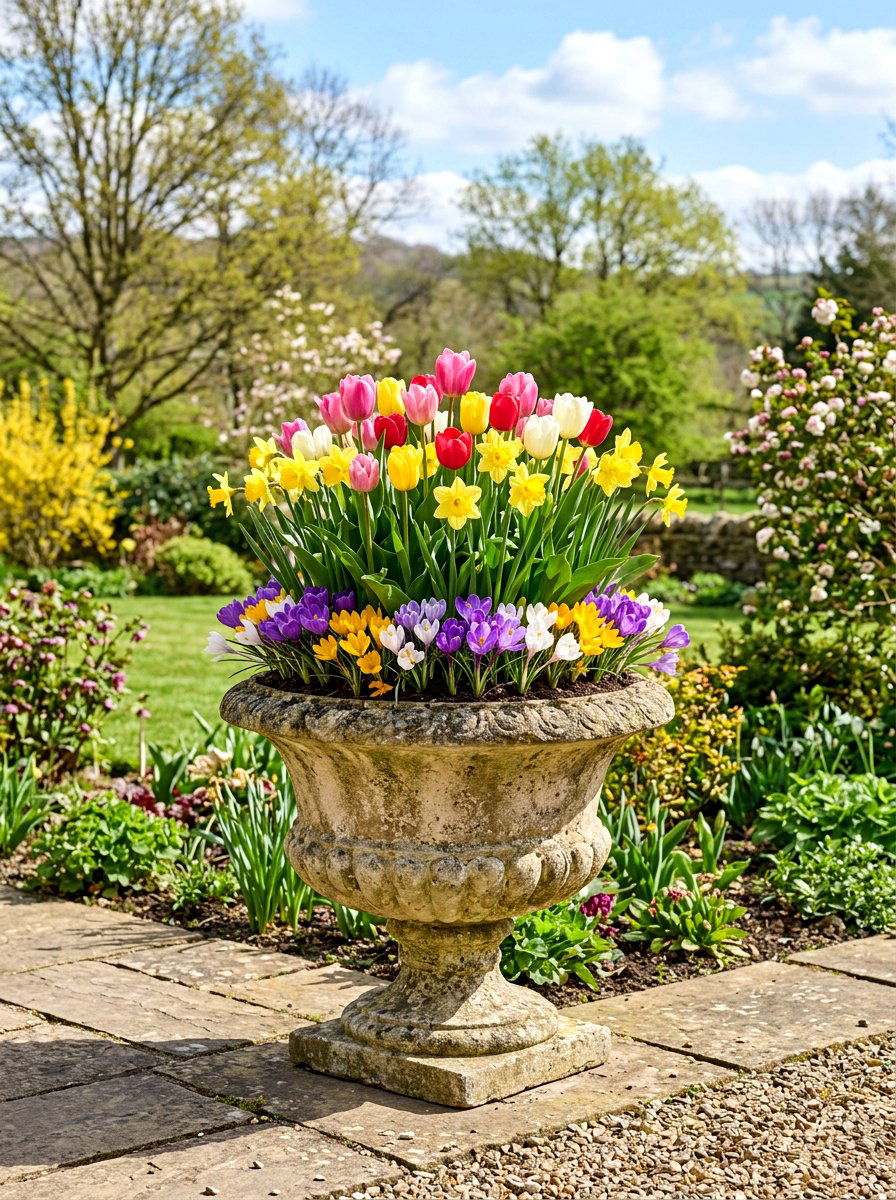
The lasagna planting method involves layering different types of bulbs at various depths in a single pot. You start with the largest, latest-blooming bulbs at the bottom and work your way up to the smallest. This technique ensures that as one flower fades, another one is ready to take its place. It creates a continuous display of color in the same container for several months. You can combine tulips, daffodils, and crocus all in one large decorative planter for maximum effect. This is a perfect solution for people who have limited space but want a lot of flowers. It looks very lush and professional.
9. Mixed spring rock garden
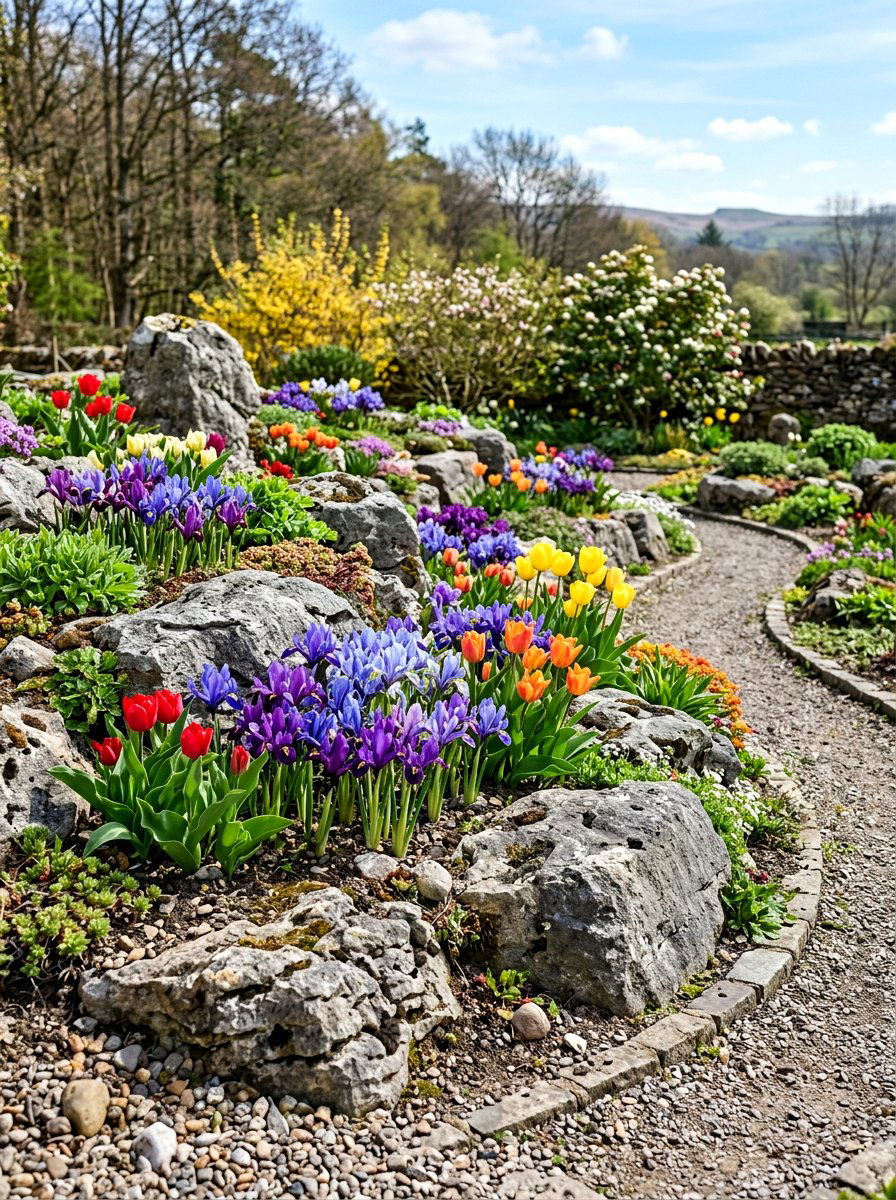
Rock gardens provide the perfect environment for small, early-blooming bulbs that appreciate excellent drainage. The stones help to keep the soil warm, which can often encourage bulbs to bloom a little earlier. You can plant dwarf iris, species tulips, and small narcissus among the rocks for a rugged look. These smaller varieties are often more perennial and hardy than the large hybrid types found in stores. The contrast between the hard gray stones and the soft colorful petals is very striking. It creates a miniature landscape that is full of detail and interest. This setup requires very little maintenance once it is established.
10. Fritillaria crown imperial planting
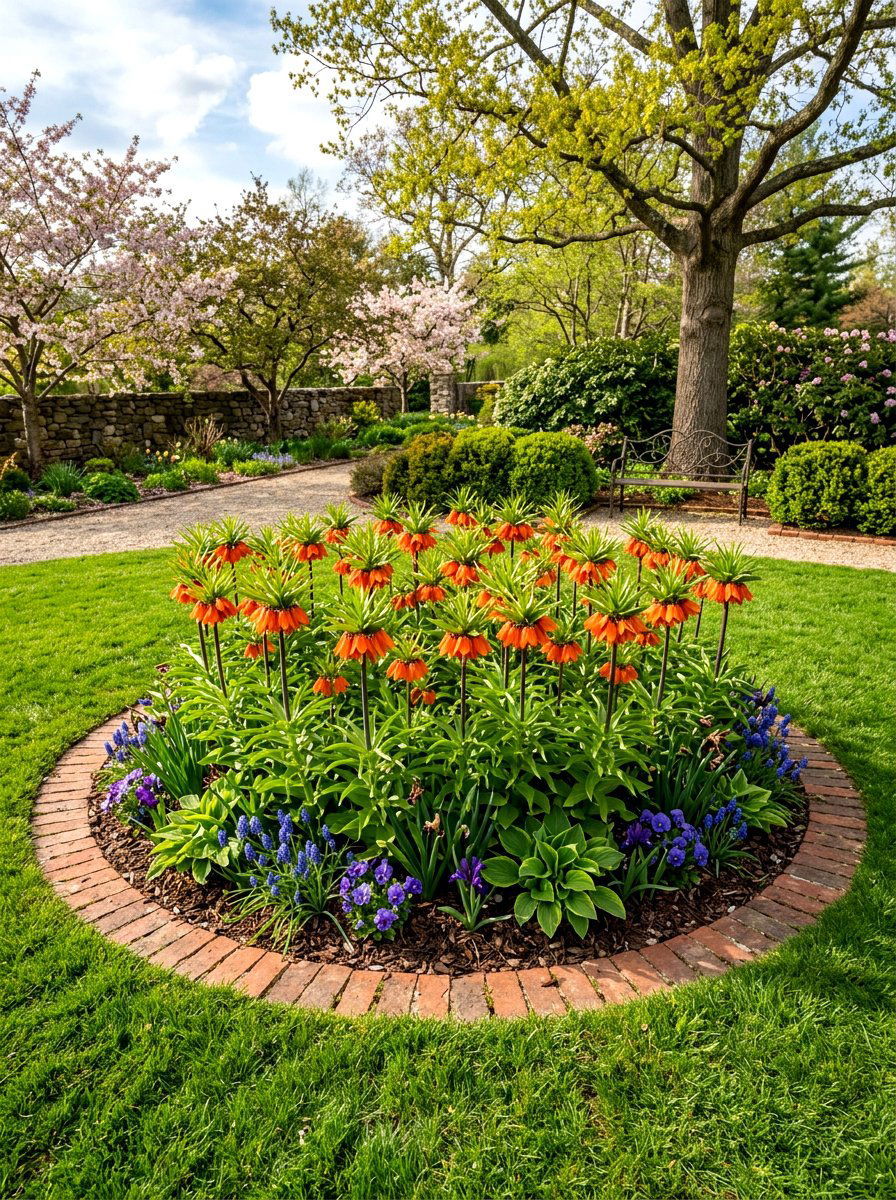
Fritillaria is a show-stopping plant that features a circle of bell-shaped flowers topped with a tuft of green leaves. They are very tall and make a bold statement when planted in the center of a flower bed. These bulbs have a very distinct look that adds a touch of the exotic to your yard. They come in warm colors like burnt orange, bright yellow, and deep brick red. Because they are so large, they work best as a focal point surrounded by shorter spring flowers. They prefer rich soil and a spot where they will not be disturbed during their summer dormancy. They are truly unique.
11. Anemone blanda groundcover
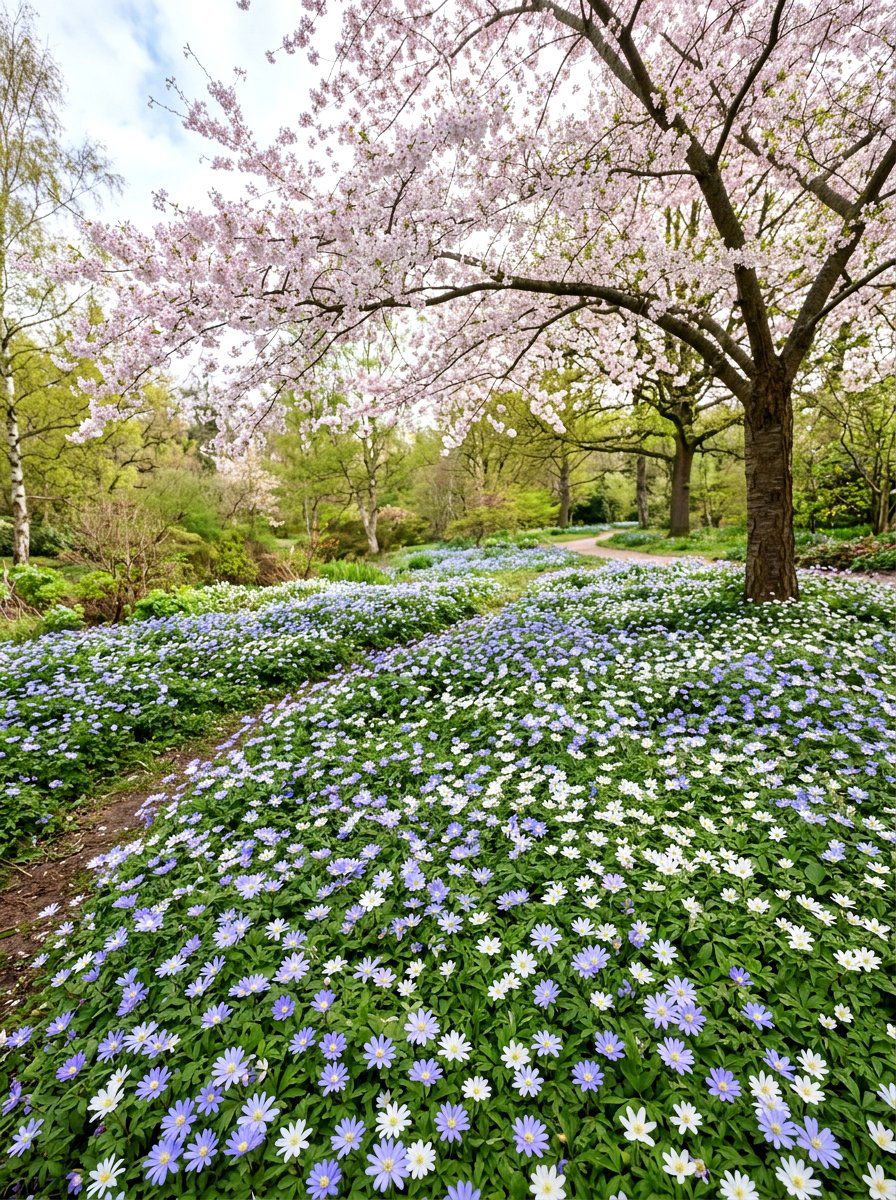
Anemone blanda, also known as Grecian windflowers, are wonderful for creating a low-growing mat of color. These daisy-like flowers come in shades of blue, pink, and white with pretty yellow centers. They have fern-like foliage that stays attractive even after the flowers have finished blooming for the season. They are perfect for planting under shrubs or at the very front of a garden border. These bulbs prefer a bit of soaking before you plant them in the fall to help them sprout. Once they are established, they will often seed themselves and spread to cover more area. They provide a very soft and romantic look.
12. Scilla siberica blue meadow
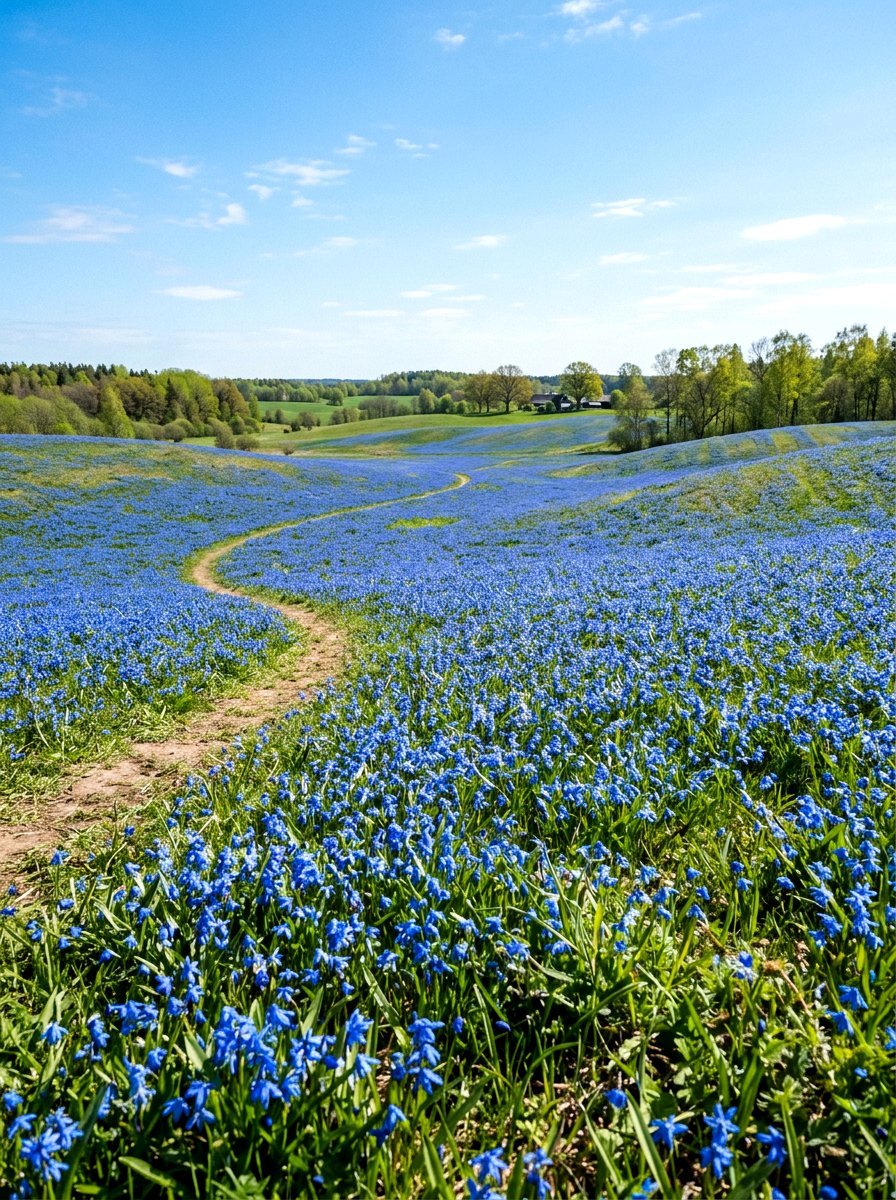
Scilla siberica is a tiny bulb that produces nodding, star-shaped flowers in a very intense shade of blue. They are incredibly hardy and can survive in many different types of soil and light conditions. When planted in large groups, they create a stunning blue haze across the ground that looks like water. They are perfect for naturalizing under large trees or in areas where the grass is thin. These bulbs are very pest-resistant and will continue to come back and multiply for many years. They are a great choice for adding a splash of cool color to the early spring landscape without any effort.
13. Miniature narcissus rockery
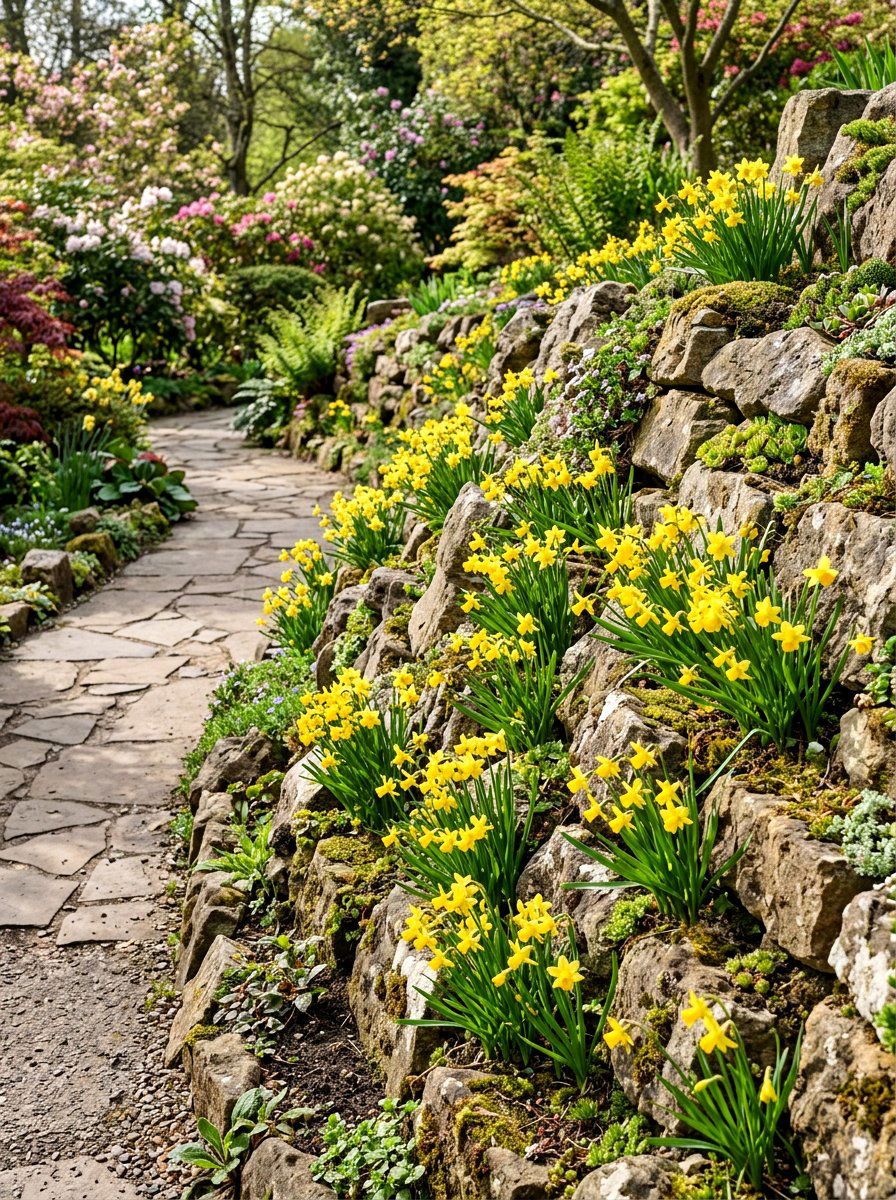
Miniature narcissus are smaller versions of traditional daffodils that are perfect for tight spaces. They only grow a few inches tall, making them ideal for rock gardens or the edges of paths. Despite their small size, they are very tough and produce a lot of flowers on each stem. They come in many shades of yellow and white, often with contrasting cups in the center. Because they are so short, they do not get flopped over by heavy spring rains or wind. They look wonderful when paired with tiny blue flowers like scilla or muscari. These little gems bring a lot of detail to a garden.
14. Parrot tulip cutting garden
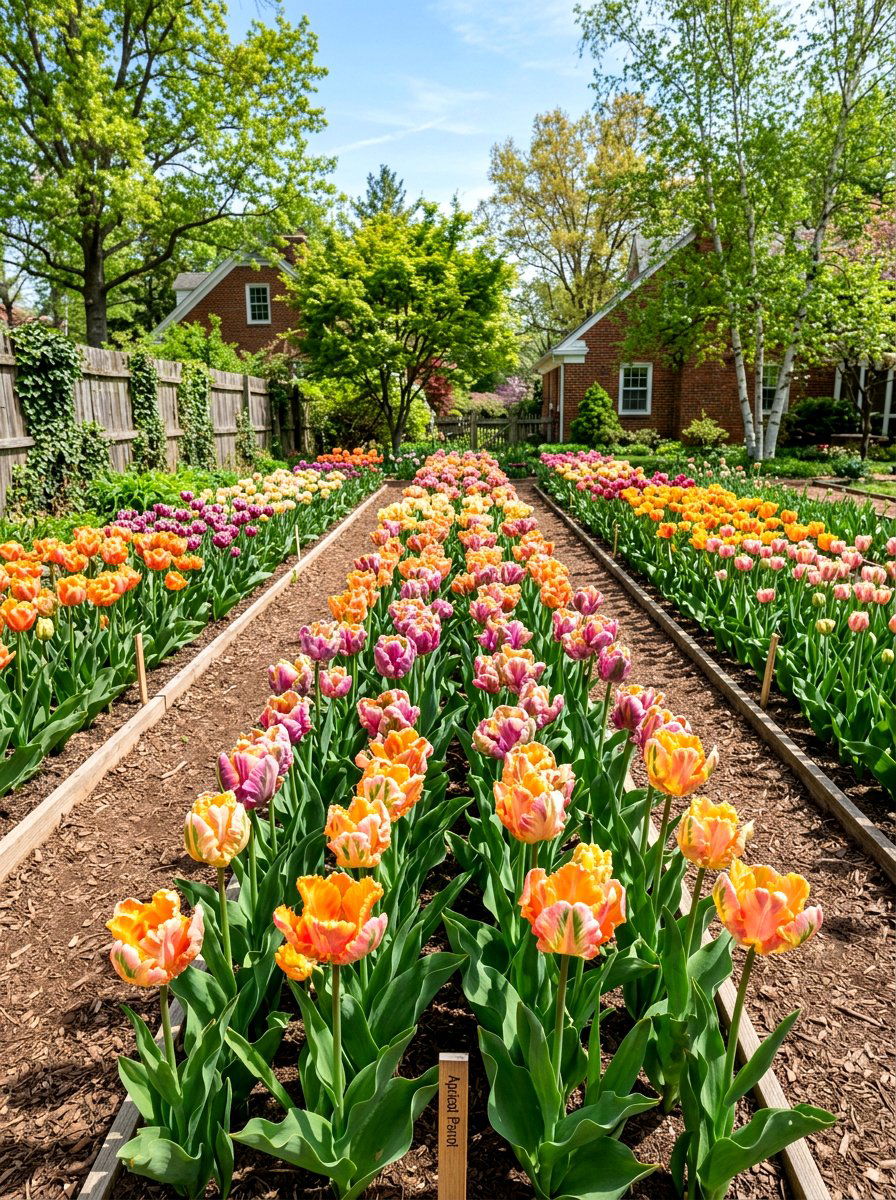
Parrot tulips are known for their ruffled, fringed, and twisted petals that look almost like tropical bird feathers. They come in amazing bi-color patterns that make them look more like a piece of art than a flower. These are perfect for a dedicated cutting garden where you can harvest them for indoor bouquets. Their stems are usually long and elegant, though they may need a little support because the heads are heavy. Planting a variety of these in a sunny patch will give you plenty of flowers to share. They add a high-end, luxury feel to any spring floral arrangement you create for your home.
15. Early spring window box
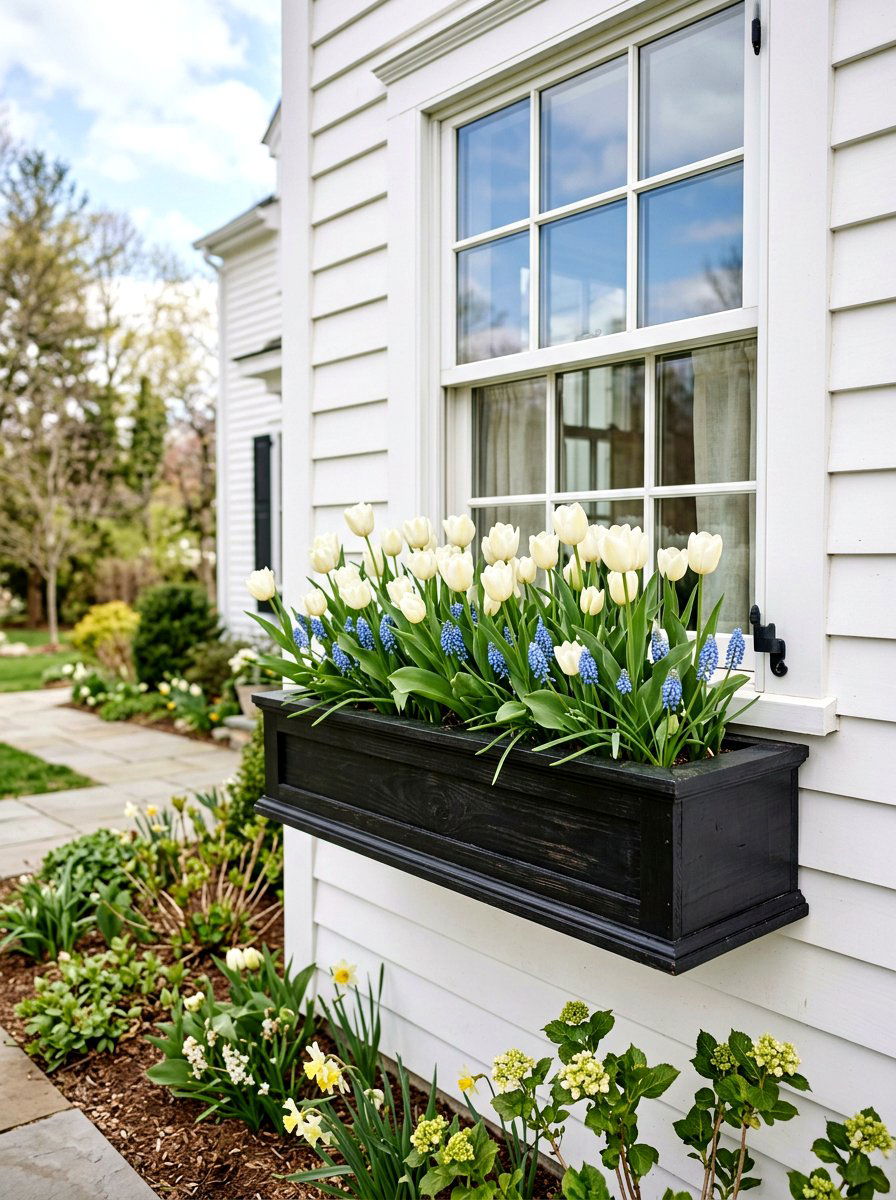
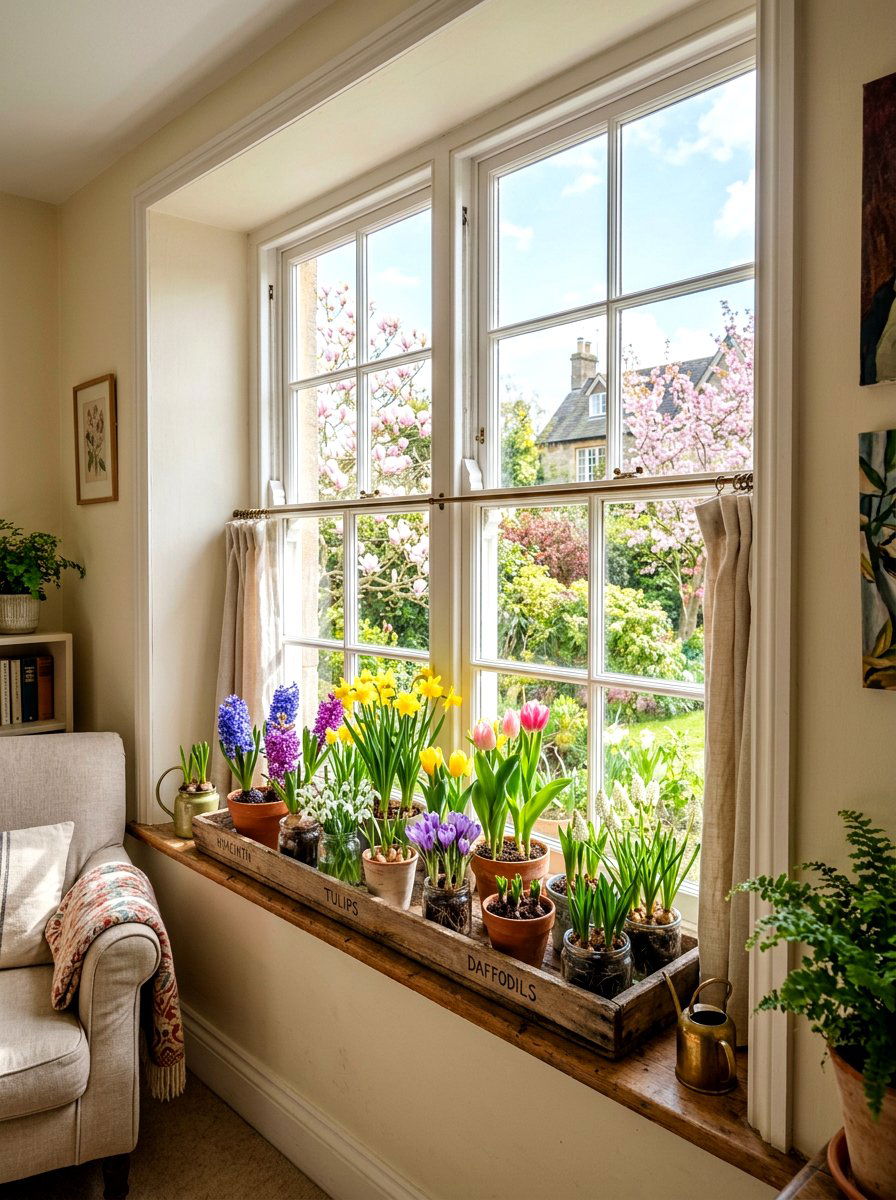
Window boxes are a great way to enjoy the beauty of spring bulbs right at eye level from inside. You can plant early bloomers like crocus, mini daffodils, and hyacinths to greet you every morning. Choosing a mix of textures and heights makes the display look professionally designed and very full. Since window boxes are often protected by the house, the flowers might even bloom a little sooner. Make sure to use high-quality potting soil and ensure the box has plenty of drainage holes. Adding some trailing ivy or moss can help fill in the gaps between the bulbs. It creates a very welcoming look.
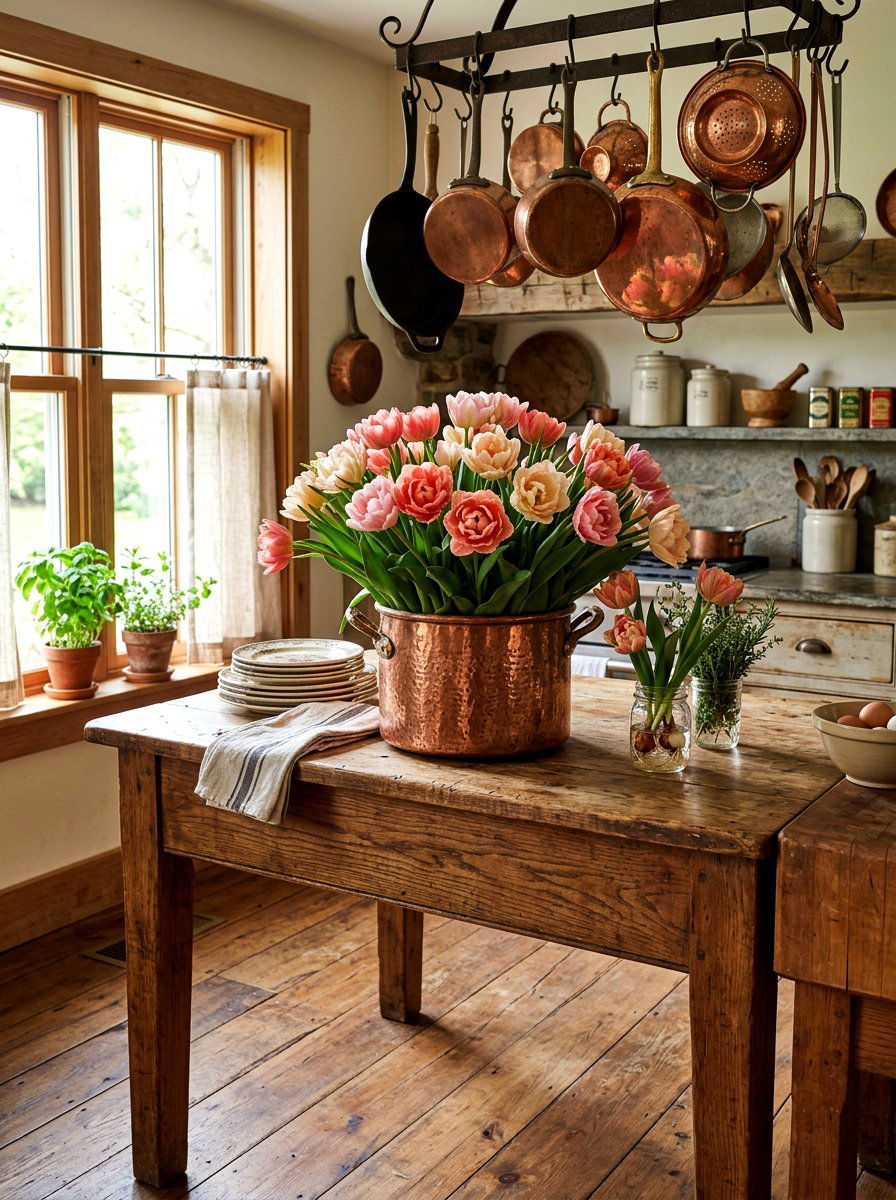
16. Ranunculus spring flower bed
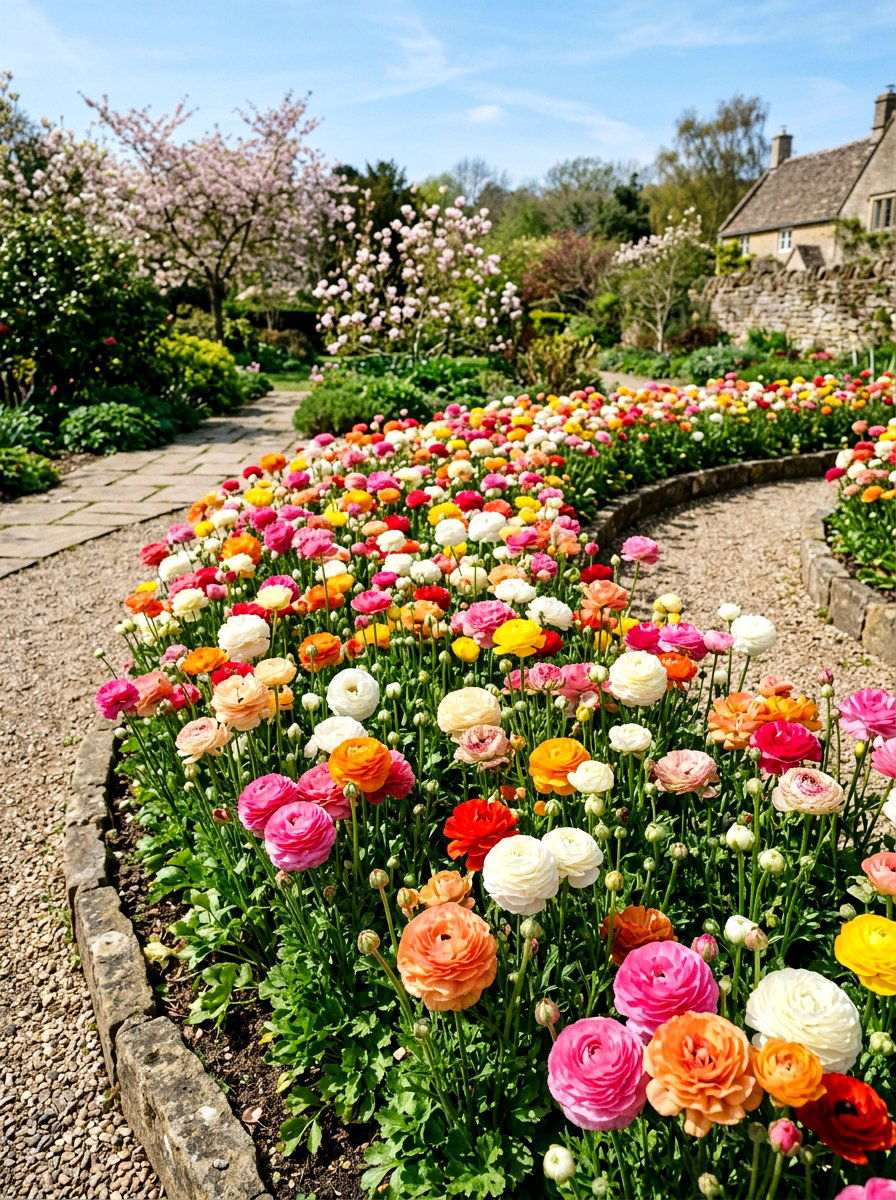
Ranunculus are stunning flowers that feature dozens of paper-thin petals arranged in a tight, rose-like circle. They come in incredibly bright and saturated colors like neon orange, deep red, and soft buttercream. While they are technically corms rather than bulbs, they are treated very similarly in the spring garden. They prefer cool weather and will bloom profusely until the heat of summer arrives. Planting them in a sunny bed with plenty of organic matter will yield the best results for your display. These flowers are a favorite for weddings and floral designs because they look so delicate and romantic. They are worth the extra care.
17. Dutch iris border garden
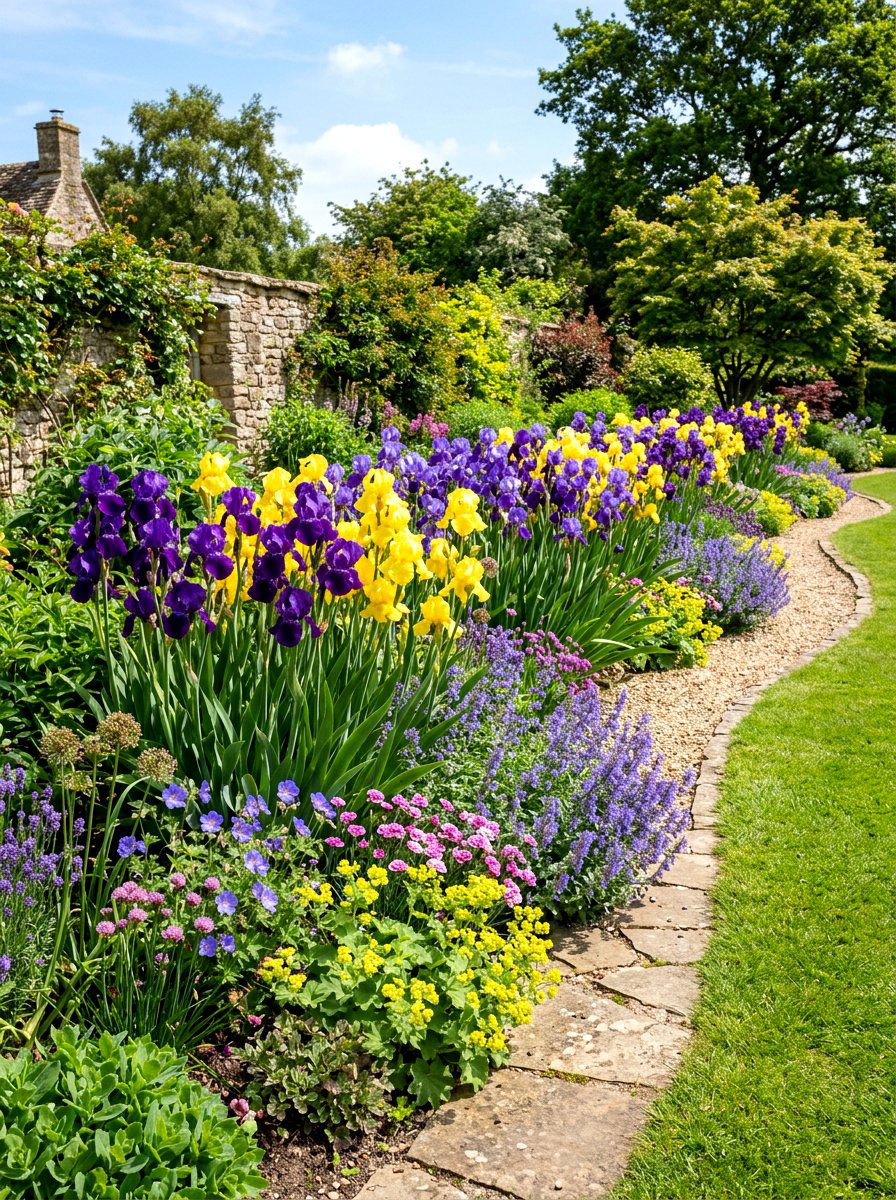
Dutch irises are elegant, tall flowers that add a vertical element to your garden beds in late spring. They have sleek, sword-like leaves and intricate flowers that come in shades of blue, purple, yellow, and white. These bulbs are very easy to plant and look best when grouped in clusters of five or seven. They are excellent for cutting and will last a long time in a vase of water. Because they are quite thin, they can easily be tucked between other perennials that will bloom later. They provide a sophisticated and classic look to any traditional garden border without taking up much floor space.
18. Camassia wildflower meadow
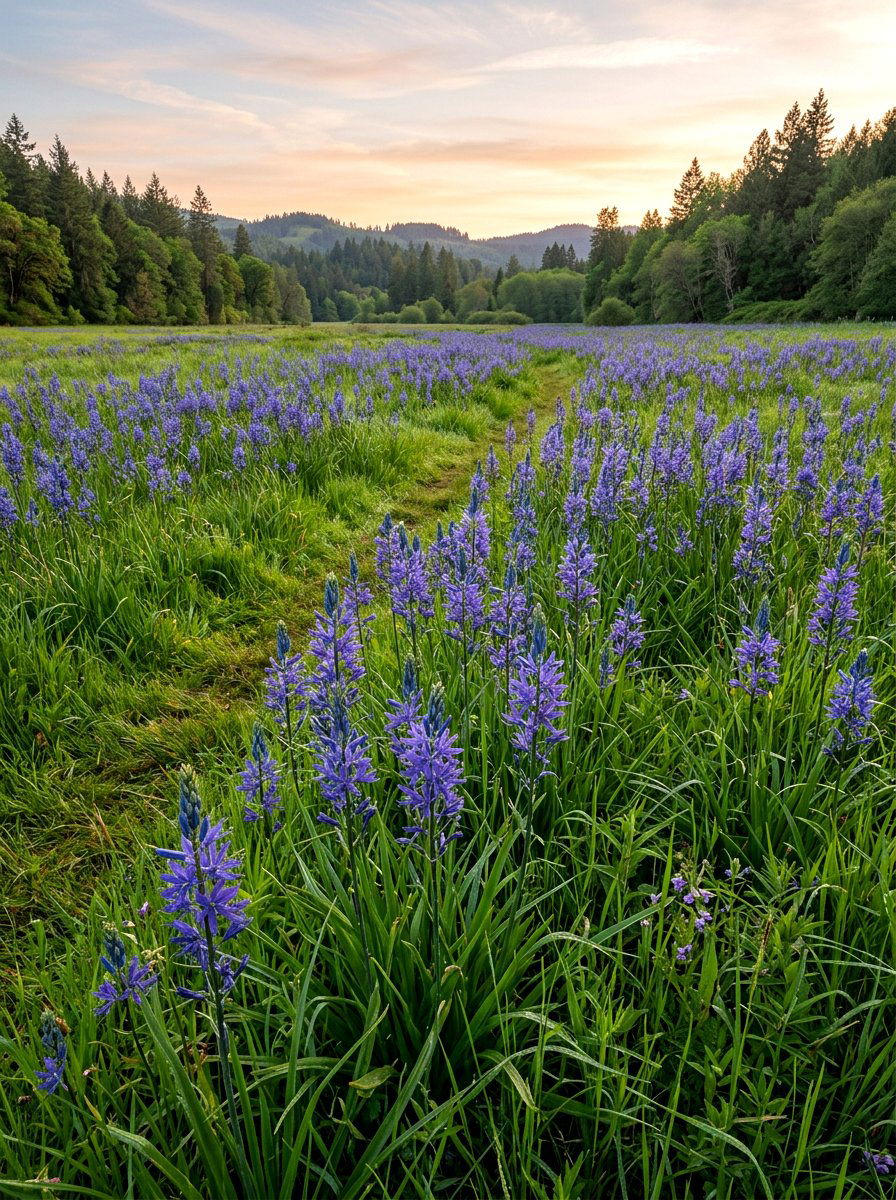
Camassia is a native North American bulb that produces tall spikes of starry blue or white flowers. They are unique because they actually prefer soil that is a bit damp, which would rot most other bulbs. This makes them perfect for low spots in the yard or near a pond or stream. They bloom in late spring and bridge the gap between early bulbs and summer perennials beautifully. When planted in a large group, they create a beautiful wildflower meadow effect that attracts many pollinators. They are very long-lived and will clump up over time to provide more and more flowers each year.
19. Layered spring bulb pot
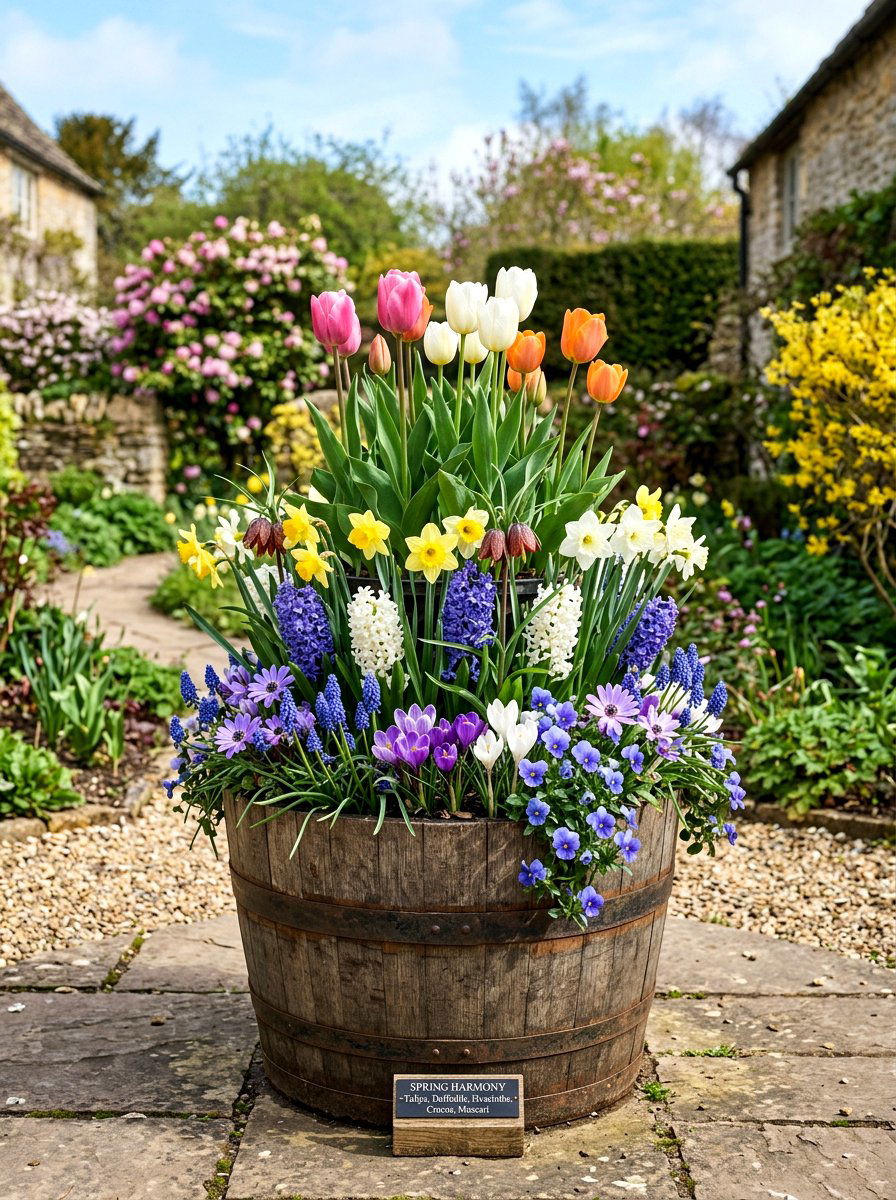
Creating a layered pot allows you to enjoy a changing display of flowers in a very small footprint. You can place tall tulips at the bottom, mid-sized daffodils in the middle, and small crocus at the top. This ensures that the pot is always full of life as the seasons progress from winter to spring. It is important to use a large enough container so the bulbs have room to grow their roots. Using different colors that complement each other will make the arrangement look very intentional and stylish. This is an excellent project for a porch, patio, or even a small apartment balcony with good sun.
20. White spring flower theme
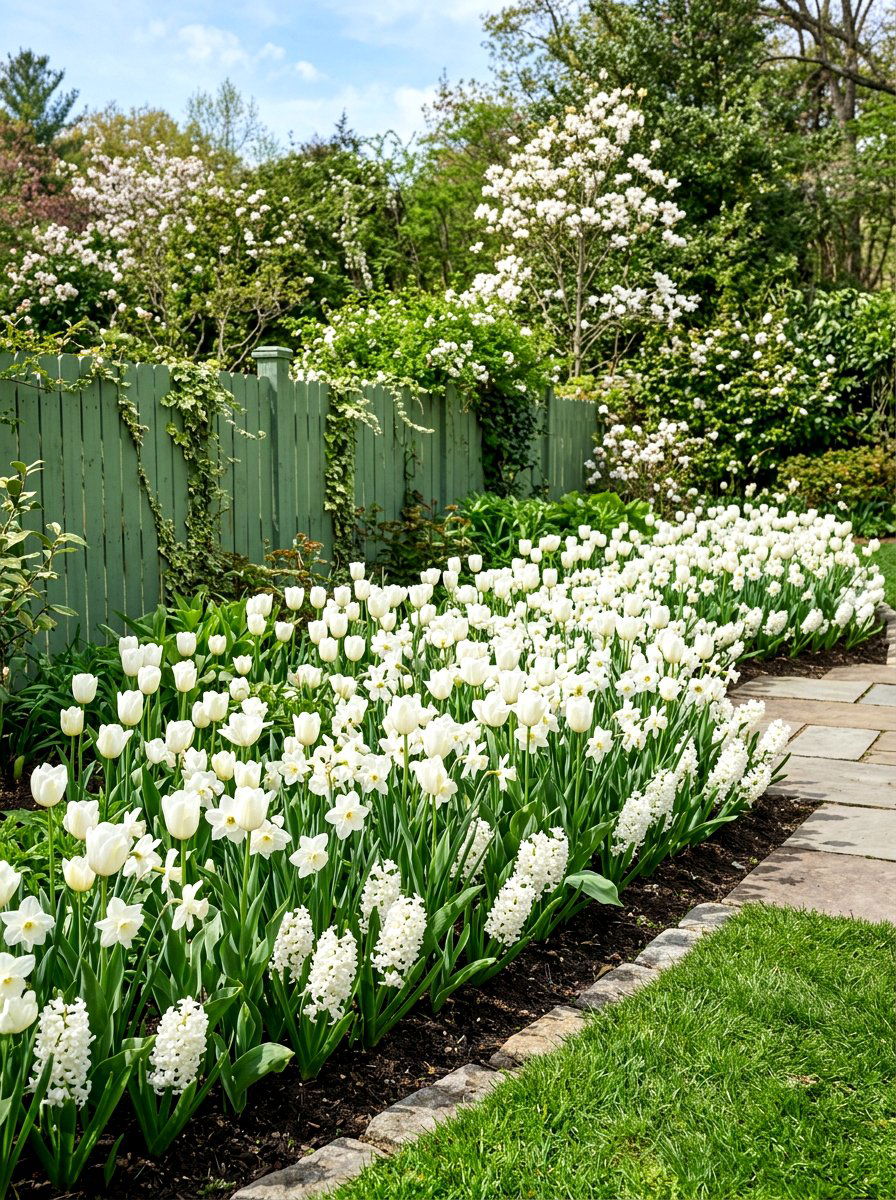
A monochromatic garden using only white flowers creates a very clean, modern, and peaceful atmosphere. You can use a mix of white tulips, snowdrops, white daffodils, and hyacinths to achieve this look. The different shapes and textures of the flowers keep the garden interesting even without multiple colors. White flowers also tend to glow in the twilight, making the garden look beautiful even as the sun goes down. This theme works very well against a dark green hedge or a brick wall. It is a timeless choice that feels very sophisticated and high-end for any style of home architecture or landscape.
21. Pastel tulip garden display
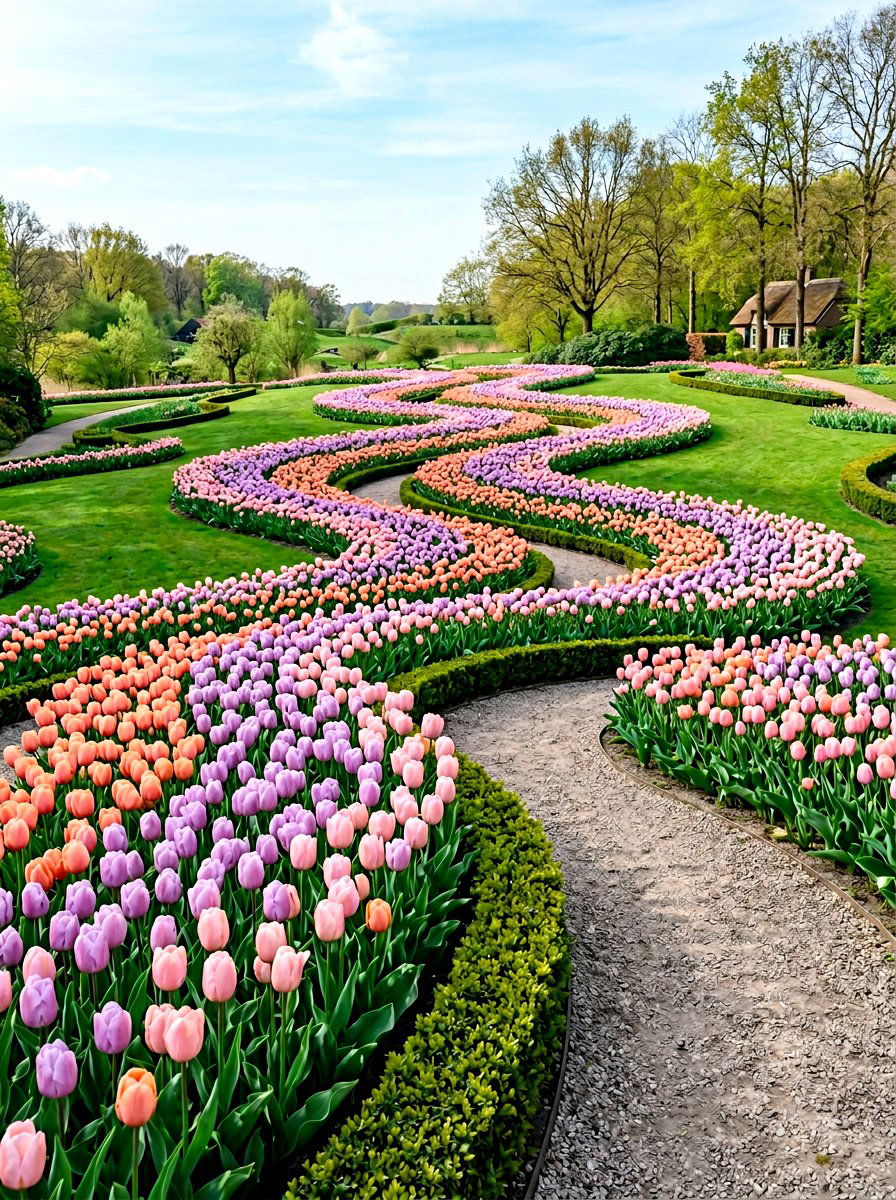
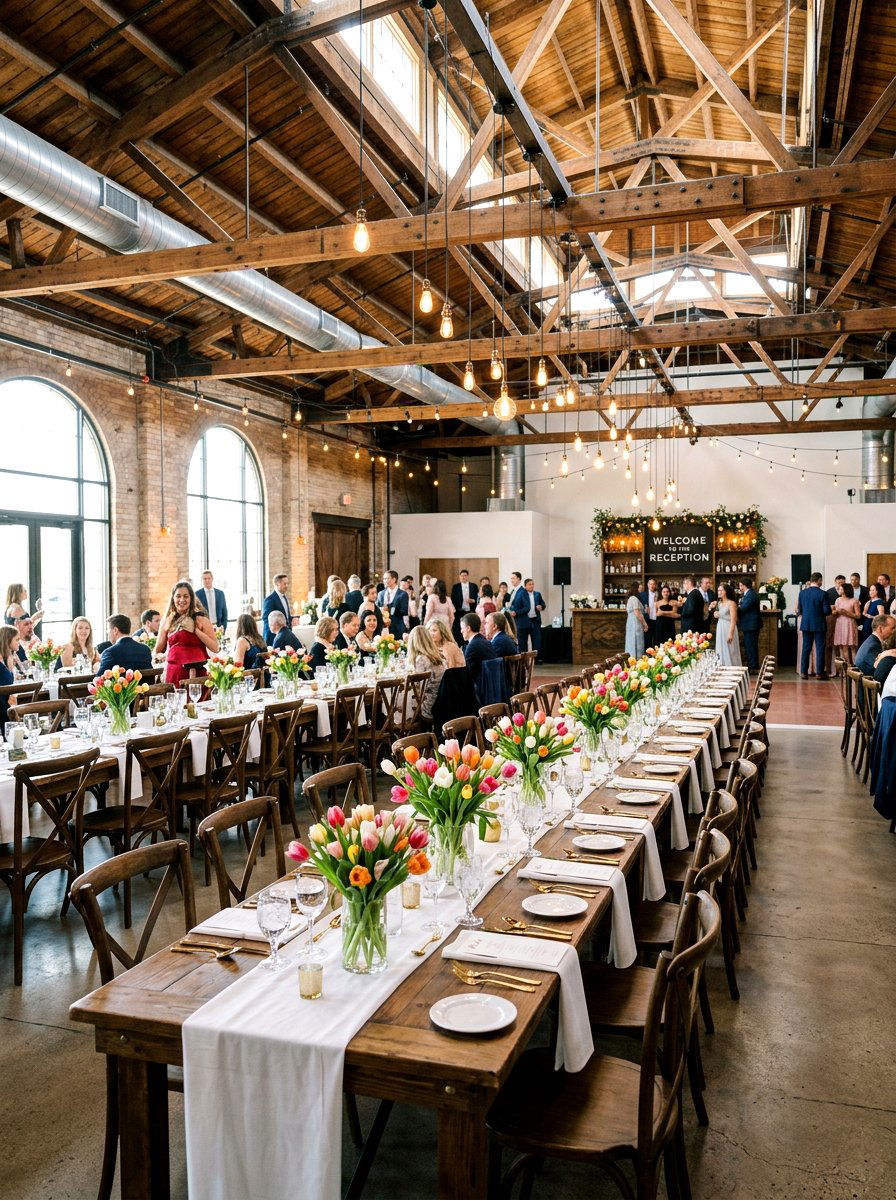
Pastel colors are the classic choice for spring and create a very soft and inviting garden scene. Using shades of light pink, pale lavender, and soft apricot tulips can make your yard feel like a candy shop. These colors look particularly beautiful in the soft morning light or on slightly overcast days. You can mix these soft tones together for a blended look or plant them in separate color blocks. Pairing them with silver-foliage plants or white flowers helps the pastel tones stand out even more. This color palette is very relaxing and brings a cheerful, festive mood to the entire neighborhood.
22. Fragrant hyacinth walkway
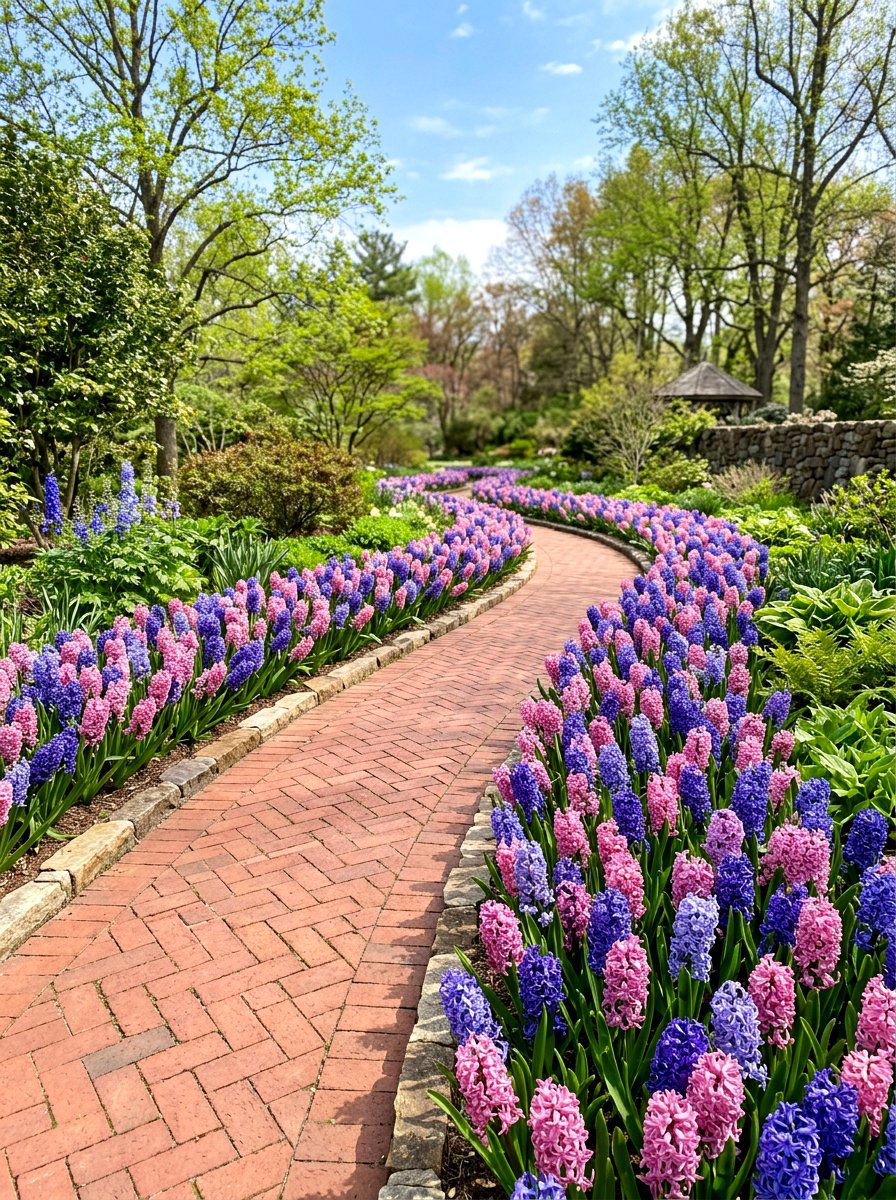
Planting fragrant bulbs along a path or walkway allows you to enjoy their scent every time you walk by. Hyacinths are the best choice for this because their perfume is very strong and carries well in the air. You can line both sides of a front walk with these colorful columns for a grand entrance. As guests arrive at your home, they will be greeted by the beautiful sight and the amazing smell. Choosing a single color for the whole length of the path creates a very formal and tidy look. It is a simple way to make your outdoor space feel more like a luxury resort.
23. Late spring allium garden
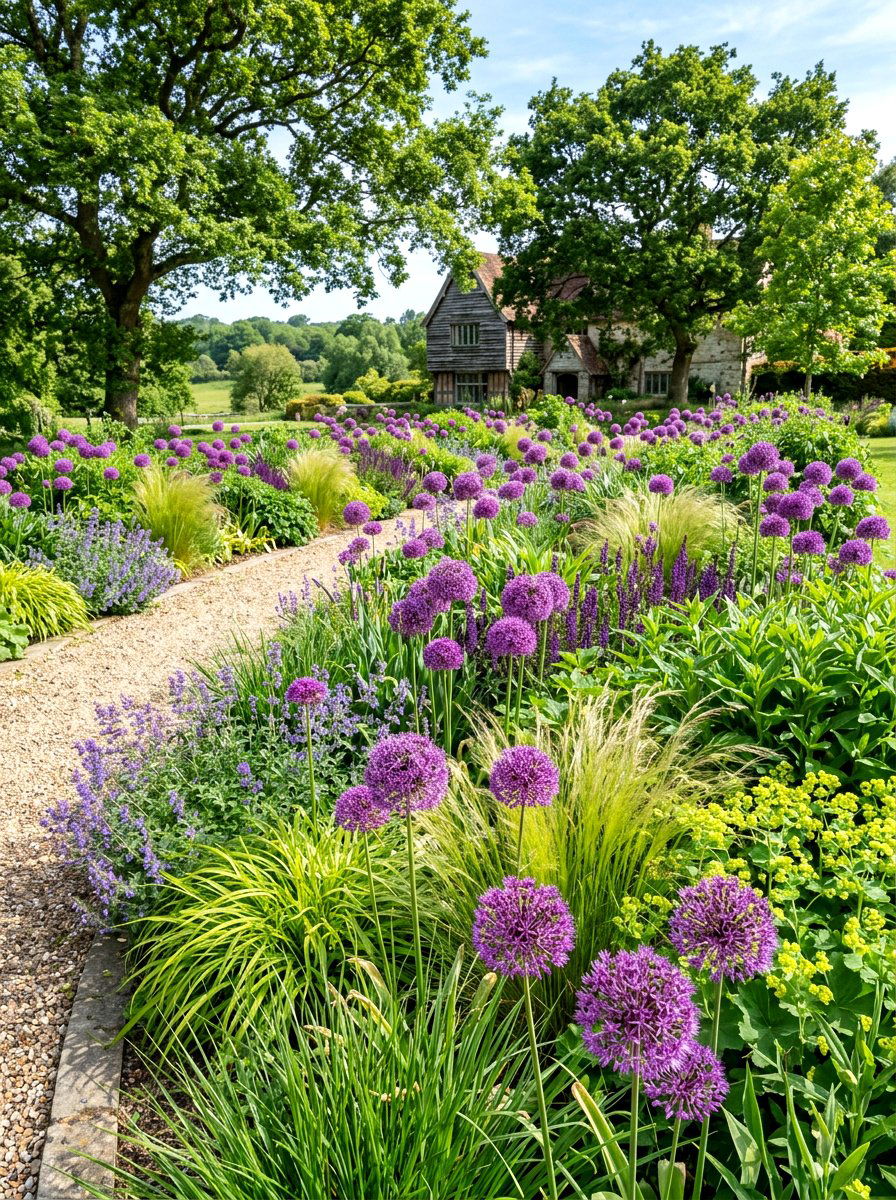
Alliums are the perfect way to end the spring bulb season because they bloom just as the weather gets warm. These tall, architectural plants come in many sizes, from tiny drumsticks to giant globes the size of a basketball. They help transition the garden into summer and look great paired with early roses or peonies. Their purple and blue tones provide a nice contrast to the greens of the developing summer foliage. Even after the color fades, the dried seed heads look very cool and can be left in the garden for interest. They are very easy to grow and require almost no maintenance.
24. Shade loving spring bulbs
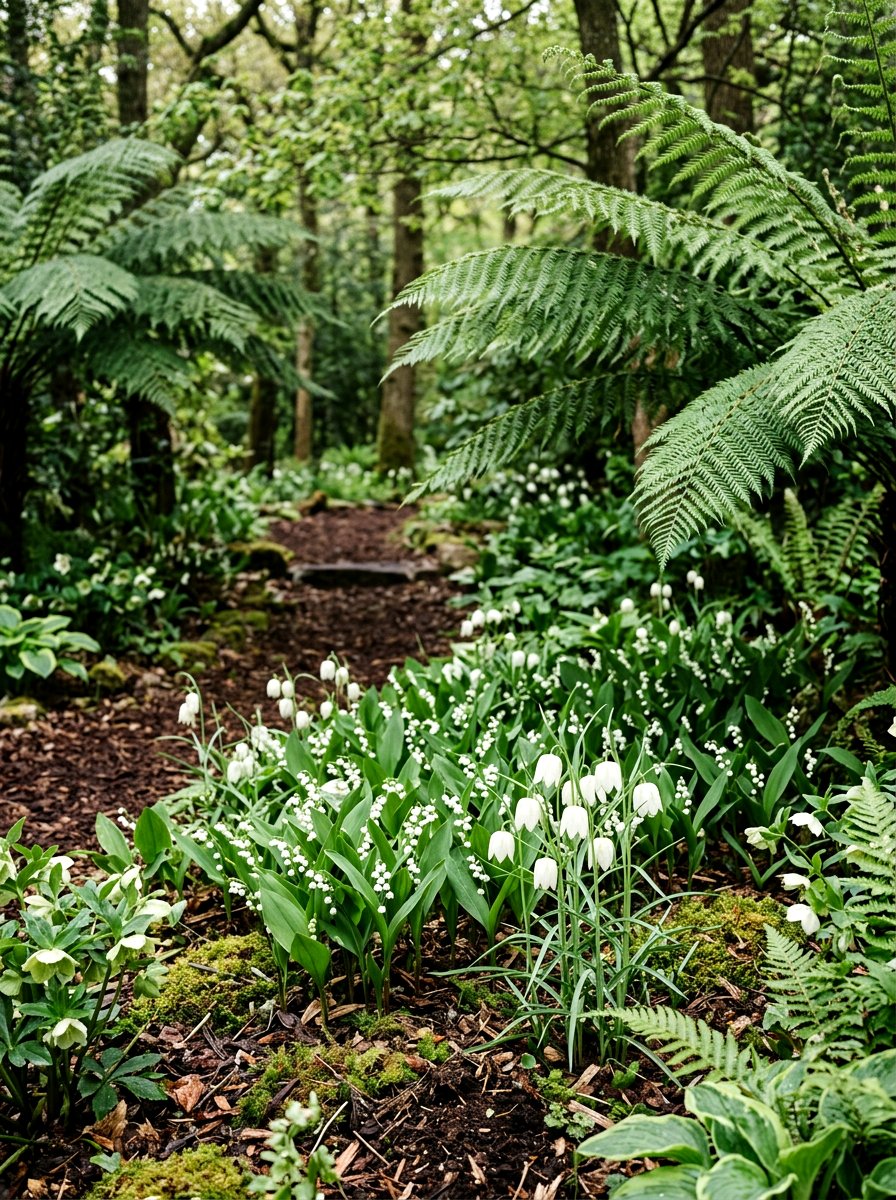
Many people think they cannot grow bulbs if they have a lot of trees, but many varieties love the shade. Woodland bulbs like wood anemones, lily of the valley, and certain types of fritillaria thrive in low light. These plants often bloom early before the trees have fully grown their leaves for the summer. This allows them to get the sun they need while it is available in the early spring. They create a lush, green, and flowery carpet in areas where grass might struggle to grow. Using these plants helps to turn a dark corner of the yard into a beautiful and hidden destination.
25. Red and yellow tulip bed
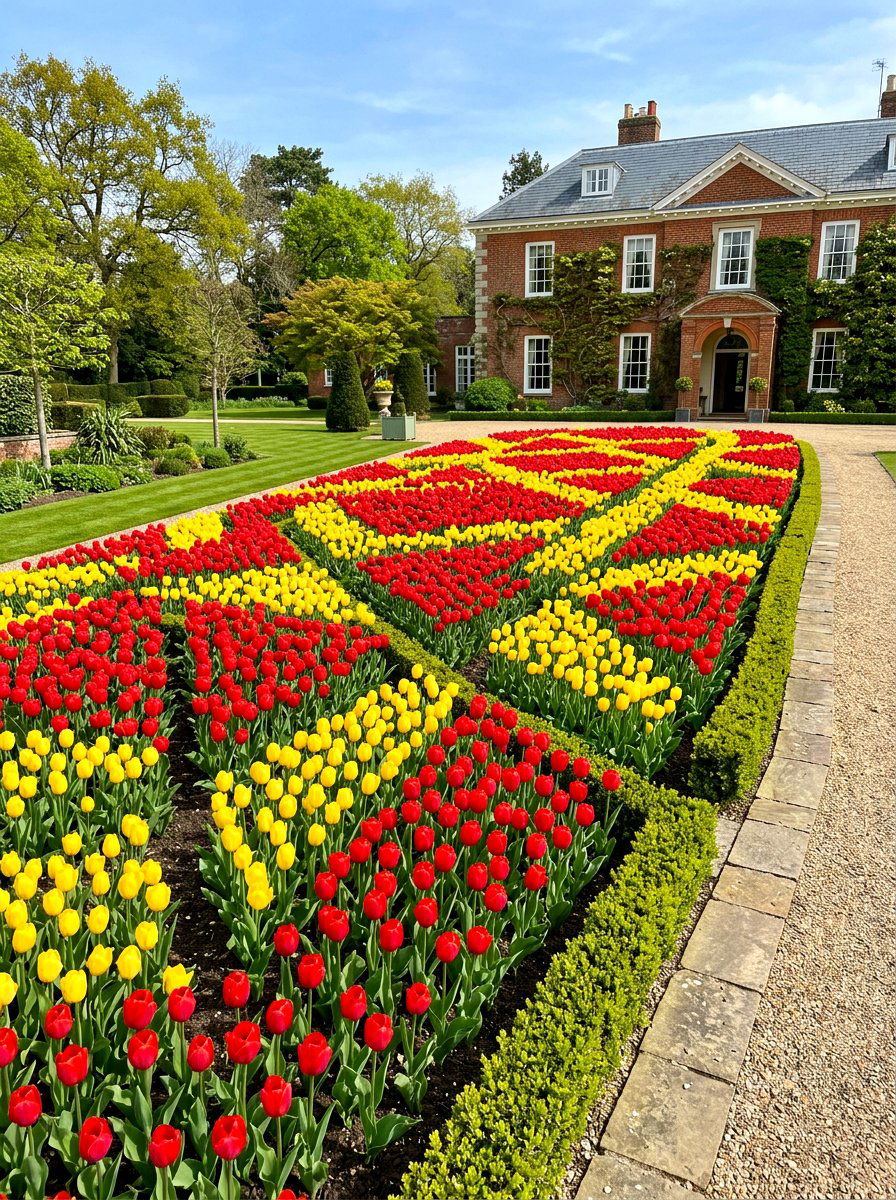
For a high-energy and traditional look, nothing beats the classic combination of bright red and bold yellow tulips. This color scheme is very common in public parks and botanical gardens because it is so cheerful and visible from a distance. The warm colors signal the end of winter and the start of a bright new season of growth. You can plant them in alternating rows or mix them together for a "fire" effect in your garden beds. These colors look great against the fresh green leaves of spring shrubs. This is a very confident and classic choice that never goes out of style for home gardeners.
Conclusion:
Spring bulbs are a wonderful investment that will bring beauty to your home for many years to come. By choosing a variety of types and colors, you can create a landscape that is full of life from the moment the snow melts. Whether you prefer the classic look of tulips or the whimsical charm of tiny snowdrops, there is a bulb for every style. They are easy to plant in the fall and require very little care once they are in the ground. Watching them poke through the soil is one of the most rewarding parts of being a gardener. Start planning your spring display today for a brighter tomorrow.
Related posts:
Leave a Reply