
Spring is the most magical time for garden enthusiasts because it brings the first flush of breathtaking climbing roses. These vertical wonders can transform a flat, ordinary yard into a lush, multi-dimensional sanctuary filled with sweet fragrances and vibrant colors. Whether you have a sprawling estate or a tiny urban balcony, there is a climbing variety that fits your specific needs perfectly. Adding height to your landscape allows you to maximize your growing space while creating intimate zones for relaxation. In this guide, we will explore various ways to incorporate these stunning plants into your outdoor living areas. You will learn how to choose the right structures and varieties to ensure your garden thrives throughout the entire spring season.
1. Climbing Rose Archway
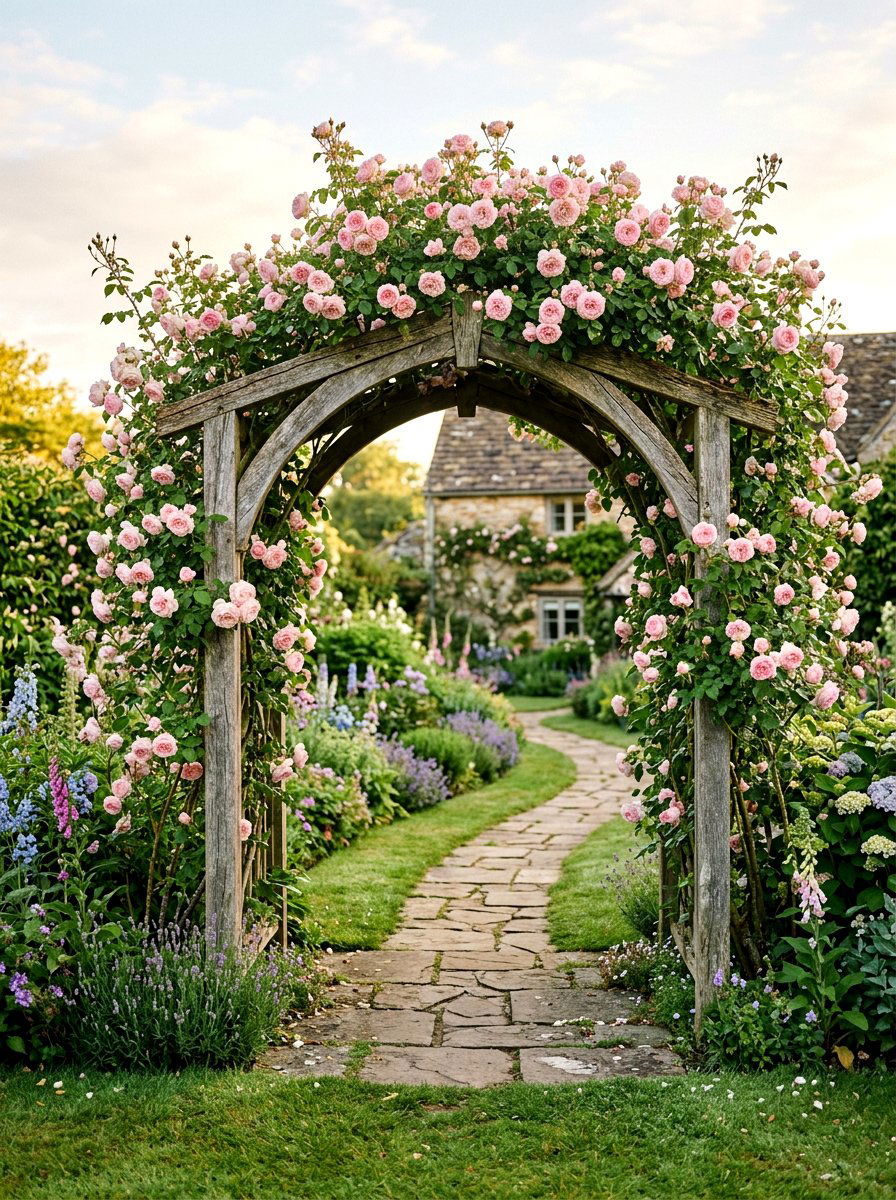
Imagine walking through a portal of soft, fragrant petals every time you enter your garden. A climbing rose archway provides a stunning vertical element that draws the eye upward and creates a sense of wonder in any outdoor space. To achieve this look, you should select vigorous varieties like 'Eden' or 'New Dawn' that produce flexible canes for easy training. Secure the main stems to the arch structure using soft garden twine to prevent damage. As the rose grows, it will eventually cover the entire frame, creating a lush canopy of color. This classic garden feature not only smells amazing but also serves as a perfect backdrop for outdoor spring photography.
2. Climbing Rose Fence
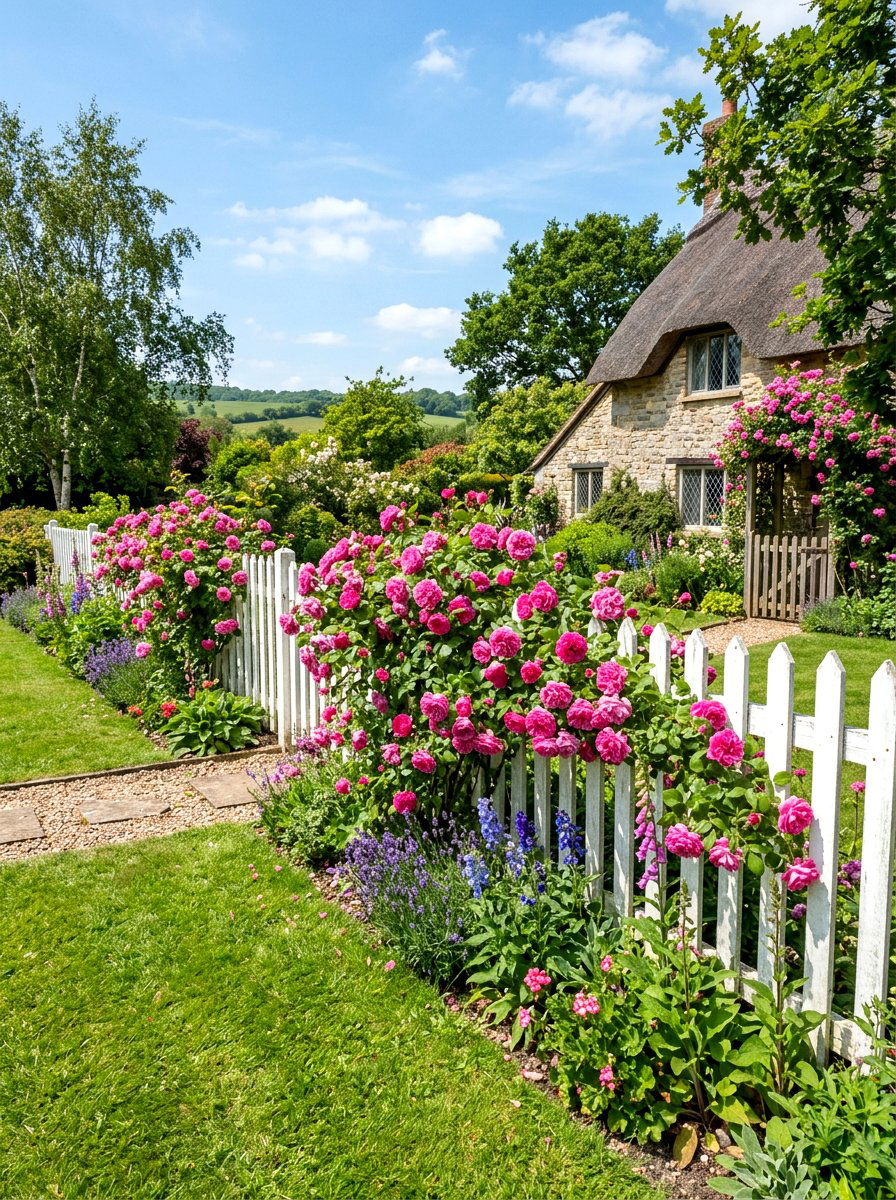
Adding vertical interest to a boundary is easy when you plant a climbing rose fence. This approach softens the hard lines of wooden or metal fencing, turning a functional barrier into a living tapestry of blooms. Many gardeners prefer using repeat-blooming varieties to ensure the fence stays colorful from late spring through the summer months. You can weave the canes horizontally along the rails to encourage more lateral shoots, which results in significantly more flowers. This technique is particularly effective for white picket fences, where the contrast between the crisp paint and the deep green foliage creates a timeless, cottage-inspired aesthetic for your home exterior.
3. Climbing Rose Stone Wall
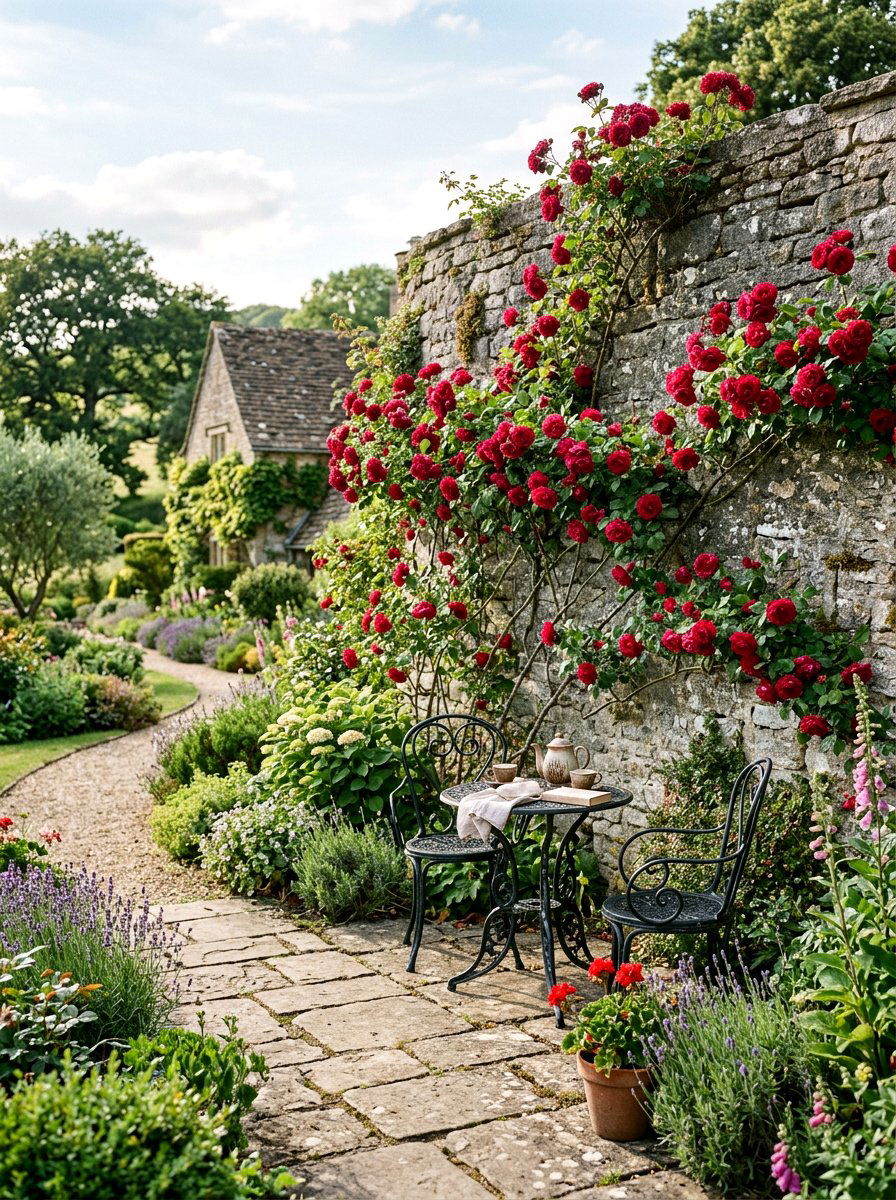
Do you have an old stone wall that feels a bit cold or uninviting? Training a climbing rose on stone walls can breathe new life into masonry by adding texture and romance. The stone actually helps the plant by retaining heat, which can encourage earlier blooming in the spring. You will need to install a wire trellis system or use masonry clips to give the rose something to grip. Varieties with deep pink or red blooms look particularly striking against grey or tan stone. This design choice creates an old-world European feel that makes your backyard feel like a hidden garden in the heart of the countryside.
4. Yellow Climbing Rose Pergola
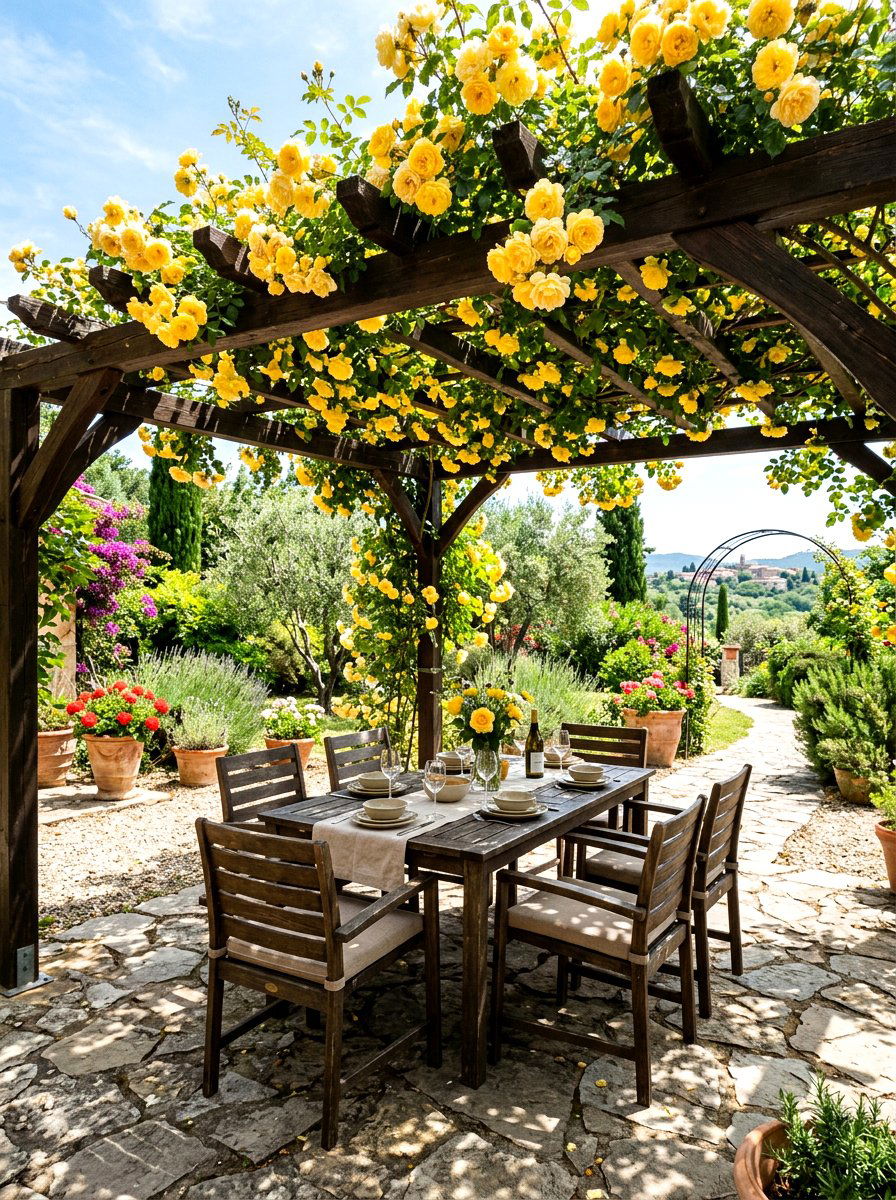
A yellow climbing rose pergola offers a cheerful and sunny atmosphere for your outdoor dining area. When these roses reach the top of the structure, they hang down in heavy clusters, providing both shade and a wonderful citrusy scent. Varieties like 'Graham Thomas' or 'Lady Banks' are excellent choices for larger pergolas because they grow quickly and offer dense coverage. The bright yellow hues pop beautifully against the blue spring sky, making your patio feel energetic and bright. Ensure the pergola is sturdy enough to support the weight of a mature rose, as these plants can become quite heavy over several years of growth.
5. Red Climbing Rose Front Door
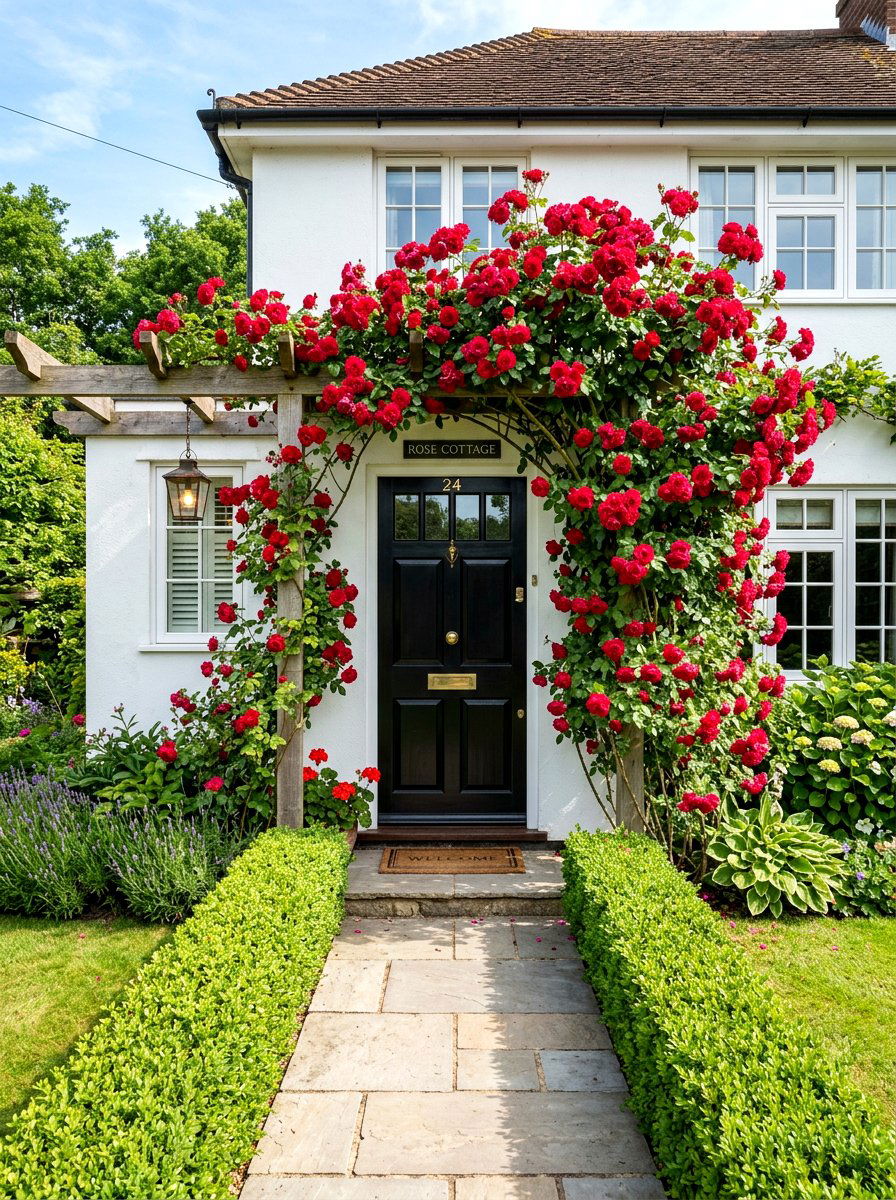
Creating a grand entrance is simple if you plant a red climbing rose front door display. Framing your entryway with vibrant crimson blooms like 'Don Juan' or 'Florentina' makes a bold statement that neighbors will surely admire. This setup works best when you use a wall-mounted trellis or an over-the-door arbor to guide the growth. The rich red color symbolizes passion and welcome, providing a warm greeting to every guest who visits your home. Make sure to prune the rose regularly to keep the doorway clear and ensure the plant remains healthy and productive. This classic look never goes out of style for traditional homes.
6. White Climbing Rose Porch
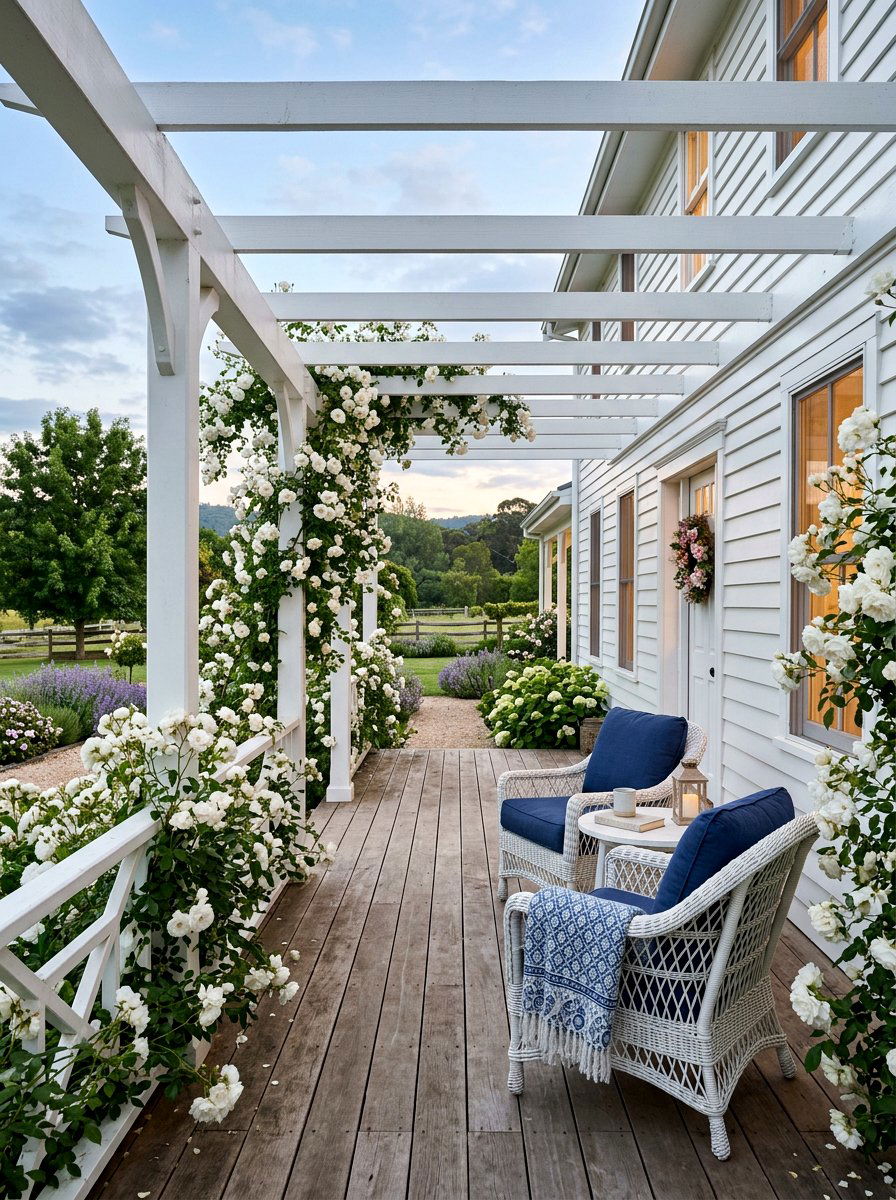
A white climbing rose porch creates a serene and elegant environment for morning coffee or evening relaxation. White roses, such as 'Iceberg' or 'Claire Austin' , provide a clean and sophisticated look that matches almost any house color. They are especially beautiful during the "blue hour" of dusk, as the white petals seem to glow in the fading light. Training these roses up porch pillars or along the railing adds a layer of privacy without making the space feel closed off. The delicate fragrance of white roses is often lighter and fresher, which is perfect for areas where you spend a lot of time sitting down.
7. Climbing Rose Container
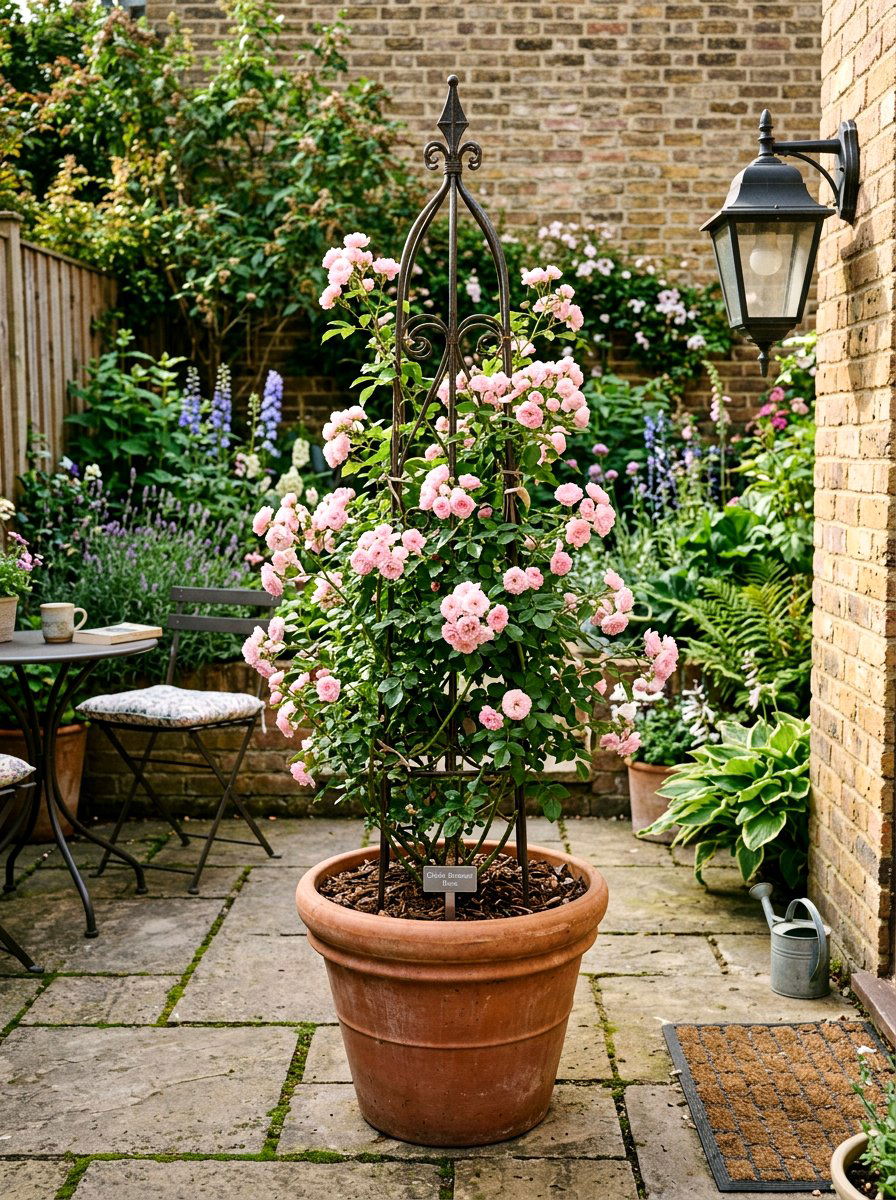
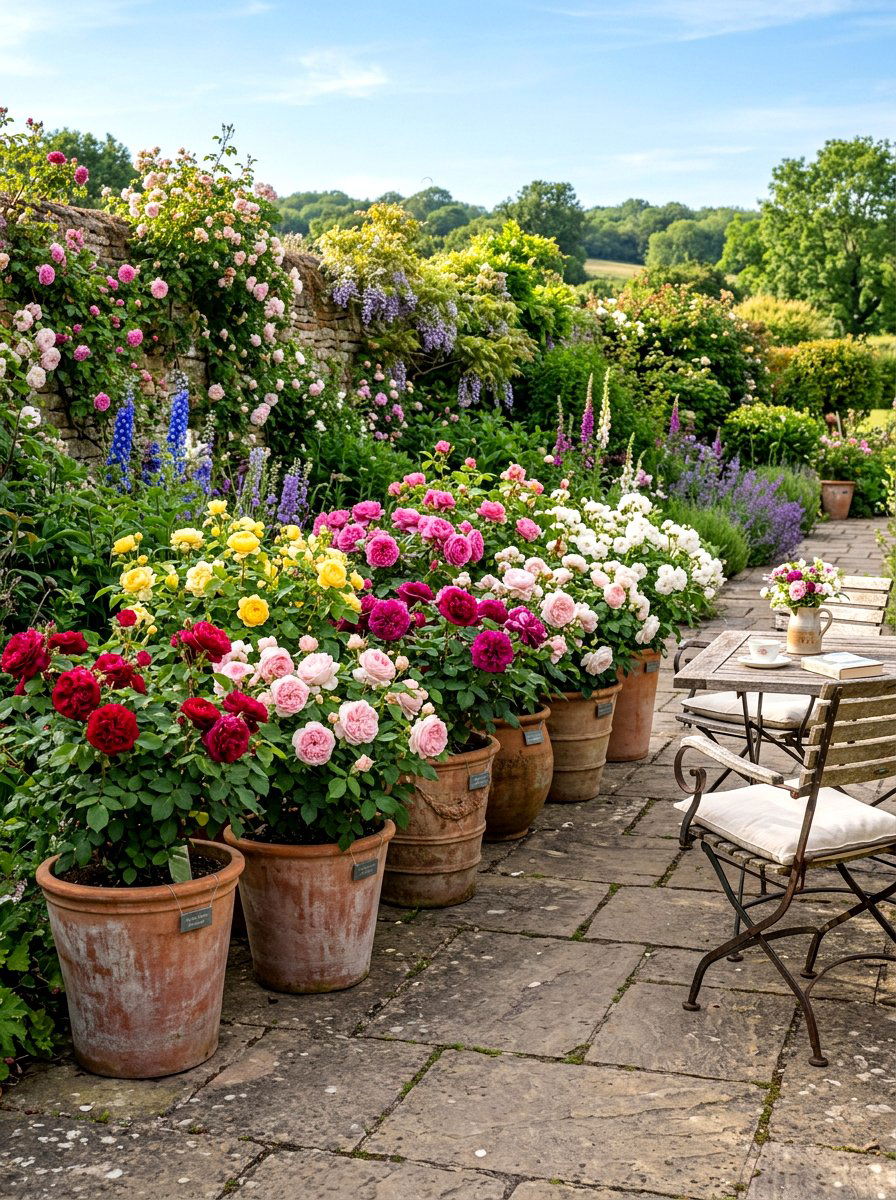
You do not need a massive yard to enjoy vertical blooms when you use a climbing rose container. This is a brilliant solution for renters or those with paved patios and balconies. Select a large, heavy pot with excellent drainage to host a more compact climbing variety. Use a decorative metal obelisk or a small bamboo teepee inside the pot to support the upward growth. This allows you to bring the beauty of roses to eye level, even in the smallest of spaces. Be sure to water container-grown roses more frequently, as pots tend to dry out faster than the ground soil in spring.
8. Climbing Rose Privacy Screen
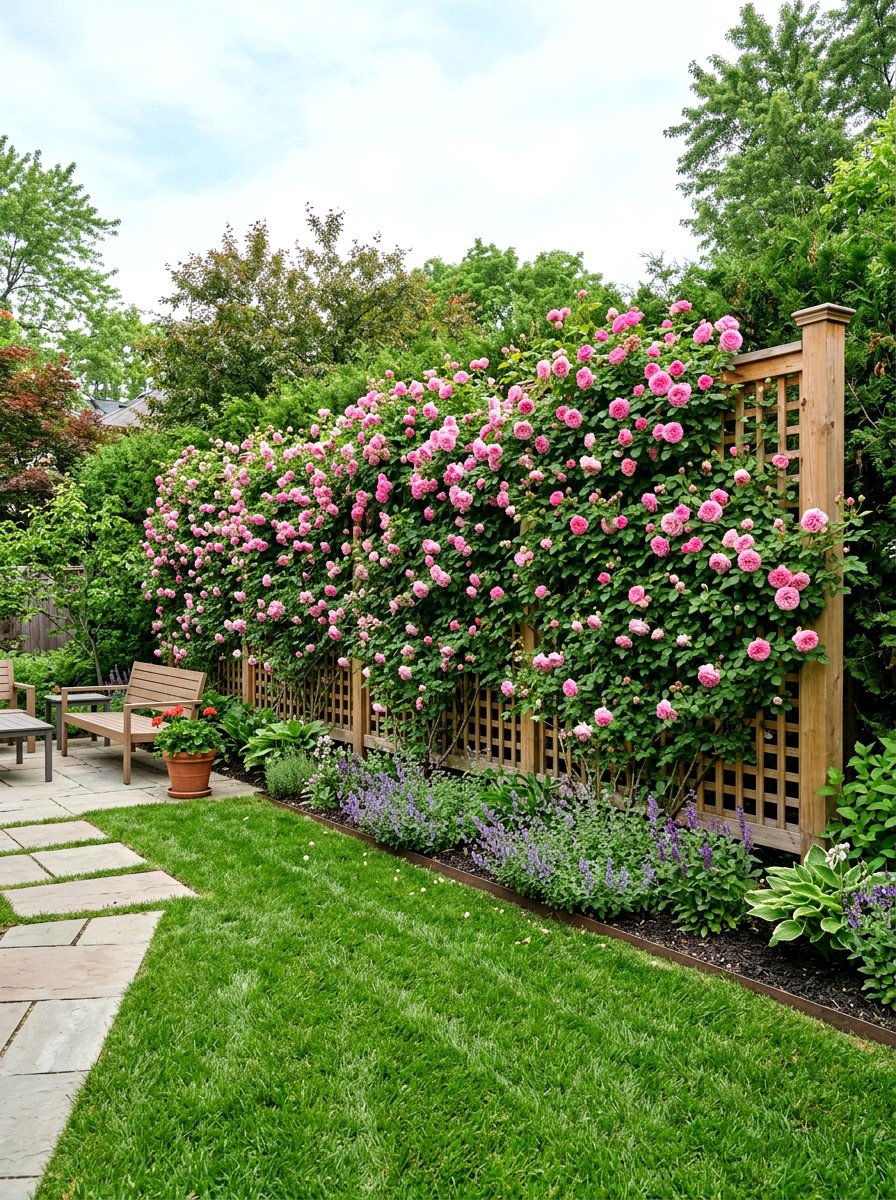
If you want to block a neighbor's view or hide an unsightly utility area, a climbing rose privacy screen is a beautiful alternative to plastic fencing. By installing a tall lattice panel and planting fast-growing climbers, you can create a dense wall of foliage and flowers. This living screen provides a natural barrier that also supports local pollinators like bees and butterflies. Choose varieties known for their thick leaf coverage to ensure the screen remains effective even when the roses are not in peak bloom. This functional design adds immense value to your garden by combining utility with incredible natural beauty and sweet floral scents.
9. David Austin Climbing Rose Garden
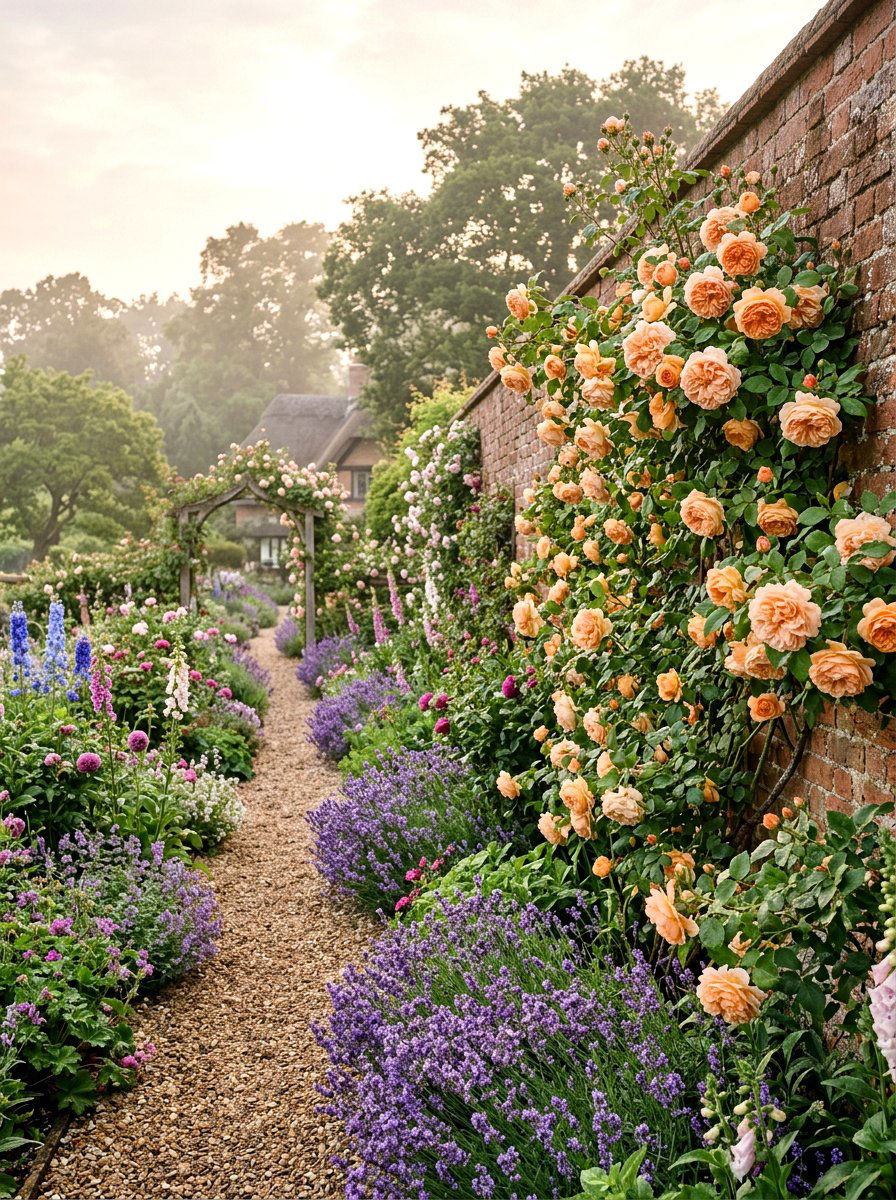
Many enthusiasts believe that a David Austin climbing rose garden is the pinnacle of horticultural beauty. These English roses are famous for their cabbage-like blooms and intense, complex fragrances that fill the spring air. They combine the charm of old roses with the repeat-blooming nature of modern varieties. Planting several different David Austin climbers together creates a romantic, ruffled look that is quintessentially British. Because they come in a wide range of soft pastels and deep apricots, they are easy to coordinate with other perennial flowers. These roses require a bit more attention to pruning, but the visual and olfactory rewards are well worth the extra effort.
10. Climbing Rose Garden Trellis
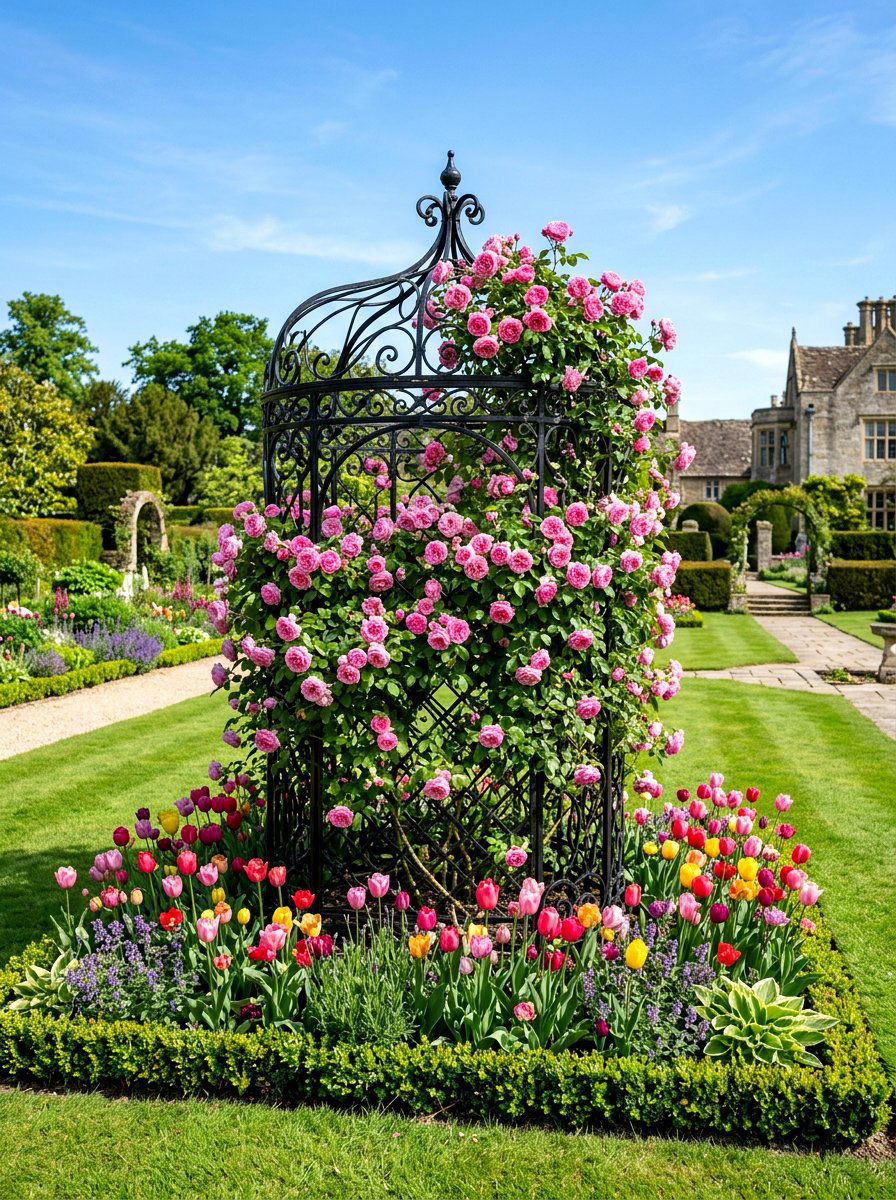
A freestanding climbing rose garden trellis can act as a focal point or a "room divider" in a large landscape. These structures allow you to place roses exactly where you need a splash of color, rather than just against a building. You can use a simple wooden grid or an ornate wrought iron design to match your garden's theme. Trellises are excellent for showcasing the individual form of the rose canes and the way the flowers cluster. This setup also ensures great air circulation around the plant, which helps prevent common fungal diseases like black spot or powdery mildew during the humid spring months.
11. Scented Climbing Rose Patio
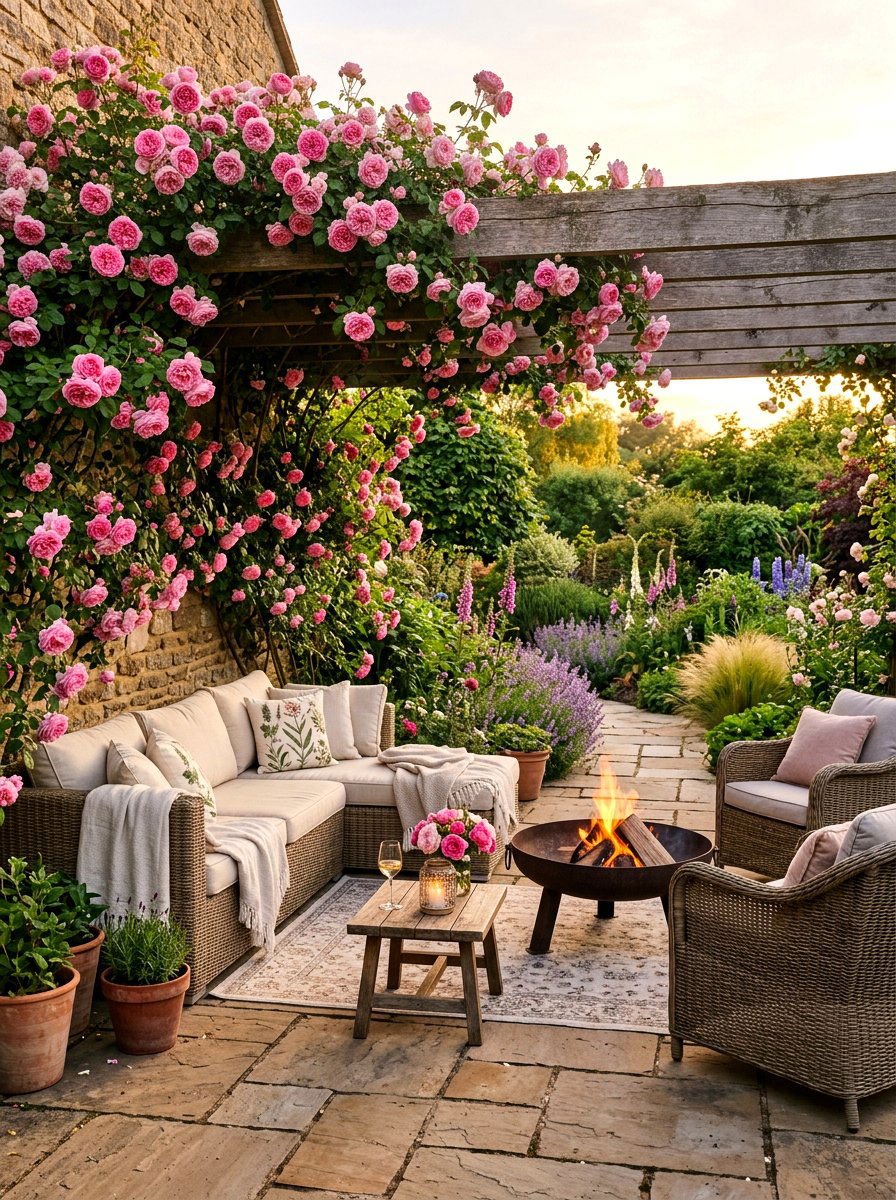
Designing a scented climbing rose patio ensures that your outdoor lounging area is always filled with a heavenly aroma. Some climbing roses are specifically bred for their high oil content, which produces a much stronger perfume. When you plant these near a seating area, the breeze carries the scent directly to you, enhancing your relaxation experience. Look for varieties like 'Gertrude Jekyll' or 'Zephirine Drouhin' for the most impactful fragrance. This sensory approach to gardening makes your patio feel like a luxury spa. It is a wonderful way to enjoy the results of your hard work while reading a book or entertaining friends.
12. Climbing Rose Clematis Mix
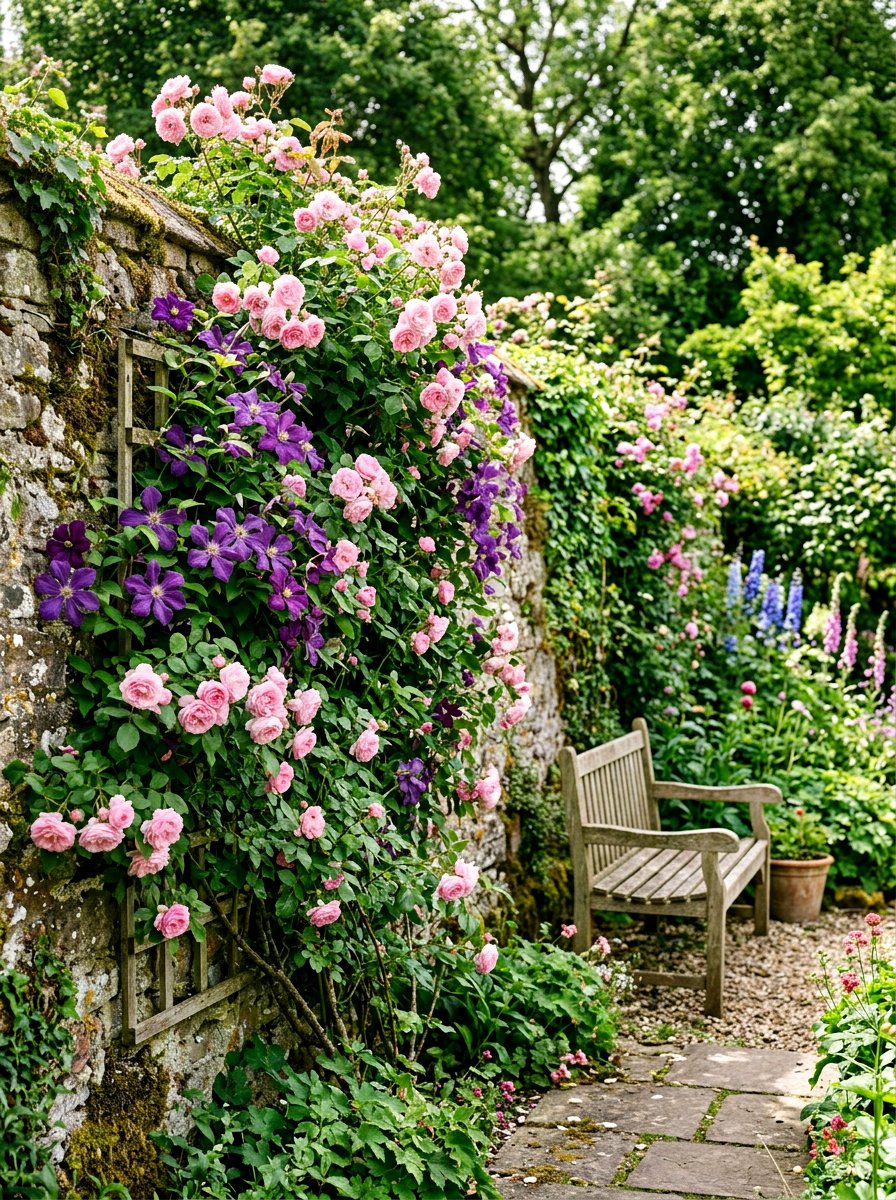
For a truly professional look, try the climbing rose clematis mix on your garden structures. These two plants are famous "companion climbers" because they share similar growing requirements but offer different flower shapes. The clematis can weave through the rose canes, filling in any gaps with its star-shaped blooms. This combination extends the blooming season and creates a rich, layered effect that looks like something out of a high-end gardening magazine. You can pair purple clematis with yellow roses for a high-contrast look or use pink-on-pink for a soft, monochromatic feel. This duo is a favorite for those who love high-impact floral displays.
13. Repeat Blooming Climbing Rose
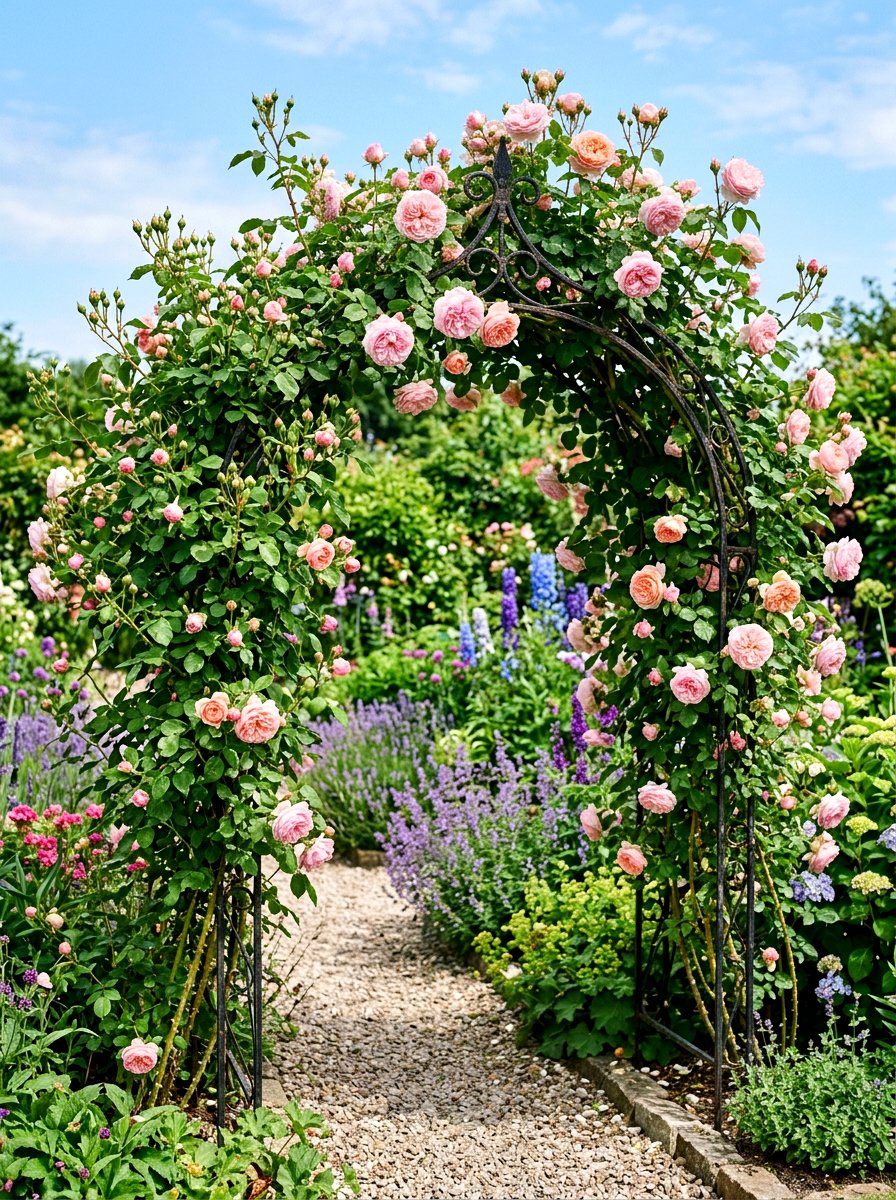
If you want color that lasts beyond the initial spring burst, you must choose a repeat blooming climbing rose. Unlike old-fashioned ramblers that only bloom once a year, repeat bloomers will provide several waves of flowers until the first frost. This makes them a much better investment for small gardens where every plant needs to work hard. To keep them blooming, you should "deadhead" the faded flowers regularly to encourage the plant to produce new buds. This continuous cycle of growth ensures your garden remains vibrant and attractive all season long. Modern hybrids have made it easier than ever to enjoy roses for many months.
14. Climbing Rose Small Space
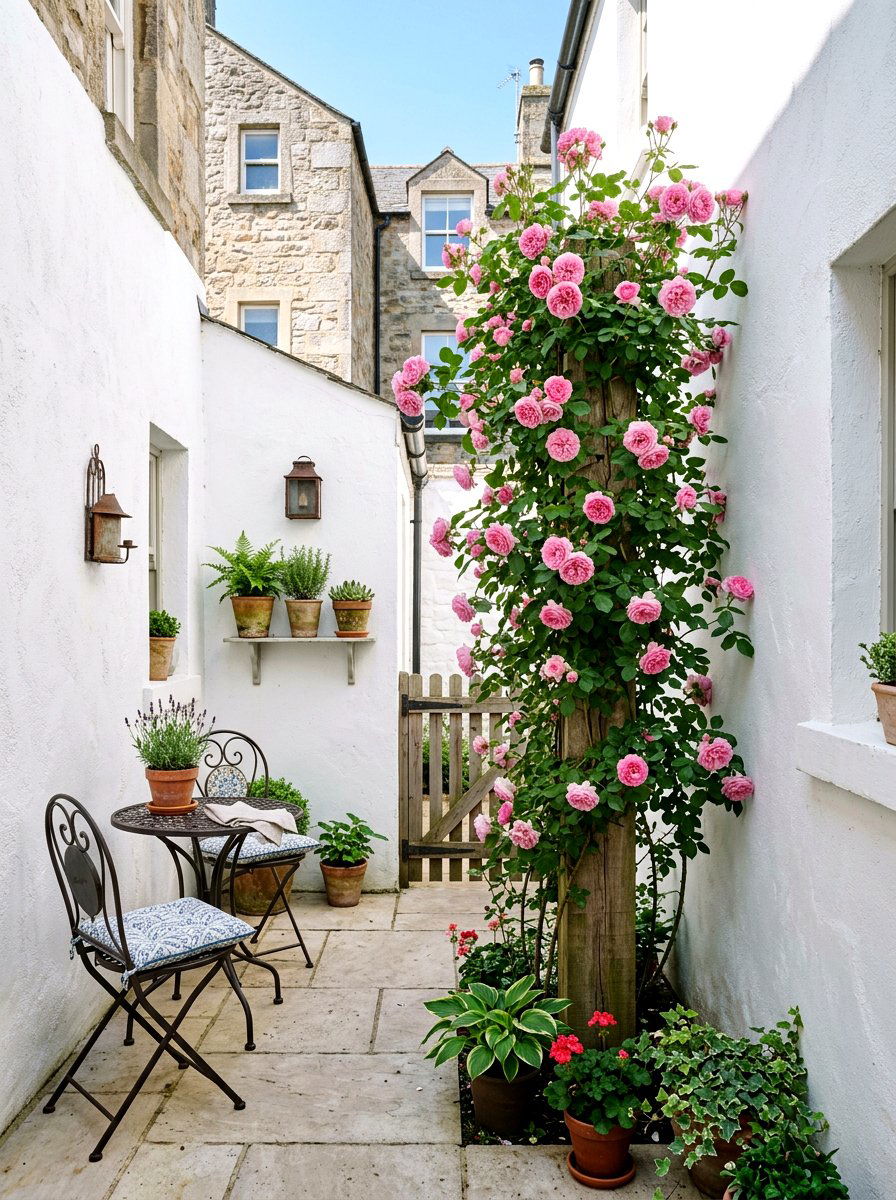
Maximizing a climbing rose small space requires a bit of strategic thinking and the right plant selection. Vertical gardening is the best way to add greenery when floor space is limited, such as in narrow side yards or urban courtyards. Choose "pillaring" roses that grow more upright rather than spreading wide. You can train these roses up a single post or a narrow strip of wire mesh attached to a wall. This keeps the footprint of the plant very small while still providing a massive vertical impact. It proves that you do not need a massive backyard to enjoy the luxury of home-grown roses in the spring.
15. Thornless Climbing Rose Path
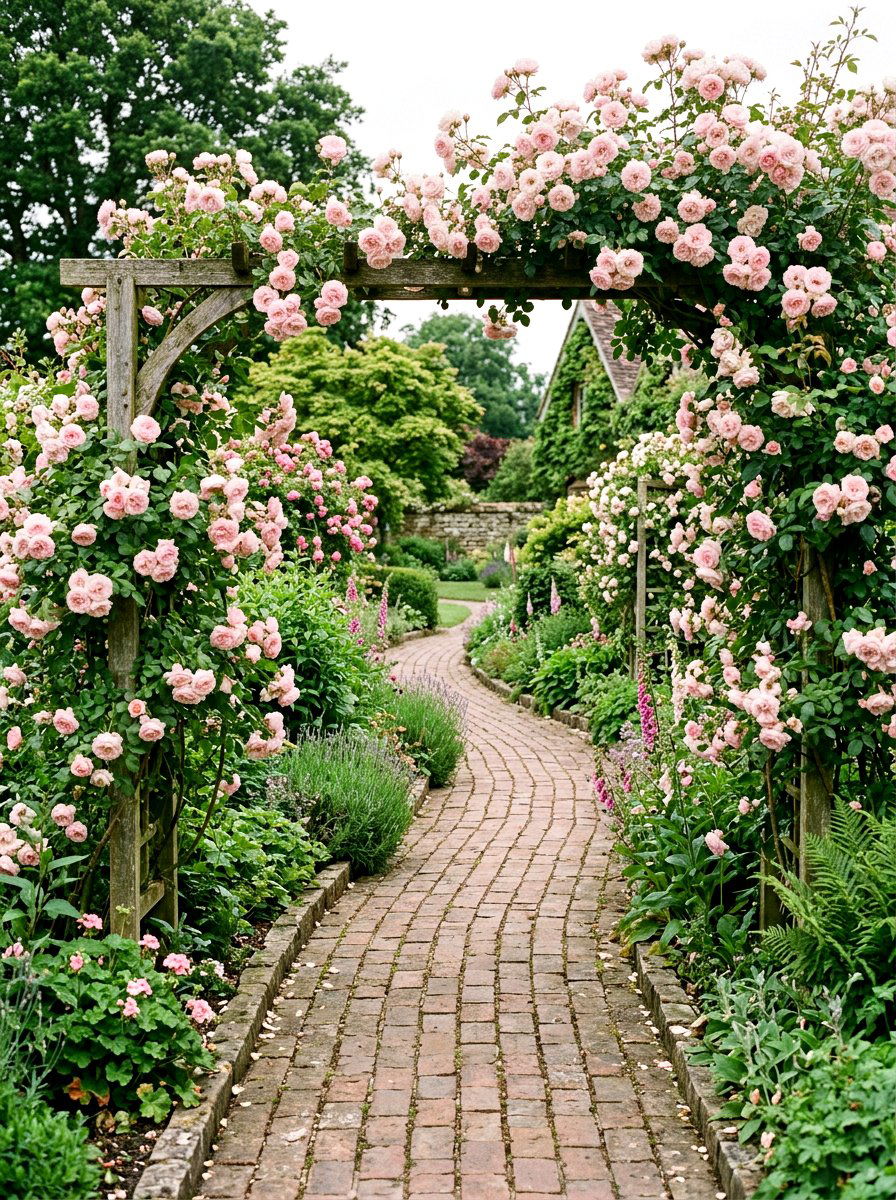
Safety and beauty go hand-in-hand when you plant a thornless climbing rose path. If you have narrow walkways or children and pets running around, you might worry about the sharp prickles found on most roses. Fortunately, varieties like 'Zephirine Drouhin' or 'Lady Banks' are nearly or completely thornless. This allows you to plant them right next to a sidewalk or garden path without fear of anyone getting snagged. You can brush against the foliage and enjoy the flowers closely without any discomfort. This practical choice makes your garden more accessible and user-friendly while still maintaining a high level of floral elegance.
16. Climbing Rose Exterior Wall
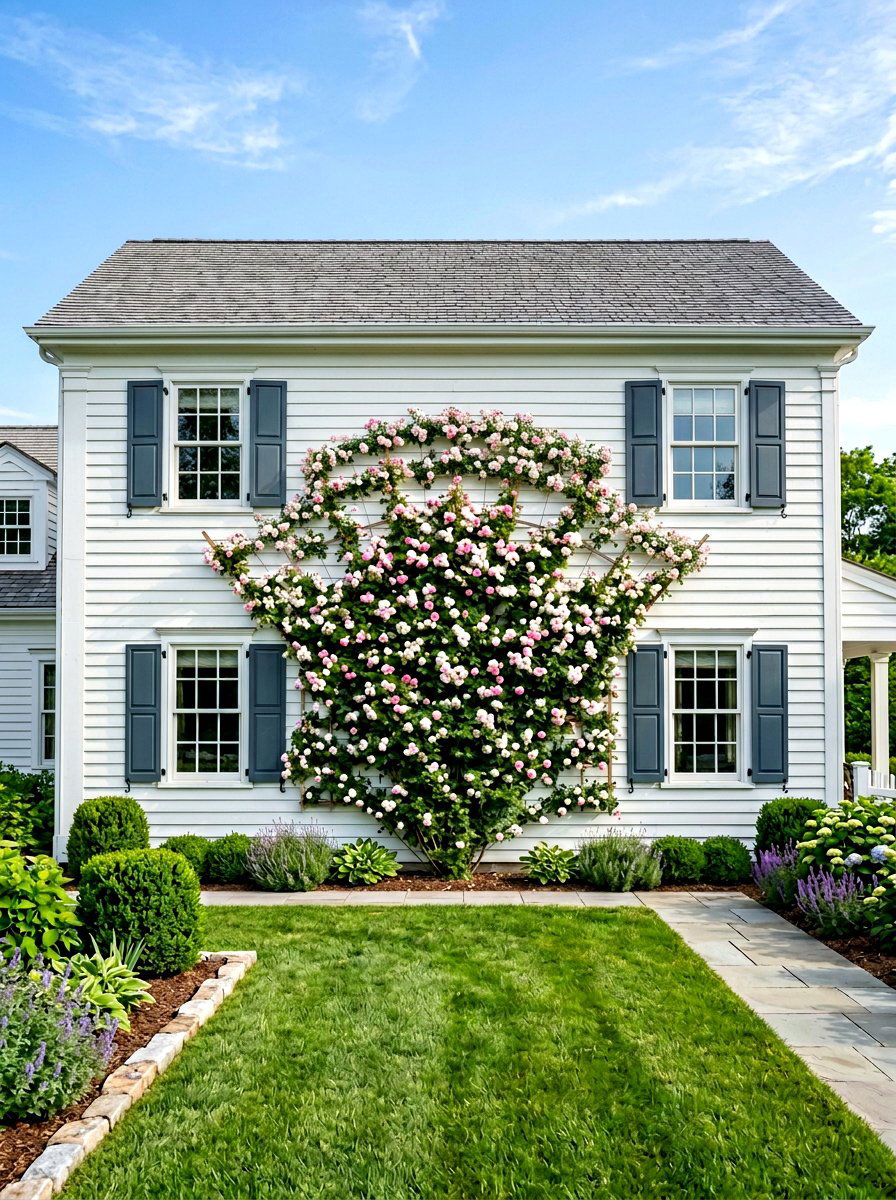
A climbing rose exterior wall can significantly improve your home's curb appeal by adding a layer of natural "wallpaper. " This design works particularly well on large expanses of siding or brick that look a bit plain. By installing a sturdy wire system, you can train the rose to grow in a fan shape or even a specific geometric pattern. This architectural use of plants helps to soften the silhouette of your house and integrate it more naturally into the surrounding landscape. The combination of man-made structure and organic growth creates a beautiful harmony that is very popular in traditional and farmhouse-style home designs.
17. Pink Rose Gazebo
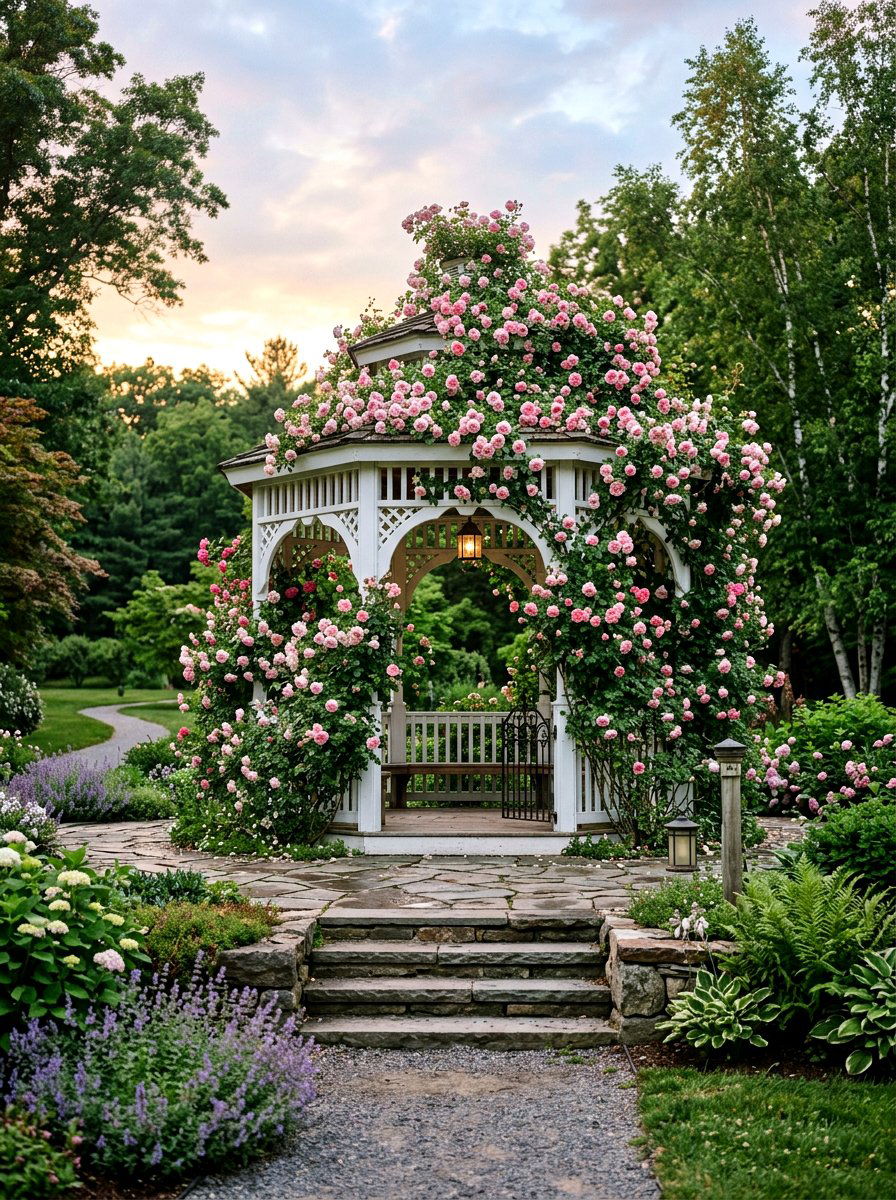
Transform your backyard into a fairytale setting with a pink rose gazebo. Gazebos are natural magnets for climbing plants, and pink roses offer a soft, romantic vibe that is perfect for weddings or quiet afternoon teas. As the roses grow over the roof of the gazebo, they create a secluded, shaded room that feels completely detached from the rest of the world. Using different shades of pink, from blush to magenta, adds depth and visual interest to the structure. This is a dream project for anyone who loves the "shabby chic" or romantic garden aesthetic. It provides a permanent, living decoration for your favorite outdoor spot.
18. Climbing Rose Balcony
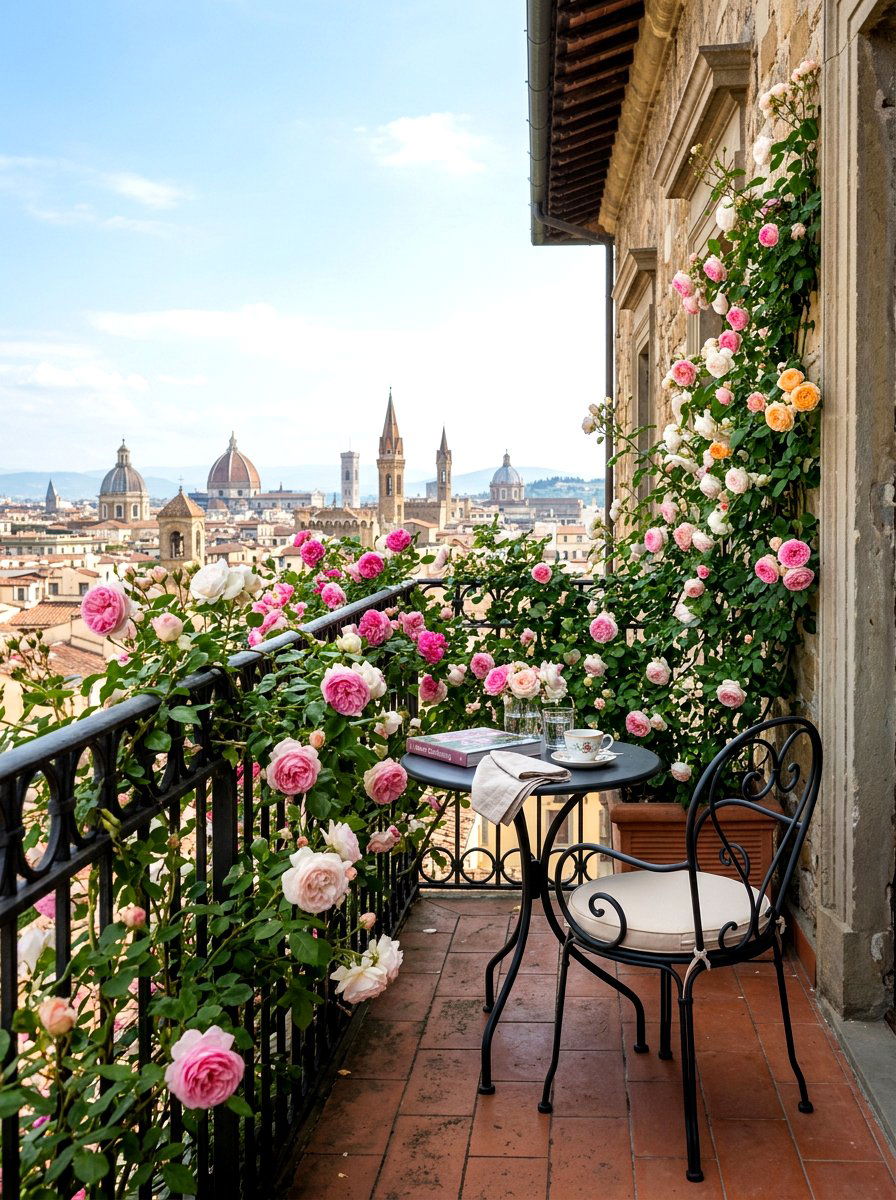
Even if you live several floors up, a climbing rose balcony is entirely possible with the right setup. Using deep troughs or specialized railing planters, you can grow roses that spill over the edges or climb up the balcony dividers. This brings a touch of nature to an urban environment and provides a wonderful view from inside your apartment. Choose wind-tolerant varieties if your balcony is high up, as they will be more exposed to the elements. The sight of roses framing a city view is incredibly striking and offers a peaceful escape from the hustle and bustle of modern metropolitan life.
19. Peach Climbing Rose Brick
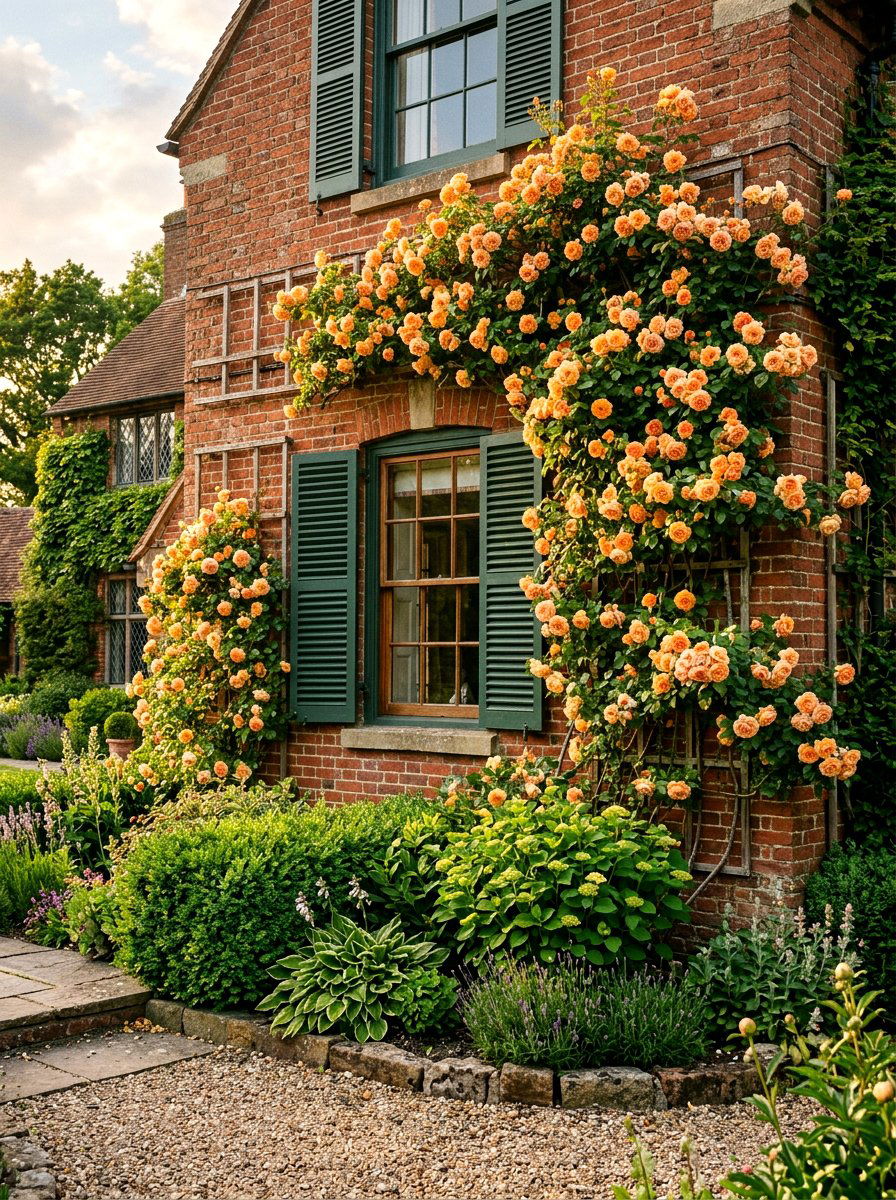
The color combination of a peach climbing rose brick wall is absolutely stunning and very on-trend. The warm tones of peach, apricot, and coral flowers complement the earthy reds and browns of traditional brickwork perfectly. Varieties like 'Wollerton Old Hall' or 'Bathsheba' offer these sophisticated, warm hues that look glowing in the afternoon sun. This pairing feels very upscale and "designed, " making it a great choice for front-of-house landscaping. The contrast is subtle enough to be elegant but distinct enough to catch the eye of anyone passing by. It is a fantastic way to highlight the architectural beauty of your home.
20. Climbing Rose Mailbox
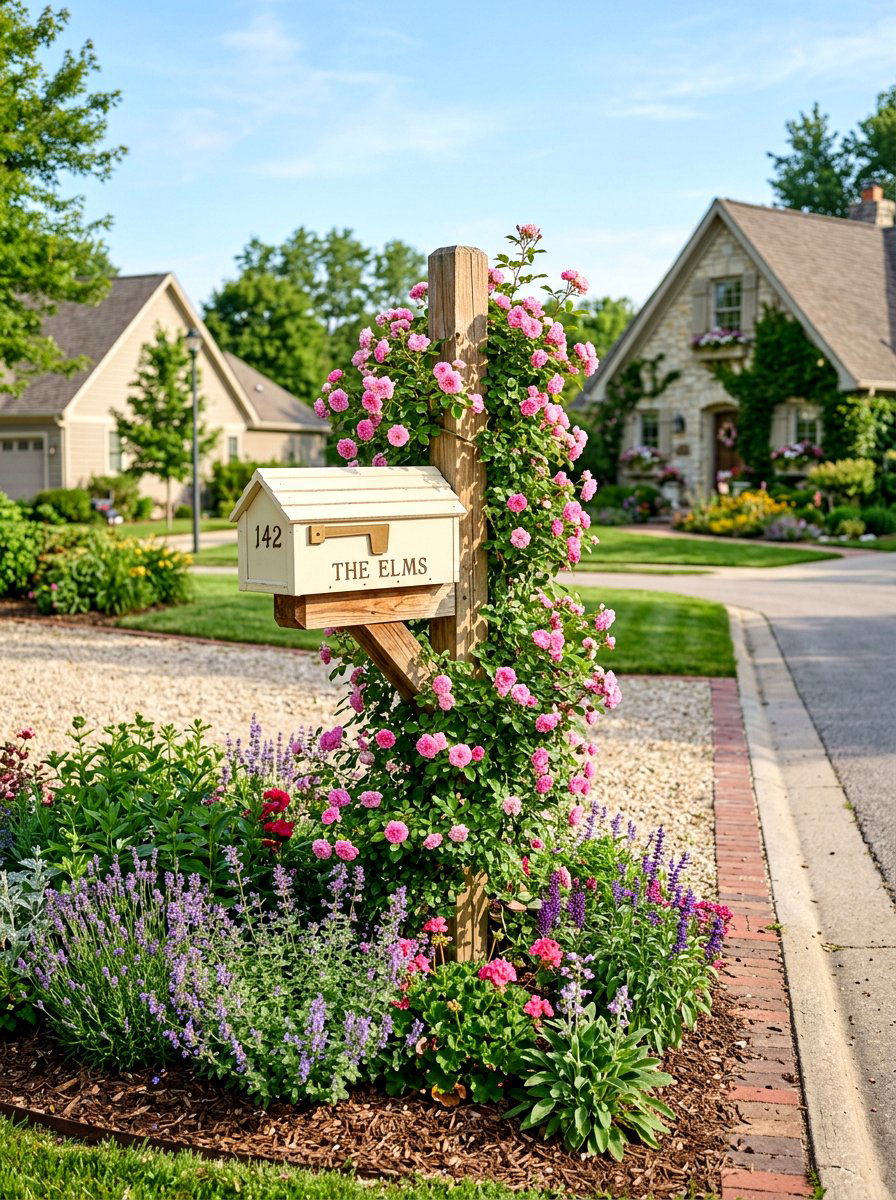
Decorating a climbing rose mailbox is a classic way to add a bit of "cottage core" charm to your driveway. Since a mailbox post is a relatively small structure, you should choose a rose that isn 't too aggressive or large. A miniature climber or a smaller variety works best to ensure it doesn' t swallow the mailbox entirely. This small addition makes the daily chore of checking the mail a much more pleasant experience. It also serves as a beautiful landmark for guests trying to find your house for the first time. Just be sure to prune it away from the opening so the mail carrier can do their job easily.
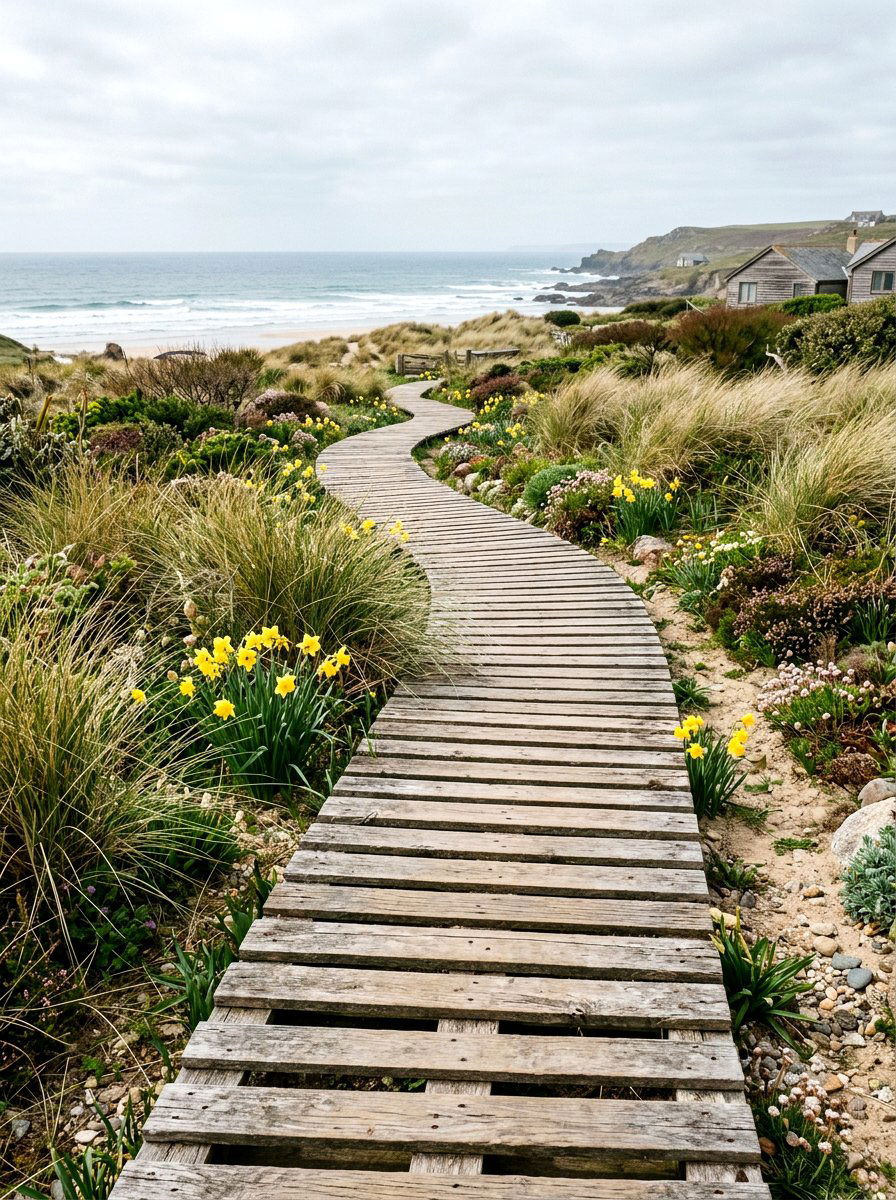
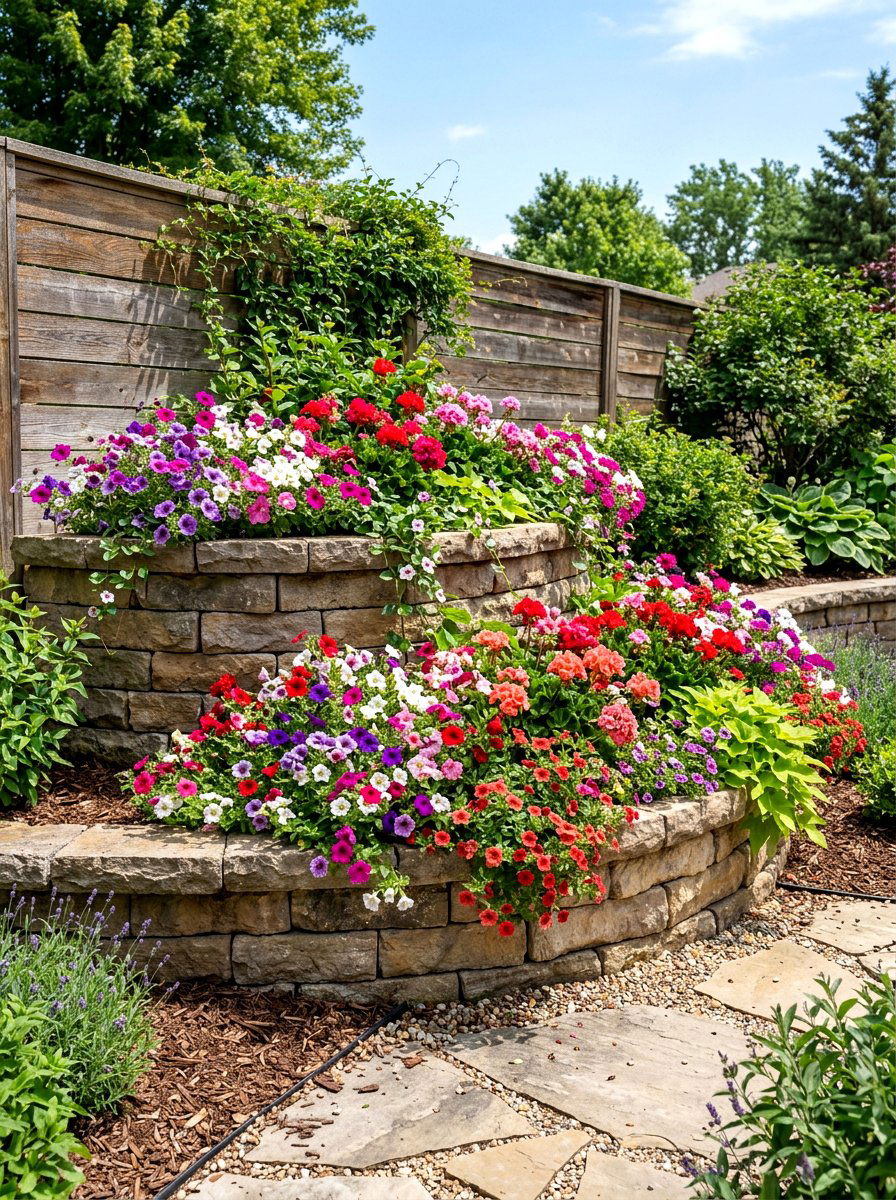
21. Shade Climbing Rose
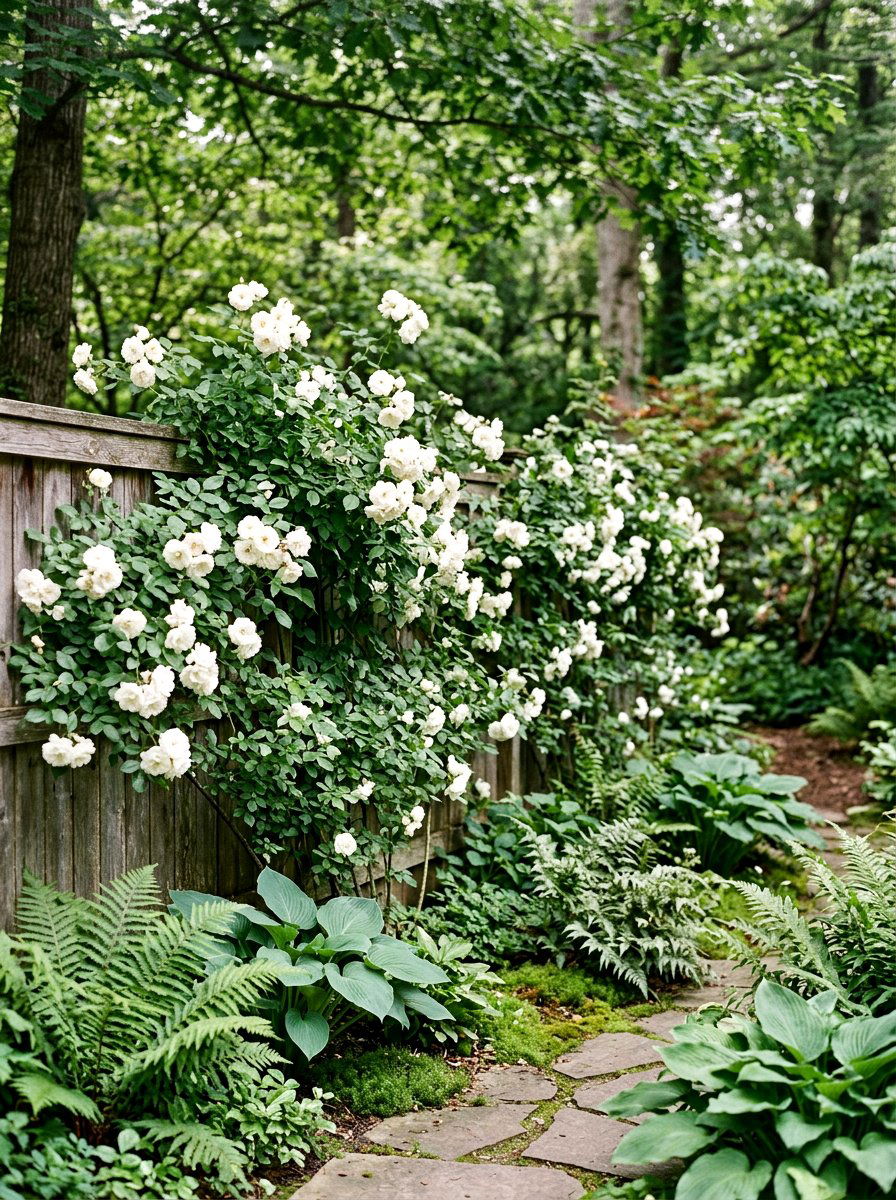
Many people think they cannot grow roses without full sun, but a shade climbing rose can thrive in dappled light. While most roses love the sun, certain varieties like 'Danse de Feu' or 'Madame Alfred Carriere' are surprisingly tolerant of shadier spots. Planting these against a north-facing wall or under a large tree can brighten up a dark corner of your garden. While they might produce slightly fewer blooms than their sun-drenched counterparts, the flowers they do produce are often larger and hold their color longer because they aren't being scorched by the midday heat. This opens up new possibilities for every part of your yard.
22. Climbing Rose Seating Area
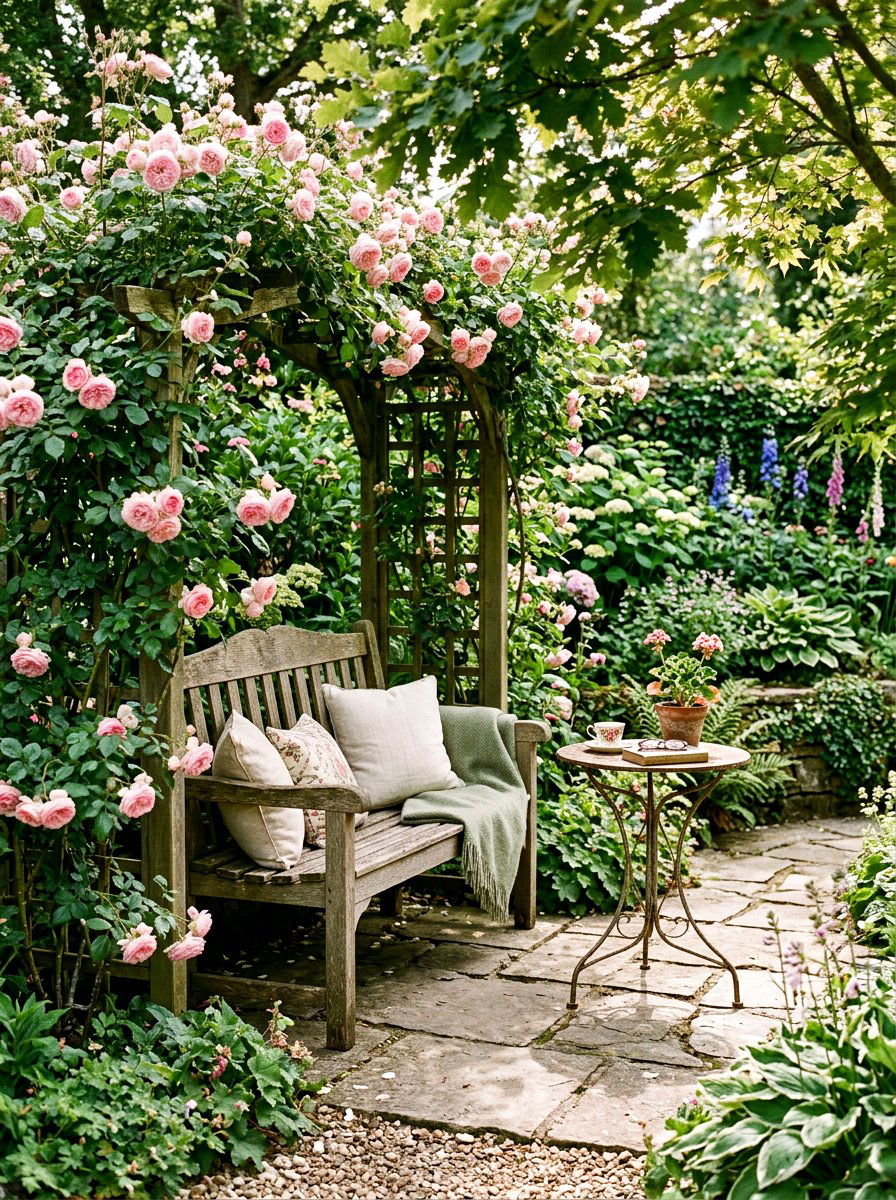
Creating a climbing rose seating area is all about building a cozy nook for intimate conversations. By surrounding a bench or a small bistro set with trellises covered in roses, you create a private "outdoor room. " The walls of flowers provide a sense of enclosure and security, making the space feel very special. It is the perfect place to sit and enjoy the spring weather with a friend or a good book. Choose roses with a long-lasting bloom cycle so that your "room" stays decorated for as long as possible. This design emphasizes the emotional and social benefits of a well-planned, beautiful garden.
23. Double Flower Climbing Rose
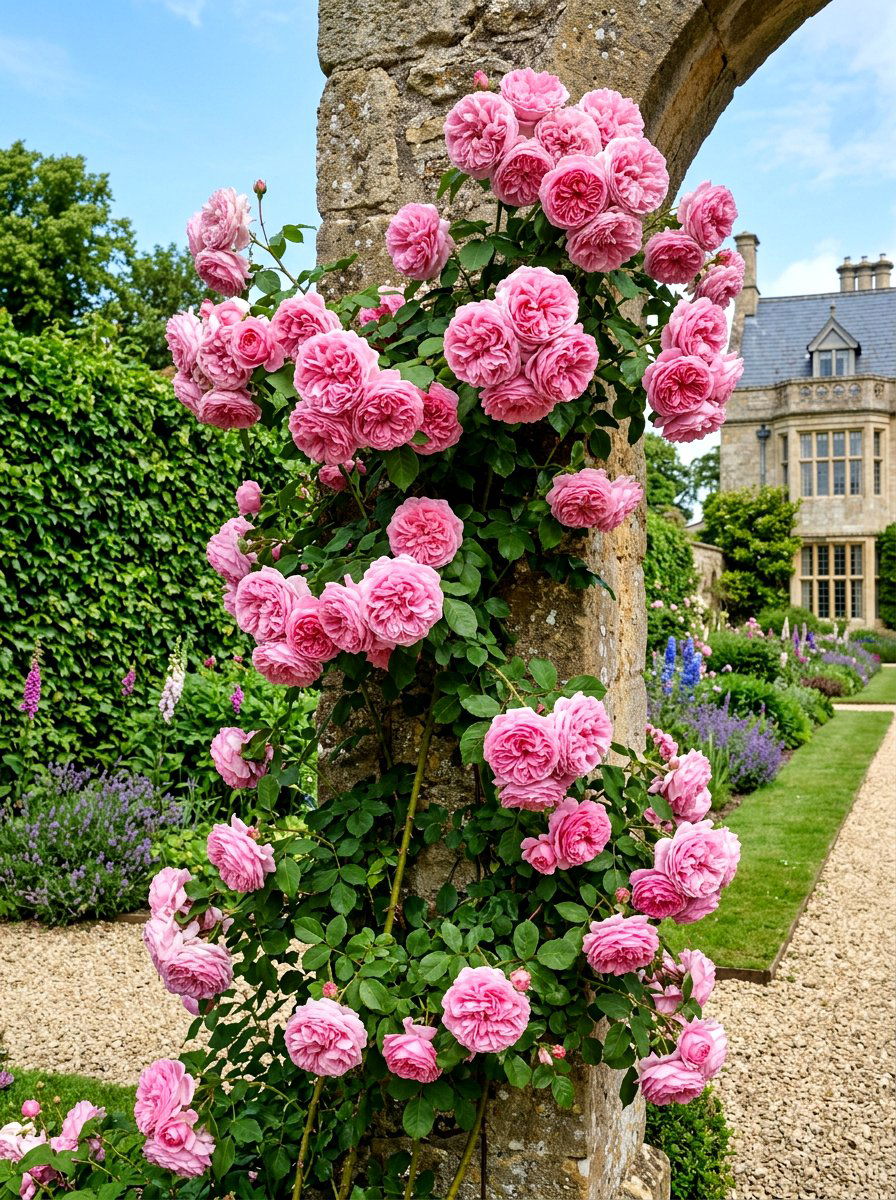
For those who love maximum drama, the double flower climbing rose is the ultimate choice. Double flowers have twice the usual amount of petals, giving them a full, ruffled, and luxurious appearance. When these roses are in full bloom, the sheer volume of petals can make the branches bow slightly, creating a very romantic and heavy-laden look. They are often the stars of the spring garden because they look so much like peonies. These varieties are perfect for prominent locations like the front of the house or next to a main patio where their intricate beauty can be appreciated from a close distance by everyone.
24. Climbing Rose Metal Obelisk
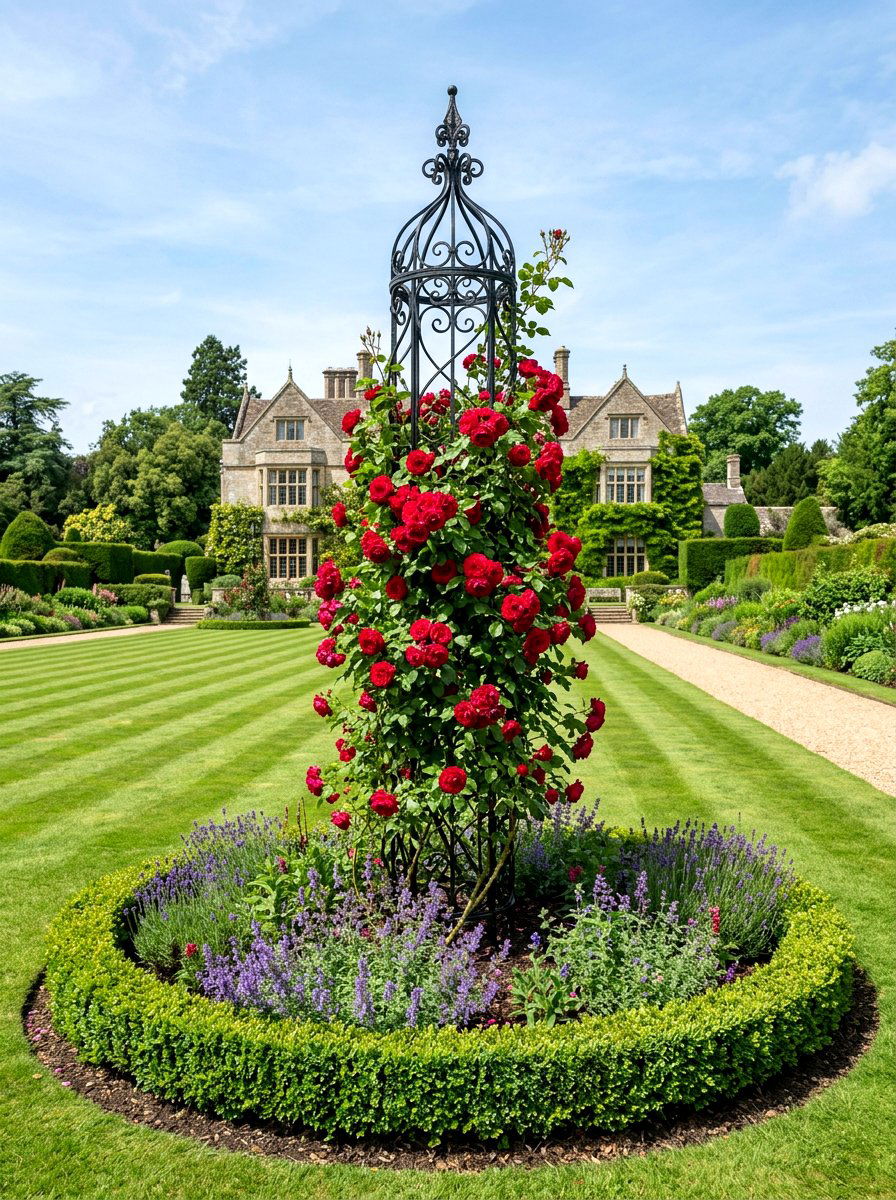
A climbing rose metal obelisk adds a formal, structured element to a garden bed or lawn. These tall, pointed structures act as exclamation points in your landscape design, providing height without taking up much horizontal space. They are perfect for symmetrical designs, such as placing one on either side of a path or at the four corners of a square garden. Training a rose around an obelisk requires a spiral technique, which encourages more blooms from the bottom to the top. This is a very clean and organized way to grow roses, making it ideal for those who prefer a more manicured or modern garden look.
25. Rambling Rose Tree
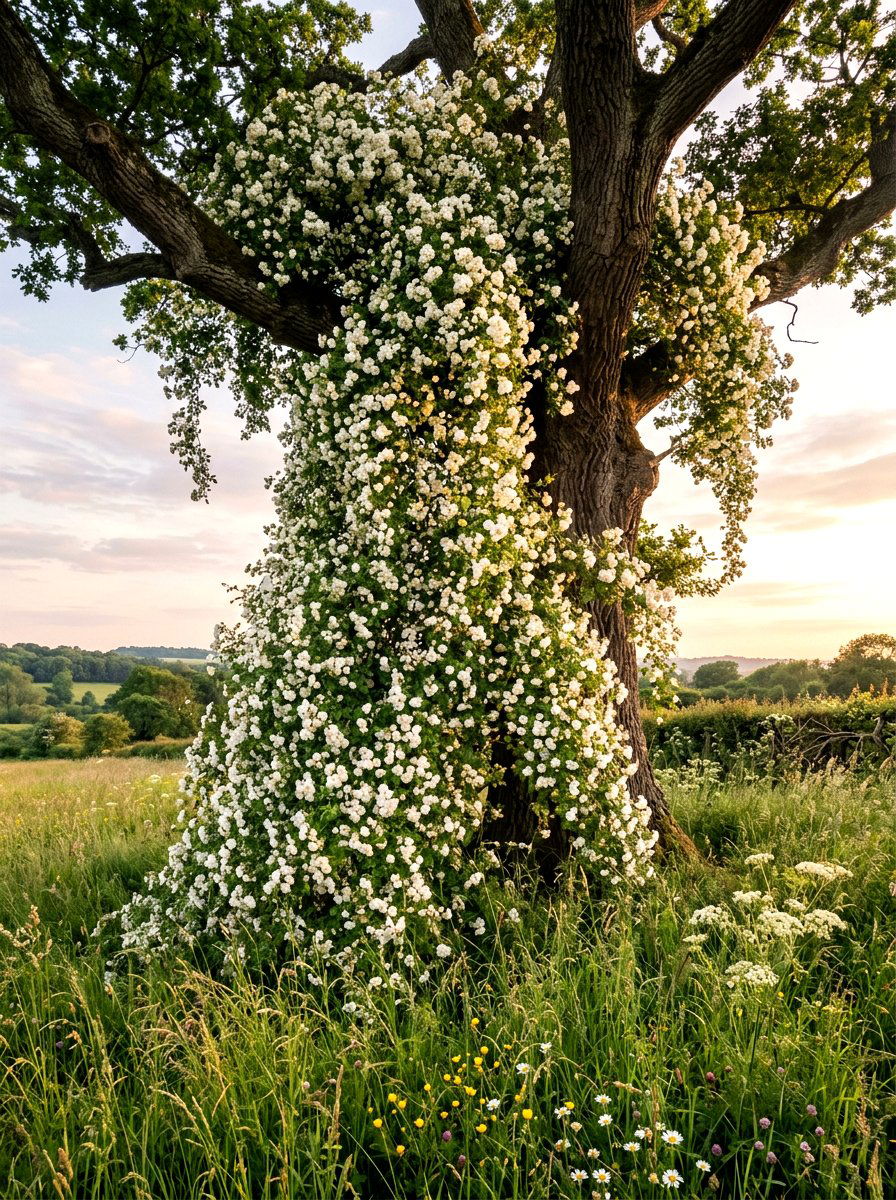
If you have a large, old tree in your yard, you can create a magical effect with a rambling rose tree. Ramblers are more vigorous than typical climbers and can grow up into the canopy of a tree, sending down cascades of flowers from the branches. This creates a spectacular "flowering tree" effect that looks like something out of a storybook. It is a great way to make use of a tree that might otherwise just be a block of green. Since rambling roses usually bloom once in a massive burst, the effect is incredibly intense and memorable. It is a bold, naturalistic way to garden on a large scale.
Conclusion:
Spring climbing roses are truly the crowning glory of any vertical garden, offering an unmatched combination of height, color, and fragrance. By selecting the right structures and varieties for your specific space, you can create a landscape that feels both professional and personal. From the classic romance of an archway to the practical beauty of a thornless path, these ideas demonstrate how versatile roses can be. Remember that the secret to a successful climbing rose is patience and consistent training during the first few years. Once established, these plants will reward you with decades of stunning spring displays. We hope these ideas inspire you to start your own rose-growing journey this season.
Related posts:
Leave a Reply