
Spring represents a fresh start for your home decor, and nothing captures that spirit better than a vibrant floral arrangement. Crepe paper flowers offer a unique way to bring the beauty of nature indoors without worrying about wilting or maintenance. These handcrafted blooms allow for endless creativity, as you can customize every color and shape to perfectly match your interior style. Using high-quality crepe paper provides a realistic texture that mimics the delicate nature of real petals. From bold centerpieces to subtle accents on a mantel, these paper creations transform any space into a cheerful sanctuary. This guide explores various botanical inspirations to help you craft a timeless spring atmosphere that lasts all year long.
1. Pink Peony
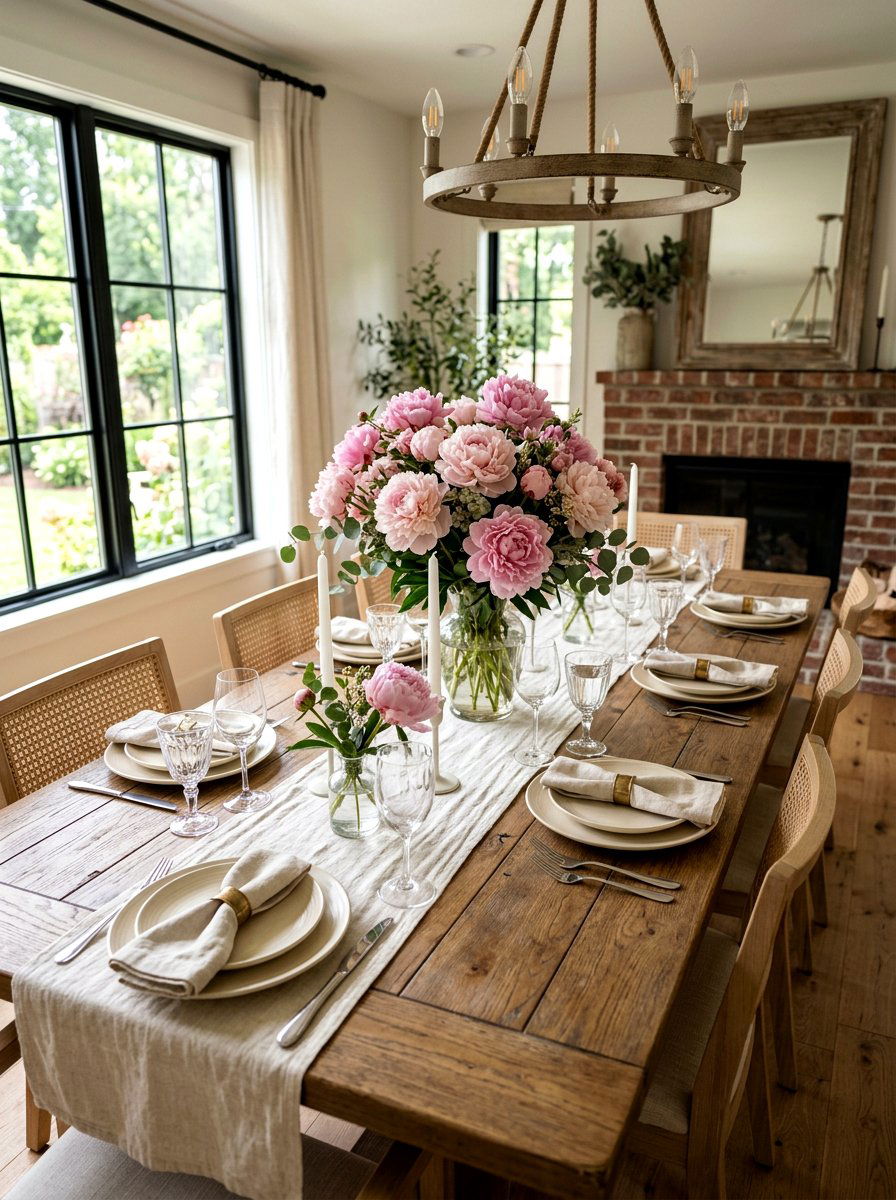
Large, ruffled peonies are a staple of spring gardens and look stunning when recreated with heavy-weight crepe paper. You can start by cutting dozens of rounded petals and stretching the centers to create a realistic cupped shape. These full-bodied blooms work beautifully as a focal point in a glass vase on your dining room table. To add more depth, use a light pink paper for the outer layers and a deeper shade for the tightly packed center. Adding a bit of yellow fringe in the very middle mimics the natural pollen-heavy core. These flowers bring a sense of luxury and softness to any modern or traditional living space during the warmer months.
2. Iceland Poppy
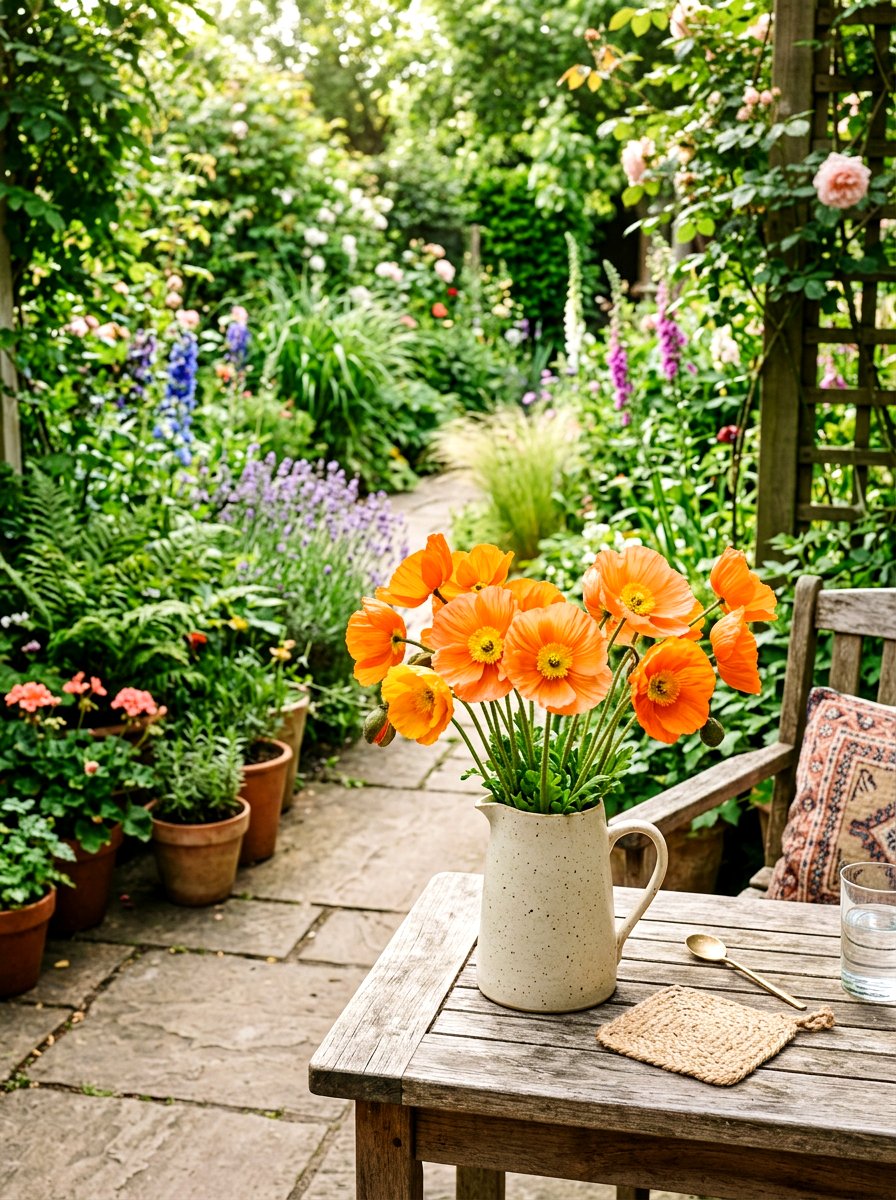
Iceland poppies are known for their paper-thin, crinkled petals and vibrant colors that instantly brighten a room. To make these, use extra-fine crepe paper and gently stretch the edges to create a wavy, organic appearance. A dark, fuzzy center made from black floral tape or fringe provides a striking contrast against bright orange, yellow, or white petals. These long-stemmed flowers look best when displayed in a minimalist ceramic pitcher in a sun-drenched kitchen. Their delicate and slightly whimsical nature makes them perfect for a bohemian-style home. Because they are lightweight, you can easily arrange several stems together for a wild, natural look that feels like a fresh meadow.
3. Ranunculus Flower
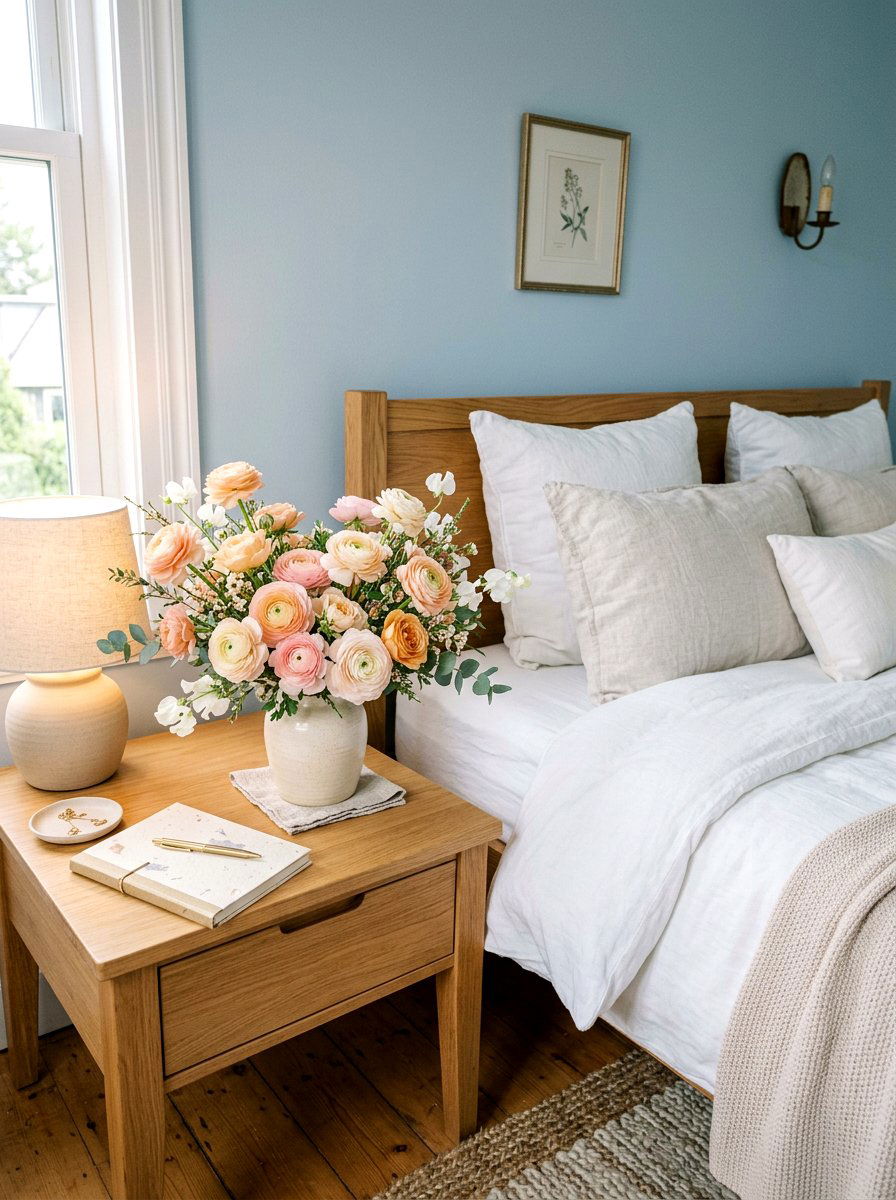
Lush and multi-layered ranunculus flowers are a favorite for spring bouquets due to their intricate petal structure. Creating these requires patience as you glue many small, overlapping circles around a central foam ball. The result is a dense, cabbage-like bloom that looks incredibly realistic from every angle. Choose soft pastel shades like peach, mint, or butter yellow to keep the arrangement feeling light and airy. These compact flowers are ideal for small accent tables or as part of a tiered tray display in your entryway. Their symmetrical beauty provides a sense of order and elegance, making them a sophisticated choice for any sophisticated interior design theme.
4. Cherry Blossom Branch
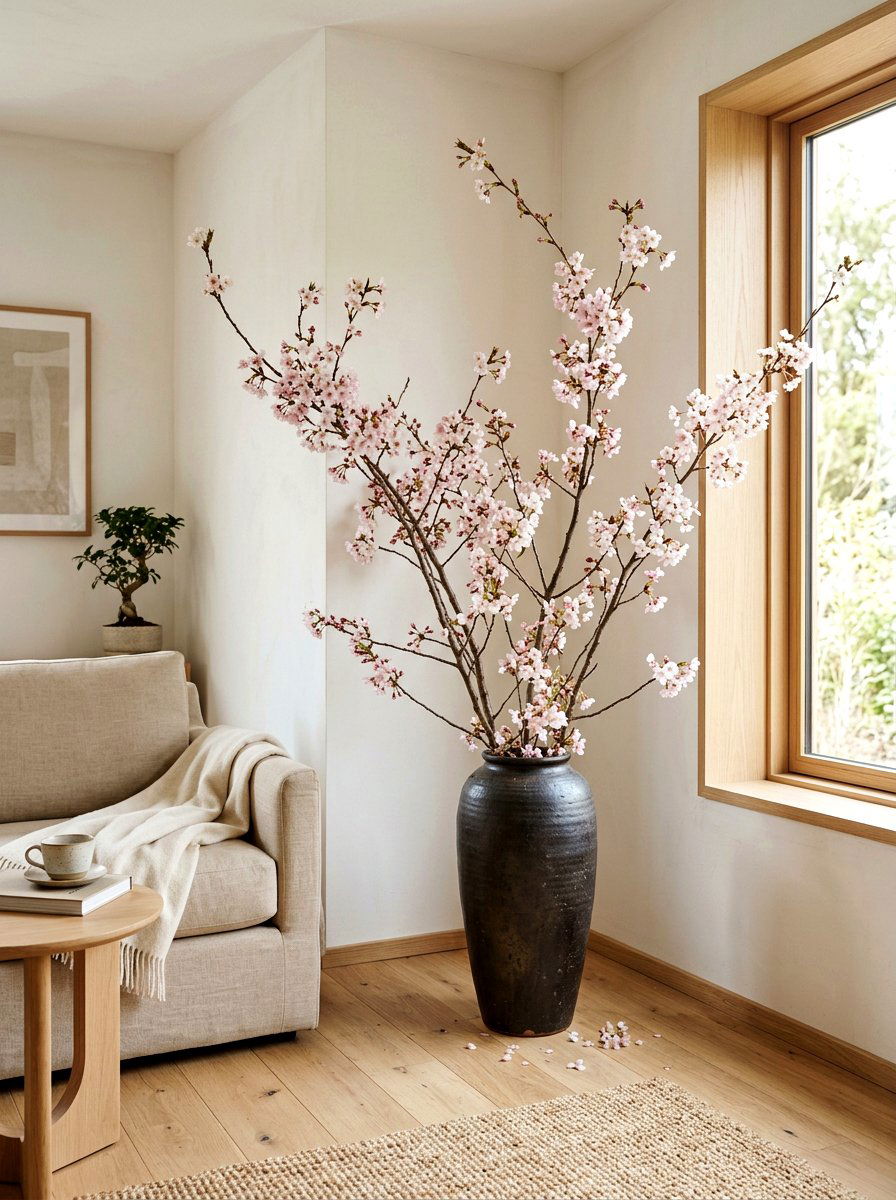
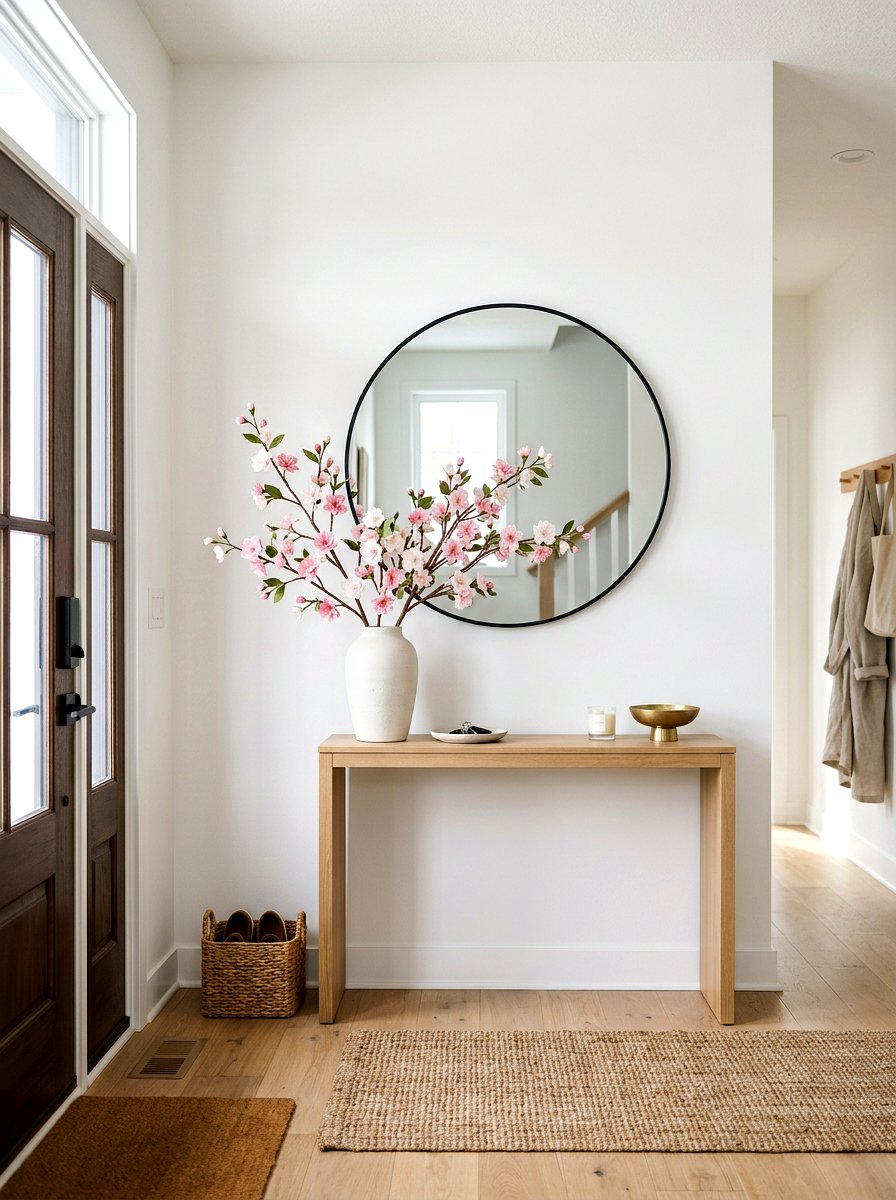
Cherry blossoms signify the arrival of spring with their delicate white and pink petals clinging to dark wooden branches. You can recreate this look by attaching small, five-petaled crepe paper flowers to real dried branches found in your backyard. This blend of natural wood and handmade paper creates a stunning piece of sculptural art for a mantel or windowsill. Use a tiny bit of pink watercolor paint in the center of each blossom to add a realistic flush of color. These branches look best in a tall, slender floor vase tucked into a corner of a minimalist living room. They provide height and a sense of serenity to your home.
5. Spring Tulip
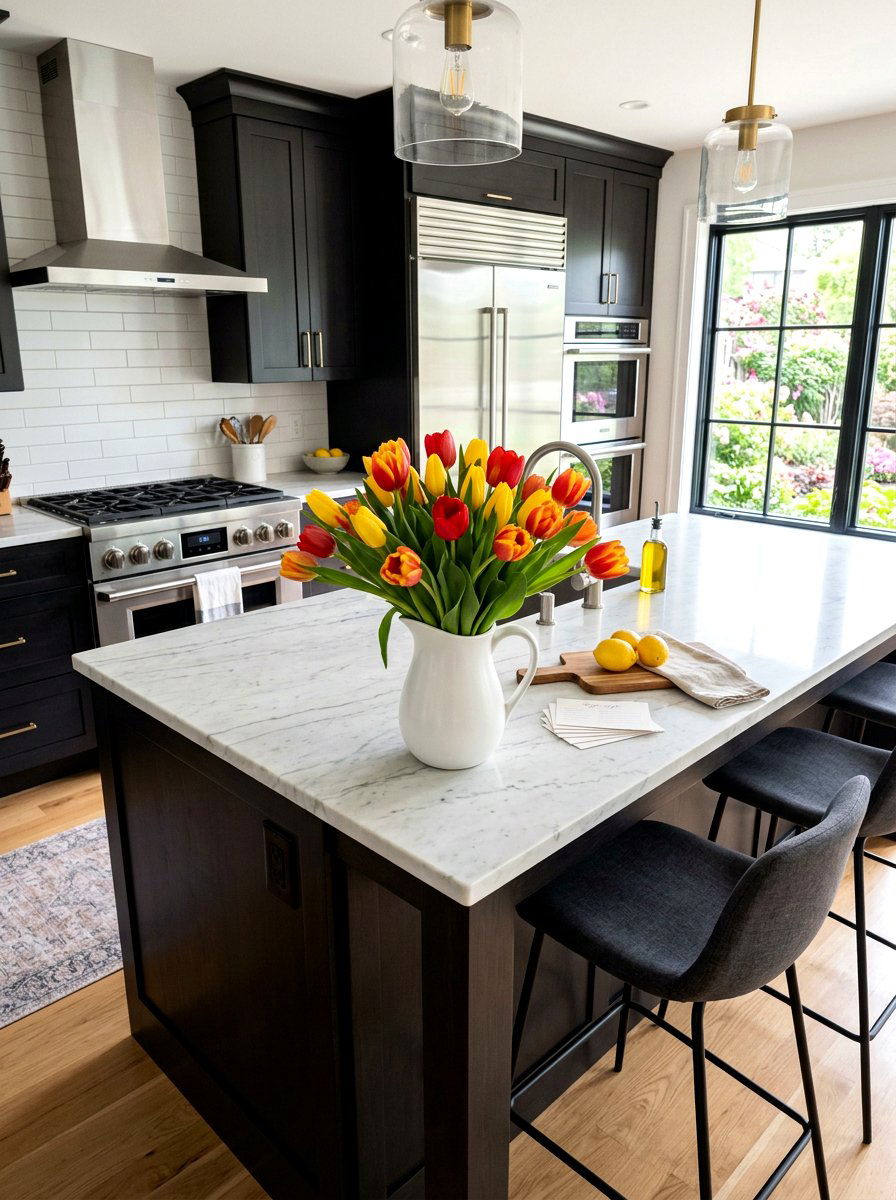
Tulips are the quintessential spring flower, and their simple, elegant shape is easy to replicate with sturdy crepe paper. Focus on creating smooth, oval petals that curve inward to form the classic closed-cup shape. Use a vibrant palette of red, purple, and bright yellow to create a cheerful bunch that stands out against neutral walls. Placing a dozen paper tulips in a simple white pitcher creates an instant centerpiece for a breakfast nook or kitchen island. Their clean lines and bold colors make them a versatile choice for contemporary home decor. Unlike real tulips, these paper versions will never droop, keeping your spring display looking fresh and upright.
6. Yellow Daffodil
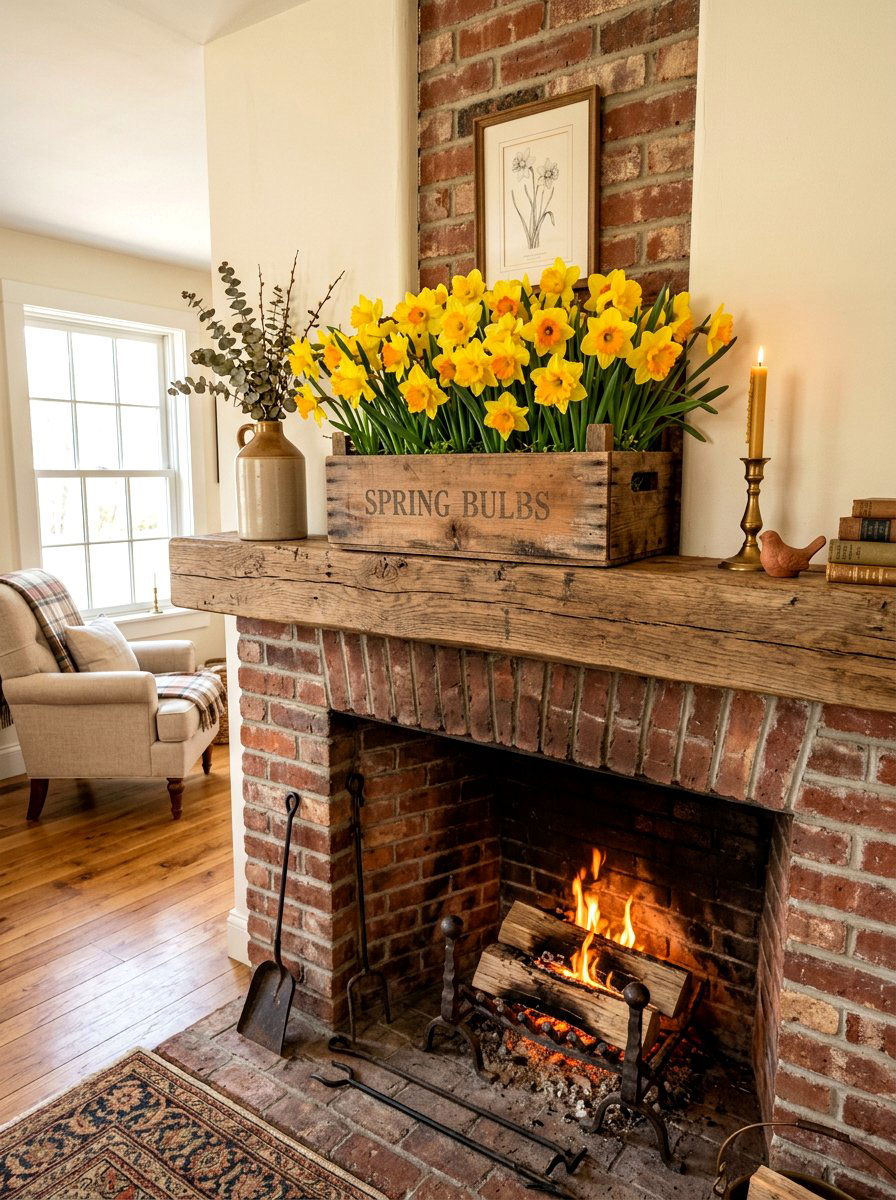
Daffodils are often the first signs of life in the garden, and their bright yellow trumpets are iconic. To make these, you will need to create a central cylinder with a ruffled edge and surround it with six pointed petals. Using a slightly darker orange for the trumpet and a pale yellow for the outer petals adds a professional, multidimensional look. These cheerful blooms are perfect for adding a pop of sunshine to a dark bookshelf or a home office desk. Arrange them in a rustic wooden crate or a vintage tin for a charming farmhouse aesthetic. Their bright hue is a great way to boost the mood in any room.
7. White Anemone
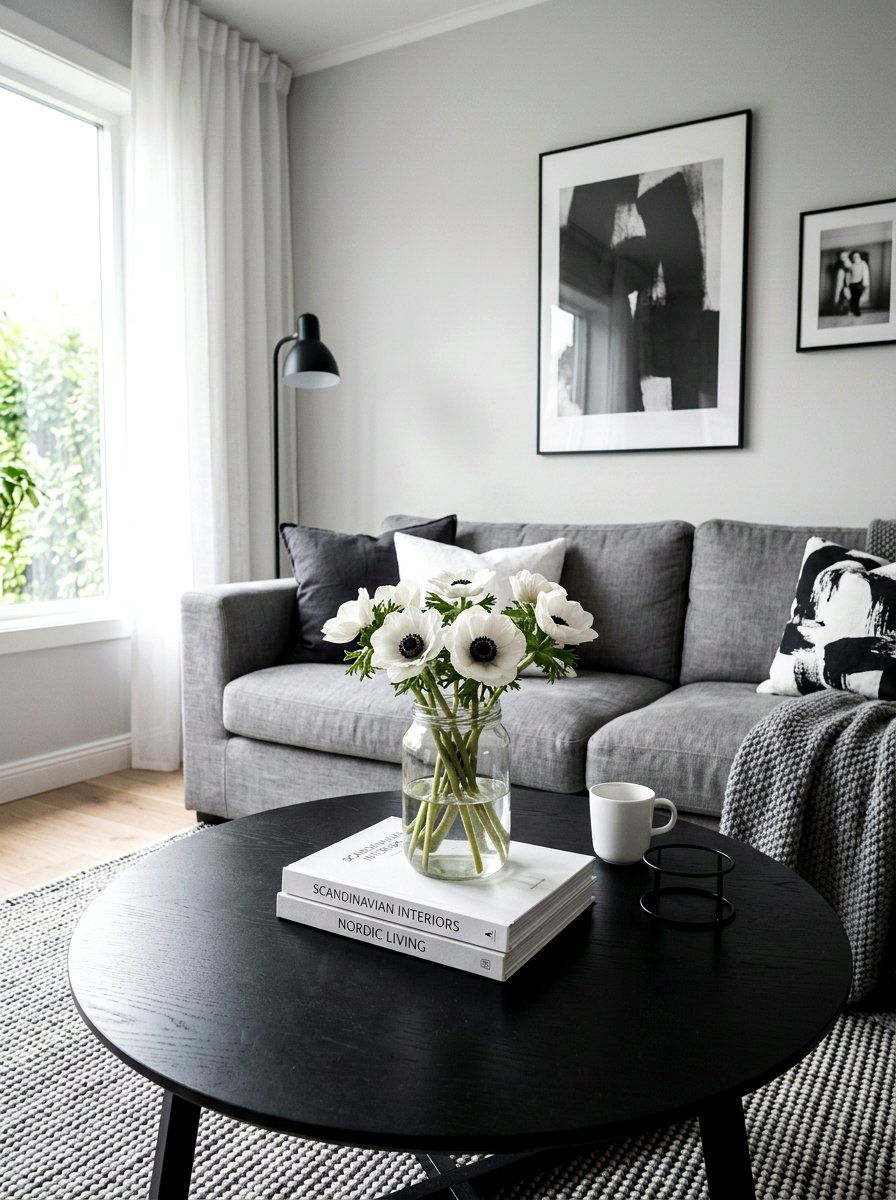
White anemones with their bold dark centers offer a modern and graphic look that fits perfectly in a minimalist home. The contrast between the stark white petals and the deep navy or black center creates a sophisticated visual impact. You can use a bit of cotton or a small bead covered in black paper to form the prominent middle. These flowers look striking when grouped in a simple glass jar on a coffee table or a nightstand. Their clean and crisp appearance makes them a popular choice for Scandinavian-style interiors. They provide a high-end floral look that remains elegant and stylish throughout the entire spring and summer seasons.
8. Lavender Stem
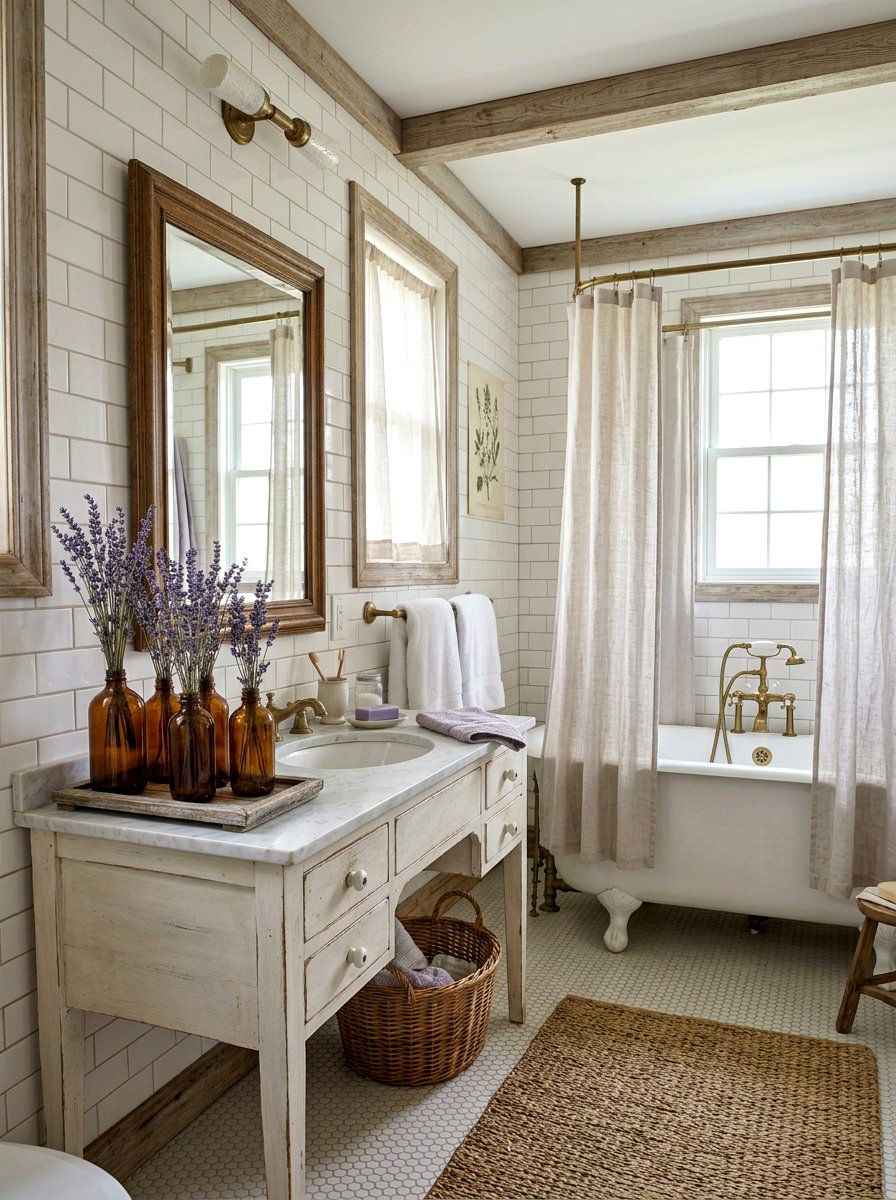
Lavender provides a wonderful textural element to any floral arrangement with its tiny, clustered buds. You can create these by cutting long strips of purple crepe paper into fine fringe and wrapping them tightly around a wire stem. Mixing different shades of violet and lilac adds variety and makes the paper sprigs look more lifelike. These stems are perfect for filling out larger bouquets or standing alone in a collection of small amber bottles. They bring a rustic, French-country feel to a bathroom or a guest bedroom. Because they are made of paper, you can even add a drop of essential oil to give them a real scent.
9. Crepe Paper Eucalyptus
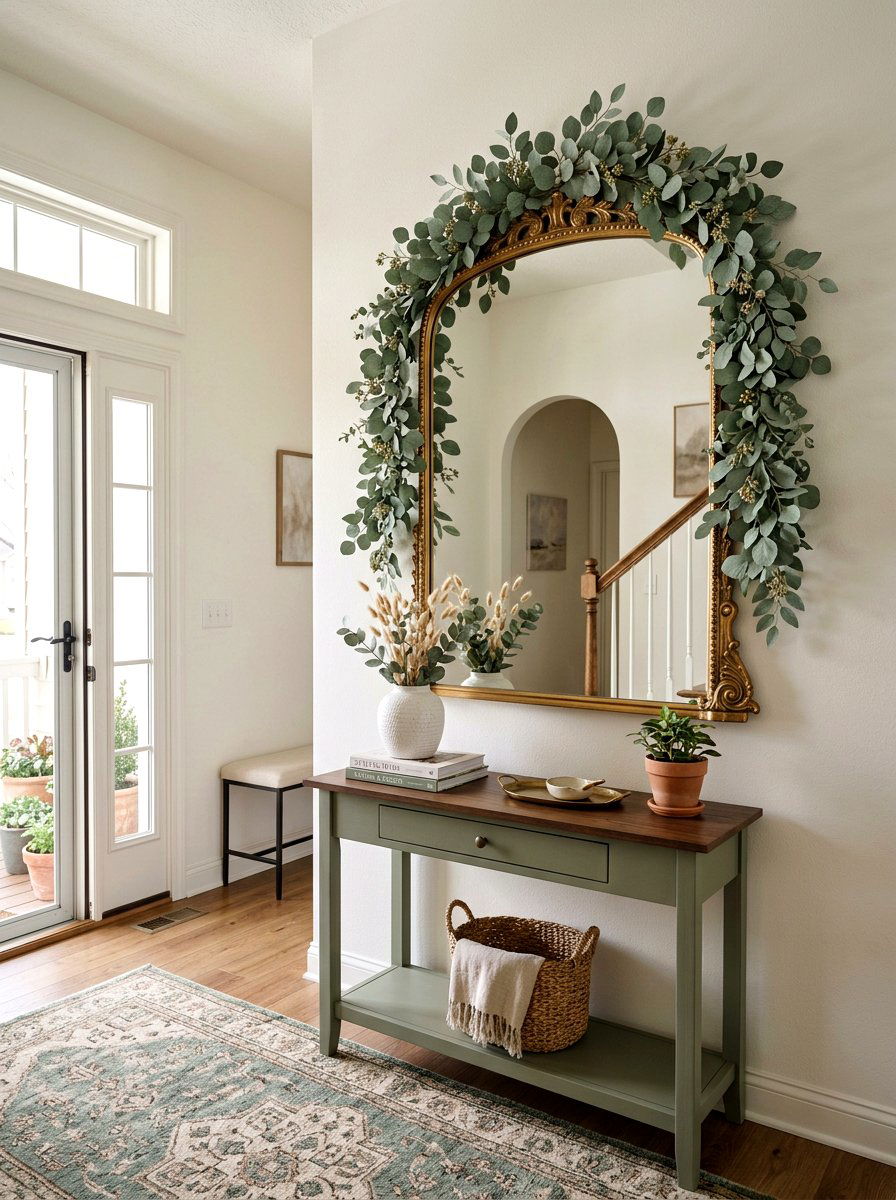
Greenery is essential for any bouquet, and eucalyptus leaves provide a muted, earthy tone that complements bright spring flowers. Cut circular or heart-shaped leaves from dusty green crepe paper and attach them in pairs along a long floral wire. You can use a white colored pencil to add subtle veining or a chalky finish to the surface of the paper. These long branches are excellent for adding movement and a sense of fullness to a large floor vase. They also work beautifully as a garland draped over a mirror or a doorway. The soft green color provides a calming backdrop for more colorful crepe paper blooms.
10. English Rose
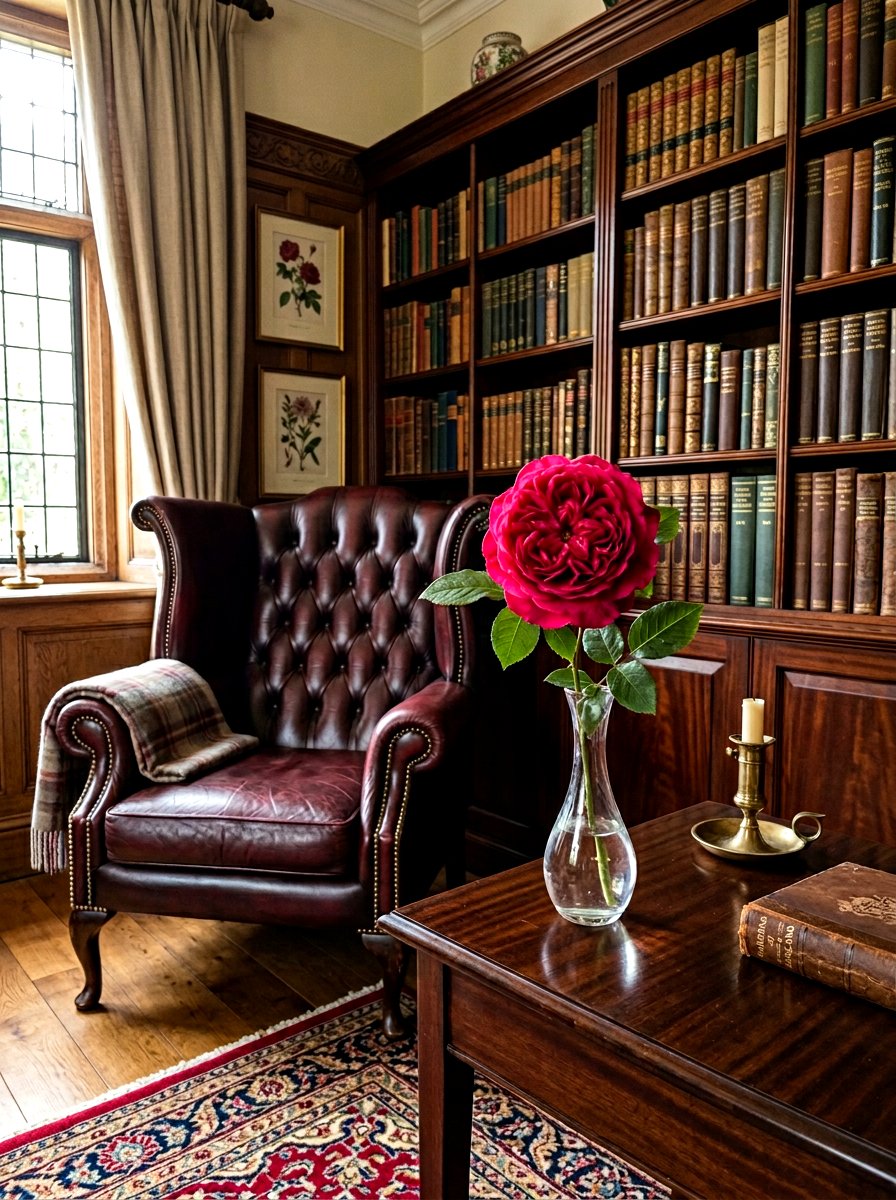
The classic English rose is a masterpiece of gardening, and its many layers of soft petals can be captured beautifully with paper. Use a technique of curling the petal edges outward with a wooden skewer to give the rose a blooming, romantic appearance. Choose deep crimson, soft cream, or dusty rose colors to create a timeless look for a master bedroom or a formal dining area. These large, heavy blooms should be supported by thick wire stems covered in green floral tape. A single rose in a bud vase can be a powerful statement of elegance on a side table. They evoke a sense of traditional beauty and warmth.
11. Sweet Pea Vine
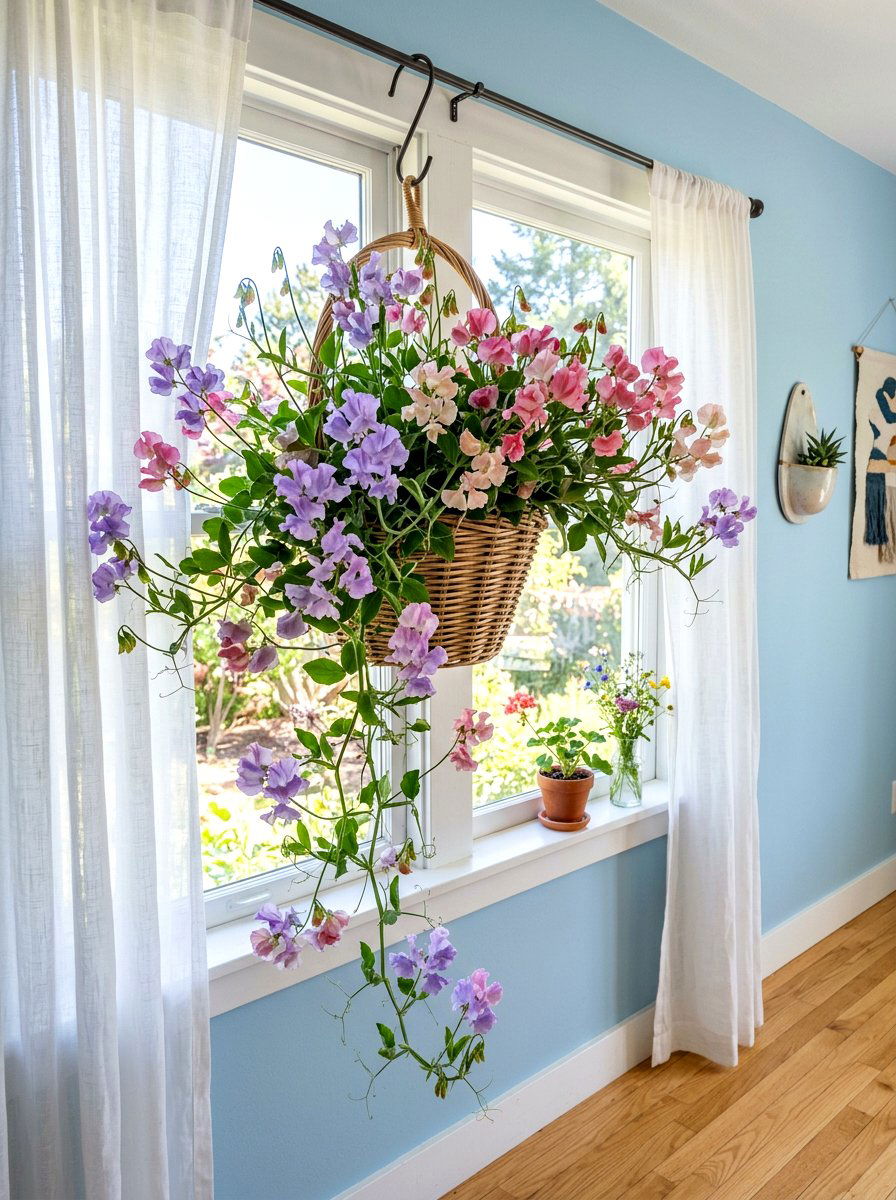
Sweet peas are cherished for their delicate, ruffled petals and climbing vines that add a whimsical touch to any space. To recreate these, use very thin crepe paper and create small, winged petals that look like they are fluttering in the breeze. Attach several blooms and a few curly wire tendrils to a main stem to mimic the plant's natural growing habit. These look wonderful when placed in a hanging basket or allowed to spill over the edge of a tall bookshelf. Use soft gradients of lavender, pink, and white to emphasize their ethereal quality. They add a soft, romantic texture that breaks up the hard lines of furniture.
12. Magnolia Bloom
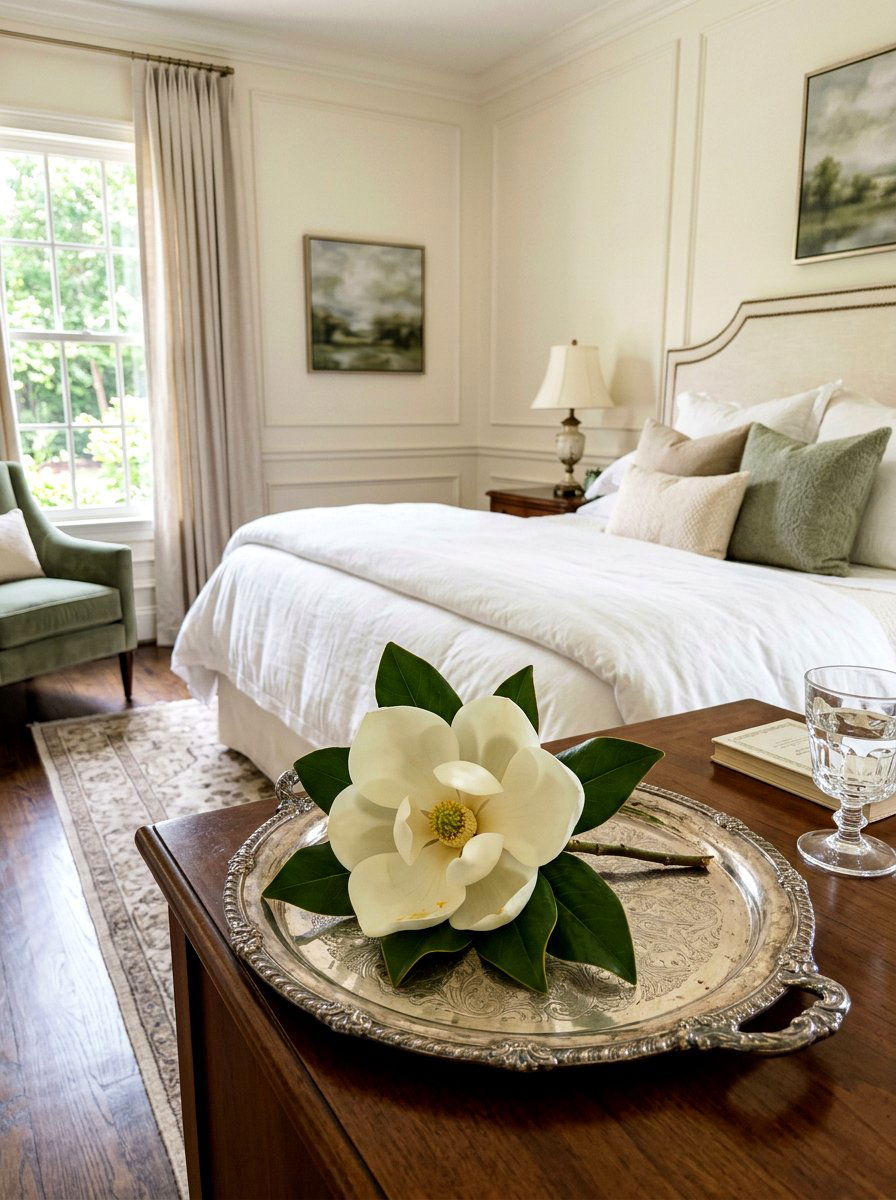
Magnolias are known for their thick, waxy petals and large, impressive size, making them a grand choice for home decor. Use a heavy-duty white or cream crepe paper to give the petals the necessary structure and substance. The center of the flower should feature a cone-like structure made from bits of gold or green paper to add realistic detail. These large flowers are perfect for a centerpiece on a large dining table or as a decorative element on a bedroom dresser. Their clean, architectural shape works well in both modern and traditional settings. A few green leaves around the base help to ground the bright white petals beautifully.
13. Gerber Daisy
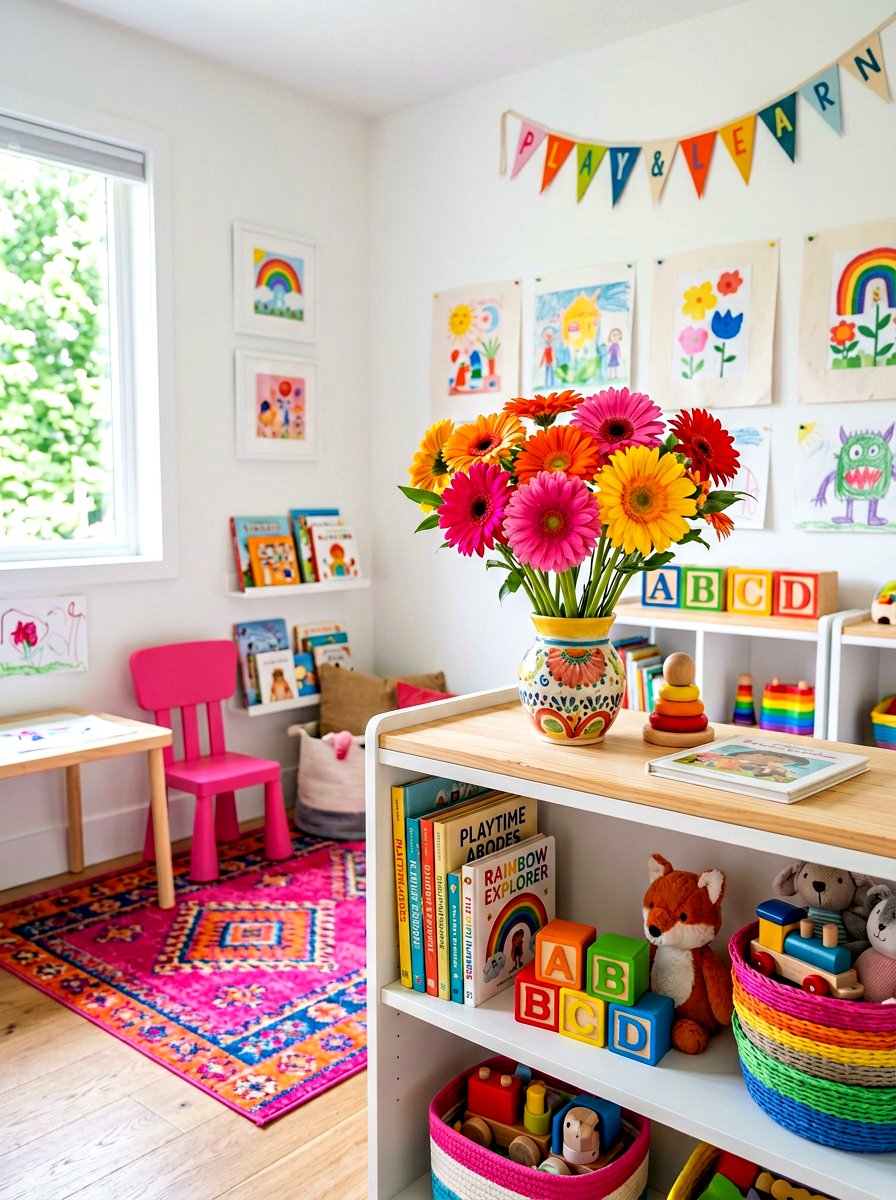
Daisies represent innocence and cheer, and their flat, multi-petaled shape is very satisfying to craft. You can use a fringe-cutting tool to quickly create the many narrow petals that radiate from the central disk. Bright colors like hot pink, electric orange, and sunny yellow make these flowers stand out in a playroom or a casual kitchen. Grouping them in a colorful ceramic vase creates a fun and energetic vibe that celebrates the joy of spring. You can also vary the size of the daisies to create a more dynamic and interesting arrangement. Their simple form is approachable and adds a friendly touch to any corner of your home.
14. Blue Hydrangea
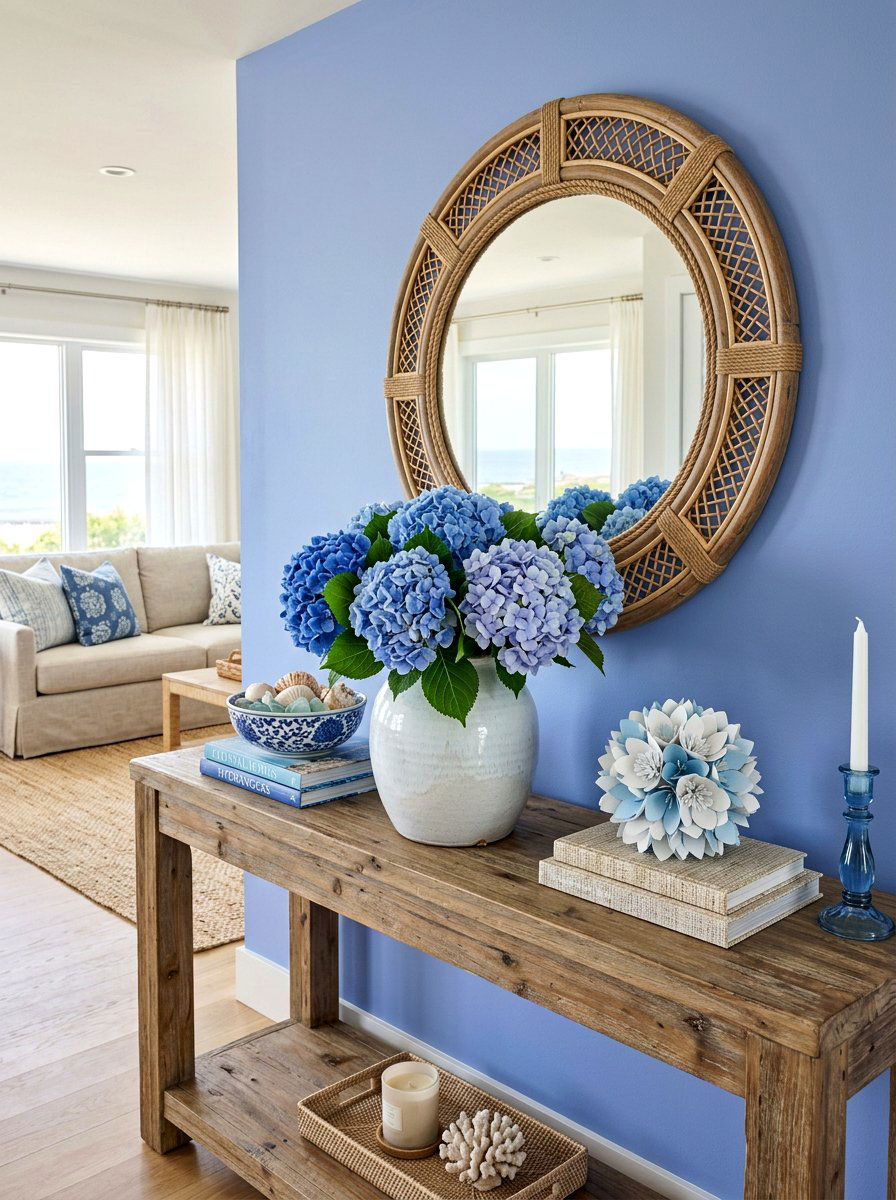
Hydrangeas are famous for their large, pom-pom-like heads made up of dozens of tiny individual florets. This project involves making many small four-petaled flowers and bunching them together on a large central ball of wire or foam. Shades of periwinkle, sky blue, and soft purple create a stunning cool-toned display that feels refreshing during the spring. These voluminous blooms are perfect for filling large gaps in a display or standing alone as a statement piece on a console table. Their complex structure adds a lot of visual interest and texture to your interior design. They bring a classic, garden-inspired feel to any room they are placed in.
15. Purple Hyacinth
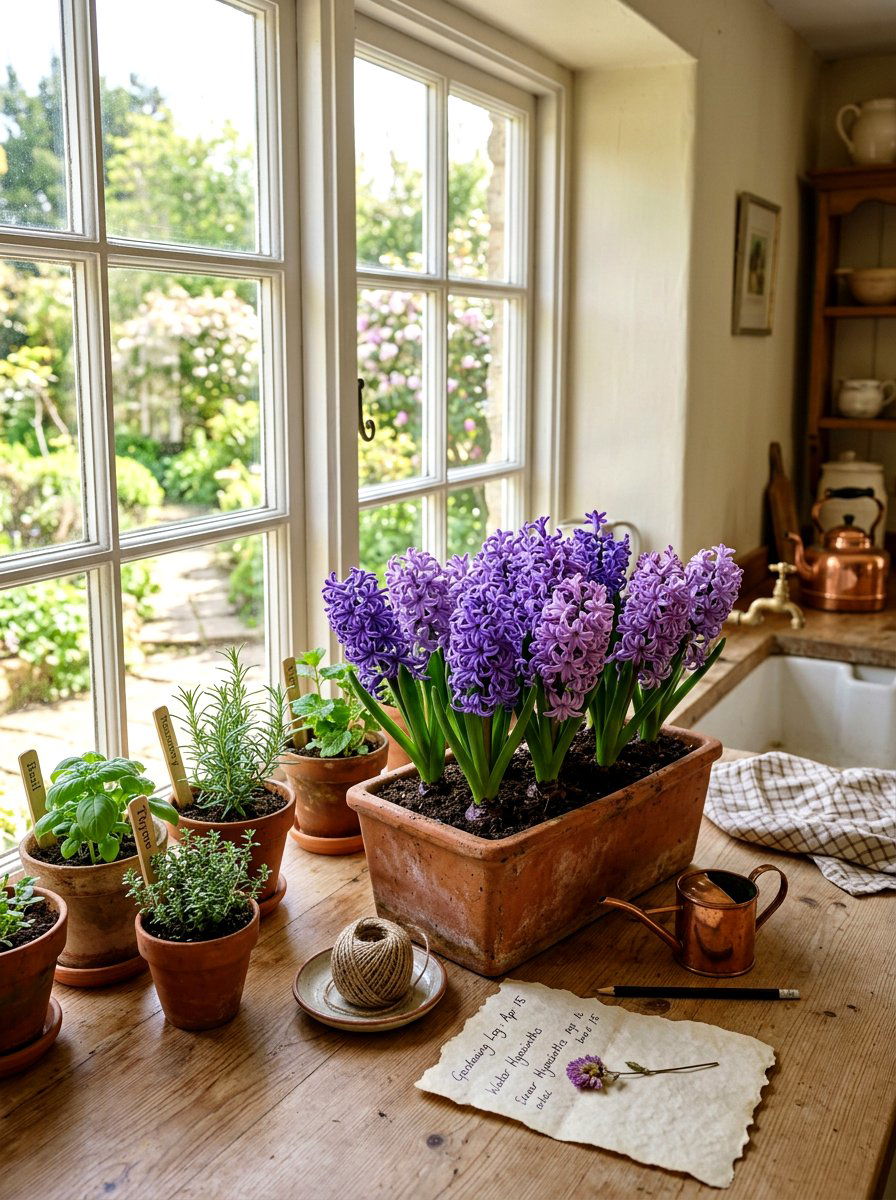
Hyacinths are known for their tall, spiked clusters of flowers and their incredible ability to add vertical interest to an arrangement. You can make these by curling many small strips of purple paper and attaching them closely together around a thick central dowel or wire. The result is a textured, columnar bloom that looks great in a rectangular planter or a series of small jars. These flowers look best in shades of deep violet, pink, or white to reflect their natural variety. Placing them on a windowsill allows the light to catch the many small curls of paper, creating beautiful shadows. They add a unique structural element to your spring decor.
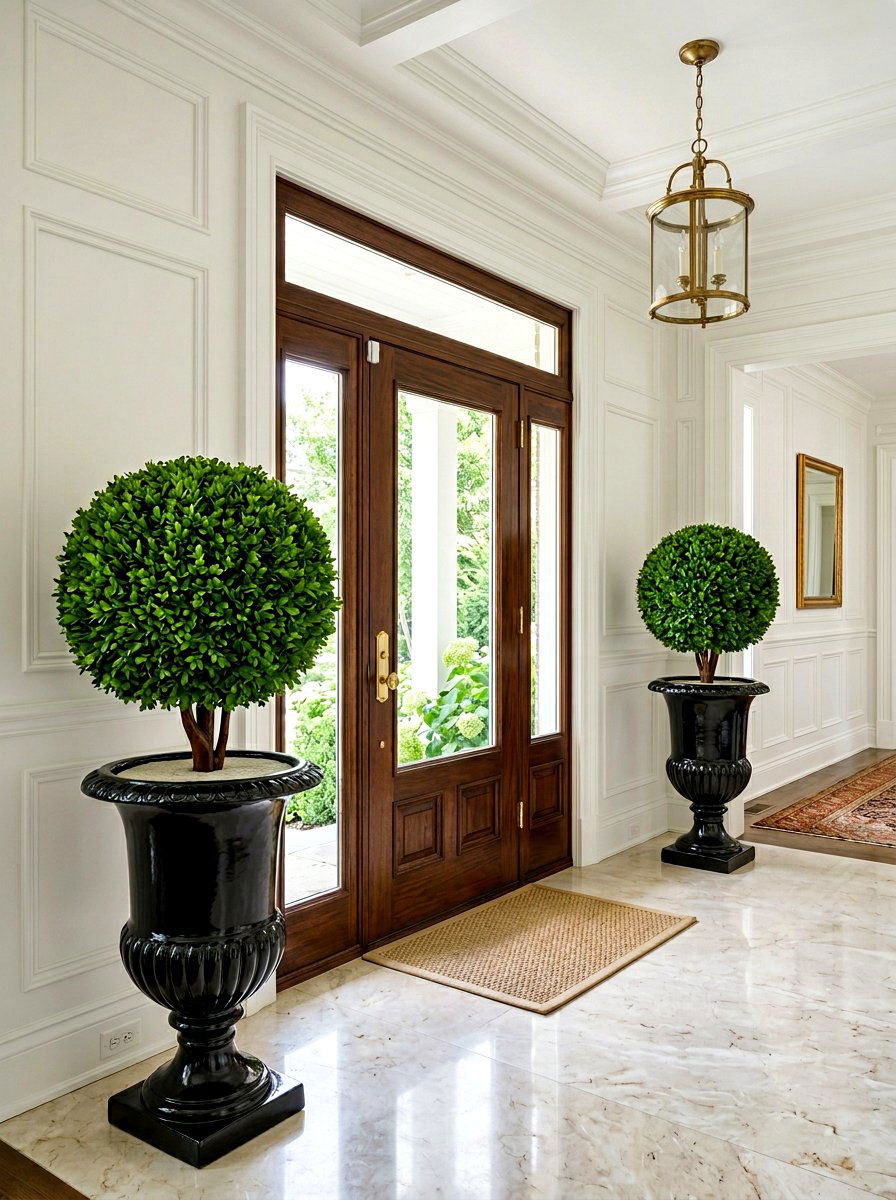
16. Pink Cosmos
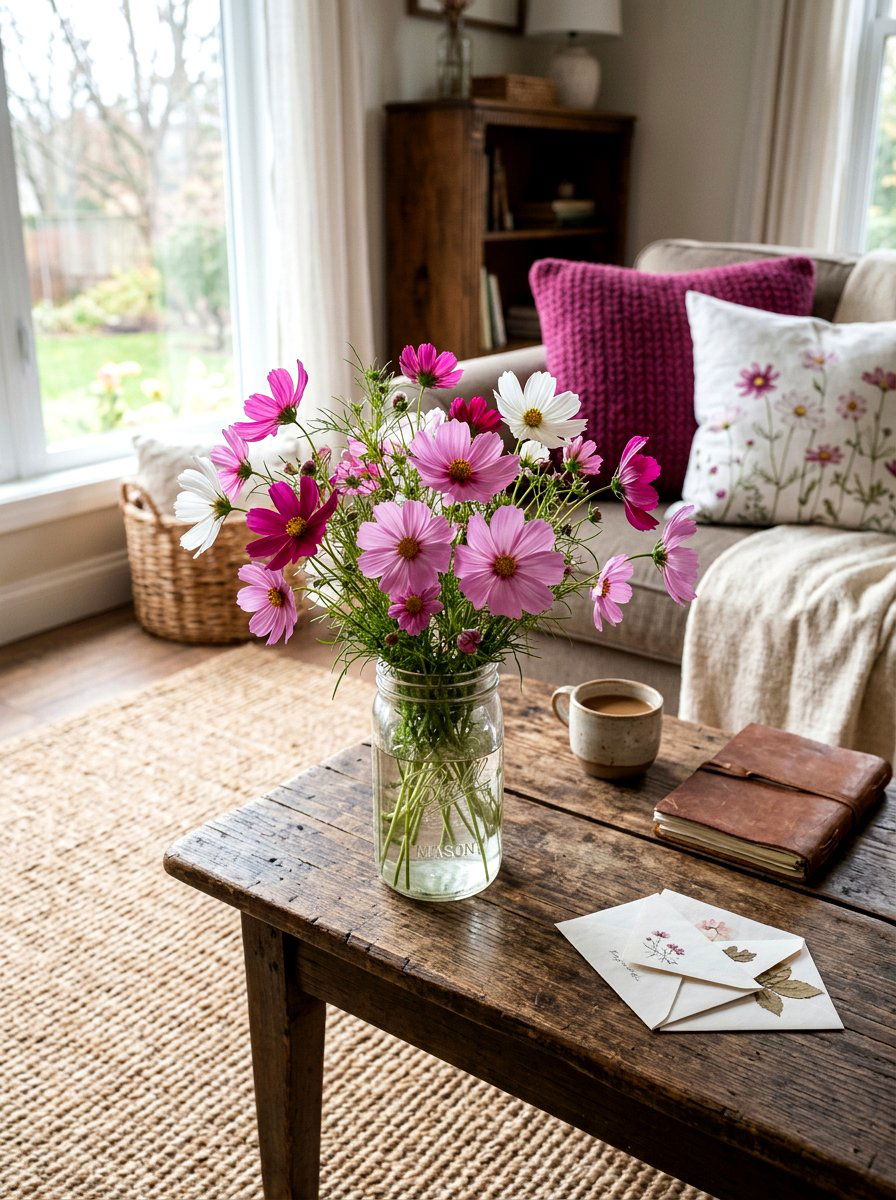
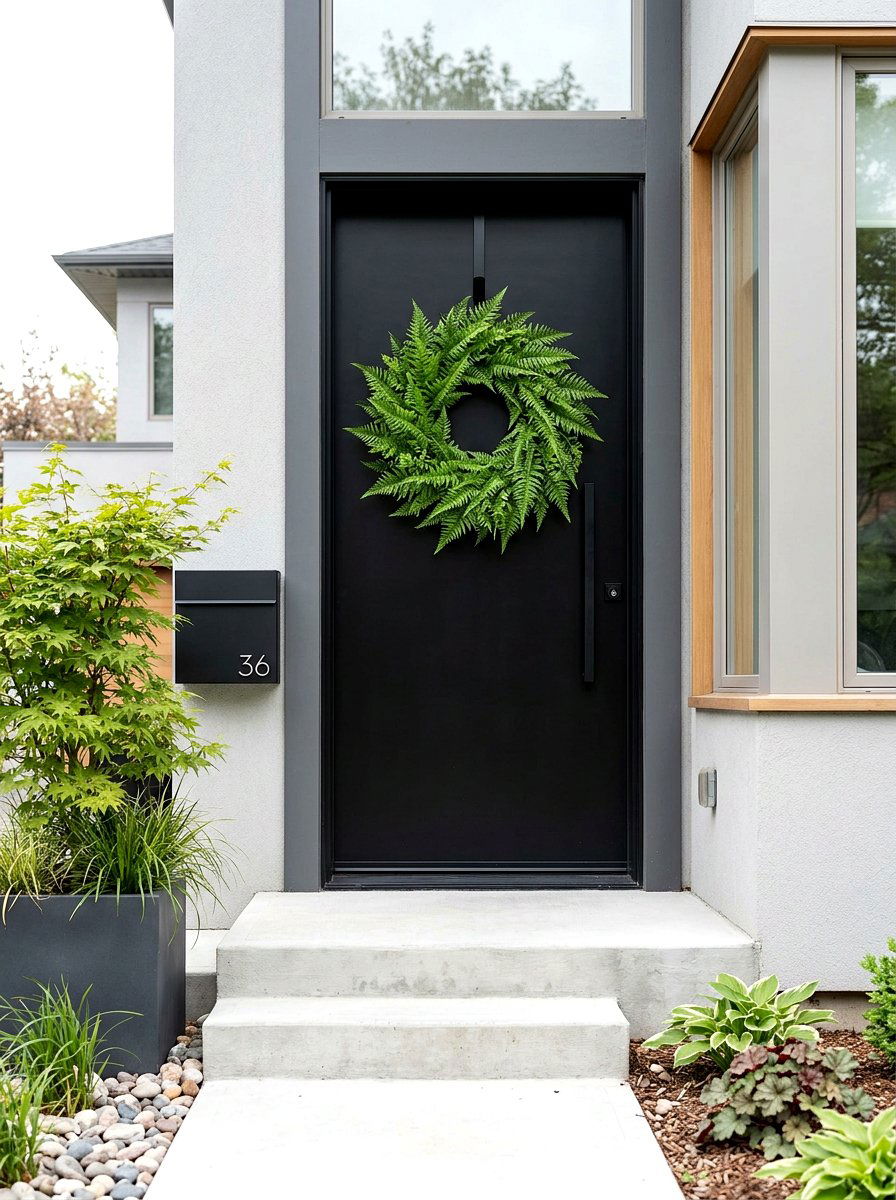
Cosmos are the ultimate wildflower, featuring thin, delicate petals and a simple, open yellow center. Use a lightweight crepe paper to ensure the petals look airy and move slightly when there is a breeze in the room. These flowers are perfect for creating a "just-picked" look in a rustic mason jar or a vintage glass bottle. Their long, slender stems make them easy to arrange in a loose and natural way on a coffee table. Choose shades of magenta, soft pink, and white to create a varied and interesting bouquet. They bring a sense of the outdoors inside, making your home feel more connected to the changing seasons.
17. Garden Pansy
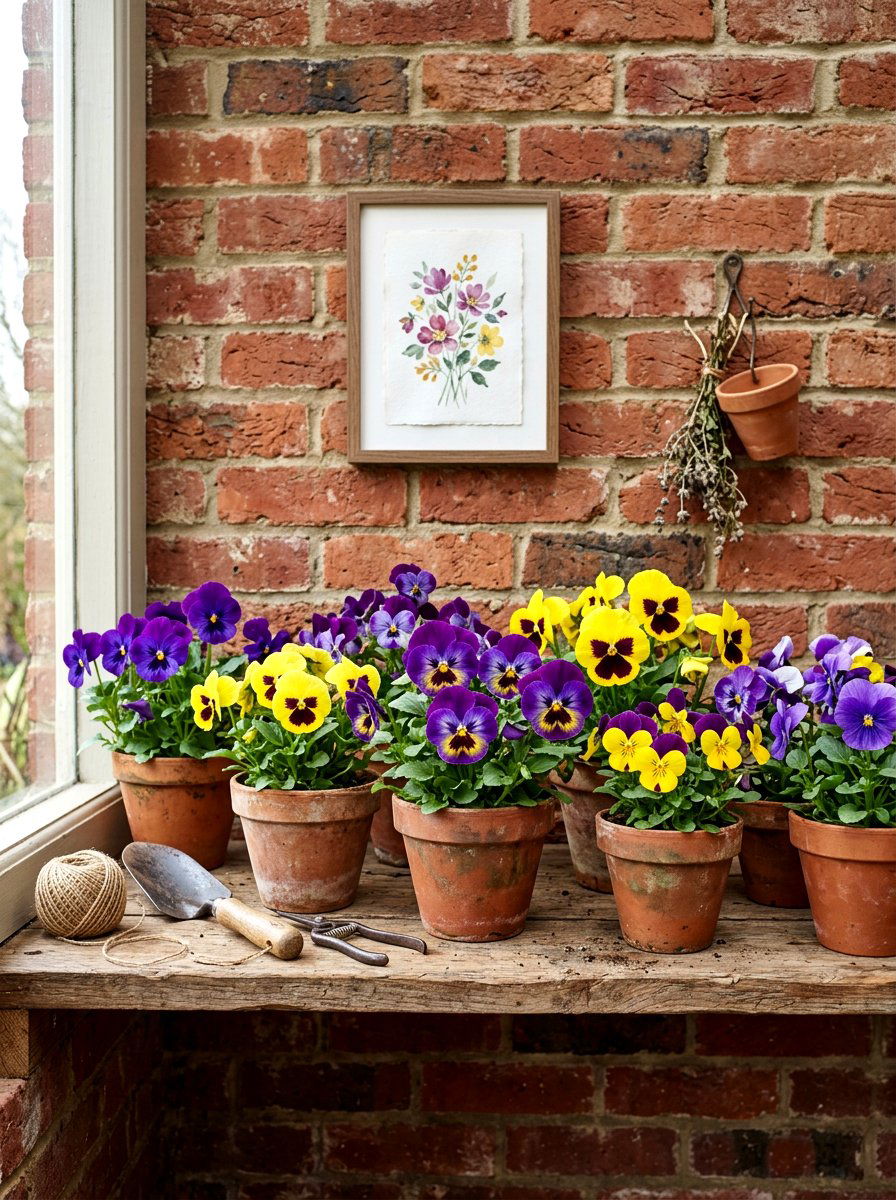
Pansies are unique because of their "faces" and the wide variety of patterns and colors found on their petals. You can use markers or watercolors to paint the characteristic dark blotches and veins onto the crepe paper before assembling the flower. These low-growing blooms are perfect for a small decorative bowl or a tiny terracotta pot placed on a kitchen windowsill. Their charm and detail make them a great conversation piece when guests come over for a spring brunch. Using a mix of purple, yellow, and deep velvet tones will make your paper pansies look like they were plucked straight from a flower bed.
18. Spring Lilac
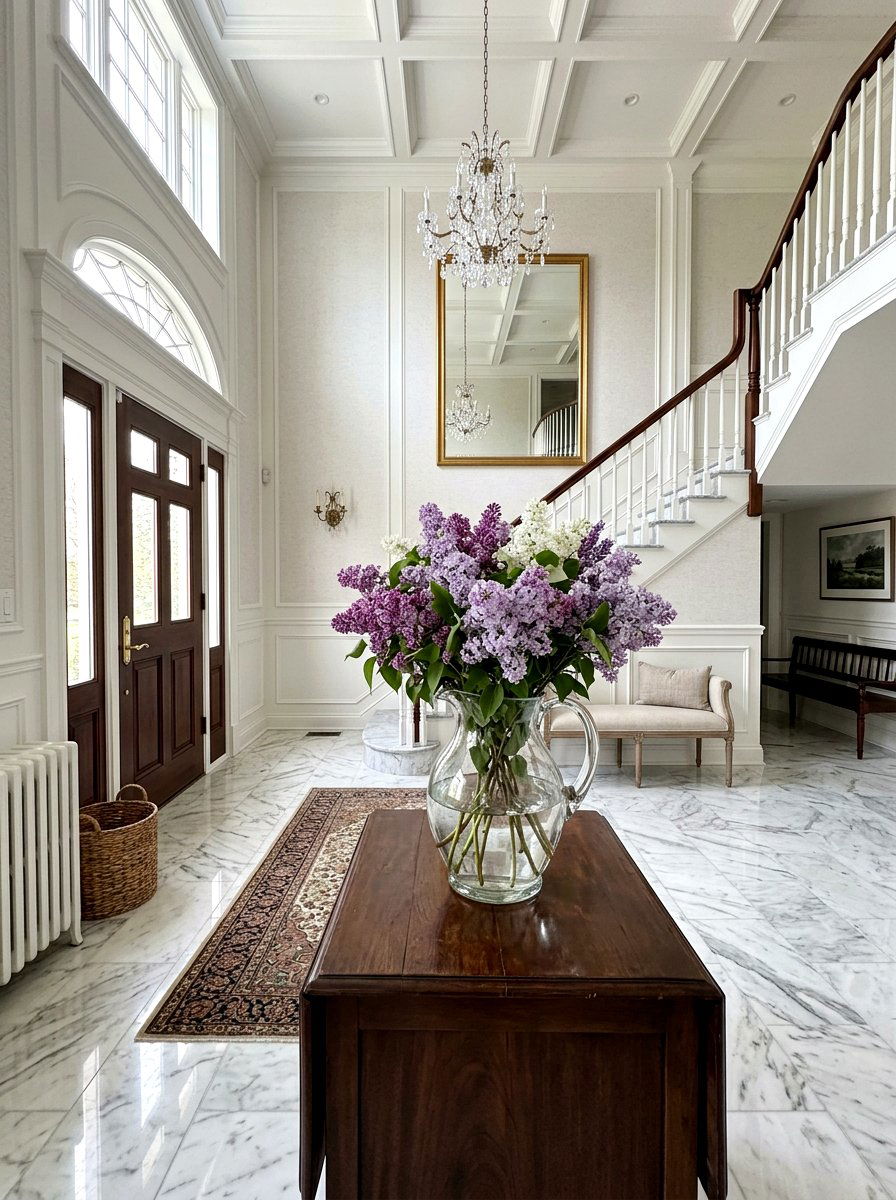
Lilacs signify the height of spring, and their dense clusters of tiny blossoms are a beautiful sight to behold. To create paper lilacs, you can use a similar technique to the hydrangea but on a more elongated, conical shape. Many small, four-petaled blossoms in various shades of lavender and white are glued to a central branch for a lush effect. These look fantastic when placed in a large glass pitcher in an entryway, welcoming guests with their classic beauty. The abundance of tiny flowers creates a rich texture that feels very high-end. They add a soft, romantic atmosphere to any living space or dining room.
19. Red Poppy
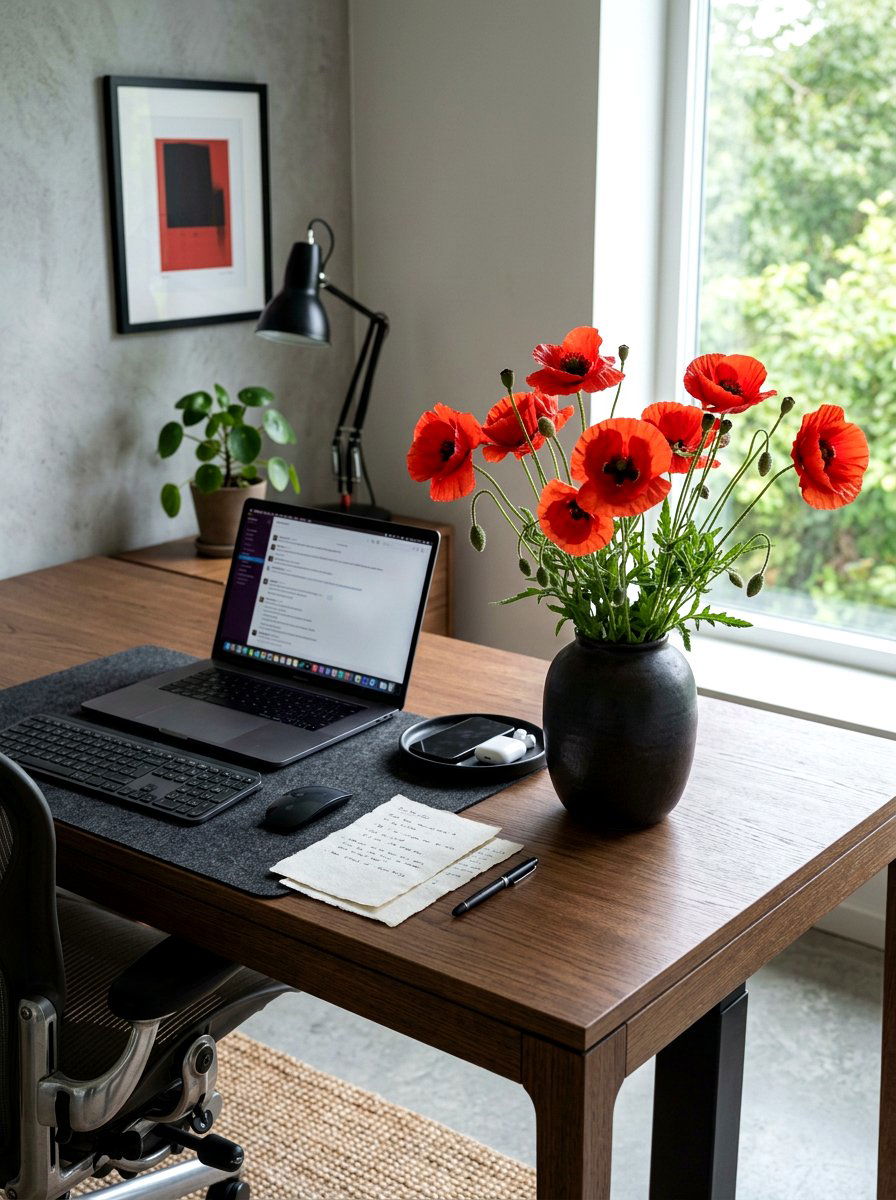
Red poppies provide a bold splash of color that can instantly wake up a neutral room. Their wide, thin petals have a slightly crinkled texture that is perfectly suited for crepe paper crafting. A large, dark center with yellow stamen details adds the necessary realism to make these flowers truly pop. These look incredible when placed in a dark vase against a light-colored wall to emphasize their vibrant red hue. They bring a touch of dramatic, natural beauty to a modern living room or a study. Because they are so striking, you only need a few stems to make a significant impact on your decor.
20. Forsythia Branch
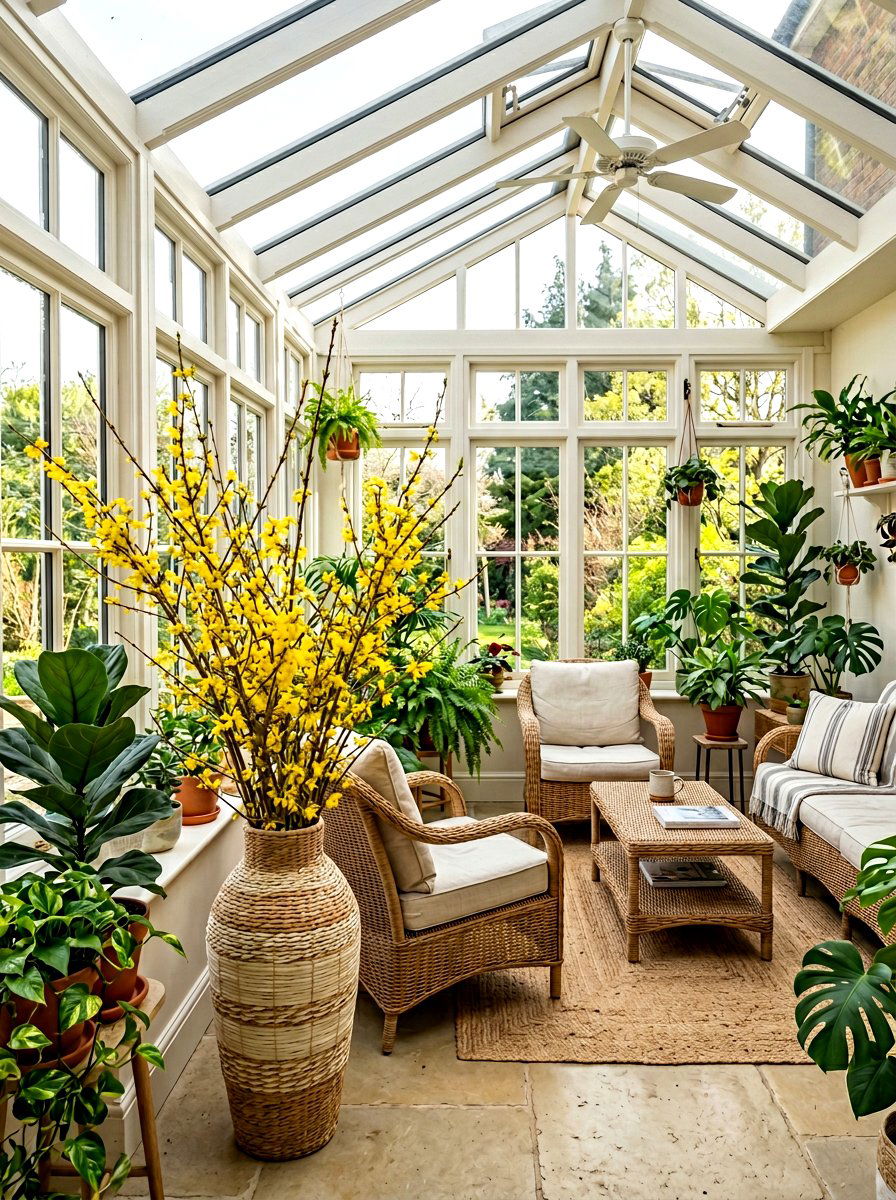
Forsythia is often one of the first plants to bloom, with its bright yellow flowers lining long, arching branches. You can make these by attaching small, four-petaled yellow flowers at intervals along a brown floral wire or a real twig. These branches are excellent for adding a tall, architectural element to a large vase in a hallway or living room corner. The bright yellow color is synonymous with the start of spring and brings a cheerful energy to the home. They look especially good when paired with other spring branches or used as a standalone minimalist display. Their linear form adds a sense of movement and grace.
21. Closed Peony Bud
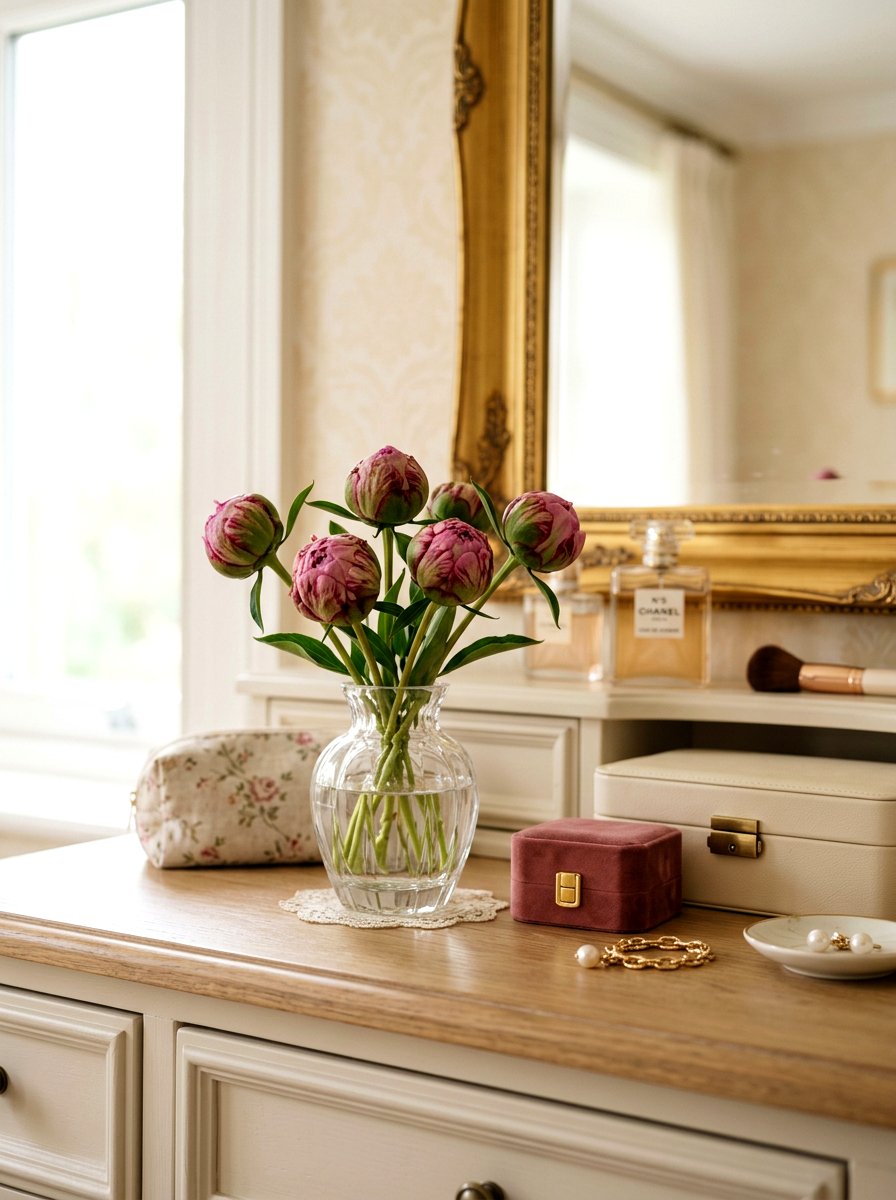
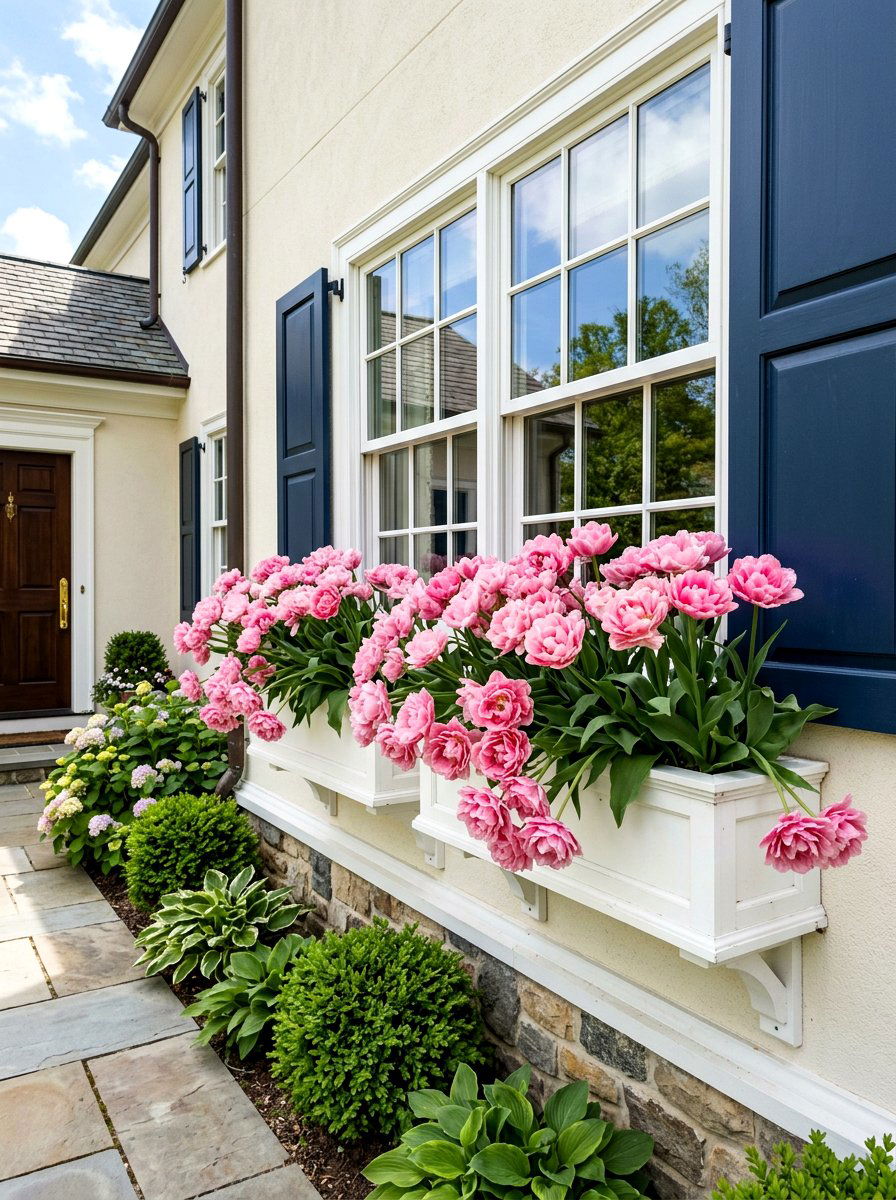
Adding some closed buds to your floral arrangements makes them look much more natural and professionally styled. You can create a bud by wrapping layers of crepe paper tightly around a small ball of foil or cotton. These buds should be green on the outside with just a hint of the flower color peeking through the top. Intersperse these among your fully bloomed paper peonies to create a more realistic and dynamic bouquet. Placing a few stems with only buds in a small vase creates a modern and understated look for a bathroom vanity. They represent the potential and growth that comes with the spring season.
22. White Gardenia
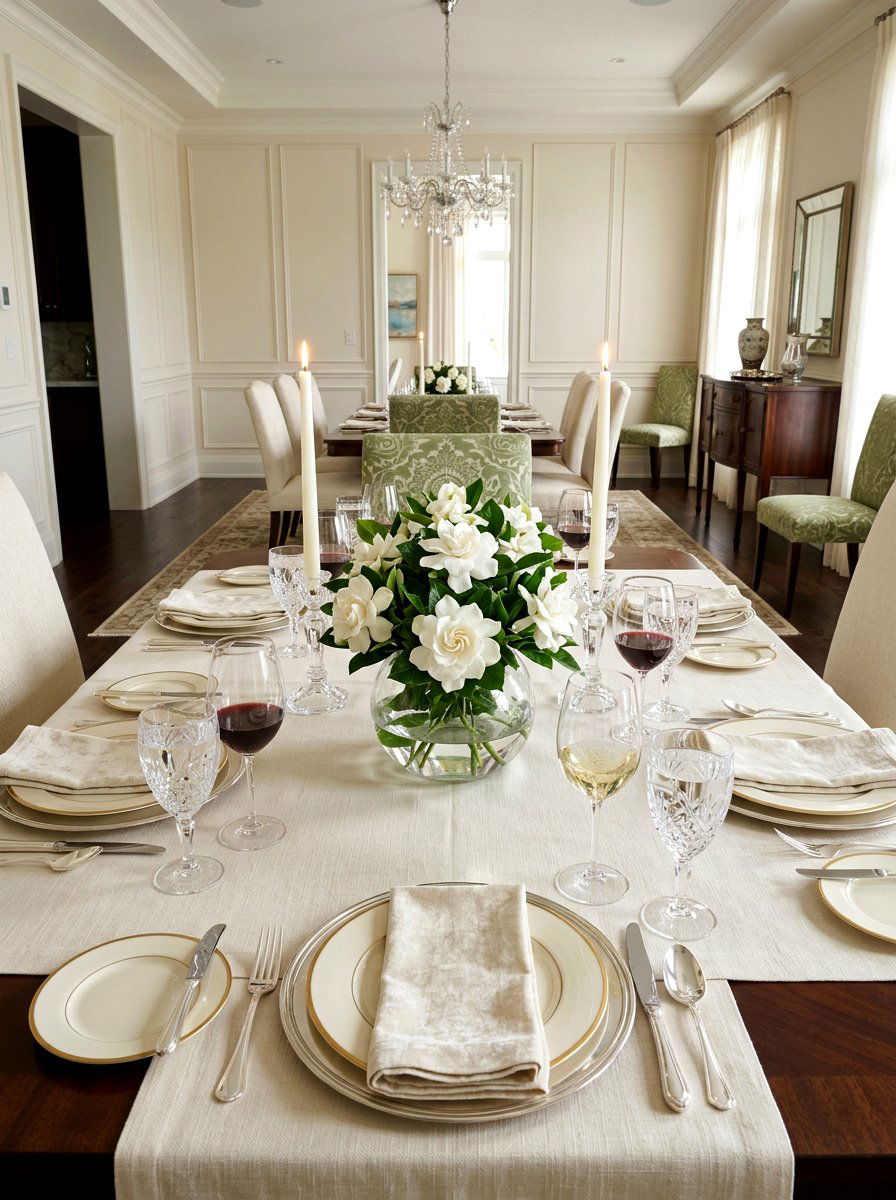
Gardenias are prized for their creamy white petals and their symmetrical, spiraled centers. Using a high-quality, heavy crepe paper will help you achieve the thick, velvety look that these flowers are known for. The petals should be slightly curved and layered carefully to create the iconic rosette shape. These elegant flowers look stunning in a low glass bowl filled with decorative stones or on a silver tray. They bring a touch of southern charm and sophisticated grace to a formal living area or a guest bedroom. Adding a few dark green, glossy paper leaves provides the perfect contrast to the bright white bloom.
23. Colorful Zinnia
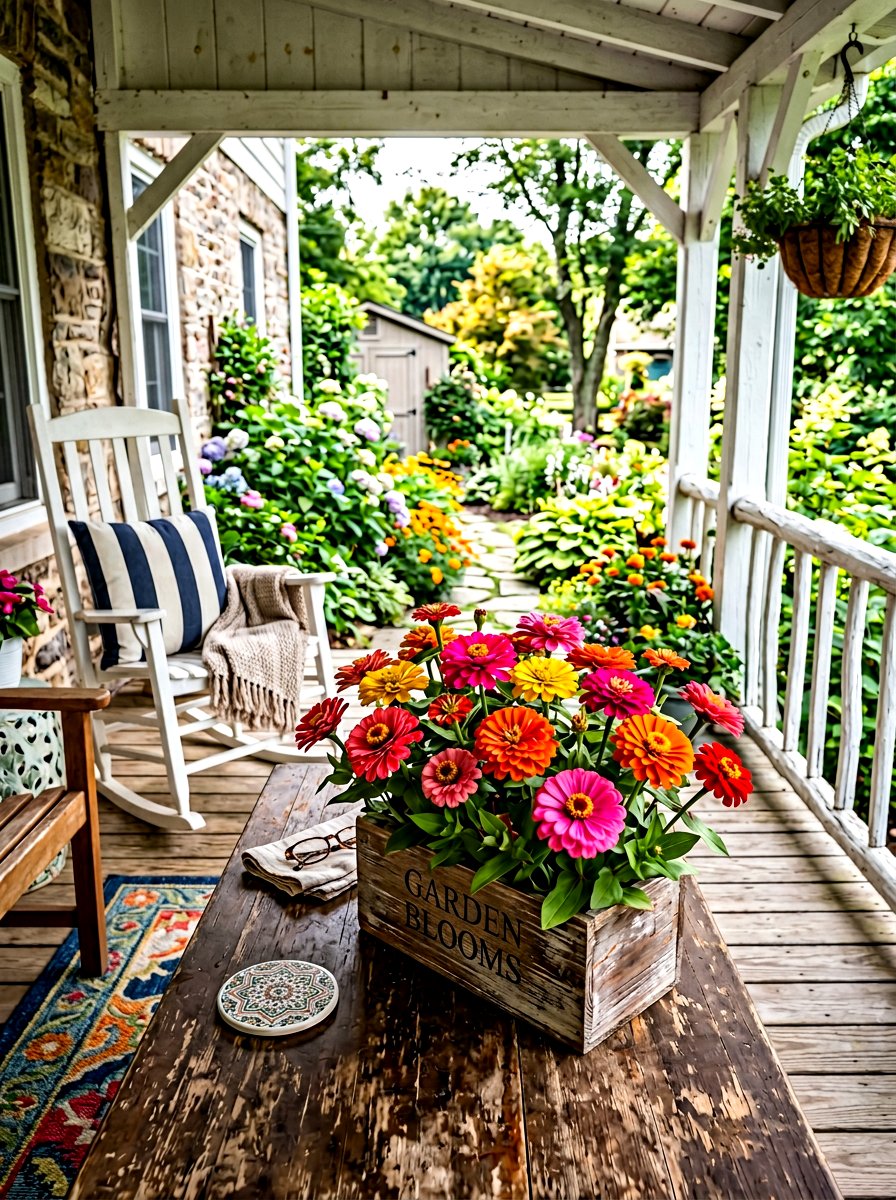
Zinnias are famous for their incredibly bright colors and their layers of flat, stiff petals. You can create a very full look by stacking many layers of small petals, getting smaller as you reach the center. These flowers are a great opportunity to use bold colors like neon pink, deep orange, and bright purple. They are perfect for a festive spring party or as a permanent arrangement in a child's bedroom. Grouping them together in a simple wooden box creates a vibrant and happy display that celebrates the diversity of the garden. Their sturdy appearance makes them feel substantial and well-crafted.
24. Winter Camellia
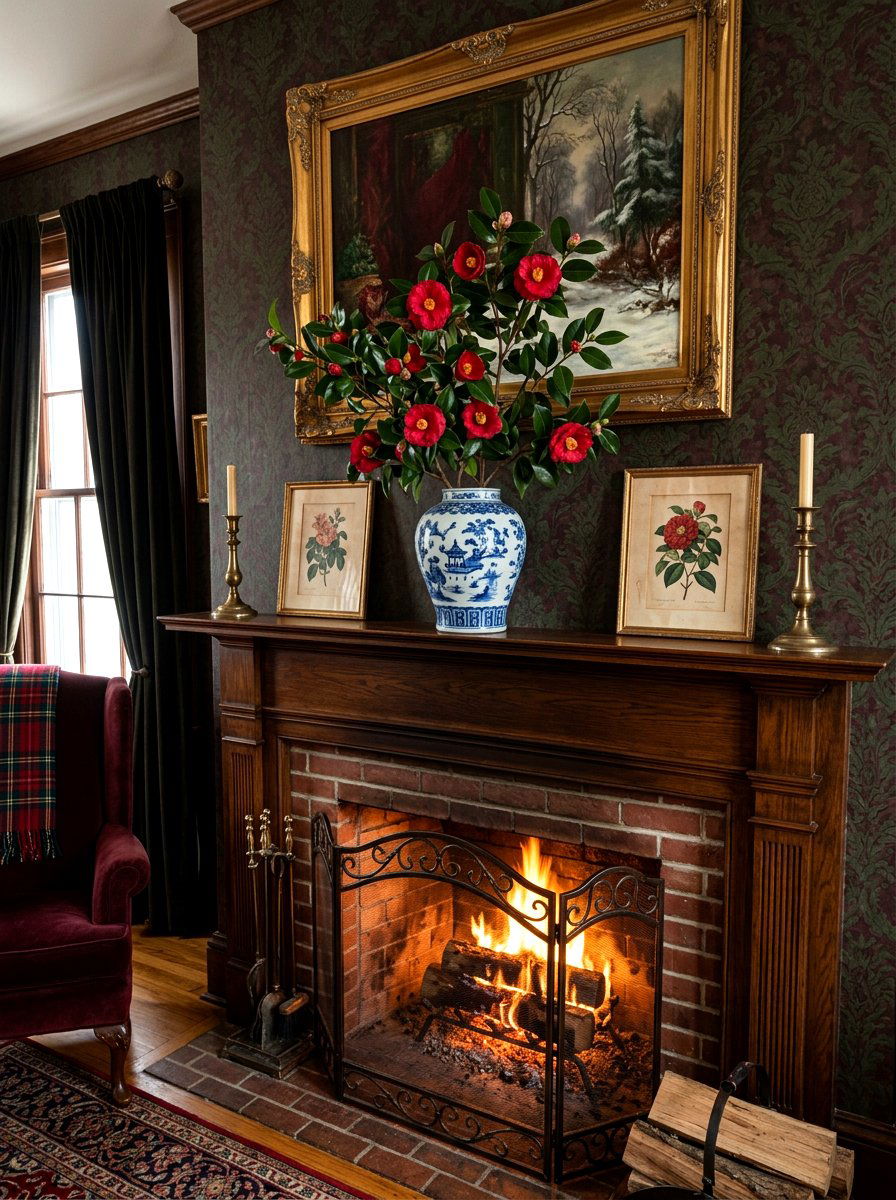
Camellias offer a very tidy and structured look with their perfectly layered petals and bright yellow centers. These flowers bridge the gap between late winter and early spring, making them a great choice for early season decor. Use a soft pink or a deep red paper to create a striking floral display for a side table or a mantel. The petals should be slightly cupped and arranged in a perfect spiral for the best effect. They look wonderful when paired with dark green foliage and placed in a classic porcelain vase. Their timeless beauty and orderly design make them a sophisticated addition to any interior space.
25. Wildflower Bouquet
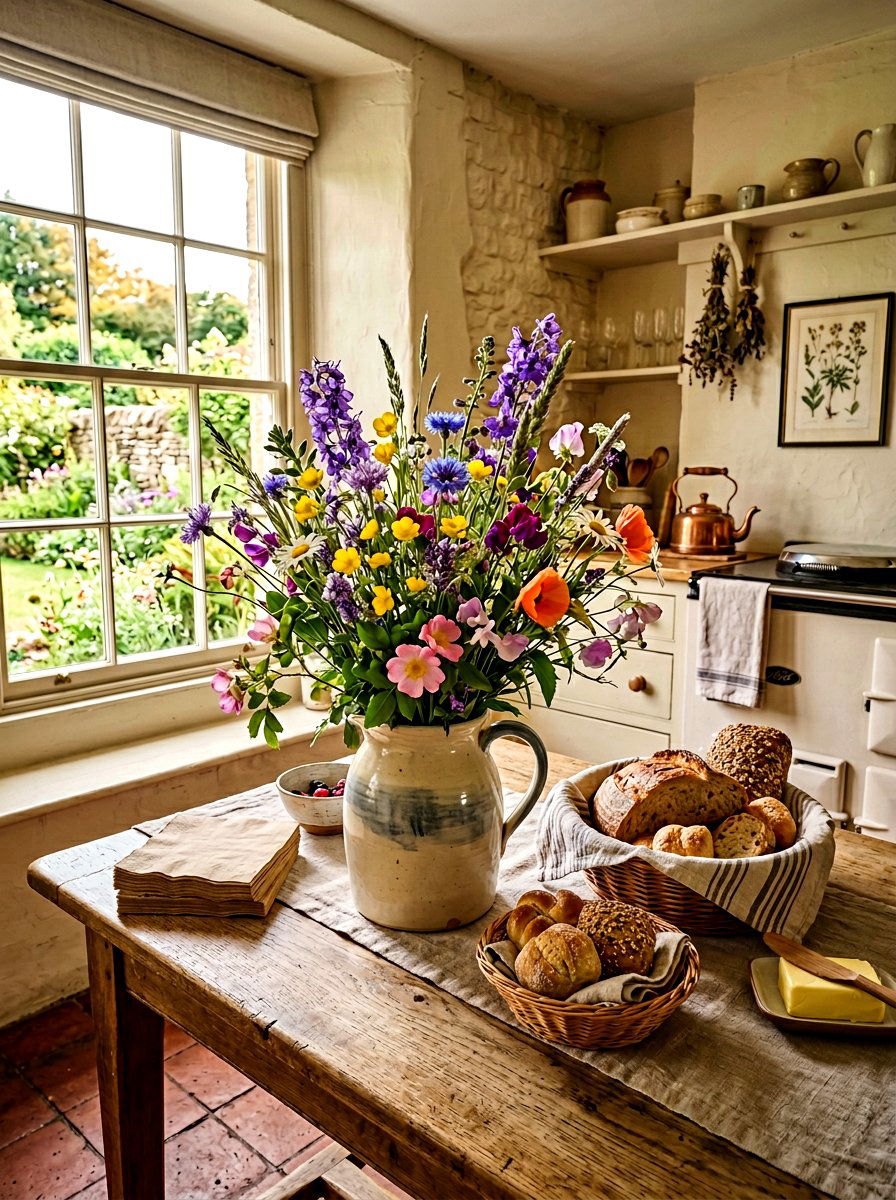
A wildflower bouquet is the perfect way to combine all your favorite paper flowers into one eclectic and charming display. Mix different heights, textures, and colors to create a natural, "foraged" look that feels effortless and fresh. Use a variety of stems including cosmos, daisies, lavender, and greenery to fill out a large ceramic jug. This type of arrangement is perfect for a farmhouse-style kitchen or a cozy living room coffee table. It brings the untamed beauty of a spring meadow directly into your home. The variety of shapes ensures that there is always something interesting to look at from every angle of the room.
Conclusion:
Spring crepe paper flowers offer an incredible opportunity to enhance your home decor with lasting, handmade beauty. By exploring these twenty-five different floral ideas, you can create a customized botanical paradise that never fades or requires water. Each bloom brings its own unique texture and personality, allowing you to tailor your arrangements to fit any room's specific style and color palette. Whether you prefer the bold drama of a giant peony or the delicate charm of a sweet pea vine, these paper creations add a thoughtful, artistic touch to your living space. Embracing the craft of paper flower making is a wonderful way to celebrate the season of renewal.
Related posts:
Leave a Reply