
Spring brings a sense of renewal that few flowers capture as perfectly as the vibrant daffodil. These hardy perennials are often the first sign that winter is losing its grip on the landscape. With their bright yellows, creamy whites, and soft oranges, daffodils offer an incredible variety of shapes and sizes for any garden enthusiast. Whether you have a sprawling estate or a tiny balcony, there is a way to incorporate these cheerful blooms into your outdoor living space. Planning a spring garden requires a bit of foresight in the fall, but the visual reward is truly spectacular when the weather finally warms up. You will find that their resilience and deer resistance make them a top choice for effortless seasonal beauty year after year.
1. Naturalized Lawn
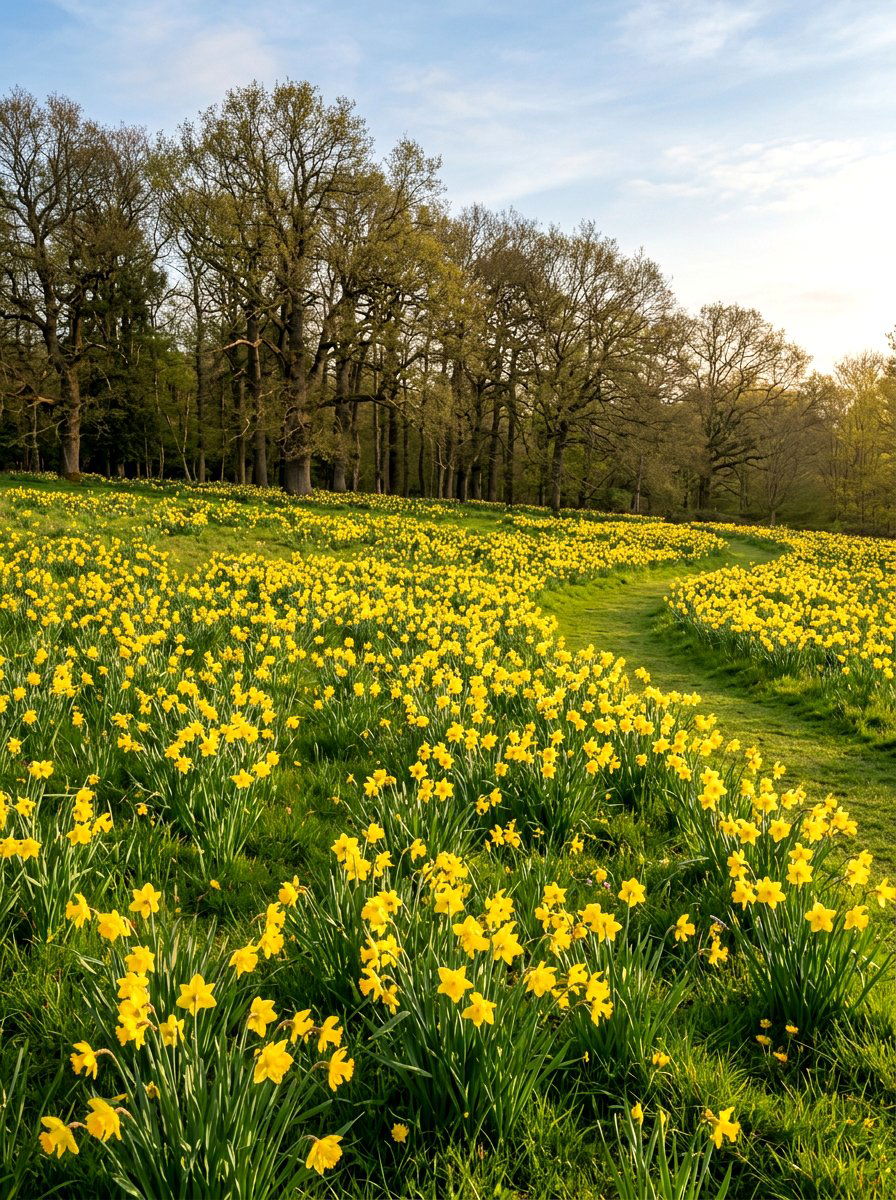
Creating a naturalized lawn involves planting bulbs in a random fashion to mimic how they might grow in the wild. This technique works best in large open spaces where the grass can remain unmown until the daffodil foliage naturally turns yellow. You should toss handfuls of bulbs across the turf and plant them exactly where they land for an organic look. As the years go by, these bulbs will multiply and create dense drifts of color that signal the start of spring. This approach is very low maintenance because you do not need to worry about tidy rows or structured edges. It creates a whimsical and soft atmosphere in any backyard setting.
2. Mixed Spring Border
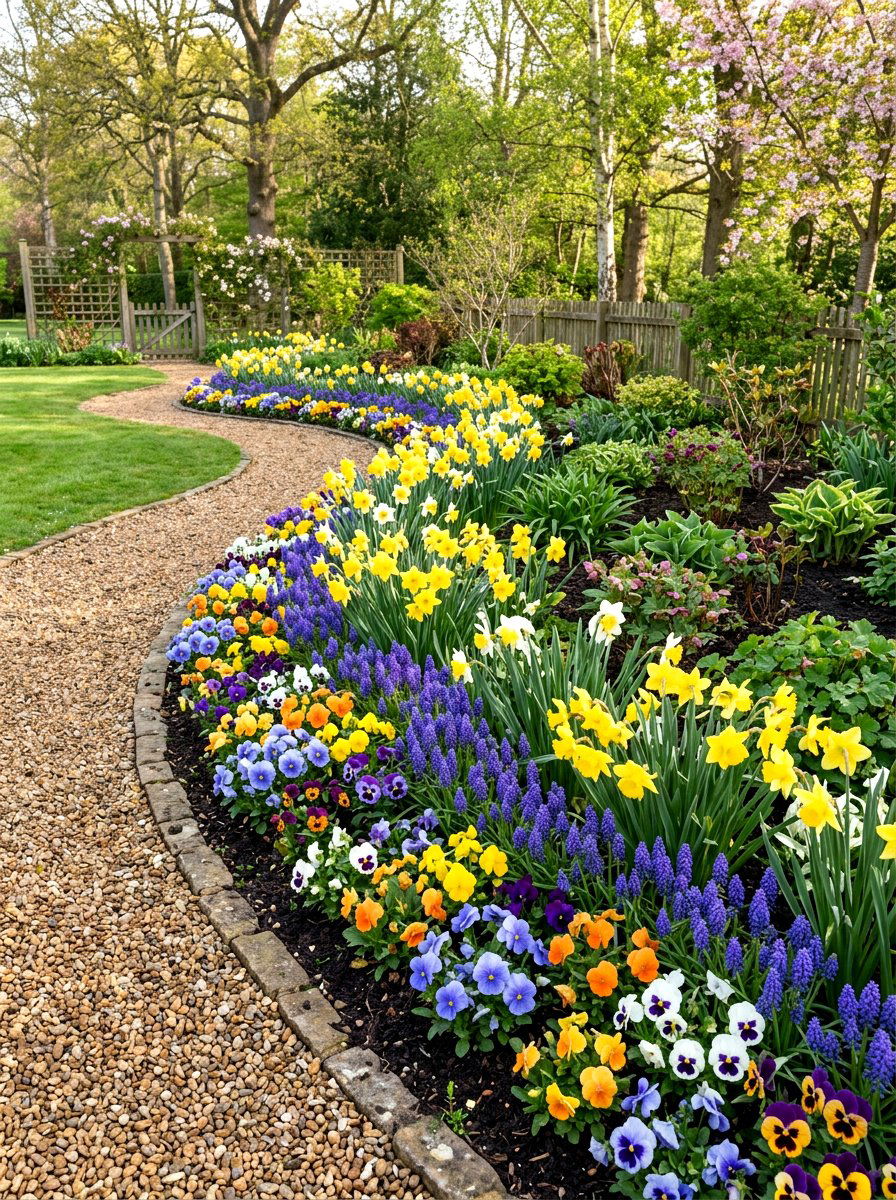
A mixed spring border allows you to combine daffodils with other early bloomers like grape hyacinths and pansies. By layering different heights and colors, you create a rich tapestry that draws the eye along the garden path. It is helpful to place the daffodils toward the middle of the border so their fading leaves are eventually hidden by emerging summer perennials. Using a variety of trumpet shapes and cup sizes adds texture to the display. This design choice ensures that your garden looks full and intentional from every angle. You can experiment with contrasting colors like deep purple and bright yellow to make the blossoms really pop against the green.
3. Terra Cotta Container
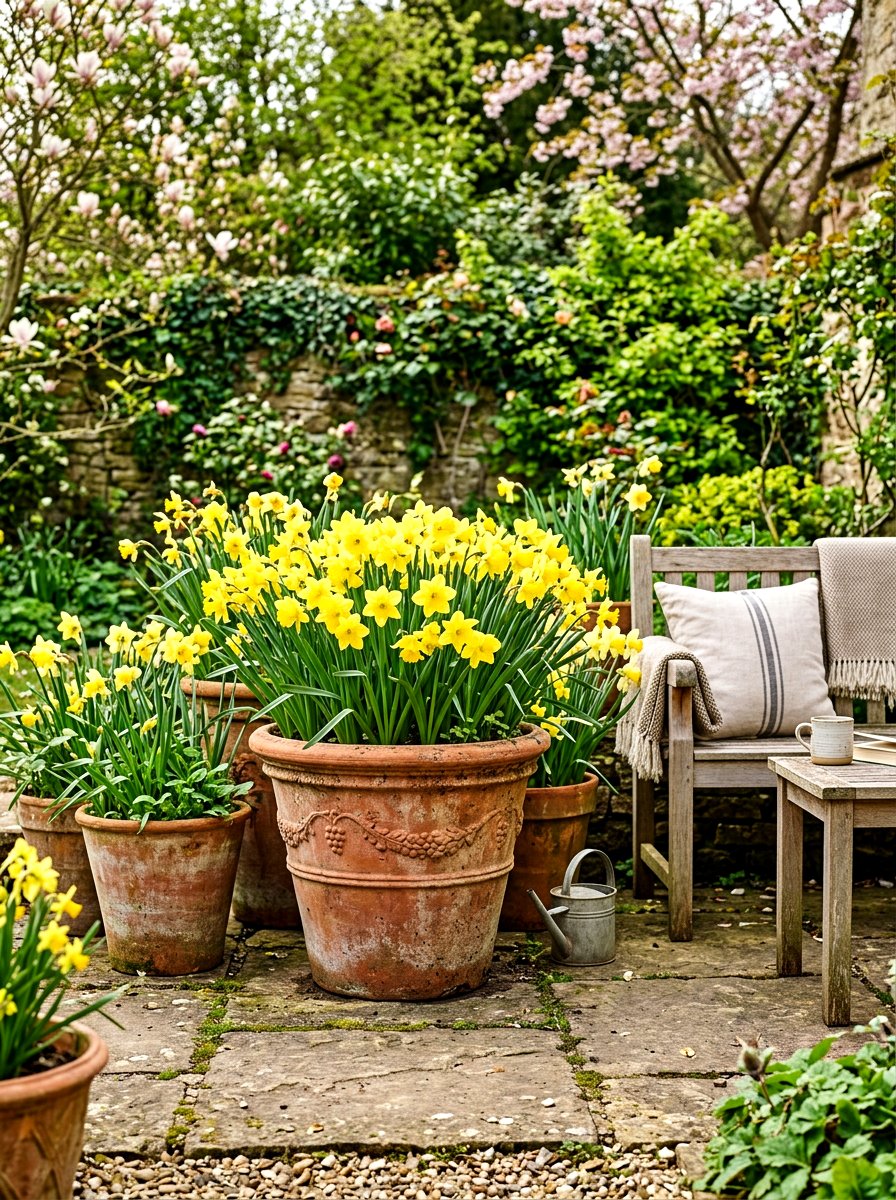
Terra cotta containers provide a classic and rustic look for displaying your favorite daffodil varieties on a patio or deck. These porous pots offer excellent drainage, which is essential for keeping the bulbs healthy and preventing rot during wet spring months. You can pack the bulbs tightly together for a dense and dramatic floral arrangement that feels like a professional bouquet. Using pots of different sizes creates a tiered effect that adds vertical interest to small outdoor spaces. When the flowers are in full bloom, you can easily move the containers around to refresh your decor. This flexibility makes terra cotta pots a favorite for seasonal gardeners who love to change things up.
4. Woodland Garden Path
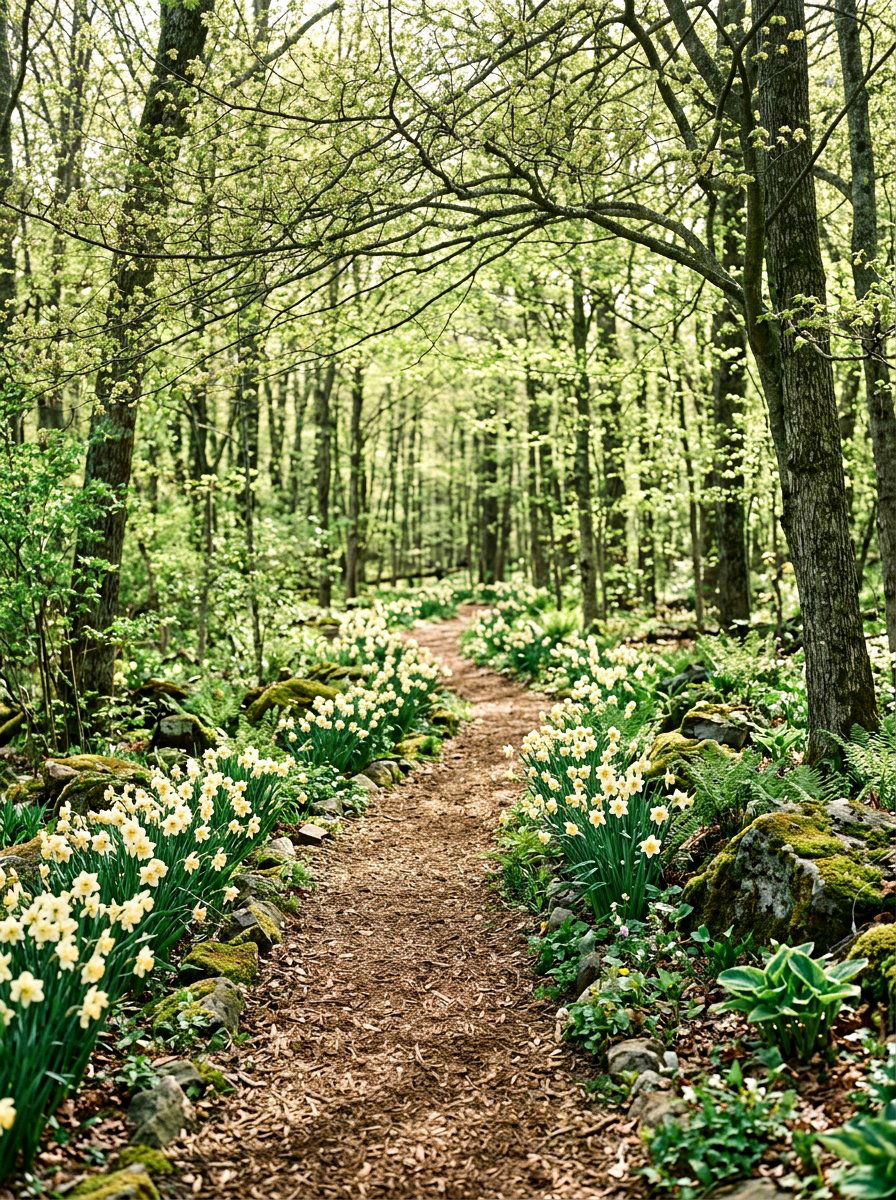
Designing a woodland garden path with daffodils creates a magical journey through the shaded areas of your property. These flowers thrive under the canopy of deciduous trees because they bloom before the leaves fully emerge to block the sunlight. You can plant them in sweeping curves along a mulched or gravel walkway to guide visitors through the yard. Choosing soft white or pale yellow varieties helps brighten up the darker, more natural areas of the garden. Integrating moss and ferns alongside the daffodils enhances the earthy and serene feeling of the space. This style of planting feels timeless and connects your managed landscape with the surrounding natural environment.
5. Rock Garden Accent
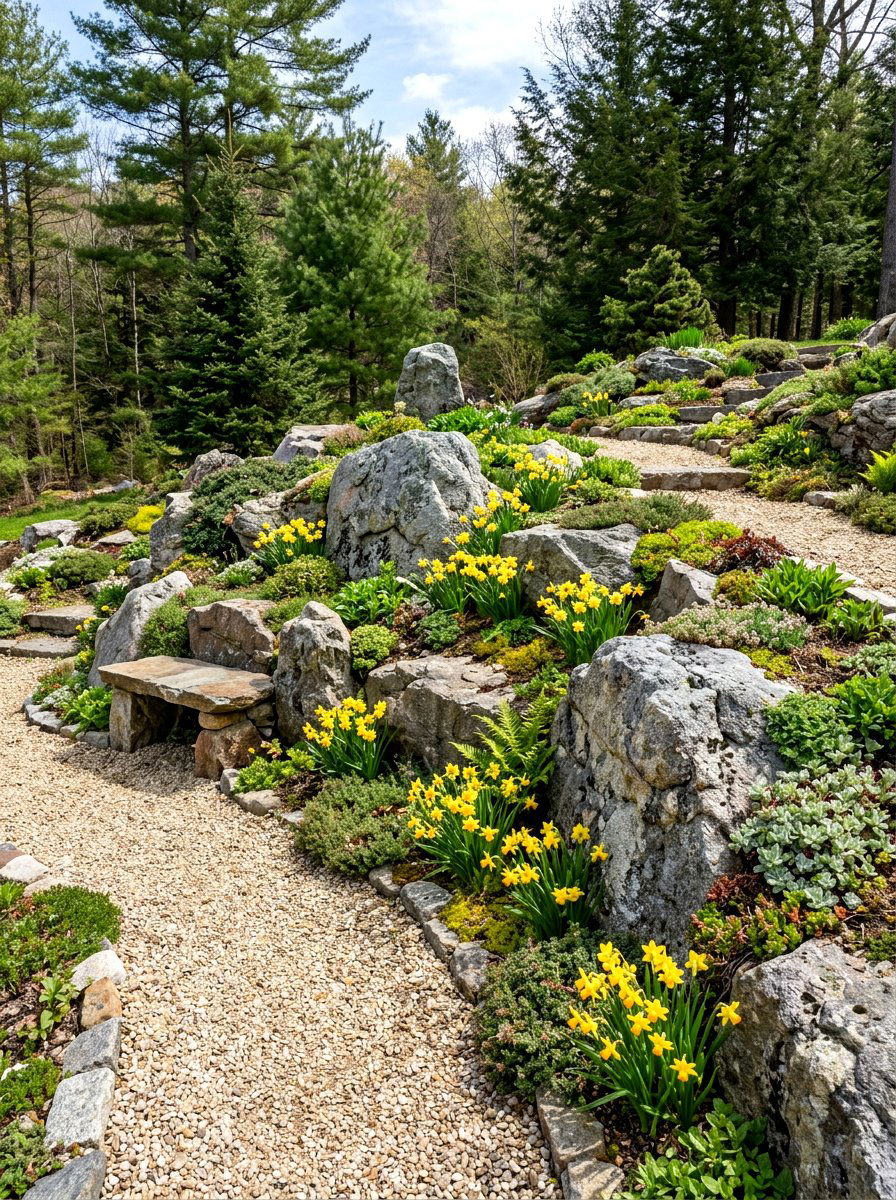
Rock gardens provide a rugged and textured backdrop that makes the delicate petals of a daffodil stand out beautifully. You can tuck smaller species into the crevices between large stones or along the base of a boulder. The heat retained by the rocks can actually encourage earlier blooming in some climates. Since rock gardens usually have fast-draining soil, the bulbs stay dry and happy throughout their dormant period. You might choose miniature varieties that do not overwhelm the low-growing alpine plants typically found in these settings. This creates a balanced and harmonious look that highlights the contrast between the hard stone surfaces and the soft, swaying spring flowers.
6. Tree Base Ring
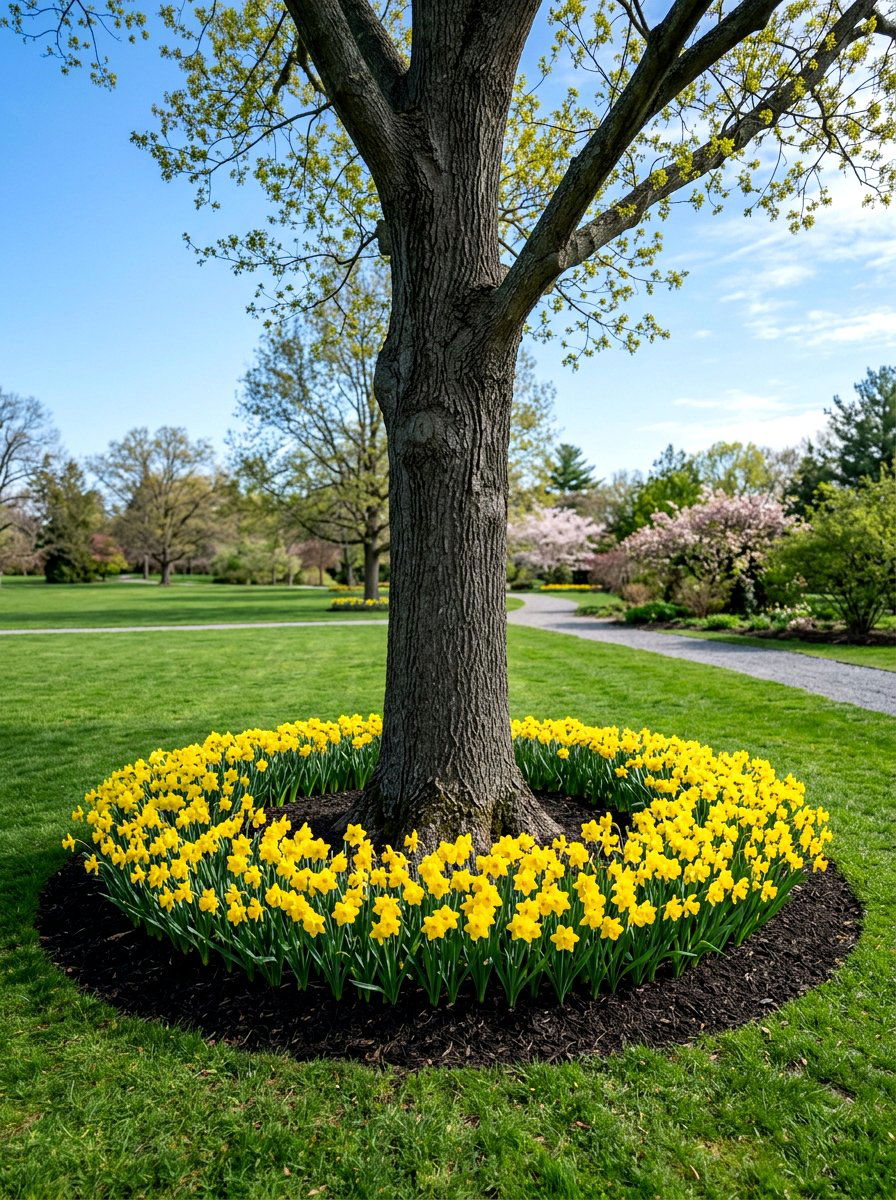
Planting a ring of daffodils around the base of a mature tree is a popular way to define the space and add a burst of color. This design frames the trunk and covers the bare soil or mulch that often surrounds older trees. It is important to plant the bulbs far enough away from the trunk to avoid damaging major roots. As the tree grows, the daffodils will continue to return and multiply, creating a thicker circle of yellow each year. This setup looks particularly striking when used on a row of identical trees along a property line. It adds a finished and professional touch to your landscaping without requiring a lot of extra work.
7. Window Box Display
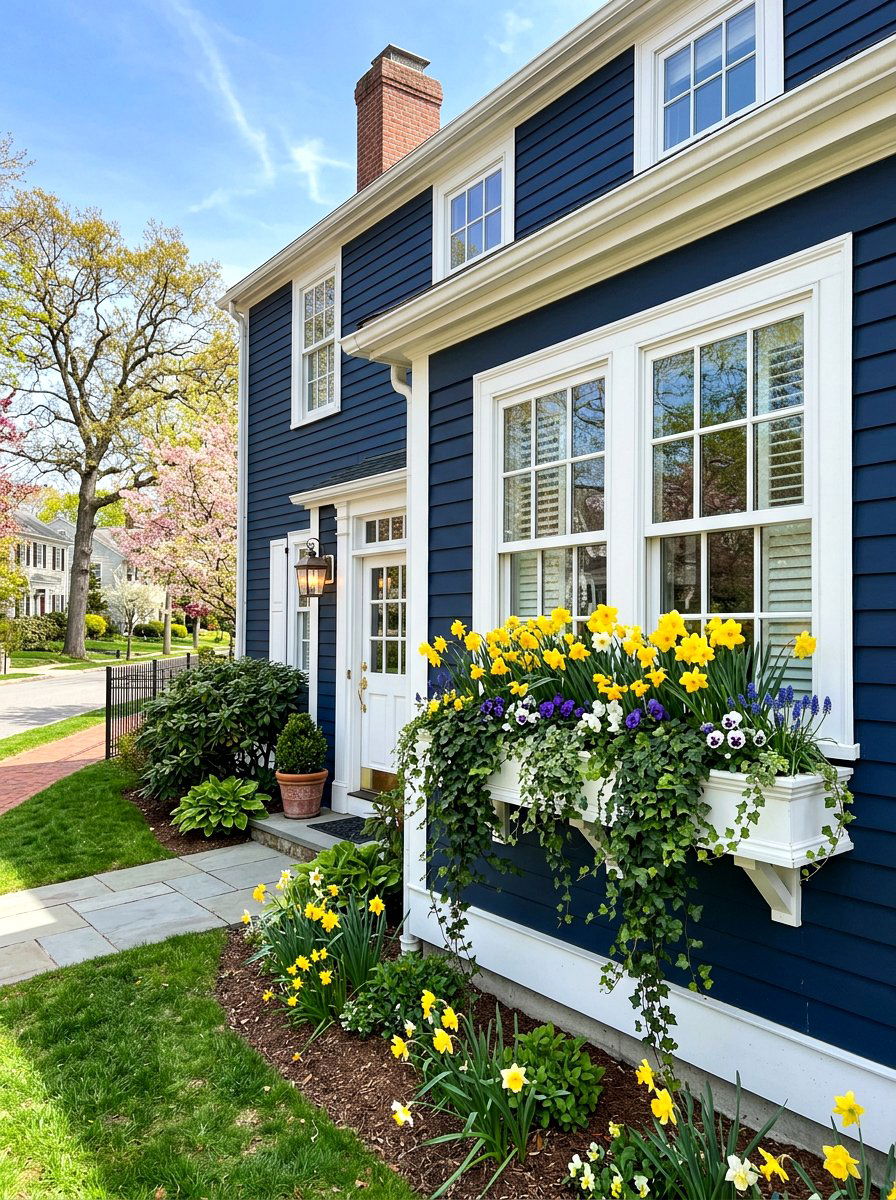
Window boxes are perfect for bringing the beauty of spring right up to your home’s exterior and providing a view from inside. You can plant a mix of early and late blooming daffodils to ensure a long-lasting display of color. Including trailing ivy or small pansies helps fill in the gaps and adds a lush, overflowing appearance to the box. These displays are highly visible and improve the curb appeal of any house instantly. Because window boxes are elevated, you get to enjoy the fragrance of the flowers more easily. Using bright yellow blooms against a dark-colored house creates a stunning visual contrast that captures the attention of everyone who passes by.
8. Mass Planting Field
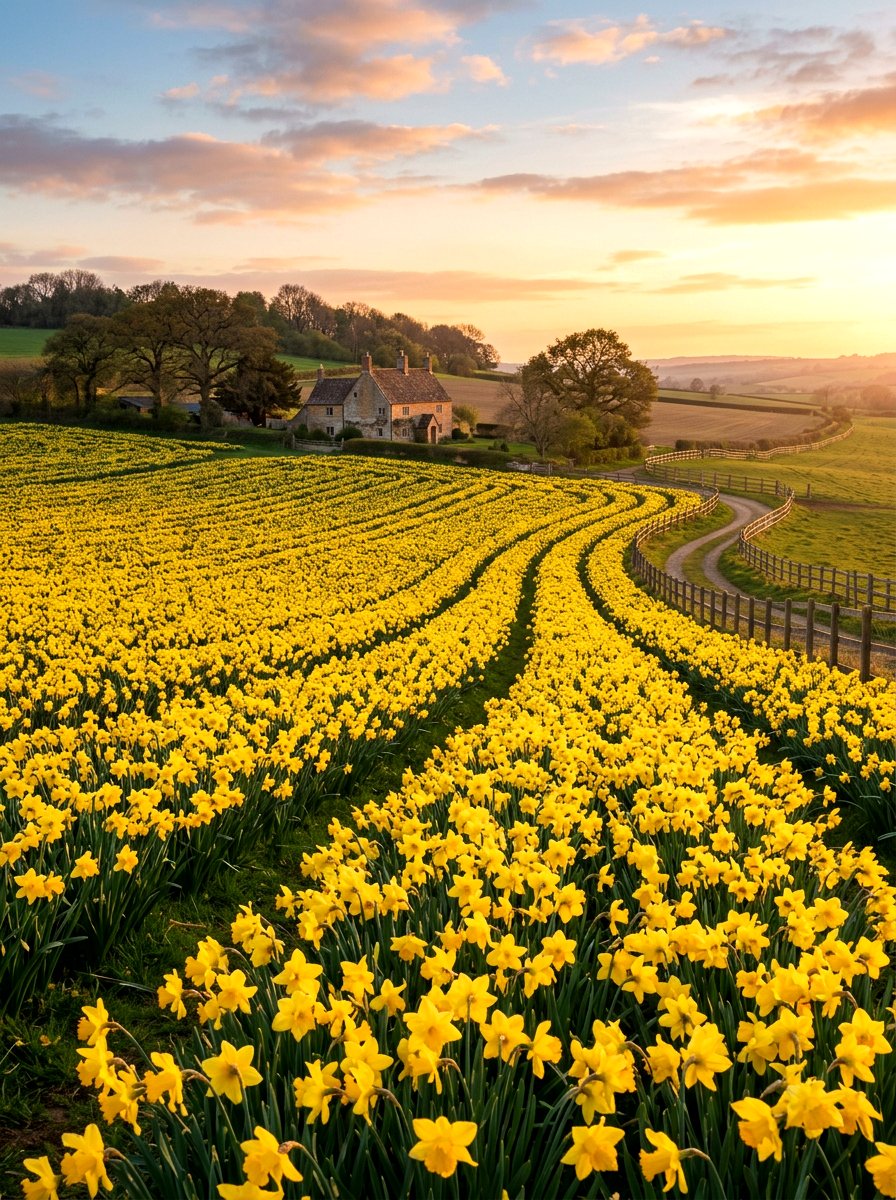
A mass planting field is the ultimate way to make a bold statement with daffodils if you have enough space. By planting hundreds or even thousands of bulbs in a single area, you create a sea of yellow that can be seen from a distance. This technique is often used in public parks or large rural estates to create a breathtaking focal point. You should stick to one or two varieties to maintain a cohesive and powerful look throughout the entire field. The sheer volume of flowers creates a high-impact visual that feels luxurious and expansive. It is a fantastic way to transform a dull or unused meadow into a spectacular spring destination.
9. Tulip Companion Planting
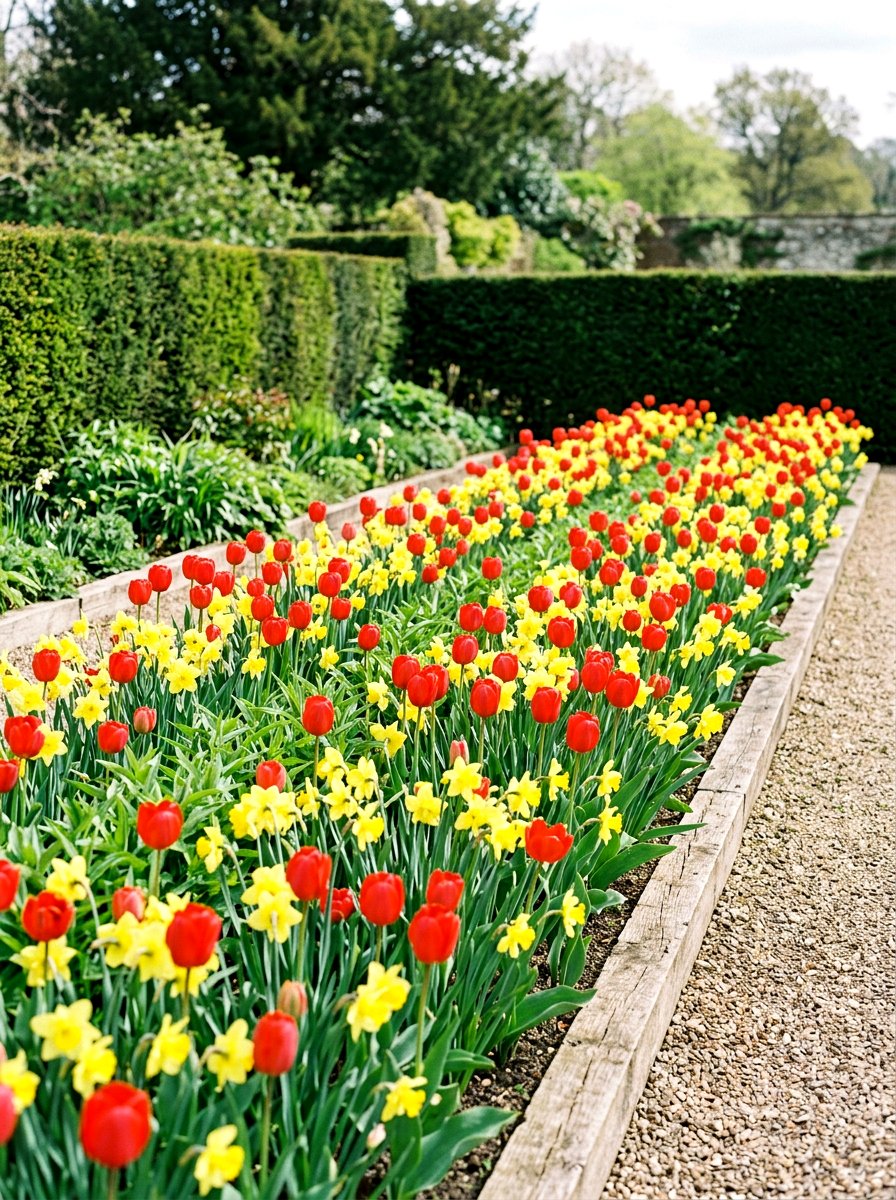
Combining daffodils with tulips is a classic gardening strategy that results in a diverse and colorful spring show. Since daffodils are generally more resistant to pests like deer and squirrels, they can act as a protective barrier for your tulips. You can mix the bulbs together in a single bed or plant them in alternating rows for a structured look. Pairing yellow daffodils with red or orange tulips creates a warm and inviting palette. If you prefer something more sophisticated, try white daffodils with deep purple or pink tulips. This combination ensures that your garden stays interesting as different flowers take their turn to bloom in the changing light.
10. Cottage Garden Style
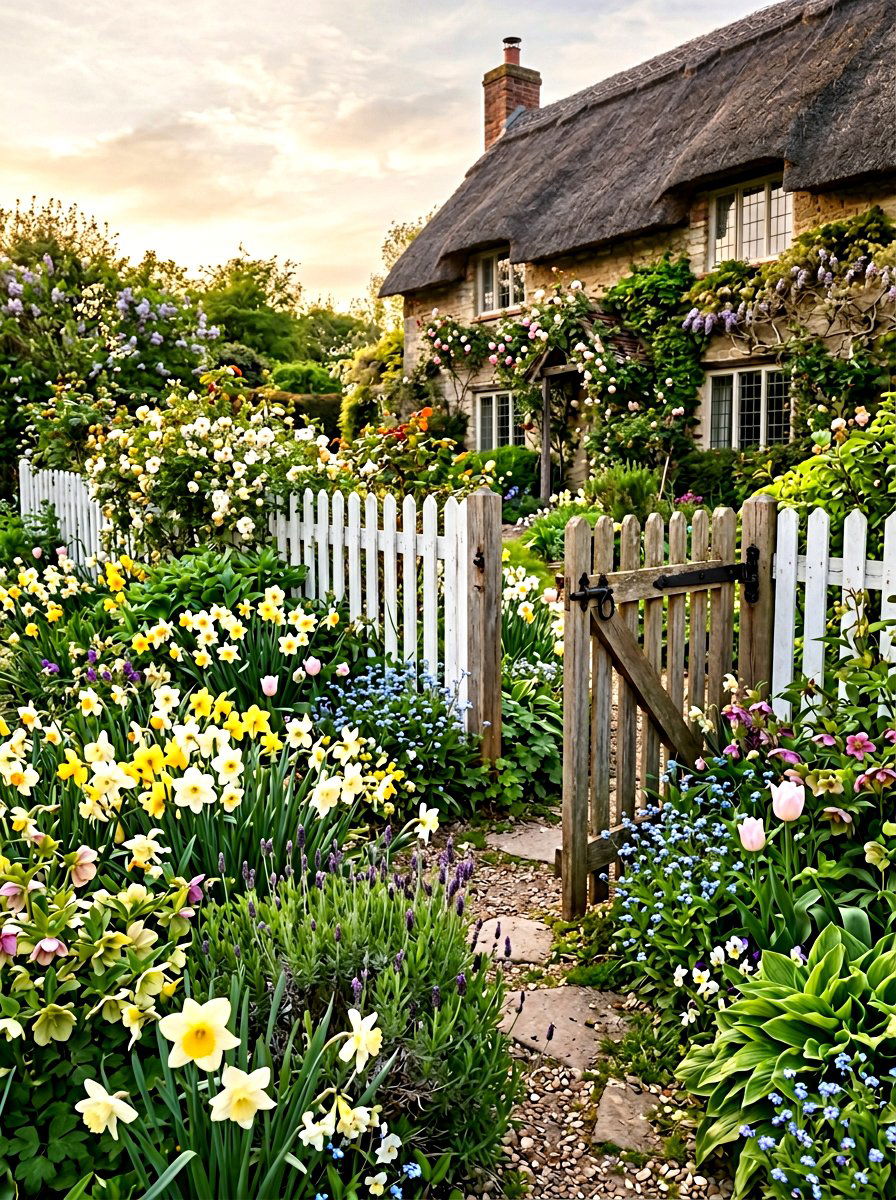
The cottage garden style embraces a bit of chaos and abundance, making it a perfect home for various daffodil types. You can interplant them with herbs, flowering shrubs, and traditional perennials like peonies or roses. The goal is to create a dense and layered look where flowers peek out from every corner. Using tall, heirloom daffodil varieties adds a sense of history and charm to the landscape. This approach works well for gardeners who prefer a relaxed and informal atmosphere over perfect symmetry. The daffodils provide early structure to the garden while the other plants are still waking up from their long winter nap.
11. Raised Wooden Bed
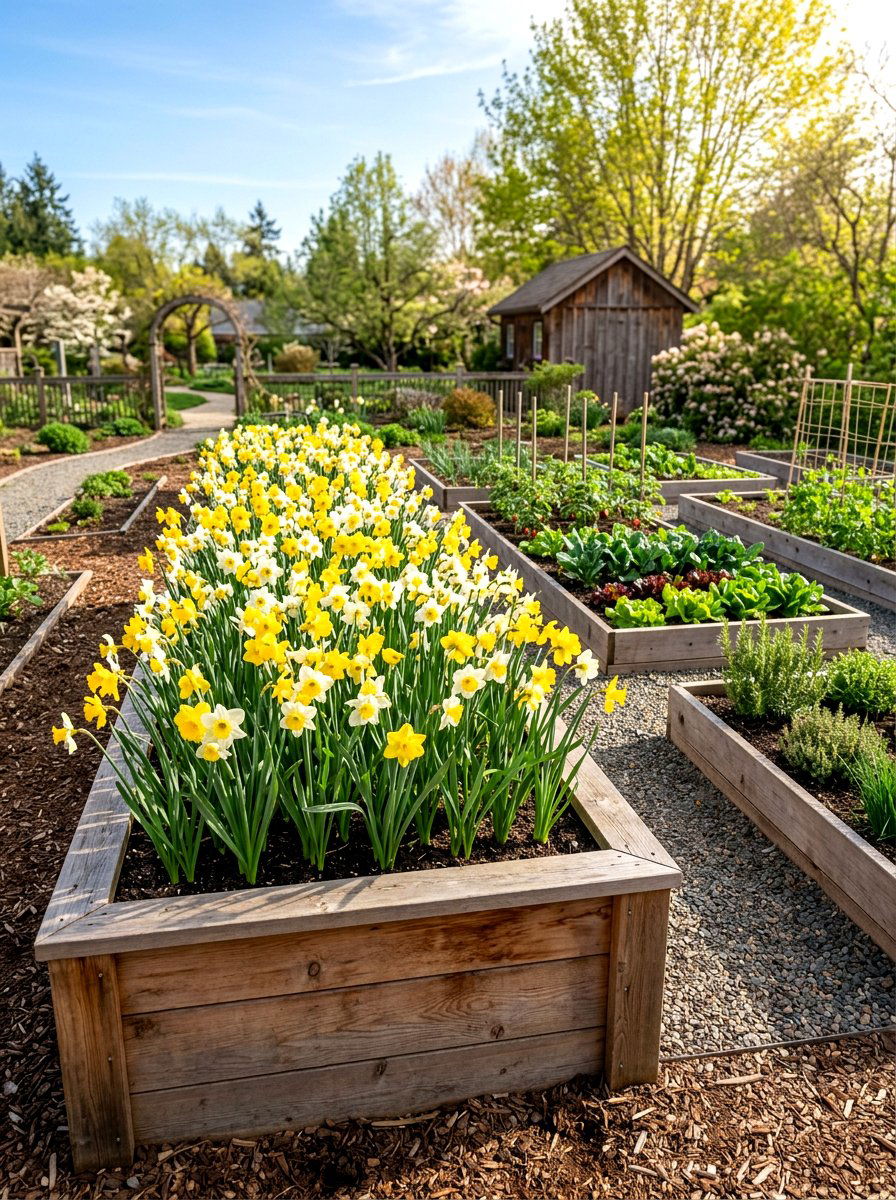
Raised wooden beds offer a clean and organized way to grow daffodils while providing perfect soil conditions. Because you can control the soil mix, you can ensure it is rich in organic matter and has the drainage bulbs love. The height of the beds makes it much easier to plant and maintain the flowers without having to bend over too far. You can create a grid pattern or plant the bulbs in tight clusters for a very modern and tidy appearance. Wooden frames also provide a nice contrast against the soft green stems and bright yellow petals. These beds are excellent for small urban gardens where ground space might be limited or the soil is poor.
12. Miniature Variety Pot
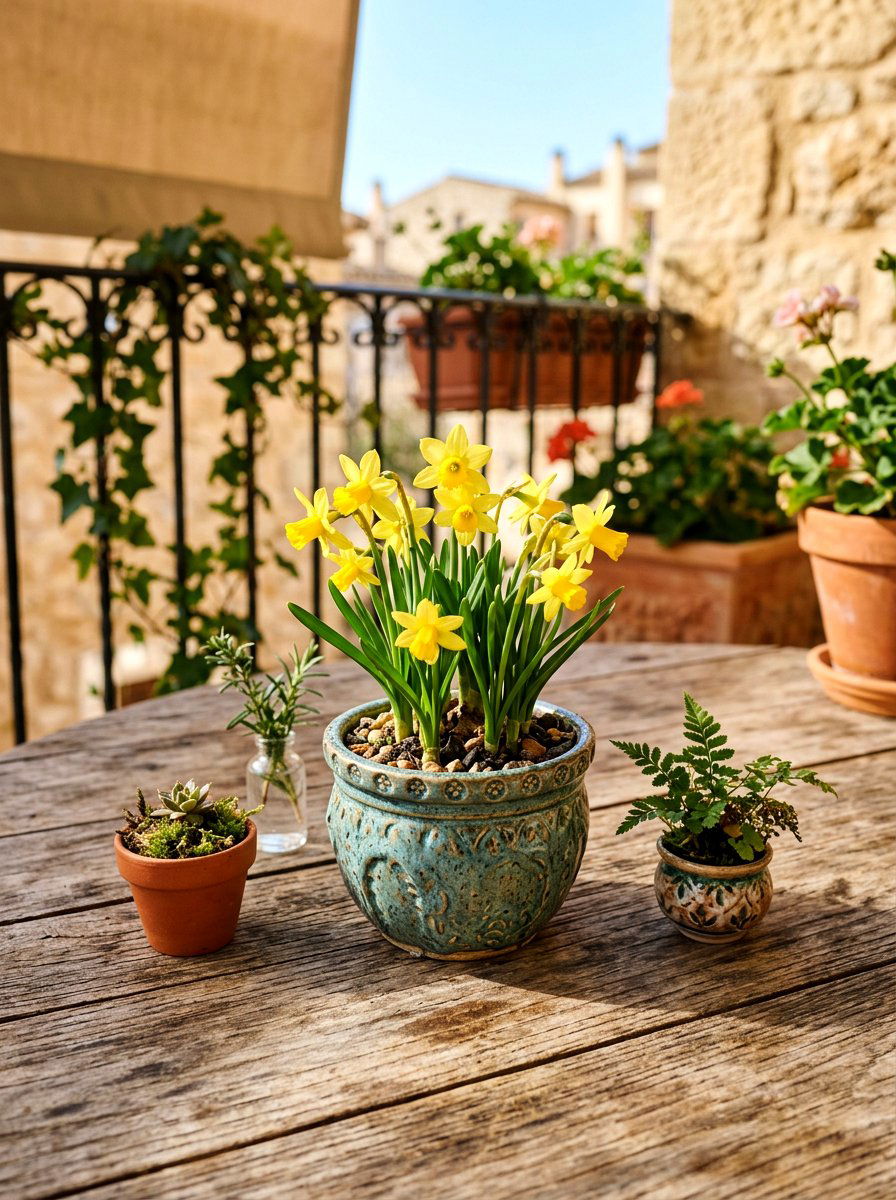
Miniature daffodils, often called "Tete-a-Tete, " are incredibly charming when grown in small, decorative pots. These tiny flowers are perfect for tabletop displays on an outdoor dining set or a porch side table. Their small stature makes them less prone to flopping over in the wind compared to taller varieties. You can group several small pots together to create a focal point that feels intimate and detailed. These miniatures also look great when tucked into the corners of larger planters filled with other spring foliage. They bring a delicate touch to the garden and are often the very first bulbs to open their petals when the sun starts to shine.
13. Modern Minimalist Garden
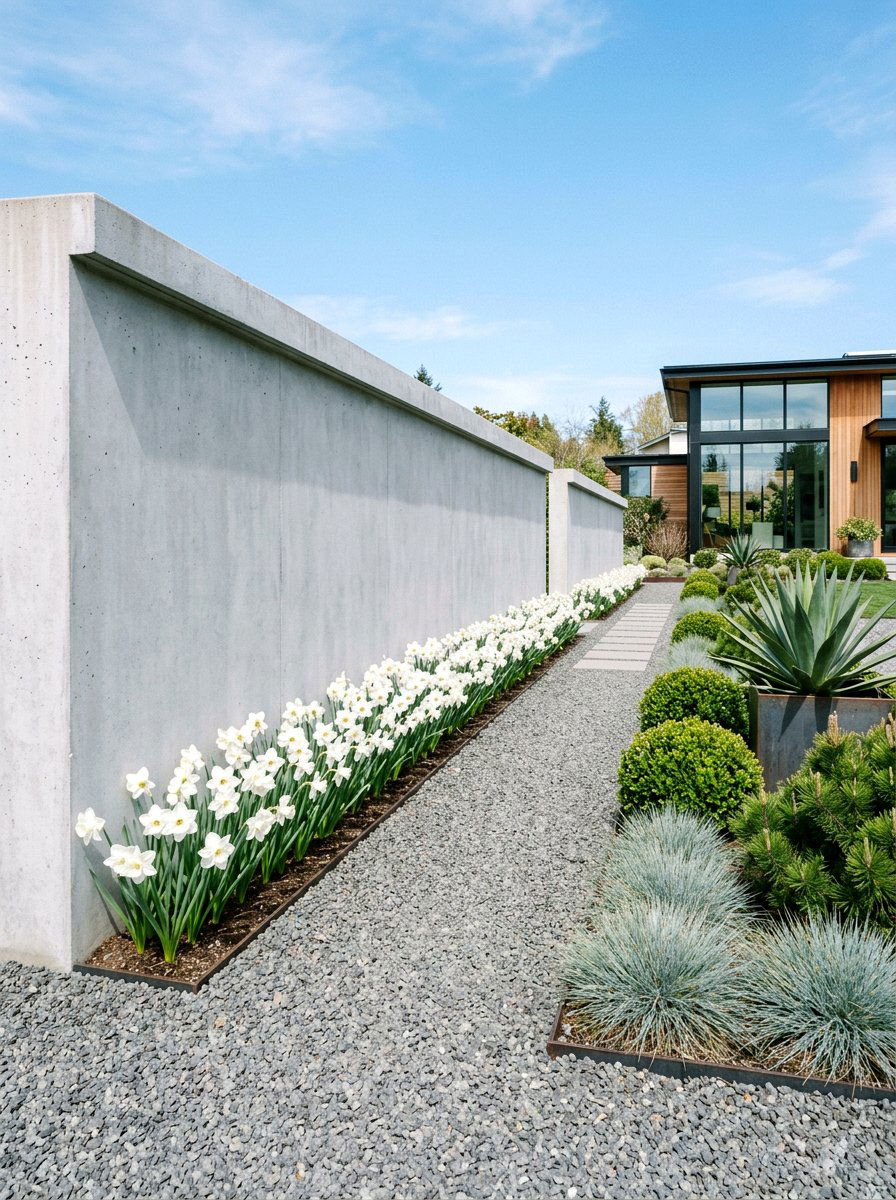
A modern minimalist garden focuses on clean lines and a limited color palette, which suits the architectural shape of daffodils. You might plant a single variety in a long, straight row along a concrete wall or a steel border. This creates a repetitive and calming effect that highlights the geometry of the plant itself. Using only white or pale cream daffodils can enhance the sophisticated and sleek feeling of a contemporary home. The simplicity of this design allows the individual beauty of each blossom to stand out without distraction. It is an excellent choice for those who want a high-end look with minimal maintenance and a very clear visual order.
14. Vertical Garden Wall
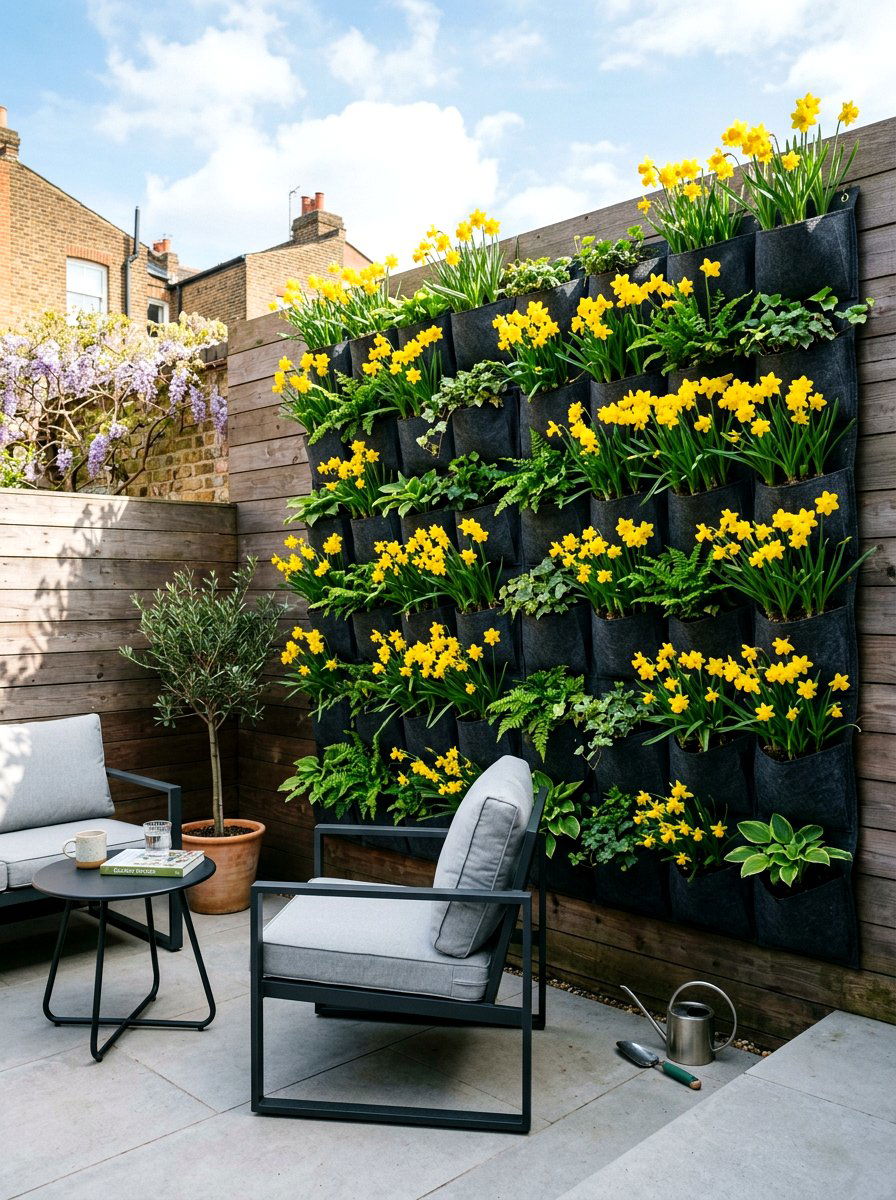
Vertical garden walls are an innovative way to grow daffodils if you have a vertical surface like a fence or an exterior wall. You can use specialized pocket planters or wall-mounted pots to create a living tapestry of spring color. This approach is ideal for patios or balconies where floor space is at a premium. As the daffodils bloom, they create a stunning wall of yellow that can be seen at eye level. This unique perspective allows you to appreciate the intricate details of the flower cups more closely. It also keeps the bulbs safe from ground-dwelling pests and provides a unique conversation piece for your outdoor entertaining area.
15. Front Porch Step
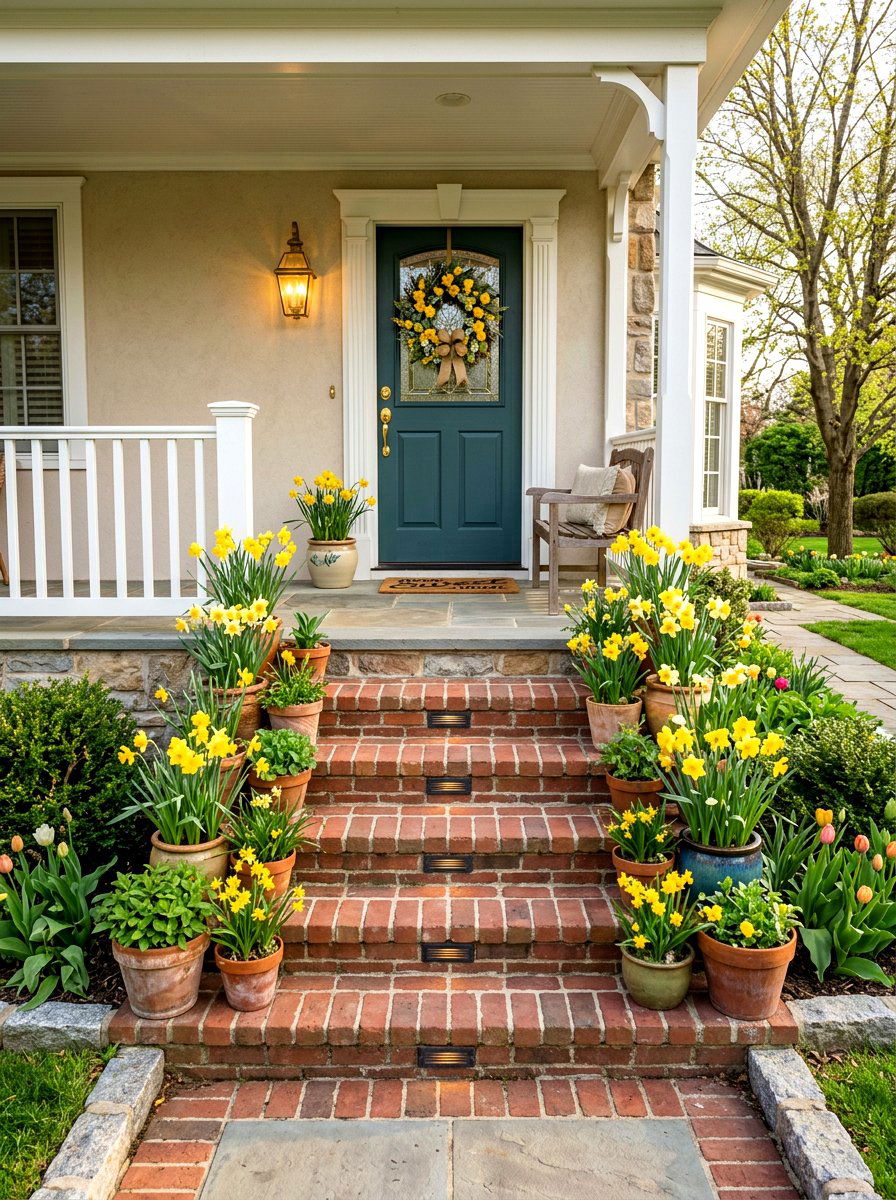
Decorating your front porch steps with potted daffodils creates a warm and welcoming entrance for guests. You can place a single pot on each step or cluster several together on the landing for a bigger impact. Using a variety of pot styles and colors can add to the eclectic and friendly feel of your home. The bright yellow flowers greet you every time you come home, providing an instant mood boost. As the blooms eventually fade, you can easily swap the pots out for early summer flowers to keep the porch looking fresh. This is one of the easiest ways to bring seasonal cheer to your home with very little effort.
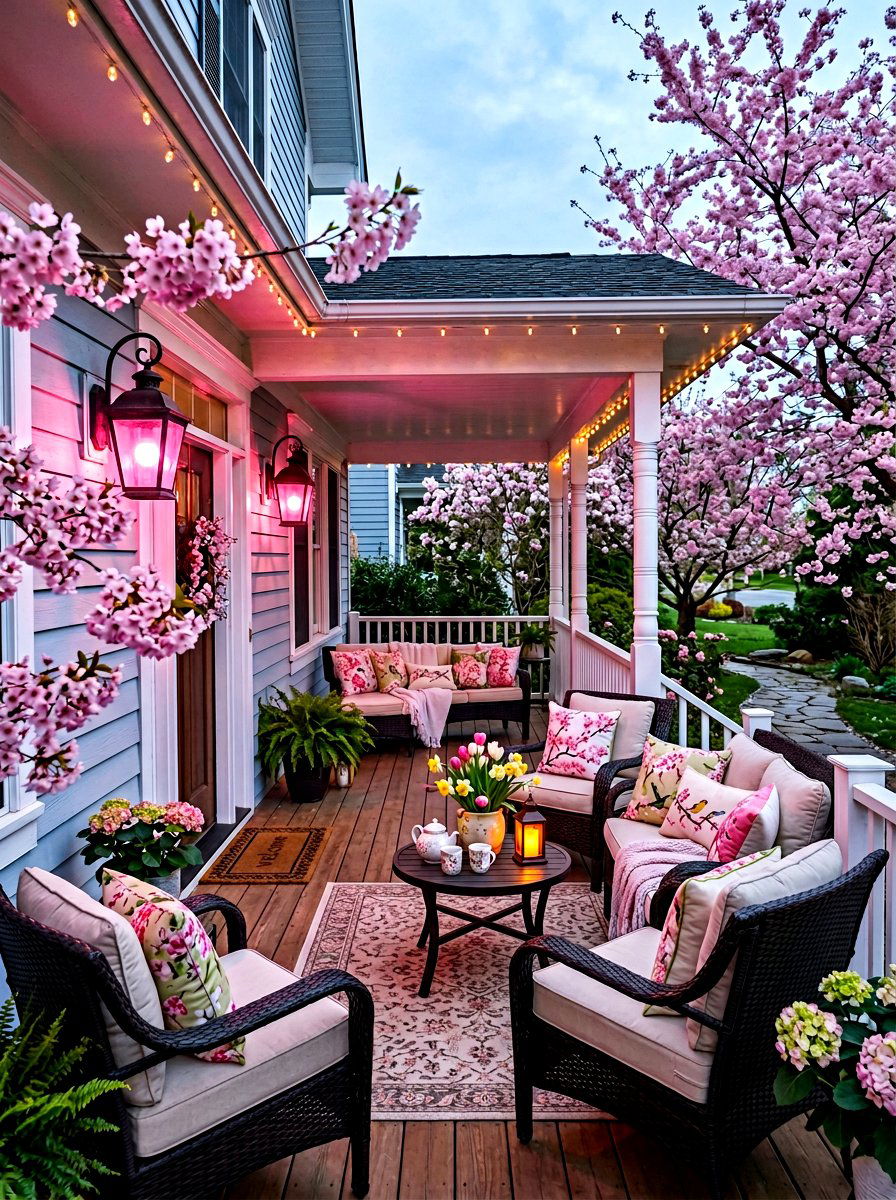
16. Garden Bench Seating
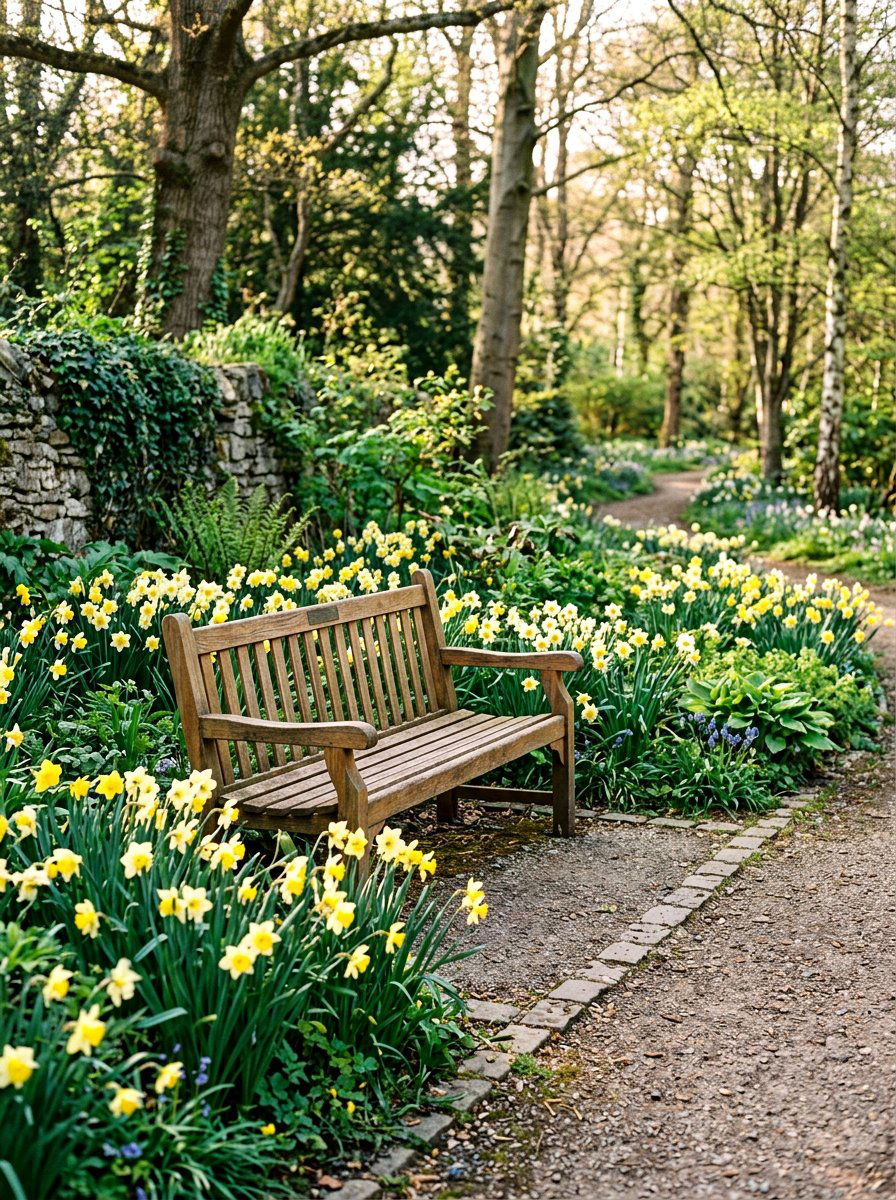
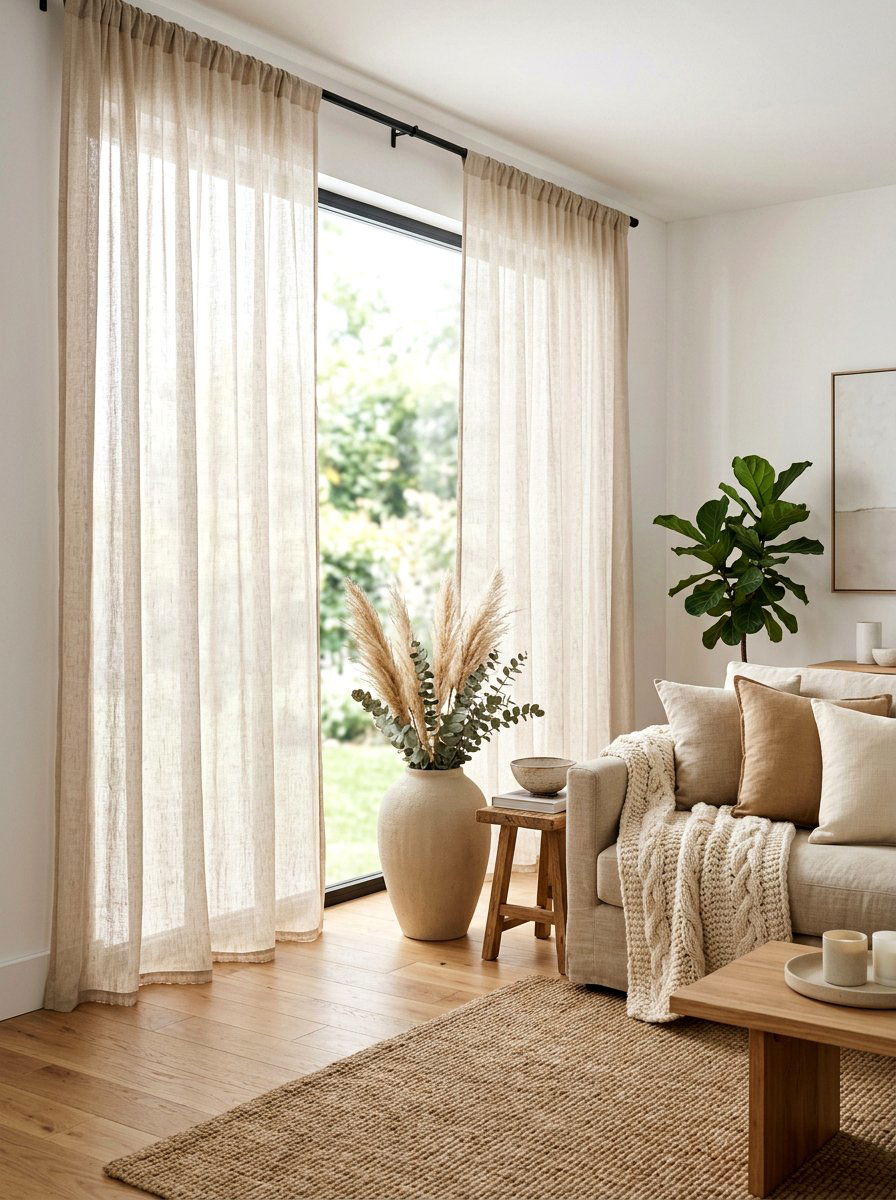
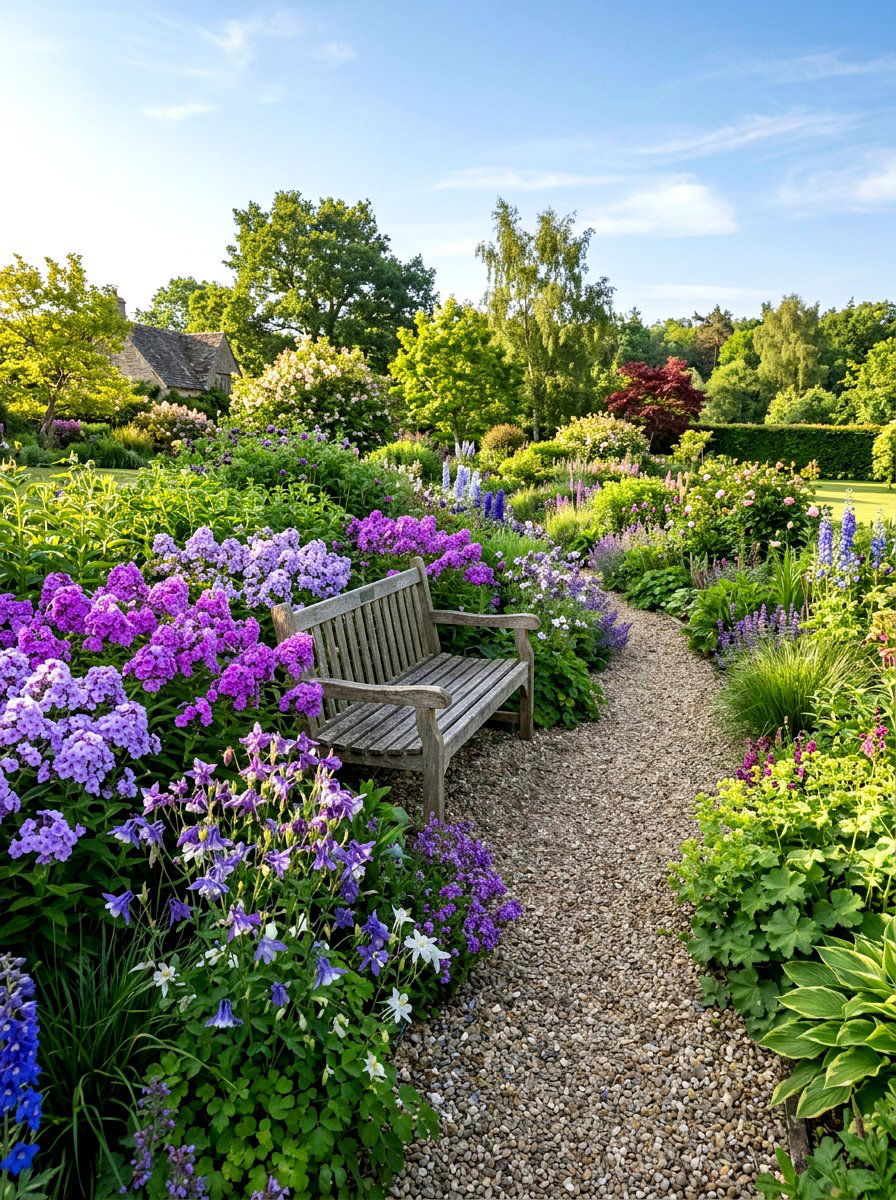
Placing daffodils around a garden bench creates a peaceful and fragrant spot to sit and enjoy the spring air. You can plant the bulbs in the ground behind the bench or in large planters on either side of the seating area. This surrounds the person sitting there with the sights and scents of the season. Choosing varieties with a light, sweet fragrance will enhance the relaxing experience of your outdoor retreat. It turns a simple piece of furniture into a destination within your backyard. The flowers provide a soft backdrop that makes the seating area feel more private and nestled into the landscape, encouraging you to linger longer.
17. Driveway Lining
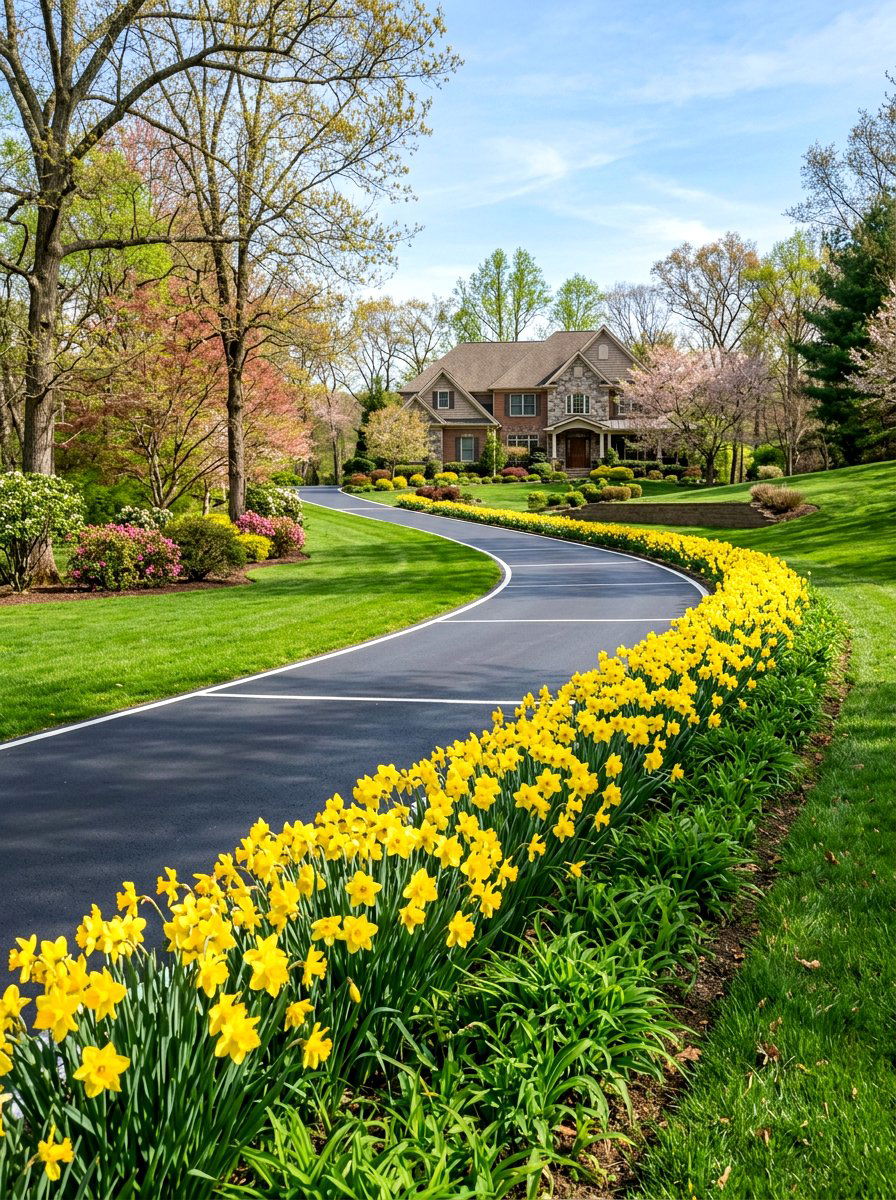
Lining your driveway with daffodils is a wonderful way to define the entrance to your property and add instant curb appeal. These bulbs are tough enough to handle the conditions near pavement and provide a bright welcome every time you pull in. You can plant them in a continuous strip or in small clumps spaced evenly along the edge. This design creates a sense of rhythm and leads the eye toward the house. Using a mix of early, mid, and late-season varieties ensures that the display lasts for several weeks. It is a practical and beautiful way to make a large property feel more cohesive and well-maintained throughout the spring.
18. Water Feature Border
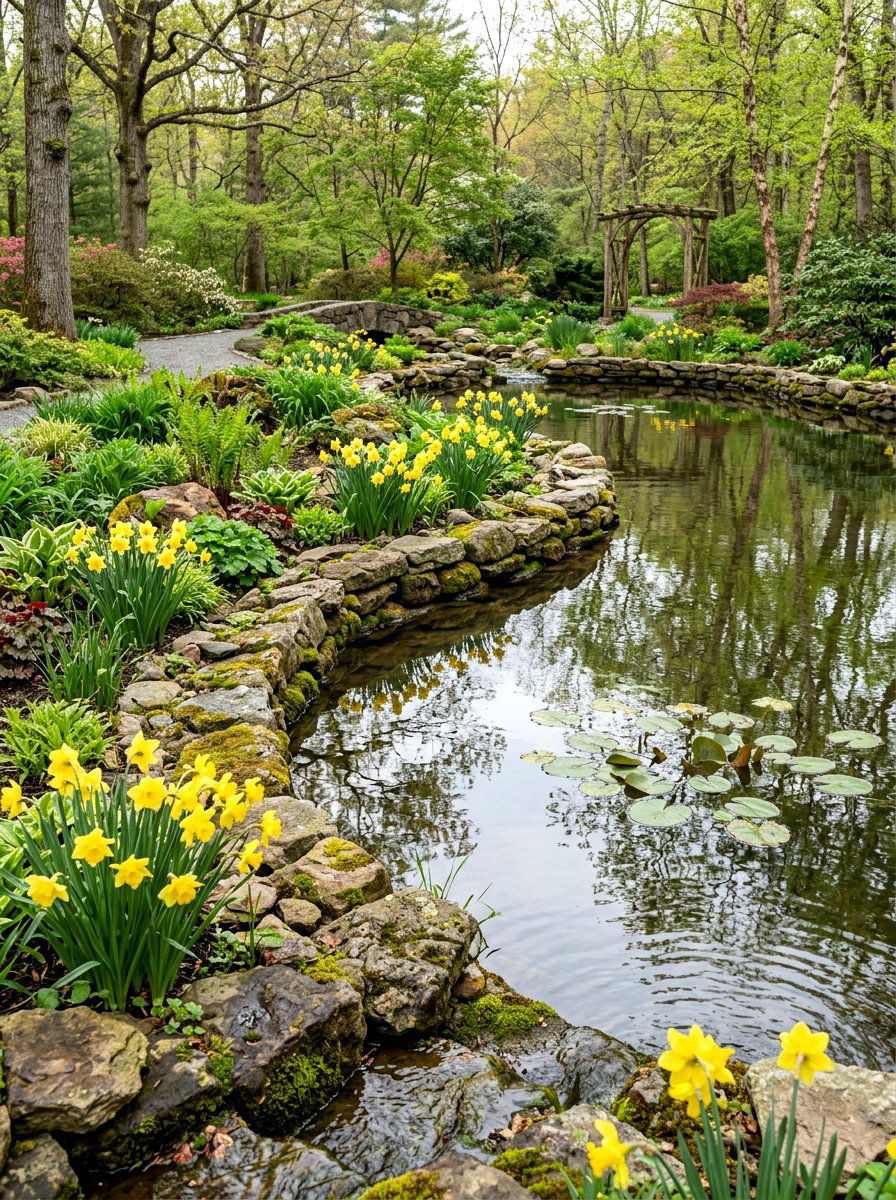
Planting daffodils near a pond, stream, or fountain adds a touch of brightness to the reflective surface of the water. These flowers look beautiful when their yellow petals are mirrored in the ripples of a quiet pool. It is important to ensure the bulbs are planted in a spot that stays relatively dry so they do not rot. The contrast between the moving water and the nodding heads of the daffodils creates a very dynamic and interesting garden scene. You can use large stones to separate the planting area from the water's edge for a natural and clean look. This combination feels very refreshing and peaceful in any backyard environment.
19. Layered Bulb Planter
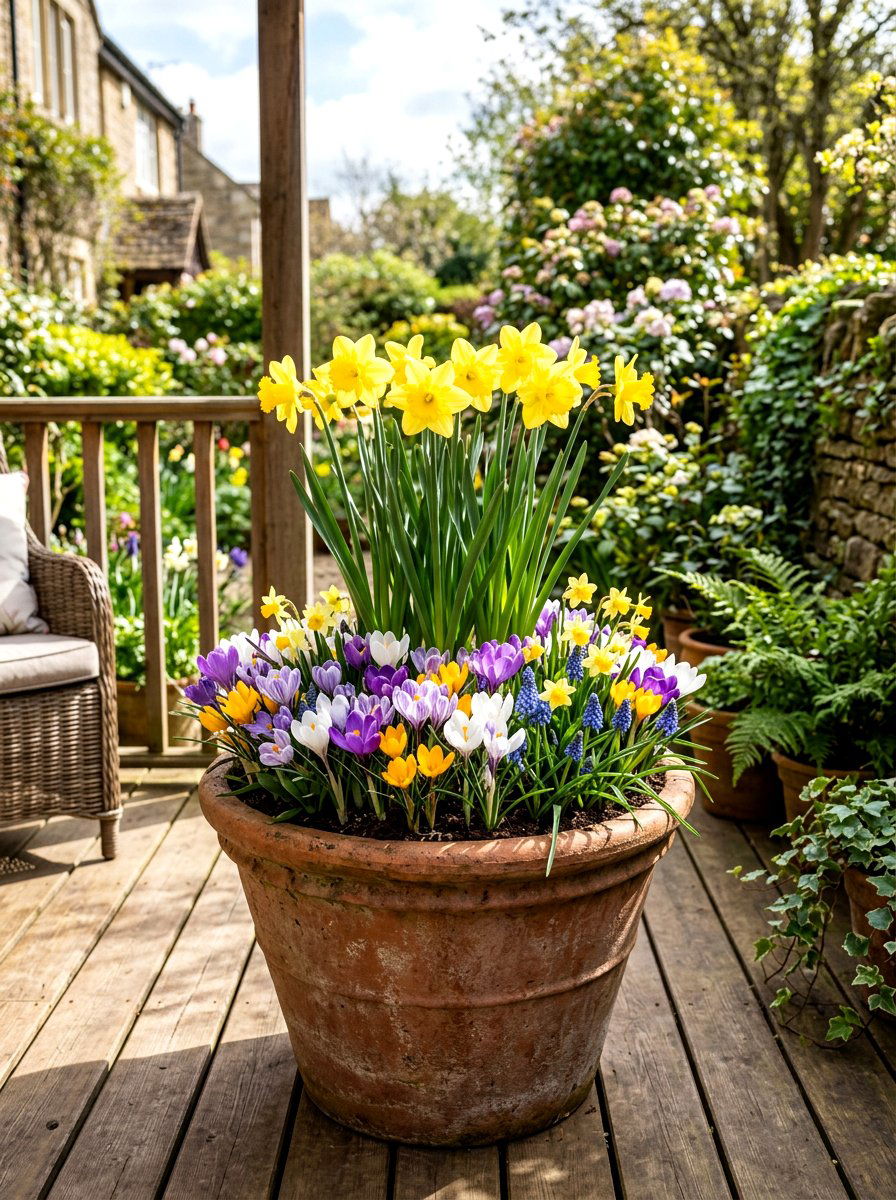
A layered bulb planter, often called a "bulb lasagna, " involves planting different types of bulbs at various depths in the same pot. You place the largest, latest-blooming daffodils at the bottom and smaller, earlier bulbs like crocus on top. This technique results in a continuous succession of flowers that bloom one after the other in the same space. It is a fantastic way to maximize the floral output of a single container over several weeks. You can experiment with different color combinations to create a shifting look as the season progresses. This method is perfect for anyone who wants a long-lasting and high-impact display in a very small area.
20. White Daffodil Garden
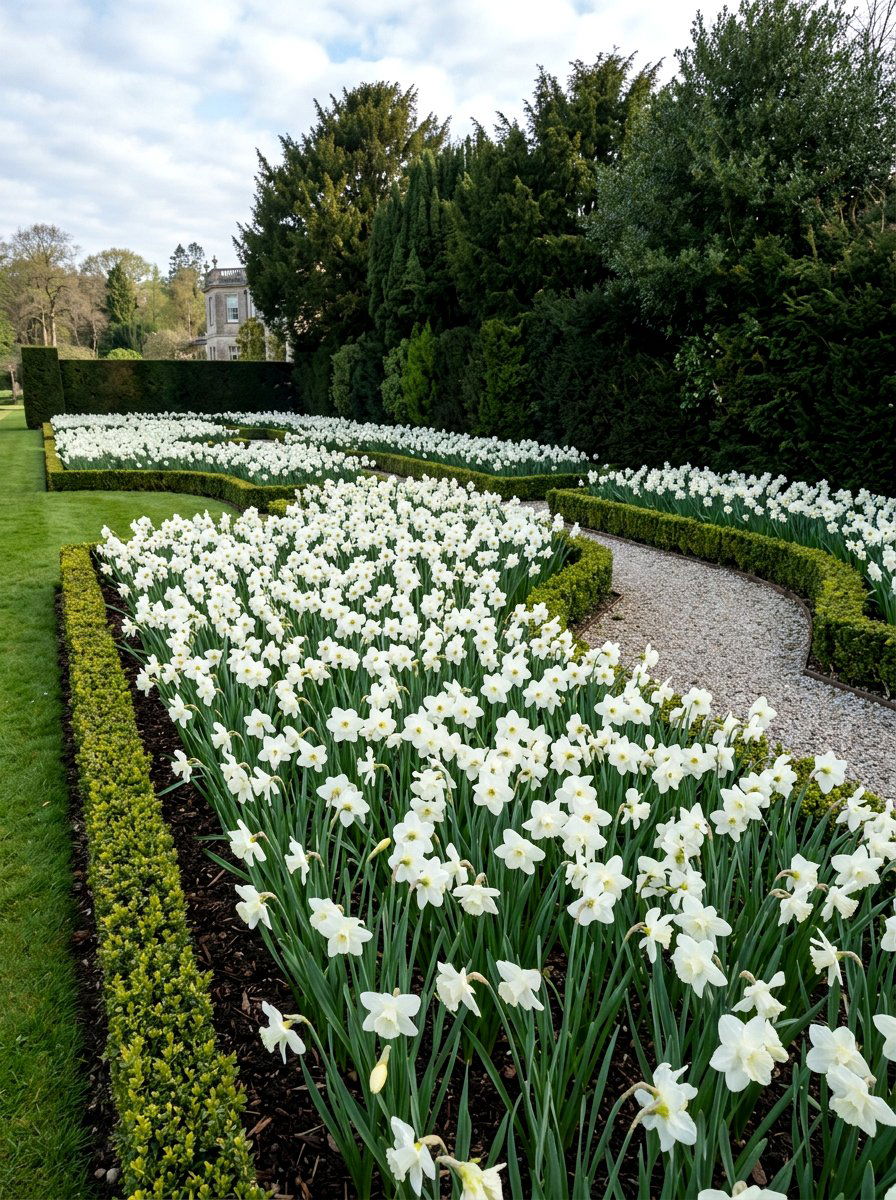
A white daffodil garden offers a more subtle and elegant alternative to the traditional bright yellow varieties. These blossoms, such as "Mount Hood" or "Thalia, " bring a sense of purity and light to the landscape. They look particularly stunning in the early morning or during the evening twilight when they seem to glow against the green foliage. You can mix different shades of white and cream to add depth and interest to the monochromatic scheme. White daffodils pair beautifully with silver-leaved plants or dark evergreens for a high-contrast look. This sophisticated palette is perfect for a formal garden or a peaceful corner meant for quiet reflection and relaxation.
21. Wildflower Meadow Mix
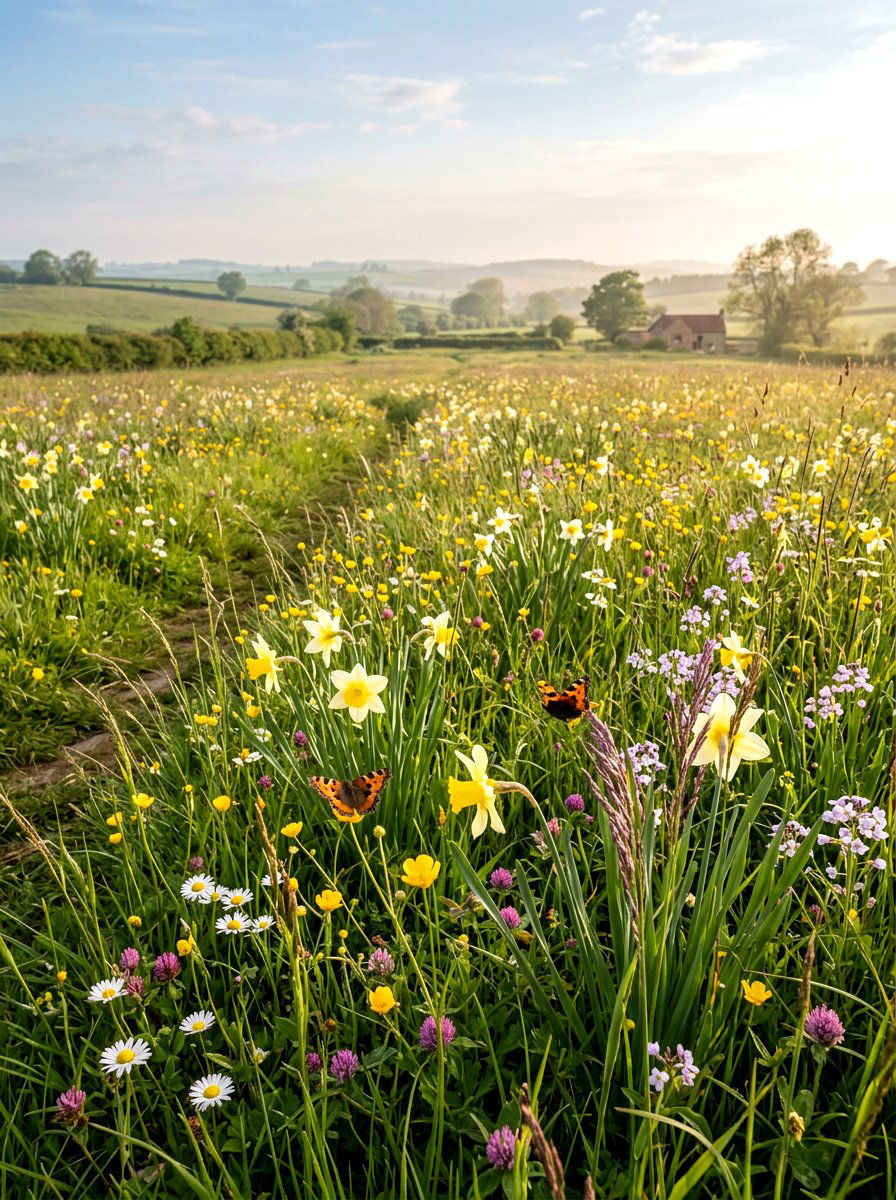
Integrating daffodils into a wildflower meadow mix creates a multi-layered and ecologically friendly garden space. You can sow seeds for native grasses and wildflowers that will grow up around the daffodils as they finish blooming. This allows the dying foliage of the bulbs to be hidden by the emerging summer plants, which is better for the health of the bulb. The daffodils provide that essential early nectar for pollinators waking up from hibernation. This style of gardening supports local wildlife while providing a stunning and naturalistic display. It is a low-maintenance way to fill a large back corner of your yard with life and vibrant color.
22. Sloped Hillside Planting
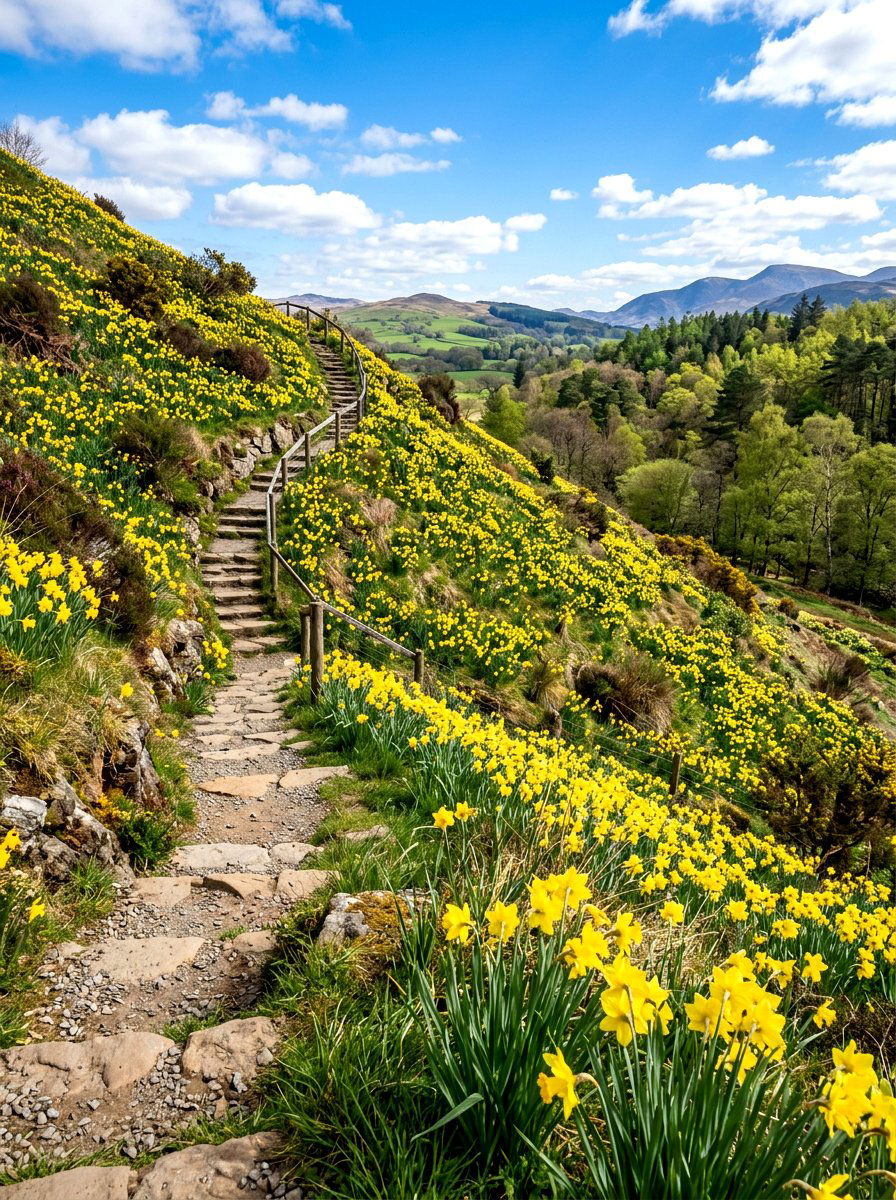
Using daffodils to cover a sloped hillside is a smart landscaping solution for difficult terrain that is hard to mow. These bulbs are excellent for erosion control as their roots help hold the soil in place. When planted in large groups, they turn a boring slope into a cascading waterfall of yellow and green. You don't have to worry about perfect spacing on a hill; a more random and scattered approach often looks better in this context. The natural incline allows you to see the flowers from a different perspective, making the entire hillside feel like a living work of art. It is an efficient way to beautify an otherwise challenging area.
23. Circular Garden Bed
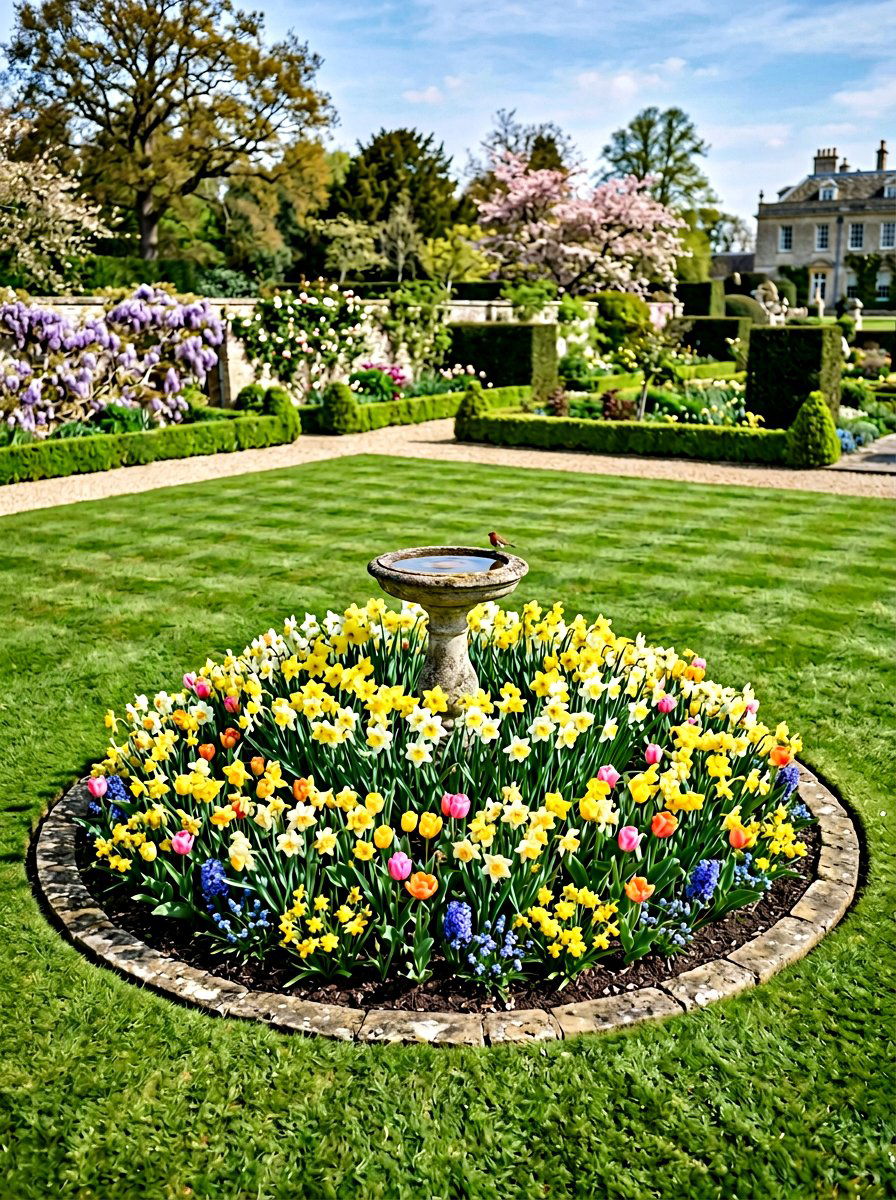
A circular garden bed creates a formal and centered focal point in the middle of a lawn or at the end of a path. You can plant daffodils in concentric circles, starting with the tallest varieties in the middle and moving to shorter ones at the edge. This creates a dome-like effect of flowers that is visually very satisfying and balanced. Using a stone or brick border around the circle helps keep the space looking tidy and deliberate. You can also plant a small ornamental tree or a birdbath in the center to add even more interest. This classic design works well in both traditional and modern landscape layouts for a polished look.
24. Cut Flower Garden
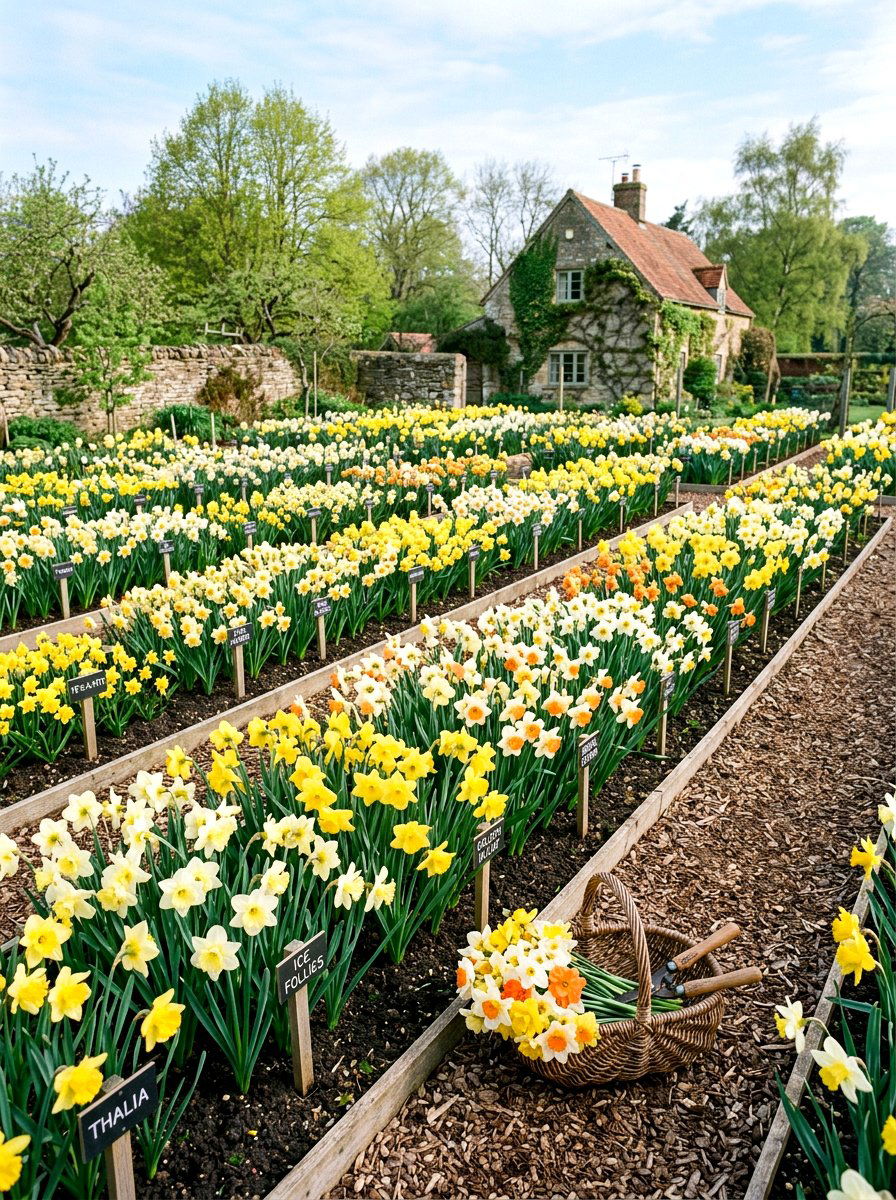
A dedicated cut flower garden allows you to grow plenty of daffodils specifically for bringing inside to enjoy in vases. You can plant long-stemmed varieties in organized rows to make harvesting much easier. This ensures you have a constant supply of fresh blooms to brighten up your kitchen or dining room without depleting your main landscape displays. Including different scents and colors gives you more options for creating beautiful indoor arrangements. Daffodils are excellent cut flowers because they last a long time in water and have very sturdy stems. This functional garden space is a joy for anyone who loves to decorate their home with natural elements during the spring.
25. Formal Knot Garden
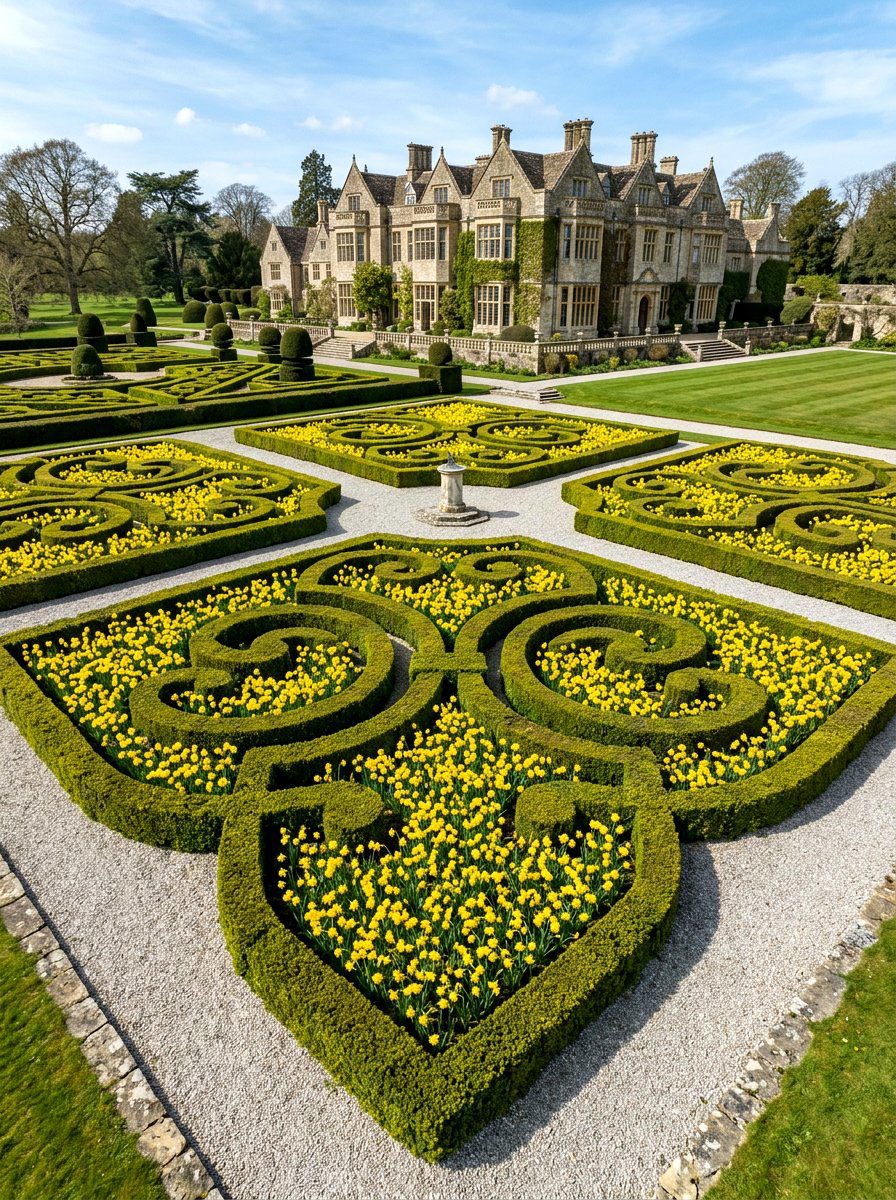
A formal knot garden uses low hedges, like boxwood, to create intricate geometric patterns that can be filled with seasonal daffodils. The structured green borders provide a year-round frame for the temporary burst of spring color. You can fill the "loops" of the knot with a single color of daffodil for a very clean and royal appearance. This style of gardening is rooted in tradition and adds a sense of luxury and order to your property. Even when the daffodils are gone, the hedge remains as a beautiful architectural feature. It is a sophisticated way to showcase your gardening skills and create a high-end look in a relatively small space.
Conclusion:
Planning a garden filled with daffodils is one of the most rewarding projects any homeowner can undertake for the spring season. These versatile bulbs offer endless possibilities, from wild and naturalized meadows to highly structured and formal displays. By choosing a mix of varieties and planting styles, you can ensure that your outdoor space remains vibrant and welcoming for many weeks. The low-maintenance nature of these flowers makes them accessible to everyone, regardless of their gardening experience. As you watch the first green shoots emerge from the cold soil, you will be reminded of the beauty and resilience of nature. Enjoy the process of creating your own personal spring sanctuary.
Related posts:
Leave a Reply