
As the frost melts away and the first signs of green emerge from the earth, there is an unmistakable urge to refresh our living spaces with the vibrant energy of spring. One of the most satisfying ways to celebrate this seasonal transition is by transforming basic garden containers into stunning pieces of art. These decorated vessels serve as the perfect home for your blooming tulips, fragrant hyacinths, and delicate primroses. Whether you prefer a modern minimalist look or a charming cottage-core aesthetic, updating your pots can instantly elevate your porch or windowsill. Let us dive into these creative ways to bring color and personality to your spring garden.
1. Painted Terracotta Pot
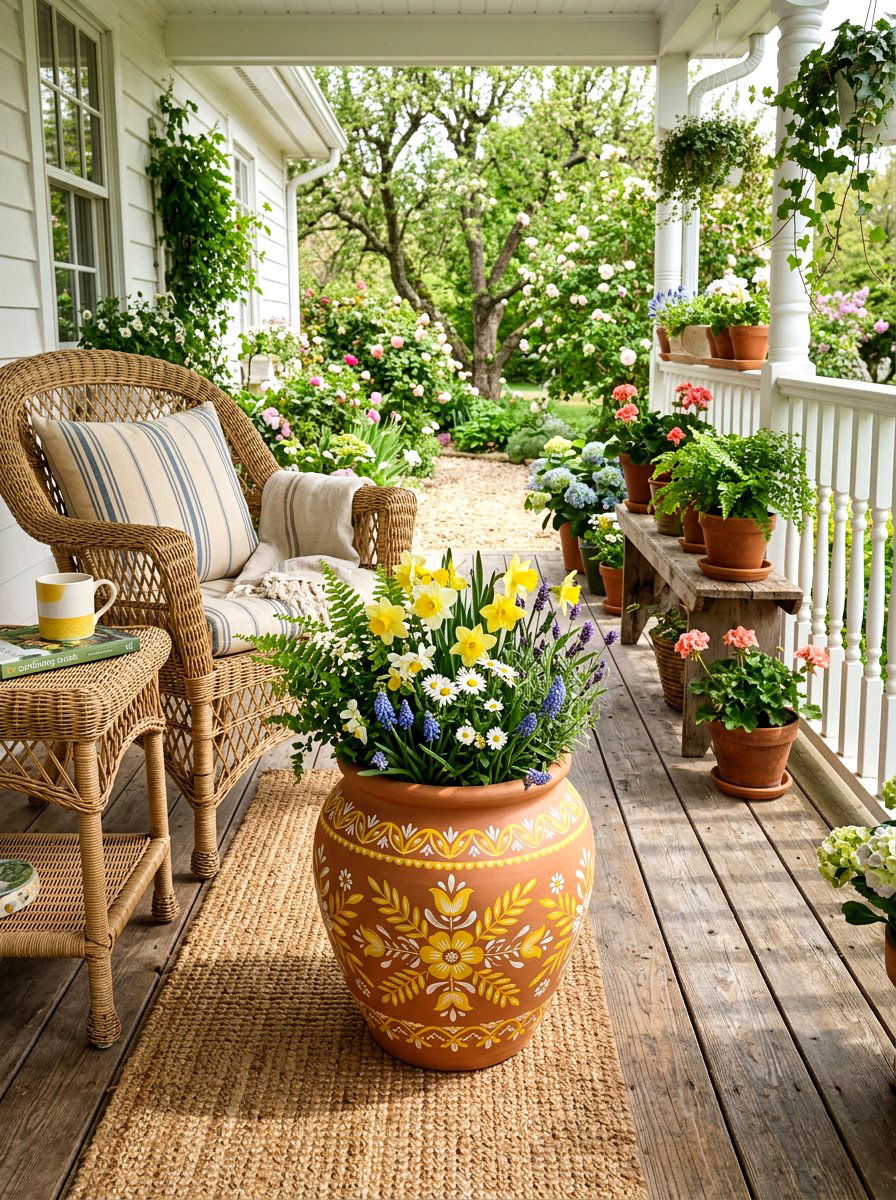
Have you ever looked at a plain orange pot and imagined something more colorful? Applying a fresh coat of paint to a standard terracotta vessel is the easiest way to welcome spring. You should start by soaking the pot in water and letting it dry completely to ensure the surface is clean. Use a primer first if you want the colors to really pop against the porous clay. Bright whites, sunny yellows, or even deep blues can completely change the vibe of your front porch. This simple transformation makes your plants look more intentional and stylish. It is a wonderful weekend project that provides instant gratification for any home decorator or gardening enthusiast.
2. Pastel Flower Pot
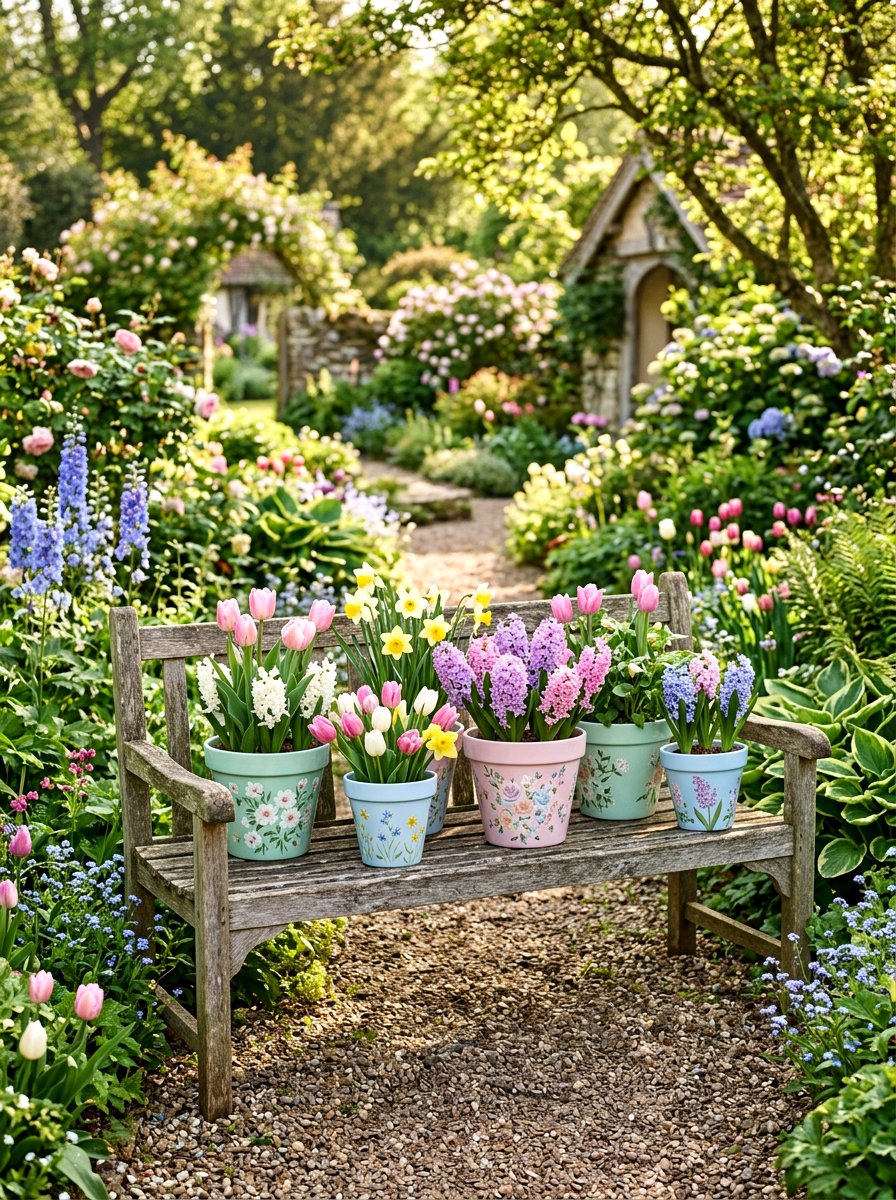
Does anything say spring more clearly than a collection of soft pastel hues? Using light pink, mint green, and baby blue paints can create a soothing and cohesive look for your indoor garden. These colors reflect the gentle light of the season and make every flower look more delicate. You can arrange these pots in a row on a sunny windowsill to create a beautiful gradient effect. Choosing matte finishes often provides a more modern and sophisticated appearance compared to high-gloss options. This style works perfectly with white flowers or light greenery. It brings a sense of calm and freshness into any room of your home during the springtime.
3. Decoupage Floral Pot
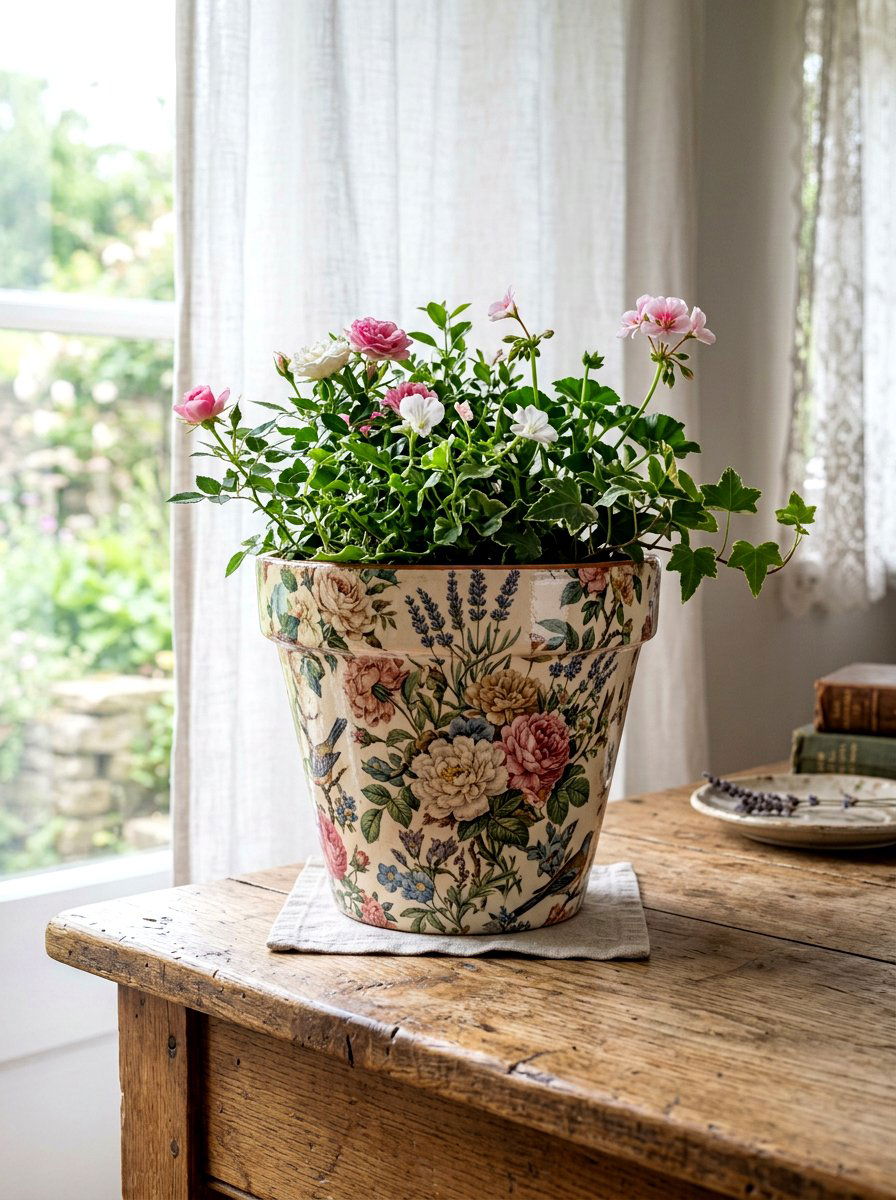
Adding intricate floral patterns to your planters does not require you to be a master painter. Decoupage is a fantastic technique where you use beautiful paper napkins or thin decorative paper to cover the surface of a pot. You simply apply a layer of adhesive, carefully press the paper onto the container, and seal it with a clear topcoat. This method allows you to achieve highly detailed botanical illustrations that would be very difficult to paint by hand. It is an excellent way to repurpose leftover craft supplies or pretty napkins from a spring brunch. The result is a vintage-inspired look that feels incredibly unique and very high-end.
4. Stenciled Garden Pot
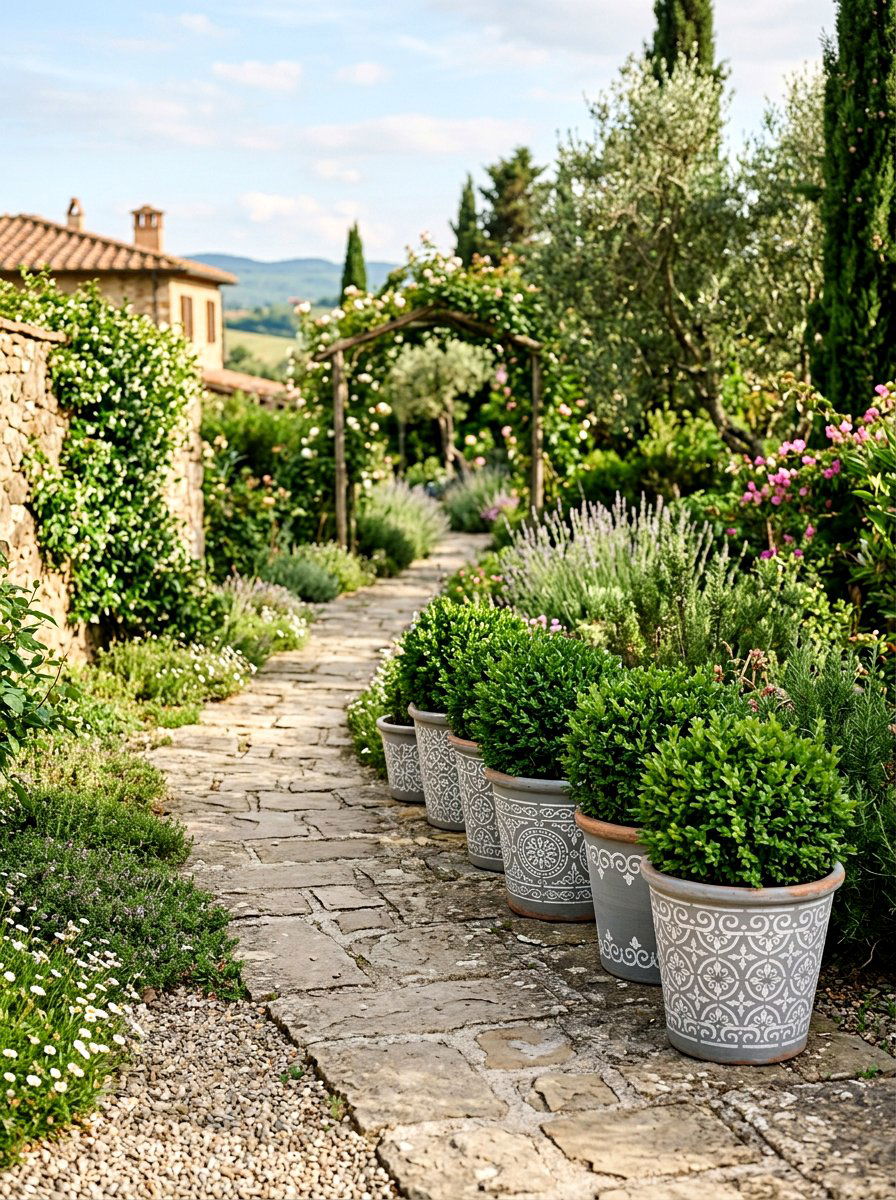
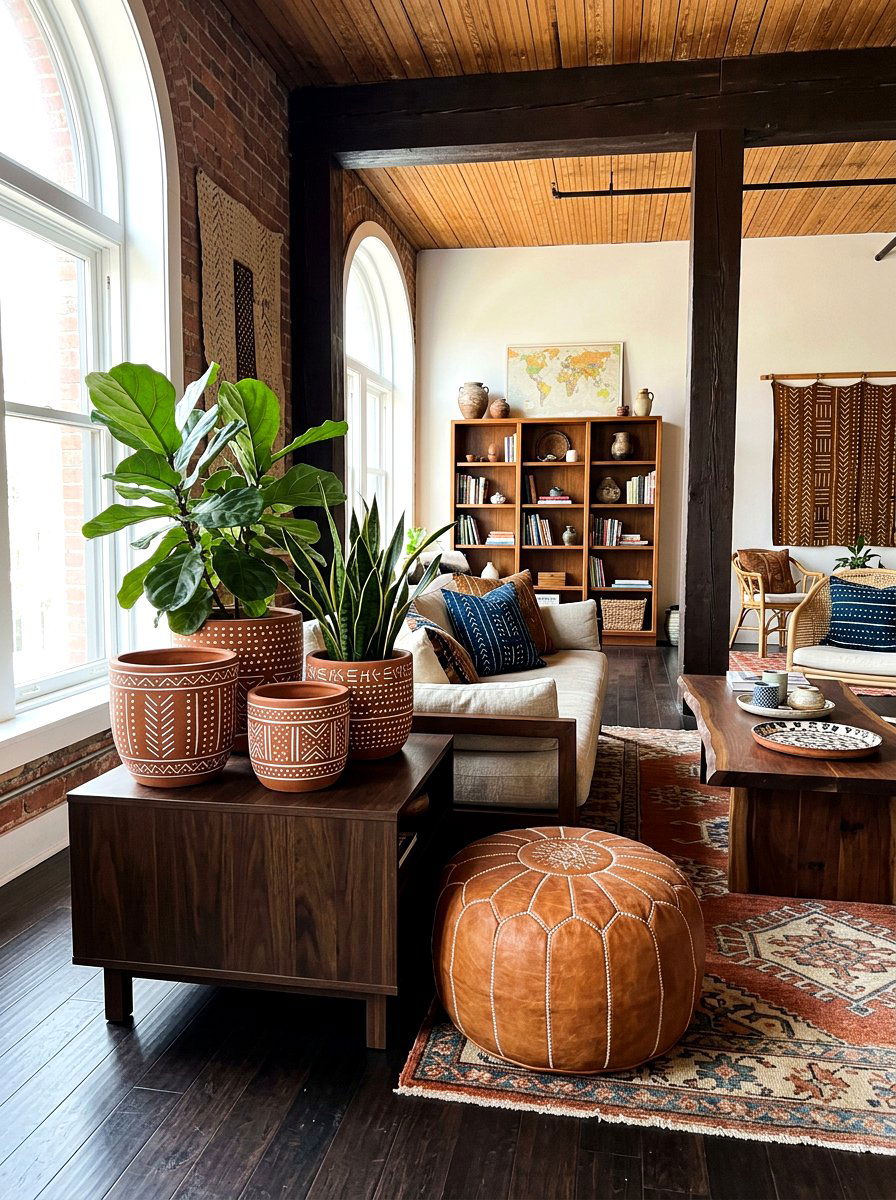
Are you looking for a way to add perfectly symmetrical patterns to your outdoor containers? Stenciling is a reliable method that ensures your designs look professional and clean every single time. You can choose from a wide variety of patterns like Moroccan tiles, delicate vines, or even simple geometric shapes. Secure the stencil firmly to the pot with painter’s tape before dabbing on your chosen color with a sponge brush. This technique works best when you use a small amount of paint to prevent any bleeding under the edges. It allows you to create a repetitive, rhythmic look that adds visual interest to a patio or a garden path.
5. Chalkboard Planter
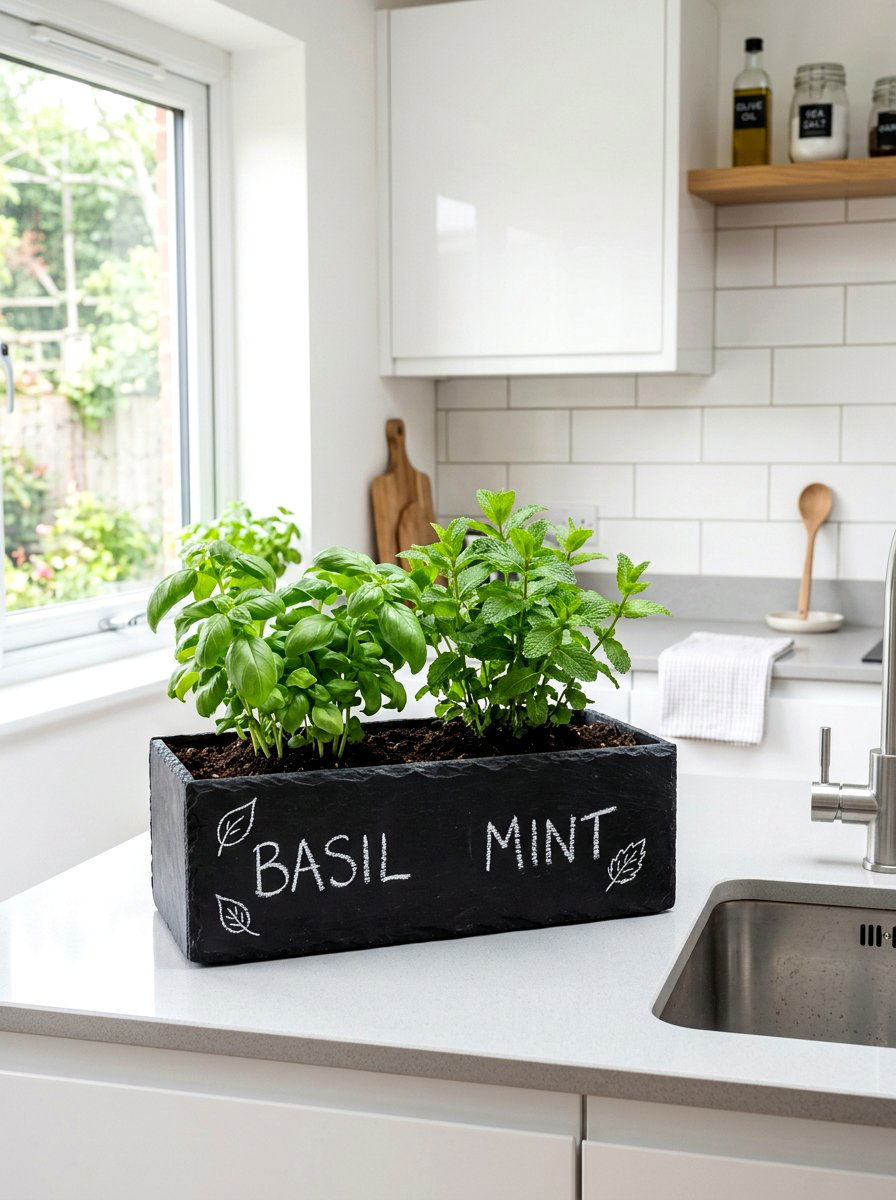
What if you could change the label or decoration on your pots whenever you wanted? Chalkboard paint is a versatile option that turns any container into a functional and interactive piece of decor. Once the dark paint has cured, you can use chalk markers to write the names of your herbs or draw seasonal illustrations. This is particularly helpful for kitchen herb gardens where you might rotate plants frequently. The black background provides a sharp contrast to the bright green leaves of basil or mint. It is a practical and fun choice for families with children who enjoy helping out in the garden. You can simply wipe it clean and start over.
6. Rope Wrapped Pot
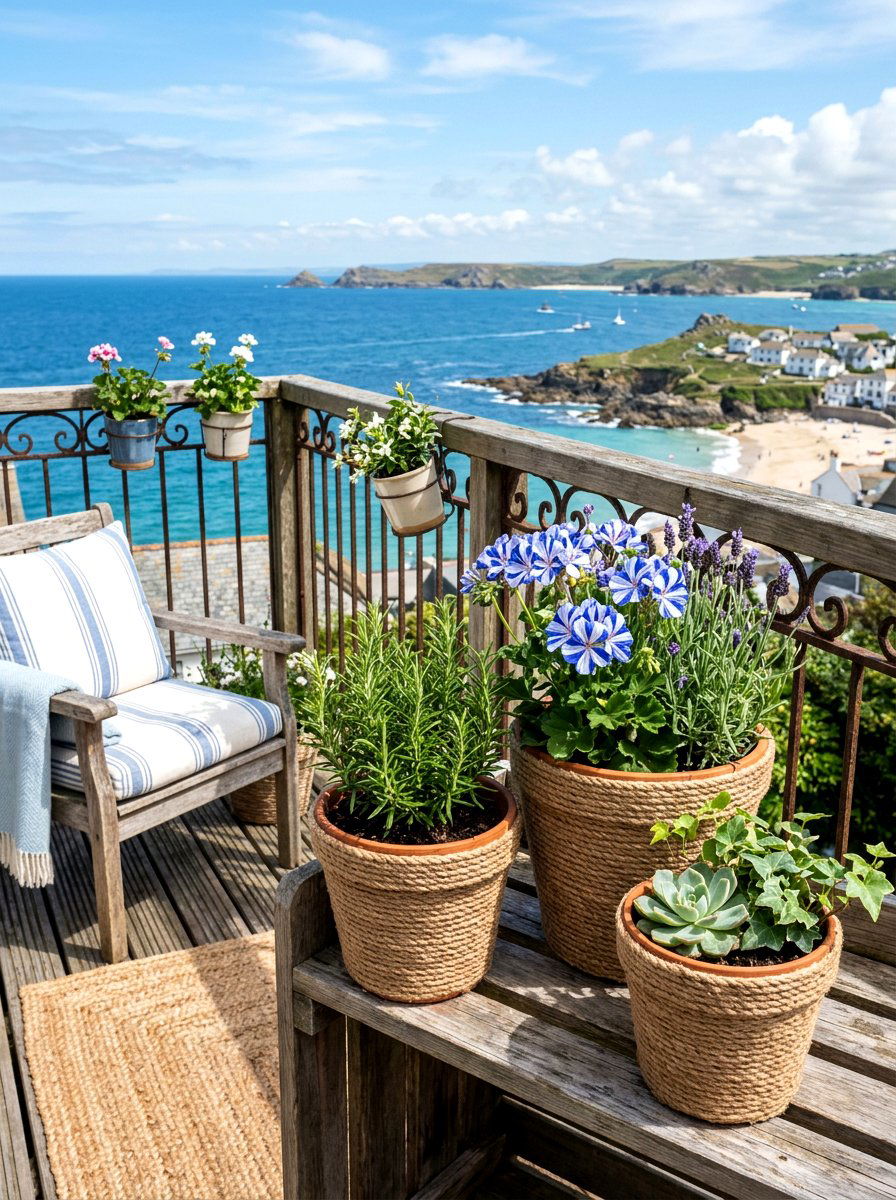
Adding texture to your garden can make the space feel much more grounded and organic. Wrapping a basic plastic or ceramic pot with natural jute or cotton rope creates a beautiful coastal or bohemian look. Use a hot glue gun to secure the rope as you wind it tightly around the exterior of the vessel. You can cover the entire surface or just a portion of it to create a layered effect. This technique is also great for hiding old or unattractive pots that still have plenty of life left in them. The neutral tones of the rope complement almost any plant species and add a cozy, tactile element to your decor.
7. Hand Painted Pattern Pot
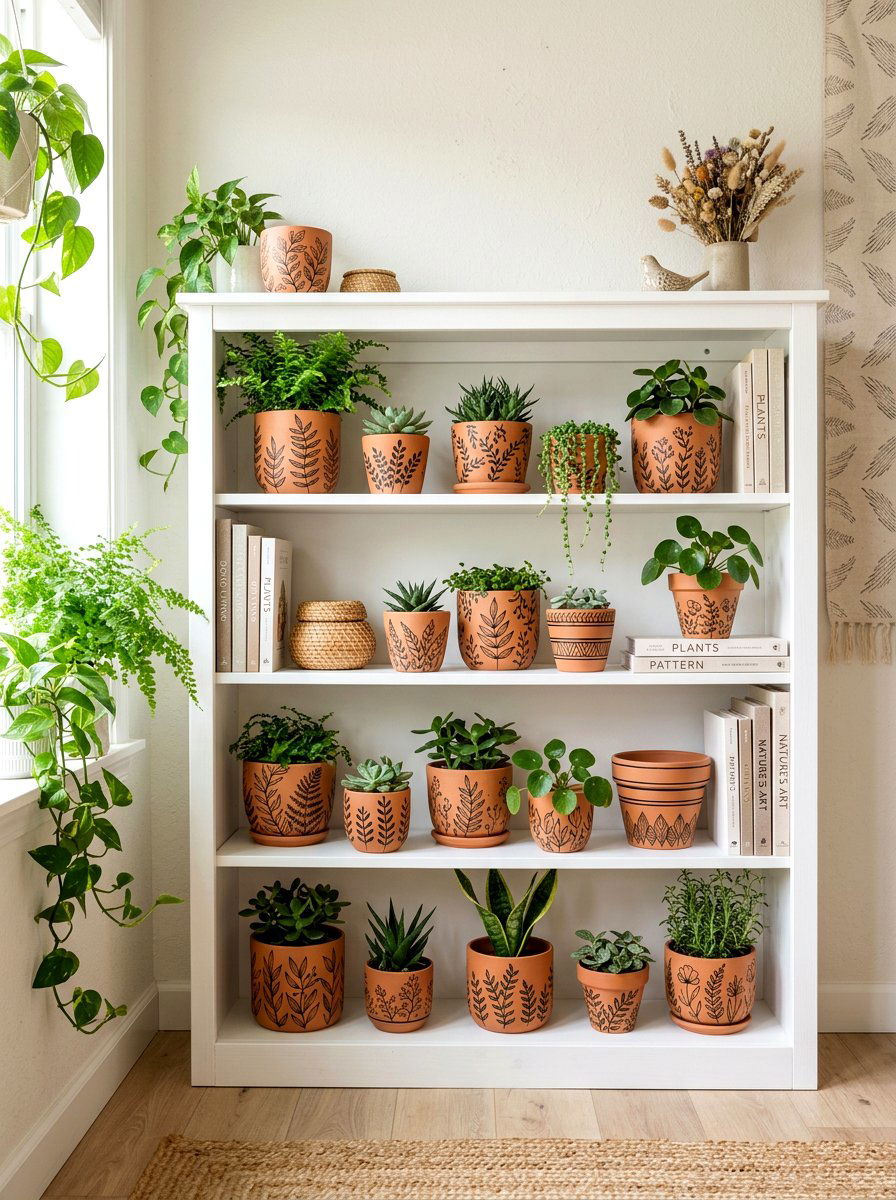
Do you enjoy the charm of slightly imperfect and artistic designs? Hand-painting freehand patterns like tiny leaves, abstract dots, or thin stripes can give your pots a lovely artisanal feel. You do not need to be a professional artist to create something beautiful; simple shapes often look the best. Use a fine-tip brush and a steady hand to apply your designs over a solid base color. This approach makes each pot a one-of-the-kind piece that tells a story of your creativity. It is a meditative process that allows you to slow down and enjoy the start of the growing season. These pots look wonderful when clustered together on a side table.
8. Distressed Stone Pot
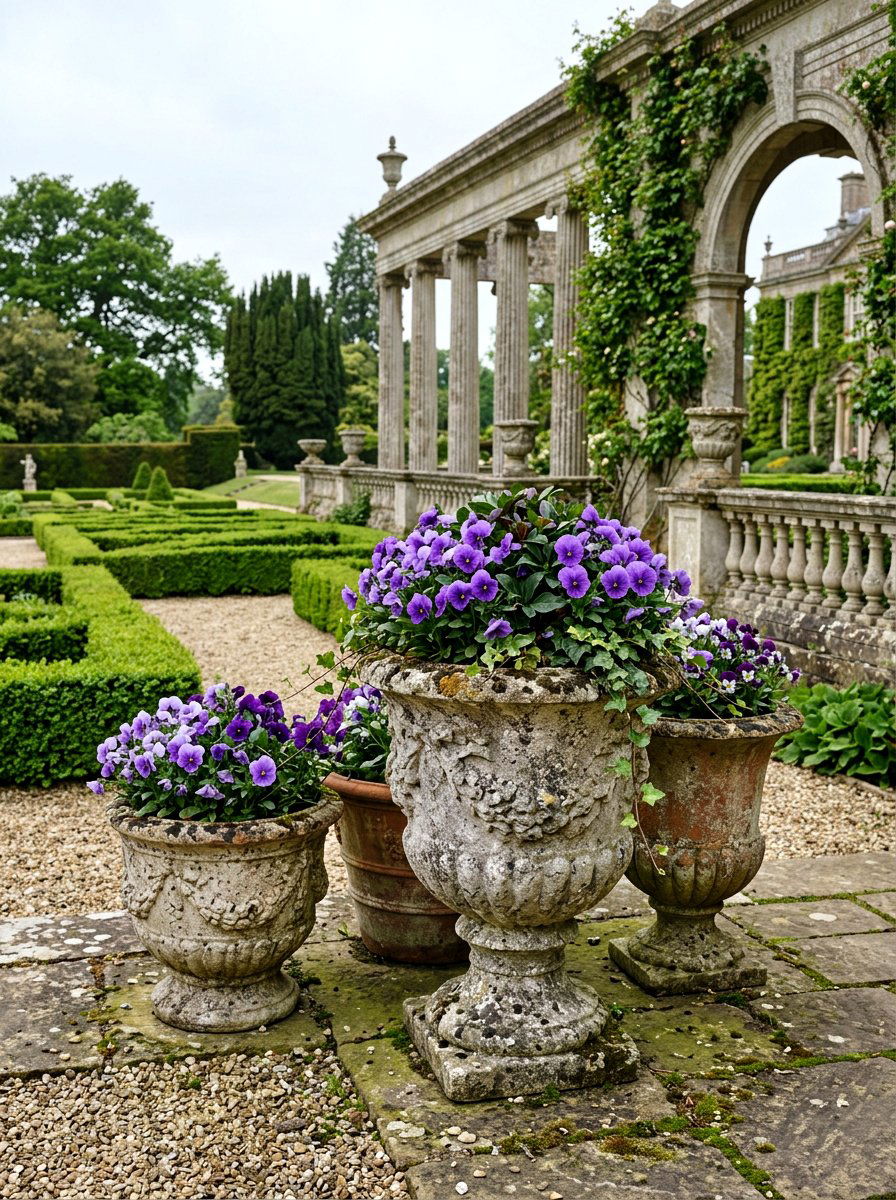
Creating an aged, antique look can give your garden a sense of history and timeless elegance. You can transform a brand-new pot into a weathered stone masterpiece by layering different shades of gray, beige, and white paint. Use a sea sponge to dab the colors on unevenly, allowing some of the bottom layers to peek through. Sanding down some of the edges after the paint dries can further enhance the distressed effect. This style mimics the appearance of expensive European garden ornaments without the high price tag. It provides a sturdy and classic backdrop for bright spring blooms like red tulips or purple pansies. The result is always very sophisticated.
9. Ombre Planter
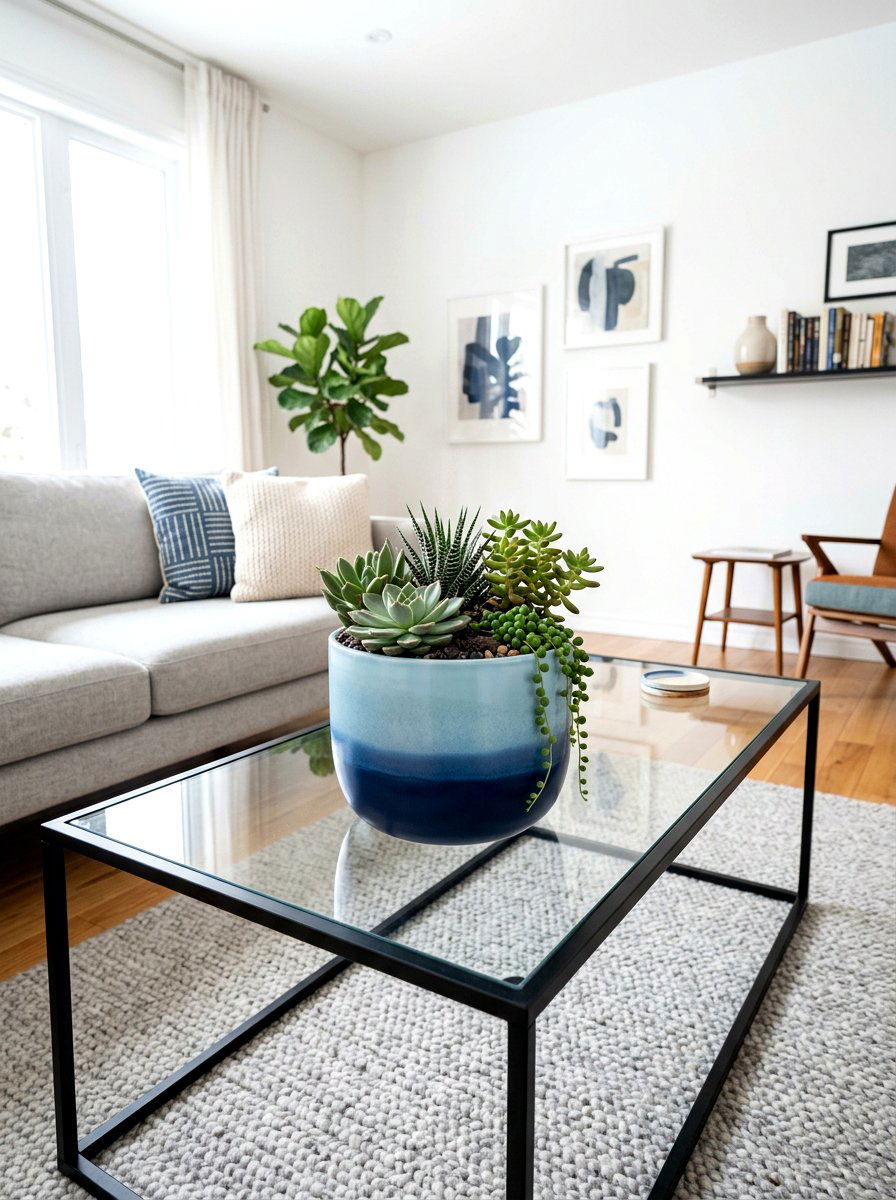
A gradual transition from one color to another can create a stunning visual focal point in your home. The ombre technique involves blending two or three shades of the same color family from the top to the bottom of the pot. You can achieve this by spraying paint in light layers or using a damp sponge to merge the wet paint colors together. Soft blues that fade into white can evoke the feeling of a clear spring sky. This modern aesthetic is very popular on social media and adds a trendy touch to your plant collection. It is a great way to experiment with color theory while making your garden look more cohesive.
10. Gold Leaf Pot
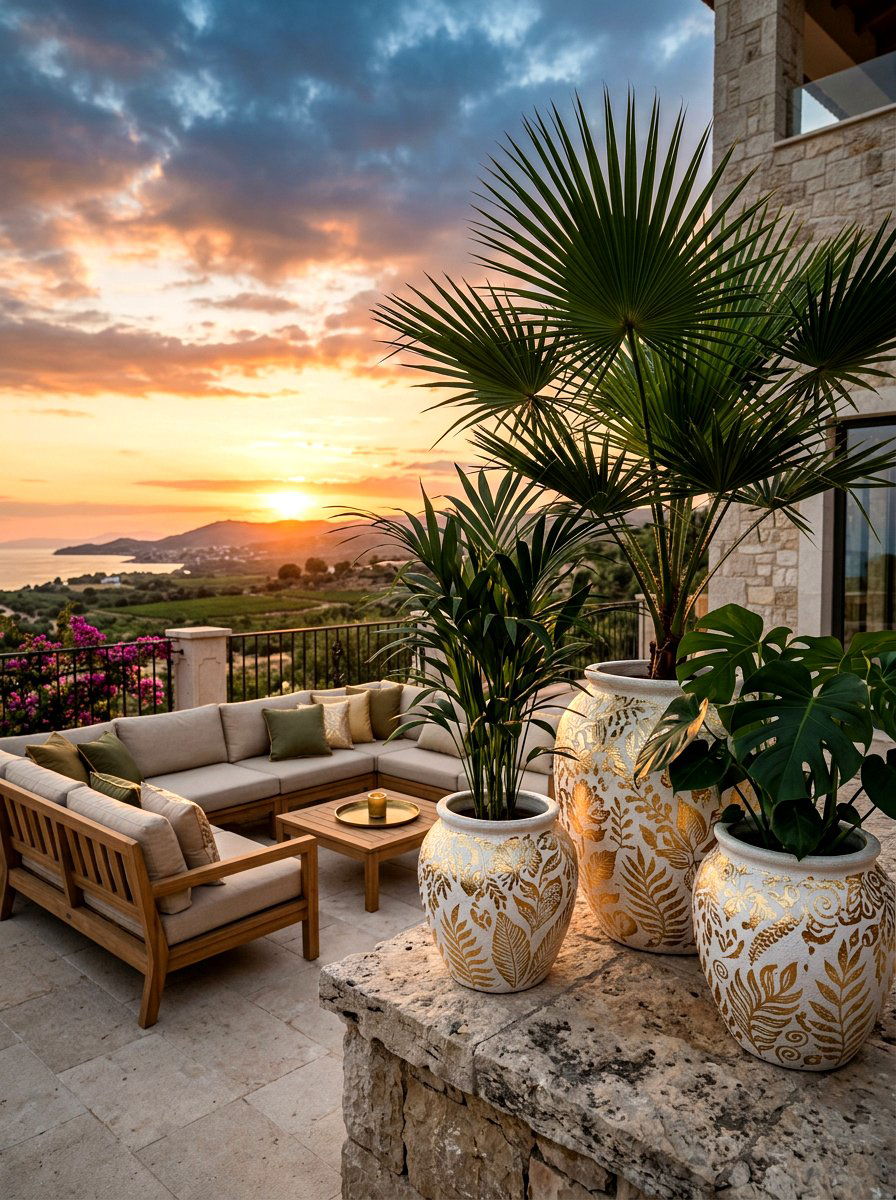
Sometimes a little bit of shimmer is all you need to make your spring plants stand out. Applying gold leaf or metallic gold paint to the rim or the base of a pot adds a touch of luxury. You can create clean lines using painter’s tape or go for a more "dipped" look for an artistic flair. The gold catches the sunlight beautifully, making your patio or windowsill glow during the golden hour. This style pairs exceptionally well with dark green foliage or crisp white flowers. It is a simple way to elevate basic terracotta into something that looks like it belongs in a high-end interior design magazine.
11. Macrame Plant Pot
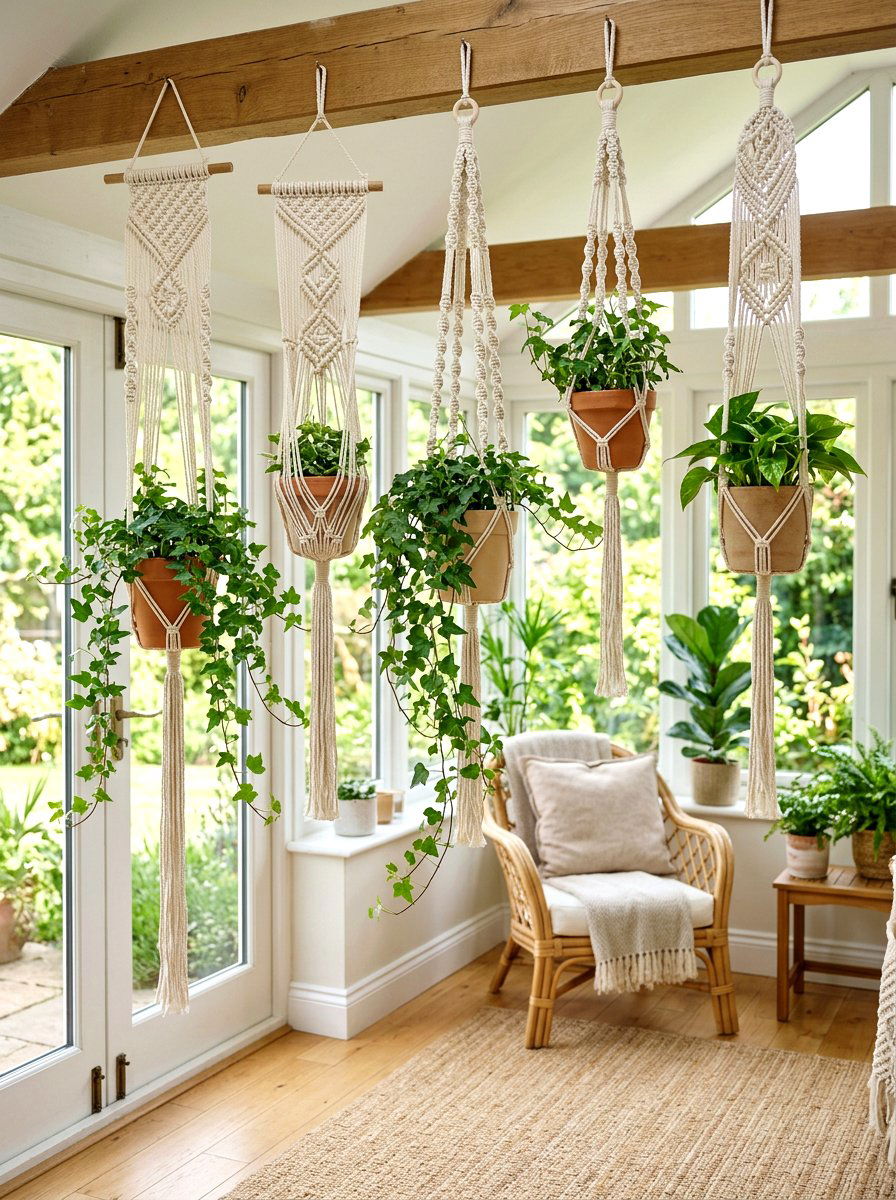
Integrating textile arts into your plant display can soften the hard lines of traditional pots. A macrame hanger or a small decorative sleeve for your pot adds a beautiful boho-chic vibe to your spring decor. You can use cream-colored cotton cords to create intricate knots and fringes that cradle your favorite plants. This is an excellent solution for saving space by hanging your greenery from the ceiling or a wall hook. The soft texture of the cord contrasts beautifully with the smooth surface of ceramic or the roughness of clay. It brings a handcrafted, warm feel to your living space that perfectly matches the renewal of the spring season.
12. Burlap Wrapped Pot
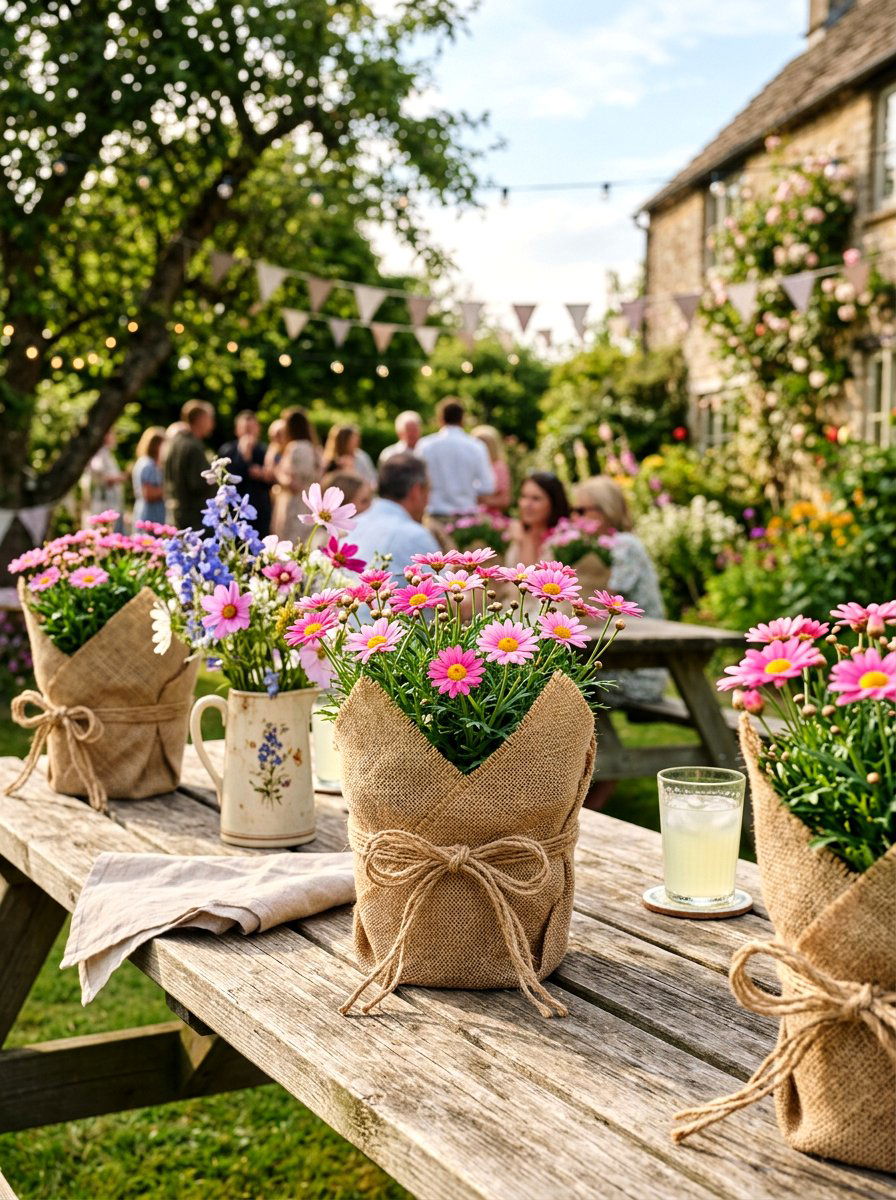
For a rustic or farmhouse aesthetic, burlap is a fantastic material to use for pot decoration. You can wrap a simple pot in a square of burlap and tie it off with a piece of twine or a colorful ribbon. This look is very popular for spring weddings or garden parties because it feels natural and unpretentious. The earthy brown color of the fabric allows the vibrant greens and bright petals of your flowers to be the main attraction. It is a very affordable way to dress up multiple pots for a cohesive display. You can also stencil small designs onto the burlap for an extra layer of personalized detail.
13. Polka Dot Pot
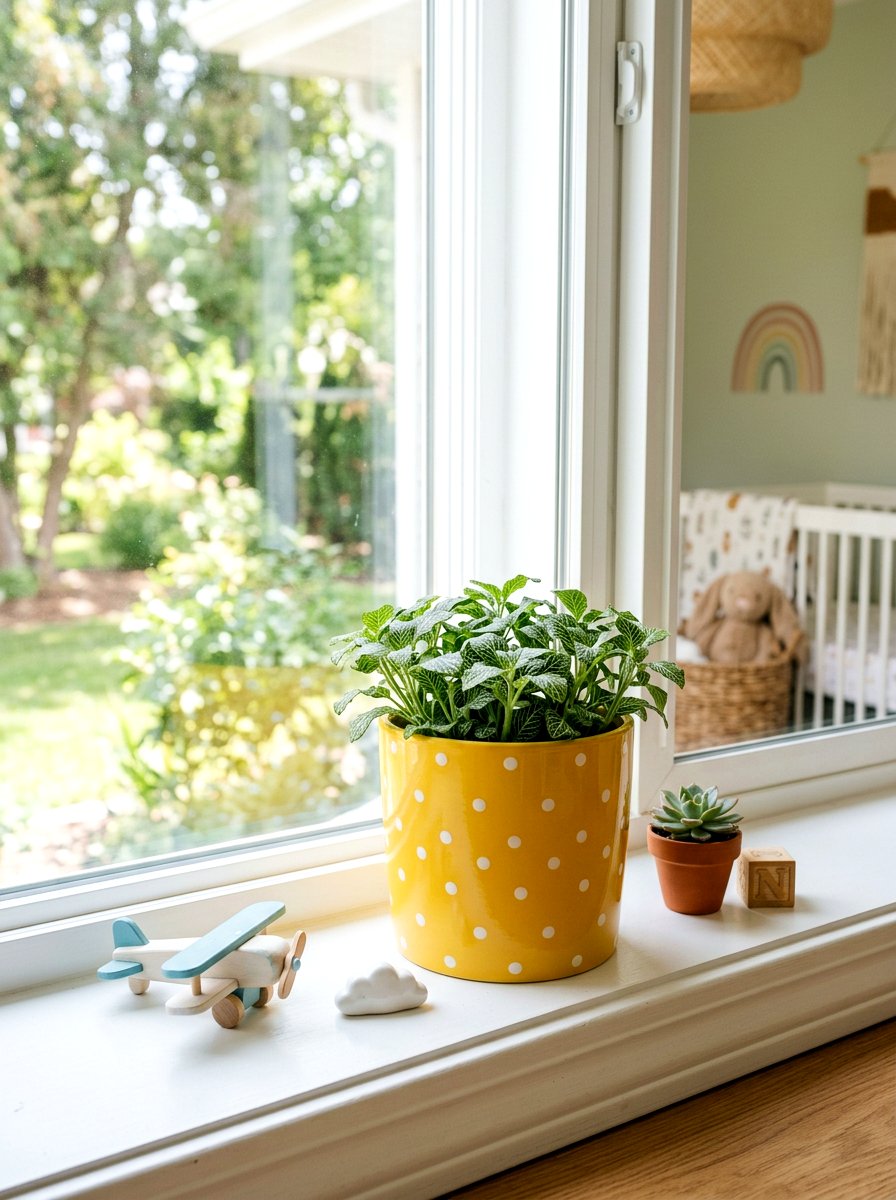
Polka dots are a timeless and playful pattern that can bring a sense of joy to your spring garden. You can easily create this look by using the round end of a foam pouncer or even a pencil eraser dipped in paint. Try using white dots on a bright yellow background for a sunny, cheerful appearance. If you want something more subtle, use various shades of the same color for the dots and the base. This pattern is very easy to achieve and is a great project for beginners or children. It adds a whimsical touch to any space and looks particularly cute with small succulents or colorful daisies.
14. Striped Garden Pot
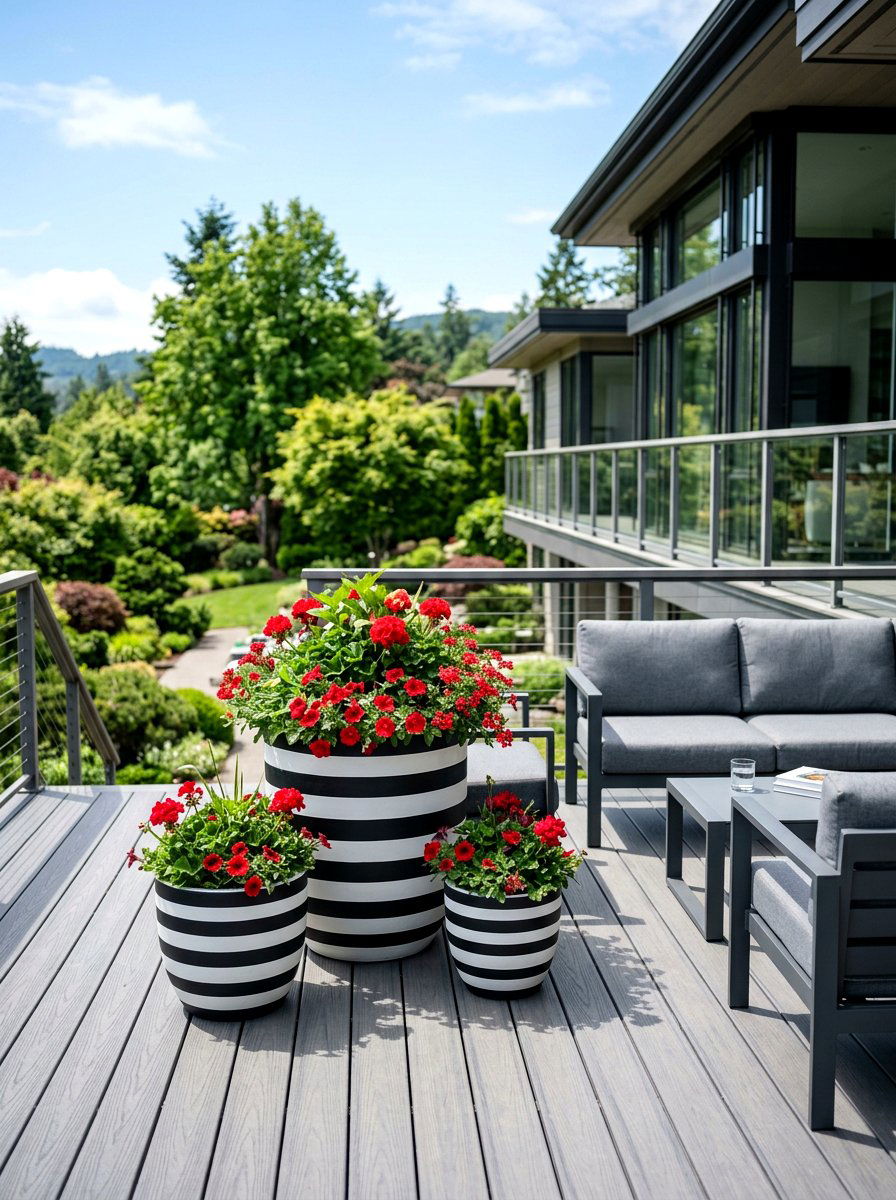
Clean lines and bold stripes can make a dramatic statement in your outdoor or indoor garden. Using painter’s tape is the secret to achieving perfectly straight edges for your striped designs. You can opt for classic horizontal nautical stripes or try vertical lines for a more contemporary look. Alternating between a bright color and a neutral white creates a crisp and clean aesthetic that feels very refreshing. This style is excellent for adding a structured element to a garden that might be filled with wild, sprawling plants. It gives a sense of order and modern style that complements a wide variety of home architectures and interior decor themes.
15. Marbled Clay Pot
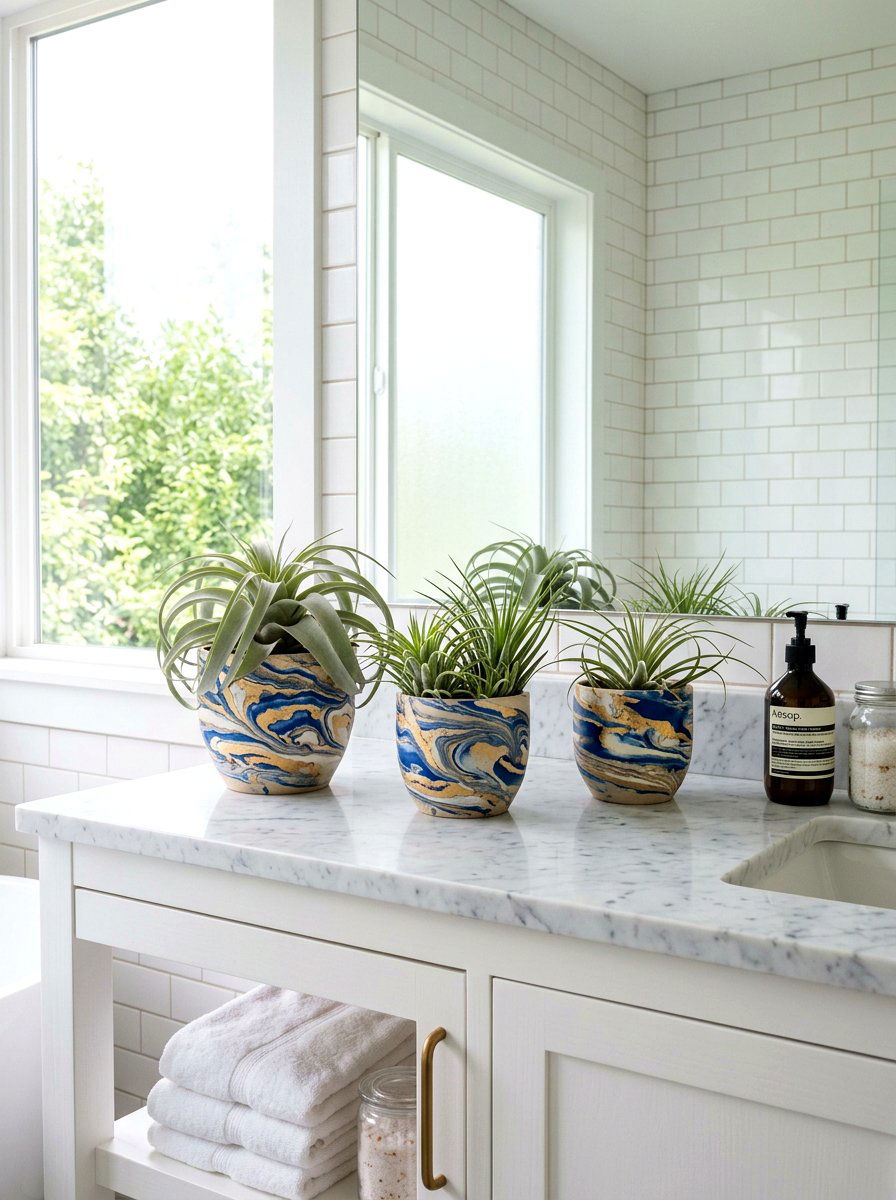
The swirling patterns of marble are naturally elegant and can be recreated on your pots with a few simple steps. One popular method involves dripping nail polish or oil-based paints into a bucket of water and dipping the pot into the mixture. The paint floats on the surface and clings to the pot in unique, organic shapes as you pull it out. This creates a one-of-a-kind marbled effect that looks like expensive stone. Each pot you make will be completely different from the last, which adds to the excitement of the project. It is a fun and slightly messy way to create high-impact decor for your spring flowers.
16. Pressed Flower Pot
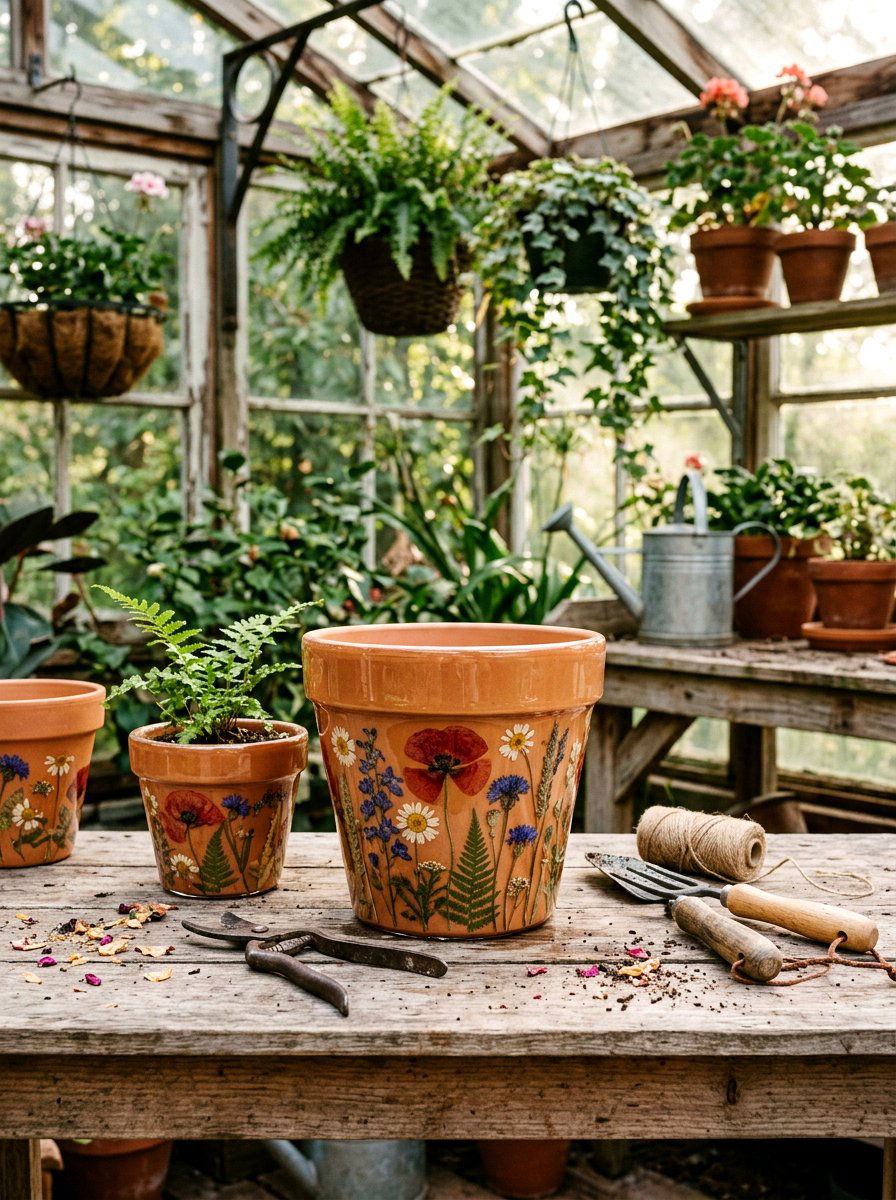
Why not decorate your plant containers with the very things they are meant to hold? Using real pressed flowers to decorate the exterior of a pot is a beautiful way to honor the season. You can find small wildflowers in your yard, press them in a heavy book, and then glue them to a light-colored pot. Covering the entire surface with a clear varnish will protect the delicate petals and keep them looking vibrant. This technique creates a romantic and botanical look that is perfect for a sunroom or a garden-themed bedroom. It feels like a piece of nature has been preserved forever on the side of your favorite planter.
17. Mosaic Tile Pot
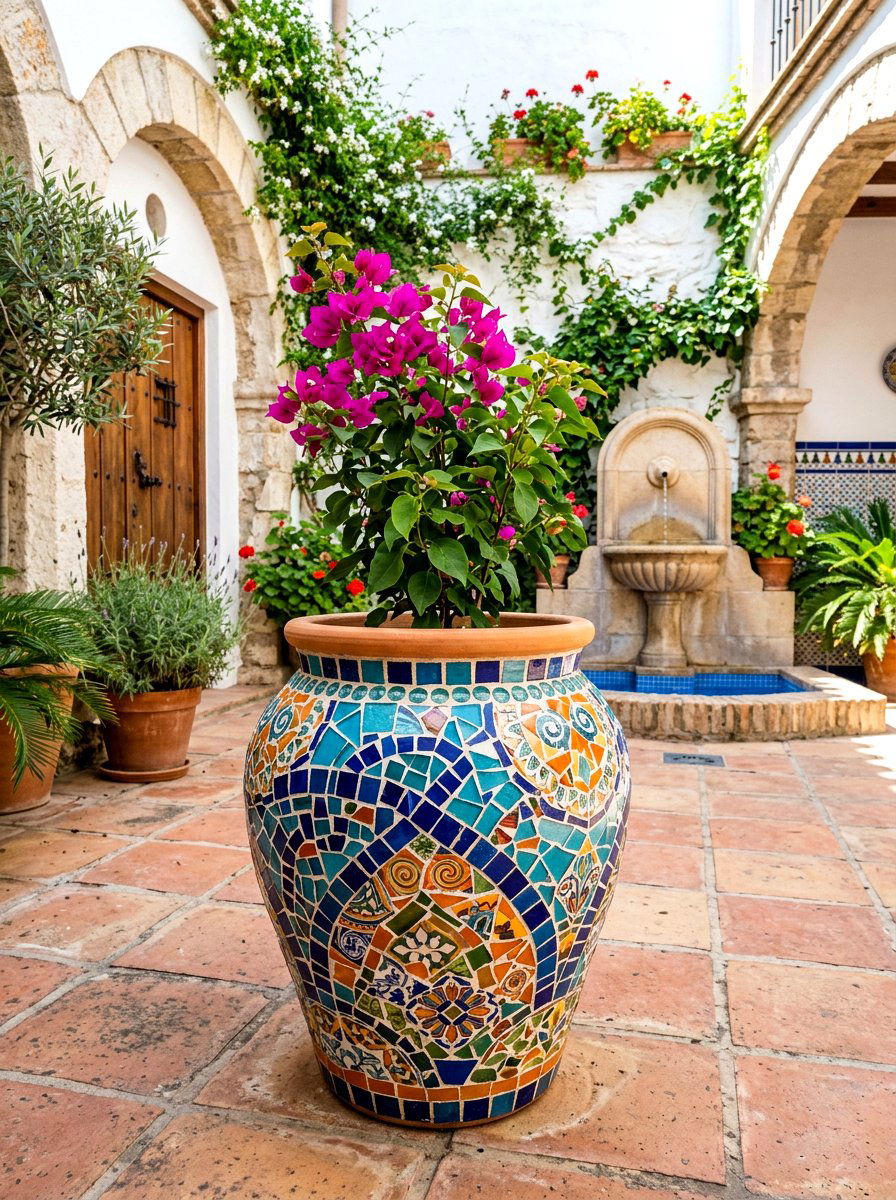
If you have broken ceramic plates or colorful glass pebbles, you can turn them into a stunning mosaic pot. This project involves gluing small pieces of material onto the surface of a sturdy pot and then filling the gaps with grout. It results in a textured, multi-colored surface that sparkles when it catches the light. Mosaic pots are incredibly durable and can withstand various weather conditions, making them ideal for long-term outdoor use. This is a wonderful way to recycle old items and turn them into something functional and beautiful. The intricate details of a mosaic add a Mediterranean or artistic flair to any patio or walkway.
18. Geometric Painted Pot
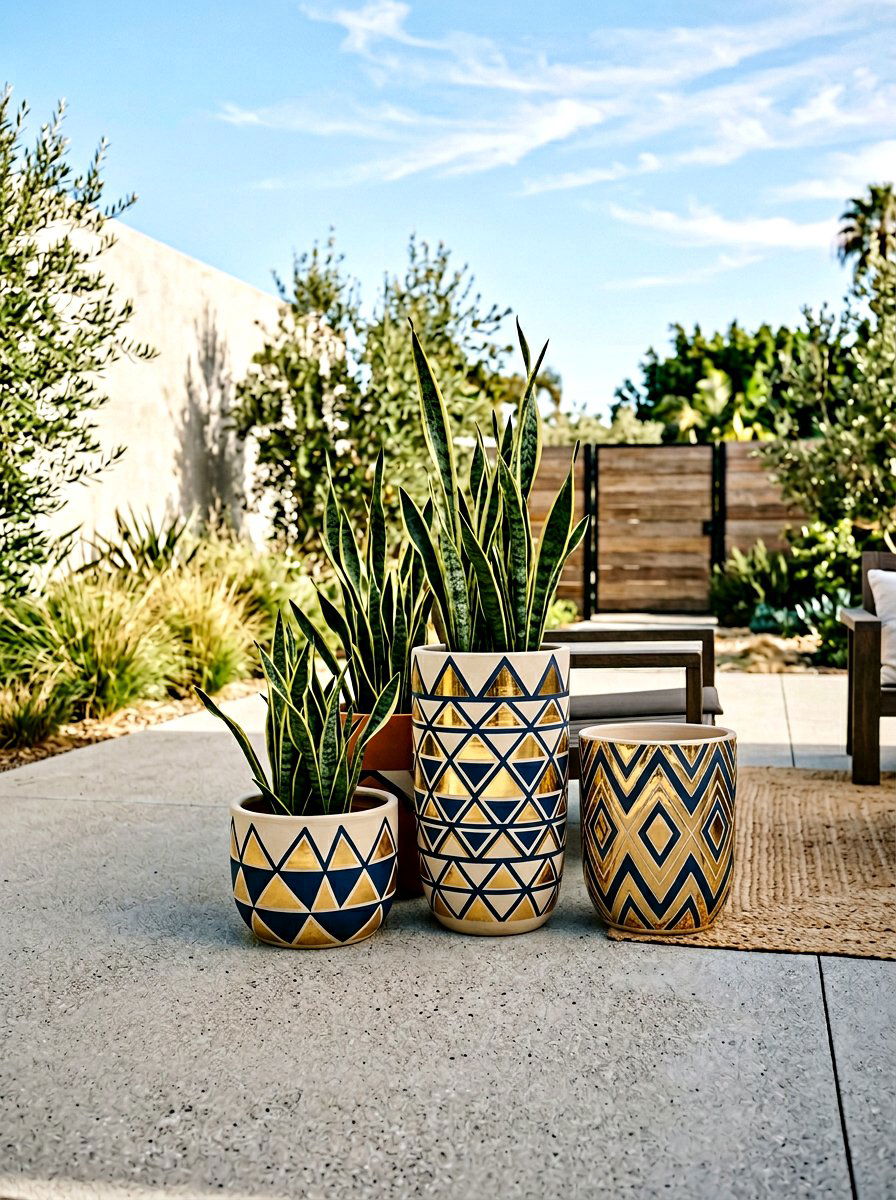
Modern design often relies on sharp angles and bold geometric shapes to create visual interest. You can use thin masking tape to create triangles, diamonds, or hexagons on your planters before painting them. Choosing contrasting colors like black and gold or navy and white can make these shapes stand out even more. This style looks very sophisticated and works well in minimalist or mid-century modern homes. It provides a structured contrast to the organic and soft shapes of the plants growing inside. Geometric pots are perfect for showcasing architectural plants like snake plants or cacti. They act as small pieces of modern sculpture in your living space.
19. Whitewashed Terracotta Pot
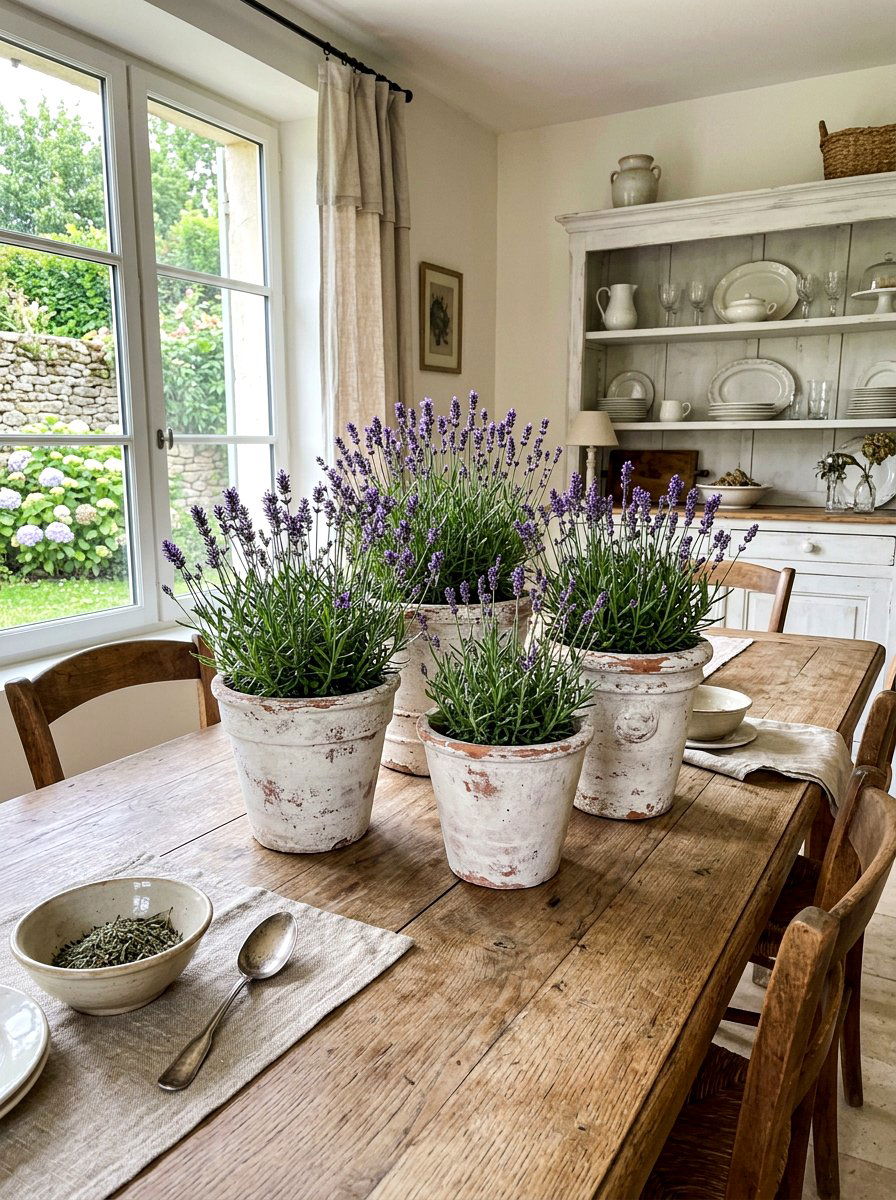
A whitewashed finish provides a soft, dreamy look that is perfect for the light and airy feel of springtime. You can achieve this by mixing white acrylic paint with water and brushing it lightly over a terracotta pot. Use a rag to wipe away some of the excess paint while it is still wet to reveal the warm clay underneath. This technique softens the bright orange of the terracotta and gives it a coastal or French country vibe. It is a very quick process that can transform an entire collection of pots in just one afternoon. These containers look beautiful when filled with lavender or white hydrangeas.
20. Gingham Pattern Pot
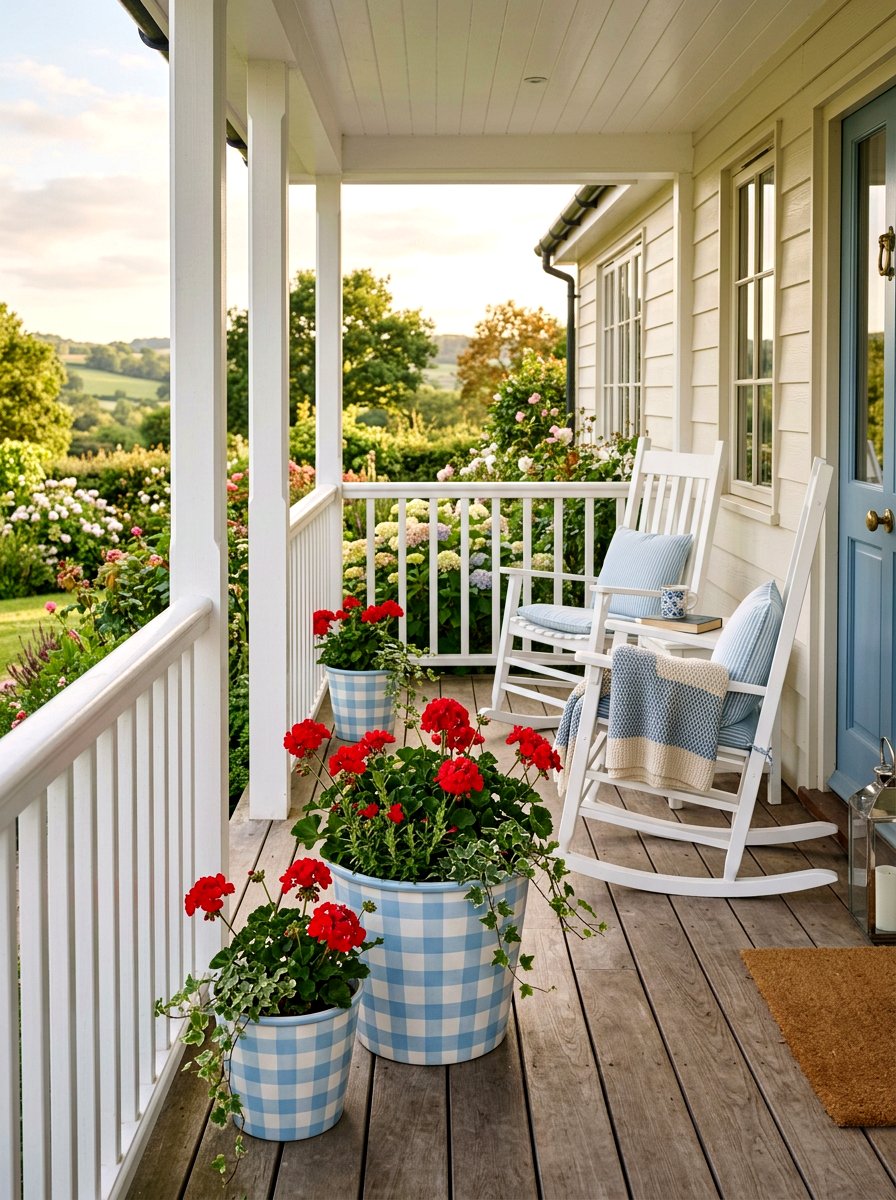
Gingham is a classic spring pattern that evokes images of picnics and sunny afternoons in the park. While it might look complicated, you can create a gingham effect by layering horizontal and vertical stripes of the same color. Where the stripes overlap, the color will appear darker, creating that iconic checkered look. Using soft blues, pinks, or greens can make the pattern feel very traditional and sweet. This style is perfect for a cottage-core kitchen or a cozy front porch. It adds a nostalgic and charming element to your garden decor. A gingham pot filled with red geraniums is a timeless combination that never goes out of style.
21. Textured Clay Pot
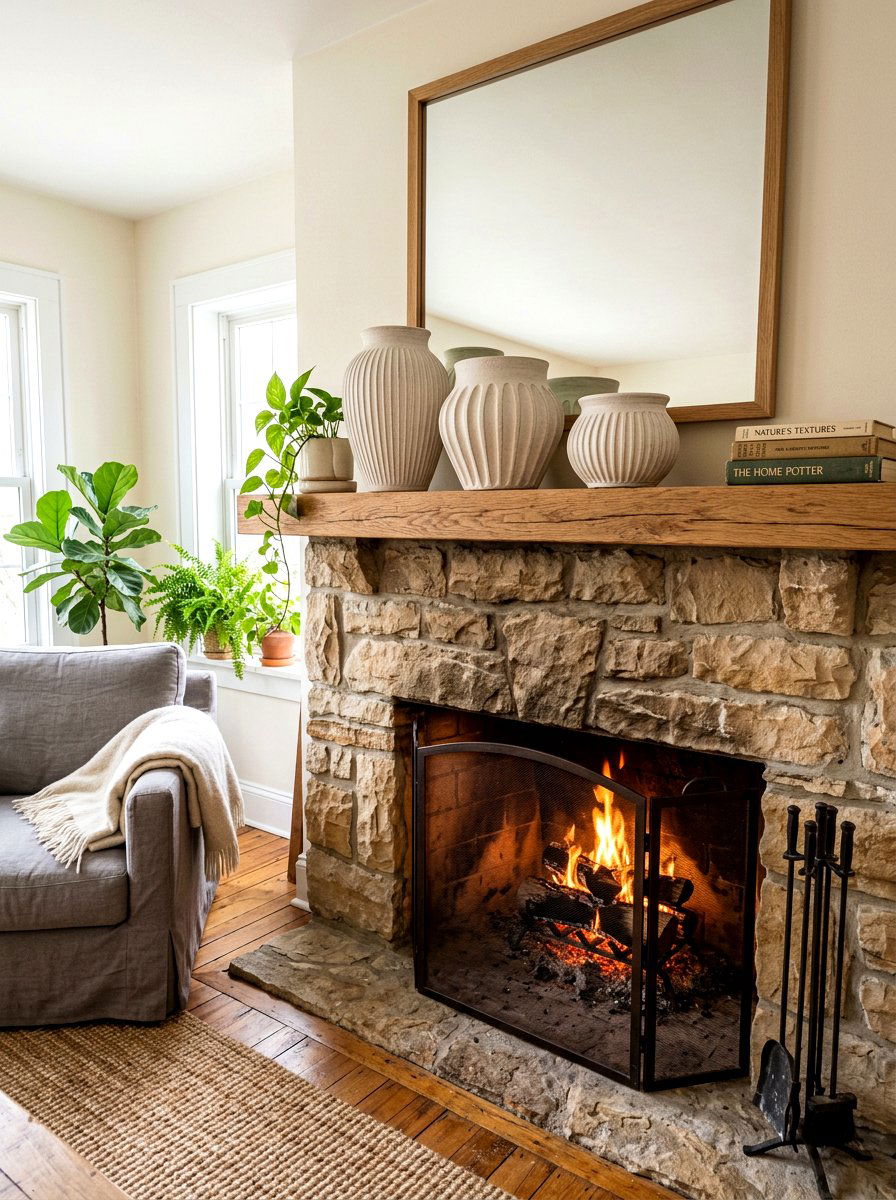
Sometimes the best way to decorate a pot is to change its physical texture rather than just its color. You can use air-dry clay or specialized textured paints to add raised elements like small bumps, ridges, or floral shapes. Applying a thick layer of joint compound and then dragging a comb through it can also create interesting linear patterns. Once the texture has dried, you can paint over it with a solid color to highlight the shadows and highlights created by the surface. This tactile approach makes your pots more interesting to touch and look at. It adds a layer of depth that standard flat paint simply cannot provide.
22. Herb Garden Pot
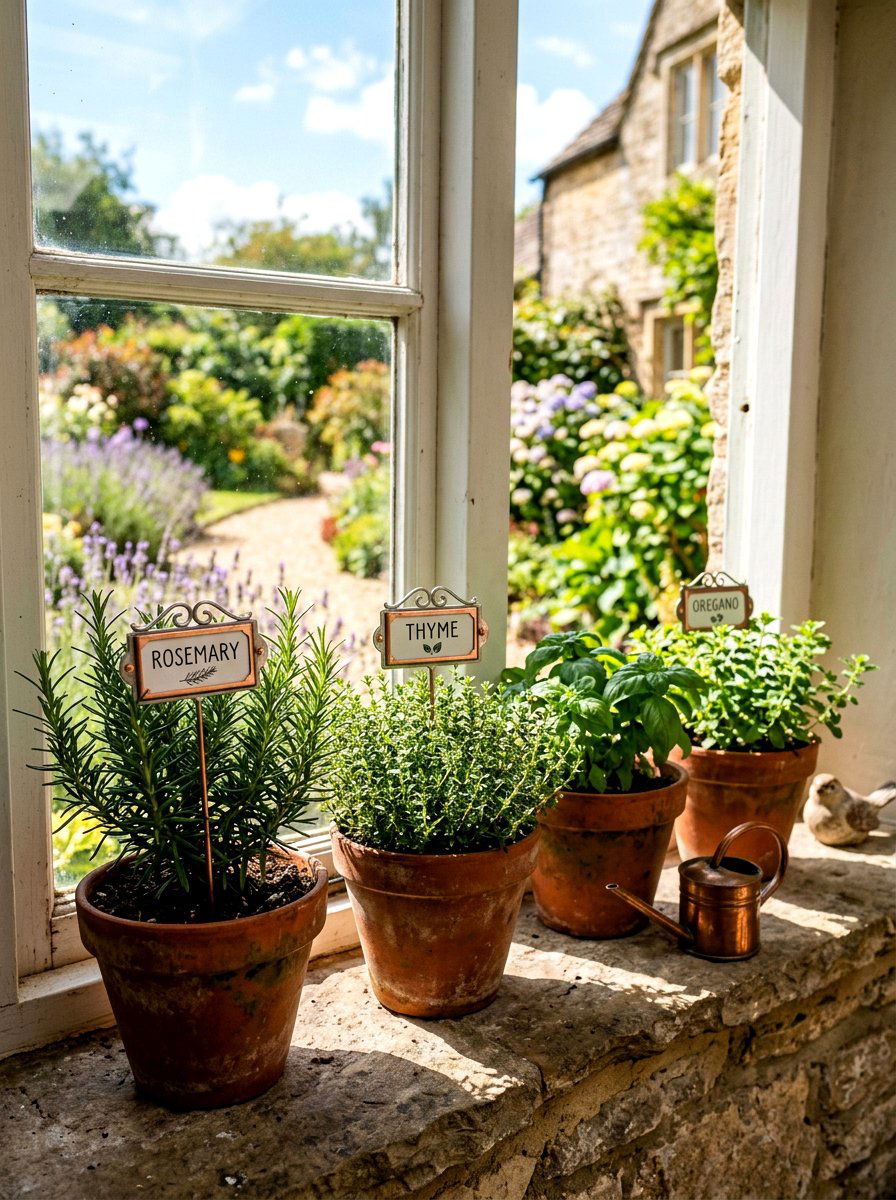
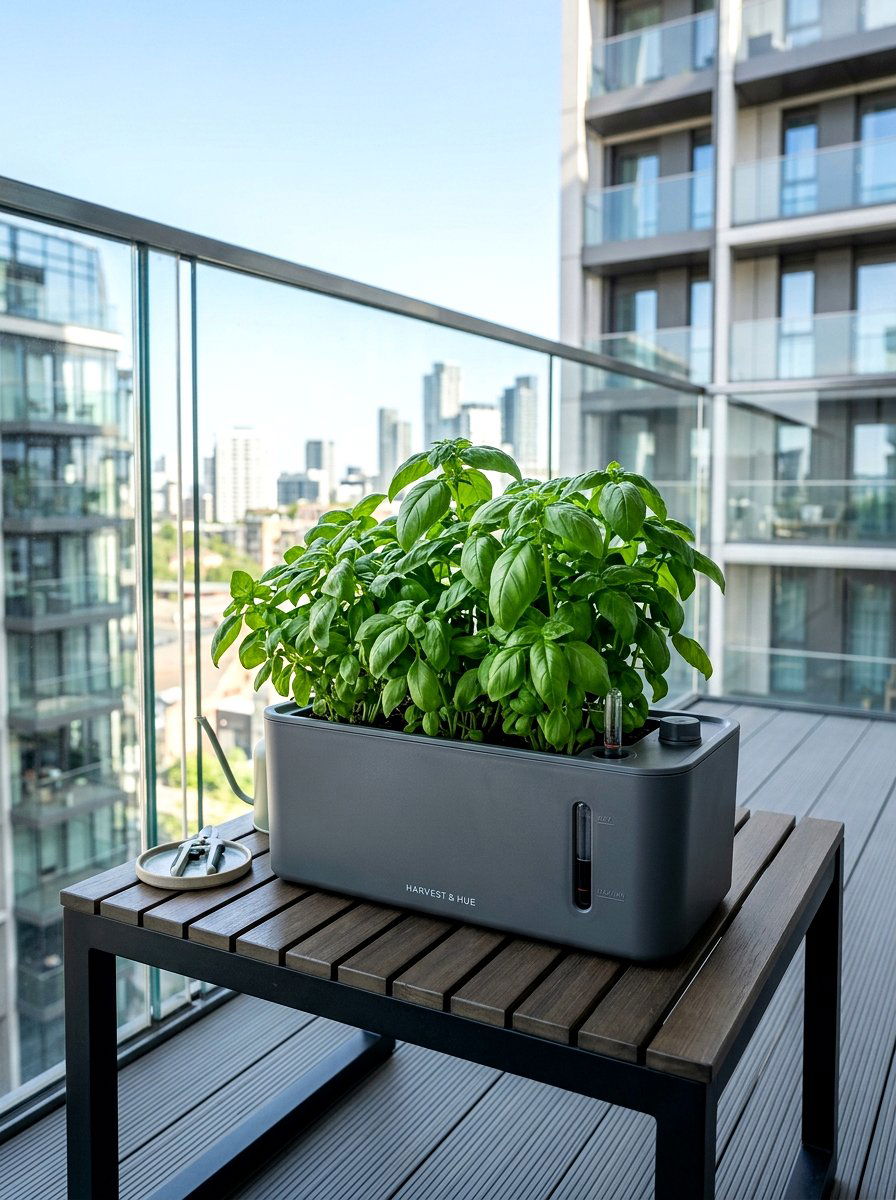
Spring is the perfect time to start a fresh herb garden right in your kitchen or on your patio. Decorating these pots with specific labels or illustrations of the herbs they contain is both beautiful and practical. You can use stencils to paint the words "Basil, " "Thyme, " or "Rosemary" in an elegant script font. Adding a small illustration of the leaf shape next to the name can also be a helpful and decorative touch. This organization makes it easy to find exactly what you need while you are cooking. Uniformly decorated herb pots look great when lined up in a wooden crate or on a dedicated tiered plant stand.
23. Moss Covered Pot
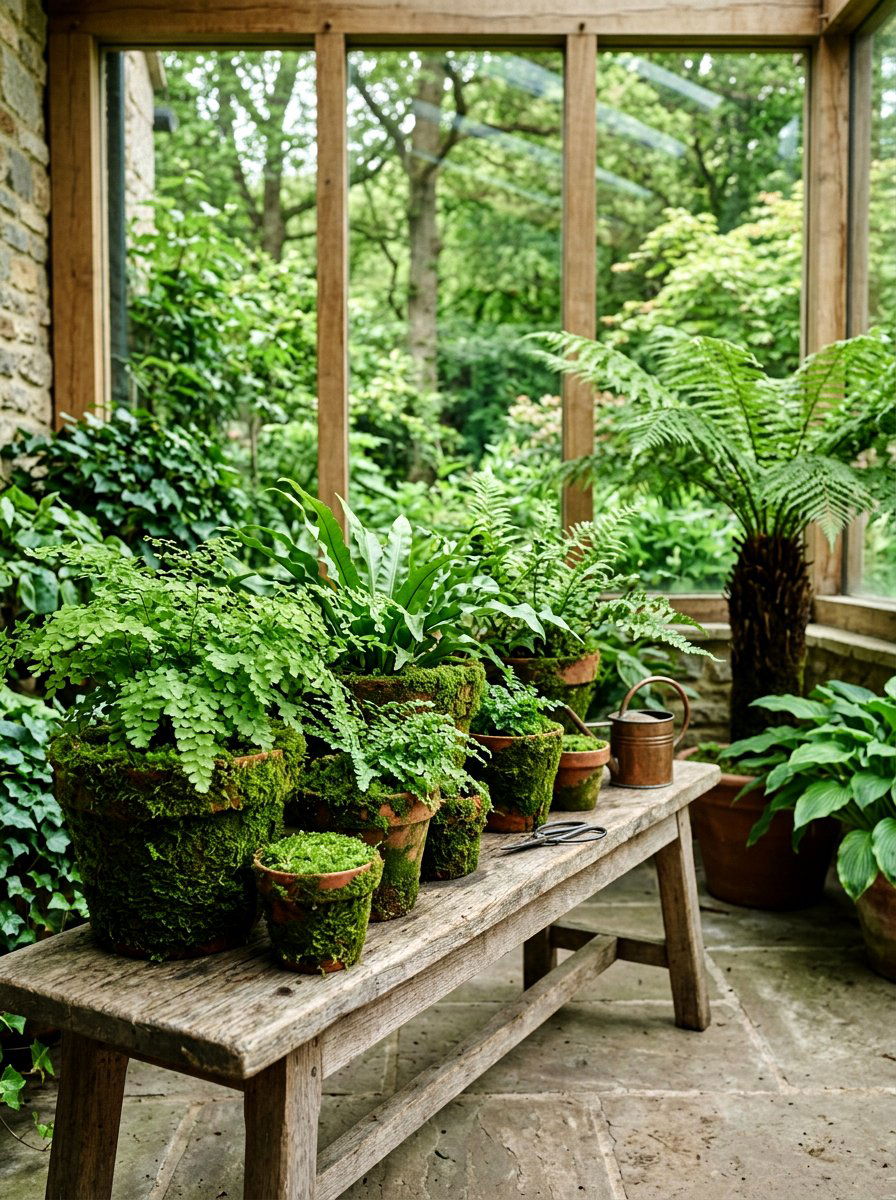
For a look that feels like it came straight out of an enchanted forest, try covering your pots with preserved moss. You can use spray adhesive to attach sheets of green moss to the exterior of any container. This creates a lush, velvety texture that stays green without any maintenance. It is a fantastic way to bring an earthy and natural element into your home decor. Moss-covered pots look especially beautiful when paired with ferns or other woodland plants. They work well in shaded areas of your porch or as a centerpiece for a spring dinner table. The deep green color provides a rich background for any plant.
24. Succulent Arrangement Pot
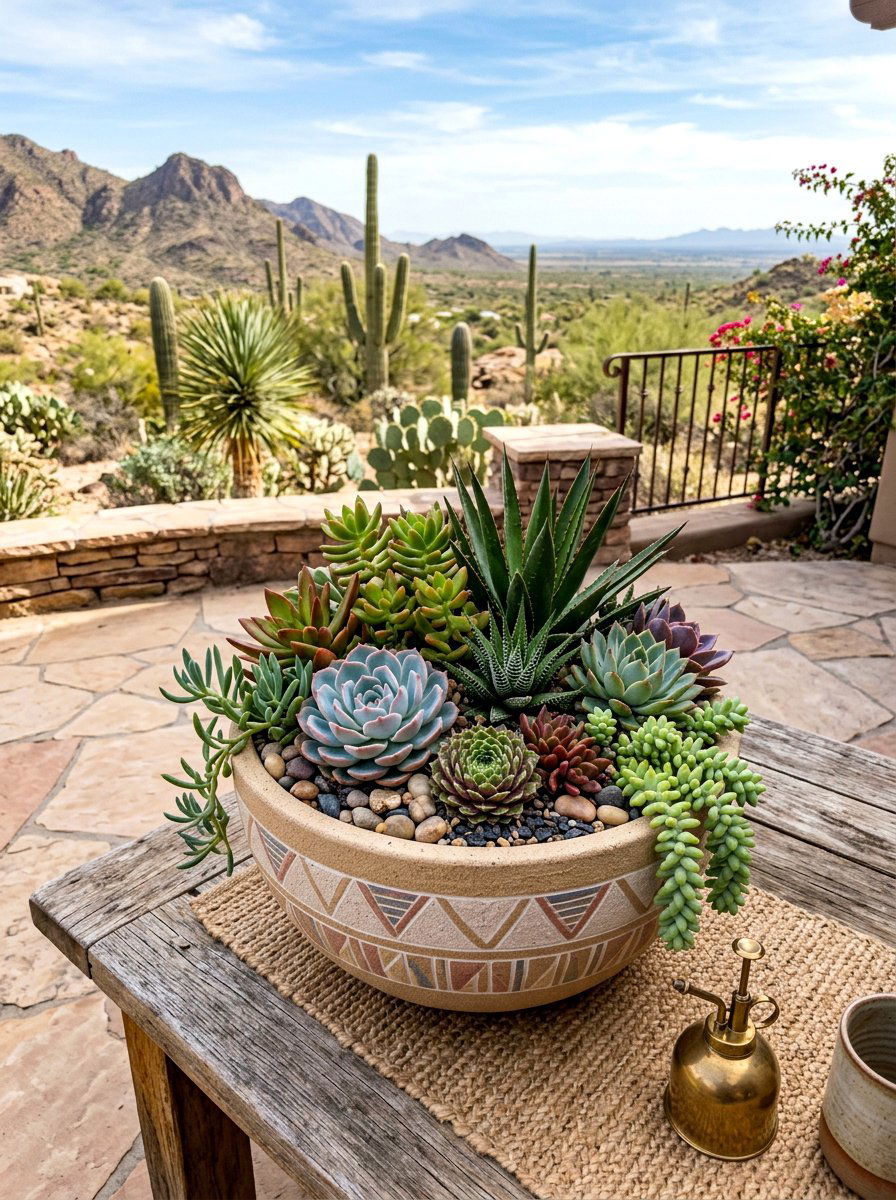
Succulents often look best when they are presented in a container that complements their unique shapes and colors. You can decorate a wide, shallow pot with a mix of sand-textured paint and small pebbles glued to the rim. This creates a desert-inspired look that matches the natural habitat of the plants. Using neutral tones like tan, sage green, and dusty rose allows the succulents themselves to be the stars of the show. You can even create small "fairy garden" scenes by adding tiny decorative bridges or figurines. These arrangements are low-maintenance and provide a beautiful, long-lasting display for your coffee table or office desk throughout the spring season.
25. Tiered Planter Pot
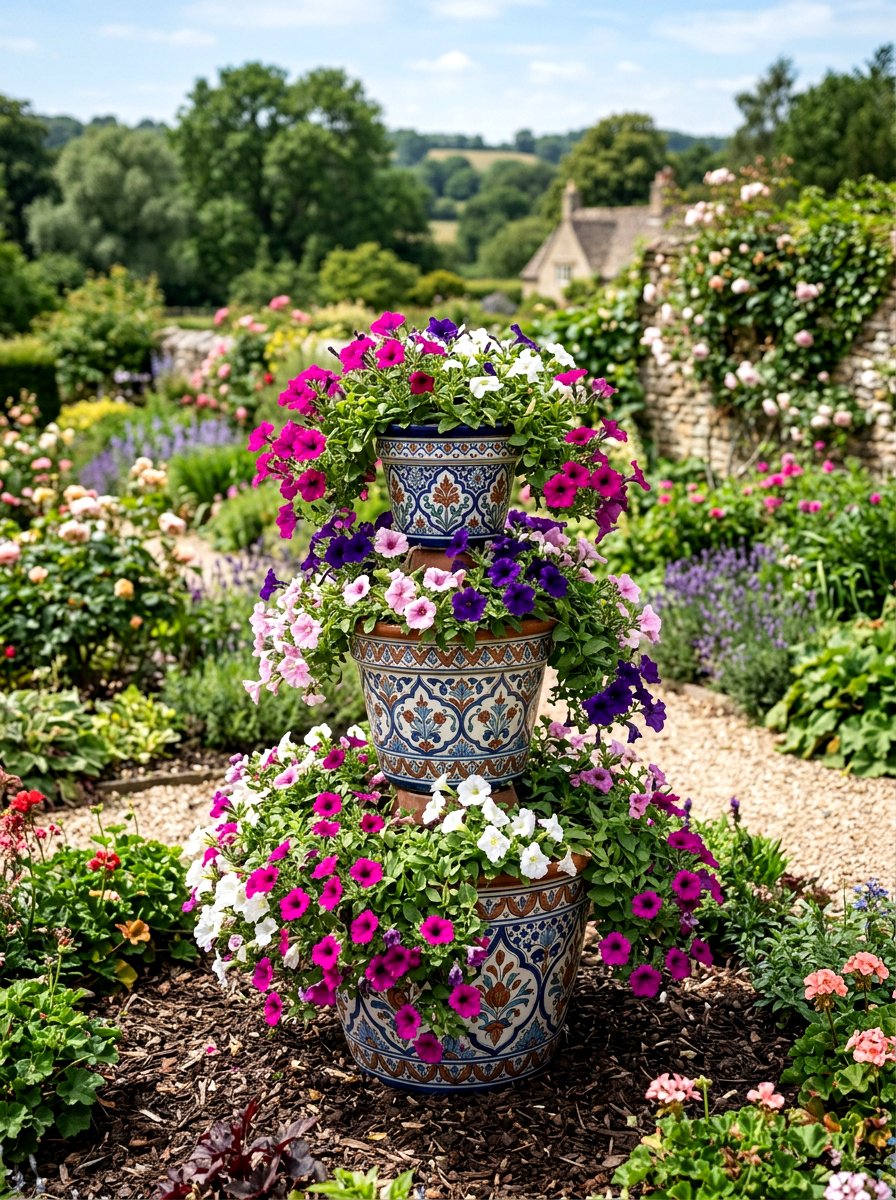
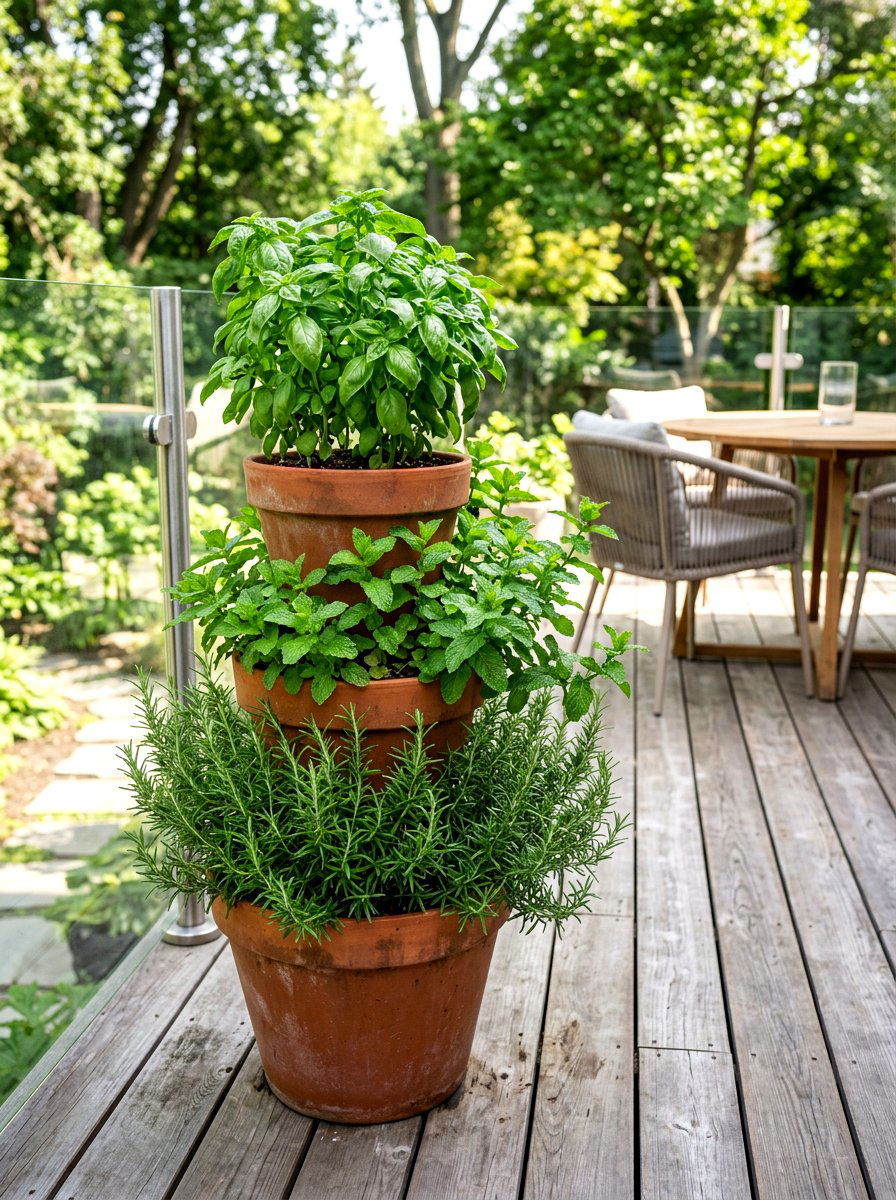
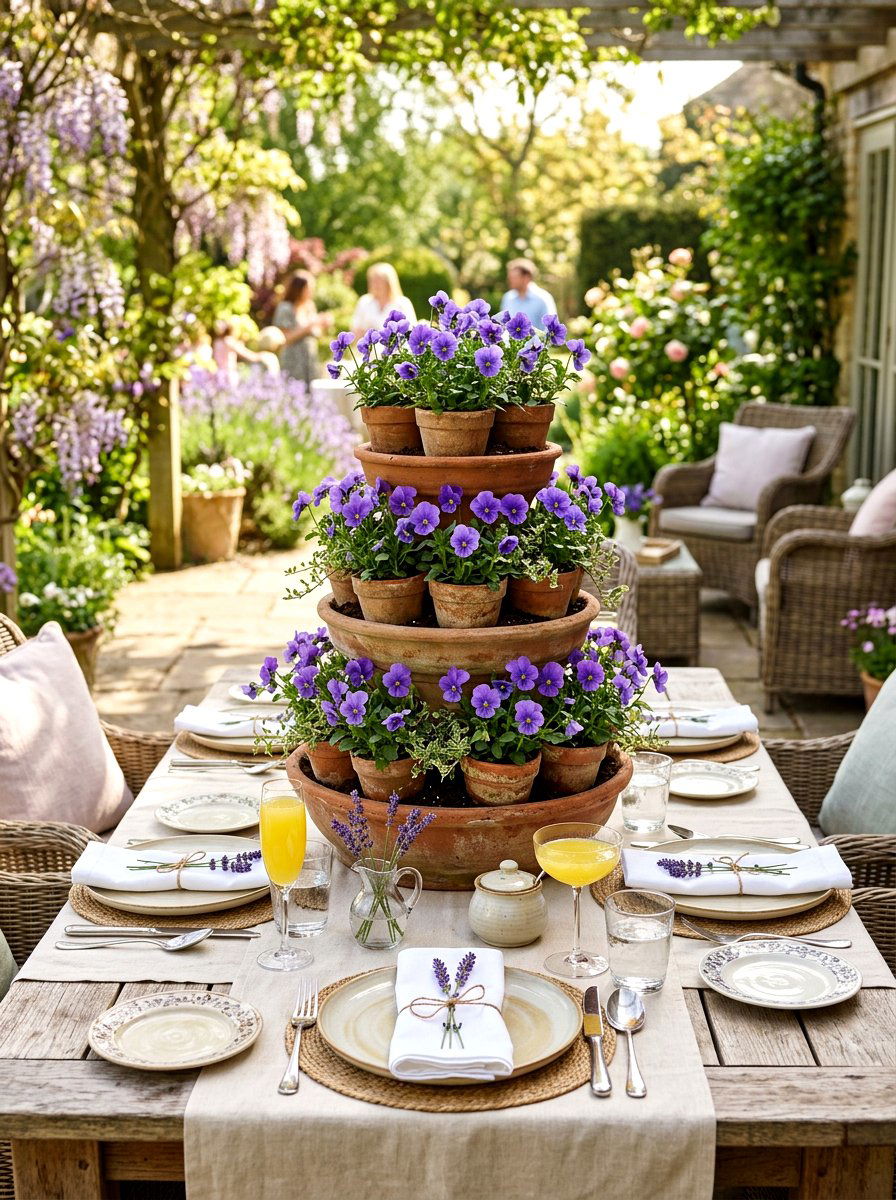
If you are short on space but want to make a big impact, a tiered planter is an excellent solution. You can create this by stacking decorated pots of decreasing sizes on top of one another, using a wooden dowel for stability. Decorate each level with a different but coordinating pattern to create a cohesive vertical garden. This setup allows you to grow many different plants in a very small footprint. It is perfect for a corner of a porch or as a focal point in a small flower bed. Tiered planters offer a sense of abundance and height that makes your spring garden feel much more lush and professionally designed.
Conclusion:
Decorating your own garden pots is a wonderful way to express your personal style while welcoming the beauty of spring. From simple painted designs to intricate mosaics and textured finishes, the possibilities are virtually endless. Taking the time to personalize your planters not only enhances the visual appeal of your home but also deepens your connection to your garden. These projects are accessible to everyone, regardless of artistic skill level, and provide a rewarding creative outlet. As your plants begin to grow and bloom, they will look even more spectacular in their custom-made homes. We hope these ideas inspire you to pick up a brush and start your spring transformation.
Related posts:
Leave a Reply