
Spring marks a magical transformation in the garden when the dogwood trees begin to unfurl their iconic four-petaled bracts. These stunning ornamental trees have long been cherished by homeowners for their graceful horizontal branching and reliable seasonal interest. Whether you are looking to add a romantic touch to your backyard or a structured focal point to your front lawn, dogwoods offer incredible versatility for any landscape style. Their delicate blooms provide a refreshing burst of color that signals the end of winter and the arrival of warmer days. Integrating these trees into your home design creates a timeless and sophisticated outdoor environment that neighbors will certainly admire.
1. White Flowering Dogwood
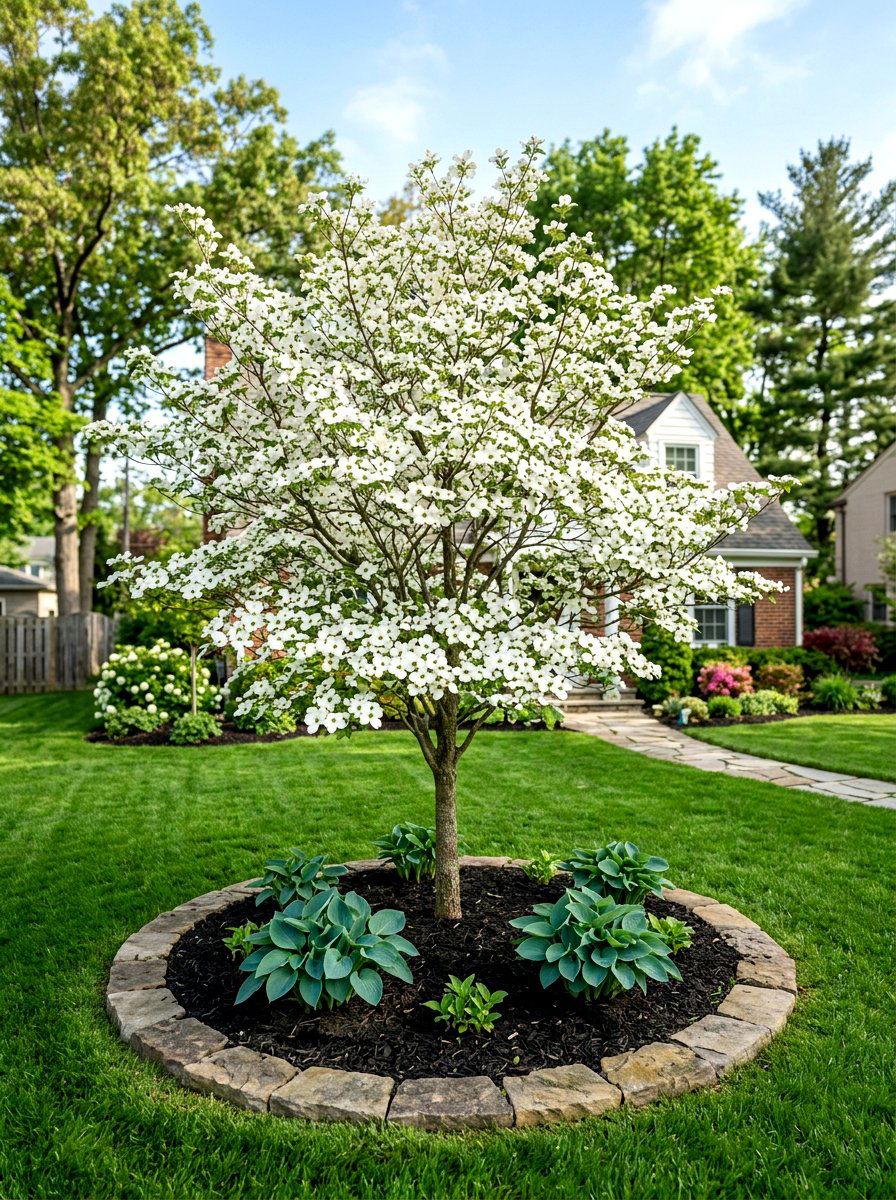
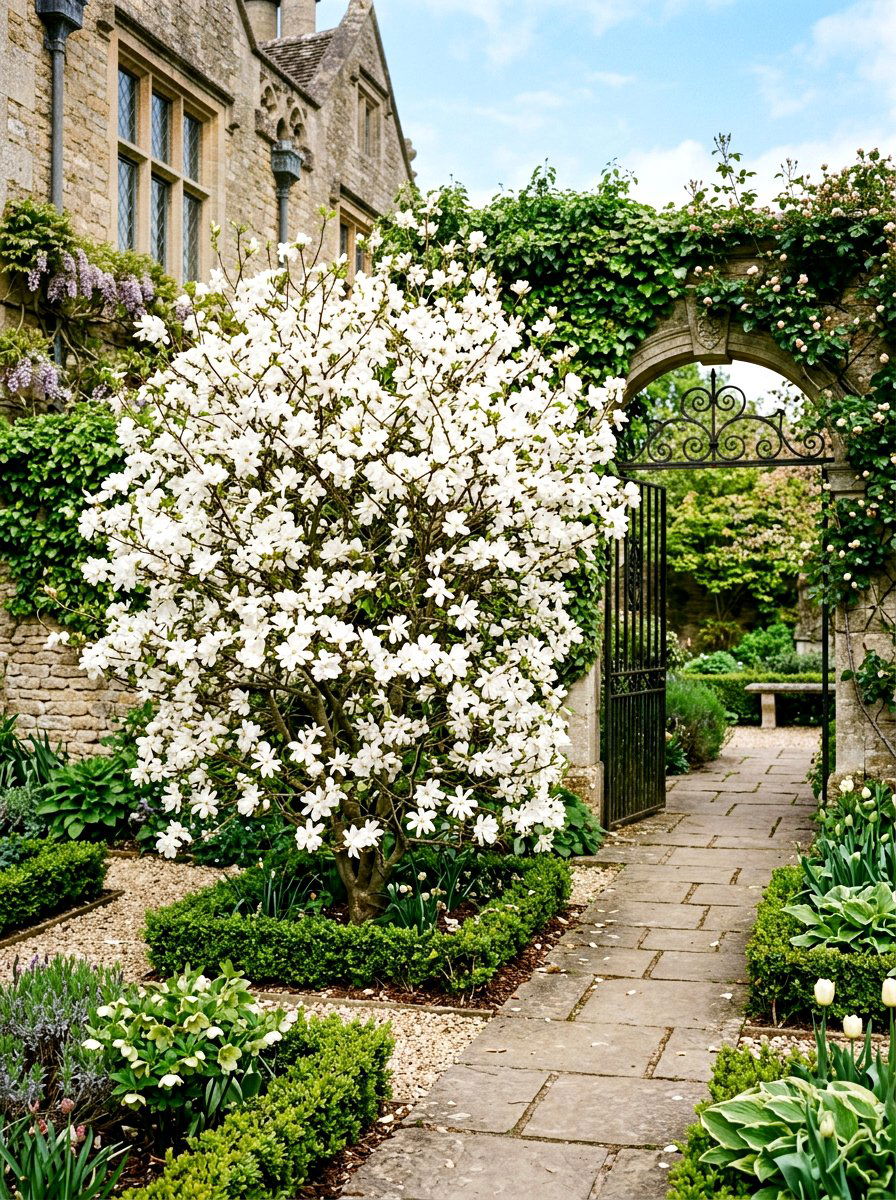
A classic white flowering dogwood serves as a breathtaking focal point when planted in the center of a well-manicured green lawn. These trees are famous for their snowy white bracts that appear before the leaves, creating a clean and crisp aesthetic. You can surround the base with a circular stone border and mulch to keep the roots cool and moist. Adding low-growing perennials like blue hostas or creeping phlox around the trunk enhances the visual contrast between the white blooms and the deep green foliage. This design approach creates a serene and traditional garden look that feels both welcoming and elegantly structured for any suburban home.
2. Pink Flowering Dogwood
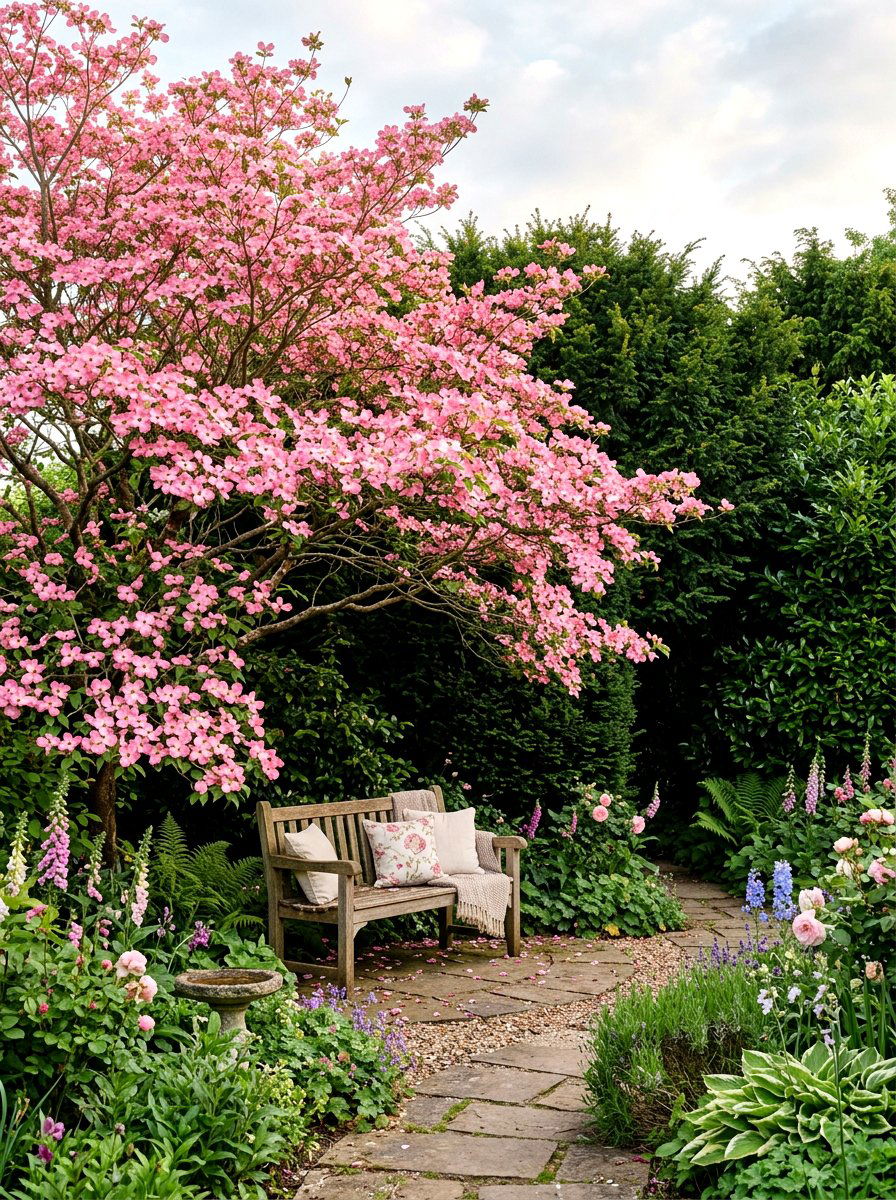
Choosing a pink flowering dogwood adds a soft and romantic glow to your backyard landscape during the early spring months. These trees produce layers of rosy-hued blossoms that look stunning against a backdrop of dark evergreen shrubs or a grey stone house. To complete the design, consider placing a wooden garden bench nearby to create a peaceful reading nook under the canopy. The pink petals create a carpet of color on the ground as they fall, adding to the whimsical charm of the space. This setup works perfectly for creating a feminine and soft garden atmosphere that feels like a private sanctuary away from the world.
3. Red Flowering Dogwood
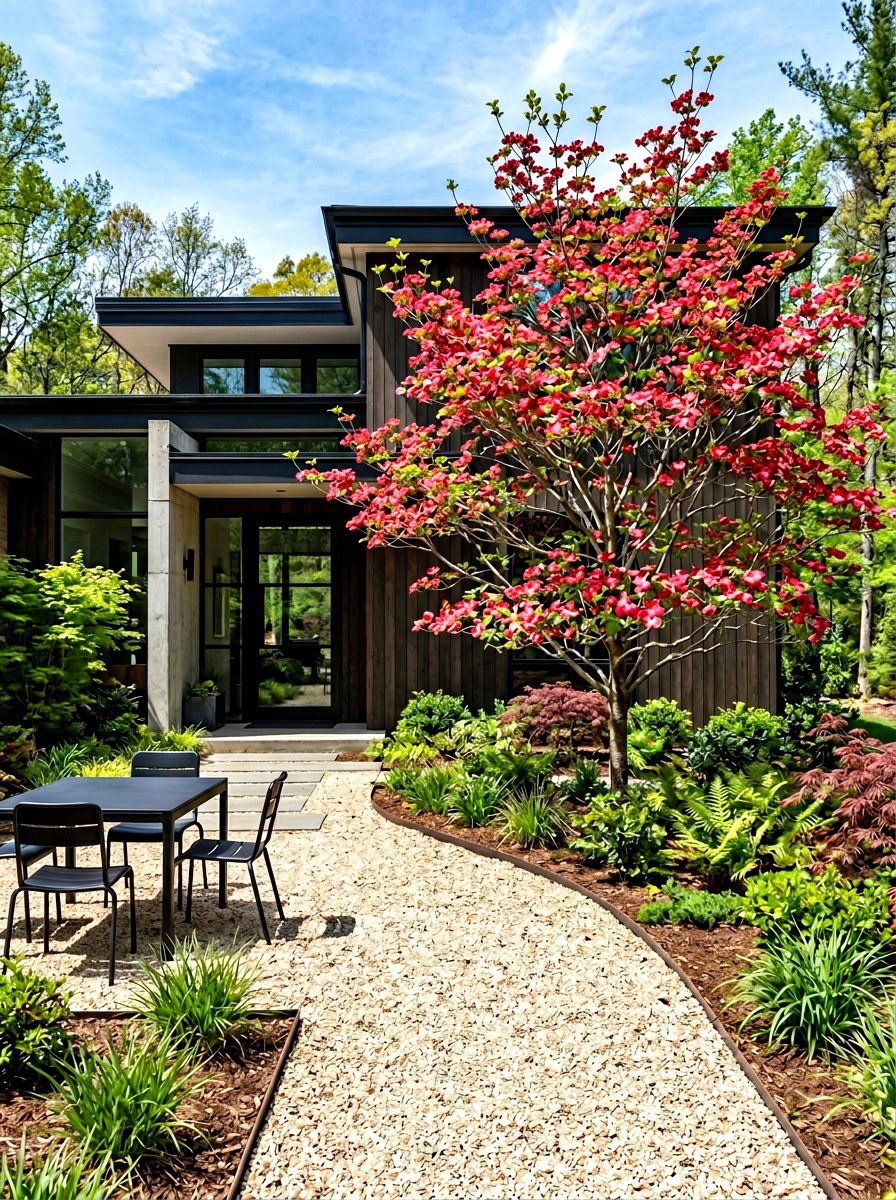
If you want to make a bold statement, the red flowering dogwood offers a vibrant alternative to the more common pale varieties. The deep crimson or saturated ruby bracts provide a striking architectural element when positioned near the entrance of a modern home. You should pair these trees with light-colored gravel or white limestone paths to make the red tones pop even more. Incorporating dark metal garden furniture nearby can emphasize the contemporary feel of the space. This design theme is ideal for homeowners who prefer a high-contrast look that catches the eye of every passerby while maintaining a natural, organic feel.
4. Kousa Dogwood Tree
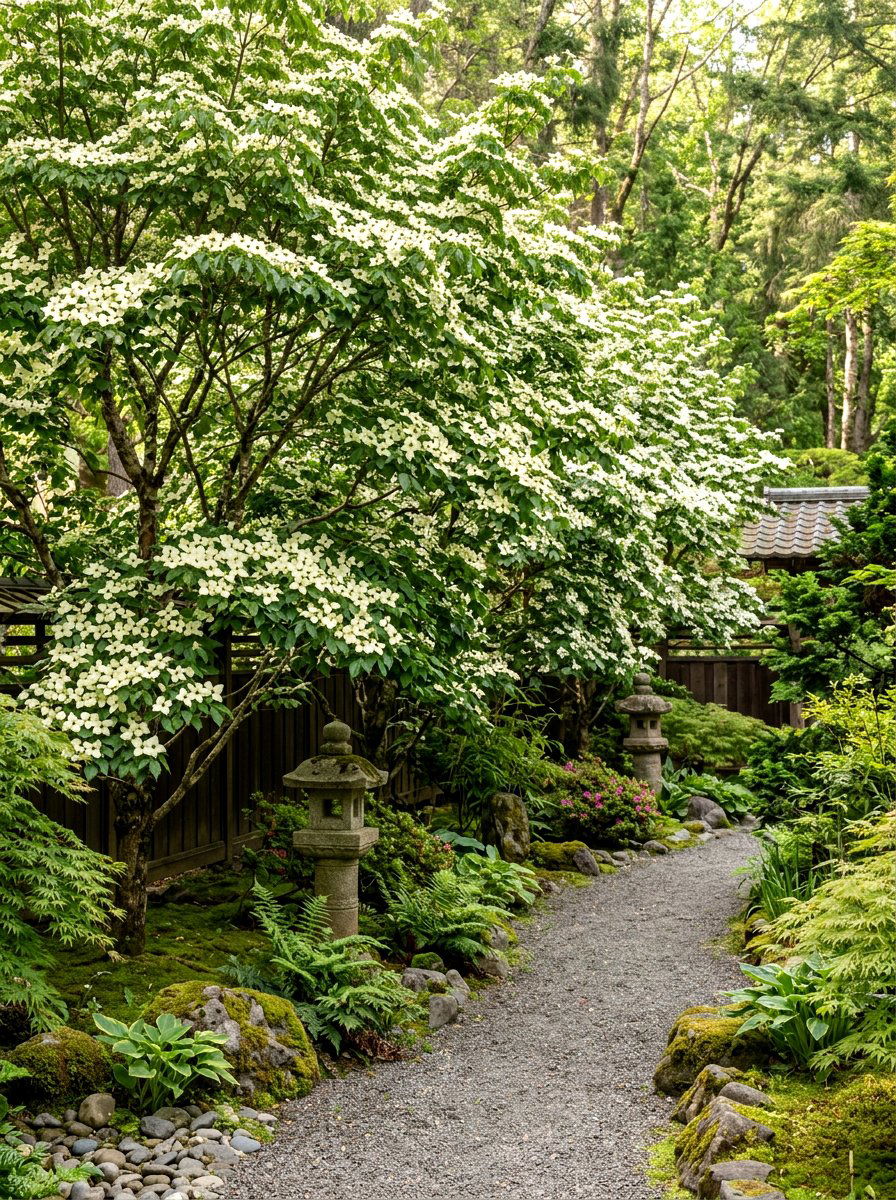
The Kousa dogwood is a fantastic choice for those who want extended interest since it blooms slightly later than the native varieties. This tree features pointed bracts and a unique exfoliating bark that provides visual texture even during the winter months. In a backyard setting, you can plant several of these in a row to create a natural privacy screen or a flowering hedge. Their star-shaped flowers and attractive raspberry-like fruits later in the season offer a multi-layered design that changes throughout the year. This approach is perfect for a Japanese-inspired garden or a woodland-themed landscape that values subtle, sophisticated beauty and texture.
5. Pagoda Dogwood
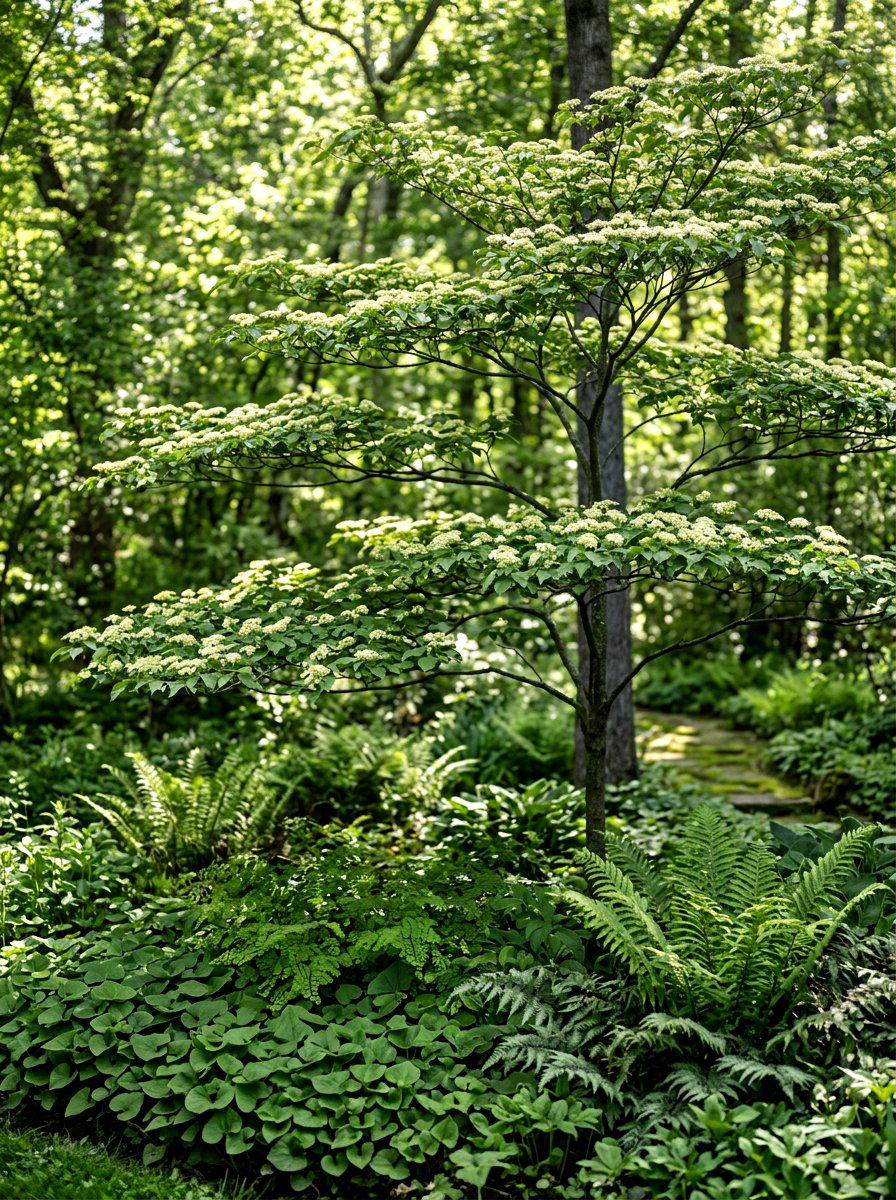
A pagoda dogwood is defined by its distinct horizontal tiers that resemble the layers of an oriental temple, making it a sculptural masterpiece. This tree works best as a specimen plant in a shaded corner of the garden where its unique form can be fully appreciated. You can enhance the layered look by planting low-growing ferns and wild ginger beneath its sprawling branches. The creamy white flowers are smaller but grow in clusters that highlight the tree's unique architecture. Using soft uplighting at night will emphasize the horizontal structure, turning the tree into a living piece of art that anchors the entire landscape design.
6. Cornelian Cherry Dogwood
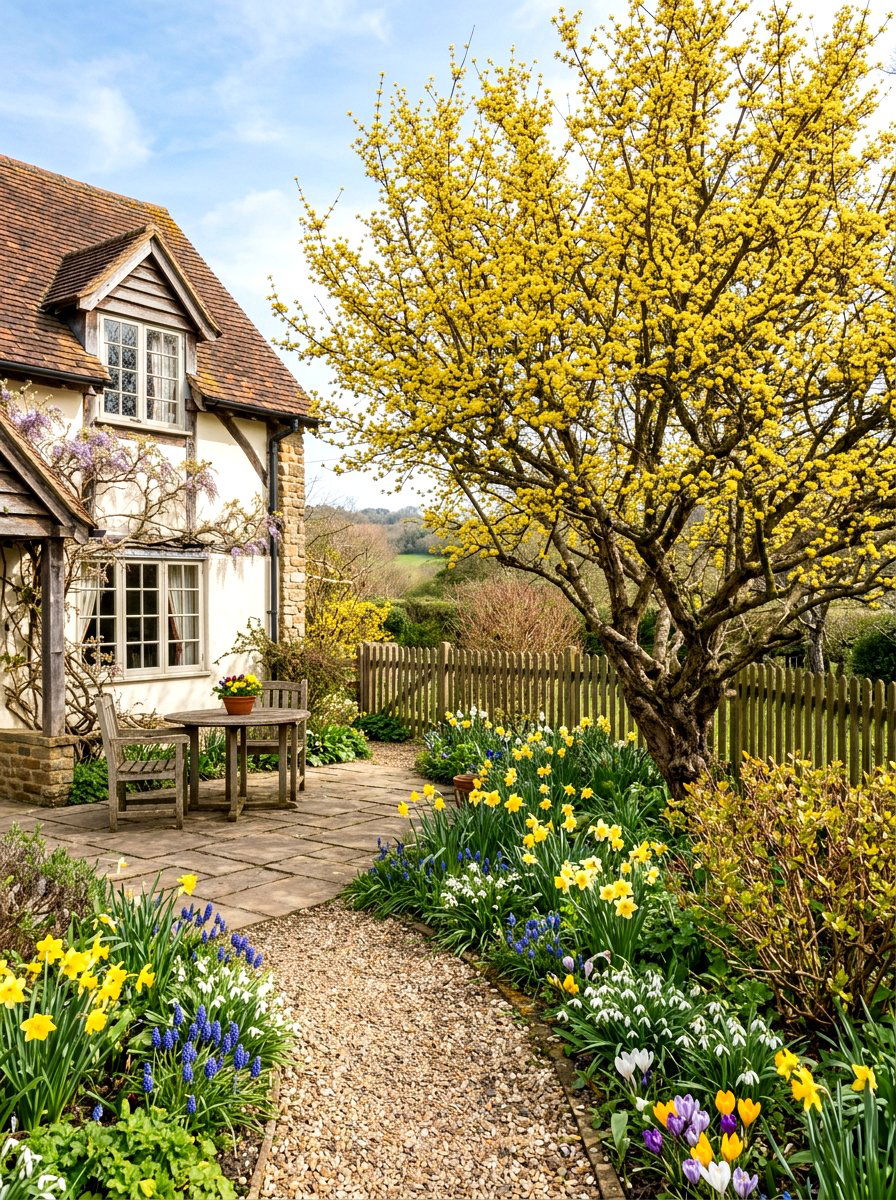
The Cornelian cherry dogwood is one of the earliest signs of spring, featuring tiny yellow flowers that cover the bare branches in late winter. This tree is an excellent choice for a cottage-style garden where a mix of colors and early blooms are highly desired. You can plant it near a patio or kitchen window to enjoy the sunny yellow blossoms while the rest of the garden is still dormant. Its dense growth habit makes it a great candidate for a natural windbreak or a decorative boundary along a property line. This design provides a cheerful and hardy foundation for a diverse and bird-friendly backyard environment.
7. Variegated Leaf Dogwood
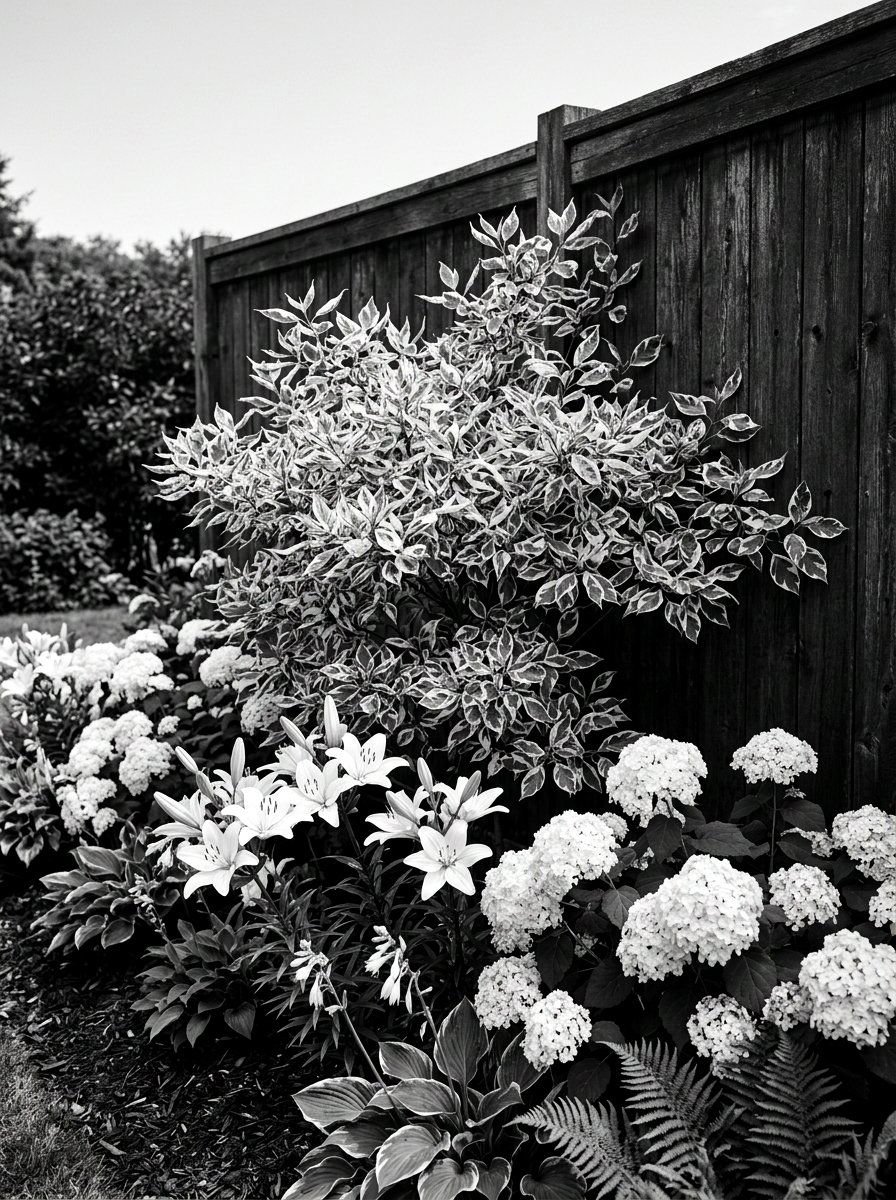
For a design that offers visual interest even after the flowers have faded, the variegated leaf dogwood is an exceptional selection. These trees feature green leaves with striking white or cream edges that brighten up shaded areas of the yard. You can plant them against a dark wooden fence or a brick wall to create a beautiful contrast that lasts all summer long. Pairing these with monochromatic white flowers like lilies or hydrangeas creates a sophisticated and cohesive garden theme. This design is particularly effective for small urban gardens where every plant needs to provide maximum impact through both its foliage and its seasonal blooms.
8. Dwarf Dogwood Tree
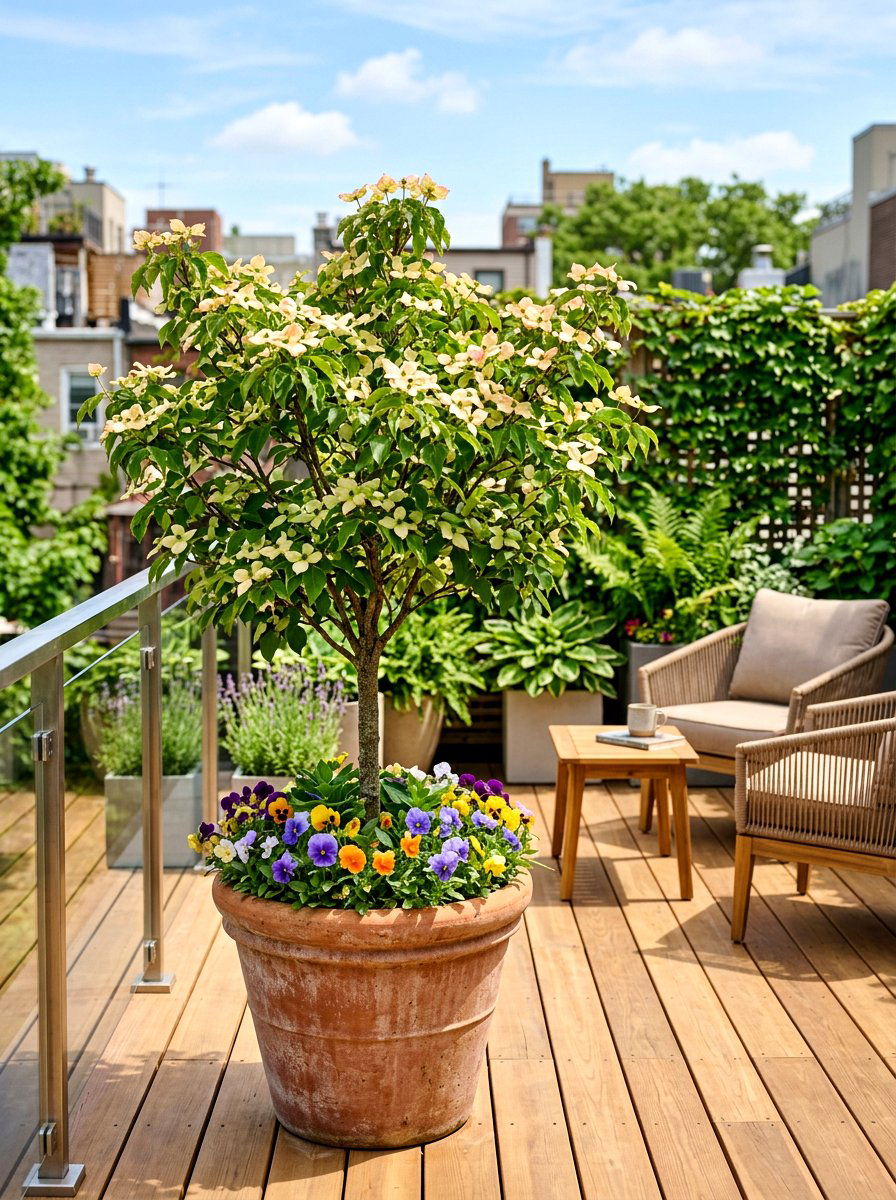
Small yards or patio containers can still benefit from the beauty of a dogwood by utilizing a dwarf dogwood variety. These compact trees offer the same stunning flowers and fall color but in a manageable size that won 't overwhelm a limited space. You can place a potted dwarf dogwood on a sun-drenched deck or use it as a focal point in a small courtyard garden. Surrounding the container with smaller pots of colorful pansies or violas creates a layered and lush look. This design theme proves that you don' t need a massive estate to enjoy the elegance and charm that dogwoods bring to the spring season.
9. Native Dogwood Landscape
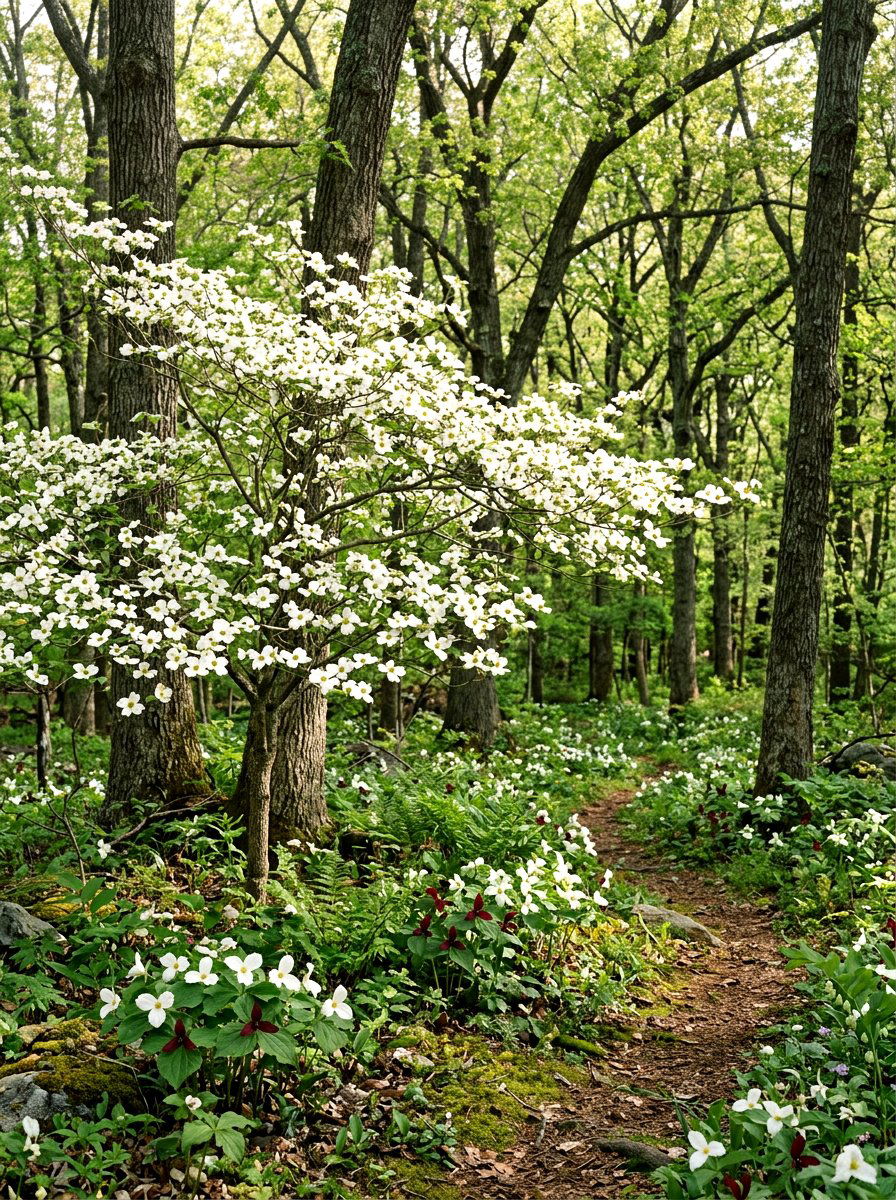
Creating a native dogwood landscape involves using indigenous varieties to support local wildlife while maintaining a rugged, natural aesthetic. These trees are often found at the edge of woods, so they look best when integrated into a forest-like setting with oak or maple trees. You should avoid perfectly manicured lines and instead plant them in organic clusters to mimic a natural woodland. Adding a thick layer of leaf mulch and native wildflowers like trillium or columbine creates a self-sustaining ecosystem. This design style is perfect for property owners who want a low-maintenance garden that feels deeply connected to the local environment and its history.
10. Dogwood Tree Foundation Planting
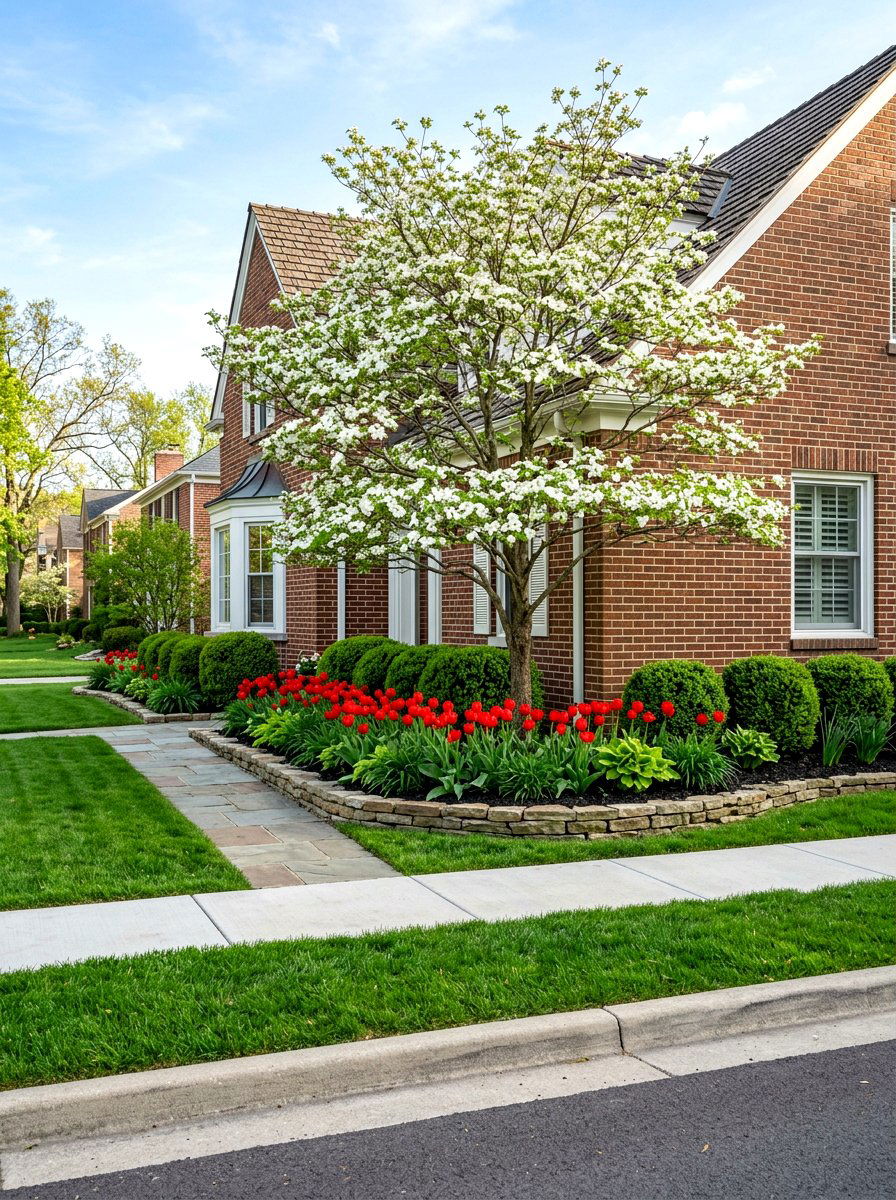
Using dogwoods for foundation planting can soften the harsh lines of a house and add a layer of sophistication to the front entrance. You should choose a variety that stays at a medium height so it doesn't block windows while still providing privacy. Planting a dogwood at the corner of the house helps to anchor the building into the surrounding landscape. Combine it with a mix of evergreen boxwoods and seasonal bulbs like tulips for a polished and professional look. This design strategy increases curb appeal significantly by providing a vertical element that transitions smoothly from the structure of the home to the lawn.
11. Dogwood Tree Front Yard
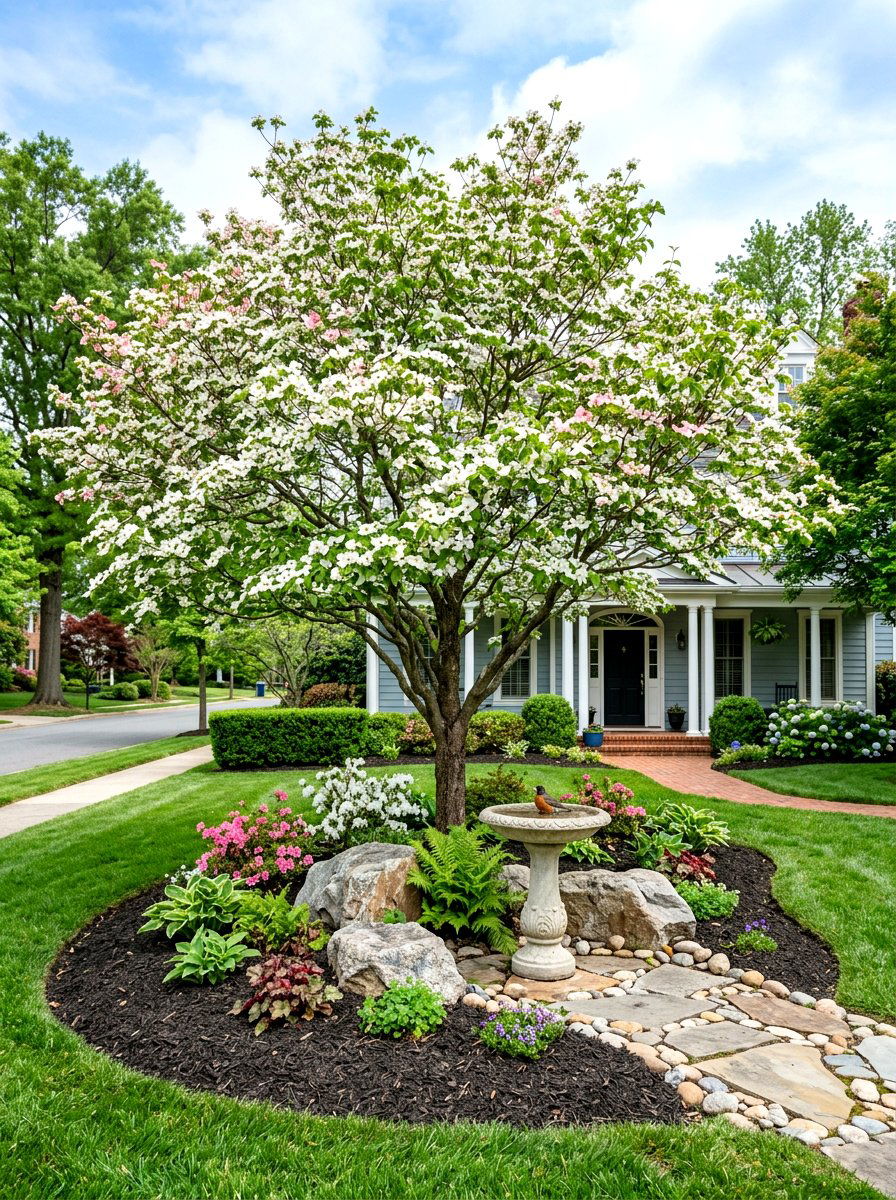
Transforming your front yard with a dogwood tree involves making it the undisputed star of your home's exterior presentation. You can plant a large, spreading dogwood in the center of the yard and surround it with a wide mulch bed to prevent grass competition. Adding a decorative birdbath or a large landscape boulder near the base adds weight and character to the design. During the spring, the massive canopy of flowers will create a stunning welcome for guests and passersby alike. This layout is a timeless choice for suburban homes, offering a perfect balance of natural beauty and intentional, high-end landscaping that never goes out of style.
12. Dogwood Tree Backyard Shade
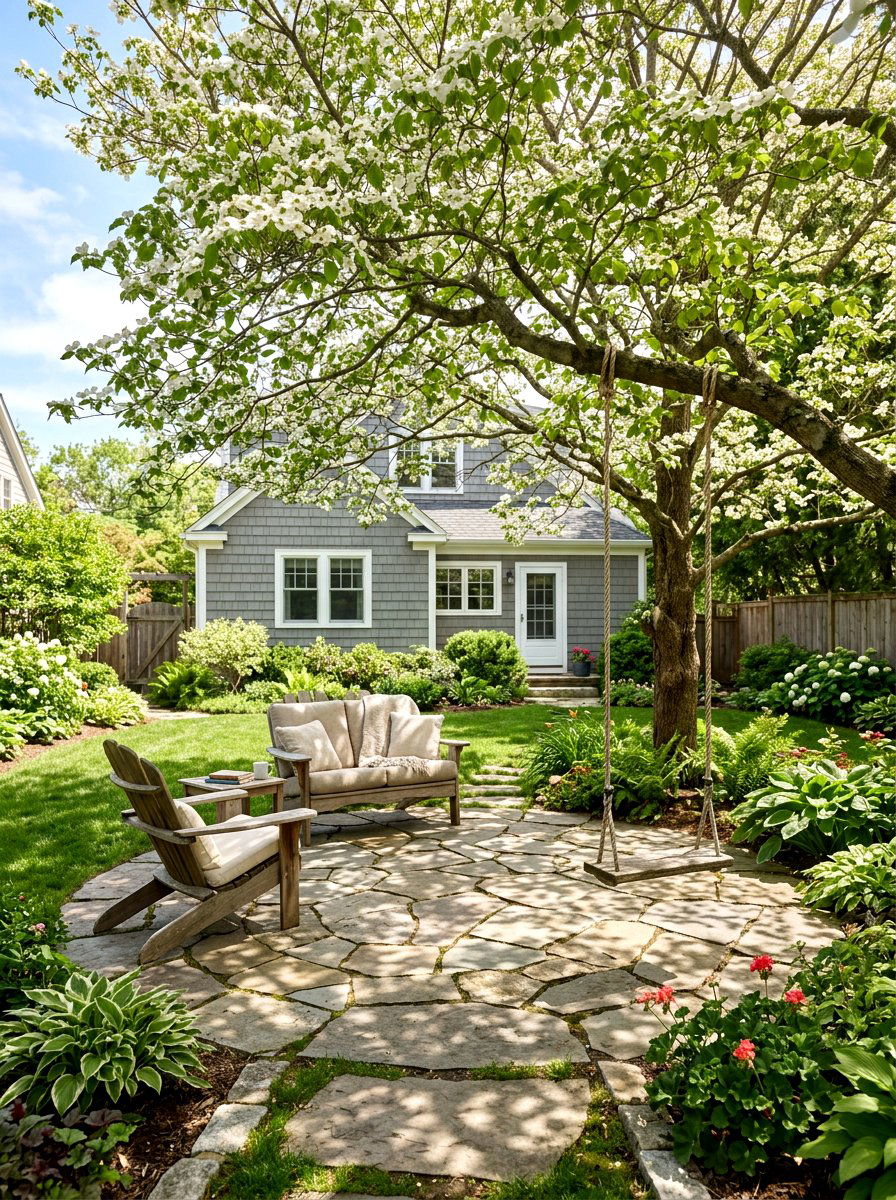
A large dogwood tree can provide a dappled shade that is perfect for creating a cool retreat in a sunny backyard. Unlike dense shade trees, the dogwood 's canopy allows enough light through to support a variety of shade-loving plants underneath. You can install a flagstone patio or a simple mulch path beneath the tree to create a functional living space. Hanging a simple rope swing or a hammock from a sturdy branch adds a playful and relaxing element to the area. This design concept focuses on functionality and comfort, turning a simple tree into the heart of your family' s outdoor summer activities and relaxation.
13. Dogwood And Azalea Garden
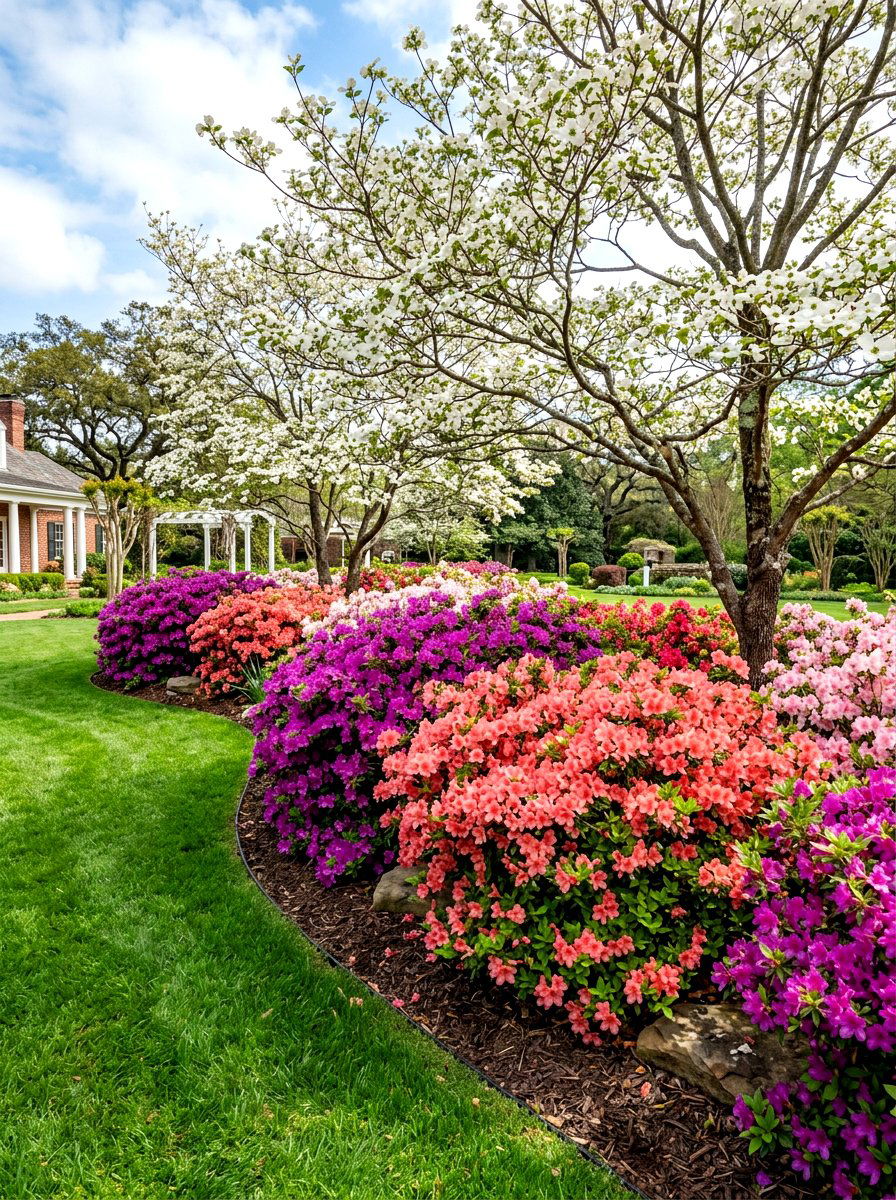
The combination of dogwoods and azaleas is a classic Southern gardening staple that creates an explosion of color in the spring. Since both plants enjoy similar acidic soil and filtered sunlight, they make the perfect companions for a lush garden bed. You can plant taller dogwoods as an overstory and surround them with layers of multi-colored azaleas in shades of purple, white, and coral. This creates a vertical wall of flowers that is visually overwhelming in the best way possible. This design theme is ideal for creating a traditional and vibrant garden that celebrates the peak of the spring blooming season with maximum intensity.
14. Dogwood Tree Underplanting
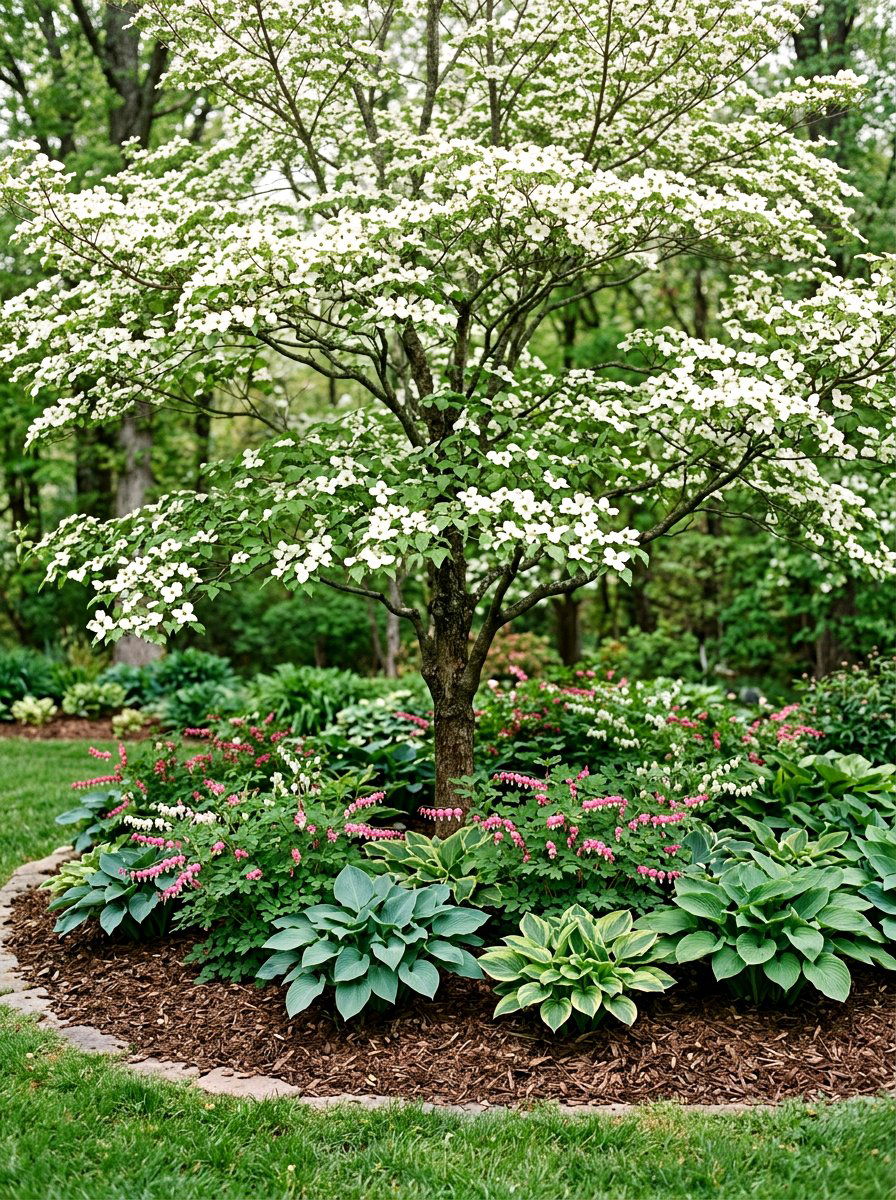
Underplanting a dogwood tree is a great way to maximize your garden space and add layers of texture to the ground level. You should choose plants that thrive in the partial shade provided by the tree's canopy, such as bleeding hearts, hostas, or hellebores. Using a variety of leaf shapes and colors ensures that the area looks interesting even when the dogwood is not in bloom. A thick layer of organic mulch will help protect the shallow root system of the dogwood while providing a clean backdrop for the smaller plants. This detailed approach creates a rich and full garden bed that feels professionally designed and carefully curated.
15. Multi Stem Dogwood Tree
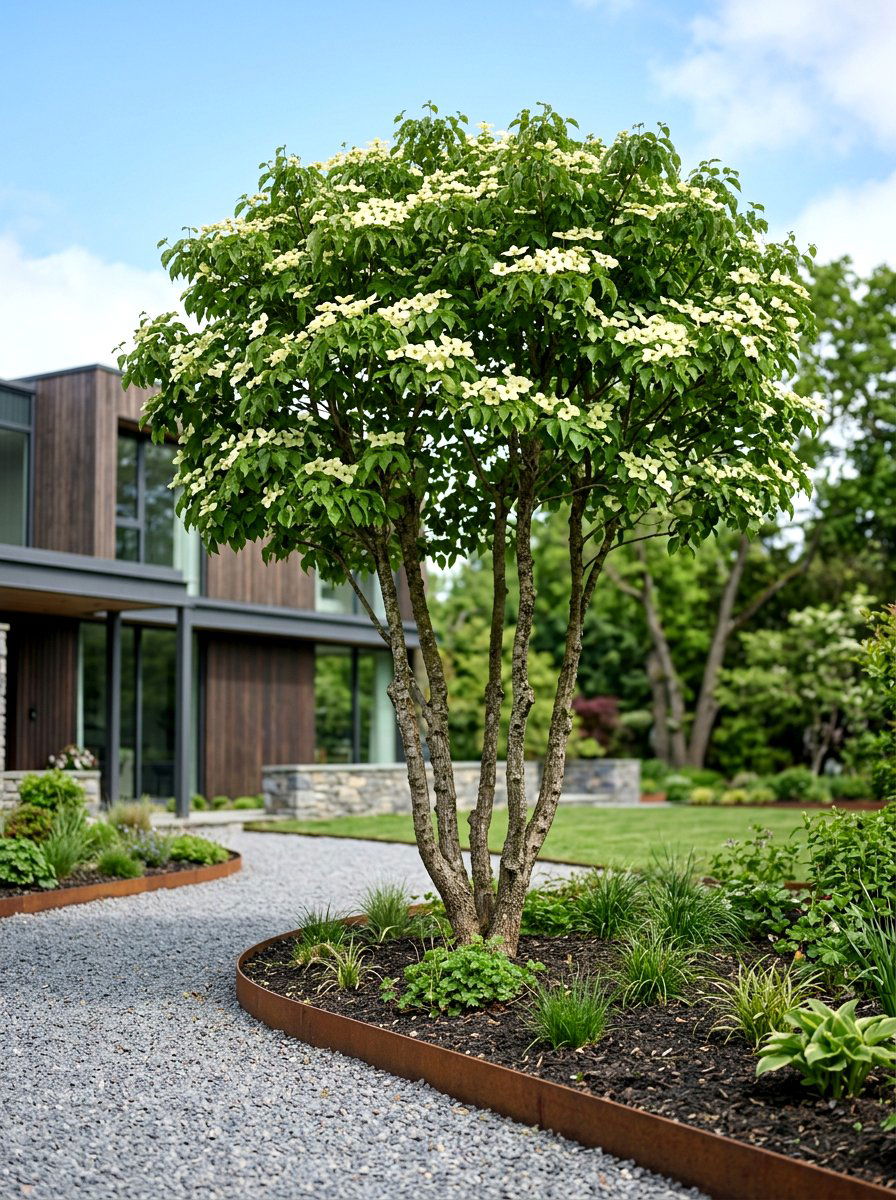
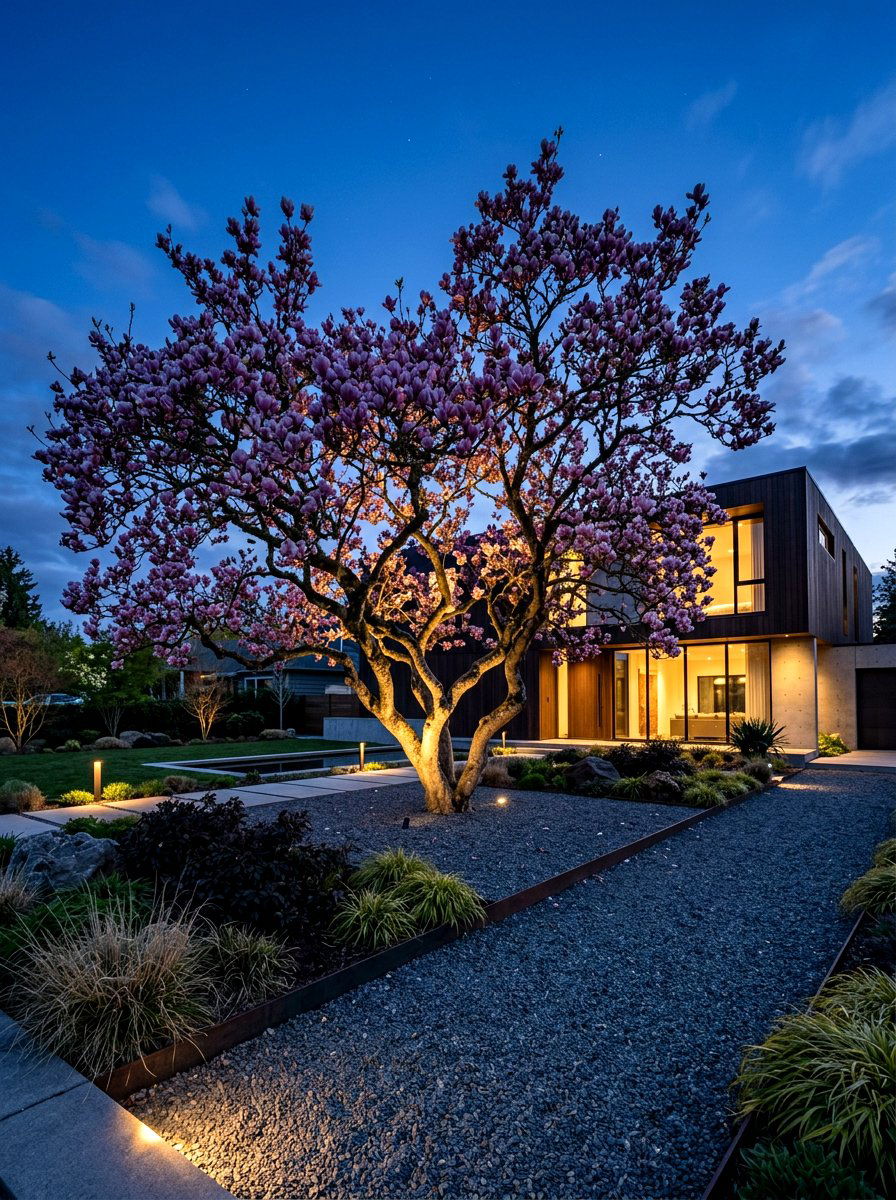
A multi-stem dogwood tree offers a more shrub-like and organic appearance compared to the traditional single-trunk variety. This form is excellent for creating a focal point in a contemporary garden or for filling a large gap in a boundary planting. You can prune the lower branches to reveal the beautiful bark and create a "see-through" effect that adds depth to the landscape. Pairing this with modern materials like Corten steel edging or polished concrete planters emphasizes the architectural nature of the multiple trunks. This design is perfect for those who appreciate a more naturalistic and textured look that breaks away from traditional tree forms.
16. Dogwood Tree Fall Foliage
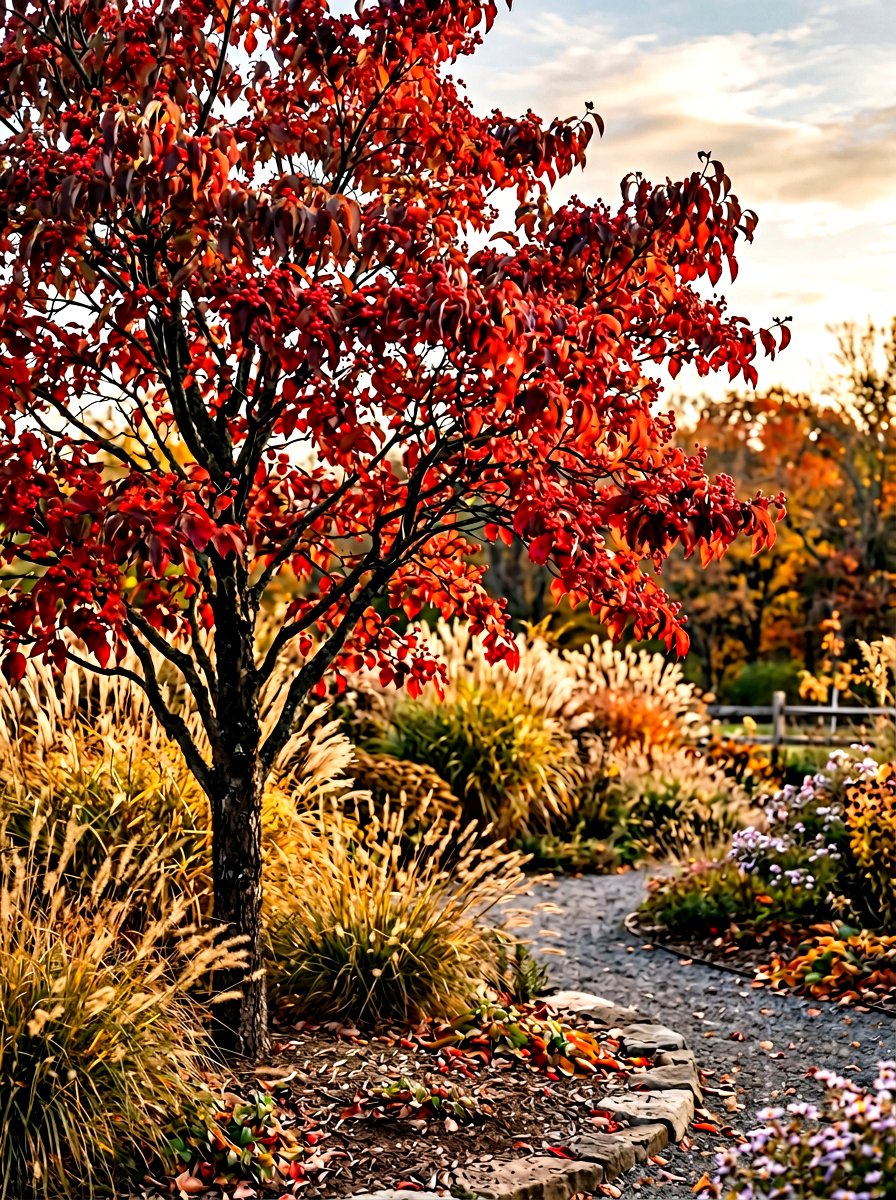
While spring is the main event, the dogwood tree is also a champion of the autumn season with its brilliant red and purple leaves. When designing your garden, you should consider how the tree will look against other fall-blooming plants like asters or ornamental grasses. The bright red berries that follow the flowers also add a pop of color and provide essential food for migrating birds. Planting your dogwood in a spot where it catches the low afternoon sun will make the autumn colors glow with an incredible intensity. This design focus ensures that your landscape remains vibrant and visually interesting for at least three seasons of the year.
17. Dogwood Tree Winter Interest
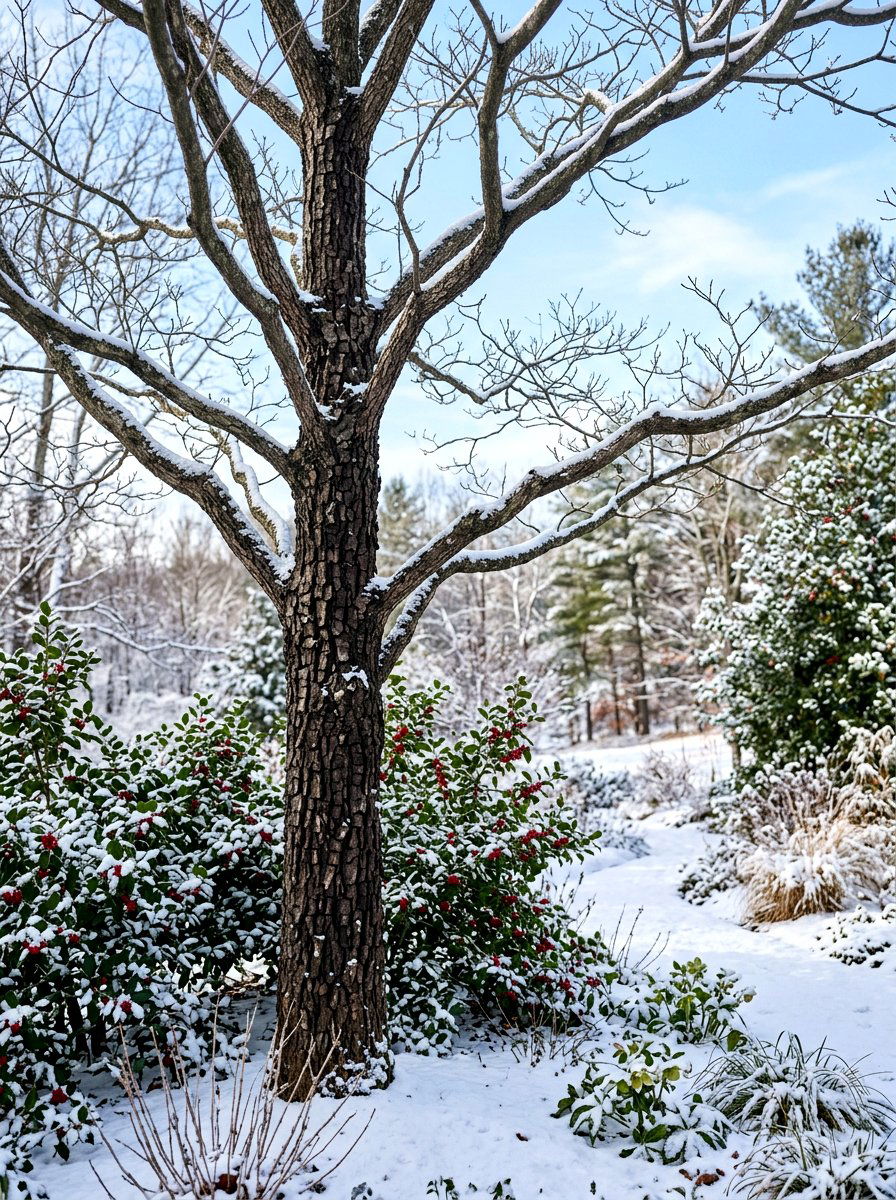
Designing a garden for winter interest often involves highlighting the unique bark and structure of trees like the dogwood. Many varieties have a "crocodile skin" bark texture or colorful young stems that stand out against the white snow or grey winter sky. You can plant dogwoods near a window where their skeletal forms can be appreciated during the colder months. Placing evergreen hollies or pines in the background provides a dark green contrast that makes the light-colored bark of the dogwood pop. This thoughtful approach ensures that your garden never looks completely empty or boring, even during the deepest parts of the winter season.
18. Dogwood Tree Bird Habitat
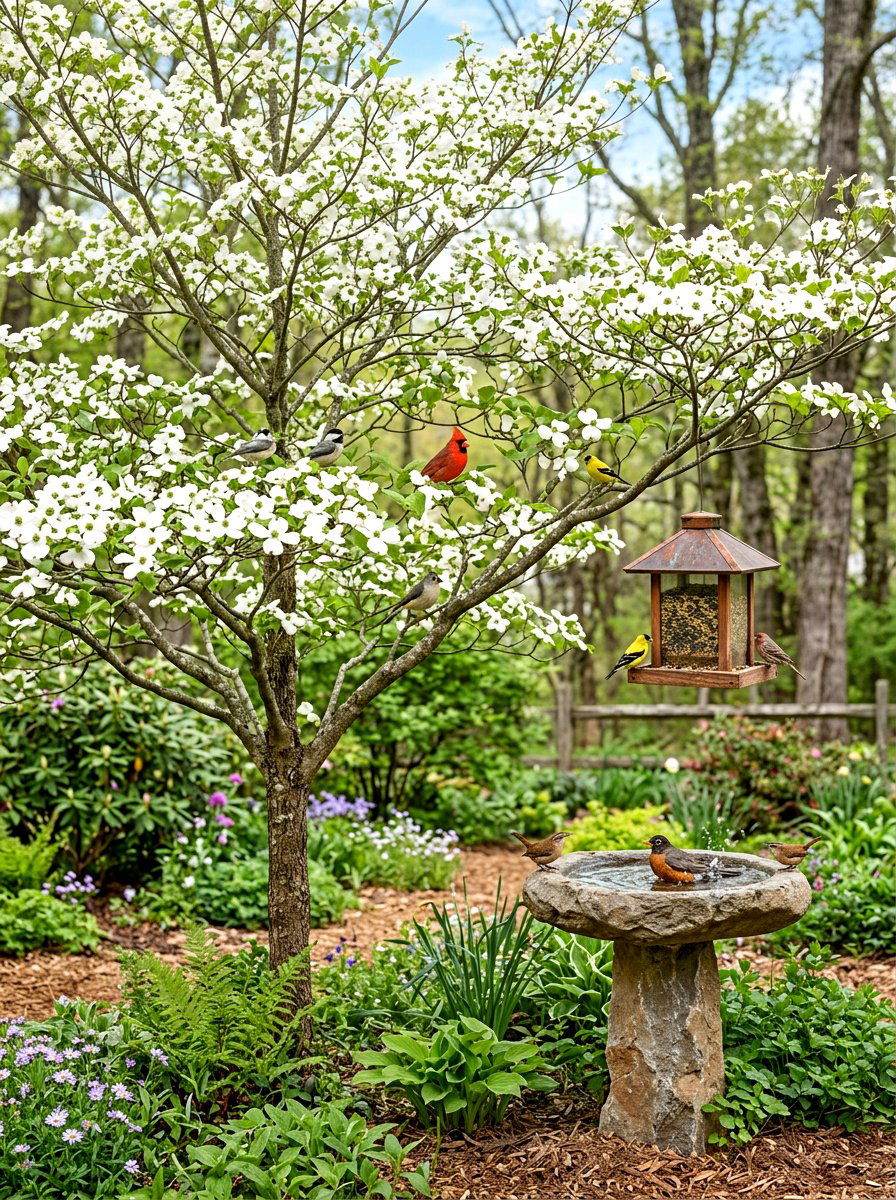
A dogwood tree is a powerhouse for supporting local bird populations, providing both nesting sites and a high-fat food source. To create a bird-friendly design, you should avoid using heavy pesticides and instead allow the natural ecosystem to thrive. Place a bird feeder or a heated birdbath nearby to encourage different species to visit your garden throughout the year. The dense branching of the dogwood offers excellent protection from predators, making it a favorite spot for songbirds like cardinals and robins. This design theme focuses on the ecological value of the tree, creating a lively and melodic garden that benefits both humans and nature.
19. Dogwood Tree Spring Bloom
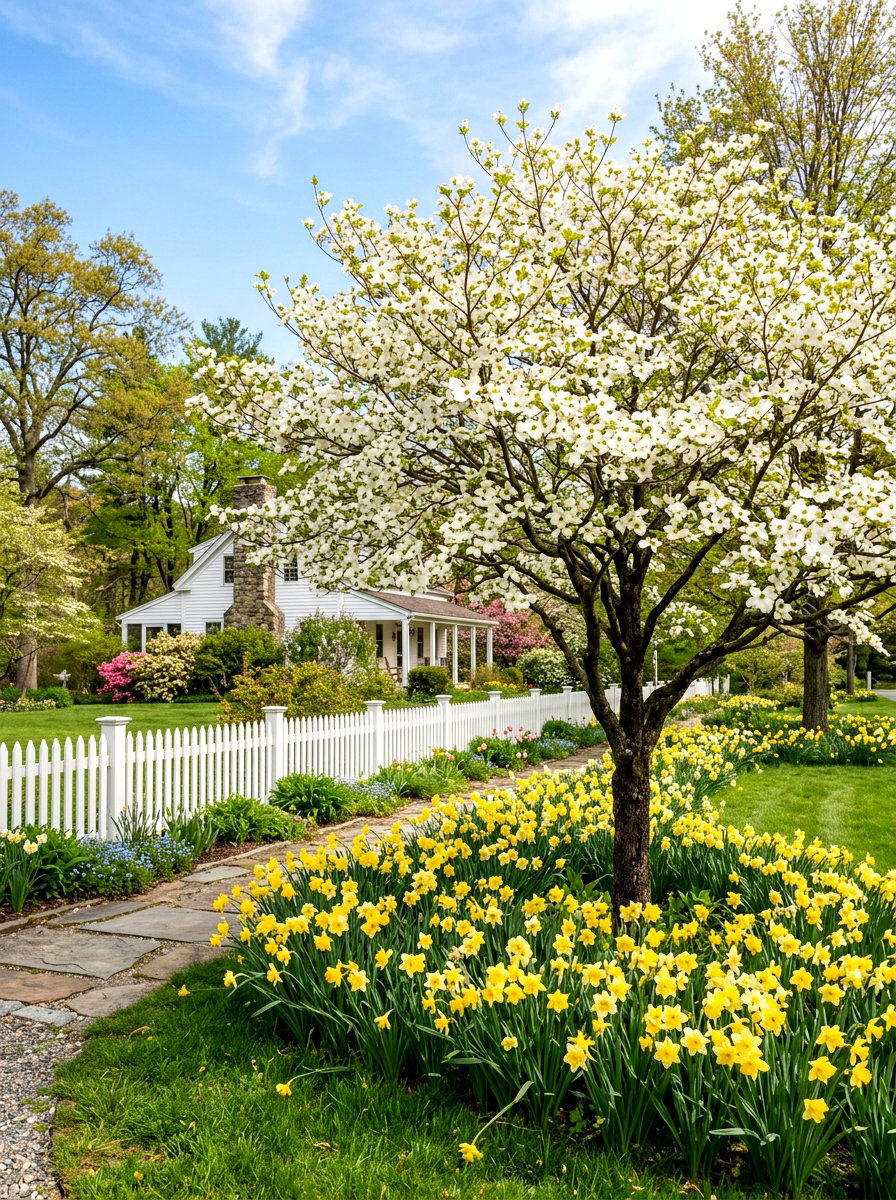
To maximize the impact of the spring bloom, you should plant your dogwood in a location where it receives plenty of morning sun. This helps the tree produce a massive quantity of flowers that will cover the branches from top to bottom. You can enhance this effect by planting white or yellow daffodils in a large drift around the base of the tree. The combination of the aerial blossoms and the ground-level bulbs creates a complete spring immersion experience. This design is all about celebrating the arrival of the new season with as much floral abundance as possible, making your home a neighborhood highlight.
20. Dogwood Tree Small Garden
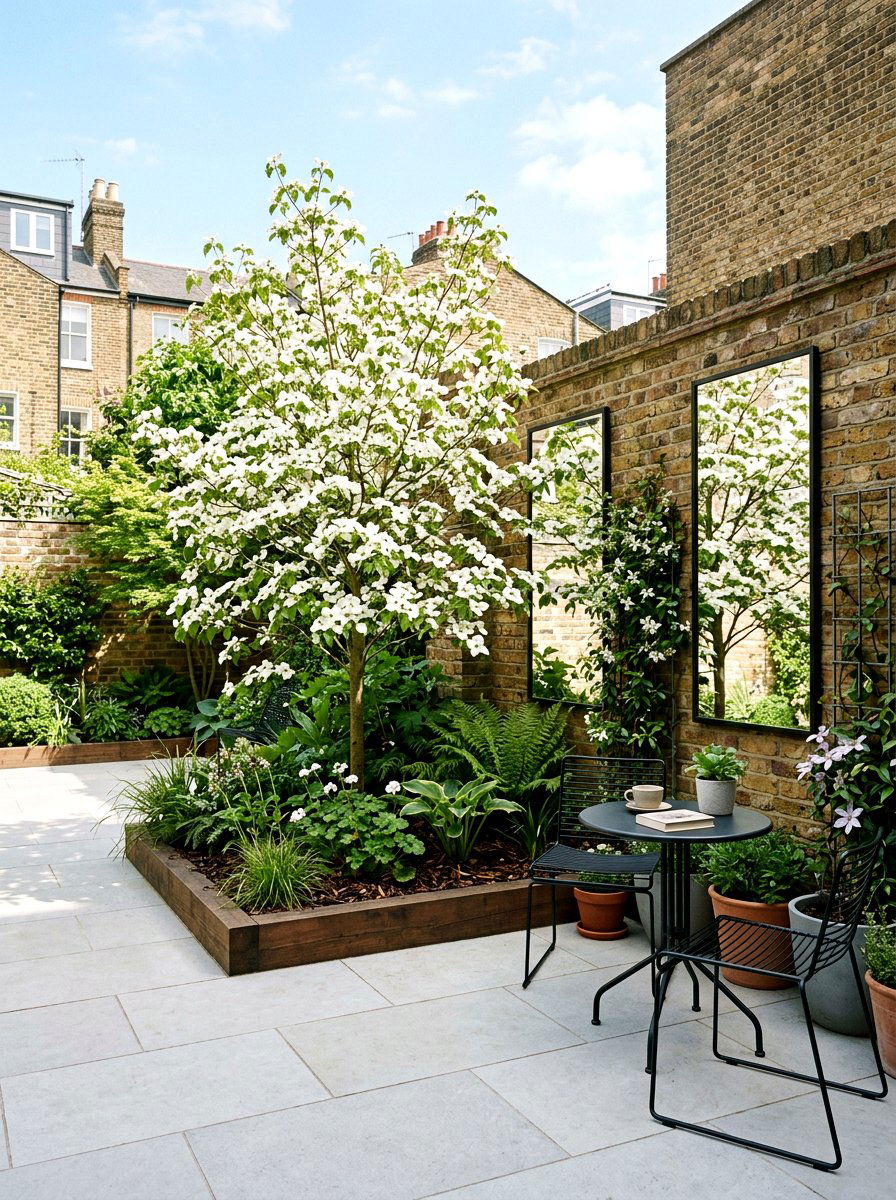
In a small urban garden, every square inch matters, making the slow-growing and compact dogwood an ideal choice for a vertical element. You can plant it in a corner to soften the meeting point of two walls or use it to frame a small garden gate. Choosing a variety with a narrow upright habit ensures that the tree won't grow too wide for the limited space. Adding wall-mounted mirrors or light-colored paving can help reflect the beauty of the flowers and make the small space feel much larger. This design strategy proves that a small footprint can still accommodate a magnificent tree with high visual impact.
21. Dogwood Tree Walkway Border
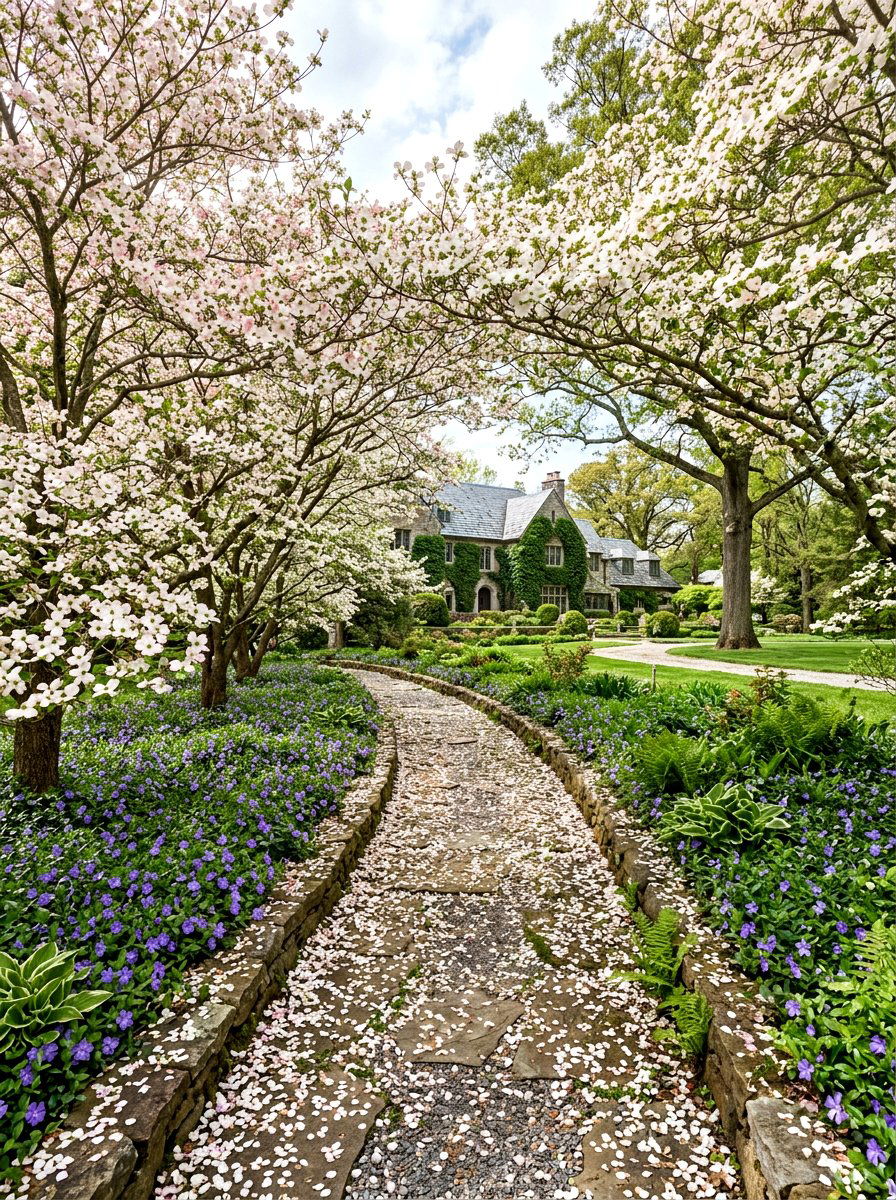
Planting dogwood trees along a walkway creates a stunning floral tunnel effect that guides guests toward your front door. You should space the trees evenly and prune them so that their canopies eventually meet overhead, creating a sense of enclosure and intimacy. Beneath the trees, a simple groundcover like vinca minor or creeping thyme will keep the area looking tidy without competing for nutrients. As the petals fall, they will coat the path in a beautiful layer of color, making every walk to the house feel like a special occasion. This design adds a sense of rhythm and elegance to the approach of your home.
22. Dogwood Tree Patio Accent
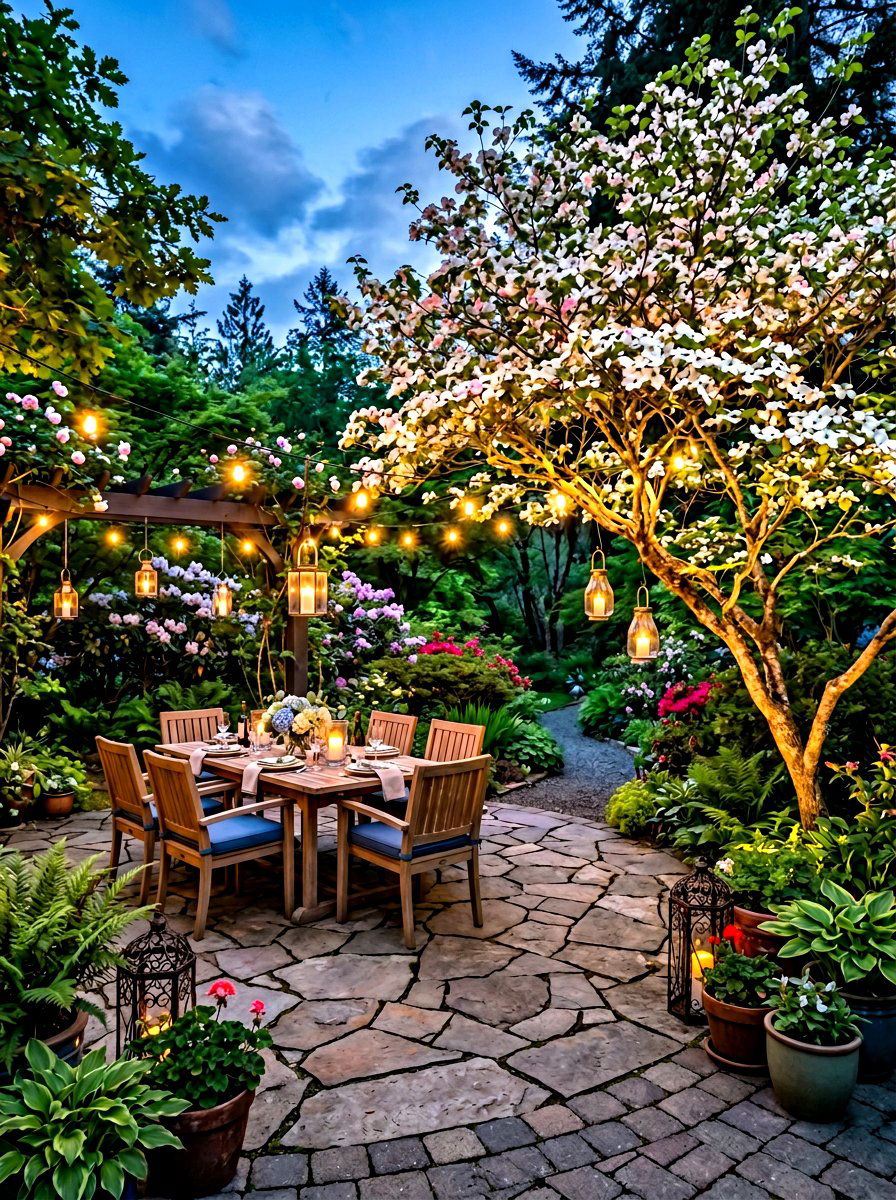
A dogwood tree planted right next to a patio provides the perfect amount of privacy and a beautiful natural ceiling for outdoor dining. You can use the tree 's branches to hang lanterns or fairy lights to create a magical atmosphere for evening gatherings. The close proximity to the seating area allows you to appreciate the intricate details of the flowers and the visiting butterflies. Ensure the patio is constructed with permeable materials to allow water and air to reach the tree' s roots effectively. This design blends hardscaping and softscaping seamlessly, creating an outdoor room that feels both luxurious and deeply rooted in the natural world.
23. Cherokee Princess Dogwood
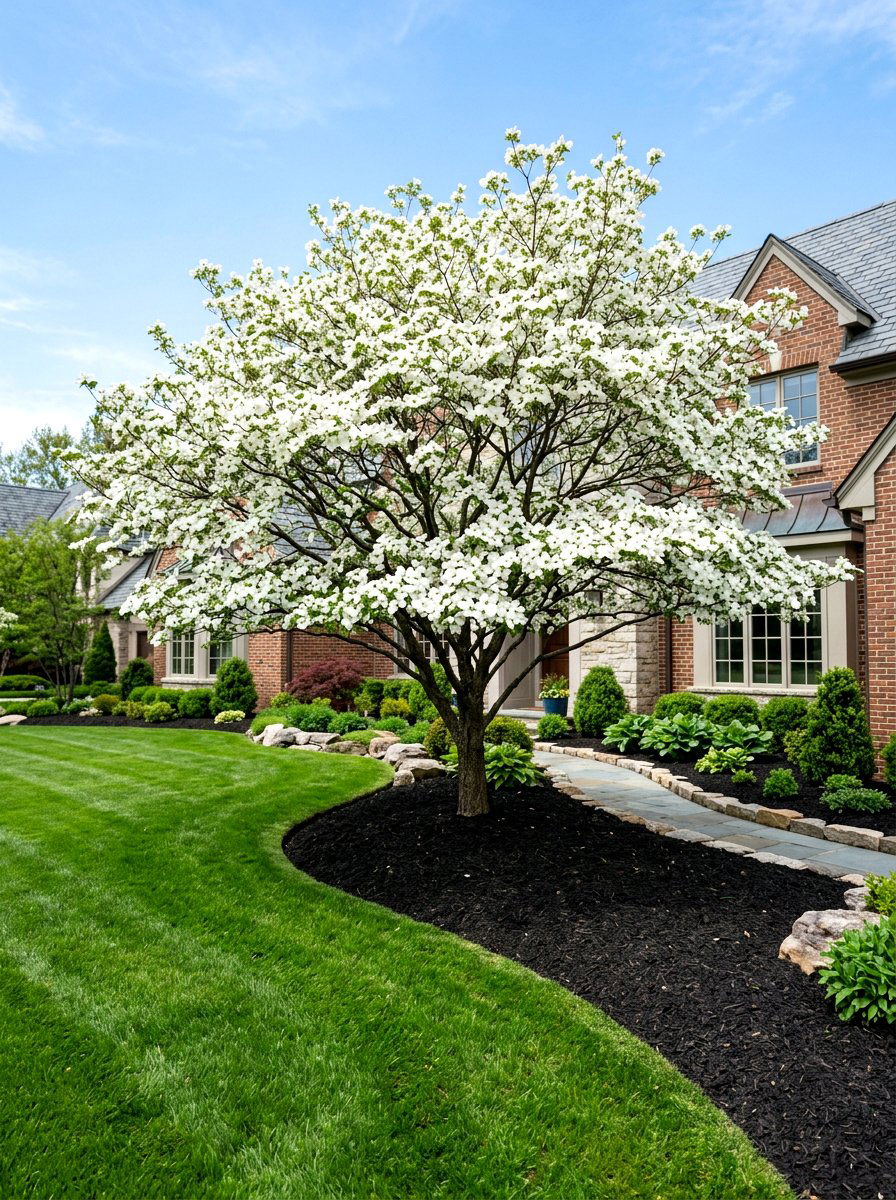
The Cherokee Princess is a specific variety known for its exceptionally large and prolific white blossoms that appear very early in the season. When designing with this tree, you should give it a prominent spot where its superior bloom quality can be the center of attention. It has a very symmetrical and rounded growth habit, making it look neat and tidy even without much pruning. Surround it with dark green ivy or mulch to let the purity of the white flowers stand out as much as possible. This variety is a favorite for those who want a reliable and high-performing tree that delivers a professional-grade floral display.
24. Stellar Pink Dogwood
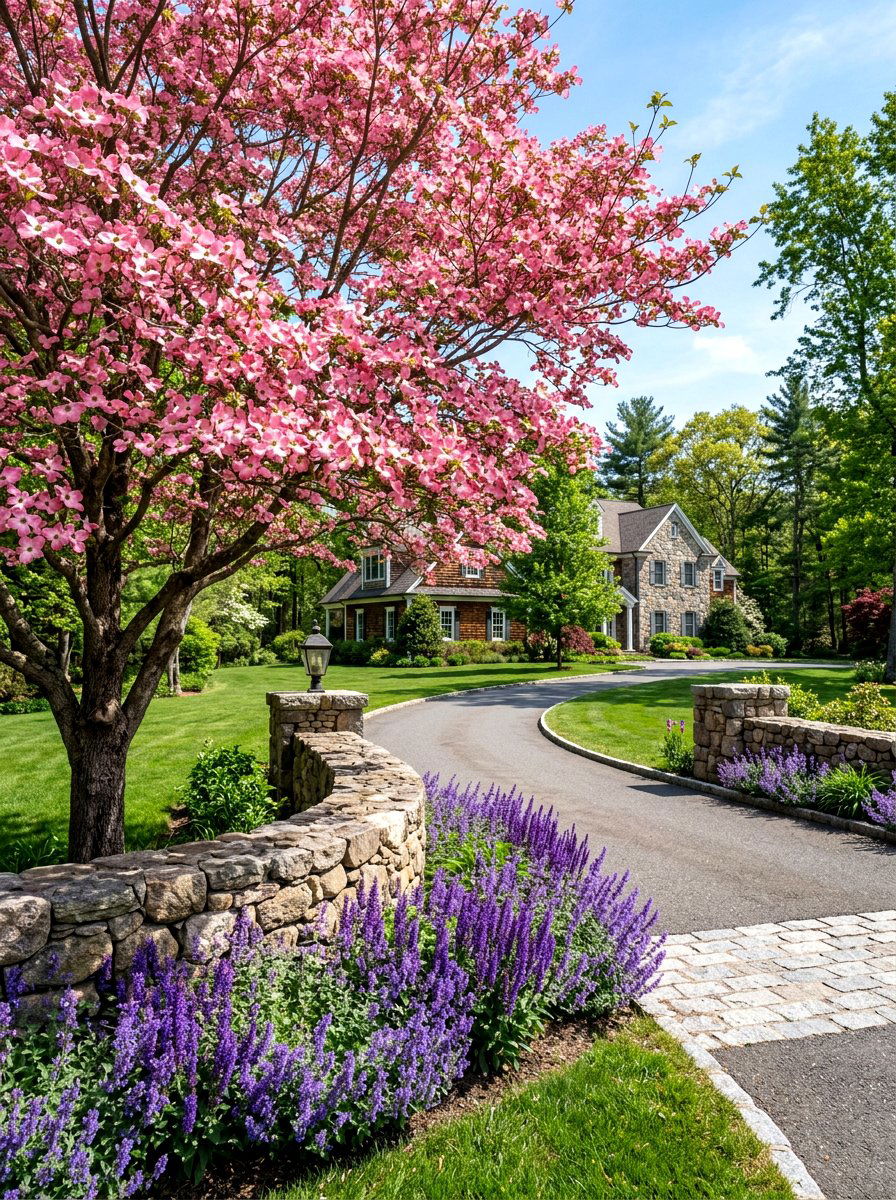
Stellar Pink is a vigorous hybrid variety that offers incredible disease resistance and a unique rounded petal shape that looks like a soft star. This tree is perfect for a low-maintenance landscape where you want the beauty of a dogwood without the worry of common pests or blights. The flowers have a delicate, blushing pink color that looks beautiful when paired with lavender or purple salvia at the base. Its strong, upright growth makes it an excellent choice for framing a driveway or a large garden entrance. This design focus is on longevity and health, ensuring your garden remains beautiful and stress-free for many years.
25. Wolf Eyes Dogwood
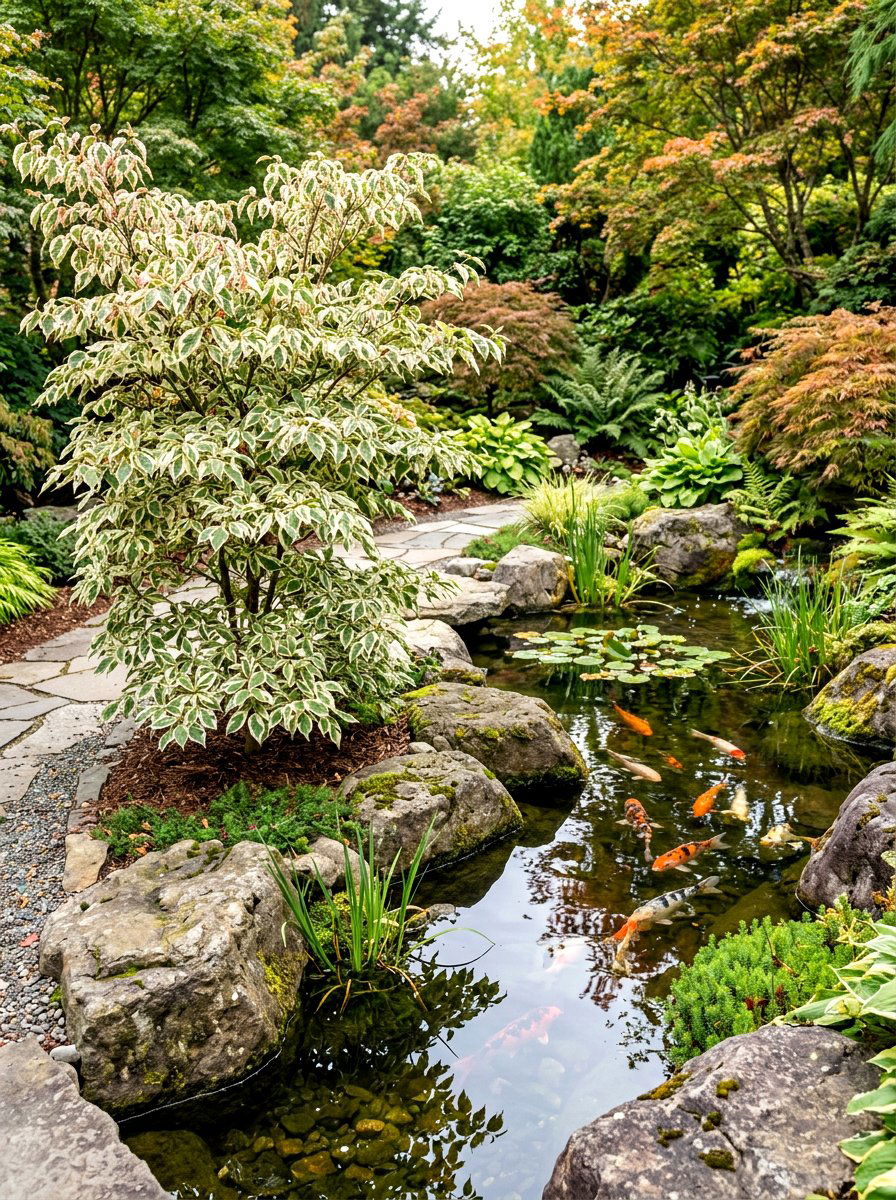
The Wolf Eyes dogwood is a cultivar of the Kousa dogwood that is prized for its dramatic white-margined leaves and wavy foliage texture. This tree stays relatively small and has a slow growth rate, making it perfect for a detailed garden bed or a high-end residential landscape. The variegated leaves actually turn pink and red in the fall, providing a complex color palette that is rarely seen in other trees. You can plant it near a water feature or a koi pond where its unique foliage can be reflected in the water. This design is for the plant collector who wants a rare and visually stunning specimen as a garden anchor.
Conclusion:
Spring dogwood trees are truly the crown jewels of the temperate garden, offering a perfect blend of structural elegance and ethereal floral beauty. By carefully selecting the right variety and integrating it into a thoughtful landscape design, you can create a stunning outdoor space that increases your home 's value and your personal enjoyment. Whether you prefer the classic white native varieties or the hardy and unique Kousa hybrids, there is a dogwood tree that will fit perfectly into your vision. Remember to consider the tree' s needs for well-drained soil and partial shade to ensure it thrives and continues to provide seasonal magic for decades to come.
Related posts:

Leave a Reply