
As the frost begins to melt and the first rays of warm sunshine hit the soil, every gardener feels that familiar itch to start digging. Spring is the ultimate season of rebirth, and your flower beds are the perfect canvas to showcase this transformation. Creating a vibrant outdoor space involves more than just sticking a few plants in the ground; it requires a thoughtful approach to color, texture, and timing. Whether you want to boost your home’s curb appeal or create a private sanctuary in your backyard, these spring garden concepts will help you achieve a professional and polished look. By focusing on cohesive themes and diverse plant selections, you can ensure your landscape remains a breathtaking focal point throughout the entire season.
1. Colorful Tulip Garden
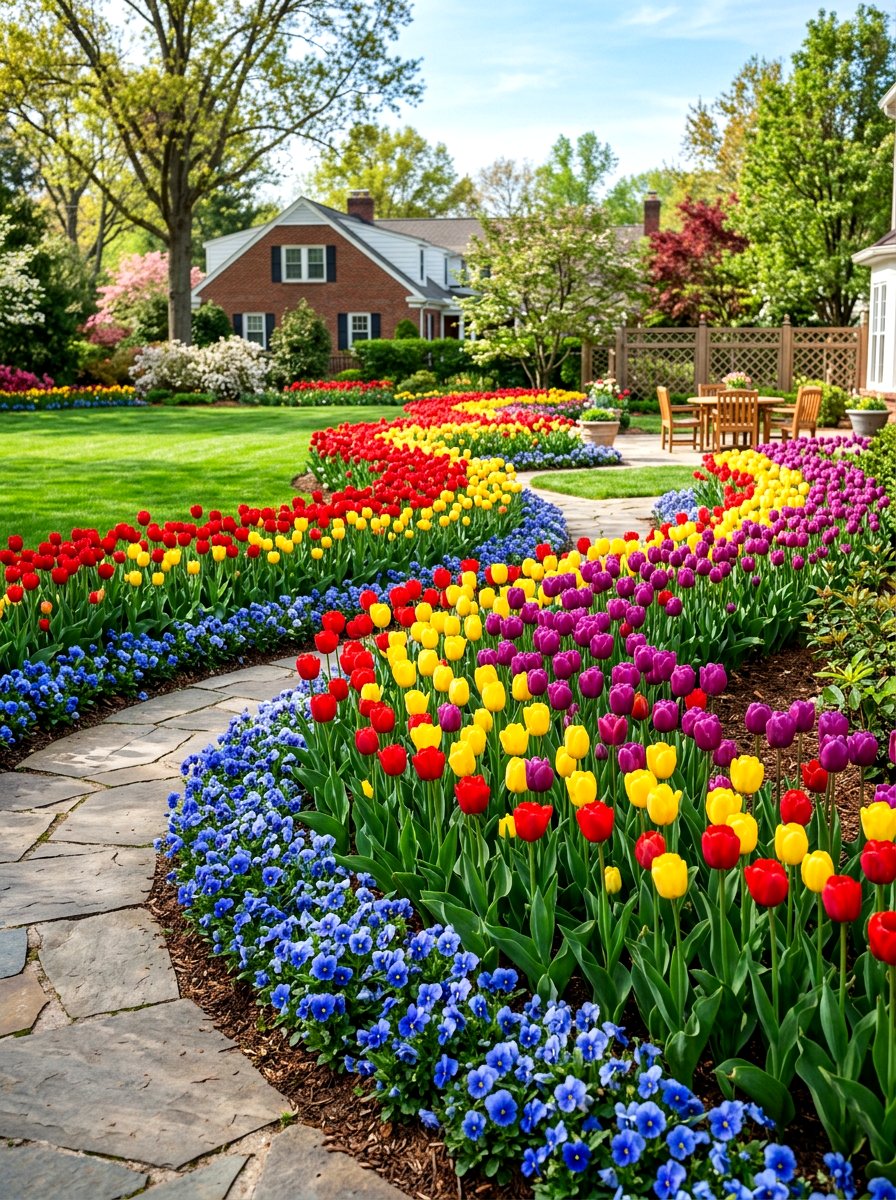
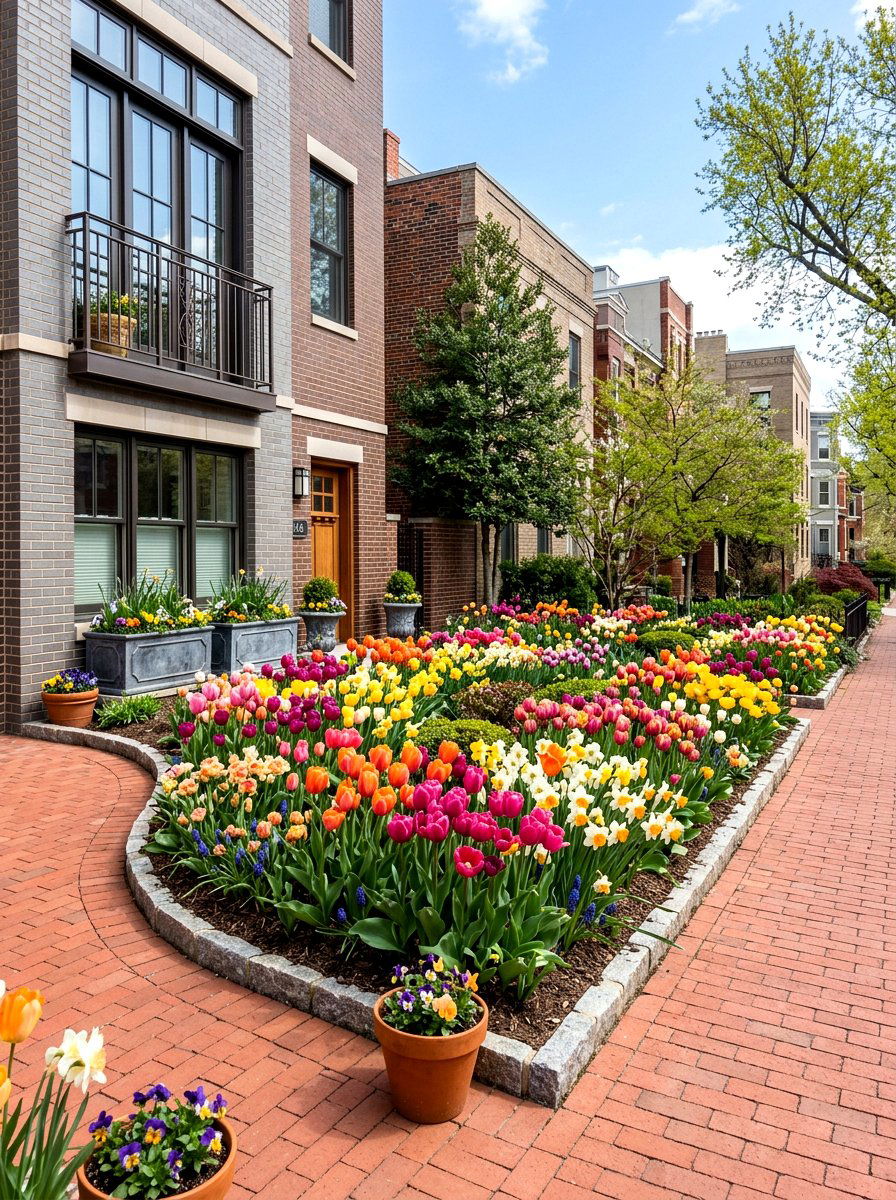
A vibrant tulip garden acts as a bold statement piece for any front yard or backyard space during the early months of the year. You can achieve this look by mass planting different varieties of tulips in large, sweeping drifts rather than single rows. Think about mixing early-season, mid-season, and late-season varieties to ensure a long-lasting display of color. Incorporating contrasting hues like bright yellow and deep purple creates a dynamic visual impact that catches the eye from a distance. To finish the look, edge the bed with low-growing pansies or violas to hide the tulip foliage as it begins to fade. This approach transforms a simple plot into a high-end landscape feature that celebrates the full spectrum of spring.
2. Mixed Bulb Flower Bed
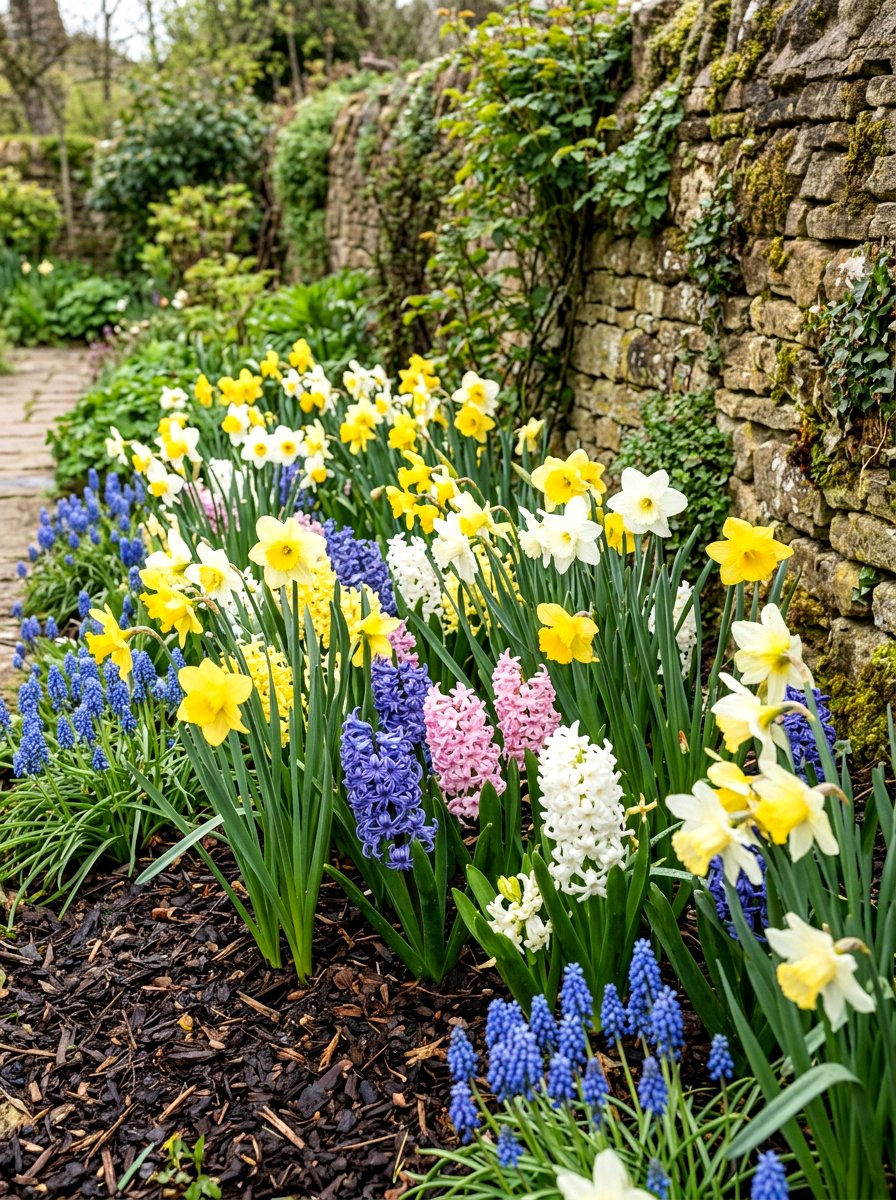
Creating a mixed bulb flower bed is a fantastic way to enjoy a continuous sequence of blooms from late winter through late spring. This design utilizes the "lasagna planting" method, where you layer different bulbs at various depths to maximize space and floral density. Start with larger bulbs like daffodils and tulips at the bottom, followed by smaller ones like hyacinths and grape muscari near the surface. The result is a lush, overflowing carpet of flowers that changes every week as new species emerge. Using a variety of heights and textures makes the bed feel more natural and established. This technique is particularly effective for small gardens where every inch of soil must provide maximum visual interest.
3. White Spring Garden
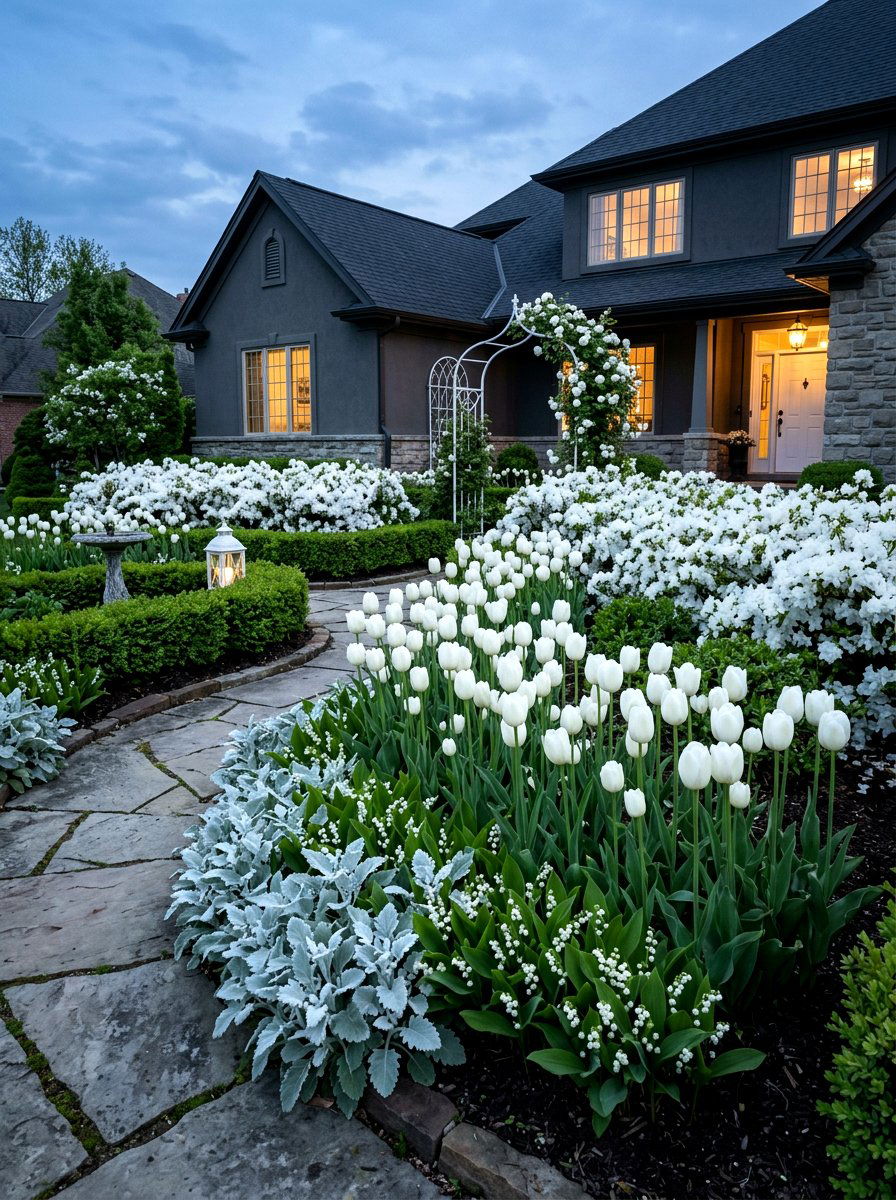
A white spring garden offers an elegant and sophisticated aesthetic that looks particularly stunning during the twilight hours or under overcast skies. This monochromatic theme relies on a variety of white-flowering plants like Snowdrops, Lily of the Valley, and white Azaleas to create a serene atmosphere. To keep the design from looking flat, incorporate plants with different leaf shapes and silvery foliage, such as Dusty Miller or Lamb’s Ear. The clean, crisp look of white petals against dark green leaves provides a refreshing contrast to the muddy tones of early spring. This style is perfect for formal entryways or quiet backyard corners meant for relaxation. It creates a timeless beauty that never goes out of style.
4. Cottage Style Flower Border
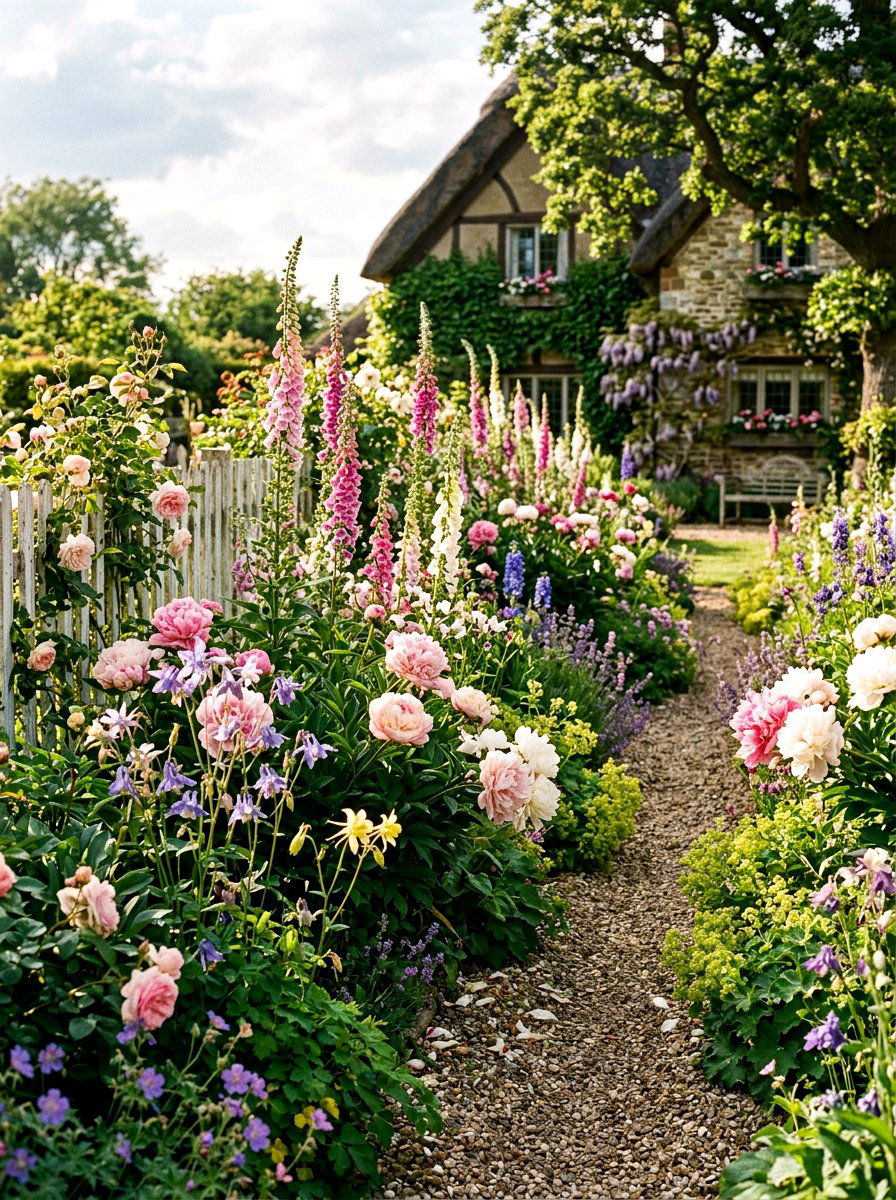
The cottage style flower border is all about charming imperfection and a dense, romantic layering of classic spring favorites. This design ignores strict rows in favor of a soft, billowing appearance using Foxgloves, Peonies, and Columbine. Incorporating rustic elements like a small picket fence or a weathered stone path enhances the whimsical feel of the space. The key is to plant tightly so that very little soil is visible, which also helps to suppress weeds naturally. By mixing self-seeding annuals with sturdy perennials, the garden develops a lived-in look that feels both lush and effortless. This approach is ideal for those who love a natural, slightly wild aesthetic that invites exploration and discovery.
5. Perennial Spring Flower Bed
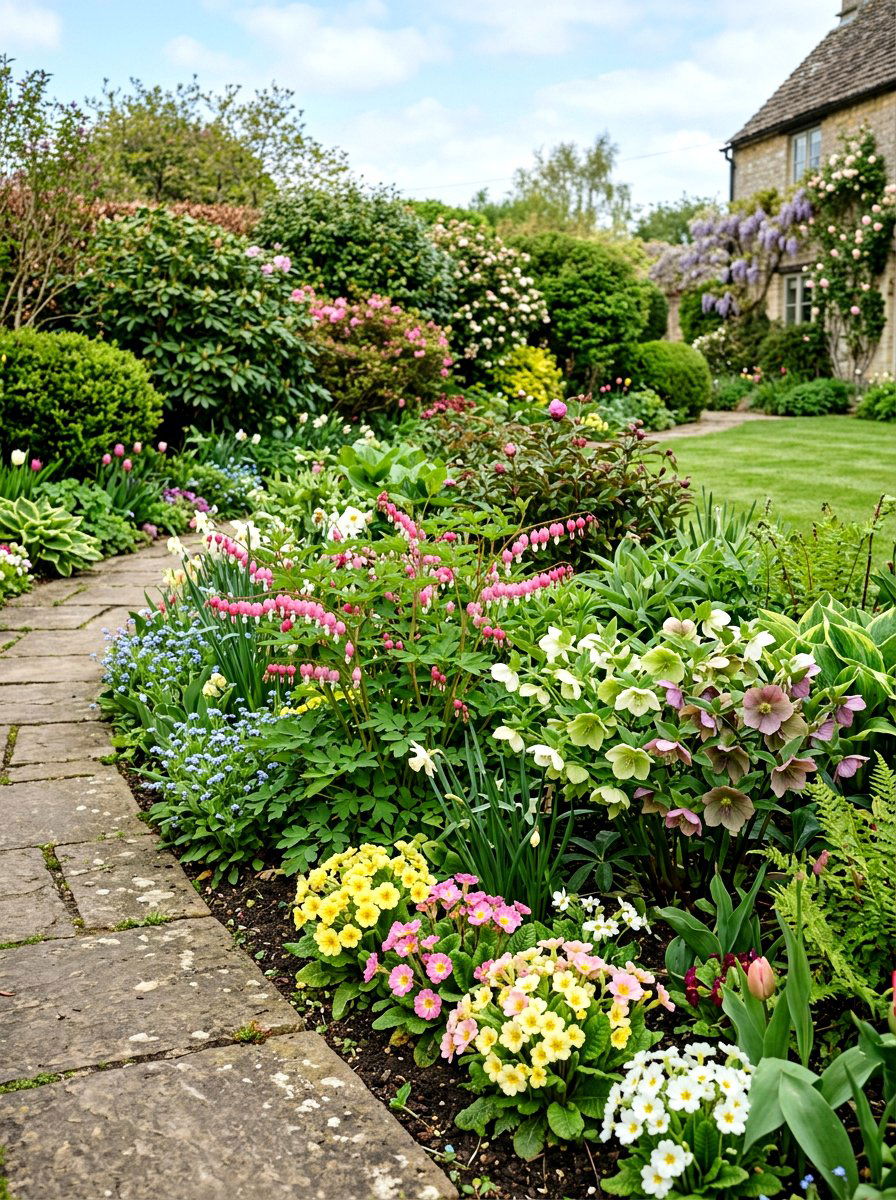
A perennial spring flower bed is a smart investment for any homeowner looking for long-term beauty with less yearly effort. This design focuses on plants like Bleeding Hearts, Hellebores, and Primroses that return bigger and stronger with each passing season. By selecting a range of perennials with different blooming windows, you can ensure the bed remains interesting from March through June. Adding a layer of organic mulch helps retain moisture and provides a clean backdrop for the emerging greenery. Because these plants are permanent residents, you can carefully plan their placement based on their mature size. This creates a balanced, structural look that serves as a reliable foundation for your entire spring landscape design.
6. Low Maintenance Garden Bed
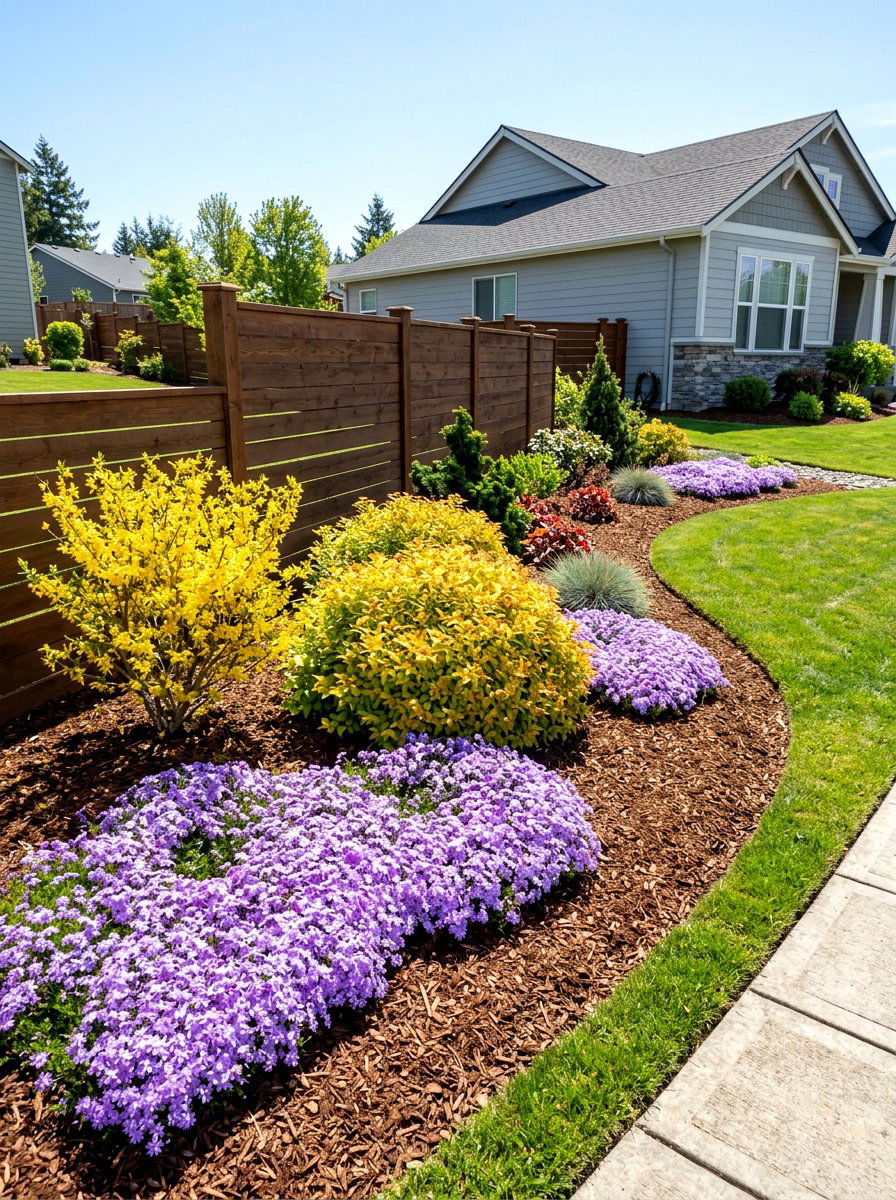
For the busy homeowner, a low maintenance garden bed featuring hardy shrubs and groundcovers is the perfect solution for spring color. Incorporate easy-care plants like Spirea, Forsythia, and Creeping Phlox that provide massive bursts of color with very little pruning or watering needed. Using a heavy layer of wood chips or decorative gravel between plants significantly reduces weed growth and maintains a tidy appearance. These hardy varieties are often resistant to common pests and diseases, meaning you spend more time enjoying the view and less time troubleshooting. The result is a clean, professional-looking landscape that stays vibrant throughout the spring. It is a practical yet beautiful choice for modern living and high-traffic areas.
7. Shade Loving Spring Garden
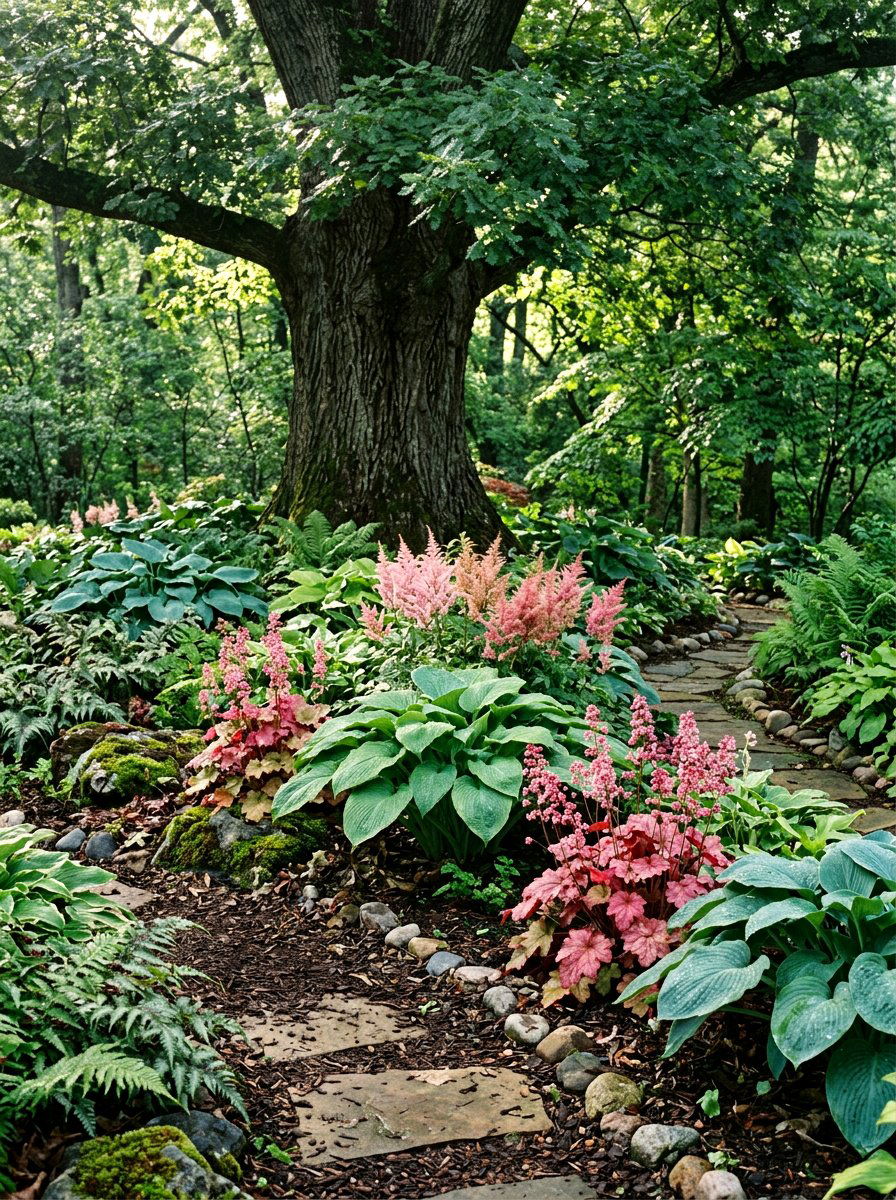
Many homeowners struggle with dark corners, but a shade loving spring garden can turn those dim areas into glowing retreats. Focus on plants that thrive in dappled light, such as Hostas, Coral Bells, and Japanese Forest Grass, which offer incredible foliage color even before flowers appear. Adding spring-flowering shade specialists like Astilbe and Foamflower provides delicate texture and vertical interest to the bed. Using lighter-colored mulch or decorative stones can help reflect what little light is available, making the space feel brighter. This design transforms a neglected area under a tree or along a north-facing wall into a lush, woodland-inspired sanctuary. It proves that even the darkest spots can bloom beautifully with the right selection.
8. Raised Garden Bed For Spring
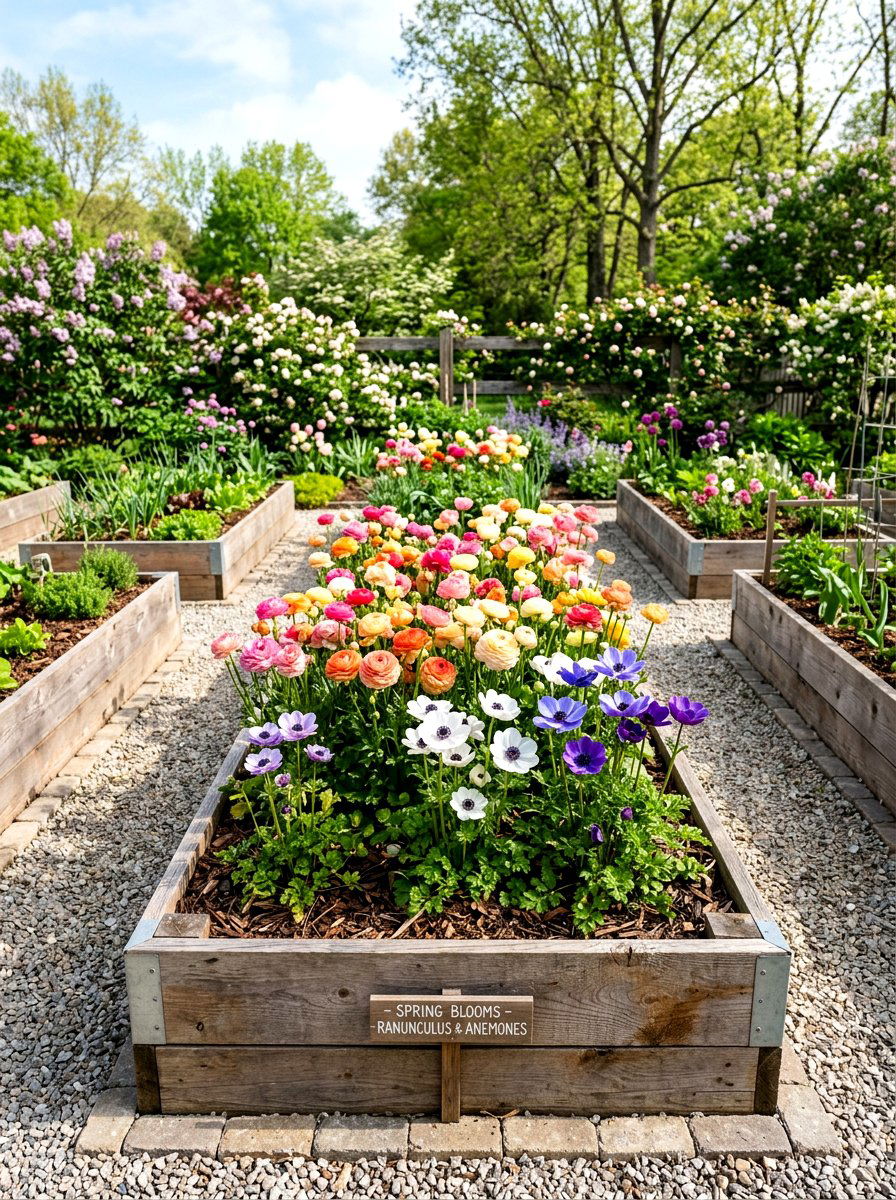
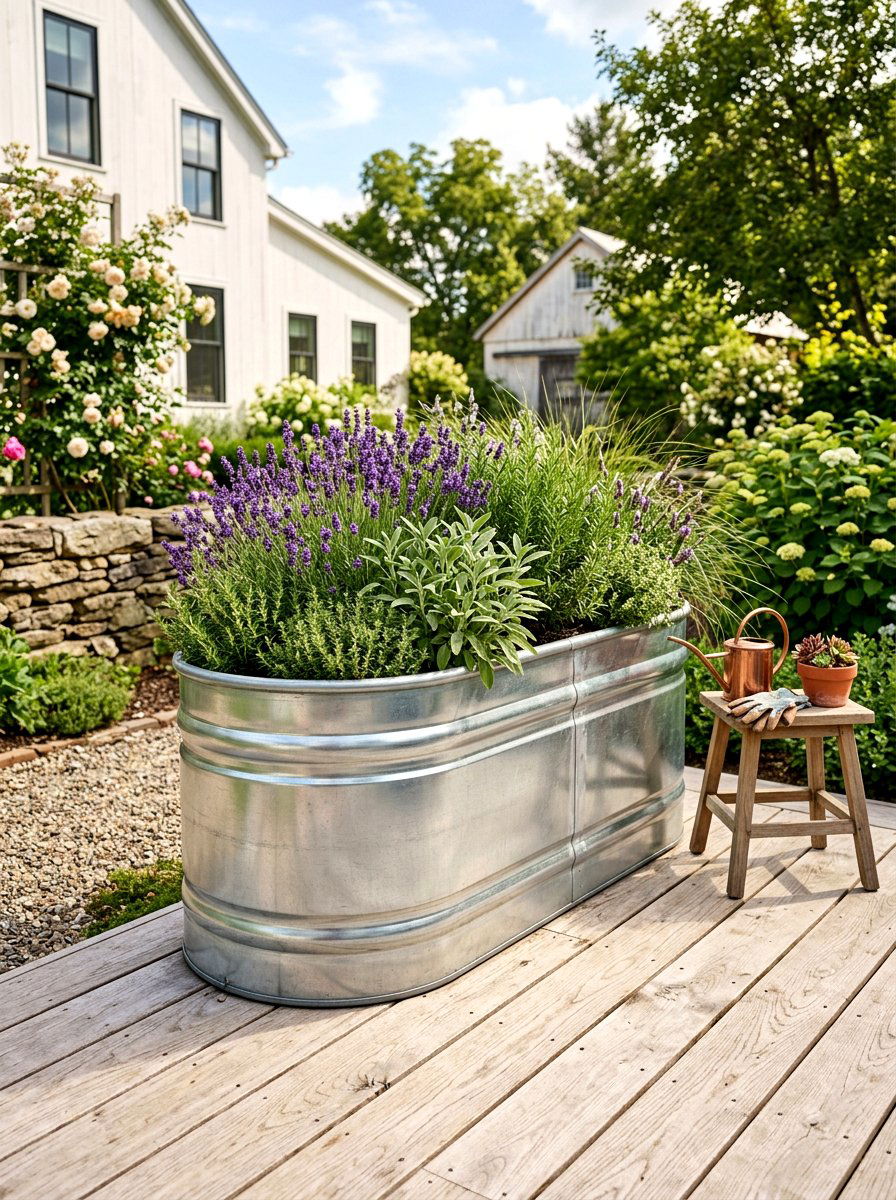
Utilizing a raised garden bed for spring flowers allows for better soil control, improved drainage, and an easier height for maintenance chores. These structures can be built from wood, stone, or metal to match your home’s architectural style and provide a defined focal point. Filling the beds with high-quality compost ensures that heavy feeders like Ranunculus and Anemones have all the nutrients they need to produce spectacular blooms. Raised beds also warm up faster in the spring sun, often leading to earlier flowering than traditional in-ground gardens. The elevated height creates a sense of drama and makes the flowers feel more intimate. It is an excellent way to organize a diverse collection of spring plants.
9. Front Porch Flower Bed
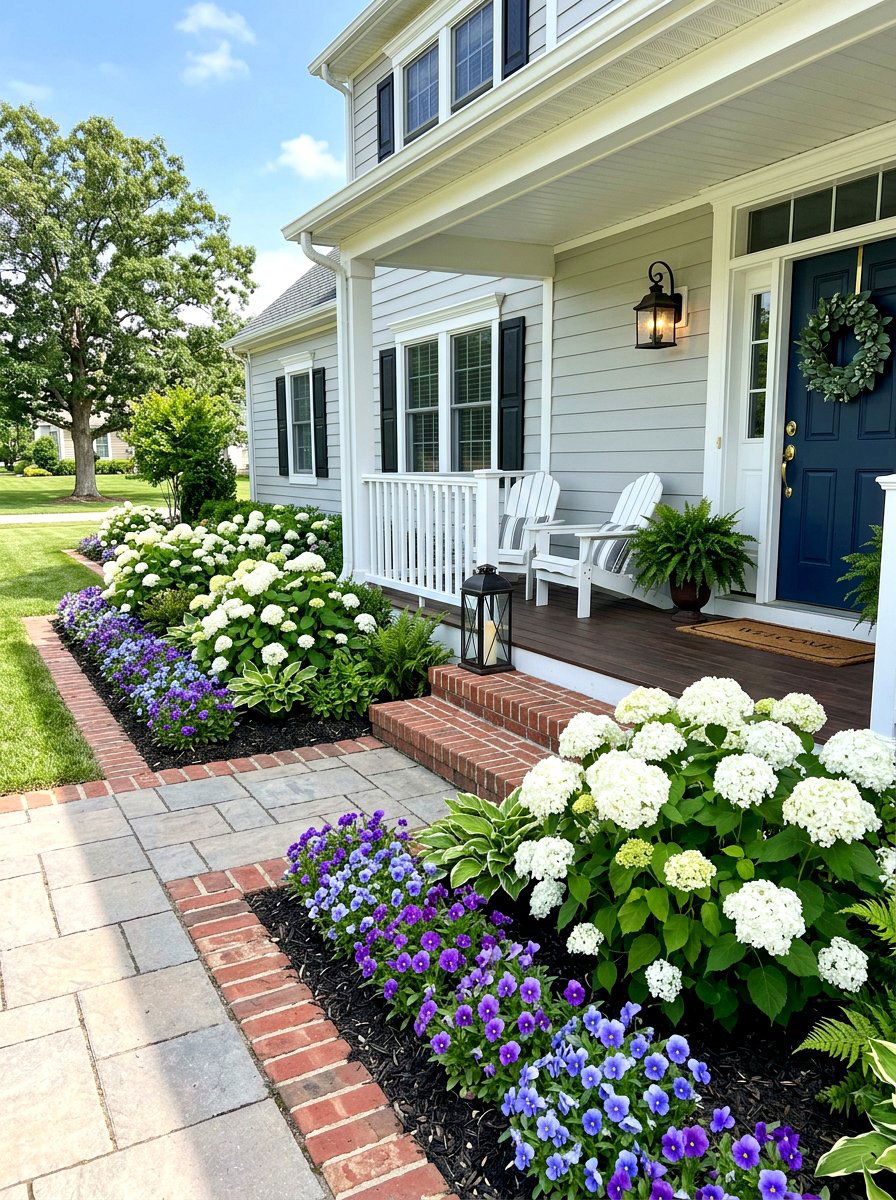
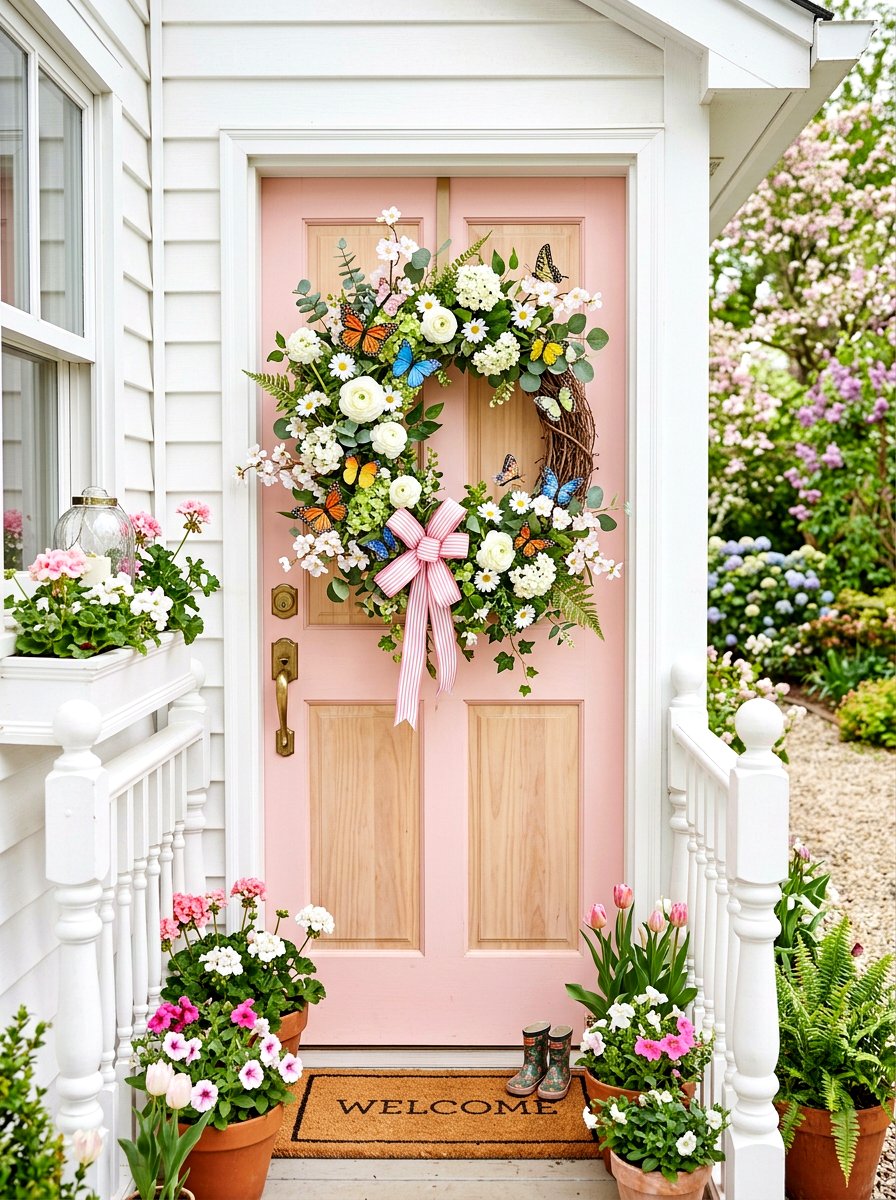
Designing a front porch flower bed is the most effective way to improve your home’s curb appeal and welcome guests with style. This area should feature high-impact plants like Hydrangeas, Pansies, and ornamental grasses that look great from both the street and the porch. Consider the scale of your house; taller shrubs should sit toward the back, while low-growing flowers spill over the edges of the bed. Integrating decorative elements like lanterns or high-quality house numbers can tie the garden and the architecture together seamlessly. A well-maintained bed in this location sets a positive tone for the entire property. It creates an inviting atmosphere that makes your home stand out in the neighborhood throughout the season.
10. Circular Garden Bed
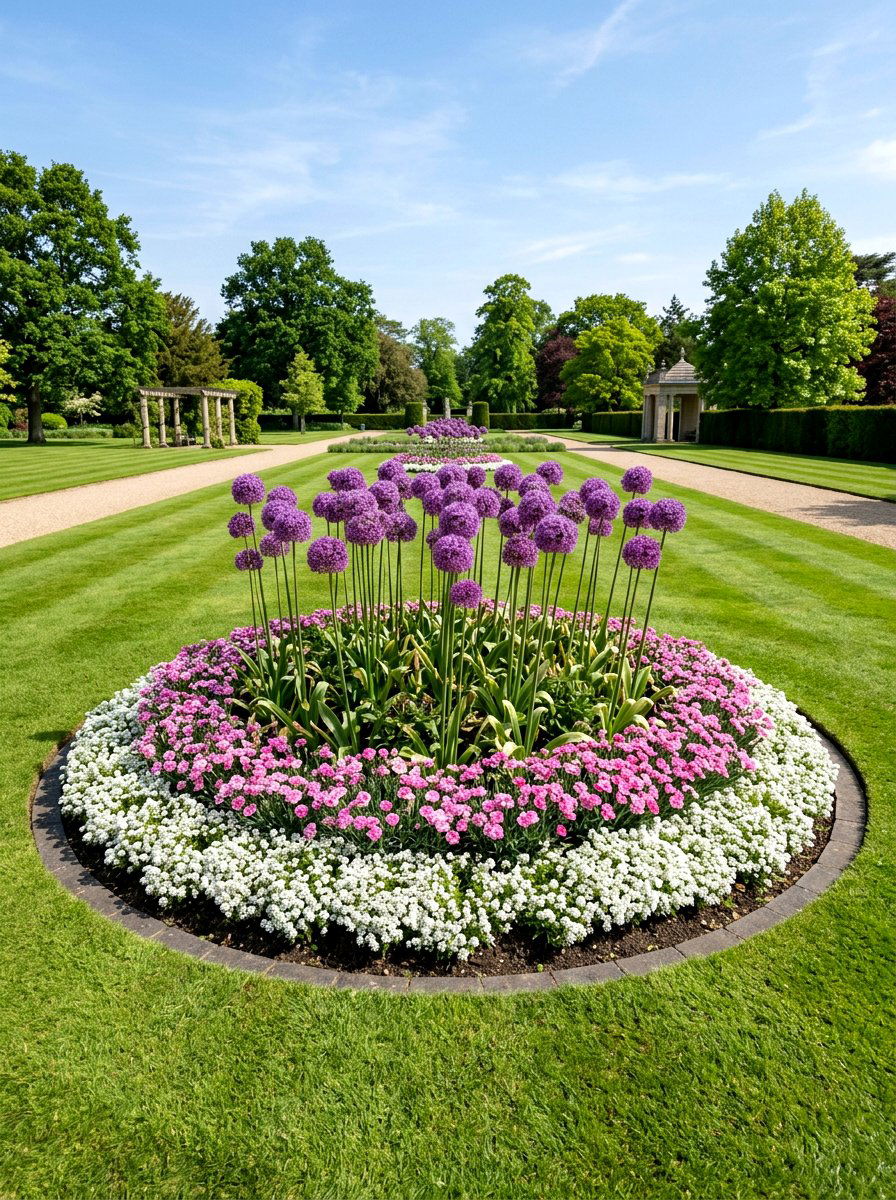
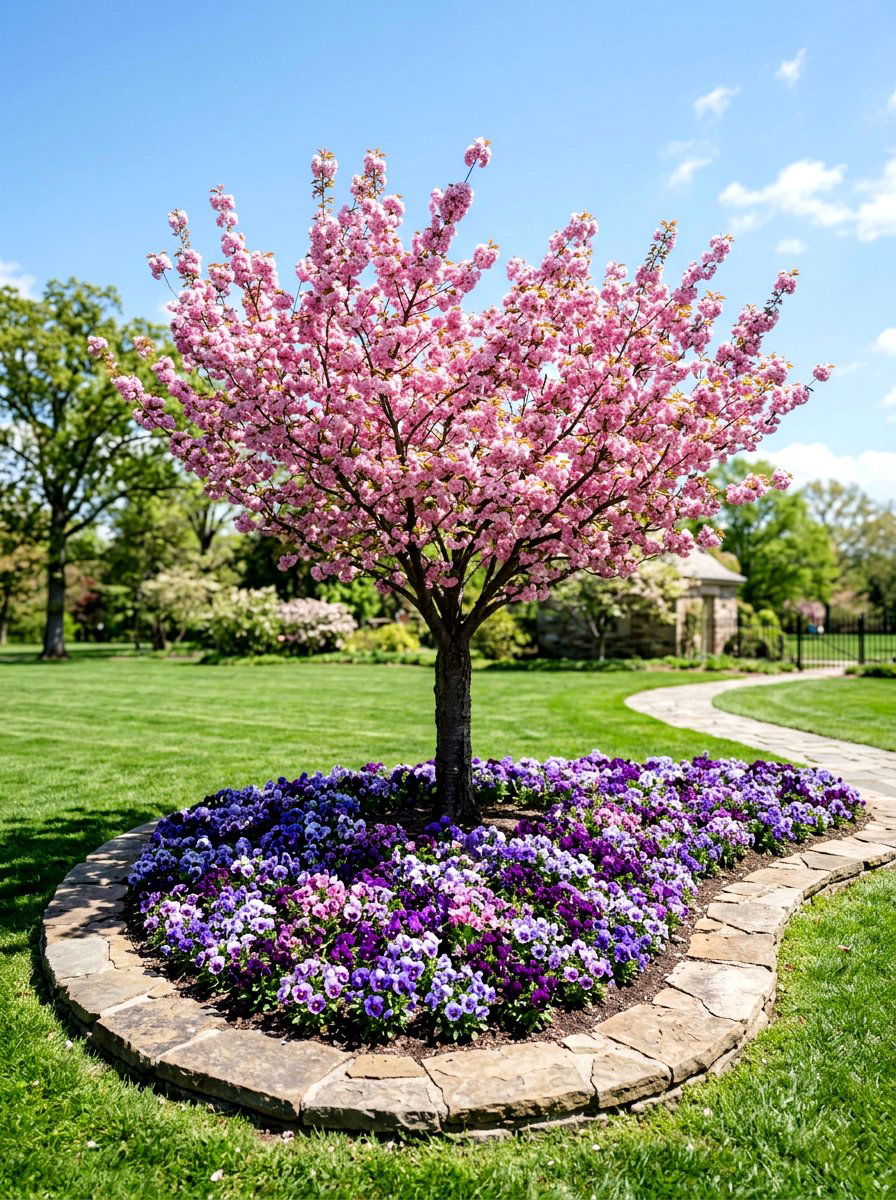
A circular garden bed creates a powerful visual anchor in the middle of a lawn or at the end of a driveway. This 360-degree design requires careful planning so that the tallest plants, like Alliums or upright shrubs, sit in the center. Smaller, mounding flowers like Sweet Alyssum or Dianthus should wrap around the perimeter to create a soft, finished edge. This shape draws the eye inward and provides a sense of balance and symmetry to the overall landscape. Using a consistent color palette within the circle helps the design feel intentional rather than cluttered. It is a classic landscaping technique that adds a touch of formal elegance to any yard, making the space feel more expansive.
11. Native Plant Garden
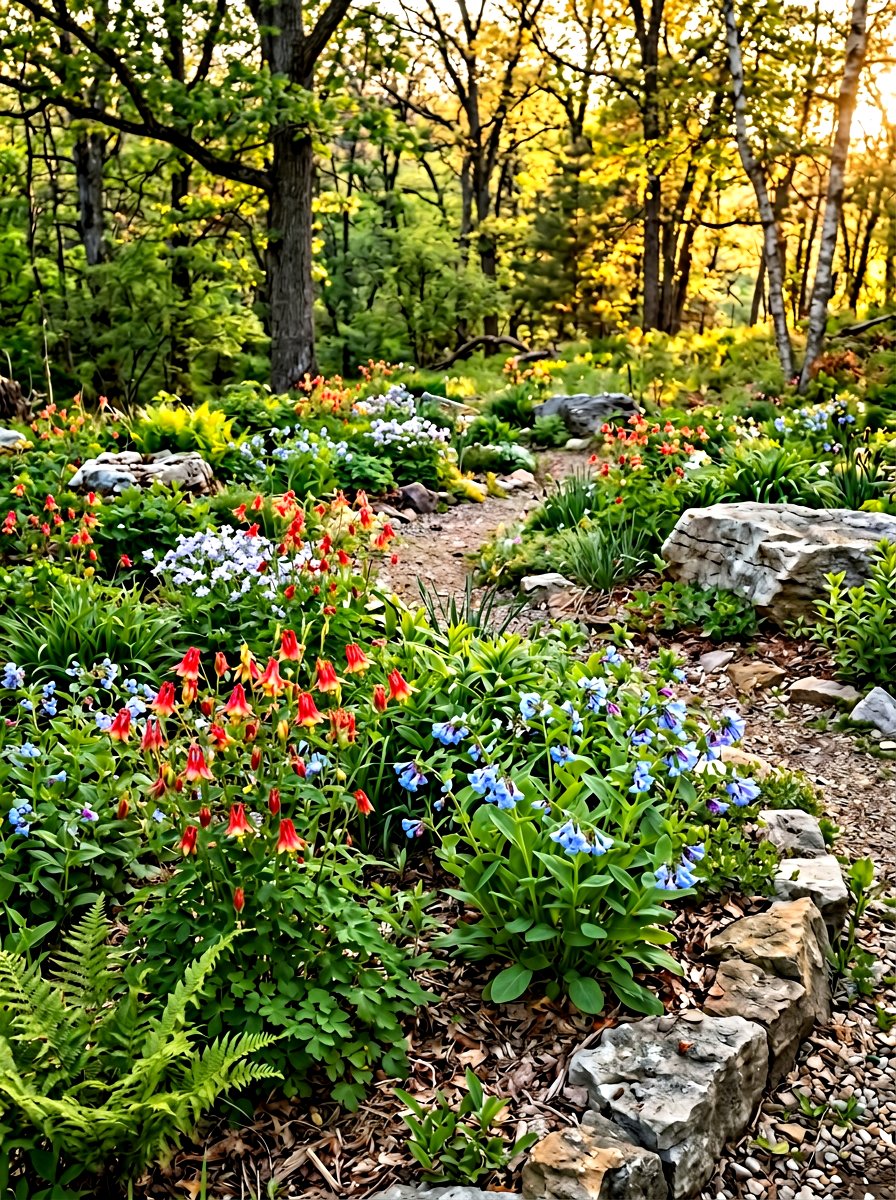
A native plant garden is a sustainable and environmentally friendly choice that celebrates the local flora of your specific region. These plants are naturally adapted to your climate and soil conditions, which means they require less water and fewer fertilizers to thrive. For a spring-focused bed, look for regional favorites like Wild Columbine, Virginia Bluebells, or native Azaleas. These plants provide essential nectar for early-season pollinators while offering a rugged, natural beauty that feels perfectly in tune with the surroundings. A native garden often looks best with a loose, organic layout that mimics how these plants grow in the wild. It is a rewarding way to support local biodiversity while maintaining a stunning and resilient backyard.
12. Pollinator Spring Garden
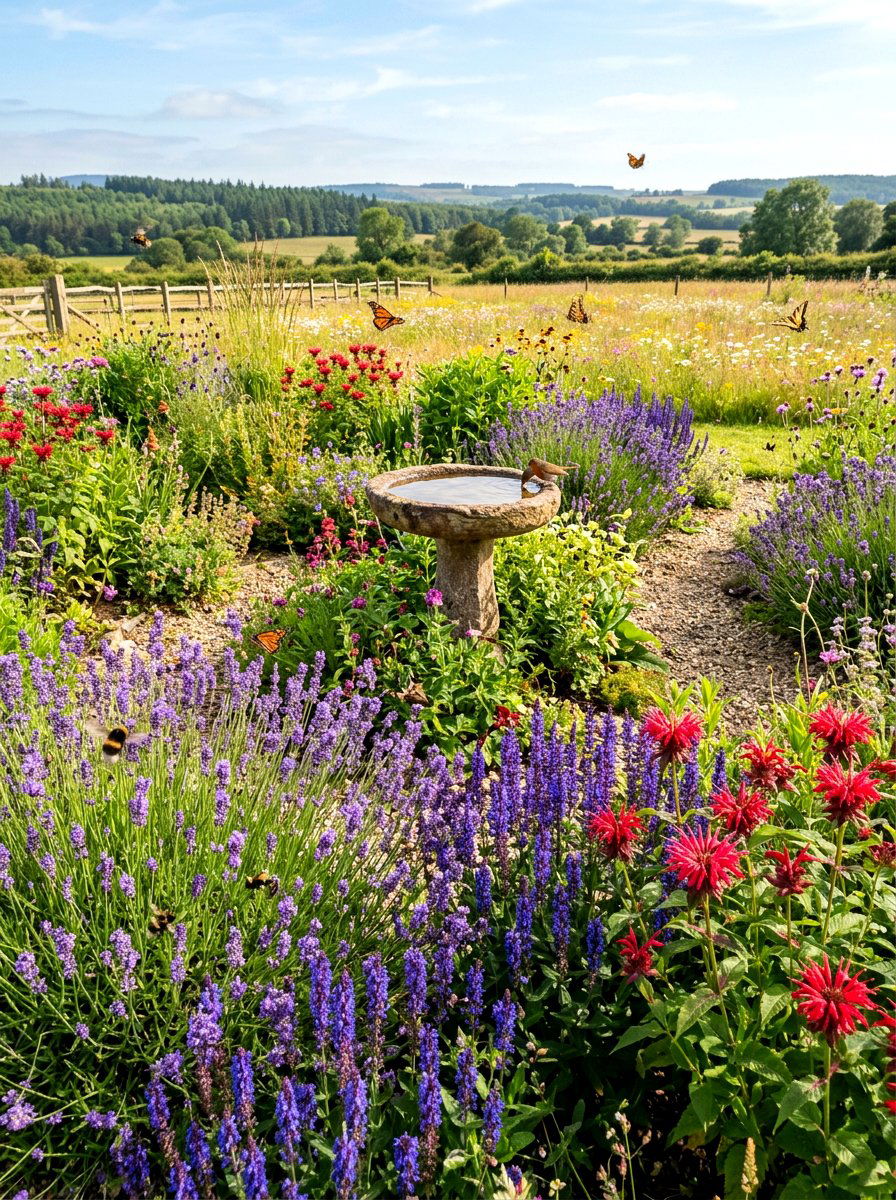
Designing a pollinator spring garden is a wonderful way to bring your landscape to life with bees, butterflies, and hummingbirds. Choose a variety of flower shapes and colors, as different pollinators are attracted to different types of blooms. Lavender, Salvia, and Bee Balm are excellent choices that provide plenty of nectar and pollen during the critical early months. It is important to avoid using pesticides in this area to protect the very creatures you are trying to attract. Grouping plants together in large patches makes it easier for pollinators to find them while flying. This dynamic garden offers more than just visual beauty; it creates a buzzing ecosystem that is educational and fascinating for the whole family.
13. Fragrant Flower Bed
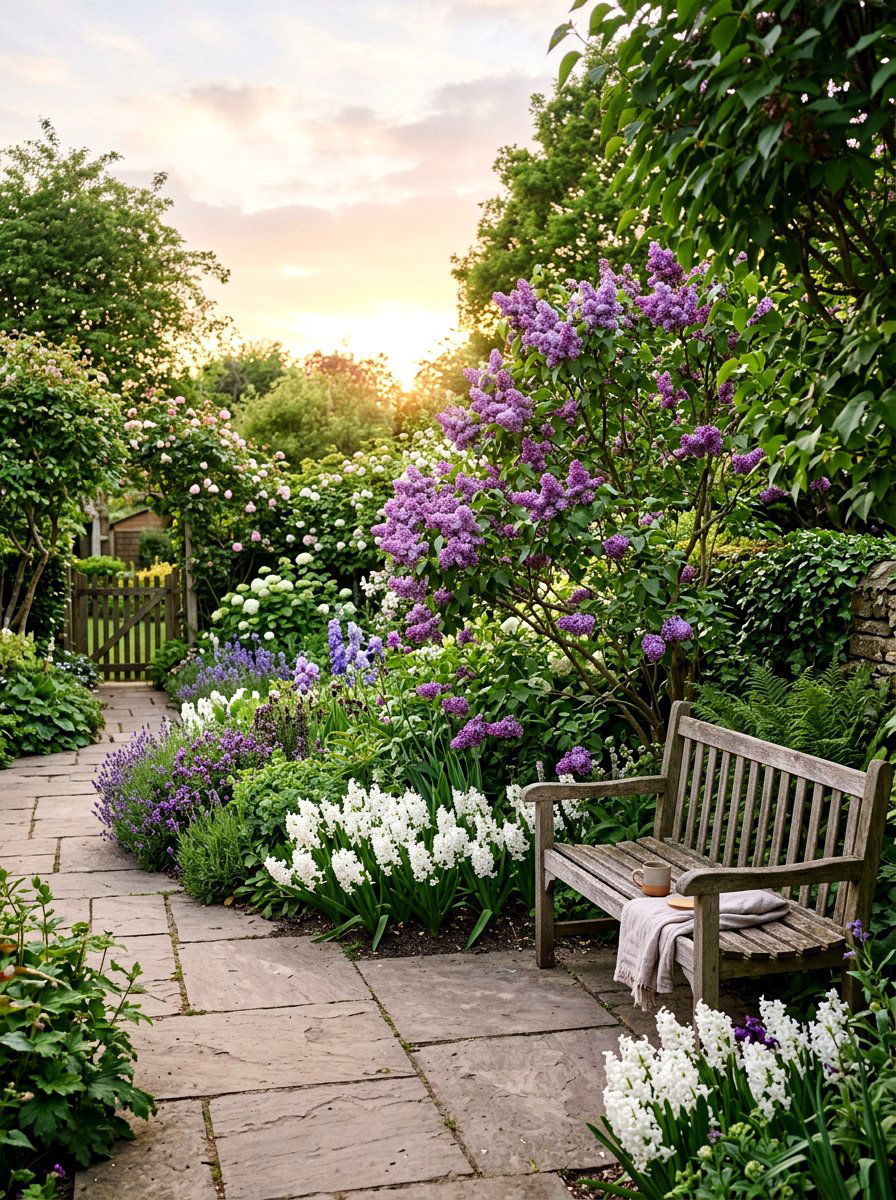
A fragrant flower bed adds a whole new sensory dimension to your gardening experience by filling the air with sweet spring scents. Position this bed near windows, patios, or walkways where you can easily enjoy the perfume of Lilacs, Hyacinths, and Sweet Peas. Including night-blooming jasmine or evening primrose can extend the olfactory delight into the late hours of the day. Choosing plants with varied scent profiles — from spicy to citrusy — creates a complex and inviting atmosphere. While visual appeal is important, the invisible charm of a fragrant garden creates lasting memories and a truly immersive outdoor experience. This design focuses on quality over quantity, selecting plants known for their powerful and pleasant aromatic contributions to the garden.
14. Modern Minimalist Garden
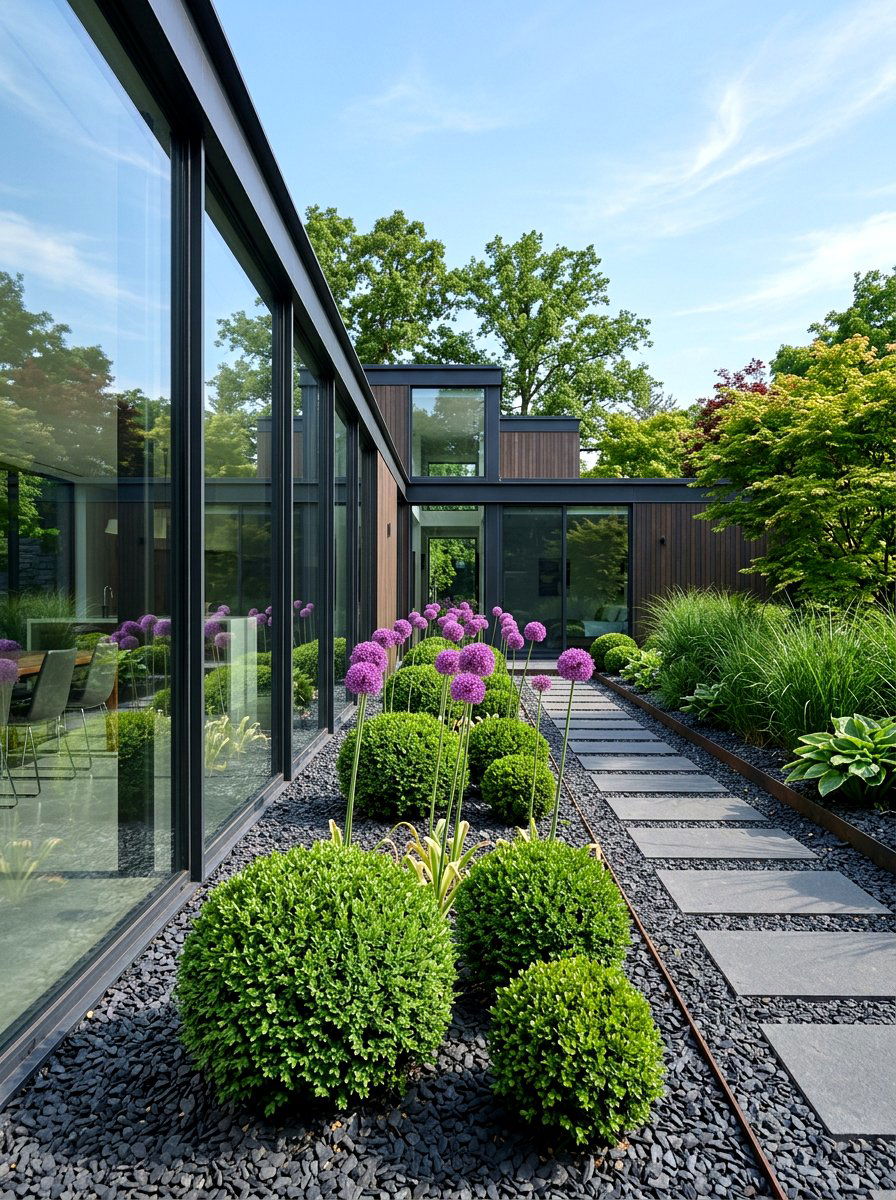
The modern minimalist garden emphasizes clean lines, geometric shapes, and a restrained plant palette for a sleek, contemporary look. Use a limited selection of plants, such as architectural Alliums or structured Boxwoods, repeated in an orderly pattern to create a sense of rhythm. Incorporating hardscape materials like poured concrete, black slate, or dark wood decking enhances the sophisticated feel of the space. This style is all about negative space; allowing the soil or gravel to show between plants makes each individual flower stand out more clearly. It is a low-clutter approach that feels calm and organized, making it the perfect backdrop for a modern home. Minimalist designs prove that less can truly be more in landscaping.
15. Multi Level Flower Bed
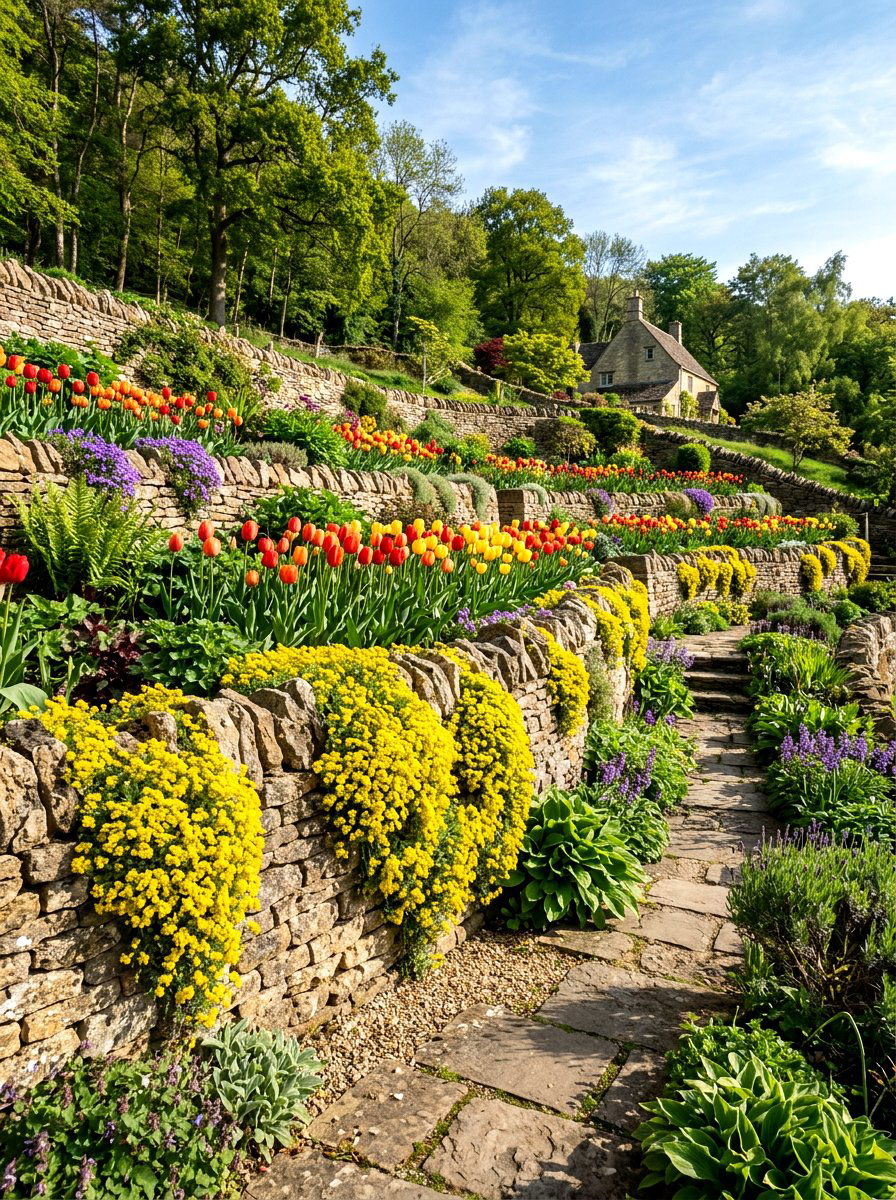
Building a multi level flower bed is an ingenious way to manage sloped yards or add vertical interest to a flat landscape. Using retaining walls made of natural stone or timber creates distinct tiers that can be planted with different themes or color stories. The top level might feature cascading plants like Creeping Jenny that spill over the edges, while the lower levels hold taller, more upright varieties. This layered approach creates a waterfall effect of greenery and flowers that is visually captivating. It also improves drainage and allows you to grow a wider variety of plants with different moisture needs in one area. Multi-level designs add architectural depth and turn a simple garden into a complex masterpiece.
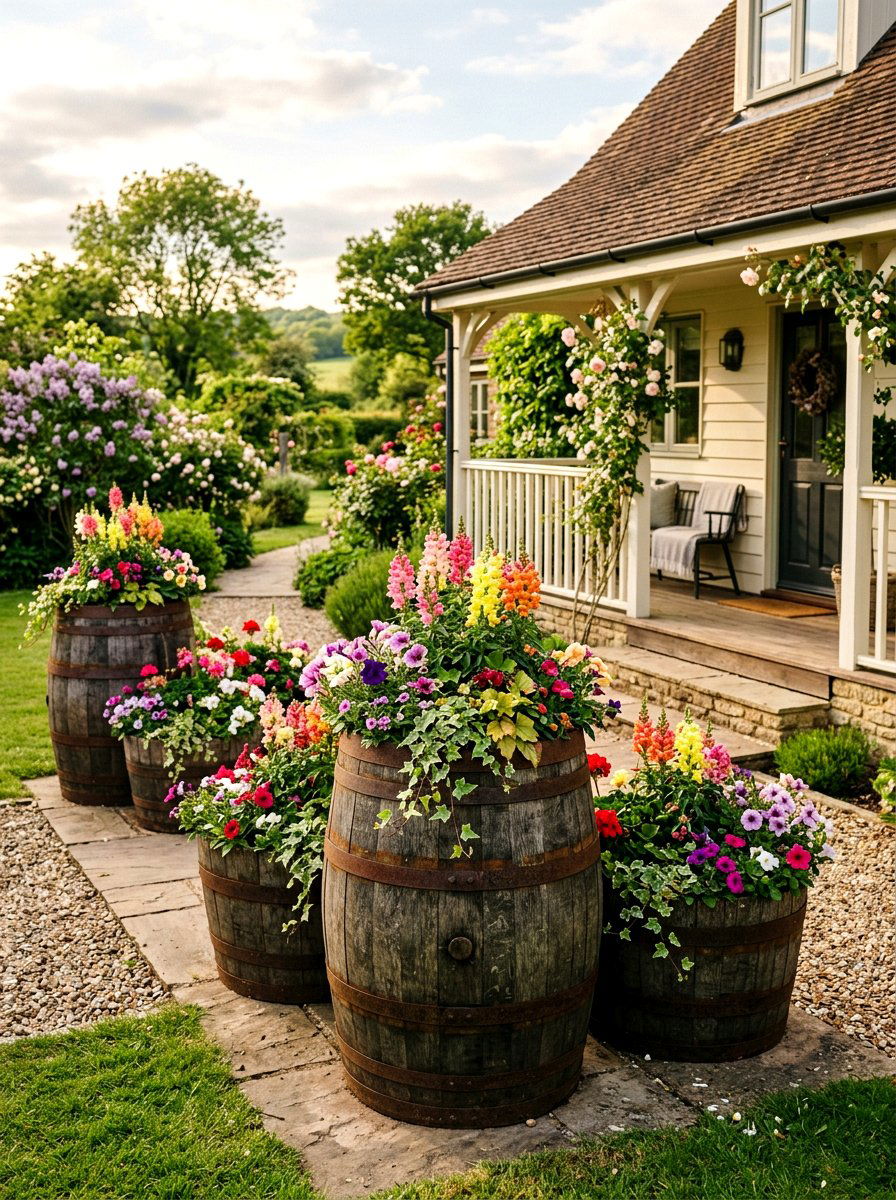
16. Rock Garden With Spring Flowers
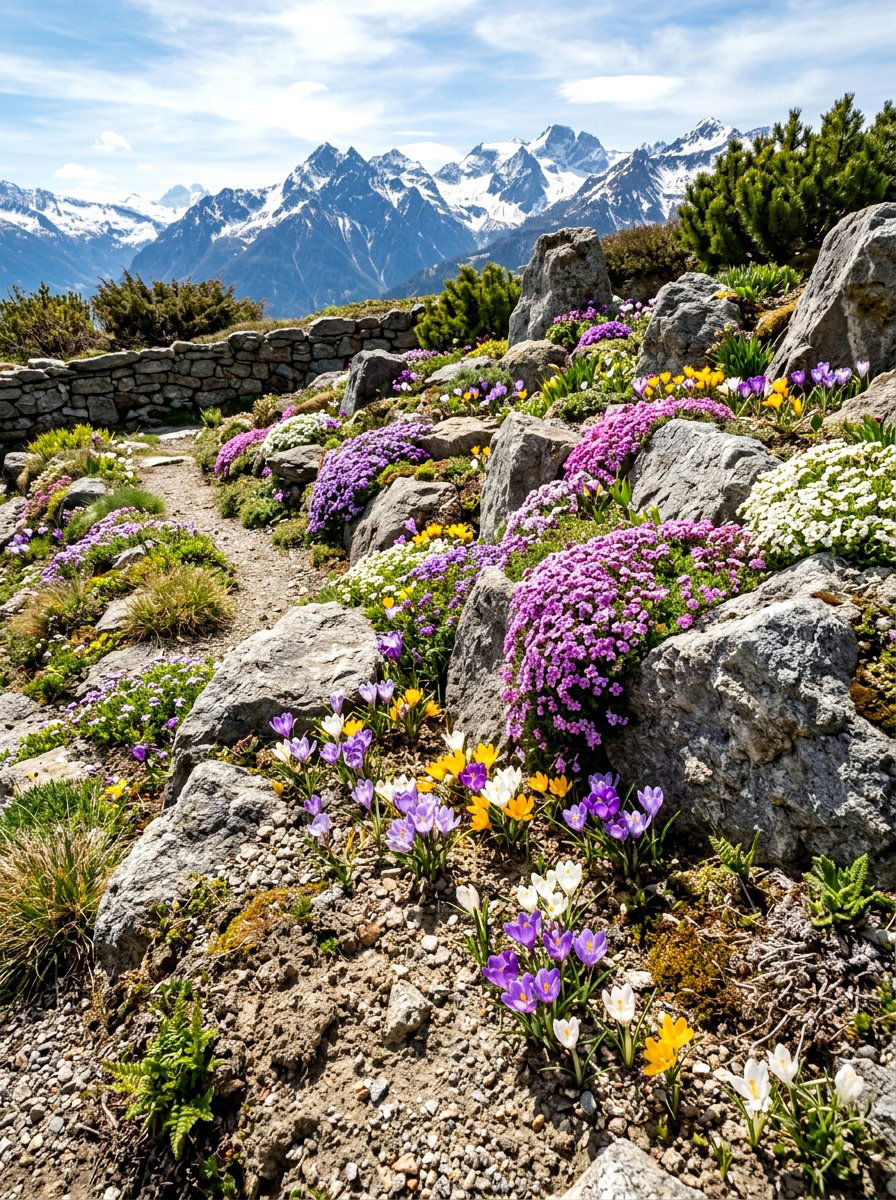
A rock garden with spring flowers combines the rugged beauty of natural stones with the delicate textures of alpine-style plants. This design is perfect for sunny, well-drained spots where you can tuck small bulbs like Crocus and miniature Irises into the crevices between boulders. Low-growing, mat-forming plants like Rock Cress and Sedum provide a soft blanket of color that contrasts beautifully with the hard surfaces of the rocks. Using different sizes and colors of stones creates a sense of age and permanence in the garden. This style requires very little water once established and offers a unique, high-texture look that differs from traditional flower beds. It is an excellent way to utilize difficult or rocky terrain effectively.
17. Edible Flower Bed
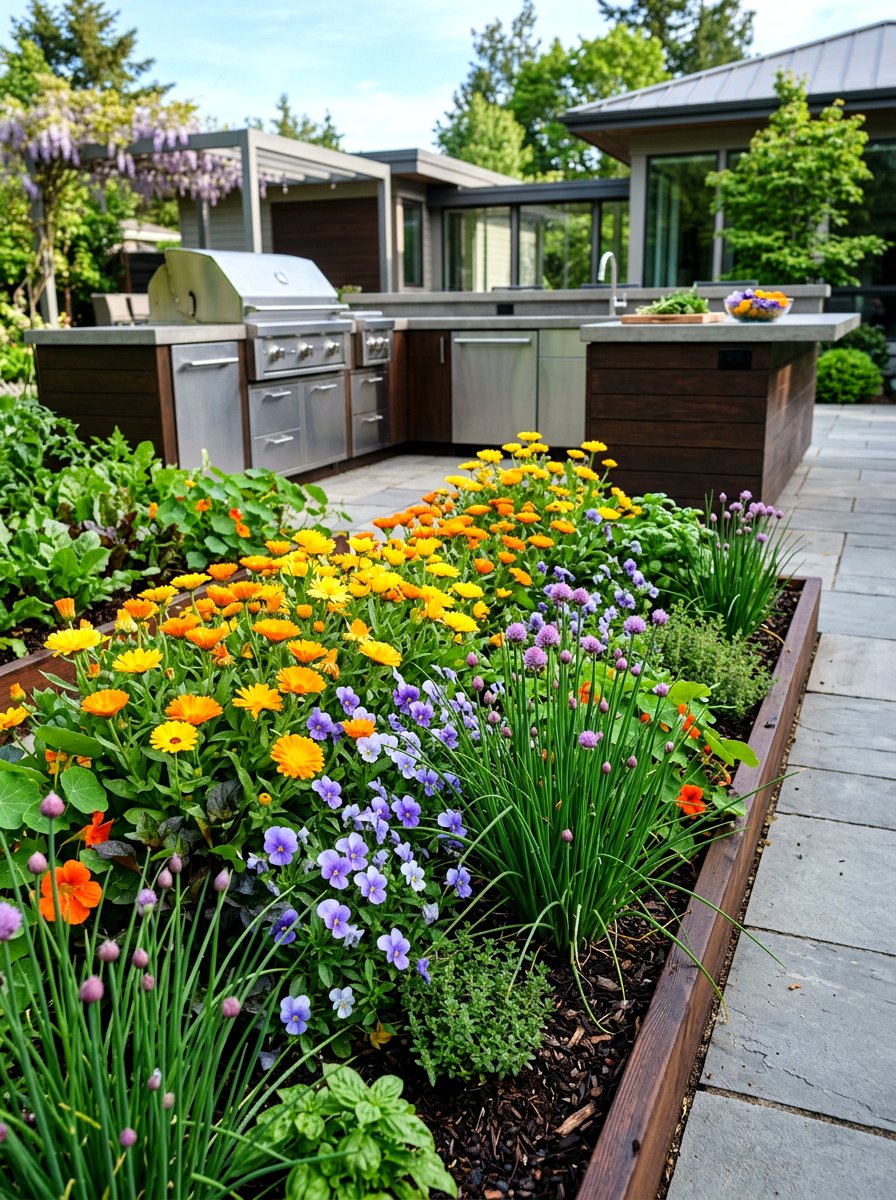
An edible flower bed is a dual-purpose design that provides both aesthetic beauty and fresh ingredients for your kitchen creations. Many spring flowers, such as Violas, Calendula, and Nasturtiums, are completely safe to eat and make stunning garnishes for salads and desserts. Mix these flowering plants with ornamental kale or chives to create a lush, textured bed that looks as good as it tastes. When designing this area, ensure you use organic fertilizers and avoid any chemicals to keep the blooms food-safe. This garden encourages a deeper connection with your food and provides a fun way to experiment with new flavors. It is a practical and delightful addition to any backyard or kitchen garden setup.
18. Blue And Purple Garden
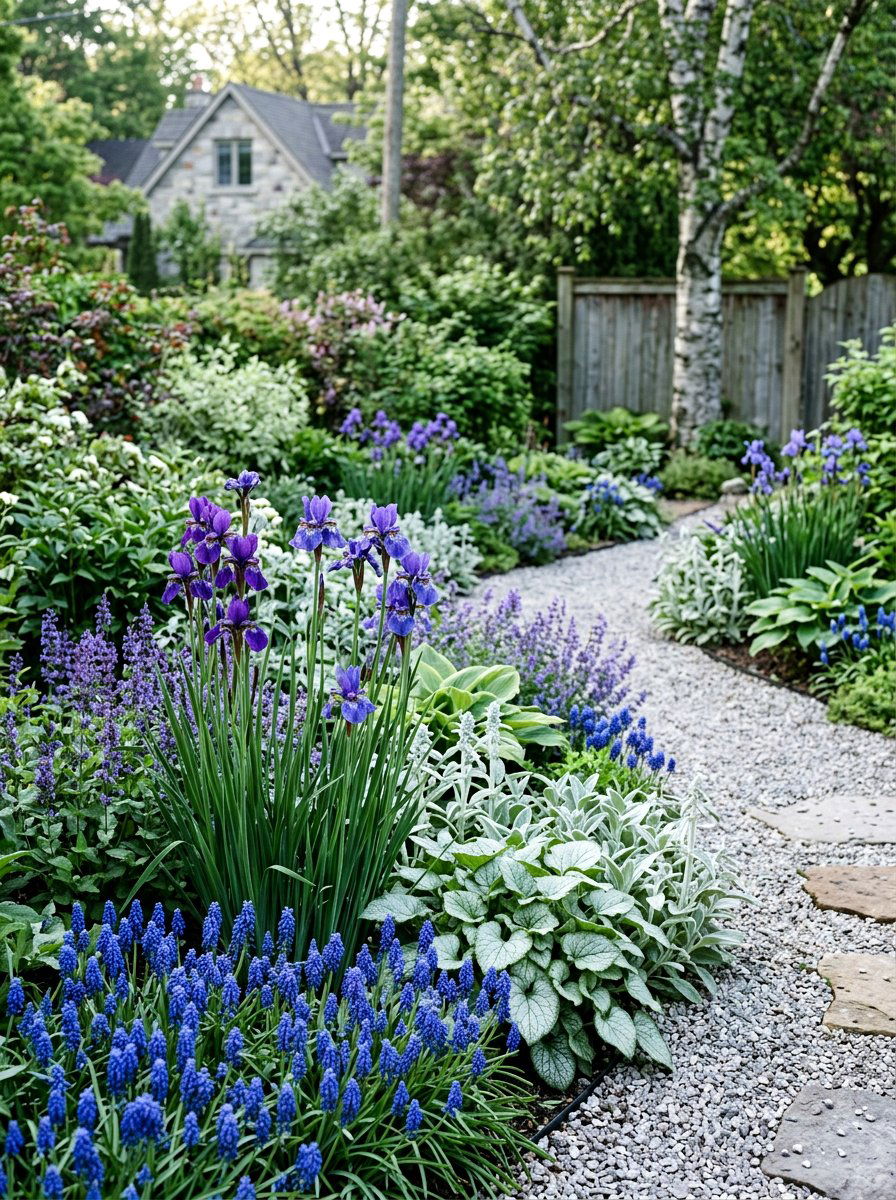
The blue and purple garden theme offers a cool, calming presence that feels incredibly sophisticated and serene during the bright spring days. Focus on plants like Muscari, Siberian Iris, and Persian Cornflower to achieve a deep, rich color palette that stands out against green foliage. Mixing different shades — from pale lavender to deep royal blue — adds depth and prevents the bed from looking too uniform. This color scheme is known for its ability to make a small space feel larger and more receding. To add a bit of sparkle, you can intersperse a few silver-leaved plants like Russian Sage. The result is a tranquil retreat that looks professional and high-end, providing a peaceful focal point for relaxation.
19. Cutting Garden For Spring
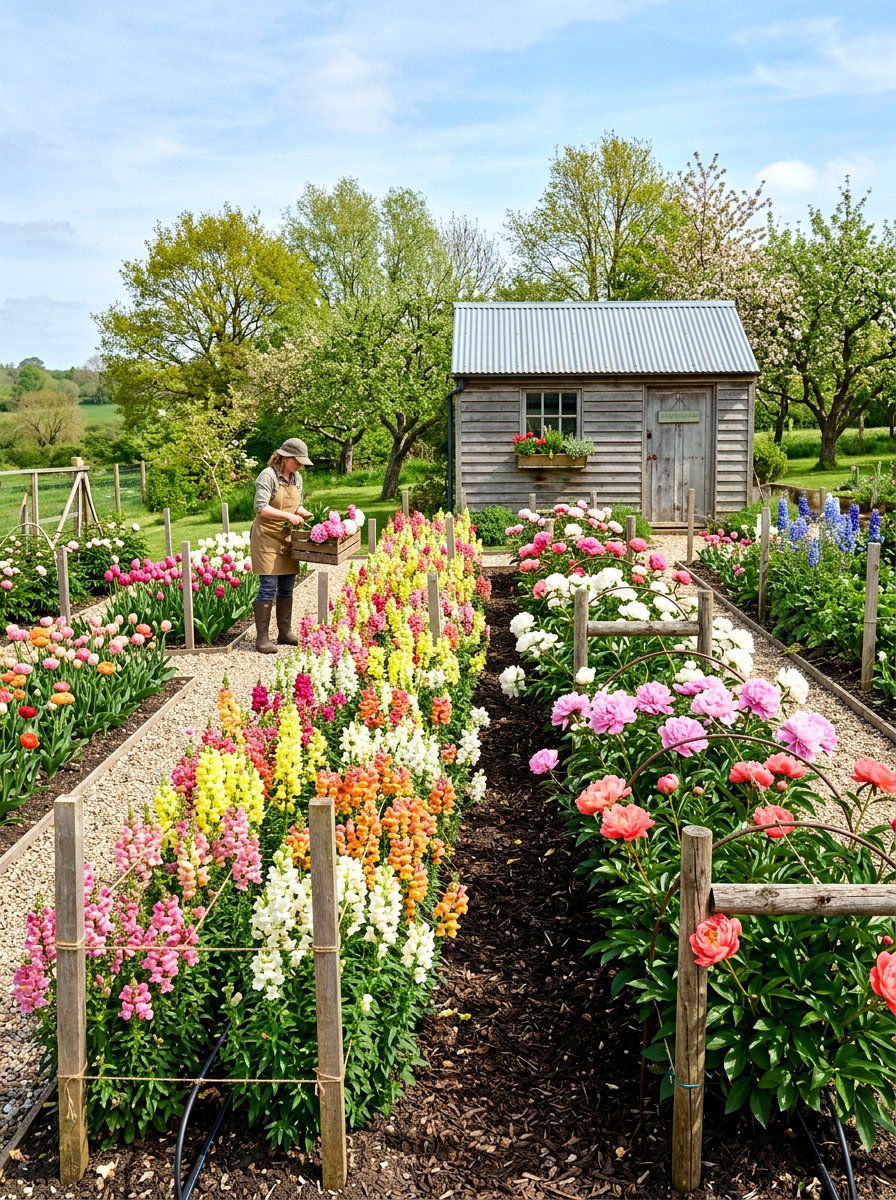
A cutting garden for spring is specifically designed to provide an abundance of fresh flowers for indoor arrangements throughout the season. Plant rows of long-stemmed varieties like Peonies, Snapdragons, and Ranunculus in a sun-drenched spot where they can grow tall and strong. This bed might look more utilitarian than a display garden, but the goal is high production and easy harvesting access. Adding a few structural supports for heavy-headed flowers ensures they stay upright and straight for the vase. Having a dedicated space for cutting means you never have to feel guilty about "ruining" your front yard display. It is a luxurious addition for anyone who loves bringing the beauty of the outdoors inside their home.
20. Wildflower Meadow Garden
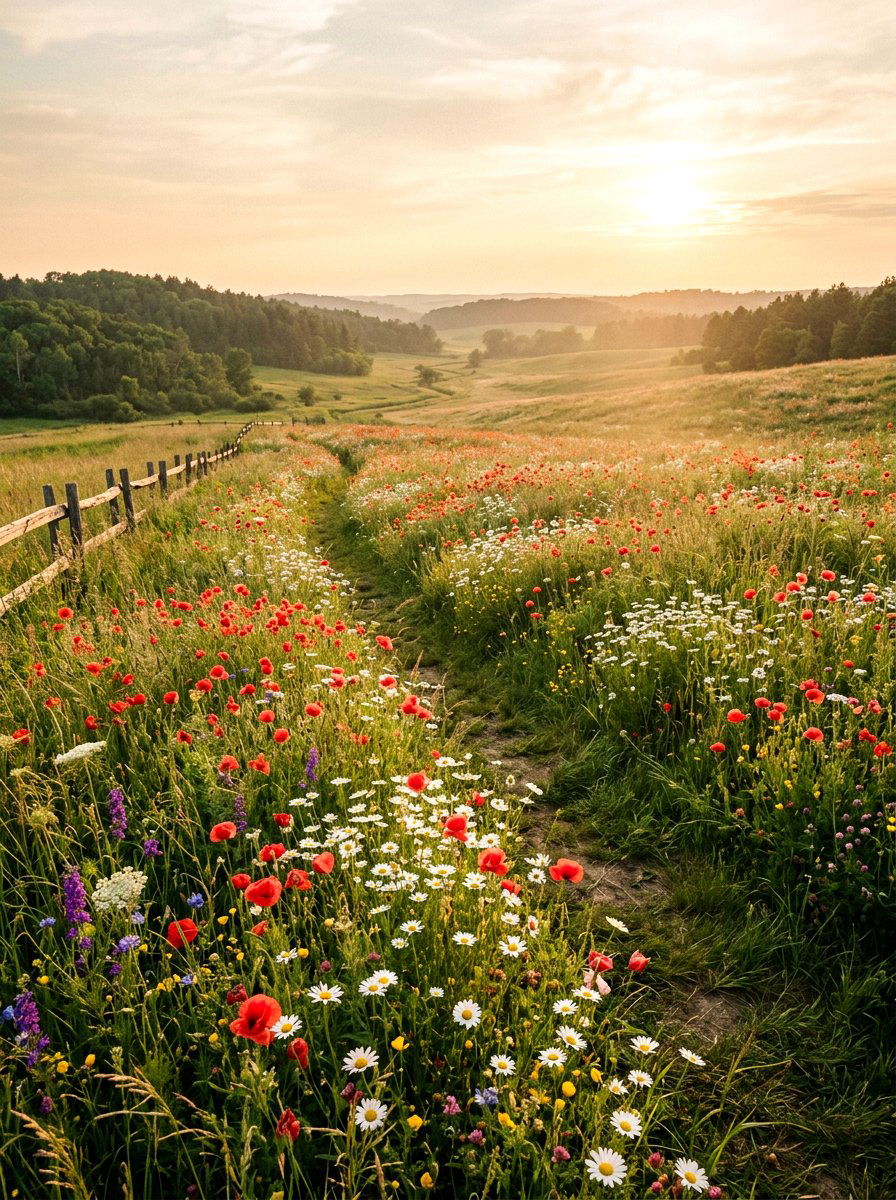
The wildflower meadow garden is a low-maintenance, ecologically rich design that mimics the effortless beauty of a natural prairie in spring. By sowing a mix of native wildflower seeds, you create a tapestry of colors and textures that changes almost daily. This style works best in larger areas where the plants can spread and sway in the breeze, creating a sense of movement. It requires very little mowing or weeding once the plants have established themselves and crowded out the grass. The meadow provides a vital habitat for local wildlife and offers a relaxed, casual aesthetic that feels incredibly inviting. This design is perfect for those who want a garden that feels wild, free, and connected to nature.

21. Evergreen And Bulb Flower Bed
An evergreen and bulb flower bed ensures that your garden looks structured and full even during the transition between winter and spring. Using evergreen shrubs like Boxwood or Pieris Japonica as a backdrop provides a permanent green frame for the temporary brilliance of spring bulbs. When the tulips and daffodils emerge, they are perfectly highlighted by the dark, consistent foliage of the shrubs behind them. Once the bulbs finish blooming, the evergreens continue to provide visual interest and hide the yellowing leaves of the flowers. This combination is a classic landscaping trick for maintaining a "finished" look year-round. It offers the best of both worlds: seasonal excitement and reliable, permanent greenery for your home's exterior.
22. Pathway Flower Border
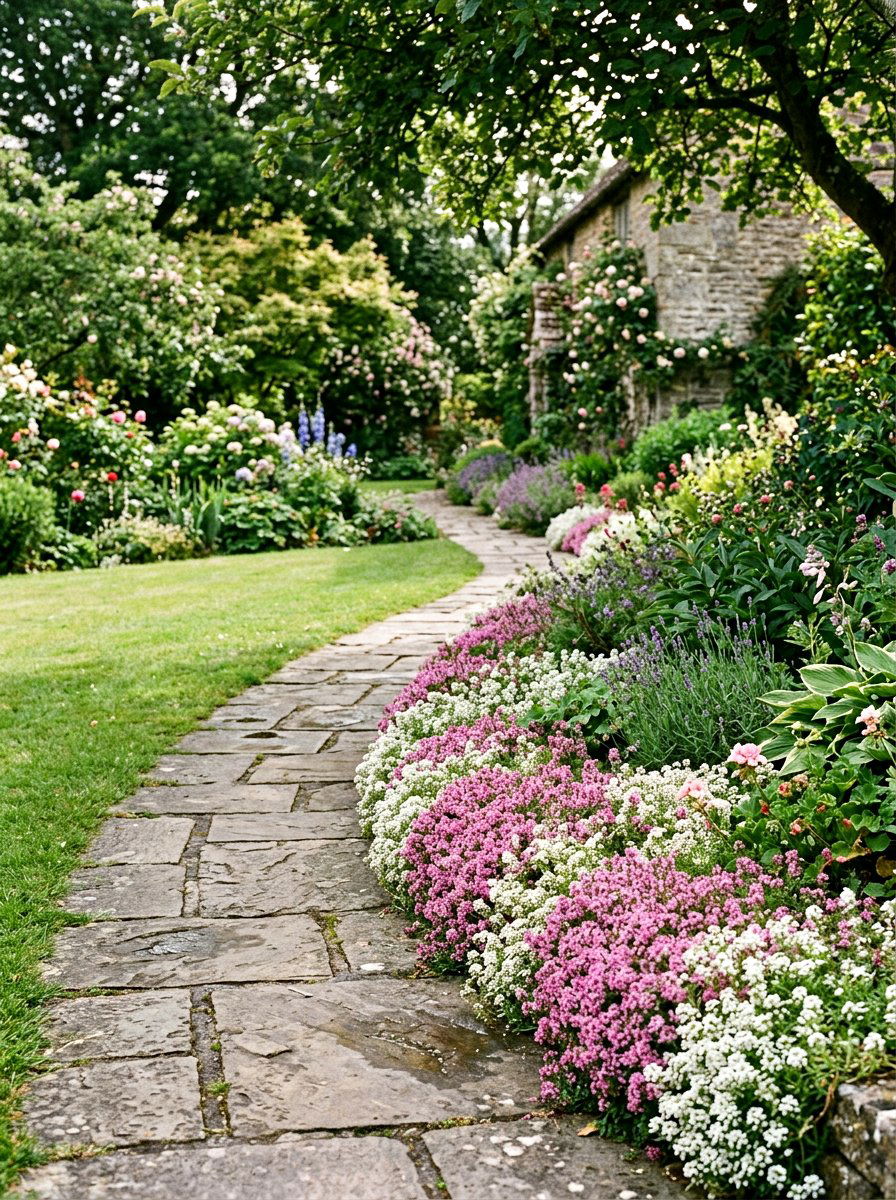
A pathway flower border turns a functional walkway into a delightful journey through your garden. Plant low-growing, fragrant flowers like Creeping Thyme or Alyssum along the edges where they can be easily seen and smelled by passersby. Using a mix of heights — shorter plants in front and taller ones behind — creates a sense of depth that makes the path feel more enclosed and private. The plants act as a soft buffer between the hard surface of the path and the rest of the yard, blending the two together seamlessly. This design encourages slow walking and appreciation of the small details in the garden. It is a simple but effective way to add character and charm to your home’s outdoor circulation.
23. Window Box Garden Display
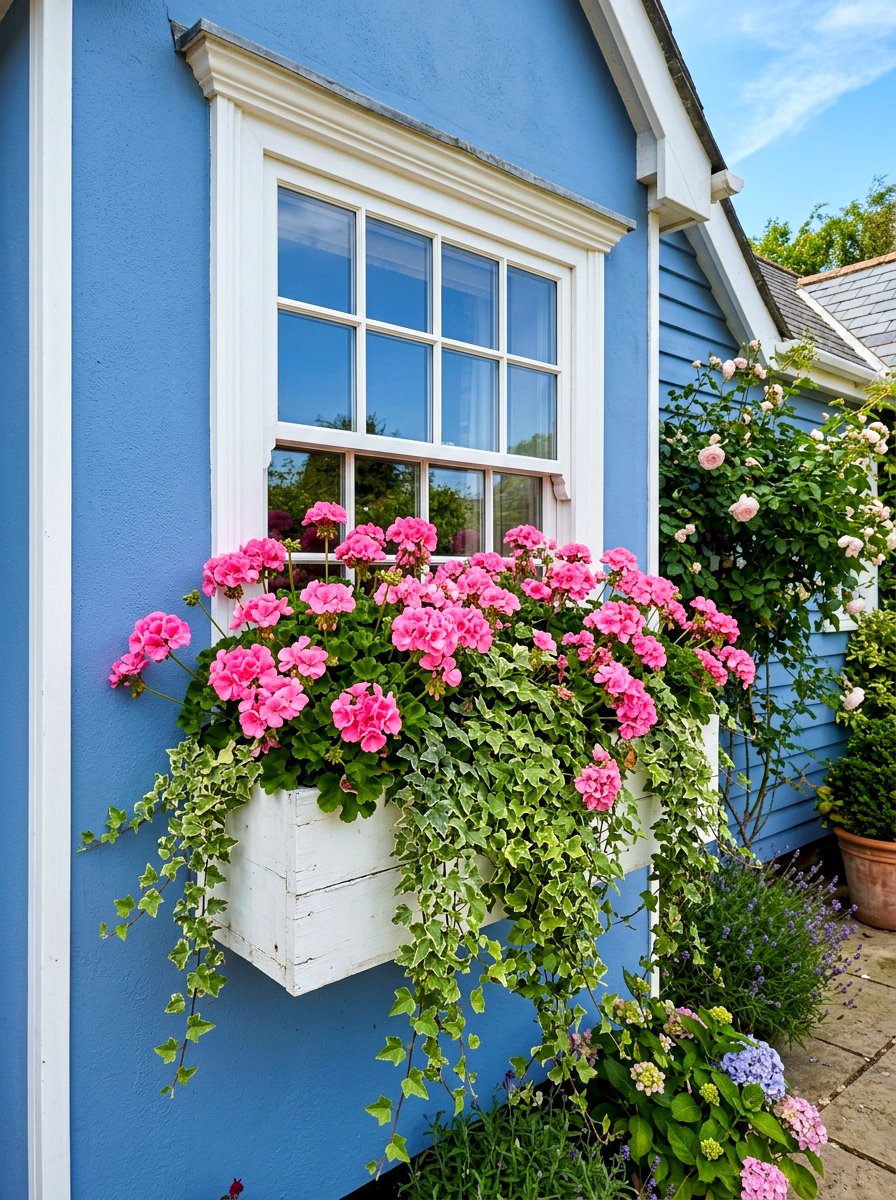
For those with limited ground space, a window box garden display offers a concentrated burst of spring color right at eye level. These containers can be packed tightly with Pansies, Ivy, and forced bulbs like miniature daffodils for an immediate high-impact look. Choosing a box color that complements your home’s shutters or trim helps the garden feel like an integrated architectural feature. Because window boxes are easily accessible, you can change the plants out as the seasons progress to keep the display looking fresh and vibrant. The elevated position keeps the flowers safe from most ground pests and allows you to enjoy their beauty from both inside and outside. It is the ultimate small-space gardening solution.
24. Formal Boxwood And Tulip Garden
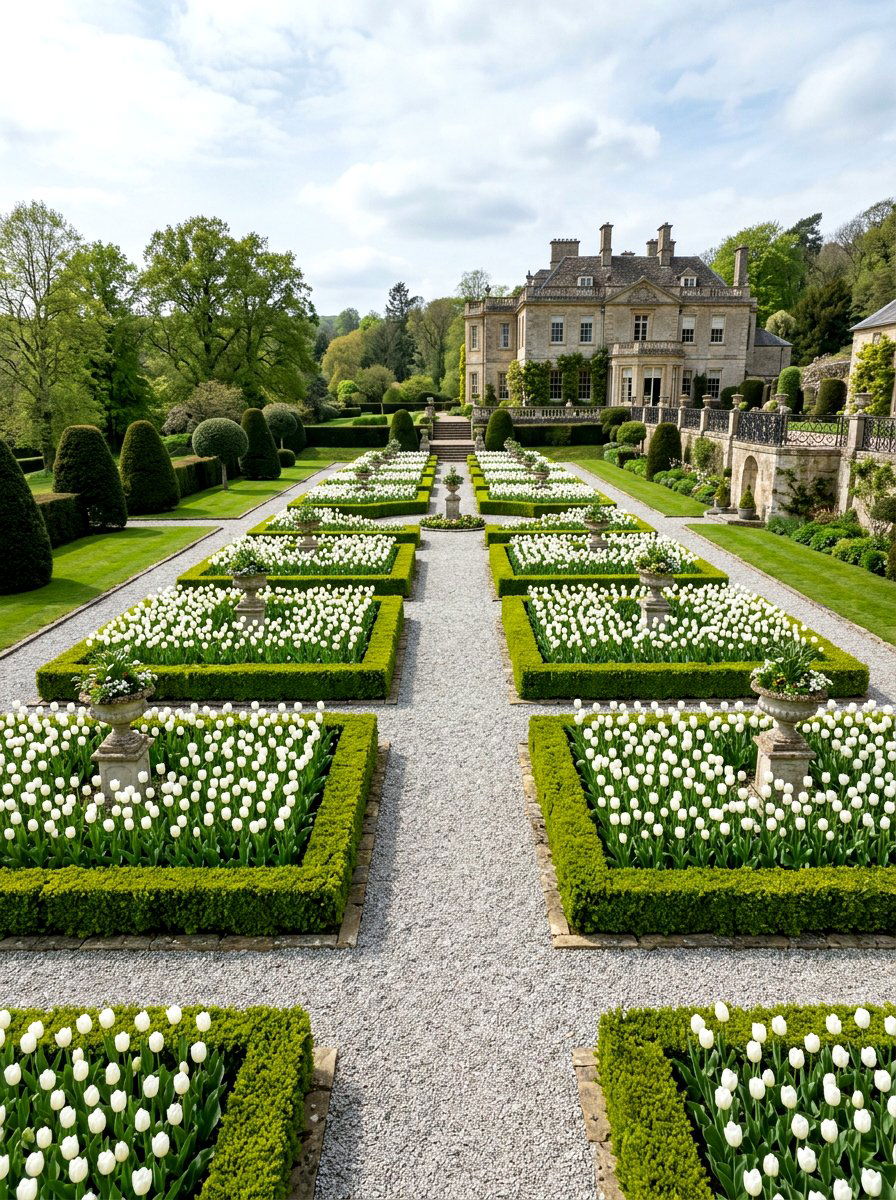
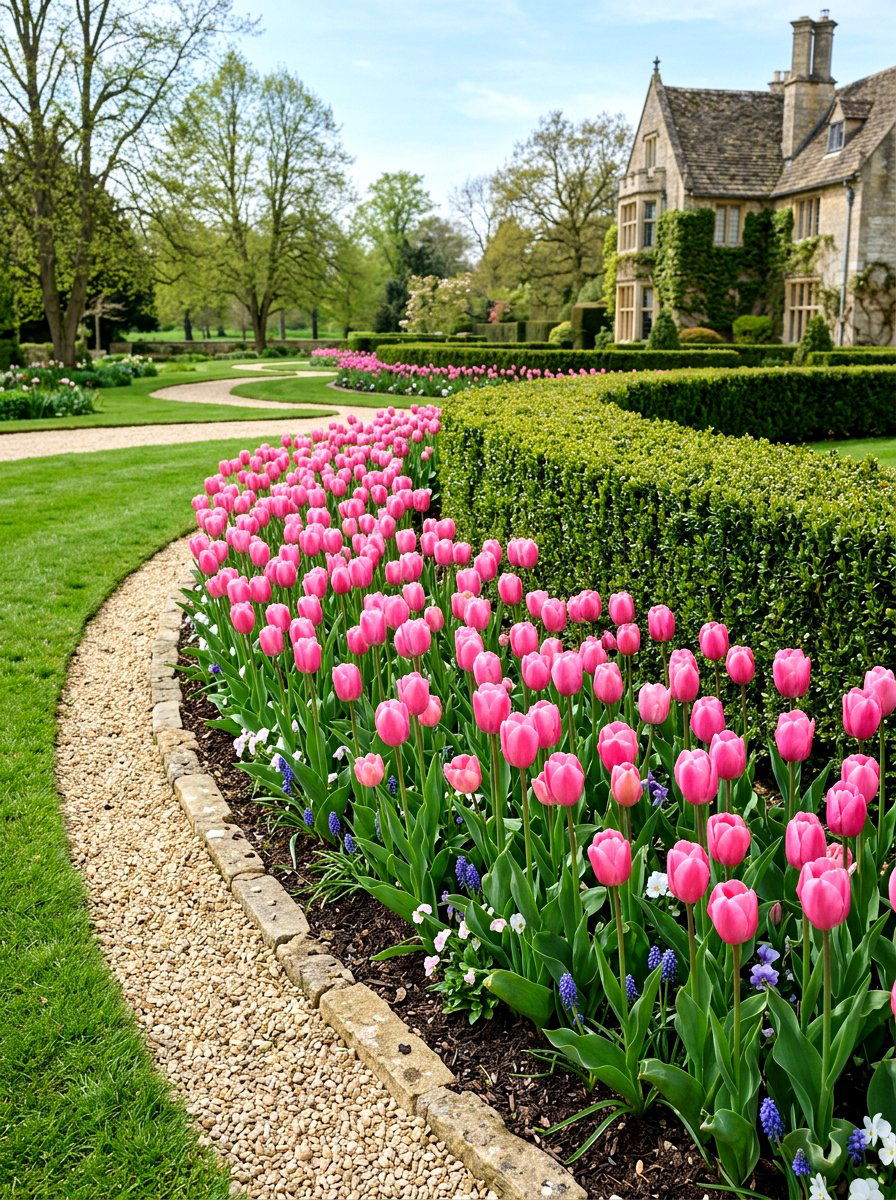
The formal boxwood and tulip garden is a masterclass in symmetry and traditional landscape design that exudes luxury and order. Neatly clipped boxwood hedges are used to create geometric "rooms" or borders, which are then filled with mass plantings of single-colored tulips. This high-contrast look — sharp green lines against vibrant floral cups — is a staple of grand estate gardens. The structure of the boxwood provides a sense of permanence, while the tulips offer a spectacular but fleeting seasonal show. Maintaining clean edges and precise pruning is key to achieving this polished aesthetic. This style is perfect for those who appreciate a tidy, organized outdoor space that makes a strong architectural statement and looks professional year-round.
25. Woodland Spring Landscape
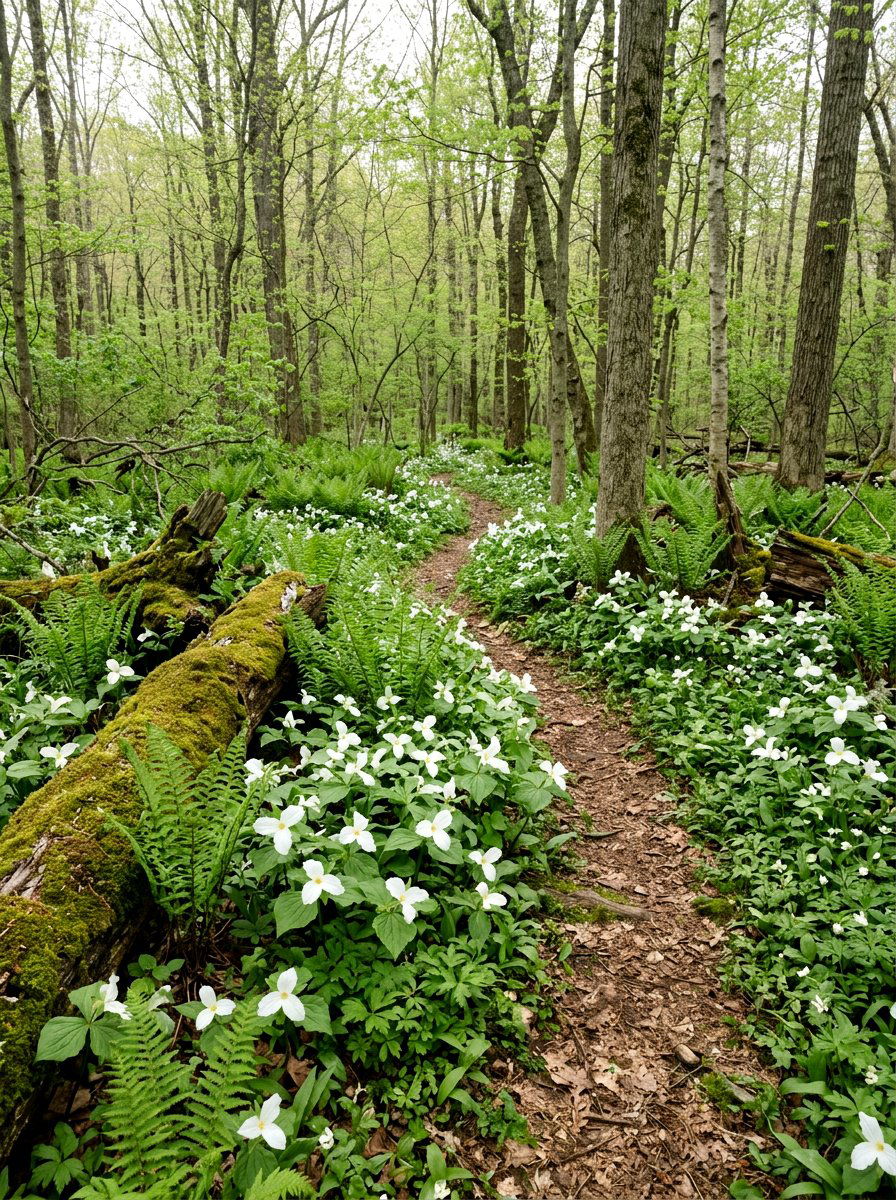
A woodland spring landscape embraces the natural, shaded environment found under large deciduous trees, creating a cool and quiet sanctuary. This design utilizes plants that naturally thrive on the forest floor, such as Trilliums, Hellebores, and various types of ferns. Incorporating organic elements like fallen logs, mossy rocks, and leaf mulch enhances the authentic forest feel of the space. The colors are often more muted and subtle than a sun garden, focusing on shades of green, cream, and pale pink. This approach requires very little intervention, as the goal is to let nature take its course in a controlled way. It creates a peaceful, meditative atmosphere that feels like a hidden escape right in your own backyard.
Conclusion:
Designing the perfect spring flower bed is a rewarding journey that allows you to express your personal style while enhancing the natural beauty of your home. By considering factors like light, maintenance levels, and color palettes, you can create an outdoor space that brings joy for years to come. Whether you prefer the structured elegance of a formal garden or the whimsical charm of a wildflower meadow, the key is to plan with both the plants and the environment in mind. Spring is a season of endless possibilities, and these twenty-five concepts provide a solid foundation for your gardening success. As you watch your garden wake up from its winter slumber, you will find that the time and effort invested in your flower beds pay off in a spectacular display of life and color. Happy gardening and enjoy the vibrant transformation of your landscape this season.
Related posts:
Leave a Reply