
Spring is a magical time when the world wakes up with fresh colors and sweet scents. After a long, cold winter, there is nothing more rewarding than seeing those first green shoots peek through the soil. Planning a spring flower garden allows you to express your personal style through vibrant tulips, cheerful daffodils, and delicate primroses. Whether you have a massive backyard or just a small balcony, adding floral elements can completely transform your outdoor living space into a peaceful sanctuary. These curated concepts will help you choose the right plant combinations and layouts to maximize curb appeal and create a joyful atmosphere that celebrates the return of sunshine and warmer weather.
1. Pastel Flower Bed
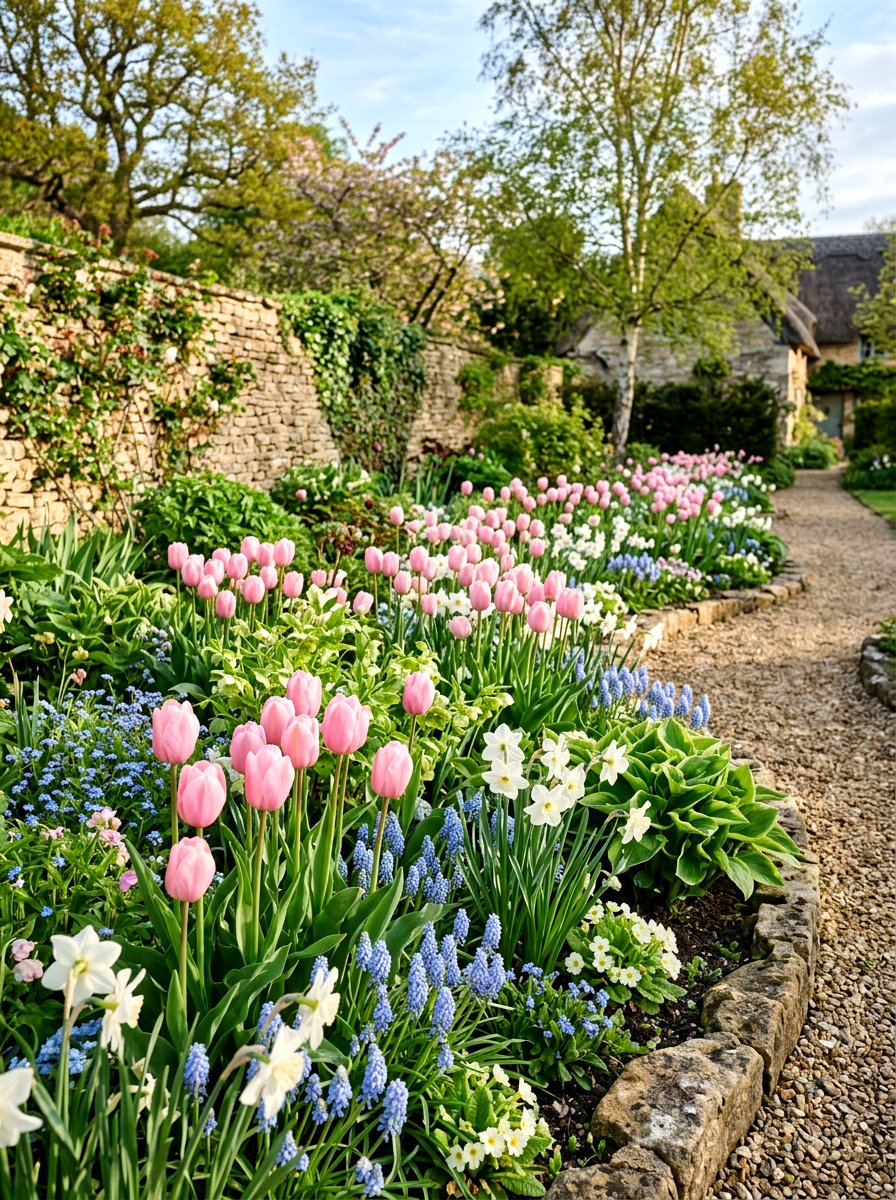
Creating a soft and serene atmosphere starts with choosing a delicate color palette for your front yard landscaping. You can combine light pink tulips with baby blue muscari and creamy white daffodils to achieve a dreamlike aesthetic. This approach works beautifully against white picket fences or light-colored home exteriors. Using pastel tones helps make a small garden feel much larger and more open because the colors do not overwhelm the eyes. You should plant these bulbs in large clusters rather than single rows to create a more natural and lush appearance. Adding a layer of dark mulch will help these light colors pop while keeping the soil moist for the blooming plants.
2. Window Box Planter
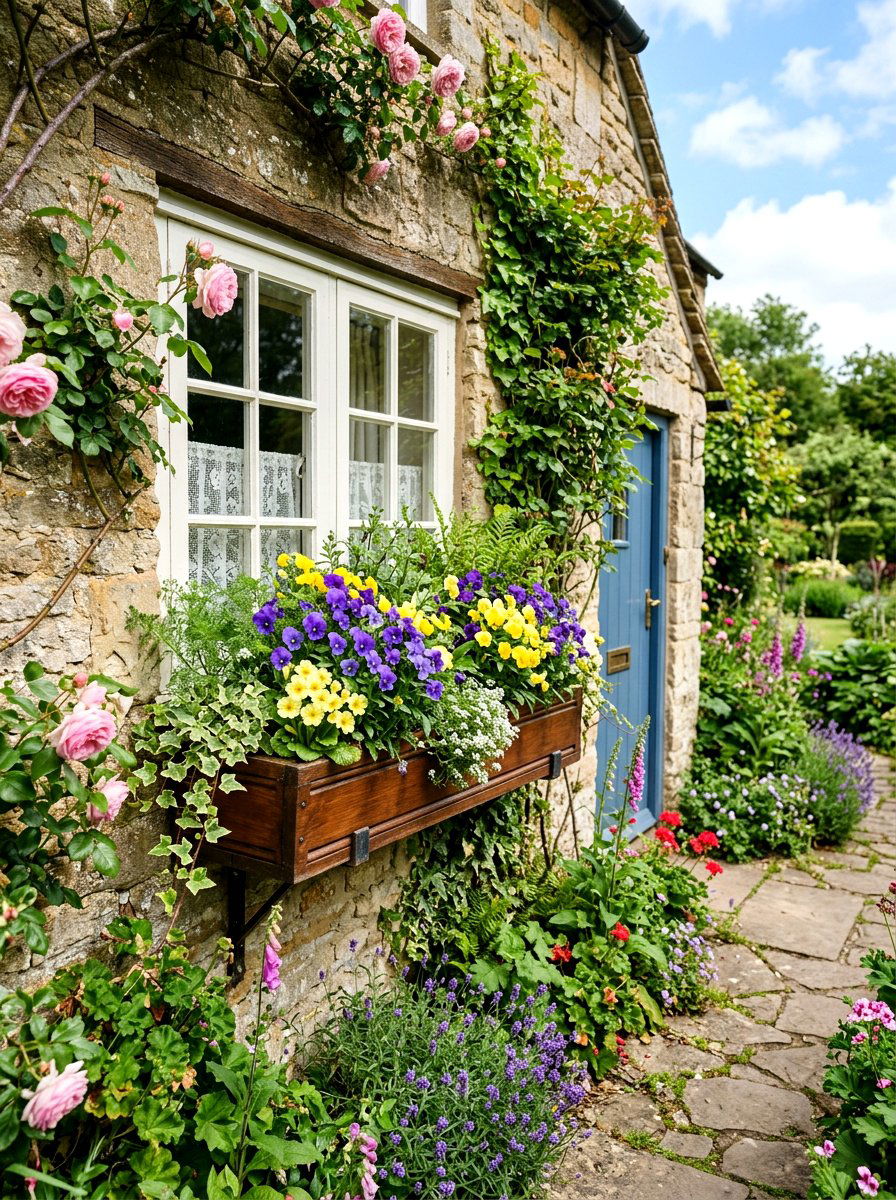
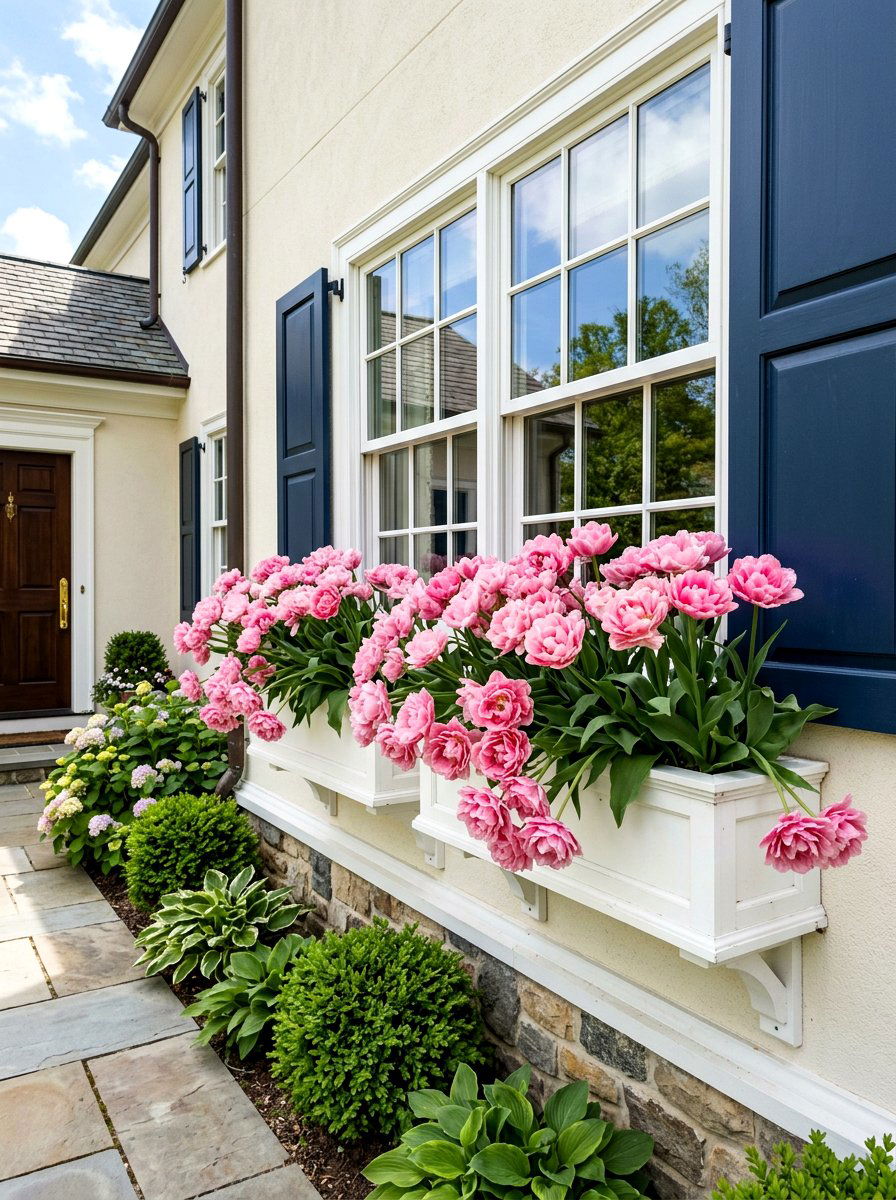
Adding charm to your home exterior is easy when you use colorful containers attached directly below your windows. You can fill these boxes with a mix of upright flowers like snapdragons and trailing plants like ivy or bacopa. For a classic spring look, try mixing bright yellow primroses with purple violas for a high-contrast display. These planters are perfect for homeowners who have limited ground space but still want to enjoy seasonal blooms. Make sure your window boxes have proper drainage holes to prevent the roots from rotting during rainy spring weeks. Regularly removing faded flowers will encourage the plants to keep producing new blooms throughout the entire season.
3. Bulb Layering Pot
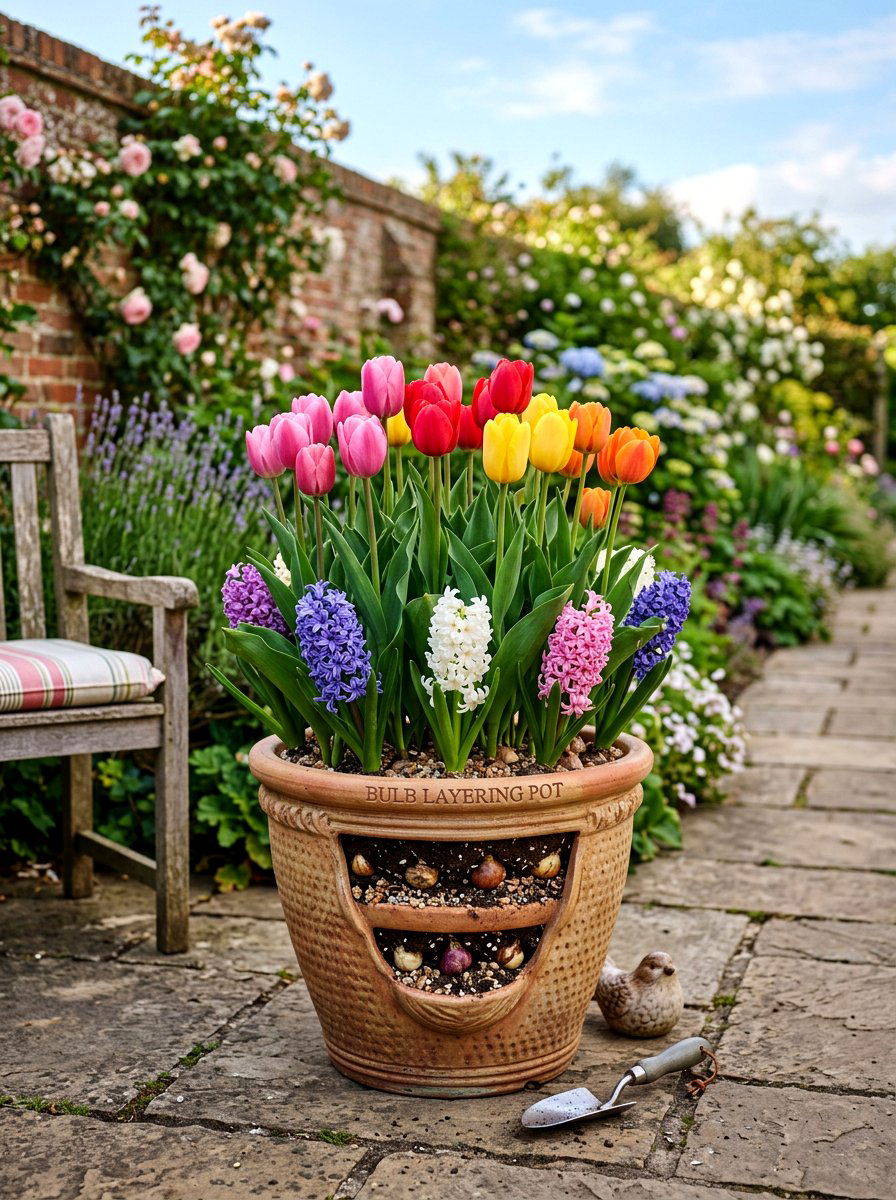
The lasagna planting method is a clever way to get a continuous display of flowers in a single large container. You start by planting larger, late-blooming bulbs like tulips at the bottom of a deep pot. Cover them with soil and then add a layer of mid-season bulbs such as hyacinths in the middle. Finally, place small, early-blooming bulbs like crocus near the top surface of the soil. This technique ensures that as one type of flower finishes blooming, another one is ready to take its place. It creates a very full and professional look that lasts for many weeks. This method is ideal for decorating entryways or small patio corners.
4. Wildflower Meadow Border
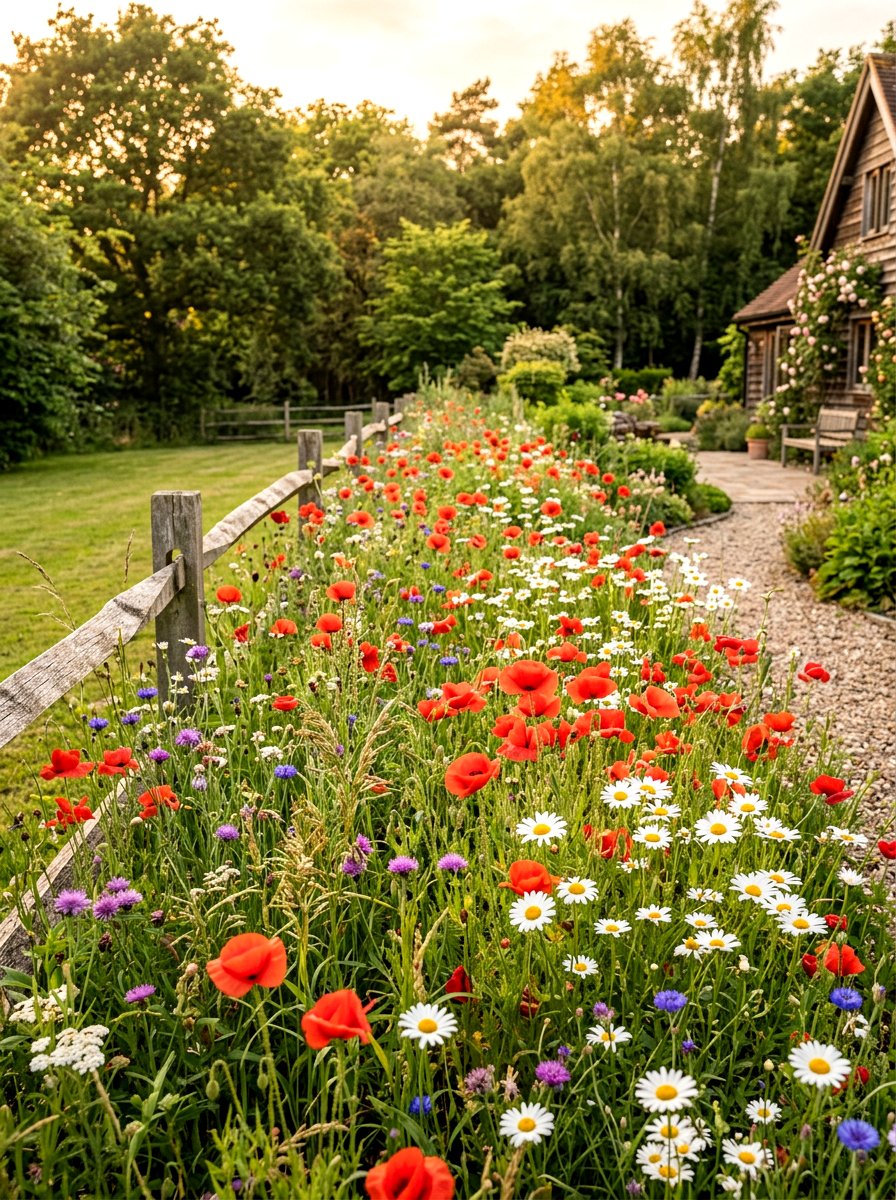
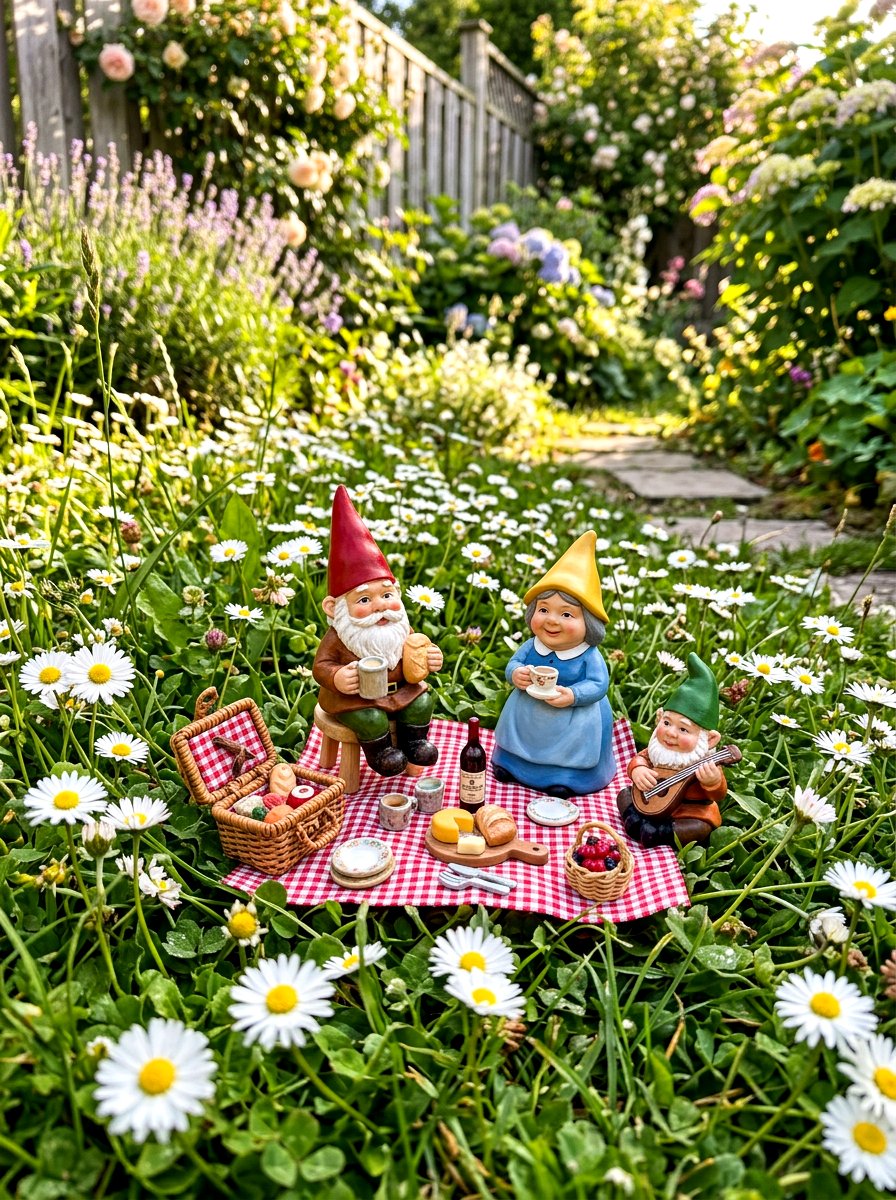
If you prefer a more relaxed and natural look, a wildflower border is an excellent choice for your backyard edges. You can sow a mix of native seeds that include poppies, cornflowers, and daisies to attract bees and butterflies. This type of gardening requires less maintenance than formal beds because the plants are meant to grow in a slightly tangled way. It provides a beautiful habitat for local wildlife while offering a burst of varied colors and textures. Ensure the area gets plenty of sunlight so the seeds can germinate quickly in the damp spring soil. Watching a meadow come to life is a wonderful way to connect with nature.
5. Cottage Garden Path
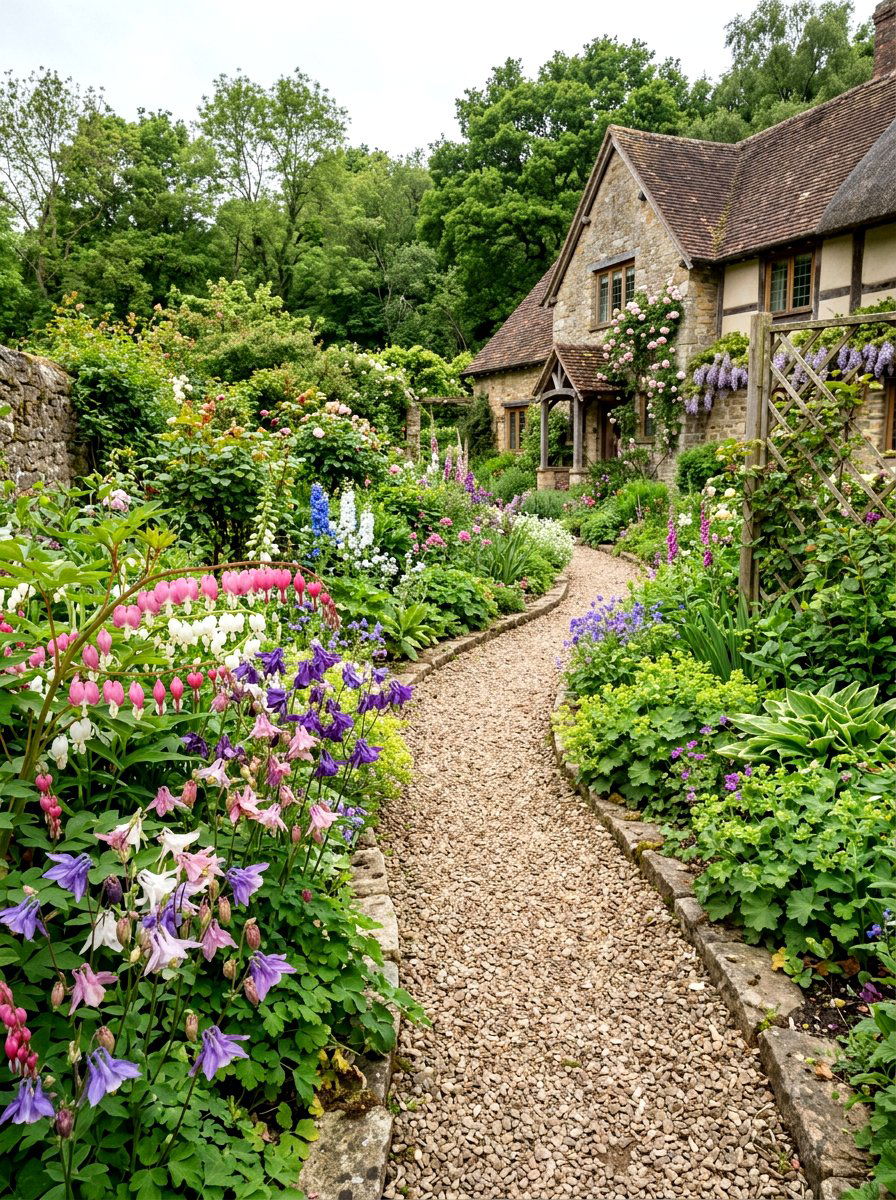
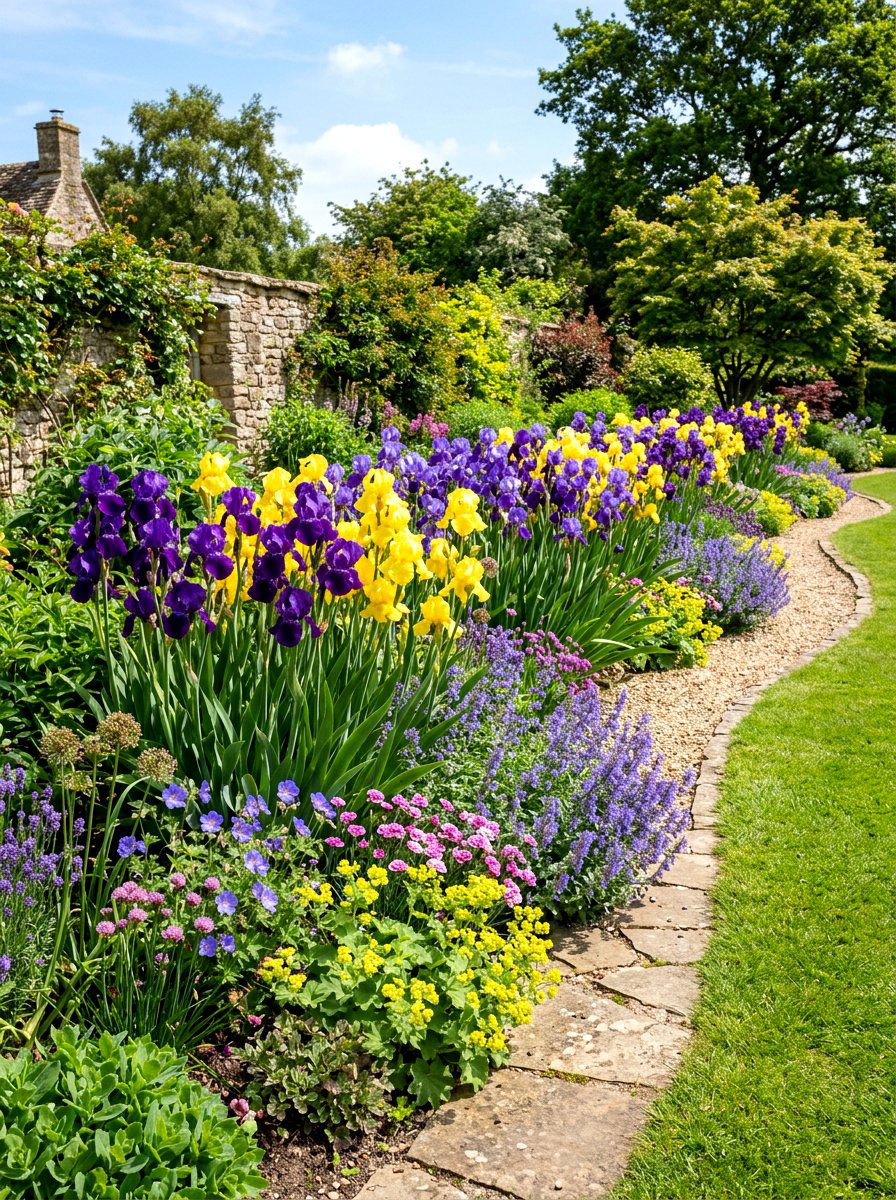
Walking through your garden should be a sensory experience filled with beauty and fragrance at every single step. You can line a stone or gravel walkway with classic cottage favorites like bleeding hearts, columbine, and fragrant sweet alyssum. These plants often spill over the edges of the path, creating a soft and romantic look that feels very inviting. Using a variety of heights helps to add visual interest and makes the garden feel more established and cozy. You might also include some low-growing herbs like creeping thyme between the stepping stones. This layout encourages guests to slow down and enjoy the natural beauty of your outdoor living space.
6. Shade Loving Spring Perennial
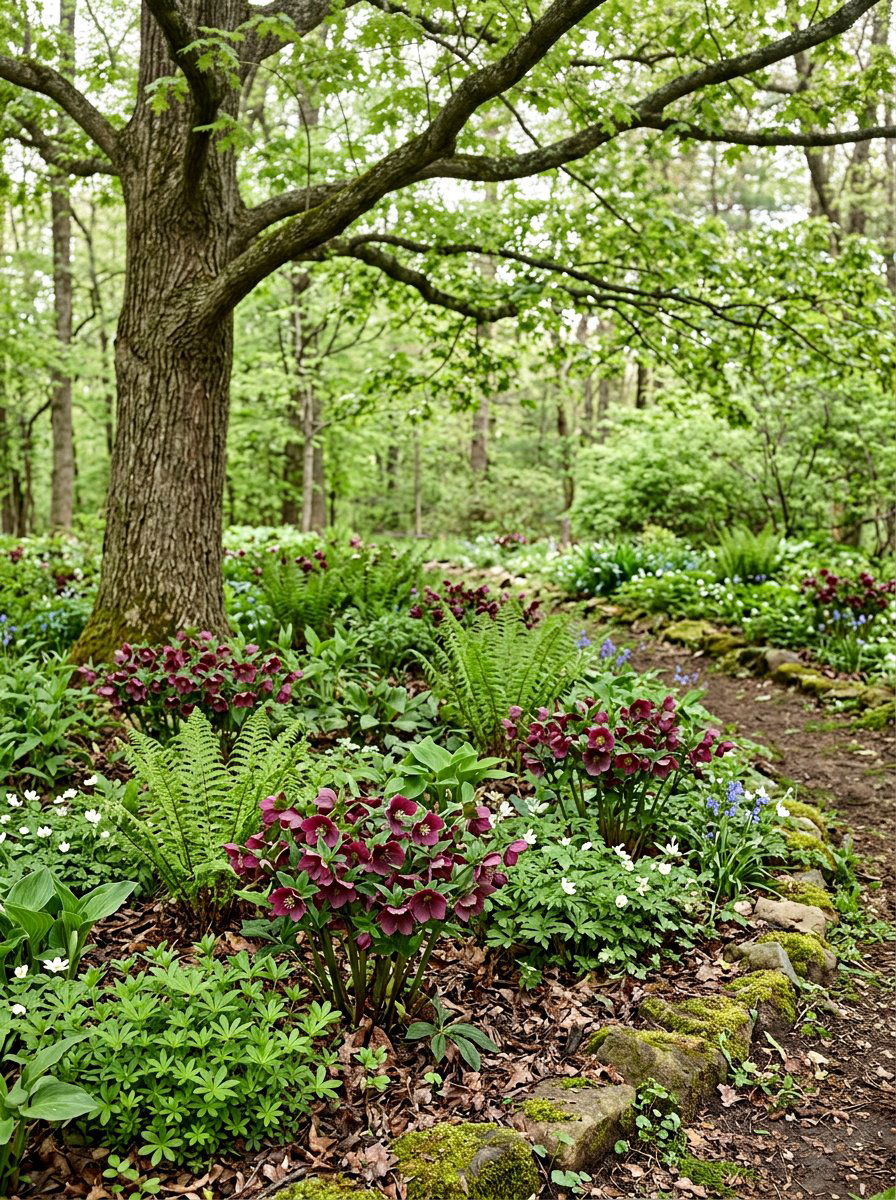
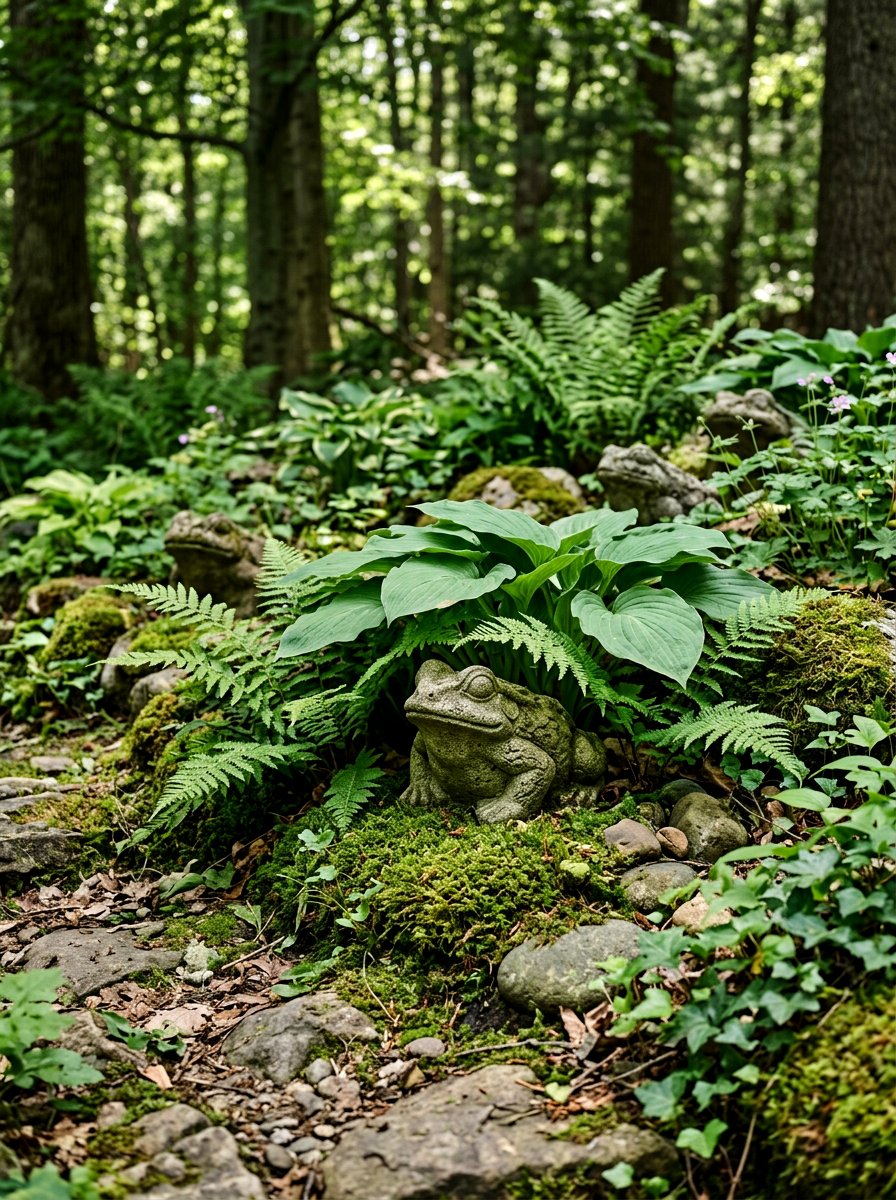
Many people worry that they cannot have a beautiful garden if their yard does not get much direct sunlight. However, several spring plants thrive in the shade and offer stunning foliage and flowers for your darker corners. Hellebores, also known as Lenten roses, are some of the earliest bloomers and come in shades of burgundy, green, and cream. You can pair them with hostas and ferns to create a lush, woodland-inspired area that looks cool and refreshing. These plants are generally very hardy and will return year after year with very little effort. Adding a stone bench nearby creates a perfect spot for quiet reflection in the shade.
7. Potted Tulip Arrangement
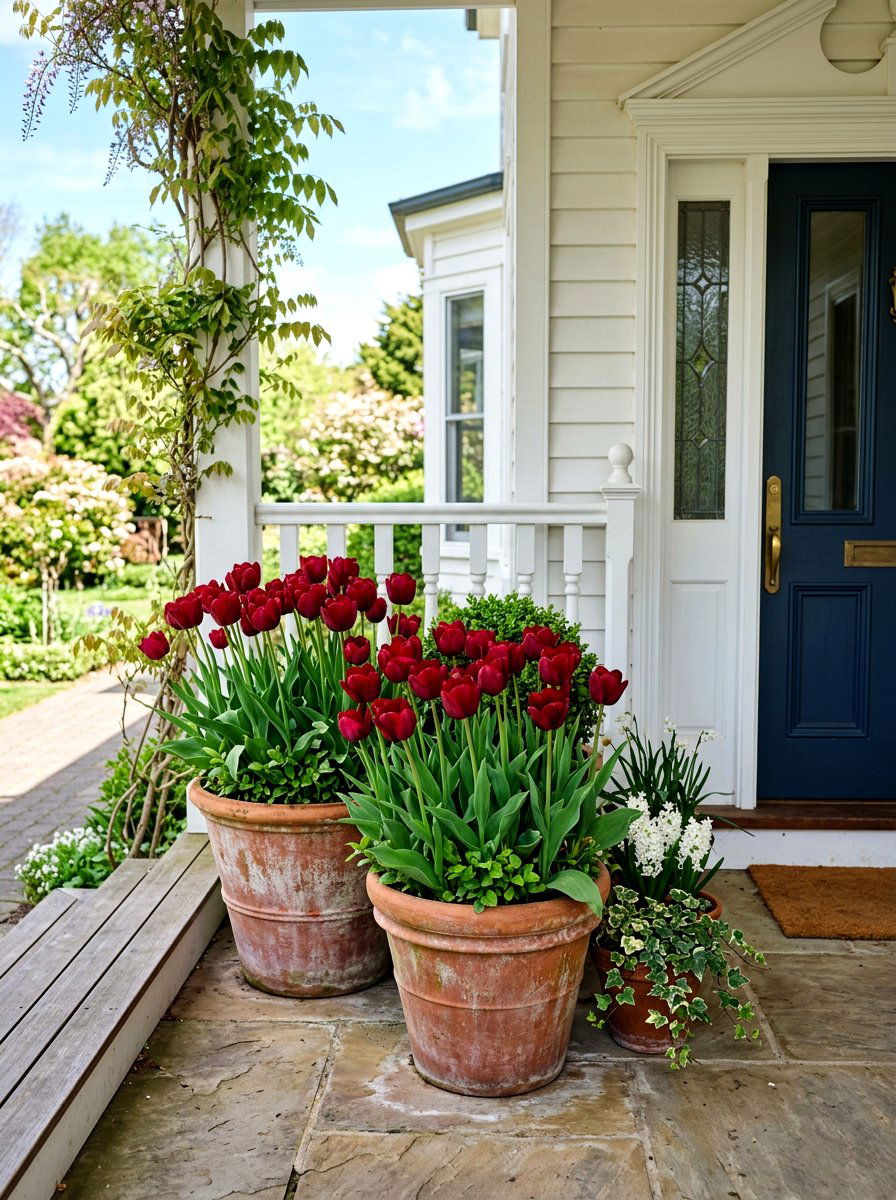
Tulips are the ultimate symbol of spring and look spectacular when they are massed together in large decorative ceramic pots. You can choose a single bold color like deep red for a dramatic statement or mix several shades for a playful look. Placing these pots on your porch or steps creates an instant focal point that welcomes guests to your home. Since tulips come in many shapes, including fringe and parrot varieties, you can experiment with different textures. Once the blooms fade, you can easily move the pots to a less visible area while the leaves wither. This keeps your main sitting areas looking tidy and fresh.
8. Rock Garden Bloom
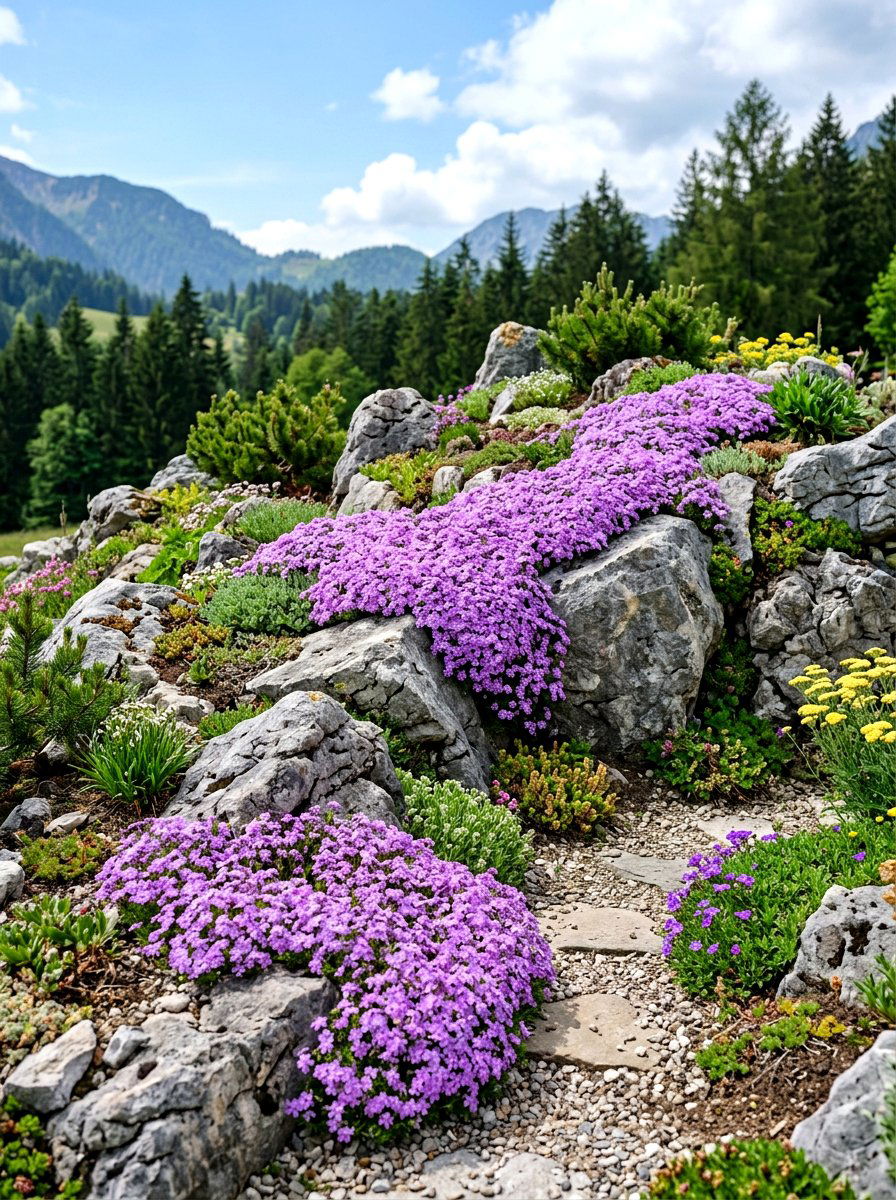
Utilizing rocky terrain or sloped areas in your yard can result in a unique and very low-maintenance floral display. Low-growing plants like aubrieta, creeping phlox, and saxifrage are perfect for tucking into small crevices between large stones. These species often create a "carpet" of color that drapes over the rocks, softening the hard edges of the landscape. Rock gardens drain very quickly, which is beneficial for many alpine plants that do not like sitting in soggy soil. The contrast between the rugged grey stones and the vibrant purple or pink flowers creates a modern yet natural look. This setup is perfect for adding interest to difficult patches of ground.
9. Hyacinth Walkway Edging
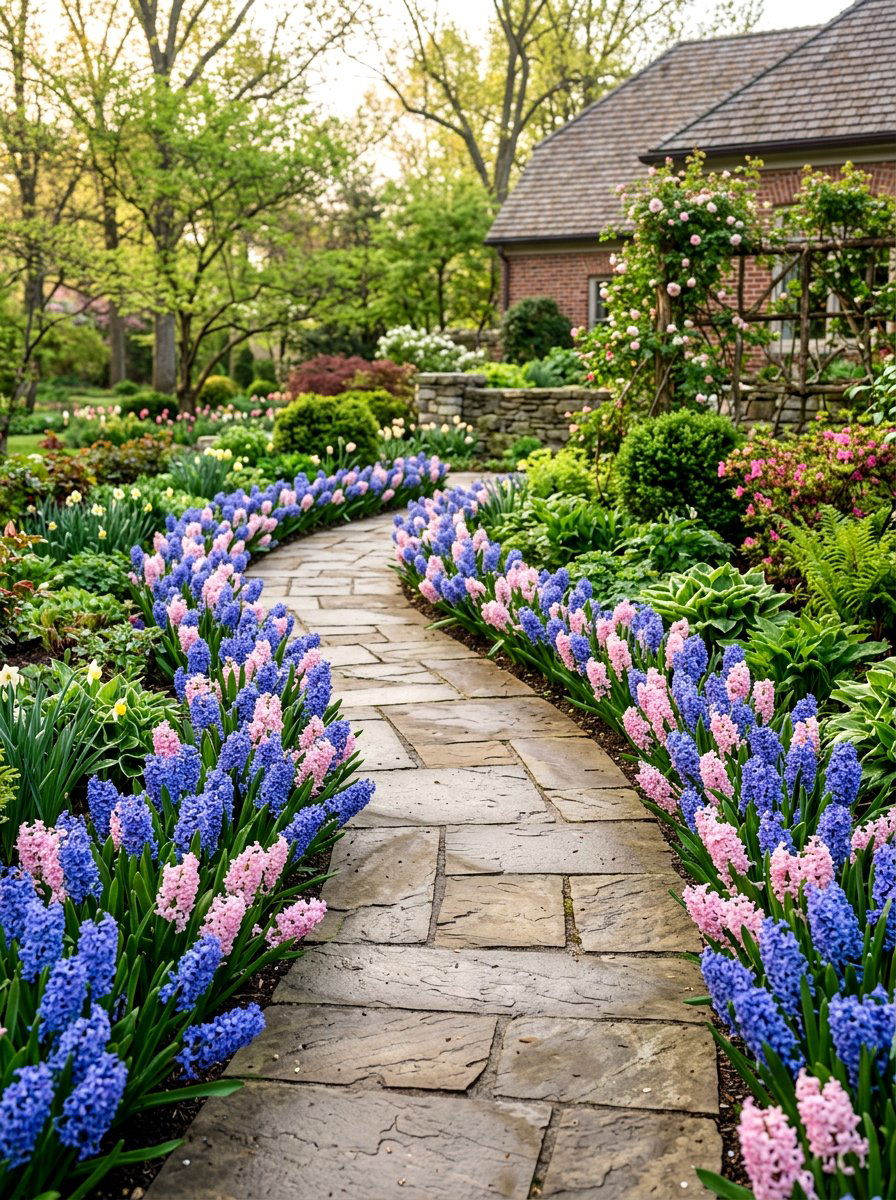
The scent of hyacinths is one of the most recognizable and beloved fragrances of the entire spring season. Planting these sturdy bulbs along the edge of a frequently used walkway ensures that you enjoy their perfume every time you pass. They come in stunning shades of purple, blue, pink, and white, making it easy to match your existing home decor. Because they grow to a very uniform height, they create a neat and tidy border that looks very intentional and organized. They are also quite resistant to pests, which makes them a reliable choice for suburban gardens. Their thick stalks and waxy flowers stand up well against spring breezes.
10. Flowering Cherry Tree Landscape
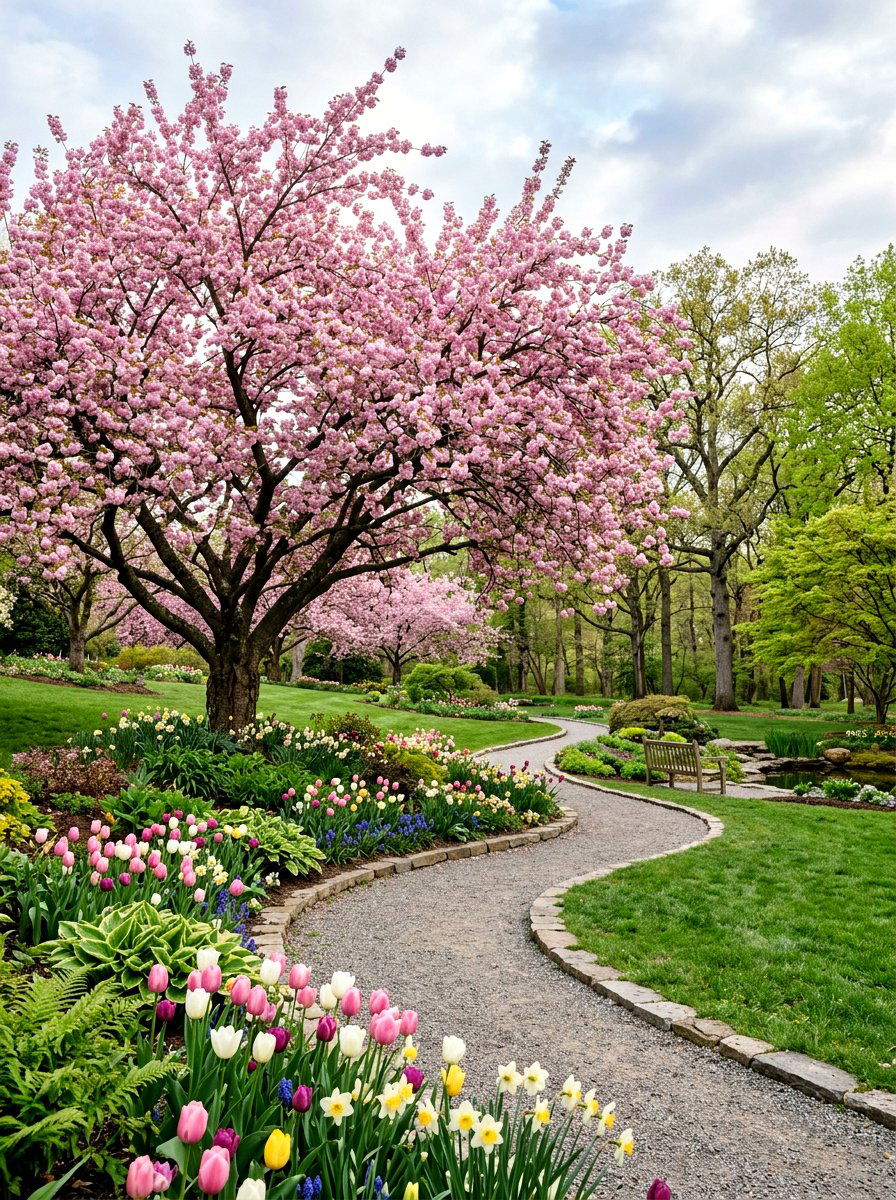
Incorporating a decorative tree into your garden provides a vertical element that can serve as a stunning centerpiece. Flowering cherry trees are famous for their clouds of pink or white blossoms that appear early in the spring months. Underneath the tree, you can plant shade-tolerant groundcovers or small bulbs to create a layered and complete landscape look. The falling petals often create a beautiful "snow" effect on the grass, adding a touch of whimsy to your yard. These trees also provide shade later in the summer, making them a practical addition to any property. They truly transform a flat yard into a multi-dimensional outdoor room.
11. Raised Bed Vegetable And Flower Mix
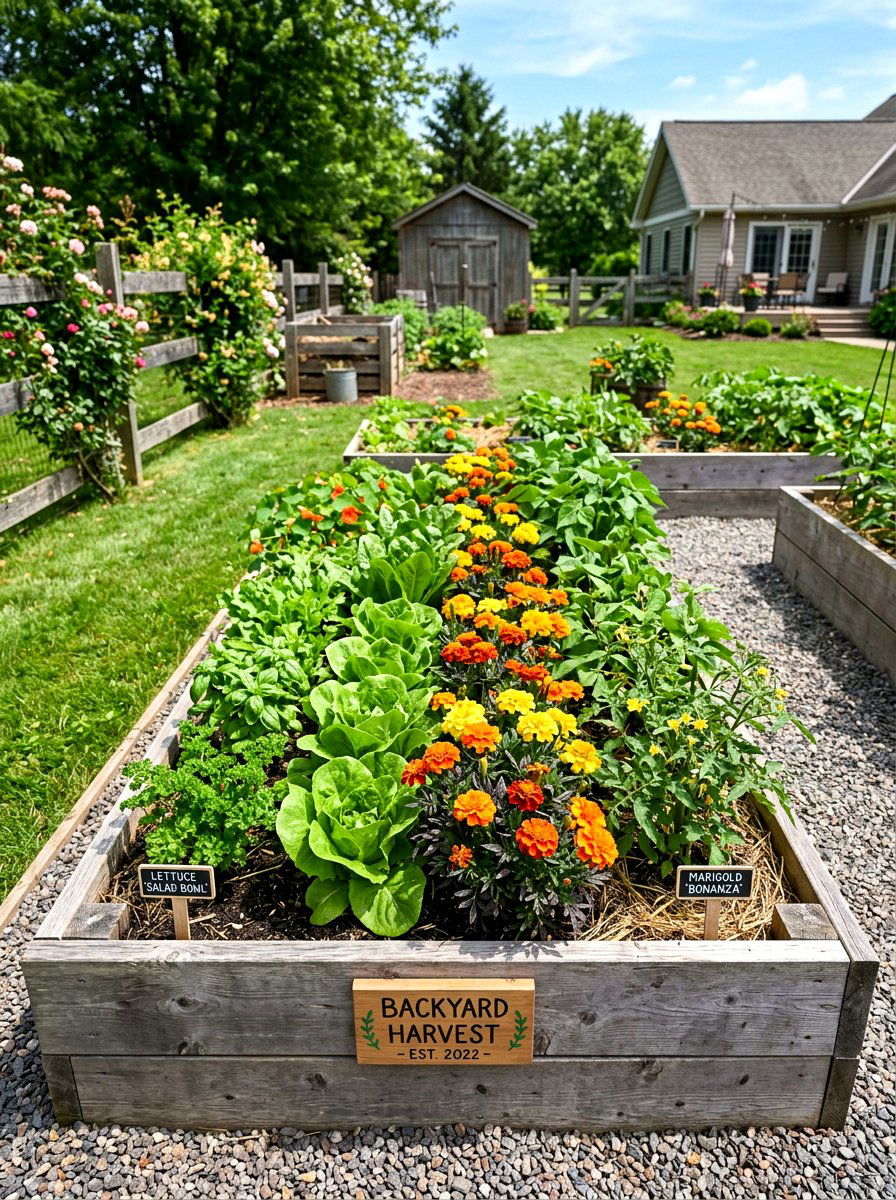
Combining edible plants with decorative flowers is a trend known as companion planting that benefits both types of vegetation. In a raised wooden bed, you can grow lettuce and radishes alongside bright marigolds or cheerful pansies. The flowers help to attract pollinators while also adding a splash of color to an otherwise functional vegetable patch. This layout makes gardening much more accessible because everything is at a comfortable height for planting and weeding. It also keeps the garden looking beautiful even when the vegetables are small or have been harvested. Using cedar wood for the beds adds a natural and rustic touch to your backyard.
12. Hanging Basket Spring Annual
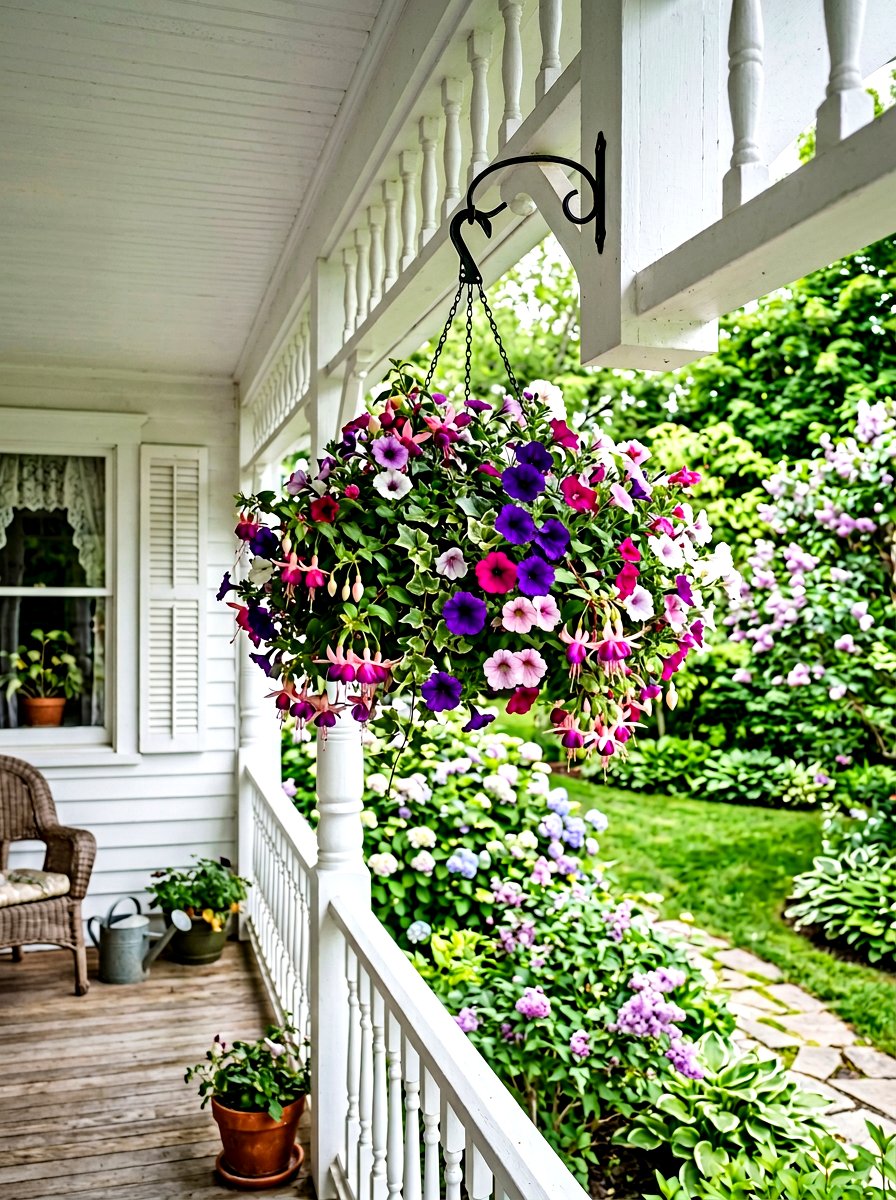
When ground space is at a premium, you can look upward and use hanging baskets to bring color to your porch. Fuchsias and trailing petunias are excellent choices for these containers because they grow downward in a graceful and lush way. You should use a high-quality potting mix that retains moisture, as hanging baskets tend to dry out faster than ground beds. Adding a slow-release fertilizer will help the plants stay vibrant and healthy throughout the entire growing season. These baskets can be moved around easily to change the look of your outdoor space or to protect them from harsh spring storms. They add immediate height and beauty.
13. Woodland Garden Groundcover
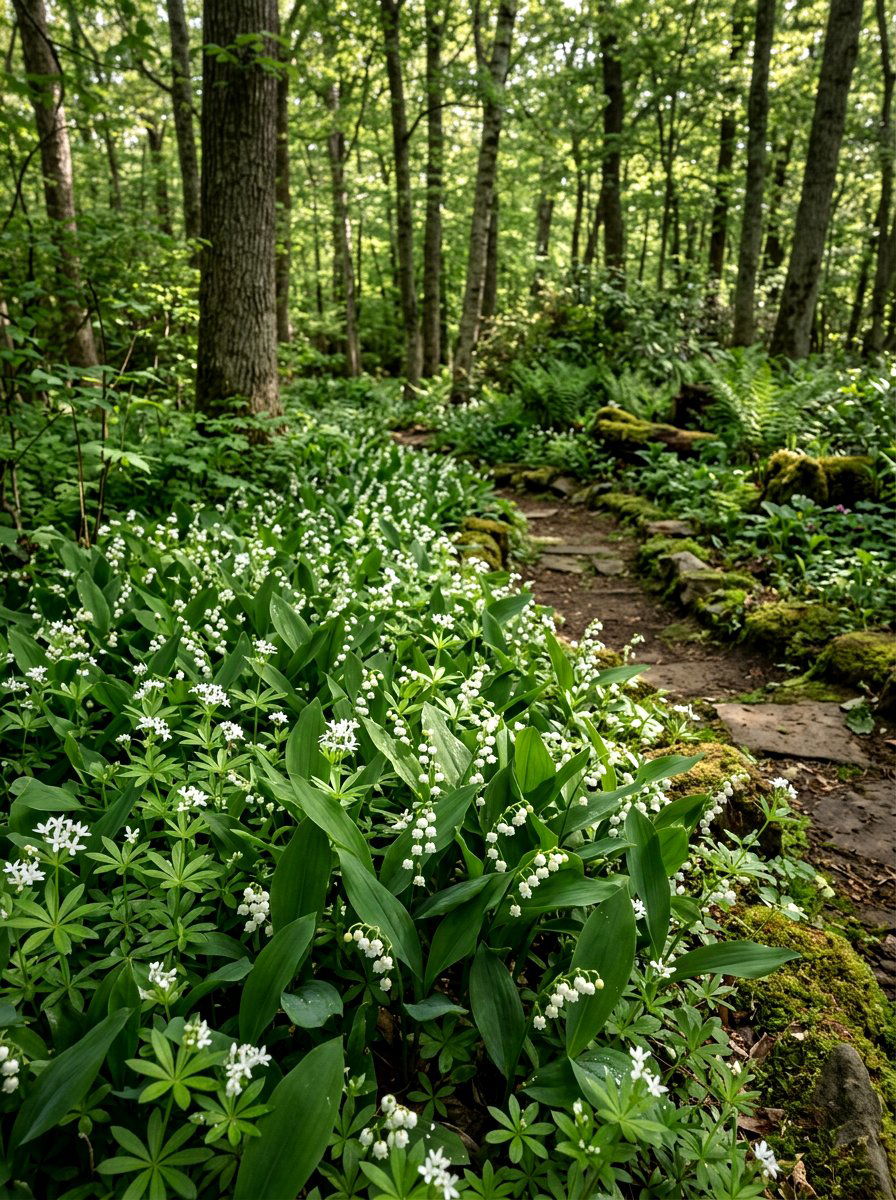
Transforming a patch of land under large trees into a woodland paradise is a great way to handle tricky growing conditions. You can use groundcovers like wood anemone, lily of the valley, and sweet woodruff to create a lush green carpet. These plants are adapted to growing under a forest canopy and will spread naturally over time to fill in empty gaps. The result is a soft, natural look that requires very little mowing or heavy maintenance once it is established. Adding a few decorative logs or large mossy stones can enhance the forest-like feel of the area. It creates a cool and quiet retreat during the warmer days.
14. Vertical Trellis Climber
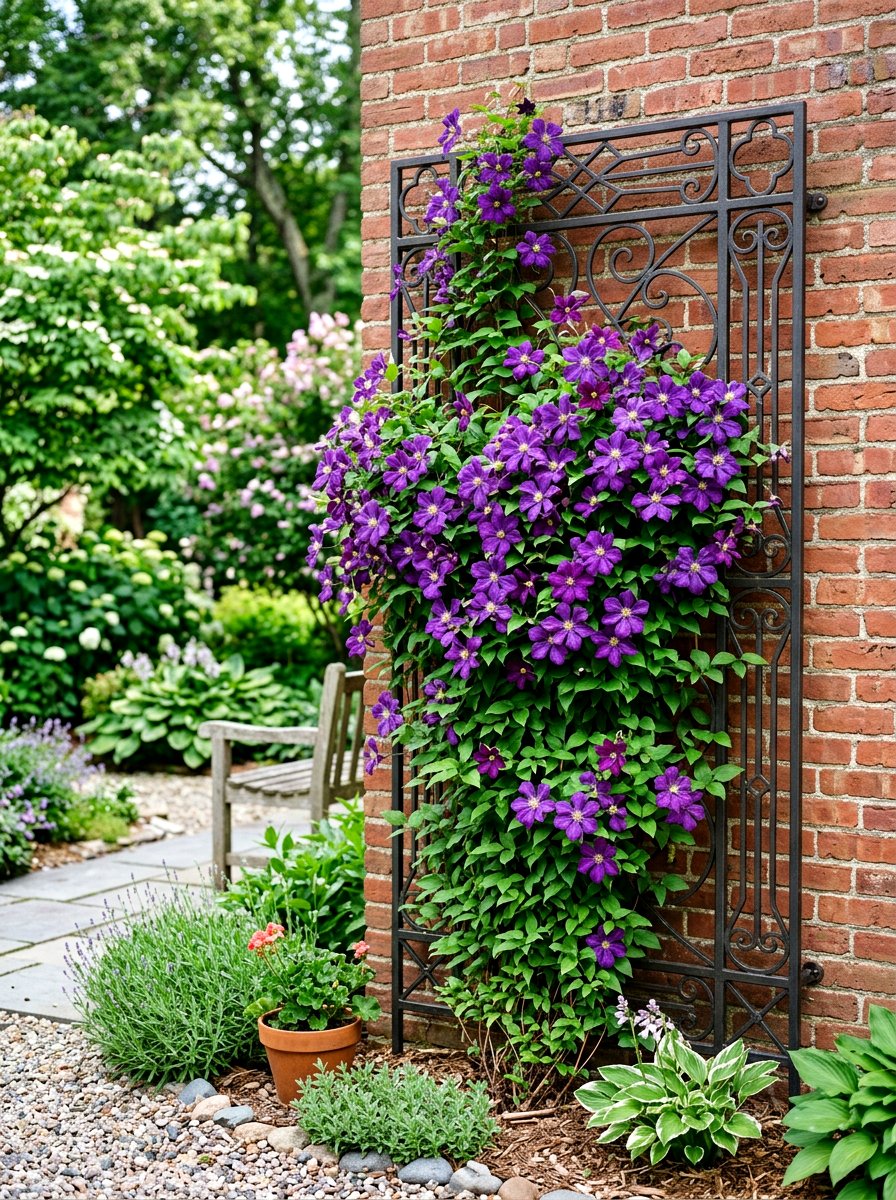
If you have a bare wall or a plain fence, a vertical garden can add significant visual interest without taking up floor space. Clematis is a popular spring climber that produces large, showy flowers in shades of purple, blue, and pink. You can train these vines to grow up a wooden or metal trellis, creating a living wall of color. This approach is perfect for adding privacy to a patio or screening off an unattractive view in your backyard. Ensure the trellis is sturdy enough to support the weight of the growing vines as they become more established. Vertical gardening adds a sophisticated and lush layer to any garden.
15. Scented Lilac Shrub
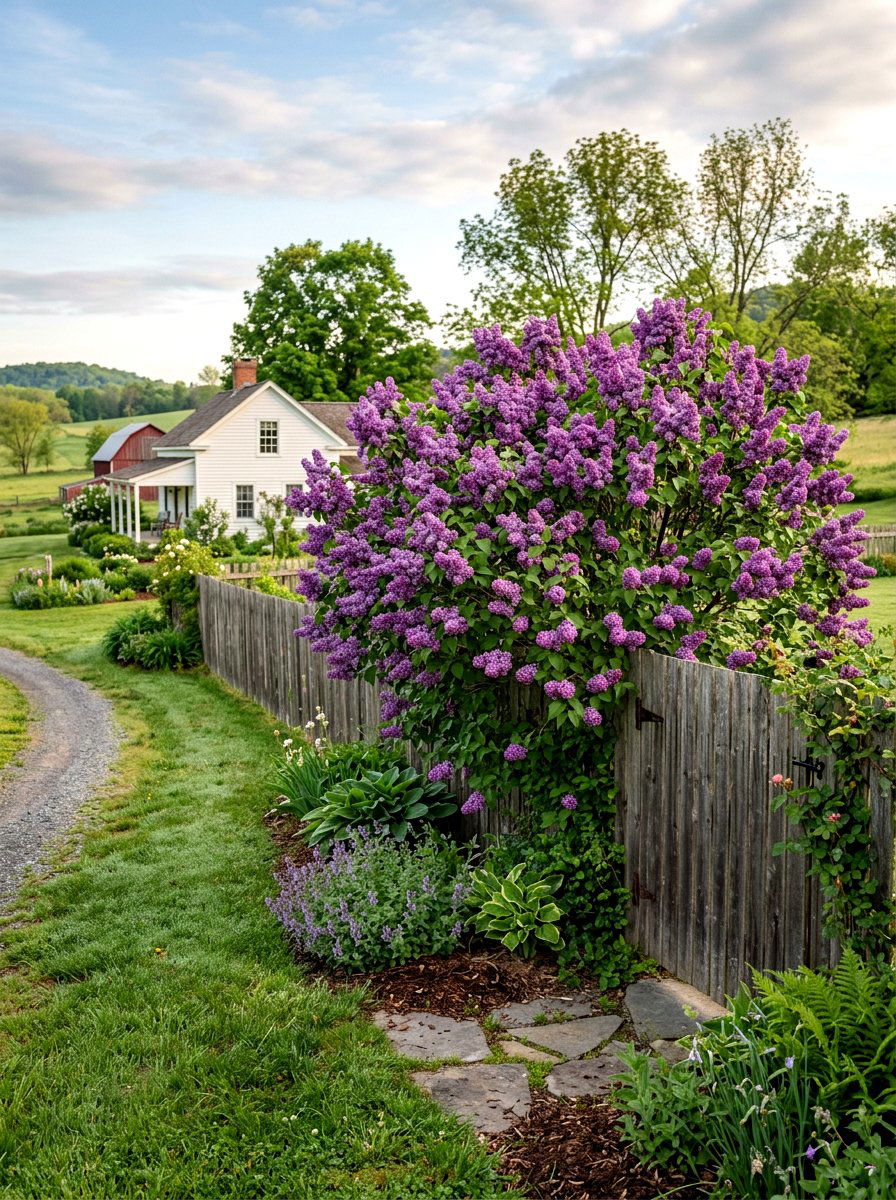
No spring garden feels truly complete without the heavy and nostalgic fragrance of a blooming lilac bush. These hardy shrubs produce large clusters of tiny flowers that can range from deep purple to pure white. They make an excellent privacy hedge when planted in a row along a property line or a backyard fence. Lilacs are very easy to care for and can live for many decades with just a little bit of annual pruning. You can also cut the branches to bring the amazing scent indoors for fresh floral arrangements. They provide a beautiful backdrop for smaller perennials and bulbs planted in front of them.
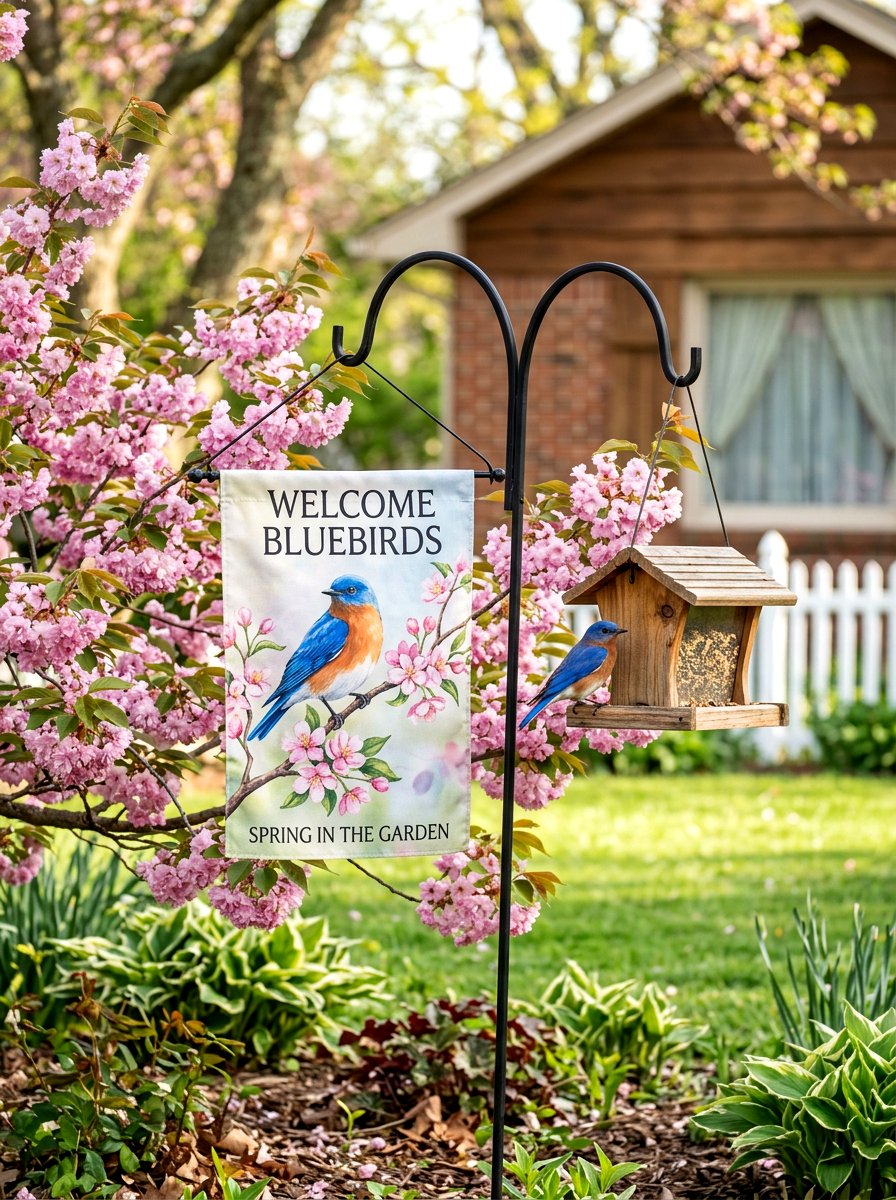
16. Primrose Container Garden
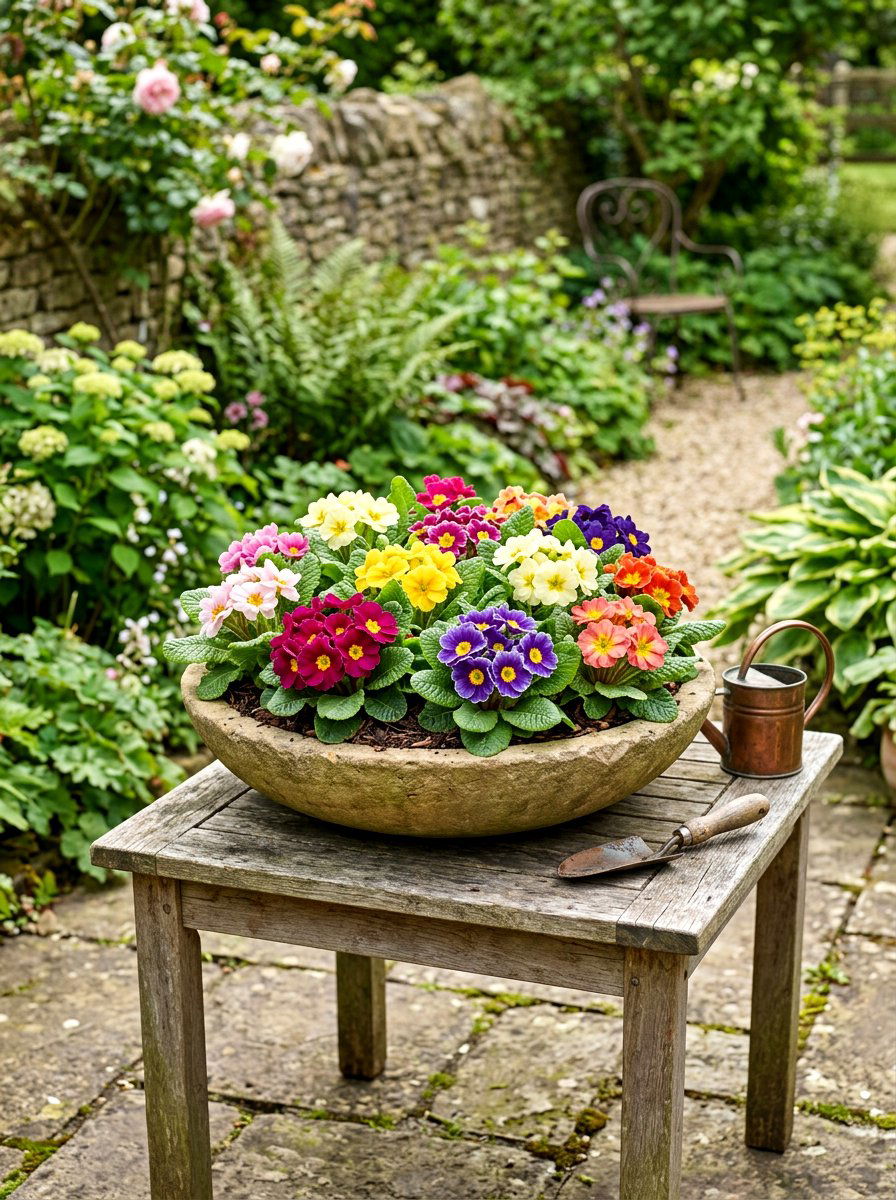
Primroses are among the most cheerful and affordable flowers you can find at the local nursery during the early spring. They come in almost every color of the rainbow and often feature a contrasting bright yellow eye in the center. Grouping several different colors together in a large terracotta bowl creates a vibrant and high-energy display for a patio table. These plants prefer cooler temperatures and moist soil, so they are perfect for the early weeks of the season. They have a compact growth habit, which makes them ideal for small spaces or as a filler in larger arrangements. Their bright green crinkled leaves provide a lovely texture.
17. Daffodil Naturalized Lawn
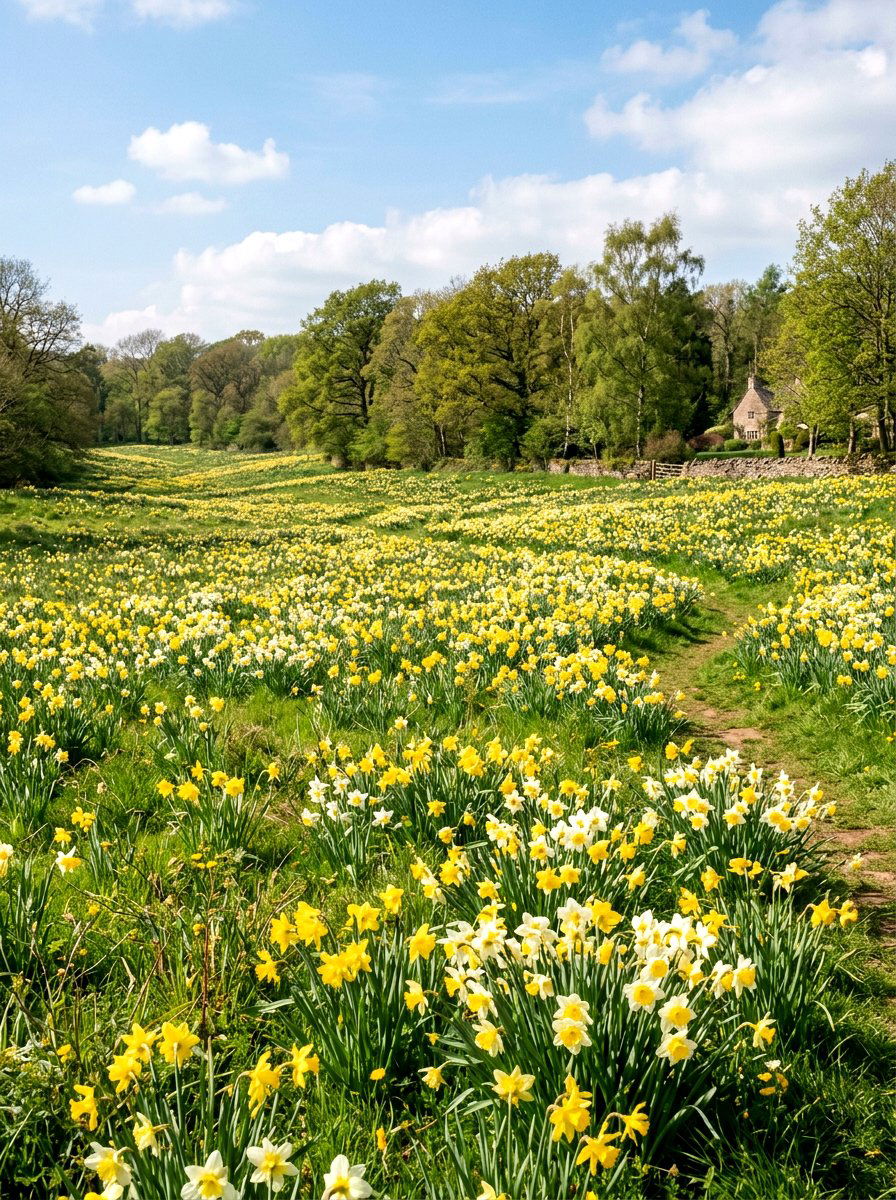
For a truly breathtaking and effortless look, you can plant hundreds of daffodil bulbs directly into your grassy lawn areas. This technique is called naturalizing and it mimics the way flowers grow in wild meadows and open fields. In the spring, your lawn will transform into a sea of yellow and white blossoms that dance in the wind. You must wait to mow the grass until the daffodil leaves have turned yellow to ensure the bulbs store enough energy. This look is perfect for large properties with open spaces or orchards where a formal garden might feel too stiff. It brings a sense of joy and wonder.
18. Peony Garden Border
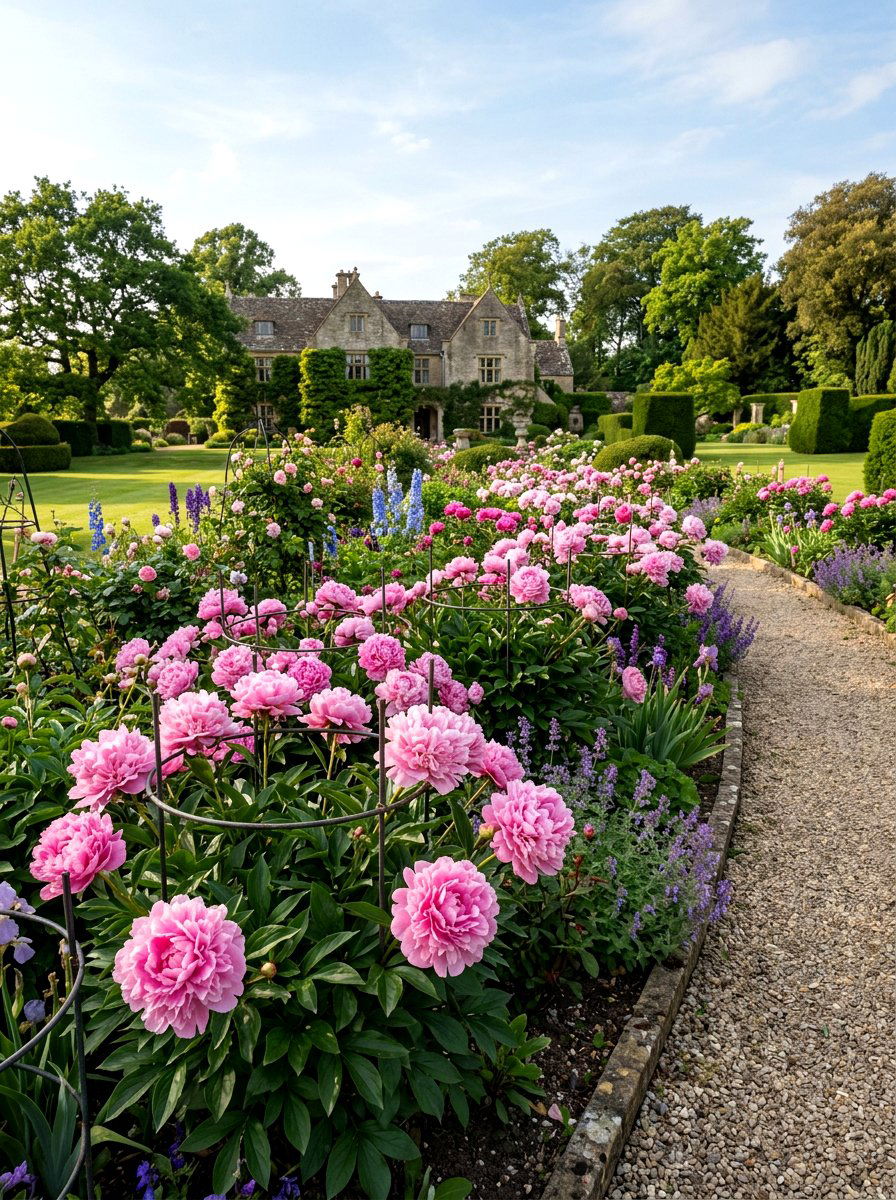
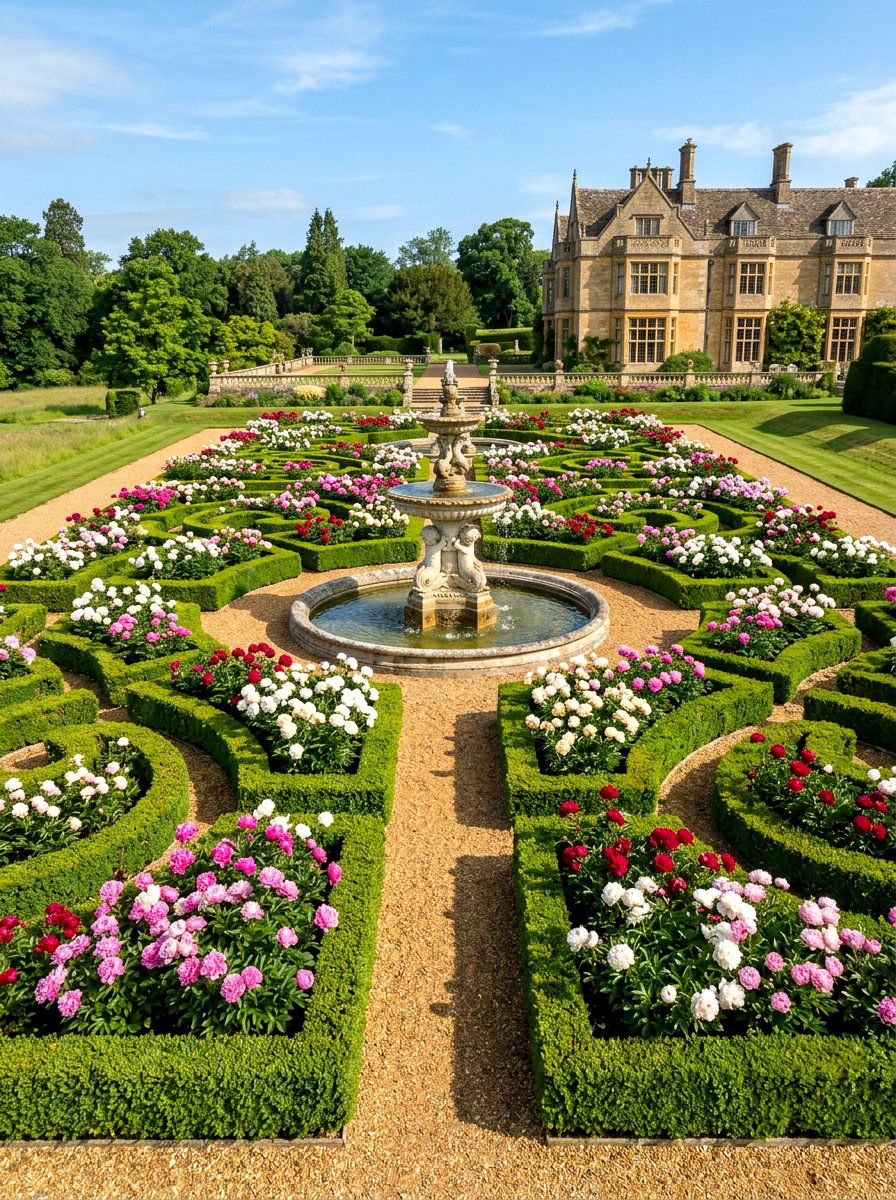
Peonies are famous for their massive, fluffy blooms and their intoxicating scent that fills the air in the late spring. They are long-lived perennials that become more beautiful and productive with each passing year in your garden beds. Planting them in a dedicated border allows their heavy flowers to be the main star of the show during their peak. Because the flowers can be quite heavy, you may need to provide some wire hoops for extra support. Even when they are not in bloom, their deep green glossy foliage provides an attractive backdrop for other plants. They represent classic garden elegance and are a favorite for cut flowers.
19. Blue And White Flower Theme
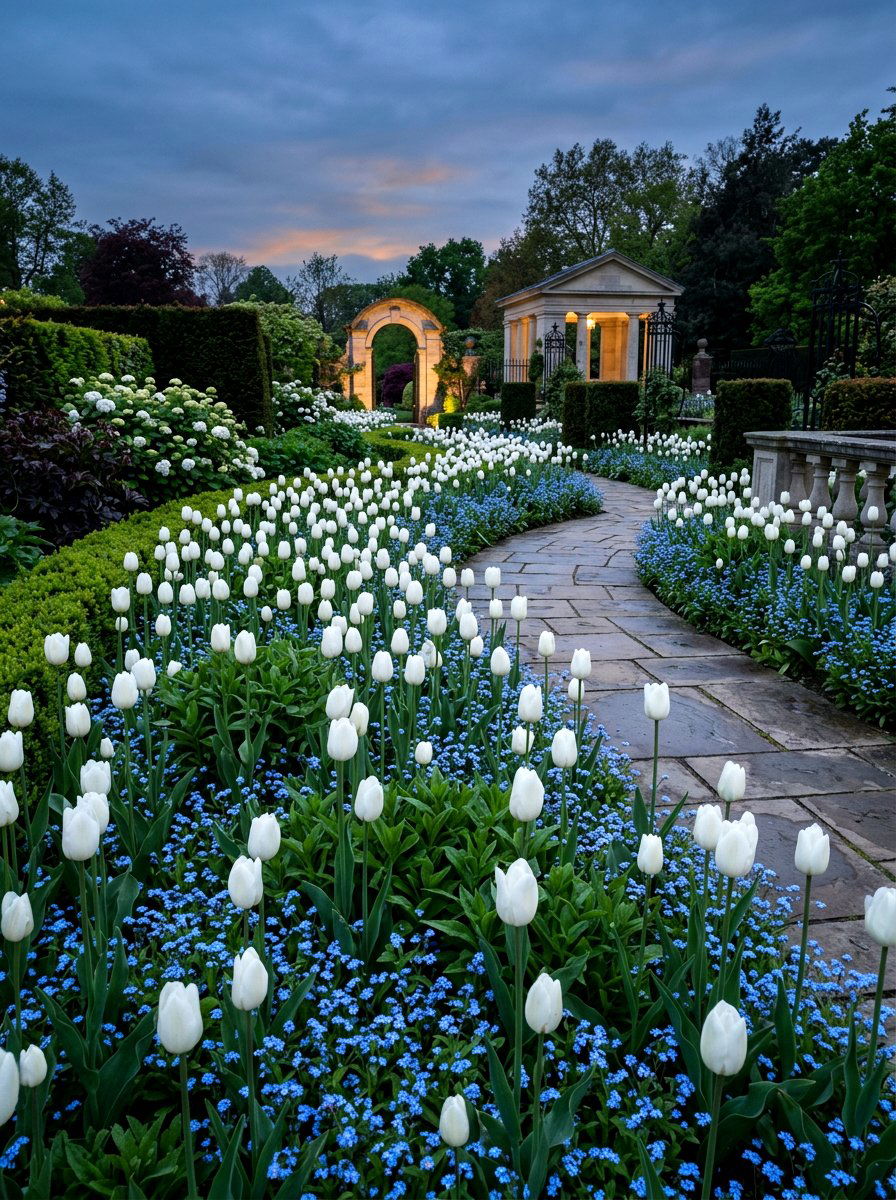
Choosing a specific color theme can give your garden a very professional and cohesive look that feels carefully designed. A combination of blue and white flowers creates a crisp, clean, and refreshing aesthetic that feels very modern and sophisticated. You can use white tulips and daffodils paired with blue grape hyacinths or forget-me-nots to achieve this beautiful balance. This color scheme looks particularly stunning when viewed during the twilight hours when the white flowers seem to glow. It is a timeless choice that works well with almost any architectural style of home. Using silver-toned foliage plants can also help to enhance this cool and elegant color palette.
20. Wheelbarrow Planter Display
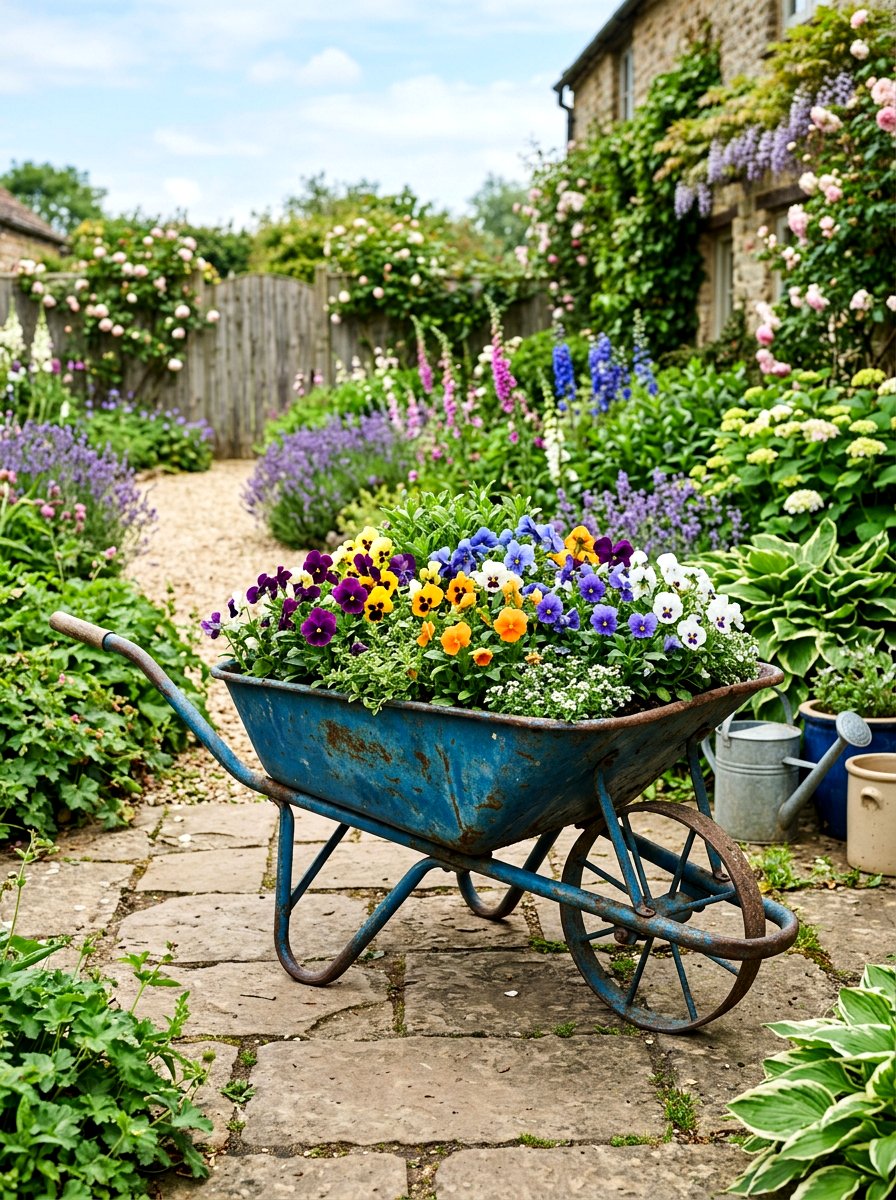
Repurposing old items like a vintage wooden or metal wheelbarrow adds a touch of rustic charm and personality to your landscape. You can fill the bed of the wheelbarrow with high-quality potting soil and plant a variety of spring annuals and bulbs. This creates a portable garden feature that you can move around to different sunny spots in your yard as needed. It is a great way to recycle old equipment while creating a conversation piece for your guests to admire. Make sure to drill drainage holes in the bottom so your plants do not get waterlogged after a heavy rain. This whimsical approach makes gardening feel fun.
21. Azalea Foundation Planting
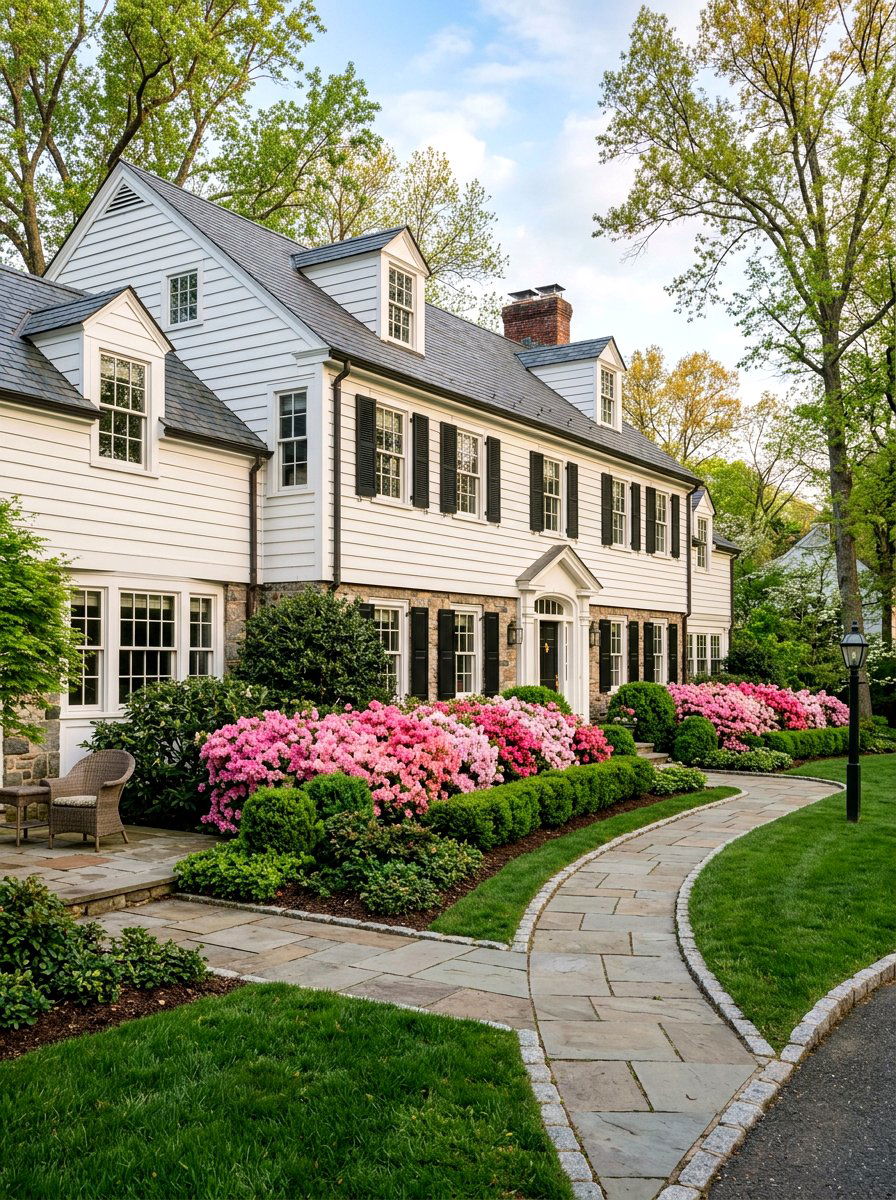
Azaleas are stunning flowering shrubs that are commonly used to hide the foundation of a house and add curb appeal. In the spring, these bushes are completely covered in vibrant blooms that can be pink, purple, red, or white. They prefer acidic soil and a bit of afternoon shade, making them perfect for the sides of a home. When planted in a row, they create a solid wall of color that is visible from a long distance. They are relatively low-maintenance once they are established and only require light pruning after they finish flowering. Their evergreen leaves keep the garden looking green and lush all year long.
22. Pansy And Viola Pot
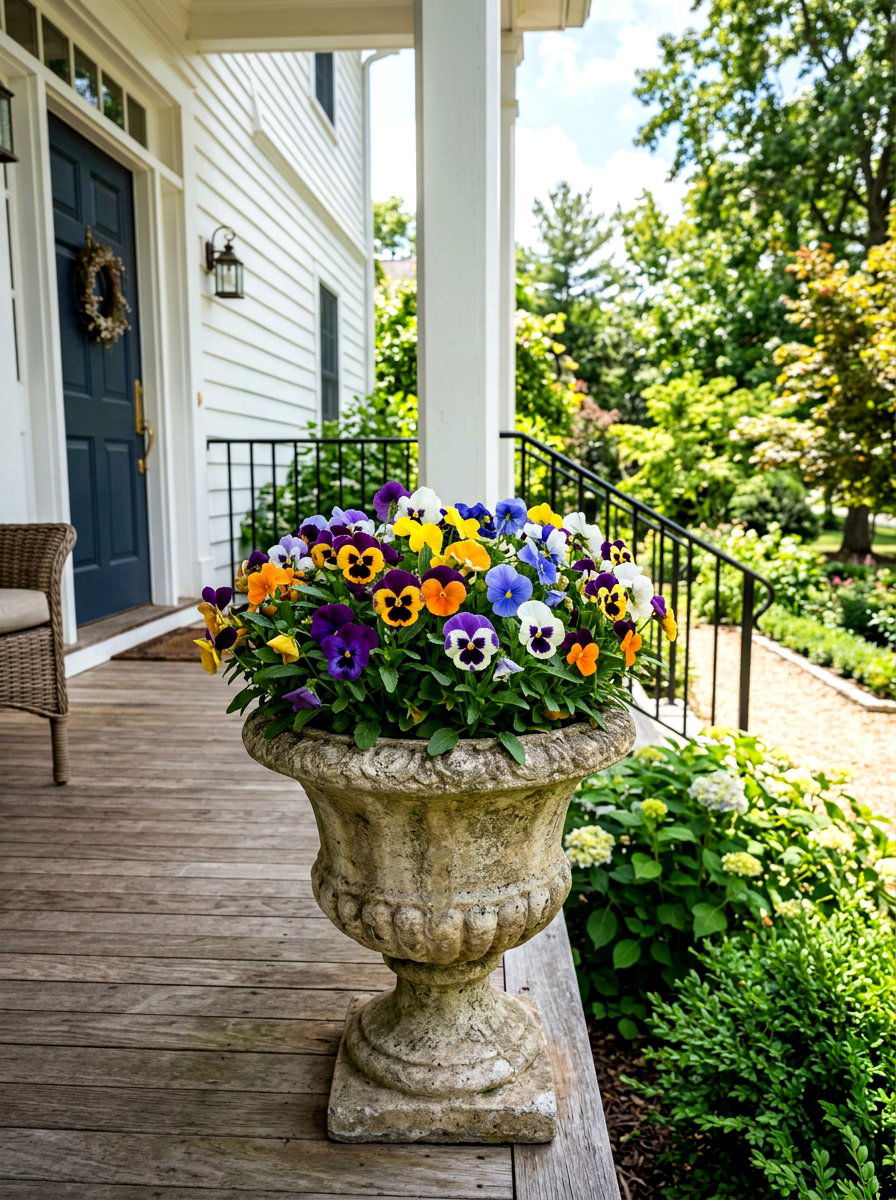
Pansies and violas are the "tough guys" of the spring garden because they can actually survive a light frost or snow. Their "faces" come in many different color patterns, making them a very charming addition to any small container or garden bed. They look wonderful when planted in clusters of a single color or mixed together for a more eclectic and colorful look. These flowers are perfect for filling in gaps between larger bulbs or for decorating a small bistro table on a balcony. They will often continue to bloom well into the early summer if you keep them well-watered and remove old flowers. They bring instant happiness.
23. Butterfly Attracting Spring Garden
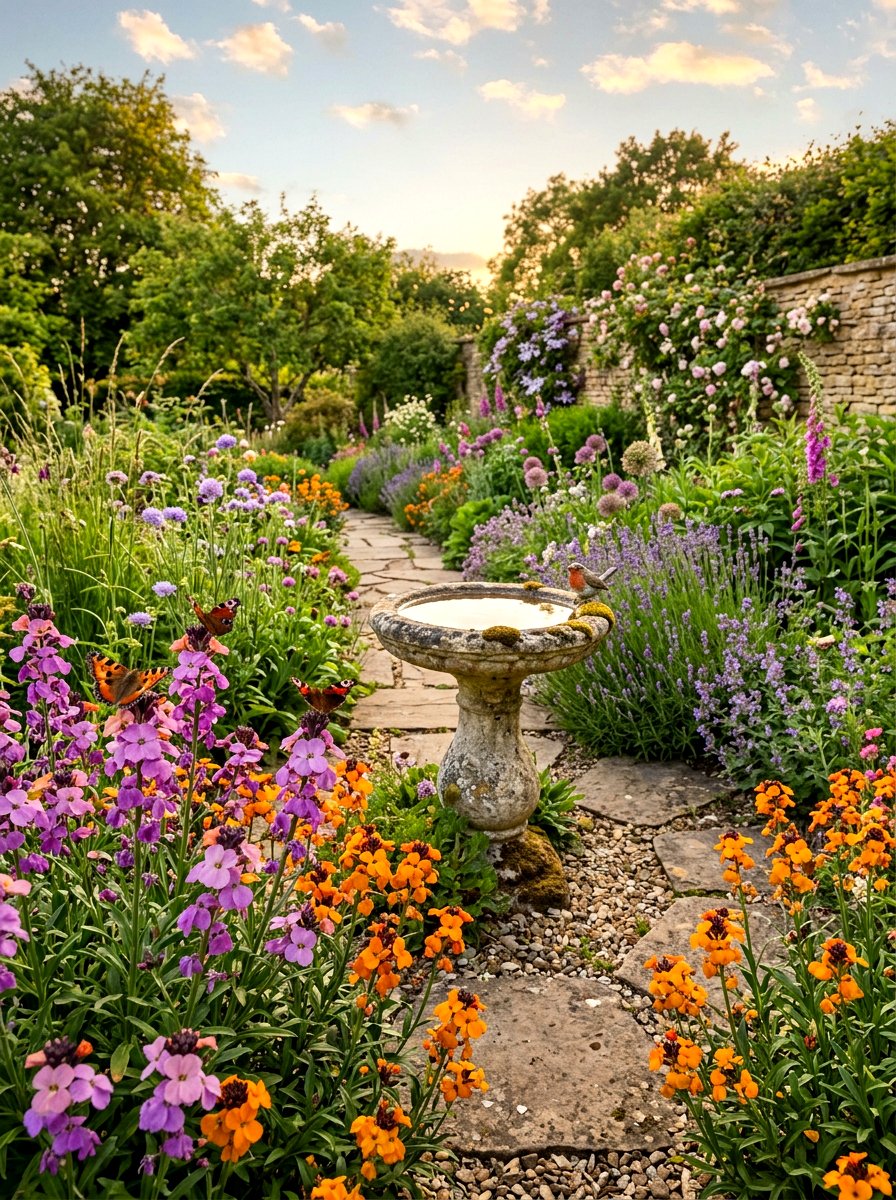
Designing a garden that supports local pollinators is a rewarding way to give back to the environment while enjoying nature. You can plant spring-blooming nectar sources like lilacs, wallflowers, and chives to invite butterflies and bees to your yard. Including a small stone birdbath or a shallow dish of water provides a place for these insects to drink and rest. Avoid using harsh chemicals or pesticides so that your garden remains a safe haven for these important visitors. Watching butterflies flutter from flower to flower adds a dynamic and lively element to your outdoor space. It is a beautiful way to create a healthy and thriving ecosystem.
24. Allium Architectural Flower
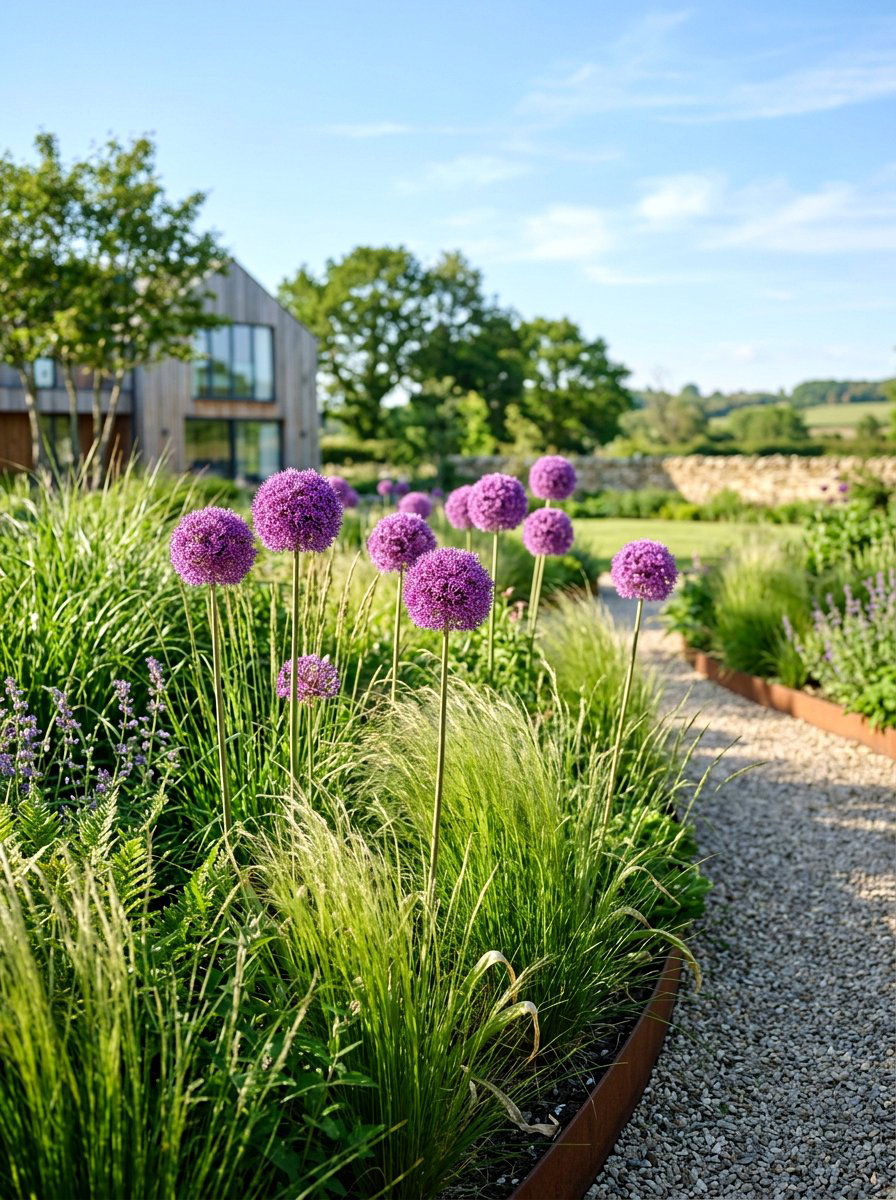
For a more modern and structural look, alliums are a fantastic choice because they produce perfectly round flower heads on tall stalks. They look like purple lollipops sticking out of the ground and add a unique height and shape to your flower beds. Planting them in groups between lower-growing perennials creates a fun and artistic visual hierarchy in your garden design. They are members of the onion family, which means they are naturally resistant to deer and rabbits that might eat other plants. Their unique form provides a great contrast to the softer shapes of traditional spring flowers. They are definitely a standout feature.
25. Hydrangea Spring Bloom
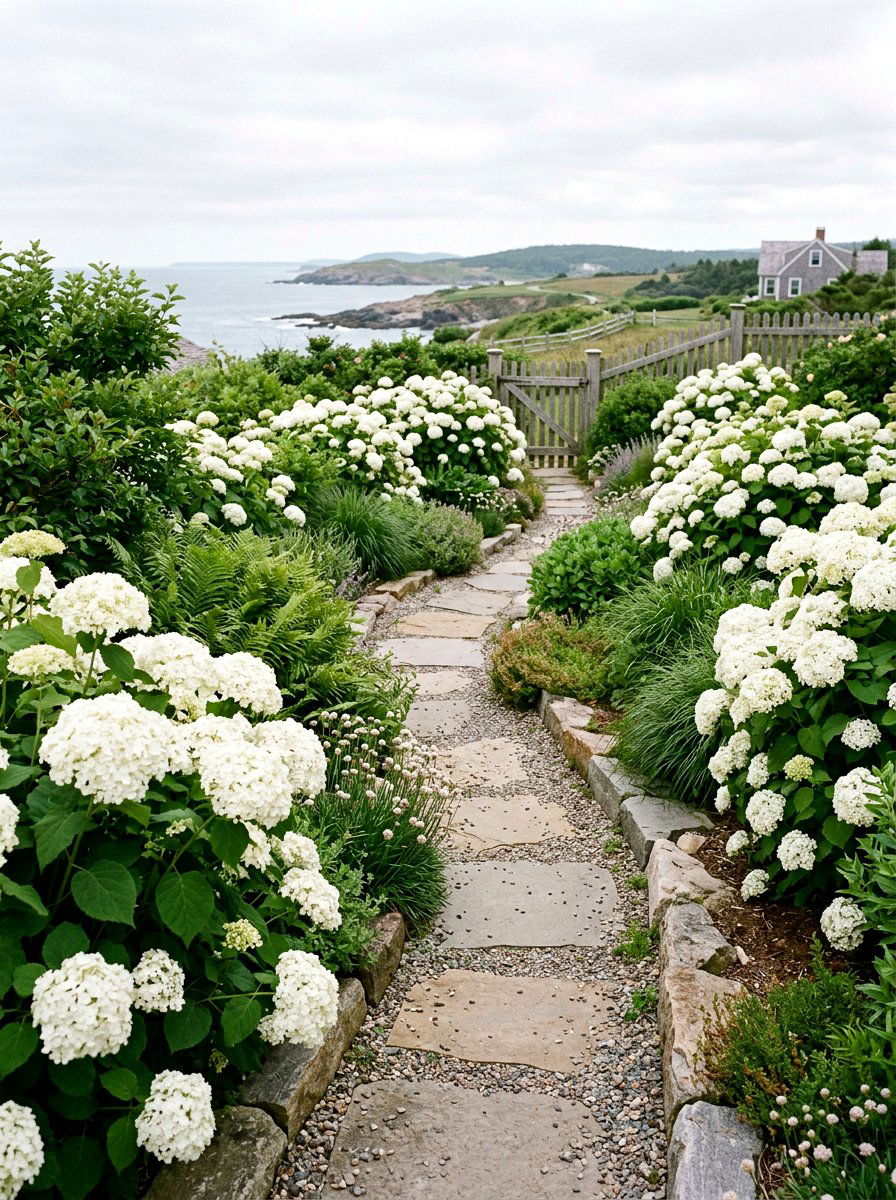
While many people associate hydrangeas with summer, several varieties begin their showy display in the late spring months. These shrubs produce large clusters of flowers that can change color based on the acidity of the soil in your yard. They are excellent for creating a lush and full look in a semi-shaded area or along a garden fence line. Their large green leaves provide a lot of volume, making them great for filling up big spaces quickly and effectively. They require plenty of water, especially during dry spells, to keep their blooms looking fresh and vibrant. They add a touch of classic luxury to any backyard.
Conclusion:
Creating a spring garden is a wonderful project that brings beauty and life back to your home after the winter months. By choosing a variety of bulbs, perennials, and flowering shrubs, you can ensure that your yard remains colorful and fragrant for many weeks. Whether you prefer the structured look of a formal bed or the wild charm of a meadow, there are endless ways to express your creativity. Remember to consider your local climate and the amount of sunlight your yard receives when selecting your plants. With a little planning and care, your spring flower garden will become a cherished sanctuary for years to come.
Related posts:
Leave a Reply