
Spring is the perfect season to bring a bit of magic into your home and outdoor spaces with miniature gardening. These tiny landscapes offer a wonderful way to express your creativity using small plants and charming accessories. Whether you are an experienced gardener or a beginner, creating a miniature world is a relaxing and rewarding hobby. You can use various containers like old pots, baskets, or even teacups to build these small scenes. Incorporating fresh moss and seasonal flowers helps capture the essence of springtime. This guide will help you explore different ways to set up your own tiny oasis. It is about more than just plants; it is about telling a story in a small space. Let us look at some of the best ways to get started with your project. Each concept focuses on a complete scene that you can easily recreate at home this year.
1. Fairy Garden Kit
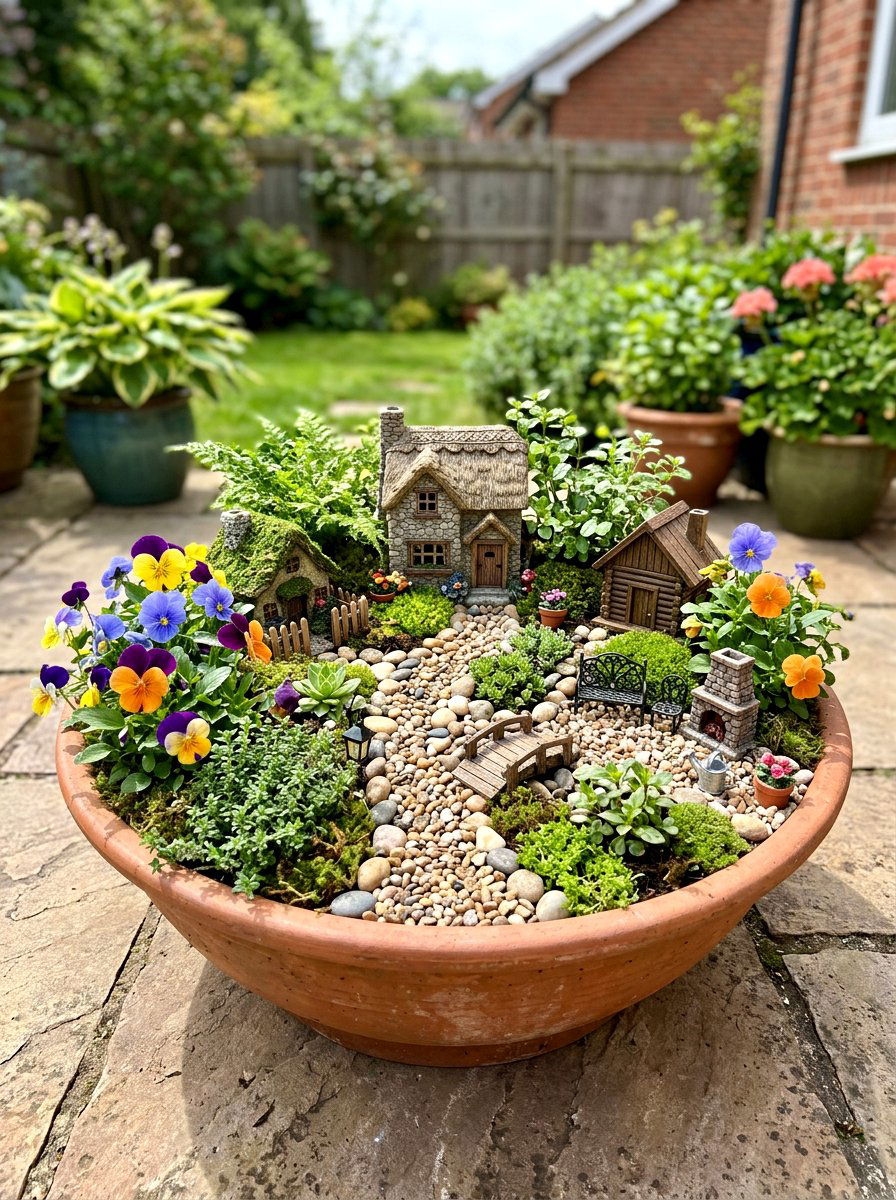
Starting your journey into small-scale gardening is much easier when you use a complete kit. These sets often come with everything you need to create a cohesive scene right away. You will find small houses, tiny figurines, and even the right soil to get things growing. Using a kit takes the guesswork out of matching different styles and sizes. It is a great choice for kids who want to try their hand at gardening for the first time. You can place these kits in a large clay pot or a wooden crate. The variety of themes available means you can find something that fits your specific style perfectly. These kits are affordable and provide a solid foundation for your spring project. They make the whole process simple and fun for everyone involved in the setup. These sets are widely available and come in many different styles.
2. Miniature Garden Accessories
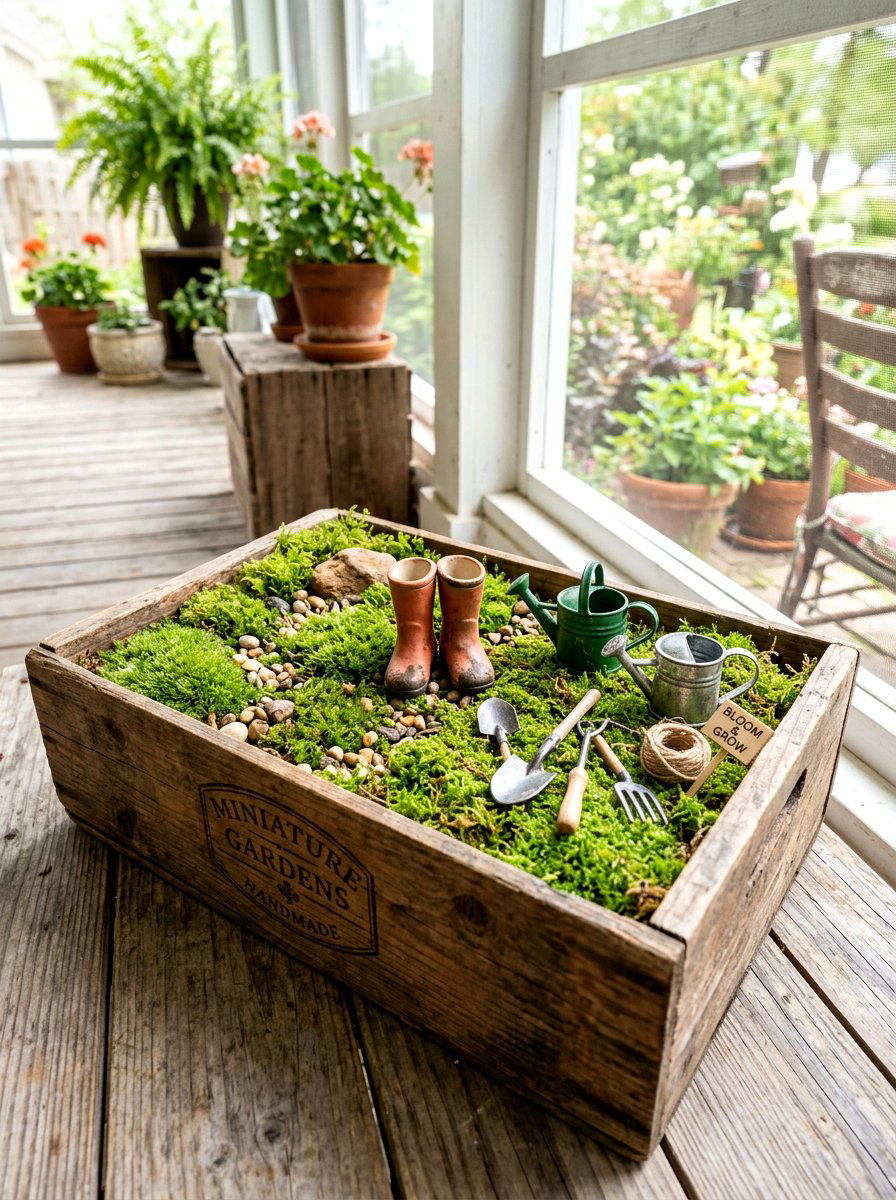
Adding small details is what truly brings a tiny landscape to life during the bright spring season. You can find tiny rakes, small watering cans, and even miniature boots to place around your plants. These little items help create a sense of scale and make the scene look lived-in. Choosing accessories made from weather-resistant materials like resin or treated wood ensures they last outdoors. You can arrange them to tell a story, like a gardener who just stepped away for a moment. This layer of detail invites people to look closer at your work. Mixing different textures and colors with these items adds a lot of visual interest. It is a simple way to customize any small space without needing a lot of extra room. The options for personalization are truly endless when you start collecting these fun pieces for your hobby.
3. Terrarium Plants
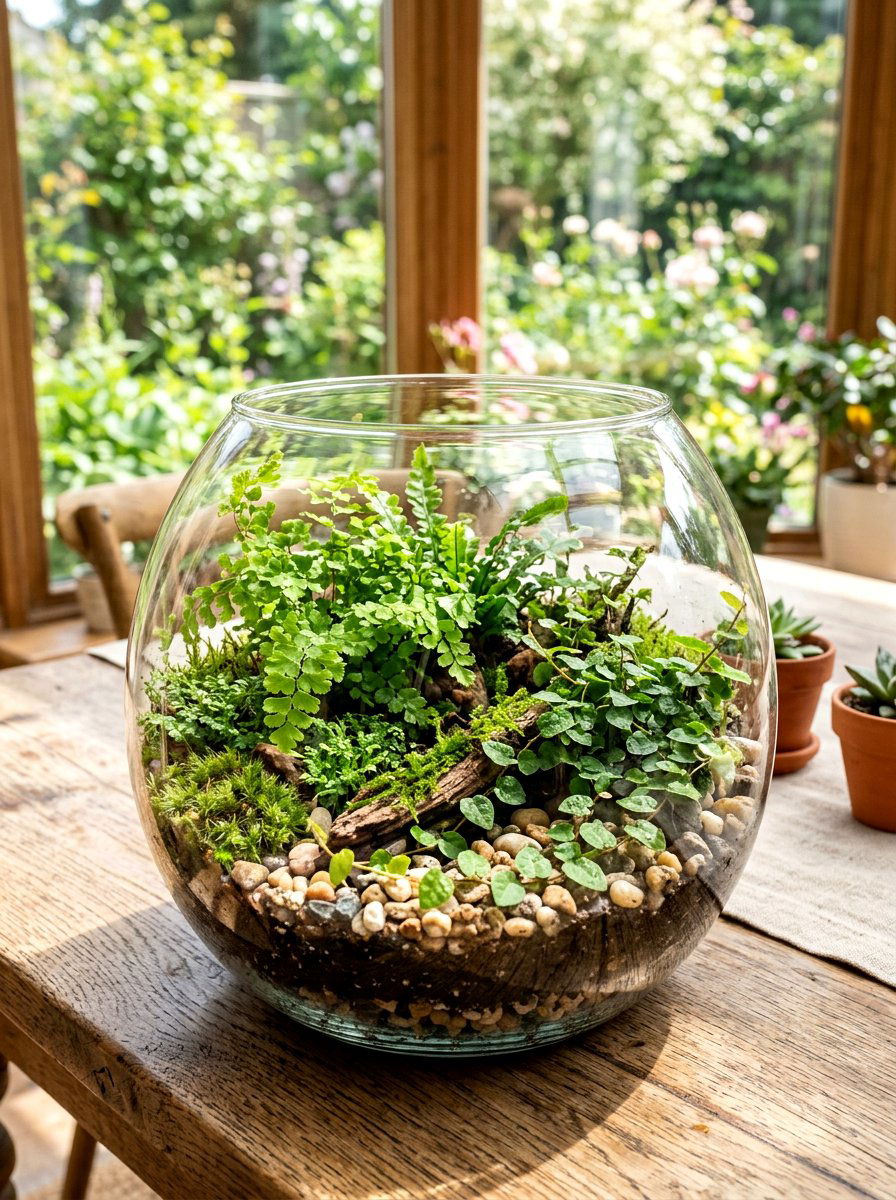
Selecting the right greenery is essential for maintaining a healthy and vibrant small-scale environment. Plants like miniature ferns, moss, and creeping figs thrive in the humid conditions of a closed glass container. These plants stay small and grow slowly, which is perfect for maintaining the look of your landscape. Using different shades of green can create depth and a lush feel within the glass walls. You should look for plants that enjoy low to medium light if you plan to keep them indoors. Arranging these plants around a central focal point, like a small stone or a piece of wood, creates a natural balance. The transparency of the glass allows you to see the layers of soil and charcoal clearly. This type of gardening is low maintenance and looks very elegant on a tabletop or a bright shelf.
4. Succulent Fairy Garden
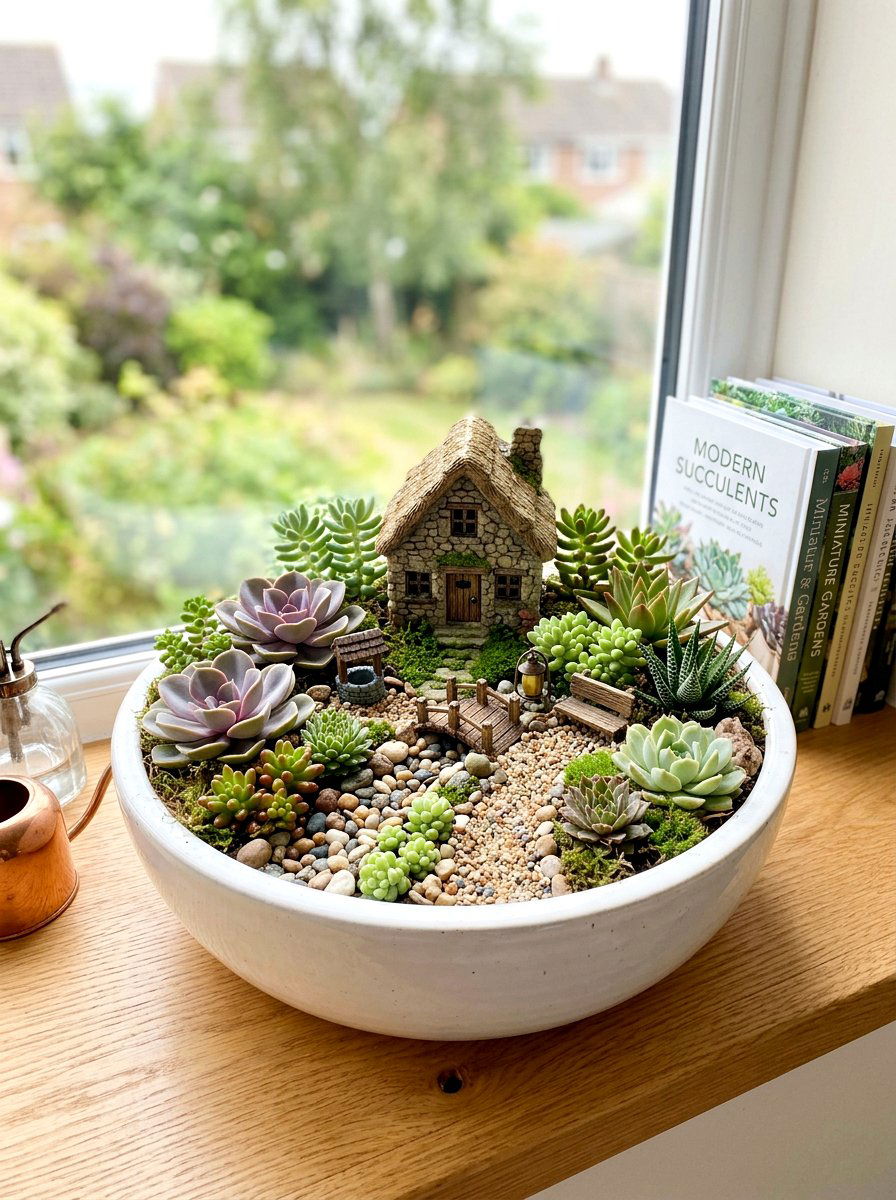
Using hardy plants like succulents is a smart way to create a low-maintenance and long-lasting display. These plants come in many unique shapes and colors, ranging from soft pinks to deep greens. You can nestle a tiny cottage among some Echeveria or Sedum to create a desert-themed retreat. These plants do not need much water, making them ideal for busy people. Adding light-colored sand or decorative gravel around the base of the plants enhances the overall look. A wide, shallow bowl works best for this type of setup because it allows for proper drainage. You can place your creation on a sunny windowsill where it can soak up the spring sun. This style of gardening is very popular because it looks modern and stays beautiful all year round. It is a perfect way to combine nature with a bit of whimsical charm.
5. Teacup Garden
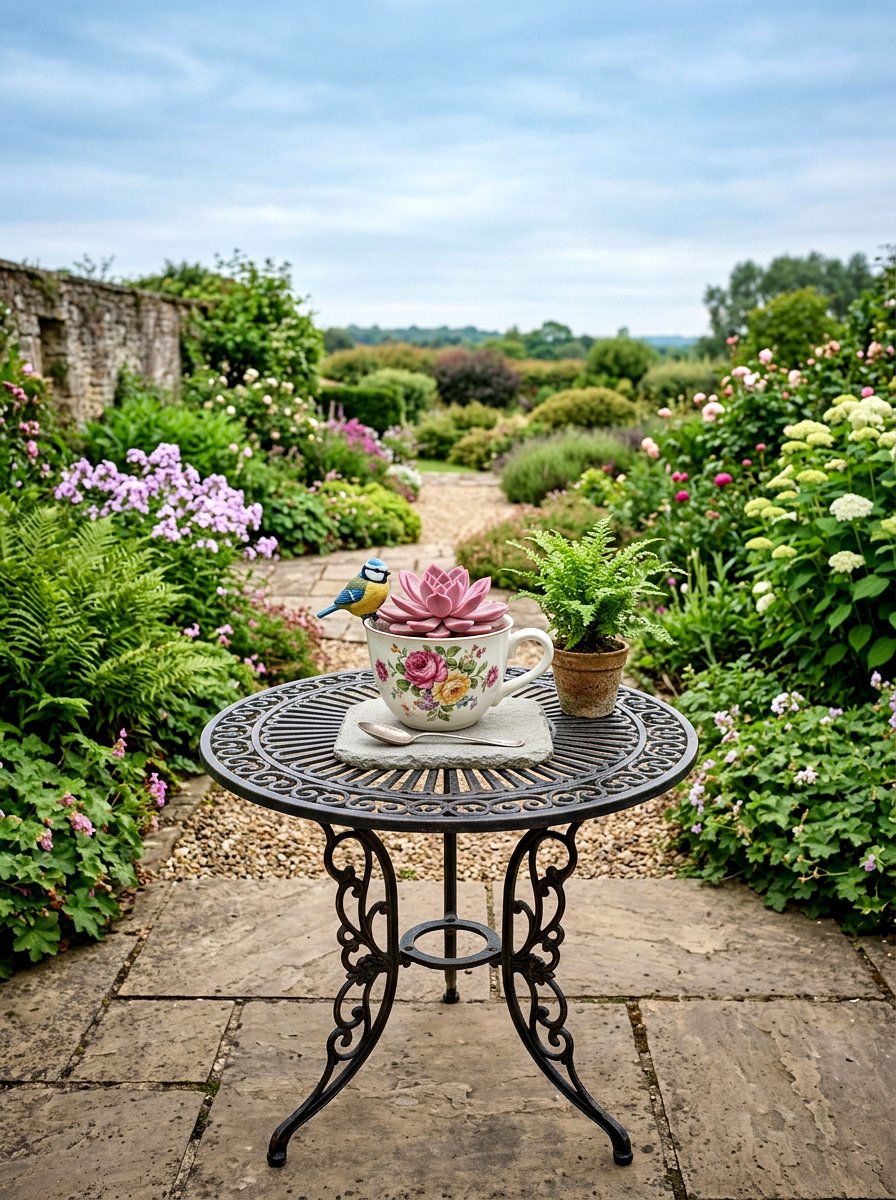
Turning an old teacup into a tiny botanical scene is a creative way to recycle and decorate. You can use a vintage porcelain cup or a colorful ceramic one to suit your personal taste. These small containers are perfect for single plants like a tiny succulent or a clump of soft moss. Adding a miniature animal figure or a tiny sign can give the cup a lot of character. Because the space is so small, every detail you choose will stand out and look very intentional. These look wonderful when grouped together on a tray or used as a unique centerpiece for a spring brunch. Make sure to add a small layer of pebbles at the bottom for drainage since teacups usually lack holes. It is a quick project that yields very charming results in just a few minutes of your time.
6. Gnome Garden
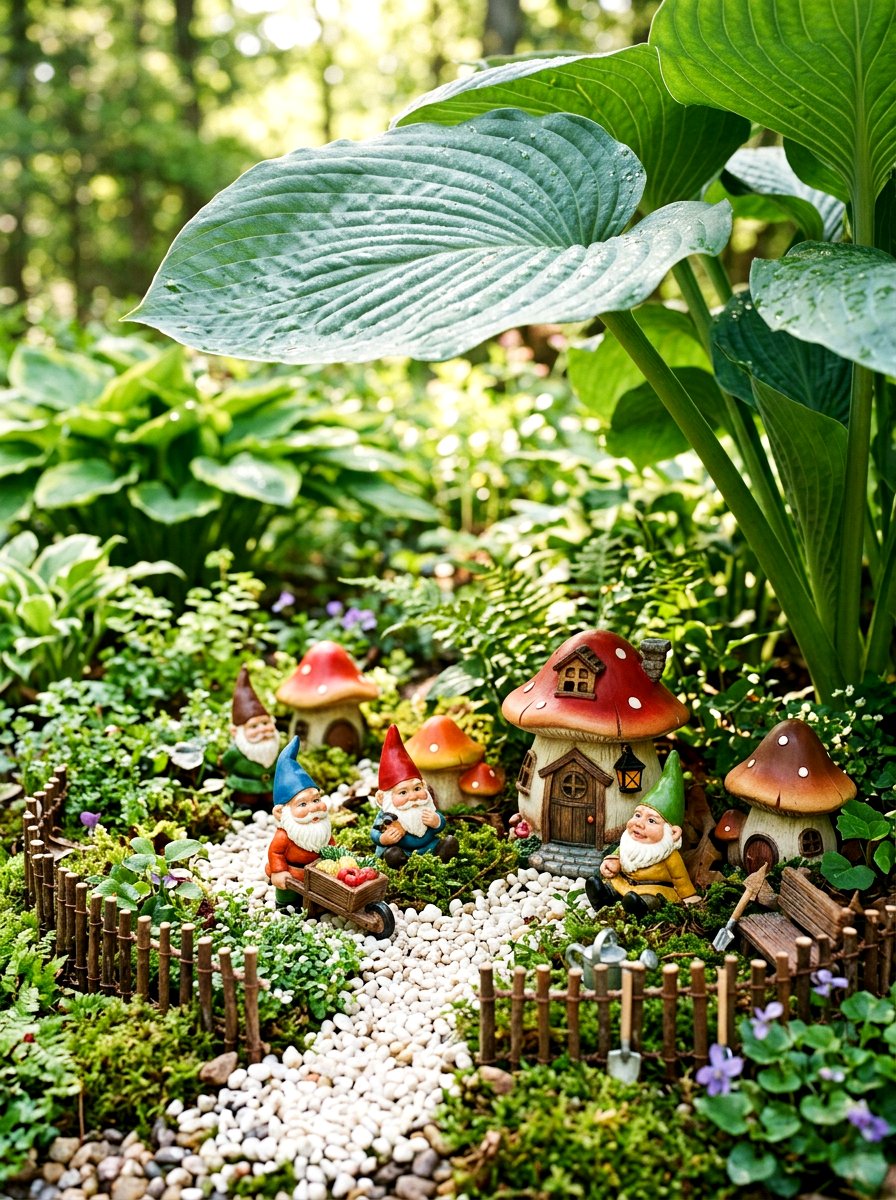
Creating a dedicated space for tiny gnomes is a classic theme that adds a playful touch to any yard. These little bearded figures are known for their bright hats and friendly faces, making them a favorite for families. You can set up a small village with tiny mushroom houses and little wooden fences. Placing the gnomes in various poses, like lounging under a plant or carrying a tiny tool, adds a sense of life. Low-growing flowers like sweet alyssum or lobelia provide a colorful backdrop for these characters. This theme works well in a shaded corner of the yard or under a large tree. The whimsical nature of a gnome-themed landscape makes it a great conversation piece for visitors. It is an easy way to bring a sense of humor and personality into your outdoor spring decor.
7. Miniature Picket Fence
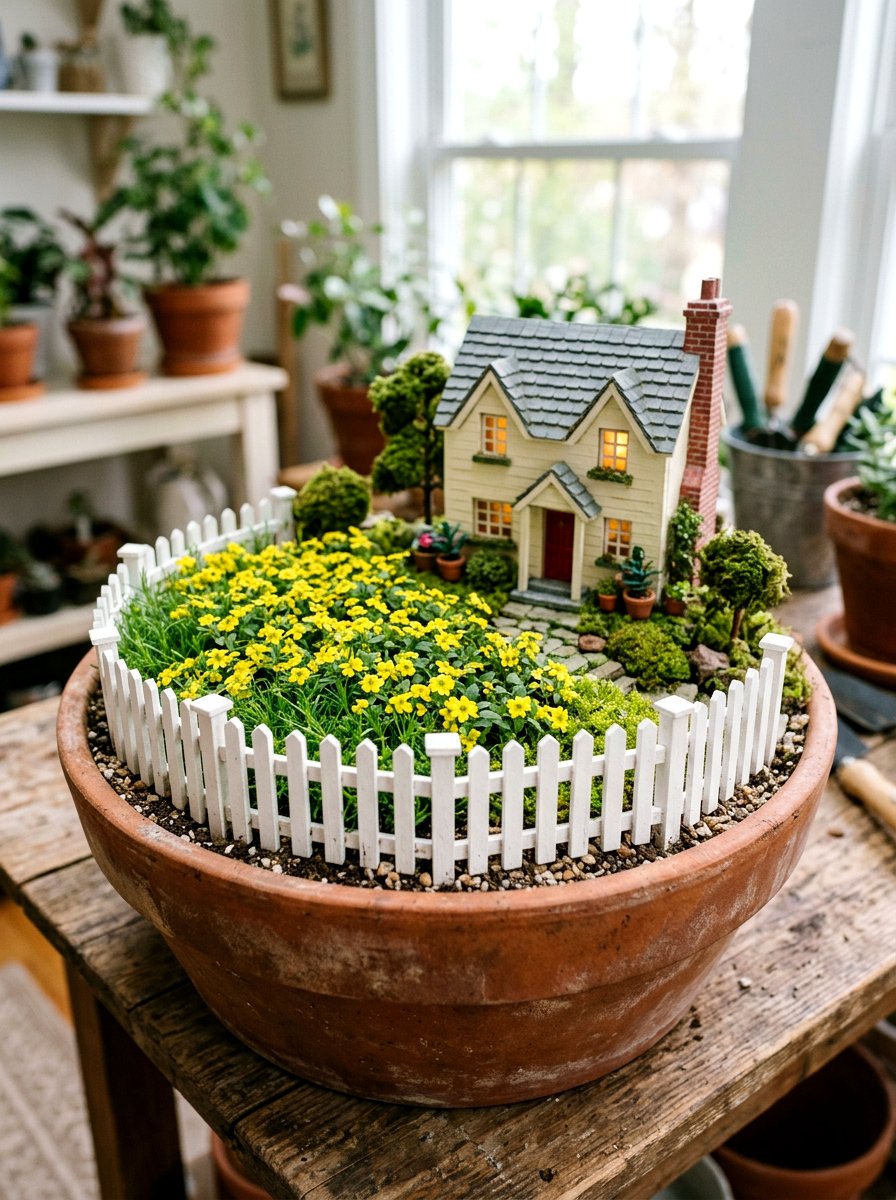
Using a small fence is a great way to define different areas within your tiny landscape. These fences come in various materials like wood, metal, or plastic and can be painted in bright spring colors. A white picket fence adds a traditional cottage feel, while a rustic wire fence looks more natural. You can use the fence to border a small garden bed or to create a yard for a tiny house. This simple addition helps create a sense of order and structure in a small space. It also provides a support structure for tiny climbing plants or vines to grow against. Installing a fence is very easy and can be done in just a few seconds by pressing the stakes into the soil. It is an affordable way to add a layer of realism to your miniature world.
8. Fairy House
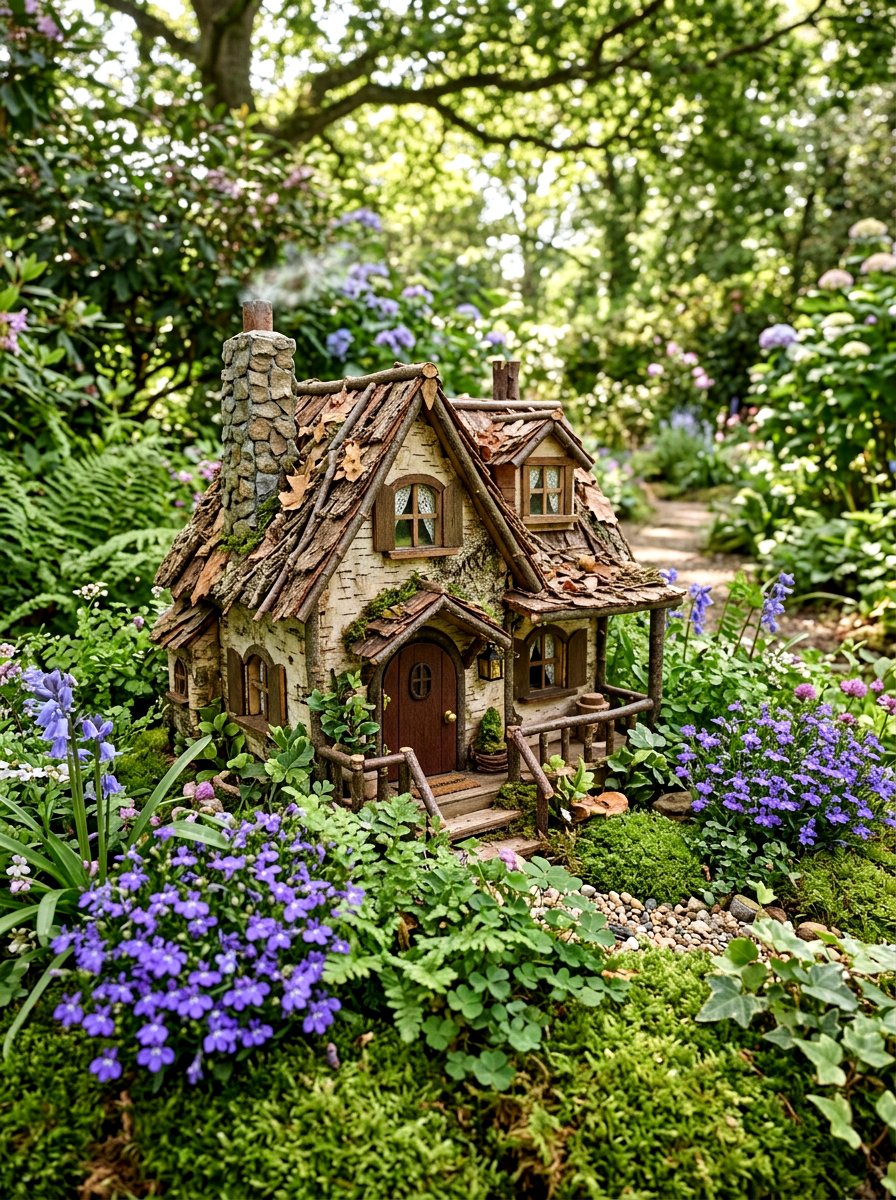
A central house is often the most important part of any magical miniature landscape. These houses can be made from natural materials like bark and twigs or crafted from colorful resin. Choosing a house with windows and a door allows you to imagine the tiny creatures living inside. You can place the house on a small hill or nestle it among some tall plants to make it look hidden. Adding a small light inside the house can create a warm and inviting glow during the evening. Surround the house with a small patio made of flat stones to give it a finished look. This focal point anchors the entire scene and gives you a starting point for the rest of your decor. It is a fun way to let your imagination run wild while designing a cozy home.
9. Miniature Garden Furniture
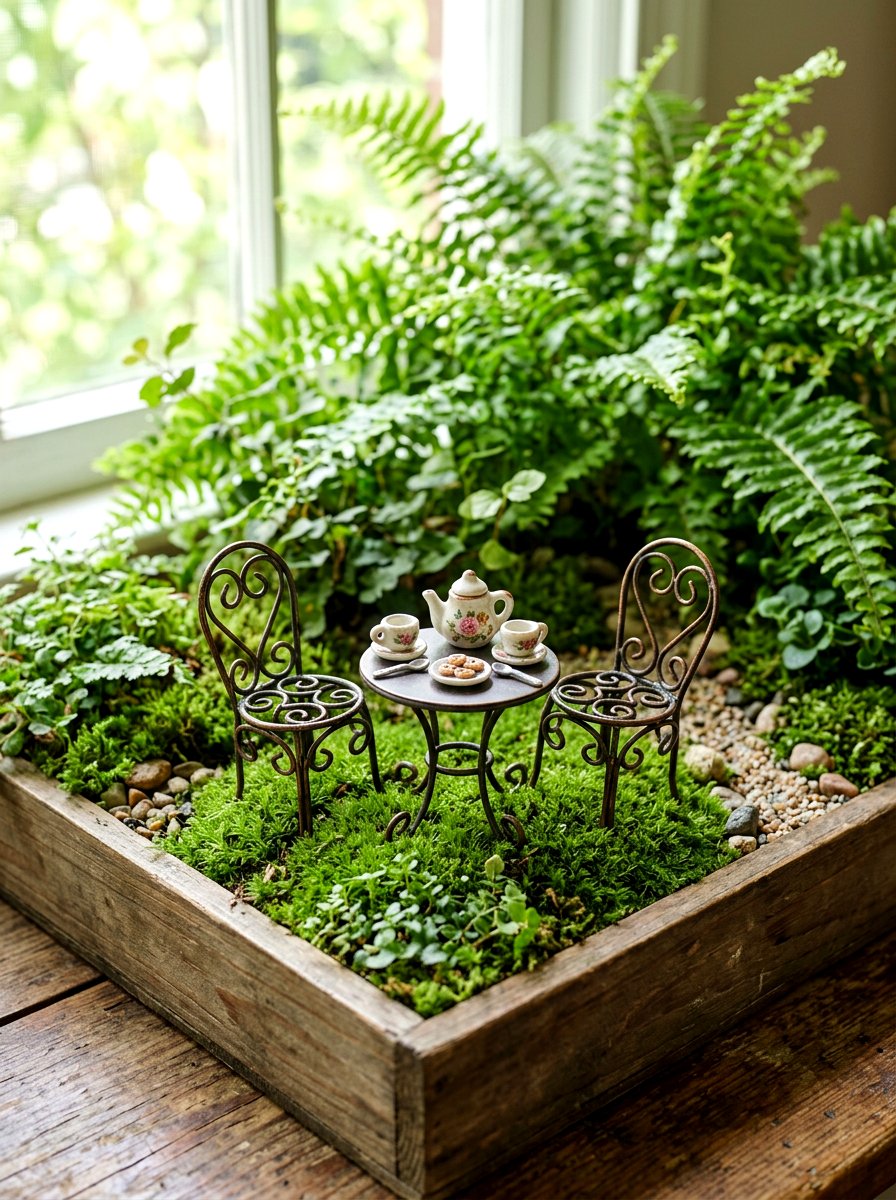
Setting up a small seating area makes your tiny landscape look like a place where someone could actually relax. You can find tiny chairs, tables, and even miniature park benches made from various materials. Placing a small table set on a patch of moss creates a perfect spot for an imaginary tea party. These items add a human element to the natural surroundings of the plants. You can choose a style that matches your home, such as modern metal furniture or rustic wooden pieces. Arranging the furniture in a logical way, like placing a bench under a tiny tree, makes the scene more believable. This detail helps to break up the greenery and adds a lot of visual variety to the container. It is a simple way to make your small-scale project feel complete and well-thought-out.
10. Moss Fairy Garden
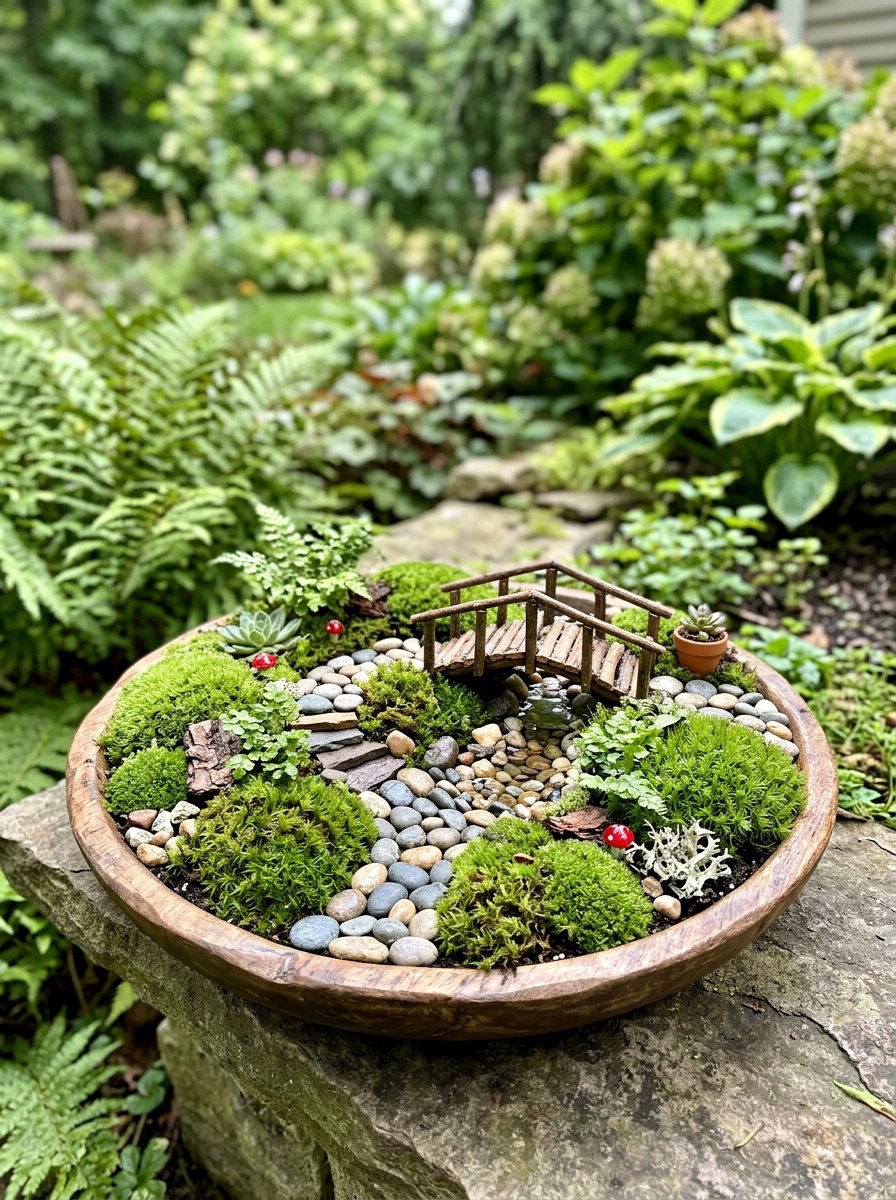
Using different types of moss is one of the best ways to create a soft and lush floor for your tiny world. Moss stays green and vibrant with very little effort, especially during the cool and damp spring months. It provides a natural-looking carpet that covers the soil and looks like a miniature forest floor. You can find various textures of moss, from flat sheets to fluffy clumps, to add variety. Placing small stones or pebbles among the moss creates a realistic woodland appearance. This setup works perfectly in shaded areas or in containers that stay moist. It is a very soothing and tactile way to garden on a small scale. Moss is also very easy to trim if it starts to grow too large for your space. It serves as a beautiful and natural base for any theme you choose to create.
11. Miniature Garden Bridge
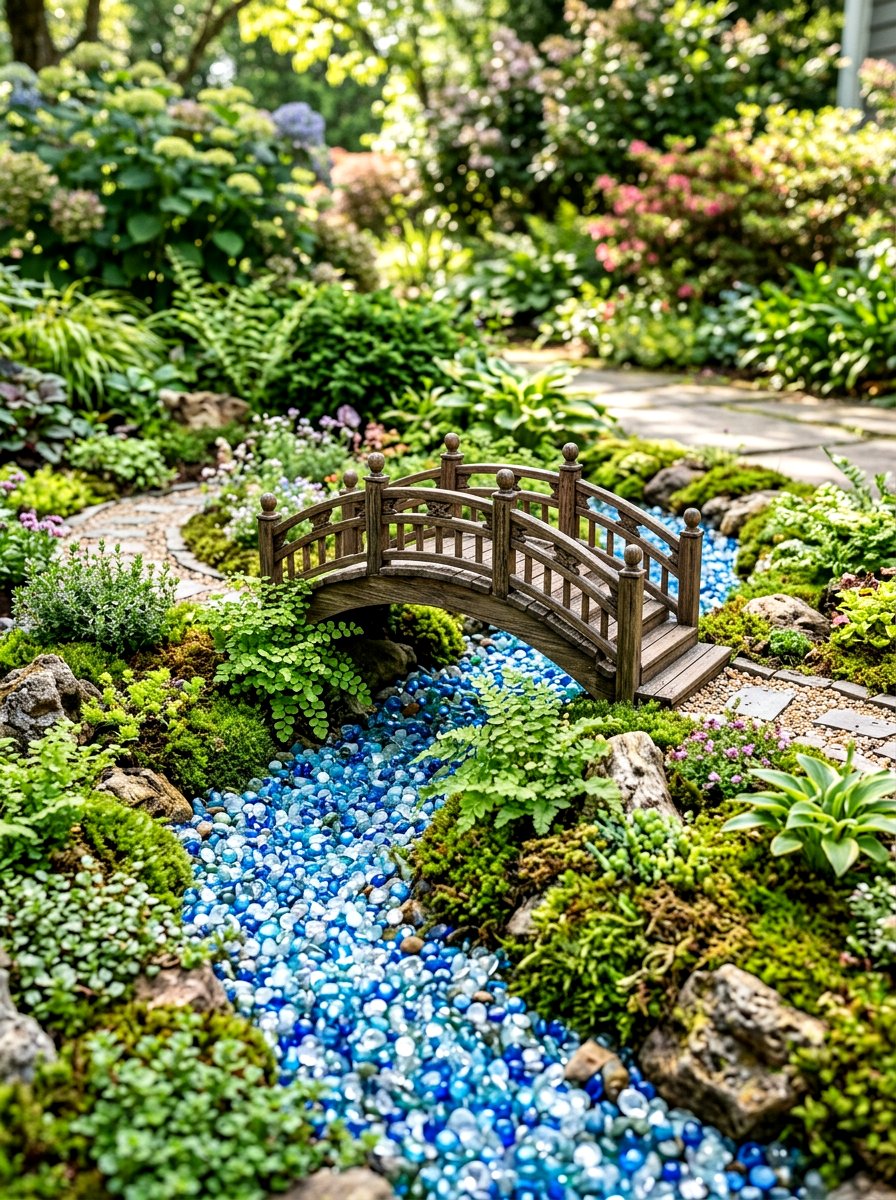
A tiny bridge is a fantastic way to add a sense of movement and height to your landscape. You can place it over a small stream made of blue pebbles or over a dry riverbed of sand. Bridges made of wood or stone look very natural and blend in well with most plant life. This feature allows you to connect two different areas of your garden, like a house and a seating area. It creates a visual path that leads the eye through the entire scene. Small bridges come in many styles, from simple arched planks to detailed Japanese-style structures. This addition makes the garden feel more expansive and adventurous, even if it is in a small pot. It is a classic element that never goes out of style and always looks impressive. Adding a bridge is a quick way to elevate the look of your display.
12. Fairy Garden Path
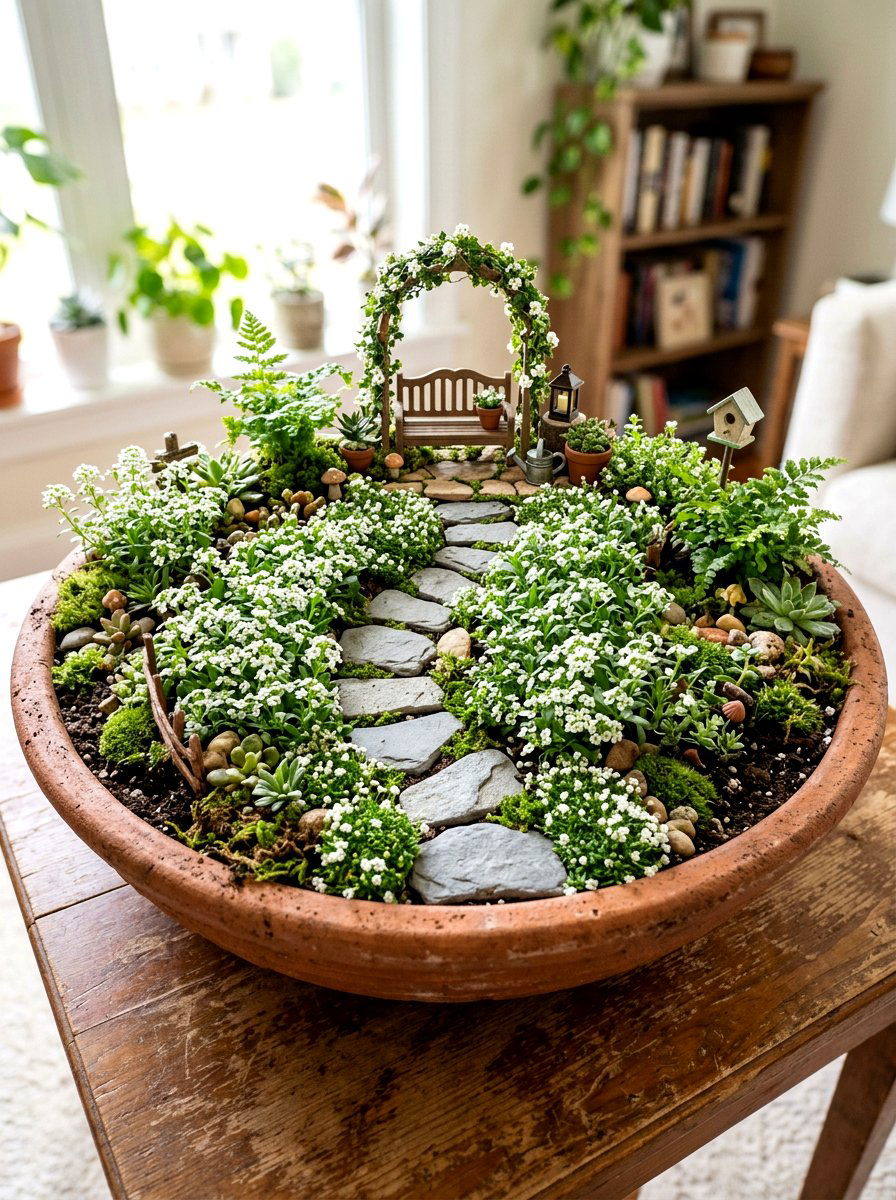
Creating a path is an essential step in making your tiny world look organized and accessible. You can use small pebbles, crushed sea shells, or even tiny flat stones to build your walkway. A winding path adds a sense of mystery and encourages the viewer to follow it through the scene. You can line the edges of the path with moss or very small plants to keep it neat. This detail helps to define the layout of the garden and separates different zones. A well-defined path makes the entire scene look more realistic and carefully planned. It is a great way to use different colors and textures to create contrast against the green plants. Building a path is a relaxing part of the process that allows you to be very precise with your placement. It adds a professional touch to any miniature gardening project.
13. Miniature Water Feature
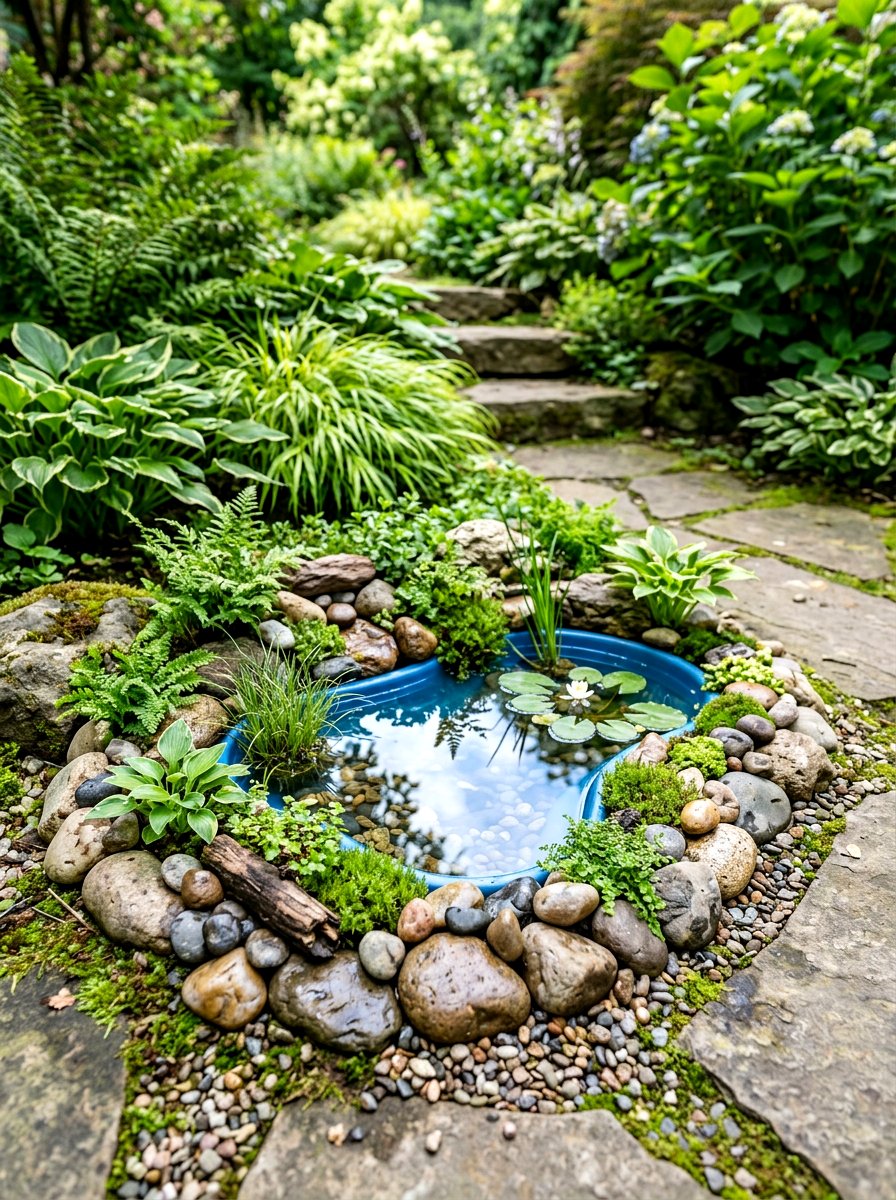
Adding the look of water brings a refreshing and peaceful element to your spring landscape. You can create a fake pond using a small blue glass dish or a piece of reflective plastic. Some people even use clear resin to create a permanent and realistic water effect. Surrounding the water with smooth river rocks and tiny ferns makes it look like a natural oasis. This feature adds a focal point that draws the eye and provides a sense of tranquility. You can even find tiny fountains that actually run on a small pump for a more advanced project. The cool blue tones of the water contrast beautifully with the bright greens and browns of the garden. It is a simple way to add another layer of detail that makes your tiny world feel more complete. A water feature is always a favorite for anyone who loves nature.
14. Herb Fairy Garden
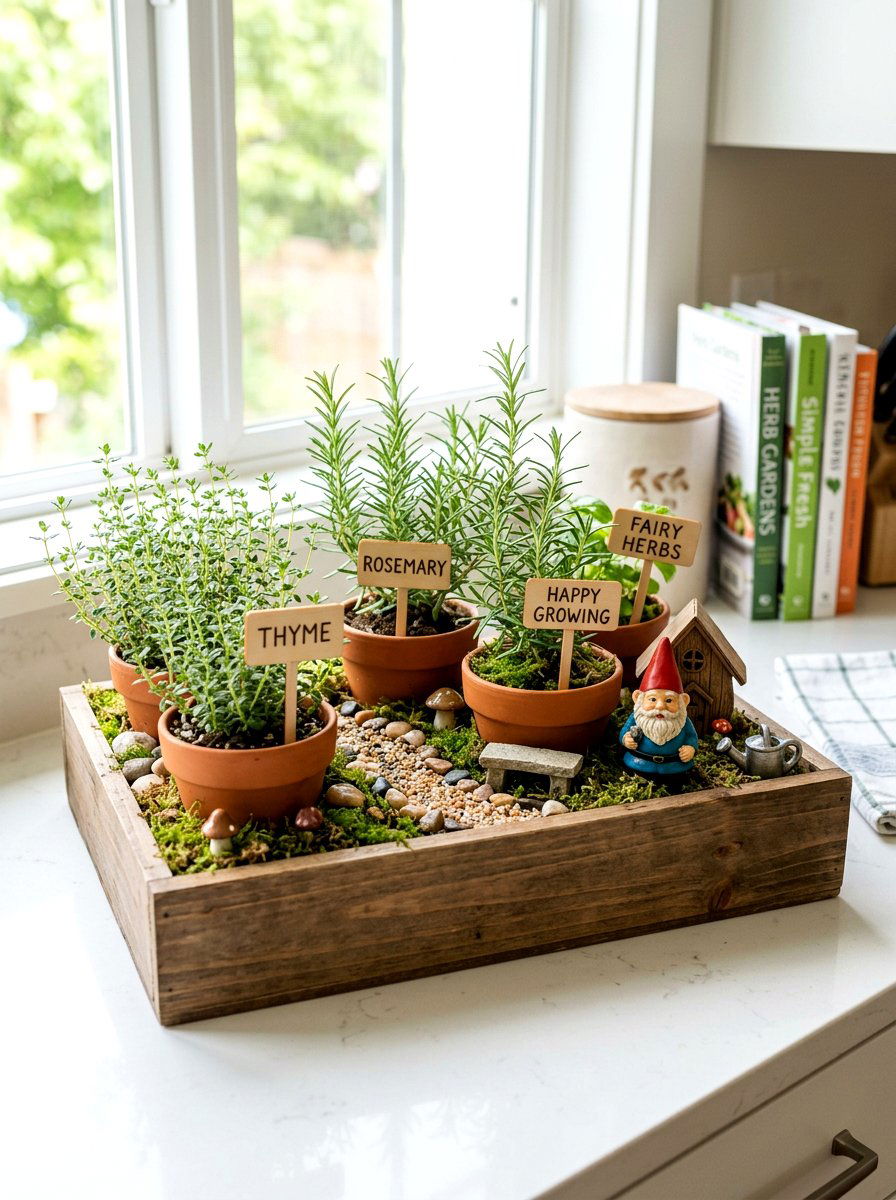
Combining a magical theme with useful plants is a great way to enjoy your hobby in the kitchen. You can plant small herbs like thyme, rosemary, or mint in a large container and add tiny decorations. These plants not only look great but also provide a wonderful scent every time you brush against them. Using herbs makes your miniature project practical and functional for daily use. You can harvest the leaves for cooking while still enjoying the whimsical look of the tiny scene. Placing a small sign next to each herb adds an organized and charming touch. This type of garden needs plenty of sunlight, so a kitchen windowsill is an ideal spot. It is a fun way to get kids interested in both gardening and cooking at the same time. The fast growth of herbs ensures that your garden always looks full.
15. Miniature Garden Statues
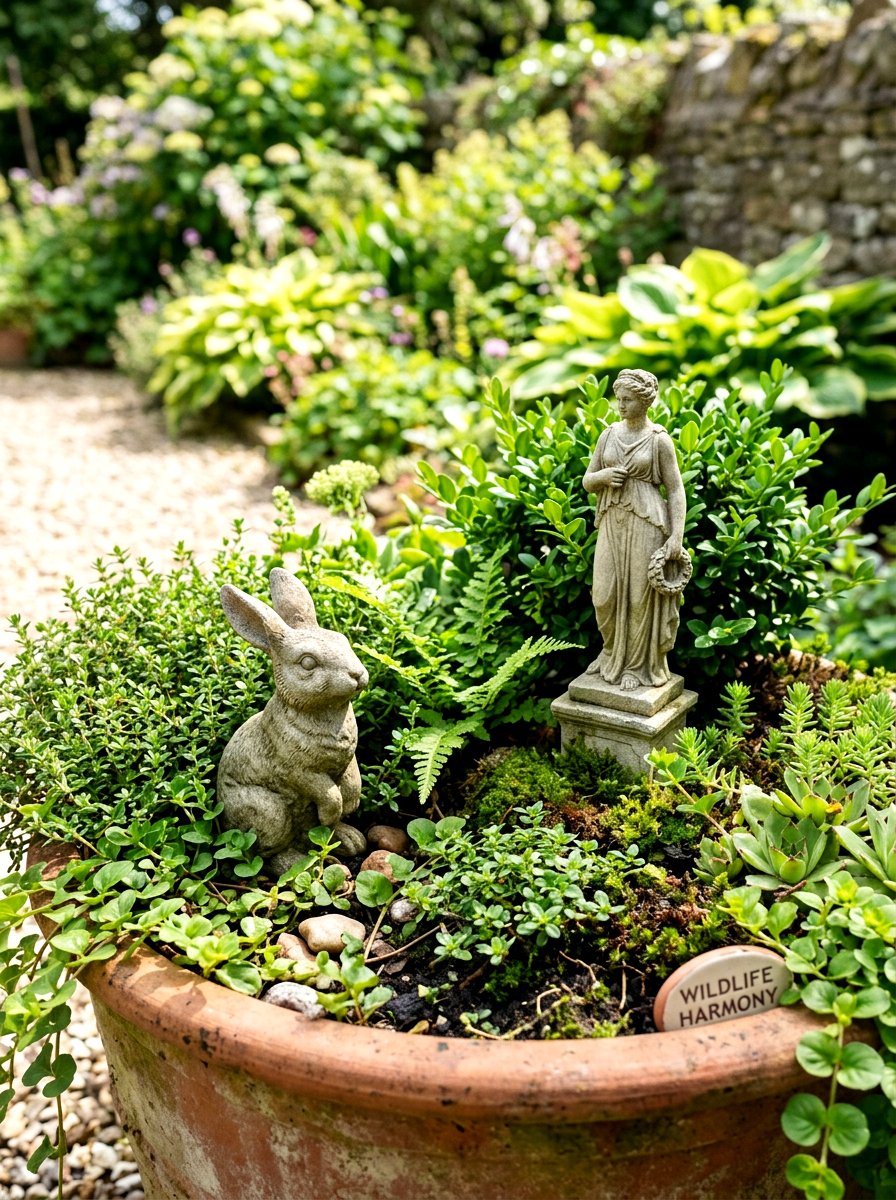
Placing small statues around your landscape adds a sense of history and art to the scene. You can find tiny animal figures like rabbits, birds, or even small stone-look statues of classical figures. These items help to create a specific mood, whether it is a wild forest or a formal estate. Choosing statues that are the right size for your plants is key to maintaining the correct scale. You can hide some figures behind leaves for a fun surprise or place them prominently in the center. These statues are often made from durable materials like ceramic or resin, so they can handle a bit of water. They add a lot of personality and can represent your favorite animals or hobbies. Adding a few statues is an easy way to fill in empty spaces and make the garden feel more inhabited.
16. Fairy Garden Lights
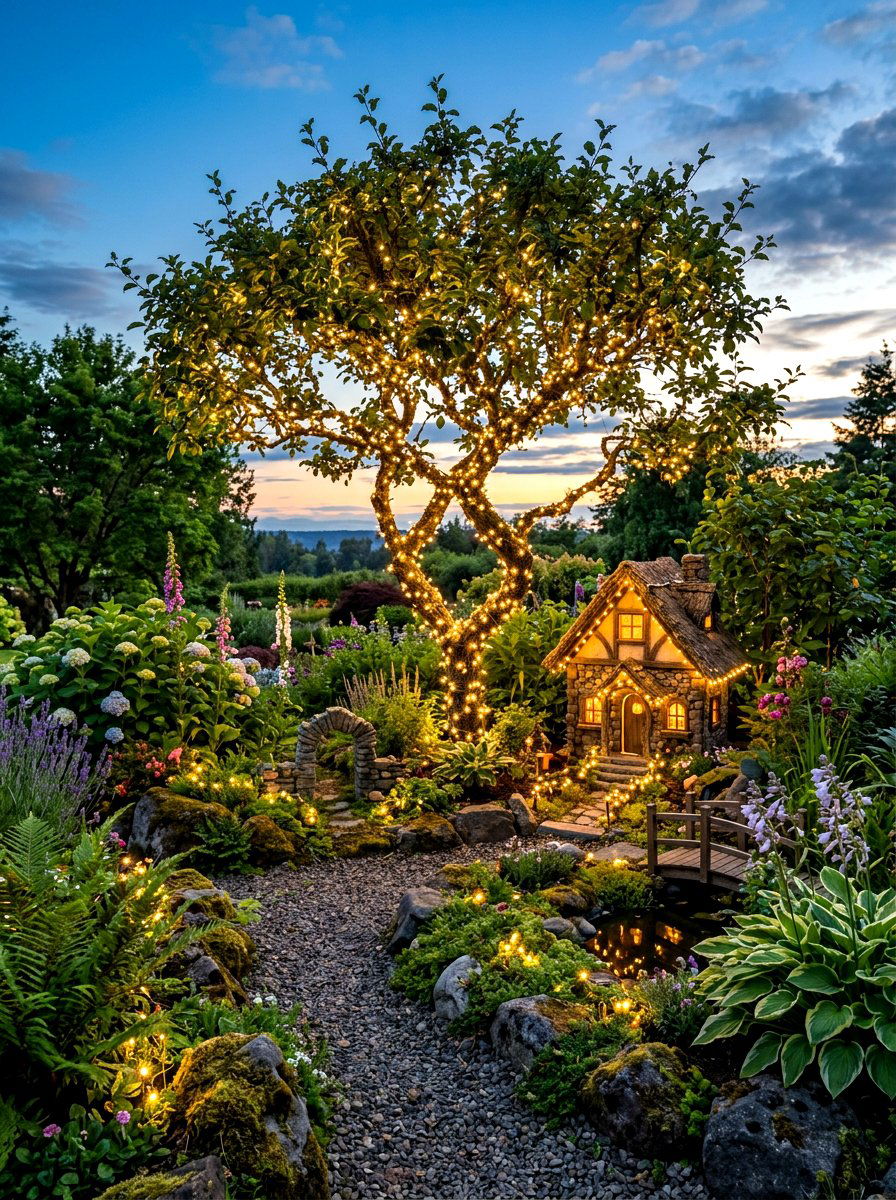
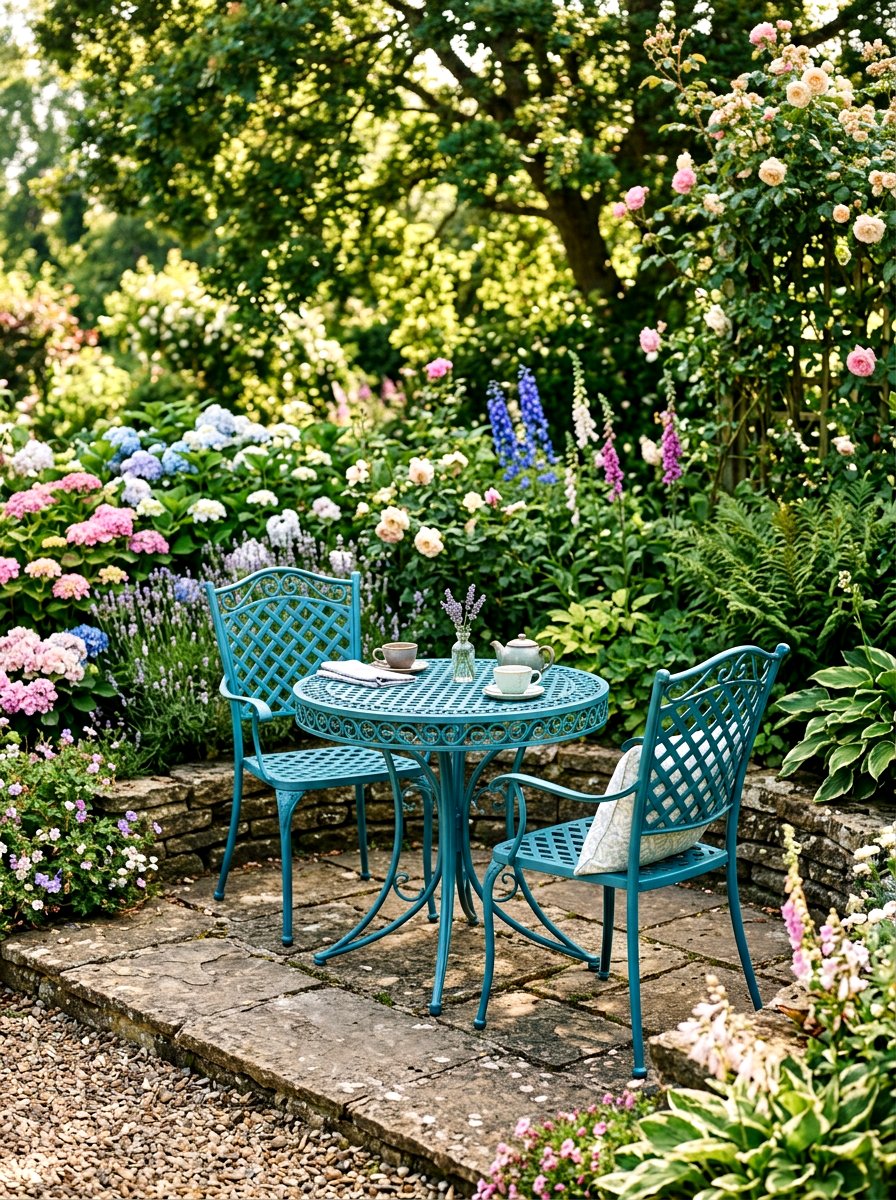
Adding tiny lights allows you to enjoy your miniature world even after the sun goes down. You can use battery-operated string lights or solar-powered lanterns designed for small spaces. These lights can be wrapped around tiny trees or hung from the roof of a small house. The soft glow creates a magical and cozy atmosphere that is perfect for spring evenings. Placing the lights along a path can make the scene look like a tiny illuminated village. This feature is especially fun for indoor displays where you can use them as a nightlight. The lights are usually very small and subtle, so they do not overwhelm the rest of the design. They add a layer of enchantment that is hard to achieve with plants alone. It is a simple addition that makes a big impact on the overall mood.
17. Miniature Garden Bench
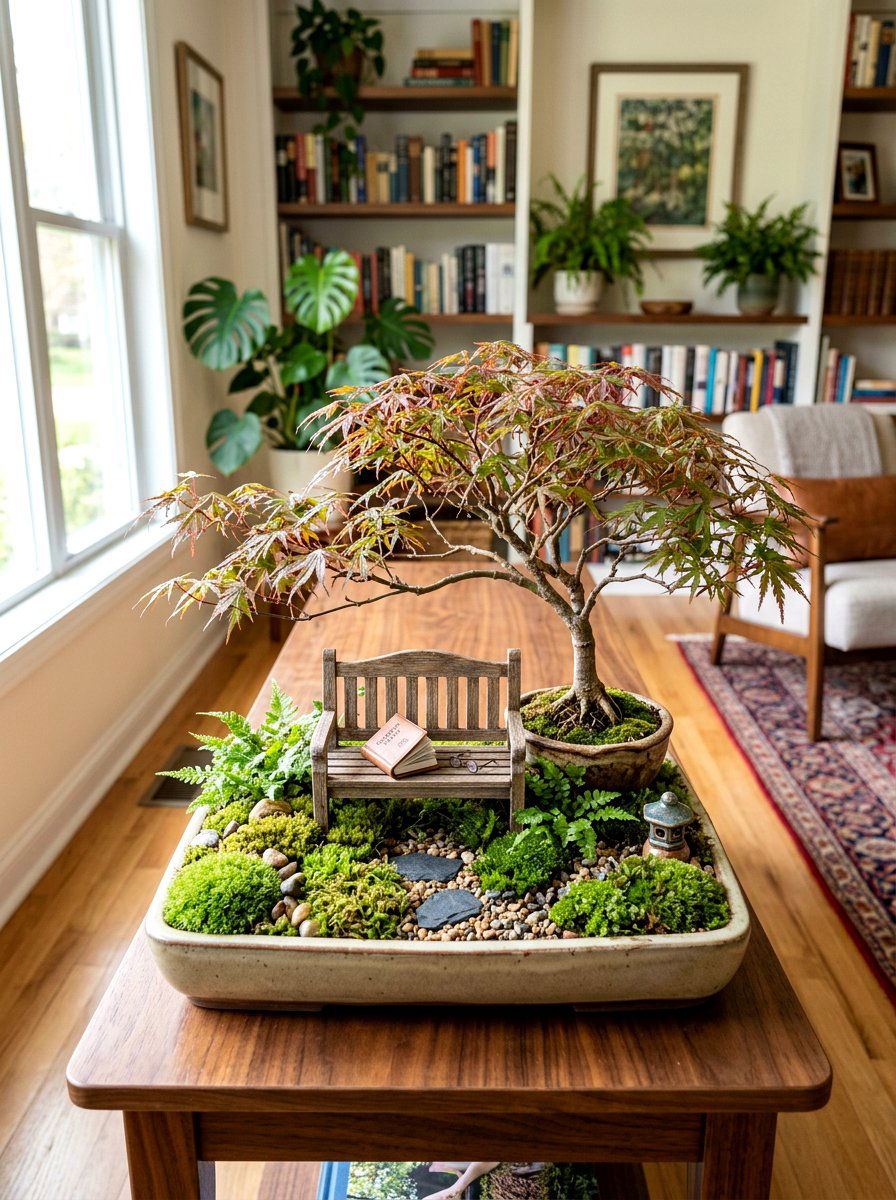
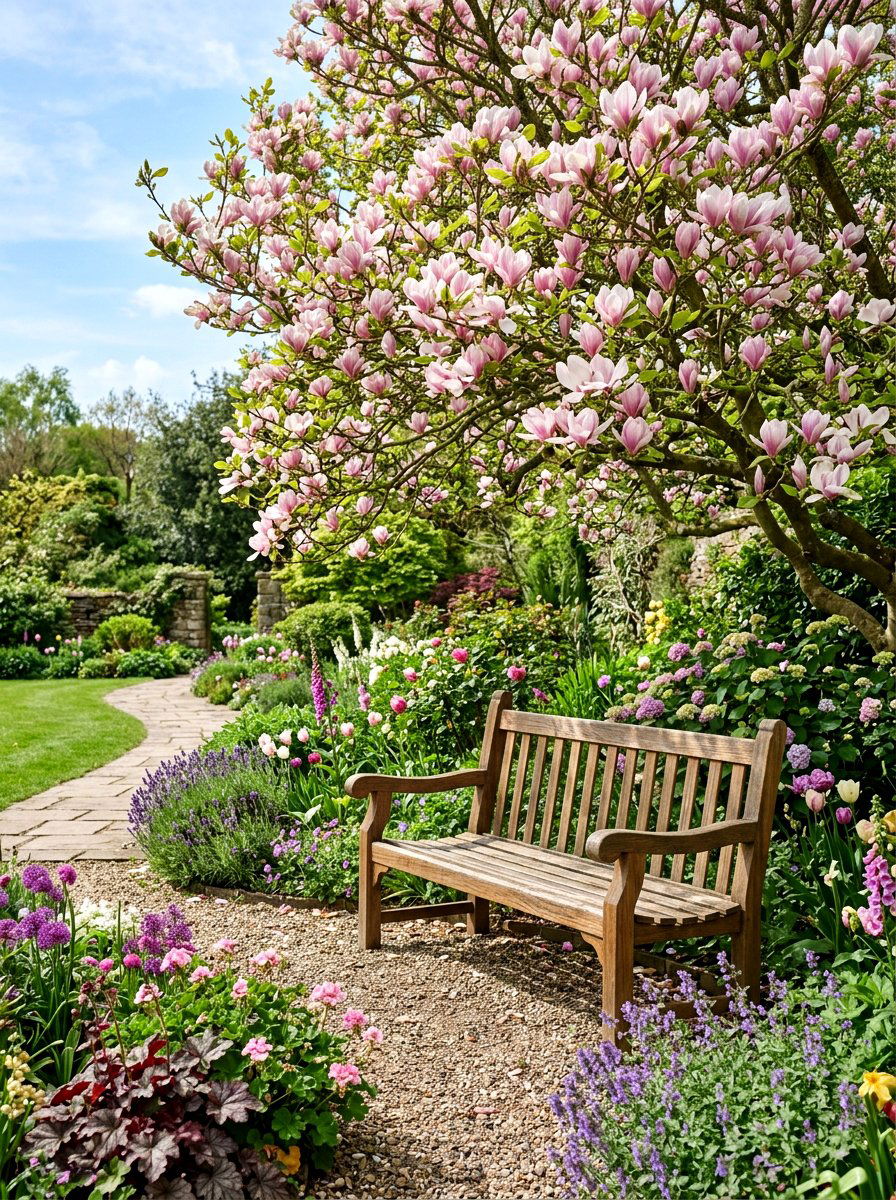
A small bench is a classic furniture piece that fits perfectly into any miniature landscape design. You can find benches made of metal, wood, or even tiny stones to match your theme. Placing a bench next to a small path or under a tiny tree creates a peaceful spot for reflection. This item helps to scale the garden and makes it feel like a real park or backyard. You can even place a tiny book or a small hat on the bench to make it look used. Benches are very versatile and can be used in almost any type of container garden. They provide a nice horizontal element that balances out the vertical growth of the plants. Choosing a colorful bench can add a pop of brightness to a mostly green scene. It is a charming and simple accessory that everyone will recognize and appreciate.
18. Tree Stump Fairy House
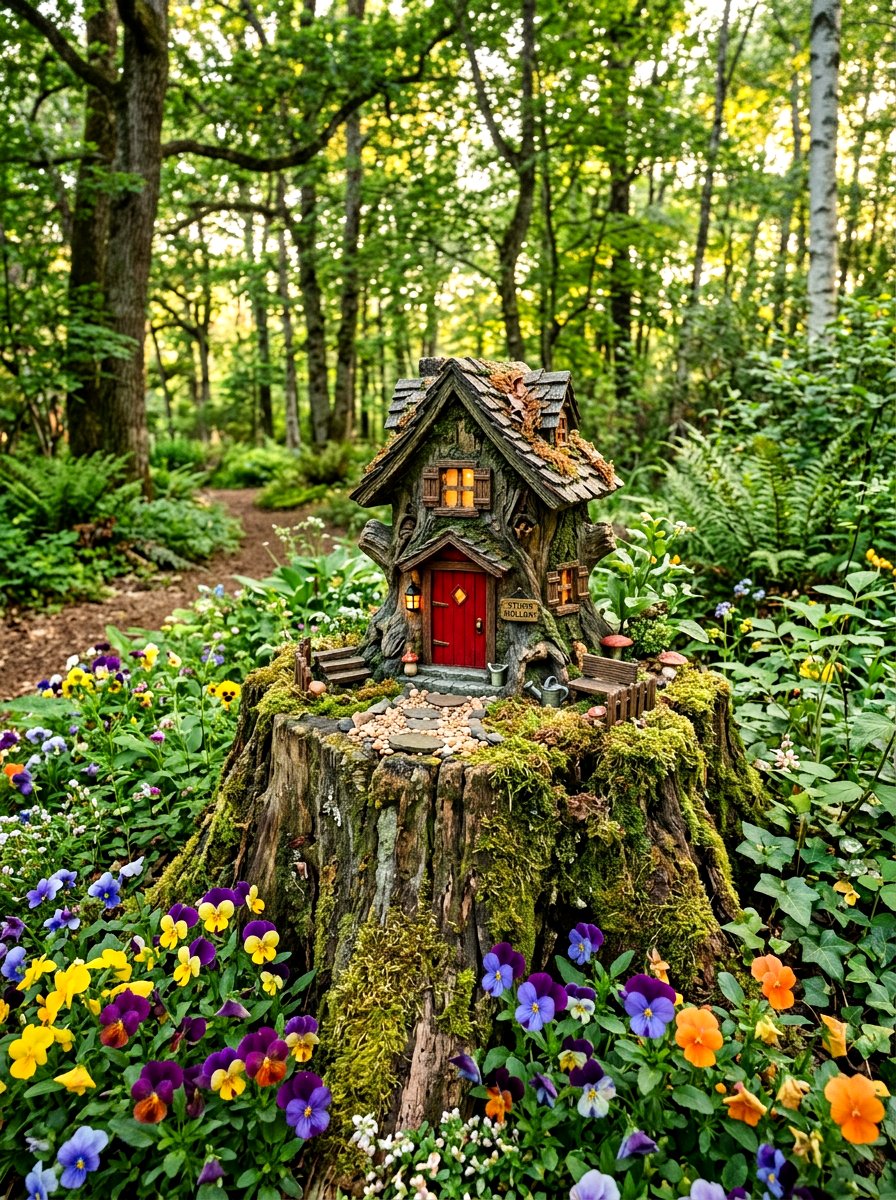
Using a natural tree stump as a base for a house is a great way to blend nature with fantasy. You can buy resin houses shaped like old logs or use an actual piece of wood from your yard. These houses look very organic and fit perfectly into a woodland-themed miniature landscape. You can add a tiny door and some small windows to the side of the stump to create the home. Surrounding the base with moss and small pebbles makes it look like it has been there for years. This style of house is very popular because it feels more authentic and rustic than a traditional cottage. It is a great way to use natural materials that you might already have available. A stump house provides a sturdy and interesting focal point for your spring project. It invites the viewer to imagine what kind of creatures might live inside.
19. Miniature Garden Swing
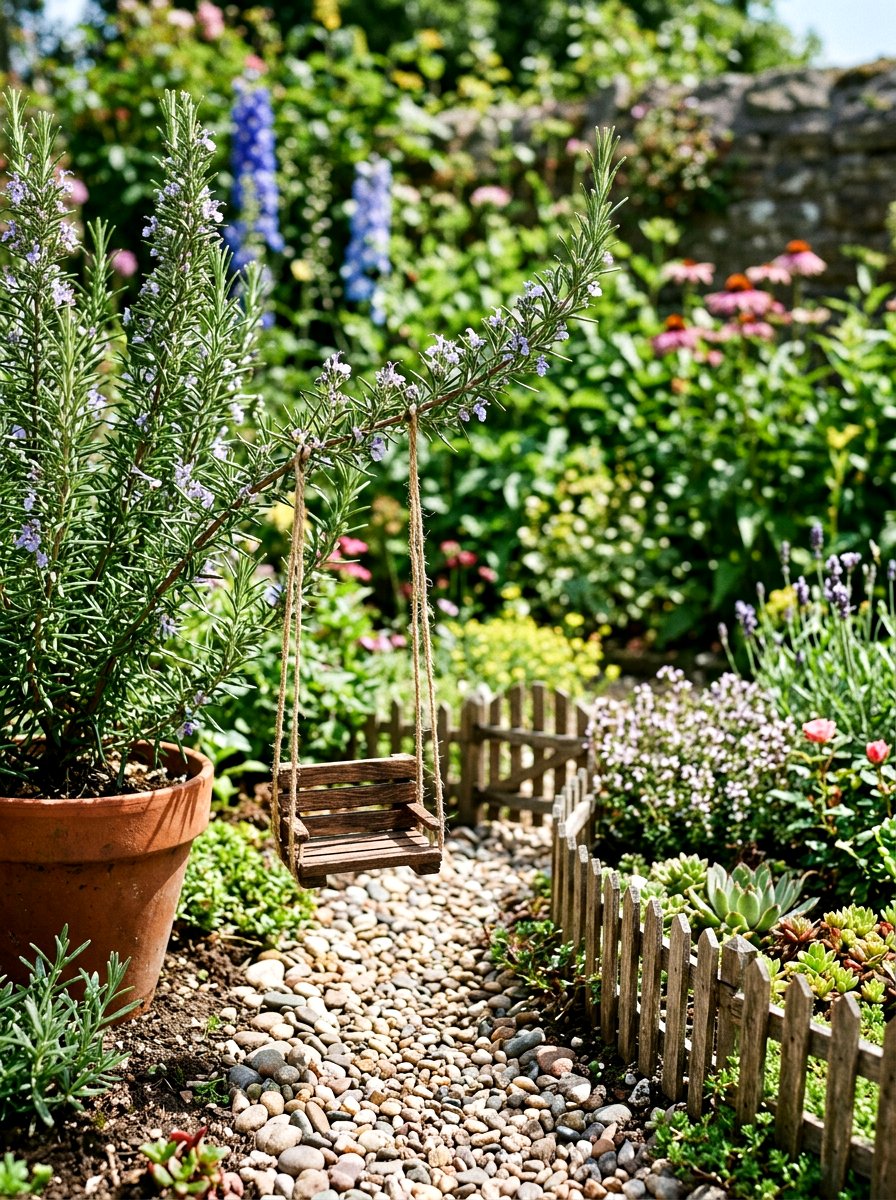
A tiny swing hanging from a branch or a small stand adds a playful and whimsical touch. You can make a simple swing using a piece of wood and some twine or buy a pre-made one. Placing the swing in an open area of your garden allows it to move slightly in the breeze. This motion adds a dynamic element to an otherwise still scene. It is a fun detail that captures the carefree feeling of springtime and outdoor play. You can hang the swing from a sturdy plant like a bonsai tree or a tall woody herb. This feature is always a hit with children and anyone who enjoys a bit of fantasy. The swing serves as a great reminder to slow down and enjoy the small things in life. It is a unique accessory that makes your miniature world feel more active and alive.
20. Fairy Garden Pond
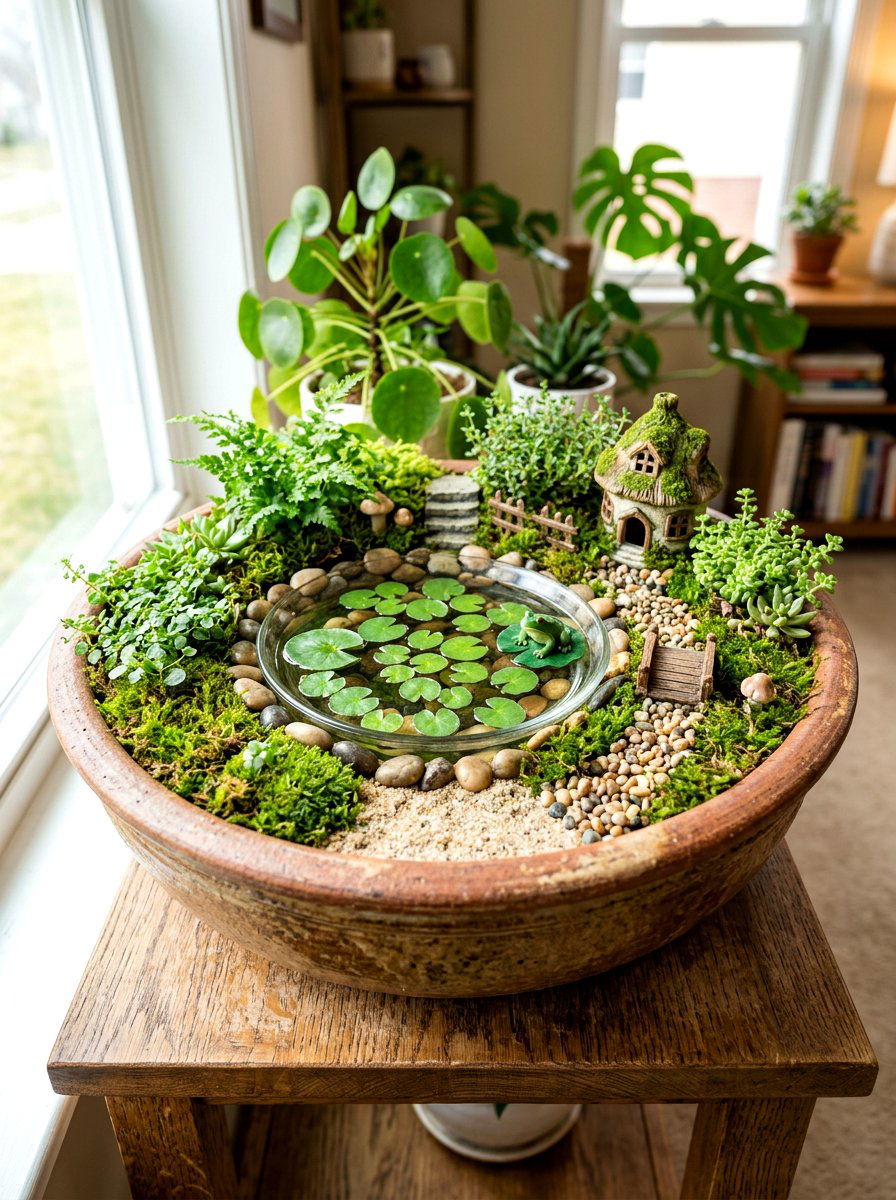
Creating a dedicated pond area is a wonderful way to introduce different textures and colors into your scene. You can use a small shallow container filled with water or use blue decorative gems to represent the surface. Adding a few tiny lily pads or a small plastic frog makes the pond look very realistic. Surrounding the edges with sand or fine gravel creates a nice shoreline effect. This feature provides a refreshing visual break from the surrounding plants and soil. A pond can serve as the central point of your garden, with paths and furniture arranged around it. It is a great way to experiment with different design elements like rocks and water-loving plants. The calm look of a pond brings a sense of serenity to your small-scale landscape. It is a classic garden feature that looks great in any size container.
21. Miniature Garden Arched Trellis
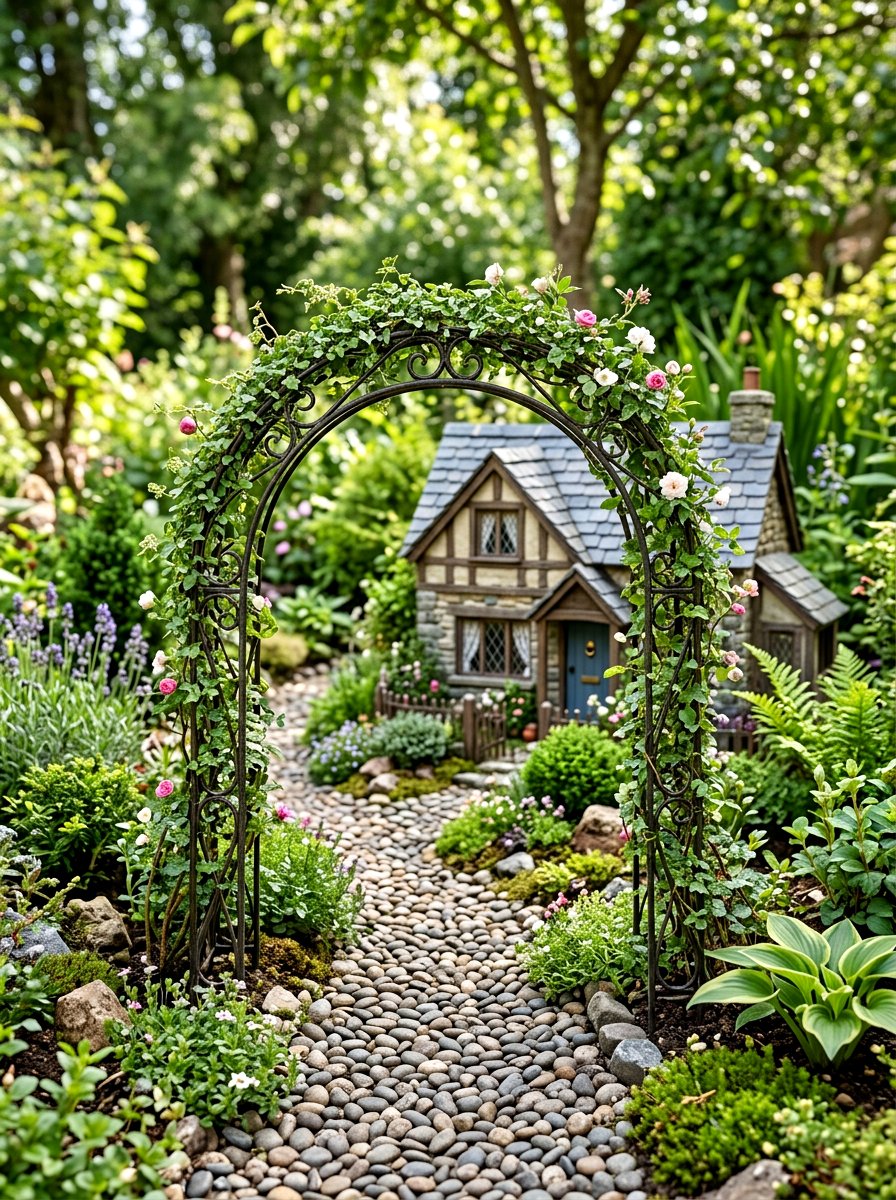
A small trellis adds height and a touch of elegance to your tiny landscape design. You can place an arched trellis over a path or at the entrance of a small yard. This structure provides a place for tiny climbing plants like ivy or jasmine to grow. It creates a beautiful gateway that leads the viewer deeper into your miniature world. Trellises come in many styles, from rustic wooden frames to ornate metal designs. This feature helps to define the vertical space in your container and adds architectural interest. You can even hang tiny lanterns or signs from the top of the arch for more detail. A trellis is a simple way to make your garden look more professional and well-designed. It captures the look of a grand estate garden on a much smaller and more manageable scale.
22. Fairy Garden Gazebo
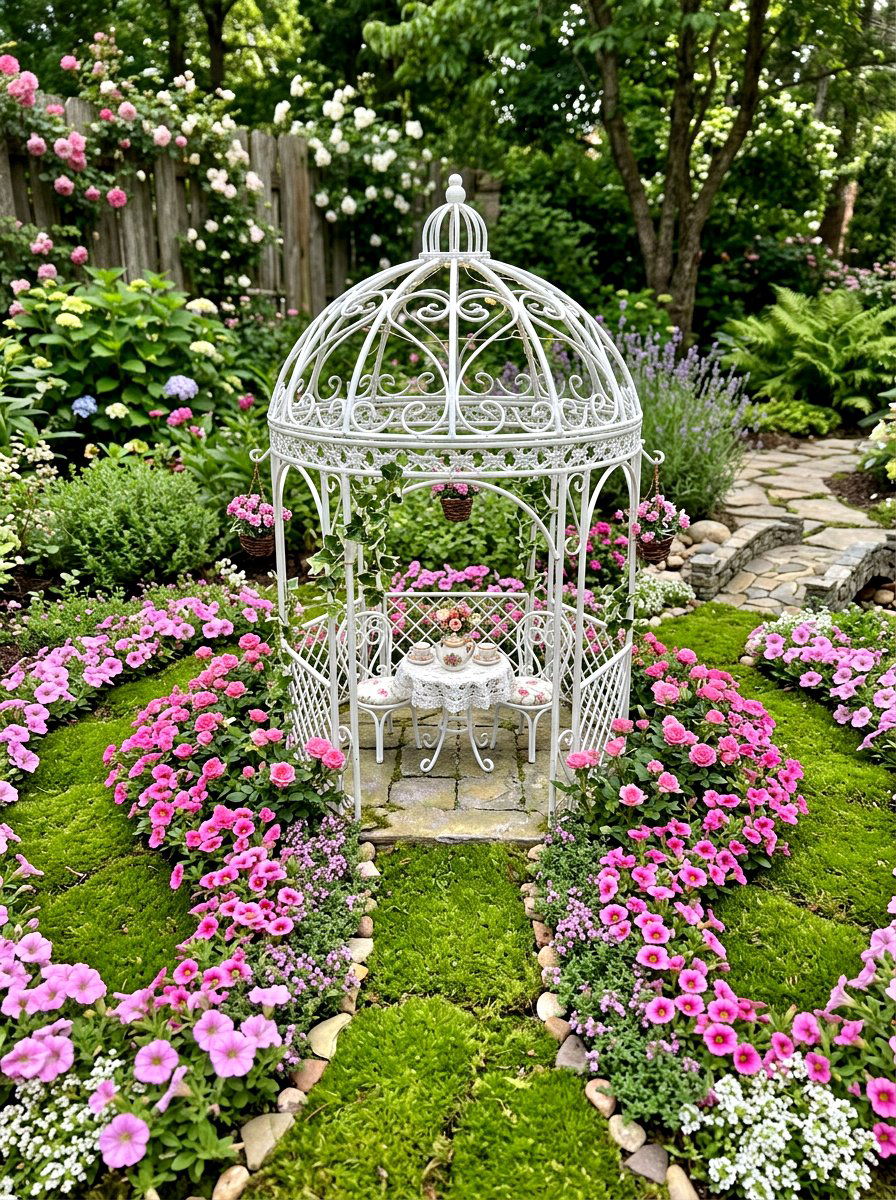
A tiny gazebo provides a sophisticated focal point for a formal miniature landscape. These structures are usually circular or octagonal and have a small roof and open sides. You can place a tiny table and chairs inside the gazebo to create a formal dining area. This feature looks best when surrounded by neat rows of plants or a well-kept moss lawn. A gazebo adds a sense of luxury and structure to your small-scale project. You can find them made from white metal or natural wood to suit your personal style. Placing it on a slightly raised area makes it stand out even more. This addition is perfect for those who want to create a more organized and traditional garden look. It provides a beautiful destination for any imaginary visitors to your tiny world. A gazebo is a timeless piece that adds a lot of charm.
23. Miniature Garden Picnic Set
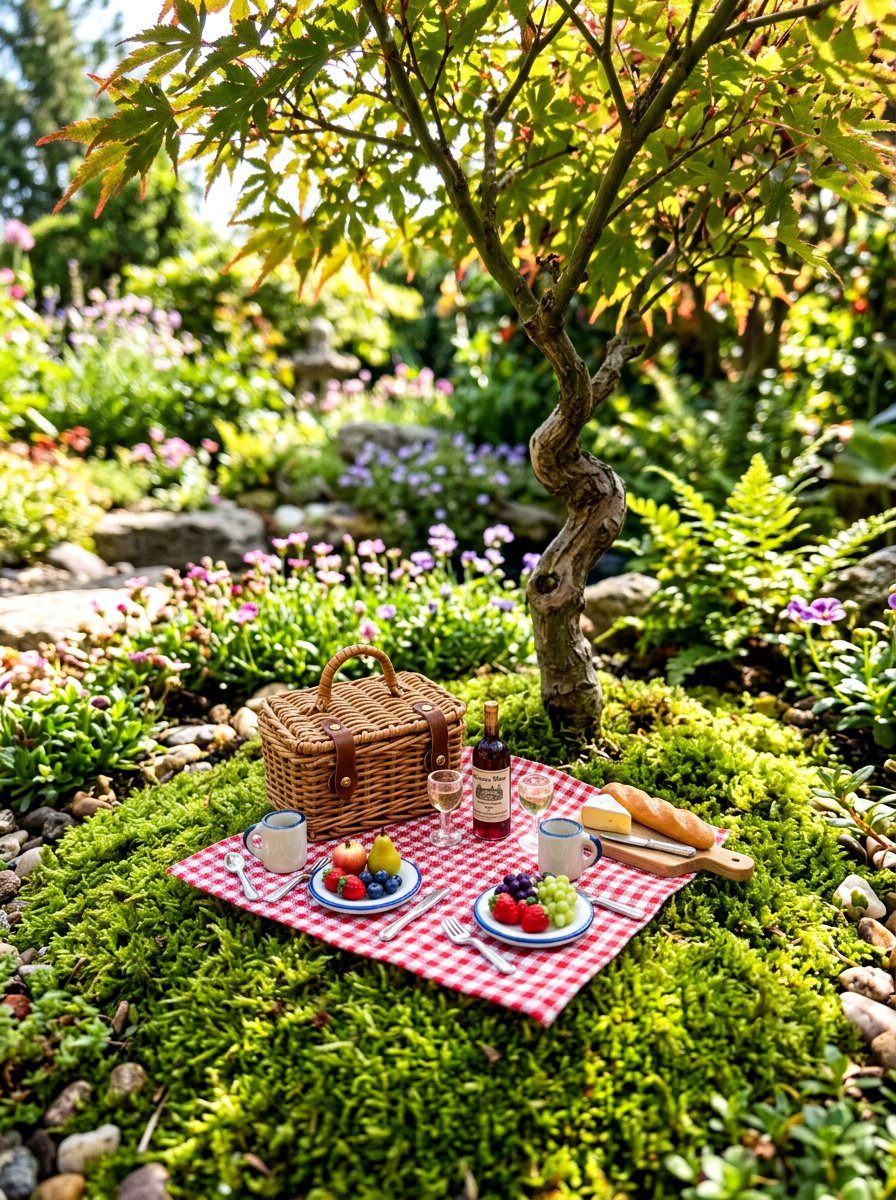
Setting up a tiny picnic scene is a delightful way to celebrate the warm weather of spring. You can use a small checkered cloth and place tiny baskets and plates on a patch of grass. Adding some miniature food items like tiny fruits or bread makes the scene look very inviting. This theme is perfect for a family-friendly garden and encourages storytelling. You can place the picnic set under a small tree or next to a tiny pond for the best effect. This detail adds a sense of celebration and joy to your miniature landscape. It is a great way to use very small accessories that might get lost in a larger scene. A picnic setup is a fun and creative project that can be changed easily whenever you want. It brings a relatable and happy human element to your natural botanical display.
24. Fairy Garden Birdhouse
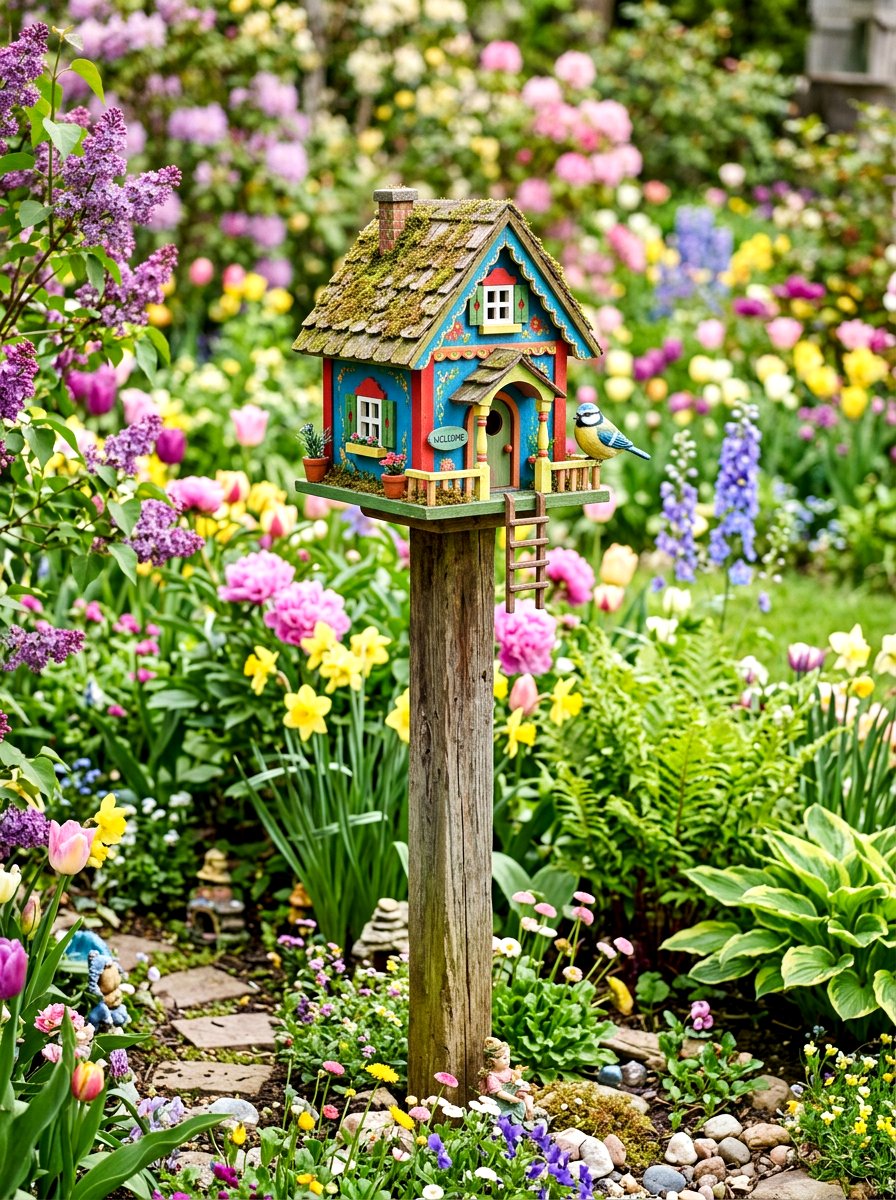
A miniature birdhouse is a sweet and simple addition that fits perfectly into a spring theme. You can hang a tiny birdhouse from a plant branch or mount it on a small pole. These items are often painted in bright colors and add a pop of interest to the greenery. They represent the return of birds and the awakening of nature during the spring season. You can even find tiny birds to sit on the roof or near the entrance of the house. This feature adds a layer of life and movement to your scene without taking up much space. Birdhouses are very easy to incorporate and look great in both rustic and modern setups. They provide a sense of scale and make the garden feel like a safe haven for all creatures. Adding a birdhouse is a quick way to add a lot of personality.
25. Miniature Garden Wheelbarrow
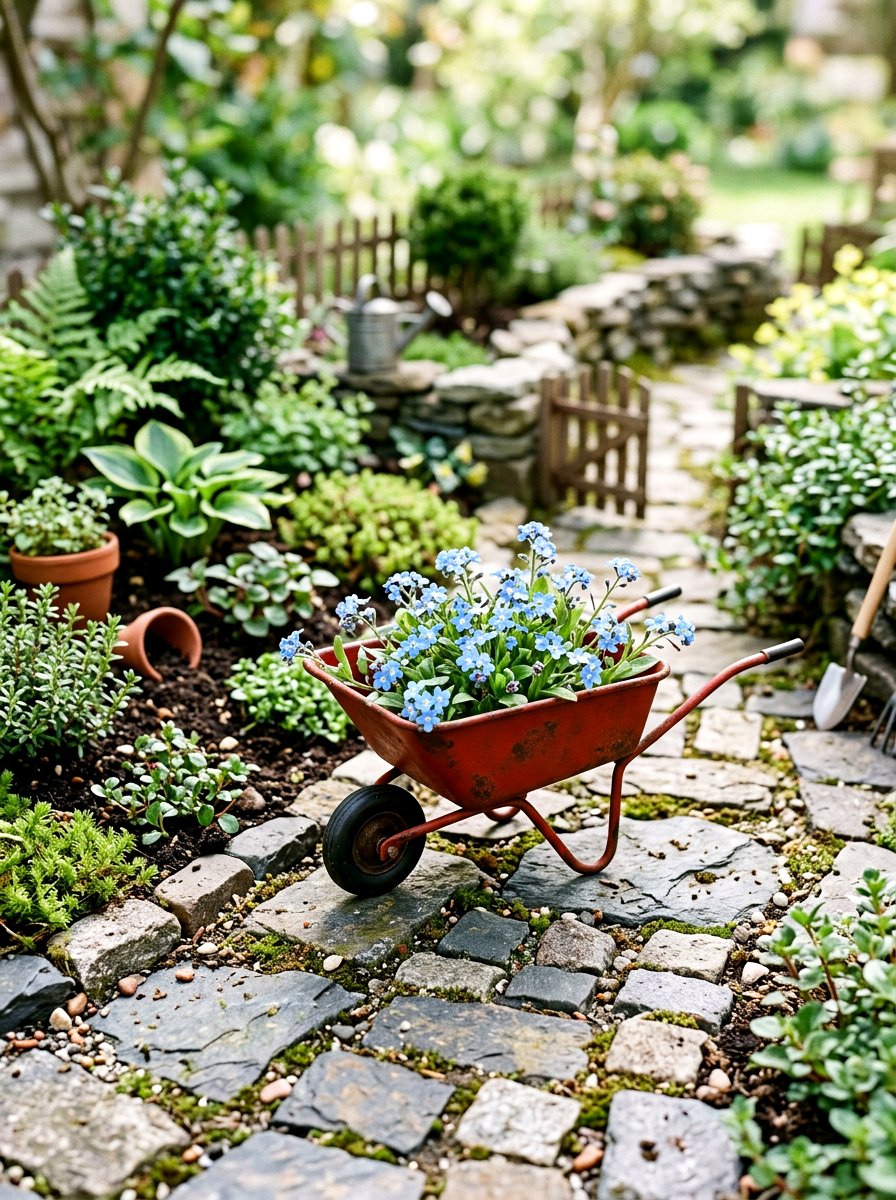
Including a tiny wheelbarrow makes your landscape look like a busy and active garden in progress. You can fill the wheelbarrow with tiny pebbles, small flowers, or even a bit of moss. Placing it on a path or near a flower bed adds a realistic touch of labor and care. This item is a great symbol of the gardening season and fits the spring theme perfectly. Wheelbarrows come in many different colors and materials, like rustic metal or bright plastic. This accessory helps to tell a story of someone who is working hard to keep the garden beautiful. It is a very versatile piece that can be moved around to change the look of your scene. A wheelbarrow is a charming and practical addition that adds a lot of character to your project. It is the perfect finishing touch for any miniature spring landscape.
Conclusion:
Creating a miniature garden is a delightful way to celebrate the arrival of spring and express your personal style. These tiny landscapes offer a unique opportunity to work with nature on a small scale, making gardening accessible to everyone. Whether you prefer a whimsical fairy theme or a more natural mossy look, the possibilities are truly endless. By following these suggestions, you can build a charming world that brings joy to your home or outdoor space. Remember to keep things simple and enjoy the process of arranging each small detail. As your plants grow and the seasons change, your tiny garden will continue to evolve and provide a peaceful escape. We hope these concepts inspire you to grab a container and start building your own little sanctuary today. Spring is the perfect time to let your imagination bloom in the smallest of ways.
Related posts:
Leave a Reply