
As the winter frost begins to melt away, homeowners everywhere start dreaming of the vibrant colors that spring brings. Planting a perennial garden is one of the smartest ways to ensure your outdoor space looks incredible year after year without the hassle of replanting every season. These hardy plants are the backbone of any beautiful landscape because they offer reliability and stunning textures. Whether you are a seasoned gardener or a complete beginner, choosing the right mix of flowers can transform a dull yard into a lively sanctuary. This guide explores a variety of options that thrive in the springtime, helping you create a cohesive and breathtaking garden that will impress every neighbor on your block.
1. Lenten Rose Shade Garden
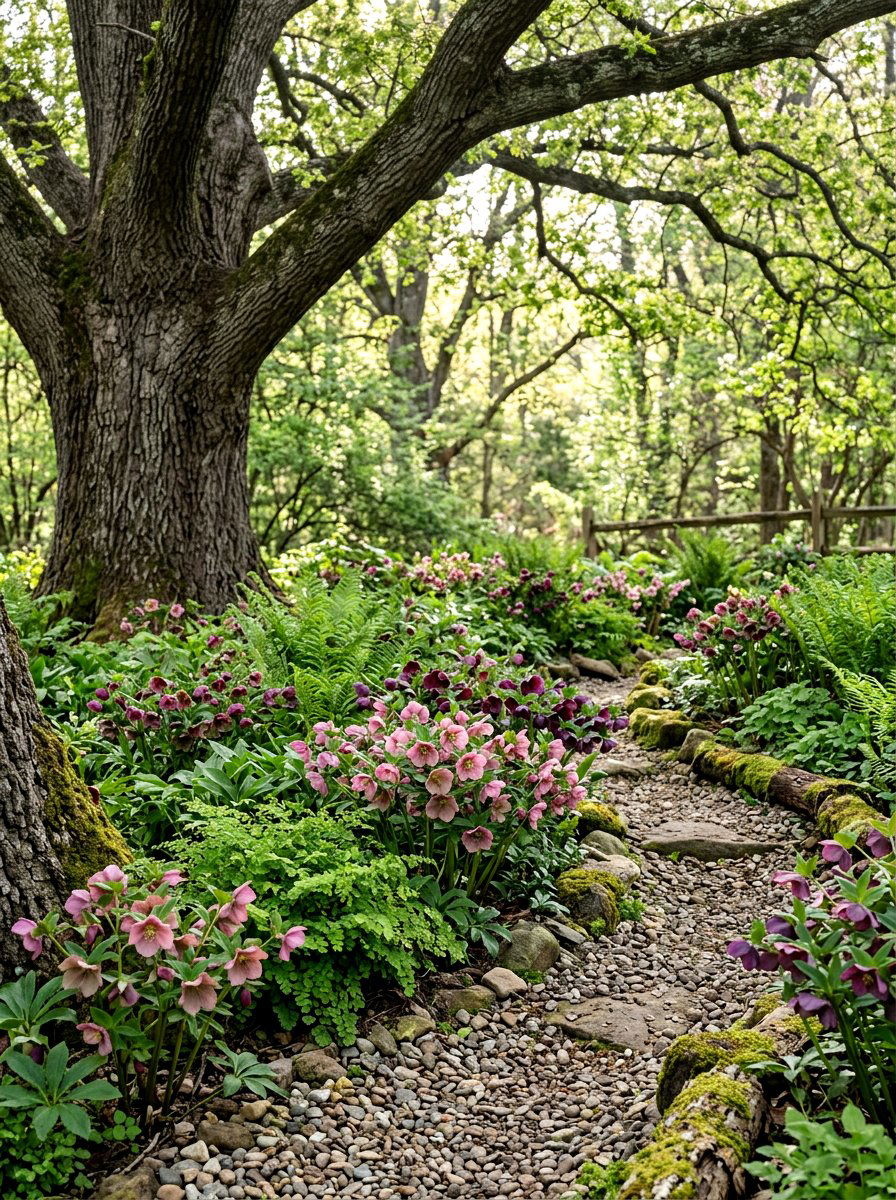
Hellebores are often the very first signs of life in a garden after a long, cold winter. These tough perennials thrive in shady spots where other flowers might struggle to grow. Their nodding, cup-shaped blooms come in soft shades of dusty pink, white, and deep purple. Because they are evergreen in many climates, the leathery green foliage provides interest even before the flowers appear. You can plant them under large deciduous trees or along the north side of your home for a sophisticated look. They require very little maintenance once established and are famously resistant to deer and rabbits. Adding these to your landscape creates an elegant, early-season focal point that feels truly magical.
2. Ground Cover Flower Bed
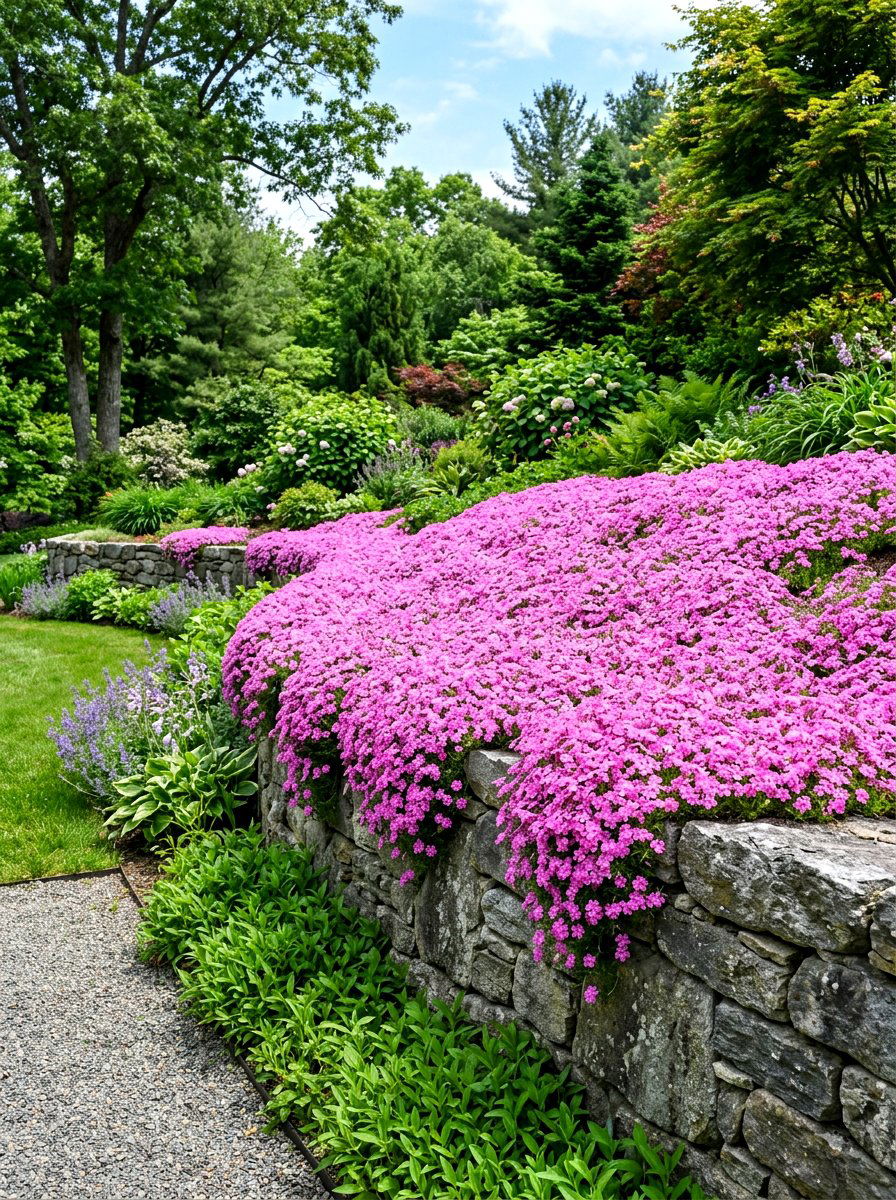
Creeping phlox is a stunning ground cover that turns into a thick carpet of vibrant color during the middle of spring. This plant loves to spill over stone walls or crawl across sunny slopes in your yard. It is available in bright pink, purple, and white shades that can completely cover the green foliage. Many gardeners use it to fill gaps between pavers or to edge a long walkway. This perennial is extremely hardy and tolerates heat well, making it a reliable choice for many climates. Its low-growing habit helps suppress weeds while providing a massive visual impact. You will love how it softens harsh landscape lines with its soft, moss-like texture and sweet fragrance.
3. Old Fashioned Bleeding Heart Border
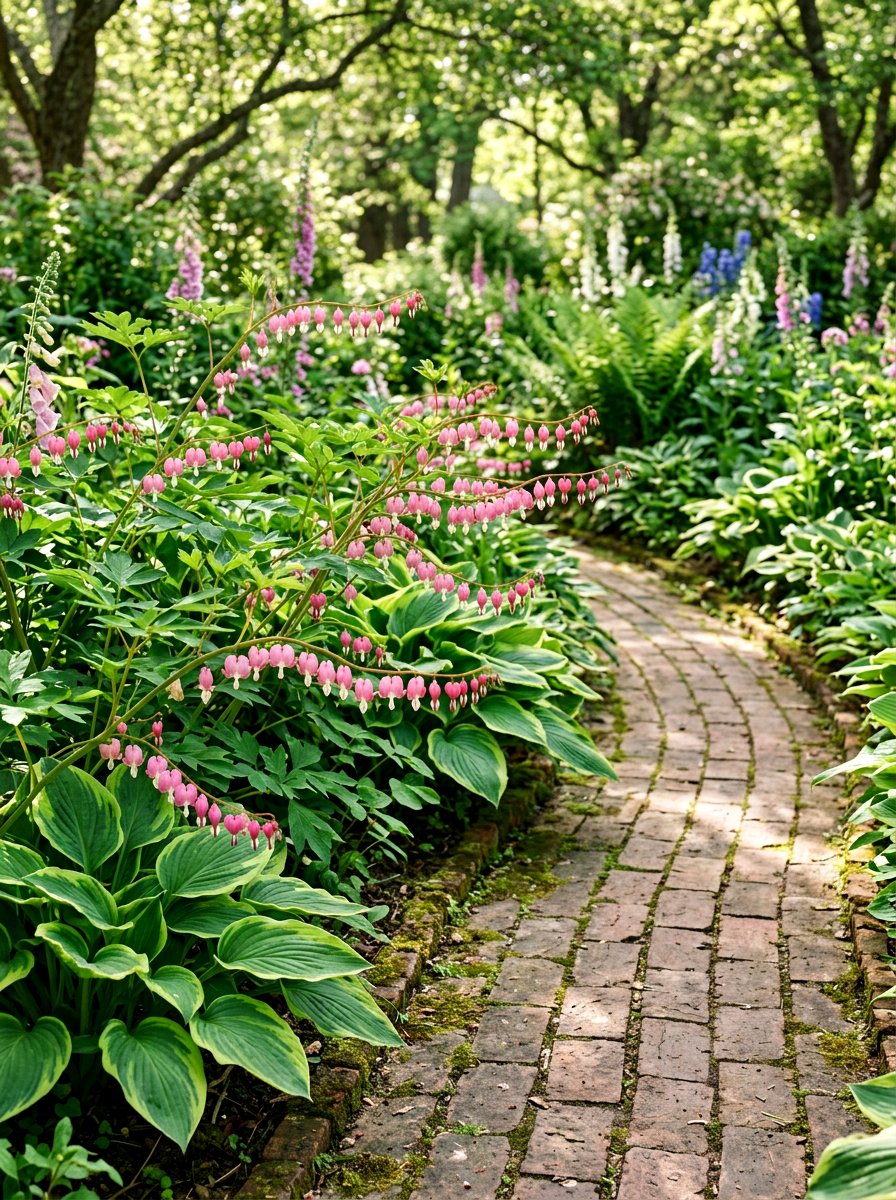
The bleeding heart is a classic spring perennial that brings a touch of whimsy to any shaded garden area. Its unique heart-shaped flowers dangle from arching stems, creating a graceful and romantic appearance. These plants usually bloom in late spring and prefer moist, well-drained soil. They look best when planted in groups or as a soft border along a garden path. While the foliage may die back in the heat of summer, the spring display is absolutely worth the wait. Pairing them with ferns or hostas can help fill the space once they go dormant. It is a nostalgic favorite that adds a sense of history and charm to your backyard.
4. Peony Garden Walkway
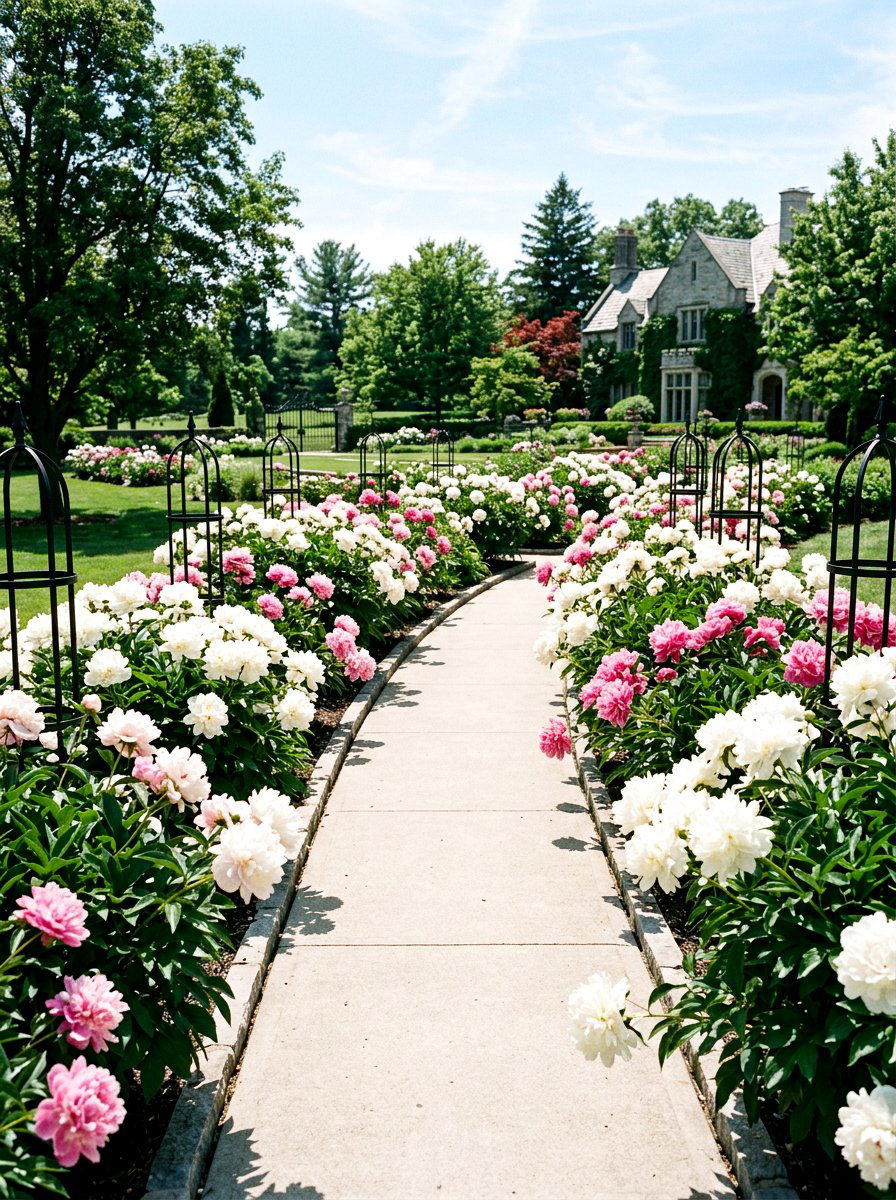
Peonies are the undisputed royalty of the spring garden, known for their massive, fragrant blooms and lush green leaves. These plants can live for decades if they are planted in a sunny spot with good drainage. They come in a variety of styles, including single and double blooms in white, pink, and deep red. Many people plant them along a front walkway to greet guests with their incredible scent. Because the flower heads are so heavy, you might need to use metal hoops to support the stems. After the flowers fade, the bushy green foliage remains attractive throughout the summer. They are a timeless choice for anyone wanting a high-end, luxury garden look.
5. Wildflower Columbine Landscape
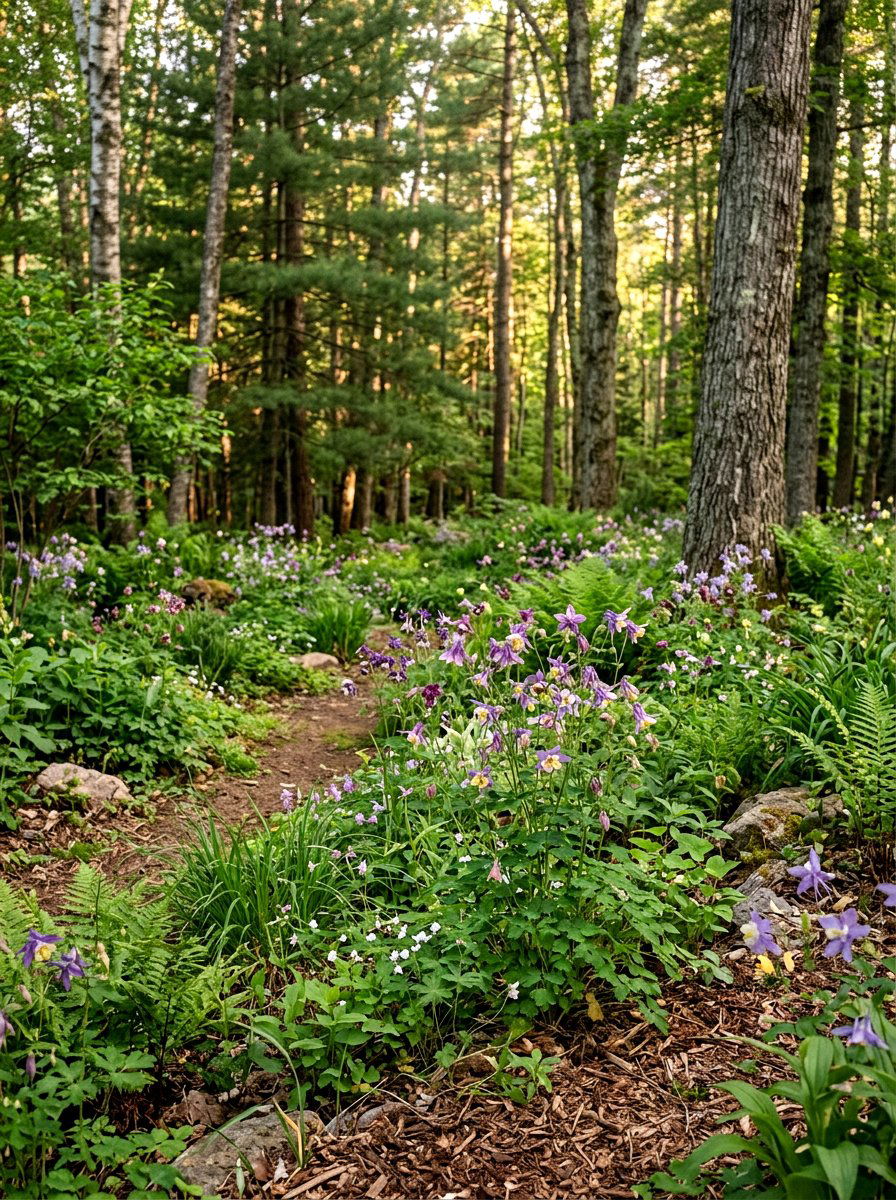
Columbine flowers offer a delicate, airy feel that works perfectly in woodland settings or cottage-style gardens. These perennials feature intricate, bell-shaped blossoms with distinct spurs that attract hummingbirds and butterflies. They come in almost every color imaginable, often with beautiful two-tone combinations on a single plant. Columbines are very easy to grow from seed and will often naturalize in your garden over time. They prefer partial shade and moist soil but can tolerate sun if they are watered regularly. The clover-like foliage is just as pretty as the flowers themselves. Use them to add a sense of movement and natural beauty to your flower beds this coming spring.
6. Blue Siberian Iris Patch
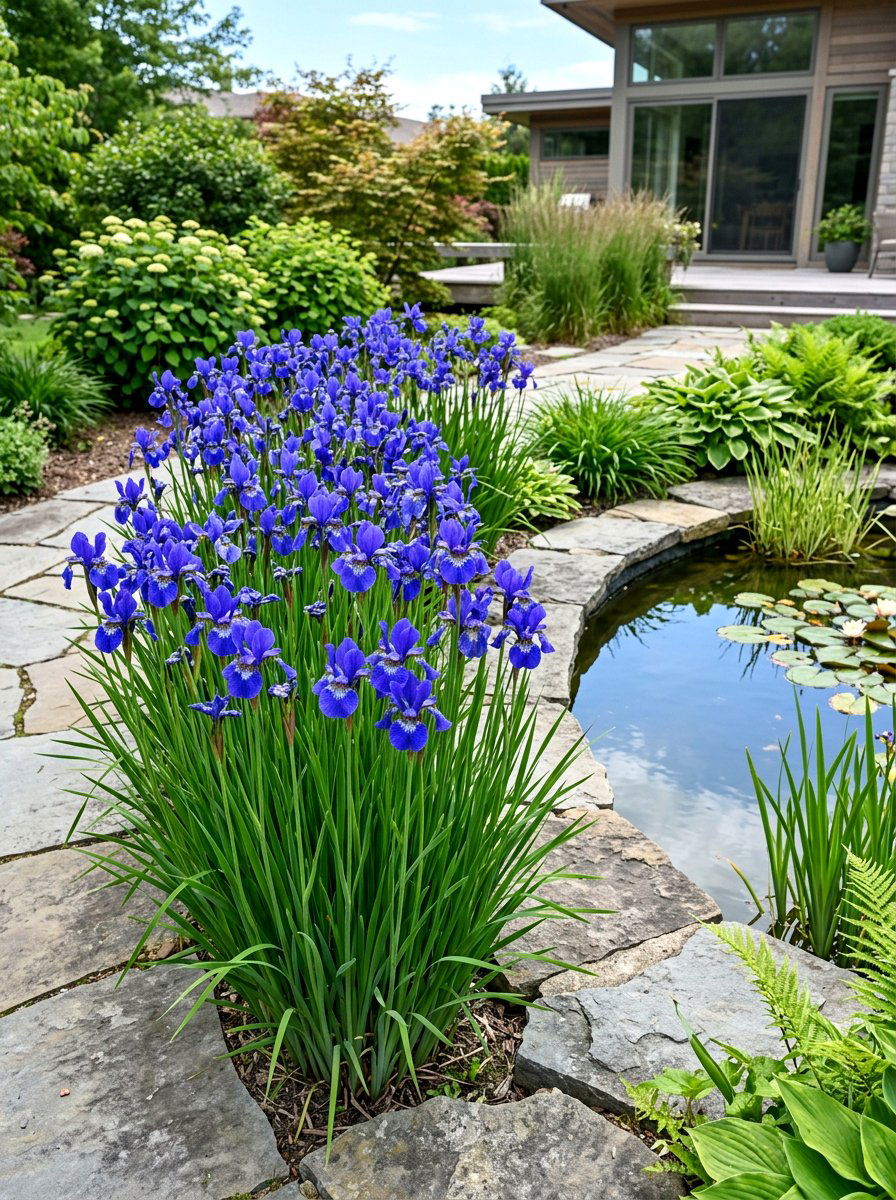
Siberian iris plants are much tougher and more adaptable than their bearded cousins, making them great for low-maintenance landscapes. They produce elegant, slender flowers in shades of deep blue, violet, and white during the late spring months. The grass-like foliage stays upright and green all season long, providing great architectural structure to your garden. These perennials are perfect for planting near water features or in areas with damp soil. They form dense clumps that help crowd out weeds naturally over time. You can divide them every few years to spread the beauty to other parts of your yard. Their sophisticated shape makes any outdoor space look professionally designed and tidy.
7. Colorful Primrose Flower Bed
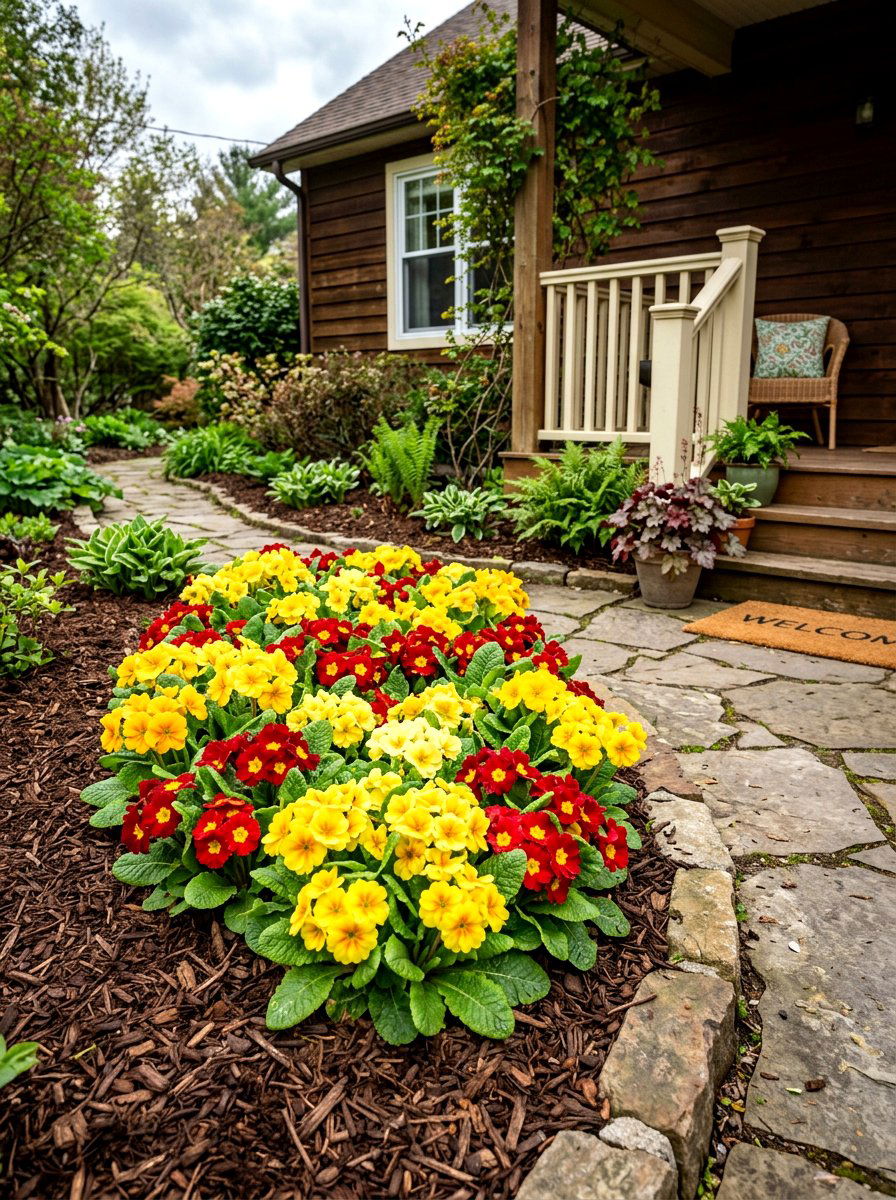
Primroses are cheerful little plants that announce the arrival of spring with their bright and happy faces. They come in an incredible array of colors, from neon yellows to deep velvety reds and blues. These perennials thrive in cool, moist conditions and prefer spots with dappled sunlight. Many gardeners tuck them into the front of a border or use them to fill small decorative containers. Their crinkled green leaves provide a nice textural contrast to other smooth-leaved plants. Because they stay low to the ground, they are perfect for filling in small gaps in your landscape. Seeing these blooms pop up is a sure sign that warmer days are finally here.
8. Low Maintenance Catmint Border
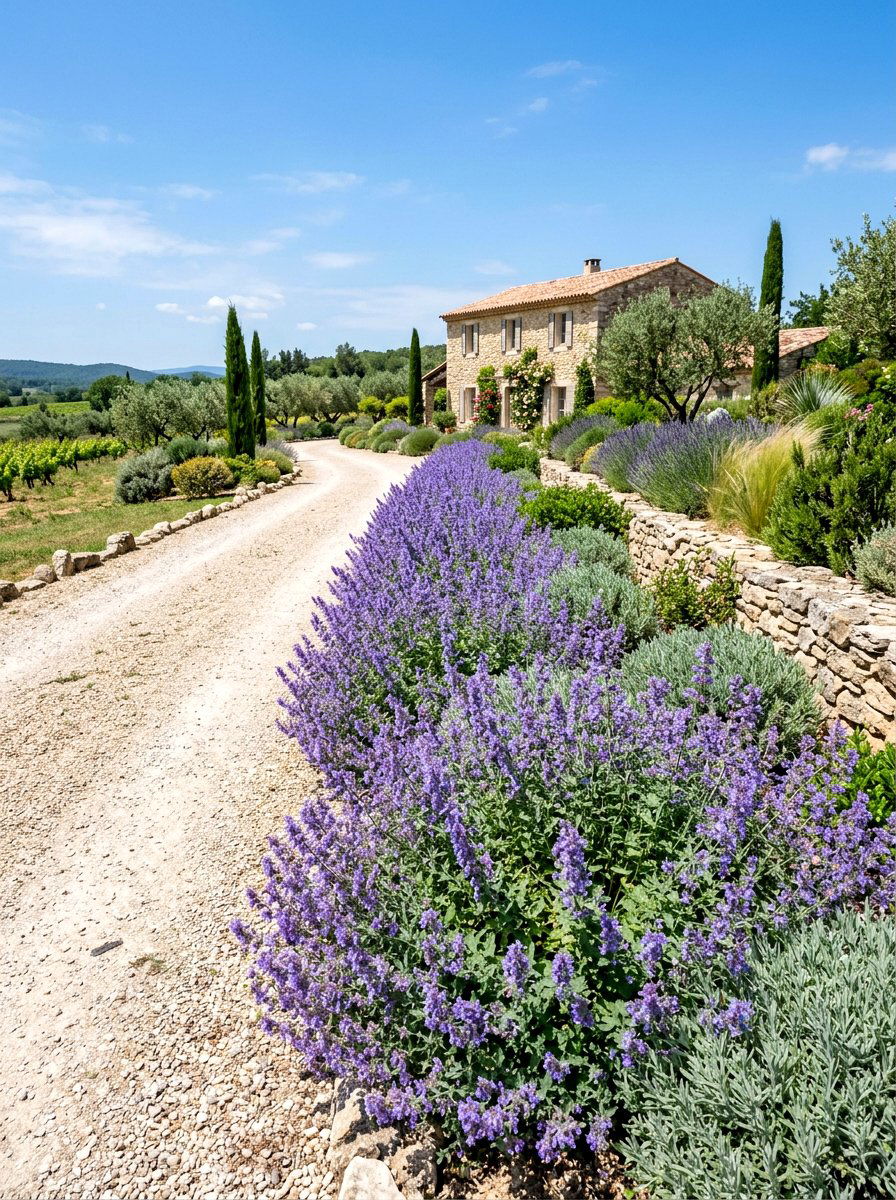
Catmint is a favorite among gardeners who want a long-blooming perennial that requires almost zero effort. This plant produces clouds of lavender-blue flowers that last from late spring all the way into the summer. The gray-green foliage has a pleasant herbal scent that many people find relaxing. It is incredibly drought-tolerant and thrives in full sun, making it ideal for hot spots in your yard. Pollinators like bees and butterflies will flock to your garden if you plant this versatile perennial. It has a relaxed, mounding habit that looks great when used as a border for a long driveway. It is a hardy workhorse that never fails to perform.
9. Purple Salvia Garden
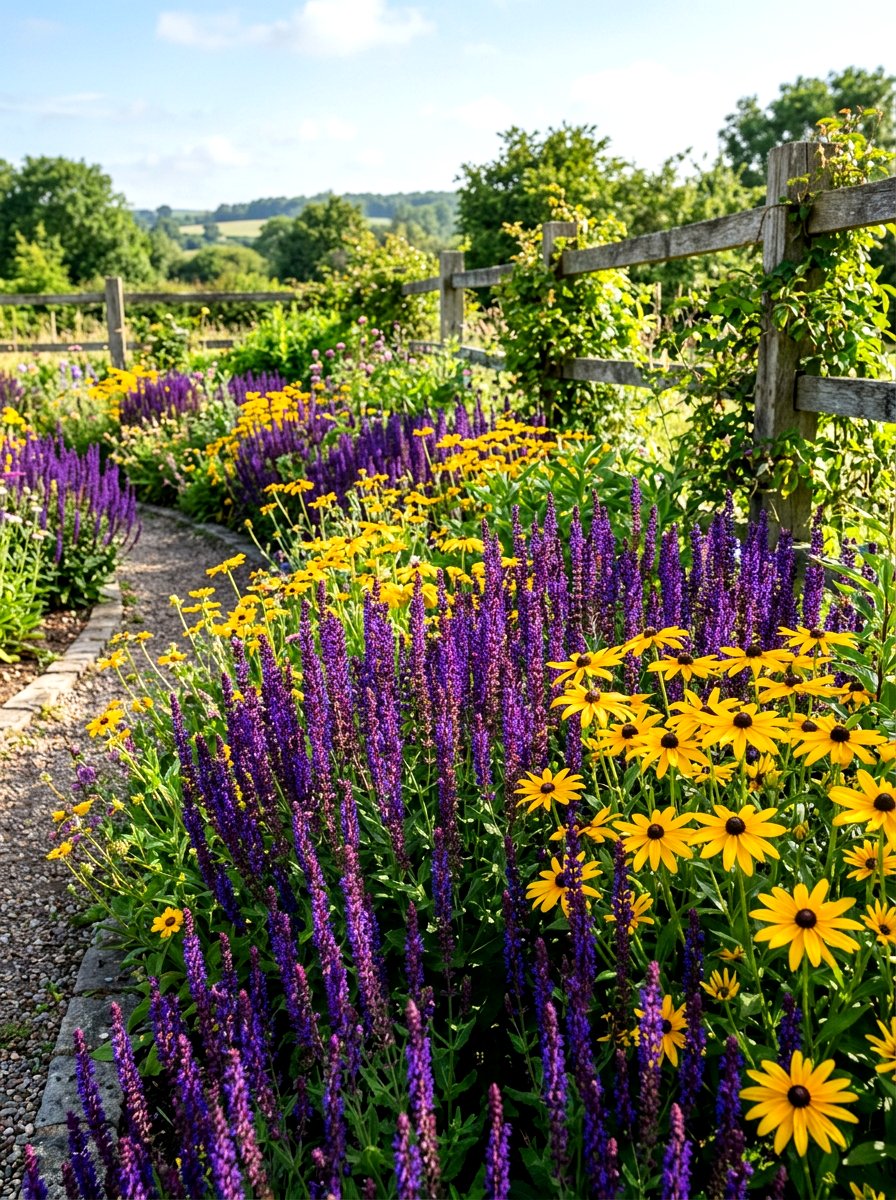
Salvia is a must-have for any spring garden because it provides intense spikes of deep purple or blue color. These upright perennials add great vertical interest to your flower beds. They are very easy to grow and can handle a variety of soil types as long as they get enough sun. If you trim them back after the first flush of flowers, they will often bloom again later in the season. The foliage is somewhat aromatic and typically avoided by deer, which is a huge plus for many homeowners. Salvia looks particularly striking when planted next to yellow or orange flowers for a high-contrast look. It is a reliable and modern-looking garden staple.
10. Shade Tolerant Jacob's Ladder
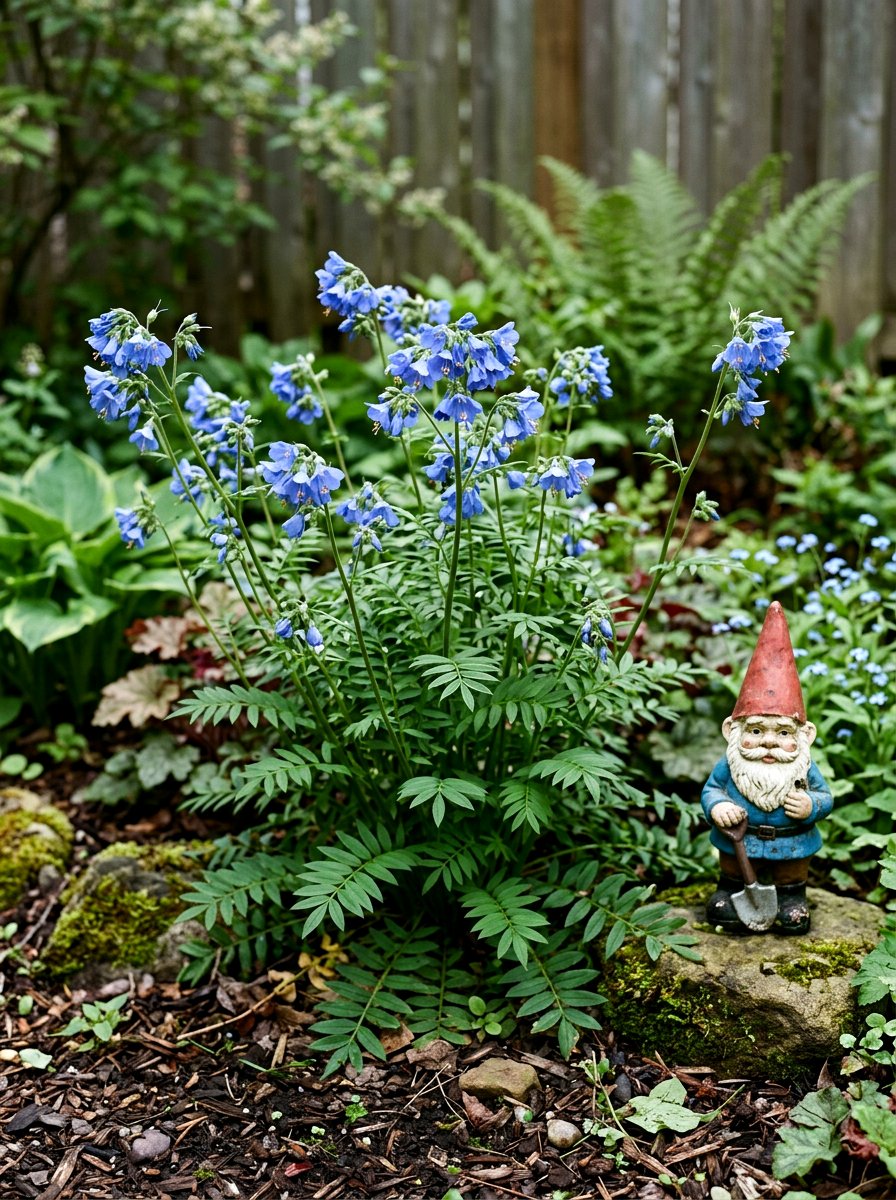
Jacob's ladder is a beautiful perennial that gets its name from the ladder-like arrangement of its delicate leaves. In the spring, it produces clusters of small, bell-shaped blue or white flowers that hover above the foliage. This plant is a fantastic choice for brightening up shady corners of your yard. It prefers cool, moist soil and does best when protected from the harsh afternoon sun. Some varieties even feature variegated leaves with white or yellow edges for extra visual interest. It has a soft, delicate appearance that pairs well with bold-leaved plants like hostas. Adding this to your garden creates a peaceful and serene atmosphere in any wooded area.
11. Spiked Lupine Flower Garden
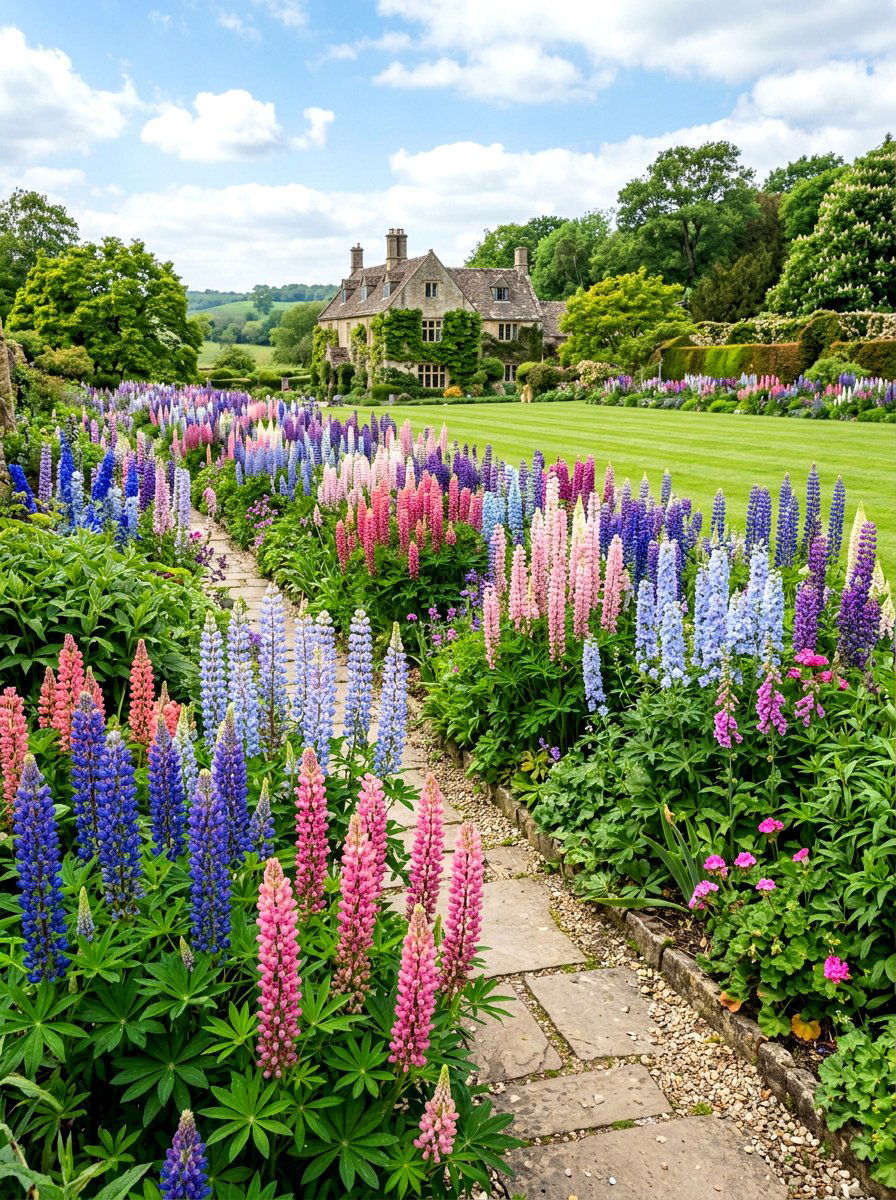
Lupines are famous for their tall, dramatic spikes of flowers that stand out in any spring landscape. These plants come in a wide range of colors, including stunning bicolors that look like they were painted by hand. They have unique, palmate leaves that look like tiny green stars on the ground. Lupines prefer cooler climates and well-drained, slightly acidic soil to thrive. They are excellent for adding height to the middle or back of a garden border. Because they are part of the pea family, they actually help improve the soil by fixing nitrogen. Planting a group of these will give your garden a professional and high-impact appearance.
12. Tall Foxglove Cottage Garden
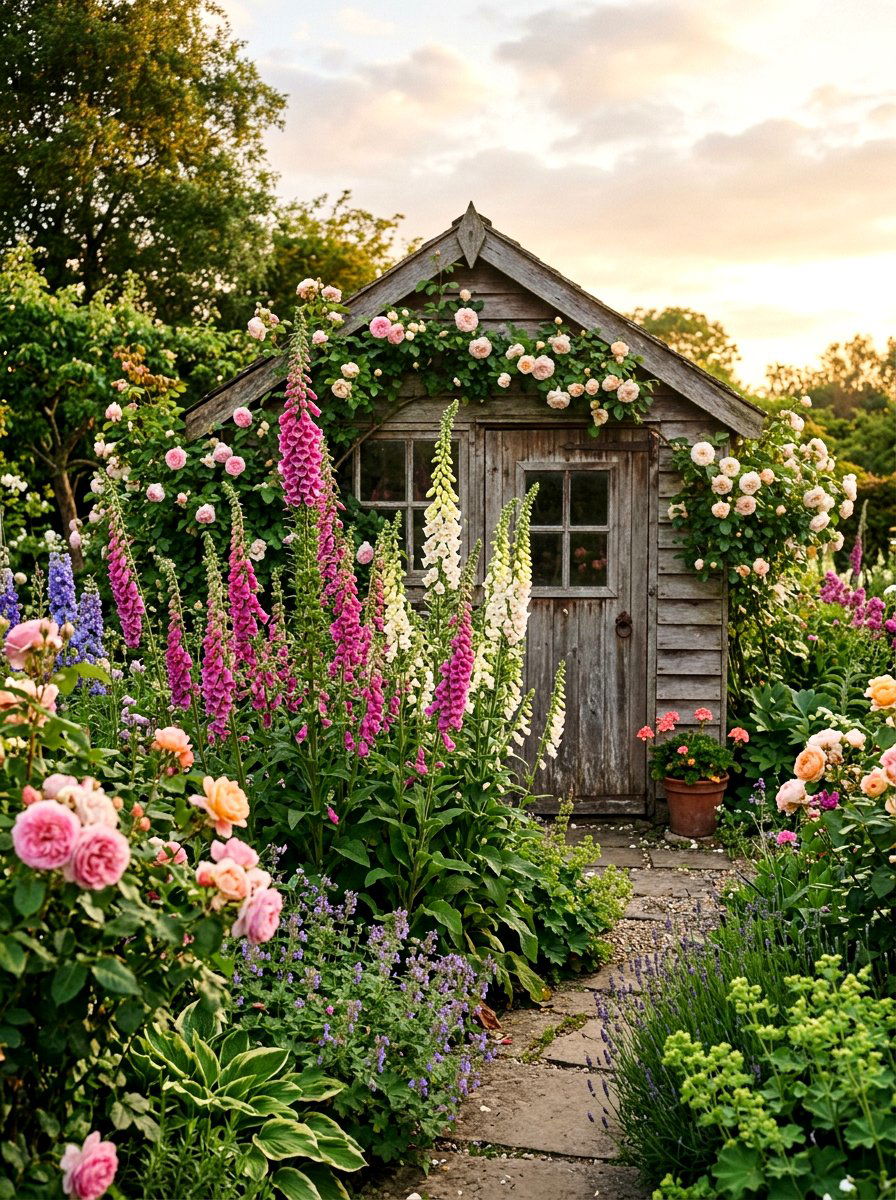
Foxgloves are the quintessential cottage garden plant, known for their tall stalks and tubular, speckled flowers. While some are biennials, many perennial varieties will return to your garden every spring. They come in beautiful shades of peach, pink, cream, and purple. These plants love partial shade and moist soil, making them perfect for planting near fences or garden sheds. Their height creates a wonderful backdrop for shorter flowers in your landscape. Be sure to plant them where they have room to grow tall and show off their impressive blooms. They add a sense of vertical drama and old-world charm that is hard to achieve with any other perennial plant.
13. Colorful Coral Bell Foliage
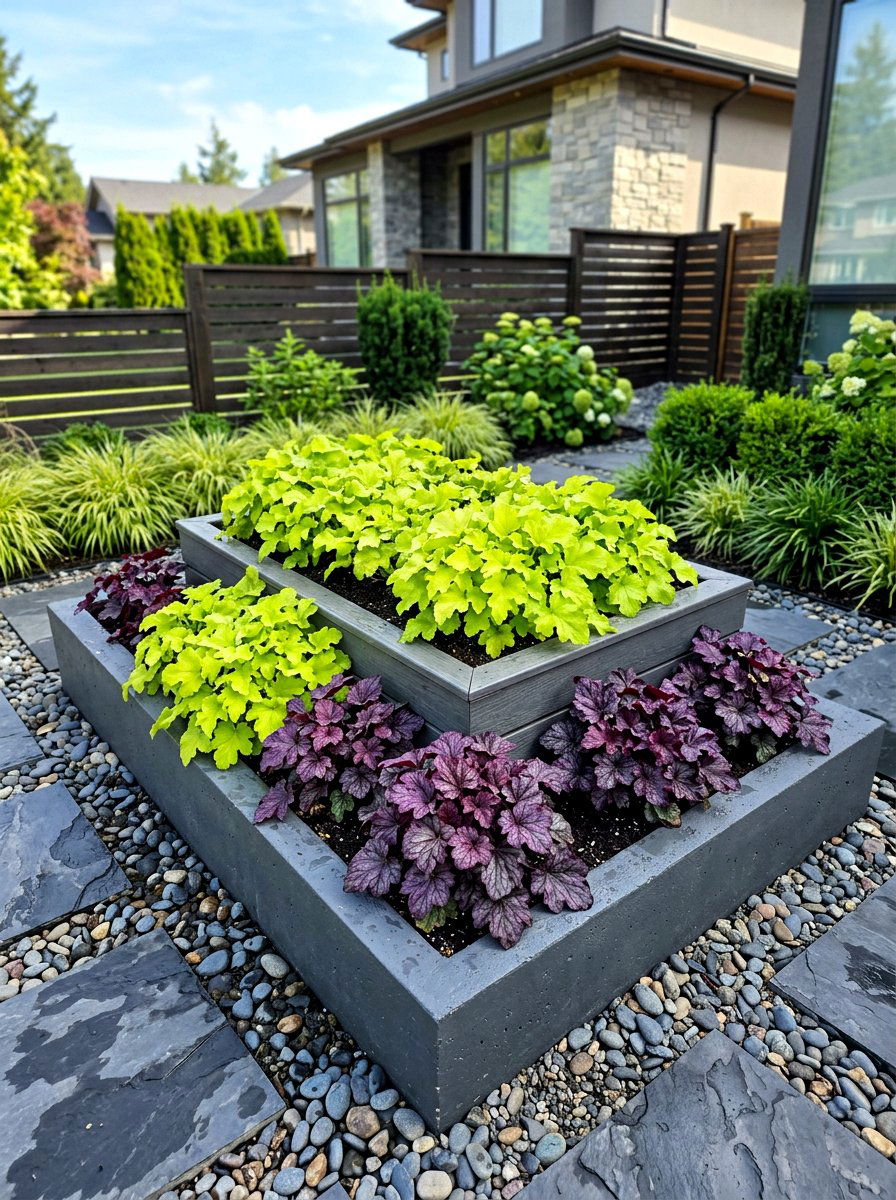
Coral bells, also known as Heuchera, are grown primarily for their incredible foliage which comes in every color of the rainbow. You can find varieties with leaves in shades of lime green, deep purple, bright orange, and silver. In the spring, they send up thin wands of tiny, bell-shaped flowers that dance in the breeze. These perennials are very versatile and can grow in both sun and shade depending on the variety. They form neat, compact mounds that look great along the edge of a flower bed. Use them to add a constant pop of color to your garden even when other plants aren't blooming. They are durable and stylish.
14. White Sweet Woodruff Groundcover
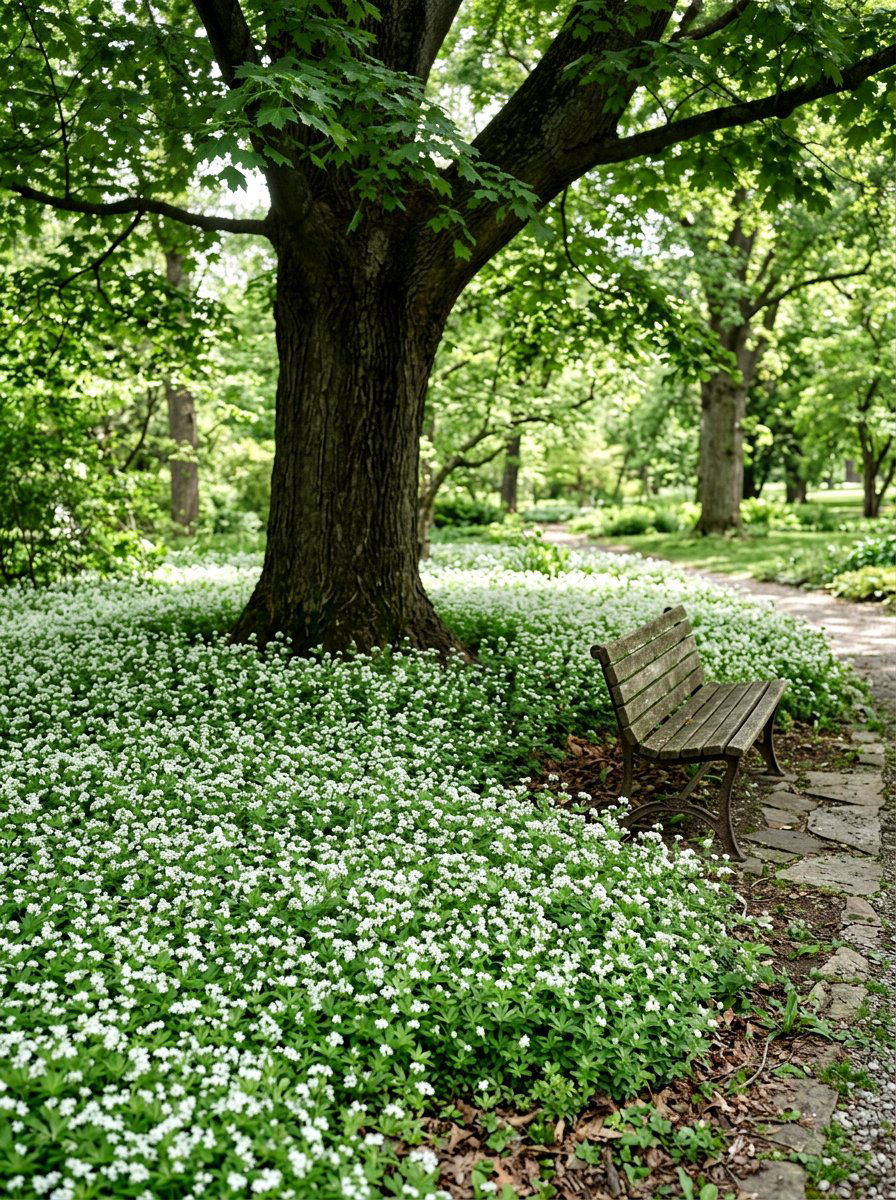
Sweet woodruff is a charming groundcover that thrives in the deepest shade where most other plants would fail. In the spring, it is covered in tiny, star-shaped white flowers that look like a dusting of snow. The foliage is arranged in pretty whorls and gives off a scent similar to freshly cut hay when crushed. This perennial spreads gently to form a lush, green carpet under trees or large shrubs. It is an excellent choice for a naturalistic or woodland garden style. Because it stays low, it won't compete with your larger perennials for attention. It provides a clean and tidy look to the floor of your garden beds.
15. Blue Forget Me Not Border
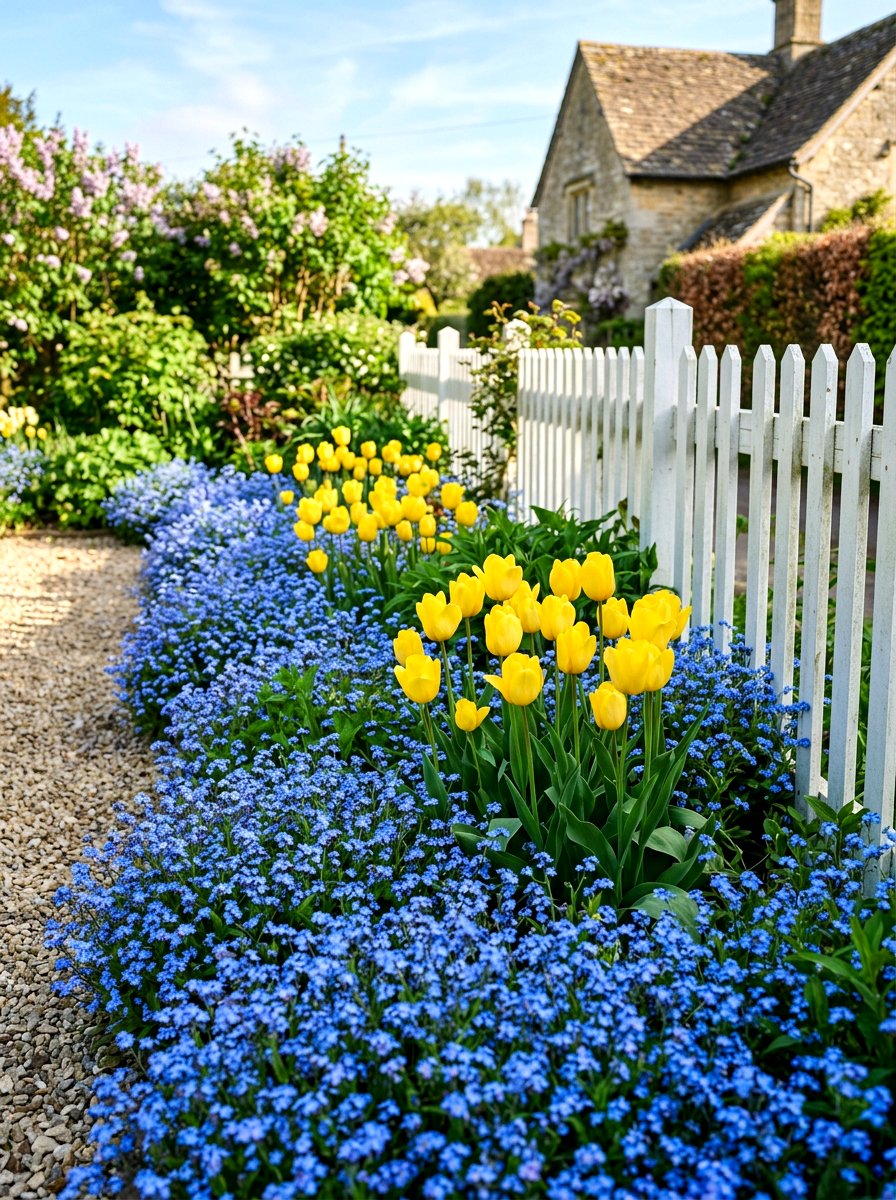
Forget-me-nots are legendary for their tiny, true-blue flowers with bright yellow centers that appear in early spring. These plants have a soft, hairy texture and look best when allowed to grow in large, informal drifts. They are perfect for tucking around the base of spring bulbs like tulips and daffodils. While they are often short-lived, they reseed themselves easily, ensuring they return to your garden year after year. They prefer moist soil and can handle a mix of sun and shade. The delicate blue color is a rare find in the plant world and adds a cooling effect to your landscape. They bring a simple, heartfelt beauty to your spring yard.
16. Yellow Foliage Perennial Garden
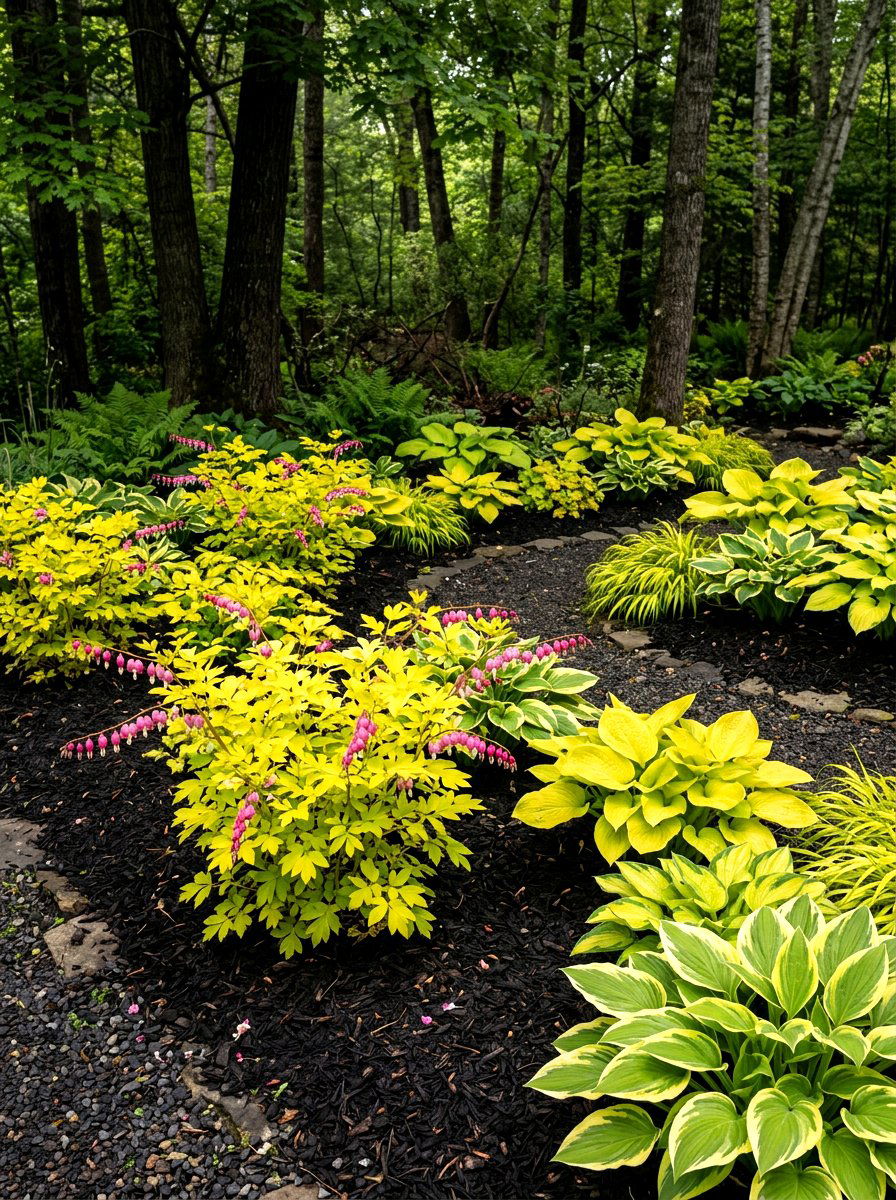
Using plants with yellow foliage is a great way to bring a sunny feeling to your garden even on cloudy days. Many perennials, like certain varieties of bleeding hearts or coral bells, offer bright gold leaves in the spring. This color provides a stunning contrast against dark green plants or purple flowers. Gold-leaved plants usually prefer a bit of shade to keep their foliage from scorching in the sun. They act as a natural highlight in the landscape, drawing the eye to specific areas of your yard. Pairing yellow foliage with blue flowers creates a classic and sophisticated color palette. It is a simple way to make your garden look professionally curated.
17. Large Oriental Poppy Bed
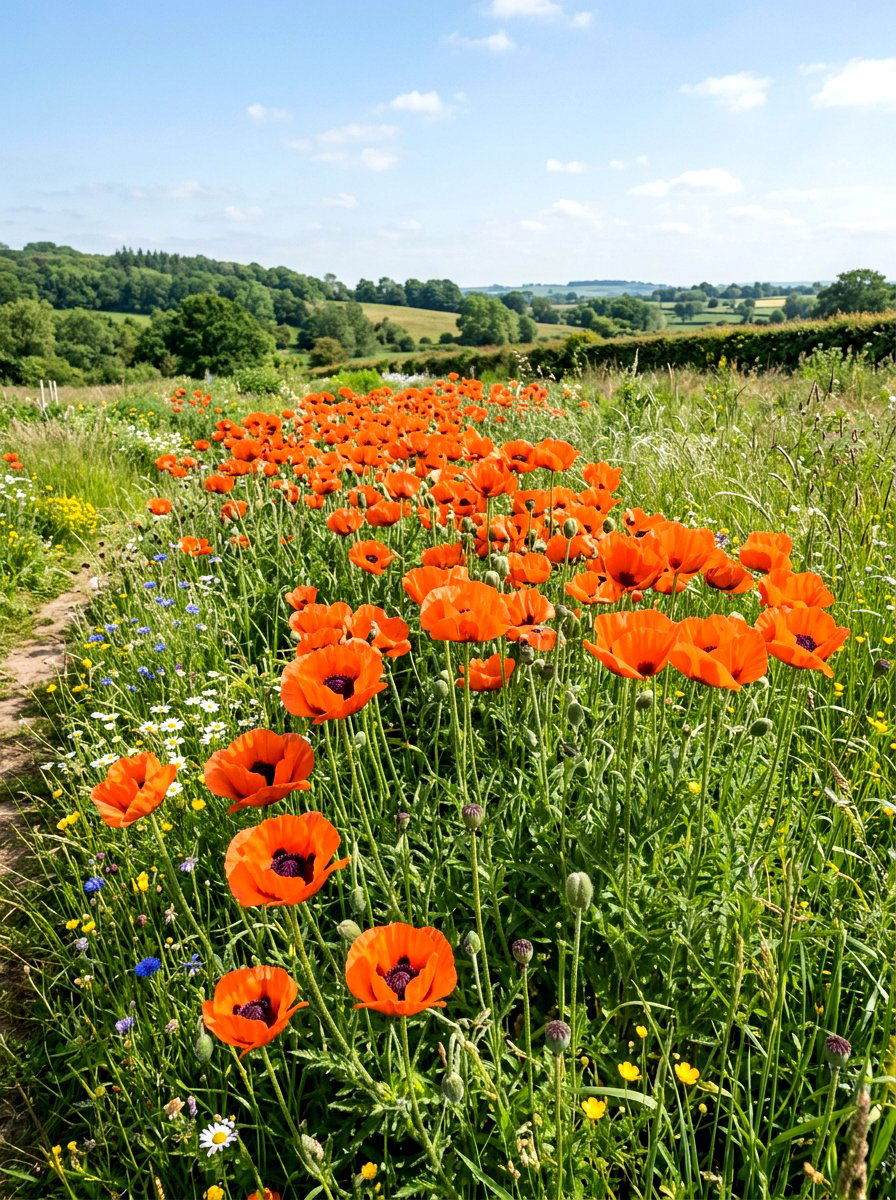
Oriental poppies are known for their massive, tissue-paper-like blooms that come in shades of fiery orange, red, and soft pink. These perennials bloom in late spring and provide a huge burst of color that is hard to miss. Each flower has a dark, velvety center that looks almost exotic. They prefer full sun and well-drained soil to produce the best flowers. After the blooms fade, the plants often go dormant, so it is a good idea to plant them near later-blooming perennials. Their dramatic size and vibrant colors make them a favorite for anyone looking to make a bold statement. They are truly the showstoppers of the spring season.
18. Fragrant Bearded Iris Garden
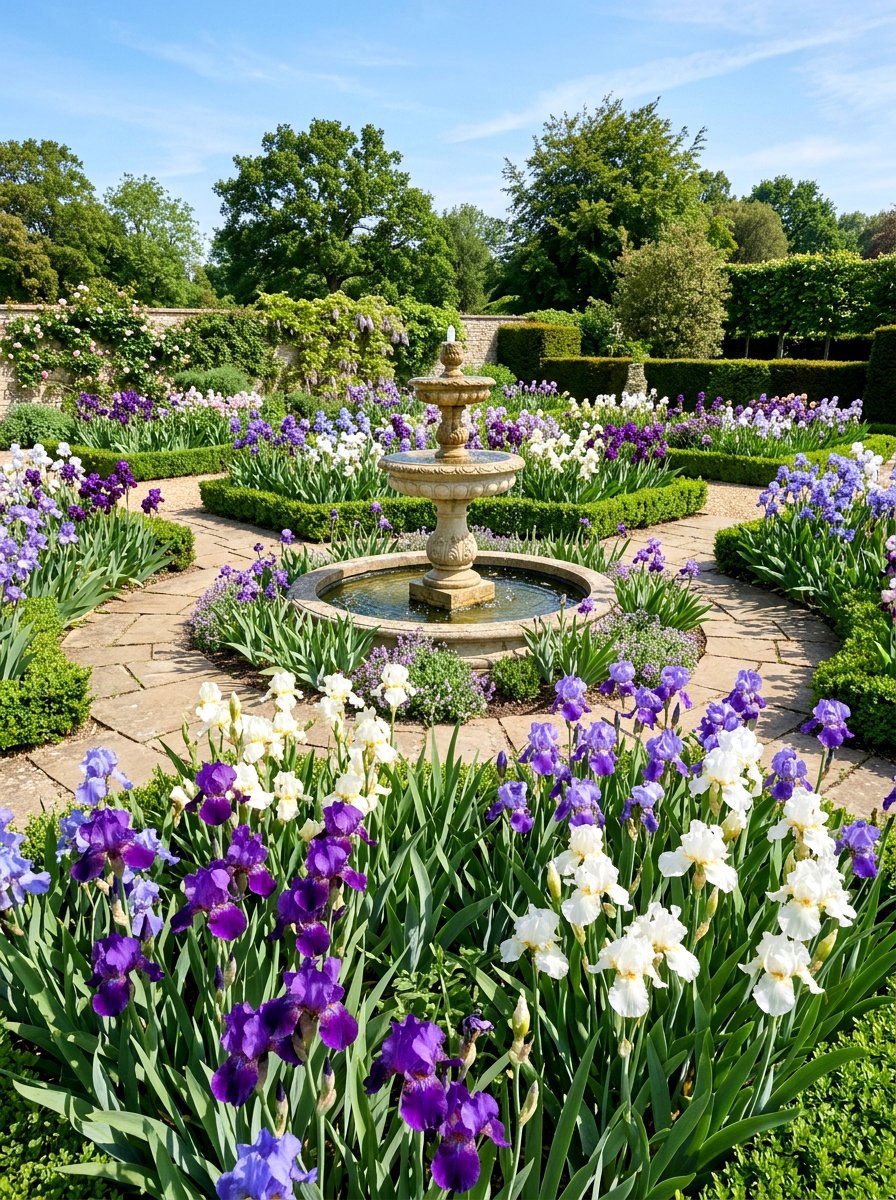
Bearded irises are a staple in many traditional gardens because of their complex flowers and wide range of colors. They are named for the fuzzy "beard" that sits on the lower petals of the bloom. These plants love a sunny spot with very well-drained soil to prevent their rhizomes from rotting. Many varieties are incredibly fragrant, filling the air with a sweet scent during the late spring. Their sword-like foliage provides a strong vertical element that looks good even after the flowers are gone. You can find them in almost every color, including dramatic near-black and bright bi-colors. They are a timeless and sophisticated choice for any homeowner.
19. Purple Allium Globe Garden
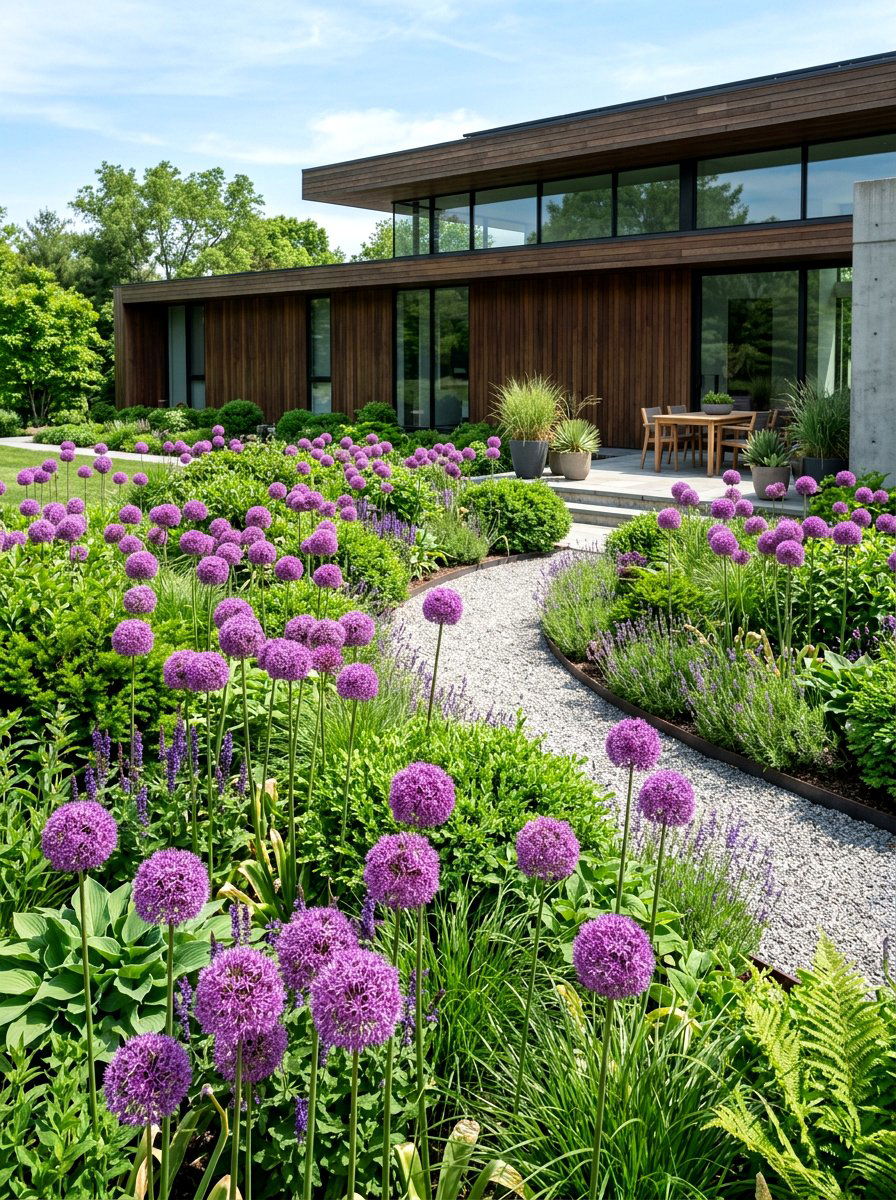
Alliums are actually ornamental onions that grow from bulbs, but they function like perennials in the spring garden. They produce perfectly round, purple flower heads that look like floating globes on top of tall, sturdy stems. These unique shapes add a modern and whimsical touch to your flower beds. They are very easy to grow and are generally ignored by pests like deer and squirrels. Alliums look best when planted in groups or scattered throughout a perennial border. Their structural form provides a great contrast to the softer shapes of other spring flowers. They are a fun and easy way to add architectural interest to your outdoor space.
20. Pink Sea Thrift Rock Garden
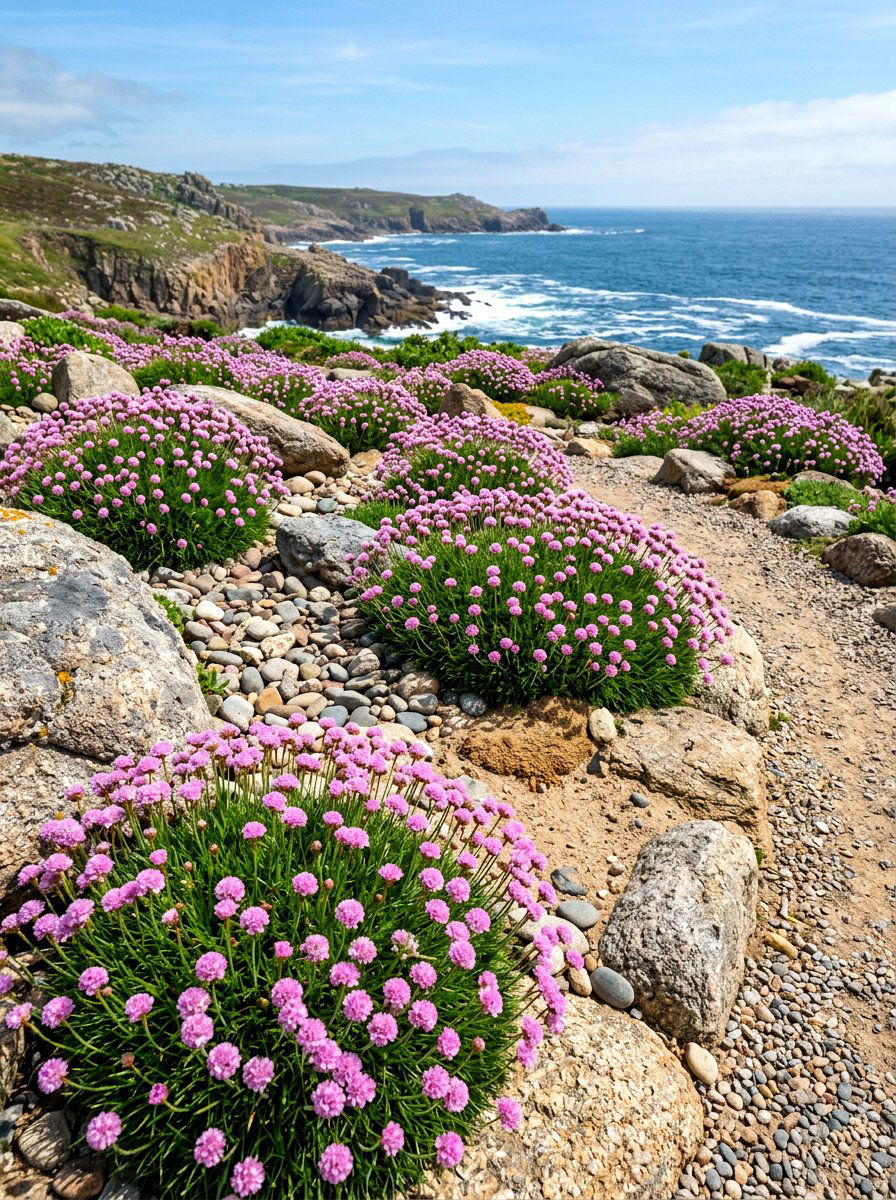
Sea thrift is a tough little perennial that forms compact, grass-like mounds of green foliage. In the spring, it sends up slender stems topped with round clusters of bright pink or white flowers. This plant is traditionally found along coastal areas, meaning it is very salt-tolerant and can handle poor soil. It is a perfect choice for rock gardens or for planting along the edges of a sunny stone path. The flowers are long-lasting and make a great addition to small indoor bouquets. Because it stays small and tidy, it is ideal for homeowners with limited garden space. It offers a neat and charming look with very little maintenance.
21. White Candytuft Garden Edge
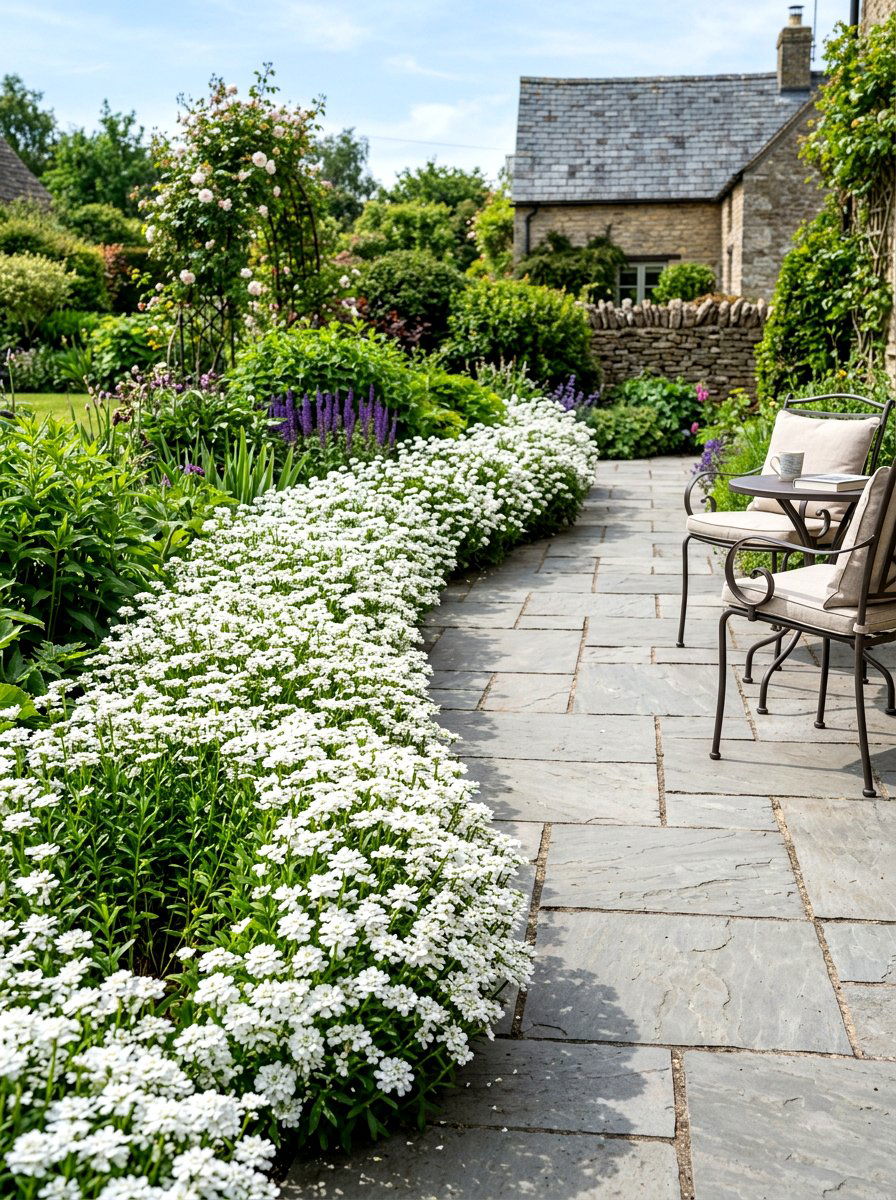
Candytuft is a semi-evergreen perennial that provides a massive explosion of pure white flowers in the middle of spring. It has a low, spreading habit that makes it one of the best choices for edging a garden bed. The dark green, needle-like foliage stays attractive all year long in many different climates. This plant loves full sun and requires well-drained soil to stay healthy and vibrant. It is often used to soften the edges of stone walls or to fill in gaps in a sunny perennial border. The bright white color helps other colors in your garden pop. It is a reliable and beautiful plant that adds a clean finish to your landscape.
22. Brunnera Silver Leaf Garden
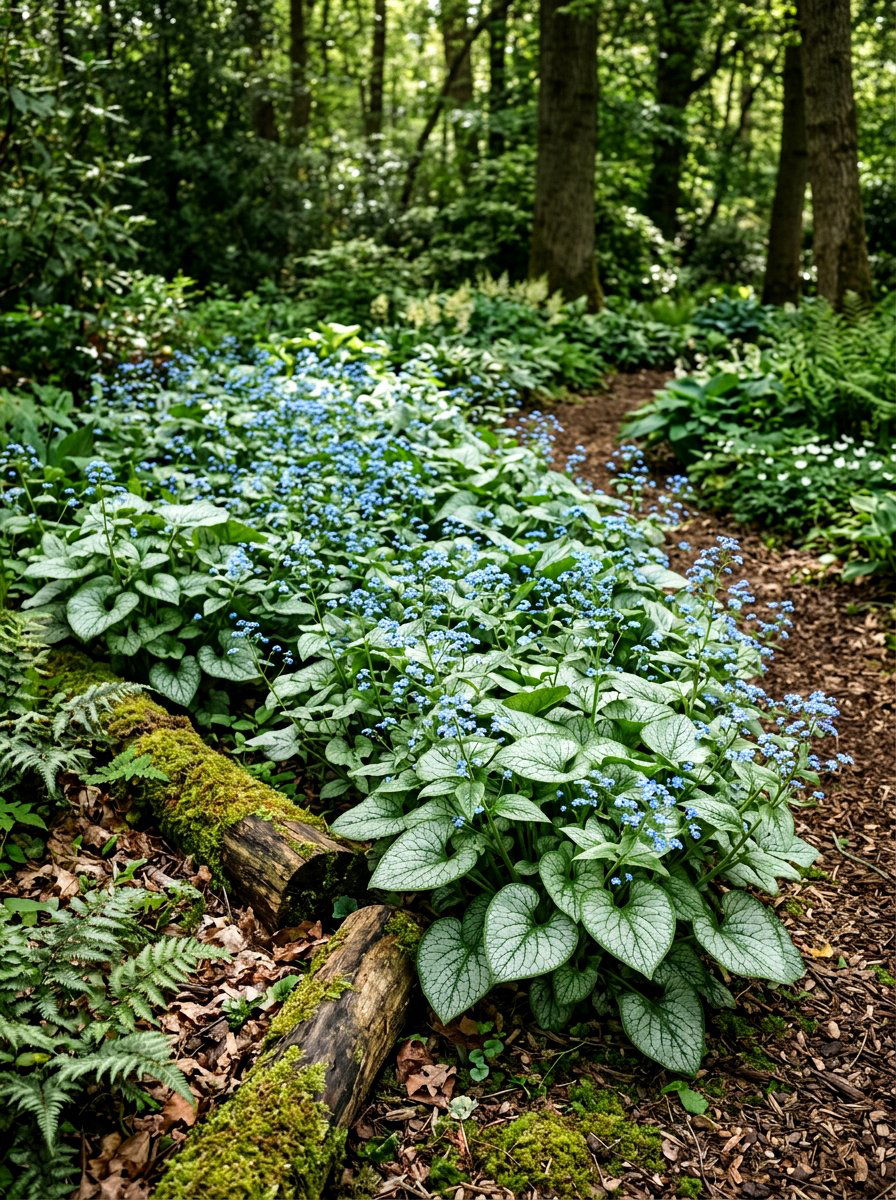
Brunnera, also known as Siberian bugloss, is prized for its stunning heart-shaped leaves that often feature silver variegation. In the spring, it produces sprays of tiny, sky-blue flowers that look very similar to forget-me-nots. This perennial is a champion in the shade, where its bright leaves can really shine. It prefers moist soil and a spot that is protected from the direct afternoon sun. The large leaves provide a great texture that contrasts beautifully with fine-leaved plants like ferns. It is a sophisticated choice for anyone wanting to create a high-end woodland garden feel. The silver foliage adds a touch of light and elegance to any dark corner.
23. False Indigo Perennial Shrub
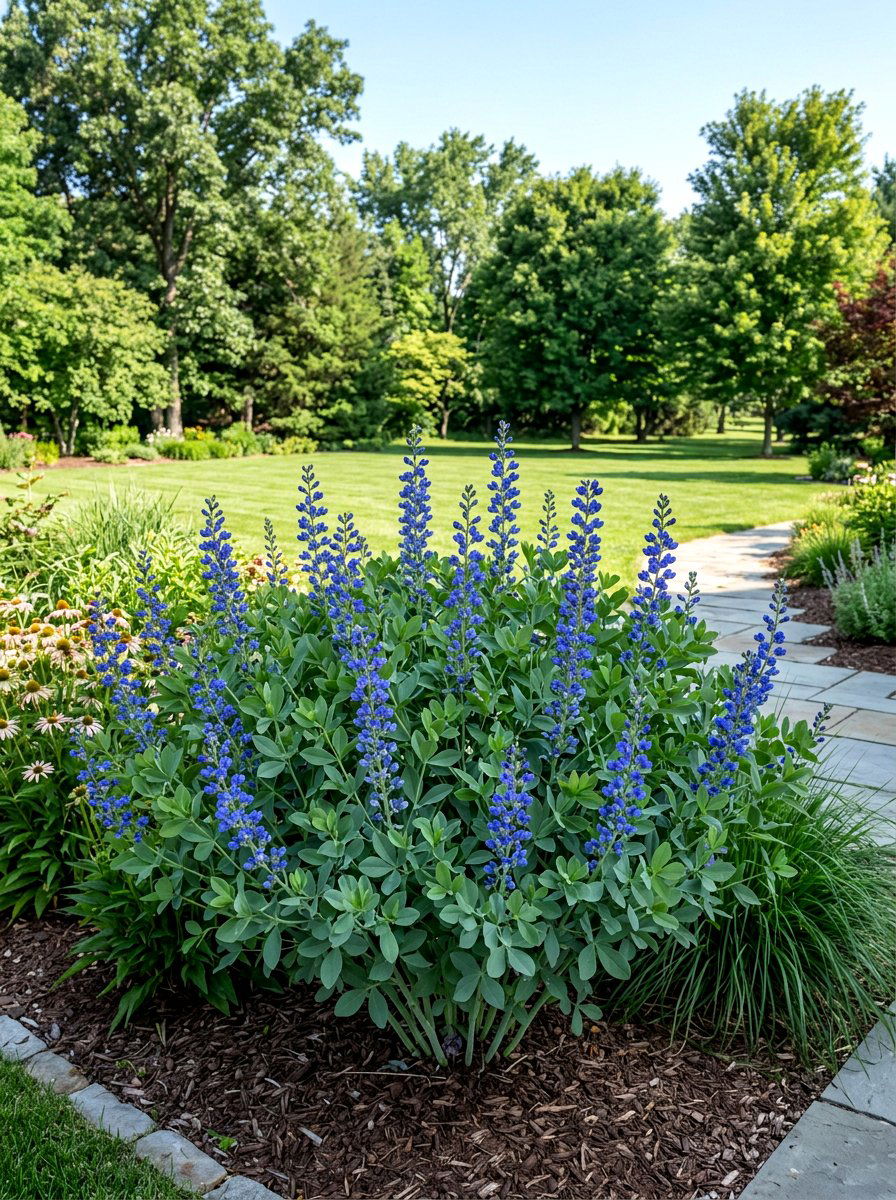
Baptisia, or false indigo, is a large and long-lived perennial that acts almost like a small shrub in the spring garden. It produces tall spikes of pea-like flowers in shades of deep blue, yellow, or white. The foliage is a beautiful blue-green color and stays clean and attractive throughout the entire growing season. This plant has a very deep root system, which makes it extremely drought-tolerant once it is established. It loves full sun and can grow quite large, so give it plenty of room to spread out. After the flowers fade, it produces interesting seed pods that add visual interest. It is a sturdy and impressive plant for any landscape.
24. Euphorbia Spring Flower Bed
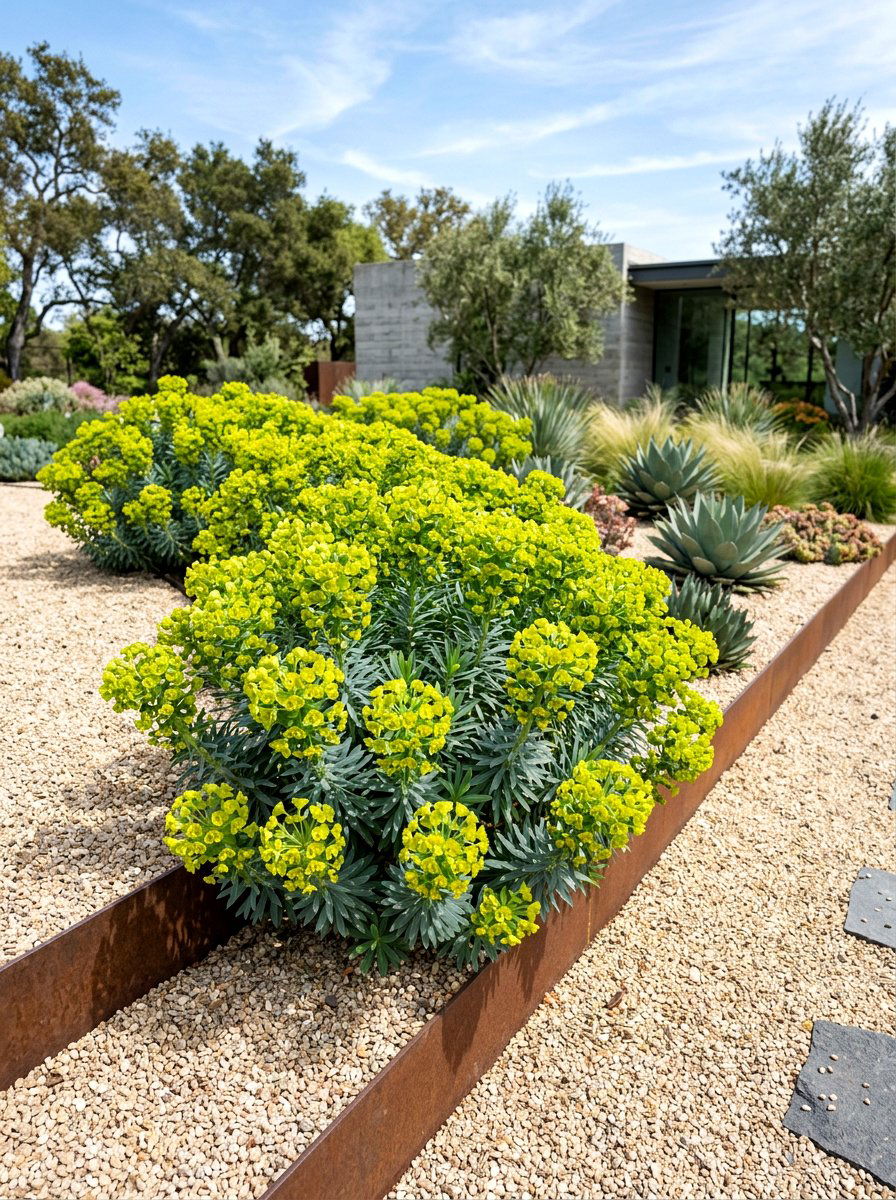
Euphorbia is a unique perennial that offers a completely different look with its lime-green or chartreuse floral bracts. These "flowers" are actually modified leaves that stay colorful for a very long time in the spring. The plant has a modern, architectural shape that works well in contemporary garden designs. Many varieties have interesting blue-gray or purple-tinted foliage that adds even more color to your yard. It is a very drought-tolerant plant that thrives in sunny spots with well-drained soil. Be careful when pruning it, as the milky sap can be irritating to the skin. It provides a fresh and vibrant energy that makes any garden feel updated and stylish.
25. Early Spring Pasque Flower Garden
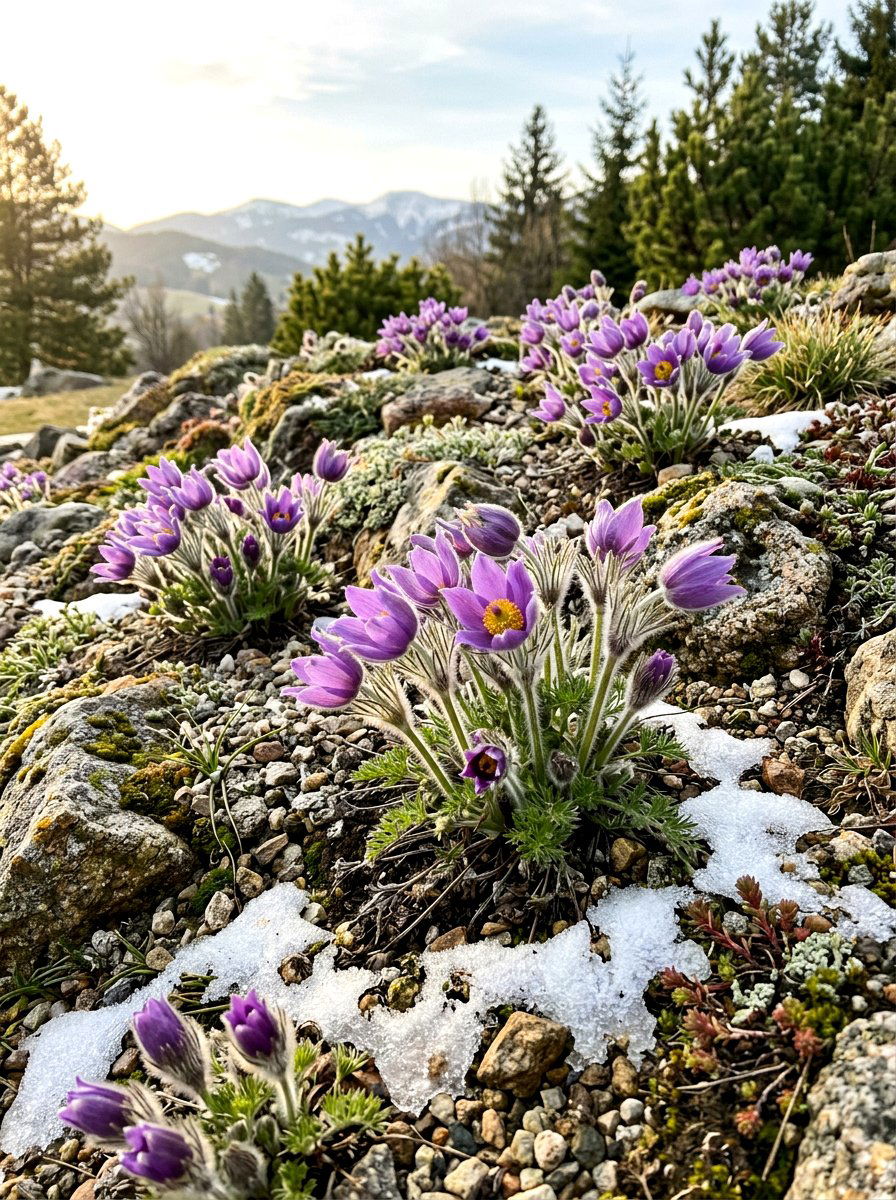
The pasque flower is one of the most charming early spring perennials, featuring fuzzy, bell-shaped purple flowers. The blooms appear at the same time as the lacy, silver-green foliage, creating a very soft and delicate look. After the flowers fade, they turn into feathery seed heads that look like something out of a fairy tale. This plant is very hardy and prefers a sunny spot with gritty, well-drained soil. It is perfect for a rock garden or the front of a sunny border where you can appreciate its tiny details. Seeing these fuzzy flowers emerge from the soil is a wonderful reminder that spring has truly arrived in your beautiful garden.
Conclusion:
Planning a spring perennial garden is a rewarding way to enhance your home's exterior and create a personal retreat. By choosing a mix of early, mid, and late-season bloomers, you can enjoy a continuous display of color for several months. Perennials are an excellent investment because they grow larger and more beautiful with each passing year. Whether you prefer the romantic look of a cottage garden or the clean lines of a modern landscape, there is a perennial for every style. Remember to consider your soil type and sun exposure when selecting plants to ensure they thrive. Your garden will soon become a vibrant, living masterpiece that you will enjoy for many years.
Related posts:
Leave a Reply