
Spring is the perfect time to breathe new life into your outdoor space by focusing on the beauty and utility of raised garden beds. These structures do much more than just hold soil; they serve as the architectural foundation for a productive and aesthetically pleasing backyard. Whether you are planning a small herb patch or a massive vegetable layout, the way you style your raised beds can completely transform your home’s exterior. By choosing the right materials and layouts, you can create a garden that is both easy to maintain and stunning to look at. This season, let your creativity bloom as you explore various ways to elevate your planting areas with style and practical charm.
1. Cedar Wood Raised Bed
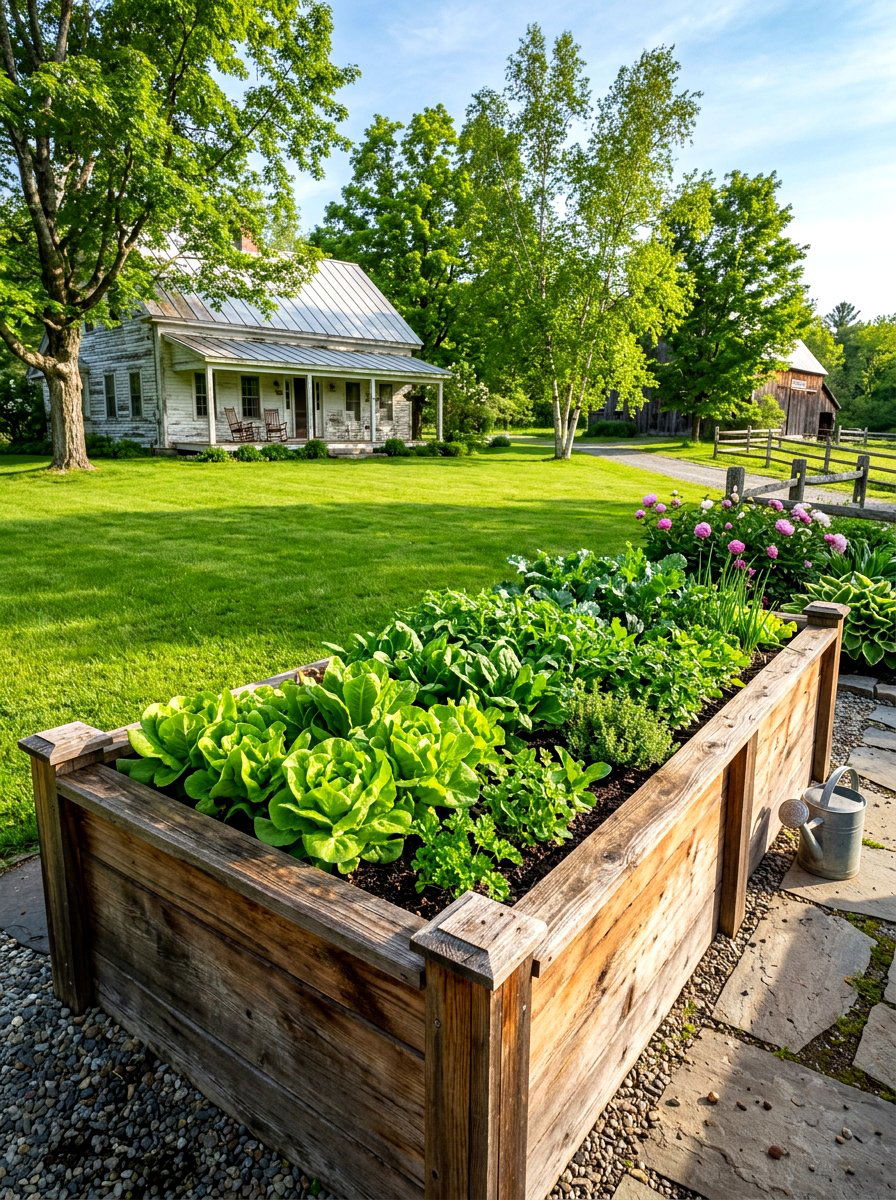
Cedar wood is a classic choice for spring gardens because it naturally resists rot and looks beautiful against green foliage. When you build a raised bed using cedar, the warm tones of the wood create a welcoming atmosphere that fits any backyard aesthetic. You can leave the wood natural to let it weather into a silvery gray or apply a food-safe sealant to keep that rich orange glow. Many gardeners choose to add decorative cap rails on top of the cedar planks to provide a finished look and a place to rest garden tools or even a morning cup of coffee. It is a sturdy, long-lasting solution for your growing needs.
2. Corrugated Metal Planter
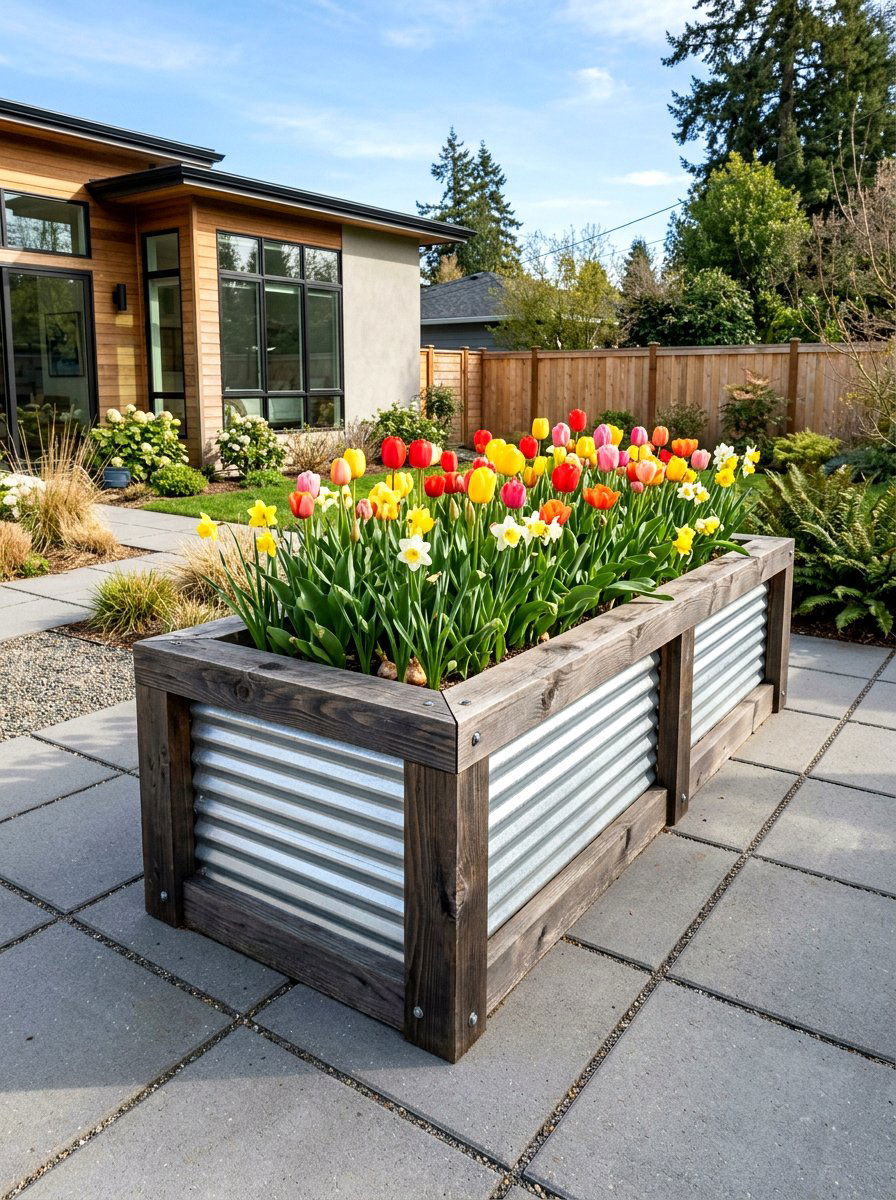
Using corrugated metal for your raised beds adds an industrial yet farmhouse touch to your spring garden. These metal panels are often framed with sturdy timber to create a contrast between the cool silver steel and the warm wood grain. Metal beds are excellent for reflecting heat and providing a modern look that stands out in a traditional backyard. They are also incredibly durable and can withstand various weather conditions without warping or cracking over time. This design is perfect for those who want a sleek, contemporary garden layout that requires very little maintenance while looking professionally designed and clean for many years to come.
3. Garden Trellis For Climbing Plants
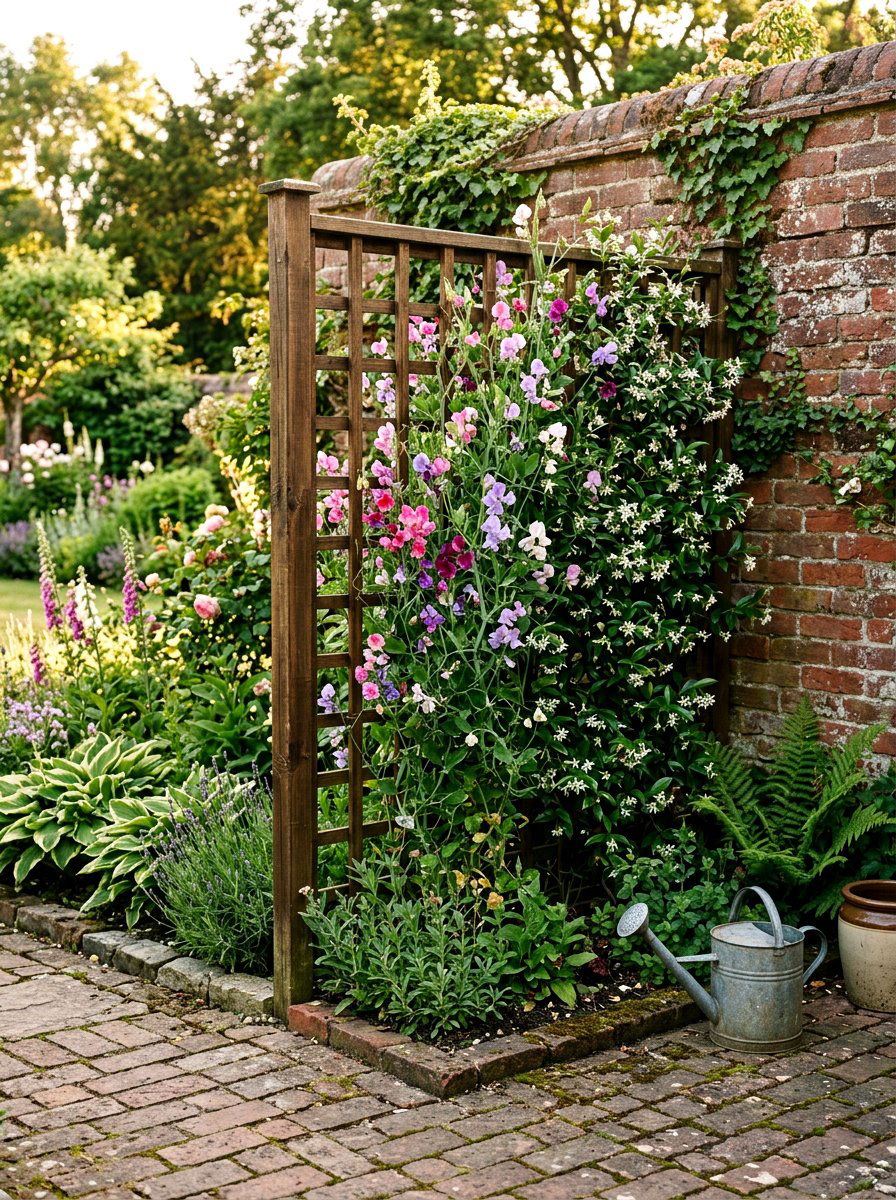
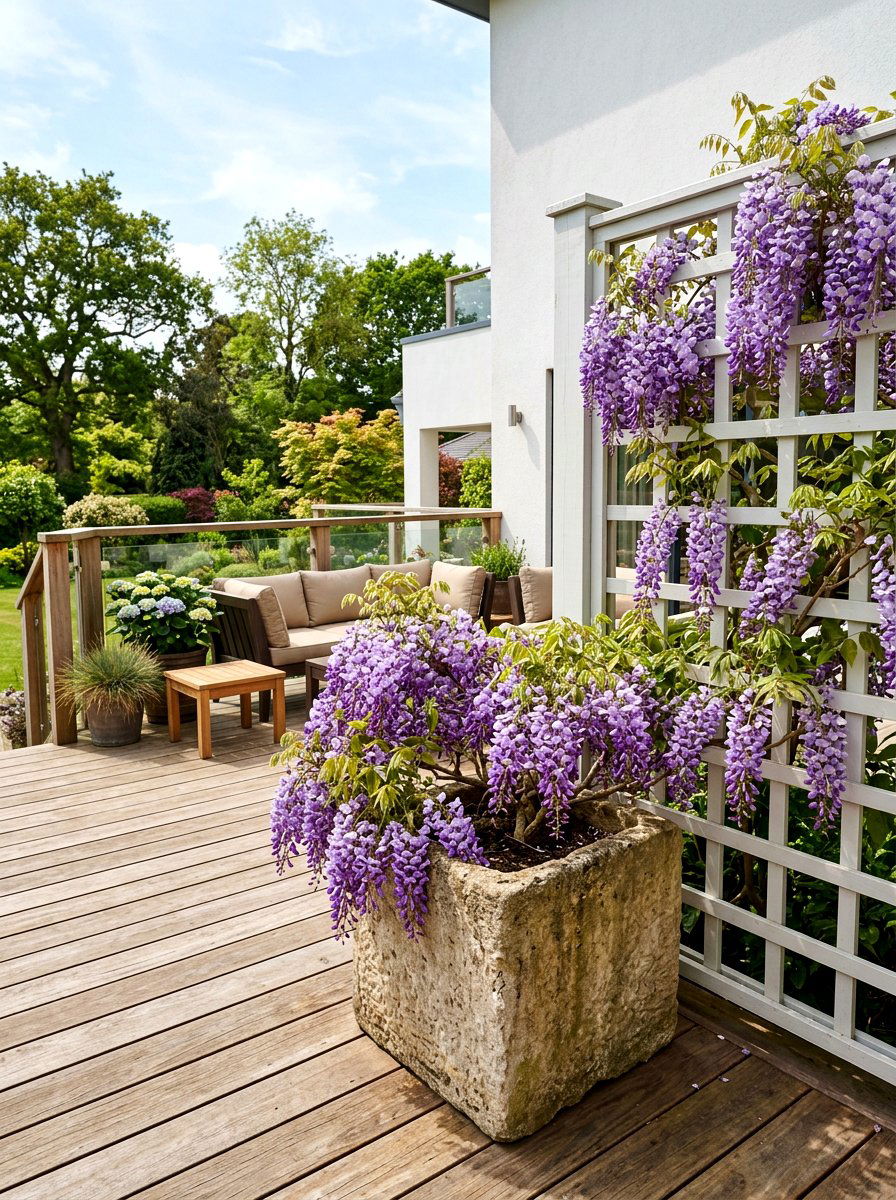
Incorporating a trellis into your raised bed design allows you to grow vertically and save valuable ground space during the spring. You can attach a wooden or metal lattice directly to the back of the bed to support peas, beans, or flowering vines like clematis. This setup creates a beautiful wall of greenery that adds height and privacy to your garden area. It also makes harvesting much easier since the produce hangs at eye level rather than hiding under leaves on the ground. A vertical element transforms a simple flat planter into a three-dimensional garden feature that catches the eye and maximizes your growing potential.
4. Painted Wooden Garden Box
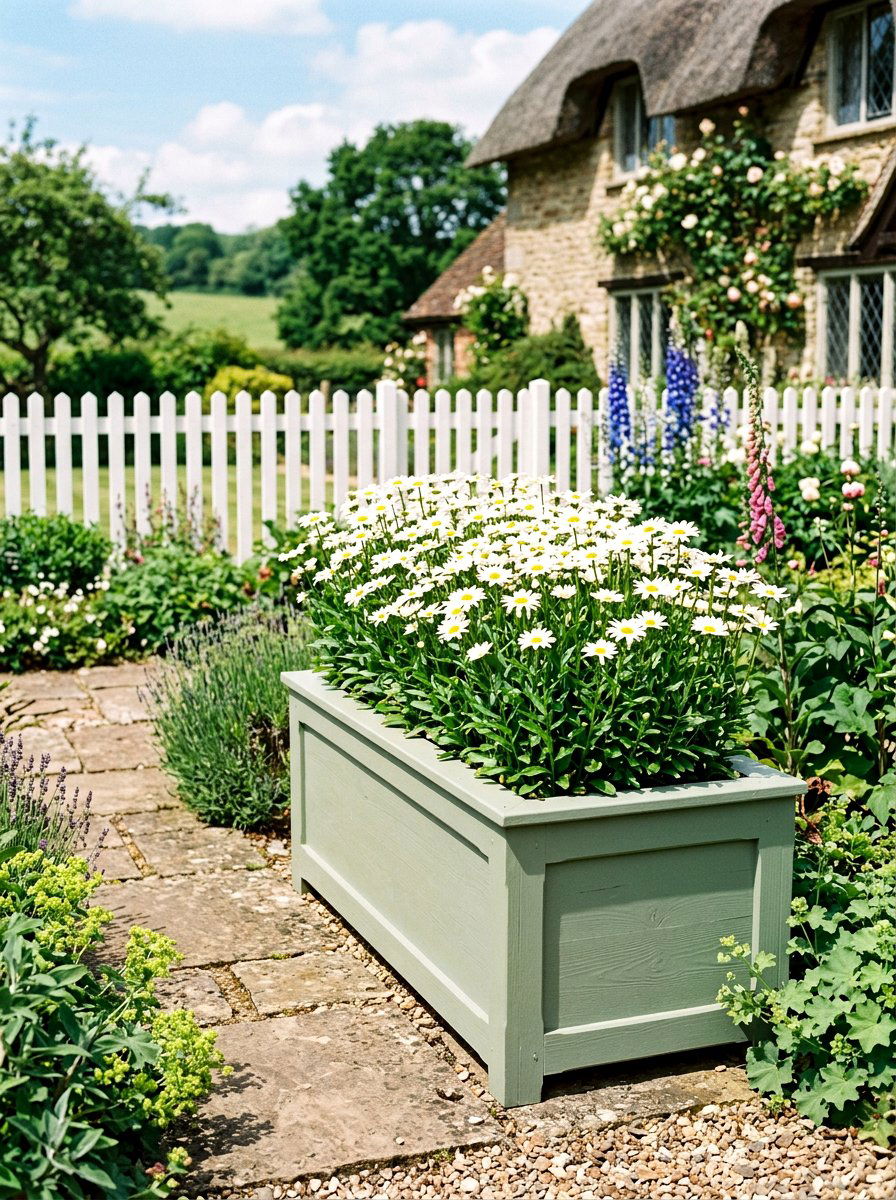
Adding a splash of color to your garden is easy when you choose to paint your wooden raised beds with vibrant spring hues. Soft sage green, slate blue, or even a classic creamy white can make your garden look curated and intentional. Use high-quality exterior paint that is safe for plants to ensure the color lasts through the rain and sun. Painting your beds also helps protect the wood from the elements, extending its lifespan significantly. This is a great way to match your garden structures to the color of your home’s trim or shutters, creating a cohesive and polished look for your property.
5. Herb Spiral Planter
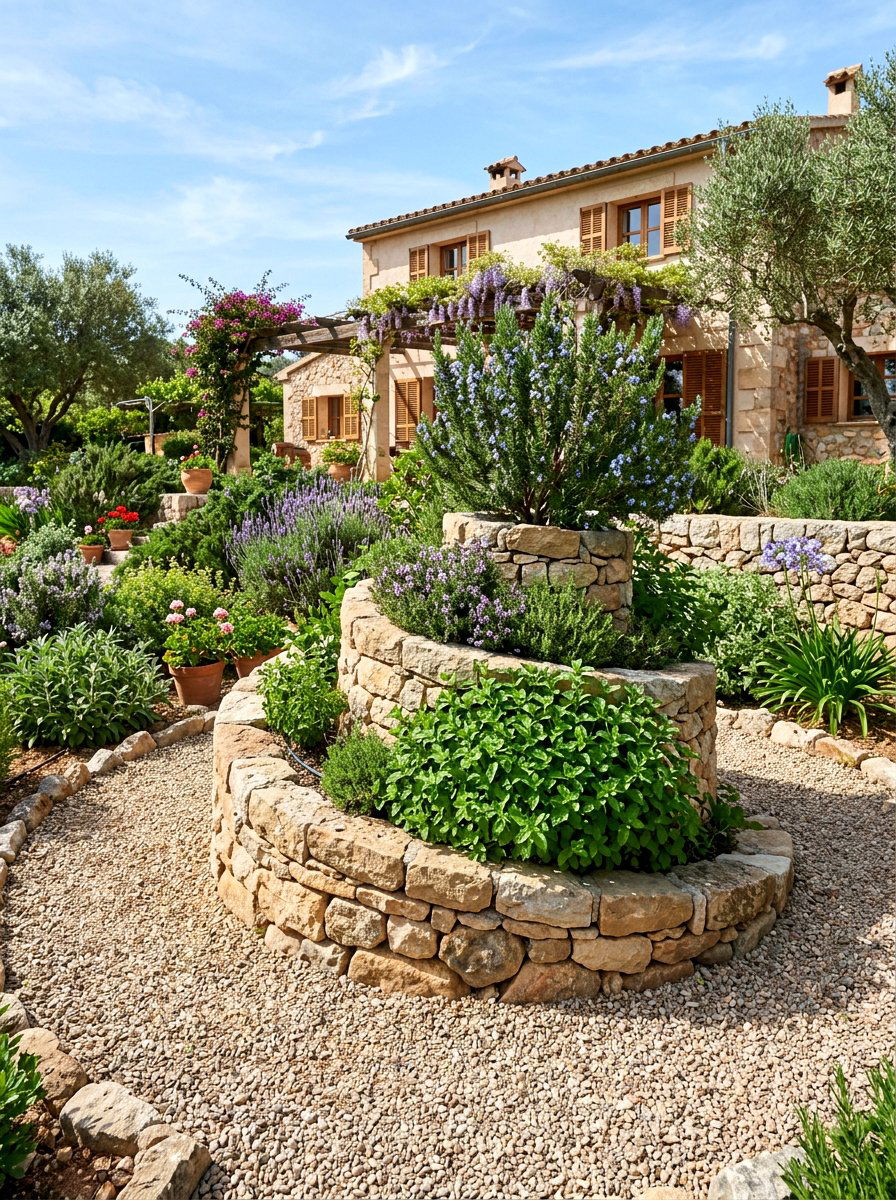
A herb spiral is a unique and space-saving way to grow a variety of kitchen greens in a decorative vertical arrangement. This design uses stones or bricks to create a circular ramp that gets taller toward the center, allowing for different microclimates within one bed. Plants that love dry soil go at the top, while those that prefer more moisture stay at the bottom. It looks like a beautiful landscape sculpture in your yard and makes it very easy to reach all your herbs from one spot. This functional art piece is a conversation starter and a highly efficient way to organize your spring planting.
6. Natural Stone Garden Bed
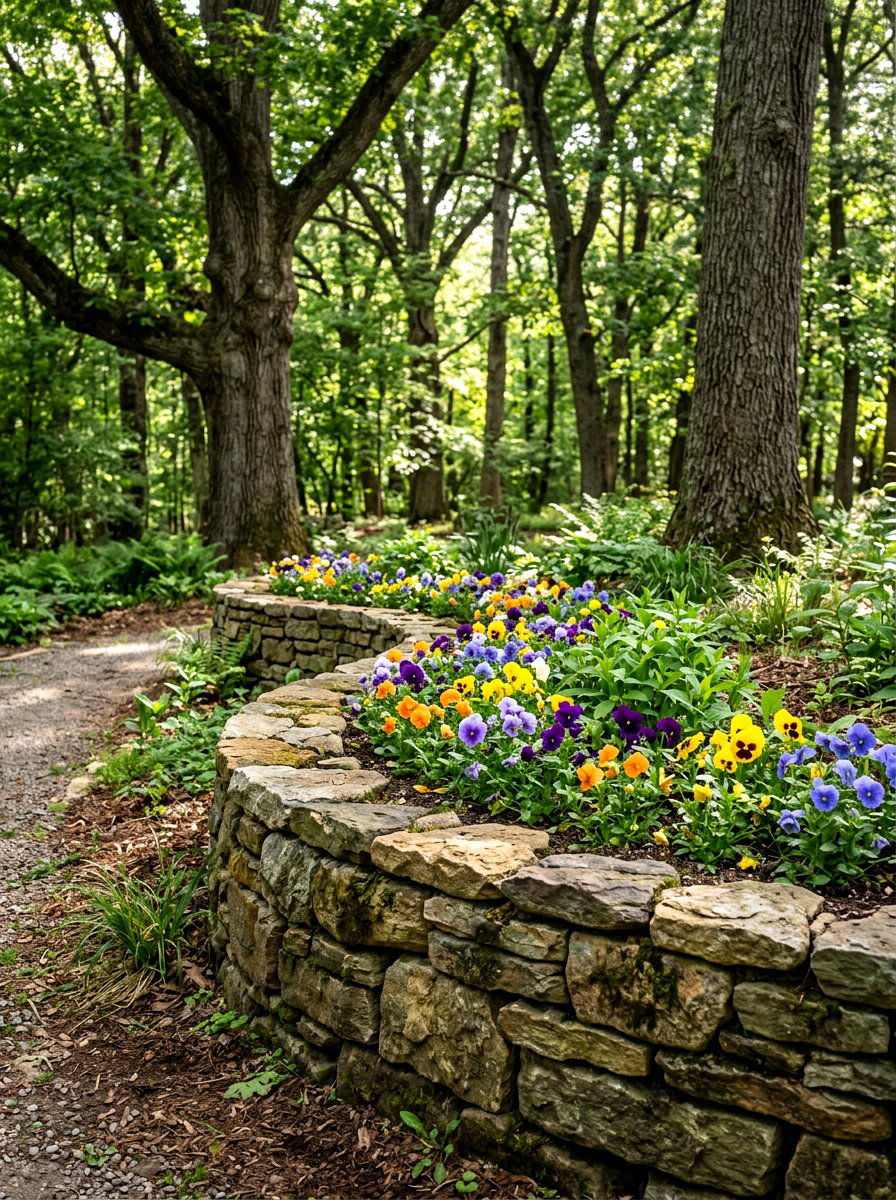
Building raised beds out of natural stone or fieldstone provides an organic and timeless look that blends seamlessly with the earth. This style is perfect for a rustic or cottage-themed garden where you want the structures to look like they have been there for decades. Stone holds heat well, which can help warm the soil earlier in the spring for faster plant growth. You can stack the stones loosely for a casual look or use mortar for a more permanent and formal structure. The varying textures and colors of the rocks provide a beautiful backdrop for colorful spring flowers and deep green vegetable leaves.
7. Tiered Vegetable Garden
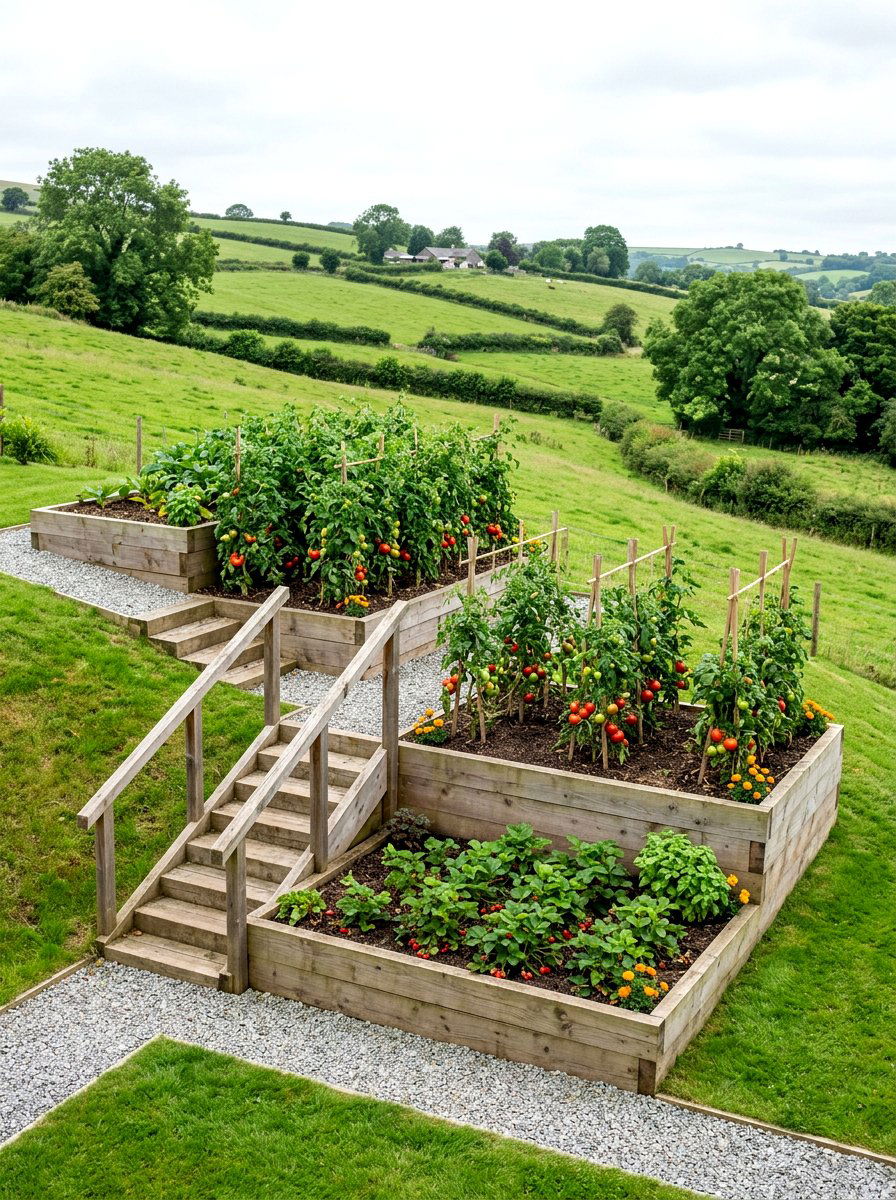
Tiered garden beds are an excellent solution for sloped yards or for gardeners who want to create a dramatic visual display. By stacking beds of different heights, you create a staircase effect that allows every plant to get plenty of sunlight. This design is ideal for mixing different types of plants, such as trailing strawberries on the lower levels and tall tomatoes on the top. It adds a lot of architectural interest to your landscape and makes the garden feel much larger than it actually is. Tiering also prevents you from having to lean over as far, making your spring gardening tasks much more comfortable.
8. Brick Raised Garden Bed
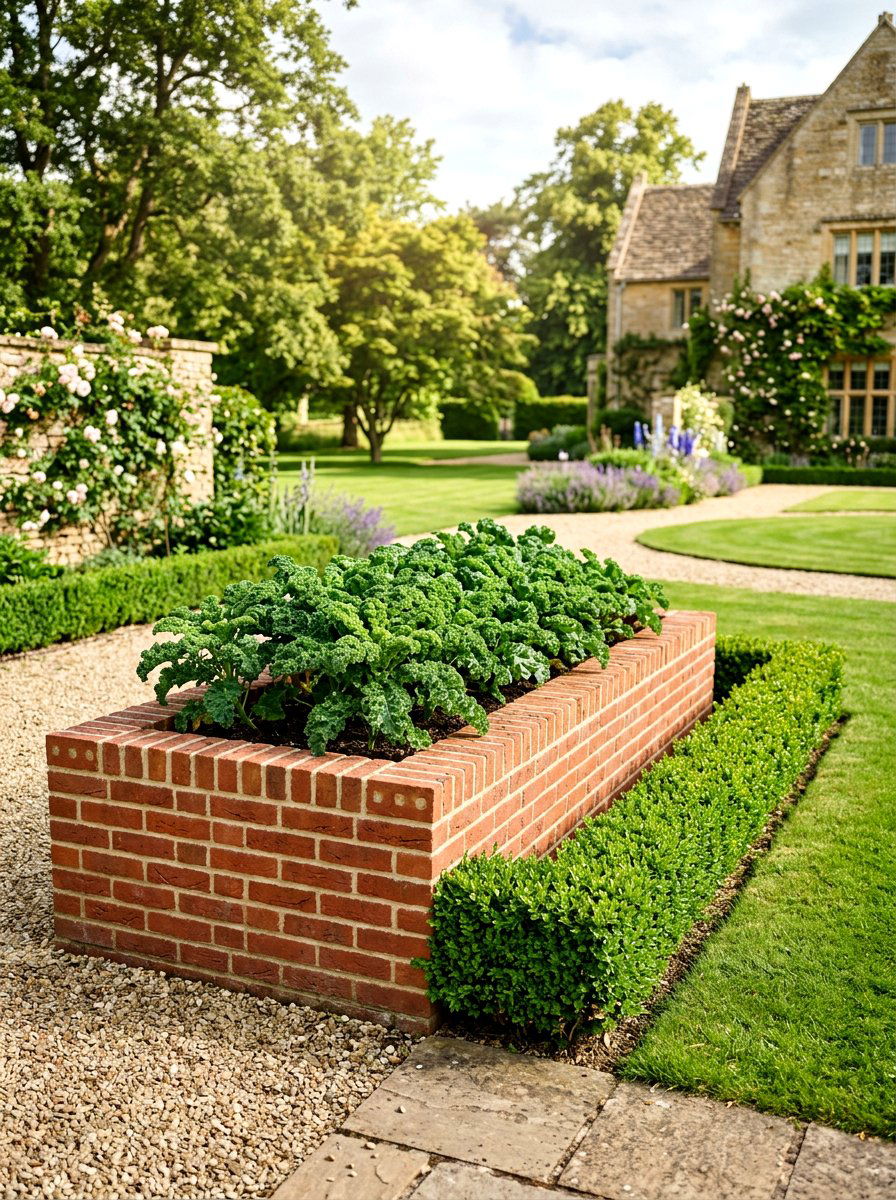
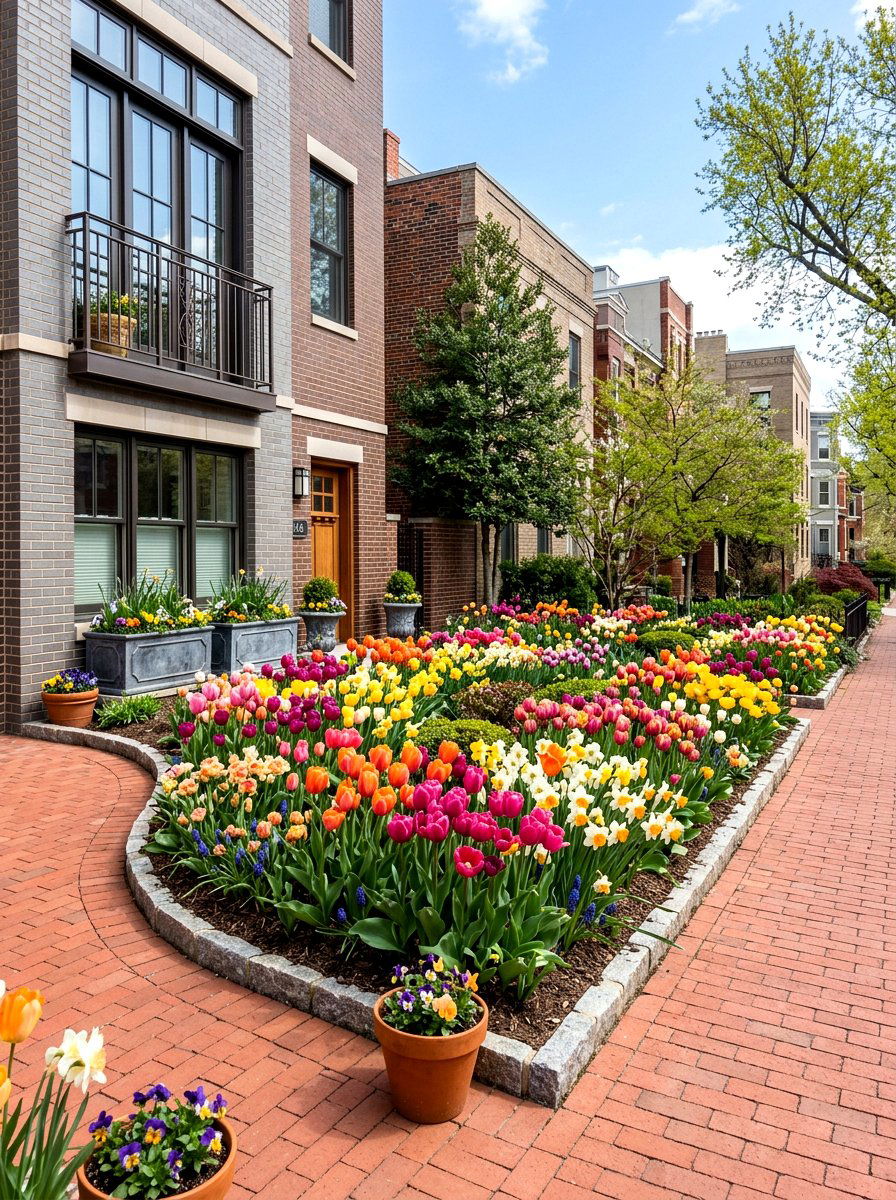
Using bricks to construct your raised beds offers a classic, traditional aesthetic that complements many architectural styles. Brick is incredibly durable and provides a sense of permanence and structure to your outdoor space. You can choose new red bricks for a clean look or reclaimed bricks for a more weathered and historic feel. The even shape of bricks makes it easy to create perfectly straight lines or elegant curves depending on your preference. Brick also helps to insulate the soil, protecting delicate spring roots from sudden temperature changes. It is a sophisticated choice that increases the curb appeal of your entire home and backyard.
9. Woven Willow Garden Edging
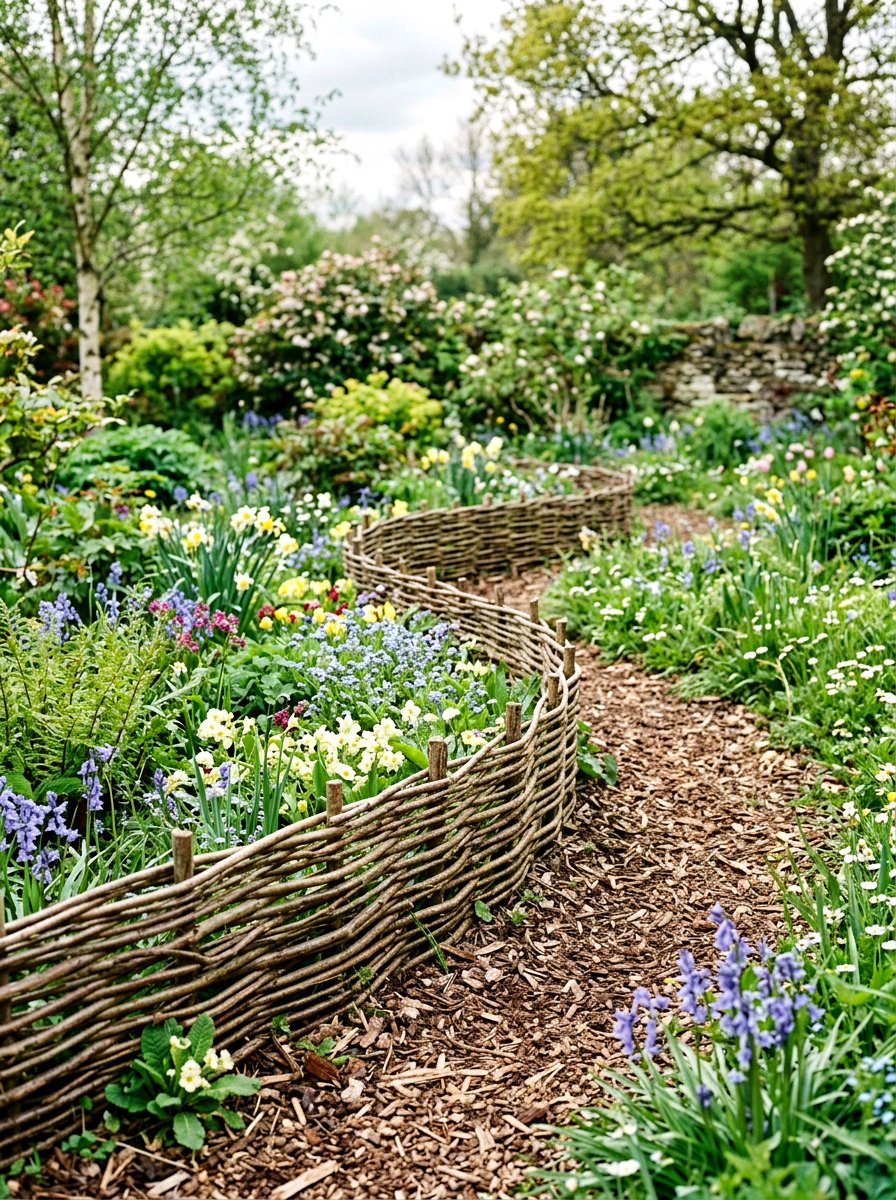
For a truly charming and rustic spring garden, consider using woven willow or wattle to create the sides of your raised beds. This ancient technique involves weaving flexible branches around upright stakes to form a sturdy and breathable border. It looks incredibly natural and sits beautifully in a woodland or cottage garden setting. Woven beds are perfect for growing flowers or herbs and provide a soft, handmade feel that store-bought kits simply cannot replicate. While they may not last as long as stone or cedar, their unique texture and biodegradable nature make them a favorite for eco-conscious and artistic gardeners alike.
10. Vertical Pallet Garden
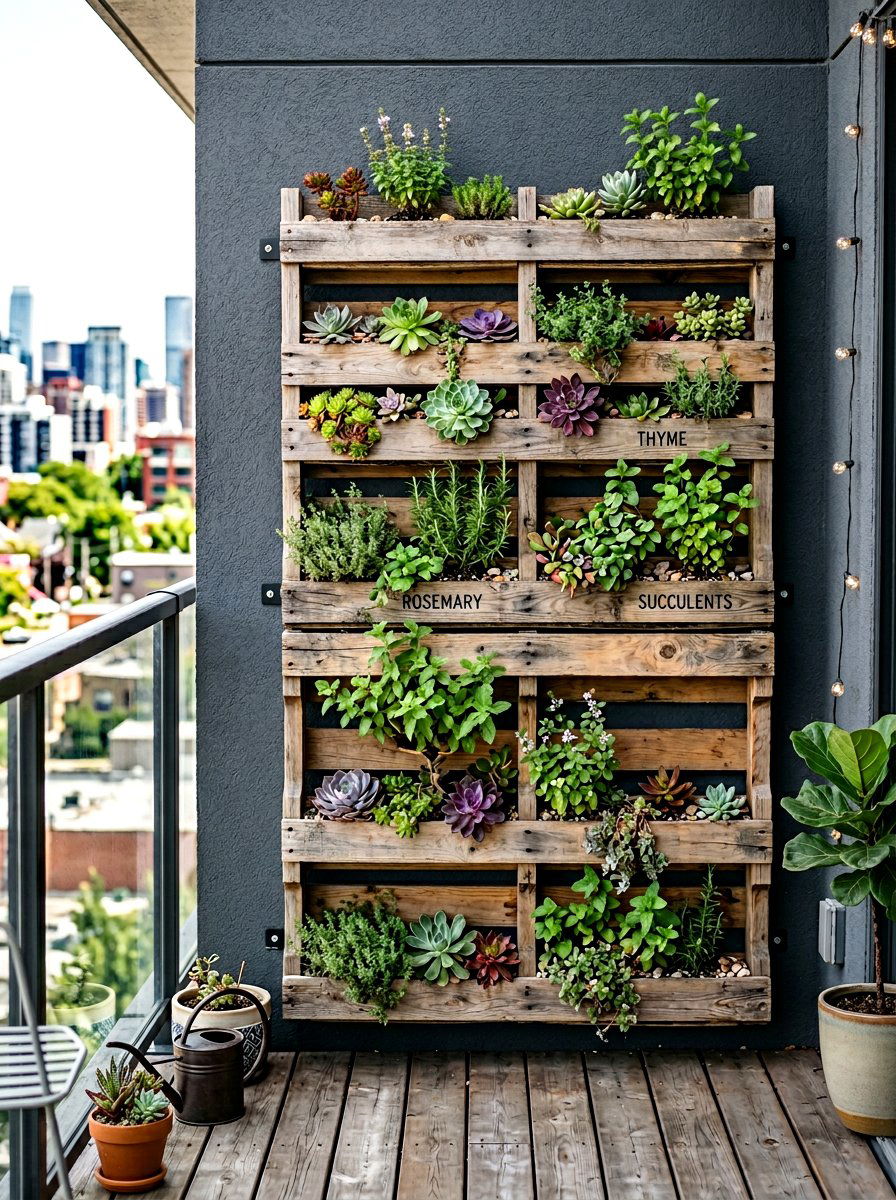
Recycling old wooden pallets into vertical garden beds is a budget-friendly and creative way to decorate your spring patio. You can lean a pallet against a wall or attach it to a fence, filling the gaps with landscape fabric to hold the soil in place. This method is perfect for growing succulents, small flowers, or lettuce in a very compact footprint. It allows you to turn a bare wall into a living tapestry of color and texture. Sanding and staining the pallet can give it a more refined look that fits perfectly with modern or farmhouse outdoor decor styles without costing a lot.
11. Concrete Block Planter
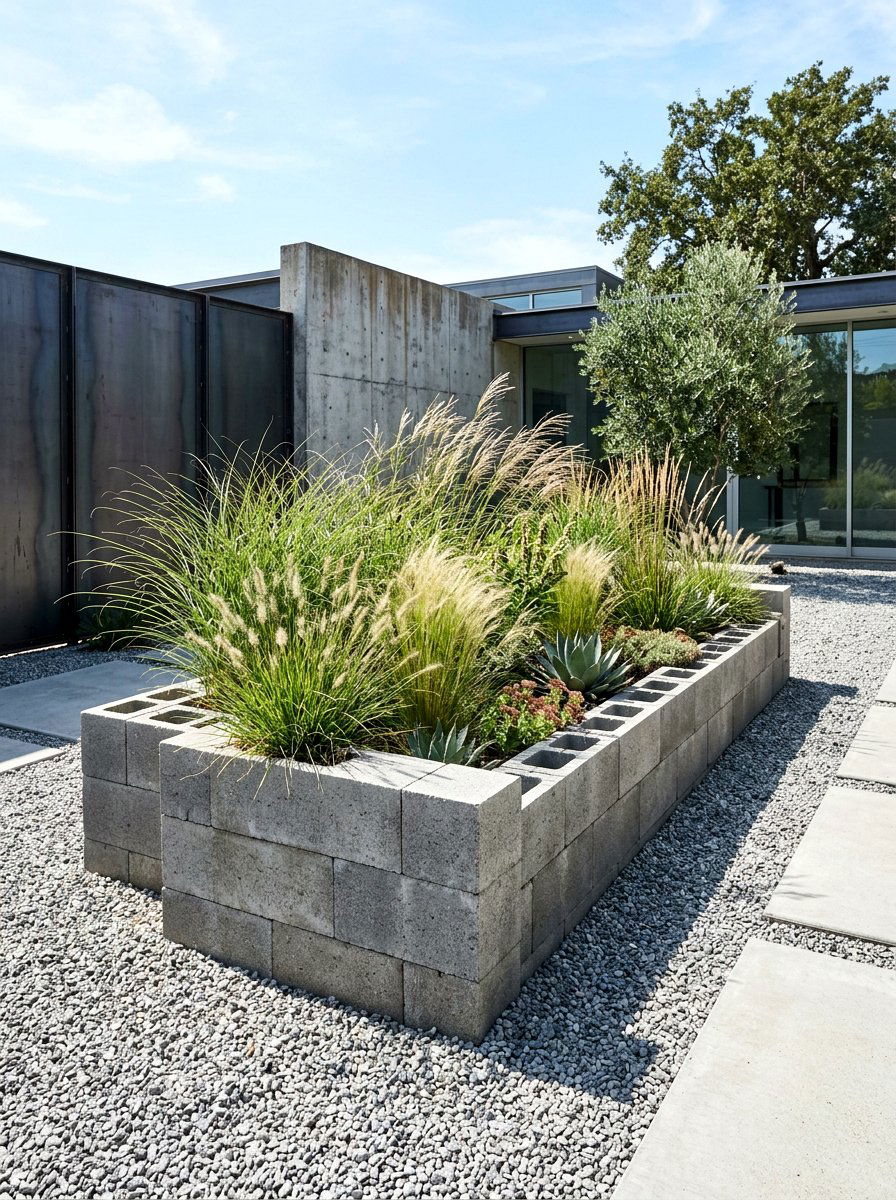
Concrete blocks are a versatile and affordable material for building modern, geometric raised beds in your spring garden. You can arrange the blocks in various shapes and even leave some of the openings facing upward to act as individual mini-planters. Painting the concrete or leaving it raw provides a cool, minimalist vibe that looks great with architectural plants like ornamental grasses. These beds are incredibly heavy and stable, meaning they will never shift or rot. They are also fireproof and pest-resistant, making them one of the most practical options for a long-term garden layout that requires absolutely no maintenance after the initial setup.
12. Arched Garden Trellis
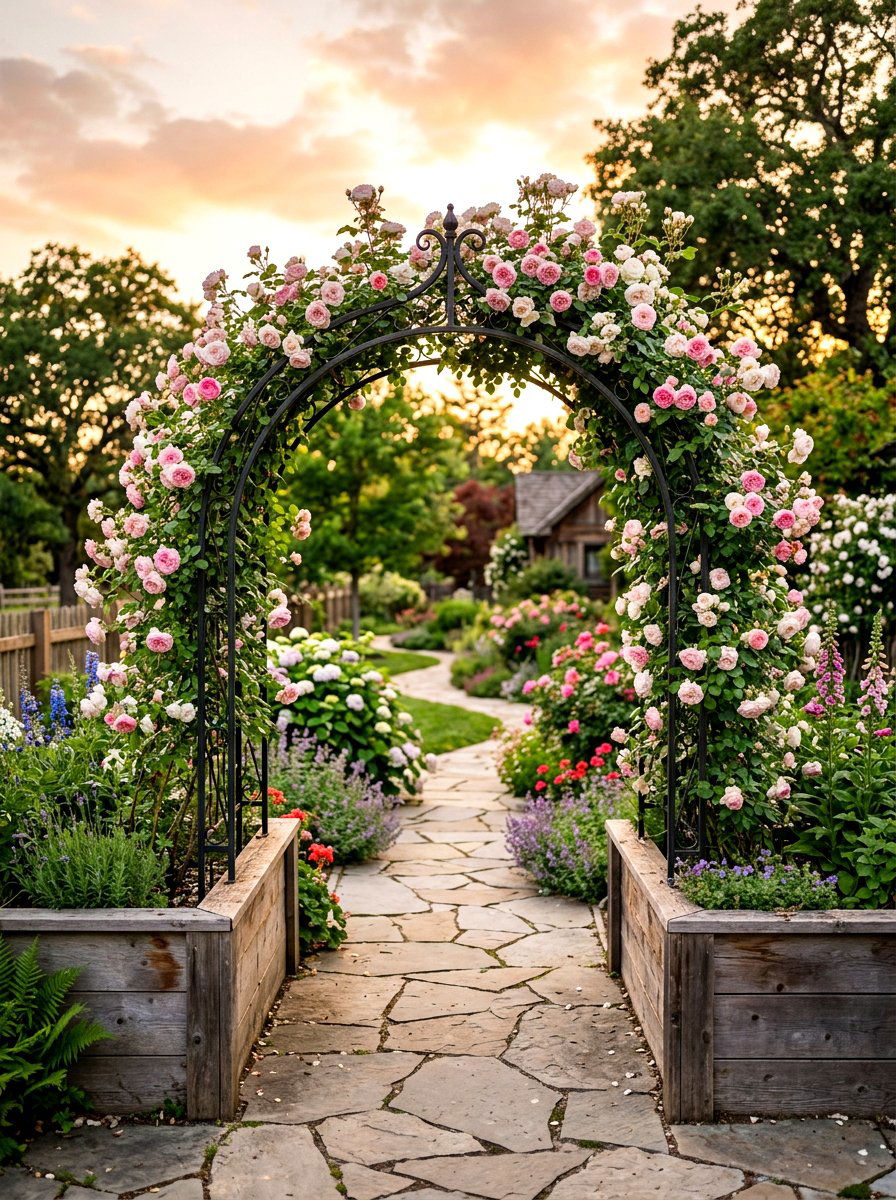
Connecting two raised beds with an overhead arched trellis creates a magical walkway that serves as a stunning focal point. During the spring, you can plant climbing roses, jasmine, or even heavy-duty vegetables like squash to grow up and over the arch. This design adds incredible vertical interest to your yard and creates a sense of enclosure and privacy. Walking under a canopy of green leaves and bright flowers is a wonderful sensory experience that makes your garden feel like a private sanctuary. It is an ambitious project that pays off with a professional, high-end look that will impress every visitor.
13. Solar Lighting For Garden Beds
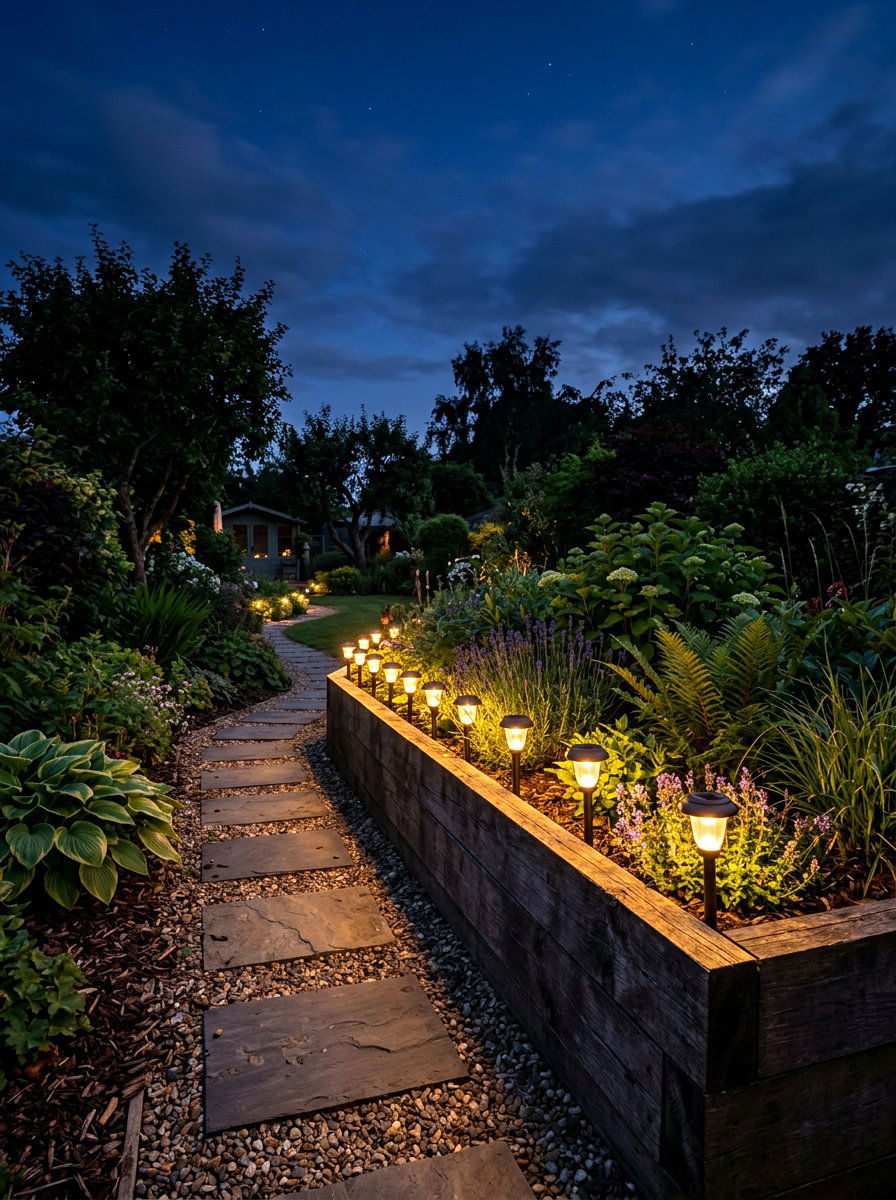
Adding solar lighting to the perimeter of your raised beds is a simple way to make your garden glow after the sun sets. You can use small stake lights at the corners or flexible LED strips tucked under the top rail for a more subtle effect. Lighting your beds highlights the texture of the materials and the shapes of your plants, making the garden usable and beautiful at night. It also increases safety by illuminating pathways and edges throughout your outdoor space. Solar options are easy to install because they require no wiring, allowing you to quickly upgrade your spring garden's ambiance and functionality.
14. Rustic Log Planter
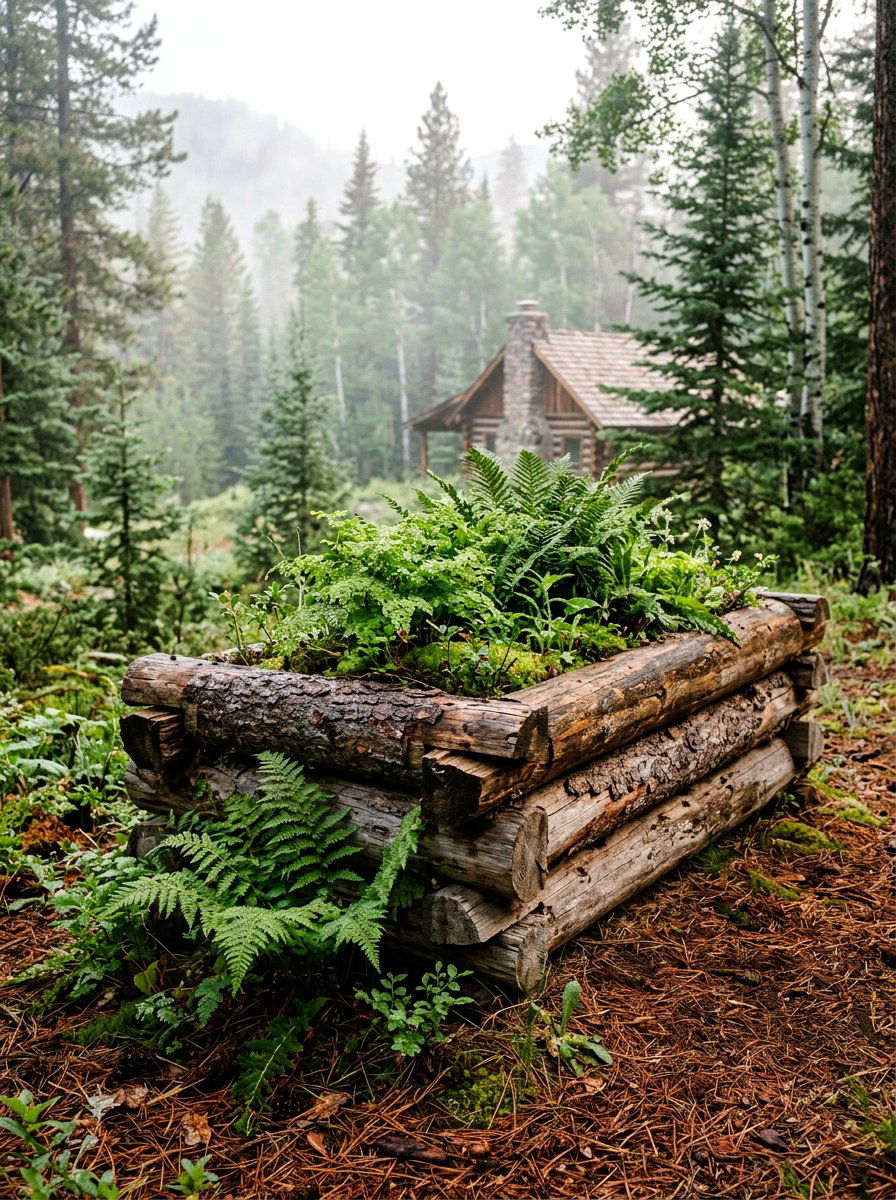
If you want a garden that looks like it belongs in a mountain retreat, consider using fallen logs to border your raised beds. This natural approach is perfect for a woodland setting and provides a very thick, sturdy wall for your soil. The bark and wood grain add incredible texture and a sense of rugged beauty to the landscape. Over time, the logs will naturally age and may even host beneficial mosses or fungi, adding to the ecological richness of your garden. It is a fantastic way to repurpose natural materials from your own property while creating a unique and earthy spring garden feature.
15. Galvanized Stock Tank Garden
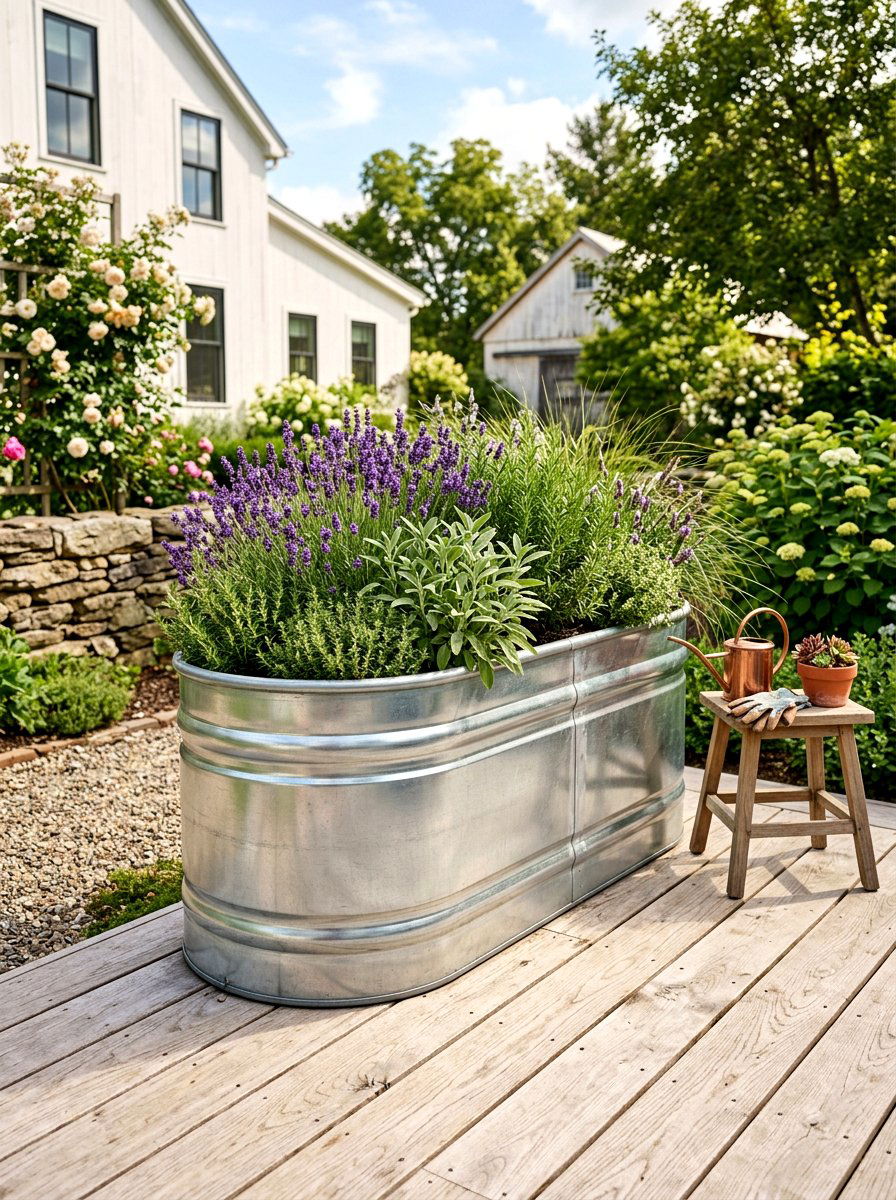
Using galvanized stock tanks as raised beds is a popular trend that brings a clean, farmhouse-chic look to any backyard. These metal tubs are originally designed for livestock, meaning they are incredibly tough and waterproof. They come in various sizes and shapes, from long ovals to deep circles, allowing you to fit them into tight spaces or make them a central feature. They are perfect for people who want to avoid building structures from scratch, as they are ready to plant once you drill drainage holes. Their silver finish looks beautiful when paired with bright spring flowers like tulips or lavender.

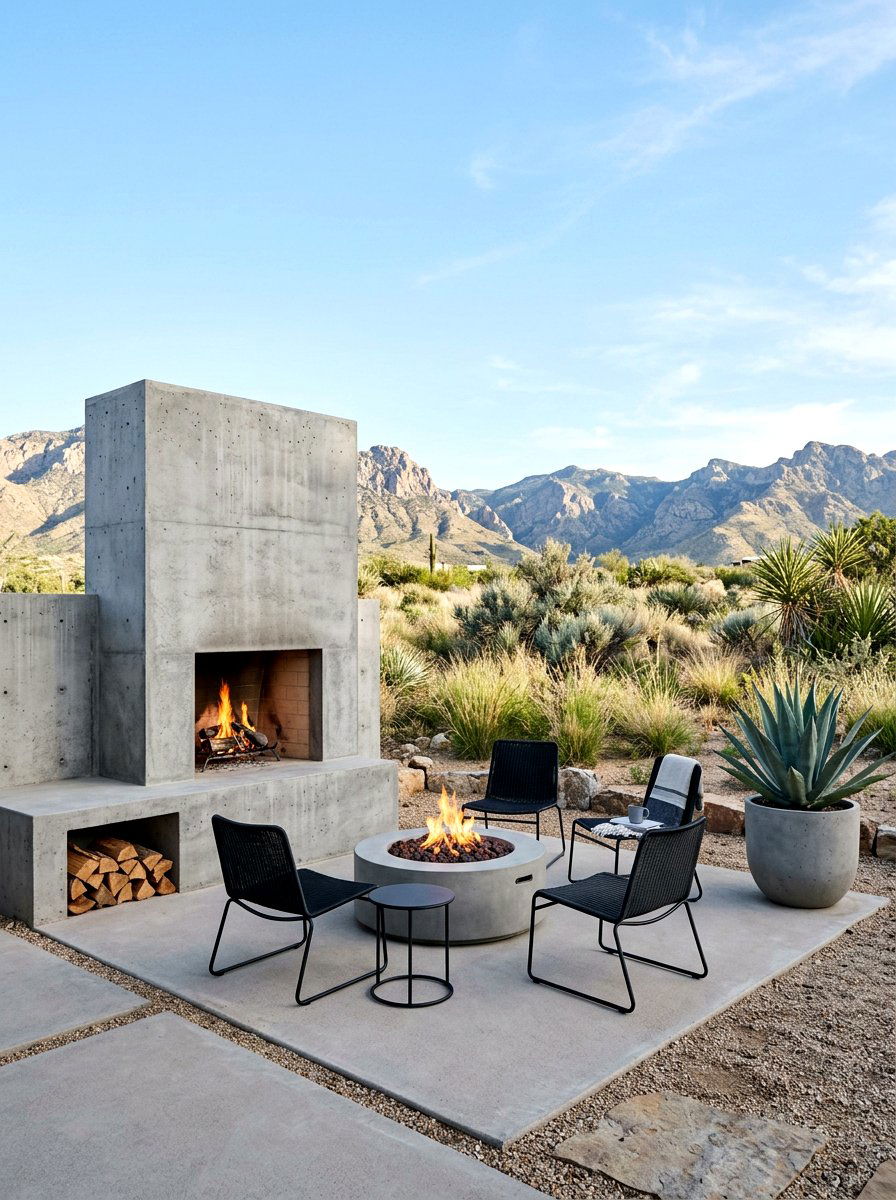
16. U Shaped Garden Bed
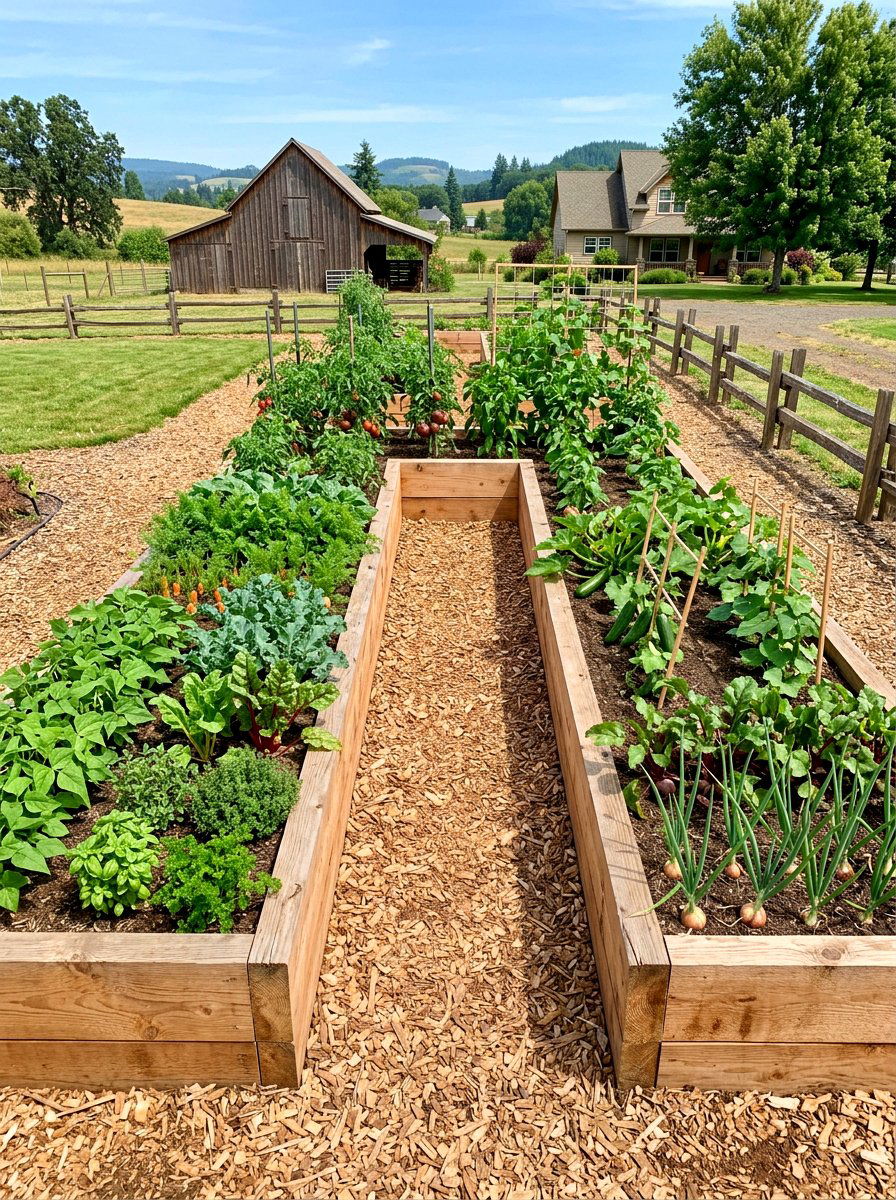
A U-shaped raised bed is a brilliant design for those who want to maximize their planting area while keeping everything within easy reach. The center cutout allows you to walk into the middle of the garden, so you never have to stretch across wide sections of soil. This layout is particularly helpful for those with back issues or for intensive vegetable gardening where frequent maintenance is required. It creates a cozy nook that feels like its own little outdoor room. You can even place a small chair or a decorative fountain in the center to make the space feel even more like a private oasis.
17. Corner Raised Bed Planter
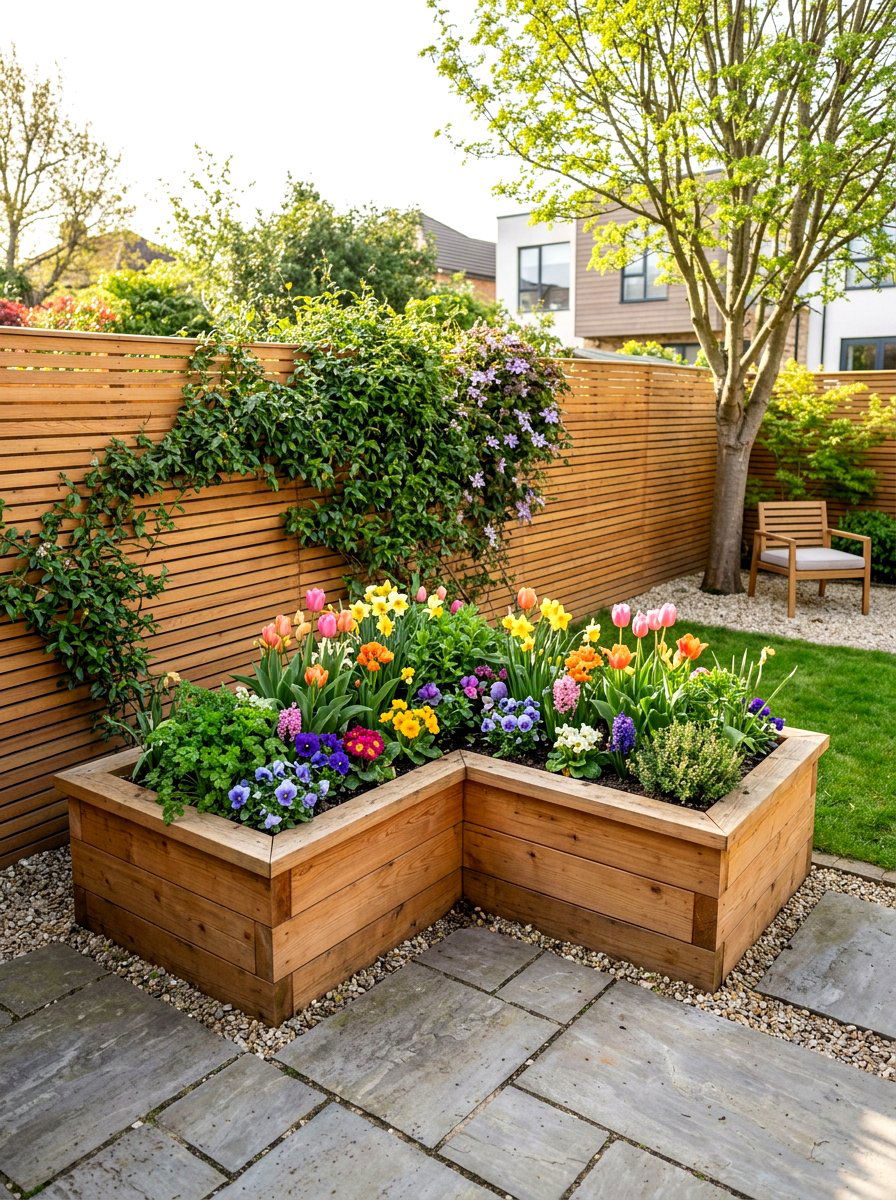
Utilizing the corners of your yard or patio with a L-shaped or triangular raised bed is a smart way to save space. These beds fit perfectly into often-unused areas, turning them into productive and beautiful green zones. Corner planters can help frame a seating area or hide a plain fence, adding layers and depth to your landscape. They are ideal for planting a mix of perennial shrubs and seasonal spring annuals to keep the area looking lush all year round. Because they are tucked away, they create a very neat and organized appearance that keeps your main lawn area open and clear.
18. Greenhouse Cover For Raised Bed
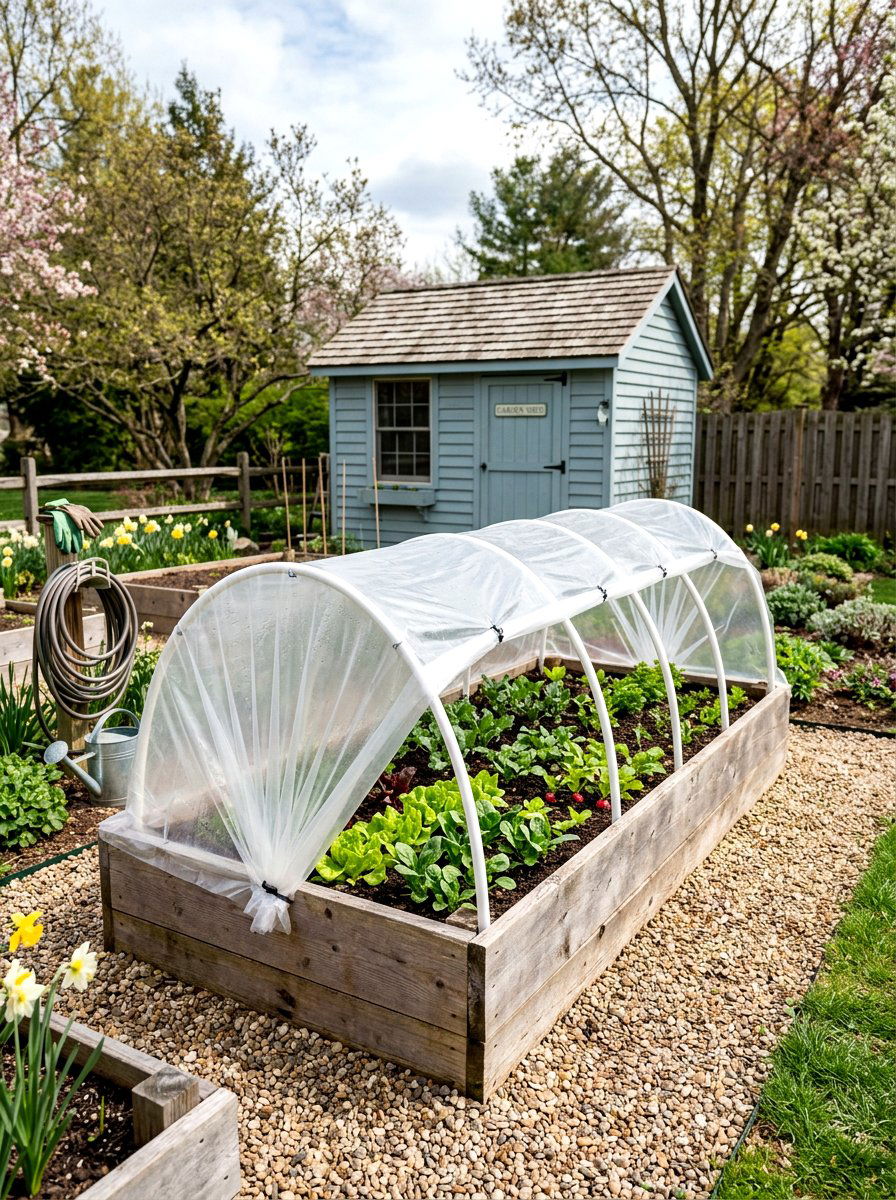
Adding a simple greenhouse or cold frame cover to your raised bed allows you to start your spring garden weeks earlier than usual. You can build a simple frame out of PVC pipe or wood and cover it with clear plastic or glass. This protects your delicate seedlings from late frosts and creates a warm environment that accelerates growth. It is a very practical decoration that shows you are a serious gardener who values productivity. When the weather warms up, many covers can be folded back or removed entirely, giving you a versatile structure that adapts to the changing seasons and needs.
19. Self Watering Garden Box
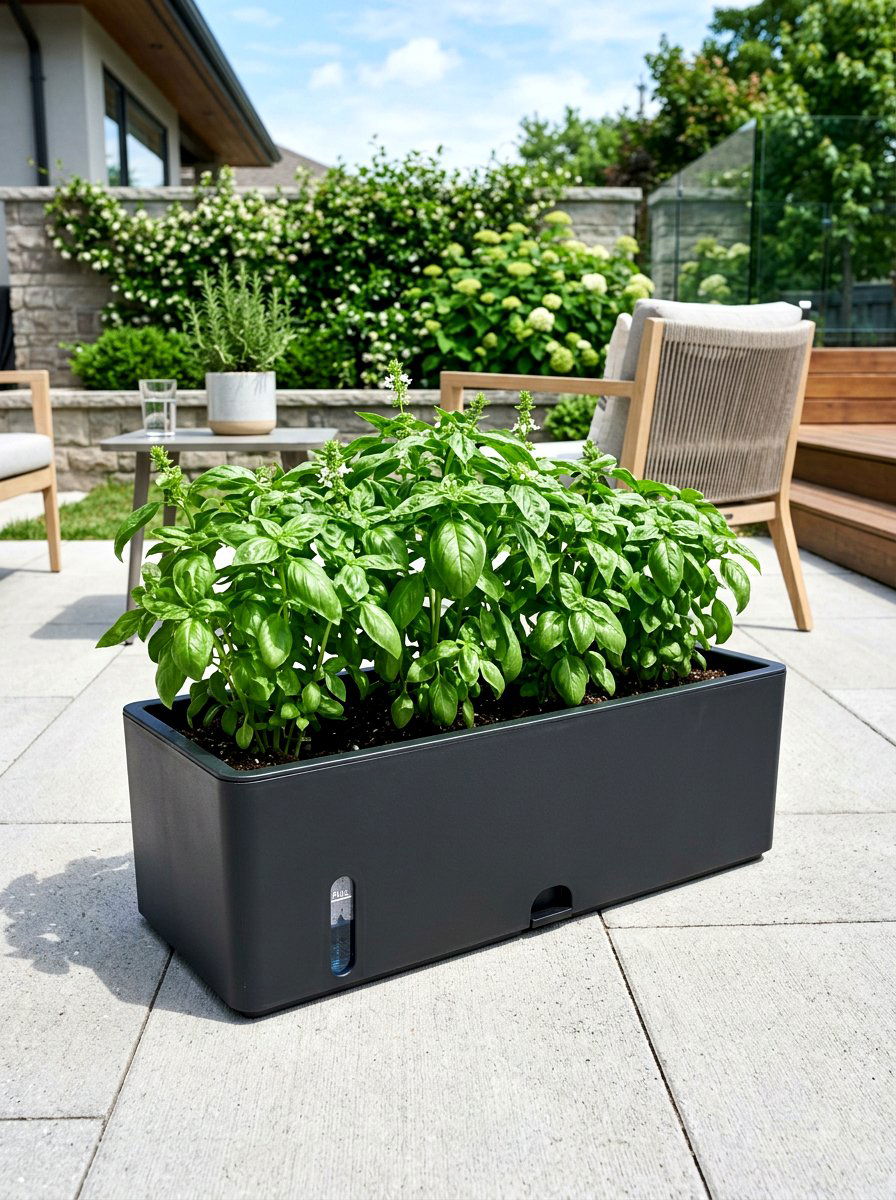
A self-watering raised bed is a high-tech solution for busy people who still want a thriving spring garden. These beds feature a built-in reservoir at the bottom that provides consistent moisture to the plant roots through capillary action. This prevents the soil from drying out on hot days and reduces the frequency of manual watering. Many of these kits come with a clean, modern exterior made of durable resin or composite wood that looks great on a deck or patio. It is a smart, functional choice that ensures your plants stay healthy and vibrant even if you have a busy schedule or travel.
20. Cold Frame Planter
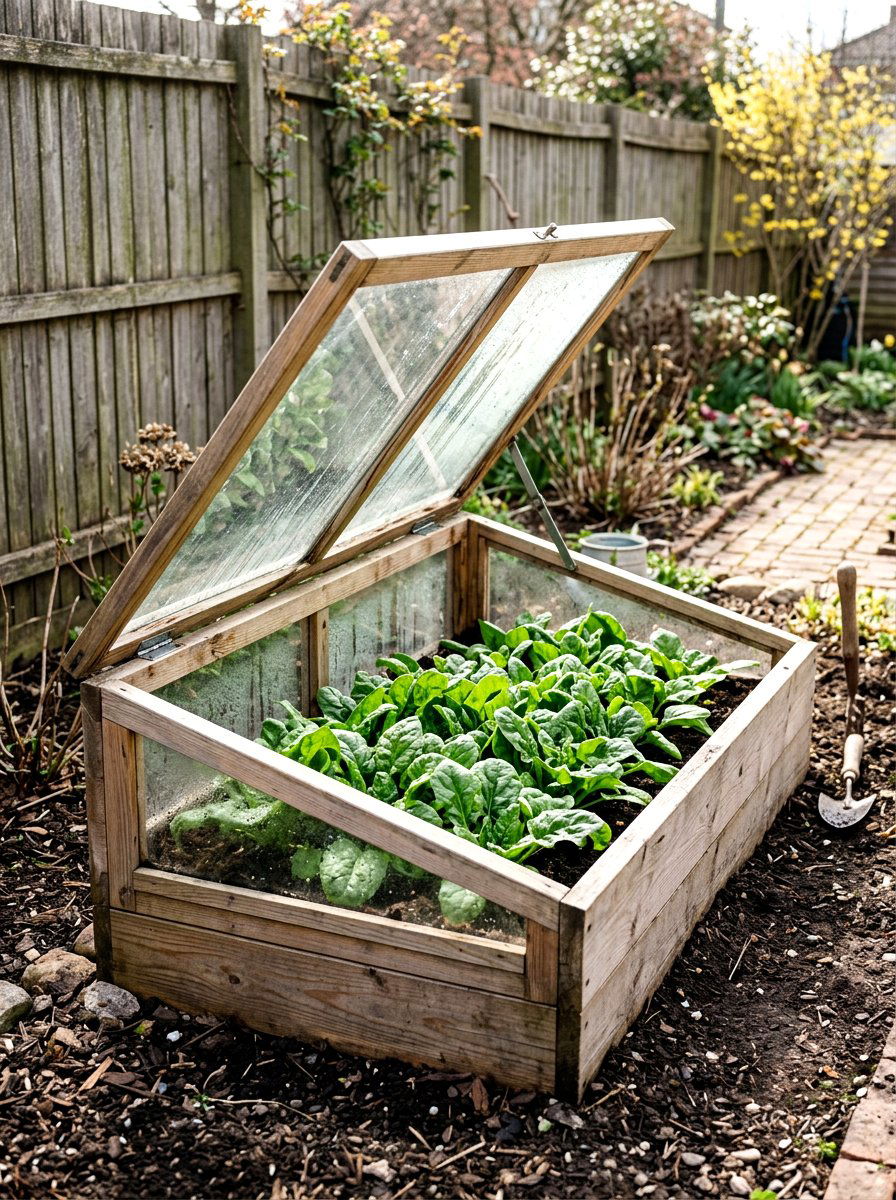
A cold frame is essentially a low-profile raised bed with a transparent lid that acts like a miniature greenhouse for your spring greens. These are excellent for growing lettuce, spinach, and kale during the cooler early spring months when the ground is still cold. The angled top is designed to catch the maximum amount of sunlight, trapping heat inside to keep plants cozy. You can build them with reclaimed windows for a vintage look or buy modern polycarbonate kits for a cleaner aesthetic. It is a functional and attractive addition that extends your growing season and adds a professional touch to your garden.
21. Raised Bed With Built In Fence
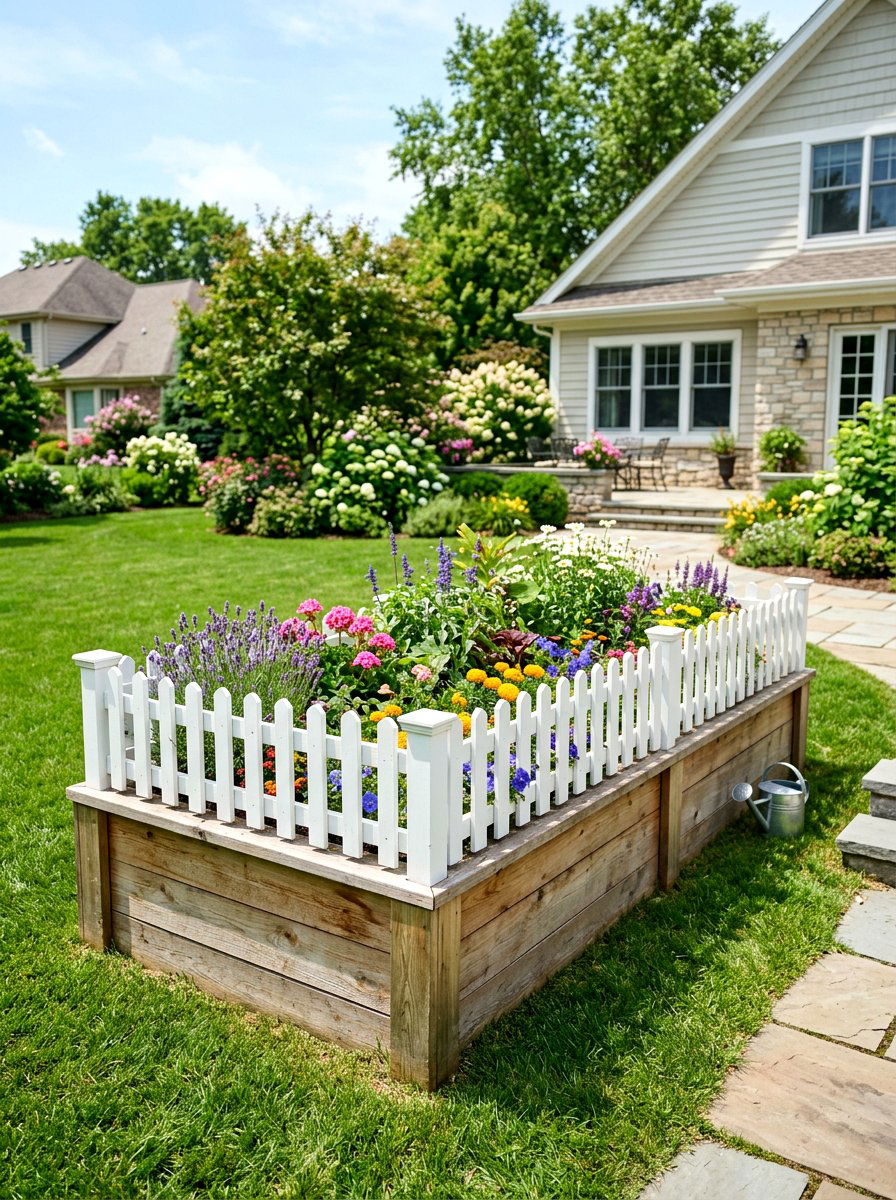
To protect your spring vegetables from curious pets or local wildlife, consider a raised bed with a built-in decorative fence. You can attach a small wooden picket fence or wire mesh panels directly to the frame of the bed. This serves a dual purpose by keeping animals out while adding a charming, finished look to the structure. You can paint the fence to match your home or leave it natural for a rustic appeal. It gives the garden a very intentional and protected feel, ensuring that your hard work planting spring crops doesn't go to waste because of wandering rabbits or dogs.
22. Decorative Stone Veneer Garden Box
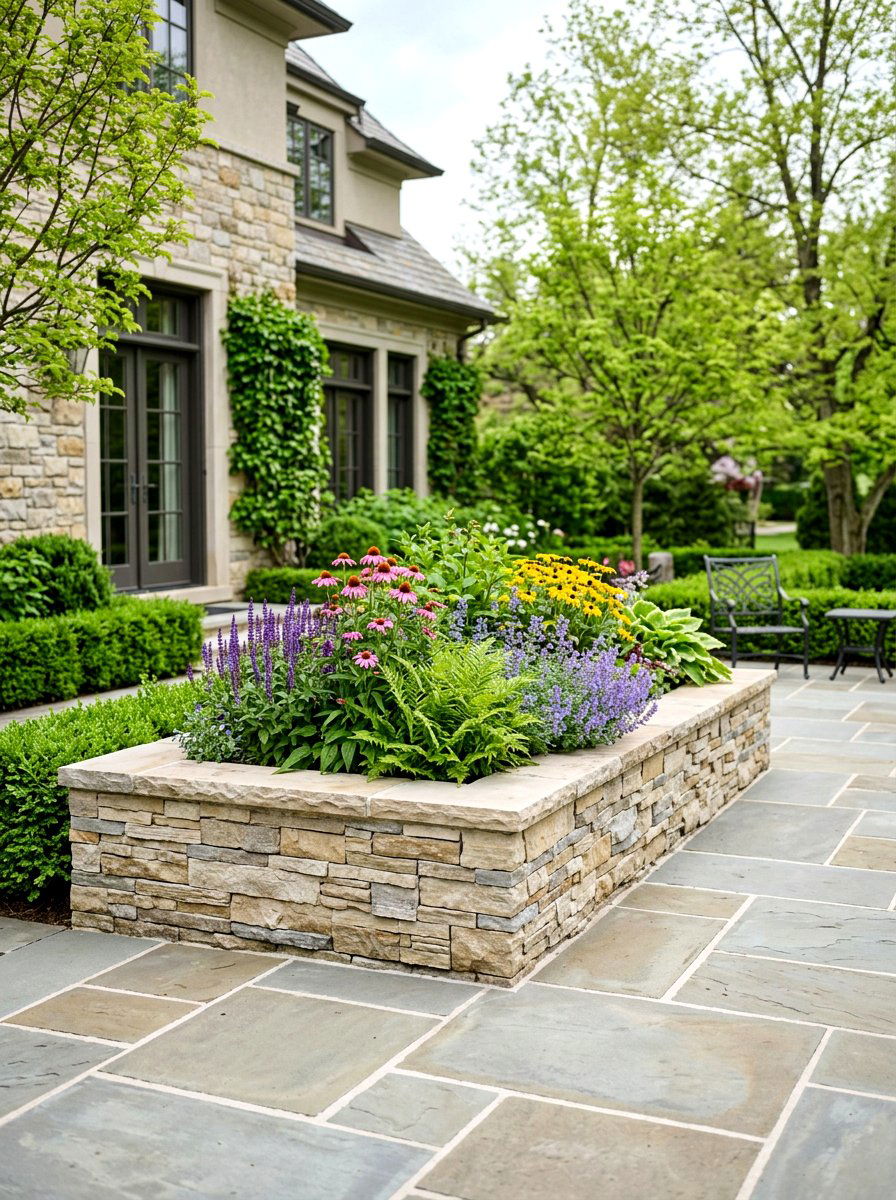
If you want the look of a solid stone wall without the weight or cost, a garden bed with stone veneer is a great option. You build the main structure out of concrete blocks or treated wood and then apply thin slices of natural stone to the exterior. This gives you a high-end, luxury look that matches the stonework on your home or patio. It is a fantastic way to create a permanent-looking feature that adds significant value and beauty to your backyard. The variety of colors and textures available in stone veneer allows you to customize the look to fit your personal style perfectly.
23. Garden Bed With Bench Seating
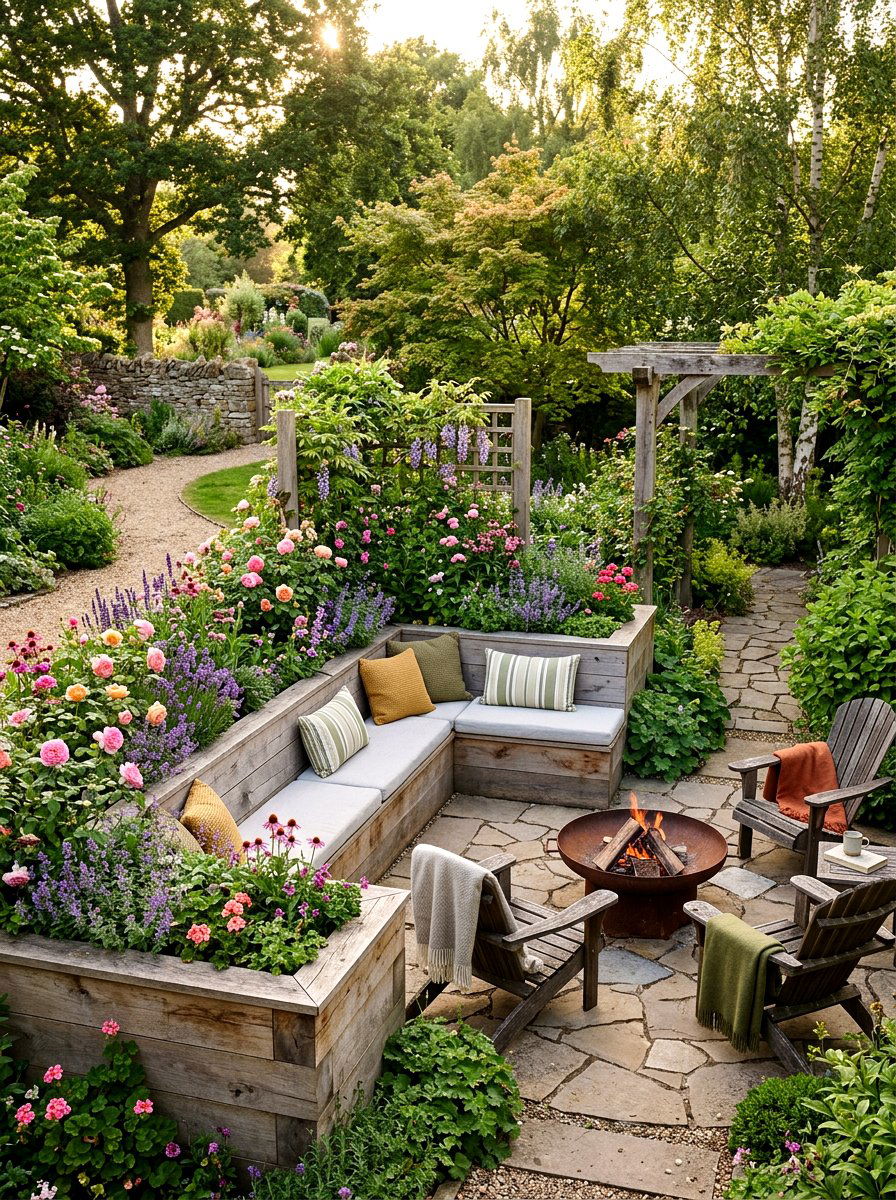
Combining a raised bed with built-in bench seating creates a multi-functional piece of furniture for your spring backyard. By extending the top rail of the bed or building a platform along one side, you provide a comfortable place to sit and enjoy your flowers. This design is perfect for sensory gardens where you want to be close to the fragrance and beauty of your plants. It encourages you to spend more time outdoors and makes the garden feel like a true extension of your living space. It is a thoughtful design that prioritizes both the plants and the people who enjoy them.
24. Cottage Style Flower Bed
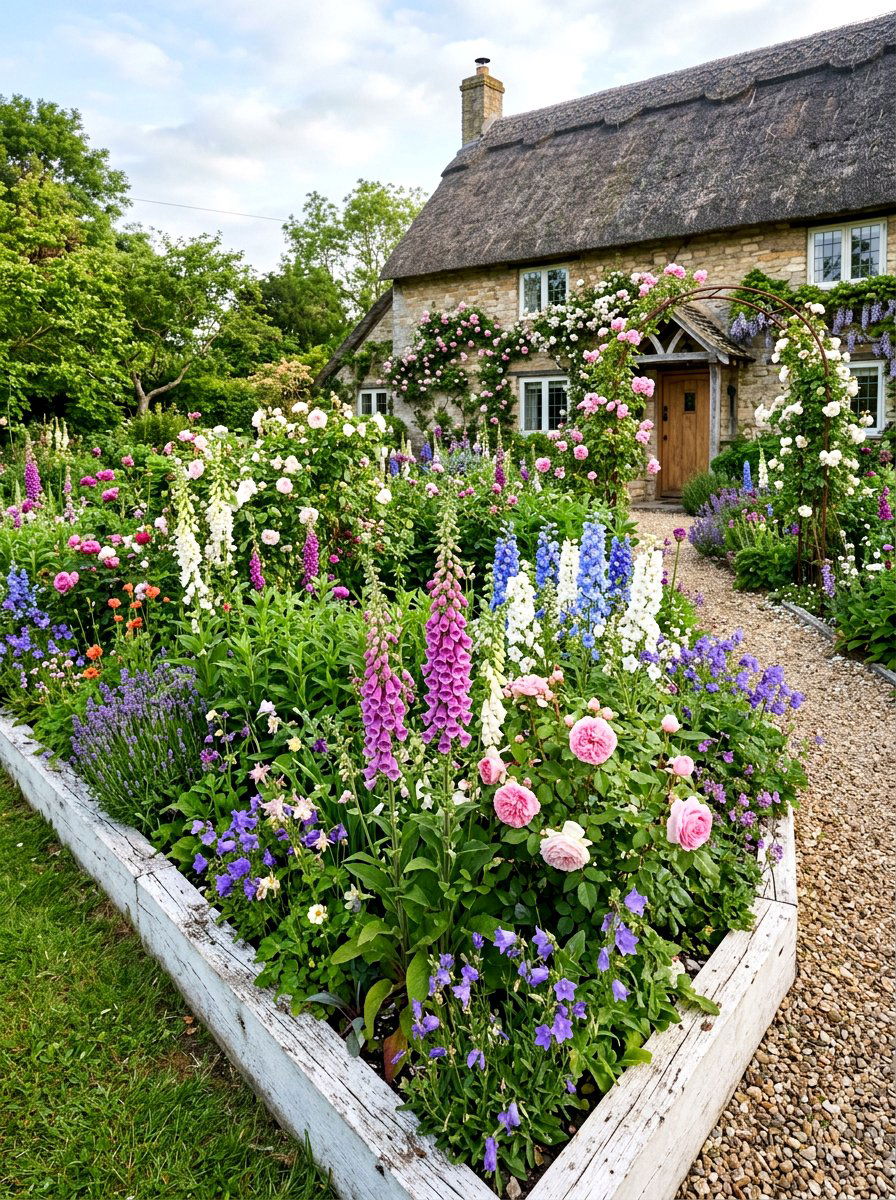
Creating a cottage-style raised bed involves using soft, weathered materials and a dense planting scheme of colorful spring flowers. Think of using white-washed wood or old bricks filled with a mix of lavender, peonies, and foxgloves. The goal is to create a romantic, slightly overgrown look that feels cozy and inviting. This type of bed decoration focuses on charm and whimsey rather than strict lines and order. You can add small decorative touches like vintage garden markers or a small birdhouse on a post to complete the look. It is the ultimate way to bring a touch of classic English charm to your backyard.
25. Modern Black Raised Bed
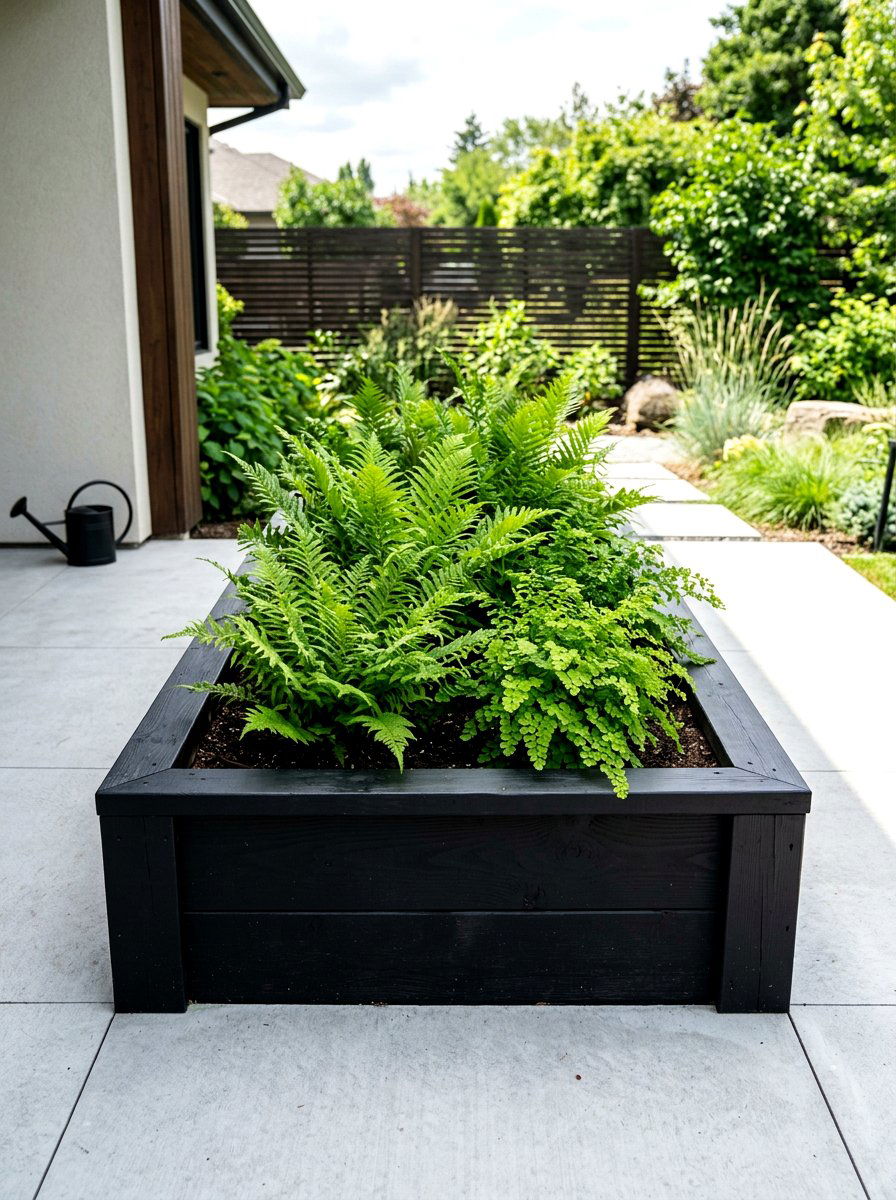
For a bold and sophisticated spring garden, try using black-stained wood or black metal for your raised beds. Dark colors make the vibrant greens and bright colors of spring plants pop with incredible intensity. A black garden bed looks modern, clean, and very high-end, especially when paired with light-colored gravel paths or concrete pavers. It is a popular choice for minimalist landscapes where the focus is on form and contrast. The dark surface also absorbs heat from the sun, which can be a great benefit for warming the soil early in the season to give your spring vegetables a head start.
Conclusion:
Designing a spring garden with raised beds is a rewarding way to improve the organization and beauty of your outdoor living area. Throughout this guide, we have explored a wide variety of styles, from the rustic charm of woven willow to the sleek sophistication of modern black planters. Each of these ideas offers a unique way to customize your space based on your personal style and gardening goals. By selecting high-quality materials and thoughtful layouts, you can create a garden that not only produces a bounty of food and flowers but also serves as a stunning visual retreat for years to come.
Related posts:


Leave a Reply