
Stepping into a vibrant summer garden feels like walking through a living canvas of light and energy. As the sun stays out longer, your outdoor space becomes the perfect backdrop for exploring bold and refreshing color palettes. Choosing the right hues can transform a simple backyard into a professional sanctuary that boosts your mood and enhances curb appeal. From the soothing whispers of cool blues to the fiery excitement of hot oranges, every color choice tells a unique story. In this guide, we will explore various ways to layer shades, textures, and heights to create a cohesive look. Let these well-researched concepts inspire you to refresh your landscape with confidence and style this season.
1. Yellow and purple garden
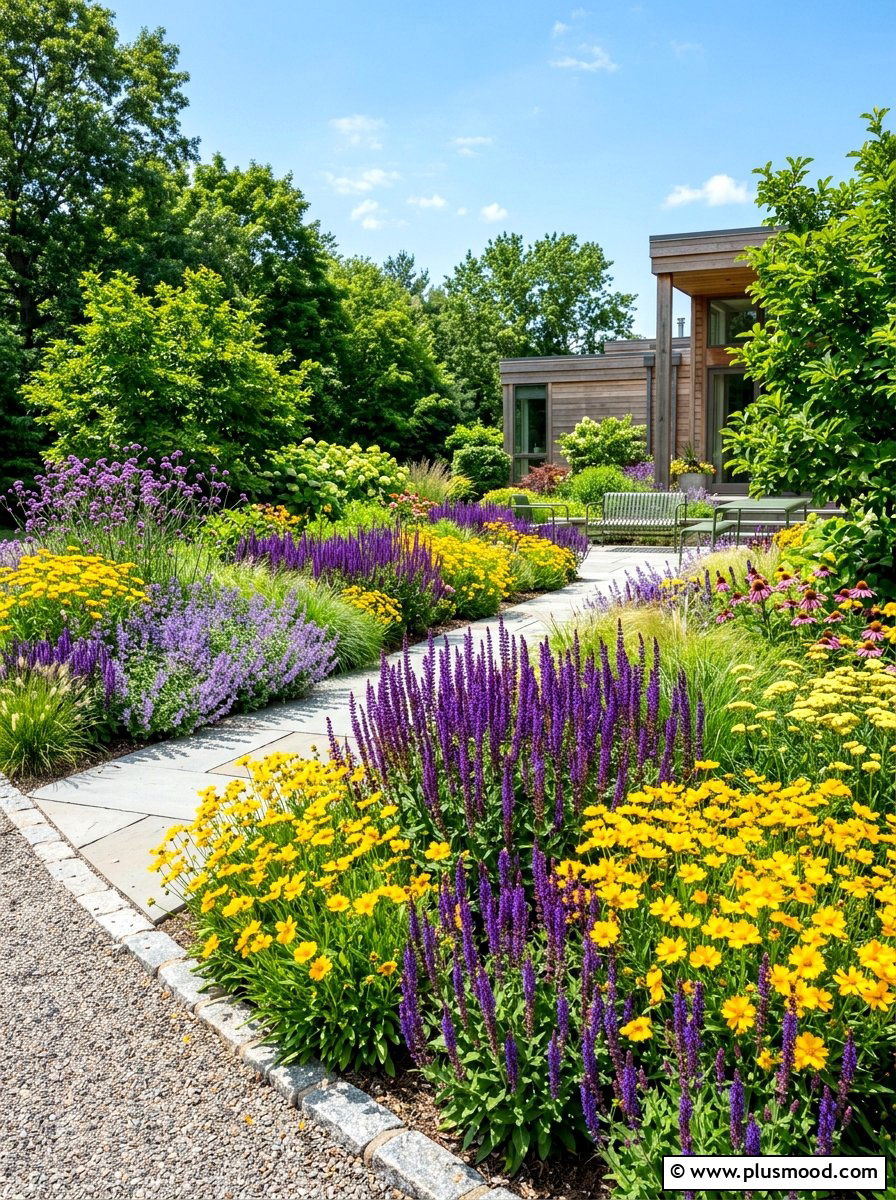
Have you ever noticed how the combination of sunny yellow and deep purple makes a backyard feel instantly more energetic? This classic complementary pairing relies on the high contrast between bright blossoms like sunflowers or coreopsis and the rich hues of salvia or lavender. By placing these colors side by side, you create a visual vibration that draws the eye and makes the garden pop even on overcast days. Consider a layered approach with tall purple spikes in the back and low-growing yellow creeping Jenny in the front. This specific color scheme not only looks stunning but also attracts a wide variety of helpful pollinators to your outdoor sanctuary.
2. Pink and white flower bed
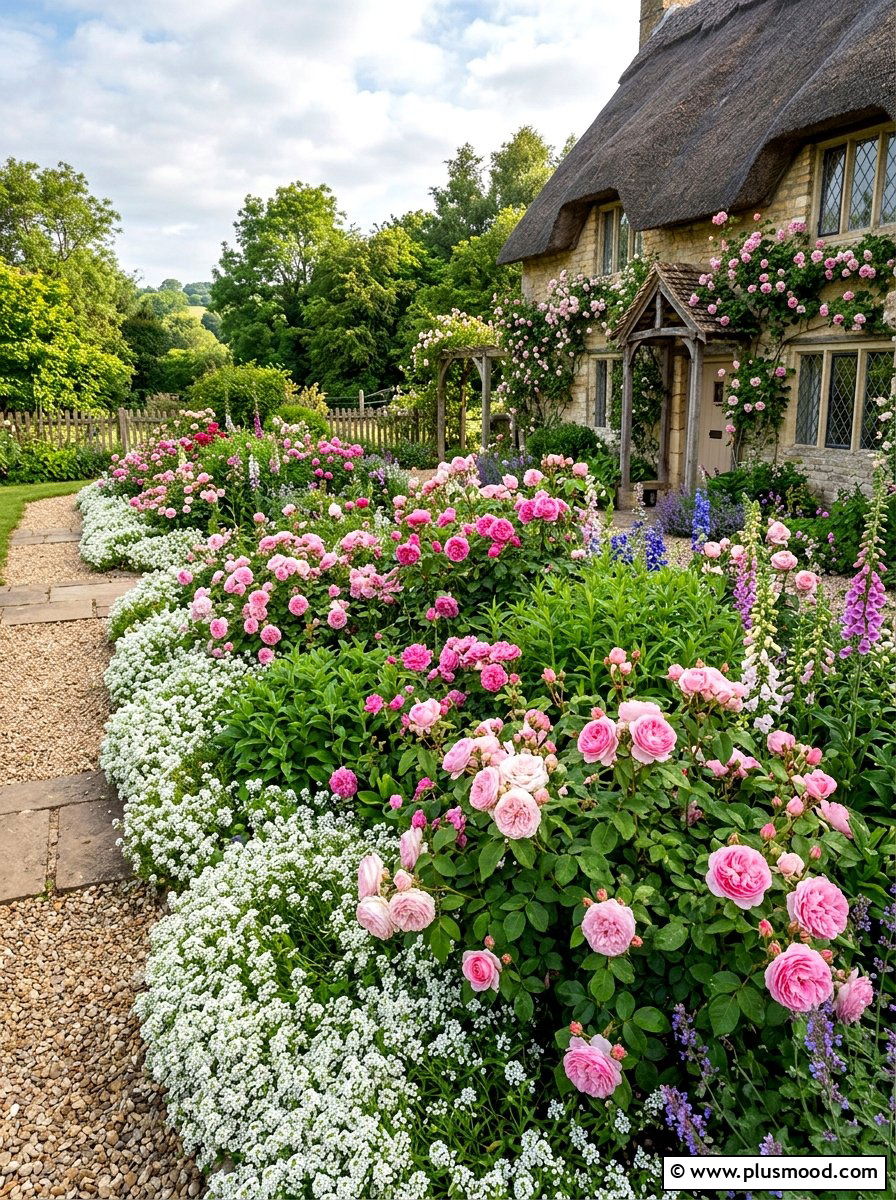
Creating a soft and romantic atmosphere is easy when you stick to a delicate pink and white palette for your flower beds. This timeless combination evokes a sense of peace and classic elegance, reminiscent of a traditional English estate. You can mix various shades of pink, from pale blush to deep rose, and weave in crisp white blossoms like daisies or alyssum to provide a clean break. The white flowers act as a natural highlighter, making the pink tones appear more saturated and vibrant. This look works exceptionally well near a patio or walkway where the gentle fragrance of roses and peonies can be fully enjoyed.
3. Tropical orange and red garden
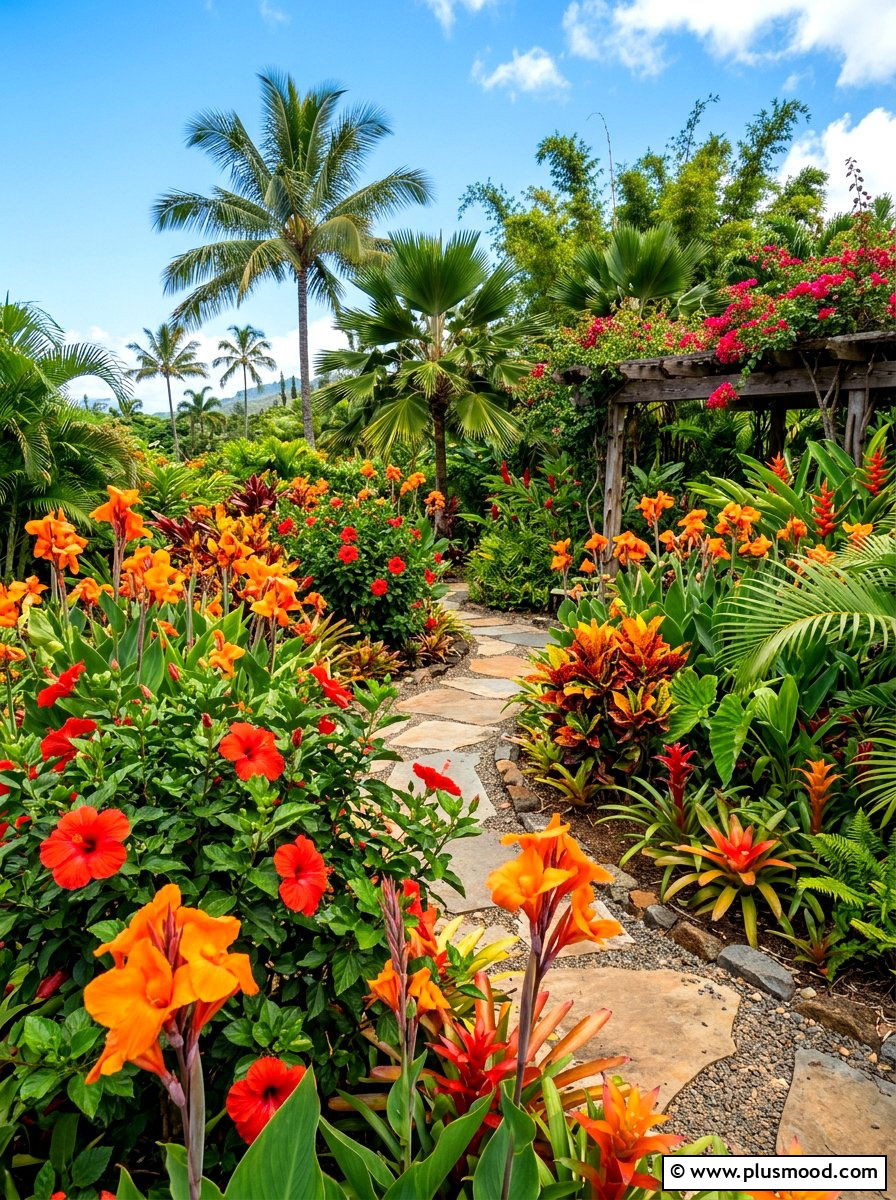
If you want your outdoor space to feel like a permanent vacation, a tropical palette featuring bold oranges and fiery reds is the way to go. These "hot" colors thrive in the summer sun and create a high-impact focal point that feels exotic and lush. Think about using large-leafed plants like canna lilies or hibiscus to bring in those saturated sunset tones. Adding a few splashes of yellow can further brighten the area, making it feel warm and inviting even as the sun begins to set. This vibrant scheme is perfect for poolside areas or sunny corners that need a dramatic, high-energy makeover.
4. Blue and silver landscape
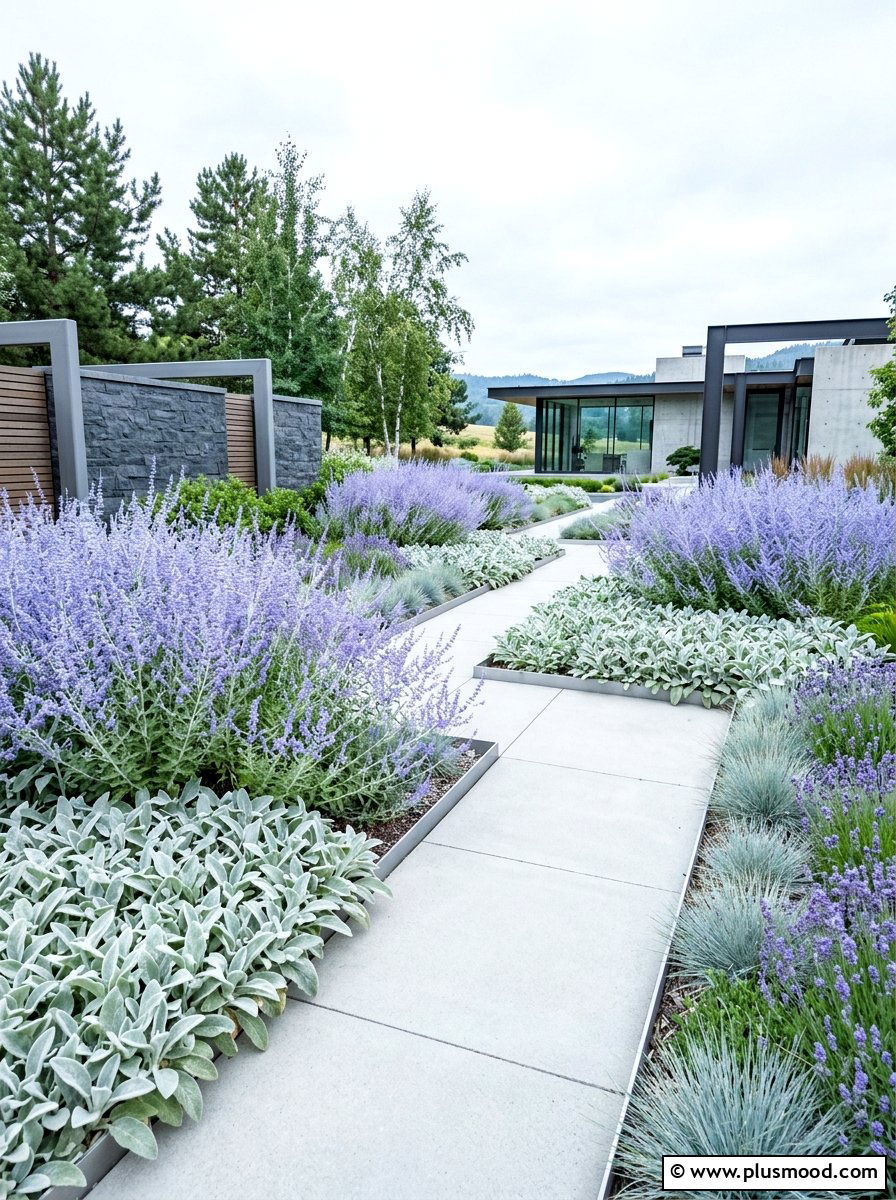
For those who prefer a cooling effect during the height of summer, a blue and silver landscape offers a refreshing and sophisticated solution. The combination of steely blue flowers like Russian sage or sea holly alongside silvery foliage like lamb's ear creates a shimmering, frosted appearance. This palette is particularly effective at making a small garden feel larger and more open because cool colors tend to recede visually. The silver leaves catch the sunlight beautifully, adding a touch of metallic glow without being overwhelming. It is a modern, low-maintenance choice that looks consistently professional and polished throughout the entire growing season.
5. All white moon garden
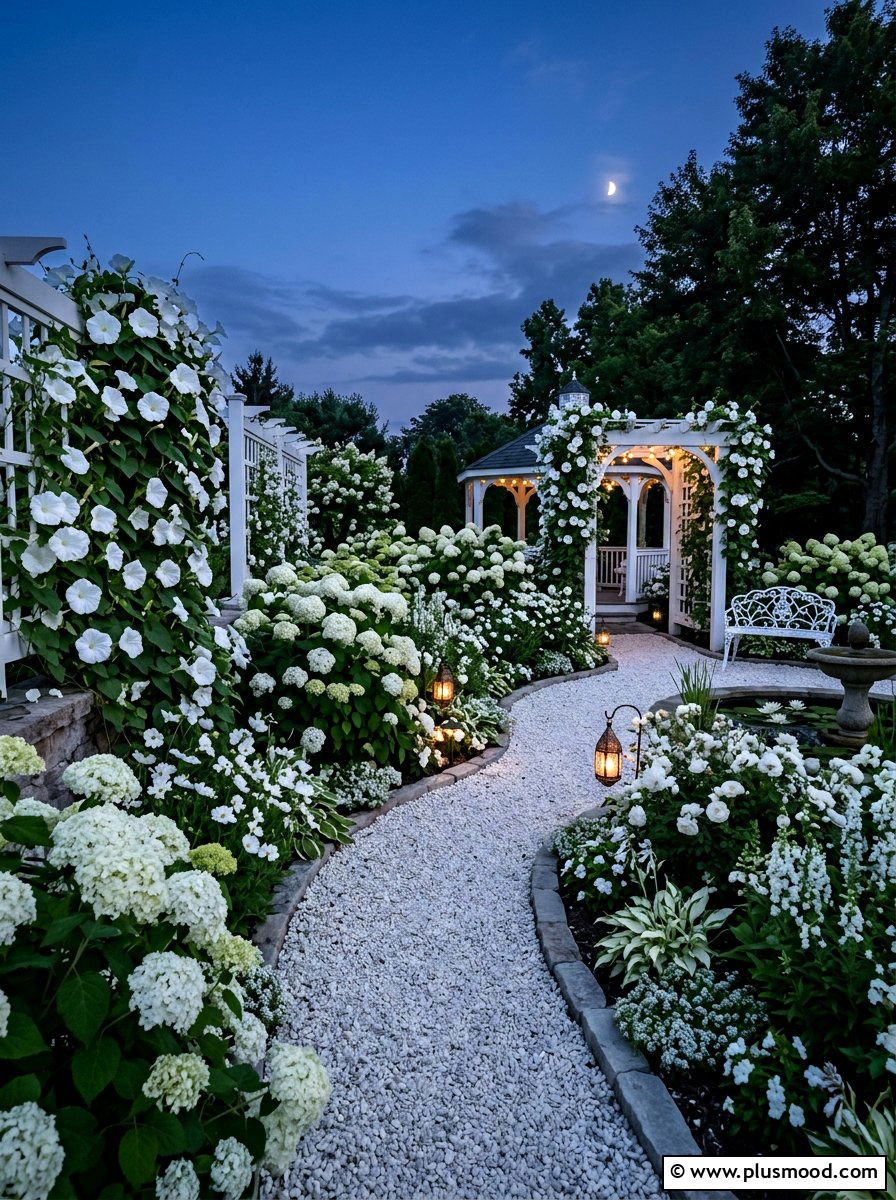
There is something truly magical about a garden designed to be enjoyed after the sun goes down, often called a moon garden. By using only white flowers and light-colored foliage, you create a space that practically glows under the moonlight. Common choices include white hydrangeas, moonflowers, and sweet alyssum, which often release their strongest scents in the evening. This monochromatic approach is incredibly chic and provides a serene backdrop for nighttime entertaining on your deck or patio. The absence of bright colors allows the different shapes and textures of the petals to take center stage, resulting in a very sophisticated look.
6. Pastel wildflower garden
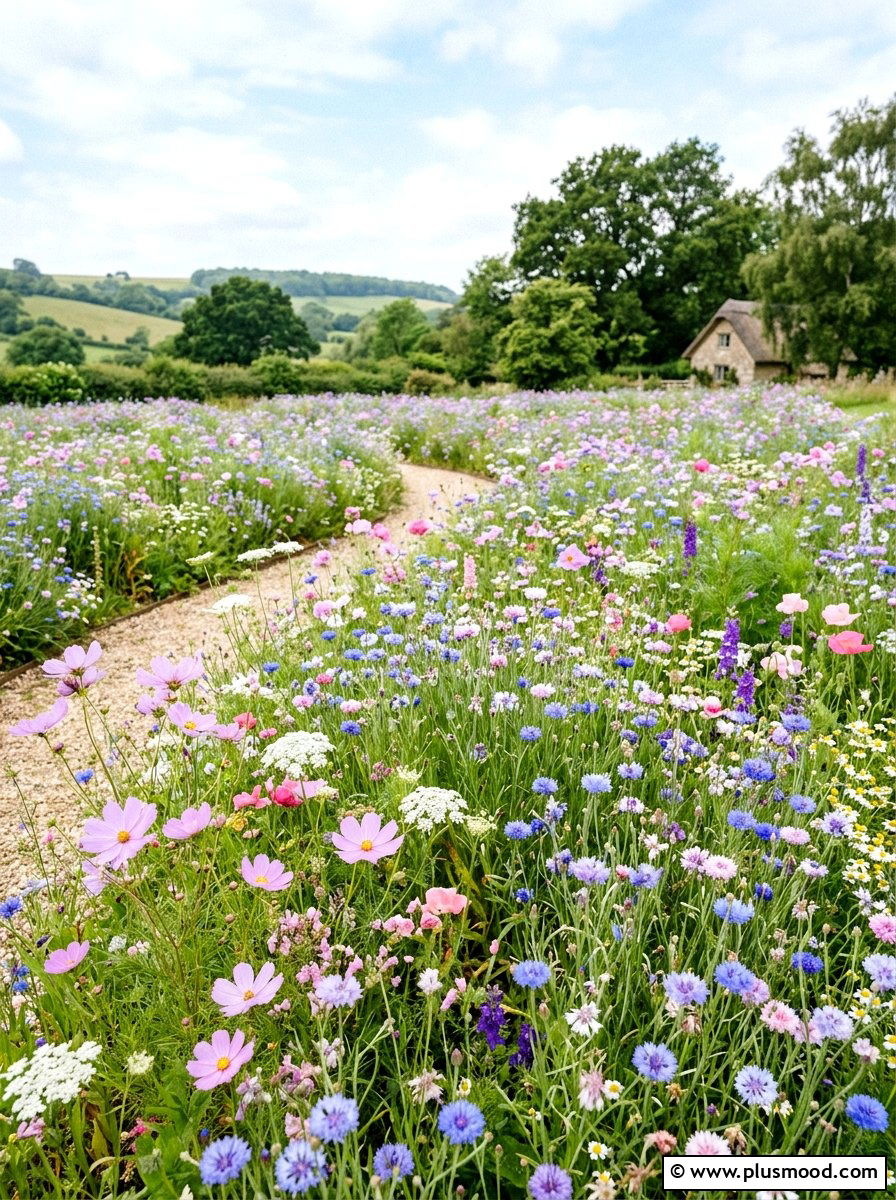
A pastel wildflower garden offers a whimsical and relaxed aesthetic that feels perfectly in tune with nature. By mixing soft shades of lavender, pale yellow, and baby blue, you can recreate the look of a rolling meadow in your own backyard. This style is best achieved using a variety of heights and textures, such as delicate cosmos and airy Queen Anne’s lace. The soft colors blend seamlessly together, creating a tapestry of blooms that feels effortless and inviting. This approach is also excellent for biodiversity, as it provides a rich habitat for bees and butterflies while maintaining a very gentle visual presence.
7. Rainbow cottage garden
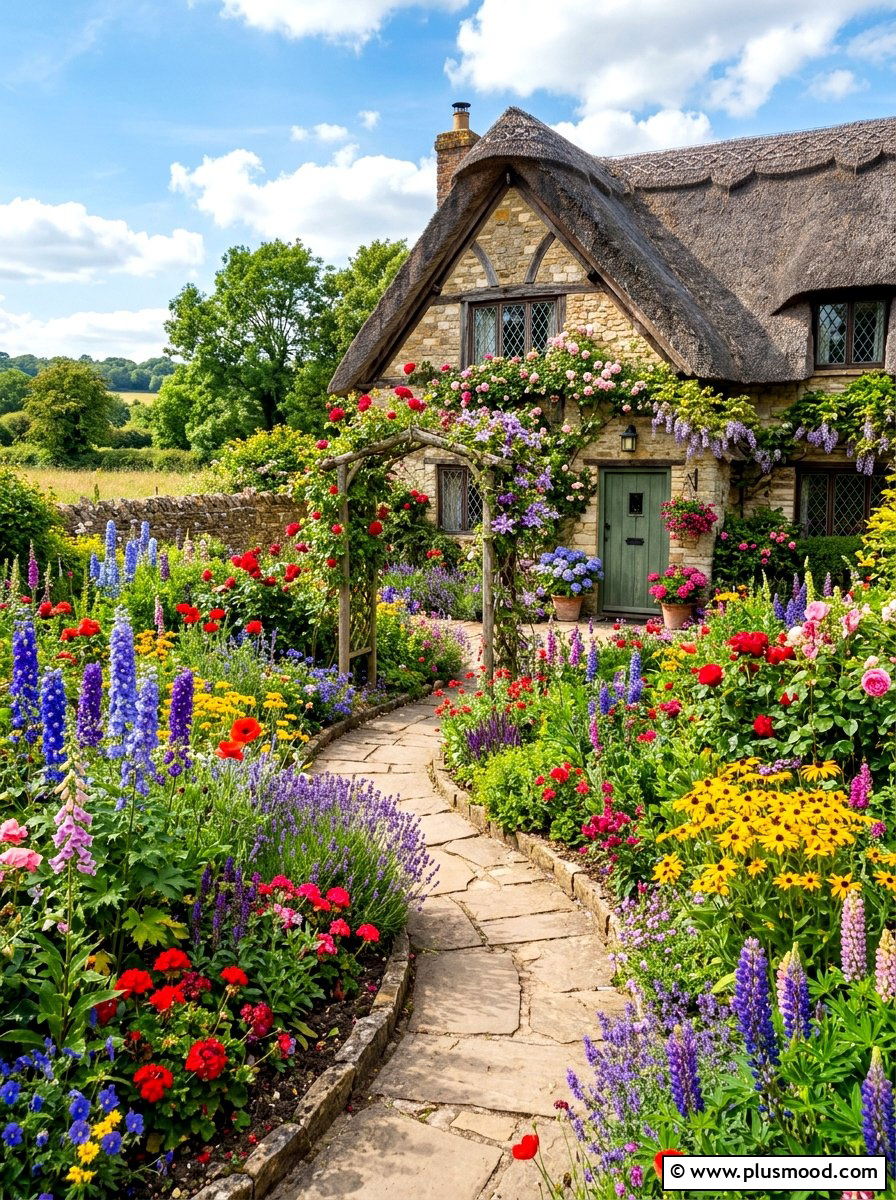
If you cannot decide on just one or two colors, a rainbow cottage garden allows you to embrace every shade in the spectrum. This joyful and informal style relies on a dense planting of various species, from red poppies to purple foxgloves and blue delphiniums. The key to making this work is to repeat certain colors or shapes to create a sense of hidden order within the abundance. A rainbow garden feels lived-in and charming, offering something new to look at every single day. It is a fantastic choice for families who want a cheerful and productive space filled with personality and life.
8. Cool blue garden
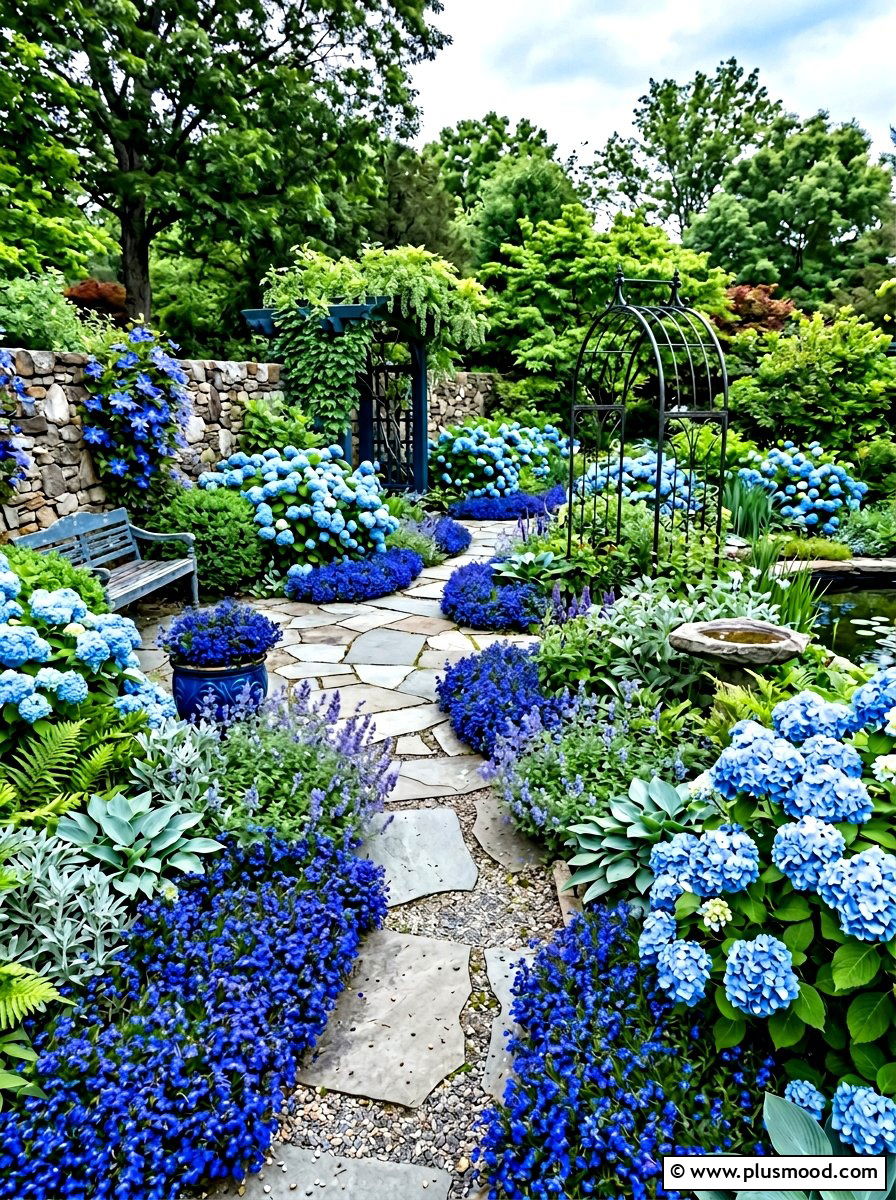
Stepping into a garden filled with nothing but shades of blue can feel like a breath of fresh air on a humid afternoon. Blue is one of the rarest colors in the plant world, which makes a dedicated blue garden feel incredibly special and well-curated. You can use deep navy lobelia, sky-blue hydrangeas, and periwinkle forget-me-nots to build depth and interest. To prevent the space from feeling too flat, vary the textures of the foliage and the height of the blooms. This monochromatic scheme is naturally calming and serves as a perfect retreat for quiet reading or morning coffee in the shade.
9. Magenta and lime garden
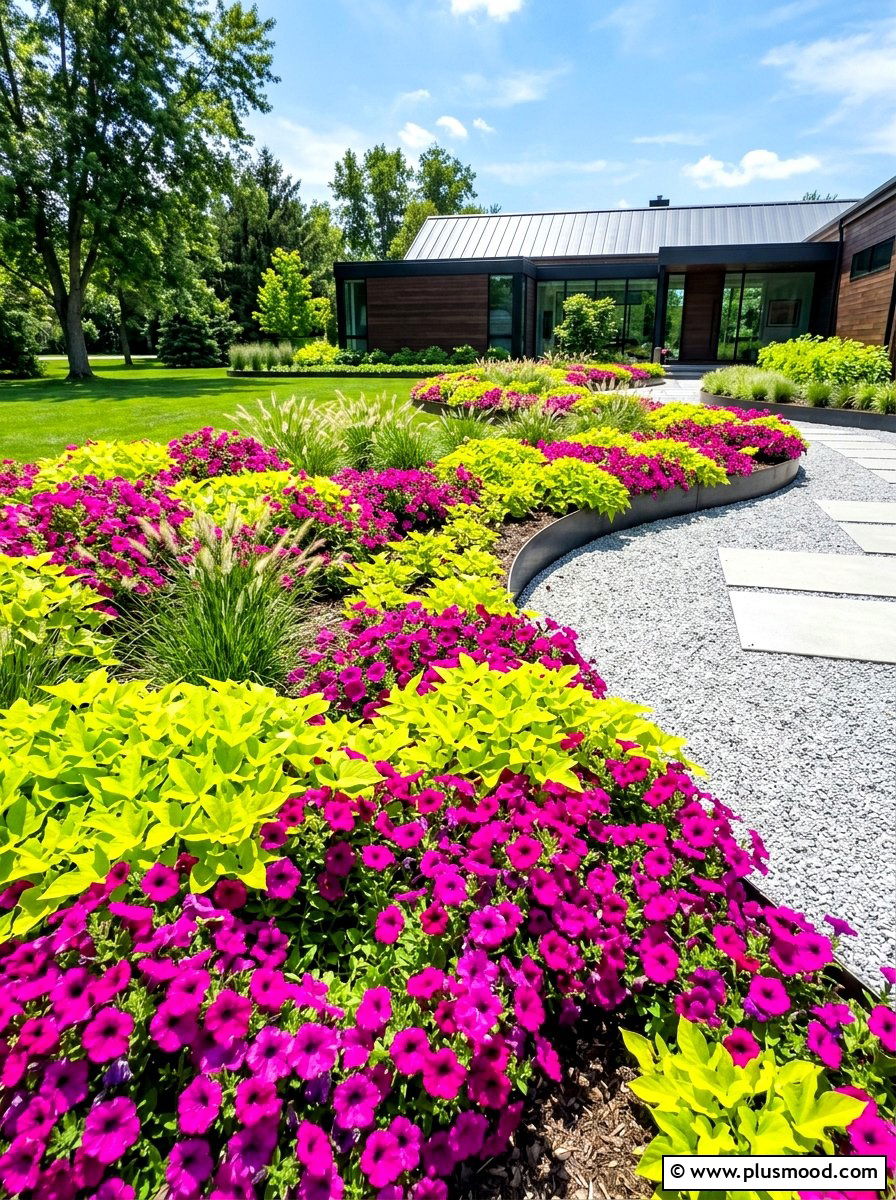
For a look that is undeniably modern and high-contrast, try pairing deep magenta blossoms with chartreuse or lime green foliage. This electric combination is a favorite among professional designers because it feels fresh and fashion-forward. The bright green leaves of coleus or sweet potato vine make magenta flowers like petunias or zinnias appear even more vivid. This palette works wonders in containers or along borders where you want to make a bold statement from a distance. It is an energetic choice that holds its color well even in the strongest mid-day sun, ensuring your garden remains a standout feature.
10. Peach and apricot garden
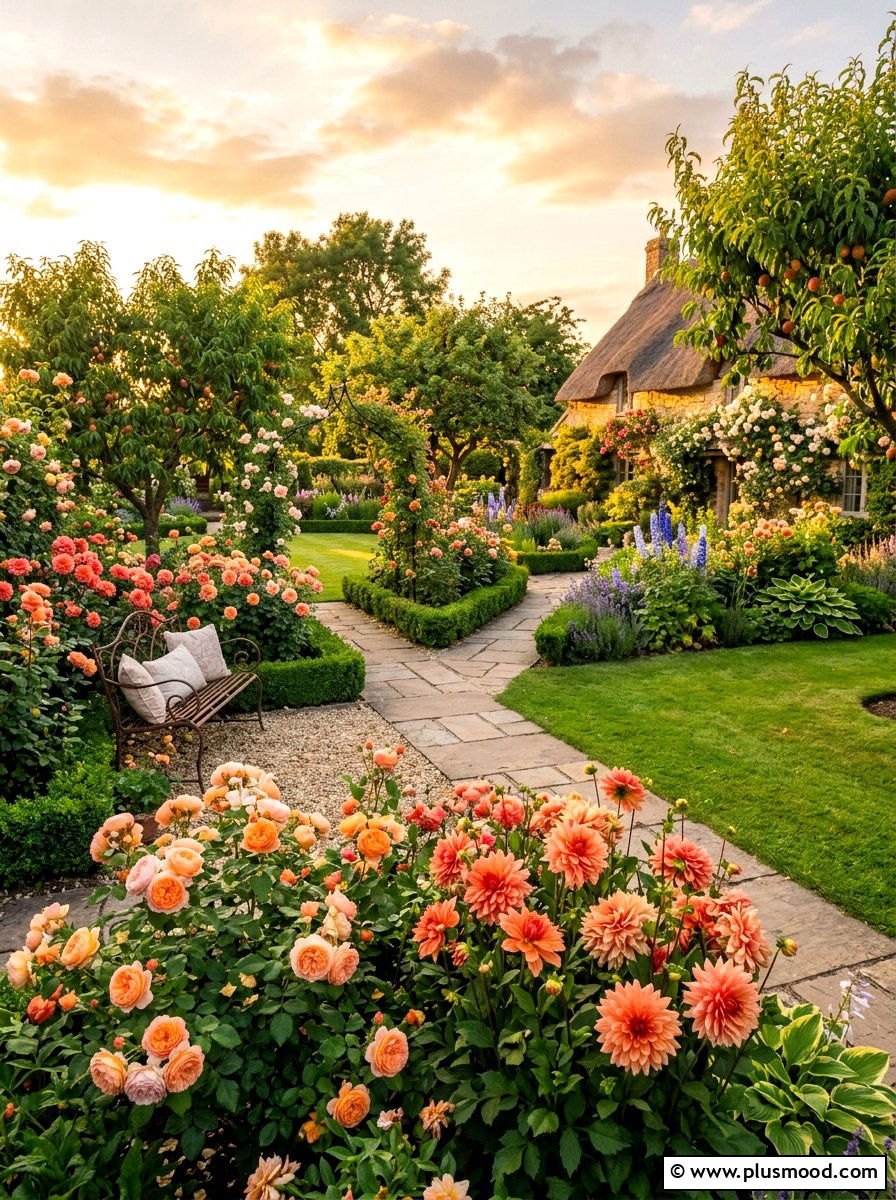
Drawing inspiration from the soft tones of a summer sunset, a peach and apricot garden feels warm, cozy, and sophisticated. These subtle orange-pink hues are currently trending in home design and translate beautifully to the landscape. You can achieve this look using roses, dahlias, or daylilies in various shades of melon and terracotta. These colors pair exceptionally well with warm-toned hardscaping like natural stone or brick patios. The overall effect is one of quiet luxury and refined taste. It is a wonderful way to add warmth to your yard without the intensity of a bright red or orange color scheme.
11. Deep purple garden
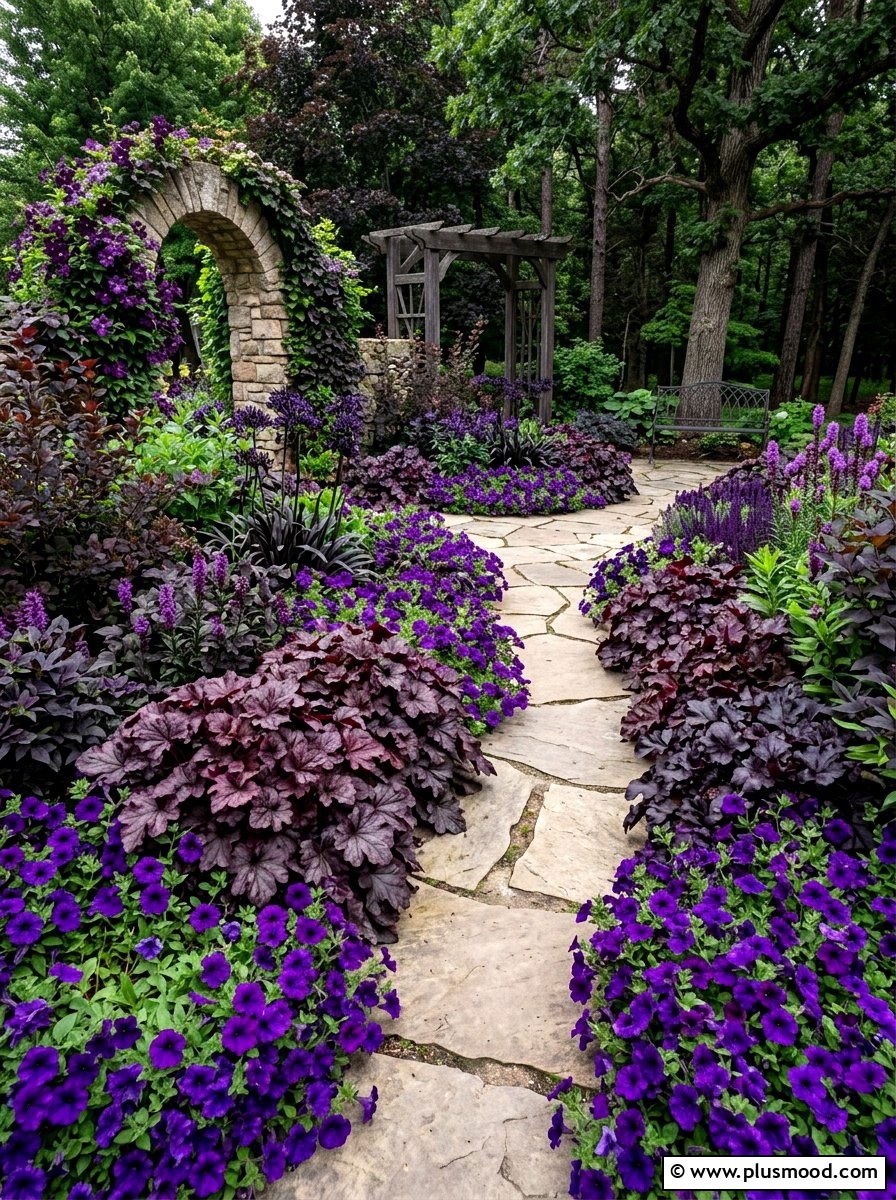
A garden focused on deep purples and plums exudes a sense of mystery and sophisticated drama. This rich palette uses saturated tones that can almost look black in certain lighting, providing a striking contrast against green lawns. Use plants like dark-leaved heuchera, purple fountain grass, and deep violet petunias to build a textured and layered look. These darker shades are excellent at hiding imperfections and maintain a high-end feel throughout the season. Because purple is a cool tone, it also feels very soothing, making it a great choice for a private backyard nook or a meditation corner.
12. Neon pink garden
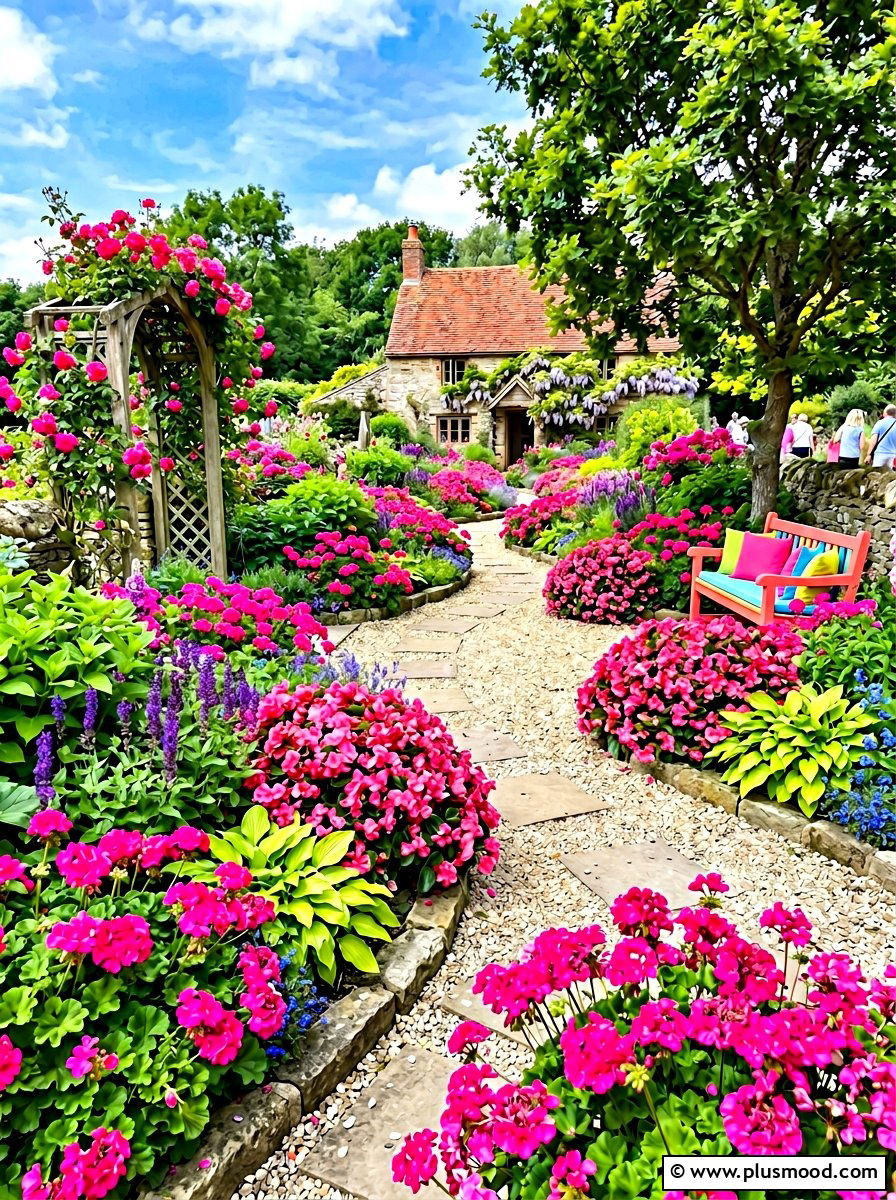
If your goal is to create a fun and high-energy space, a neon pink garden will definitely do the trick. This vibrant and playful color scheme uses shocking pink varieties of geraniums, begonias, and impatiens to create a "wow" factor. It is a great way to inject some personality into a small patio or a front porch display. To keep the look cohesive, you can repeat the pink theme in your outdoor accessories like cushions or ceramic pots. This bold choice is all about celebrating the joy of summer and creating a space that feels upbeat and full of life every day.
13. Sunset color garden
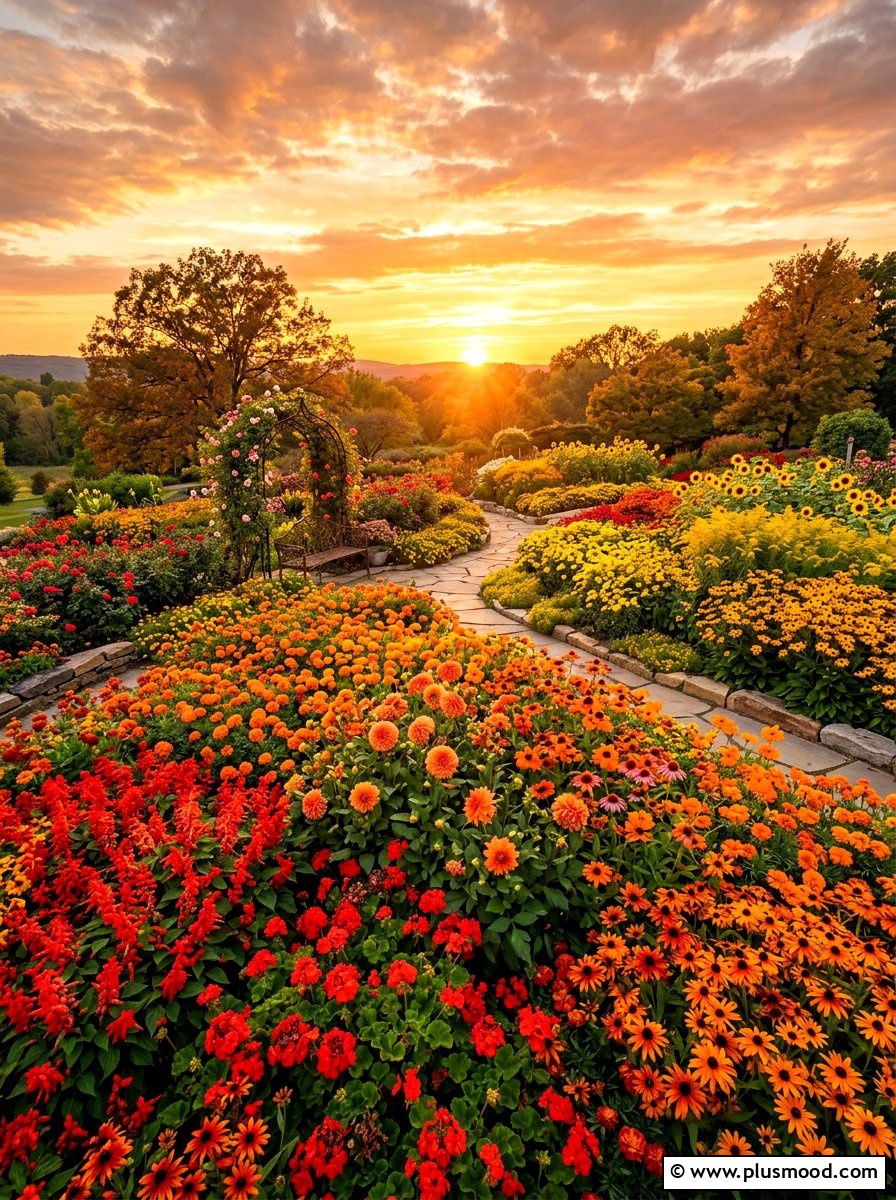
Imagine the beautiful transition of colors in the sky during dusk, and then bring that palette directly into your flower beds. A sunset color garden combines shades of deep red, burning orange, golden yellow, and a touch of purple. This analogous color scheme is naturally harmonious because the colors sit next to each other on the color wheel. By layering these warm tones, you create a glowing effect that seems to radiate heat and light. This design is particularly effective in large borders where you can create a sweeping gradient of color that leads the eye across the entire landscape.
14. Lavender and sage garden
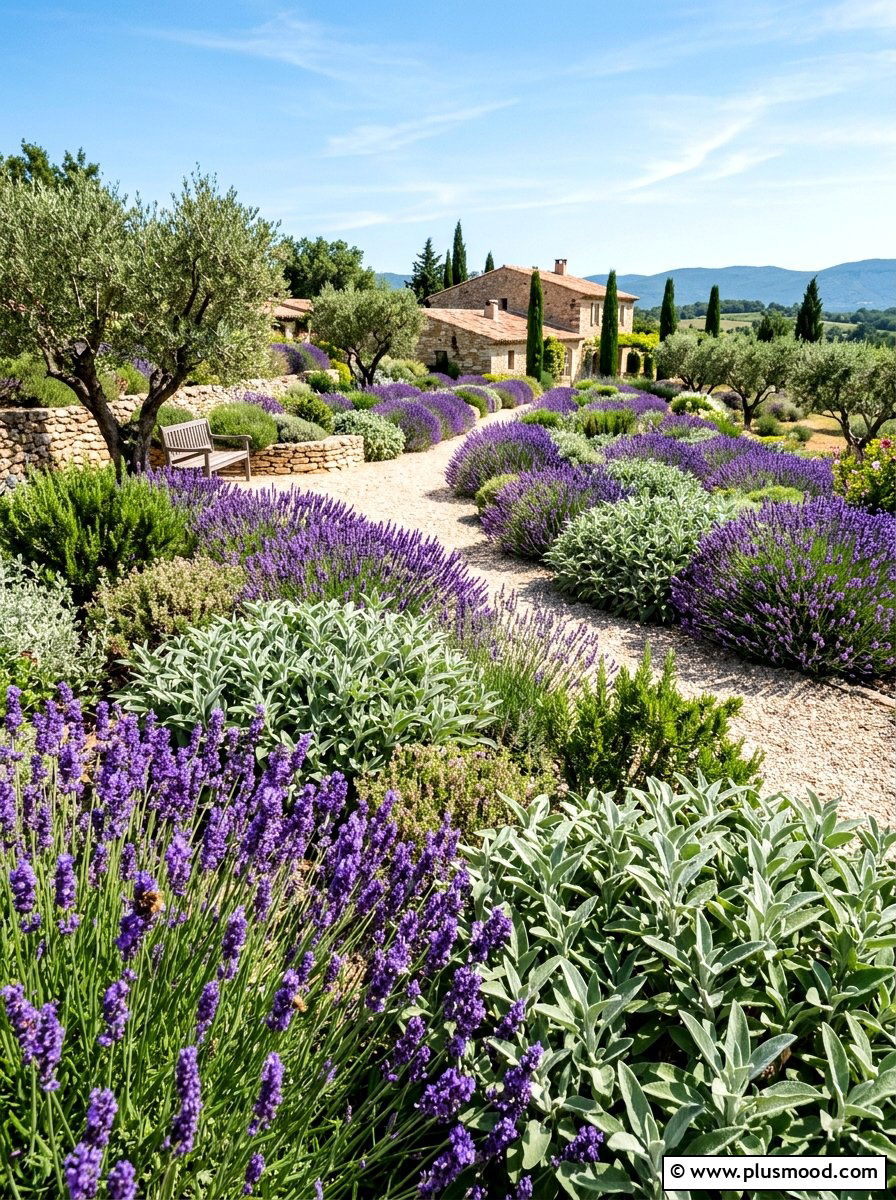
There is nothing quite as timeless as the Mediterranean combination of purple lavender and silvery sage green. This color palette is not only visually beautiful but also provides a multi-sensory experience through its incredible fragrance. The muted, dusty tones feel sophisticated and work perfectly in sunny, well-drained areas. This scheme is often associated with drought-tolerant gardening, making it a smart and sustainable choice for warmer climates. The soft texture of the lavender spikes paired with the velvety leaves of sage creates a look that is both relaxed and professional, perfect for a modern xeriscape or herb garden.
15. Red and yellow garden
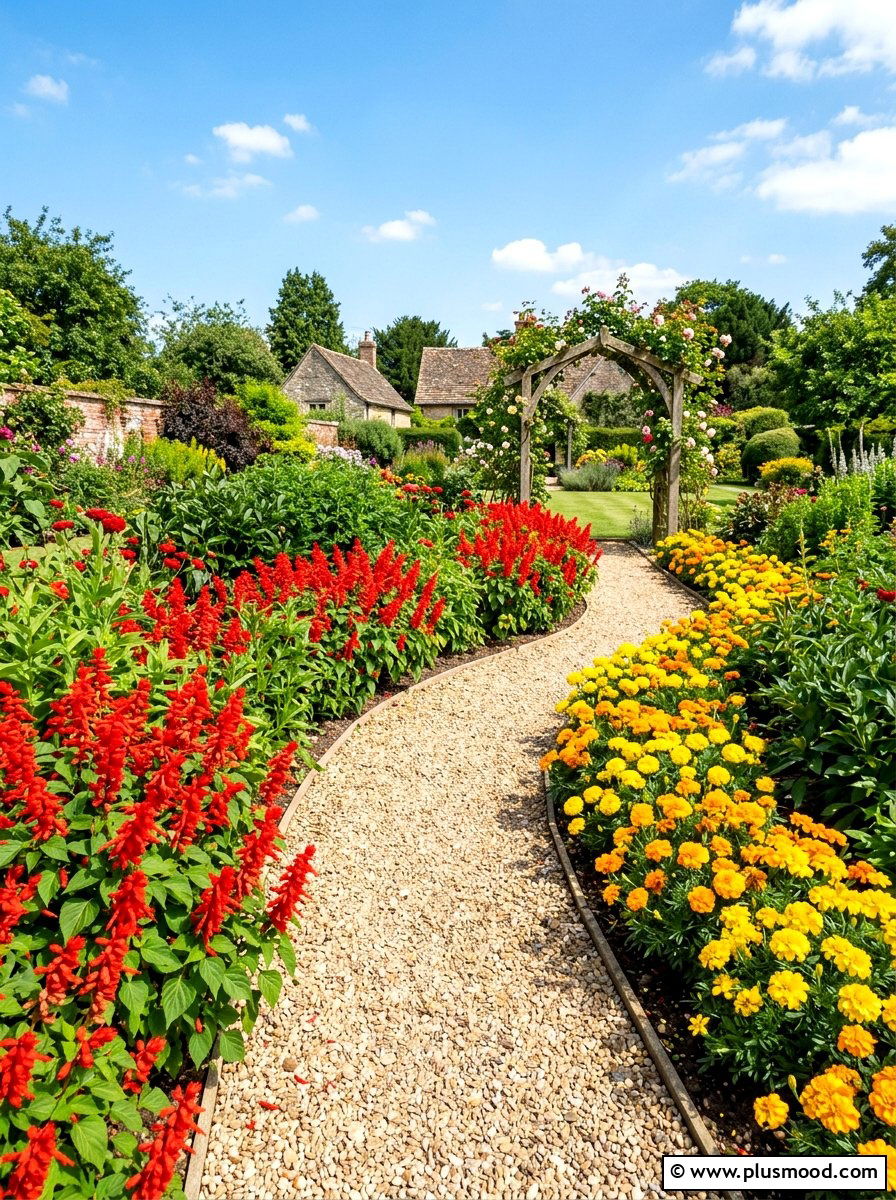
For a classic and traditional look that never goes out of style, consider a bold red and yellow color palette. This high-visibility combination is perfect for drawing attention to specific areas of your yard, such as an entrance or a focal tree. You can use red salvias and yellow marigolds to create a crisp and clean border that looks great all summer long. This pairing is also highly attractive to hummingbirds and butterflies, bringing even more movement and life to your outdoor space. It is a straightforward, no-fuss approach that provides maximum impact with minimal effort, making it a reliable choice for beginners.
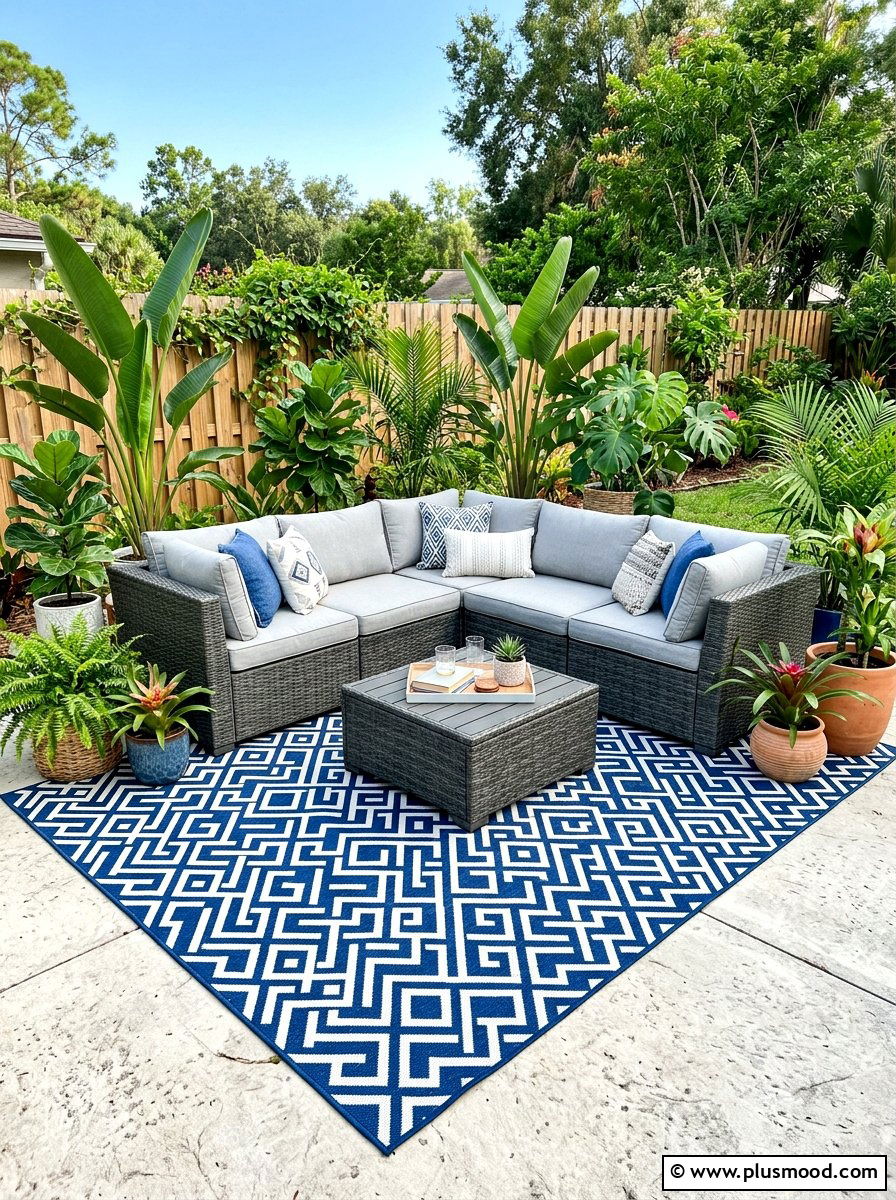
16. Coastal blue and white garden
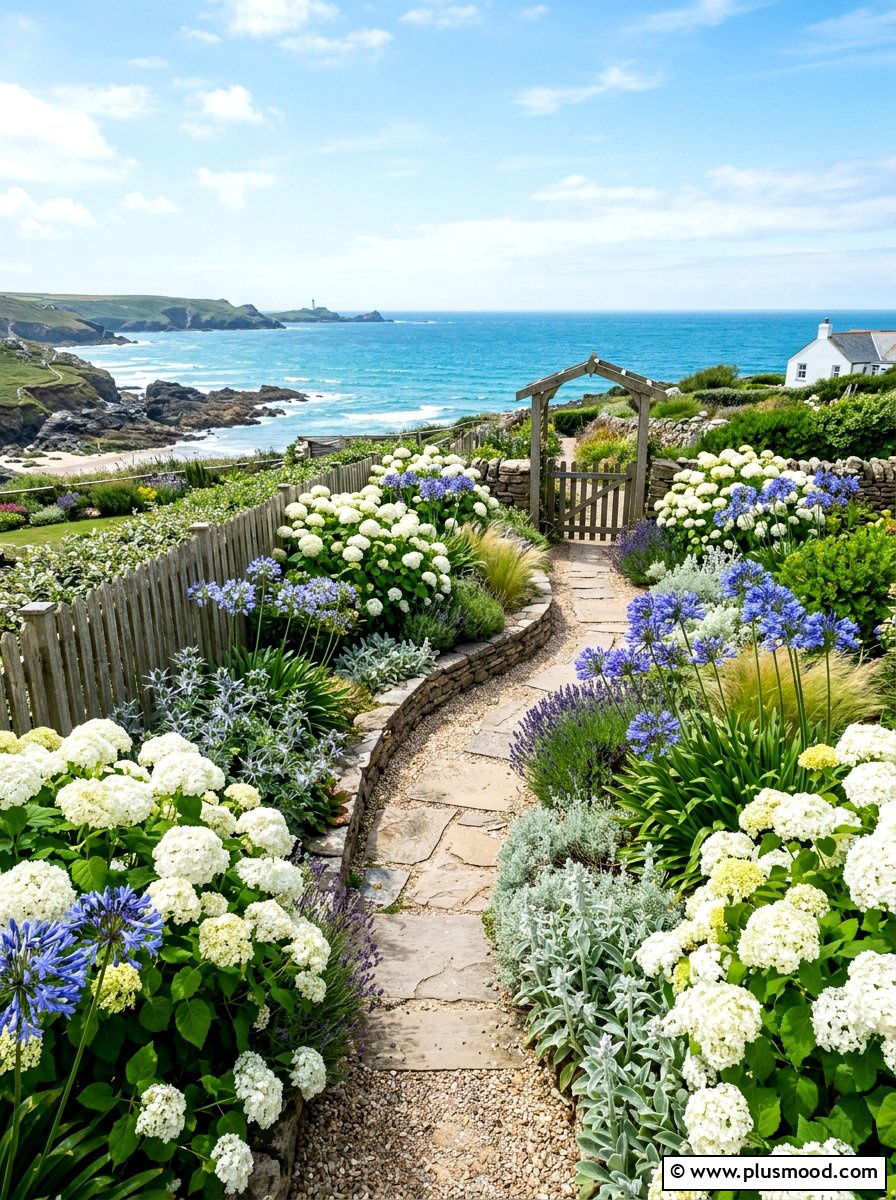
Even if you live miles away from the ocean, you can bring a breezy seaside vibe to your yard with a coastal blue and white palette. This fresh and airy combination uses crisp white blossoms and various shades of blue to mimic the look of waves and clouds. Use white hydrangeas, blue agapanthus, and silvery grasses to create a layered, textured landscape that feels light and open. This color scheme works beautifully with white-washed fences or light gray decking. It is a classic choice for a relaxing backyard retreat where you want to feel a sense of calm and clarity.
17. Dark foliage garden
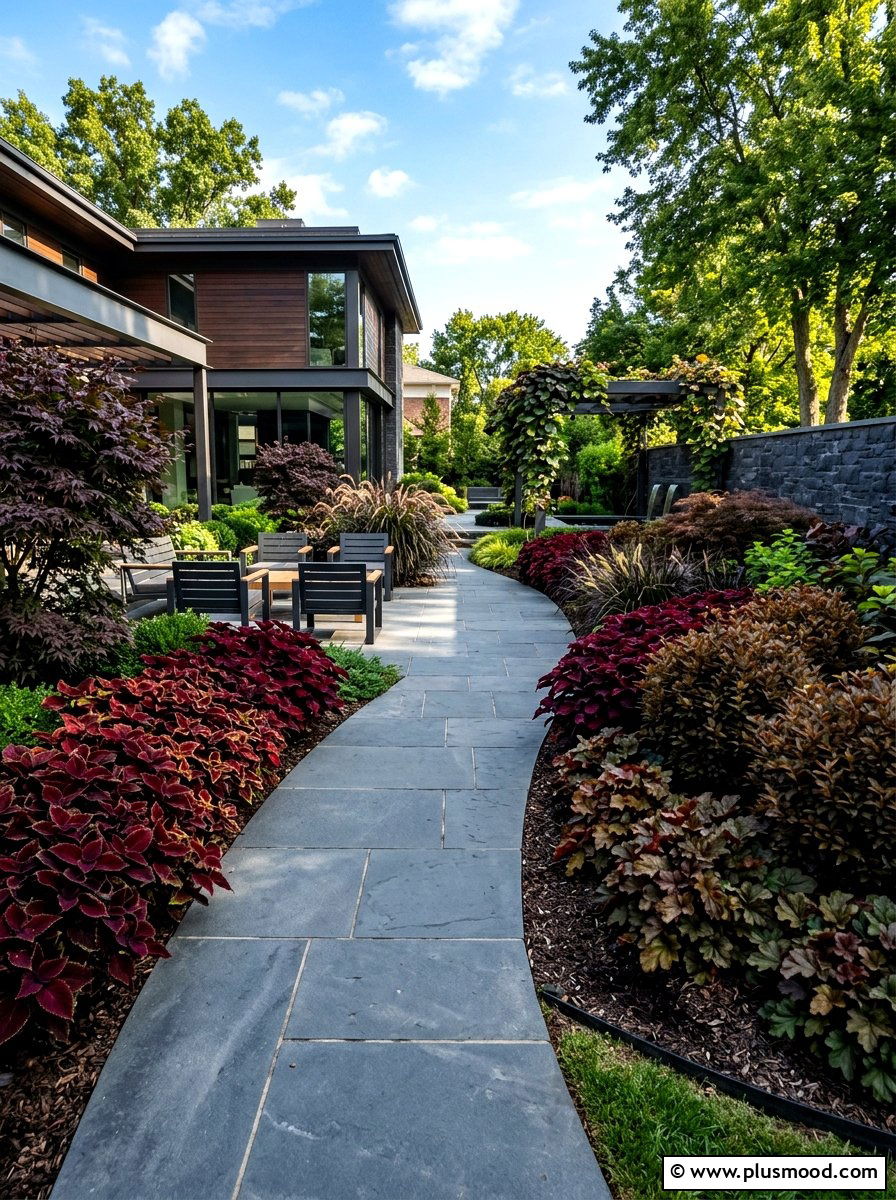
Focusing on dark, moody foliage is a sophisticated way to introduce color without relying solely on flowers. Plants with burgundy, chocolate, or deep bronze leaves, like certain varieties of coleus or ninebark, add a layer of depth that greens simply cannot provide. When you mix these dark tones with a single bright accent color, like lime green or hot pink, the effect is stunning and professional. This approach is great for areas where blooms might be sparse, ensuring your garden looks interesting and colorful throughout the entire season. It is a modern take on landscape design that feels very high-end.
18. Cream and yellow garden
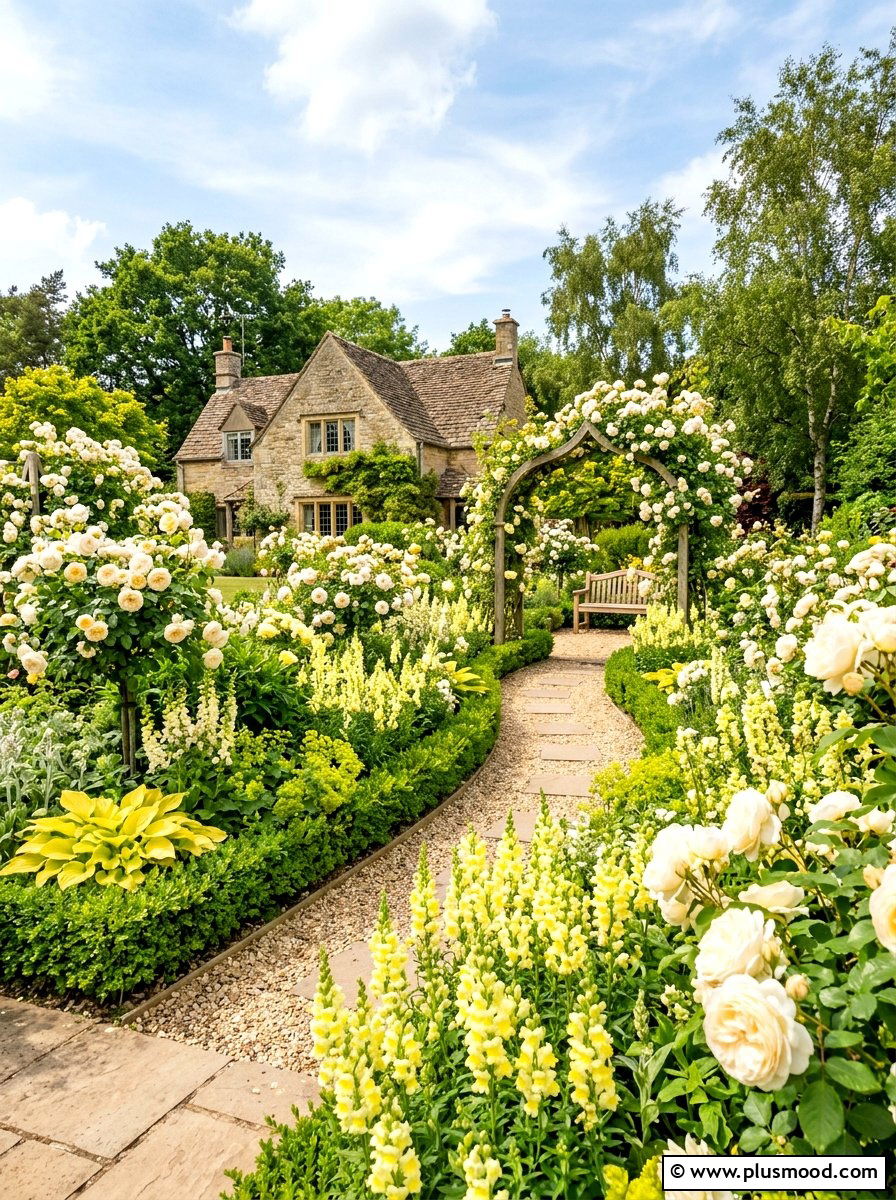
A cream and yellow garden offers a softer, more sophisticated alternative to a bright primary yellow scheme. By mixing buttery yellows with off-white and cream tones, you create a look that feels sunny but subdued. This palette is incredibly versatile and works well in both traditional and modern settings. Use cream-colored roses, pale yellow snapdragons, and variegated foliage to add interest and texture. This combination is particularly effective in shaded areas, as the light colors help to brighten up dark corners. It is a cheerful yet refined choice that makes any outdoor space feel warm and welcoming without being too loud.
19. Multi color flower bed
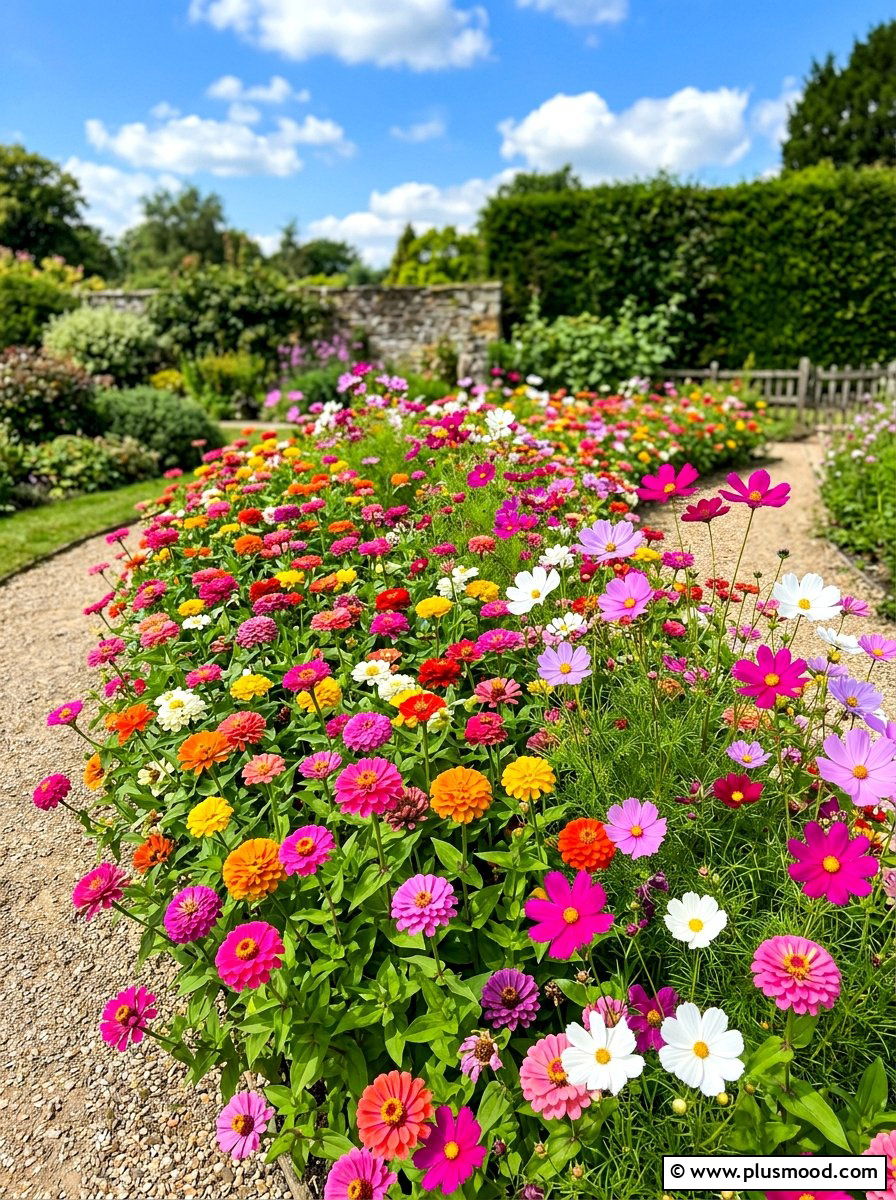
Embracing a wide variety of colors in a single flower bed can create a joyful and energetic tapestry that feels like a party in your backyard. The trick to making a multi-color bed look intentional rather than messy is to use plants with similar growth habits or heights. You can mix zinnias, dahlias, and cosmos in every shade of the rainbow to create a cutting garden that is as functional as it is beautiful. This approach allows you to experiment with different combinations and ensures that there is always something in bloom, regardless of the time of summer.
20. Blue and orange garden
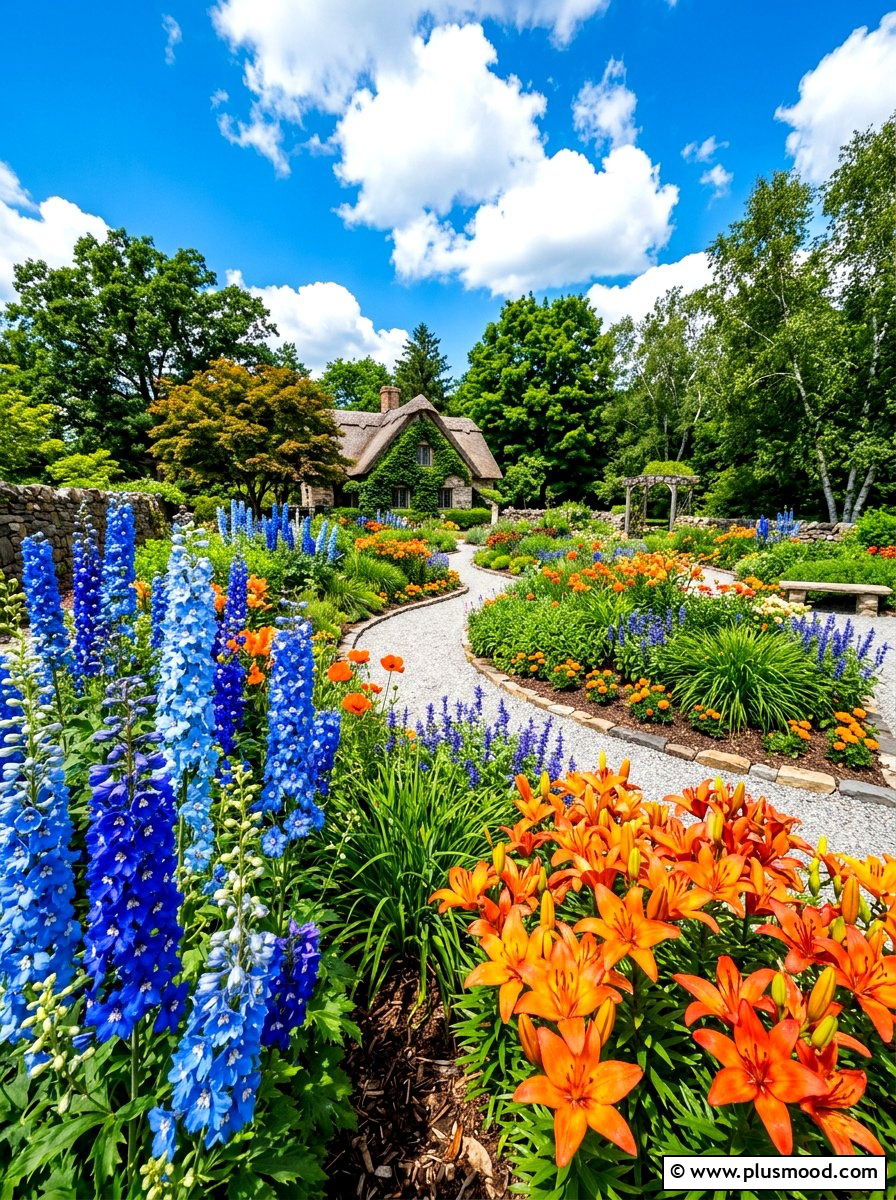
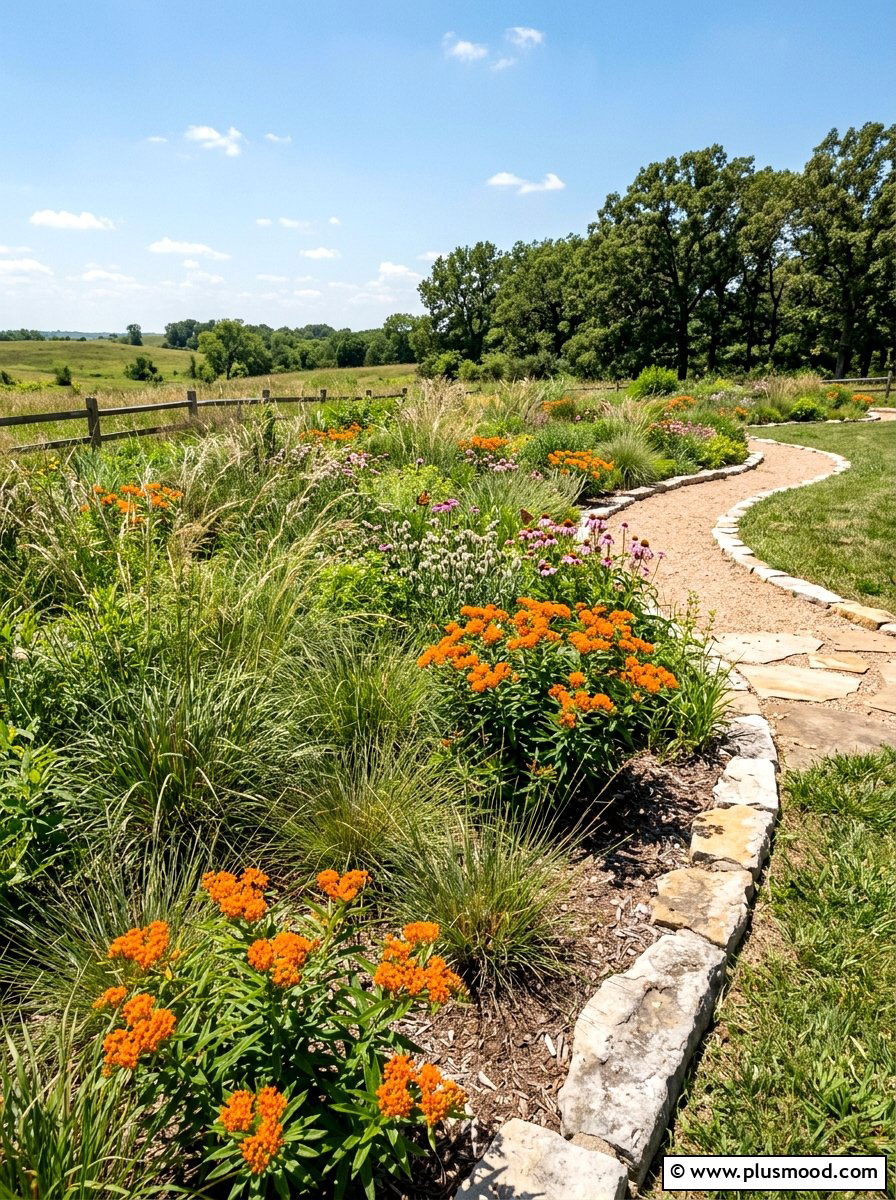
If you are looking for a high-contrast pairing that feels energetic and unique, try the complementary combination of blue and orange. Because these colors are opposites on the color wheel, they make each other appear much more vivid when planted together. Use orange California poppies or lilies alongside blue delphiniums or cornflowers for a striking visual display. This palette feels bold and artistic, making it a great choice for a modern garden or a creative patio display. It is a sure way to make your outdoor space stand out and spark conversation among your guests and neighbors.
21. Lilac and silver garden
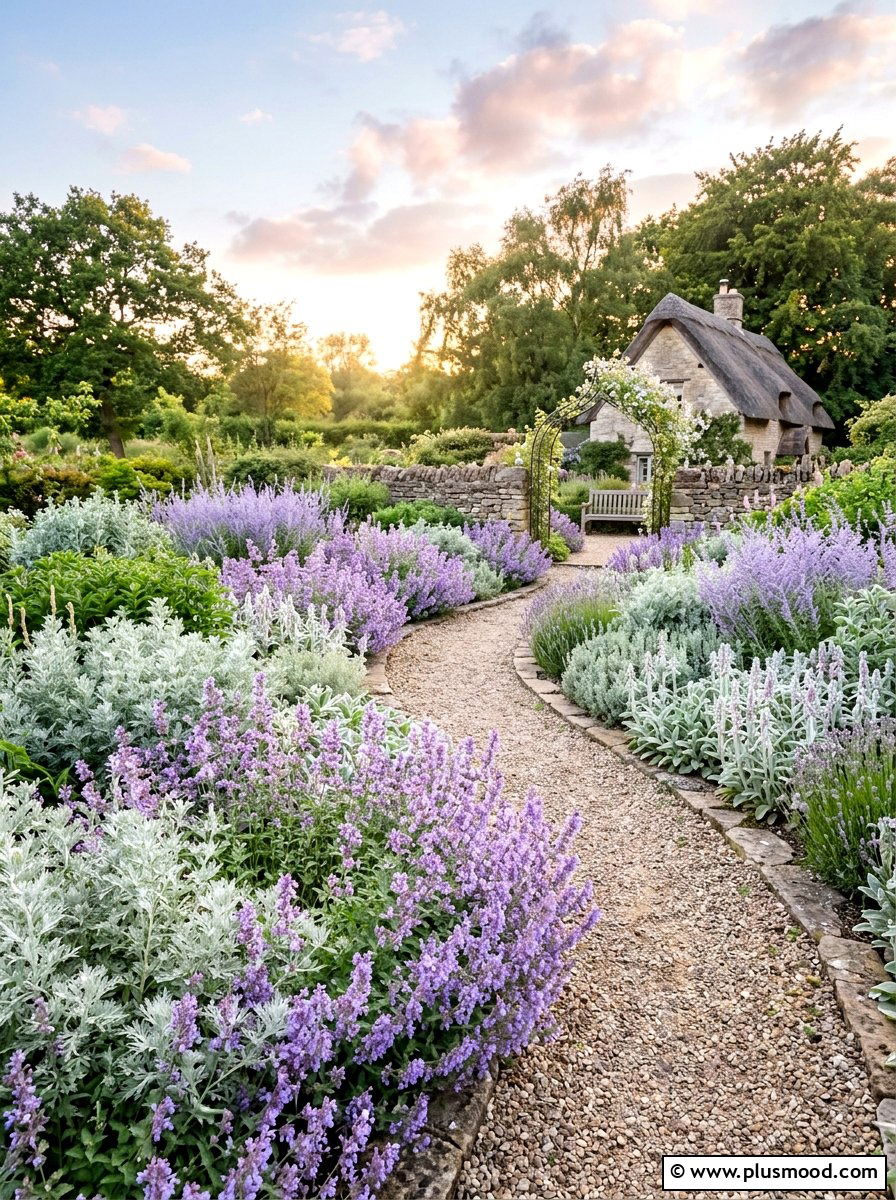
A lilac and silver garden is the epitome of elegance and grace, offering a soft and ethereal aesthetic. The cool tones of pale purple flowers like nepeta or lavender look stunning against the shimmering silver leaves of artemisia or dusty miller. This color scheme feels very tranquil and is perfect for a quiet corner of the yard where you want to relax. The light colors reflect the evening light beautifully, making the space feel magical during the "golden hour. " It is a sophisticated, low-maintenance palette that provides a high-end look with very little effort or fuss.
22. Primary color garden
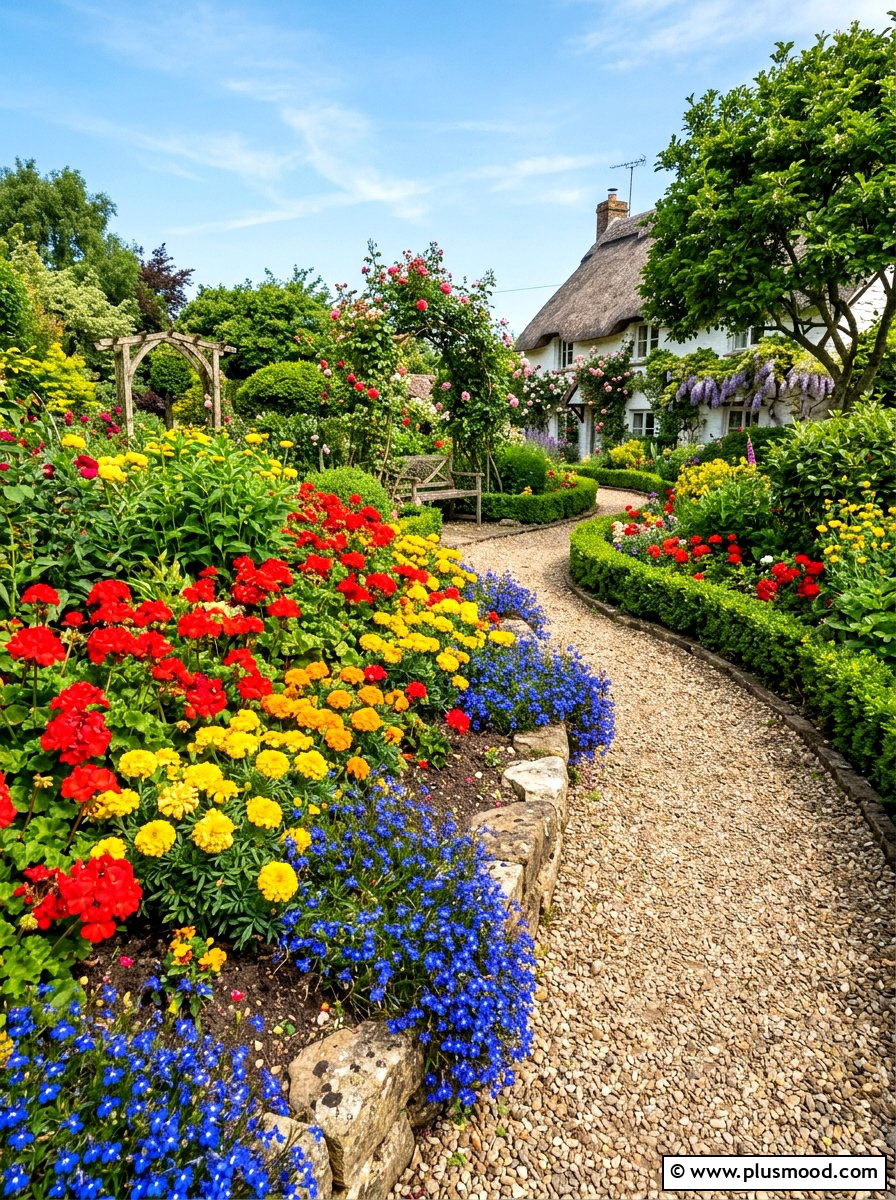
Using the primary colors of red, yellow, and blue creates a bold and straightforward look that feels very traditional and grounded. This color scheme is easy to plan and always looks balanced because the colors are so distinct from one another. You can use red geraniums, yellow marigolds, and blue lobelia to create classic containers or garden borders. This approach is excellent for adding curb appeal to the front of a house, as the bright colors are easy to see from the street. It is a cheerful and timeless choice that appeals to almost everyone who sees it.
23. Coral flower garden
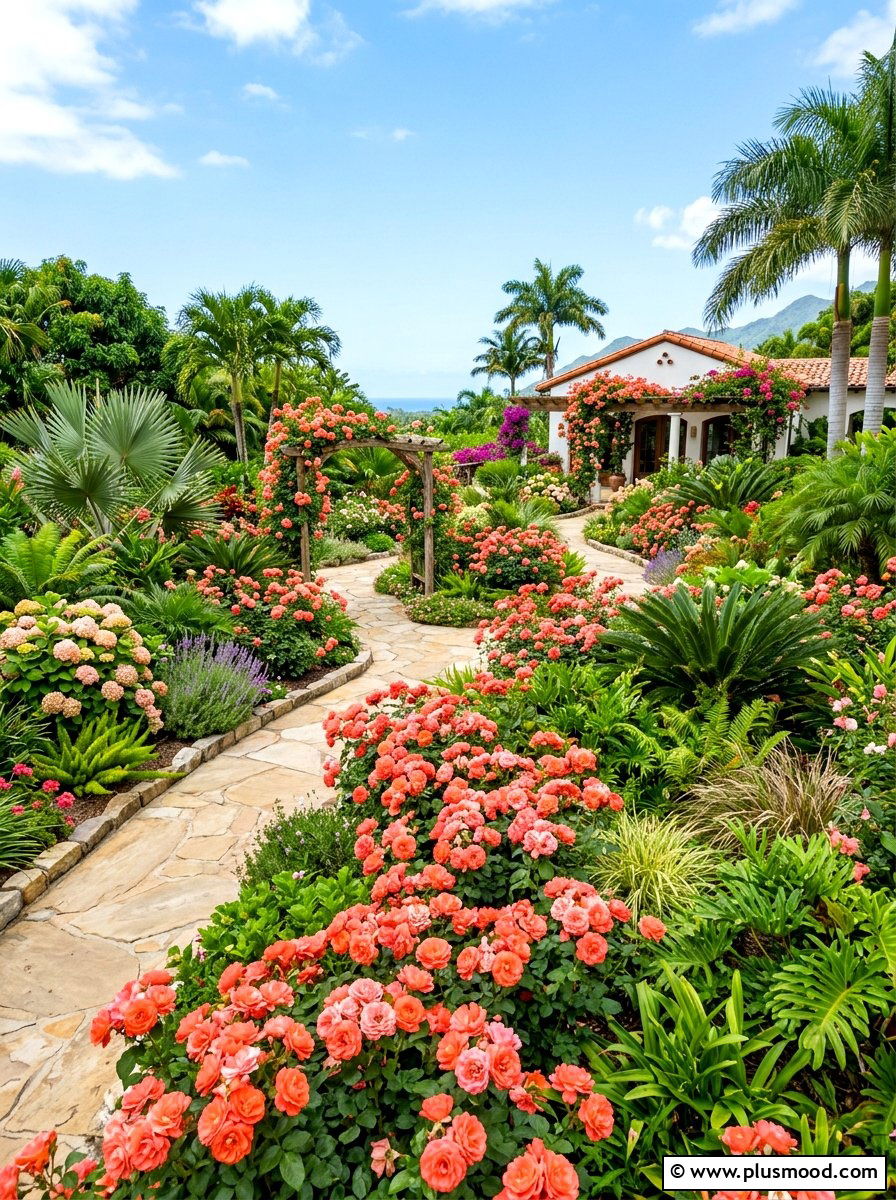
Coral is a beautiful, warm hue that sits somewhere between pink and orange, making it a versatile and trendy choice for summer. A coral-themed garden feels fresh, tropical, and inviting, especially when paired with plenty of lush green foliage. You can find this stunning color in many varieties of roses, dahlias, and zinnias. Coral works exceptionally well in the bright summer sun, where its warm undertones can really shine. It is a great alternative to standard pink if you want something that feels a bit more modern and unique. Pair it with white or teal for a truly professional look.
24. Terra cotta garden
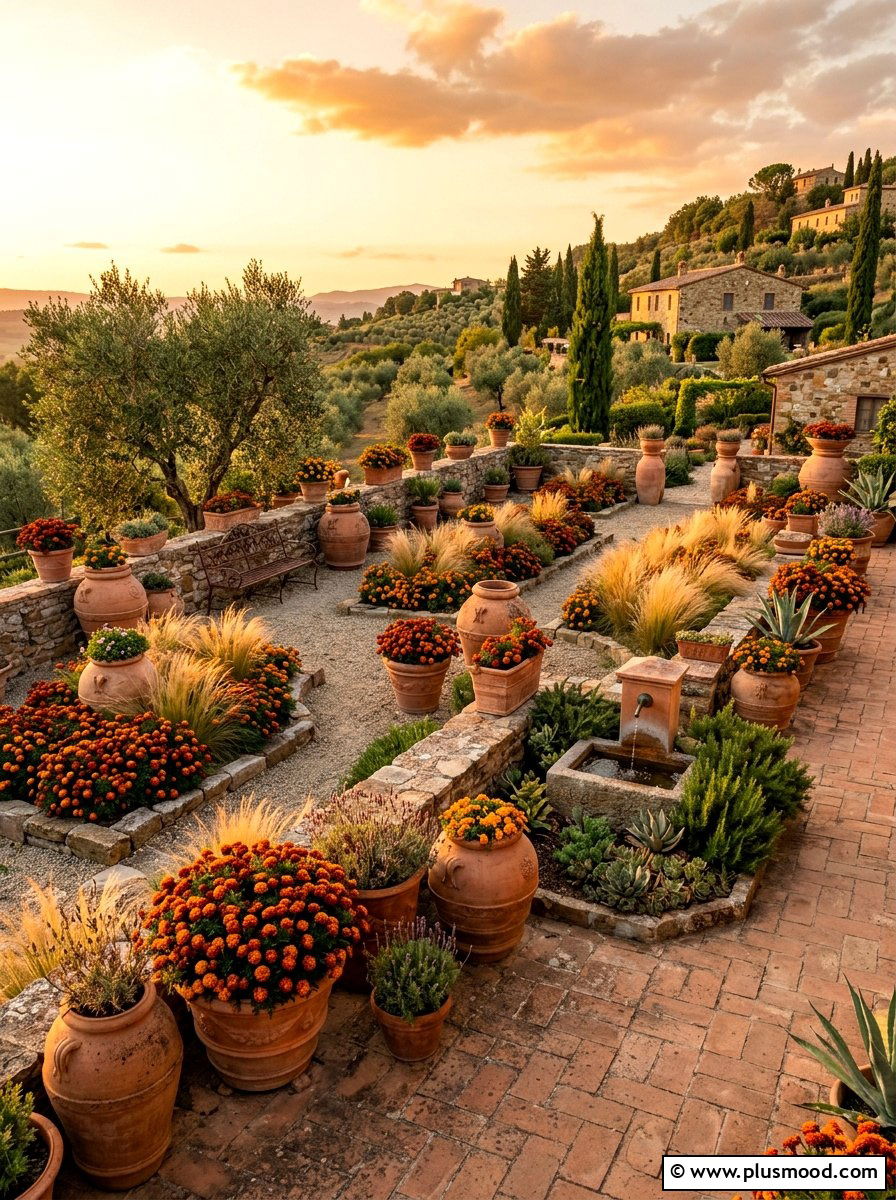
Inspired by the earthy tones of Mediterranean landscapes, a terra cotta garden uses shades of burnt orange, rust, and clay. This warm and grounding palette feels very natural and integrates perfectly with wooden decks or stone patios. Use flowers with coppery tones like certain marigolds or sun-loving grasses that turn bronze in the heat. This color scheme is incredibly soothing and creates a sense of permanence and history in the garden. It is a sophisticated choice for those who want their outdoor space to feel like an extension of their home’s interior design, emphasizing comfort and warmth.
25. Jewel tone garden
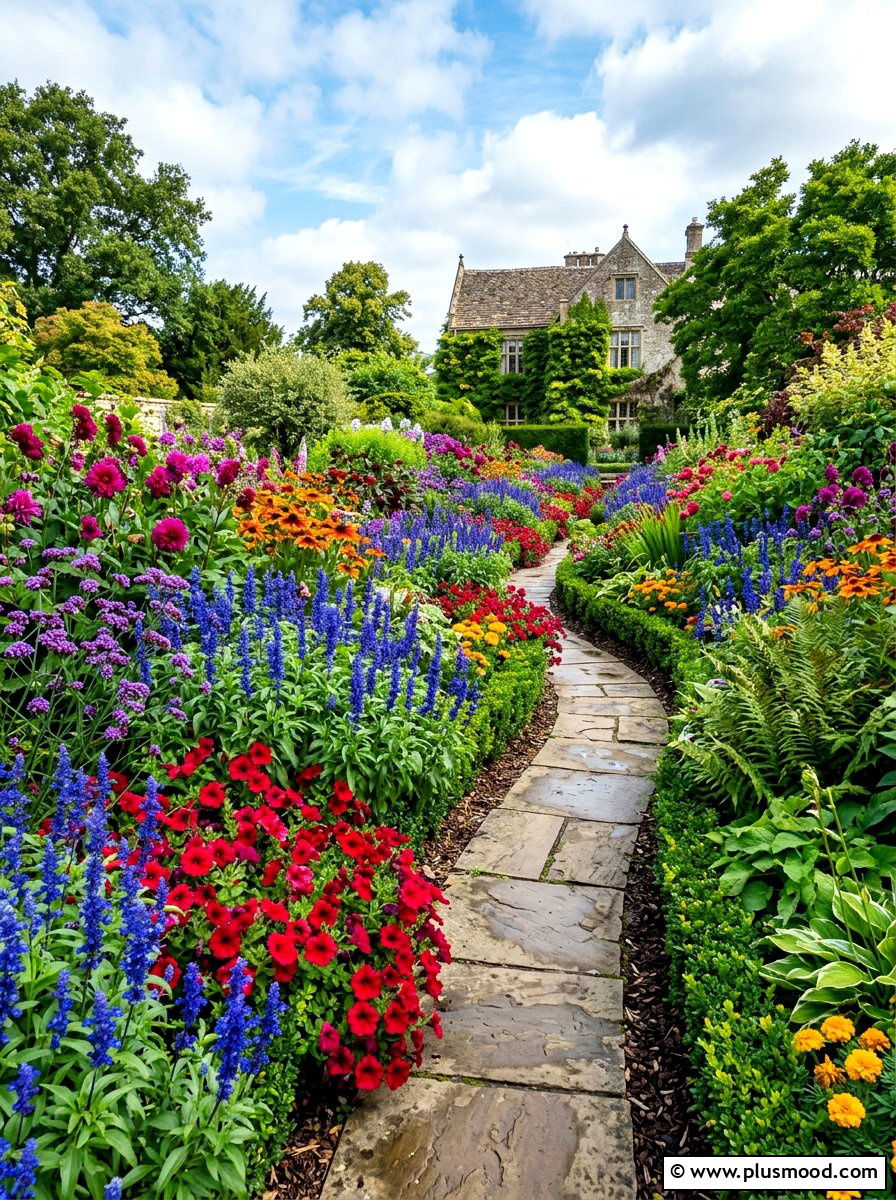
A jewel tone garden uses deeply saturated colors like sapphire blue, emerald green, ruby red, and amethyst purple to create a rich and luxurious feel. This palette is all about intensity and drama, making the garden feel like a treasure chest of color. You can achieve this look by planting bold varieties of salvia, petunias, and dark-leaved shrubs. These colors look best when grouped together in dense clusters to maximize their impact. A jewel-toned garden is a fantastic choice for areas with some light shade, as the deep colors maintain their richness and don't wash out in filtered light.
Conclusion:
Designing a summer garden with a specific color palette is one of the most rewarding ways to express your personal style outdoors. Whether you choose the calming influence of a cool blue landscape or the high-energy vibe of a tropical red and orange theme, your choices will define the mood of your home. By thoughtfully layering colors and textures, you create a professional-looking space that offers endless beauty and relaxation throughout the warmer months. Remember that gardening is an evolving art form, so do not be afraid to experiment with new combinations each year. Your vibrant, colorful sanctuary will surely become the highlight of your summer season.
Related posts:
Leave a Reply