
Creating a stunning summer landscape often begins with the strategic placement of freestanding garden features that break up the monotony of a traditional lawn. Summer island beds offer a unique opportunity to showcase vibrant colors, diverse textures, and structural focal points that can be viewed from every angle of your property. These floating garden oases serve as visual anchors, drawing the eye toward the center of the yard while providing a lush habitat for local pollinators. Whether you prefer the structured elegance of a formal circle or the organic flow of a kidney-shaped meadow, designing an island bed allows for creative freedom that perimeter borders often lack. By focusing on heat-tolerant species and layered planting techniques, you can ensure your garden remains a breathtaking highlight throughout the warmest months of the year. Integrating these features into your backyard not only enhances curb appeal but also reduces the amount of grass that requires constant mowing and maintenance during the busy summer season.
1. Tropical Island Bed
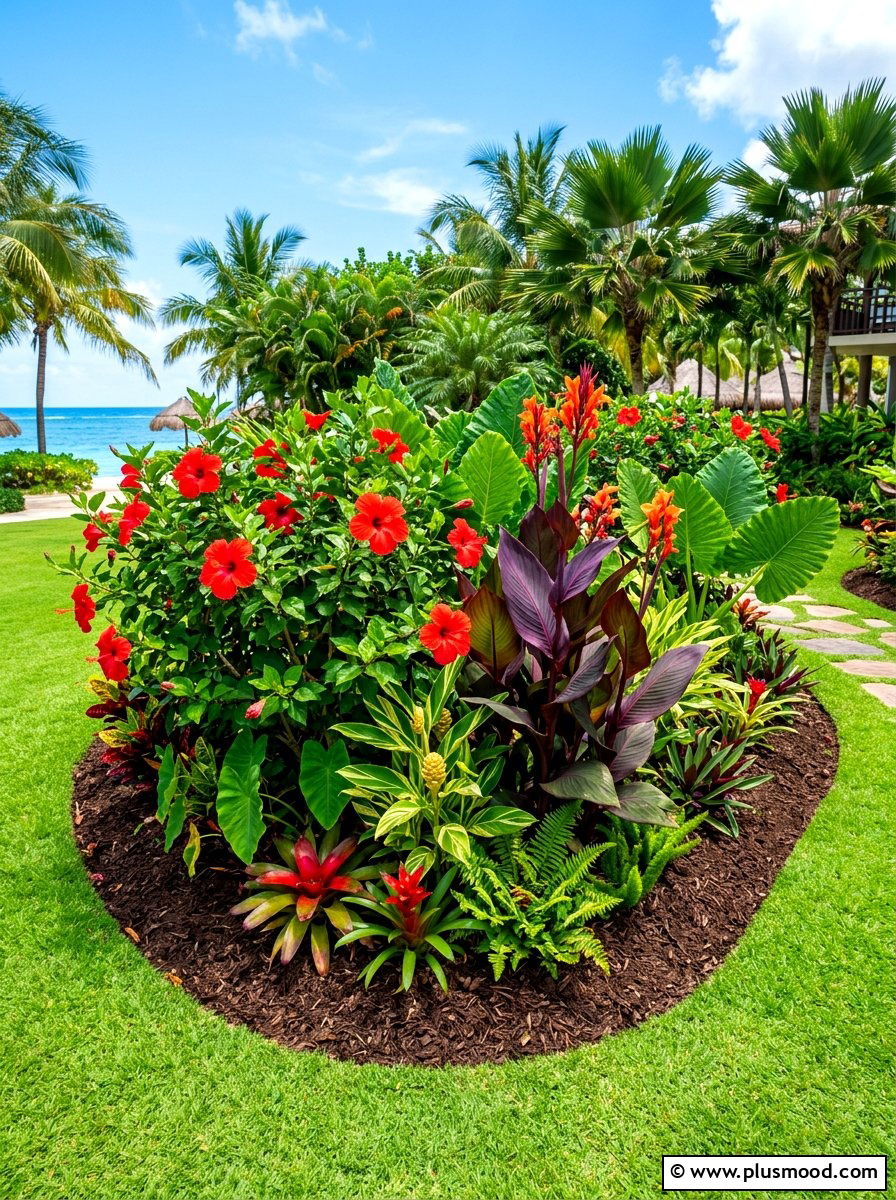
Transforming your backyard into a lush vacation retreat is easily achieved with a dedicated tropical island bed. This design centers on high-impact plants with oversized foliage, such as vibrant canna lilies, dramatic elephant ears, and hardy hibiscus with dinner-plate-sized blooms. By placing the tallest specimens in the middle, you create a dense vertical layer that offers a sense of privacy and luxury. Surround these central giants with colorful caladiums and trailing sweet potato vines to fill every inch of soil with texture. The bold color palette of hot pinks, bright oranges, and deep greens thrives in the intense summer sun. Using a dark, rich mulch around the base helps retain essential moisture while making the neon hues of the tropical flowers stand out against the surrounding green grass of your lawn.
2. Pollinator Island Bed
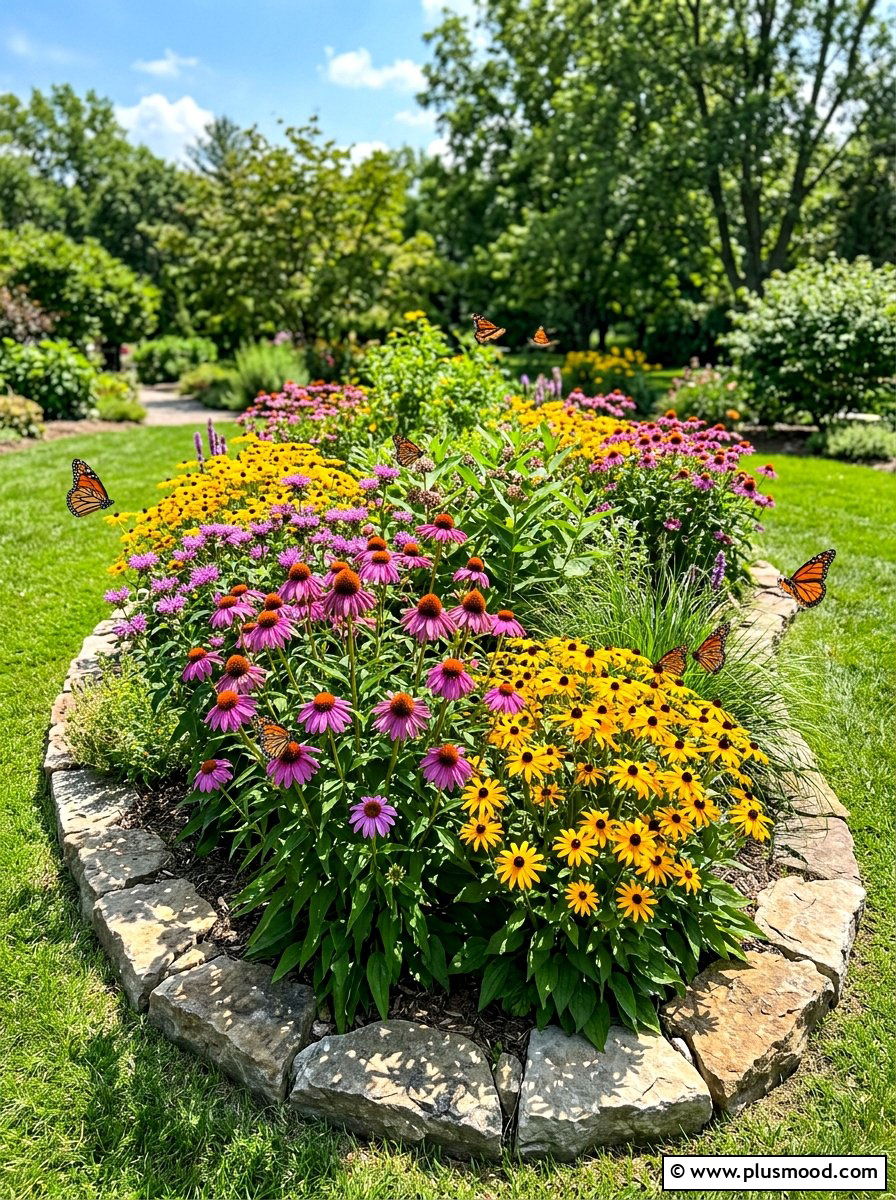
A pollinator island bed serves as both a beautiful focal point and a vital sanctuary for local bees, butterflies, and hummingbirds. To create this functional landscape feature, you should focus on a variety of nectar-rich perennials that bloom at different times throughout the summer. Incorporate sturdy favorites like purple coneflowers, bright yellow black-eyed Susans, and aromatic bee balm to provide a constant food source. These plants are exceptionally resilient against the summer heat and require minimal intervention once they are established in the ground. Arrange the flowers in dense clusters to make it easier for pollinators to find them from a distance. The natural, slightly wild aesthetic of this design adds a charming, life-filled energy to any open lawn area while supporting the health of your local ecosystem.
3. Wildflower Island Bed
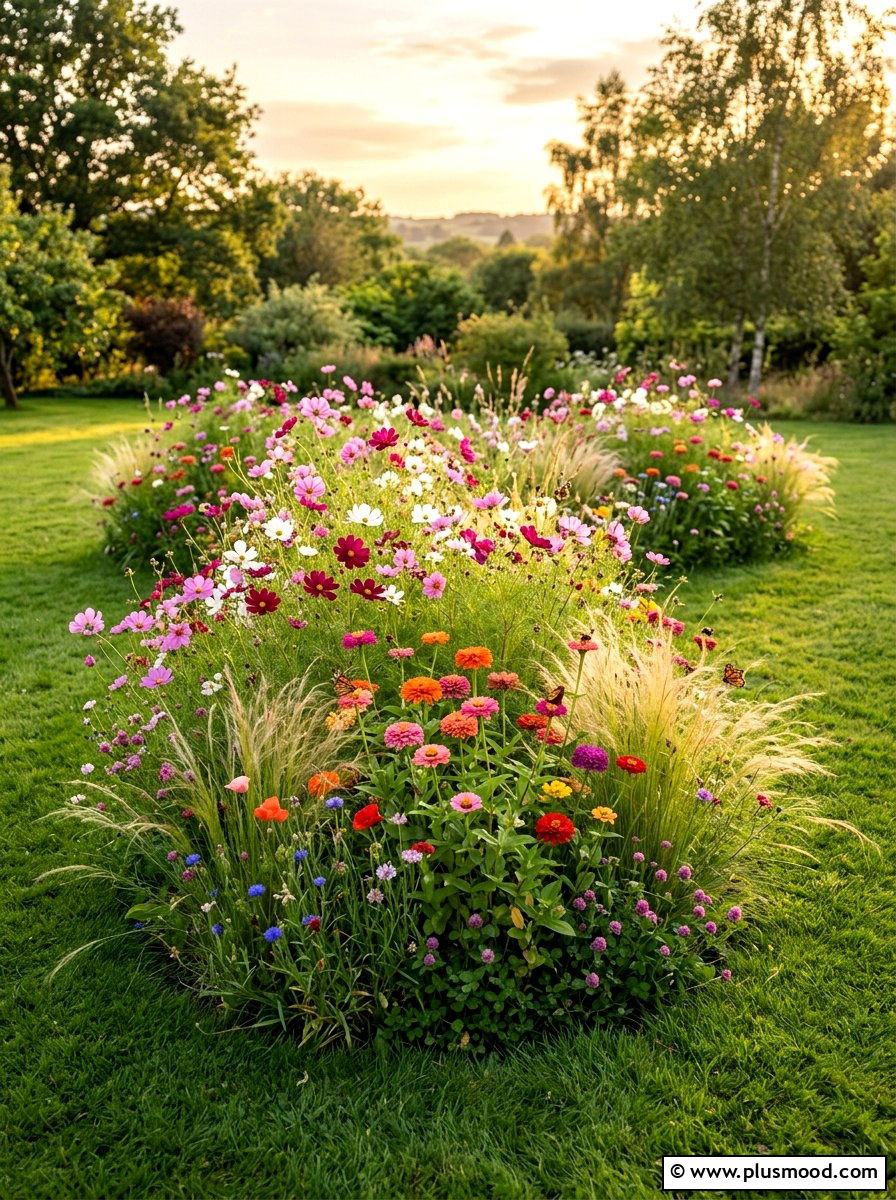
Embracing the rewilding trend with a wildflower island bed brings a soft, ethereal beauty to your summer landscape. This design moves away from rigid structures and instead favors a free-form, naturalistic approach using native seed mixes or local prairie plants. You might include a blend of cosmos, zinnias, and coreopsis to create a tapestry of ever-changing colors that dance in the summer breeze. The lack of formal edging allows the plants to spill over slightly, softening the transition between the garden and the grass. Because native wildflowers are adapted to your specific climate, they typically need very little supplemental water or fertilizer. This low-maintenance option is perfect for large backyards where you want to create a sense of movement and unrefined grace without the constant need for pruning or weeding.
4. Drought Resistant Island Bed
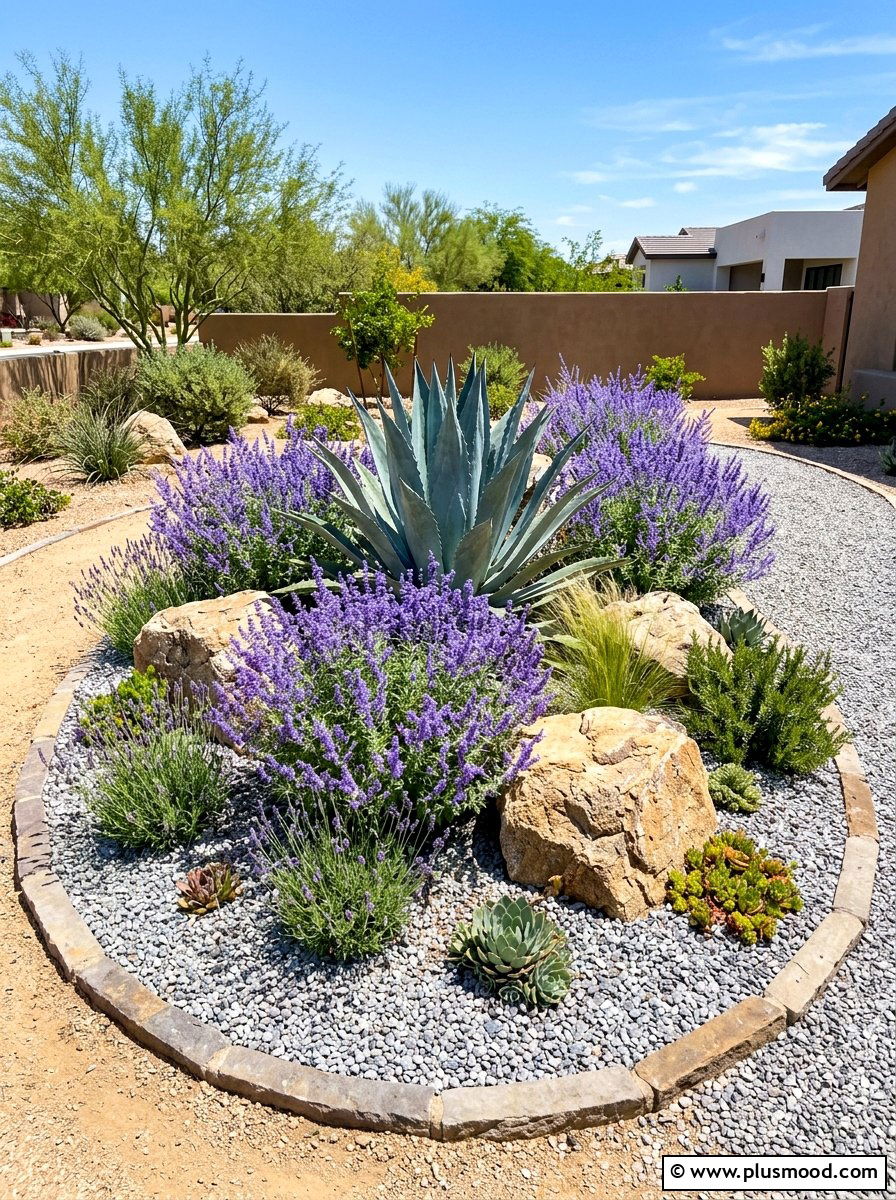
Designing a drought-resistant island bed is a smart way to maintain a lush appearance in arid climates or areas with water restrictions. This type of garden utilizes xeric plants that have adapted to thrive in harsh, dry conditions without losing their aesthetic appeal. Consider using structural plants like yucca or agave as the central focal point, surrounded by colorful, sun-loving varieties like Russian sage and sedum. These species often feature silvery or waxy foliage, which helps them reflect sunlight and conserve moisture effectively. To enhance the look, incorporate large decorative boulders and a thick layer of pea gravel or crushed stone mulch. This approach not only saves water but also creates a modern, desert-inspired look that remains vibrant and healthy even during the hottest weeks of July and August.
5. Lavender Island Bed
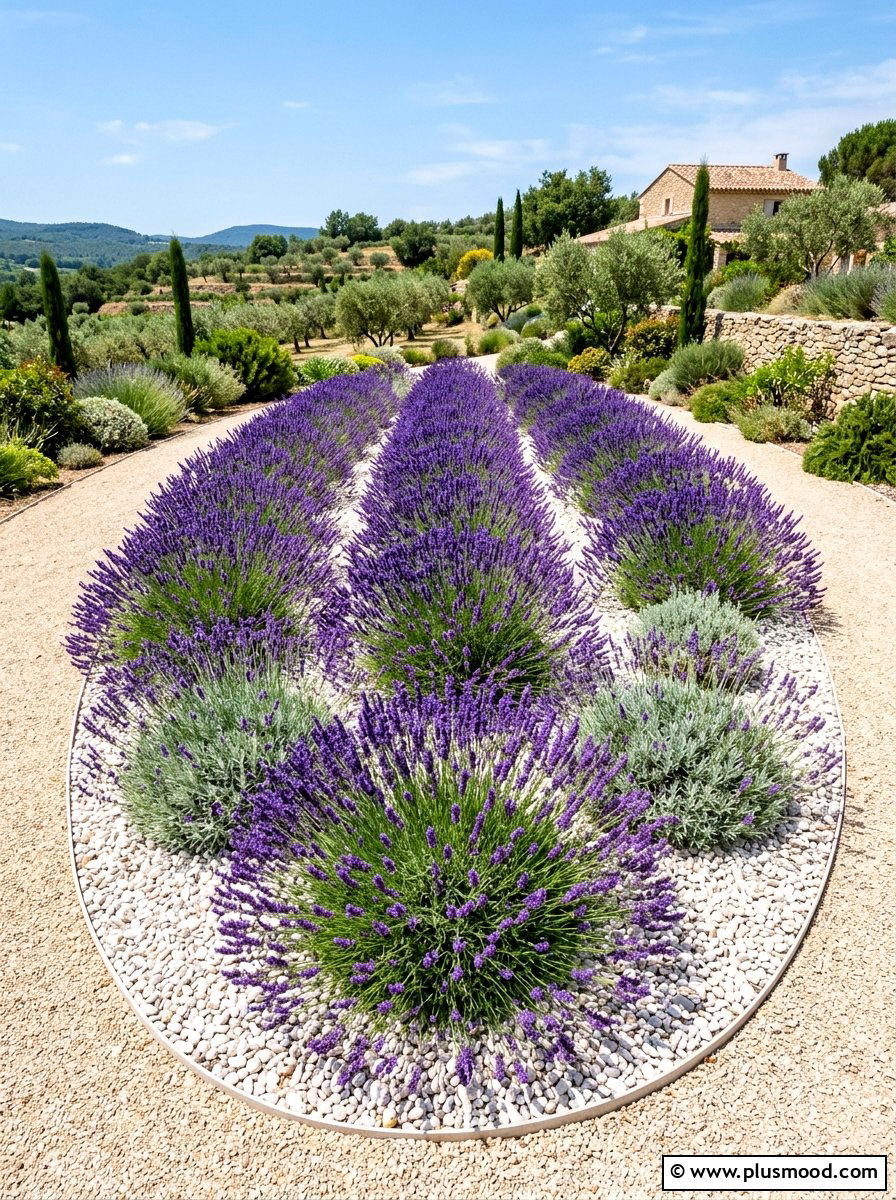
A lavender island bed is a sensory delight that combines striking visual appeal with a relaxing fragrance that wafts through the summer air. This design is most effective when planted in a sunny, well-draining spot where the Mediterranean herb can truly flourish. You can choose different varieties, such as English or French lavender, to create slight variations in height and bloom timing. The silvery-green foliage provides a cool contrast to the deep purple flower spikes, making the bed look refreshing during the heat of the day. Planting lavender in an island format allows for excellent air circulation around each plant, which is crucial for preventing root rot. Surround the base with small white pebbles or light-colored sand to reflect light and keep the stems dry, creating a clean and sophisticated garden feature.
6. Ornamental Grass Island Bed
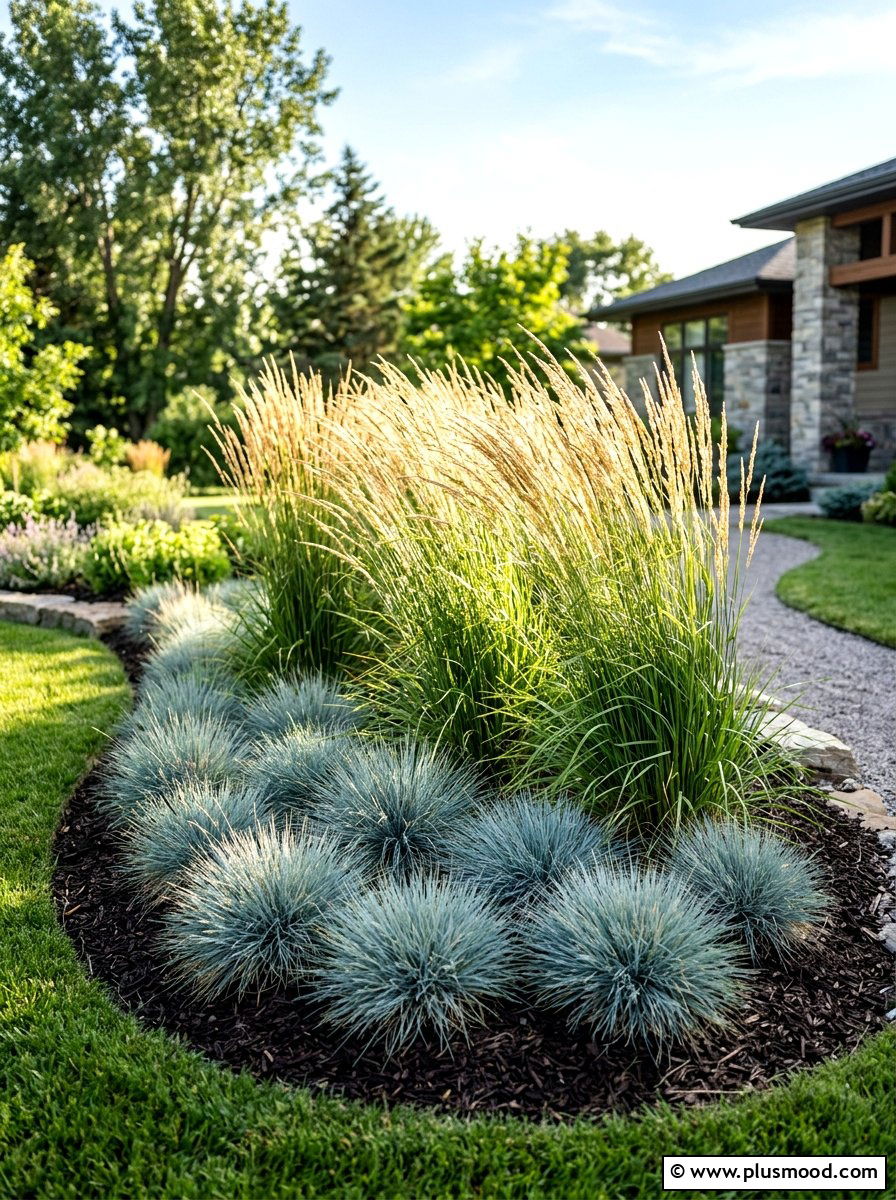
Focusing on texture and movement, an ornamental grass island bed provides a modern and architectural look that lasts long into the autumn months. These beds utilize the varying heights and colors of grasses like fountain grass, switchgrass, and blue fescue to create a multi-dimensional display. In the center, tall varieties with feathery plumes catch the golden hour light, while shorter, mounded grasses define the outer edges of the bed. The sound of the wind rustling through the blades adds a tranquil auditory element to your outdoor space. These plants are incredibly hardy and rarely suffer from pests or diseases, making them a top choice for busy homeowners. The simplicity of the color palette, ranging from tawny golds to steely blues, complements both contemporary and traditional home styles perfectly.
7. Succulent Island Bed
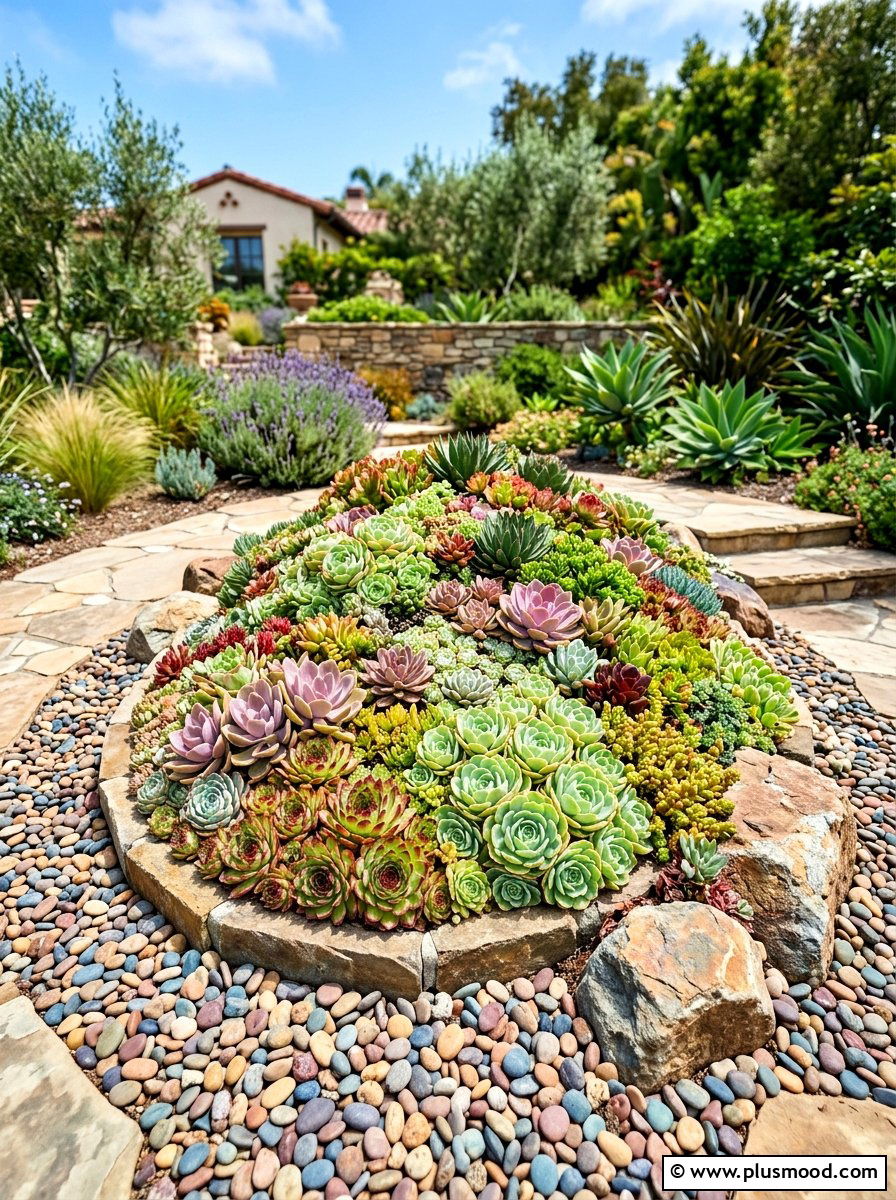
A succulent island bed offers a low-profile, high-impact design that is perfect for smaller yards or contemporary landscapes. By grouping various hardy succulents like hens and chicks, echeveria, and creeping stonecrop, you create a living mosaic of intricate shapes and subtle colors. These plants store water in their thick leaves, allowing them to remain plump and healthy even in intense heat. To build this bed, use a slightly mounded soil base covered with decorative river rocks or colorful glass beads to provide a clean, artistic finish. The variations in leaf texture — from fuzzy and matte to glossy and sharp — provide endless visual interest upon close inspection. Because succulents grow slowly, this type of island bed retains its neat, manicured shape for a long time, requiring very little trimming or maintenance.
8. Rose Island Bed
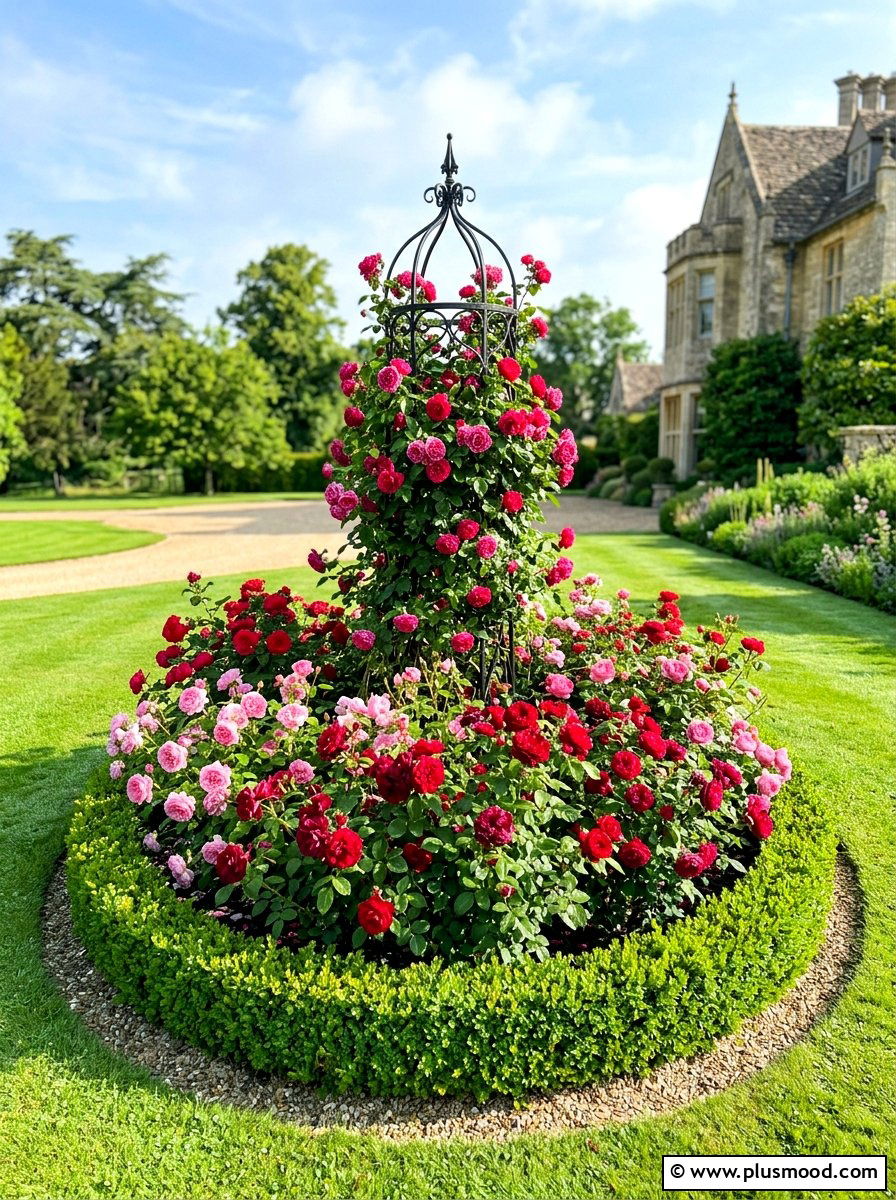
Creating a rose island bed is the ultimate way to bring classic romance and elegance to the center of your lawn. This design typically features a mix of shrub roses, floribundas, and perhaps a central climbing rose supported by a decorative obelisk. Modern landscape roses are often bred for disease resistance and continuous blooming, ensuring your island remains covered in flowers from late spring through frost. Surround the roses with a tidy border of boxwood or lavender to frame the blooms and provide year-round structure. The rich scent of the flowers makes this island a wonderful feature to place near a patio or walkway. Regular deadheading will encourage more blooms, keeping the island looking like a professional botanical display throughout the peak of the summer growing season.
9. Hydrangea Island Bed
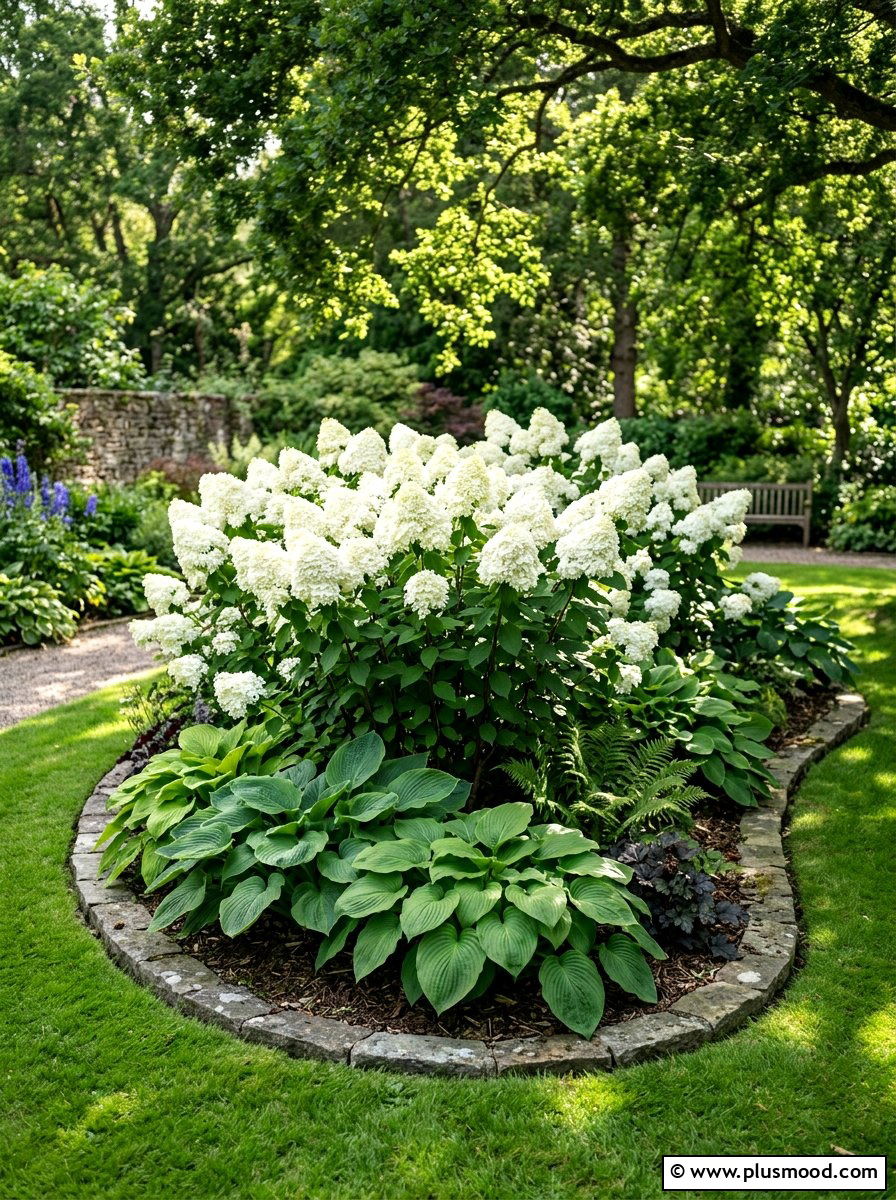
For a look that is both lush and timeless, a hydrangea island bed provides massive clusters of blooms that define the summer aesthetic. This design works exceptionally well in areas that receive morning sun and afternoon shade, featuring varieties like Panicle or Oakleaf hydrangeas for height and structure. The large, cooling green leaves act as a backdrop for the iconic white, pink, or blue flower heads that can last for weeks on the stem. By grouping several hydrangeas together in a single bed, you create a massive cloud of color that serves as a powerful focal point. Underplant the shrubs with shade-loving hostas or ferns to hide the woody stems and add another layer of greenery. This arrangement creates a refreshing, woodland-inspired escape that feels significantly cooler than the surrounding open lawn.
10. Butterfly Island Bed
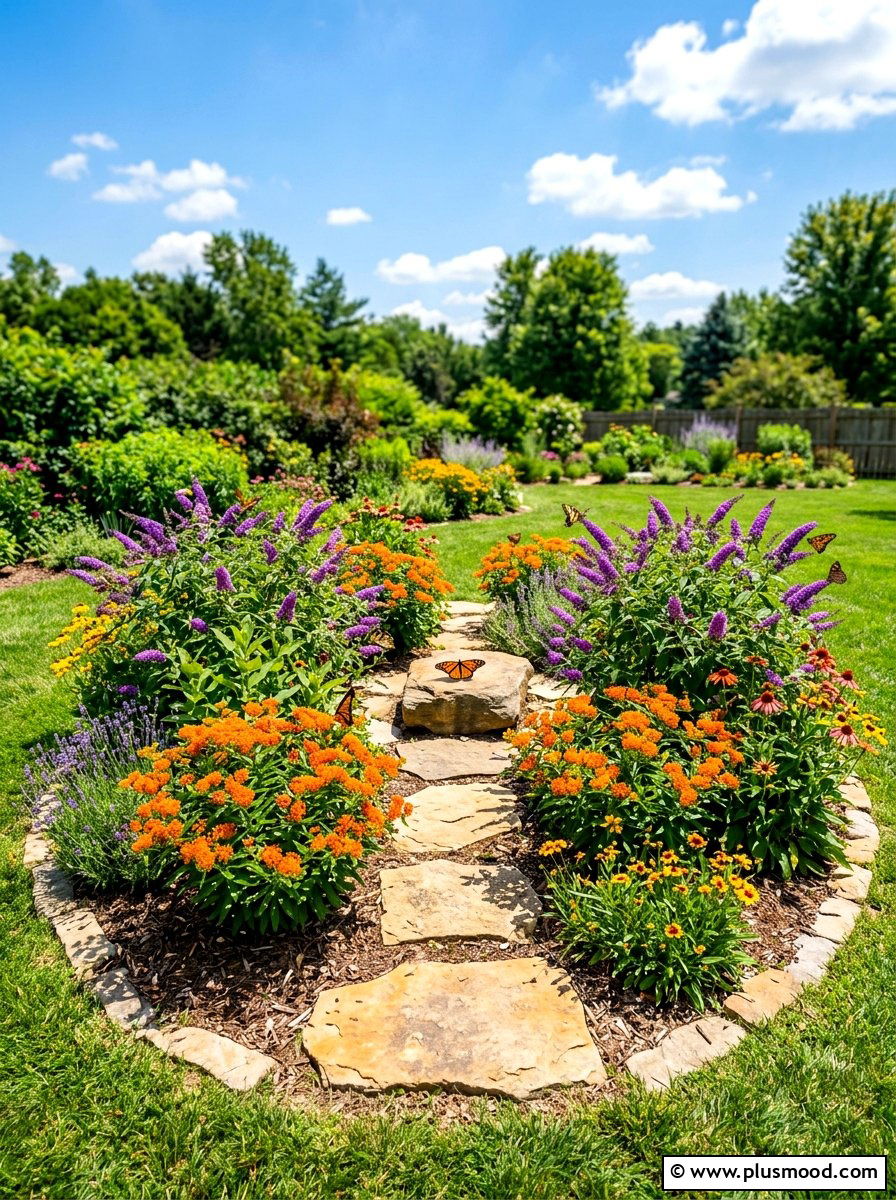
A butterfly island bed is specifically designed to attract and support various butterfly species through their entire life cycle. This means including both nectar plants for the adults and host plants for the caterpillars to feed upon. You should plant milkweed as a primary host for Monarchs, alongside nectar favorites like zinnia, pentas, and butterfly bush. To make the island more effective, include a flat, sun-warmed stone where butterflies can rest and regulate their body temperature. The design should be layered, with taller plants in the middle to provide wind protection for the delicate insects. Using a bright, varied color palette will help signal to passing butterflies that your garden is a prime feeding ground. This interactive garden space provides endless entertainment as you watch different species flutter from bloom to bloom.
11. Cottage Island Bed
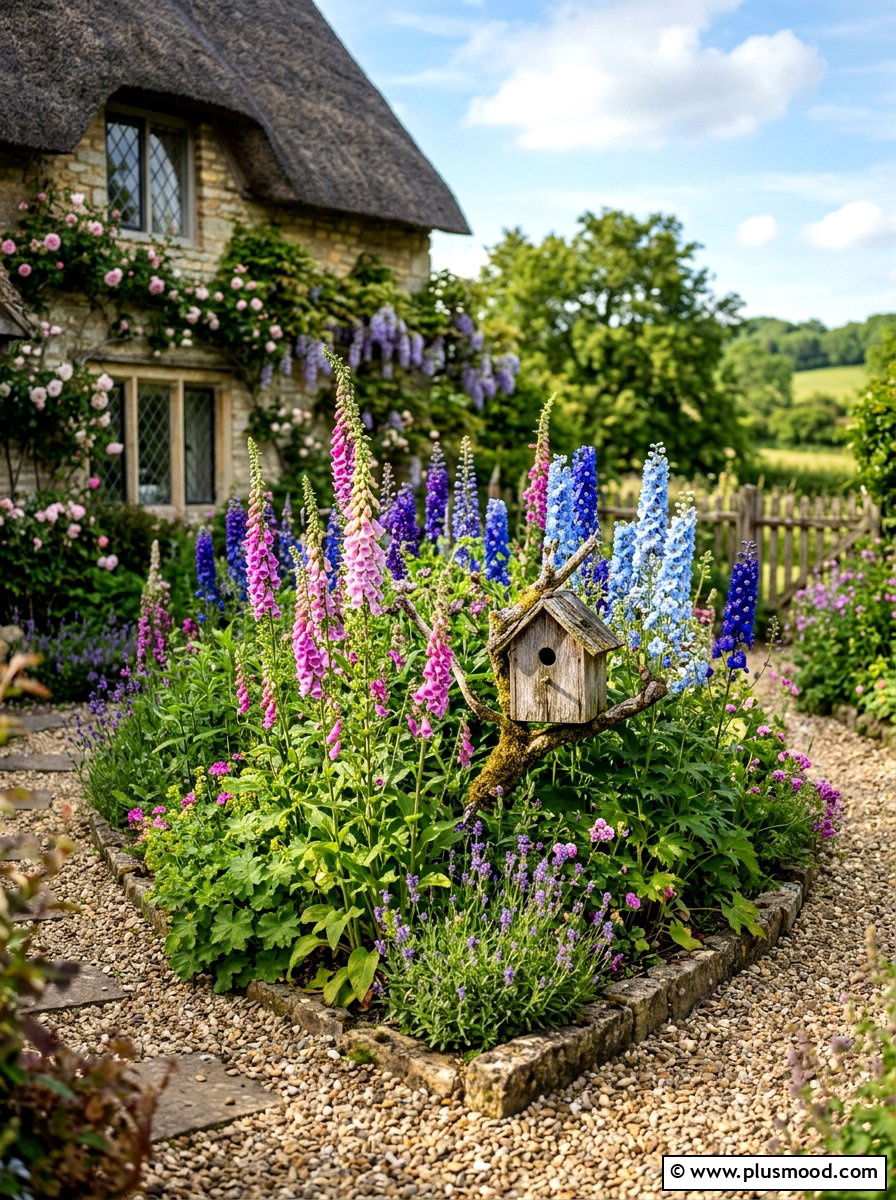
The cottage island bed is characterized by its charmingly chaotic and densely packed appearance, mimicking the traditional English countryside style. This design ignores rigid spacing in favor of a lush, romantic mix of foxgloves, delphiniums, and hollyhocks that grow together in a beautiful tangle. The goal is to see as little soil as possible, with flowers of all shapes and sizes competing for attention. Adding a weathered wooden birdhouse or a small rustic bench can enhance the "lived-in" feel of the garden. This style of planting creates a soft, informal look that works beautifully in backyards with a relaxed atmosphere. Because the plants are so close together, they naturally shade the soil, which helps to keep the roots cool and reduces the amount of moisture lost to evaporation during the hot summer.
12. Japanese Maple Island Bed
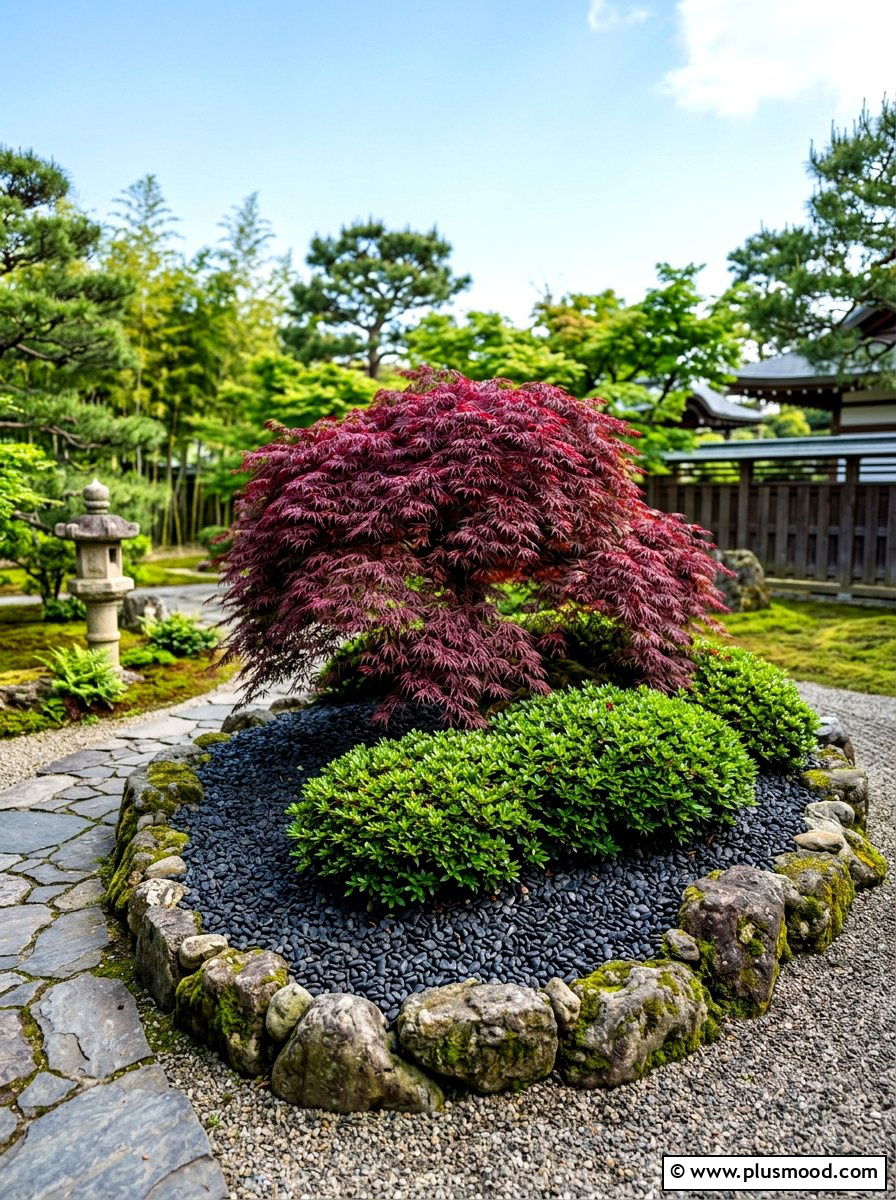
Using a Japanese maple as the centerpiece of an island bed adds instant sophistication and a sculptural element to your landscape. These slow-growing trees are prized for their intricate leaf shapes and stunning colors, which range from deep burgundy to bright lime green. Around the base of the tree, you can plant a simple selection of low-growing evergreens, such as dwarf junipers or mounded azaleas, to provide a clean and professional contrast. A layer of dark bark mulch or smooth black stones can accentuate the tree's unique bark and delicate foliage. This design is highly effective because it provides vertical interest without overwhelming the yard. It creates a serene, Zen-like atmosphere that encourages quiet reflection, making it an ideal feature to view from a porch or a nearby window during a quiet summer afternoon.
13. Rock Garden Island Bed
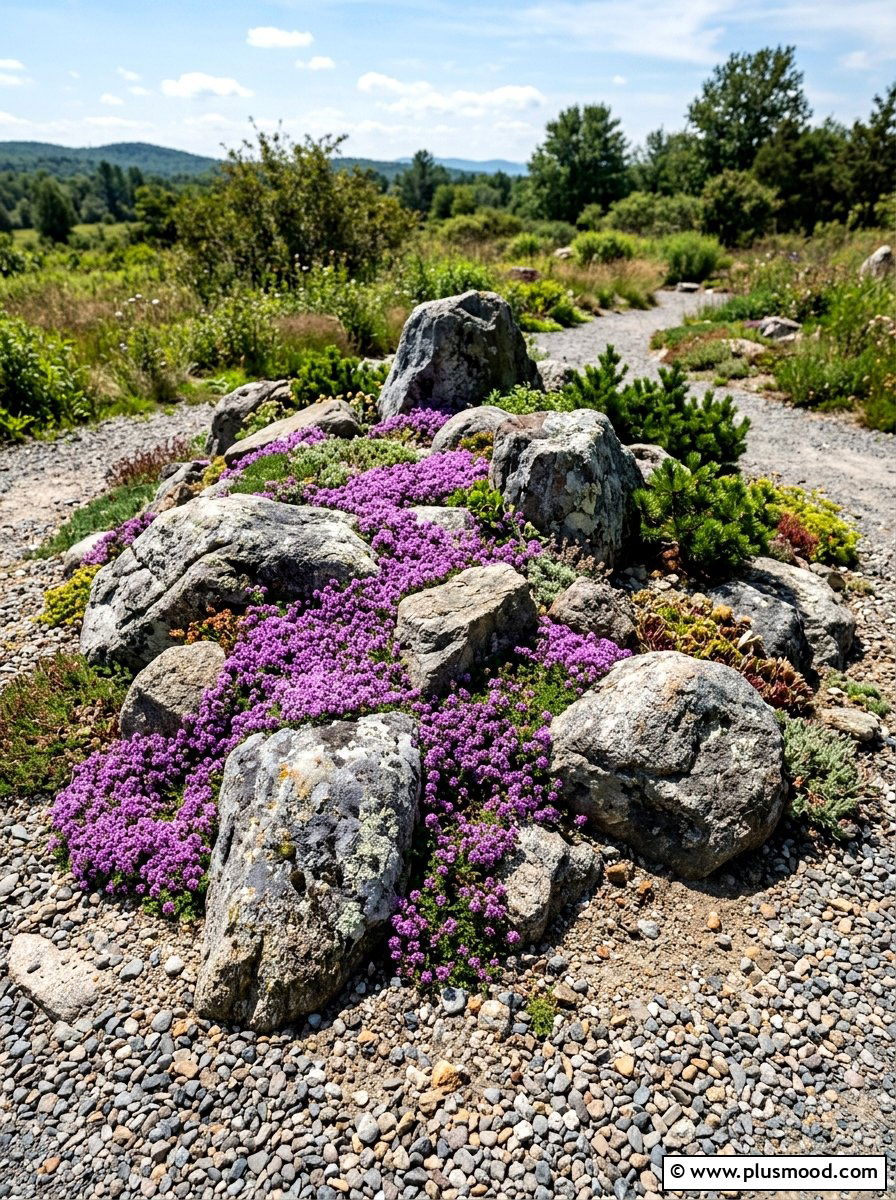
A rock garden island bed combines the rugged beauty of natural stone with hardy, low-growing plants to create a low-maintenance landscape feature. This design involves placing several large, weathered boulders at varying angles to mimic a mountain outcrop or a dry creek bed. In the crevices between the rocks, you can plant tough species like creeping thyme, alpine pinks, and various types of moss. These plants thrive in the well-drained soil typical of a rock garden and often produce small, charming flowers in the early summer. The stones themselves act as a heat sink, absorbing warmth during the day and releasing it at night, which can help certain plants grow more vigorously. This style of island bed is perfect for sloped lawns or areas where the soil is naturally rocky or poor.
14. Fragrant Island Bed
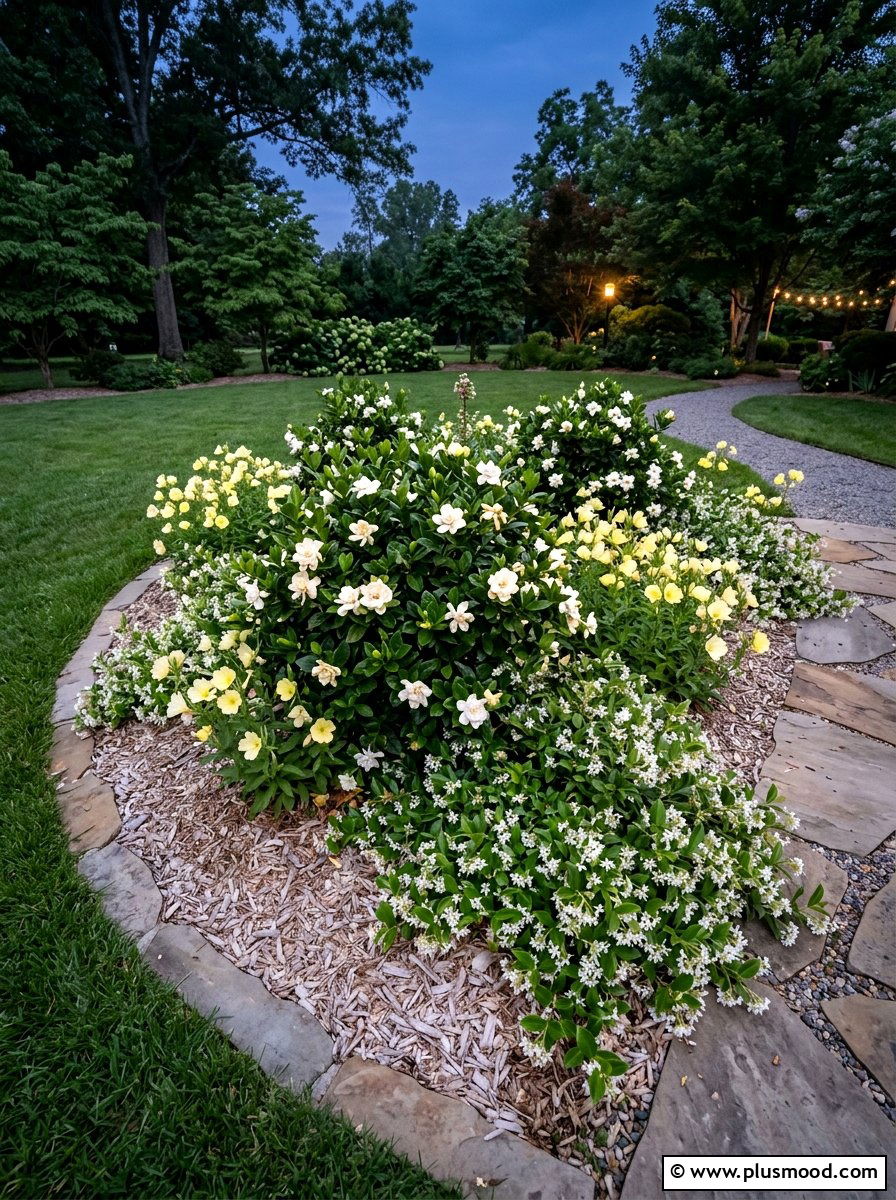
Designing an island bed specifically for its scent creates a magical experience that changes throughout the day and into the evening. By selecting a variety of aromatic plants like gardenias, jasmine, and sweet alyssum, you ensure that every breeze carries a delightful perfume. Place this island near a seating area or a bedroom window so the scents can be enjoyed fully. Night-blooming jasmine or evening primrose are excellent additions for those who spend time outdoors after the sun sets. The visual aspect of this bed can be kept simple with white and pale yellow flowers, which tend to be the most fragrant and also glow beautifully in the twilight. This sensory-focused design adds a layer of depth to your garden that goes beyond mere visual beauty, making your outdoor space feel truly immersive.
15. Cutting Garden Island Bed
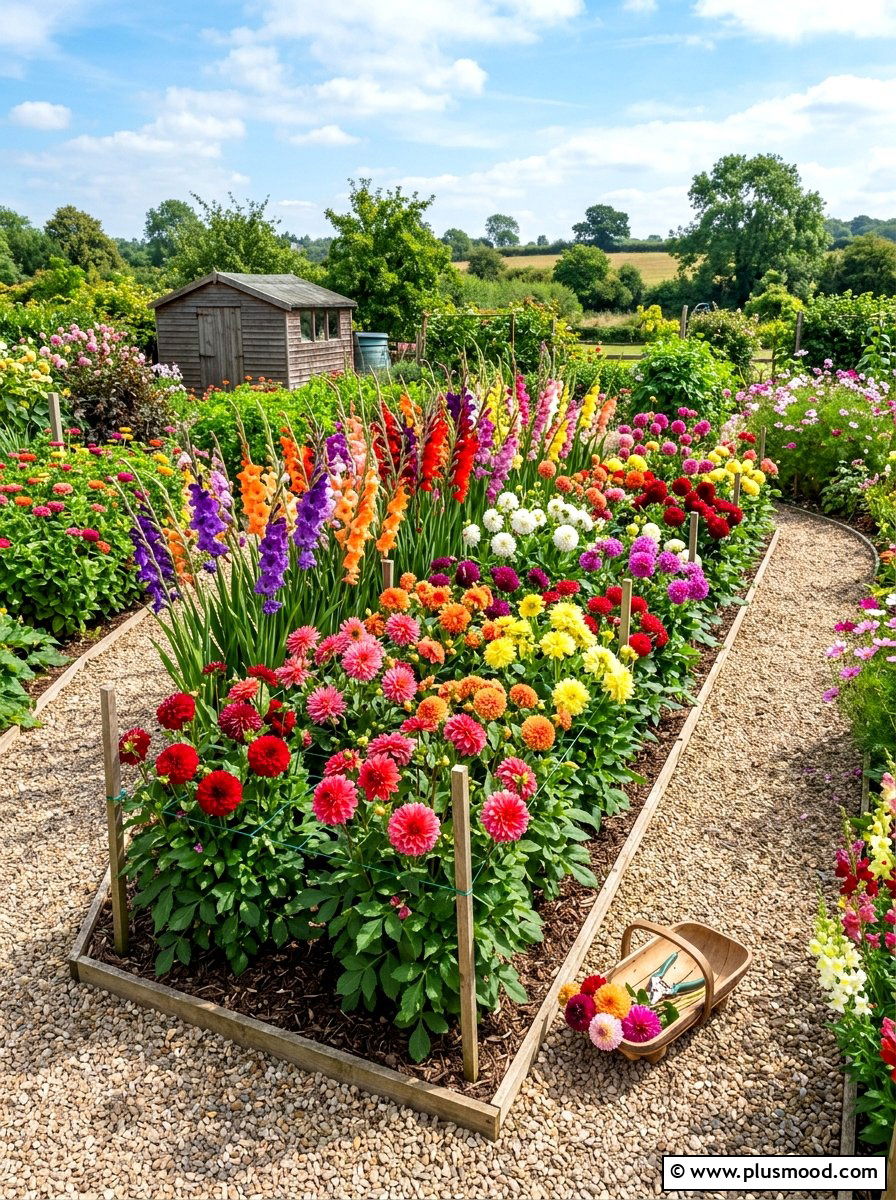
A cutting garden island bed is a practical and beautiful way to ensure you always have fresh flowers to brighten the inside of your home. This design focuses on high-yield annuals and perennials with long, sturdy stems, such as dahlias, snapdragons, and gladiolus. Unlike other beds where you might worry about pruning, this island is designed for harvesting. By keeping these flowers in a central island, you make it easy to access the plants from all sides for regular cutting and maintenance. The layout can be organized into rows or clusters based on color or species to make the picking process more efficient. Not only does this provide you with endless summer bouquets, but regular cutting actually encourages many of these plants to produce even more blooms, keeping the island looking productive and vibrant all season.
16. Mediterranean Island Bed
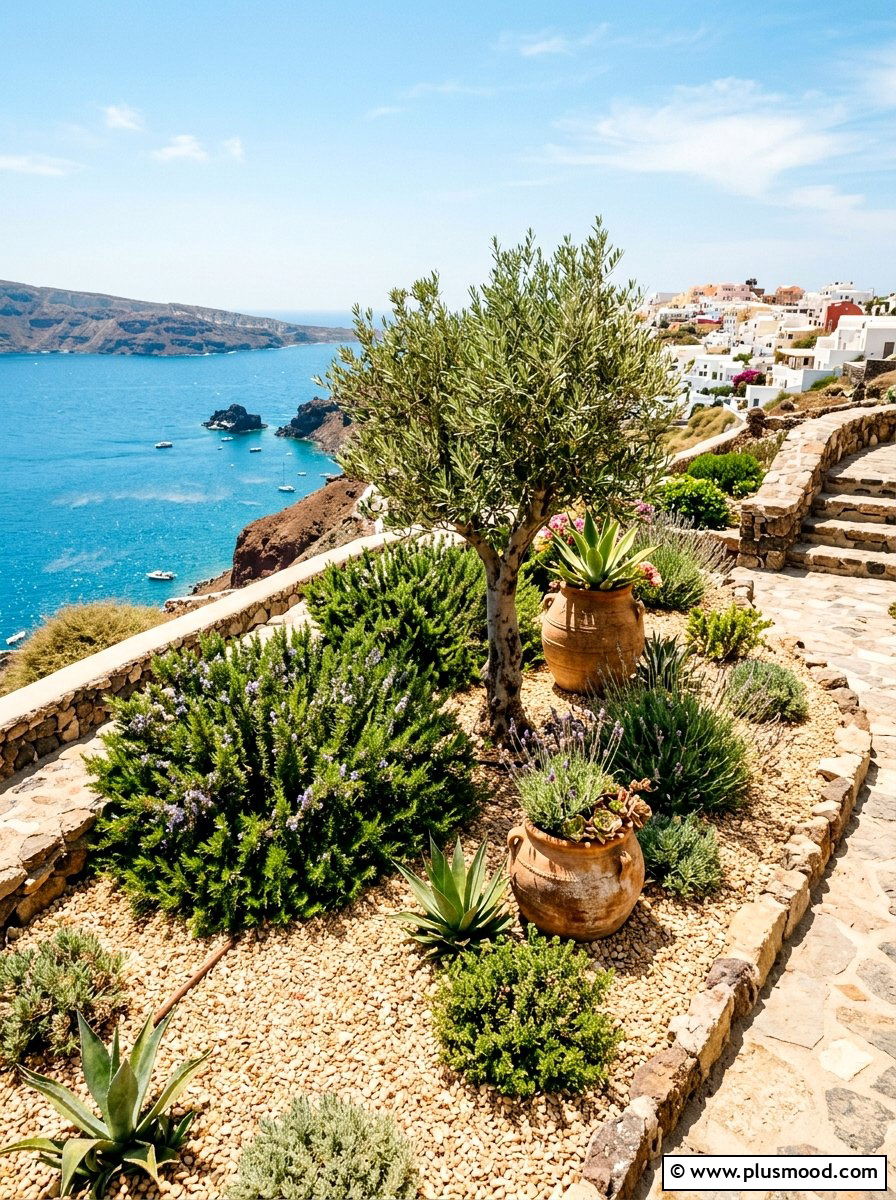
The Mediterranean island bed brings a touch of coastal Europe to your yard with its sun-baked aesthetic and hardy, aromatic plants. This design typically features a central olive tree or a large rosemary bush, surrounded by lavender, sage, and oregano. The color palette focuses on earthy tones, muted greens, and soft purples, which look stunning under the bright summer sun. To truly capture the theme, use terracotta pots as accents or edge the bed with weathered stone or brick. A gravel mulch in a light tan or cream color helps reflect heat and provides the perfect drainage that these plants require. This type of island bed is exceptionally drought-tolerant once established, making it a sustainable and stylish choice for regions with hot, dry summers where traditional lawns might struggle to stay green.
17. Shade Island Bed
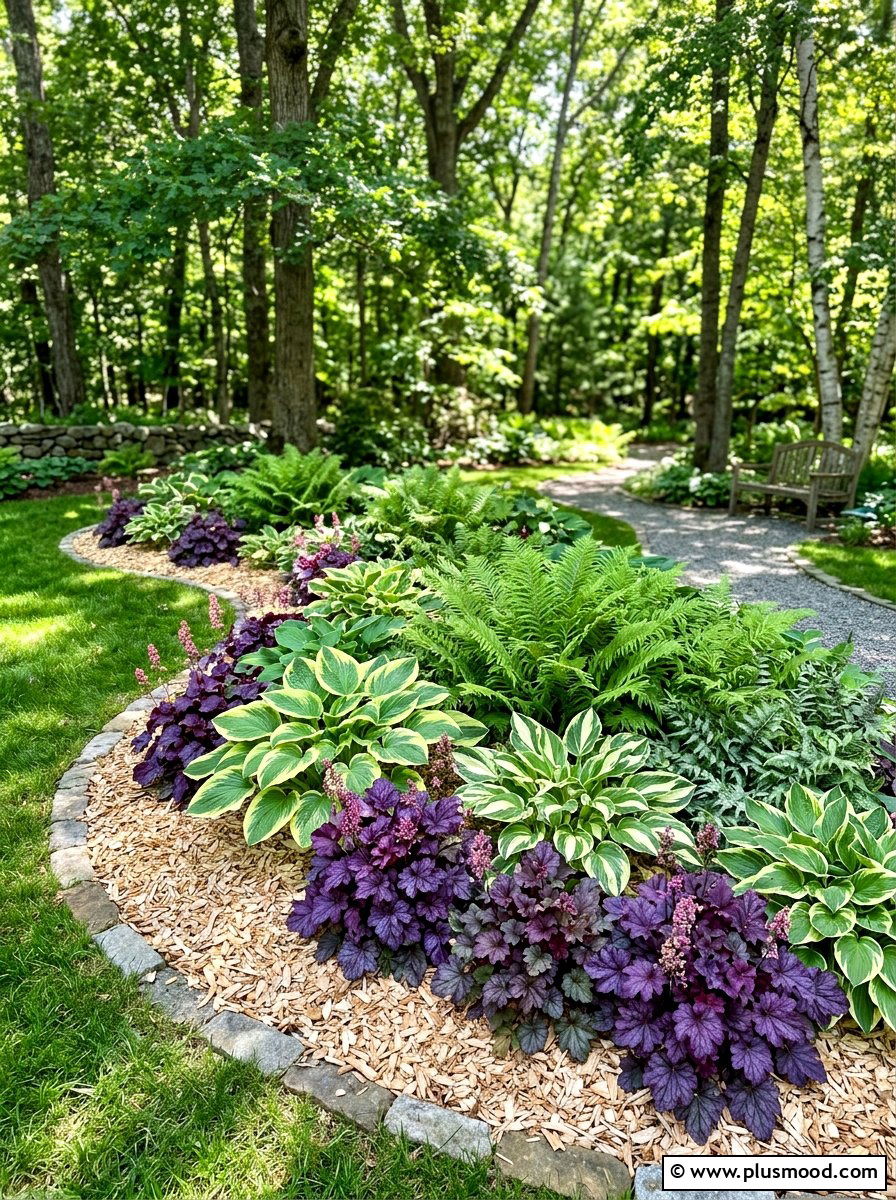
Even the shadiest spots under a large tree can be transformed into a lush retreat with a well-planned shade island bed. Instead of struggling to grow grass in the shadows, you can use a variety of foliage-forward plants like hostas, coral bells, and Japanese forest grass. These plants offer a wide range of leaf colors, from chartreuse and deep purple to variegated white and green, providing visual interest without the need for bright sunlight. Flowering shade lovers like astilbe or bleeding hearts can add delicate pops of color during the early summer months. Using a light-colored mulch or adding a few bright garden ornaments can help lift the mood of the darker space. This cool, green oasis becomes a refreshing visual break from the bright sun-drenched areas of the rest of your backyard landscape.
18. Peony Island Bed
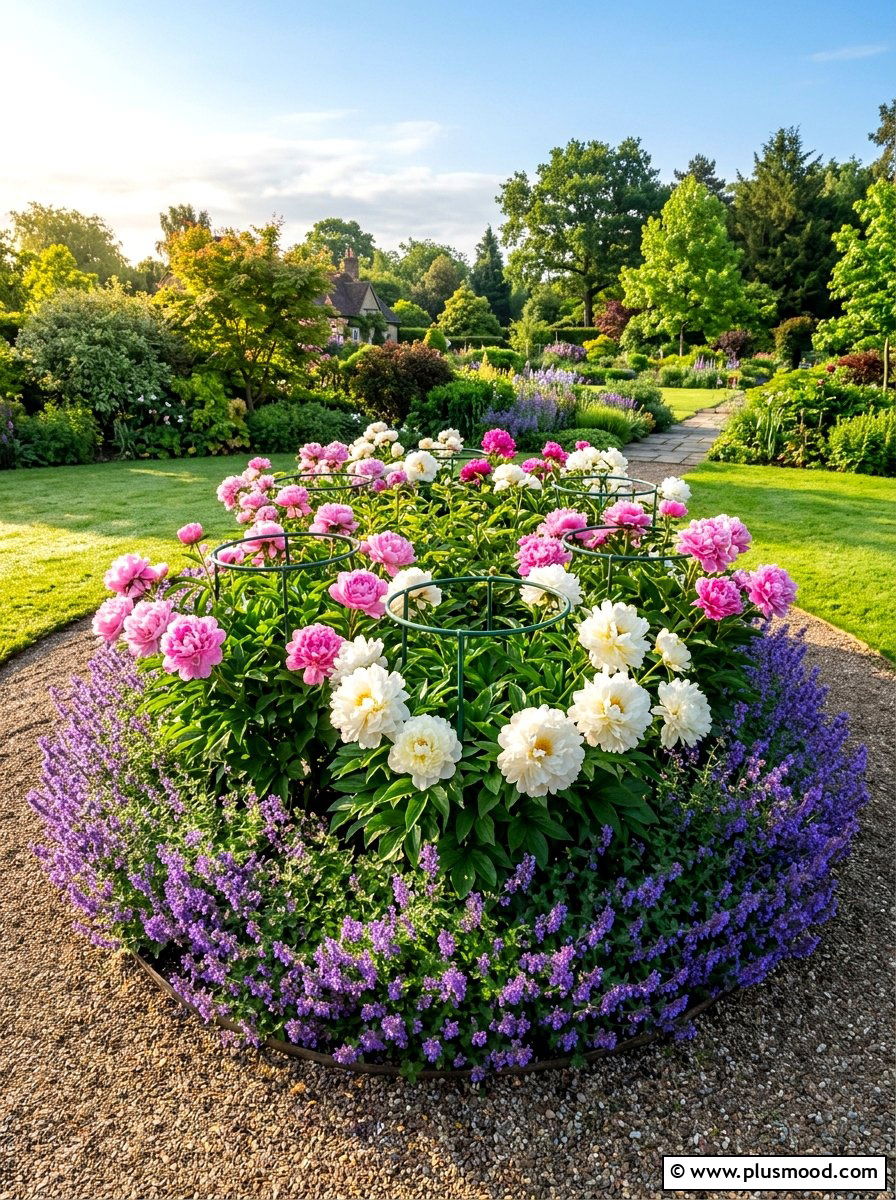
A peony island bed offers a spectacular burst of drama and fragrance in the early summer, followed by lush green foliage that stays attractive for the rest of the season. Because peonies have such heavy, ornate blooms, planting them in an island allows you to provide them with the structural support they need, such as decorative metal hoops or cages, without cluttering the rest of the garden. You can mix early, mid, and late-season varieties to extend the blooming period as long as possible. The deep green, lobed leaves of the peony plant provide a wonderful texture that fills the space once the flowers have faded. Surrounding the peonies with a low border of lady's mantle or catmint adds a soft, frothy texture that complements the bold, rounded shape of the peony bushes, creating a balanced and classic look.
19. Boxwood Island Bed
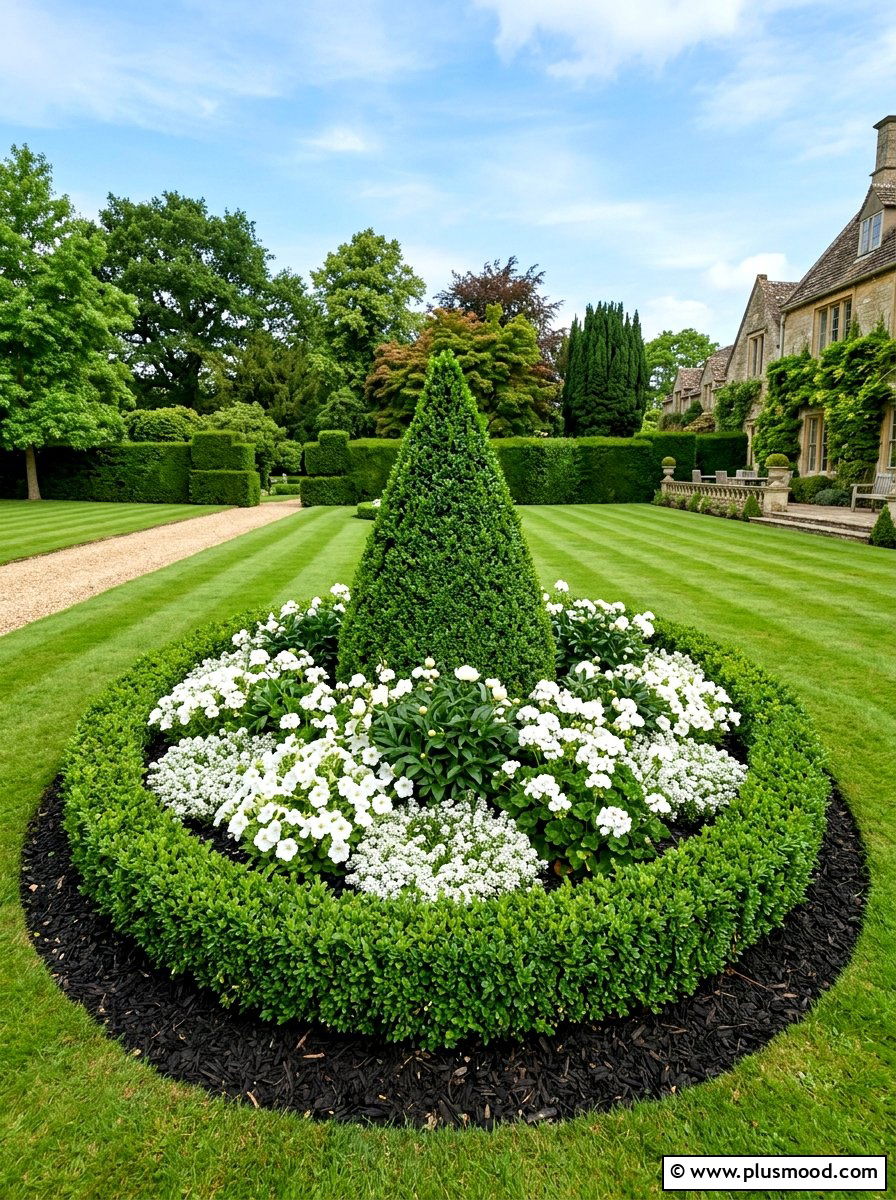
For a highly structured and formal look, a boxwood island bed relies on the timeless appeal of clipped evergreens to create a sophisticated landscape feature. This design often features a central focal point, such as a tall topiary or a classical stone urn, surrounded by a low, neatly trimmed boxwood hedge. Within the hedge, you can plant a seasonal rotation of flowers, but the real star is the architectural shape of the greenery itself. The crisp, clean lines of the boxwood provide a stark contrast to the organic shapes of the surrounding lawn, making the island look like a curated piece of art. This type of bed requires regular shearing to maintain its shape, but the reward is a garden feature that looks just as good in the winter as it does during the height of the summer.
20. Circular Island Bed
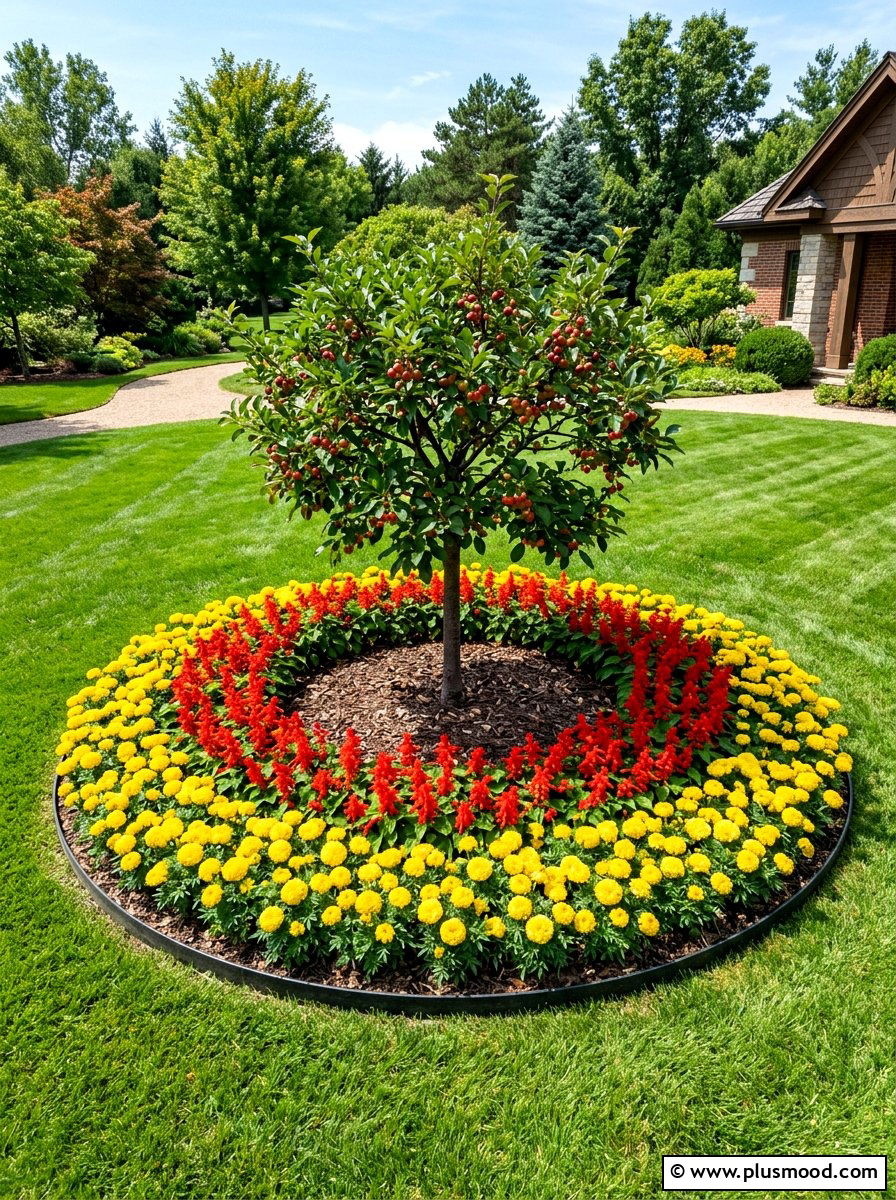
The circular island bed is a classic choice for large, open lawns because its symmetrical shape naturally draws the eye and creates a sense of balance. To make this design effective, it is essential to follow the "tallest in the center" rule, using an ornamental tree or a large shrub as the anchor. You can then create concentric rings of plants that gradually decrease in height toward the outer edge. For a summer theme, use a vibrant mix of salvia, marigolds, and petunias to create a target-like effect of color. The circular shape is easy to mow around, as there are no sharp corners to navigate. This design feels organized and intentional, making it a perfect choice for front yards where you want to make a bold first impression on visitors and passersby alike.
21. Tiered Island Bed
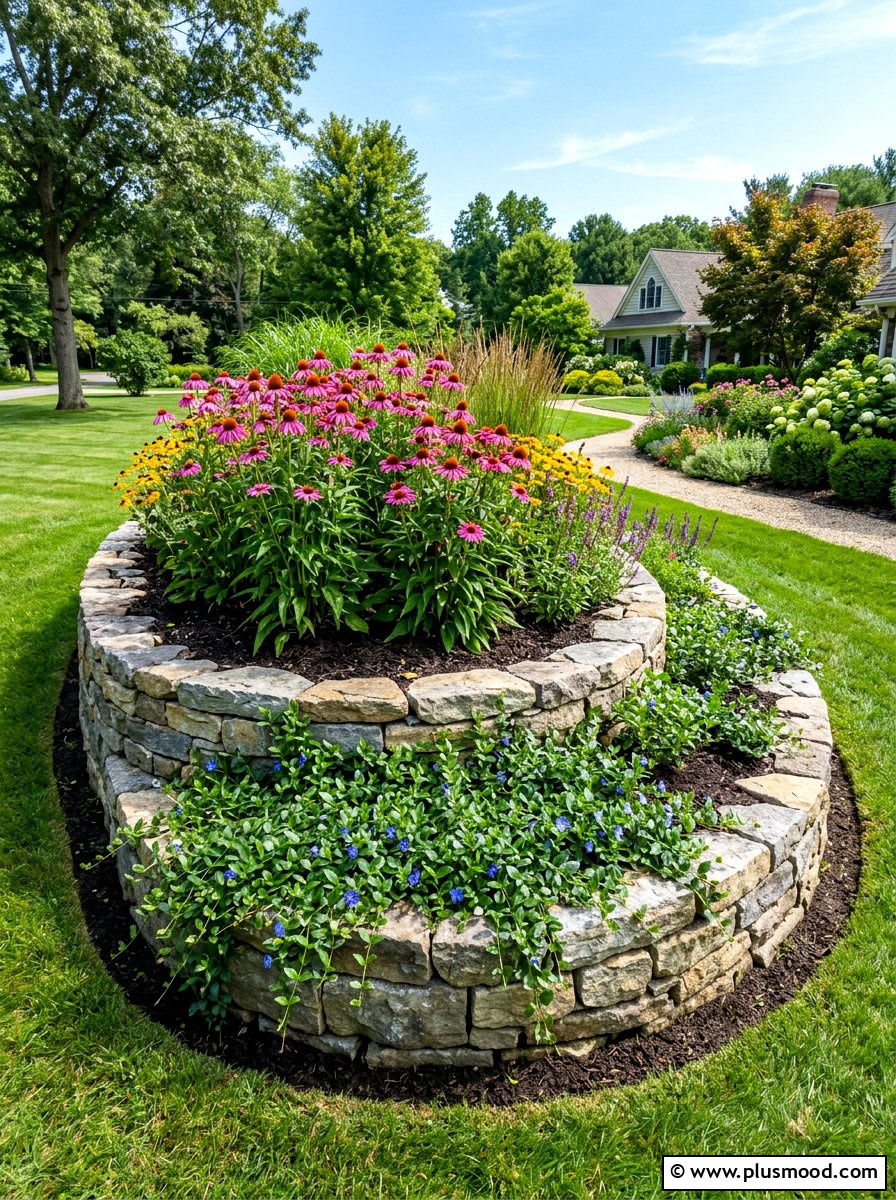
A tiered island bed uses elevation to create a more dynamic and interesting focal point in a flat backyard. By building up the center of the bed with a retaining wall or a mounded soil base, you can showcase different layers of plants at various heights. This is an excellent way to use stone or brickwork to add a sense of permanency and structure to the garden. You might place a large, flowering shrub on the highest level, followed by medium-height perennials like coneflowers on the middle tier, and trailing groundcovers on the lowest level. The tiers allow for better drainage and give each plant the space it needs to be seen without being overshadowed by its neighbors. This multi-level approach turns a simple garden bed into a professional-looking landscape installation that adds value to your property.
22. Perennial Island Bed
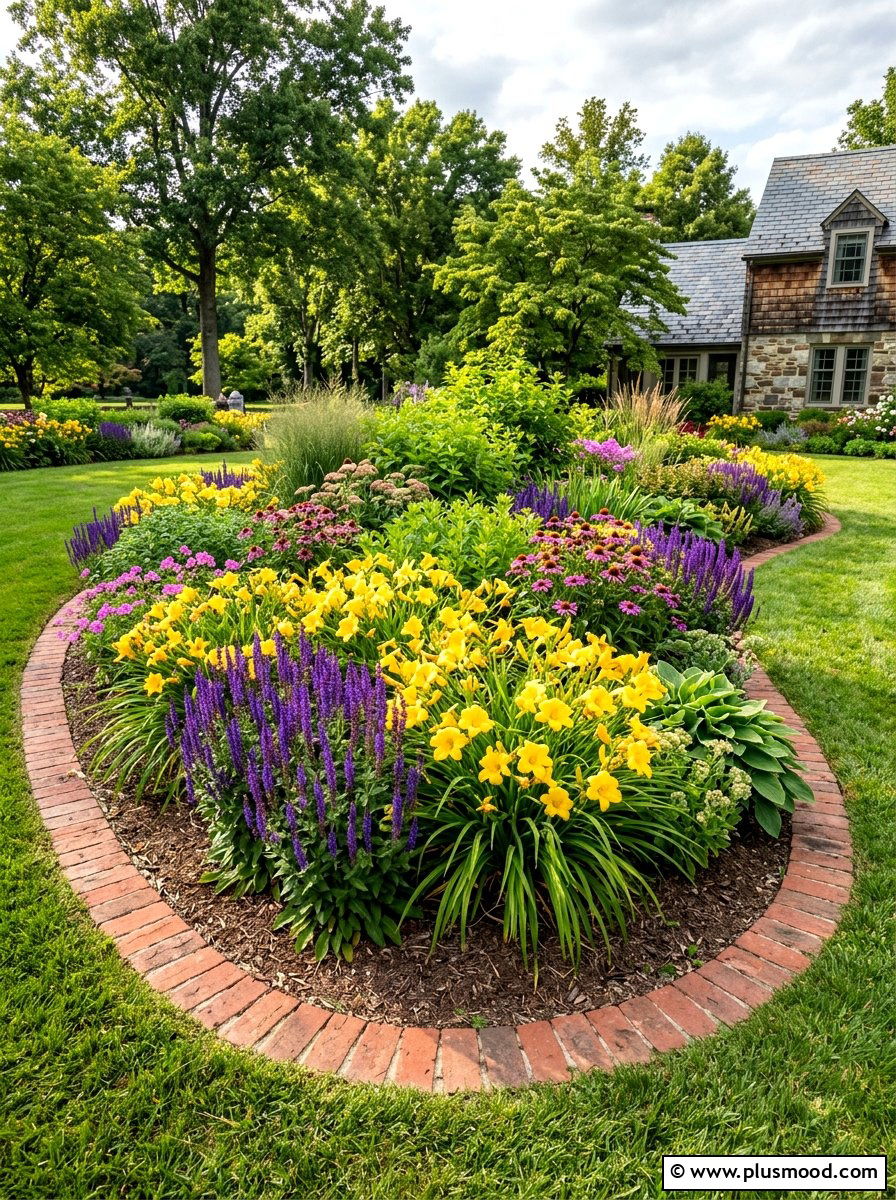
The beauty of a perennial island bed lies in its ability to come back bigger and better every year with minimal replanting. This design focuses on a diverse mix of long-lived plants that are chosen for their varied bloom times and foliage types. You might include spring-blooming irises, summer-blooming daylilies, and late-summer asters to ensure constant color. The island format allows these plants to spread naturally over time, creating a full and established look that feels anchored in the landscape. Because perennials have deep root systems, they are generally more resilient to summer heat than annuals. To keep the bed looking neat, you can add a permanent stone edge that clearly defines the boundary between the garden and the lawn. This sustainable gardening choice provides a reliable and evolving display of natural beauty year after year.
23. Annual Flower Island Bed
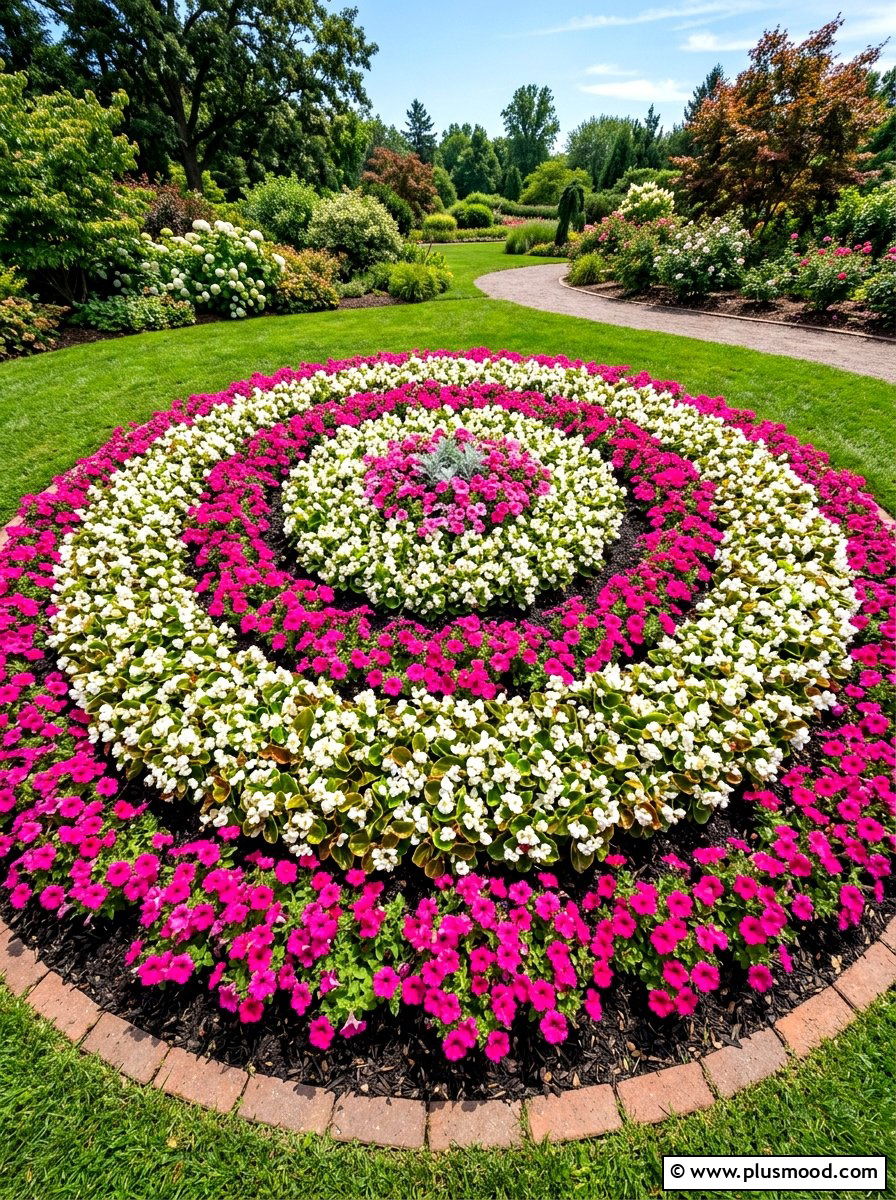
If you love to experiment with bold color and changing designs, an annual flower island bed is the perfect canvas for your creativity. Because annuals like petunias, begonias, and impatiens complete their life cycle in one season, you have the freedom to choose a completely new color scheme every summer. This type of bed is known for its intense, non-stop blooming power, as these plants are bred to produce as many flowers as possible during their short lives. You can create intricate patterns, such as a sunburst or a checkerboard design, using different colors of the same plant species. Regular watering and fertilizing are key to keeping annuals looking their best in the summer heat. This high-energy island bed provides an instant impact that makes your backyard feel festive and full of life all season long.
24. Birdbath Island Bed
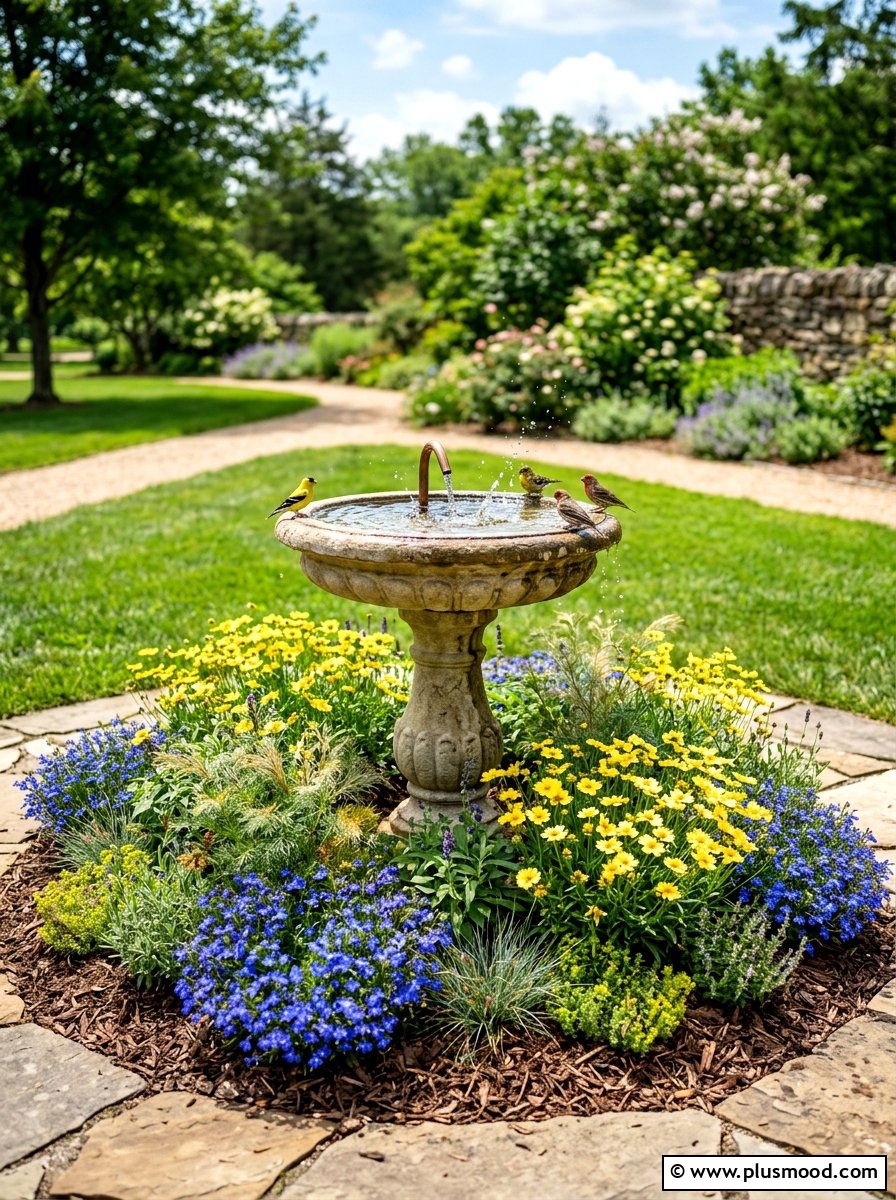
Centering an island bed around a birdbath creates a peaceful sanctuary that attracts local wildlife while providing a charming focal point. The birdbath acts as the architectural heart of the design, with low-growing plants arranged around its base to avoid obstructing the view of the birds. Choose flowers that are known for attracting insects that birds eat, such as coreopsis or sunflowers, to make the island even more inviting. Lavender or thyme can be planted near the water to release fragrance when brushed against. The sound of splashing water adds a cooling, tranquil element to the summer garden. This design is not only visually appealing but also creates an interactive experience where you can sit nearby and enjoy the sight and sound of nature thriving in the middle of your backyard.
25. Woodland Island Bed
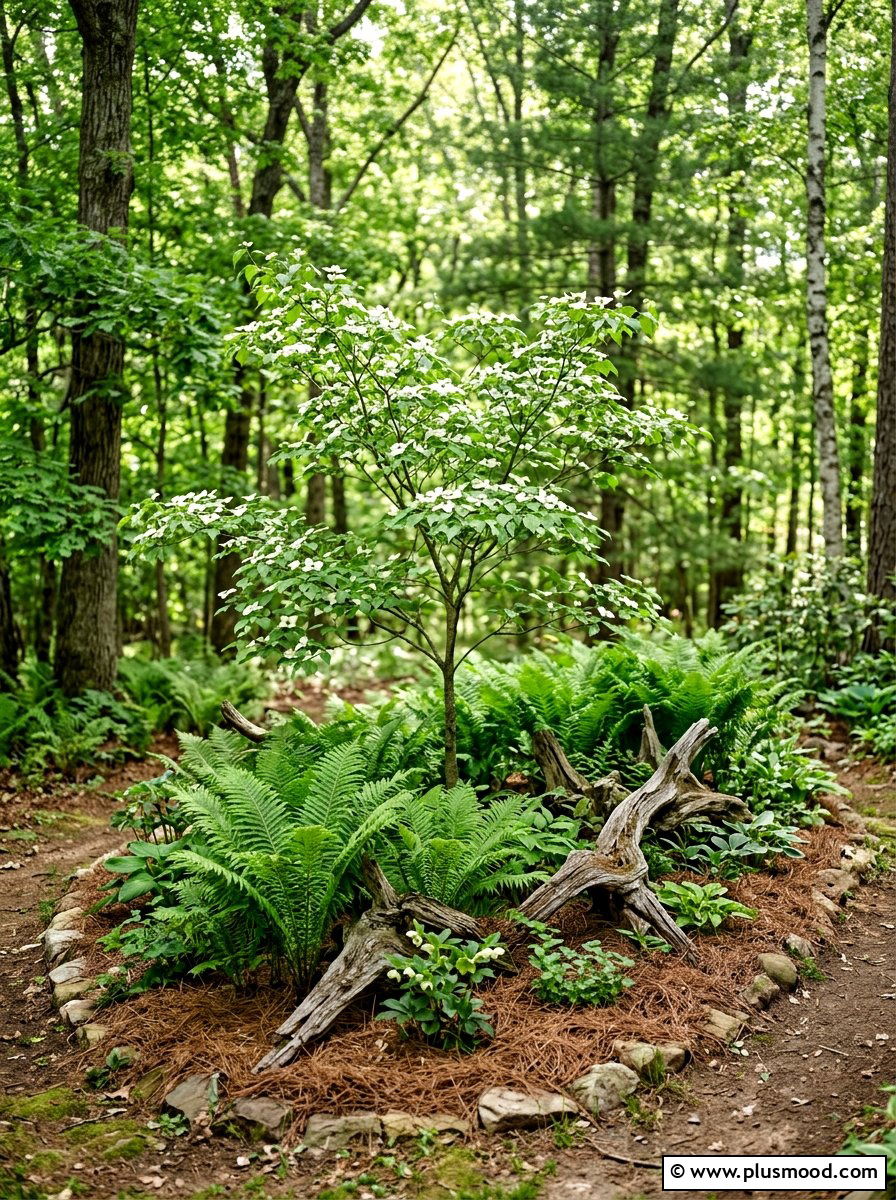
A woodland island bed mimics the natural beauty of a forest floor, making it an ideal choice for yards with mature trees or a more rustic aesthetic. This design uses a layered approach with small understory trees like dogwoods, followed by native shrubs and a ground layer of ferns and wild ginger. The focus is on different shades of green, varied leaf textures, and a soft, organic feel. You can use fallen logs or large pieces of driftwood as natural accents that also provide a habitat for beneficial insects. A thick layer of leaf mulch or pine needles helps the bed blend seamlessly into the surrounding environment. This type of island bed provides a cool, shaded environment that feels like a private escape from the summer heat, offering a quiet and contemplative space within your landscape.
Conclusion:
Designing a summer island bed is one of the most effective ways to elevate your backyard from a simple grassy area into a professional and inviting landscape. These freestanding features allow you to express your personal style while addressing the practical needs of your local environment, whether you require drought-tolerant species or want to support local wildlife. By carefully considering height, color, and texture, you can create a focal point that provides visual interest from every angle of your home. The versatility of island beds means they can fit into any garden size or aesthetic, from the wild beauty of a meadow to the crisp lines of a formal topiary garden. As you plan your next outdoor project, remember that an island bed is more than just a place for plants; it is a living center of your outdoor living space that brings joy, color, and a sense of accomplishment throughout the beautiful summer months.
Related posts:
Leave a Reply