
Transforming your outdoor living space into a vibrant sanctuary begins with selecting the right blooms that can handle the heat and humidity of the season. Summer patio flowers do more than just add color; they create a refreshing atmosphere where you can relax after a long day. Whether you have a sprawling deck or a tiny balcony, the right floral arrangements can breathe life into every corner. From trailing vines to upright tropicals, there are endless ways to curate a garden that reflects your personal style. This guide explores a wide variety of heat-tolerant plants and creative potting solutions to help you achieve a lush, professional look. We will focus on easy-to-maintain varieties that thrive in direct sun or cooling shade, ensuring your patio remains a beautiful destination throughout the hottest months of the year.
1. Petunias In Hanging Baskets
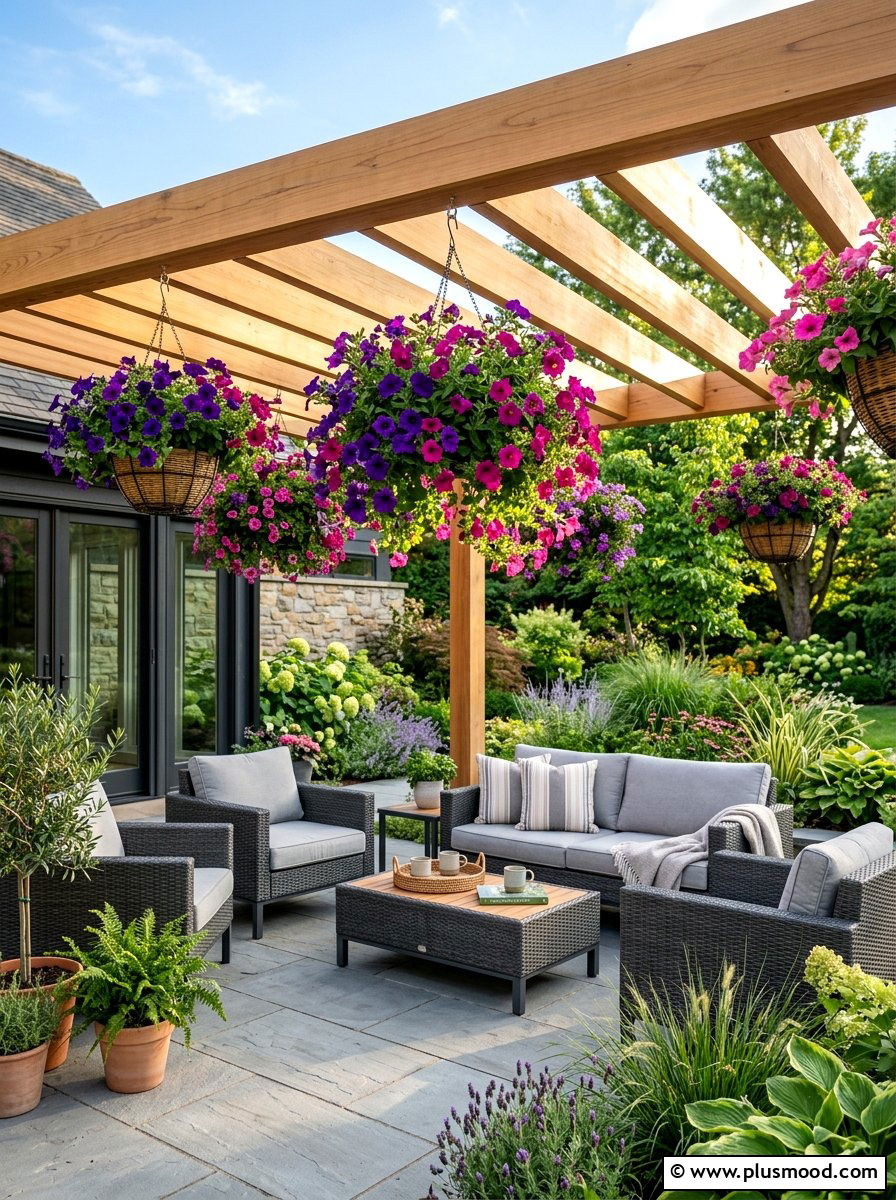
Petunias are a classic choice for high-impact color because they bloom continuously from late spring until the first frost. These versatile flowers come in almost every color imaginable, including deep purples, bright pinks, and striped varieties. When used in hanging baskets, petunias create a stunning waterfall effect that draws the eye upward and adds dimension to your patio. They thrive in full sun and require regular watering to keep their stems lush and vibrant. To maintain a full appearance, you should deadhead faded blooms and fertilize them every two weeks. Choosing a high-quality potting mix will ensure they have the nutrients needed for constant growth and impressive floral displays.
2. Geraniums In Terracotta Pots
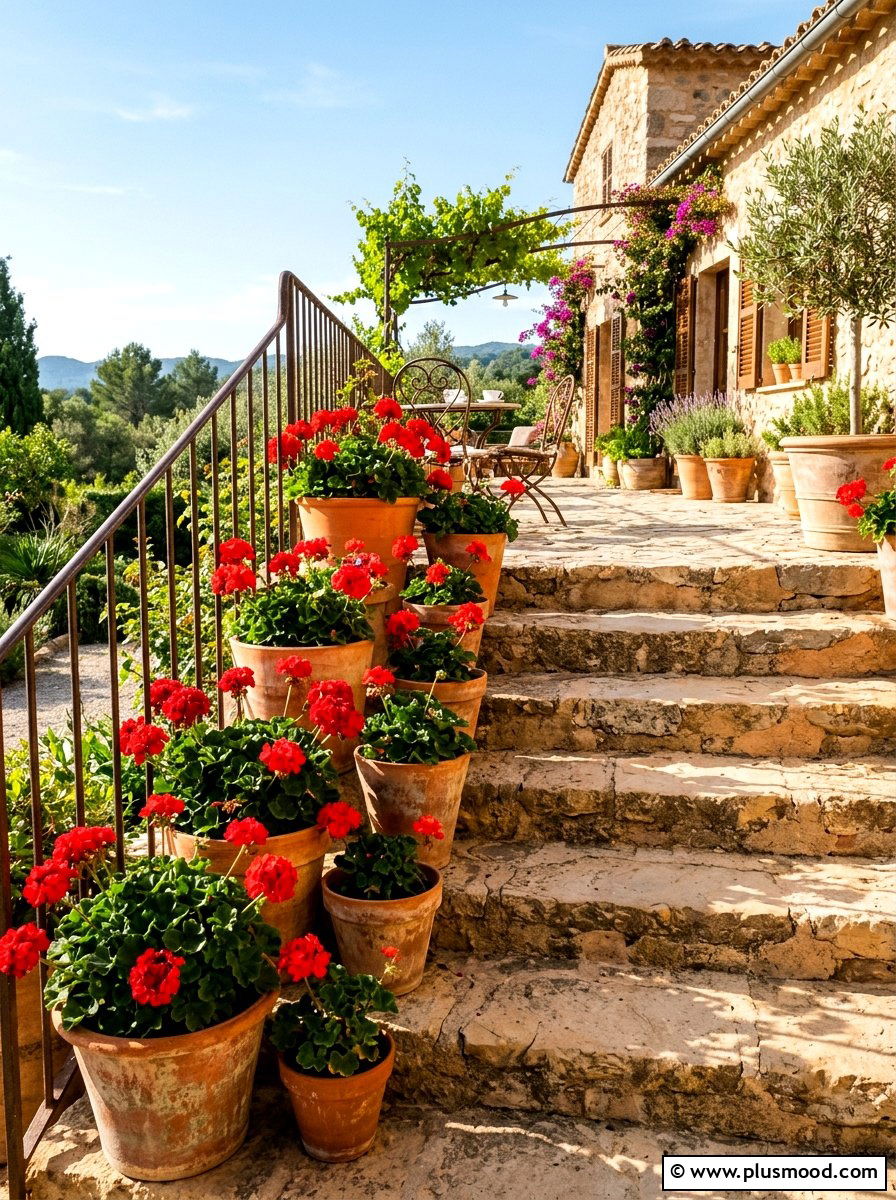
Geraniums are beloved for their sturdy stems and clusters of bright, cheery flowers that stand up well to summer heat. Planting them in terracotta pots adds a timeless, Mediterranean feel to your patio while providing excellent drainage for the roots. These plants prefer to dry out slightly between waterings, making them a low-maintenance option for busy homeowners. You can find them in shades of red, coral, white, and pink to match any outdoor decor theme. Placing these pots along a staircase or around a seating area creates a cohesive and welcoming environment. They are quite hardy and can easily survive a few days of neglect if the weather is not excessively scorching.
3. Lantana For Full Sun Patios
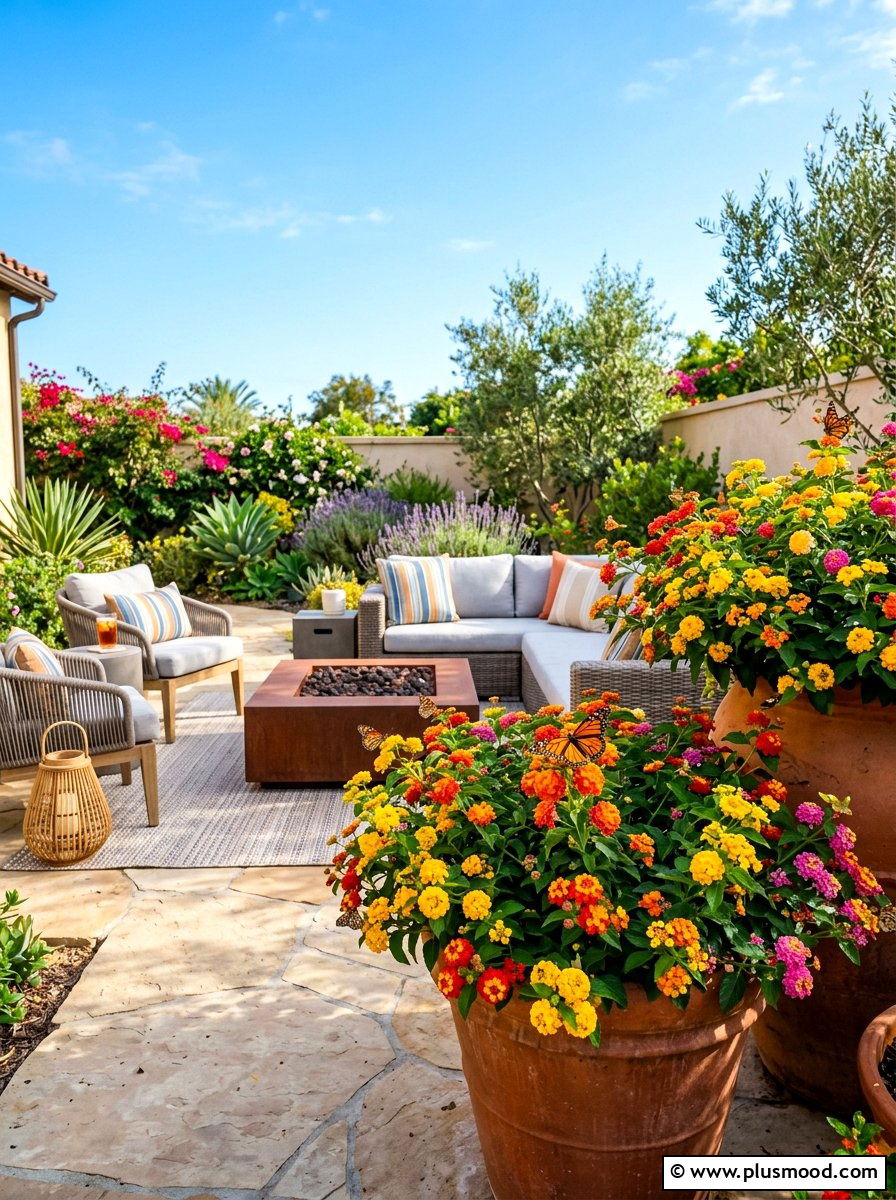
If your patio receives intense, direct sunlight for most of the day, lantana is the perfect plant to consider. These tough, woody shrubs produce clusters of tiny, multi-colored flowers that attract butterflies and hummingbirds with ease. Lantanas are incredibly drought-tolerant once they are established, meaning they won't wilt the moment you miss a watering session. They come in upright and trailing varieties, allowing you to use them as focal points or as spillers in large containers. Their leaves have a slightly spicy scent that some find pleasant, and their resilient nature makes them ideal for the hottest summer months when other flowers might struggle.
4. Tropical Hibiscus For Poolside
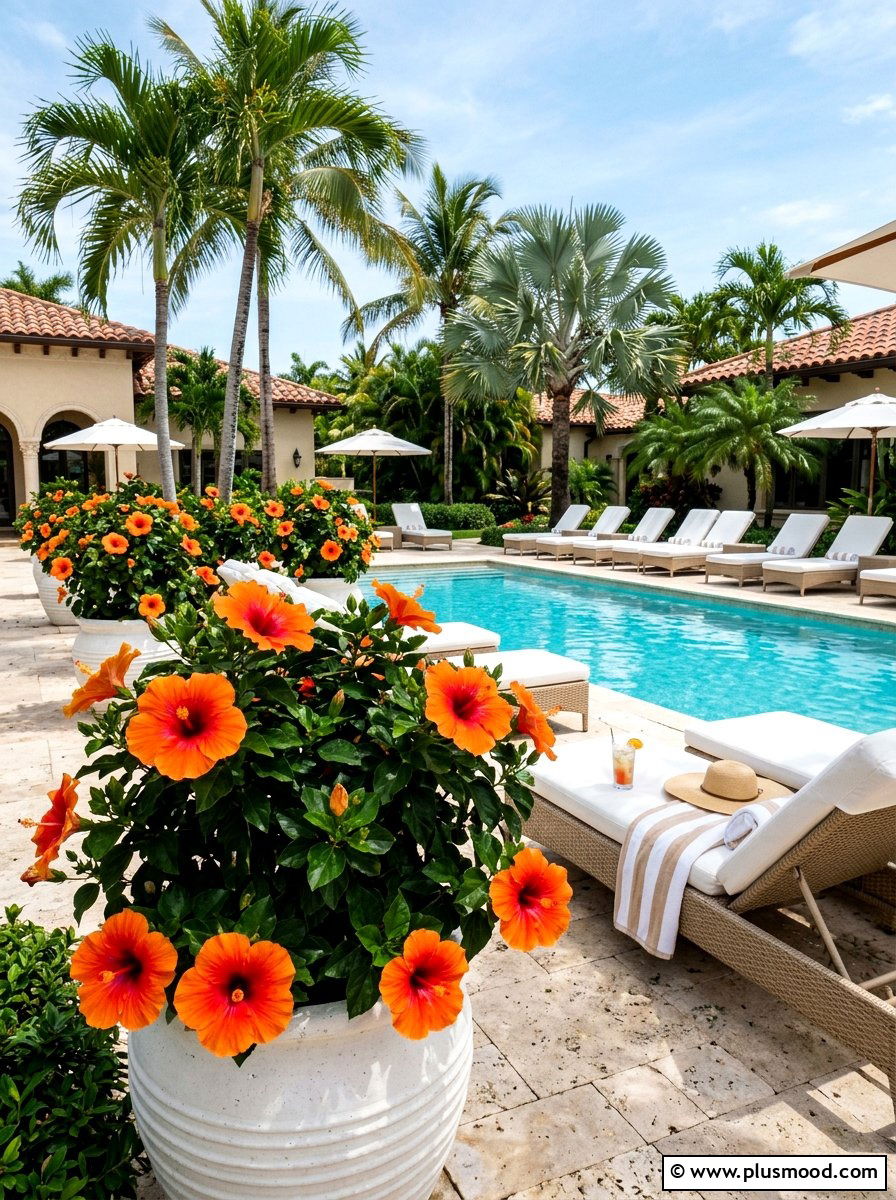
Nothing says summer quite like the bold, oversized blooms of a tropical hibiscus plant. These sun-loving shrubs provide an instant vacation vibe to any poolside or large patio area. Their trumpet-shaped flowers come in vivid shades of orange, yellow, and deep red, often with a contrasting center. Because they are heavy feeders, hibiscus plants require regular fertilization to keep producing their magnificent blossoms throughout the season. They love humidity and consistent moisture, so keeping the soil evenly damp is key to their success. Pairing them with dark green foliage plants creates a lush, jungle-like aesthetic that turns a standard patio into a high-end tropical resort.
5. Caladiums For Shady Patio Corners
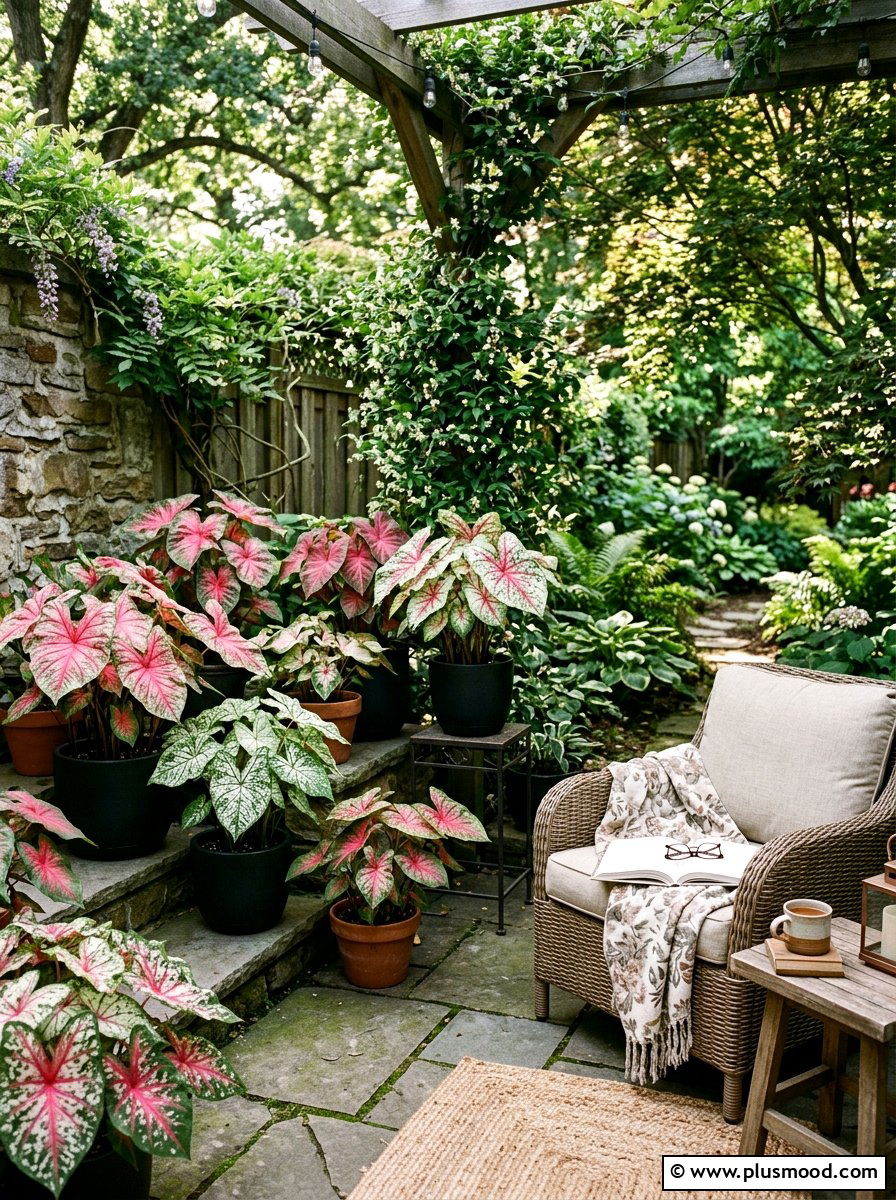
For those corners of the patio that receive limited sunlight, caladiums offer spectacular color through their large, heart-shaped leaves. While they do produce small flowers, it is the foliage — veined with brilliant pinks, whites, and greens — that makes them a standout choice. These tropical plants love warm, humid air and thrive in dappled shade or indirect light. They are excellent for adding a pop of brightness to dark areas under awnings or large trees. Because they grow from tubers, they can be quite easy to manage throughout the summer. Keeping them well-watered but not waterlogged will ensure their stunning leaves remain crisp and vibrant until the cooler autumn air arrives.
6. Fuchsia For Covered Patios
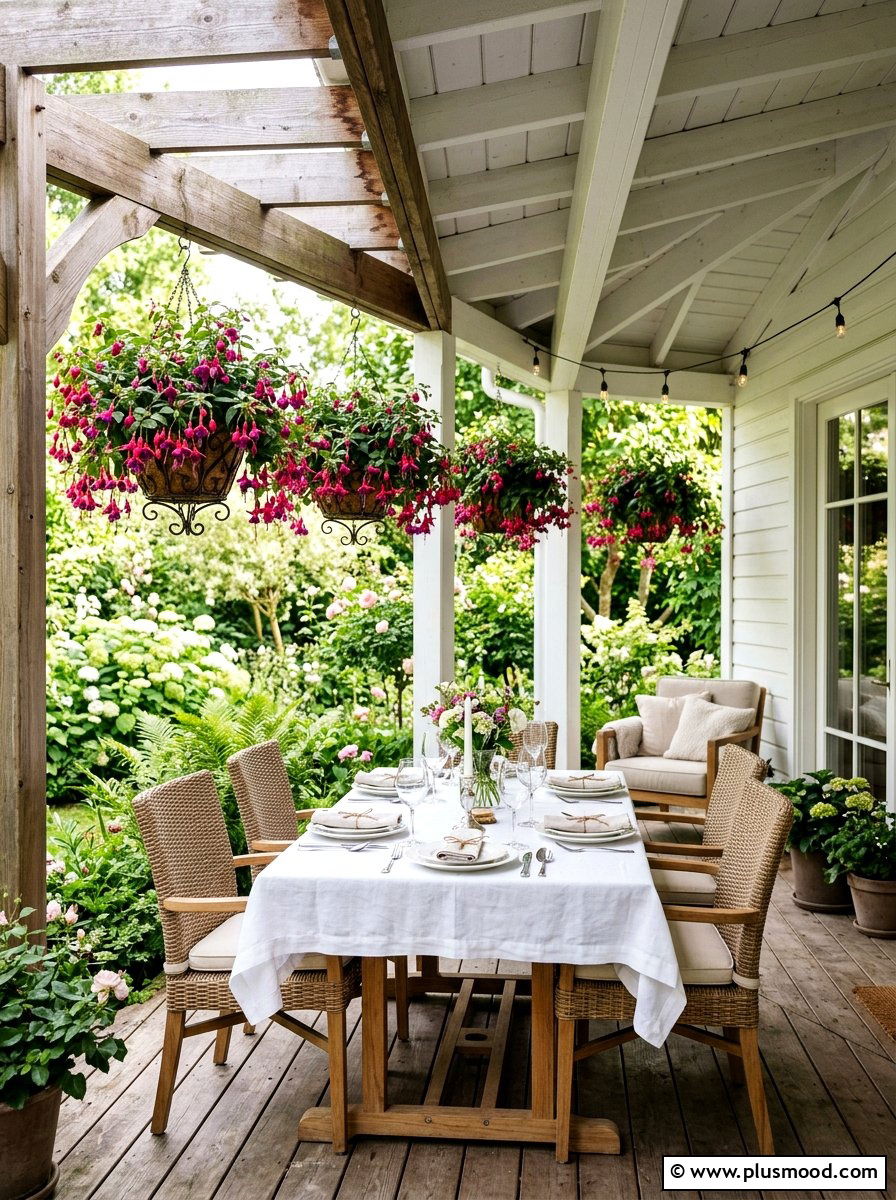
Fuchsia plants are famous for their exotic, bell-shaped flowers that dangle gracefully from trailing stems. These shade-loving plants are a top pick for covered patios or north-facing porches where direct sunlight is minimal. The intricate blooms often feature two-tone colors, such as purple and pink or white and red, which look like tiny hanging lanterns. Because they prefer cooler temperatures, fuchsias should be protected from the harsh afternoon sun to prevent wilting. They require consistent moisture and high-quality liquid fertilizer to sustain their heavy blooming cycle. Hanging them at eye level allows you to appreciate the delicate details of the flowers while creating a sophisticated, vertical garden feel.
7. Lavender For Fragrant Seating Areas
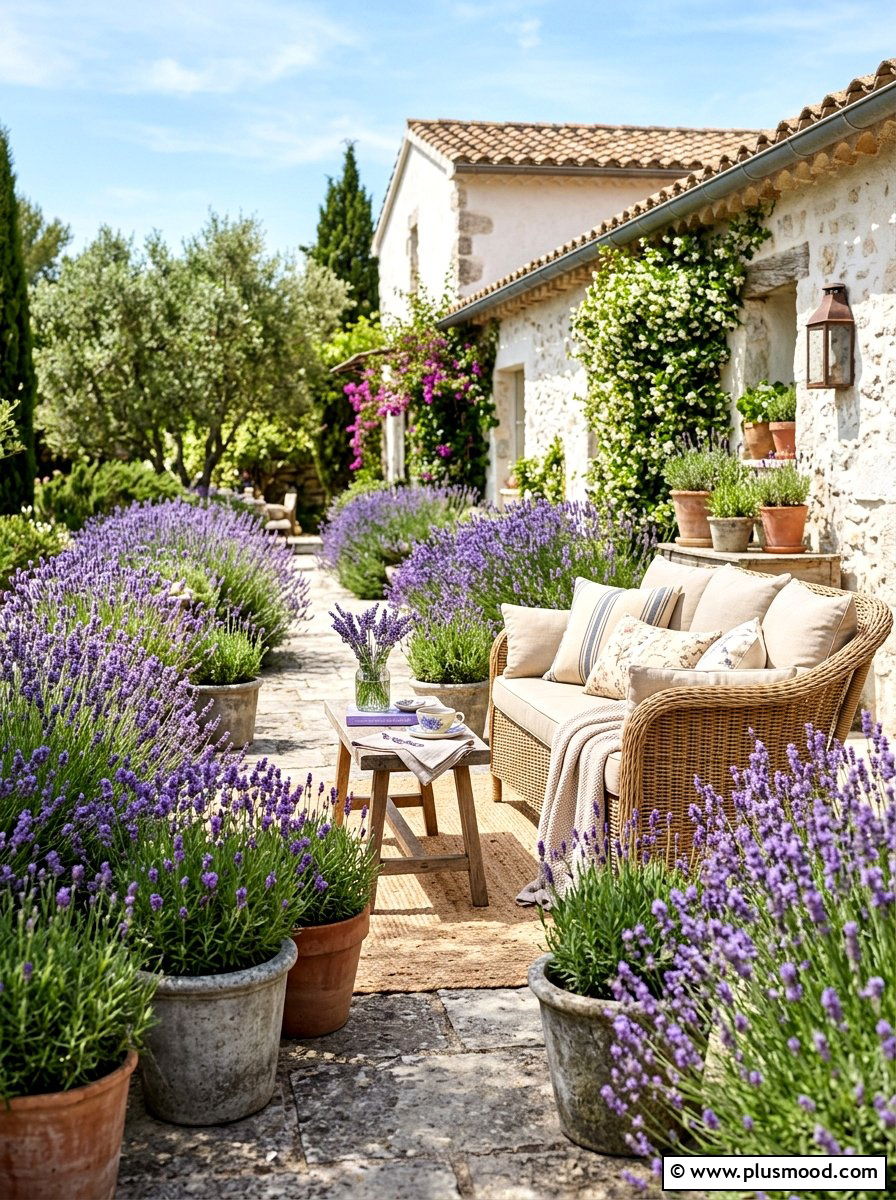
Lavender is more than just a beautiful purple flower; it provides a calming aroma that enhances any outdoor seating arrangement. This Mediterranean native thrives in dry, sunny conditions and requires very little water once it has taken root. Planting lavender in pots near your favorite patio chair ensures you can enjoy its soothing scent every time the breeze blows. It also works as a natural deterrent for certain pests, making your outdoor relaxation even more enjoyable. To keep the plant healthy, ensure the pot has excellent drainage and avoid overwatering. Pruning back the spent flower spikes will encourage a second flush of blooms and keep the plant looking neat.
8. Begonias In Window Boxes
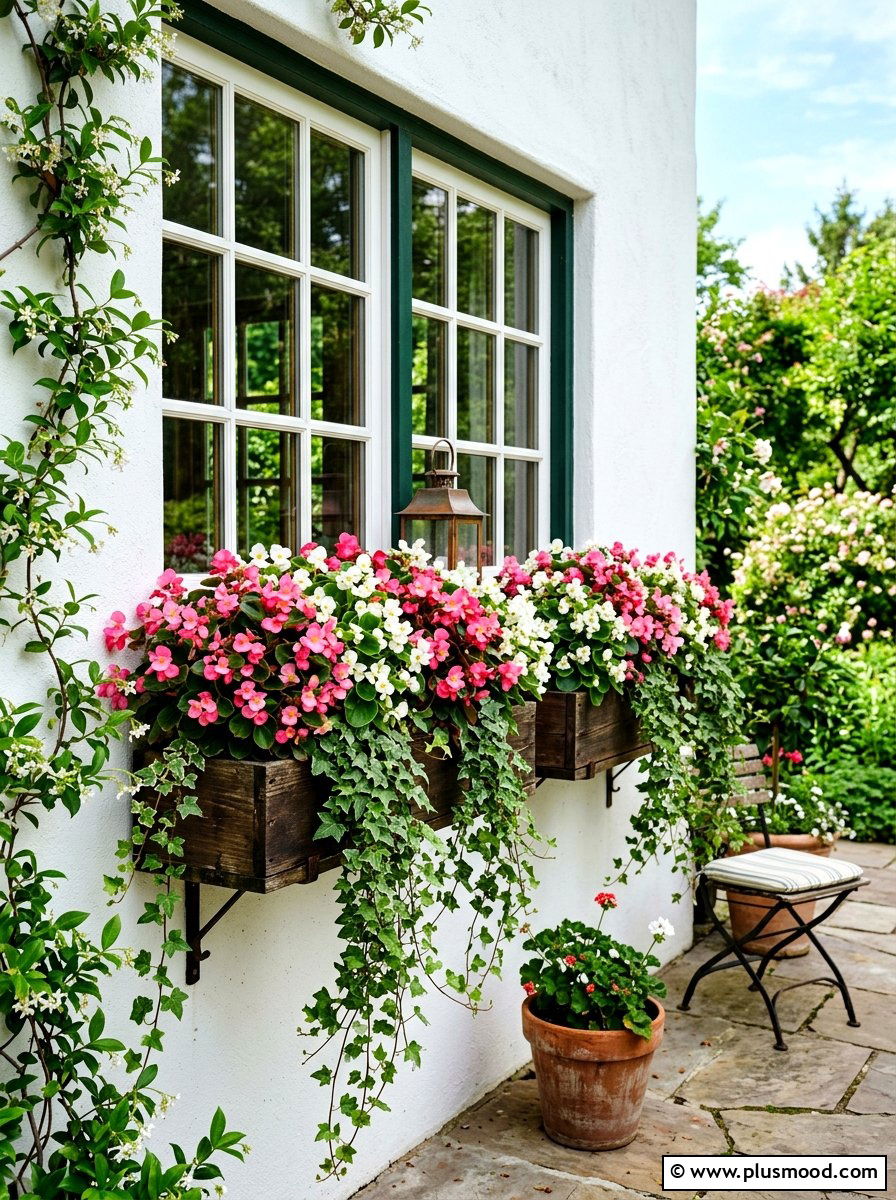
Begonias are a fantastic option for window boxes because they provide a dense, mounded shape filled with soft, wax-like flowers. Whether you choose the upright wax begonia or the trailing tuberous variety, they offer a consistent show of color in part-shade conditions. They are particularly useful for adding a formal, manicured look to patio railings or exterior windows. Begonias are known for being self-cleaning, which means you don't have to spend much time deadheading them to keep them looking fresh. They prefer slightly moist soil but are prone to rot if kept too wet, so it is important to check the soil depth before adding more water.
9. Marigolds For Pest Control
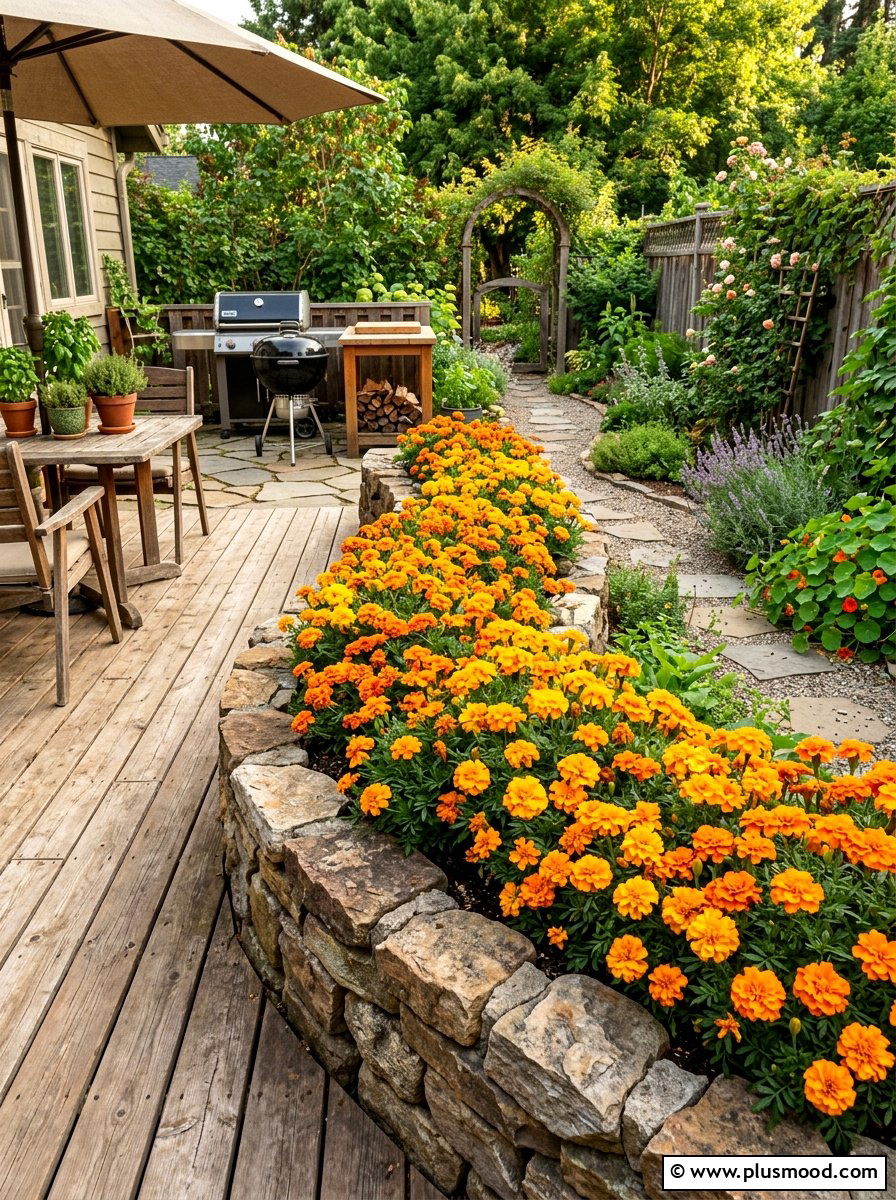
Marigolds are a classic summer staple known for their bright yellow and orange pom-pom flowers. Beyond their cheerful appearance, they are frequently used on patios because their scent helps repel unwanted insects like mosquitoes and aphids. These hardy annuals can tolerate extreme heat and are very easy to grow from seeds or nursery starts. They look best when planted in groups or as a colorful border around larger patio containers. Marigolds require full sun to produce the most blooms and should be deadheaded regularly to keep the plant productive. Their low-maintenance nature makes them a favorite for beginners who want a guaranteed splash of color all summer long.
10. Hydrangeas In Large Planters
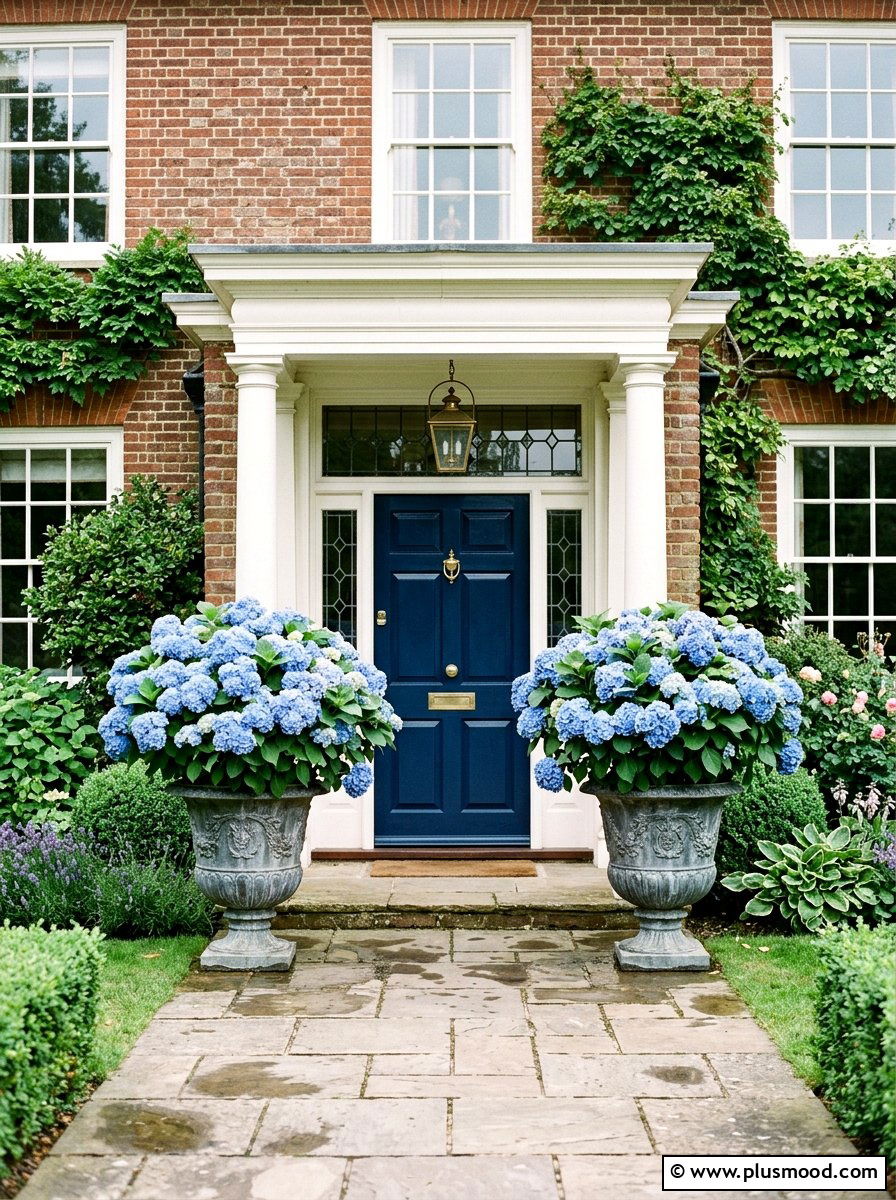
Hydrangeas bring a touch of old-world charm to the patio with their massive, cloud-like clusters of flowers. While many people think of them as garden shrubs, certain compact varieties thrive beautifully in large, well-draining planters. They prefer morning sun followed by afternoon shade, especially in hotter climates, to prevent their large leaves from drooping. Keeping hydrangeas hydrated is essential, as their name suggests they are very thirsty plants that need daily attention during heatwaves. The color of the blooms can often be influenced by the soil acidity, offering shades of blue, pink, or purple. They create a sophisticated and lush focal point near patio entrances or dining areas.
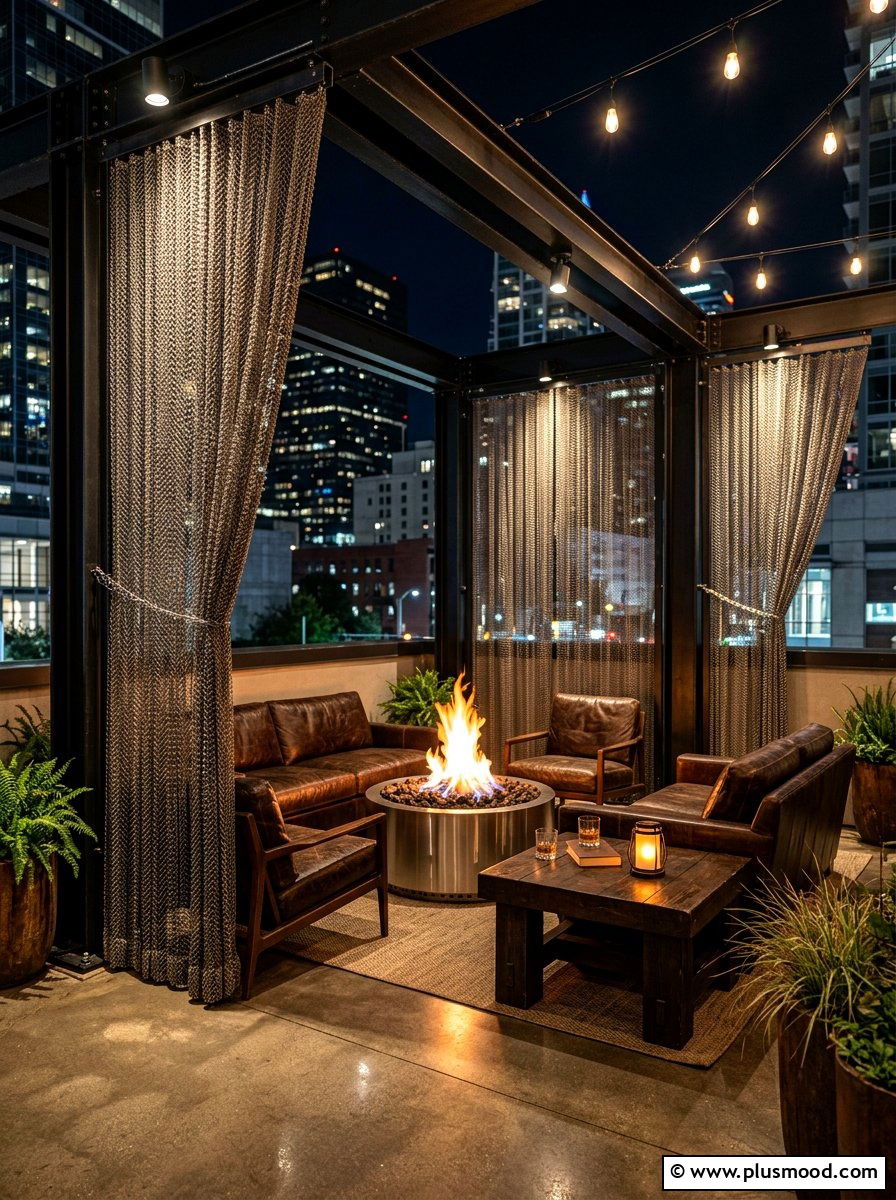
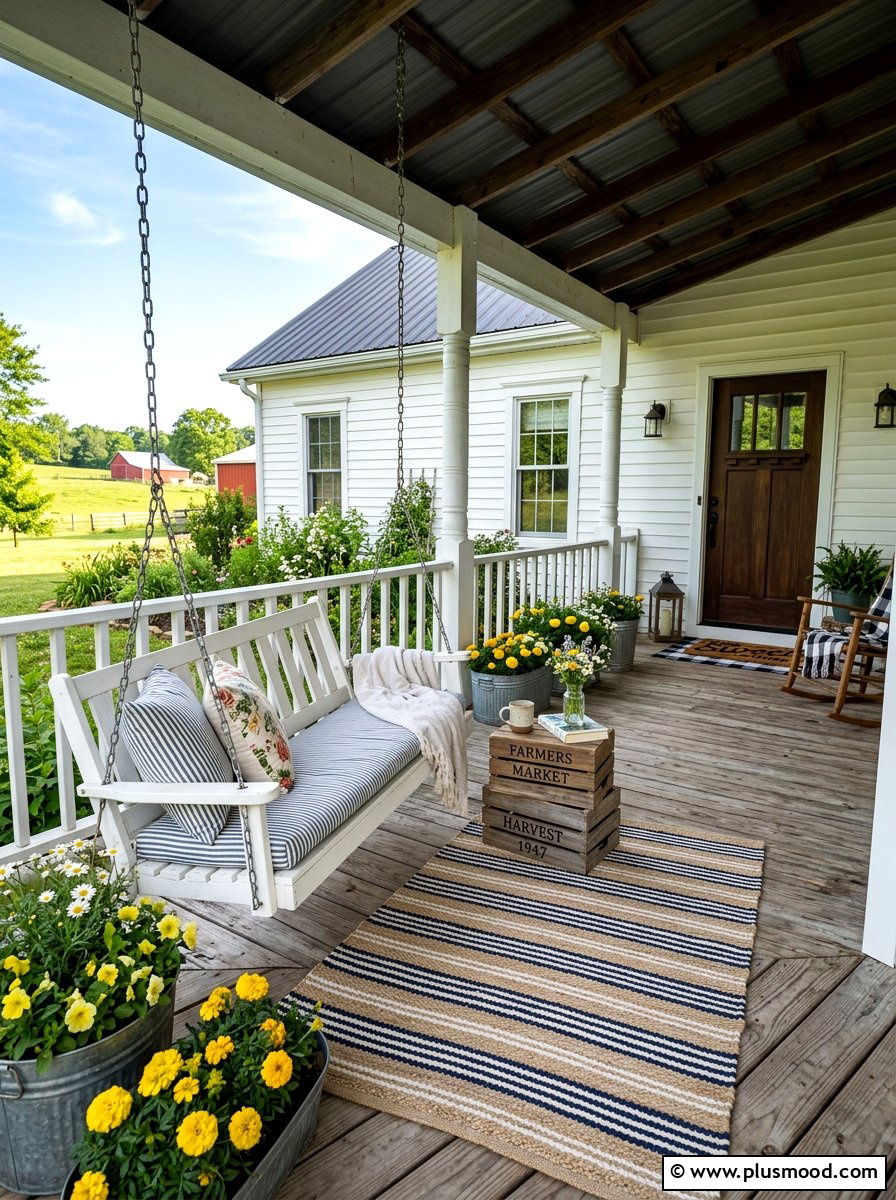
11. Mandevilla Climbing Trellis
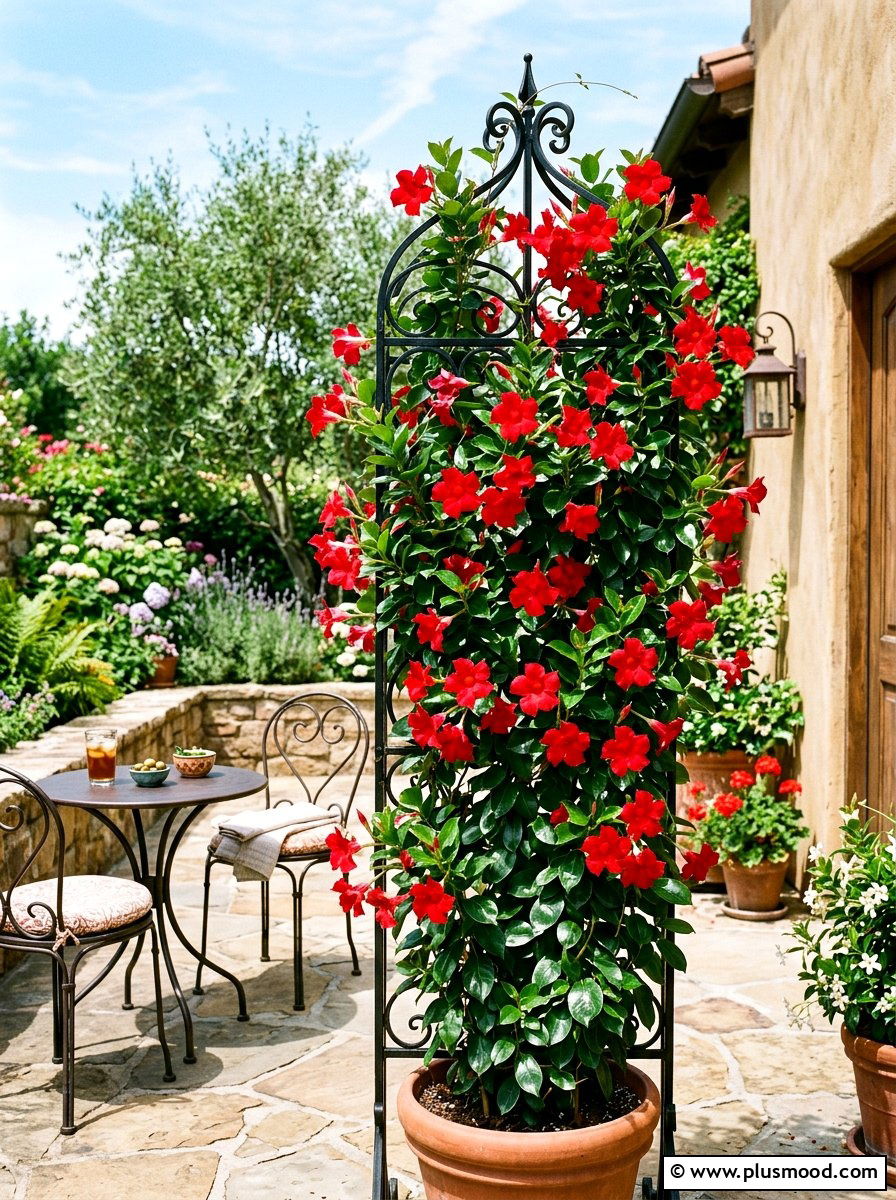
Mandevilla is a stunning tropical vine that produces large, trumpet-shaped flowers in shades of pink, red, and white. Because it is a natural climber, it is perfect for adding vertical height to your patio when grown on a trellis or obelisk. The glossy, dark green leaves provide a beautiful backdrop for the constant stream of blooms that appear from spring through fall. Mandevillas love the heat and require at least six hours of direct sunlight to thrive. They are relatively easy to care for but do need regular watering and monthly fertilization. Using them to frame a doorway or create a living privacy screen adds a romantic, European touch.
12. Zinnias In Raised Beds
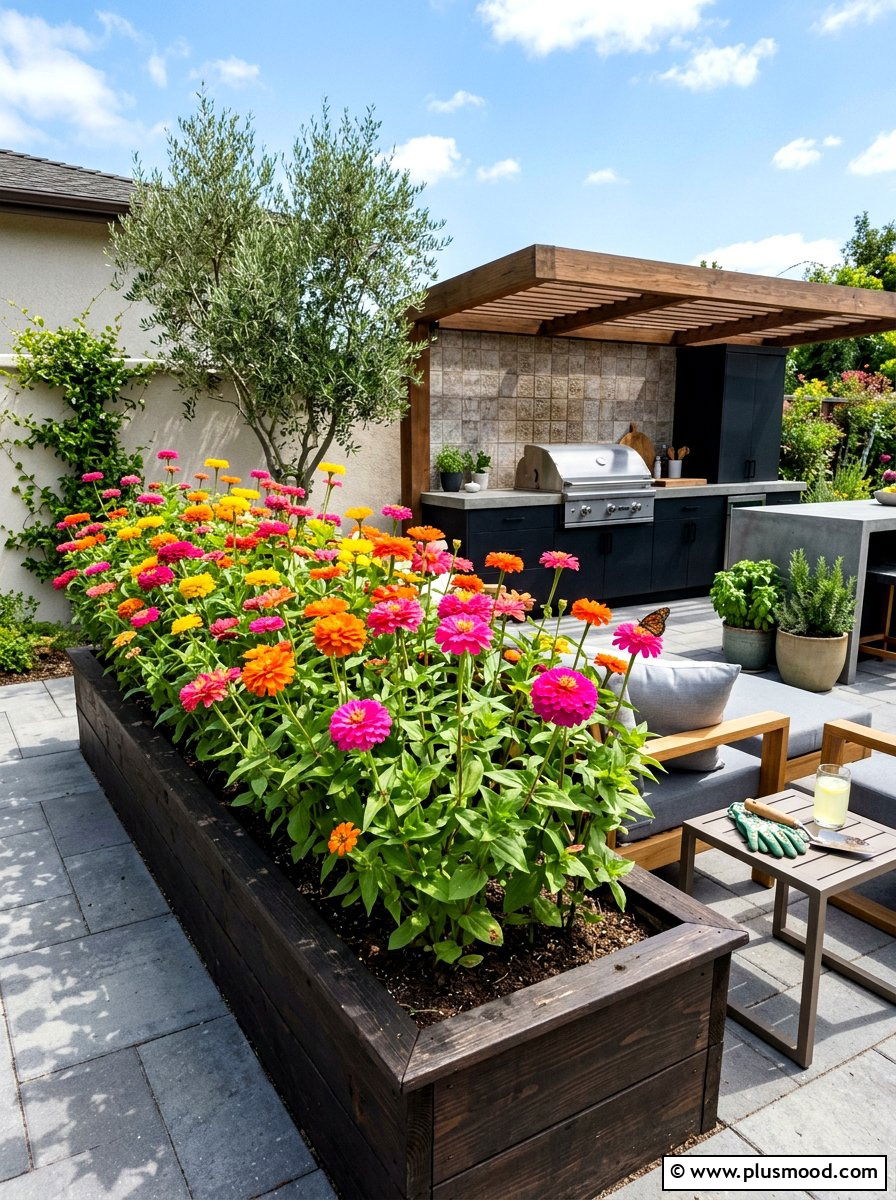
Zinnias are the ultimate "cut and come again" flower, making them perfect for patio owners who love bringing fresh bouquets indoors. These sun-loving annuals come in a wide range of heights and colors, from neon orange to soft pastel green. Planting them in raised beds along the edge of your patio provides a structured yet wild look that feels very modern. Zinnias are incredibly resilient against the summer heat and are generally avoided by deer, though they attract plenty of pollinators. To keep them blooming vigorously, you should harvest the flowers often or remove old heads. They prefer well-circulated air to prevent mildew on their leaves during humid months.
13. Coleus For Colorful Foliage
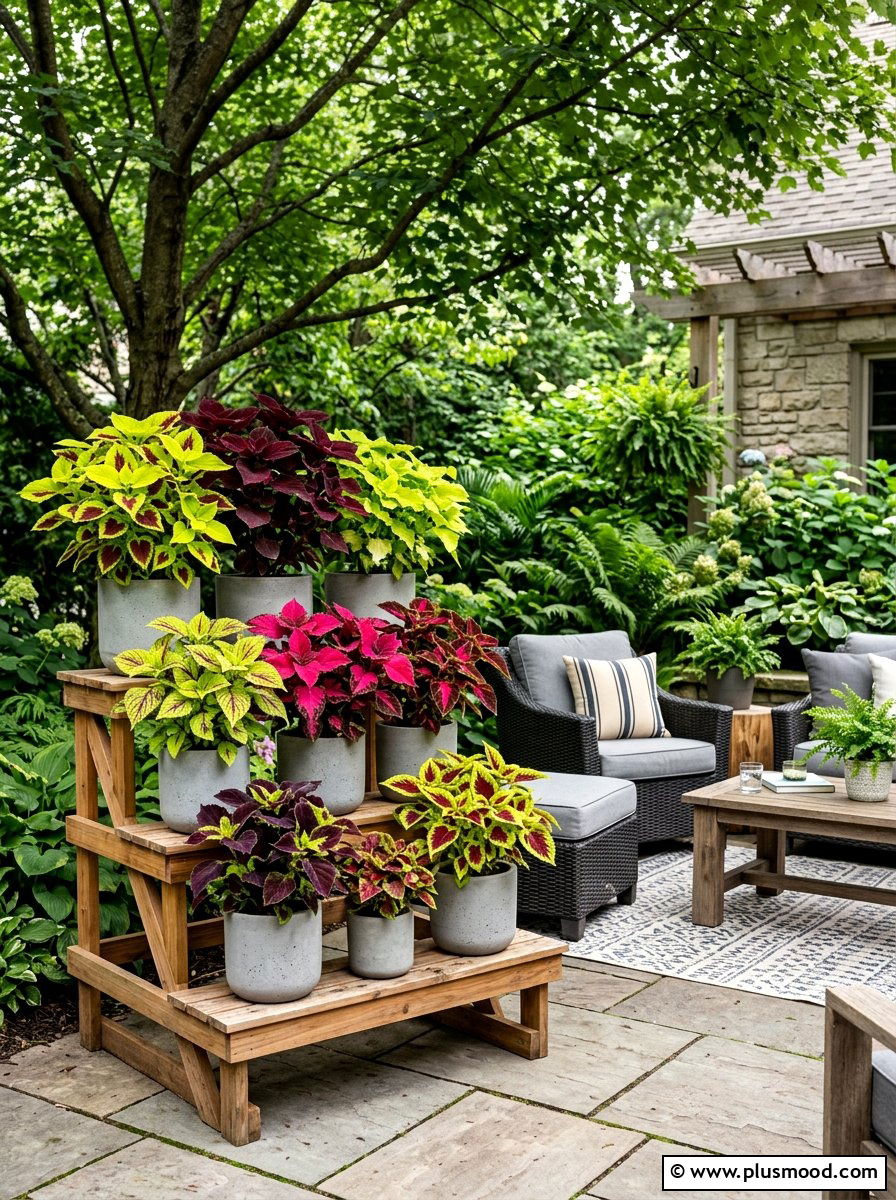
While many patio plants are grown for their flowers, coleus is prized for its incredibly vibrant and patterned leaves. This plant is a game-changer for shade gardens, offering shades of neon lime, deep burgundy, and electric pink. Coleus is very easy to grow and can be used to fill in gaps between flowering plants or as a standalone specimen. It has a fast growth habit, so you may need to pinch back the tips to keep it from getting too leggy. This encourages a bushier shape that looks better in containers. It is a fantastic way to add year-round color without having to wait for a specific blooming season.
14. Salvia For Attracting Hummingbirds
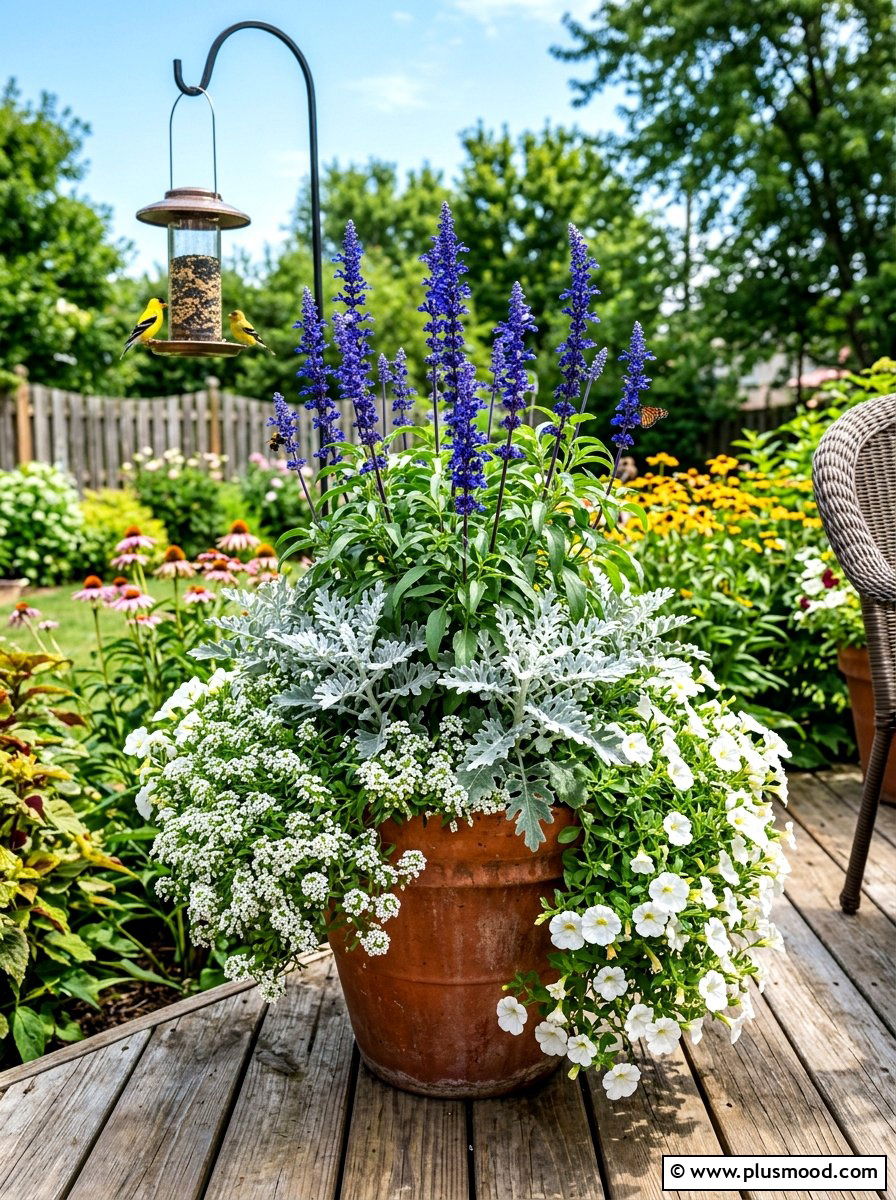
Salvia is a tall, spiky plant that adds much-needed vertical interest and architectural structure to patio container arrangements. The most popular summer varieties produce deep blue or vibrant red flower spikes that are a magnet for hummingbirds and bees. These plants are tough as nails and can withstand significant heat and even periods of drought. Salvia looks best when placed in the center of a large pot as a "thriller" plant, surrounded by lower-growing fillers and spillers. Because they are perennials in many zones, they can be very cost-effective for long-term patio planning. Cutting them back after the first bloom cycle often results in a second late-summer show.
15. Pentas For Butterfly Gardens
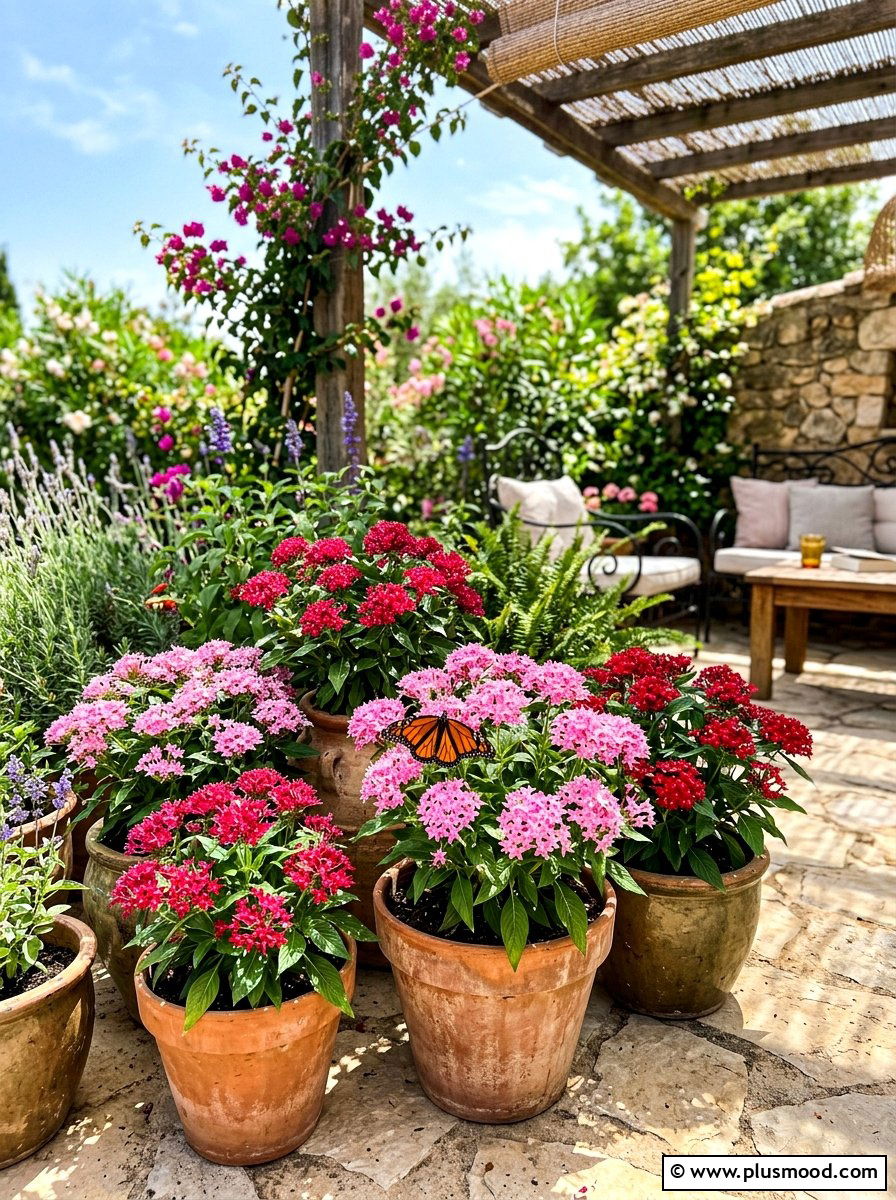
Pentas, often called Egyptian Stars, produce clusters of five-pointed flowers that stay vibrant even in the most oppressive summer humidity. They are a top choice for anyone looking to create a pollinator-friendly patio because their nectar-rich blooms are irresistible to butterflies. Pentas come in shades of pink, red, white, and lavender, and they maintain a tidy, mounded shape that fits perfectly in medium-sized pots. They require full sun and consistent moisture to look their best. Unlike some other summer flowers, pentas don't require much deadheading, as new flower clusters will naturally grow over the old ones. They are remarkably sturdy and provide reliable color for many months.
16. Succulent Gardens For Small Tables
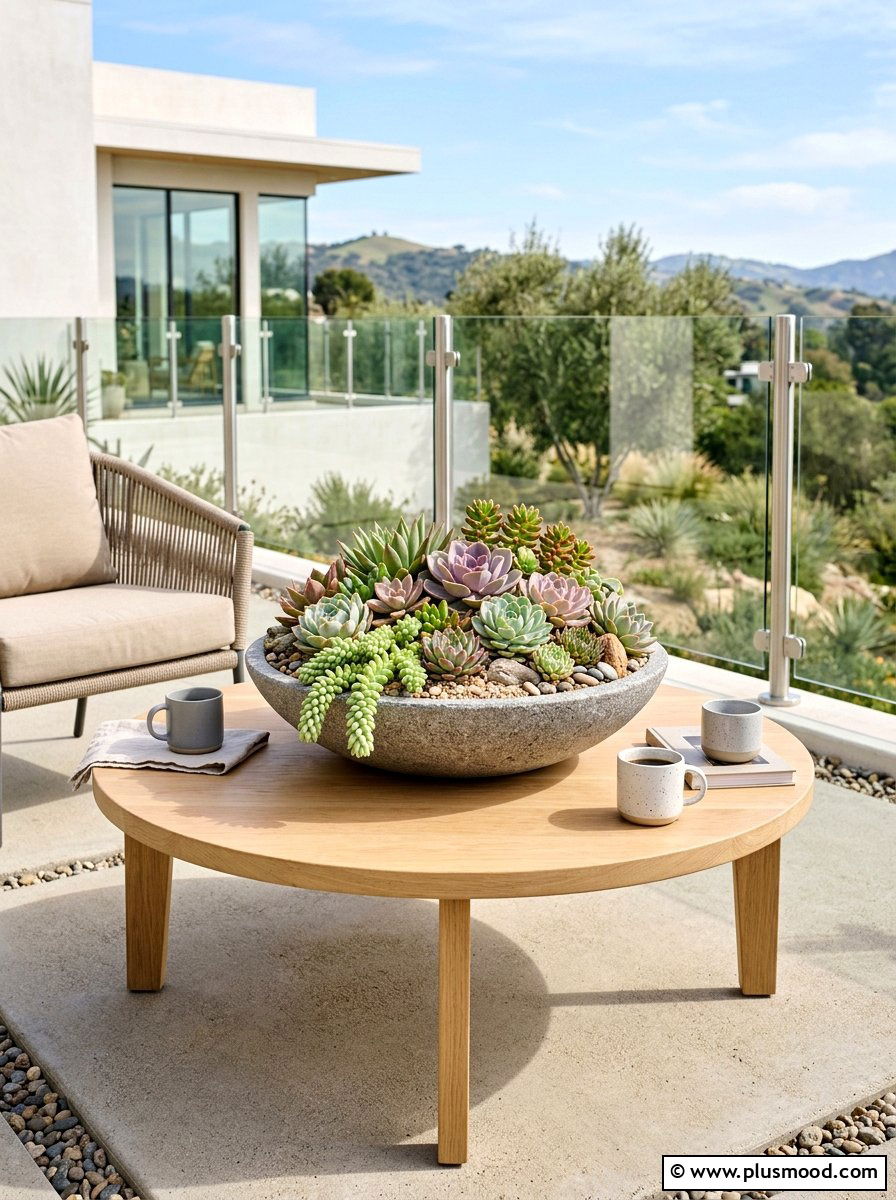
Succulents are the perfect solution for small patio tables or sunny shelves where traditional flowers might dry out too quickly. These water-storing plants come in a fascinating array of shapes, colors, and textures, from the rosettes of Echeveria to the trailing strings of pearls. Creating a miniature succulent garden in a shallow stone bowl adds a modern, minimalist aesthetic to your outdoor decor. They require very little maintenance and only need watering when the soil is completely dry to the touch. Because they are slow-growing, they stay looking neat and organized for a long time. They are ideal for high-heat environments where you want greenery without the constant watering chore.
17. Angelonia For Vertical Interest
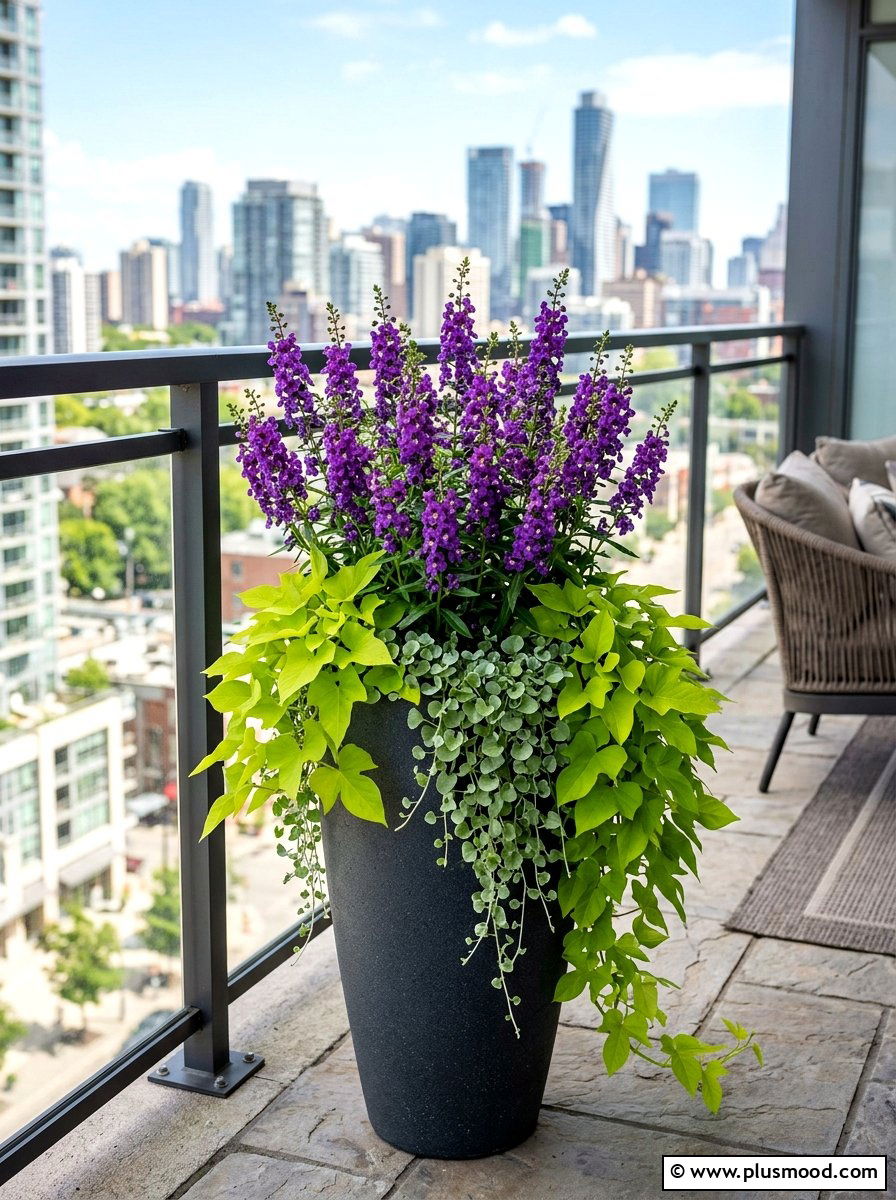
Angelonia, often referred to as "summer snapdragon, " is a heat-loving plant that produces elegant upright spikes of flowers. These blooms come in shades of purple, white, and pink, and they are incredibly resistant to wilting even in triple-digit temperatures. Angelonia is perfect for adding height to mixed patio containers without being overly aggressive or sprawling. The stems are sturdy and do not require staking, making them a very practical choice for windy balconies. They thrive in full sun and prefer well-drained soil. Because they are so reliable, they are often used in commercial landscaping, but they look equally professional in a home patio setting when paired with trailing vines.
18. Impatiens For Low Light Spaces
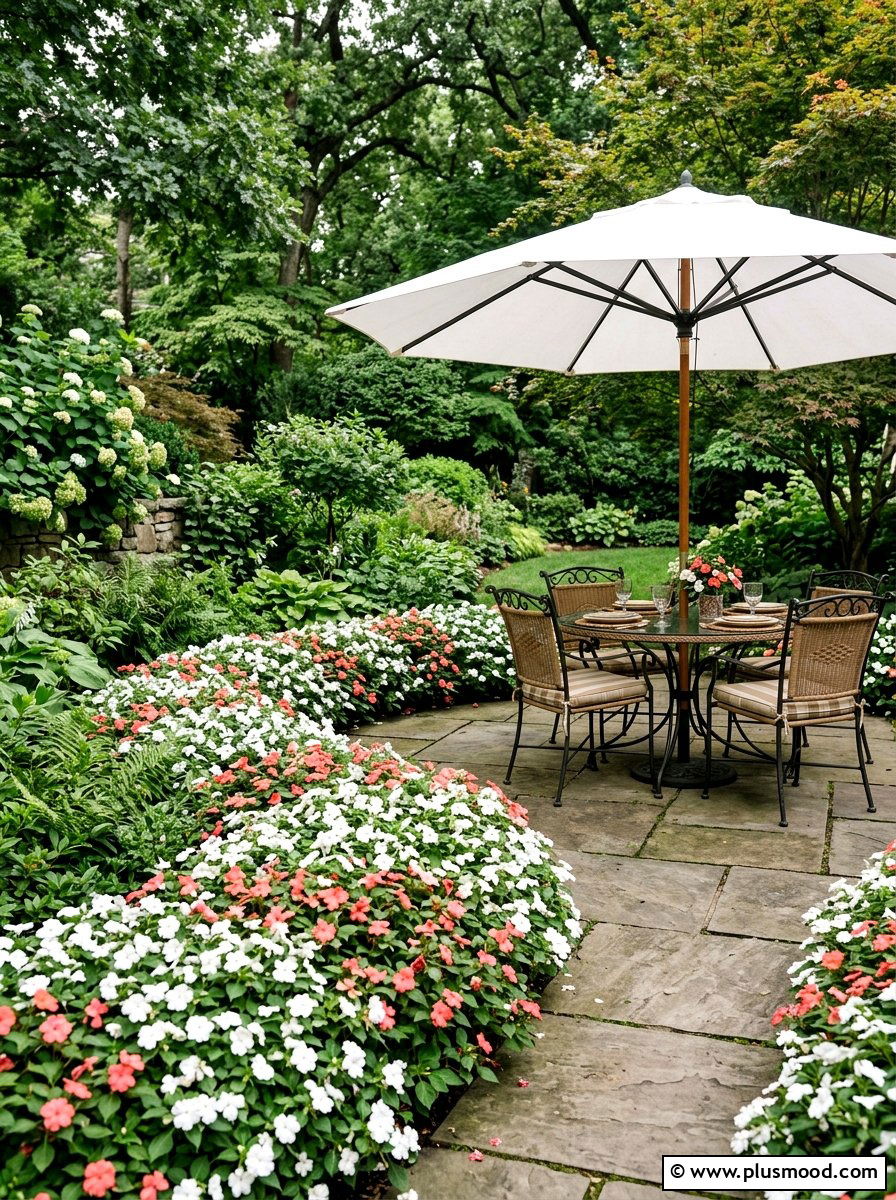
Impatiens have long been a staple for shady patios because they provide a carpet of soft, delicate color where few other flowers can grow. These low-growing plants come in a massive variety of shades, including bicolor options that add a touch of whimsy. They are best known for their ability to thrive in full shade, although newer varieties like New Guinea Impatiens can handle a bit more sunlight. They require frequent watering to keep their succulent-like stems from drooping, especially during particularly dry spells. Using them to line the perimeter of a shaded patio creates a lush, border-like effect that feels very cohesive and well-planned for the environment.
19. Verbena In Tiered Stands
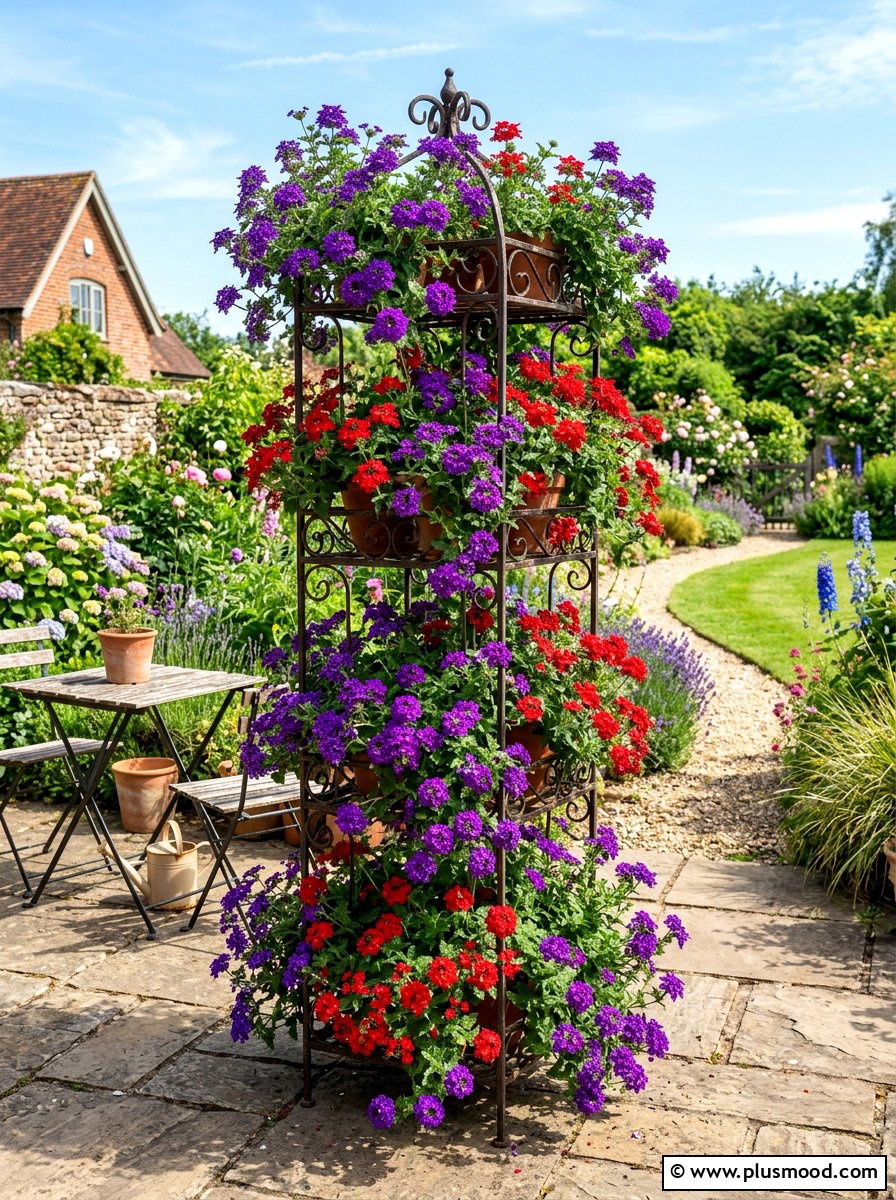
Verbena is a fantastic filler plant that produces small, round clusters of flowers that appear almost effortlessly throughout the summer. It has a slightly trailing habit, which makes it an excellent choice for tiered plant stands where the blooms can tumble over the edges. Verbena is very heat-tolerant and comes in a wide range of colors, including deep purples, bright reds, and soft whites. To keep the plant looking its best, it is helpful to trim back the long stems occasionally to encourage new growth from the center. This prevents the plant from looking sparse and ensures a continuous supply of flowers that attract bees and other beneficial insects.
20. Vinca For Heat Resistance
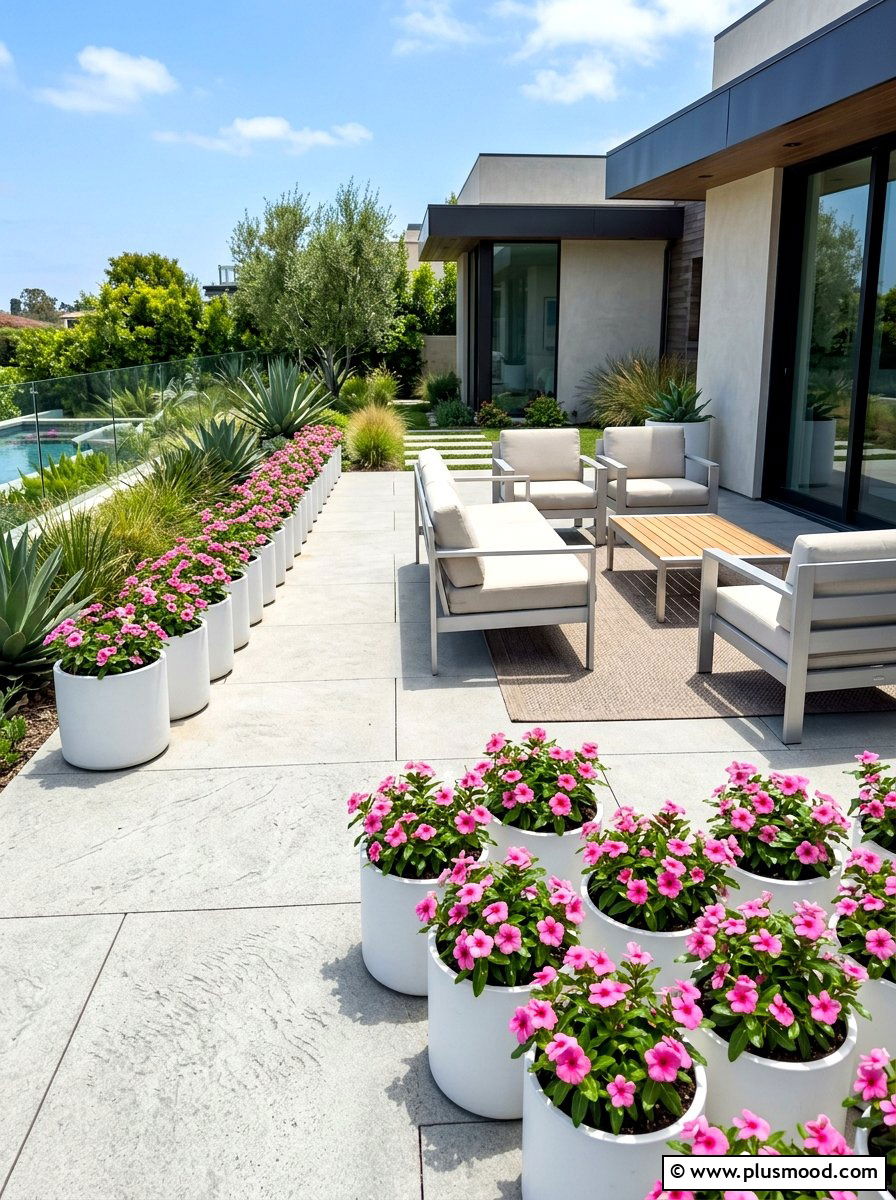
Vinca is often confused with impatiens, but it is much more tolerant of direct sun and intense heat. These glossy-leaved plants produce flat, five-petaled flowers that look crisp even on the hottest July afternoon. Vinca is a "set it and forget it" type of plant that requires very little maintenance once it is established in its pot. It is highly resistant to pests and diseases, making it a reliable choice for gardeners who want a foolproof display. Whether you choose the upright varieties or the trailing ones, vinca provides a polished and clean look to any patio. They are particularly effective when planted in monochromatic groups for a bold color statement.
21. Million Bells For Spilling Effect
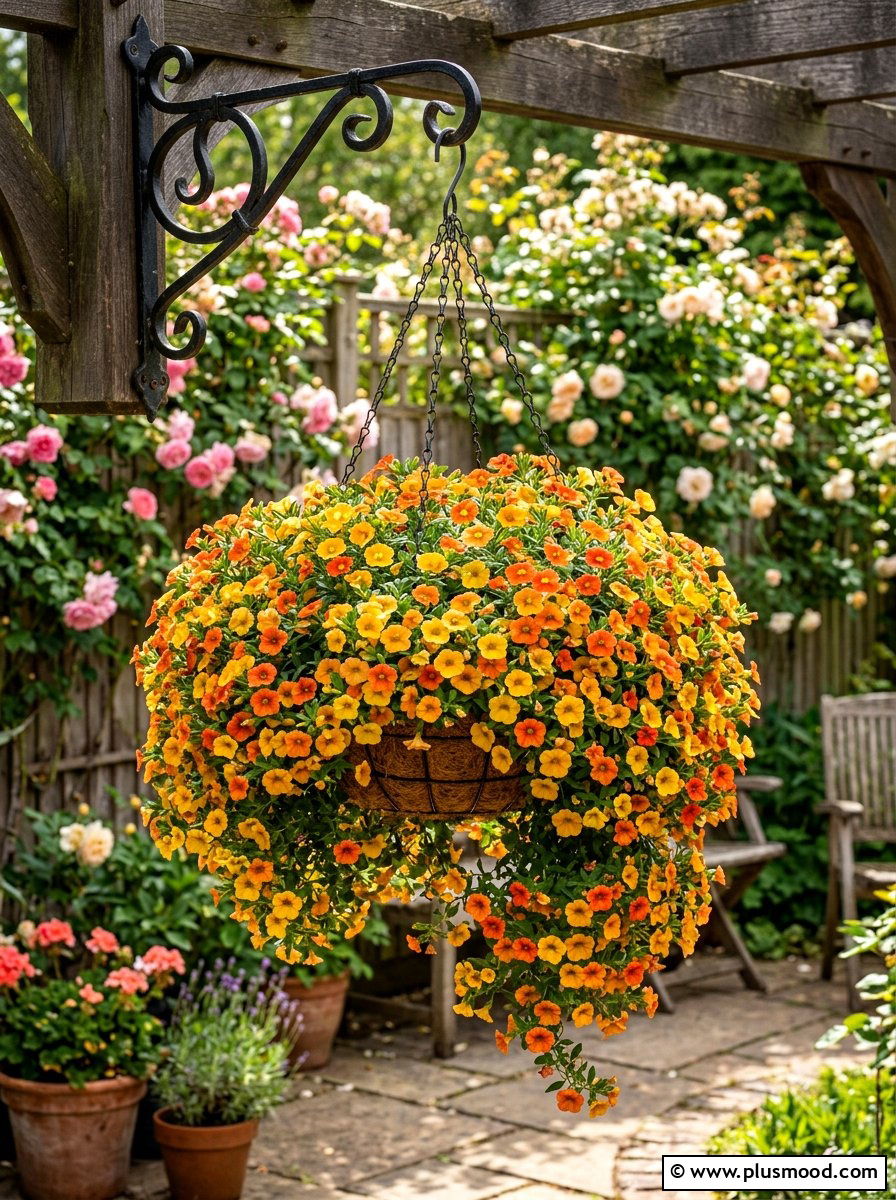
Million Bells, or Calibrachoa, look like miniature petunias but are much more resilient and do not require deadheading. These plants are the ultimate "spillers, " as they produce hundreds of tiny blooms that cascade beautifully over the sides of containers and hanging baskets. They come in an incredible array of colors, often with contrasting "throats" or striped petals. Million Bells prefer full sun and soil that is slightly acidic, so using a specific fertilizer can help them stay vibrant. They are heavy drinkers, so ensuring they have adequate water is the most important part of their care. They add a delicate, fine-textured beauty that softens the edges of hardscaping.
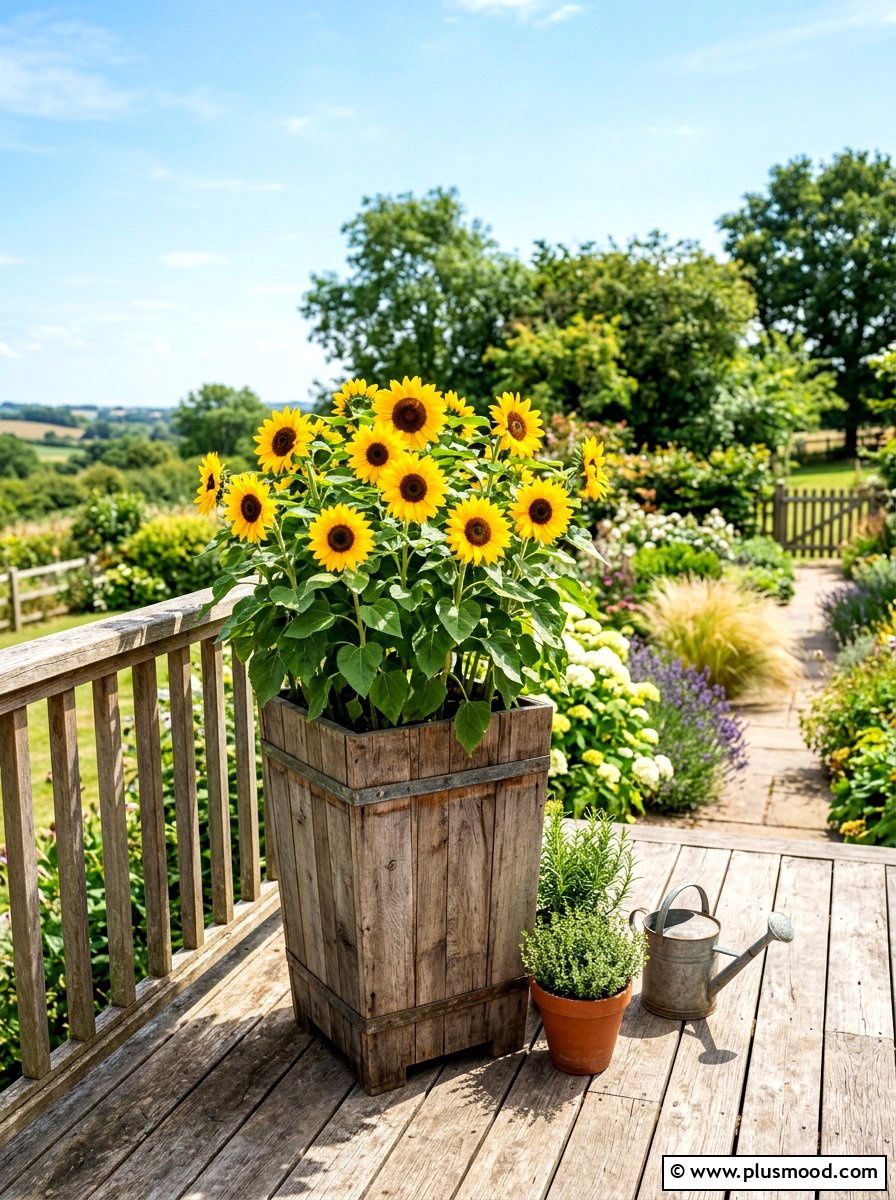
22. Sunflowers For Summer Cheer
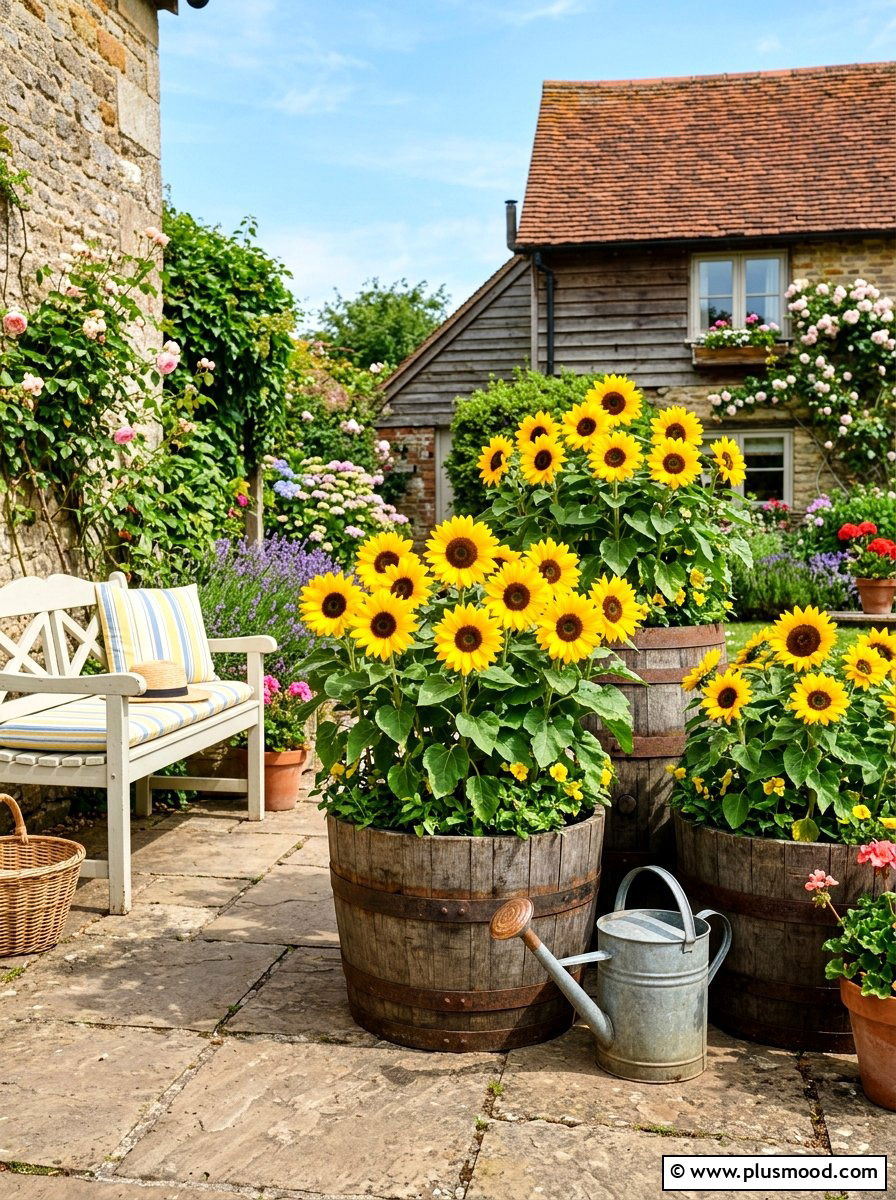
While many people think of sunflowers as tall field plants, dwarf varieties are actually perfect for large patio containers. These compact versions reach only one to two feet in height but still produce the iconic, cheerful yellow faces that define the summer season. Planting a few dwarf sunflowers in a sunny corner adds an instant boost of happiness and a rustic, farmhouse vibe to your patio. They are very easy to grow from seed and can be a fun project for families. Because they follow the sun, placing them in a spot with maximum exposure ensures the best results. They also provide seeds that can eventually feed local birds.
23. Canna Lilies For Bold Texture
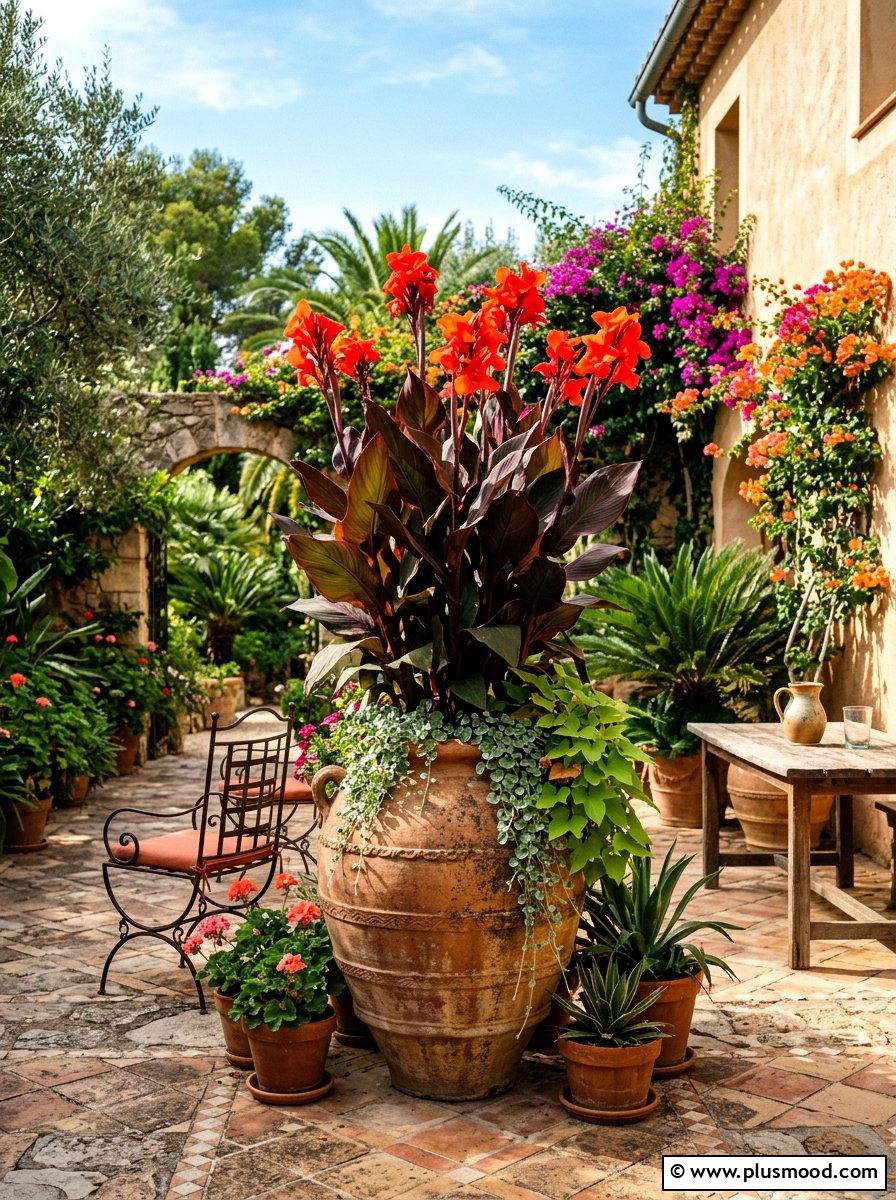
Canna Lilies are the perfect choice for patio owners who want to make a dramatic statement with bold texture and height. These tropical plants feature large, paddle-like leaves that can be solid green, deep bronze, or even variegated with stripes. The flowers sit atop tall stalks and come in fiery shades of red, orange, and yellow. Cannas love the heat and humidity, making them thrive when other plants might begin to fade. They are heavy feeders and require plenty of water to support their fast growth. Placing a tall Canna in the center of a large urn creates a majestic focal point that anchors your entire patio design.
24. Sweet Alyssum For Border Edging
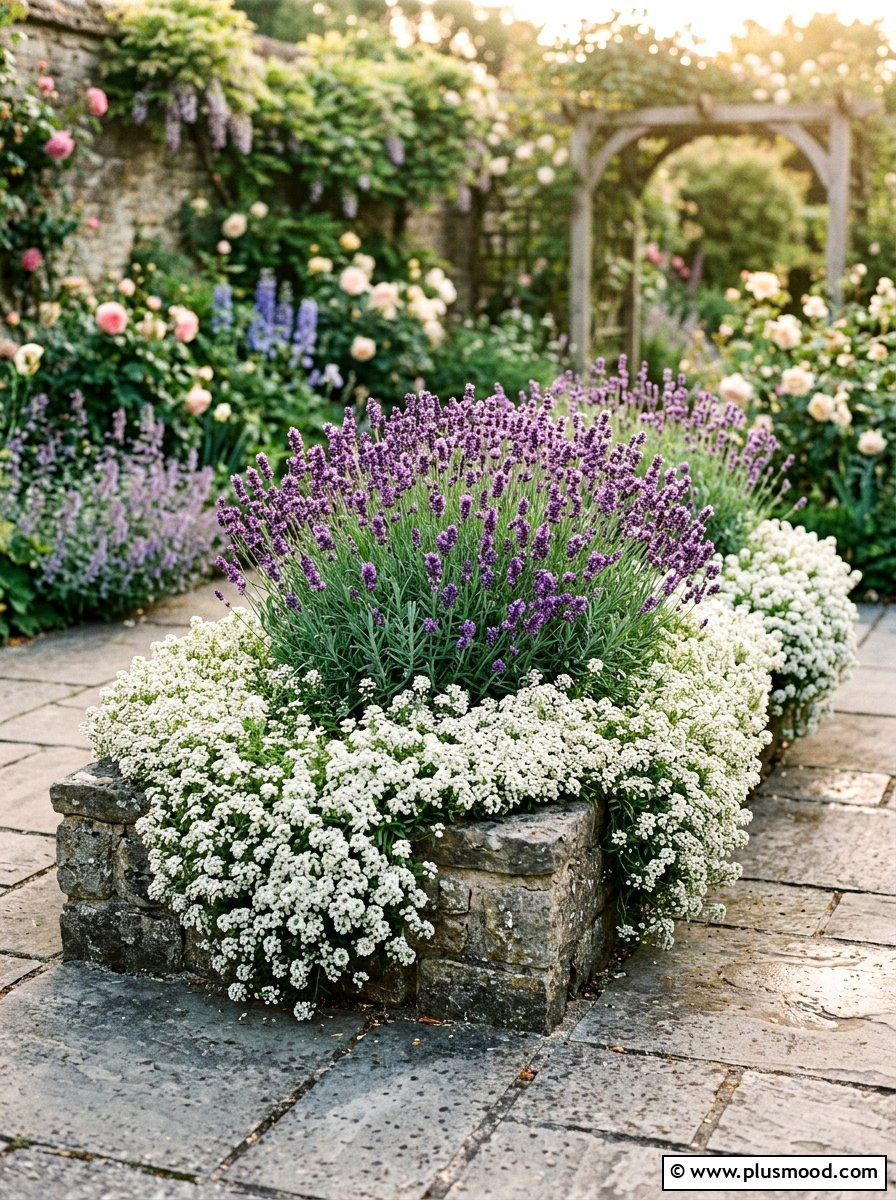
Sweet Alyssum is a low-growing plant that produces a thick carpet of tiny, honey-scented flowers. It is most commonly used as a "spiller" in containers or as a soft edging for patio planters. The fragrance is most intense in the evening, making it a wonderful addition near outdoor dining tables where you spend time at night. While it looks delicate, alyssum is quite hardy and can handle some heat, although it may take a short break in blooming during the hottest week of the year. It quickly bounces back once temperatures stabilize. Its fine texture and airy appearance provide a beautiful contrast to larger, more structured plants like geraniums.
25. Cosmos For Wildflower Aesthetics
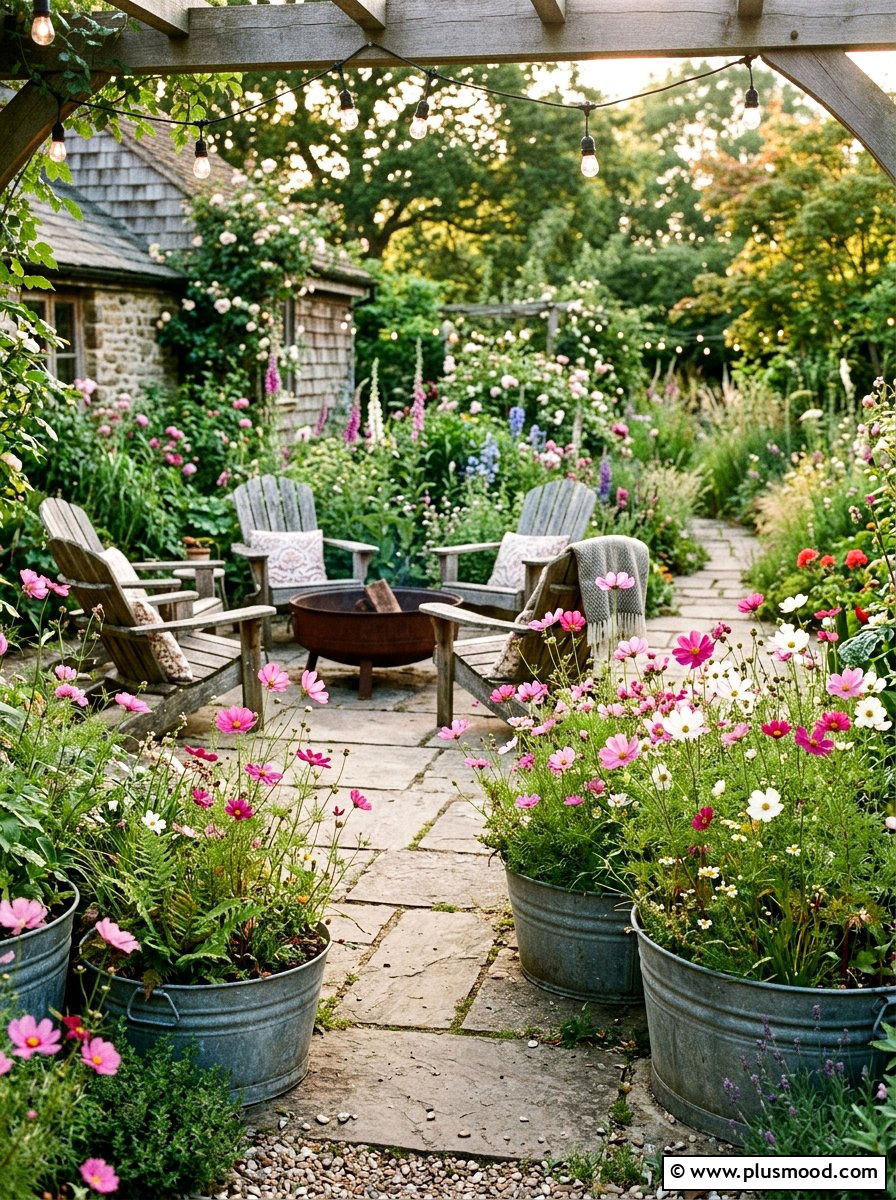
Cosmos are airy, whimsical flowers that bring a touch of the meadow to your patio environment. With their feathery foliage and daisy-like blooms, they add a sense of movement as they dance in the summer breeze. While often grown in garden beds, they perform exceptionally well in large pots if given plenty of sun. Cosmos are incredibly easy to care for and actually prefer soil that isn't too rich, making them perfect for low-maintenance gardening. They come in shades of pink, white, and chocolate, and they will continue to bloom as long as you keep cutting them. They are the ideal choice for a relaxed, naturalistic patio style.
Conclusion:
Creating a stunning summer patio is an achievable goal when you select the right mix of heat-tolerant and beautiful flowering plants. By choosing a variety of shapes, sizes, and colors, you can transform a simple outdoor area into a lush retreat that feels like an extension of your home. Remember to consider the light levels of your space and the specific watering needs of each variety to ensure your plants thrive until autumn. Gardening on a patio allows for creative expression through unique containers and vertical arrangements that maximize every square inch. With consistent care and a bit of planning, your floral displays will become the highlight of your summer season, providing joy and beauty for you and your guests.
Related posts:
Leave a Reply