
August is a pivotal month for every gardener looking to bridge the gap between summer brilliance and autumn preparation. As the heat peaks, your backyard landscape requires a delicate balance of maintenance and forward-thinking strategies to keep everything thriving. Whether you are harvesting a bountiful crop of vegetables or ensuring your flower beds remain vibrant, this late summer period is essential for long-term growth. Embracing these transition weeks allows you to maximize your current yields while setting the stage for a spectacular fall display. From watering schedules to seed collection, these practical steps will transform your outdoor space into a resilient and flourishing sanctuary throughout the month of August.
1. Deadheading Late Summer Flowers
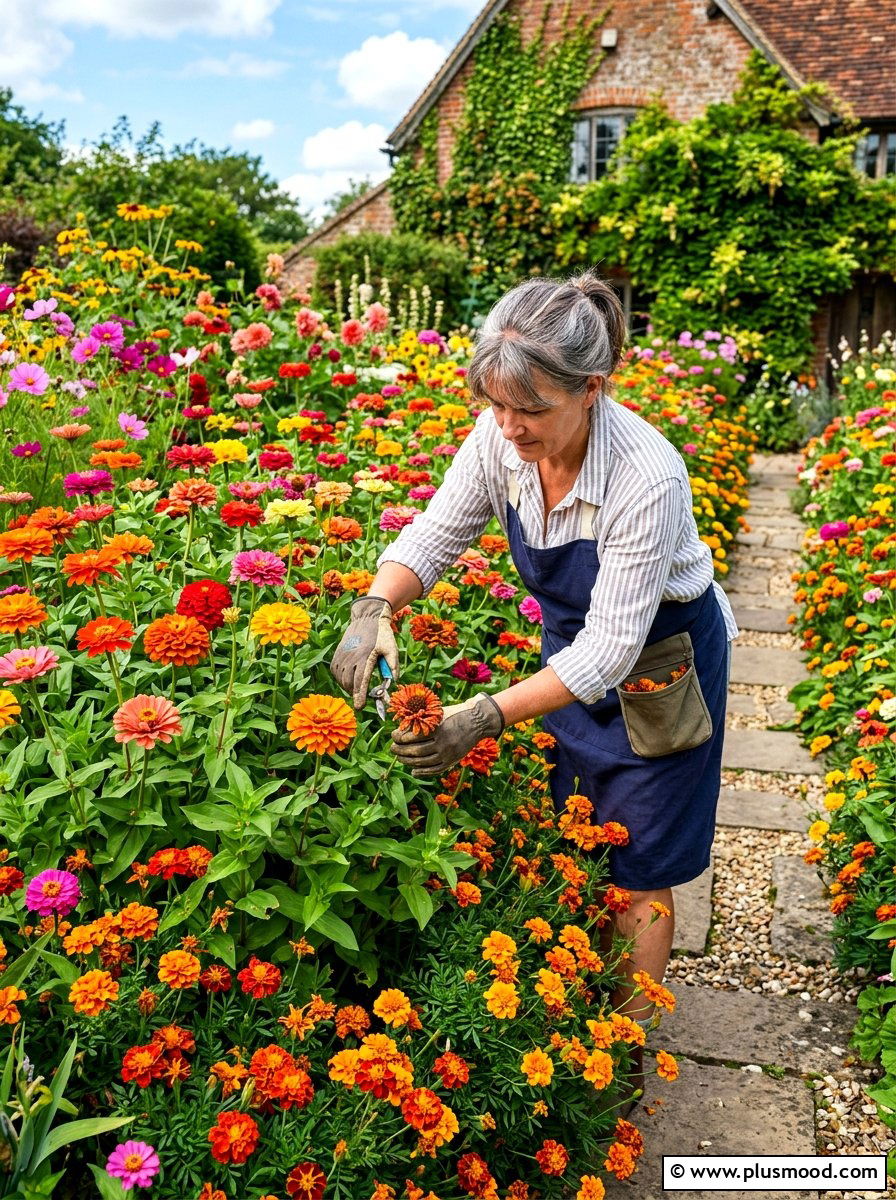
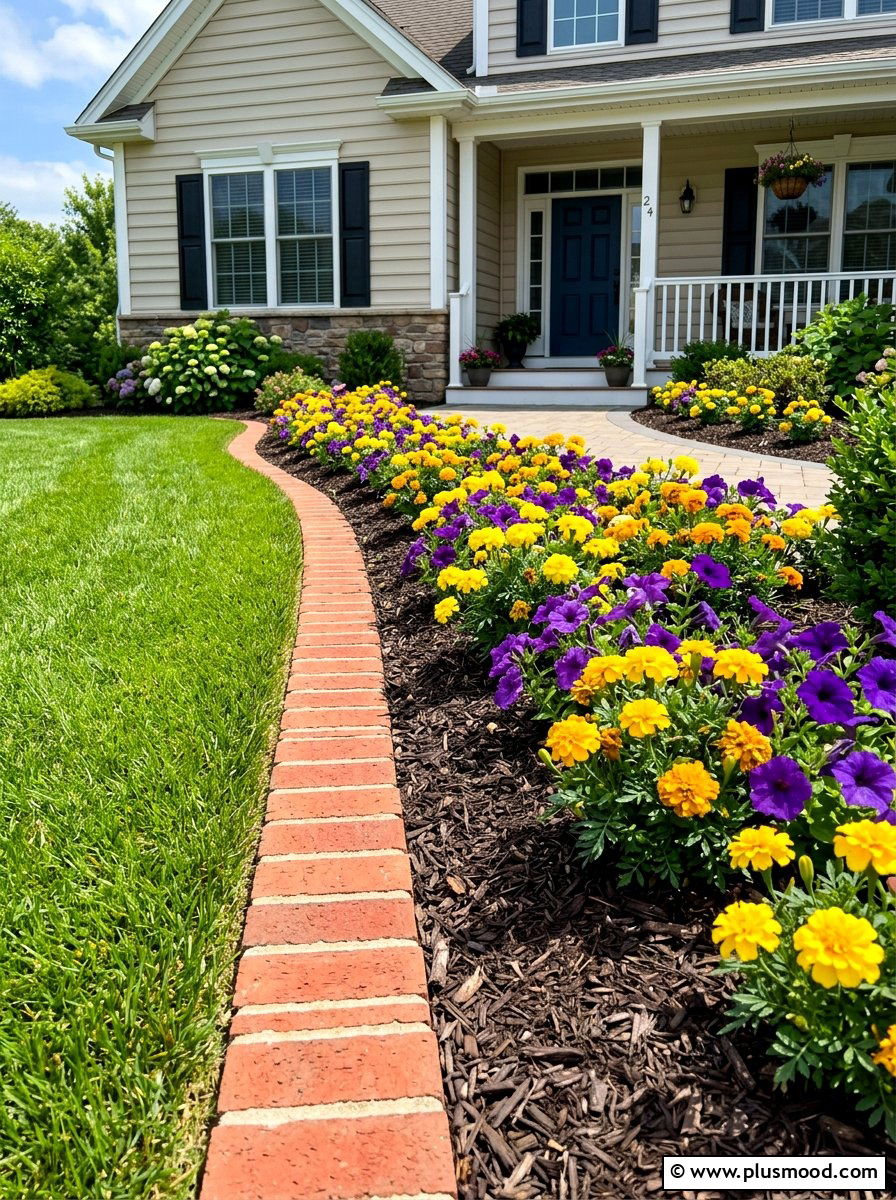
Have you noticed your flowering plants starting to look a little tired after a long season of growth? Deadheading is the process of removing spent blooms to encourage the plant to put its energy back into producing new flowers. In August, this practice is vital for varieties like marigolds, zinnias, and petunias that can keep blooming until the first frost. By snipping off the faded blossoms, you prevent the plant from going to seed too early and ensure a tidy appearance. This simple task keeps your garden beds looking fresh and vibrant, extending the colorful display well into the cooling autumn evenings and providing more nectar for late-season butterflies.
2. Picking Ripe Summer Vegetables
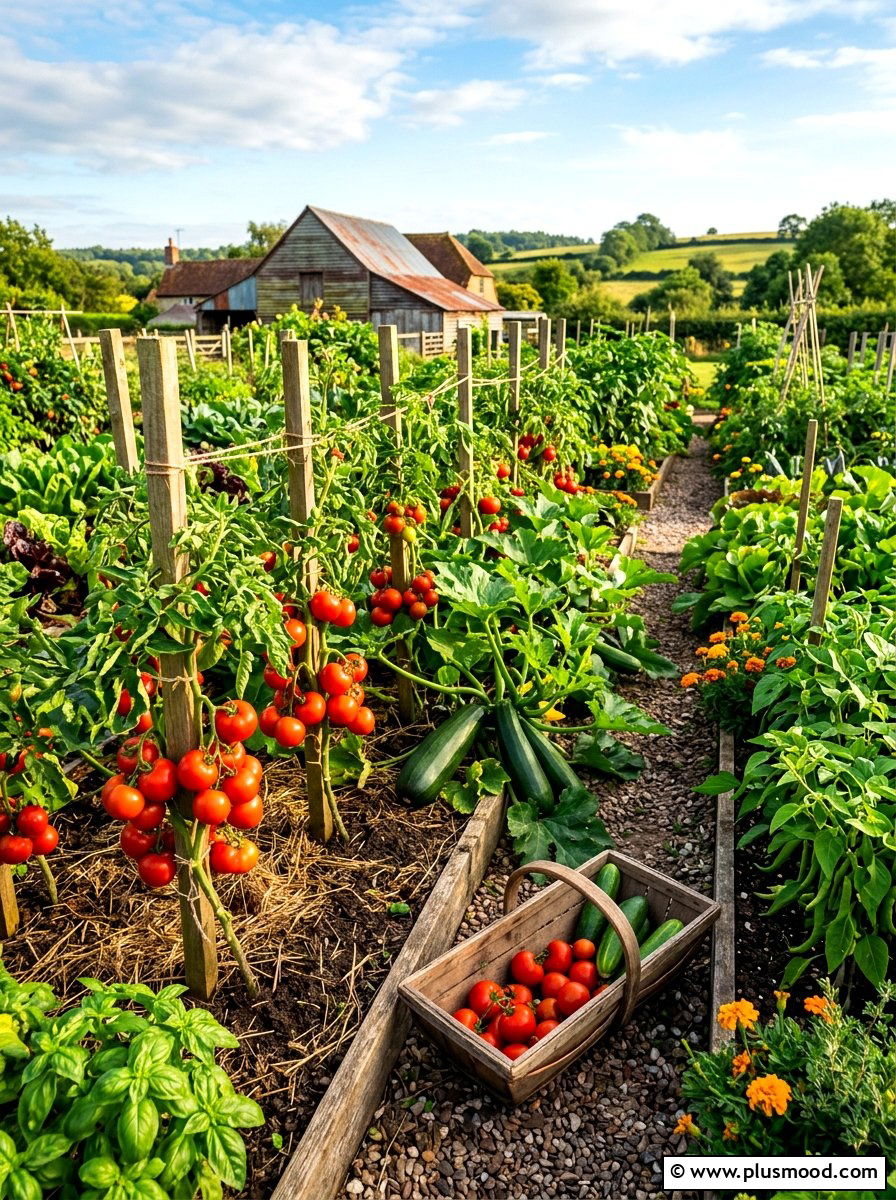
August is the peak time for gathering the rewards of your hard work in the vegetable patch. Tomatoes are likely ripening on the vine, and cucumbers often need daily picking to stay tender and sweet. If you leave vegetables like zucchini or beans on the plant for too long, they can become tough or woody. Regular harvesting actually signals the plant to produce even more fruit, which increases your overall yield for the season. Keep a close eye on your peppers and eggplants as they reach their full color and size. Enjoying these fresh flavors directly from your backyard is truly the highlight of the summer season.
3. Planting Autumn Vegetable Seeds
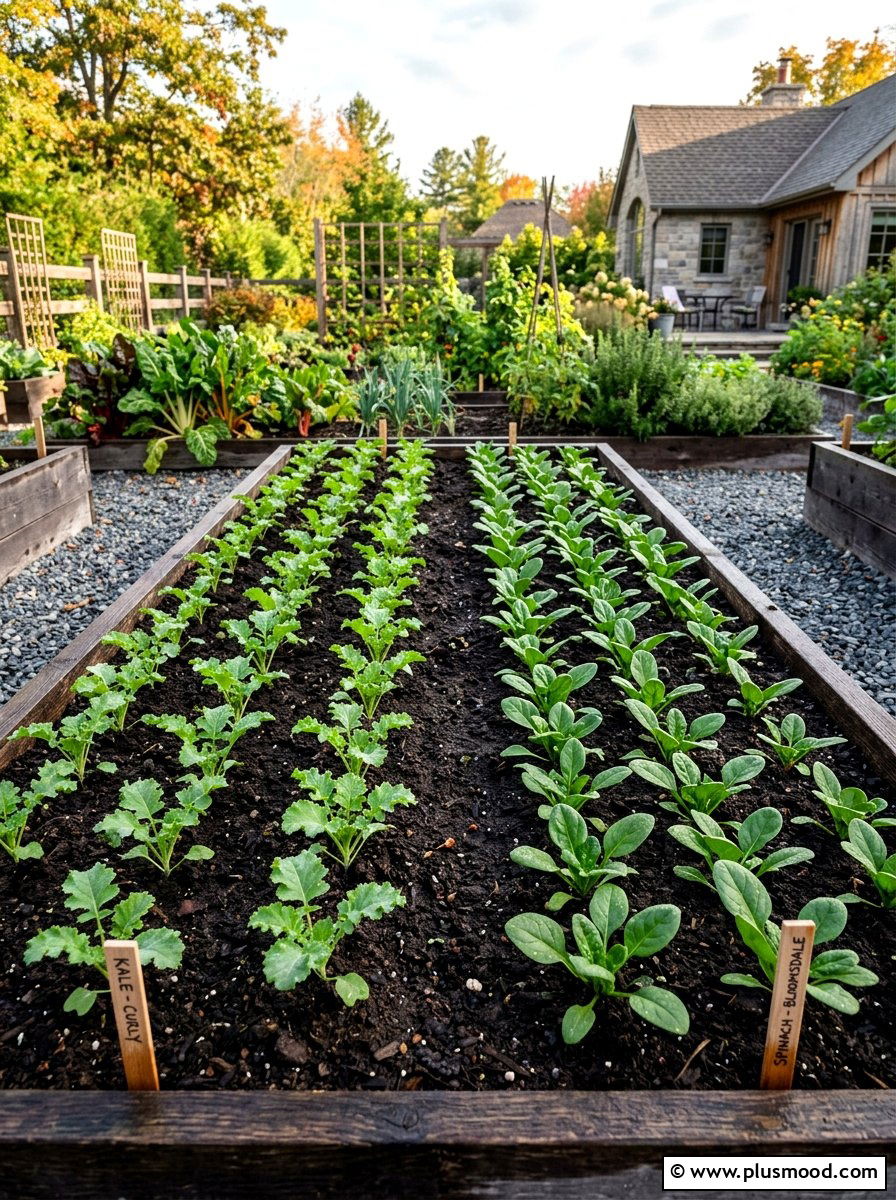
While you are still harvesting summer crops, it is already time to start thinking about your fall harvest. August is the perfect month to sow seeds for cool-season vegetables like kale, spinach, radishes, and lettuce. These plants thrive as the temperatures begin to drop and the days grow shorter. Starting them now ensures they have enough time to establish strong root systems before the first frost arrives. You can plant them in the gaps left by harvested summer vegetables to maximize your garden space. This succession planting keeps your garden productive for several more months, providing fresh greens throughout the late autumn and early winter.
4. Watering Garden In Heat
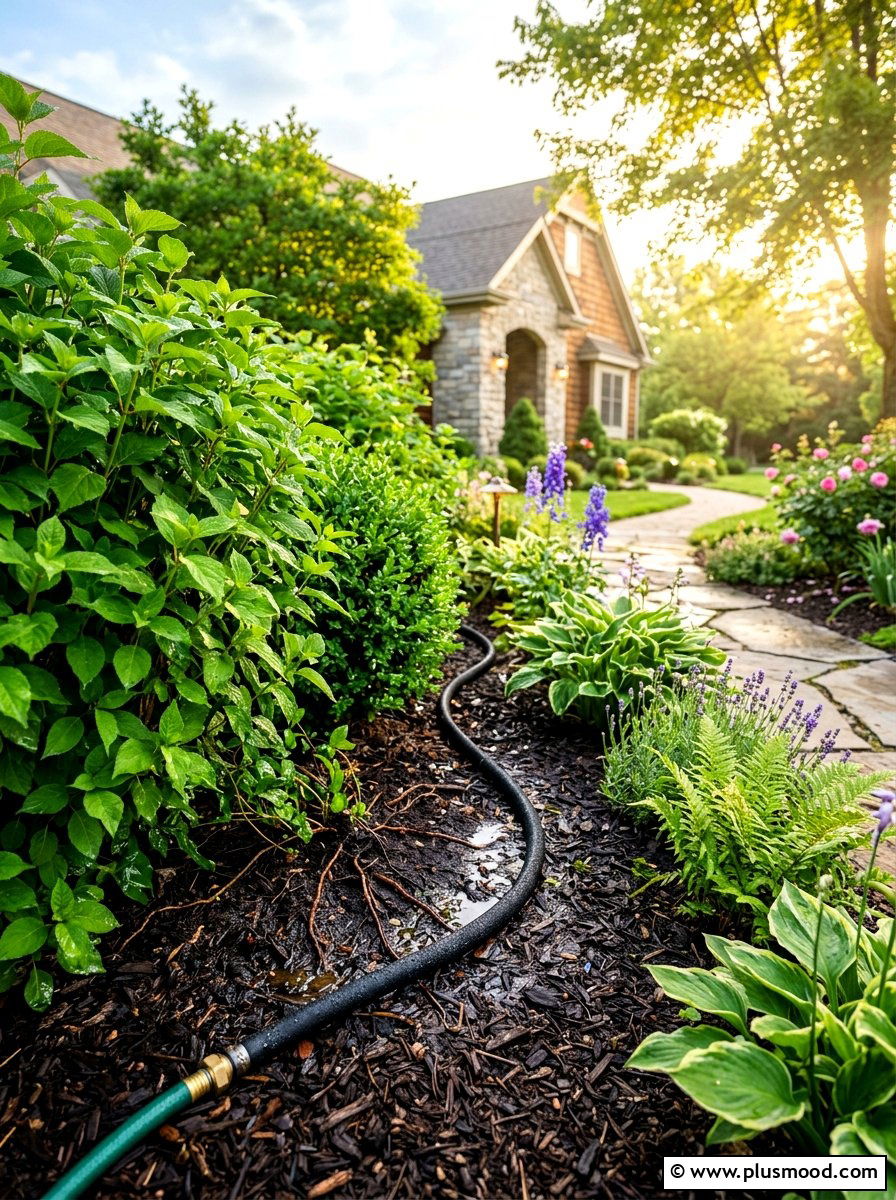
As the summer heat intensifies, keeping your plants hydrated becomes a top priority for every gardener. It is best to water your garden deeply and less frequently to encourage roots to grow further down into the soil. Watering in the early morning is the most effective way to reduce evaporation and prevent fungal diseases on the foliage. Focus on the base of the plants rather than the leaves to ensure the moisture reaches the root zone where it is needed most. For container plants, you may need to check the soil moisture twice a day, as pots tend to dry out much faster than ground soil.
5. Mulching Dry Garden Soil
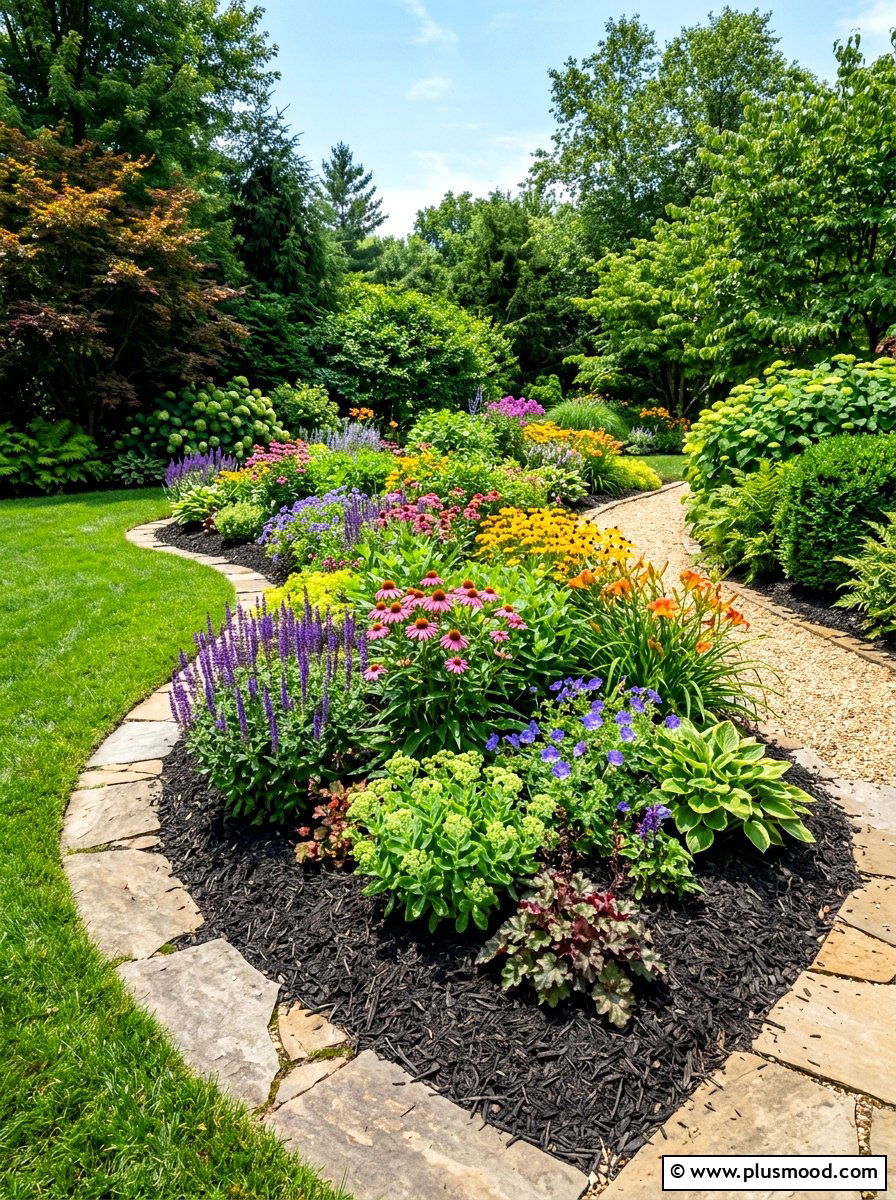
Adding a fresh layer of mulch is one of the most beneficial tasks you can perform during the hot August weeks. Mulch acts as an insulating blanket that helps retain soil moisture and keeps delicate plant roots cool during the hottest parts of the day. It also serves as a natural barrier that suppresses aggressive weeds from competing for water and nutrients. Organic options like shredded bark, straw, or pine needles will eventually break down and improve your soil quality over time. By maintaining a two-inch layer around your plants, you create a more stable environment that helps your garden withstand the stressful late summer weather.
6. Pruning Perennial Flower Plants
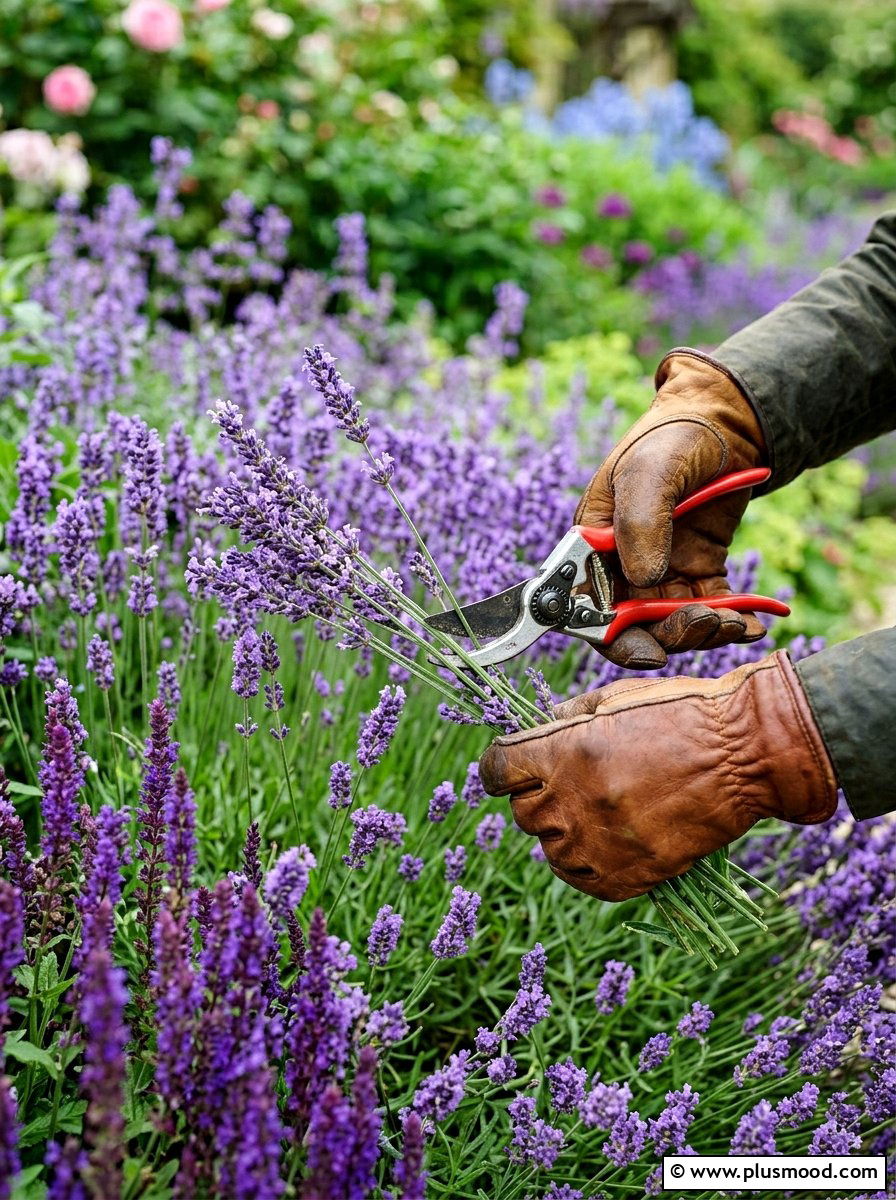
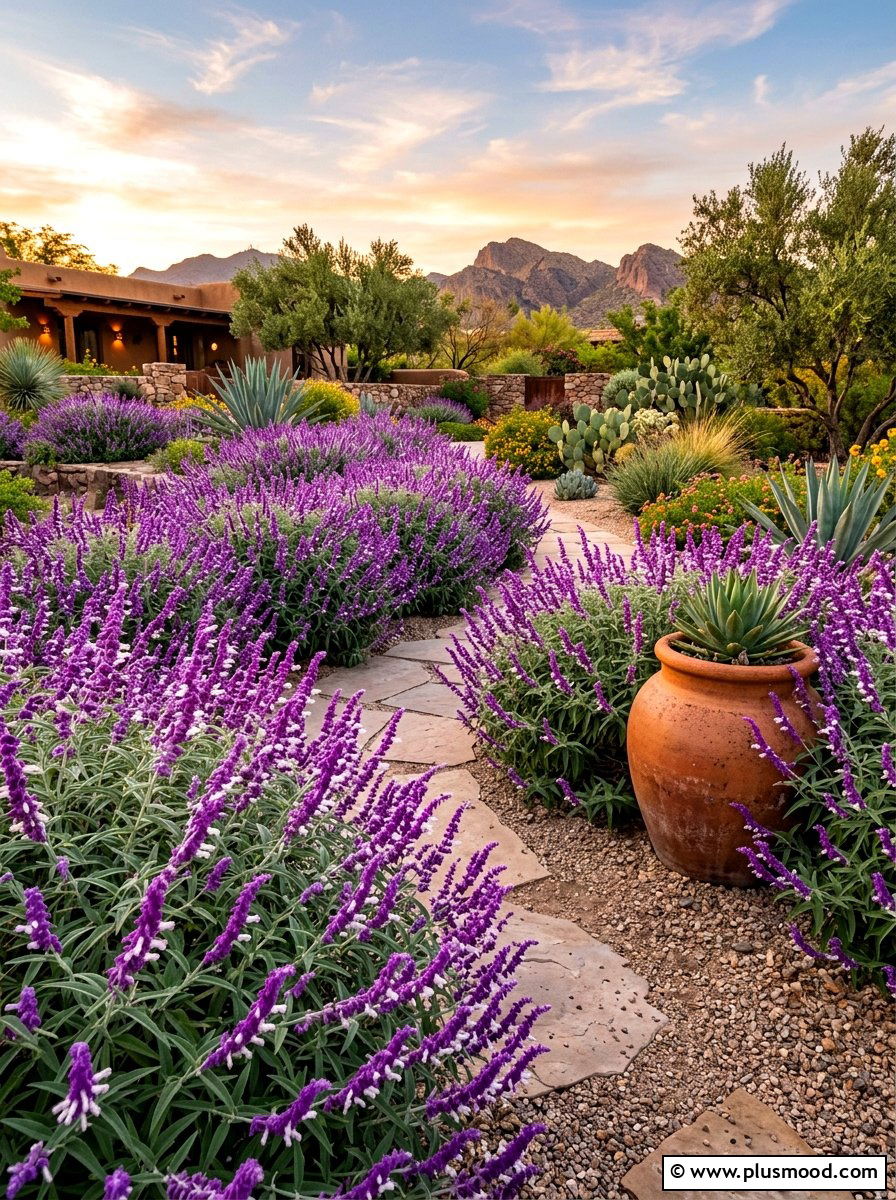
August is a great time to perform light pruning on perennials that have finished their primary blooming cycle. Plants like lavender, salvia, and catmint can benefit from a quick trim to maintain a compact shape and encourage a potential second flush of flowers. Be careful not to cut too far back into the old wood, as this can damage the plant before winter. Removing dead or diseased stems also improves air circulation, which is crucial for preventing powdery mildew during humid summer nights. This maintenance keeps your perennial borders looking neat and ensures the plants remain healthy and vigorous for the next growing season.
7. Growing Late Season Pollinators
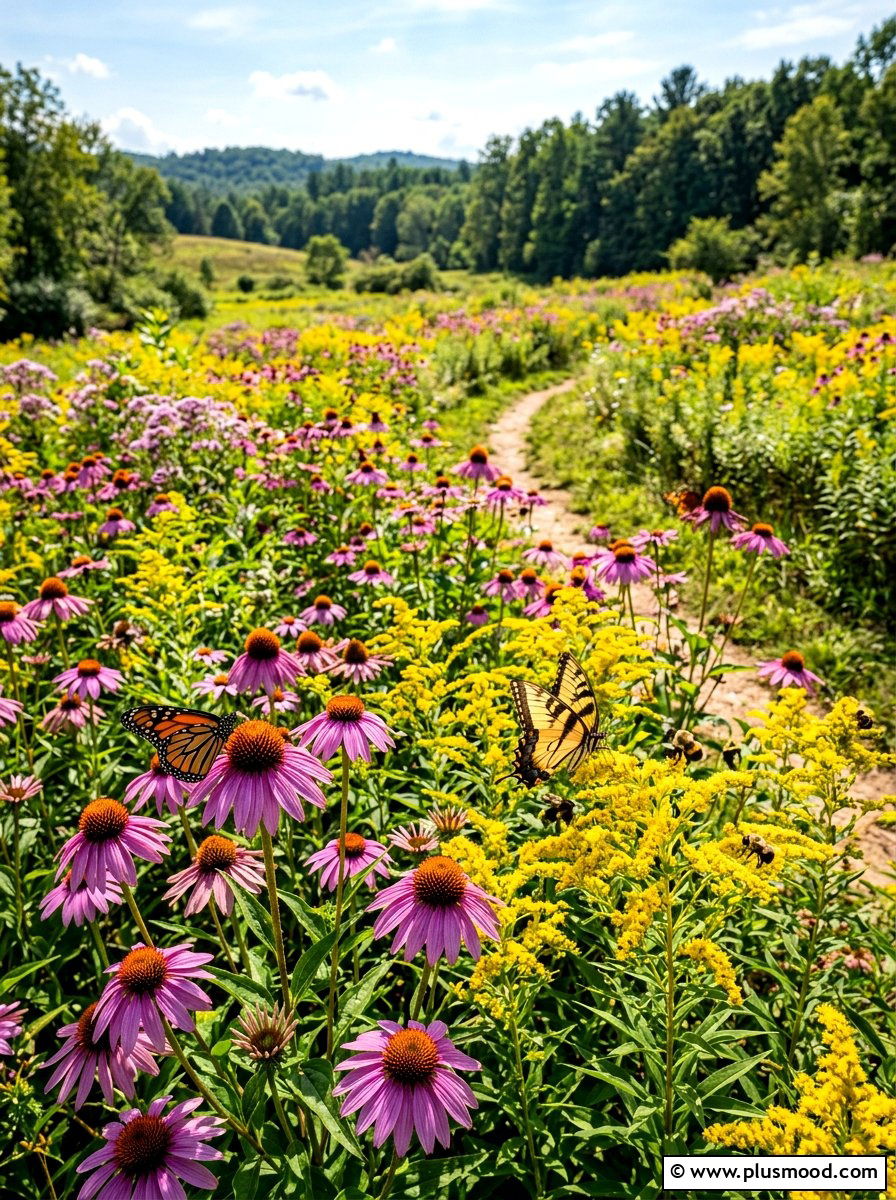
Supporting local wildlife is essential as summer begins to fade, and many pollinators are searching for reliable food sources. Planting late-blooming flowers like asters, coneflowers, and goldenrod provides much-needed nectar for bees and butterflies preparing for the cooler months. These hardy plants are often drought-tolerant and can handle the intense August sun with ease. By incorporating a variety of flower shapes and colors, you turn your garden into a buzzing sanctuary during the late summer transition. Creating a pollinator-friendly environment not only helps the local ecosystem but also ensures your garden remains full of life and movement throughout the entire growing year.
8. Buying Fall Flower Bulbs
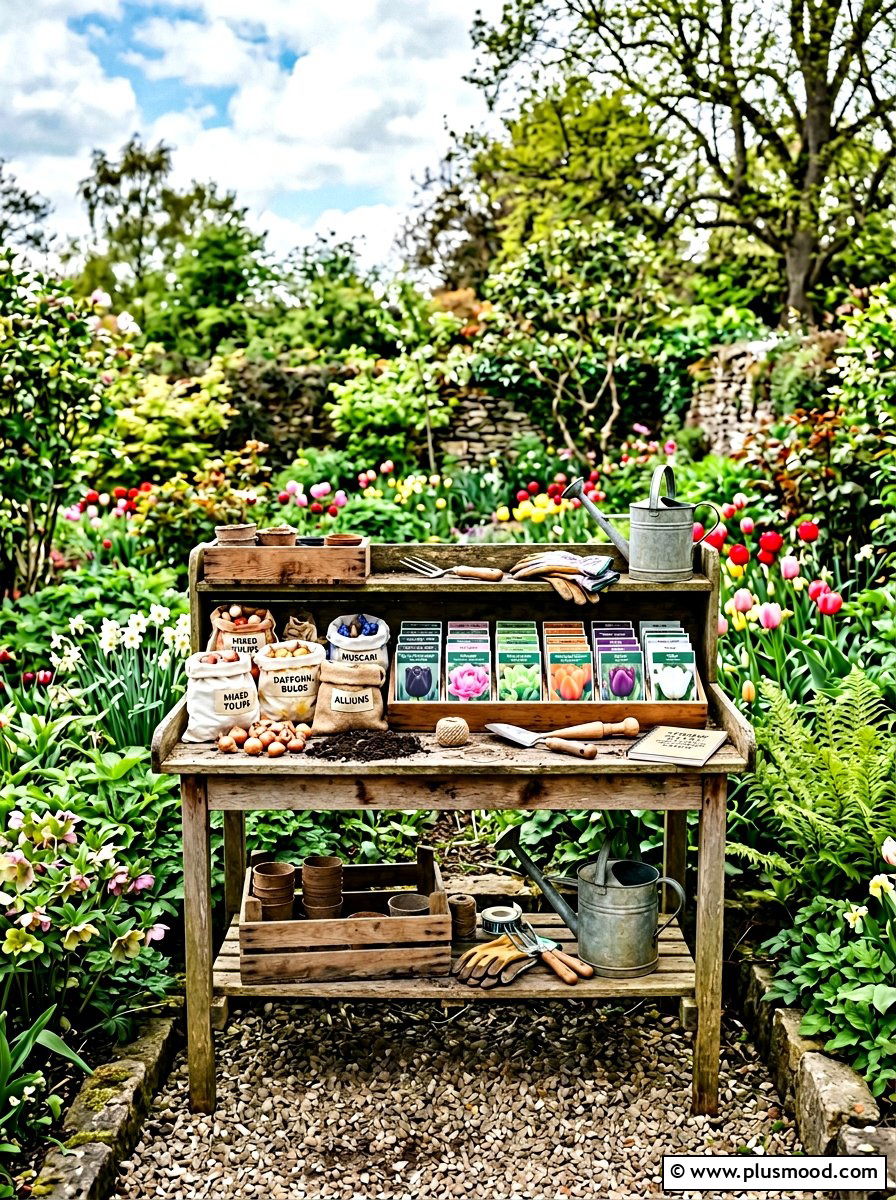
Planning ahead is a hallmark of a successful gardener, and August is the ideal time to order bulbs for spring. Many nurseries release their catalogs this month, offering a wide selection of tulips, daffodils, and crocuses. Purchasing your favorites early ensures you get the best quality bulbs before popular varieties sell out. While you will not plant these until the soil cools down in late autumn, having them ready allows you to map out your spring garden layout. Consider adding some alliums or hyacinths to create a diverse and fragrant display that will be the first to welcome the new growing season.
9. Controlling Summer Garden Pests
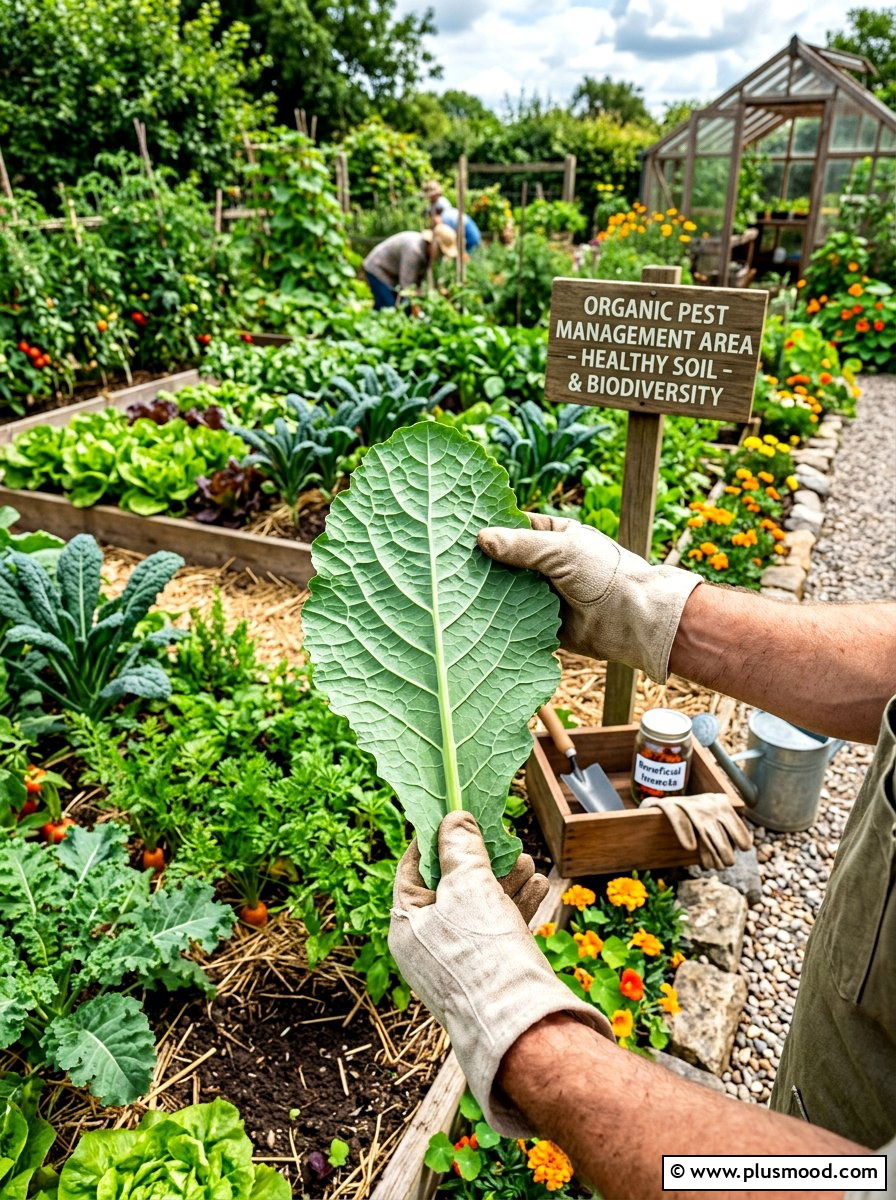
The warm and humid weather of August can often lead to an increase in garden pests like aphids, spider mites, and whiteflies. Regularly inspecting the undersides of leaves allows you to catch infestations early before they cause significant damage to your plants. Using a strong stream of water from a hose can often dislodge many common pests without the need for harsh chemicals. If necessary, organic insecticidal soaps or neem oil can provide effective control while remaining safe for beneficial insects. Keeping your garden clean and removing fallen debris also helps eliminate hiding spots for pests, ensuring your plants stay strong and healthy.
10. Turning Organic Compost Piles
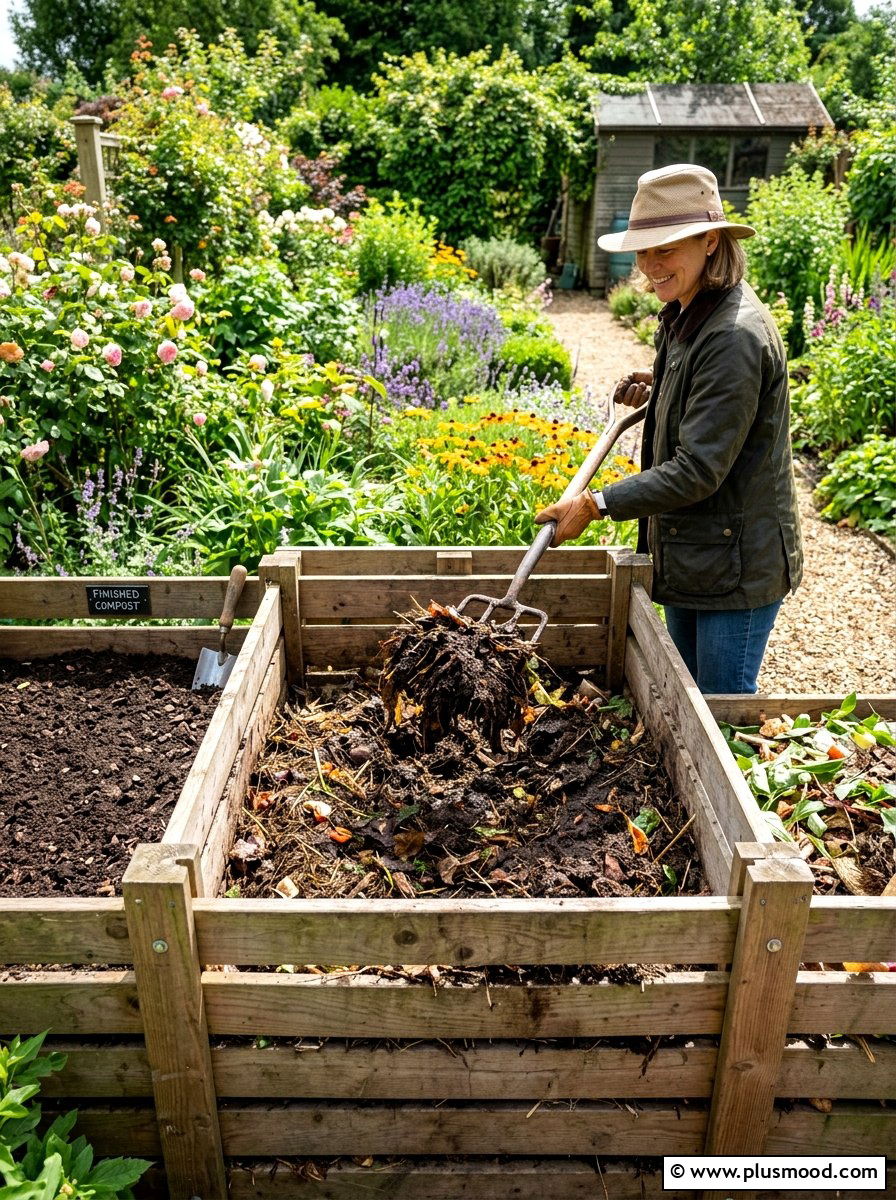
August is an excellent month to give your compost pile some extra attention to speed up the decomposition process. Turning the pile with a pitchfork introduces oxygen, which is essential for the microbes that break down organic matter. If the weather has been particularly dry, you may need to add a little water to keep the pile damp like a wrung-out sponge. Mixing in fresh grass clippings provides a boost of nitrogen that heats up the pile and accelerates the creation of nutrient-rich soil. By maintaining your compost now, you will have plenty of "black gold" ready to enrich your garden beds this fall.
11. Repairing Late Summer Lawns
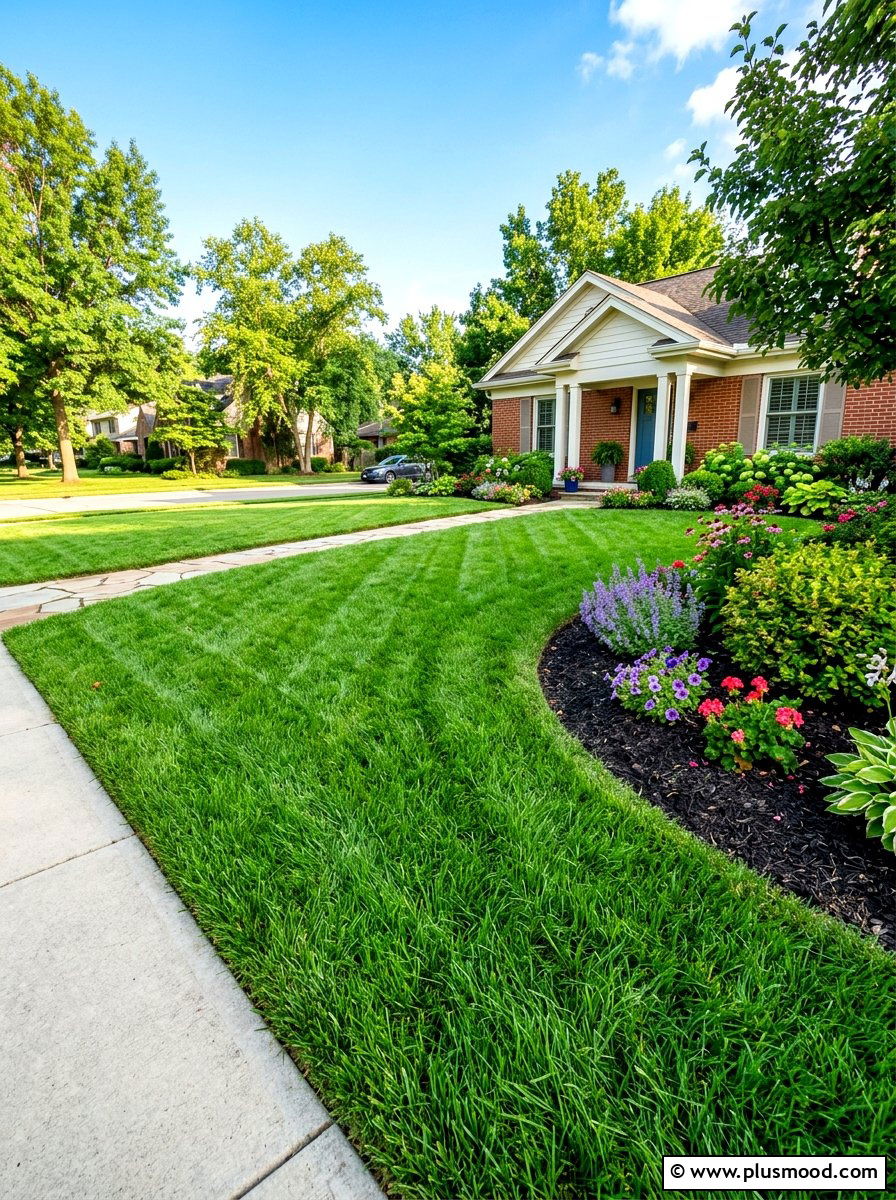
Your lawn often takes a beating during the peak of summer due to high temperatures and heavy foot traffic. In August, it is helpful to raise the height of your mower blades to leave the grass slightly longer. This extra height provides shade for the soil, which helps retain moisture and protects the roots from burning. If you notice brown patches, check for signs of pests or disease rather than just increasing the water. Towards the end of the month, you can begin preparing for overseeding by raking away dead thatch. This preparation ensures your grass can recover quickly when the cooler autumn weather finally arrives.
12. Potting Fall Container Flowers
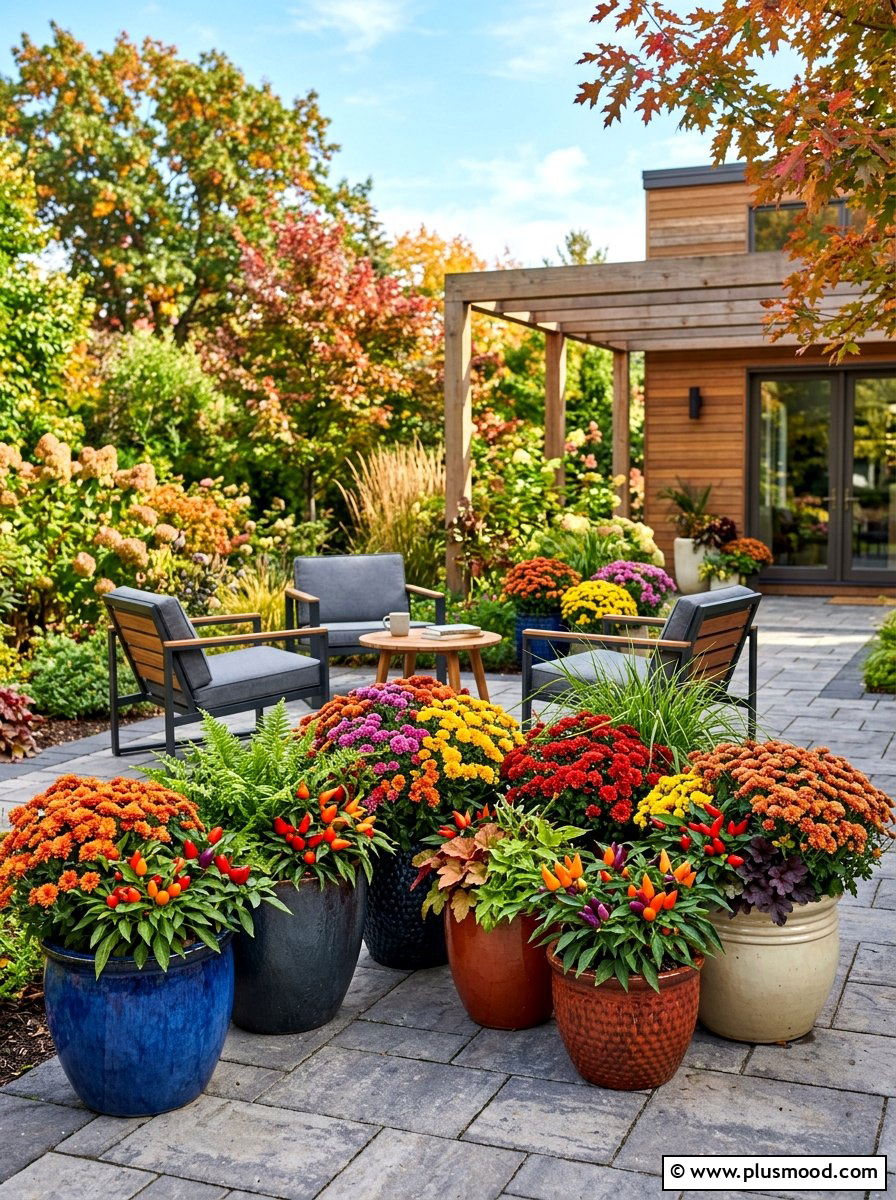
If your summer container displays are starting to look a bit leggy or spent, August is the perfect time for a refresh. Swapping out tired annuals for heat-tolerant late bloomers like ornamental peppers, mums, or pansies can breathe new life into your patio. These plants provide instant color and can easily transition your outdoor decor from summer into the autumn season. When replanting, be sure to use fresh potting soil to provide a boost of nutrients for the new additions. Adding trailing ivy or colorful foliage plants like heuchera can create a lush, multi-dimensional look that stays attractive well into the cooling temperatures of October.
13. Saving Heirloom Flower Seeds
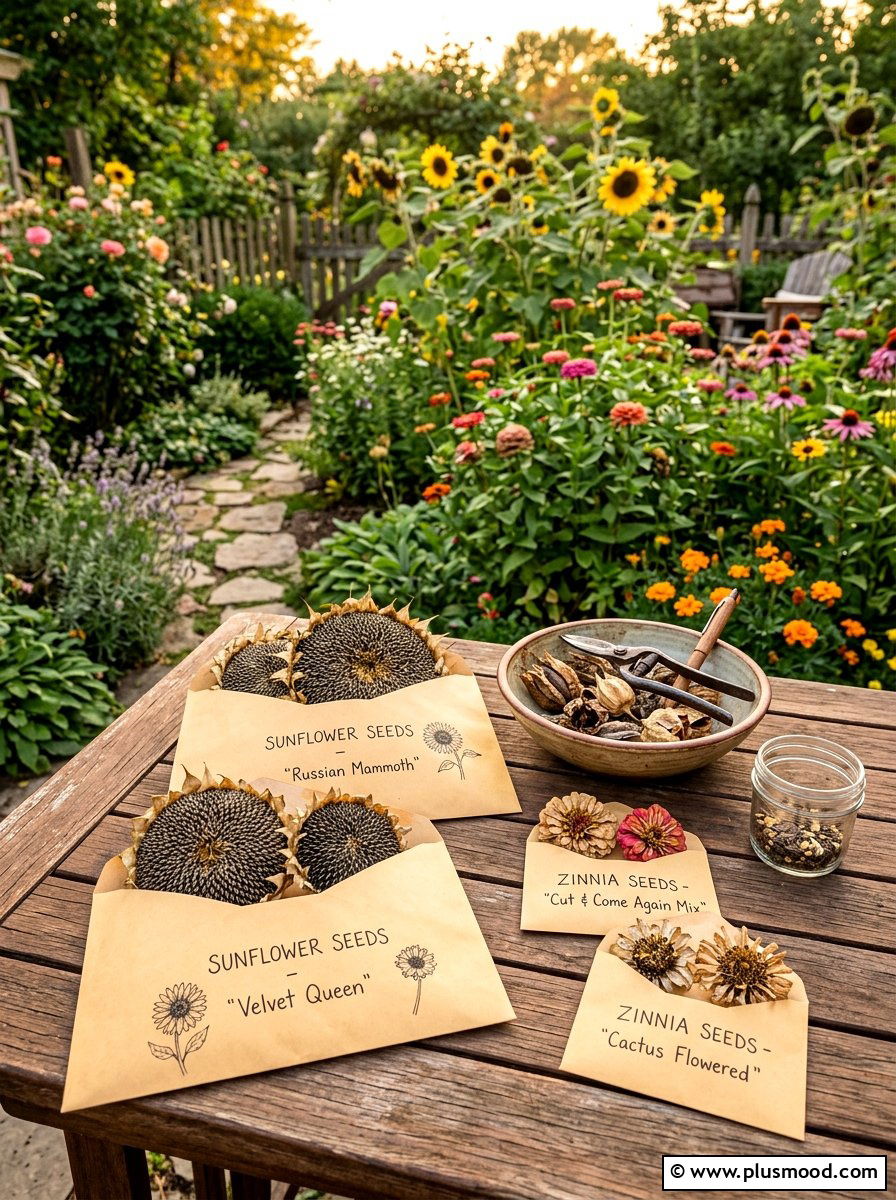
Collecting seeds from your favorite plants is a rewarding way to preserve your garden's legacy for next year. In August, many flowers like sweet peas, sunflowers, and zinnias produce mature seed pods that are ready for harvesting. Wait for a dry day and look for pods that have turned brown or feel papery to the touch. Once collected, store the seeds in labeled envelopes in a cool, dry place until the next planting season arrives. This practice not only saves you money but also allows you to grow varieties that are perfectly adapted to your local climate. It is a wonderful way to share your garden with friends.
14. Harvesting And Drying Herbs
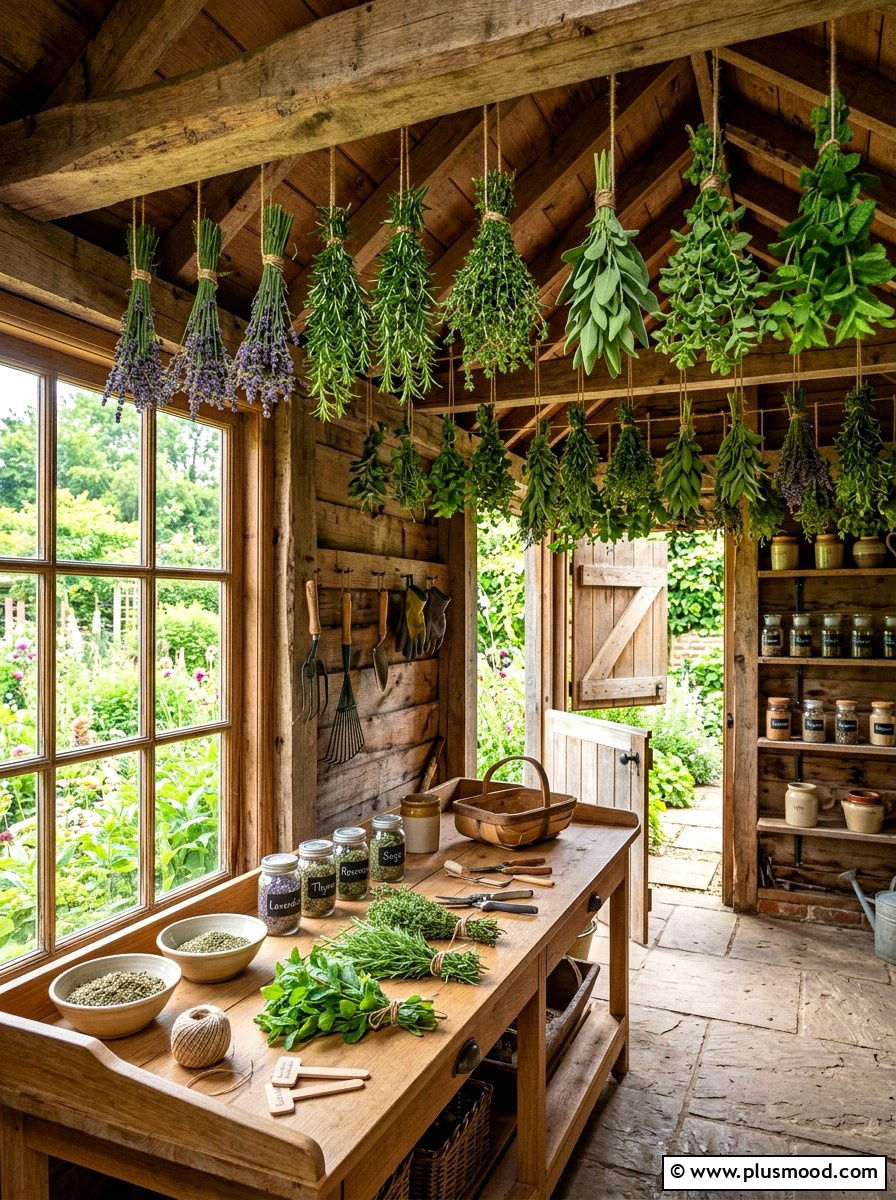
Herbs are often at their most flavorful just before they begin to flower, making August an ideal time for a major harvest. Snipping bundles of basil, oregano, rosemary, and thyme allows you to preserve the essence of summer for use in winter cooking. You can hang these bundles upside down in a warm, dry area with good air circulation to dry them naturally. Once the leaves are crisp and crumbly, store them in airtight jars away from direct sunlight to maintain their potency. Creating your own dried herb blends is a simple and satisfying way to enjoy the aromatic bounty of your garden all year long.
15. Planting Colorful Leafy Foliage
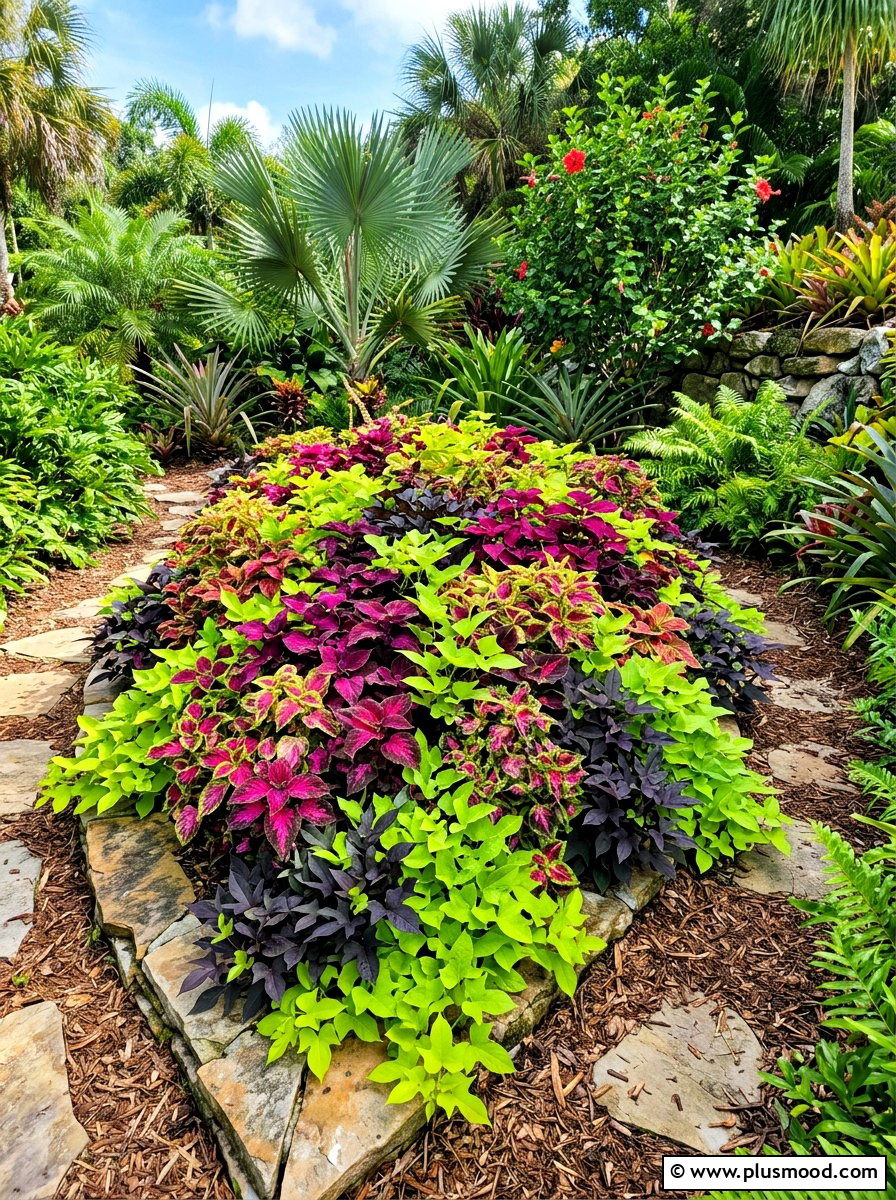
While flowers are often the focus, adding plants with striking foliage can provide consistent color in the August garden. Varieties like coleus, caladiums, and sweet potato vines thrive in the summer heat and offer a wide range of hues from deep purple to bright lime green. These plants are excellent for filling in gaps where early summer flowers may have faded. Because they rely on their leaves for visual interest, they remain attractive regardless of blooming cycles. Incorporating different textures and patterns into your garden beds creates a sophisticated and lush landscape that feels full and intentional even during the hottest weeks of the year.

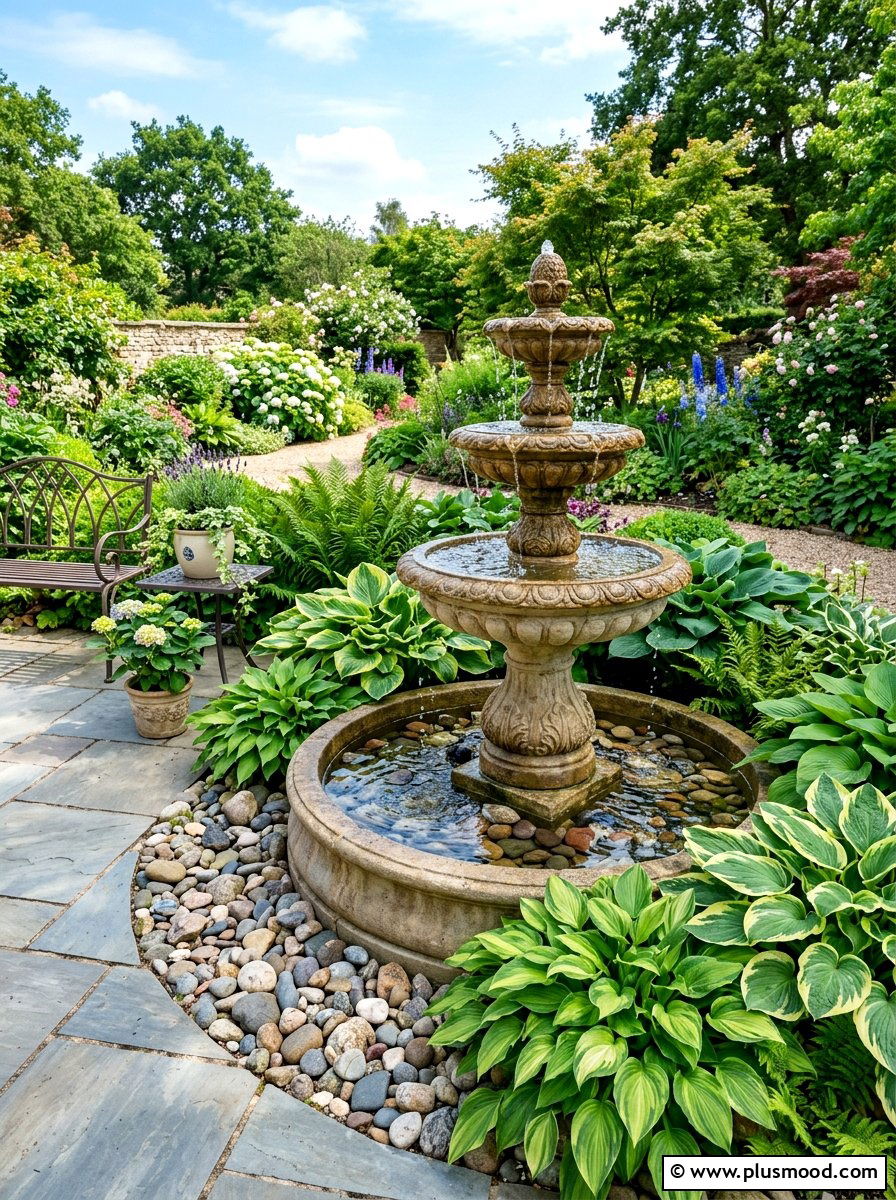

16. Caring For Summer Roses
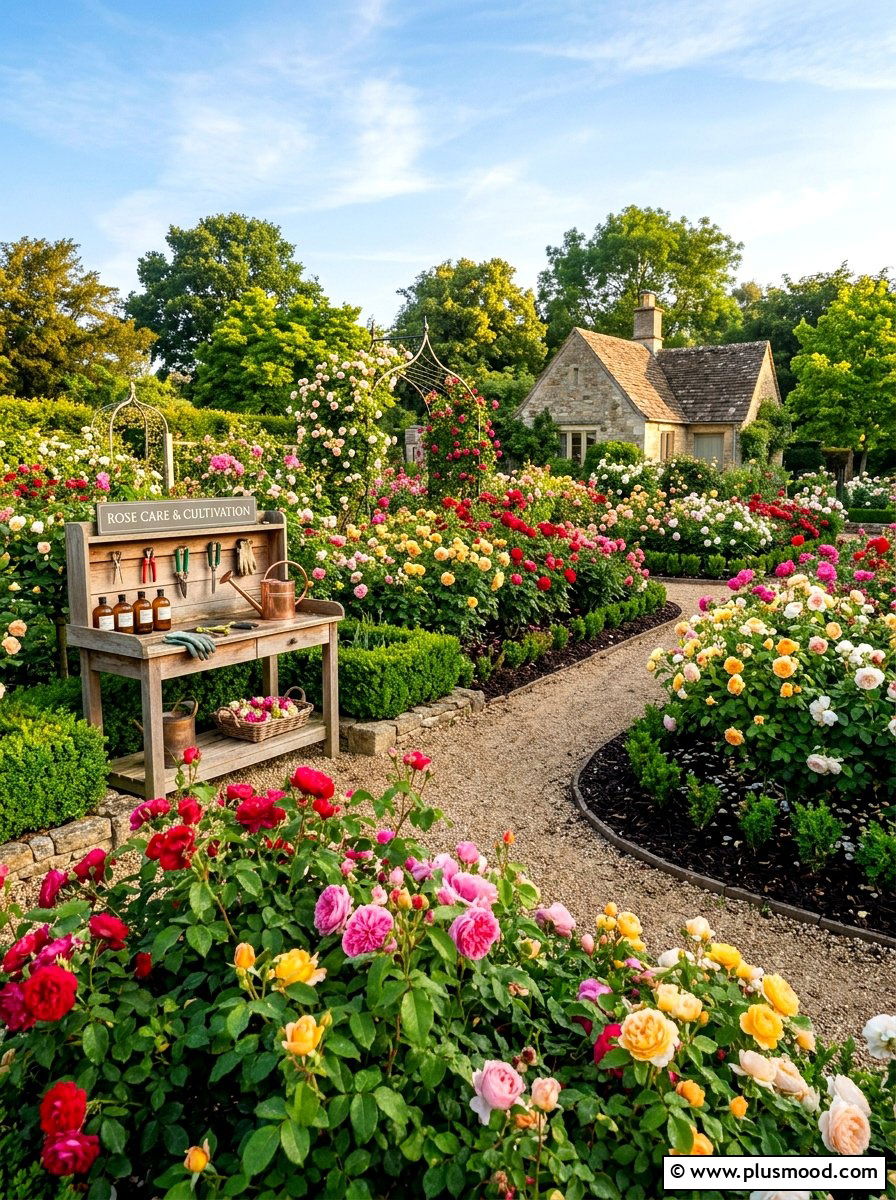
Roses often require a bit of extra care during the transition from mid to late summer to keep them blooming beautifully. Removing faded flowers, also known as deadheading, encourages the plant to produce another round of buds before the season ends. Watch for signs of black spot or mildew, which can spread quickly in humid conditions, and remove any affected leaves immediately. Applying a light organic fertilizer early in the month can provide the nutrients needed for a strong autumn flush. Ensure your roses receive consistent water at the base to prevent stress, which makes them more resilient against common pests and environmental challenges.
17. Cutting Back Garden Hedges
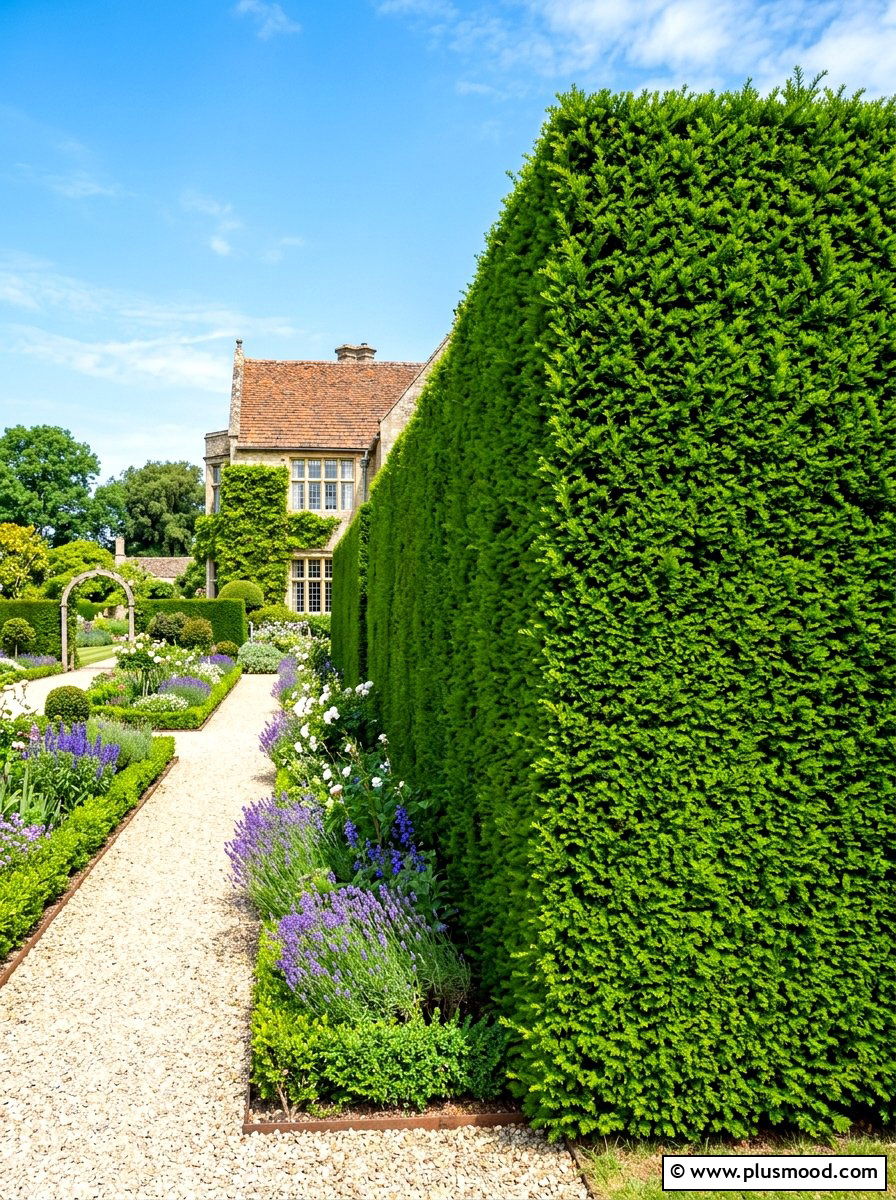
August is a traditional time for trimming evergreen hedges like boxwood, yew, or privet to keep them looking sharp and tidy. Pruning now allows the new growth to mature and harden off before the first frost of winter arrives. Use sharp shears to maintain straight lines and ensure a clean cut that heals quickly. It is best to avoid heavy pruning on extremely hot days to prevent the exposed inner leaves from getting scorched by the sun. Keeping your hedges well-maintained provides a clean architectural backdrop that makes the rest of your garden's colors pop. A neatly trimmed hedge also improves the overall structure of your landscape.
18. Fertilizing Late Summer Soil
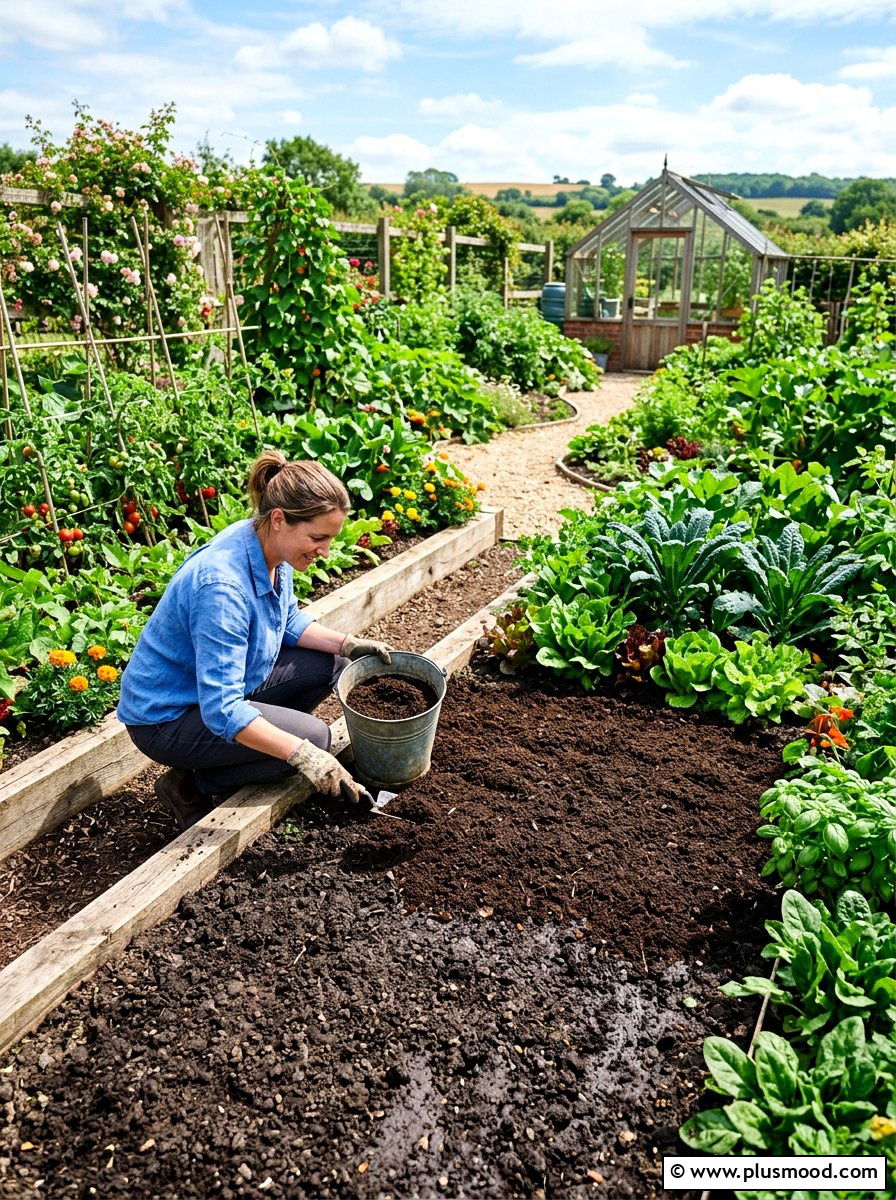
As your plants reach the end of a long growing season, the nutrients in the soil may begin to run low. Providing a gentle, balanced liquid fertilizer in August can give your flowers and vegetables the boost they need to finish the season strong. This is particularly important for heavy feeders like tomatoes, peppers, and flowering containers that have been producing all summer. Avoid using high-nitrogen fertilizers on perennials late in the month, as you do not want to encourage tender new growth that could be damaged by frost. Instead, focus on supporting fruit development and overall plant health to ensure a successful final harvest.
19. Pruning Raspberry And Blackberry
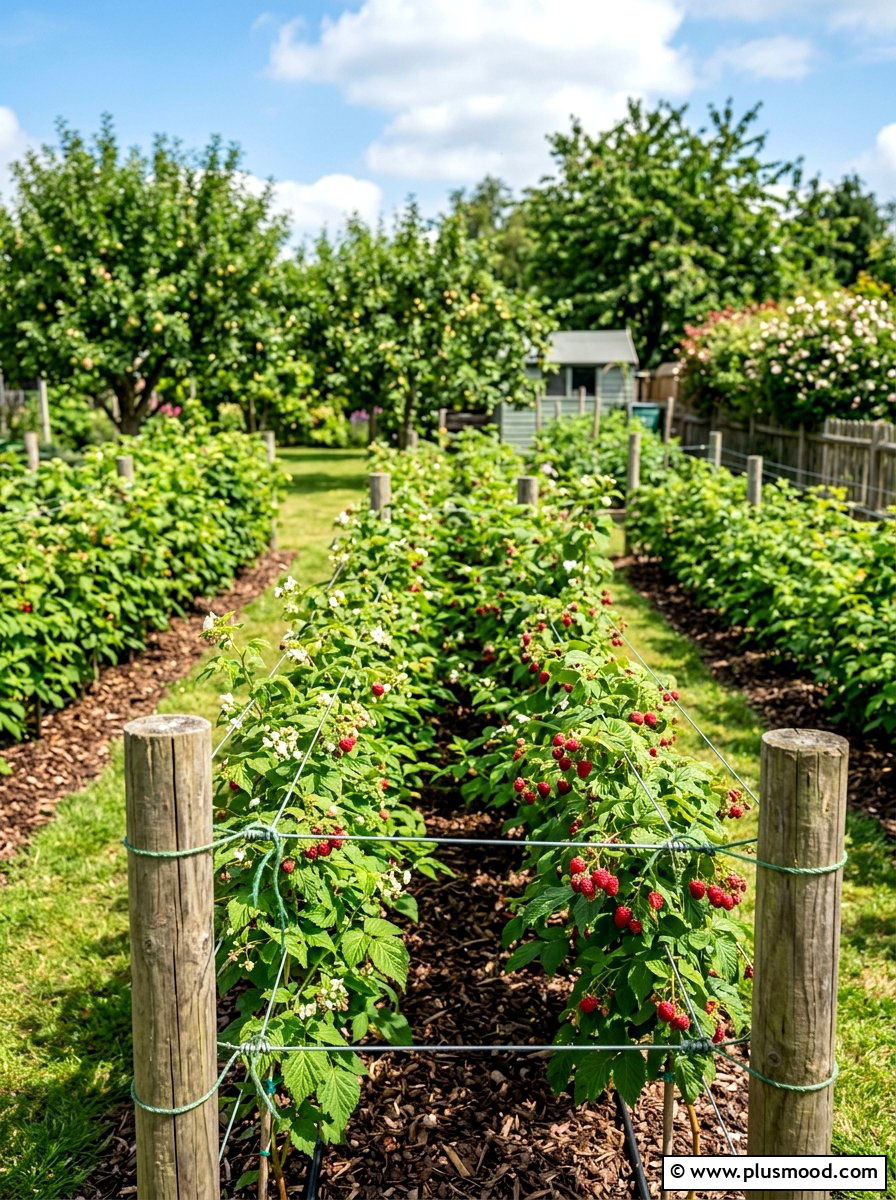
If you grow summer-fruiting berries like raspberries or blackberries, August is the time to prune the canes that have finished producing fruit. These older canes will not bear fruit again and should be cut down to ground level to make room for new growth. The fresh, green canes that grew this year will be the ones providing your harvest next summer, so be sure to leave them intact. Thinning out the old wood improves air circulation and allows more sunlight to reach the developing canes, which reduces the risk of disease. This simple maintenance task keeps your berry patch productive and manageable for years to come.
20. Creating Garden Shade Spots
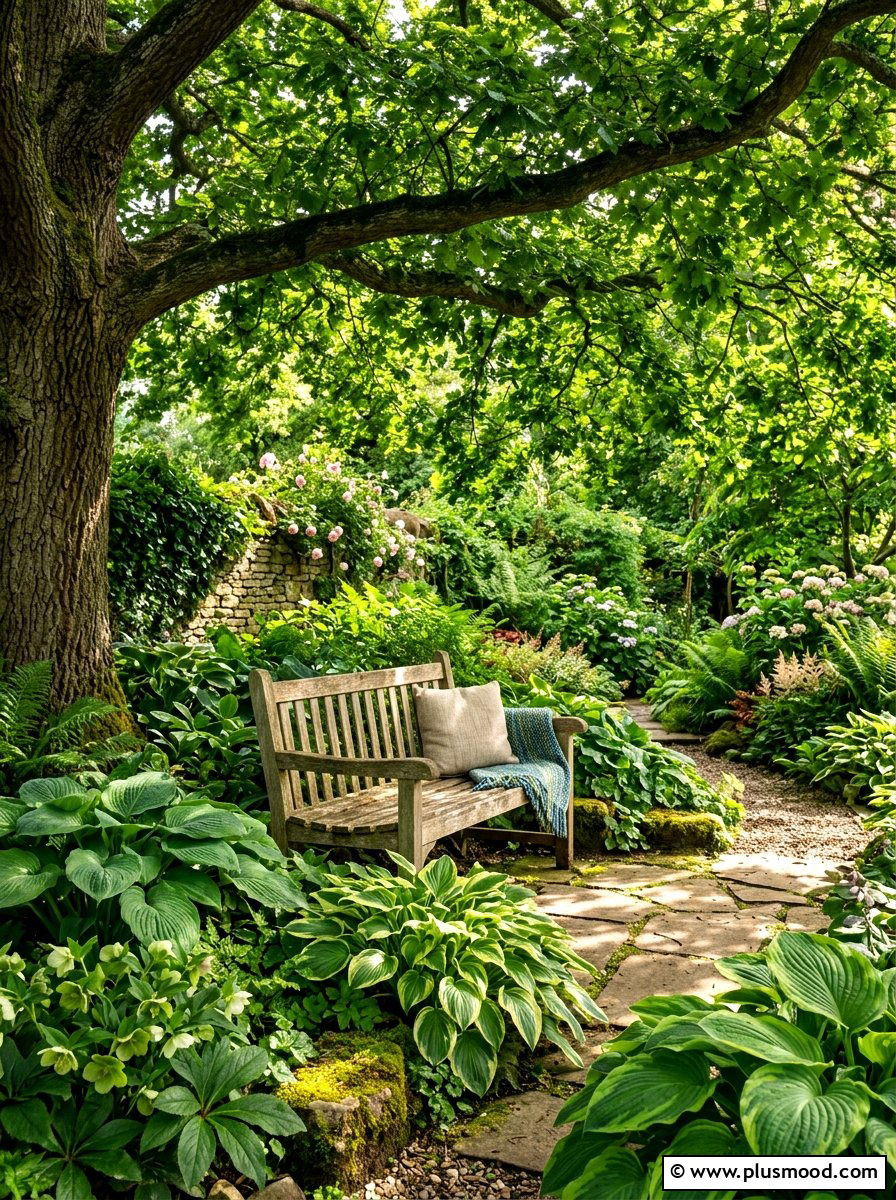
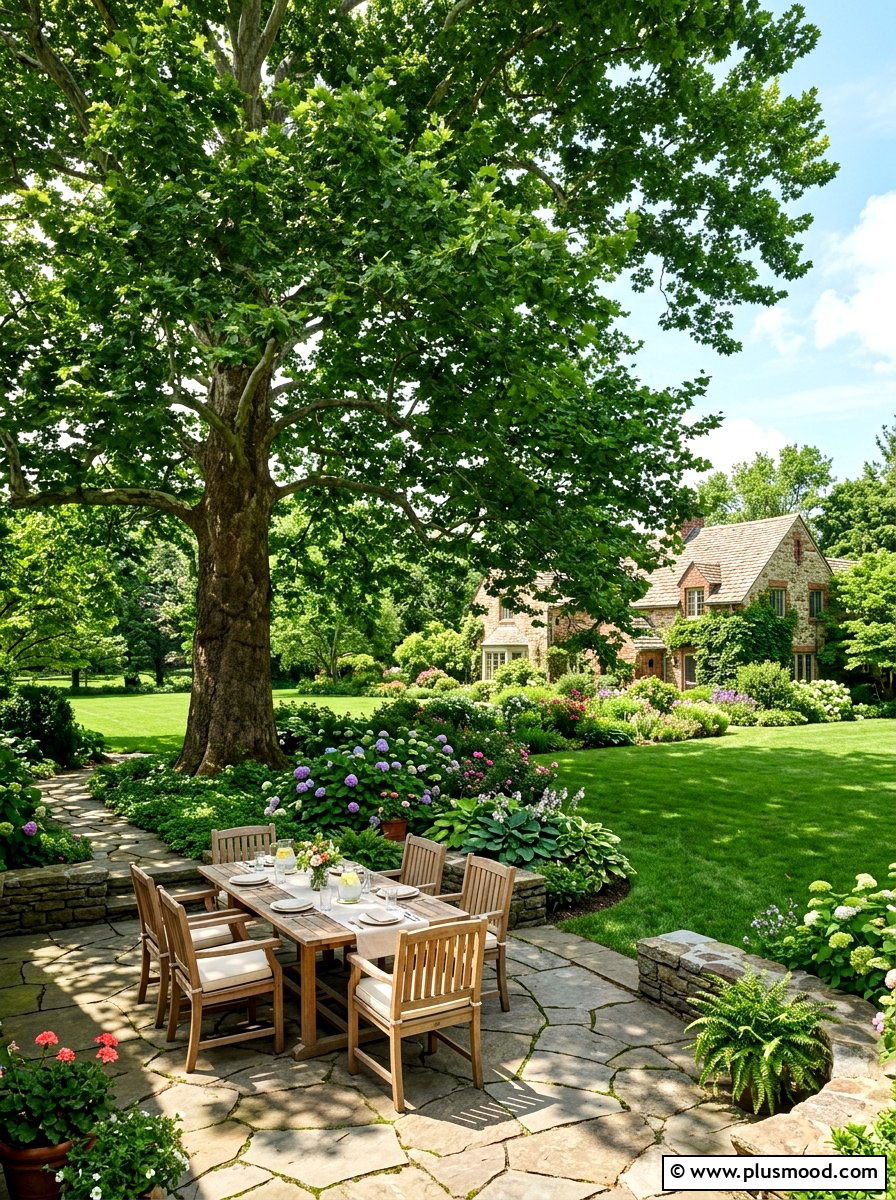
Finding a cool place to sit is essential when the August sun is at its strongest. You can create temporary or permanent shade solutions using pergolas, umbrellas, or even strategically placed tall plants. Large-leafed varieties like hostas or fatsia japonica can make a shaded corner feel tropical and inviting. Adding a comfortable bench or a set of chairs under a mature tree provides a perfect spot to enjoy your garden while staying protected from the heat. Enhancing these areas with soft outdoor rugs and cushions turns a simple corner into a lush retreat. A shaded garden space becomes a favorite destination for morning coffee or evening relaxation.

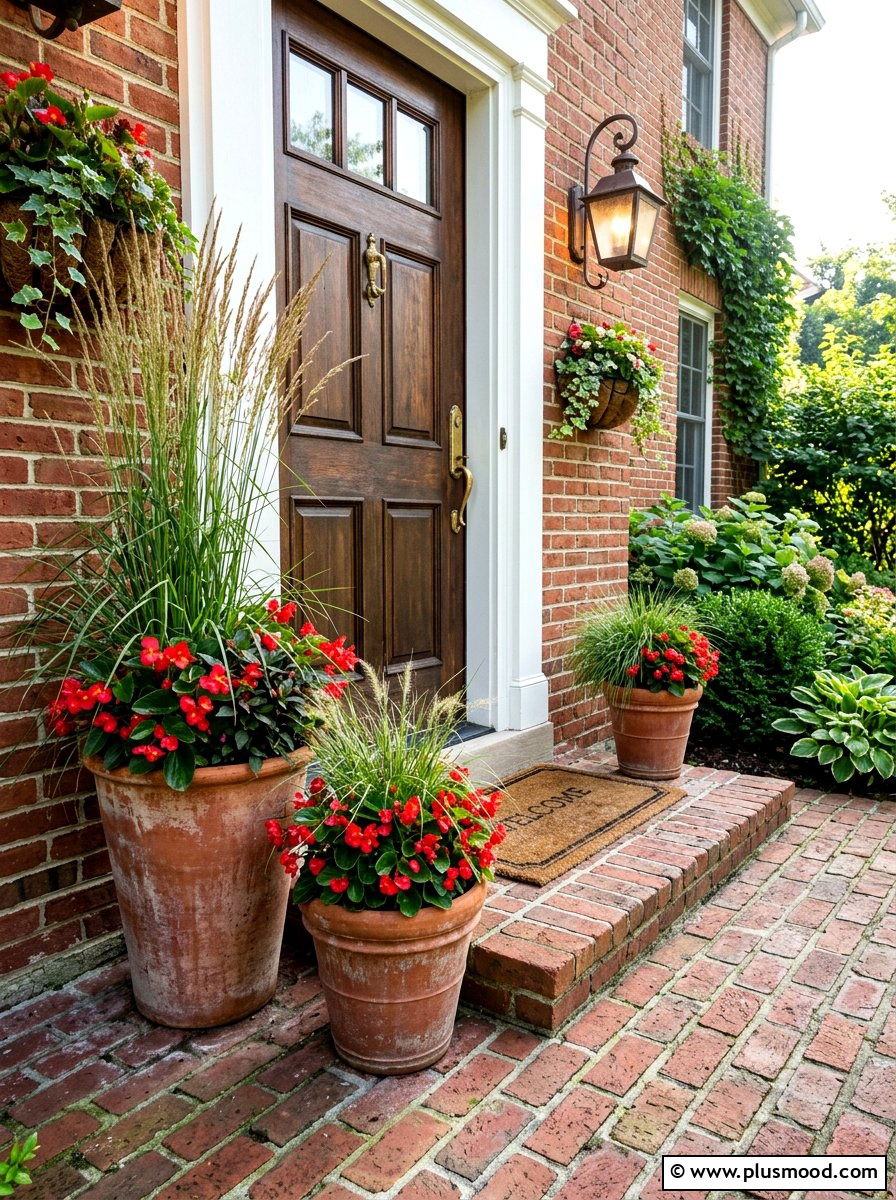
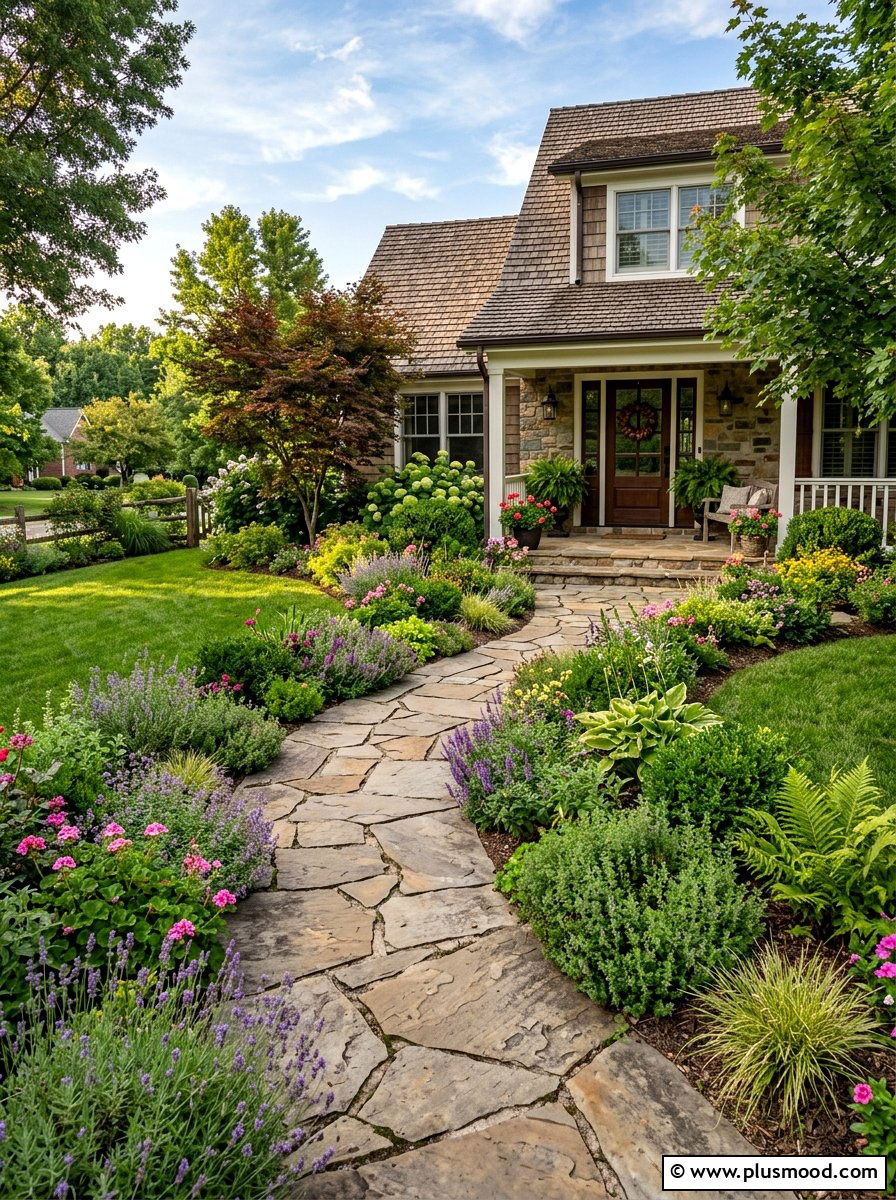
21. Hanging Outdoor String Lights
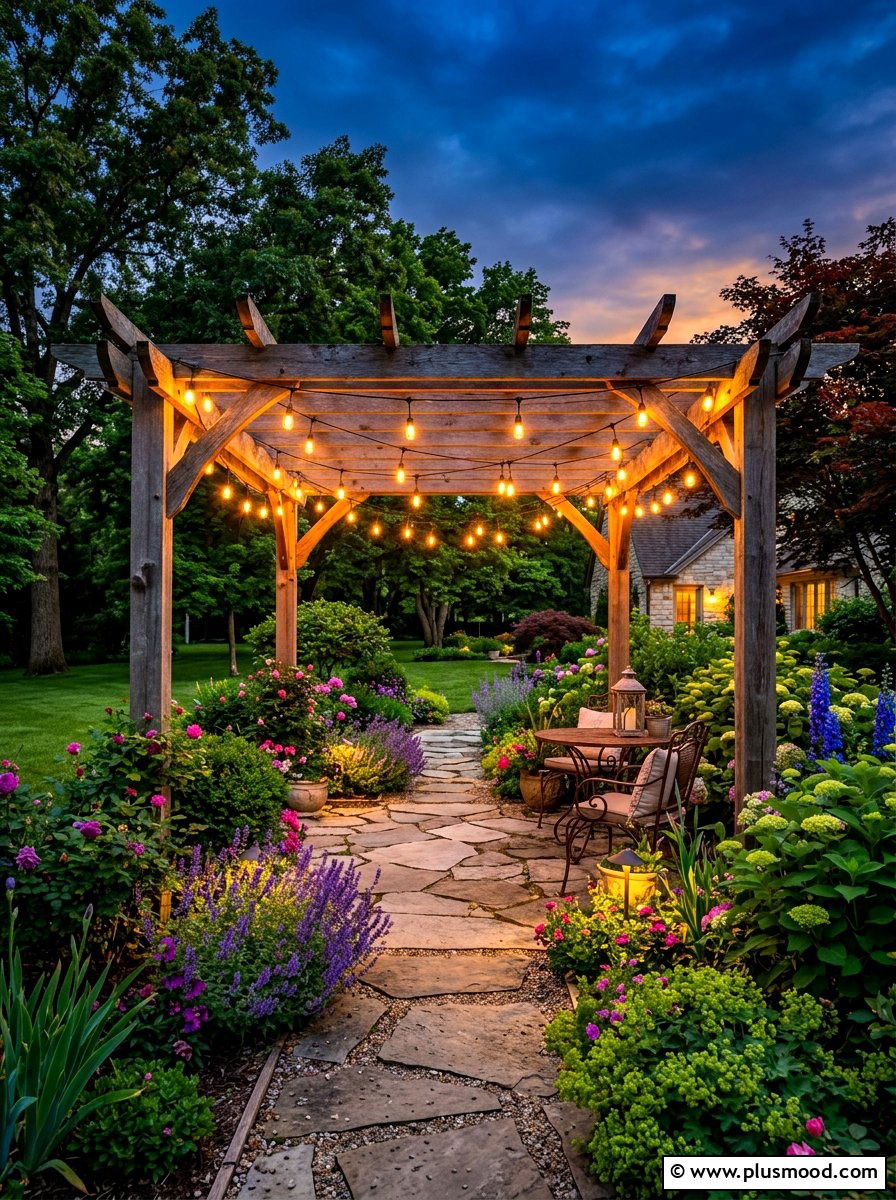
As the sun starts to set a bit earlier in late August, adding outdoor lighting can extend the time you spend in your garden. Solar-powered string lights are an easy and eco-friendly way to create a magical atmosphere along fences, pergolas, or tree branches. These lights provide a soft, warm glow that enhances the natural beauty of your plants without being overwhelming. Lighting up pathways and seating areas also adds a layer of safety for evening strolls through your backyard. Choosing high-quality, weather-resistant fixtures ensures your garden remains a functional and beautiful living space well into the night, perfect for late summer gatherings with family.
22. Arranging Patio Garden Furniture

Refreshing your outdoor furniture arrangement in August can make your patio feel like a brand-new space for late summer entertaining. Consider grouping seating around a focal point like a fire pit or a beautiful container garden to encourage conversation. Adding colorful outdoor pillows and throws in earthy tones can help transition the look from the bright vibes of summer to the cozy feel of autumn. Ensure that your furniture is positioned to take advantage of the afternoon shade or cooling breezes. A well-organized and comfortable outdoor living area invites you to spend more time outside, making the most of the beautiful August weather before the seasons change.
23. Cleaning Garden Bird Baths
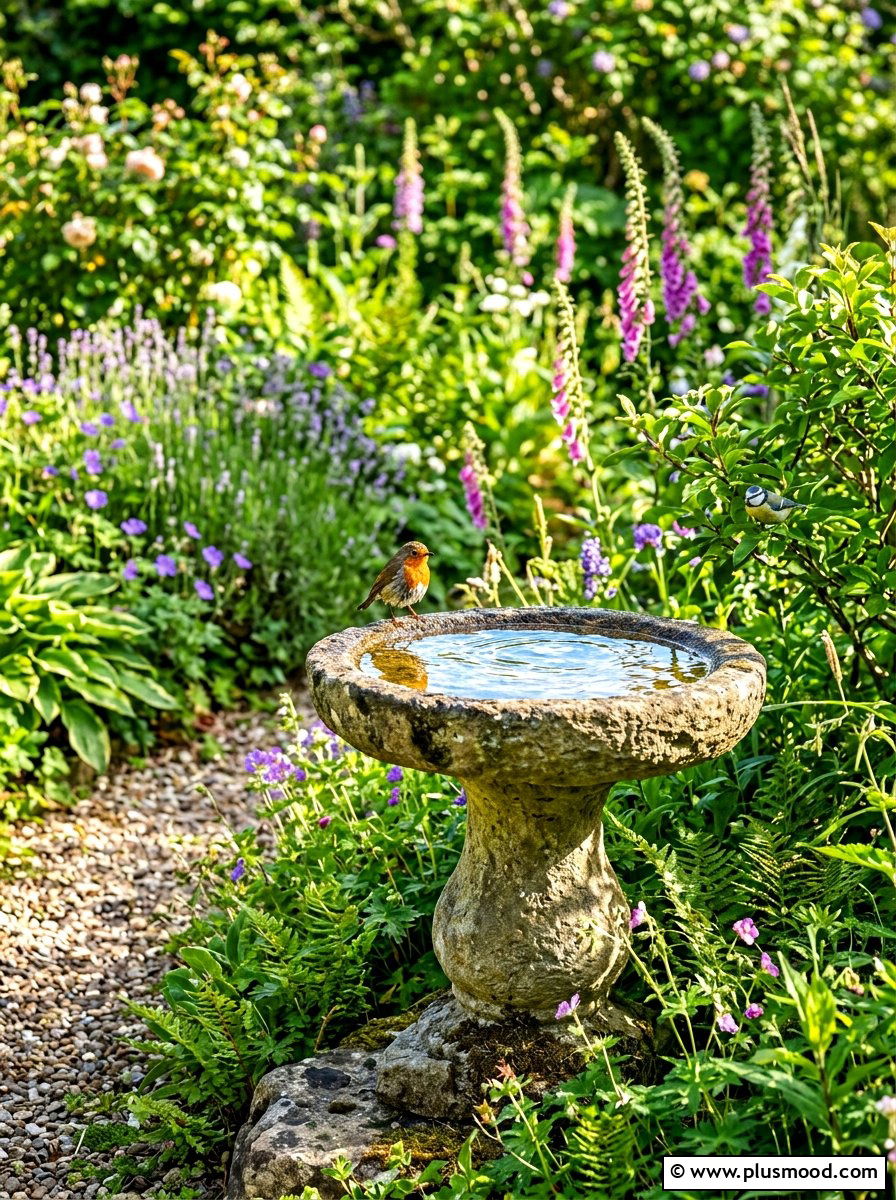
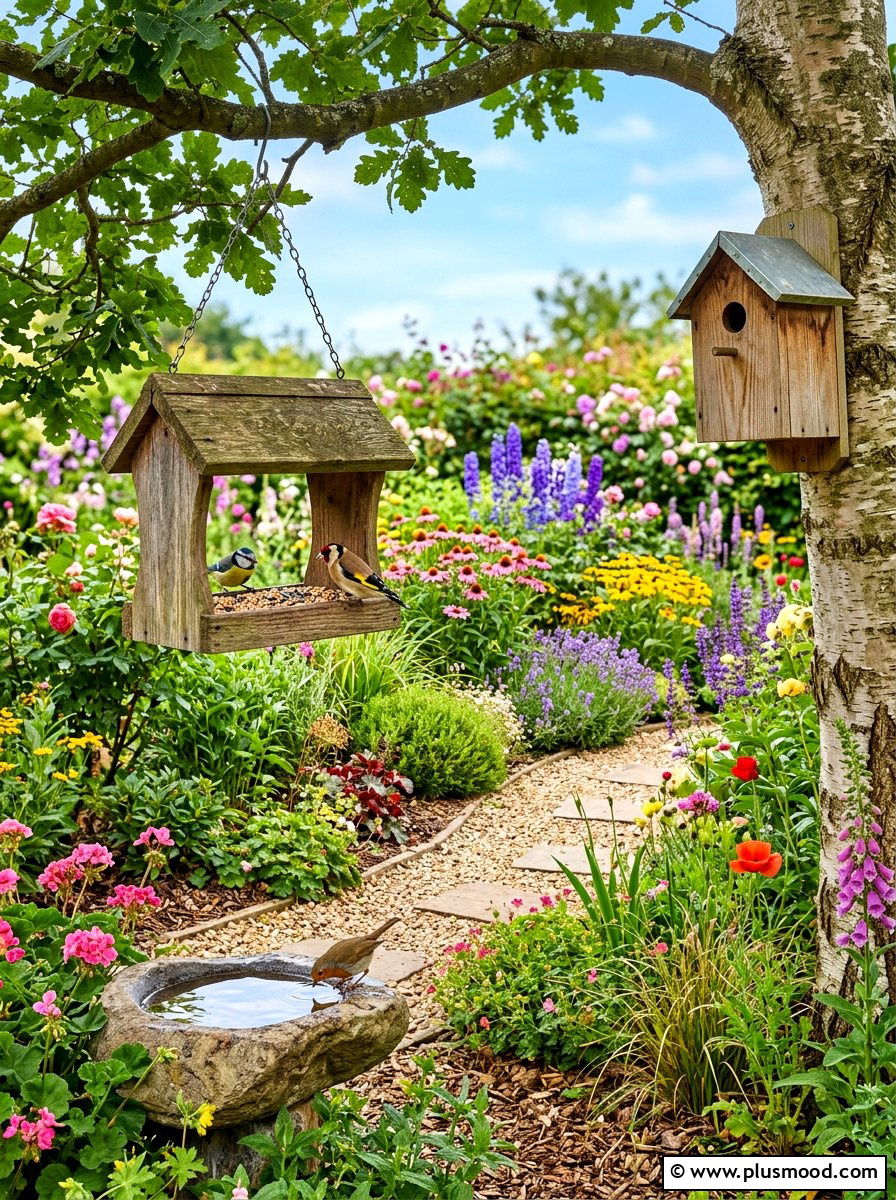
Providing clean water is one of the best ways to support birds and beneficial insects during the dry weeks of August. Bird baths can quickly become dirty or grow algae in the heat, so regular cleaning is necessary to keep them safe for wildlife. Scrub the basin with a stiff brush and fresh water at least once a week to prevent the buildup of bacteria. Keeping the water level consistent ensures that local birds have a reliable place to drink and bathe when natural water sources are scarce. A clean and active bird bath adds movement and delightful sounds to your garden, making it a more peaceful sanctuary.
24. Removing Tall Garden Weeds
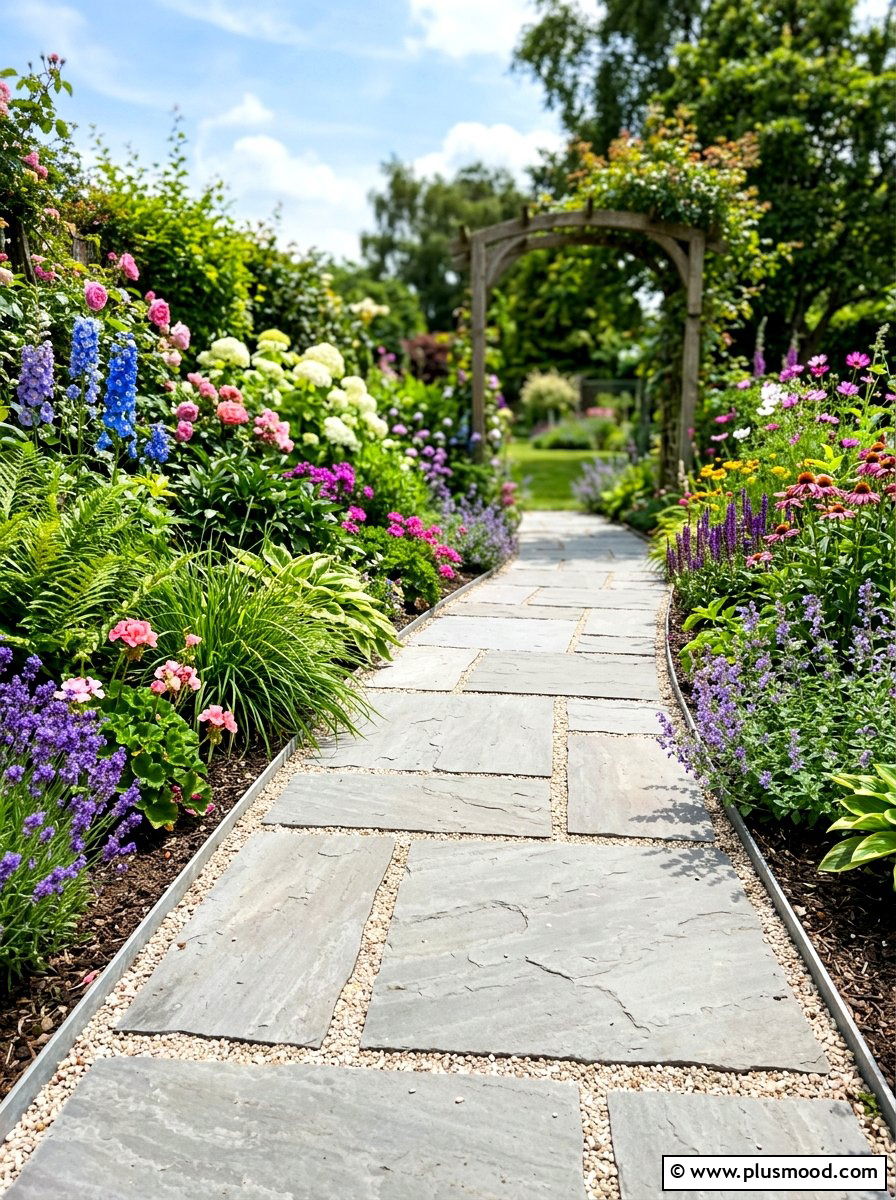
Weeds can grow at an incredible rate during the warm August days, often hiding among your desired plants. It is important to remove them before they have a chance to go to seed, which would create even more work for you next spring. Focus on pulling aggressive varieties like crabgrass or dandelions from the root to prevent them from growing back. Taking a few minutes each day to walk through your beds and pull a handful of weeds keeps the task manageable. Keeping your garden clear of weeds ensures that your flowers and vegetables do not have to compete for the limited moisture available in the soil.
25. Drying Cut Hydrangea Flowers
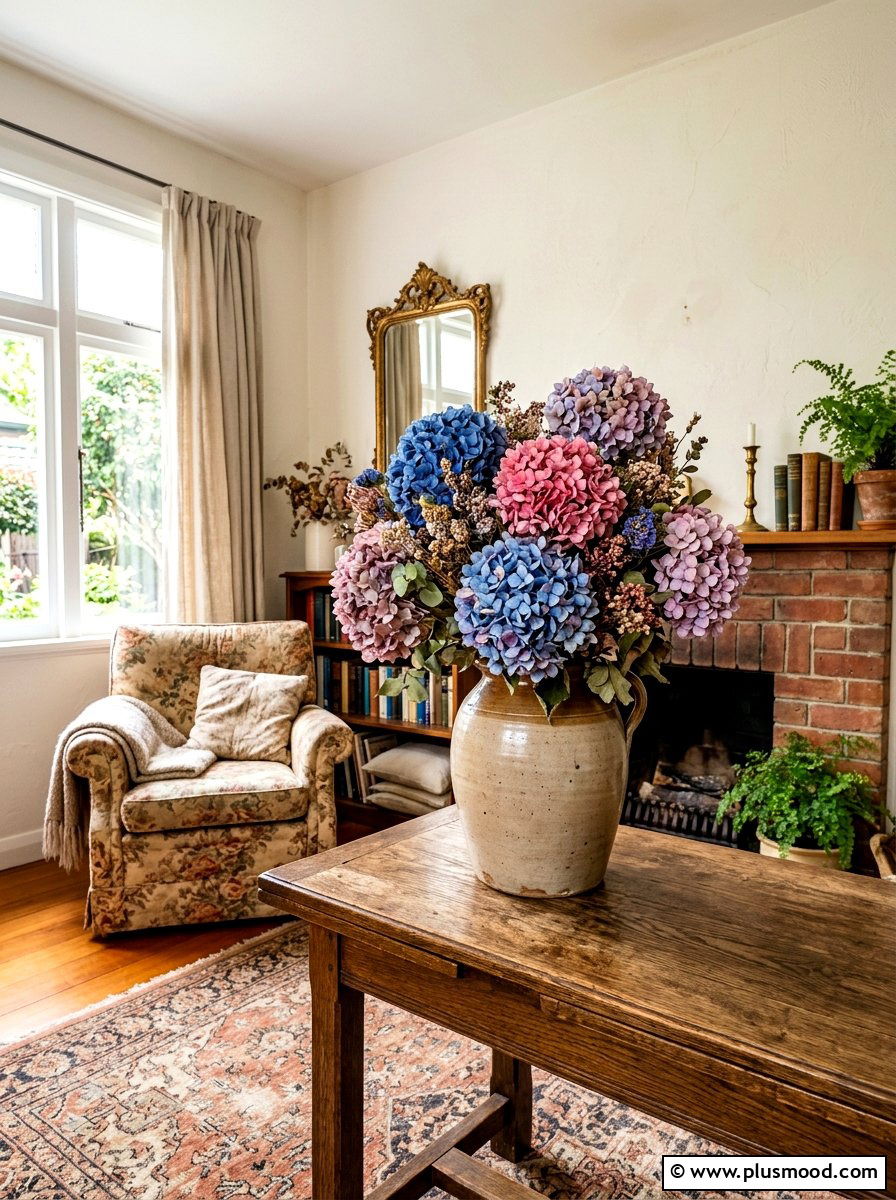
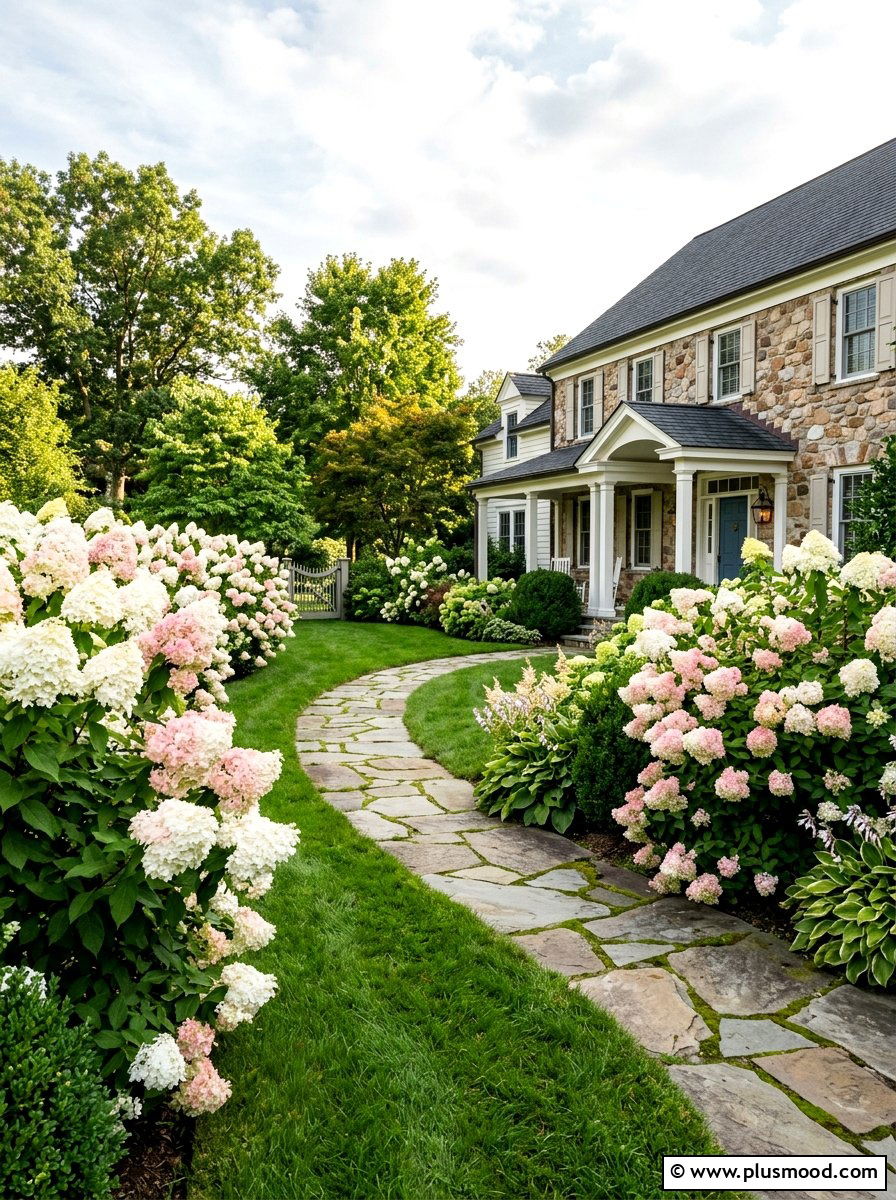
Hydrangeas are iconic late summer blooms, and August is the perfect time to harvest them for everlasting indoor arrangements. Wait until the flowers feel slightly papery on the bush before cutting them with a long stem. You can place the stems in a vase with just an inch of water and allow the water to evaporate naturally over time. This slow drying process helps the flowers retain their beautiful color and shape for months. Once fully dried, these blooms add a touch of vintage elegance to your home decor. Preserving your hydrangeas is a wonderful way to capture the essence of your August garden to enjoy all winter long.
Conclusion:
The month of August offers a unique opportunity for gardeners to celebrate the current season while preparing for the future. By focusing on essential tasks like deadheading, harvesting, and planting for fall, you ensure that your outdoor space remains productive and beautiful. Navigating the heat with strategic watering and mulching protects your hard work from the elements. As the light begins to change, these simple garden activities provide a sense of accomplishment and a deeper connection to nature. Whether you are a seasoned expert or a beginner, following these steps will help you create a viral-worthy garden that thrives throughout the late summer transition.
Related posts:


Leave a Reply