
Transitioning your outdoor space for the late summer months allows you to embrace a palette of rich textures and warm, sunset-inspired colors. While early spring blooms may have faded, this season offers a second wind for the landscape with resilient perennials and hardworking annuals that thrive in the August heat. Creating a successful late-season garden involves choosing plants that provide structural interest and consistent color until the first frost arrives. From the architectural beauty of ornamental grasses to the vibrant faces of coneflowers, these design concepts help you build a backyard sanctuary that feels lush and inviting. A well-planned flower bed ensures your home remains a scenic retreat through the year’s final warm days.
1. Purple coneflower garden
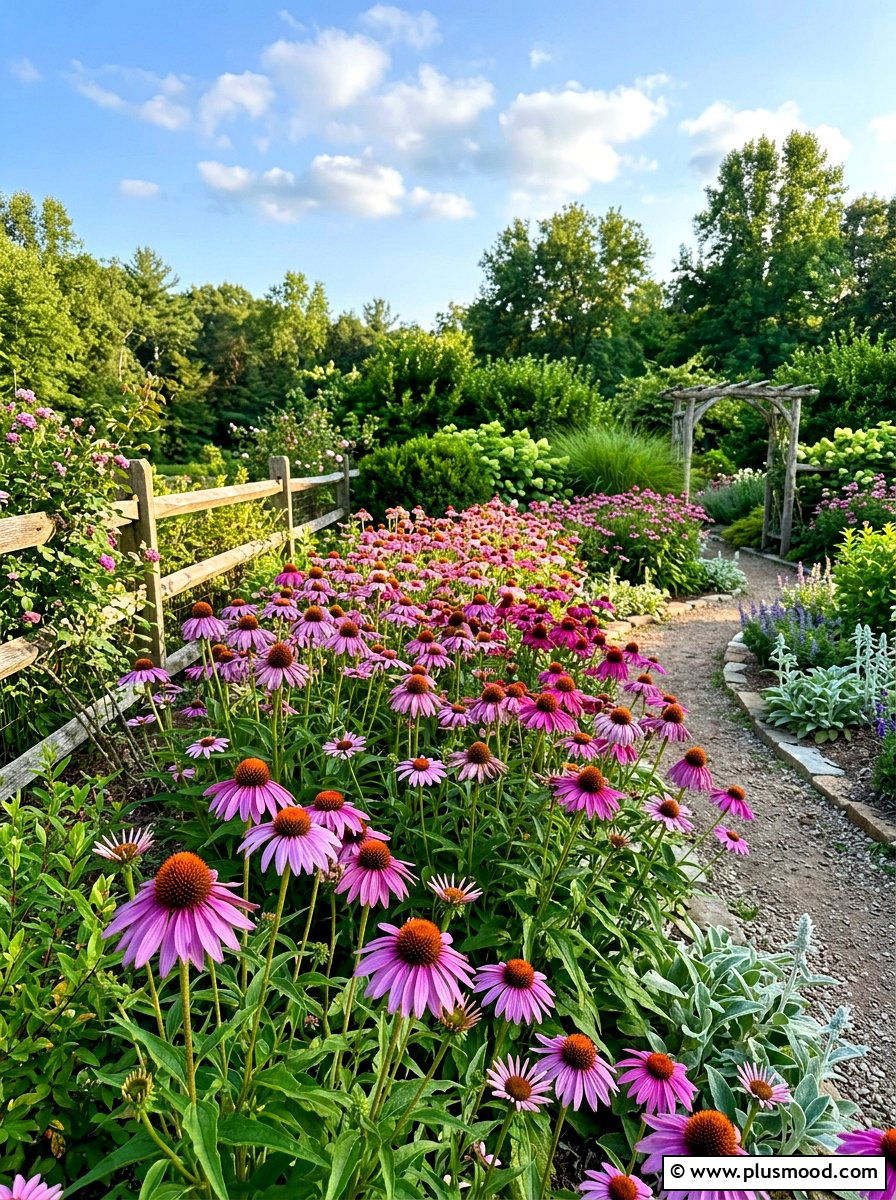
Purple coneflowers are a staple for any garden looking to maintain its beauty through the hottest months of the year. These hardy perennials are incredibly resilient and can handle the intense sun of late August with ease. Their iconic daisy-like shape and raised centers add a wonderful structural element to your flower beds. You can find them in various shades of pink, purple, white, and even vibrant oranges. They attract a wide variety of butterflies and bees, making your backyard a lively hub for nature. Planting them in large drifts creates a high-impact visual that looks professional and well-planned. They require very little maintenance once they are established in your soil.
2. Black eyed susan bed
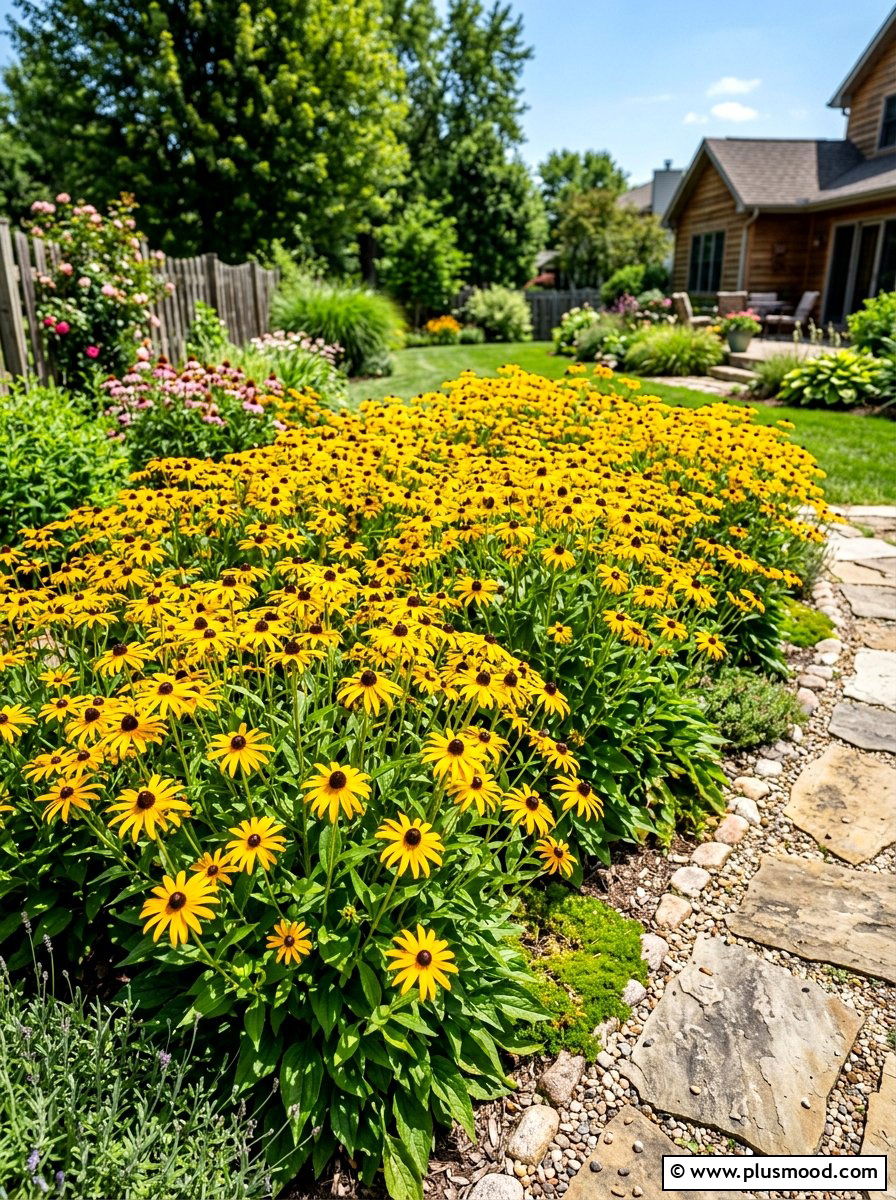
Black eyed Susans are famous for their cheerful yellow petals and dark, contrasting centers that pop against green foliage. These plants are the workhorses of the late summer garden, blooming profusely when other plants might begin to wither. They look spectacular when planted in dense clusters along a fence line or a front walkway. Because they are drought-tolerant, they are perfect for homeowners who want a high-impact look without constant watering. These flowers also make excellent additions to indoor bouquets, allowing you to bring a bit of the sun inside. Their sturdy stems and long-lasting blooms ensure your garden stays bright and colorful for several weeks.
3. Ornamental grass border
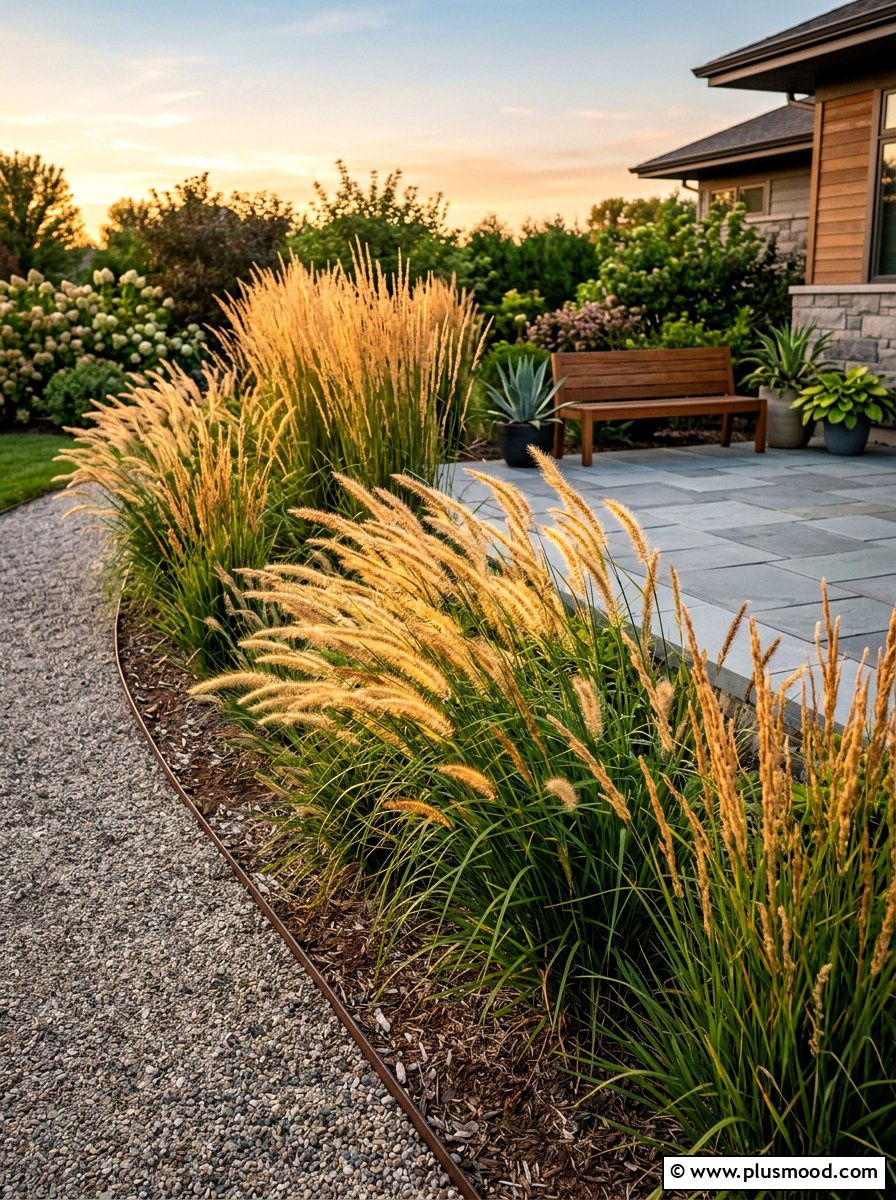
Ornamental grasses provide the essential movement and texture that every late summer landscape needs to feel complete. As the wind blows, these grasses sway gracefully, adding a sense of life and sound to your outdoor living space. Many varieties produce beautiful seed heads in late summer that catch the golden afternoon light perfectly. You can use taller species like switchgrass or fountain grass as a backdrop for shorter flowering perennials. These plants are very low-maintenance and provide interest well into the winter months when they turn a tawny bronze color. They anchor the entire garden design and provide a sophisticated, modern aesthetic that is very popular.
4. Autumn joy sedum patch
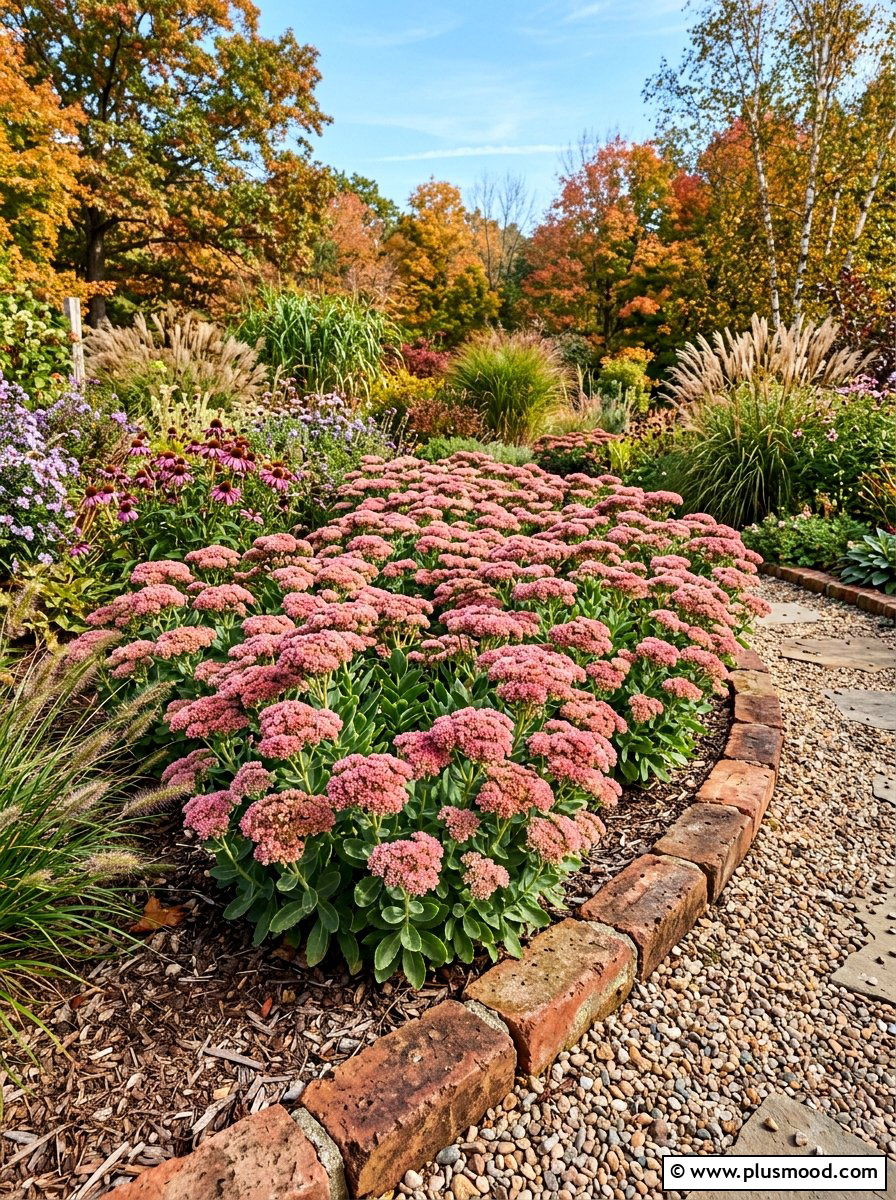
Autumn joy sedum is a classic choice for gardeners who want a plant that changes beautifully with the passing seasons. In late summer, the broccoli-like flower heads transition from a soft green to a lovely dusty pink color. These succulent-like plants are extremely tough and can survive in poor soil with very little water. They provide a sturdy, mounding shape that helps to ground the more airy elements of your flower bed. Bees and butterflies are naturally drawn to the flat flower clusters, making them a top choice for pollinator-friendly designs. They look best when planted in groups of three or five for a full look.
5. Late summer cottage garden
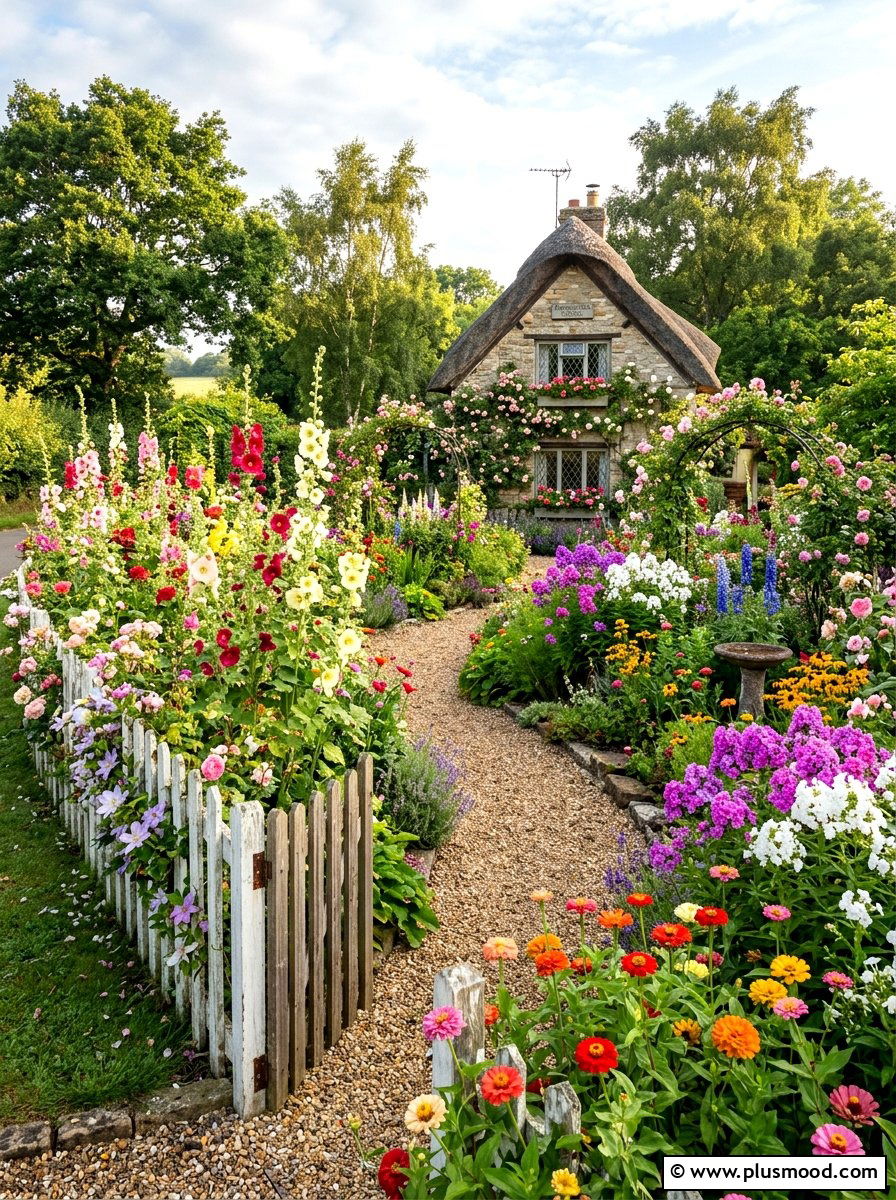
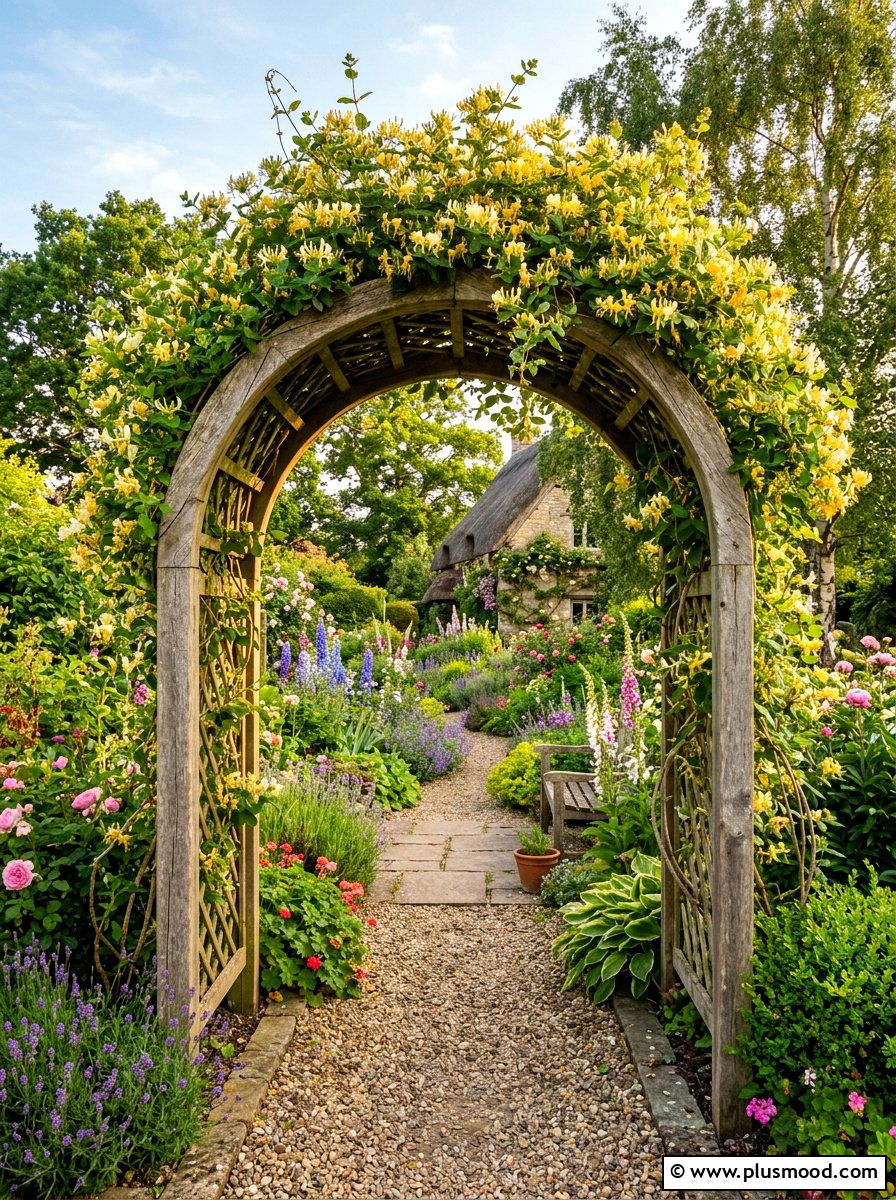
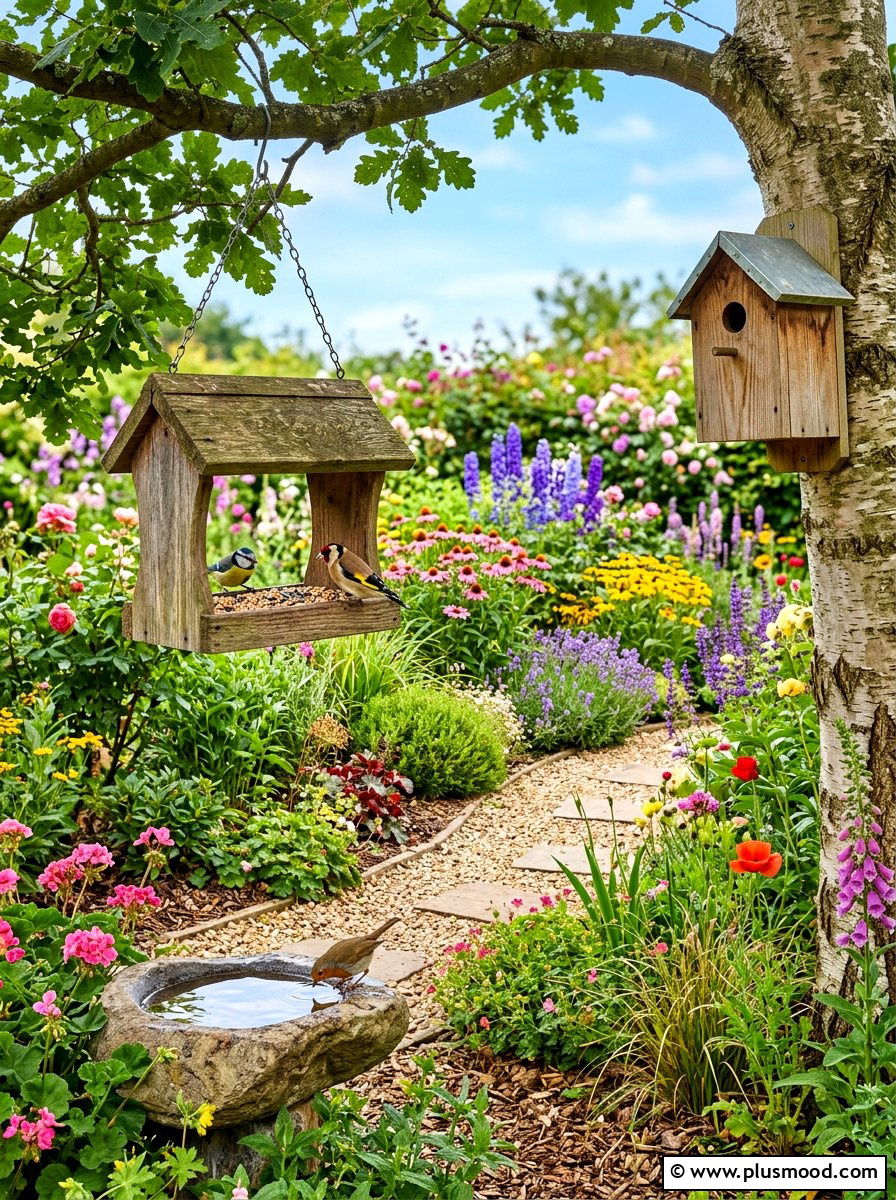
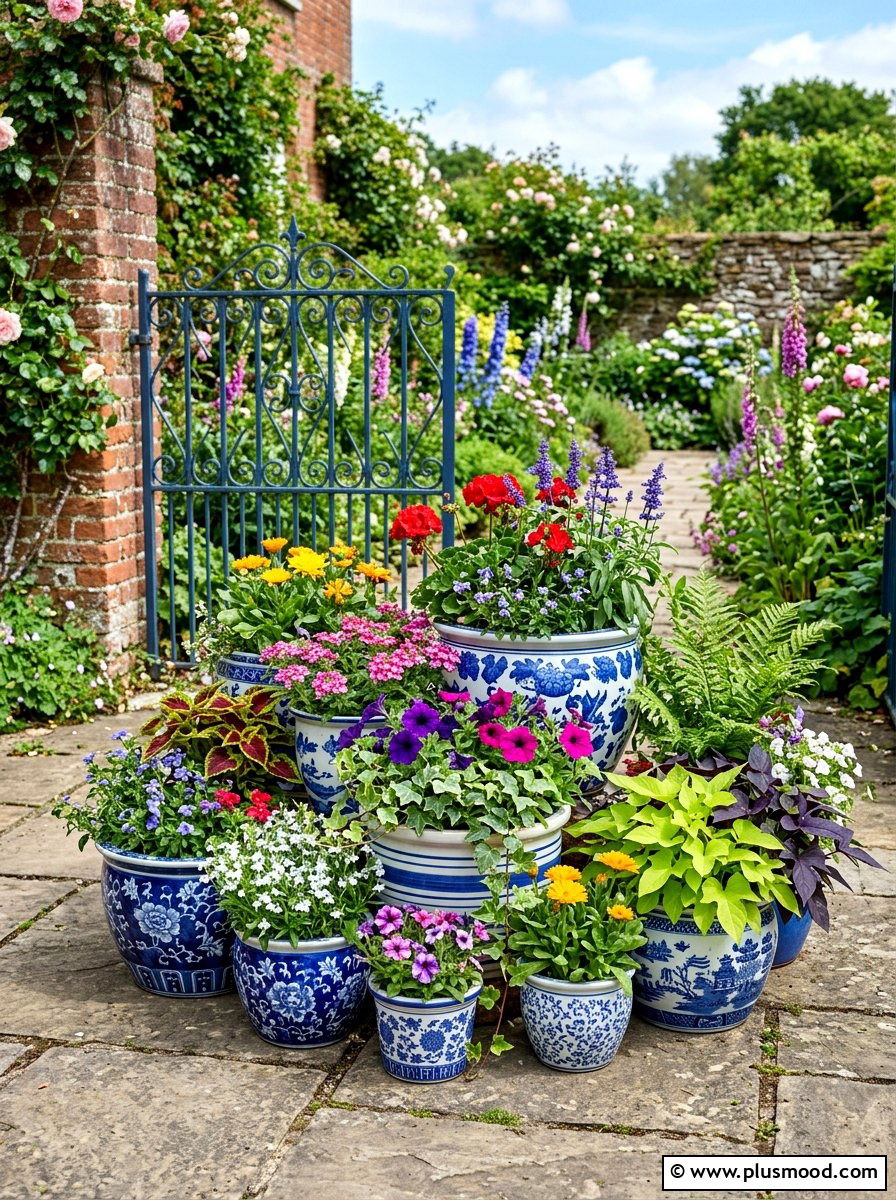
Creating a late summer cottage garden involves mixing a variety of heights, colors, and textures for a charmingly informal appearance. This style relies on a dense planting of traditional favorites like phlox, hollyhocks, and sprawling zinnias to fill every inch of space. The goal is to create a lush, overflowing look that feels romantic and natural rather than strictly manicured. You can include winding paths made of gravel or stone to allow for easy access to the blooms. Adding a rustic wooden bench or a birdbath can enhance the whimsical atmosphere. This type of garden is perfect for those who love a cozy and lived-in backyard vibe.
6. Pollinator garden flower bed
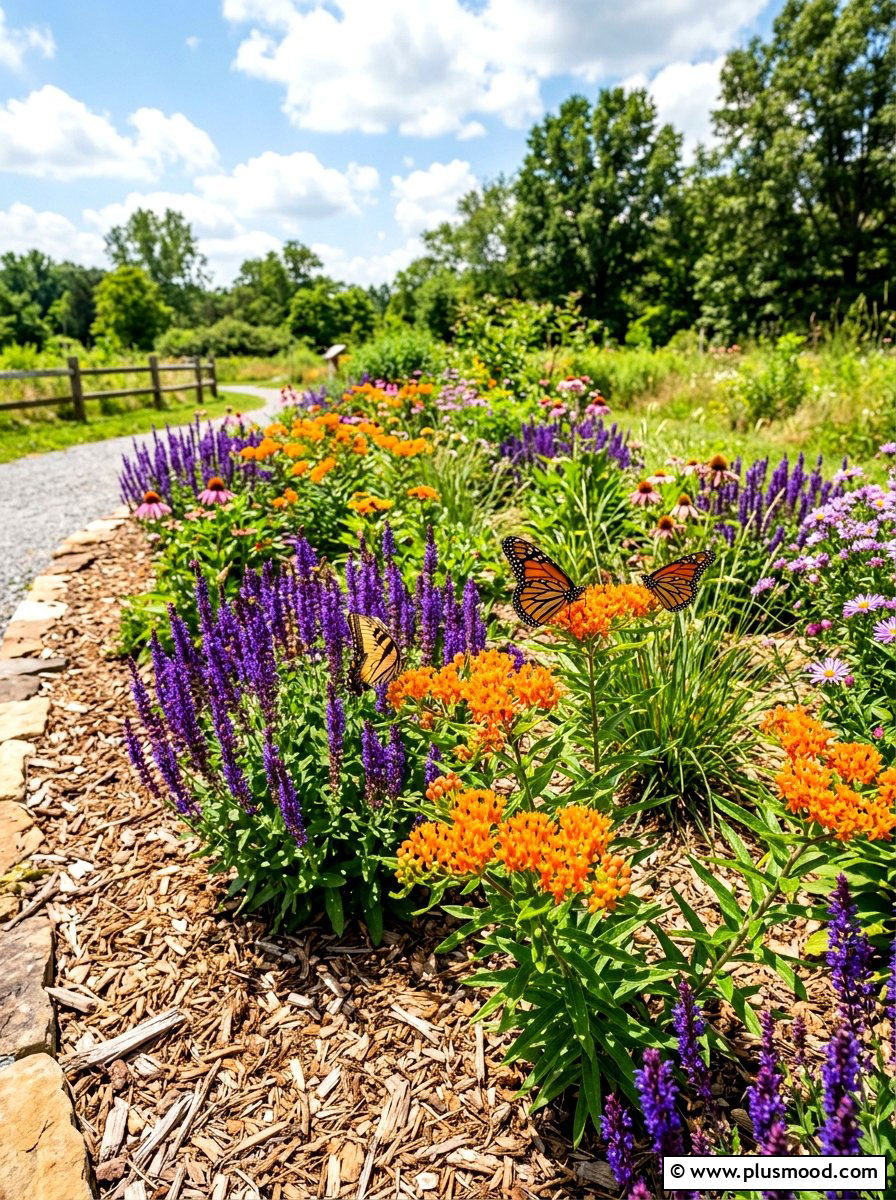
A pollinator garden flower bed is specifically designed to provide food and habitat for local bees, butterflies, and hummingbirds. By selecting a variety of nectar-rich plants like agastache, milkweed, and salvia, you can create a thriving ecosystem in your own yard. Late summer is a critical time for these creatures as they prepare for migration or winter dormancy. Using a mix of flower shapes ensures that different types of pollinators can access the food they need. This design not only looks beautiful with its diverse colors but also serves an important environmental purpose. It is a rewarding way to connect with the nature right outside your door.
7. Japanese anemone landscape
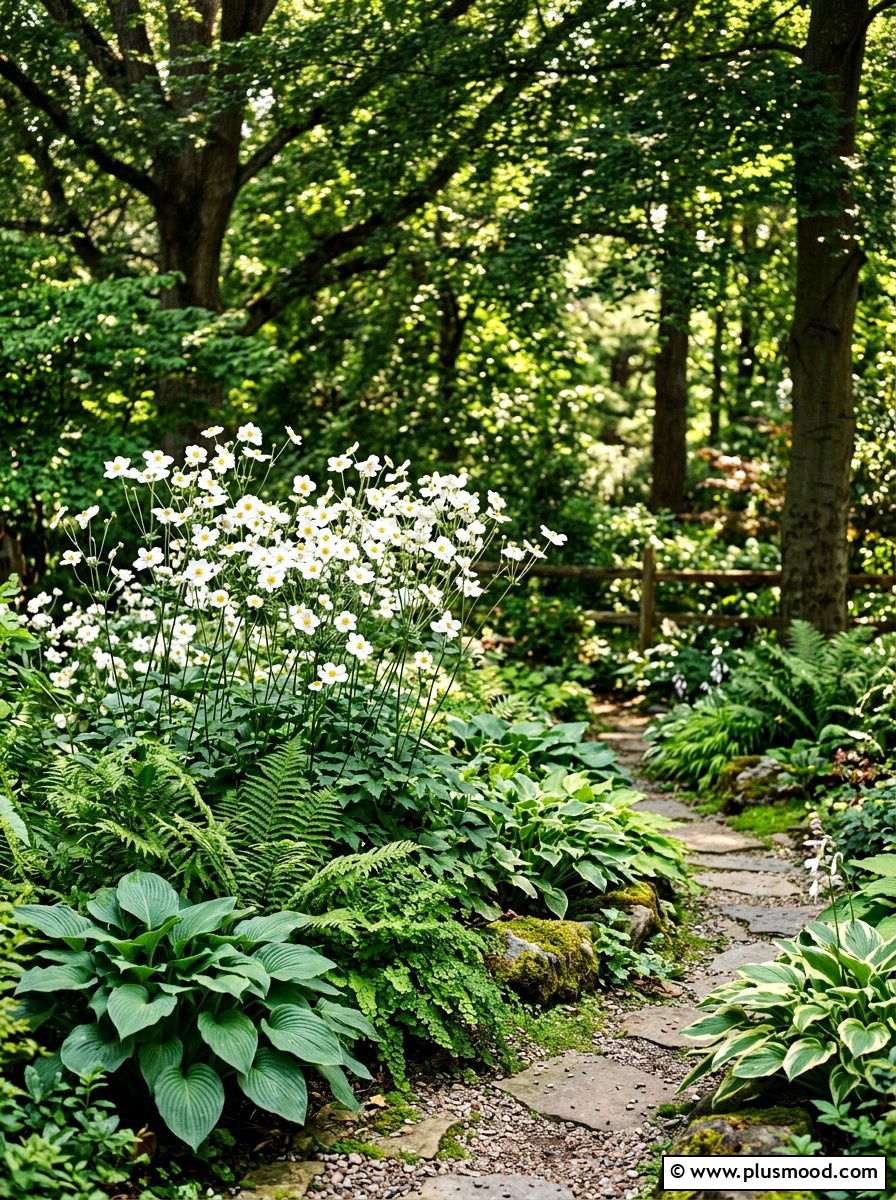
Japanese anemones bring a touch of elegance and height to the shady corners of your late summer garden. These tall, slender plants produce delicate white or pink flowers that seem to float above the dark green foliage. They are perfect for adding interest to areas that don't receive full sun all day long. Because they bloom later than many other perennials, they provide a fresh burst of energy just as summer is ending. They spread gently over time, creating a beautiful and consistent ground cover that looks very high-end. Pairing them with hostas or ferns creates a sophisticated and tranquil woodland retreat for your home.
8. Native wildflower meadow
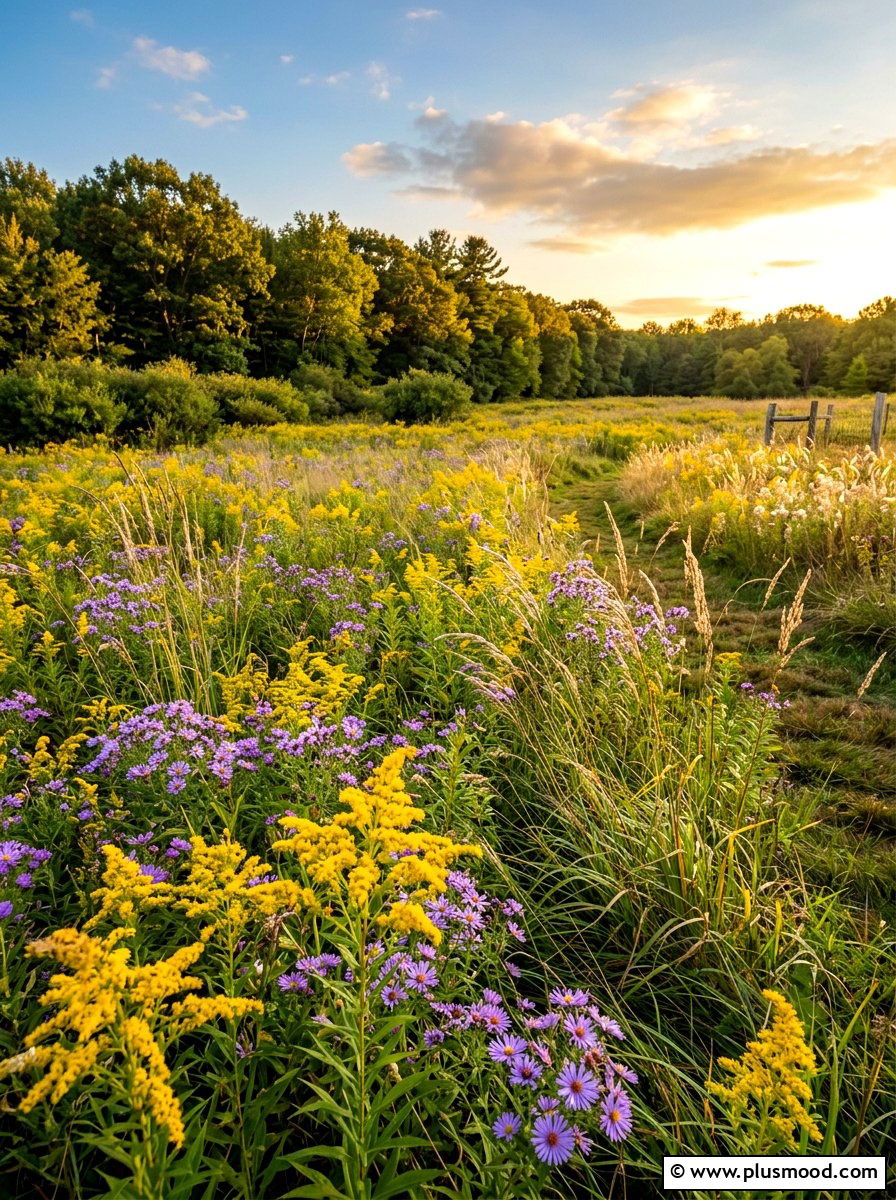
A native wildflower meadow is a fantastic low-maintenance option that celebrates the local flora of your specific region. These beds are often filled with a mix of indigenous grasses and flowers like goldenrod and wild asters. Because these plants are adapted to your local climate, they require much less water and fertilizer than exotic species. This style of gardening supports local wildlife and creates a natural, prairie-like aesthetic that is both relaxing and beautiful. It works particularly well on larger properties or along the edges of a backyard where you want a softer transition to the surrounding environment. It truly captures the spirit of the season.
9. Late summer cutting garden
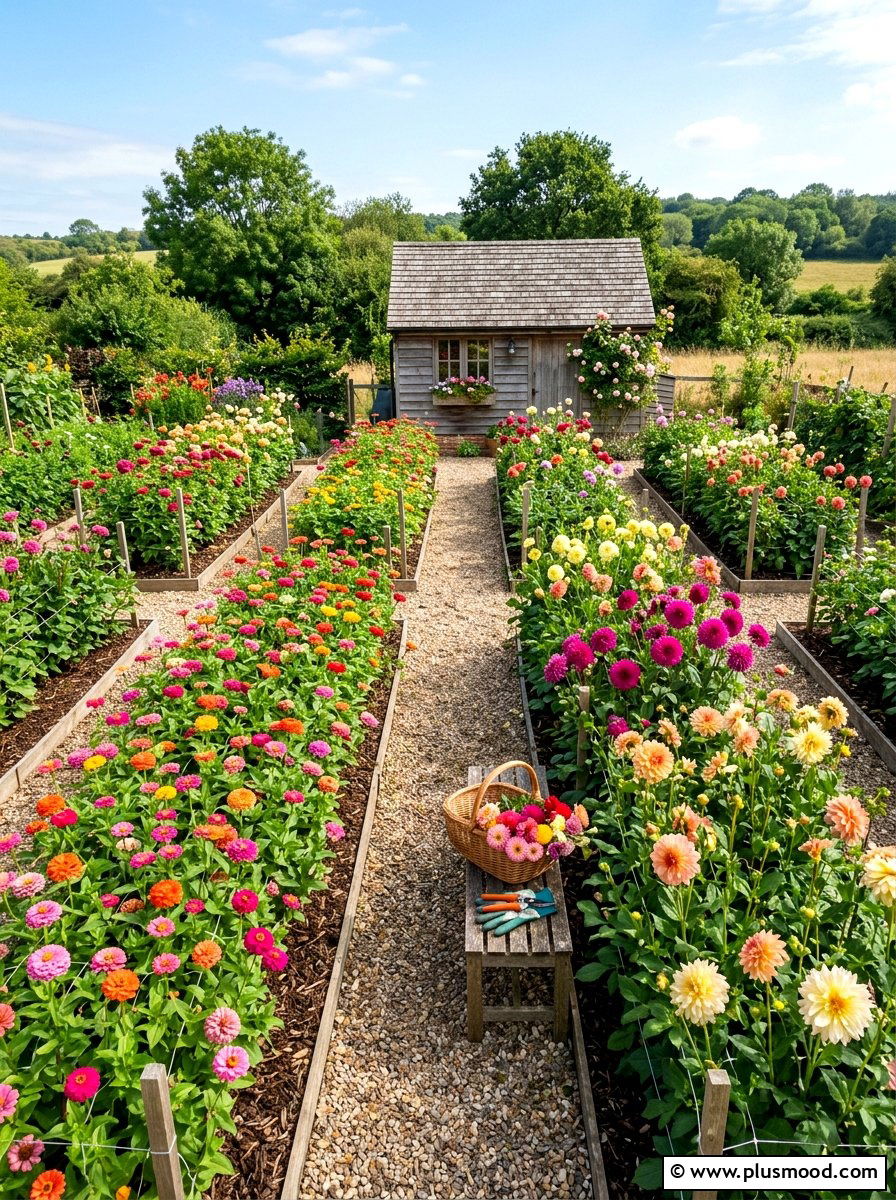
If you love having fresh flowers in your home, a late summer cutting garden is an absolute must-have feature. This dedicated space focuses on high-yield plants like dahlias, zinnias, and cosmos that produce more blooms the more you harvest them. You should organize these beds in rows or manageable patches to make cutting and maintenance much easier for you. Choosing a variety of colors and textures ensures that you can create professional-looking arrangements for your dining table or gift to friends. This functional garden design provides endless joy throughout the season and encourages you to spend more time outdoors tending to your beautiful plants.
10. Russian sage border
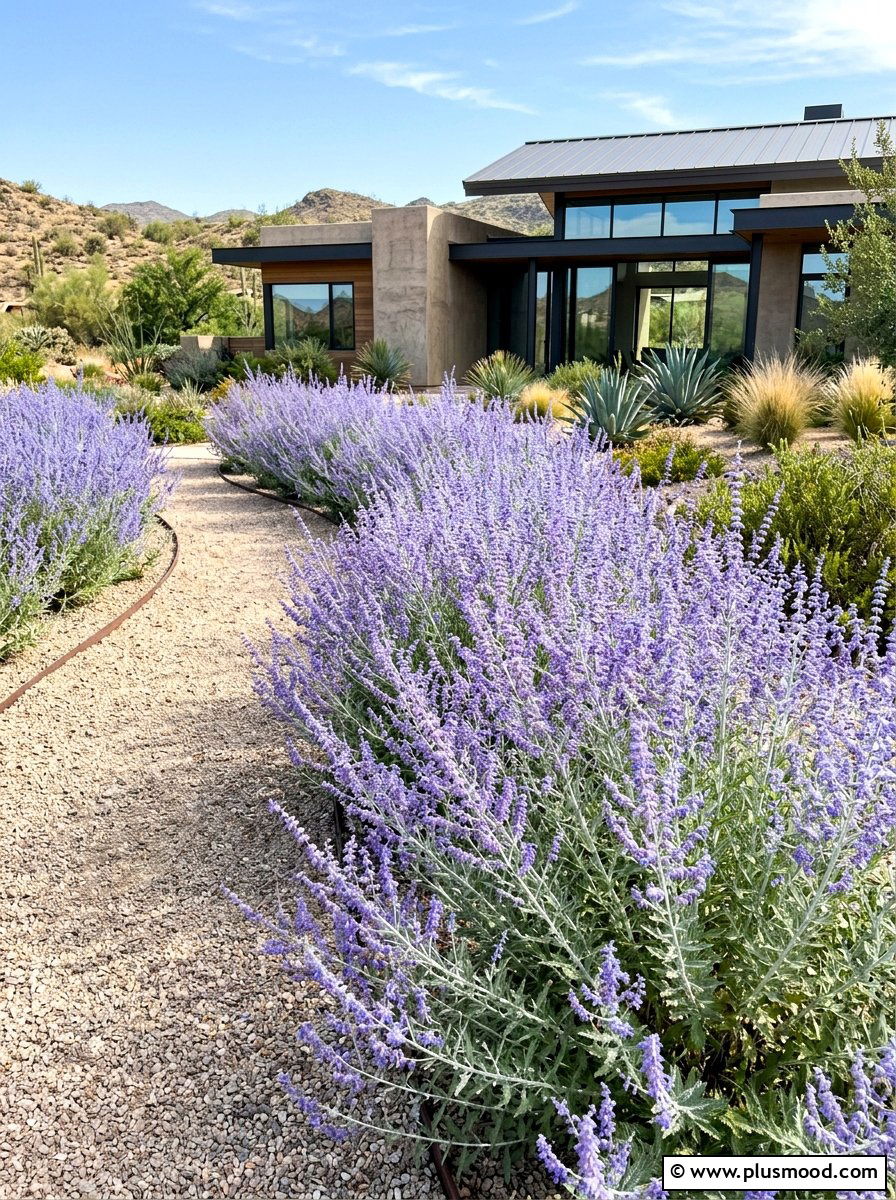
Russian sage is prized for its airy, lavender-blue spires and silvery-green foliage that adds a cool tone to the garden. This plant is incredibly tough and thrives in hot, dry conditions where other flowers might struggle to survive. It creates a soft, misty look when planted in large groups, which contrasts beautifully with the bold yellows of sunflowers. The fragrance of the leaves is also a pleasant bonus when you are walking near the flower bed. It acts as a wonderful filler plant that bridges the gap between different sections of your landscape. Its height makes it a perfect choice for the back of a sunny border.
11. Hardy hibiscus garden
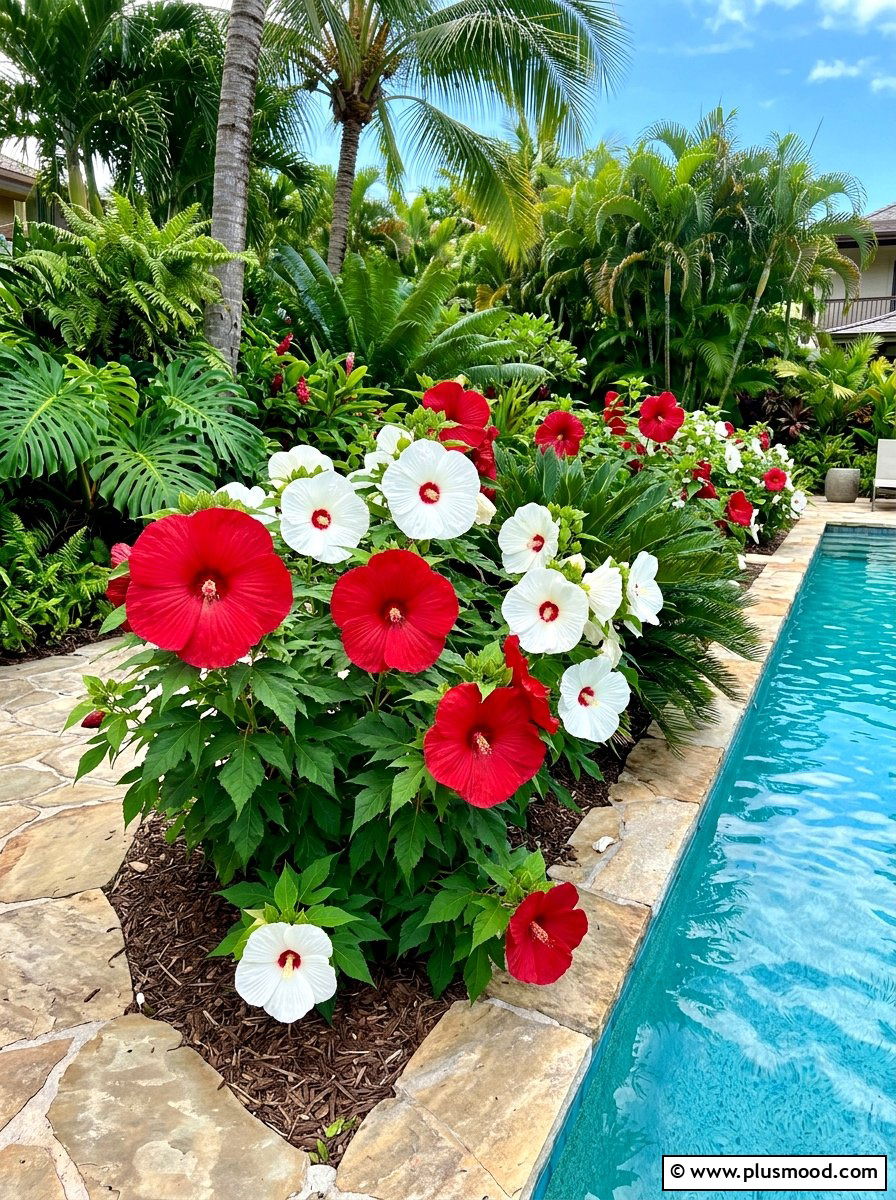
For a dramatic and tropical look that can withstand cold winters, the hardy hibiscus is an outstanding choice for your garden. These plants produce massive, plate-sized blooms in shades of brilliant red, deep pink, and pure white during late summer. They love the heat and will often become the main focal point of any bed they are planted in. The large, dark green leaves provide a lush backdrop that makes the vibrant flowers stand out even more. They prefer moist soil, so they are perfect for spots in your yard that tend to stay a bit damp. They bring a bold, exotic feel to any traditional landscape design.
12. Dahlia flower bed
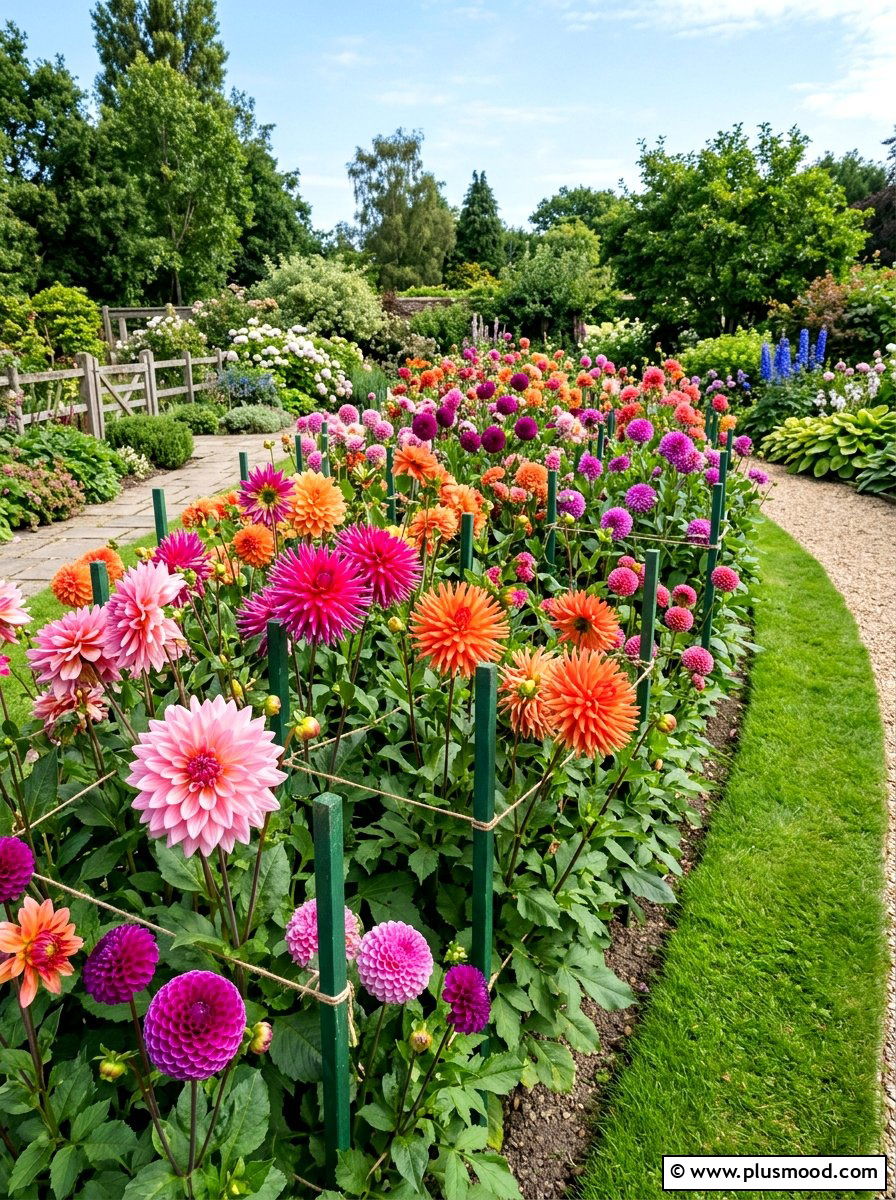
Dahlias are the undisputed stars of the late summer garden, offering an incredible variety of shapes, sizes, and vivid colors. From tiny pompons to massive dinner-plate varieties, there is a dahlia to suit every style and personal preference. They begin their peak performance in August and continue to produce stunning blooms until the first frost hits. These flowers require a bit more attention, such as staking and regular deadheading, but the visual payoff is absolutely worth the effort. They look best when planted in dedicated beds where their diverse forms can be fully appreciated. Their complex petals and saturated hues make them a favorite for photographers.
13. Panicle hydrangea landscape
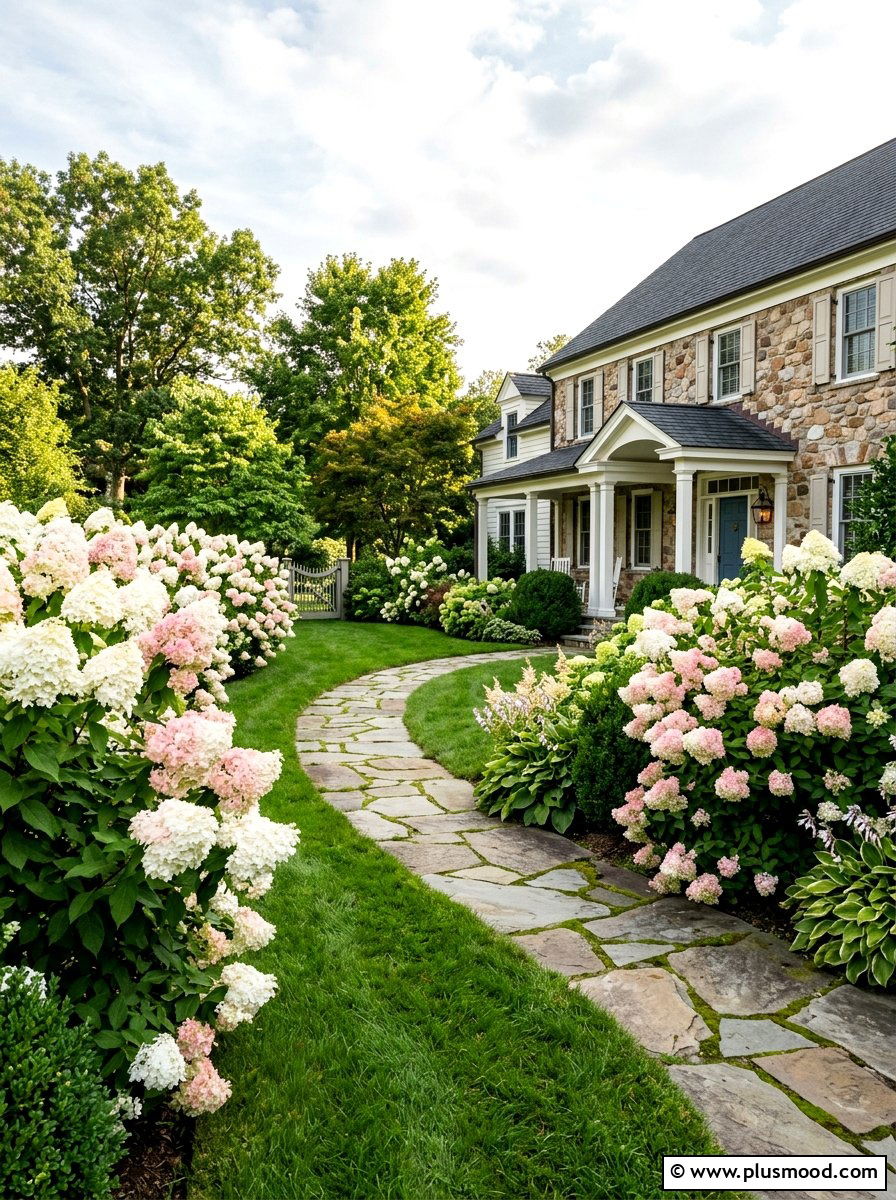
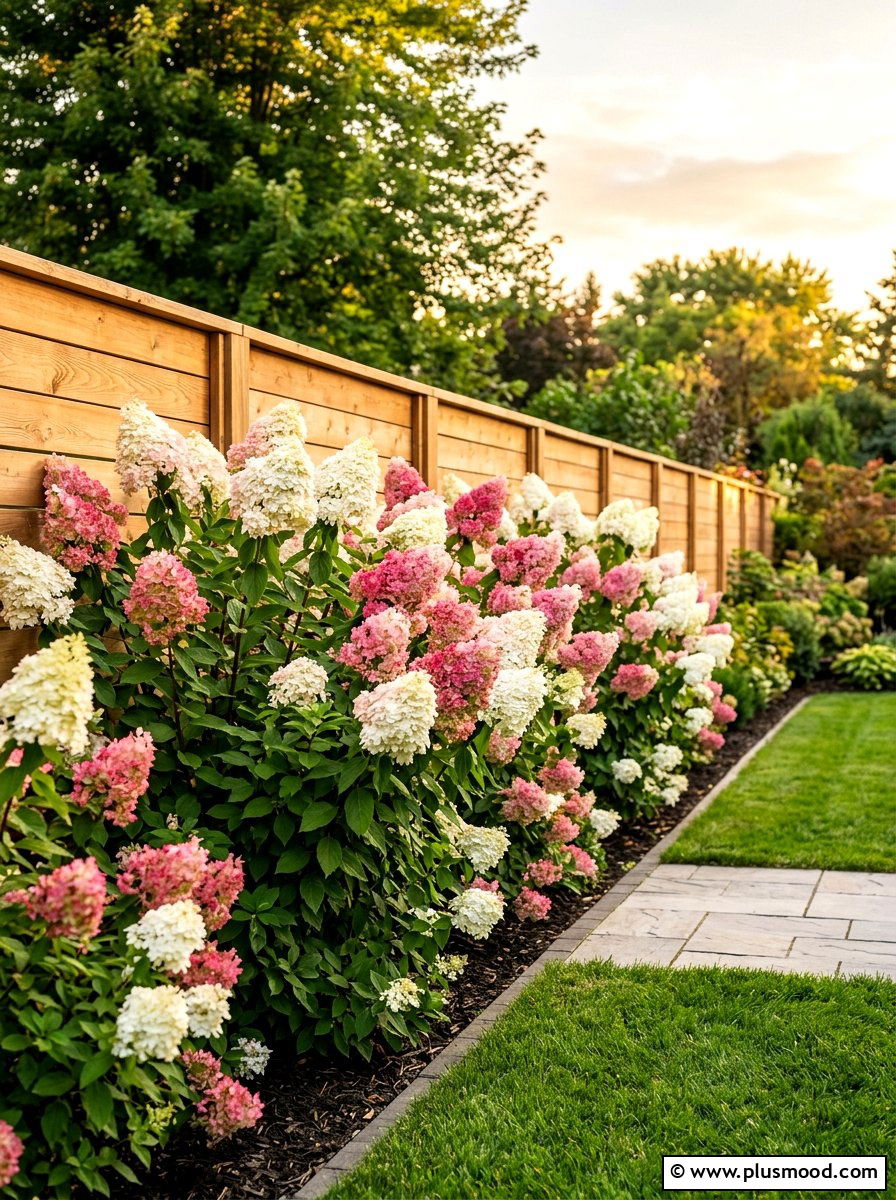
Panicle hydrangeas are known for their large, cone-shaped flower clusters that start out creamy white and fade to pink. Unlike other hydrangea types, these varieties thrive in full sun and are very easy to grow in many climates. They provide a massive amount of floral interest and can be grown as large shrubs or even small trees. The blooms are long-lasting and can be dried for beautiful indoor decorations that last through the winter. They add a sense of luxury and classic charm to the home landscape, especially when planted near an entrance. Their sturdy branches hold up well even during heavy late-season rain showers.
14. Zinnia flower border
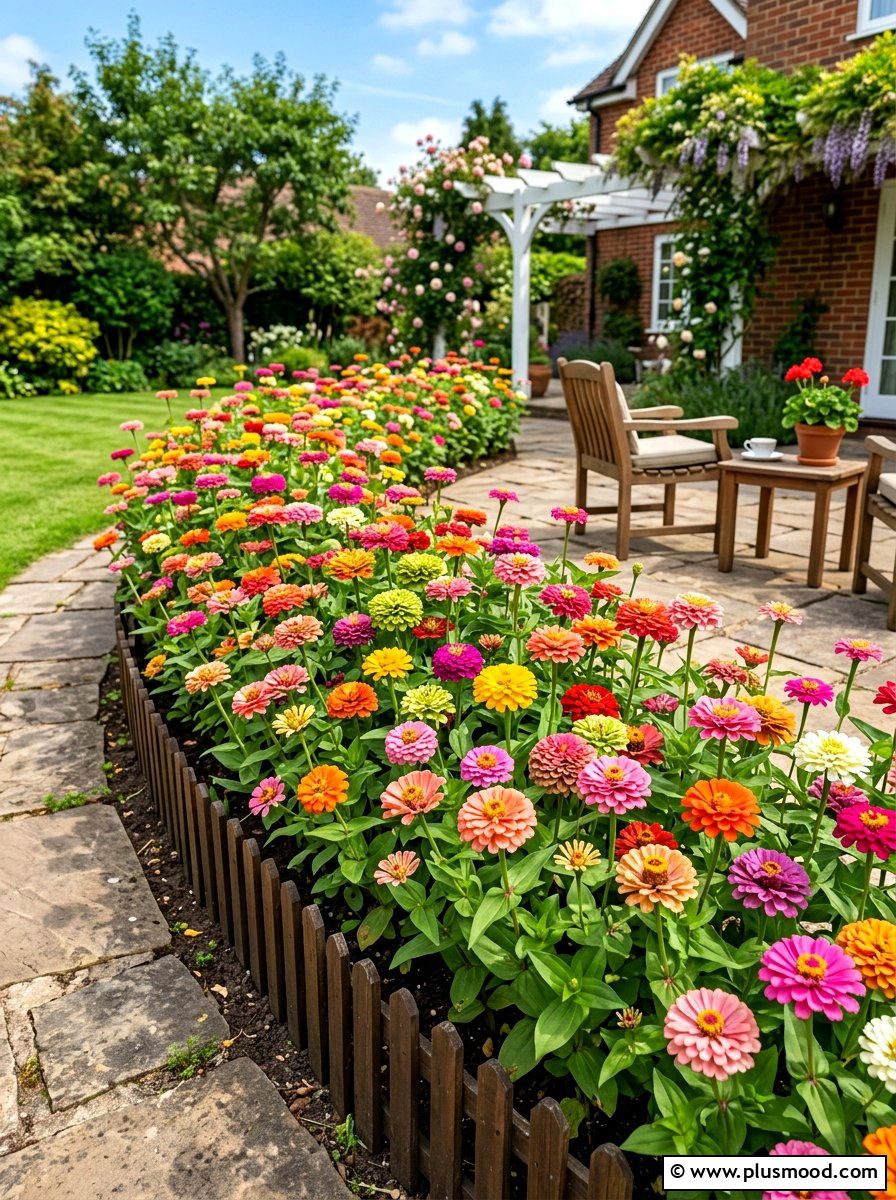
Zinnias are one of the easiest and most rewarding annuals you can grow for a late summer burst of color. They come in almost every color of the rainbow and can be grown from seed directly in your garden beds. Because they are so prolific, they are perfect for filling in any gaps that may have appeared after earlier flowers finished. They attract a constant stream of butterflies, providing endless entertainment for anyone sitting on a nearby patio or deck. Regular cutting actually encourages the plant to produce even more flowers, making them a very hardworking addition. They are the perfect choice for a kid-friendly or beginner garden.
15. Goldenrod garden patch
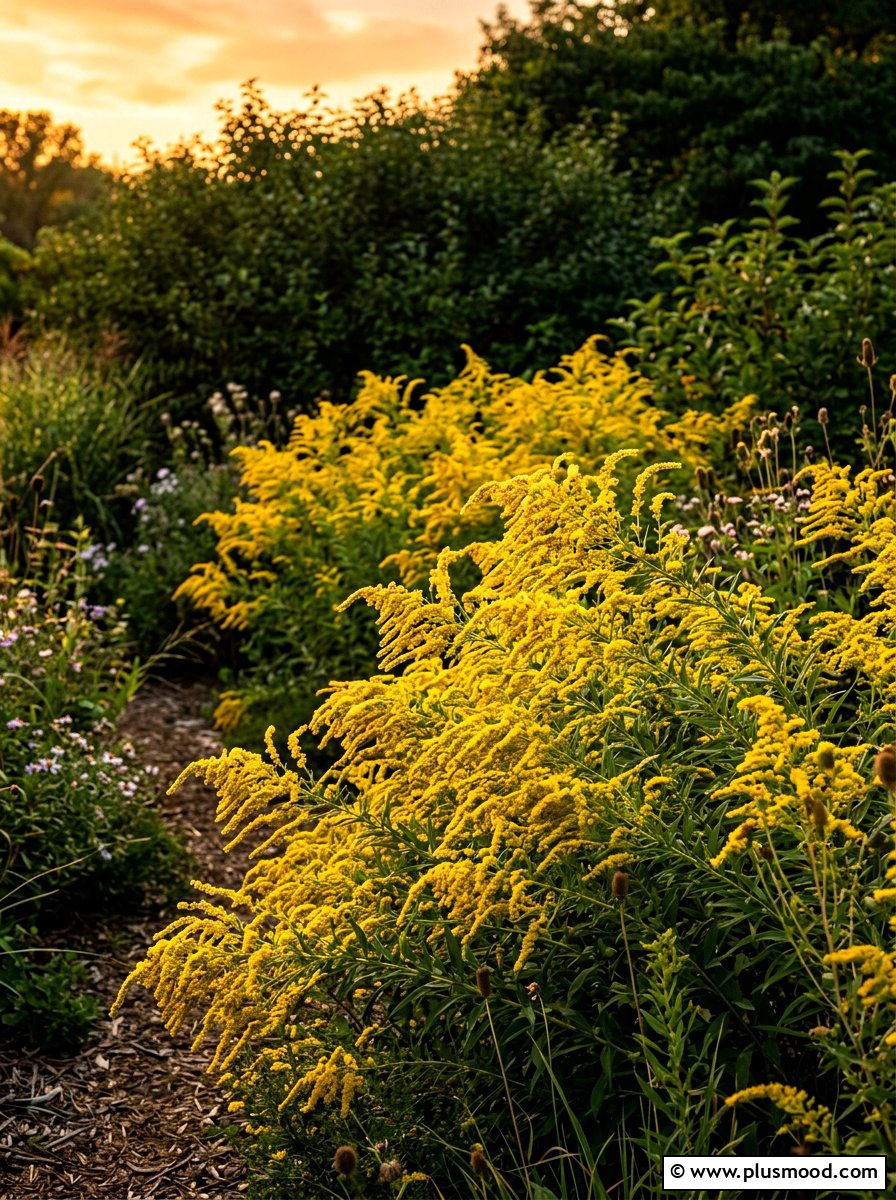
Goldenrod is often misunderstood, but it is actually a vital and stunning component of the late summer floral landscape. Its bright yellow plumes provide a much-needed horizontal or arching texture that complements the vertical spikes of other plants. Contrary to popular belief, it is not the cause of most hay fever, making it a safe choice for most yards. It is a powerhouse for supporting bees and butterflies as they prepare for the colder months ahead. When planted in large masses, it creates a sea of gold that glows beautifully during the golden hour. It is a tough, native plant that requires very little intervention from you.
16. Aster flower bed
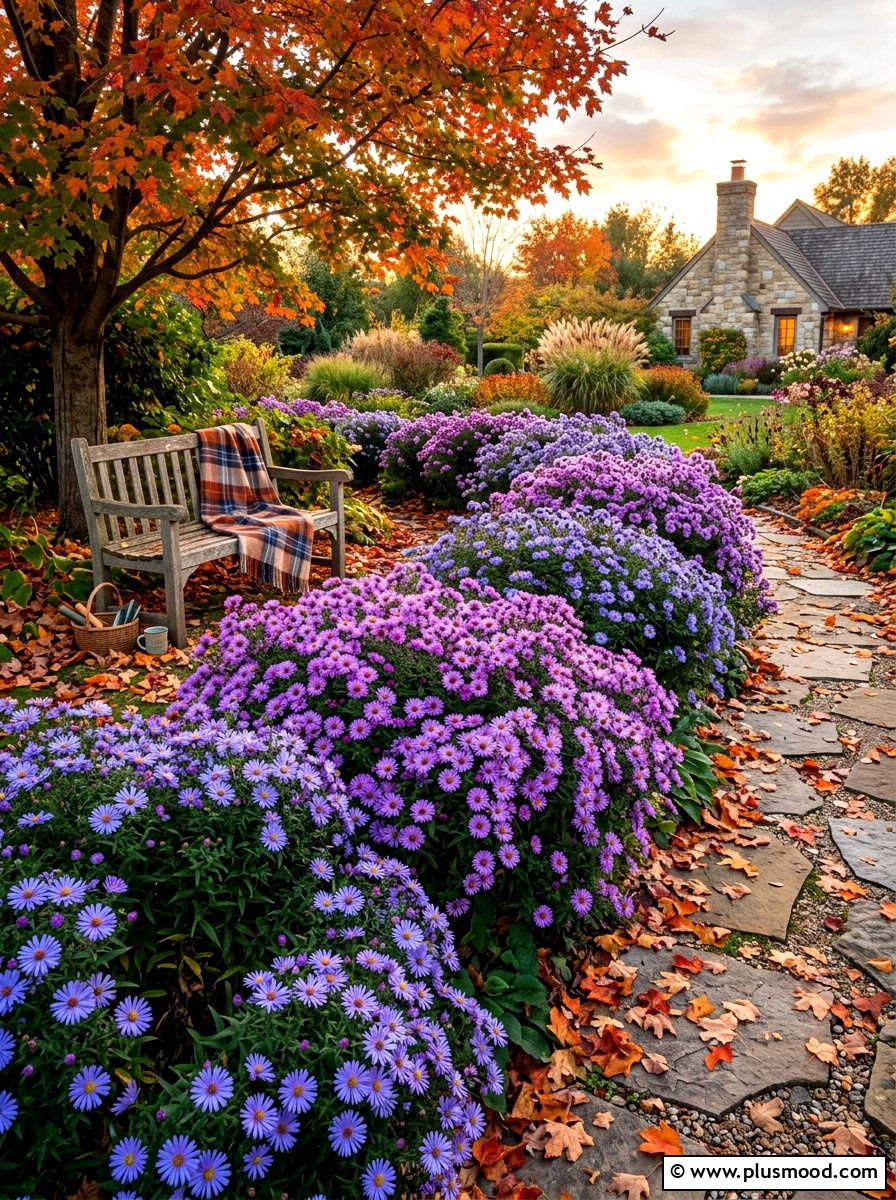
Asters are essential for bringing cool purples, blues, and pinks back into the garden as summer starts to wind down. These mounding perennials are covered in small, daisy-like flowers that can completely hide the foliage when they are in full bloom. They provide a late-season nectar source that is absolutely crucial for many local insect species and migrating butterflies. They look wonderful when used as a border plant or tucked between larger shrubs to add a soft touch. Many varieties stay quite compact, making them ideal for smaller gardens or the front of a bed. They are the perfect way to welcome the coming autumn season.
17. Joe pye weed landscape
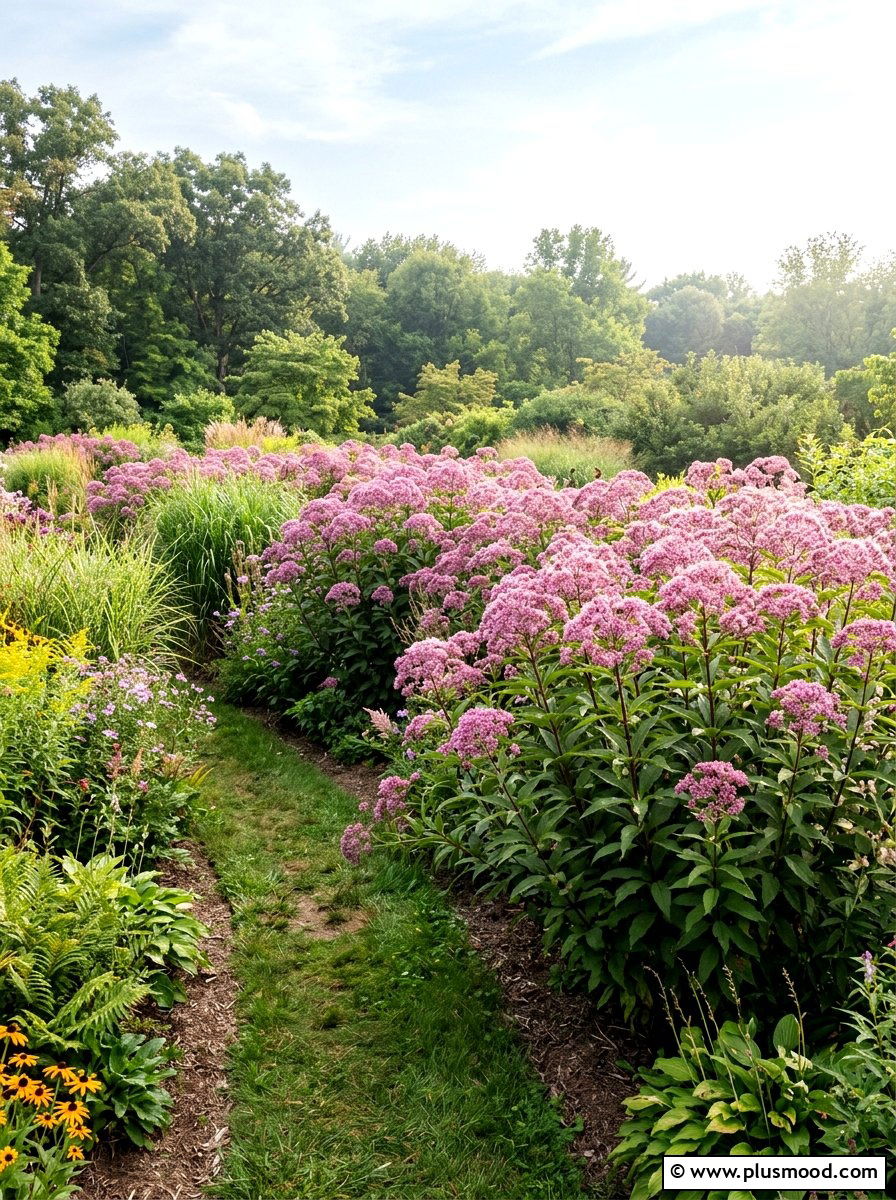
Joe pye weed is a majestic plant that adds significant height and architectural interest to the back of a flower bed. It can grow quite tall, producing large, billowy clusters of mauve or pink flowers that are a magnet for pollinators. This plant loves moist soil and plenty of sun, making it a great choice for rain gardens or low spots. The sturdy stems mean that it rarely needs staking, even when it reaches its full, impressive height. The fragrance is light and sweet, reminiscent of vanilla, which adds another sensory layer to your outdoor space. It provides a grand, naturalistic look that feels very professional.
18. Helenium flower border
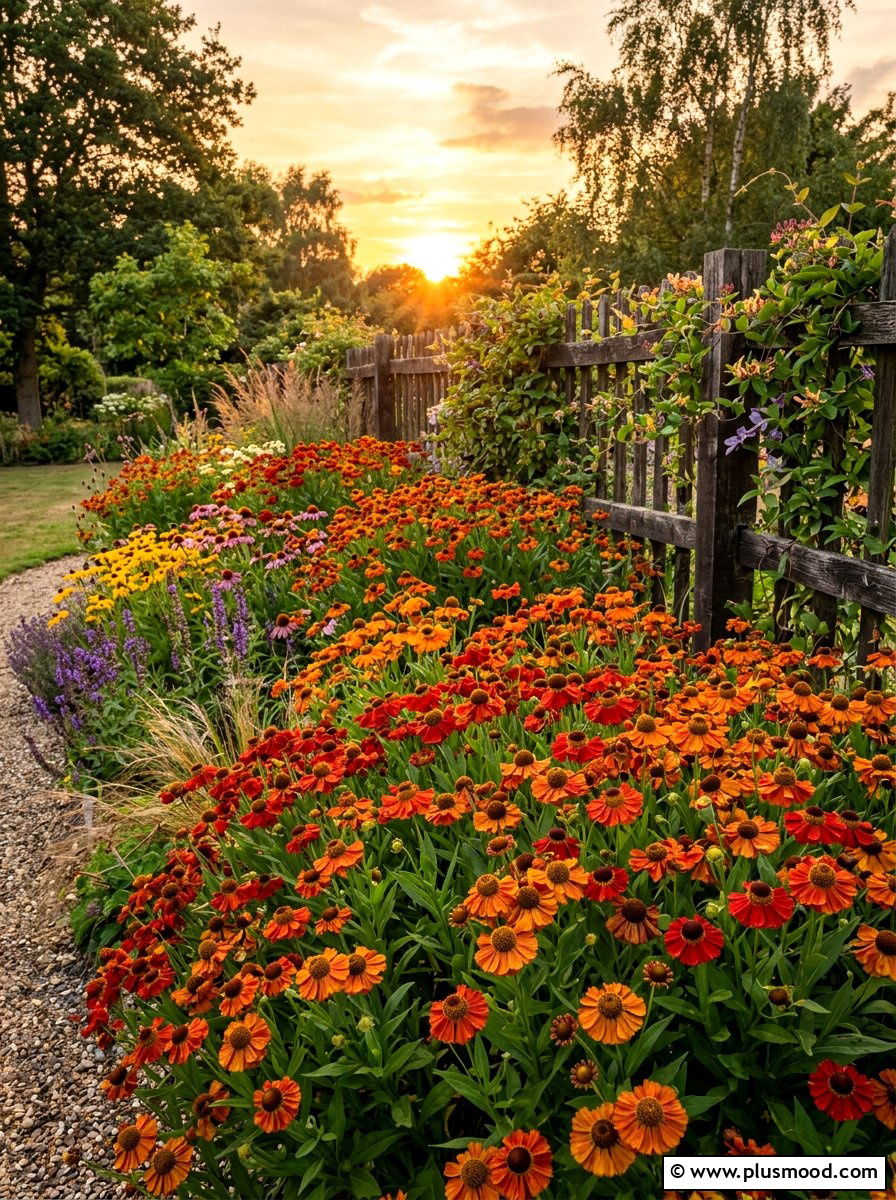
Helenium, also known as sneezeweed, offers a stunning display of warm, earthy tones like burnt orange, deep red, and golden yellow. These flowers have a unique, prominent center that gives them a distinct look compared to standard daisies or sunflowers. They are incredibly reliable and will bloom for many weeks during the hottest part of the year. Planting them in the middle of a border provides a rich layer of color that bridges shorter front plants and taller back ones. They are very sturdy and hold up well against wind and rain without flopping over. Their warm palette perfectly captures the transition from summer into the fall season.
19. Salvia garden bed
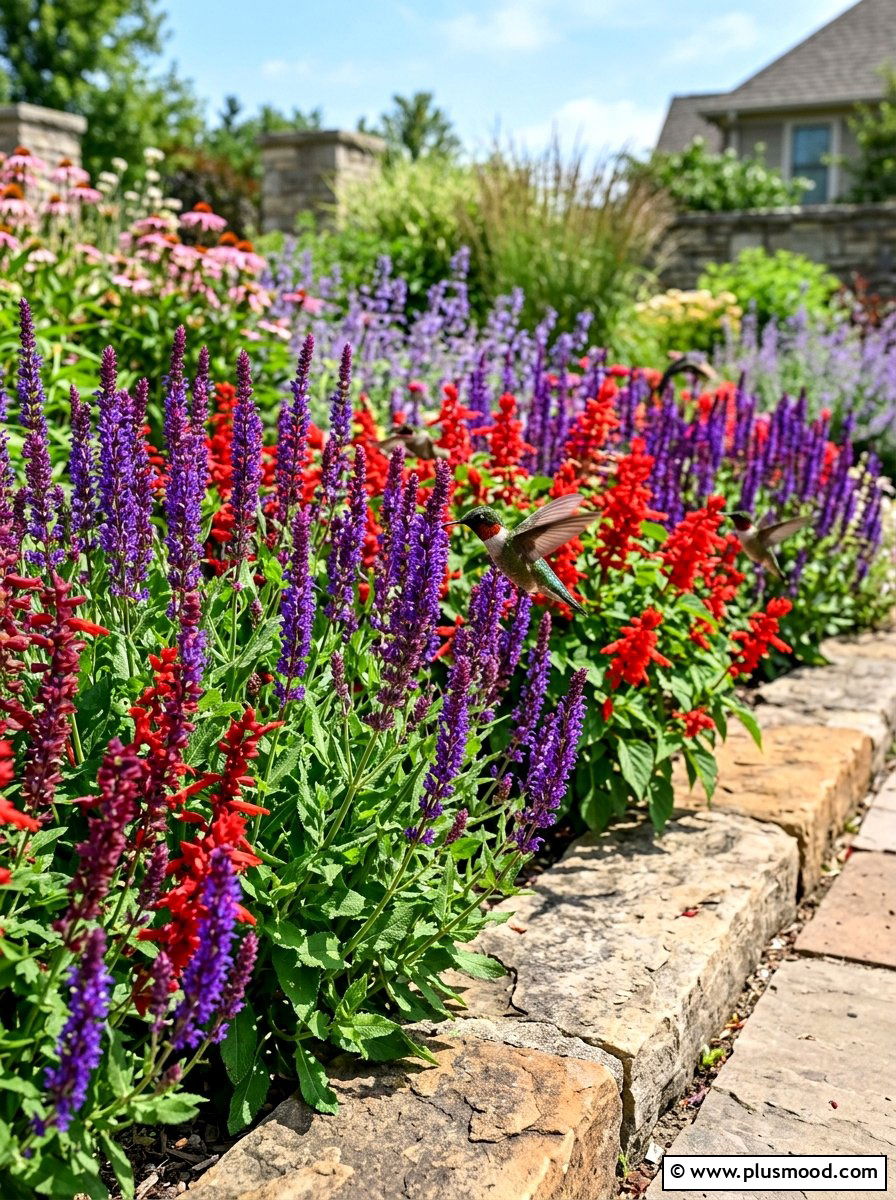
Salvia plants are prized for their long spikes of flowers that come in intense shades of blue, purple, red, and pink. Many varieties will bloom repeatedly throughout the summer if they are trimmed back after their first flush of flowers. They are very attractive to hummingbirds, who love to visit the tubular blooms for a quick nectar snack. The foliage is often aromatic, which can help to deter deer and rabbits from munching on your garden. They are drought-tolerant and thrive in full sun, making them a low-maintenance favorite for busy homeowners. They provide a structured, vertical look that balances out mounding or spreading plants nicely.
20. Coreopsis flower landscape
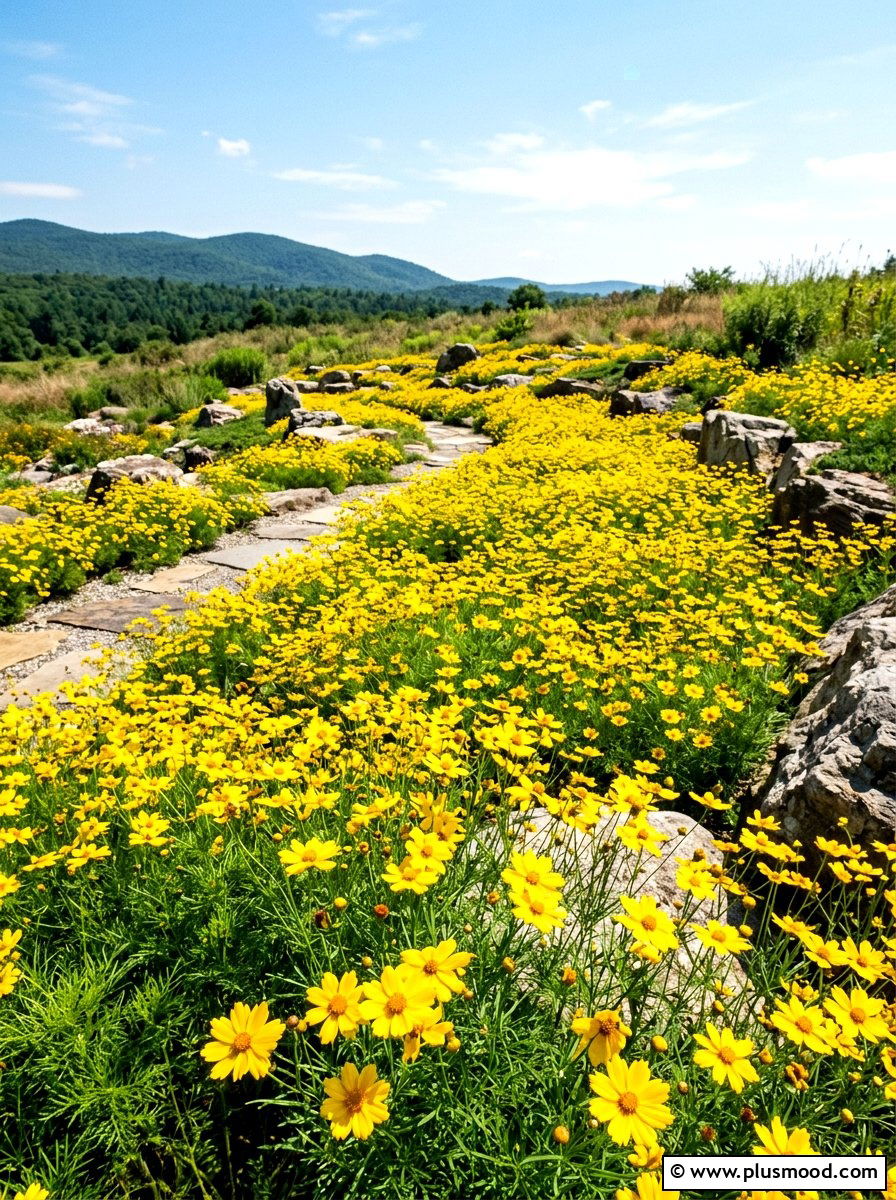
Coreopsis, or tickseed, is a sunny and reliable perennial that provides a carpet of yellow or orange flowers for months. These plants are known for their fine, fern-like foliage that adds a delicate texture to the overall garden design. They are very easy to grow and can handle poor soil conditions with ease, making them perfect for difficult spots. Many modern varieties are bred to stay compact and bloom continuously without needing much deadheading from the gardener. They look stunning when planted as a ground cover or at the front edge of a perennial border. Their bright faces always bring a sense of joy to any landscape arrangement.
21. Blanket flower garden
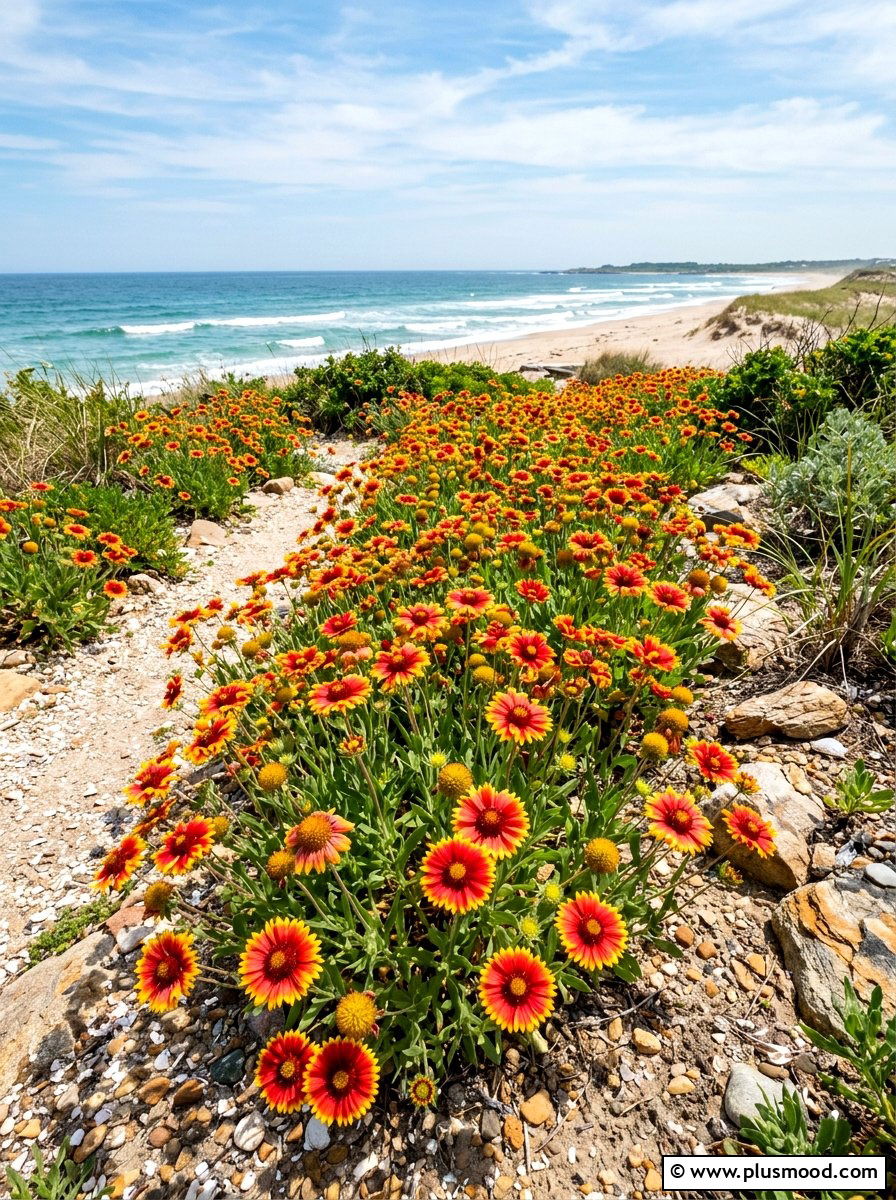
Blanket flowers, or gaillardia, feature striking bi-color petals in shades of red and yellow that resemble traditional woven blankets. These plants are exceptionally heat-tolerant and will continue to produce flowers even during the most intense summer heatwaves. They have a sprawling, casual habit that works perfectly in a rock garden or a naturalized flower bed setting. The central seed heads are also quite attractive and provide food for small birds once the petals have finally fallen. They are a great choice for adding a pop of high-contrast color to a sun-drenched part of your yard. They are tough enough to handle coastal environments and salty air.
22. Verbena bonariensis bed
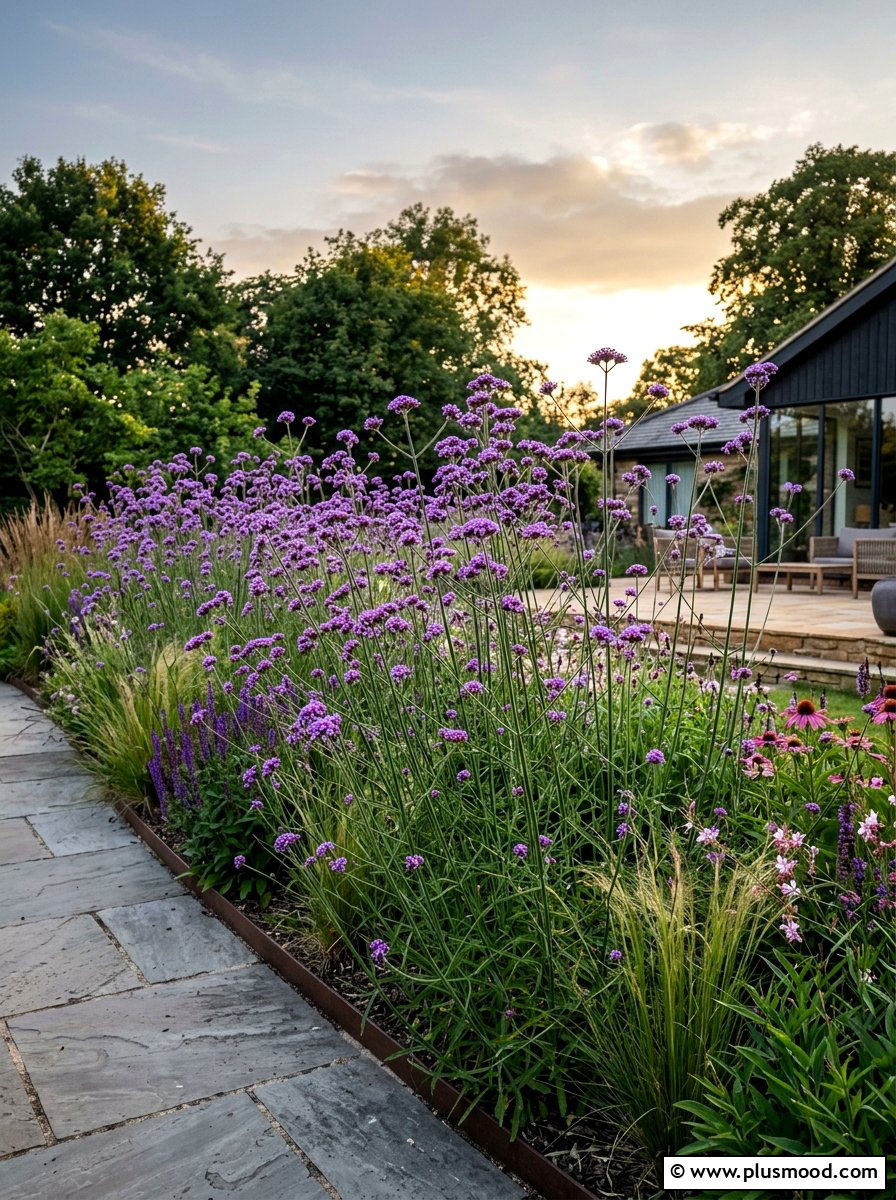
Verbena bonariensis is a unique plant that features tall, wiry stems topped with clusters of tiny, vibrant purple flowers. Because the stems are so thin and airy, you can actually see through the plant to the flowers behind it. This makes it a perfect "see-through" plant that can be placed in the front or middle of a bed without blocking the view. It adds a wonderful sense of height and transparency that makes any garden feel more layered and complex. It is a favorite for butterflies and will often self-seed gently, appearing in unexpected and delightful spots each year. It brings a modern, whimsical touch to the landscape.
23. Marigold flower border
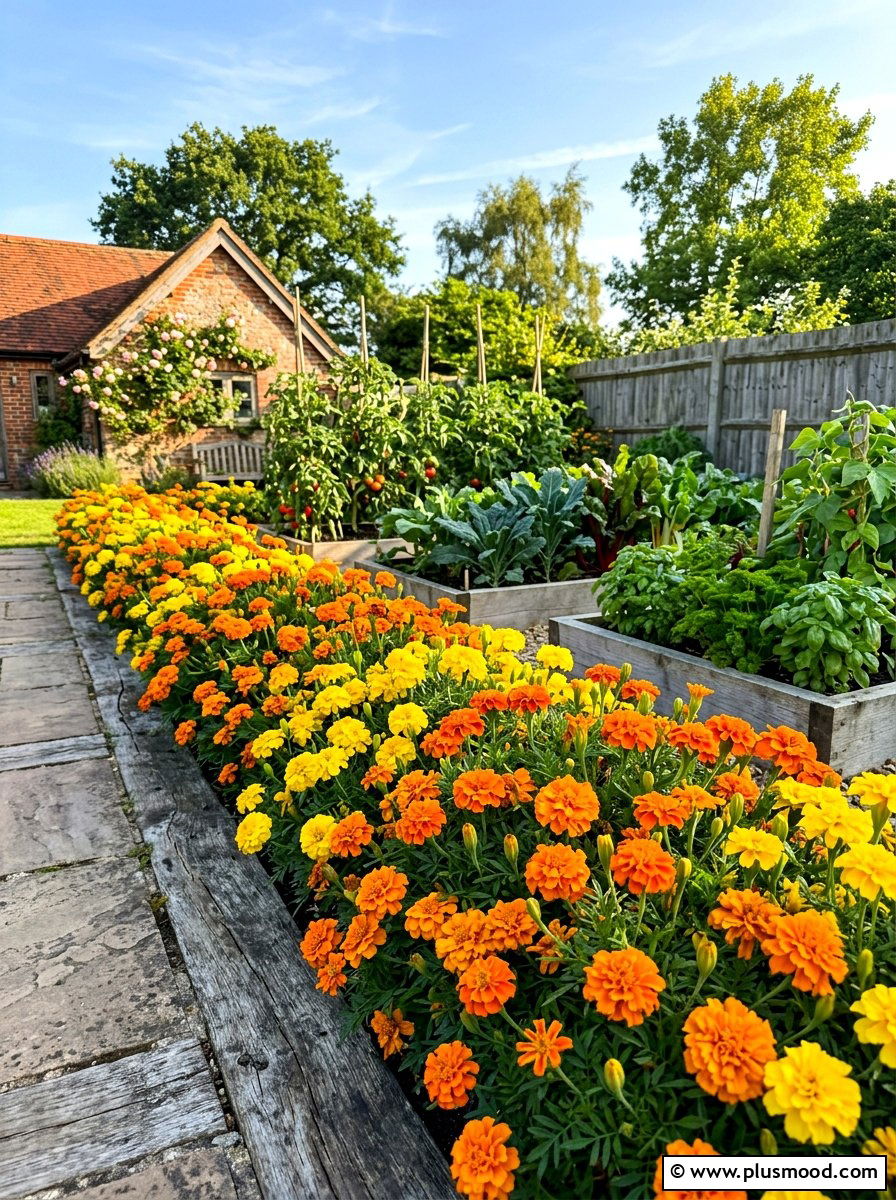
Marigolds are a classic garden favorite that provide a reliable and long-lasting display of oranges, yellows, and deep burgundies. These annuals are often used as a border plant because their scent can help to deter common garden pests. They are incredibly easy to grow from seed and will bloom until the first hard frost kills them off. Modern varieties offer a range of sizes, from tiny French marigolds to large, fluffy African types that resemble carnations. They look fantastic when paired with blue flowers like salvia or ageratum for a high-contrast color scheme. Their consistent performance makes them a staple for any late summer flower bed.
24. Chrysanthemum garden bed
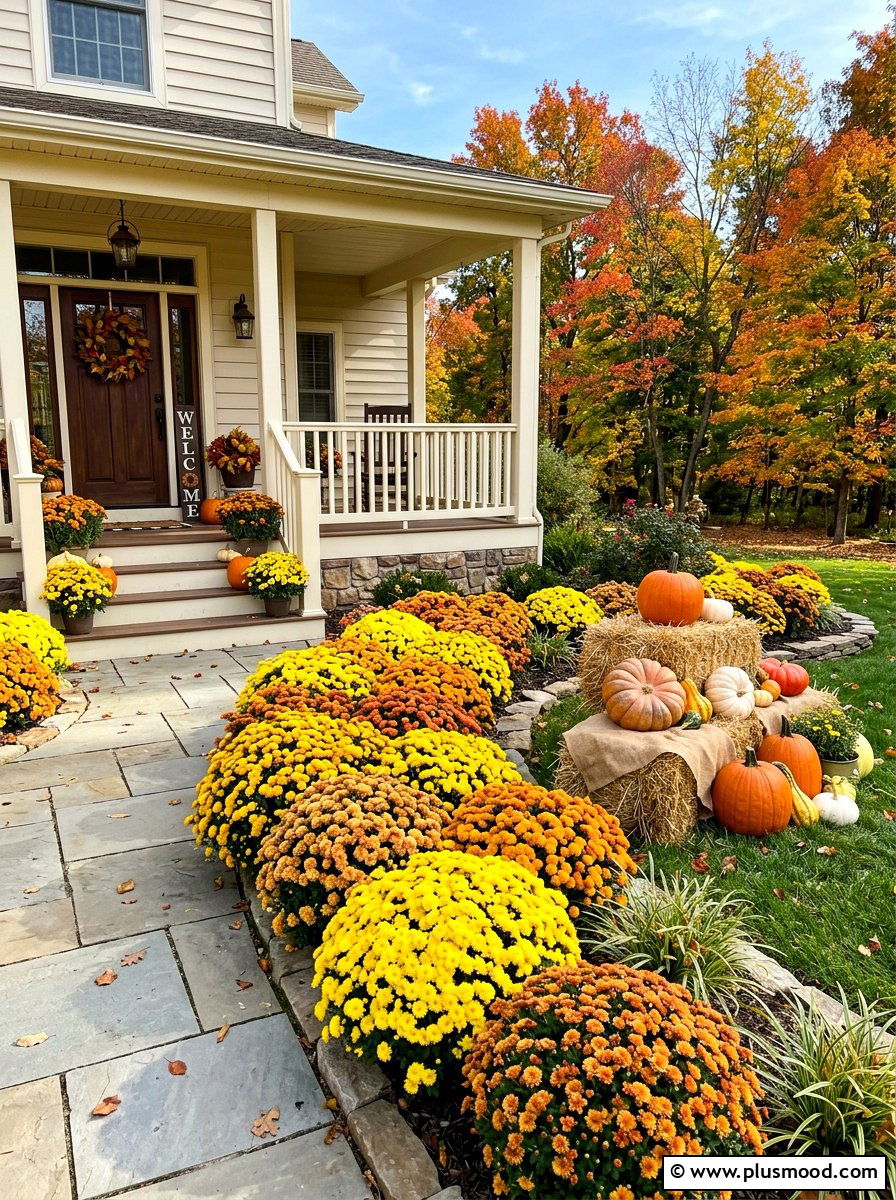
Chrysanthemums, or mums, are the quintessential flower of the late season, offering a massive burst of color just as others fade. While often sold in pots for porches, they can be planted directly in the ground to create a lush, mounding display. They come in an incredible array of colors, including bronze, purple, white, and vivid yellow, allowing for endless customization. To get the best bloom, it is often recommended to pinch them back earlier in the summer to encourage a fuller shape. They signal the official start of the autumn season and provide a dense, colorful finish to your year of gardening. They are the perfect festive touch.
25. Late summer succulent landscape
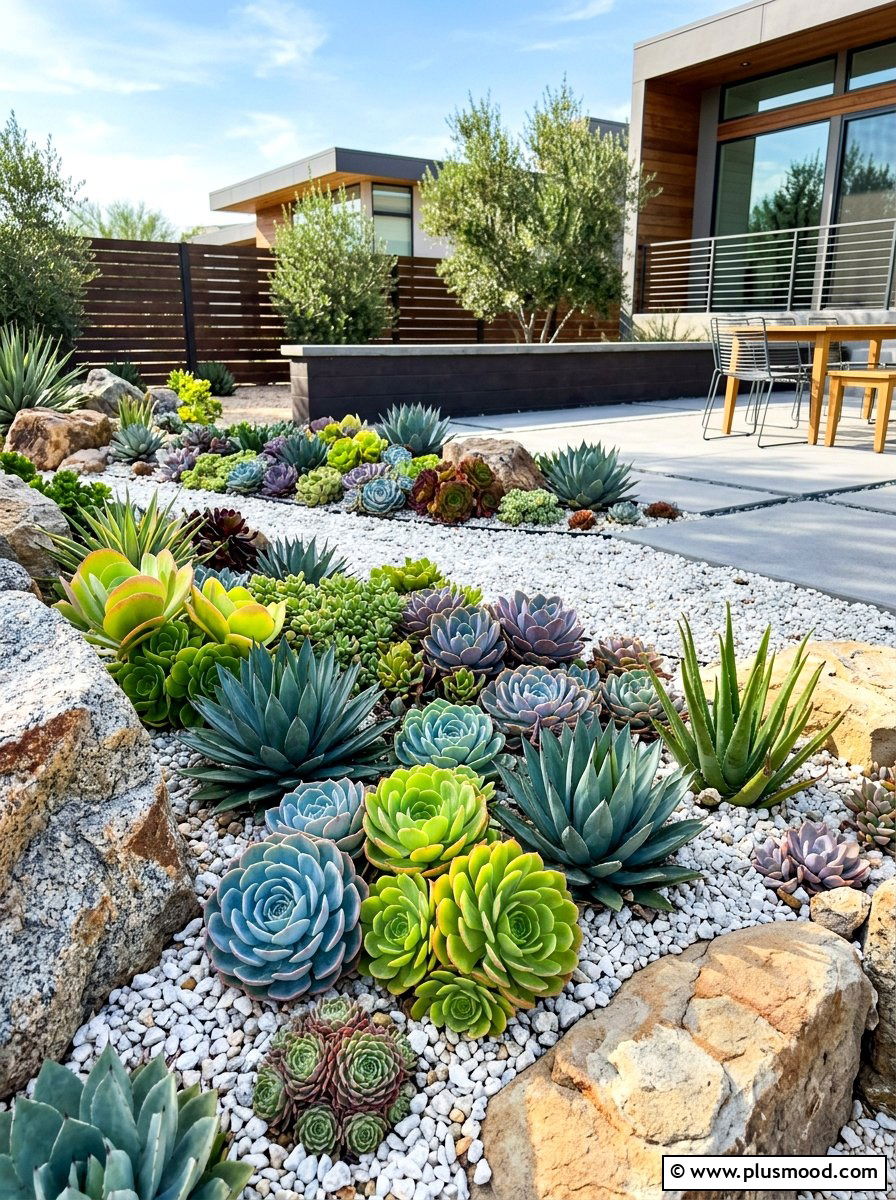
A succulent landscape is a modern and water-wise approach to late summer gardening that is both stylish and very low-maintenance. By using plants like sedum, hens and chicks, and yucca, you can create a bed that thrives in the heat. These plants offer a wide variety of architectural shapes and interesting foliage colors that look good all year long. You can add decorative gravel or large stones between the plants to enhance the desert-inspired or contemporary aesthetic. This type of garden is perfect for sunny spots near a driveway or a pool where reflections can increase the heat. It is a sophisticated and eco-friendly design choice.
Conclusion:
Designing a late summer flower bed is a rewarding project that ensures your outdoor space remains beautiful and full of life as the year progresses. By selecting a mix of resilient perennials, structural grasses, and vibrant annuals, you can create a landscape that stands up to the heat while offering a visual feast. Whether you prefer the informal charm of a cottage garden or the sleek lines of a modern succulent bed, there are endless ways to express your style. These beds provide essential support for pollinators and offer a peaceful retreat for you to enjoy the season's final warm evenings. Happy gardening as you transform your backyard into a floral masterpiece.
Related posts:
Leave a Reply