
Imagine spending your warm summer afternoons lounging in a comfortable chair rather than pushing a heavy lawnmower through thick grass. Transforming your outdoor space into a low-maintenance sanctuary is the ultimate gift to yourself, allowing you to enjoy nature without the grueling weekend chores. By choosing resilient plants and smart landscaping features, you can create a stunning environment that practically takes care of itself. This guide explores creative ways to reduce watering, weeding, and pruning while keeping your backyard looking lush and vibrant. Whether you have a tiny balcony or a sprawling suburban yard, these sustainable strategies will help you reclaim your time and enjoy a beautiful garden all season long.
1. Native Plant Garden
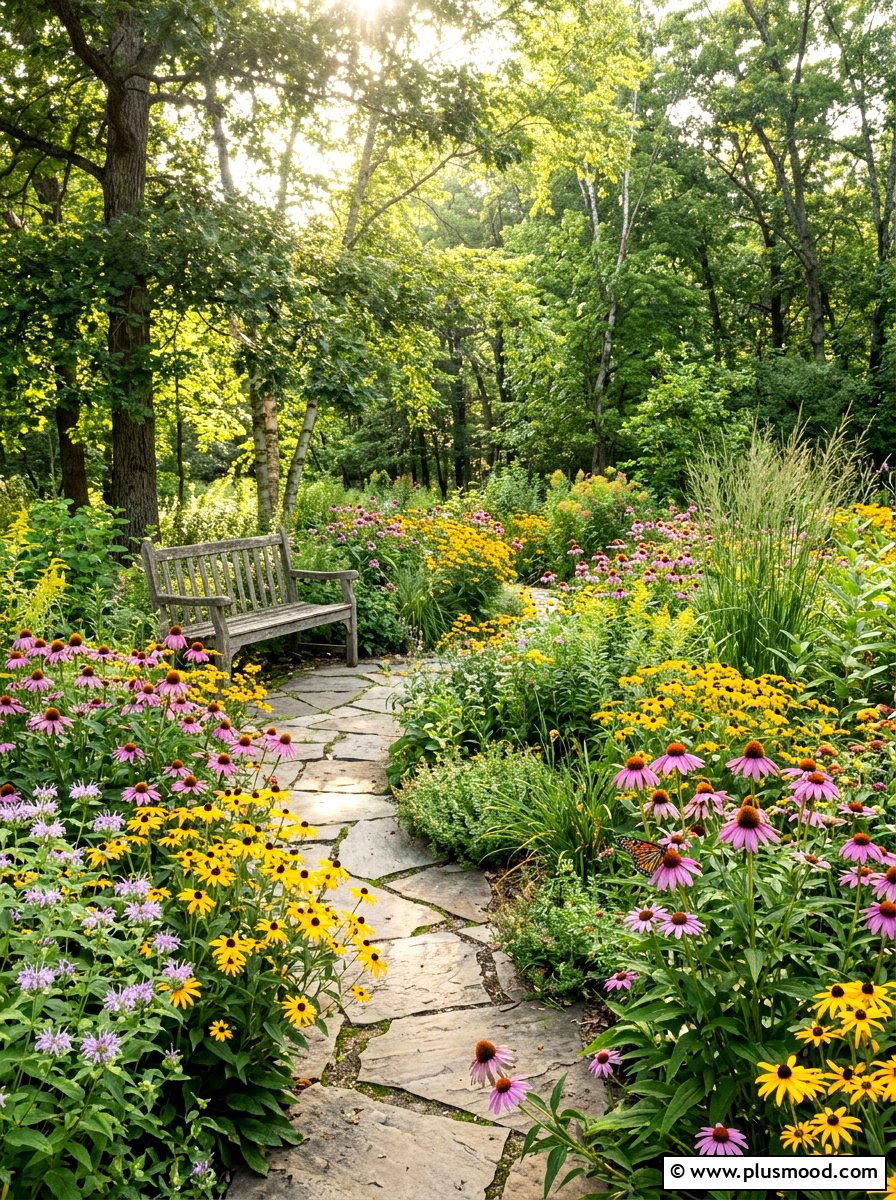
Have you ever noticed how local wildflowers seem to thrive without any help while your exotic flowers struggle in the heat? Integrating a native plant garden into your landscape is one of the most effective ways to ensure a successful, low-maintenance summer. These plants have spent centuries adapting to your specific local climate, soil types, and rainfall patterns, making them naturally resilient to regional pests and diseases. Because they are already at home in your environment, they require significantly less supplemental watering and almost no chemical fertilizers once they are established. Choosing indigenous species also supports local pollinators like bees and butterflies, creating a healthy ecosystem that flourishes with very minimal human intervention or daily upkeep.
2. Gravel Garden Path
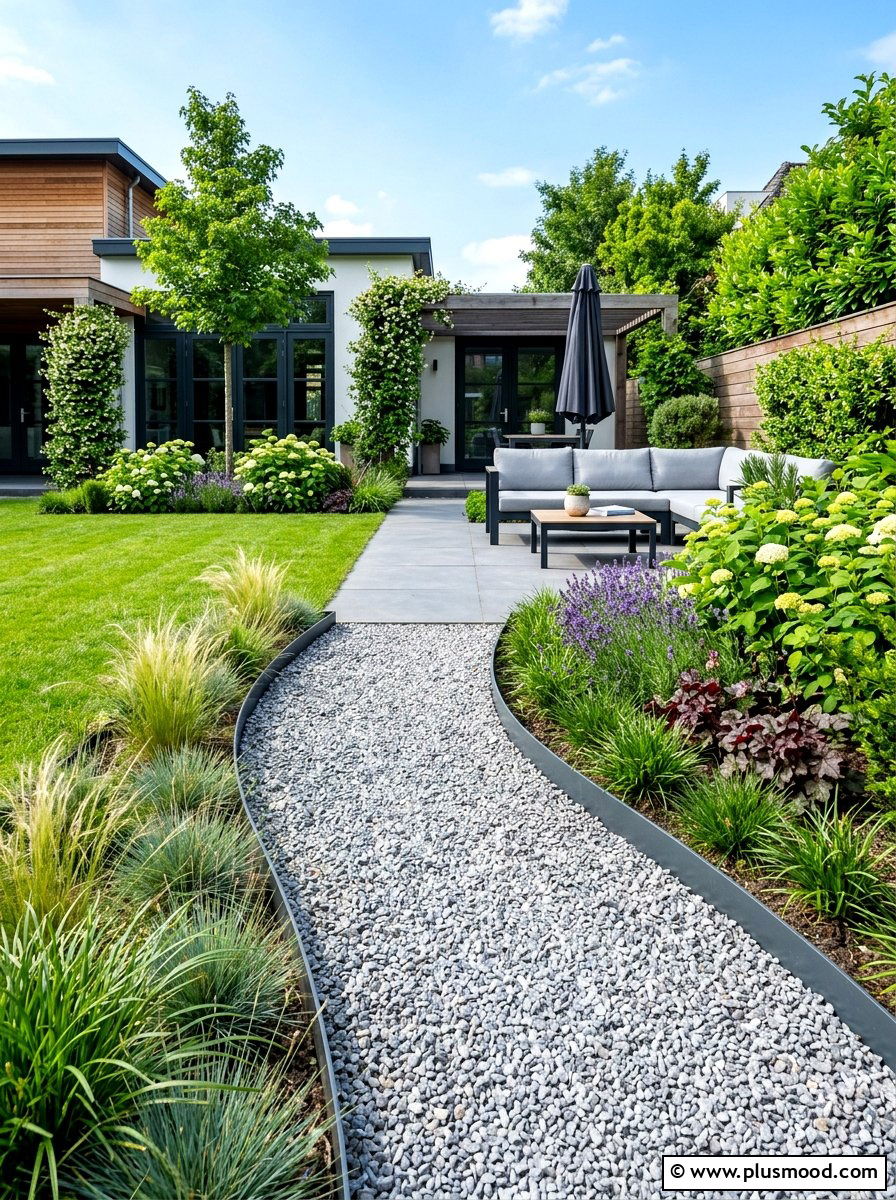
Walking through a beautifully textured yard is much more enjoyable when you aren't constantly worried about stepping on muddy patches or tripping over uneven grass. A gravel garden path offers a functional and aesthetic solution that requires almost zero maintenance compared to traditional turf or high-end paving. This porous surface allows rainwater to soak directly into the ground, preventing puddles and reducing the need for complex drainage systems. To keep this area looking crisp, simply install a heavy-duty weed barrier beneath the stones to stop unwanted growth from breaking through. The crunch of the stones underfoot adds a sensory element to your outdoor experience, while the neutral tones of the gravel perfectly complement any surrounding greenery.
3. Summer Perennial Border
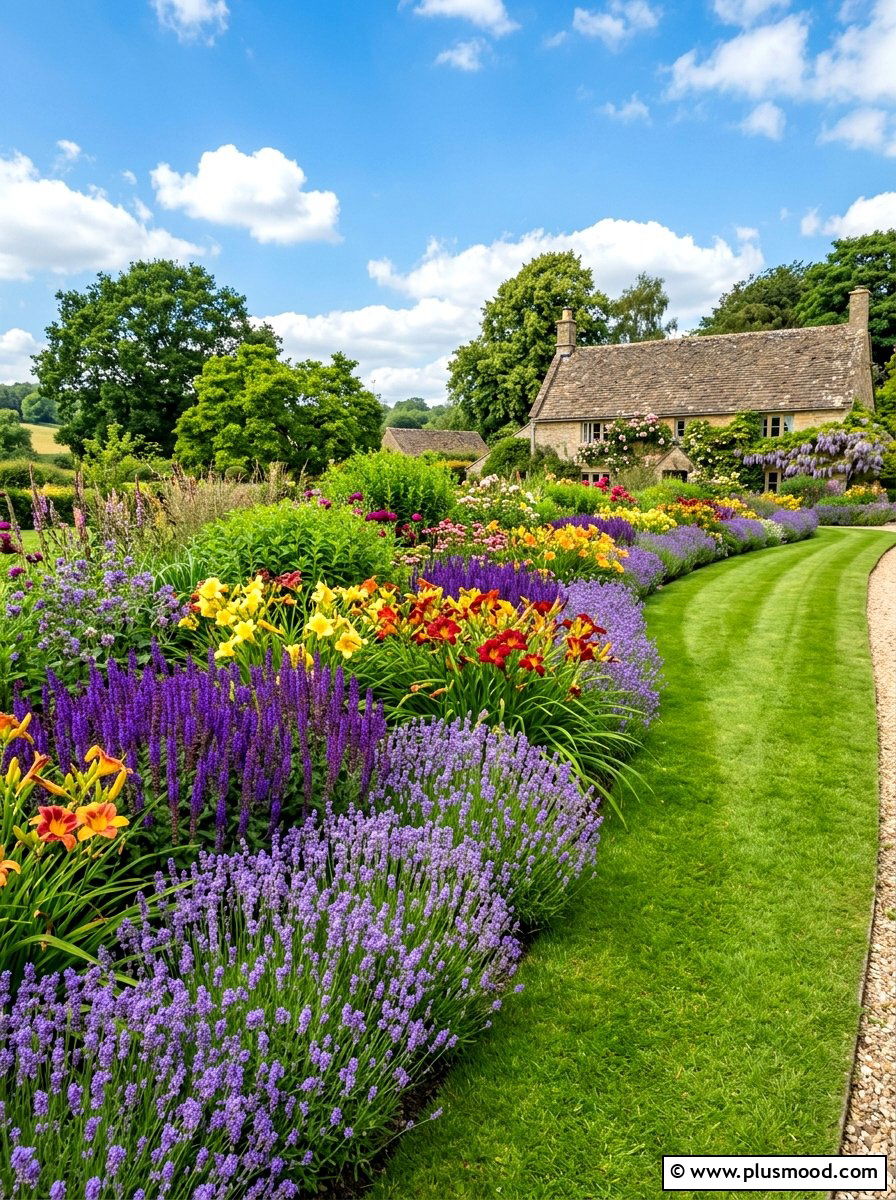
Why spend every spring replanting your garden beds when you can invest in a summer perennial border that returns with more vigor each year? Perennials are the ultimate time-savers because their deep root systems allow them to survive dormant winters and burst back into life when the sun returns. Selecting heat-loving varieties like coneflowers, lavender, and black-eyed Susans ensures your yard remains colorful during the hottest months with very little effort. These hardy plants generally need less frequent watering than annuals and often fill in gaps quickly, which naturally shades the soil and prevents weeds from germinating. Grouping these resilient beauties together creates a dense, lush look that provides maximum visual impact with very minimal seasonal replanting.
4. Artificial Grass Lawn
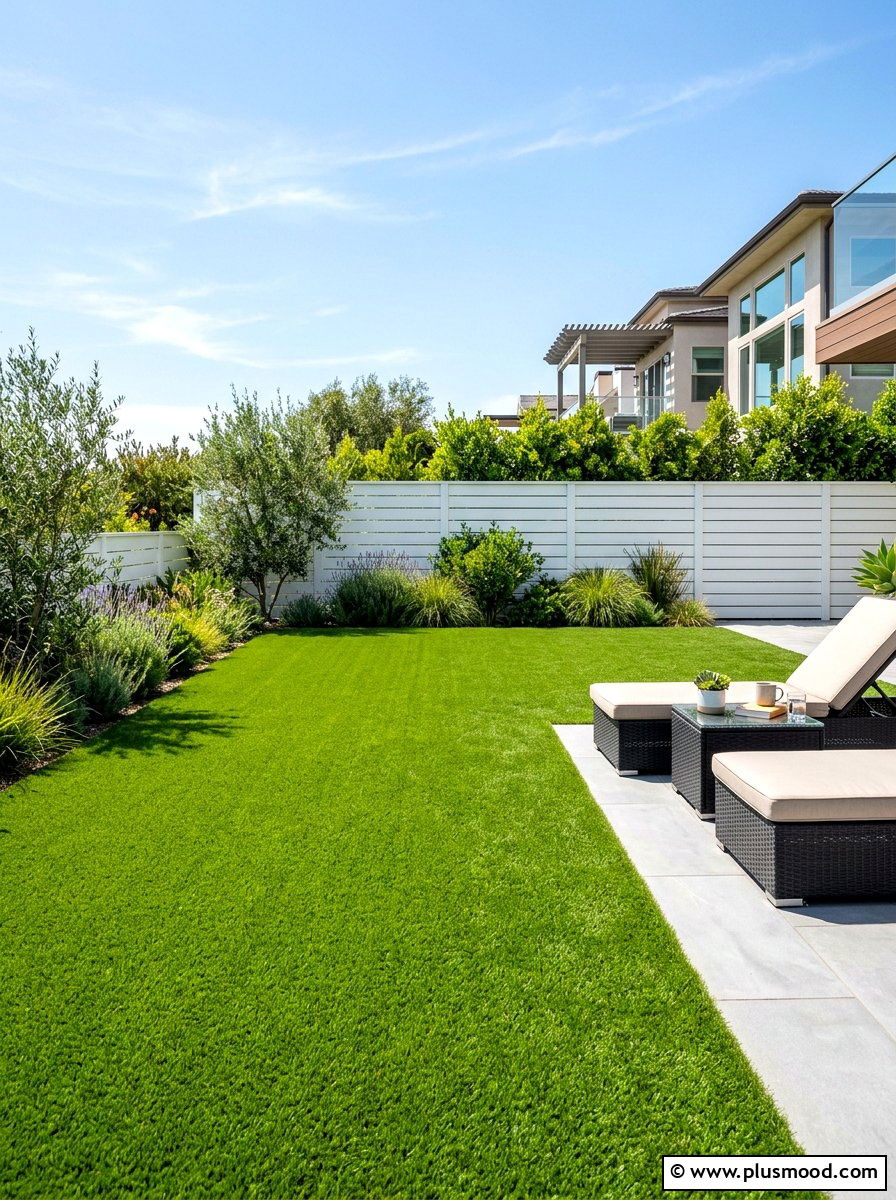
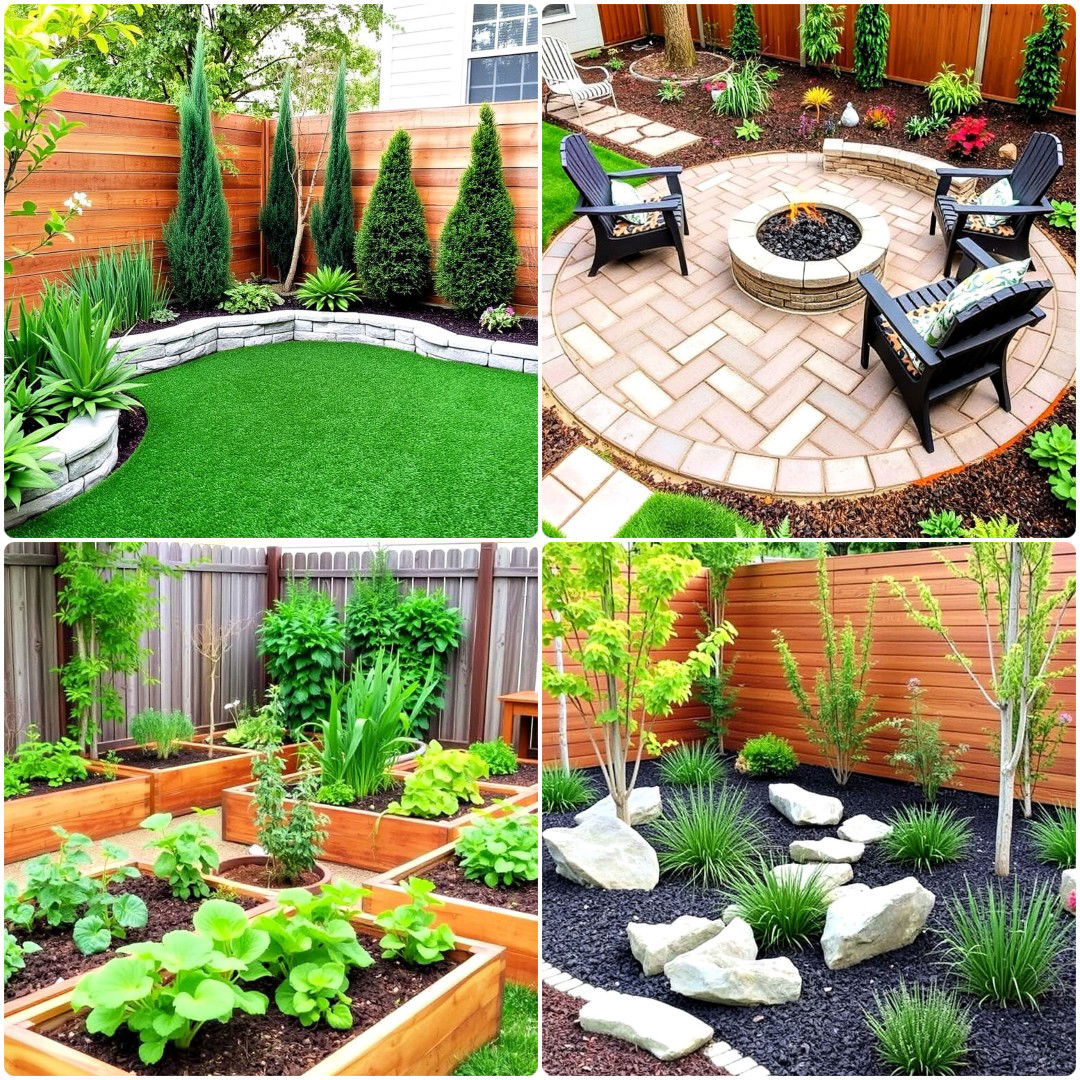
Do you feel like you are a slave to your lawnmower every time the weekend rolls around? Replacing a traditional, thirsty grass area with a high-quality artificial grass lawn is a game-changer for homeowners who want a perfect green view without the labor. Modern synthetic turf looks incredibly realistic and feels soft underfoot, providing a pristine backdrop for your patio furniture all year long. You will never need to worry about brown spots, mud, or the constant need for expensive fertilizers and pesticides. Beyond the time saved, you will also see a significant decrease in your water bill. Simply give it a quick occasional rinse or brush to keep it looking fresh, allowing you more time to relax.
5. Garden Bark Mulch
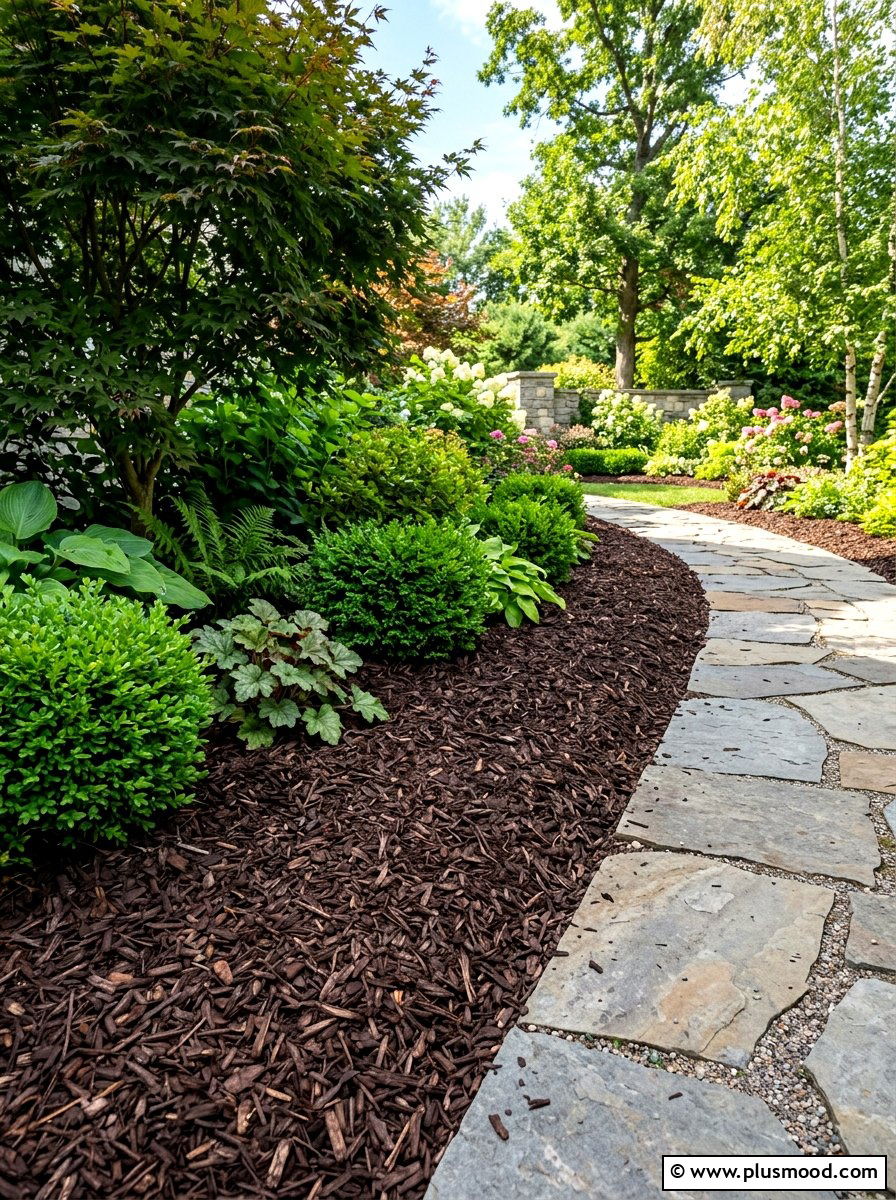
Can you imagine a garden where weeds are almost non-existent and the soil stays cool and moist even during a heatwave? Applying a thick layer of garden bark mulch is one of the simplest yet most effective maintenance hacks for any outdoor space. This organic material acts as a protective blanket for your plants, significantly reducing the amount of water lost to evaporation. As the bark slowly breaks down over time, it enriches the soil with nutrients, promoting healthier plant growth without the need for synthetic additives. The dark, uniform texture of the mulch also provides a professional and polished finish to your garden beds, making even the simplest plant arrangements look like a high-end landscape project.
6. Outdoor Succulent Garden
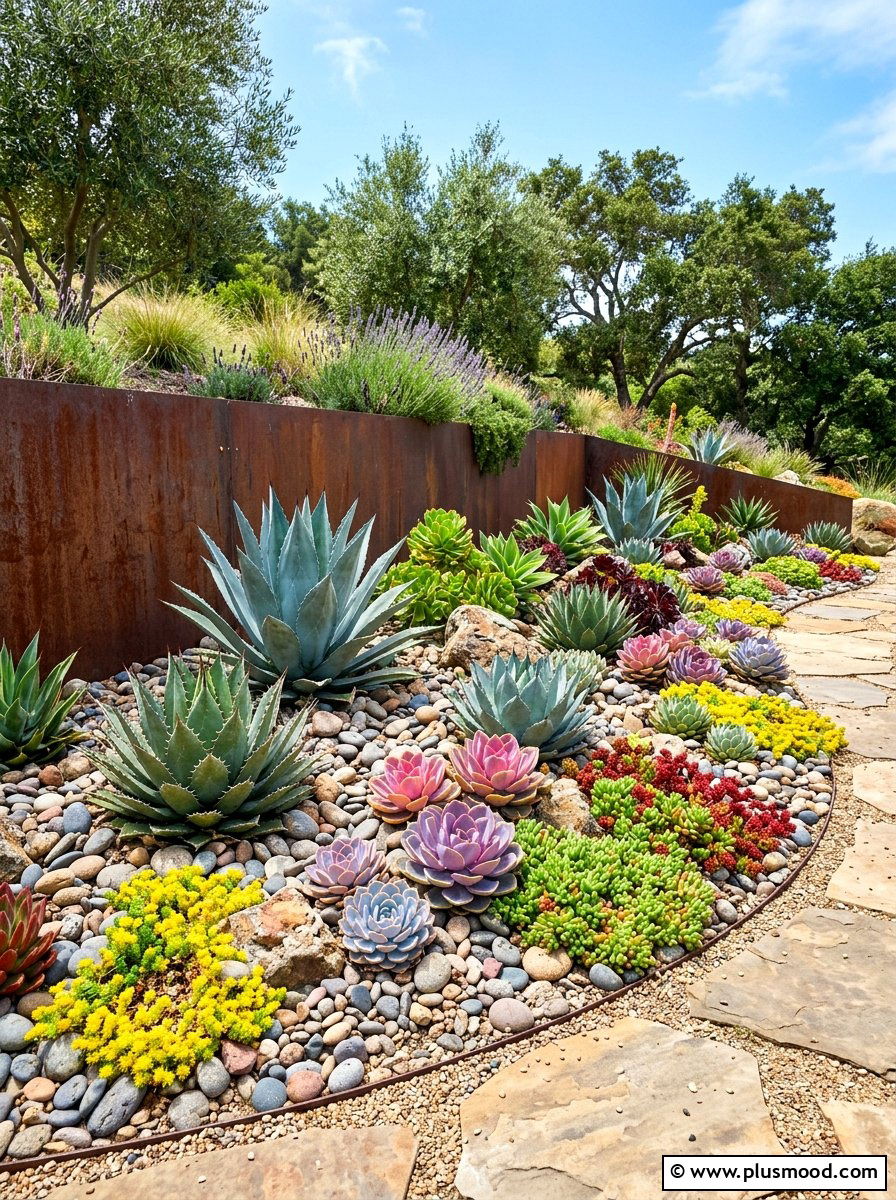
If you live in an area prone to droughts or simply forget to water your plants frequently, an outdoor succulent garden is the perfect solution. These architectural plants are experts at storing water in their thick, fleshy leaves, allowing them to thrive in rocky soil and intense sunlight. From the striking height of agave to the intricate patterns of echeveria, succulents offer an endless variety of textures and colors that require very little pruning or attention. They are exceptionally slow-growing, meaning they won't quickly outgrow their designated space or become unruly. Creating a dedicated area for these water-wise wonders results in a modern, sculptural landscape that remains stunningly beautiful even during the most demanding summer heatwaves.
7. Automatic Garden Irrigation
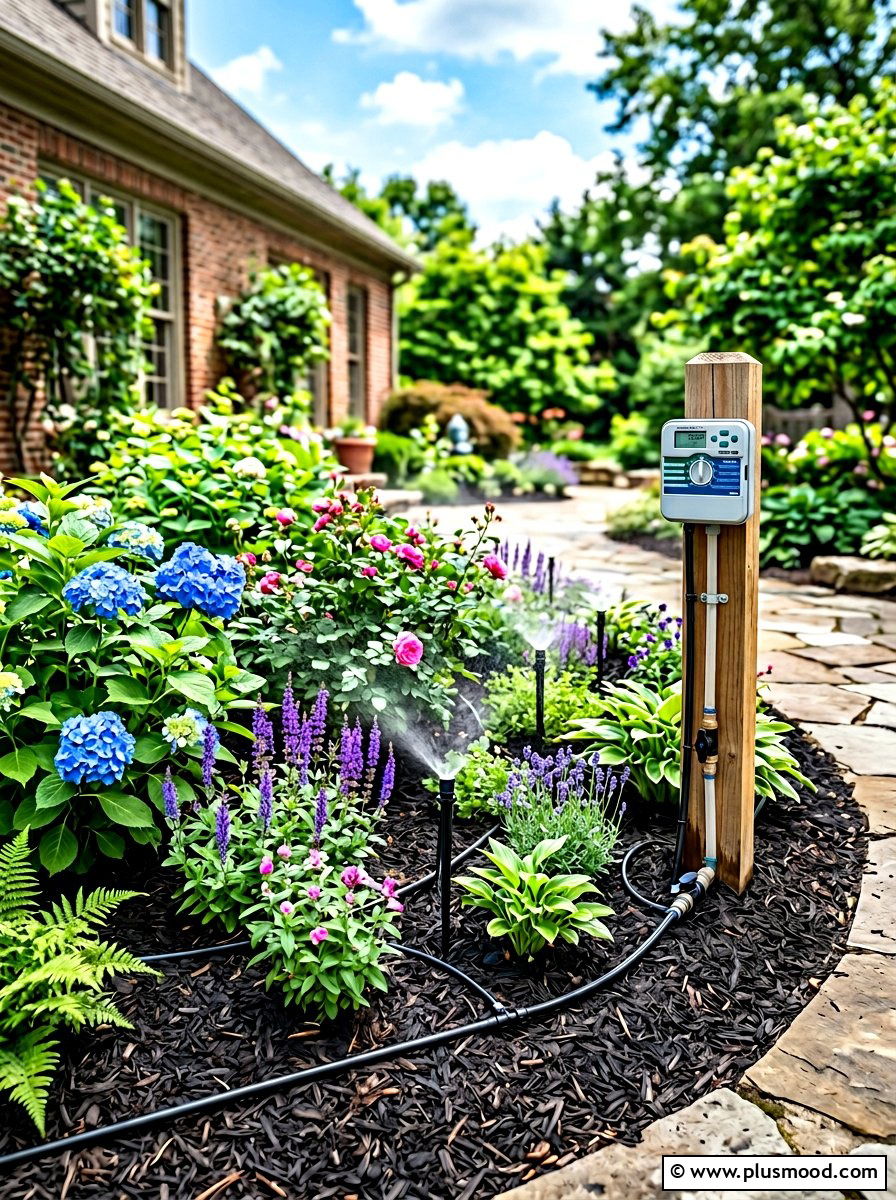
How much time do you spend dragging heavy hoses across your yard just to keep your plants from wilting in the sun? Installing an automatic garden irrigation system with a smart timer takes the guesswork and physical labor out of your daily routine. Drip irrigation lines deliver water directly to the roots where it is needed most, which minimizes waste and prevents the growth of fungal diseases on wet foliage. Many modern systems can be controlled via a smartphone app, allowing you to adjust watering schedules based on real-time local weather forecasts. This "set it and forget it" technology ensures your landscape stays hydrated and healthy while you are away at work or enjoying a summer vacation.
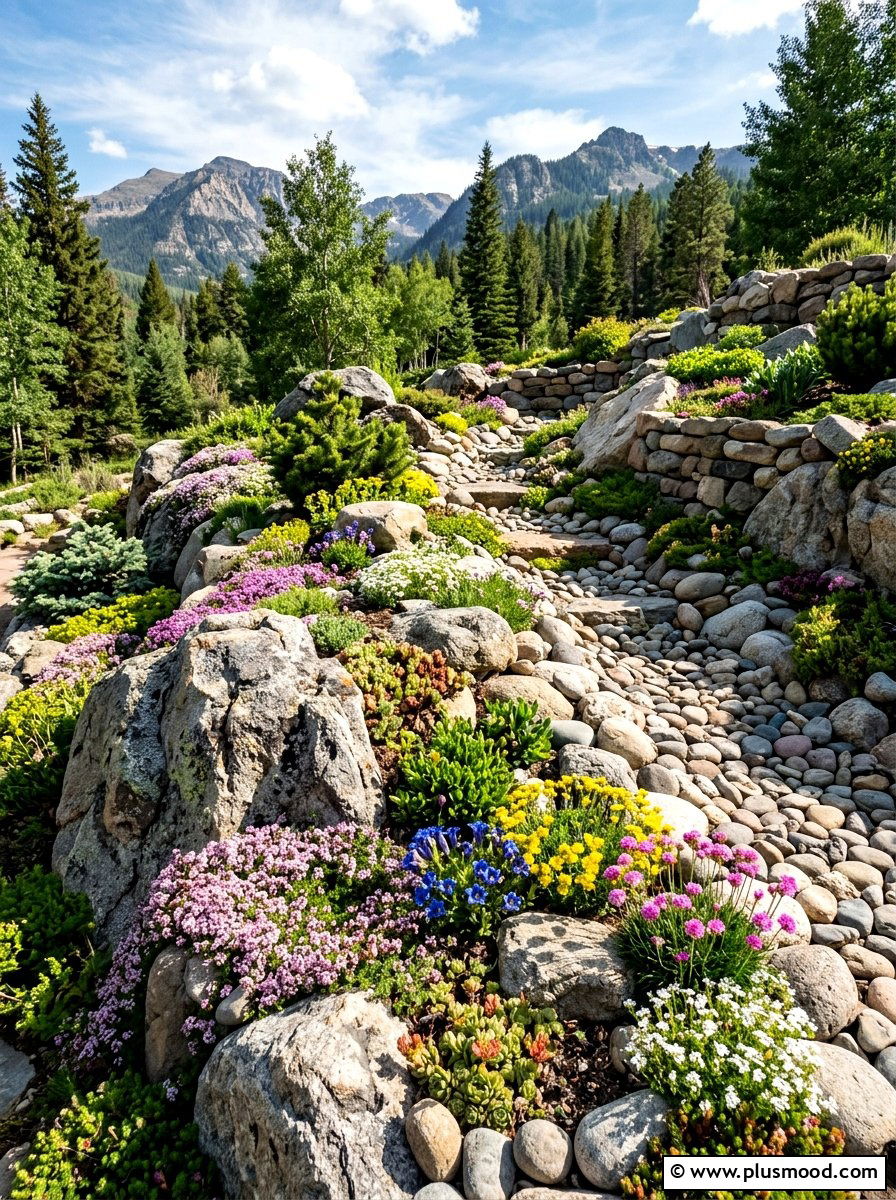
8. Backyard Rock Garden
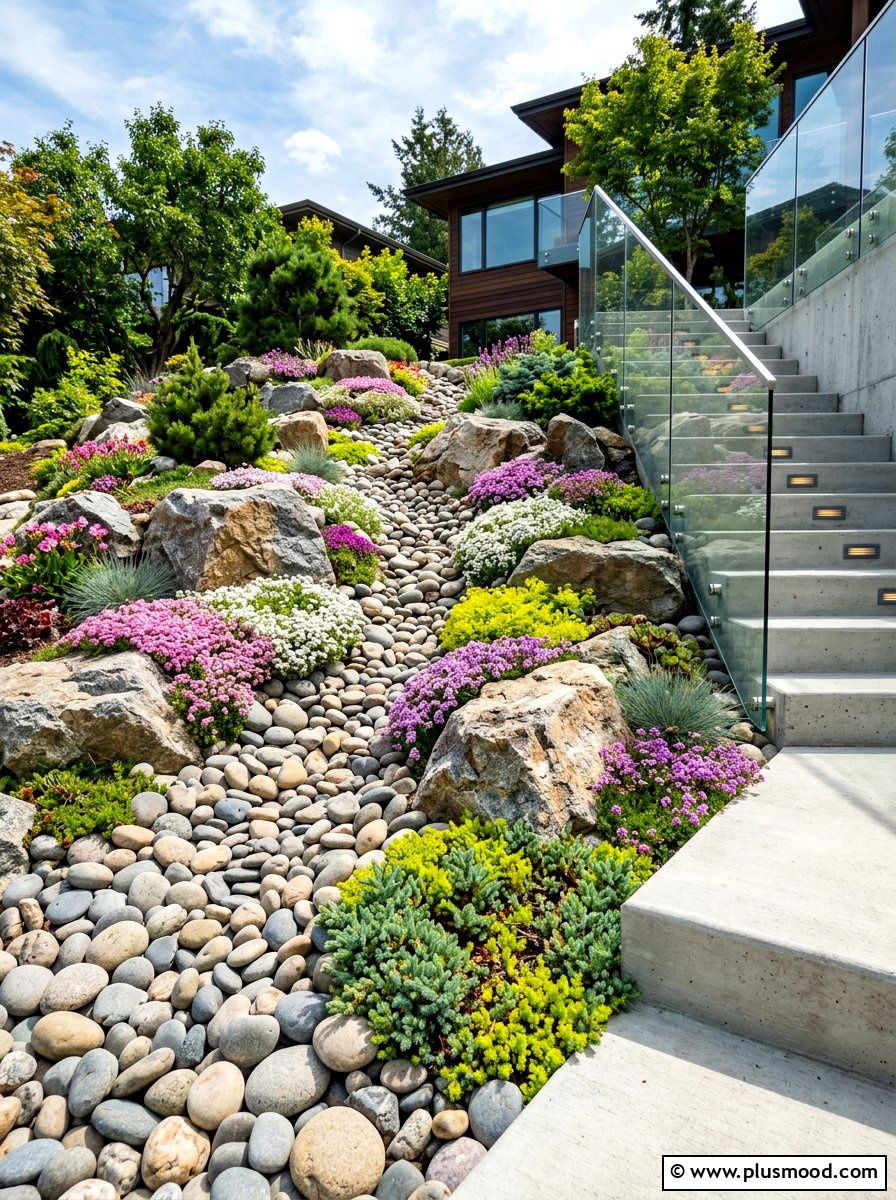
Incorporating a backyard rock garden is a brilliant way to add structural interest and rugged beauty to your property without any biological maintenance. By using a mix of large boulders, smooth river stones, and smaller pebbles, you can create a permanent landscape feature that never needs water, food, or trimming. This approach is particularly effective for sloped areas or difficult corners where grass refuses to grow and mowing is a dangerous chore. You can tuck a few drought-tolerant alpines or ornamental grasses between the stones for a touch of life, but the primary focus remains on the timeless, weathered aesthetic of the rocks themselves. It is a durable, low-stress solution for any modern outdoor space.
9. Ornamental Grass Landscaping
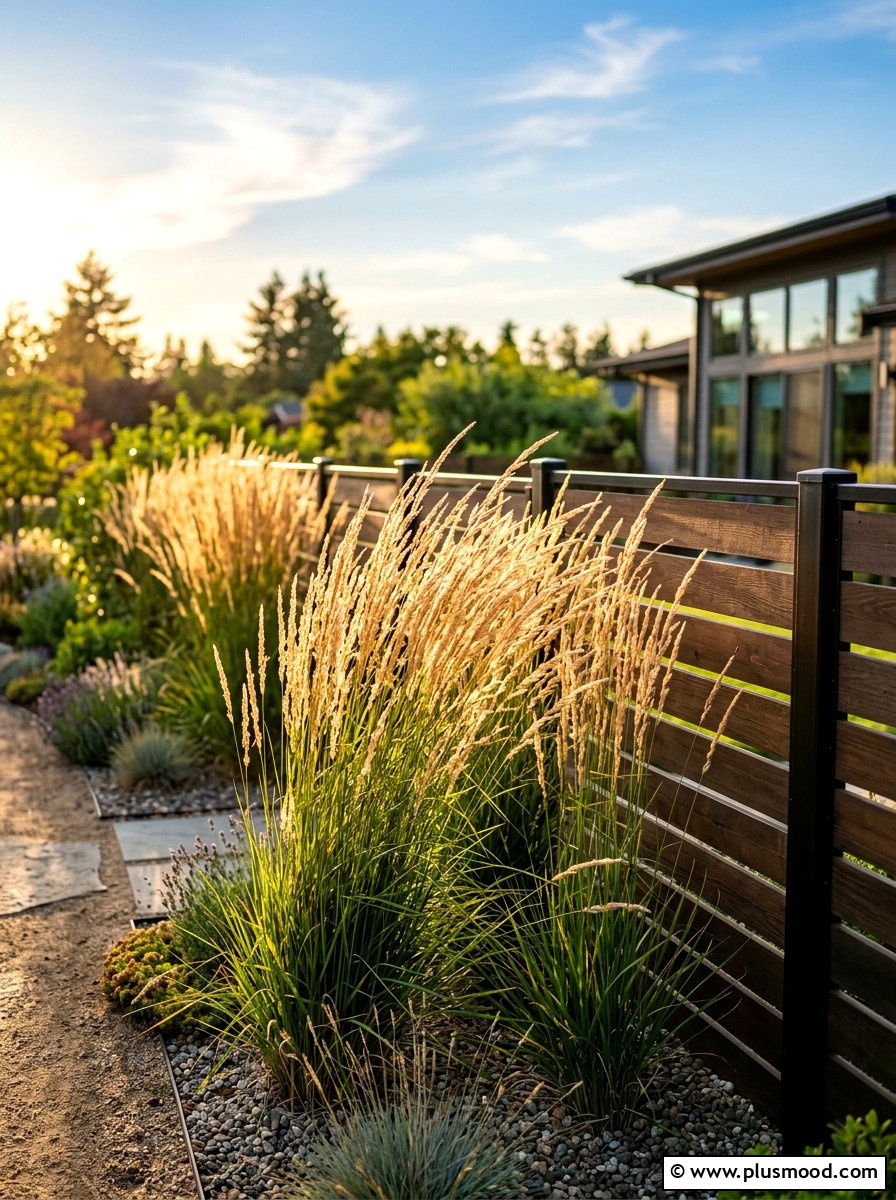
Are you looking for a way to add movement and sound to your yard with almost no gardening effort? Ornamental grass landscaping provides a dynamic, breezy aesthetic that looks fantastic from early summer well into the winter months. Varieties like fountain grass or feather reed grass are remarkably tough, requiring only a single quick cut-back once a year in early spring. These grasses are generally ignored by pests and can handle a variety of soil conditions, making them a very reliable choice for busy homeowners. Their tall, swaying plumes create a natural privacy screen and catch the golden summer light, adding a sophisticated and airy feel to your garden beds with zero daily maintenance.
10. Microclover Lawn
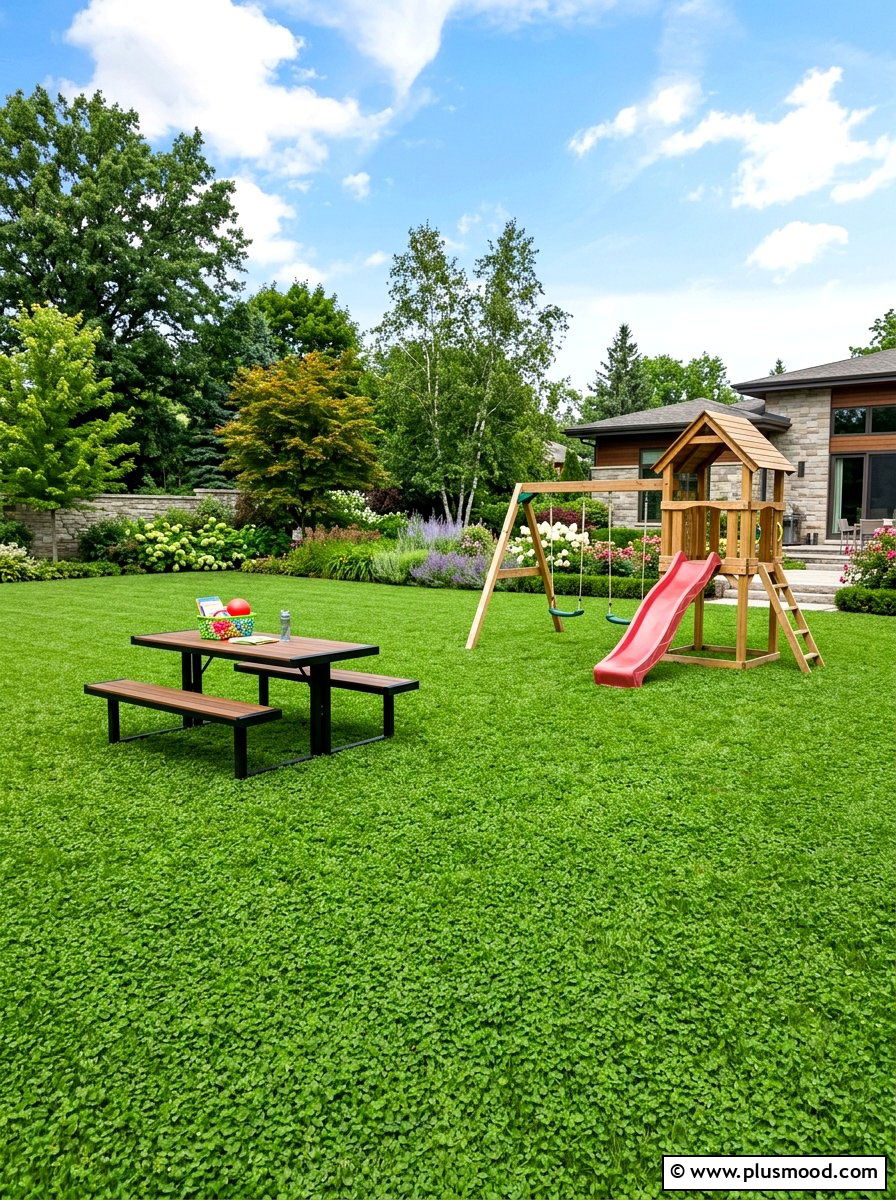
If you still want the soft feel of a green lawn but hate the constant upkeep of traditional turf, a microclover lawn is a fantastic eco-friendly alternative. Microclover is a smaller variety of the common white clover that stays low to the ground and blends beautifully with existing grass or works perfectly as a standalone cover. One of its greatest benefits is that it naturally fixes nitrogen into the soil, essentially fertilizing itself and the surrounding plants. It is incredibly drought-tolerant, staying green long after traditional grass has turned brown in the summer heat. Furthermore, its dense growth habit naturally crowds out weeds, reducing the need for herbicides and frequent, exhausting weekend mowing sessions.
11. Low Maintenance Shrub
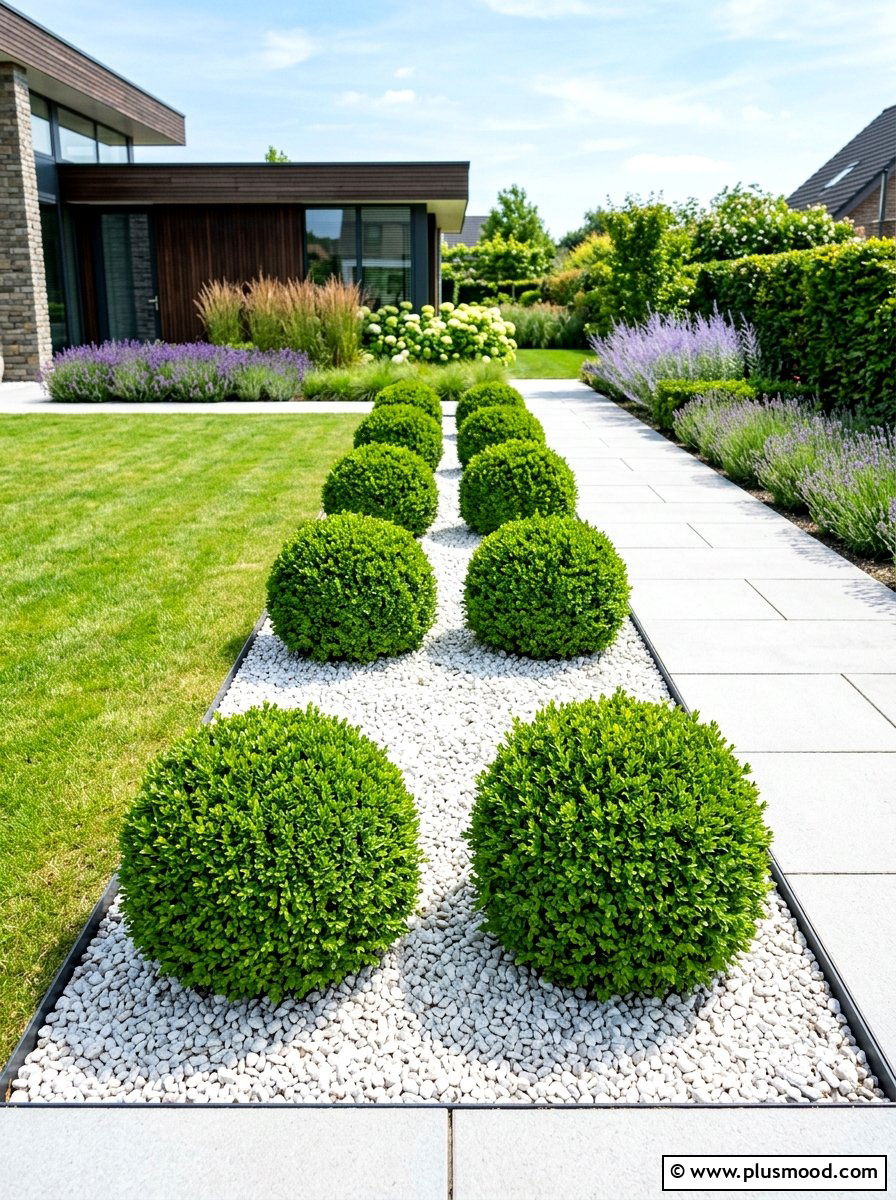
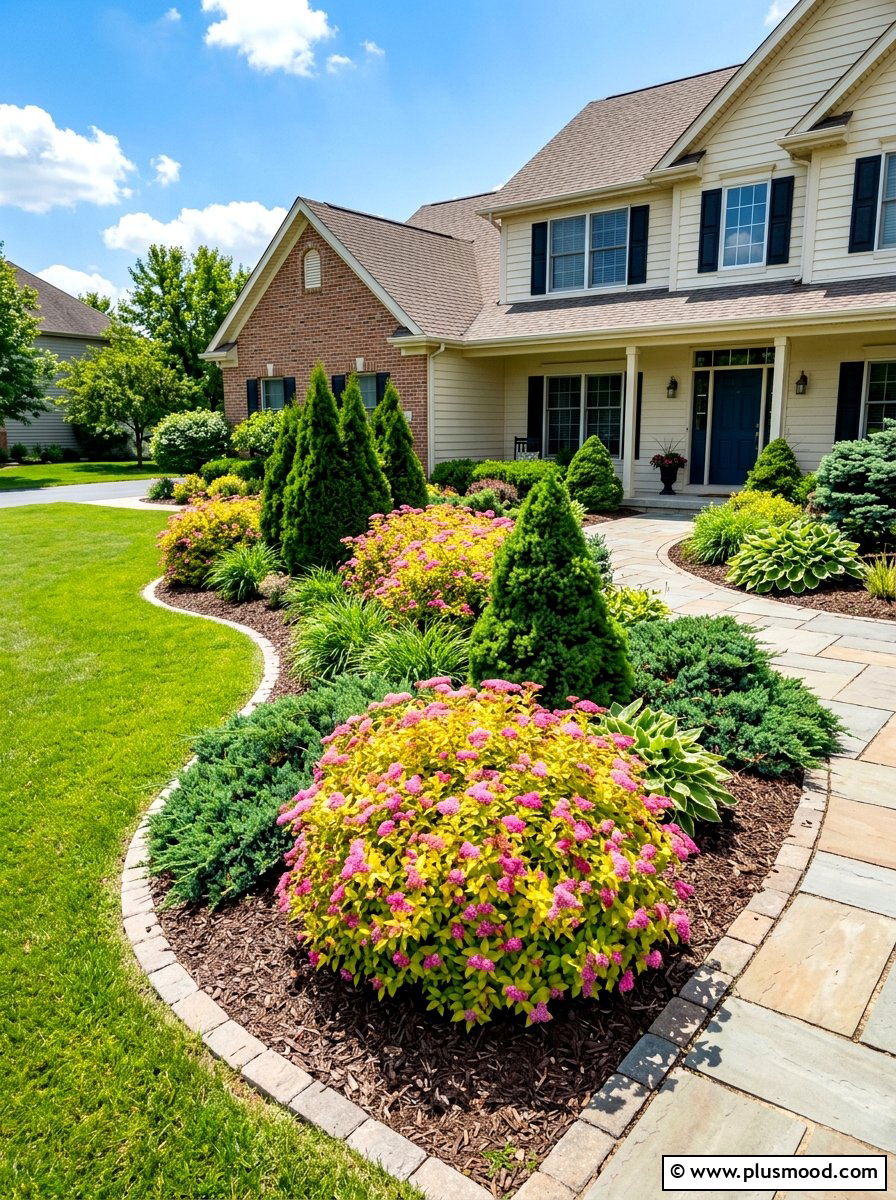
Integrating a carefully selected low maintenance shrub into your garden provides a permanent structure that requires very little attention throughout the year. Choosing slow-growing evergreens like boxwood or dwarf conifers means you won't have to spend your weekends with hedge trimmers in hand. These hardy shrubs offer year-round greenery and act as a reliable backdrop for your other seasonal features. Once they are established, they are remarkably self-sufficient, requiring only occasional watering during extreme dry spells and minimal shaping. By prioritizing shrubs that naturally maintain a compact and attractive form, you ensure your yard looks neat and well-tended without the constant intervention usually required by faster-growing, more invasive garden hedge varieties.
12. Drought Tolerant Landscape
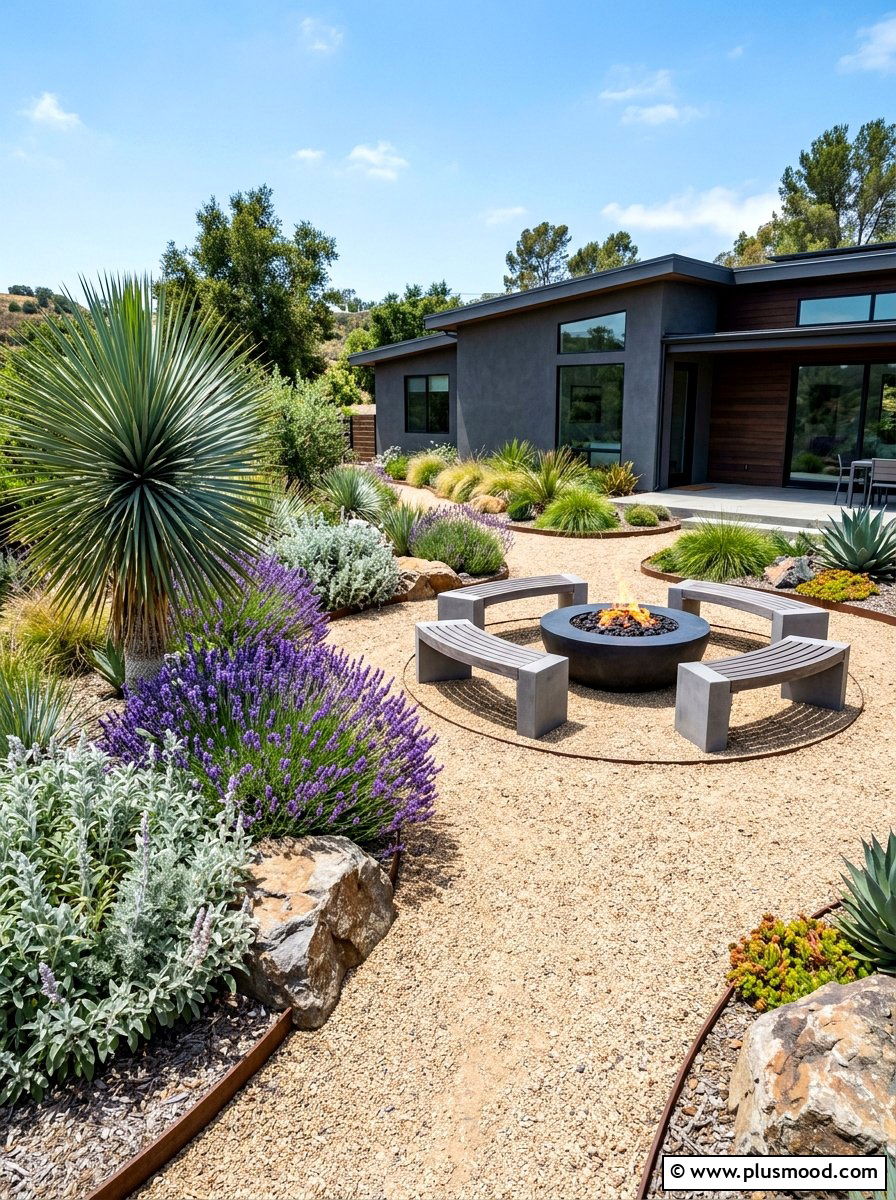
Creating a drought tolerant landscape, often referred to as xeriscaping, is the ultimate way to lower your environmental footprint and your workload simultaneously. This design philosophy focuses on selecting plants that require very little supplemental water once their root systems have fully developed. By grouping plants with similar hydration needs together, you can water more efficiently and avoid wasting resources on areas that don't need it. Utilizing hardscape elements like pavers, boulders, and organic mulches further reduces the amount of plant material that needs care. The result is a sophisticated, textured, and colorful yard that stands up to the most intense summer sun while remaining beautiful and healthy with almost no manual watering.
13. Composite Garden Deck
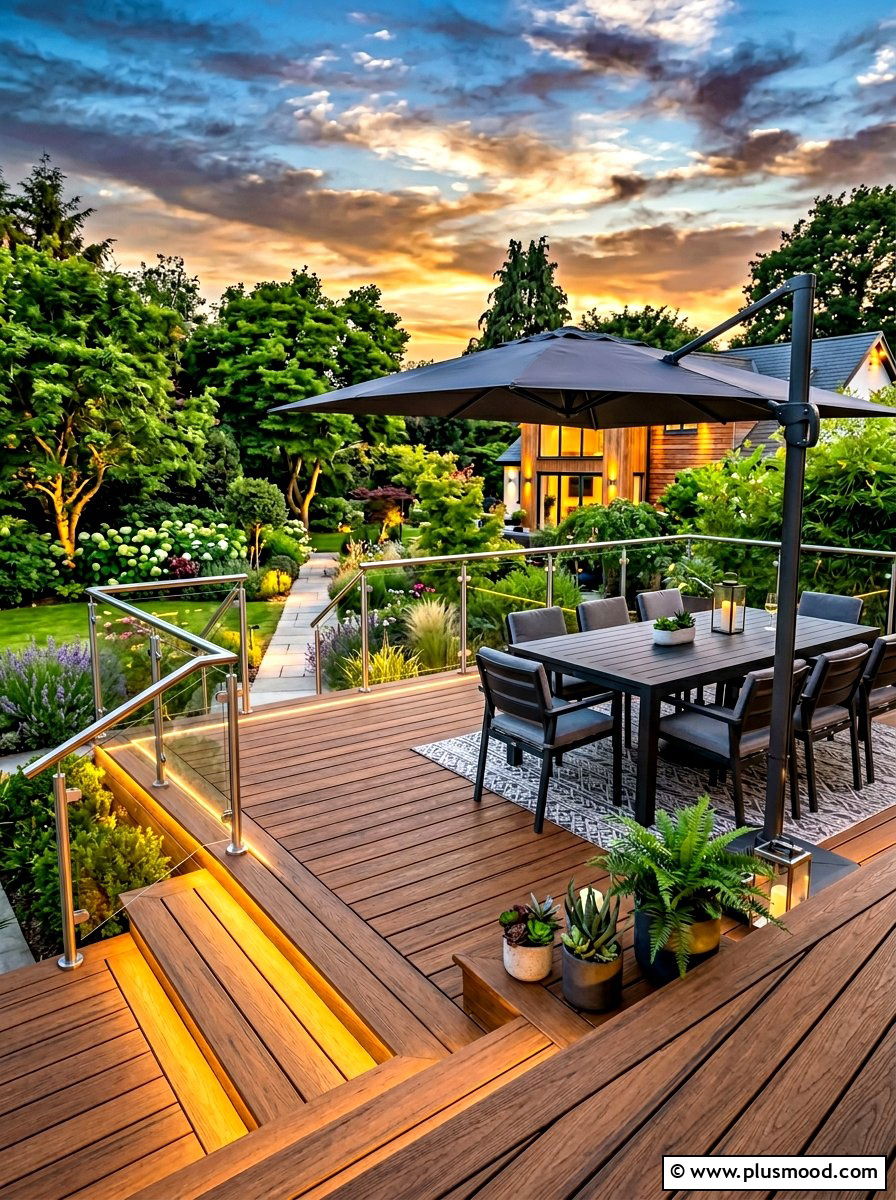
Do you find yourself dreading the annual ritual of sanding, staining, and sealing your wooden patio? Switching to a composite garden deck is a smart investment that provides a beautiful outdoor living area with virtually no maintenance required. Unlike traditional lumber, composite materials are made from a blend of wood fibers and recycled plastics, making them resistant to rot, warping, and insect damage. They won't splinter over time, making them safer for bare feet during the summer months. To keep it looking like new, all you need is an occasional wash with soap and water. This durable solution allows you to focus on enjoying your outdoor furniture and hosting summer barbecues instead of performing endless repairs.
14. Vertical Garden Wall
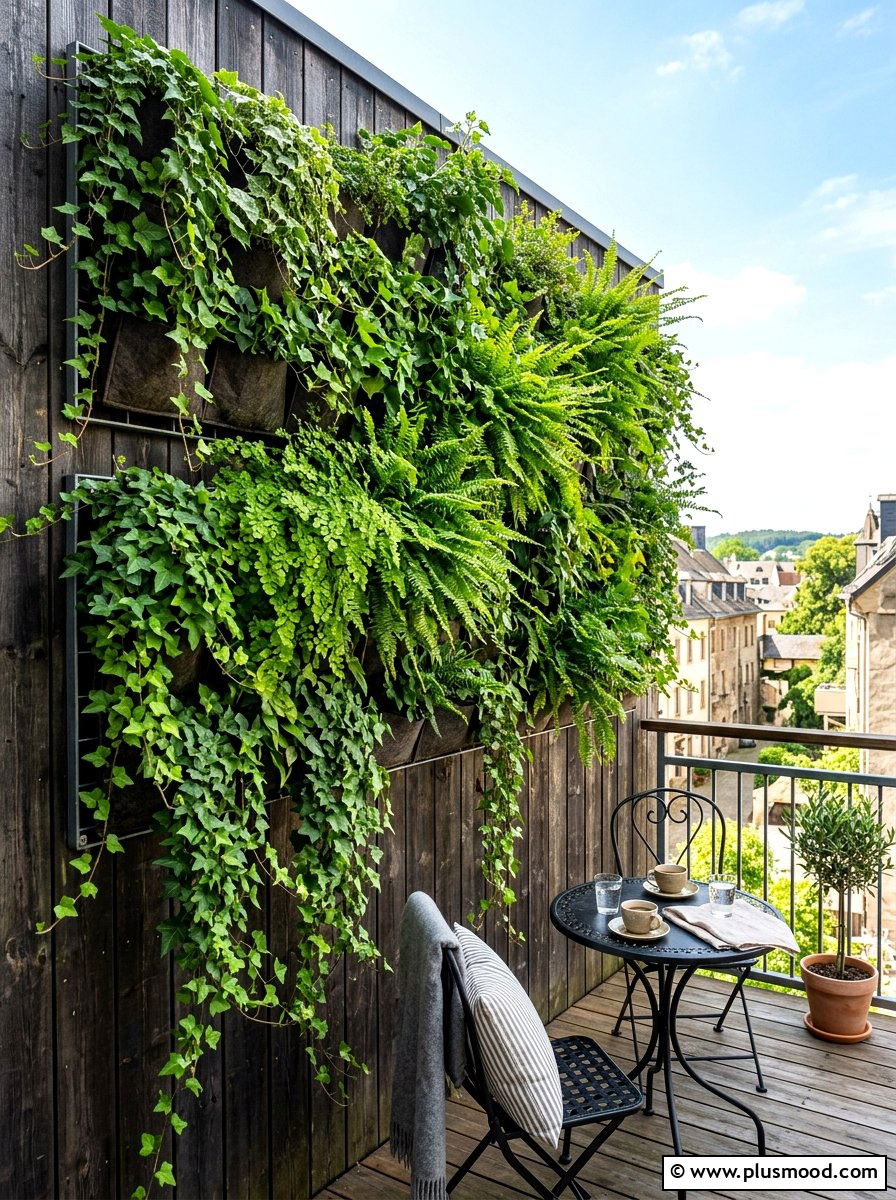
When ground space is limited or you want to hide an ugly fence, a vertical garden wall offers a lush solution that stays organized and easy to manage. Using wall-mounted planters or modular systems allows you to grow a variety of plants in a controlled environment that is often easier to weed and prune than traditional ground beds. Many vertical systems include integrated irrigation channels, making watering a simple and efficient process. You can fill these walls with trailing ivy, succulents, or even kitchen herbs, bringing greenery right to eye level. This approach creates a striking focal point that adds a sense of luxury to small patios or balconies while keeping your maintenance tasks localized and manageable.
15. Raised Bed Garden
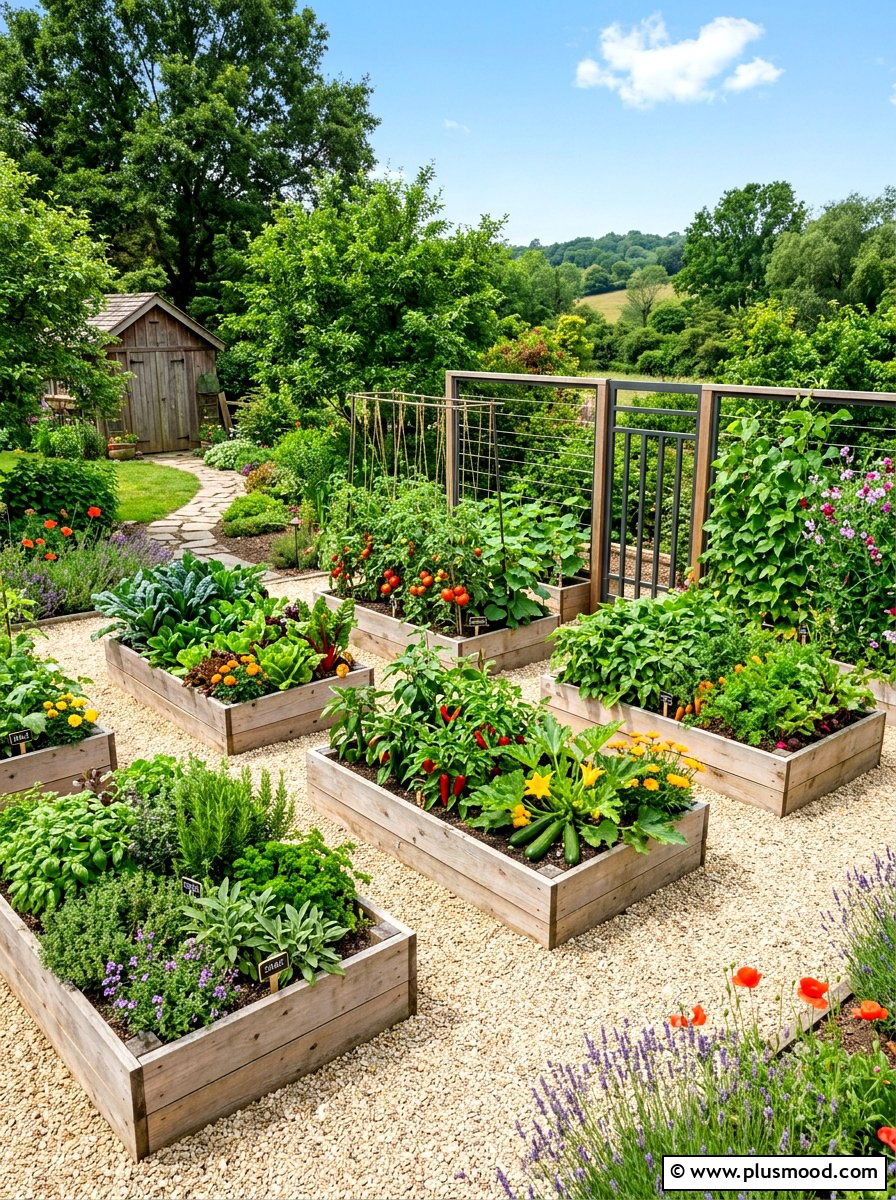
Starting a raised bed garden is one of the best ways to control your growing environment and drastically reduce the time spent on hands-and-knees weeding. Because you fill these beds with high-quality, weed-free soil from the start, you avoid the struggle of dealing with your yard's natural invasive species. The elevated height also makes it much more comfortable to tend to your plants, saving your back and knees from unnecessary strain. Raised beds offer superior drainage and warm up faster in the spring, giving your summer vegetables or flowers a head start. By containing your gardening efforts within clear boundaries, you keep the rest of your yard tidy and much easier to manage.
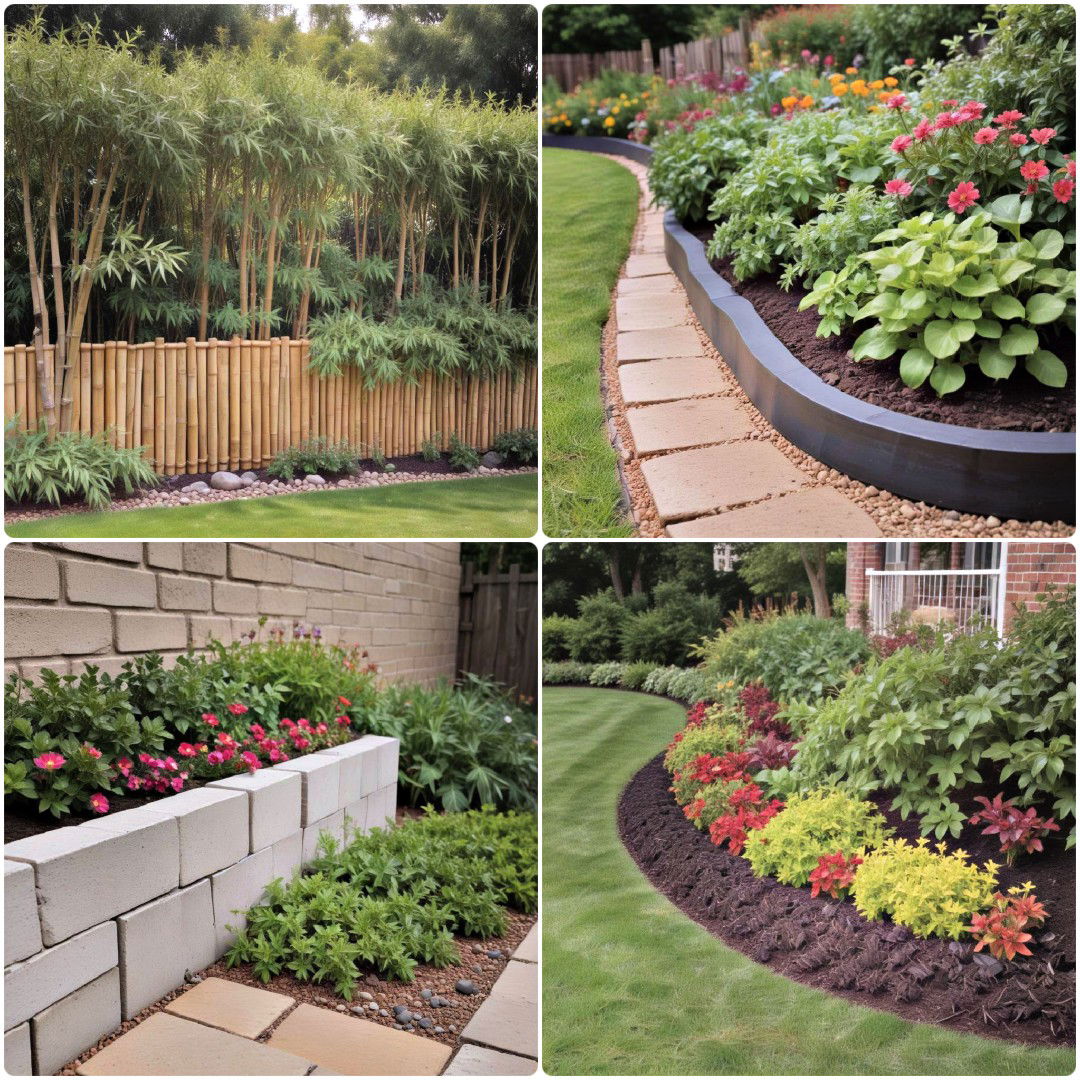
16. Stone Mulch Landscaping
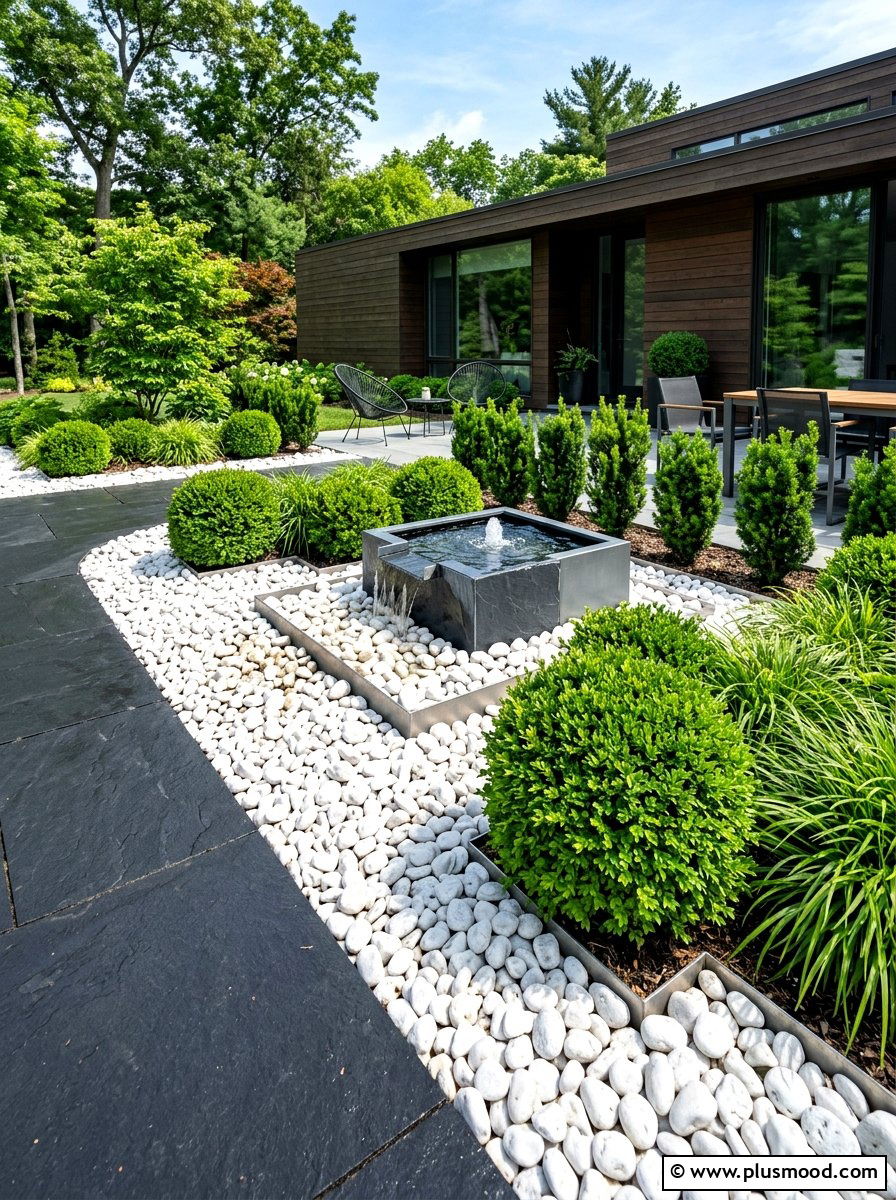
For those who want a truly permanent solution to weed control, stone mulch landscaping is an excellent alternative to wood-based products. Using crushed stone, pea gravel, or lava rock in your garden beds creates a clean, modern look that will never rot or need to be replenished every year. Stones are excellent at suppressing weed growth and protecting the soil from erosion caused by heavy summer rainstorms. They also don 't attract wood-eating insects like termites, which can sometimes be a concern with organic mulches near your home' s foundation. While they don't add nutrients to the soil, they provide a very stable and attractive base for drought-tolerant plants, shrubs, and ornamental garden boulders.
17. Wildflower Meadow Garden
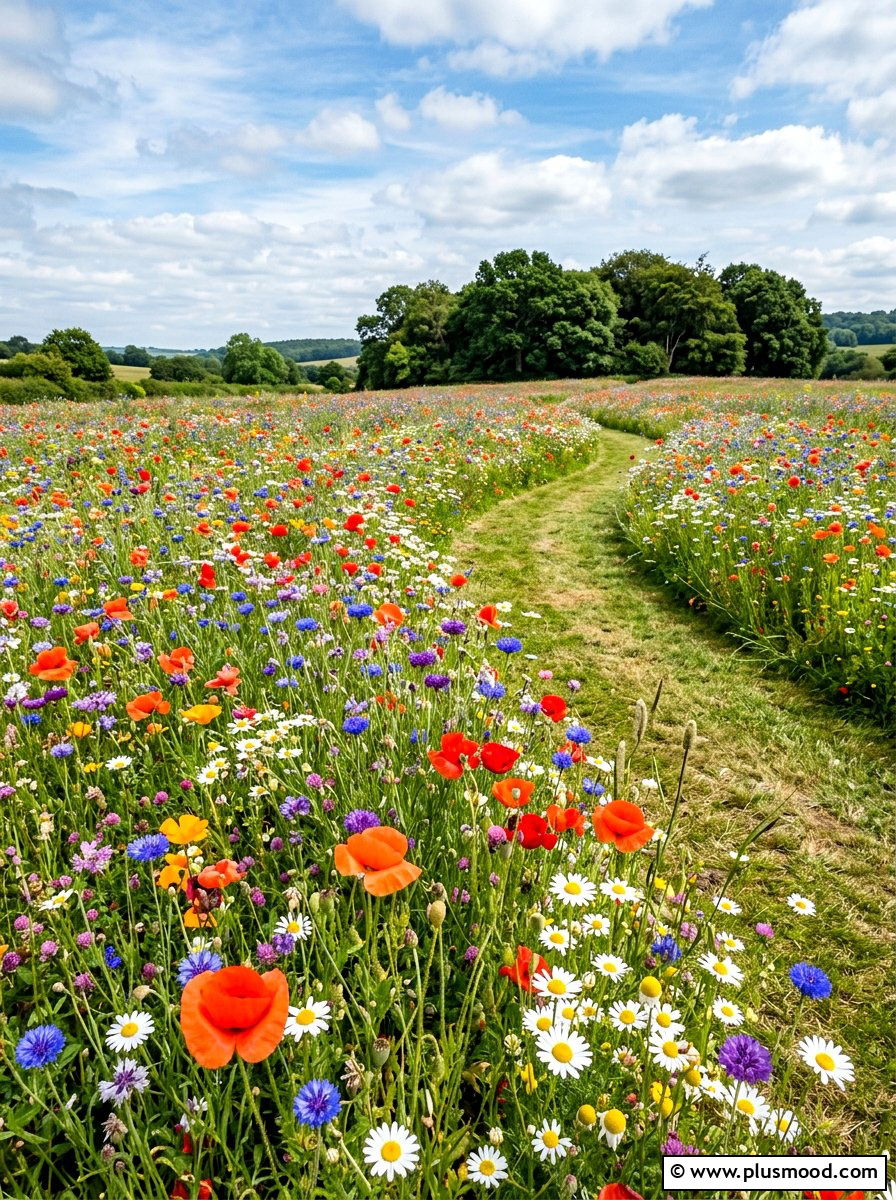
Why spend hours meticulously manicuring a lawn when you could foster a beautiful, buzzing wildflower meadow garden instead? This approach embraces the natural beauty of the landscape and requires very little intervention after the initial seeding process. Wildflowers are naturally resilient and provide an ever-changing display of colors and textures that attract birds and beneficial insects to your yard. Once established, a meadow only needs to be mowed once or twice a year, typically in the late fall after the seeds have dropped. This creates a relaxed, romantic aesthetic that celebrates the local environment while freeing you from the rigid schedules of traditional gardening and the constant need for chemical lawn treatments.
18. Self Watering Planter
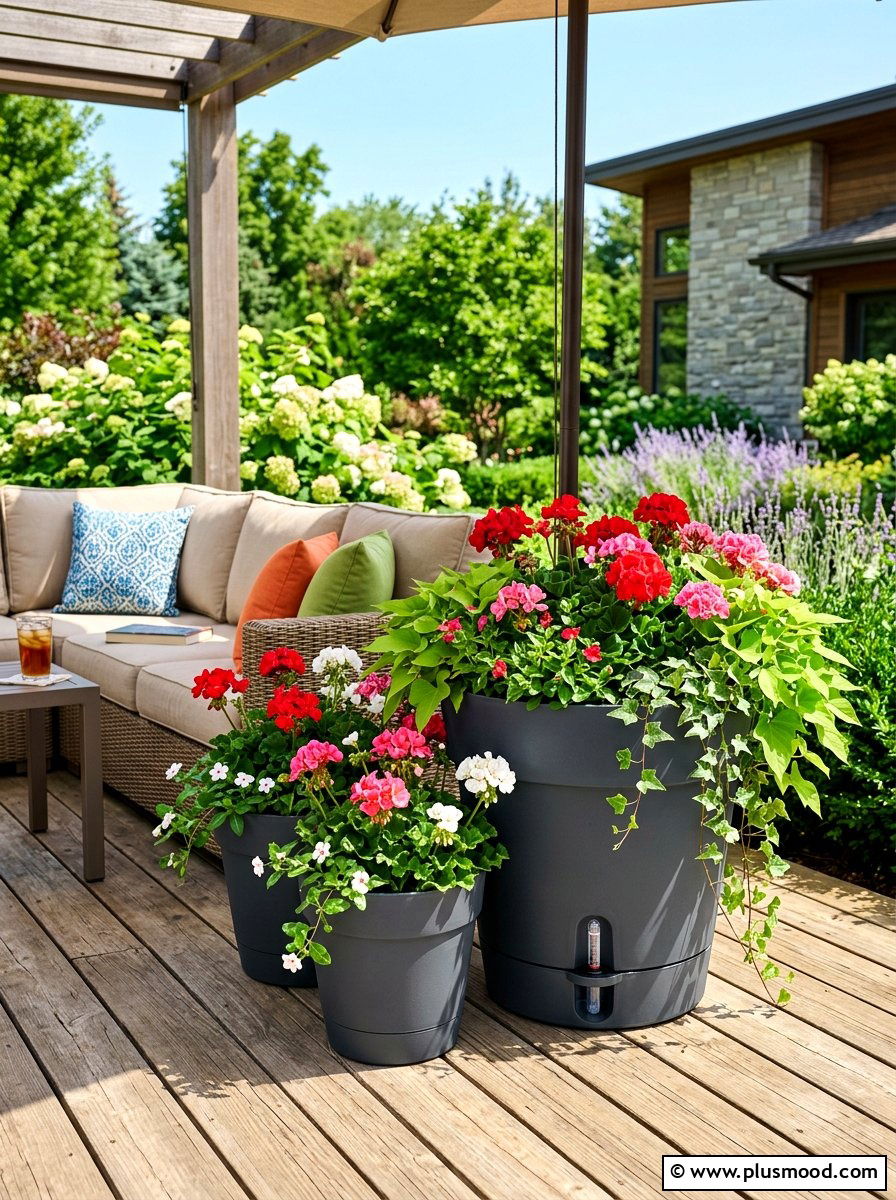
Do you love the look of container plants but struggle to keep them alive during long, hot summer weekends away? Investing in a self watering planter is a brilliant way to ensure your favorite flowers and herbs stay hydrated without daily attention. These clever pots feature a built-in reservoir at the bottom that holds a supply of water, which is slowly absorbed by the soil through capillary action as the plant needs it. This consistent moisture level prevents the stress of wilting and overwatering, leading to much healthier and more productive plants. It allows you to enjoy vibrant blooms on your porch or patio while only needing to refill the water reservoir every few days or weeks.
19. Evergreen Hedge Garden
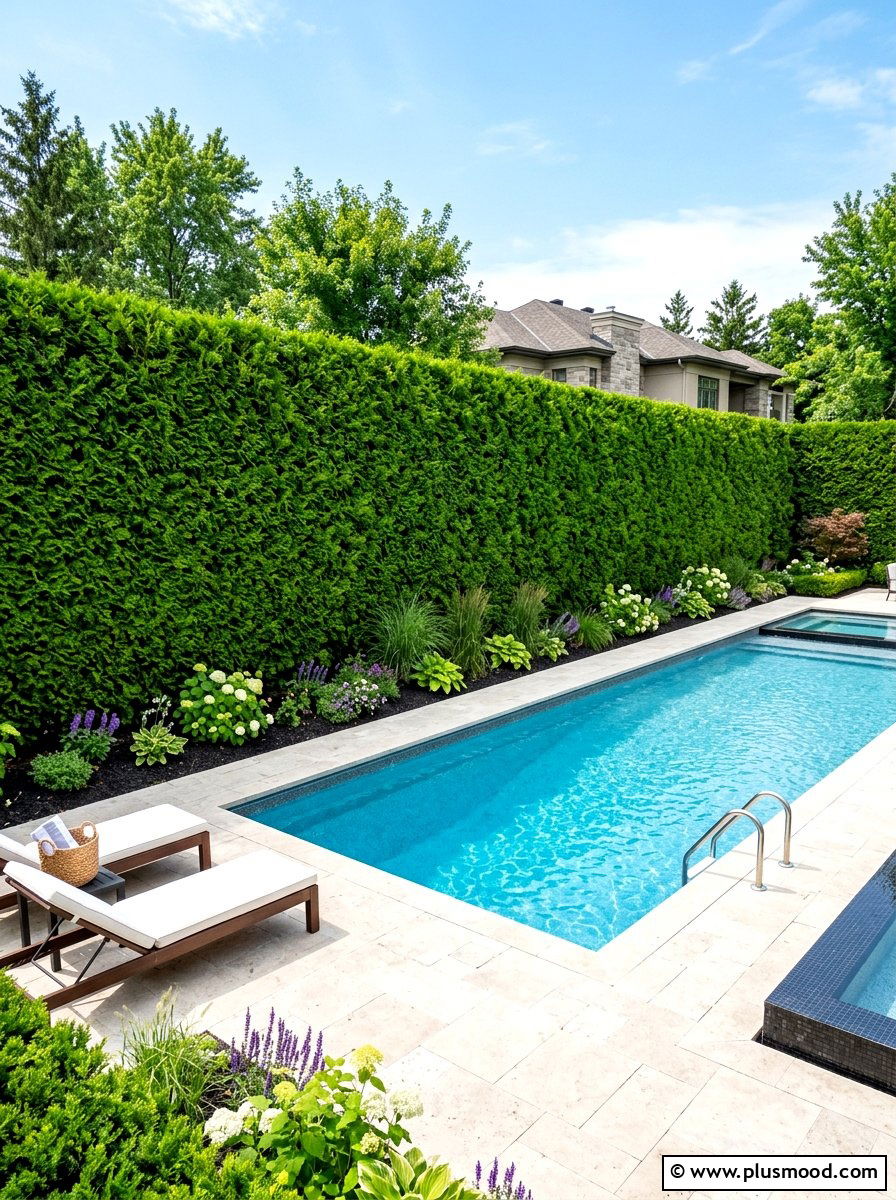
If privacy is a priority for your outdoor space, an evergreen hedge garden provides a living wall that remains green and lush all year long. Unlike deciduous fences that drop leaves and require seasonal cleanup, evergreens like arborvitae or laurel provide a consistent screen with very minimal maintenance. These plants are generally very hardy and, once they reach your desired height, only require a light trimming once a year to keep their shape. They act as a natural sound barrier and windbreak, making your summer afternoons in the yard feel more private and peaceful. Their dense foliage also provides a safe haven for local birds, adding a touch of wildlife to your quiet retreat.
20. Pollinator Garden
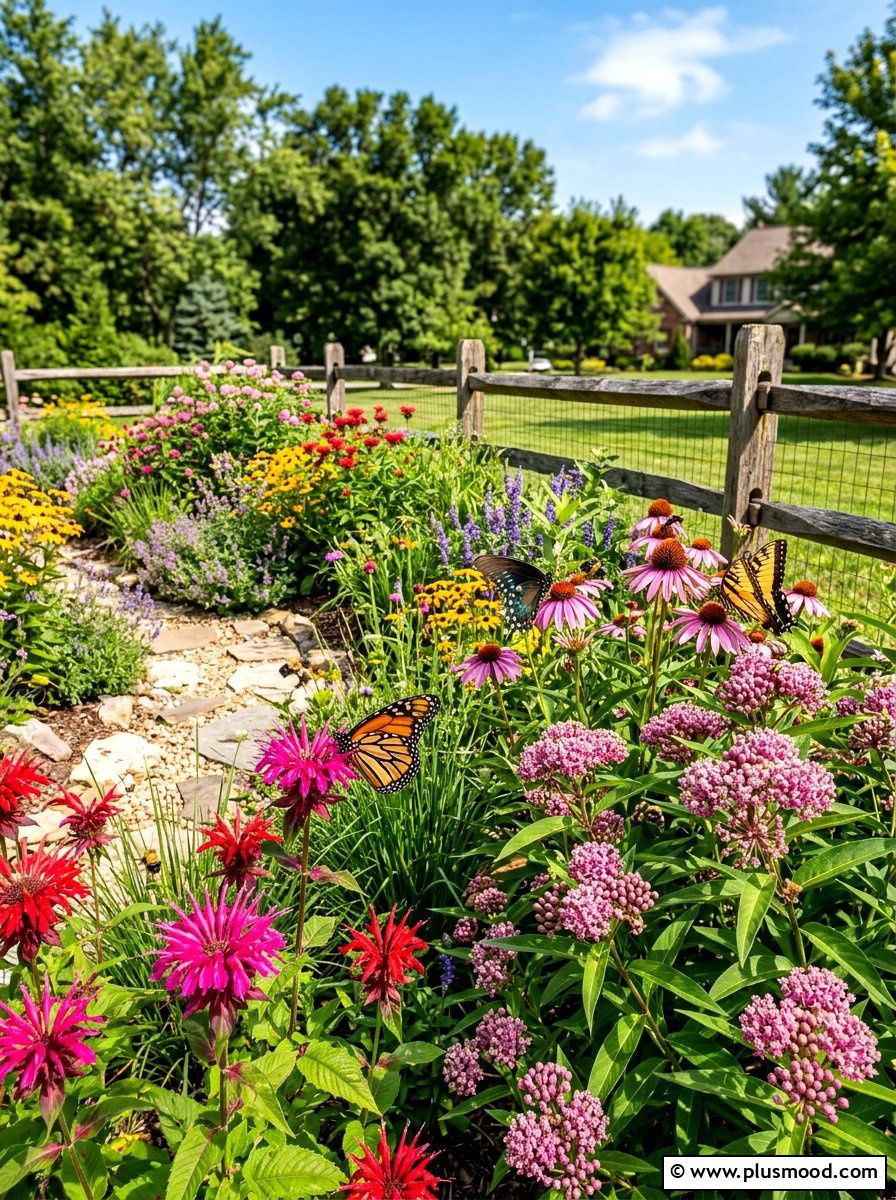
Creating a pollinator garden is a rewarding way to support the local environment while enjoying a yard that is largely self-sustaining. By planting a variety of nectar-rich flowers like milkweed, bee balm, and salvia, you invite bees, butterflies, and hummingbirds to do much of the heavy lifting for you. These plants are often very hardy and require little more than occasional deadheading to keep them blooming throughout the summer. A healthy pollinator population helps ensure the success of your other garden plants and fruit trees without the need for artificial fertilizers. This type of garden focuses on native, resilient species that thrive with minimal watering, resulting in a lively, colorful space that benefits everyone.
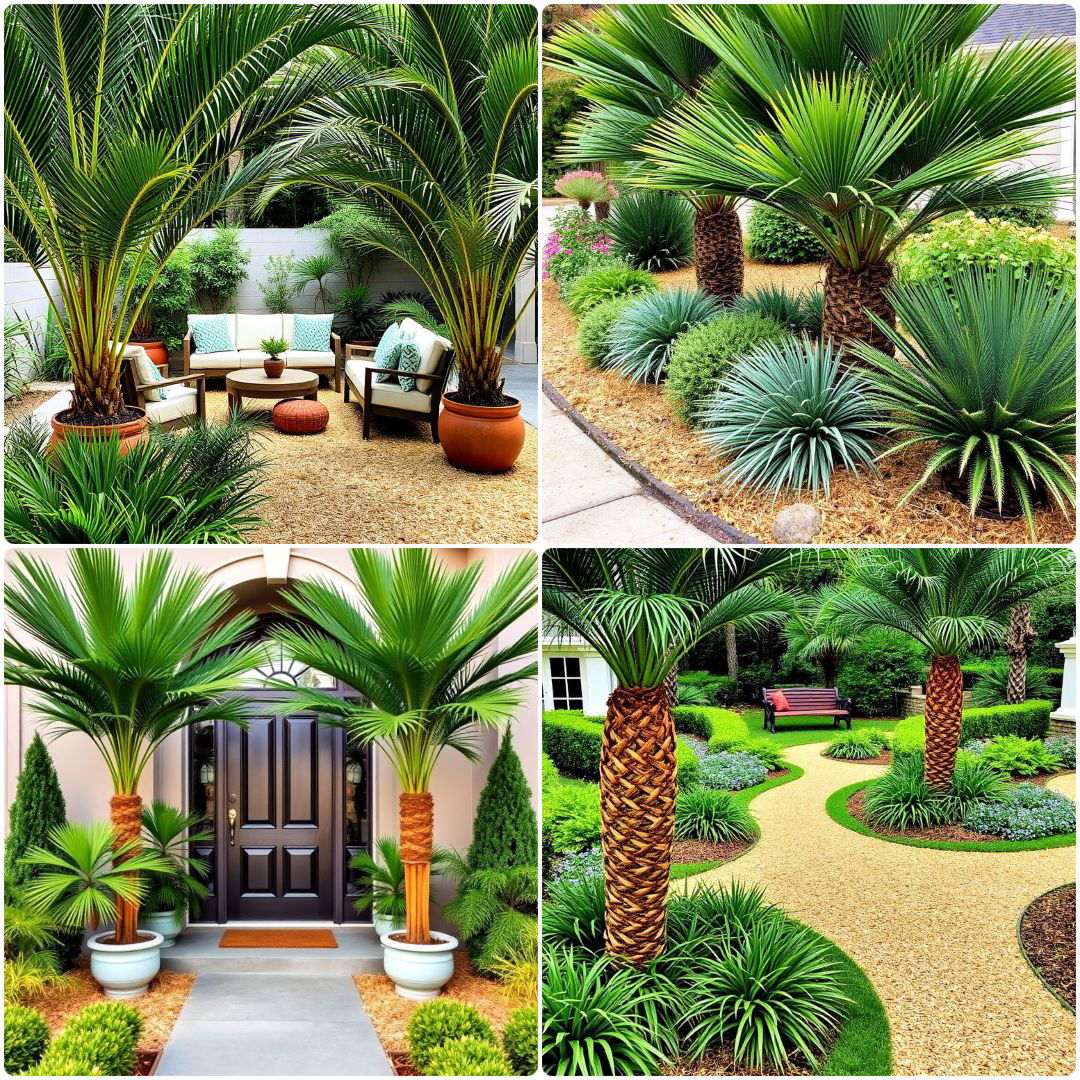
21. Minimalist Garden Landscape
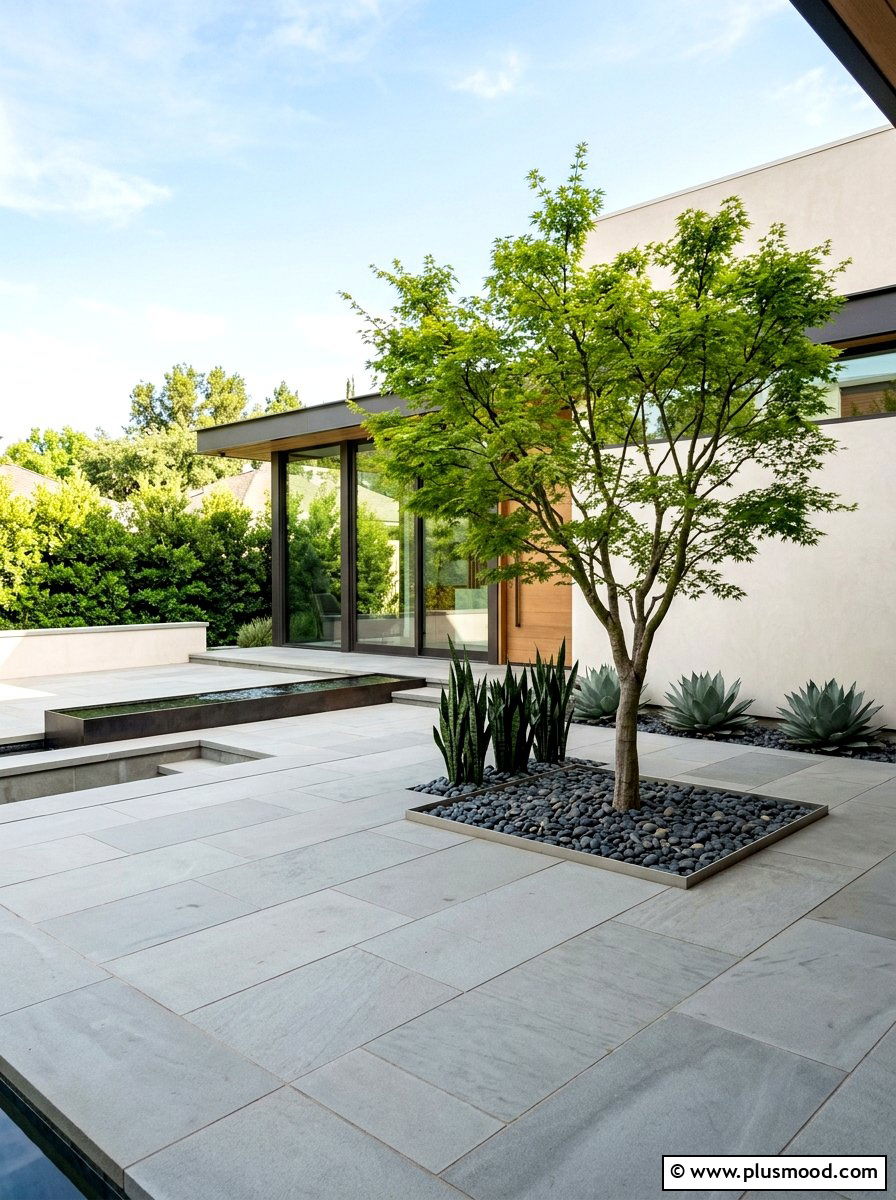
A minimalist garden landscape focuses on the principle of "less is more, " using a limited palette of plants and materials to create a clean, sophisticated outdoor area. By reducing the number of different plant species and focusing on structural elements like sleek pavers, stone walls, and large architectural planters, you significantly decrease the variety of maintenance tasks required. This style often utilizes evergreen plants and hardscaping to provide interest, meaning there are fewer seasonal changes to manage. The result is a calm, uncluttered sanctuary that looks intentional and well-designed at all times. This approach is perfect for busy professionals who want a high-end look without the need for a full-time professional gardening crew.
22. Shade Perennial Garden
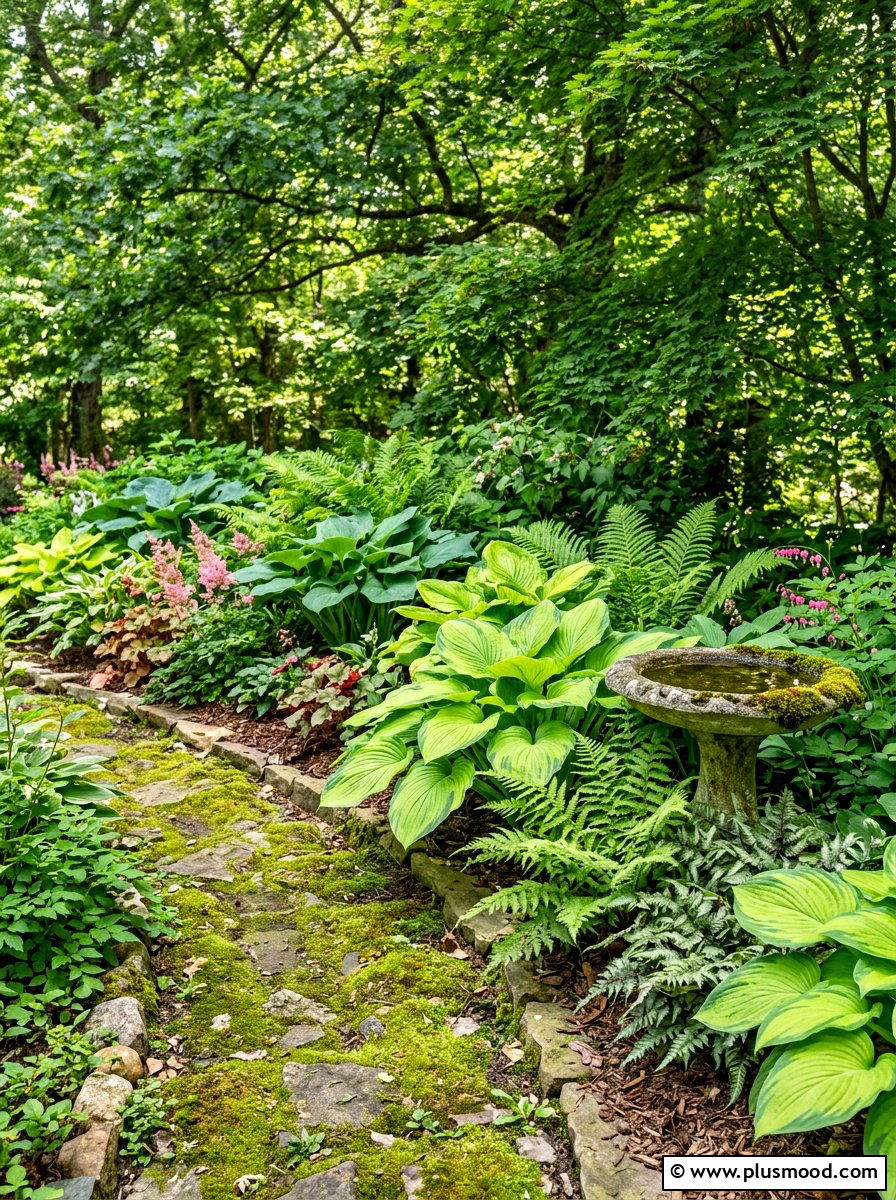
Does your yard have a dark, damp corner where nothing seems to grow? A shade perennial garden filled with plants like hostas, ferns, and astilbe can turn a problematic area into a lush, cool retreat with very little effort. These plants are naturally adapted to low-light conditions, meaning they won 't scorch or wilt in the intense summer sun. Because the soil in shaded areas stays moist longer, you won' t need to water nearly as often as you would in full-sun beds. Most shade-loving perennials have large, attractive leaves that provide instant coverage and naturally suppress weed growth. This creates a peaceful, forest-like atmosphere that requires very minimal maintenance once the plants have been properly established.
23. Desert Garden Yard
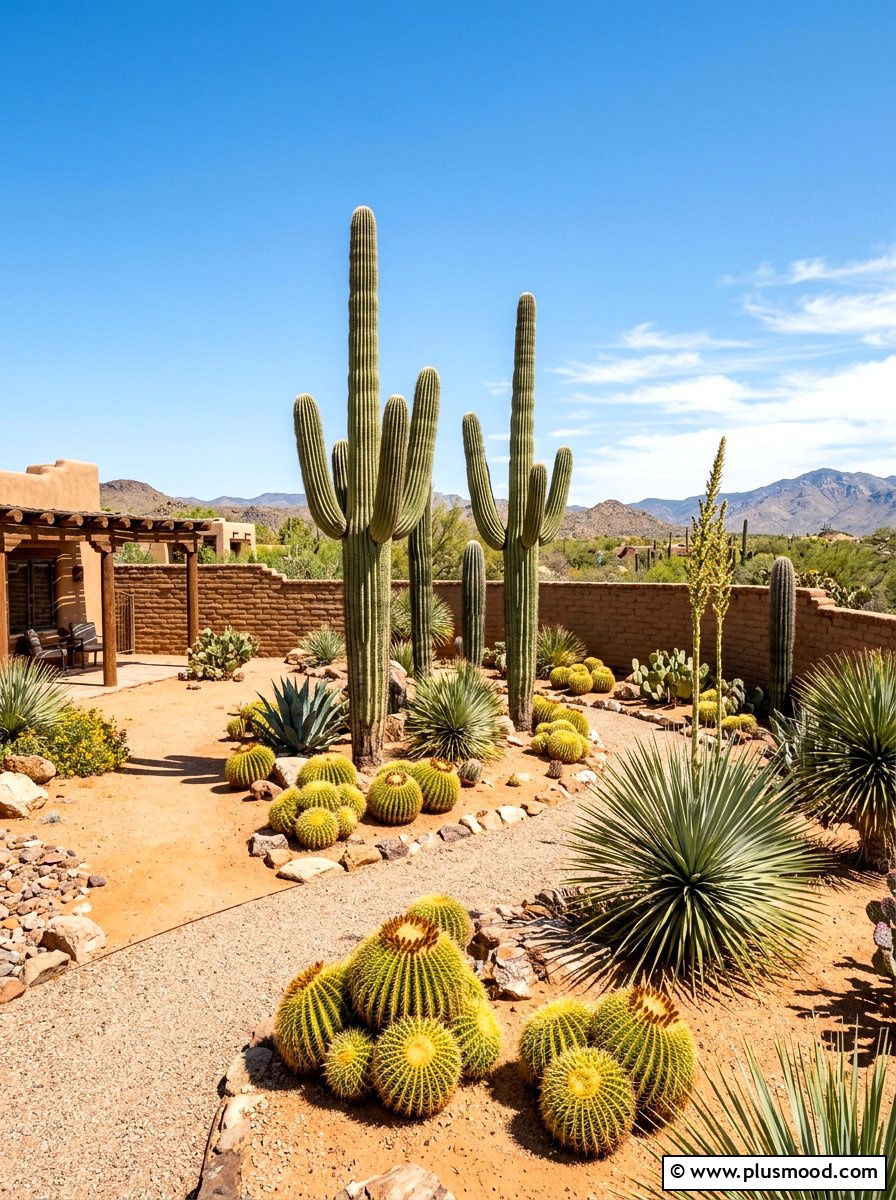
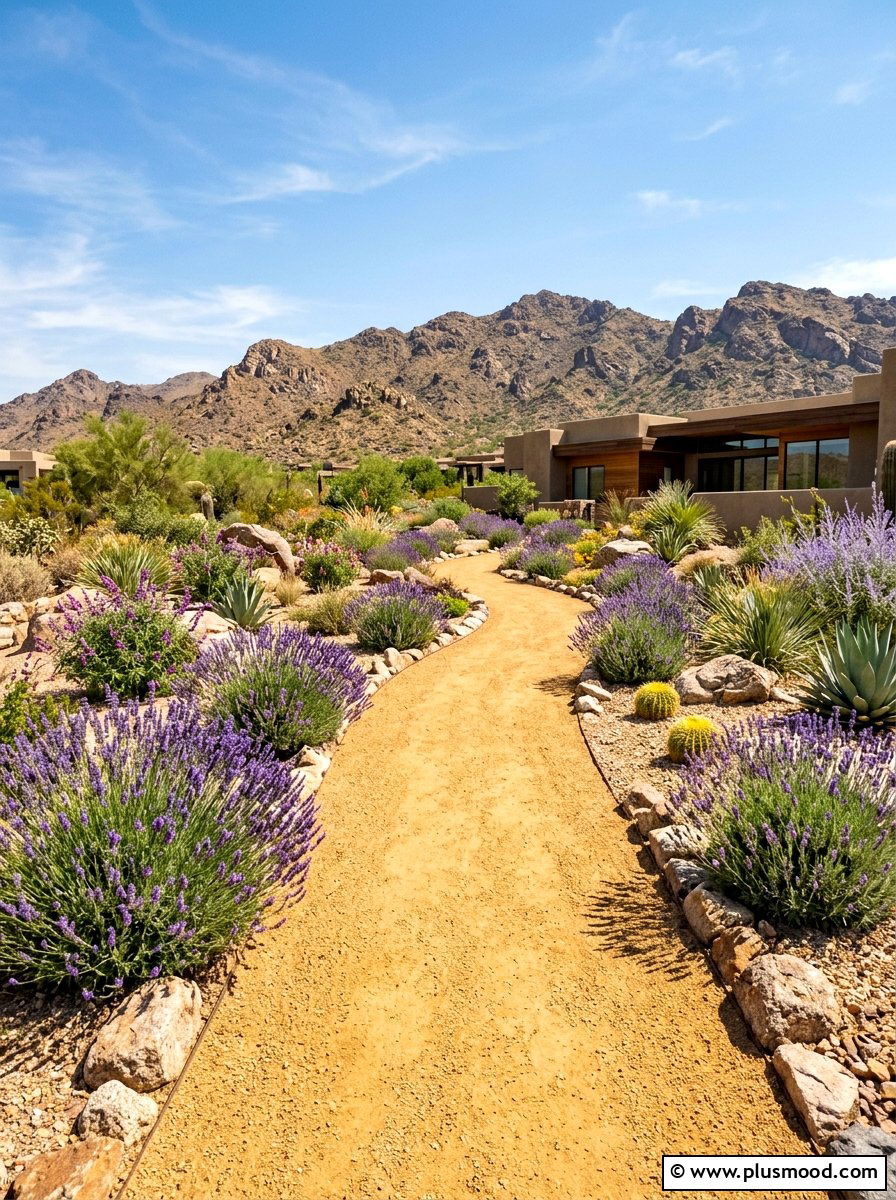
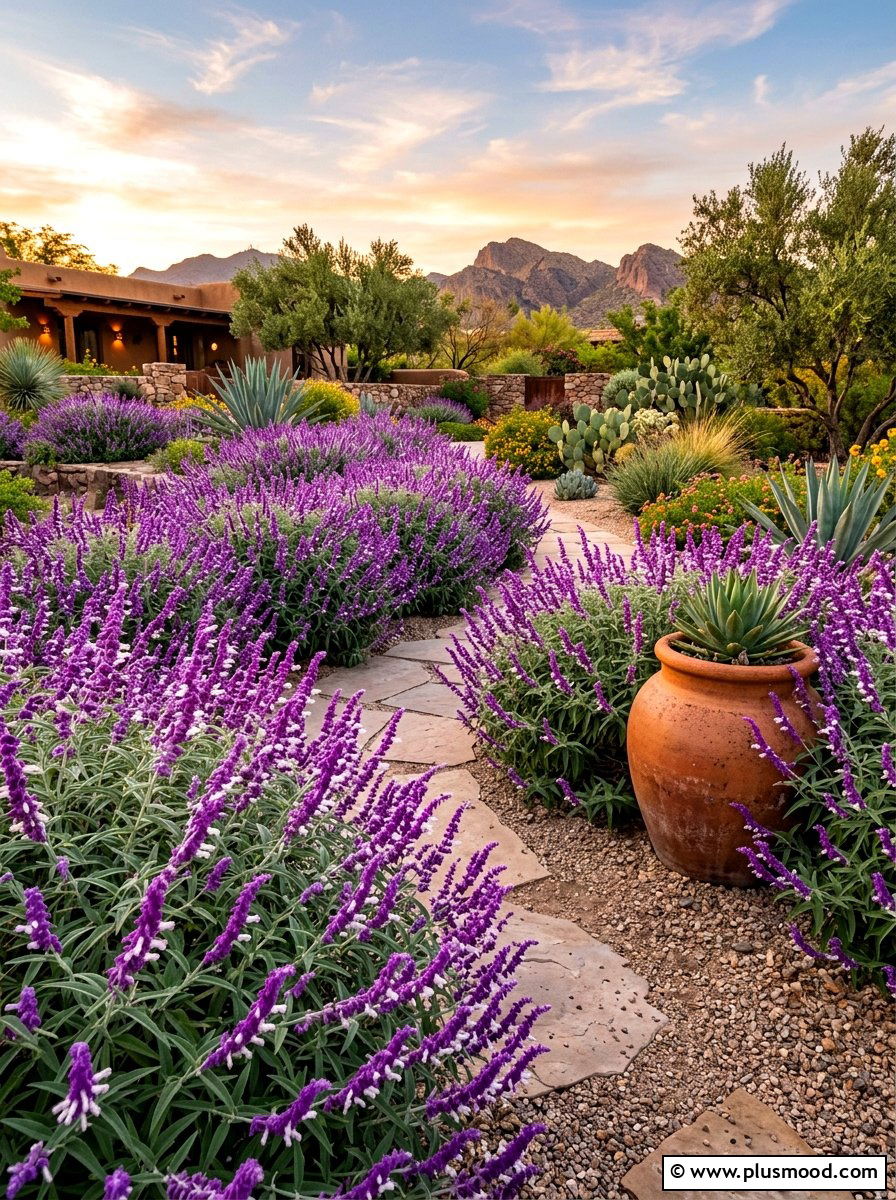
If you live in a particularly hot and arid climate, a desert garden yard is the most practical and stunning way to landscape your home. This style utilizes sand, gravel, and dramatic rock formations paired with heat-obsessed plants like yucca, cacti, and desert spoons. These plants are biologically programmed to survive on almost no water, making them the ultimate low-maintenance choices for the summer. The lack of traditional grass and organic mulch means you won't have to deal with the typical pests or diseases found in more humid gardens. A desert landscape offers a unique, sculptural beauty that reflects the natural environment and remains perfectly manicured and vibrant even during the most severe summer heatwaves.
24. Potted Garden Cluster
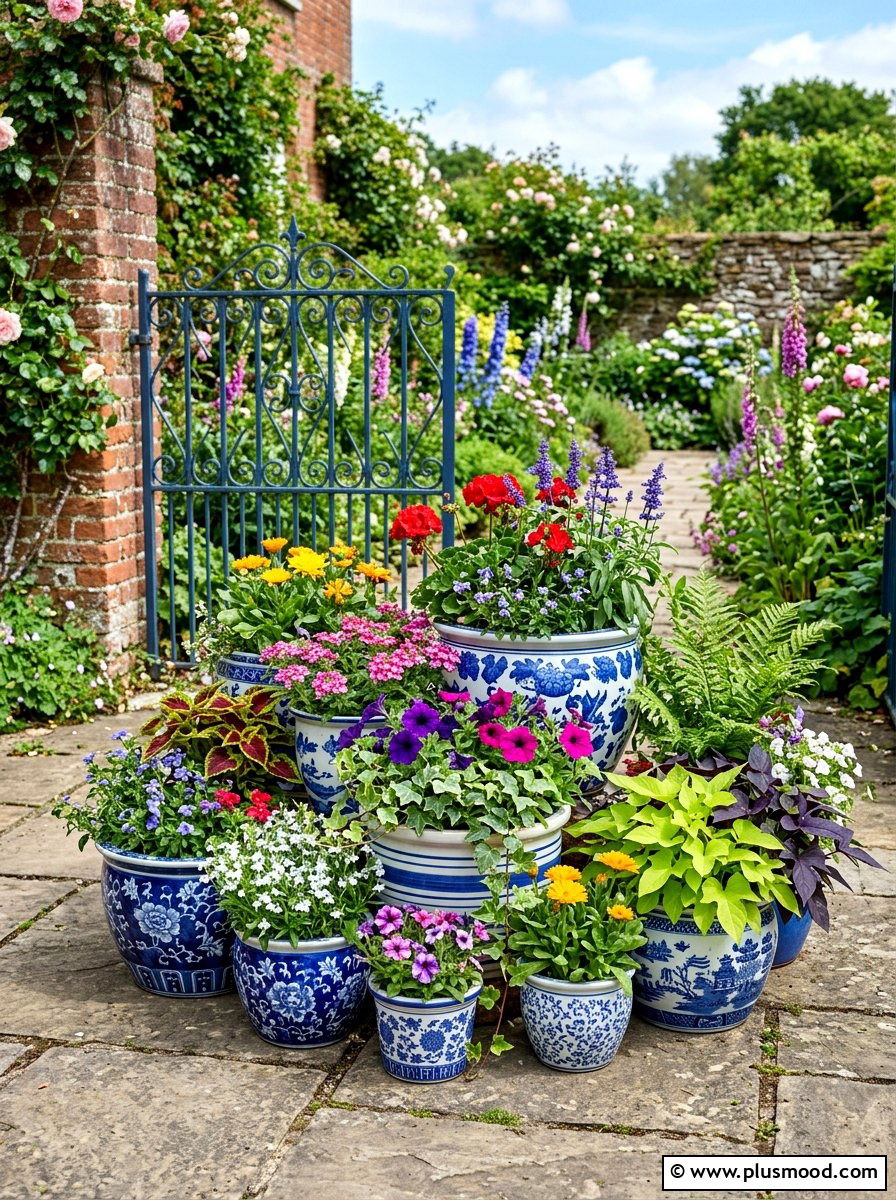
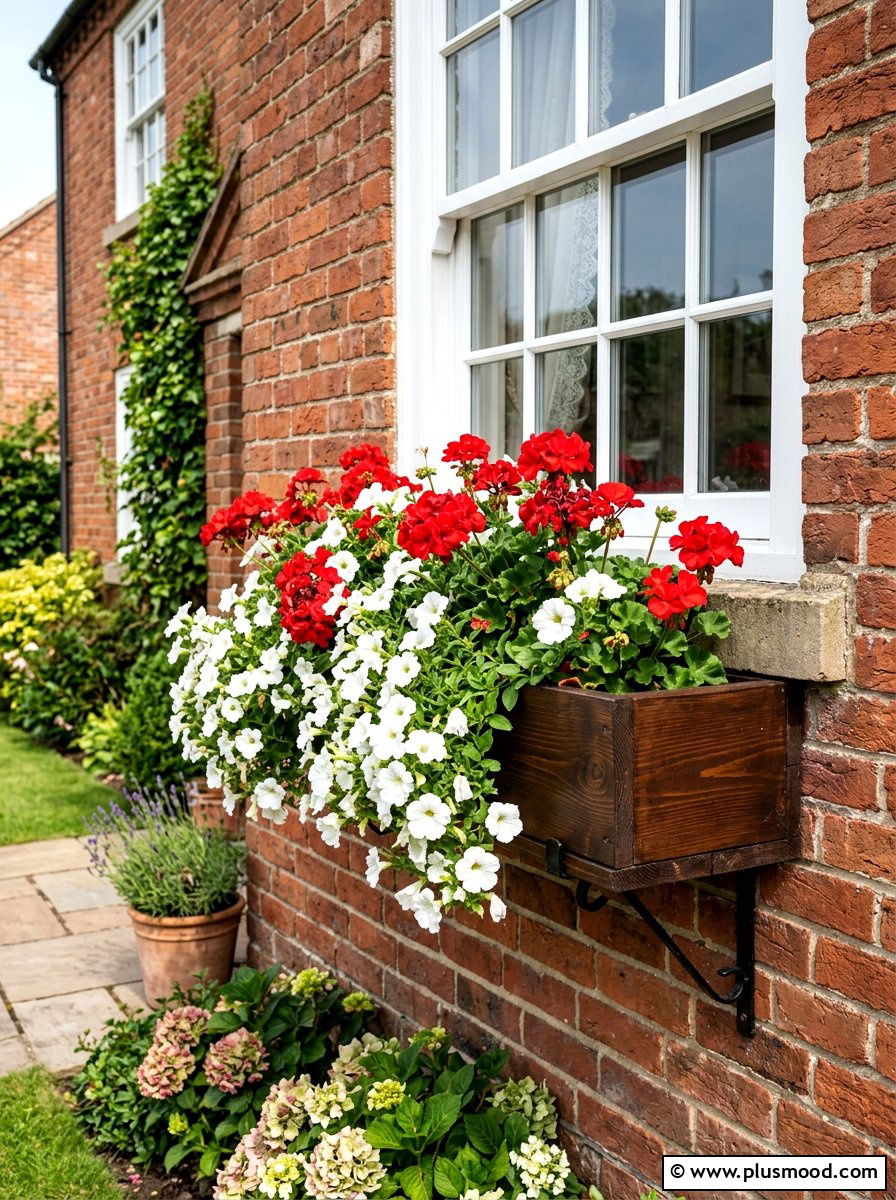
Grouping several containers together to create a potted garden cluster is an excellent way to add concentrated color to your patio or entryway without committing to large garden beds. By placing your pots in a single area, you make the watering process much faster and more efficient, especially if you use a simple drip line or a long-reach watering wand. You can easily swap out individual plants if they start to look tired, keeping the overall arrangement looking fresh with very minimal effort. This flexible approach allows you to experiment with different heights and textures while keeping all your gardening tasks localized. It is a perfect solution for renters or those with limited outdoor space.
25. Zen Garden Space
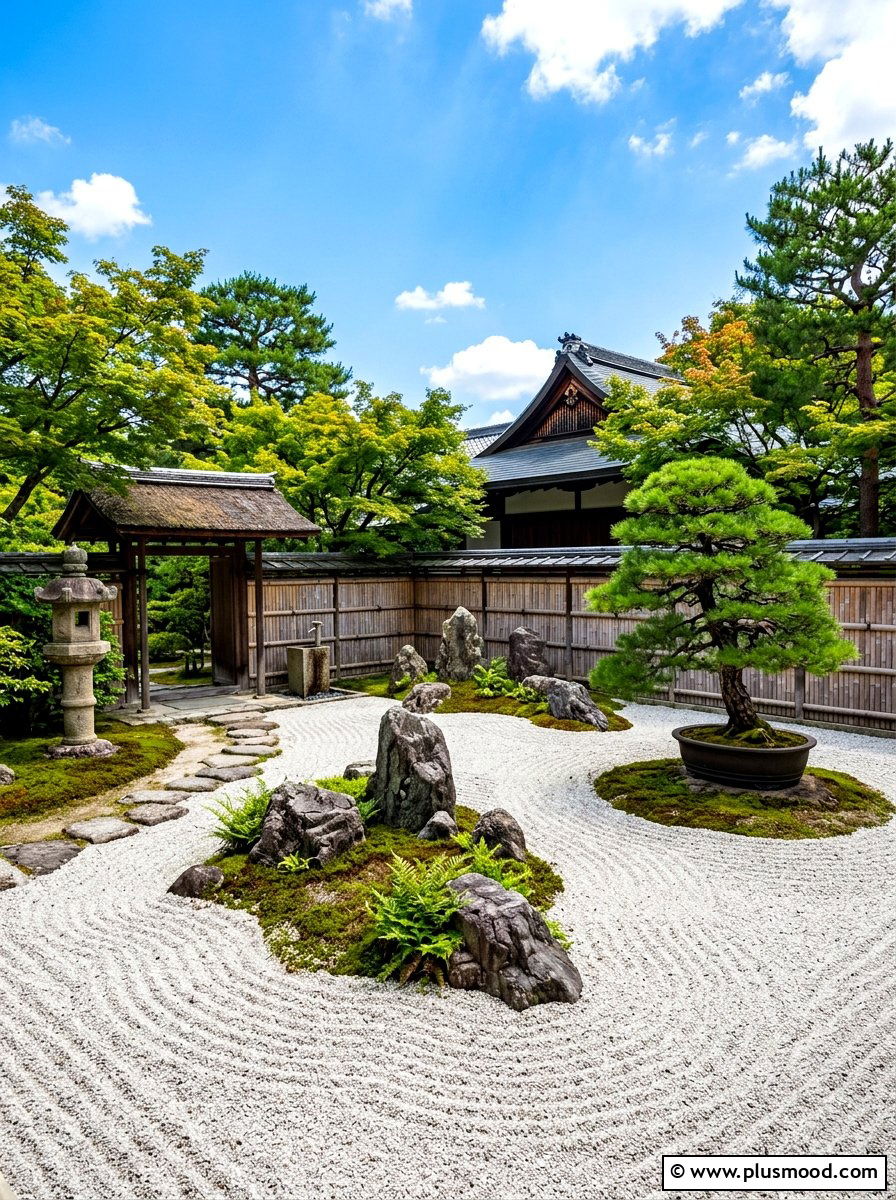
Incorporating a Zen garden space into your landscape provides a tranquil area for meditation and reflection that is remarkably easy to maintain. These gardens typically feature a minimalist combination of sand or fine gravel, large stones, and perhaps a single slow-growing moss or evergreen shrub. The primary activity involves using a wooden rake to create swirling patterns in the sand, which is a mindful and relaxing task rather than a grueling chore. There is no grass to mow, no flowers to deadhead, and very little water is required to keep the space looking pristine. A Zen garden offers a timeless, sophisticated aesthetic that stays beautiful year-round with only a few minutes of care each week.
Conclusion:
Creating a low-maintenance summer garden is truly about working with nature rather than against it. By prioritizing hardy native plants, smart hardscaping, and automated systems, you can build an outdoor retreat that enhances your lifestyle without adding to your stress. The ideas discussed here prove that a beautiful yard doesn't have to be a full-time job; it can be a place of rest and inspiration. Whether you choose to replace your lawn with gravel or install a few self-watering planters, every small change brings you closer to a more sustainable and enjoyable summer. Embrace these simple strategies and spend your sunny days relaxing in the beautiful sanctuary you have created.
Related posts:
Leave a Reply