
Transforming your outdoor space into a beautiful sanctuary doesn’t have to mean spending hours with a garden hose or watching your water bill skyrocket during the peak of summer. Many homeowners are now turning to low water landscaping as a sustainable and stylish way to boost curb appeal while respecting the environment. These water-wise methods, often referred to as xeriscaping, allow you to create a vibrant, thriving garden that survives even the harshest heat waves. By selecting the right plants and materials, you can build a resilient landscape that looks professional and feels incredibly inviting. Let’s explore these creative ways to save water and time this season while maintaining a lush yard.
1. Xeriscape Backyard
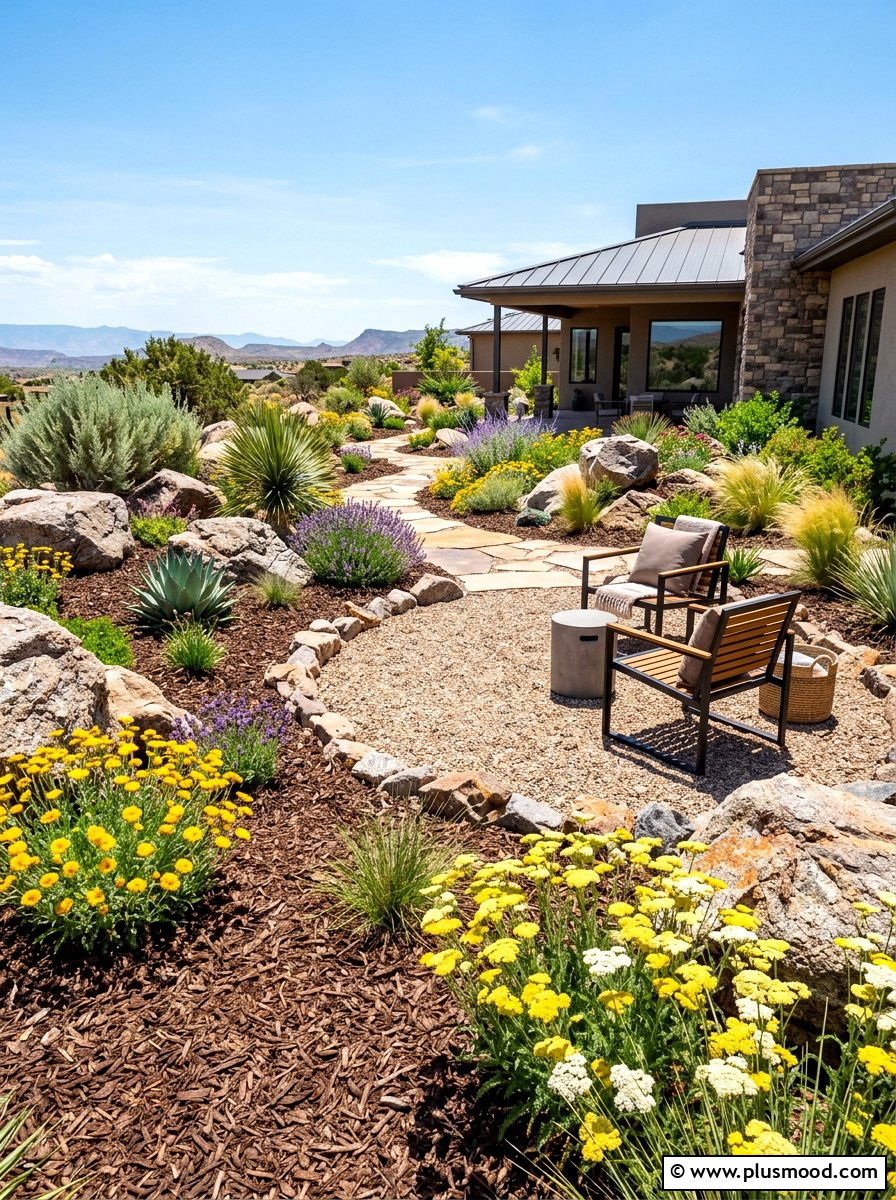
Creating a xeriscape backyard is one of the smartest ways to deal with hot summer months while keeping your outdoor space looking absolutely stunning. This approach focuses on using plants that naturally thrive in your local environment without needing constant watering from a hose. You can replace thirsty grass with a mix of crushed stone, organic mulch, and hardy shrubs that provide texture and color throughout the year. It is not just about rocks and sand; a well-planned xeriscape can feel lush and inviting by layering different heights of greenery and using strategic focal points like boulders or benches. It saves you significant time on maintenance too.
2. Succulent Garden
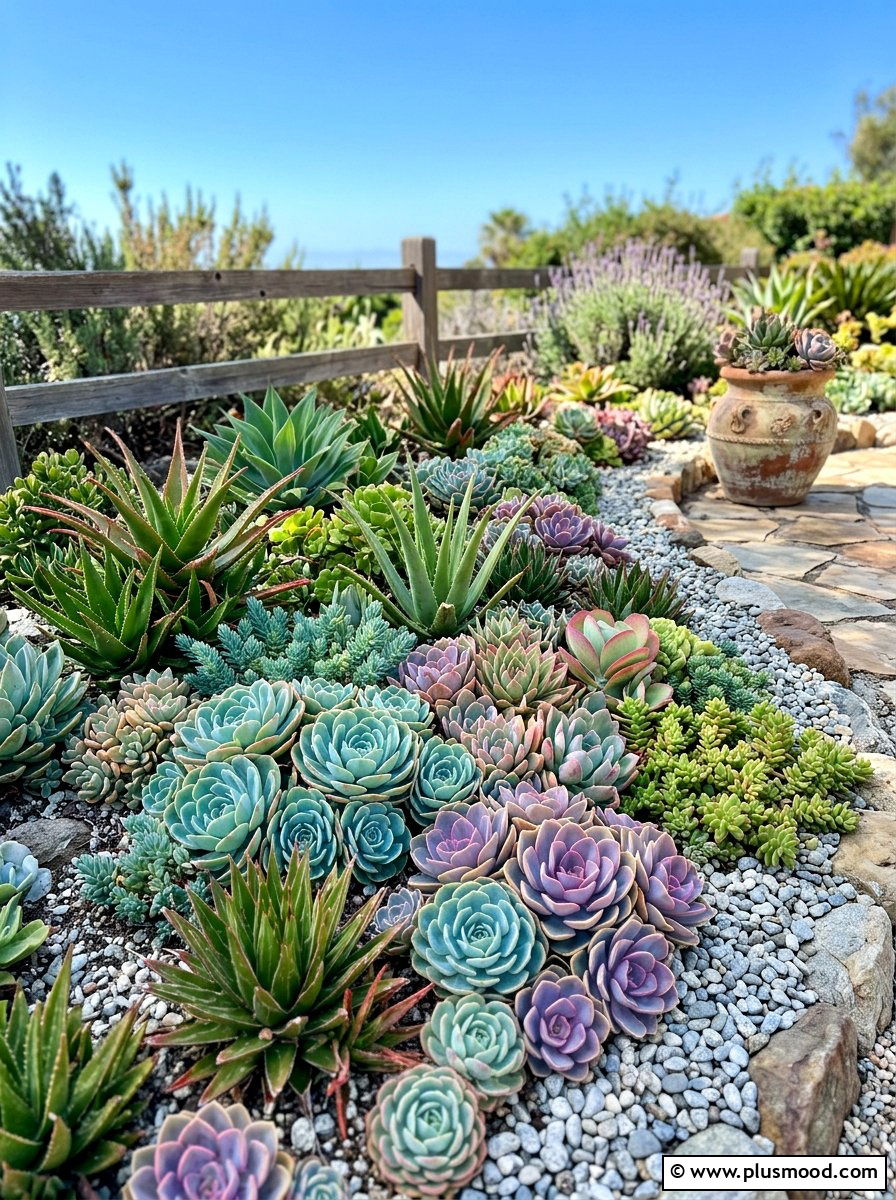
A succulent garden offers a modern and architectural look that requires very little moisture to stay healthy and vibrant during the summer. These plants are famous for their ability to store water in their thick leaves, which means they can handle long periods of drought without wilting. You can arrange different varieties like echeveria, aloe, and sedum to create a tapestry of shapes and colors in a sunny corner of your yard. They look particularly beautiful when nestled among small pebbles or decorative glass. Because they grow relatively slowly, you won't have to worry about constant pruning or upkeep, making them a perfect low-maintenance choice.
3. Rock Garden
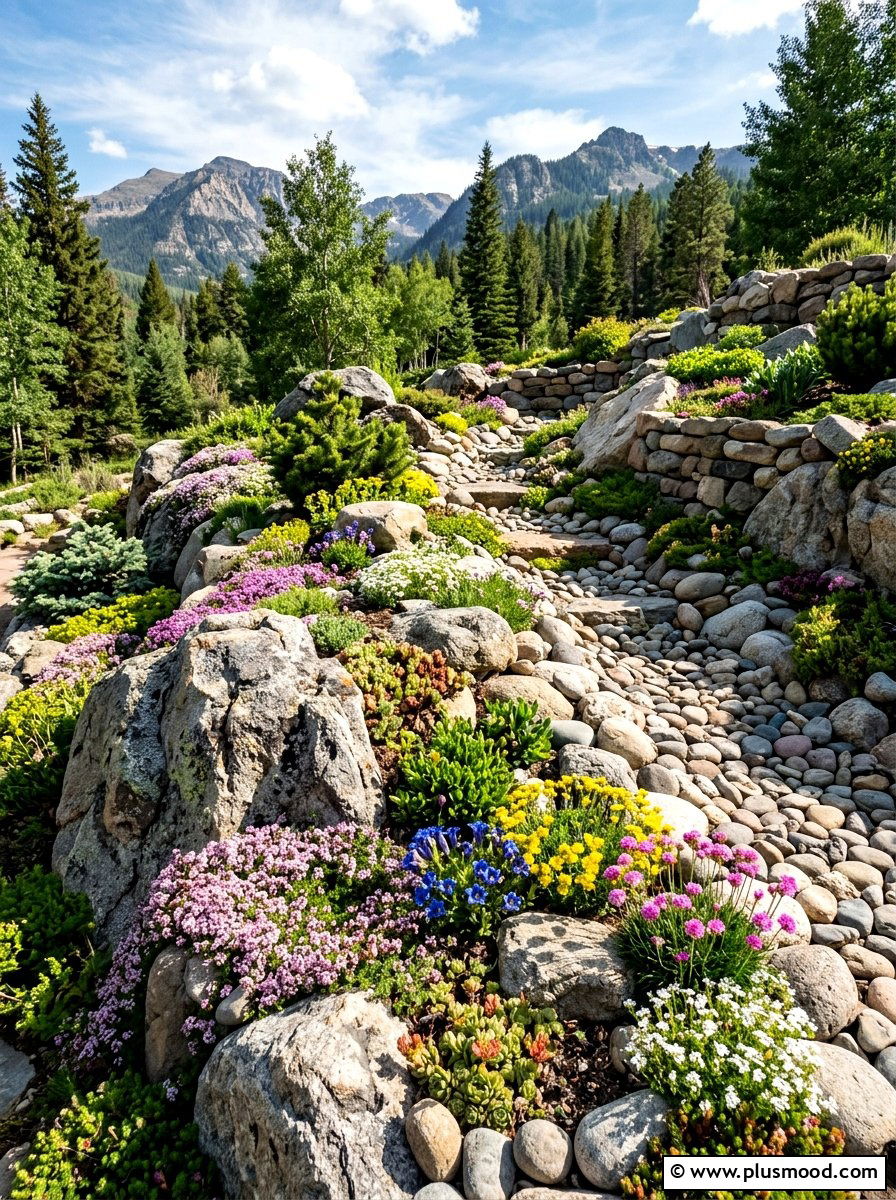
Designing a rock garden is an excellent way to add structure and visual interest to a sloped or uneven area of your property. By using a combination of large boulders, medium stones, and fine gravel, you can create a naturalistic scene that mimics a mountain landscape. This type of landscaping is inherently water-efficient because the stones occupy most of the space, leaving only small pockets for drought-tolerant plants like creeping thyme or alpines. The rocks also help to keep the soil beneath them cool and moist by reducing evaporation from the sun. It is a durable solution that looks great in any weather.
4. Native Plant Landscape
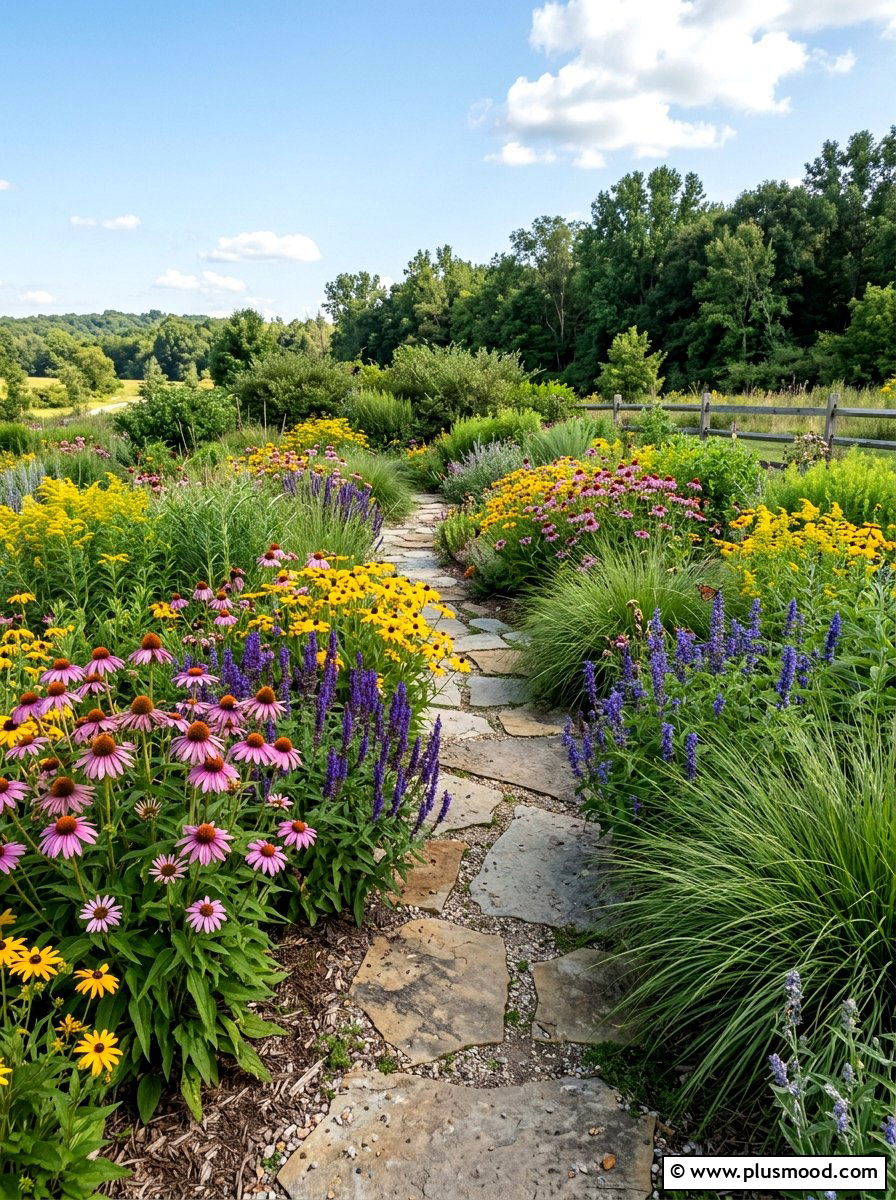
Choosing a native plant landscape is the ultimate way to ensure your garden thrives with minimal intervention from you. Native species have spent thousands of years adapting to your specific climate, soil types, and local rainfall patterns, so they naturally require less supplemental water. These plants also provide essential food and habitat for local pollinators like bees and butterflies, which adds life and movement to your yard. When you group these plants together according to their needs, you create a self-sustaining ecosystem that looks authentic to your region. It is a beautiful way to celebrate your local environment while saving precious resources.
5. Drought Tolerant Perennials
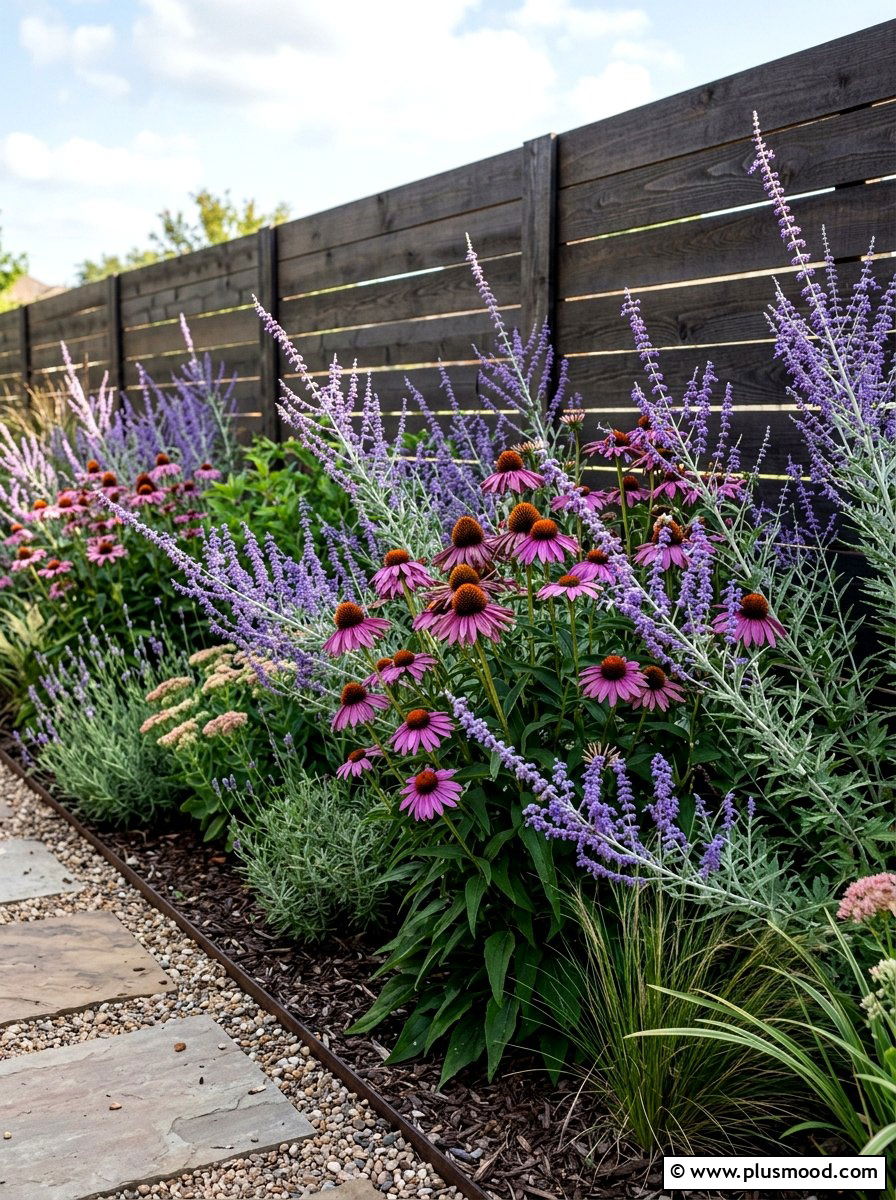
Planting drought tolerant perennials ensures that your garden returns with beautiful blooms year after year without demanding a heavy watering schedule. Varieties like Russian sage, purple coneflower, and yarrow are incredibly hardy and can withstand intense summer heat once they have established their root systems. These plants often feature deep roots that reach far into the ground to find moisture, allowing them to stay green even when the surface soil is dry. You can mix different colors and heights to create a dynamic flower bed that remains attractive from spring through late autumn. They are a reliable foundation for any water-wise garden.
6. Artificial Grass
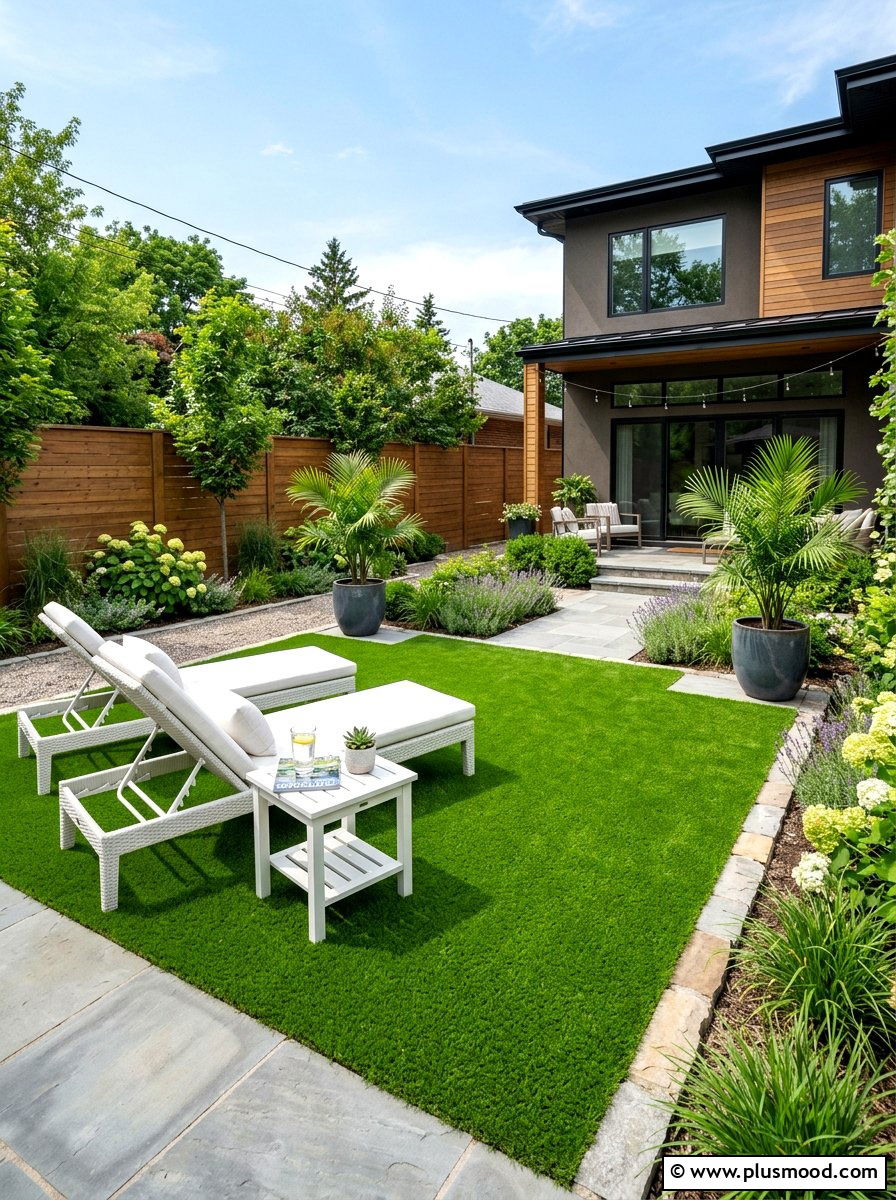
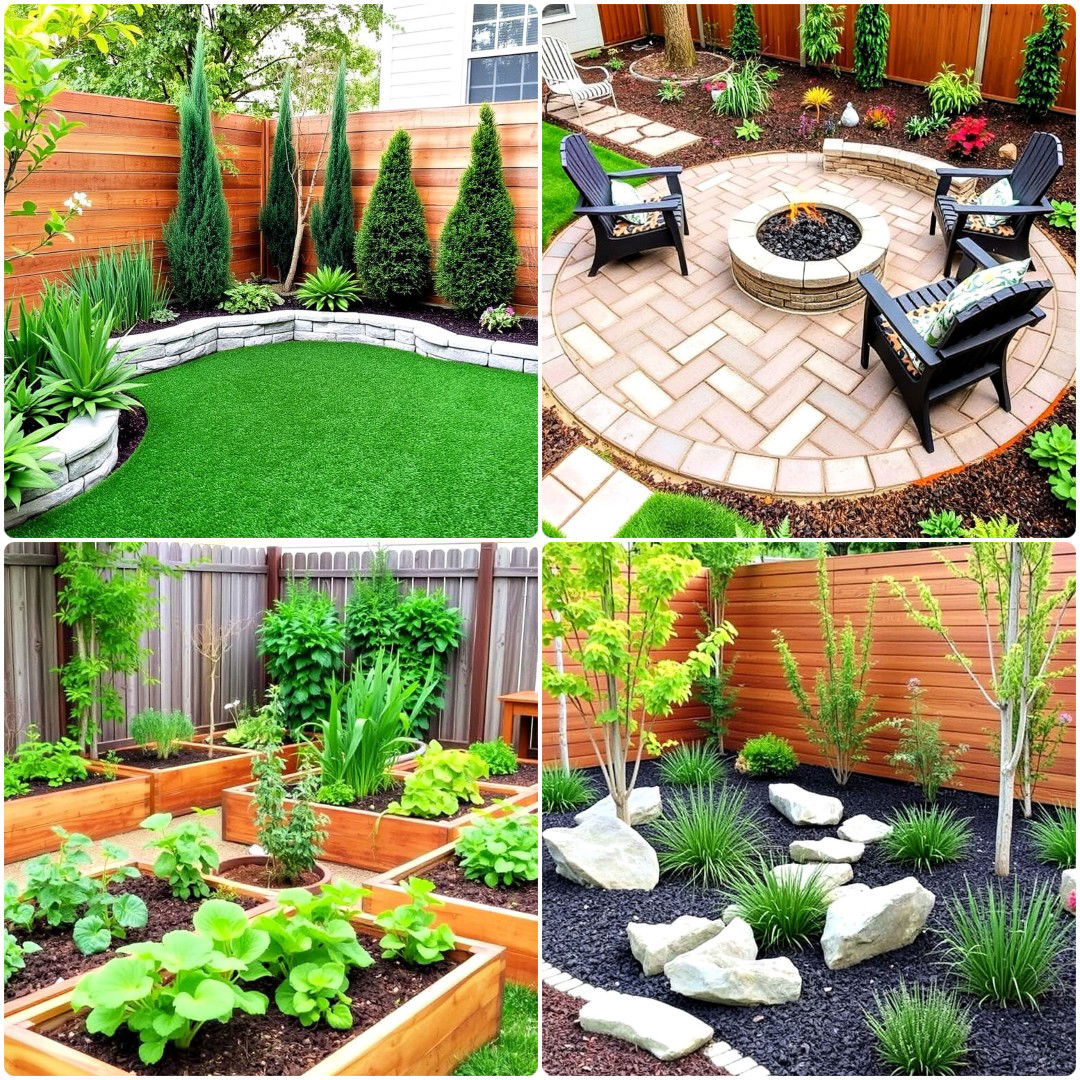
Installing artificial grass is a popular solution for homeowners who want the look of a perfectly manicured green lawn without the high water requirements. Modern synthetic turf looks incredibly realistic and provides a soft, durable surface for children and pets to play on all year long. You never have to mow, fertilize, or water it, which significantly reduces your outdoor chores and monthly utility costs. It is an ideal choice for small courtyards, side yards, or areas where natural grass struggles to grow due to poor soil or heavy shade. This low-maintenance alternative stays green regardless of how hot the summer gets.
7. Gravel Patio
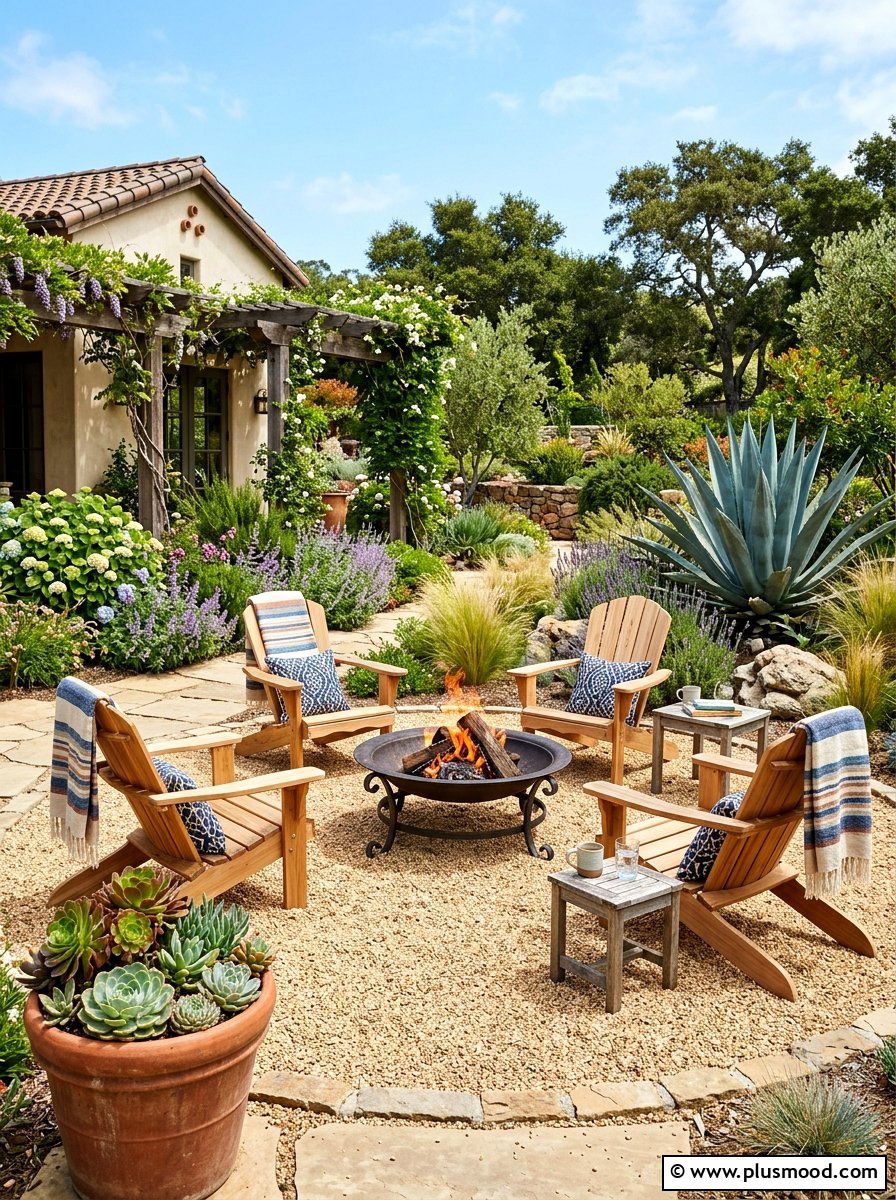
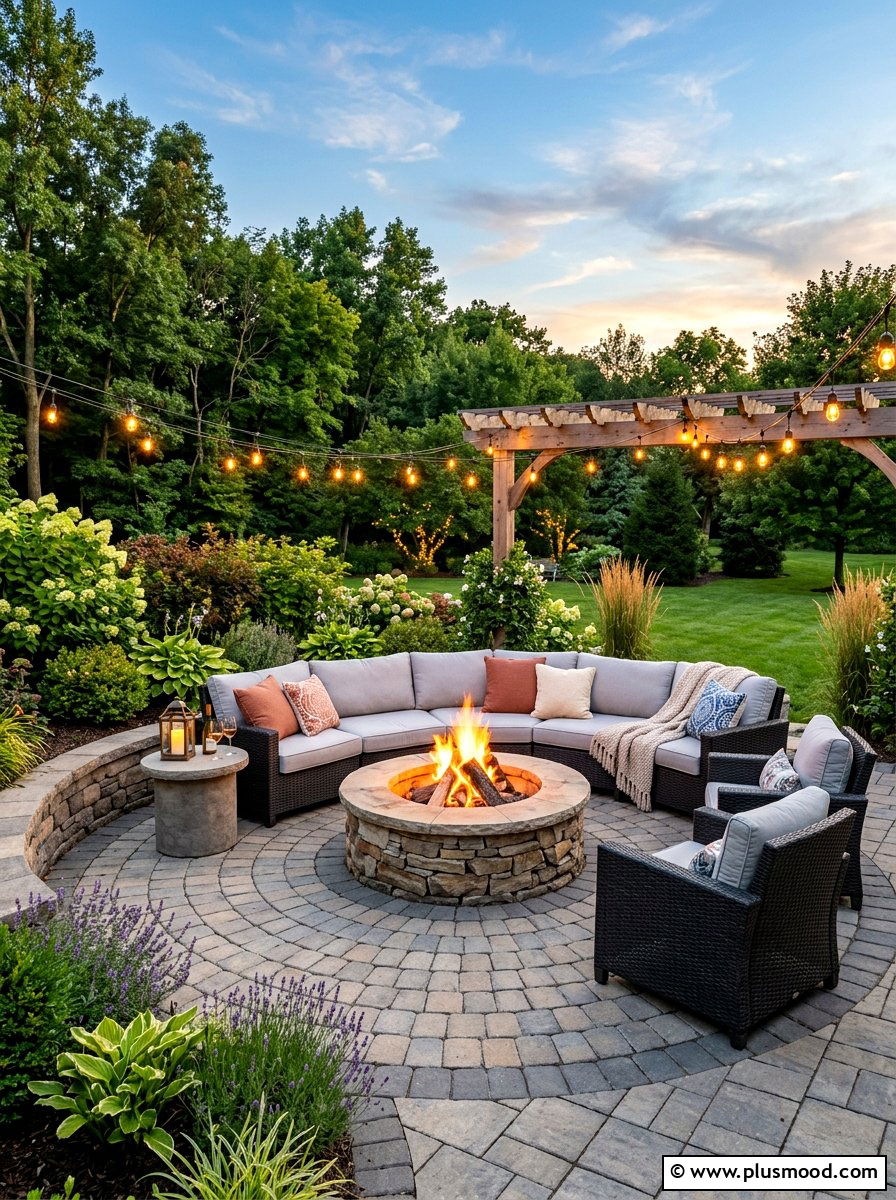
Building a gravel patio is a stylish and cost-effective way to create an outdoor living area that doesn’t need a single drop of water. Unlike solid concrete or wood decks, a gravel surface is permeable, meaning it allows rainwater to soak directly into the ground rather than running off into the street. You can use different colors and sizes of gravel to match your home’s aesthetic, from sleek gray river rocks to warm tan pea gravel. Adding a few comfortable chairs and a fire pit turns this area into a cozy destination for summer evenings. It is a very practical and beautiful landscaping feature.
8. Decomposed Granite Path
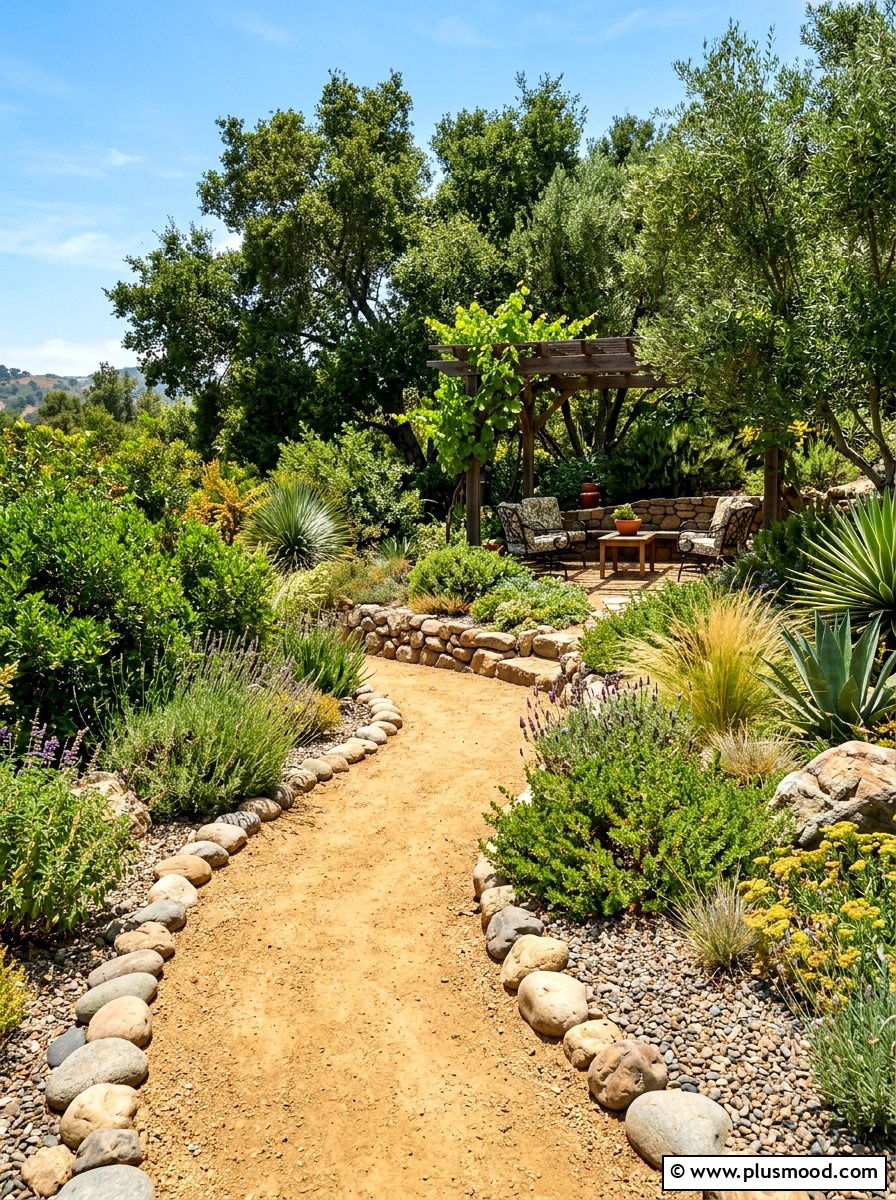
A decomposed granite path provides a natural and rustic walkway through your garden that feels firm underfoot but remains completely permeable. This material is made from fine particles of weathered granite that pack down tightly to create a stable surface for walking or even wheeling a cart. It is much more affordable than traditional paving stones and fits perfectly into a casual or Mediterranean-style landscape. You can edge the path with larger stones or metal strips to keep the granite in place and prevent it from spreading into your flower beds. It is an excellent way to define movement throughout your outdoor space.
9. Desert Landscaping
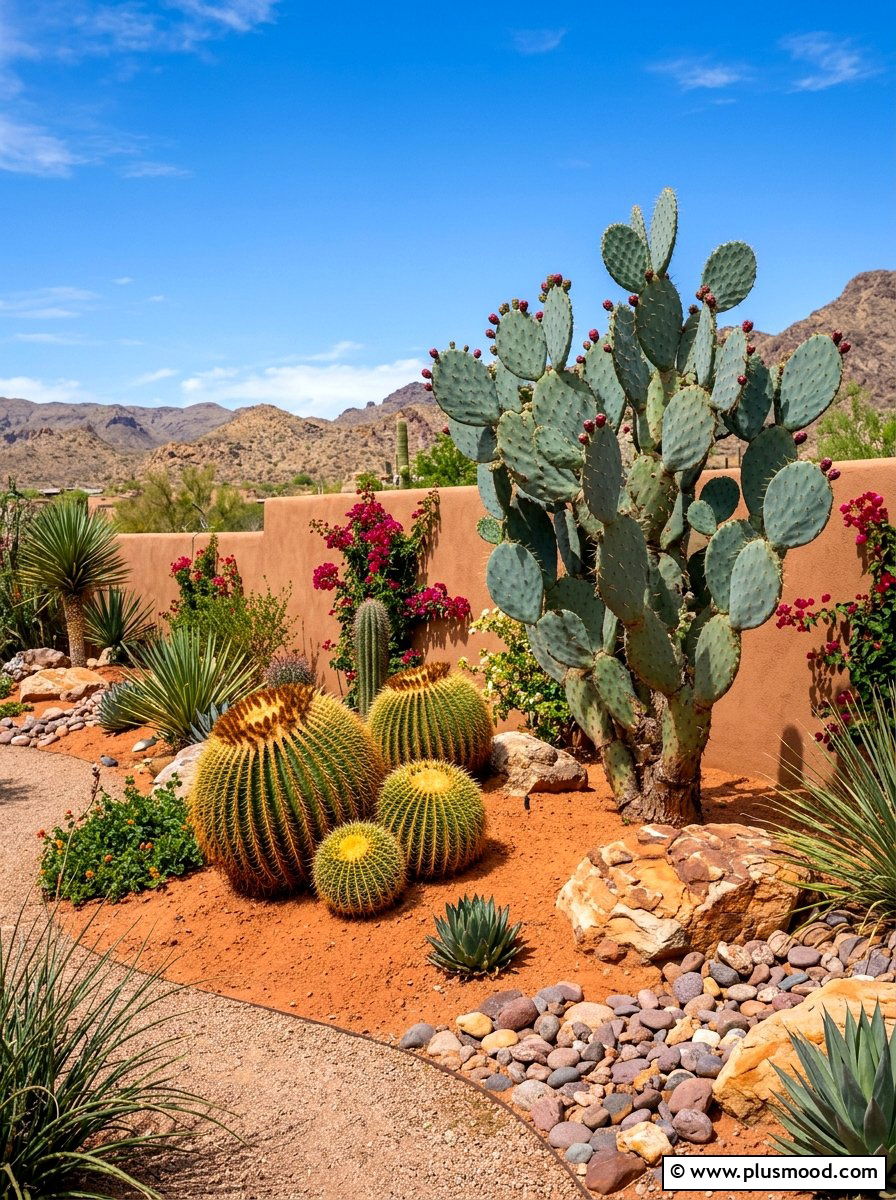
Embracing desert landscaping is a bold choice that emphasizes the raw beauty of arid environments through the use of heat-loving plants and earthy materials. This style often features striking specimens like Joshua trees, prickly pears, or barrel cacti that act as natural sculptures in the yard. By using a palette of sand, rust, and tan tones, you can create a warm and inviting atmosphere that feels like a private desert retreat. This type of landscape is incredibly resilient and can handle the most intense sun exposure without any signs of stress. It is a low-water solution that offers high visual impact.
10. Mediterranean Garden
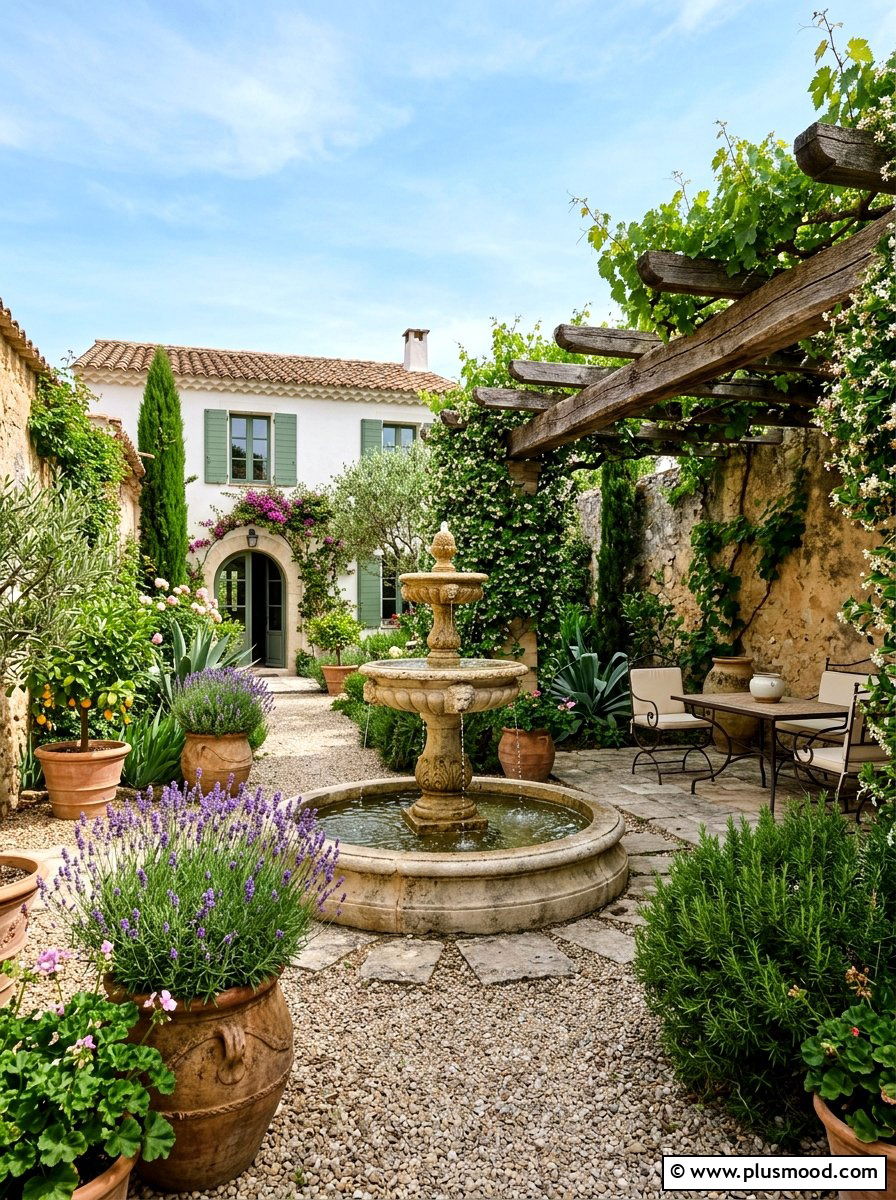
A Mediterranean garden combines the elegance of the European coast with practical, water-saving techniques that work perfectly in warm climates. This style often includes fragrant plants like rosemary, lavender, and citrus trees that thrive in sunny, well-drained locations. You can incorporate elements like terracotta pots, stone fountains, and shaded pergolas to create a relaxing and sophisticated outdoor room. These gardens prioritize hardscaping and hardy greenery over thirsty lawns, making them much easier to manage during a dry summer. The combination of silver-toned foliage and colorful blooms creates a timeless look that feels like a permanent vacation in your own backyard.
11. Dry Creek Bed
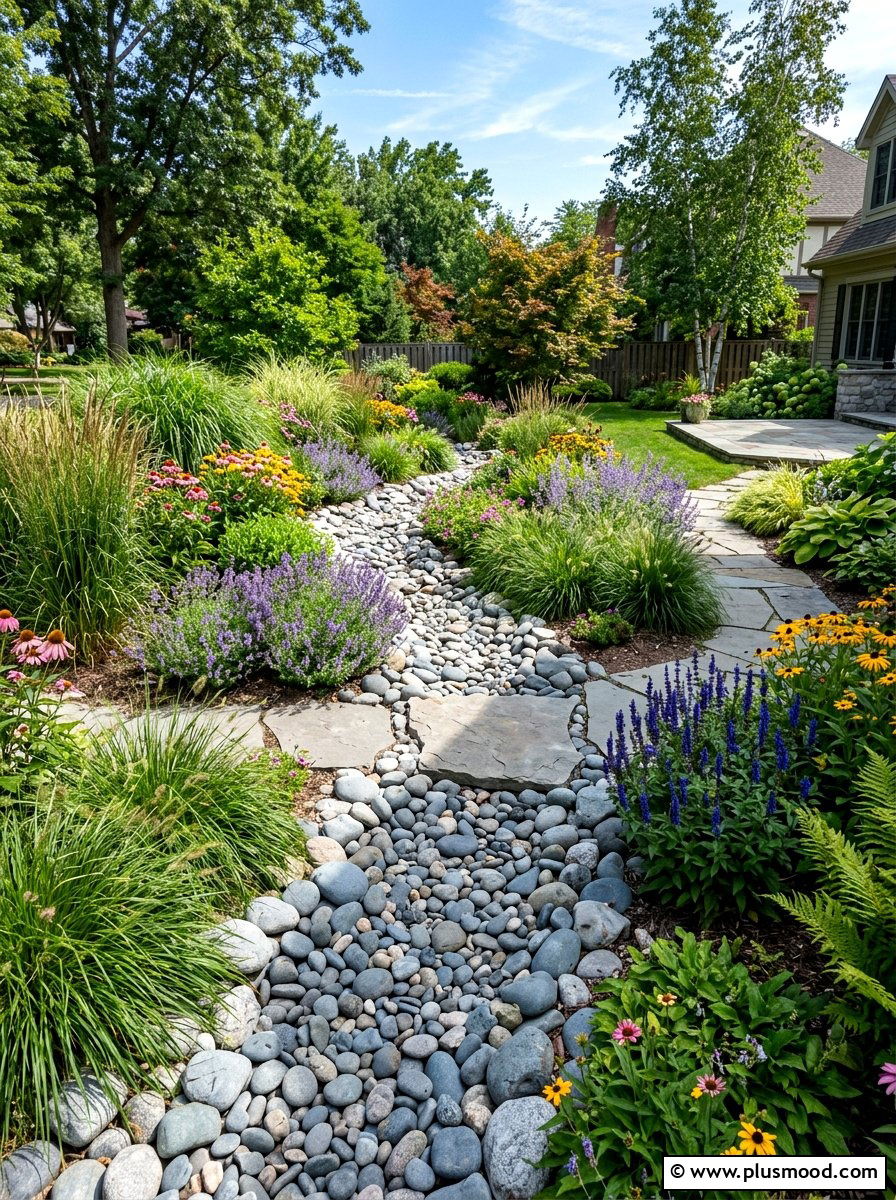
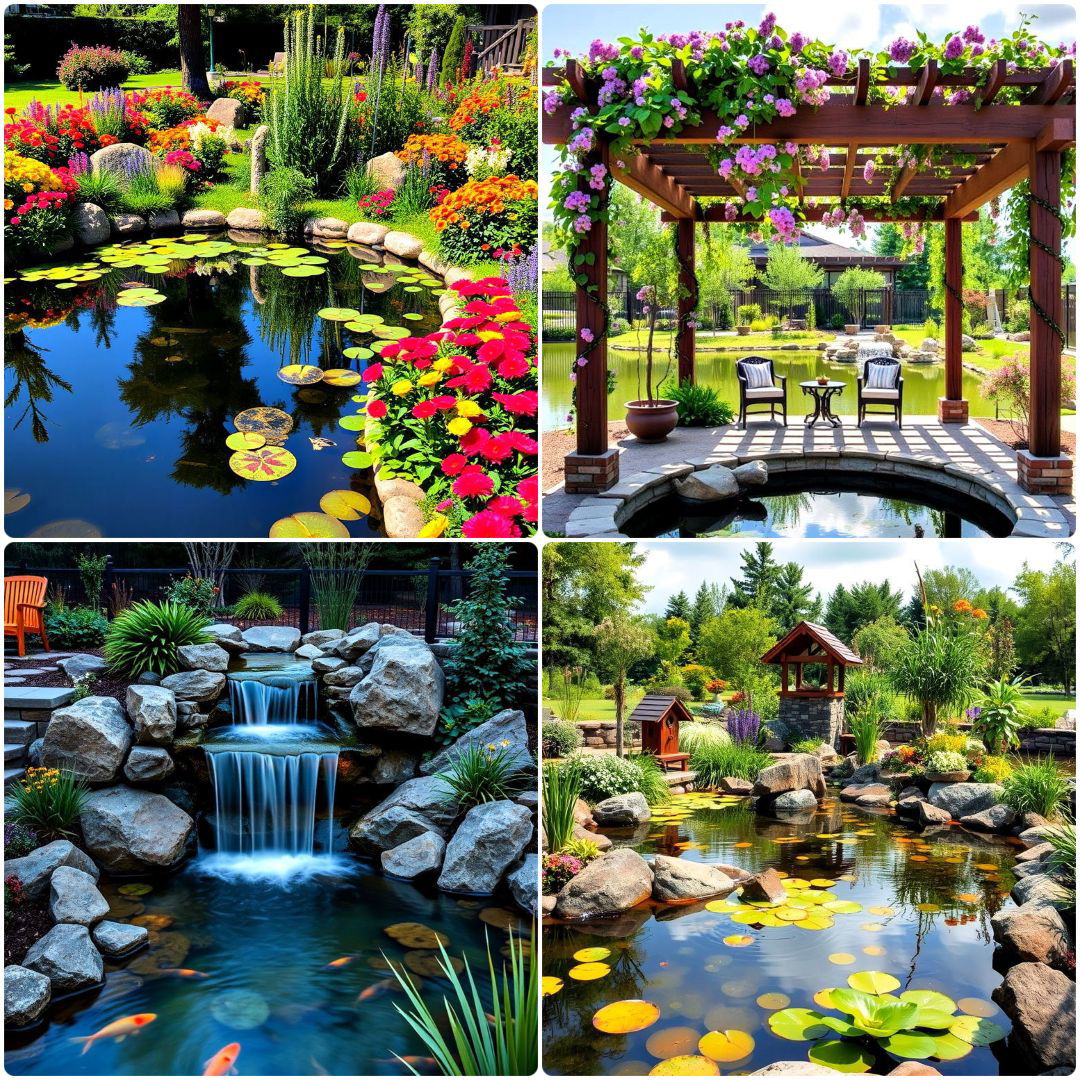
Constructing a dry creek bed is a clever landscaping technique that serves both a functional and an aesthetic purpose in your yard. It is designed to look like a natural stream that has dried up, using a variety of smooth river rocks and larger boulders to define the path. During heavy summer storms, the creek bed helps to direct excess rainwater away from your home’s foundation and allows it to slowly seep into the ground. When it is dry, it acts as a beautiful focal point that adds texture and a sense of movement to your garden without requiring any irrigation.
12. Ornamental Grasses
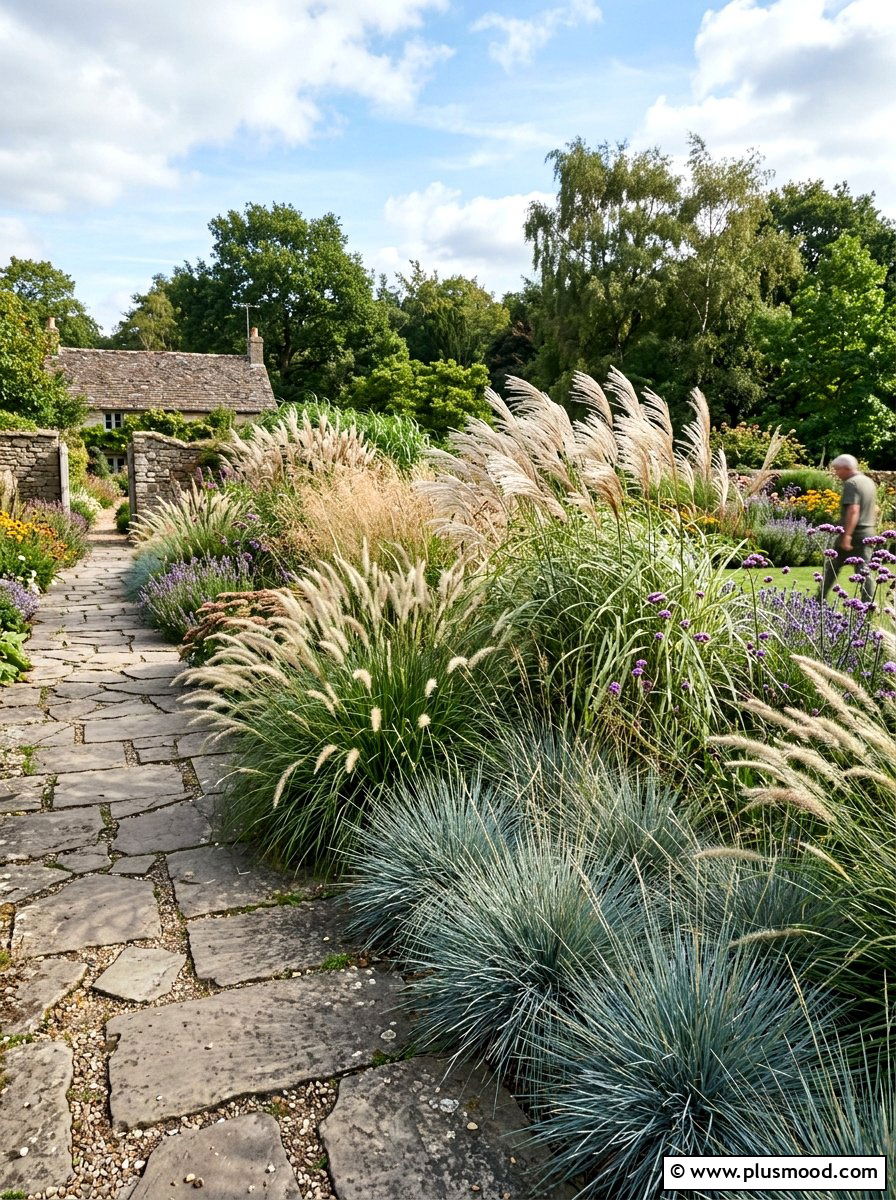
Ornamental grasses are a fantastic addition to any low-water landscape because they add soft texture, height, and gentle sound as they rustle in the breeze. Varieties like blue fescue, fountain grass, and switchgrass are remarkably drought-tolerant and can survive in poor soil conditions with very little help. They provide year-round interest, with many species developing beautiful seed heads in the late summer and turning golden or bronze during the winter. You can use them as a privacy screen, a border along a fence, or as a standalone accent in a minimalist garden. They are versatile, hardy, and very easy to maintain.
13. Lavender Garden
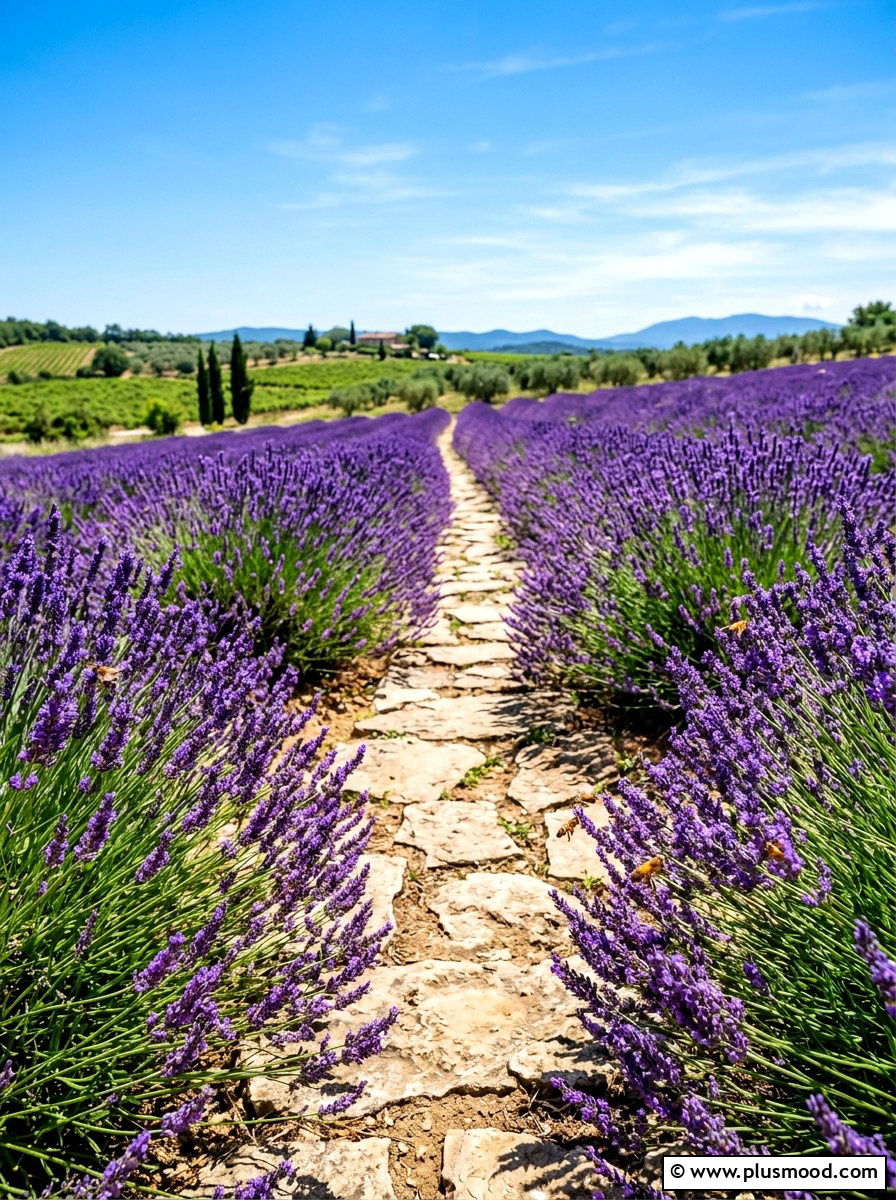
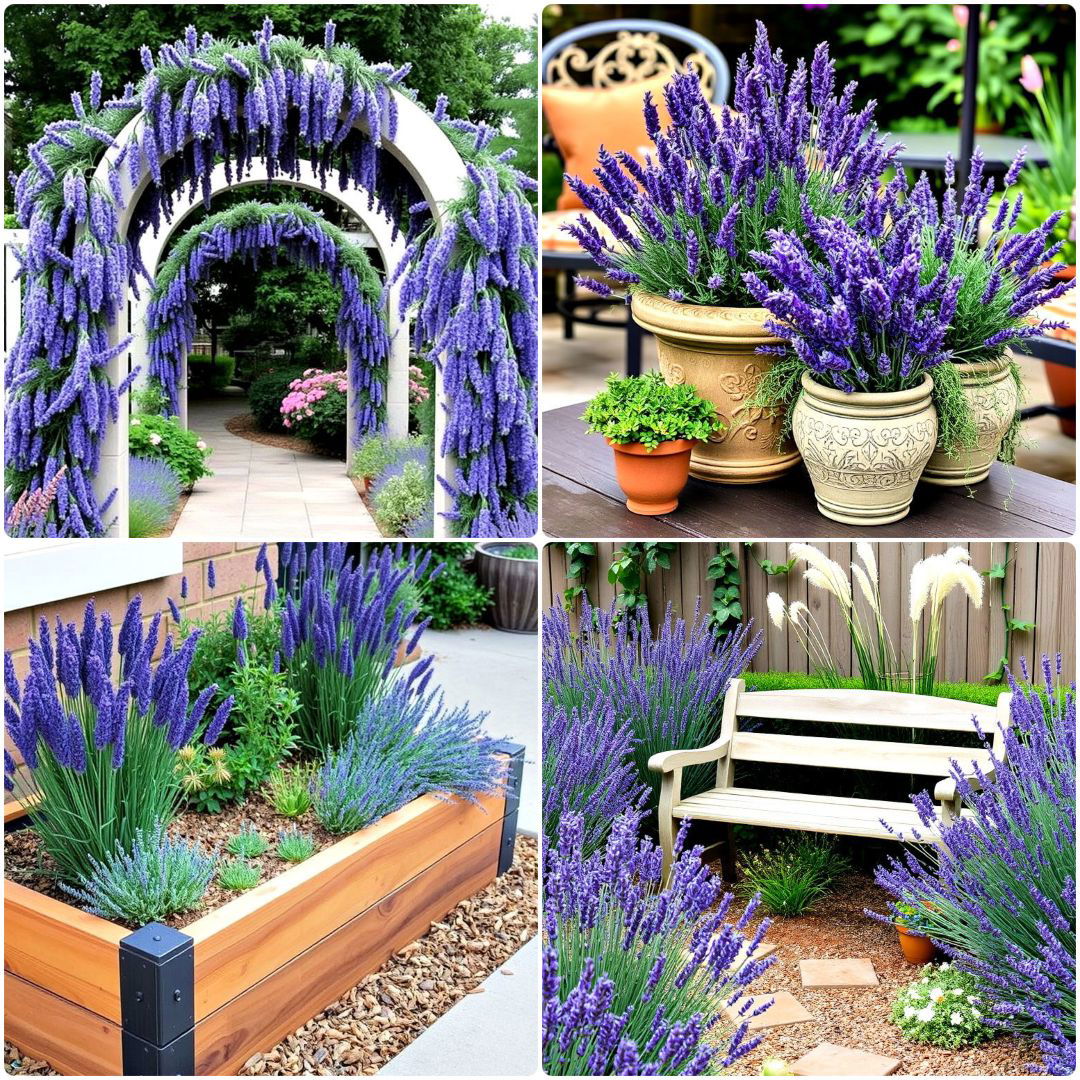
Creating a lavender garden is a wonderful way to bring incredible fragrance and vibrant purple color to your landscape while using very little water. Lavender is a Mediterranean native that loves full sun and thrives in sandy or rocky soil that drains quickly. Once these plants are established, they are very resistant to heat and drought, making them a reliable choice for the hottest parts of your yard. The scent is naturally relaxing and can help to attract beneficial pollinators like honeybees to your property. Planting lavender along a sunny walkway allows you to enjoy its calming aroma every time you pass by.
14. Cactus Garden
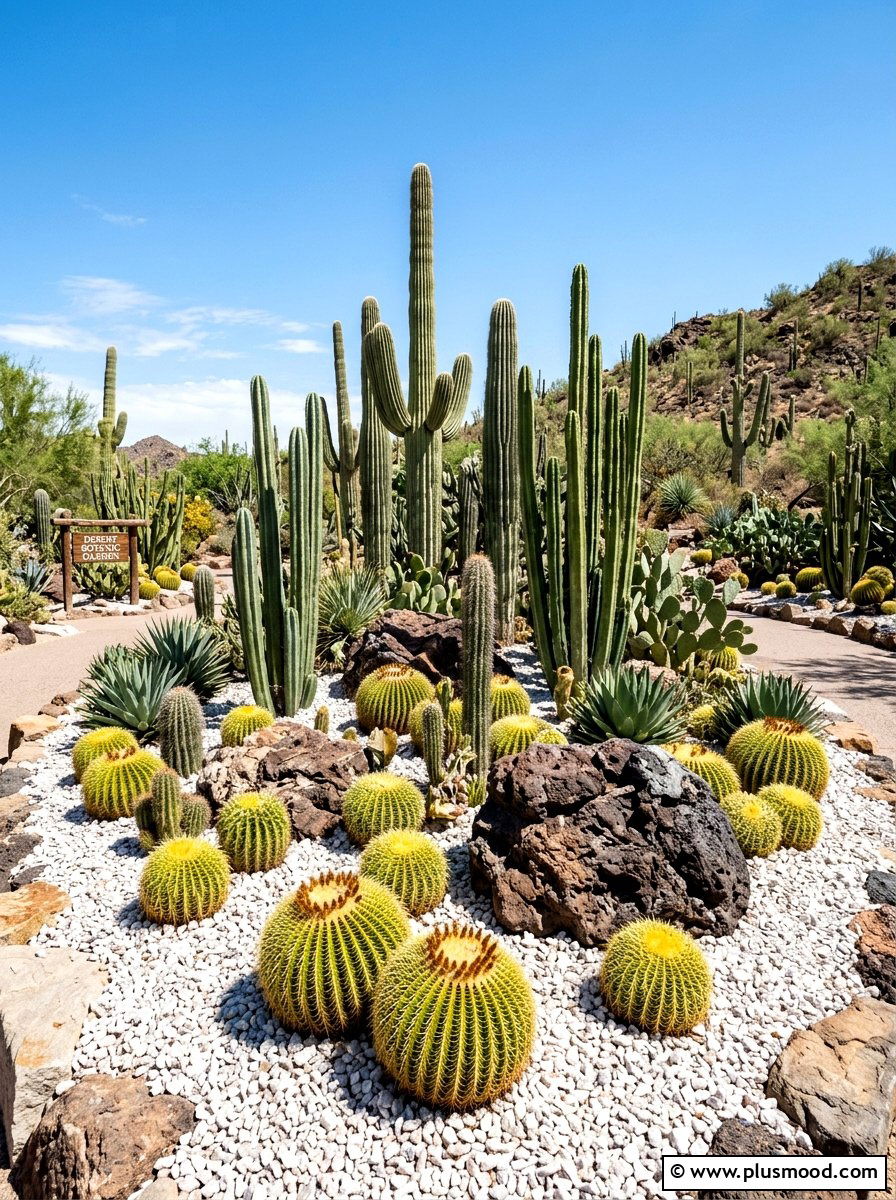
A cactus garden is a unique and low-maintenance way to fill a sunny spot in your yard with interesting shapes and textures. Cacti come in an amazing variety of sizes, from tiny round buttons to tall, majestic columns that can reach several feet in height. They are perfectly adapted to life with almost no water, storing moisture in their stems to survive the driest summer conditions. You can create a visually striking display by grouping different types together and finishing the look with a layer of decorative gravel or small stones. It is a modern, water-wise choice that requires minimal effort.
15. Bark Mulch Bed
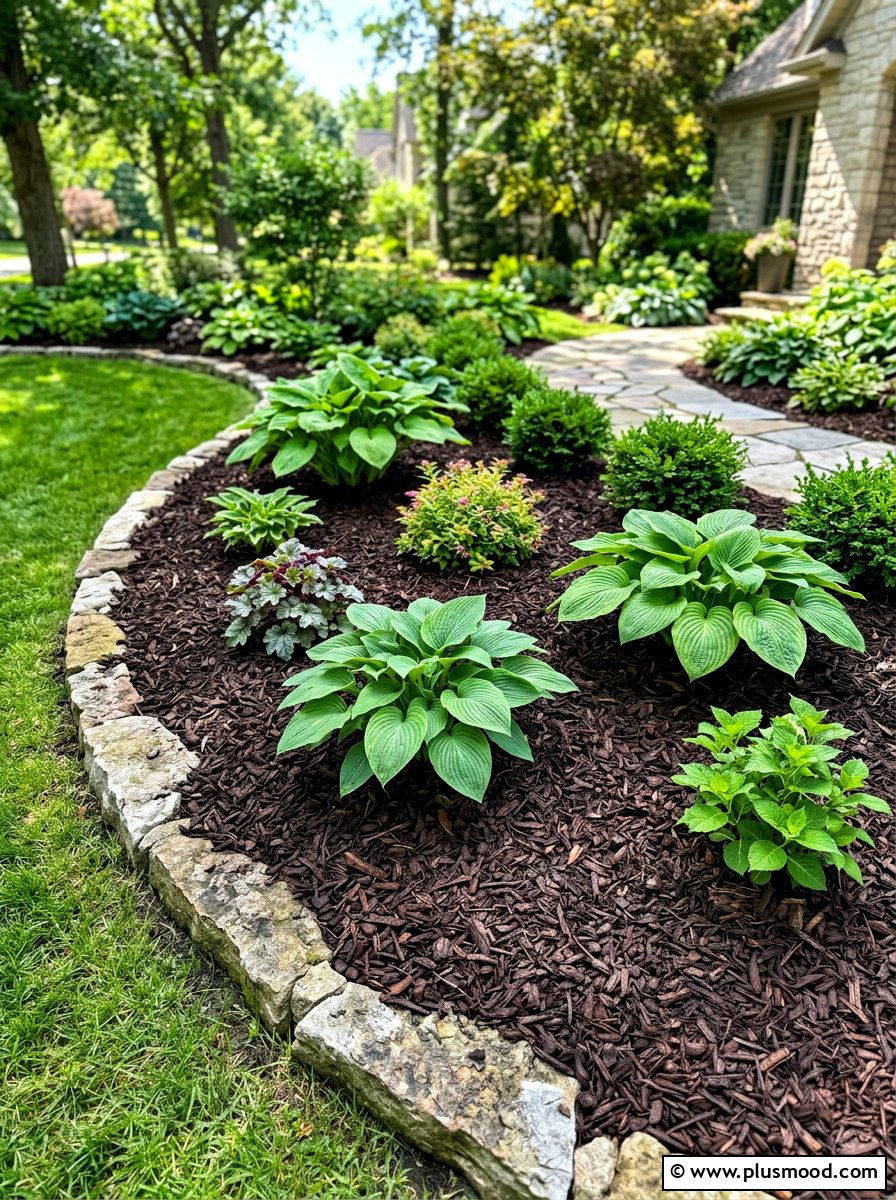
Using a thick layer of bark mulch in your flower beds is one of the most effective ways to conserve water and keep your plants healthy. Mulch acts as a protective blanket for the soil, blocking out the sun’s rays to prevent moisture from evaporating too quickly during the day. It also helps to suppress the growth of weeds that would otherwise compete with your plants for precious water and nutrients. As the bark slowly breaks down over time, it adds organic matter back into the soil, improving its overall health and structure. It is a simple, affordable, and highly beneficial landscaping step.
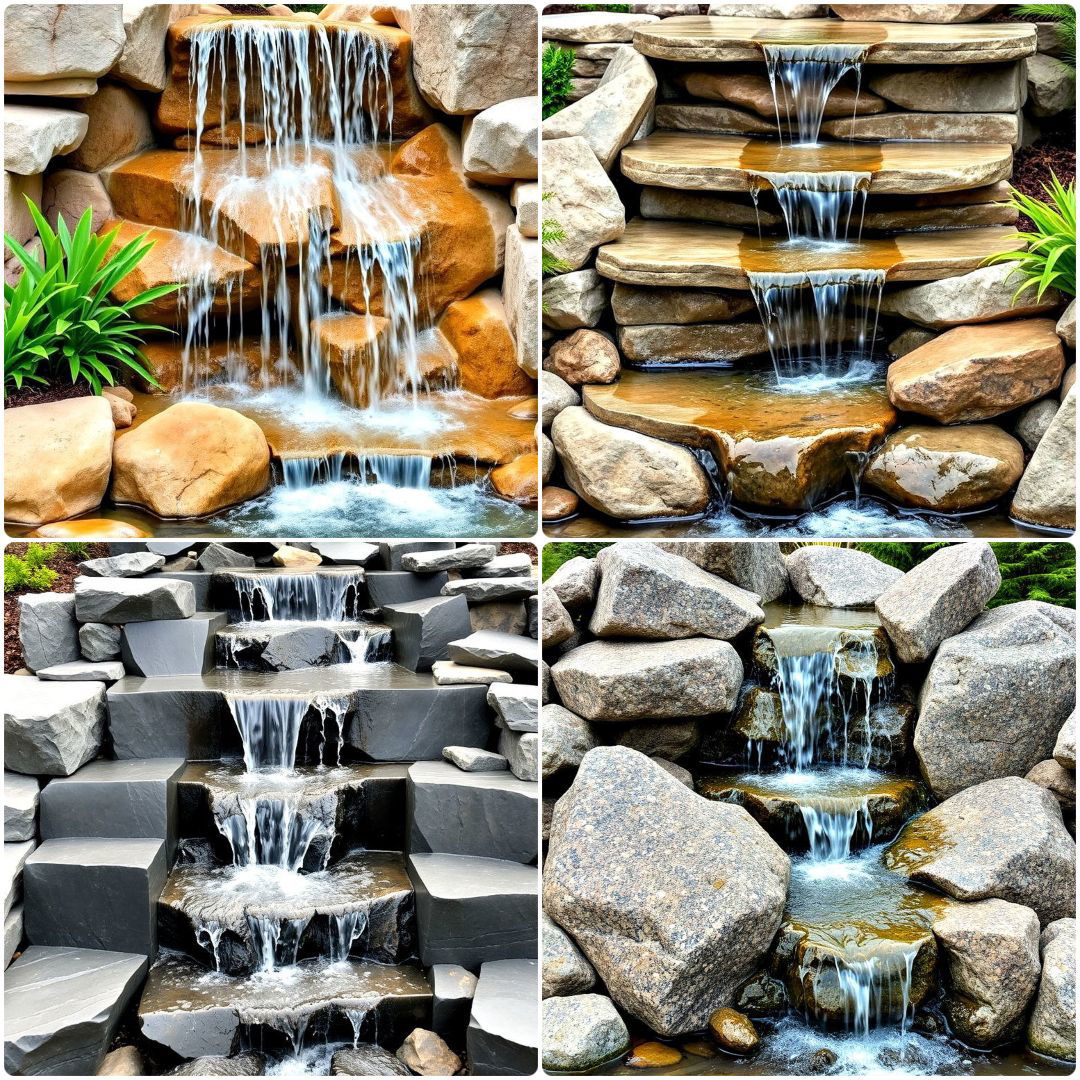
16. Permeable Paver Patio
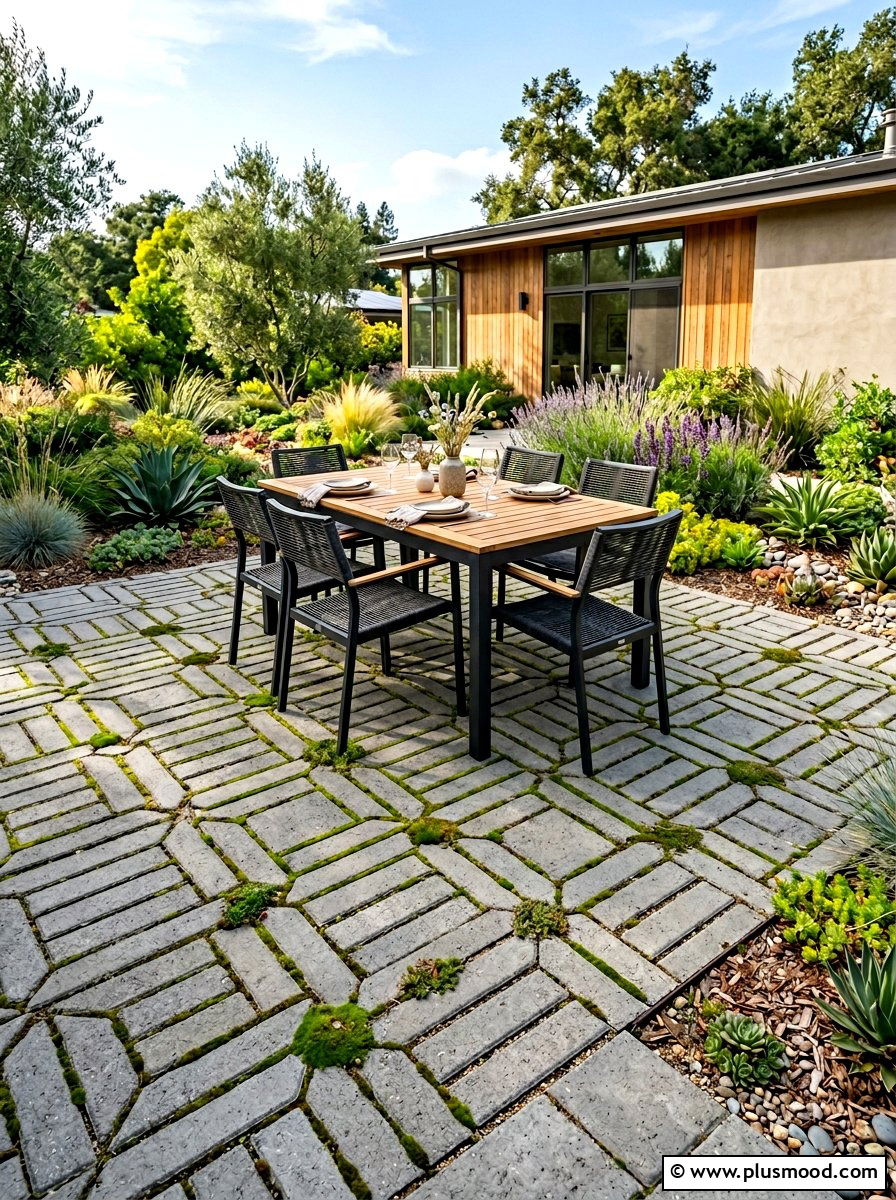
A permeable paver patio offers a sophisticated and functional outdoor flooring option that helps to manage water usage on your property. Unlike traditional solid pavement, these pavers are designed with small gaps between them that allow rainwater to filter directly into the ground below. This prevents runoff and helps to recharge the local groundwater table while providing a stable and attractive surface for outdoor furniture. You can find these pavers in a wide range of colors and patterns to suit any home style, from traditional brick to contemporary stone. It is a smart choice for any eco-conscious homeowner this summer.
17. Rain Barrel System
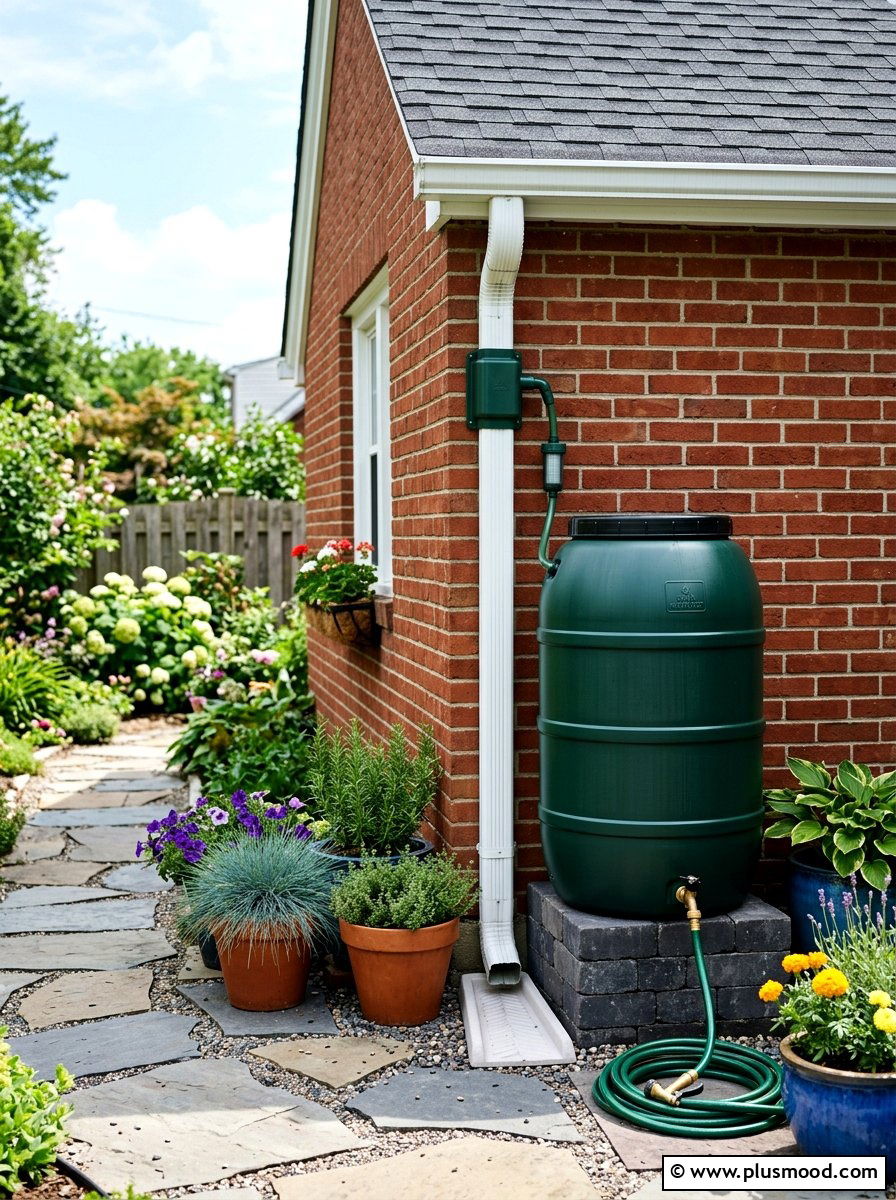
Installing a rain barrel system is a practical way to capture and store free water from your roof for use in your garden during dry spells. These barrels are connected to your home’s downspouts and can collect hundreds of gallons of water during a single summer rainstorm. This stored water is perfect for hand-watering individual plants, filling bird baths, or topping off small garden features. By using rainwater instead of tap water, you can significantly reduce your utility bills while providing your plants with natural, chlorine-free moisture. Many modern rain barrels are designed to be stylish and blend in with your home’s exterior.
18. Wildflower Meadow
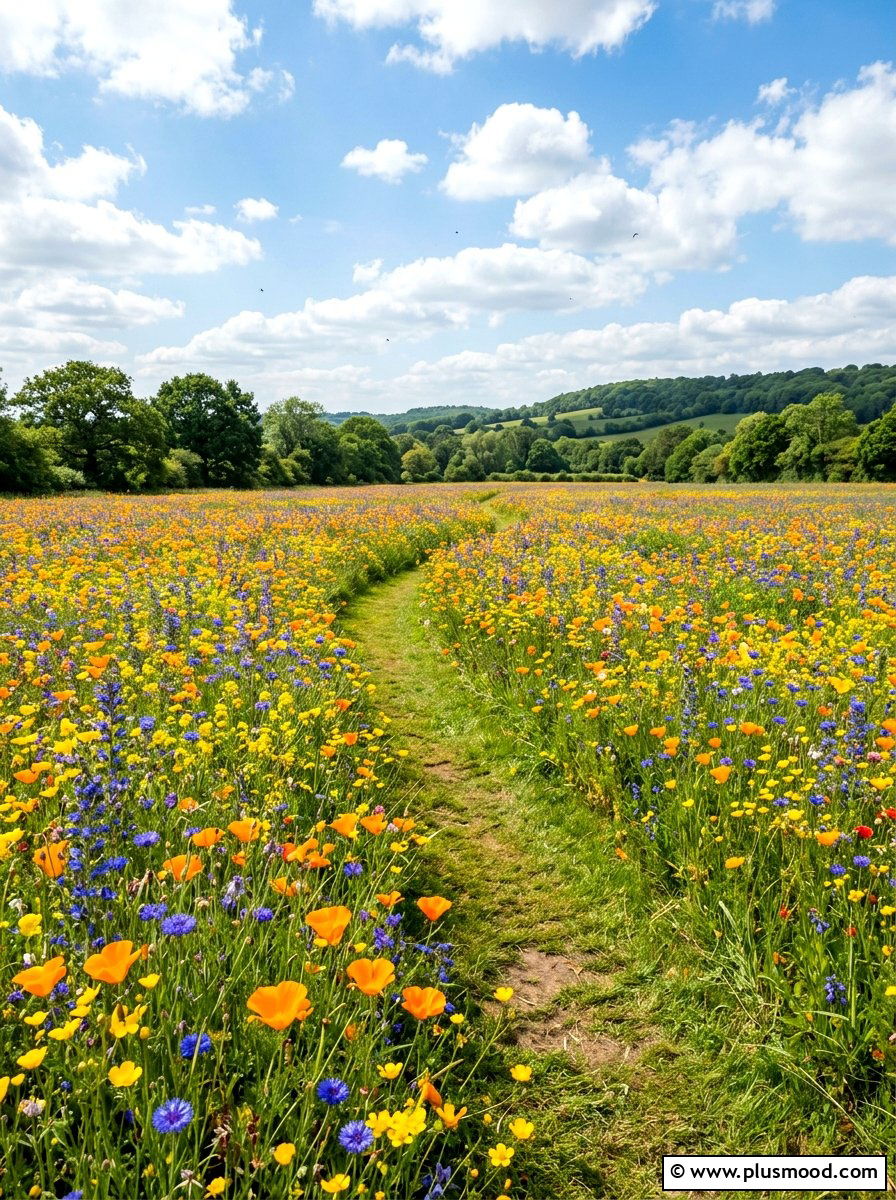
Replacing a traditional lawn with a wildflower meadow is a beautiful way to create a low-water landscape that is full of life and color. Wildflowers are naturally resilient and can grow in a variety of soil types with very little supplemental watering once they have taken root. A meadow provides a changing display of blooms from spring through summer, offering a much more dynamic look than a flat green lawn. This type of landscaping also supports local wildlife, including songbirds and beneficial insects, by providing a natural habitat. It requires far less mowing and maintenance, giving you more time to enjoy your garden.
19. Stone Wall Garden
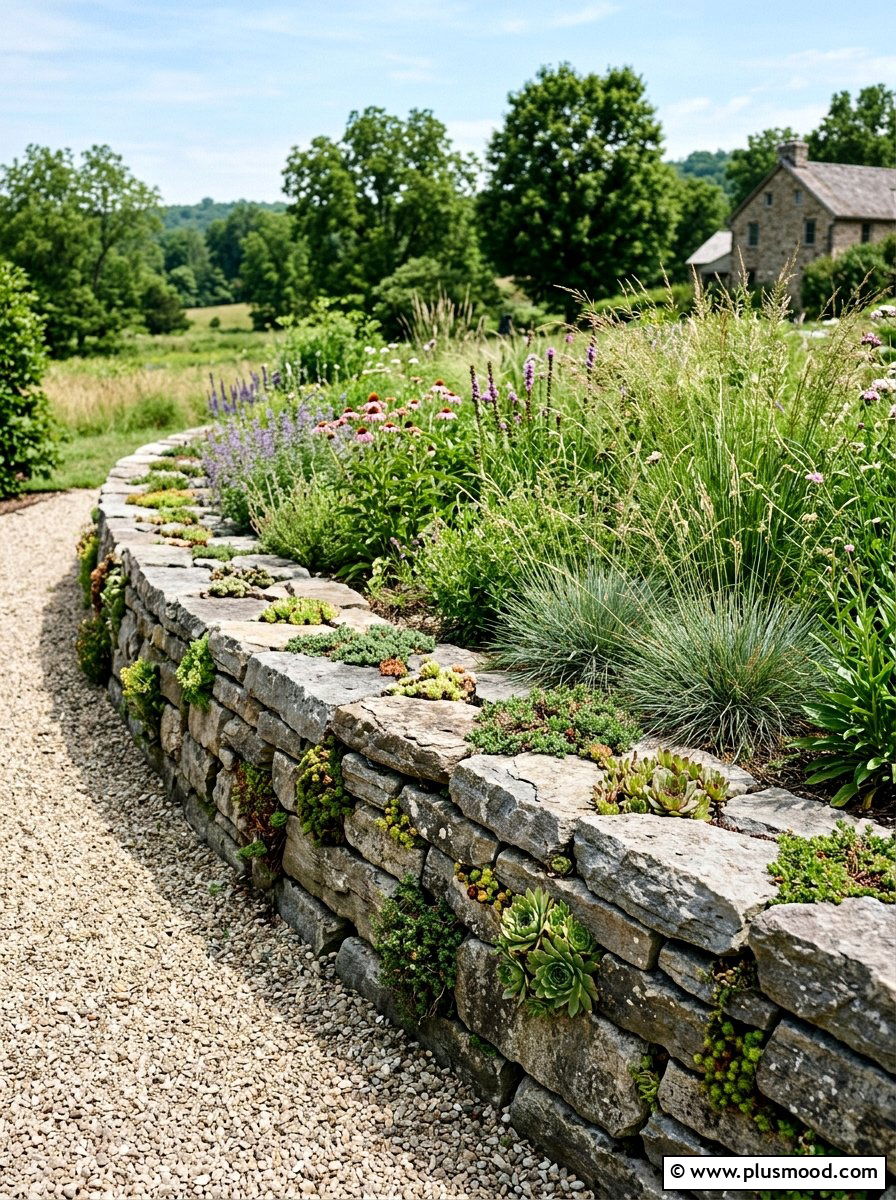
A stone wall garden adds a sense of permanence and timeless beauty to your landscape while providing a perfect environment for drought-tolerant plants. You can build a low retaining wall using natural fieldstone or flat flagstones and leave small gaps between the rocks for planting. Species like stonecrop or wallflowers love the excellent drainage and extra heat provided by the stones, creating a cascading effect of greenery and flowers. These walls are great for defining different levels in a sloped yard and can help to prevent soil erosion during heavy rains. It is a structural element that enhances any water-wise design.
20. Potted Succulents
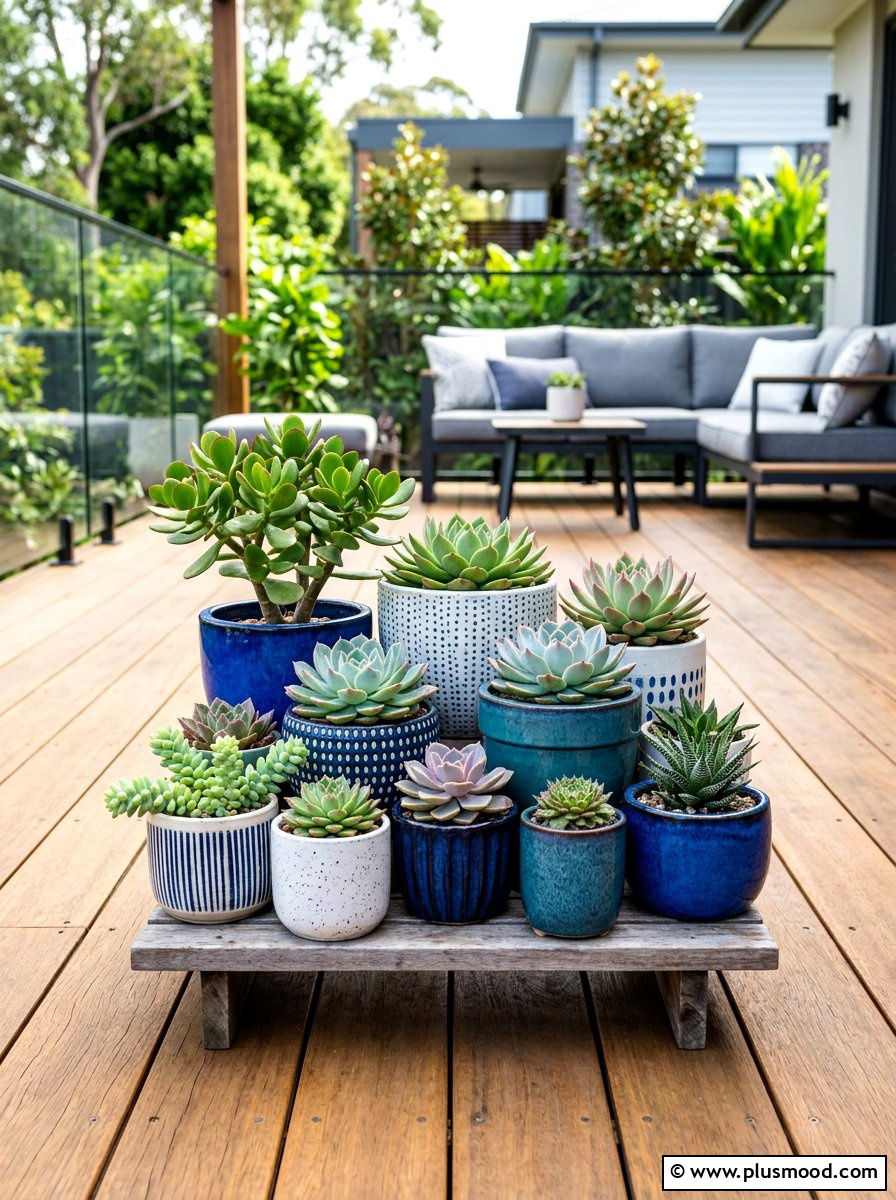
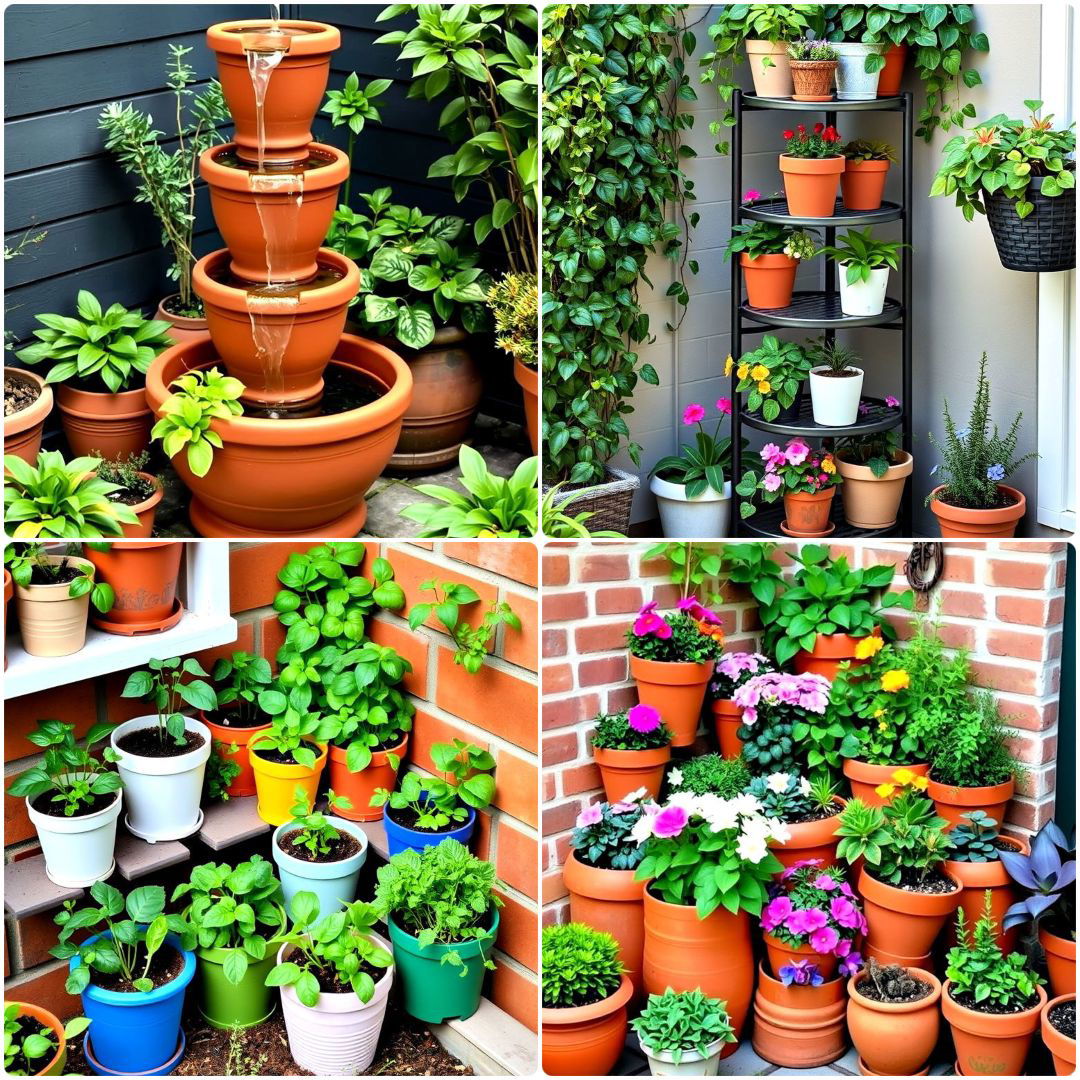
Using potted succulents allows you to bring the beauty of water-wise plants to your patio, porch, or even a small balcony. These containers are easy to move around, so you can place them in the perfect sunny spot or group them together for a dramatic visual impact. Since succulents need so little water, you don't have to worry about them wilting if you forget to water them for a few days during a busy summer week. Choosing decorative pots in bright colors or interesting textures can turn these simple plants into works of art. They are a flexible and low-maintenance way to add greenery anywhere.
21. Yucca Landscape
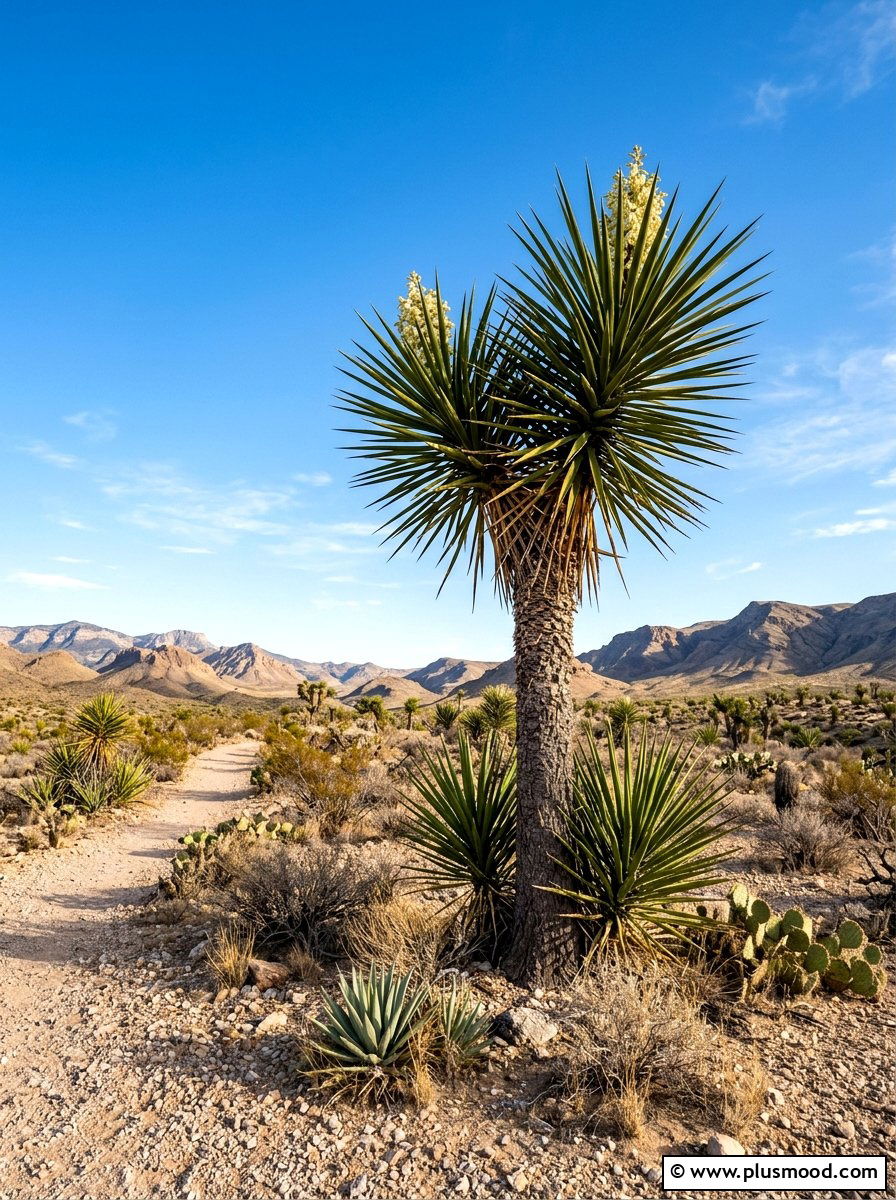
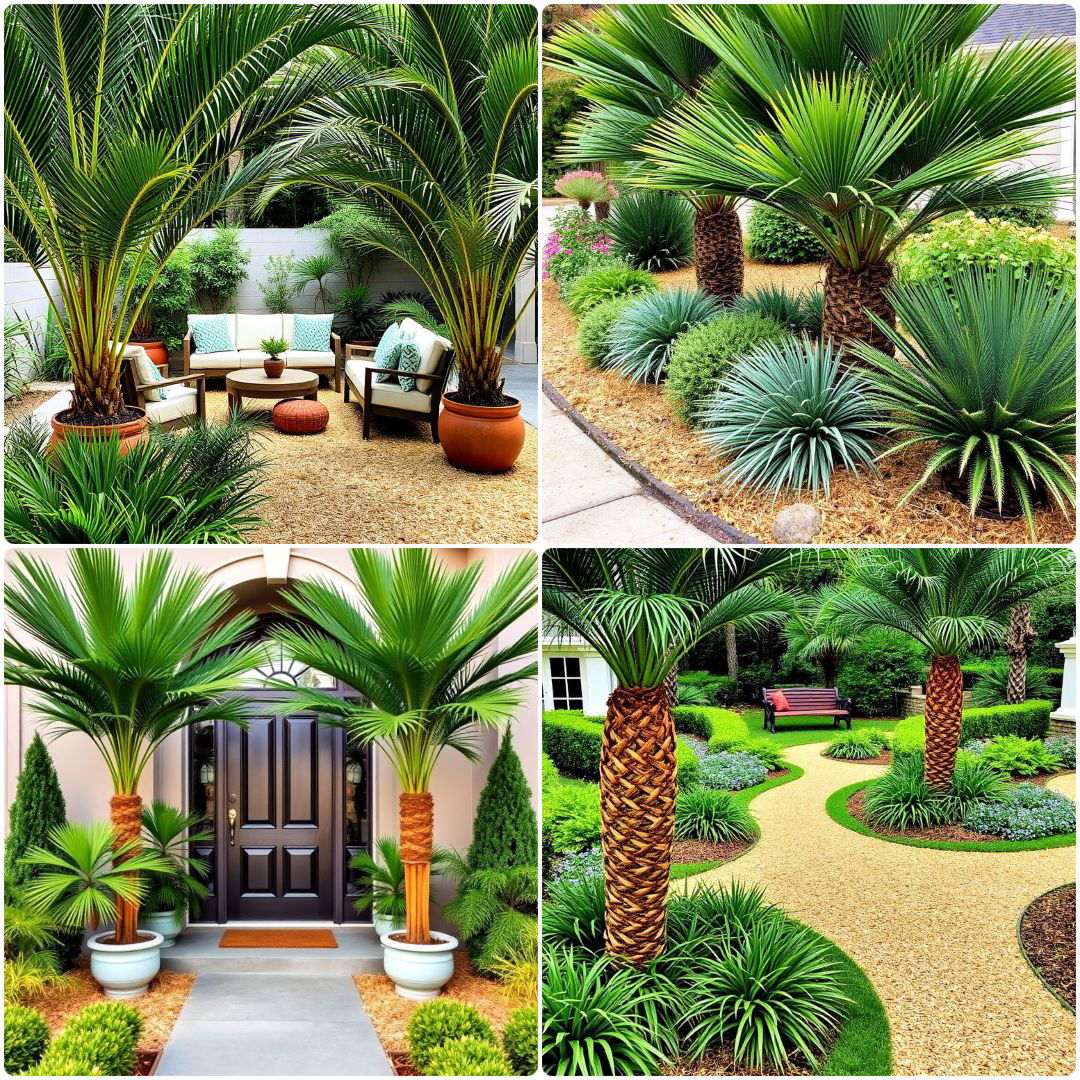
Integrating yucca plants into your landscape is a sure way to add dramatic height and sharp architectural lines that can withstand extreme heat. Yuccas are incredibly tough and feature thick, sword-like leaves that are designed to minimize water loss even in the most intense sun. Many varieties produce tall spikes of creamy white flowers in the middle of summer, which provide a stunning focal point in a larger garden bed. They are very slow-growing and require almost no pruning, making them an ideal choice for low-maintenance areas. Their rugged beauty works well in both modern and traditional landscape styles across many different regions.
22. Agave Garden
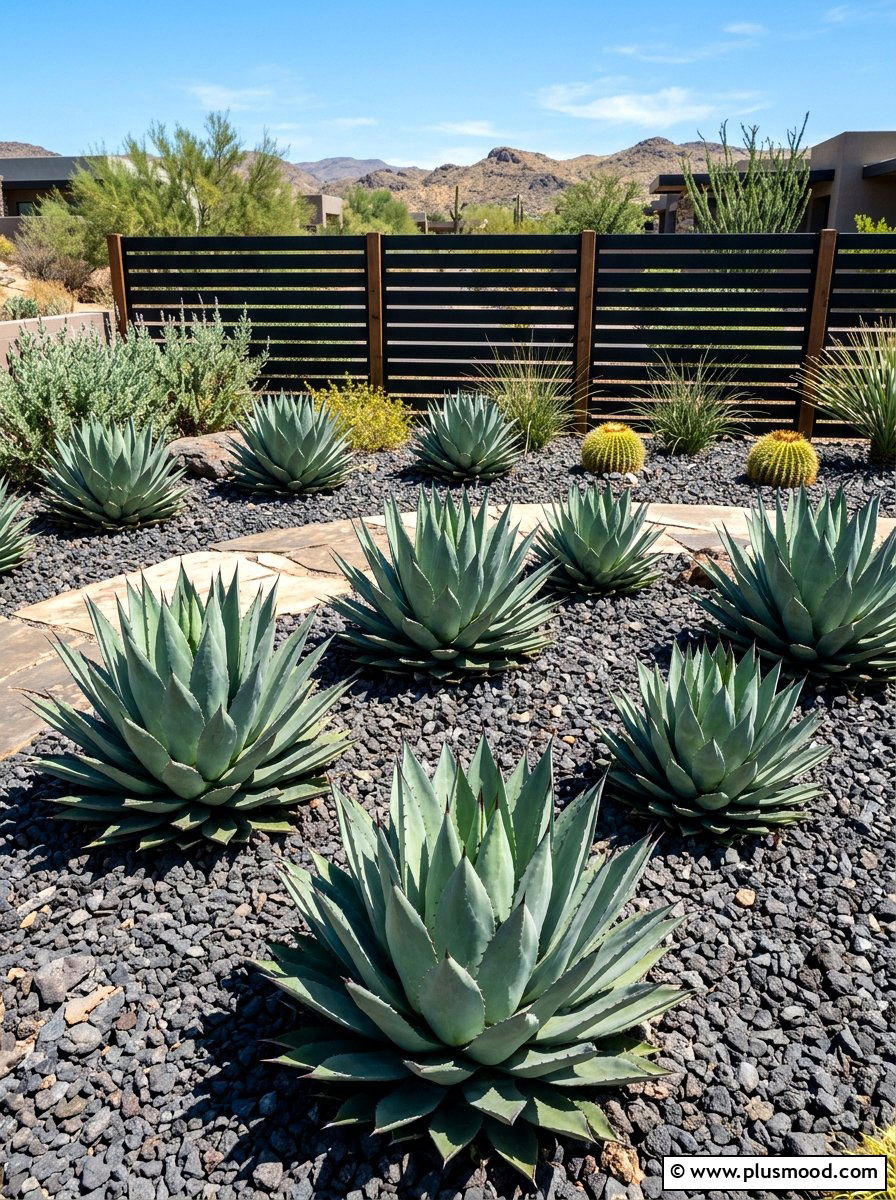
An agave garden features some of the most striking and sculptural plants available for low-water landscaping in warm climates. Agaves are known for their large, thick leaves that often have interesting patterns or sharp edges, creating a bold look that demands attention. These plants are true survivors, capable of thriving in rocky, poor soil with almost no supplemental irrigation once they are established in the ground. You can plant a single large agave as a dramatic specimen or group smaller varieties together for a textured ground cover. They provide a high-end, contemporary look that stays beautiful all through the hot summer season.
23. Sagebrush Planting
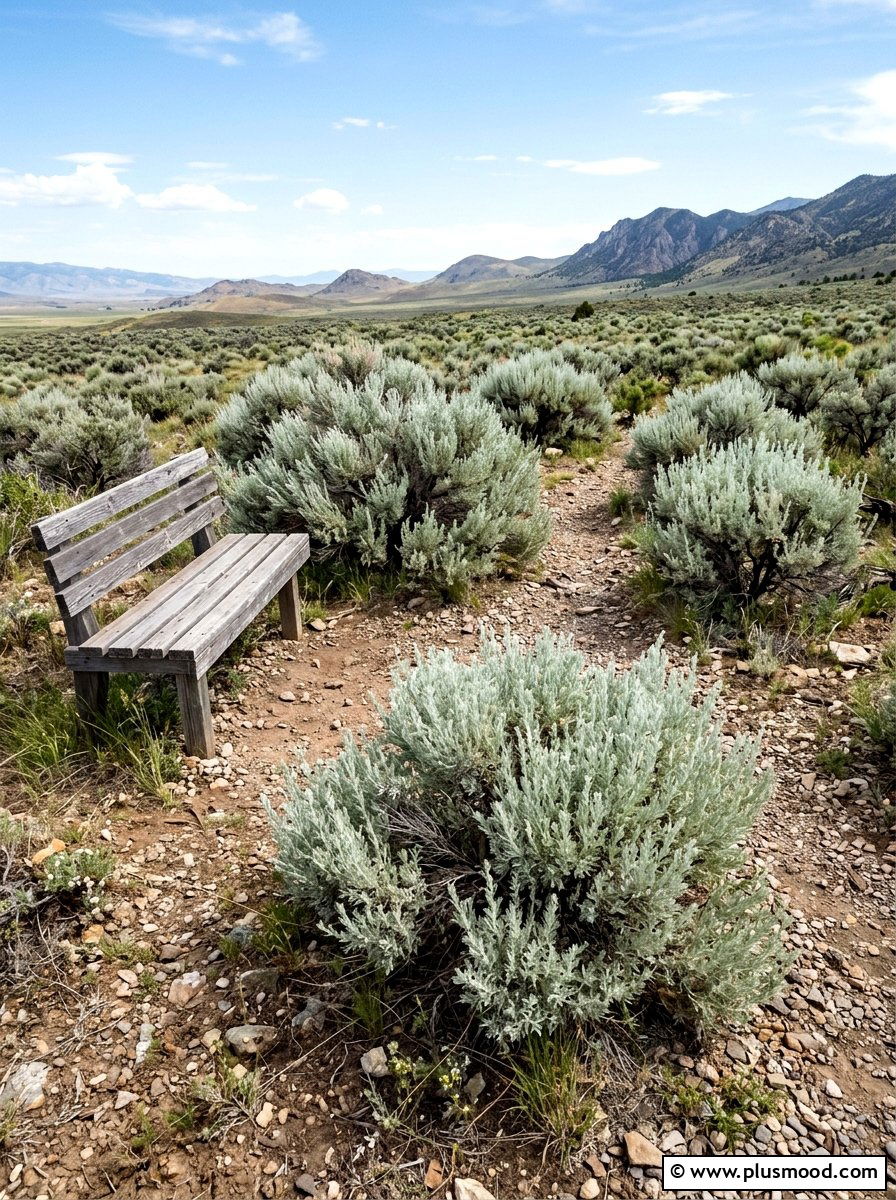
Sagebrush planting is a classic choice for creating a naturalistic and water-wise landscape that feels deeply connected to the wilder parts of the environment. This hardy shrub features beautiful silver-gray foliage that provides a cool contrast to the green plants in your garden. It is exceptionally drought-tolerant and can survive in harsh conditions where other plants might struggle to grow. The aromatic scent of sagebrush after a summer rain is one of the great joys of having this plant in your yard. You can use it as a low hedge or as a filler plant in a native garden to add depth and texture.
24. Bird Bath Feature
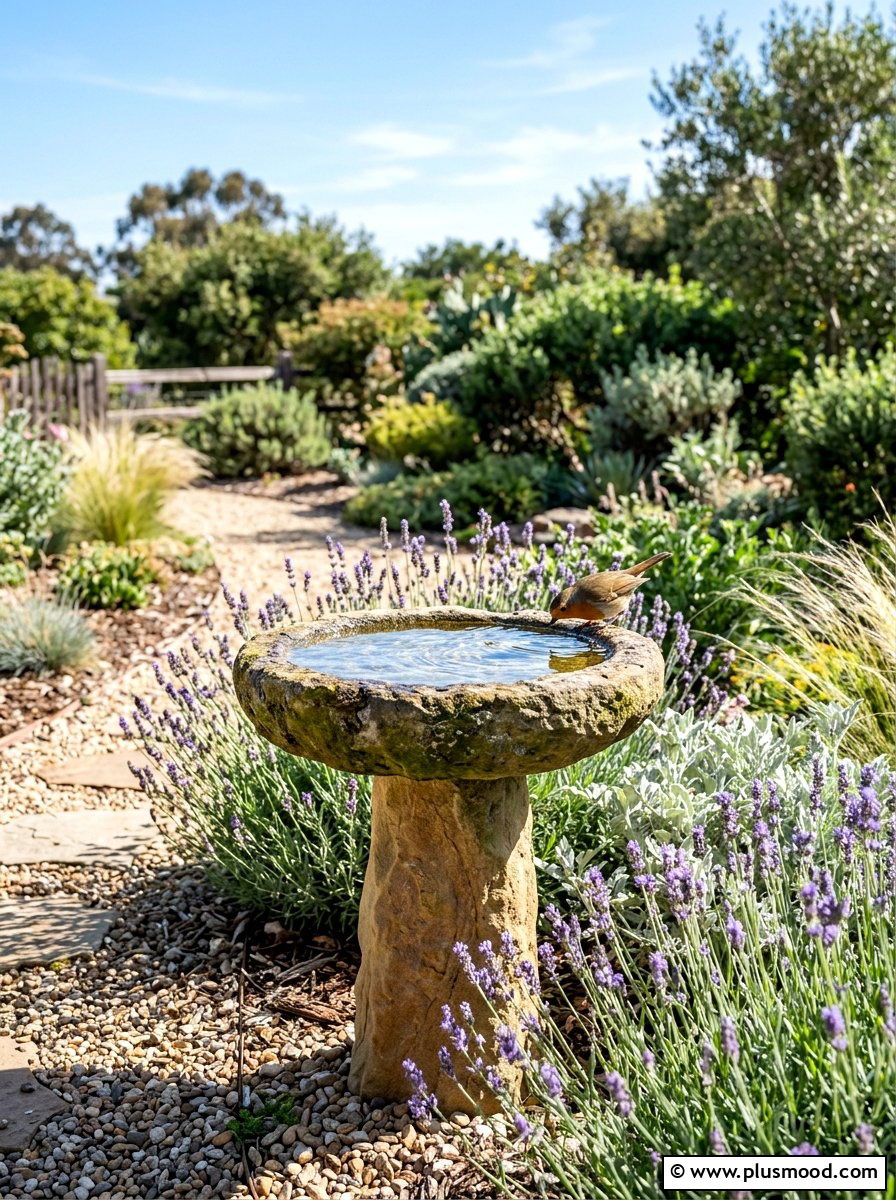
Adding a bird bath feature to your low-water landscape is a wonderful way to provide a necessary resource for local wildlife while creating a peaceful focal point. Even in a garden designed to conserve water, a small basin of fresh water can make a huge difference for birds and butterflies during the heat of the summer. You can choose a stone or ceramic bath that complements your garden’s style and place it in a shaded area to keep the water cool. This simple addition brings movement and birdsong to your yard, making your outdoor space feel more alive and connected to the natural world.
25. Drip Irrigation Layout
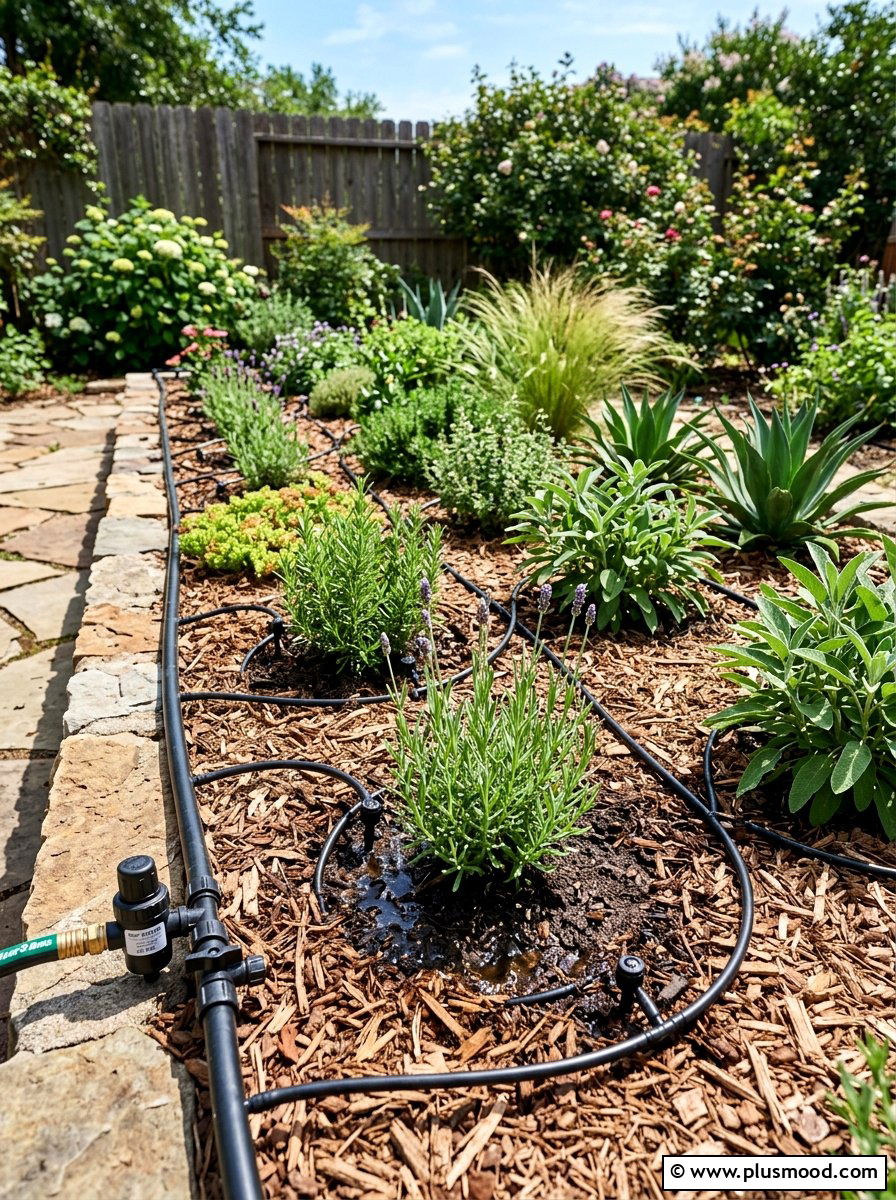
Implementing a drip irrigation layout is the most efficient way to provide water to your plants without wasting a single drop. This system uses a series of flexible tubes and small emitters to deliver moisture directly to the root zone of each plant, which minimizes evaporation and runoff. You can hide the tubes under a layer of mulch so they are completely invisible, keeping your garden looking clean and professional. By using a timer, you can ensure your plants get exactly the amount of water they need at the optimal time of day. It is a smart investment for any sustainable summer garden.
Conclusion:
Adopting low water landscaping is a powerful way to balance aesthetic beauty with environmental responsibility in your own backyard. By choosing these sustainable methods, you significantly reduce your weekly maintenance chores while creating a space that naturally resists the stress of summer heat. Whether you prefer the clean lines of a modern rock garden or the soft textures of a wildflower meadow, these ideas prove that saving water doesn't mean sacrificing style. You can enjoy a lush, impressive yard that stays vibrant all year long with very little effort. Start small and watch how your outdoor environment transforms into a water-wise paradise today for everyone to enjoy.
Related posts:
Leave a Reply