
Transforming your outdoor space into a sustainable sanctuary is easier than ever with the right selection of regional flora. Embracing native plants not only simplifies your garden maintenance but also fosters a thriving ecosystem for local pollinators. These hardy species have spent centuries adapting to your specific soil and weather patterns, making them incredibly resilient during the hot summer months. By choosing indigenous varieties, you significantly reduce the need for supplemental watering, chemical fertilizers, and pesticides. This environmentally conscious approach creates a beautiful, naturalistic aesthetic that feels deeply connected to the local landscape. You will find that these plants offer a stunning variety of textures, colors, and heights throughout the peak growing season.
1. Purple Coneflower Garden
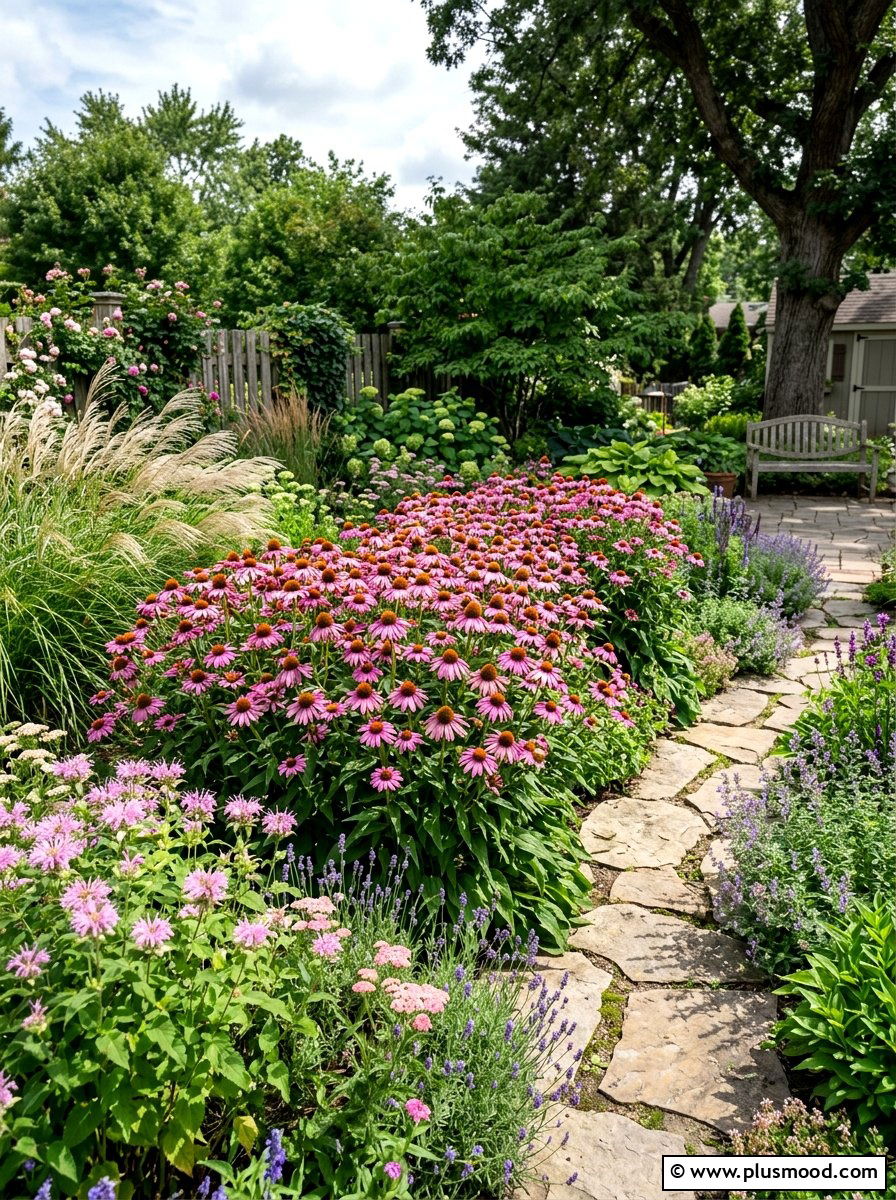
Imagine a vibrant backyard oasis where tall, sturdy stems of Echinacea rise above a sea of green. This setup focuses on creating a multi-layered perennial bed that looks stunning under the harsh July sun. You can pair these pink and purple blooms with soft ornamental grasses to add movement and texture. The deep roots of these plants mean they stay green even when the temperatures soar. By grouping them in large drifts, you create a powerful visual impact that draws the eye. This approach also provides a reliable nectar source for local butterflies and bees. It is a perfect way to maintain a lush, low-maintenance look throughout the hottest months.
2. Black Eyed Susan Border
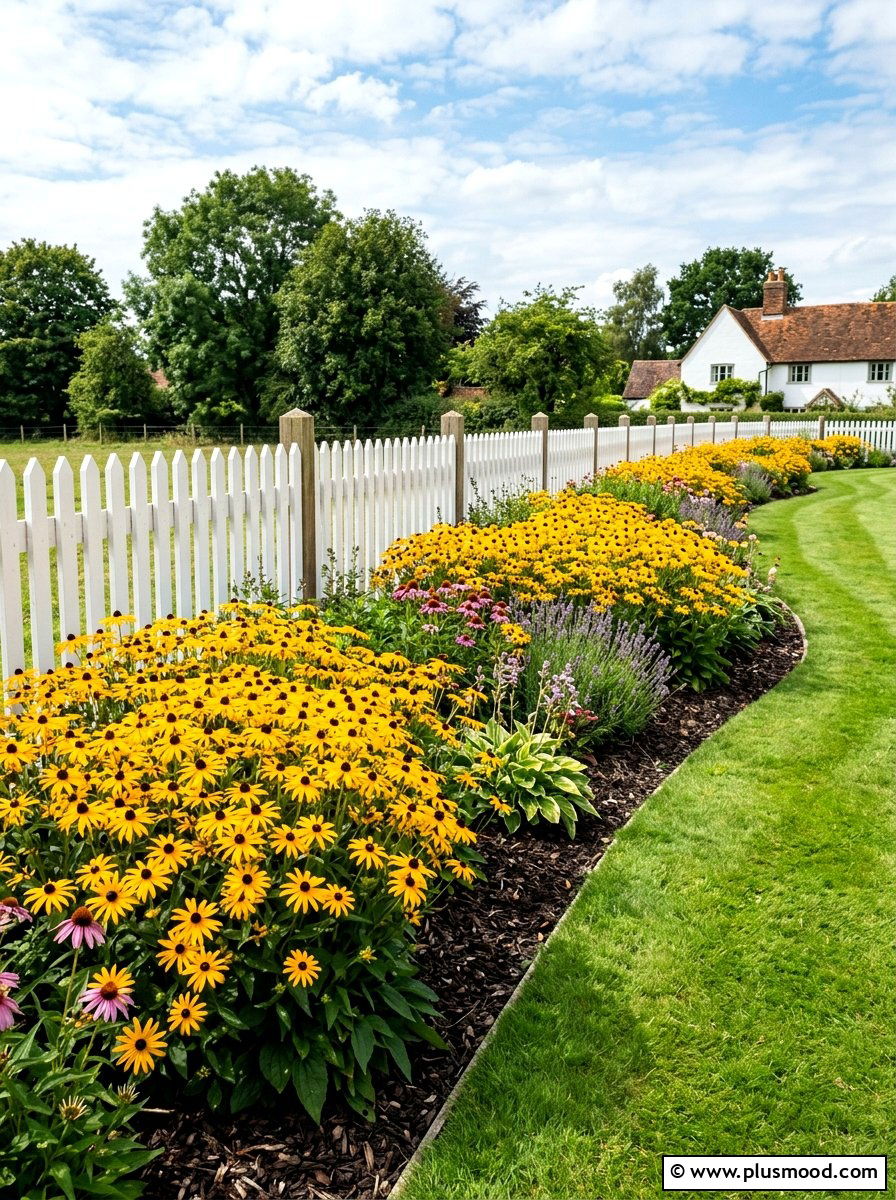
Brighten your property lines with a cheerful and resilient border featuring the classic gold of Rudbeckia. These sunny flowers are a summer staple because they can handle intense heat and poor soil without fading. To create a professional look, plant them in long, sweeping curves along a fence or walkway. This design provides a massive burst of color that lasts from early summer until the first frost. These plants are exceptionally easy to grow and will quickly fill in empty spaces, giving your garden a mature and established feel. Their dark centers provide a beautiful contrast against the bright yellow petals, making your landscape pop with life.
3. Pollinator Meadow Garden
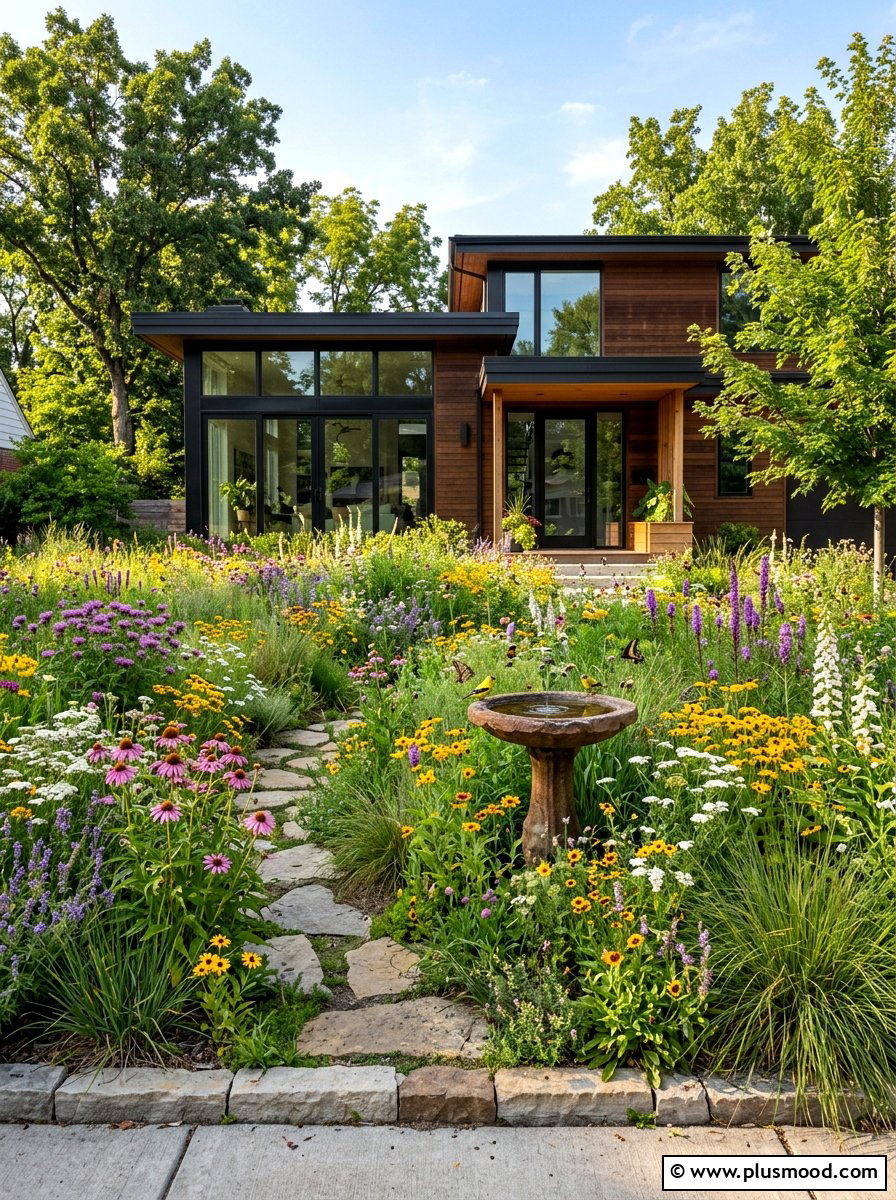
Creating a diverse meadow in your yard is a wonderful way to support local wildlife while enjoying a wild aesthetic. This design involves mixing various flowering perennials with native bunchgrasses to mimic a natural prairie. You should include a mix of bloom shapes and colors to attract a wide variety of helpful insects. The result is a dynamic, living landscape that changes every week as different species take their turn in the spotlight. This type of gardening requires very little intervention once the plants are established. It turns a boring lawn into a productive habitat that hums with life, providing endless interest for nature lovers.
4. Butterfly Weed Patch
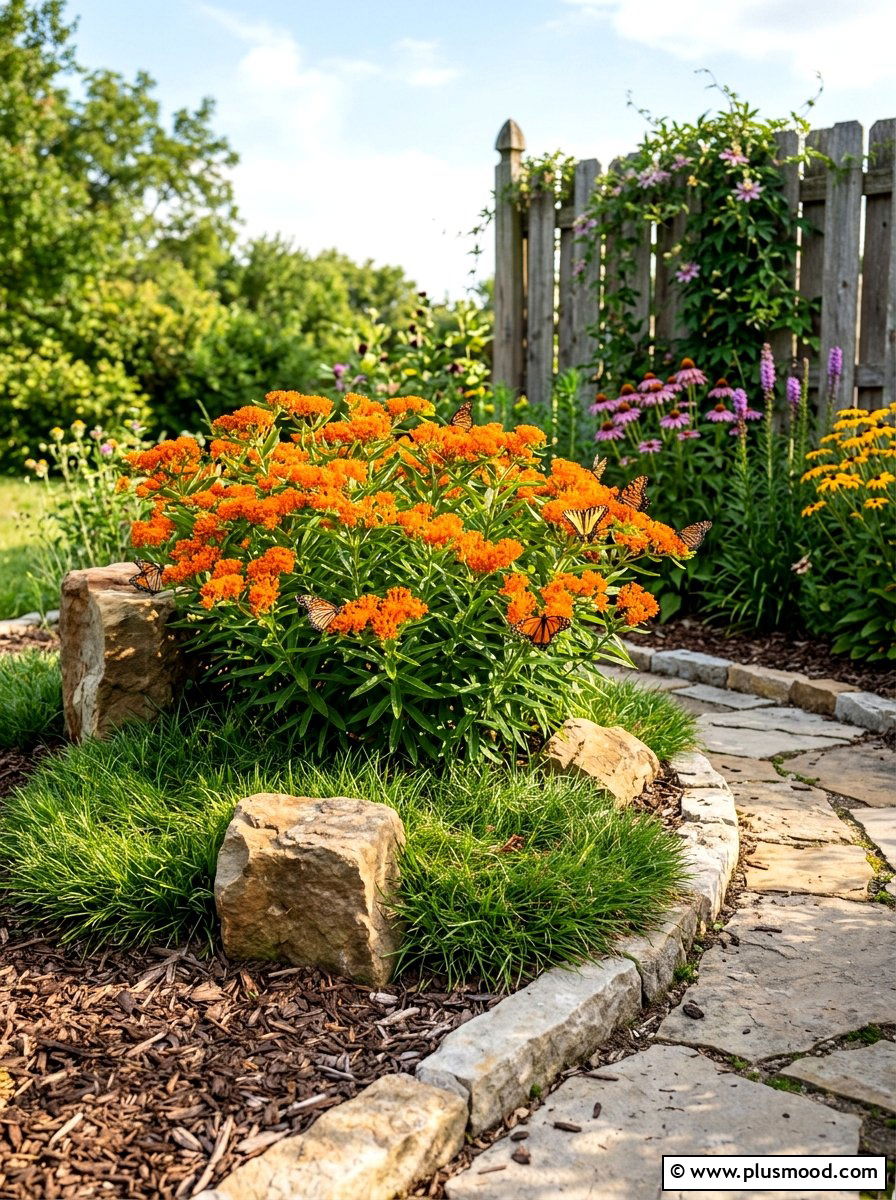
Dedicated butterfly gardens often feature the brilliant orange clusters of Asclepias tuberosa as a central focal point. This plant is essential for monarch butterflies and adds an intense splash of color to any sunny bed. Surround these bright blooms with low-growing green groundcovers to make the orange hue truly stand out. This design works perfectly in dry, sandy areas where other plants might struggle to survive the summer heat. By including several of these plants together, you create a beacon for winged visitors. It is an ideal choice for a small corner or a dedicated flower bed that prioritizes ecological health and vibrant summer beauty.
5. Native Ornamental Grass Landscape
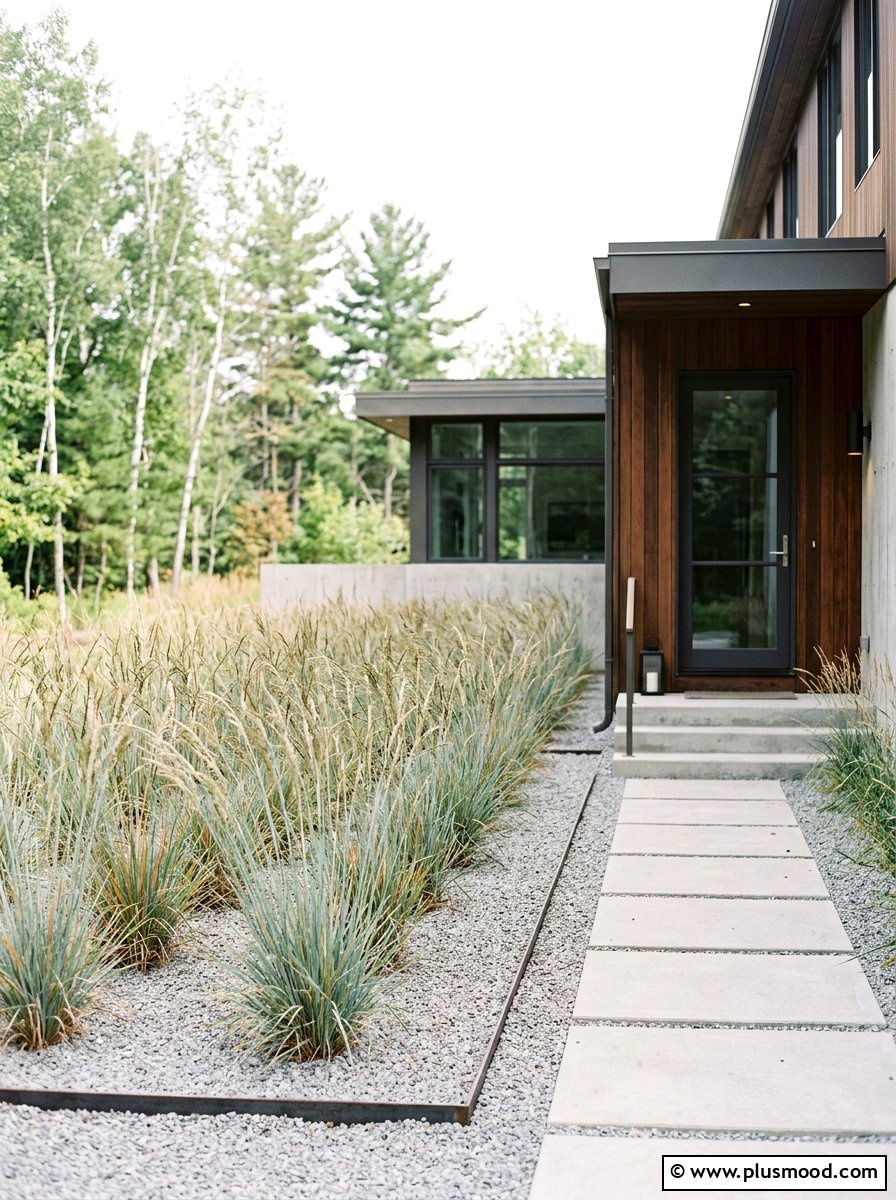
Using native grasses like Little Bluestem or Switchgrass creates a sophisticated and modern look for your front yard. These plants offer a unique structural element that most flowering perennials cannot provide. During the summer, their fine blades sway gently in the breeze, adding a sense of movement to the garden. This design is perfect for homeowners who want a minimalist, low-maintenance landscape that remains attractive year-round. These grasses are extremely drought-tolerant and can survive in a variety of soil types. Their subtle colors and varying heights provide a calm, textured backdrop that complements any architectural style while supporting local birds with seeds.
6. Bee Balm Corner
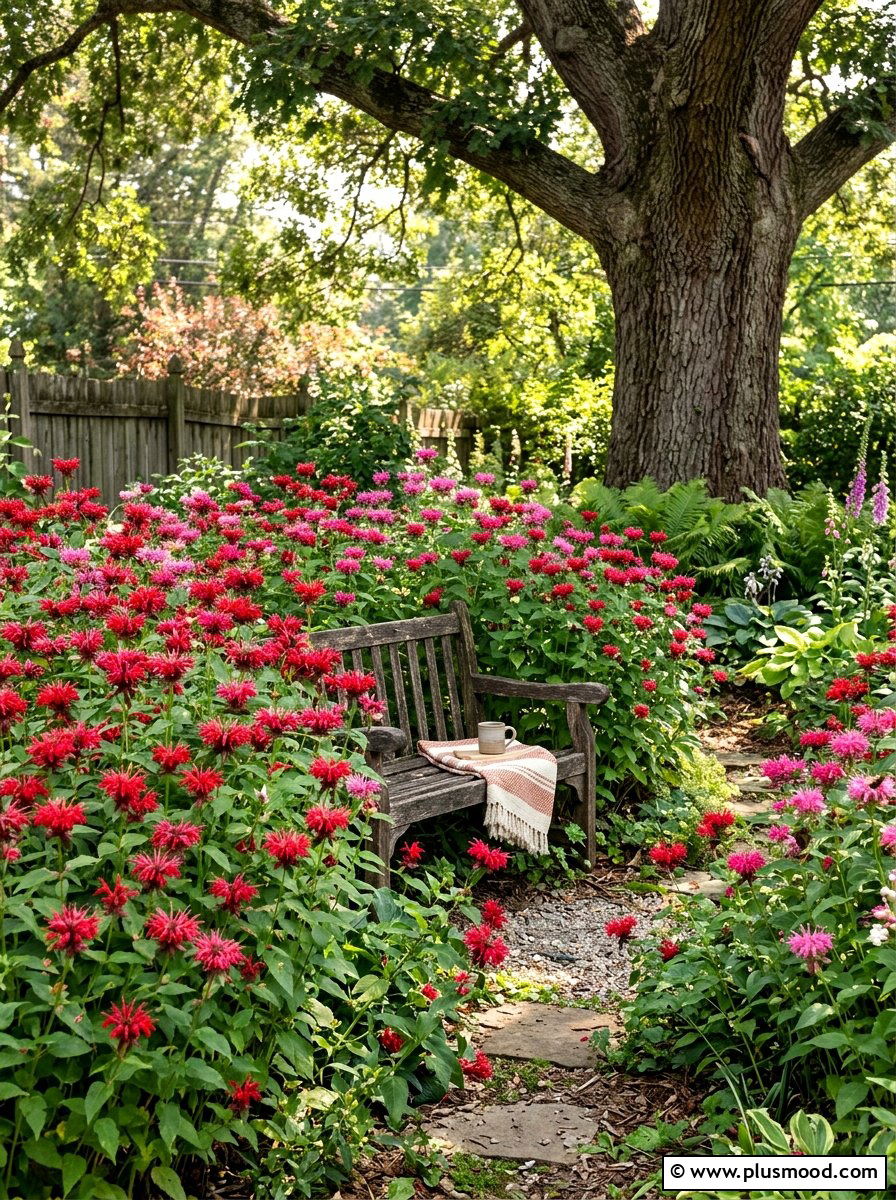
Add a whimsical touch to your garden with the shaggy, crown-like flowers of Monarda planted in a sunny corner. These plants are famous for their spicy fragrance and their ability to attract hummingbirds and long-tongued bees. When planted in large clusters, they create a dense thicket of color that looks beautiful in a cottage-style landscape. This design thrives in areas with good air circulation, which helps keep the foliage healthy during humid summer afternoons. The tall stems make them an excellent choice for the middle or back of a flower bed. They bring a lively energy to your yard that is both visually stunning and environmentally beneficial.
7. Joe Pye Weed Backdrop
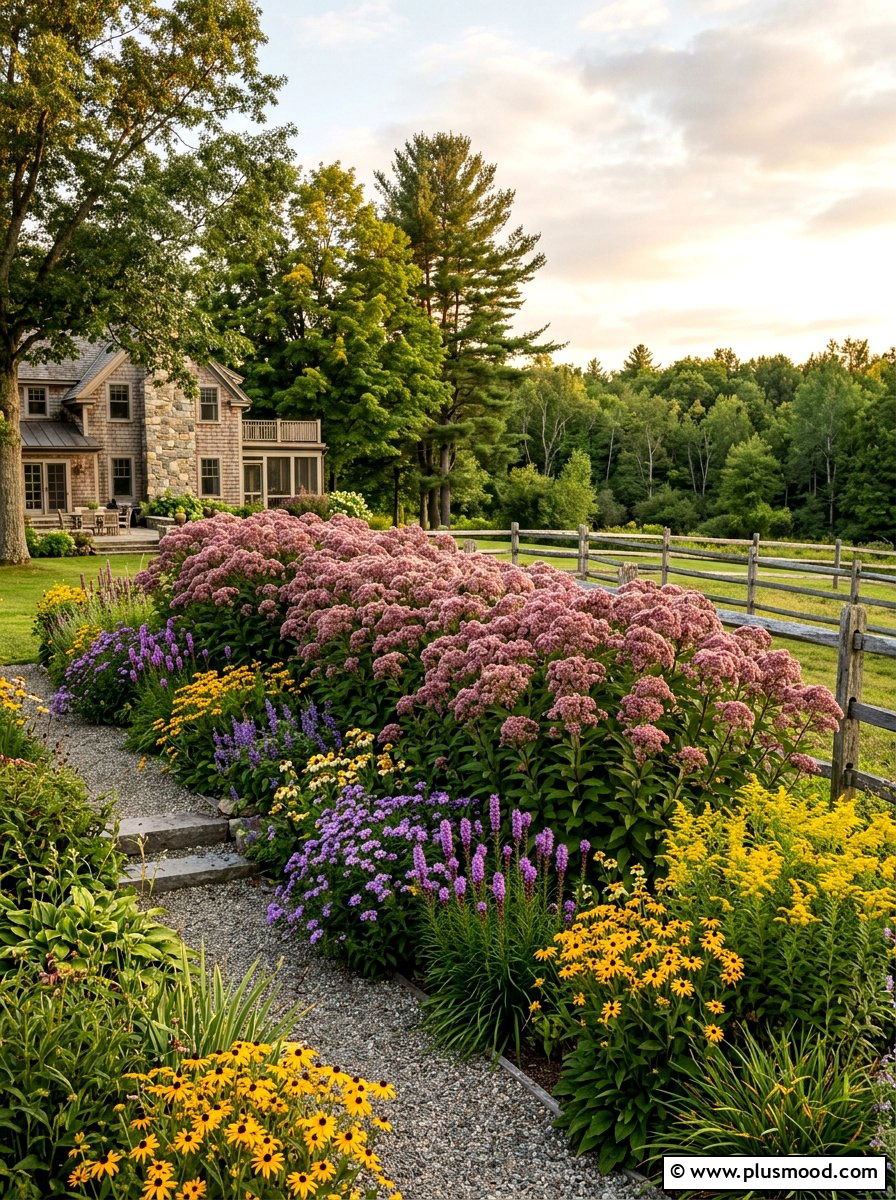
If you have a large space that needs a tall, dramatic presence, consider using Joe Pye Weed. These giants can reach heights of several feet and produce massive, dusty-rose flower heads that are magnets for pollinators. This design uses the plant as a natural screen or a majestic backdrop for shorter perennials. It performs best in areas that stay slightly moist, making it perfect for the edges of a property or near a water feature. The architectural scale of these plants provides a sense of grandeur to your summer landscape. They offer a late-summer bloom that keeps your garden looking fresh when other flowers start to fade.
8. Blanket Flower Groundcover
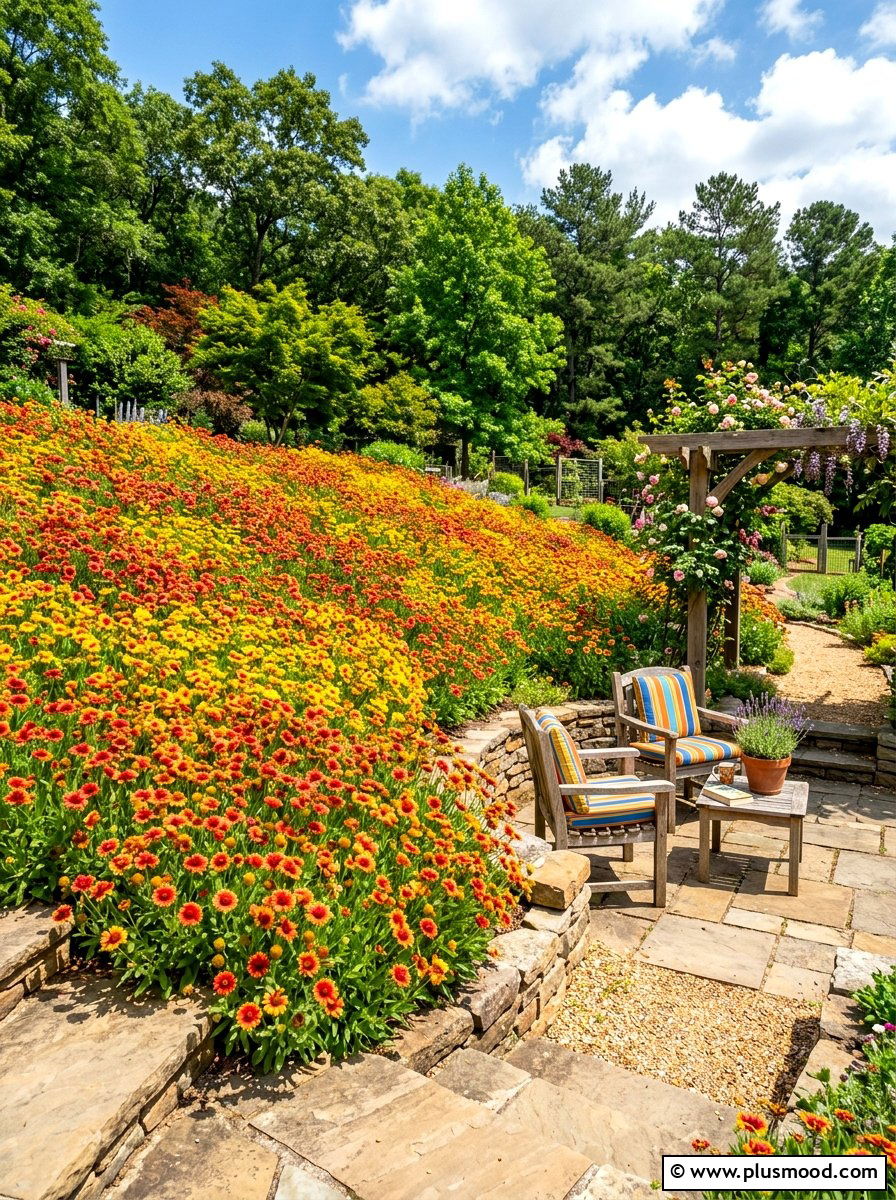
For a hot and sunny slope or a dry patch of earth, Blanket Flower offers an incredible display of red and yellow. This low-growing native plant acts as a living carpet that suppresses weeds while providing constant color. This design is particularly effective when planted in large masses to create a bold, sunset-inspired visual. These plants are tough enough to handle foot traffic along the edges of paths and can thrive in the leanest soils. Their daisy-like blooms are incredibly prolific throughout the summer months. By choosing this hardy groundcover, you reduce the need for mulch and create a vibrant, self-sustaining area in your sunny landscape.
9. Rain Garden Basin
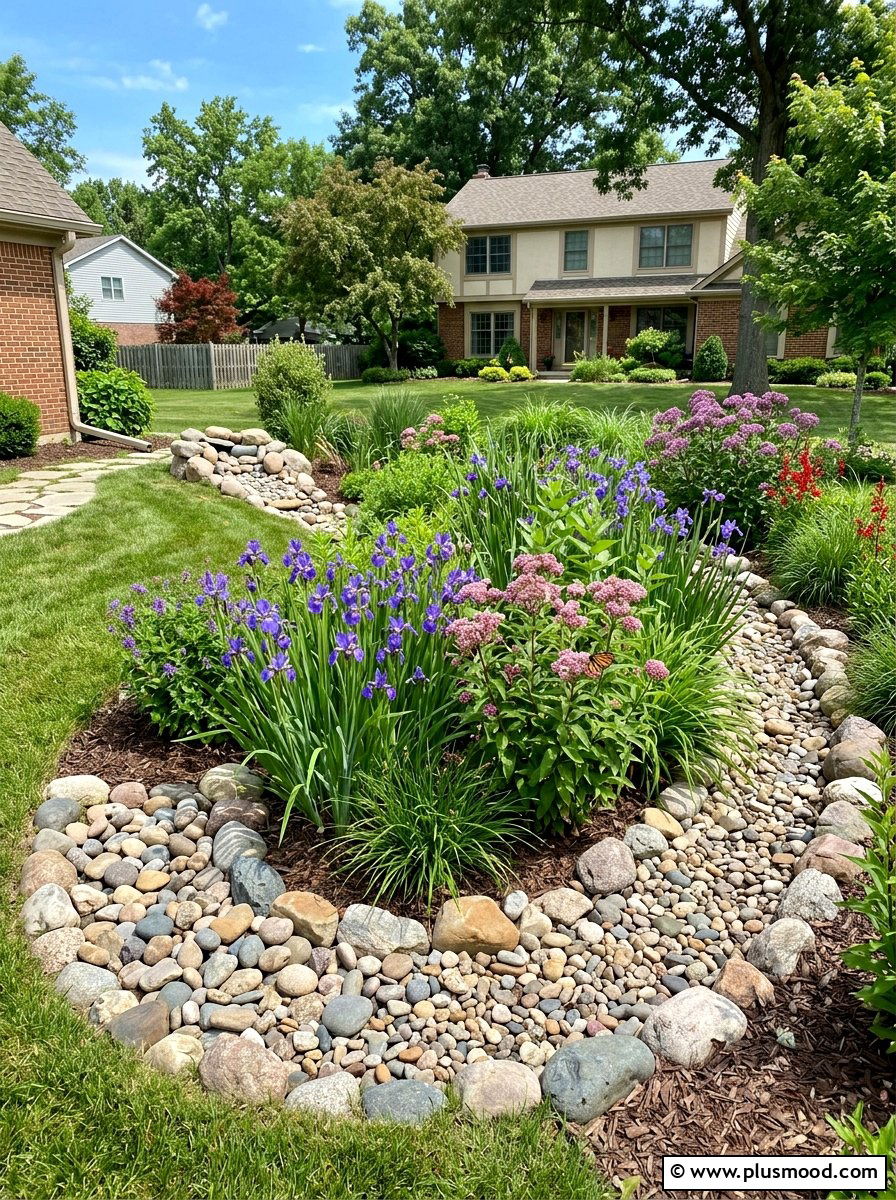
Managing stormwater runoff can be a beautiful endeavor when you design a functional and attractive rain garden. This area uses native plants that can handle both wet roots and periods of dry weather. Species like Swamp Milkweed or Blue Flag Iris are perfect for the center of the basin where water collects. This design filters pollutants and allows water to soak into the ground rather than running off into the street. It creates a lush, green pocket in your yard that feels cool and inviting during the summer. This eco-friendly feature is a great way to solve drainage issues while adding a unique habitat for local frogs.
10. Little Bluestem Prairie
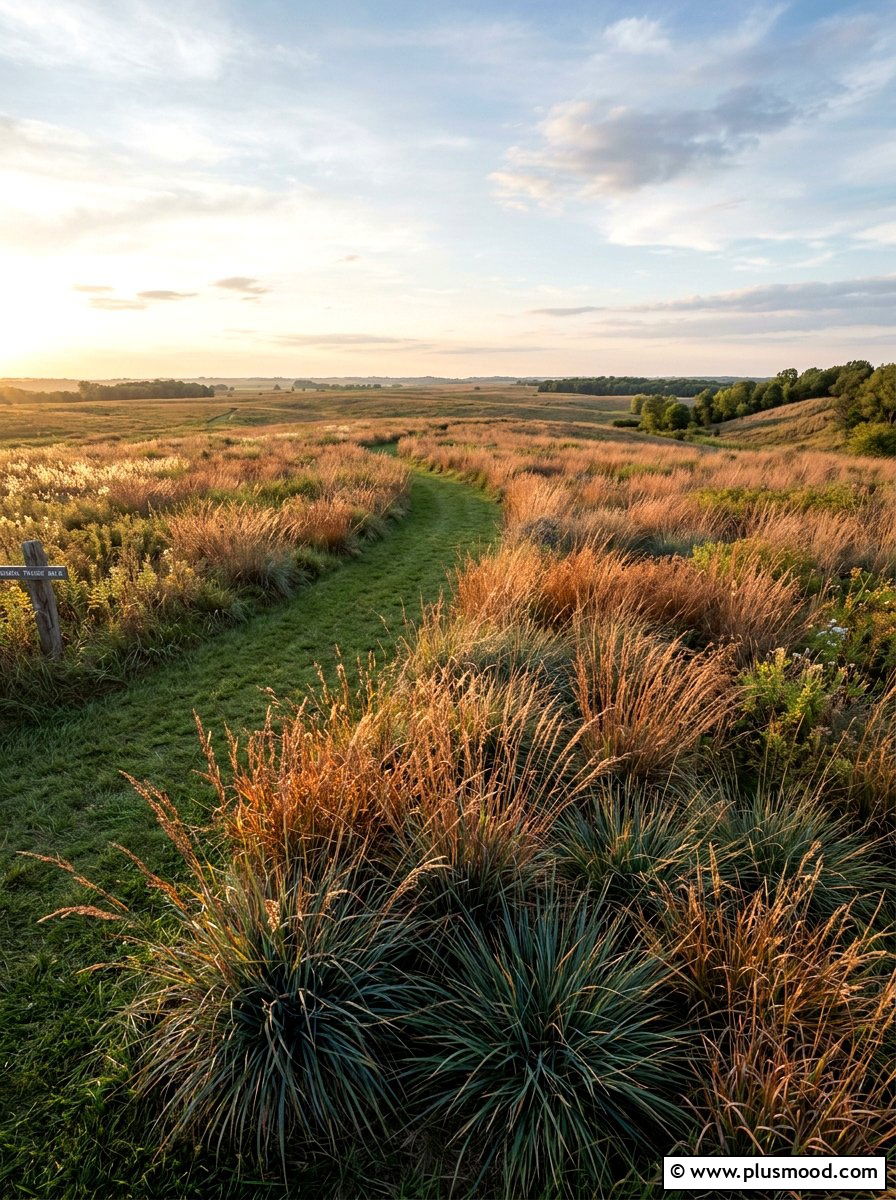
Transforming a portion of your yard into a miniature prairie featuring Little Bluestem offers a striking and rugged beauty. This grass is prized for its blue-green summer foliage and its upright, narrow growth habit. This design works well in large open spaces where the grass can catch the sunlight and move with the wind. It is one of the most drought-resistant plants available, making it a smart choice for sustainable landscaping. As the summer progresses, the stems often take on hints of purple and bronze. This plant provides essential nesting material and cover for birds, making your yard a haven for wildlife throughout the entire growing season.
11. Cardinal Flower Water Feature
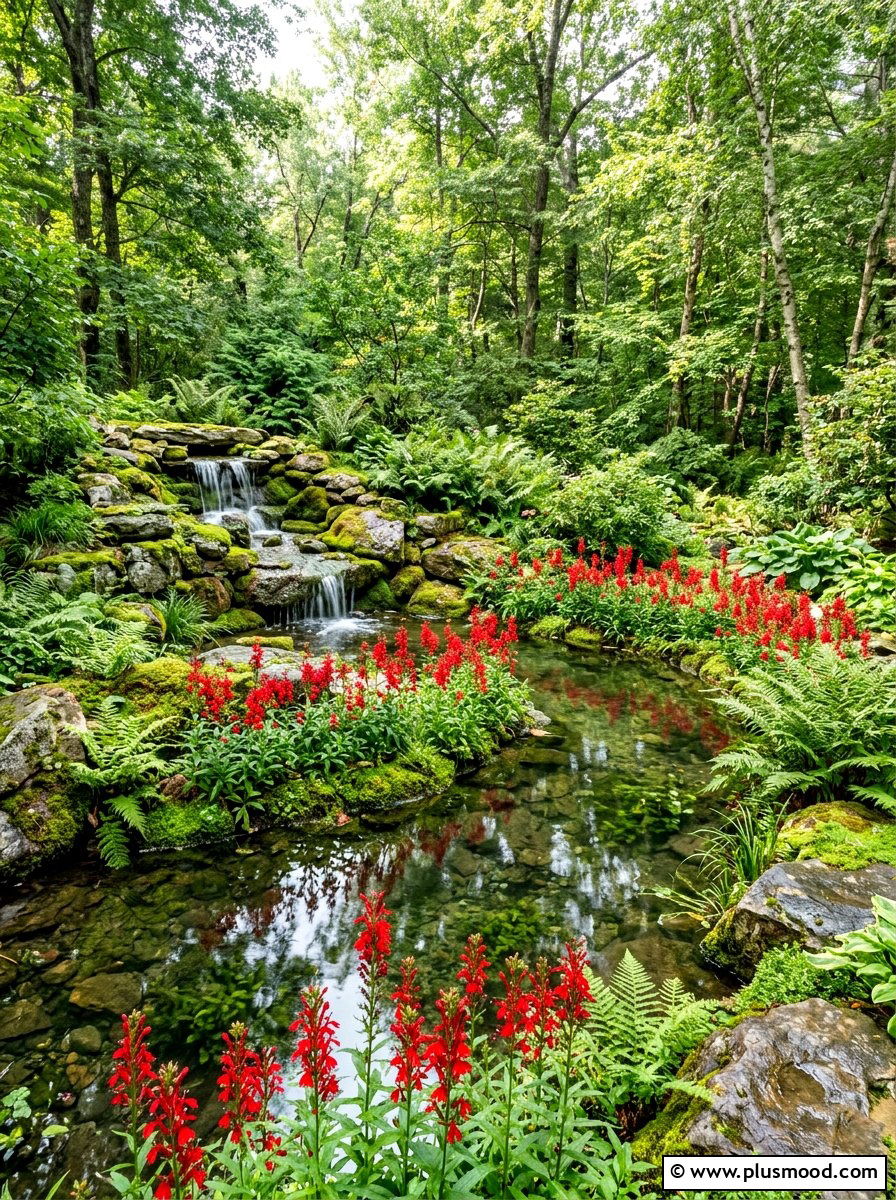
The intense, true-red spikes of Cardinal Flower are perfect for adding drama near a pond or a bubbling fountain. This native plant loves moist soil and can even grow in partial shade, making it a versatile choice for different yard layouts. This design focuses on creating a lush, tropical feel using indigenous plants that attract hummingbirds like a magnet. The deep green foliage provides a crisp contrast to the fiery red blossoms that appear in mid-to-late summer. By placing these plants near water, you ensure they stay hydrated and vibrant even during a heatwave. It is a stunning way to bring high-definition color to your summer garden.
12. Coreopsis Sun Garden
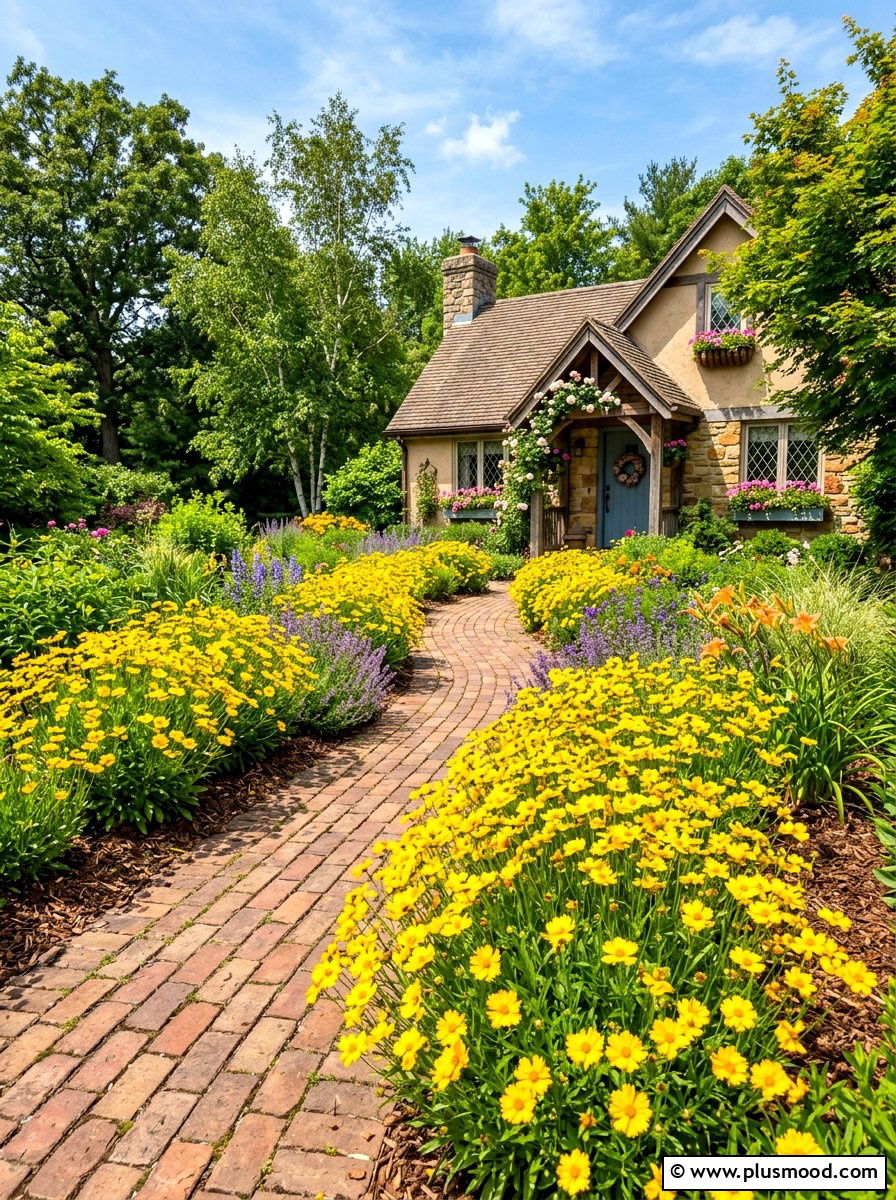
Brighten up your exterior with the sunny disposition of Coreopsis, also known as Tickseed. These small but mighty plants produce a wealth of yellow flowers that can cover the entire foliage in a blanket of gold. This design is perfect for small flower beds, containers, or the front edge of a perennial border. These plants are remarkably easy to care for and can tolerate a wide range of soil conditions. They provide a long season of bloom, especially if you remove the spent flowers periodically. This simple addition brings a cheerful and bright atmosphere to your home entrance or patio area during the hottest summer months.
13. Switchgrass Privacy Screen
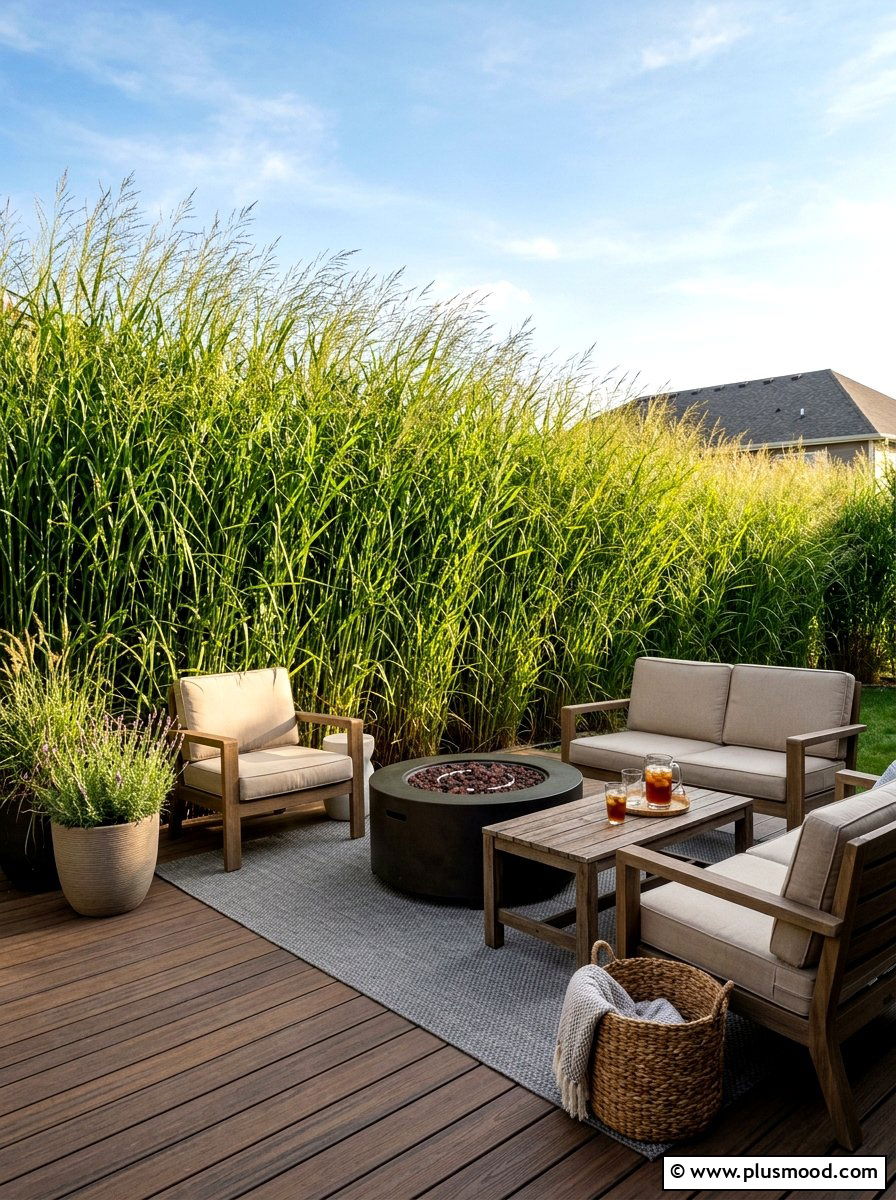
Create a natural and airy privacy screen using the tall, upright varieties of native Switchgrass. This design offers a softer alternative to traditional wooden fences or heavy evergreen hedges. During the summer, the grass grows quickly to its full height, providing a shimmering wall of green that obscures the view without feeling heavy. The delicate, lace-like seed heads appear in mid-summer and catch the light beautifully during sunset. This plant is incredibly sturdy and will not flop over even after heavy summer rainstorms. It is a low-maintenance solution for homeowners who want to define their outdoor living spaces while supporting local birds with seasonal shelter.
14. Wildflower Meadow Path
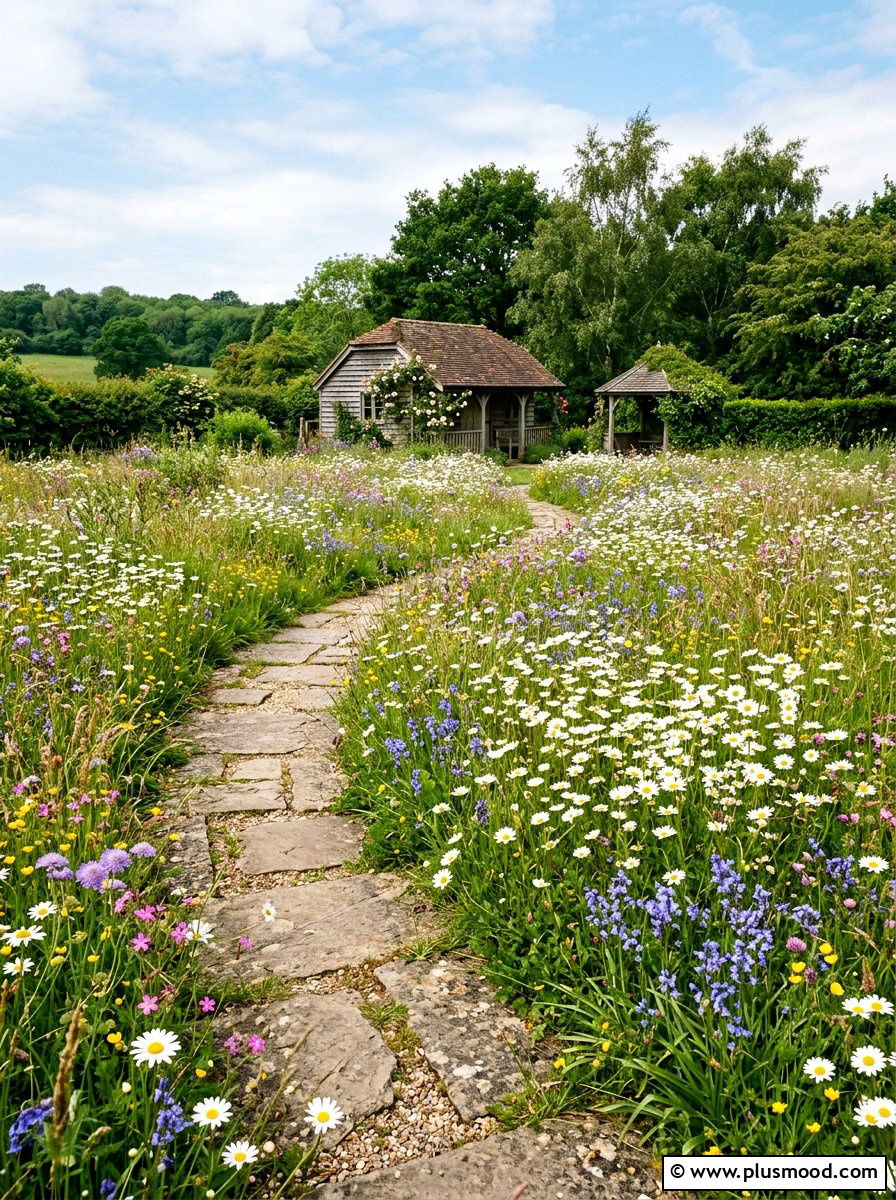
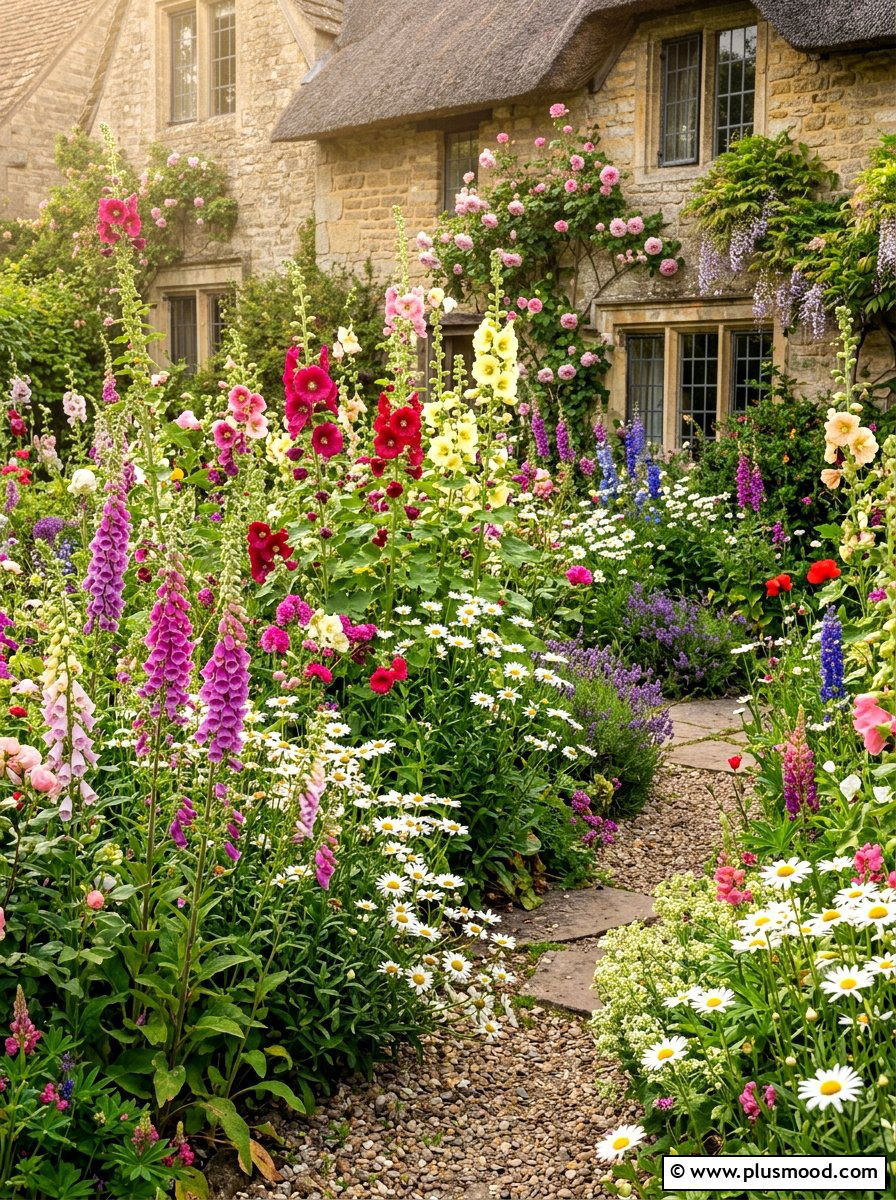
Imagine walking through your yard on a narrow stone path flanked by a riot of native wildflowers. This design encourages a more relaxed and naturalistic feel by allowing plants to spill over the edges of the walkway. You can mix various heights and colors to create a sensory experience that changes with every step. This approach is much more interesting than a standard grass lawn and requires far less mowing and watering. By selecting a variety of species, you ensure that there is always something in bloom during the summer. It turns a simple transit route into a delightful journey through your own private nature preserve.
15. Hummingbird Sage Bed
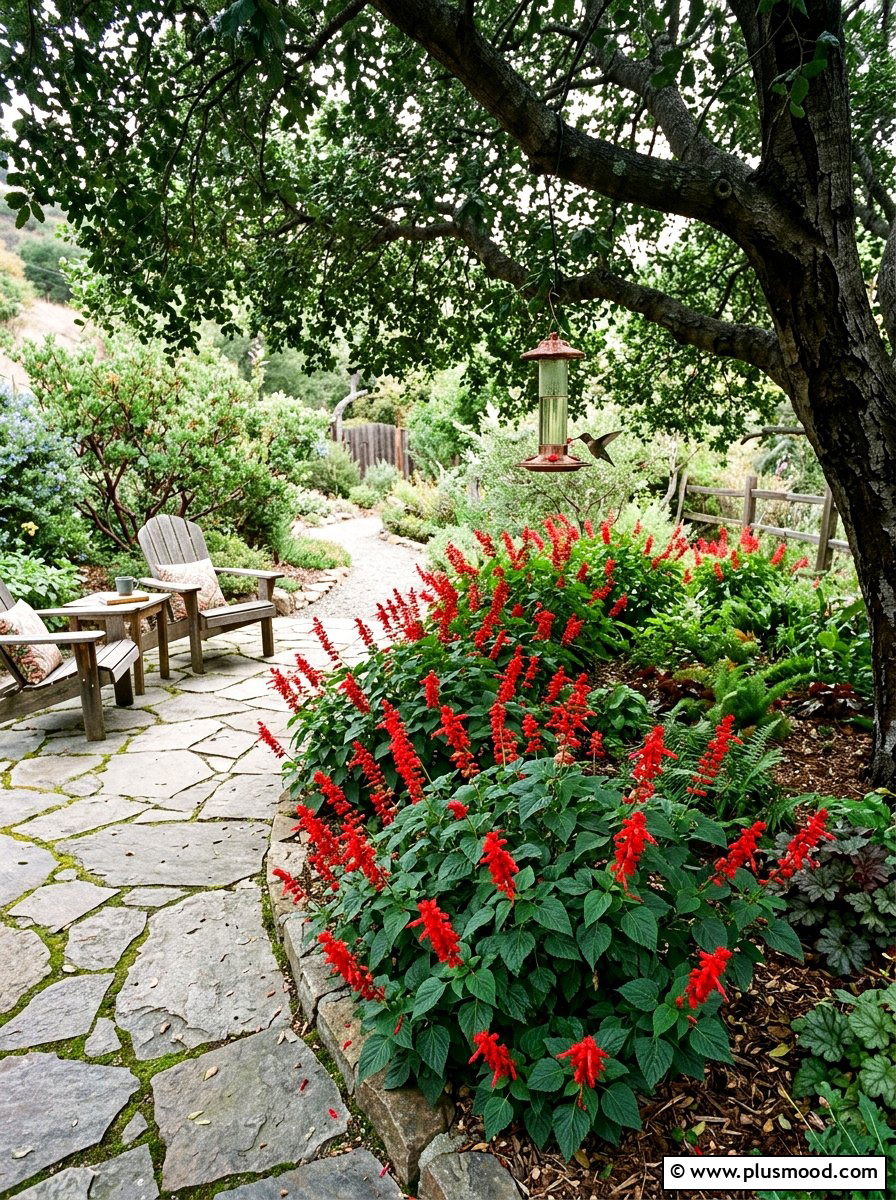
Shady areas of the garden can be transformed with the aromatic leaves and tall flower spikes of native Sage. These plants are specifically adapted to thrive under the canopy of trees where other flowers might struggle for light. This design focuses on creating a fragrant and inviting space that draws in local hummingbirds with its tubular blooms. The foliage often has a pleasant, earthy scent that is released when you brush past the plants. This is a great choice for a side yard or a shaded patio border. It provides a lush, green look that stays cool and fresh even when the summer sun is at its brightest.
16. Native Shrub Hedgerow
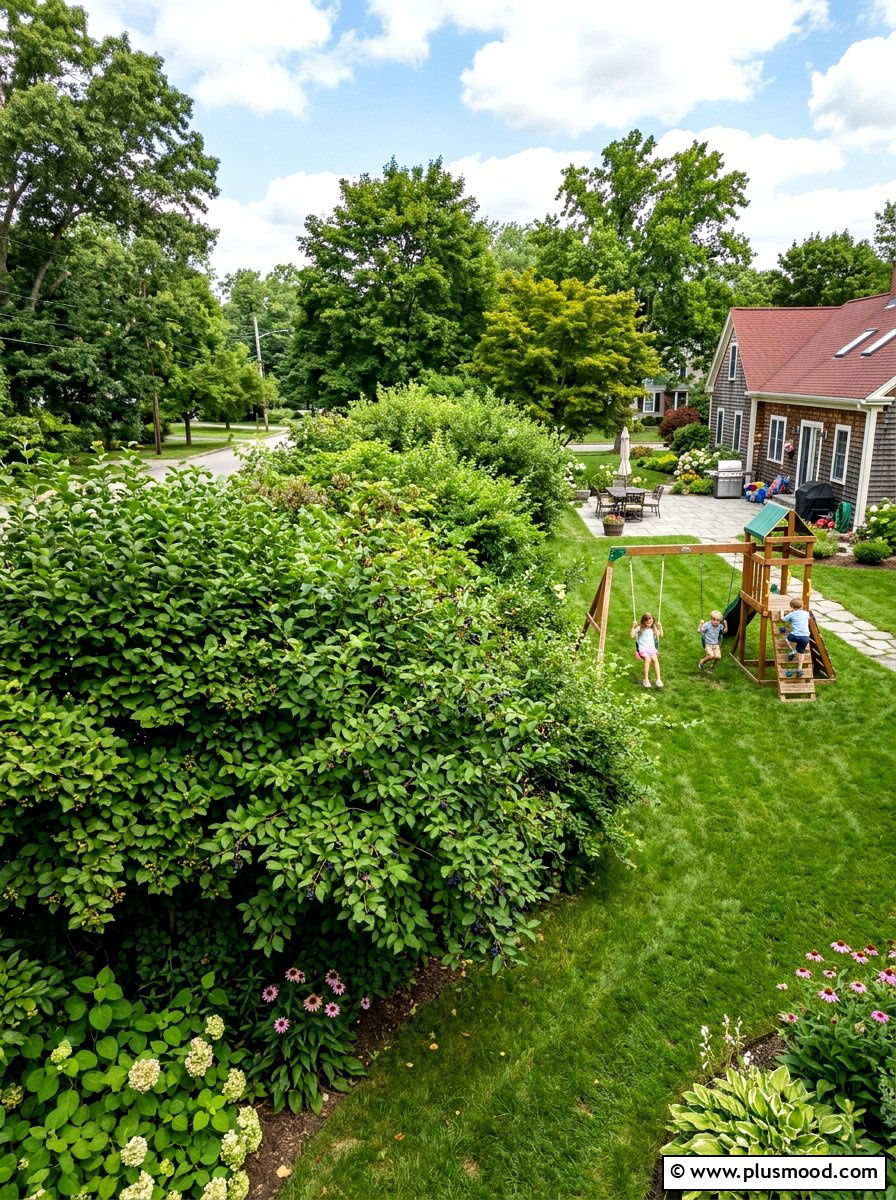
Replace boring boxwoods with a diverse hedgerow of native shrubs like Viburnum or Serviceberry. This design provides a multi-functional border that offers privacy, beautiful summer foliage, and food for local wildlife. Unlike a single-species hedge, a native mix creates a more resilient and visually interesting screen. These shrubs are adapted to your local climate, meaning they require very little pruning or watering once they are established. During the summer, they provide deep shade and nesting sites for a variety of birds. This approach creates a thick, green boundary that feels like a natural part of the surrounding woods while protecting your private outdoor living areas.
17. Woodland Shade Garden
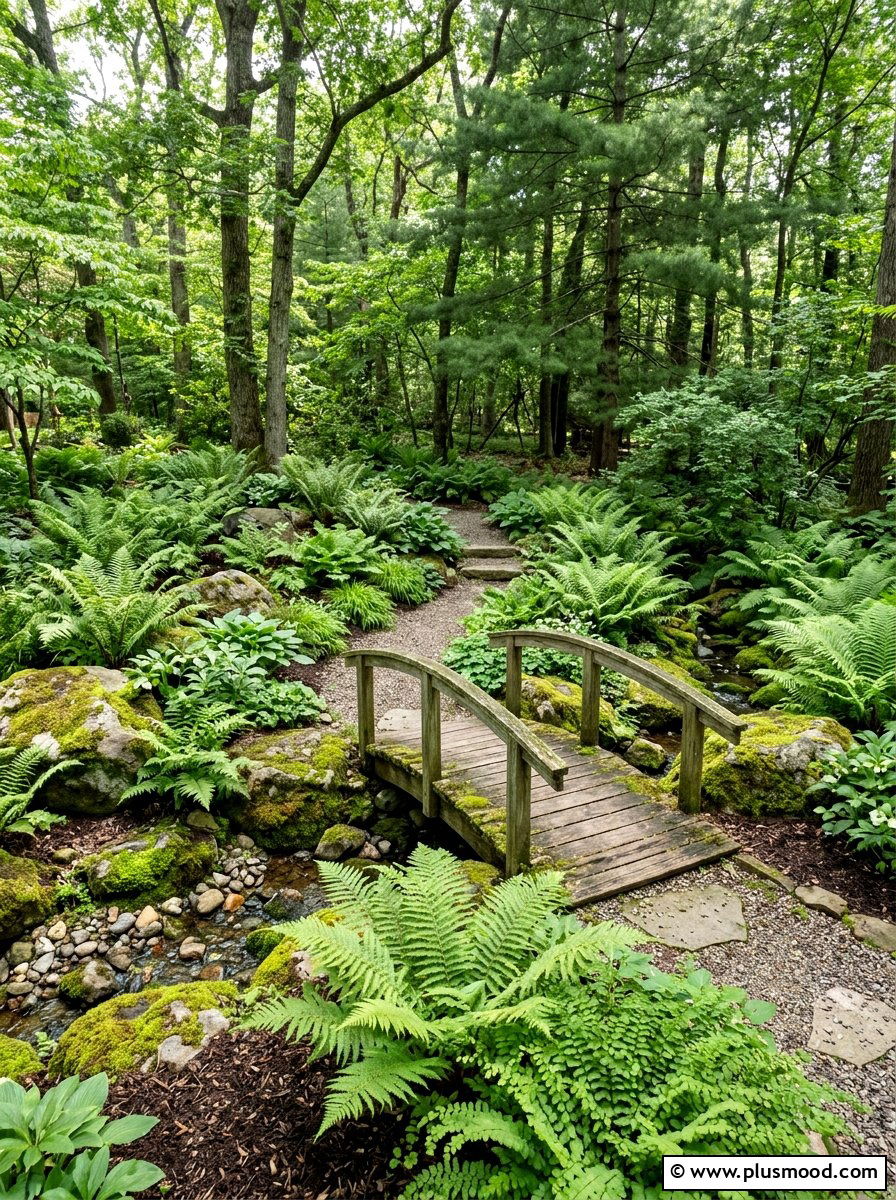
Under the deep shade of mature trees, you can create a serene woodland garden using native ferns and forest floor perennials. This design mimics the cool, damp environment of a local forest, providing a refreshing escape from the summer heat. Use various textures of green, from the delicate fronds of Maidenhair Ferns to the broad leaves of Wild Ginger. This layout focuses on subtle beauty and varying shades of green rather than bright, flashy colors. It is a low-stress way to landscape difficult shady spots where grass refuses to grow. This quiet sanctuary becomes a favorite spot for relaxing during the peak of the summer afternoon.
18. Xeriscape Rock Garden
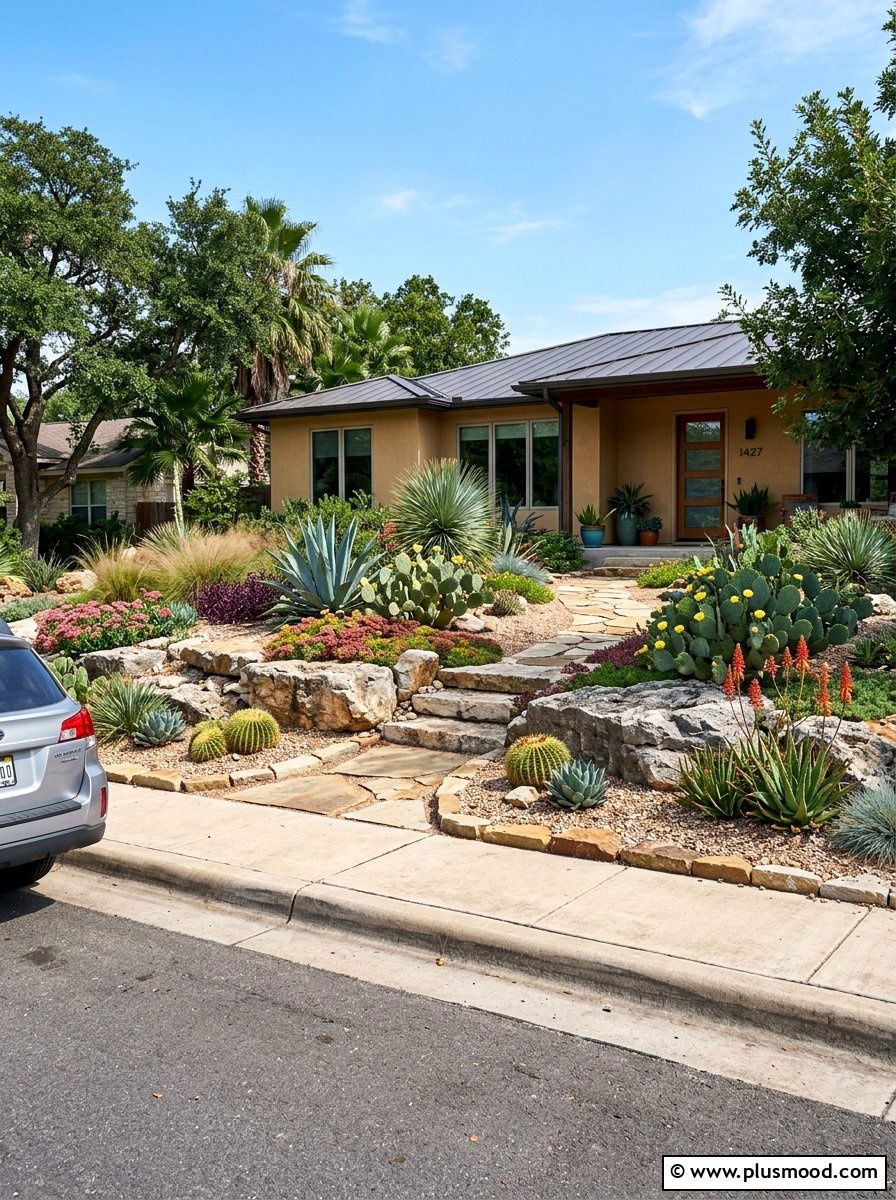
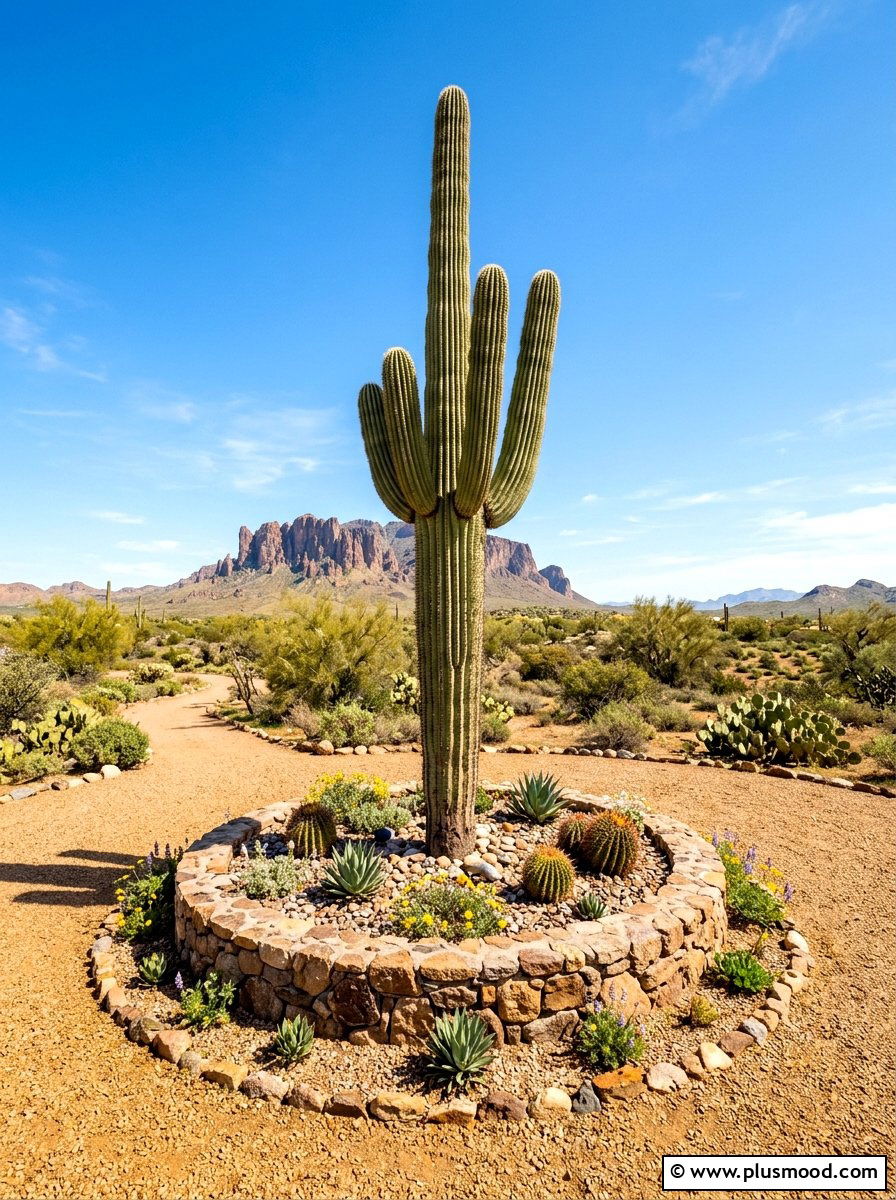
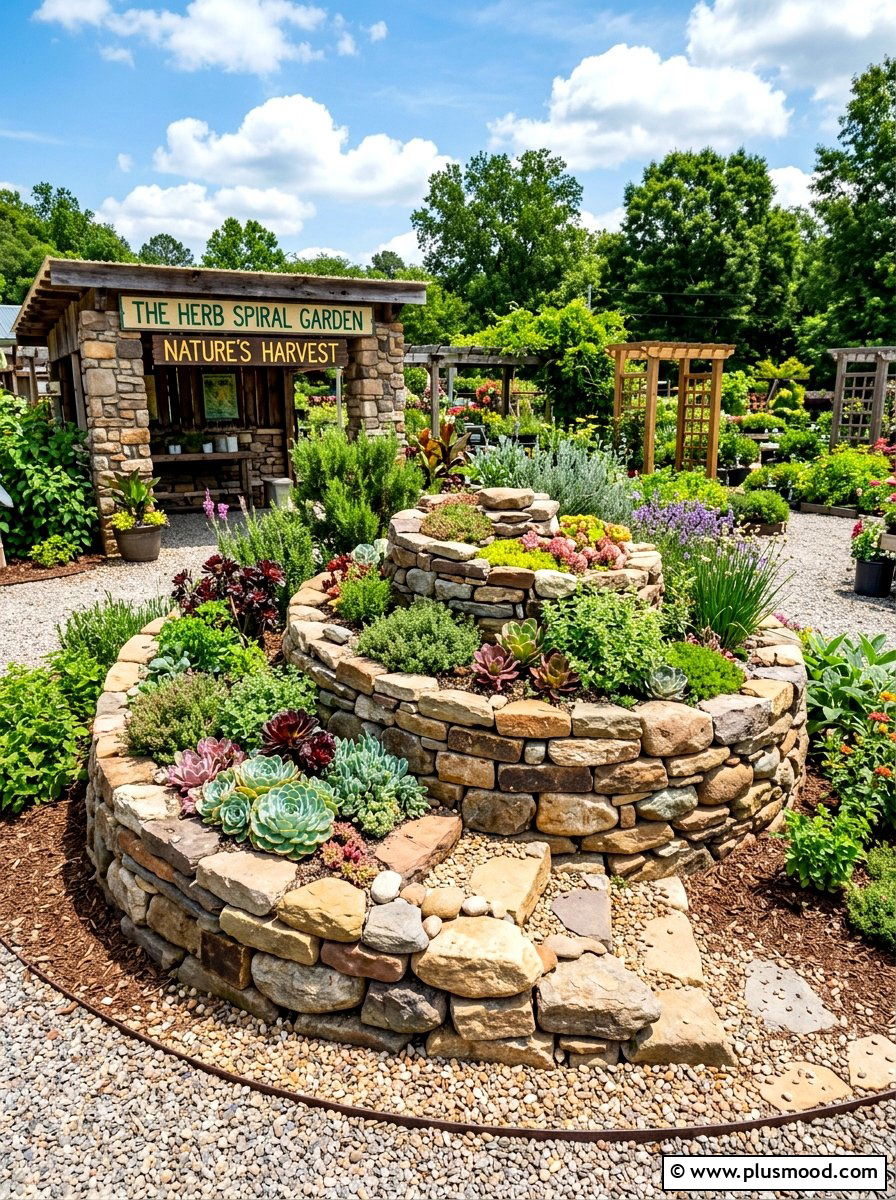
For the ultimate low-water landscape, a rock garden featuring native succulents and drought-tolerant perennials is the perfect solution. This design uses gravel and large stones to create a rugged, naturalistic base for hardy plants like Prickly Pear or Stonecrop. These species have evolved to store water in their fleshy leaves, allowing them to thrive in the most punishing summer conditions. This layout is virtually maintenance-free and looks great year-round. It is an excellent choice for a sunny front yard or a steep bank where watering is difficult. The combination of varied stone textures and unique plant shapes creates a modern, architectural look for your home.
19. False Indigo Specimen
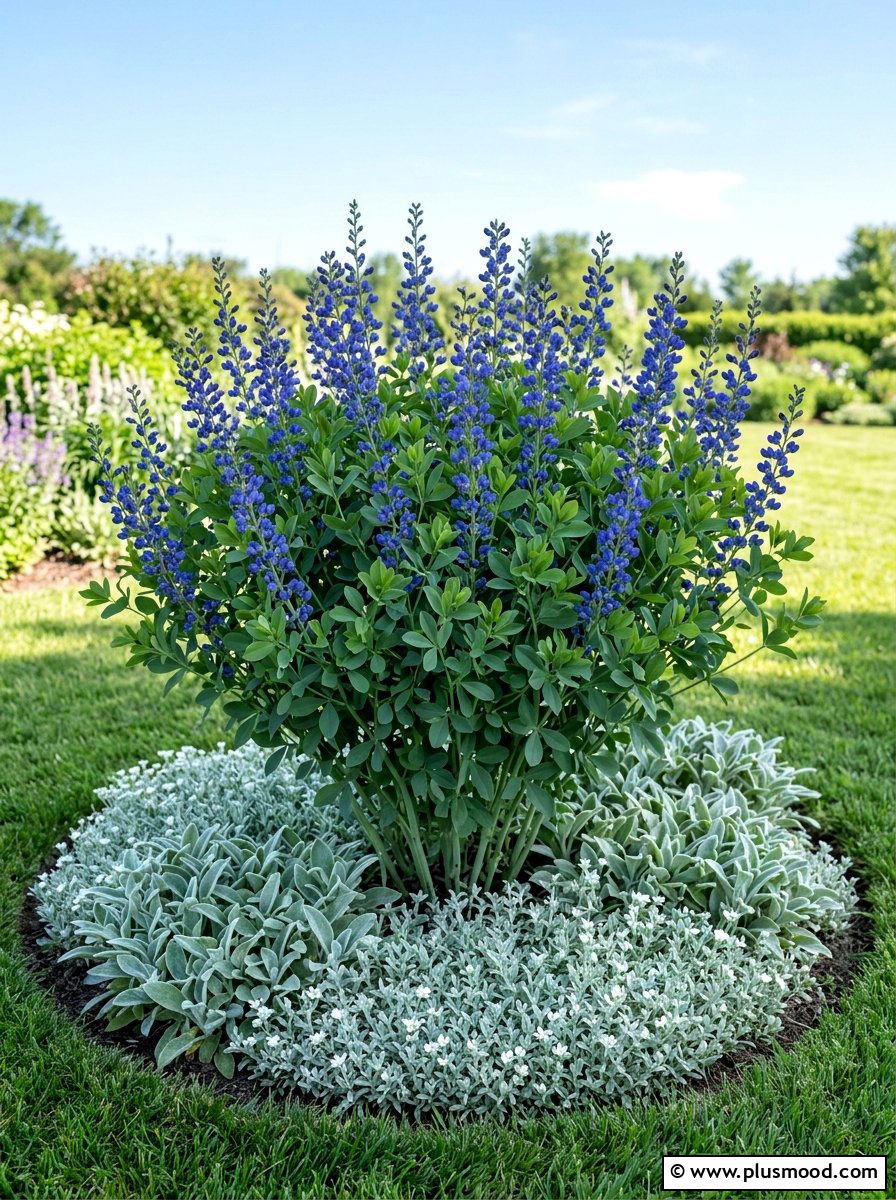
Add a touch of elegance to your landscape with the shrub-like presence of Blue False Indigo. This perennial is prized for its lupine-like spikes of deep blue flowers that appear in early summer. Even after the blooms fade, the blue-green foliage remains attractive and provides a solid structural element in the garden. This design uses the plant as a standalone specimen or a focal point in a mixed border. It is a long-lived plant with deep roots that make it very drought-tolerant once established. The unique seed pods that follow the flowers add visual interest well into the autumn, making it a valuable addition to any yard.
20. Native Fern Border
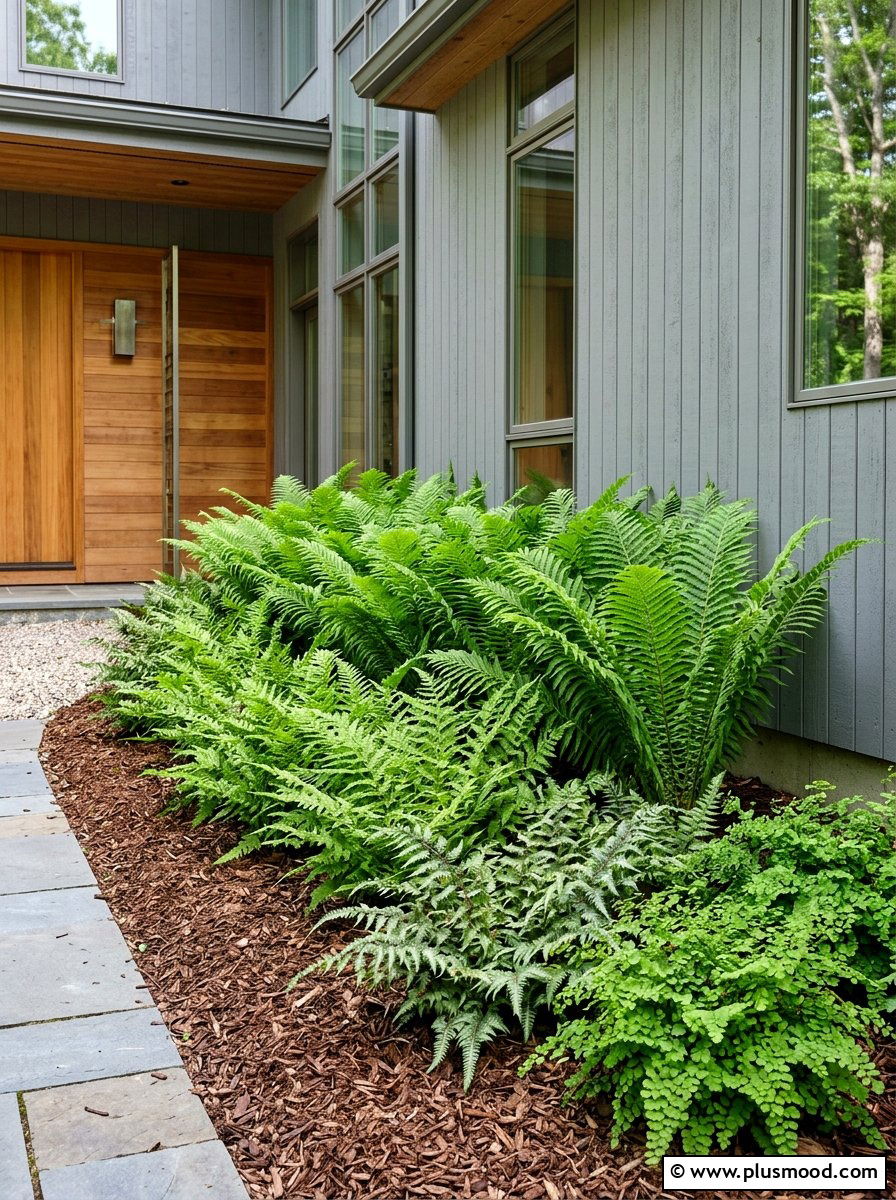
Create a lush and feathery border along the north side of your home using a variety of native ferns. These ancient plants are perfect for adding a sense of softness and tranquility to shaded areas. This design uses the different heights and textures of species like Ostrich Fern or Cinnamon Fern to create a layered look. These plants thrive in the humid summer air and help to keep the soil cool and moist. They provide a beautiful green backdrop for other shade-loving perennials. By grouping them together, you create a thick, verdant edge that looks professional and well-maintained with almost no effort on your part.
21. Aster Late Summer Bed
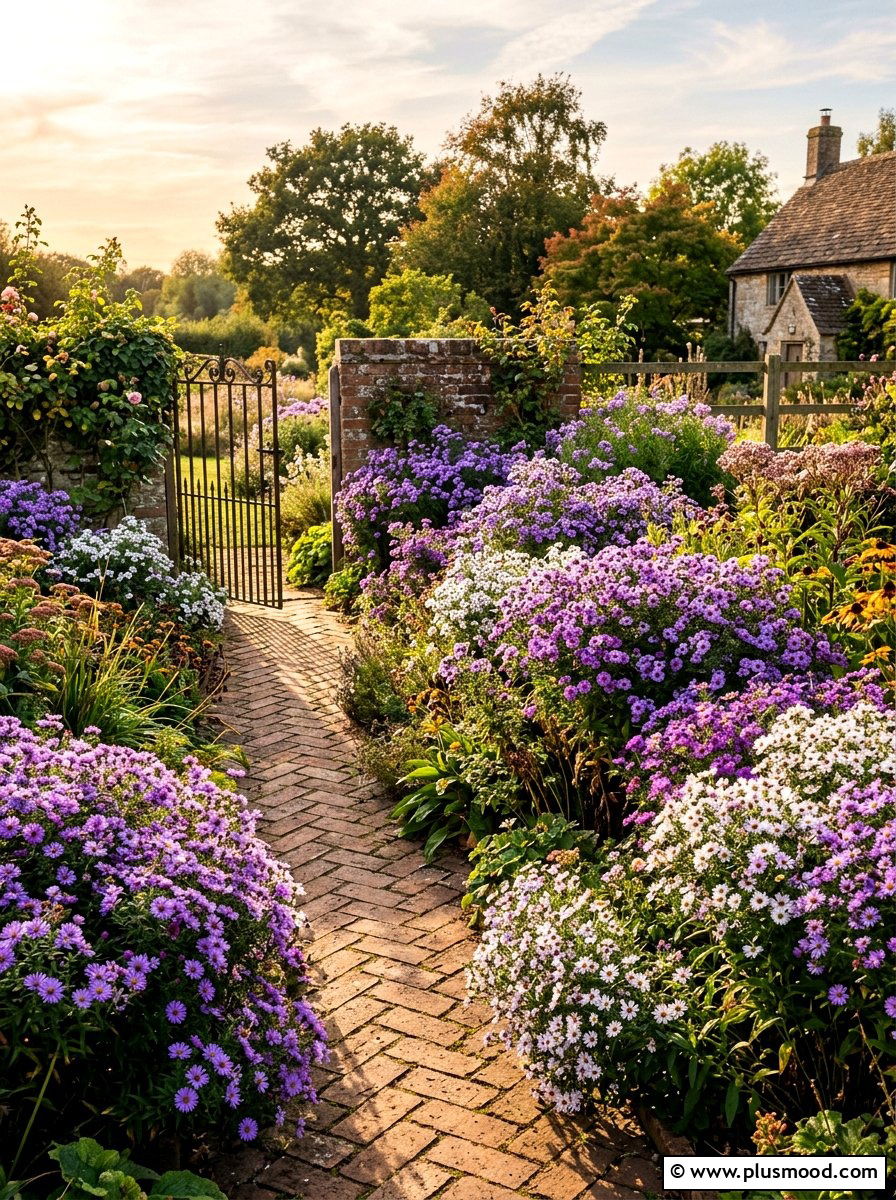
Ensure your garden remains vibrant through the end of the season by planting a dedicated bed of native Asters. While many flowers begin to fade in August, these plants are just getting started with their display of purples, blues, and whites. This design provides a critical late-season food source for migrating butterflies and bees. The plants have a mounded growth habit that fills in gaps perfectly. By pairing them with goldenrods, you create a classic late-summer color palette that is synonymous with the changing seasons. This approach keeps your landscape looking intentional and full of life long after the mid-summer heat has peaked.
22. Goldenrod Wildlife Habitat
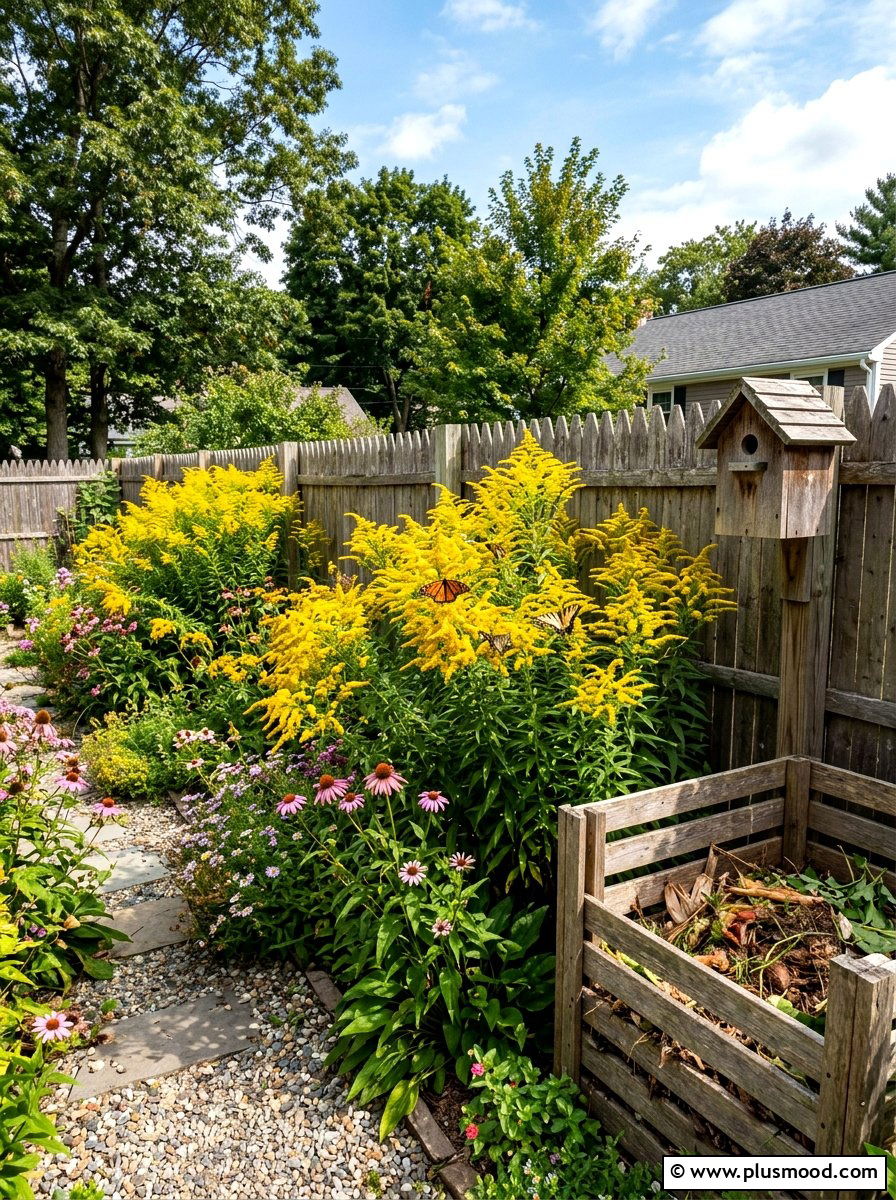
Dispel the myths about allergies and embrace the stunning yellow plumes of native Goldenrod in your summer landscape. This plant is a powerhouse for biodiversity, supporting hundreds of species of beneficial insects. This design uses the plant in large groups to create a golden focal point that glows in the late afternoon sun. There are many well-behaved garden varieties that stay compact and do not spread aggressively. They are incredibly tough and can handle dry soil and full sun with ease. Adding this plant to your yard ensures a spectacular end-of-summer show that benefits the entire local ecosystem in a very meaningful way.
23. Blazing Star Vertical Interest
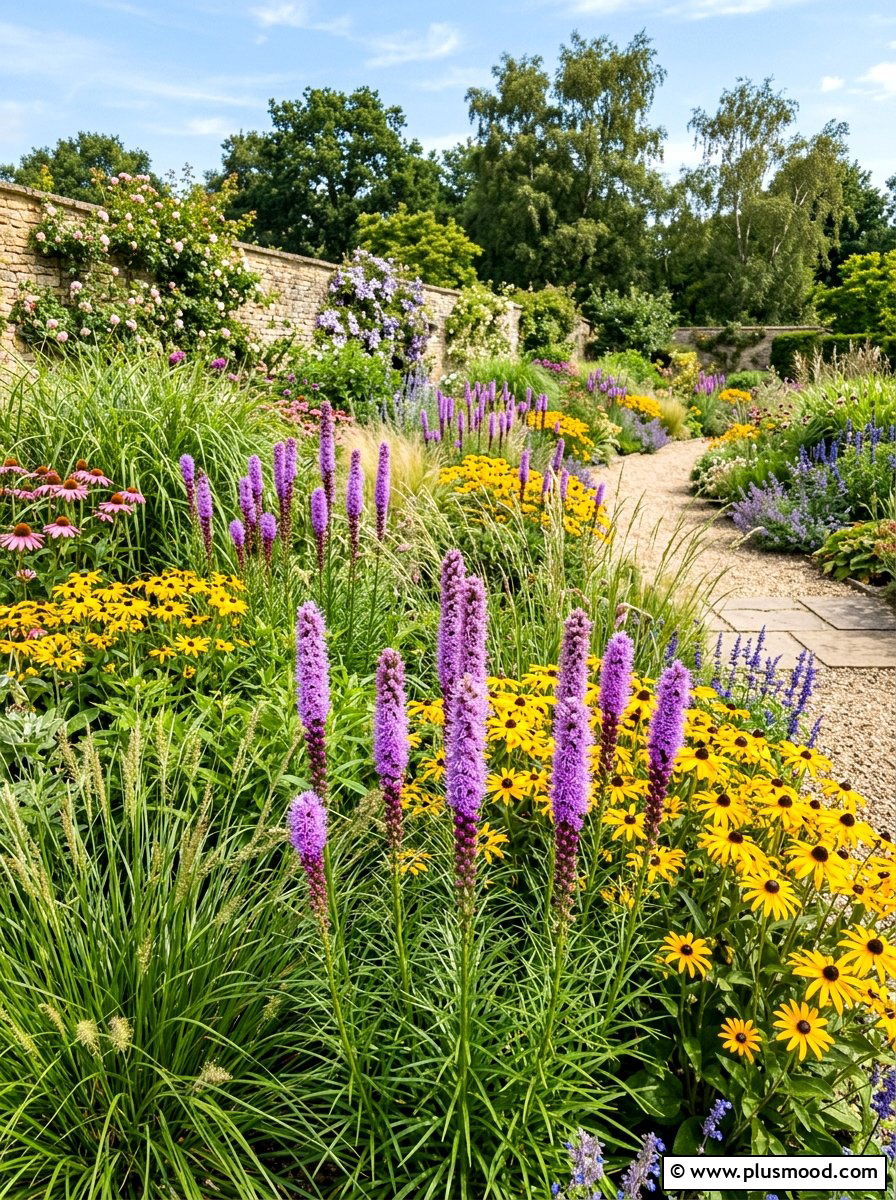
Add striking vertical lines to your garden with the tall, feathery wands of Liatris, also known as Blazing Star. This native plant is unique because its flowers bloom from the top of the spike downward, creating a long-lasting purple display. This design is perfect for adding height to the middle of a perennial bed without taking up much horizontal space. The fine, grass-like foliage stays green and tidy throughout the summer months. These plants are favorites of butterflies and look particularly beautiful when planted in groups of five or seven. They bring a professional, designer touch to any sun-drenched landscape with their unique and bold architectural form.
24. Blue False Indigo Focal Point
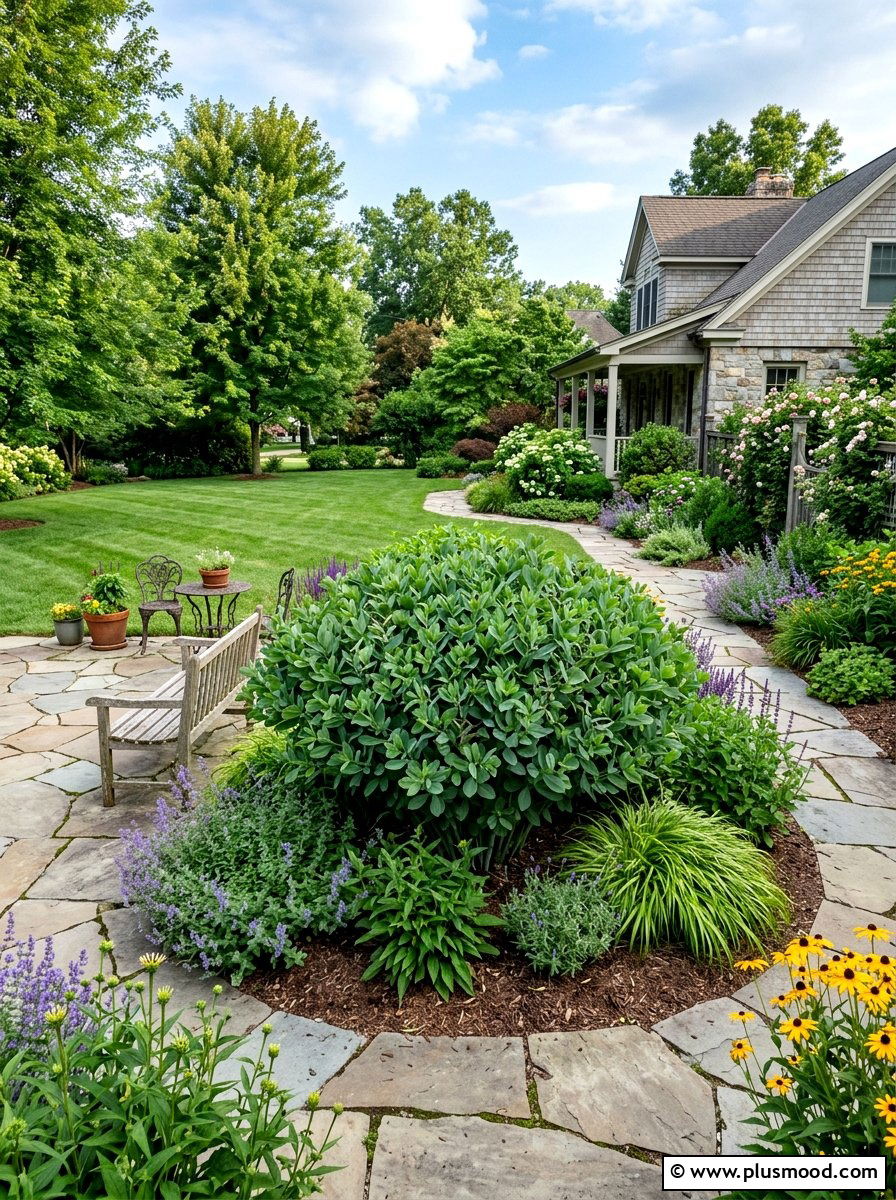
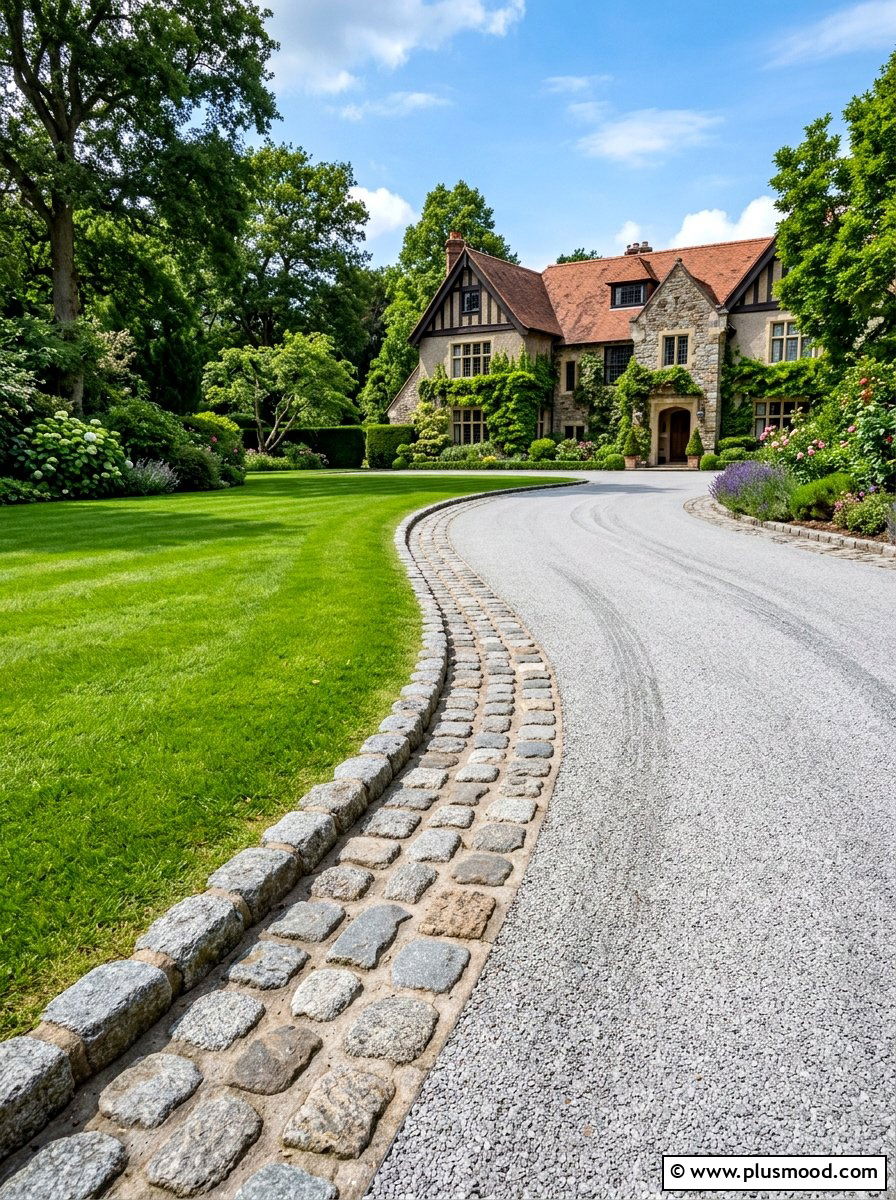
Using Baptisia as a focal point in your garden provides a massive impact with very little work. This plant grows into a large, rounded mound that mimics the look of a shrub but with the soft texture of a perennial. During the summer, its clean, clover-like leaves provide a perfect green backdrop for other smaller flowers. This design works well in the center of a circular driveway or as a cornerstone in a large backyard bed. The plant is incredibly hardy and can live for decades once it is planted. Its deep root system makes it an excellent choice for sustainable, water-wise landscaping projects.
25. Native Sedum Rock Wall
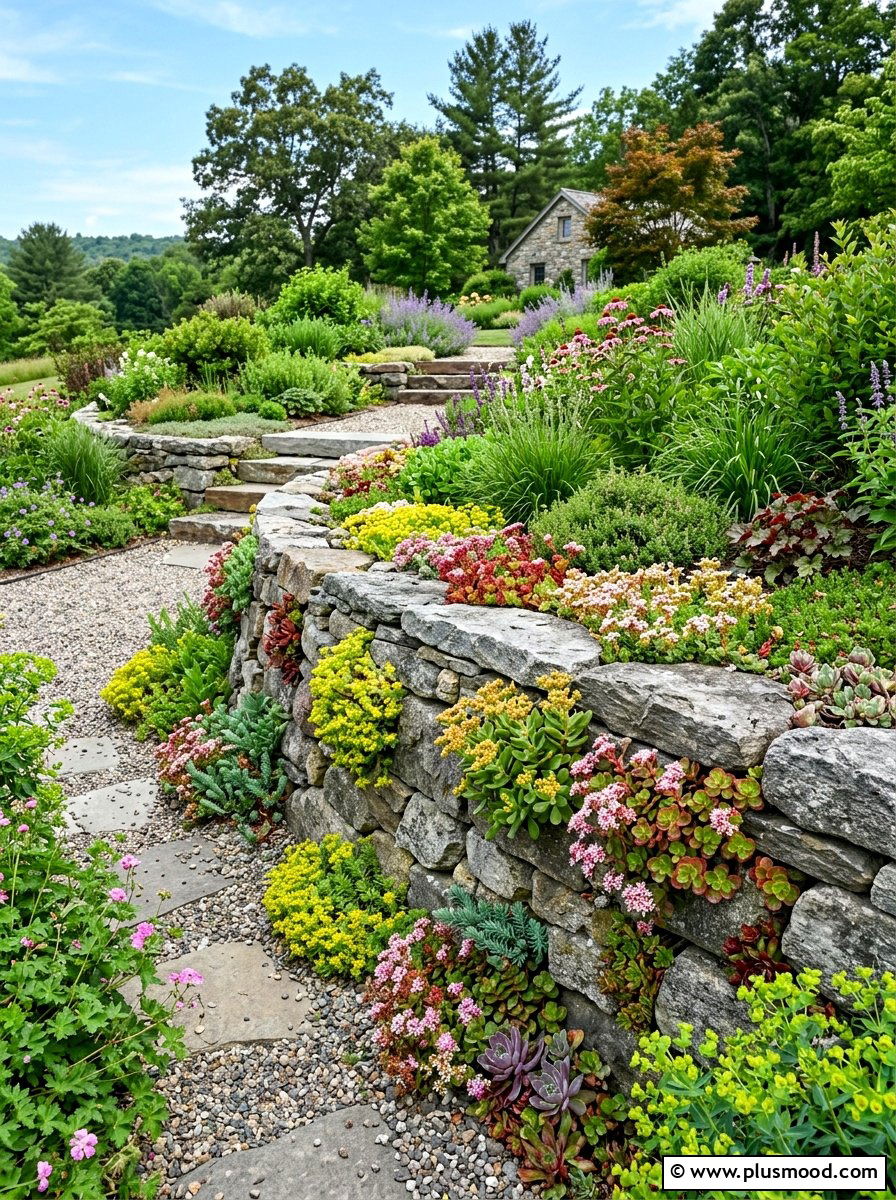
Turn a functional retaining wall or a rocky outcrop into a living masterpiece using native stonecrops and sedums. These tiny, resilient plants can grow in the smallest cracks and crevices where almost nothing else can survive. This design creates a textured tapestry of colors and shapes that softens the look of hard landscaping materials. During the summer, many of these species produce small, star-shaped flowers that attract tiny pollinators. They require almost no soil and very little water, making them the ultimate choice for difficult spots. This living wall approach adds a sophisticated and detailed layer to your overall garden design that is truly impressive.
Conclusion:
Investing in summer native plant landscaping is one of the most rewarding ways to enhance your home's curb appeal while protecting the environment. These ideas demonstrate that you do not have to sacrifice beauty for sustainability. By choosing plants that are naturally suited to your region, you create a garden that is both resilient and low-maintenance. This approach allows you to spend more time enjoying your outdoor space and less time fighting against nature with hoses and chemicals. Whether you have a sunny meadow or a shaded woodland, there is a native plant palette that will thrive in your yard. Start small and watch your garden grow.
Related posts:
Leave a Reply