
Creating a stunning outdoor space in arid climates requires a thoughtful balance between environmental sustainability and aesthetic appeal. Summer desert landscaping has evolved far beyond simple sand and rocks, embracing a sophisticated palette of resilient textures and architectural forms. Homeowners are increasingly turning to xeriscaping to conserve precious water while still achieving a lush, inviting atmosphere that thrives under the intense sun. By focusing on native species and strategic hardscaping, you can transform a parched yard into a vibrant sanctuary. This approach not only reduces maintenance costs but also celebrates the unique, rugged beauty of the desert. Whether you are aiming for a minimalist modern look or a colorful pollinator haven, these concepts provide endless inspiration for your next outdoor renovation project.
1. Modern desert front yard
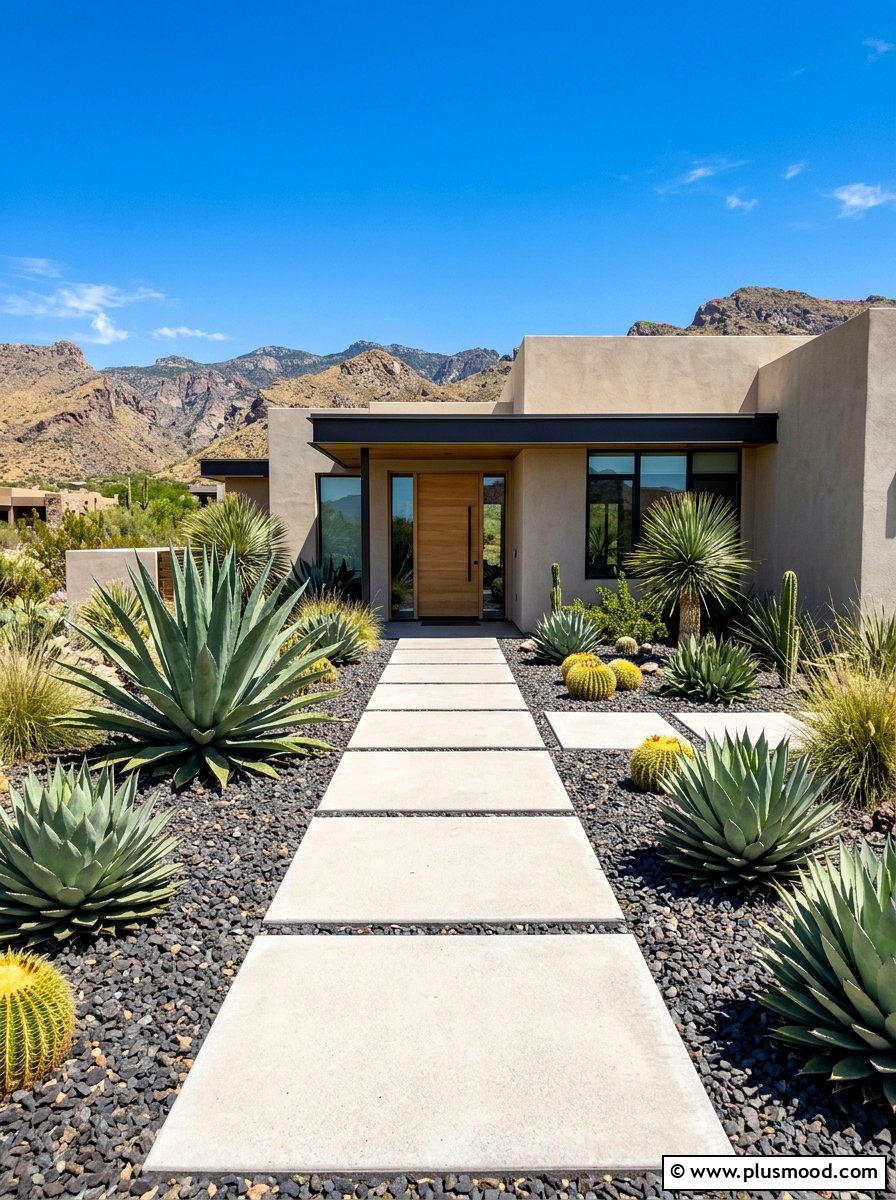
Imagine walking up to a home that feels like a high-end resort in the middle of the Mojave. A modern desert front yard often prioritizes clean lines and a limited color palette to create a sense of calm. You can use large, square concrete pavers separated by dark basalt gravel to lead guests to your front door. This layout minimizes water usage while maximizing visual impact through sharp contrasts. Adding architectural plants like organ pipe cactus or sculptural agaves provides the perfect green accent against neutral walls. It is about creating a balanced look that thrives even when the summer sun is at its peak. This approach reduces maintenance significantly compared to traditional lawns.
2. Xeriscape garden with gravel
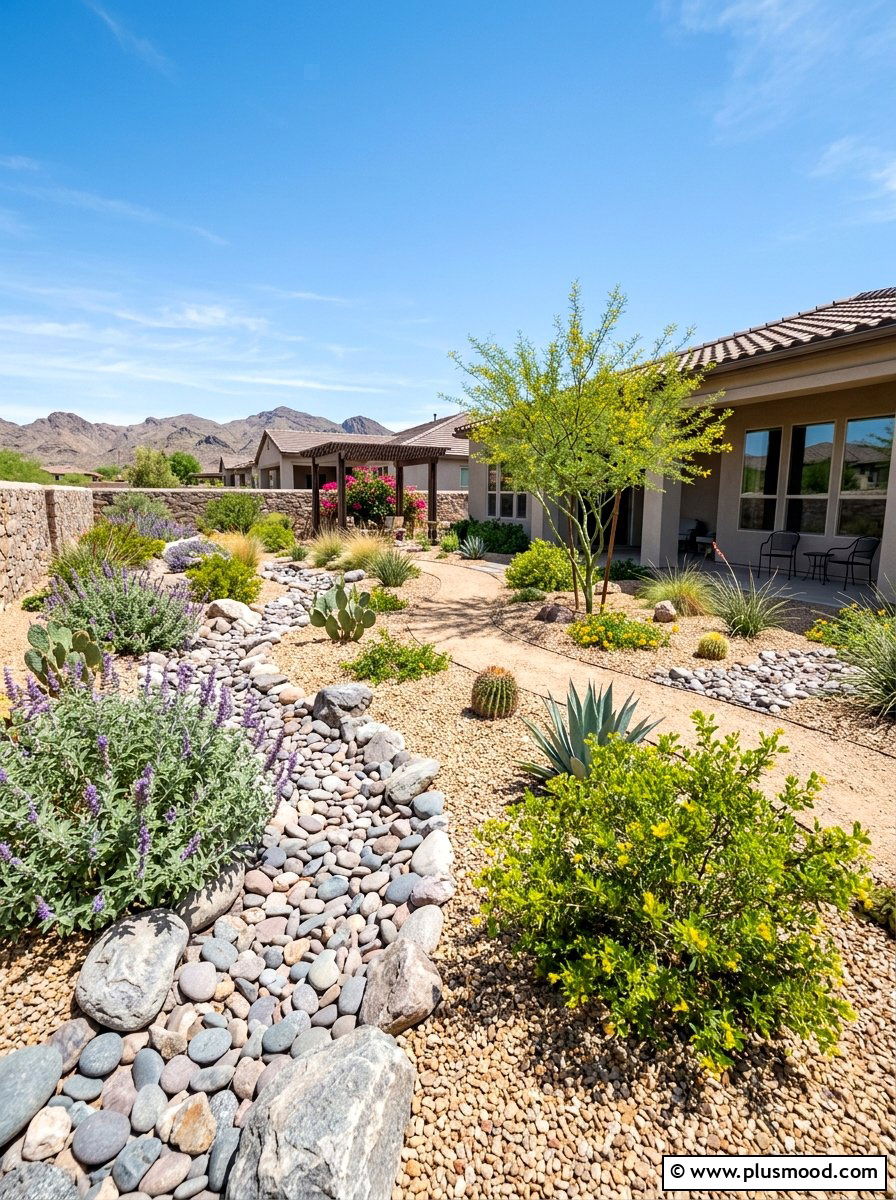
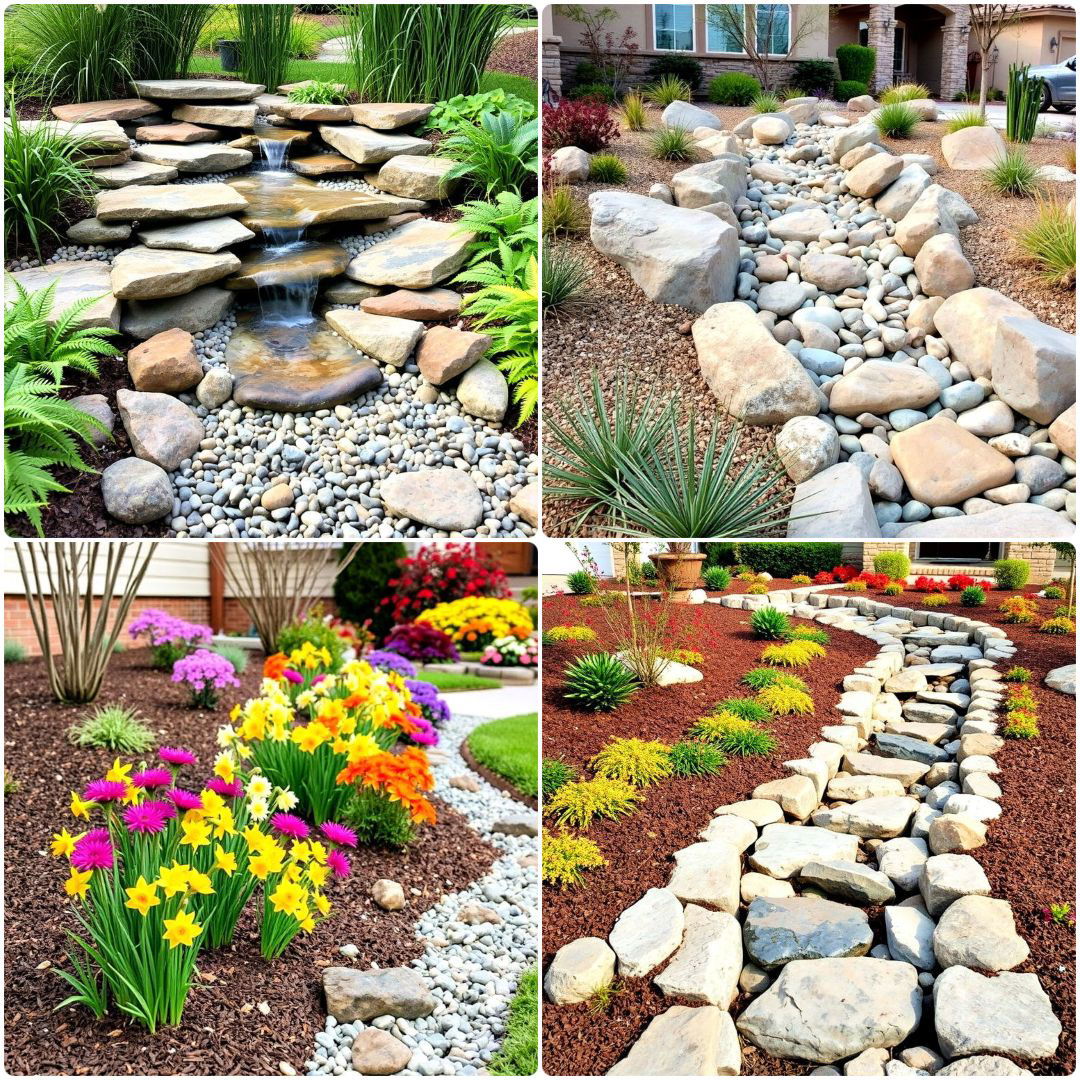
Transitioning to a xeriscape garden with gravel is one of the most effective ways to embrace a sustainable lifestyle. Using various sizes and colors of gravel can create visual depth and define different zones within your backyard without needing irrigation. You might consider layering light tan pea gravel with larger river rocks to mimic a dry creek bed. This technique helps with drainage and prevents soil erosion during sudden summer monsoons. Intersperse drought-tolerant shrubs like creosote or sage to add soft textures among the stones. The result is a low-maintenance, heat-resistant landscape that remains beautiful year-round with almost zero effort or water waste.
3. Desert patio with fire pit
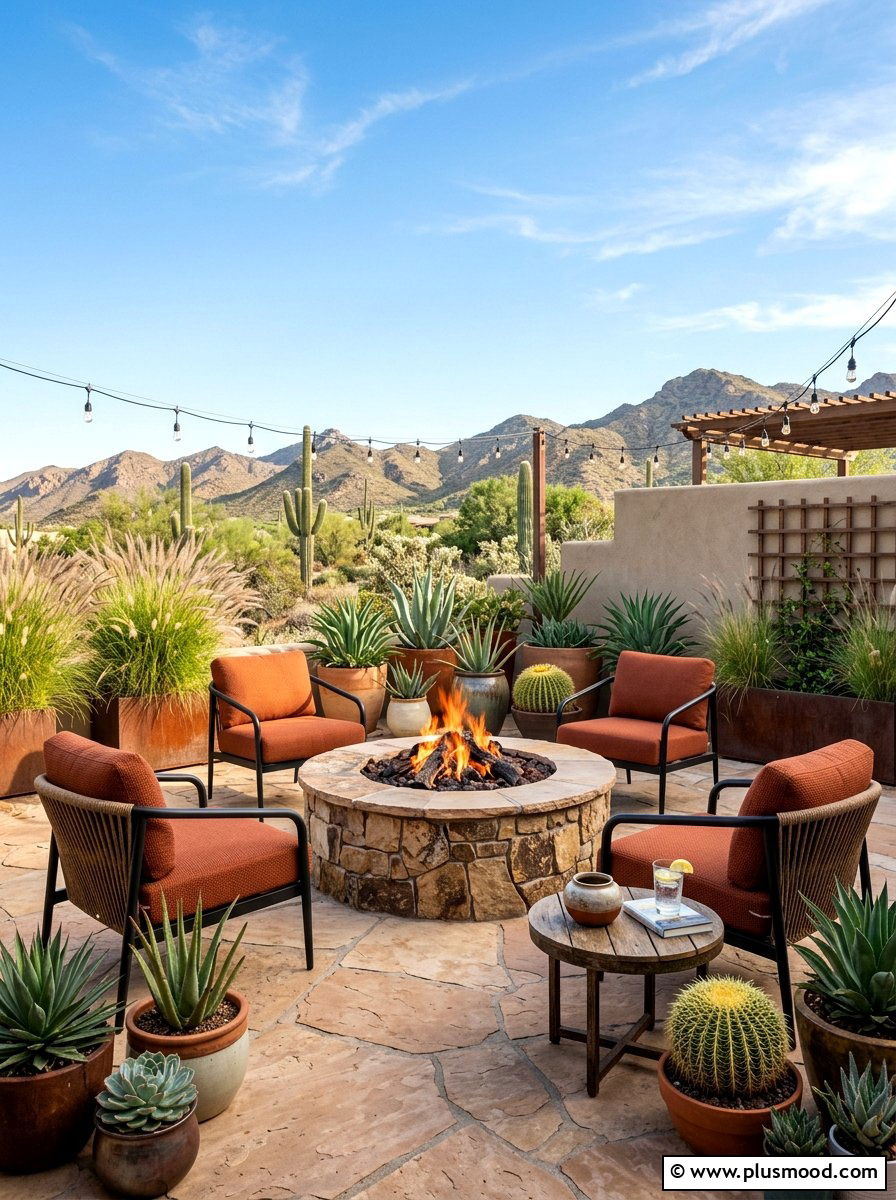
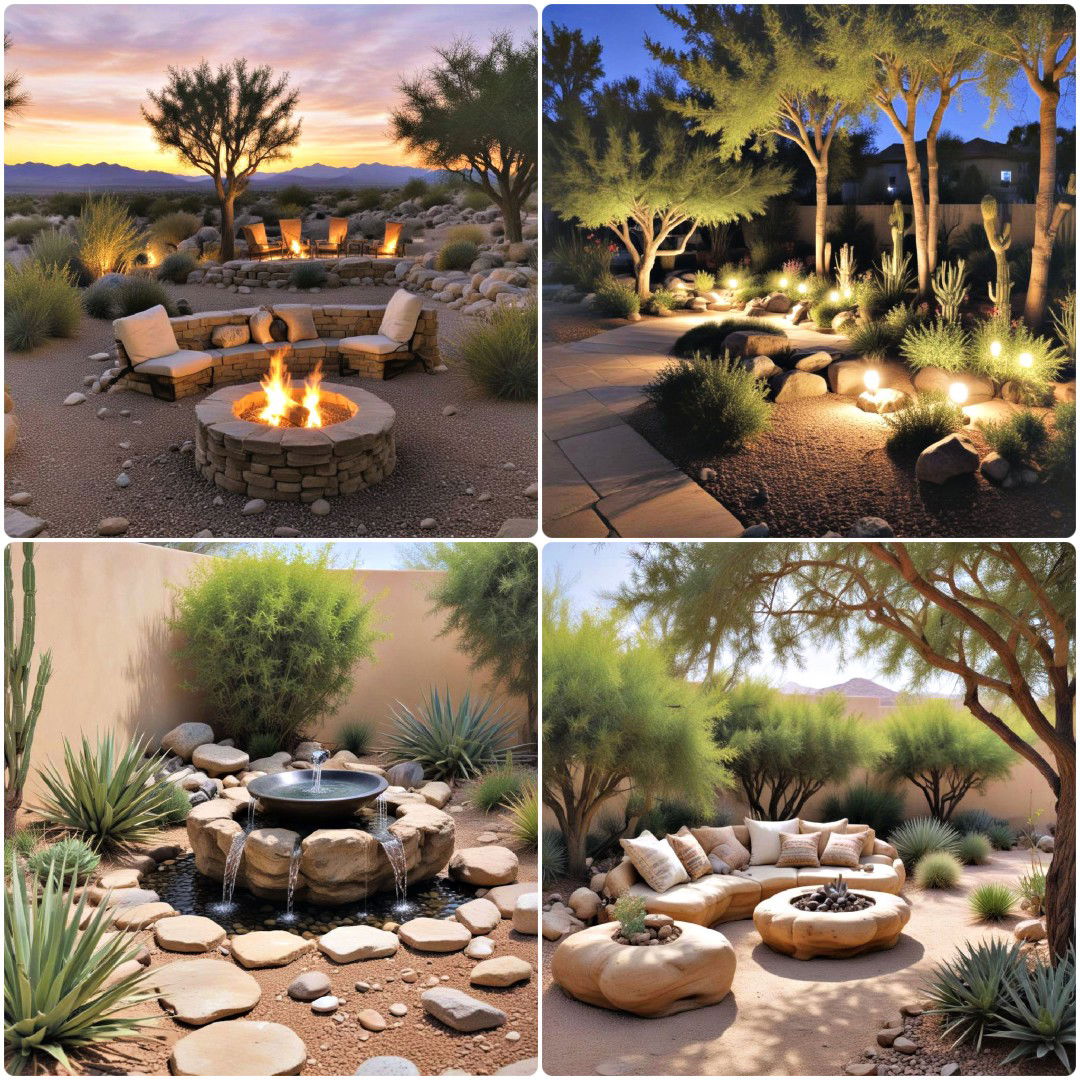
A desert patio with a fire pit serves as the ultimate gathering spot for those cool summer evenings under the stars. By surrounding a central stone fire feature with comfortable, weather-resistant seating, you create a cozy outdoor living room. Use natural flagstone or permeable pavers for the flooring to keep the area breathable and cooler during the day. Integrating built-in stone benches can save space while adding a permanent architectural element to the yard. Surround the perimeter with potted succulents or tall ornamental grasses to provide a sense of enclosure and privacy. This setup encourages year-round enjoyment of your outdoor space, regardless of the temperature.
4. Drought tolerant backyard plants
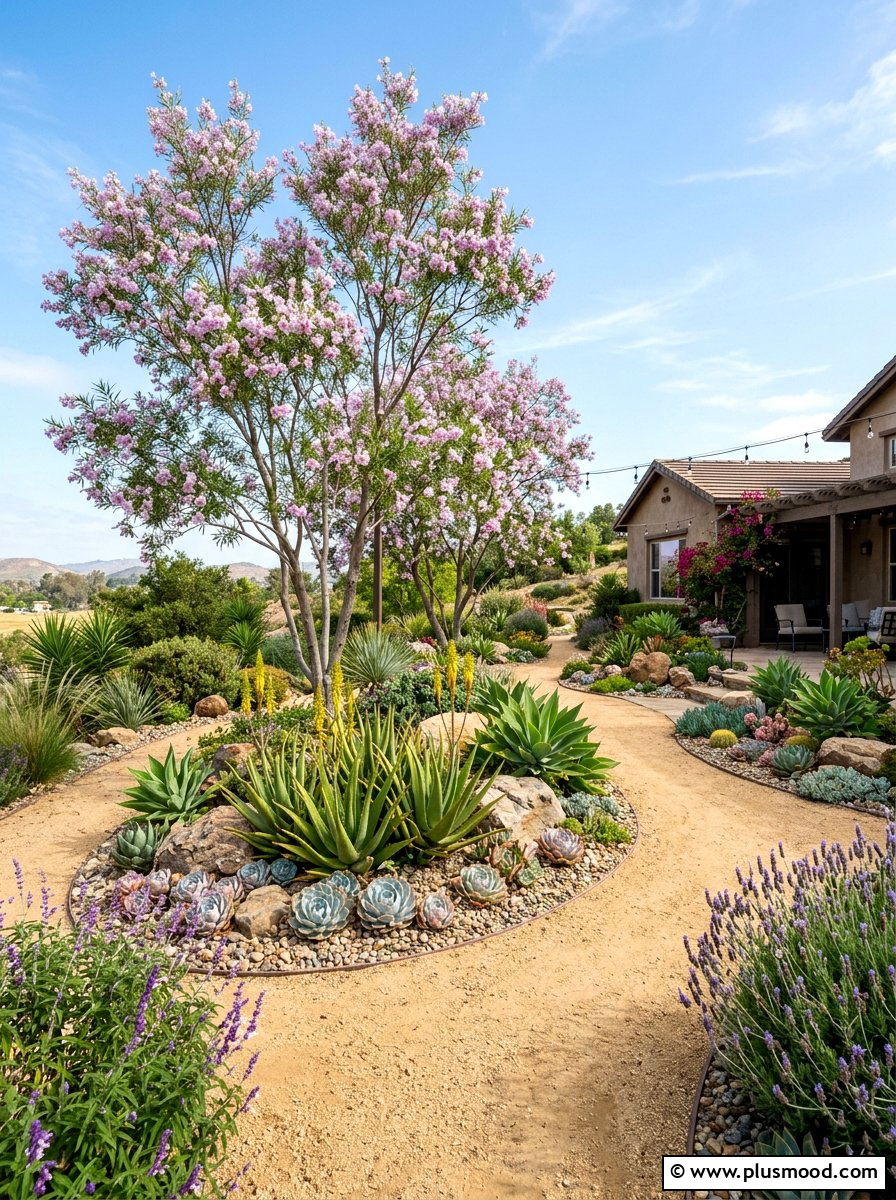
Choosing the right drought tolerant backyard plants is the foundation of any successful arid landscape design. Focus on species like the desert willow, which offers beautiful blossoms and light shade without requiring much water. Succulents such as aloe vera and echeveria can be clustered together to create a lush, fleshy ground cover that stays green through the hottest months. These plants store moisture in their leaves, making them incredibly resilient to heat waves. By grouping plants with similar water needs together, you can optimize your irrigation system for maximum efficiency. This strategy ensures your garden looks healthy and vibrant while remaining eco-friendly and cost-effective.
5. Native desert flower garden
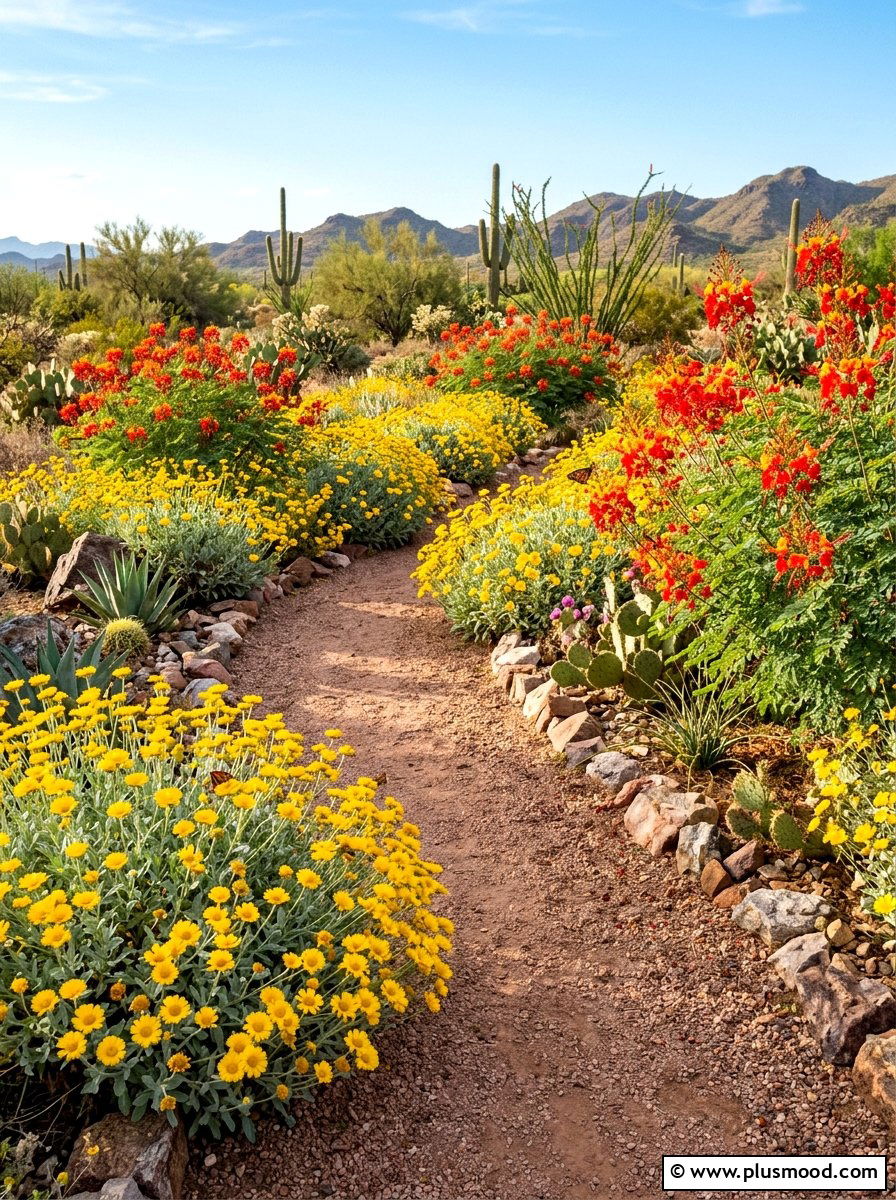
A native desert flower garden brings unexpected bursts of color and life to a dry landscape. Incorporating species like desert marigold, Mexican bird of paradise, and globe mallow can transform a monochromatic yard into a vibrant masterpiece. These flowers are naturally adapted to high temperatures and poor soil conditions, meaning they require very little intervention to thrive. They also serve as essential food sources for local pollinators like bees and hummingbirds. Planting them in clusters creates a more natural, wildflower meadow appearance that softens the hard edges of rocks and walls. It is a wonderful way to support the local ecosystem while enjoying a beautiful view.
6. Modern concrete paver walkway
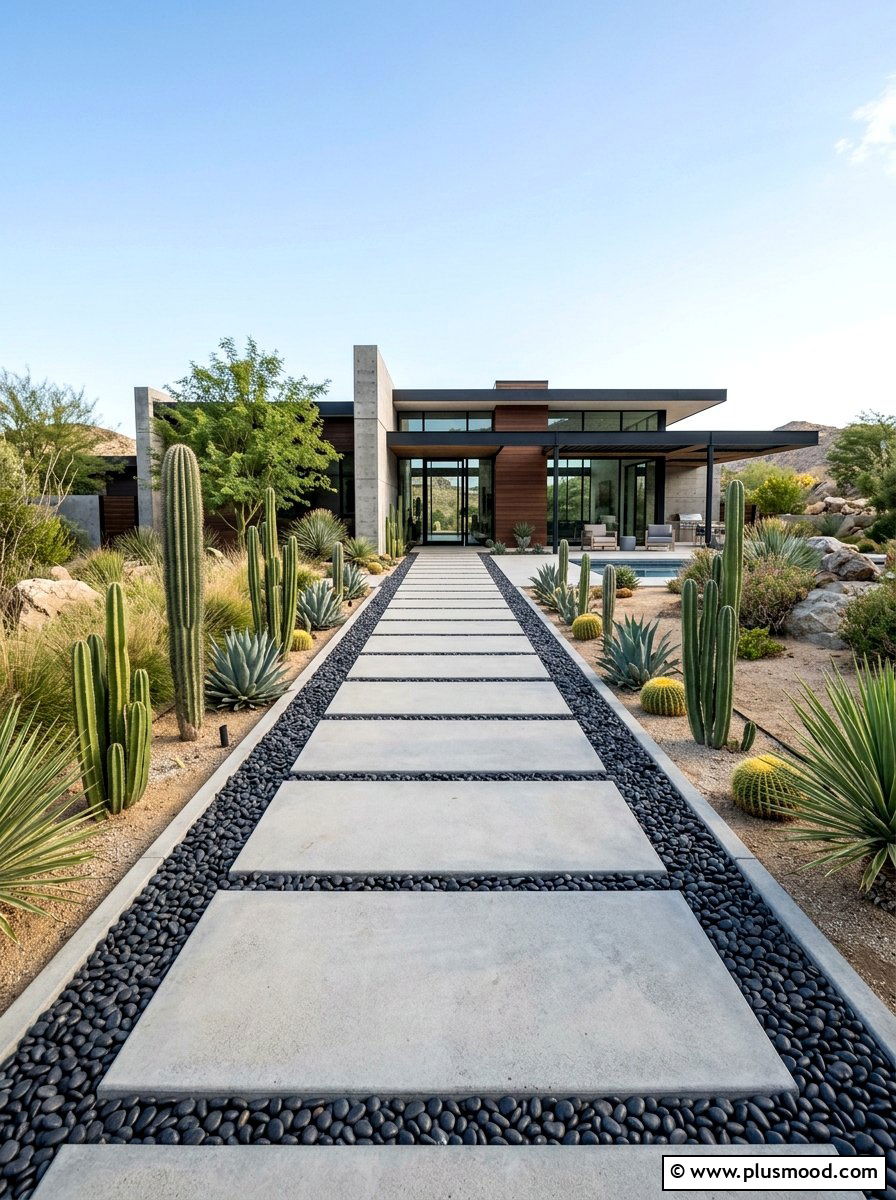
Installing a modern concrete paver walkway provides a structured path through your landscape that feels organized and intentional. Large format pavers in cool gray tones can be laid in a linear pattern to draw the eye toward specific garden features or the home entrance. Filling the gaps between the concrete slabs with small Mexican beach pebbles or decomposed granite adds texture and allows for water infiltration. This design choice is perfect for preventing mud and dust during the summer months while maintaining a high-end, contemporary aesthetic. The contrast between the smooth concrete and the rugged desert plants nearby creates a sophisticated look that is very popular.
7. Large desert boulders landscaping
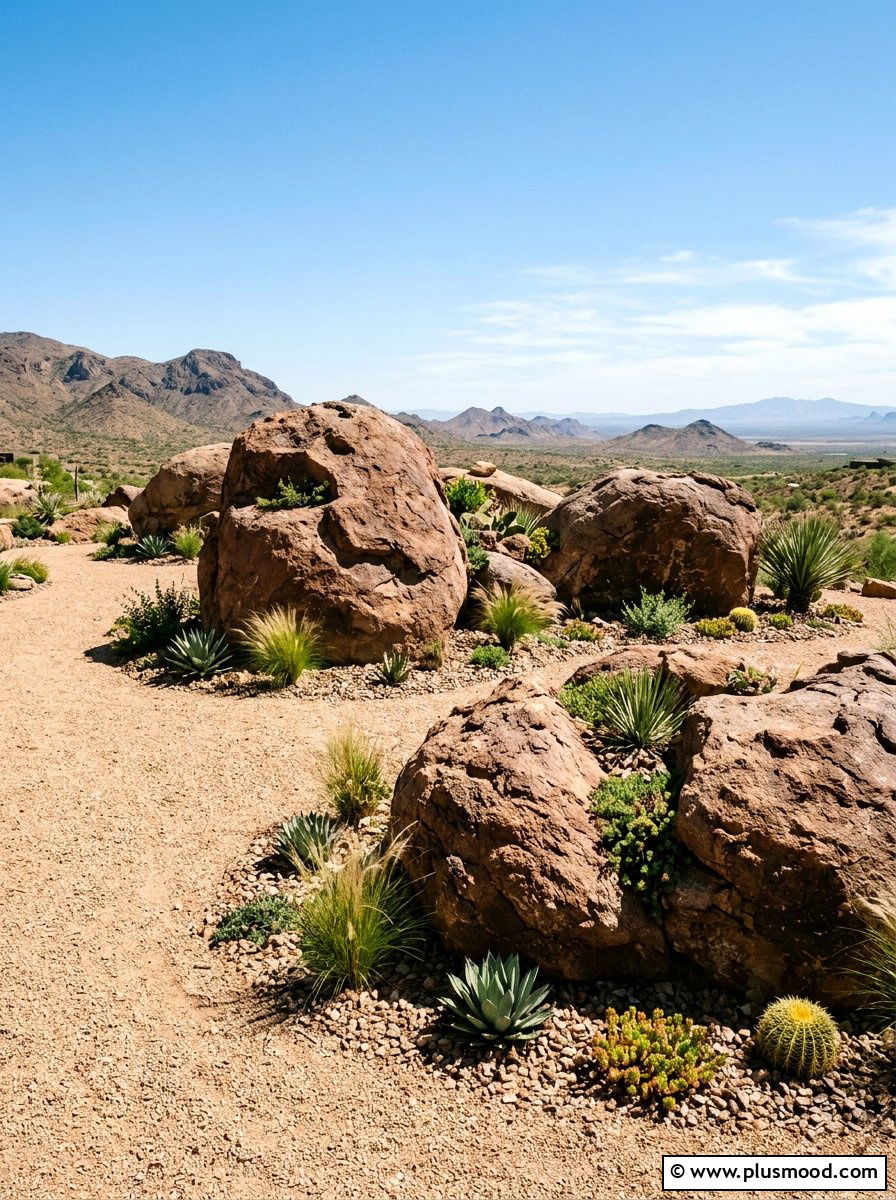
Using large desert boulders landscaping techniques adds immediate scale and drama to any outdoor environment. These massive stones act as natural sculptures, providing focal points that anchor the rest of the garden design. You should partially bury the boulders to make them appear as though they are natural outcroppings emerging from the earth. This creates a more authentic and settled appearance in your yard. Planting small succulents or ornamental grasses around the base of the rocks helps to soften their heavy look and integrates them into the surrounding flora. Boulders also provide essential shade for smaller, more sensitive plants during the peak of summer heat.
8. Succulent garden layout
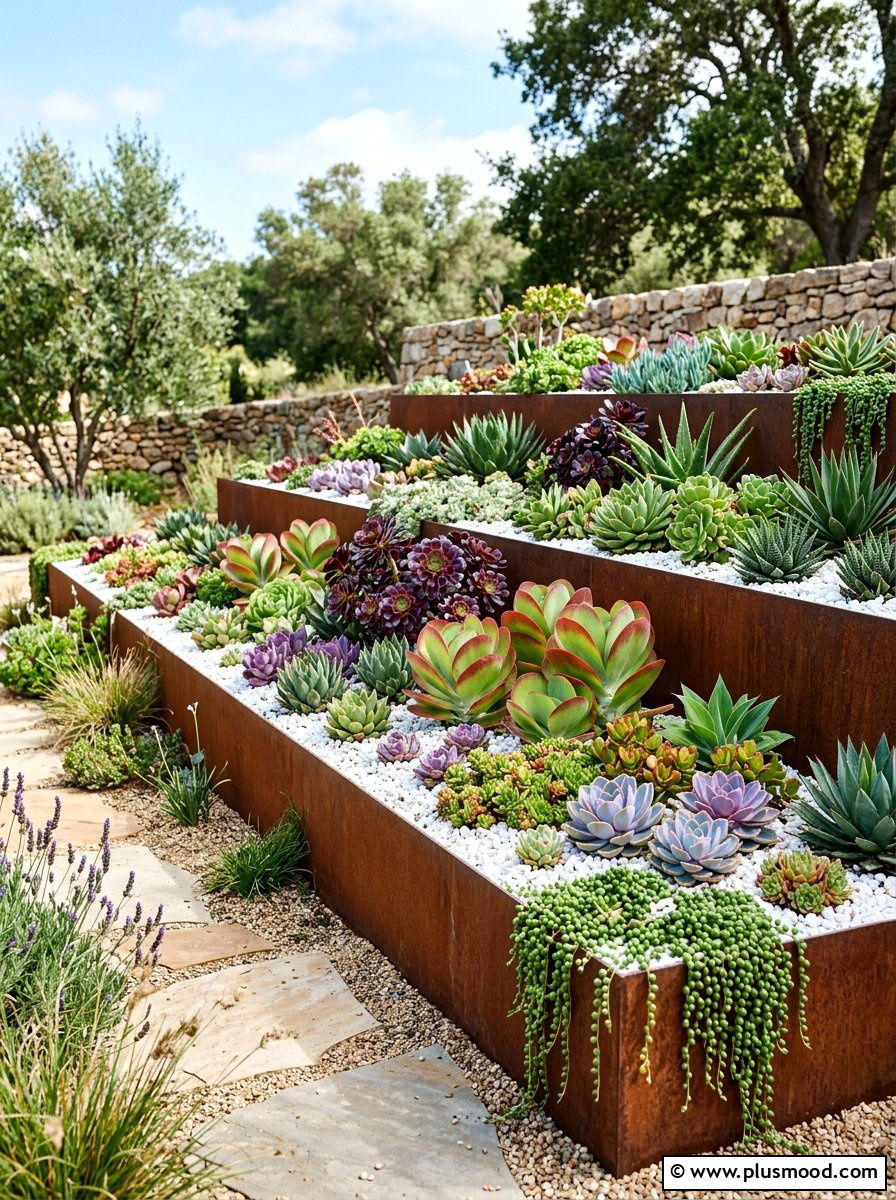
A thoughtful succulent garden layout allows you to showcase an incredible variety of shapes, colors, and textures in a small space. Consider creating a tiered arrangement using corten steel edging to give each variety its own dedicated level. This vertical approach adds interest and makes it easier to appreciate the intricate details of species like paddle plants or string of pearls. Using top-dressing materials like white quartz or dark lava rock can make the colors of the succulents pop even more. Because these plants are slow-growing and compact, they are ideal for areas near patios or walkways where you want a clean, well-defined appearance without constant pruning.
9. Desert rock garden
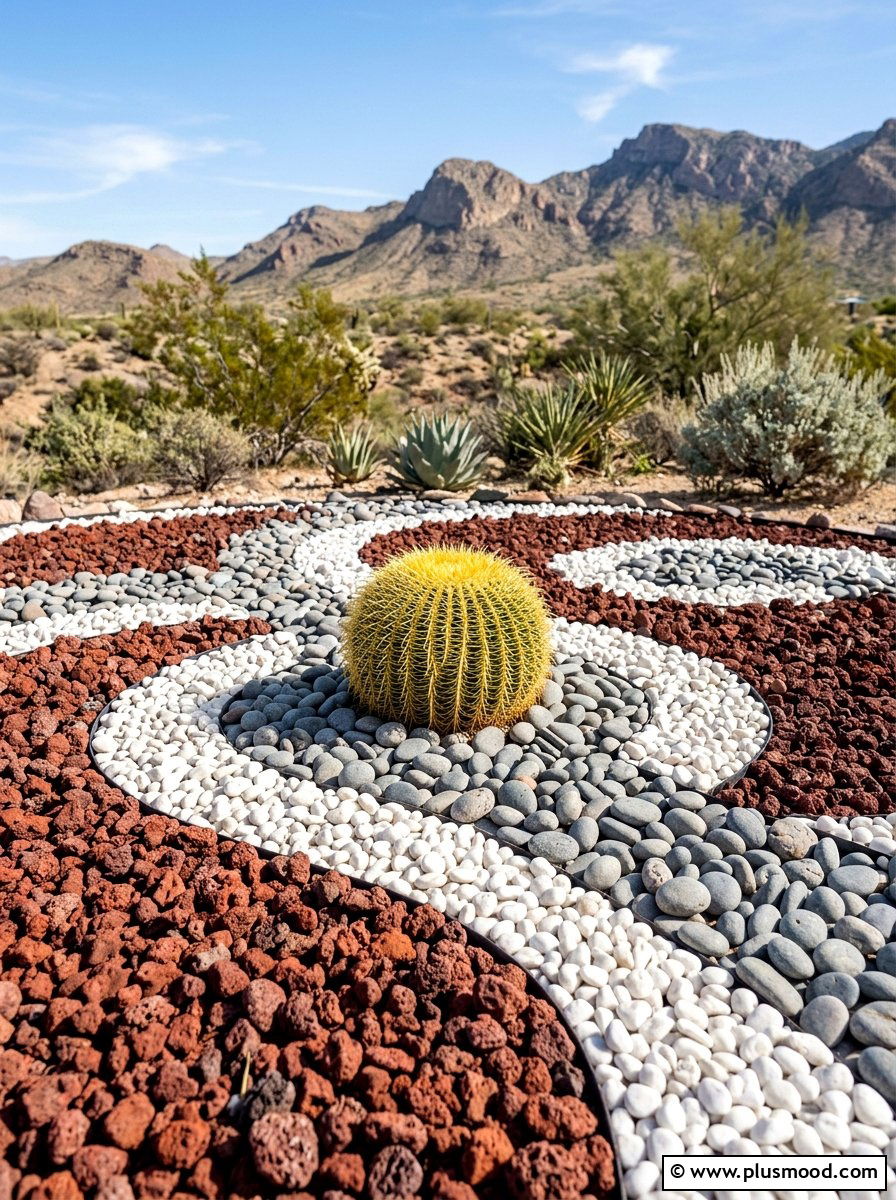
Designing a desert rock garden is an artistic way to utilize the natural minerals found in arid regions. By combining different sizes of crushed rock, pebbles, and decorative stones, you can create intricate patterns that resemble flowing water or geometric mosaics. This type of garden is entirely maintenance-free and looks great even in the harshest summer conditions. You can accent the rocky landscape with a few carefully placed focal plants like a twisted yucca or a golden barrel cactus. The key is to vary the textures and colors of the stones to avoid a flat or boring appearance. This style is perfect for small side yards or steep slopes.
10. Outdoor seating with desert views
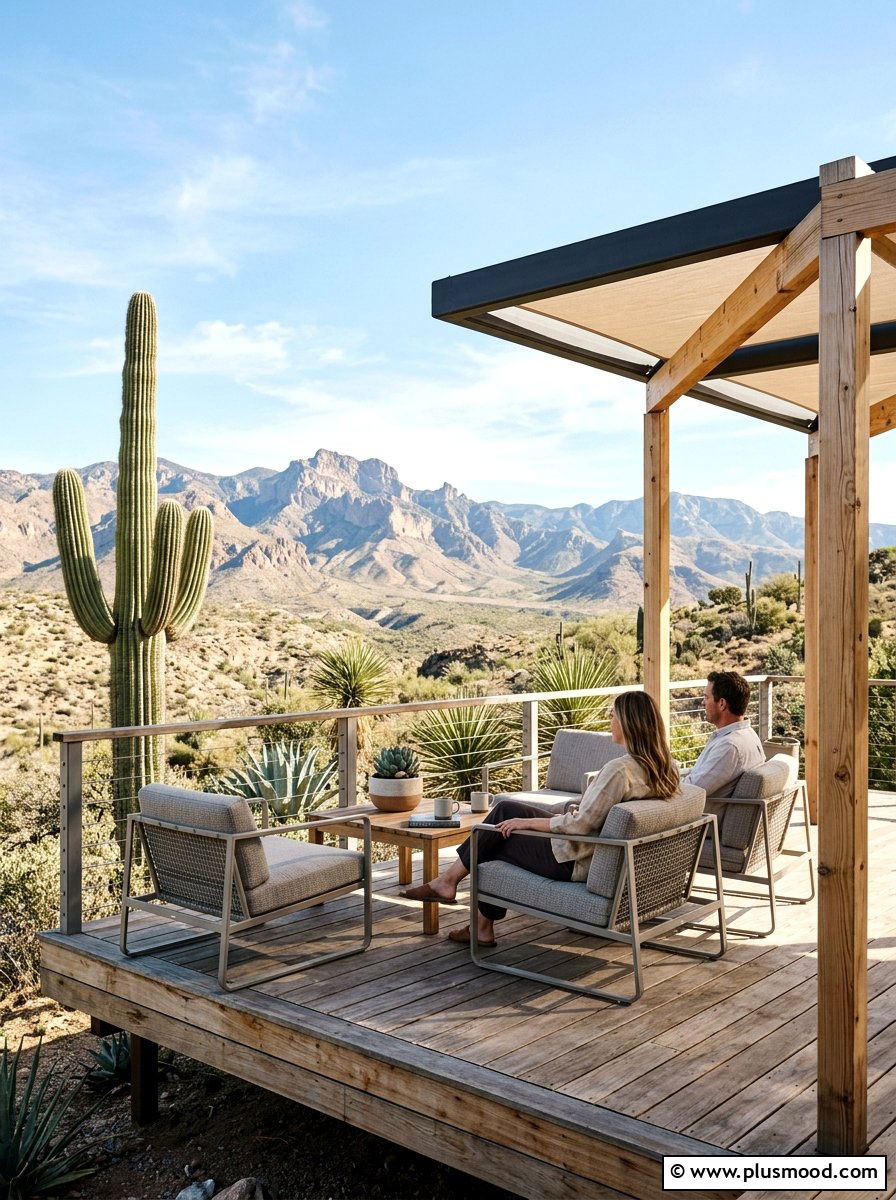
Positioning outdoor seating with desert views is essential for maximizing the enjoyment of your property. Look for the natural high points in your yard and install a simple platform deck or a gravel terrace there. Use minimalist furniture with clean lines and neutral fabrics that do not compete with the surrounding landscape. Orienting the chairs toward the sunset or a distant mountain range creates a peaceful retreat for relaxation. Adding a few tall cacti or a pergola nearby can provide much-needed shade during the afternoon hours. This setup allows you to fully immerse yourself in the quiet beauty of the desert environment from a comfortable vantage point.
11. Artificial turf in desert yard
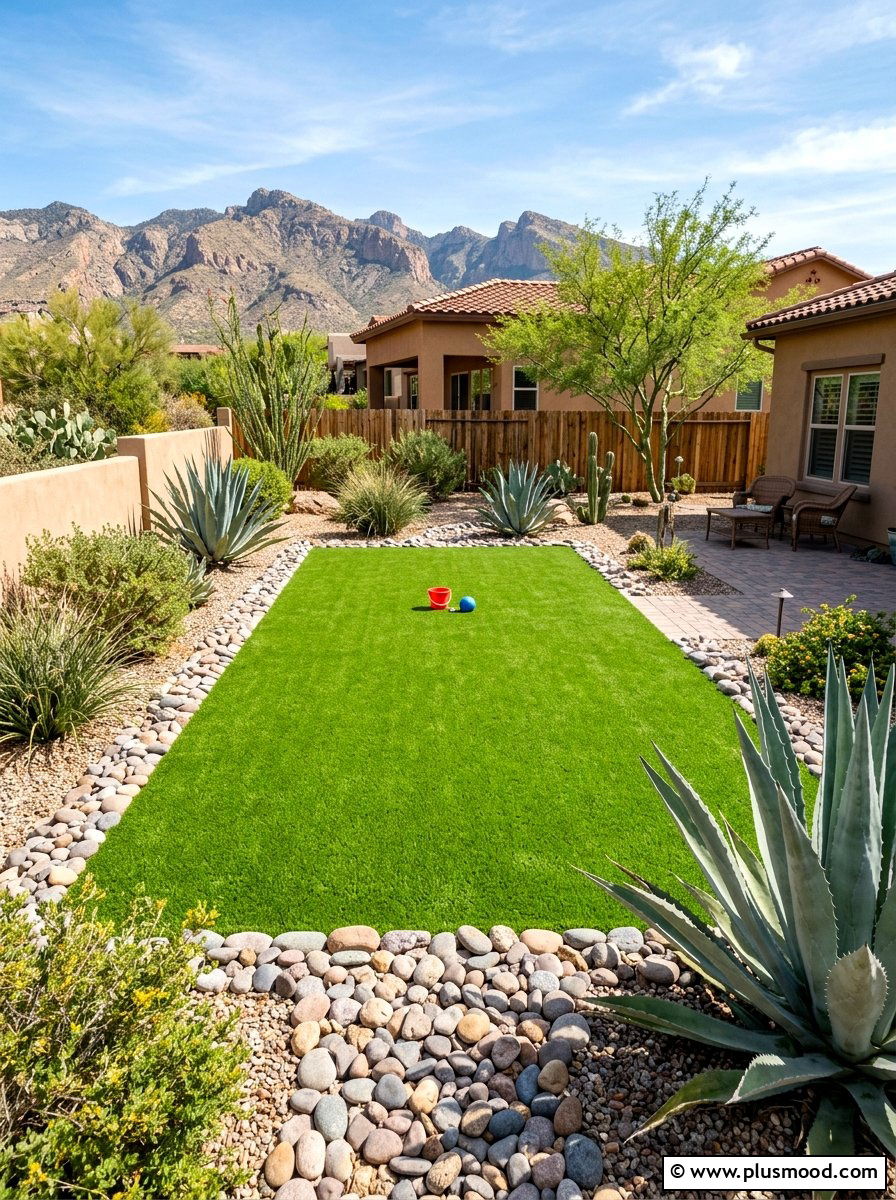
Incorporating artificial turf in a desert yard provides a lush, green focal point without the environmental cost of a real lawn. Modern synthetic grass looks remarkably realistic and stays perfectly manicured through the hottest summer months. You can use it as a small "island" of green surrounded by gravel and native plantings to create a high-contrast look. This is a great solution for pet owners or families who want a soft surface for play without wasting thousands of gallons of water. It requires no mowing, fertilizing, or watering, making it the ultimate low-maintenance landscaping choice. It keeps your backyard looking fresh and inviting regardless of the weather.
12. Tall cactus focal point
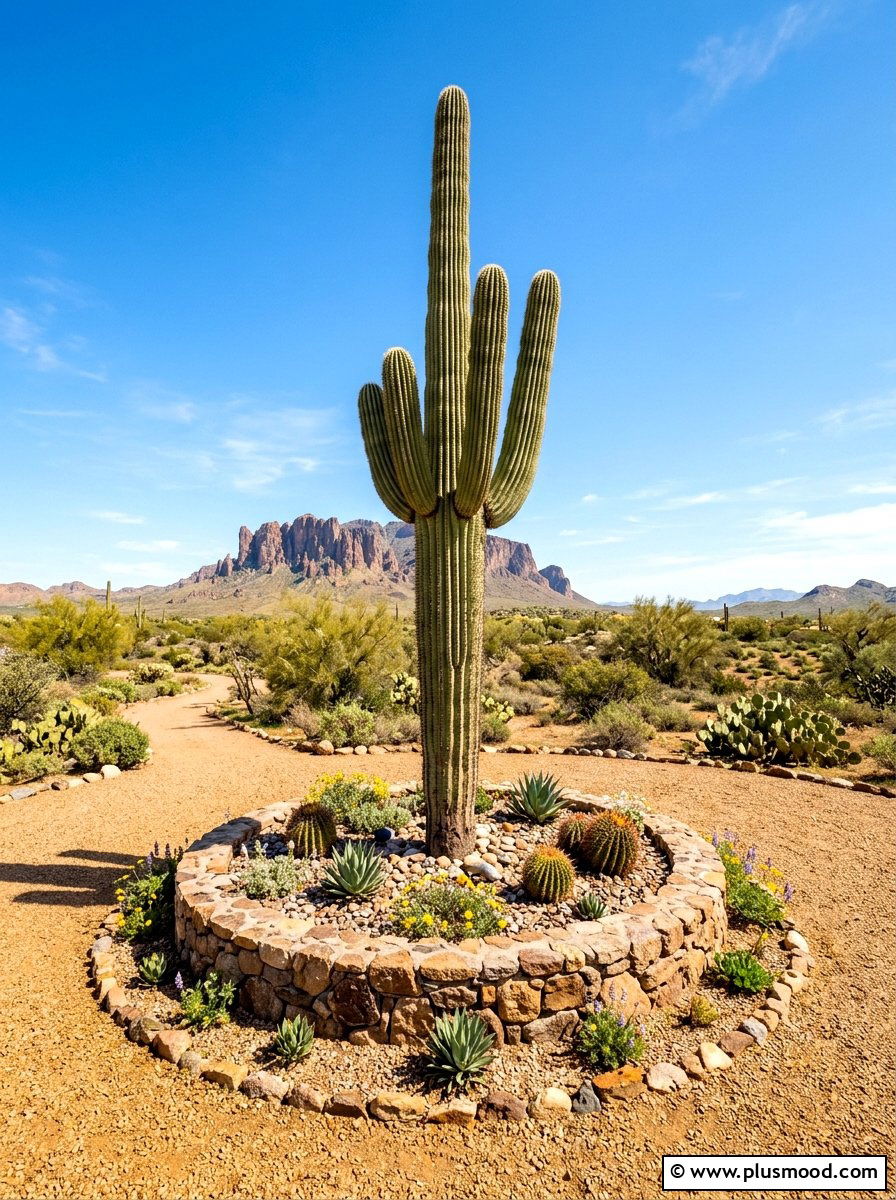
A tall cactus focal point, such as a Saguaro or a Mexican Fence Post, acts as a living pillar of strength in your landscape. These majestic plants command attention and provide a vertical element that breaks up the flat horizon of a typical desert yard. Placing a single, large specimen in a central location or near a home entrance creates an iconic Southwest aesthetic. You can enhance its presence by adding subtle uplighting for a dramatic nighttime effect. Surround the base with low-growing ground covers or colorful rocks to anchor the plant and create a finished look. This singular investment adds significant character and value to your outdoor space.
13. Desert landscape lighting
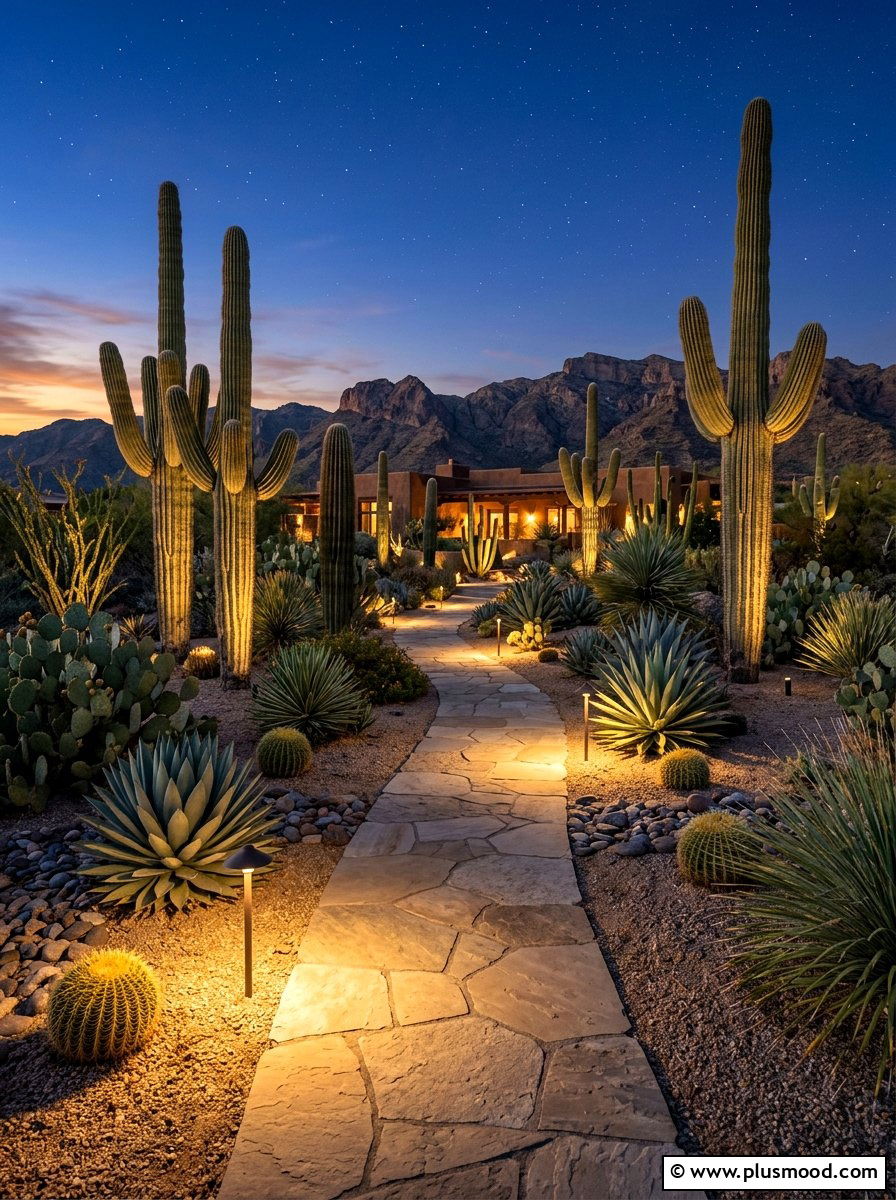
Well-planned desert landscape lighting transforms your yard into a magical oasis once the sun goes down. Focus on highlighting the unique silhouettes of your plants, such as the spiky leaves of an agave or the gnarled branches of a mesquite tree. Using soft, warm LEDs tucked behind boulders or within stone walls creates a layered effect that adds depth to the space. Path lights are essential for safety along walkways, while subtle floodlights can illuminate large rock formations. Lighting also allows you to enjoy the cooler evening temperatures in your garden. It highlights textures that might be overlooked during the day, creating a completely different visual experience.
14. Small desert courtyard
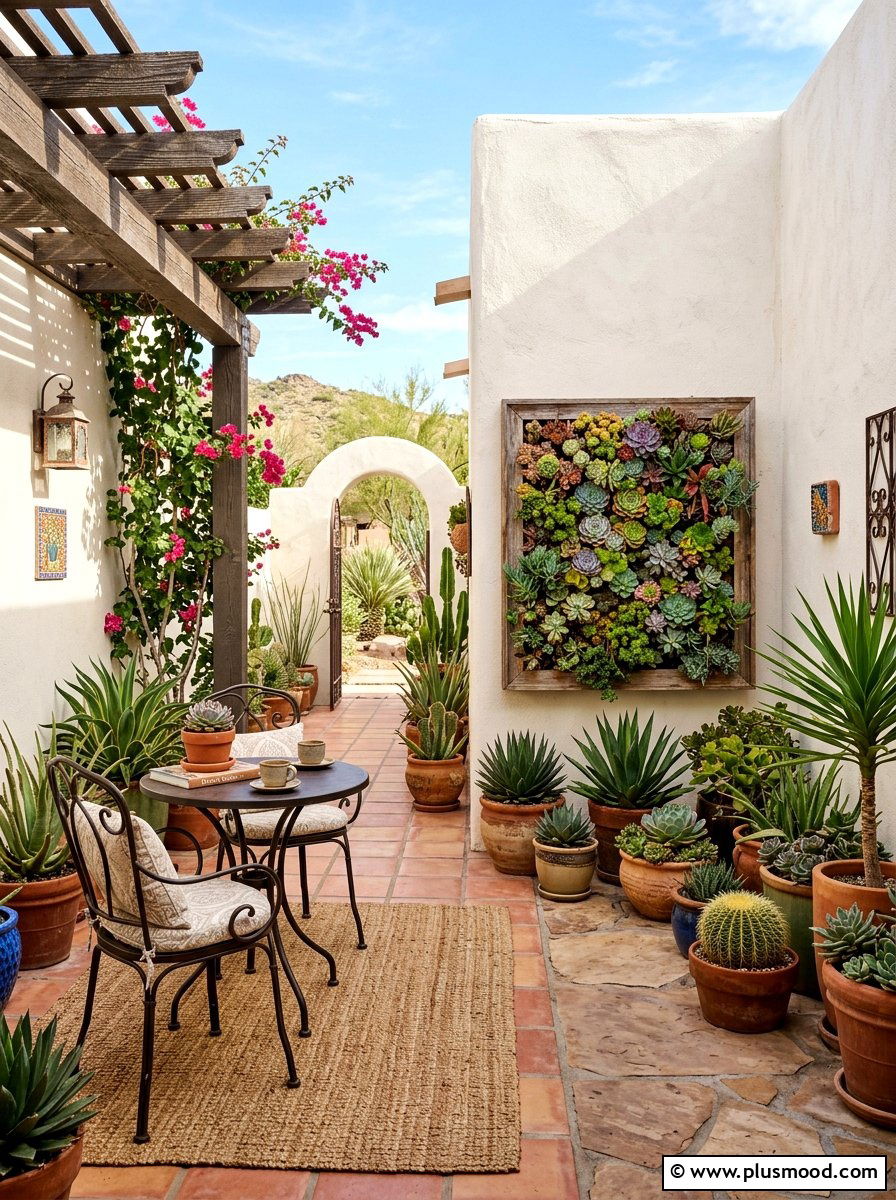
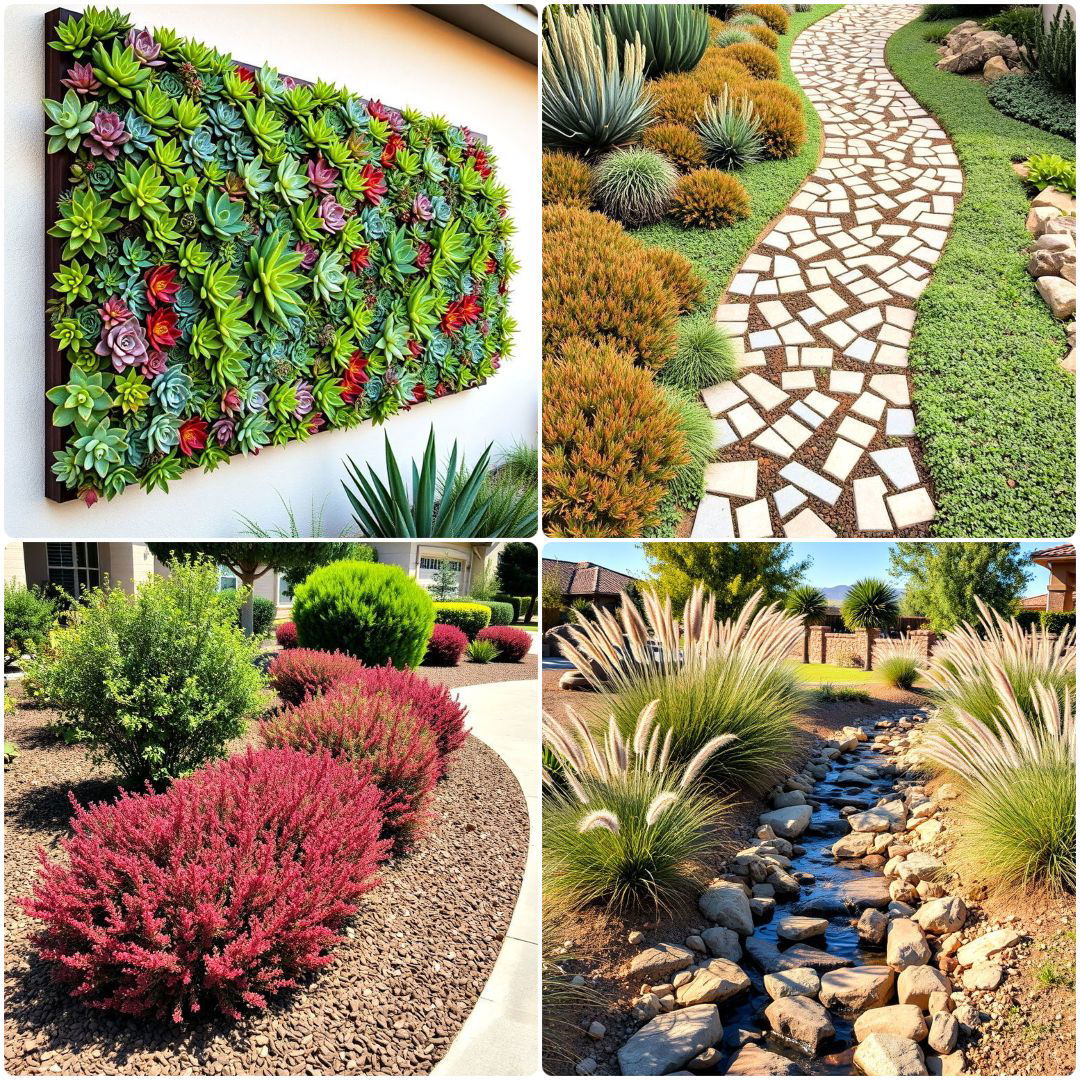
A small desert courtyard offers a private, intimate space that feels separate from the rest of the world. By enclosing an area with stucco walls or wooden slats, you create a microclimate that can be slightly cooler than the open desert. Fill the space with a mix of potted succulents, a small bistro set, and a simple gravel floor. This layout is perfect for urban homes or entryways where space is limited but style is a priority. Adding a vertical succulent wall can maximize greenery without taking up precious floor space. It is a serene spot for morning coffee or reading a book while being surrounded by nature.
15. Decomposed granite backyard
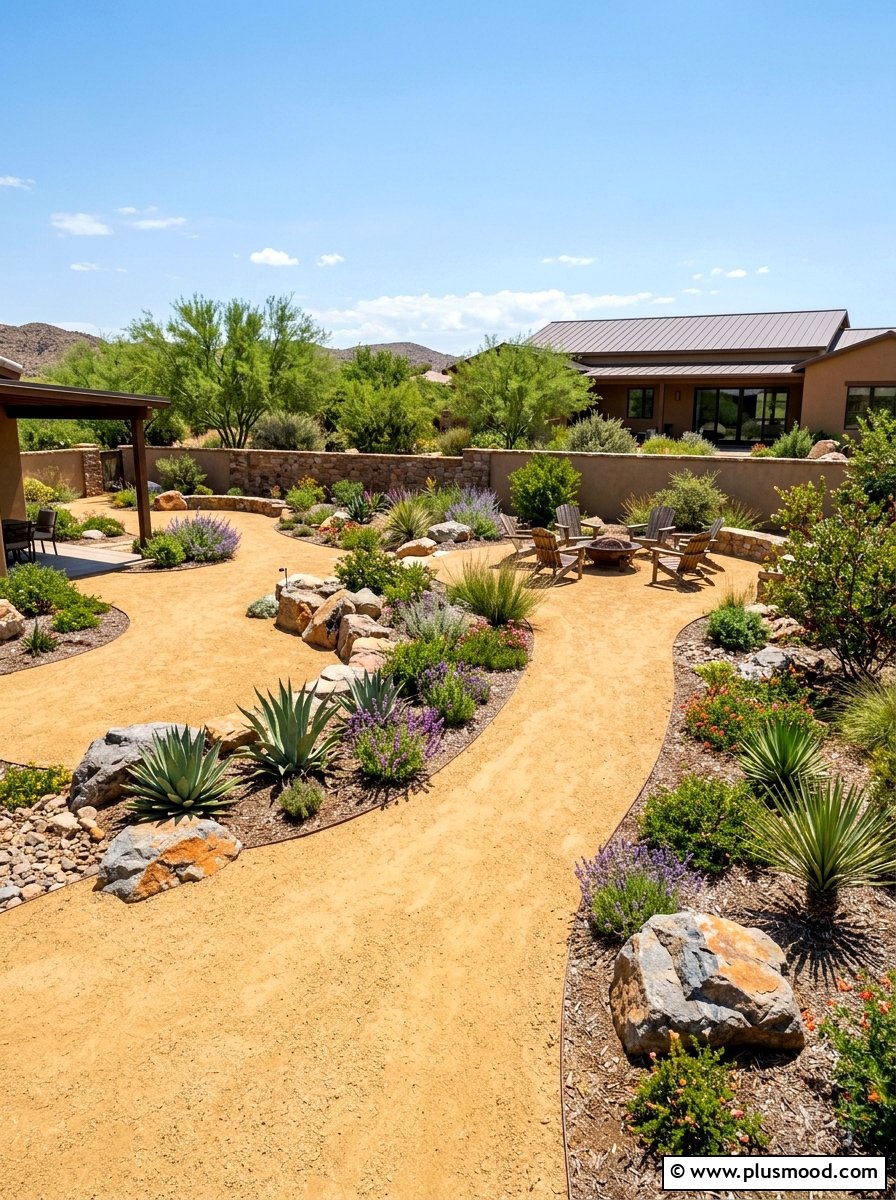
Utilizing a decomposed granite backyard is a practical and aesthetically pleasing choice for large areas. This material is finely crushed stone that packs down to create a stable, permeable surface that is easy to walk on. It comes in a variety of warm, earthy tones like gold, tan, and rose that perfectly complement the natural desert environment. You can use it as a base for entire sections of your yard, allowing you to move freely without creating dust. It also provides an excellent mulch for plants, helping to keep their roots cool and moist. Decomposed granite is much more affordable than pavers while offering a similar clean look.
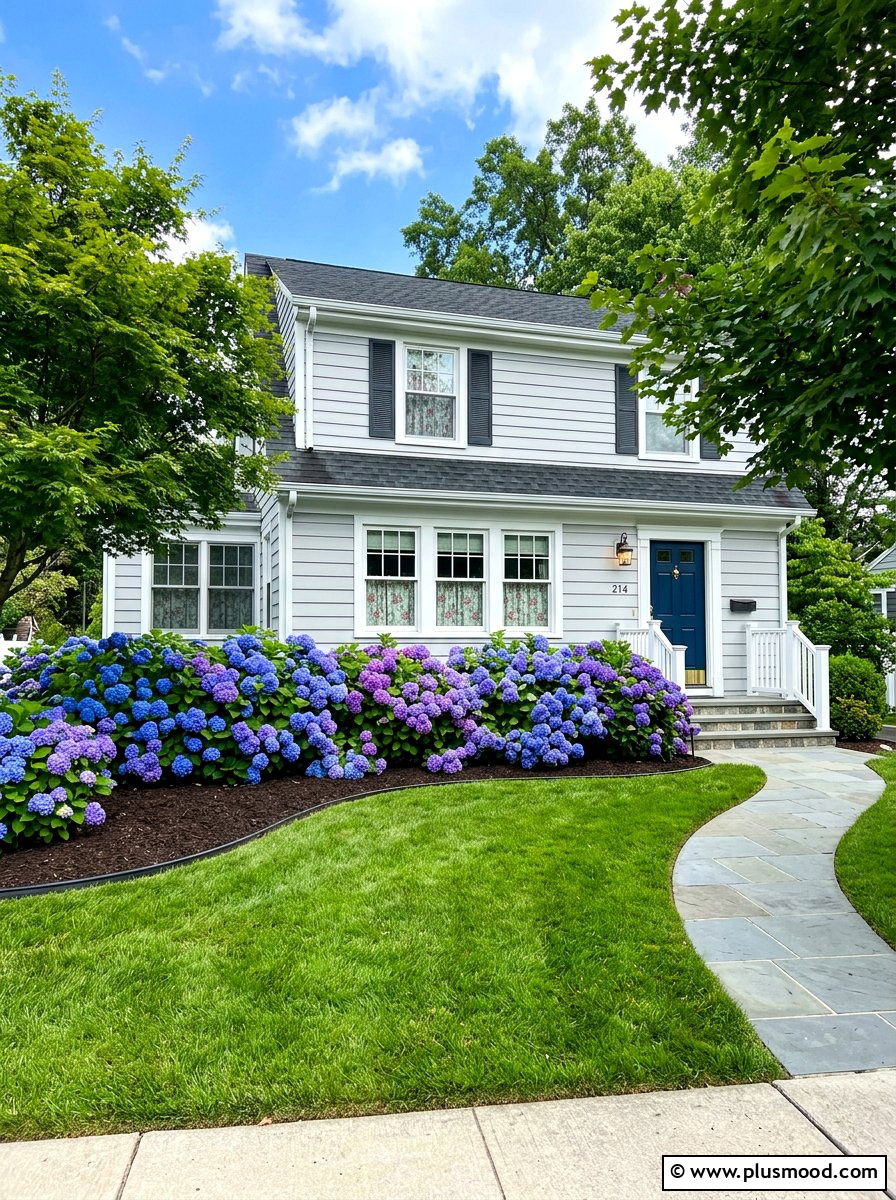
16. Raised garden beds for desert
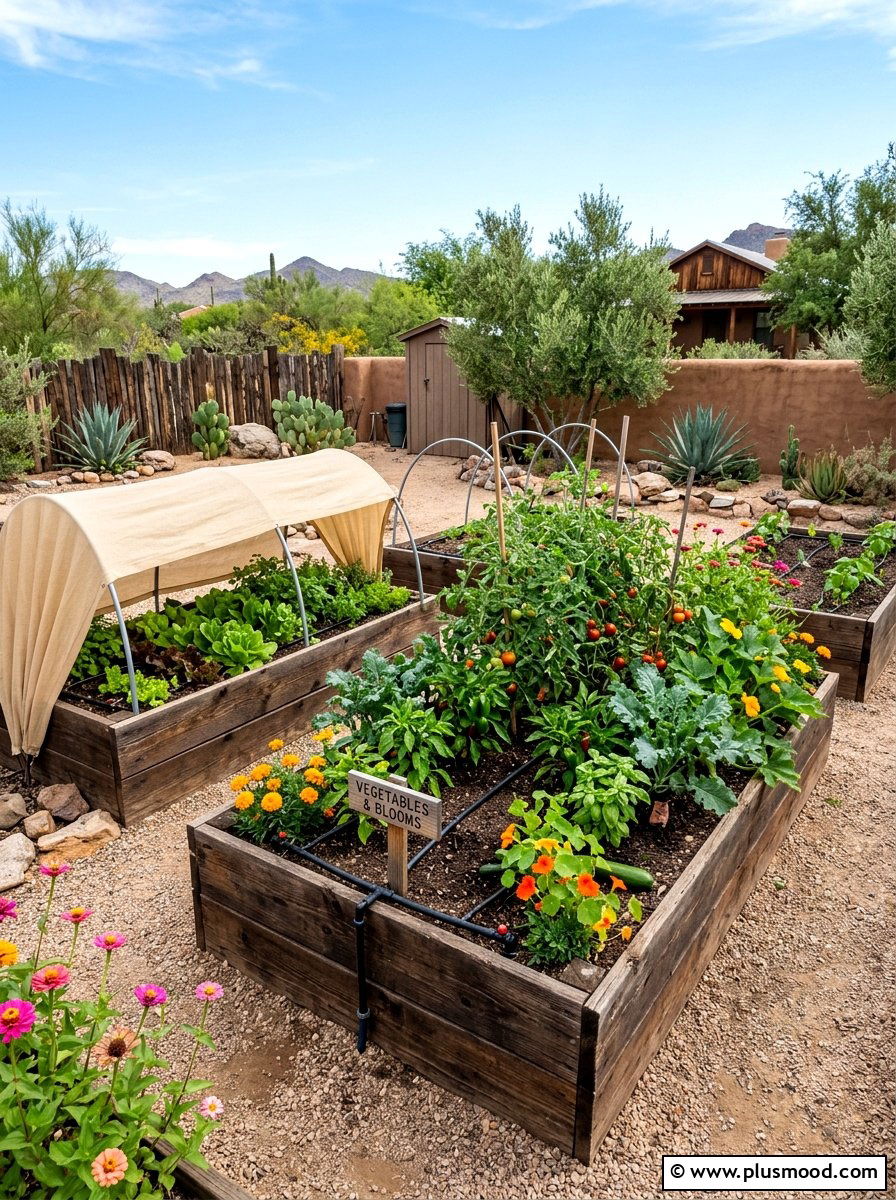
Installing raised garden beds for desert environments allows you to control the soil quality and drainage more effectively. In regions with heavy caliche or sandy soil, raised beds made of weathered wood or stone provide a better home for vegetables and delicate flowers. You can install a dedicated drip irrigation system within the beds to ensure every drop of water goes directly to the roots. This method also helps to protect your plants from ground-dwelling pests and makes gardening much easier on your back. During the summer, you can easily add shade cloth over the beds to protect sensitive crops from the intense midday sun.
17. Desert water feature
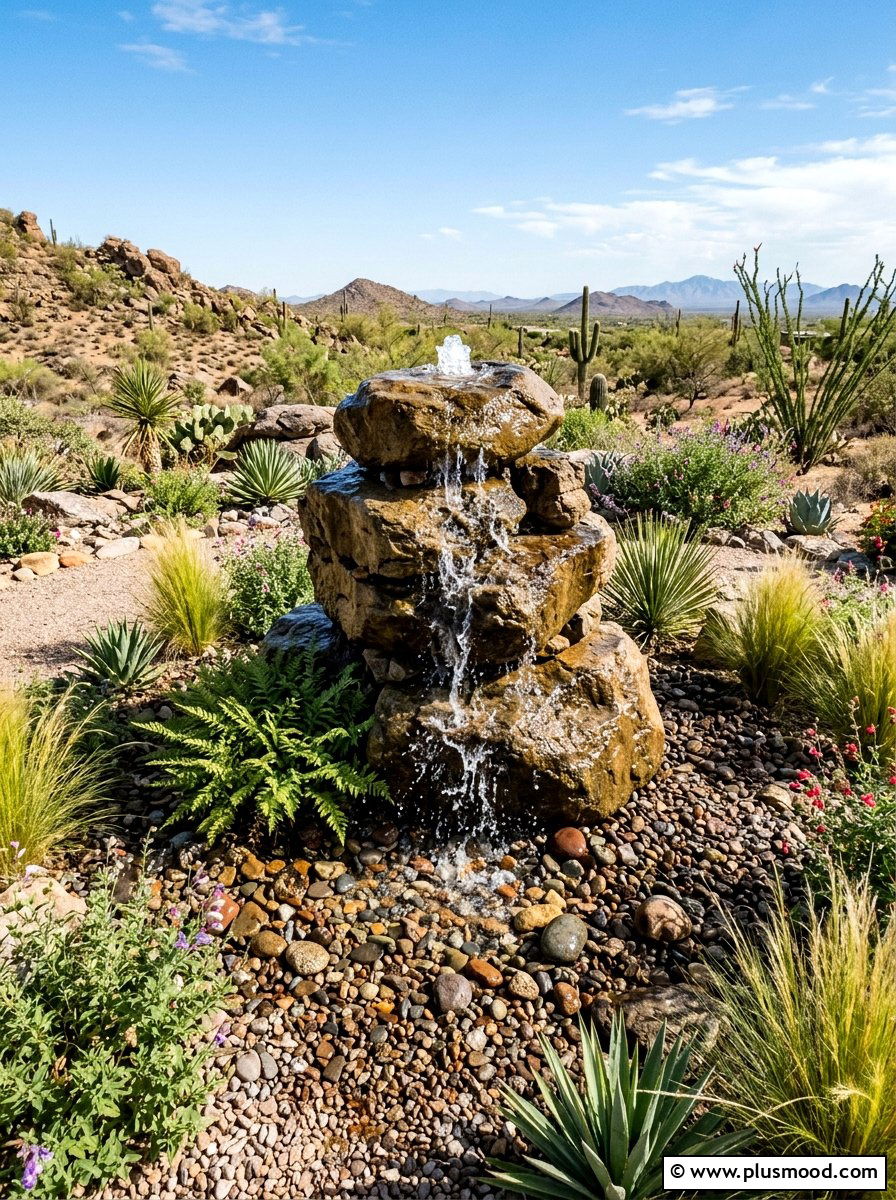
Adding a desert water feature, such as a bubbling rock fountain or a small recirculating stream, provides a sensory contrast to the dry air. The sound of trickling water is incredibly cooling and helps to mask ambient noise from neighbors or traffic. To keep it eco-friendly, choose a design that minimizes evaporation and uses a hidden reservoir. Birds and other local wildlife will be drawn to the water, adding more life and movement to your garden. Placing the feature near a seating area or a window allows you to enjoy its calming effects both indoors and out. It serves as a beautiful centerpiece that balances the arid elements perfectly.
18. Shade structure for desert heat
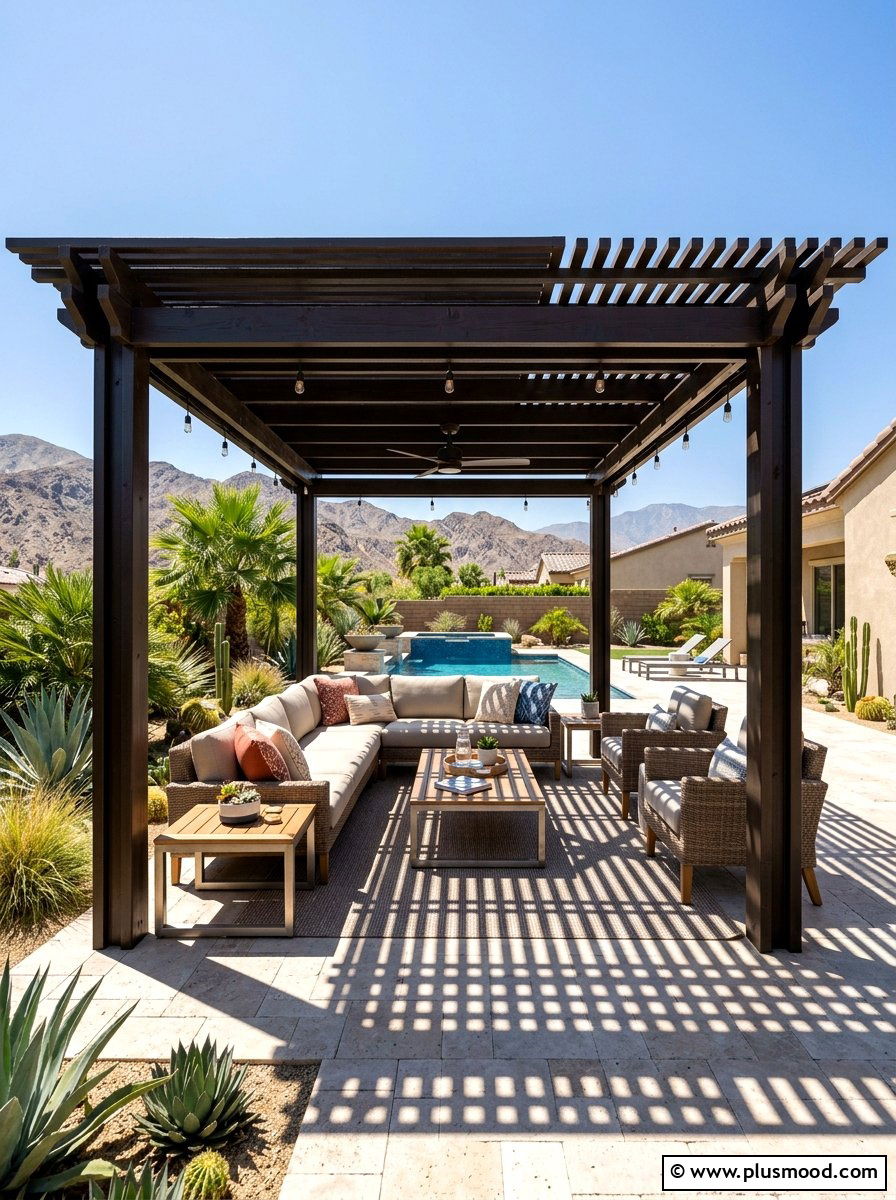
A sturdy shade structure for desert heat is a non-negotiable element for any usable summer outdoor space. A modern pergola with wooden slats or a stylish tensioned shade sail can drop the temperature of a patio by several degrees. These structures provide protection from UV rays while still allowing for air circulation to keep you comfortable. You can train climbing plants like bougainvillea or jasmine to grow over the structure for natural, fragrant shade. Choosing a design that complements the architecture of your home ensures that the structure looks like an integrated part of the landscape rather than an afterthought. It makes outdoor dining possible even in July.
19. Minimalist desert backyard
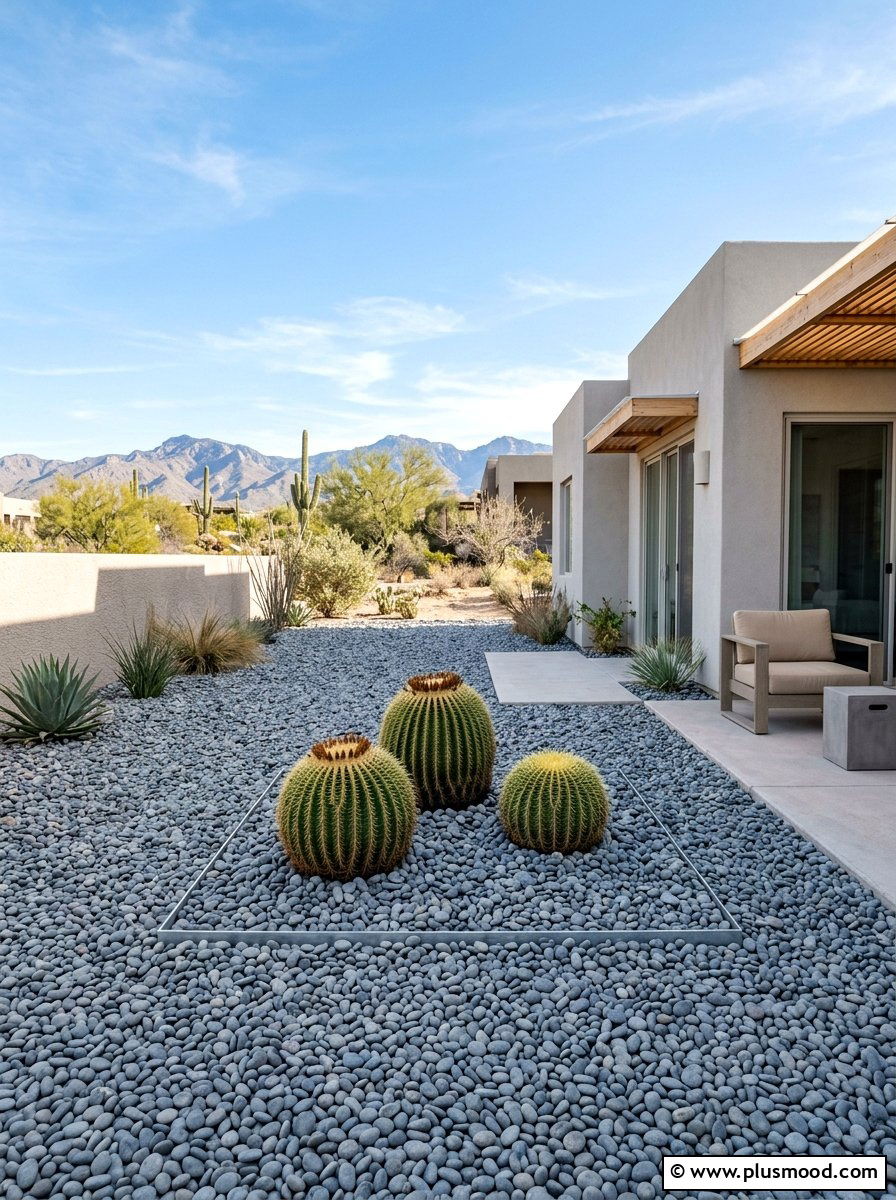
A minimalist desert backyard focuses on the "less is more" philosophy, highlighting the beauty of empty space and simple forms. Use a consistent material, like gray river rock, across the entire yard to create a unified background. Carefully select just a few high-impact plants, such as a trio of barrel cacti or a single striking ocotillo, to place in strategic locations. This uncluttered approach creates a modern, sophisticated vibe that is very easy to maintain. It also makes the yard feel larger and more expansive. Minimalism in the desert allows the natural light and shadows to become the primary decorative elements of the landscape throughout the day.
20. Agave and yucca planting
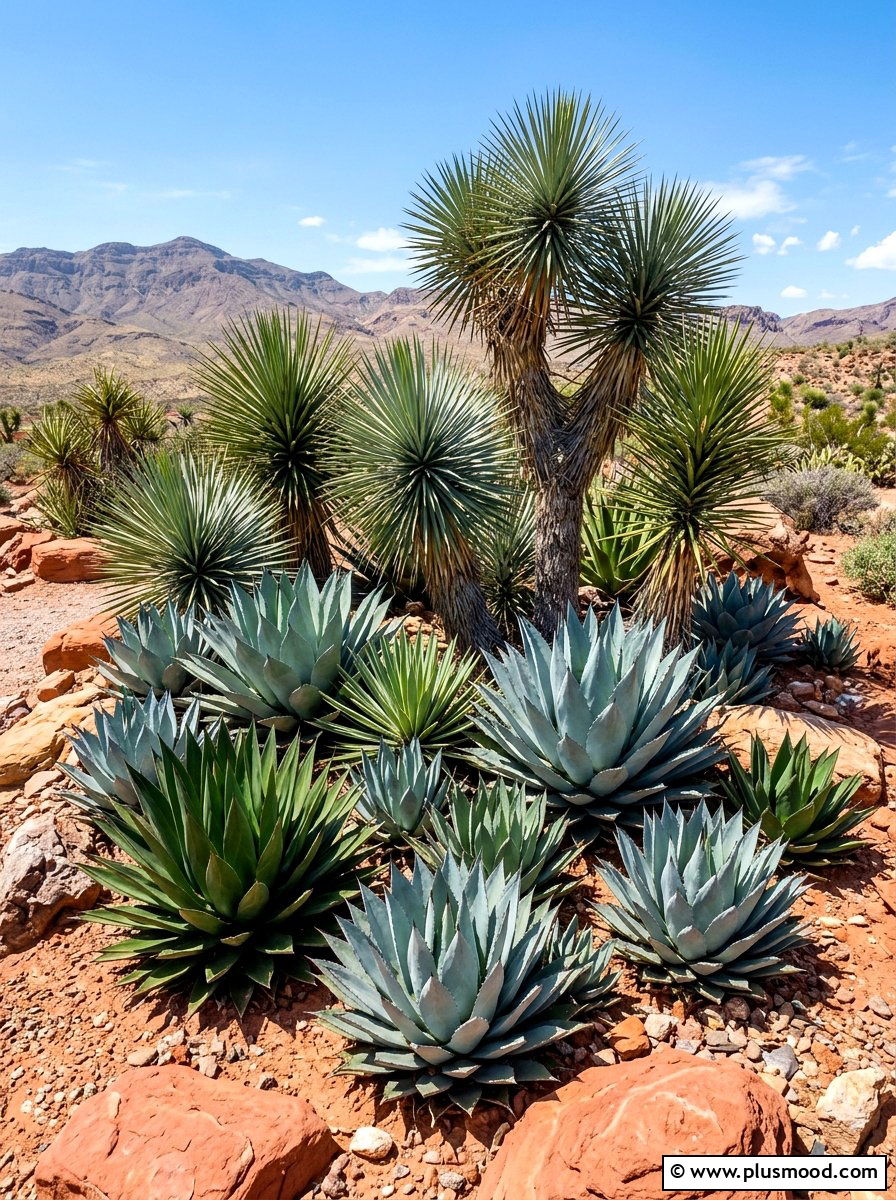
Focusing on agave and yucca planting gives your garden an authentic, rugged character that defines the Southwestern style. These plants are legendary for their ability to survive with almost no intervention, making them perfect for busy homeowners. Agaves come in a stunning range of colors, from deep forest green to bright silvery blue, often featuring dramatic, pointed leaves. Yuccas provide a taller, more feathery texture that contrasts beautifully with the heavy rosettes of the agaves. Grouping several different varieties together creates a collector’s garden feel that is visually fascinating. They are the true workhorses of the desert landscape, staying vibrant and structural through every heat wave.
21. Desert bird bath area
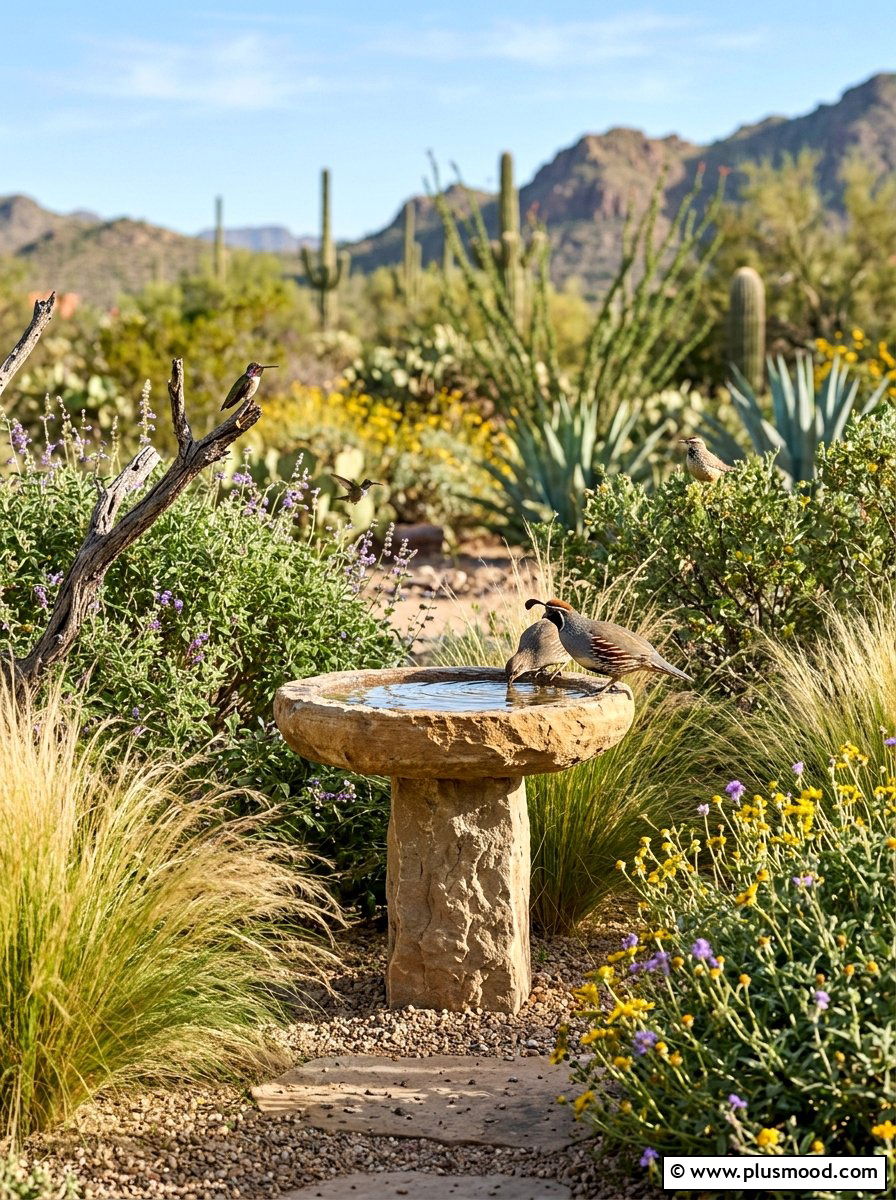
Creating a desert bird bath area is a simple way to bring a touch of nature and kindness to your backyard. A shallow stone basin filled with fresh water will attract a wide variety of local birds, from quails to hummingbirds, looking for a drink. Surround the bath with low-growing shrubs or ornamental grasses to provide cover and a sense of security for your feathered visitors. This area becomes a focal point for observation and adds a dynamic element to the garden. It is important to keep the water clean and refreshed to ensure it remains a healthy resource. This small addition makes your garden a true sanctuary for local wildlife.
22. Colorful desert shrubs
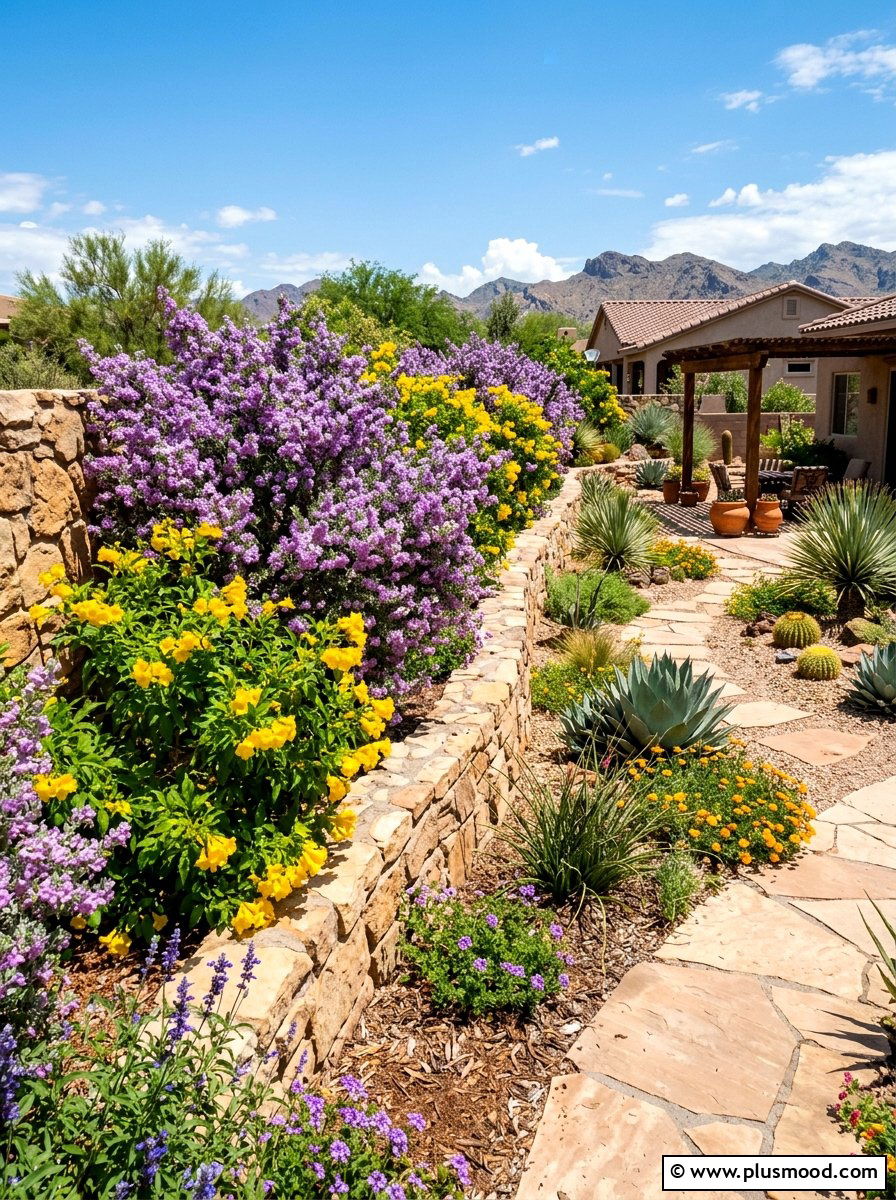
Incorporating colorful desert shrubs is the best way to add year-round structure and seasonal pops of brightness to your yard. Plants like the Texas Ranger (Leucophyllum) explode into purple blooms after a summer rain, while the Yellow Bells (Tecoma stans) provide constant golden color through the heat. These shrubs can be pruned into formal hedges or left to grow in their natural, mounded shapes for a more organic look. They are excellent for screening unwanted views or creating a lush backdrop for smaller plants. Because they are native to arid regions, they are highly resistant to pests and disease, requiring very little maintenance once they are established.
23. Mediterranean desert hybrid garden
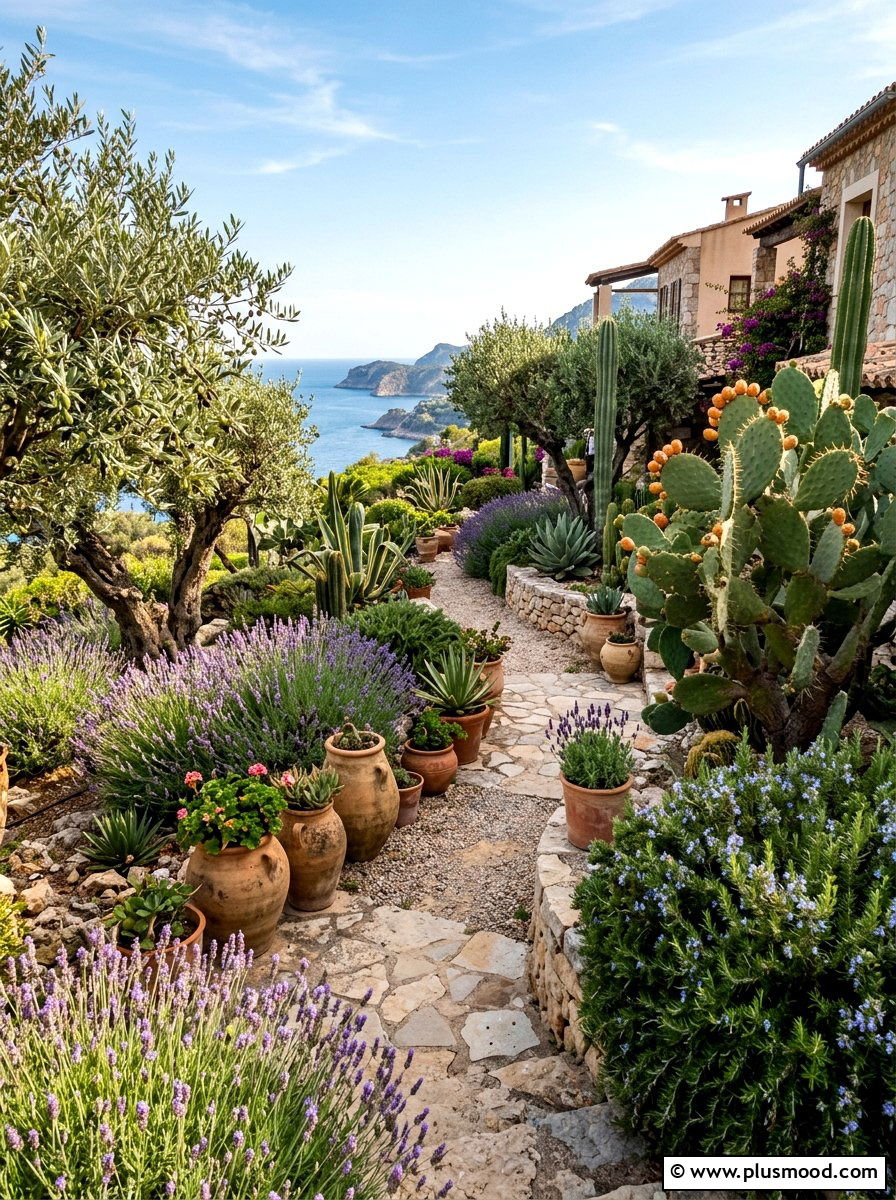
A Mediterranean desert hybrid garden combines the best of two arid worlds, using lavender, rosemary, and olive trees alongside cacti and agaves. This style brings a softer, more fragrant aesthetic to the desert, evoking the feeling of a sun-drenched coastal villa. The silvery foliage of Mediterranean plants reflects sunlight, helping them stay cool in high temperatures. Use terracotta pots and gravel pathways to tie the look together. This approach is perfect for those who want a garden that feels lush and productive but still respects the local water restrictions. It offers a unique sensory experience with aromatic herbs and textured foliage that thrives in the summer heat.
24. Desert rock mulch colors
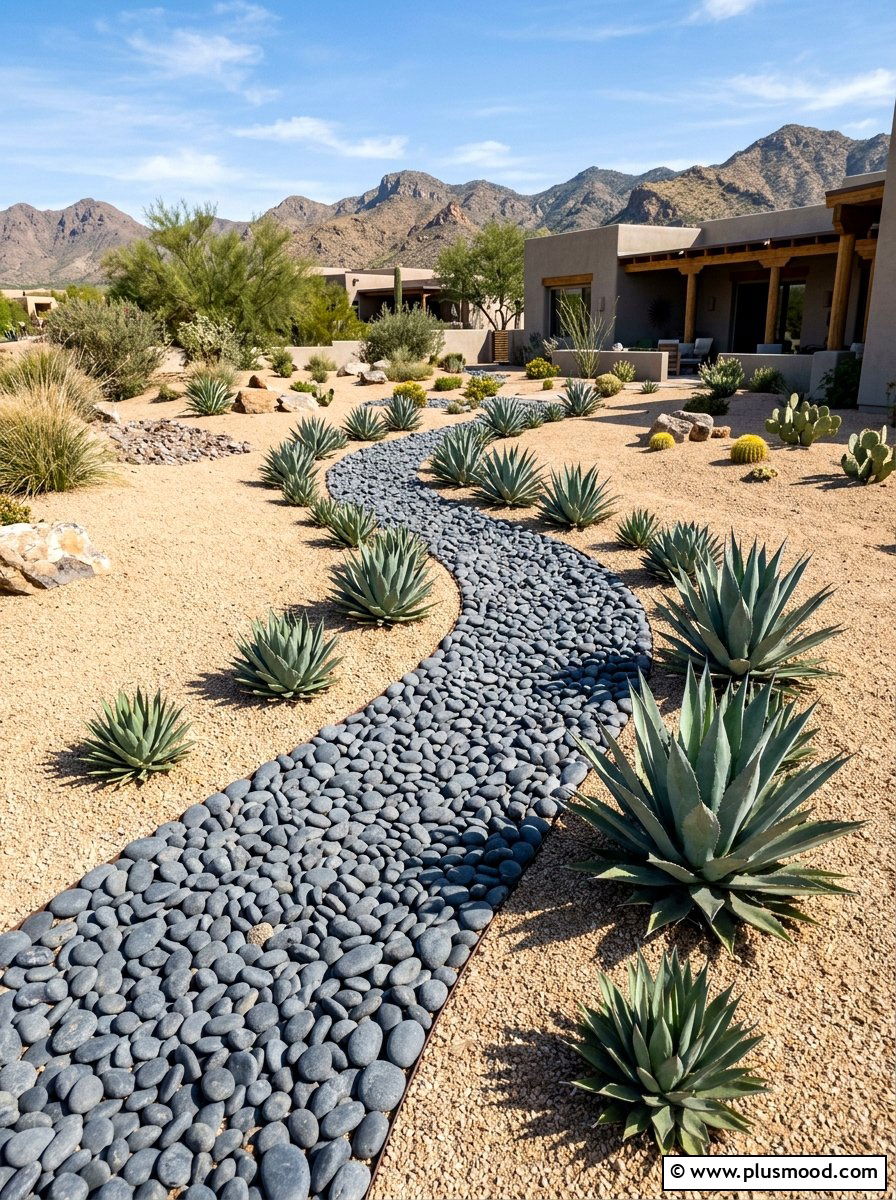
Choosing the right desert rock mulch colors can completely change the mood and temperature of your landscape. Lighter stones, like white quartz or beige granite, reflect sunlight and help to keep the ground cooler, which is beneficial for plant roots. Darker rocks, such as charcoal basalt or red lava rock, absorb heat and create a more dramatic, high-contrast look that highlights green foliage. You can use different colors of rock to define specific areas, such as a "dry river" made of gray stones winding through a field of tan gravel. This technique adds visual interest and organizational structure to the yard without the need for additional plants.
25. Outdoor kitchen in desert yard
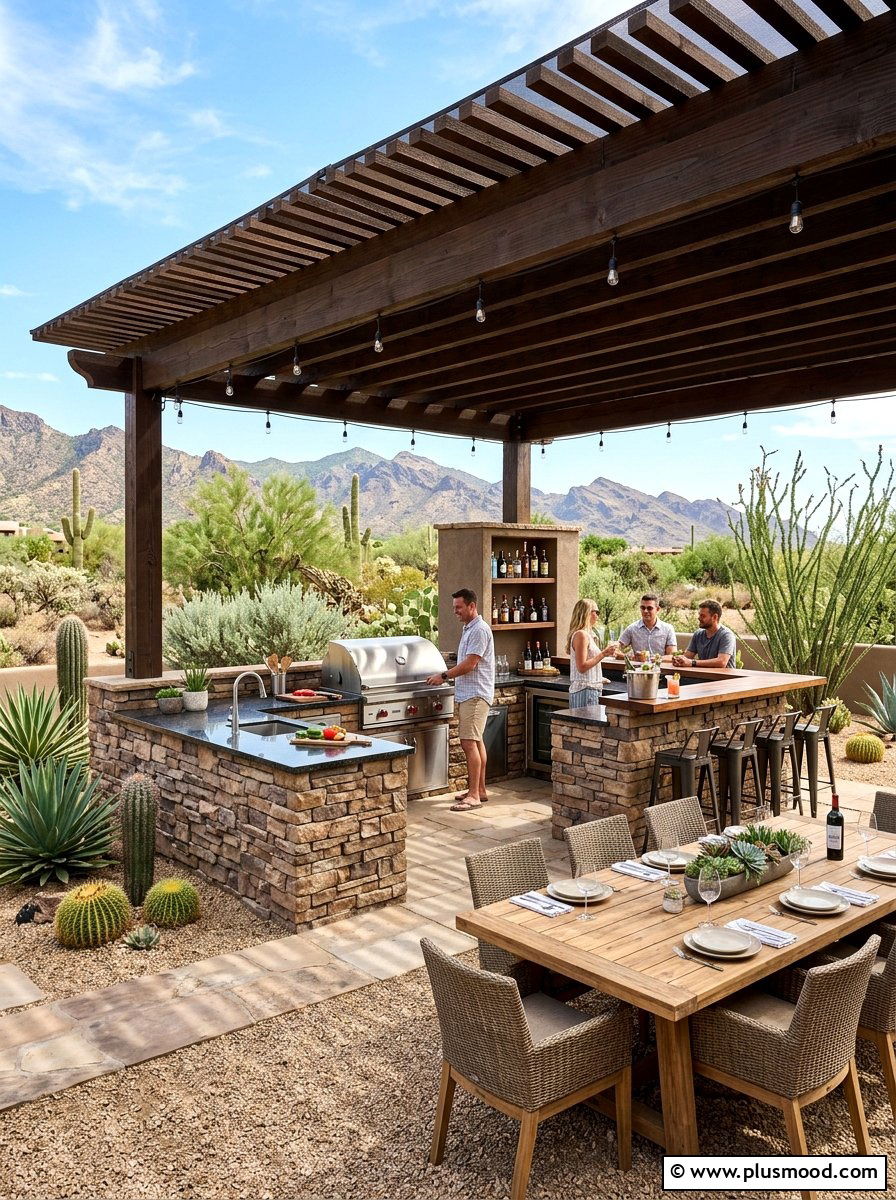
Building an outdoor kitchen in a desert yard allows you to take the heat out of the house and enjoy alfresco cooking. Use heat-resistant materials like natural stone, concrete, or stainless steel for the countertops and cabinetry. A built-in grill and a small prep sink make it easy to host summer barbecues while staying connected with guests in the pool or patio area. Make sure to include a roof or a pergola over the kitchen to protect the appliances and the cook from the direct sun. This addition essentially creates an extra room for your home, increasing its living space and overall value while celebrating the outdoor lifestyle.
Conclusion:
Embracing summer desert landscaping is a journey toward creating a sustainable, beautiful, and functional outdoor environment that respects the natural world. By moving away from water-intensive lawns and towards architectural cacti, vibrant native flowers, and artistic hardscaping, you can build a yard that truly thrives in arid conditions. Each element, from the cool touch of a concrete paver to the soothing sound of a water feature, contributes to a sanctuary that offers respite from the heat. This design philosophy not only enhances your home’s curb appeal but also fosters a deep connection to the unique desert ecosystem. Start small or plan a total transformation; the results will be a lasting, low-maintenance paradise for years to come.
Related posts:
Leave a Reply