
Transforming your backyard into a seasonal sanctuary requires a thoughtful approach to nature, function, and style. Summer invites us to step outside and embrace the warmth with vibrant textures and purposeful layouts. A well-planned landscape does more than just boost curb appeal; it creates a personal retreat for relaxation and social gatherings. Whether you are working with a sprawling estate or a compact urban balcony, the right choices in greenery and hardscaping can completely redefine your outdoor experience. In this guide, we explore diverse concepts that prioritize sustainability, beauty, and comfort. From drought-tolerant xeriscaping to romantic cottage borders, these curated approaches will help you master the art of modern outdoor living this season.
1. Native plant garden
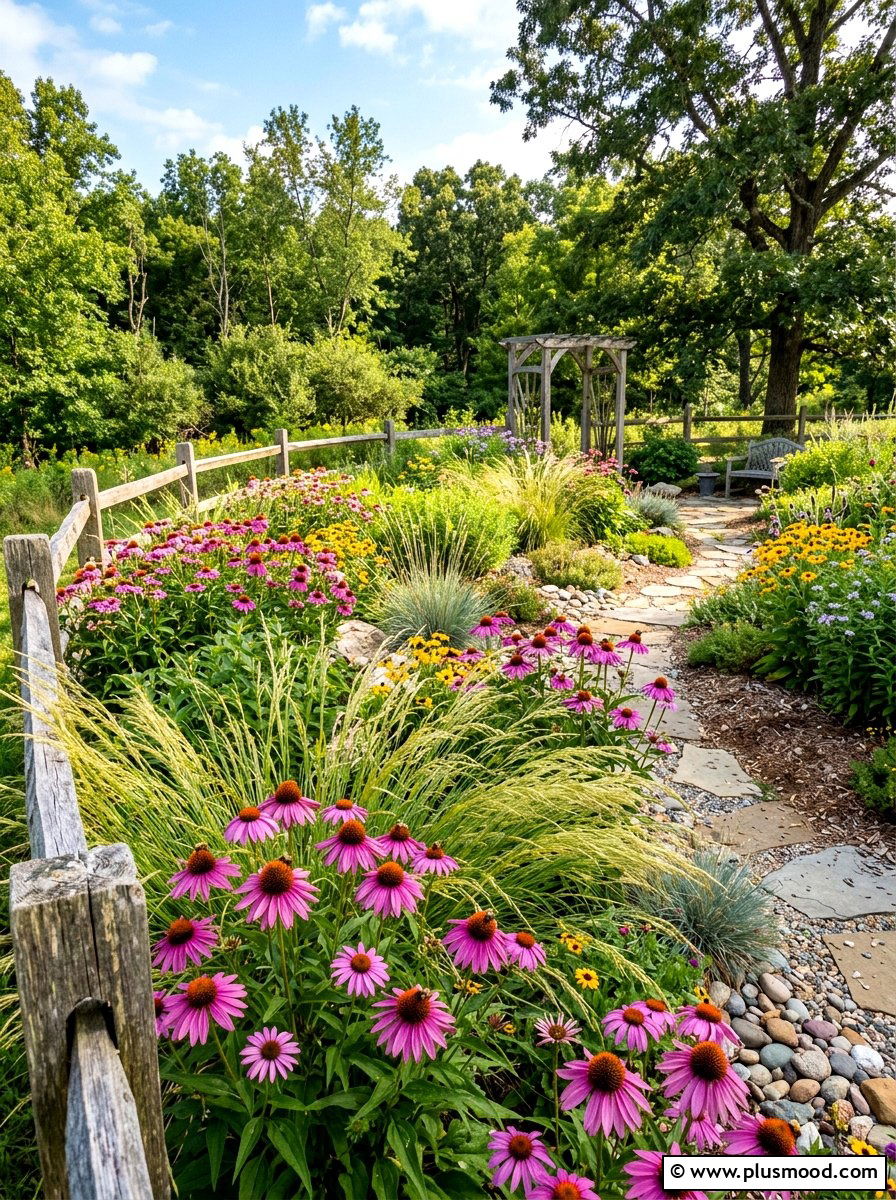
Choosing flora that naturally thrives in your local climate is a foundational step for a sustainable summer environment. Native plants are deeply adapted to the specific soil and rainfall patterns of your region, which significantly reduces the need for supplemental watering or chemical fertilizers. These gardens support local biodiversity by providing essential habitats and food sources for birds, bees, and beneficial insects. Incorporating a variety of local perennials ensures that your yard remains resilient even during the peak heat of July and August. The aesthetic result is a lush, effortless landscape that feels perfectly in harmony with the surrounding natural world while requiring far less maintenance from you.
2. Gravel patio
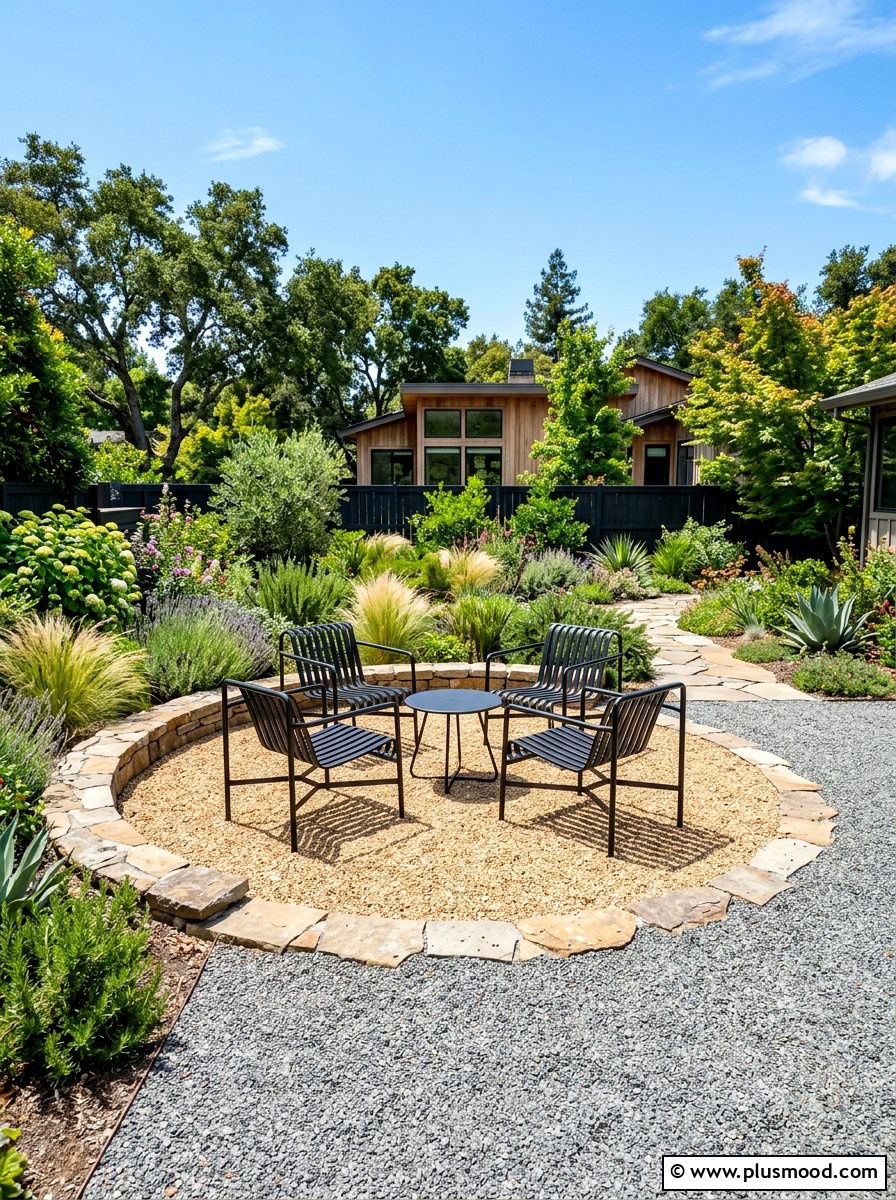
Creating a dedicated seating area with permeable materials like gravel offers a stylish and practical solution for modern outdoor spaces. Unlike solid concrete, a gravel base allows rainwater to soak directly into the ground, which prevents runoff and keeps the area cooler during the summer months. You can define the space with steel edging or natural stone borders to maintain a clean, contemporary look that fits any backyard size. Soft-colored stones provide a neutral backdrop for sleek furniture and potted plants, making the area feel spacious and inviting. This low-cost hardscape option is easy to install and provides a delightful crunch underfoot that adds sensory depth to your yard.
3. Mediterranean courtyard
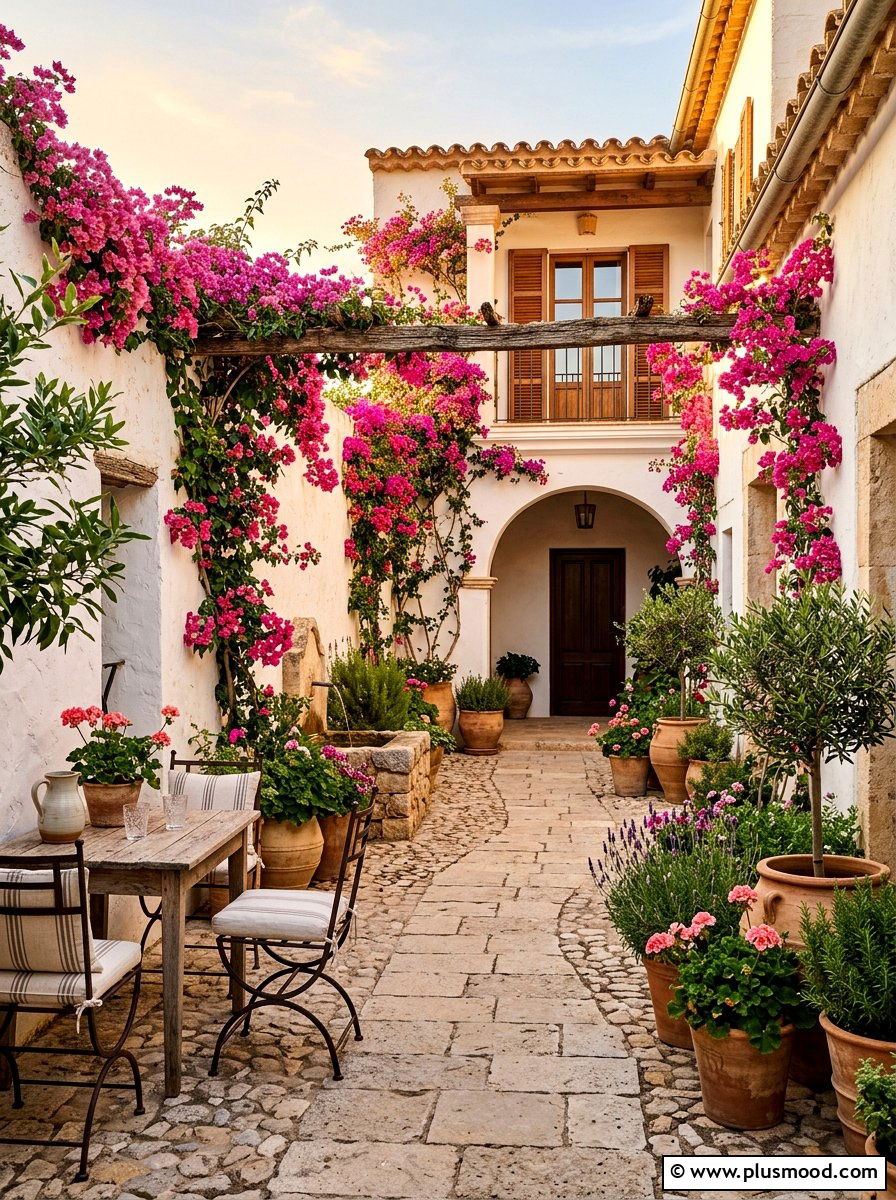
A courtyard inspired by coastal Europe focuses on warmth, stone textures, and drought-resistant greenery to create a sun-drenched escape. Use terracotta pots, limestone pavers, and climbing vines like bougainvillea to establish a classic, rustic atmosphere that thrives in bright light. This style emphasizes enclosed or semi-private spaces that protect you from the wind while capturing the beauty of the summer sun. Incorporating aromatic herbs like lavender and rosemary near seating areas adds a wonderful scent to the warm breeze. By focusing on layered textures and warm earth tones, you can transform a simple backyard corner into a sophisticated, resort-like destination that feels like a permanent vacation home.
4. Tropical pool surround
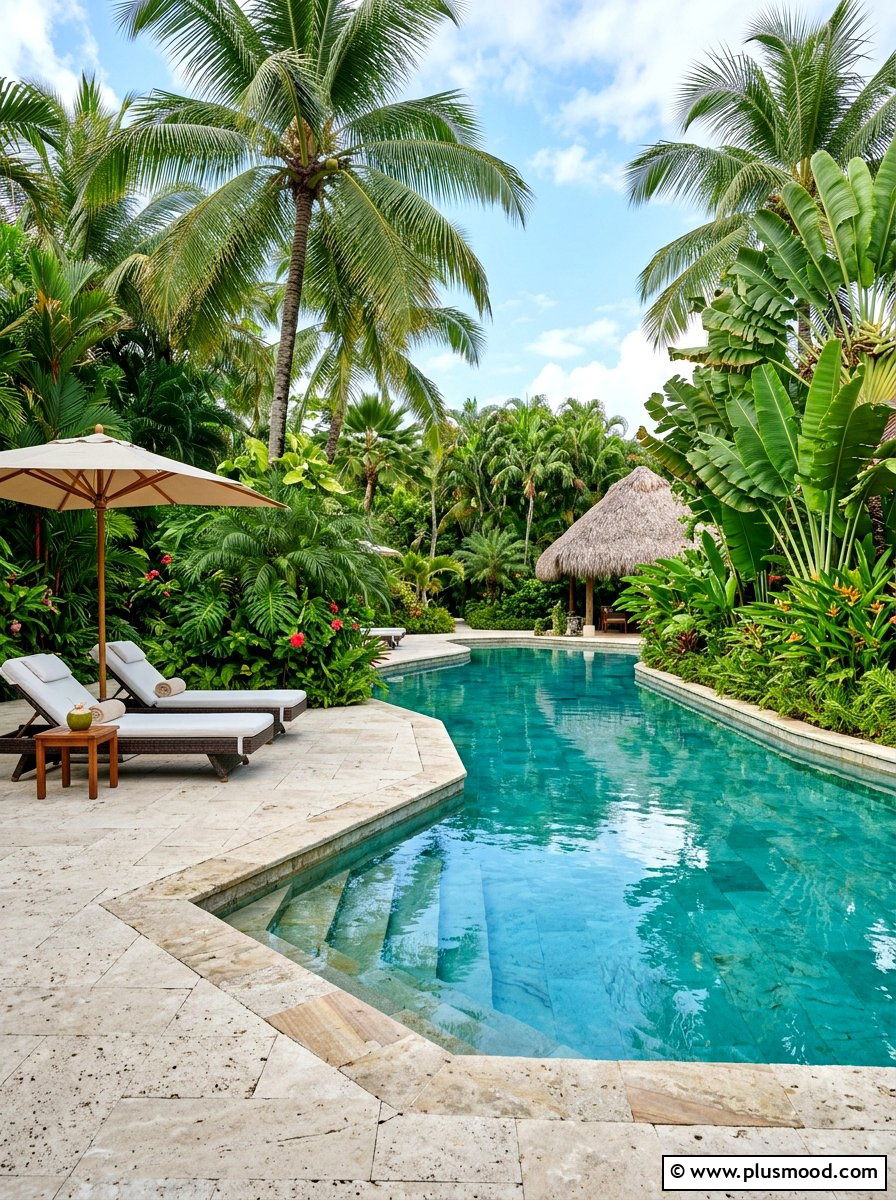
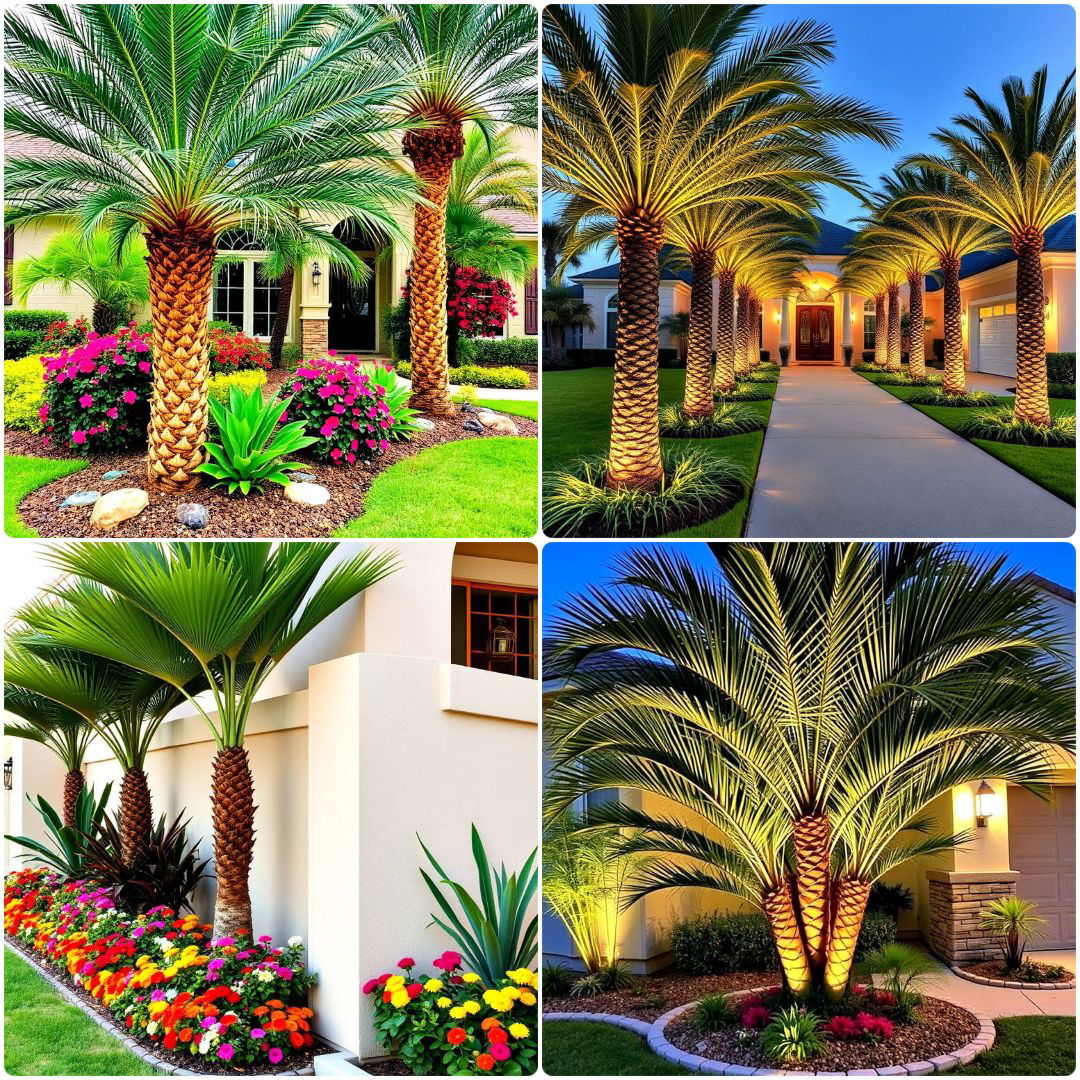
Surrounding a swimming area with lush, large-leafed plants can instantly turn a standard backyard into an exotic private oasis. Species like banana trees, palms, and bird of paradise create a dense green screen that offers privacy and a sense of luxury. These plants thrive in the humidity and warmth of the season, providing deep shade and a vibrant contrast against the blue water. Using natural materials like wood decking or light-colored stone helps to keep the ground cool for bare feet during the afternoon heat. Adding subtle uplighting to the base of the trees ensures that the space remains a stunning focal point for evening swims and late-night entertaining.
5. Wildflower meadow
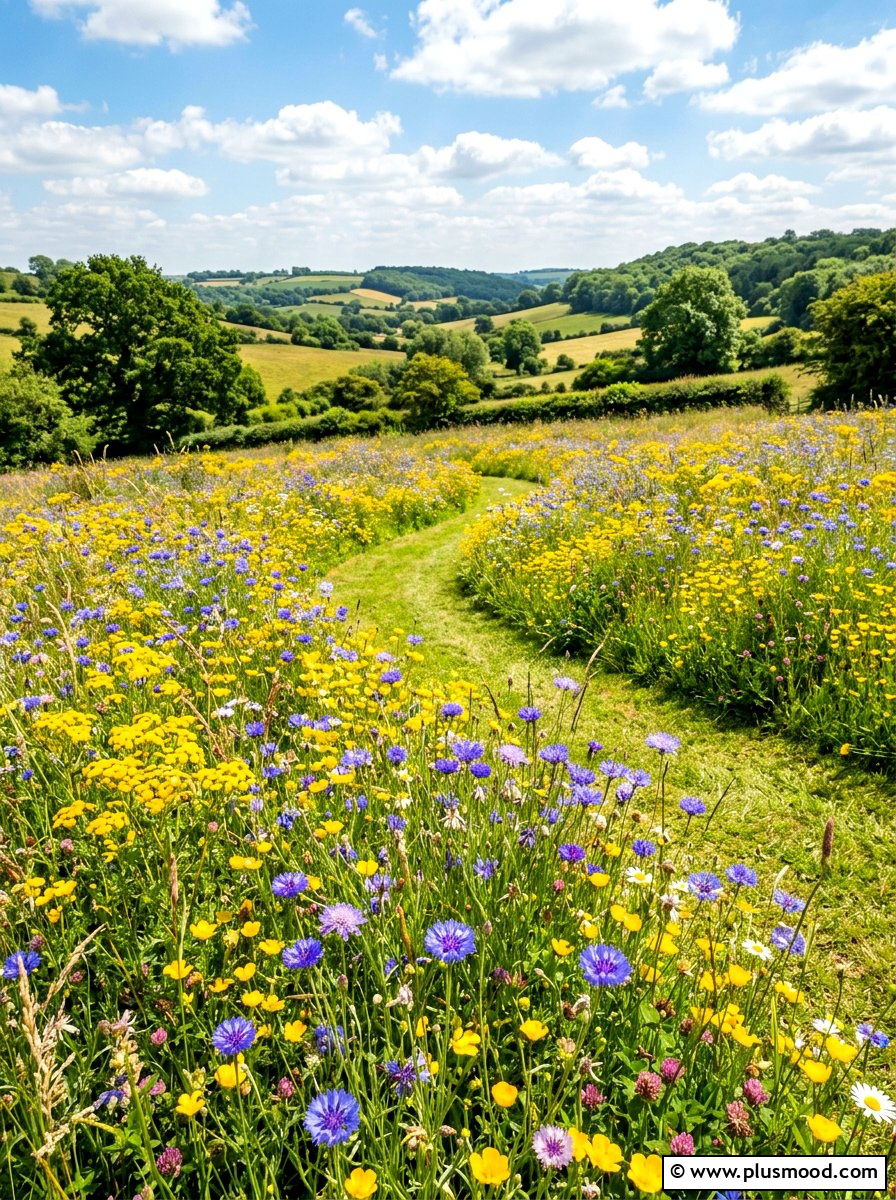
Moving away from perfectly manicured lawns in favor of a wildflower meadow is a leading trend for eco-conscious homeowners this year. This approach involves planting a diverse mix of sun-loving blooms that grow freely, creating a whimsical and colorful landscape. Meadows require very little water once established and provide a constantly changing display of textures throughout the warm months. They act as a vital haven for pollinators, bringing your garden to life with the movement of butterflies and hummingbirds. By cutting narrow paths through the tall flowers, you can enjoy a sense of discovery and a closer connection to nature right in your own residential backyard.
6. Vertical succulent wall
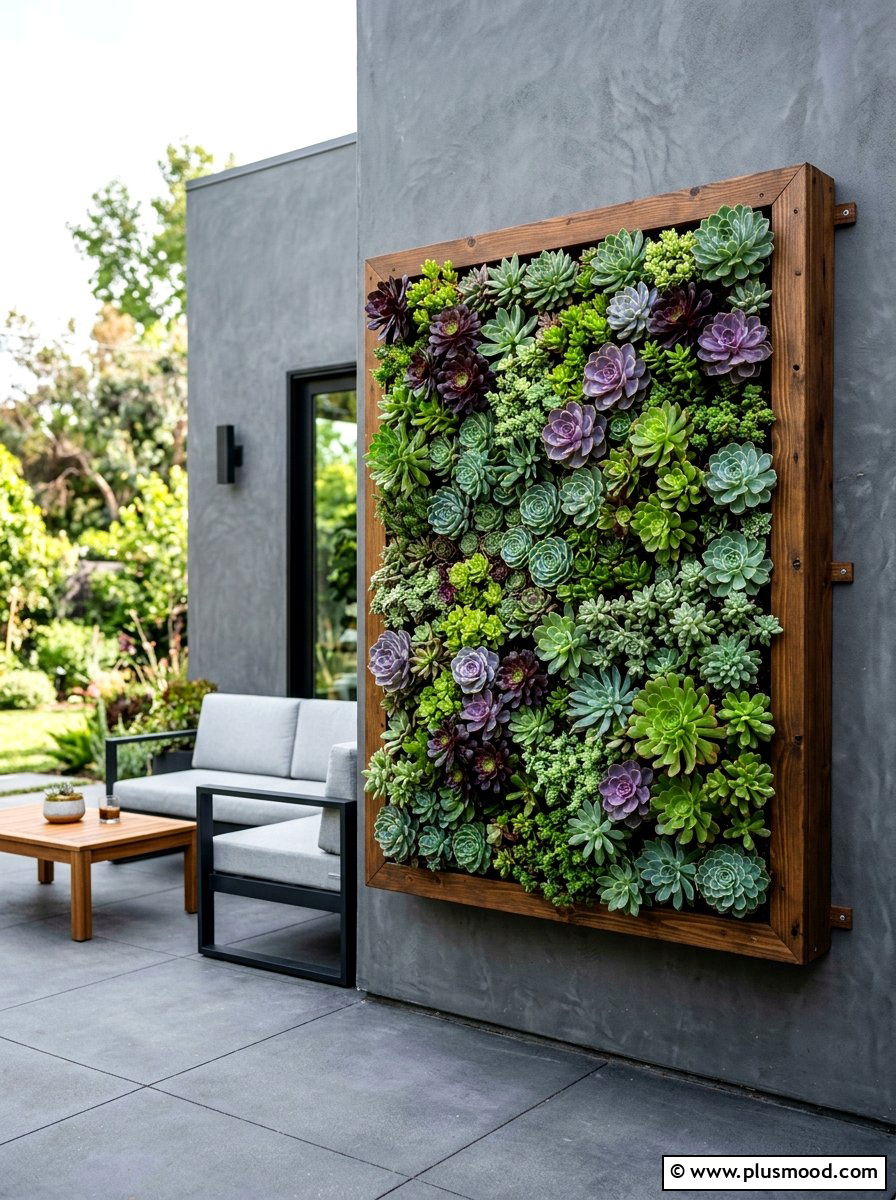
For homeowners with limited horizontal space, a vertical garden featuring succulents offers a striking architectural element that uses very little water. These fleshy, resilient plants are perfect for summer because they store moisture in their leaves and can withstand intense sun and heat. A wall-mounted planter or a custom-built frame filled with different varieties creates a living tapestry of greens, purples, and blues. This feature works exceptionally well on patio walls or fences, adding visual interest without cluttering the ground level. Succulent walls are incredibly low-maintenance and provide a modern, artistic touch that remains vibrant and healthy all season long with only occasional misting or light watering.
7. Stone walkway
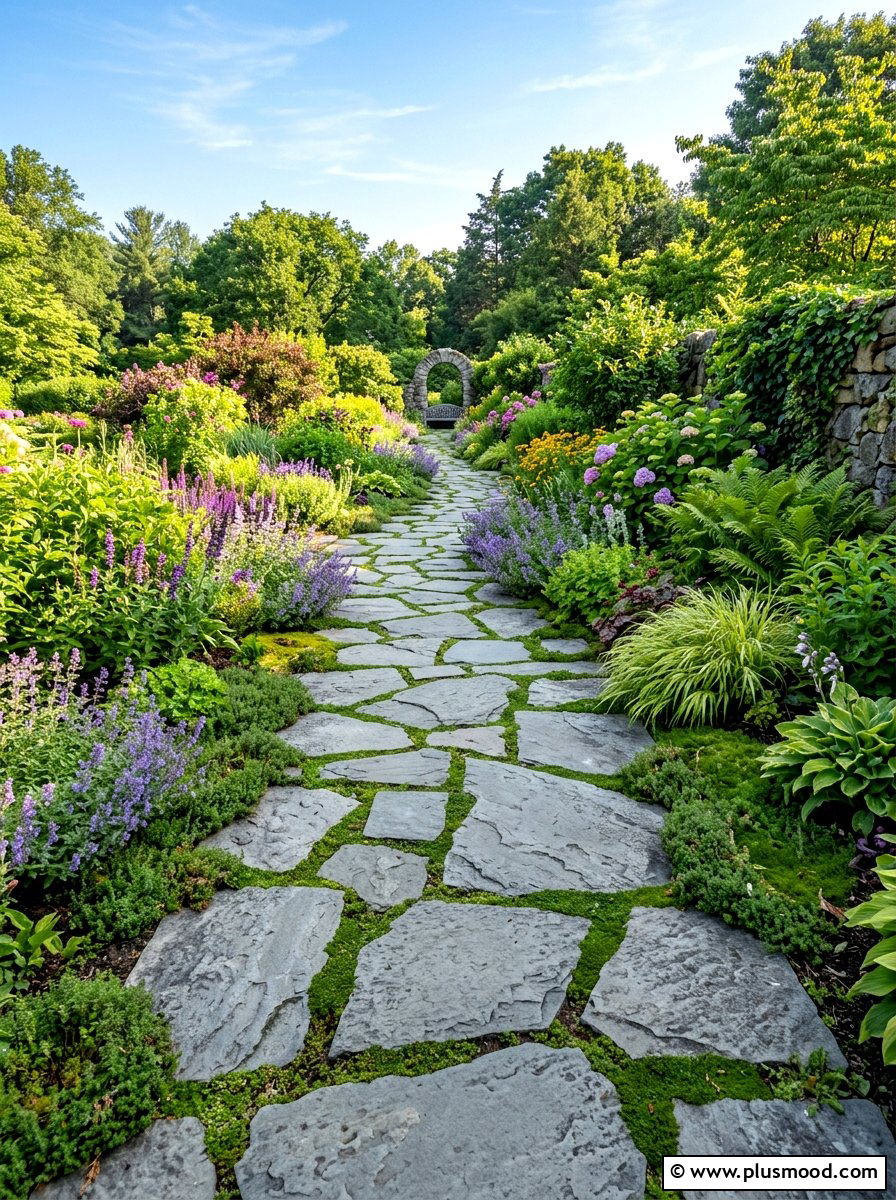
A natural stone path provides a clear sense of movement and structure, guiding guests through different zones of your summer landscape. Using large, irregular flagstones or uniform pavers allows you to create a professional look that complements the surrounding greenery. You can plant low-growing ground covers like creeping thyme or moss between the stones to soften the edges and add a touch of fragrance when stepped on. This feature prevents soil compaction and keeps your feet clean while exploring the garden after a summer rain shower. A well-designed walkway anchors the entire yard, connecting the patio to a hidden bench or a vibrant flower bed with timeless, organic elegance.
8. Outdoor kitchen
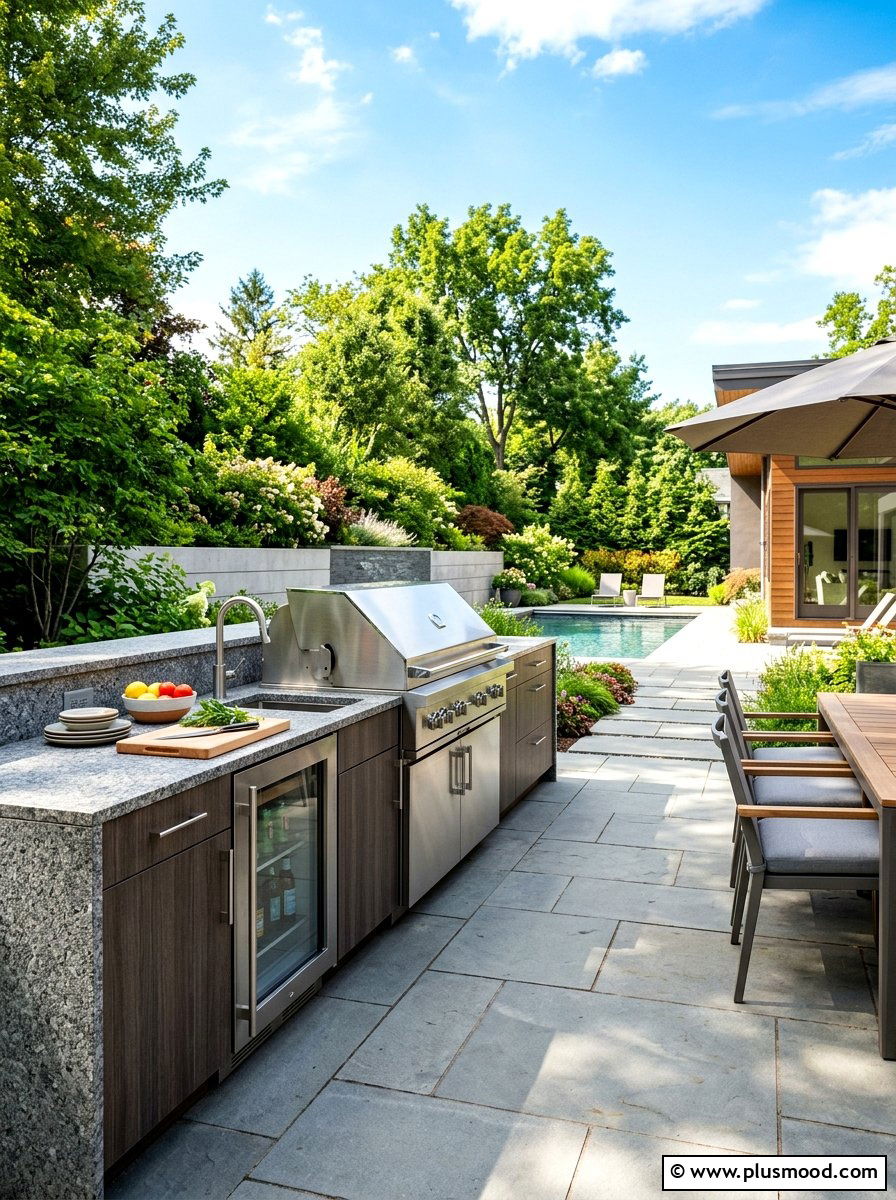
Cooking and dining outside is a quintessential summer experience that is greatly enhanced by a dedicated and functional kitchen layout. A well-designed outdoor cooking station often includes a built-in grill, stone countertops for food prep, and integrated storage for utensils. Placing this zone near a shaded dining area ensures that the chef remains part of the conversation while preparing fresh seasonal meals. Using durable materials like stainless steel and weather-resistant stone ensures the kitchen can withstand the elements year-round. This setup transforms your backyard into a high-end entertaining hub, allowing you to host dinner parties under the stars without constantly running back and forth to the house.
9. Fire pit seating
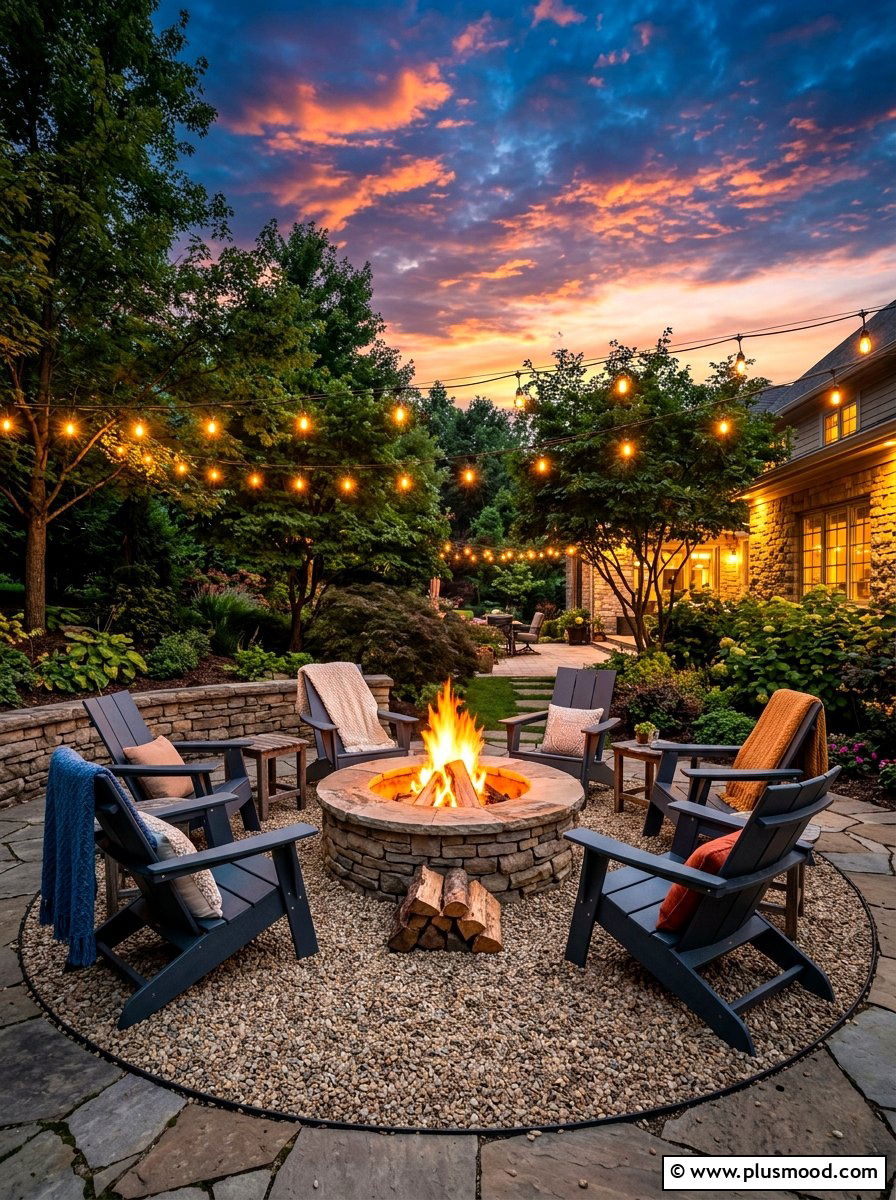
A central fire feature serves as an ideal gathering spot for cool summer evenings, extending the usability of your yard long after sunset. Whether you choose a modern gas-powered table or a traditional wood-burning stone pit, the flickering flames create a cozy and inviting ambiance. Surround the area with comfortable Adirondack chairs or built-in stone benches to accommodate friends and family. Using a base of pea gravel or circular pavers defines the zone and keeps the heat safely away from flammable plants or grass. This focal point encourages storytelling and relaxation, making it the perfect place to roast marshmallows or enjoy a glass of wine on a quiet night.
10. Raised vegetable garden
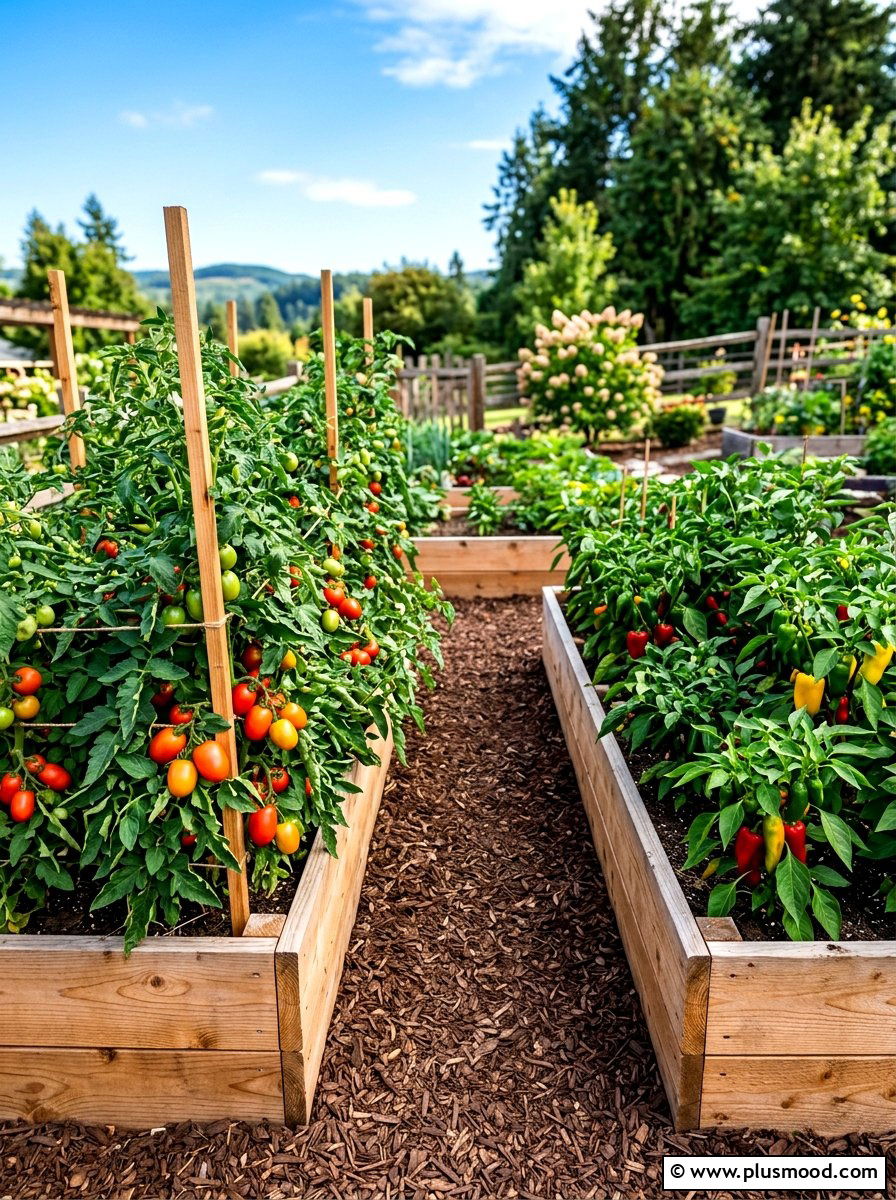
Growing your own food in raised beds is a rewarding summer project that adds both functionality and beauty to your landscape design. Raised beds provide better drainage and allow you to control the soil quality, which is essential for thriving crops like tomatoes, peppers, and cucumbers. They also elevate the plants to a more comfortable height, making it easier to prune and harvest without straining your back. Using natural cedar or modern metal frames ensures that the garden looks organized and intentional within your overall yard layout. Placing these beds in a sunny spot guarantees a bountiful harvest of fresh, organic produce that you can enjoy all season.
11. Zen rock garden
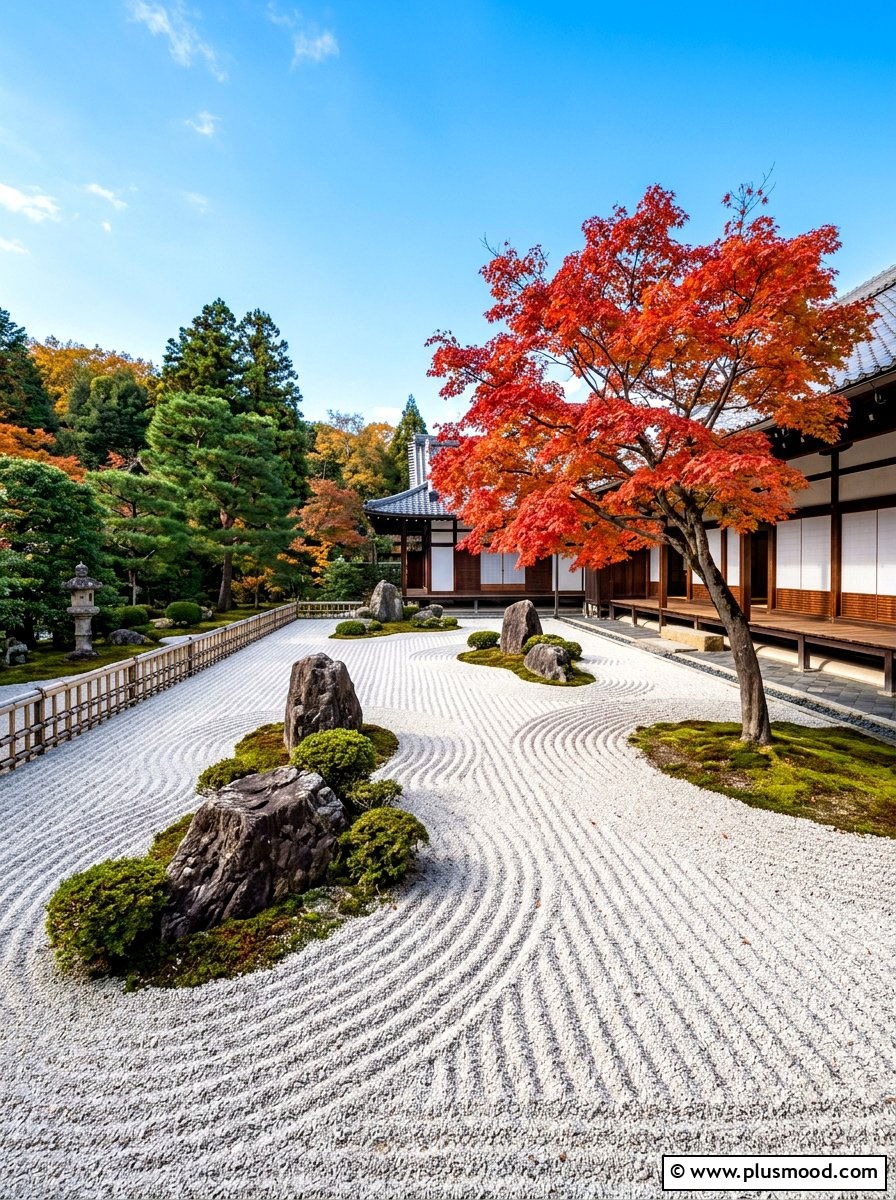
Inspired by traditional Japanese aesthetics, a Zen garden uses sand, gravel, and carefully placed boulders to create a space for quiet reflection. This minimalist approach is perfect for summer because it requires almost no water and remains pristine regardless of the high temperatures. Raking the gravel into fluid patterns mimics the movement of water, providing a calming visual experience that reduces stress. You can add a single specimen tree, like a Japanese maple, to provide a splash of color and a focal point of shade. This design works exceptionally well in side yards or small corners where you want to create a peaceful, low-maintenance retreat for morning meditation.
12. Cottage garden
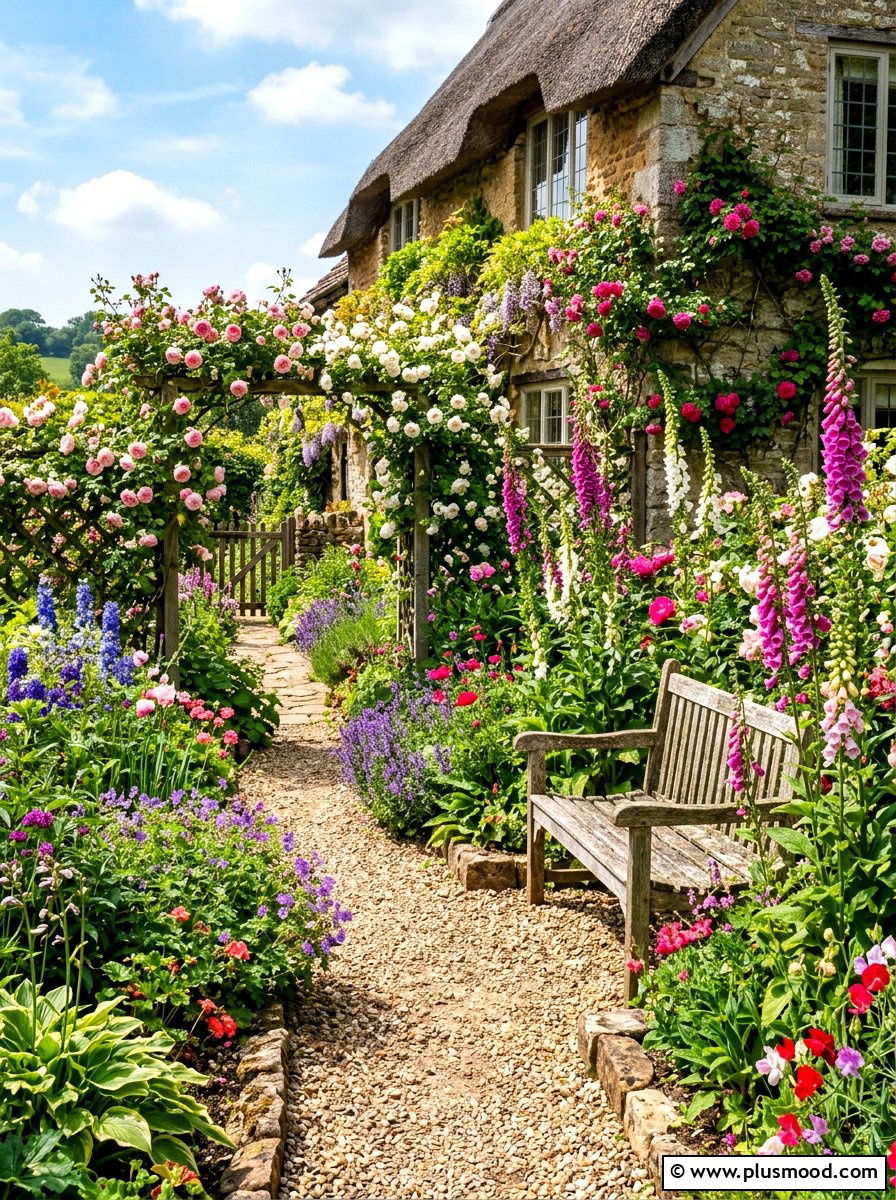
A classic cottage garden focuses on abundance, romantic colors, and a slightly wild aesthetic that feels nostalgic and charming. Use a mix of tall perennials like foxgloves and delphiniums alongside fragrant roses and lavender to create dense, flowering borders. These gardens thrive in the summer sun, providing a constant supply of cut flowers for your indoor vases. The informal layout encourages plants to spill over paths and intermingle, creating a soft look that hides structural boundaries like fences. By adding a simple wooden arbor or a vintage bench, you can create a picturesque setting that feels like a scene from a fairytale, filled with scent and color.
13. Xeriscape yard
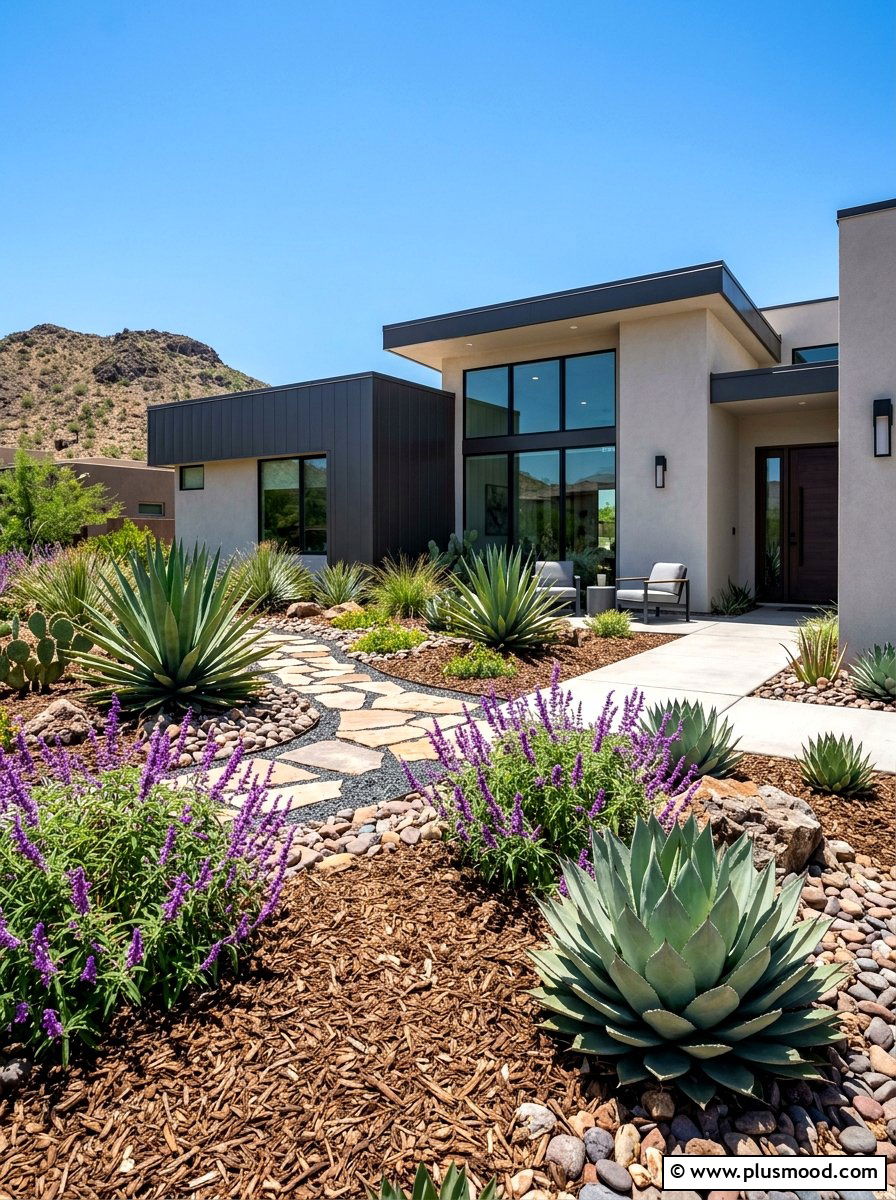
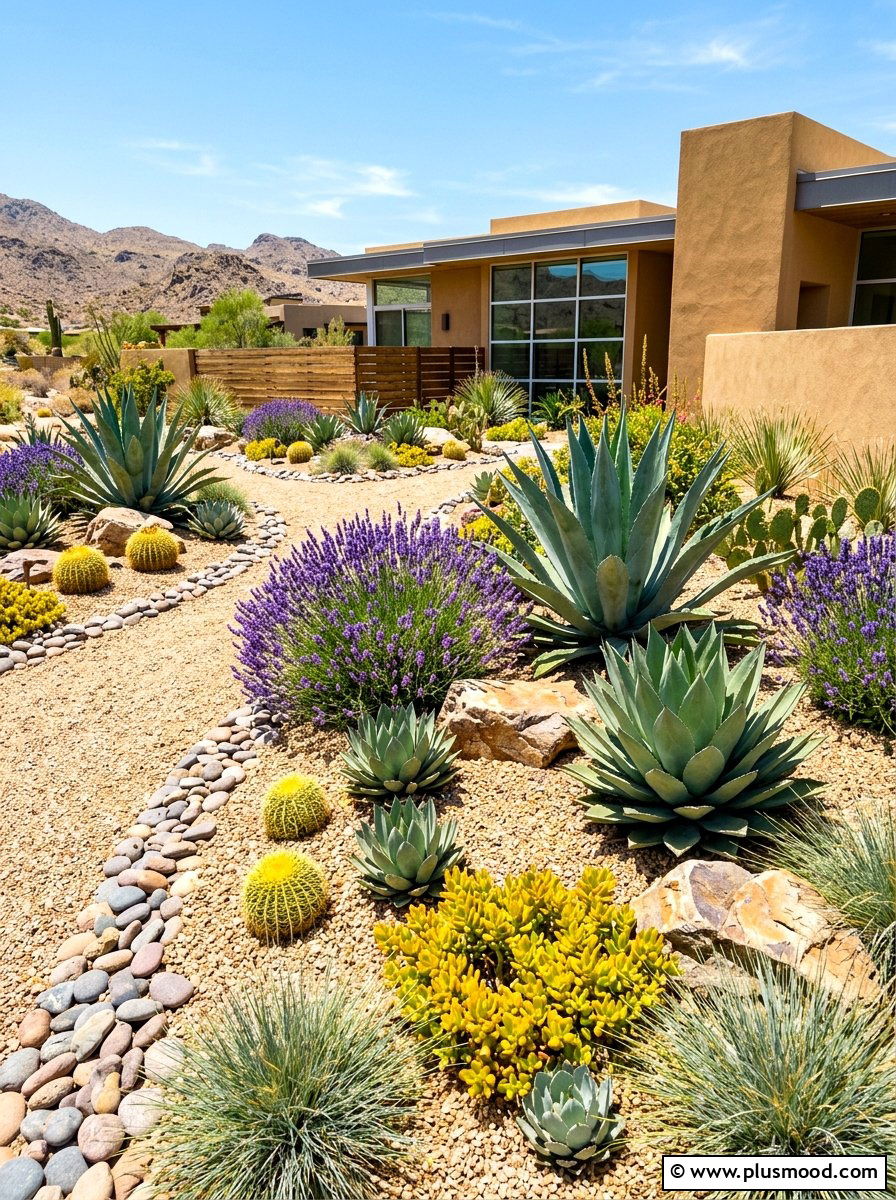
Xeriscaping is a smart and increasingly popular way to design a beautiful landscape that survives on minimal irrigation during the hottest months. This method uses drought-tolerant plants, ornamental grasses, and decorative mulch to create a yard that is both eco-friendly and visually striking. By replacing water-thirsty lawns with gravel beds and hardy shrubs, you significantly reduce your utility bills and weekend chores. Modern xeriscaping focuses on texture and form, using plants like agave, yucca, and sage to provide structural interest. The result is a clean, sophisticated look that remains lush and healthy even during regional water restrictions, making it an ideal choice for arid or drought-prone climates.
14. Backyard pergola
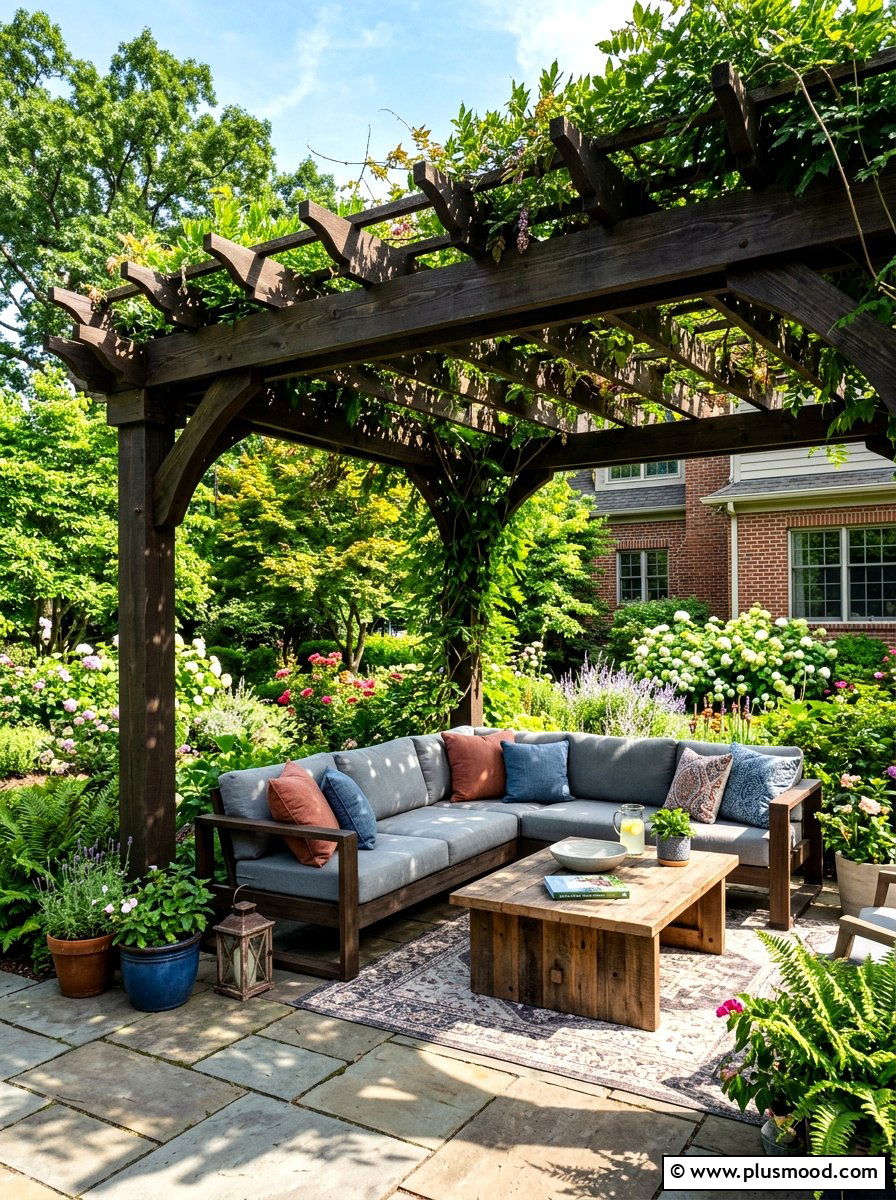
Adding a wooden pergola provides essential architectural height and a much-needed escape from the intense afternoon summer sun. This open-air structure defines an outdoor living room, creating a shaded sanctuary for lounging or dining with family. You can train climbing plants like wisteria, jasmine, or grapevines to grow over the rafters, adding natural beauty and extra cooling power. Many homeowners choose to add outdoor curtains or retractable canopies to the structure for increased privacy and adjustable shade levels. A pergola acts as a beautiful bridge between your indoor and outdoor spaces, offering a structural focal point that anchors your furniture and creates a cozy, protected feel.
15. Garden water feature
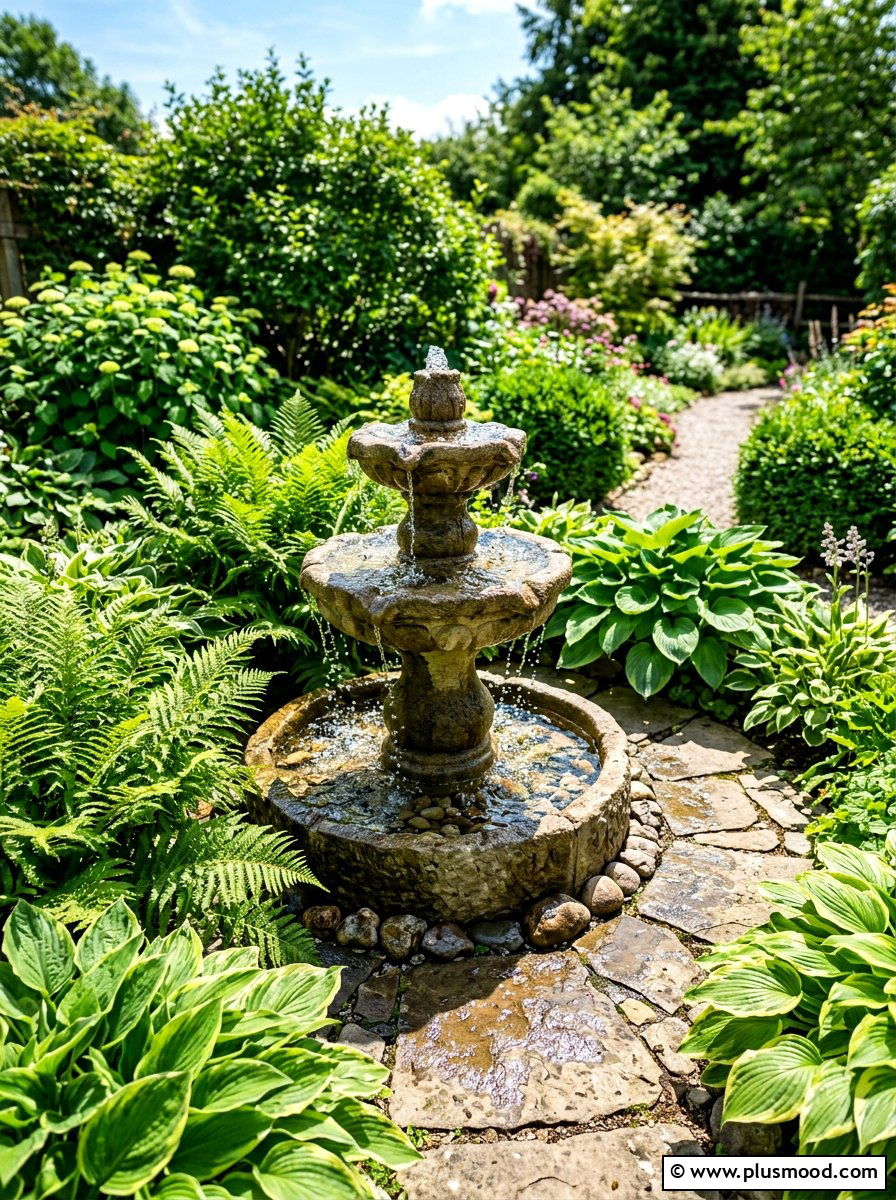
The sound of flowing water is incredibly soothing and can help lower the perceived temperature of your backyard during a heatwave. A simple stone fountain, a tiered waterfall, or a small pond introduces movement and a sense of tranquility to your landscape. These features attract local birds and butterflies, turning your garden into a lively ecosystem for nature lovers. Modern water elements often use recirculating pumps, making them surprisingly efficient and easy to maintain over time. Placing a water feature near a seating area or a bedroom window allows you to enjoy the rhythmic, calming sounds both day and night, creating a truly immersive and peaceful environment.
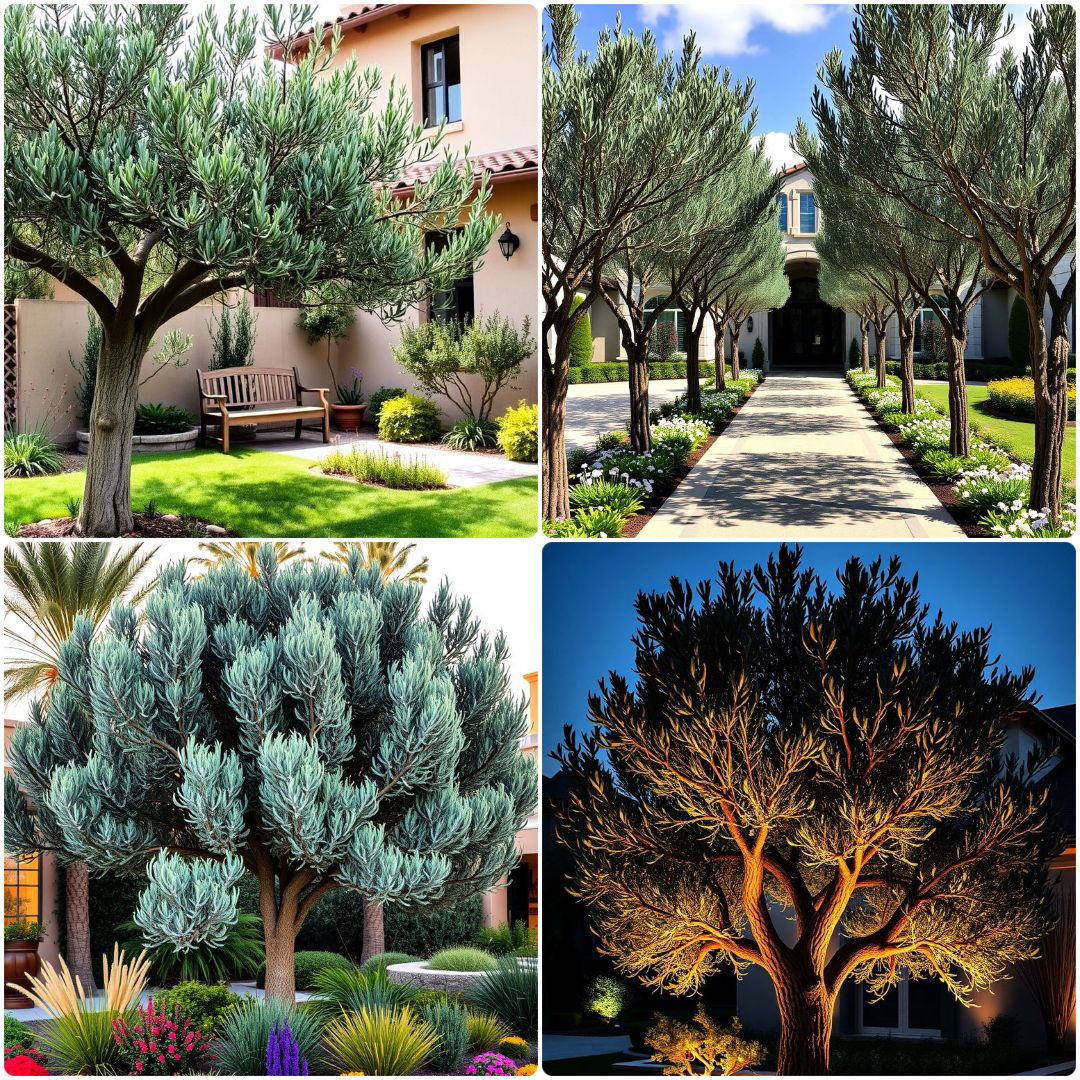
16. Privacy hedge
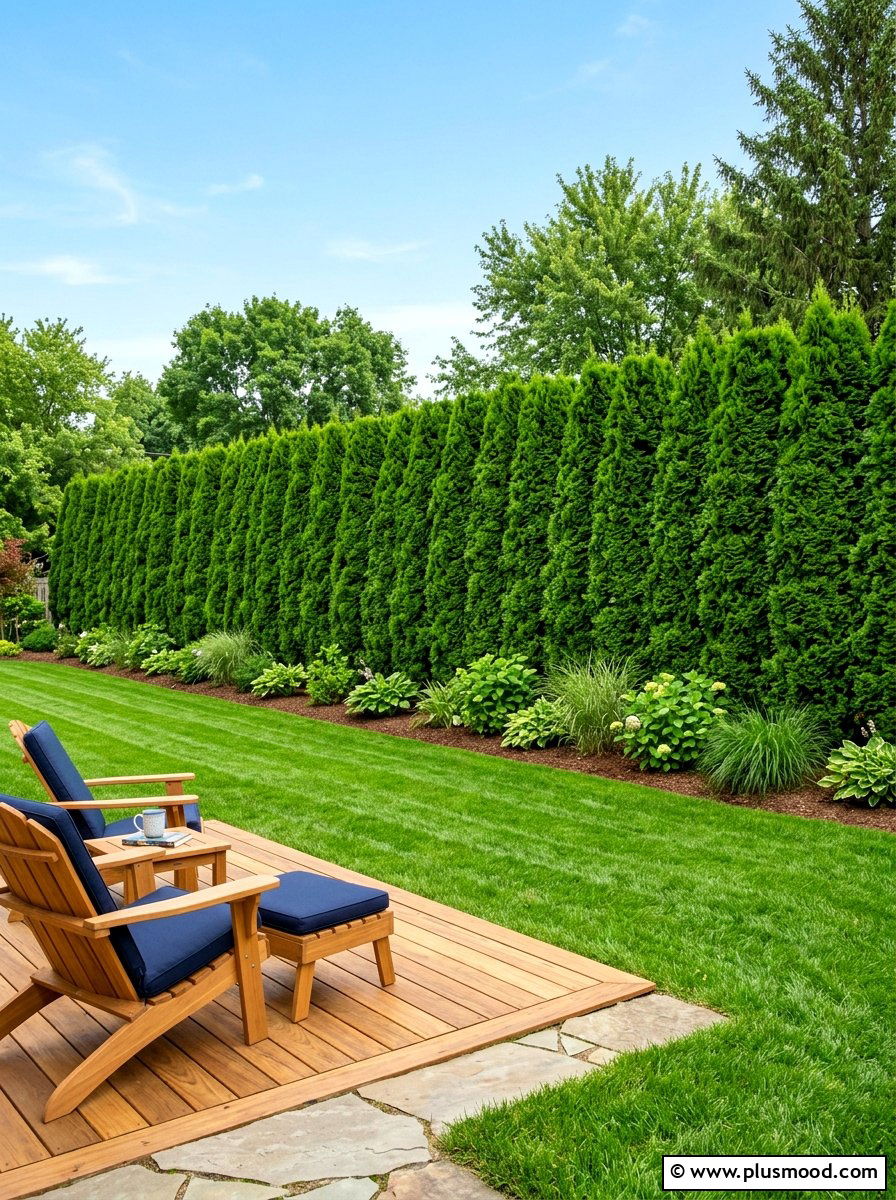
Living walls made from dense evergreen shrubs or tall grasses offer a natural way to block unwanted views and dampen neighborhood noise. Plants like arborvitae, boxwood, or privet can be pruned into formal shapes for a classic look or left natural for a softer feel. During the summer, these hedges provide a lush green backdrop that makes your yard feel like a private, secluded room. They also act as a windbreak and provide shade for smaller plants growing at their base. Using a "green" fence instead of traditional wood or vinyl adds life to your property and increases the overall oxygen levels around your home for a fresher atmosphere.
17. Landscape lighting
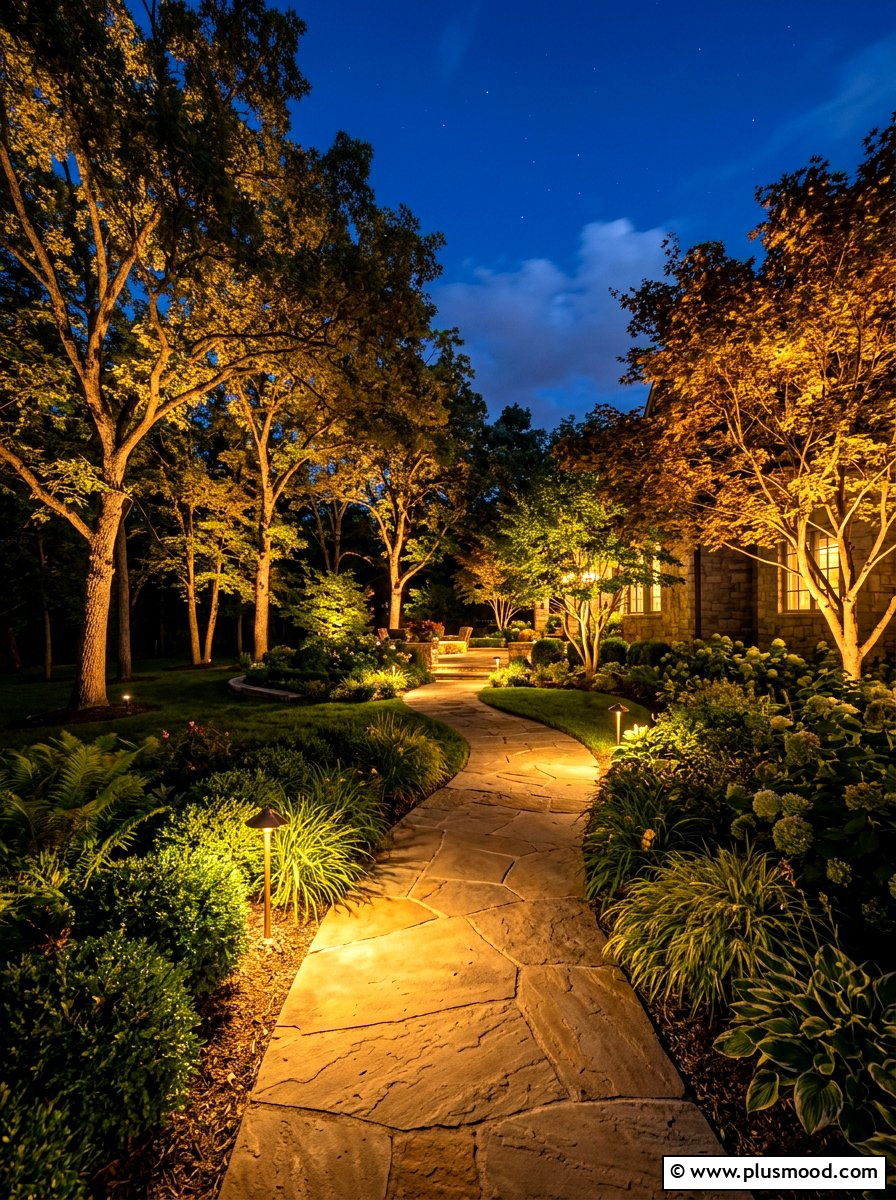
Well-placed lighting ensures that your summer landscape remains beautiful and functional long after the sun has dipped below the horizon. Use soft path lights to guide guests safely through the yard and uplights to highlight the architectural branches of your favorite trees. String lights draped across a patio or pergola add a festive, magical glow that is perfect for hosting summer dinner parties. Solar-powered options are easy to install and provide an energy-efficient way to brighten dark corners without messy wiring. By focusing on layers of light, you can create a warm and inviting atmosphere that emphasizes the best features of your garden design throughout the night.
18. Desert garden
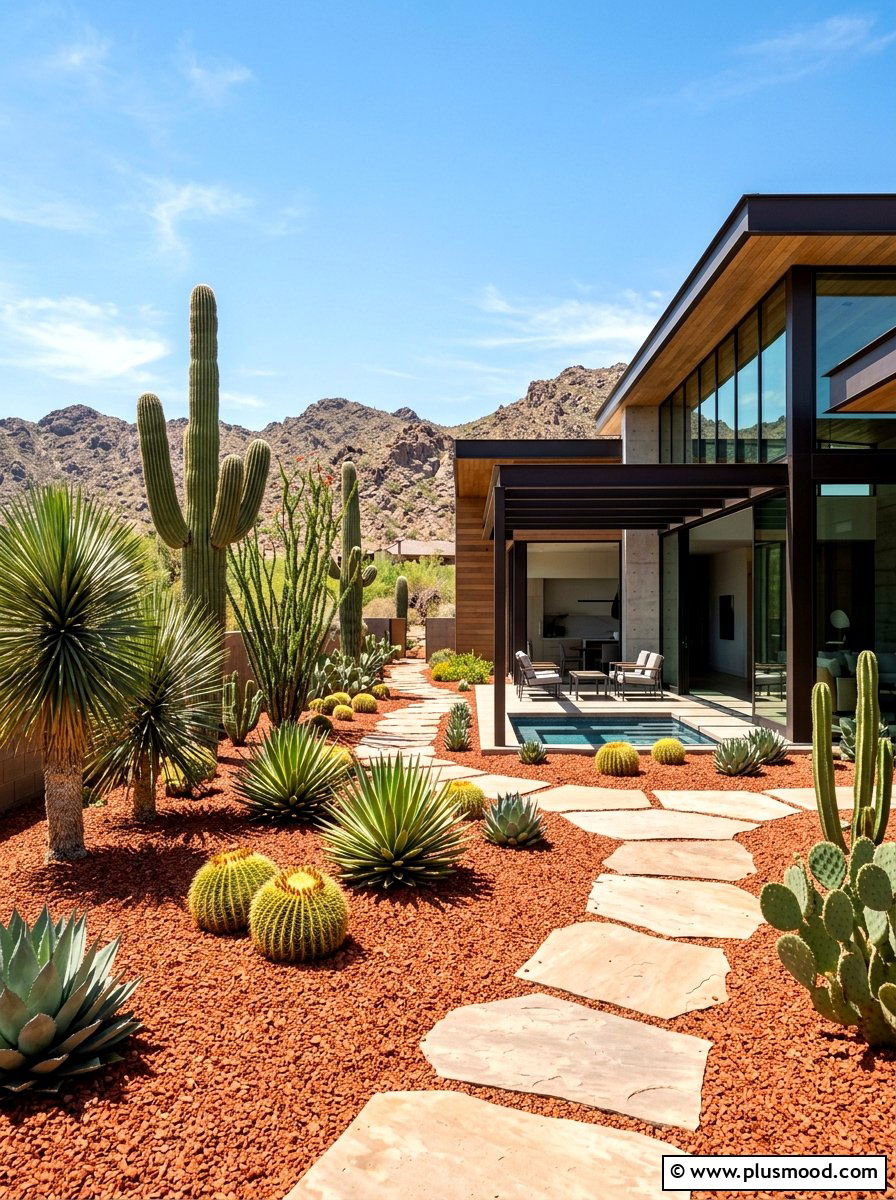
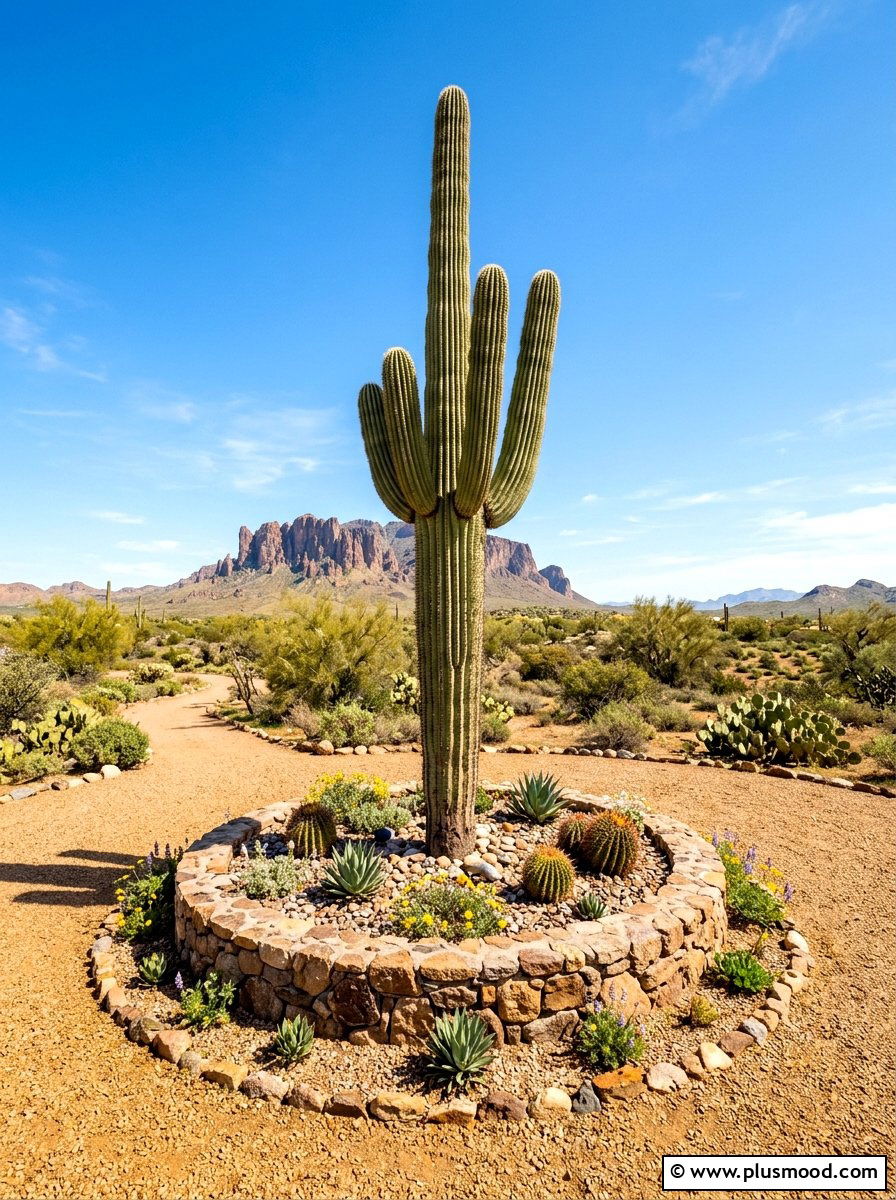
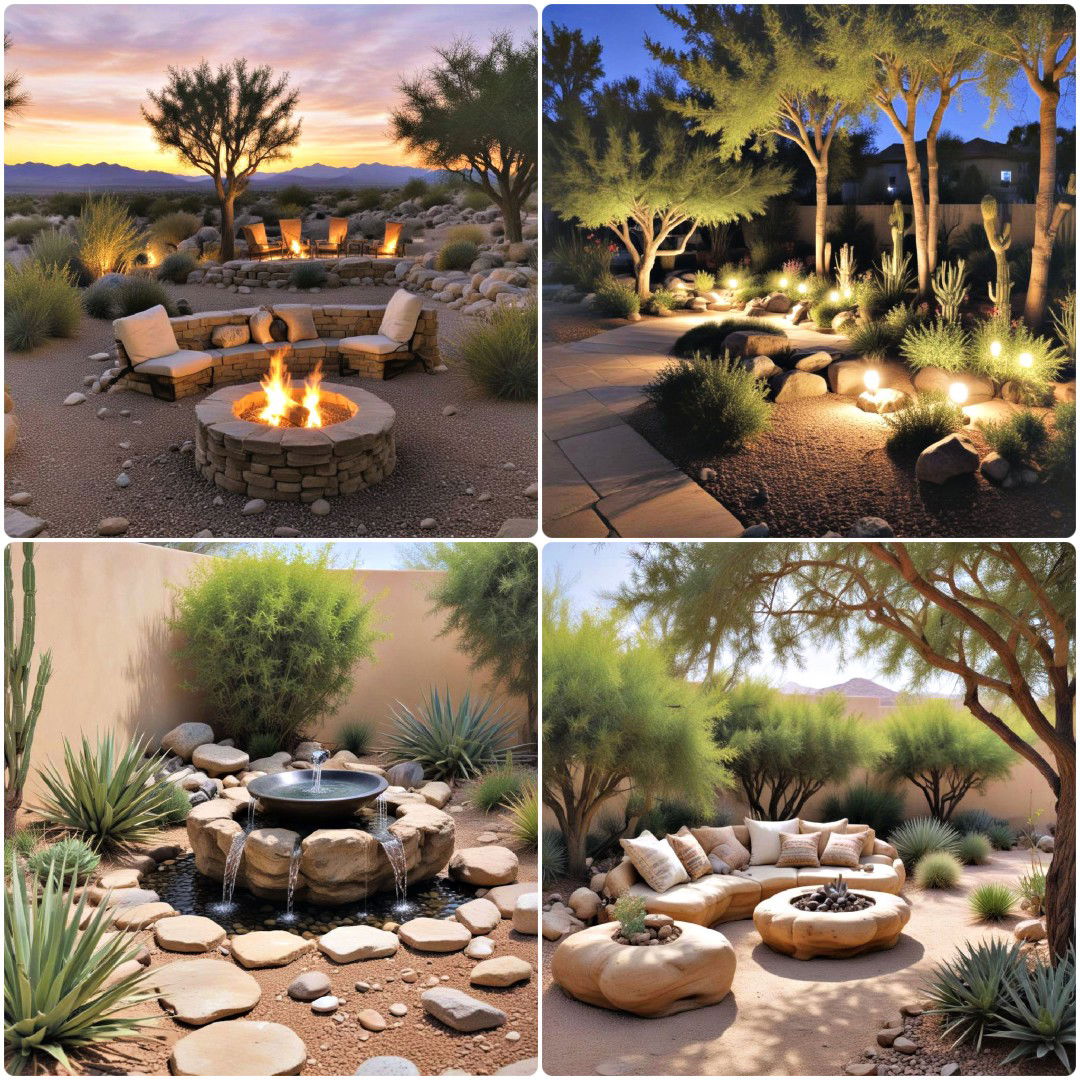
A landscape inspired by the desert uses the unique shapes and resilient nature of cacti and succulents to create a bold, low-maintenance yard. These plants are built to thrive in extreme heat and direct sunlight, making them the ultimate choice for a worry-free summer garden. Pair them with decomposed granite and large boulders to mimic the natural beauty of the American Southwest. The sculptural forms of barrel cacti and tall saguaros provide year-round visual interest and require almost no pruning or water. This design style is perfect for homeowners who want a modern, artistic yard that stands out for its unique textures and commitment to water conservation.
19. Multi level deck
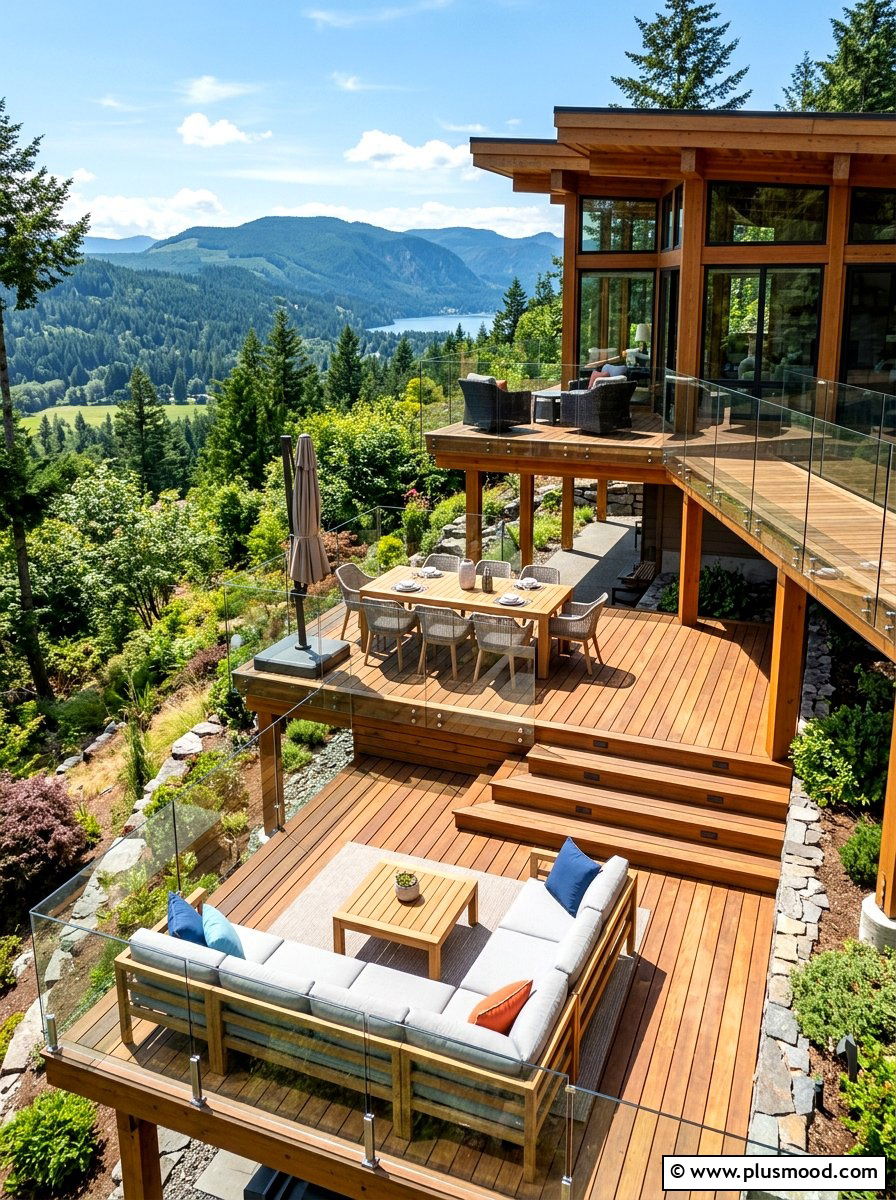
If your backyard has a slope, a multi-level deck can transform a difficult terrain into a highly functional and beautiful series of outdoor rooms. Each level can serve a different purpose, such as a top tier for dining, a middle tier for lounging, and a bottom tier for a fire pit or hot tub. Using high-quality wood or composite materials ensures the structure remains durable and easy to clean during the busy summer months. Railings made of glass or thin cables help maintain an unobstructed view of the surrounding landscape. This architectural approach maximizes your usable square footage and provides a dramatic, tiered look that adds significant value to your home.
20. Herb garden
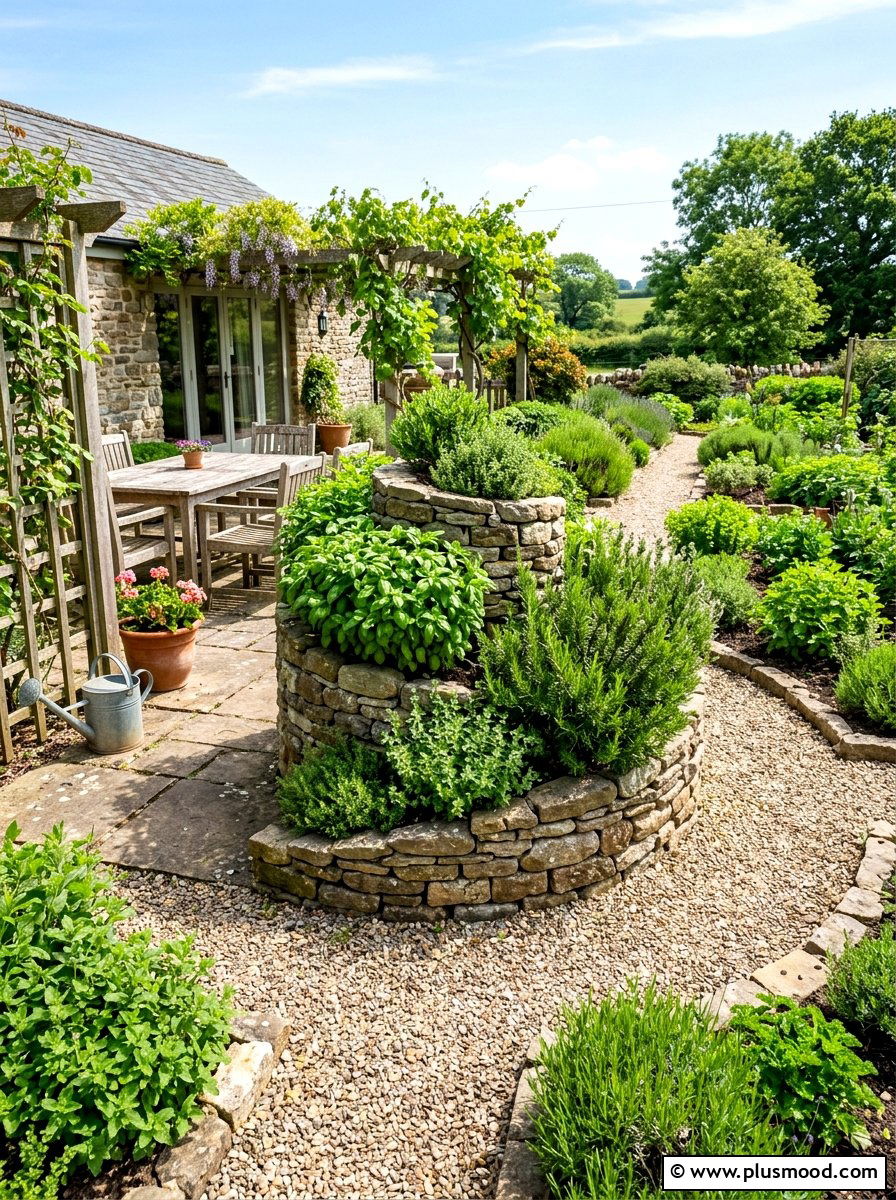
Planting a dedicated space for herbs is a functional way to add fragrance and utility to your summer landscape design. Herbs like mint, basil, oregano, and chives thrive in the warm sun and can be grown in pots, raised beds, or even as decorative borders. Placing your herb garden near the back door or the outdoor kitchen ensures you have easy access to fresh ingredients for summer cocktails and grilled dishes. Many herbs also produce beautiful, small flowers that attract pollinators and beneficial insects to your yard. The variety of leaf textures and the intense, fresh scents make this a sensory-rich addition that is both practical and beautiful to look at.
21. Playground area
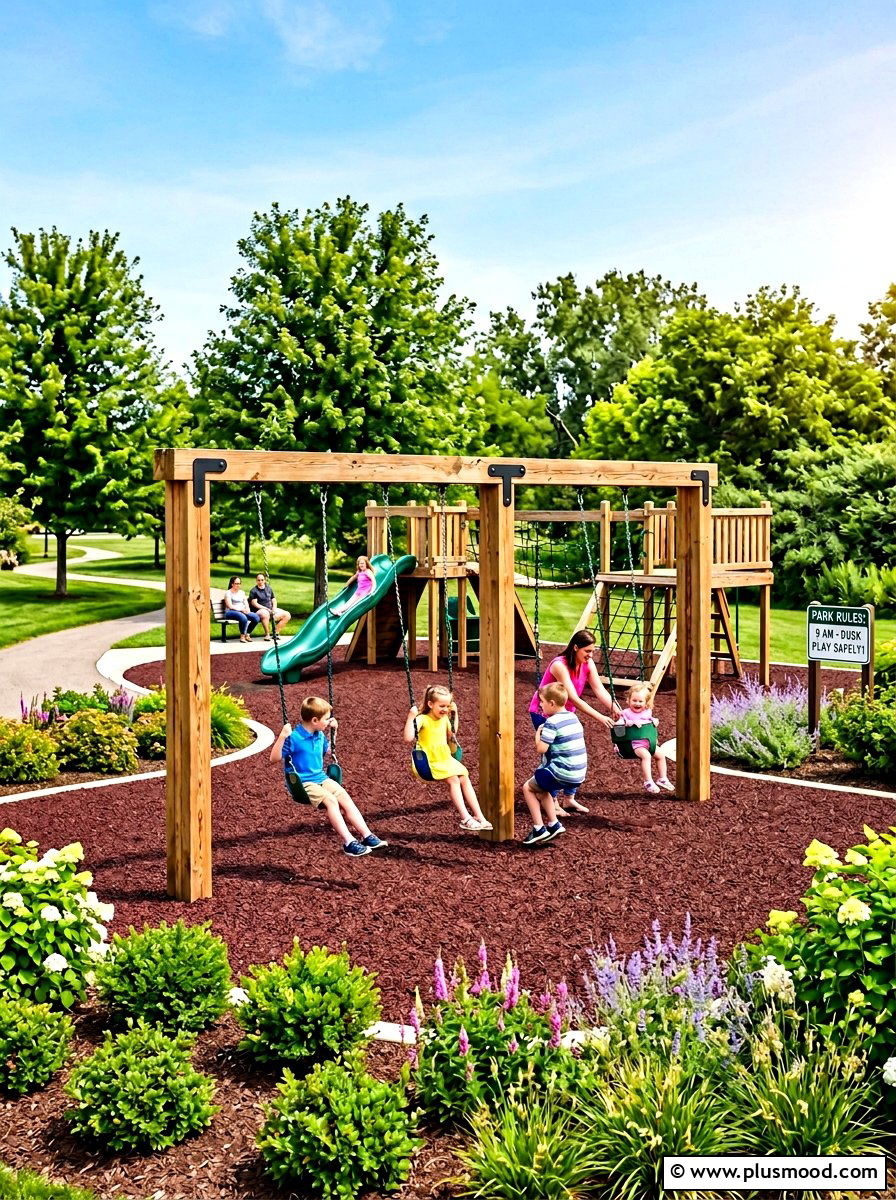
For families with children, a dedicated play zone integrated into the landscape ensures that kids have a safe and fun place to enjoy the outdoors. Instead of a standalone plastic set, consider using natural materials like wood chips, log balance beams, and sandpits that blend seamlessly with the surrounding greenery. Surrounding the area with soft, non-toxic shrubs and rubber mulch provides a cushioned surface for active play. You can also include a small garden patch where children can learn to grow their own sunflowers or easy-to-care-for vegetables. A well-designed play area keeps the yard organized while encouraging healthy, imaginative outdoor activities for the little ones throughout the summer.
22. Coastal garden
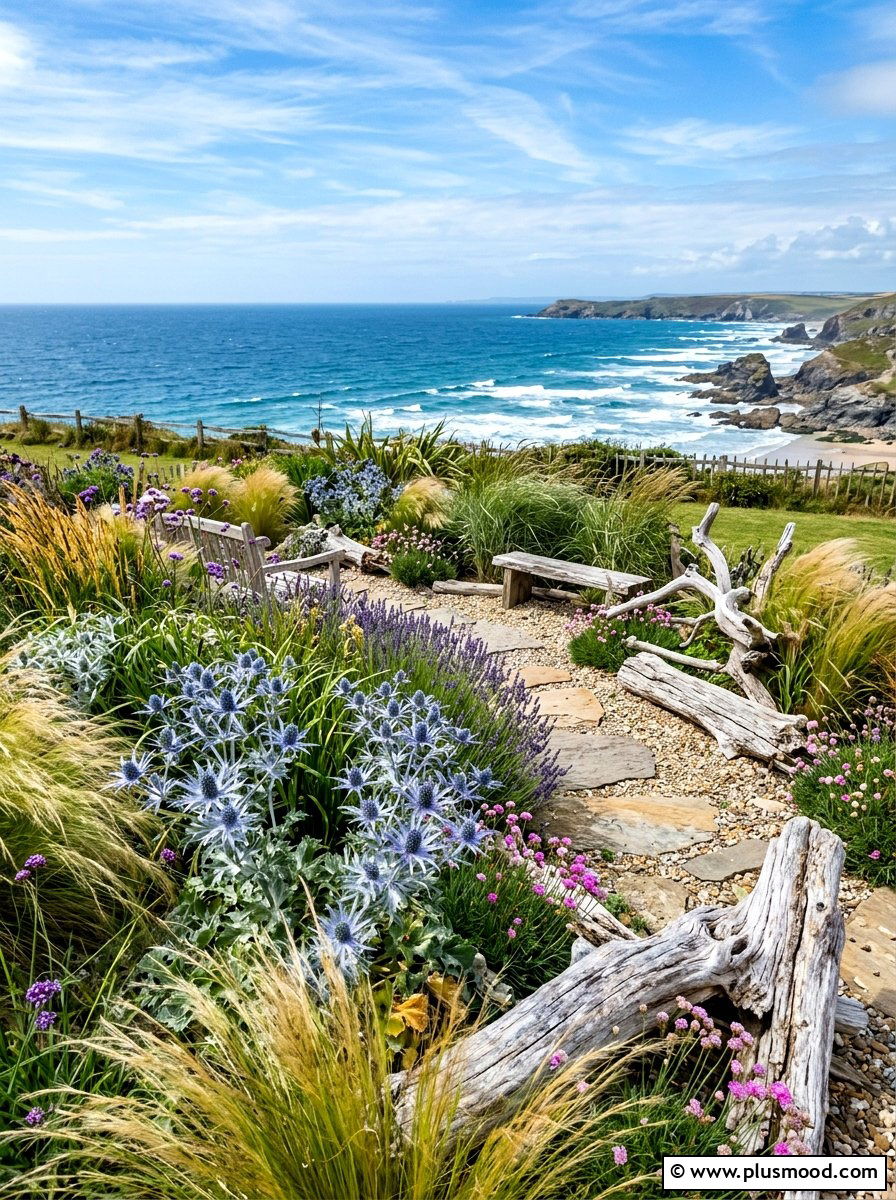
Gardening near the ocean requires plants that can handle salty air, sandy soil, and occasionally strong winds. A coastal-style landscape uses hardy species like ornamental grasses, rugosa roses, and sea holly to create a breezy, relaxed atmosphere. Use light-colored materials like bleached wood, crushed shells, or pale stones to reflect the bright summer sun and keep the area feeling cool. This design style often incorporates nautical elements like driftwood or rope accents to enhance the beachy vibe. By choosing plants that are naturally adapted to coastal conditions, you can create a beautiful and resilient garden that captures the effortless, serene spirit of life by the sea.
23. Pollinator garden
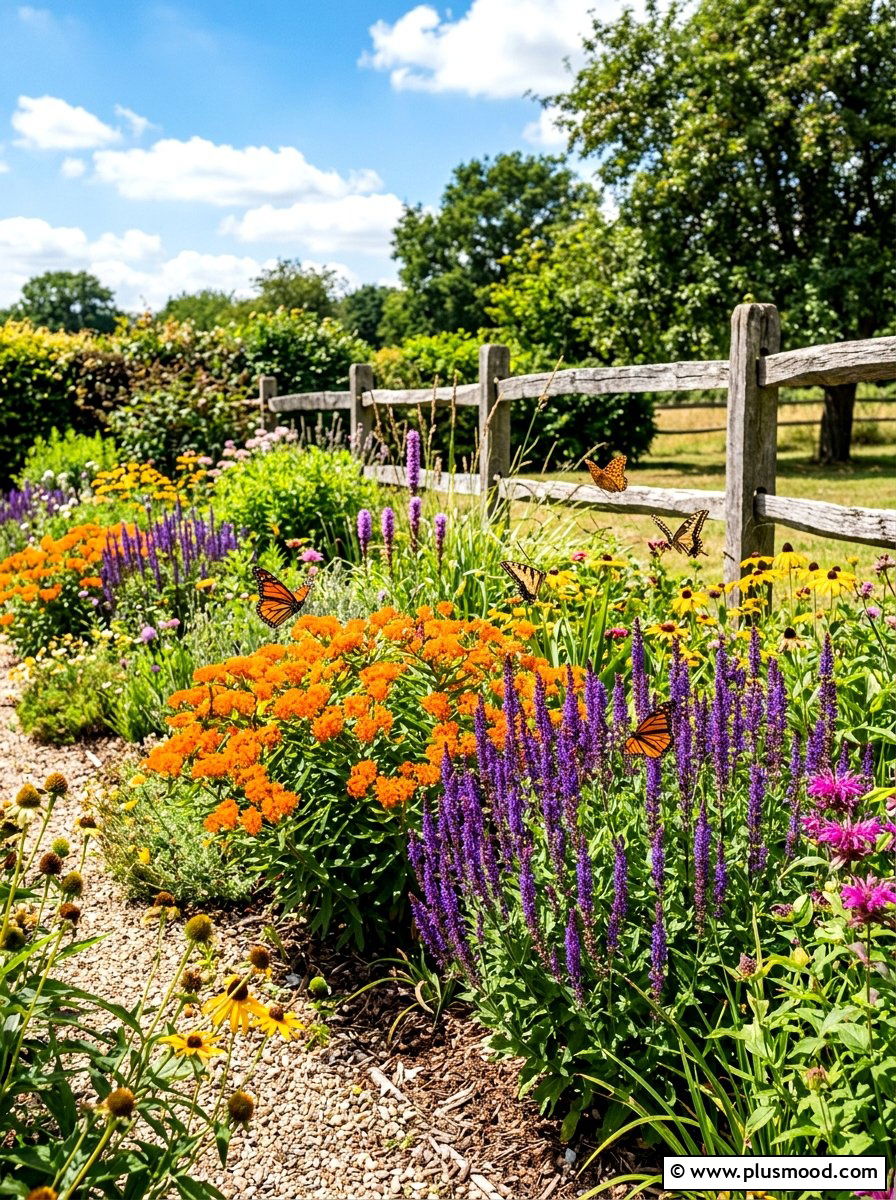
A pollinator-focused landscape is designed specifically to attract and support bees, butterflies, and hummingbirds with a variety of nectar-rich plants. Use native summer bloomers like milkweed, coneflowers, and bee balm to provide a reliable food source for these essential creatures. Grouping plants in large clusters makes them easier for pollinators to find and creates a more dramatic visual impact in your garden beds. Avoid using pesticides to ensure the environment remains safe for the wildlife you are trying to attract. Watching the constant movement and vibrant colors of the visiting insects and birds adds a layer of dynamic beauty and ecological purpose to your summer outdoor experience.
24. Balcony garden
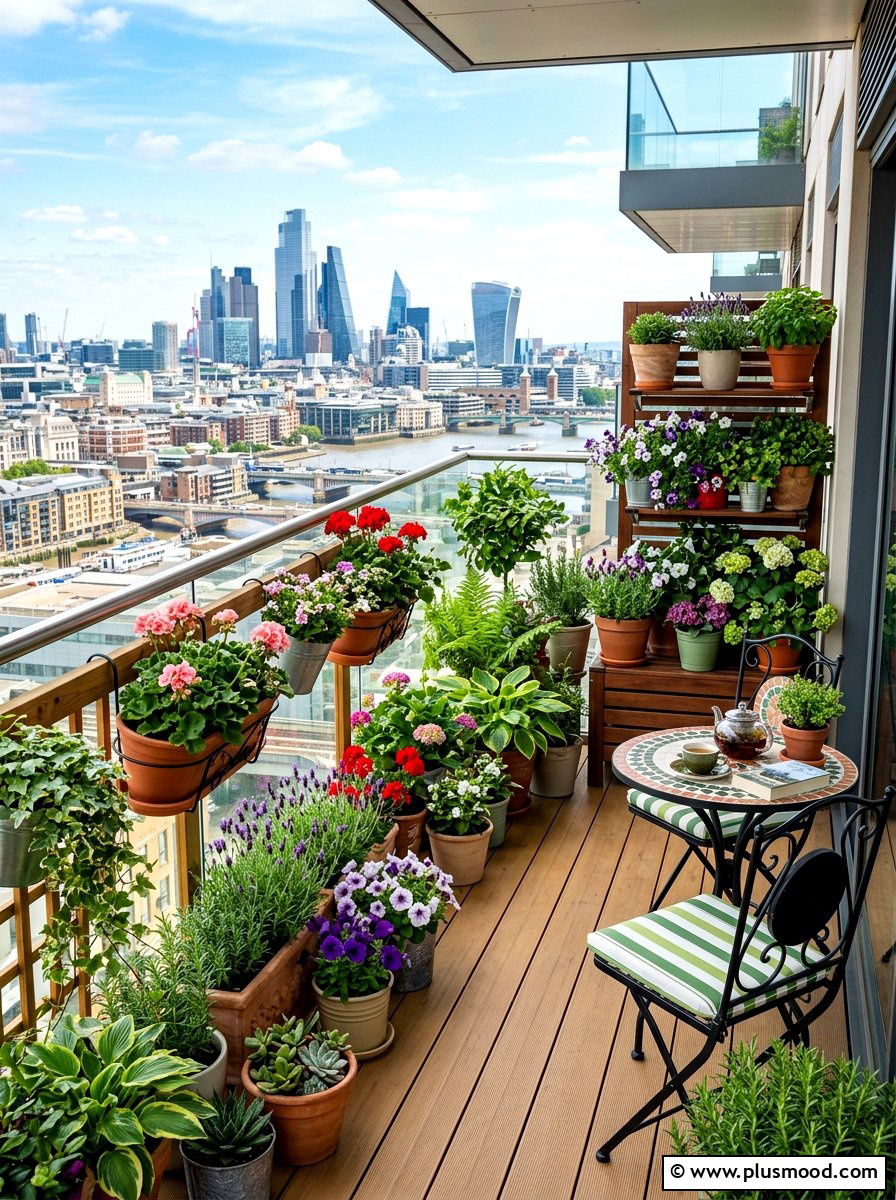
Living in an apartment or condo shouldn't stop you from enjoying a lush summer landscape on a smaller scale. A balcony garden utilizes vertical space, railing planters, and varying sizes of pots to create a dense green sanctuary in the city. Choose heat-tolerant plants like geraniums, petunias, and dwarf citrus trees that can thrive in the confined root space of containers. Adding a small bistro set and an outdoor rug turns the balcony into a cozy extension of your indoor living room. With regular watering and a bit of creativity, a high-rise balcony can become a private, breezy retreat that offers a refreshing escape from the concrete jungle below.
25. Shrub border
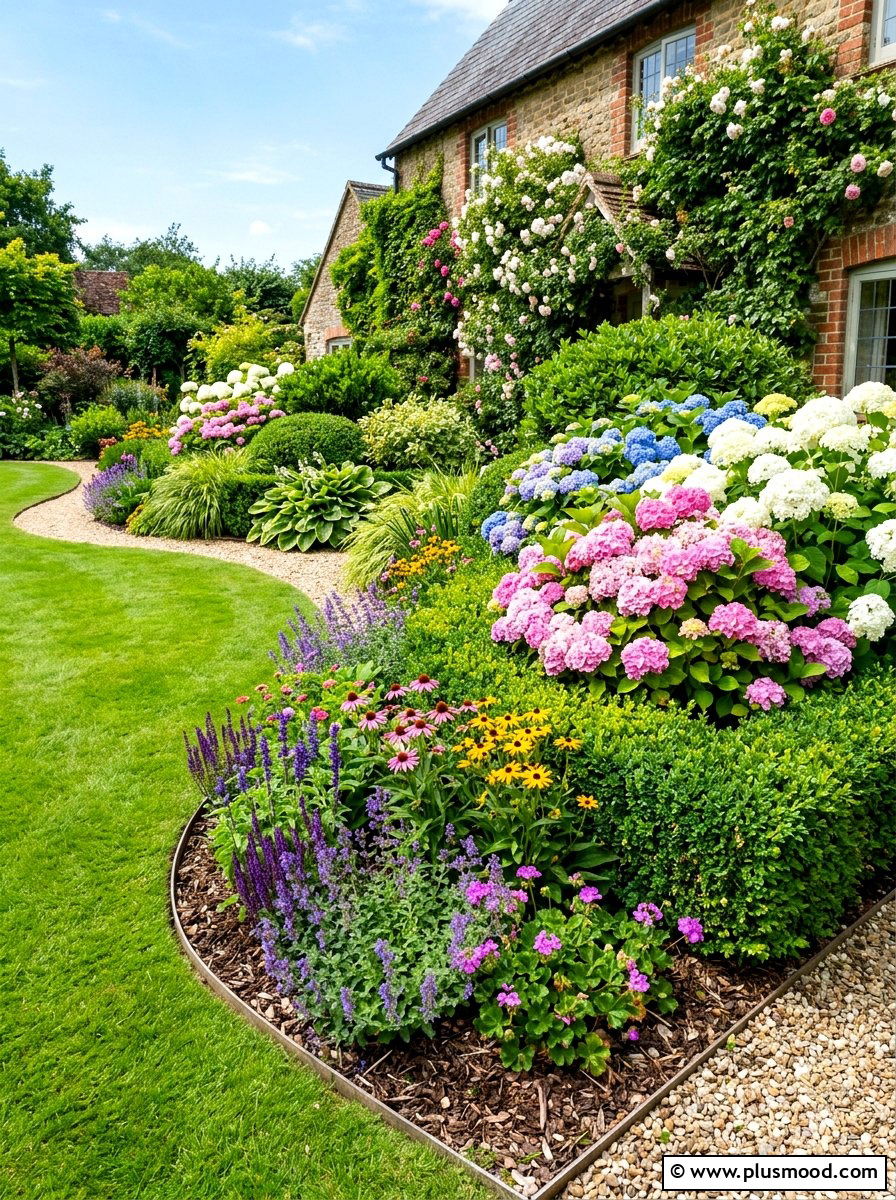
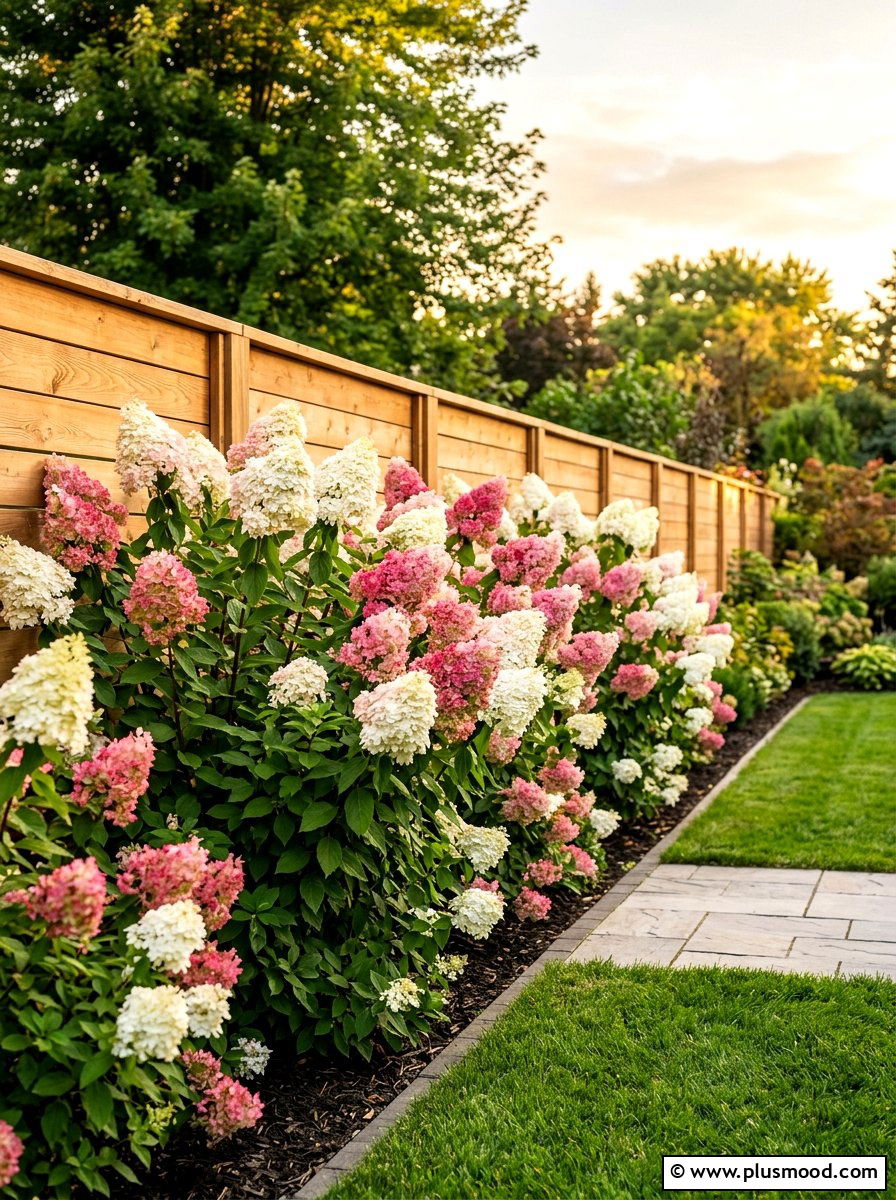
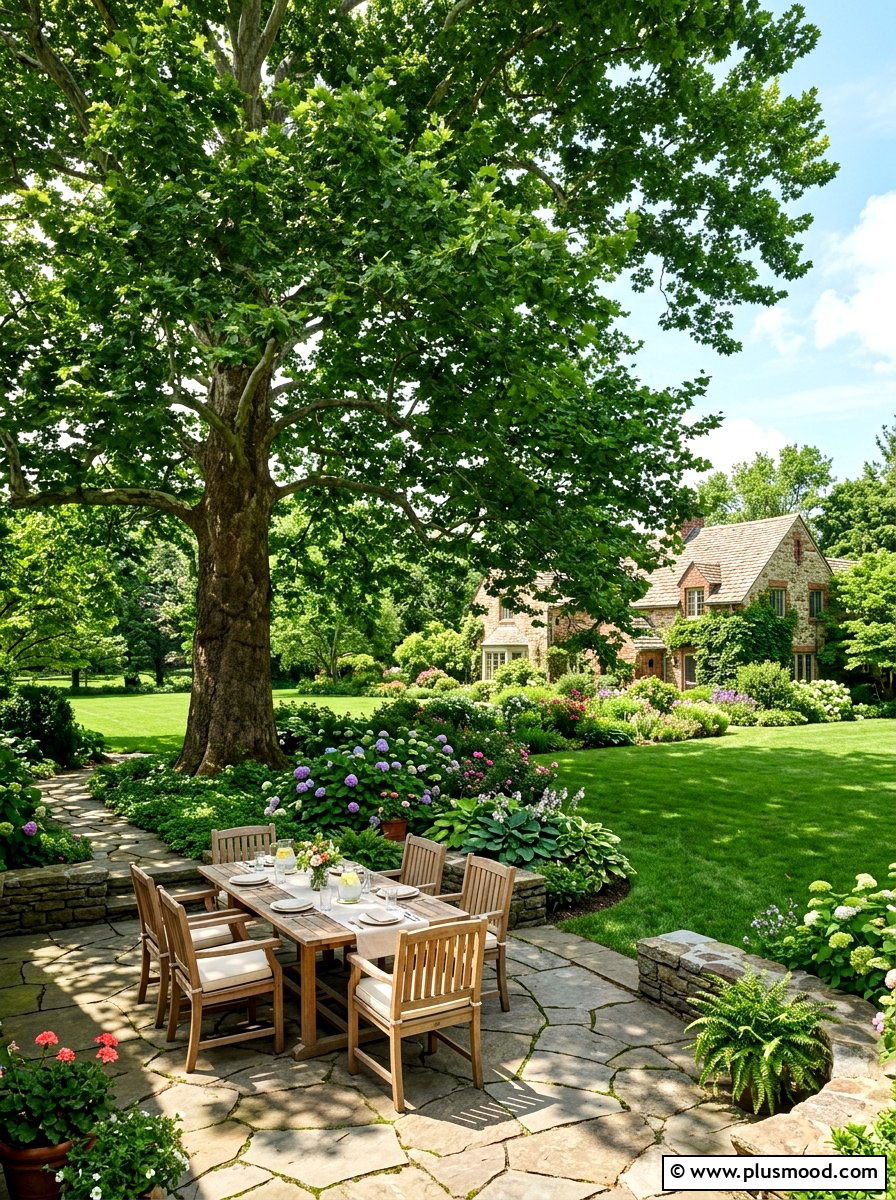
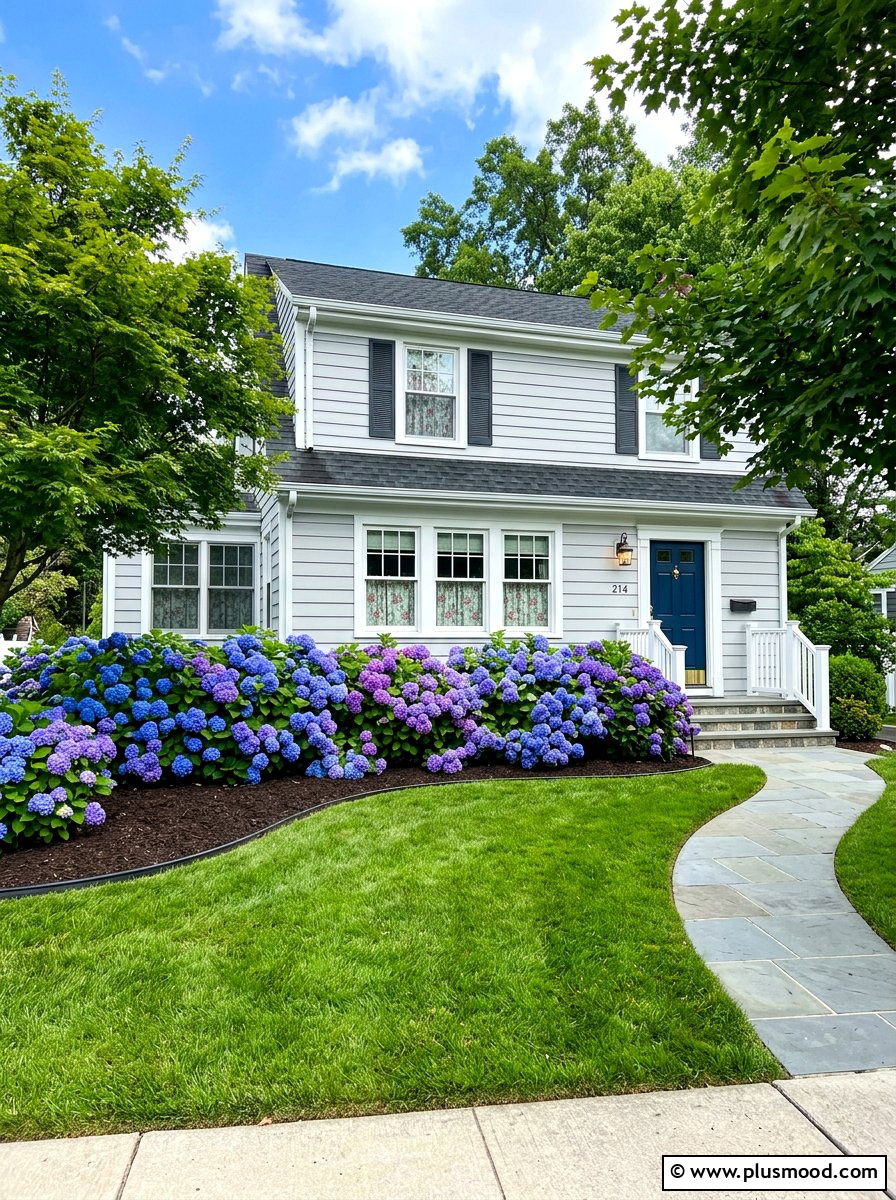
Defining the perimeter of your yard with a layered shrub border provides year-round structure and a beautiful frame for your summer flower beds. Using a mix of evergreen shrubs for constant greenery and flowering varieties like hydrangeas for seasonal color creates a deep, textured look. This border acts as a natural backdrop that makes smaller plants and garden ornaments pop. It also helps to define different zones within the yard, such as separating the lawn from a vegetable patch. By choosing shrubs with different heights and foliage colors, you can create a sophisticated and professional landscape that feels established, lush, and perfectly organized throughout the entire season.
Conclusion:
Planning your summer landscape is a rewarding journey that blends artistic vision with practical environmental stewardship. By focusing on diverse ideas — from water-conserving xeriscaping to functional outdoor kitchens — you can create an outdoor space that truly reflects your lifestyle and values. Summer is the perfect time to observe how your yard interacts with the sun and wind, allowing you to make informed decisions that enhance comfort and beauty. Whether you prefer the structured elegance of a Zen garden or the romantic abundance of a cottage border, a well-designed yard provides a sanctuary for relaxation and a vibrant stage for making memories with loved ones.
Related posts:
Leave a Reply