
Stepping into a classic English garden during the height of summer feels like walking straight into a living painting where nature and structure find a perfect, poetic balance. These lush spaces are world-renowned for their romantic atmosphere, overflowing flower beds, and timeless architectural details that create a sense of peaceful nostalgia. Whether you have a sprawling backyard or a tiny urban plot, the principles of English garden style can transform any outdoor area into a fragrant sanctuary this season. From the iconic climbing roses that scale weathered stone walls to the neat boxwood hedges that define winding pathways, every element serves to celebrate the beauty of the natural world through a curated lens.
1. Traditional Perennial Border
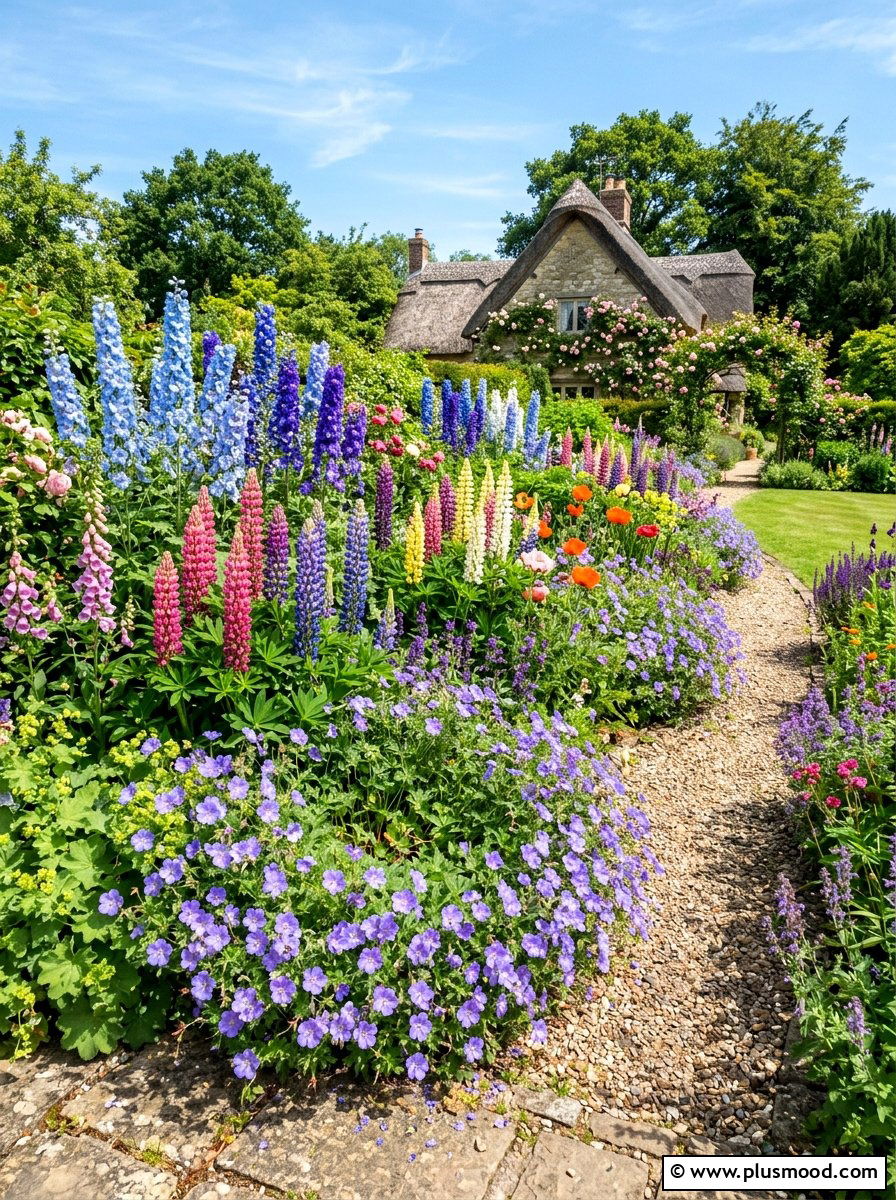
A traditional perennial border is the vibrant heart of any English summer landscape, offering a layered explosion of color and texture that evolves throughout the season. To achieve this look, you should plant in tiers, placing taller specimens like lupines and sunflowers at the back while keeping lower-growing cranesbill or lamb's ear toward the front edge. The goal is to create a sense of organized chaos where plants spill over onto the lawn, softening hard lines. By mixing different foliage shapes and flower spikes, you ensure visual interest even when specific blooms fade. This approach creates a dense, lush tapestry that attracts pollinators and provides a stunning backdrop.
2. Climbing Rose Arbor
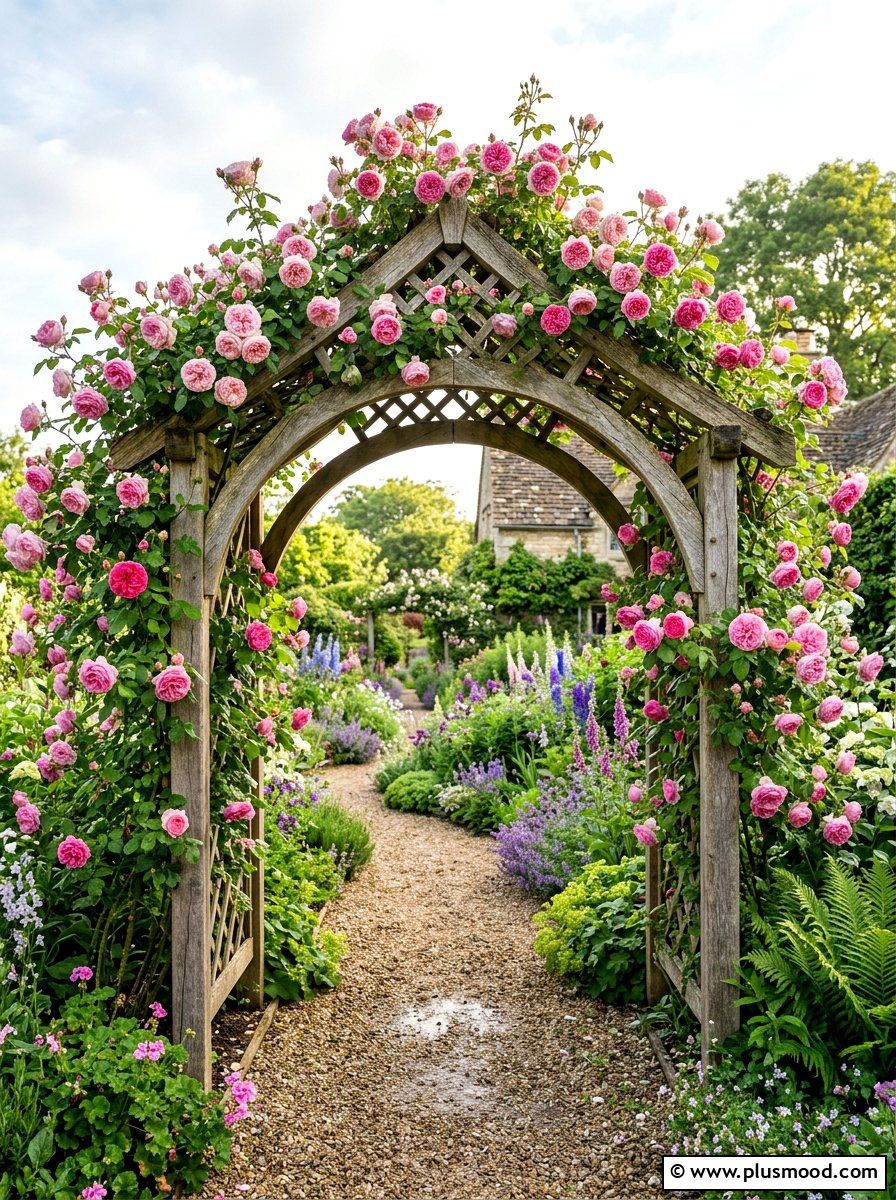
A climbing rose arbor provides an architectural focal point while adding height and fragrance to your outdoor sanctuary. These sturdy structures serve as a romantic gateway into different garden rooms, especially when draped with varieties like David Austin roses in soft shades of blush or buttery cream. As the summer sun warms the petals, the scent fills the air, creating an immersive sensory experience. Proper pruning and training are essential to ensure the canes cover the entire frame uniformly. When positioned correctly over a gravel path or a hidden bench, a rose-covered arbor offers a charming transition that feels both intimate and grand.
3. Rustic Stone Path
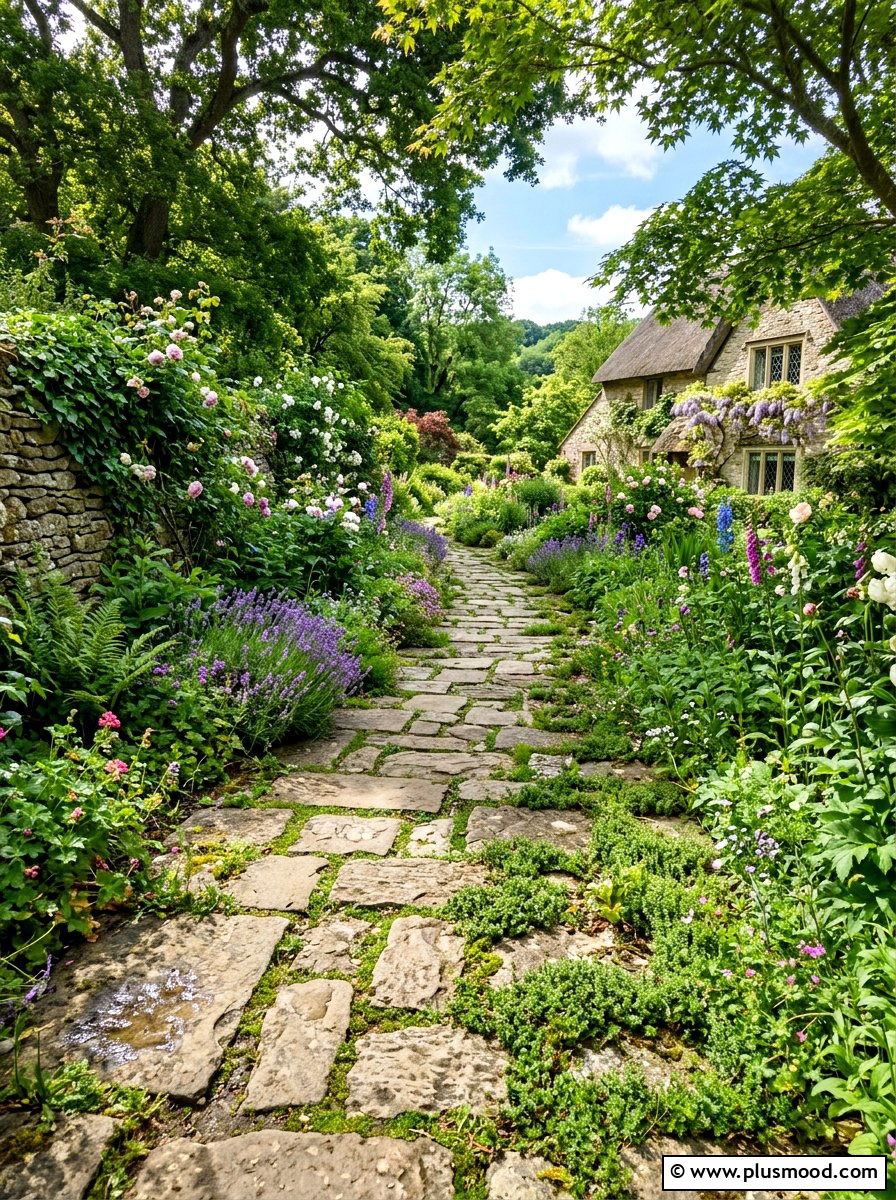
A rustic stone path meanders through the landscape, inviting exploration and connecting different functional zones with a timeless, weathered aesthetic. Using locally sourced flagstone or reclaimed slate creates an authentic look that feels as though it has existed for decades. You should allow creeping thyme or chamomile to grow between the gaps, which releases a pleasant aroma when stepped upon by visitors. The irregular edges of the stones contrast beautifully with the softness of nearby flower beds, adding a structured yet naturalistic rhythm to the garden layout. This feature is not only practical for maintenance but also adds a grounding, earthy element.
4. Wildflower Meadow Patch
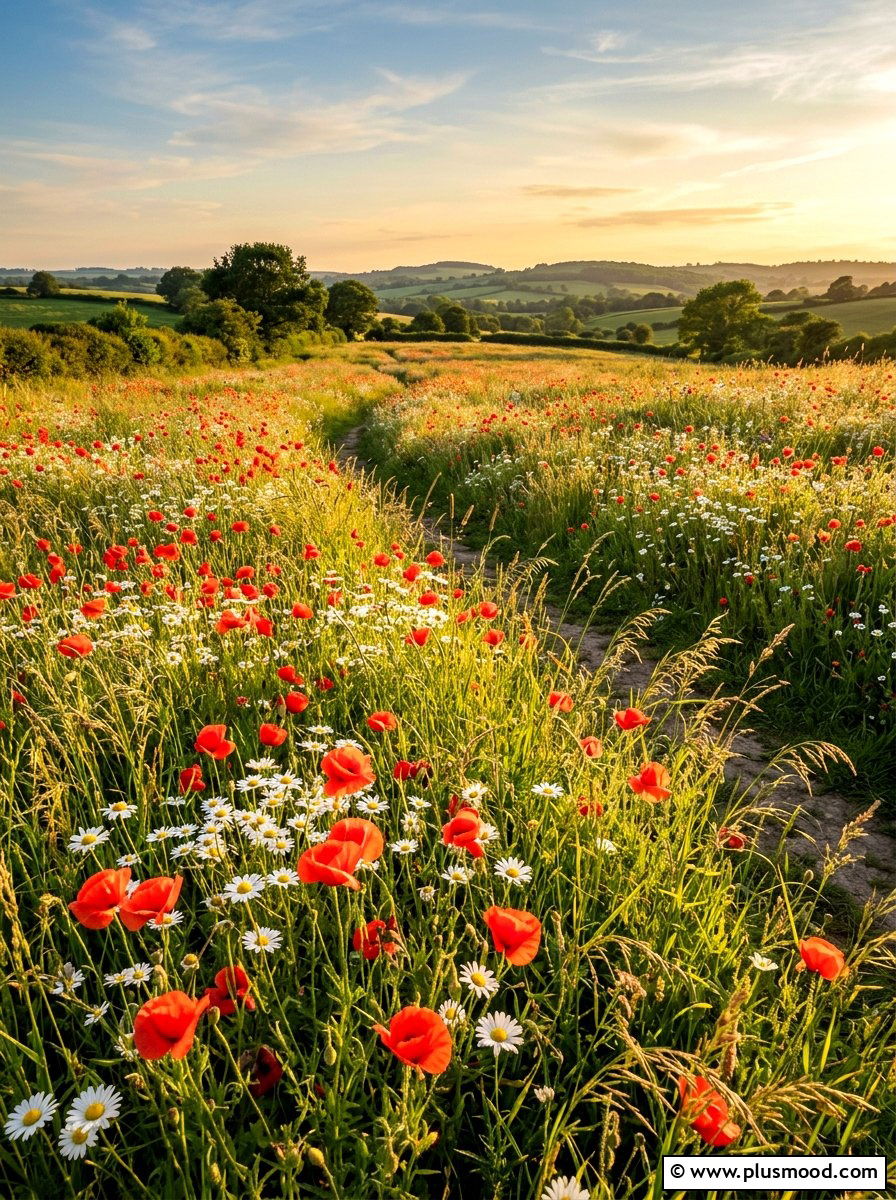
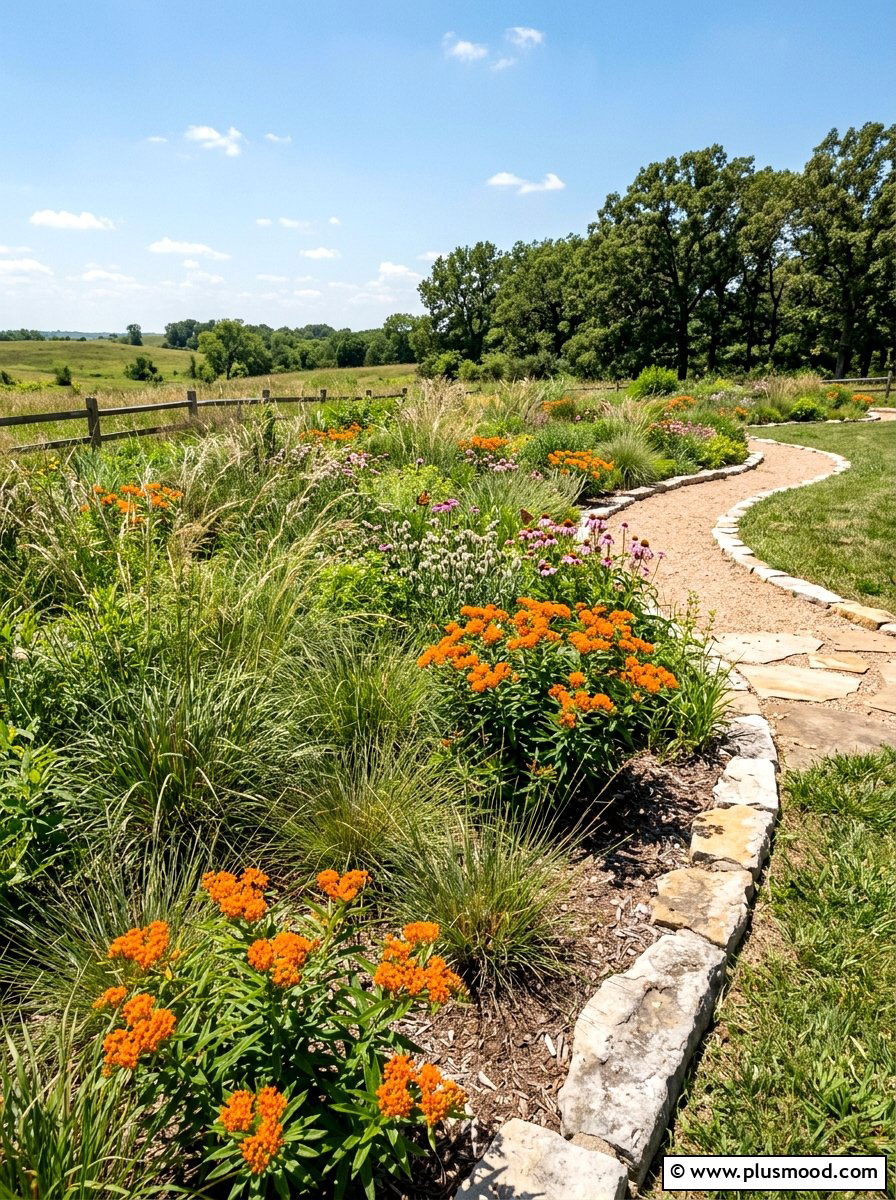
A wildflower meadow patch introduces a touch of the untamed British countryside directly into your backyard, supporting local biodiversity and pollinators. Instead of a perfectly manicured lawn, consider dedicating a sunny corner to a mix of ox-eye daisies, poppies, and cornflowers that sway gently in the breeze. This low-maintenance area provides a relaxed, pastoral charm that balances the more formal elements of your landscape design. In the peak of summer, the buzzing of bees and the flutter of butterflies create a lively atmosphere. Mowing a simple path through the tall grass allows for immersive walks without disturbing the delicate ecosystem.
5. Classic Boxwood Hedge
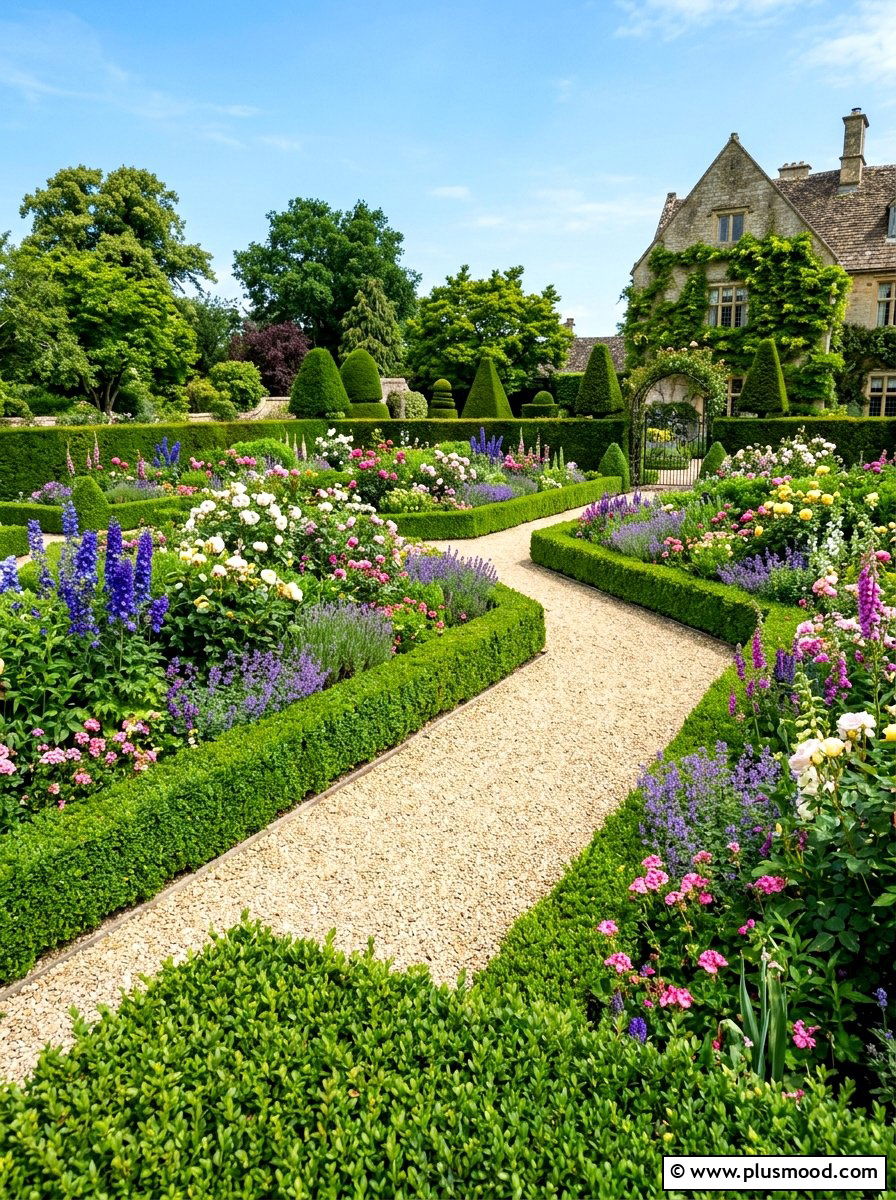
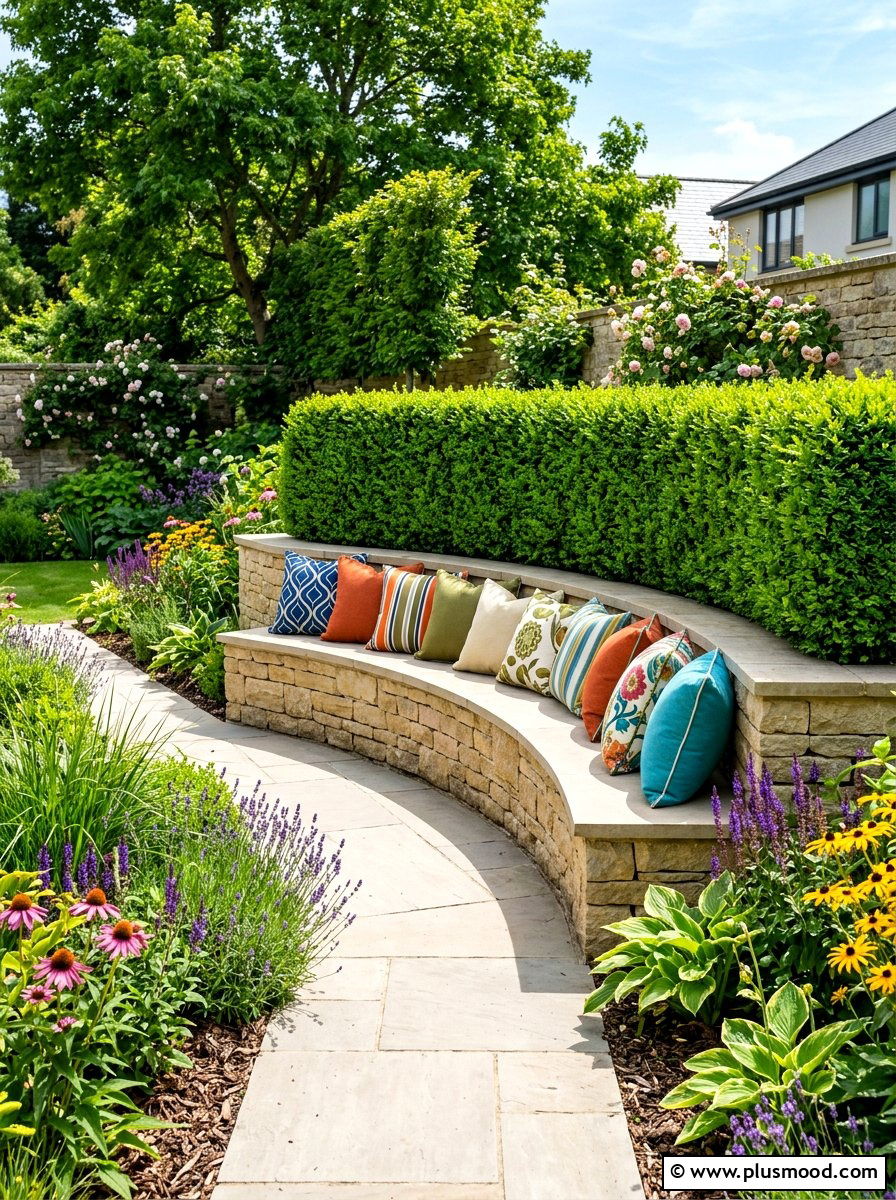
A classic boxwood hedge provides the essential structure and evergreen "bones" that define the classic English garden style throughout every single season. These low-growing, neatly clipped borders serve as a formal frame for exuberant flower beds, keeping the overall design from feeling too unruly or messy. You can use them to create geometric patterns, such as a knot garden, or simply to edge a long driveway for a polished first impression. The deep green foliage offers a sharp contrast to the bright, pastel colors of summer blooms. Regular shearing maintains their crisp shape, which acts as a sophisticated anchor for the surrounding landscape.
6. White Flower Garden
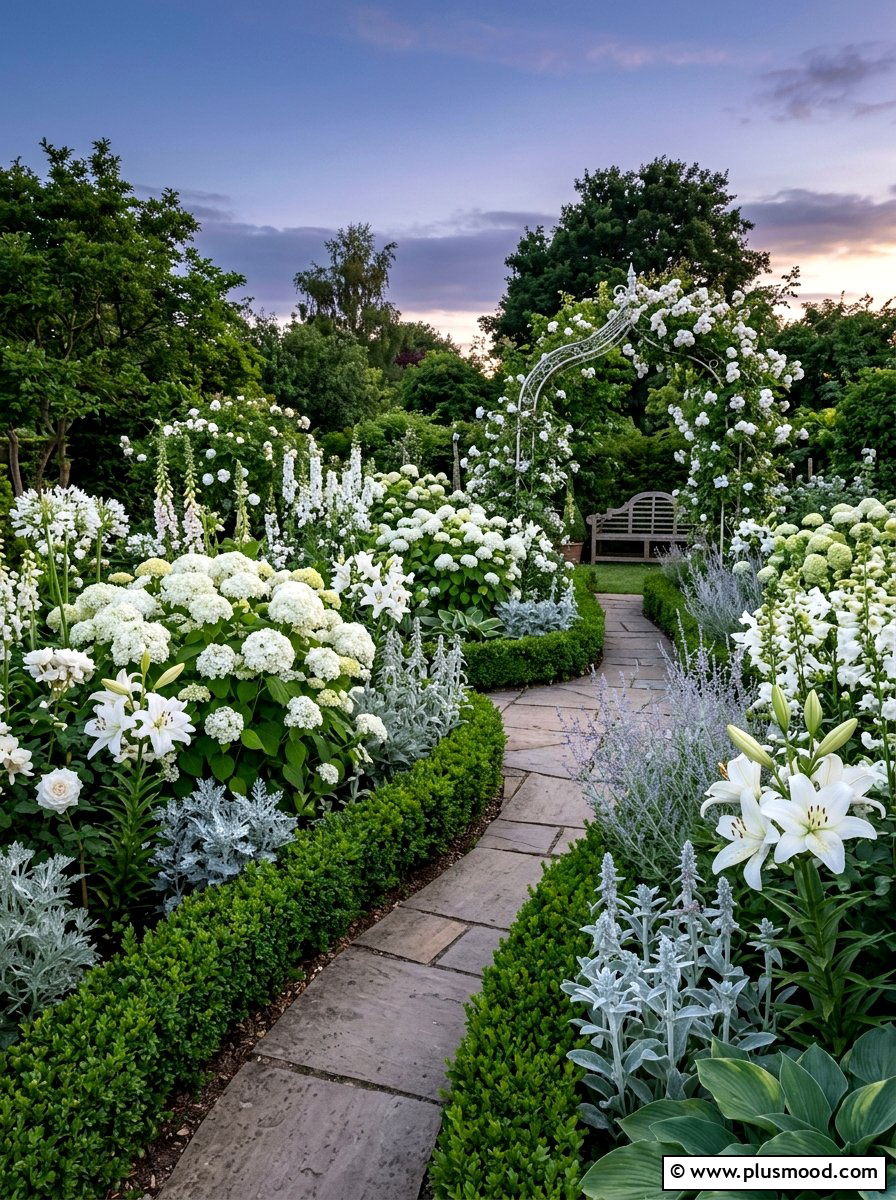
A white flower garden, often inspired by the famous Sissinghurst Castle, creates a serene and luminous atmosphere that truly shines during the twilight hours. By focusing on a monochromatic palette of creams, ivories, and silvers, you emphasize the varied textures and shapes of the plants themselves. Consider planting white hydrangeas, lilies, and silver-leaved dusty miller to build layers of ethereal beauty that feel cool and refreshing on hot summer afternoons. This design choice is particularly effective in smaller spaces, as the light colors make the area feel more open and airy. It serves as a sophisticated sanctuary for quiet evening reflection.
7. Wrought Iron Bench
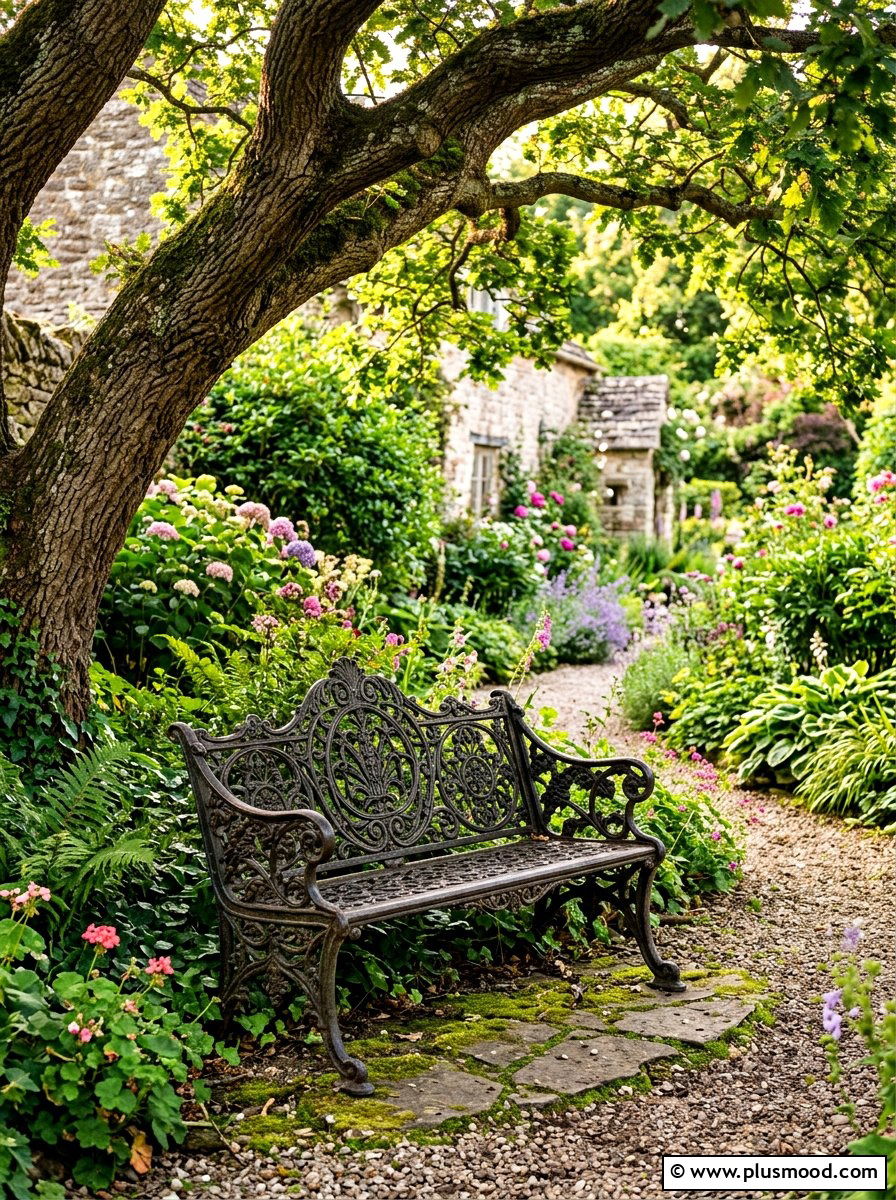
A wrought iron bench placed strategically under a shade tree or nestled within a flowering alcove offers a permanent invitation to sit and stay. The intricate scrollwork and slender lines of traditional iron furniture add a touch of Victorian elegance without obstructing the view of the surrounding plants. Whether painted a classic forest green, a creamy white, or left to develop a natural patina, this seating choice feels quintessentially British. It serves as a decorative focal point that anchors a specific "room" within the garden. Adding a few weather-resistant cushions in floral patterns can enhance comfort while complementing the garden's overall theme.
8. Cottage Garden Gate
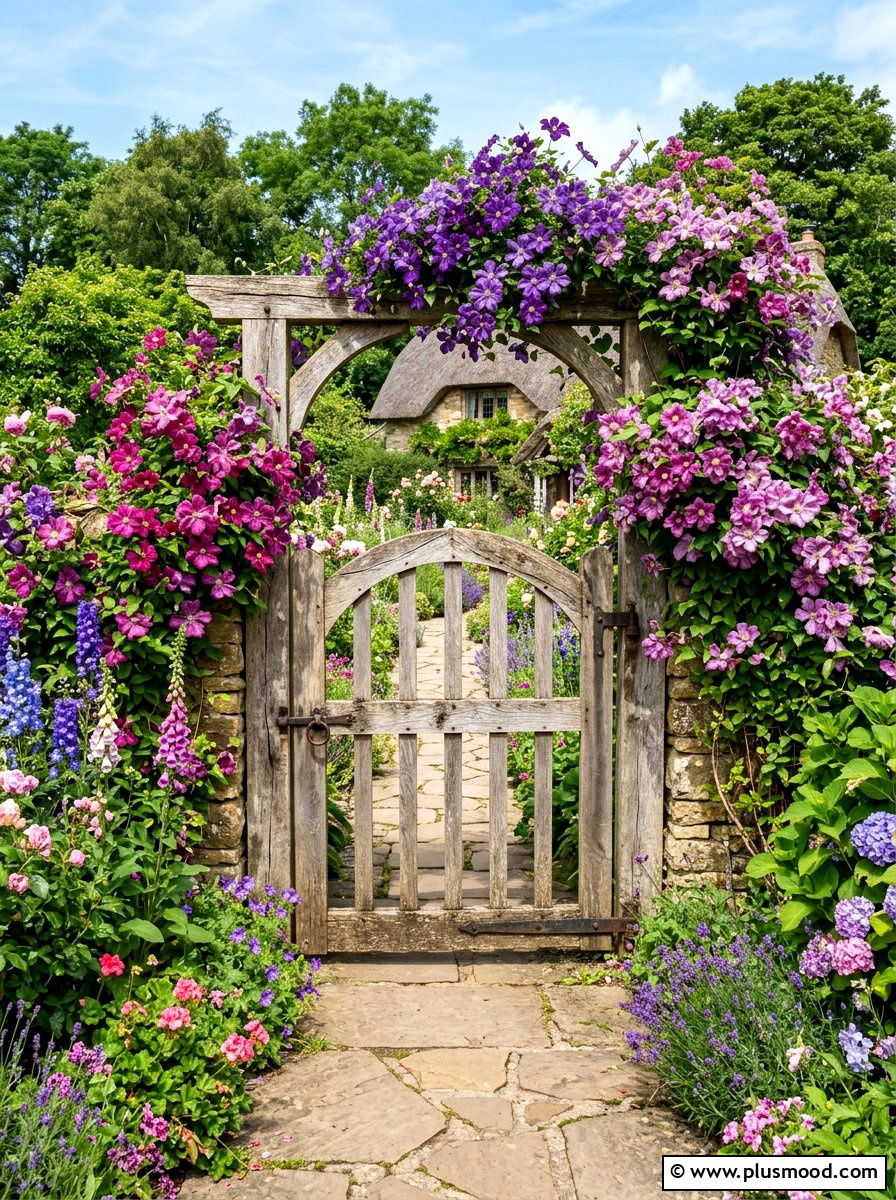
A cottage garden gate acts as the charming threshold between the public world and your private horticultural haven, setting the tone for the entire landscape. Often made of weathered wood or painted iron, these gates are traditionally framed by climbing clematis or honeysuckle to create a welcoming, storybook appearance. A simple picket gate painted in a soft pastel hue can brighten up a shady entrance while providing a sense of security and enclosure. The sound of a latched gate clicking shut adds a tactile and nostalgic element to the gardening experience. It is the perfect opportunity to showcase your personal style at the entrance.
9. Lavender Flower Bed
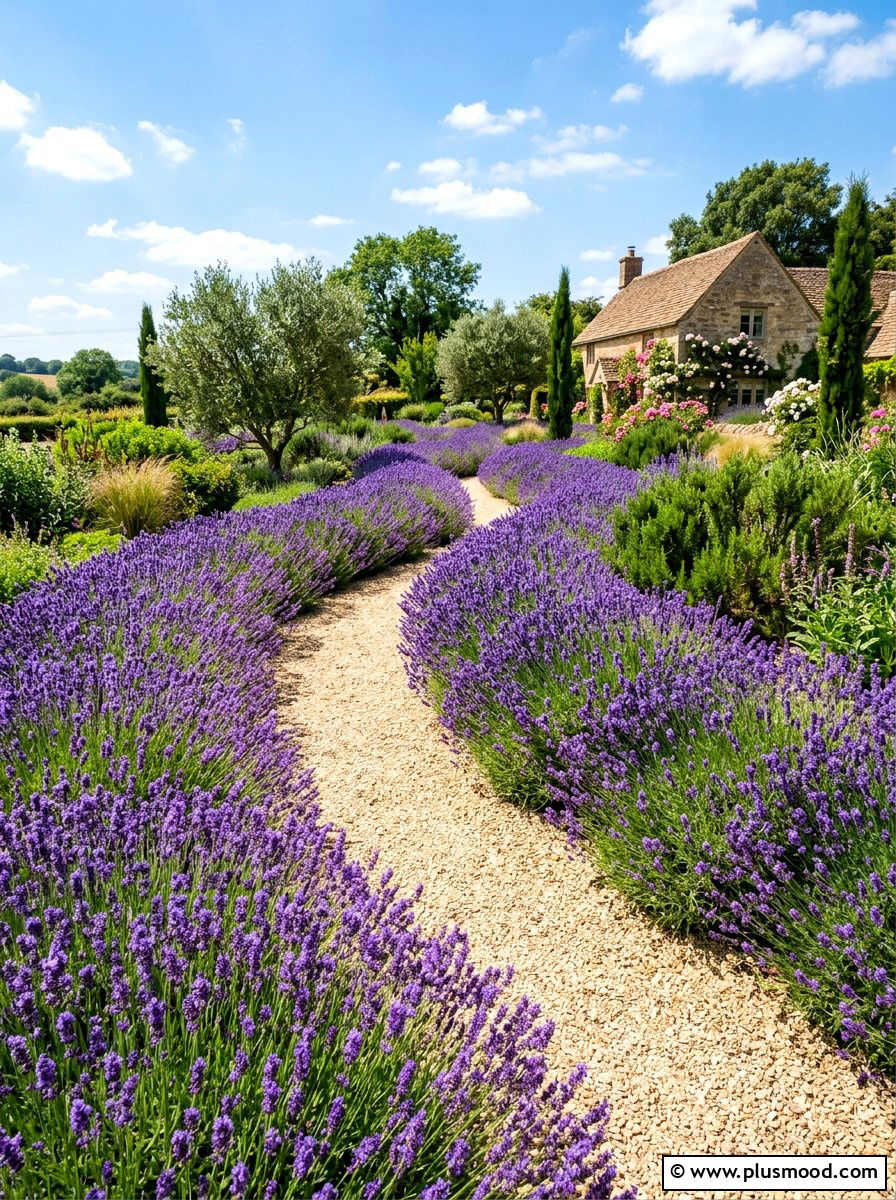
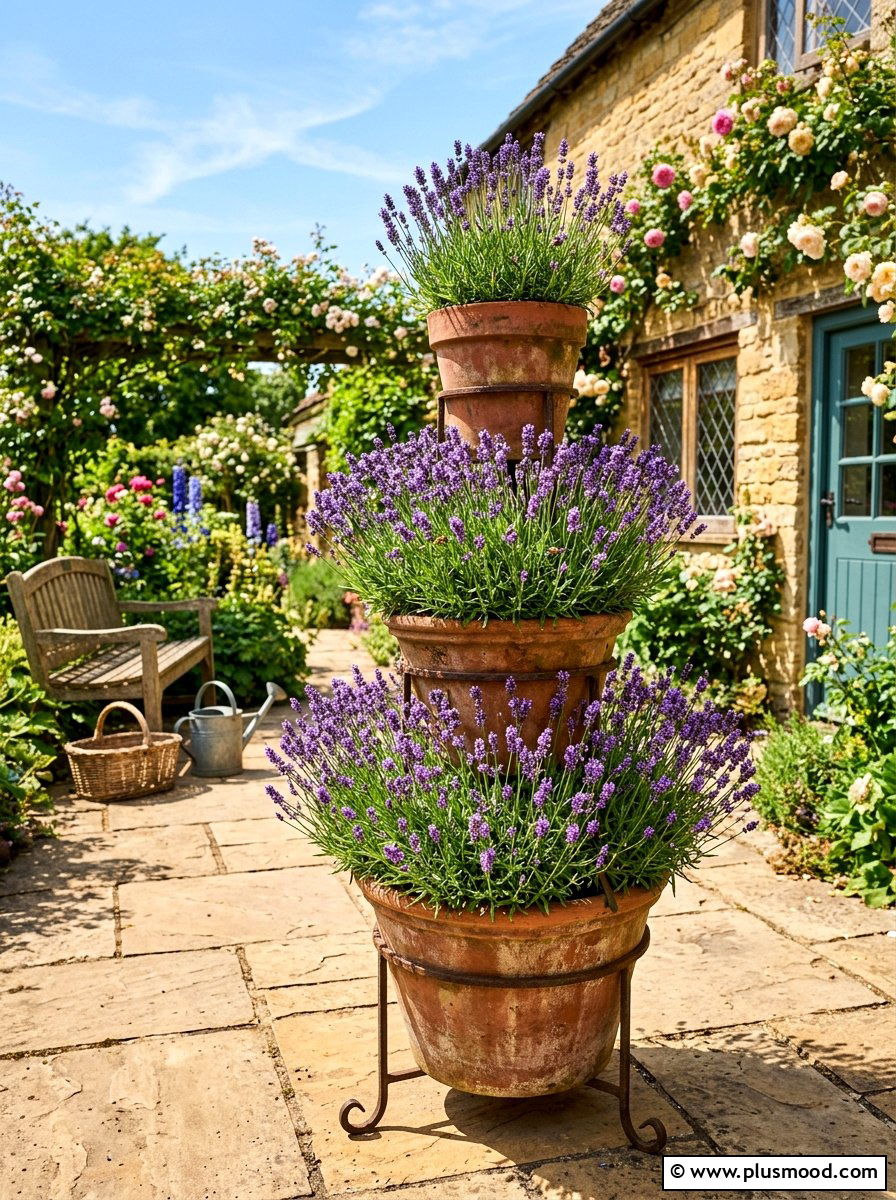
A lavender flower bed brings a distinct Mediterranean influence that has become a staple of English summers, prized for its silvery foliage and soothing scent. Planting large drifts of English lavender along a sunny walkway ensures that every passerby catches a whiff of its iconic fragrance. These hardy perennials thrive in well-drained soil and full sun, making them ideal for drought-tolerant zones in your landscape. Their purple spikes create a soft, hazy horizontal line that contrasts beautifully with taller, spiky plants like foxgloves. Additionally, lavender attracts honeybees and butterflies, turning your garden into a humming hub of beneficial insect activity.
10. Herb Parterre Garden
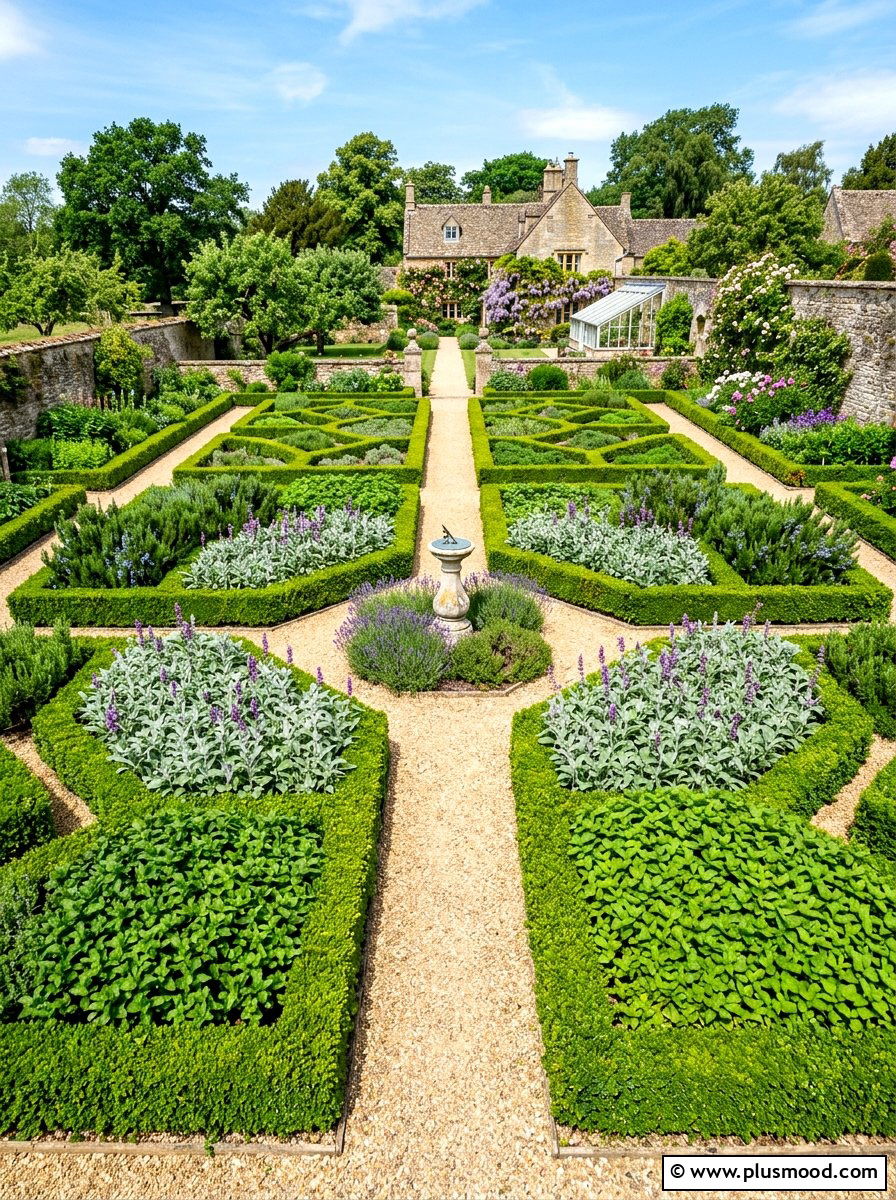
An herb parterre garden combines culinary utility with formal beauty by organizing aromatic plants into a decorative, symmetrical layout. Traditionally divided by low boxwood hedging or brick paths, these beds can house a variety of summer staples like rosemary, sage, and mint. The geometric precision of the parterre creates a sophisticated focal point that looks stunning from an upper-story window. Beyond its visual appeal, having an herb garden near the kitchen ensures fresh ingredients are always within reach for summer cooking. The mix of varying green tones and textures provides a lush, tactile experience that engages both the eyes and the nose.
11. Natural Wildlife Pond
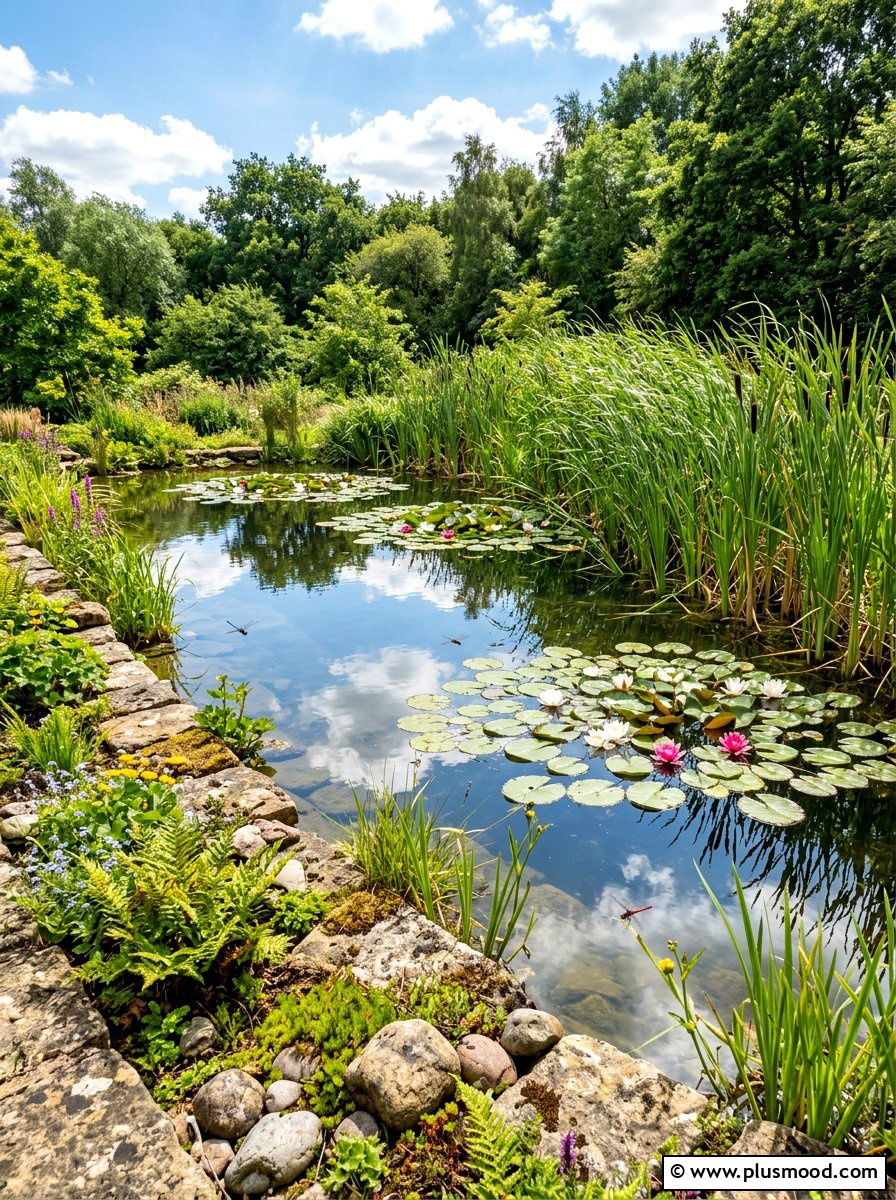
A natural wildlife pond introduces a refreshing element of water into the garden, creating a cooling effect during the hot summer months. By using sloped edges and planting native water lilies or reeds, you provide a safe habitat for frogs, dragonflies, and birds. The gentle sound of water, even in a small still pond, adds a sense of tranquility that masks urban noise and promotes relaxation. Surrounding the water's edge with moisture-loving plants like hostas and ferns creates a lush, bog-like atmosphere. A well-designed pond acts as a mirror, reflecting the blue summer sky and the vibrant colors of nearby blooming perennials.
12. Wooden Potting Shed
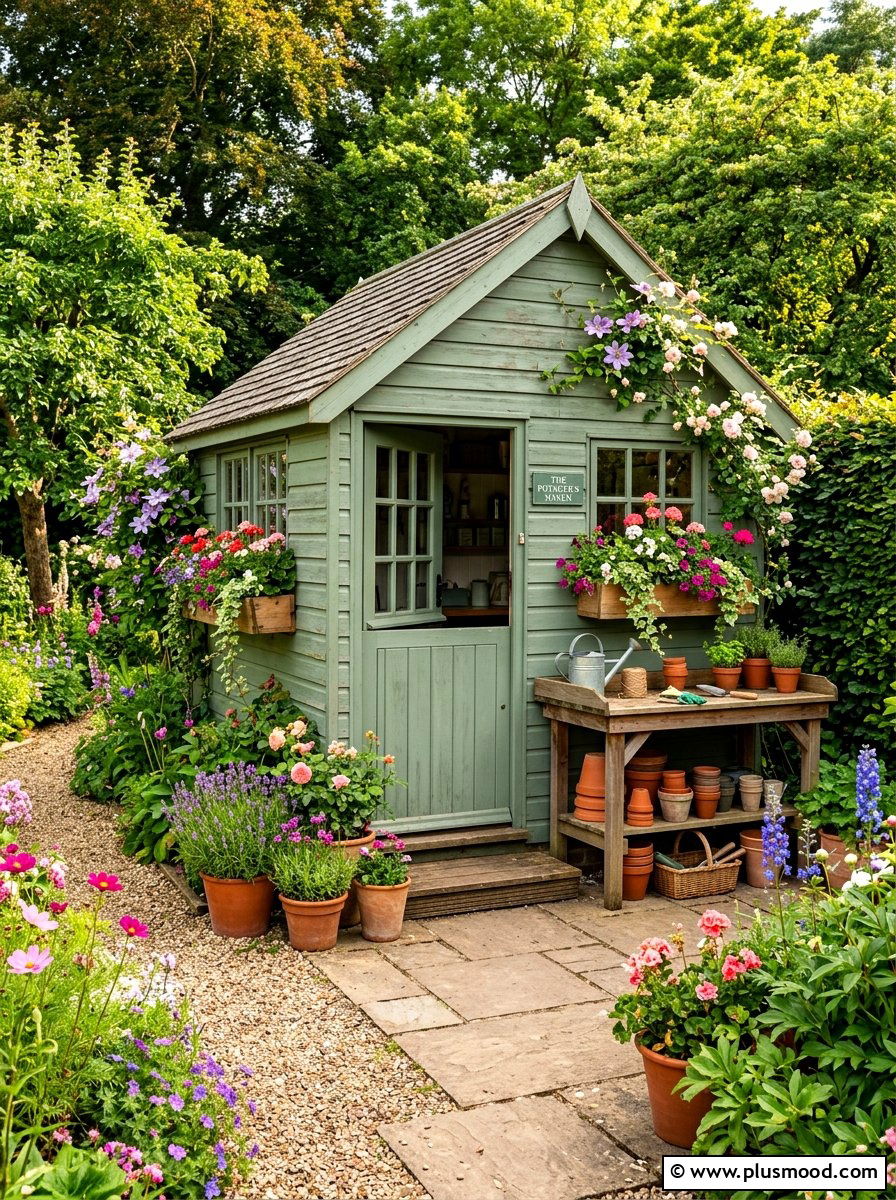
A wooden potting shed is the functional and aesthetic backbone of a working English garden, providing a dedicated space for sowing seeds and storing tools. Often painted in heritage colors like sage green or duck-egg blue, these structures become a picturesque feature rather than just a storage unit. You can adorn the exterior with window boxes full of red geraniums or lean vintage terracotta pots against the walls for added character. Inside, a sturdy workbench and organized shelves make garden chores a pleasure. A potting shed tucked away at the end of a path adds a sense of purpose and history to the property.
13. Delphinium Flower Display
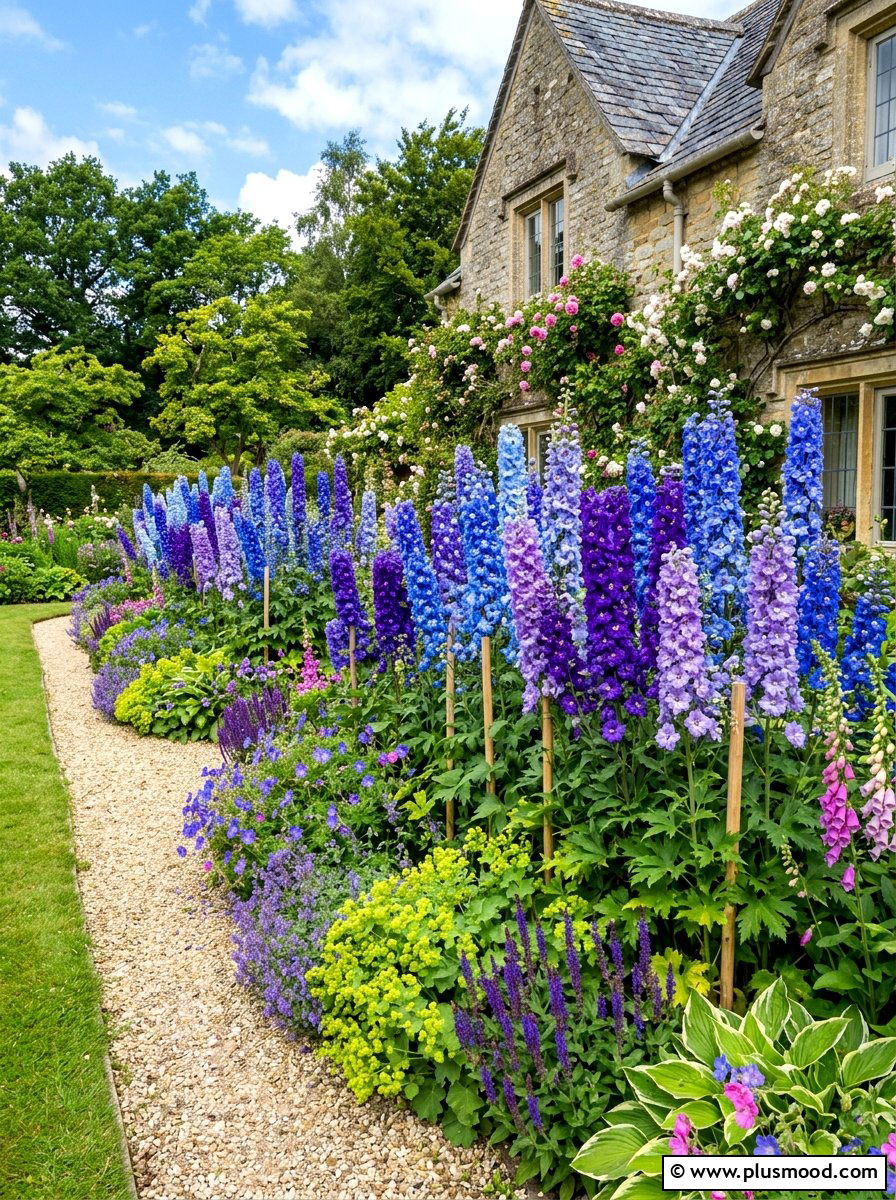
A delphinium flower display offers the dramatic verticality and intense blue hues that are hallmarks of a high-summer cottage garden. These towering flower spikes can reach heights of six feet, creating a bold statement when planted in large groups at the back of a border. Their range of colors, from sky blue to deep violet and even pure white, adds a regal quality to the landscape. Because they are heavy-headed, they often require discrete staking to withstand summer breezes. The sight of delphiniums rising above a sea of shorter perennials provides a sense of scale and grandeur that is truly breathtaking.
14. Gravel Garden Walkway
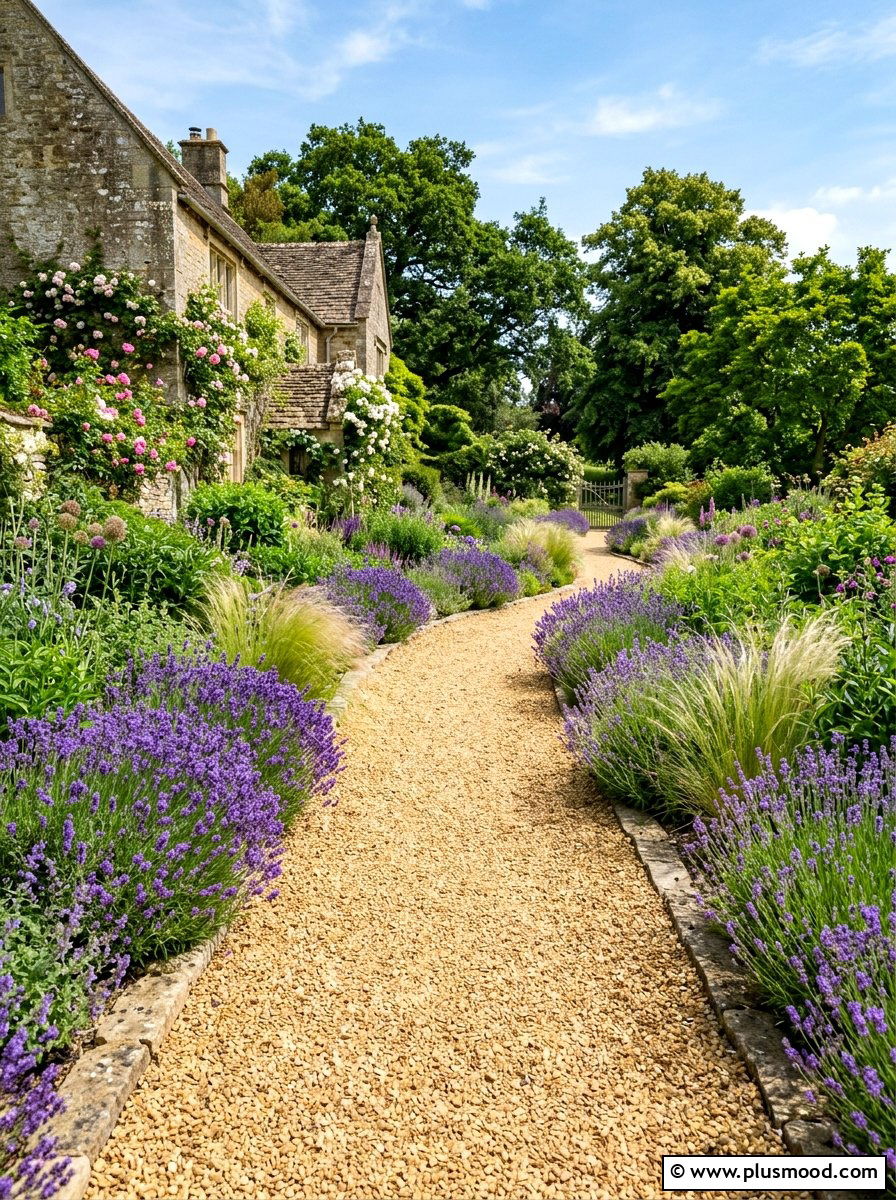
A gravel garden walkway provides a crunching, tactile experience underfoot that is a classic feature of large English country estates and small cottage plots alike. Using pea gravel or crushed flint in warm honey tones helps to brighten up shady areas and offers a versatile surface for informal seating. One of the greatest benefits of gravel is its permeability, allowing rainwater to soak back into the ground while preventing mud. You can plant drought-resistant species directly into the edges of the gravel to soften the transition. This low-maintenance choice creates a relaxed, Mediterranean-inspired feel that perfectly suits a sun-drenched summer afternoon.
15. Foxglove Planting Area
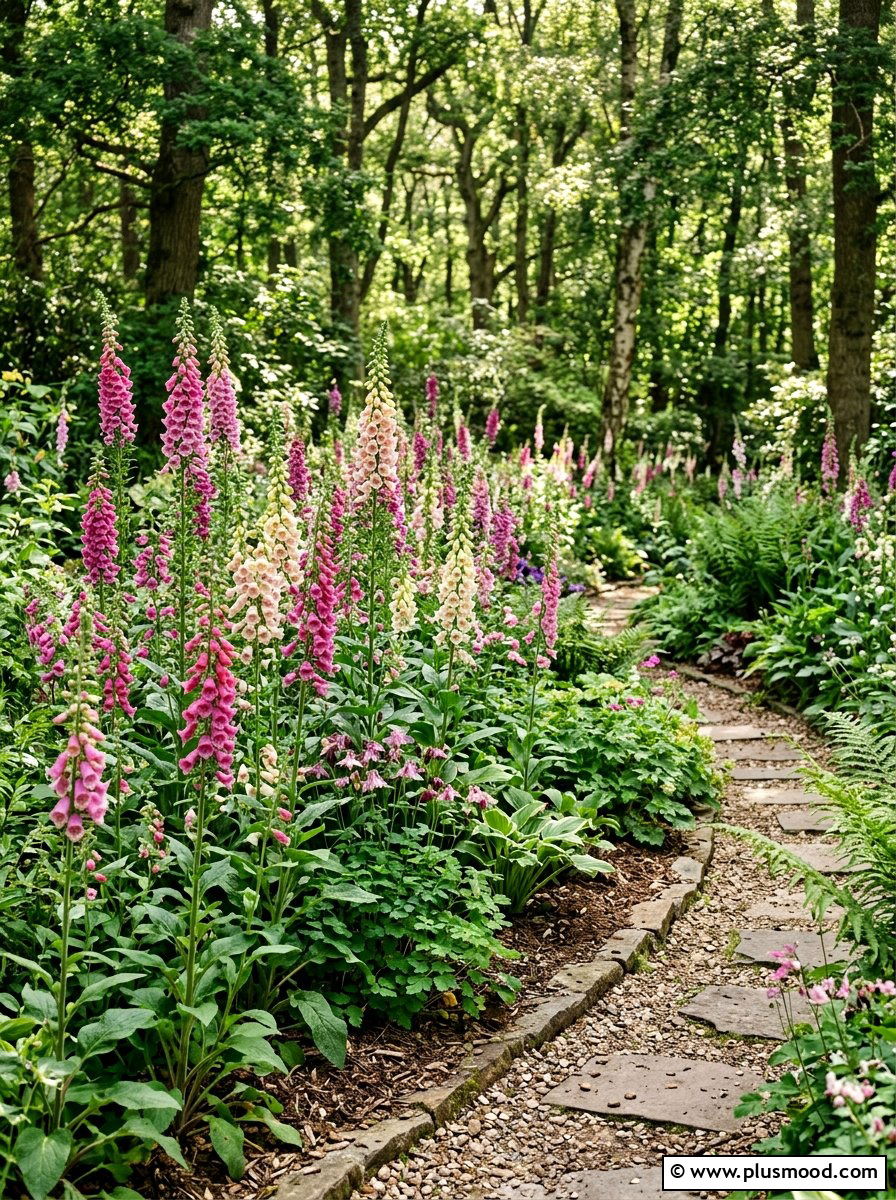
A foxglove planting area brings a sense of whimsical, woodland magic to the shady corners or the middle sections of your garden borders. These biennial plants are famous for their bell-shaped flowers that stack neatly on tall stems, providing a vertical rhythm that draws the eye upward. While they are traditionally pink or purple with spotted throats, modern varieties also offer cream and apricot tones. Foxgloves are excellent for adding height in the early to mid-summer transition. They self-seed readily, meaning that once established, they will pop up in delightful, unexpected places each year, adding to the garden’s natural and effortless charm.
16. Shady Garden Corner
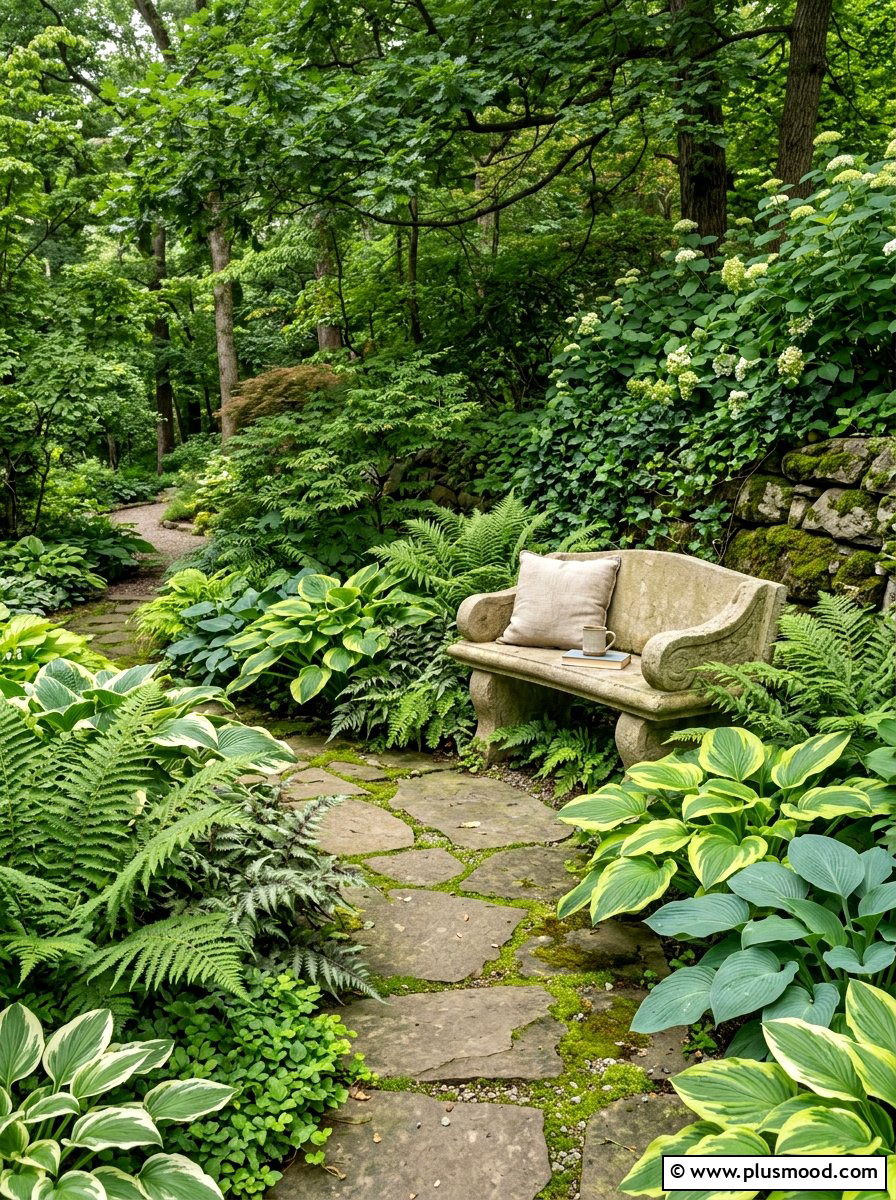
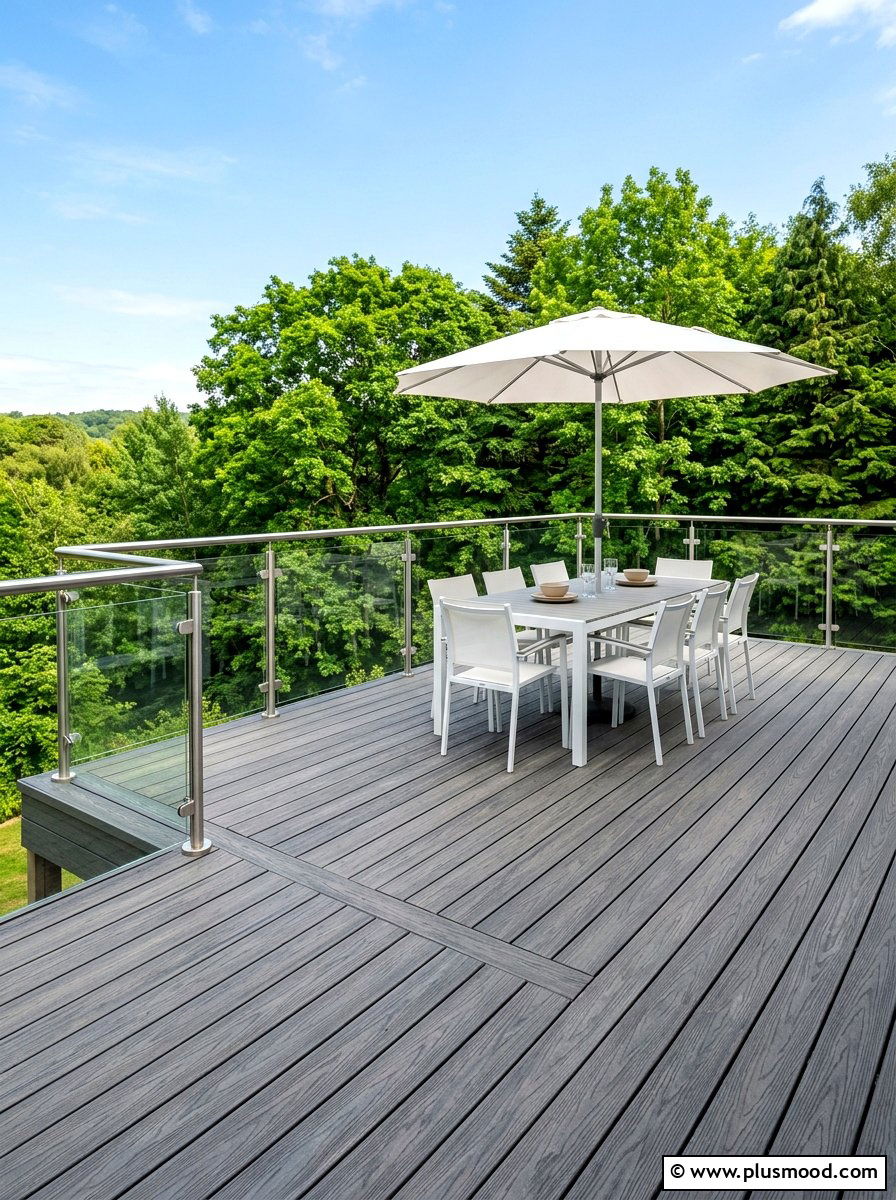
A shady garden corner provides a cool retreat from the intense summer sun, utilizing plants that thrive in dappled light and lower temperatures. By layering different varieties of ferns, hostas, and bleeding hearts, you can create a lush, emerald sanctuary that feels incredibly refreshing. Incorporating a light-colored stone bench or a small birdbath can brighten the space and provide a focal point. Textural contrast is key in shade gardening, so mix large-leaved plants with delicate, feathery foliage. This area becomes a quiet spot for reading or contemplating, proving that even the darkest parts of a yard can be full of life.
17. Brick Edging Detail
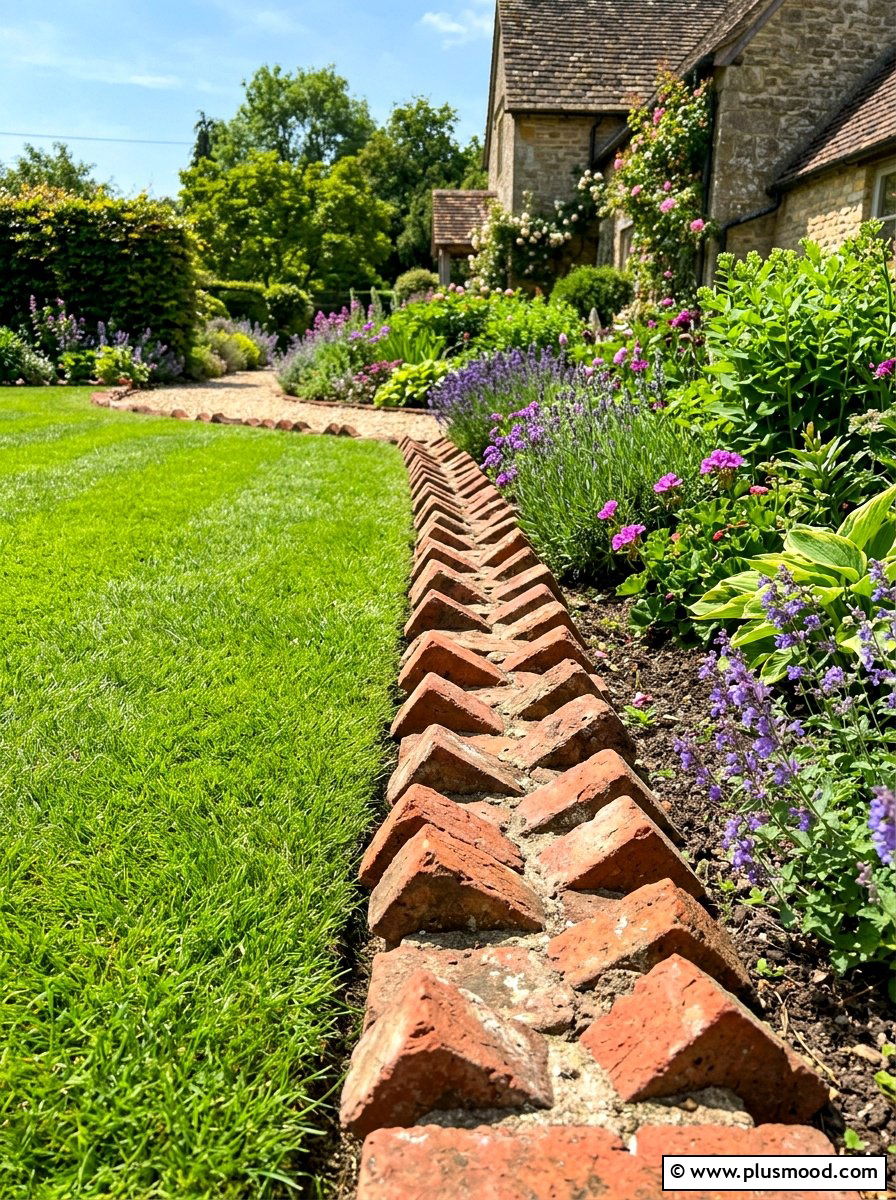
A brick edging detail provides a crisp and durable boundary between your lush flower beds and the neatly mown lawn or gravel paths. Laying bricks in a "sawtooth" or "mitered" pattern adds a subtle architectural interest that enhances the overall professional look of the landscape. This practical feature prevents grass from encroaching on the plants while making it much easier to mow the lawn edges cleanly. Weathered, reclaimed bricks add a sense of age and established character to a new garden. This small but significant detail helps to define the "rooms" of the garden, providing a structured framework for the organic growth.
18. Hydrangea Shrub Border
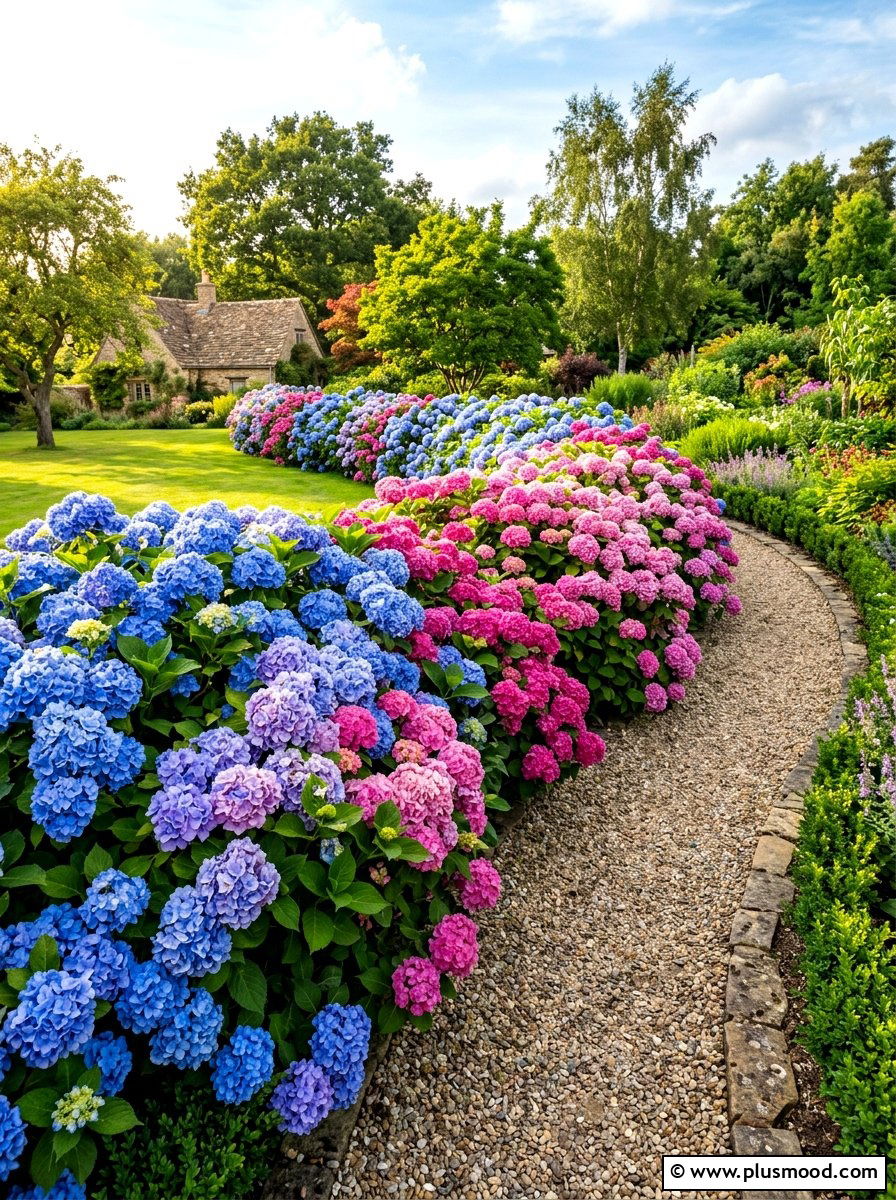
A hydrangea shrub border delivers massive clusters of blooms that dominate the garden landscape from mid-summer well into the autumn months. Whether you choose the classic mophead varieties with their blue and pink spheres or the elegant lacecaps, hydrangeas provide a sense of abundance. They are perfect for creating a soft, flowering hedge along a property line or framing a backyard patio. Their large, dark green leaves offer a substantial backdrop for smaller perennials and annuals. As the blooms age, they often take on vintage, dusty tones that keep the garden looking beautiful even as the hottest days begin to fade.
19. Vegetable Kitchen Garden
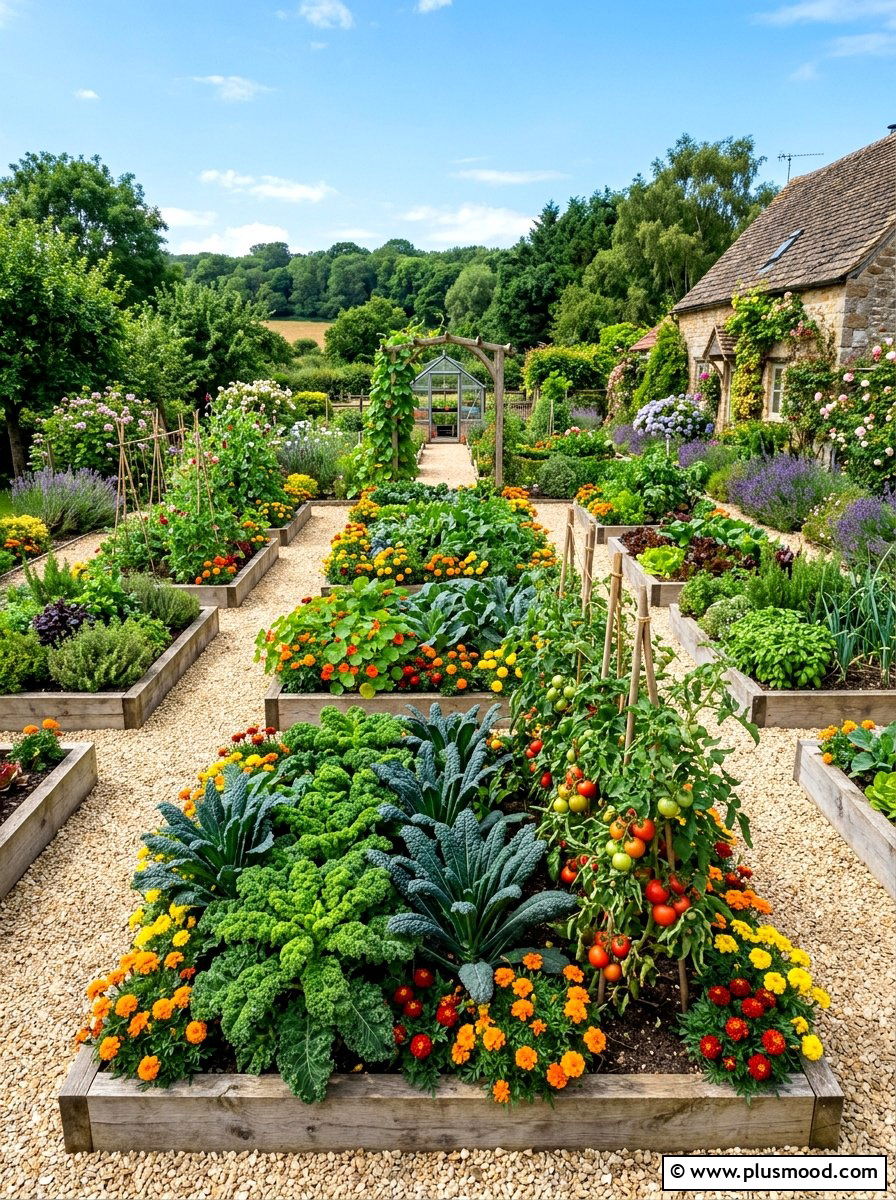
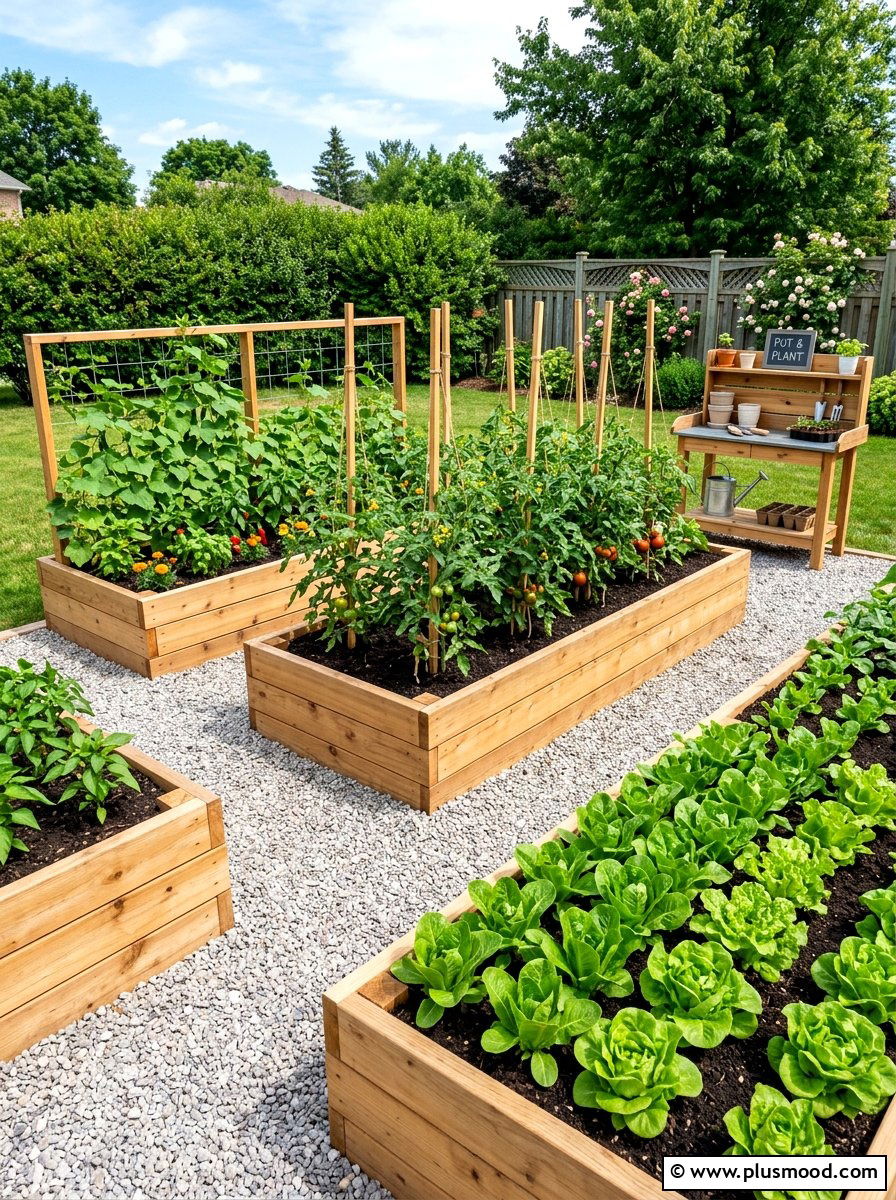
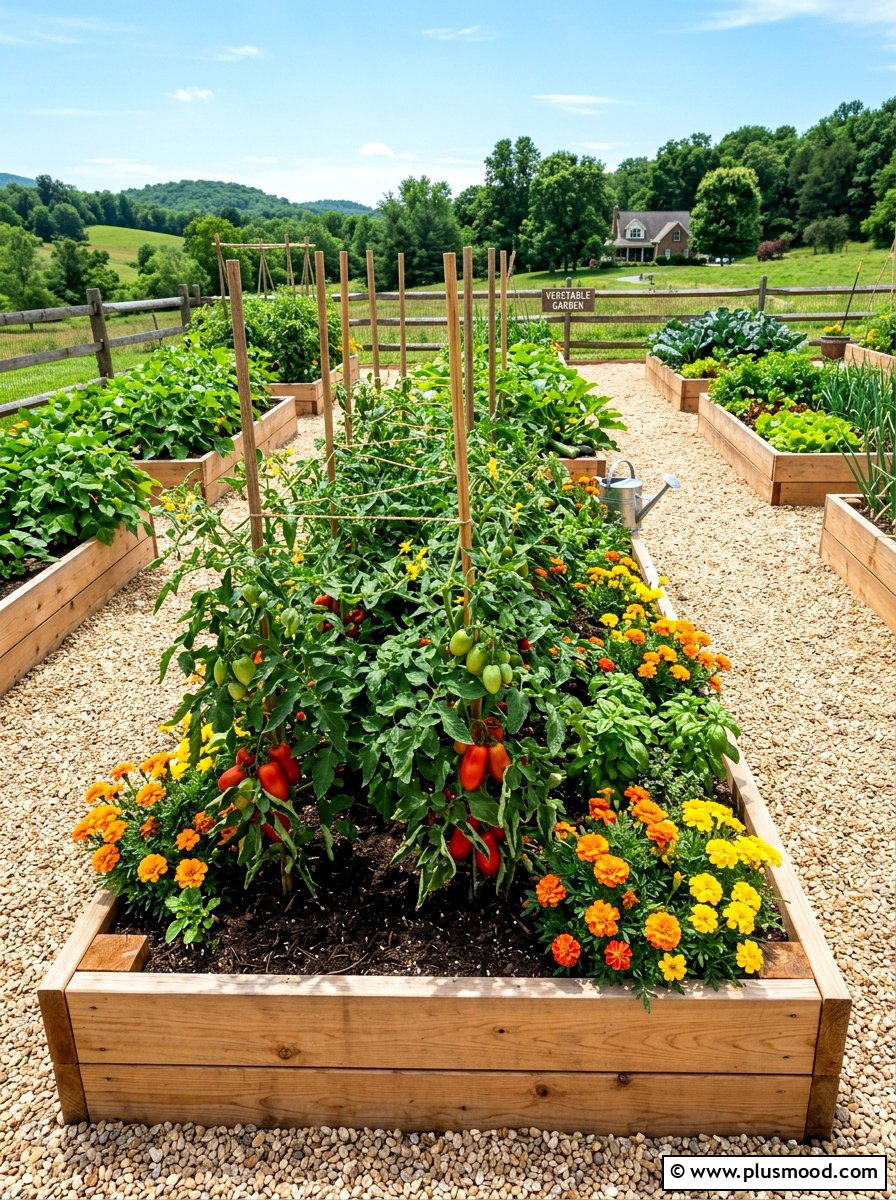
A vegetable kitchen garden, often called a potager, merges the beauty of ornamental flowers with the productivity of edible crops. By arranging vegetables like kale, scarlet runner beans, and bright red tomatoes in neat rows or decorative patches, you create a functional landscape. Marigolds and nasturtiums are often interspersed to deter pests while adding splashes of edible color to the beds. A well-maintained kitchen garden is a source of immense pride and provides a literal "farm-to-table" experience throughout the summer. Using timber raised beds or woven willow hurdles adds a structured, rustic aesthetic that keeps the growing area looking tidy and intentional.
20. Flowering Orchard Space
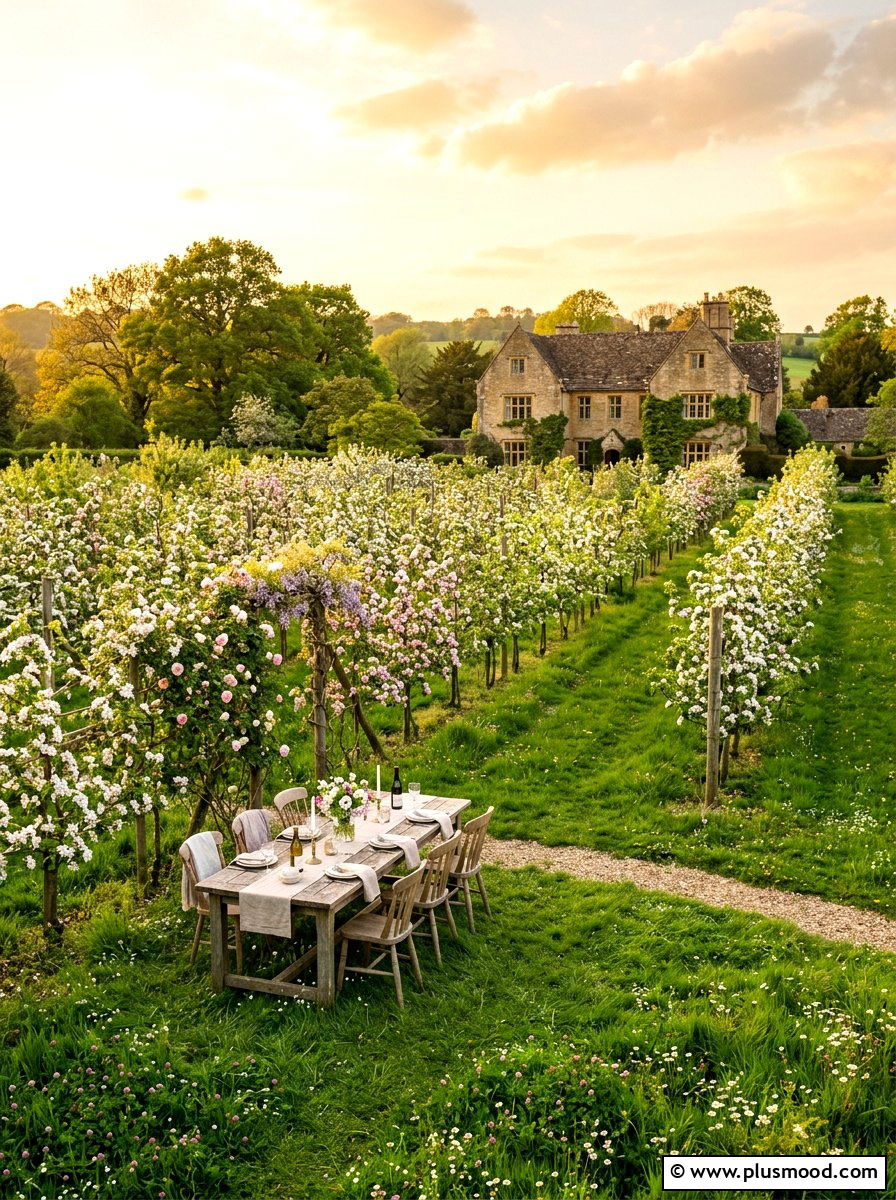
A flowering orchard space brings a sense of productivity and romance to a larger garden, offering a canopy of green and fruit in the summer. Dwarf varieties of apple, pear, and plum trees can fit into even modest yards, providing beautiful blossoms in spring and ripening fruit by late August. Planting the area beneath the trees with long grass and spring bulbs creates a relaxed, meadow-like feel. This zone serves as a perfect spot for an outdoor dining table, where guests can enjoy a meal under the shade of fruiting branches. An orchard adds a vertical dimension and a sense of timeless tradition.
21. Bird Bath Focal Point
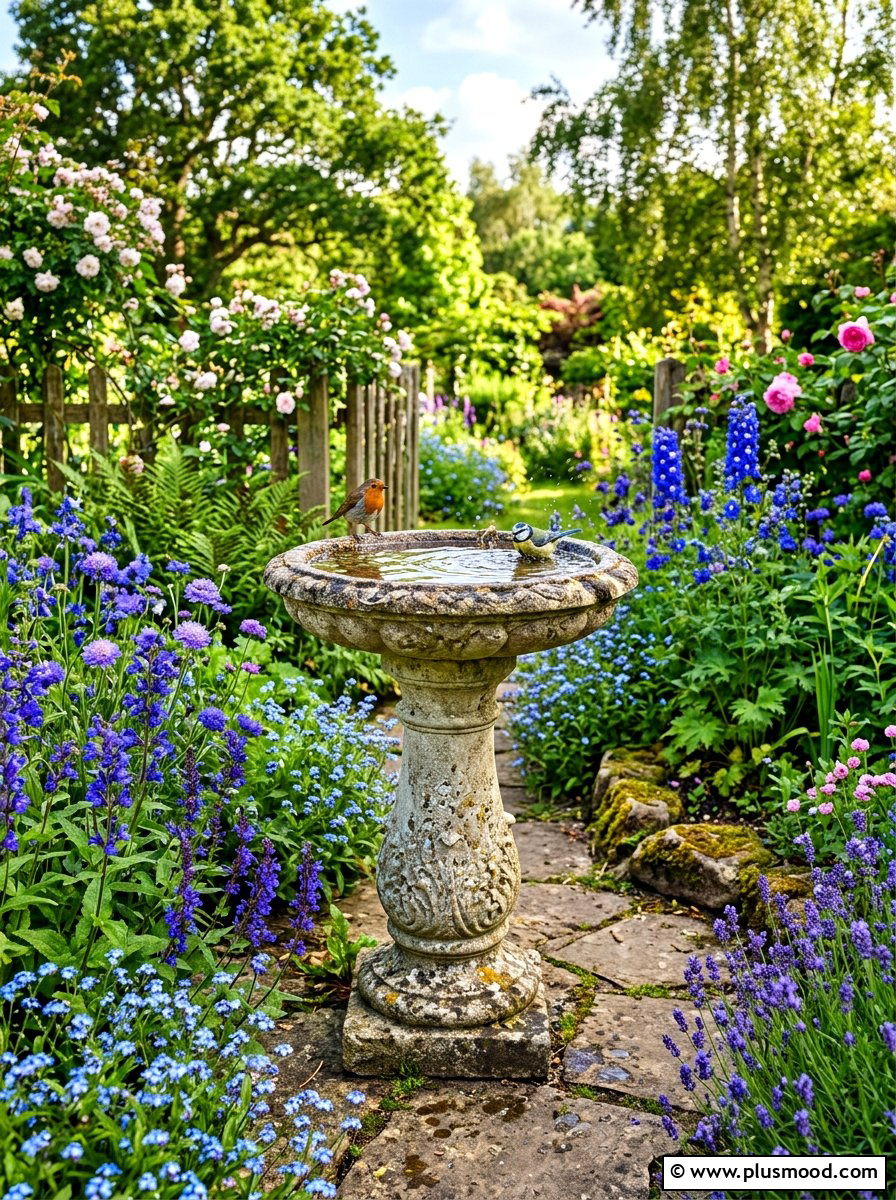
A bird bath focal point serves as both a decorative sculpture and a vital resource for local wildlife during the dry summer months. Whether it is a classic stone pedestal or a simple ceramic bowl, placing it in a visible spot allows you to enjoy the sight of birds bathing. The movement of water and the arrival of feathered visitors add a dynamic layer of life to the garden. Surrounding the base of the bird bath with low-growing flowers like forget-me-nots or pansies anchors the feature into the landscape. It acts as a central hub that draws the eye and promotes environmental stewardship.
22. Thatch Roof Gazebo
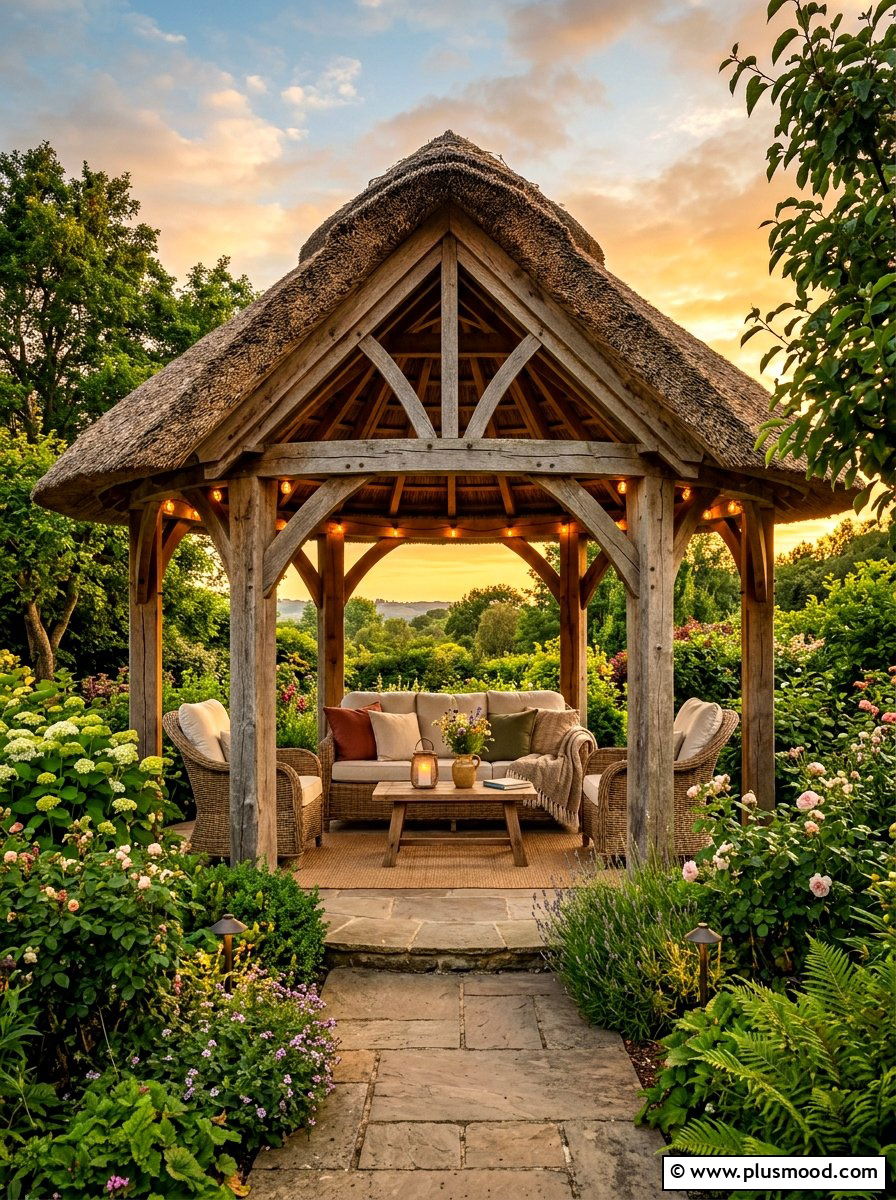
A thatch roof gazebo offers a unique and highly traditional garden structure that provides total shade and a touch of countryside charm. These structures are perfect for creating an outdoor living room where you can entertain guests regardless of the summer heat or occasional rain shower. The natural materials of the thatch and timber blend seamlessly with the surrounding greenery, making it feel like a part of the landscape. Inside, comfortable wicker furniture and soft lighting turn the gazebo into a cozy retreat for evening drinks. This architectural element adds a significant "wow factor" and a sense of permanent, historic luxury.
23. Hollyhock Wall Planting
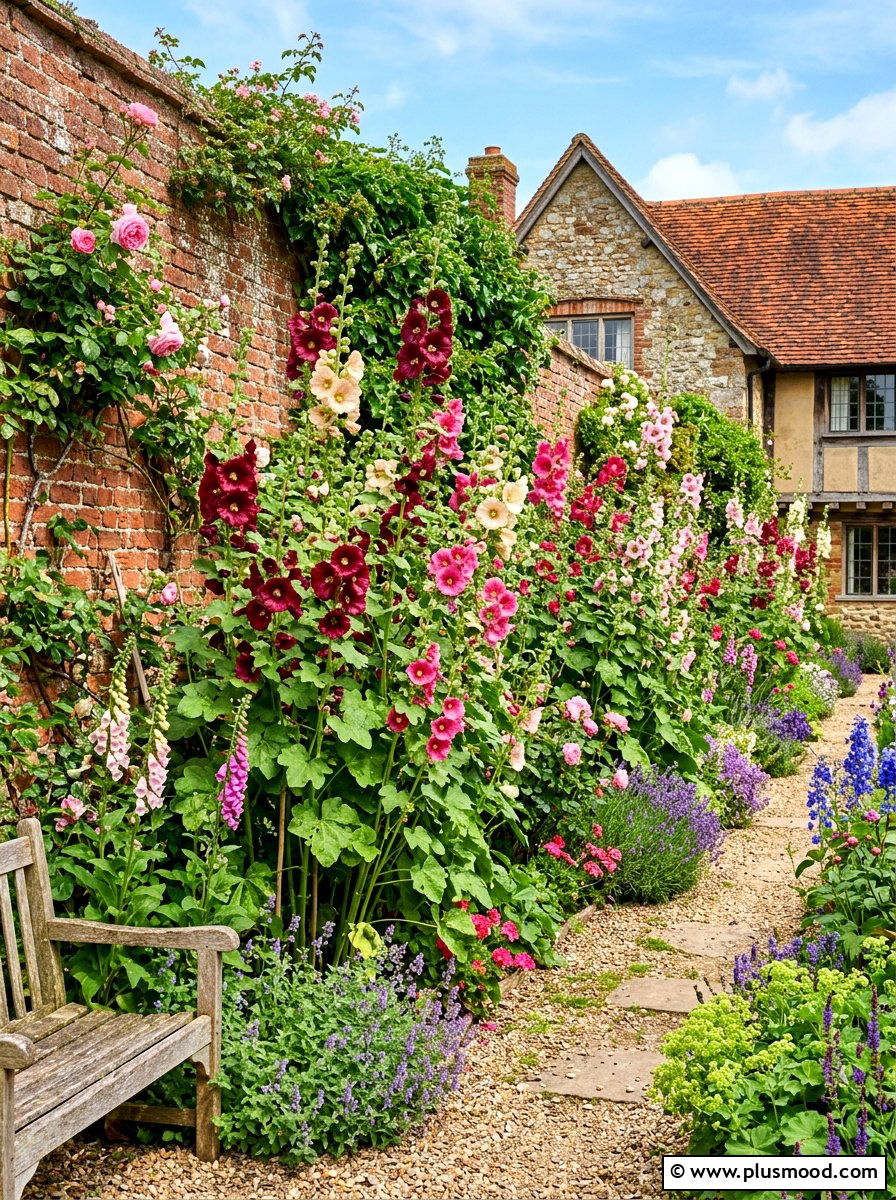
A hollyhock wall planting is the quintessential image of a British cottage garden, with tall, stately spires leaning against old stone or brick. These sun-loving plants can reach incredible heights, making them the perfect choice for the very back of a border or for softening a high fence. Their saucer-shaped blooms come in a wide range of colors, including dramatic nearly-black maroons and soft, buttery yellows. Because they are quite tall, they provide an excellent vertical element that bridges the gap between the ground and the house. Their classic silhouette is instantly recognizable and adds a nostalgic, old-fashioned feel to the garden.
24. Sundial Garden Center
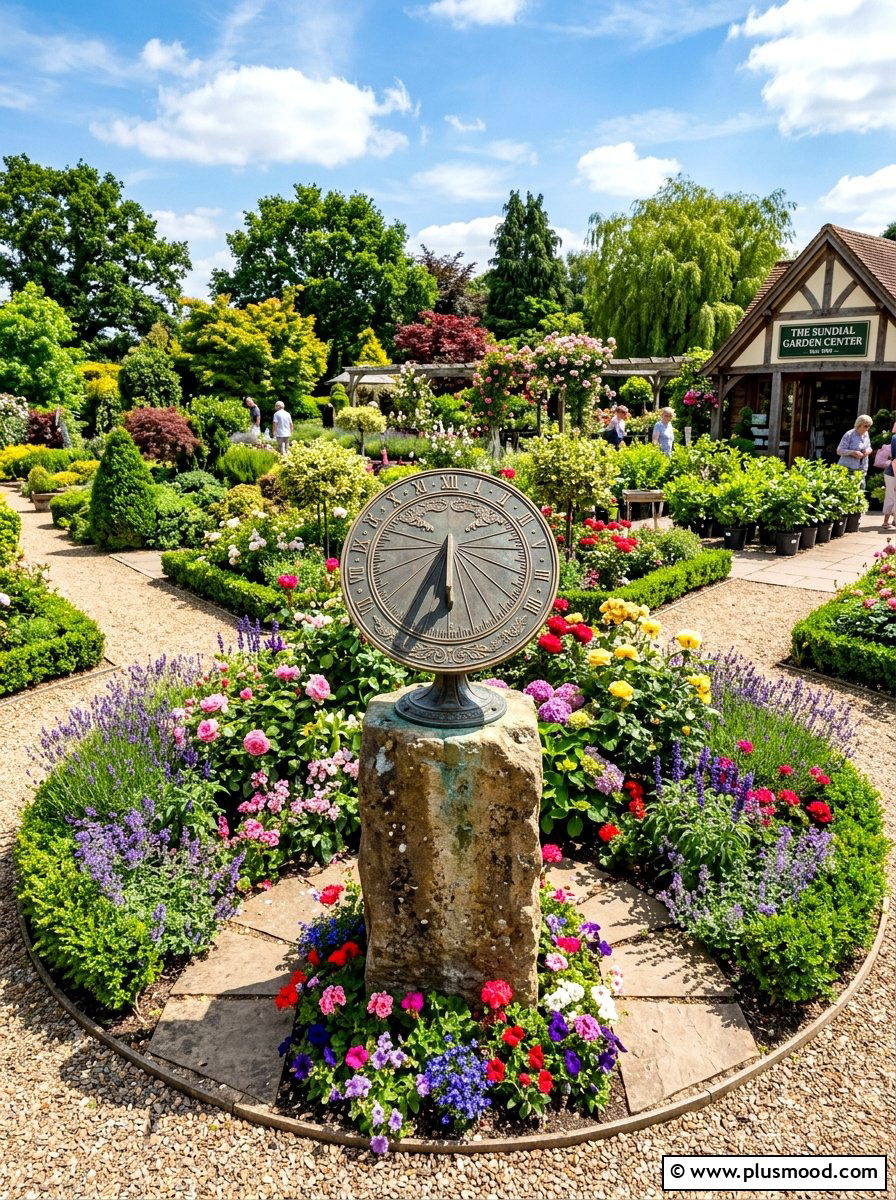
A sundial garden center serves as a historical and decorative anchor at the intersection of paths or in the middle of a formal lawn. This classic timekeeping device, usually mounted on a stone plinth, encourages visitors to pause and appreciate the slow passage of a summer day. Surrounding the sundial with a low circle of lavender or clipped boxwood creates a formal "hub" that organizes the surrounding landscape. It acts as a silent reminder of the garden's connection to the sun and the seasons. The weathered metal and stone materials add a sense of permanence and gravitas to the overall garden design.
25. Wisteria Covered Pergola
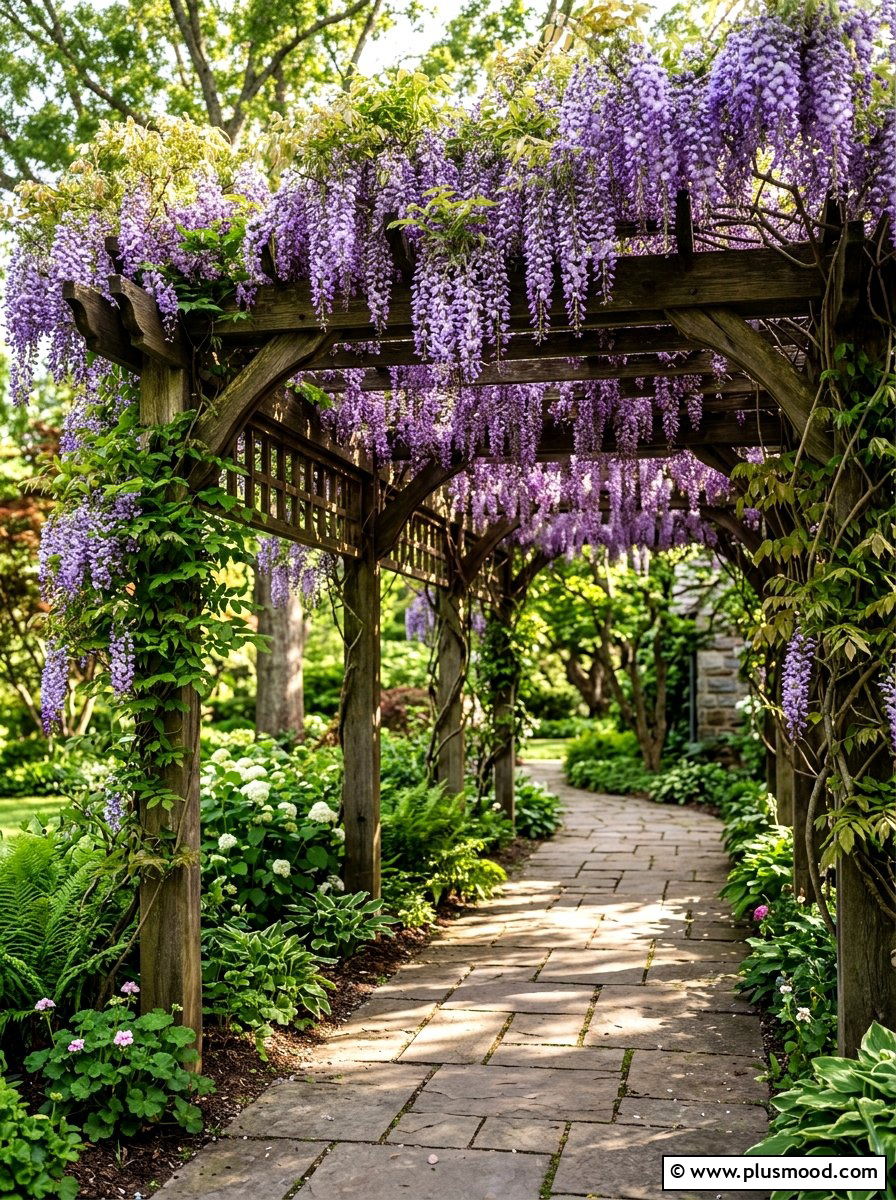
A wisteria covered pergola creates a breathtaking overhead canopy of twisted vines and lush green leaves that provide deep shade during the peak of summer. While the iconic purple or white racemes typically bloom in late spring, the dense foliage creates a romantic, secluded "tunnel" effect all through the warmer months. Building a sturdy wooden or metal pergola allows the vigorous vines to climb and spread, eventually forming a living roof. This feature is ideal for shading a long walkway or a large patio area. The dappled light filtering through the leaves creates a magical atmosphere for alfresco dining and garden parties.
Conclusion:
Creating a summer English garden is a deeply rewarding journey that combines historical tradition with your own personal botanical passion. By incorporating these twenty-five elements, from the structured elegance of boxwood hedges to the whimsical charm of wildflower patches, you can build a landscape that feels established and full of life. These gardens are not meant to be static; they are living, breathing spaces that change with the light and the weather. Whether you are sipping tea on a wrought iron bench or harvesting herbs from a parterre, the English garden style offers a timeless way to connect with the beauty of nature.
Related posts:
Leave a Reply