
Summer heat can be overwhelming, but a well-designed shade garden offers a refreshing escape that feels worlds away from the scorching sun. Many homeowners assume that a lack of direct sunlight limits their landscaping options, yet the opposite is actually true. Shade gardens provide a unique opportunity to play with deep textures, vibrant foliage, and cool-toned blooms that would otherwise wither in the afternoon heat. By embracing the low-light corners of your yard, you can create a lush, tranquil sanctuary filled with varied greens and subtle pops of color. These spaces often become the most cherished parts of a landscape because they offer comfort, quiet, and a sense of natural mystery. From woodland retreats to modern container displays, there are endless ways to transform dim areas into thriving, beautiful ecosystems that look stunning all summer long.
1. Hosta Garden
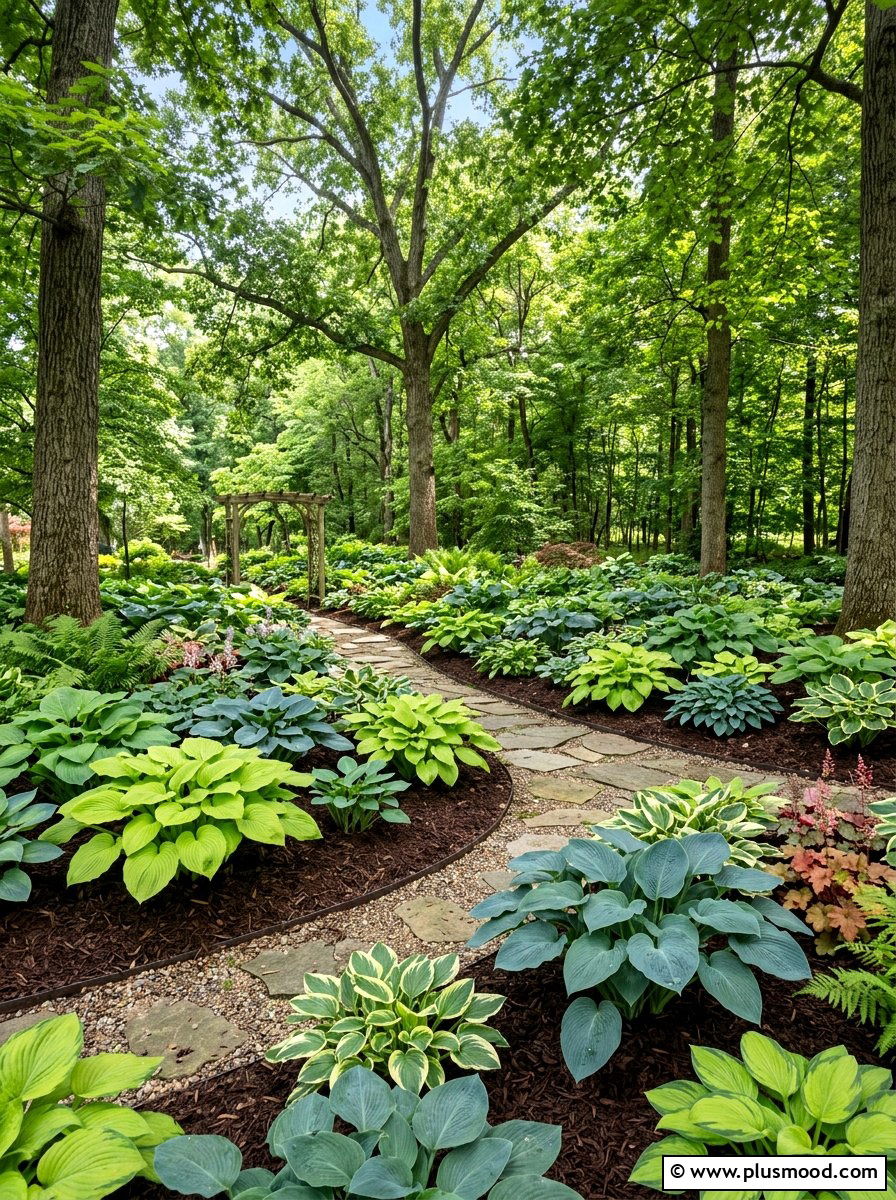
Imagine a lush corner of your yard filled with various textures and shades of green that stay cool throughout the hottest July afternoons. A hosta garden focuses on the diversity of foliage shapes and sizes, ranging from tiny mouse-ear leaves to massive blue-green giant leaves. This design works best when you layer different varieties to create a dense carpet of ground cover under tall deciduous trees. You can mix variegated hostas with solid colors to add visual interest and brightness to the darker spots of your landscape. The overall effect is a serene, low-maintenance environment that looks full and established even in its first few seasons. It turns a bare patch of dirt into a vibrant, living tapestry of hardy perennials that thrive in the shadows.
2. Japanese Maple Shade Garden
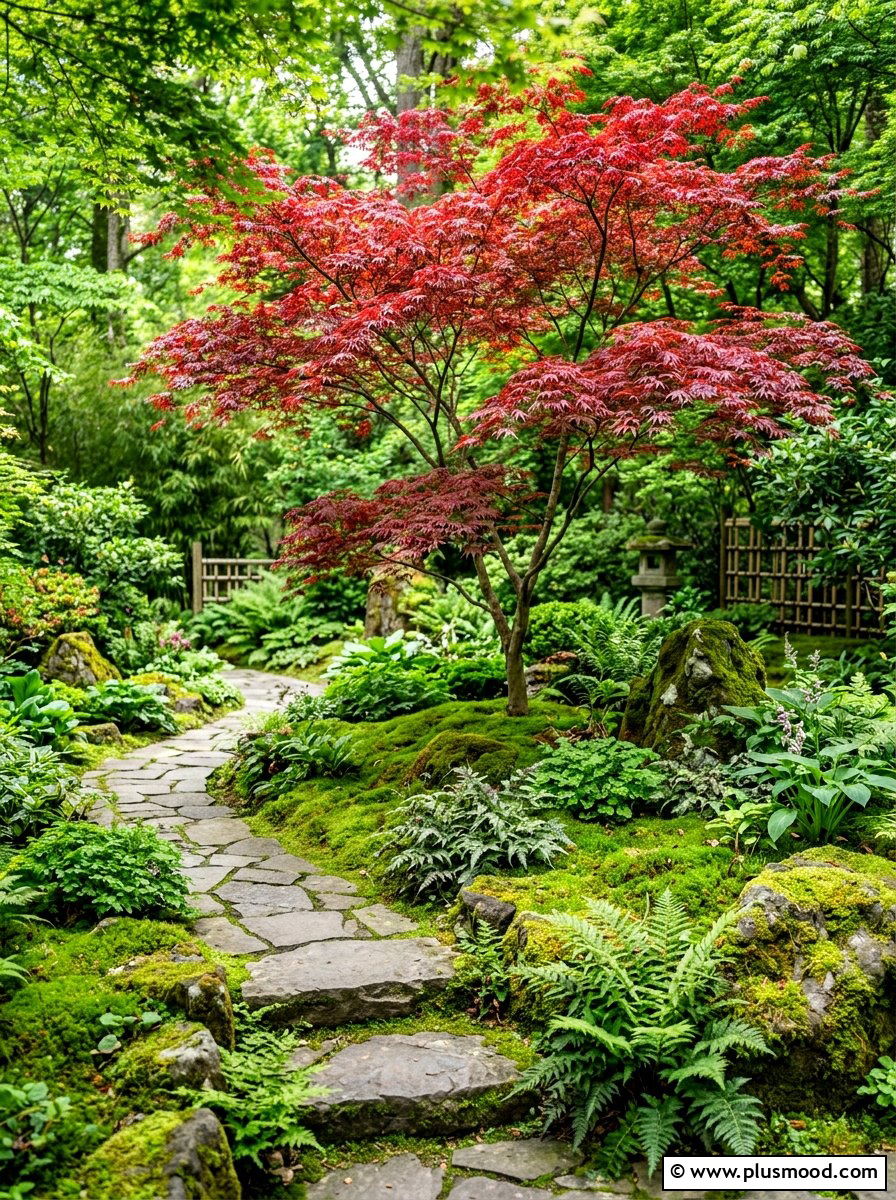
Have you ever wanted a focal point that changes colors with the seasons while providing a delicate canopy for smaller plants? A Japanese maple shade garden uses a stunning specimen tree as the primary anchor for a sophisticated outdoor space. The fine, lace-like leaves of the maple create a dappled light effect that is perfect for protecting delicate undergrowth from the harsh midday sun. Below the tree, you can arrange smooth stones or low-growing mosses to emphasize the elegant structure of the branches. This design approach creates a sense of height and architectural beauty in a shady backyard corner. It offers a sophisticated, Zen-like atmosphere where every leaf and branch contributes to a peaceful and well-ordered landscape.
3. Fern Garden
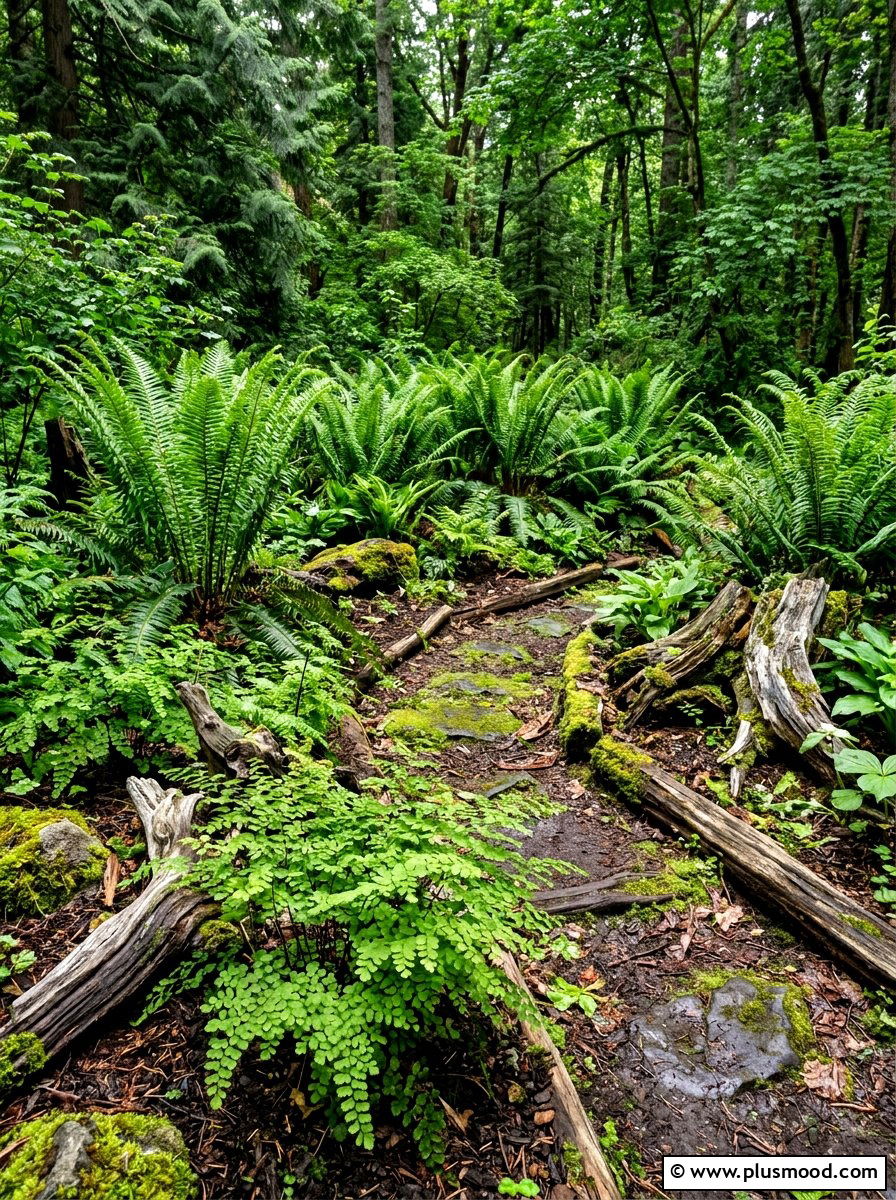
Walking through a dense fern garden feels like stepping back in time into a prehistoric, cooling forest environment. These ancient plants are famous for their intricate fronds and their ability to thrive in damp, low-light conditions without much fuss. To design a complete fern sanctuary, you should combine different heights and textures, such as the tall Ostrich fern and the delicate, spreading Maidenhair fern. This variety ensures that the ground is completely covered in soft, feathery greens that sway gently in the breeze. Adding a few pieces of weathered driftwood or large boulders can help ground the space and give it a natural, woodland feel. It is a fantastic way to utilize areas with poor drainage or heavy canopy cover.
4. Astilbe Shade Garden
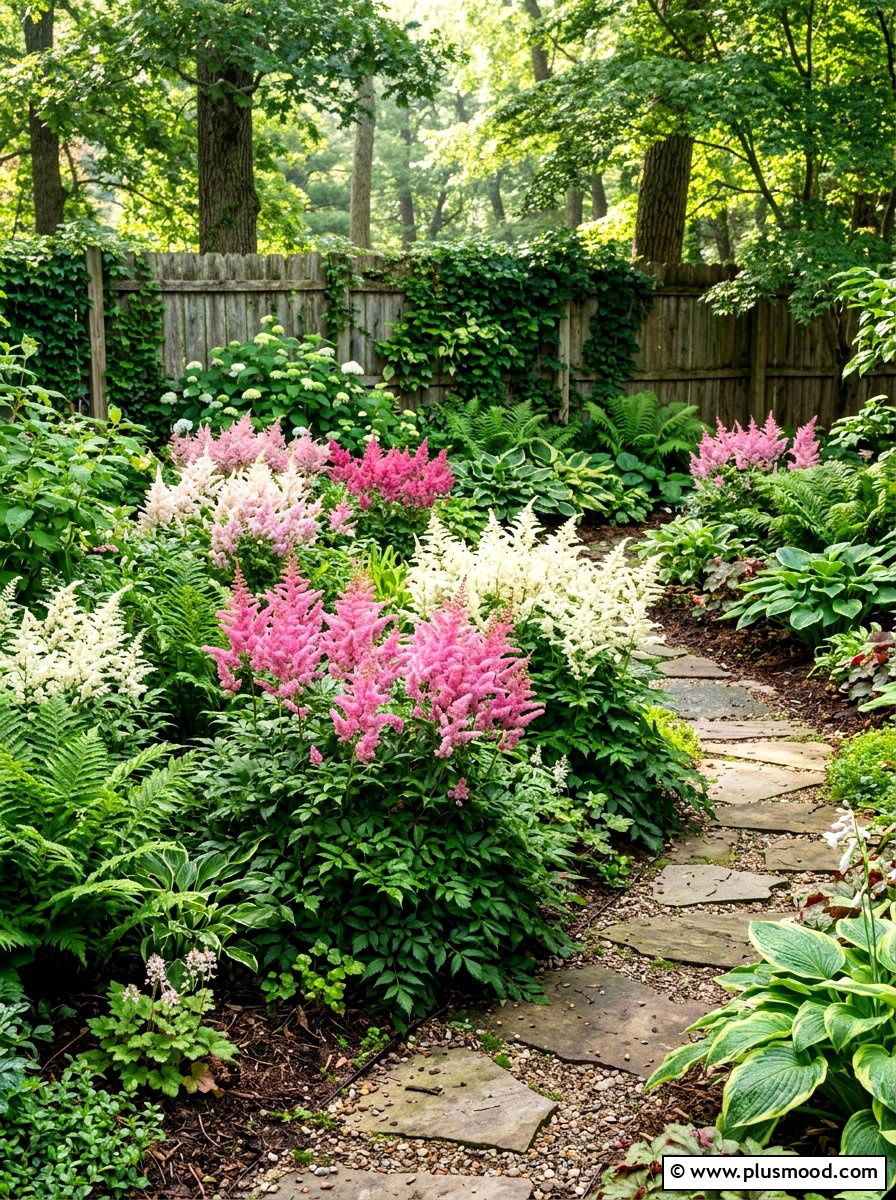
Brightening up a dim corner with spikes of feathery flowers is easy when you plan a dedicated astilbe garden. These perennials love consistent moisture and partial shade, rewarding you with plumes of white, pink, red, or purple throughout the summer months. To create a successful design, plant them in large drifts to make a bold color statement that stands out against dark green backgrounds. Their fern-like foliage remains attractive even after the blooms fade, providing texture and volume to your garden beds. When paired with other moisture-loving plants, they create a soft, romantic look that feels lush and established. It is the perfect choice for gardeners who want high-impact floral displays in areas where sunlight is quite limited.
5. Hydrangea Shade Garden
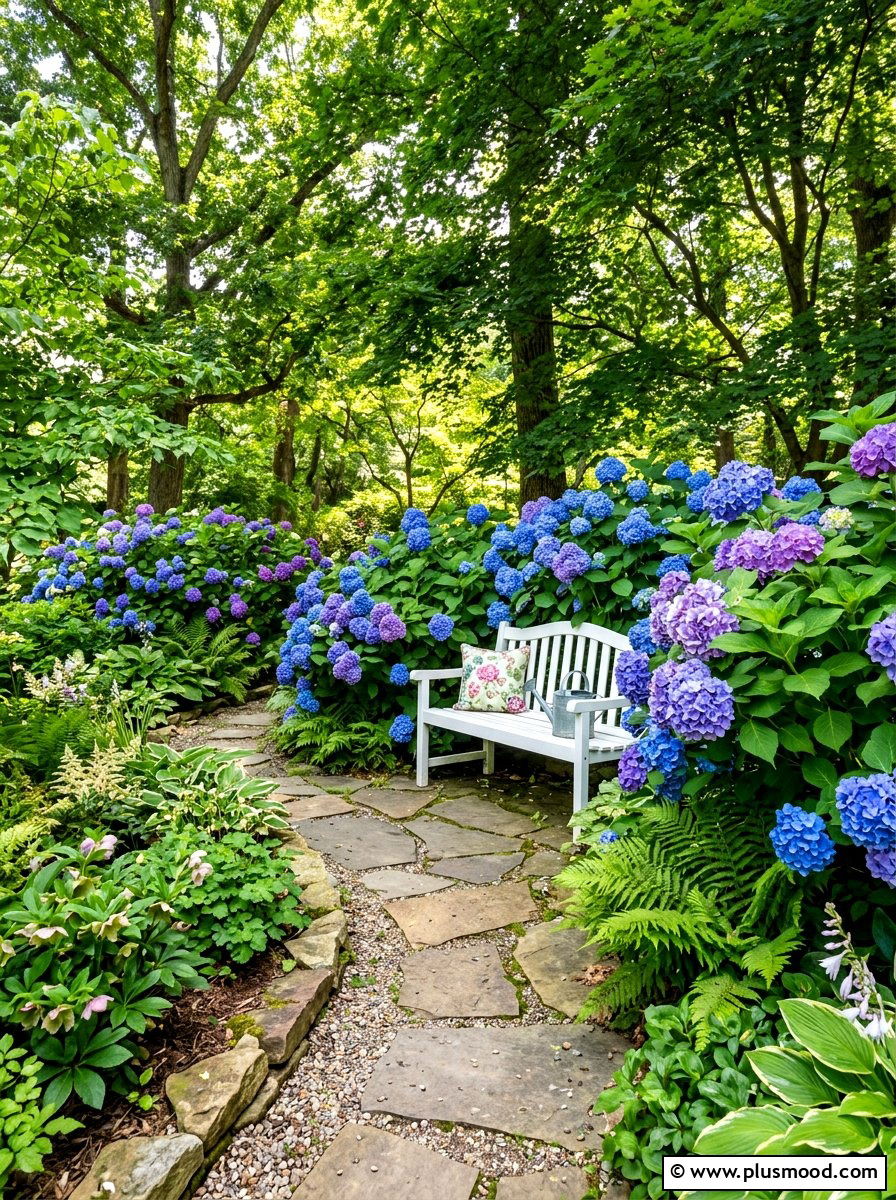
Big, bold blooms are the hallmark of a hydrangea shade garden, which brings a classic cottage feel to any sheltered area. Many hydrangea varieties, especially the mophead and lacecap types, prefer morning sun and afternoon shade to keep their heavy flower heads from wilting. By grouping several shrubs together, you can create a flowering hedge that defines the boundary of your garden while providing plenty of seasonal color. The large, deep green leaves of the shrubs also act as a beautiful backdrop for smaller perennials tucked at their base. This design creates a sense of abundance and luxury in the yard. It is a timeless choice that adds significant value and curb appeal to your home’s outdoor living space.
6. Heuchera Shade Garden
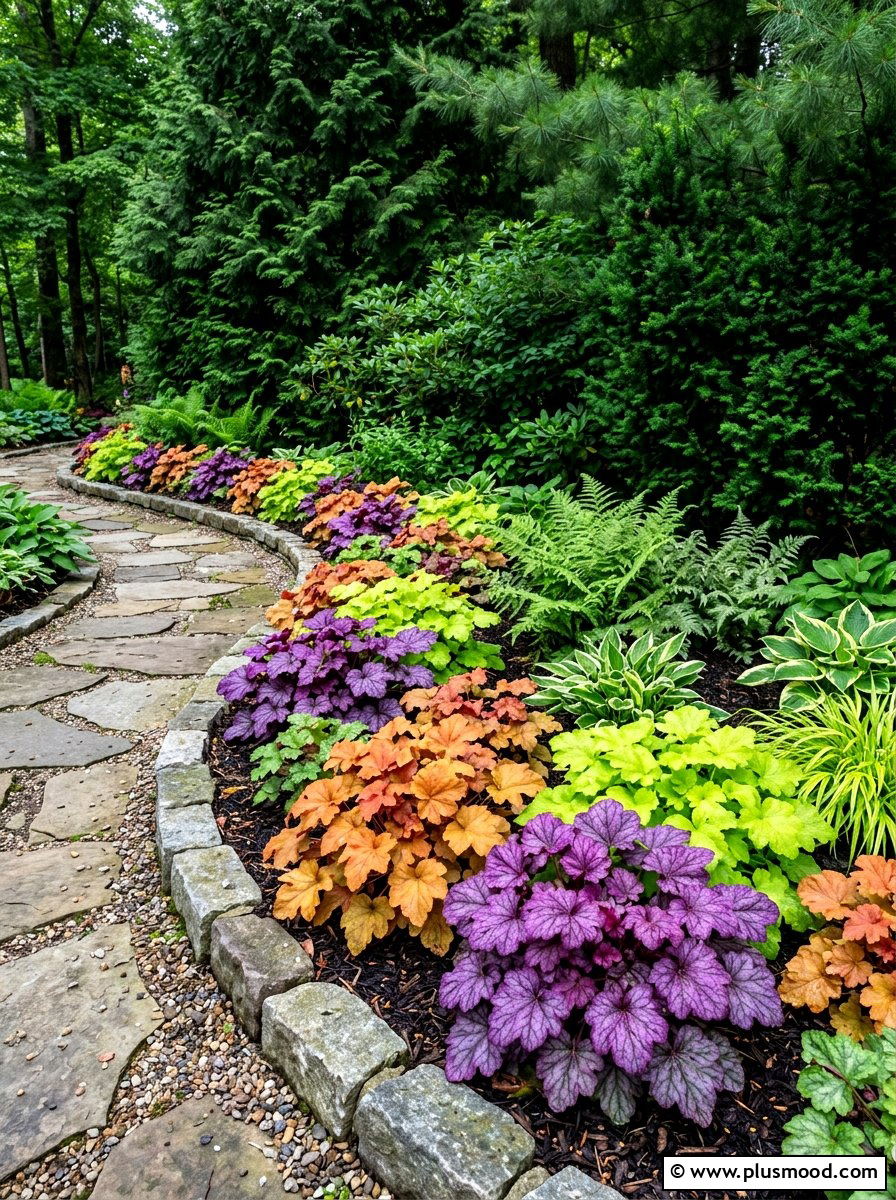
Foliage color can be just as exciting as floral blooms when you design a garden around the versatile heuchera. Often called coral bells, these plants come in an incredible array of colors including lime green, deep purple, fiery orange, and silver. A dedicated heuchera garden uses these varying tones to create a living mosaic that stays vibrant from spring through late fall. Because they grow in tidy, mounded shapes, they are excellent for lining the front of a shady border or filling in gaps between larger shrubs. This design style is particularly effective for small yards where every plant needs to provide maximum visual interest. It offers a tidy, polished look that requires very little pruning or intensive maintenance.
7. Woodland Garden Path
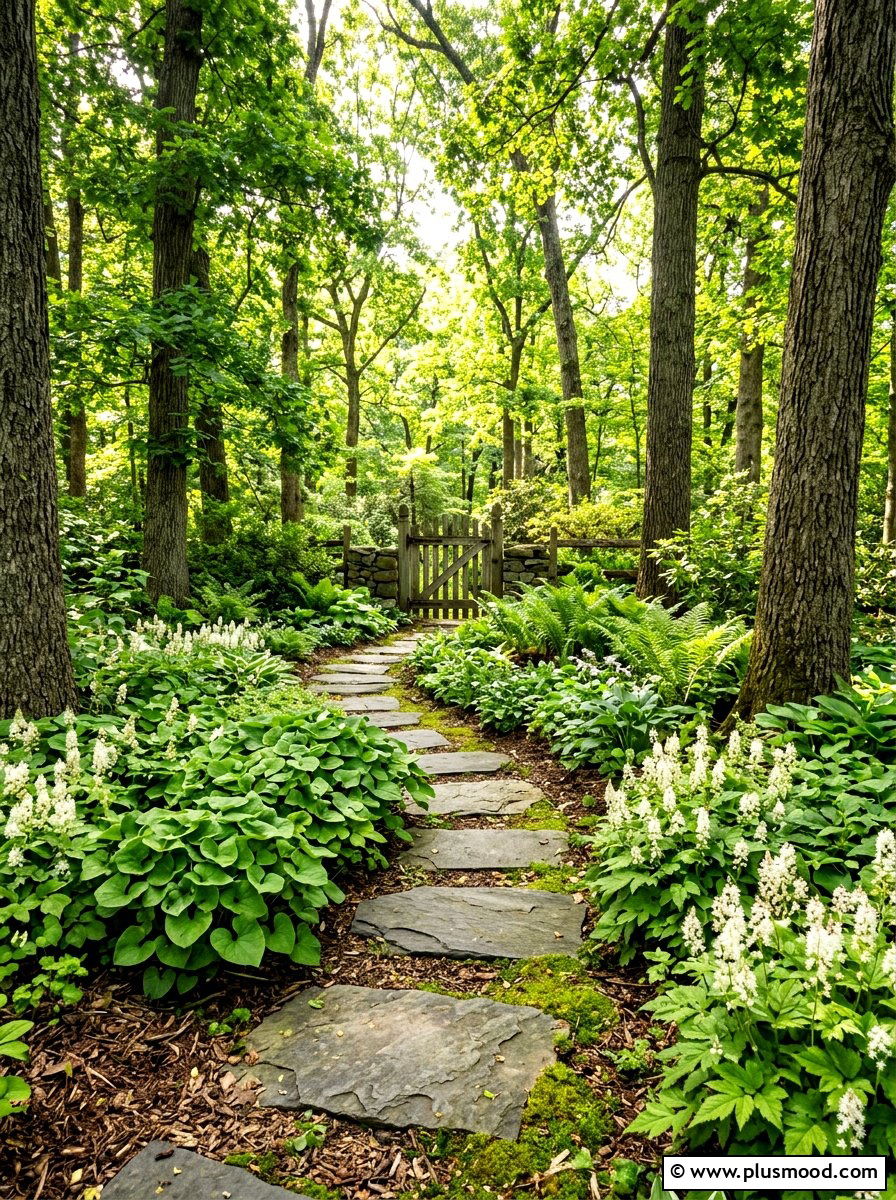
A winding woodland garden path invites you to explore the hidden corners of your property while enjoying the natural beauty of shade-loving plants. This design uses stepping stones or mulch to create a clear route through a densely planted area filled with native wildflowers and ground covers. By layering tall trees, mid-sized shrubs, and low-growing perennials, you mimic the natural structure of a forest floor. This approach creates a sense of depth and discovery, making a small yard feel much larger and more mysterious. You can tuck small benches or garden art along the way to encourage visitors to pause and enjoy the quiet surroundings. It is a wonderful way to bring a sense of adventure to your backyard.
8. Caladium Container Garden
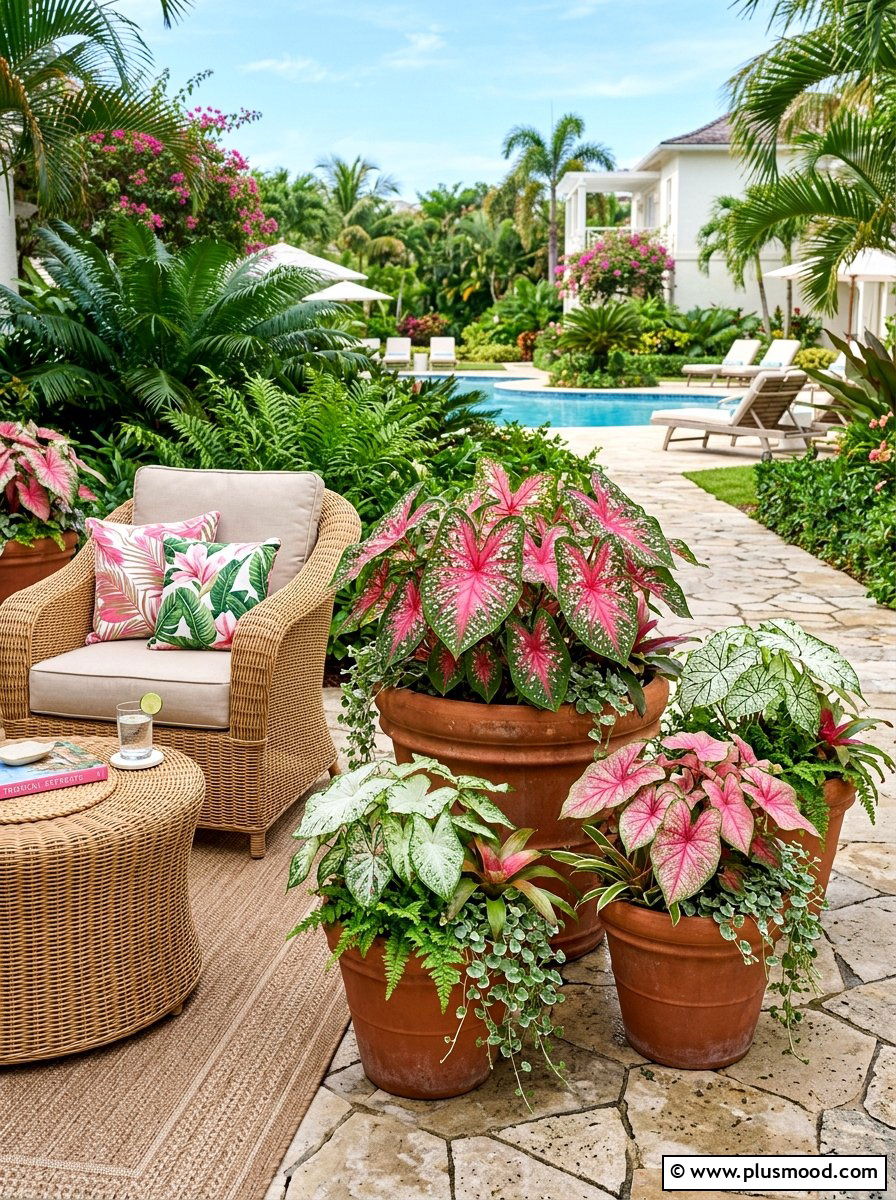
If you have a shaded patio or porch, a caladium container garden is the ultimate way to bring tropical, high-contrast color to your seating area. Caladiums are known for their large, heart-shaped leaves that feature stunning patterns of pink, white, and green. By grouping several large pots together, you can create a movable garden that brightens up the darkest corners of your outdoor living space. Mixing different varieties in each container ensures that there is always something interesting to look at, even without any flowers present. This design is highly flexible, allowing you to rearrange your plants as the season progresses or as your needs change. It provides a lush, resort-like feel to any balcony or terrace.
9. Begonia Shade Garden
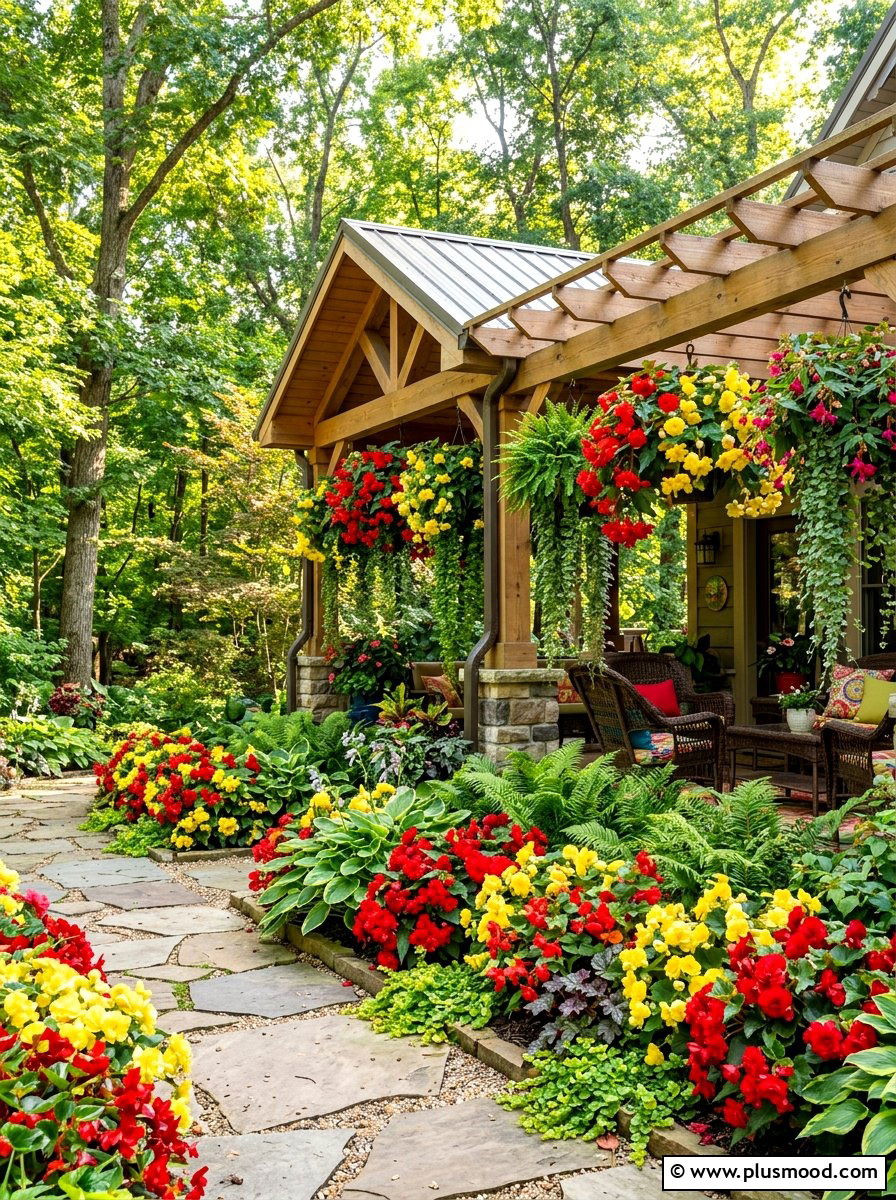
Creating a long-lasting floral display in the shade is simple when you focus on the diverse and colorful world of begonias. A begonia garden can feature everything from trailing varieties in hanging baskets to upright types with metallic, spotted leaves. These plants are exceptionally reliable and will continue to bloom until the first frost of autumn arrives. By mixing wax begonias with tuberous varieties, you can achieve a layered look with different flower sizes and leaf textures. This design is perfect for adding a pop of bright red, orange, or yellow to a garden bed that might otherwise look too dark. It is a high-reward choice for gardeners who want consistent, vibrant color throughout the entire summer season.
10. Bleeding Heart Garden
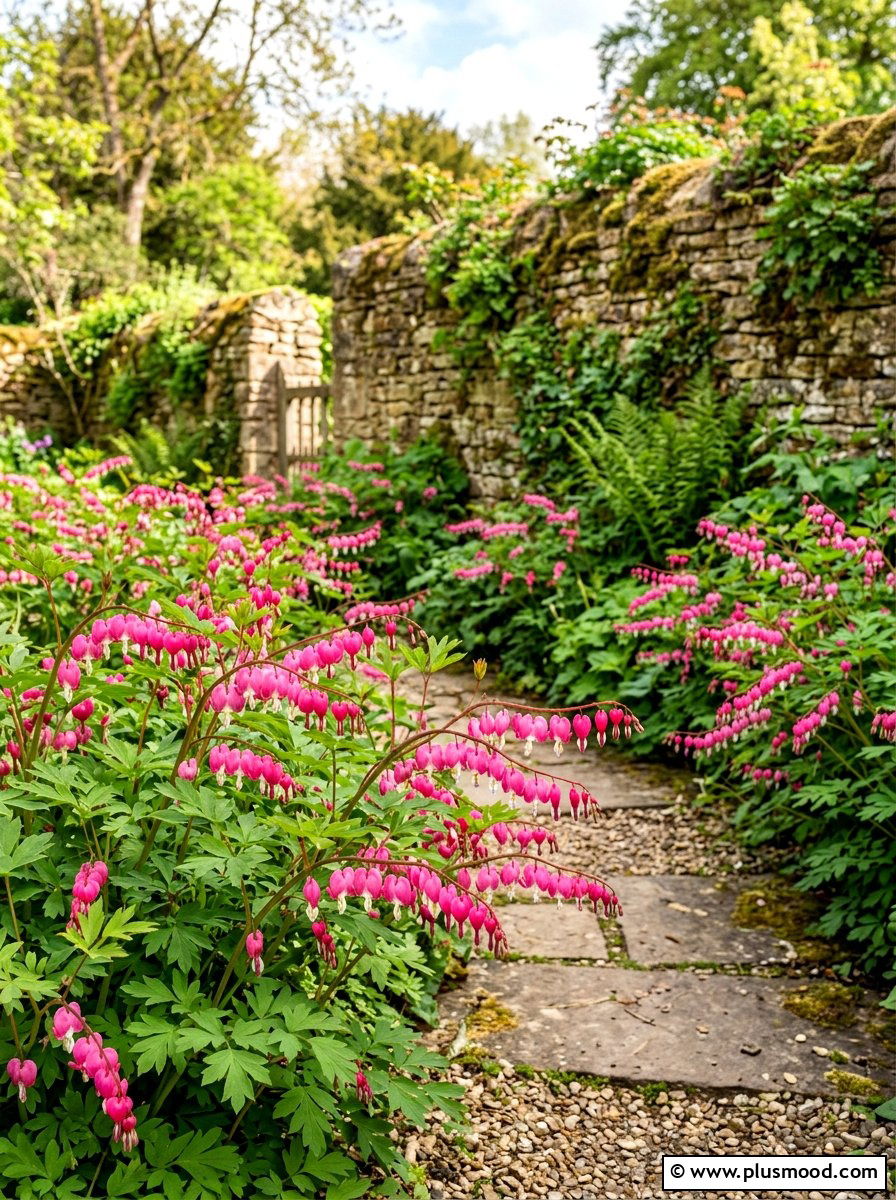
Few plants offer the same level of charm and whimsy as the classic bleeding heart, which is the star of this romantic garden theme. A bleeding heart garden features these delicate, arching stems with heart-shaped flowers that dangle gracefully over soft, green foliage. This design is best paired with other early-summer bloomers like columbine or primrose to create a soft, cottage-inspired look. While the traditional pink variety is a favorite, adding white bleeding hearts can help illuminate darker spots under a heavy tree canopy. This garden style feels nostalgic and peaceful, providing a sense of old-world beauty to a modern landscape. It is a lovely way to celebrate the quiet elegance of shade-loving perennials in your backyard.
11. Moss Garden
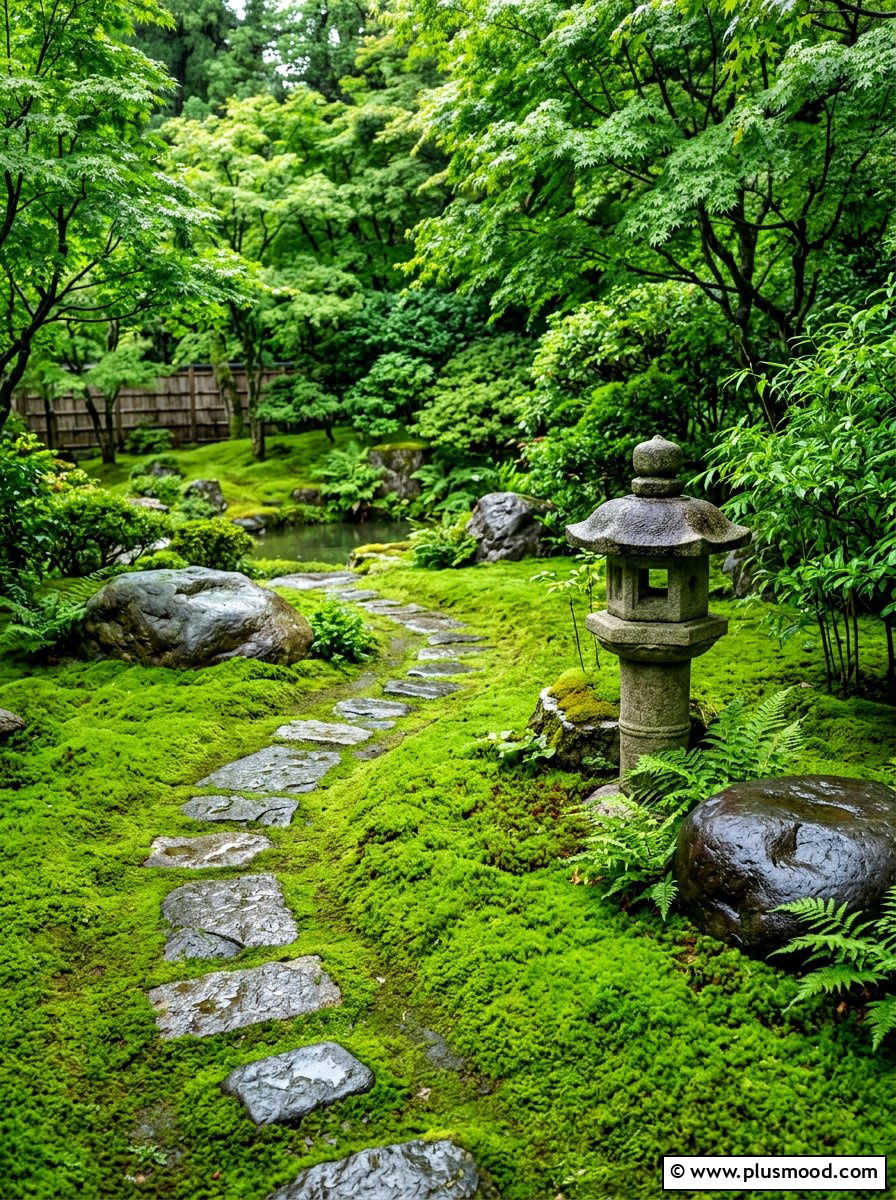
A moss garden offers a unique, minimalist aesthetic that emphasizes stillness and subtle texture over bright colors and large blooms. This design involves encouraging different types of moss to grow over rocks, logs, and bare soil to create a soft, emerald-green carpet. Because moss thrives in high-humidity and low-light areas, it is the perfect solution for damp spots where traditional grass refuses to grow. You can add a stone lantern or a small basin of water to complete the Zen-like atmosphere of the space. This type of garden is incredibly low-maintenance once established and provides a cooling effect during the heat of summer. It is a sophisticated choice for those seeking a tranquil and modern outdoor retreat.
12. Hellebore Garden
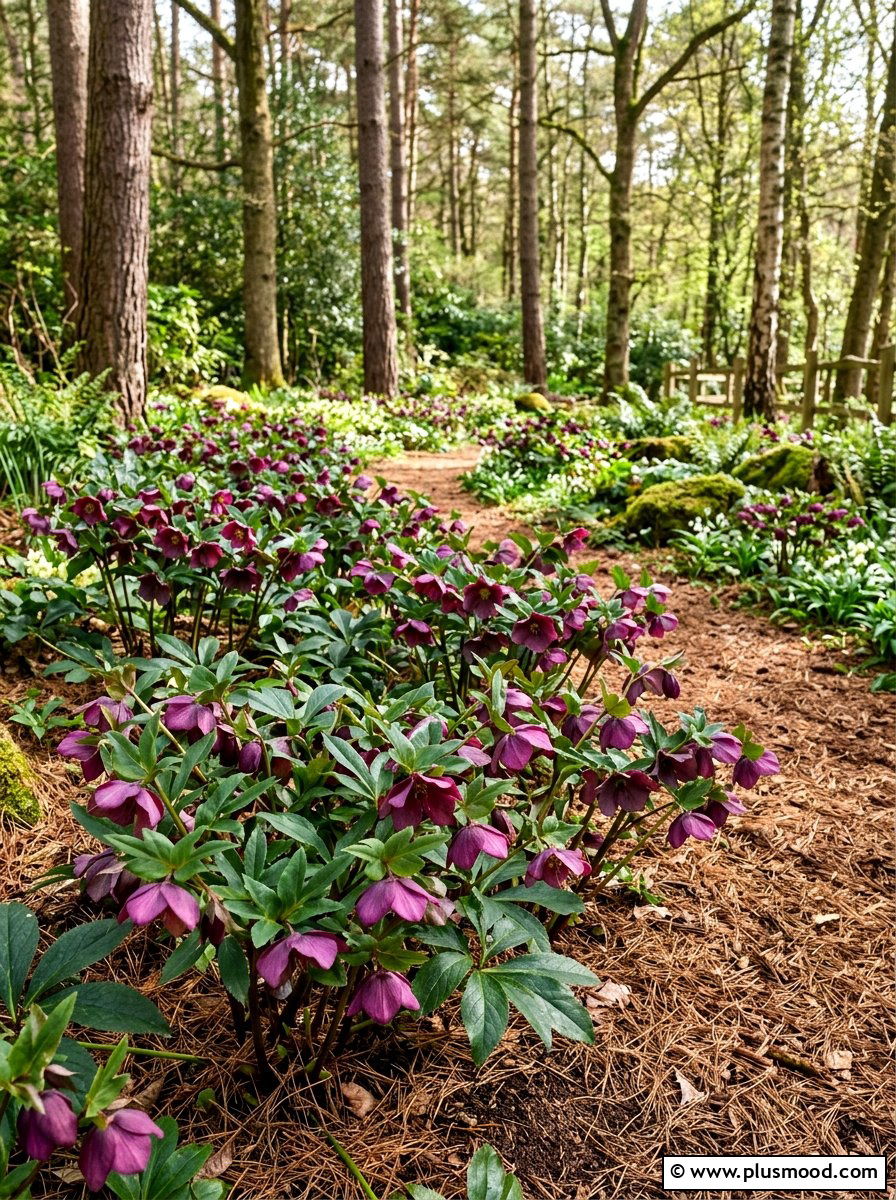
For a garden that looks great in every season, a hellebore garden provides evergreen structure and some of the earliest flowers of the year. While they are known for blooming in late winter, their leathery, dark green leaves remain a strong architectural presence throughout the summer months. This design works beautifully when planted in large groups under deciduous trees, where the plants can enjoy the changing light patterns. You can mix different species to enjoy a variety of flower shapes and colors, from snowy white to deep plum. Hellebores are remarkably tough and deer-resistant, making them a practical choice for woodland edges. This garden style offers a sophisticated, permanent feel to your landscape that requires very little yearly effort.
13. Impatiens Garden
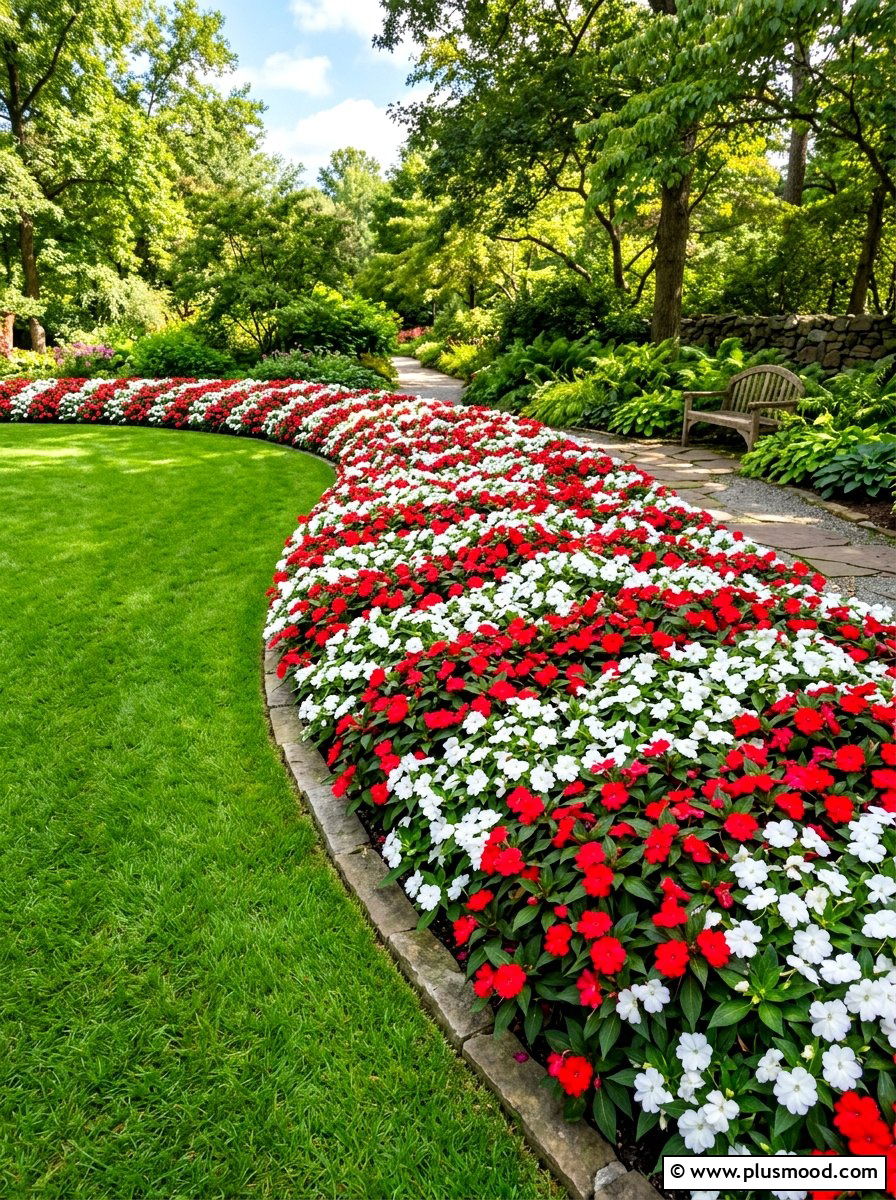
When you want a sea of vibrant, non-stop color in a shady spot, an impatiens garden is the most effective design choice. These popular annuals are famous for their ability to produce thousands of small, bright flowers in almost every color imaginable. By planting them in massive drifts or using them to border a shaded pathway, you can create a high-impact visual that lasts all summer long. This design is especially useful for filling in large empty spaces or adding a uniform look to a complex garden layout. Whether you choose the classic varieties or the larger New Guinea types, the result is always a cheerful and inviting space. It is a fantastic way to make a dark corner feel bright and energetic.
14. Coleus Garden
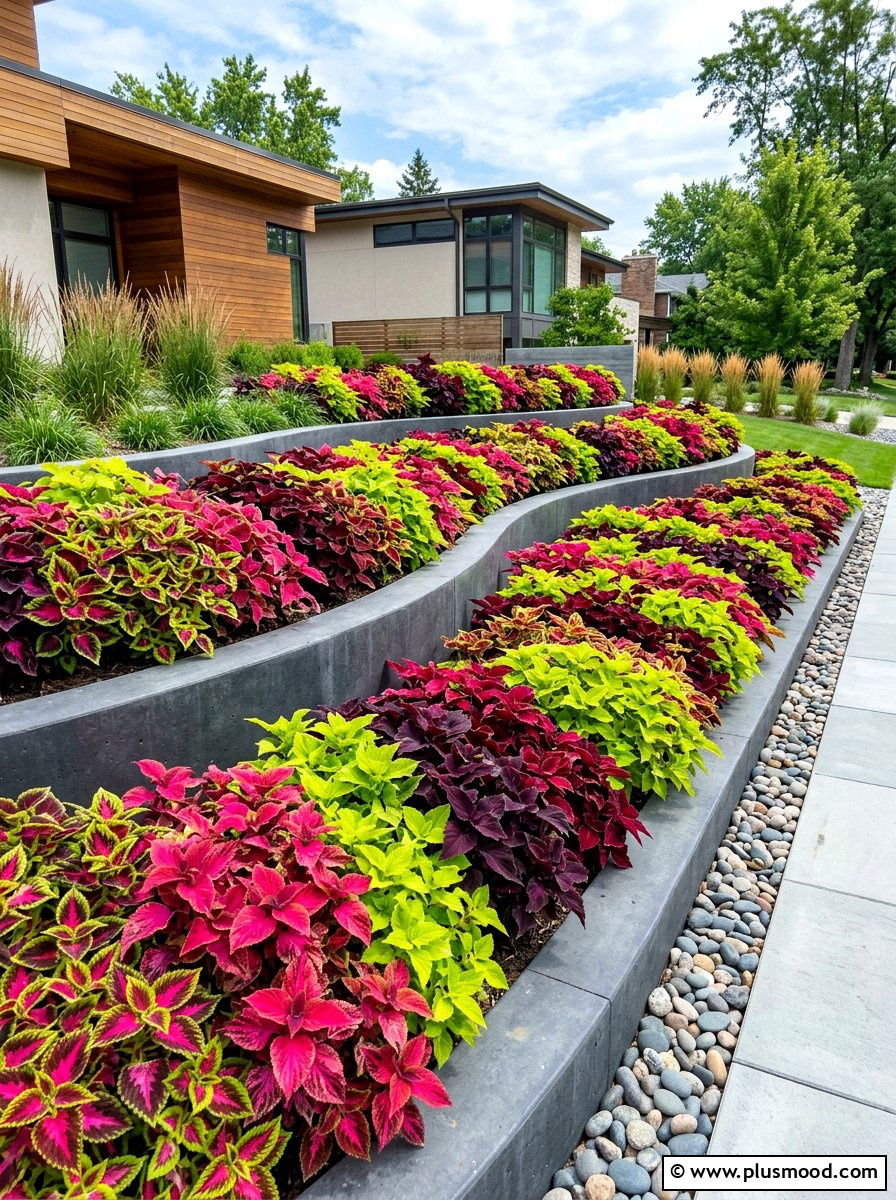
Texture and pattern take center stage in a coleus garden, where the leaves are far more impressive than any potential flowers. Coleus plants come in hundreds of varieties with intricate margins, contrasting veins, and neon colors that seem to glow in the shade. A dedicated coleus garden uses these patterns to create a sense of movement and excitement in a low-light environment. You can group varieties with similar tones for a sophisticated look or mix them all together for a wild, bohemian feel. Because they are so easy to grow from cuttings, this design is also very budget-friendly for large areas. It is an excellent choice for adding instant personality and a touch of the exotic to your yard.
15. Shade Garden Seating Area
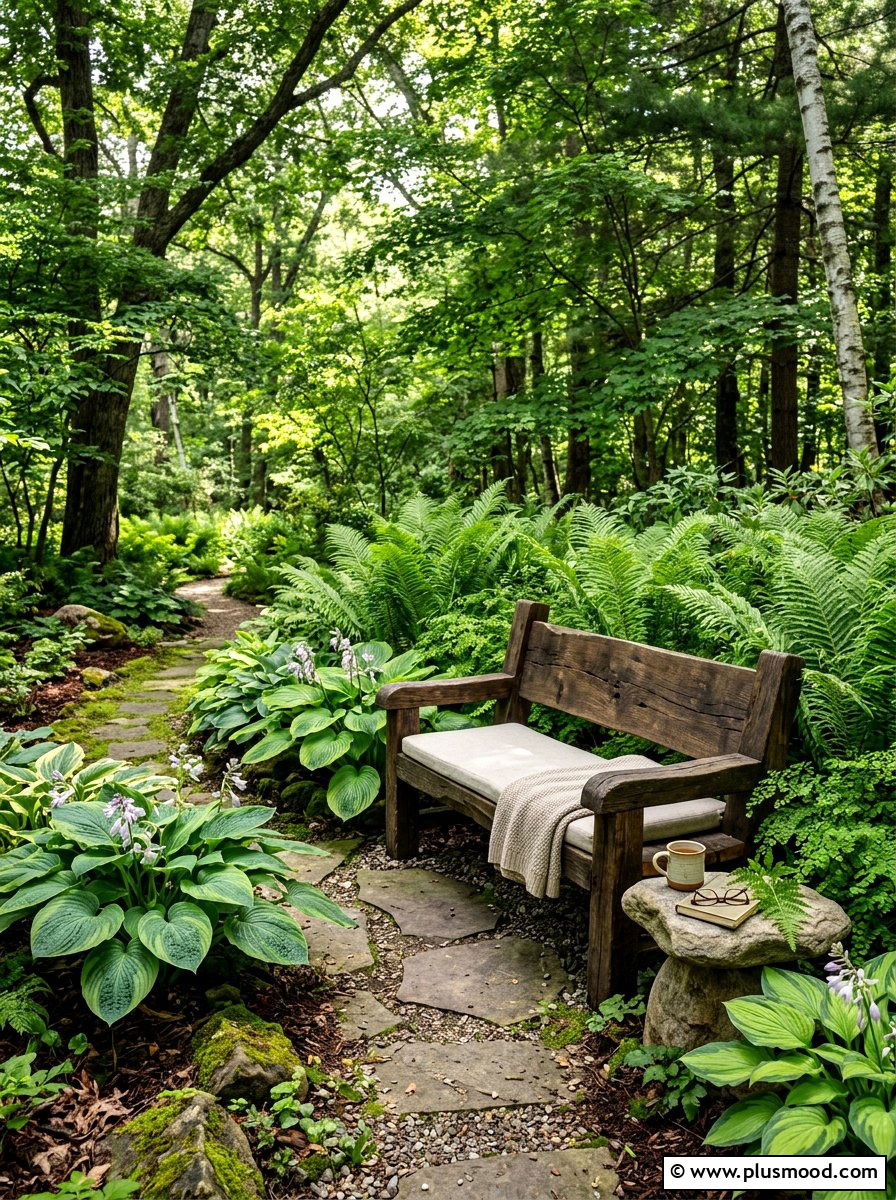
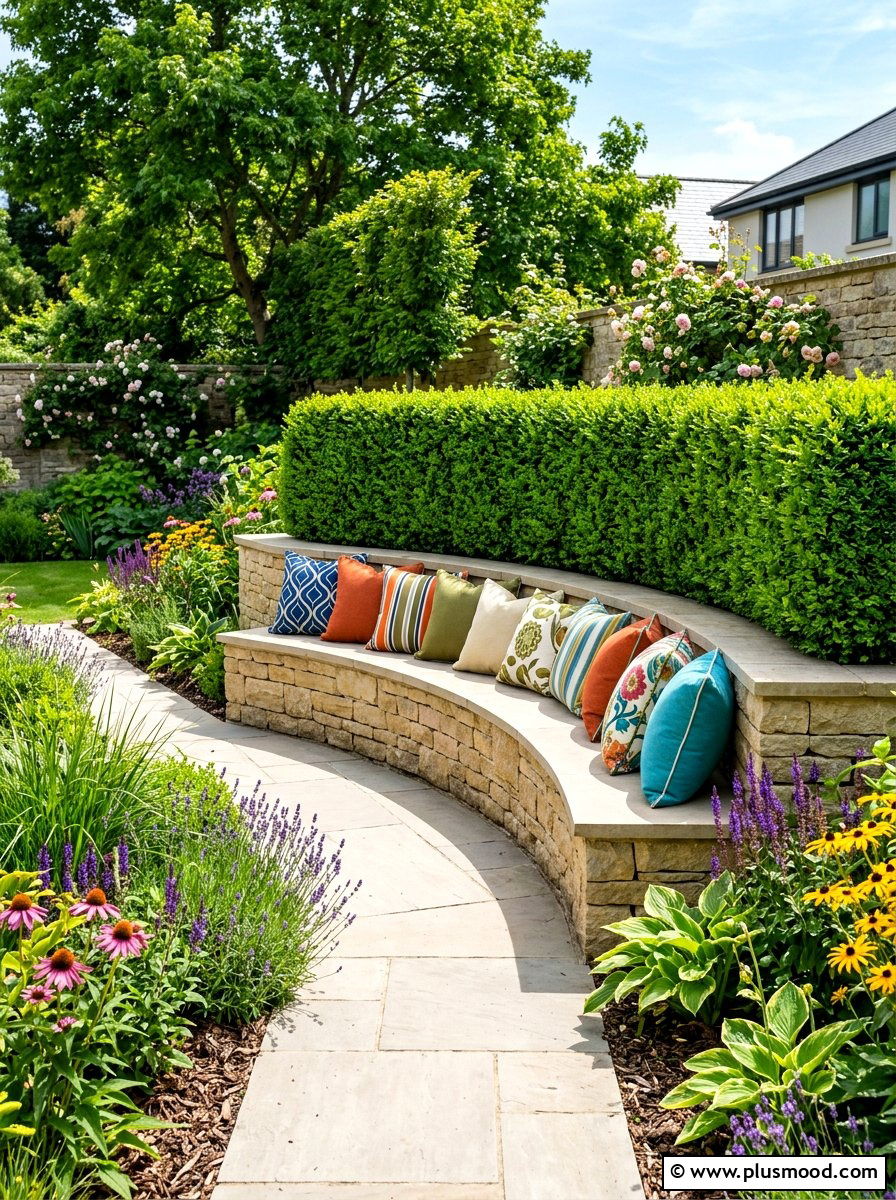
Transforming a cool, dark corner into a functional living space is the goal of a shade garden seating area. This design places comfortable furniture, such as a wooden bench or a set of wicker chairs, in the heart of a lushly planted zone. Surrounding the seating with tall ferns and fragrant hostas creates a sense of privacy and seclusion from the rest of the world. You might also include a small side table for books and cold drinks to encourage long afternoons spent outdoors. This layout turns an unused part of the yard into a valuable retreat where you can escape the summer heat. It is a practical and beautiful way to maximize the footprint of your home’s outdoor space.
16. Tropical Shade Garden
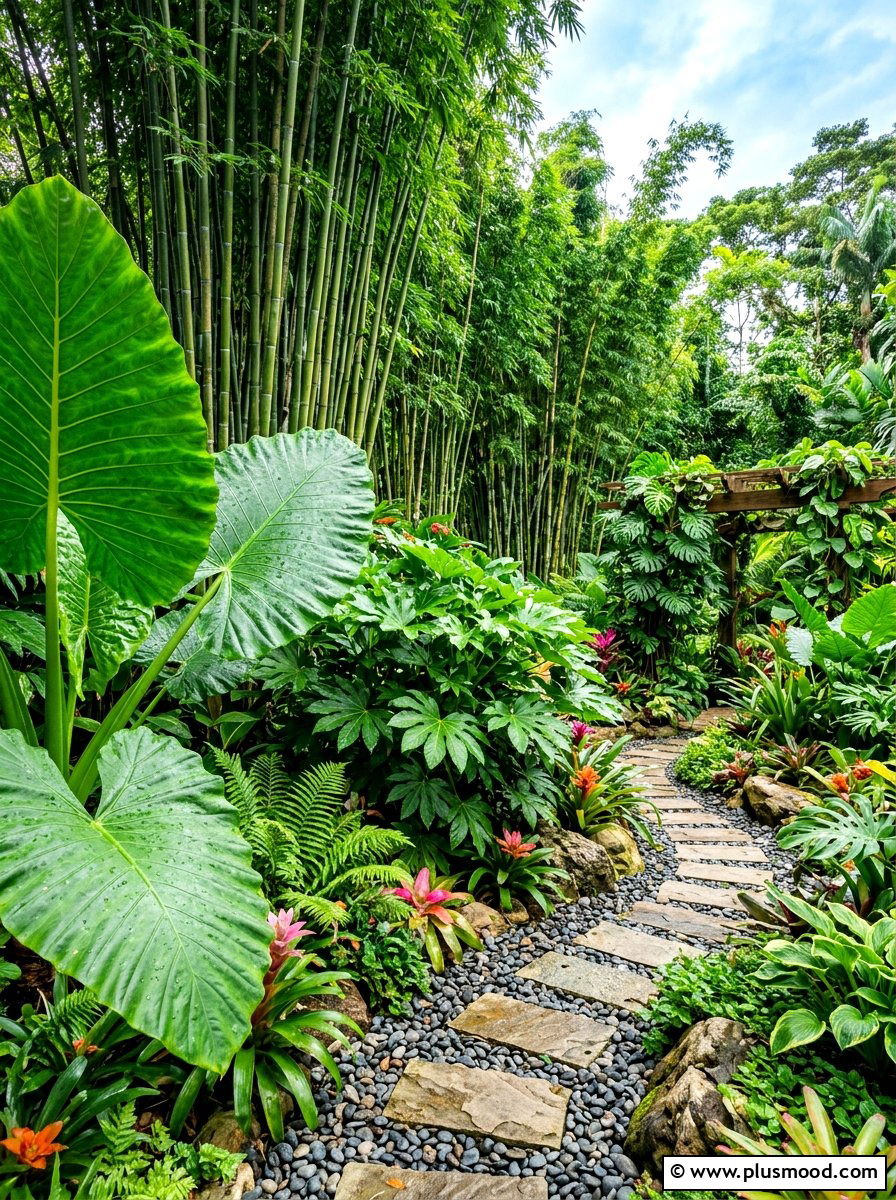
You don't need a tropical climate to enjoy a tropical shade garden that feels like a lush, exotic jungle. This design uses large-leafed plants like fatsia, elephant ears, and hardy palms to create a dramatic and oversized aesthetic. By layering these big leaves with hanging vines and bright caladiums, you can achieve a dense, multi-dimensional look that blocks out the rest of the neighborhood. This style is perfect for creating a private oasis around a pool or a back patio where you want a sense of escape. The heavy greenery helps to trap moisture and keep the air feeling cool and fresh during the hottest parts of the year. It is a bold, impressive way to landscape a shady backyard.
17. Native Shade Garden
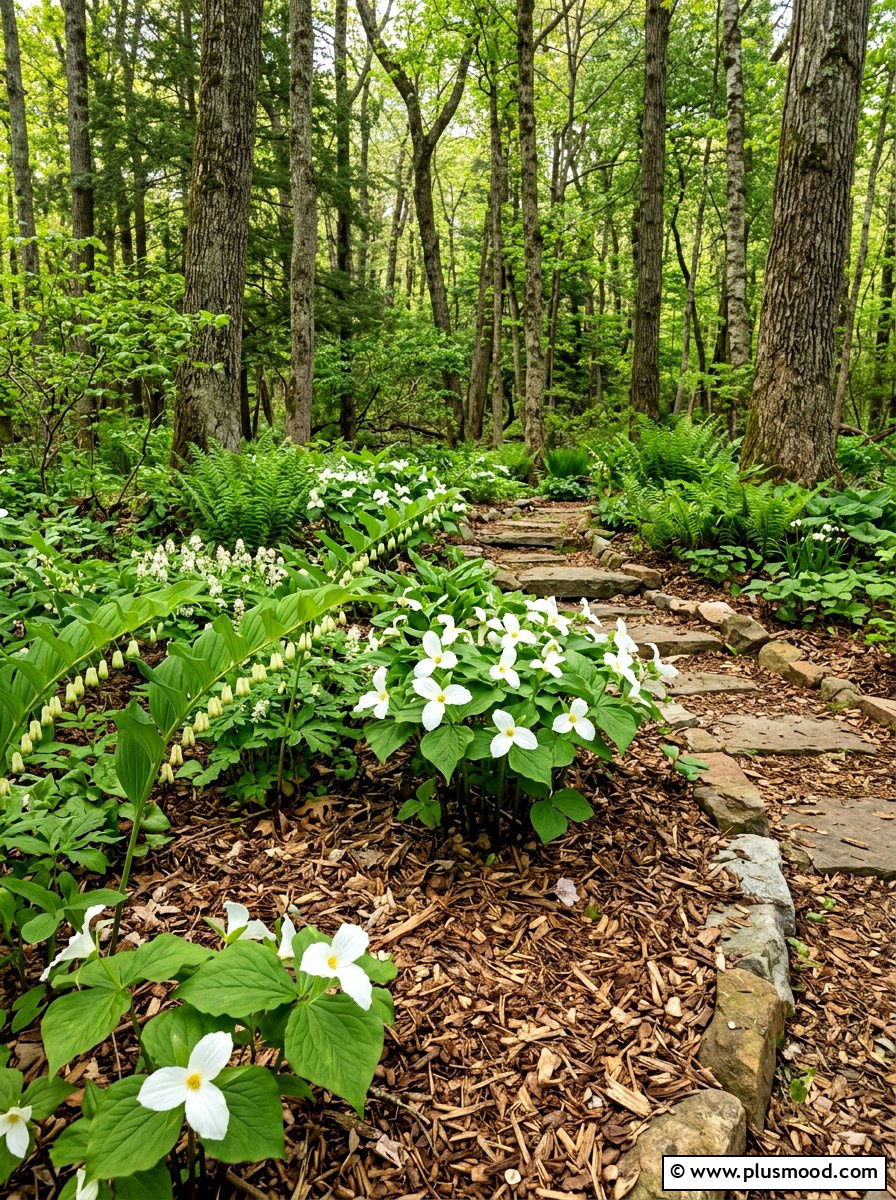
A native shade garden is a sustainable and ecologically friendly way to beautify the low-light areas of your property. This design focuses on plants that naturally grow in the local forest understory, such as trillium, wild ginger, and Solomon’s seal. By using species that are adapted to your specific climate and soil, you create a garden that is incredibly hardy and supports local pollinators and birds. This approach often results in a more relaxed, naturalistic look that blends perfectly with the surrounding environment. It requires less water and fertilizer than traditional gardens, making it a great choice for busy homeowners. This garden style connects your home to the local landscape while providing a beautiful, quiet sanctuary for reflection.
18. Tiered Shade Garden
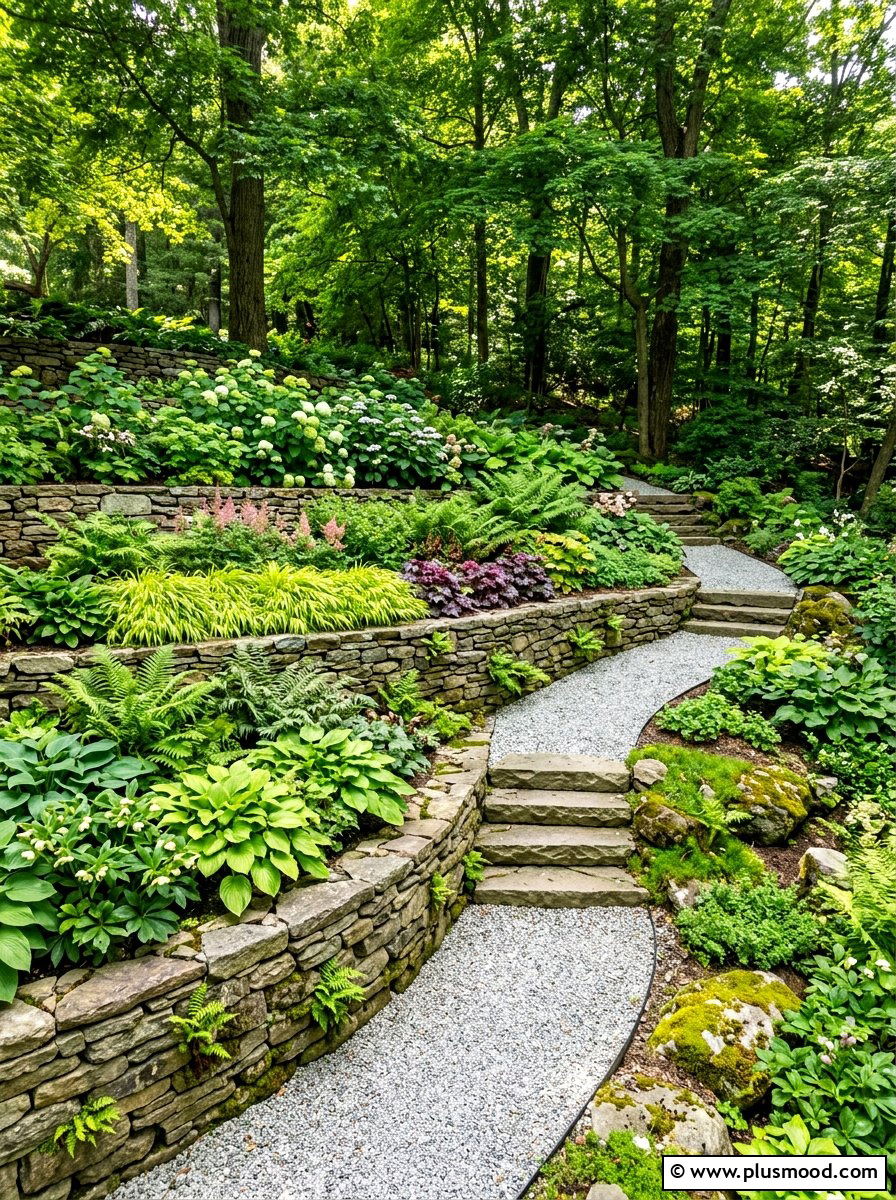
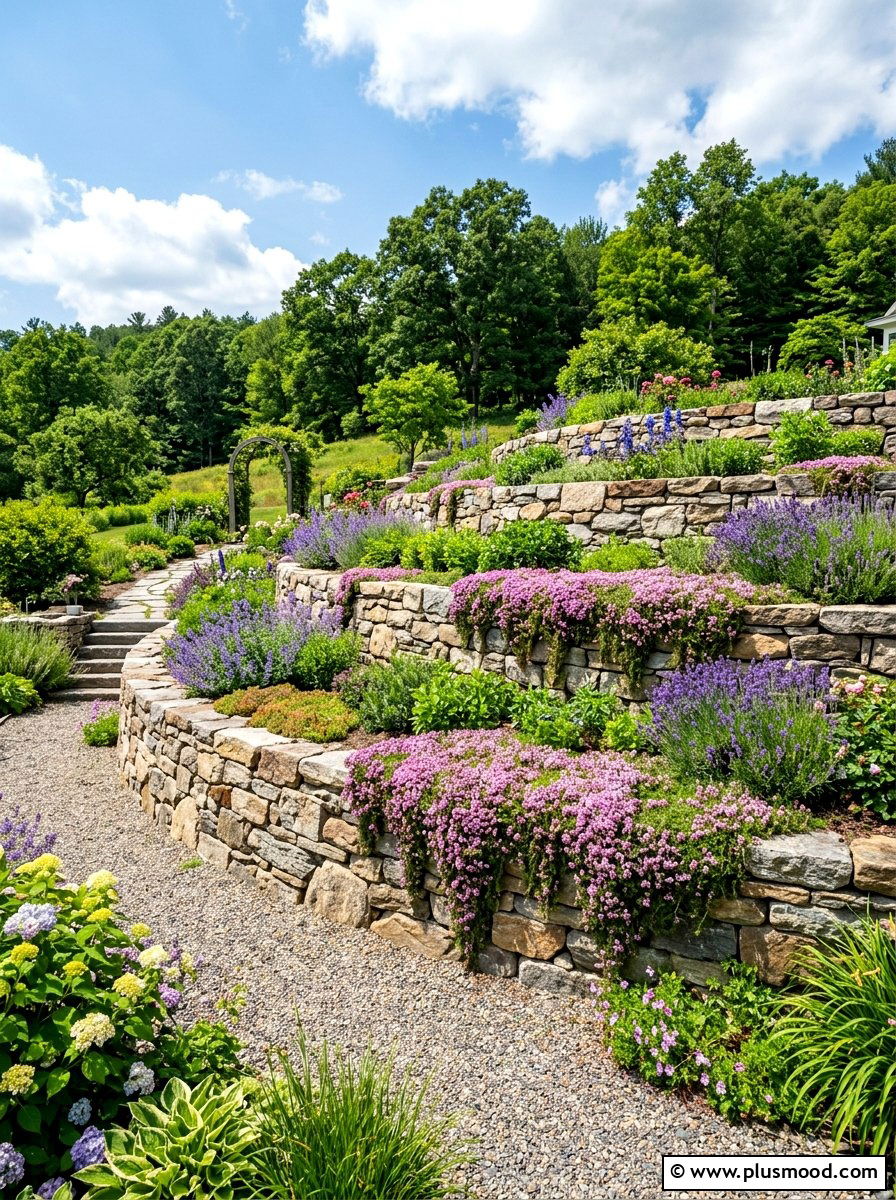
If you are dealing with a shaded slope, a tiered shade garden is a brilliant way to turn a difficult terrain into a stunning focal point. This design uses retaining walls or stone steps to create flat planting levels that prevent erosion and allow for better water management. Each tier can be filled with different types of shade-loving plants, such as cascading ground covers on the edges and taller shrubs in the back. This vertical arrangement adds a sense of drama and scale to the yard, making it feel more like a professional botanical garden. It also provides excellent opportunities for incorporating small waterfalls or lighting features that highlight the different levels. It is a structural and highly rewarding landscaping solution.
19. White Shade Garden
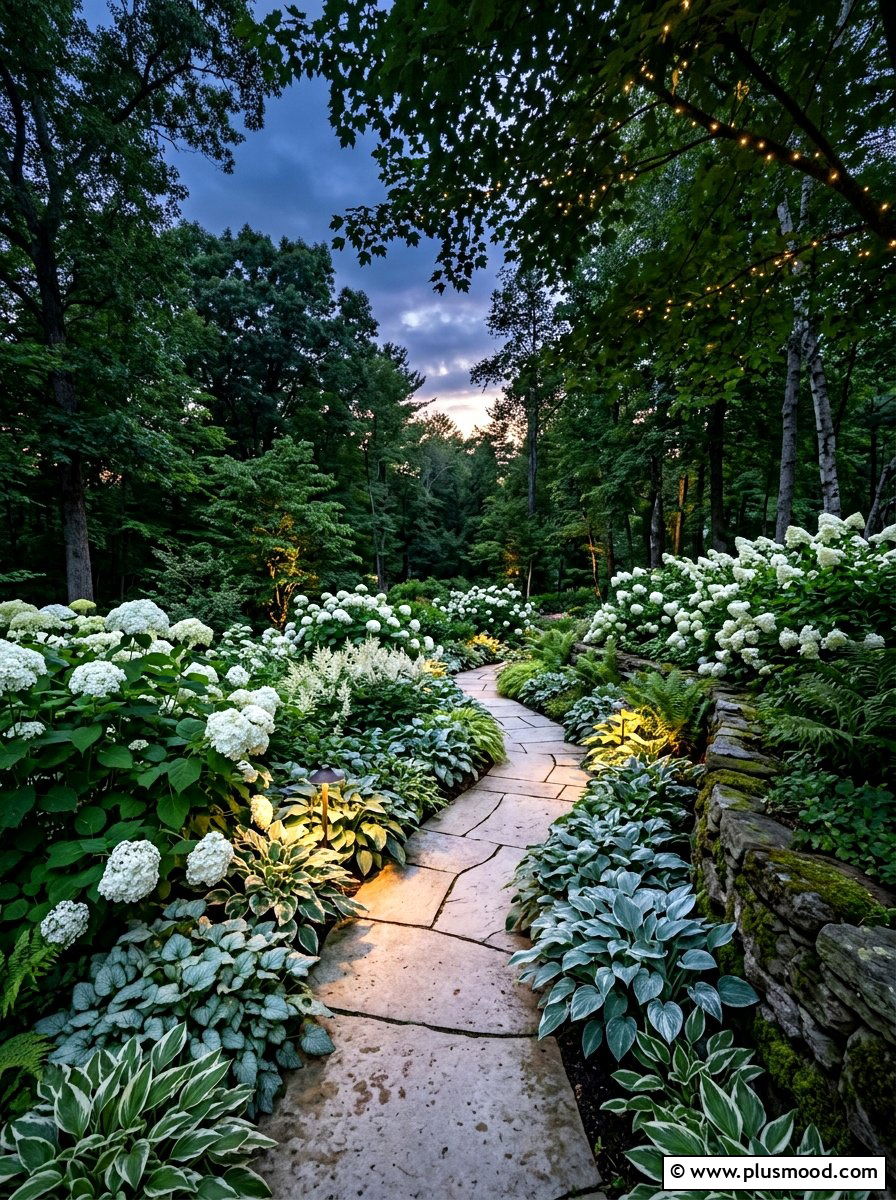
A white shade garden, often referred to as a moon garden, is designed to be enjoyed during the twilight and evening hours. This theme uses plants with white flowers or silver foliage that seem to glow in the dim evening light. Popular choices include white hydrangeas, lily of the valley, and variegated hostas that reflect whatever light is available. By placing this garden near a patio or bedroom window, you can enjoy its luminous beauty long after the sun has set. This design creates a serene, ethereal atmosphere that feels very different from a typical daytime garden. It is a sophisticated way to extend the hours you spend enjoying your outdoor space during the warm summer nights.
20. Small Space Shade Garden
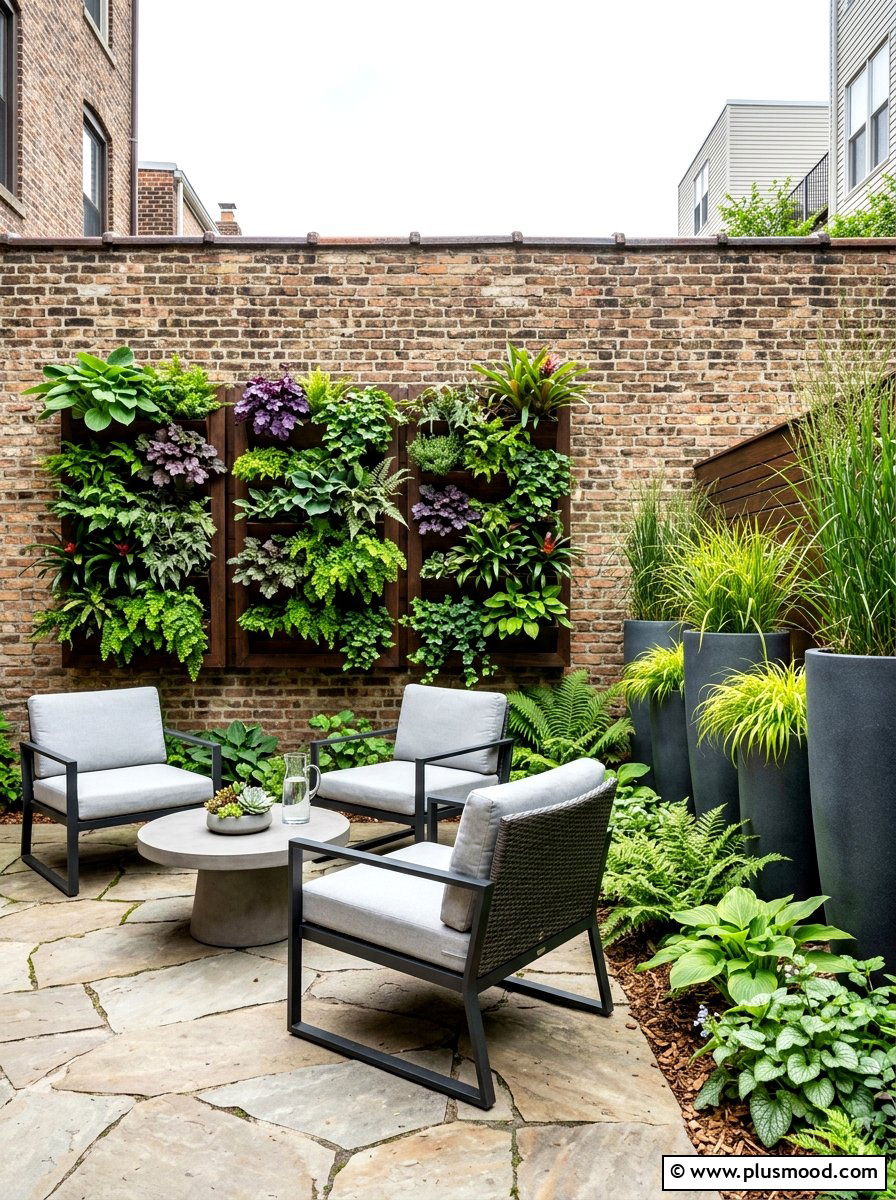
Living in an urban area with a tiny courtyard or a shaded balcony doesn 't mean you have to give up on gardening. A small space shade garden uses vertical elements, wall-mounted planters, and tiered stands to pack a lot of greenery into a minimal footprint. By focusing on a few high-impact plants like Japanese forest grass or delicate fuchsias, you can create a lush environment that doesn' t feel cluttered. Using light-colored containers and mirrors can help bounce light around and make the area feel larger than it actually is. This design proves that even the smallest, dimmest corner can be transformed into a thriving green retreat. It is a creative and efficient way to bring nature into a city lifestyle.
21. Shade Garden Water Feature
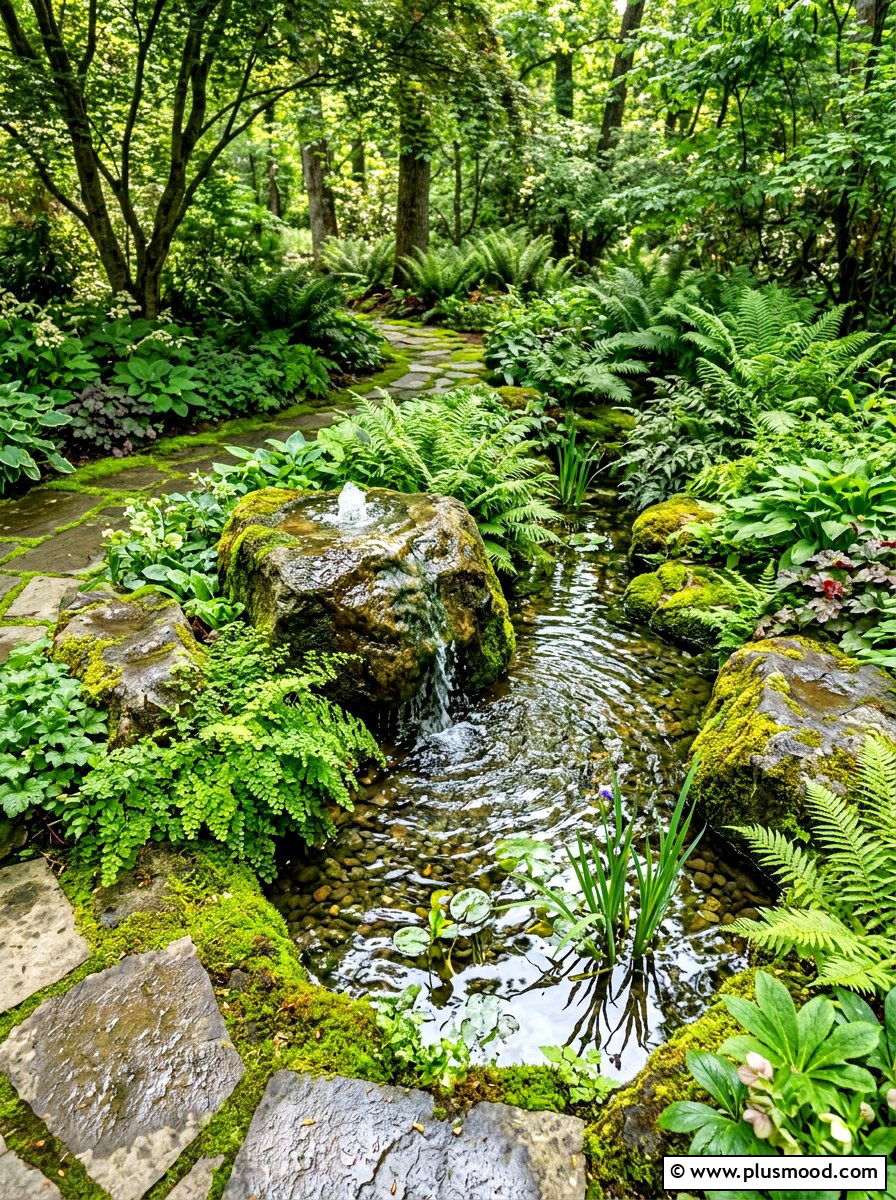
The sound of trickling water adds a new layer of tranquility to a shade garden water feature, making it the perfect spot for relaxation. This design incorporates a small fountain, a stone basin, or a recirculating stream into a cool, planted environment. The moisture from the water helps to cool the surrounding air and provides a vital resource for local birds and butterflies. Surrounding the water with moisture-loving plants like ferns and marsh marigolds creates a natural, pond-side look that feels very refreshing. This feature becomes the heart of the garden, drawing the eye and providing a soothing soundtrack for your outdoor activities. It is a luxurious addition that significantly enhances the peaceful mood of a shady backyard.
22. Wildflower Shade Garden
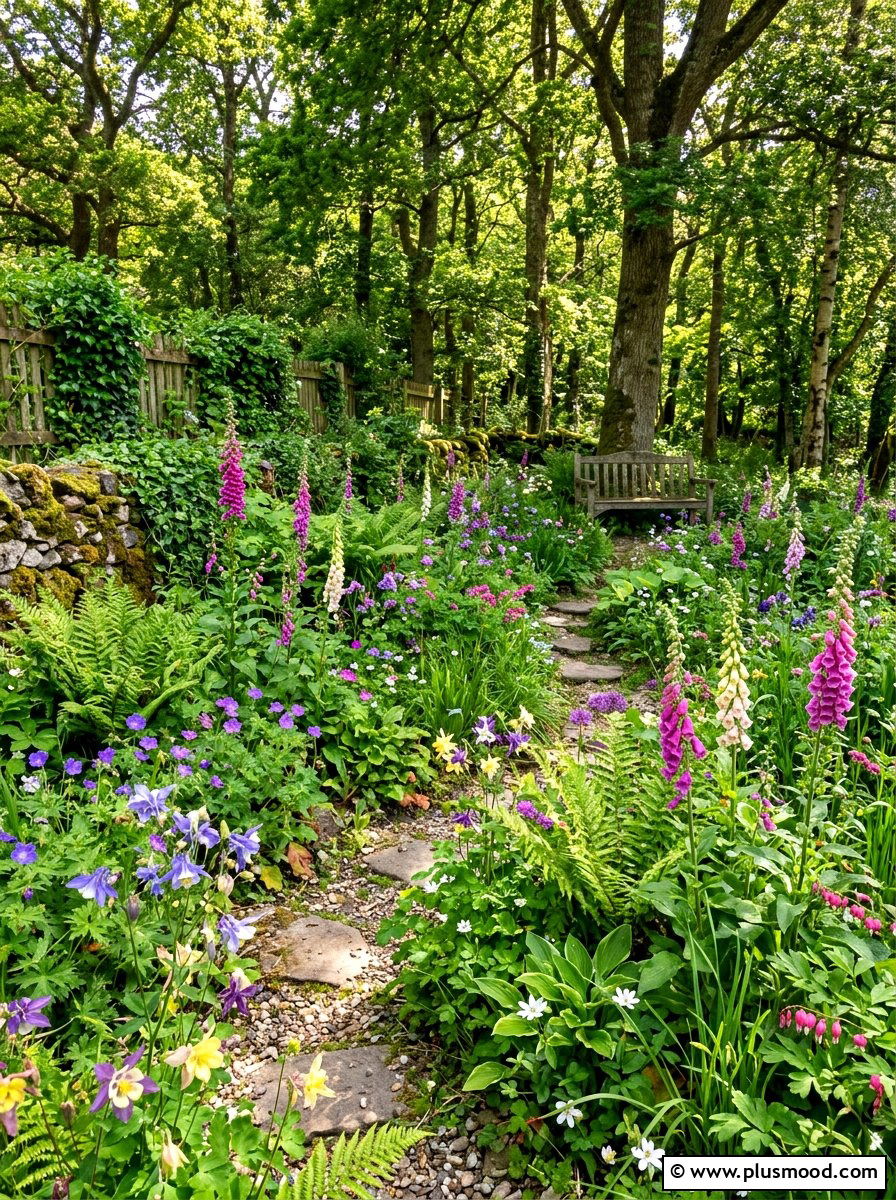
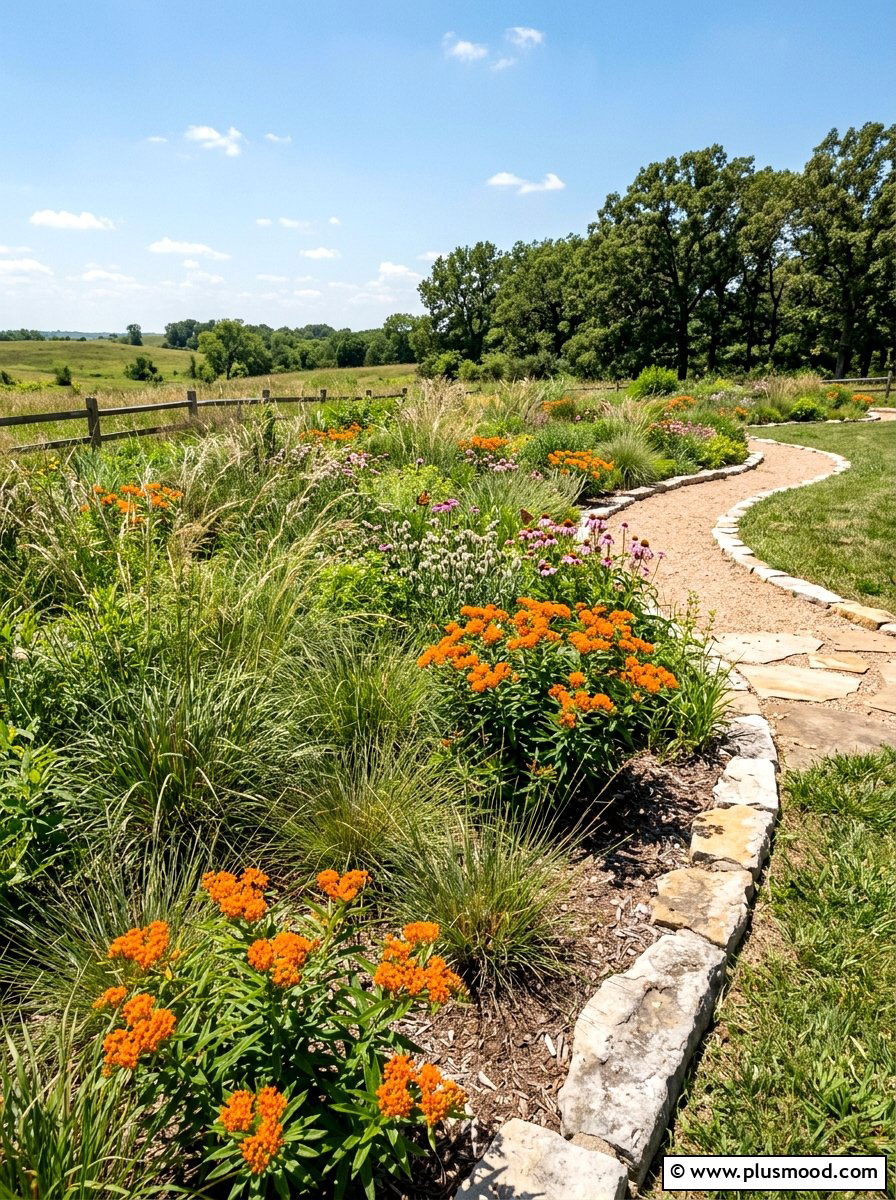
A wildflower shade garden offers a soft, informal look that celebrates the unforced beauty of nature. This design involves sowing a mix of shade-tolerant wildflower seeds or planting native perennials in a random, scattered pattern. Plants like columbine, foxglove, and forget-me-nots create a colorful and slightly wild aesthetic that feels like a clearing in the woods. This approach is excellent for large, low-maintenance areas where you want to encourage biodiversity and local wildlife. The result is a charming, meadow-like space that changes throughout the summer as different species come into bloom. It is a budget-friendly and environmentally conscious way to fill your yard with color and life without the need for strict rows or formal edging.
23. Japanese Shade Garden
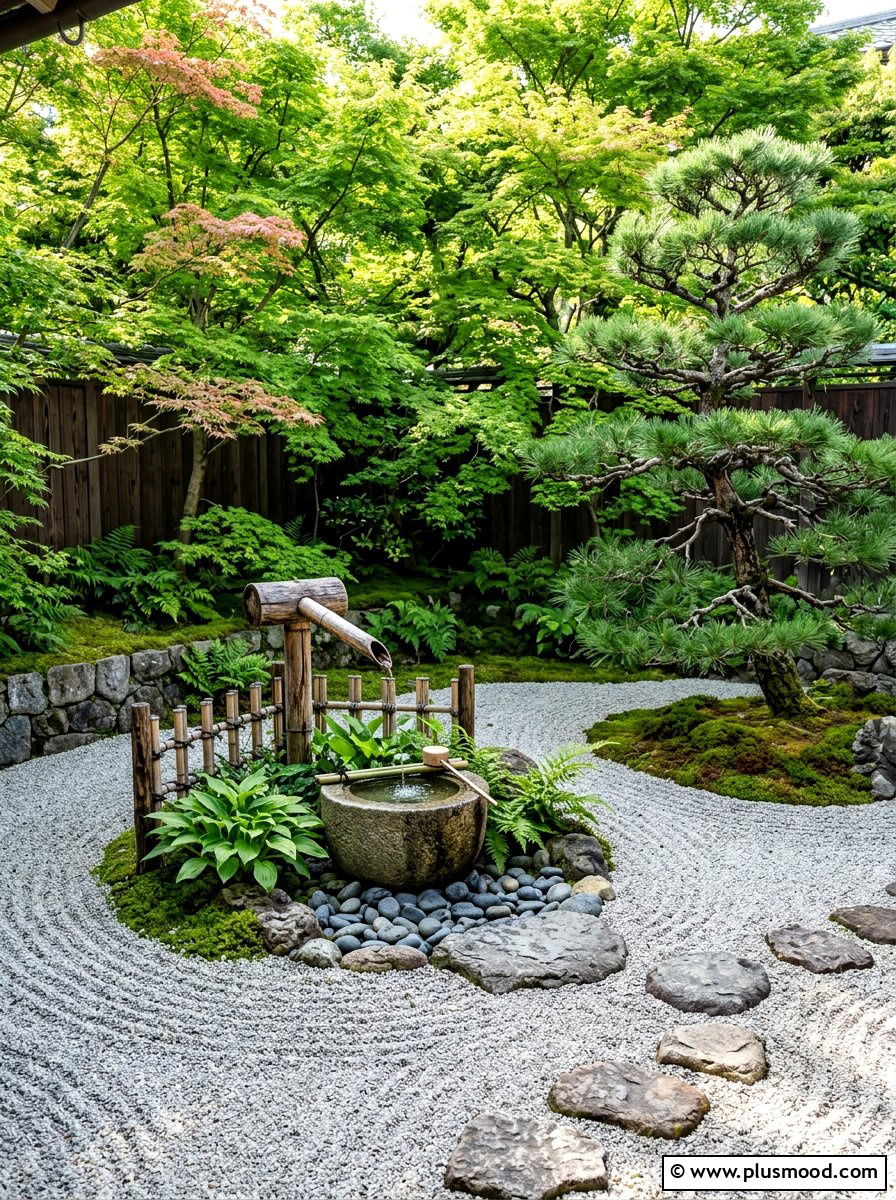
Simplicity and balance are the core principles of a Japanese shade garden, which uses a limited palette of plants and materials to create a Zen-like retreat. This design often features a combination of evergreen shrubs, carefully pruned trees, and smooth gravel or sand. A single, well-placed stone or a bamboo water spout can act as a powerful focal point in the quiet, shaded environment. The use of moss and ferns adds soft textures that contrast beautifully with the hard lines of stone lanterns or wooden fences. This garden style is perfect for those who want a low-clutter, meditative space that remains beautiful all year long. It offers a timeless sense of peace and order that is incredibly refreshing.
24. Shade Garden Border
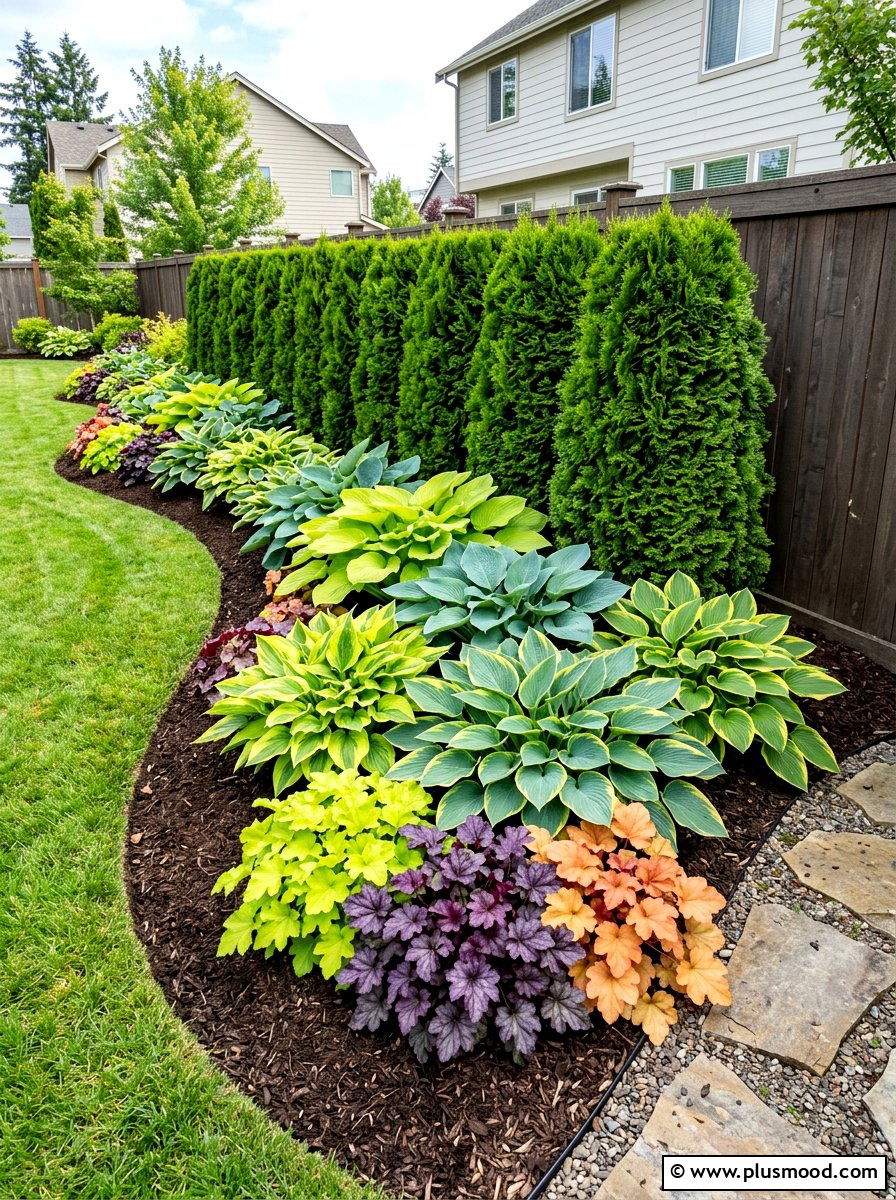
Creating a shade garden border is a smart way to define the edges of your property while making use of the area under a fence or building. This design uses a layered approach with taller shrubs at the back and shorter perennials at the front to create a full, lush appearance. By using a mix of foliage colors and textures, you can ensure that the border remains interesting even when nothing is in bloom. This layout helps to soften the hard lines of your home’s architecture and creates a seamless transition between different parts of the yard. It is a practical and highly effective way to add curb appeal and a sense of completeness to your overall landscape design.
25. Vertical Shade Garden
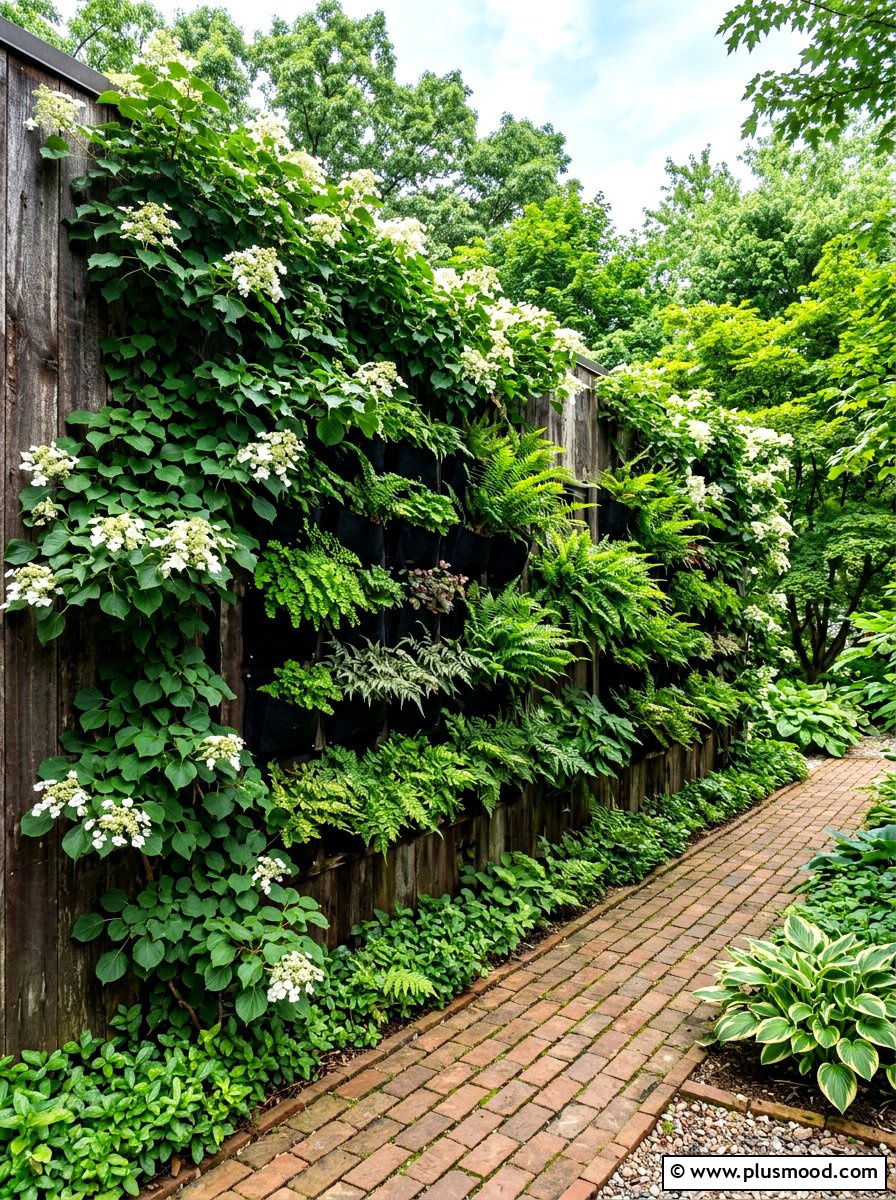
When ground space is limited, a vertical shade garden allows you to grow upwards by utilizing walls, fences, and trellises. This design uses climbing plants like ivy, climbing hydrangea, or jasmine to create a living wall of green that thrives in low light. You can also install wall-mounted pockets or shelving to hold small pots of ferns and trailing begonias. This approach adds a massive amount of greenery without taking up any floor space, making it ideal for narrow side yards or small patios. It also provides excellent insulation and noise reduction for your home. The result is a stunning, immersive environment that surrounds you with nature and makes even the most industrial space feel like a secret garden.
Conclusion:
Designing a summer shade garden is a rewarding journey that allows you to discover the hidden potential of the cooler, dimmer parts of your yard. By focusing on rich textures, varied foliage, and carefully selected blooms, you can create a space that is every bit as vibrant and beautiful as a sun-drenched landscape. Whether you prefer the formal order of a Japanese-inspired retreat or the wild, romantic feel of a woodland path, there are endless ways to make your shade garden a true sanctuary. These quiet corners offer a unique kind of beauty that invites relaxation and reflection during the long, hot days of the summer season. With a bit of planning and the right plants, you can transform your shady spots into the most inviting and cherished areas of your entire outdoor living environment.
Related posts:
Leave a Reply