
Creating a summer sensory garden is one of the most rewarding ways to transform your outdoor space into a peaceful retreat. These specialized landscapes are thoughtfully designed to engage all five senses, providing a deeply immersive experience for everyone who visits. By focusing on sight, sound, smell, touch, and even taste, you can foster a unique connection with nature that standard gardens simply cannot match. During the warm months, the environment is naturally alive with vibrant colors and rich textures. Integrating specific sensory elements allows you to slow down and appreciate the subtle details of the season. Whether you have a sprawling backyard or a small balcony, these features will help you create a viral-worthy haven that promotes relaxation and mental well-being for your entire family.
1. Lavender Walkway
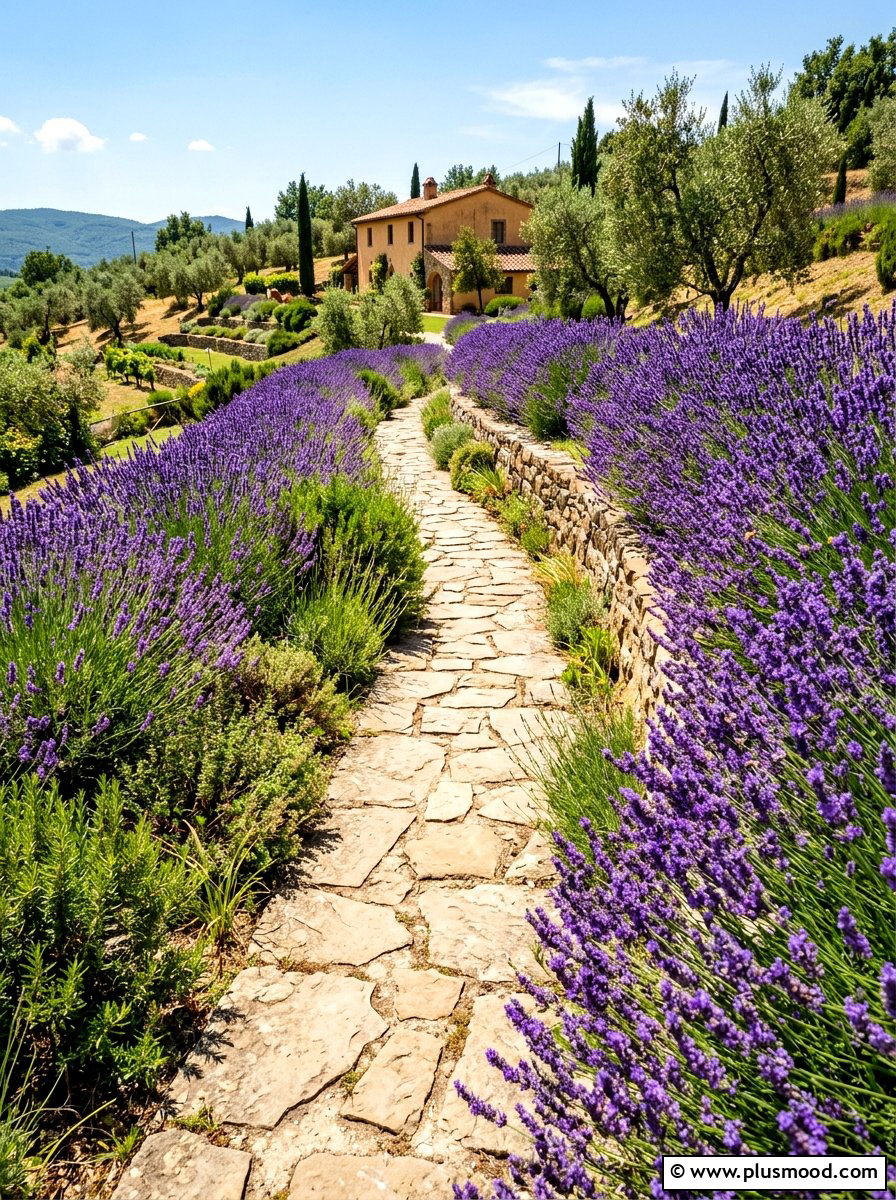
Walking through a lavender walkway during the peak of summer is a truly transformative experience for your senses. These hardy, purple perennials offer a calming fragrance that lingers in the warm air with every gentle breeze. The soft, silver-green foliage provides a beautiful visual contrast against more traditional garden greens. You can place these plants along a primary garden path to ensure that visitors brush against them while passing. This physical contact releases the essential oils, creating an immediate burst of soothing scent. It is a simple way to incorporate both touch and smell into your landscape. Lavender also attracts helpful pollinators like honeybees and butterflies to your yard, adding delightful movement and life to the scene.
2. Solar Water Fountain
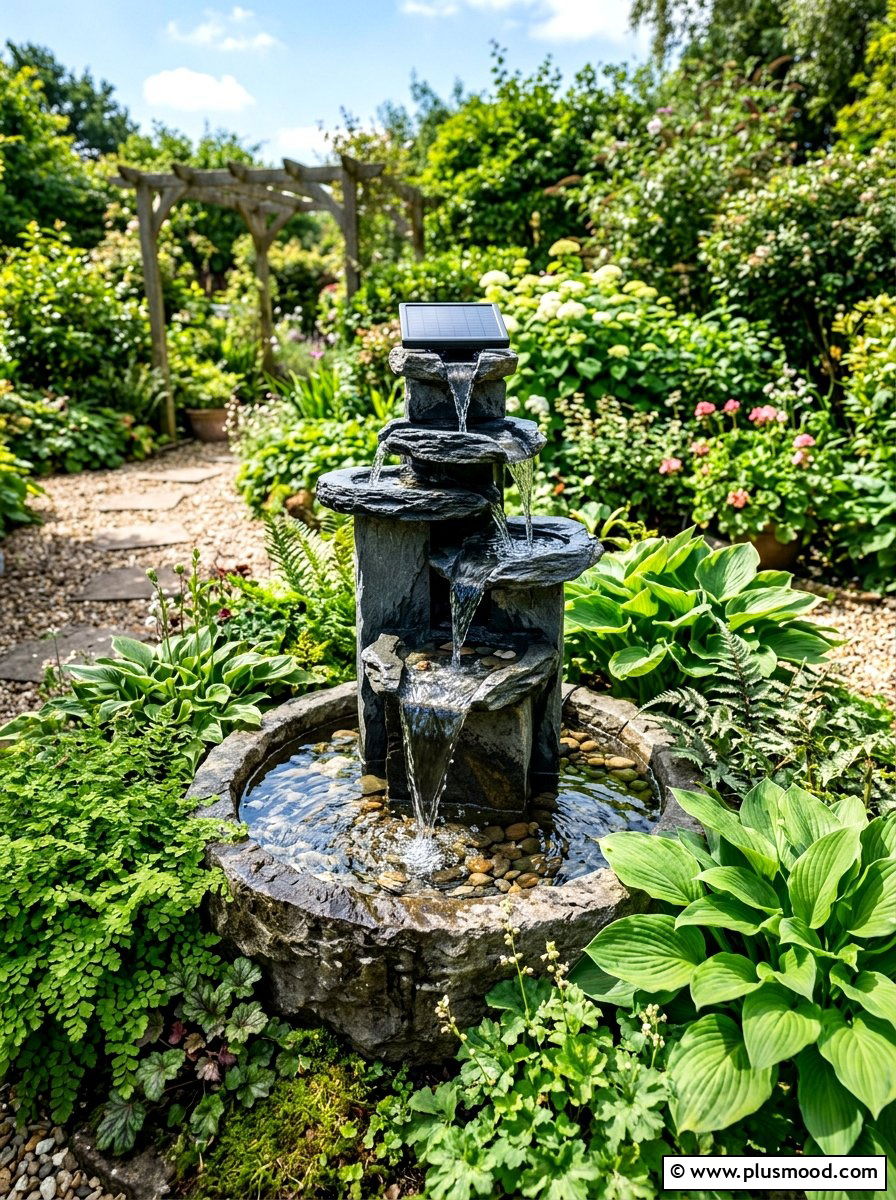
A solar water fountain is an excellent way to introduce the soothing sound of moving water without complex electrical wiring. During the bright summer days, the sun powers a gentle cascade that masks neighborhood noise and creates a peaceful atmosphere. The sight of sparkling water droplets catching the sunlight adds a refreshing cooling effect to your outdoor living area. Birds are often drawn to these features, providing additional entertainment as they splash and play. Placing a fountain near a seating area allows you to fully enjoy the rhythmic splashing sounds. It serves as a beautiful focal point that encourages mindfulness and relaxation. This eco-friendly feature is a must-have for any modern, sustainable sensory garden project.
3. Ornamental Grass Border
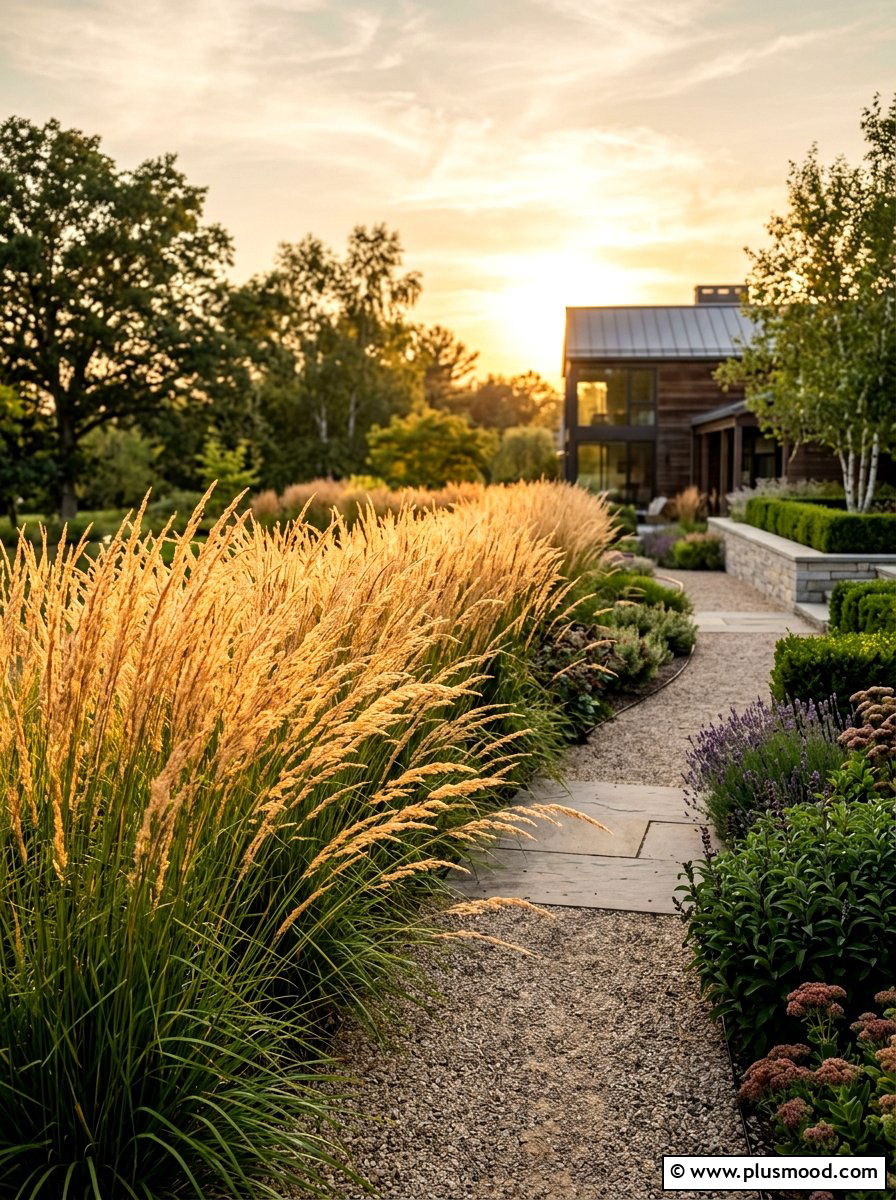
Incorporating an ornamental grass border adds a layer of auditory interest and fluid movement to your summer landscape. Tall varieties like Feather Reed Grass or Switchgrass sway gracefully in the wind, producing a soft, whispering sound that is incredibly relaxing. The fine textures of the blades are visually striking, especially when backlit by the low evening sun. These grasses provide a tactile element as well, with seed heads that feel feathery or rough to the touch. They help define the edges of your garden rooms while maintaining an airy and open feel. Because they are generally drought-tolerant, they remain beautiful throughout the hottest weeks. This makes them a practical and aesthetic choice for climate-resilient garden designs.
4. Raised Herb Bed
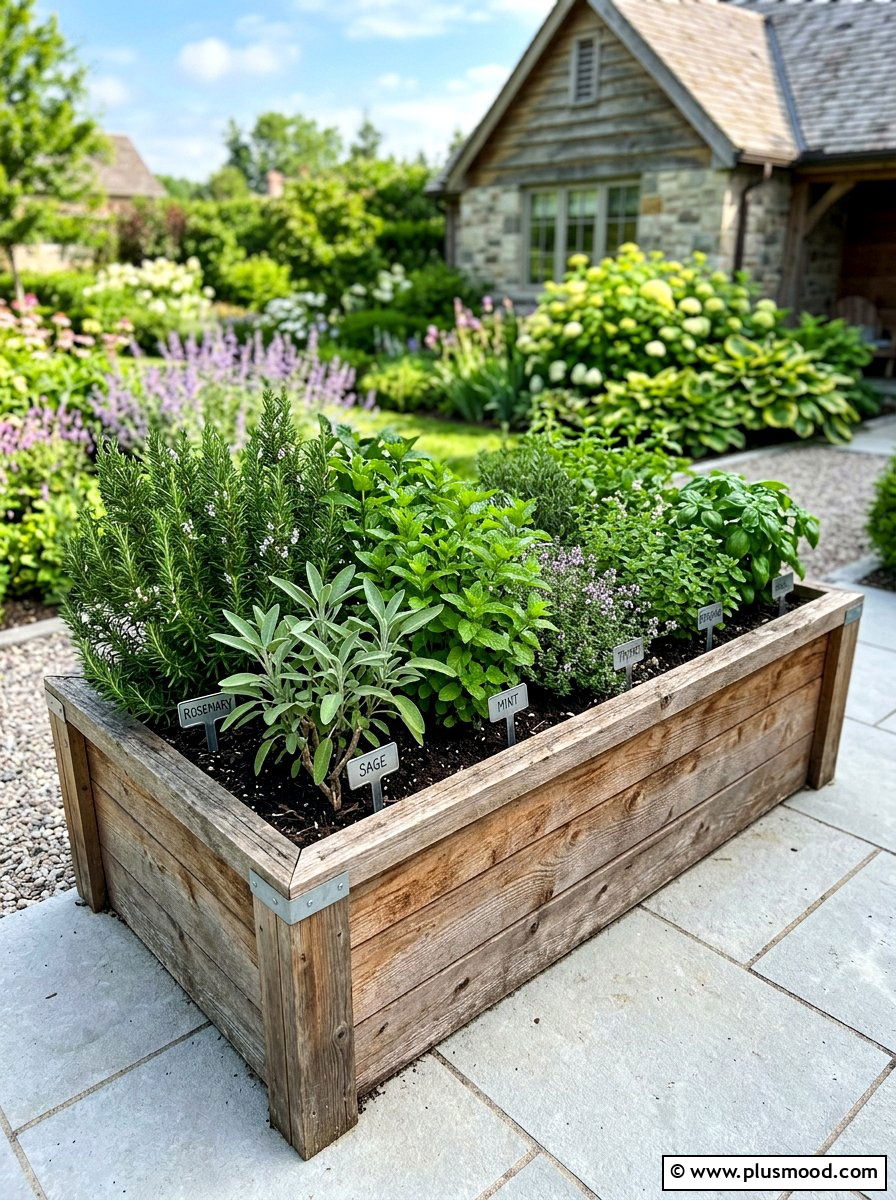
A raised herb bed is a multi-sensory powerhouse that combines the benefits of smell, taste, and sight into one accessible feature. Planting fragrant varieties like rosemary, thyme, and oregano allows visitors to easily reach out and touch the aromatic leaves. The elevation makes it simple for children and seniors to interact with the plants without bending over. You can harvest fresh sprigs to enhance your summer cooking, providing a direct "garden to table" experience. Visually, the different shades of green and varied leaf shapes create a lush tapestry of textures. Placing this bed near an outdoor kitchen or dining area ensures that the herbal scents are always nearby. It is a practical and beautiful garden addition.
5. Wind Chime Installation
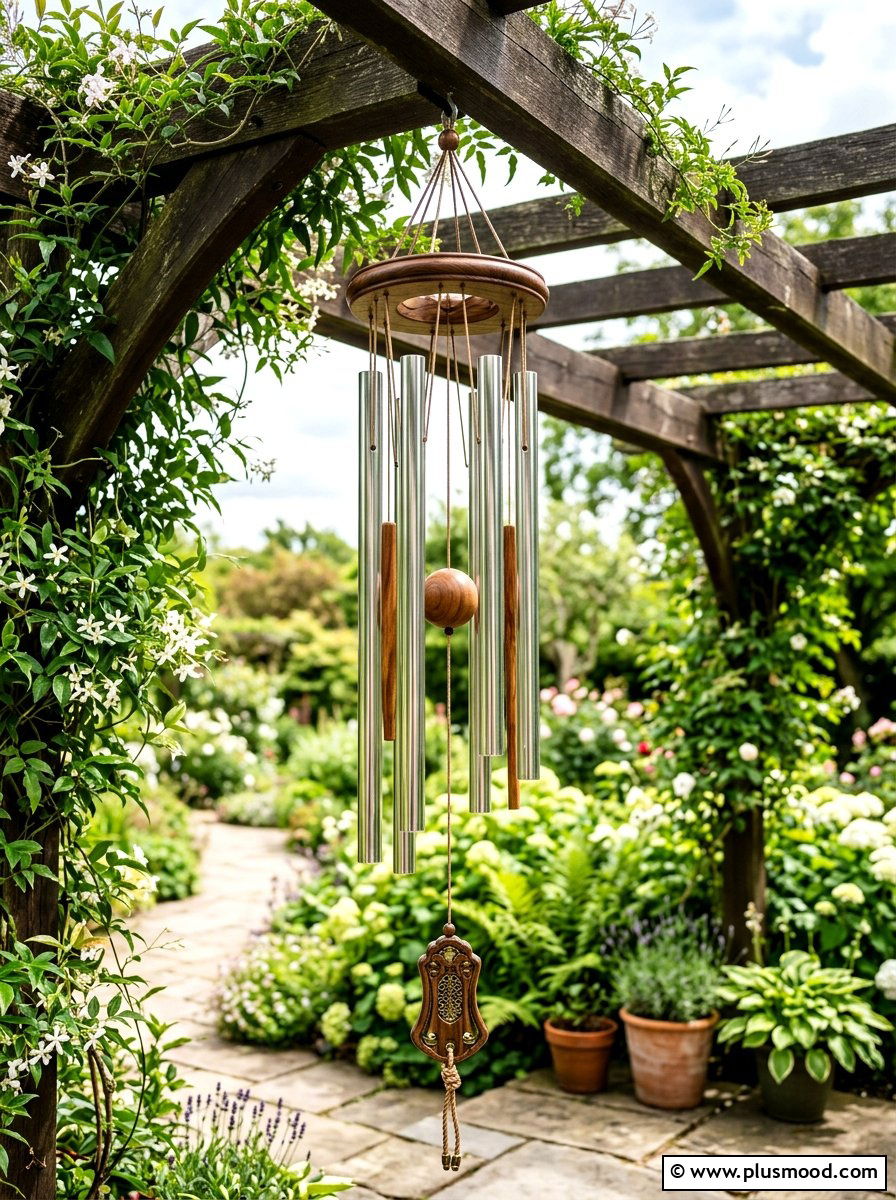
Adding a wind chime installation is a wonderful way to bring a melodic and ethereal quality to your sensory space. Depending on the material, you can choose between the deep, resonant tones of metal tubes or the soft, organic clacking of bamboo. Hanging them from sturdy tree branches or a pergola allows them to catch the summer breezes effectively. The sound provides a constant, gentle reminder of the environment’s movement, helping to center your mind. Visually, polished chimes can act as decorative sculptures that catch the light. They are particularly effective in creating a sense of transition as you enter different garden zones. This simple auditory feature significantly enhances the overall tranquility of your backyard sanctuary.
6. Wildflower Meadow
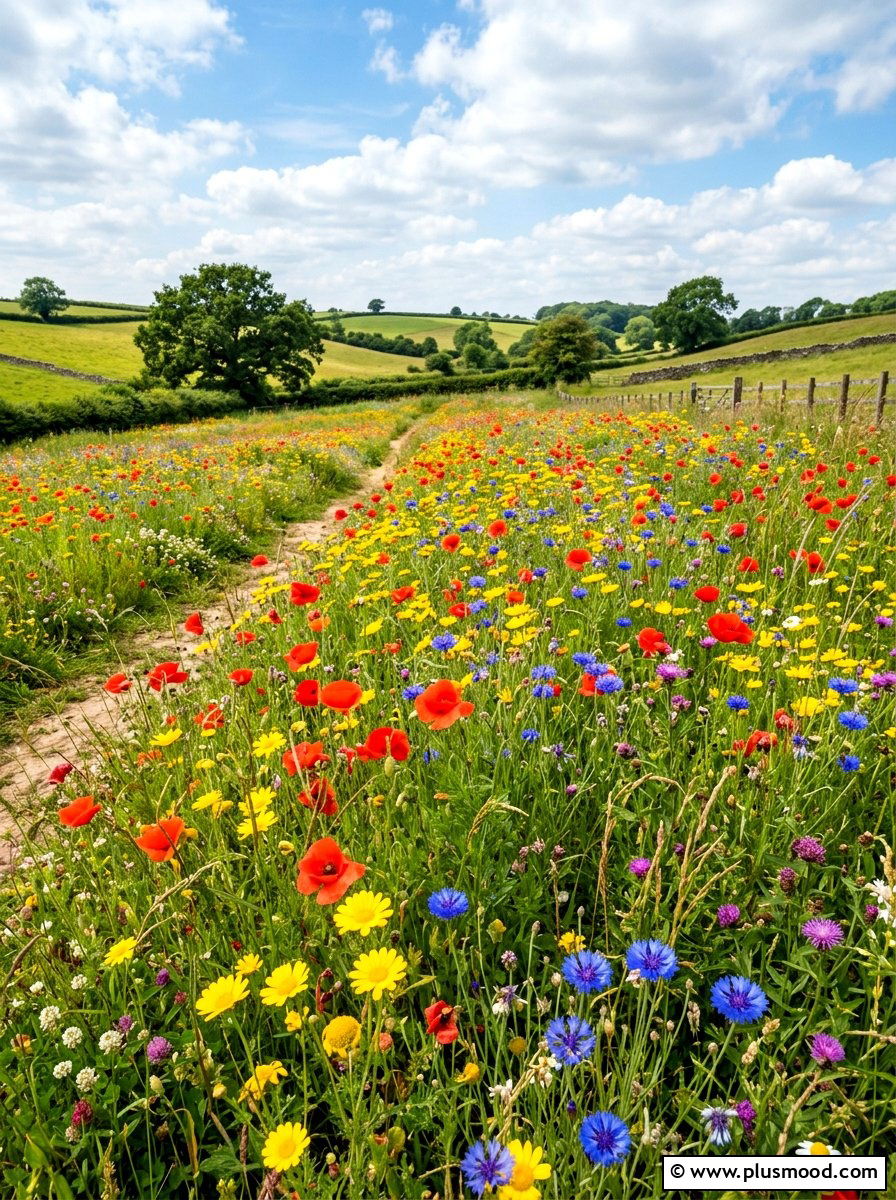
Creating a wildflower meadow is a fantastic way to engage the sense of sight with a riot of diverse colors. Unlike a manicured lawn, a meadow is filled with varying heights and bloom shapes that change throughout the summer season. You will see vibrant oranges, deep purples, and sunny yellows that attract a wide variety of local wildlife. The constant motion of bees and butterflies moving between flowers adds a dynamic visual element to the landscape. Many wildflowers also have subtle, sweet scents that drift through the air on hot days. This low-maintenance approach supports local biodiversity while providing a stunning, ever-changing backdrop. It is a perfect choice for those who love a natural, effortless garden aesthetic.
7. Lambs Ear Planting
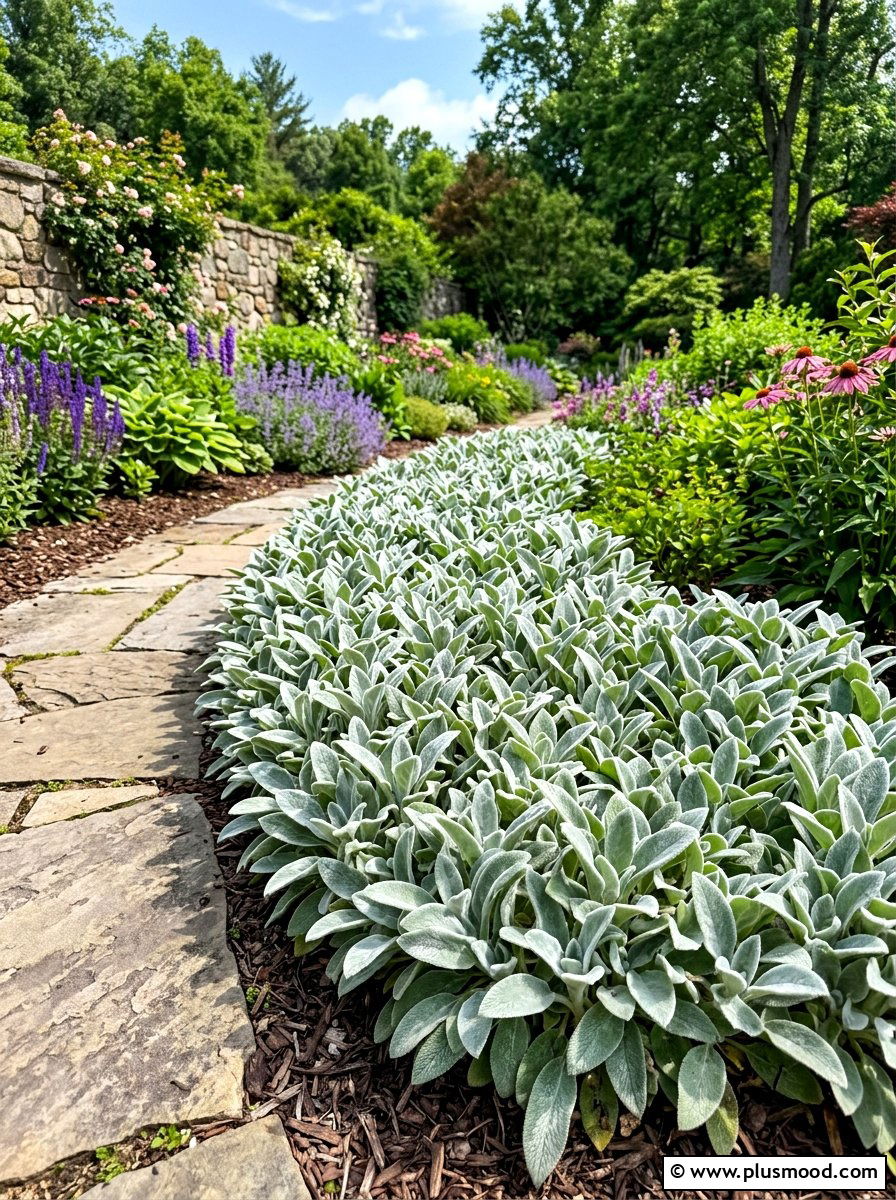
A lambs ear planting is the ultimate tactile feature for any sensory garden because of its incredibly soft, velvet-like leaves. The thick, silvery foliage feels like a soft fabric, making it a favorite for children who love to explore through touch. This plant is very durable and spreads easily to create a thick groundcover that suppresses weeds. Its cool, silver-gray color provides a restful break from the bright greens and vivid flowers of summer. It is drought-tolerant and thrives in full sun, making it ideal for hot garden spots. Placing it along the edges of paths encourages people to stop and feel the leaves. This plant perfectly bridges the gap between visual beauty and physical interaction.
8. Gravel Pathway
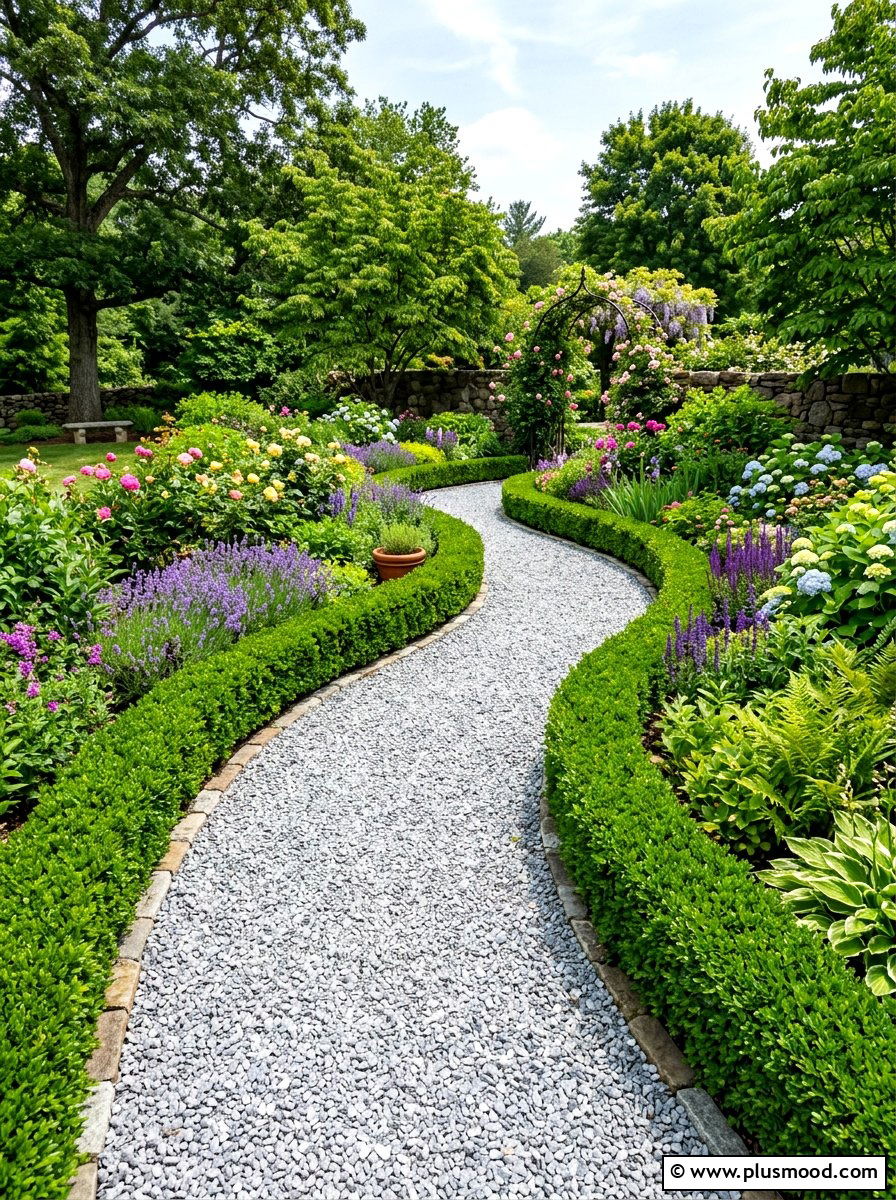
Designing a gravel pathway introduces a unique auditory and tactile experience every time you walk through your garden. The distinctive crunching sound of small stones underfoot provides immediate sensory feedback, grounding you in the present moment. This sound also serves as a subtle security feature, alerting you when someone is approaching. Gravel comes in many colors and sizes, allowing you to customize the look to match your home’s style. It is an excellent drainage solution that keeps the garden accessible even after a summer rain shower. The loose texture feels different underfoot than solid pavement, adding variety to your journey. It is an affordable way to create clear, defined routes through your sensory zones.
9. Edible Flower Patch
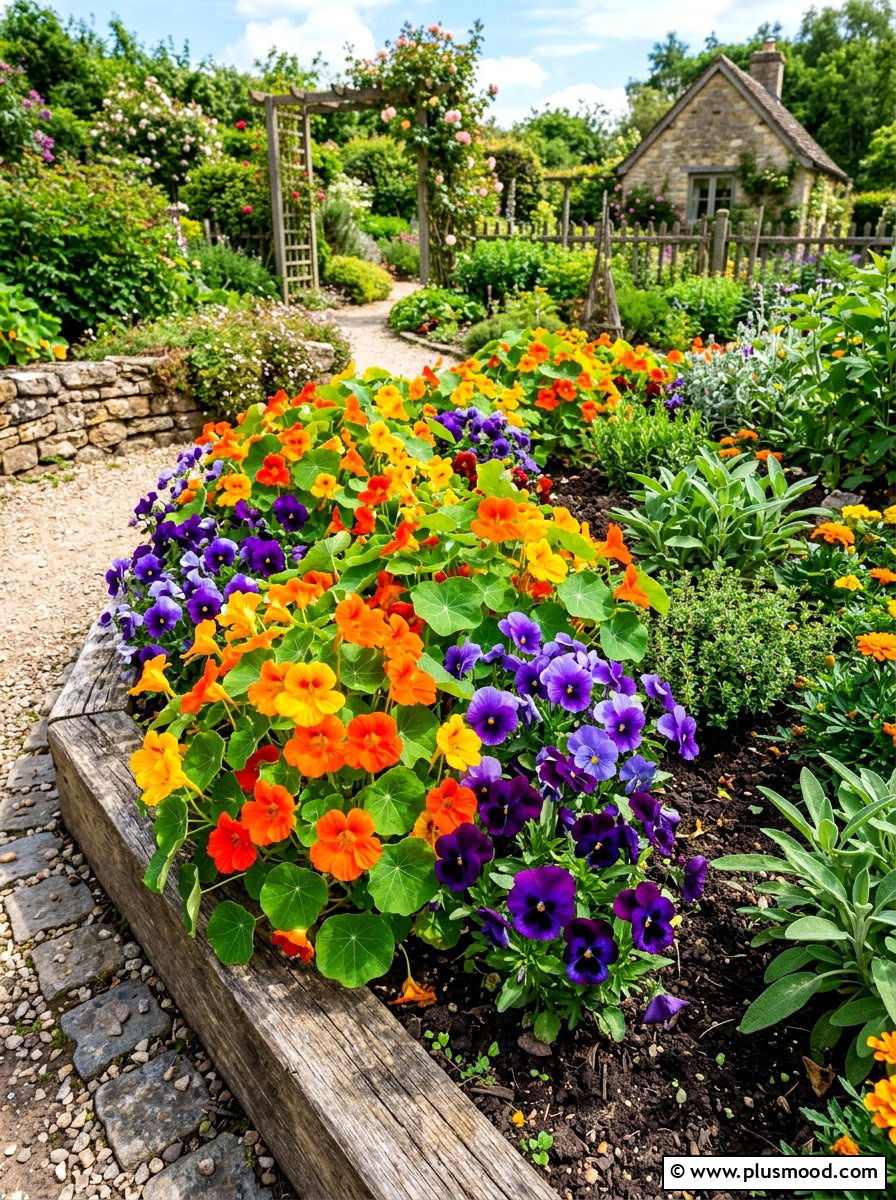
An edible flower patch is a delightful way to explore the sense of taste while adding incredible beauty to your borders. Plants like nasturtiums, pansies, and marigolds offer a range of flavors from peppery to citrusy. These blooms can be used to decorate summer salads or garnish cold drinks, making your garden harvests more exciting. Visually, they provide bright pops of color that are often quite intense and saturated. Growing them in a dedicated area ensures they are kept free from chemicals, making them safe for consumption. This interactive feature encourages guests to engage with the garden in a surprising and memorable way. It is a creative method for blending ornamental gardening with functional food production.
10. Butterfly Bush Garden
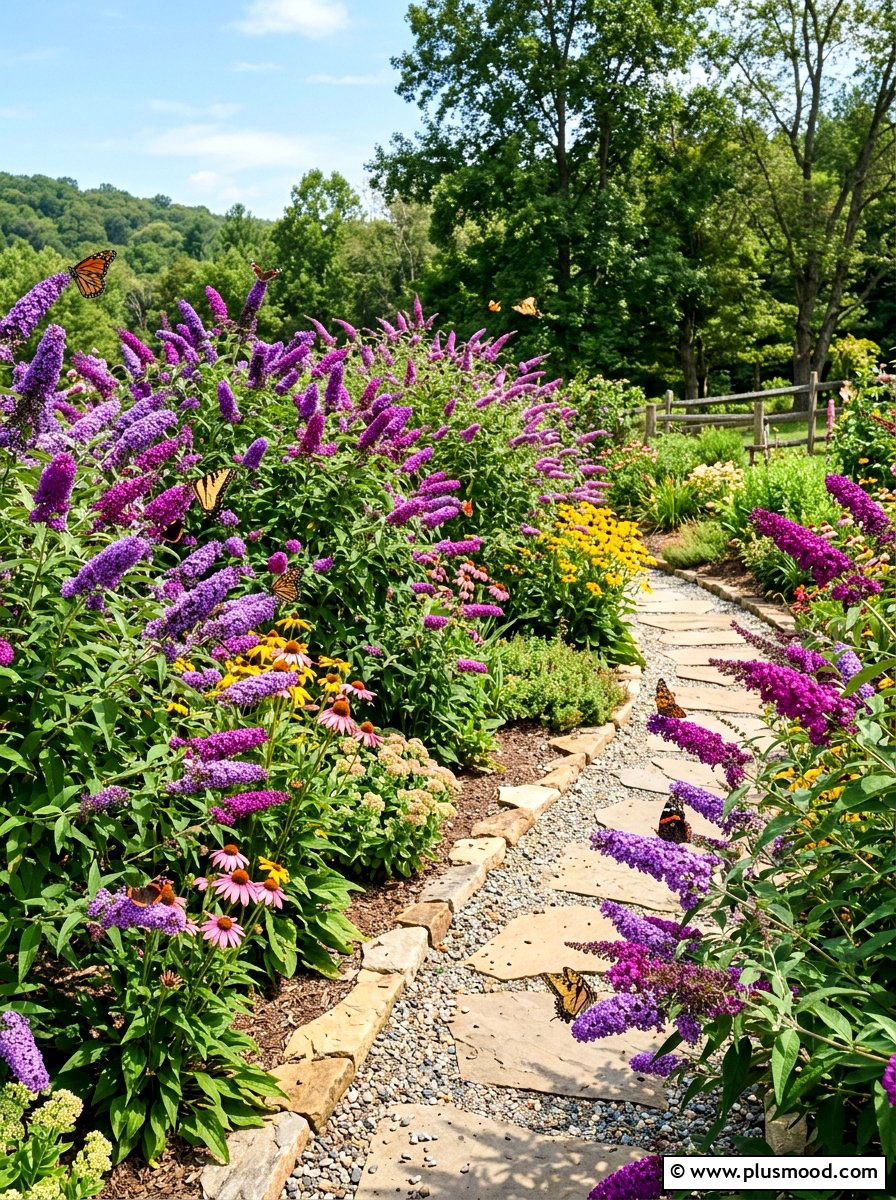
A butterfly bush garden is designed to maximize both visual beauty and the lively sounds of nature. These shrubs produce long, conical clusters of flowers that are famously irresistible to monarch butterflies and other pollinators. Watching the colorful wings flutter through the garden creates a sense of joy and movement. The flowers often have a sweet, honey-like fragrance that becomes more intense in the afternoon heat. These plants grow quickly and can provide a sense of enclosure or privacy in a larger yard. By choosing varieties in shades of deep purple, pink, or white, you can create a stunning color story. It is a high-impact way to support the local ecosystem while delighting your senses.
11. Bamboo Privacy Screen
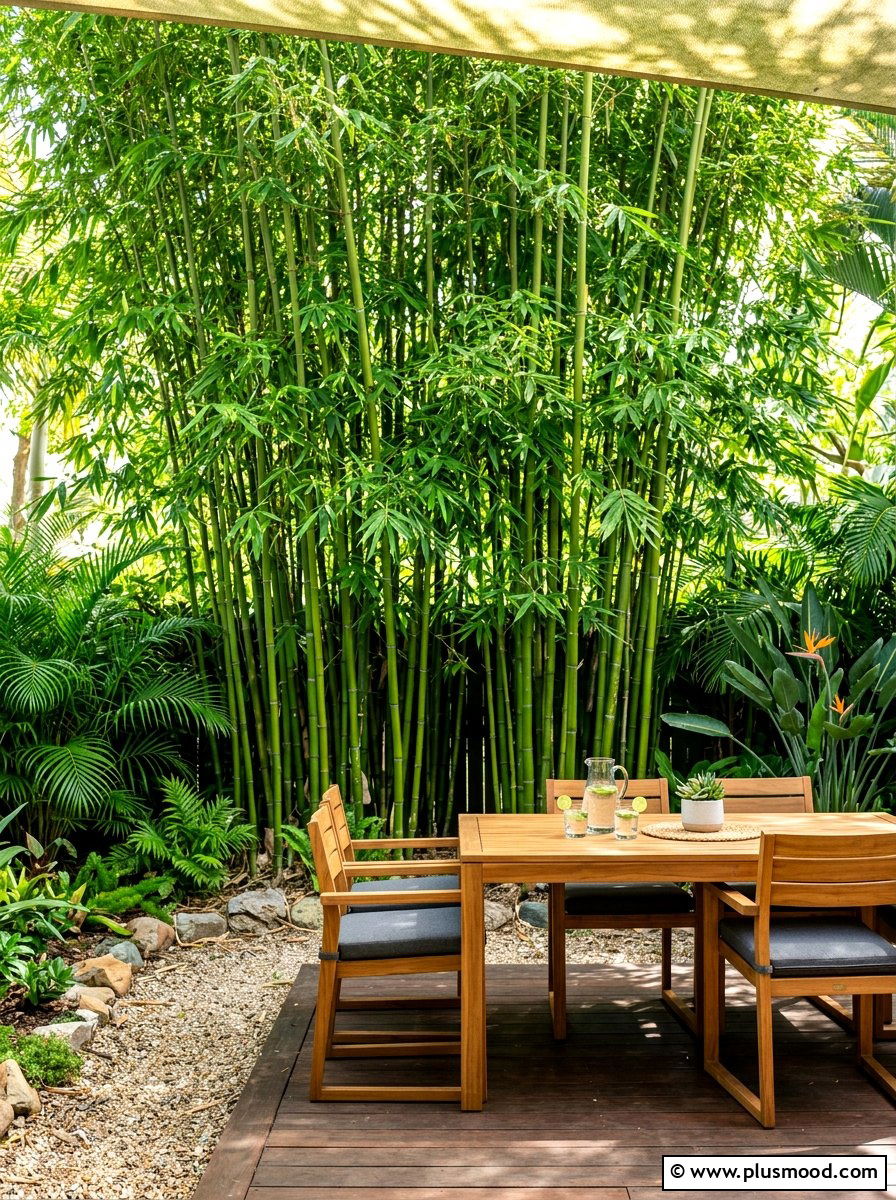
Using a bamboo privacy screen is a clever way to incorporate sound and sight while defining the boundaries of your garden. When the wind blows, the hollow stalks of bamboo knock together to create a rhythmic, wooden sound. The tall, vertical lines of the bamboo provide a modern and clean aesthetic that works well in many design styles. It creates a lush, green backdrop that makes other colorful plants stand out. This living wall also provides excellent shade, which is essential for staying comfortable during the hot summer months. Because it grows densely, it is perfect for blocking out the sight of nearby neighbors or busy streets. It effectively turns your backyard into a secluded and private oasis.
12. Succulent Rock Garden
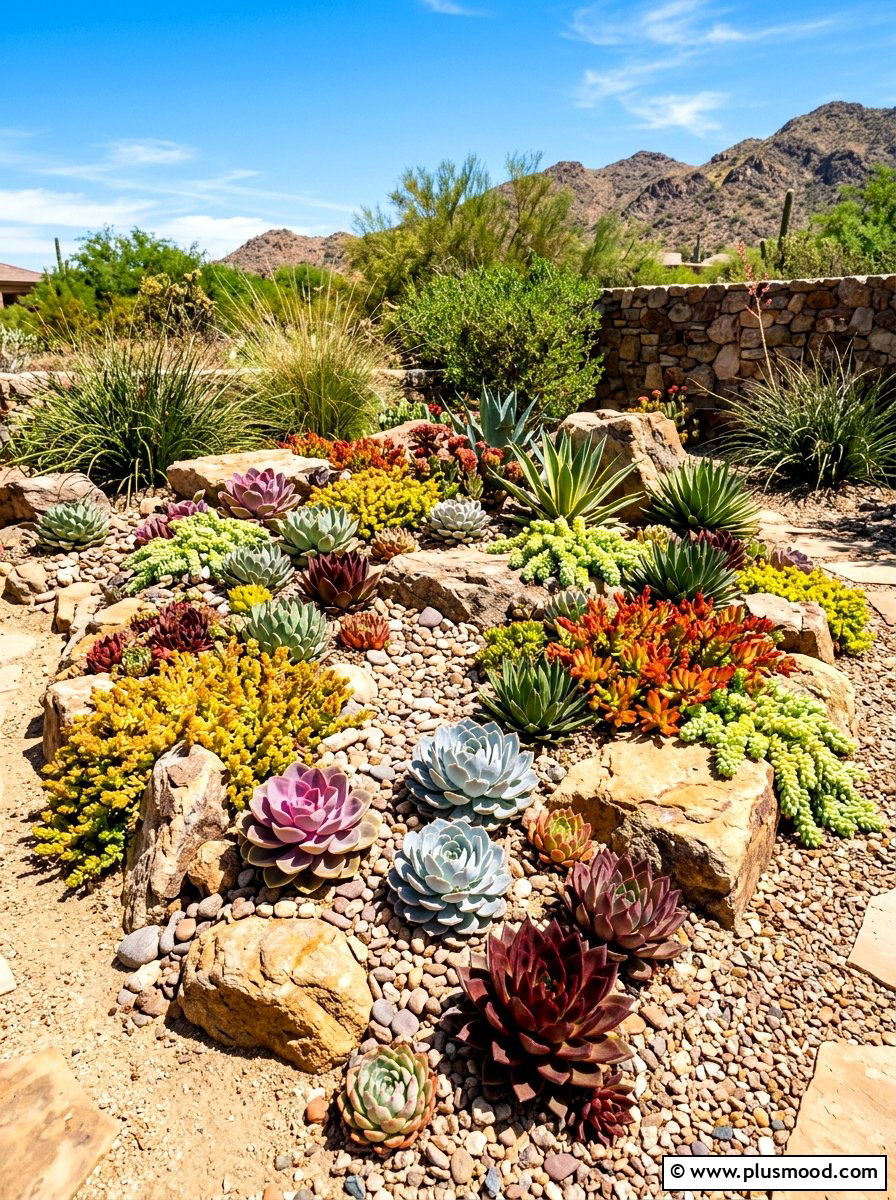
A succulent rock garden offers a fascinating array of shapes and textures that invite close visual and tactile inspection. These plants often have thick, fleshy leaves that feel smooth, waxy, or even prickly. They come in an incredible range of colors, from icy blues to deep burgundies, which stay vibrant even in intense heat. By nestling them among varied stones and pebbles, you create a desert-inspired landscape that is very low-maintenance. The contrast between the hard rocks and the organic plant forms is visually stimulating. Succulents are perfect for sensory gardens because they are so sturdy and can handle being touched. This type of garden is an excellent choice for water-conscious homeowners in drier summer climates.
13. Scented Rose Trellis
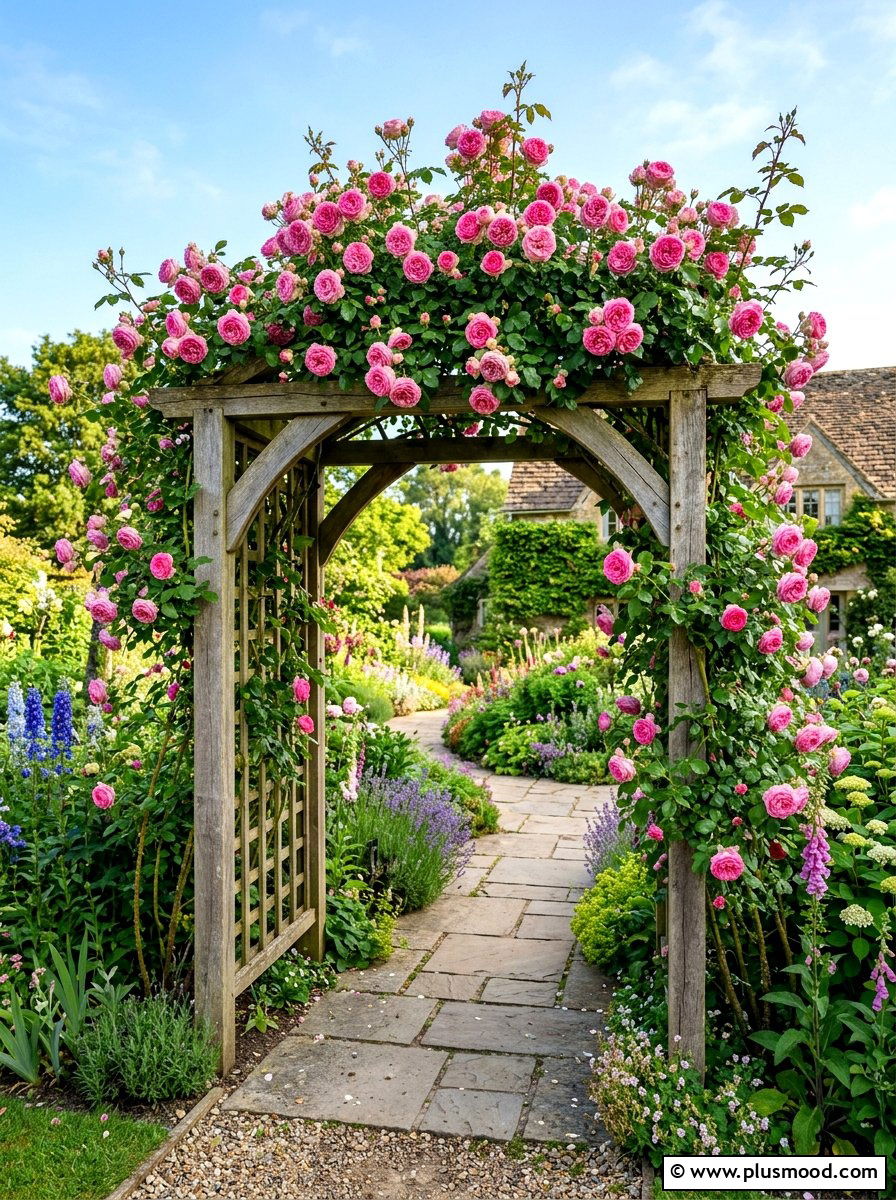
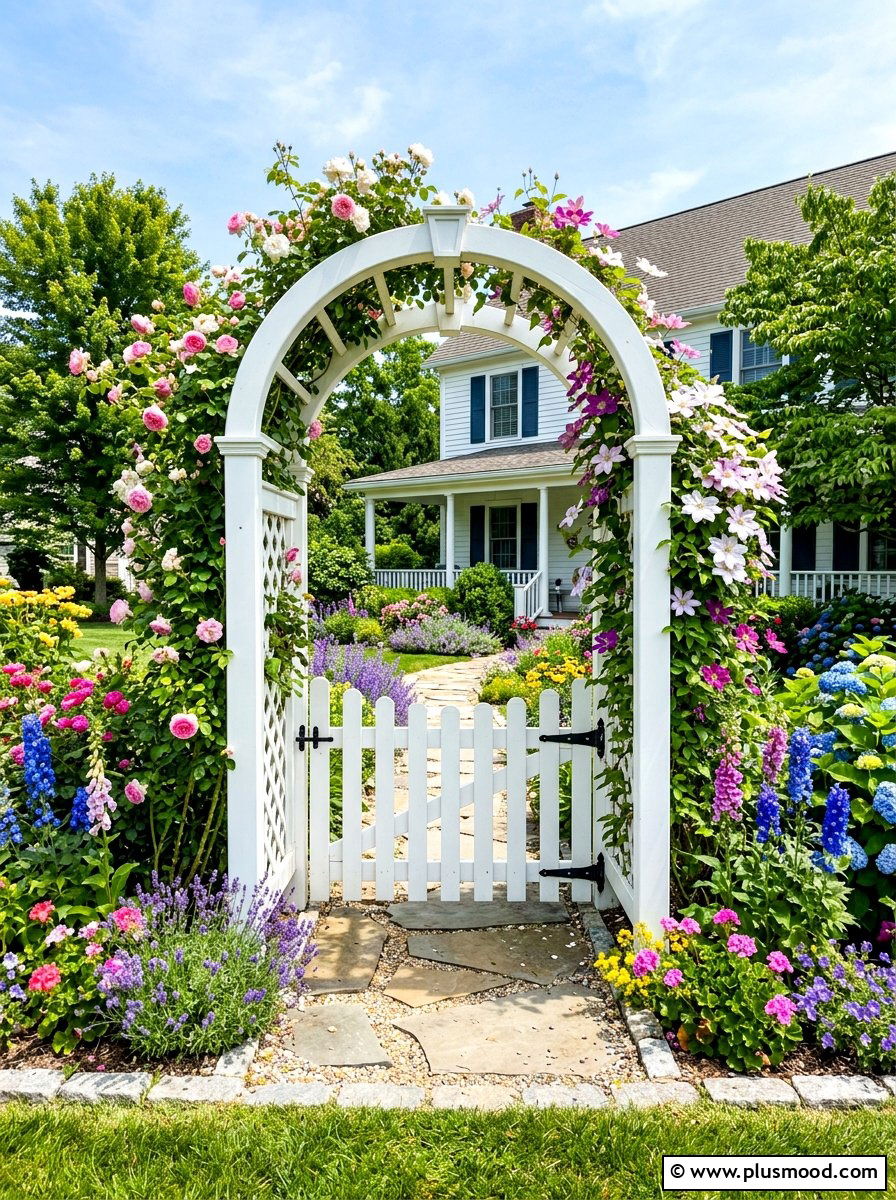
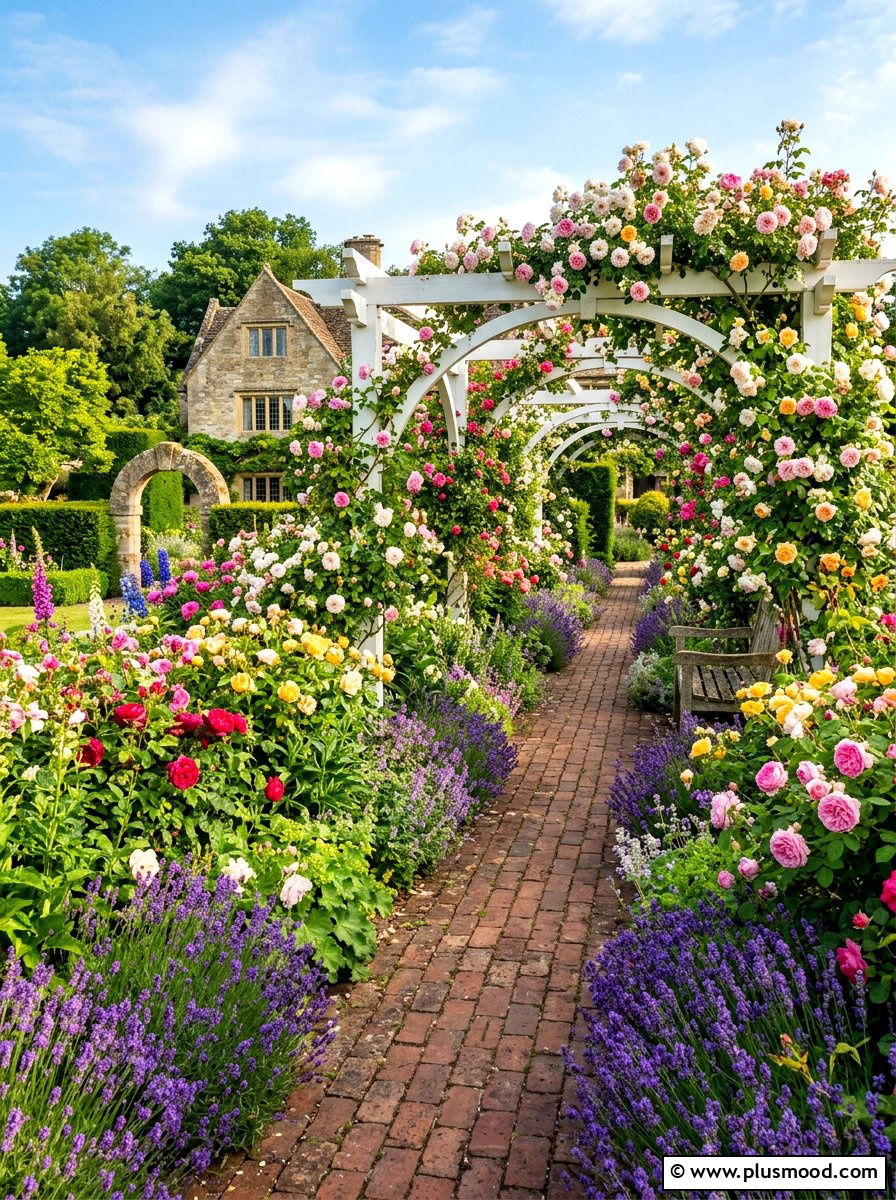
A scented rose trellis is a classic sensory feature that elevates the vertical space in your garden with fragrance and elegance. Climbing roses provide a wall of color that can frame a doorway or hide an unattractive fence. Choosing varieties known for their strong perfume ensures that the scent will waft through the air on warm summer evenings. The delicate petals are soft to the touch, though you should be careful of the thorns on the stems. Seeing a trellis covered in blooms adds a romantic and lush feeling to the entire outdoor area. It is a wonderful way to enjoy the garden at eye level. This feature combines vertical interest with one of the most beloved scents in the world.
14. Stone Bird Bath
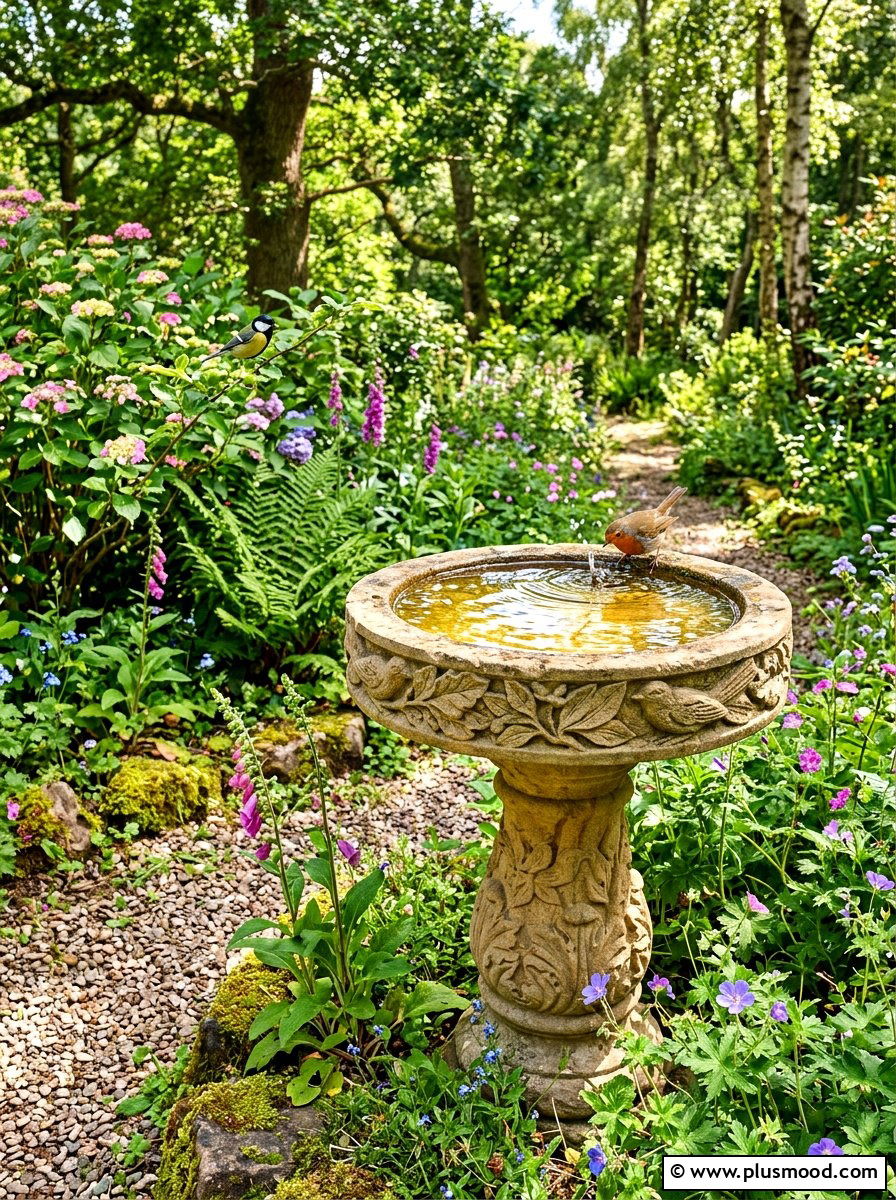
Including a stone bird bath creates a central hub for activity and sound in your summer sensory garden. The rough or smooth texture of the stone provides a natural look that blends seamlessly with the environment. As birds visit to drink and bathe, their chirping and splashing add a delightful layer of natural sound. Watching the birds interact with the water is a peaceful and meditative activity for people of all ages. You can choose a pedestaled design to make it a visual focal point or a ground-level bowl for a more naturalistic look. Keeping the water fresh ensures that wildlife will return daily. It is a simple but powerful way to connect with the living world.
15. Soft Moss Garden
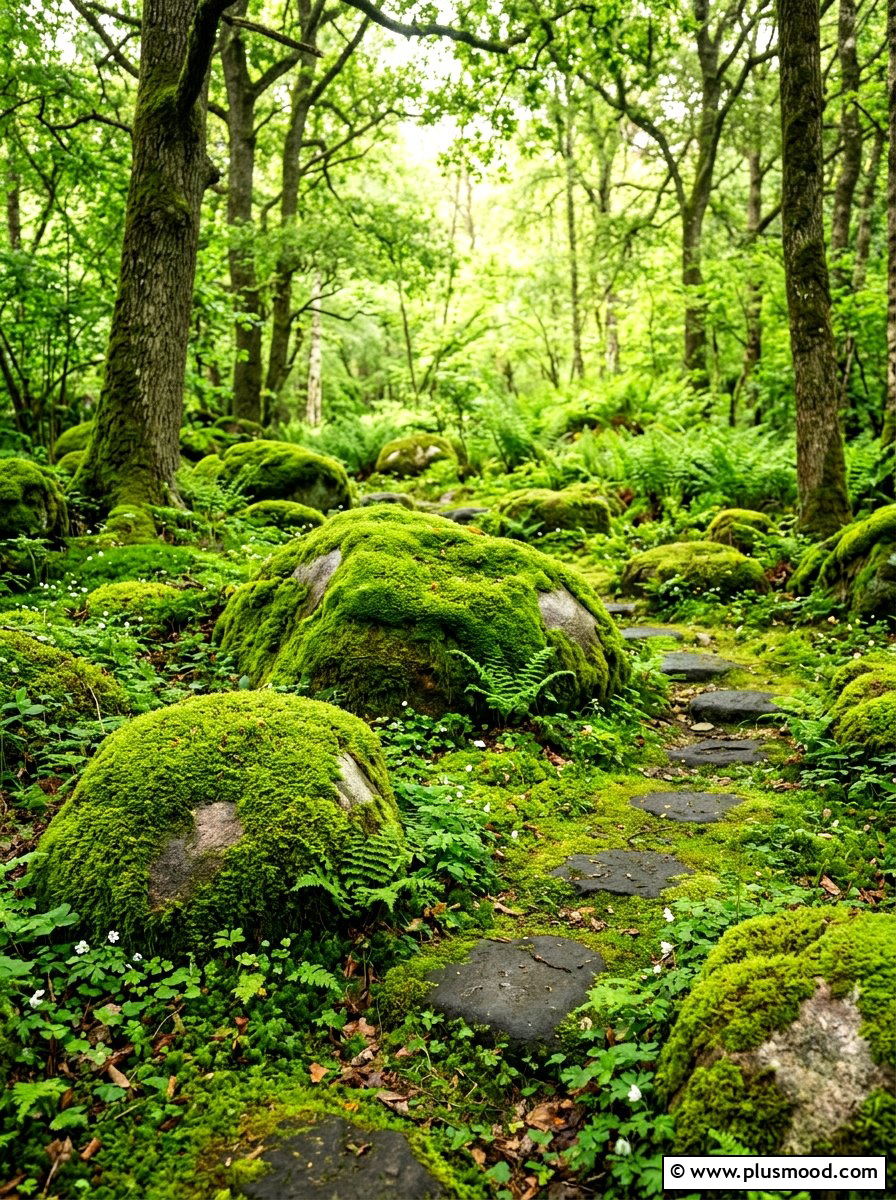
A soft moss garden provides a unique tactile experience that feels like walking on a plush green carpet. Moss thrives in shaded areas where other plants might struggle, making it perfect for the cooler corners of your yard. Its deep green color is incredibly restful to the eyes and remains consistent throughout the season. Touching the damp, springy surface of moss is a grounding sensation that many people find very therapeutic. It can be grown between stepping stones or over large rocks to add an ancient, forest-like feel. This feature encourages you to take off your shoes and experience the garden barefoot. It is a wonderful way to bring a sense of magic and softness to the landscape.

16. Lemon Balm Patch
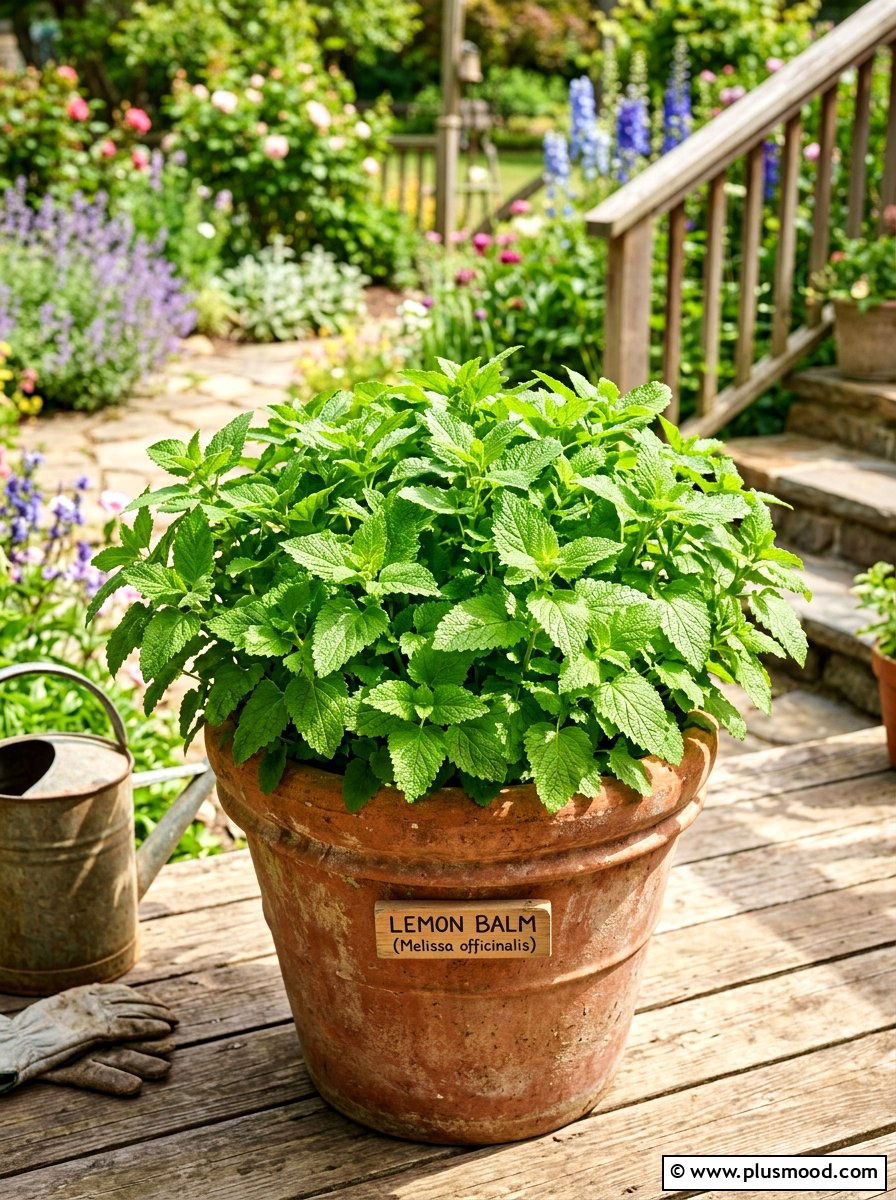
Planting a lemon balm patch is a fantastic way to engage the sense of smell with a bright, citrusy aroma. Whenever the leaves are touched or crushed, they release a powerful scent that is known for its uplifting and calming properties. The plant has bright green, serrated leaves that look fresh and vibrant even in the summer heat. It is a fast-growing herb that can be used to make refreshing iced teas or to flavor summer desserts. Because it spreads easily, it can serve as a fragrant groundcover in areas with high foot traffic. The pleasant lemon scent is a favorite for both children and adults. It is an easy-to-grow addition that provides constant sensory rewards.
17. Garden Reflecting Pool
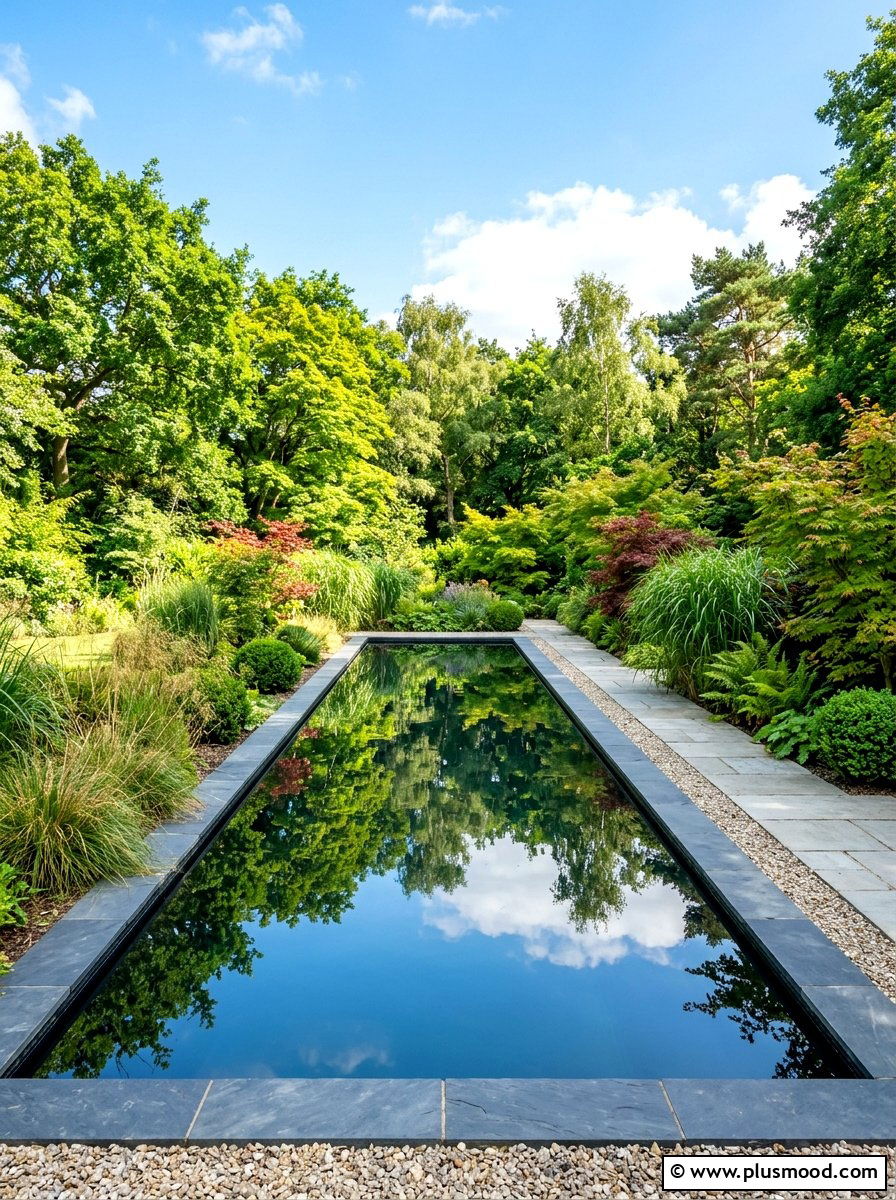
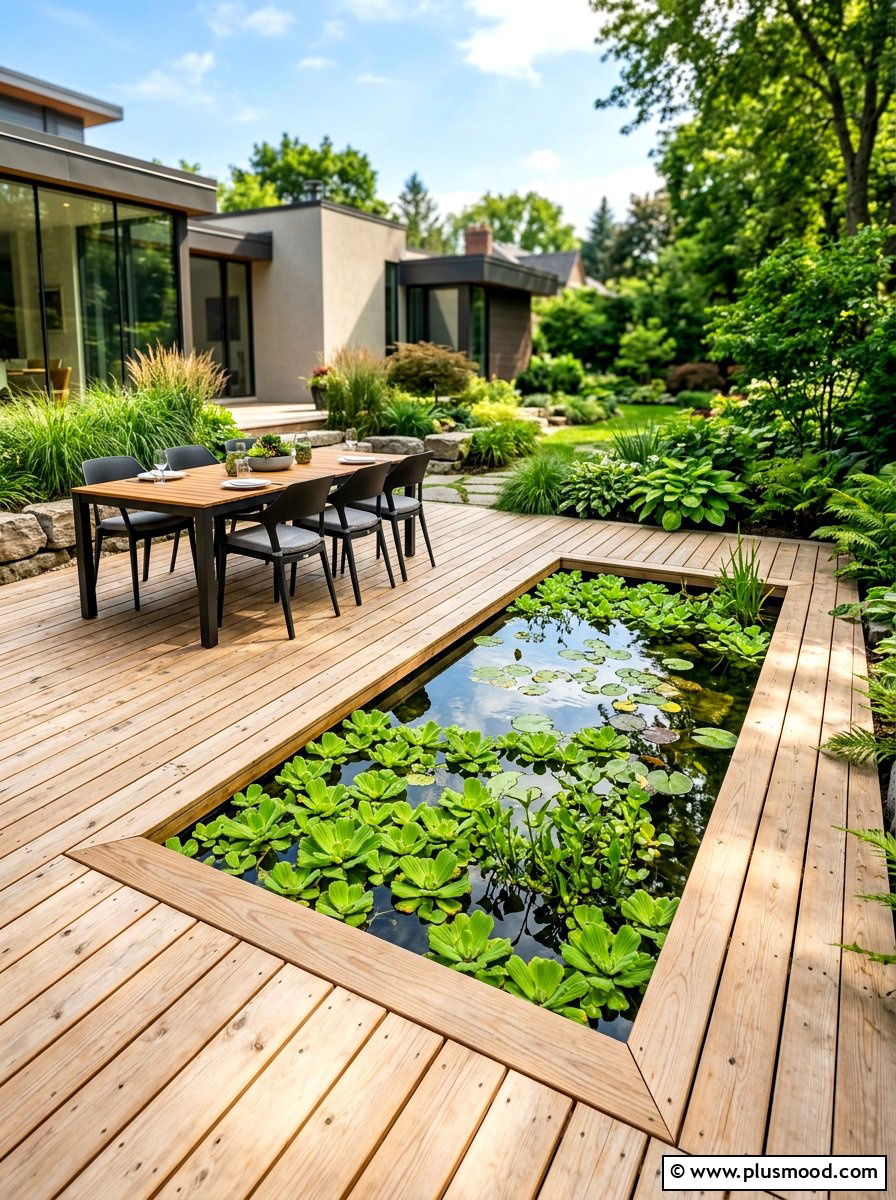
A garden reflecting pool is a sophisticated visual feature that brings a sense of deep peace and clarity to your space. The still surface of the water acts like a mirror, reflecting the blue summer sky and the surrounding greenery. This creates an illusion of more space and adds a layer of depth to the garden design. Watching the clouds or trees reflect on the water is a great way to practice mindfulness. You can place a few floating aquatic plants, like water lilies, to add pops of color and texture. Even a small, still pool can significantly lower the perceived temperature of the surrounding area. It serves as a quiet sanctuary where you can sit and reflect in silence.
18. Peppermint Groundcover
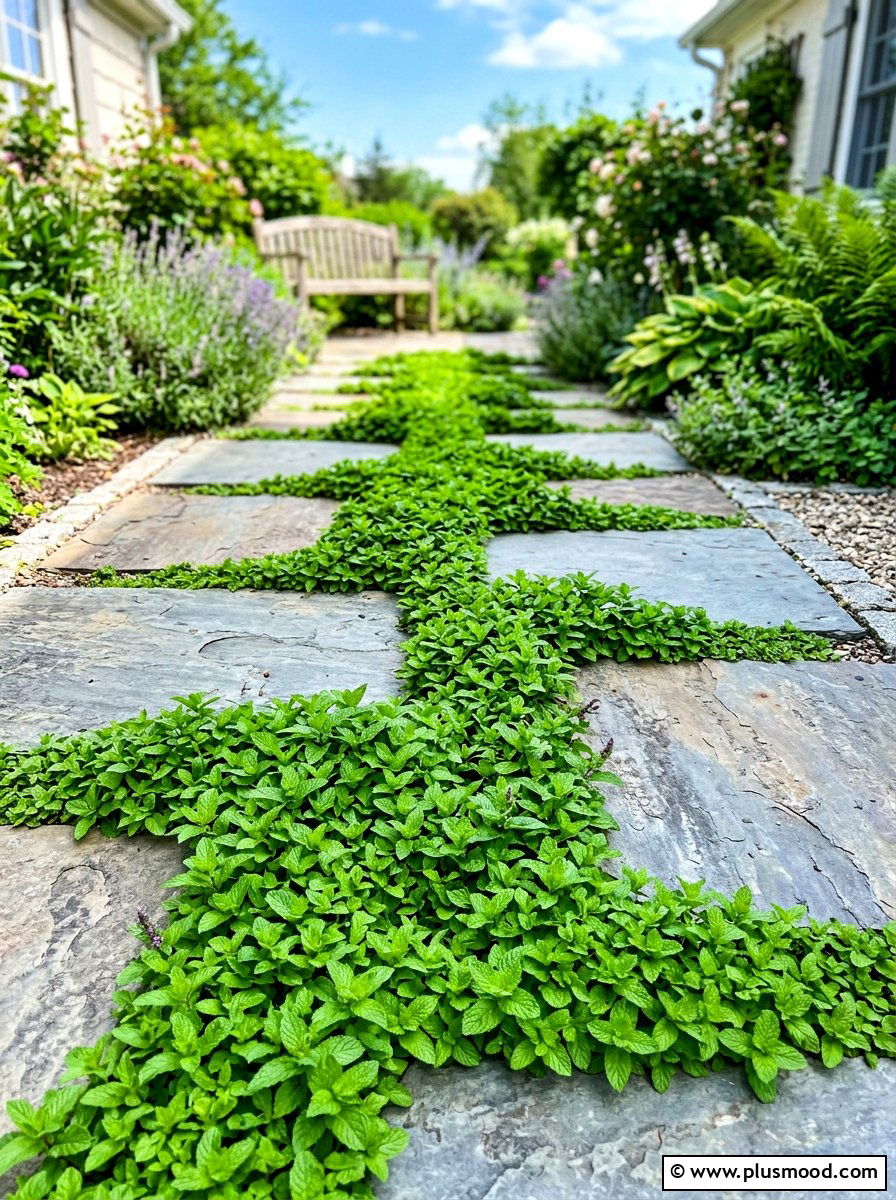
A peppermint groundcover offers an invigorating sensory experience that is perfect for the hotter parts of the summer. As you step on or brush against the mint, it releases a cool, crisp fragrance that can make the air feel fresher. The bright green leaves are visually appealing and provide a dense mat that crowds out weeds. Mint is incredibly hardy and thrives in almost any soil, though it is best contained in specific areas to prevent overspreading. You can also harvest the leaves for use in cool summer drinks or fruit salads. The cooling sensation of the scent is a perfect match for the warm weather. It is a functional and fragrant way to fill in garden gaps.
19. Colorful Glass Ornaments
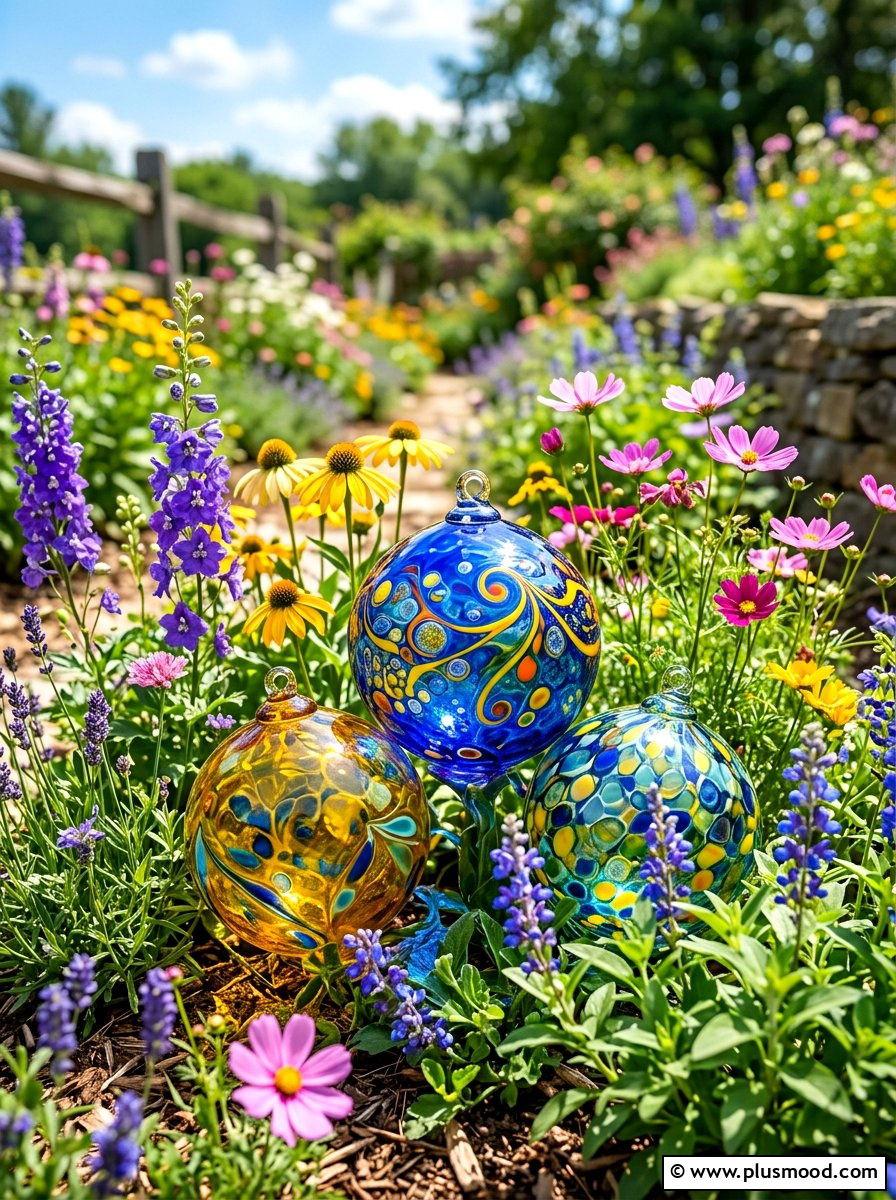
Integrating colorful glass ornaments is a creative way to enhance the visual interest of your garden through light and reflection. Hand-blown glass spheres, stakes, or suncatchers can be tucked into flower beds to add unexpected pops of color. When the summer sun hits these pieces, they cast beautiful, dancing reflections onto the surrounding plants and paths. This adds a whimsical and artistic touch that remains beautiful even when the flowers are not in bloom. You can choose colors that complement your plants or opt for contrasting jewel tones for a bolder look. Glass is a durable material that can withstand the elements while adding a permanent sense of brightness. It is an easy way to personalize your sensory retreat.
20. Stepping Stone Path
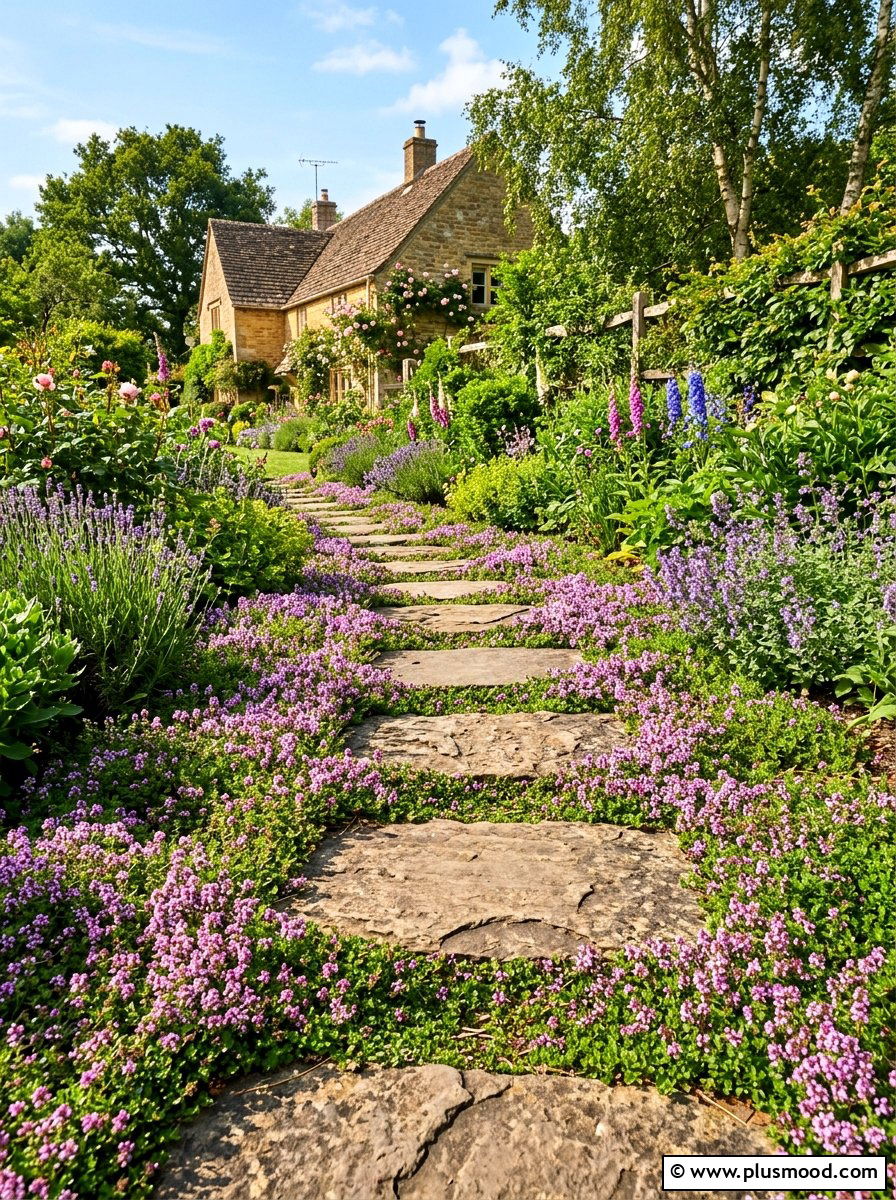
A stepping stone path provides a clear, tactile route through your garden while allowing groundcover plants to grow in the gaps. Choosing stones with different textures, such as smooth river rocks or rough slate, provides variety underfoot. This type of path encourages a slower pace, as you must mindfully place each foot on the stones. It is a practical way to protect your plants from being trampled while keeping your feet clean. You can surround the stones with soft plants like creeping thyme to add scent to every step. The visual rhythm of the repeating stones creates a sense of order and design. It is a timeless feature that makes exploring the garden feel like a small adventure.
21. Potted Strawberry Garden
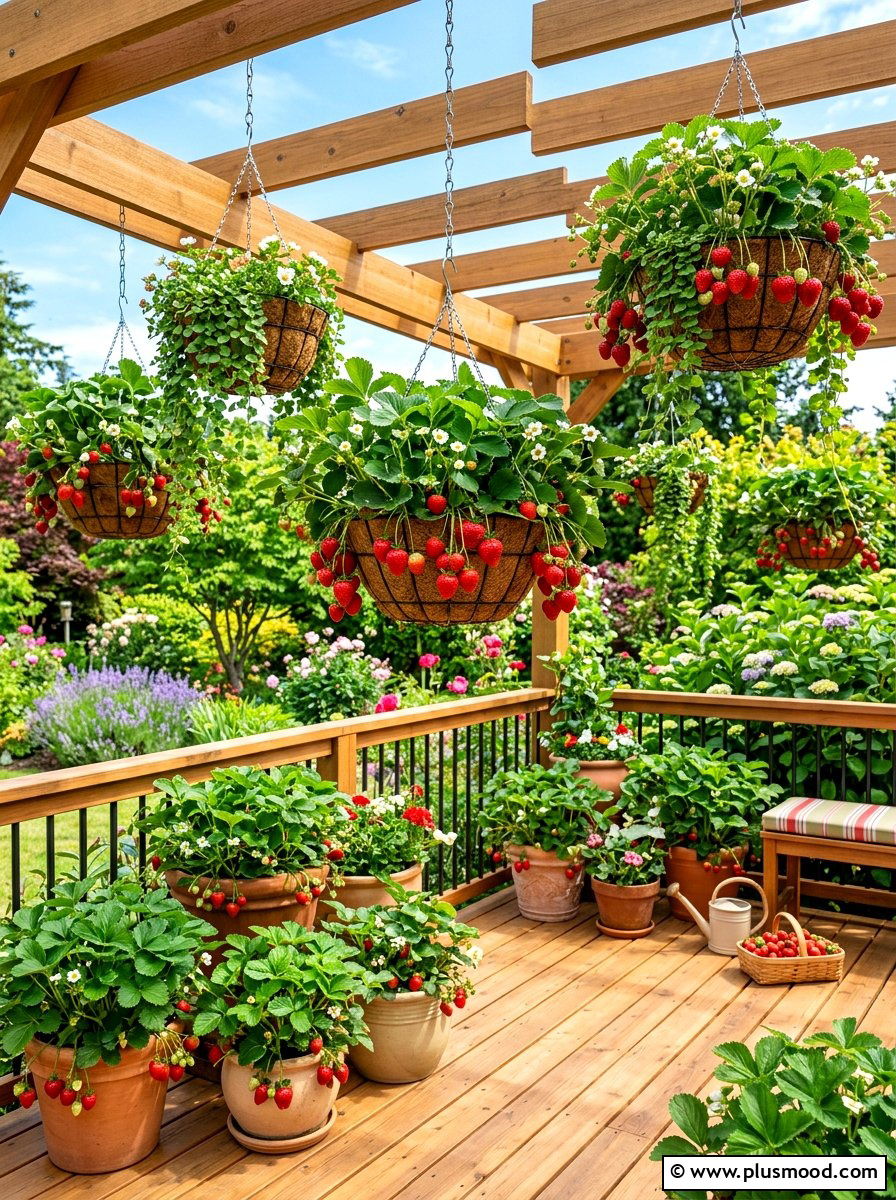
A potted strawberry garden is a wonderful way to bring the sense of taste to eye level. Growing strawberries in containers or hanging baskets makes it easy to spot and pick the ripe, red fruit during the summer months. The white or pink flowers are beautiful to look at before they transform into delicious berries. Seeing the fruit ripen over time is a rewarding visual process for gardeners of all ages. Placing the pots on a patio or deck makes them easily accessible for a quick garden snack. The scent of sun-ripened strawberries is one of the most iconic and pleasant smells of the season. This feature proves that you don't need a large plot to enjoy homegrown food.
22. Night Scented Jasmine
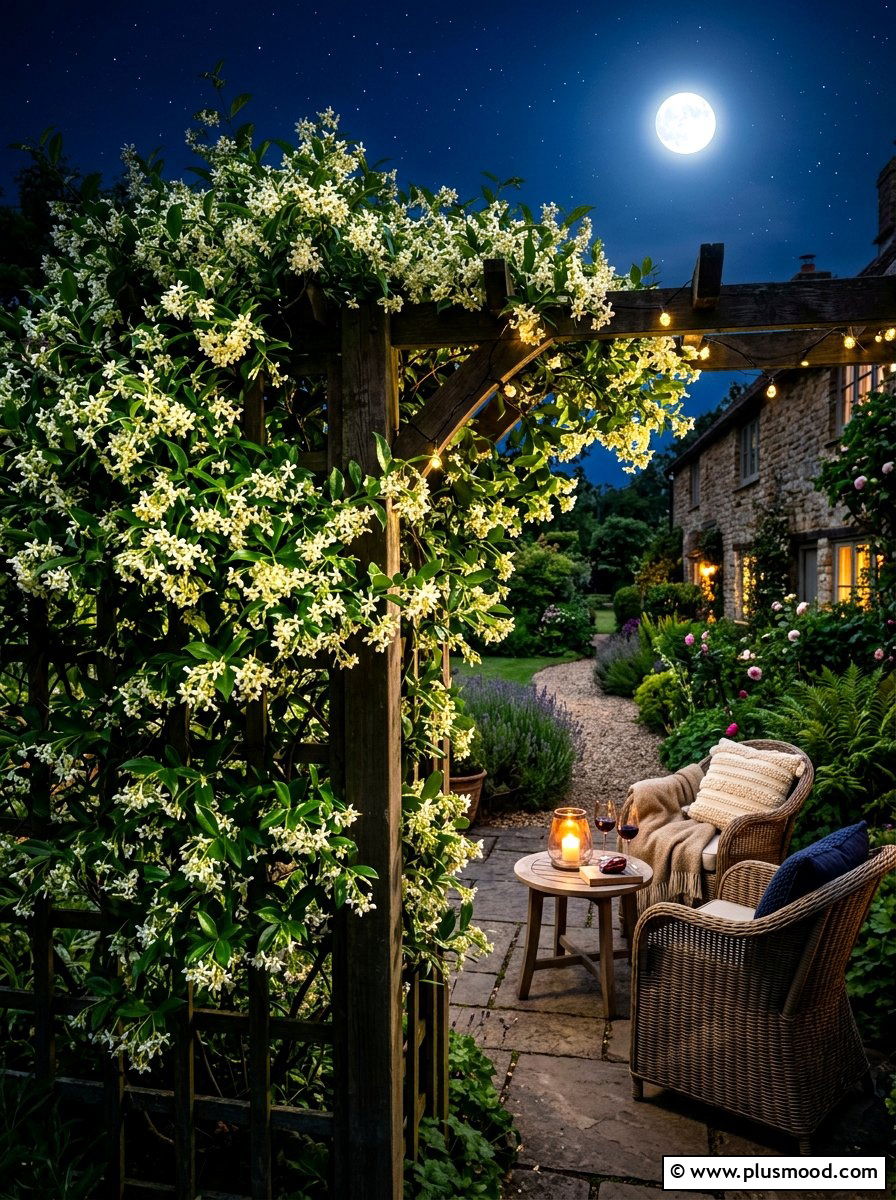
Planting night scented jasmine ensures that your garden remains a sensory delight long after the sun goes down. While the small, tubular flowers may not be the most dramatic visually during the day, they release a powerful, sweet fragrance at night. This makes it the perfect plant to place near a bedroom window or a moon garden seating area. The scent can travel surprisingly far on a still summer night, creating a magical and romantic atmosphere. Watching the white blooms glow softly in the moonlight adds a unique visual element to your late-evening strolls. It is a great way to extend the enjoyment of your outdoor space into the cooler hours. This plant truly brings the garden to life after dark.
23. Blue Sea Holly
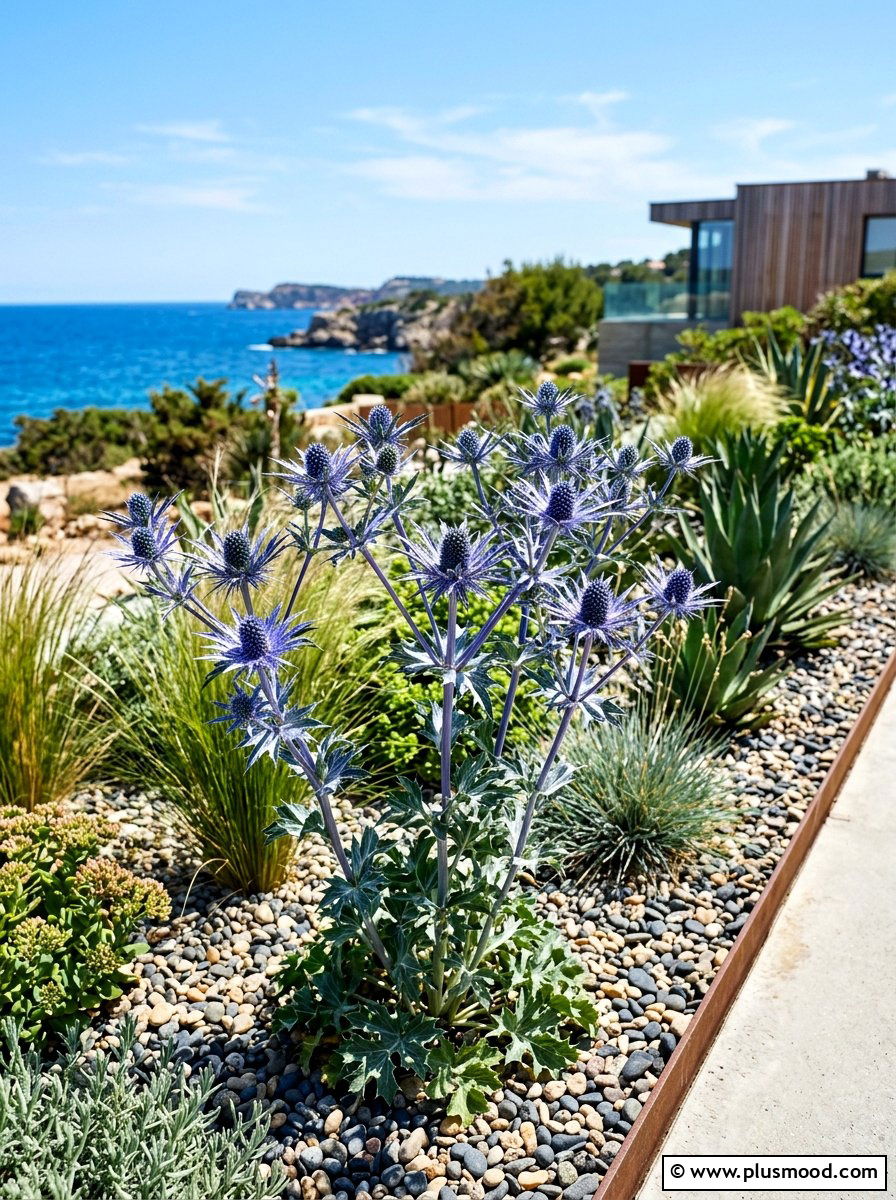
Blue sea holly is an architectural plant that provides a striking visual and tactile contrast in any summer garden. It features metallic-blue flower heads and spiky, thistle-like foliage that looks almost like a piece of modern art. The stiff, prickly texture is a fascinating tactile element, though it should be handled with care. Its unique color is quite rare in the plant world and draws the eye immediately. These plants are incredibly tough and can handle poor soil and hot, dry conditions with ease. They provide a structural focal point that remains interesting throughout the entire season. By adding sea holly, you introduce a touch of drama and a unique texture that guests will surely notice.
24. Bamboo Water Feature
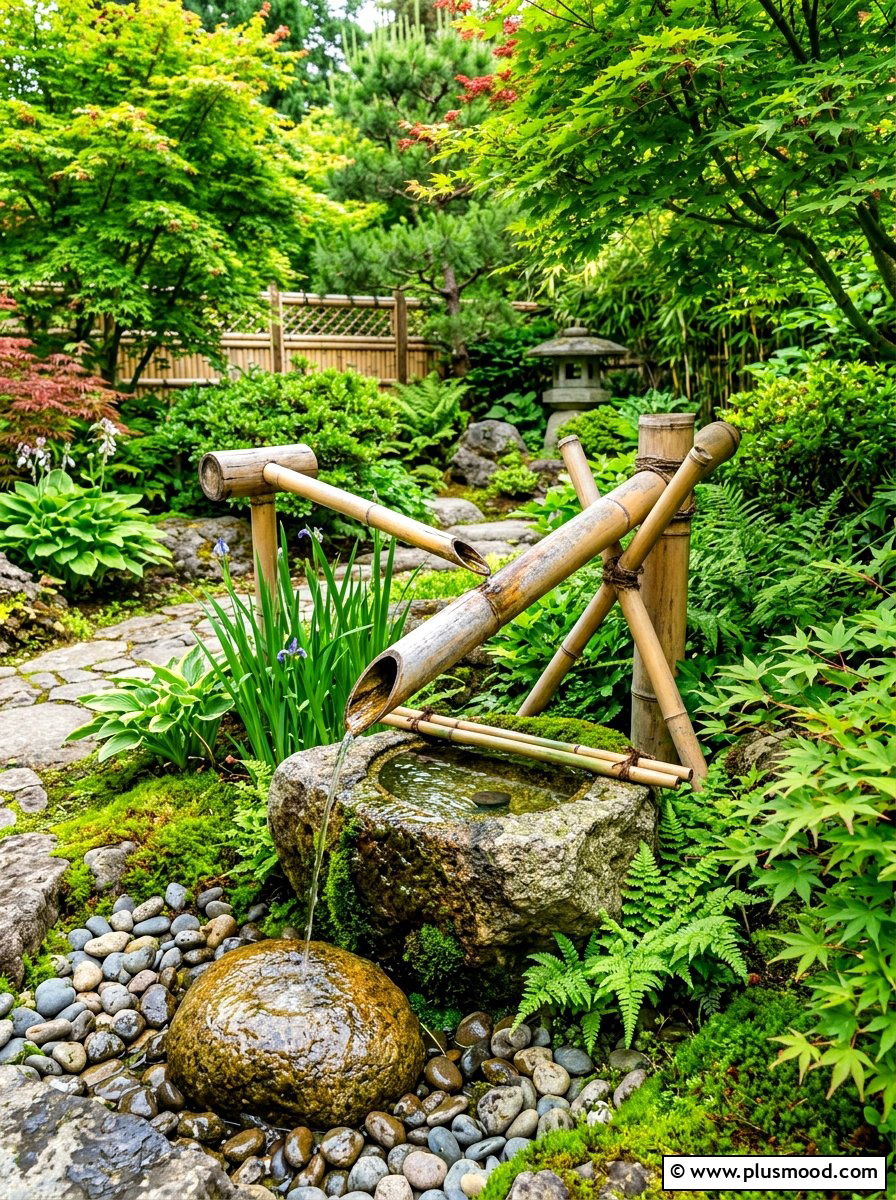
A bamboo water feature, such as a traditional Japanese "shishi-odoshi, " adds a rhythmic and surprising sound to your garden. This device uses water to fill a bamboo tube, which eventually tips and strikes a stone, creating a sharp "clack" sound. Originally designed to scare away wildlife, it now serves as a meditative and peaceful focal point. The sight of the moving bamboo and the flowing water is very engaging. It creates a sense of time and rhythm that is very different from a standard fountain. This feature works beautifully in zen-inspired gardens or modern backyards. It is a unique way to combine the elements of water, wood, and sound into one fascinating, interactive garden installation.
25. Garden Seating Nook
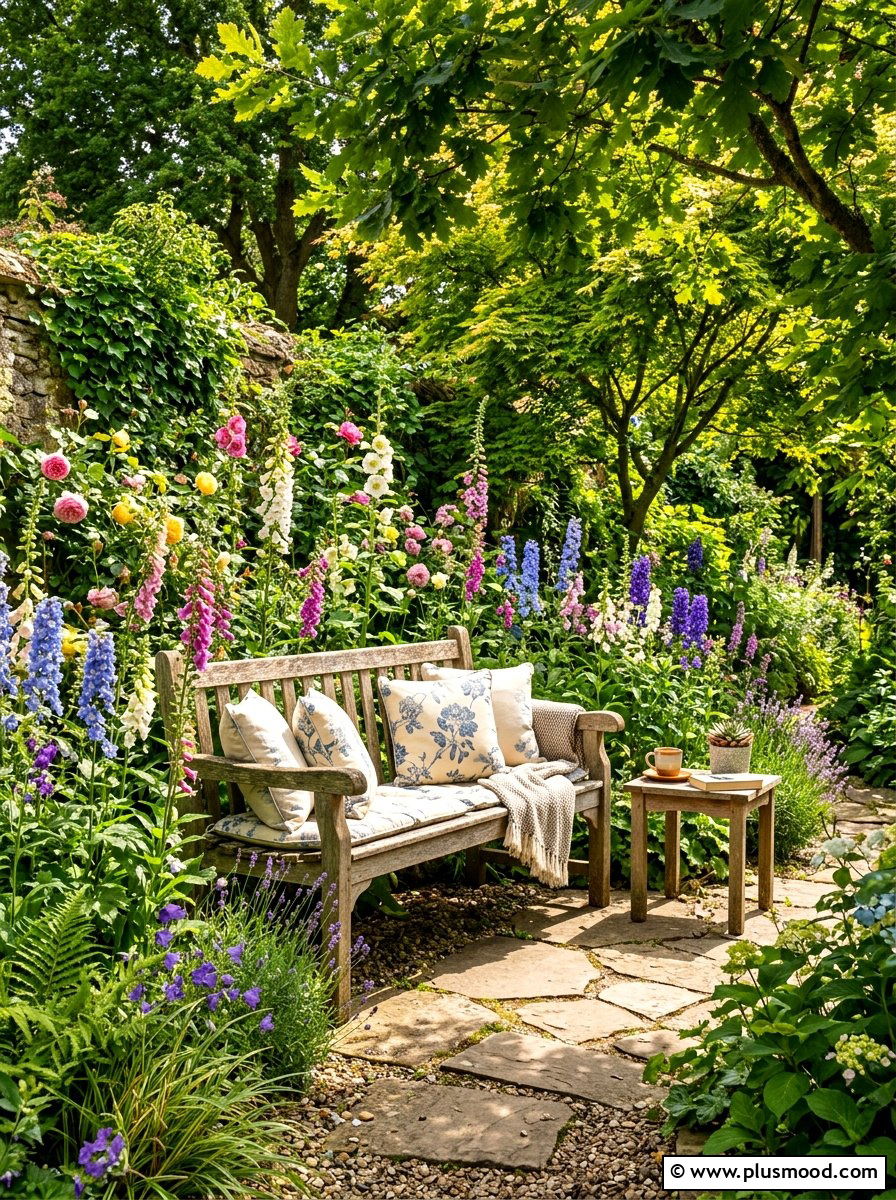
Creating a dedicated garden seating nook is the best way to fully immerse yourself in the sensory environment you have built. A simple wooden bench or a set of comfortable chairs tucked away in a quiet corner invites you to pause and observe. From this vantage point, you can take in the full range of sights, sounds, and smells around you. Surround the nook with your favorite fragrant plants and soft textures to maximize the comfort. It provides a destination within the garden where you can read, meditate, or enjoy a summer beverage. Having a place to sit ensures that you will spend more time appreciating the natural beauty of your backyard. It is the final piece of the sensory puzzle.
Conclusion:
Designing a summer sensory garden is a wonderful investment in your home and your personal happiness. By choosing elements that appeal to every sense, you create a rich and rewarding environment that changes and grows with you. Each feature, from the sound of rustling grasses to the taste of fresh berries, helps you connect more deeply with the natural world. These gardens are inclusive spaces that can be enjoyed by everyone, regardless of age or ability. As you implement these 25 ideas, you will find that your backyard becomes more than just a yard — it becomes a living sanctuary. The beauty of a sensory garden is that it offers new surprises every day, making your summer truly unforgettable.
Related posts:
Leave a Reply