
Transforming your outdoor space into a sanctuary during the peak of summer requires more than just regular watering. As temperatures soar, traditional gardens often struggle to maintain their vibrant appearance without excessive maintenance. This guide explores creative landscaping strategies designed specifically to withstand intense heat while enhancing your home's aesthetic appeal. From drought-tolerant plant selections to clever structural shading, these ideas prioritize sustainability and comfort. By choosing the right materials and layouts, you can create a backyard that feels significantly cooler and remains lush even when the sun is at its strongest. Let’s dive into these practical solutions for a stunning, heat-resistant outdoor environment that works for you every day.
1. Xeriscaping for backyard
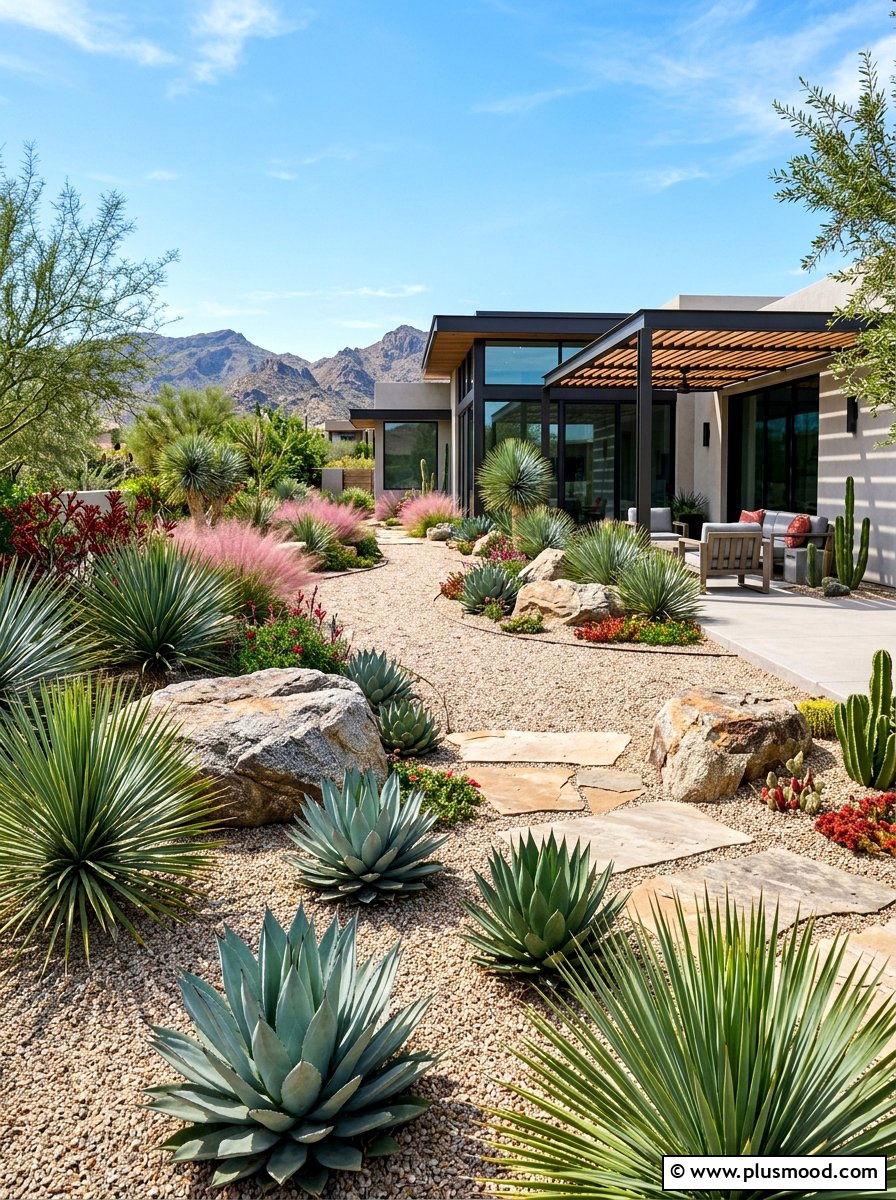
Xeriscaping is a professional landscaping method specifically designed for areas prone to drought or intense summer heat. This approach focuses on reducing or eliminating the need for supplemental water from irrigation. By using a combination of drought-hardy plants, mulch, and strategic hardscaping, you create a beautiful environment that thrives in the sun. Many homeowners choose this style because it significantly lowers water bills while providing a modern, clean aesthetic. Incorporating varied textures like pea gravel, large boulders, and structural plants like agave creates visual interest without the high maintenance of a traditional lawn. It is a smart, sustainable way to ensure your yard stays attractive throughout the hottest months.
2. Native plant garden
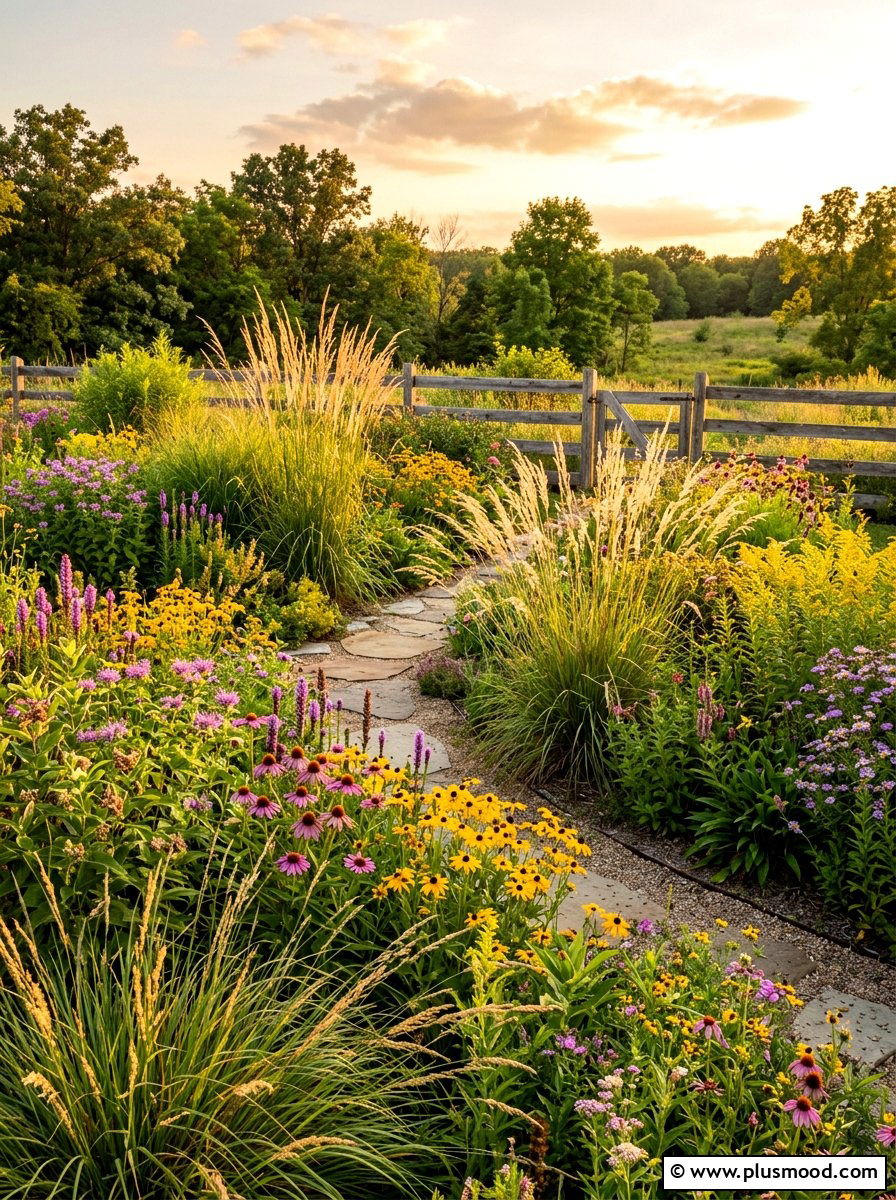
Choosing plants that naturally occur in your specific region is one of the most effective ways to combat summer heat. Native plants have spent thousands of years adapting to local soil conditions and weather patterns, making them incredibly resilient. They require far less water and fertilizer than exotic species and are naturally resistant to local pests. A native garden also supports local biodiversity by providing food and habitat for pollinators like bees and butterflies. When you design with local flora, your garden feels more integrated with the surrounding landscape. This choice results in a lush, thriving yard that looks effortless and stays green even during heatwaves.
3. Succulent rock garden
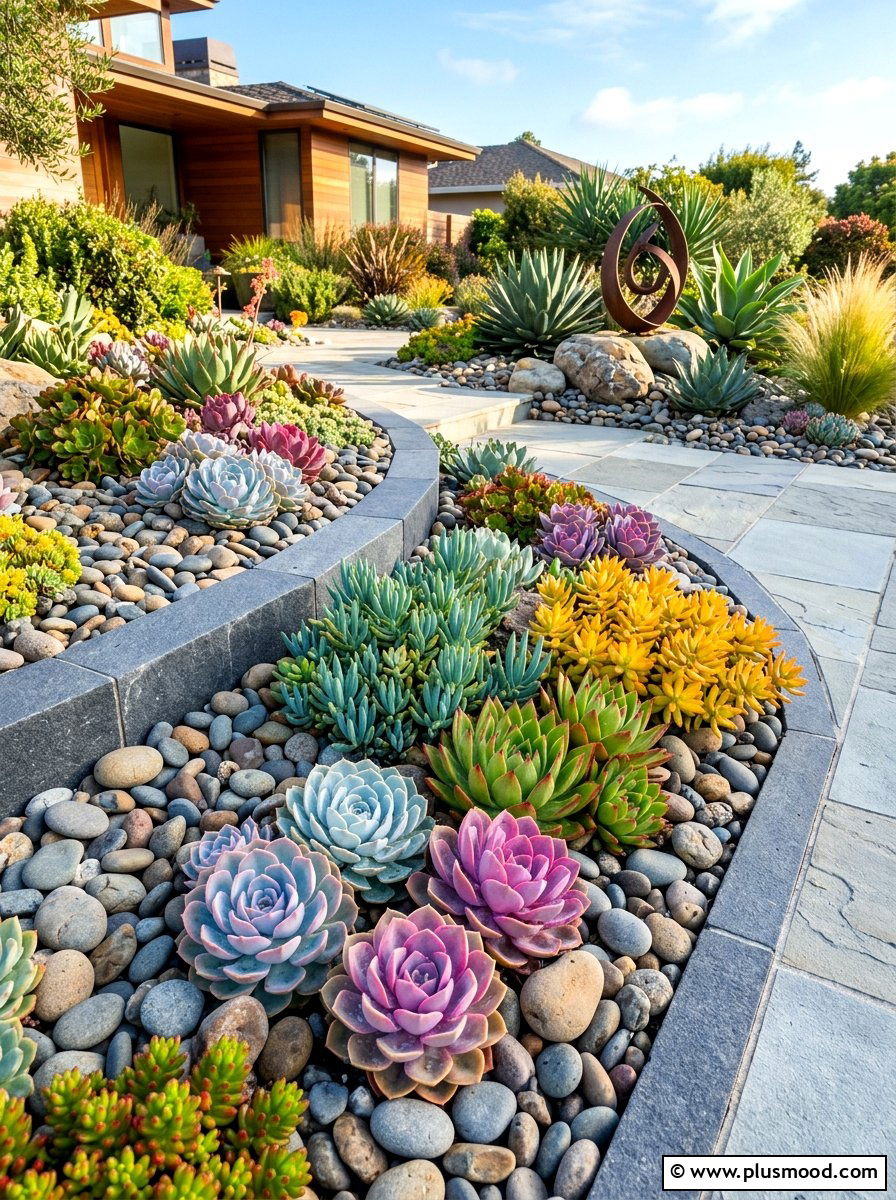
Succulents are the ultimate heat-loving plants because they store water in their thick, fleshy leaves and stems. Creating a dedicated succulent garden allows you to play with unique shapes, colors, and textures that thrive in direct sunlight. Pairing these plants with various sizes of river rocks or volcanic stone helps regulate soil temperature and prevents moisture evaporation. You can arrange different varieties like echeveria, sedum, and aloe to create a living tapestry of greens, purples, and blues. This type of landscaping is perfect for slopes or rocky areas where other plants might struggle. It offers a sculptural beauty that requires almost no pruning or frequent watering.
4. Light colored pavers
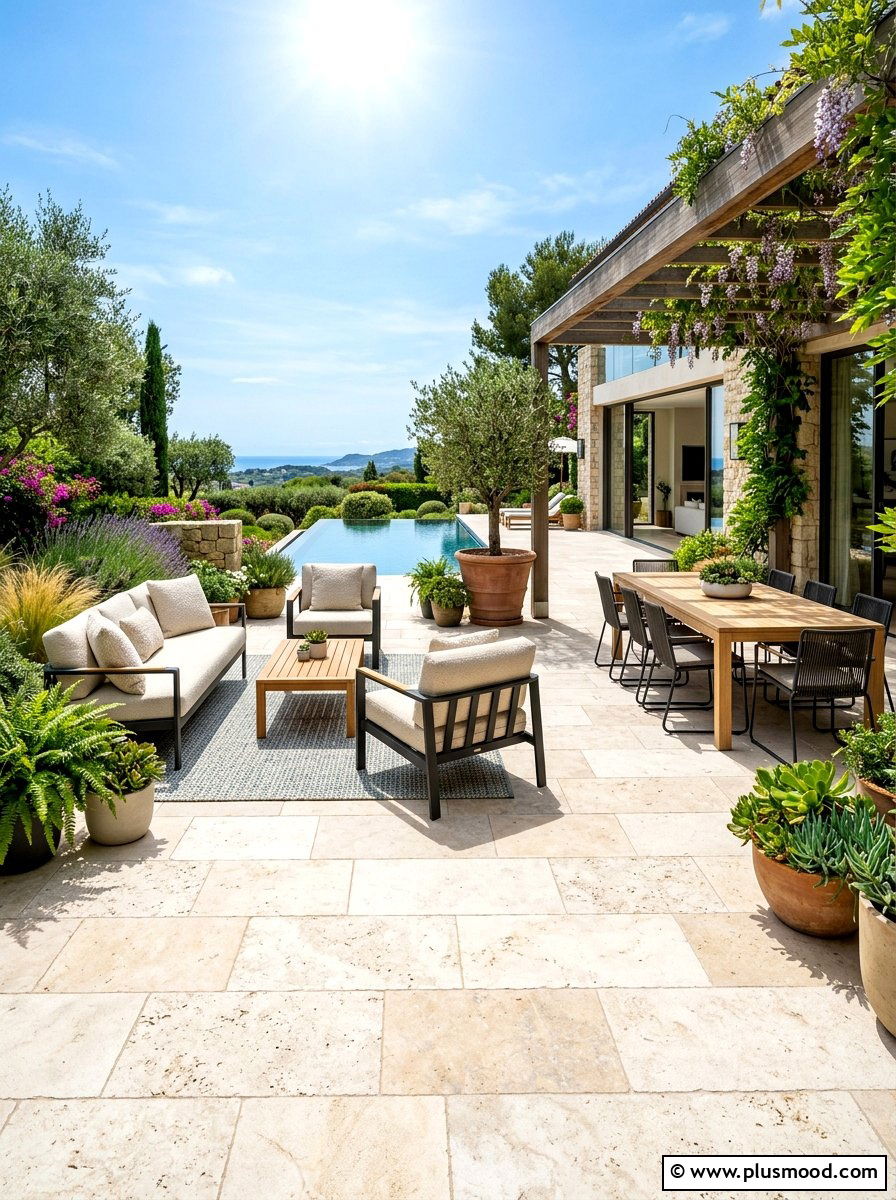
The materials you choose for your patio or walkways can have a massive impact on the temperature of your outdoor living area. Dark stones and concrete absorb solar energy, radiating intense heat back onto your feet and into the air. By installing light-colored pavers made of limestone, travertine, or light gray concrete, you reflect the sun’s rays instead. This simple swap can make your patio feel significantly cooler underfoot, allowing you to enjoy the space even during the afternoon. Light surfaces also brighten up shaded areas and provide a clean, high-end look that complements almost any home style or color palette.
5. Pergola with vines
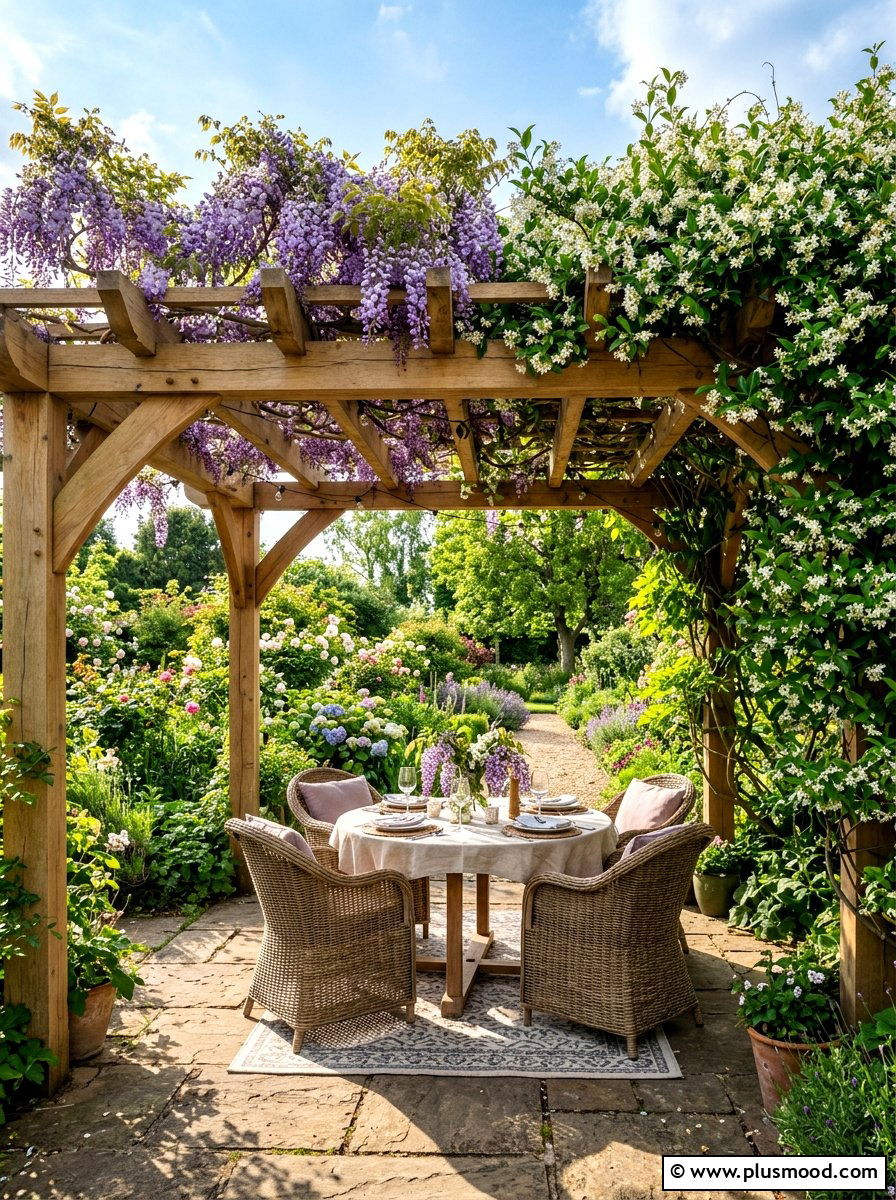
Adding a pergola is a classic way to create architectural interest while providing essential shade from the scorching summer sun. When you cover the wooden or metal beams with fast-growing climbing vines like wisteria, jasmine, or grapevines, you create a natural cooling effect. The leaves breathe out moisture through a process called transpiration, which actually lowers the air temperature beneath the canopy. This living ceiling provides dappled light and a refreshing breeze, making it the perfect spot for an outdoor dining table or lounge set. It transforms a hot, exposed backyard into a romantic, shaded retreat that smells wonderful and looks stunning from every angle.
6. Drip irrigation system
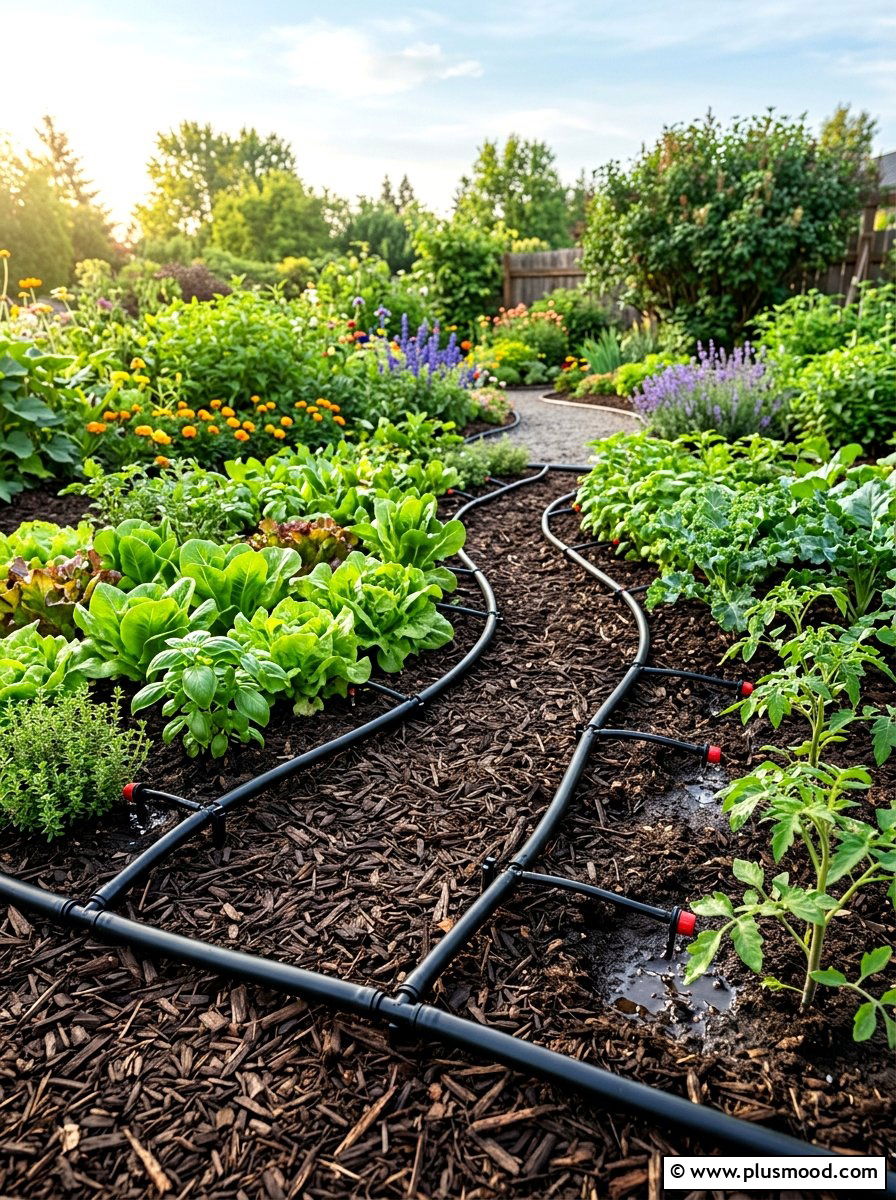
Traditional sprinklers often lose a large percentage of water to evaporation before it even reaches the roots of your plants. A drip irrigation system is a much more efficient alternative for hot weather because it delivers water directly to the soil. By using a network of low-pressure tubes, you can precisely target each plant, ensuring they stay hydrated without wasting a single drop. This consistent moisture delivery prevents the soil from drying out and cracking during intense heat cycles. Most systems can be hidden under mulch, keeping your landscape looking tidy while automating one of the most time-consuming aspects of summer garden maintenance.
7. Organic mulch bed
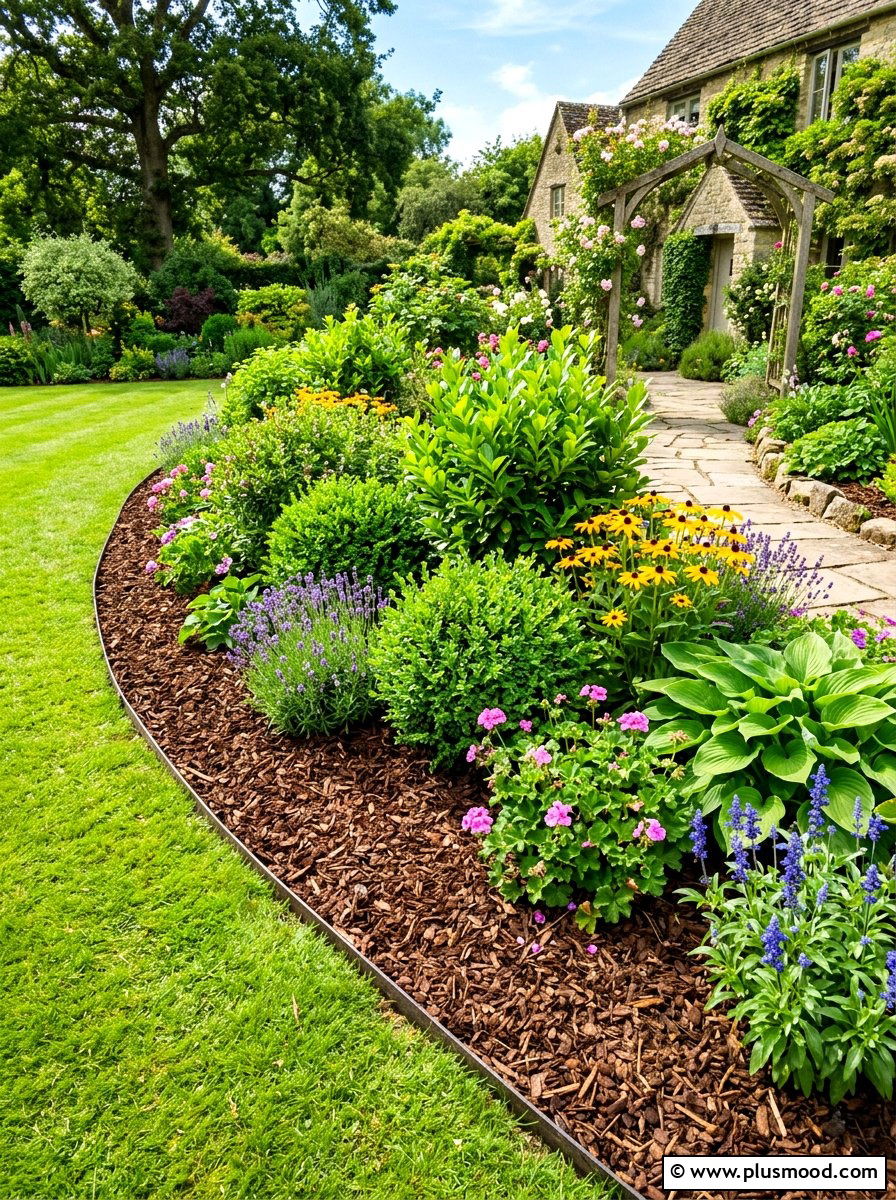
Applying a thick layer of organic mulch is one of the easiest and most effective ways to protect your soil from the sun. Materials like wood chips, bark, or straw act as an insulating blanket that keeps the ground cool and moist. This layer prevents the sun from baking the soil surface, which can kill beneficial microbes and stress plant roots. Mulch also helps suppress weeds that compete with your plants for precious water resources. As organic mulch breaks down over time, it adds valuable nutrients back into the dirt, improving the overall health of your landscape. It is a functional and attractive finishing touch.
8. Vertical green wall
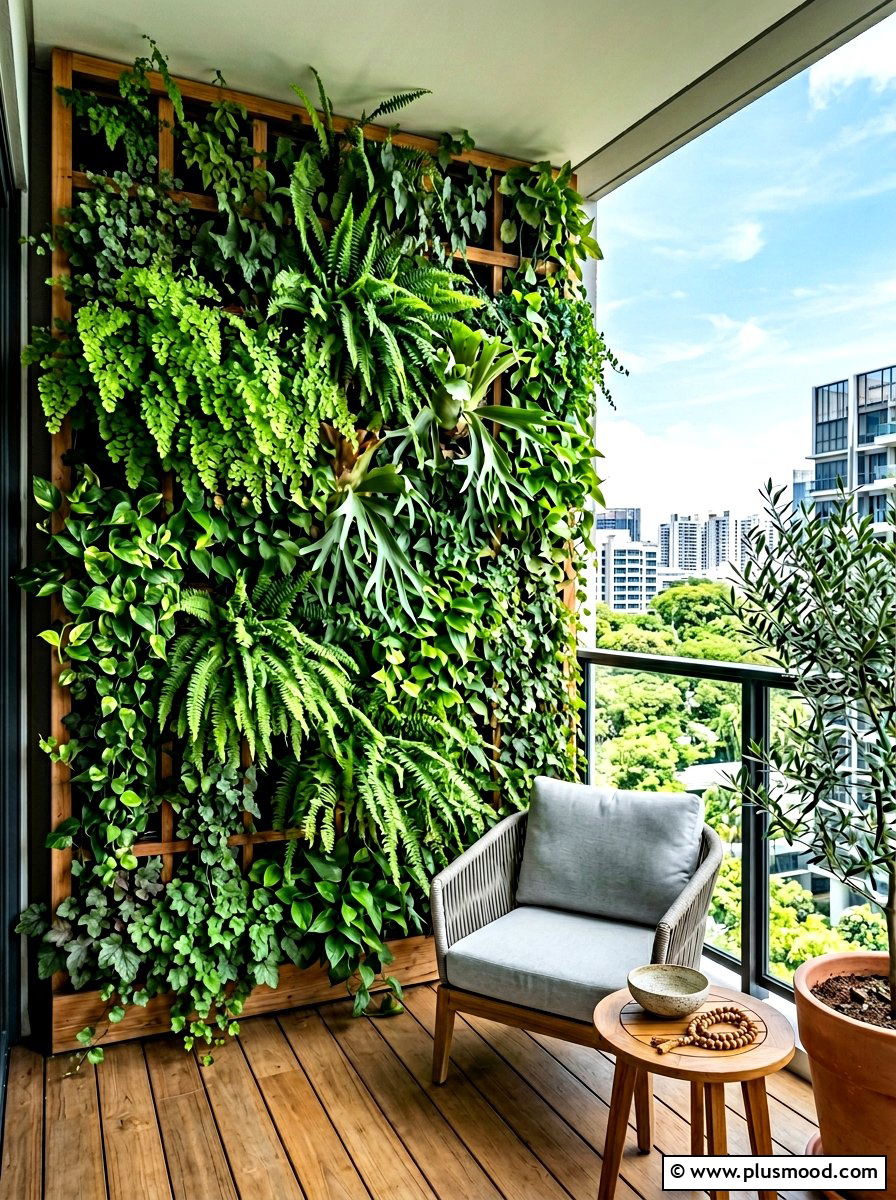
A vertical garden or green wall is a fantastic solution for small spaces that need a cooling boost during the summer. By growing plants upwards on a wall or fence, you add a layer of biological insulation to your property. These living structures absorb heat that would otherwise be trapped by brick or siding, helping to keep both your outdoor and indoor areas cooler. You can use a variety of trailing plants, ferns, or even herbs to create a lush, textured focal point. Vertical gardens are also great for adding privacy to your balcony or patio, creating a secluded oasis that feels like a hidden forest.
9. Heat resistant shrub
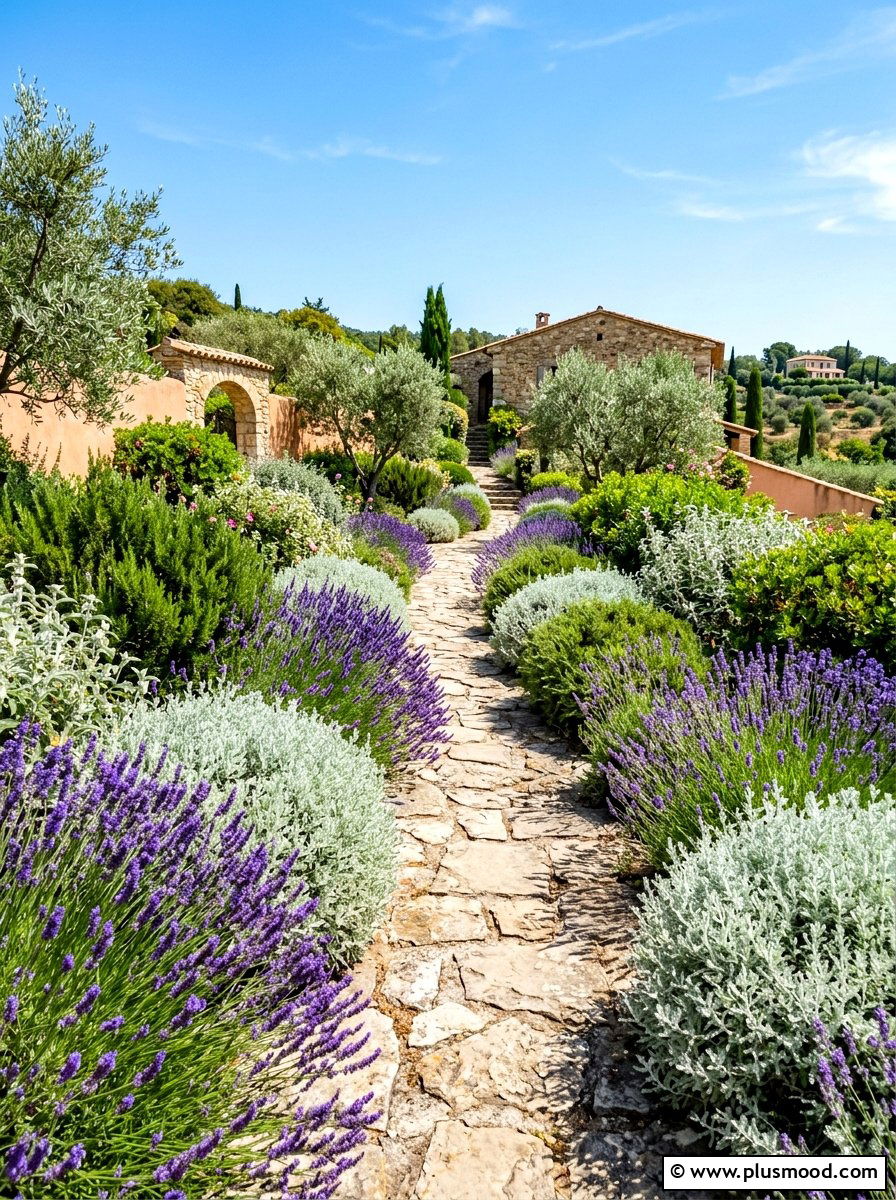
Integrating shrubs that are specifically bred for high temperatures ensures your landscape maintains its structure and greenery all year long. Plants like lavender, boxwood, or oleander are well-known for their ability to withstand intense UV rays without wilting. These hardy shrubs provide a permanent backdrop for seasonal flowers and help define different zones within your garden. Many heat-resistant varieties also offer beautiful blooms or fragrant foliage that thrives in the sun. Placing these shrubs strategically along paths or around seating areas provides a sense of enclosure and permanence. They require minimal intervention once established, making them a reliable choice for busy homeowners.
10. Shade tree placement
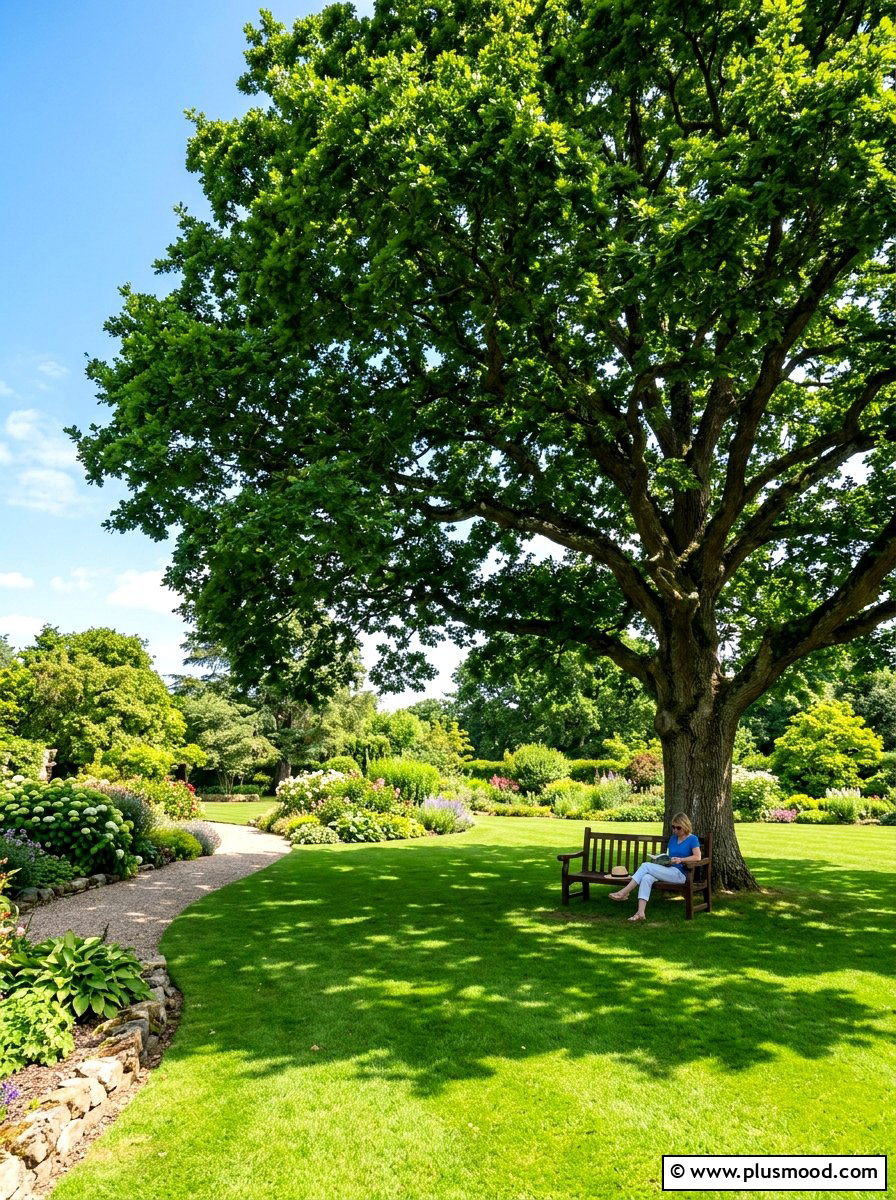
Planting a large canopy tree is a long-term investment that provides the most effective natural cooling possible for your home. A mature tree can reduce the temperature of the ground beneath it by several degrees, creating a comfortable microclimate in your yard. Deciduous trees are particularly useful because they provide dense shade in the summer but allow sunlight through in the winter after their leaves fall. Positioning a tree on the western or southern side of your property can also help lower your home's cooling costs by shading windows and walls. It adds height, character, and a sense of history to your landscape design.
11. Potted tropical plant
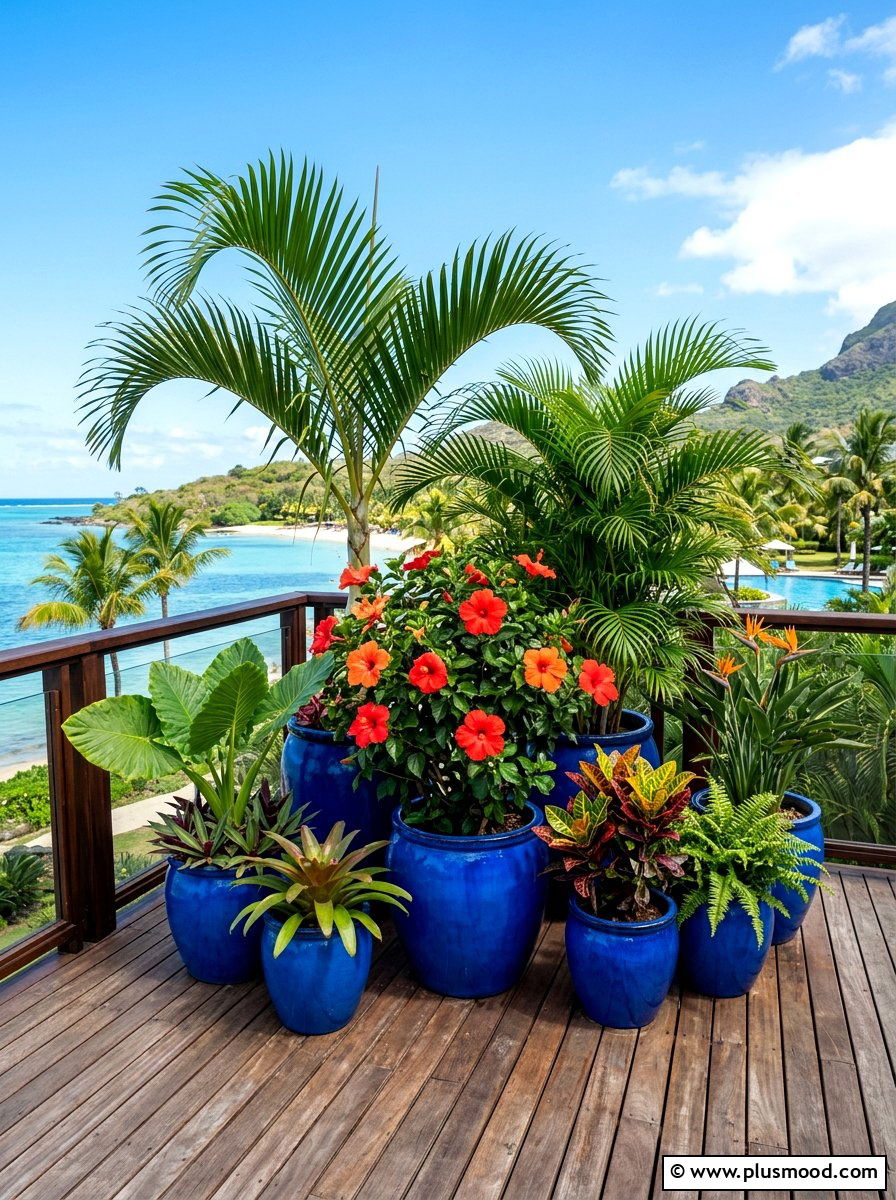
If you want to create a vacation vibe in your backyard, using large pots filled with tropical plants is the way to go. Varieties like hibiscus, bird of paradise, or palms love the warmth and add instant lushness to any patio or deck. Using containers allows you to move the plants around to find the perfect balance of sun and shade throughout the day. Bold, colorful ceramic pots can serve as anchors for your design, adding personality and height to your outdoor space. Tropical plants often have large, dramatic leaves that provide excellent texture and help create a sense of lush, green privacy.
12. Outdoor water feature
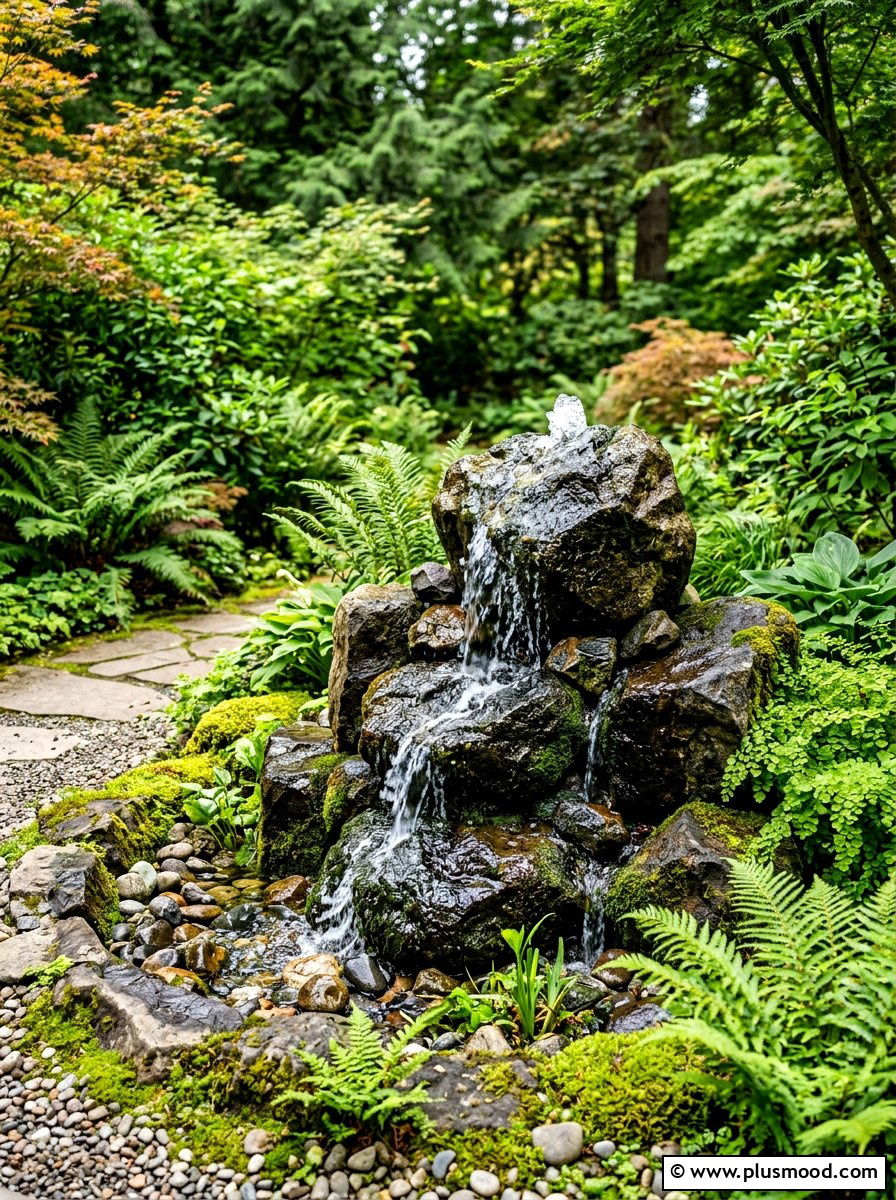
The sound and sight of moving water can make a hot summer day feel much more bearable through psychological and physical cooling. A bubbling rock fountain or a small pondless waterfall adds moisture to the air and creates a serene atmosphere. As the water evaporates, it naturally lowers the temperature of the immediate surrounding area, making it a perfect addition near a seating spot. Water features also attract local wildlife, such as birds and dragonflies, bringing more life and movement to your garden. Whether you choose a modern steel trough or a naturalistic stone basin, water adds a sophisticated and refreshing element.
13. Artificial turf lawn
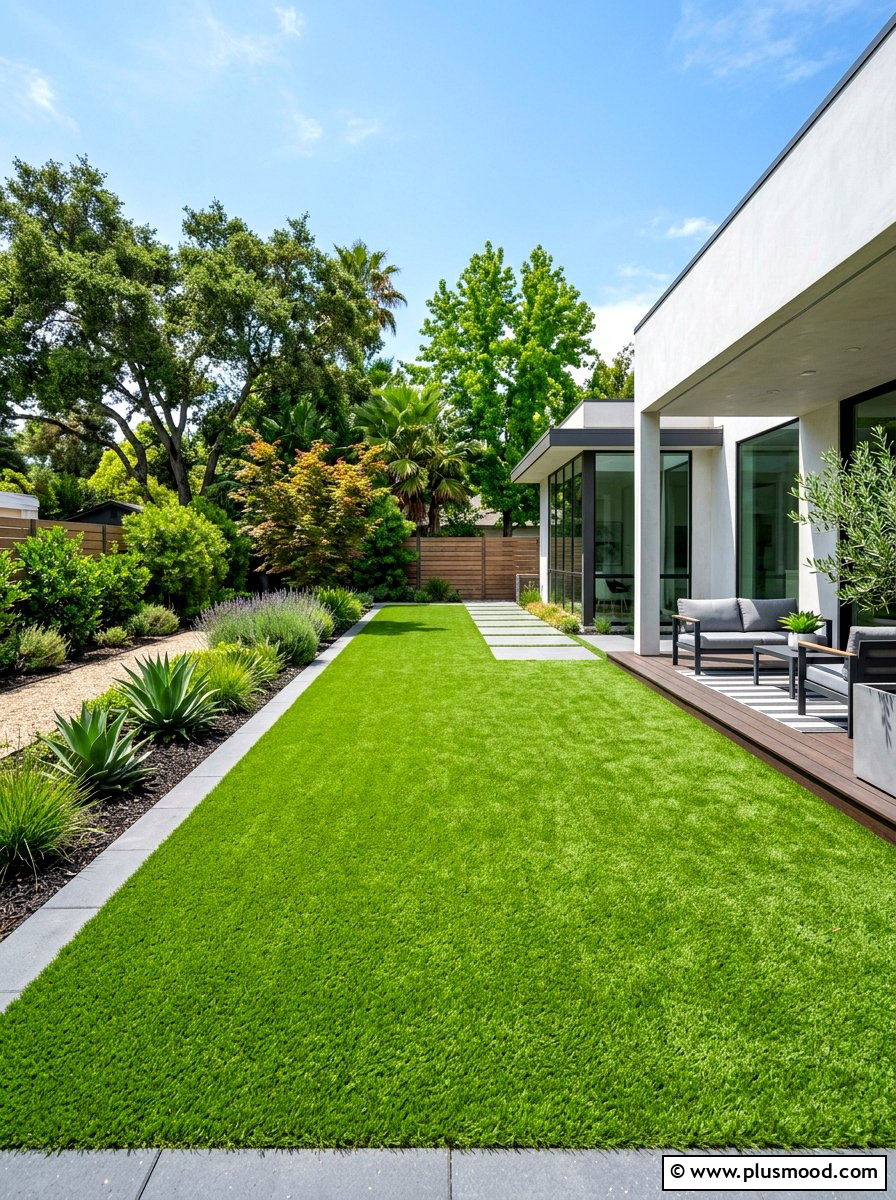
Maintaining a perfectly green grass lawn during a hot summer is incredibly difficult and requires an immense amount of water. Switching to high-quality artificial turf gives you a lush, green look all year round without any of the maintenance or irrigation needs. Modern synthetic grass is designed to look and feel remarkably realistic, providing a durable surface for kids and pets to play on. It eliminates the need for mowing, fertilizing, and weeding, saving you time and money. While the surface can get warm, choosing turf with cooling technology or pairing it with shaded areas ensures it remains a functional part of your yard.
14. Matrix planting scheme
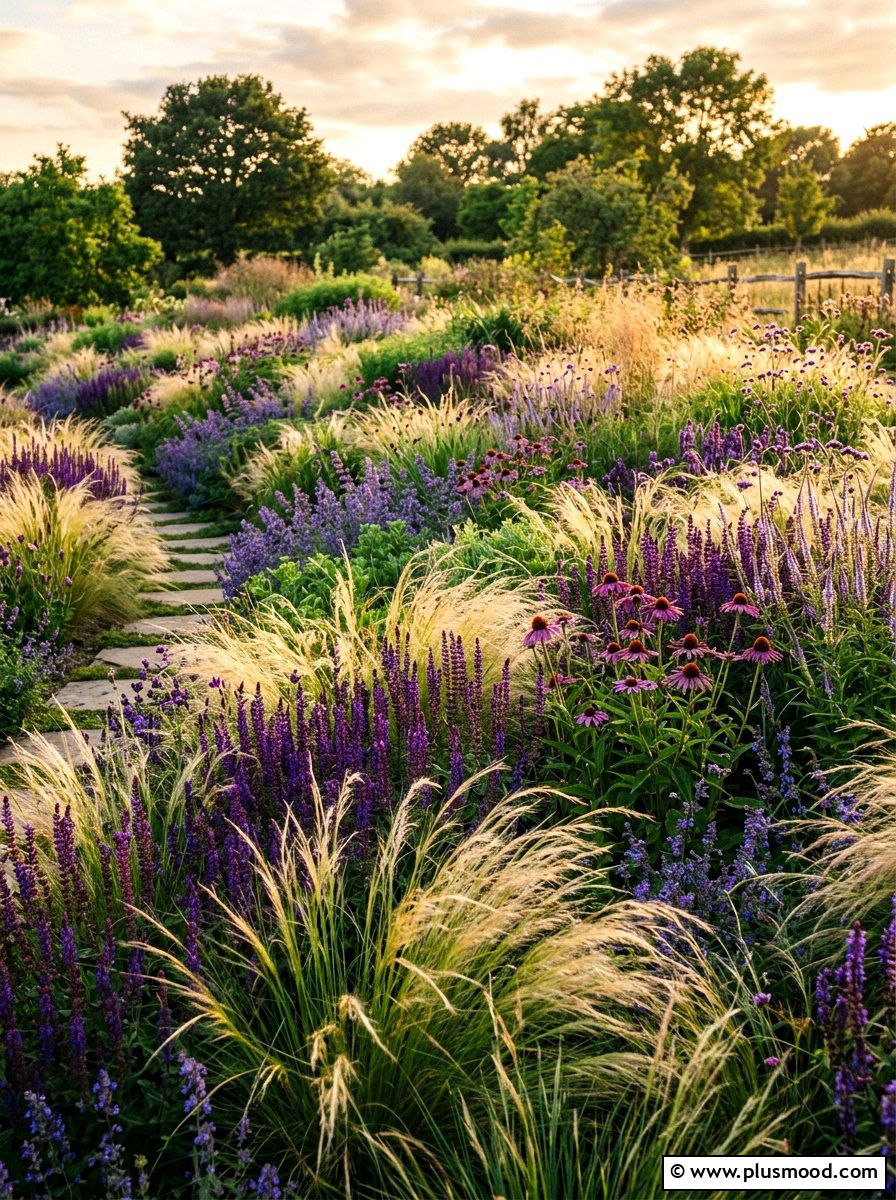
Matrix planting is a trend that mimics natural ecosystems by layering different types of plants in a dense, self-sustaining pattern. This method uses a mix of grasses and perennials that cover every inch of the ground, acting as a living mulch. Because the plants are so closely packed, they shade the soil and prevent water from evaporating quickly. This design looks wild and beautiful, offering changing colors and textures throughout the summer season. It is a low-maintenance approach because the dense growth naturally crowds out weeds. Matrix gardens are resilient, water-wise, and provide a stunning, modern look for large landscape beds.
15. Edible foodscaping plot
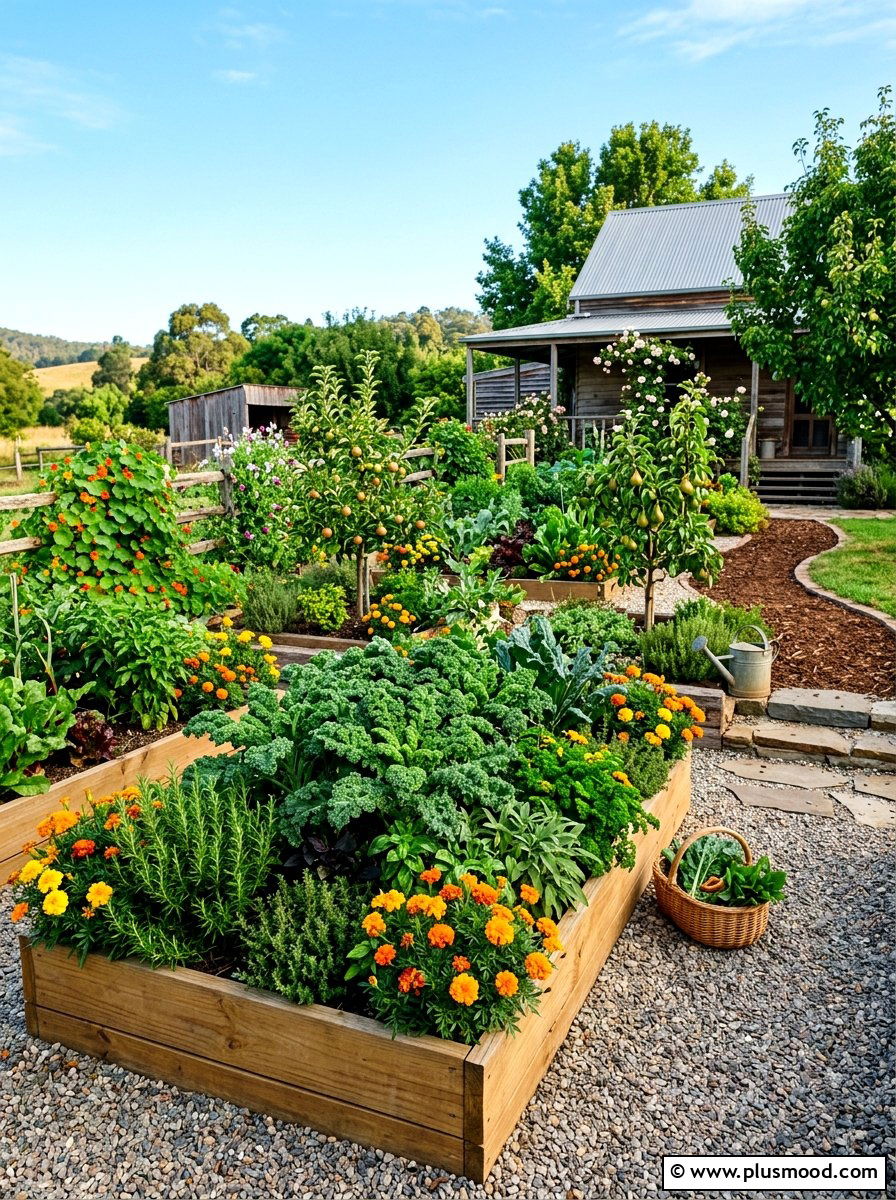
Foodscaping is the practice of integrating vegetables, herbs, and fruit trees into your ornamental landscaping for a functional and beautiful yard. Many edible plants, such as rosemary, peppers, and figs, actually thrive in the summer heat and look wonderful alongside traditional flowers. You can use large kale leaves for texture or climbing bean stalks to add height to a fence. This approach maximizes the utility of your garden, providing fresh produce while maintaining a high-end aesthetic. It encourages you to spend more time outdoors and reduces your carbon footprint. A well-designed edible garden is both a feast for the eyes and the dinner table.
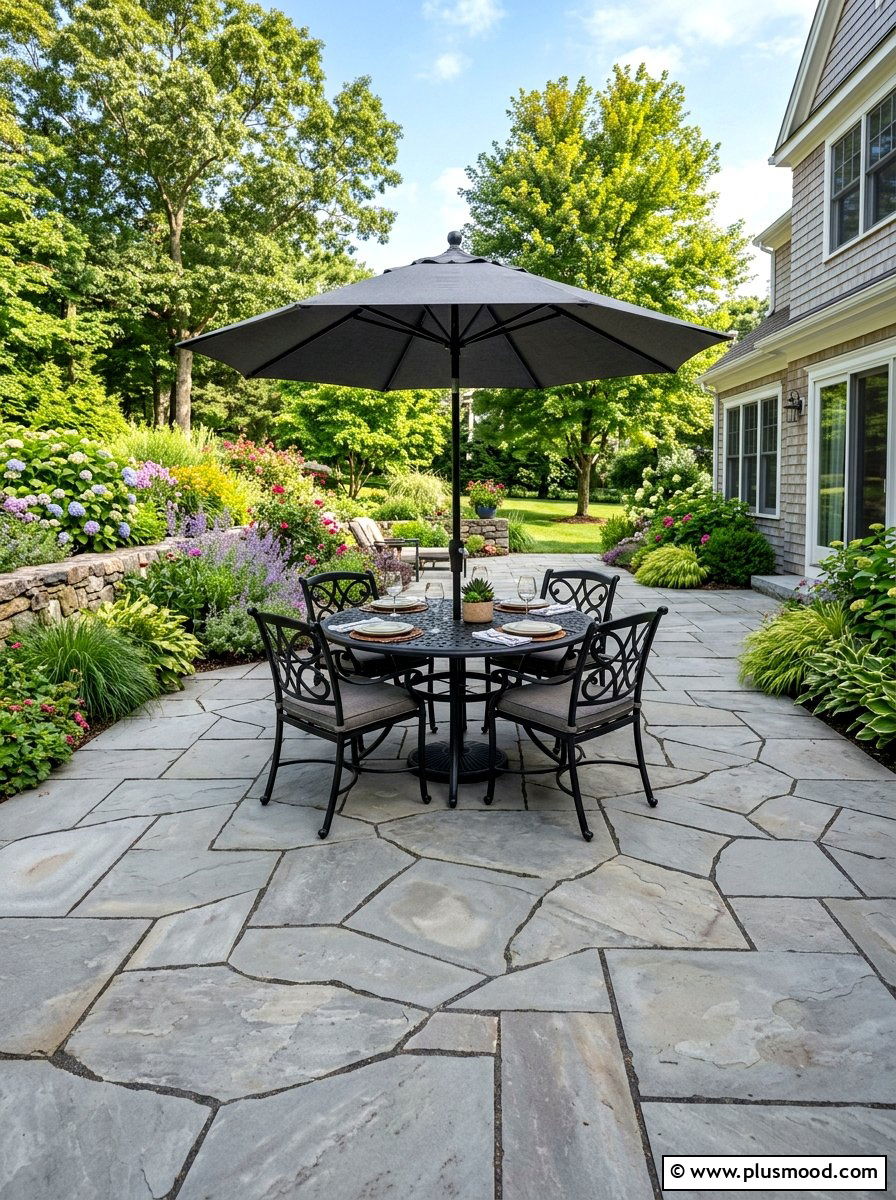
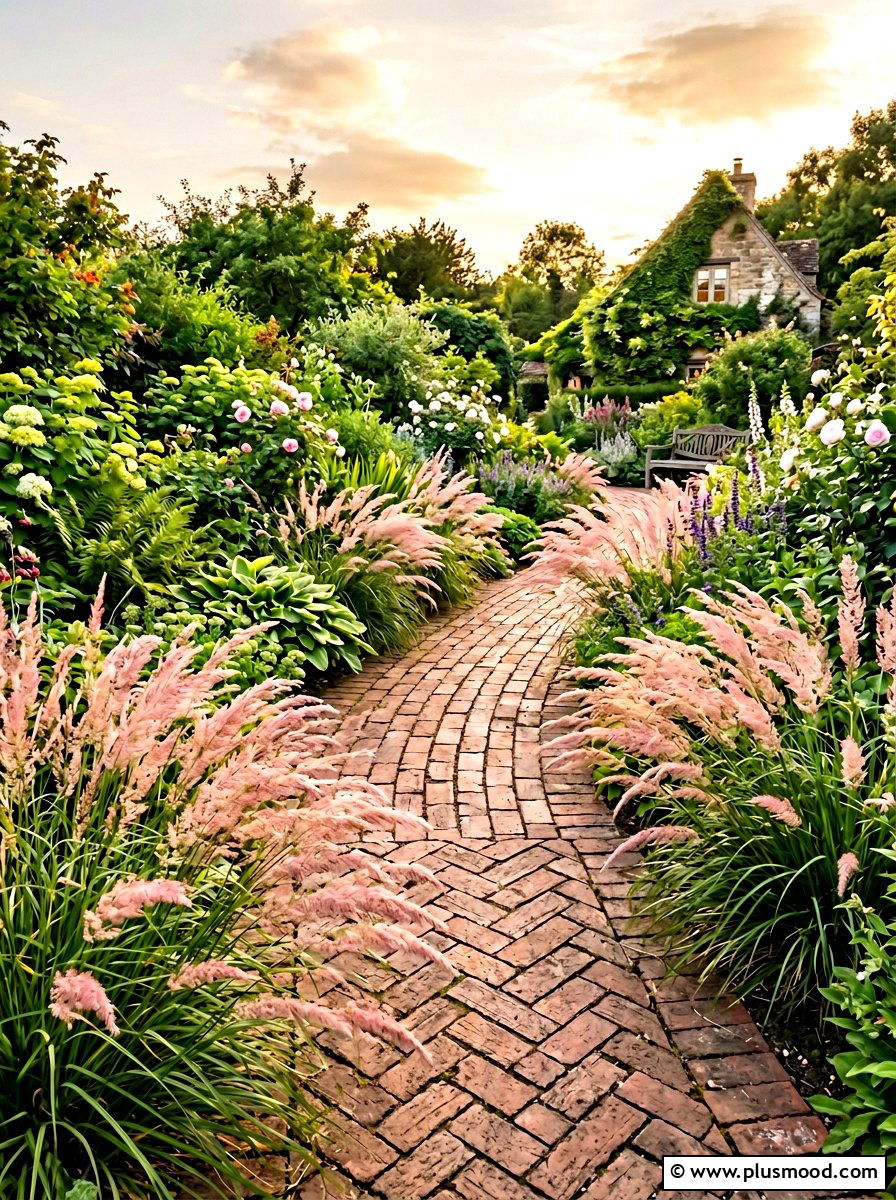
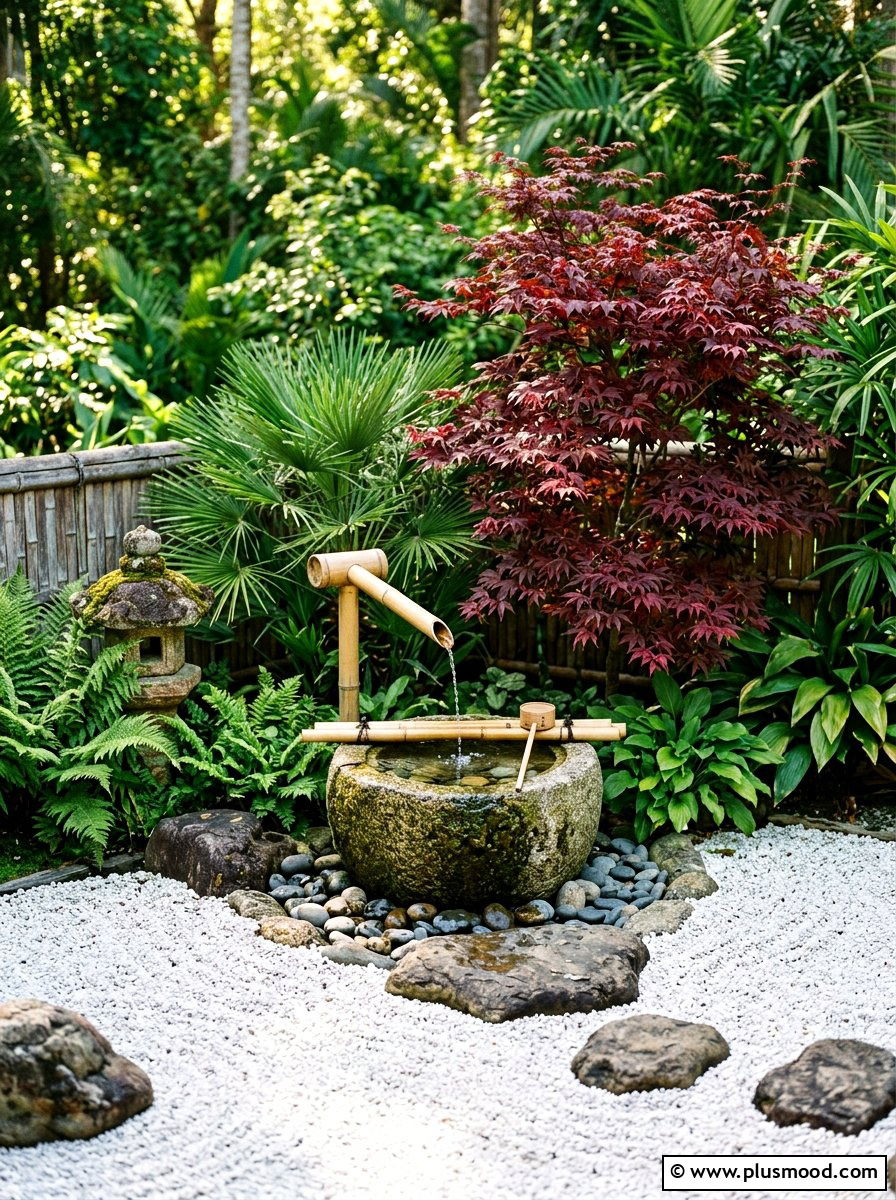
16. Fire resistant landscape
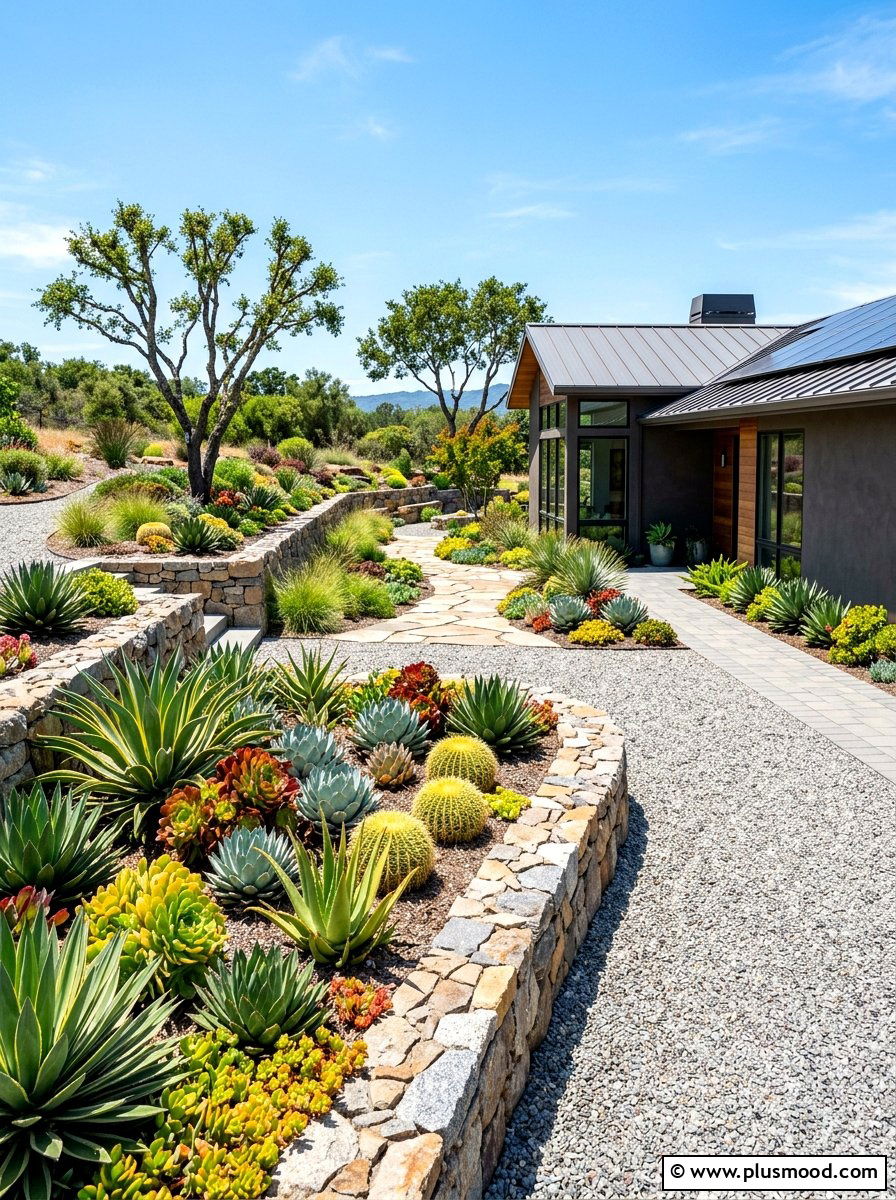
In many hot climates, fire safety is a critical consideration when planning your summer landscaping. A fire-resistant design focuses on using non-flammable materials like stone, gravel, and brick near the home to create a defensible space. You can also choose plants with high moisture content and low oil levels, such as succulents or deciduous trees, which are less likely to ignite. Keeping your garden well-maintained and free of dead branches or dry brush is essential for safety. This style of landscaping often results in a clean, minimalist look that highlights the architectural features of your home while providing peace of mind.
17. Backyard misting system
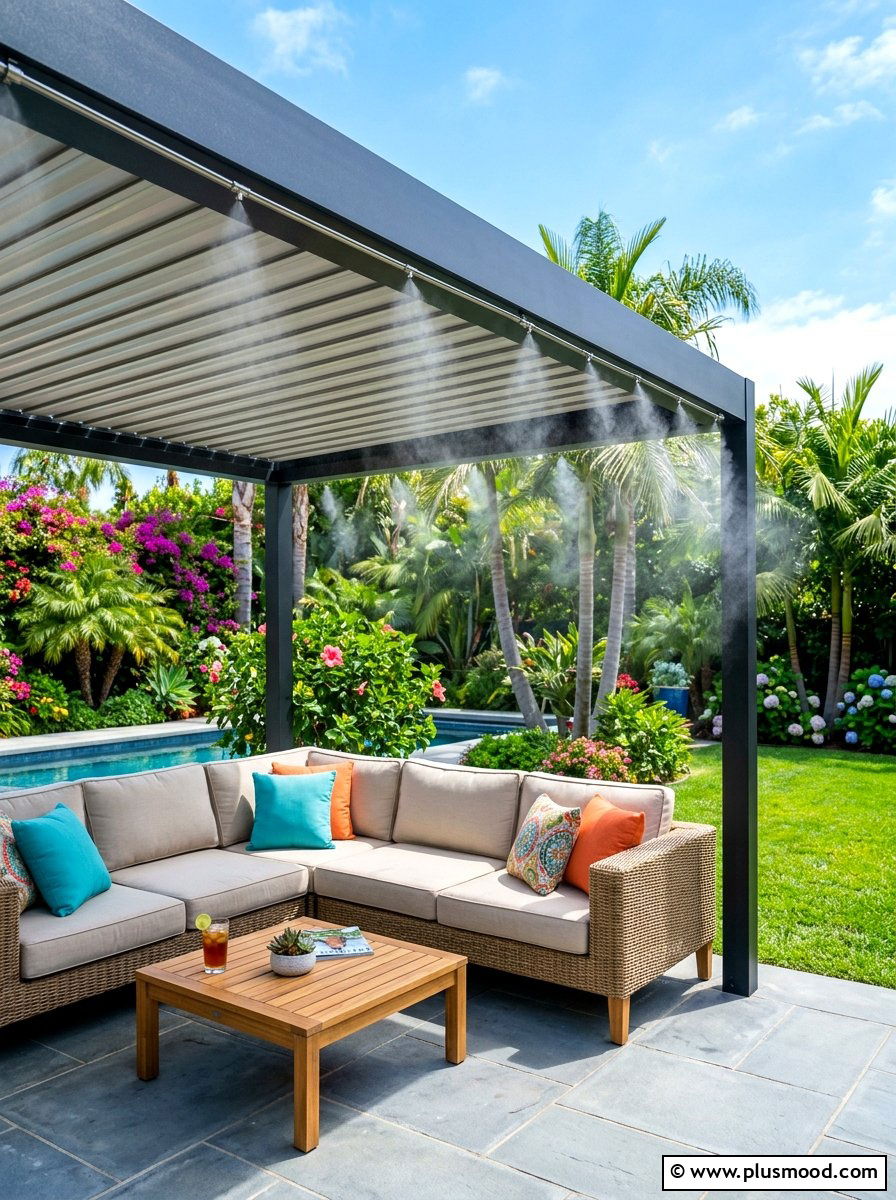
Installing a professional misting system along the edge of your patio or pergola can make outdoor living possible even on the hottest days. These systems use high-pressure nozzles to release a fine mist of water that evaporates instantly, cooling the air by up to twenty degrees. This process, known as flash evaporation, creates a refreshing curtain of cool air without making you or your furniture wet. Misting systems are relatively easy to install and can be connected to a standard garden hose or a dedicated line. It is a luxury feature that transforms your backyard into a cool, resort-style retreat for summer entertaining.
18. Patio shade sail
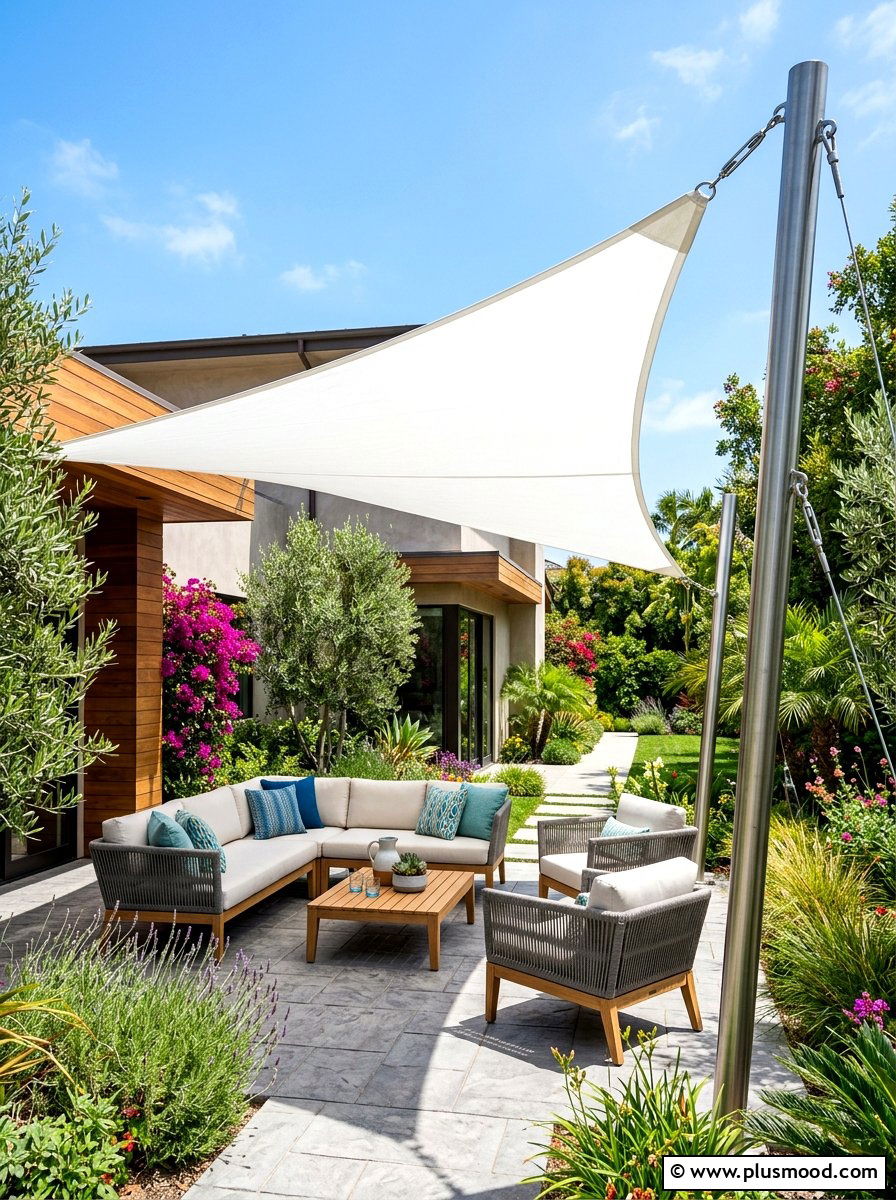
Shade sails are a modern and flexible alternative to permanent roof structures, offering a sleek way to block intense UV rays. These durable fabric triangles or rectangles can be tensioned between posts or attached to your house to provide shade exactly where you need it. They come in a variety of colors and sizes, allowing you to create a custom geometric look for your patio or pool area. Because the fabric is breathable, it allows hot air to escape upwards while keeping the area below cool. Shade sails are relatively inexpensive and can be easily removed or adjusted as the sun's angle changes.
19. Heat tolerant groundcover
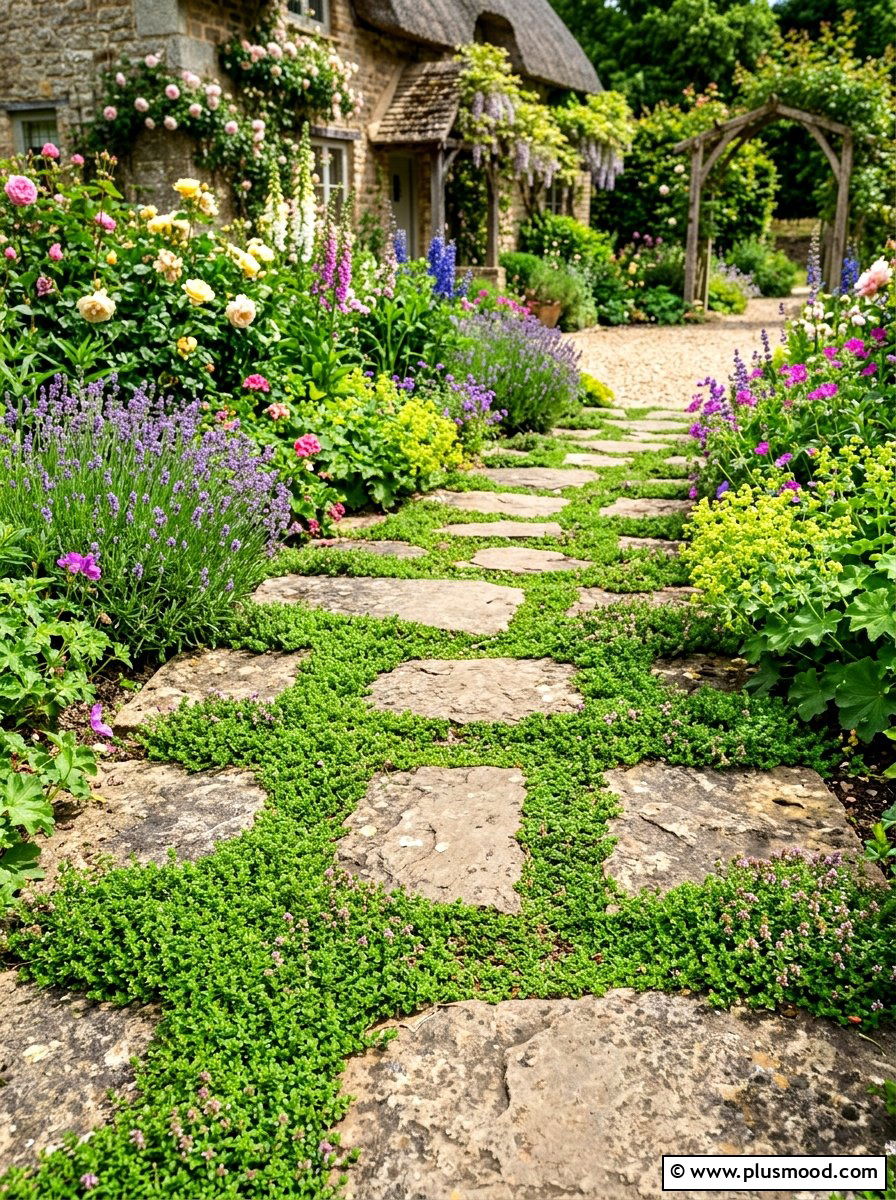
Replacing thirsty grass with heat-tolerant groundcovers is a smart way to maintain a green look while conserving water. Plants like creeping thyme, stonecrop, or silver carpet grow low to the ground and spread quickly to fill in empty spaces. These varieties are incredibly hardy and can handle being stepped on, making them great for paths or between stepping stones. Many groundcovers produce small, beautiful flowers that attract pollinators and add a delicate layer of color to your landscape. They require much less mowing than traditional lawns and stay vibrant and healthy even when temperatures reach their peak in mid-summer.
20. Mediterranean garden style
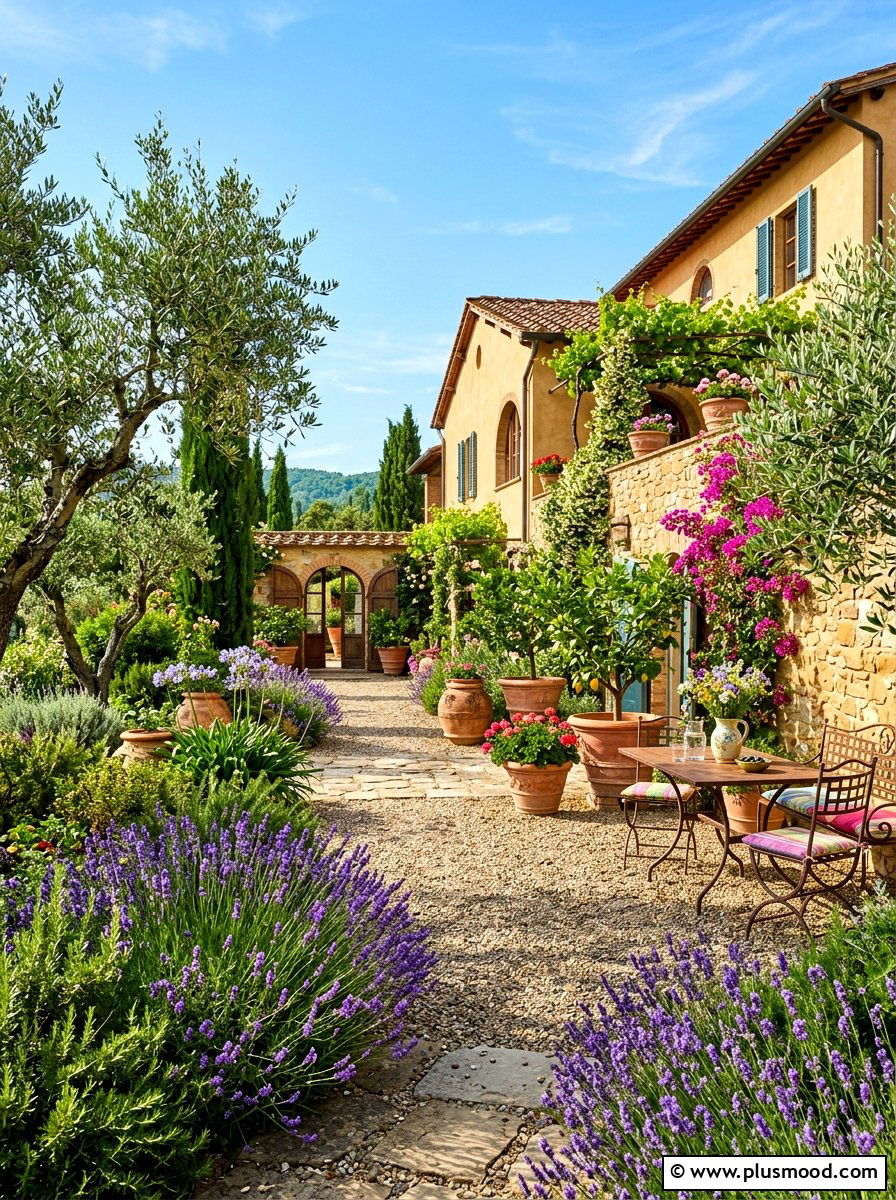
The Mediterranean style is perfectly suited for hot, sunny environments because it draws inspiration from regions like Italy, Greece, and Spain. This design uses a palette of warm terracotta, weathered stone, and drought-tolerant plants like olive trees, cypress, and lavender. Gravel paths and tiled patios are common features that reduce the need for water-intensive lawns. The focus is on creating a relaxed, indoor-outdoor flow with plenty of shaded seating and potted accents. This aesthetic is timeless and elegant, offering a rugged beauty that only gets better as the plants mature. It creates a sun-drenched, tranquil atmosphere that feels like a permanent vacation.
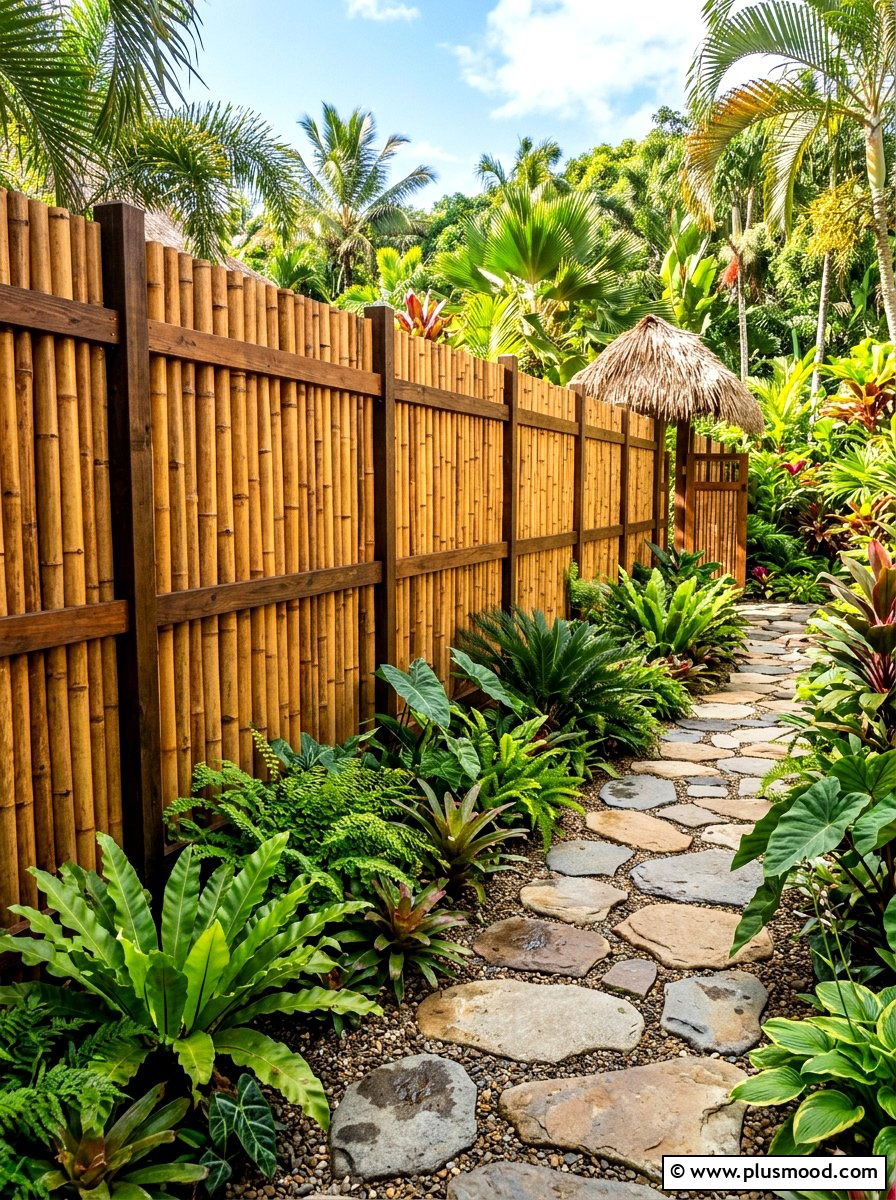
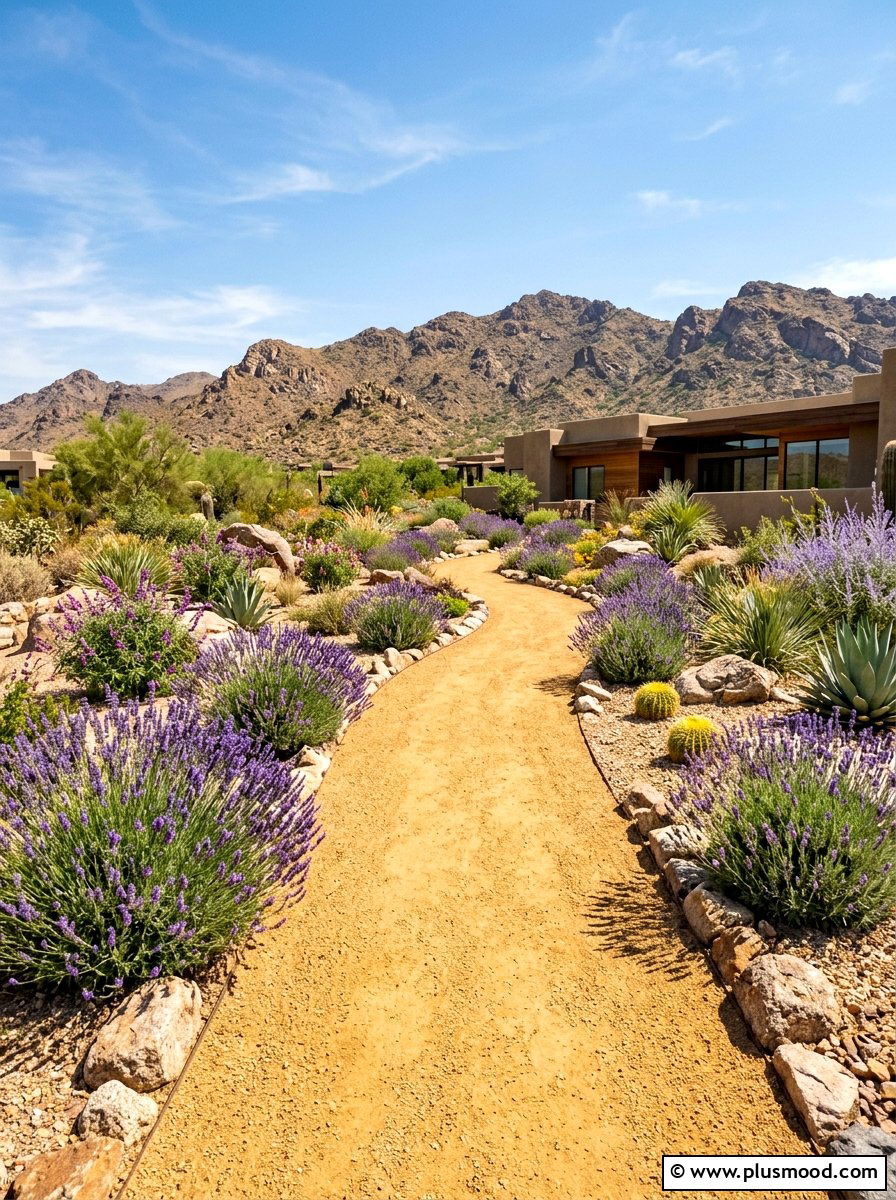
21. Desert modern landscape
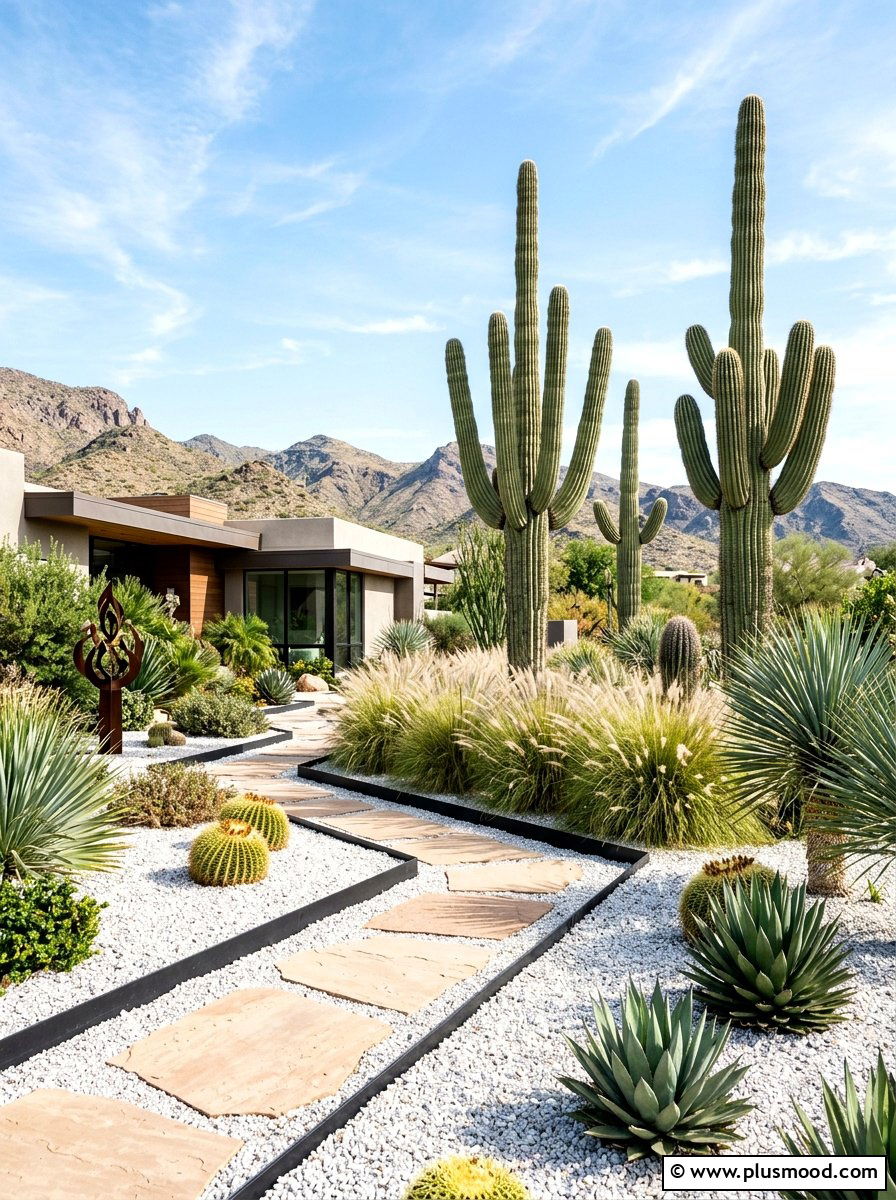
A desert modern landscape combines the stark beauty of arid environments with clean, architectural lines and contemporary materials. This style often features sculptural plants like yuccas, barrel cacti, and ornamental grasses set against a backdrop of smooth concrete or dark steel. Use different colors of decomposed granite or crushed rock to create patterns on the ground that replace the need for traditional mulch. High-quality outdoor lighting is essential for this look, as it highlights the dramatic silhouettes of the plants at night. This landscaping approach is extremely low-maintenance and looks incredibly sophisticated, making it a favorite for modern architectural homes in warm climates.
22. Natural stone path
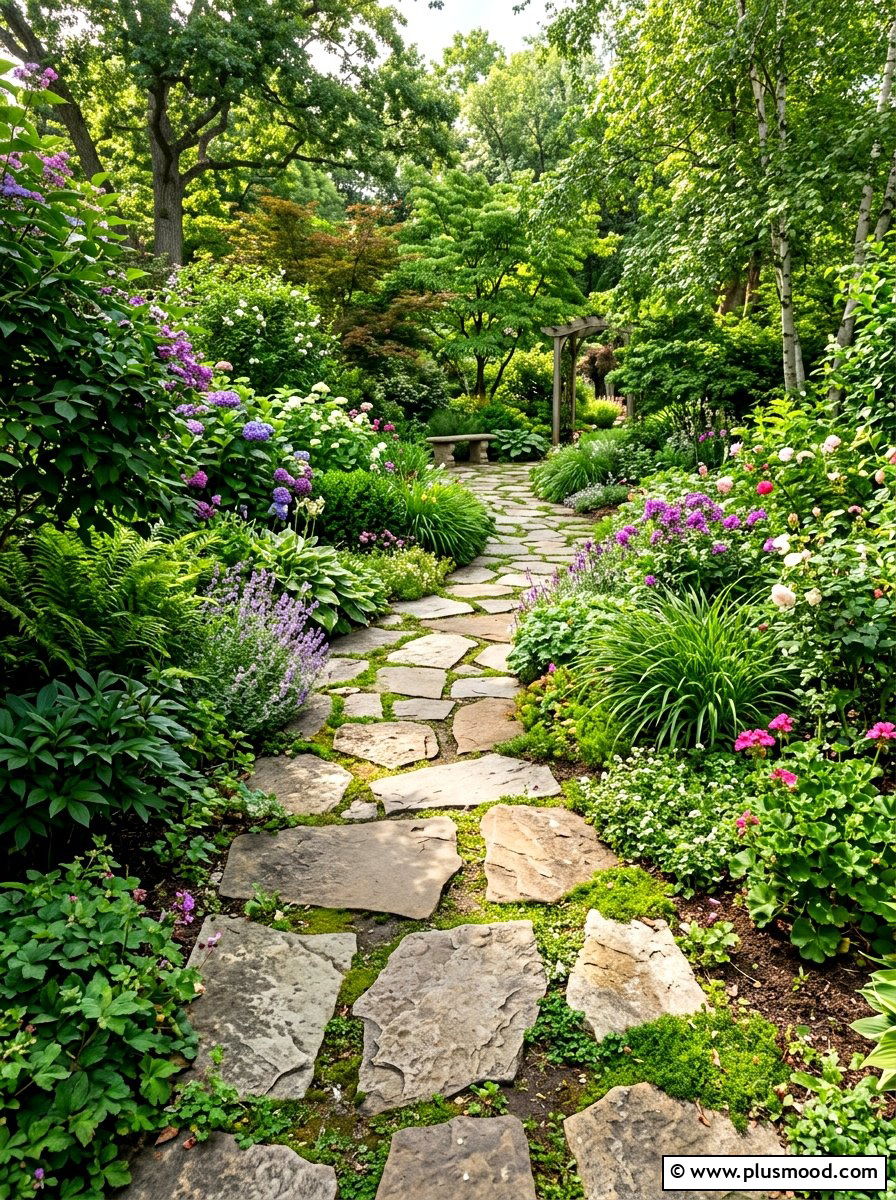
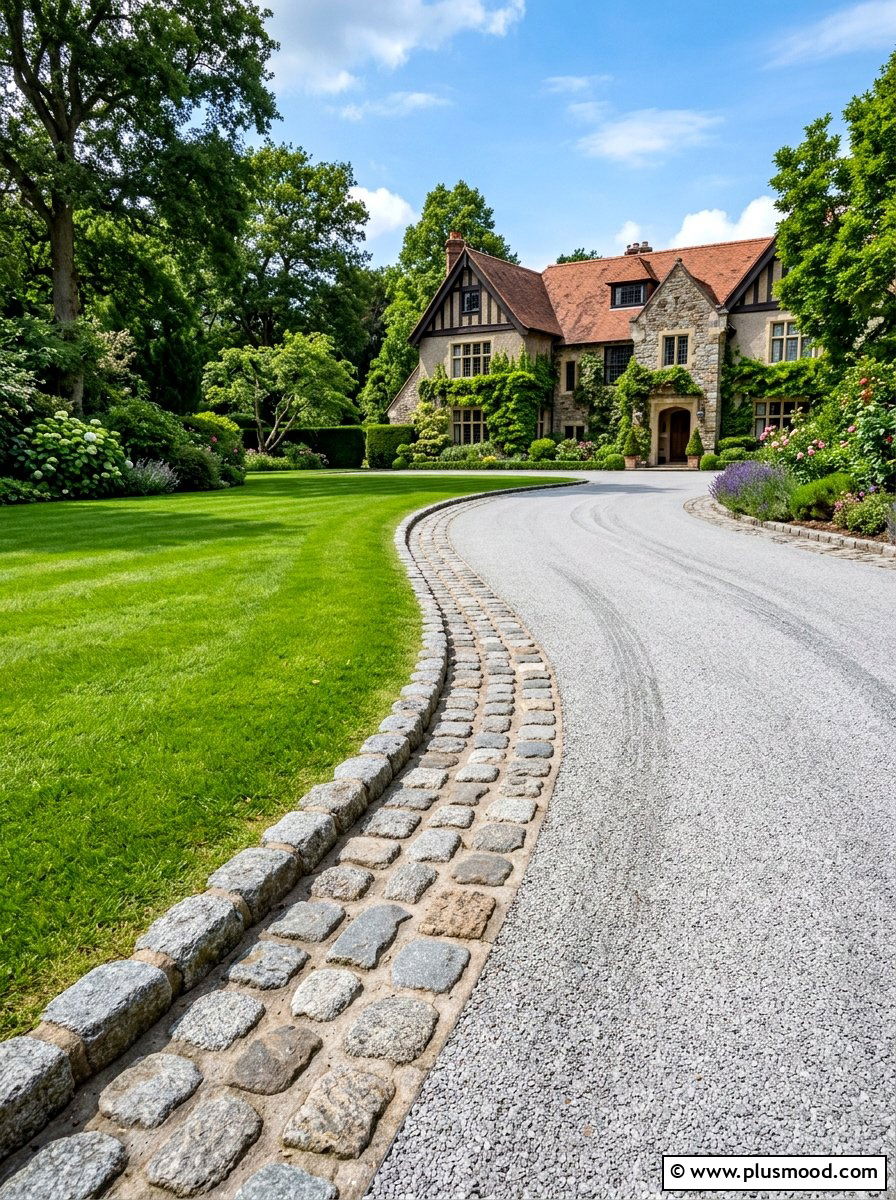
Walking through a hot garden is much more pleasant when you have a beautiful, stable path made of natural stone. Flagstone, slate, or large river rocks can be used to create winding walkways that lead you through your landscape. Unlike concrete, natural stone has a unique texture and color variations that blend seamlessly with the environment. When you leave space between the stones for low-growing plants or fine gravel, you allow rainwater to soak back into the ground rather than running off. Stone paths stay relatively cool if they are partially shaded and provide a durable, high-end finish that lasts for decades.
23. Garden rain bed
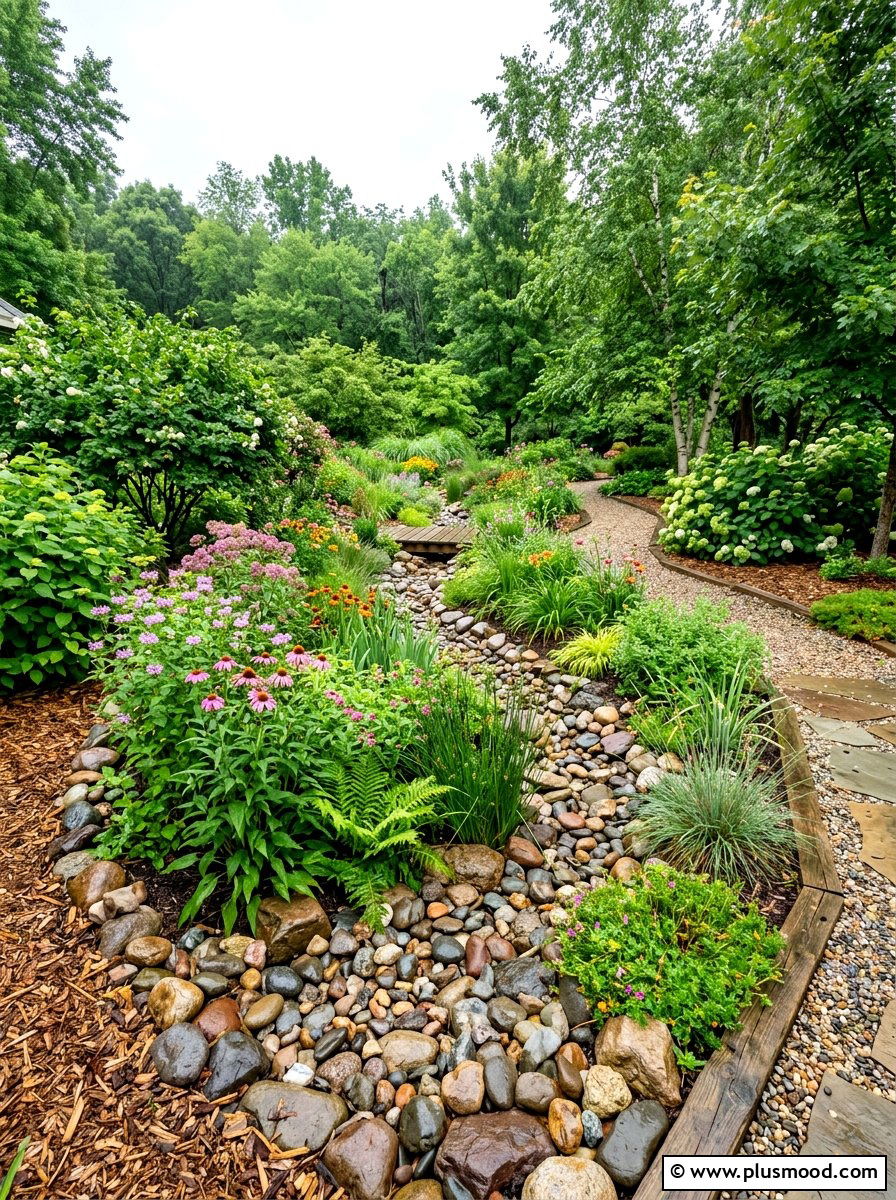
A rain garden is a shallow, depressed area of your landscape designed to capture and soak up rainwater runoff from roofs and driveways. In the summer, these areas can be planted with deep-rooted native plants that can handle both temporary flooding and long periods of dry heat. This functional feature helps prevent erosion and filters pollutants before they enter the groundwater system. Visually, a rain garden adds a lush, diverse pocket of greenery to your yard that looks like a natural meadow. It is a sustainable way to manage water and provides a beautiful focal point that thrives with very little human intervention.
24. Evergreen privacy hedge
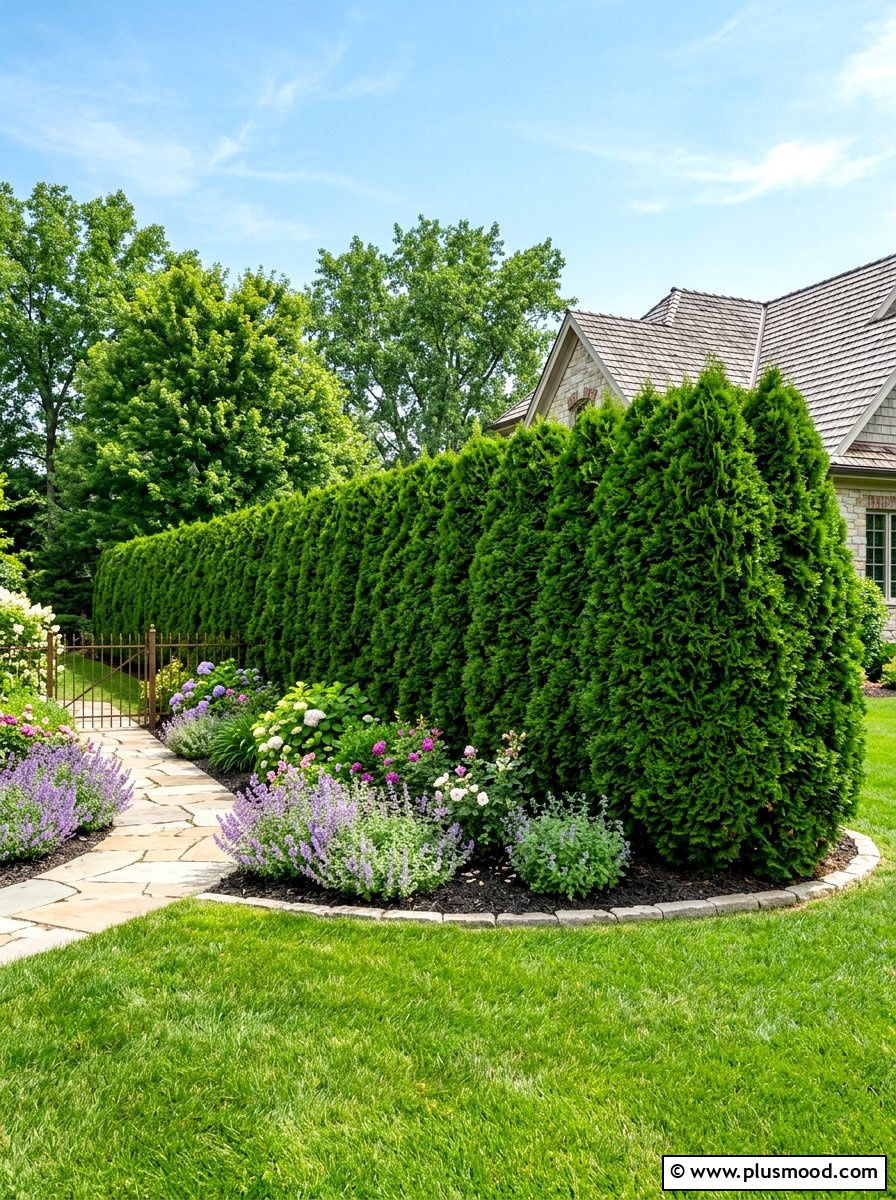
Creating a living wall with an evergreen privacy hedge is an excellent way to block out neighbors while adding a cooling windbreak to your yard. Plants like arborvitae, laurel, or privet maintain their thick, green foliage all year round, providing a consistent backdrop for your summer activities. These dense hedges absorb sound and trap dust, making your outdoor space feel more private and serene. Because they are evergreens, they provide structure to your garden even in the winter. A well-maintained hedge can also provide shade to lower-growing plants, helping them survive the intense summer sun by creating a protected, cooler microclimate.
25. Outdoor cooling fan
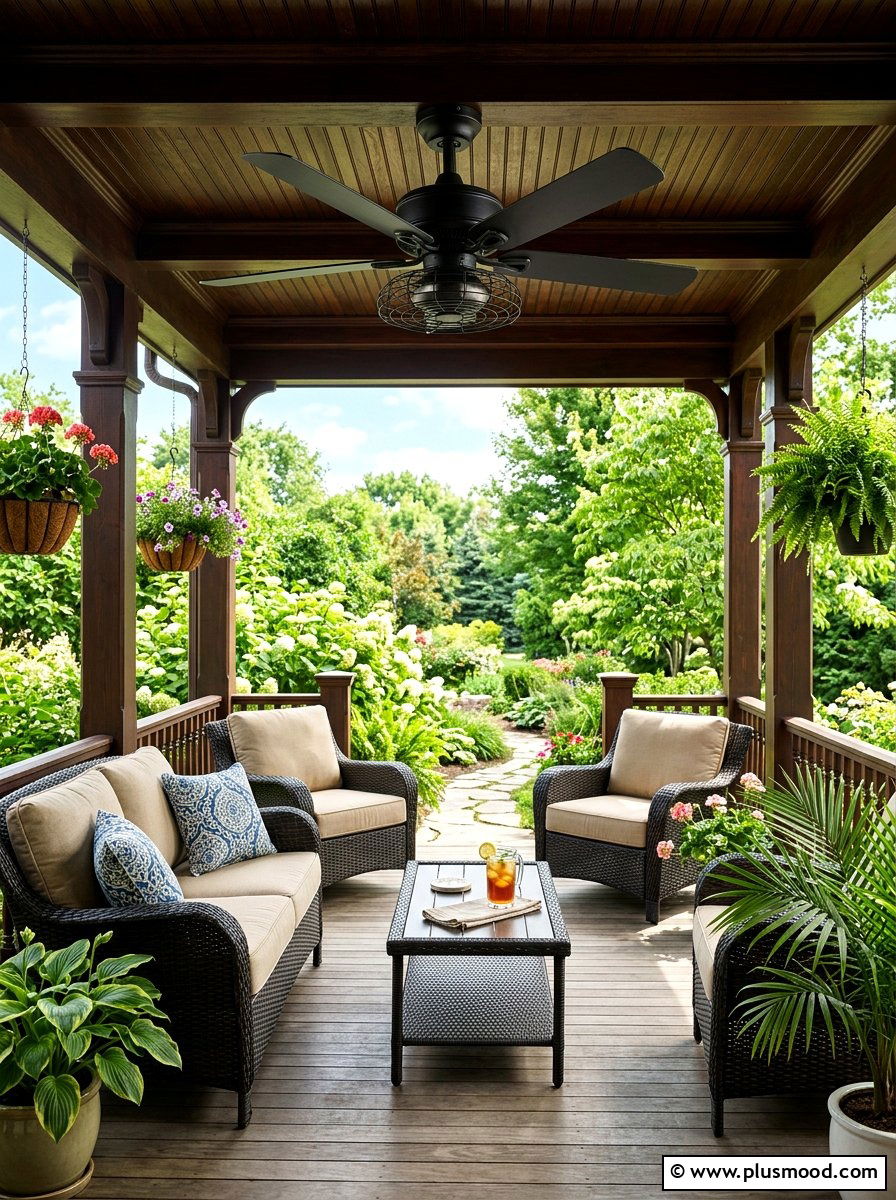
Sometimes, a natural breeze isn 't enough to keep you comfortable during a mid-summer heatwave. Installing a high-quality outdoor ceiling fan or a wall-mounted oscillating fan on your patio can make a massive difference. Moving air helps sweat evaporate from your skin, which is the body' s natural way of cooling down. Fans also help keep annoying insects like mosquitoes away from your seating area, as they struggle to fly in the moving air. Many modern outdoor fans are designed to be weather-resistant and come in stylish finishes that complement your outdoor decor. It is a simple, effective addition that ensures you can enjoy your backyard.
Conclusion:
Creating a resilient and beautiful landscape for hot summer weather is a rewarding project that pays off in both comfort and home value. By prioritizing drought-tolerant plants, smart irrigation, and cooling structures, you can enjoy a lush outdoor sanctuary regardless of how high the temperature climbs. These twenty-five ideas demonstrate that sustainability and high-end design can go hand in hand to solve modern environmental challenges. Whether you choose a minimalist desert look or a lush Mediterranean escape, the key is to work with your local climate rather than against it. Start implementing these changes today to transform your yard into a refreshing haven that stays vibrant all season long.
Related posts:
Leave a Reply