
Designing a stunning landscape requires more than just picking your favorite blooms; it involves understanding the harmony of height, color, and texture through the art of layering. Summer is the perfect season to experiment with this technique, as the abundance of sunlight allows for a diverse range of growth. By strategically placing taller plants in the back and shorter groundcovers in the front, you create a sense of depth that draws the eye into the space. This approach transforms a flat patch of dirt into a multi-dimensional masterpiece that feels lush and professional. Whether you are working with a vast backyard or a small patio border, mastering the layered look will elevate your outdoor aesthetic and provide a continuous wave of vibrant color throughout the hottest months of the year.
1. Tall Sunflower Backdrop
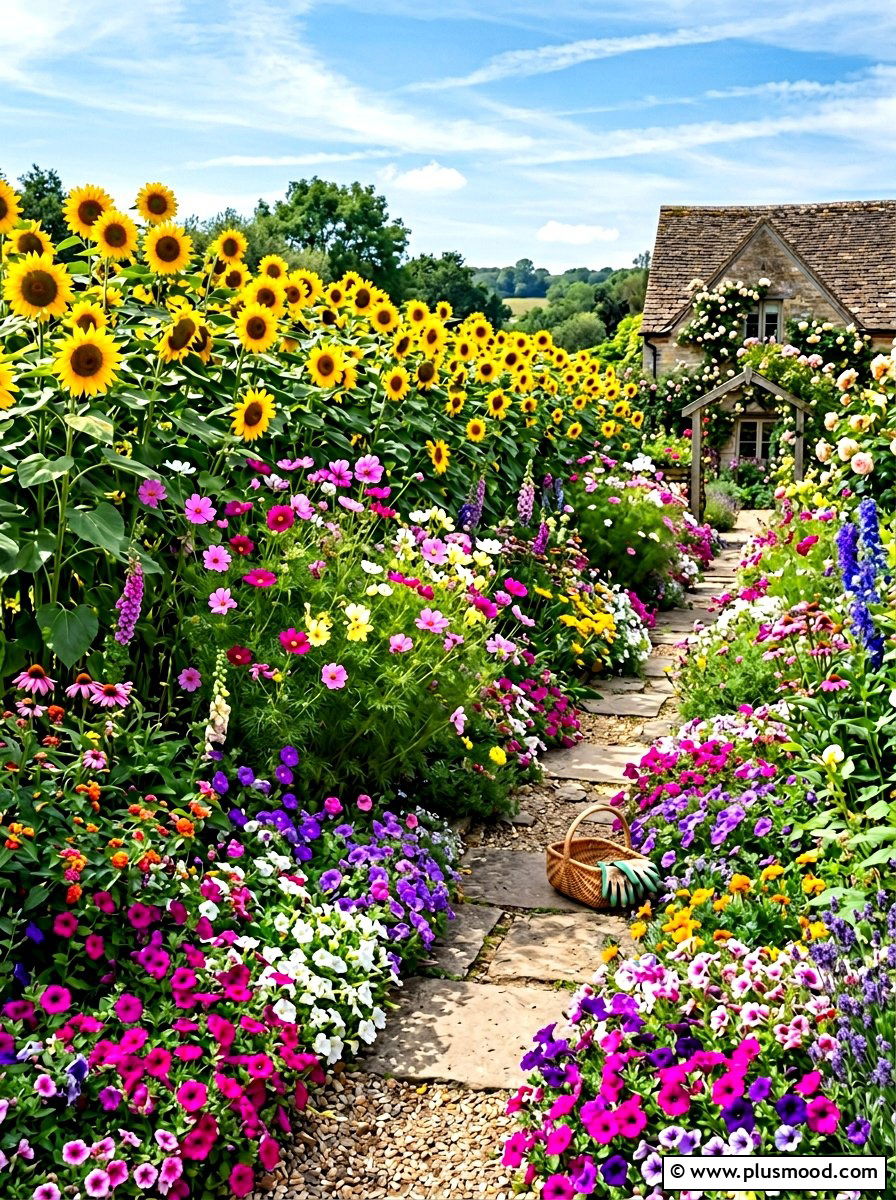
Creating a tall sunflower backdrop is an excellent way to add vertical interest to the very rear of your summer garden. These towering giants serve as a living wall, providing a sunny yellow crown that anchors the entire space. To make this look effective, pair them with medium-height flowers like cosmos or zinnias in the middle row. These fillers help transition the height from the tall stalks down to the ground. Finally, finish the front edge with low-growing petunias or alyssum. This three-tiered structure ensures that every plant receives enough sunlight while hiding the leggy stems of the taller varieties behind a lush carpet of foreground color.
2. Cottage Garden Border
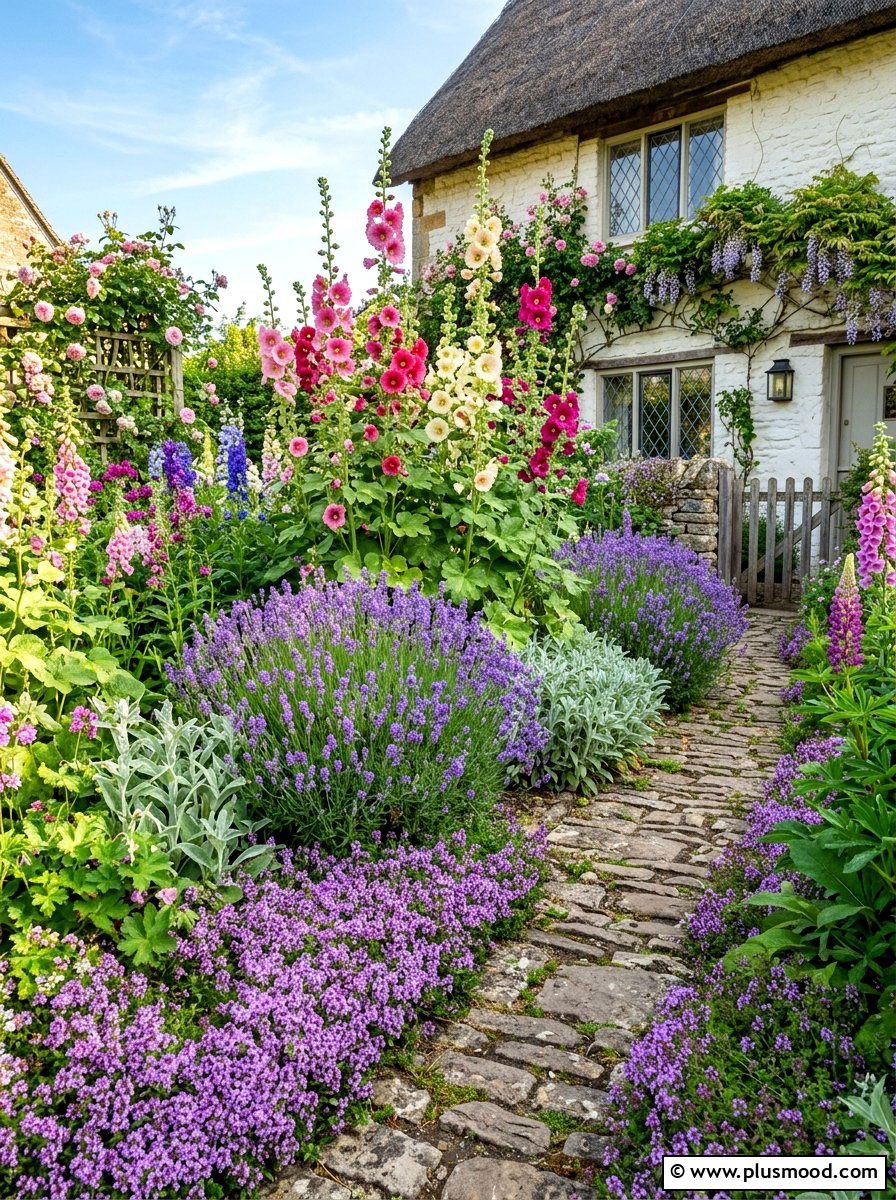
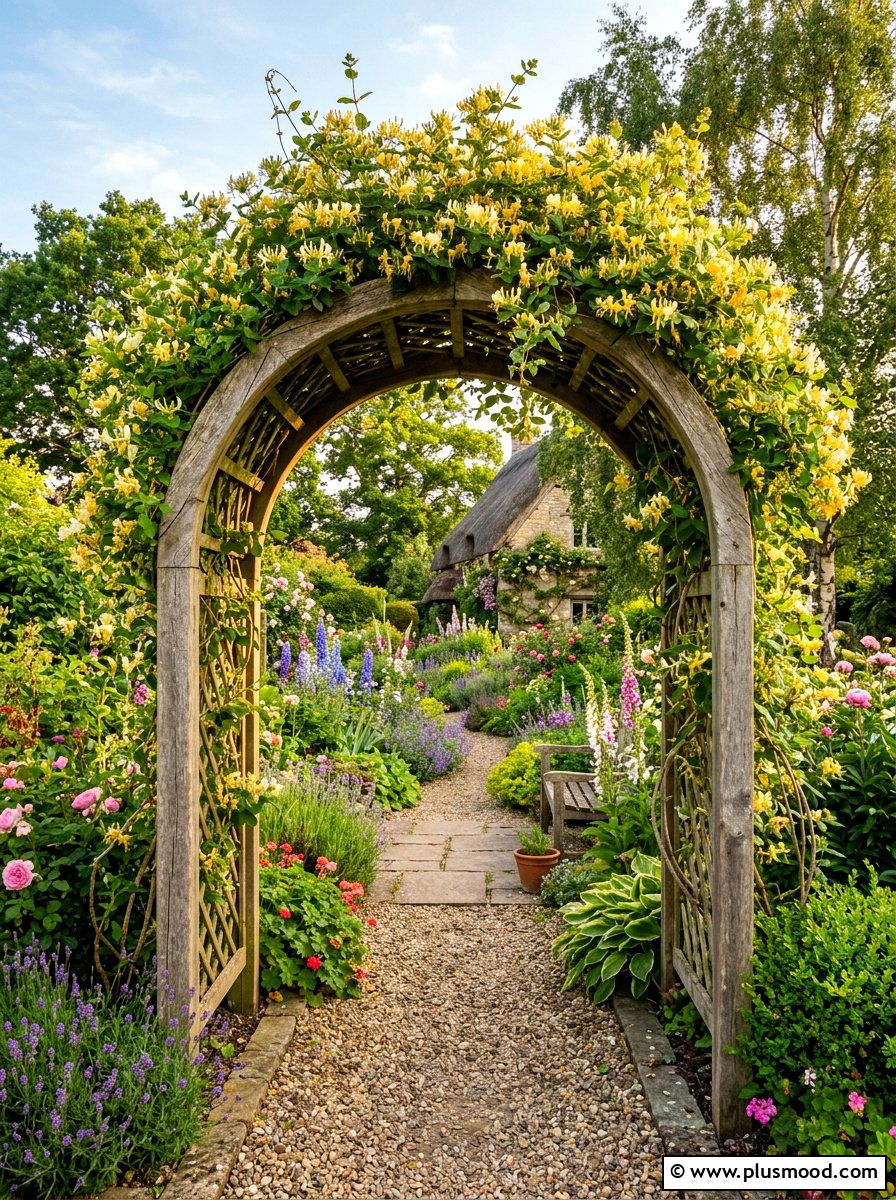
A cottage garden border relies on a dense, informal arrangement of plants to create a romantic and whimsical atmosphere. Start by planting tall hollyhocks or foxgloves against a fence to establish a high focal point. In the middle section, incorporate mounding perennials like lavender or Shasta daisies to provide a soft, bushy texture. The front layer should feature sprawling groundcovers such as creeping thyme or violas that spill over the walkway. This style celebrates abundance and variety, using a mix of colors and scents to fill every inch of the bed. It is a perfect choice for those who love a relaxed, lived-in outdoor aesthetic.
3. Edging Plant Border
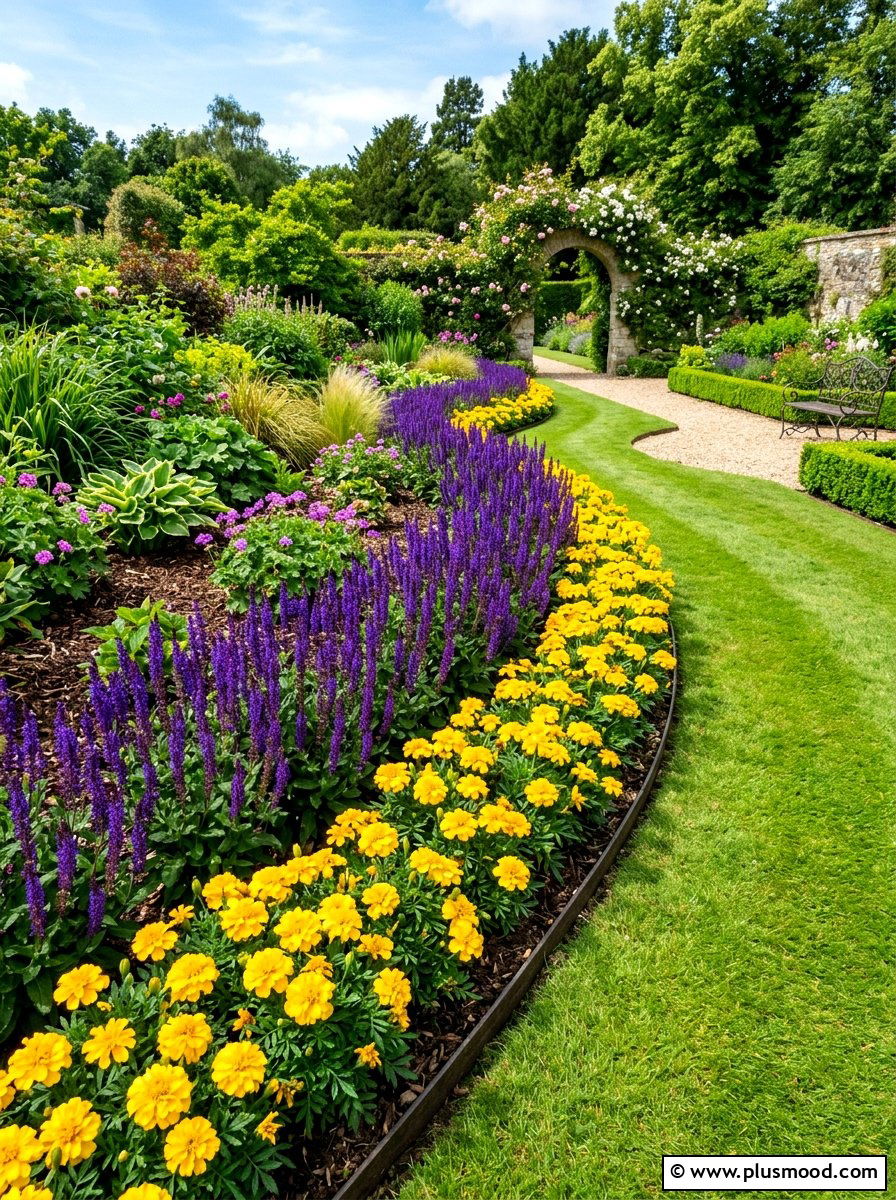
The edging plant border is essential for defining the perimeter of your garden and creating a clean transition between the lawn and the flowers. Focus on low-profile plants that maintain a tidy shape throughout the summer heat. Marigolds and lobelia are fantastic choices for this front-most layer because they offer consistent blooms and compact growth. Behind these edgers, you can place slightly taller plants like salvia to add a vertical pop. This layering technique helps frame the entire garden bed, making it look organized and well-maintained. It also prevents taller plants from flopping over the grass, keeping your landscape looking sharp and intentional.
4. Shade Garden Layering
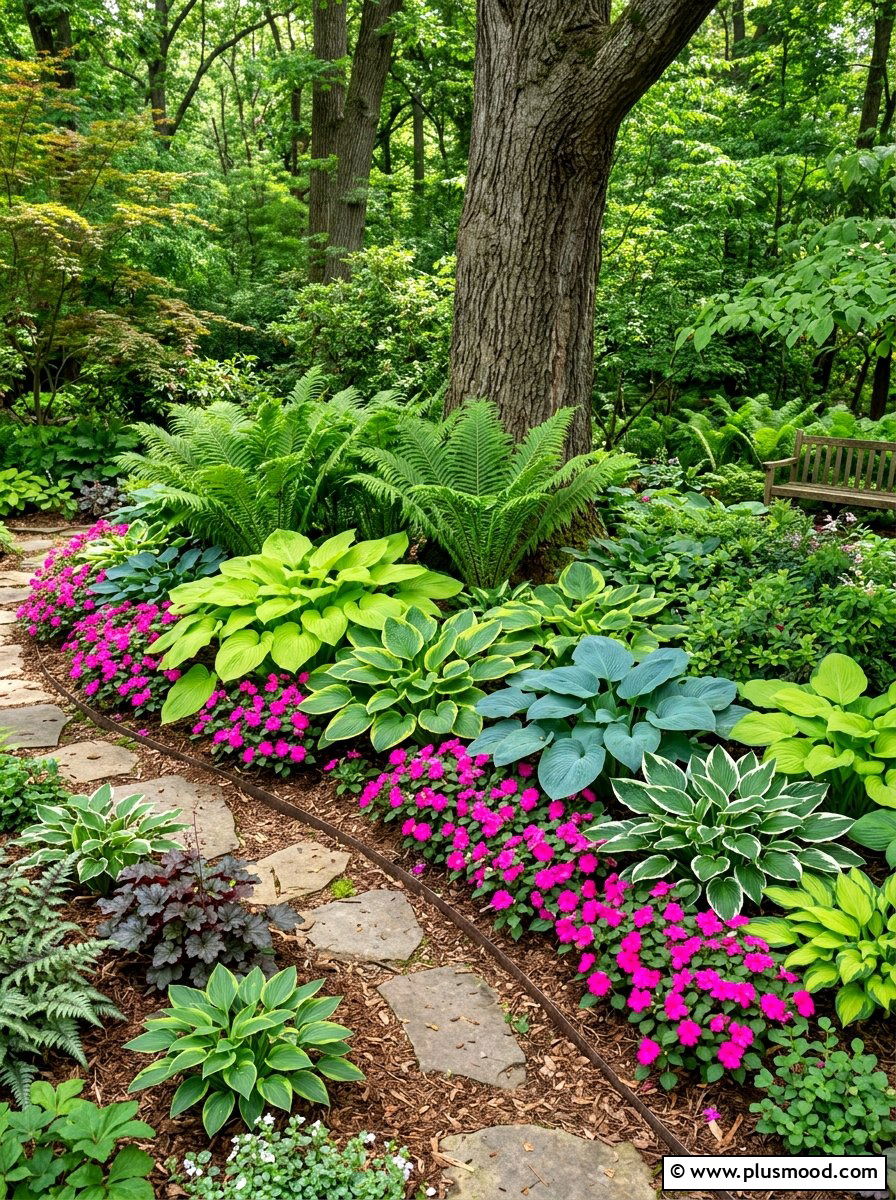
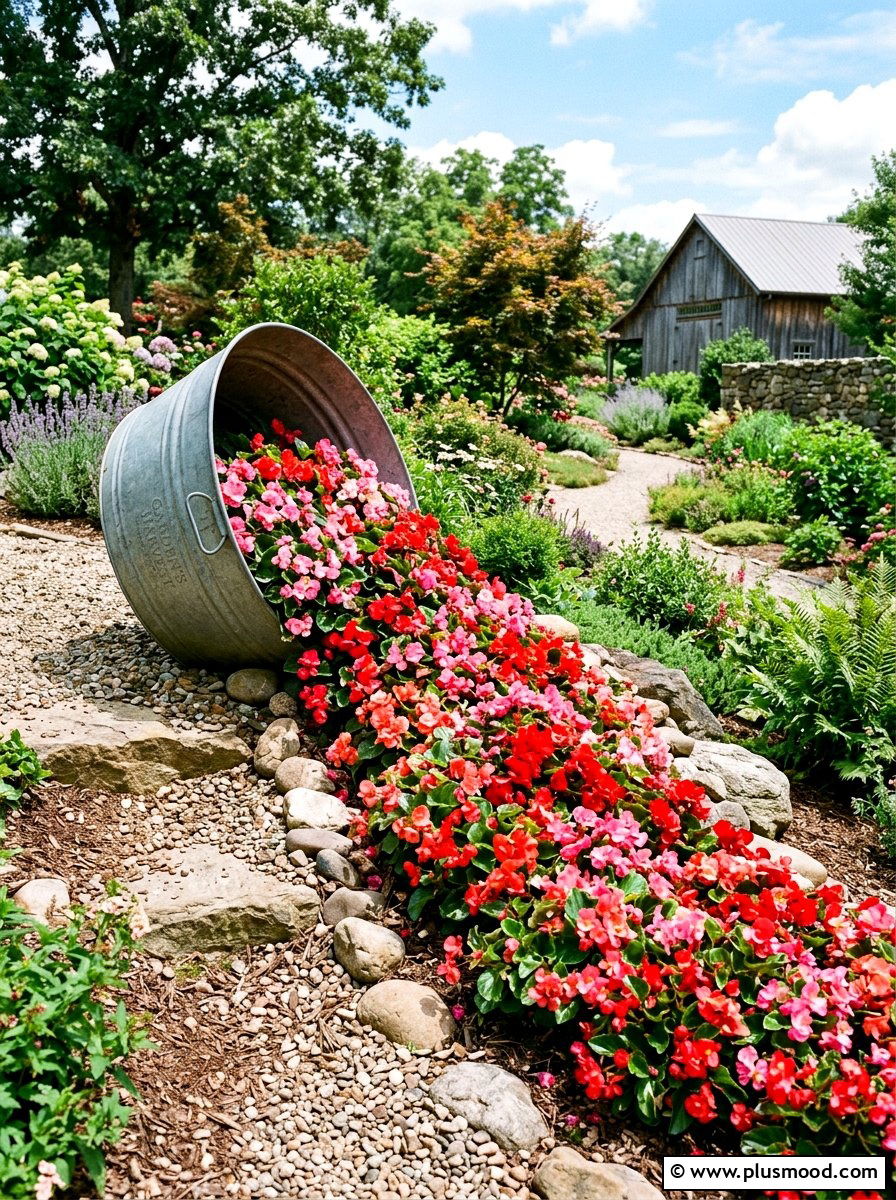
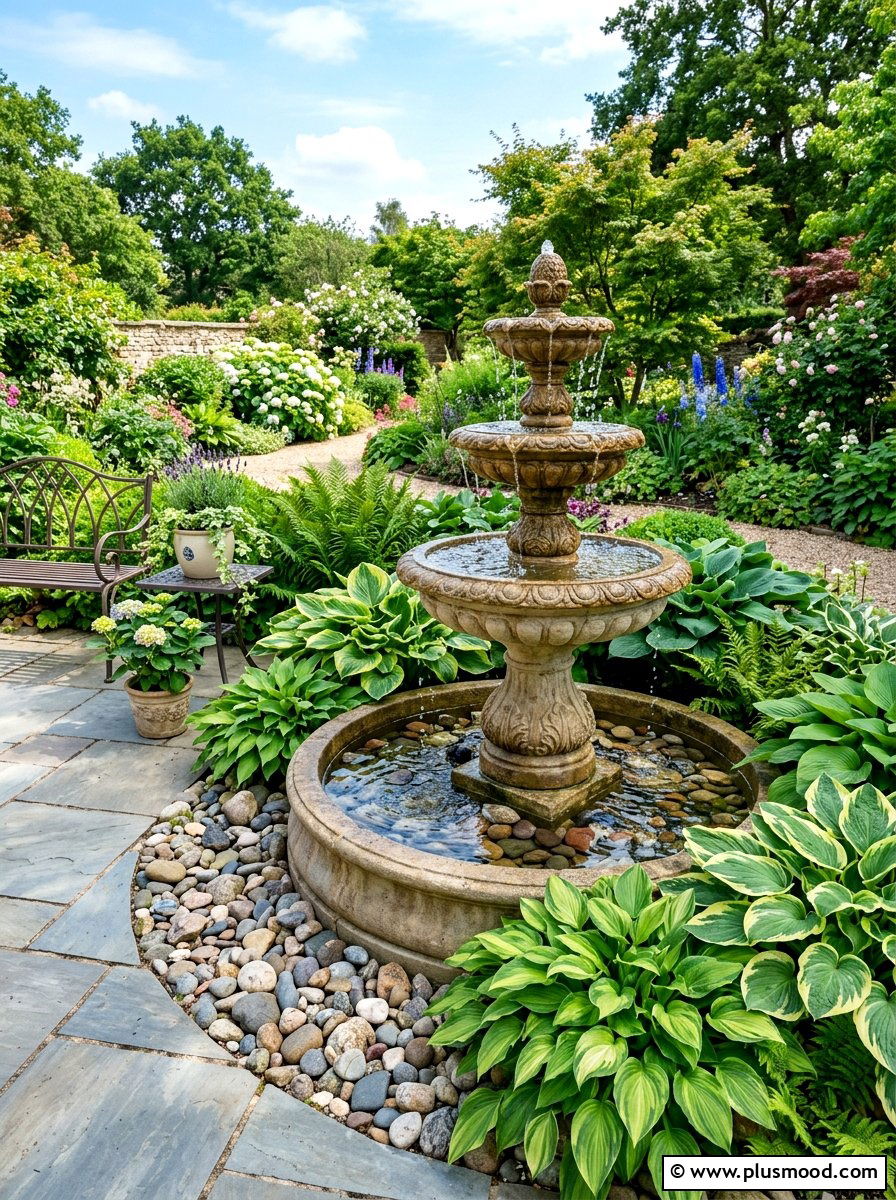
Shade garden layering allows you to bring life to the darker corners of your yard where grass often struggles to grow. Start with tall ferns or large-leafed hostas at the back to create a lush, green foundation. For the middle layer, use colorful foliage plants like coleus or caladiums which thrive in low light and provide striking patterns. The front edge can be brightened with delicate impatiens or begonias that offer pops of neon color against the dark greenery. By varying the leaf sizes and textures, you can create a complex and interesting design that feels cool and refreshing during the peak of summer.
5. Pollinator Flower Bed
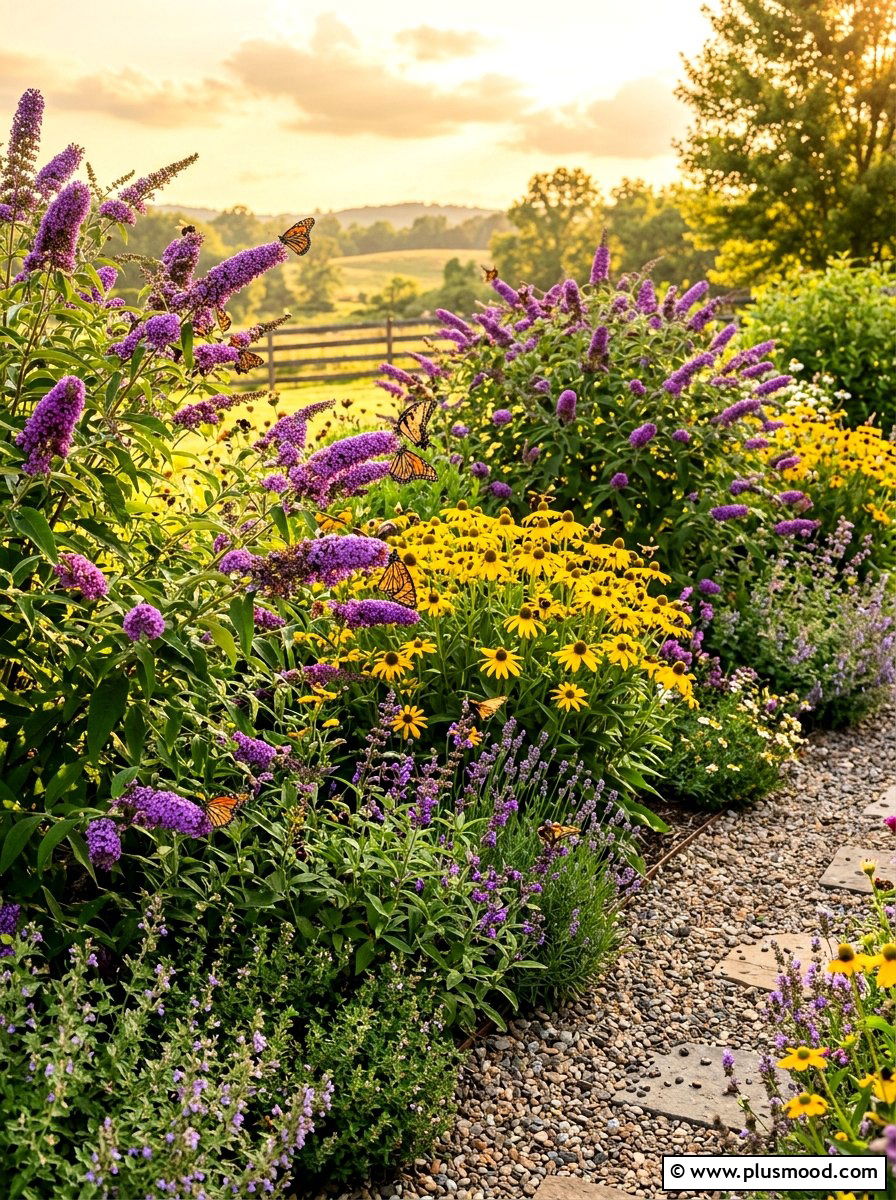
Designing a pollinator flower bed is a wonderful way to support local wildlife while enjoying a vibrant summer display. Use tall butterfly bushes or Joe Pye weed at the back of the bed to attract butterflies from a distance. In the center, plant coneflowers and black-eyed Susans, which are favorites for bees and provide sturdy mid-height structure. The front layer should consist of low-growing herbs like oregano or dwarf zinnias to provide easy access for smaller insects. This layered approach ensures a continuous buffet of nectar and pollen, turning your garden into a buzzing sanctuary that looks as good as it functions for the environment.
6. White Flower Garden
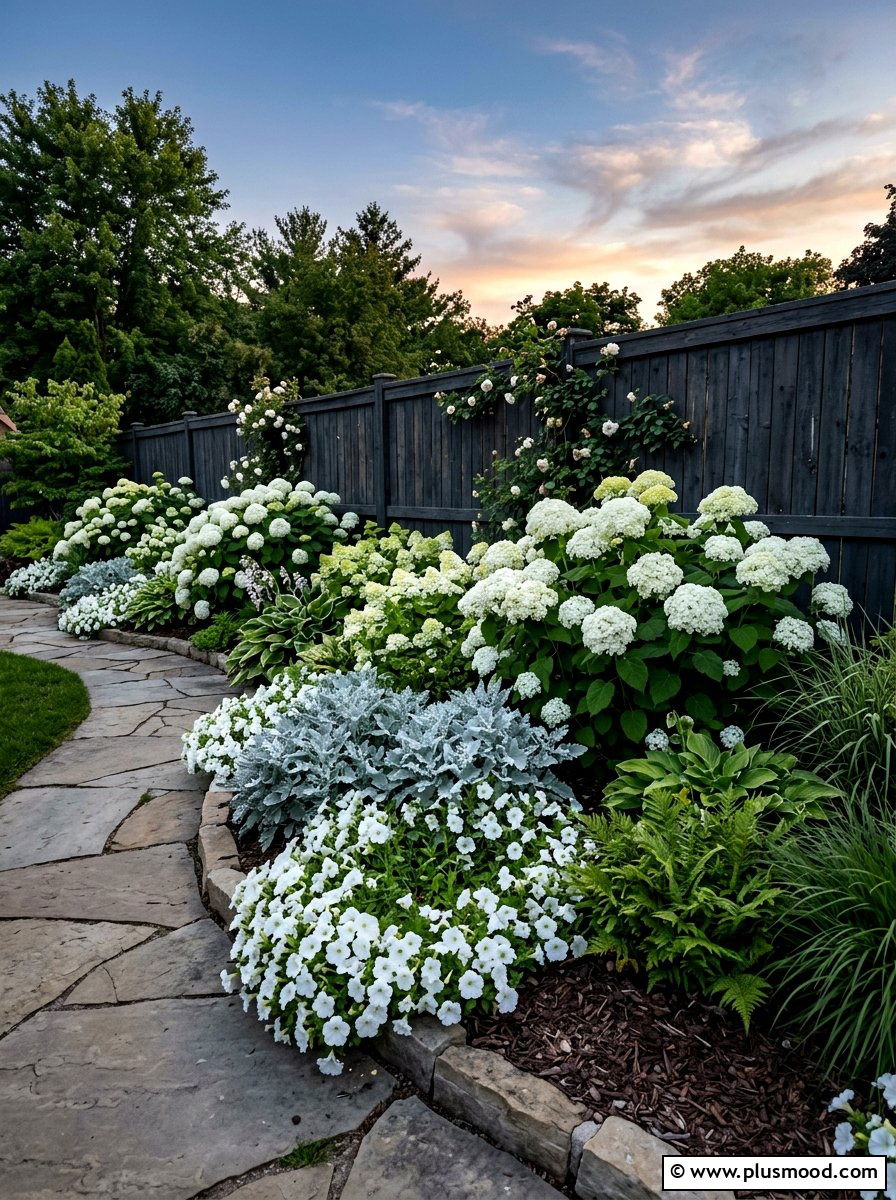
A white flower garden, often called a moon garden, creates a serene and elegant look that glows beautifully during summer evenings. Begin with tall white hydrangeas or climbing roses on a trellis to set a bright, clean background. For the middle layer, use silver-foliaged plants like dusty miller paired with white geraniums to add a sophisticated texture. The front edge should be finished with sweet alyssum or white petunias that release a lovely fragrance as the sun sets. This monochromatic layering technique emphasizes different shapes and textures, making the garden feel expansive and peaceful even in the smallest of outdoor spaces.
7. Xeric Flower Bed
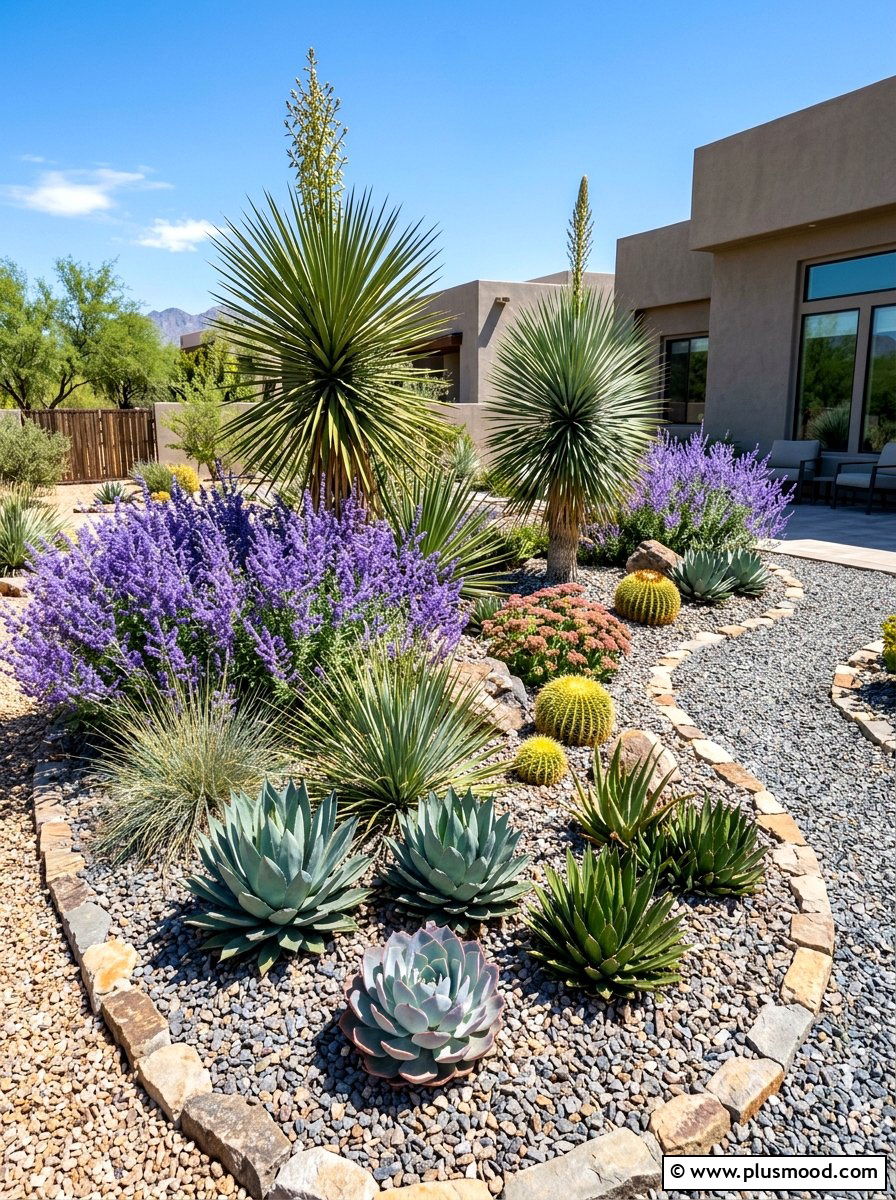
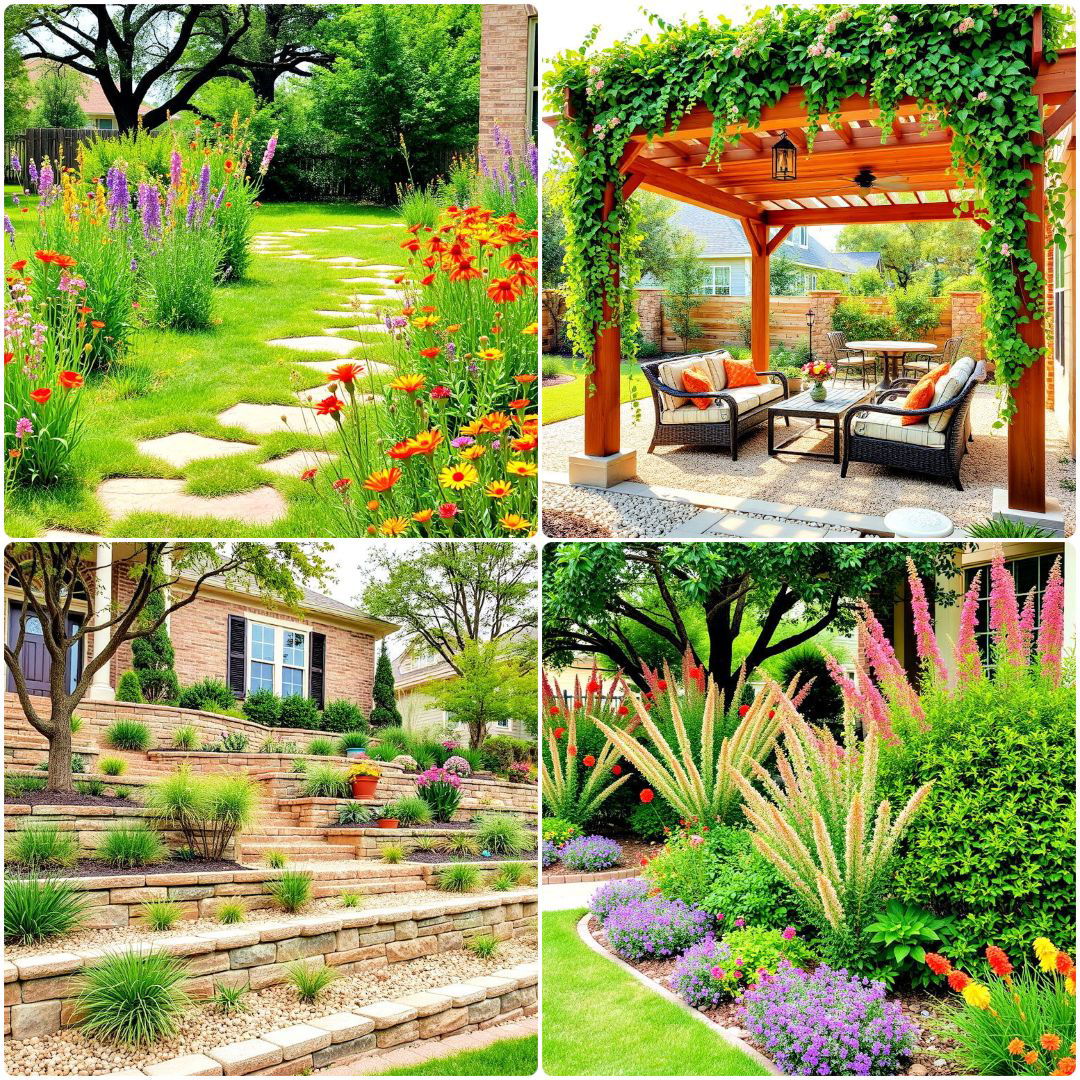
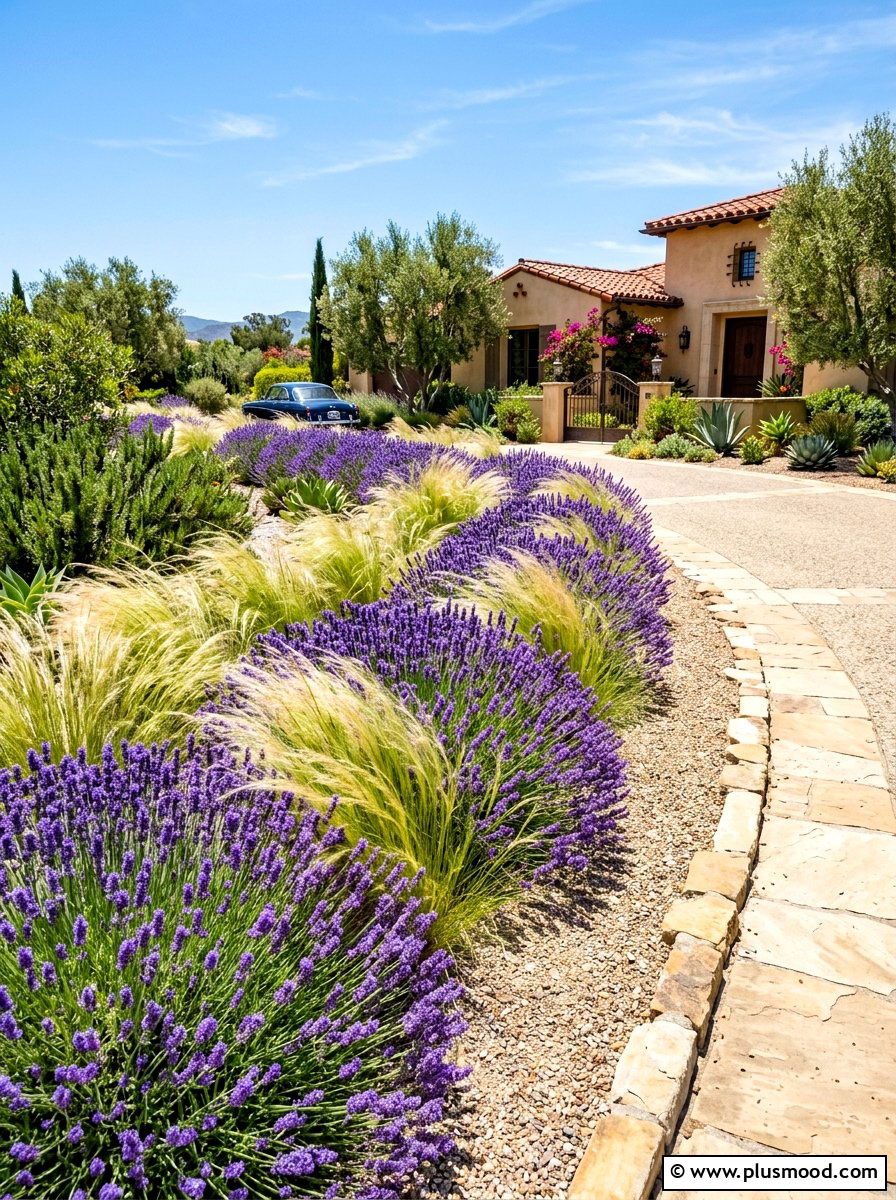
Building a xeric flower bed is the best solution for hot, dry summer climates where water conservation is a priority. Choose tall, drought-tolerant plants like yucca or ornamental grasses for the back of the arrangement. In the middle, plant sturdy perennials such as Russian sage or yarrow, which can handle intense heat without wilting. The front border should feature low-water succulents or stonecrop that provide a carpet of interesting foliage. This layered strategy not only saves water but also creates a resilient landscape that remains beautiful during a drought. The combination of spiky textures and soft blooms adds a modern, desert-inspired flair to your yard.
8. Ornamental Grass Layering
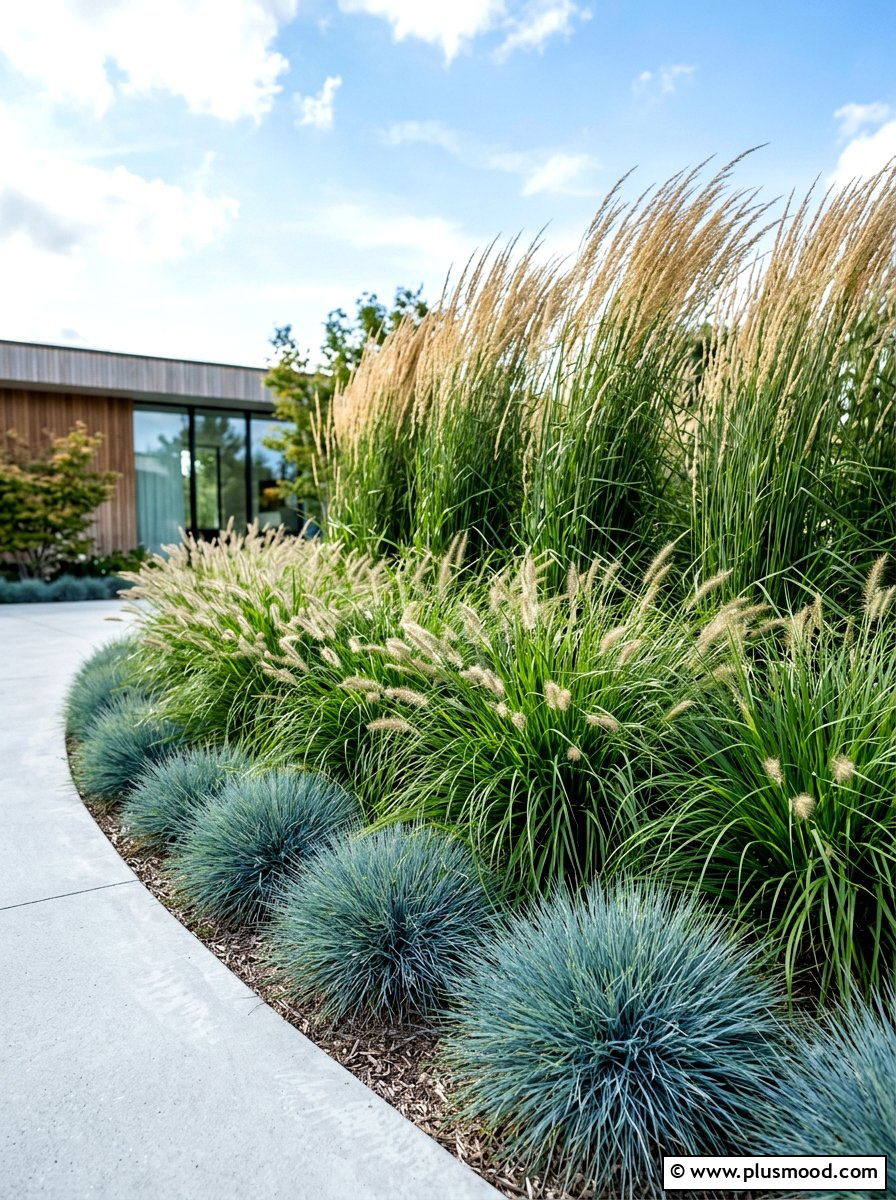
Ornamental grass layering adds movement and a contemporary feel to any summer landscape through the use of varied heights and textures. Place tall feather reed grass at the back to act as a shimmering screen that catches the wind. For the middle section, use mounding fountain grass which provides a soft, rounded shape to balance the verticality. The front layer can be filled with blue fescue or low-growing sedges to add a pop of contrasting color and fine texture. This approach creates a dynamic garden that looks great from early summer into late fall, as the seed heads emerge and the colors shift with the season.
9. Pink Purple Garden
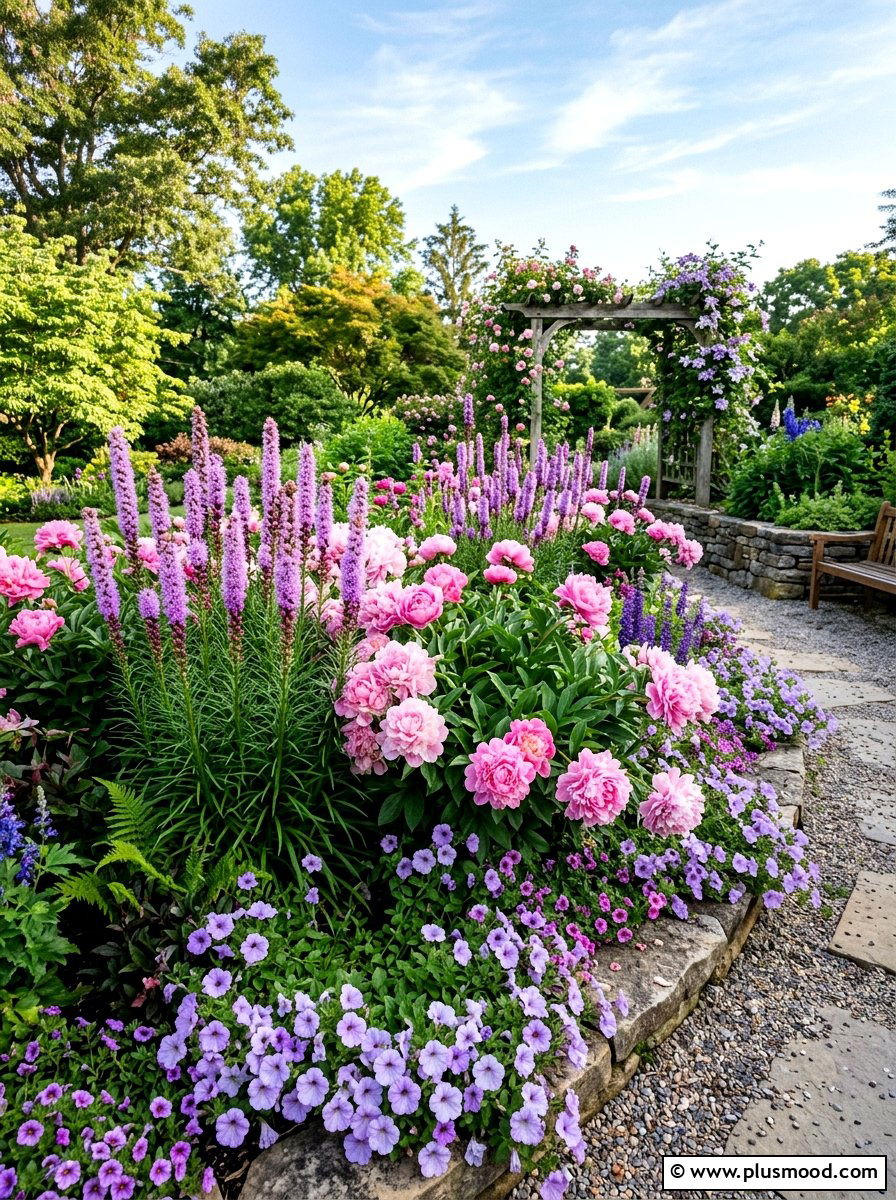
A pink purple garden offers a classic, feminine color palette that feels incredibly lush and vibrant under the summer sun. Start with tall purple salvia or liatris at the back to provide a strong vertical accent. In the middle layer, mix in pink peonies or coneflowers to create a soft, romantic transition. The front of the bed can be edged with creeping phlox or petunias in various shades of magenta and lavender. This color-coordinated layering technique creates a harmonious look that is easy on the eyes while still offering plenty of visual depth. It is an ideal choice for creating a cozy, inviting atmosphere.
10. Tropical Flower Border
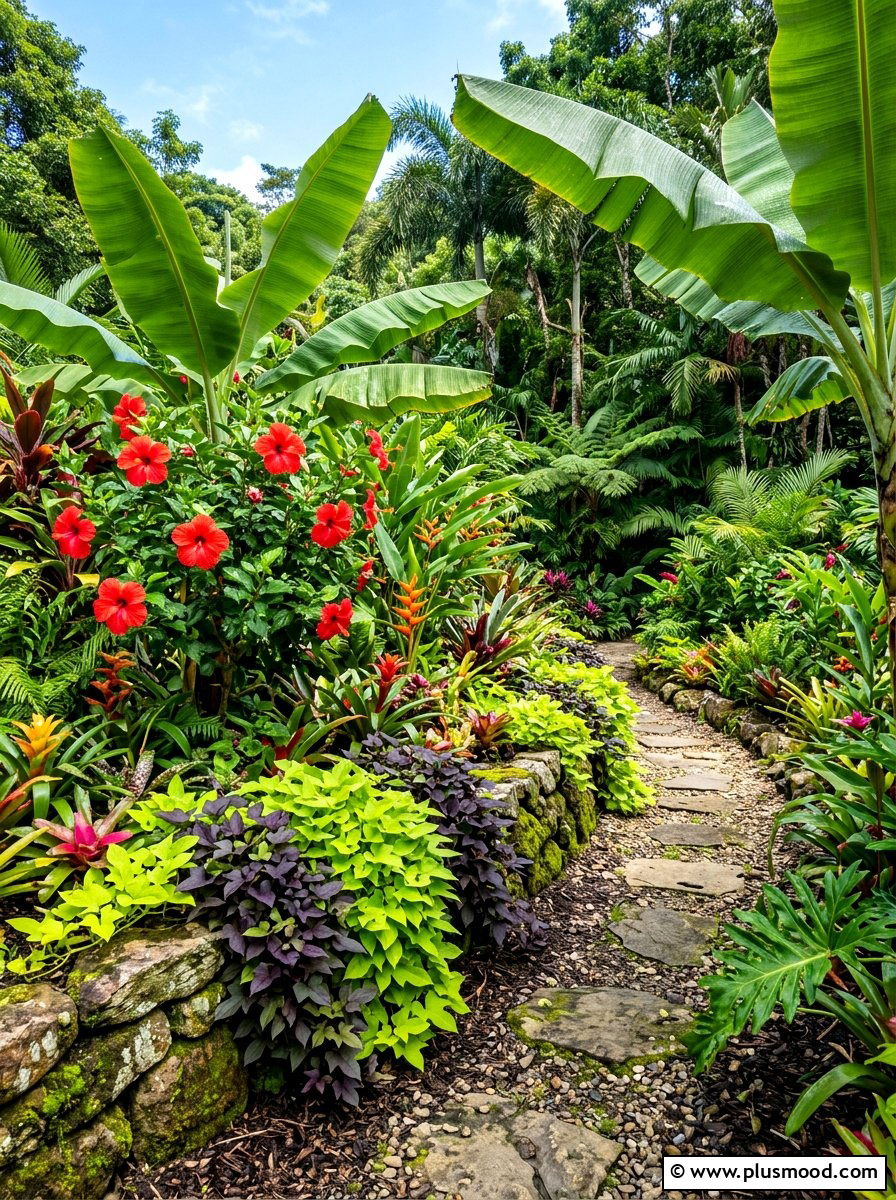
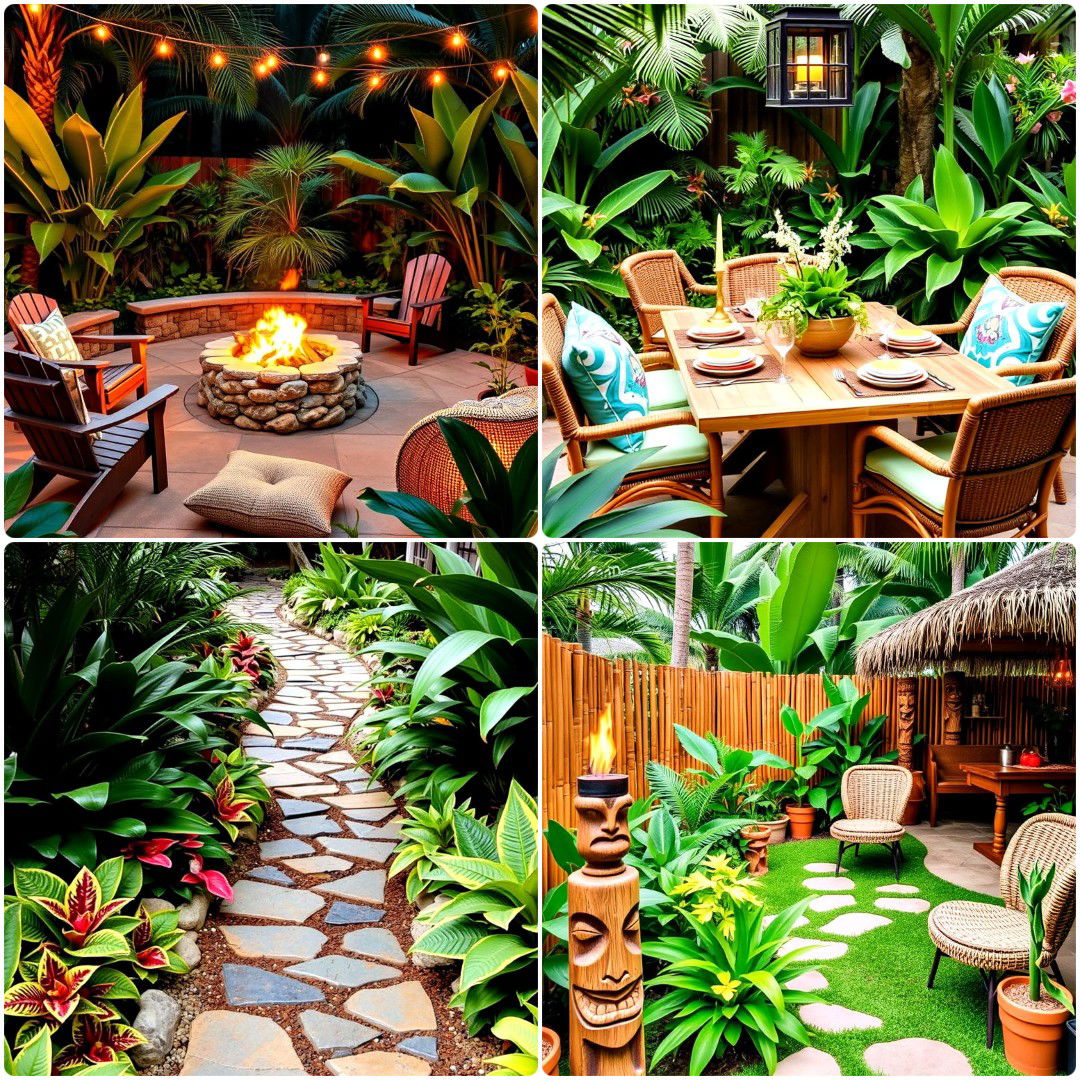
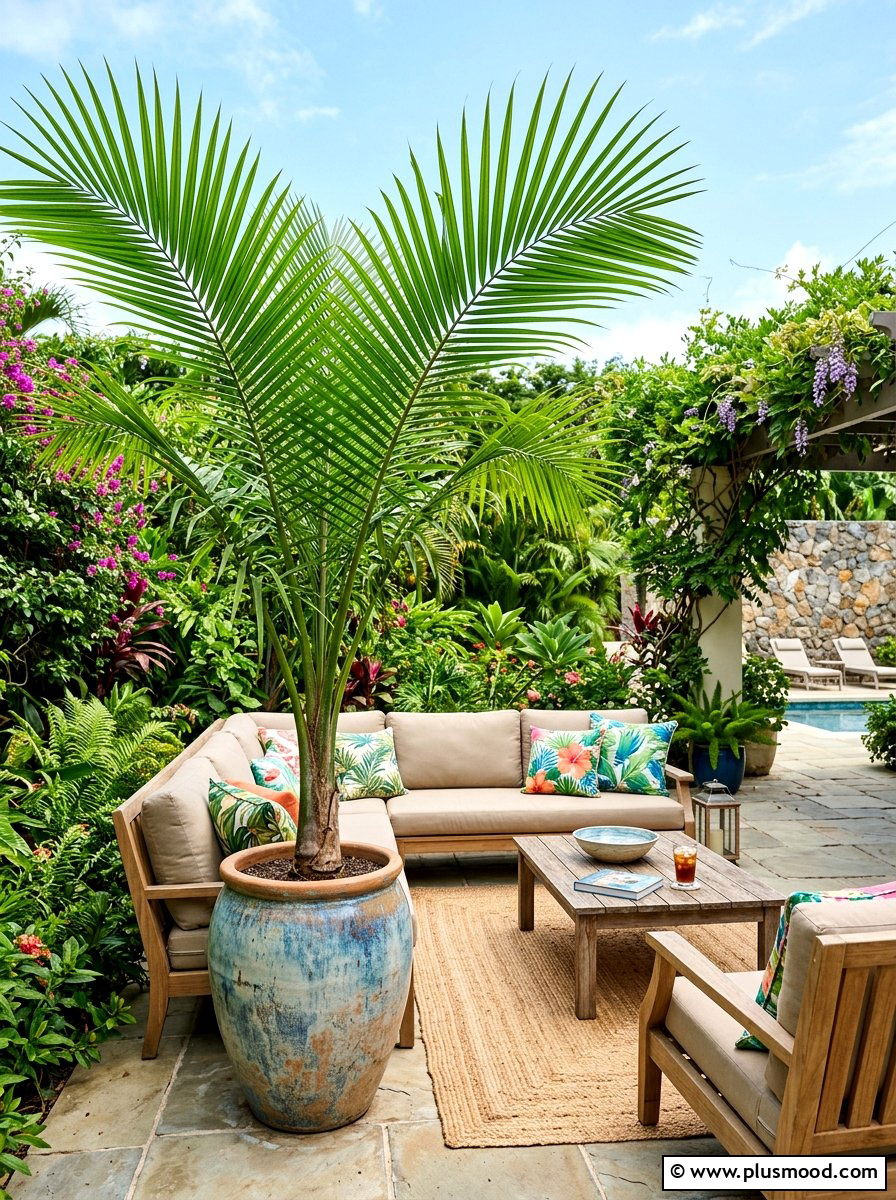
A tropical flower border brings a vacation-like vibe to your backyard with bold colors and oversized foliage. Use tall canna lilies or banana plants at the back to provide height and a dramatic leaf structure. For the middle layer, incorporate bright hibiscus or bird of paradise plants that offer exotic, large-scale blooms. The front edge should be filled with low-growing lantana or sweet potato vine to add a lush, trailing effect. This style of layering focuses on high-impact plants that thrive in humidity and heat. The result is a dense, jungle-like paradise that makes your outdoor space feel like a private island getaway.
11. Rose Bush Bedding
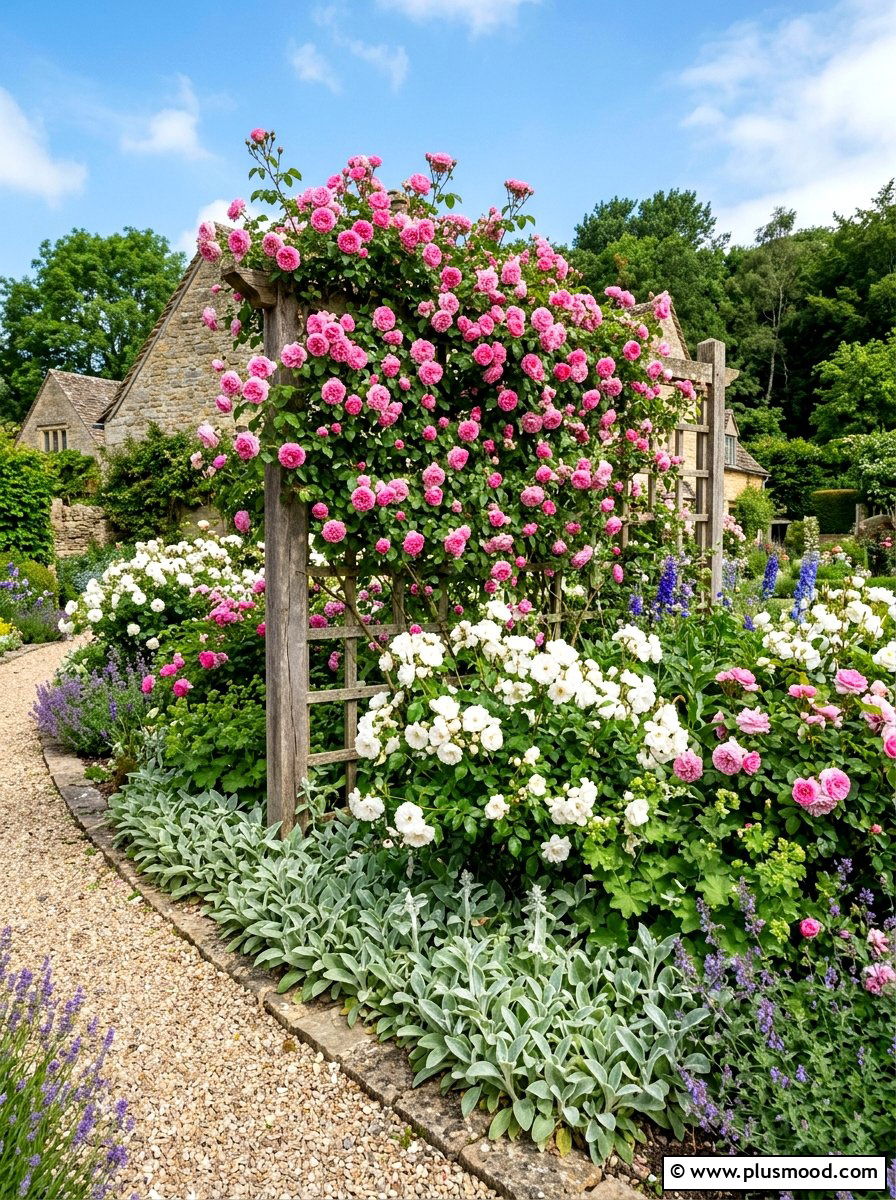
Rose bush bedding is a timeless way to add fragrance and elegance to a layered summer garden design. Start by planting tall climbing roses on a fence or trellis to create a vertical wall of perfume and color. In front of these, place medium-sized shrub roses or floribundas to provide a dense, bushy middle layer. The very front of the bed should be finished with miniature roses or a soft groundcover like lamb's ear to hide the thorny lower stems. This tiered arrangement showcases the beauty of the blooms at every level while ensuring the plants stay healthy with good airflow and plenty of sunlight.
12. Evergreen Layered Border
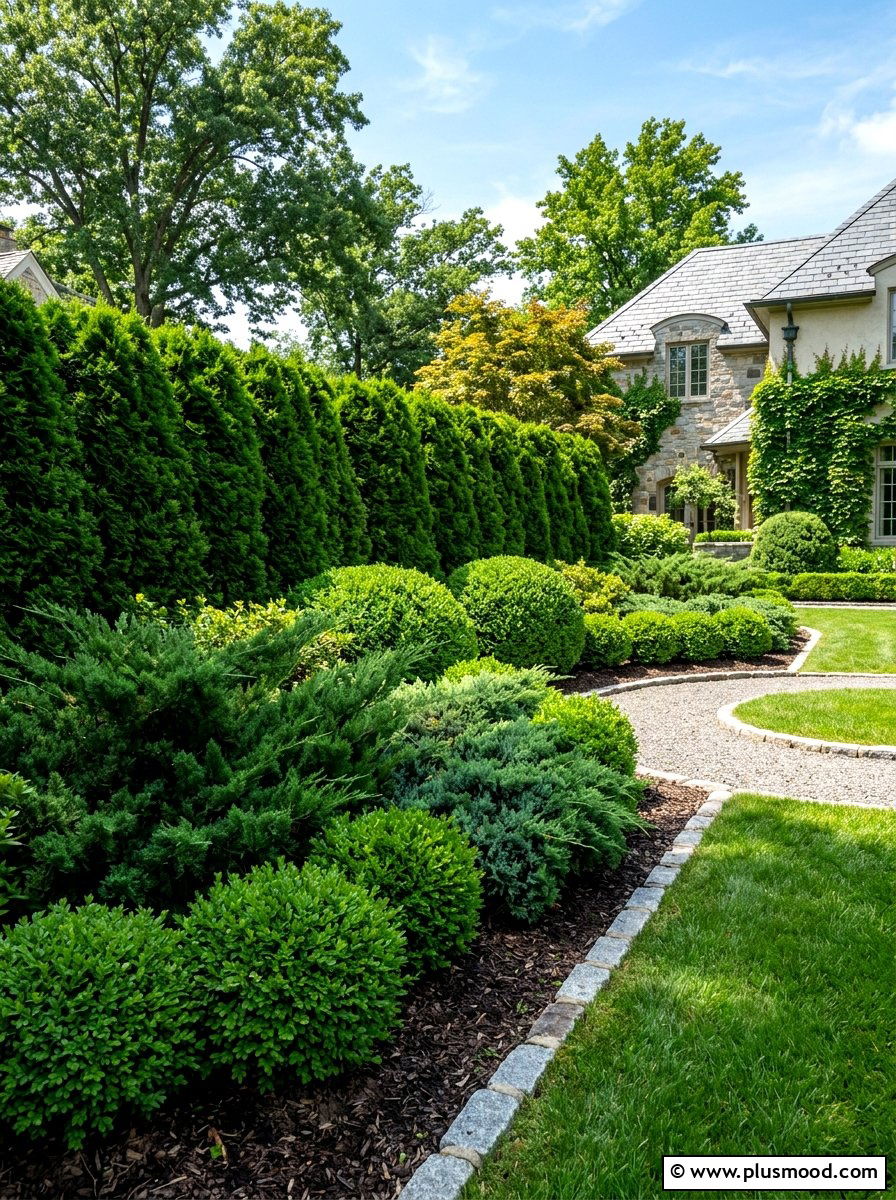
An evergreen layered border provides a permanent structure that looks great in summer and keeps the garden from looking empty in winter. Use tall cedar or arborvitae as a dark green backdrop to make your summer flowers pop. In the middle layer, plant flowering shrubs like azaleas or boxwoods that can be pruned into neat shapes. The front edge should feature low-growing evergreen groundcovers like juniper or periwinkle. This foundation of greenery allows you to tuck in seasonal summer annuals for color while maintaining a professional, year-round framework. It is a smart choice for homeowners who want a low-maintenance but high-impact landscape.
13. Pastel Flower Bed
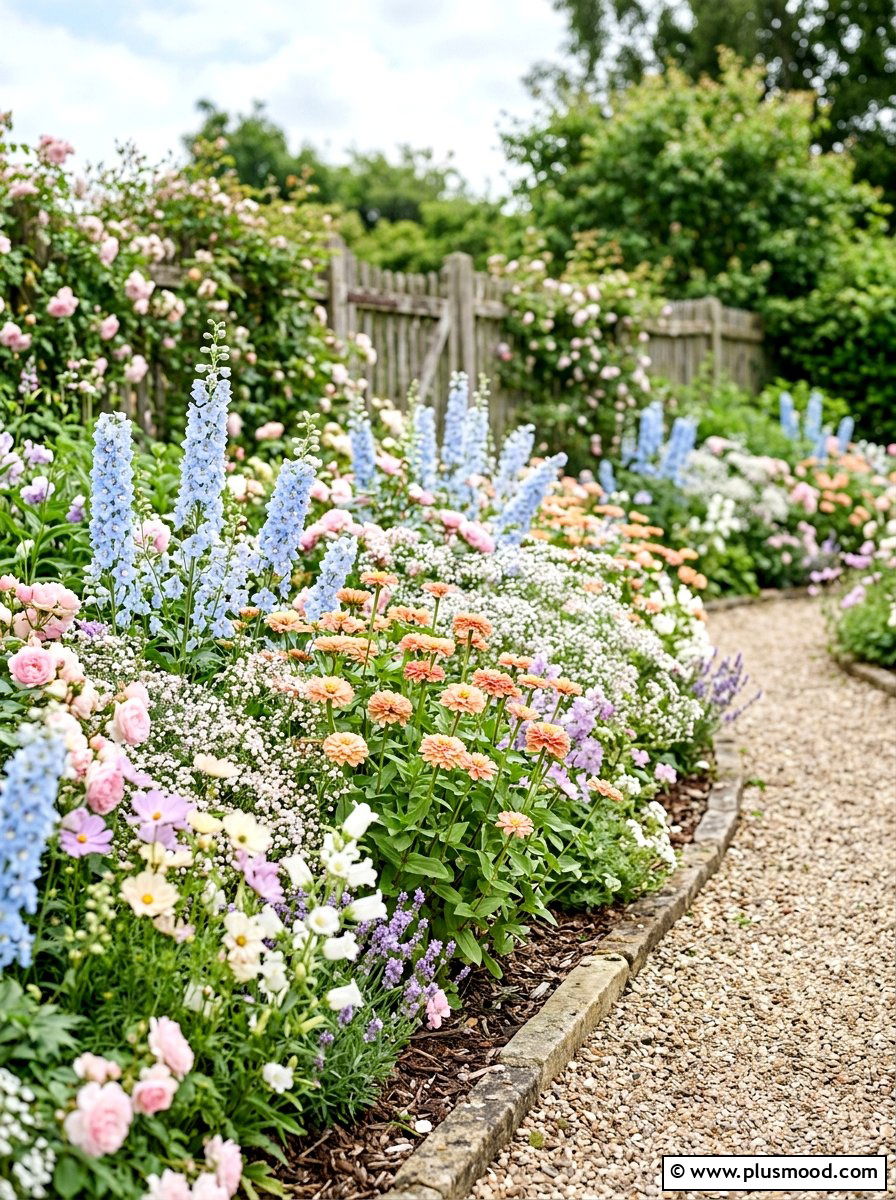
The pastel flower bed is perfect for creating a soft, soothing environment that doesn't feel too heavy in the bright summer light. Use tall, pale blue delphiniums or light pink hollyhocks for the back row to establish a gentle height. In the middle, incorporate soft yellow coreopsis and light peach zinnias to provide a warm but subtle transition. The front border can be finished with minty green foliage and baby’s breath for an airy, cloud-like appearance. This layering style relies on light-reflecting colors to make a small garden feel larger and more open, providing a relaxing retreat from the busy world outside.
14. Wildflower Layered Patch
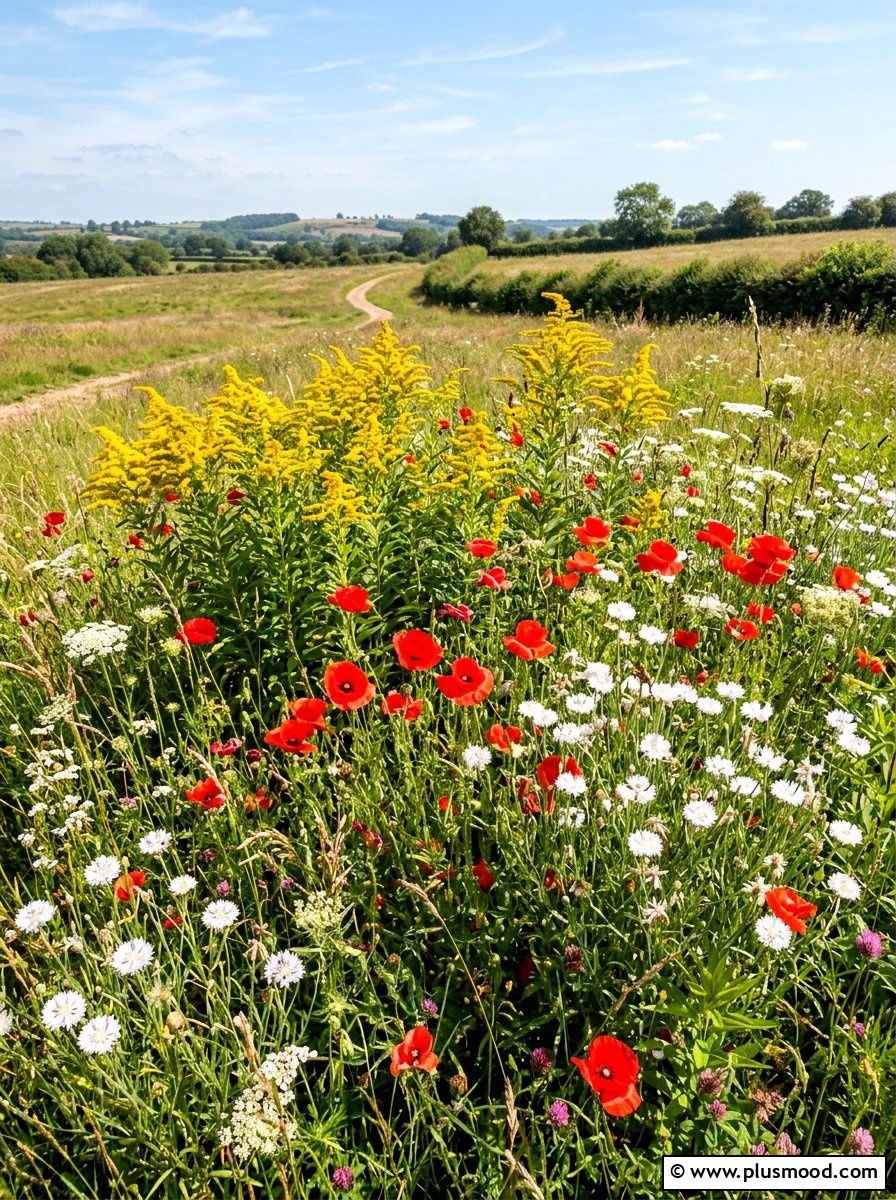
A wildflower layered patch is an excellent way to embrace a naturalistic look that requires very little maintenance once established. Sow tall native sunflowers or goldenrod at the back to provide a sturdy frame for the patch. In the center, allow medium-height wildflowers like poppies and cornflowers to grow in thick drifts. The front edge should be left for low-growing clovers or wild strawberries to create a soft, edible border. This approach mimics the way plants grow in a meadow, offering a beautiful and chaotic mix of colors that changes throughout the summer. It also provides a vital habitat for local birds and beneficial insects.
15. Tiered Potted Garden
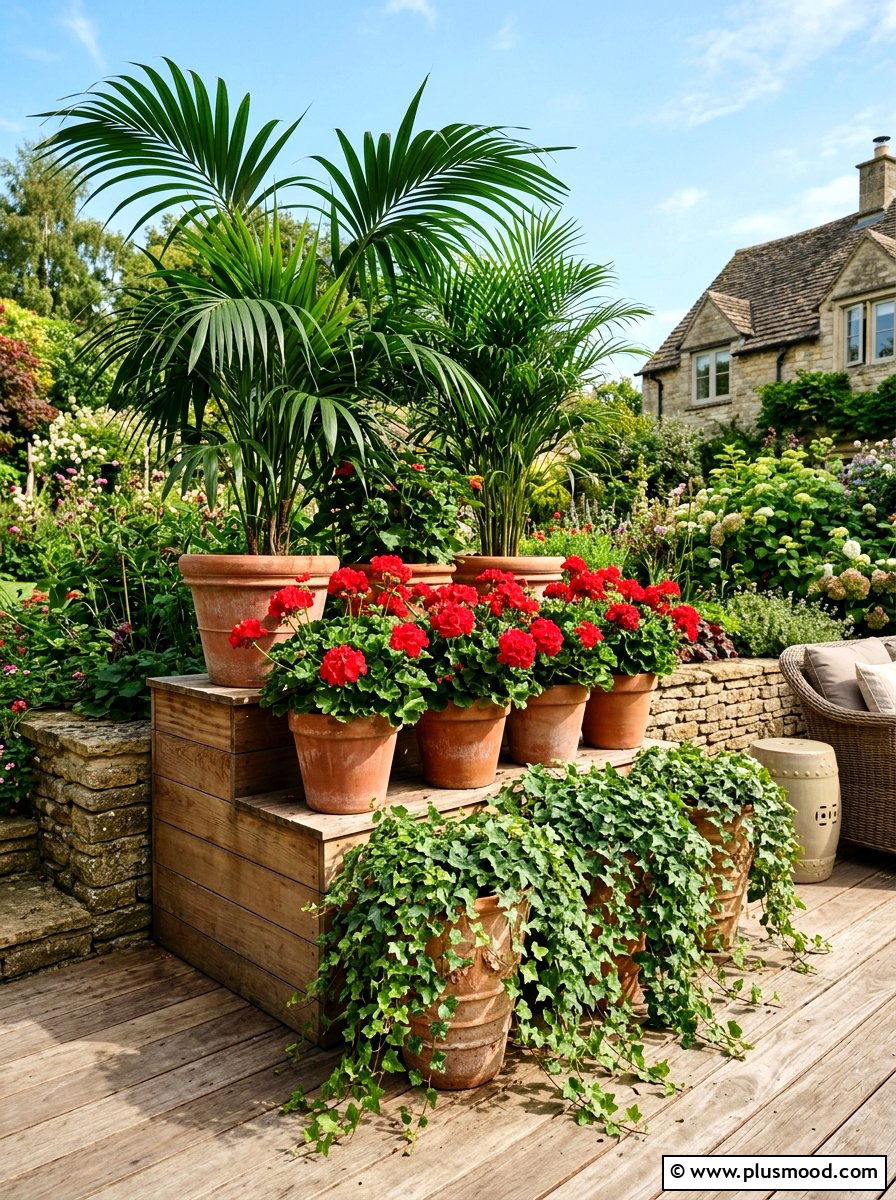
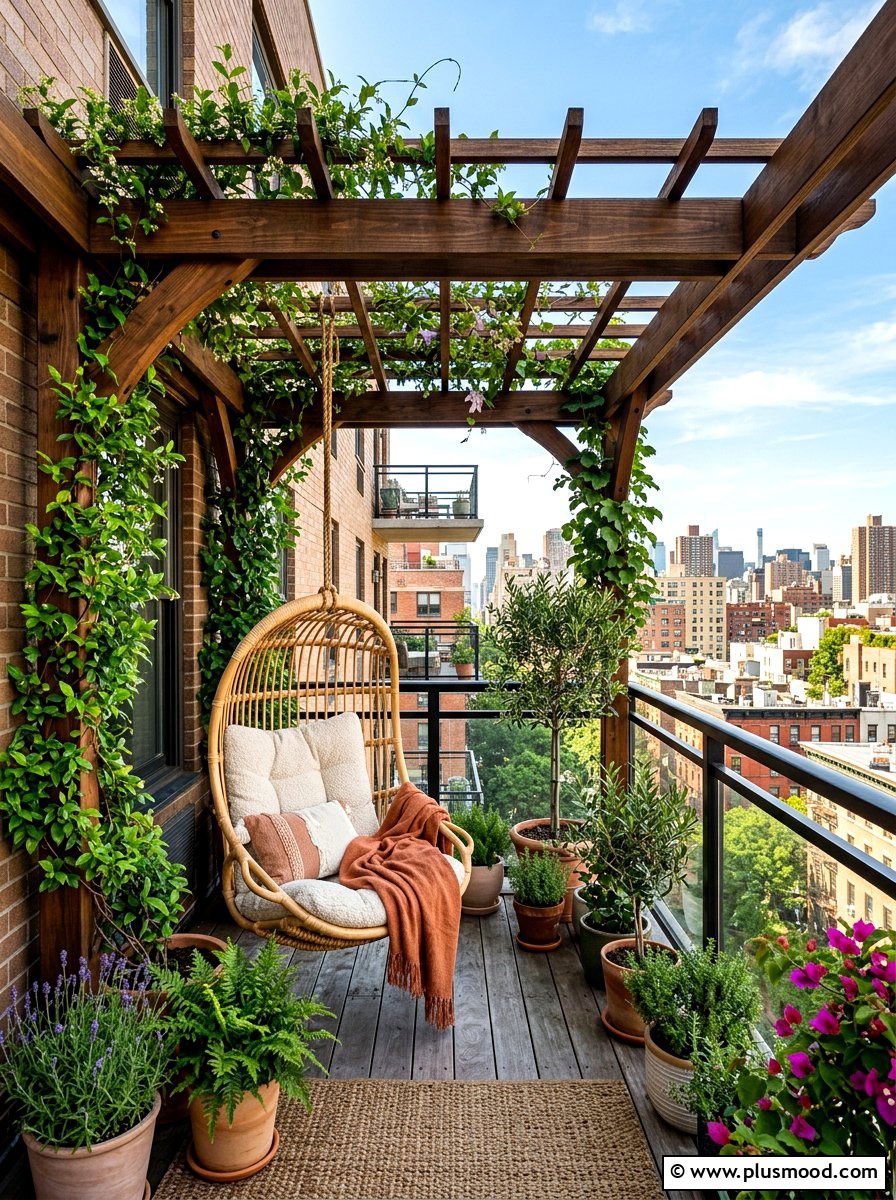
A tiered potted garden is the ideal solution for renters or those with limited ground space who still want a layered look. Use a variety of pot sizes and heights to create artificial layers on a patio or deck. Place the largest, tallest pots with focal plants like palms or ornamental grasses at the back. In the middle row, use medium-sized containers filled with upright flowers like geraniums or salvia. The front should feature small pots with trailing plants like bacopa or ivy that spill over the edges. This portable layering technique allows you to move plants around easily to catch the best summer sun.
16. Narrow Flower Bed
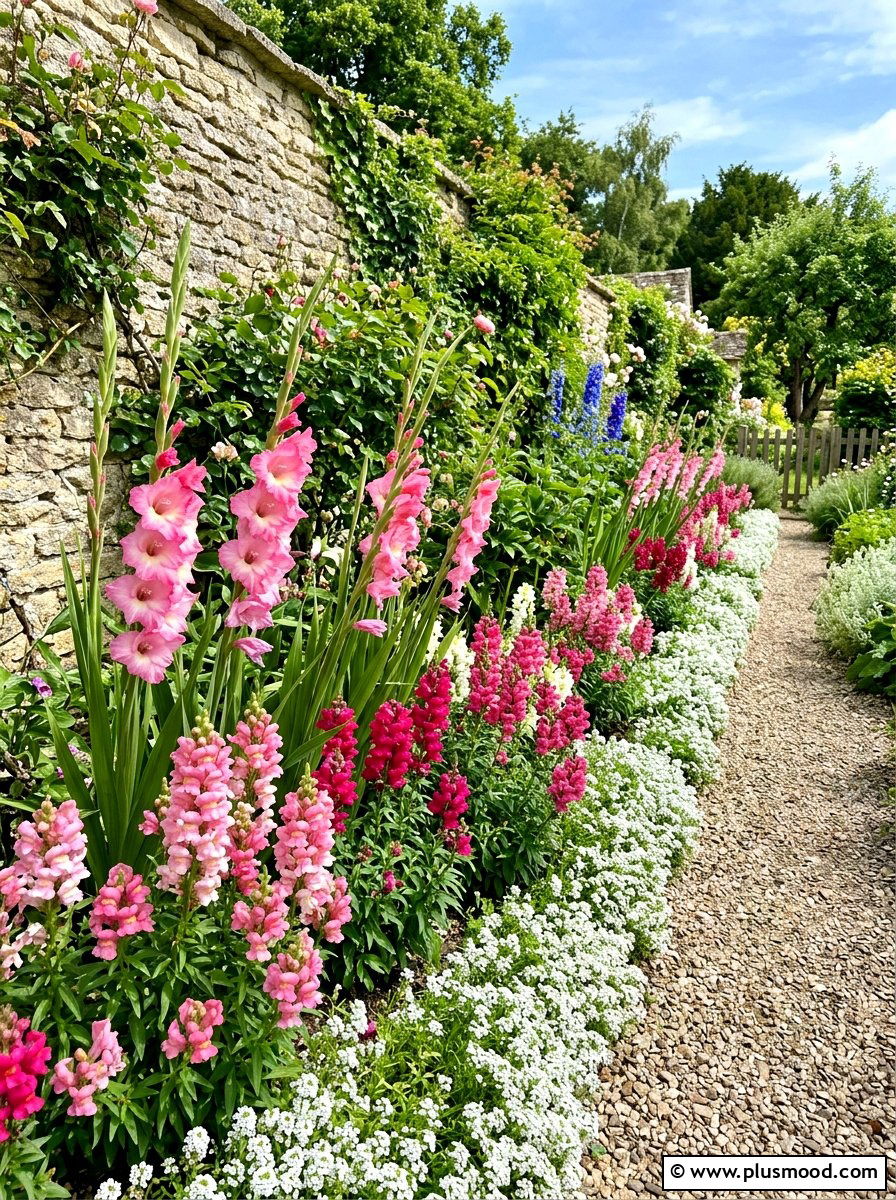
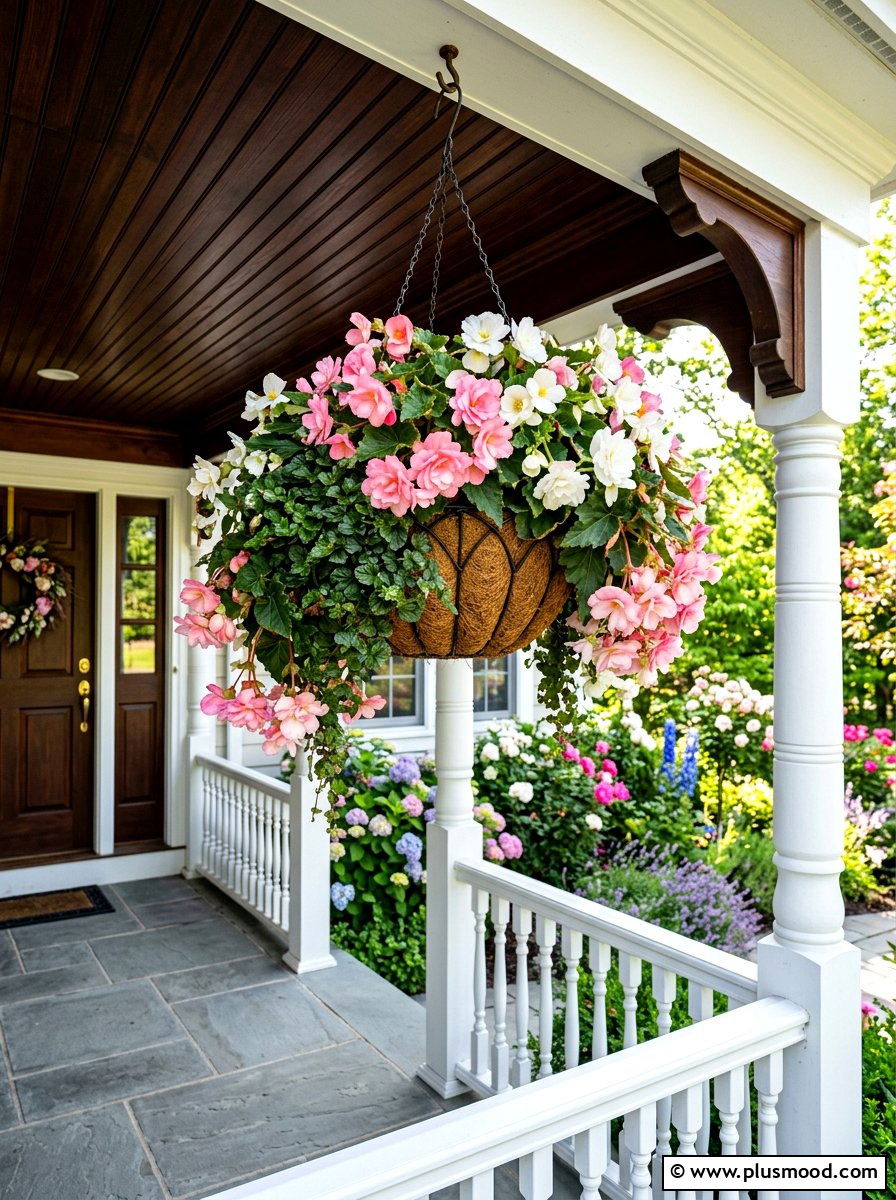
Designing a narrow flower bed requires a careful vertical strategy to maximize space without making the area feel crowded. Use tall, slim plants like gladiolus or foxgloves at the back against the wall to save horizontal room. In the middle layer, plant mounding flowers that don't spread too wide, such as snapdragons or upright veronica. The front edge should be kept clean with a thin line of alyssum or small succulents. By focusing on upright growth rather than wide spreading habits, you can create a beautiful layered effect even in a side yard or a small strip along a driveway.
17. Blue Yellow Garden
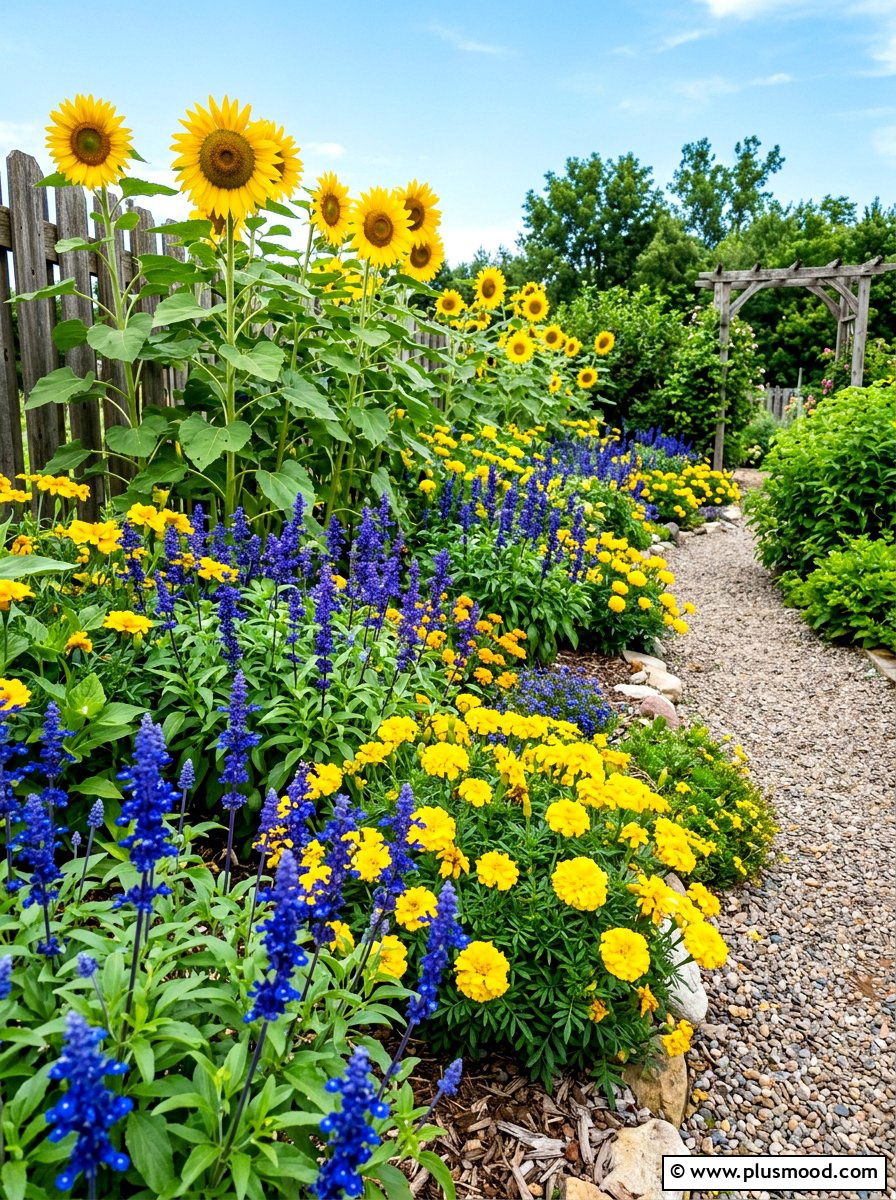
A blue yellow garden uses high-contrast colors to create a bright and energetic summer display that feels exceptionally sunny. Plant tall yellow sunflowers or rudbeckia at the back to provide a cheerful foundation of warmth. In the middle layer, incorporate deep blue salvia or bachelor's buttons to create a striking visual pop against the yellow. The front edge can be finished with low-growing yellow marigolds and blue lobelia for a continuous pattern of contrast. This complementary color scheme is very popular because the two hues make each other appear more vivid, resulting in a garden bed that truly stands out from across the yard.
18. Foliage Heavy Border
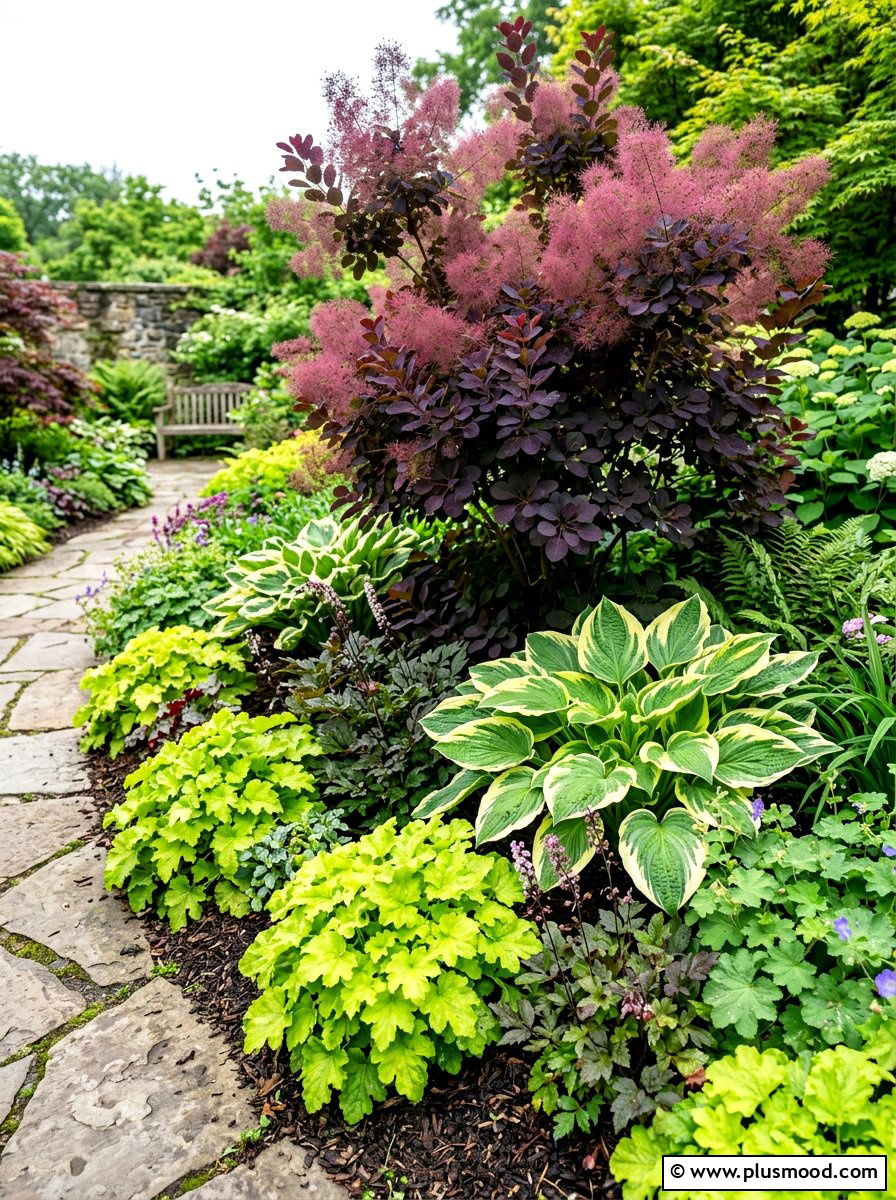
A foliage heavy border focuses on the shapes and colors of leaves rather than flowers to provide a long-lasting summer design. Start with tall, dark-leaved shrubs like ninebark or smoke bush at the back to create a moody, textured background. In the middle, use medium-sized hostas with variegated leaves or bright lime-green heuchera to add light and variety. The front border should feature fine-textured groundcovers like scotch moss or ornamental clover. This layering technique ensures that the garden looks lush and interesting even when nothing is in bloom, making it a reliable choice for busy gardeners who want a consistent aesthetic.
19. Succulent Garden Bed
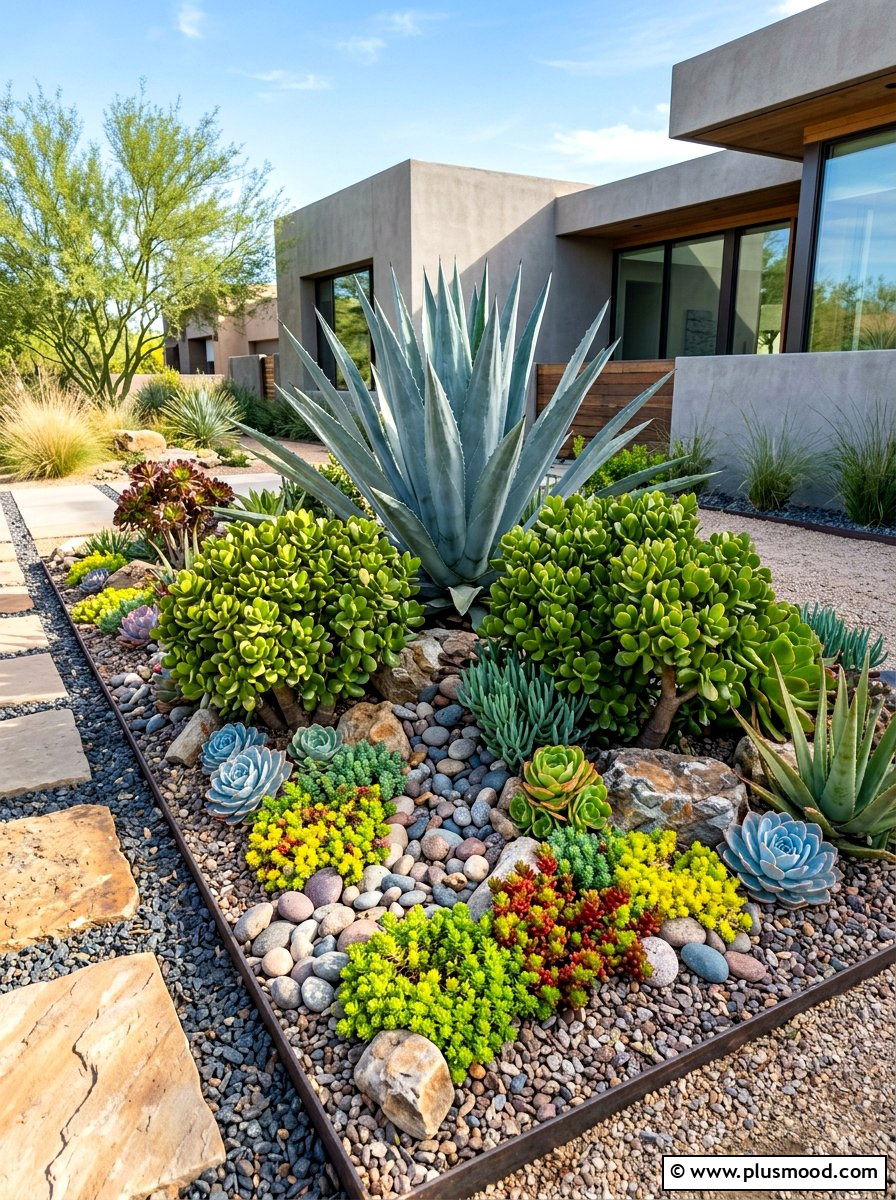
Creating a succulent garden bed is a fantastic way to experiment with unique shapes and low-maintenance plants in a sunny summer spot. Use tall varieties like agave or large yuccas at the back to provide architectural interest and height. In the middle layer, plant mounding succulents like jade or echeveria in clusters to create a textured, desert-like carpet. The front edge should be finished with low-growing sedum or "hens and chicks" that fill in any gaps between stones. This layered look emphasizes form and geometry over traditional blooms, resulting in a modern and clean landscape that requires very little water to stay healthy.
20. Fragrant Flower Border
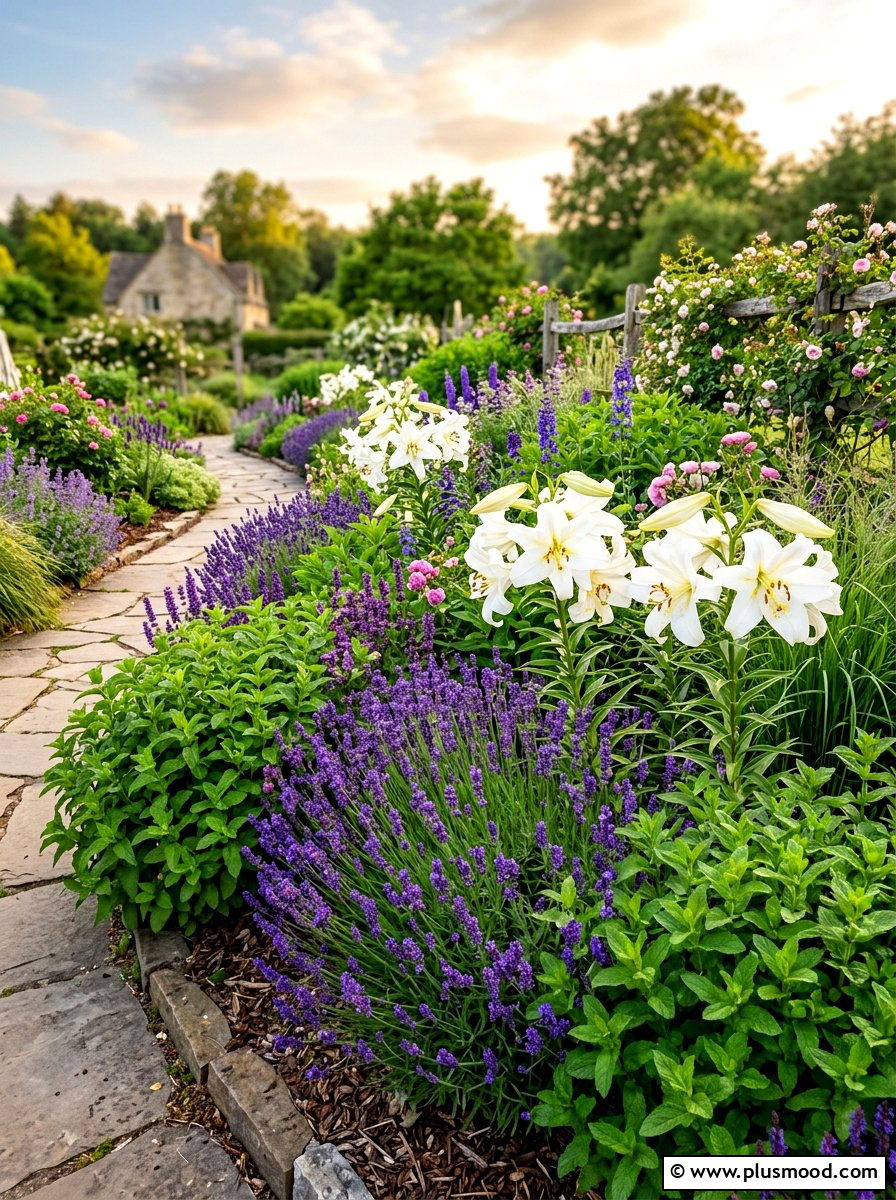
A fragrant flower border is designed to delight the senses by layering plants that release their scent at different times of the day. Start with tall, sweet-smelling lilies or mock orange shrubs at the back to anchor the aroma. In the middle layer, incorporate lavender and scented geraniums which release their fragrance when brushed against. The front edge should feature low-growing herbs like mint or thyme that ground the space with an earthy, clean scent. By placing the most fragrant plants at different heights and depths, you create a bubble of perfume that makes sitting in your summer garden a truly immersive and relaxing experience.
21. Perennial Mid Layer
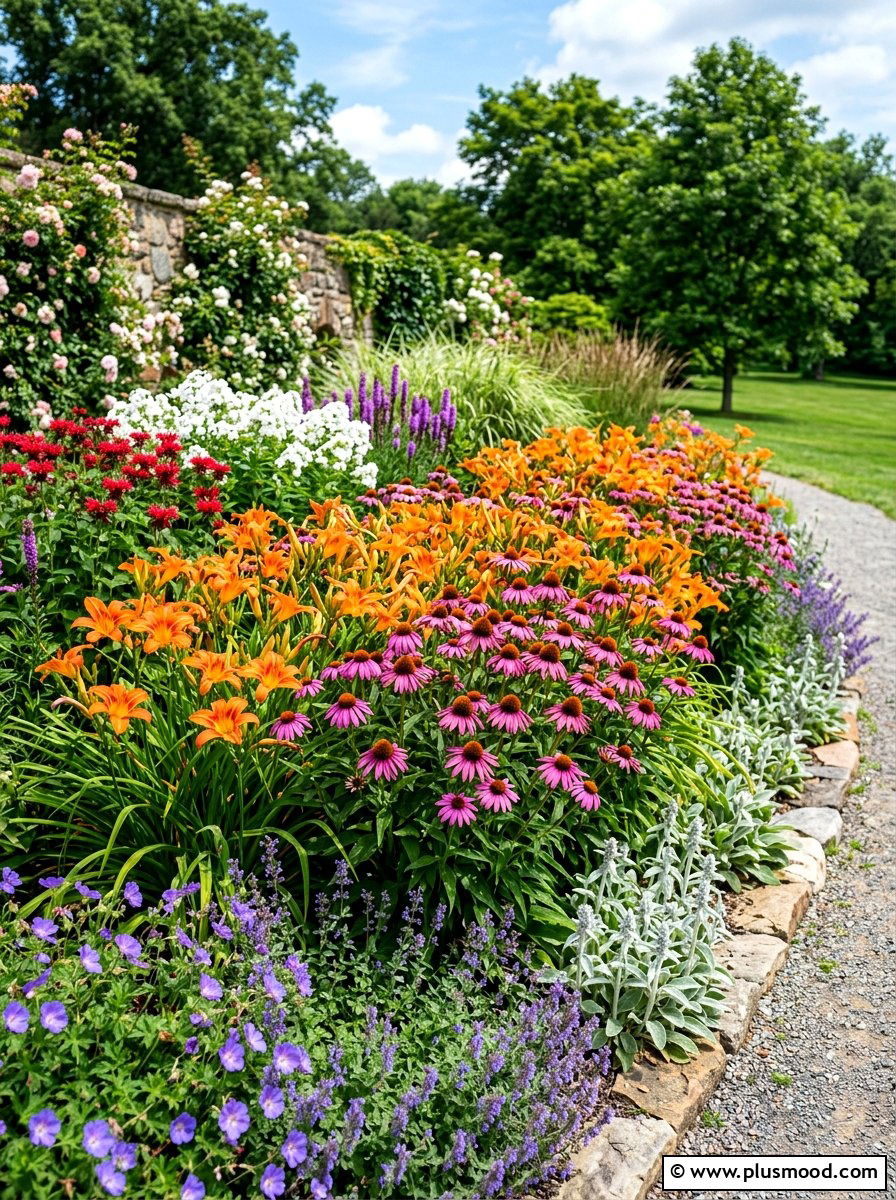
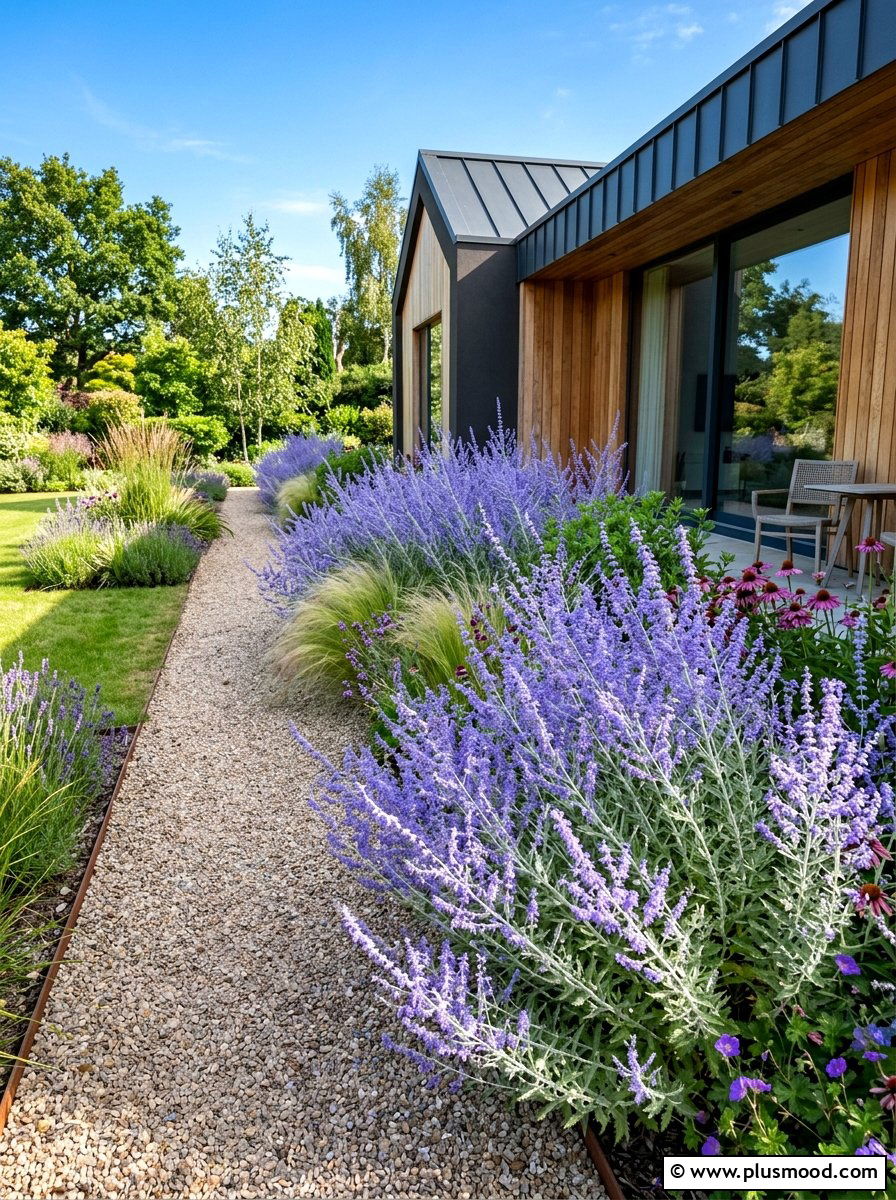
The perennial mid layer is the backbone of a successful summer flower bed, providing the transition between tall backgrounds and short borders. Choose sturdy, reliable plants like daylilies or coneflowers that can hold their own in the center of the bed. These plants should be chosen for their long bloom times and attractive foliage that remains green even after the flowers fade. By grouping three to five of the same variety together, you create a sense of rhythm and mass that makes the garden feel intentional. This middle layer acts as the bridge that ties the entire vertical design together into a cohesive landscape.
22. Herb Flower Border
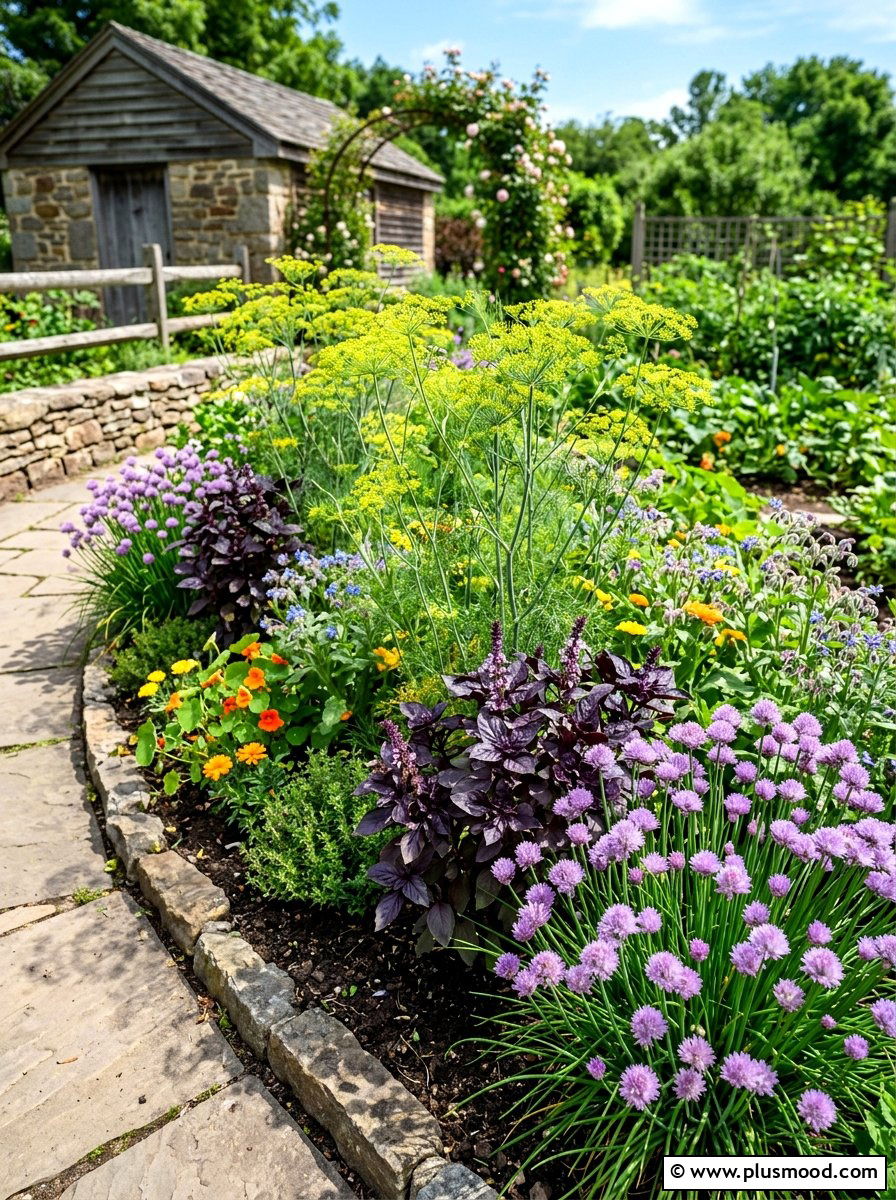
An herb flower border combines utility with beauty by layering edible plants among traditional summer blooms. Use tall dill or fennel at the back for their airy, feathery texture and high yellow flowers. In the middle layer, plant flowering herbs like rosemary or purple basil alongside zinnias to add a mix of colors and useful foliage. The front edge can be finished with low-growing chives or parsley which serve as a lush, green frame. This layering approach is perfect for small yards where you want to maximize space for both harvesting fresh ingredients and enjoying a pretty, colorful flower display all summer long.
23. Warm Tone Garden
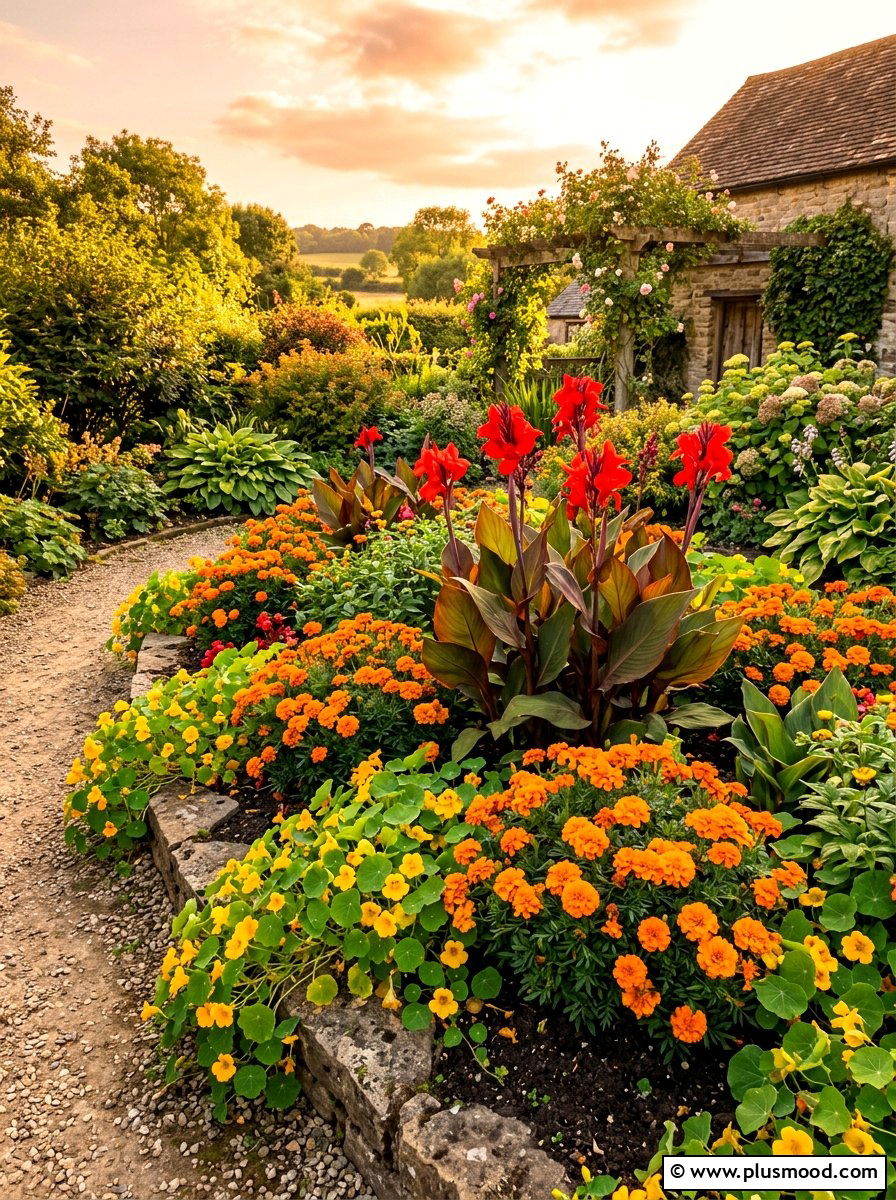
A warm tone garden uses reds, oranges, and deep yellows to create a fiery, high-energy look that thrives in the summer heat. Start with tall canna lilies or sunflowers at the back to establish a bold, warm foundation. In the middle layer, incorporate bright orange marigolds and red salvias to keep the intensity going through the center of the bed. The front border should be finished with low-growing red petunias or orange nasturtiums that spill over the path. This color palette mimics the feeling of a summer sunset and looks particularly striking during the golden hour, making your outdoor space feel warm and vibrant.
24. Raised Stone Bed
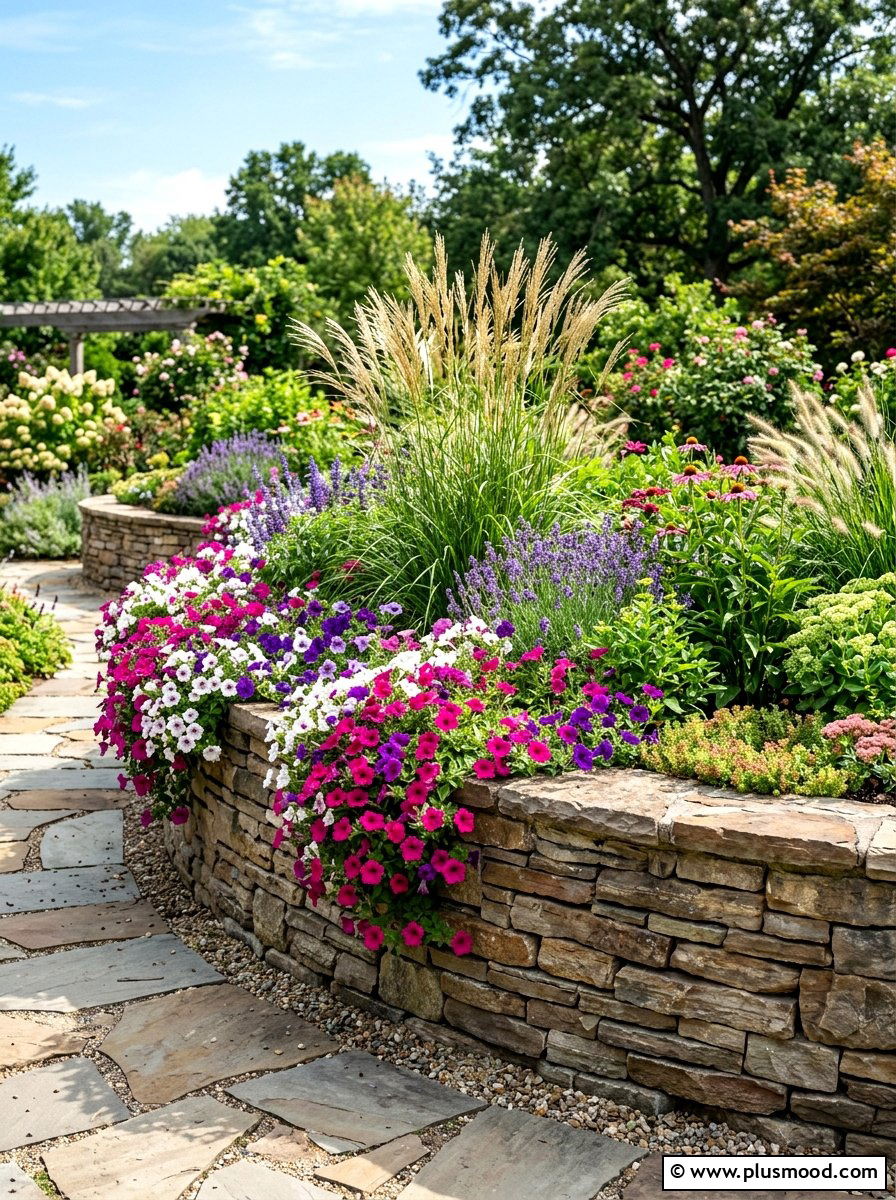
Building a raised stone bed allows you to create artificial layers and improve drainage for your summer flowers. Use the height of the stone wall to act as the first layer, elevating the entire garden above the ground. Inside, place tall focal points like a small ornamental tree or a decorative trellis in the center. Surround this with medium-height perennials that fill the bulk of the space with color. Finally, plant trailing flowers along the edge of the stone so they can cascade down the sides of the wall. This multi-level approach adds architectural interest and makes the plants easier to maintain without bending over.
25. Native Plant Garden
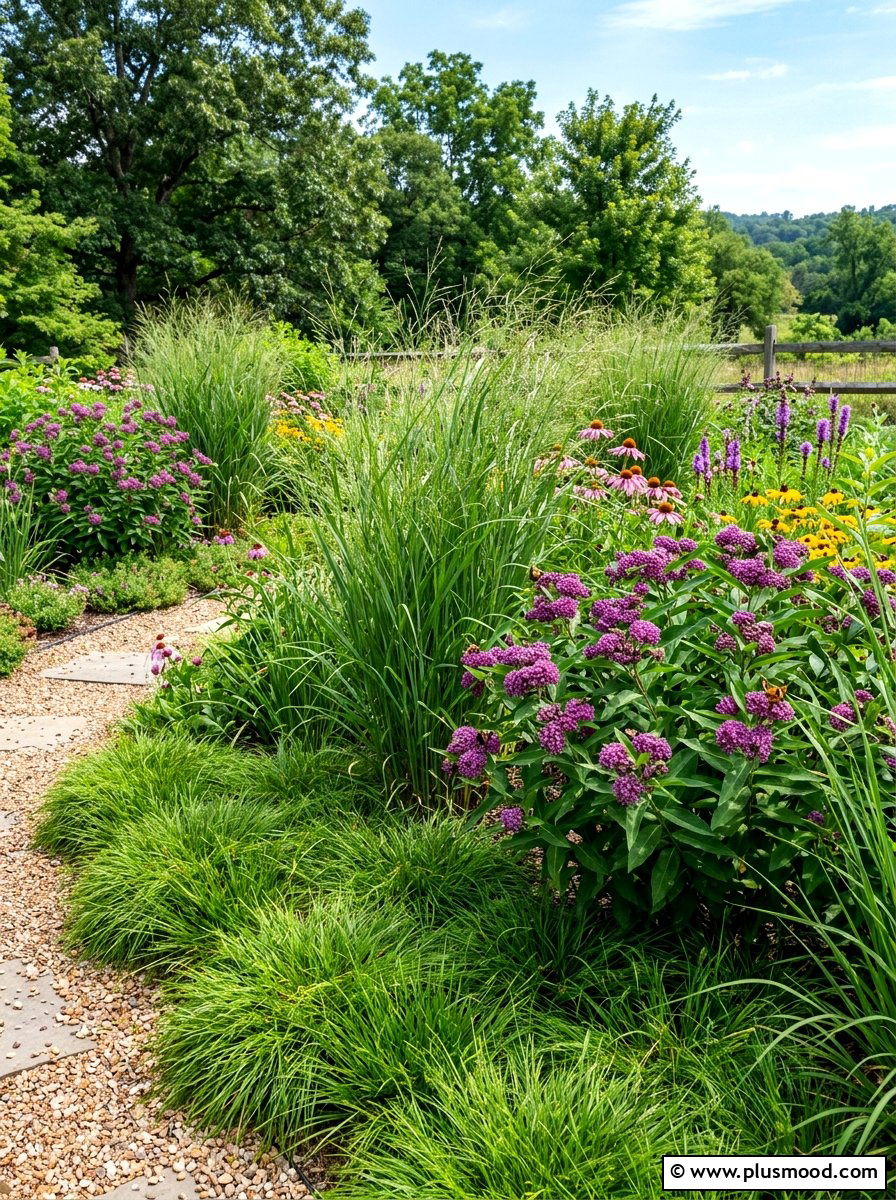
A native plant garden uses species that are naturally adapted to your local summer climate, ensuring a resilient and eco-friendly layered design. Start with tall native grasses or shrubs at the back to provide a familiar backdrop for local birds. In the middle layer, use regional wildflowers like milkweed or coreopsis that support native pollinators. The front border can be finished with low-growing wild gingers or native sedges to keep the soil cool and moist. This layering technique is sustainable and requires fewer fertilizers or pesticides, resulting in a healthy, thriving garden that celebrates the unique beauty of your local environment while remaining beautiful.
Conclusion:
Mastering the art of summer layered flower beds transforms any ordinary yard into a professional-looking landscape that offers depth and continuous visual interest. By focusing on the relationship between height, color, and texture, you can create a garden that feels lush and intentional from every angle. Whether you choose a high-contrast palette or a monochromatic scheme, the principles of layering ensure that every plant has its place to shine. As the summer heat intensifies, these well-designed beds will thrive, providing a vibrant sanctuary for both you and local wildlife. Take the time to plan your layers carefully, and you will enjoy a stunning, multi-dimensional garden all season long.
Related posts:
Leave a Reply