
Summer is the perfect time to revitalize your home's exterior with vibrant colors and lush greenery that catches the eye of every passerby. Creating a beautiful front yard requires thoughtful planning and a selection of plants that can withstand the intense heat of the sun. From fragrant lavender fields to structured modern landscaping, the possibilities for enhancing your curb appeal are truly endless. A well-designed garden not only boosts your property value but also provides a welcoming atmosphere for guests. You can explore various textures, heights, and blooming schedules to ensure your yard remains stunning throughout the entire warm season. Investing in your landscape creates a lasting first impression while providing a personal sanctuary that reflects your unique style and commitment to nature.
1. Pollinator Garden Station
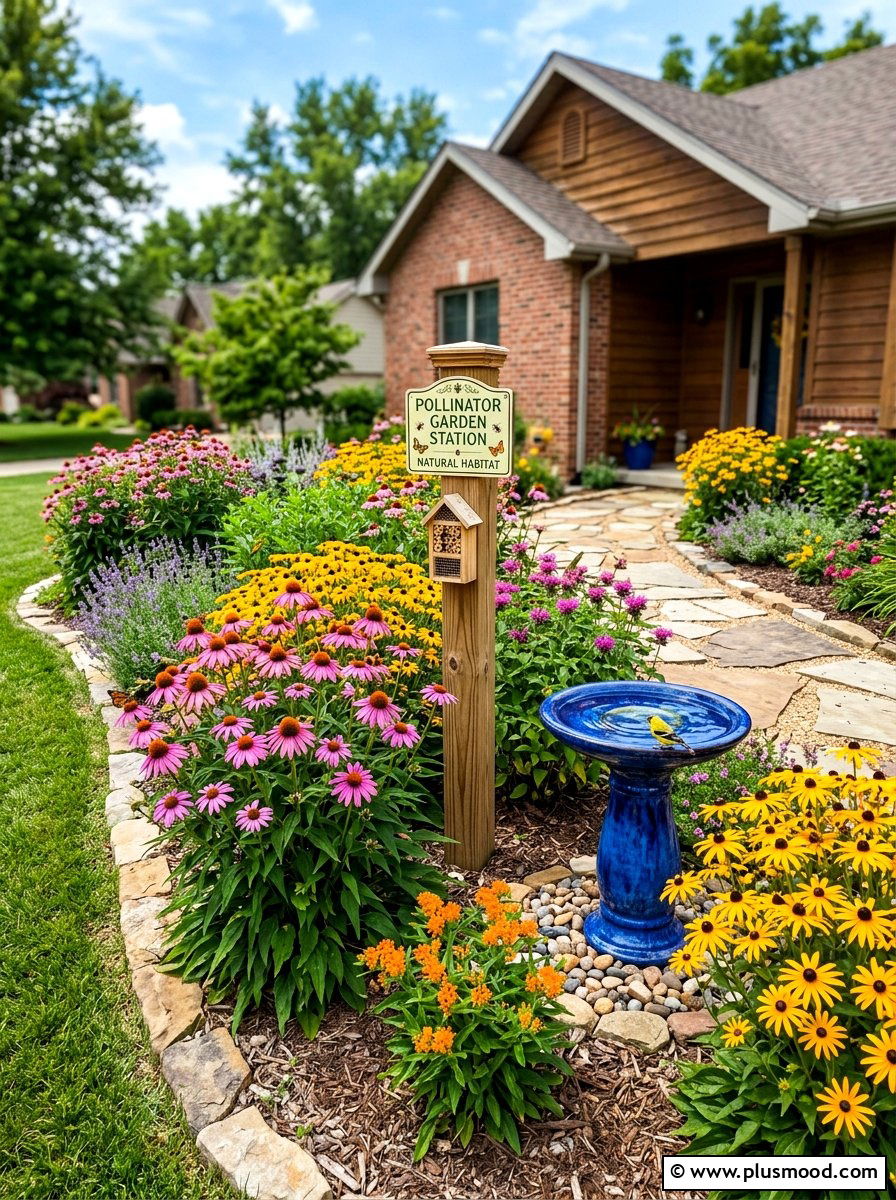
A pollinator garden station is a purposeful landscaping choice that invites bees, butterflies, and birds to your front yard. This design focuses on a diverse mix of nectar-rich flowers and native host plants that provide food and habitat. You can arrange vibrant echinacea, purple salvia, and bright black-eyed Susans in clusters to make them easily visible to traveling insects. Adding a shallow birdbath or a decorative bee hotel can enhance the functionality of the space. This approach not only supports the local ecosystem but also creates a lively and dynamic view right from your porch. It is a wonderful way to blend environmental responsibility with stunning, natural beauty during the peak summer months.
2. Color Coordinated Planting
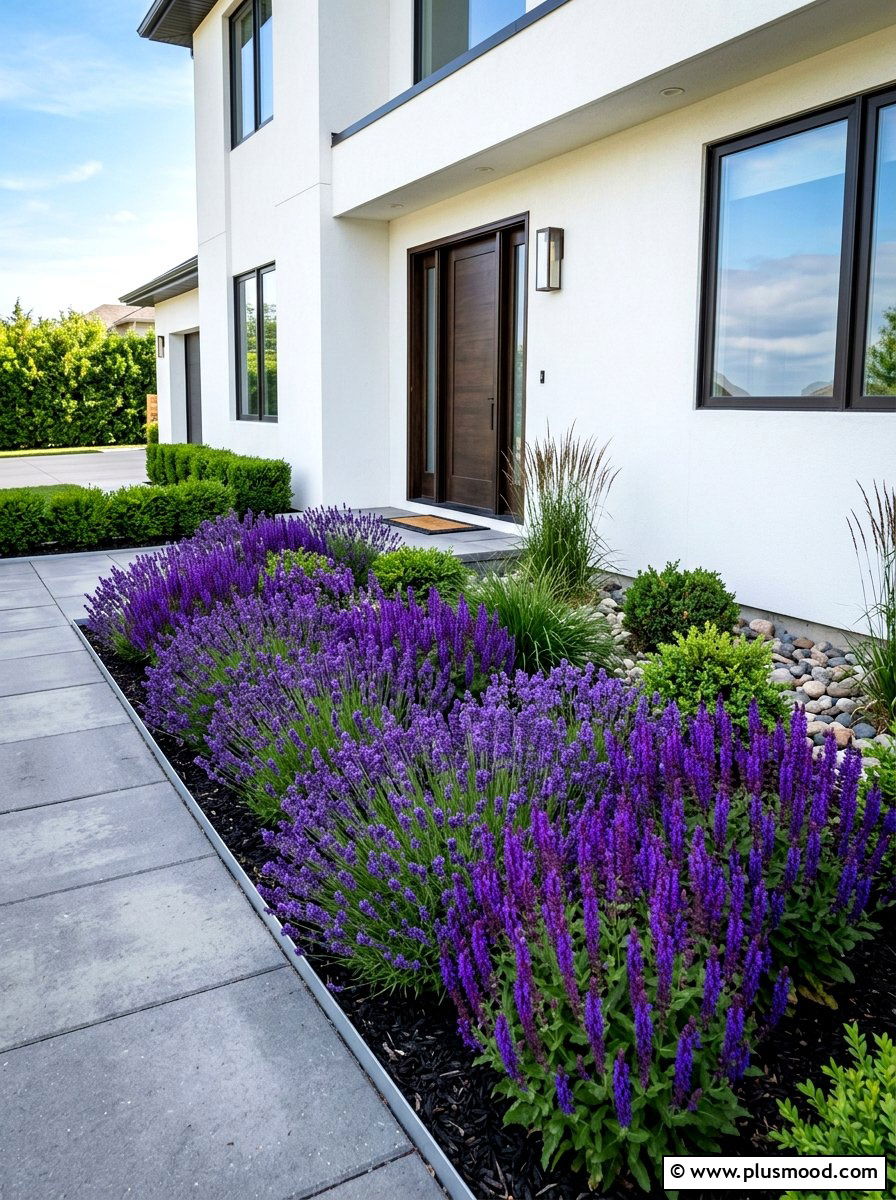
Color coordinated planting involves selecting a specific palette to create a cohesive and high-end look for your home entrance. You might choose a monochromatic theme using various shades of purple, like lavender, catmint, and alliums, or a high-contrast pairing of yellow and blue. By limiting the number of colors, you create a visual rhythm that feels intentional and professional. This strategy works well for modern and traditional homes alike, as it simplifies the landscape while making a bold statement. Pair these blooms with lush green foliage to provide a neutral backdrop that makes the colors pop. Consistent color themes help tie the architecture of your house to the surrounding natural environment.
3. Front Yard Conversation Pit
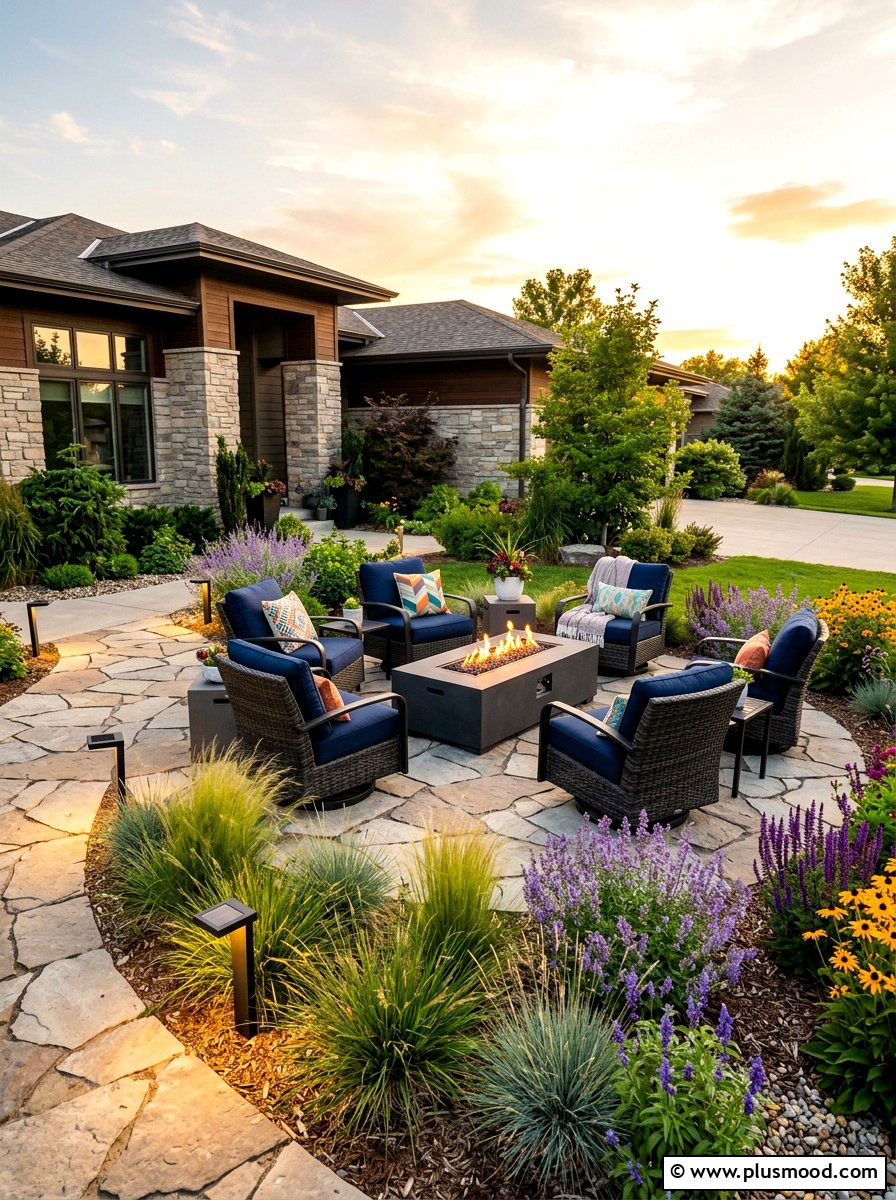
A front yard conversation pit transforms an underutilized lawn into a social hub for neighbors and friends. This design typically features a sunken or leveled area with durable outdoor seating arranged around a central focal point like a fire table or a stone centerpiece. You can surround the perimeter with low-maintenance shrubs, ornamental grasses, or boxwood hedges to provide a sense of enclosure and privacy. Incorporating soft solar lighting and weather-resistant cushions makes the space inviting for warm summer evenings. This trend shifts the focus of outdoor living to the front of the house, encouraging community interaction while significantly boosting the overall curb appeal and functionality of your property.
4. Statement Conifer Trees
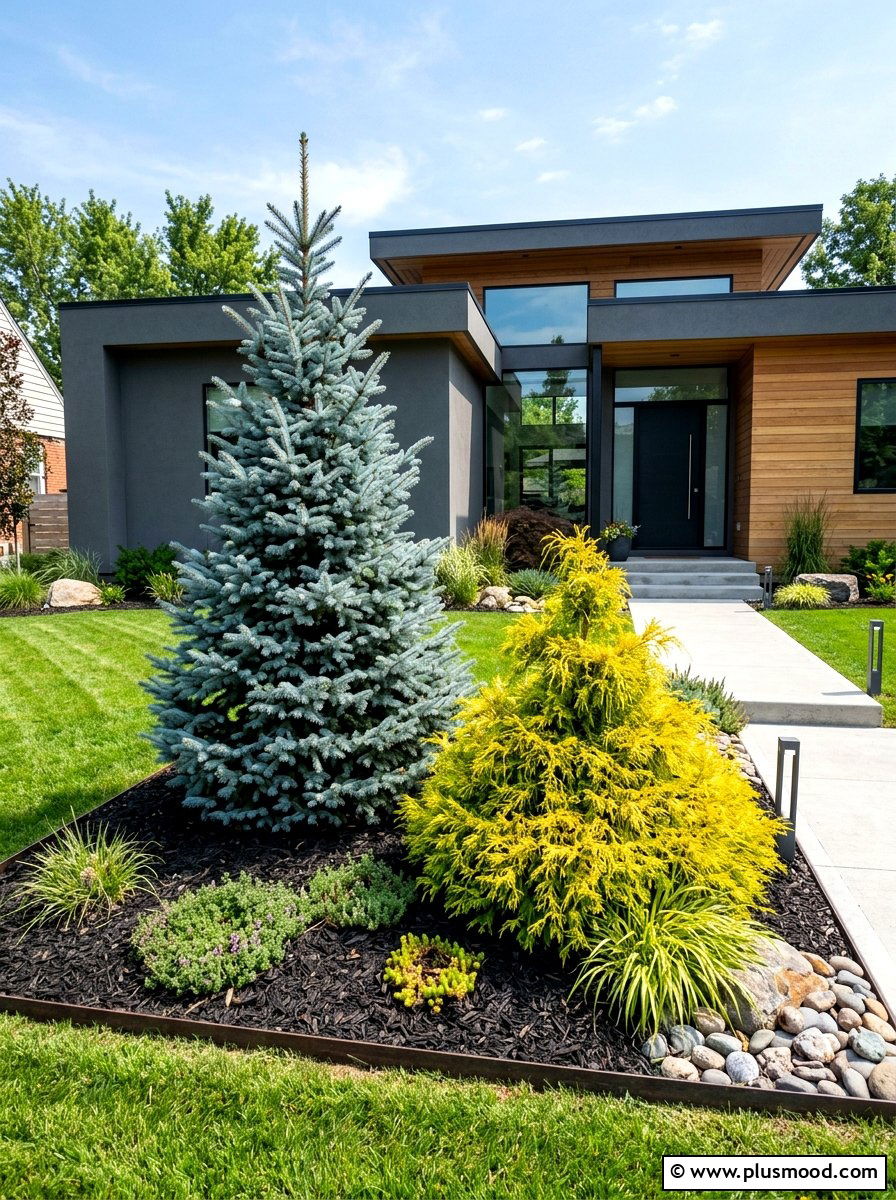
Statement conifer trees bring year-round structure and a touch of elegance to your front yard landscape. These evergreens come in a variety of unique shapes, sizes, and colors, ranging from the silvery blue of a spruce to the bright gold of a cypress. Placing a single, beautifully shaped conifer as a focal point can anchor your entire garden bed. They are exceptionally hardy and require very little maintenance once they are established in your soil. You can surround the base of the tree with colorful summer annuals or decorative mulch to create a clean and finished look. Their permanent presence ensures your yard never looks empty, even during the transition between the blooming seasons.
5. Matrix Planting
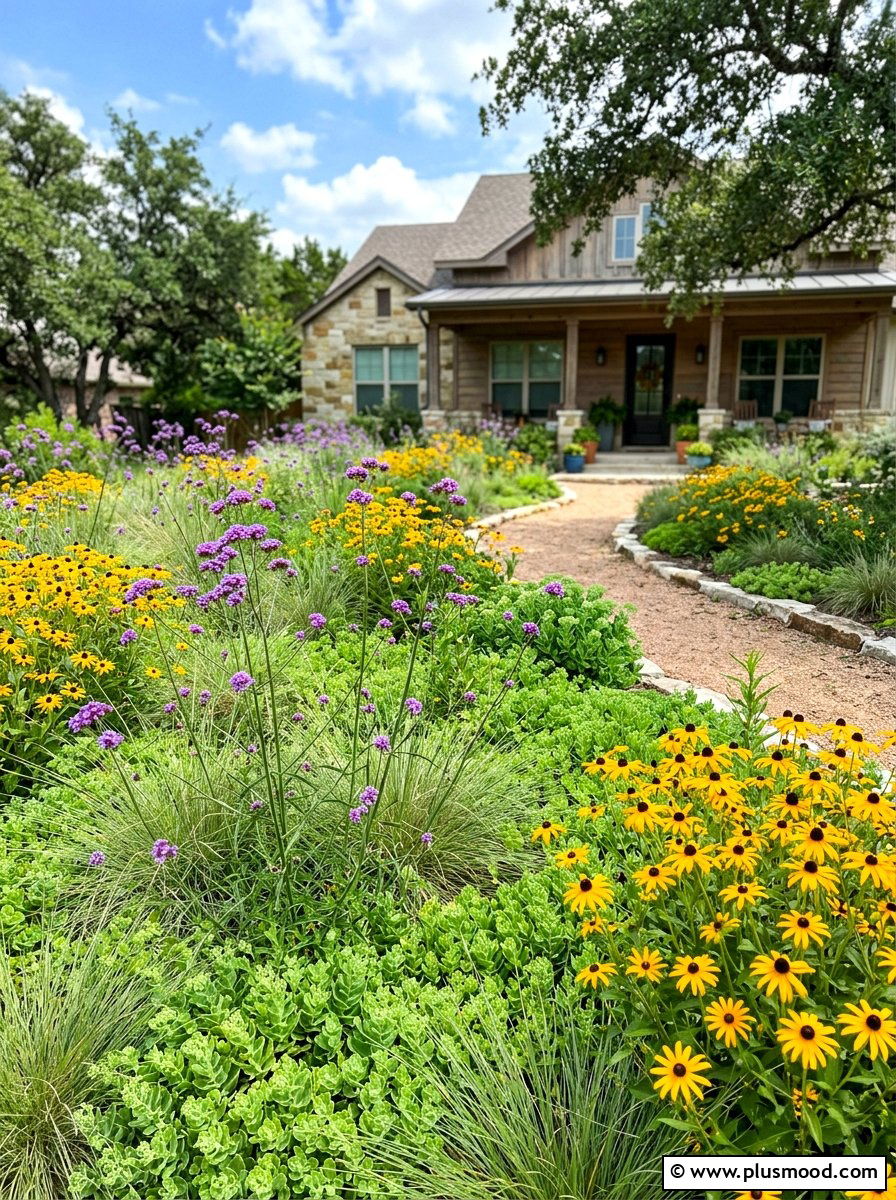
Matrix planting is a modern horticultural technique that mimics the way plants grow together in natural ecosystems. Instead of traditional rows, you plant a dense "matrix" of grasses and groundcovers that serves as a living mulch. Within this green carpet, you intersperse taller, flowering perennials that pop up like accents throughout the season. This method is incredibly low-maintenance because the thick groundcover naturally suppresses weeds and retains moisture in the soil. It creates a lush, wild-looking meadow effect that feels both sophisticated and sustainable. Using a mix of native grasses and sun-loving flowers like rudbeckia or aster ensures that your front garden remains resilient during the hottest summer weeks.
6. Foodscaping Edible Garden
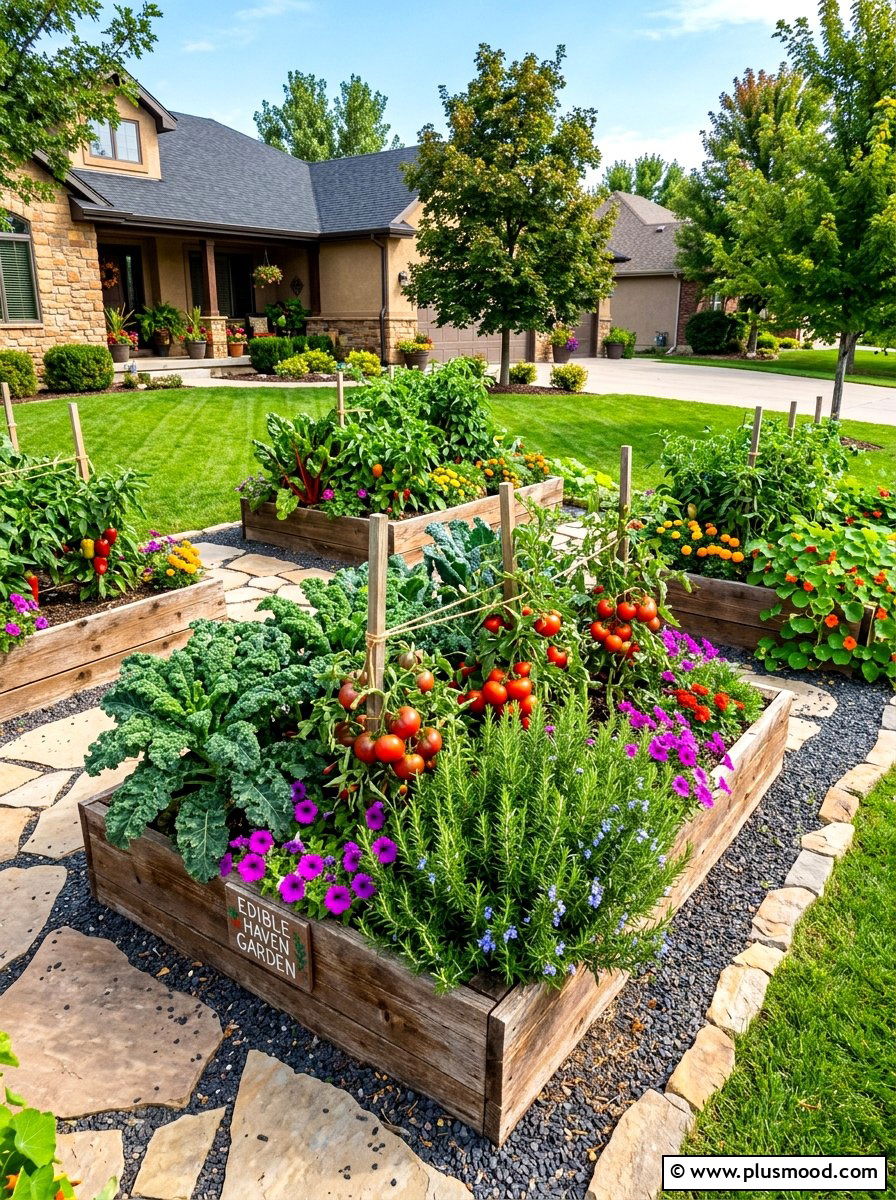
Foodscaping edible garden design blends the beauty of ornamental plants with the utility of fresh produce. You can integrate attractive vegetables like purple kale, rainbow chard, and vibrant peppers directly into your front flower beds. Herbs such as rosemary, thyme, and lavender make excellent aromatic borders that are both functional and visually appealing. This approach challenges the traditional idea of a hidden backyard vegetable patch by putting your harvest front and center. It promotes a sustainable lifestyle while adding interesting textures and colors to your landscape. Using decorative trellises for climbing beans or strawberries can add vertical interest and a sense of bounty to your home's main entrance.
7. Vertical Garden Trellis
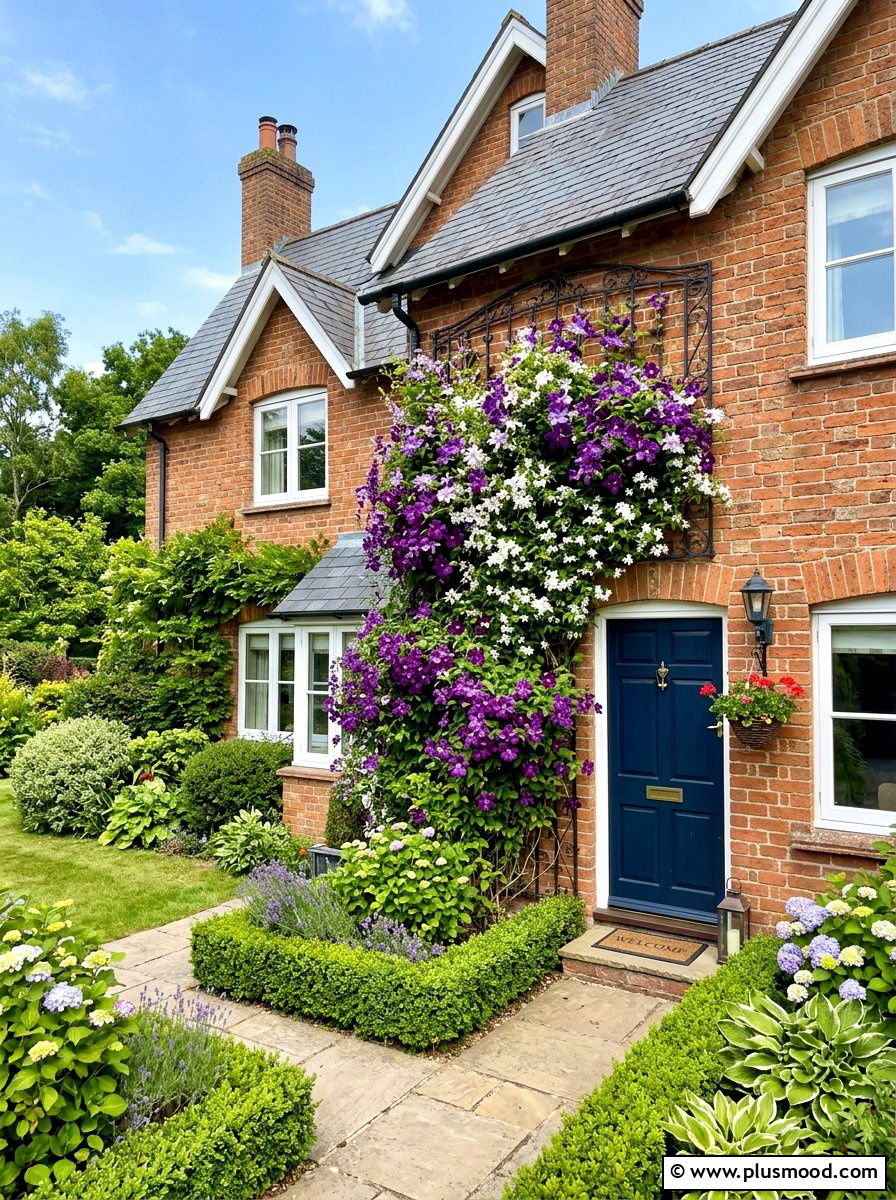
A vertical garden trellis is an excellent solution for adding greenery to small front yards or bare walls. By training climbing plants like clematis, honeysuckle, or jasmine to grow upward, you can create a lush wall of foliage and flowers. This technique adds height and dimension to your landscaping without taking up precious ground space. You can use wooden, metal, or wire trellises to match the architectural style of your home. Beyond the aesthetic benefits, vertical gardens can provide natural shade and help cool the exterior of your house during the summer heat. They create a beautiful backdrop for lower-growing plants and provide a fragrant welcome for anyone visiting your home.
8. Sustainable Rain Garden
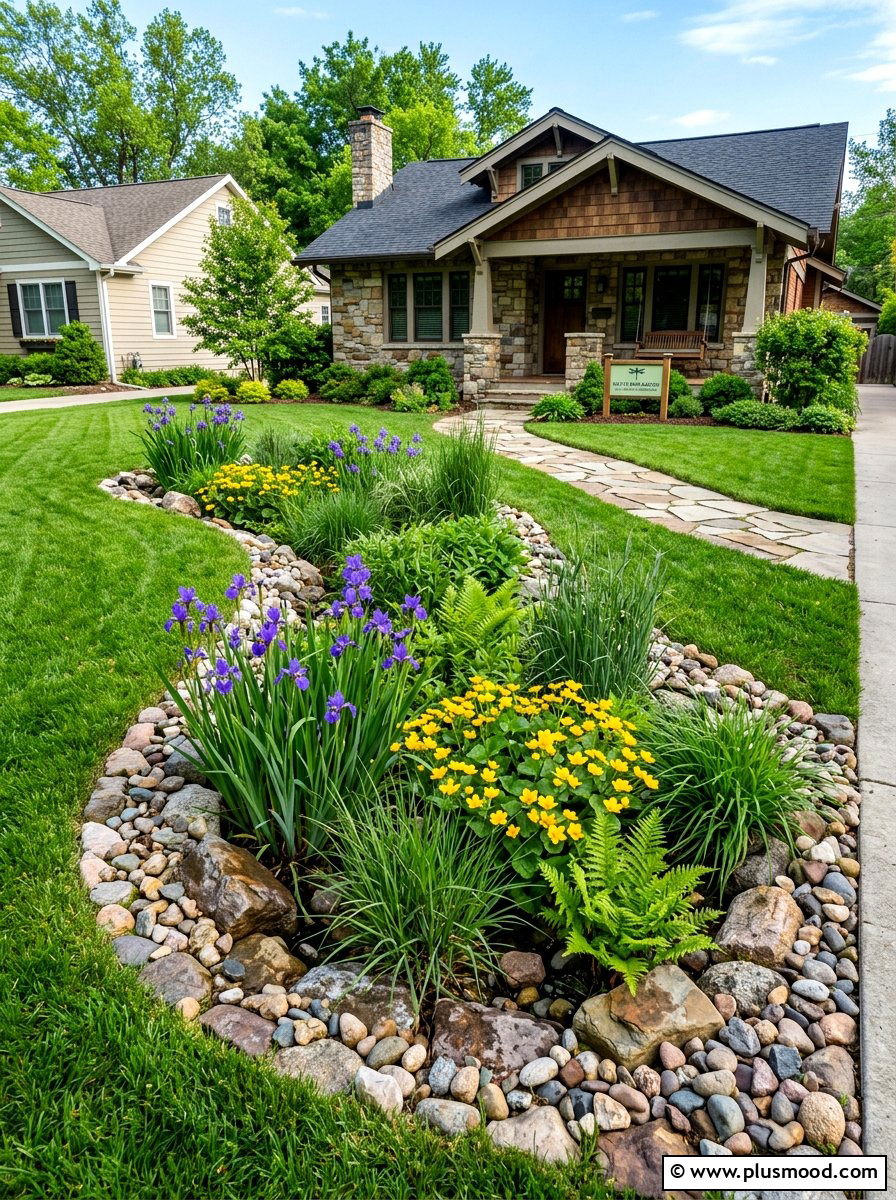
A sustainable rain garden is a functional and beautiful way to manage stormwater runoff in your front yard. This design features a shallow depression planted with deep-rooted native species that can handle both wet and dry conditions. As rainwater flows from your roof or driveway, it is captured and filtered by the soil and plants instead of running into the street. Flowers like swamp milkweed, blue flag iris, and joe-pye weed thrive in these environments while attracting local wildlife. You can edge the garden with river rocks or pebbles to create a naturalistic, dry-creek look. This eco-friendly feature demonstrates a commitment to conservation while adding a unique, lush habitat to your home.
9. Drought Tolerant Xeriscape
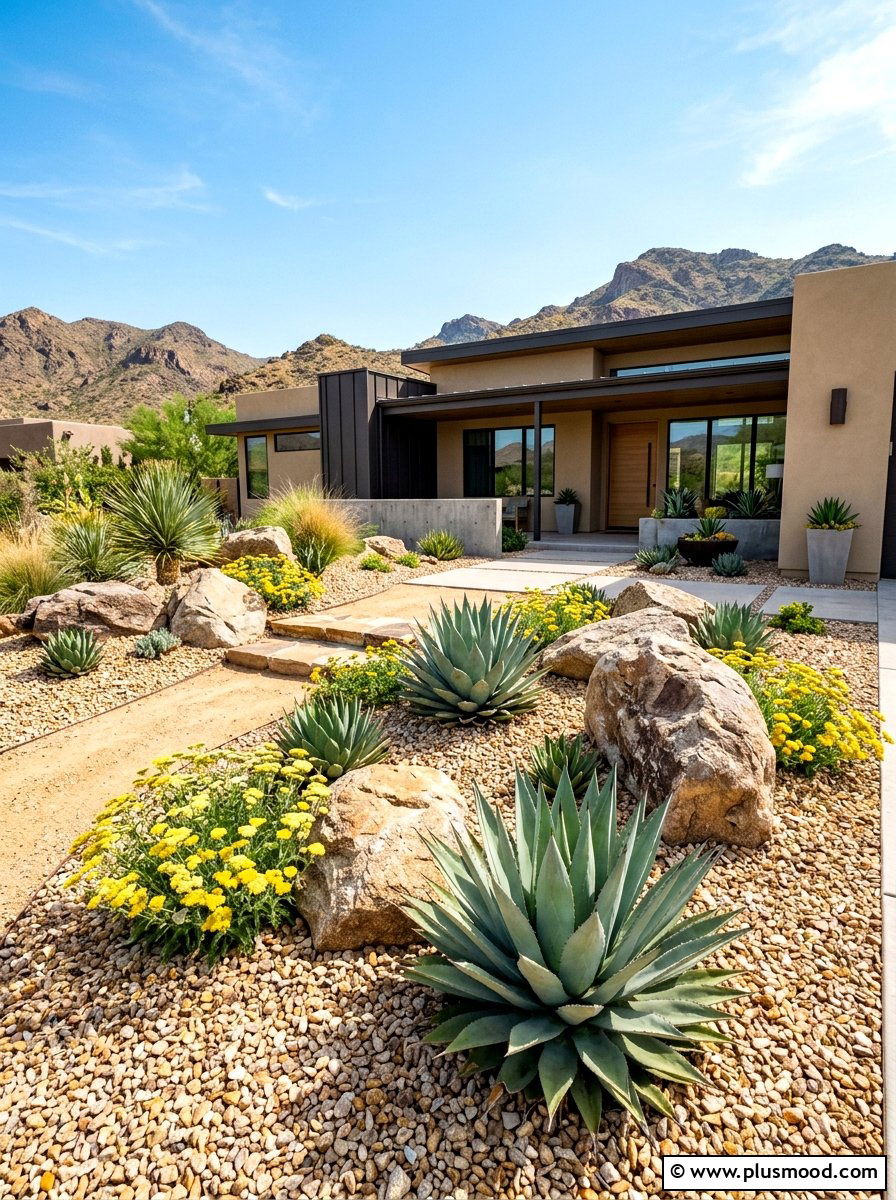
Drought tolerant xeriscape designs are perfect for homeowners who want a beautiful yard without the high water bill. This style focuses on using plants that are naturally adapted to arid conditions, such as succulents, yarrow, and ornamental grasses. By replacing a thirsty grass lawn with decorative gravel, large boulders, and hardy plants, you create a modern and sustainable landscape. Mulching with crushed stone or wood chips helps retain the limited moisture and prevents weed growth. These gardens often look their best in the heat of summer when other plants might be wilting. Xeriscaping offers a clean, architectural aesthetic that requires very little pruning or mowing to maintain its striking appearance.
10. Modern Minimalist Landscaping
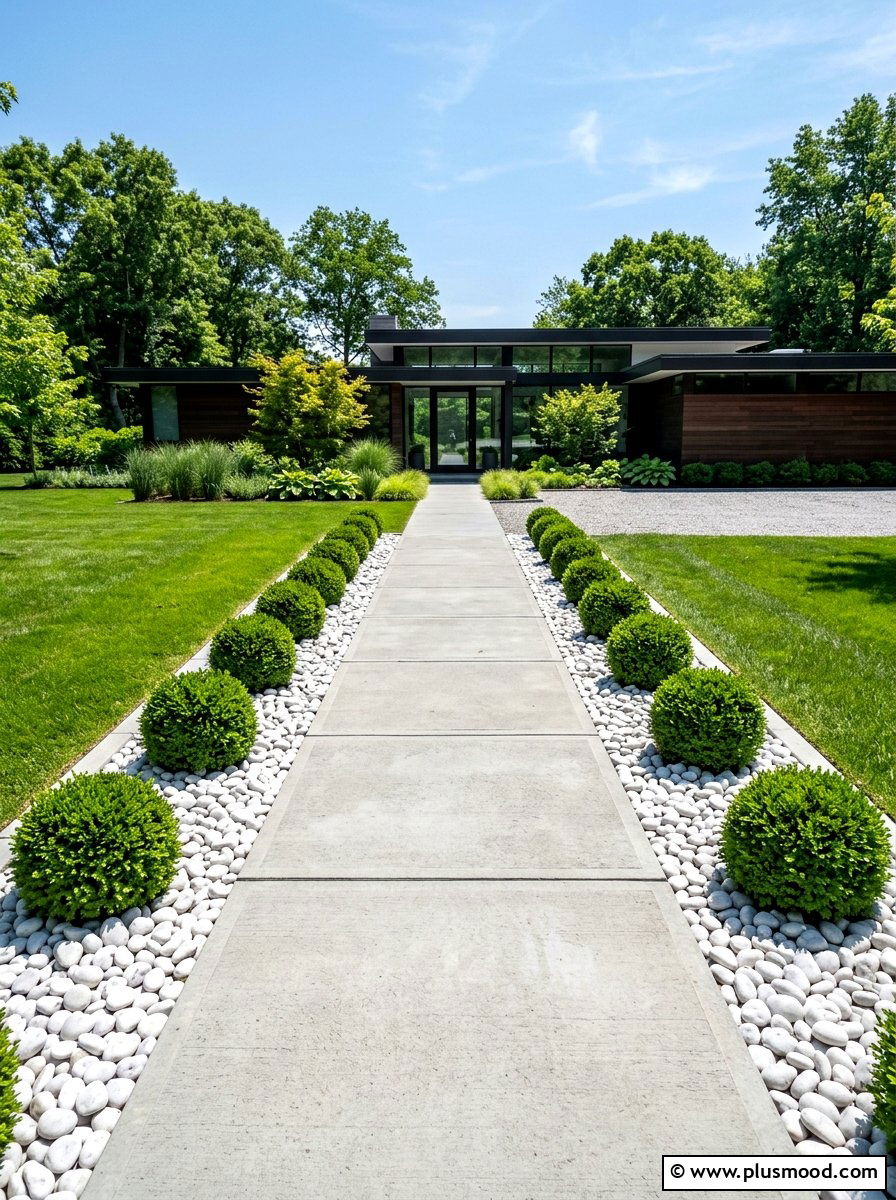
Modern minimalist landscaping emphasizes clean lines, geometric shapes, and a limited plant palette. This style often uses hardscaping elements like concrete pavers, steel edging, and smooth river rocks to define the space. You might see a single species of ornamental grass planted in a perfect row or a few structural shrubs like agaves or boxwoods placed strategically. The focus is on the contrast between the organic textures of the plants and the sharp angles of the built environment. This design creates a sense of calm and order that perfectly complements contemporary architecture. It is an ideal choice for busy homeowners who want a high-impact, low-maintenance front yard that looks polished year-round.
11. Cottage Garden Wildflowers
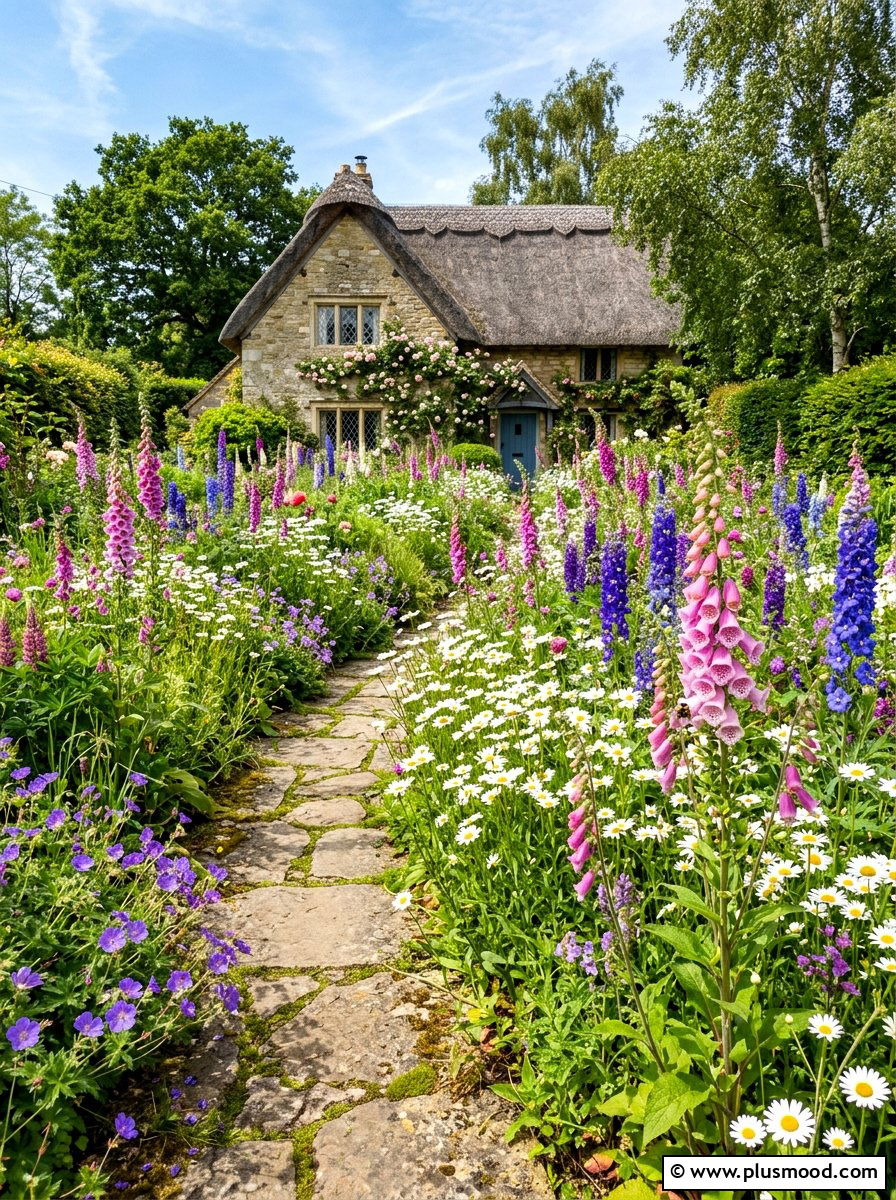
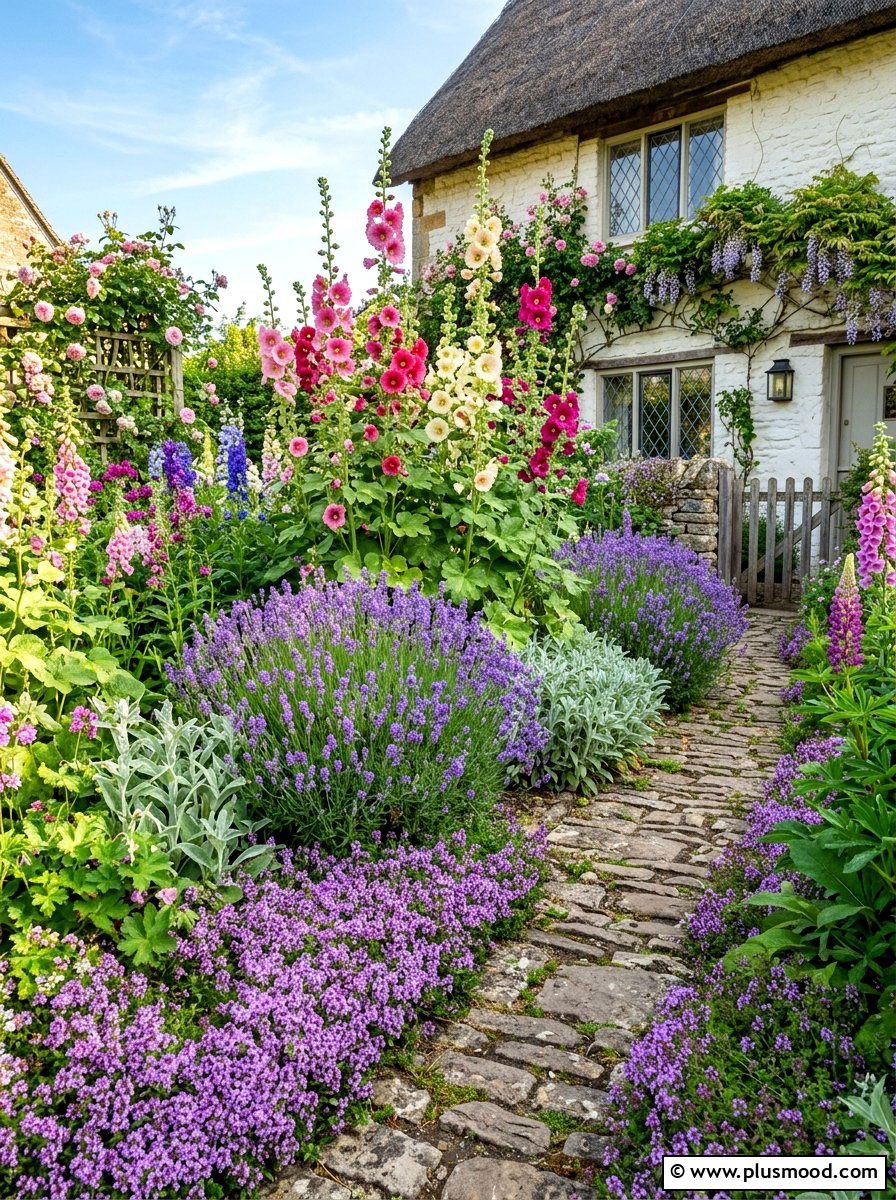
Cottage garden wildflowers offer a charming and whimsical look that feels both natural and inviting. This design style emphasizes a dense planting scheme where various heights and colors blend seamlessly together. You might see tall delphiniums reaching for the sky alongside low-growing creeping thyme and fragrant roses. The key is to create a sense of organized chaos that celebrates the beauty of nature without rigid structures. Adding a rustic wooden gate or a weathered stone path can further enhance this aesthetic. Using native wildflowers ensures your garden thrives in the local climate while attracting bees and butterflies. This creates a lively ecosystem right at your doorstep all summer long.
12. Hydrangea Front Border
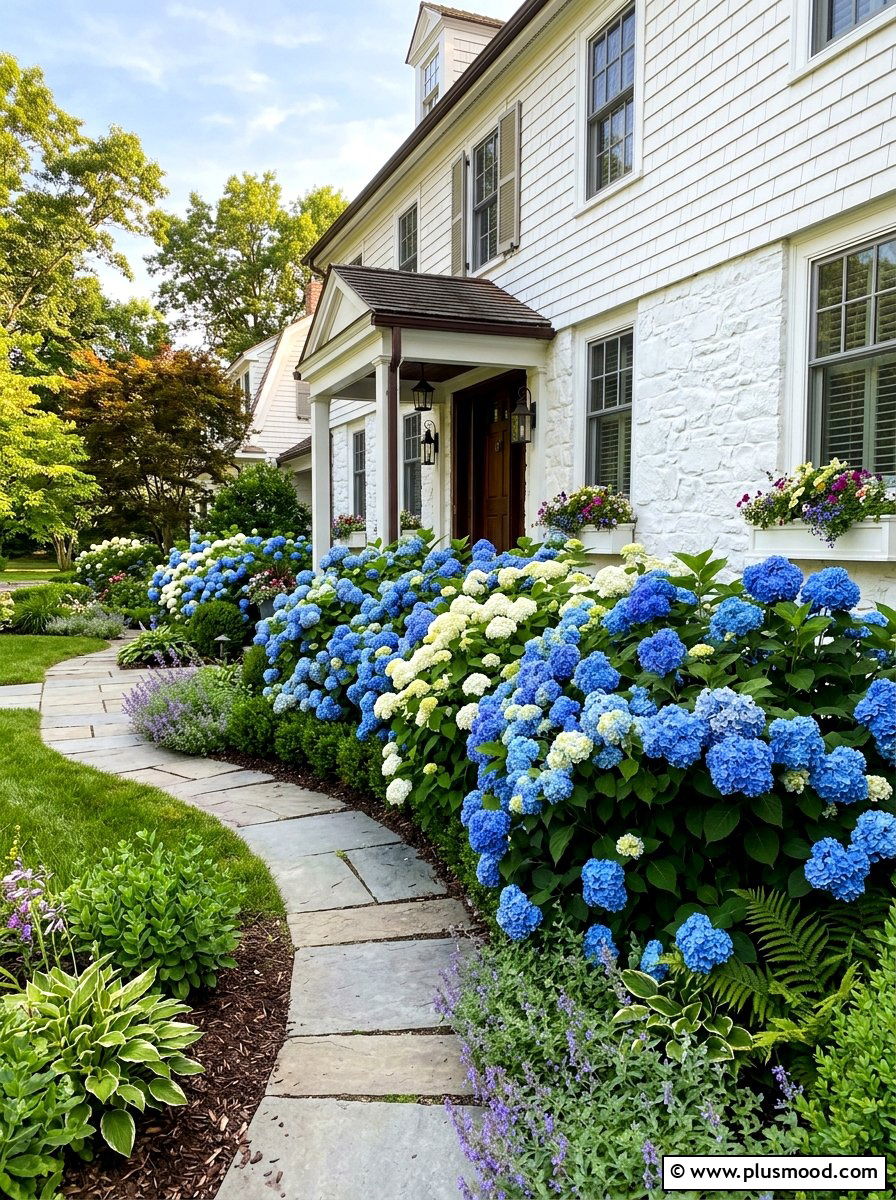
A hydrangea front border creates a soft and romantic entrance that is synonymous with summer beauty. These shrubs are beloved for their massive, globe-like flower heads that come in shades of white, pink, blue, and purple. Planting them in a long row along the foundation of your home or a front walkway provides a lush, consistent look. Hydrangeas thrive in areas with morning sun and afternoon shade, making them perfect for many front yard exposures. You can mix different varieties, such as lacecap and mophead, to add subtle texture variations. Their large leaves and dense growth also help hide the home's foundation, creating a seamless transition from the ground to the house.
13. White Picket Fence Flower Bed
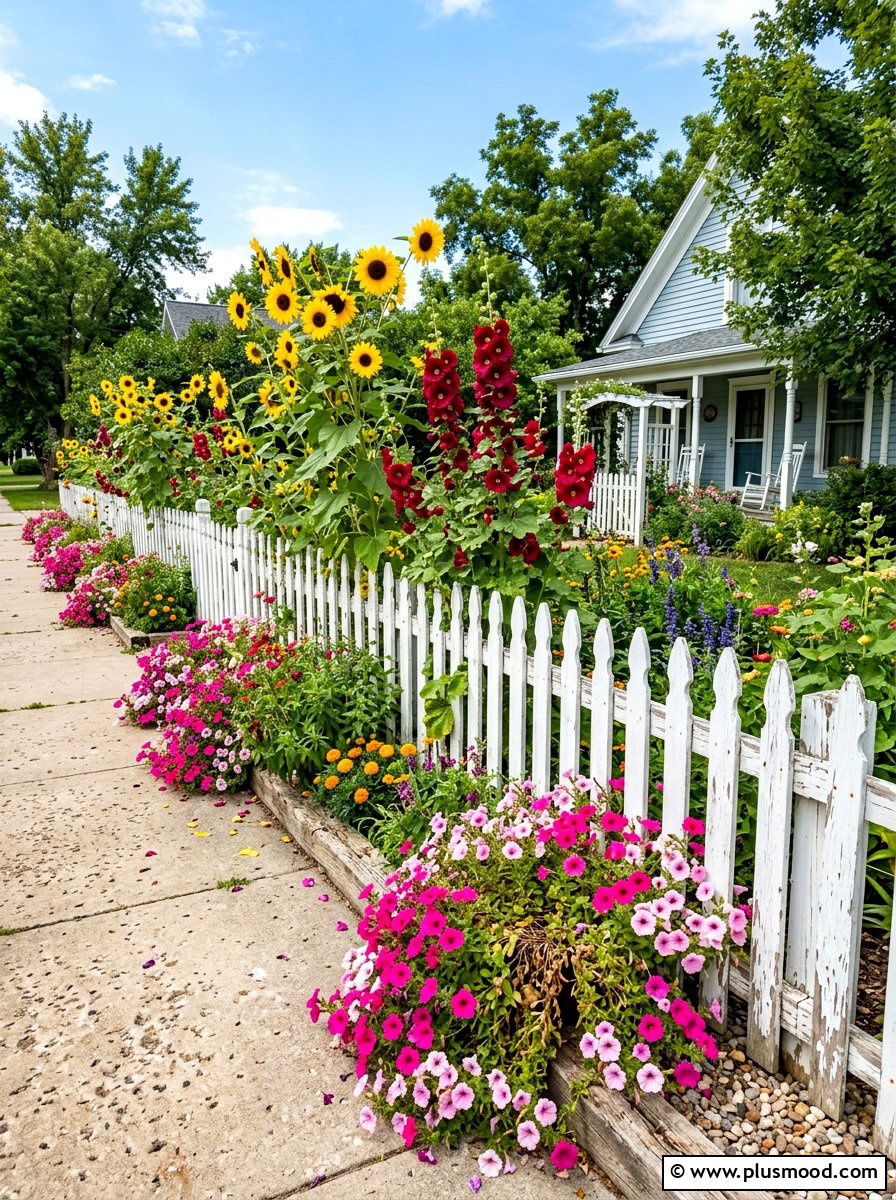
A white picket fence flower bed is a classic American look that never goes out of style. The crisp white lines of the fence provide a perfect frame for colorful summer blooms. You can plant tall sun-loving flowers like hollyhocks and sunflowers behind the fence so they peek over the top. In front of the fence, lower-growing annuals like petunias and marigolds can spill over the sidewalk for a welcoming effect. This design adds a sense of boundaries and charm to your property while boosting curb appeal. It creates a nostalgic and friendly atmosphere that makes any home feel like a cozy sanctuary in the heart of the neighborhood.
14. Stone Pathway Groundcover
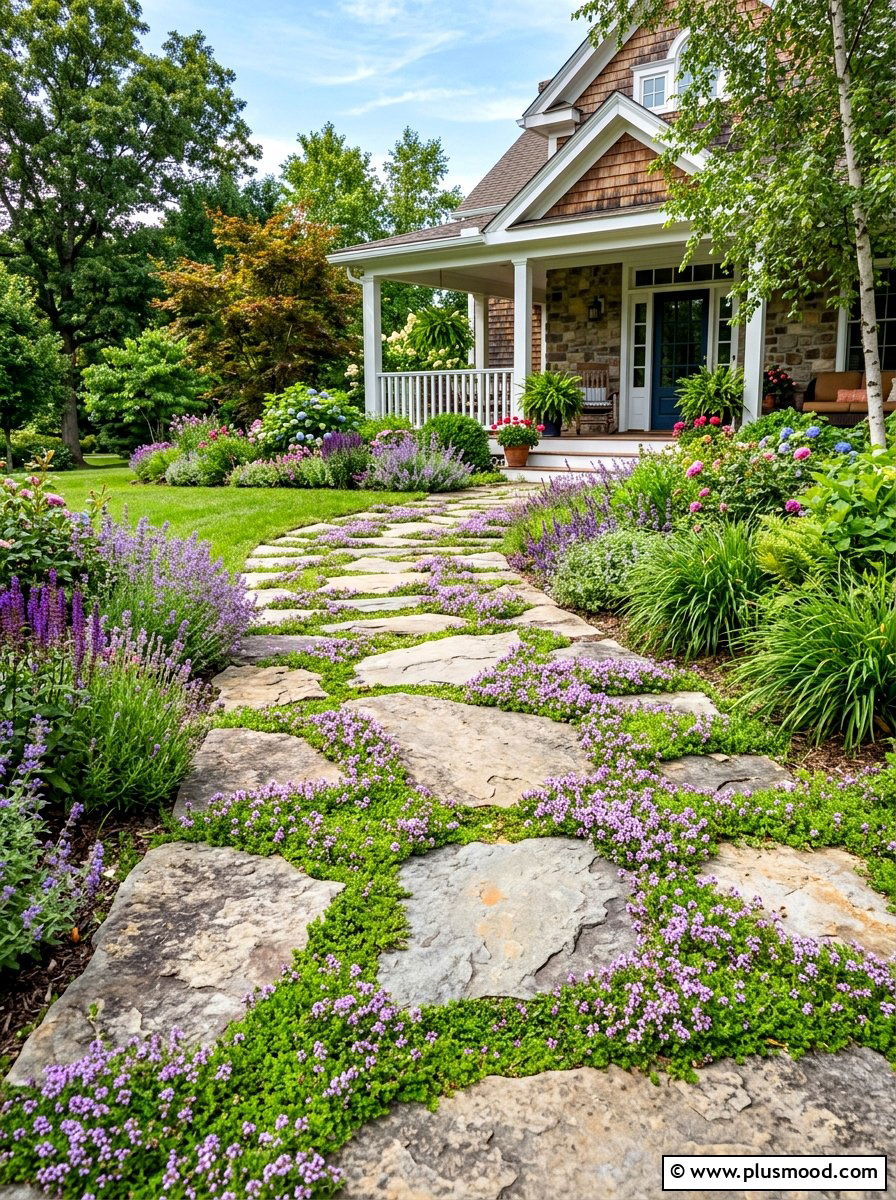
Stone pathway groundcover designs use low-growing plants to fill the gaps between flagstones or pavers. This creates a "living walkway" that feels soft underfoot and blends perfectly with the surrounding garden. Creeping thyme, sedum, and Irish moss are popular choices because they can handle occasional foot traffic and stay green through the heat. When these groundcovers bloom, they add tiny pops of color that enhance the texture of the stone. This approach is much more visually interesting than a solid concrete path and helps reduce heat absorption in the front yard. It also allows rainwater to soak into the ground, making it a more environmentally friendly choice for your home landscape.
15. Desert Succulent Landscape
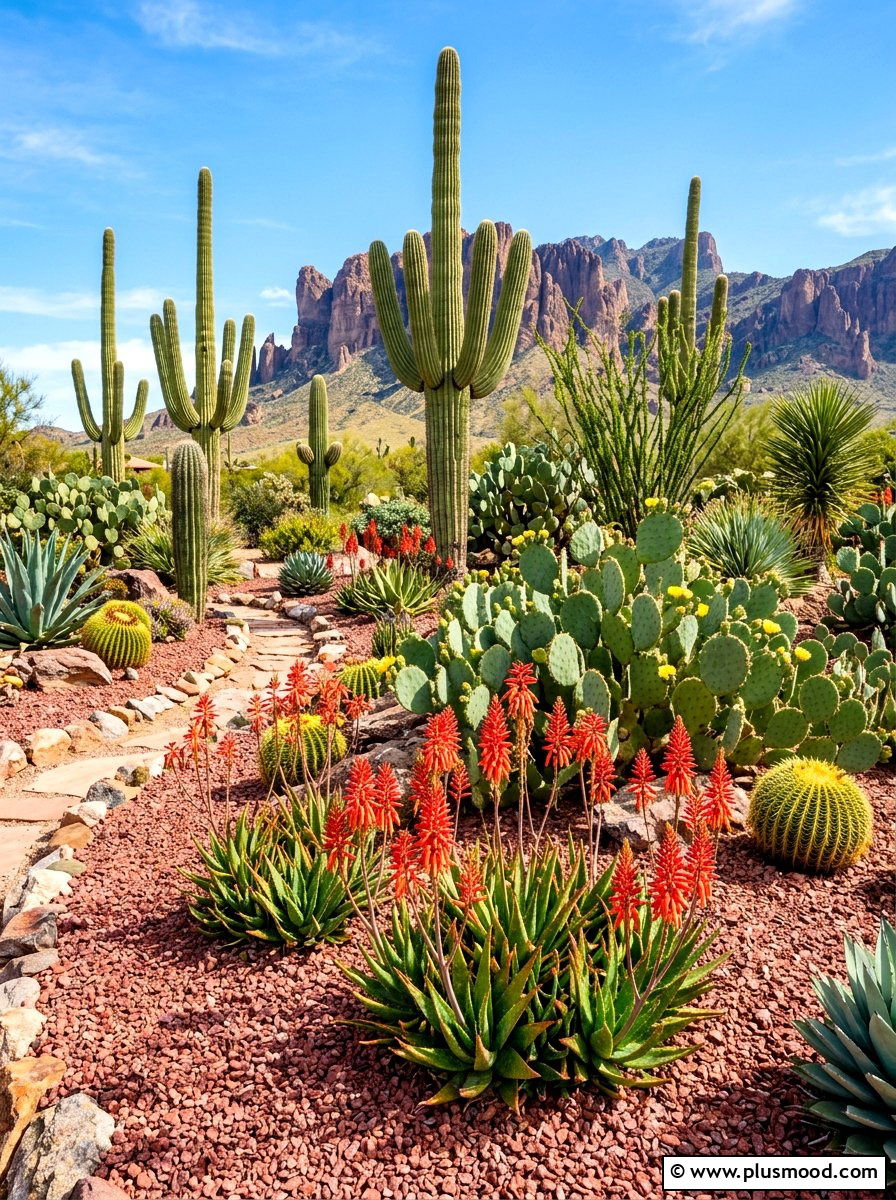
A desert succulent landscape is a striking and sculptural option for homes in warmer climates. This design features a variety of cacti, agaves, and aloes arranged in a bed of sand or decomposed granite. The unique shapes and thick, fleshy leaves of these plants provide an architectural quality that stands out against traditional gardens. You can add large "specimen" rocks to create height and mimic a natural desert environment. Because succulents store water in their leaves, they are incredibly resilient to summer heat and require almost no supplemental irrigation. This type of garden is not only beautiful but also incredibly practical for water conservation efforts in arid or semi-arid regions.
16. Lavender Ornamental Grasses
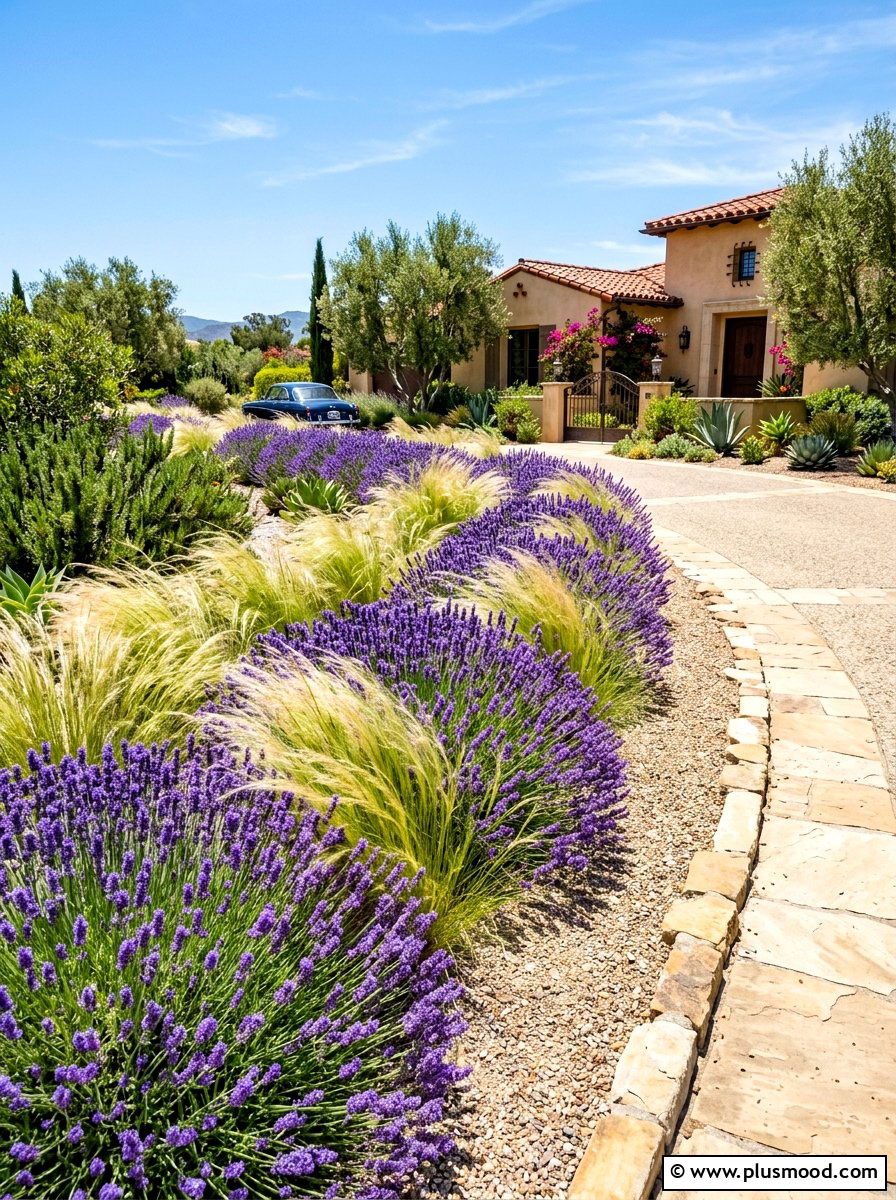
Lavender and ornamental grasses create a sensory experience filled with movement and fragrance. The tall, wispy blades of grasses like fountain grass or blue fescue provide a soft, swaying motion in the summer breeze. Interplanting these with aromatic lavender creates a Mediterranean feel that is both relaxing and elegant. Lavender thrives in full sun and well-drained soil, making it a perfect companion for heat-loving grasses. This combination is particularly effective for lining a driveway or a long front walkway. The muted silvers and greens of the foliage contrast beautifully with the vibrant purple flowers. This low-water pairing is also excellent for attracting pollinators like bees and butterflies to your yard.
17. Window Box Floral Displays
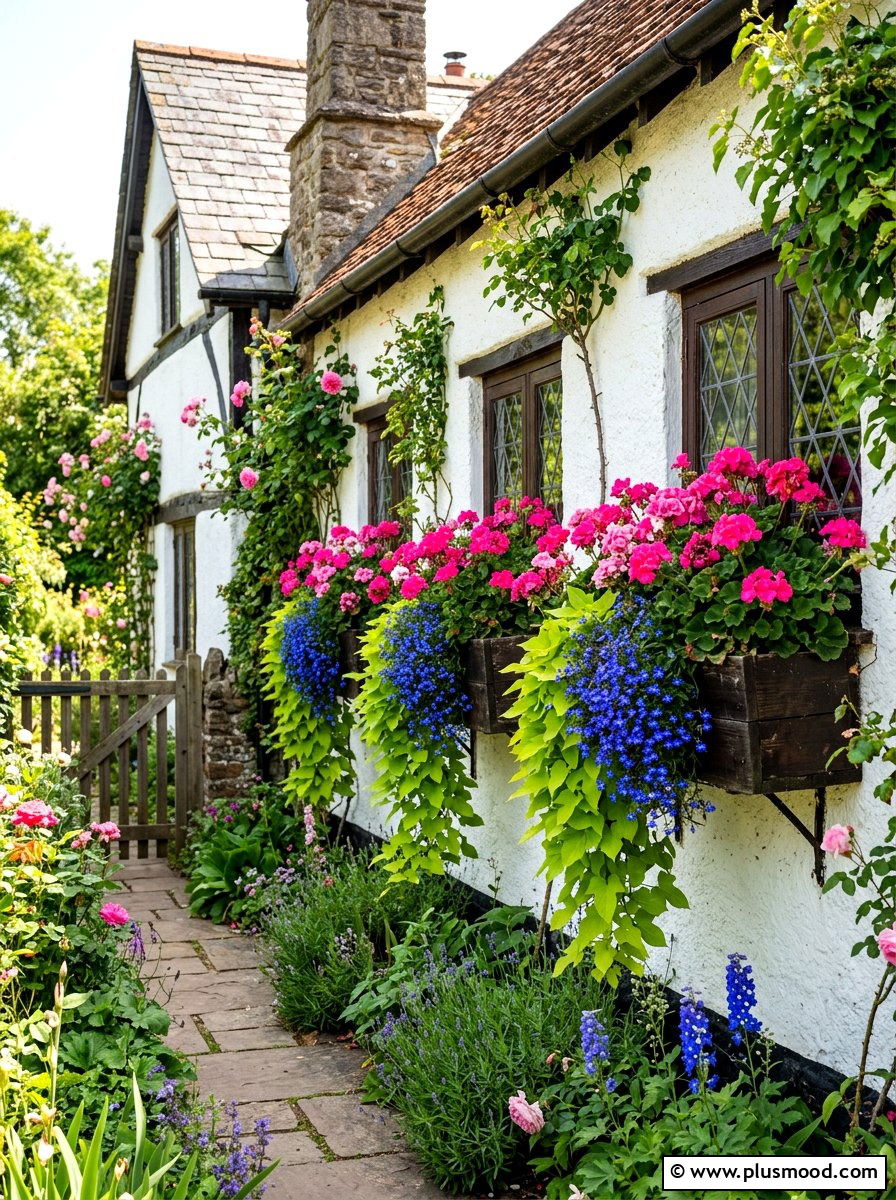
Window box floral displays are a simple yet effective way to add a vertical burst of color to your home 's facade. These containers allow you to change your plants seasonally, keeping your front yard looking fresh and vibrant. For summer, you can fill them with trailing plants like sweet potato vine and bacopa that spill over the edges. Combine these with upright bloomers like geraniums or salvia for a full and layered look. Choosing colors that complement your home' s exterior paint can make the windows appear larger and more inviting. This small-scale gardening project is perfect for homeowners with limited yard space who still want to make a big impact on curb appeal.
18. Front Porch Container Garden
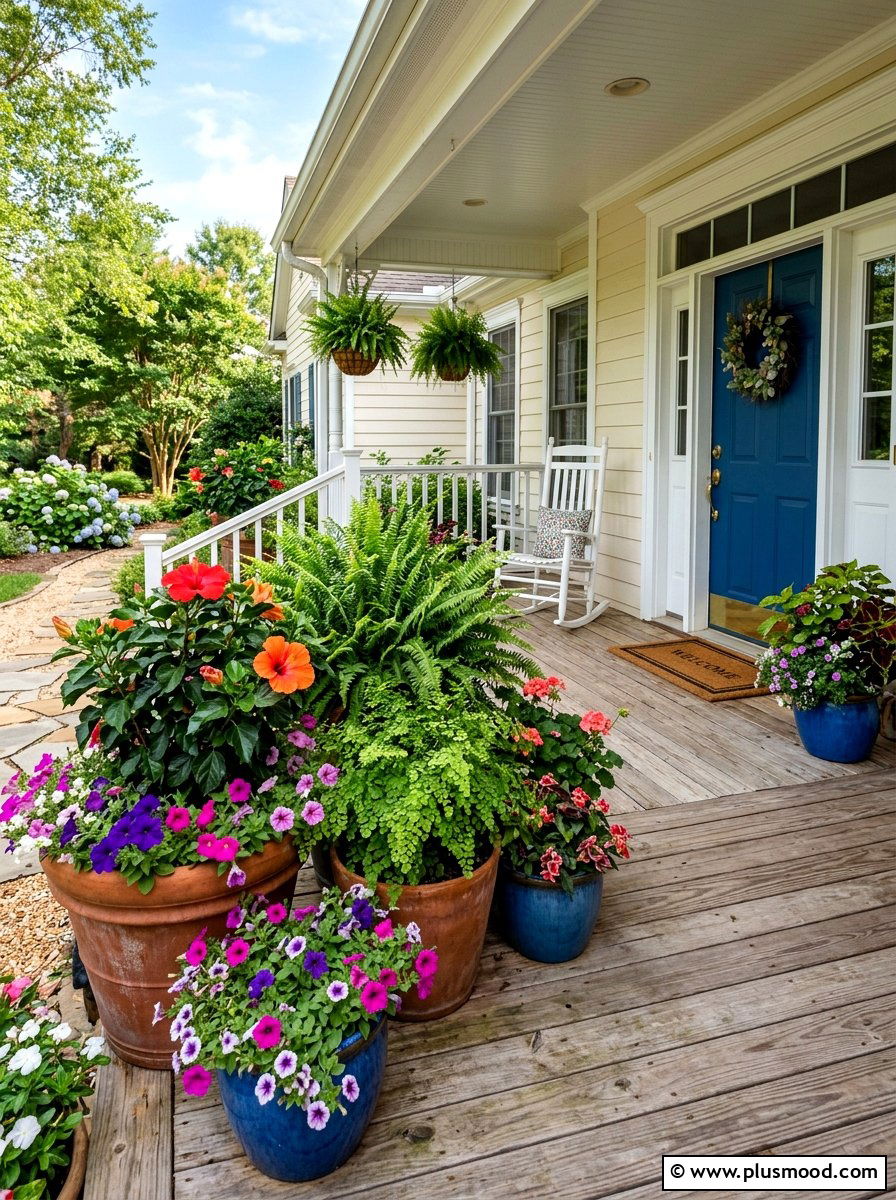
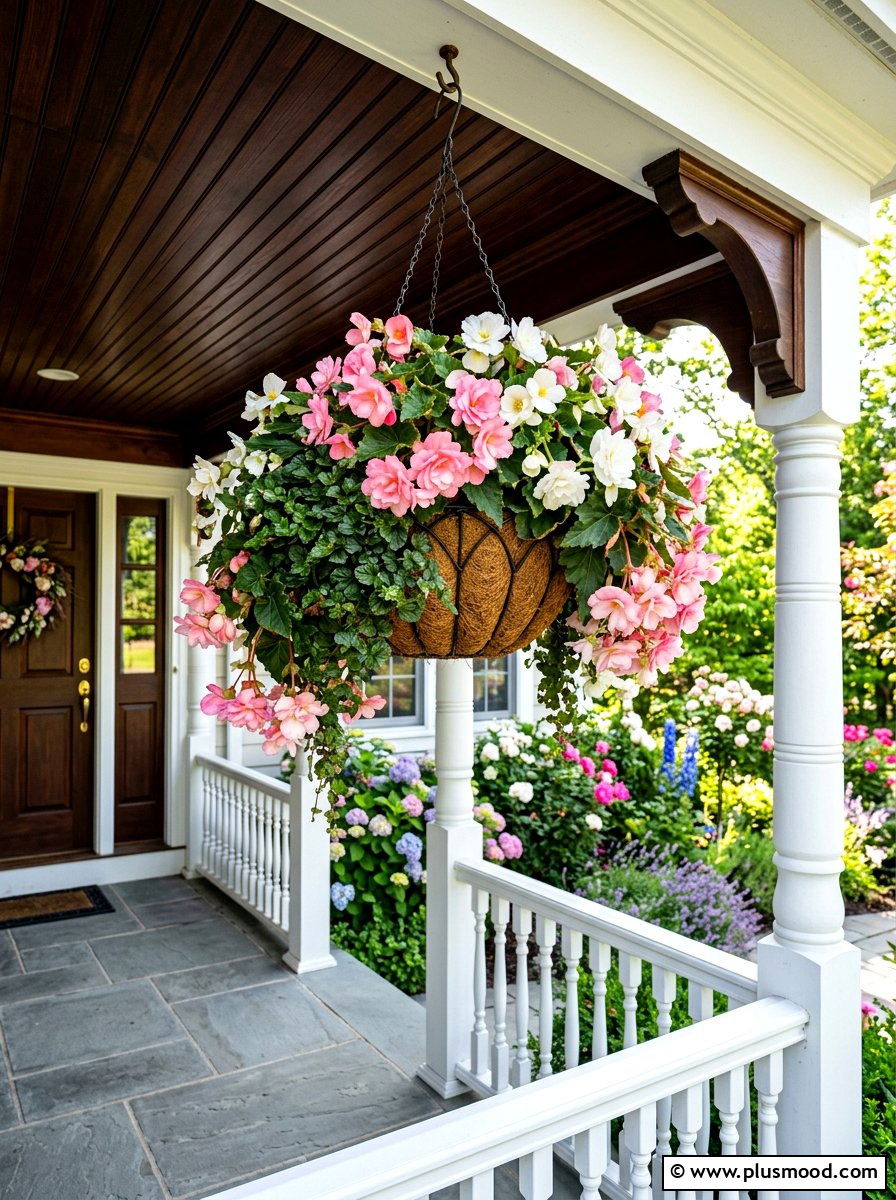
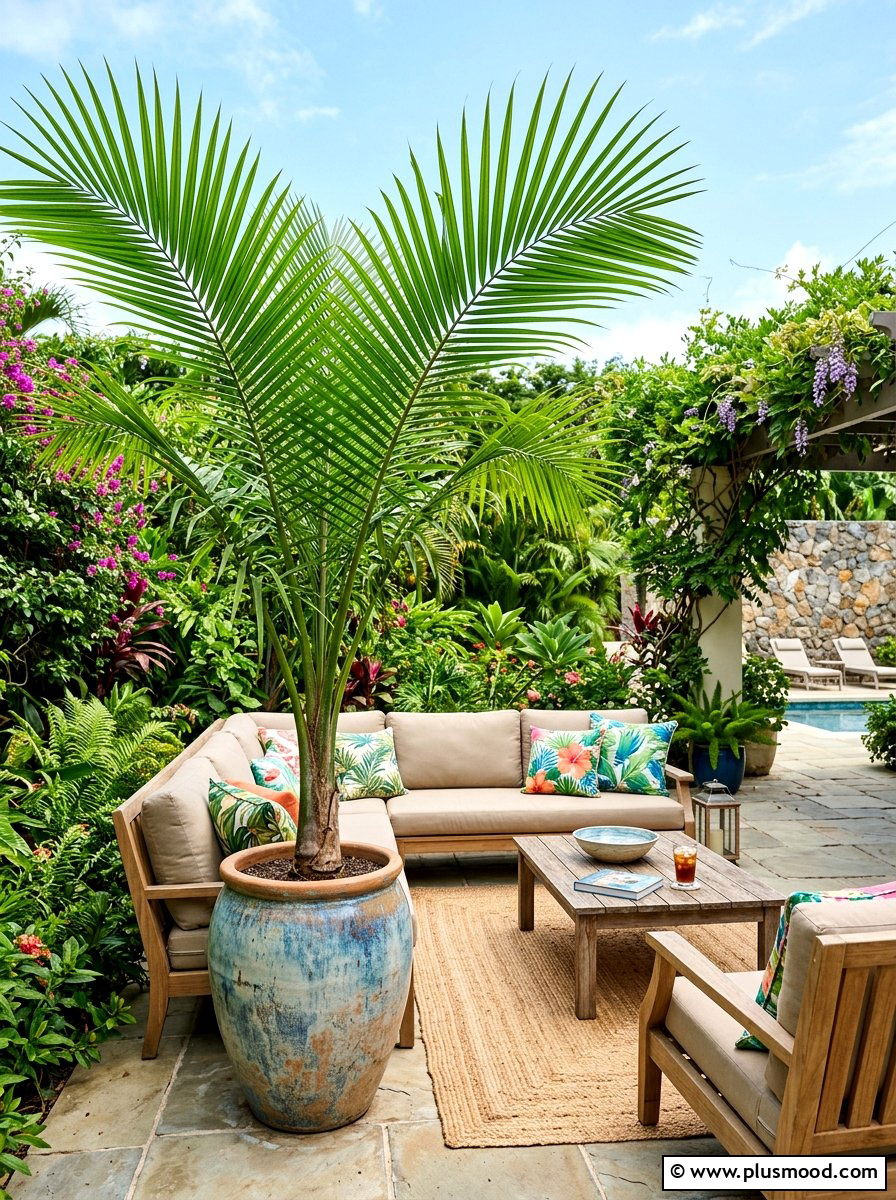
A front porch container garden allows you to create a lush, green entryway even if you have no soil to plant in. Using a variety of pots in different sizes and materials adds visual interest and allows you to move plants around easily. You can create "thrillers, fillers, and spillers" within each pot by using a tall focal plant, mounding flowers, and trailing vines. Tropical plants like hibiscus or palms can give your porch a vacation-like feel during the summer months. Placing these containers near your front door creates a welcoming transition between the outdoors and the inside of your home. It is an easy way to experiment with different plant combinations every year.
19. Rose Arch Entrance
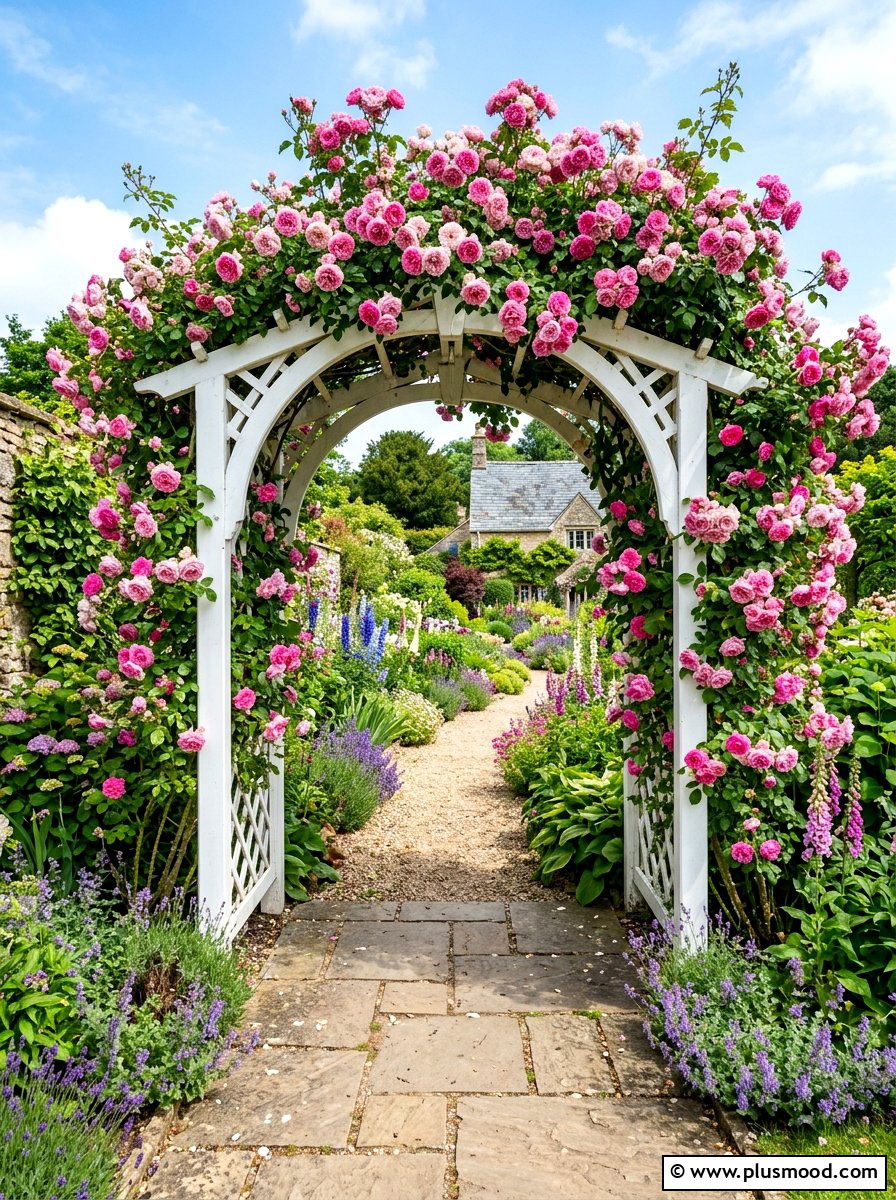
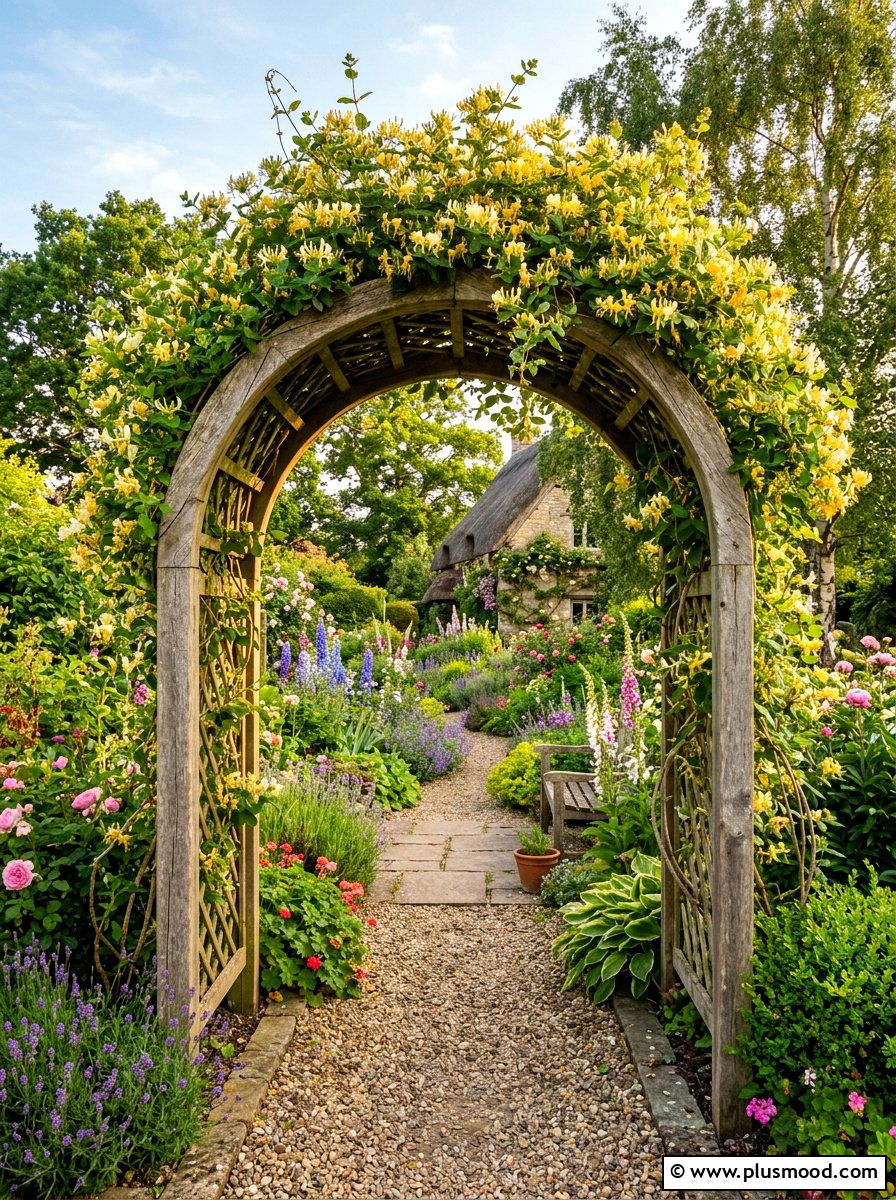
A rose arch entrance is a grand and traditional design that adds a sense of romance to your home. By installing a sturdy metal or wooden arbor over your front gate or walkway, you create a support for climbing roses to flourish. During the summer, the arch becomes covered in fragrant, colorful blooms that greet everyone who enters. Selecting repeat-blooming varieties ensures that your entrance remains spectacular throughout the entire warm season. You can plant low-growing perennials at the base of the arch to hide the woody stems of the roses. This classic feature creates a stunning focal point that can be seen from the street, significantly increasing your home's charm and character.
20. Shade Loving Hostas Ferns
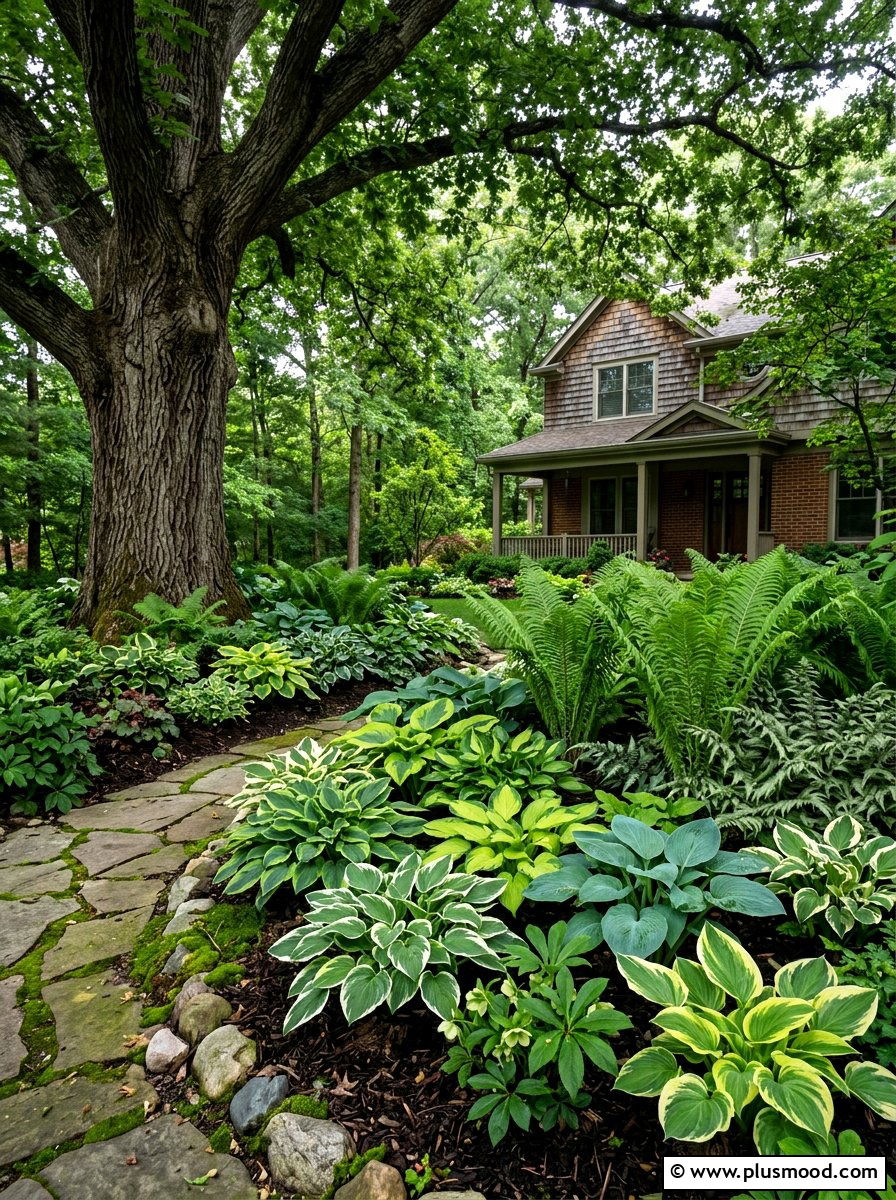
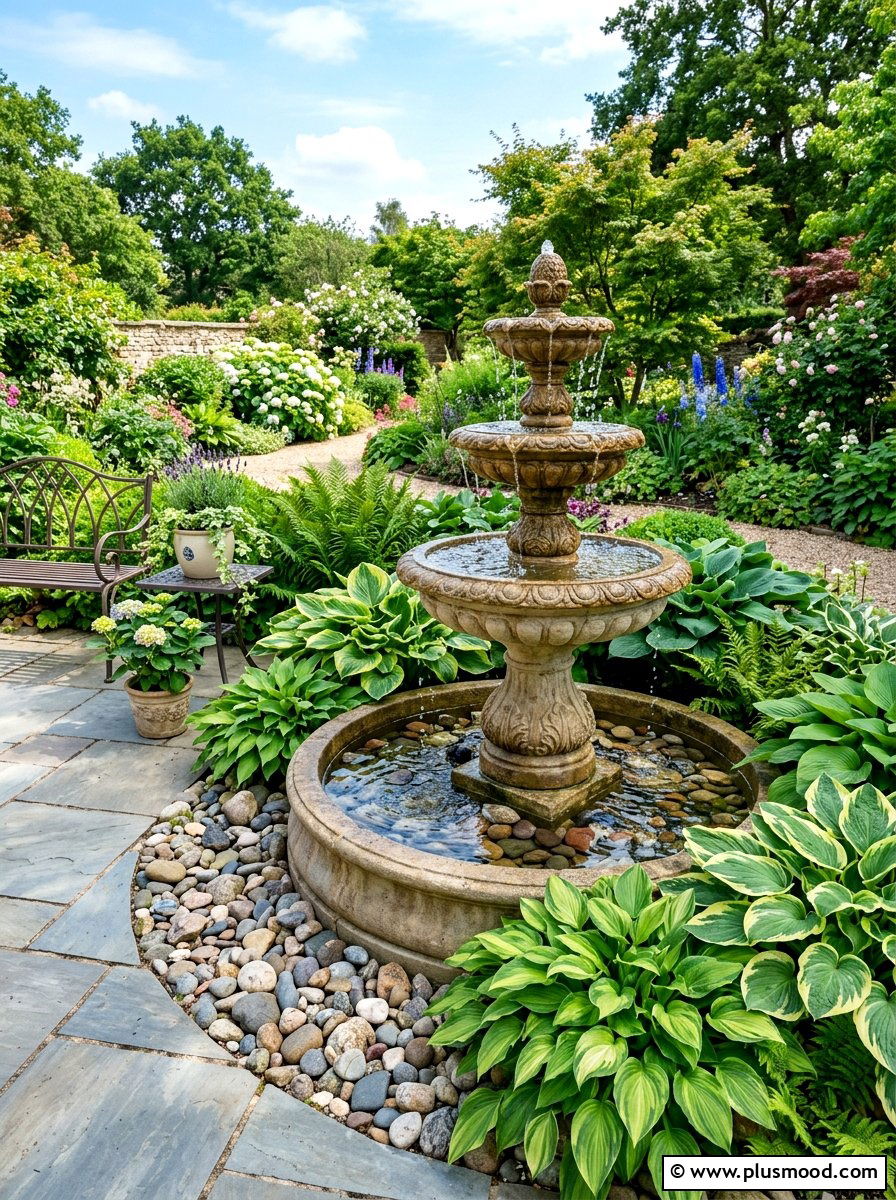
Shade loving hostas and ferns are the perfect solution for front yards with large trees or north-facing exposures. While many summer gardens struggle in the shade, these plants thrive in the cool, filtered light. Hostas come in a massive variety of leaf colors, from deep forest green to bright chartreuse and variegated white. Pairing them with the delicate, feathery texture of ferns creates a woodland-inspired look that feels peaceful and lush. These plants are primarily grown for their foliage, providing a consistent green backdrop that looks great all summer long. They are excellent for filling in large areas under trees where grass often refuses to grow, creating a low-maintenance groundcover.
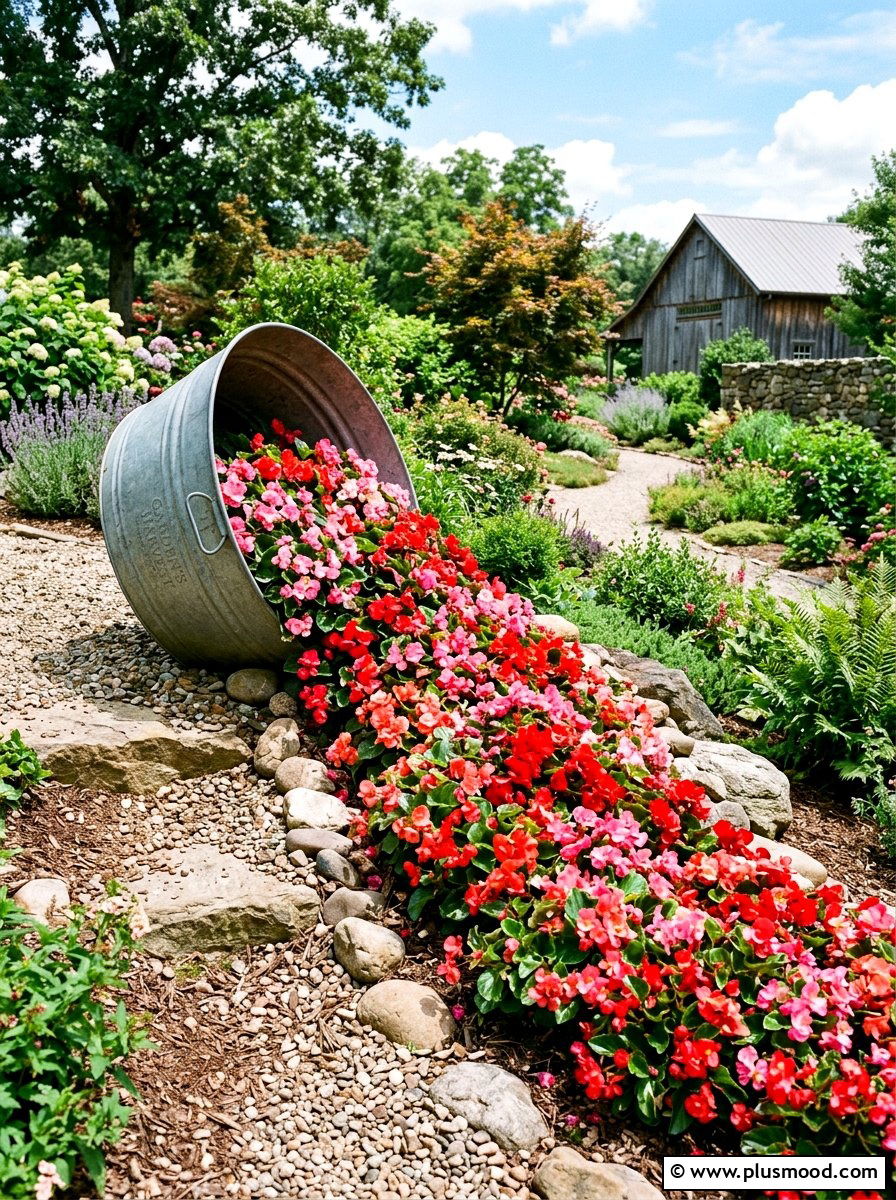
21. Butterfly Garden Milkweed
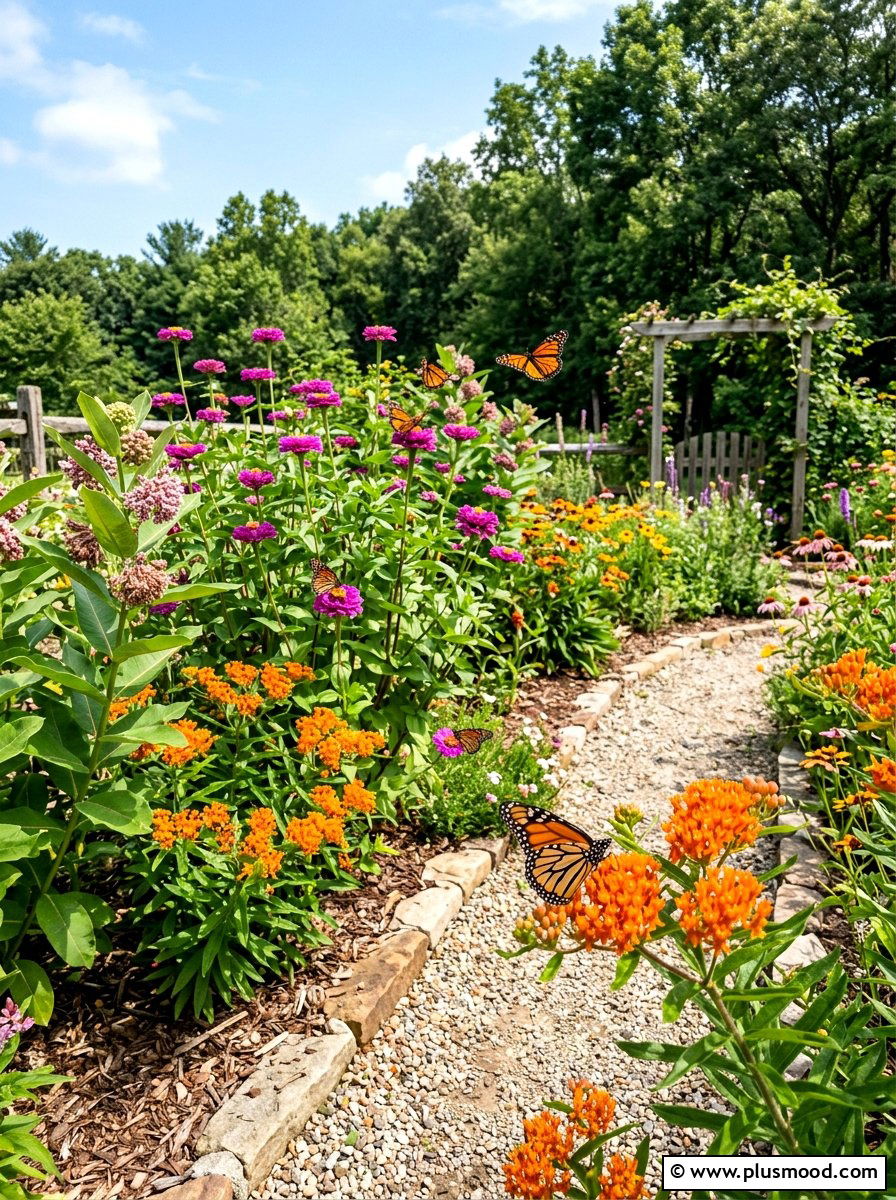
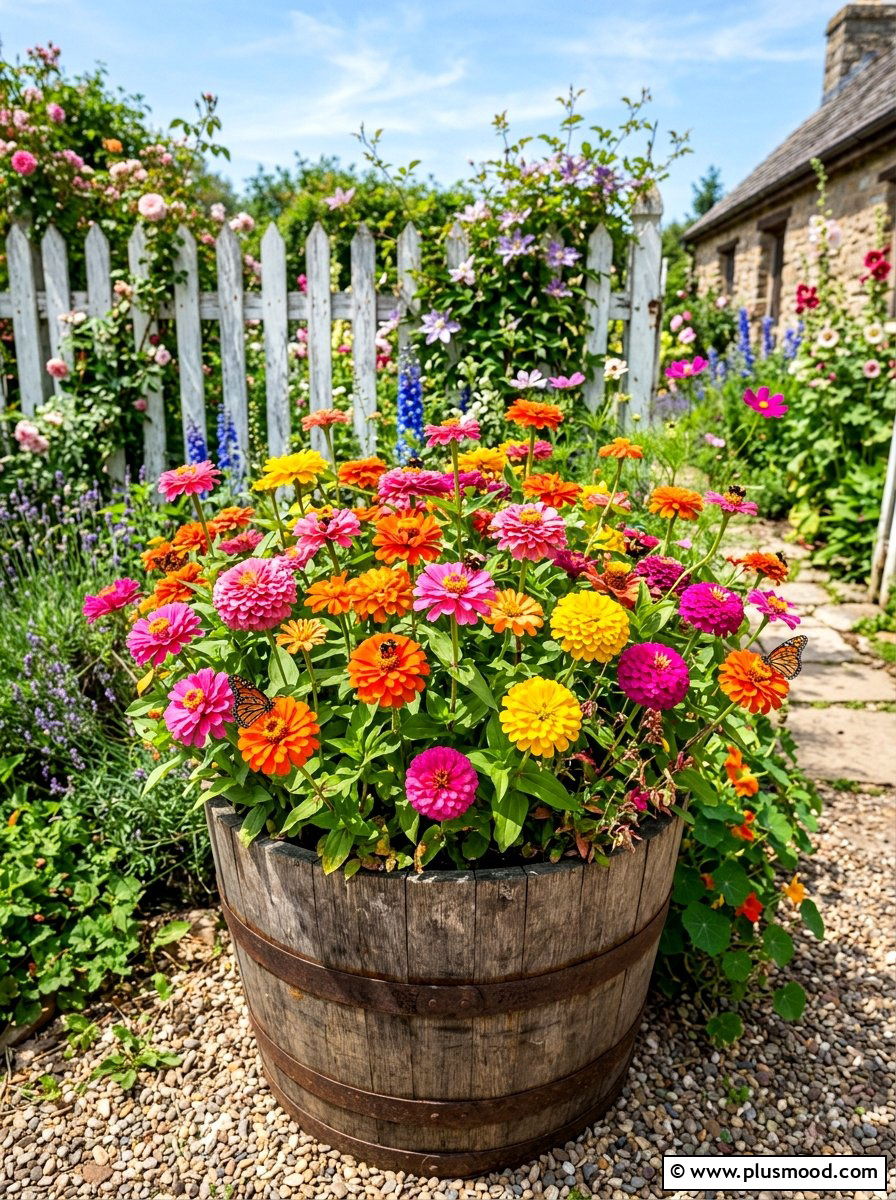
A butterfly garden featuring milkweed is a dedicated space designed to support the life cycle of monarch butterflies. Milkweed is the only plant that monarch caterpillars eat, making it an essential addition for any nature lover. You can mix various types of milkweed, such as common or butterfly weed, with other nectar plants like zinnias and marigolds. This creates a colorful and busy landscape where you can observe butterflies laying eggs and emerging from chrysalises. This type of garden is educational and rewarding, providing a vital pit stop for migrating insects. It adds a layer of purpose and life to your front yard that goes beyond simple aesthetics, making your home a sanctuary.
22. Coastal Theme Sandy Garden
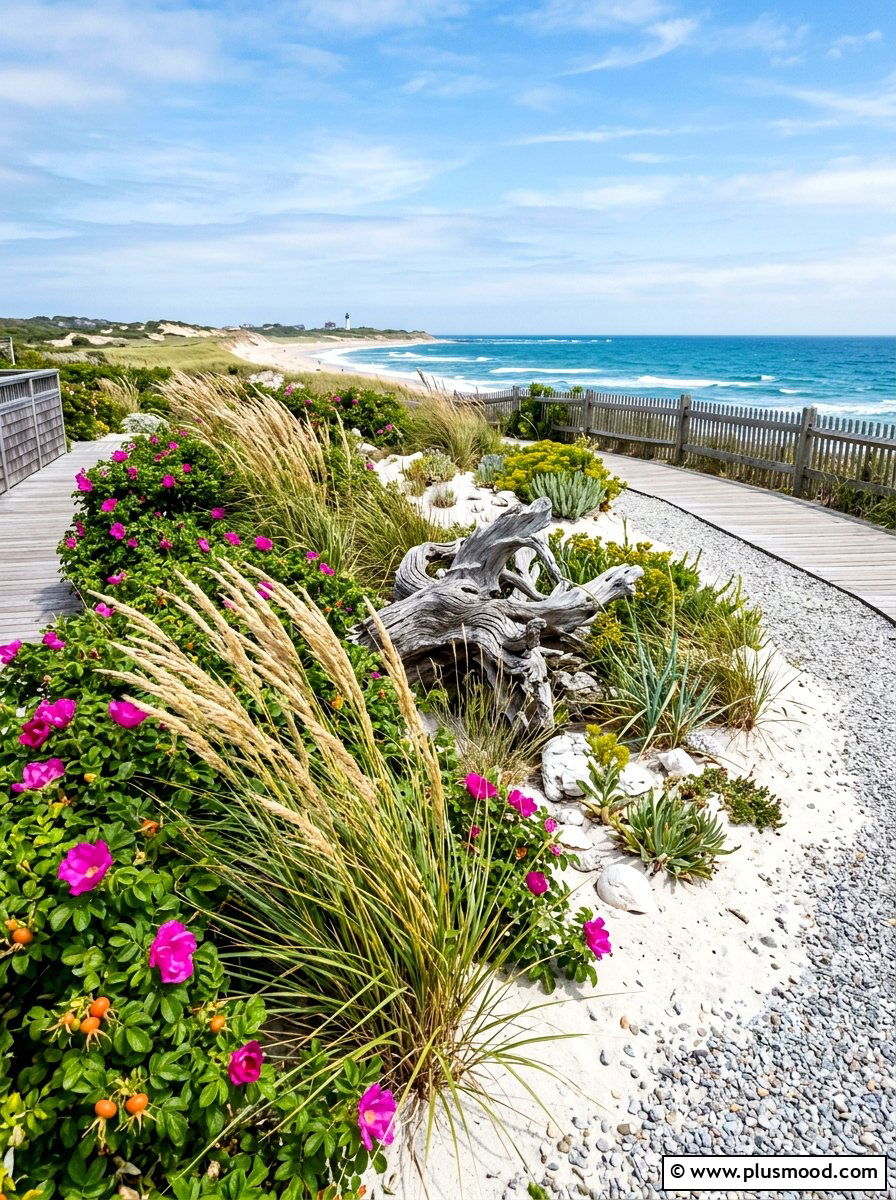
A coastal theme sandy garden brings the relaxed vibes of the beach to your front yard. This style uses salt-tolerant plants like sea oats, rugosa roses, and bayberry that can thrive in sandy soil and windy conditions. You can incorporate nautical elements like weathered driftwood, large nautical ropes, or even a small decorative boat as a planter. Using light-colored gravel or actual sand as a mulch helps reflect light and keeps the coastal aesthetic consistent. This design is perfect for seaside homes but can also be adapted for inland yards to create a vacation-style atmosphere. It offers a unique texture and color palette that feels breezy, open, and incredibly low-maintenance during the summer.
23. Japanese Inspired Zen Garden
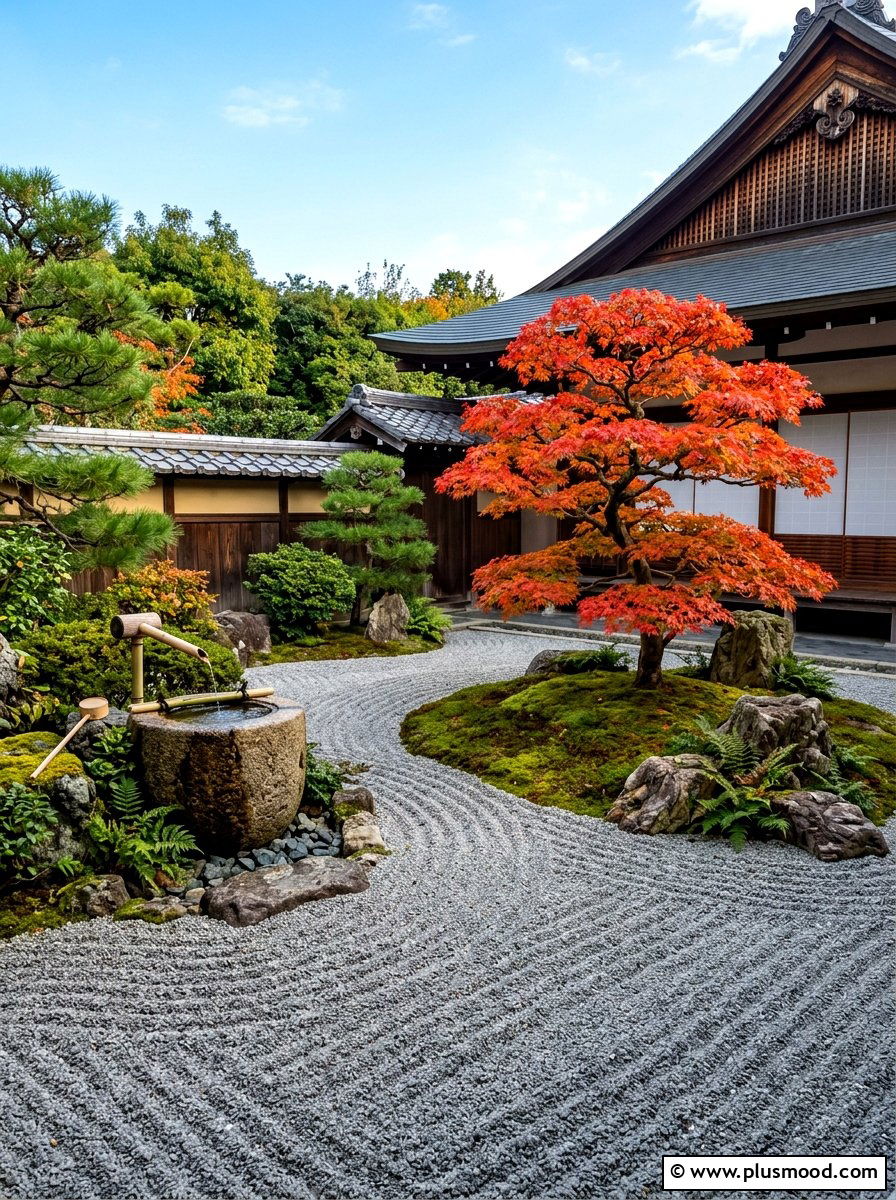
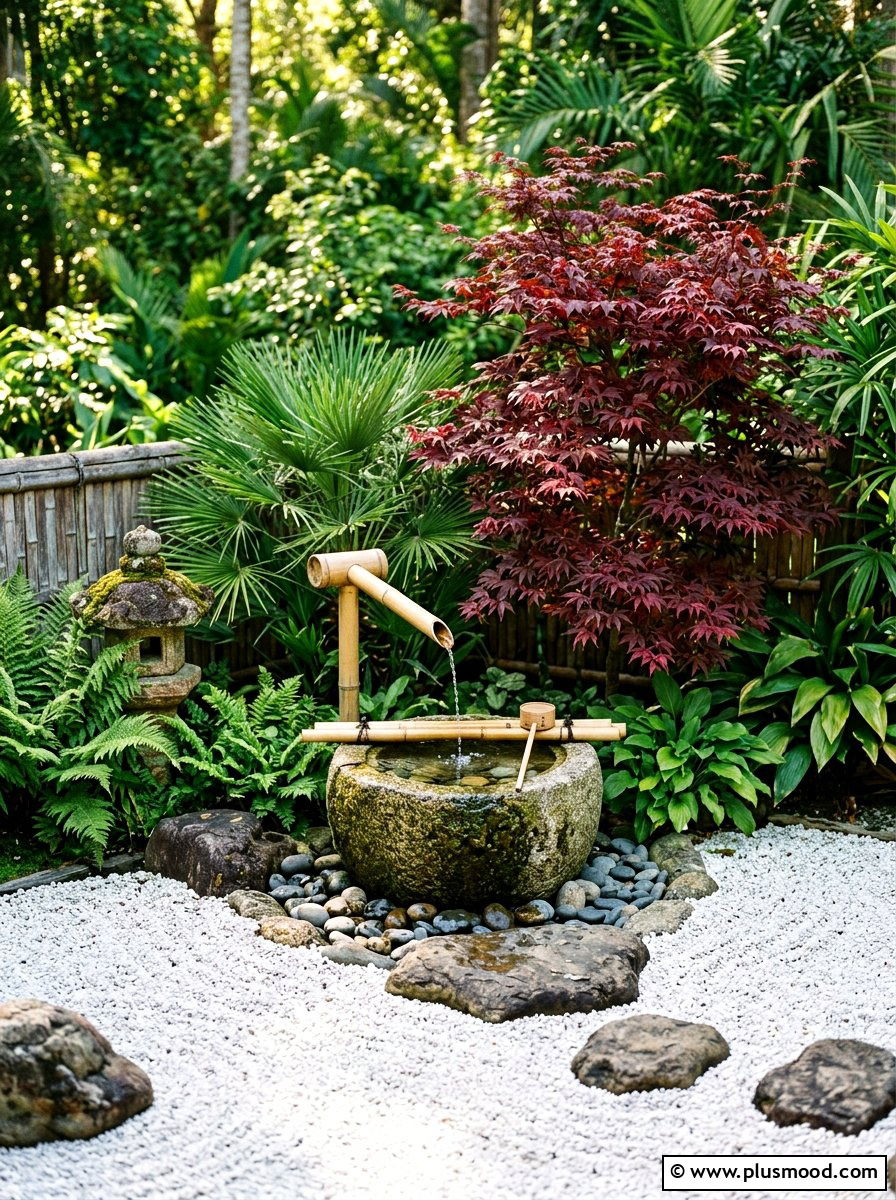
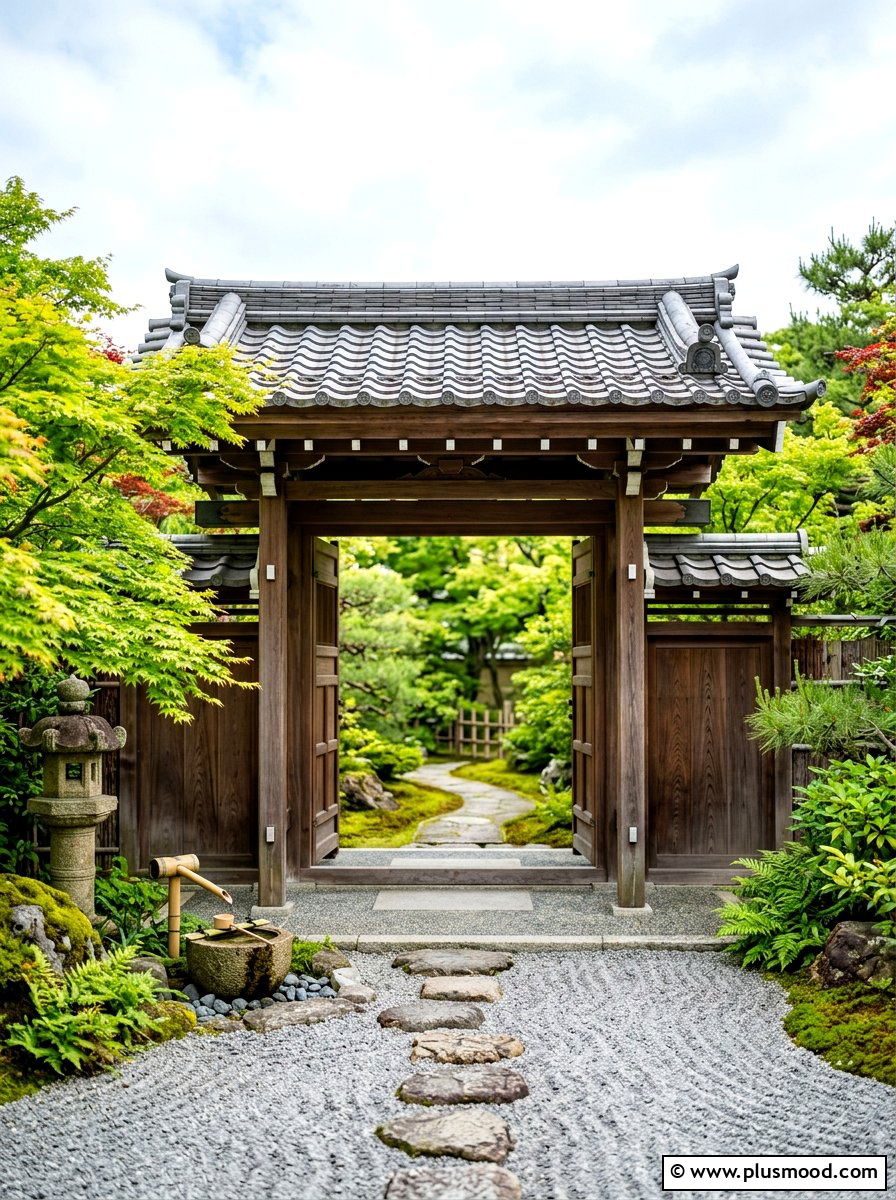
A Japanese inspired zen garden focuses on simplicity, balance, and natural beauty. This design often incorporates elements like raked gravel, smooth river stones, and a minimalist selection of plants. You might see a single, carefully pruned Japanese maple or a few clumps of bamboo used to create a sense of privacy. A small stone water basin or a simple wooden bridge can add a tranquil focal point to the space. The goal is to create a peaceful environment that encourages reflection and calm. This style works beautifully for modern homes and provides a serene welcome for residents and guests. It is a highly structured yet organic approach that stays tidy with minimal effort.
24. Multi Level Terrace Planting
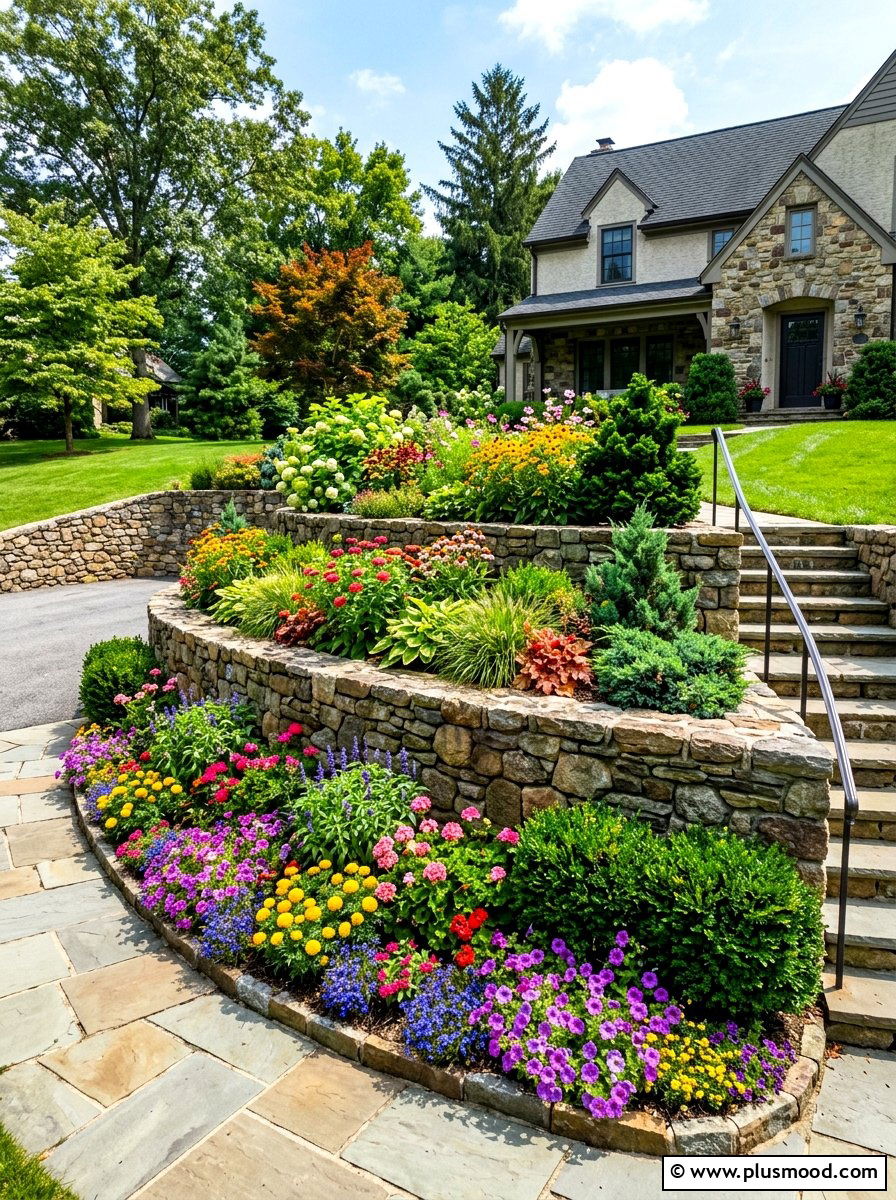
Multi level terrace planting is a smart way to handle a sloped front yard while creating a dramatic visual impact. By building stone or timber retaining walls, you can create flat "steps" of soil that are much easier to plant and maintain. Each level can feature a different theme, such as a row of colorful annuals on the bottom and taller shrubs on the top. This design prevents soil erosion and allows for better water drainage throughout the garden. The vertical layers add depth and dimension to your landscape, making your front yard appear much larger than it actually is. It transforms a difficult landscape challenge into a stunning architectural feature for your home.
25. Contemporary Gravel Garden
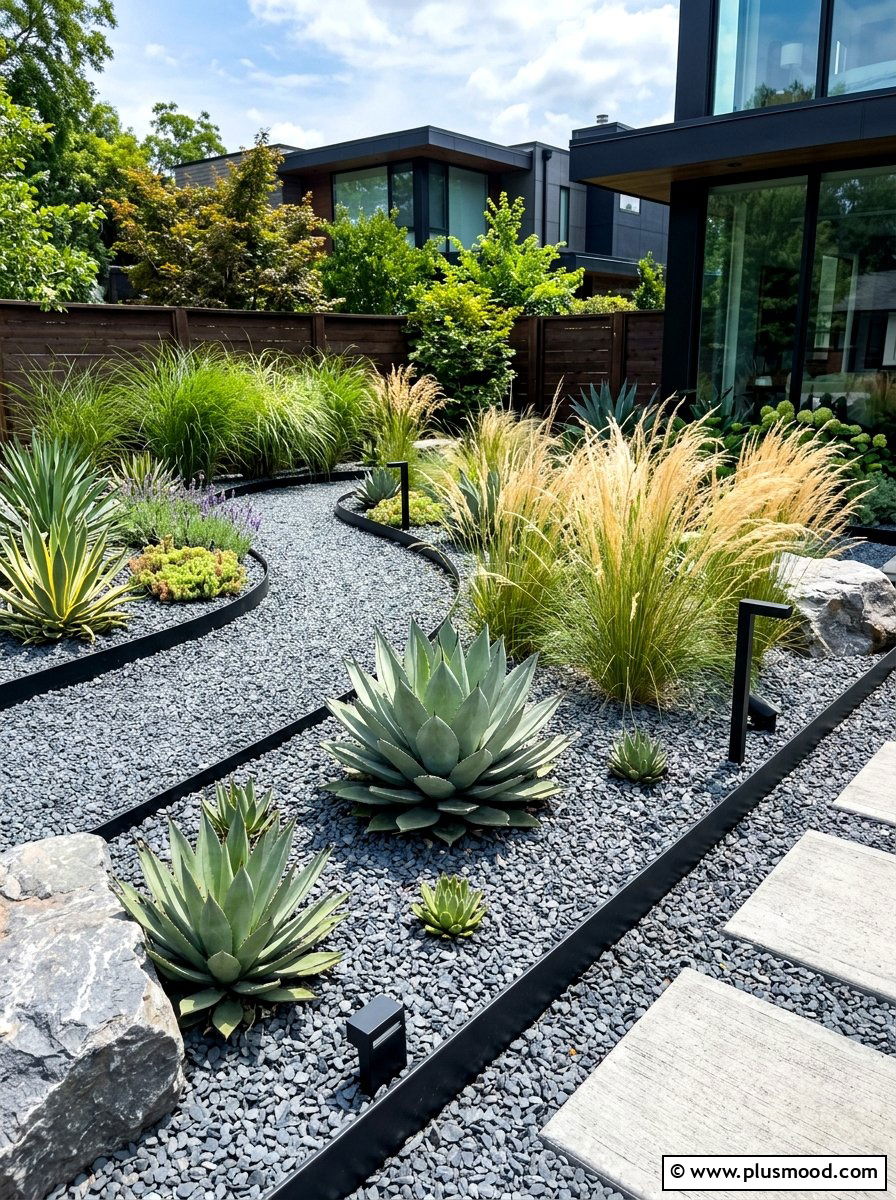
A contemporary gravel garden is a sleek and environmentally conscious alternative to the traditional green lawn. This design uses a base of high-quality decorative gravel in shades of gray, tan, or white to cover the ground. Within the gravel, you plant structural perennials and grasses in a sparse, intentional layout. This creates a high-contrast look where the form and color of each plant are highlighted against the neutral stones. Gravel gardens are excellent for drainage and require no mowing or heavy watering. You can add large architectural boulders or modern lighting fixtures to enhance the sophisticated feel. It is a perfect solution for a clean, professional-looking yard that remains pristine throughout the summer.
Conclusion:
Transforming your front yard for the summer is a rewarding project that significantly enhances your home's personality and curb appeal. By choosing the right combination of plants, hardscaping, and decorative features, you can create an inviting space that reflects your personal style and local environment. Whether you opt for a low-maintenance xeriscape, a productive edible garden, or a romantic rose-filled entrance, the key is to plan for the intense summer sun. Investing time in your landscape not only makes your home the jewel of the neighborhood but also provides a functional outdoor area for you to enjoy. Start small with container gardens or go big with a full terrace redesign to make this summer your most beautiful season yet.
Related posts:
Leave a Reply