
Summer brings a vibrant energy that encourages us to spend more time outdoors, basking in the warmth and beauty of nature. One of the most effective ways to elevate your outdoor living space is through the strategic use of seasonal greenery. Planter boxes serve as versatile vessels that can transform a plain porch, a quiet balcony, or a sprawling deck into a lush sanctuary. Whether you are a seasoned gardener or a beginner looking to add a splash of color, selecting the right combination of plants and containers is essential. This guide explores a variety of creative arrangements that celebrate the textures and colors of the summer season perfectly.
1. Full sun flower box
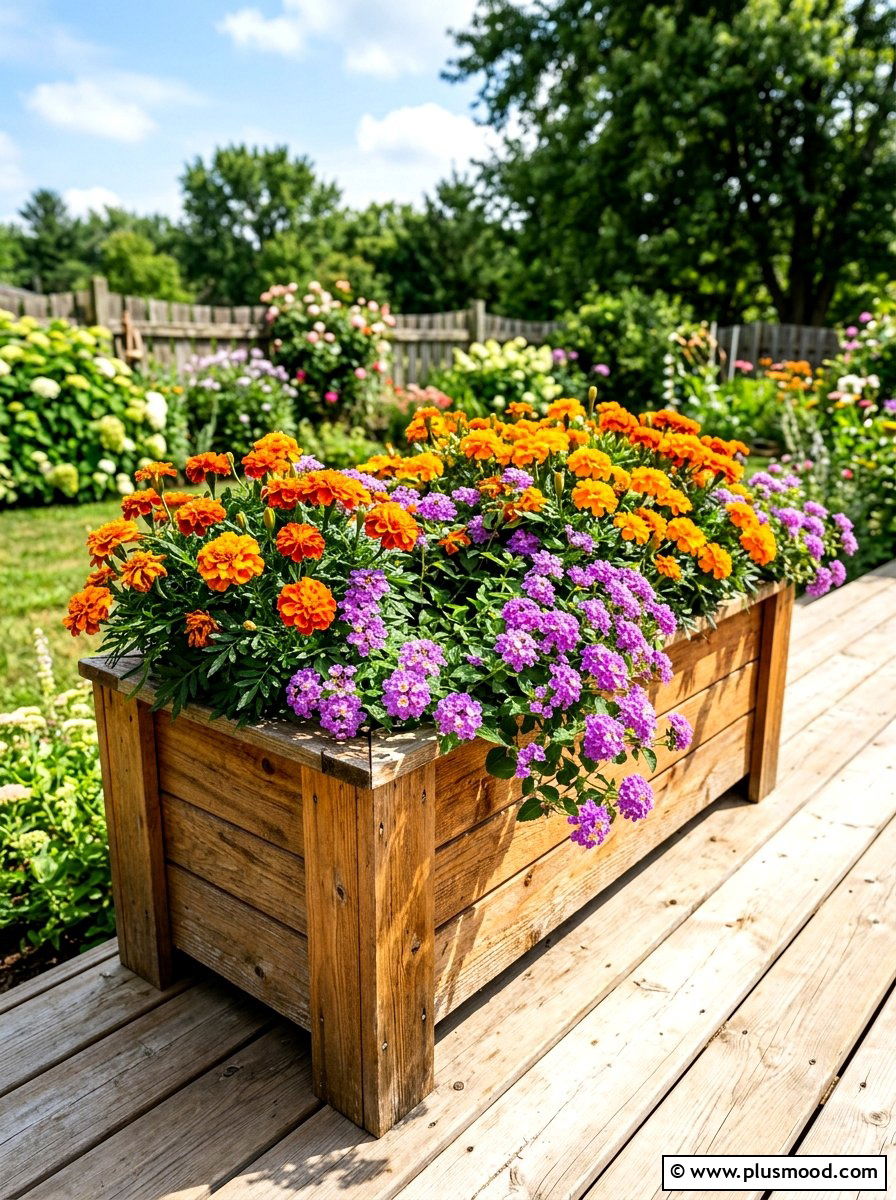
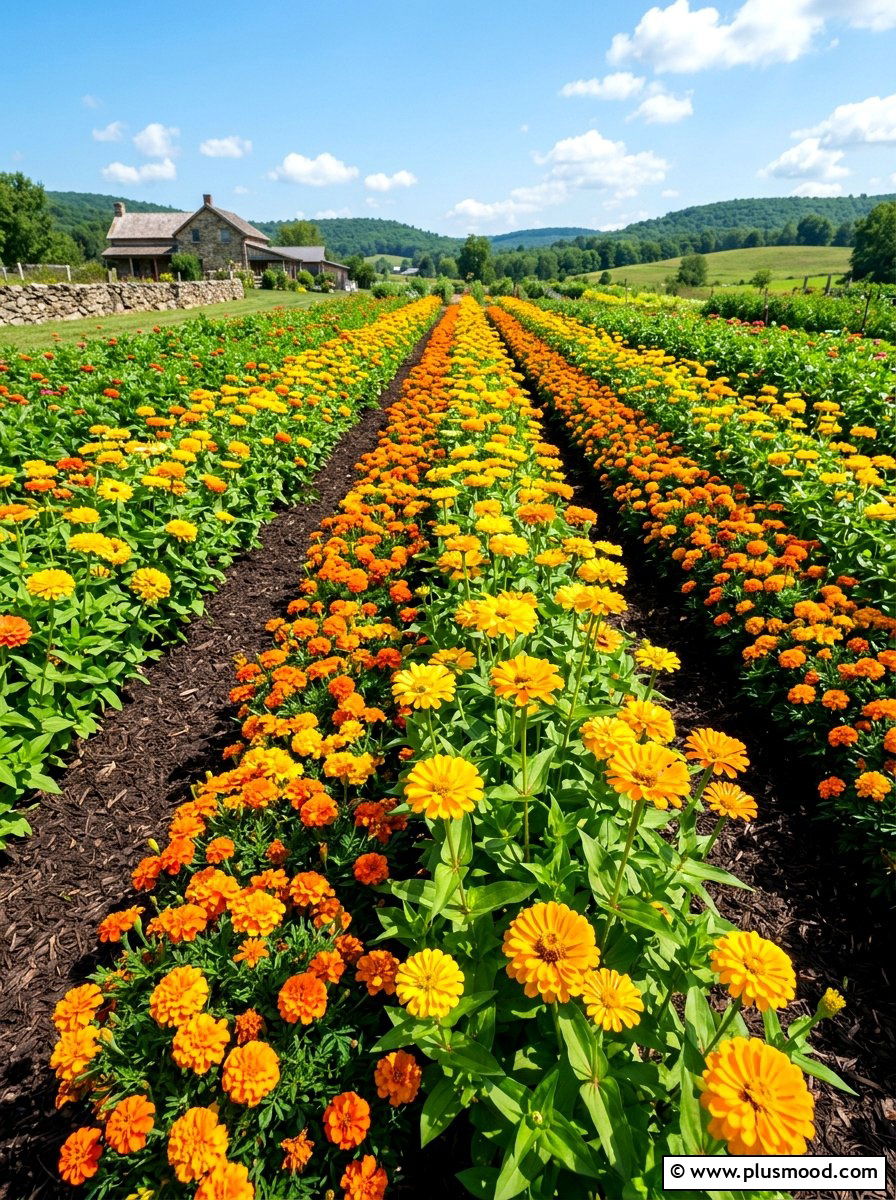
When your garden receives direct sunlight for most of the day, you need resilient plants that can withstand the intense heat without wilting. A full sun flower box is the perfect solution for south-facing windows or open patios where the sun is constant. Focus on heat-loving varieties like marigolds, lantana, and zinnias, which thrive in bright conditions and produce vibrant blooms all summer long. These plants are remarkably hardy and require minimal maintenance once established in well-draining soil. Incorporating different heights, such as taller snapdragons paired with trailing sweet potato vines, creates a dynamic and layered look that draws the eye upward and outward effortlessly.
2. Shade window box
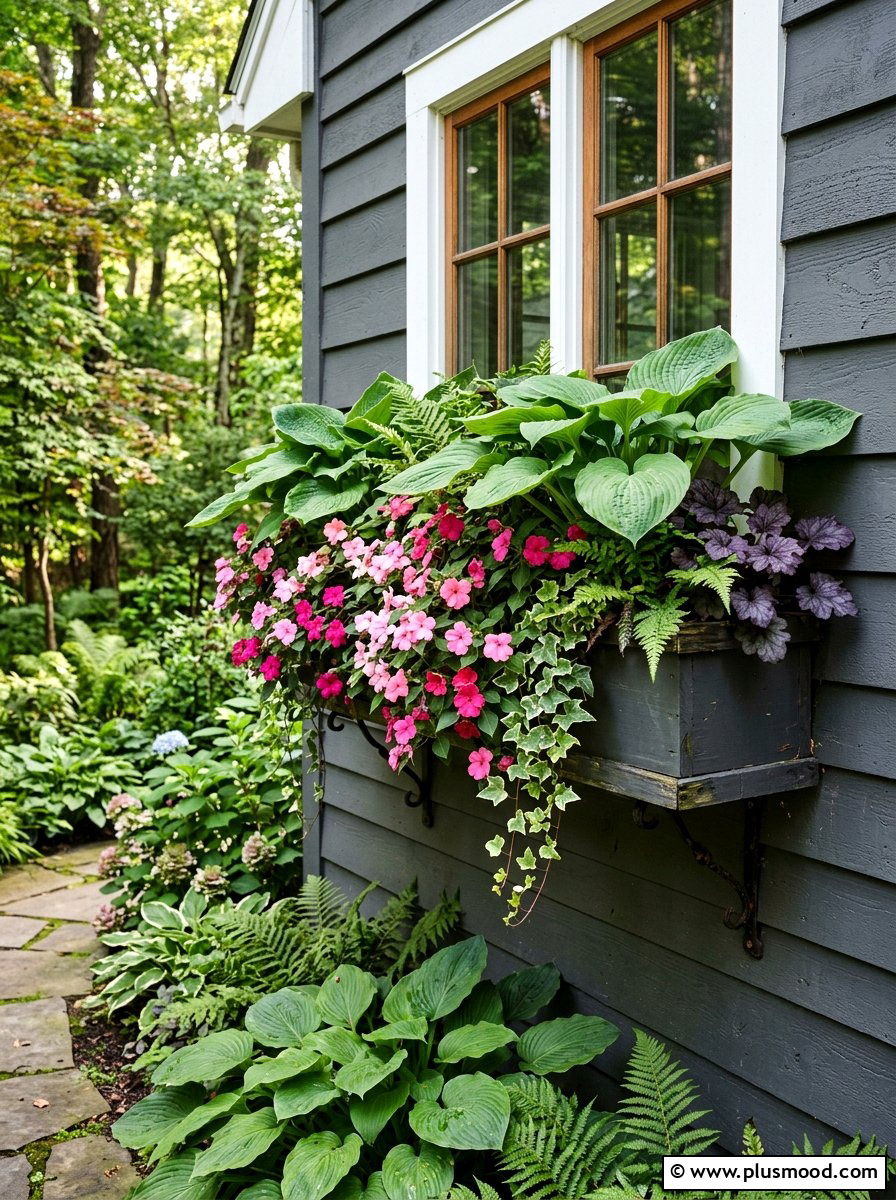
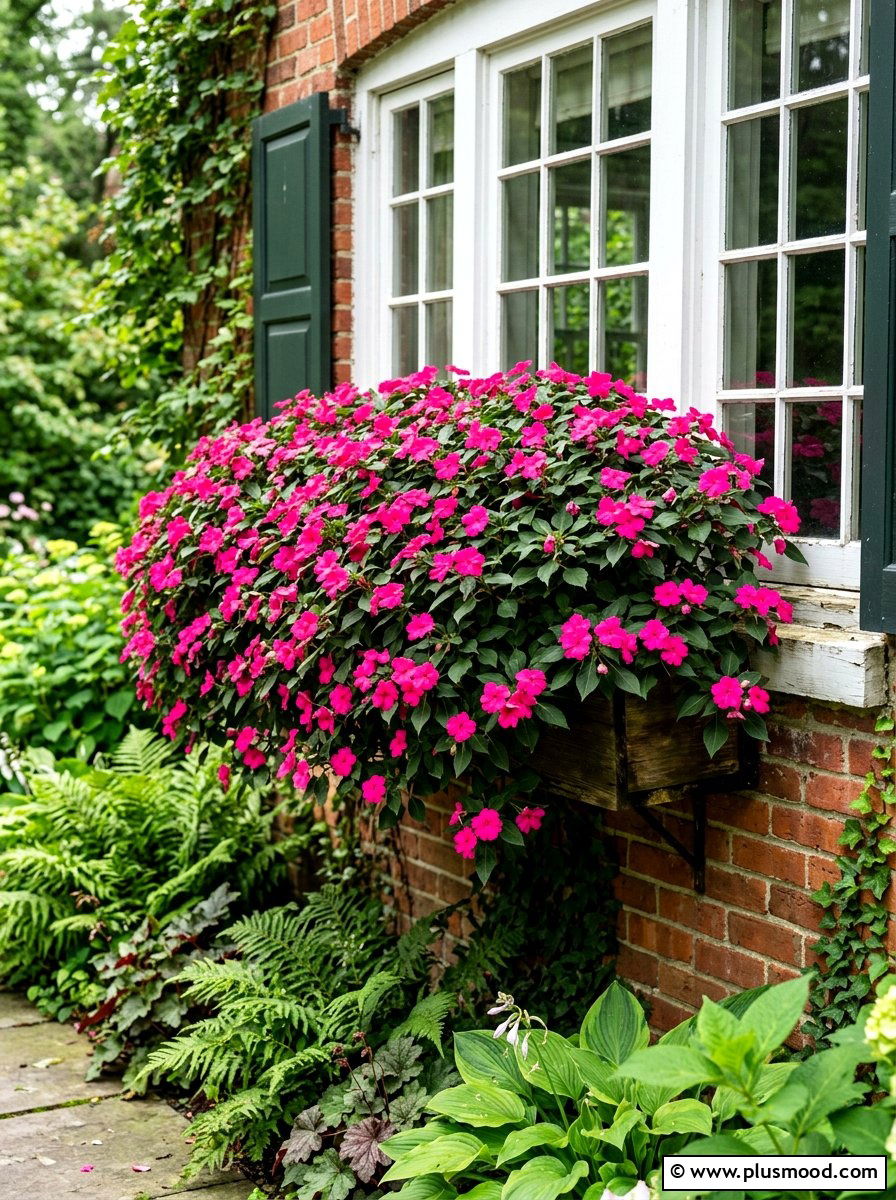
Transforming a dim corner or a north-facing window is easy when you choose the right foliage for a shade window box. Many people assume that lack of sun means lack of color, but shade-loving plants offer some of the most stunning leaf patterns and delicate flowers available. Consider using hostas for their broad, structural leaves or coleus for their incredibly vibrant, multicolored patterns. Adding impatiens or begonias will provide pops of pink, white, or red throughout the season. These plants prefer consistently moist soil and protection from the harsh afternoon sun, making them ideal for covered porches or under large trees where light is beautifully filtered.
3. Succulent planter box
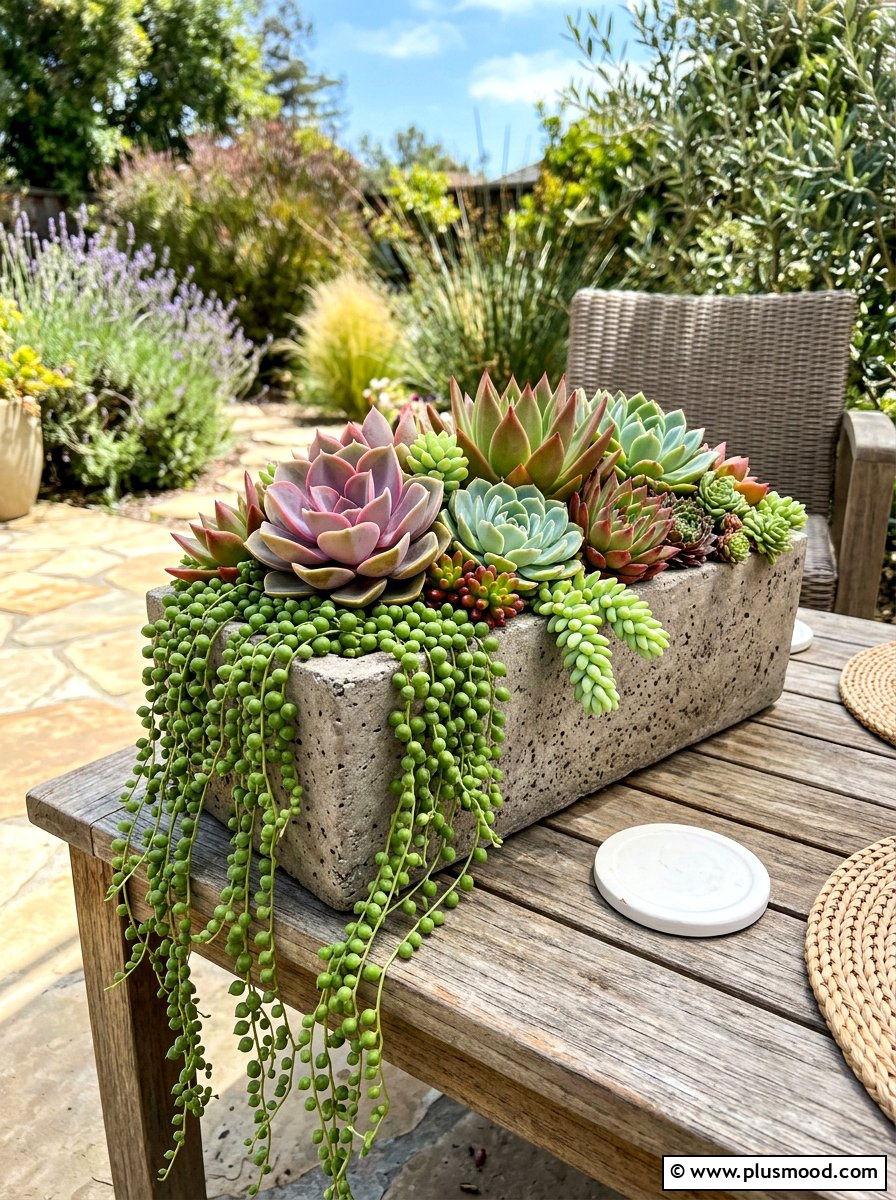
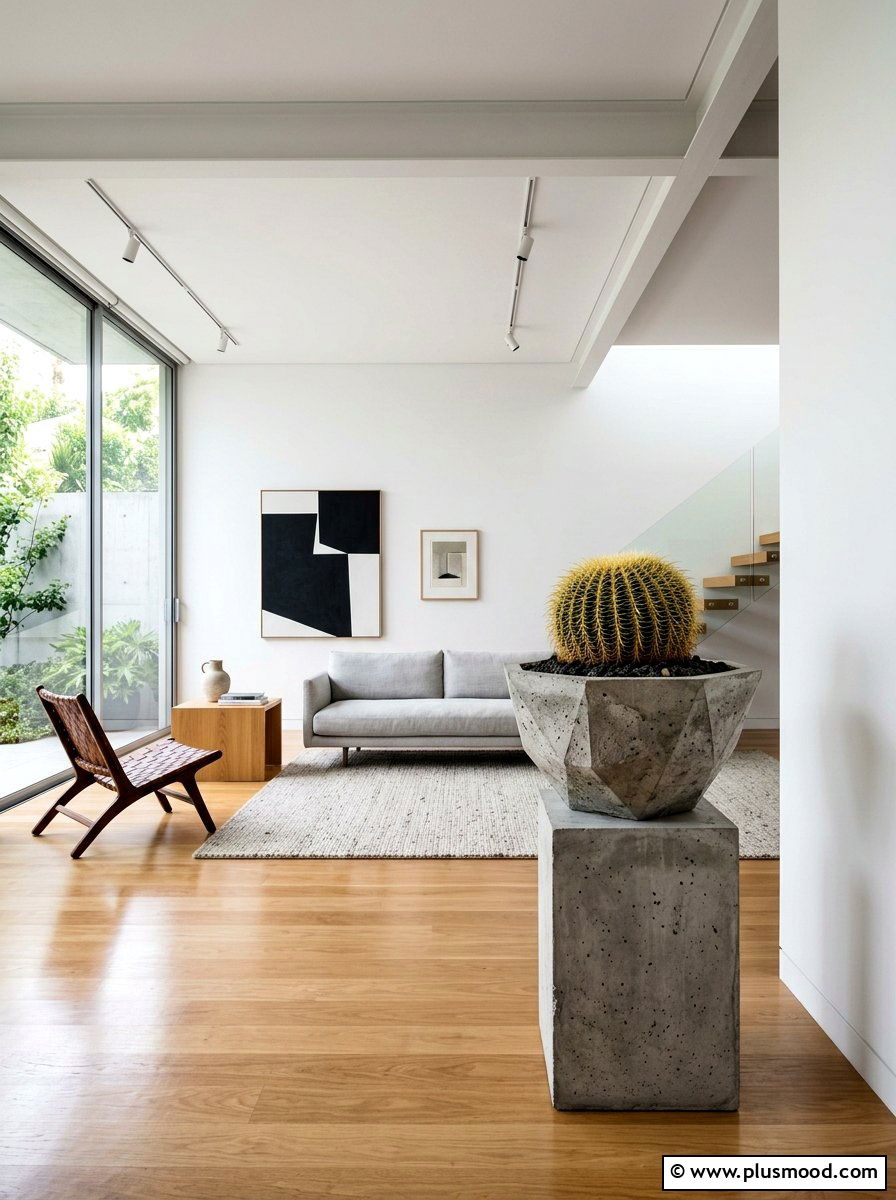
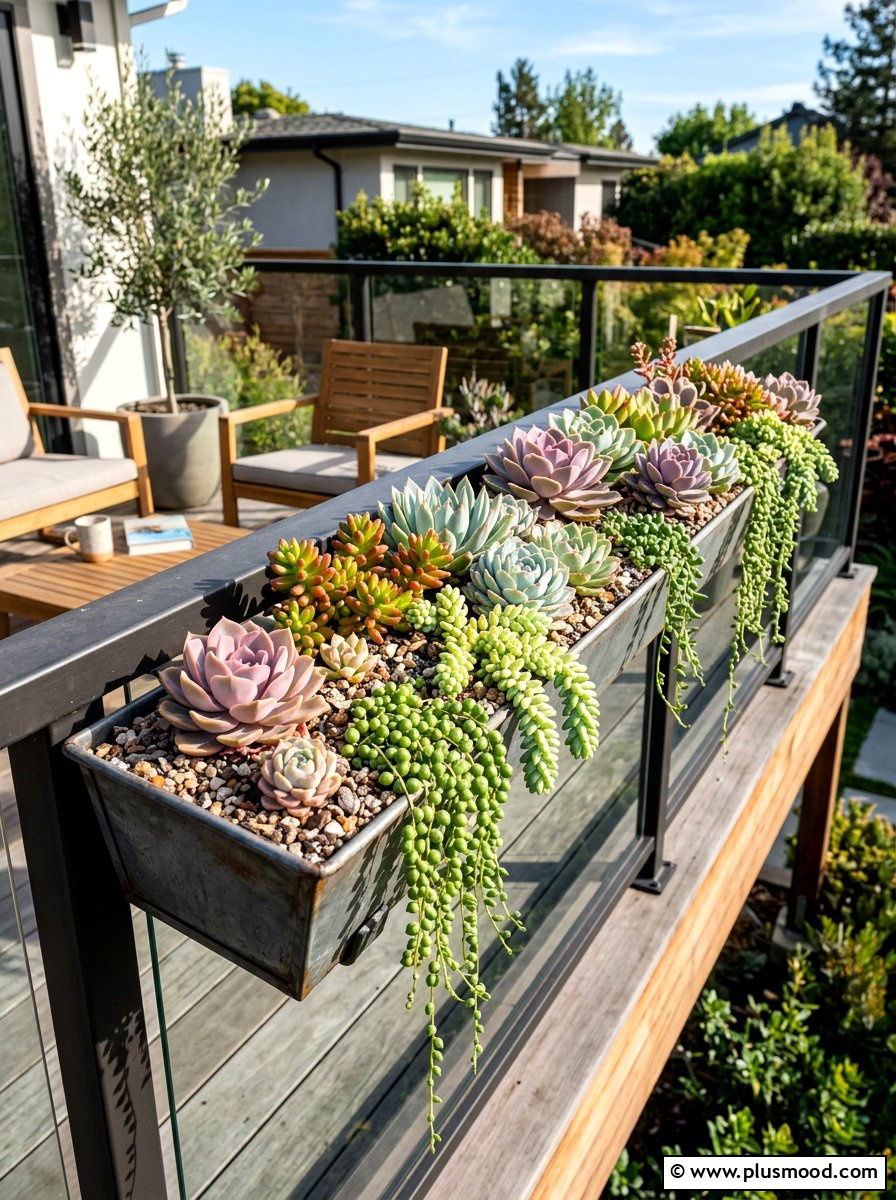
For those who prefer a low-maintenance approach, a succulent planter box offers a modern and architectural aesthetic that requires very little water. Succulents come in an array of fascinating shapes, from the rosettes of Echeveria to the trailing pearls of Senecio. These plants store water in their fleshy leaves, allowing them to survive through dry spells and high temperatures with ease. Arrange them in a shallow wooden or stone box filled with a gritty, well-draining cactus mix. To add visual interest, mix different textures and colors, such as blue-toned succulents alongside deep purple varieties, creating a desert-inspired masterpiece that looks sophisticated and clean on any tabletop.
4. Tropical patio planter
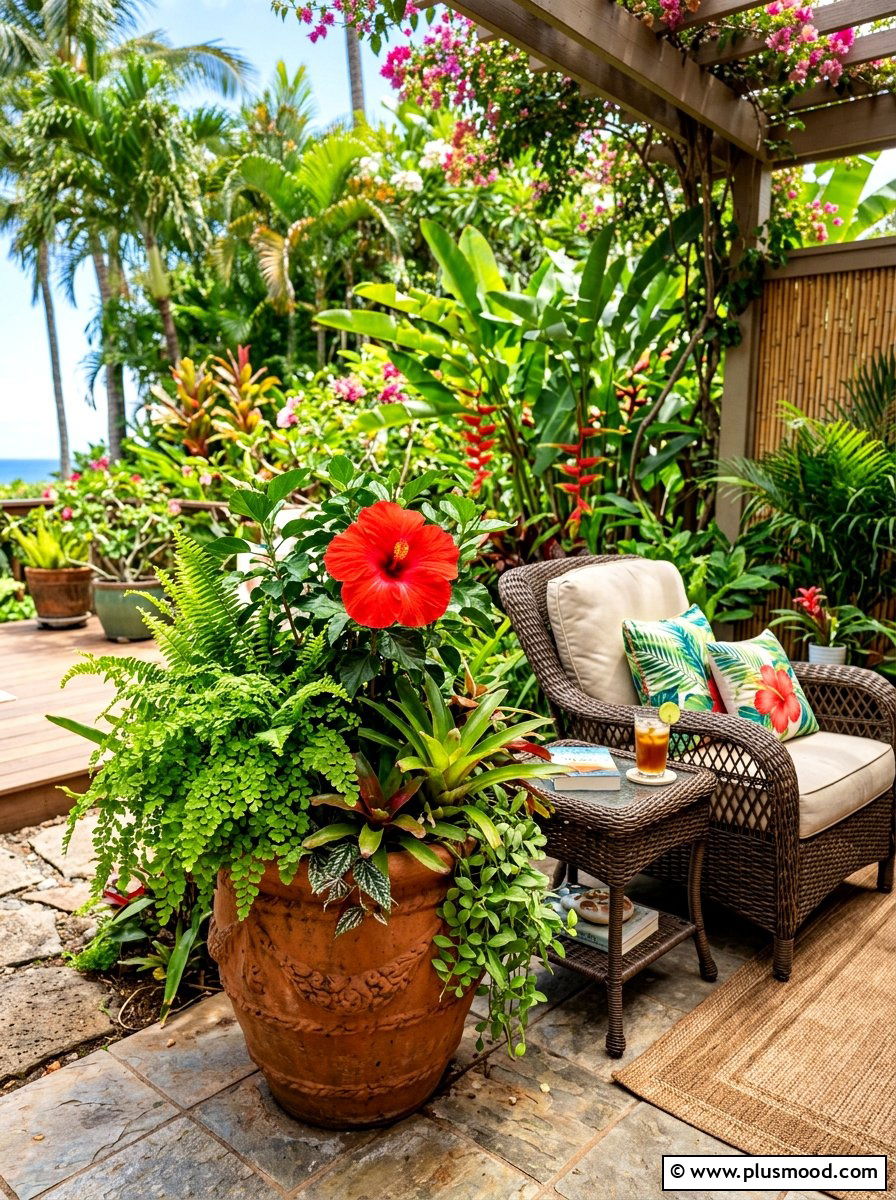
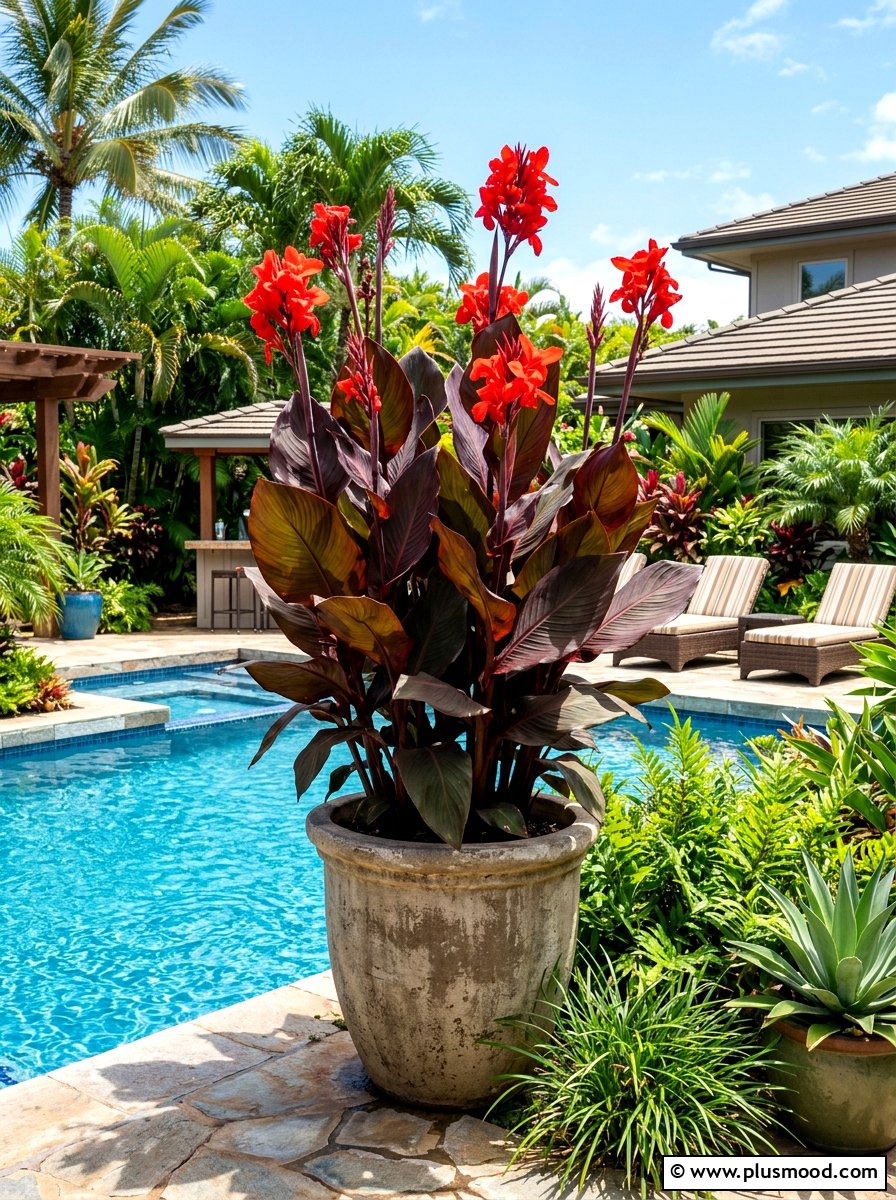
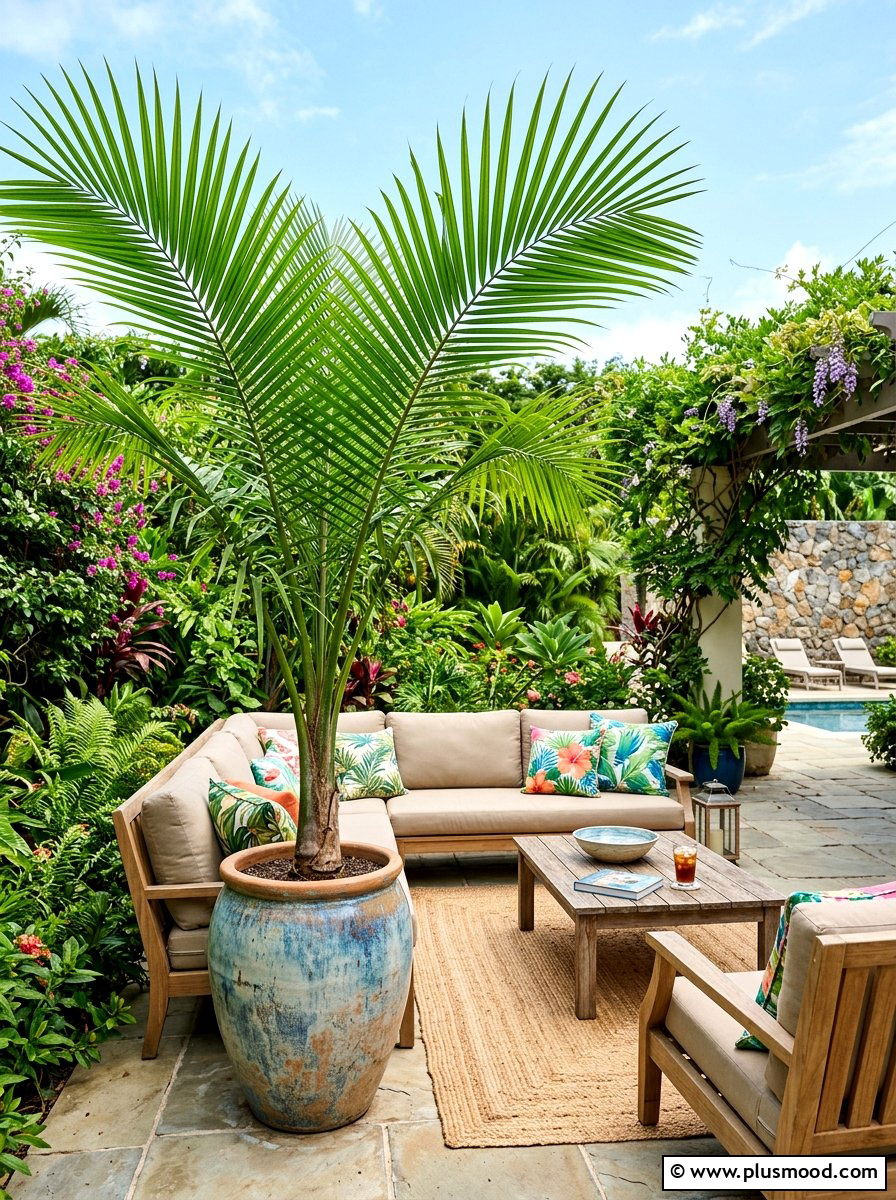
Bring the feeling of a lush vacation to your own backyard by assembling a tropical patio planter filled with bold colors and oversized leaves. Tropical plants thrive in the humidity of summer and provide an exotic flair that standard garden flowers cannot match. Use a large hibiscus as a central focal point for its massive, trumpet-shaped blooms in shades of orange or pink. Surround the base with lush ferns or mandevilla vines that will climb upward and create a sense of verticality. These arrangements require frequent watering and occasional fertilizing to keep the growth lush and the colors vibrant throughout the hottest months of the year.
5. Herb garden box
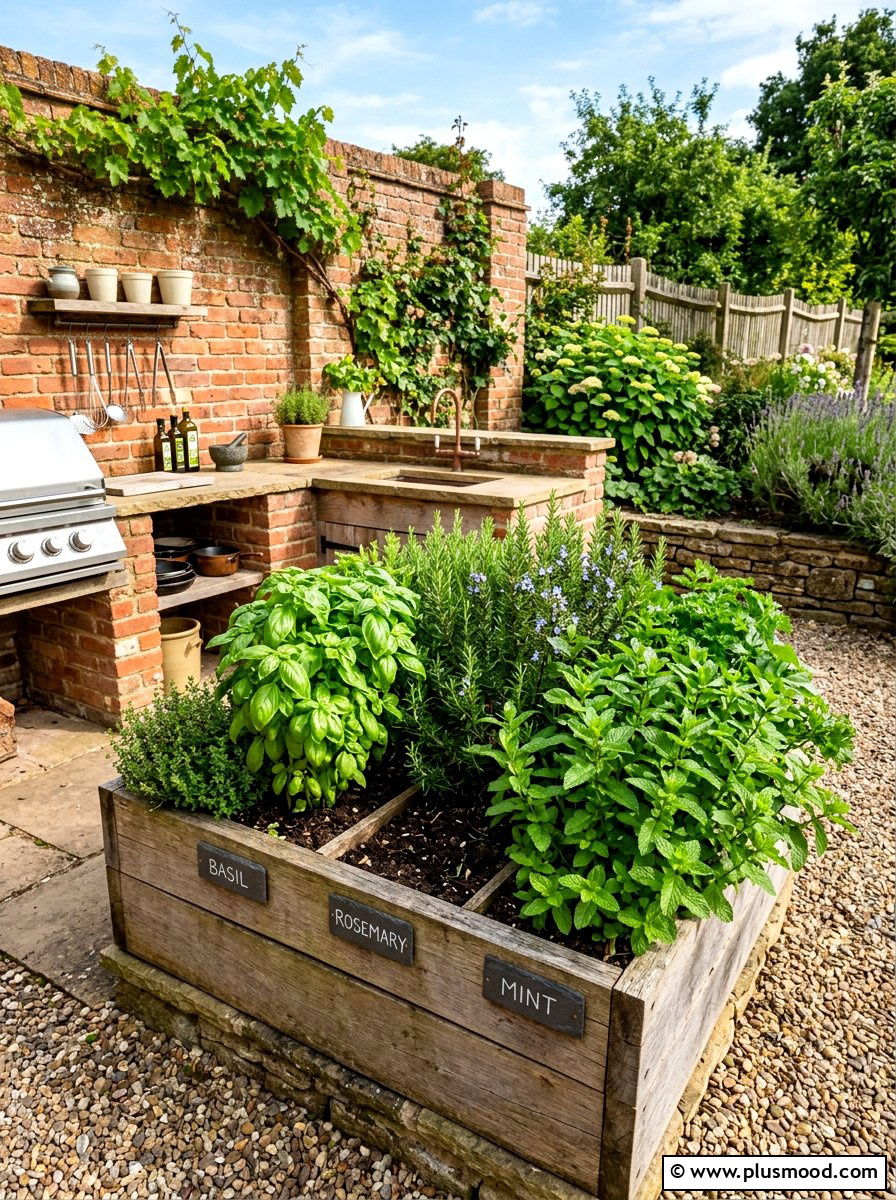
Growing your own seasonings is both practical and beautiful, making an herb garden box a staple for any culinary enthusiast. Position this box near your outdoor kitchen or back door for easy access while cooking summer meals. Combine fragrant rosemary, basil, thyme, and mint to create a sensory experience that smells as good as it looks. Herbs often have varied leaf textures, from the feathery foliage of dill to the broad, glossy leaves of basil, which creates a lovely green tapestry. Ensure the box is placed in a sunny spot, as most Mediterranean herbs require at least six hours of direct sunlight to produce their best essential oils.
6. Pollinator flower box
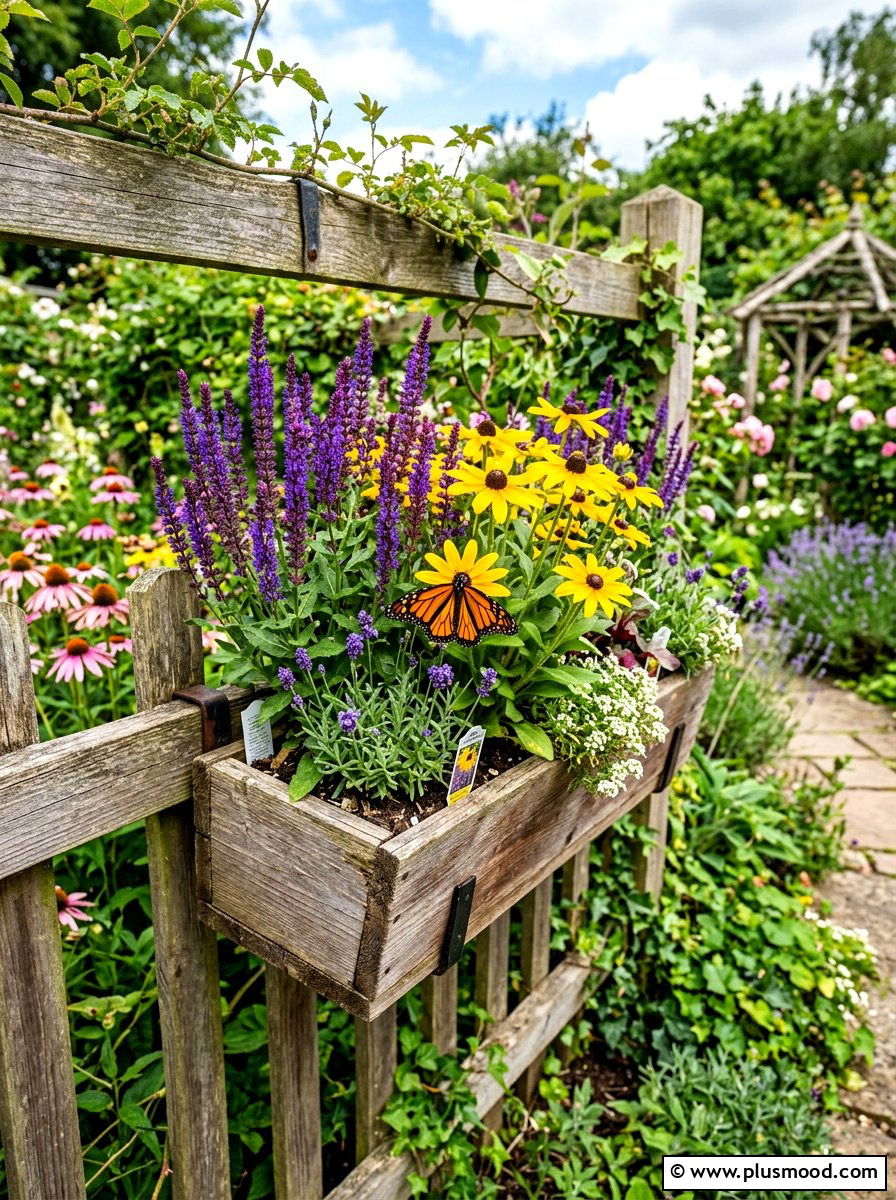
Supporting local wildlife is a rewarding goal, and a pollinator flower box is designed specifically to attract bees, butterflies, and hummingbirds. Choose nectar-rich plants like salvia, lavender, and butterfly bush to provide a reliable food source for these essential visitors. These plants often produce spiky or tubular flowers that are perfectly shaped for pollinators to access. Seeing the movement of butterflies dancing around your window or porch adds a layer of life and joy to your outdoor environment. To keep the pollinators coming back, avoid using harsh chemicals or pesticides and keep the soil moderately moist so the plants continue to produce plenty of nectar.
7. White flower planter
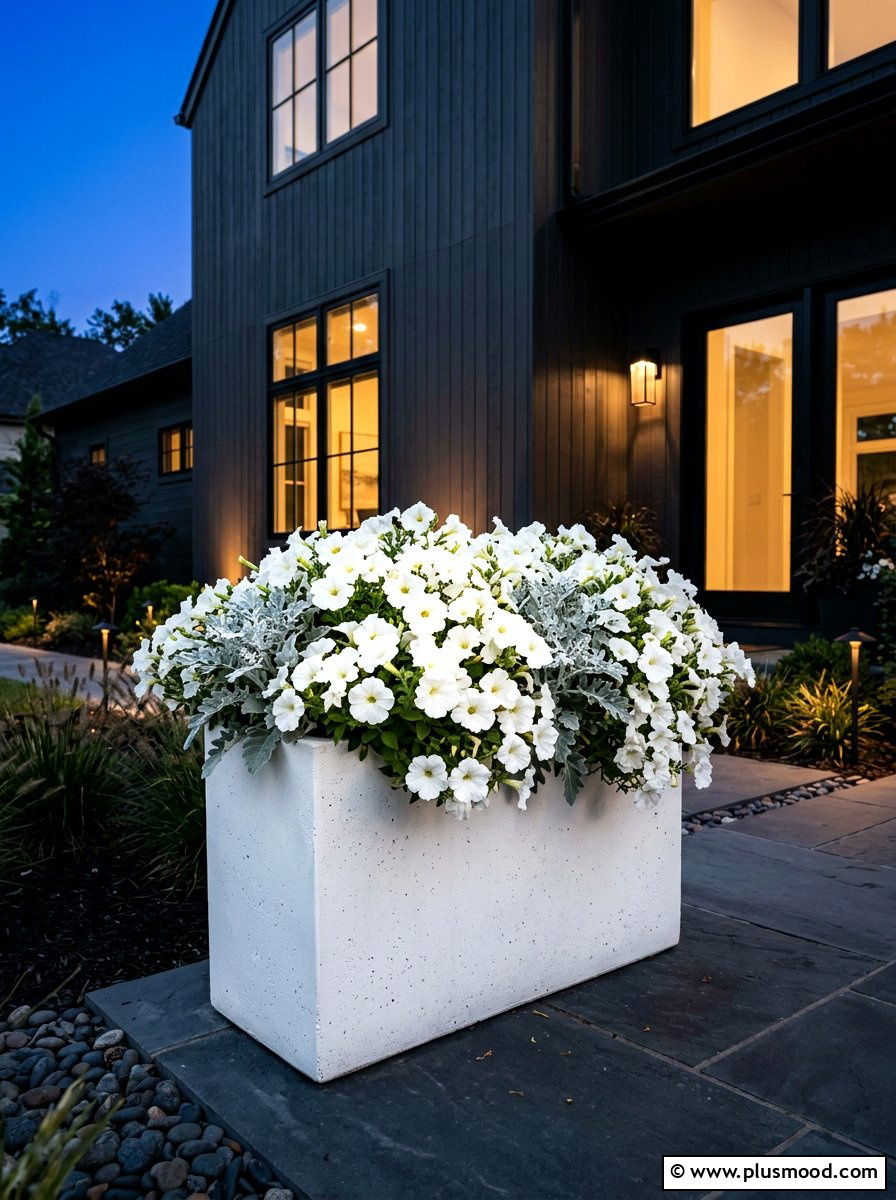
A monochromatic white flower planter creates a sophisticated and cooling effect during the sweltering heat of mid-summer. White blooms reflect the light and appear to glow during the twilight hours, making this a perfect choice for areas where you entertain guests in the evening. Combine white petunias, alyssum, and geraniums for a classic look that feels crisp and clean against green foliage. To add depth, use plants with silver leaves, such as dusty miller or artemisia, which complement the white petals beautifully. This elegant color scheme works well with any container material, from dark wood to weathered stone, providing a timeless appeal to your home exterior.
8. Petunia window box
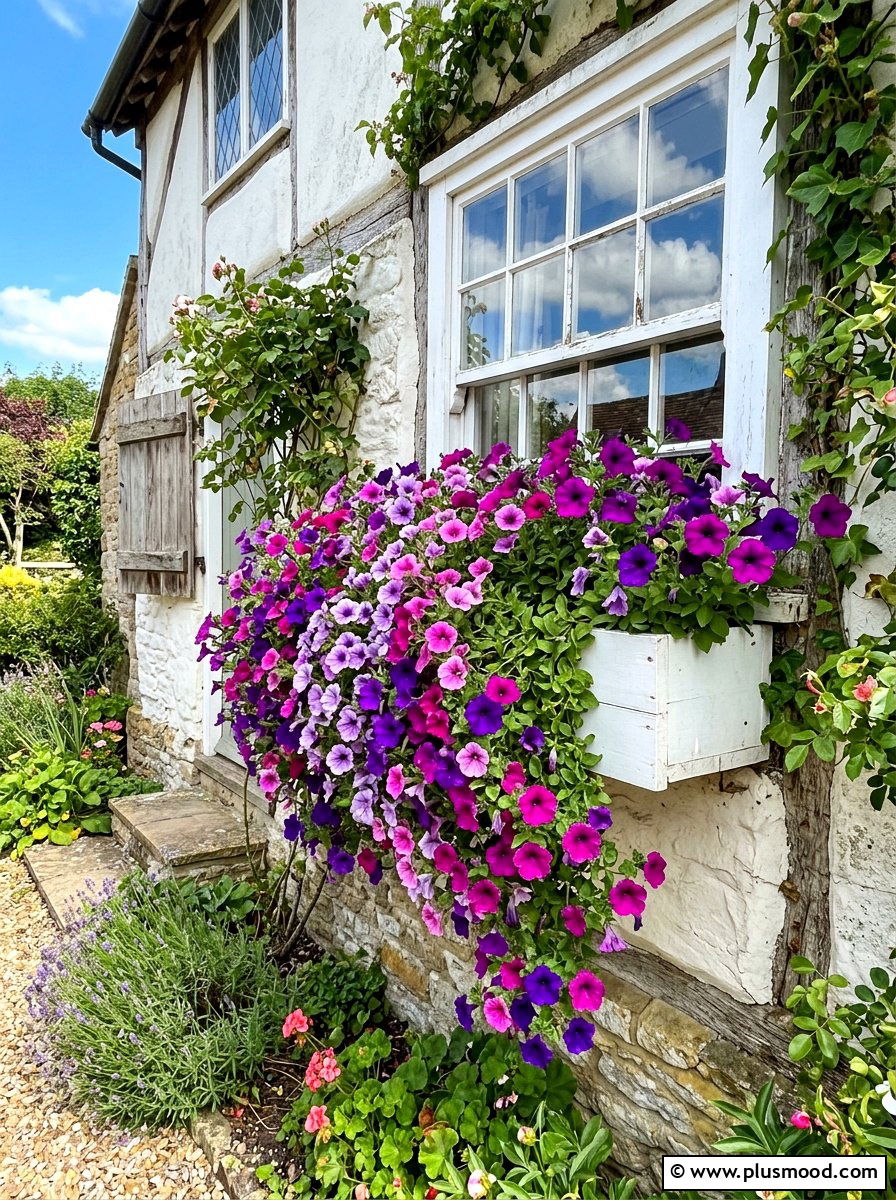
Petunias are a summer classic for a reason, as they offer an explosion of color and a cascading growth habit that is perfect for a petunia window box. These versatile flowers come in almost every color imaginable, from deep purples to bright yellows and even striped patterns. Wave petunias are particularly popular for boxes because they trail downward, hiding the edges of the container and creating a waterfall of blooms. They are hungry plants, so regular deadheading and weekly liquid fertilization will ensure they stay covered in flowers until the first frost. Pairing them with a few upright spikes can add a bit of structure to the flowing arrangement.
9. Modern metal planter
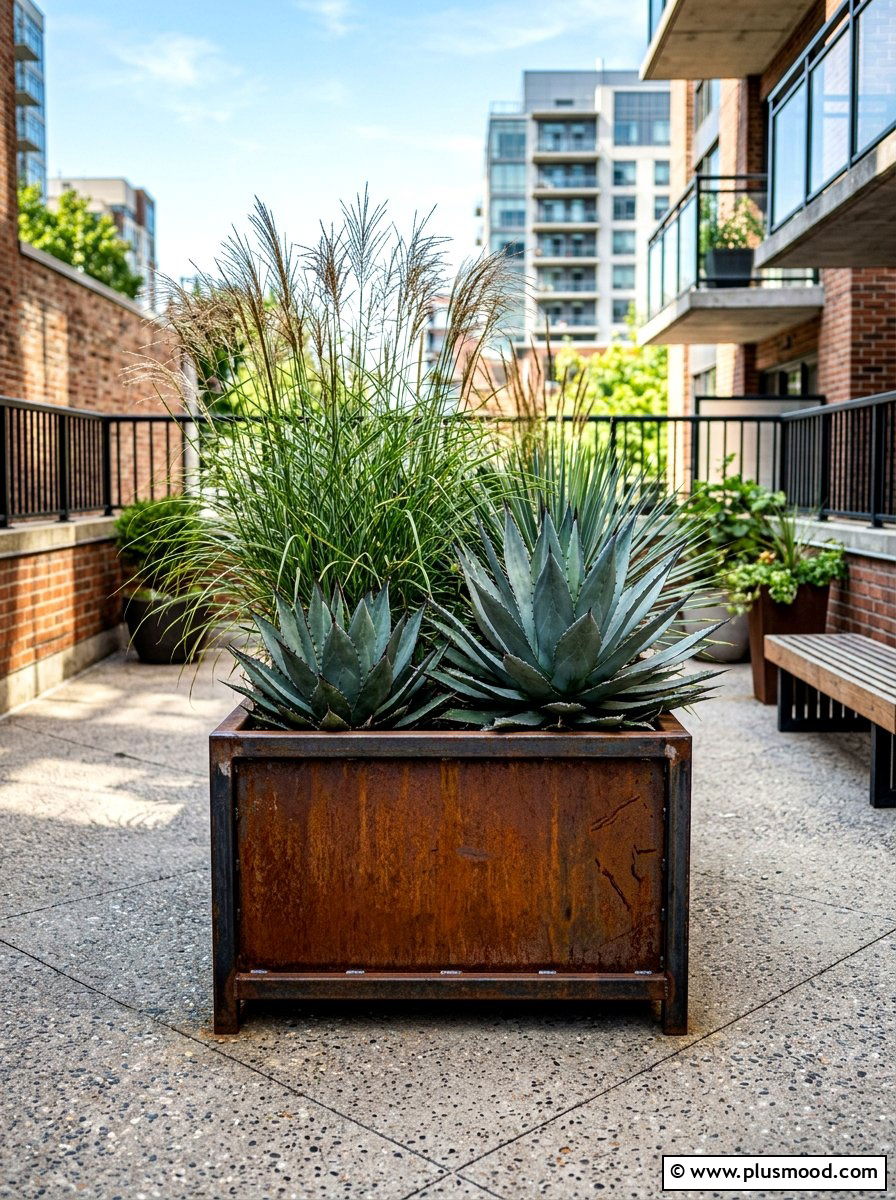
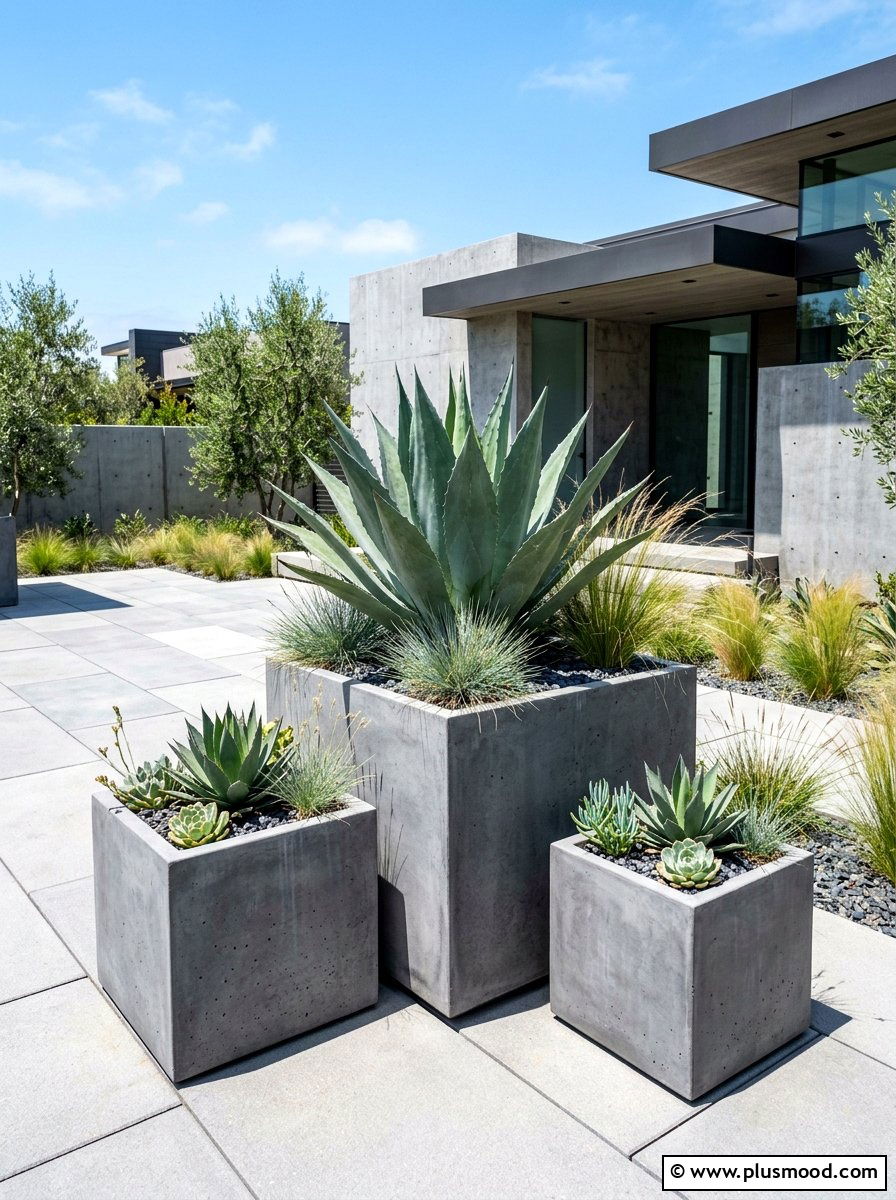
If your home features contemporary architecture, a modern metal planter can provide the sleek lines and industrial feel that perfectly matches your style. Galvanized steel or corten steel boxes develop a beautiful patina over time or maintain a polished look that contrasts sharply with organic plant forms. Fill these boxes with structural plants like ornamental grasses or architectural yuccas to emphasize the clean aesthetic. The metallic surface can get hot in the sun, so it is important to line the interior or choose heat-tolerant plants that won't mind the extra warmth. This look is incredibly chic and works well in minimalist landscapes or urban balcony settings.
10. Rustic wooden box
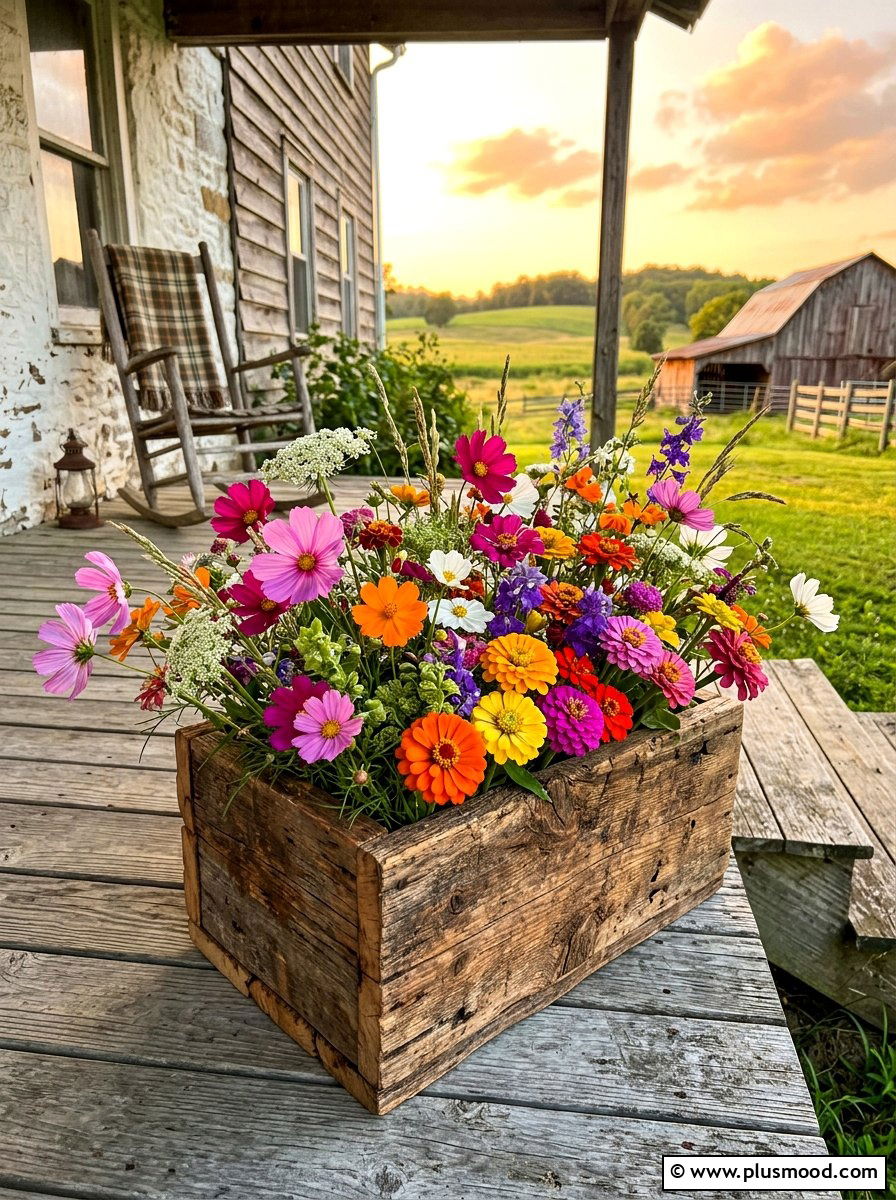
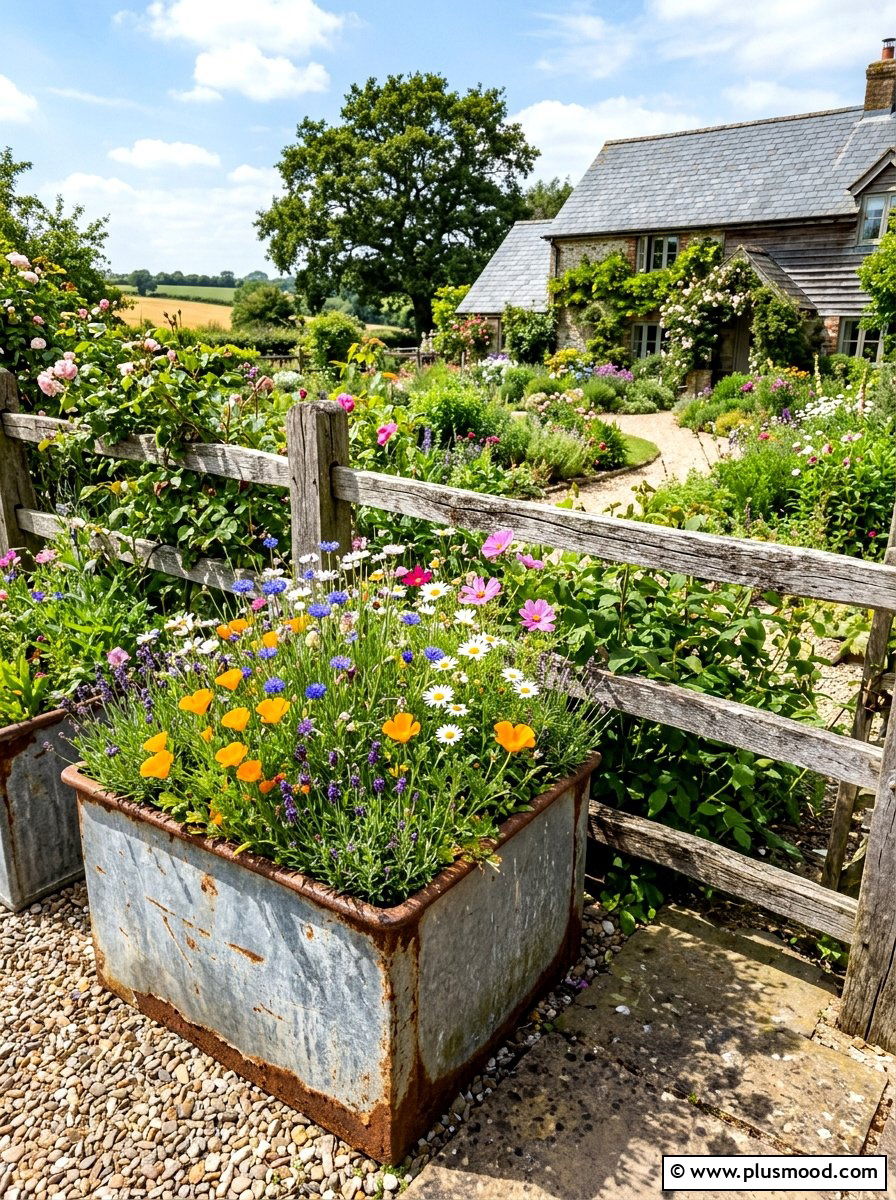
Nothing says farmhouse charm quite like a rustic wooden box filled with casual, wildflower-style plantings. You can easily build these from reclaimed wood or cedar to give your garden a weathered, lived-in feel that grows more beautiful with age. Cedar is a fantastic choice because it is naturally resistant to rot and insects, making it durable for outdoor use. Fill your rustic box with a mix of cottage garden favorites like cosmos, black-eyed Susans, and coreopsis. These plants have a loose, airy habit that mimics a natural meadow. The combination of natural wood grain and colorful, swaying flowers creates an inviting and cozy atmosphere for any front porch.
11. Tiered garden box
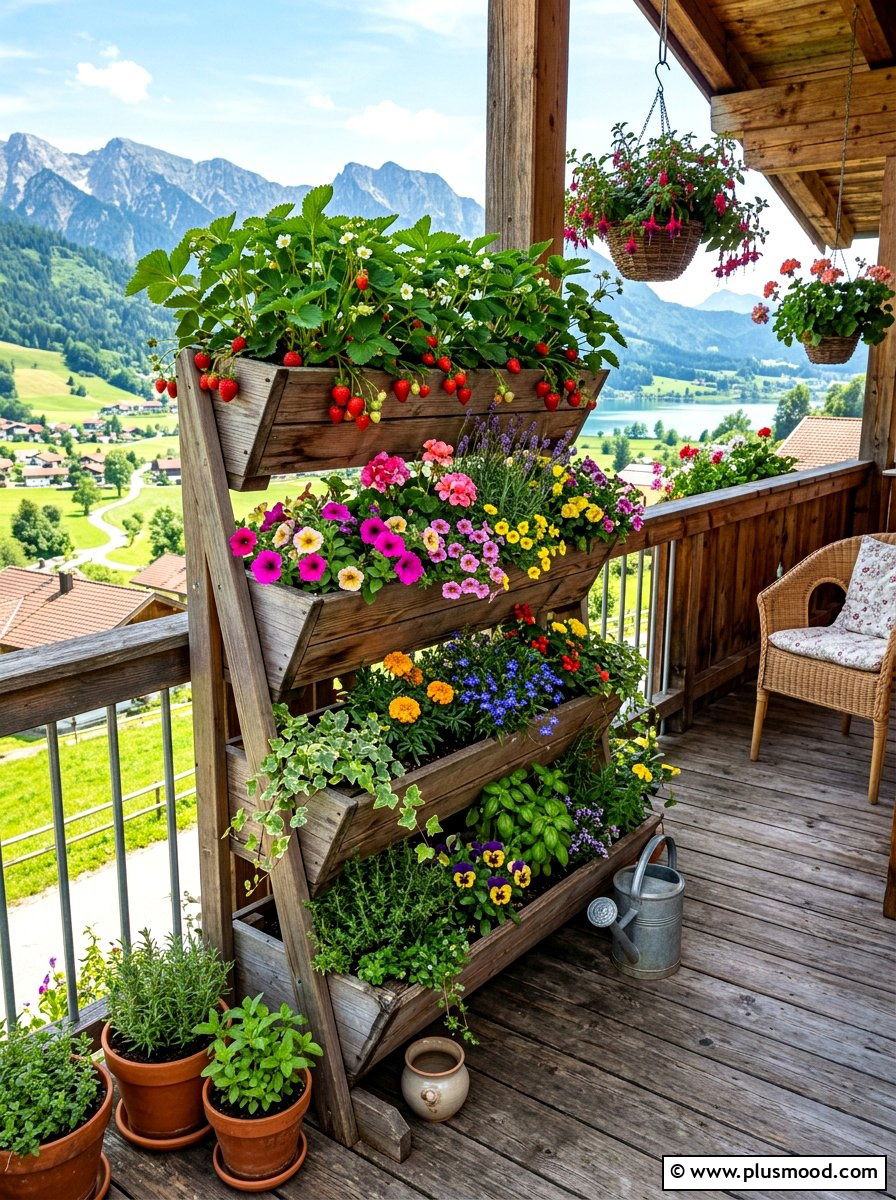
Maximize your planting space and create a stunning focal point by using a tiered garden box design. This vertical approach allows you to grow a wide variety of plants in a small footprint, making it ideal for patios or decks with limited square footage. You can use the top tier for sun-loving flowers, while the lower tiers can house plants that prefer a bit of shade from the layers above. This setup is also excellent for growing a mix of strawberries and herbs, as the cascading fruit can hang over the edges for easy harvesting. The stepped design adds architectural interest and allows for better air circulation between the different plant varieties.
12. Mixed foliage box
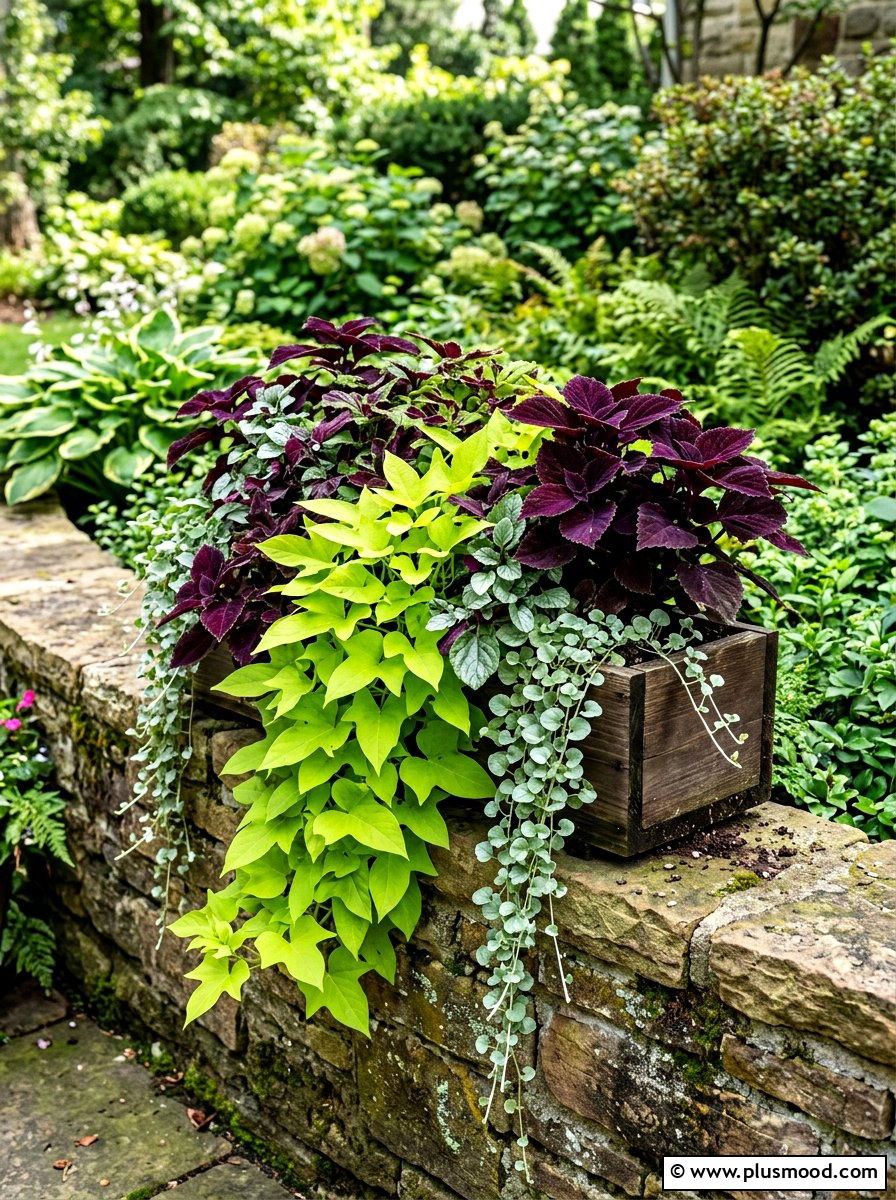
Sometimes the most striking summer displays are those that focus entirely on leaves rather than flowers. A mixed foliage box uses a variety of leaf shapes, sizes, and colors to create a high-contrast arrangement that remains beautiful even when nothing is in bloom. Consider mixing the deep purple leaves of Persian shield with the bright lime green of sweet potato vine and the silver shimmer of dichondra. This approach is often more resilient than flowering boxes because you don't have to worry about spent blooms or deadheading. The result is a lush, tropical-looking display that provides consistent visual interest from early spring through the end of the summer season.
13. Red geranium planter
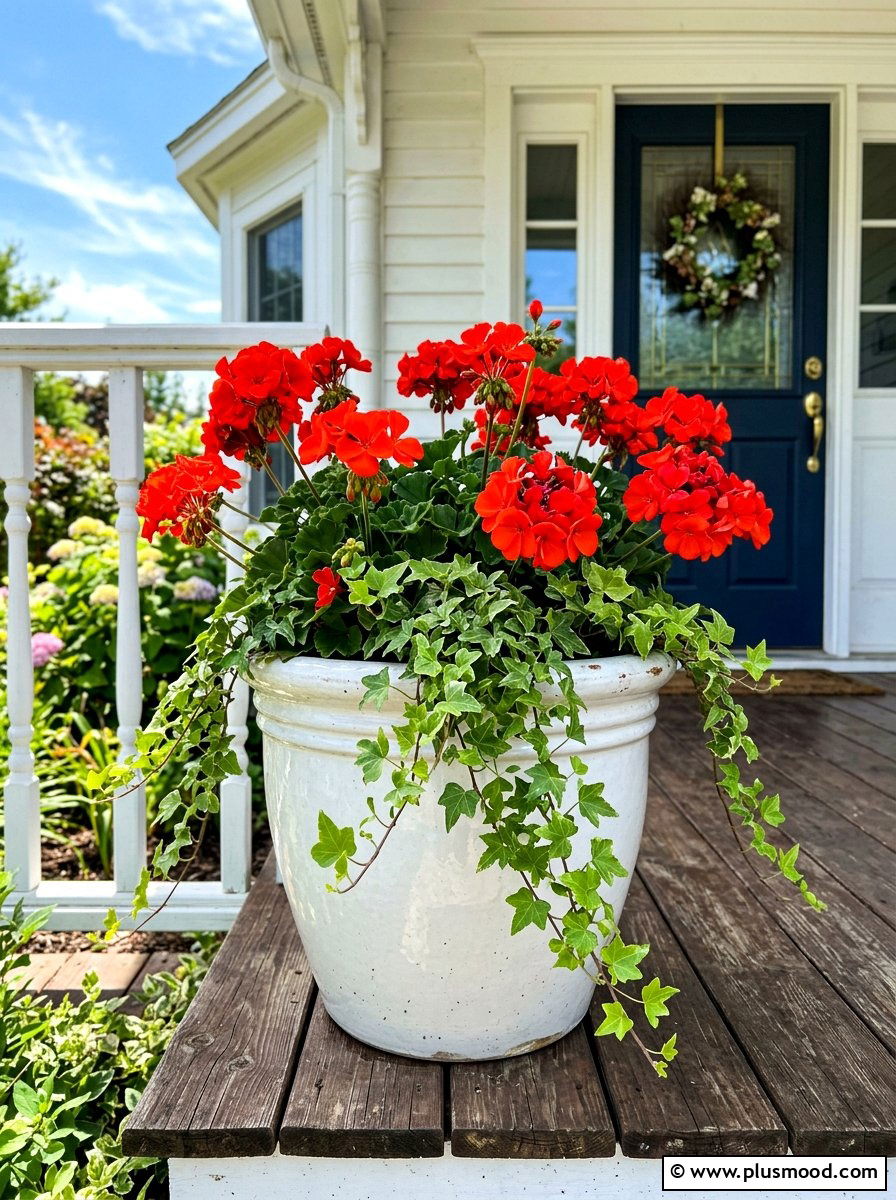
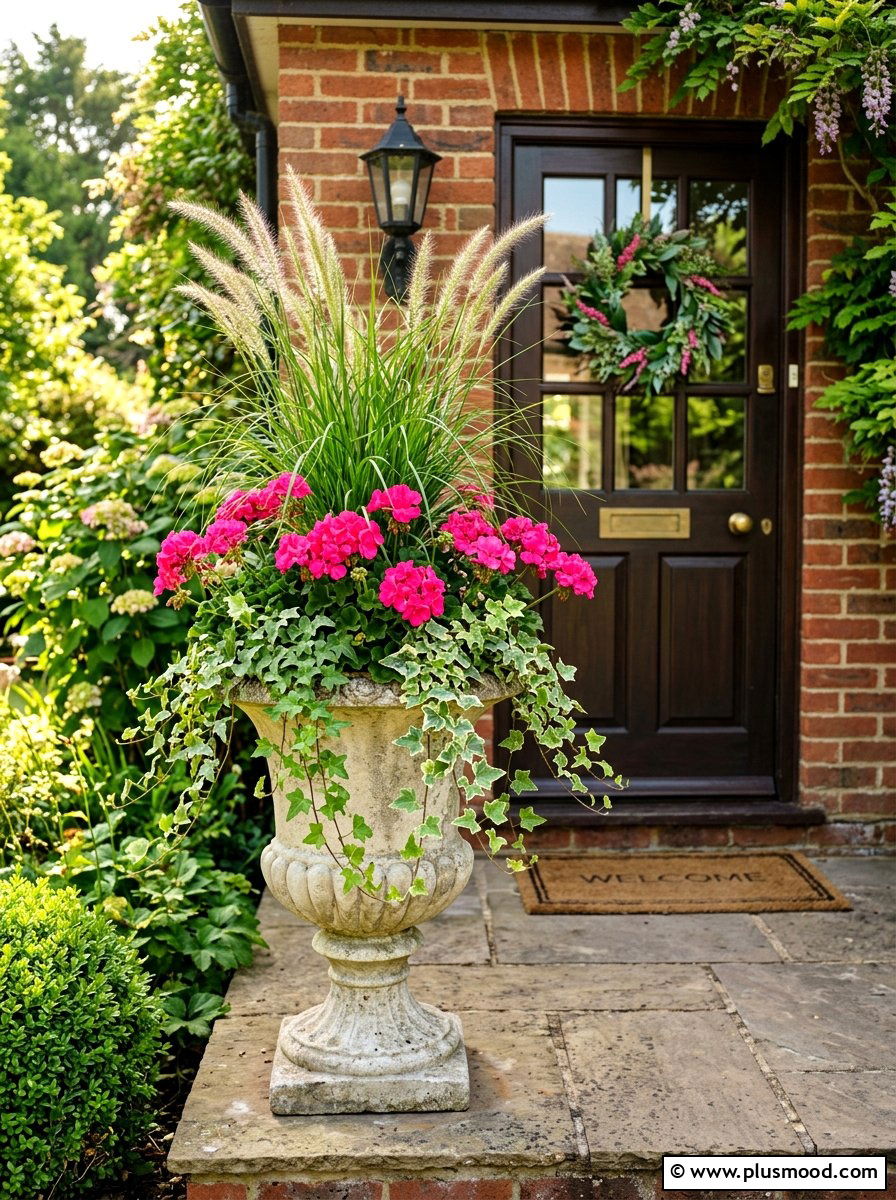
For a traditional and bold look that never goes out of style, a red geranium planter is the ultimate choice for summer curb appeal. Geraniums are famous for their large, rounded flower heads and their ability to thrive in hot, dry conditions once they are established. They look particularly striking when planted in high-contrast white or black containers, which makes the red petals pop. To keep them looking their best, snap off the flower stalks once the blooms start to fade to encourage new growth. Adding a trailing element like ivy or vinca vine around the base provides a soft edge that balances the upright growth of the geraniums.
14. Hydrangea porch box
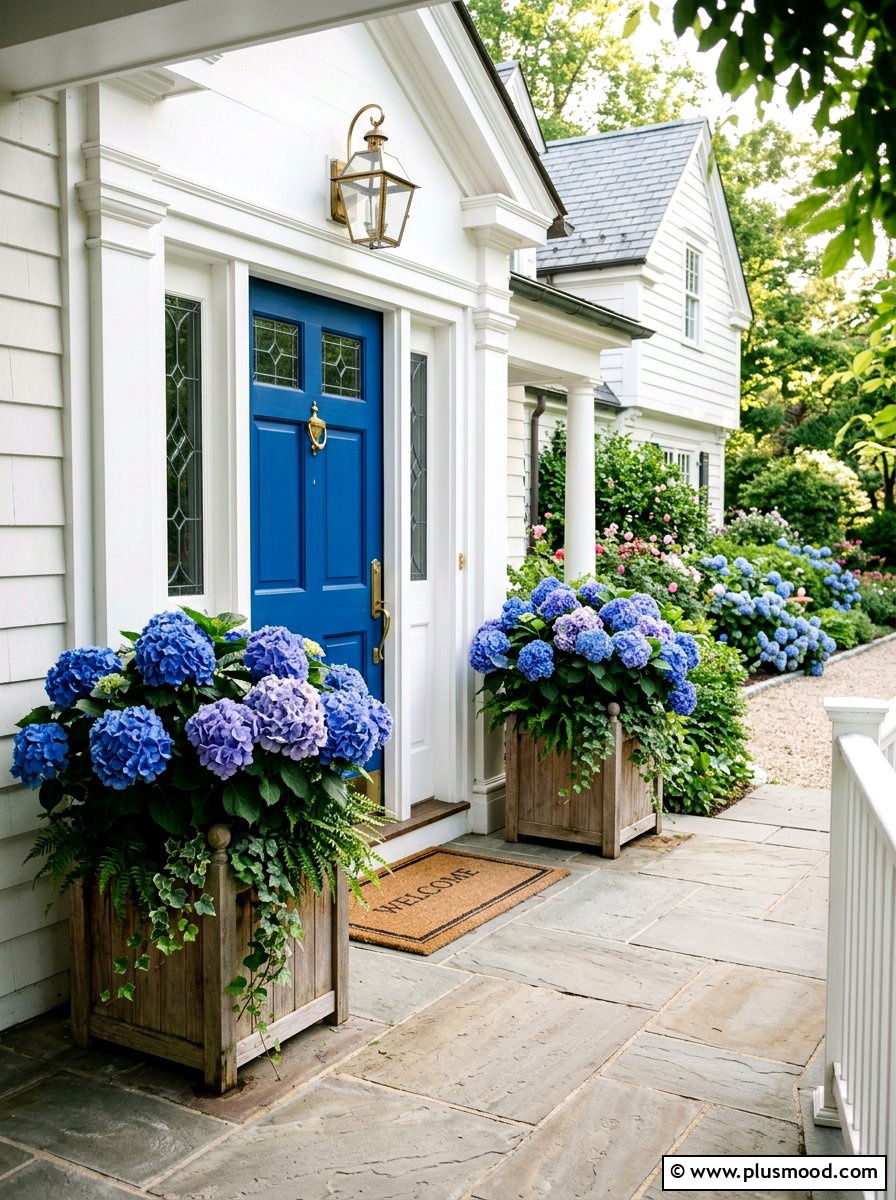
Hydrangeas are the queens of the summer garden, and placing them in a hydrangea porch box allows you to enjoy their massive mophead blooms up close. While most hydrangeas are large shrubs, certain dwarf varieties are bred specifically for containers and smaller spaces. They offer a lush, romantic look with flowers ranging from soft blue and lavender to creamy white and vibrant pink. These plants prefer morning sun and afternoon shade, along with plenty of water to keep their large leaves from wilting in the heat. A large wooden box provides the necessary root space for these thirsty plants to thrive and create a spectacular entryway display.
15. Edible vegetable box
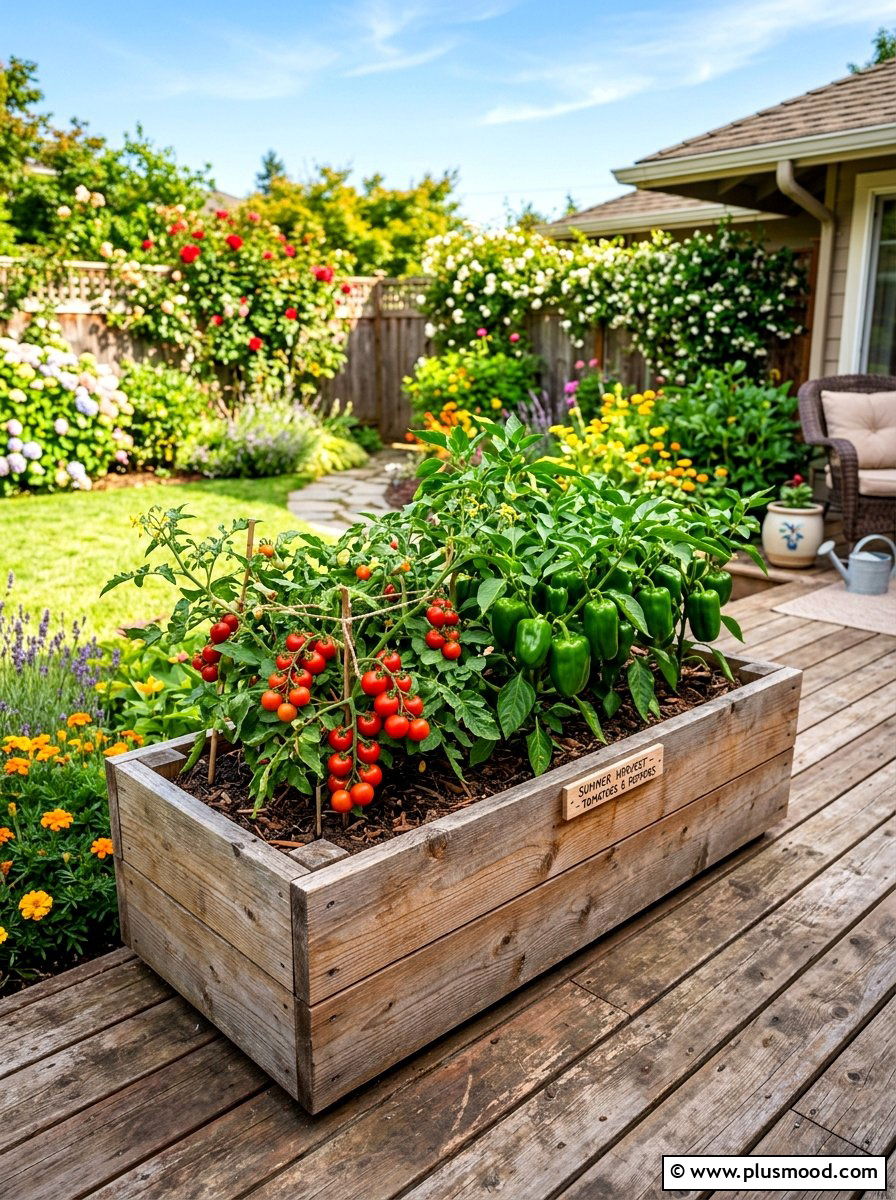
You don 't need a large backyard plot to grow your own food when you utilize an edible vegetable box on your deck or balcony. Many modern vegetable varieties are bred for container living, such as "patio" tomatoes, bush cucumbers, and dwarf peppers. These plants are both functional and decorative, often featuring bright fruits and attractive foliage that look great alongside your ornamental flowers. Growing vegetables in boxes also makes it easier to control the soil quality and keep pests at bay. Imagine stepping out onto your porch to pluck a fresh cherry tomato or a crisp pepper for your summer salad; it' s a rewarding experience for any home gardener.
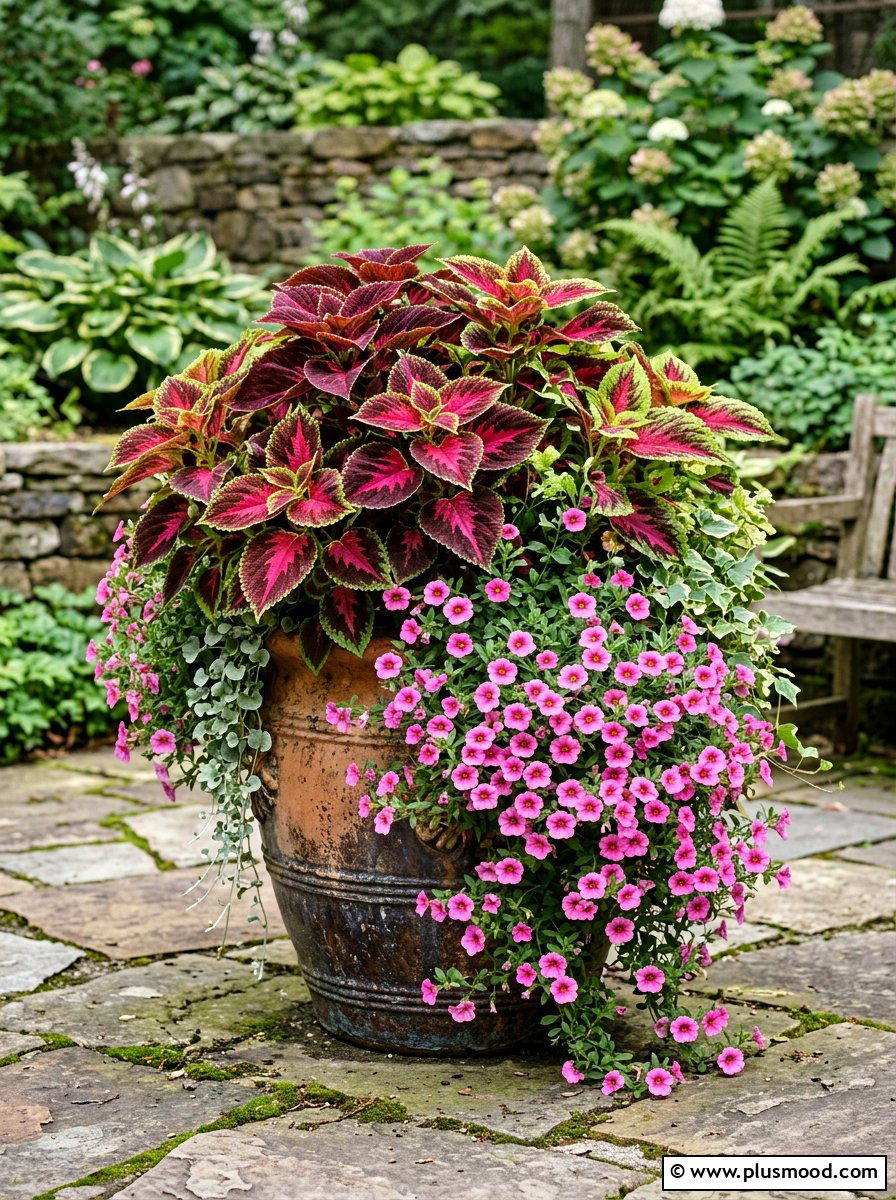
16. Trailing vine box
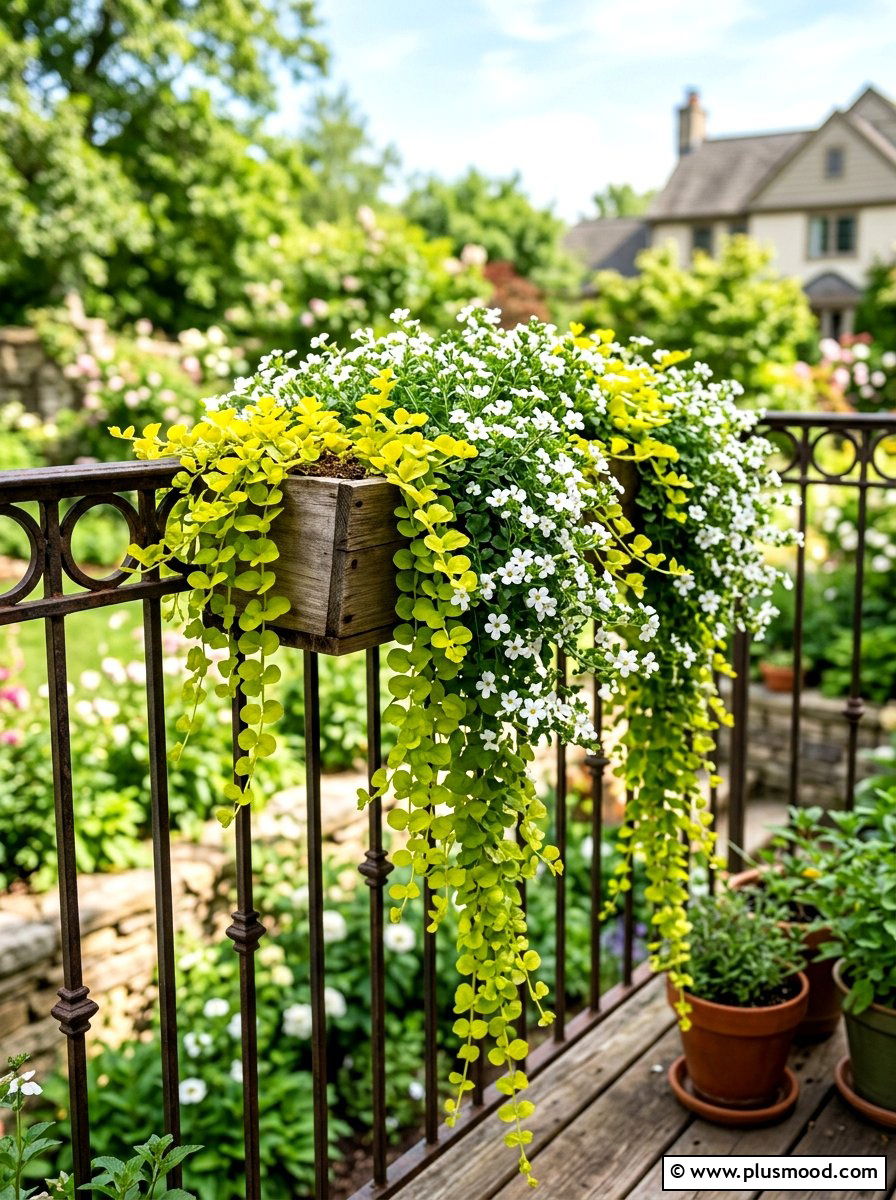
A trailing vine box is designed to create a "spiller" effect, where long stems of greenery or flowers drape elegantly over the sides of the container. This look softens the hard edges of a planter and adds a sense of movement to your garden design. Creeping Jenny, with its coin-shaped chartreuse leaves, is a popular choice for its rapid growth and bright color. For a flowering option, consider bacopa or million bells, which produce hundreds of tiny blossoms that hang down in a colorful curtain. These arrangements look particularly stunning when placed on high ledges, balcony railings, or wall-mounted boxes where the trailing stems have plenty of room to grow.
17. Ornamental grass box
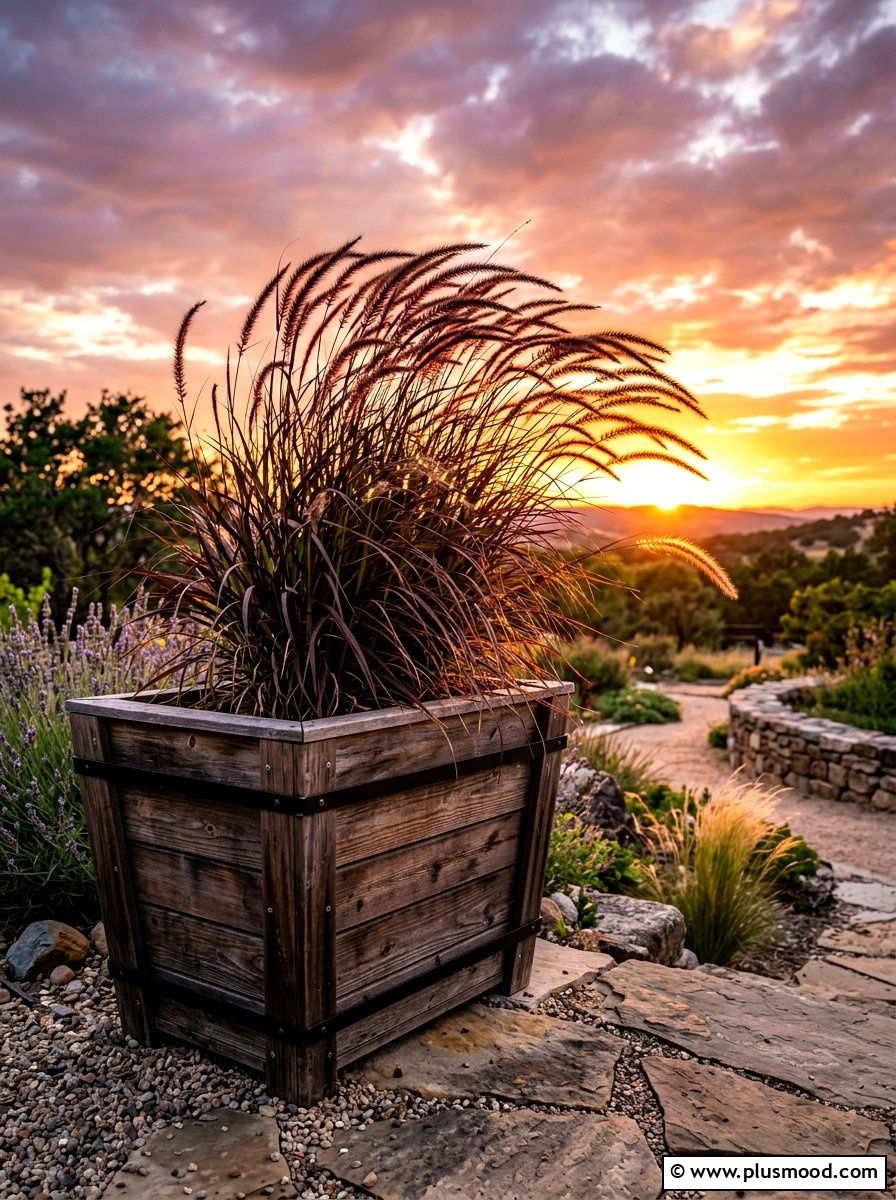
To add texture, height, and a sense of motion to your outdoor space, an ornamental grass box is an excellent choice. Grasses like purple fountain grass or Mexican feather grass sway gently in the summer breeze, creating a relaxing sound and a dynamic visual element. They are generally very drought-tolerant and easy to care for, making them perfect for busy homeowners. In the late summer, many grasses produce feathery plumes that catch the golden light of the setting sun. Pairing these airy grasses with more solid, rounded plants creates a sophisticated contrast that looks professionally designed. They provide a structural backdrop that stays attractive well into the autumn months.
18. Monochromatic blue box
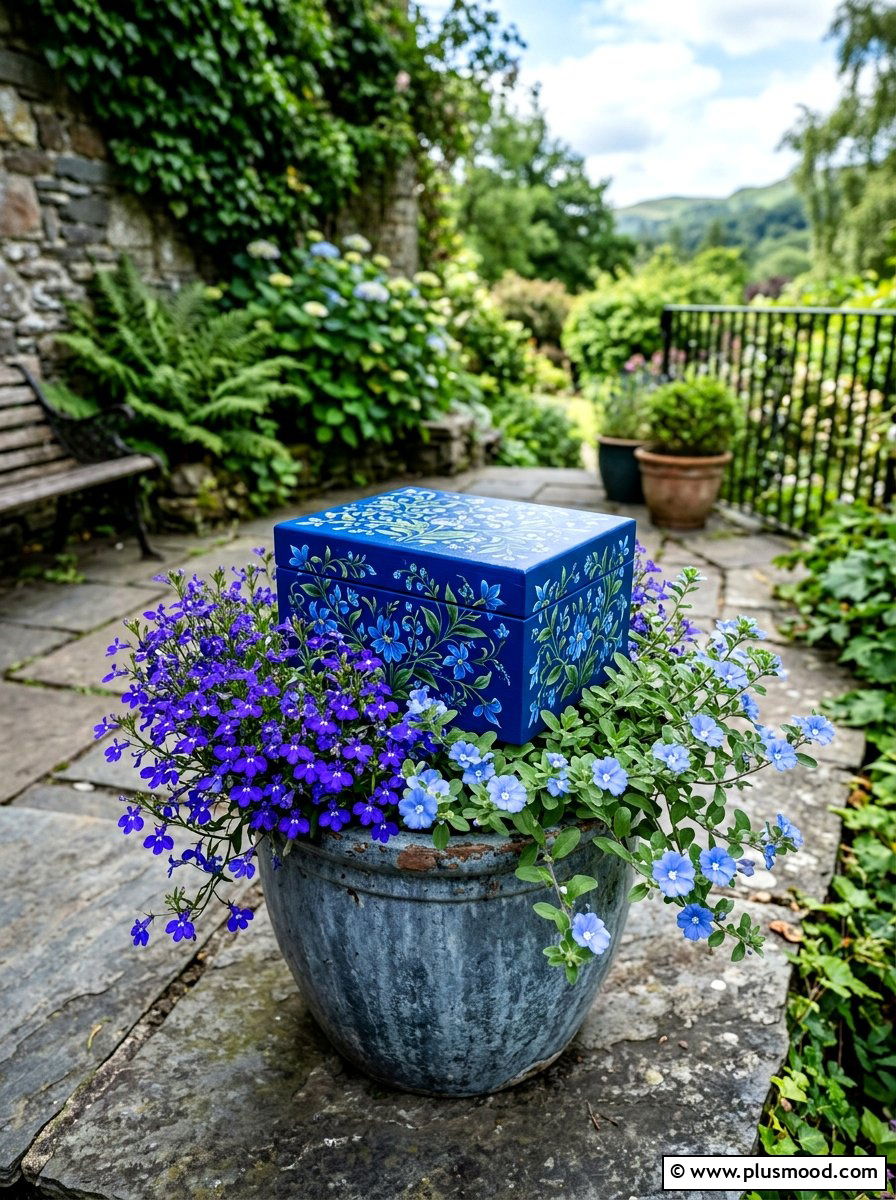
Creating a monochromatic blue box is a wonderful way to bring a sense of calm and coolness to a hot summer landscape. Blue is a relatively rare color in the plant world, which makes these arrangements feel special and curated. Use plants like lobelia, dwarf agapanthus, and evolvulus (Blue Daze) to achieve a range of sky blue to deep navy tones. These cool colors are known to make small spaces feel larger and more open. To enhance the theme, choose a grey or slate-colored planter that won't compete with the delicate blue hues. This color palette is particularly refreshing near water features or on a shaded patio where you seek relaxation.
19. Vertical wall planter
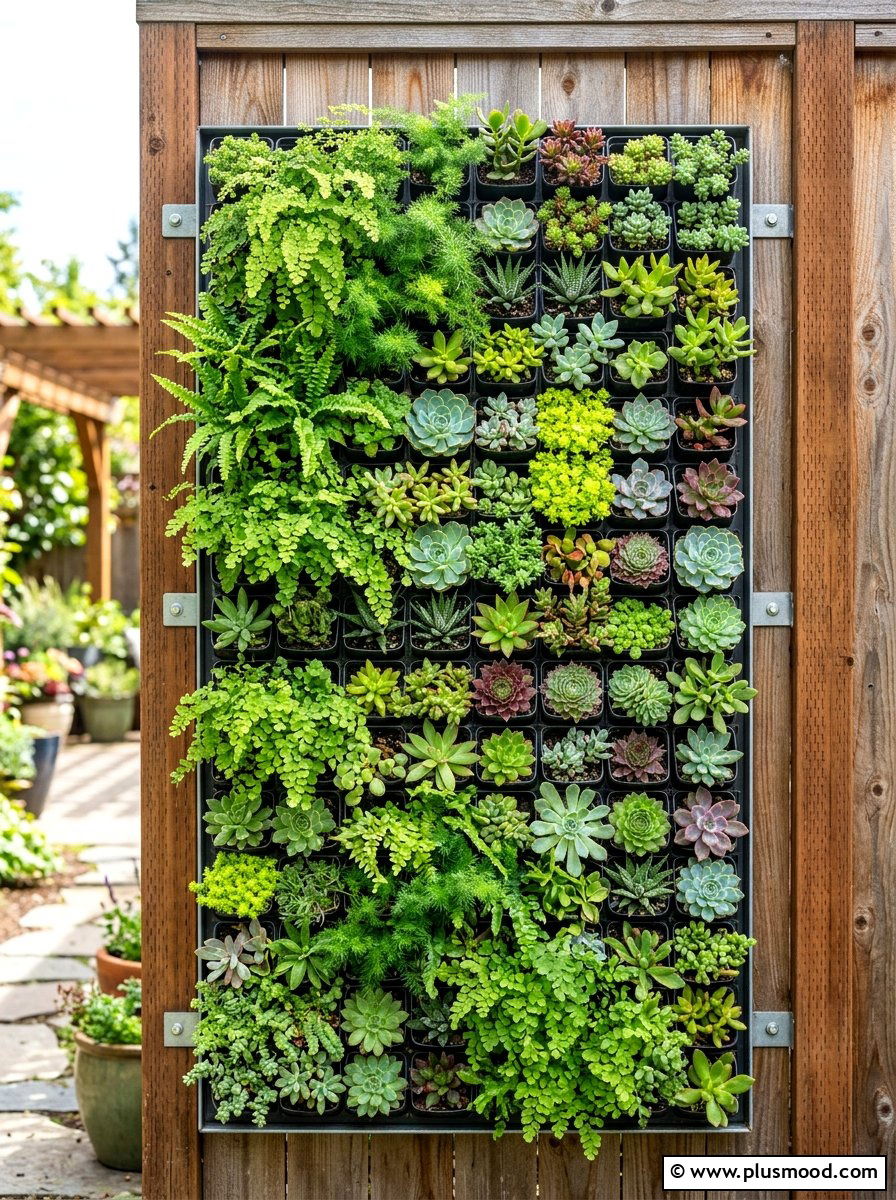
When floor space is at a premium, a vertical wall planter allows you to grow a lush garden upward instead of outward. These systems can be attached to fences, exterior walls, or even balcony railings to create a "living wall" effect. Fill the pockets or tiers with a mix of ferns, succulents, or small flowering annuals to create a tapestry of green. Vertical gardens are great for creating privacy or hiding an unattractive wall while adding a significant amount of oxygen and cooling moisture to your immediate environment. Regular misting or a built-in drip irrigation system will help ensure the plants in the higher sections stay hydrated and healthy.
20. Cottage core planter
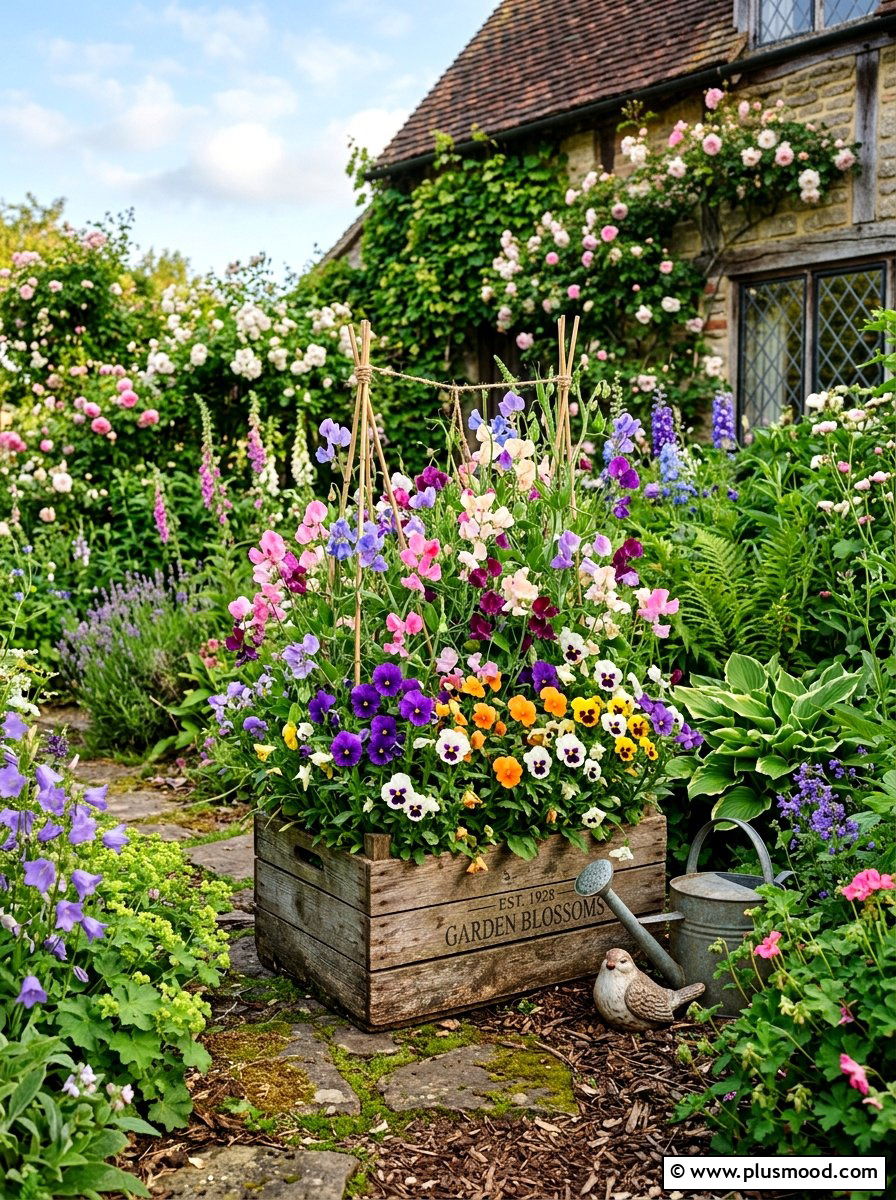
The cottage core aesthetic is all about whimsical, romantic, and slightly overgrown garden styles that feel nostalgic and charming. A cottage core planter should look a bit wild, using a mix of traditional favorites like pansies, foxgloves, and sweet peas. Incorporating different textures and allowing some plants to spill over while others stand tall creates that sought-after English garden look. Use antique-style containers like weathered terra cotta pots or vintage wooden crates to enhance the old-world feel. This style celebrates imperfection and variety, making it a low-stress way to garden. The result is a fragrant and colorful box that feels like a tiny slice of a countryside meadow.
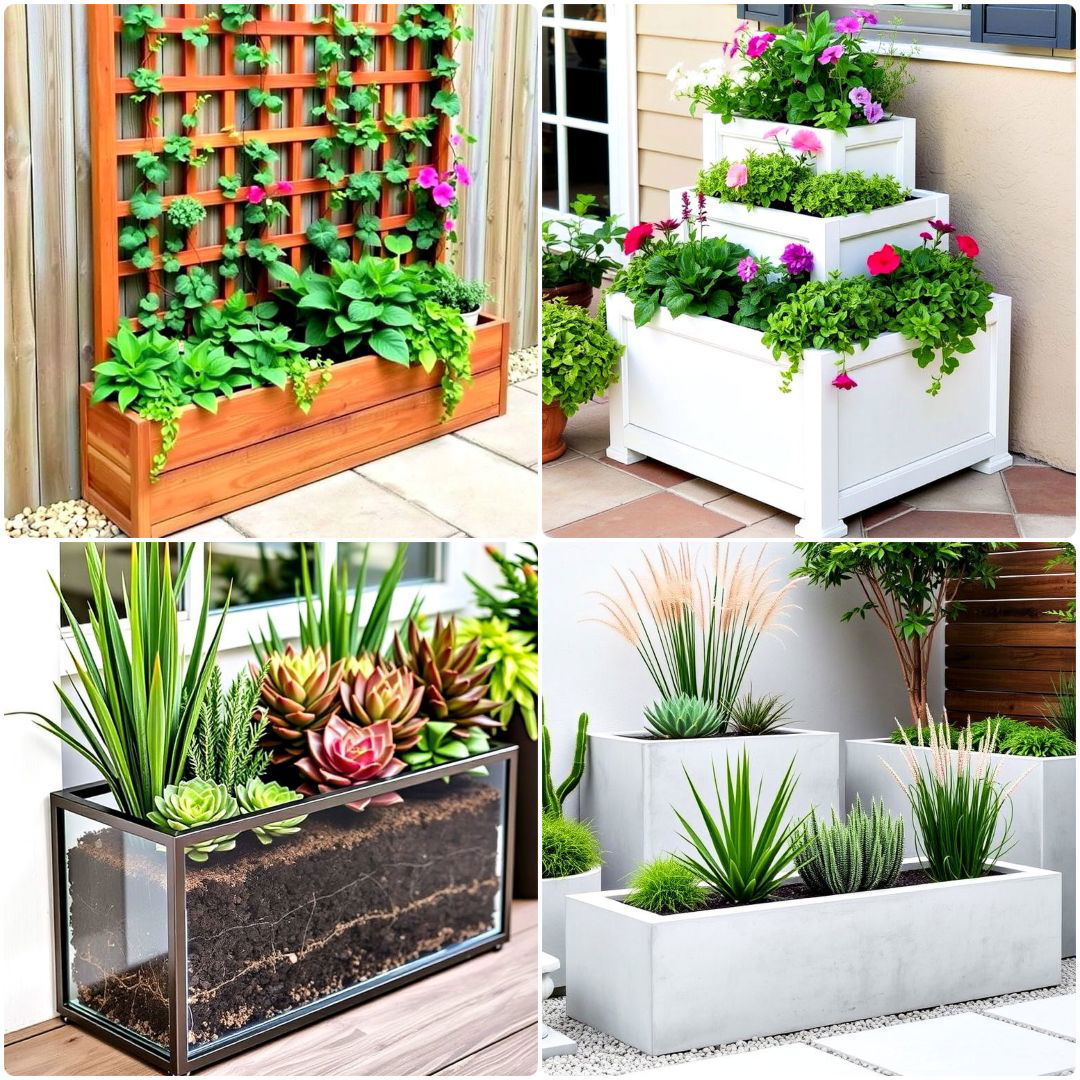
21. Bright zinnia box
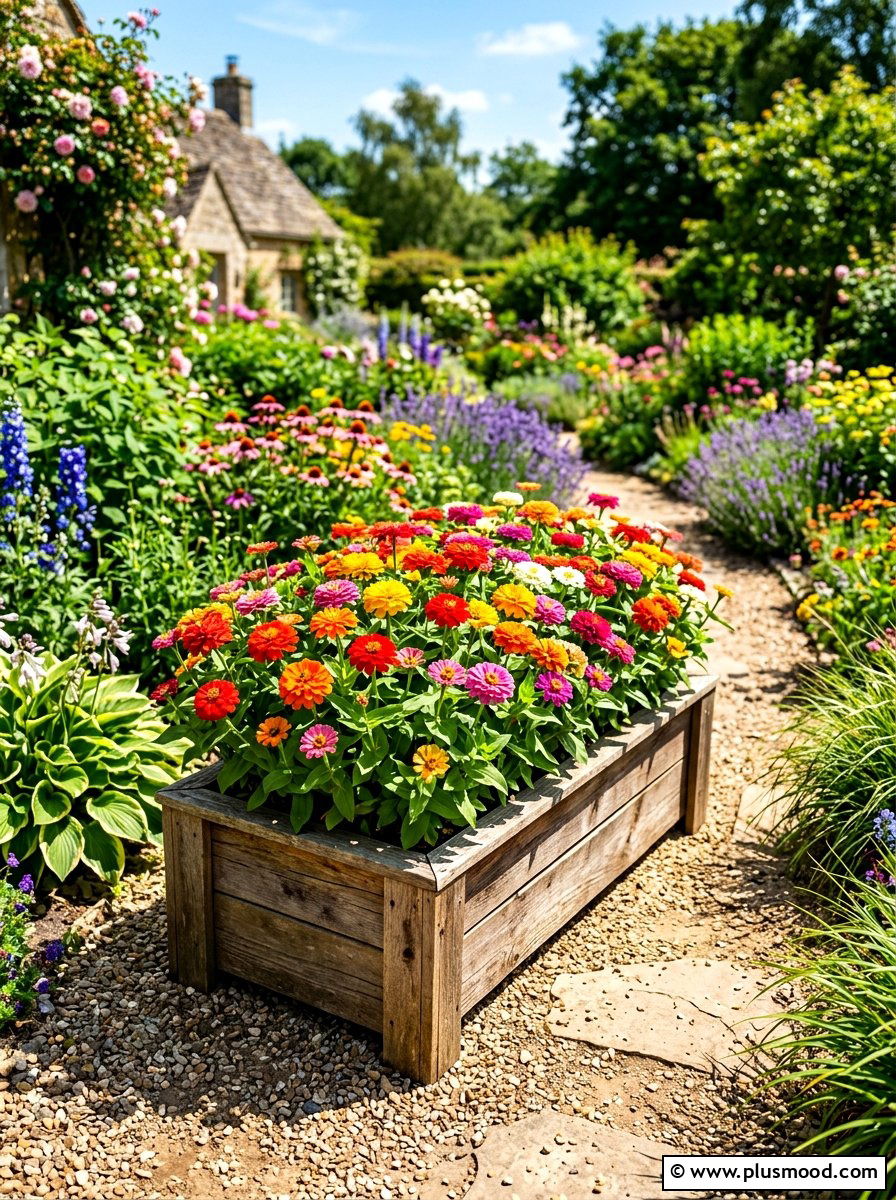
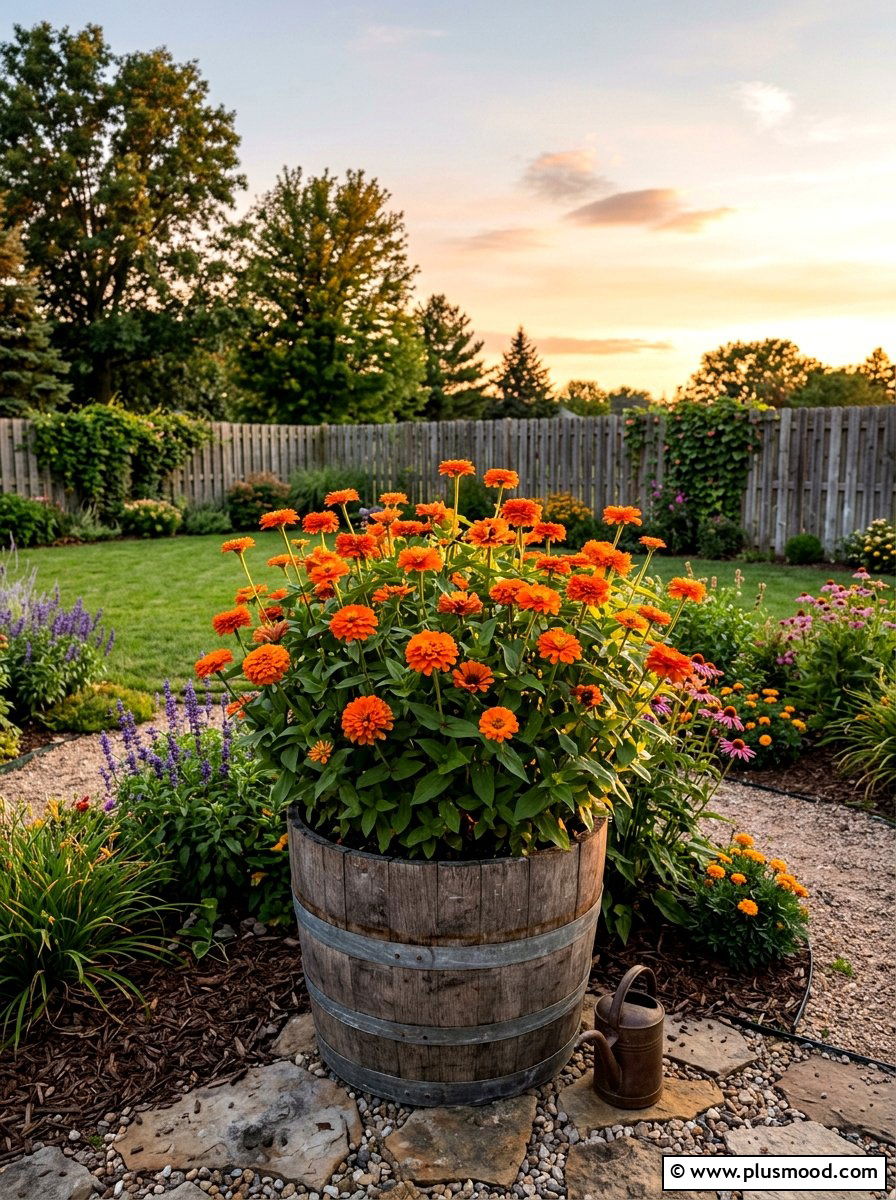
Zinnias are the workhorses of the summer garden, known for their incredible variety of colors and their ability to bloom non-stop in the heat. A bright zinnia box is a high-energy addition to any sunny spot, offering shades of hot pink, electric orange, and sunny yellow. These flowers are also excellent for cutting, meaning you can bring a bit of your garden indoors for bouquets without thinning out the display. Zinnias are easy to grow from seed, making this an affordable way to fill large planter boxes quickly. Their sturdy stems and cheerful faces make them a favorite for children and beginner gardeners who want fast and reliable results.
22. Lavender wood box
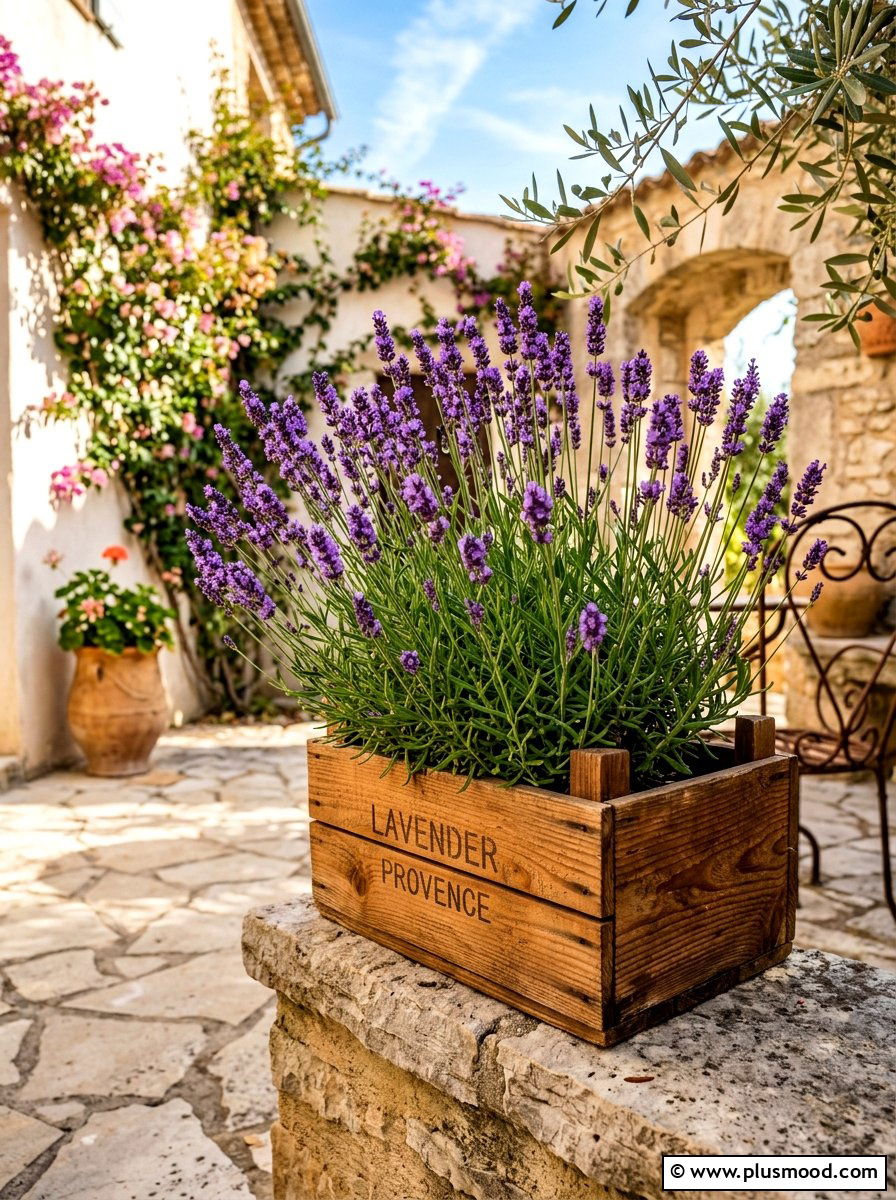
If you want to create a Mediterranean vibe that appeals to both the eyes and the nose, a lavender wood box is the perfect solution. Lavender thrives in the hot, dry conditions of summer and produces iconic purple spikes that release a soothing fragrance whenever you brush past them. Planting it in a simple wooden box provides the excellent drainage this plant requires to stay healthy. Lavender is also a magnet for honeybees, adding a gentle hum of activity to your garden. Once the blooms are spent, you can harvest them to dry for sachets or culinary use, extending the life of your summer planter long after the season has ended.
23. Caladium shade box
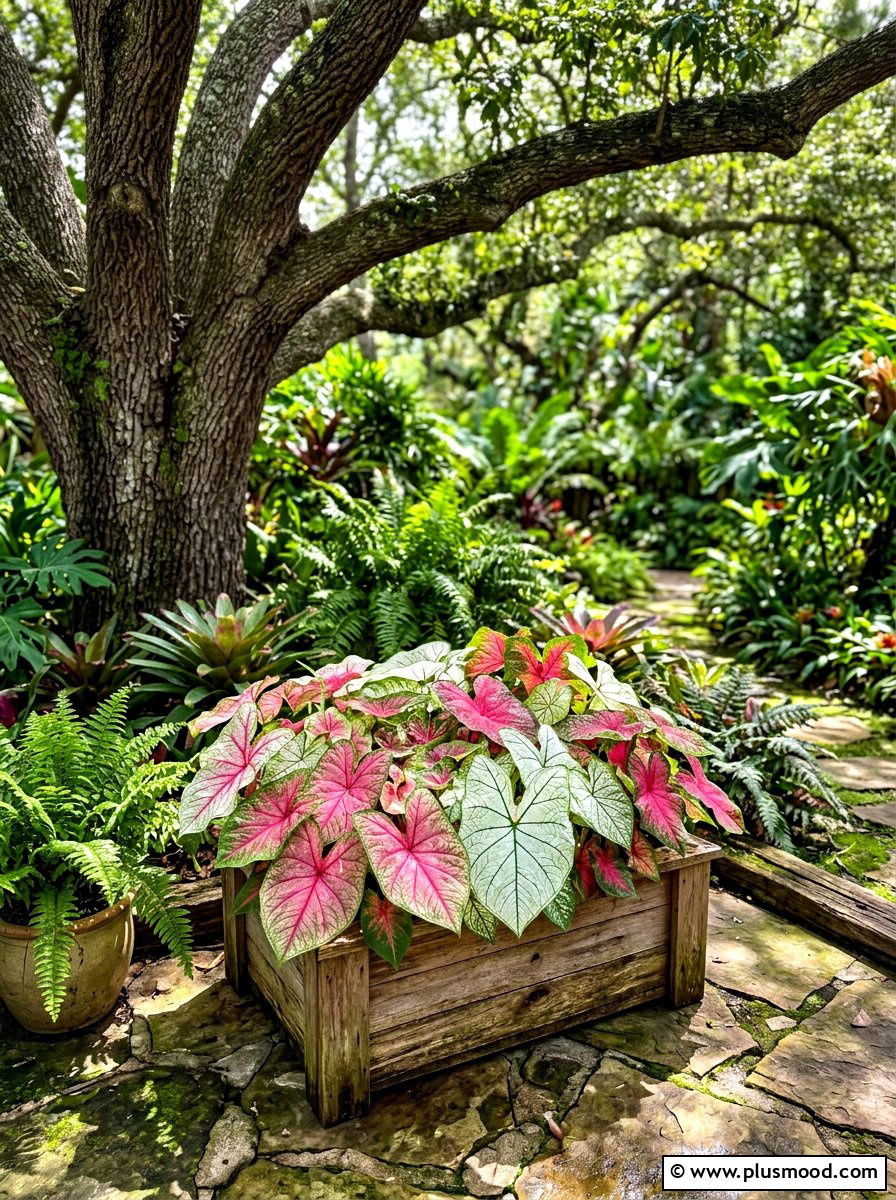
Caladiums are famous for their large, heart-shaped leaves that come in spectacular combinations of white, pink, and green. A caladium shade box is a fantastic way to brighten up dark corners where traditional flowers might struggle to grow. These tropical tubers love the warmth of summer but need protection from direct sunlight to prevent their delicate leaves from scorching. Because the foliage is so decorative, you don't even need flowers to make a big impact. Grouping different varieties of caladiums together creates a lush, leafy display that looks like a piece of living art. They pair beautifully with simple ferns or trailing ivy for a complete shade-loving arrangement.
24. Begonia hanging box
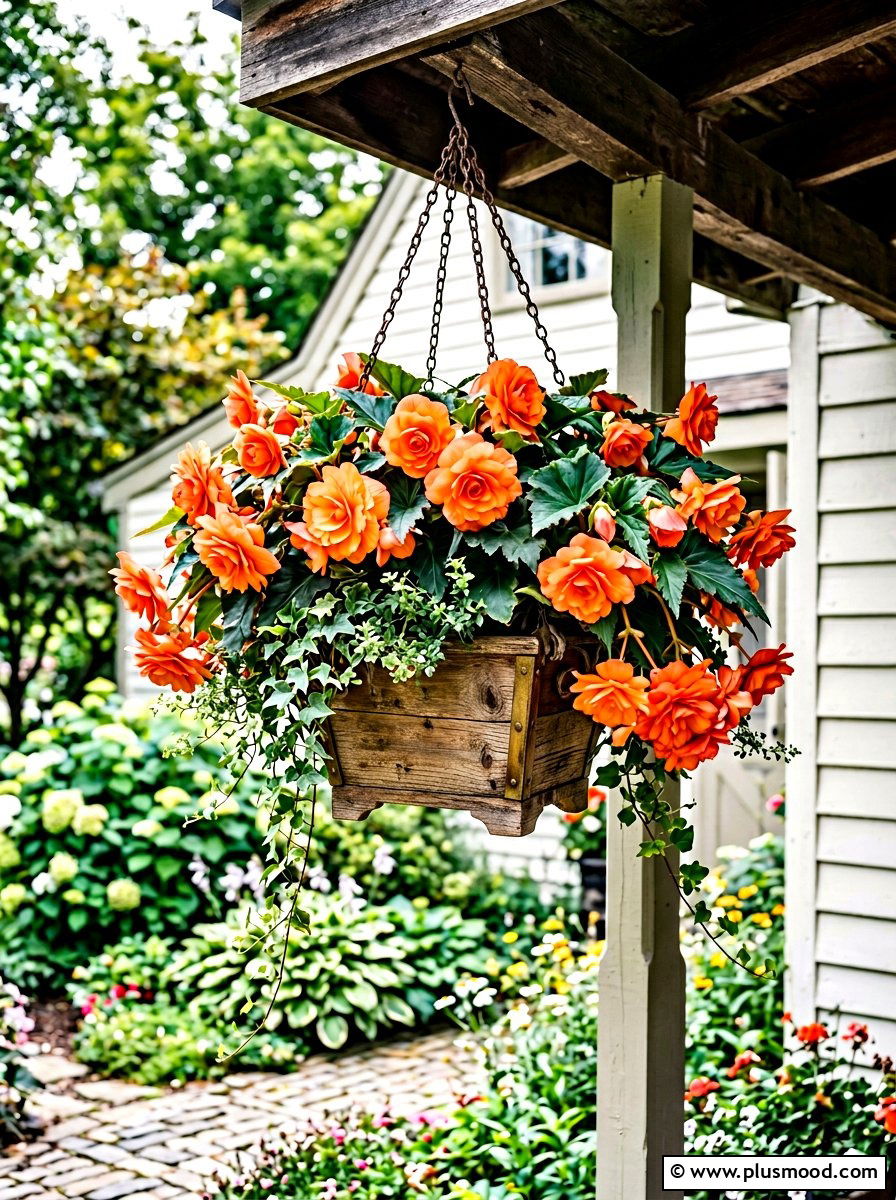
Begonias are versatile plants that offer both stunning flowers and interesting foliage, making them ideal for a begonia hanging box. Tuberous begonias are particularly prized for their large, rose-like blooms that trail downward, while wax begonias offer a more upright and compact growth habit. They are well-suited for partially shaded areas and can handle the humidity of summer with ease. Because they come in a wide range of colors, from fiery orange to soft apricot and pure white, you can easily match them to your home's exterior palette. These plants are relatively low-maintenance, requiring only regular watering and the occasional removal of spent flowers to keep them looking fresh.
25. Coastal theme planter
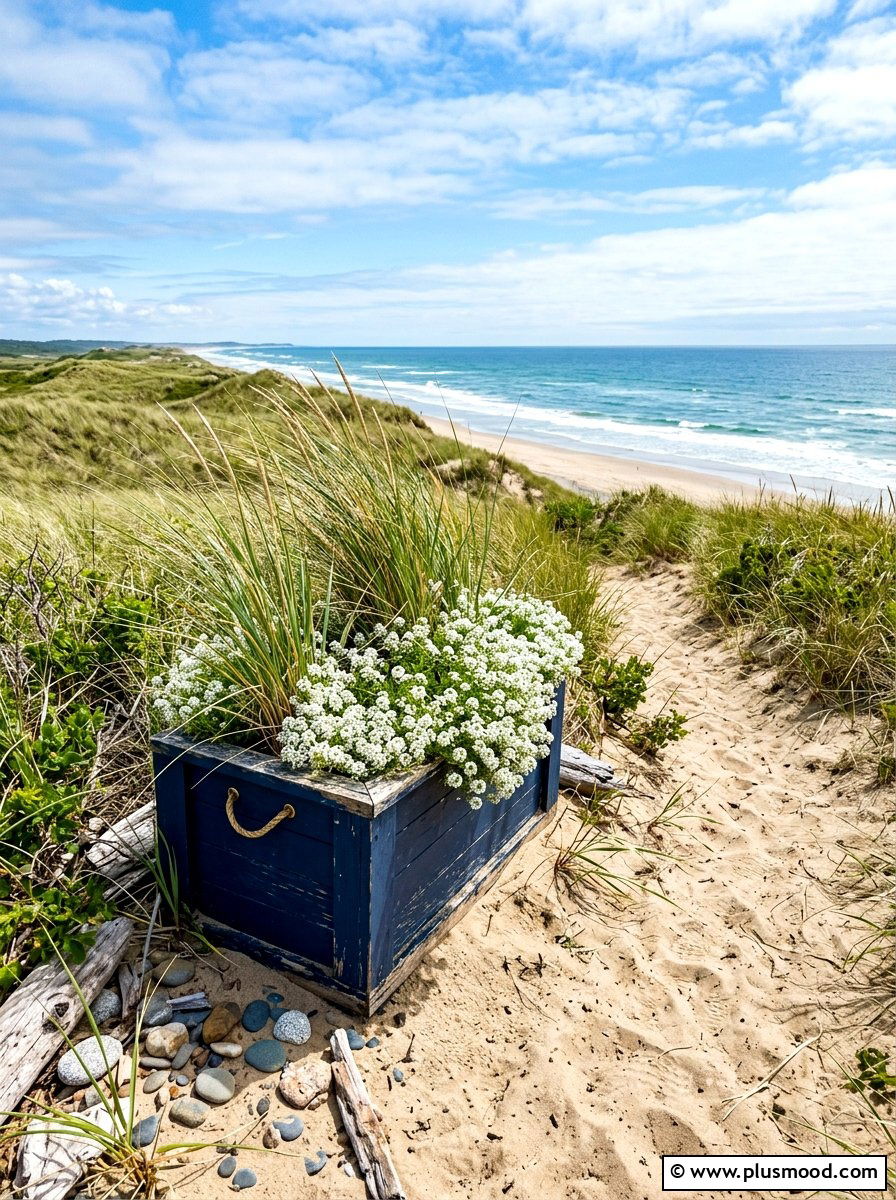
Capture the essence of the seaside with a coastal theme planter that uses colors and textures reminiscent of the beach. Combine airy grasses that mimic sea oats with blue-toned succulents and white flowering plants like alyssum or bacopa. Incorporating elements like weathered driftwood or decorative shells into the top layer of soil can further enhance the nautical vibe. Use containers in shades of navy, white, or sandy beige to tie the whole look together. This style is perfect for homes near the water or for anyone who wants to bring a breezy, relaxed ocean feel to their landlocked patio. It creates a serene and refreshing environment for summer lounging.
Conclusion:
Designing the perfect summer planter box is a rewarding way to express your personal style while enhancing the natural beauty of your home. From the high-energy colors of a bright zinnia box to the serene elegance of a monochromatic white arrangement, there is a concept to fit every garden type and sunlight condition. By considering the specific needs of your plants and the architectural style of your space, you can create a thriving outdoor feature that lasts all season. Remember that consistent watering and quality soil are the foundations of any successful container garden. We hope these diverse ideas inspire you to get outside and start planting your own summer oasis today.
Related posts:
Leave a Reply