
Creating a peaceful sanctuary in your own backyard is a dream for many homeowners today. You can transform even the smallest outdoor space into a vibrant haven for nature by adding a dedicated butterfly house. These charming structures provide a safe place for winged visitors to rest and hide from harsh weather conditions. When you combine these houses with colorful flowers and lush greenery, your yard becomes a living masterpiece of color and movement. This guide explores creative ways to blend beauty with environmental purpose. You will find inspiration for different layouts that prioritize both style and sustainability in a compact footprint for your home.
1. Small pollinator garden
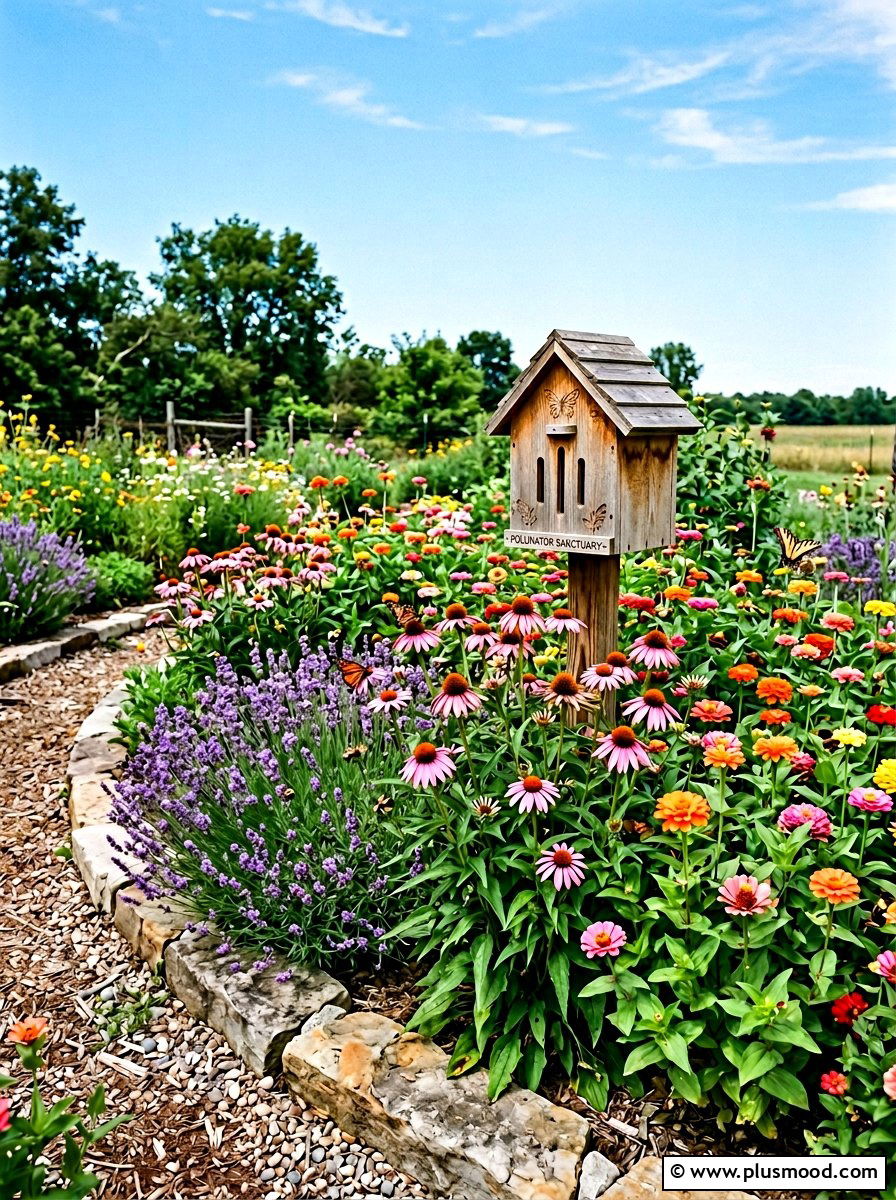
Imagine walking into a backyard filled with the sweet scent of blooming lavender and vibrant coneflowers. A pollinator garden focuses on providing rich nectar sources while creating a stunning visual display for your patio. You can arrange tall stalks of milkweed and bright zinnias in layers to maximize the use of vertical space. A wooden butterfly house sits perfectly among these blooms, offering a safe retreat for local species. The combination of varied colors and textures makes the entire area feel like a lush, wild meadow. Using native plants ensures your garden is easy to maintain and helpful to the local ecosystem throughout the changing seasons.
2. Vertical butterfly trellis
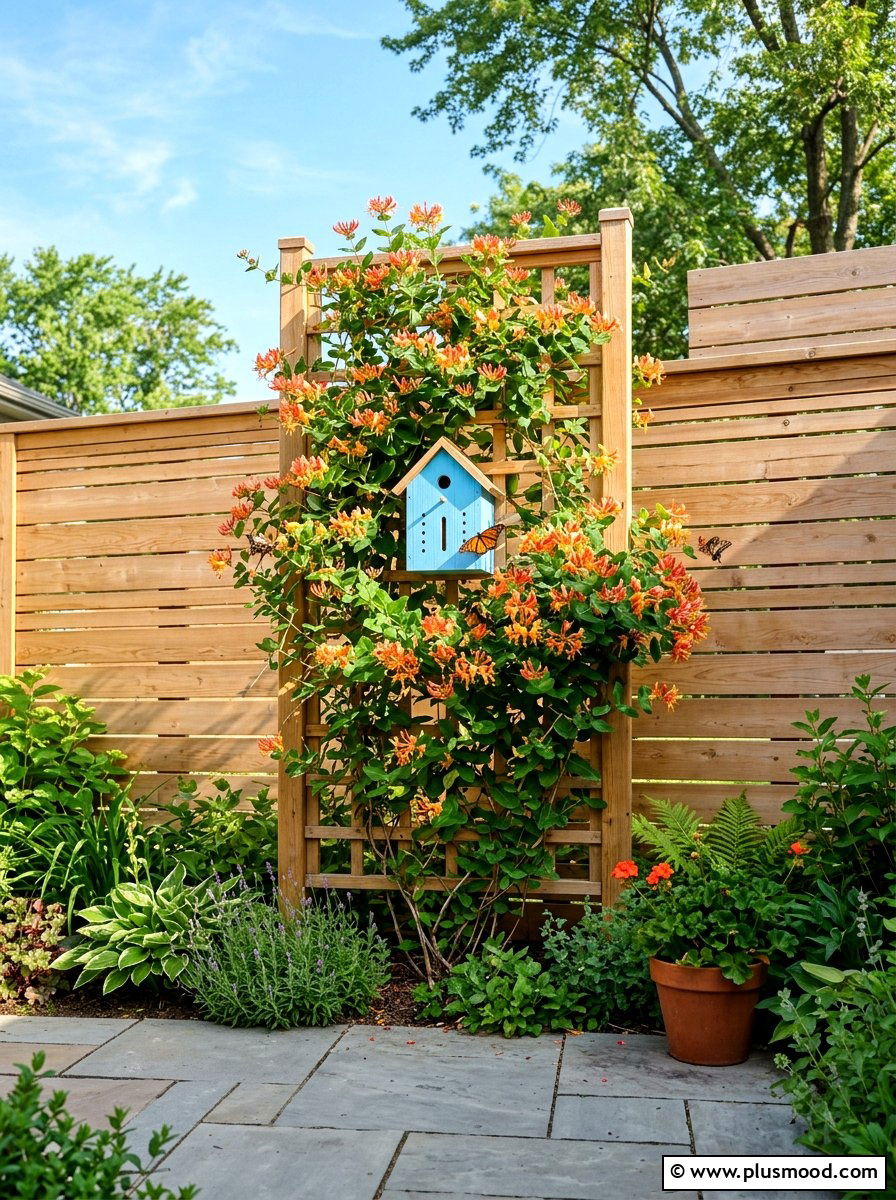
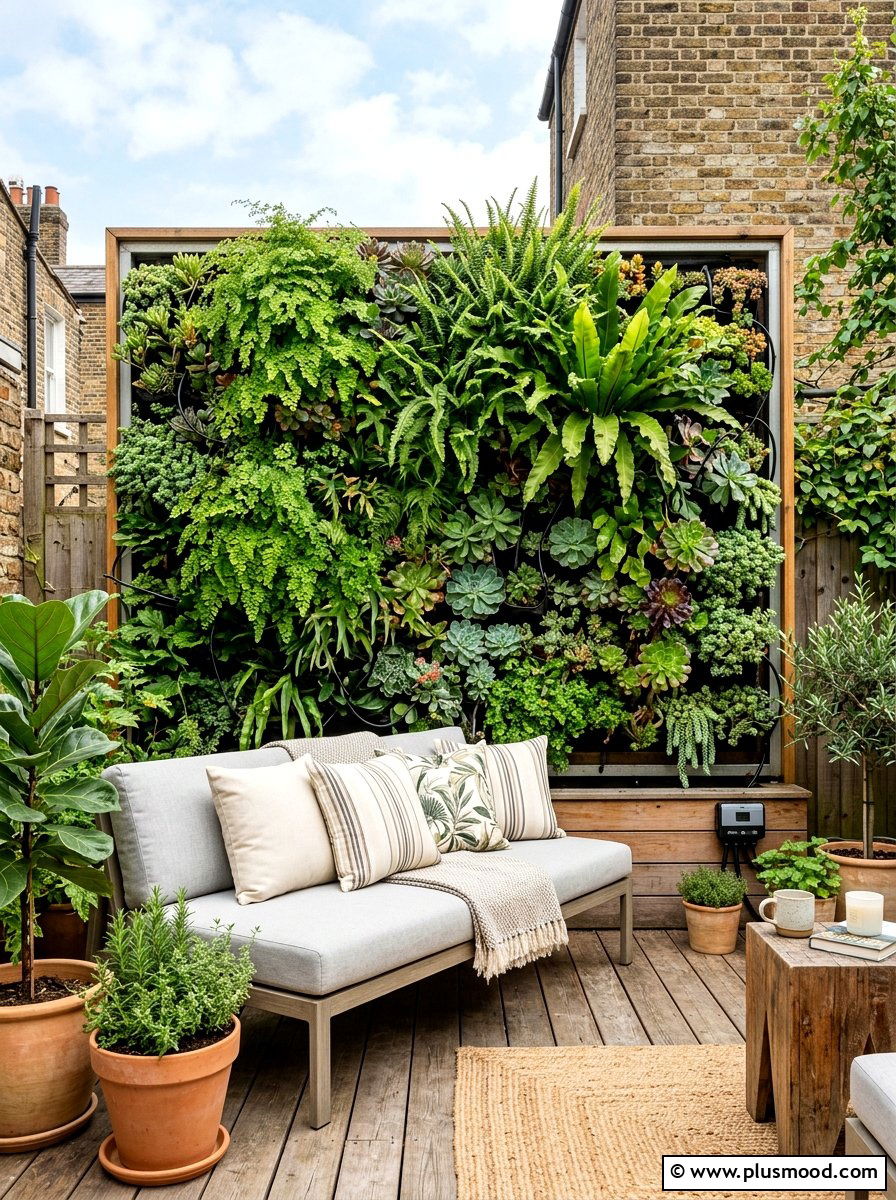
Vertical garden structures are perfect for very small backyards where ground space is extremely limited. You can train climbing vines like honeysuckle or clematis to grow upward, creating a living green wall that looks amazing. A colorful butterfly house can be mounted directly onto the trellis at eye level to become a charming focal point. This arrangement draws the eye upward and provides plenty of privacy for your outdoor lounging area. The vertical greenery provides shade and a dense habitat for various beneficial insects and small birds. It is a smart way to add a lot of style and life to a narrow side yard.
3. Garden stone path
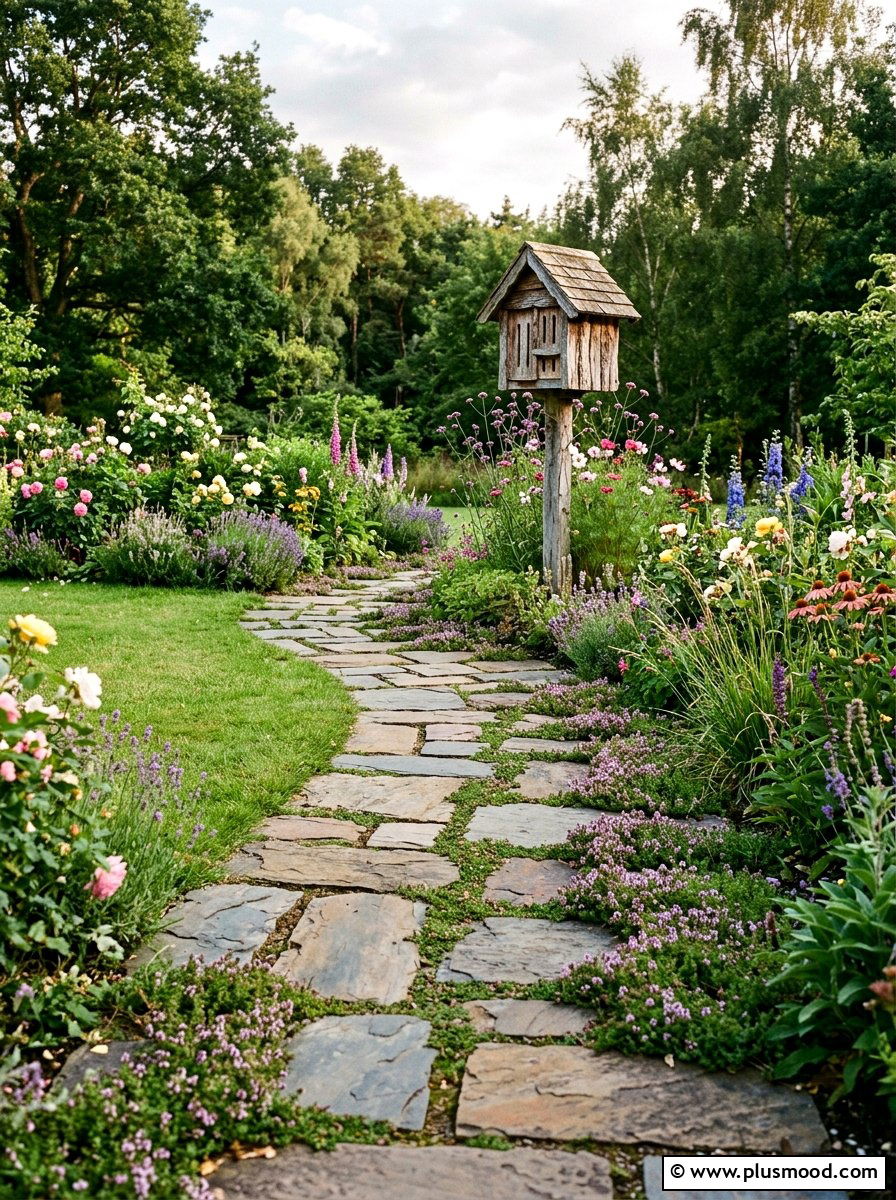
A winding stone path creates a sense of journey and discovery in a compact backyard setting. You can line the walkway with low-growing creeping thyme and delicate alyssum that release a pleasant fragrance when stepped on. Positioning a butterfly house at the end of the path creates a visual destination that encourages you to explore the space. The natural stones provide a grounded, earthy feel that contrasts beautifully with the soft, airy movements of butterflies. This layout helps define different zones in the yard, making a small area feel much larger and more organized. It is a classic design that never goes out of style.
4. Raised garden bed
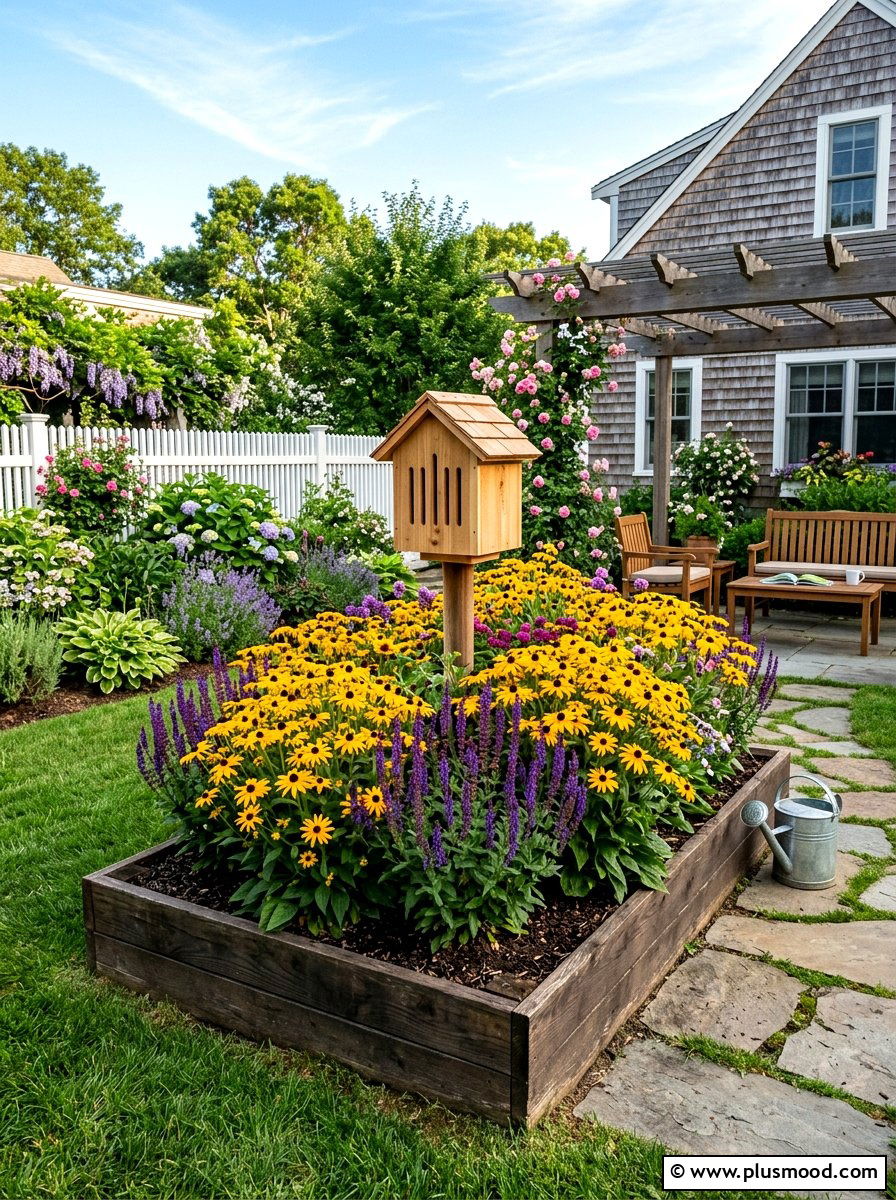
Raised garden beds offer a clean and organized way to grow a variety of nectar-rich plants. You can build these beds using natural cedar or modern composite materials to match your existing home aesthetic. Placing a butterfly house in the center of a raised bed makes it a majestic focal point for the entire yard. These elevated structures provide better drainage for plants and make gardening tasks much easier on your back. You can mix flowering perennials with ornamental grasses to create a dynamic and textured environment. This setup keeps the yard looking tidy while providing a rich habitat for your favorite winged garden visitors.
5. Cottage garden border
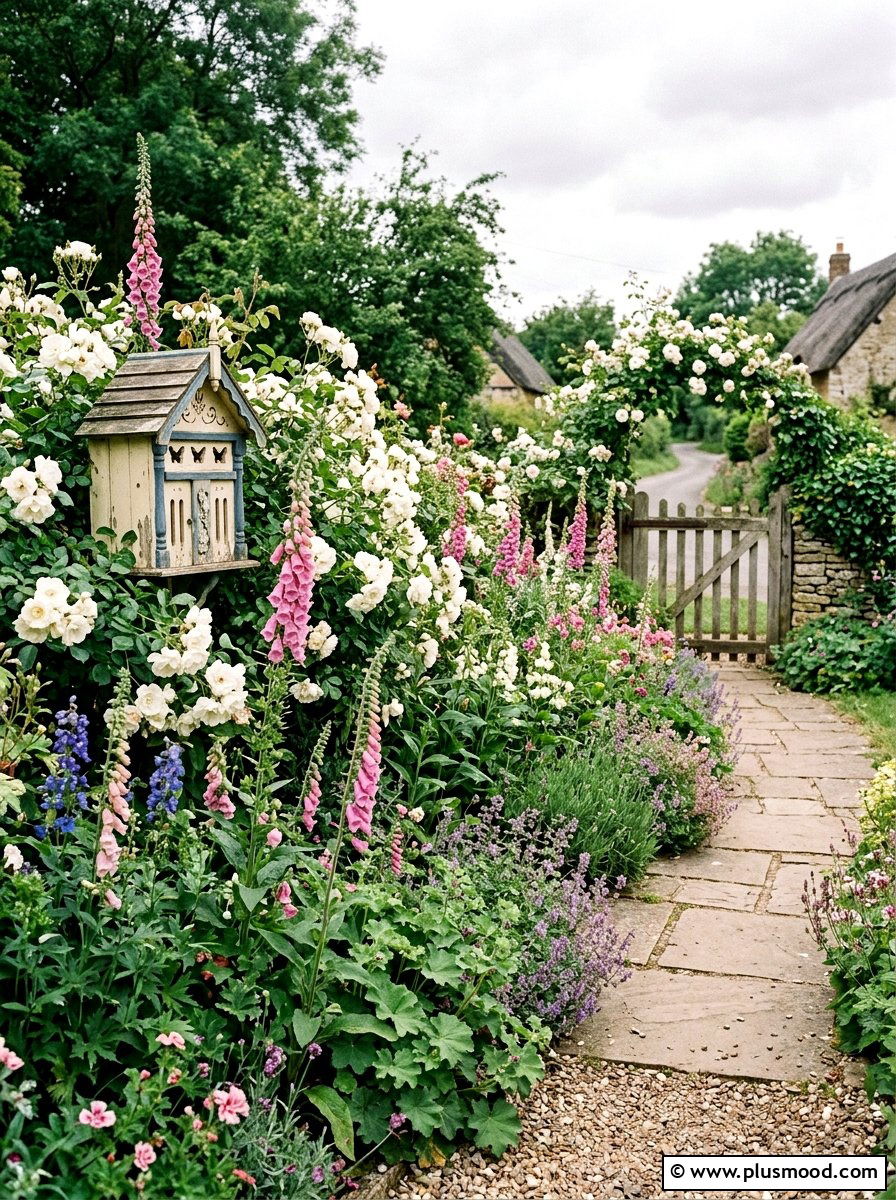
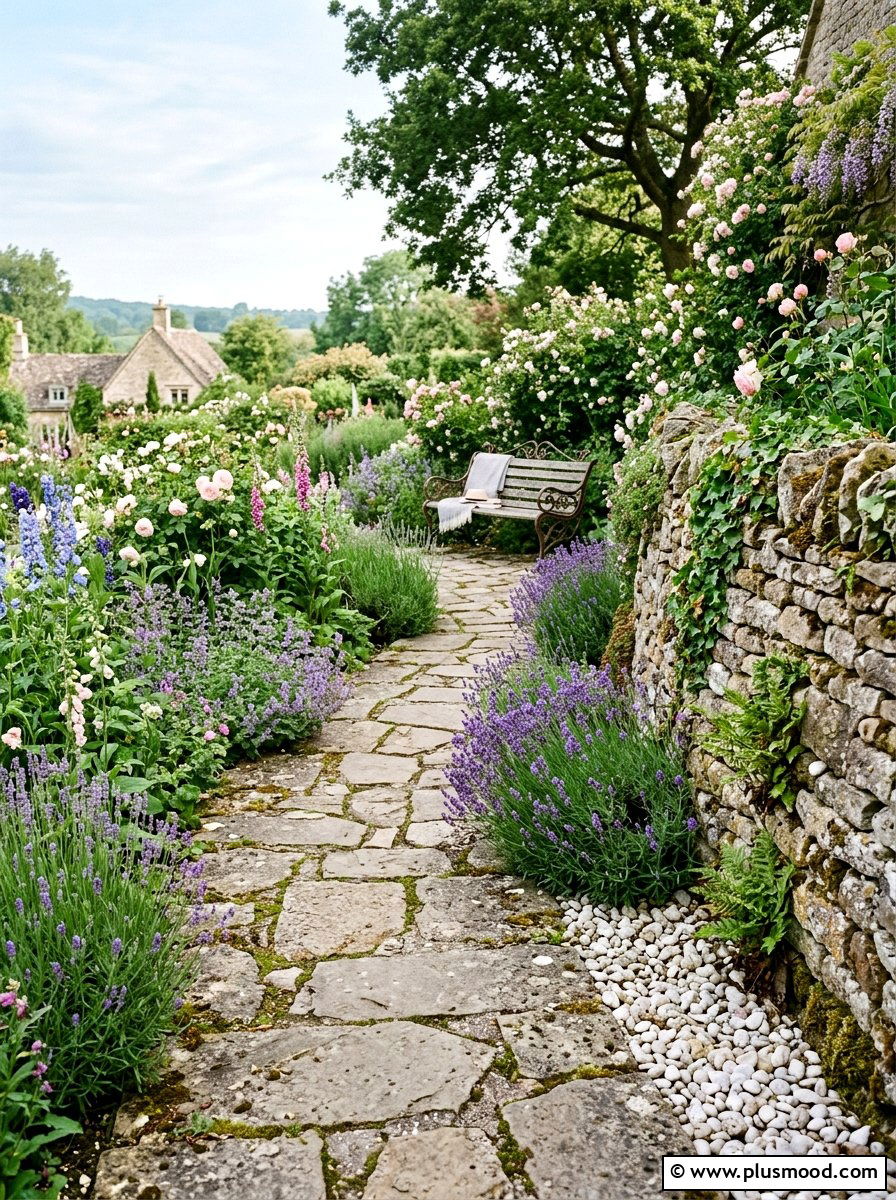
The cottage garden style is all about effortless beauty and a romantic, overflowing abundance of flowers. You can fill your borders with classic favorites like foxgloves, delphiniums, and roses that create a soft, whimsical look. A rustic butterfly house tucked into the back of the border adds a touch of vintage charm to the scenery. This design thrives on a dense planting strategy that leaves very little bare soil visible to the eye. The variety of heights and shapes provides endless places for butterflies to feed and find shelter. It creates a cozy atmosphere that feels private and magical, even in a suburban backyard.
6. Native wildflower meadow
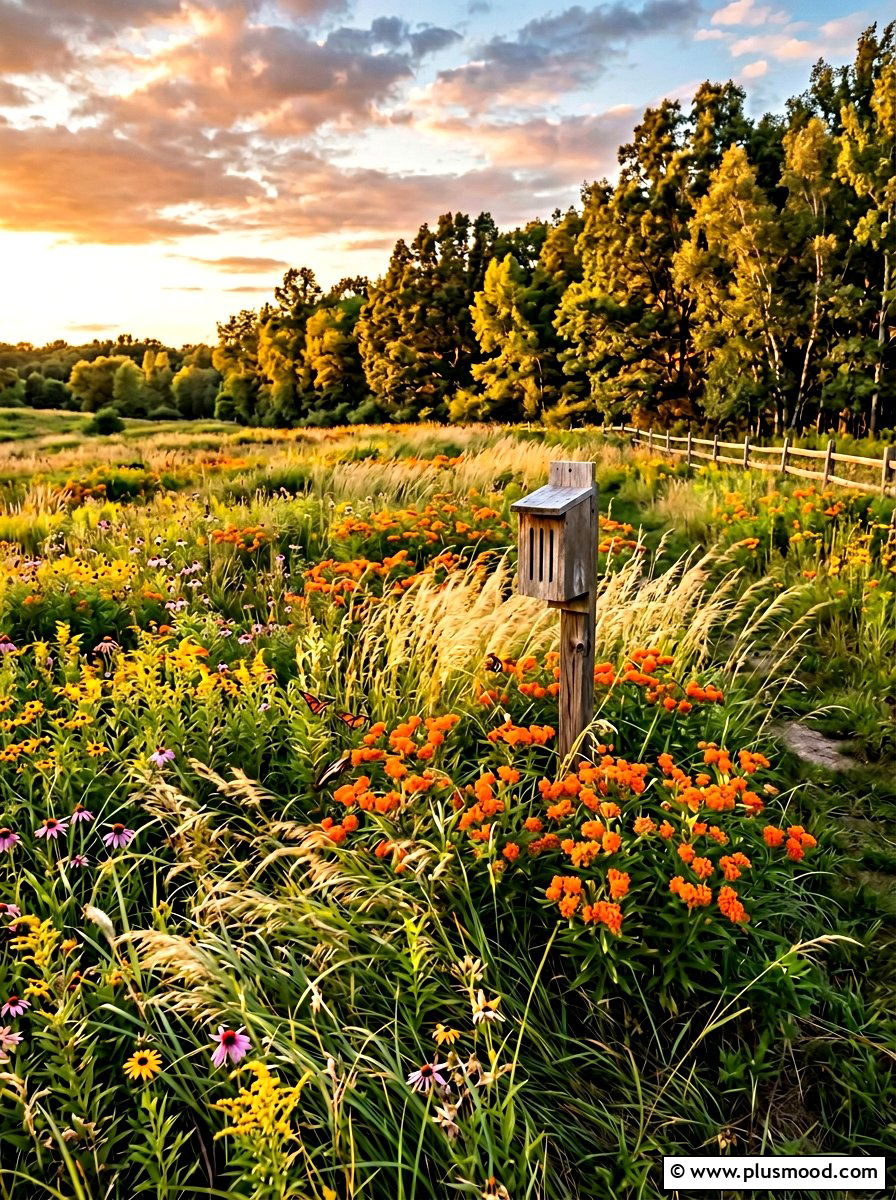
Creating a miniature wildflower meadow is a fantastic way to support local biodiversity with very little effort. You can sow a mix of native seeds that are specifically chosen to attract monarch and swallowtail butterflies. A simple, unpainted butterfly house looks right at home in this naturalistic setting, blending into the surrounding tall grasses. This type of garden requires less water and mowing than a traditional lawn, making it very eco-friendly. The seasonal changes in the meadow provide a shifting palette of colors that keeps your backyard interesting all year long. It is a wonderful way to bring a piece of the wild.
7. Butterfly puddling station
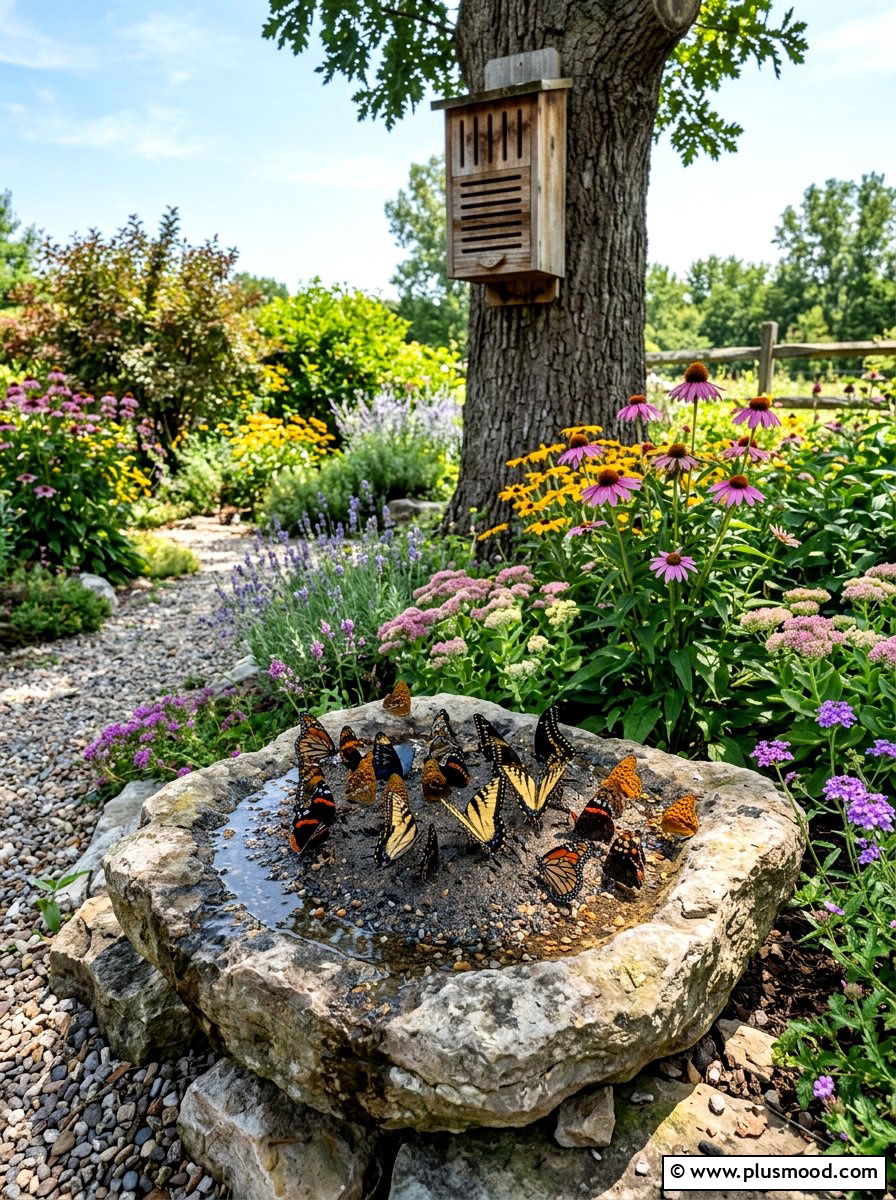
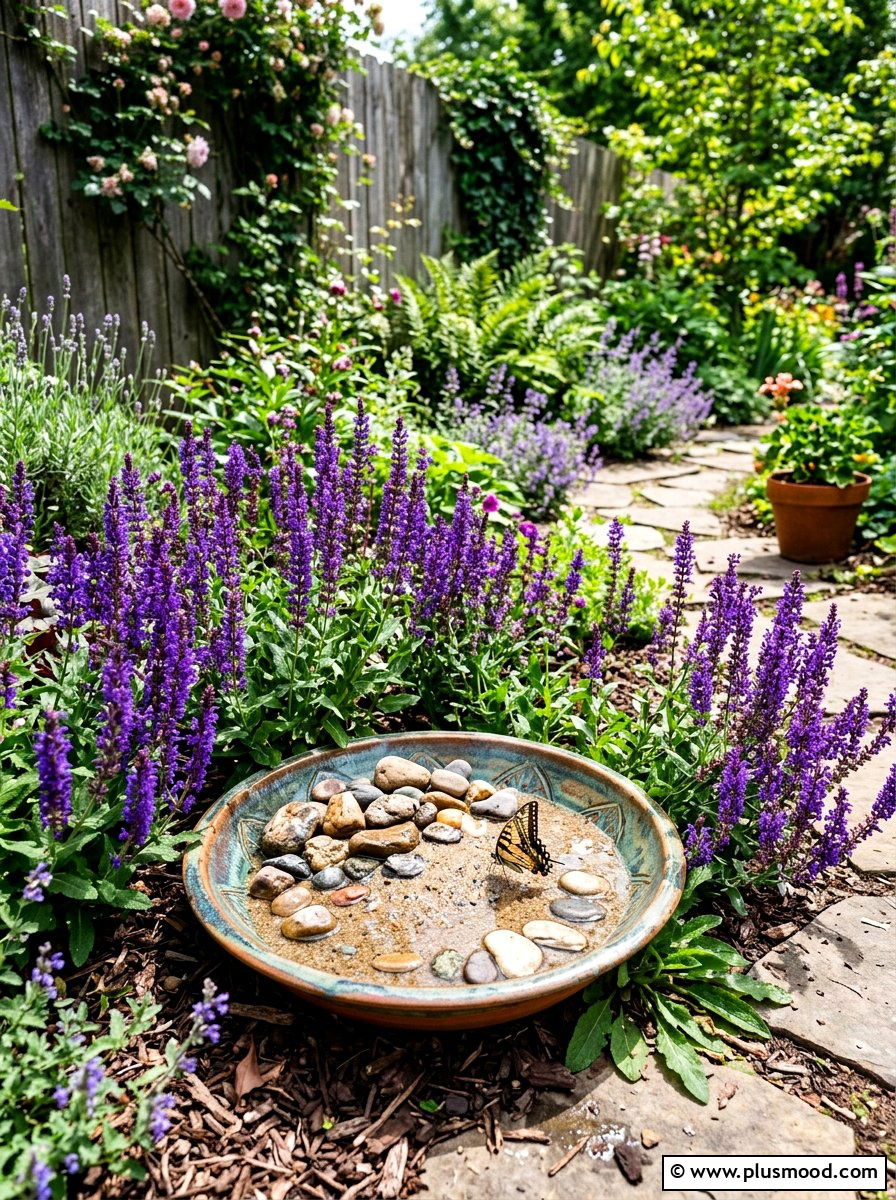
Butterflies need more than just nectar; they also require water and minerals found in damp soil. You can create a beautiful puddling station using a shallow decorative bowl filled with sand, stones, and a little water. Placing this station near a butterfly house creates a complete habitat where insects can thrive and stay healthy. You can surround the area with flat basking stones where butterflies can warm their wings in the morning sun. This functional feature adds a unique sculptural element to your garden design while serving a vital purpose. It is a thoughtful addition that shows your dedication to creating a true nature sanctuary.
8. Modern patio planter
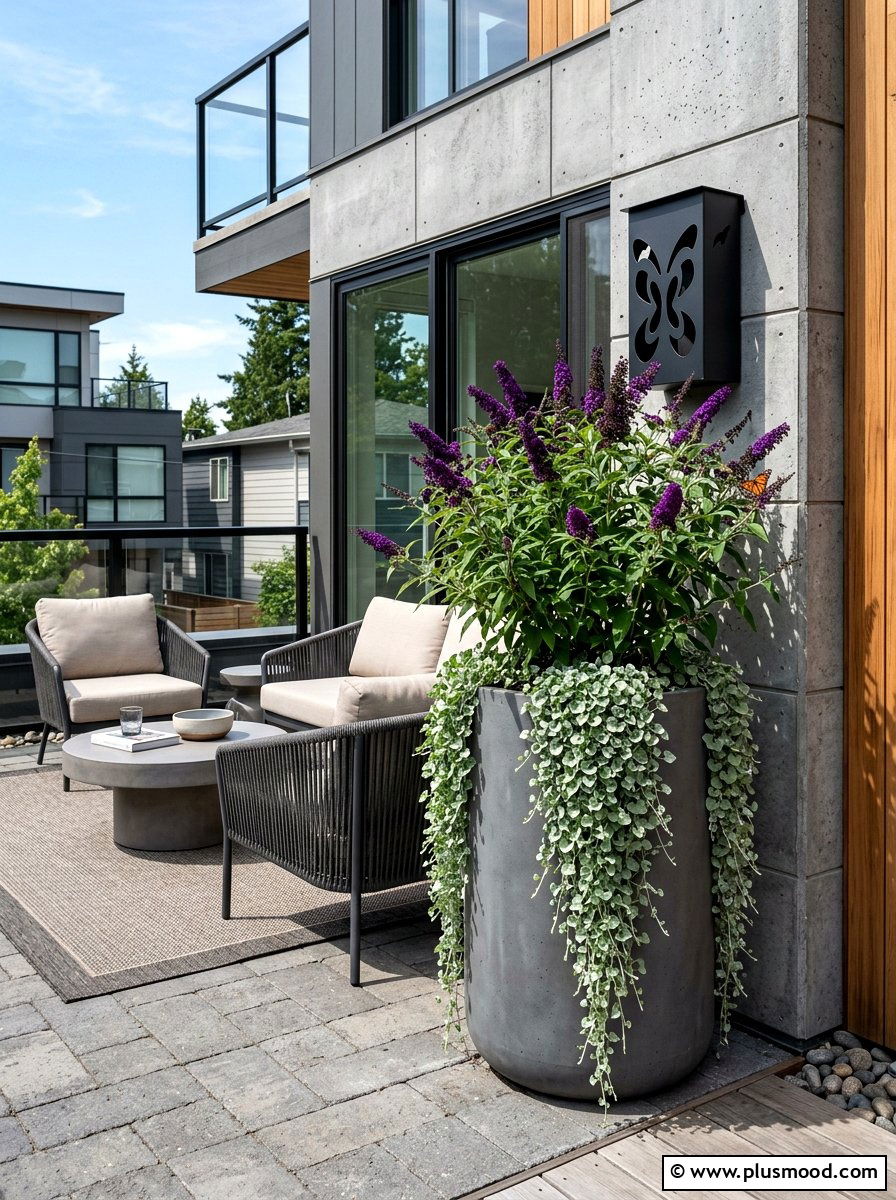
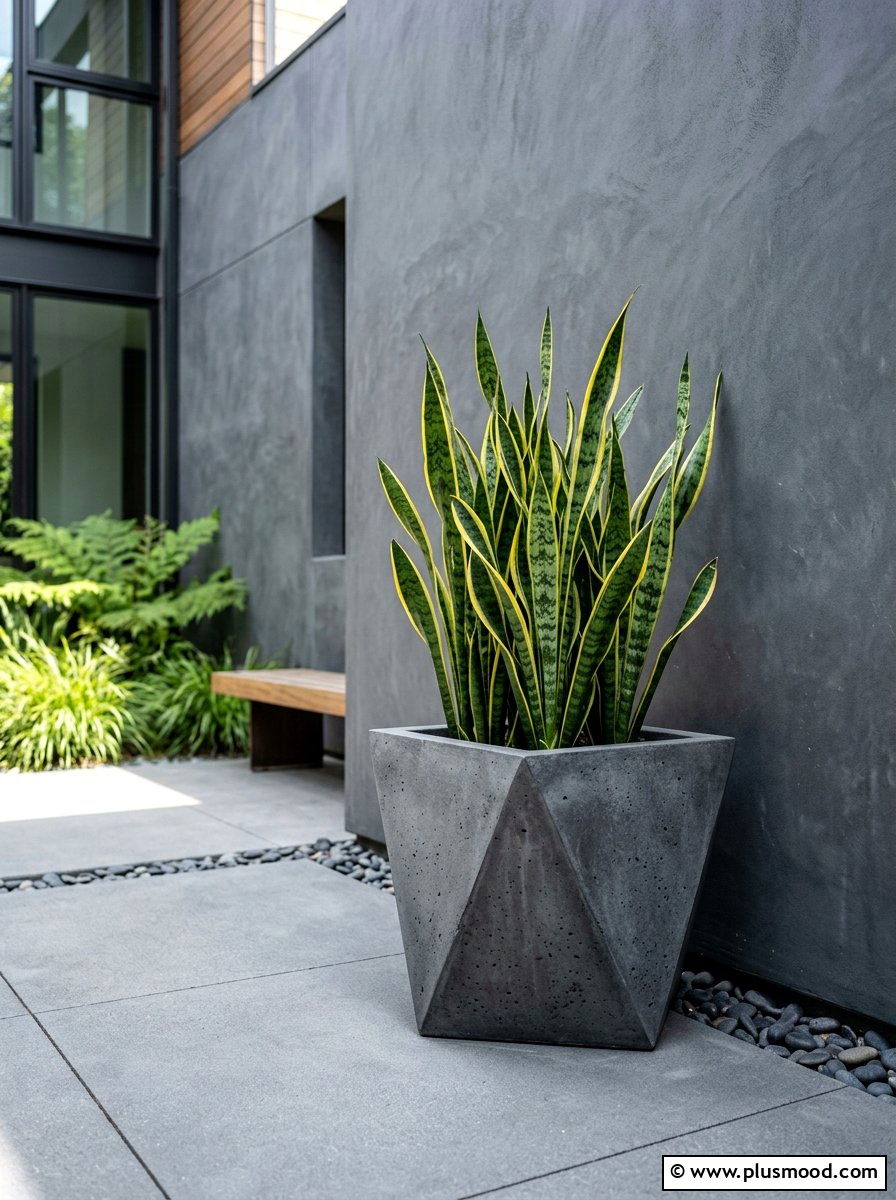
If your backyard is mostly a hardscaped patio, you can still enjoy nature using modern oversized planters. You can choose sleek, minimalist pots in neutral tones and fill them with tall flowering shrubs and trailing vines. Attaching a small butterfly house to a nearby wall or a tall stake within a planter brings the wildlife closer. This approach allows you to move your garden around to catch the best sunlight throughout the year. The contrast between the clean lines of modern furniture and the organic shapes of butterflies creates a sophisticated look. It is an ideal solution for urban dwellers with very limited outdoor space.
9. Window box garden
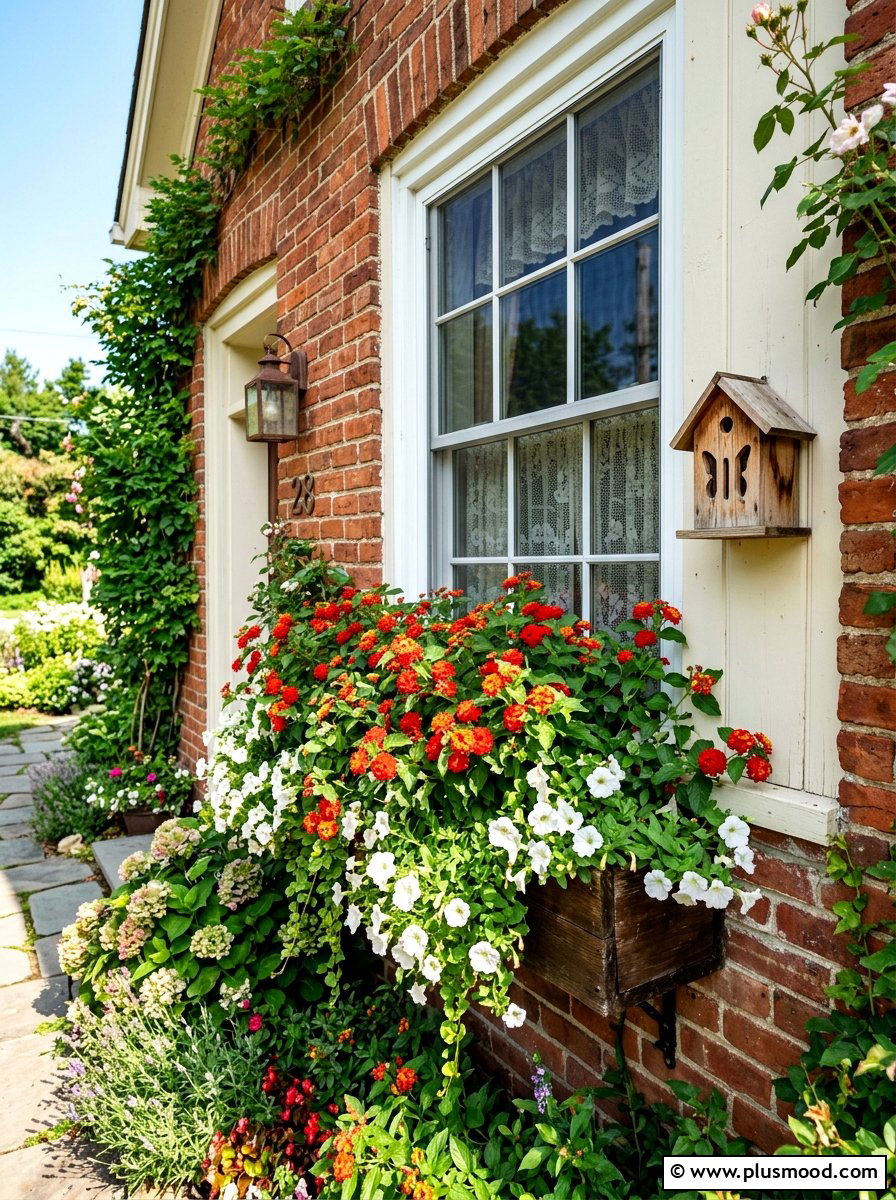
Window boxes are an excellent way to bring the beauty of a butterfly garden right up to your home. You can plant a mix of trailing petunias and upright lantana to create a lush, cascading effect. Mounting a butterfly house on the wall next to the window allows you to watch the insects from inside. This creates a wonderful connection between your indoor and outdoor living spaces throughout the summer months. The bright colors of the flowers enhance your home's curb appeal while providing a quick snack for passing pollinators. It is a simple project that yields big results for any small-scale backyard enthusiast.
10. Corner garden sanctuary
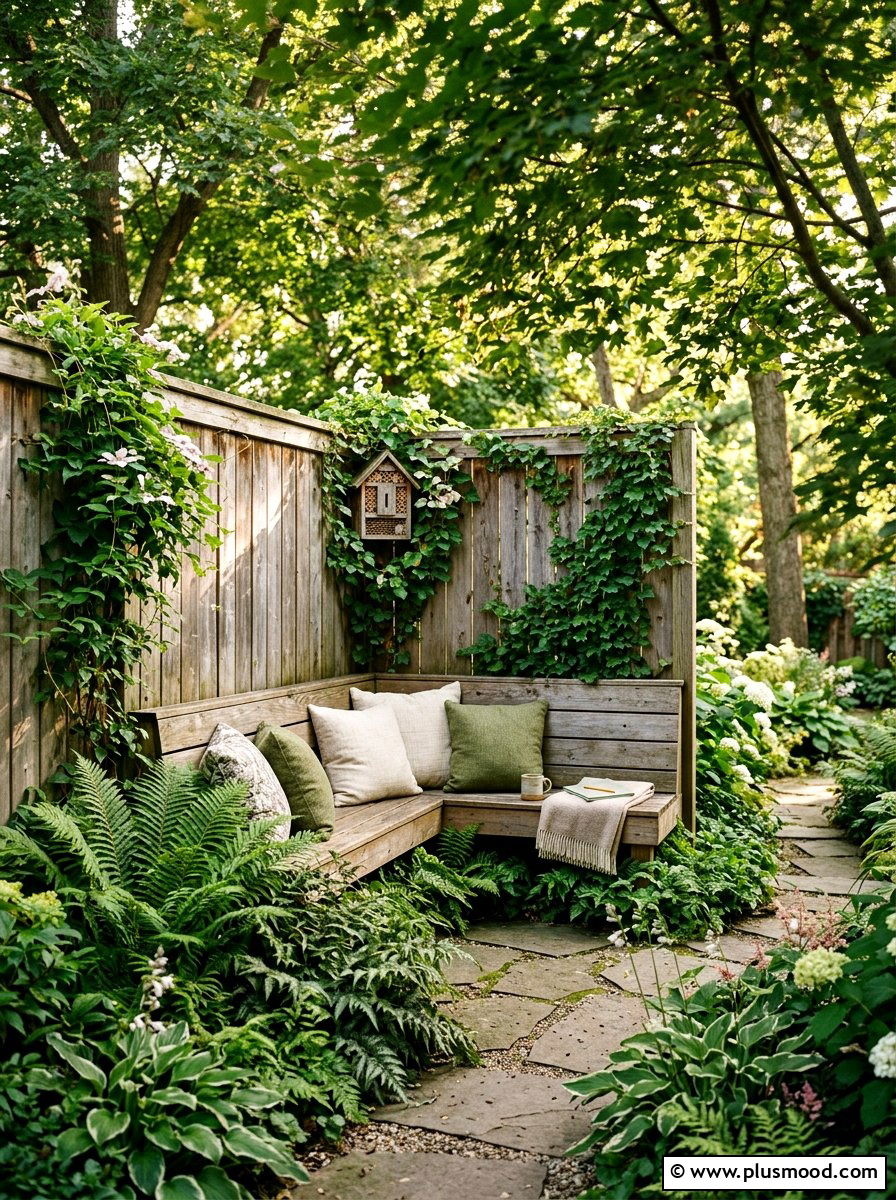
The corners of a small backyard are often overlooked, but they can be transformed into a cozy sanctuary. You can install a L-shaped bench and surround it with tall ferns and bright butterfly-friendly bushes like buddleia. A butterfly house placed in the very corner provides a sense of protection and quiet for the resting insects. This setup creates a perfect reading nook where you can relax while surrounded by the sights and sounds of nature. Using different heights of plants helps to soften the harsh lines of fences or walls. It turns a dead space into the most popular part of your entire outdoor area.
11. Butterfly rock garden
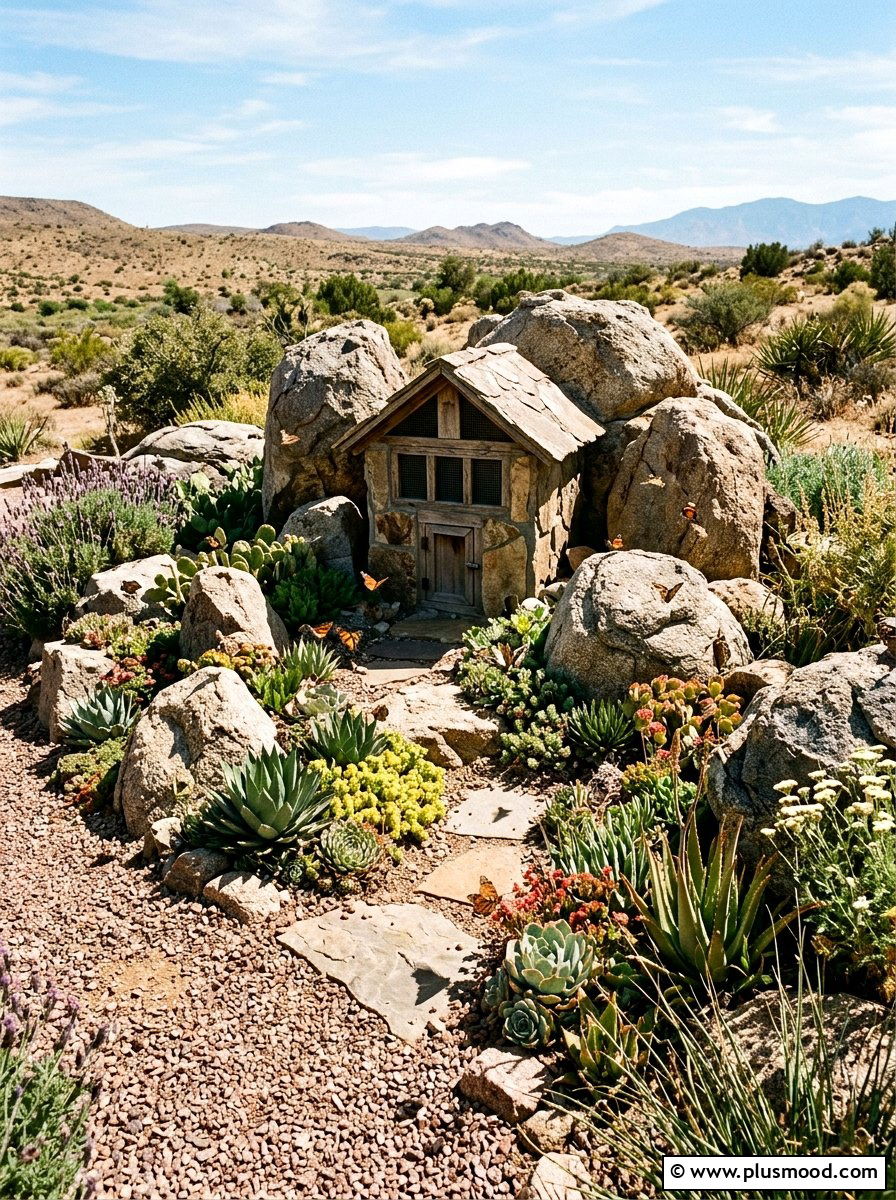
A rock garden provides a rugged and low-maintenance landscape that looks beautiful in any small backyard. You can use large boulders and smaller river rocks to create a naturalistic terrain for alpine plants and succulents. A stone-colored butterfly house can be nestled among the rocks to maintain a cohesive and earthy aesthetic throughout the space. The stones hold heat during the day, which butterflies love when they need to regulate their body temperature. This design is perfect for dry climates or areas with poor soil where traditional flower beds might struggle. It offers a unique texture that stands out from more traditional garden styles.
12. Herb garden patch
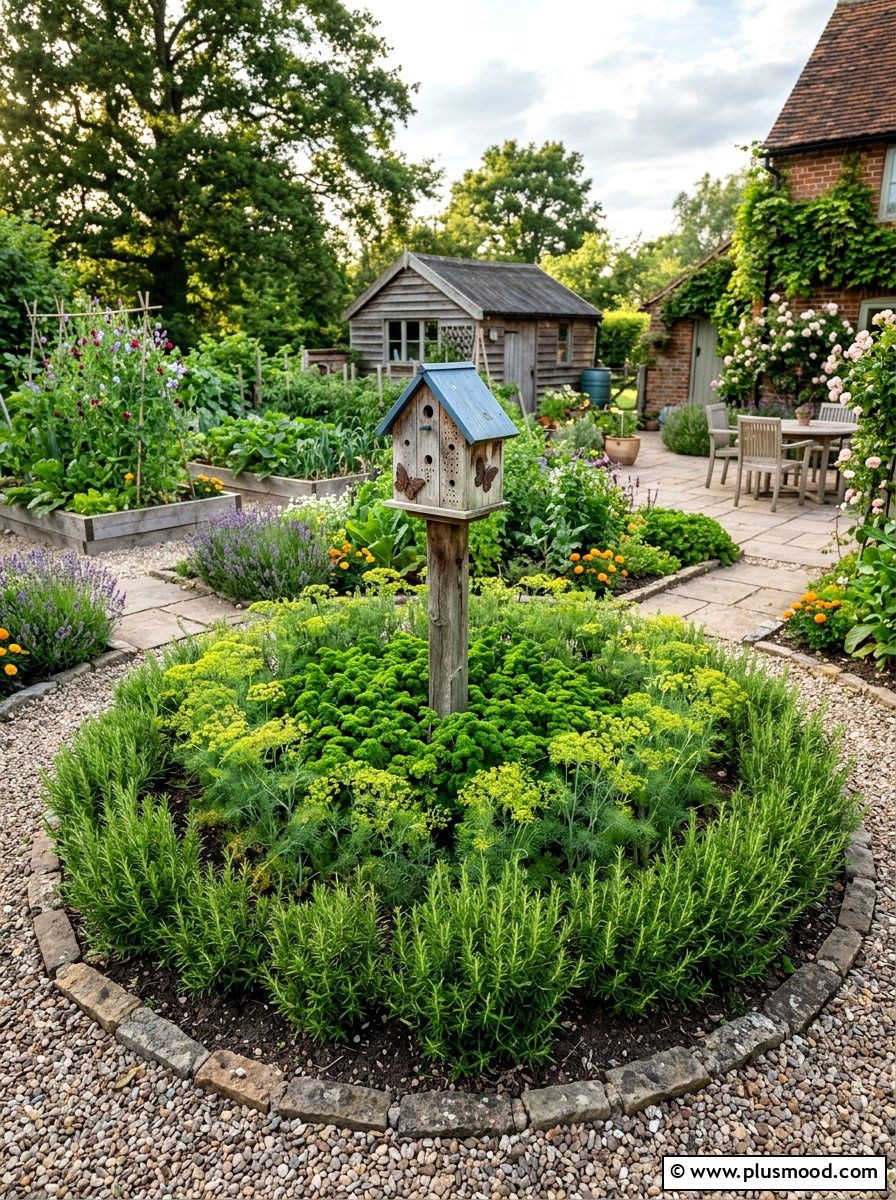
Mixing beauty with utility is easy when you create a dedicated herb garden that butterflies also love. Many common herbs like dill, fennel, and parsley serve as vital host plants for butterfly larvae and caterpillars. You can arrange these herbs in a circular patch with a central butterfly house to create a balanced look. The aromatic scents of rosemary and mint add another layer of sensory enjoyment to your small backyard space. This design allows you to harvest fresh ingredients for your kitchen while supporting the life cycle of local butterflies. It is a functional and beautiful way to maximize your small garden footprint.
13. Succulent garden layout
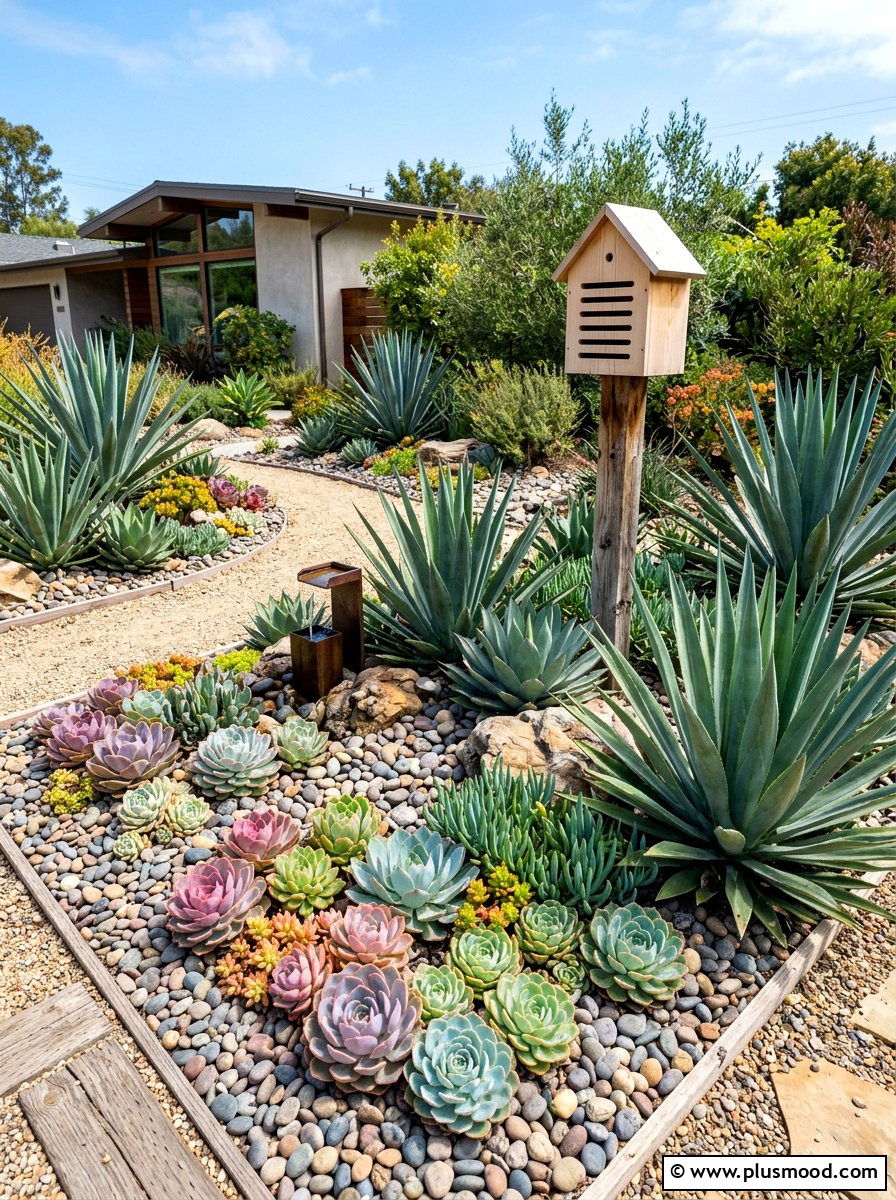
For a modern and water-wise approach, a succulent garden offers incredible textures and surprising floral blooms. You can use a variety of echeveria, sedum, and agave to create a colorful tapestry on the ground. A minimalist butterfly house made of light wood or metal complements the architectural shapes of the succulents perfectly. These plants are incredibly hardy and require very little attention once they are established in the soil. The low-growing nature of succulents makes the backyard feel open and airy rather than crowded or overgrown. It is a stylish choice for homeowners who want a high-impact look with very minimal maintenance requirements.
14. Garden archway trellis
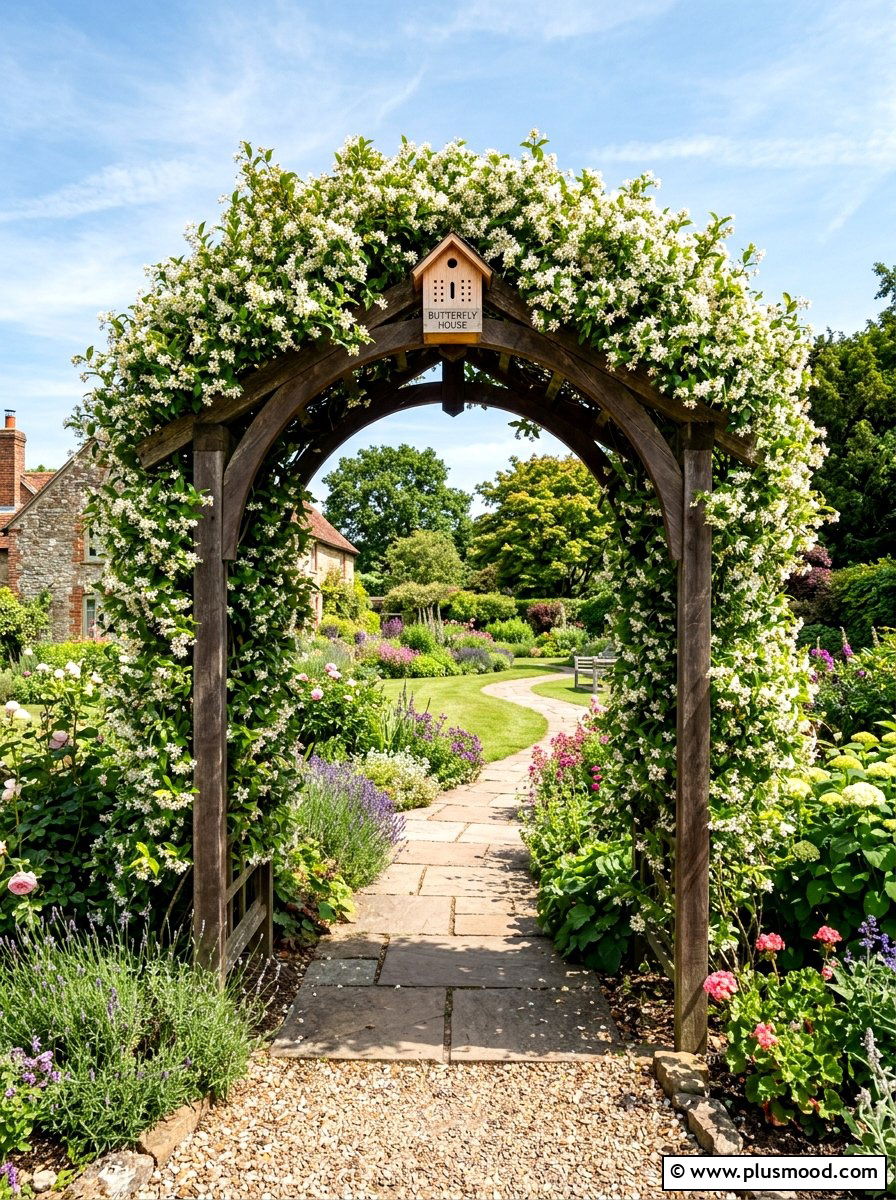
An archway serves as a grand entrance to your small backyard and provides a perfect support for climbing plants. You can grow fragrant jasmine or colorful climbing roses over the structure to create a tunnel of flowers. A butterfly house mounted at the peak of the arch greets guests as they enter your private outdoor world. This vertical element adds a sense of height and drama that makes the yard feel more expansive and grand. The flowers on the arch provide nectar at a high level, attracting different species of butterflies to the area. It is a classic architectural feature that brings instant character to your home.
15. Fairy garden landscape
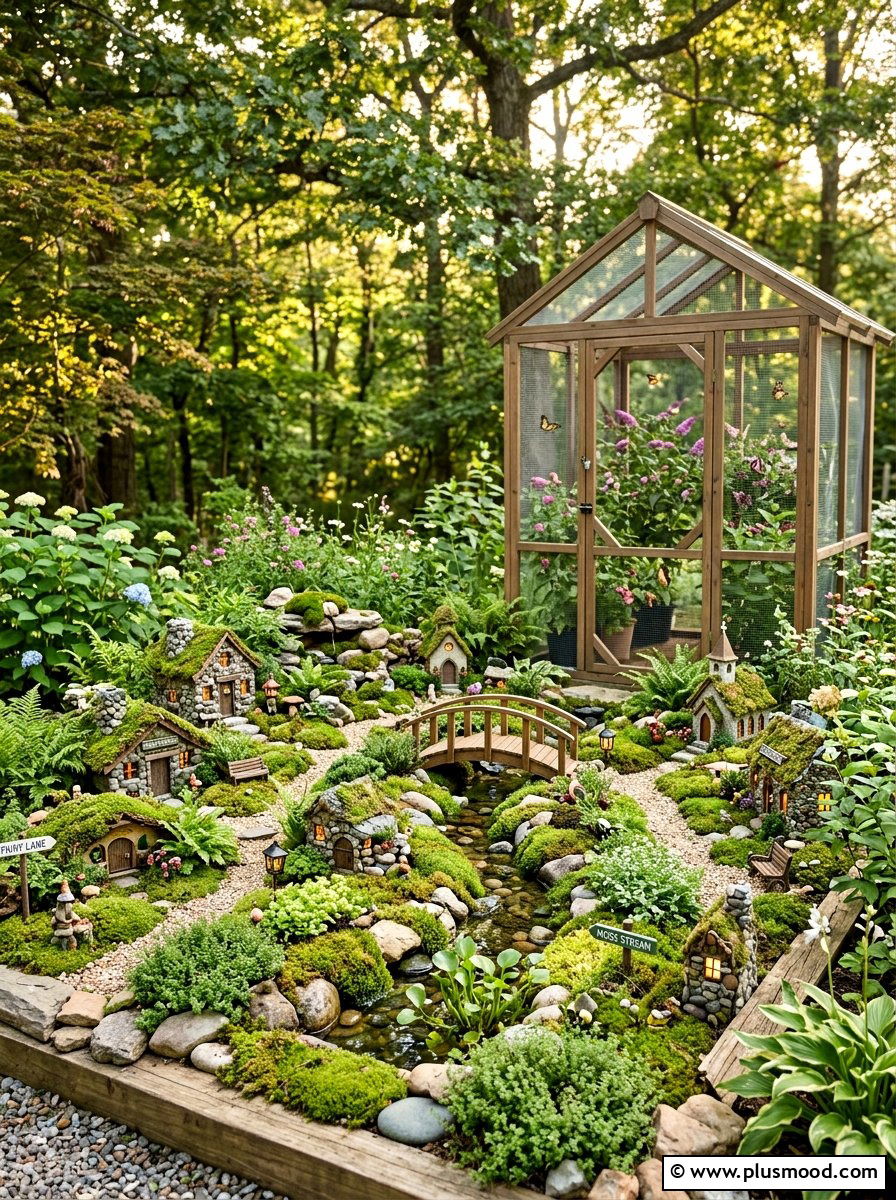
A fairy garden brings a touch of whimsy and imagination to a small corner of your backyard space. You can use miniature plants, tiny stone paths, and small decorative houses to create a magical world. A standard-sized butterfly house acts as a giant "mansion" within this tiny landscape, adding a fun sense of scale. This style is especially popular with families and provides a great way to teach children about nature and gardening. You can use colorful mosses and small flowering groundcovers to keep the miniature theme consistent. It is a playful and creative design that sparks joy for everyone who visits your backyard.
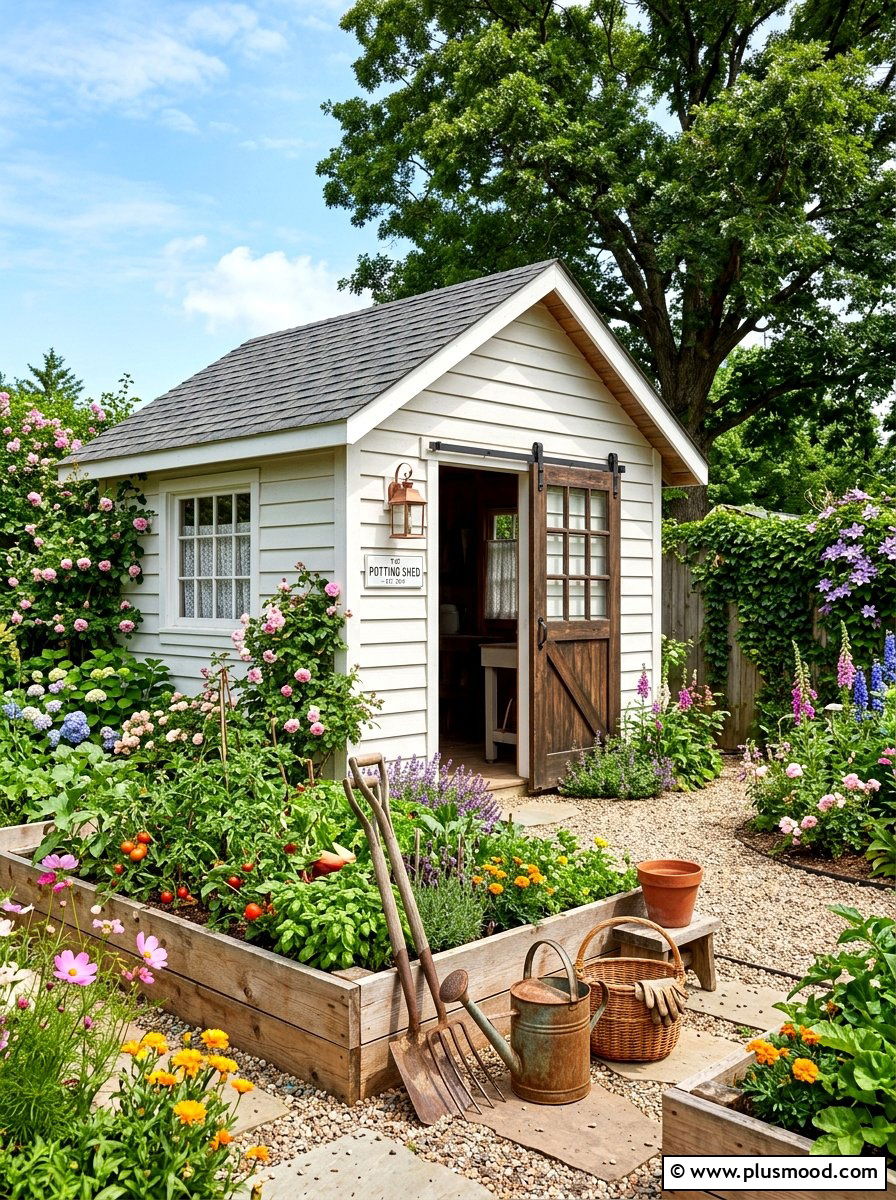
16. Perennial flower garden
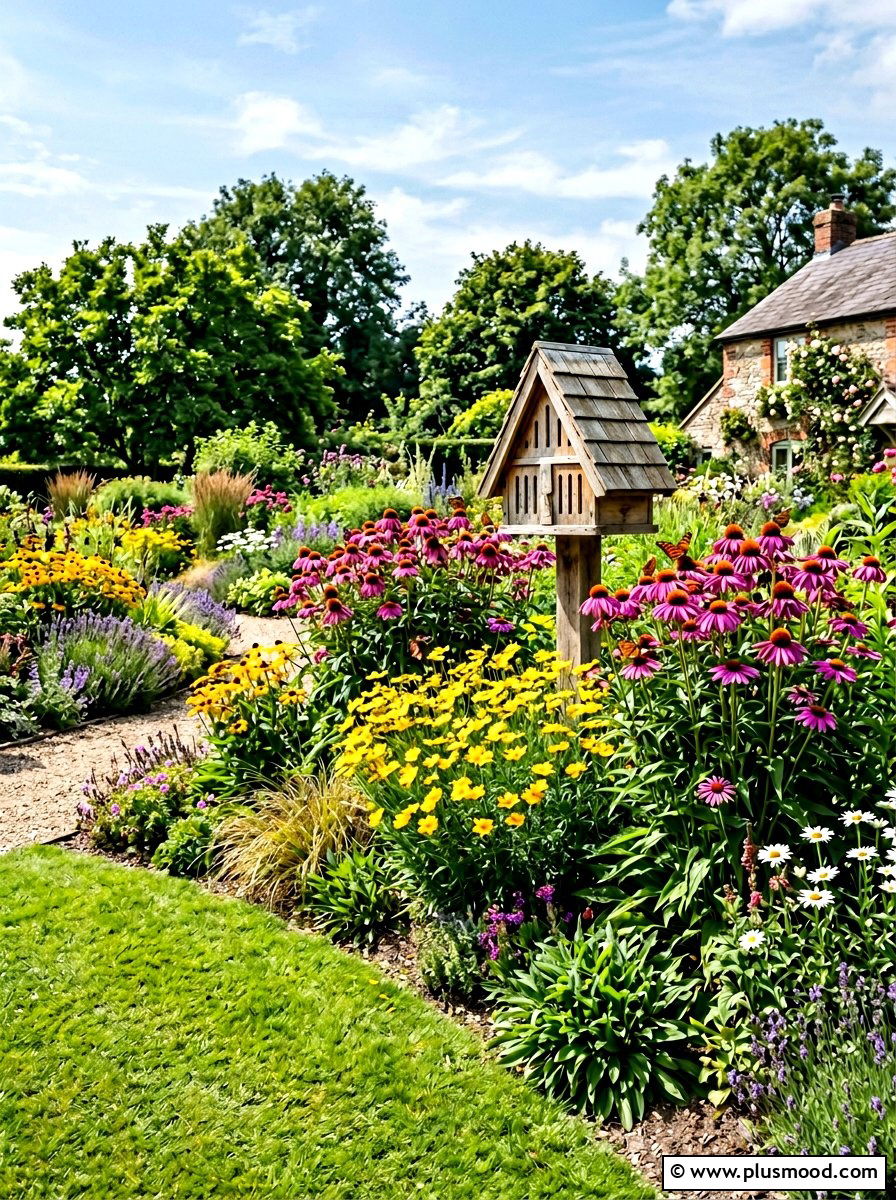
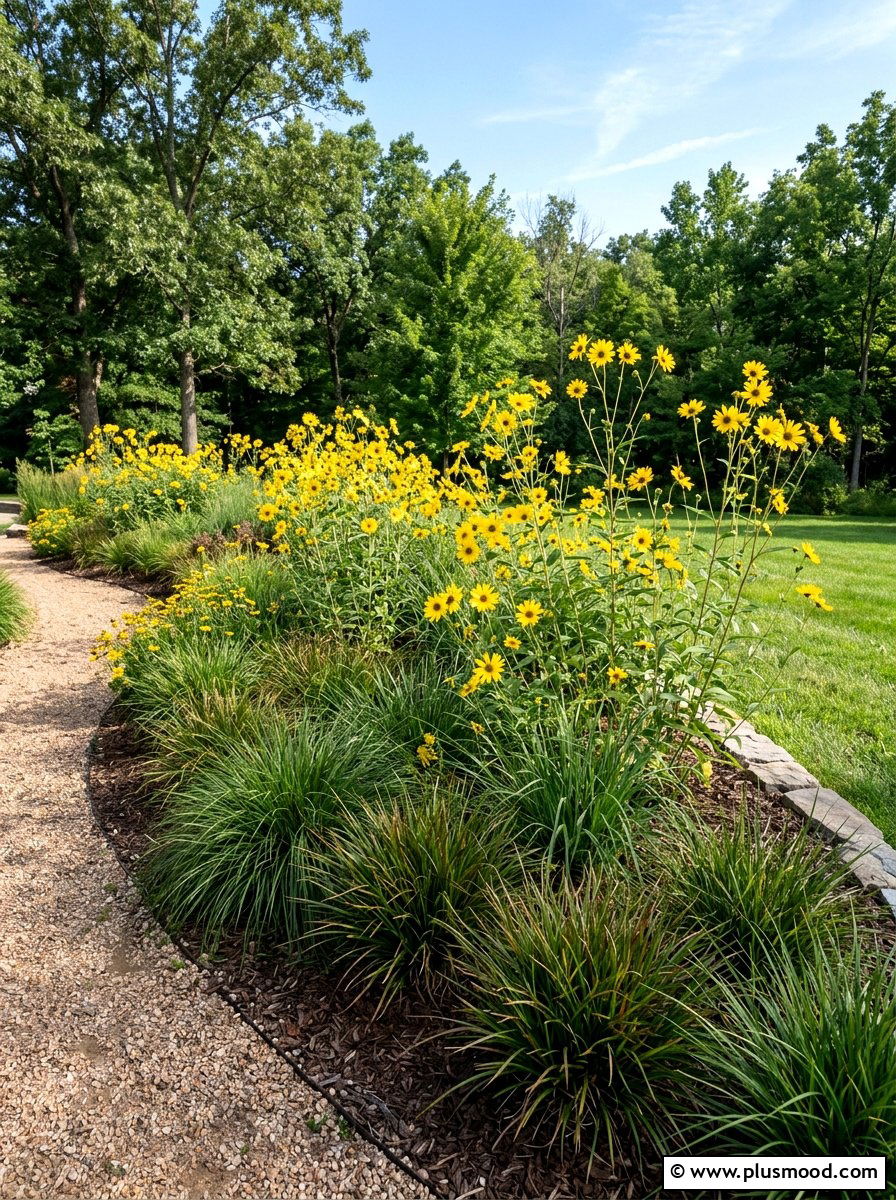
Perennial gardens are a smart investment because the plants come back year after year with more vigor. You can select a variety of species that bloom at different times to ensure a constant food source. A butterfly house remains a permanent fixture among the changing scenery of black-eyed Susans and purple coneflowers. This consistency helps the butterflies recognize your yard as a reliable and safe place to visit every season. The deep roots of perennials help improve the soil quality and make the garden more resilient to weather changes. It is a sustainable way to build a lasting habitat for nature in your own backyard.
17. Shade garden space
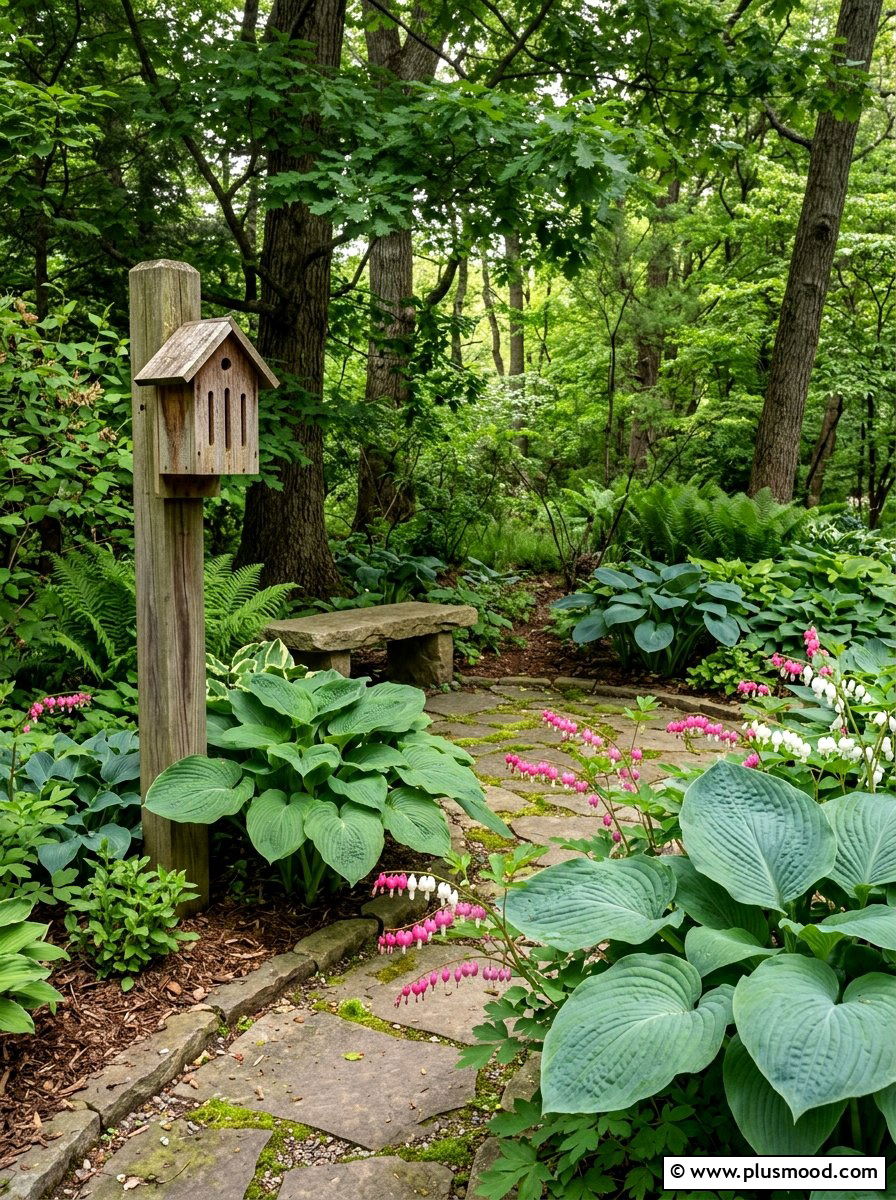
Even if your backyard is tucked under large trees, you can still create a thriving butterfly habitat. Shade-loving plants like hostas, bleeding hearts, and certain types of impatiens provide a lush and cool environment. A butterfly house placed in a dappled sunlight area offers a cool retreat during the hottest parts of the summer. The deep greens and soft textures of shade plants create a very calming and serene atmosphere for relaxing. You can add a small bench or a hammock nearby to enjoy the peaceful surroundings of your woodland-style retreat. This design proves that you do not need full sun to enjoy butterflies.
18. Garden privacy fence
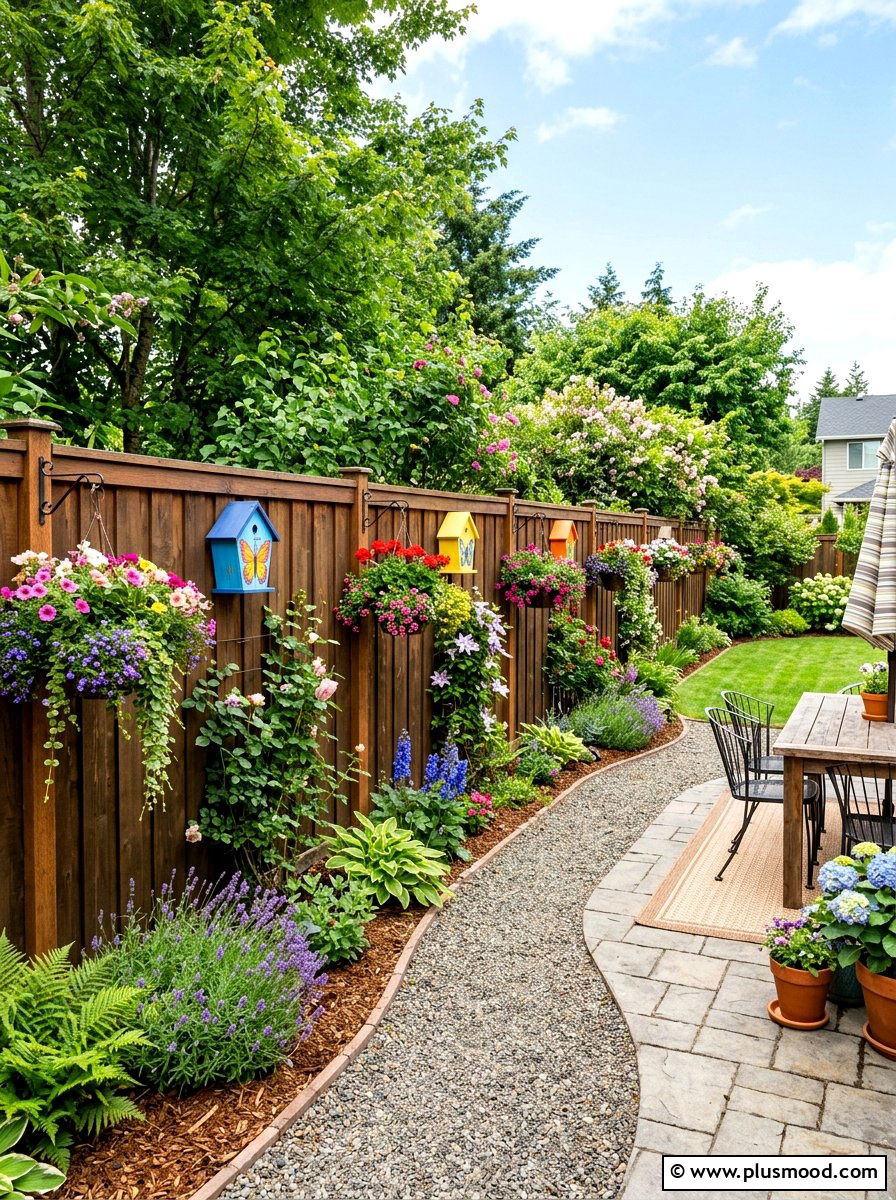
A privacy fence can be more than just a barrier; it can be a vertical canvas for your garden. You can attach hanging planters and wall-mounted butterfly houses directly to the wooden panels of the fence. This saves valuable ground space and brings the greenery up to eye level for a better view. Using a dark stain on the fence makes the bright colors of the flowers and the butterfly house pop. It transforms a functional necessity into a beautiful feature that defines the boundaries of your sanctuary. This approach is ideal for narrow yards where every square inch of space counts toward your design goals.
19. Backyard pond feature
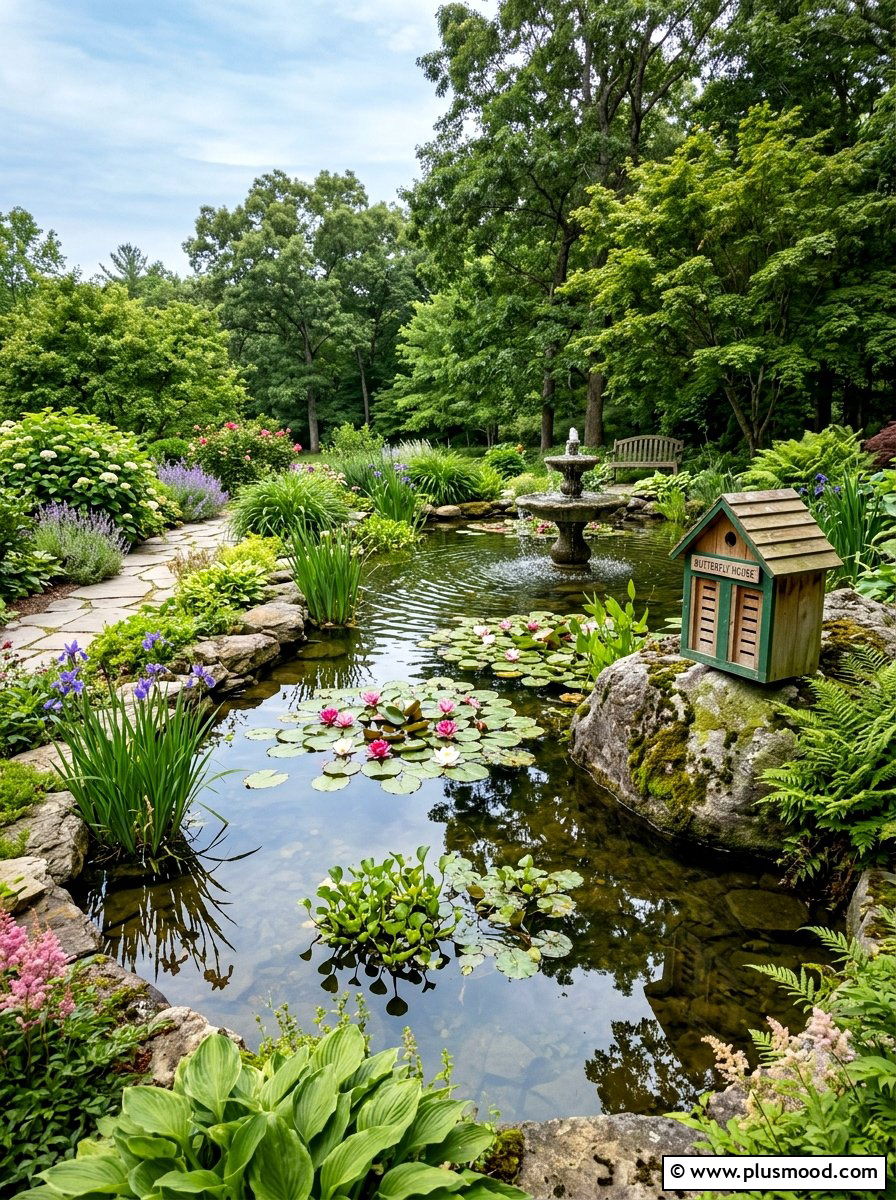
A small pond adds a sense of tranquility and movement to a backyard with the sound of trickling water. You can surround the water feature with moisture-loving plants like irises and marsh marigolds that attract many insects. A butterfly house positioned near the water creates a picturesque scene that looks like a natural wetland area. The water provides a cooling effect for the entire yard during the hot summer months for your comfort. You can add a small solar-powered fountain to keep the water moving and prevent any mosquitoes from breeding. It is a sophisticated addition that elevates the overall feel of your outdoor living space.
20. Deck railing garden
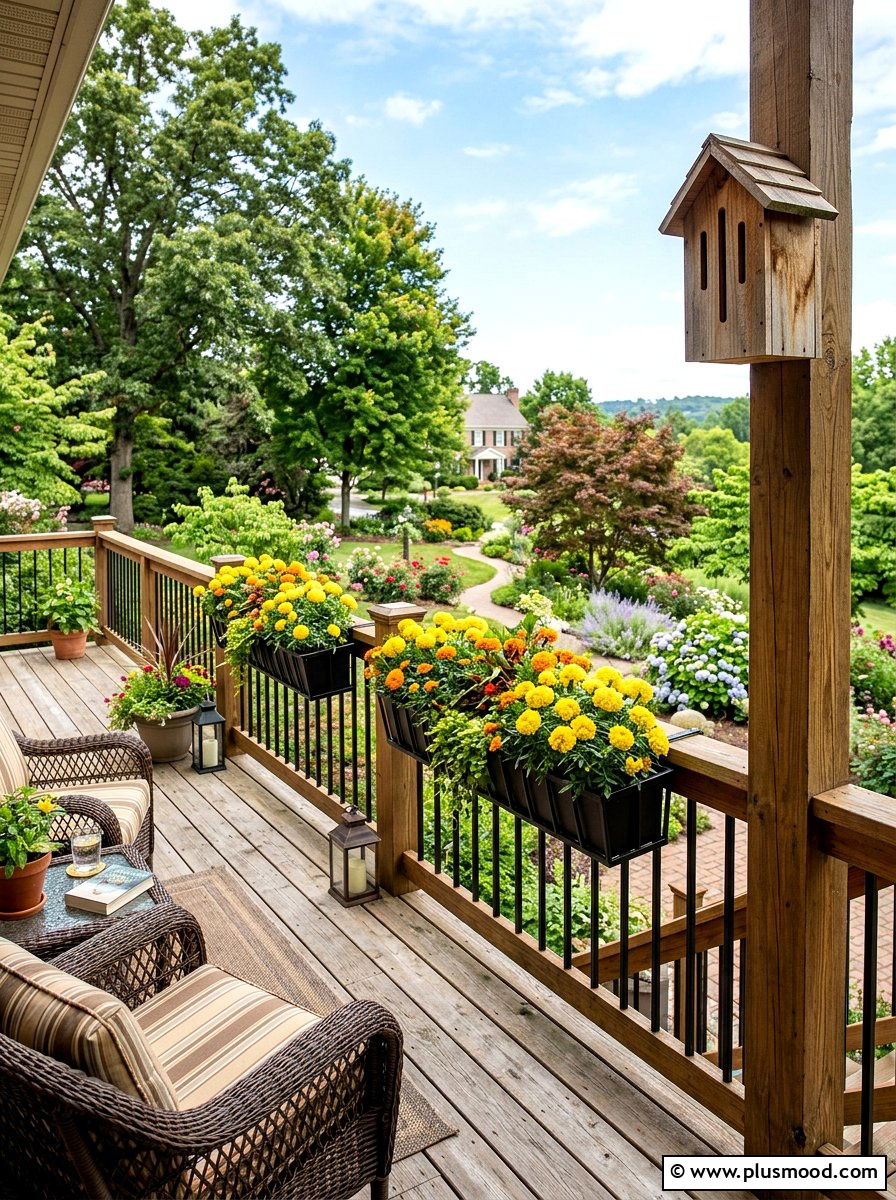
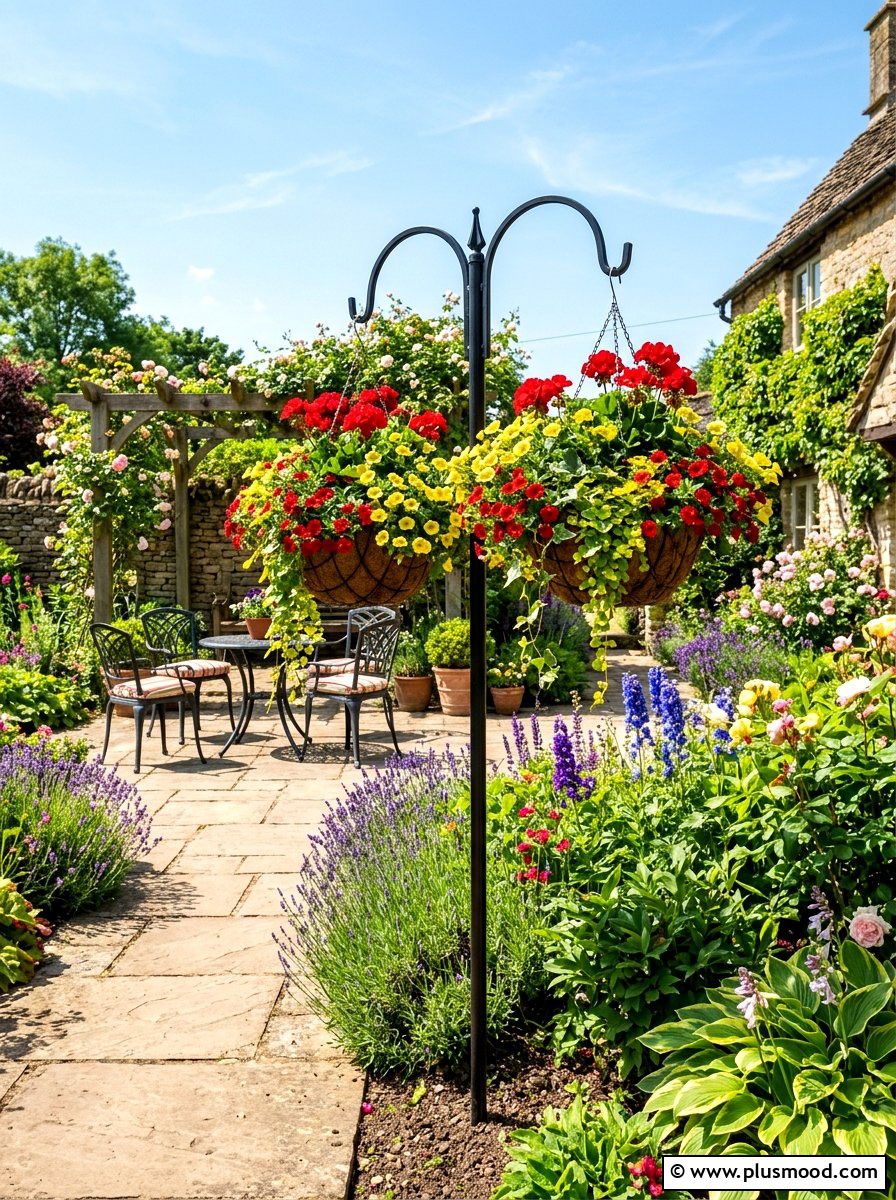
For those with a raised deck, using the railings for gardening is a clever way to maximize space. You can install specially designed railing planters filled with nectar-rich annuals like marigolds and zinnias for color. Mounting a butterfly house on a corner post of the deck brings the nature experience directly to your seating area. This allows you to observe the butterflies up close while you enjoy your morning coffee or evening meals. It keeps the plants away from potential pests on the ground and ensures they get plenty of sunlight. It is an efficient and attractive way to garden in a very small backyard area.
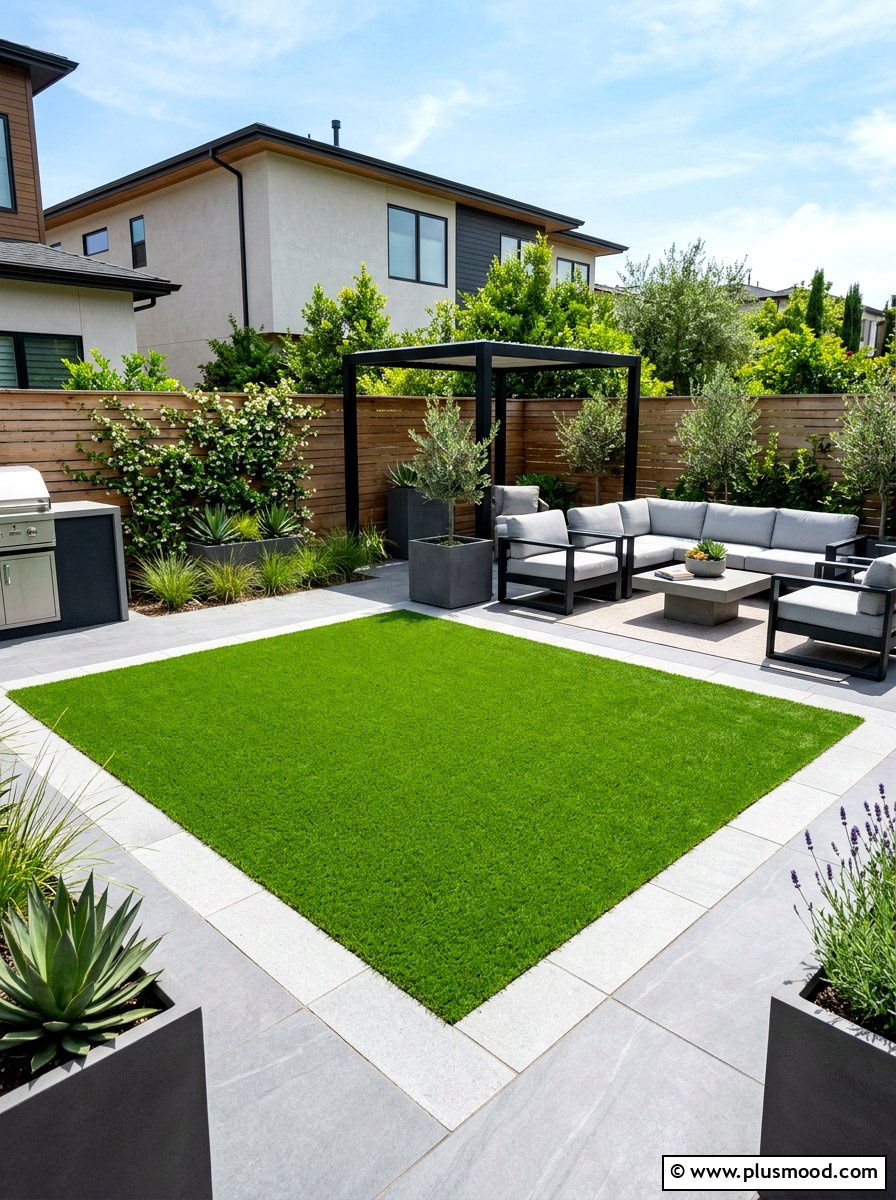
21. Garden seating area
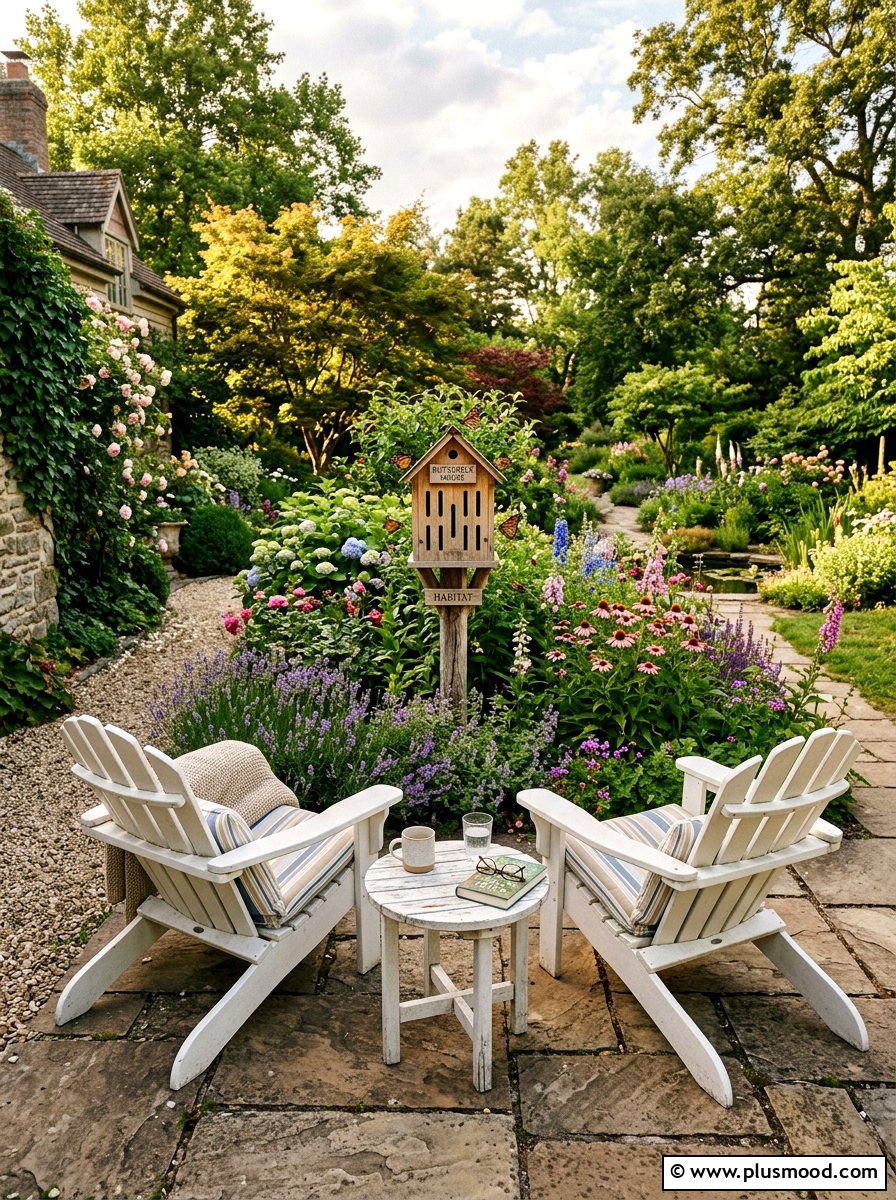
Designing your garden around a central seating area ensures you get the most enjoyment from your butterfly habitat. You can place a small bistro set or a garden bench in the middle of a flower circle. A butterfly house positioned just a few feet away allows for intimate viewing of the winged visitors in action. This layout encourages you to spend more time outdoors and connect with the natural world around you every day. Surrounding the seating area with fragrant flowers like lilac or stock creates a wonderful sensory experience for your guests. It is the perfect place to unwind after a long day at work.
22. Zen garden space
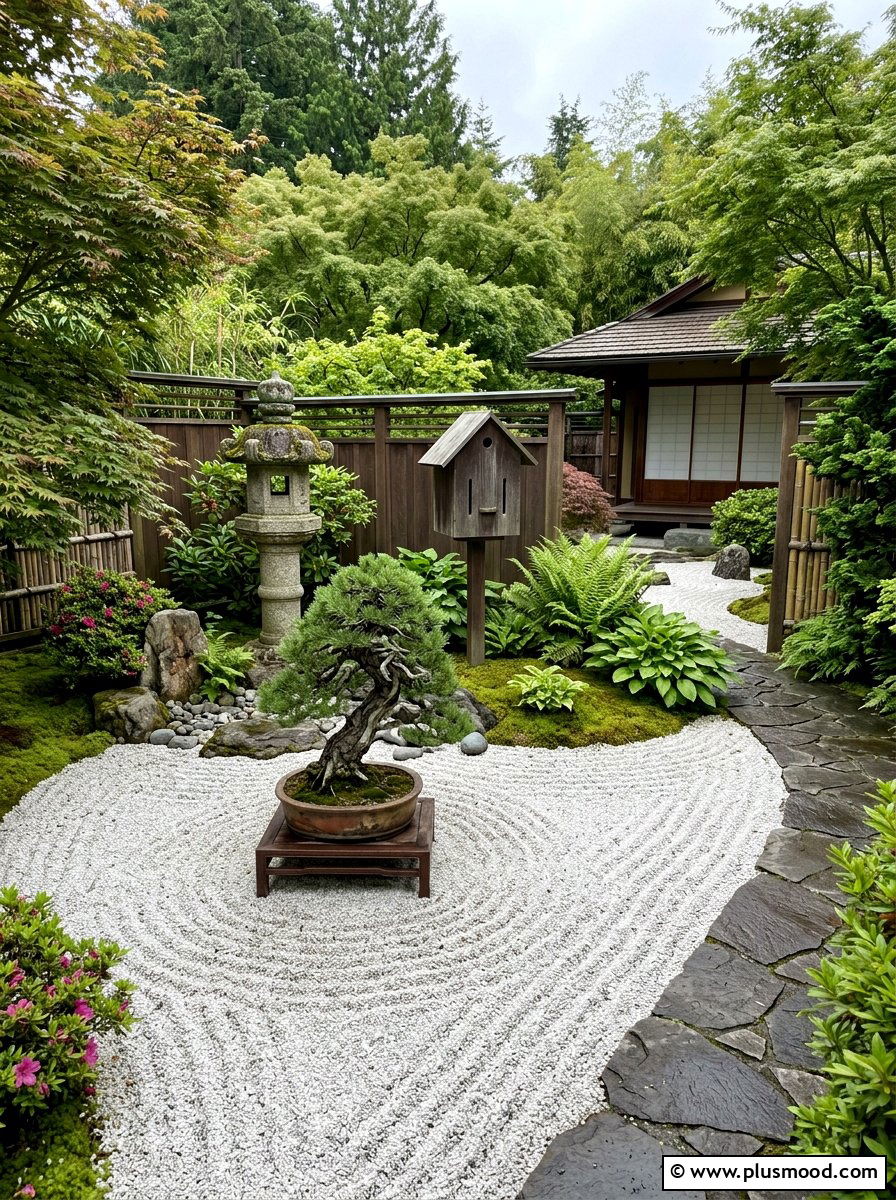
A Zen garden focuses on simplicity, balance, and meditation, creating a very peaceful environment for the homeowner and guests. You can use raked gravel, smooth river stones, and a few carefully chosen green plants like dwarf bamboo. A simple, minimalist butterfly house adds a subtle touch of life without disrupting the quiet aesthetic of the space. This design encourages mindfulness and provides a stark, beautiful contrast to the busy world outside your fence. The presence of butterflies adds a gentle sense of movement that complements the still and silent elements of the yard. It is a sophisticated choice for those seeking a truly modern and quiet retreat.
23. Hummingbird garden habitat
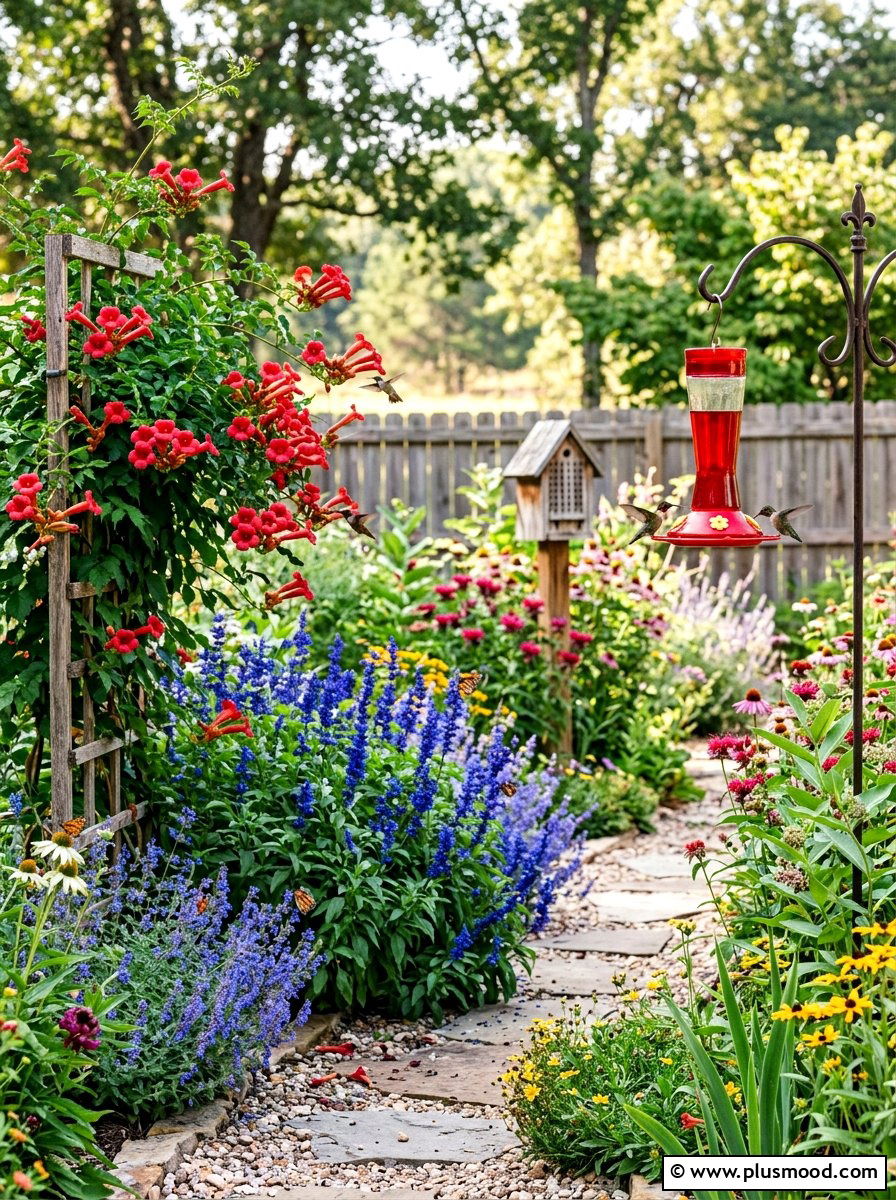
Butterflies and hummingbirds often enjoy the same types of flowers, making it easy to support both in one yard. You can plant tubular flowers like bee balm and trumpet vine that provide deep wells of nectar for these creatures. Adding a butterfly house alongside a hummingbird feeder creates a busy and exciting hub of activity for nature lovers. The fast movement of hummingbirds and the slow flutter of butterflies provide a beautiful contrast in the garden space. This design ensures that your backyard is always full of life and interesting sights from dawn until the sun sets. It is a double win for any wildlife enthusiast.
24. Backyard edible garden
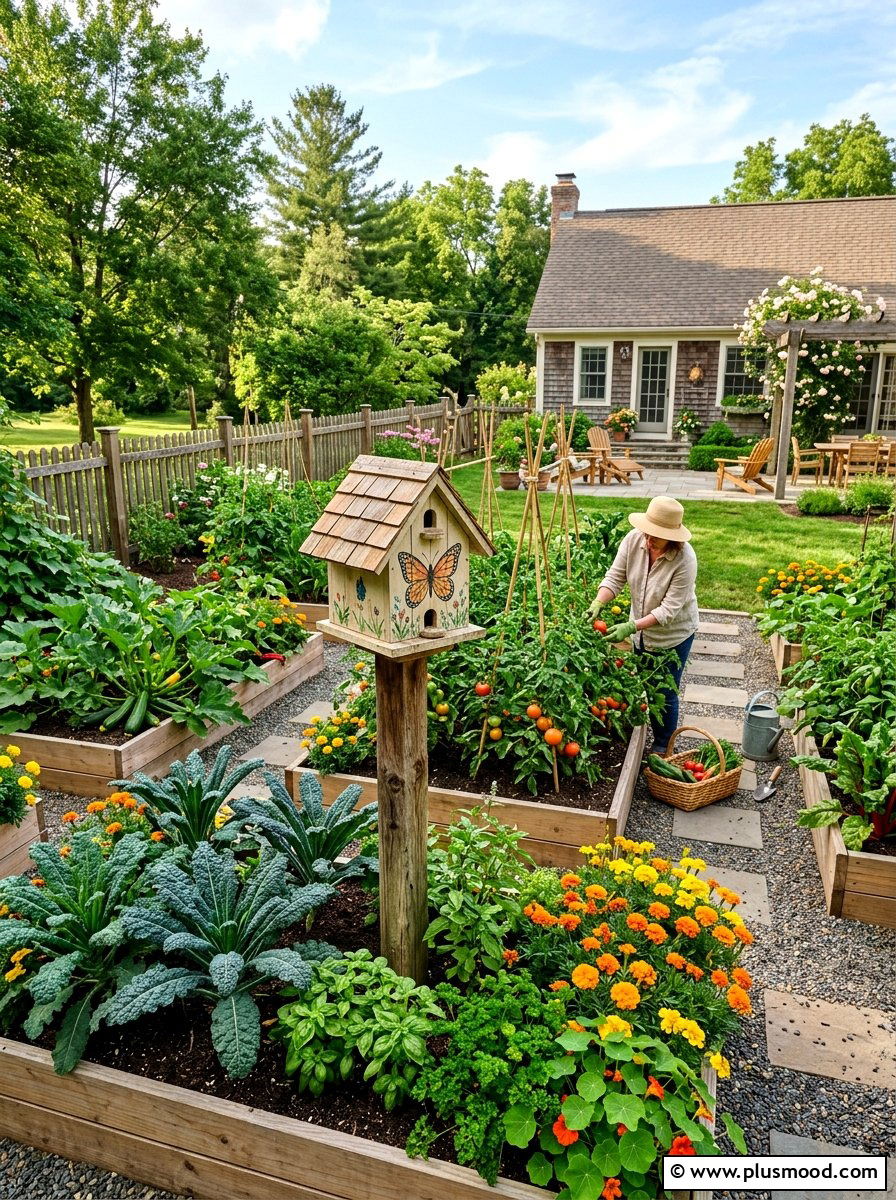
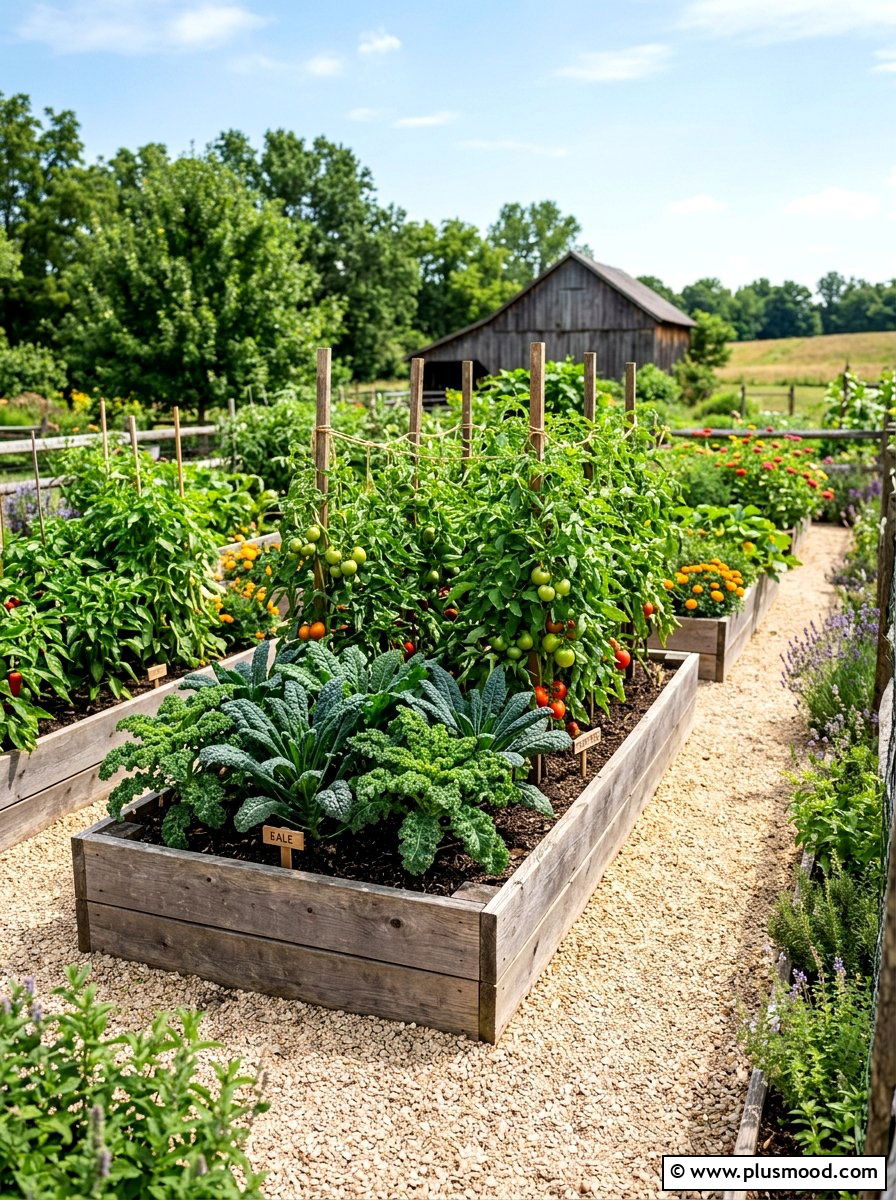
An edible garden allows you to grow your own food while still maintaining a beautiful and eco-friendly backyard space. You can intermix rows of kale and lettuce with bright marigolds and sunflowers to attract helpful pollinators to the area. A butterfly house in the center of the vegetable patch helps ensure that your crops are properly pollinated for a better harvest. This integrated approach creates a healthy mini-ecosystem where everything works together in harmony for the best results. The variety of leaf shapes and colors makes the edible garden look just as attractive as a traditional ornamental flower bed. It is a productive and beautiful design.
25. Night blooming garden
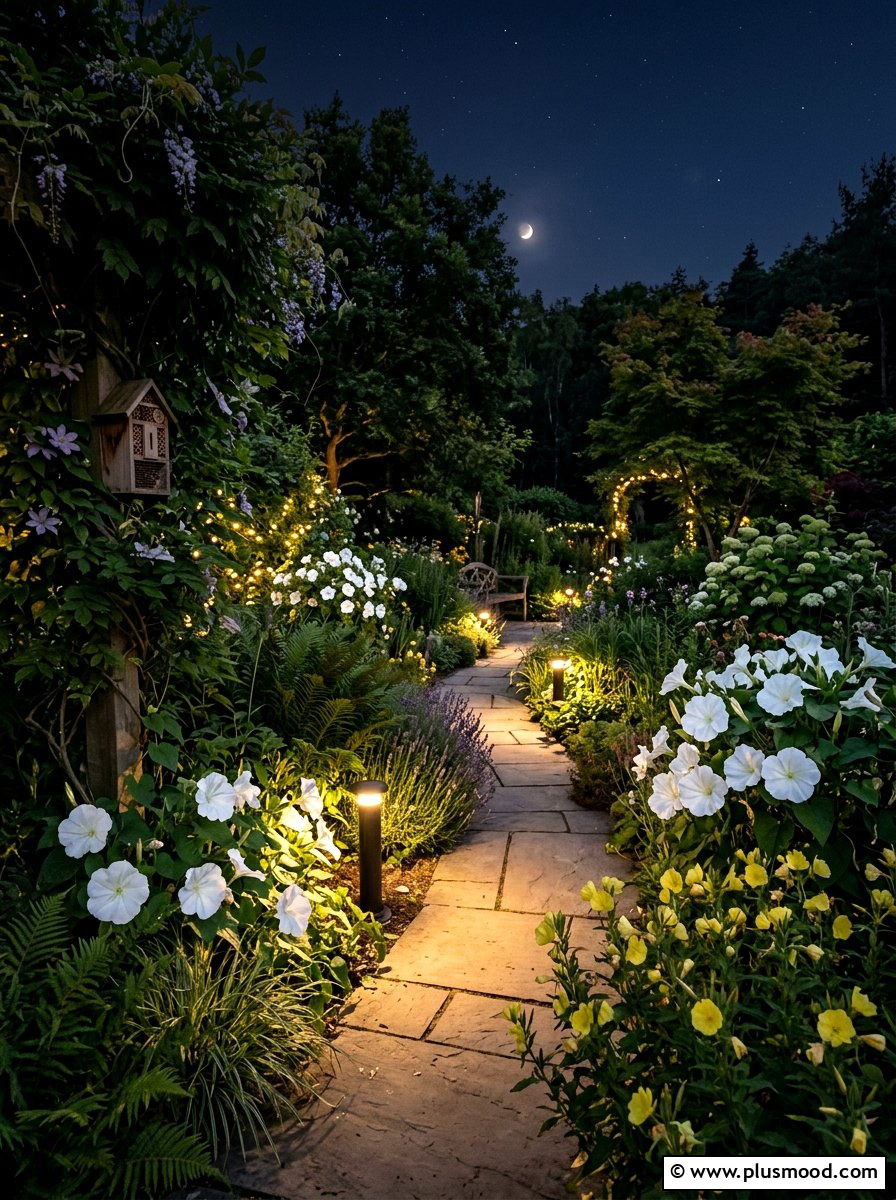
A night blooming garden is designed to be enjoyed after the sun goes down, featuring flowers that open in the evening. You can plant white moonflowers and evening primrose that glow softly in the moonlight and release sweet fragrances at night. A butterfly house provides a safe spot for day-active butterflies to sleep while nocturnal moths take over the garden. You can add soft outdoor lighting or lanterns to highlight the white flowers and create a magical evening atmosphere. This design extends the hours you can enjoy your backyard and provides a unique habitat for different types of winged insects. It is a romantic and peaceful garden style.
Conclusion:
Transforming a small backyard into a butterfly sanctuary is a rewarding project that combines aesthetic beauty with environmental responsibility. By incorporating a butterfly house into various garden themes, you create a dedicated space where nature can truly flourish. Whether you prefer a modern minimalist look or a wild cottage garden, there are endless ways to support local biodiversity. These small-scale ideas prove that you do not need a massive estate to make a significant impact on the environment. Your backyard can become a vibrant, living classroom where you can observe the wonders of the natural world every single day. Start your journey toward a more beautiful yard today.
Related posts:
Leave a Reply