
Growing your own food in a small backyard is a rewarding experience that transforms even the tiniest outdoor space into a lush sanctuary. Many homeowners believe they need massive acreage to produce fresh vegetables, but modern gardening techniques prove that limited square footage is no obstacle to a bountiful harvest. By utilizing smart layouts, vertical structures, and container systems, you can maximize every inch of your soil or patio. This guide explores creative ways to integrate edible plants into your lifestyle without compromising on style or functionality. You will discover how to blend aesthetics with utility while enjoying the health benefits of homegrown produce right outside your door.
1. Vertical Vegetable Garden
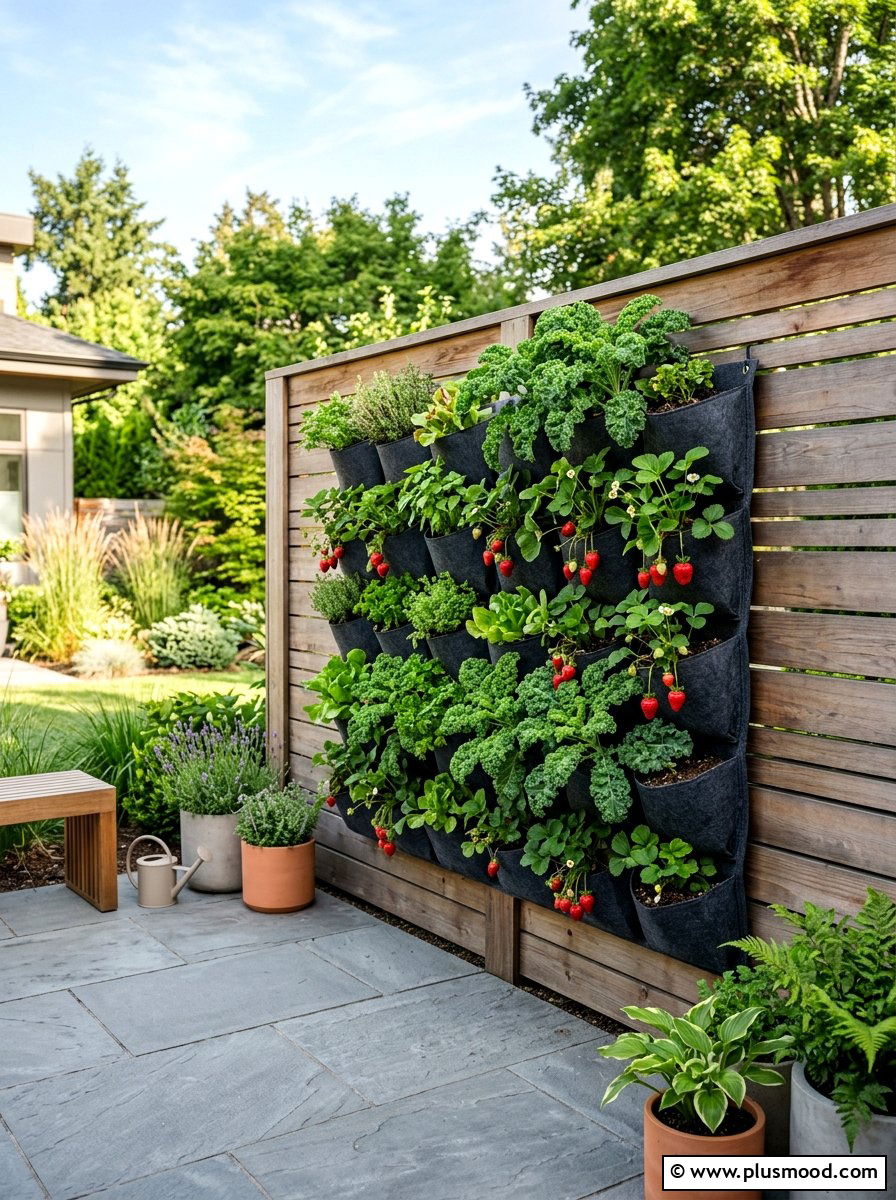
Are you struggling with a narrow outdoor area that feels too cramped for traditional planting? A vertical vegetable garden is the perfect solution for maximizing your vertical real estate while keeping your ground space clear for walking or sitting. You can use wall-mounted pockets, sturdy trellises, or hanging felt bags to grow leafy greens, herbs, and even climbing vegetables like cucumbers or pole beans. This approach not only saves space but also improves air circulation around your plants, which helps prevent common diseases. It creates a stunning living wall that acts as a privacy screen from neighbors. You will find that harvesting is much easier on your back when the plants are at eye level.
2. Raised Bed Layout
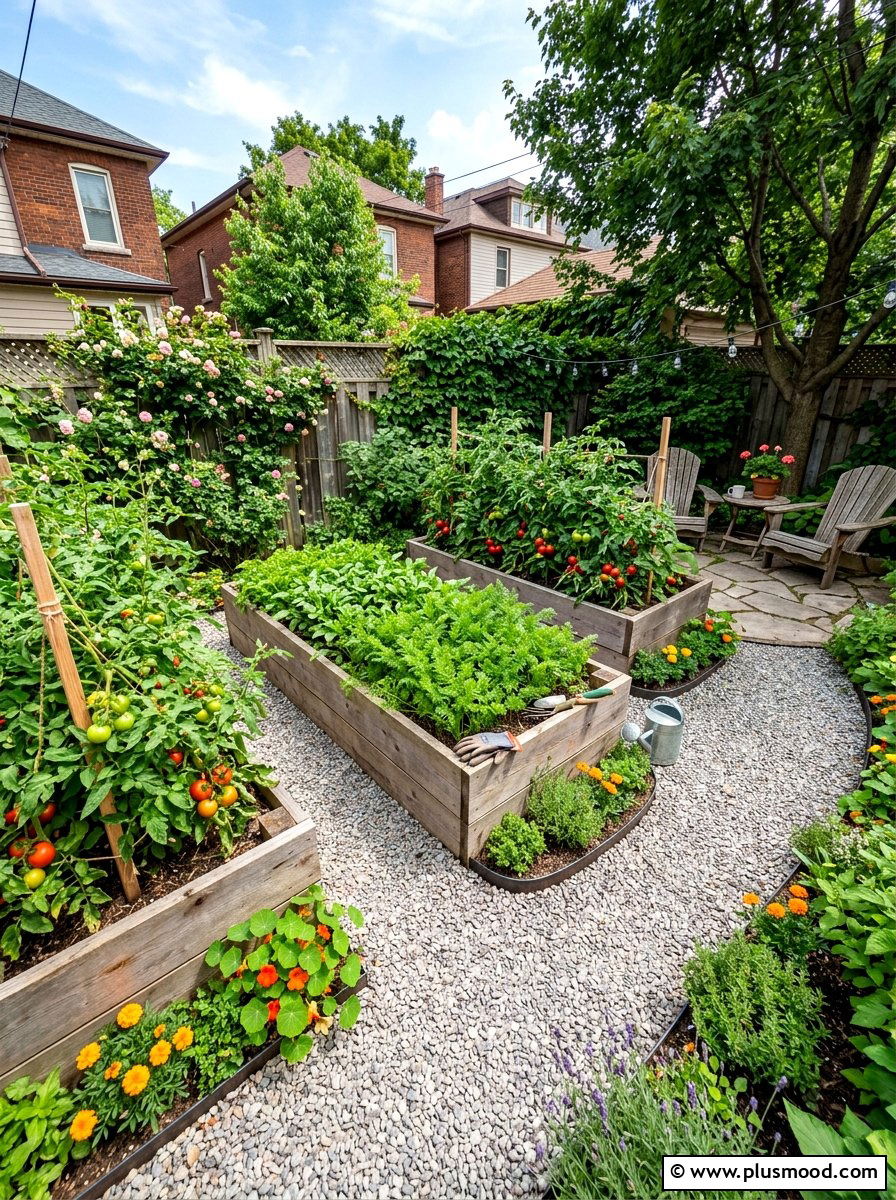
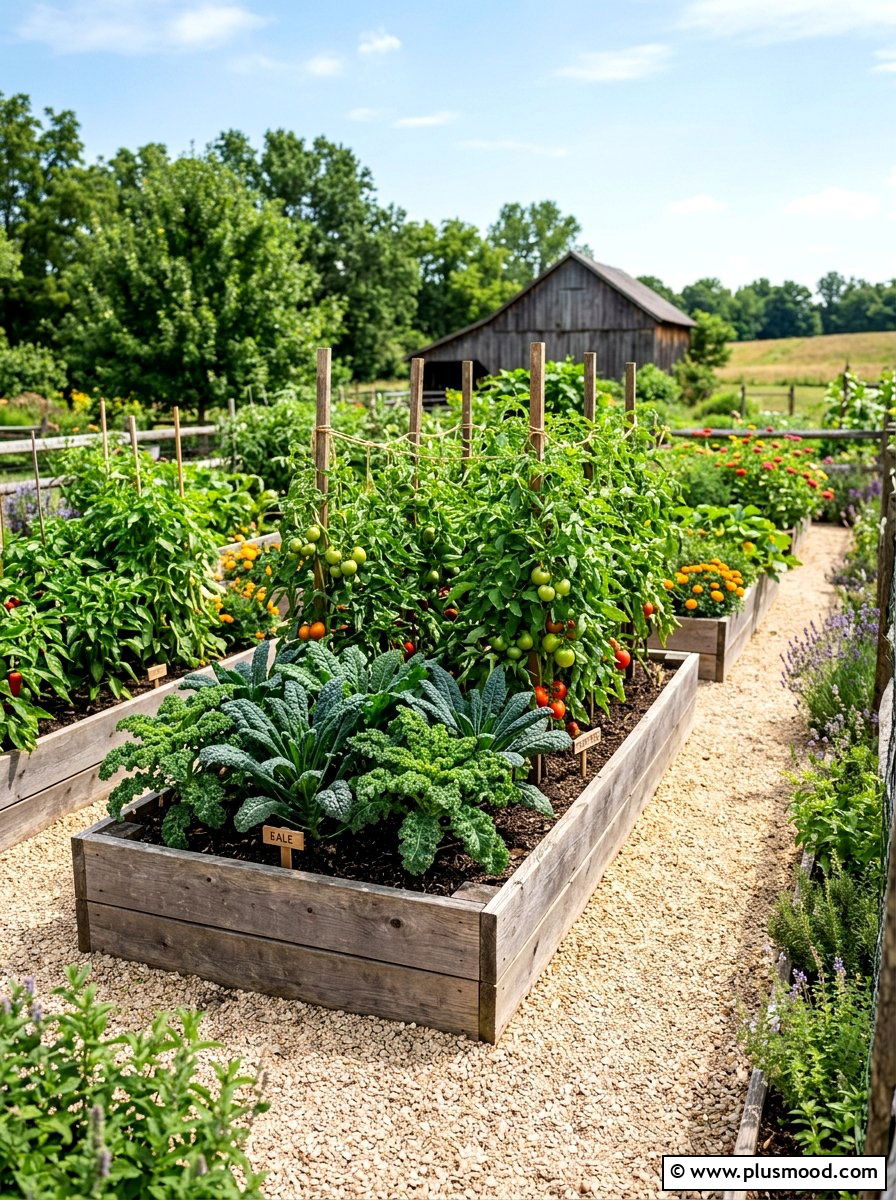
Have you ever considered how much more organized your backyard would look with dedicated planting zones? A raised bed layout allows you to control the soil quality and drainage perfectly, which is essential for healthy vegetable growth in small areas. These beds can be made from cedar wood, galvanized steel, or stone to match your home aesthetic. By lifting the garden off the ground, you reduce the number of weeds and protect your crops from some common pests. You can arrange these beds in a U-shape or a simple grid to create clean paths for easy access. This method ensures that every plant gets the nutrients it needs to thrive throughout the season.
3. Tiered Garden Planter
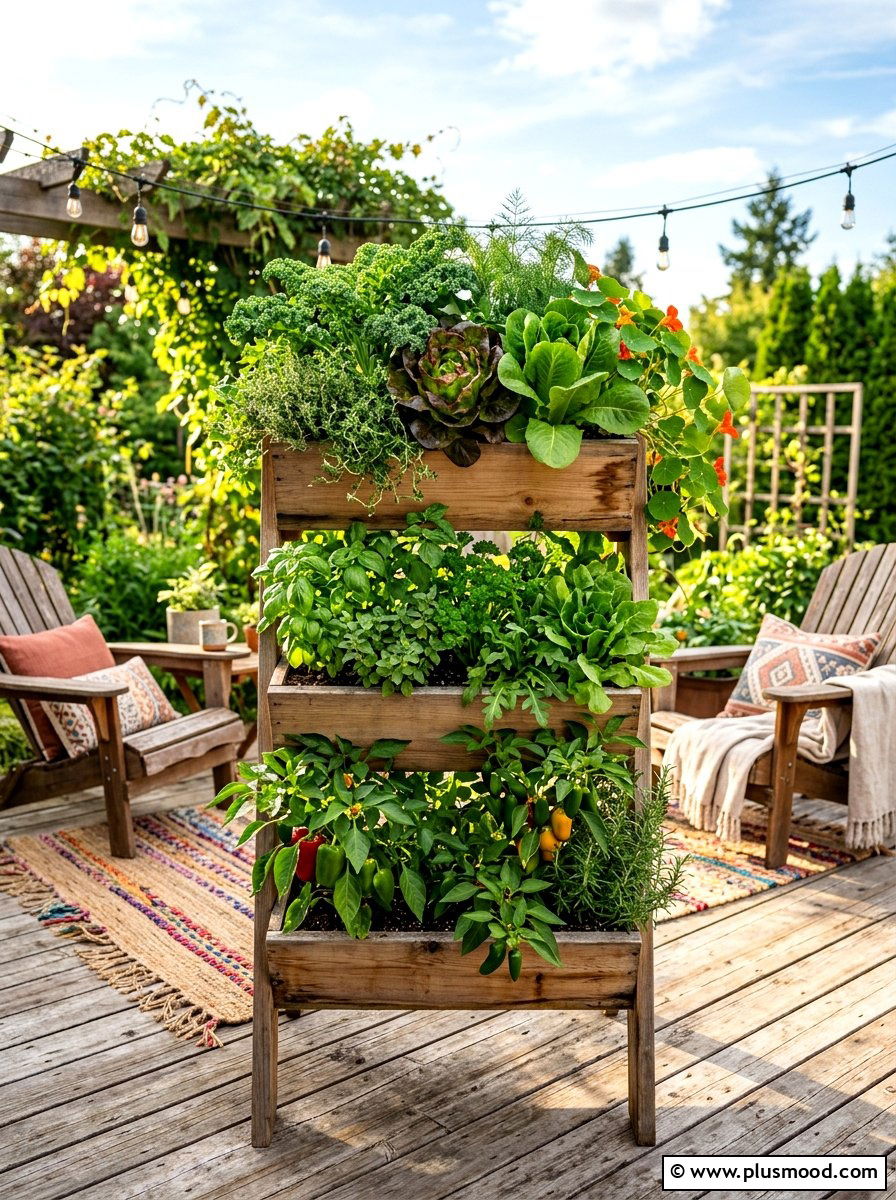
Imagine walking out to your patio and seeing a beautiful cascading display of fresh vegetables and herbs. A tiered garden planter is an excellent choice for those who want to pack several different varieties into a very small footprint. These multi-level structures allow you to grow sun-loving plants on the top shelf while shade-tolerant greens sit comfortably below. It is a great way to utilize vertical height on a deck or concrete patio without needing to dig up any grass. You can easily move these planters to follow the sun during different seasons. They provide a high-yield harvest in a compact form that looks like a piece of living furniture.
4. Herb Wall Planter
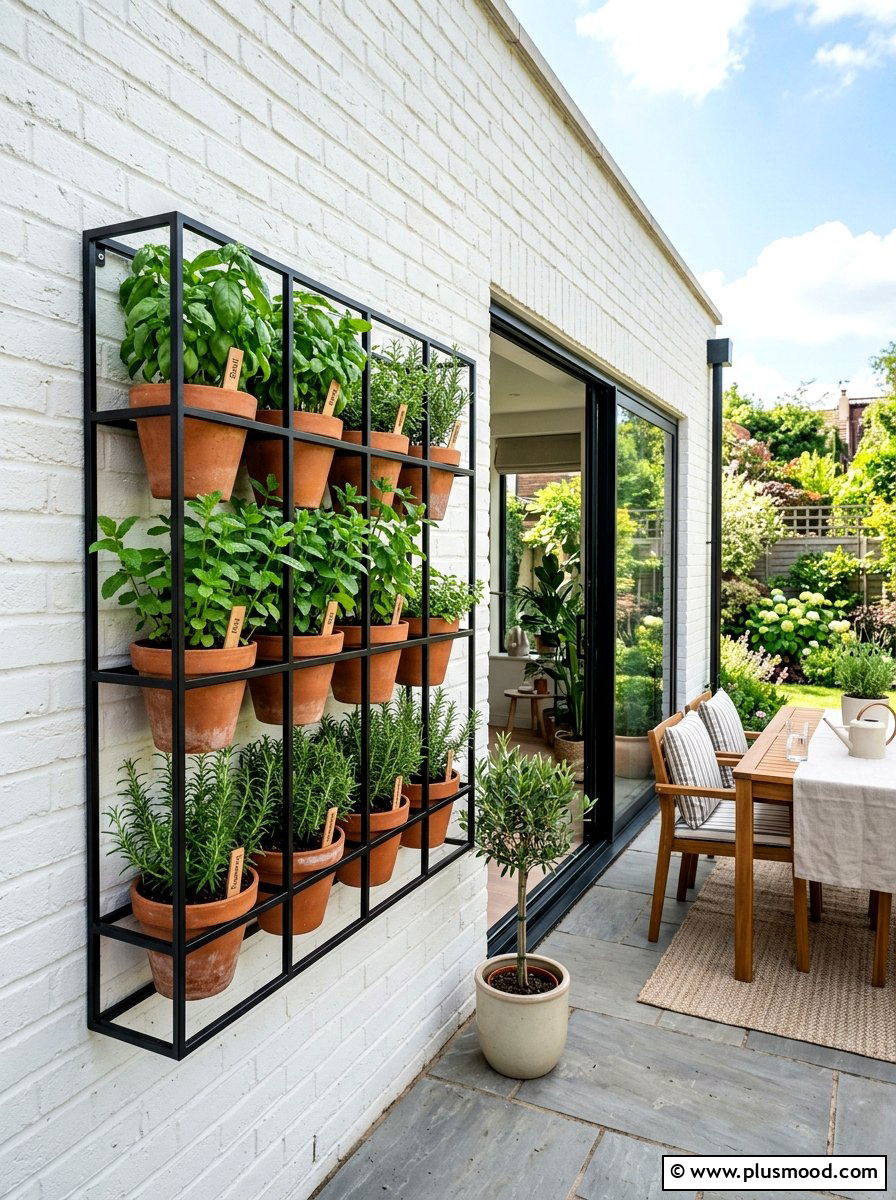
Can you picture having fresh basil, mint, and cilantro right outside your kitchen door for every meal? A herb wall planter turns a boring fence or exterior wall into a functional and fragrant masterpiece. You can use individual pots attached to a wooden frame or a specialized vertical irrigation system to keep your herbs hydrated. This setup keeps your most-used kitchen ingredients within arm's reach while saving your ground soil for larger vegetables. Most herbs thrive in these smaller containers and appreciate the excellent drainage that wall units provide. It adds a wonderful scent to your backyard and creates a lush green backdrop for your outdoor seating area.
5. Compact Greenhouse
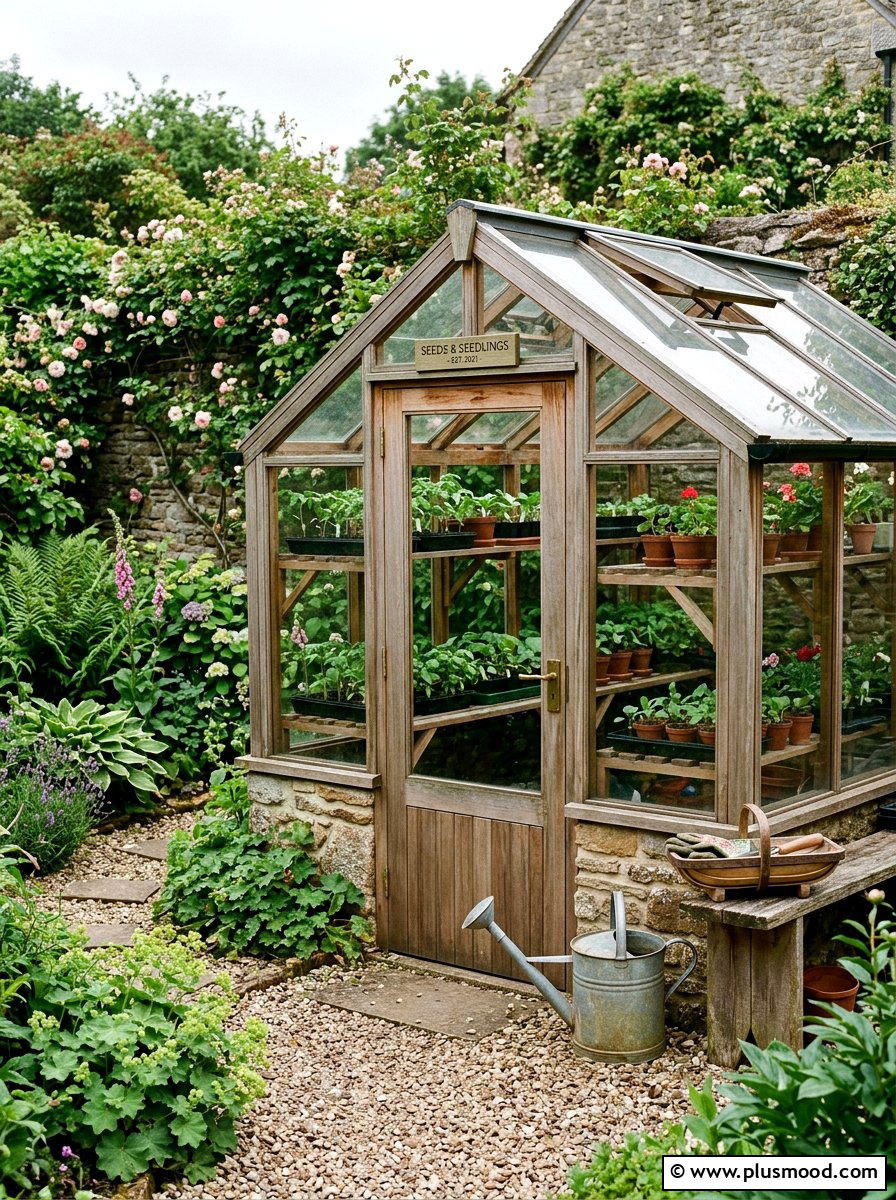
Do you want to extend your growing season even if you only have a tiny corner of land? A compact greenhouse provides the warmth and protection your vegetables need during the chilly early spring or late autumn months. These structures come in various sizes, including slim lean-to styles that fit perfectly against a house wall or garage. They are ideal for starting seeds early or protecting delicate tomato plants from unexpected frost. With clear panels and adjustable shelving, you can maximize the internal space for a high density of plants. This addition makes your backyard look professional and ensures you can enjoy fresh greens almost all year round regardless of weather.
6. Potager Garden
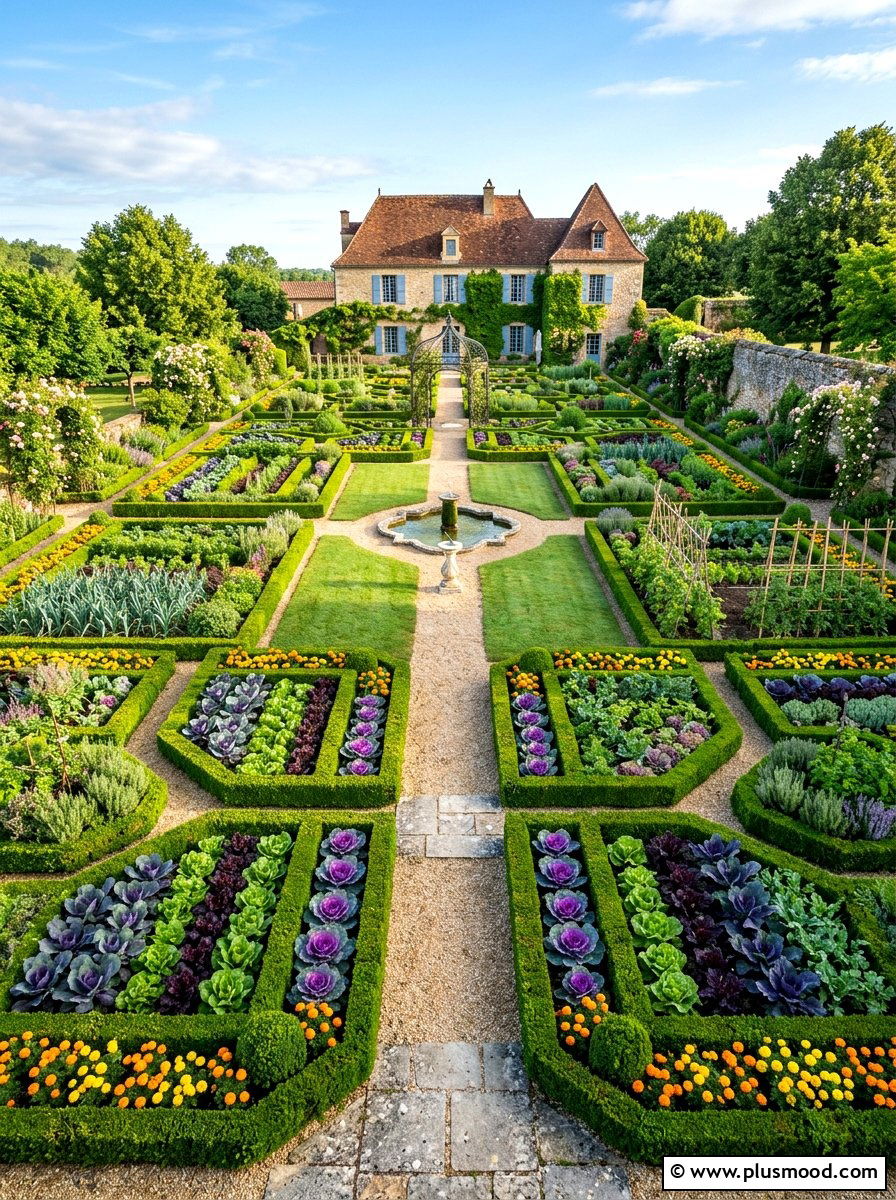
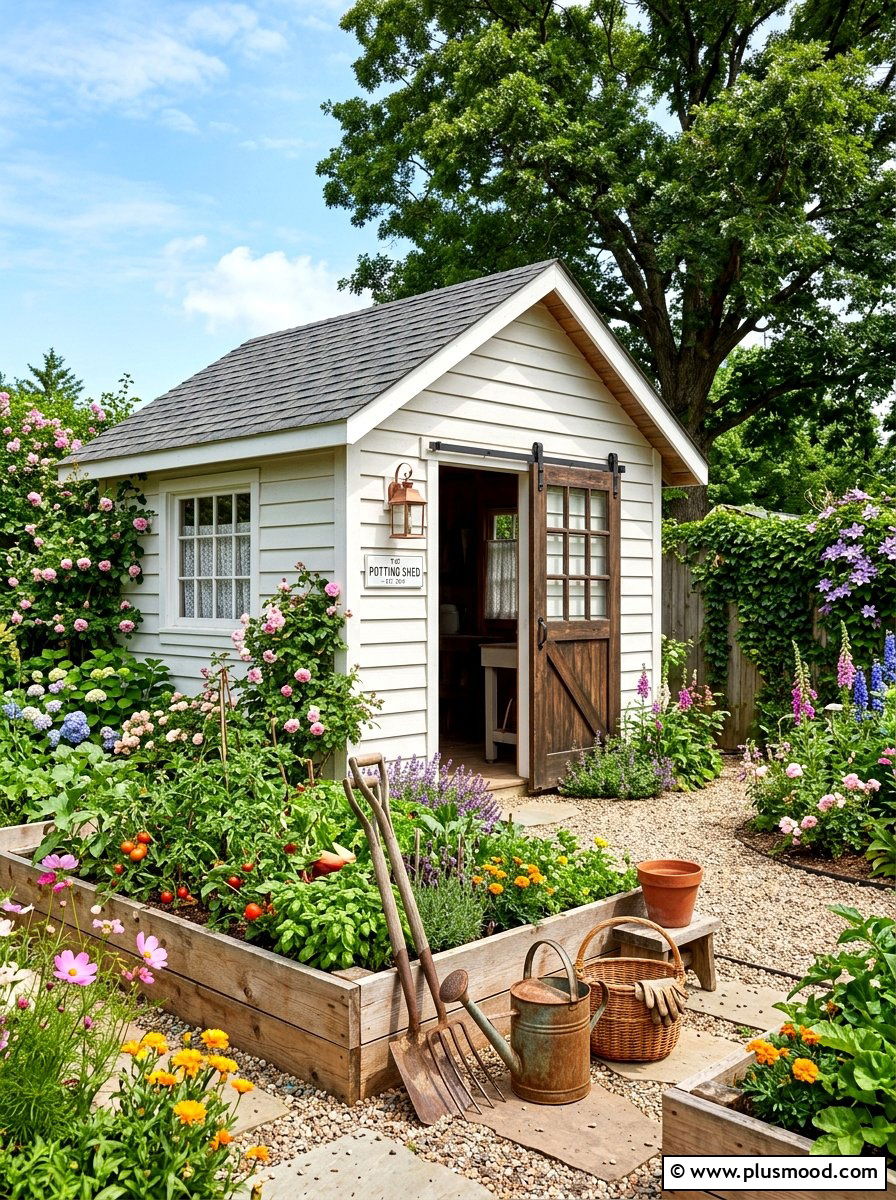
What if your vegetable garden looked as beautiful as a formal French flower display? A potager garden blends the utility of growing food with the beauty of ornamental landscaping for a stunning visual effect. In this design, you mix colorful vegetables like purple kale and bright peppers with edible flowers like marigolds or nasturtiums. Use geometric patterns and neatly trimmed edges to create a sense of order and elegance in your small backyard. This style proves that a kitchen garden does not have to be hidden away in a corner. Instead, it becomes the central focal point of your outdoor space, providing both delicious food and incredible curb appeal.
7. Corner Garden Bed
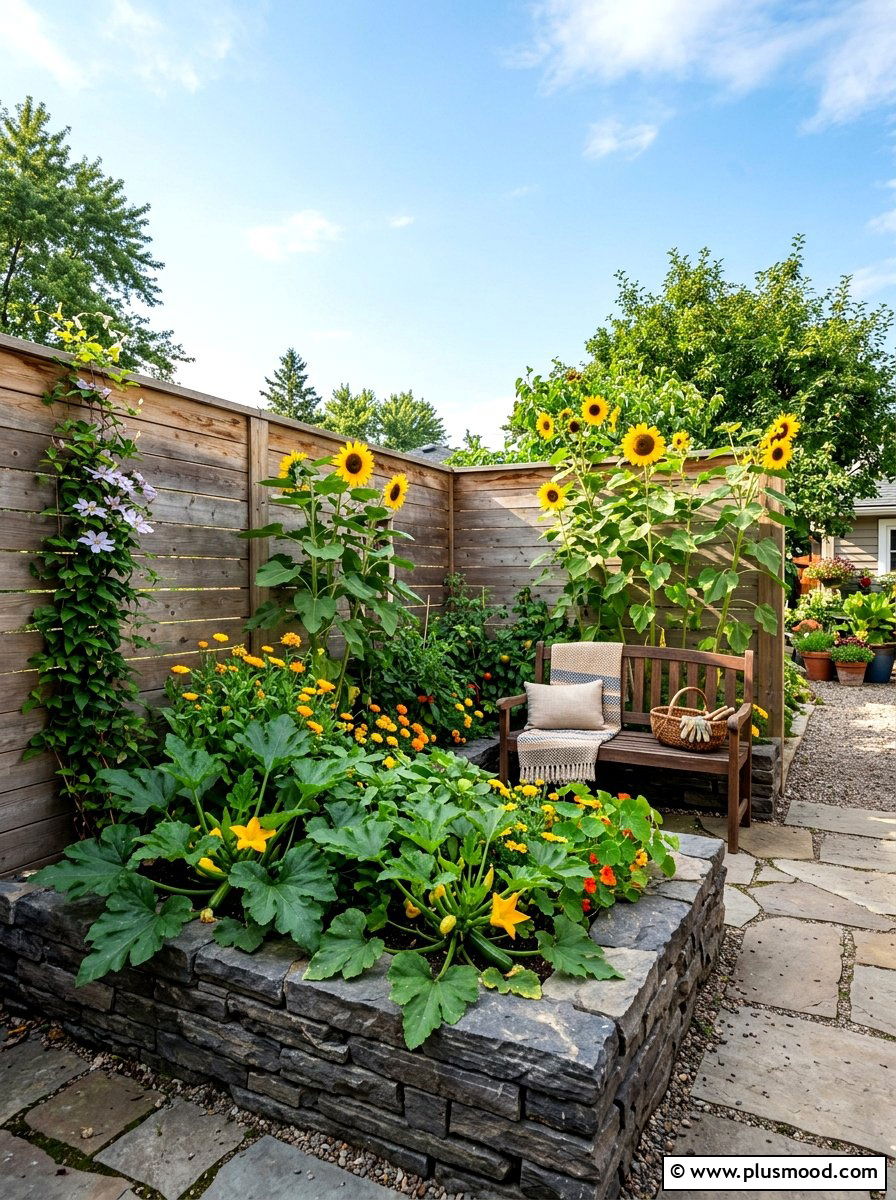
Is there a neglected corner in your yard that currently serves no real purpose? A corner garden bed is a smart way to reclaim that underutilized space and turn it into a productive vegetable patch. By building an L-shaped raised bed, you maximize your planting area without encroaching on the central part of your lawn. This layout is perfect for growing sprawling plants like zucchini or squash that might otherwise take over a smaller area. You can add a small bench or a decorative birdbath in the center to make the corner feel like a cozy destination. It creates a lush, wrapped-around feel that makes the whole yard look much bigger.
8. Balcony Vegetable Box
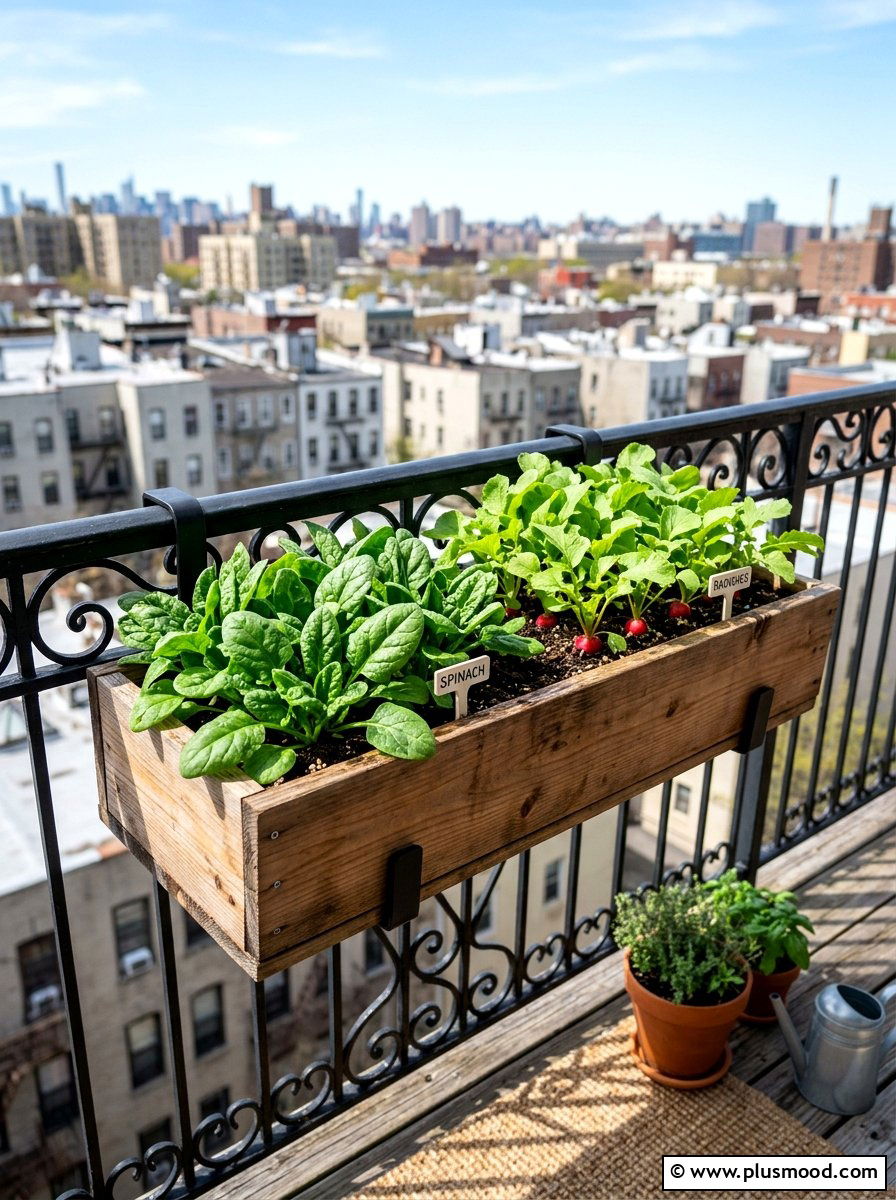
Do you live in an apartment or a townhouse with nothing but a small balcony for outdoor space? A balcony vegetable box allows you to grow a surprising amount of food in long, narrow containers that fit along your railing. These boxes are perfect for shallow-rooted crops like radishes, lettuce, and various types of spinach. You can also find deep boxes that sit on the floor for growing carrots or peppers. Choosing lightweight soil mixes ensures that you do not exceed weight limits while providing the best environment for your plants. It is a wonderful way to bring a touch of nature to an urban environment while eating healthy, homegrown meals.
9. Edible Landscaping
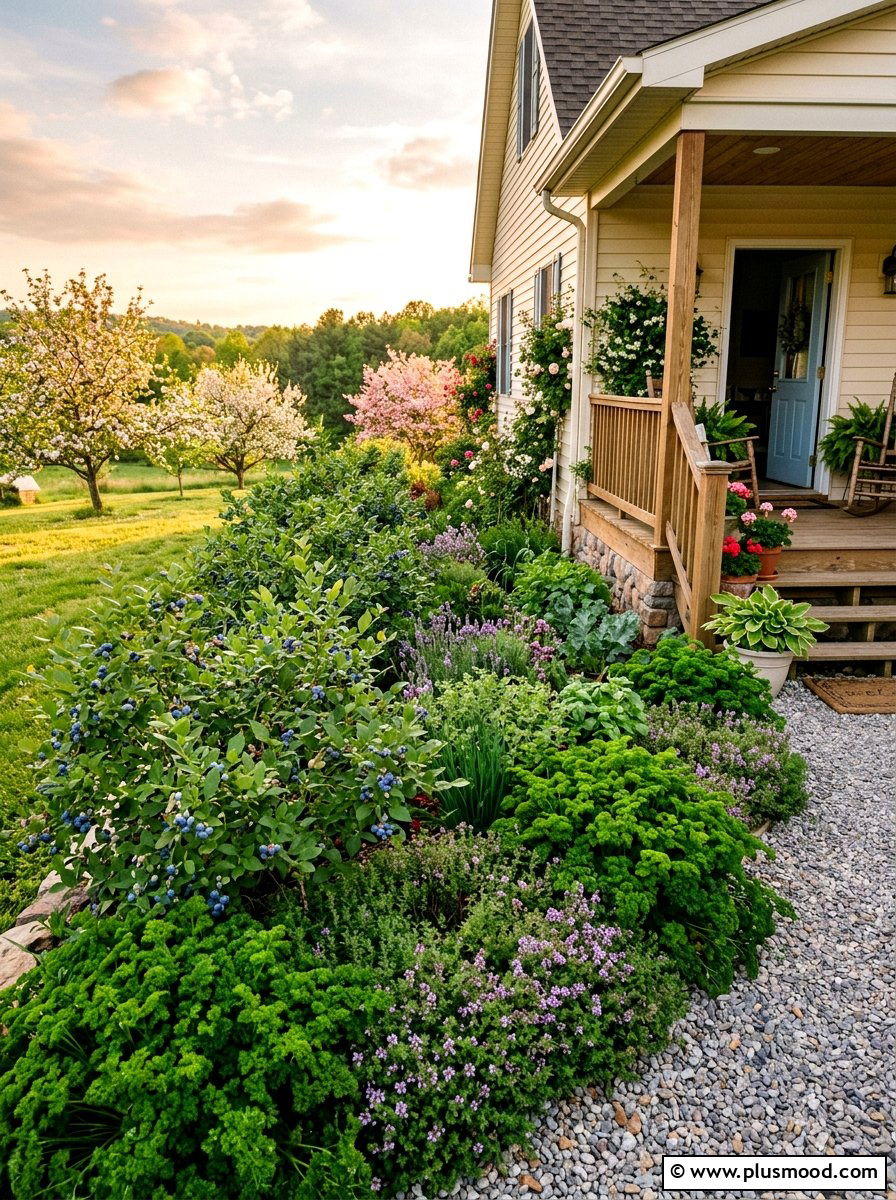
Why choose between a pretty yard and a productive one when you can have both at the same time? Edible landscaping involves replacing traditional ornamental bushes and groundcovers with plants that actually produce food for your family. You can plant blueberry bushes as hedges or use curly parsley as a decorative border along your garden paths. Strawberry plants make excellent groundcovers that produce sweet fruit and beautiful white flowers in the spring. This approach integrates your vegetable garden seamlessly into your overall backyard design so that it feels cohesive. It is a low-maintenance way to increase your food production while keeping your yard looking professionally designed and very inviting.
10. Companion Planting Bed
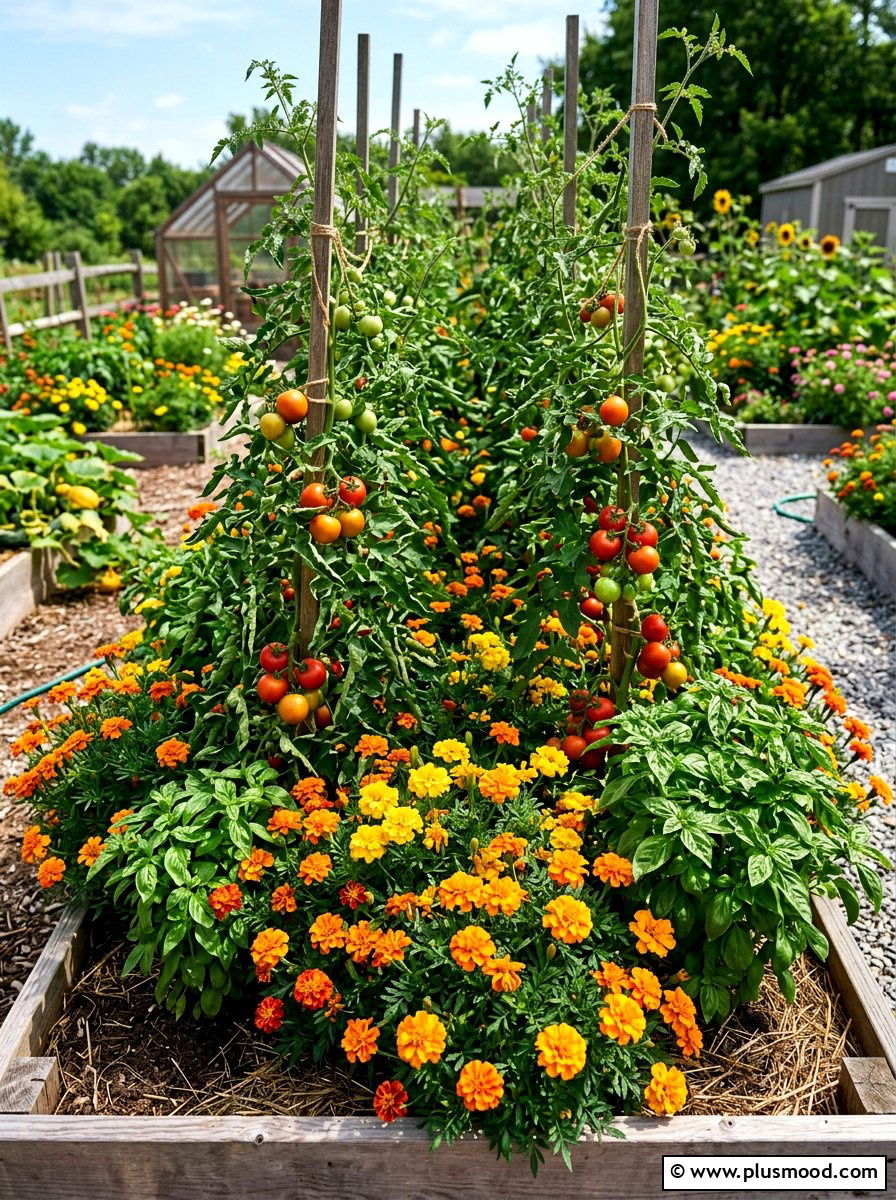
Have you ever wondered why some plants seem to grow better when they are placed next to each other? A companion planting bed uses the natural relationships between different vegetables to improve growth and repel pests naturally. For example, planting tomatoes next to marigolds and basil can help keep bugs away while enhancing the flavor of the fruit. In a small backyard, this technique is vital because it allows you to pack plants closer together without them competing for resources. You create a tiny, self-sustaining ecosystem that requires fewer chemical fertilizers or pesticides. This method results in a healthier garden and a more diverse range of delicious crops for you to eat.
11. Lattice Trellis Garden
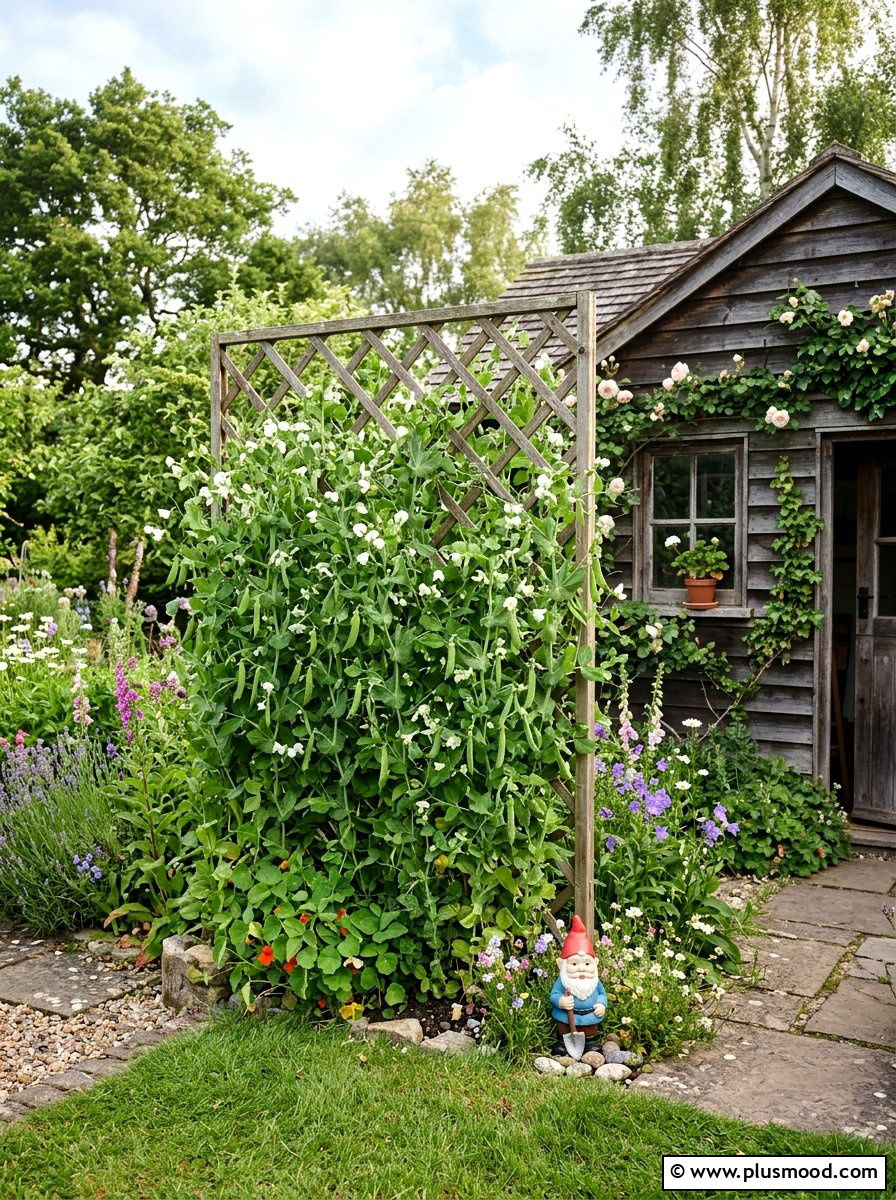
Would you like to add some height and charm to your garden while supporting your climbing plants? A lattice trellis garden provides the perfect structure for vining vegetables like peas, beans, and small melons to grow upwards. By training these plants to climb, you free up valuable ground space for other crops like onions or beets. You can attach the lattice to the side of your house or stand it freely as a decorative screen. This setup also makes it much easier to spot and harvest your vegetables since they are not hidden under large leaves on the ground. It adds a classic, cottage-style look to any small backyard area you have.
12. Stock Tank Planter
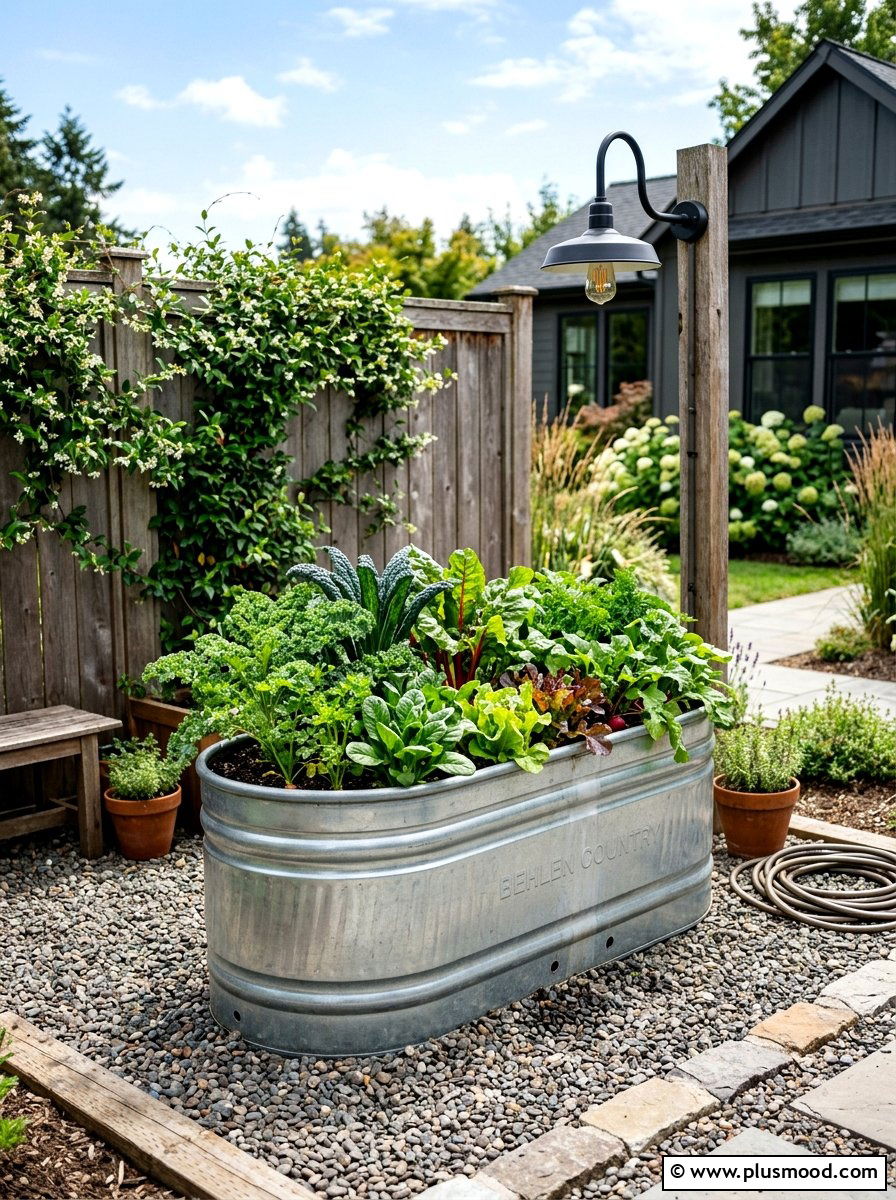
Are you looking for a modern and industrial way to grow your vegetables in a limited space? A stock tank planter uses large galvanized metal troughs to create a deep and durable environment for your favorite plants. These tanks are extremely popular because they are easy to set up and provide plenty of room for root vegetables like potatoes. They add a trendy, farmhouse-chic aesthetic to your backyard while being virtually indestructible over many years. You simply drill a few drainage holes in the bottom and fill them with high-quality potting soil to get started. Their height also makes gardening much more comfortable by reducing the amount of bending required.
13. Keyhole Garden Bed
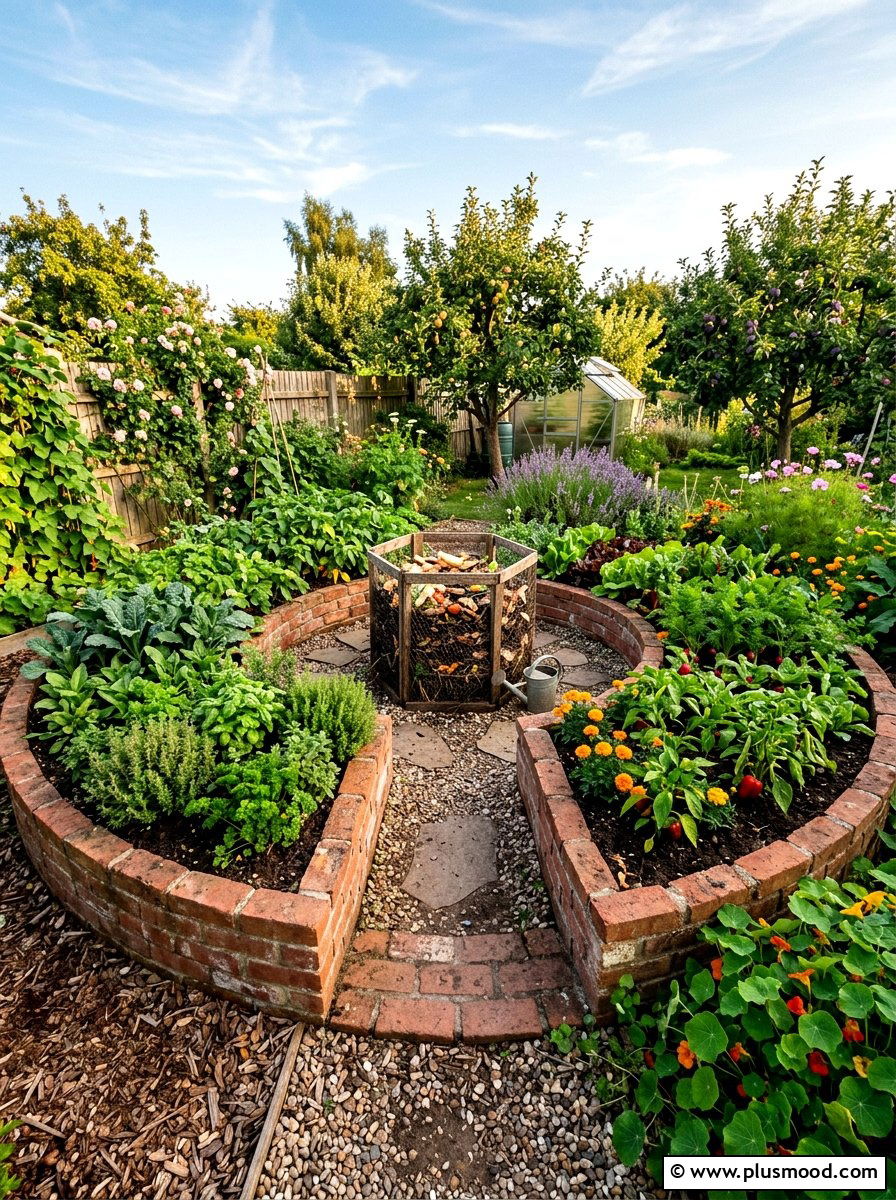
Have you ever heard of a garden design that includes its own built-in composting system? A keyhole garden bed is a circular raised structure with a small notched entry and a central composting basket. You place your kitchen scraps directly into the center, and the nutrients slowly leach out into the surrounding soil to feed your vegetables. This design is incredibly efficient for small backyards because it recycles waste and grows food in one compact unit. It is particularly effective in dry climates as it retains moisture very well throughout the day. The unique shape also allows you to reach every plant easily from the central walkway without stepping on the soil.
14. Square Foot Garden
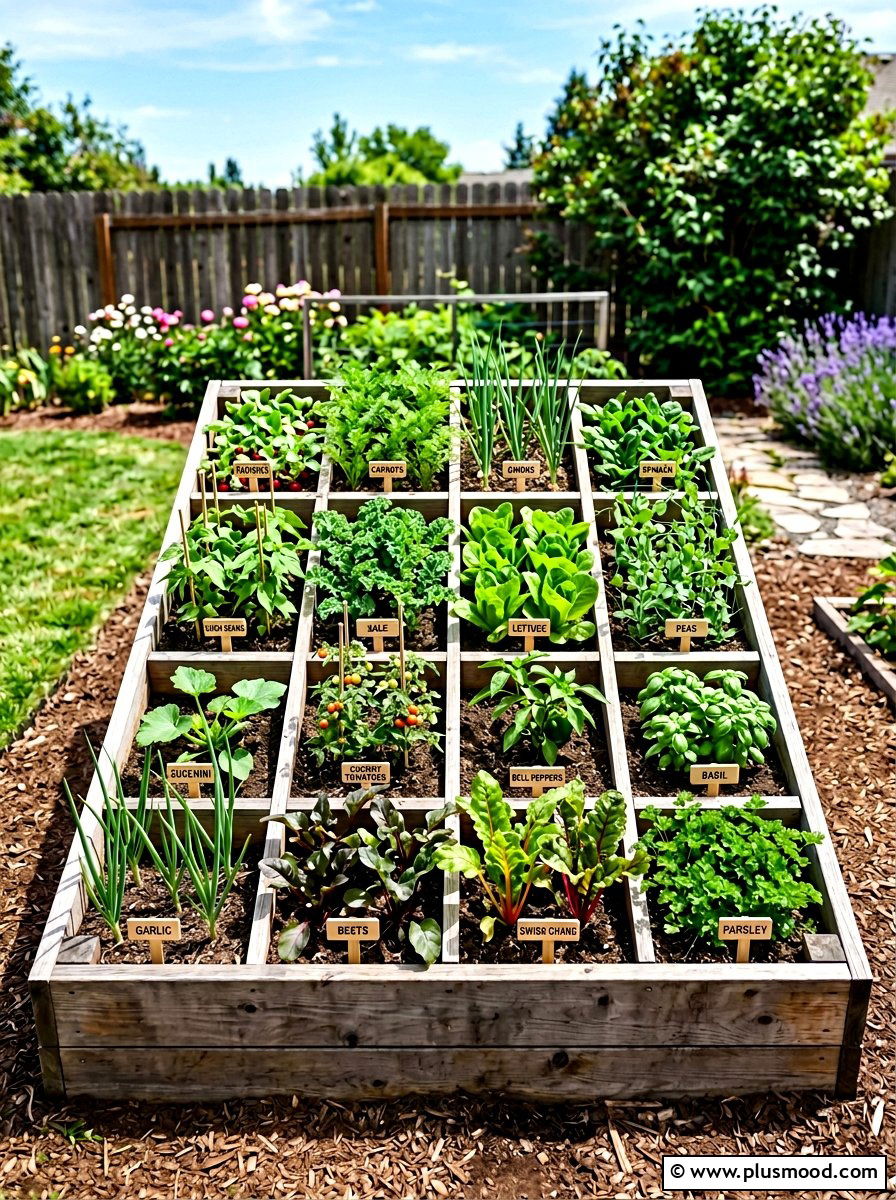
Do you want to get the absolute maximum harvest from every single inch of your soil? Square foot garden techniques involve dividing your planting area into a grid of one-foot squares to manage spacing perfectly. Each square is dedicated to a specific number of plants depending on their size, such as one tomato or sixteen radishes. This method eliminates wasted space and makes it very easy for beginners to understand how much to plant. It works exceptionally well in small raised beds or containers where every square inch counts toward your final yield. You will be amazed at how much food you can grow in just a four-by-four foot area.
15. Hanging Basket Vegetable
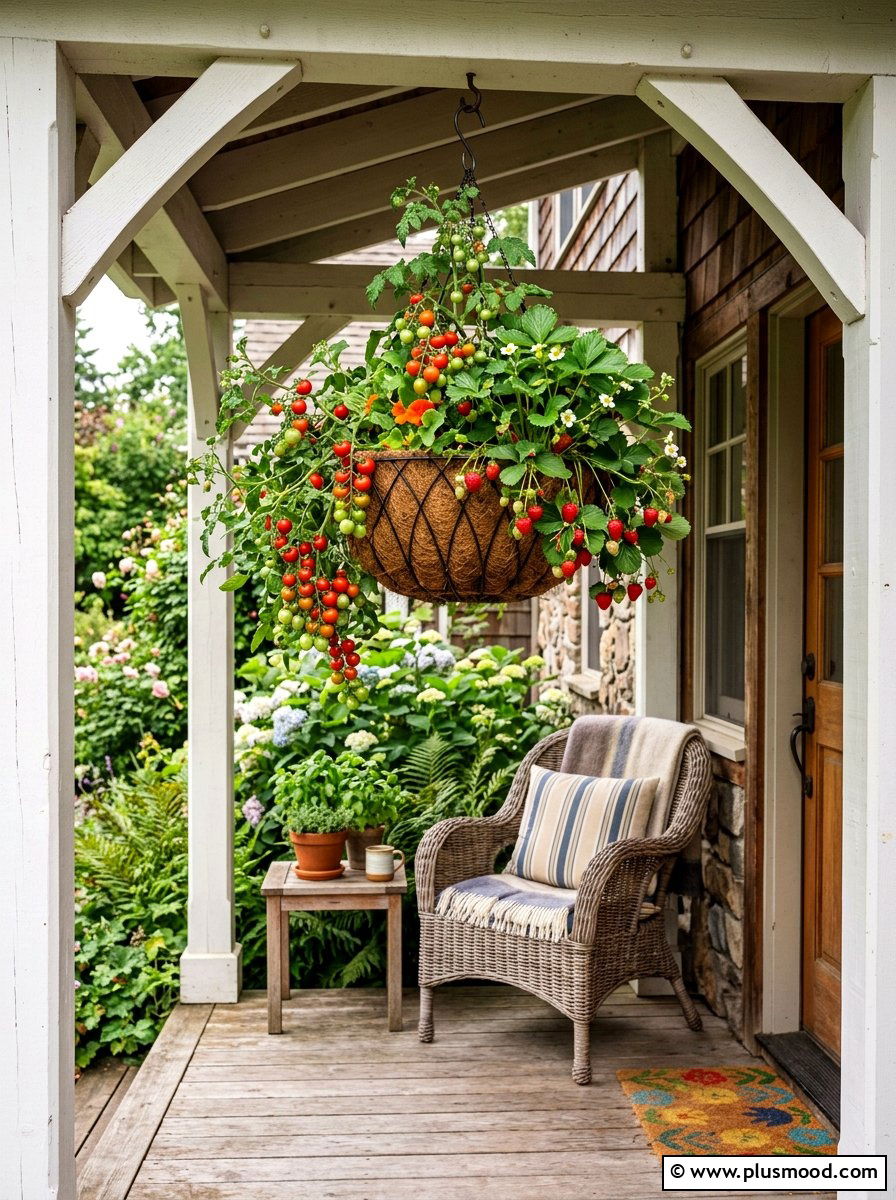
Could you imagine reaching up to pick a fresh strawberry or a cherry tomato right from a hanging pot? Hanging basket vegetable gardening is a clever way to use the air space above your patio or porch for food production. There are specific varieties of "tumbling" tomatoes and trailing strawberries that are bred to spill over the sides of a basket. This keeps the fruit off the ground and away from many crawling pests that might otherwise eat your harvest. It also adds a beautiful layer of greenery at eye level, making your small backyard feel like a lush canopy. These baskets are easy to water and can be moved around.
16. Pallet Garden Wall
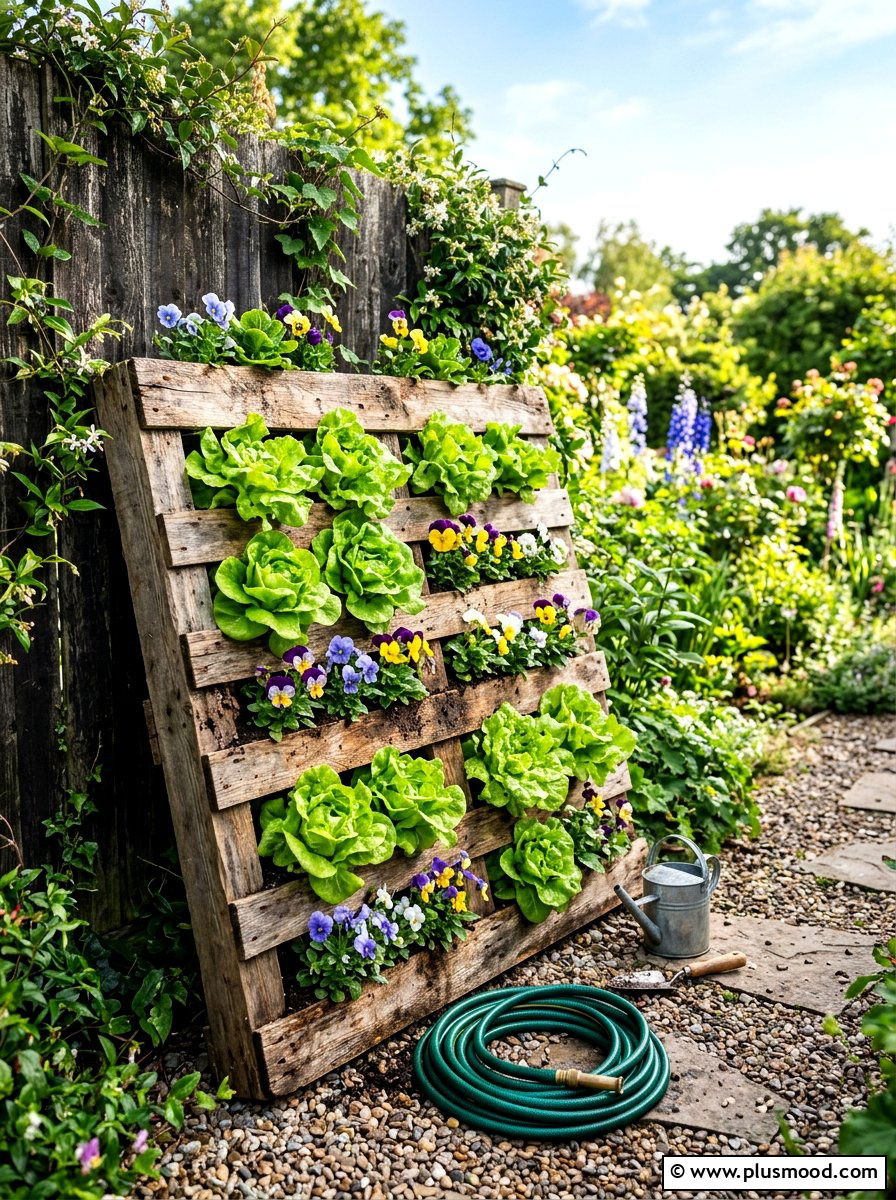
Are you a fan of DIY projects that recycle materials into something useful for your outdoor space? A pallet garden wall is a budget-friendly way to create a massive amount of planting space on a vertical surface. By securing landscape fabric to the back and bottom of a wooden pallet, you create long pockets for soil and plants. This setup is perfect for growing different types of lettuce, herbs, and small flowers in a tight arrangement. You can lean the pallet against a fence or mount it directly to a wall to save floor space. It gives your backyard a rustic, crafty feel while providing a steady supply of fresh salads.
17. Window Box Garden
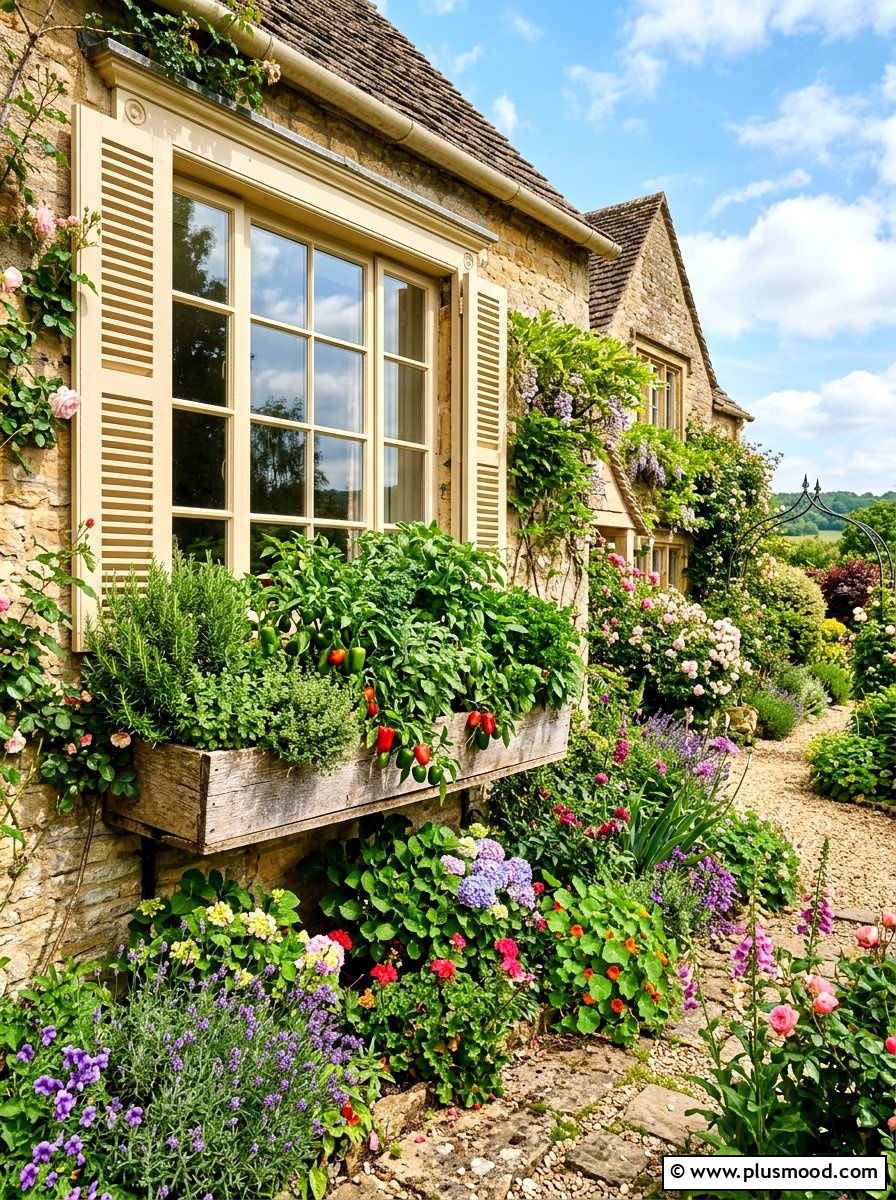
Do you have a small backyard that is mostly taken up by a deck or a paved walkway? A window box garden allows you to grow your favorite vegetables and herbs right on your windowsills or porch railings. These long, narrow containers are surprisingly productive and can hold multiple types of leafy greens or compact pepper plants. Because they are located so close to the house, you are more likely to remember to water and harvest them regularly. They also add a pop of color and life to the exterior of your home, making it look well-cared for. It is an ideal solution for anyone with zero actual ground space.
18. Ladder Plant Stand
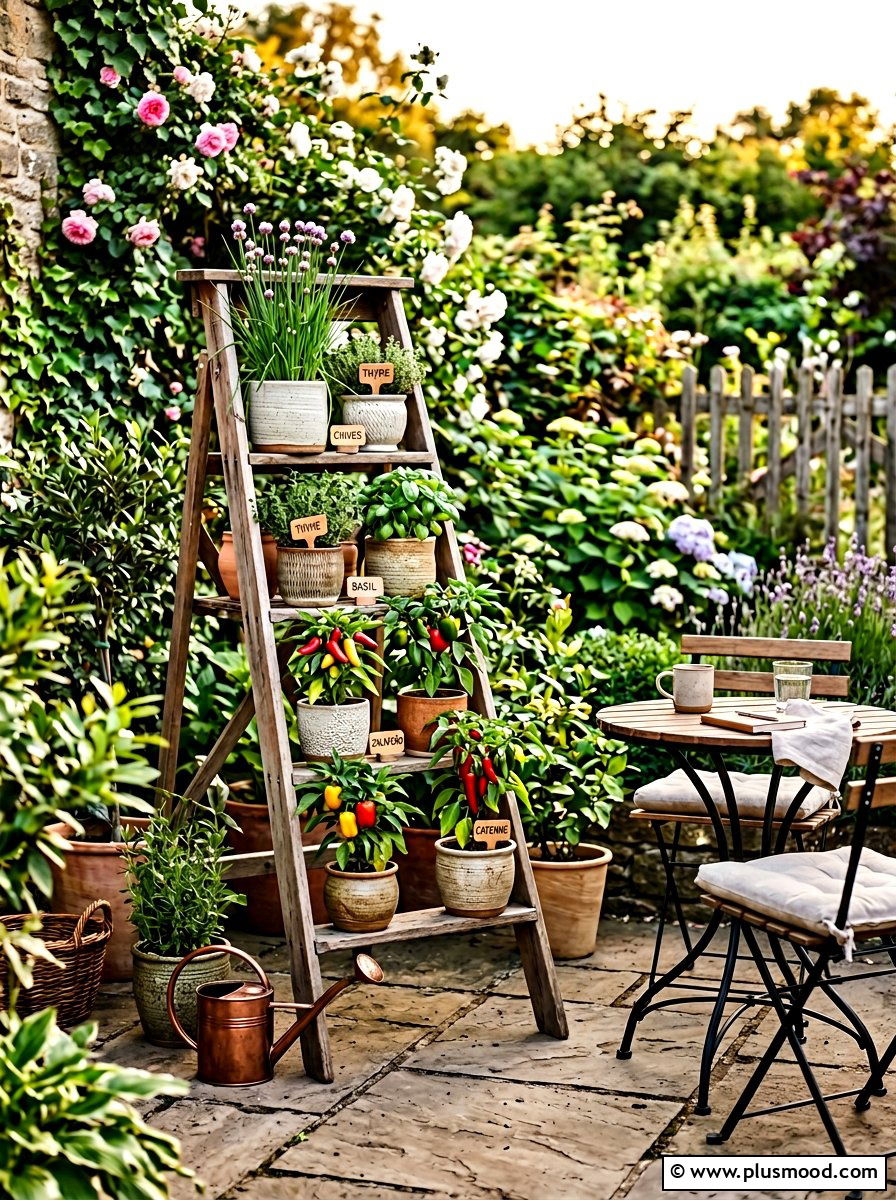
How can you display your vegetable collection in a way that looks like a curated piece of art? A ladder plant stand uses vertical steps to hold various pots and containers in a small, staggered footprint. This design ensures that every plant gets adequate sunlight without being shaded by the ones above it. You can place larger pots for eggplants on the bottom rungs and smaller herb jars on the very top. It is a very flexible option because you can easily swap out plants as the seasons change or move the whole stand. The tiered look adds a lovely architectural element to your backyard that feels organized and very stylish.
19. Pathway Garden Border
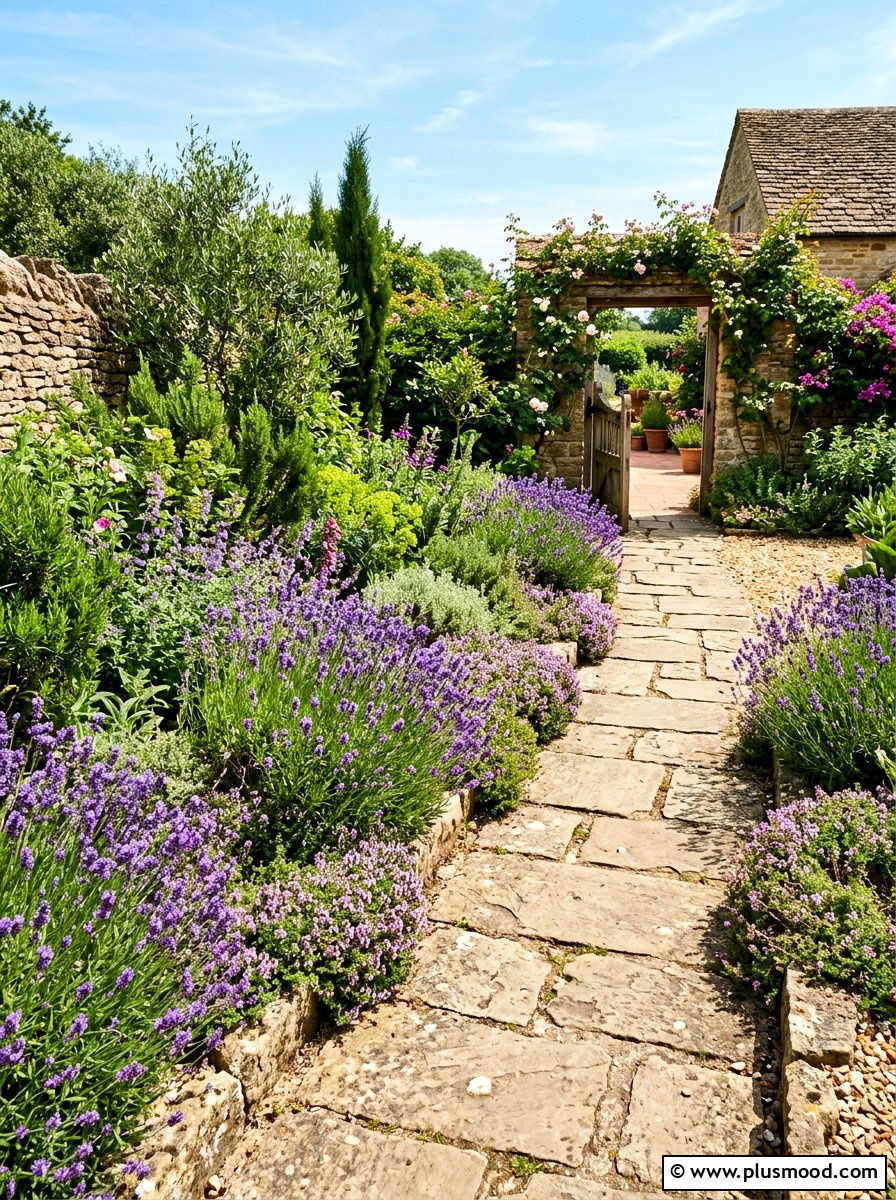
Why not make your garden paths do double duty by surrounding them with delicious edible plants? A pathway garden border utilizes the narrow strips of soil along your walkways to grow low-growing vegetables and herbs. You can plant things like chives, thyme, or kale along the edges of your path to create a soft, green frame for your backyard. This makes the most of every bit of available earth while making your walks through the yard a fragrant experience. It is a great way to integrate food production into the existing layout of your backyard without needing to build new structures. This approach feels very natural and integrated.
20. Vegetable Garden Fence
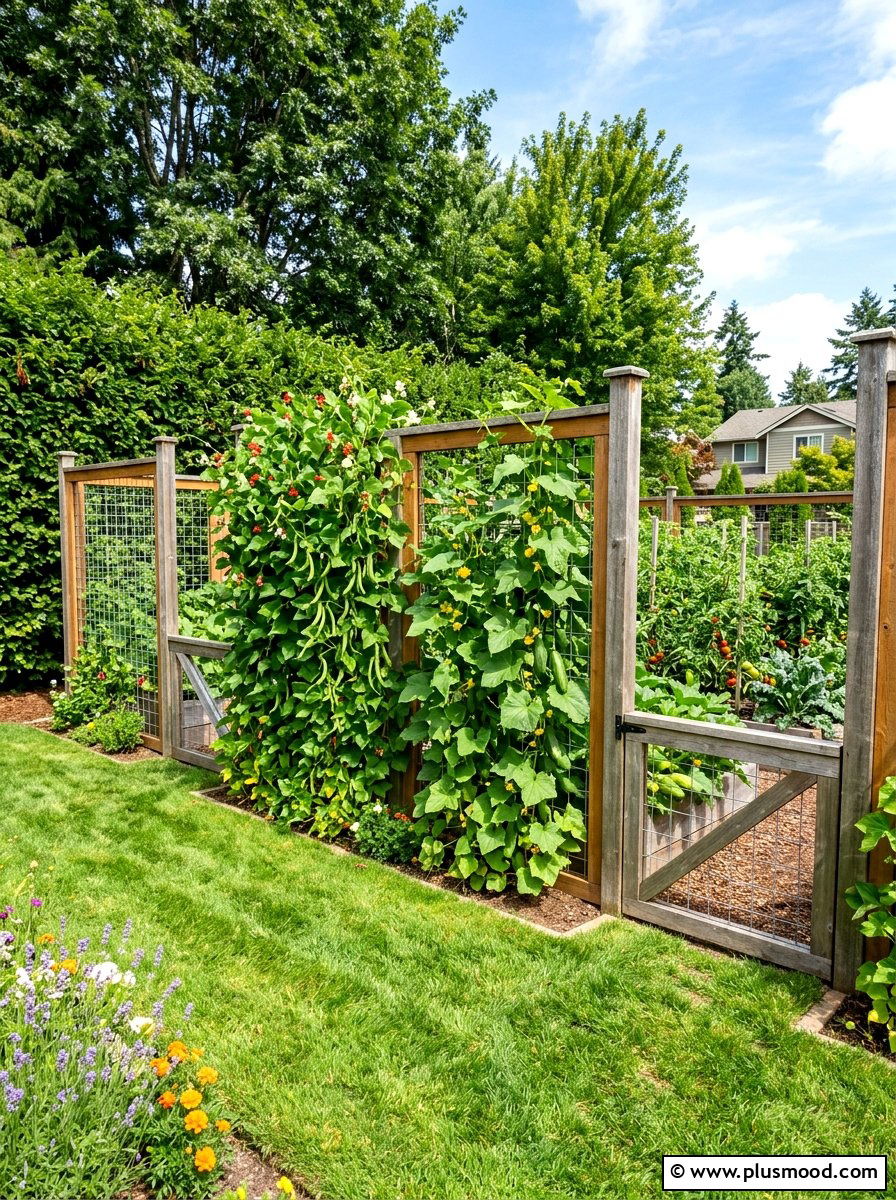
Could your backyard fence serve as more than just a boundary for your property? A vegetable garden fence incorporates built-in planters or wire mesh specifically designed to support heavy climbing crops. You can grow pole beans, peas, or even small squash directly against the fence to save space in the middle of your yard. Some modern designs even feature fold-down shelves or integrated pots that let you grow herbs at different heights. This turns a functional necessity into a productive asset that looks beautiful throughout the growing season. It provides extra privacy while yielding a massive amount of food for your family to enjoy at every single meal.
21. Mobile Garden Cart
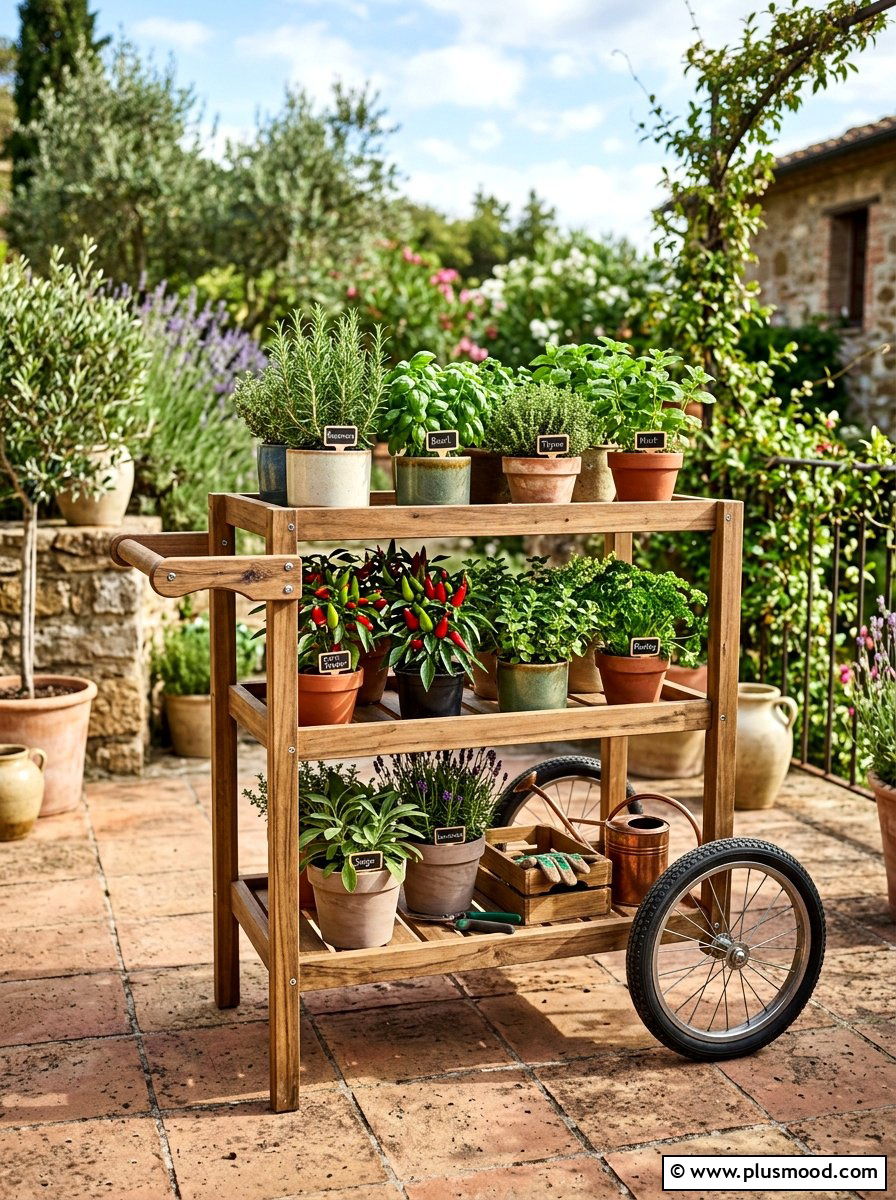
Do you have a backyard where the sun moves significantly throughout the day or the seasons? A mobile garden cart is a fantastic tool for small spaces because you can wheel your vegetables to wherever the light is strongest. These carts often feature multiple shelves or a single deep bin that can hold a variety of crops like peppers and onions. They are perfect for people who use their backyard for multiple purposes, as you can simply roll the garden out of the way when you have guests. This flexibility ensures your plants always have the best growing conditions. It also makes cleaning your patio much easier than having permanent heavy pots.
22. Arched Trellis Tunnel
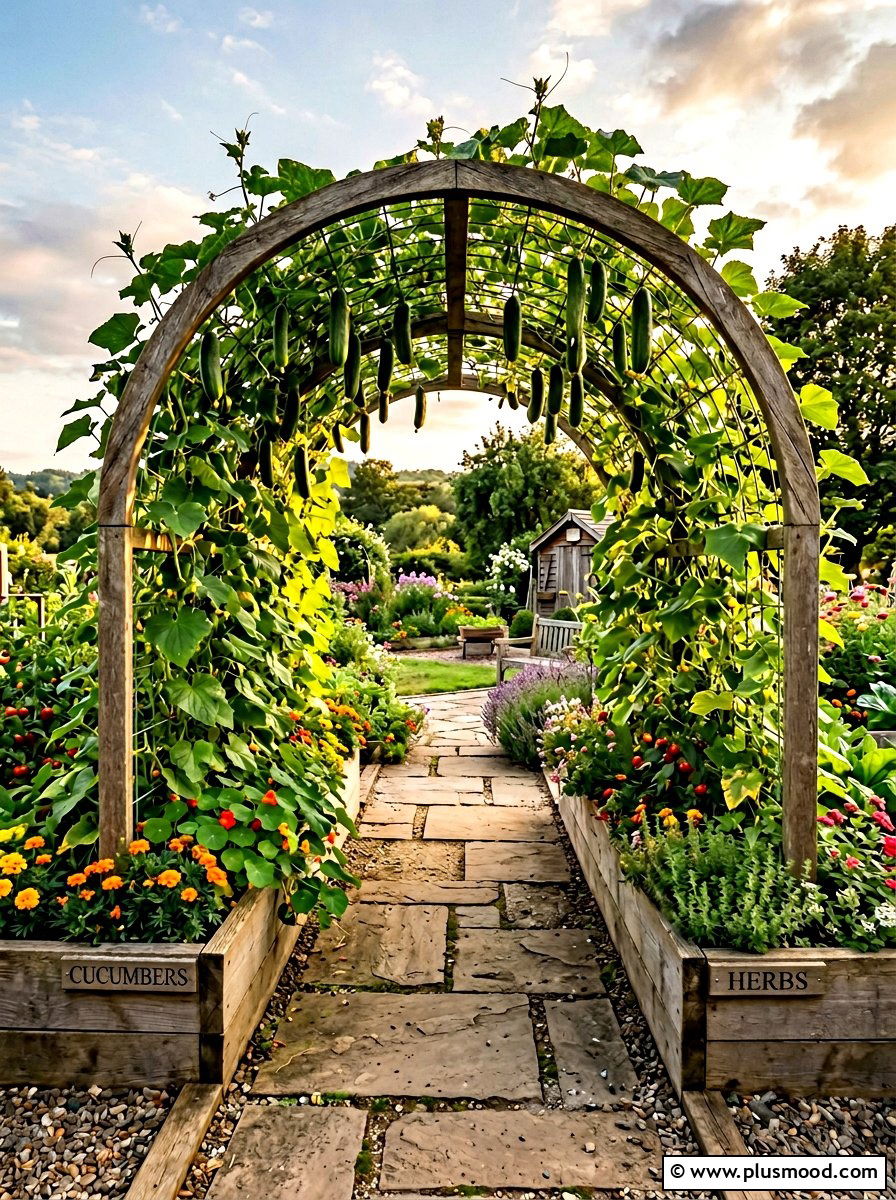
What if walking into your backyard felt like entering a magical, edible tunnel? An arched trellis tunnel connects two raised beds and provides a vertical structure for climbing plants to grow over your head. This setup is perfect for small yards because it uses the space above your walkway that would otherwise be empty. You can grow heavy vines like cucumbers, small pumpkins, or beans that will hang down for easy picking. It creates a shaded, cool area underneath during the hot summer months, which can be a great place for a small chair. This design adds a dramatic and whimsical element to your garden while maximizing production.
23. Sub-Irrigated Planter
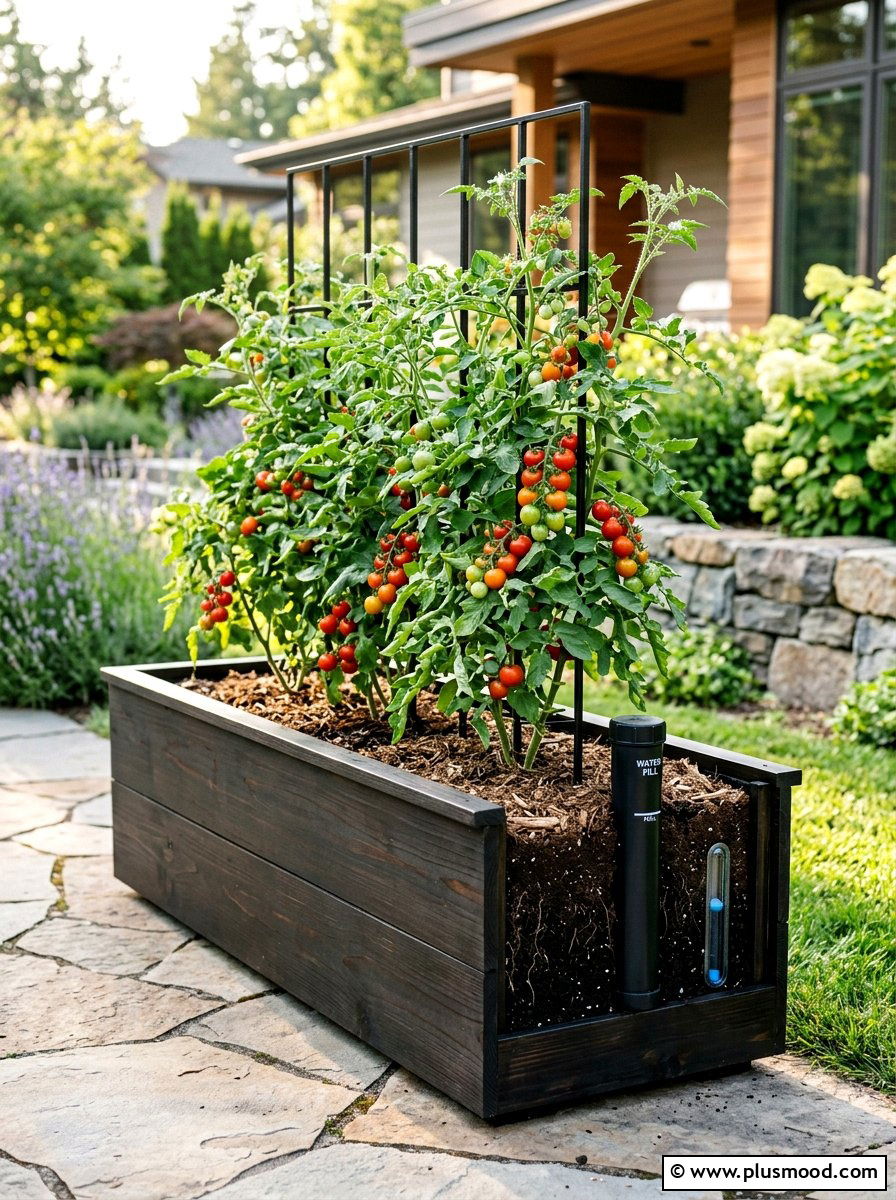
Are you worried about keeping your vegetables hydrated during hot summer days in a small yard? A sub-irrigated planter, also known as a self-watering bed, features a water reservoir at the bottom that feeds the plants from below. This system is incredibly efficient for small backyards because it reduces water waste and ensures consistent moisture for thirsty plants like tomatoes. You do not have to worry about watering every single day, which is perfect for busy homeowners. These planters can be built into various shapes and sizes to fit your specific space. They promote deep root growth and help your vegetables stay healthy and productive even during dry spells or vacations.
24. Cold Frame Garden
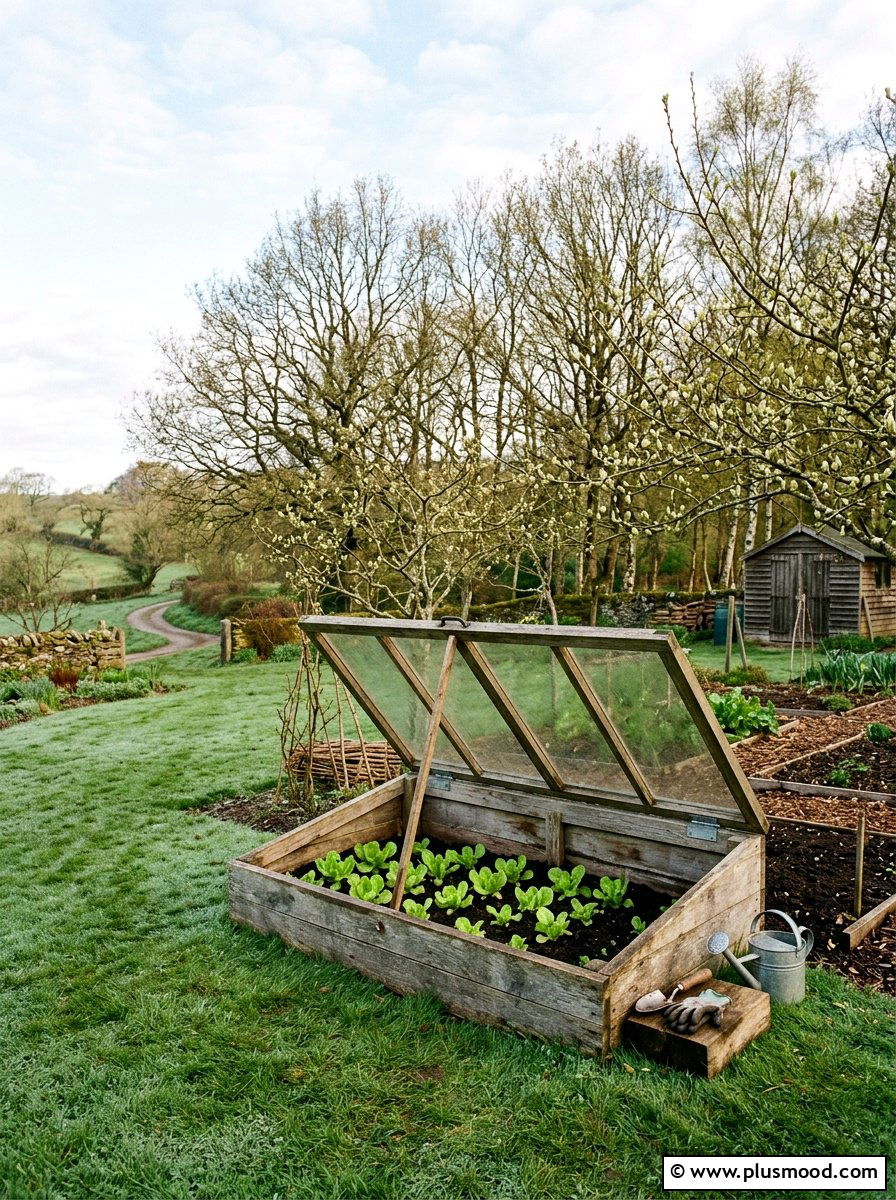
Would you like to start your vegetable garden weeks before your neighbors even think about planting? A cold frame garden is a low-profile box with a clear glass or plastic lid that acts like a mini-greenhouse on the ground. It traps solar energy to warm the soil and protect young seedlings from late winter frosts and cold winds. In a small backyard, this is a great way to grow cold-hardy crops like spinach and carrots throughout the winter months. The lid can be propped open on warm days to prevent overheating and closed at night to hold in the warmth. It is a simple but highly effective tool for gardeners.
25. Gutter Garden System
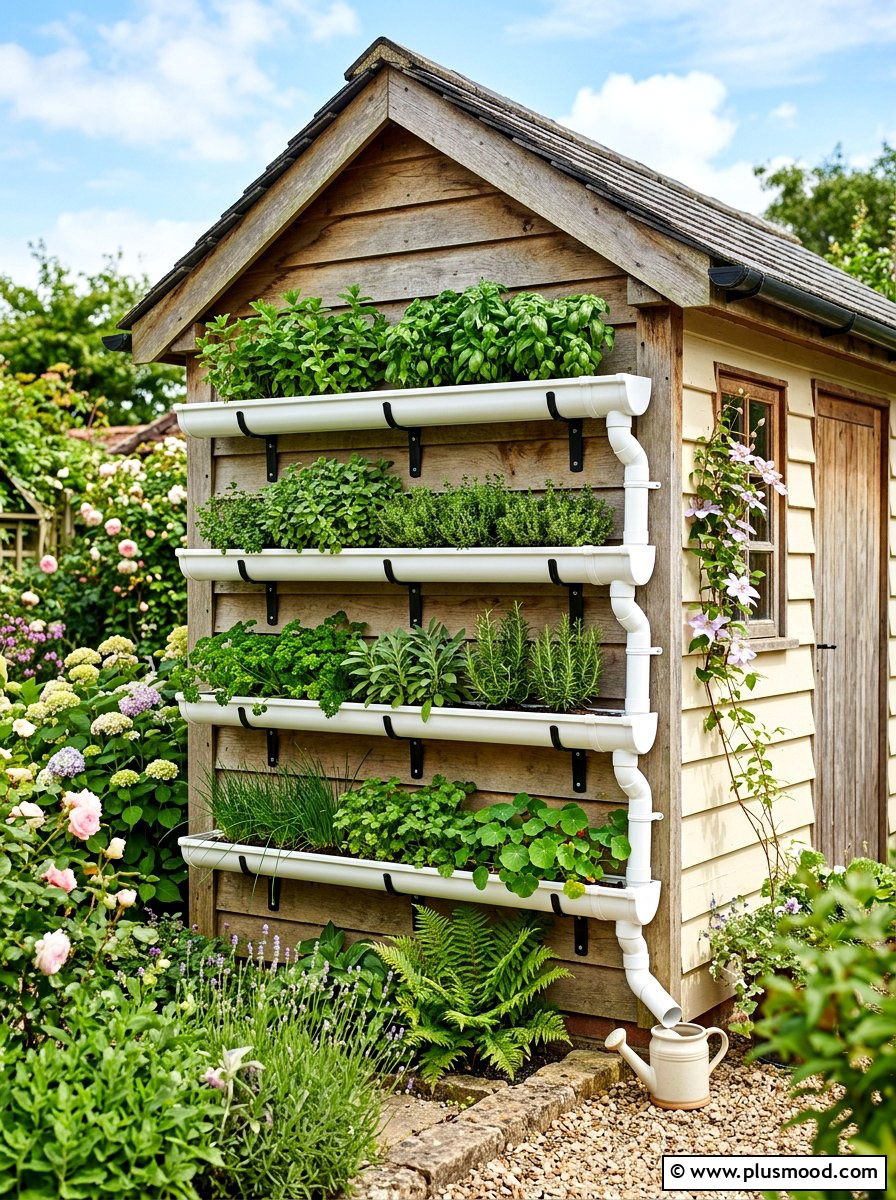
Have you ever looked at the side of your shed or fence and saw a perfect spot for some greenery? A gutter garden system uses sections of standard rain gutters mounted horizontally to grow shallow-rooted vegetables and herbs. This is one of the most space-efficient ways to garden because it takes up almost zero floor space. You can mount several rows of gutters one above the other to create a massive wall of lettuce and herbs. It is very affordable to build and provides excellent drainage for your plants. This creative solution turns an empty vertical surface into a lush and productive food source that looks modern and very clean.
Conclusion:
Creating a small backyard vegetable garden is a journey that combines creativity with the simple joy of nature. As we have explored, size is never a limitation when you use vertical space, smart layouts, and modern planting techniques. Whether you choose a sleek tiered planter or a rustic pallet wall, your outdoor area will become a more vibrant and productive part of your home. Gardening in a compact space allows you to focus on the quality of your plants and the beauty of your design. By following these ideas, you can enjoy a sustainable lifestyle and the incomparable taste of fresh, organic produce. Start small, stay consistent, and watch your backyard transform into a thriving edible paradise that inspires everyone who sees it.
Related posts:
Leave a Reply