
Transforming a compact outdoor area into a thriving sanctuary for nature is more achievable than most homeowners realize. You do not need a sprawling estate to create a meaningful impact on the local ecosystem while enjoying a beautiful view. By focusing on intentional plant choices and smart layout strategies, even the smallest patio or balcony can become a buzzing hub of activity. Integrating a butterfly garden into your small backyard design brings vibrant colors, movement, and a sense of peace right to your doorstep. This guide explores creative ways to maximize your space using vertical elements, specialized nectar sources, and cozy features that invite these delicate pollinators to stay and flourish all season.
1. Native Wildflower Patch
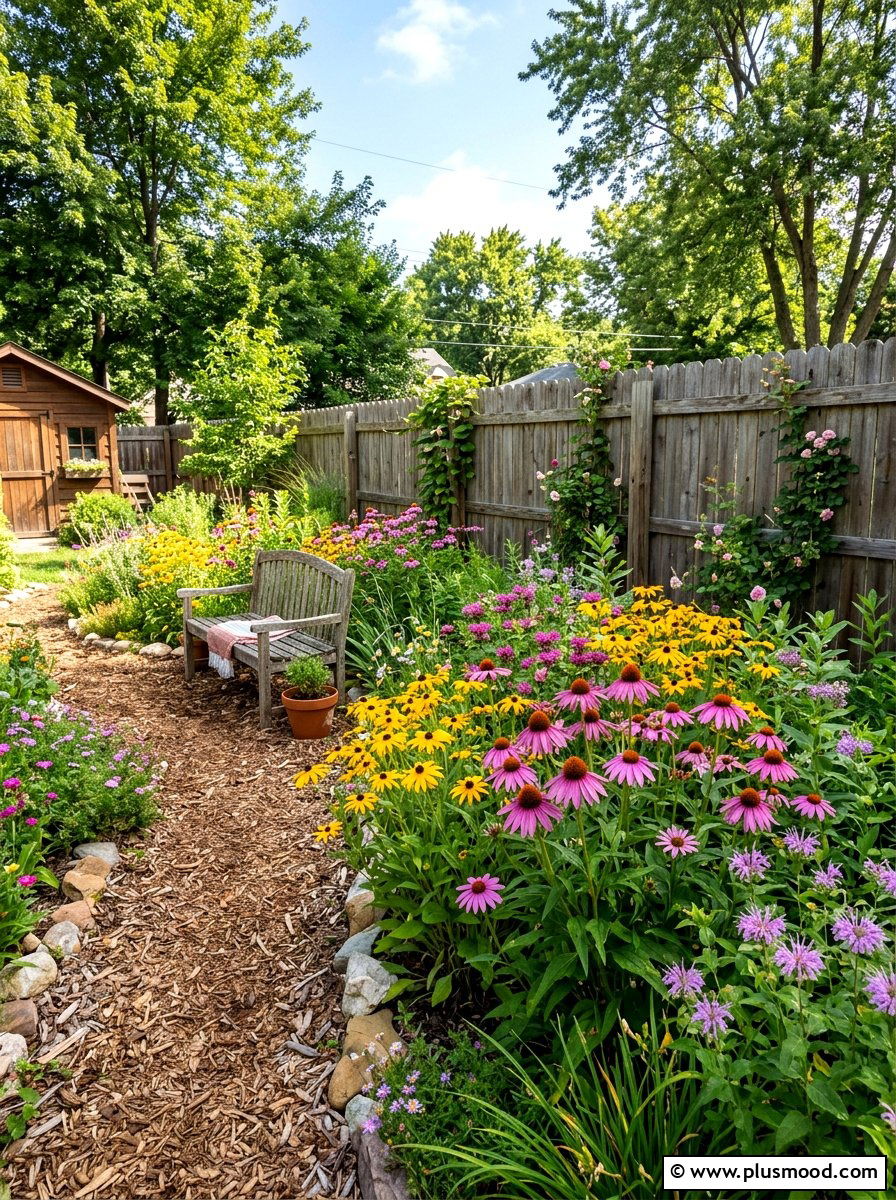
Imagine walking out into your tiny outdoor space and seeing a flurry of wings dancing over bright blossoms. A native wildflower patch is one of the most effective ways to attract local butterfly species because these plants have co-evolved with them. You can easily designate a specific corner of your yard for a mix of black-eyed Susans, coneflowers, and coreopsis. These hardy plants require very little maintenance once they are established and provide a reliable food source throughout the growing season. By choosing flowers that are indigenous to your specific region, you ensure that the butterflies recognize the habitat as a safe place to feed and rest.
2. Tiered Wooden Planters
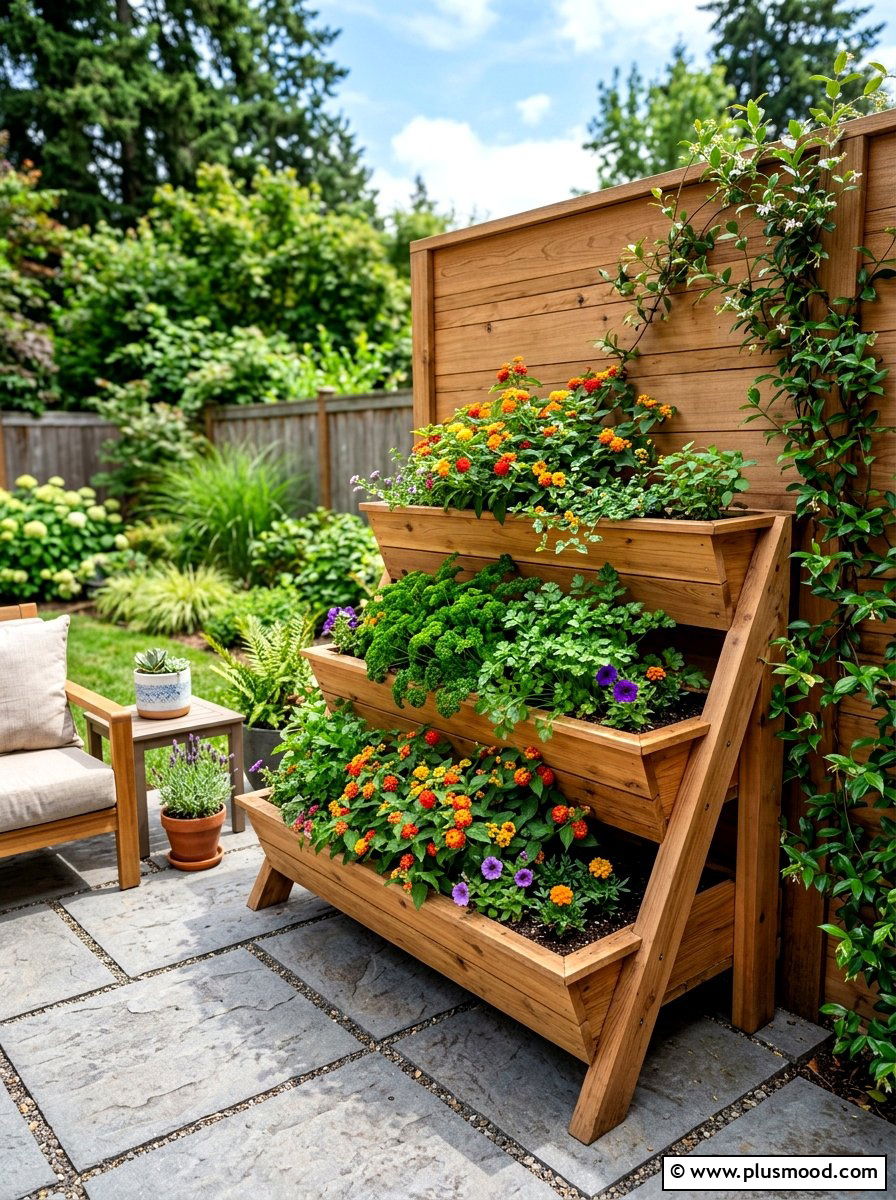
How do you maximize every square inch of a compact yard while still providing a lush habitat for local pollinators? Tiered wooden planters allow you to garden vertically, which is a perfect solution for narrow spaces or small patios. You can fill the top levels with sun-loving nectar plants like lantana and the lower levels with host plants like parsley or dill for caterpillars. This arrangement creates a dense wall of greenery and blooms that acts as a visual focal point in your yard. The vertical height also makes it easier for butterflies to spot the flowers as they fly over your fence or garden walls.
3. Puddling Stone Station
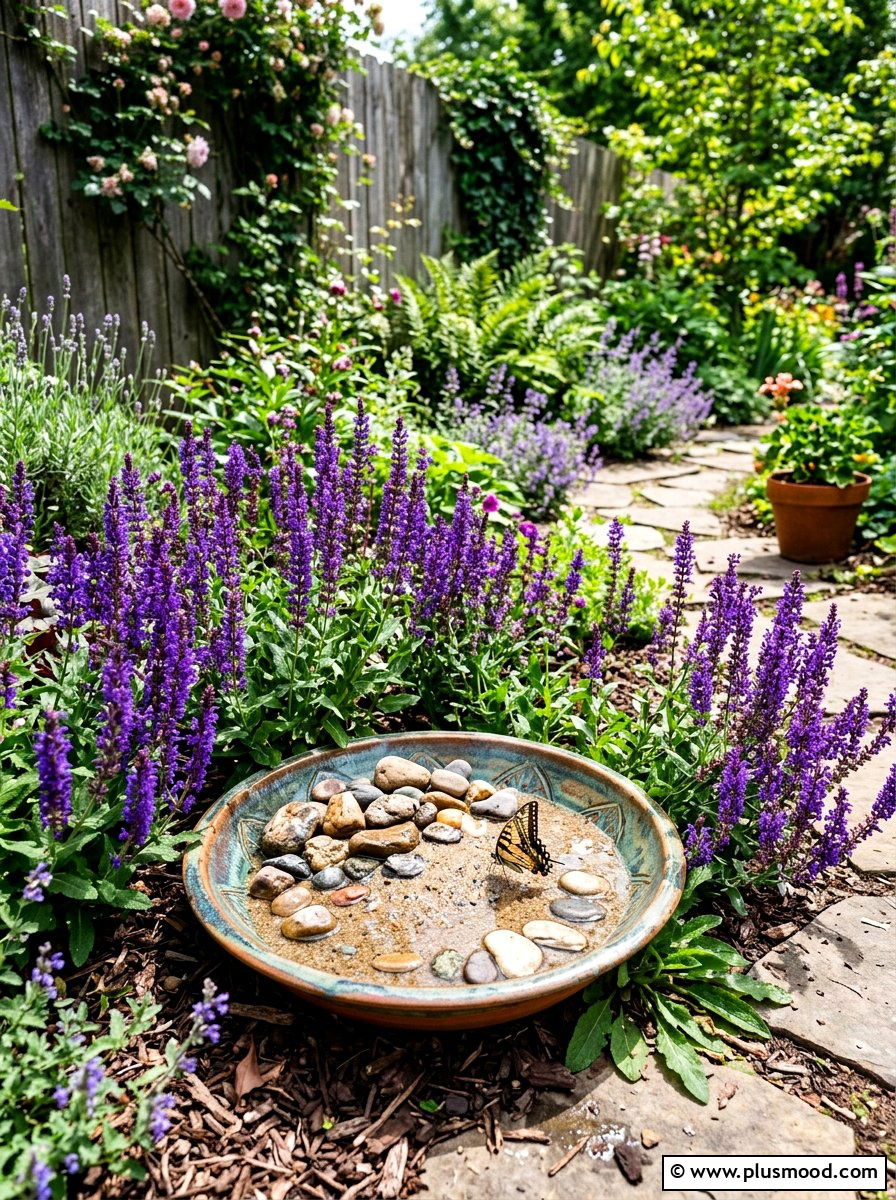
Have you ever noticed butterflies gathering around a small damp patch of soil or a shallow tray of water? This behavior is called puddling, and it is how these insects get essential minerals and salt. You can create a dedicated puddling station by placing a flat stone inside a shallow decorative dish filled with sand and a bit of water. Position this station in a sunny, wind-protected spot near your flowers to give butterflies a place to hydrate. It is a simple addition that adds a professional touch to your butterfly garden while supporting the health and longevity of your local winged visitors.
4. Vertical Trellis Wall
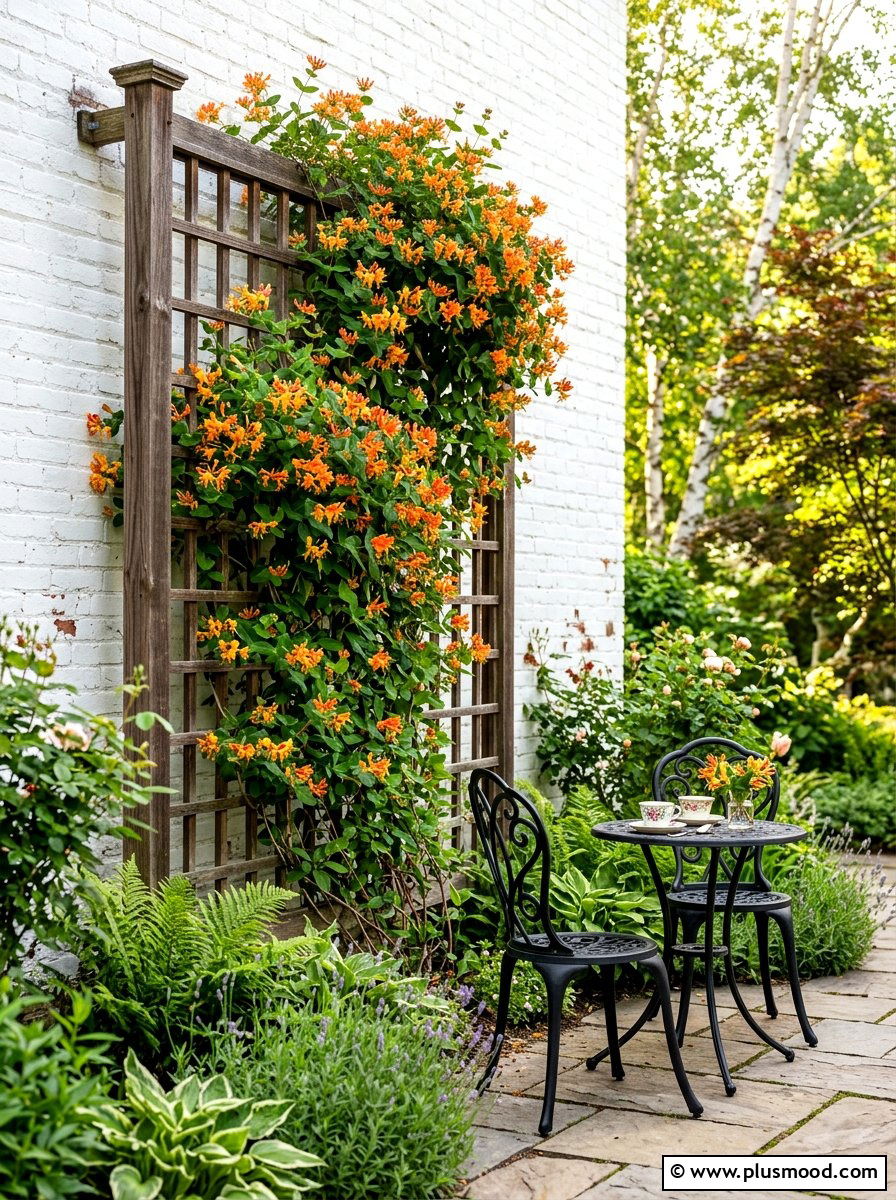
If your small backyard is dominated by walls or fences, a vertical trellis wall can turn a blank surface into a pollinator paradise. You can grow climbing vines such as honeysuckle or passionflower, which produce beautiful blooms that are highly attractive to various butterfly species. These climbing plants provide excellent cover and protection from predators while adding lush texture to your outdoor living space. By training the vines to grow upward, you leave the ground clear for seating or other decorative elements. This design strategy creates a sense of enclosure and privacy while making your garden feel much larger than it actually is.
5. Milkweed Nursery Corner
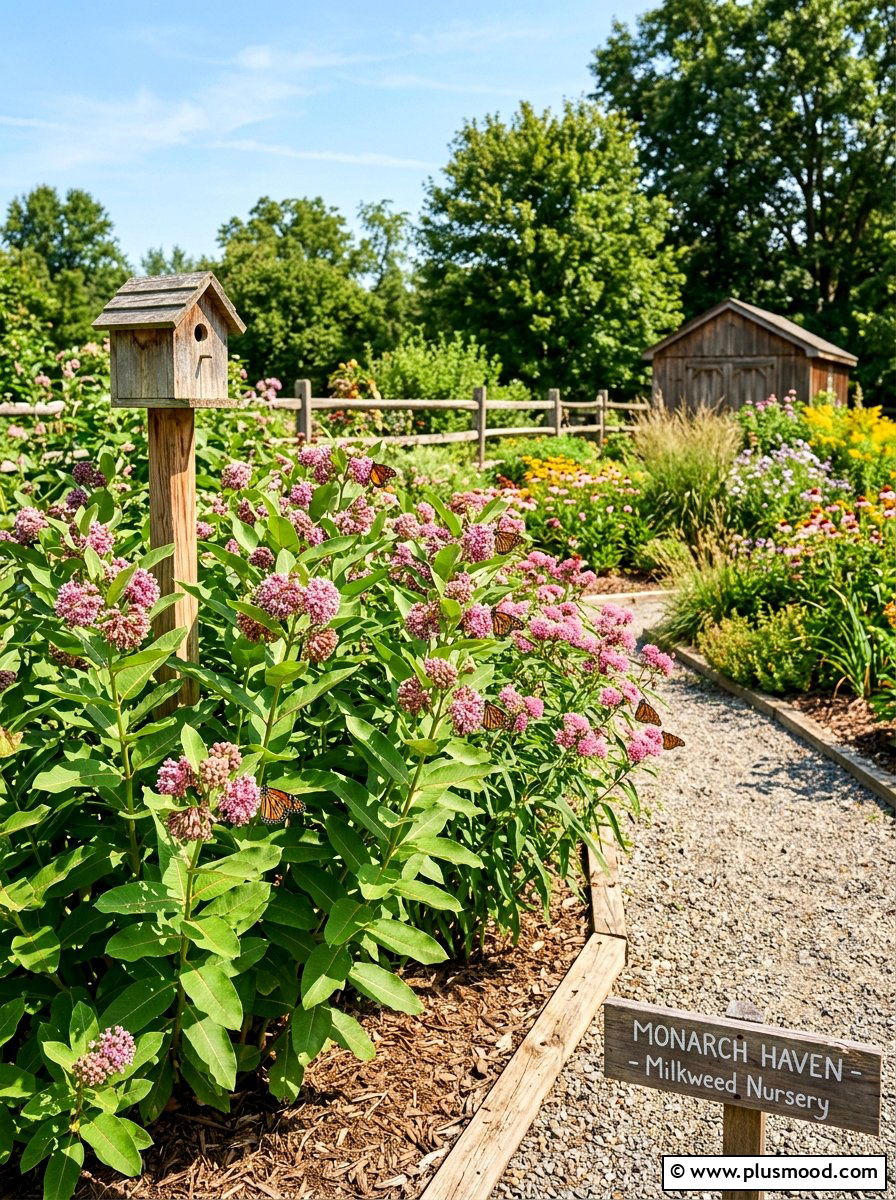
Creating a successful butterfly garden requires more than just nectar; it requires plants that support the entire life cycle of the insect. A dedicated milkweed nursery corner is essential if you want to attract monarchs and help them reproduce in your backyard. Milkweed is the only plant that monarch caterpillars eat, making it a critical component of any conservation-focused garden. Even a small cluster of these plants in a sunny corner can provide enough resources for a mother butterfly to lay her eggs. The unique blossoms of milkweed also offer plenty of nectar for adult butterflies, making it a dual-purpose addition to your space.
6. Fragrant Lavender Border
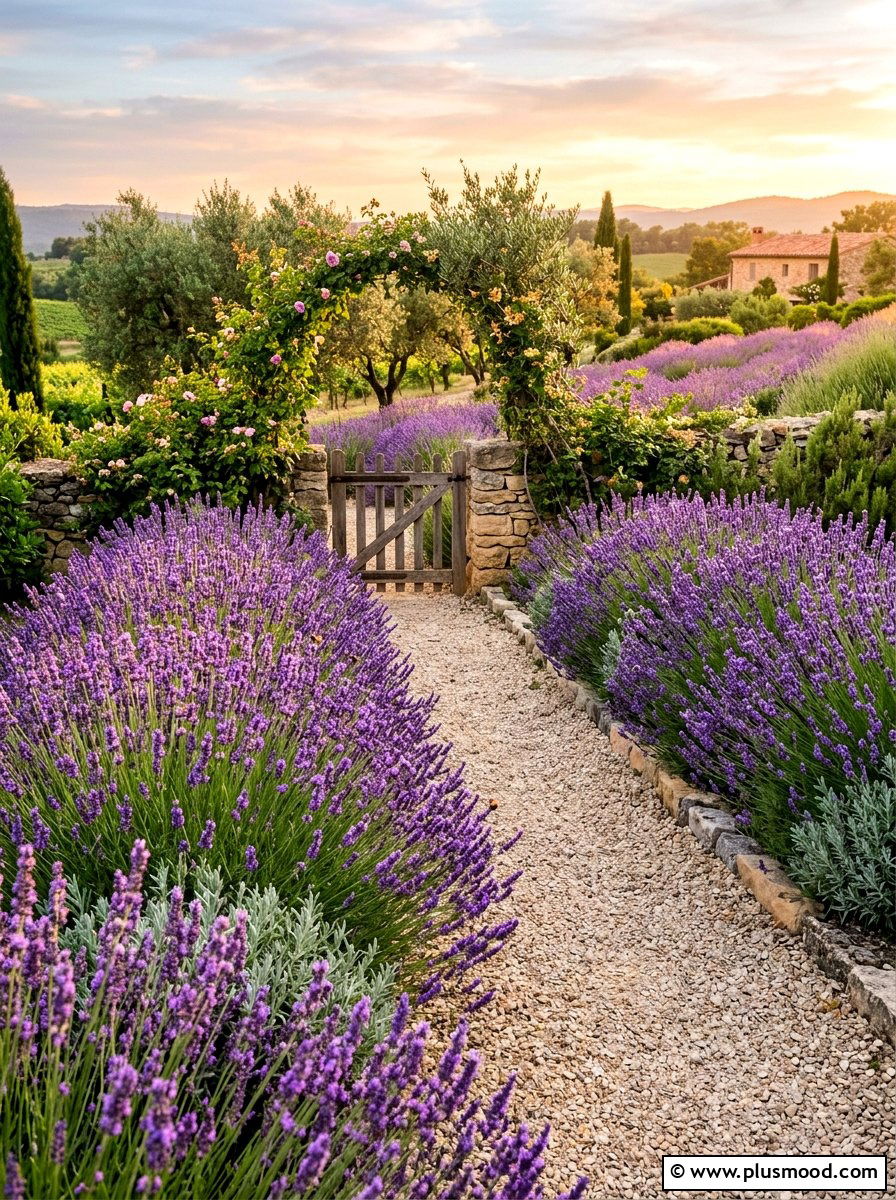
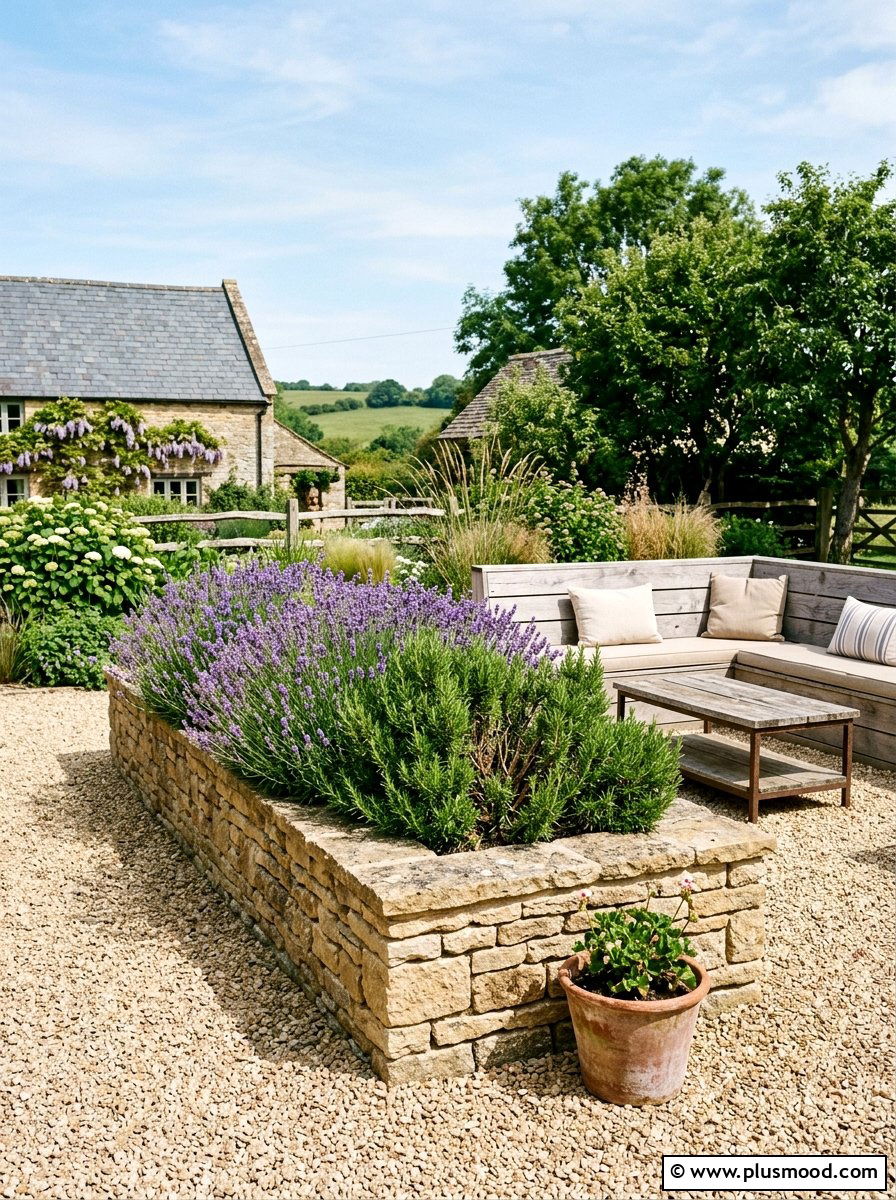
A fragrant lavender border offers a sensory experience for both humans and butterflies alike in a small backyard setting. Lavender is famous for its soothing scent and beautiful purple spikes, but it is also a top-tier nectar source for many different pollinators. Planting a row of lavender along a path or the edge of a patio creates a clean, structured look that fits well in modern or traditional landscapes. The silvery-green foliage provides year-round interest even when the plants are not in bloom. Furthermore, lavender is drought-tolerant, making it an excellent choice for gardeners who want a beautiful space with minimal watering needs.
7. Butterfly Seating Nook
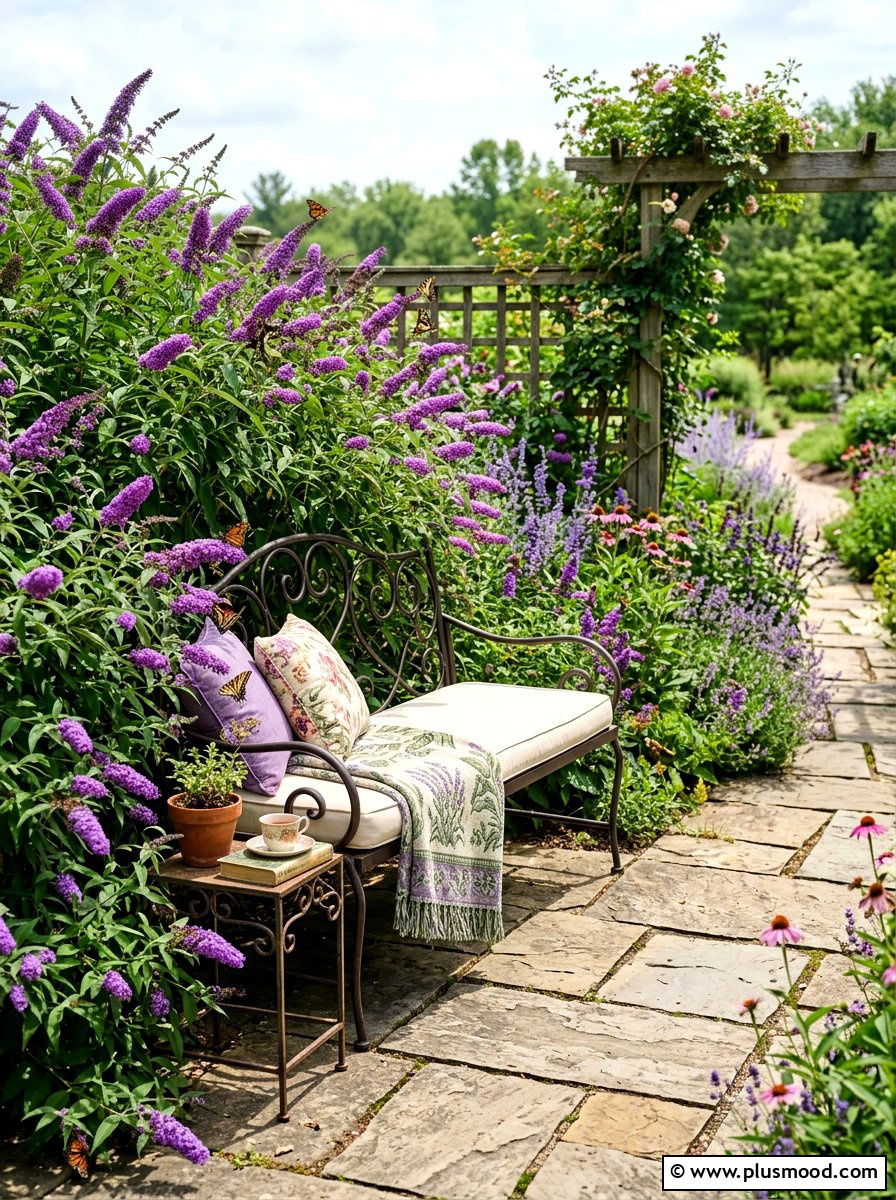
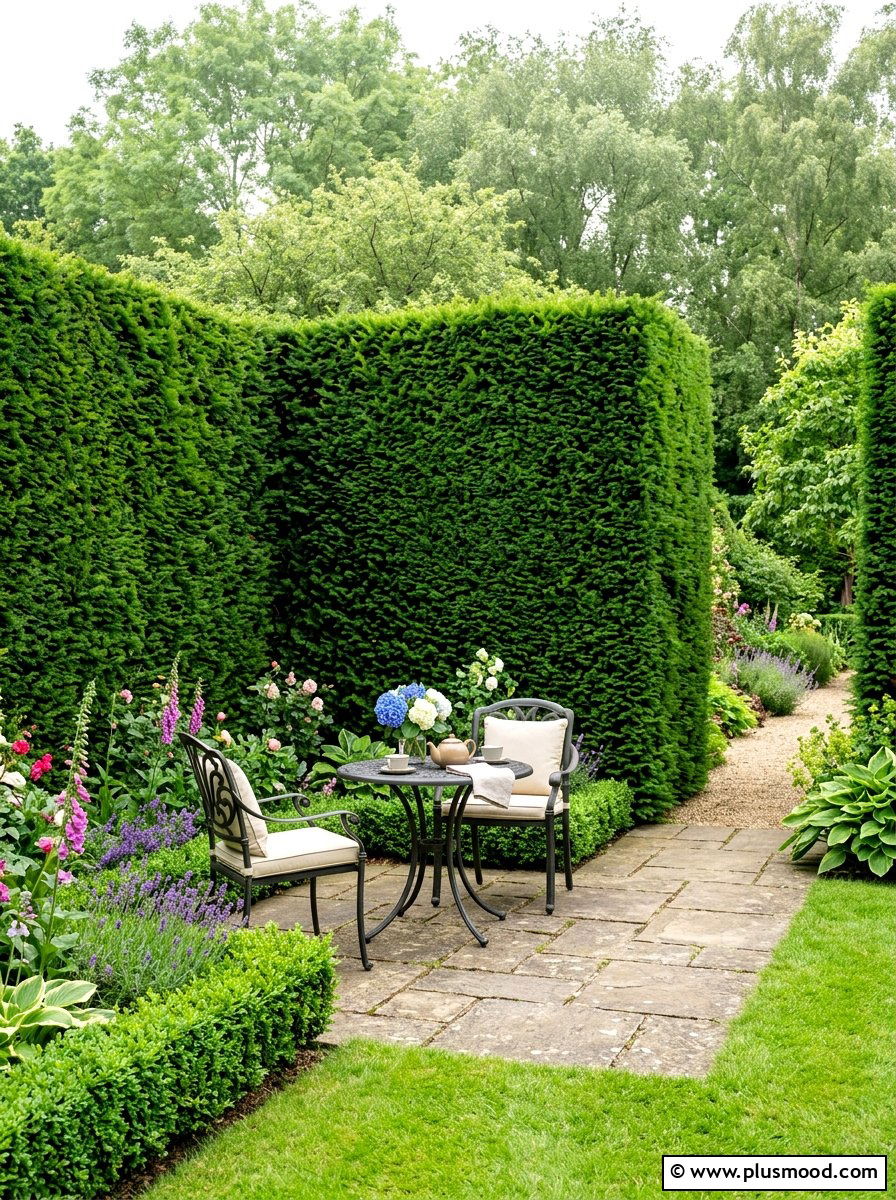
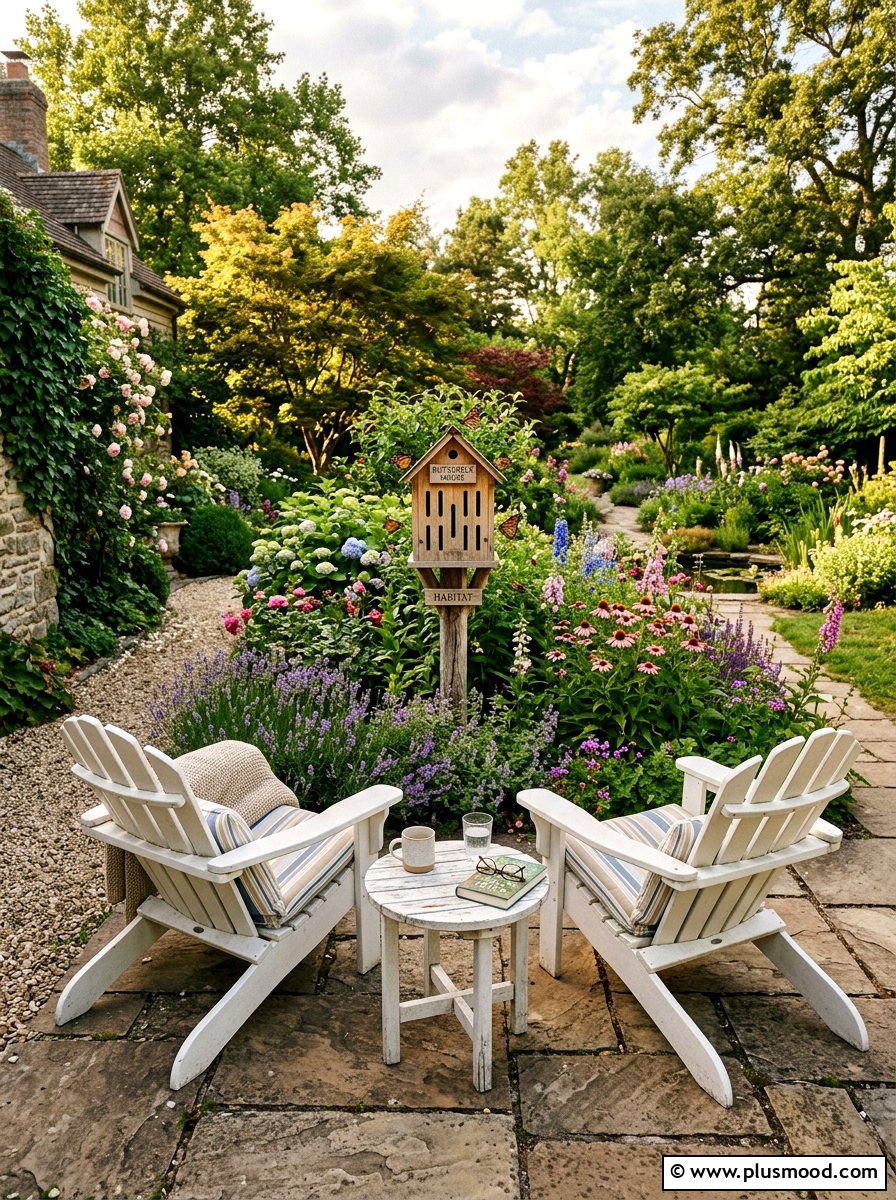
Why not create a space where you can sit and observe the beautiful nature you have invited into your yard? A butterfly seating nook can be as simple as a small bistro set or a comfortable bench surrounded by high-nectar plants like butterfly bush. When you surround your seating area with flowers, you get a front-row seat to the intricate movements of the butterflies as they feed. It creates a peaceful retreat where you can enjoy your morning coffee while being immersed in a living, breathing ecosystem. This design bridges the gap between functional outdoor living and a dedicated wildlife habitat in a compact footprint.
8. Window Box Pollinator Garden
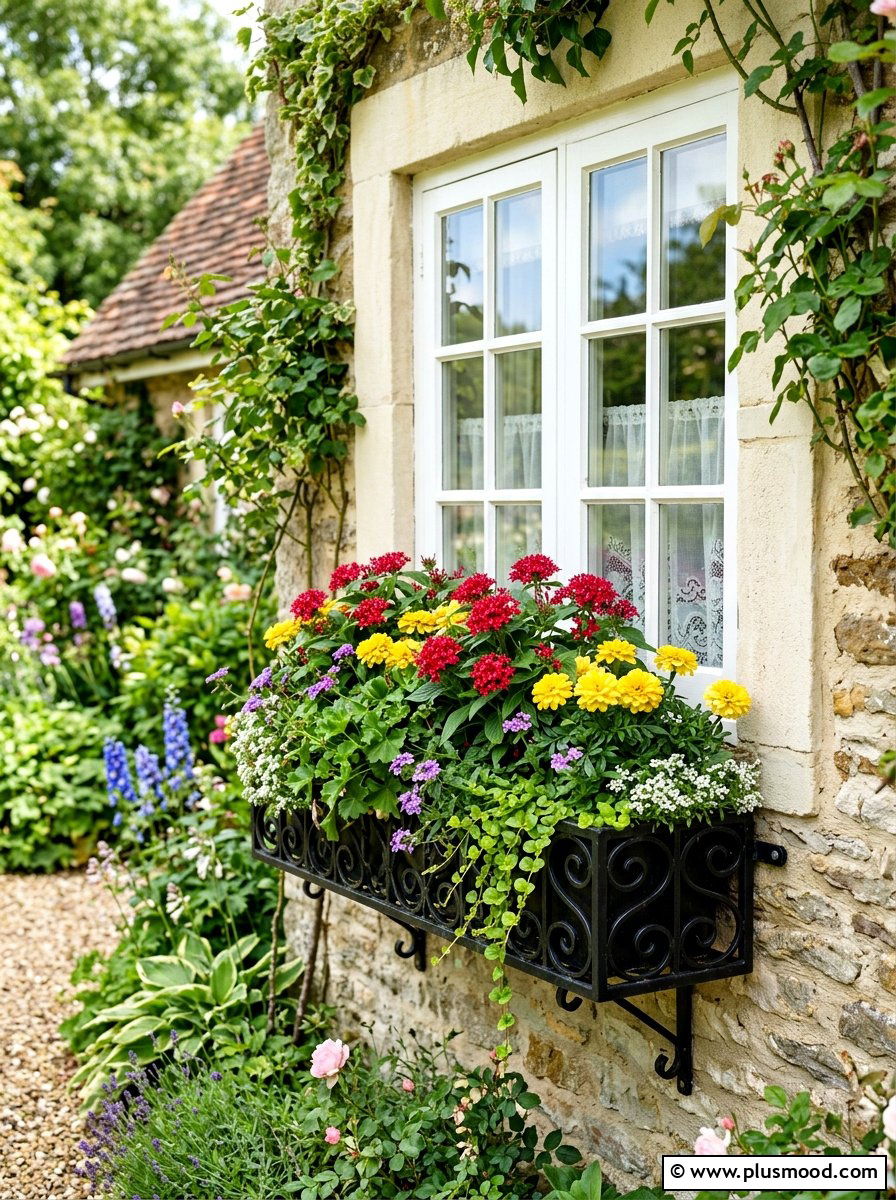
Even if you have no actual ground space, a window box pollinator garden can bring butterflies right to your glass. You can attach sturdy planters to your windows or deck railings and fill them with compact flowering plants like pentas, petunias, and dwarf zinnias. These elevated gardens are highly visible to flying insects and provide a convenient stop for them as they navigate urban or suburban environments. Window boxes also allow you to appreciate the vibrant colors and delicate details of the butterflies from inside your home. It is a brilliant way to utilize vertical space and add charm to your home exterior.
9. Multi Level Deck Planters
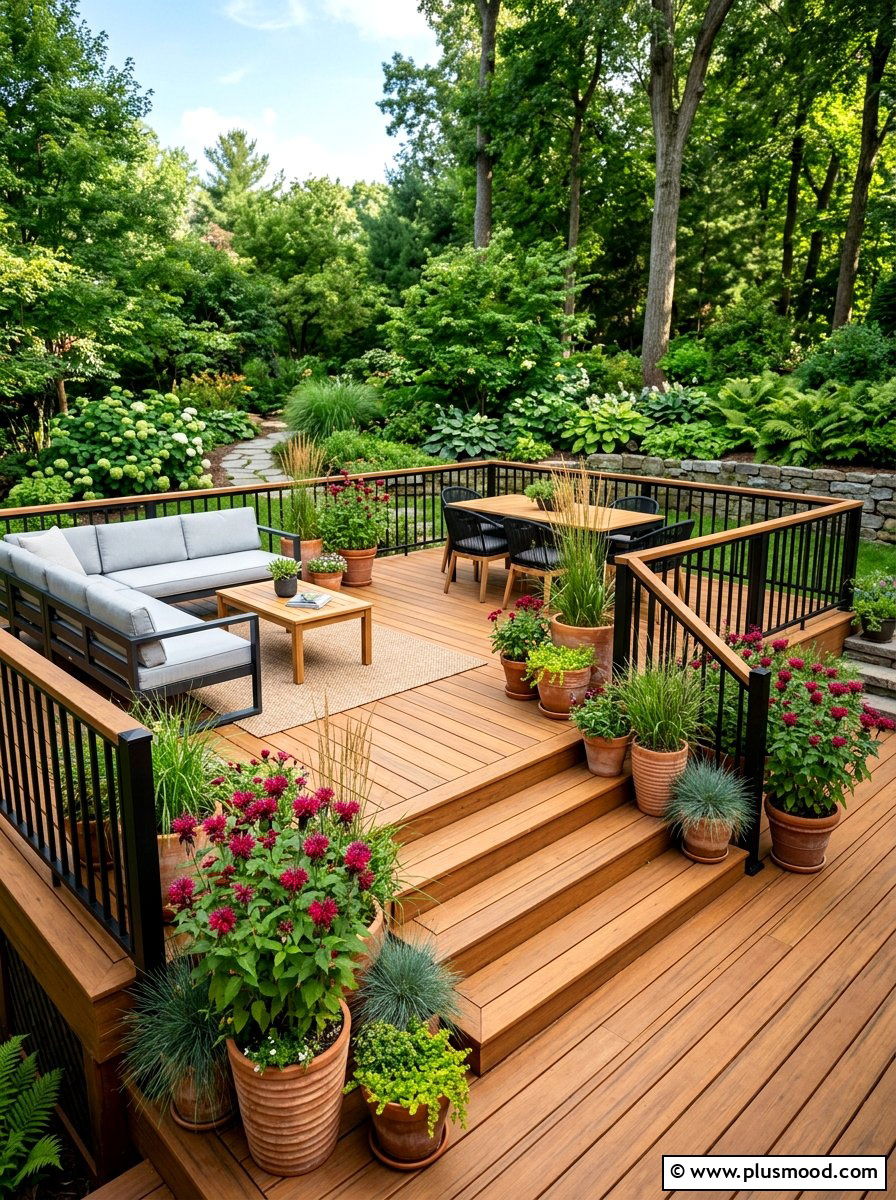
Using multi level deck planters is a smart way to add depth and variety to a small wooden deck or stone patio. By grouping pots of different heights and sizes, you create a mini-landscape that mimics the layered structure of a natural meadow. You can plant tall ornamental grasses for shelter and mix them with vibrant perennials like salvia and bee balm for color. This arrangement allows you to move the plants around easily to catch the best sunlight throughout the year. It also makes maintenance much simpler, as you can tend to your butterfly garden without having to bend down to ground level.
10. Gravel Path Habitat
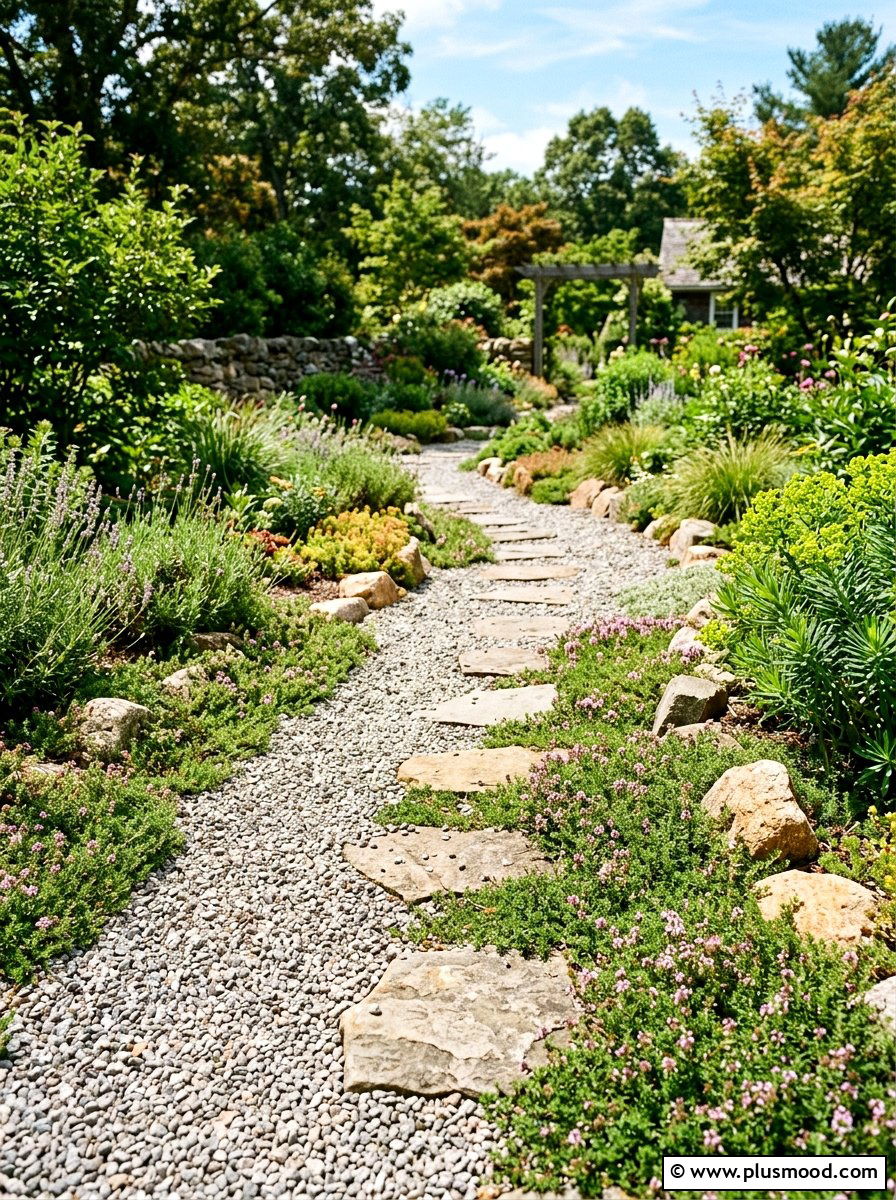
A gravel path habitat combines clean hardscaping with soft, naturalistic planting to create a modern and low-maintenance butterfly garden. You can leave small gaps in the gravel or use stepping stones surrounded by low-growing creeping thyme or sedum. These groundcover plants often produce tiny flowers that provide nectar while the warm stones offer a place for butterflies to sun themselves. Butterflies are cold-blooded and need the sun's heat to fly, so providing flat, warm surfaces is a crucial part of a functional garden. This design approach looks sophisticated and organized while serving the biological needs of your local pollinator population.
11. Birdbath Water Feature
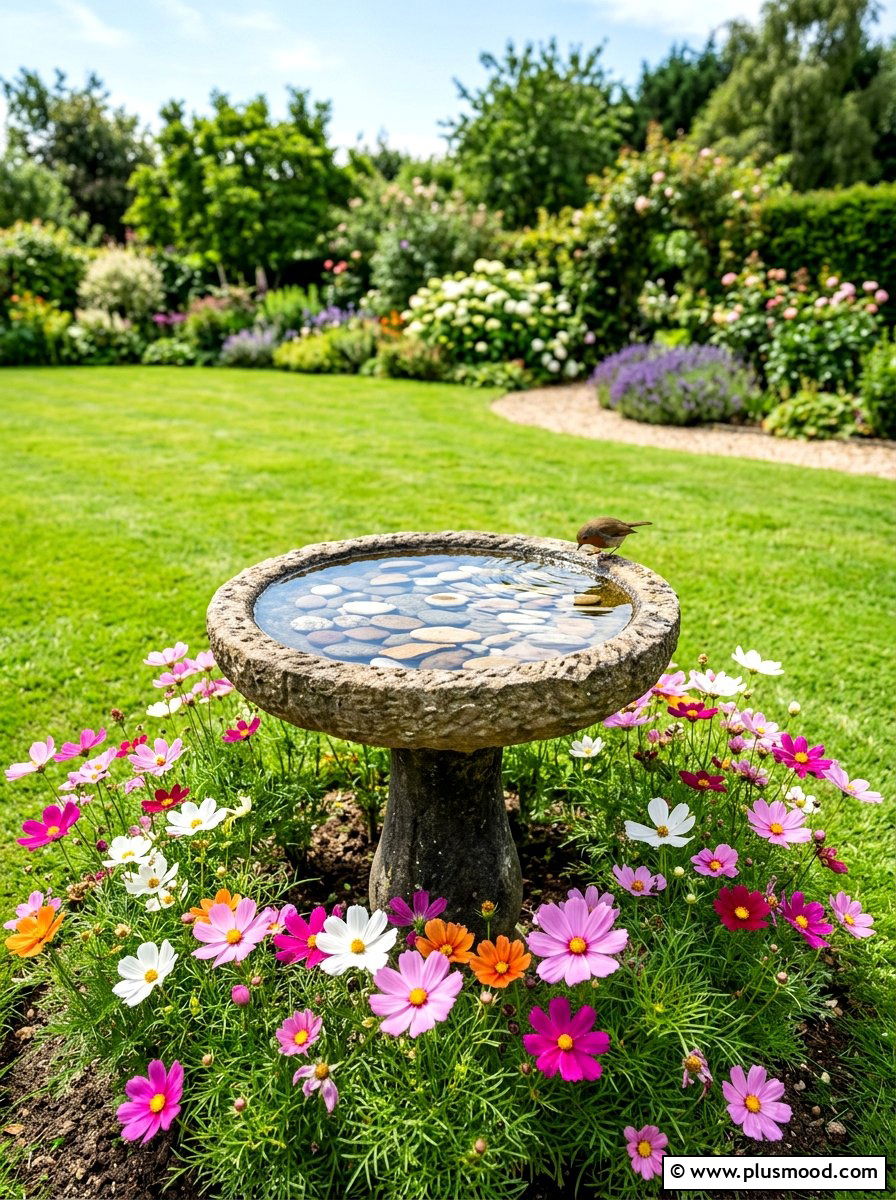
Integrating a birdbath water feature into your butterfly garden serves multiple purposes while acting as a beautiful central focal point. While birds use it for bathing, you can add a few floating corks or flat stones that break the surface of the water for butterflies. These landing pads allow butterflies to drink without the risk of drowning in deeper water. Placing the birdbath in the center of a flower bed creates a classic garden aesthetic that draws the eye. The sound of moving water can also be very relaxing, enhancing the overall atmosphere of your small backyard while providing vital resources for local wildlife.
12. Nectar Rich Hanging Baskets
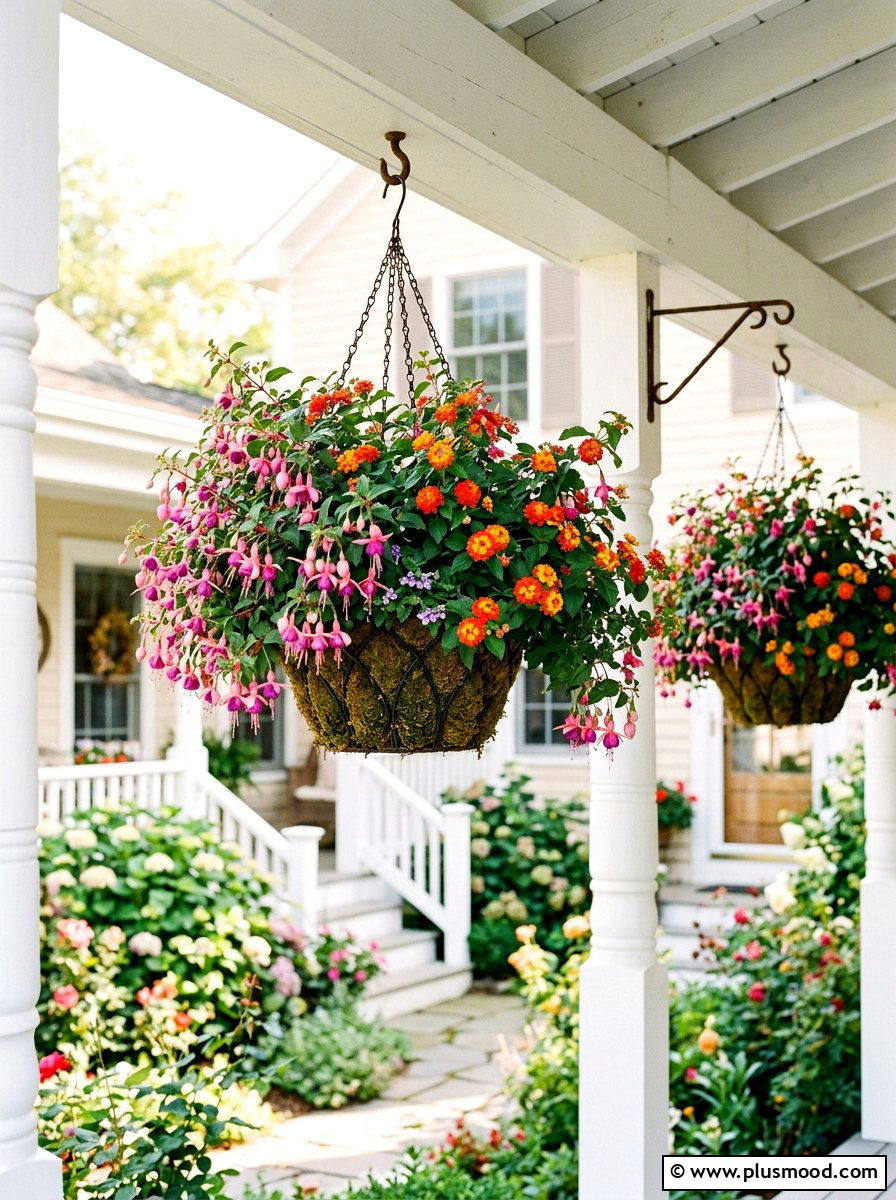
Nectar rich hanging baskets are a fantastic way to introduce color and life at eye level in a small backyard. You can hang these baskets from porch eaves, shepherd’s hooks, or wall brackets to attract butterflies that fly at higher altitudes. Filling them with trailing plants like fuchsia or lantana creates a waterfall of blooms that is irresistible to many butterfly species. Because hanging baskets dry out more quickly than ground plants, they are easy to manage with a simple daily watering routine. This vertical gardening technique keeps your floor space open for other activities while ensuring your garden is packed with floral resources.
13. Raised Bed Vegetable Mix
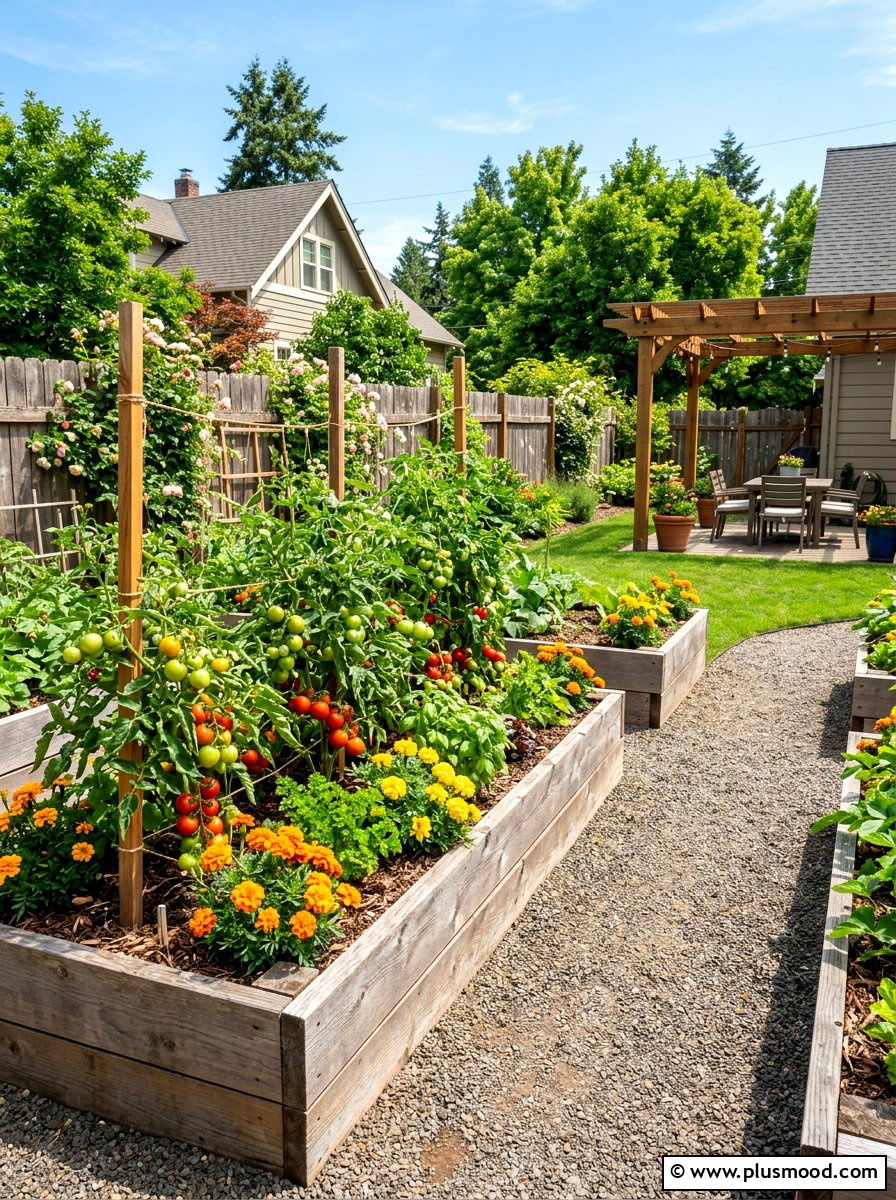
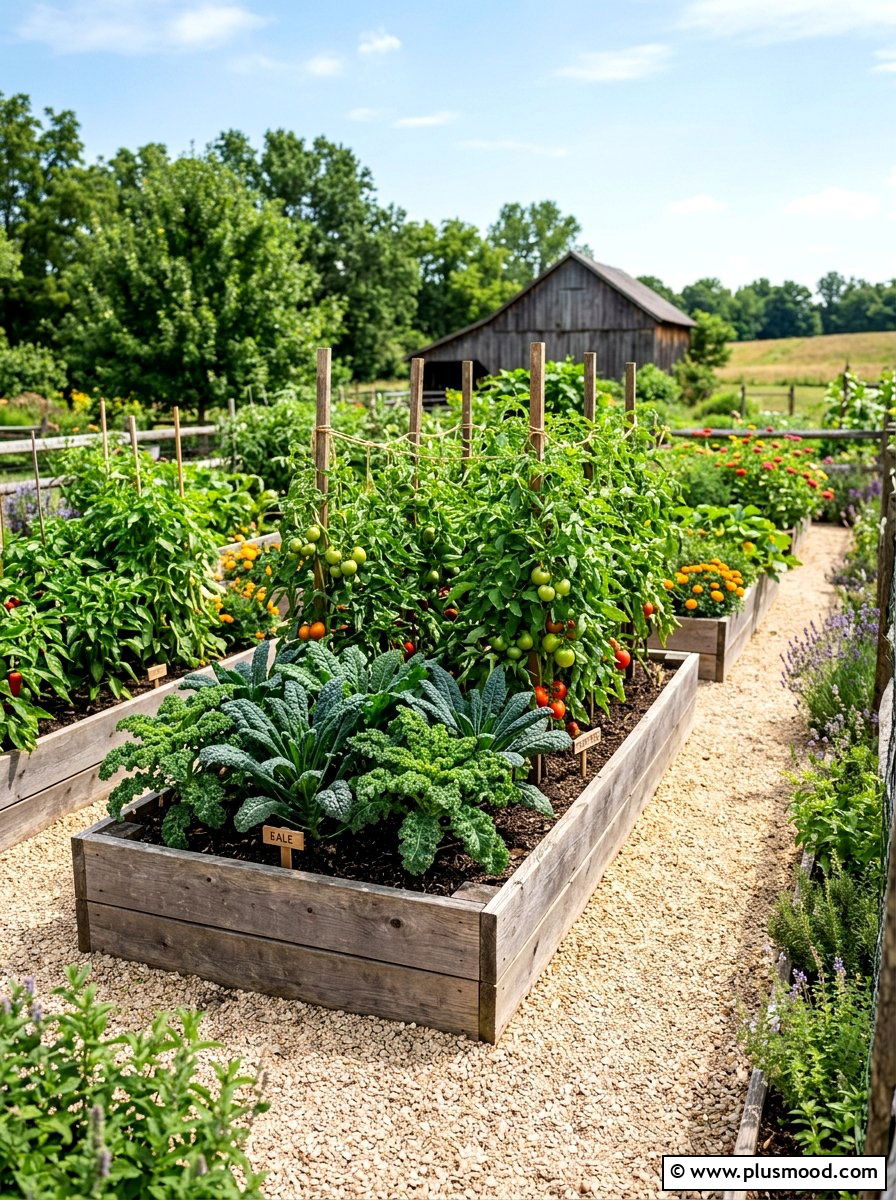
Mixing your butterfly garden with a raised bed vegetable mix is a great way to practice companion planting in a limited space. Many flowering plants that attract butterflies, such as marigolds and nasturtiums, also help deter pests from your vegetable crops. This creates a healthy, balanced ecosystem where your food and the butterflies' food grow side by side. The structure of a raised bed keeps the garden looking tidy and prevents soil compaction, which is ideal for small backyard layouts. You will enjoy the double benefit of harvesting fresh produce while watching colorful butterflies flit between the different types of foliage and flowers.
14. Compact Cottage Garden
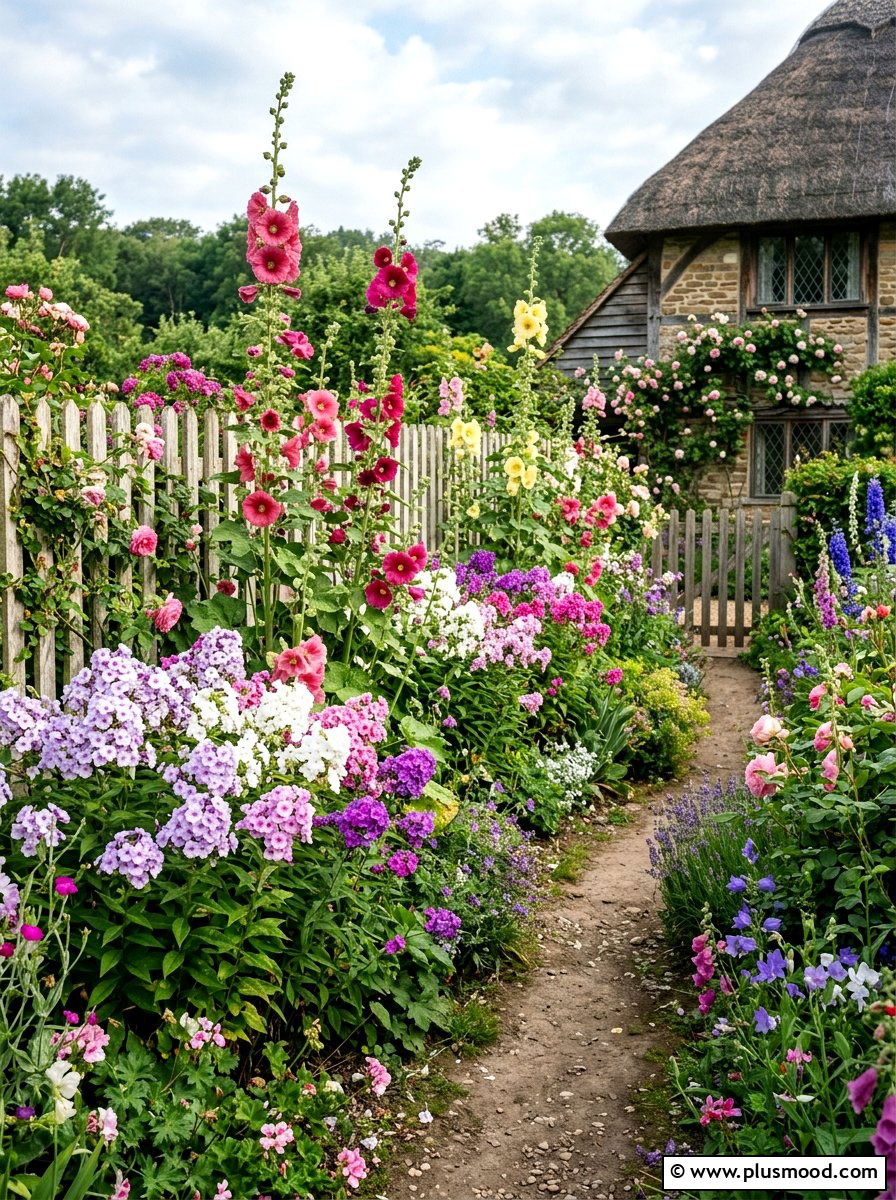
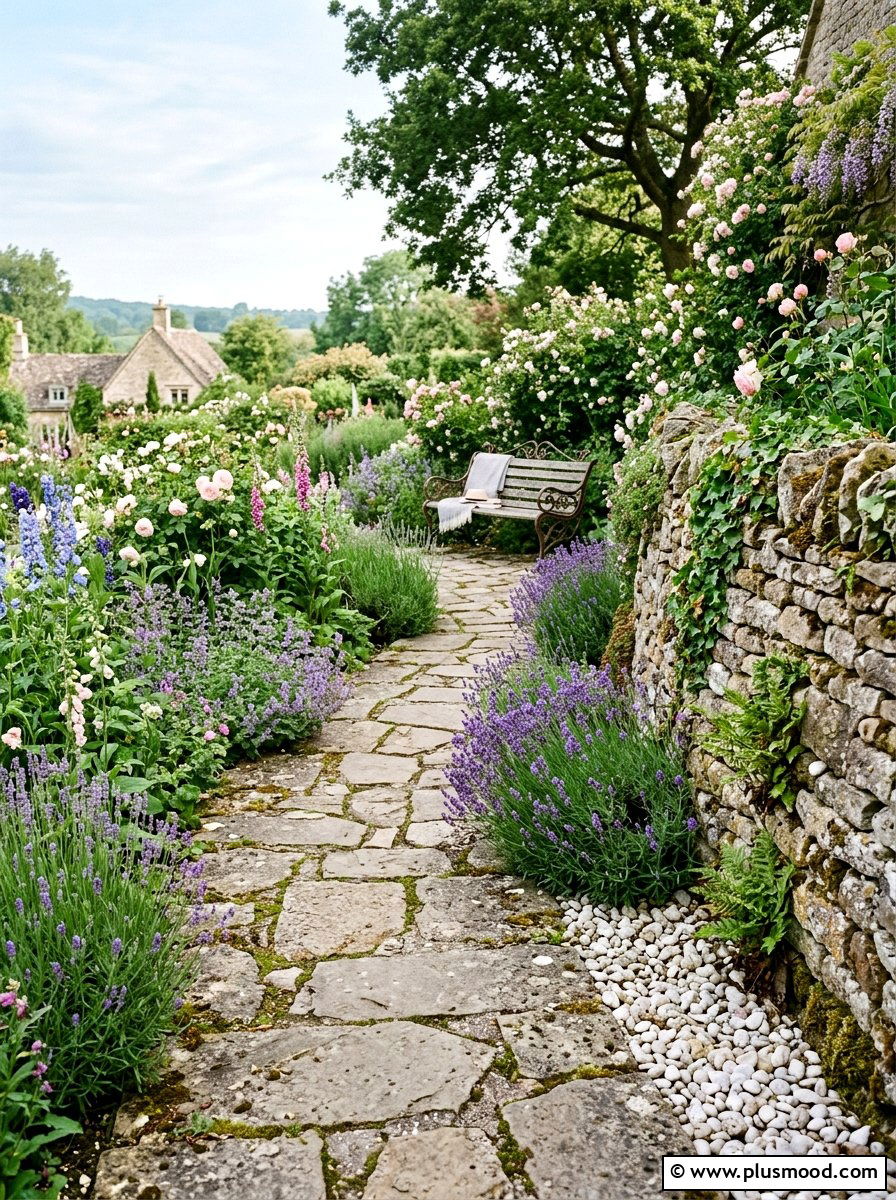
A compact cottage garden style uses a dense, informal planting scheme that creates a lush and romantic feel in a small yard. By packing plants closely together, you leave no room for weeds and provide a thick canopy of nectar for visiting butterflies. You can use classic favorites like hollyhocks, foxgloves, and phlox to create a tall, layered look against a fence or wall. This style is all about abundance and variety, which butterflies love because it offers many different types of flowers to choose from. Even a tiny patch of ground can look like a wild, enchanting meadow when you use this traditional planting approach.
15. Solar Lit Night Garden
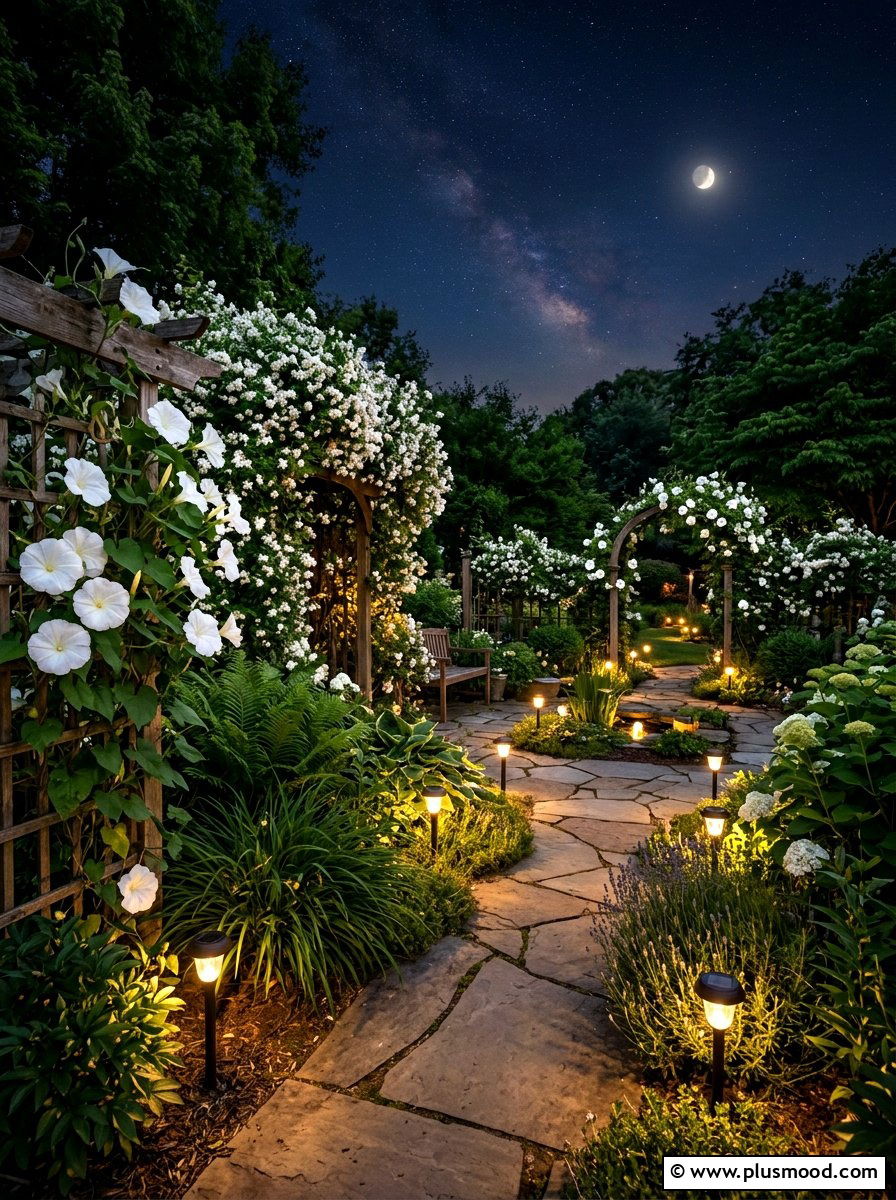
While butterflies are active during the day, a solar lit night garden ensures your small backyard remains a beautiful sanctuary after the sun sets. You can use soft solar stakes to highlight specific butterfly-friendly plants or illuminate the path leading to your seating area. Some butterflies and many moths are attracted to light-colored flowers that glow in the moonlight, such as white jasmine or moonflowers. Adding these evening-blooming plants extends the life of your garden into the night hours. The gentle glow of solar lights creates a magical ambiance that allows you to enjoy the peacefulness of your outdoor space well into the evening.
16. Stone Wall Crevice Planting
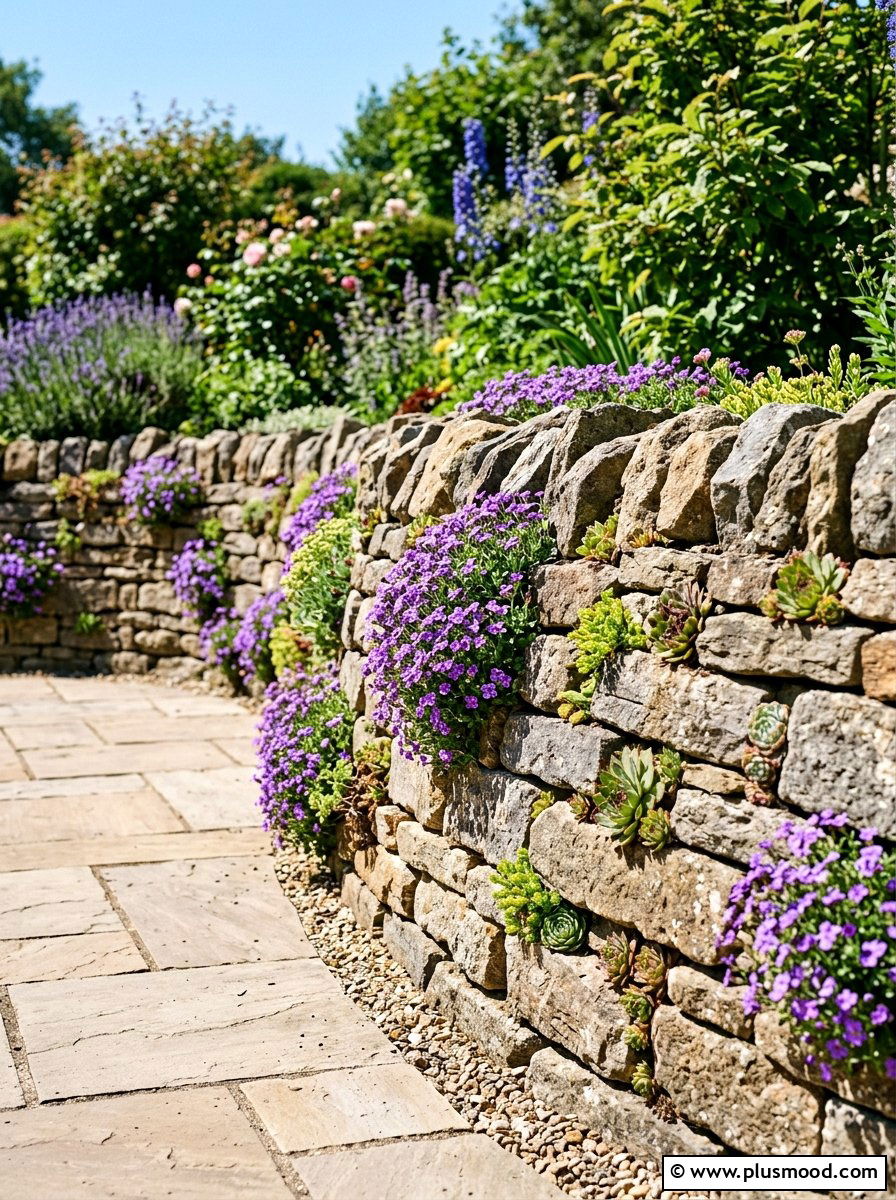
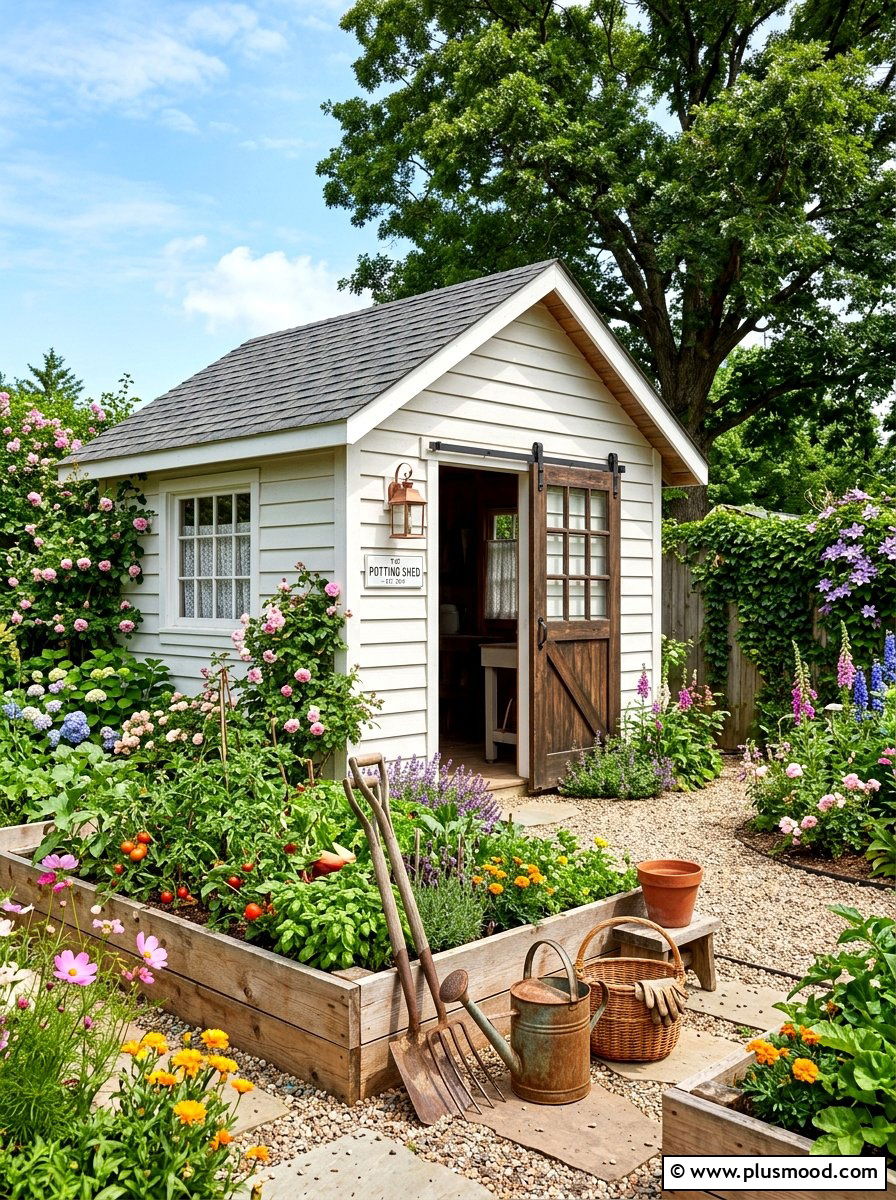
Stone wall crevice planting is a clever way to utilize the vertical surfaces of retaining walls or decorative stone features in your yard. You can tuck small, hardy succulents or rock-loving flowers like aubrieta into the gaps between the stones. These plants often produce masses of small blooms that provide a quick energy boost for passing butterflies. The stones themselves retain heat from the sun, creating a warm microclimate that butterflies find very attractive for basking. This technique adds a level of detail and craftsmanship to your landscape, making a small backyard feel more integrated with the natural world and visually interesting.
17. Repurposed Barrel Garden
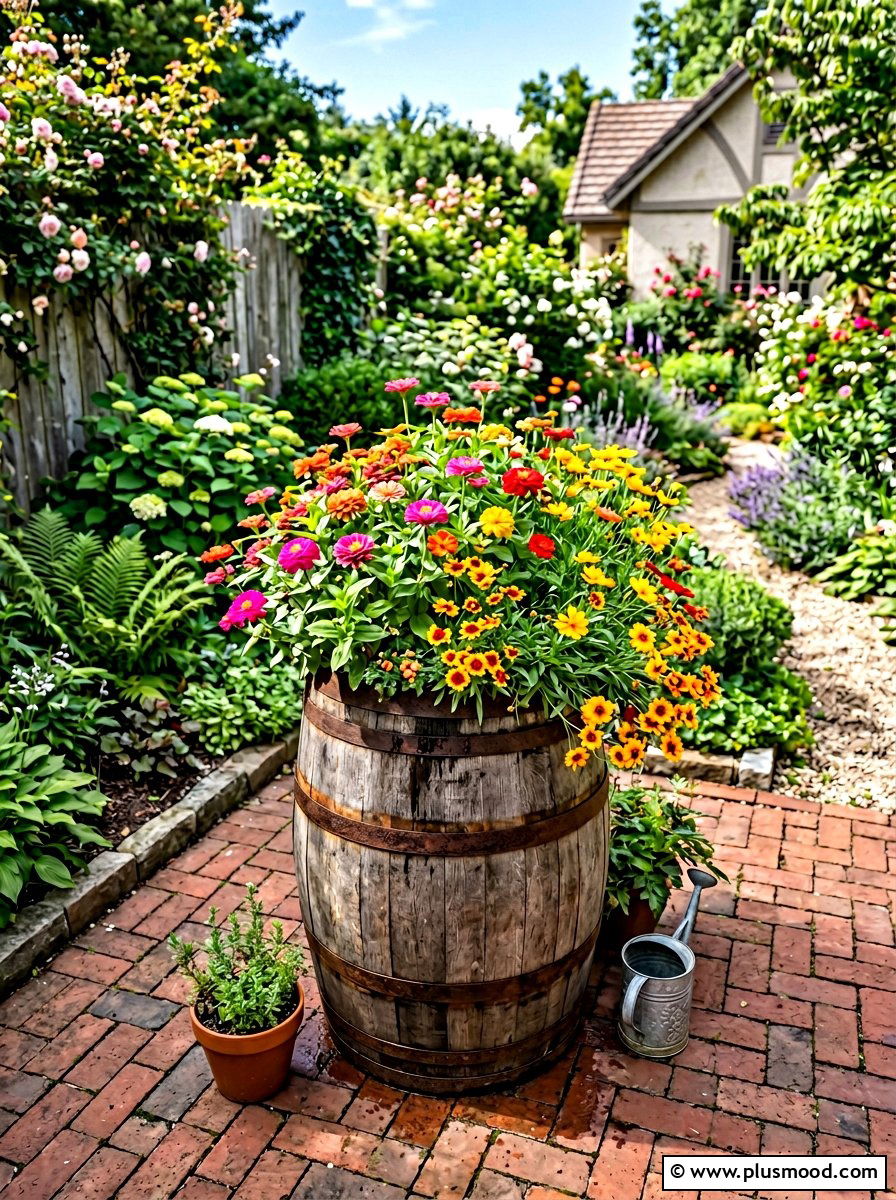
A repurposed barrel garden offers a rustic and charming way to house a complete butterfly habitat in a single container. You can use a large wooden half-barrel to create a miniature ecosystem with a tall focal plant in the center and smaller flowering plants around the edges. This is an excellent choice for renters or those with limited soil access, as the barrel can be placed on a balcony or a concrete patio. The large volume of soil in a barrel helps retain moisture better than smaller pots, ensuring your plants stay healthy and vibrant. It is a portable and stylish solution for bringing nature to any small space.
18. Butterfly House Shelter
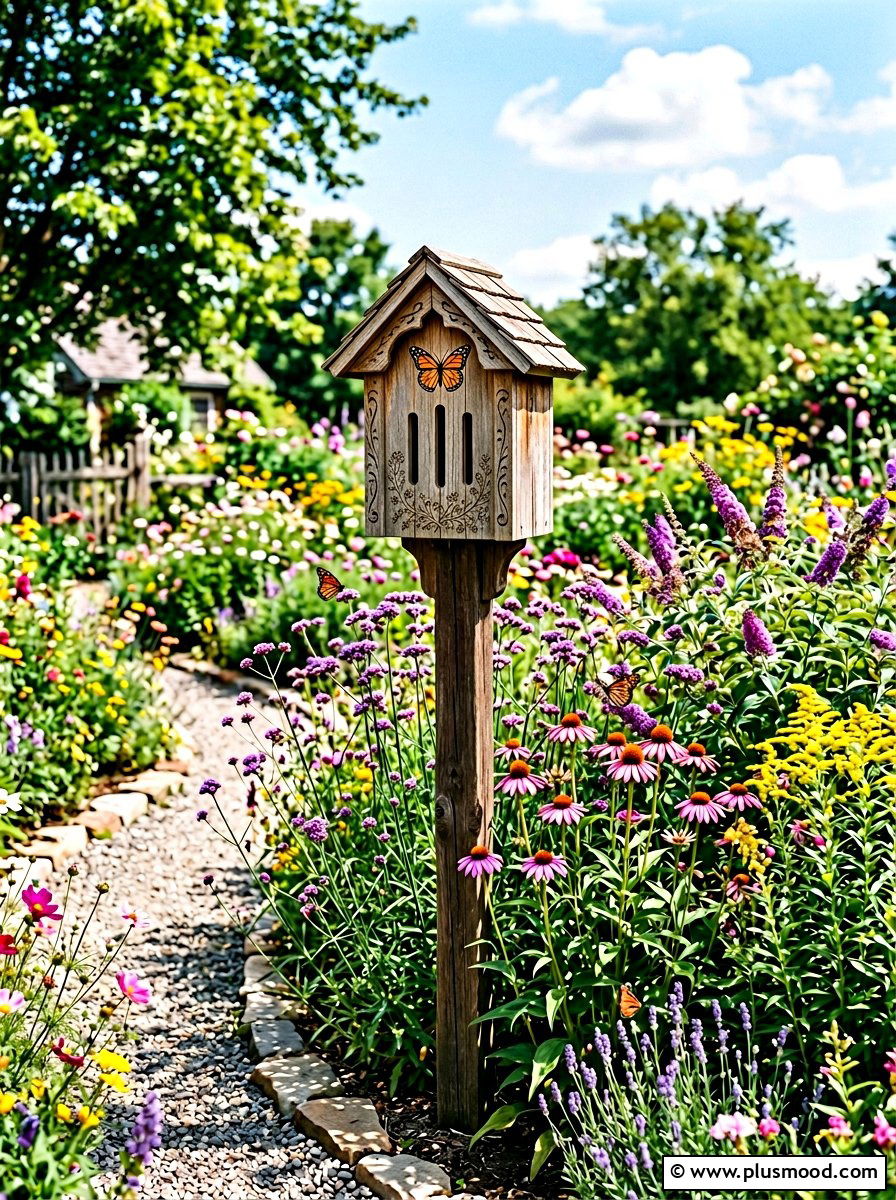
Adding a butterfly house shelter to your backyard provides a safe place for these insects to take cover from rain and wind. These decorative wooden structures feature tall, thin slits that allow butterflies to enter while keeping birds and other larger predators out. While butterflies primarily use them for roosting at night or during storms, the houses also serve as a beautiful piece of garden art. You should mount the house on a post or a wall near your most popular nectar plants to make it easy for butterflies to find. It adds a whimsical and conservation-minded element to your overall backyard design strategy.
19. Colorful Zinnias Patch
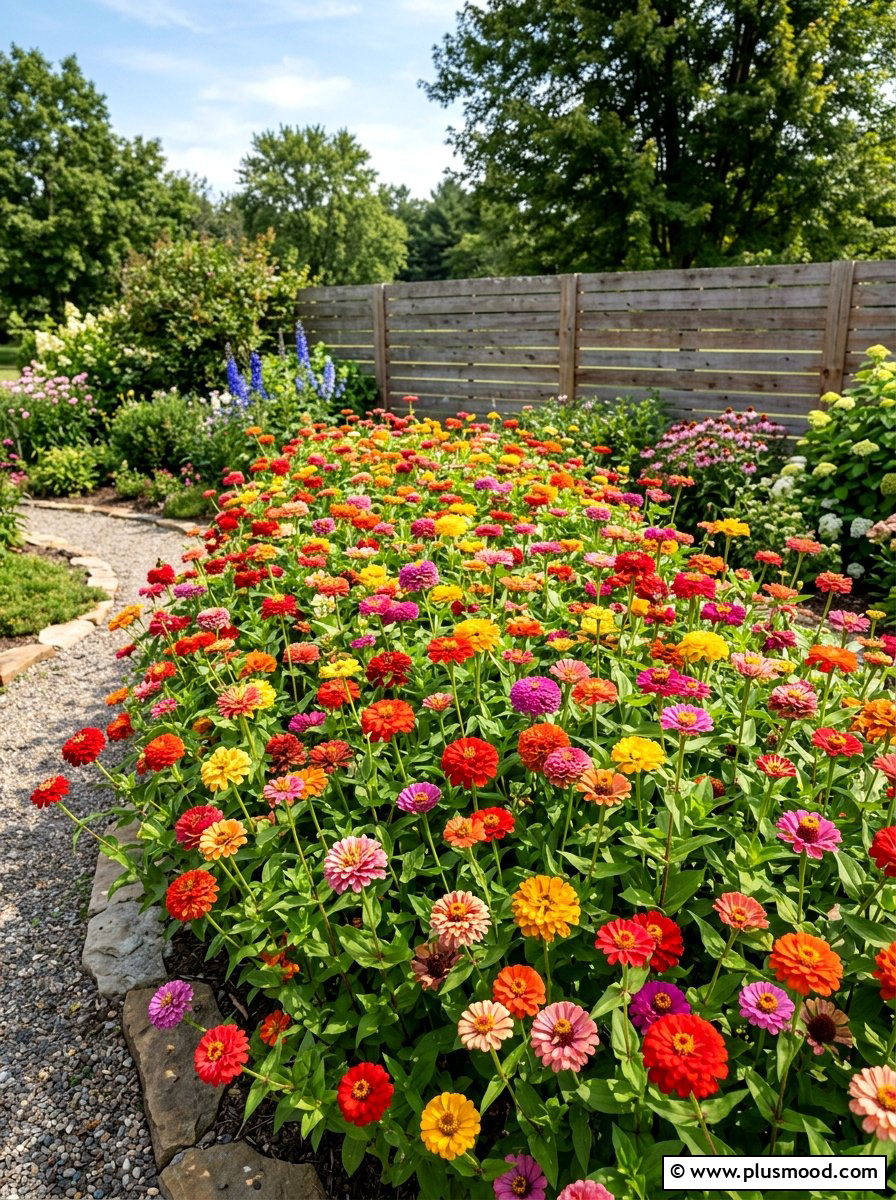
A colorful zinnias patch is perhaps one of the easiest and most rewarding ways to fill a small backyard with vibrant energy. Zinnias are incredibly easy to grow from seed and produce a constant supply of bright, flat-topped flowers that are perfect for butterflies to land on. They come in almost every color of the rainbow, allowing you to customize the look of your garden to match your personal style. Because they bloom continuously from mid-summer until the first frost, they provide a long-lasting food source for late-season butterflies. A small, dense planting of zinnias creates a high-impact visual statement that requires very little effort.
20. Perennial Sunflower Border
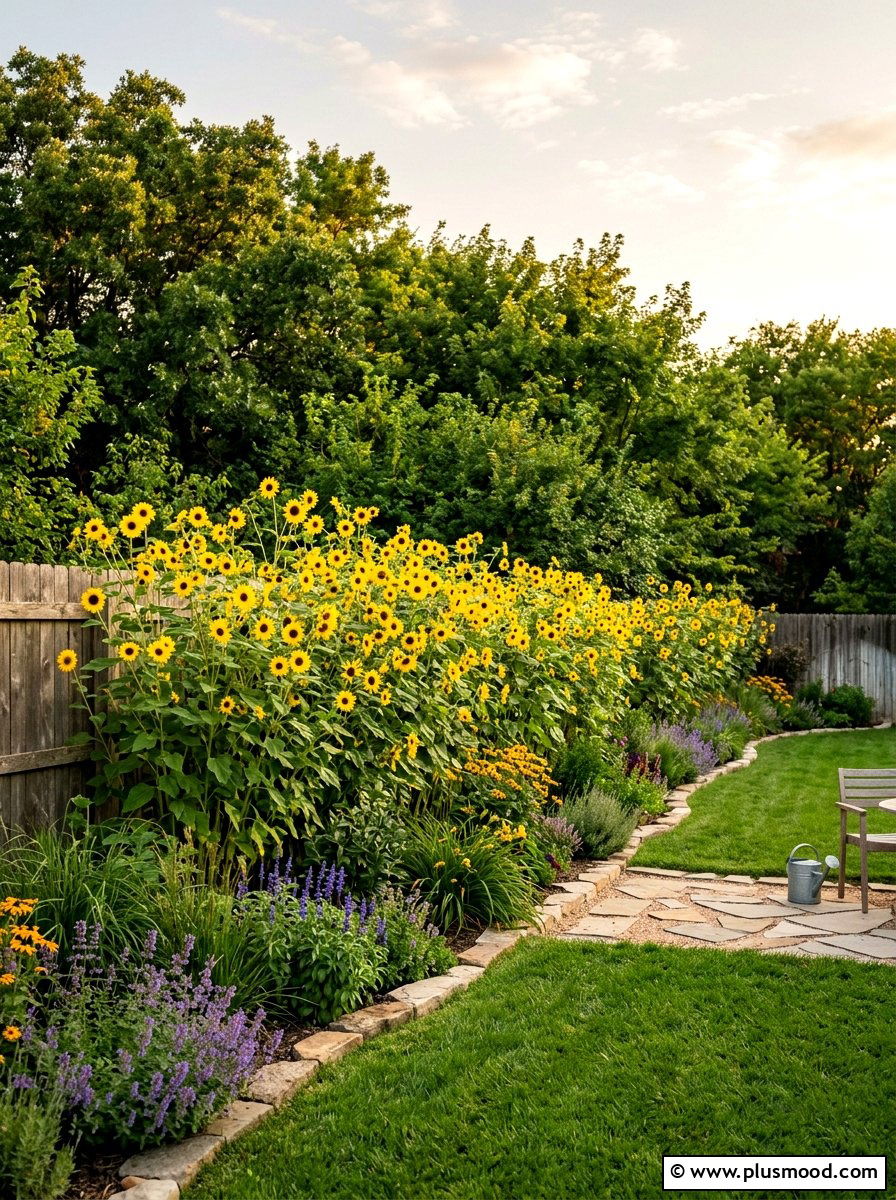
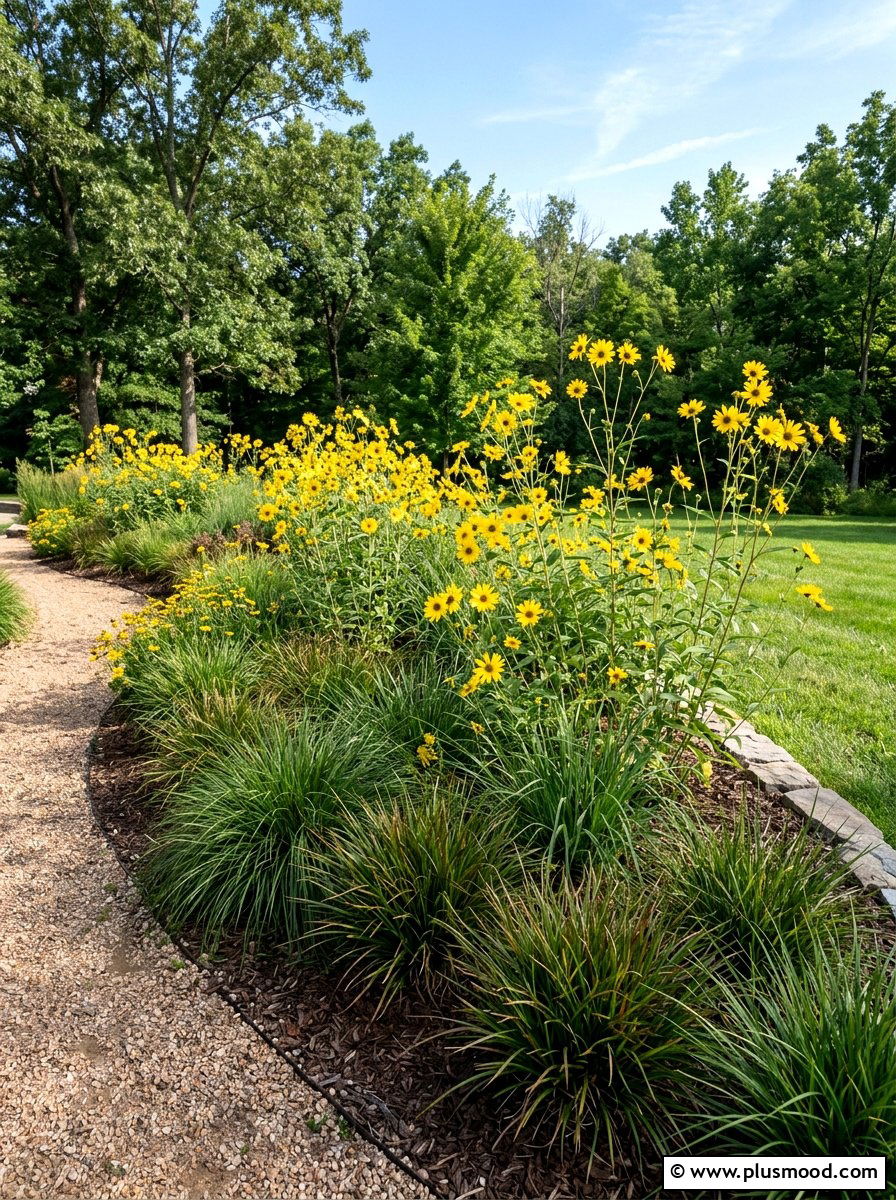
Creating a perennial sunflower border adds height and a cheerful atmosphere to the perimeter of a small backyard space. Unlike the massive annual sunflowers, perennial varieties tend to stay more manageable in size while producing dozens of smaller, nectar-rich blooms. These flowers act as a magnet for several butterfly species and provide a sturdy structure for them to rest on. Planting them along a fence line creates a natural screen that adds privacy and beauty to your outdoor living area. Their bright yellow petals bring a sense of sunshine to the garden even on cloudy days, making your backyard feel bright and welcoming all year.
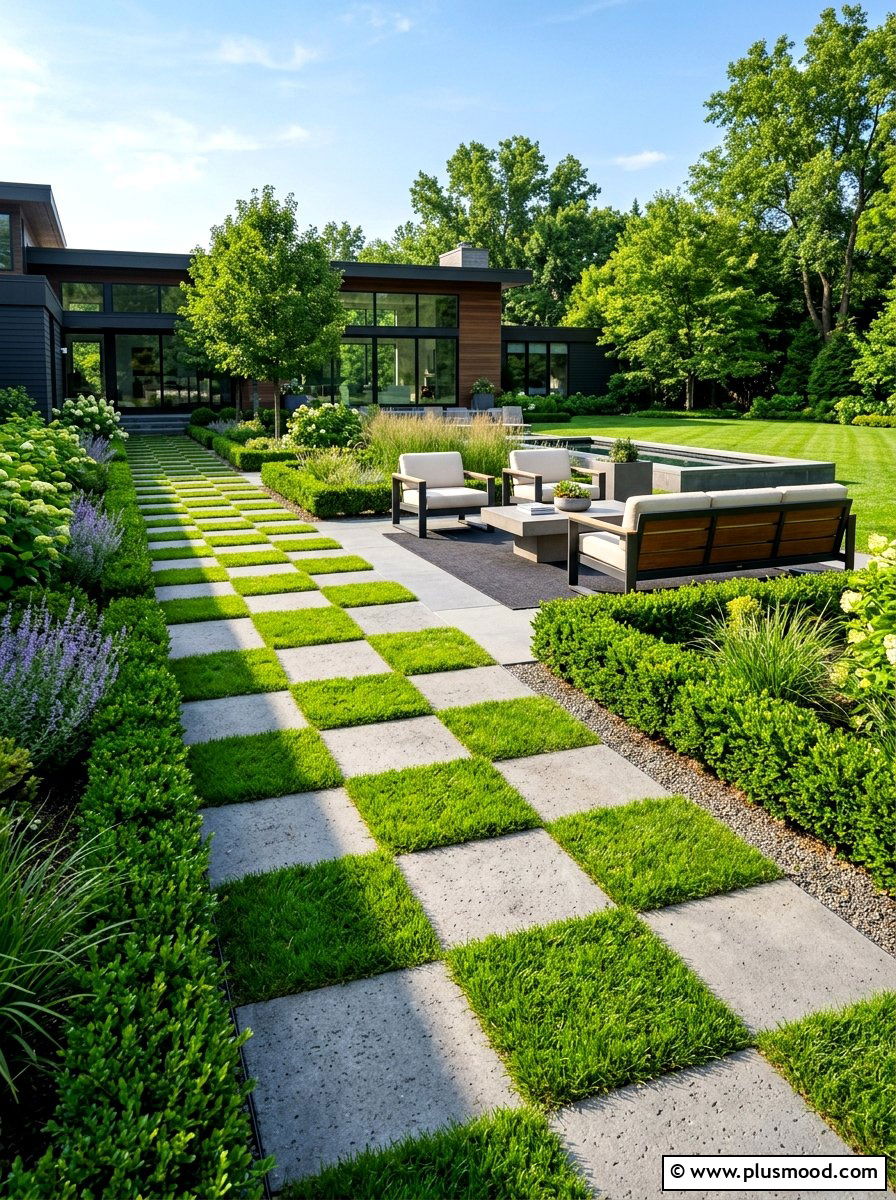
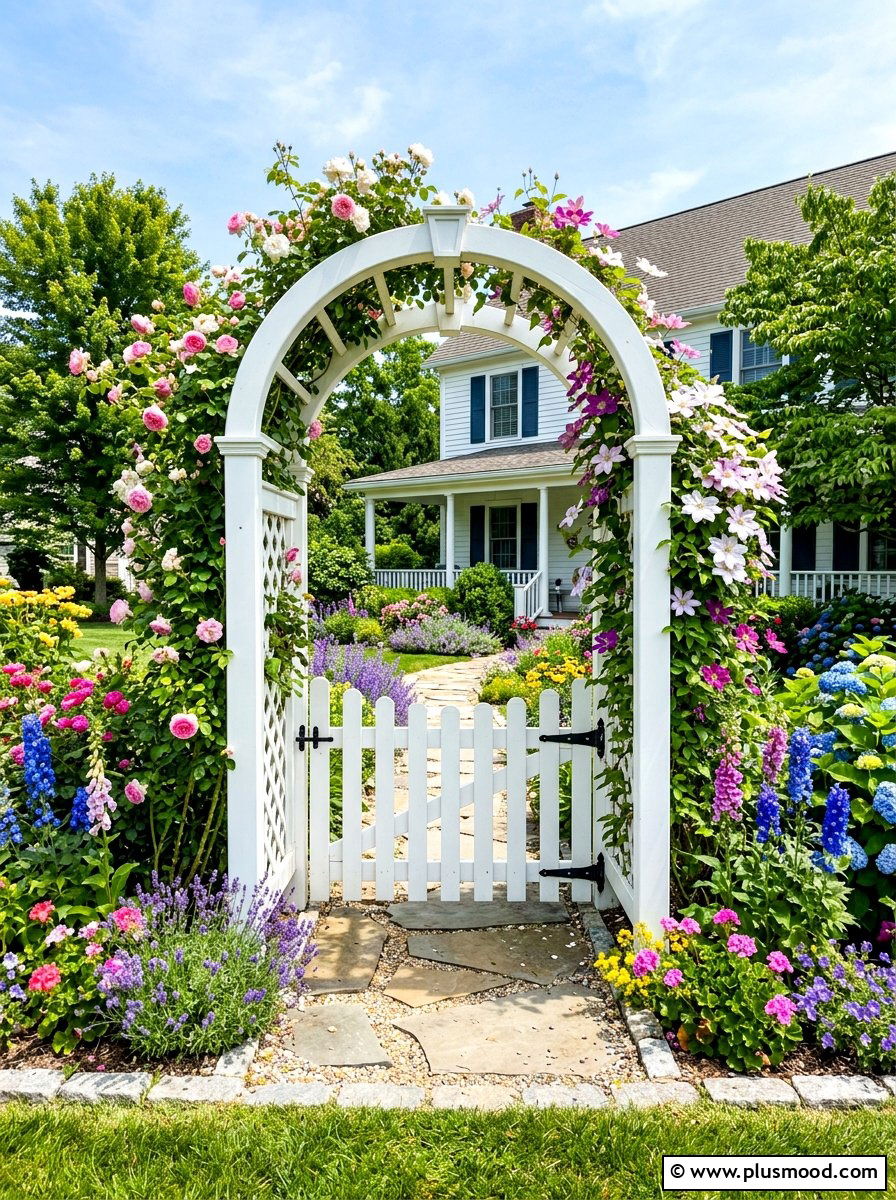
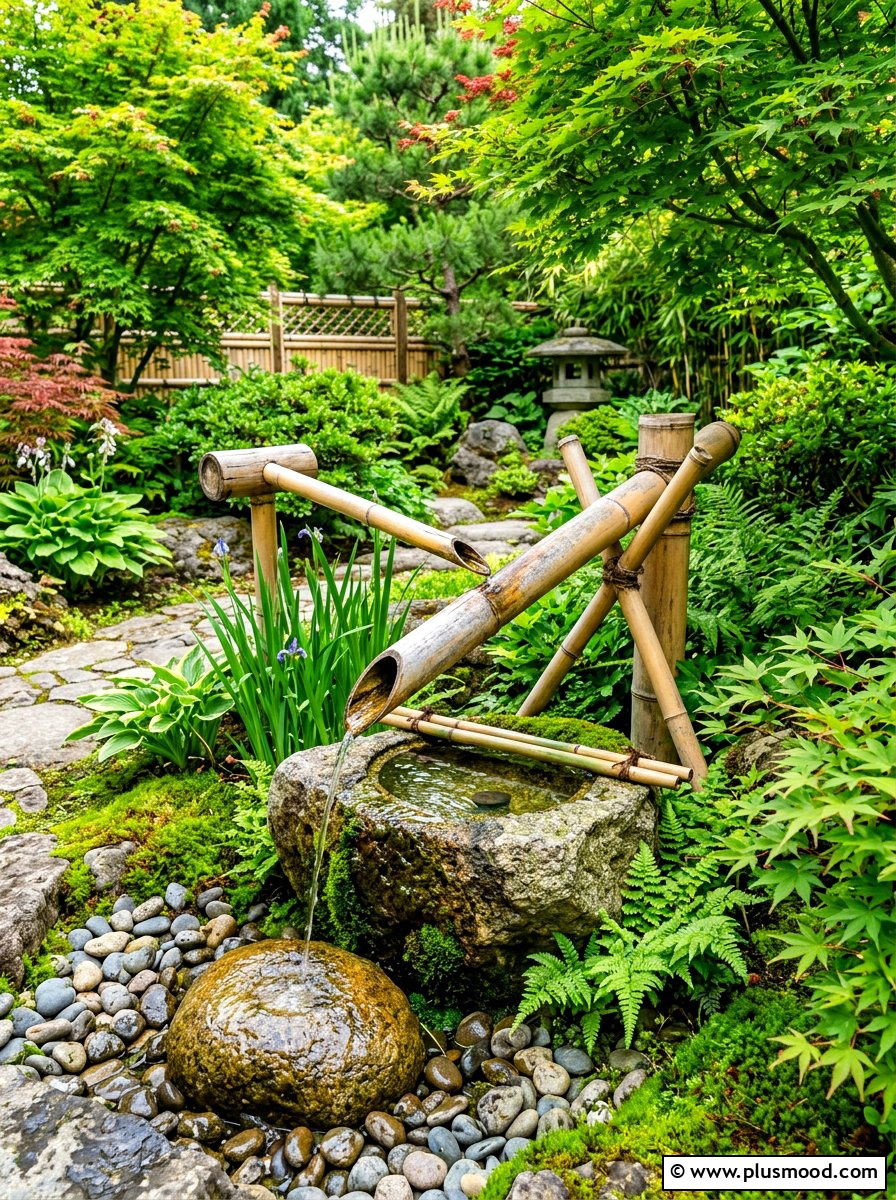
21. Narrow Side Yard Sanctuary
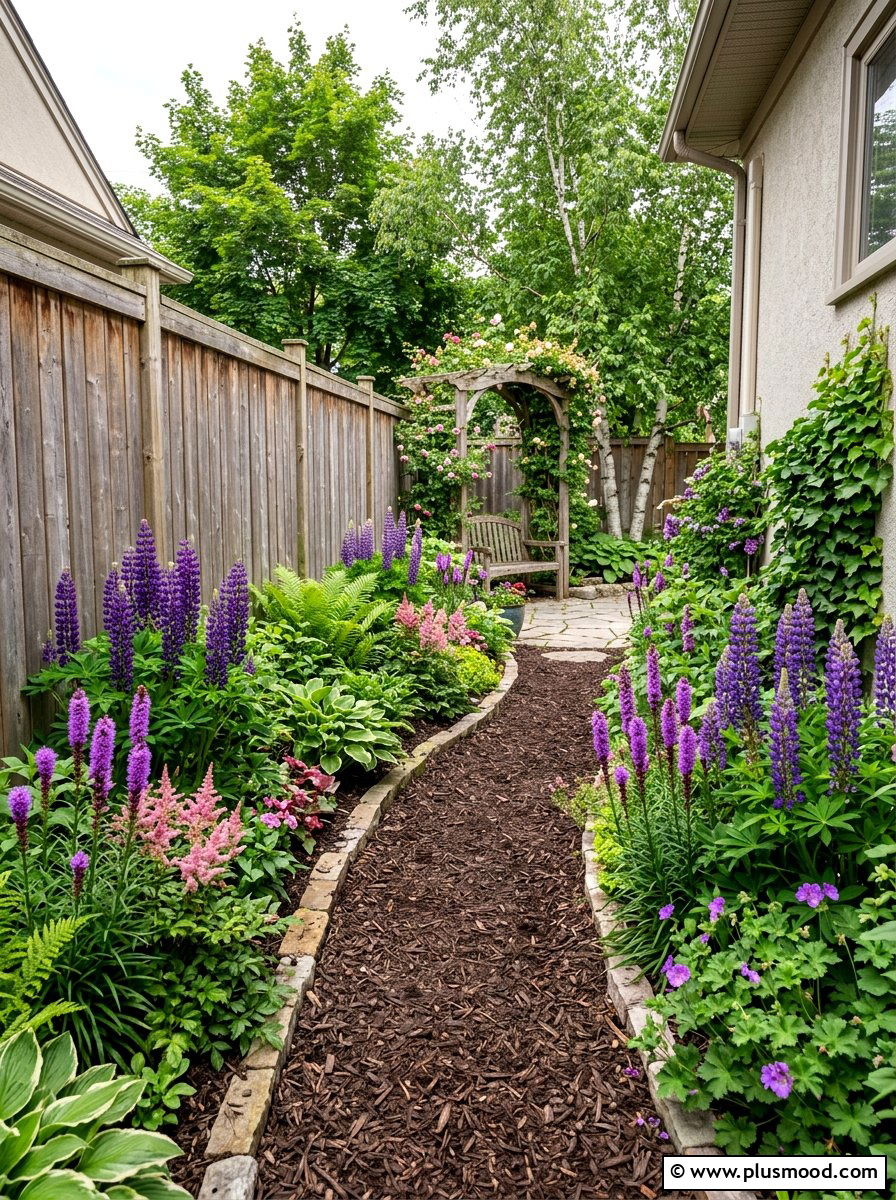
Many homeowners struggle with what to do with a narrow side yard, but it can actually be the perfect butterfly sanctuary. Because these areas are often protected from strong winds, they provide a calm environment where butterflies can feed without being blown around. You can install narrow flower beds along the path and fill them with vertical nectar plants like blazing star or lupine. Adding a simple gravel or mulch path allows you to walk through the space and enjoy the close-up view of the pollinators. This turns a frequently neglected part of the property into a functional and beautiful wildlife corridor.
22. Herb Spiral Pollinator Hub
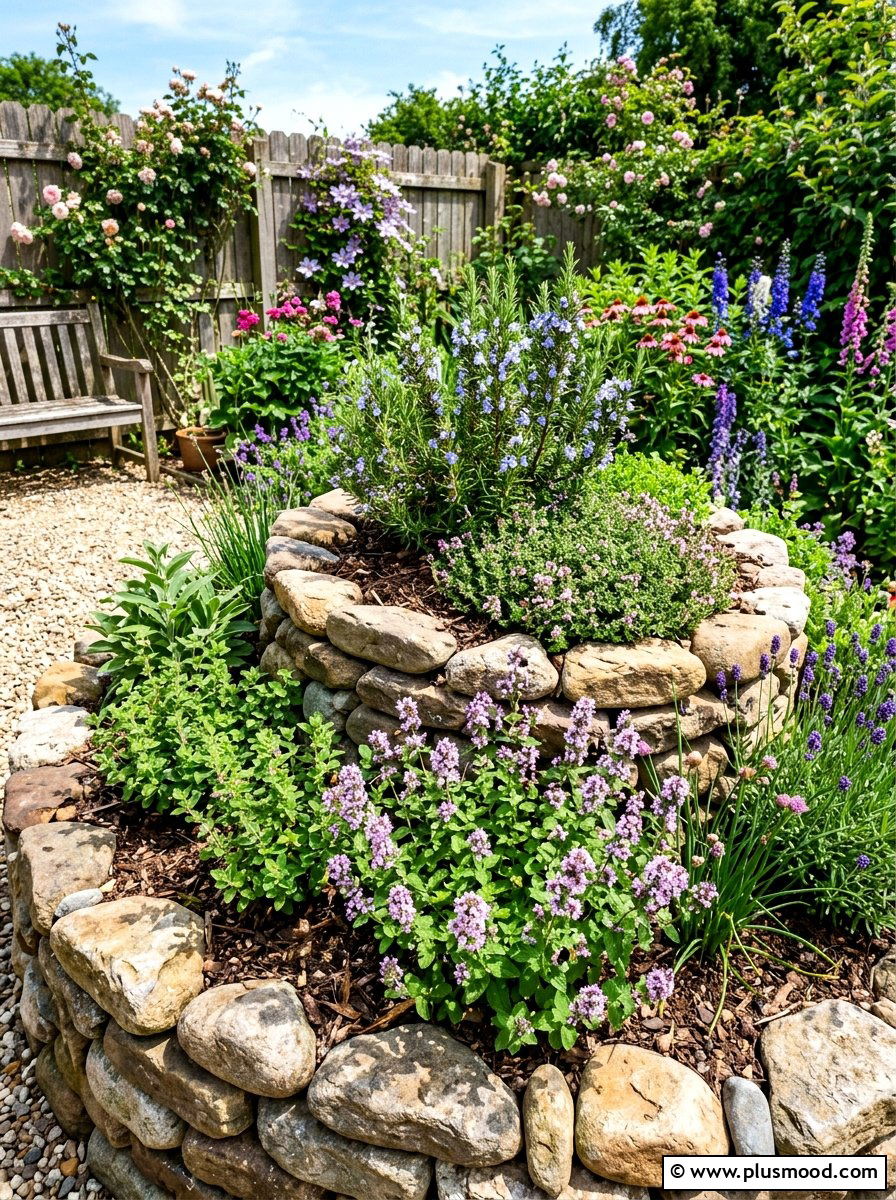
An herb spiral pollinator hub is a beautiful and space-efficient way to grow both culinary herbs and butterfly-friendly flowers in one spot. By building a spiral mound of soil and stones, you create various microclimates that suit different types of plants. You can plant drought-tolerant herbs like rosemary and thyme at the top, while moisture-loving mint or parsley can thrive at the base. Many of these herbs produce flowers that are highly attractive to butterflies if they are allowed to bloom. This vertical feature adds architectural interest to a small yard and provides a diverse range of food sources within a very small footprint.
23. Dwarf Fruit Tree Grove
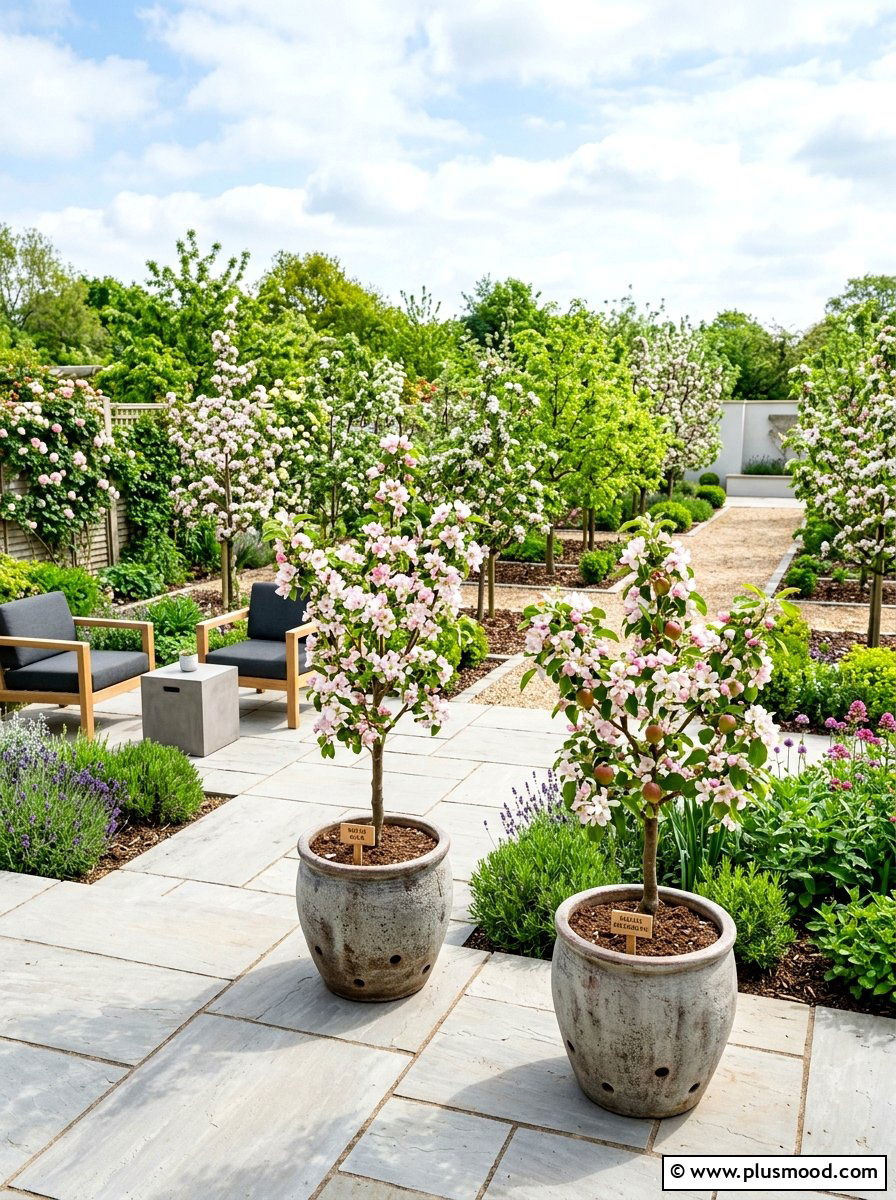
A dwarf fruit tree grove allows you to enjoy the benefits of an orchard even in a very small backyard area. Many dwarf varieties of apple, cherry, or peach trees produce beautiful blossoms in the spring that provide an early nectar source for butterflies. As the fruit ripens, some butterflies are also attracted to the sweet juices of fallen or overripe fruit. These trees provide excellent structure and shade, creating a more complex habitat for local wildlife. By keeping the trees small through pruning, you can easily fit two or three into a compact yard, creating a lush and productive environment for both you and the pollinators.
24. Minimalist Grass Meadow
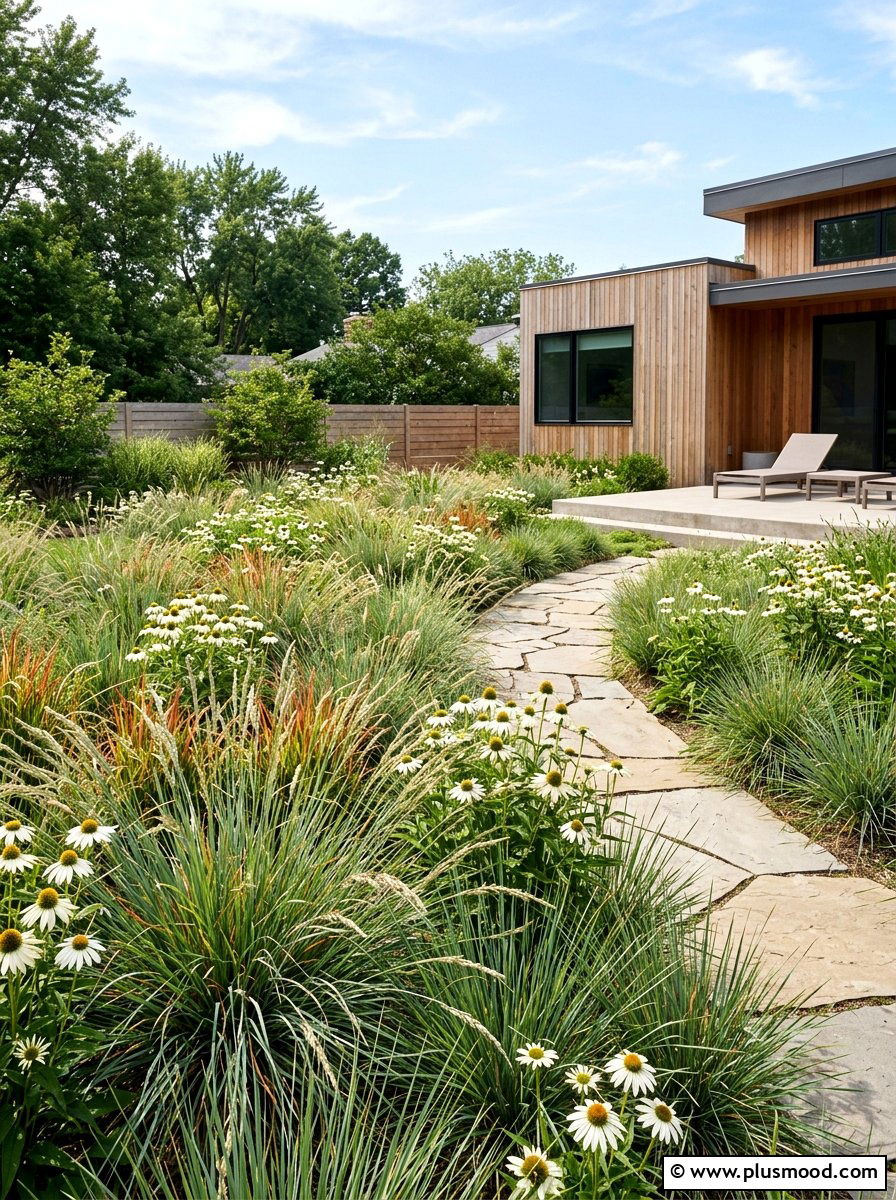
A minimalist grass meadow offers a modern take on the butterfly garden by focusing on the beauty of ornamental grasses and subtle blooms. You can use native grasses like little bluestem or sideoats grama, which provide essential shelter and host sites for various butterfly larvae. Interspersing these grasses with a few selected perennials like coneflowers creates a clean, sophisticated look that is very easy to maintain. This style of gardening celebrates the movement of the wind through the grass and the delicate textures of the plants. It is a perfect choice for those who want a calm, contemporary backyard that still supports a healthy local ecosystem.
25. Shady Fern Butterfly Retreat
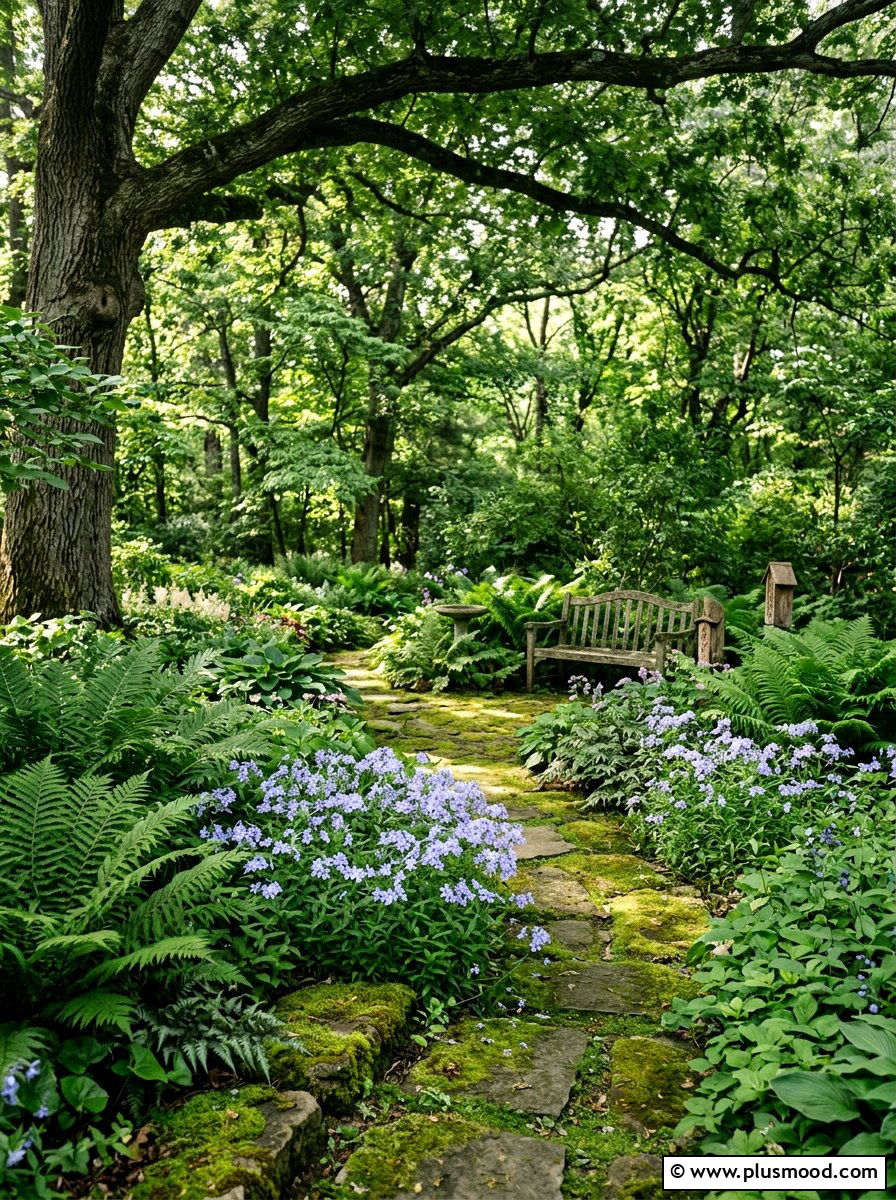
Even if your small backyard doesn't get much sun, you can still create a shady fern butterfly retreat for specific species. While most butterflies prefer sunny spots, some varieties thrive in the dappled light of a woodland garden. You can plant lush ferns, hostas, and native shade-loving flowers like woodland phlox or columbine to create a cool, moist environment. This type of garden provides a vital refuge during the hottest parts of the summer when butterflies need to escape the direct heat. The rich greens and interesting textures of a shade garden create a peaceful, forest-like atmosphere that makes a small space feel deeply relaxing.
Conclusion:
Building a small backyard butterfly garden is a rewarding project that combines aesthetic beauty with vital environmental stewardship. By carefully selecting a variety of host and nectar plants, you can create a complete habitat that supports these incredible insects throughout their entire life cycle. Whether you choose to garden vertically with trellises or create a cozy seating nook surrounded by lavender, every small change makes a difference. Your backyard becomes more than just an outdoor area; it becomes a living classroom and a peaceful sanctuary. Embrace the colors, movements, and joy that butterflies bring to your home by starting your small-scale garden project today.
Related posts:
Leave a Reply