
Transforming a small backyard into a lush sanctuary is an incredibly rewarding project that combines aesthetic beauty with practical functionality. Many homeowners often feel limited by their square footage, but a compact space actually offers a unique opportunity to create a cozy, intimate environment. Incorporating a dedicated herb garden is one of the smartest ways to maximize utility while adding refreshing scents and vibrant greenery to your outdoor living area. Imagine stepping outside to harvest fresh basil, rosemary, or mint just steps from your kitchen. This guide explores creative ways to blend herbal plantings into your landscape, ensuring your small backyard feels expansive, purposeful, and thoroughly inviting for every season of the year.
1. Vertical Herb Wall
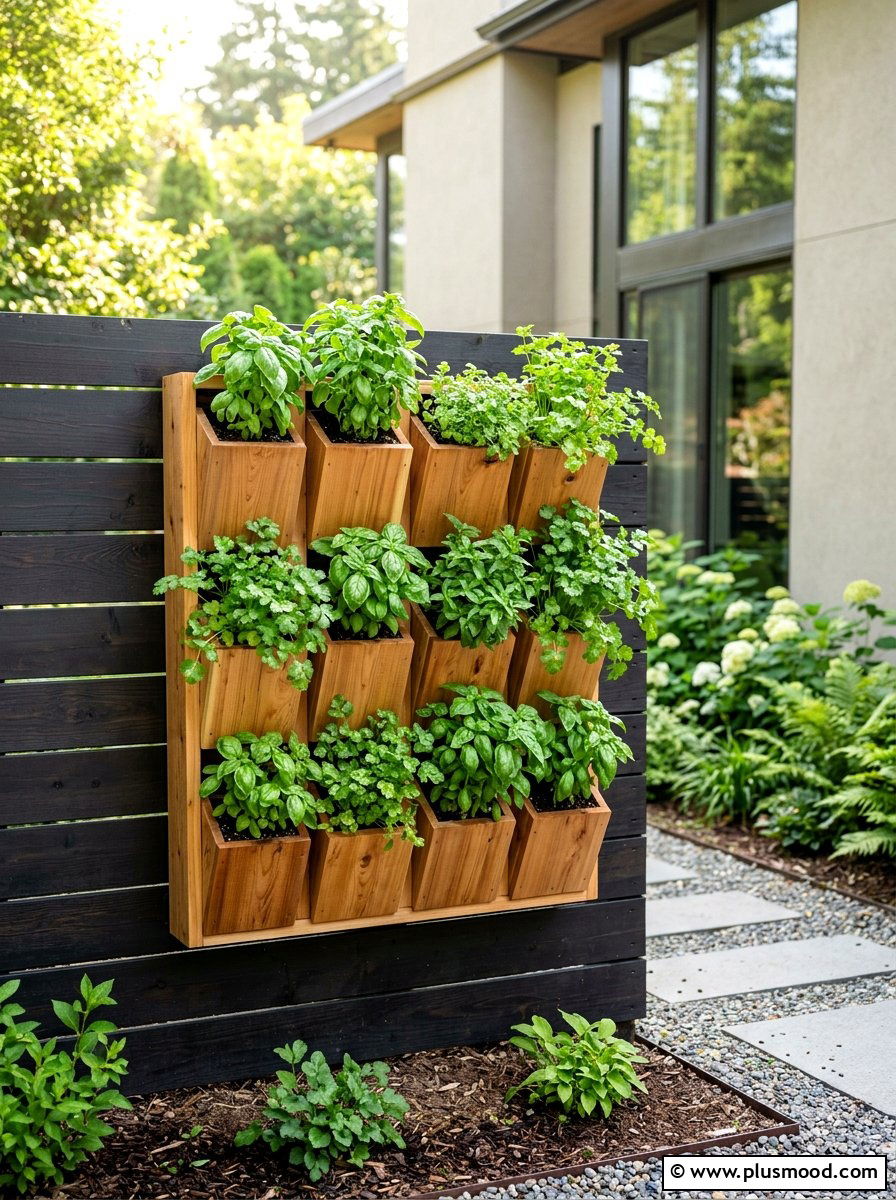
A vertical herb wall is the ultimate solution for urban dwellers or those with very limited ground space in their backyards. By utilizing your fence or an exterior wall, you can stack several layers of planters to create a lush green tapestry that draws the eye upward. This method not only saves precious floor area for furniture but also makes harvesting incredibly easy as the plants are at eye level. You can use cedar wood pockets, felt planting bags, or even repurposed gutters to hold your favorite culinary herbs. This vertical approach provides excellent air circulation for the plants and adds a modern architectural element to your outdoor sanctuary effortlessly.
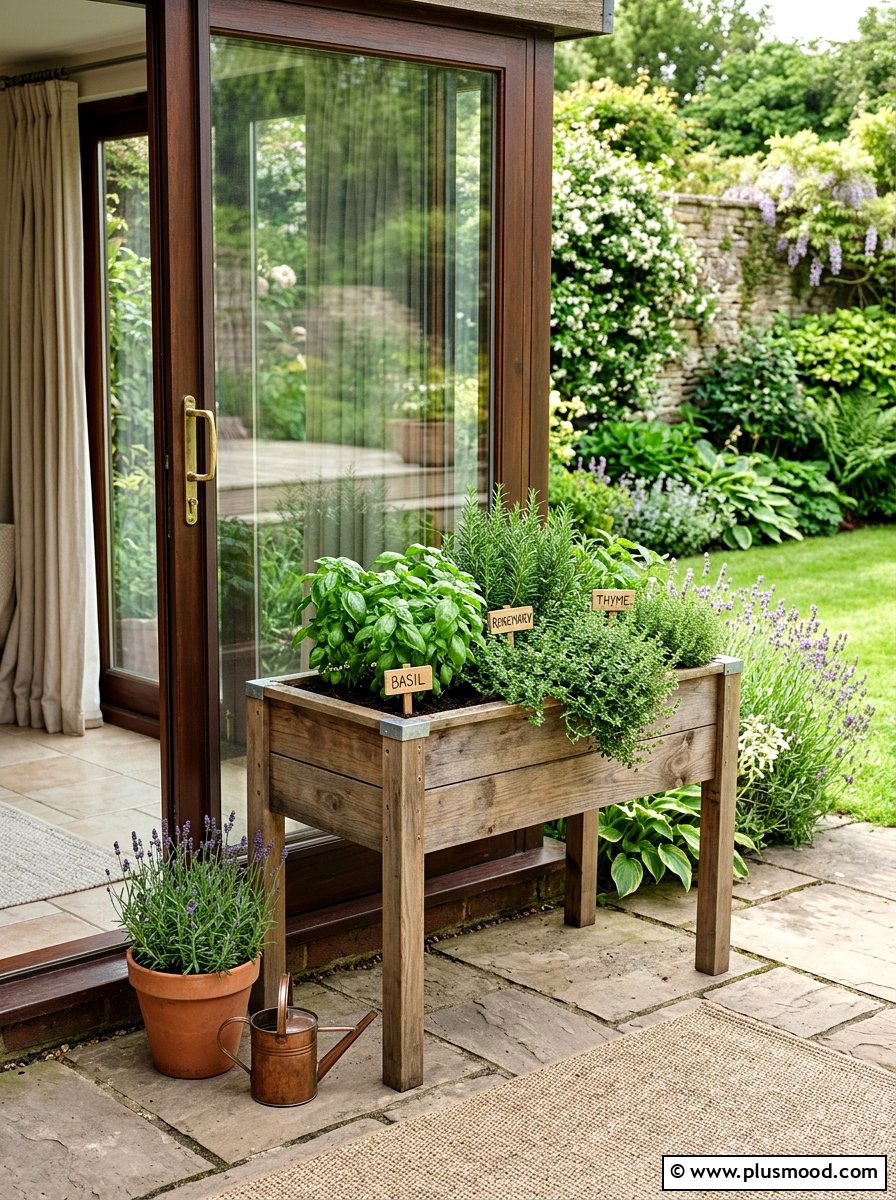
2. Raised Garden Bed
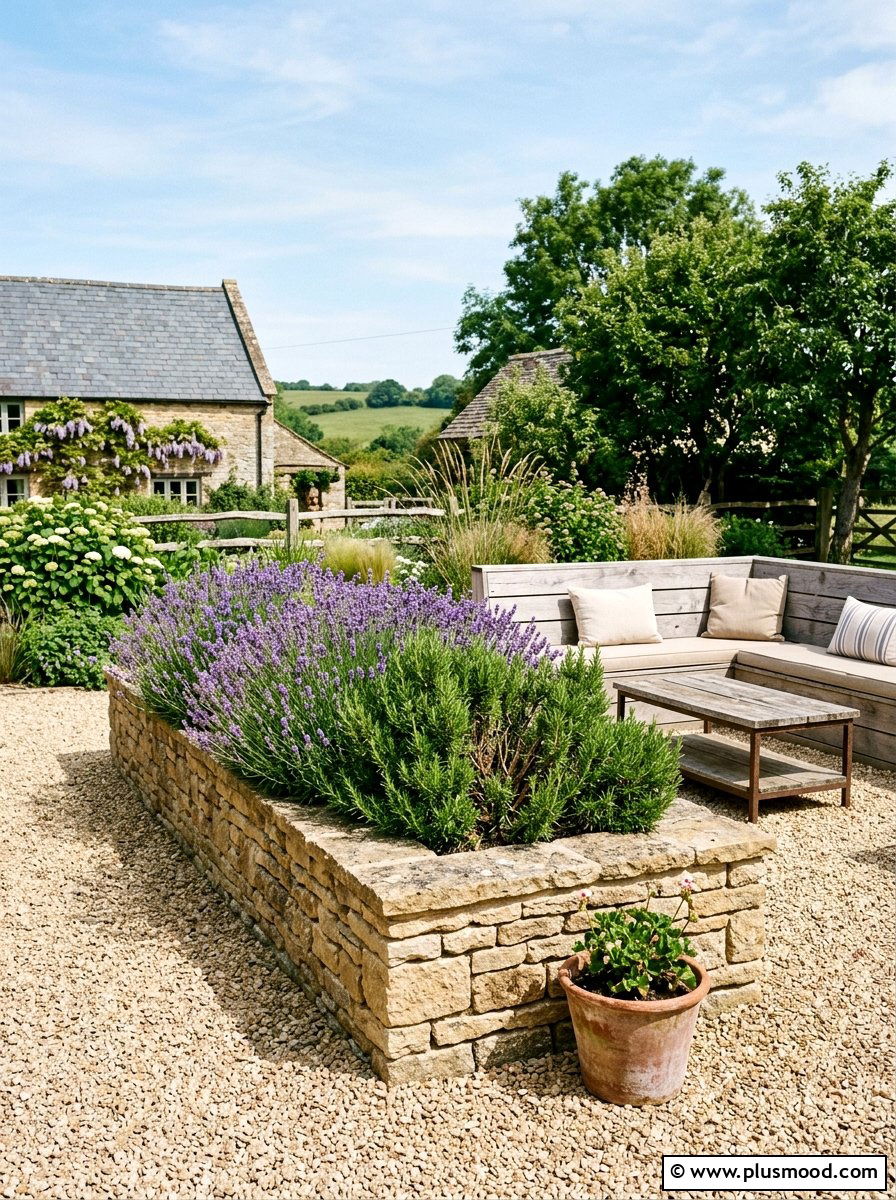
Raised garden beds are a classic choice for small backyards because they define the space while providing optimal growing conditions for delicate herbs. These elevated structures allow you to control the soil quality and drainage perfectly, which is essential for herbs like lavender and thyme that dislike soggy roots. Additionally, the height of a raised bed reduces the need for bending and kneeling, making gardening a more comfortable and ergonomic experience for everyone. You can build these beds from natural wood, stone, or composite materials to match your existing backyard decor. The clean lines of a raised bed also help in organizing the backyard layout beautifully.
3. Tiered Cedar Planter
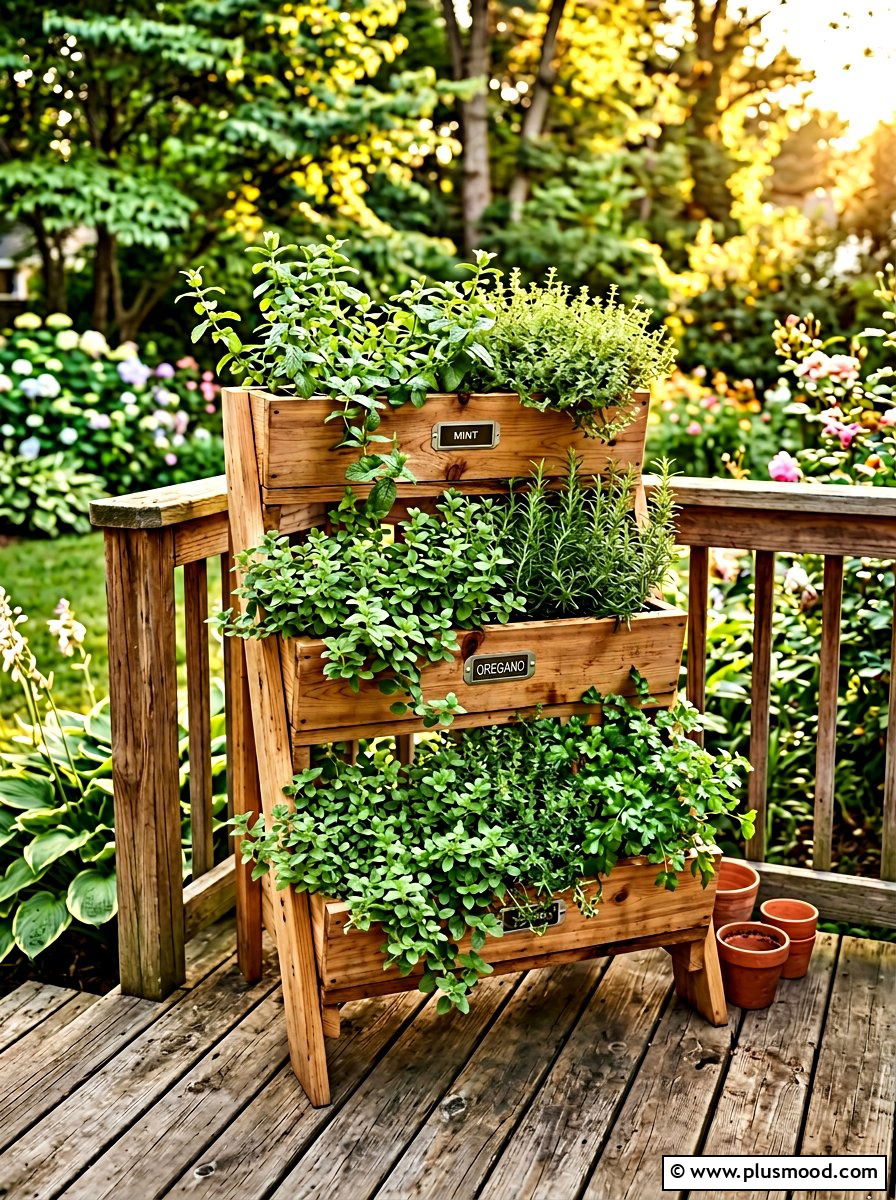
Tiered cedar planters offer a cascading look that is both visually stunning and highly efficient for organizing different types of herbal varieties. By arranging the planters in a step-like fashion, you ensure that every plant receives adequate sunlight without being shaded by its taller neighbors. This design is particularly effective for small corners where ground space is at a premium. Cedar is a preferred material because it is naturally rot-resistant and adds a warm, rustic aesthetic to the garden. You can grow moisture-loving herbs at the bottom and drought-tolerant ones at the top tier. It creates a organized, professional look in any compact yard.
4. Herb Spiral
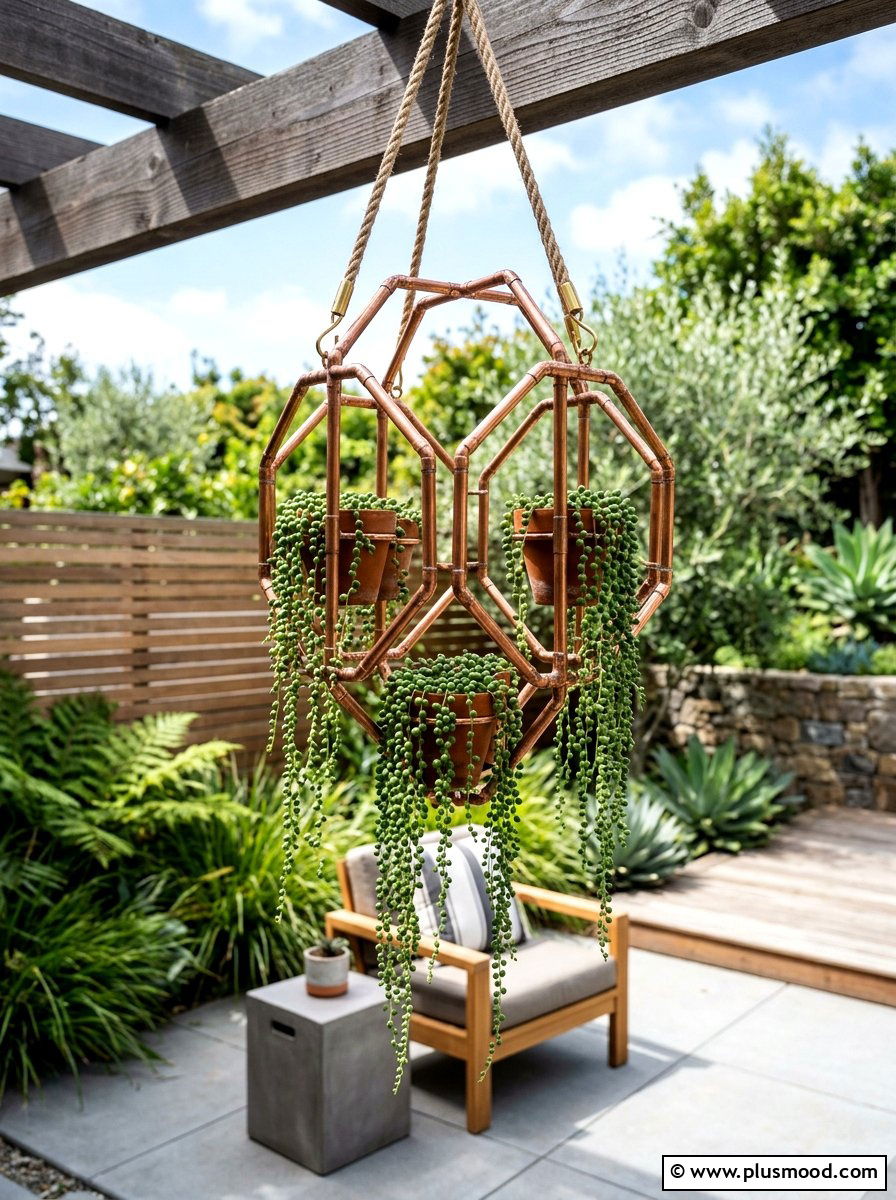
An herb spiral is a brilliant permaculture design that packs a massive amount of planting surface into a very small circular footprint. By building a spiraling mound of stones or bricks, you create various microclimates within a single structure. The top of the spiral is dry and sunny, perfect for rosemary or oregano, while the bottom stays cooler and moister for mint or parsley. This three-dimensional approach is a conversation starter and adds a unique focal point to your backyard landscape. It looks like a living sculpture while providing a diverse range of fresh flavors for your kitchen right at your fingertips.
5. Hanging Basket Garden
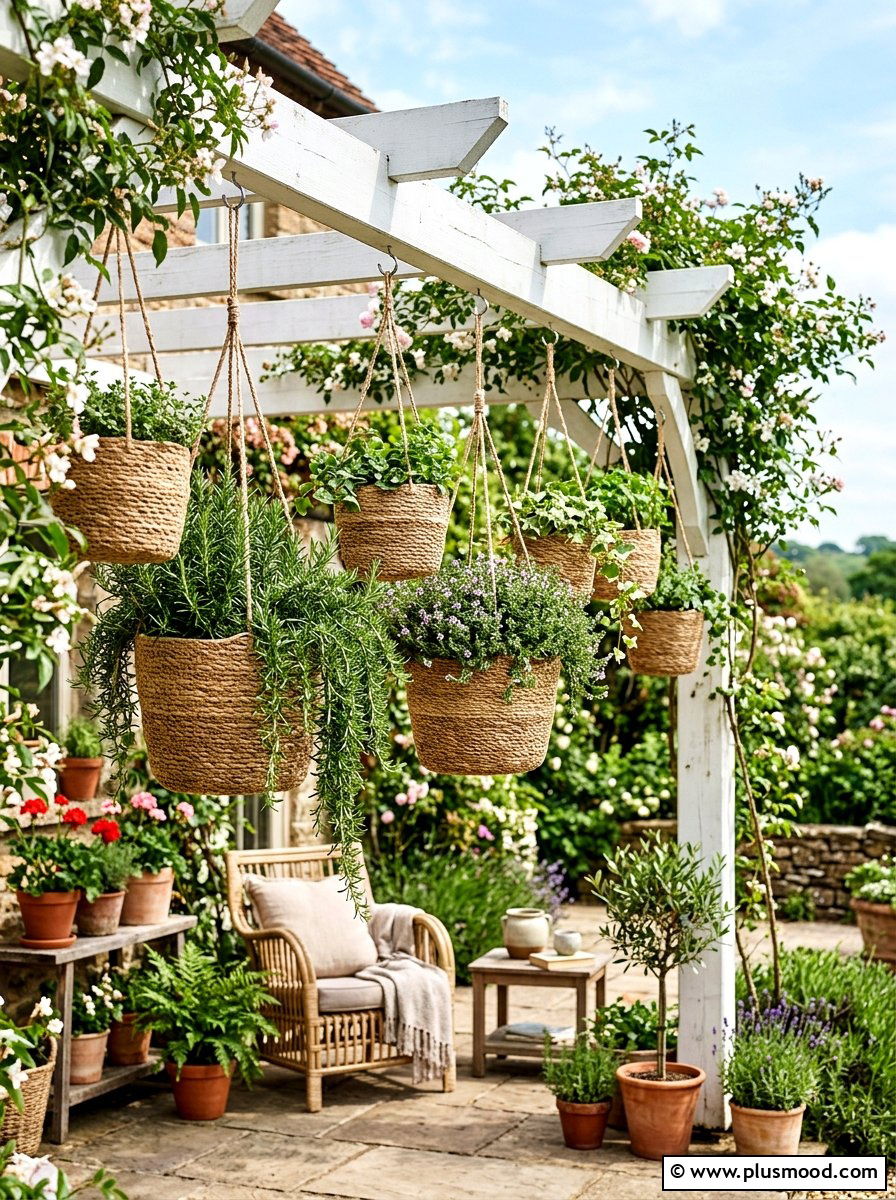
Hanging basket gardens are perfect for small backyards with porches, pergolas, or sturdy overhanging eaves that can support extra weight. By suspending your herbs in decorative baskets, you free up the entire ground area for seating or walkways. Herbs like creeping thyme, trailing rosemary, and various mints look spectacular as they spill over the edges of the containers. This method also keeps your plants away from ground-dwelling pests and provides excellent drainage. You can mix and match different basket styles and heights to create a layered, floating garden effect that feels whimsical and maximizes every available inch of your outdoor air space.
6. Recycled Pallet Planter
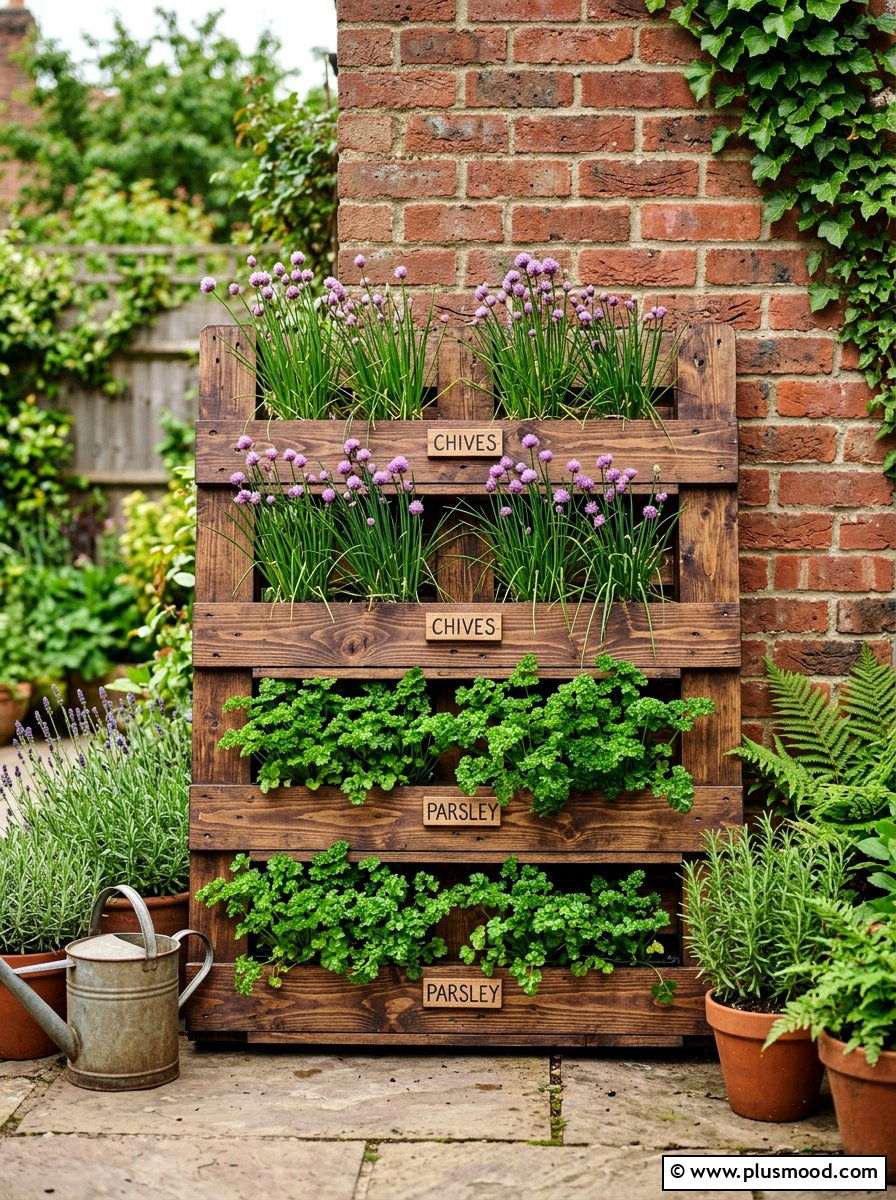
Recycled pallet planters are an affordable and eco-friendly way to introduce an herb garden into a small, rustic backyard setting. By leaning a treated wooden pallet against a wall or fence and sealing the bottom of the slats, you create several rows of planting pockets. This DIY project is popular because it offers a large planting area while taking up almost zero floor space. You can paint or stain the wood to match your backyard furniture for a cohesive look. It is a fantastic way to display a wide variety of herbs in a organized, vertical fashion that looks charmingly bohemian and trendy.
7. Potted Herb Patio
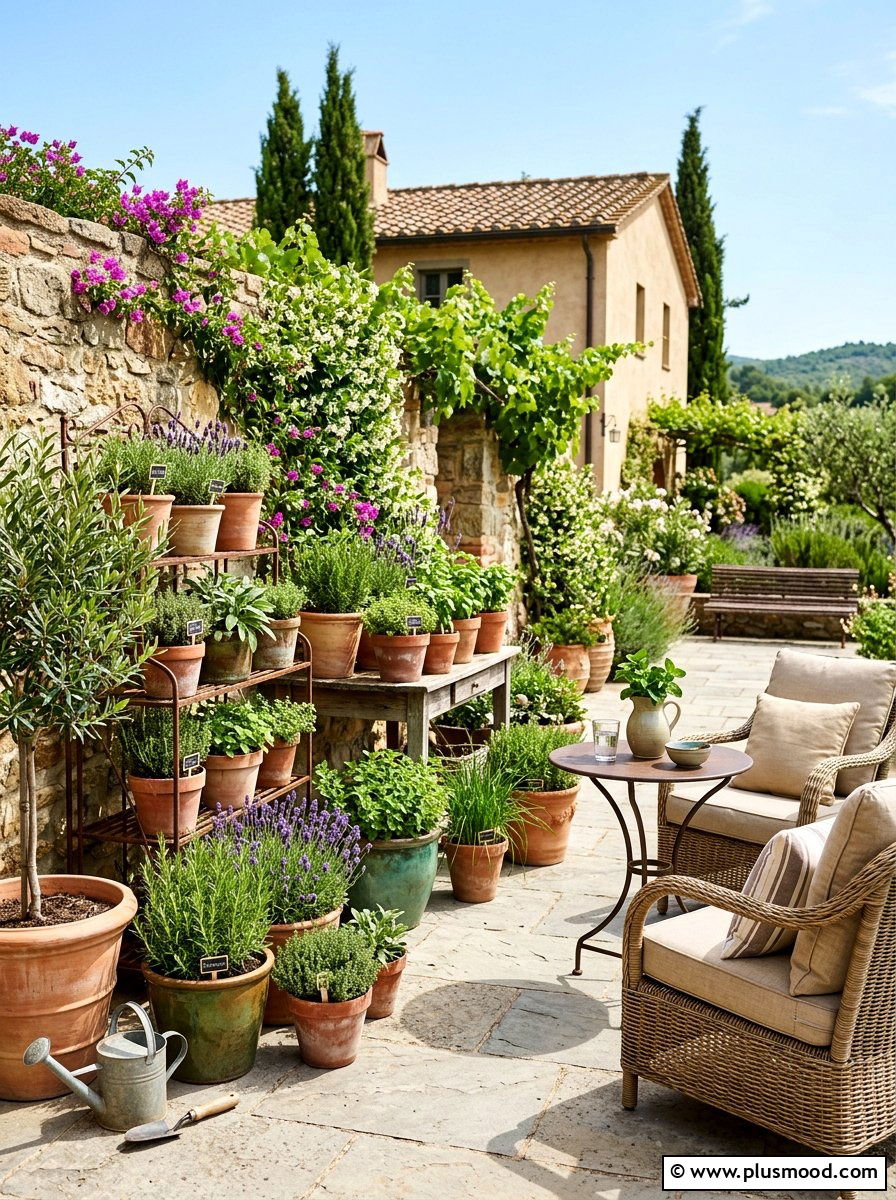
A potted herb patio uses decorative containers of various sizes and shapes to create a flexible and mobile garden environment. This approach is ideal for small backyards that are mostly paved or decked, as it requires no digging into the ground. You can move the pots around to follow the sun throughout the seasons or to make room for guests during a backyard gathering. Using high-quality ceramic, terracotta, or modern resin pots adds a layer of style and texture to your outdoor space. Grouping containers together in clusters creates a lush, jungle-like feel that makes the small area seem much more abundant.
8. Gravel Path Border
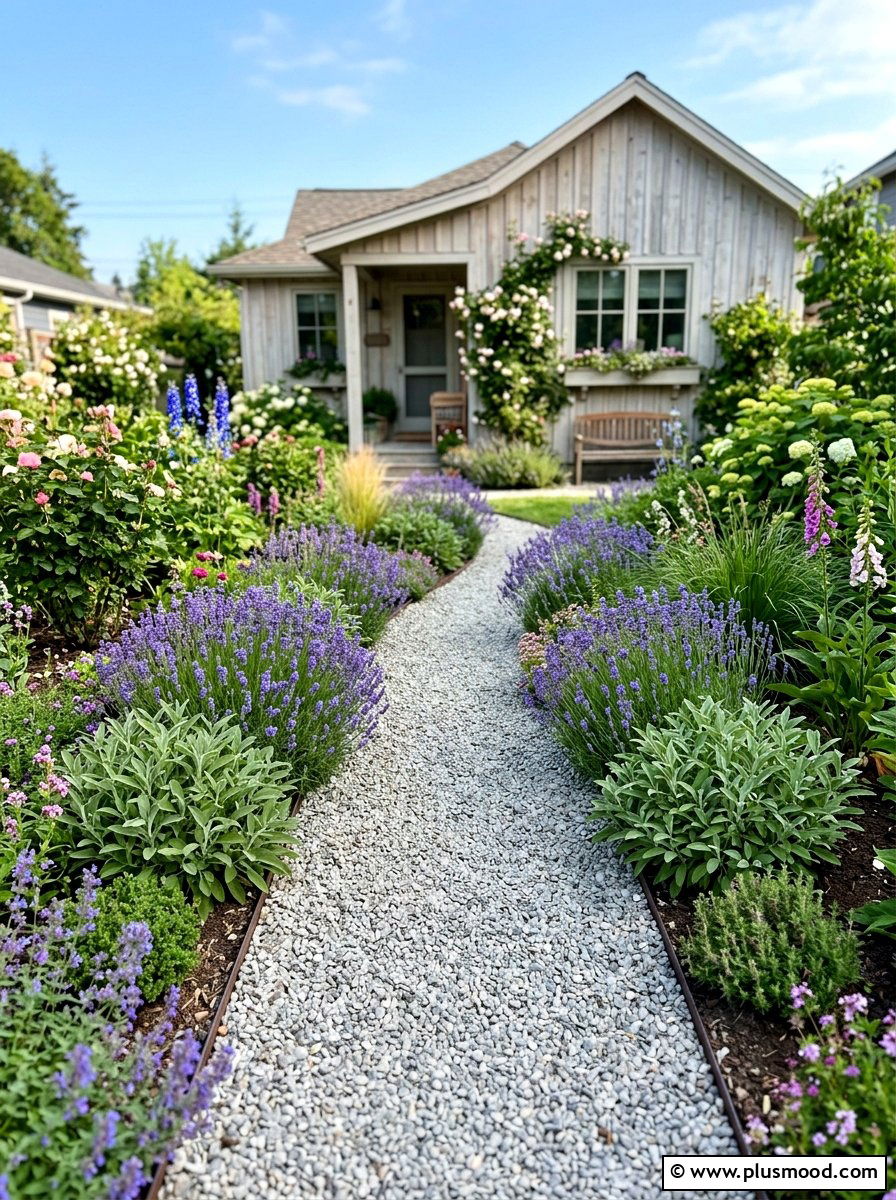
Gravel path borders utilize the often-wasted space along the edges of your walkways to grow fragrant and hardy herbal plants. Lavender, chives, and sage are excellent choices for these spots as they can handle the heat reflected from the gravel. This design idea integrates the garden directly into the functional parts of your yard, making the space feel more cohesive and intentionally designed. As you walk along the path, your clothes might brush against the herbs, releasing their wonderful scents into the air. It is a low-maintenance way to add color and texture while keeping the center of your yard open.
9. Compact Kitchen Garden
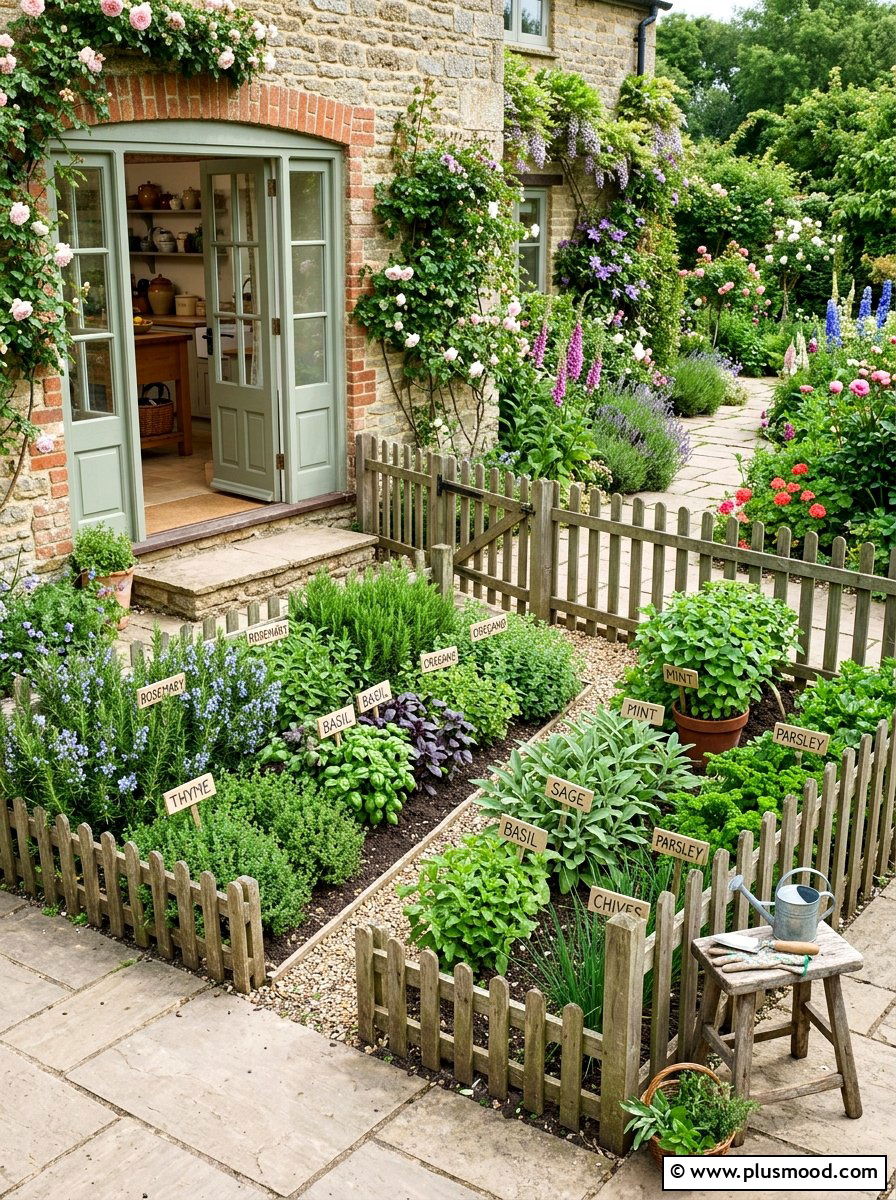
A compact kitchen garden is a small, dedicated plot located as close to the back door as possible for maximum convenience. This design focuses on high-yield culinary herbs and maybe a few edible flowers to combine beauty with daily utility. By keeping the garden small and tidy, it becomes a charming feature rather than an overwhelming chore. You can frame the area with low boxwood hedges or simple wooden edging to give it a formal, traditional look. Having your favorite seasonings just a few steps away from the stove encourages more frequent harvesting and ensures your meals are always flavorful.
10. Ladder Herb Display
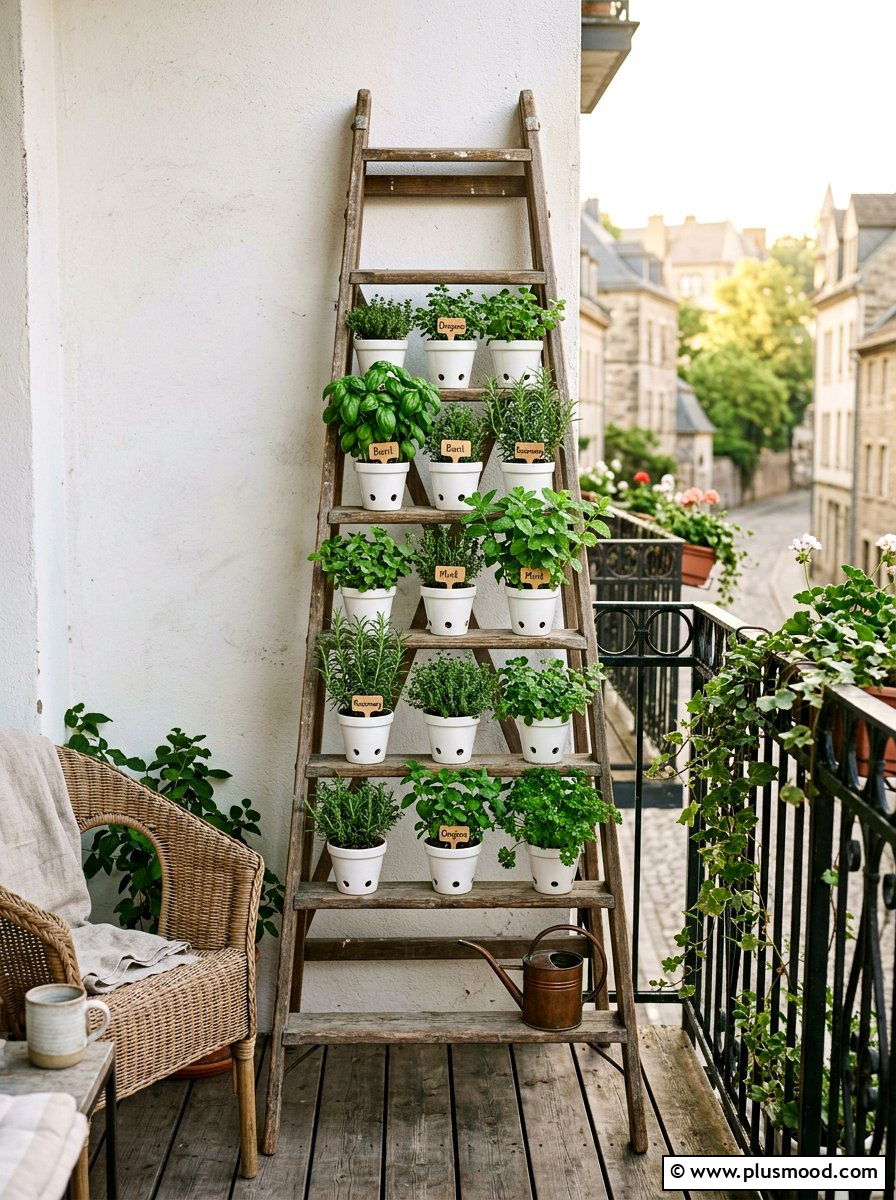
Ladder herb displays use a simple wooden or metal ladder to hold rows of small pots in a very compact vertical arrangement. This idea is excellent for renters or people who want a garden feature that can be easily moved or stored during winter. The graduated steps of the ladder provide a great visual hierarchy and ensure each herb gets its fair share of natural light. You can find vintage wooden ladders for a farmhouse feel or sleek metal versions for a more industrial or modern look. It is an effortless way to add height and greenery to a small patio or balcony.
11. Wall Mounted Mason Jar
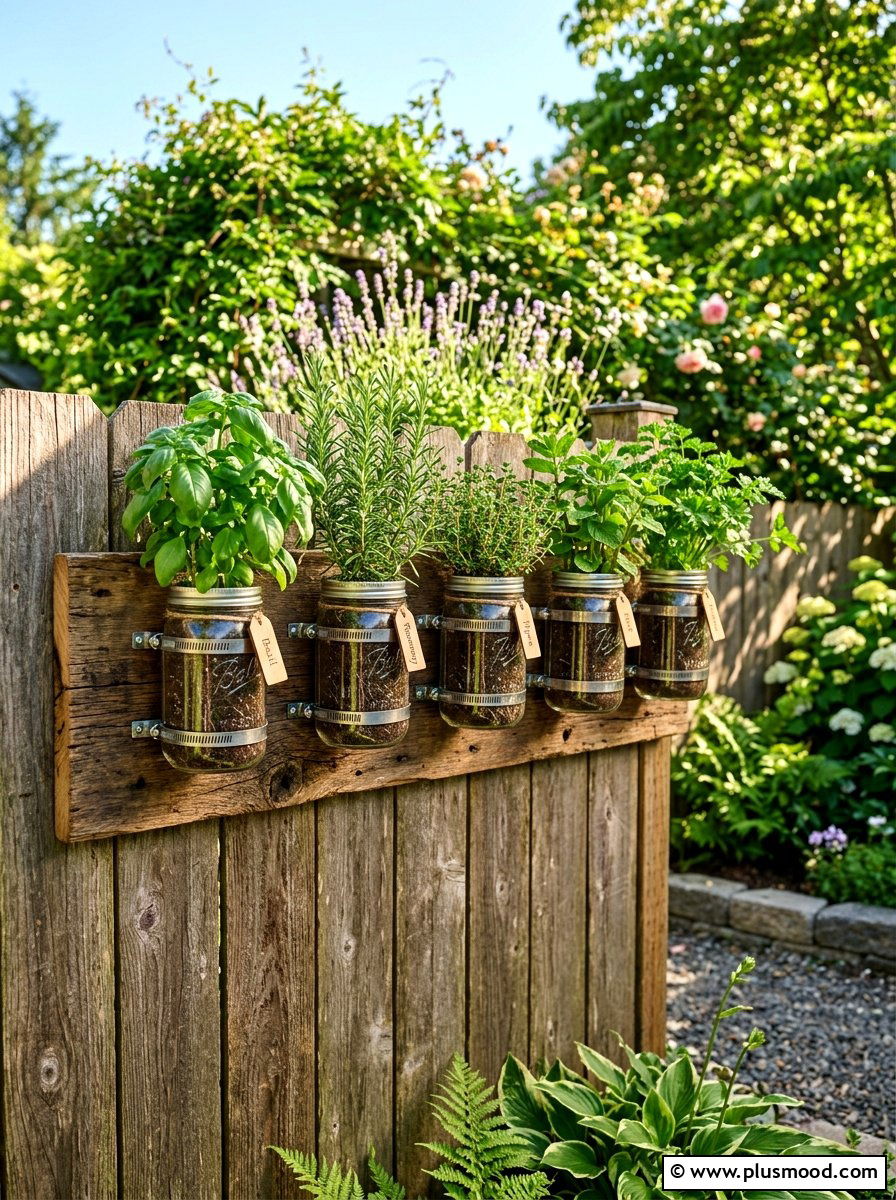
Wall mounted mason jars offer a chic and slightly vintage way to grow small herbs on a backyard fence or wall. By using metal clamps to secure glass jars to a wooden board, you create a beautiful and transparent display of roots and soil. This method is best for smaller herbs like cilantro, basil, or chives that do not require deep root systems. The jars catch the light beautifully and add a decorative, handcrafted touch to your outdoor decor. It is important to add a layer of pebbles at the bottom for drainage since these jars do not typically have holes.
12. Herb Garden Bench
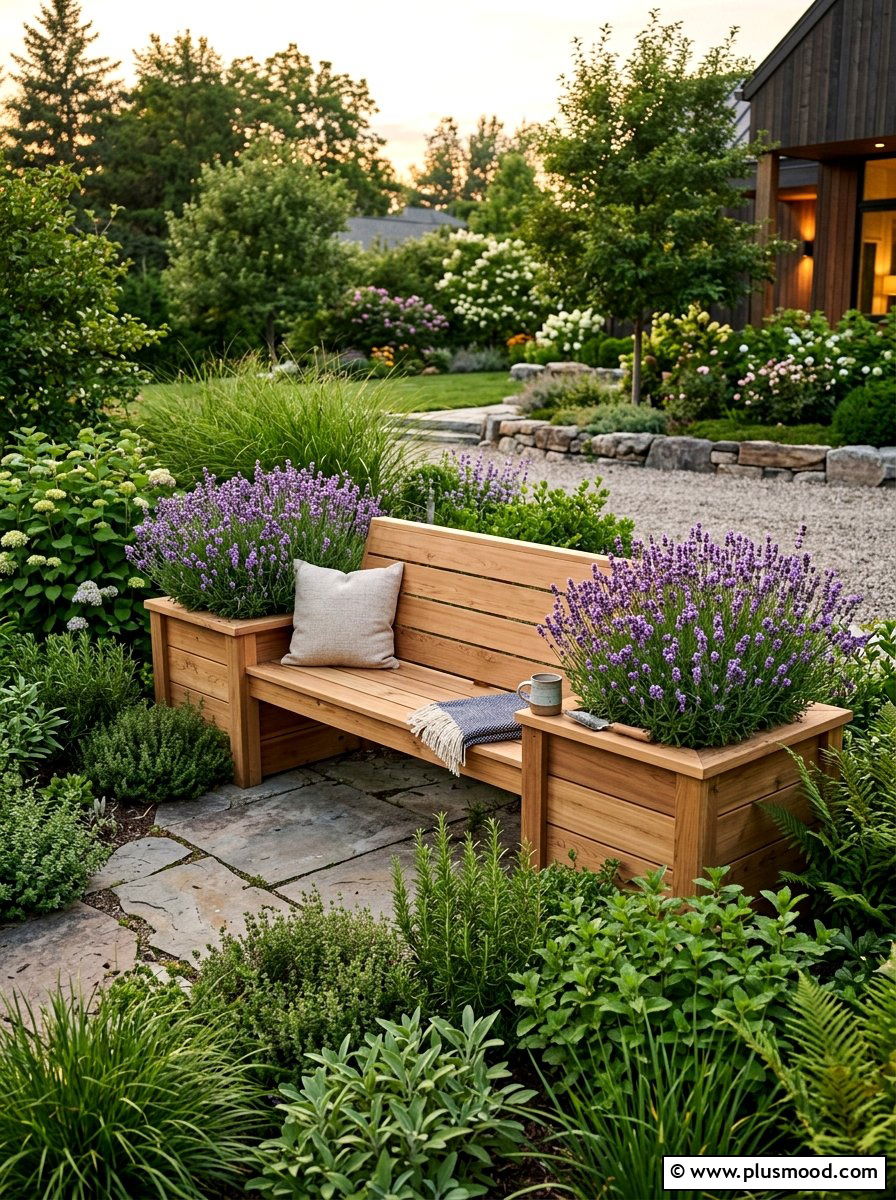
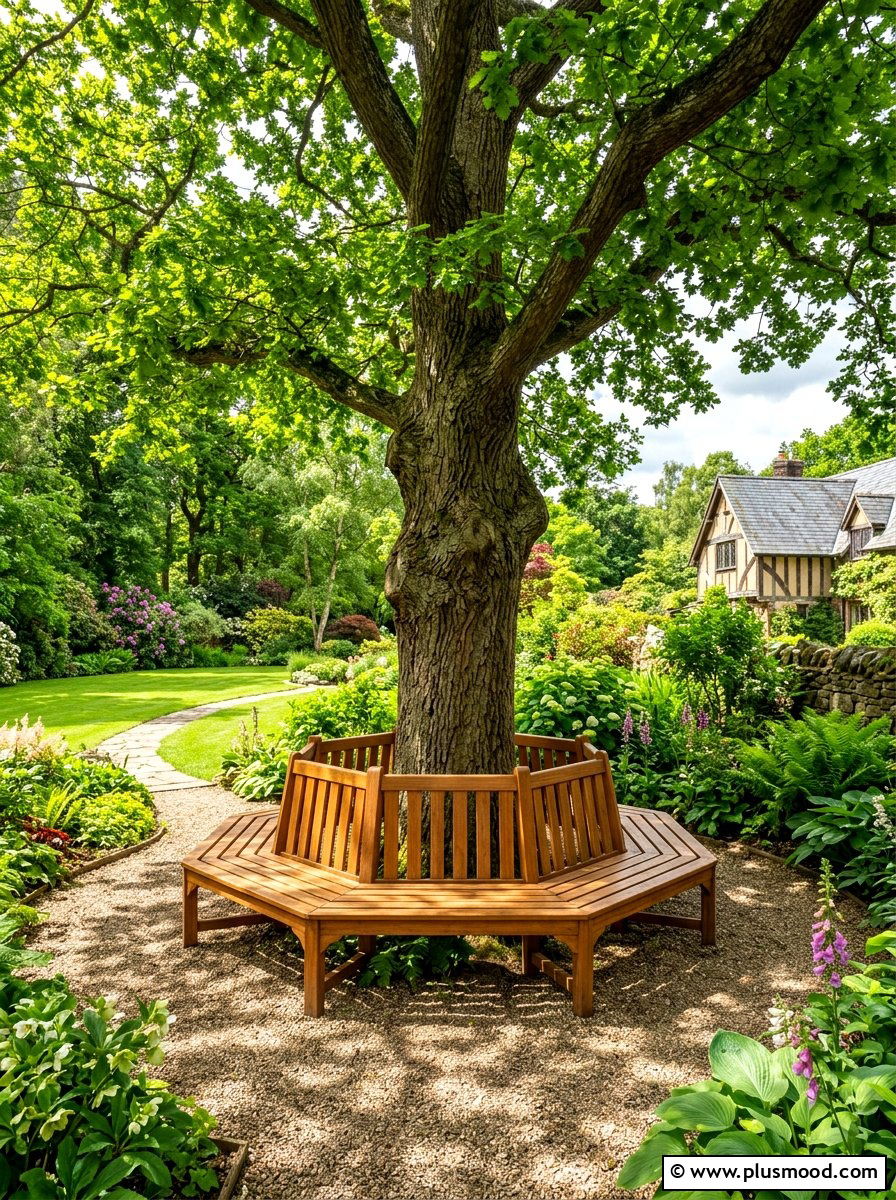
An herb garden bench combines comfortable outdoor seating with the beauty of a living garden by building planters into the armrests or back. This dual-purpose furniture piece is a space-saving marvel for tiny backyards where you cannot fit both a large garden and a seating set. Imagine sitting down to relax while surrounded by the calming aroma of lavender or chamomile growing right next to you. These benches are often custom-built from sturdy woods like teak or cedar to withstand the elements. It serves as a functional piece of art that makes your backyard feel like a high-end, tailored resort.
13. Galvanized Bucket Planter
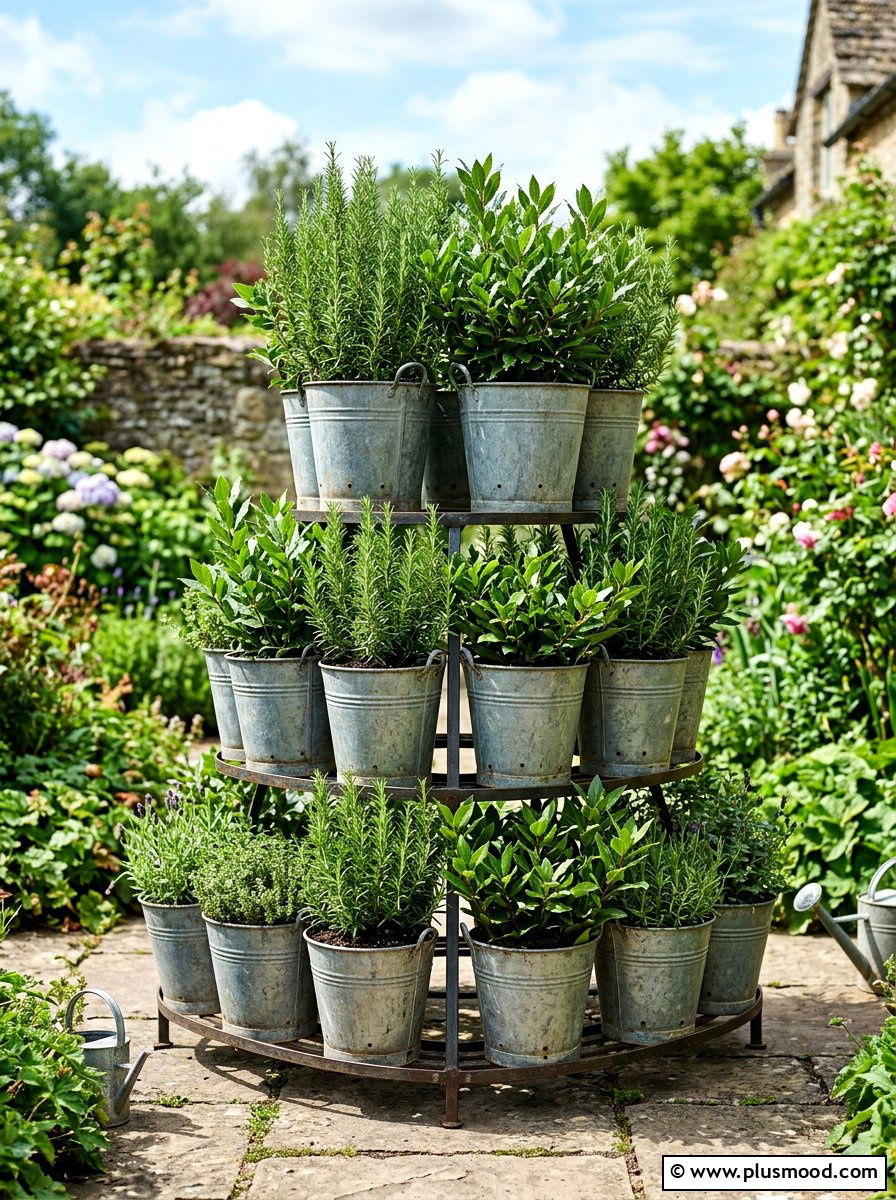
Galvanized bucket planters provide a durable and rustic industrial look that fits perfectly into many modern backyard design themes. These metal containers come in various sizes and are incredibly long-lasting, making them a great investment for a permanent herb garden. You can line them up along a wall or group them on a tiered stand to create a silver-toned garden feature. The reflective surface of the metal can also help brighten up shadier corners of your yard. Just ensure you drill proper drainage holes in the bottom to keep your herbs healthy. They are perfect for larger herbs like rosemary or bay laurel.
14. Terraced Herb Garden
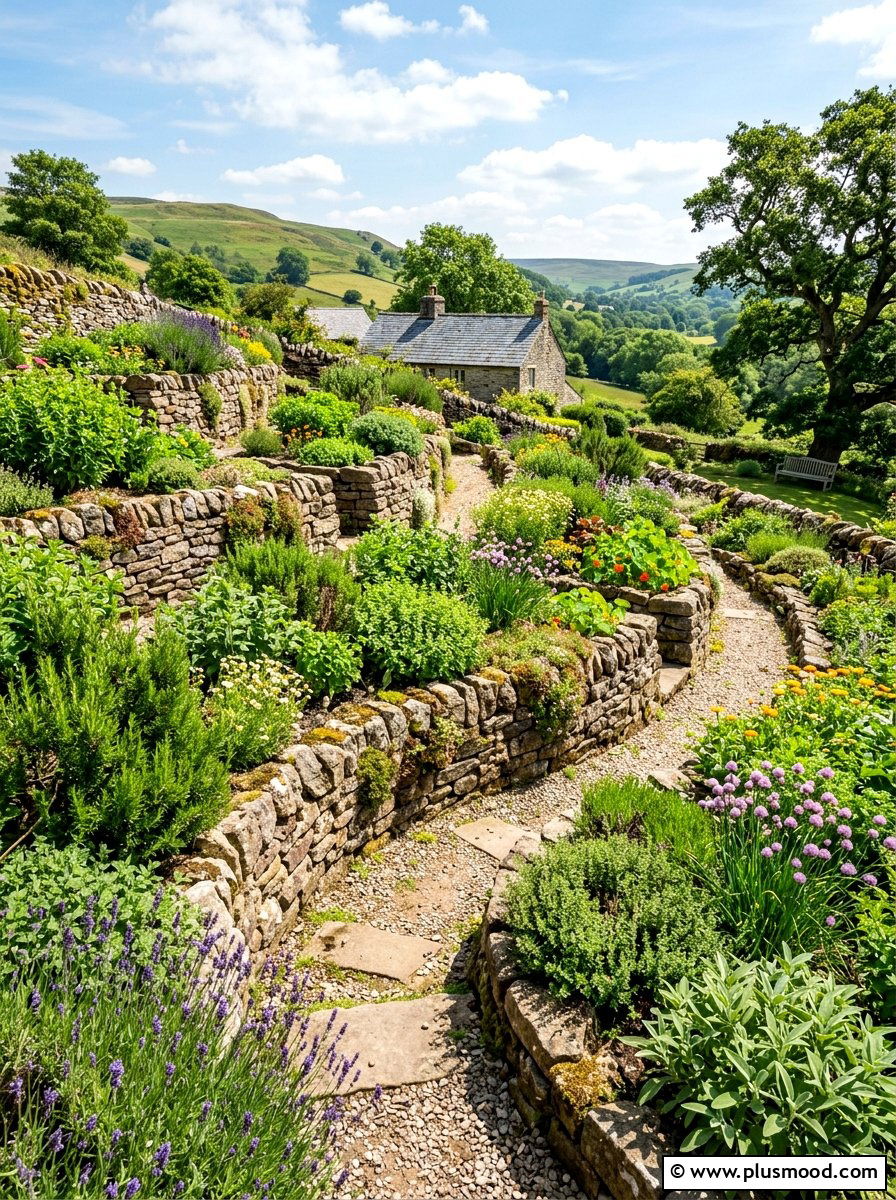
Terraced herb gardens are the perfect solution for small backyards with sloped terrain that might otherwise be difficult to utilize effectively. By creating small level steps using stone walls or timber, you turn a steep incline into a productive and beautiful growing area. Each level can be dedicated to different herb groups, creating a structured and organized look that prevents soil erosion. Terracing adds significant visual interest and depth to a small space, making the yard feel much larger than it actually is. It transforms a landscape challenge into a stunning multi-level feature that showcases your favorite plants brilliantly.
15. Herb Garden Trellis
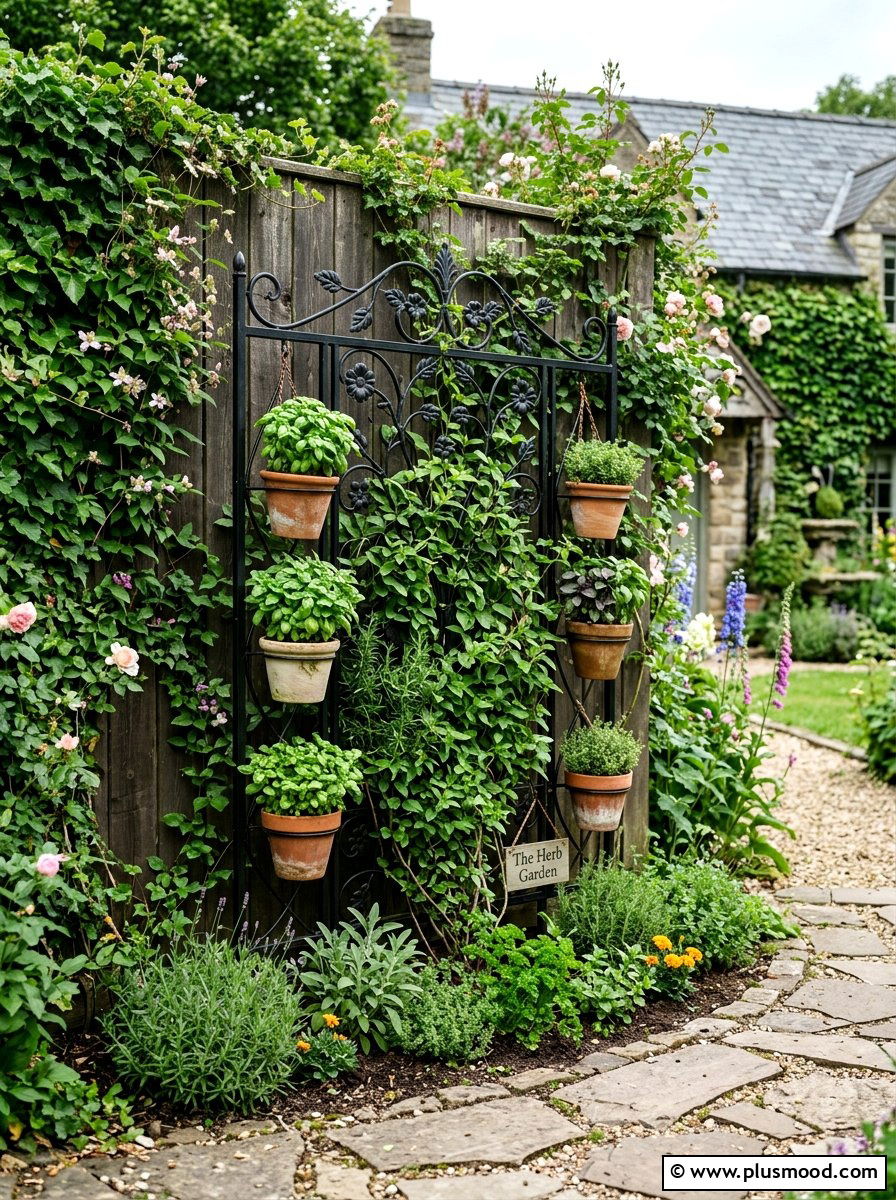
An herb garden trellis encourages climbing herbs or those with long vines to grow upward, creating a living green screen. While most herbs are bushy, some varieties like climbing nasturtiums or even certain jasmine types can be integrated for a fragrant vertical display. You can also hang small pots directly from the trellis framework to combine climbing plants with standard culinary herbs. This design provides privacy from neighbors while adding a romantic, cottage-style element to your small backyard. It serves as a beautiful backdrop for an outdoor dining area, providing both shade and a refreshing, natural atmosphere for your guests.
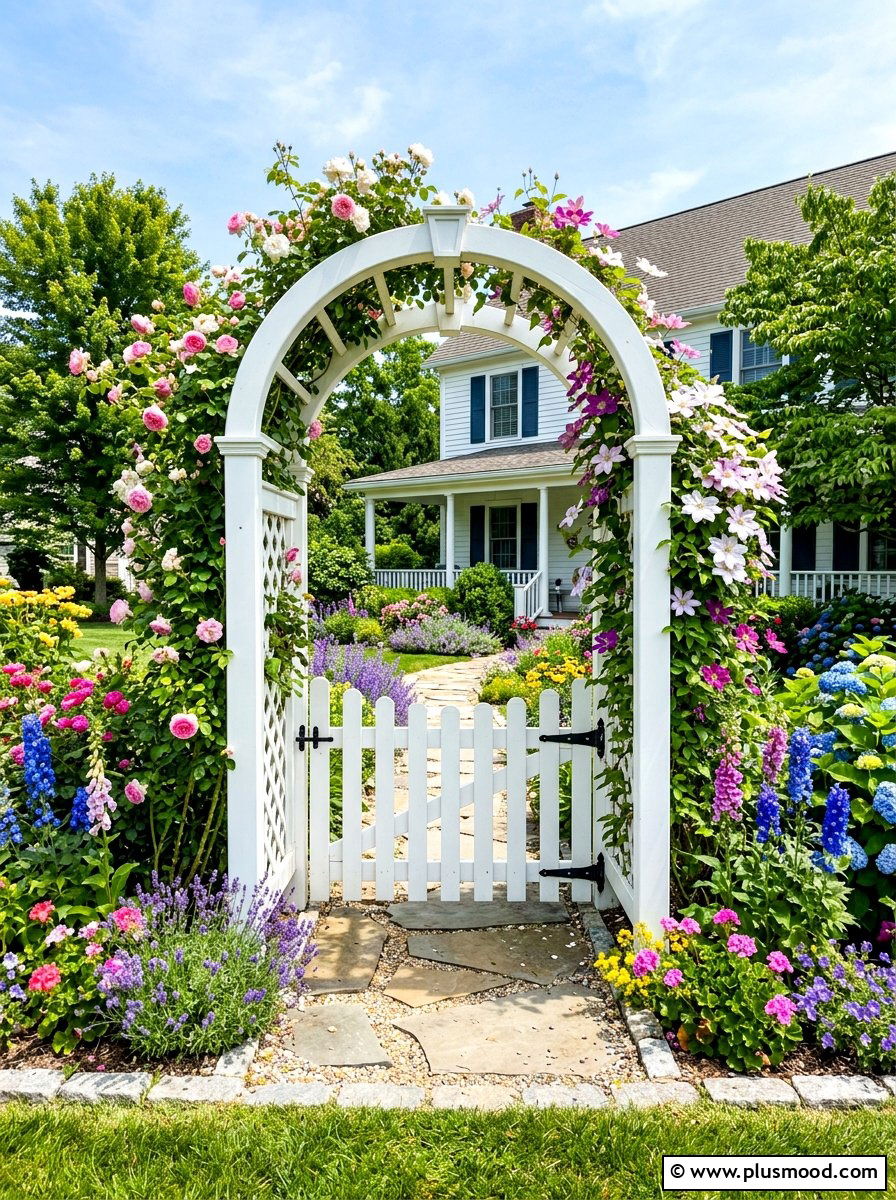
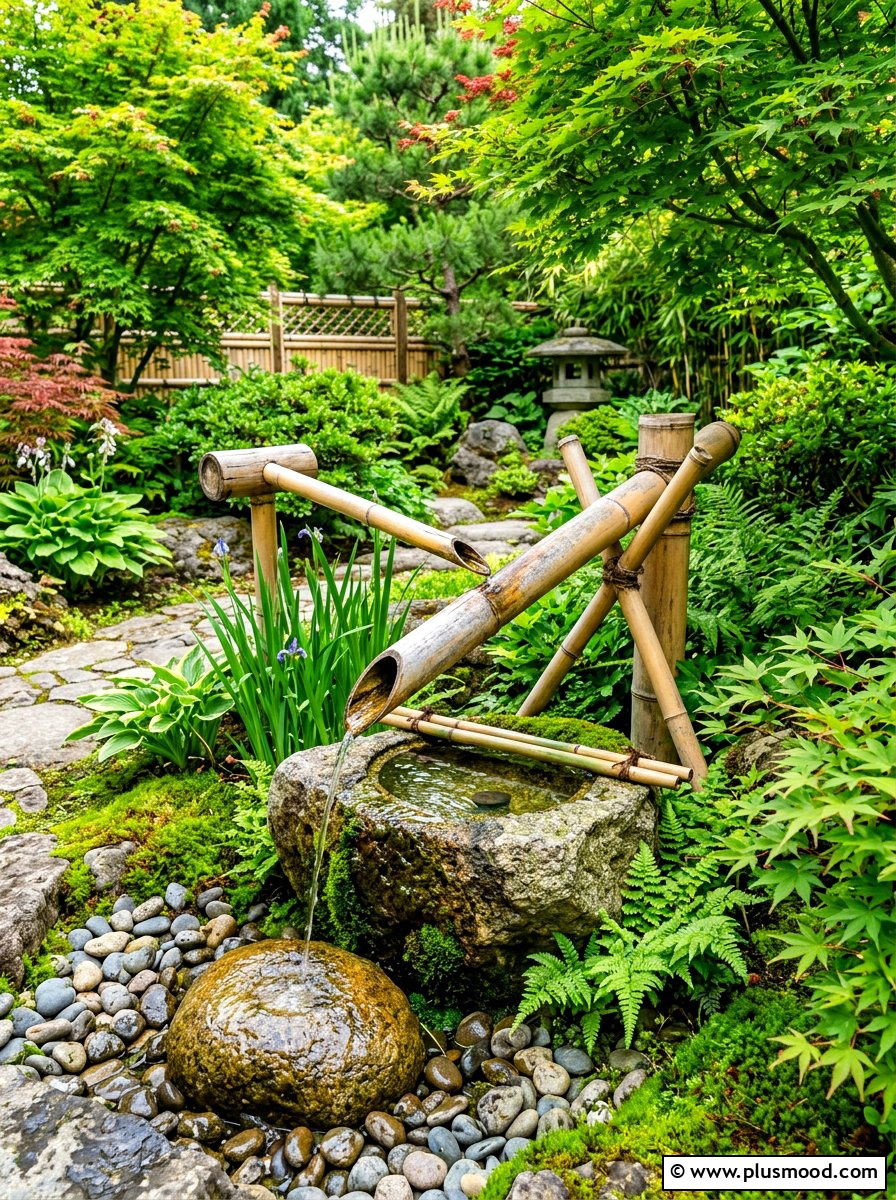
16. Concrete Block Planter
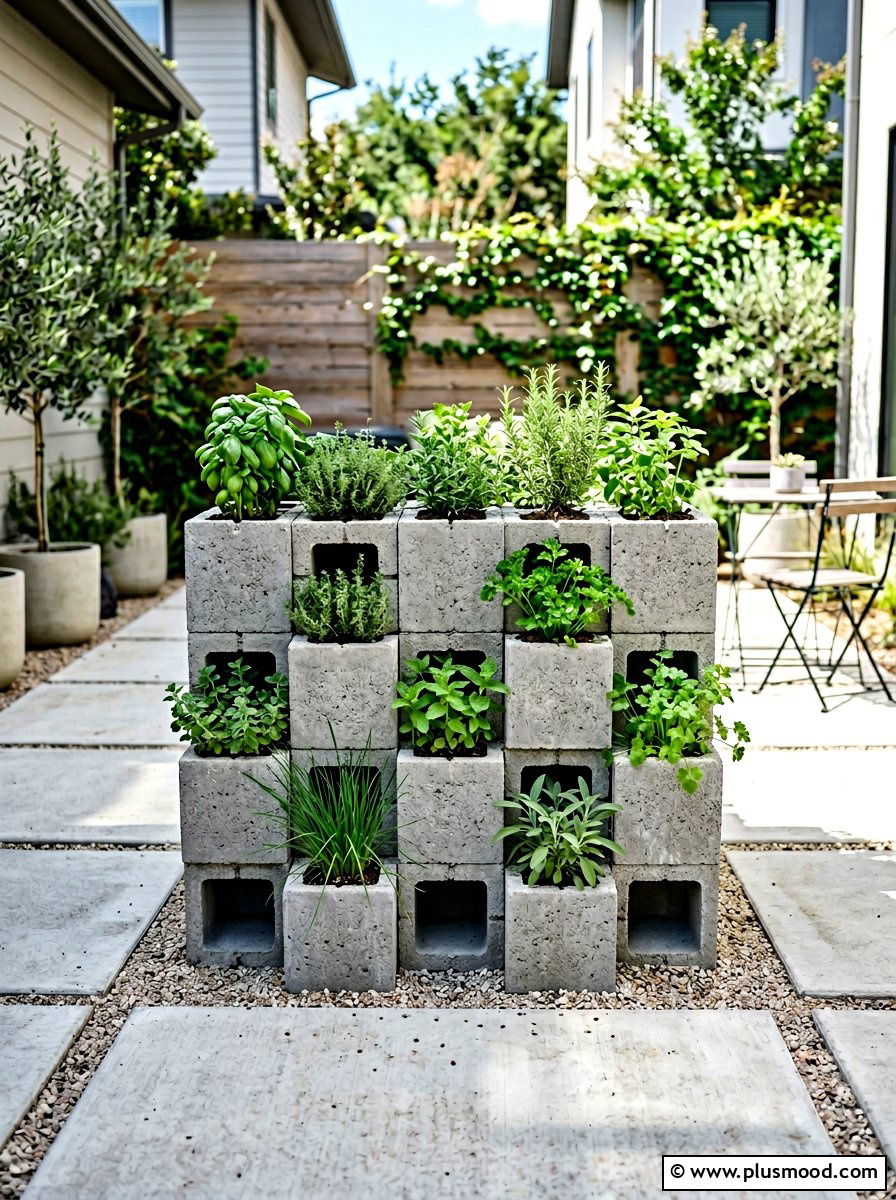
Concrete block planters are a modern, modular, and extremely budget-friendly way to build a custom herb garden in a small space. By stacking standard cinder blocks in various configurations, you create individual "cells" that are perfect for holding a single herb plant each. You can paint the blocks in bright colors or leave them gray for a minimalist, industrial vibe that looks very architectural. The heavy blocks are stable and provide a clean, geometric look that works well in contemporary landscapes. This method is incredibly flexible, allowing you to wrap the garden around corners or build it up into a wall.
17. Movable Herb Cart
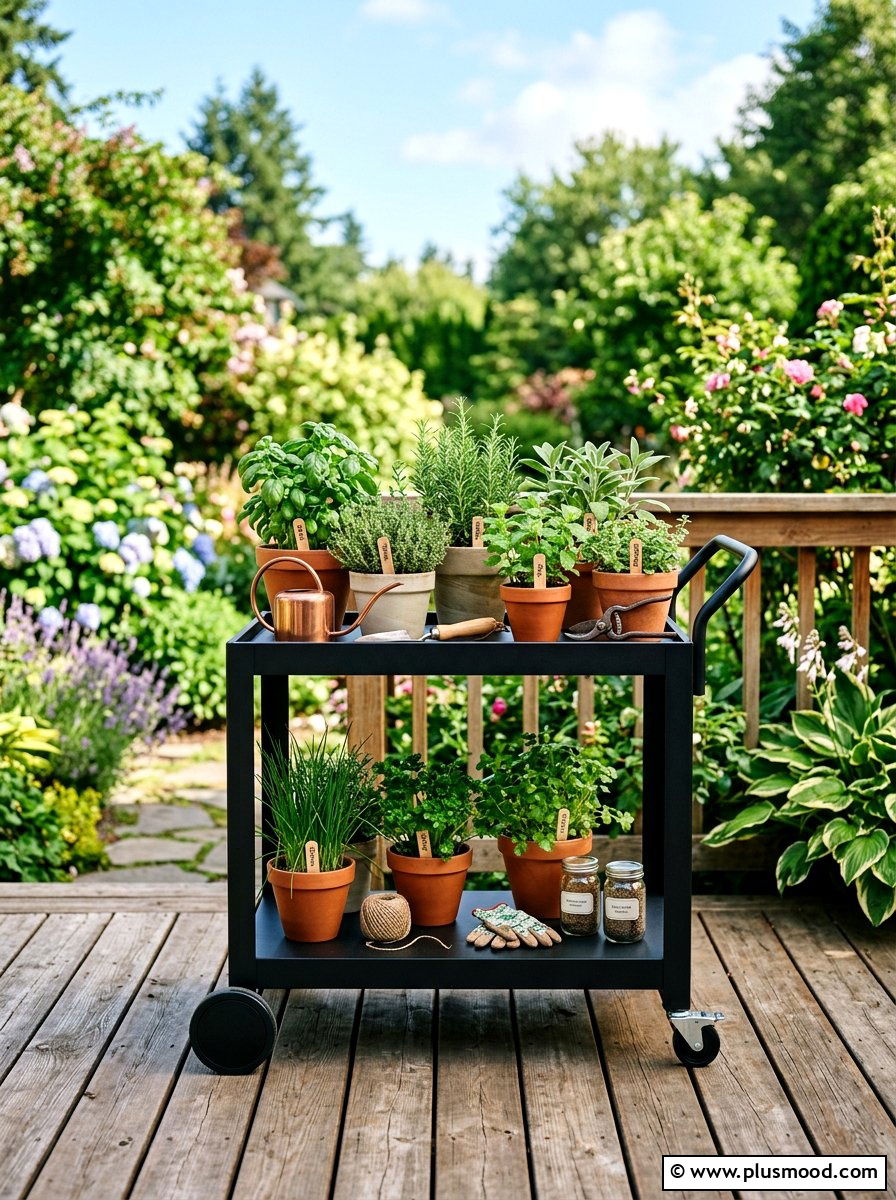
A movable herb cart brings a sense of versatility and style to a small backyard by putting your garden on wheels. You can use a vintage bar cart or a specialized garden trolley to hold a variety of potted herbs and gardening tools. This is especially useful for small spaces where the sun moves quickly, as you can easily roll your plants to the brightest spot. When you are hosting a barbecue, you can bring the cart right next to the grill for instant seasoning. It is a functional and decorative piece that adds a touch of personality and convenience to outdoor living.
18. Greenhouse Herb Nook
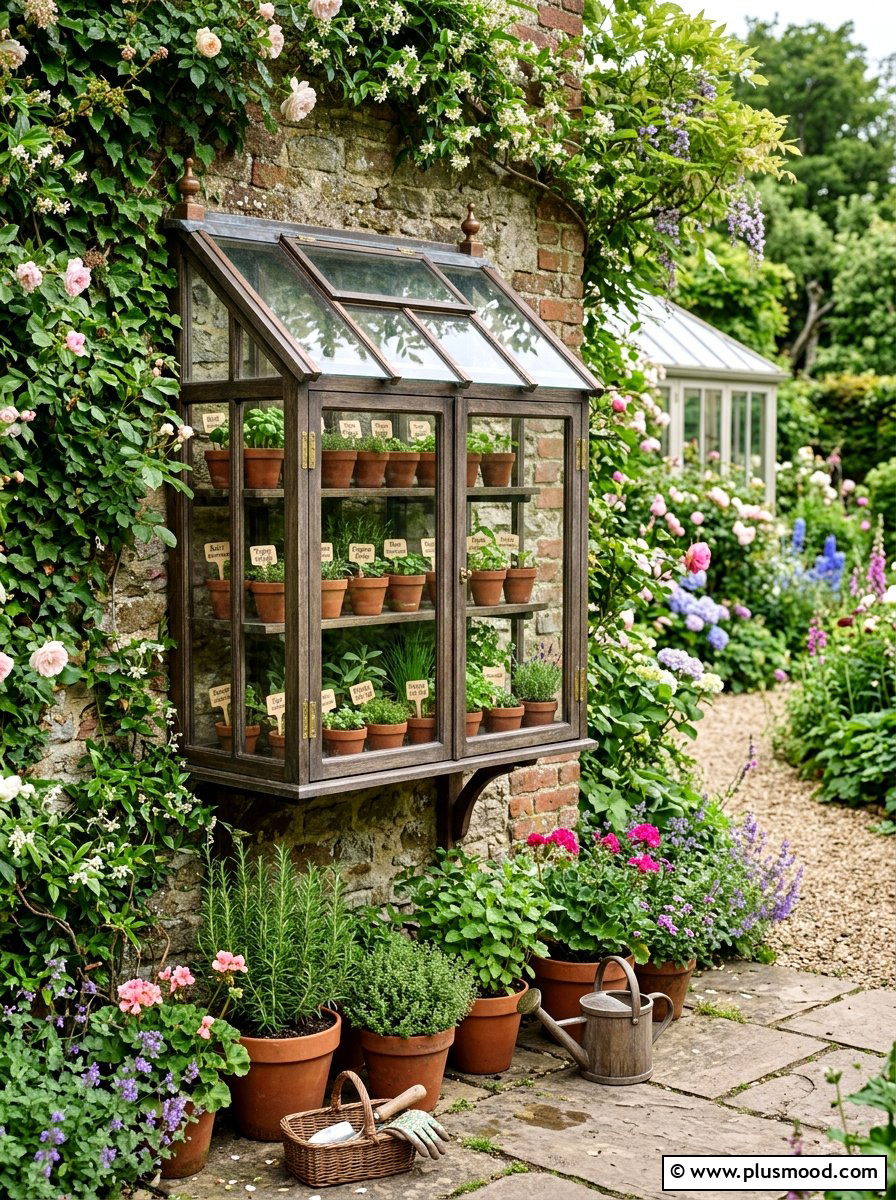
A greenhouse herb nook is a small-scale glass or polycarbonate structure that protects your herbs from harsh weather and extends the growing season. In a small backyard, a wall-mounted mini greenhouse or a tiny freestanding cold frame can fit into even the tightest corners. This setup allows you to start herbs earlier in the spring and keep them producing well into the chilly autumn months. The structure itself adds a professional and sophisticated look to your yard, acting like a tiny conservatory for your plants. It is a dream setup for serious home cooks who want fresh ingredients year-round.
19. Sensory Herb Garden
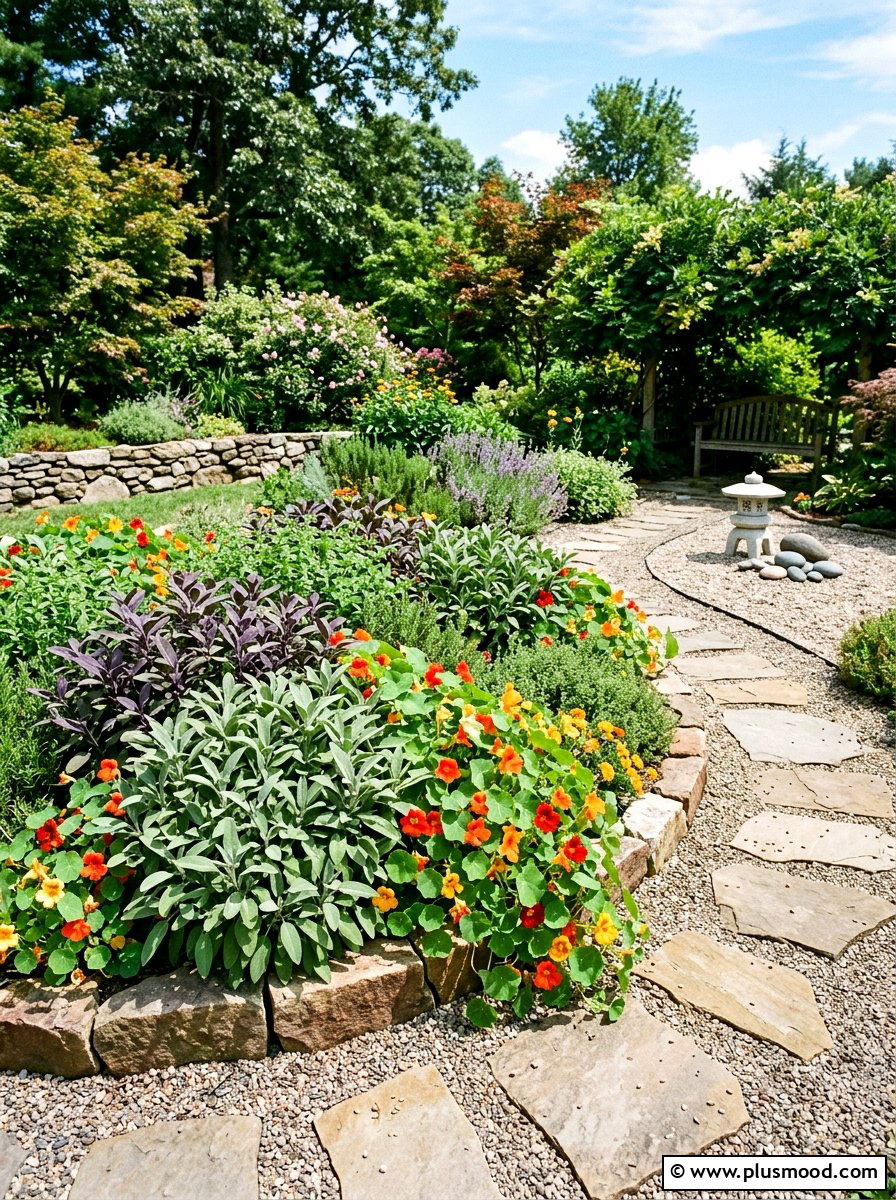
A sensory herb garden is designed specifically to engage all five senses, making even a tiny backyard feel like a rich experience. You can choose herbs with different textures, such as the fuzzy leaves of sage or the soft needles of rosemary, and combine them with vibrant colors. Fragrant herbs like lemon verbena and mint provide an olfactory treat, while the sound of wind through tall fennel adds a calming auditory element. This thoughtful design focuses on the quality of the interaction rather than the size of the space. It creates a meditative and healing environment that invites you to linger longer.
20. Edible Landscape Border
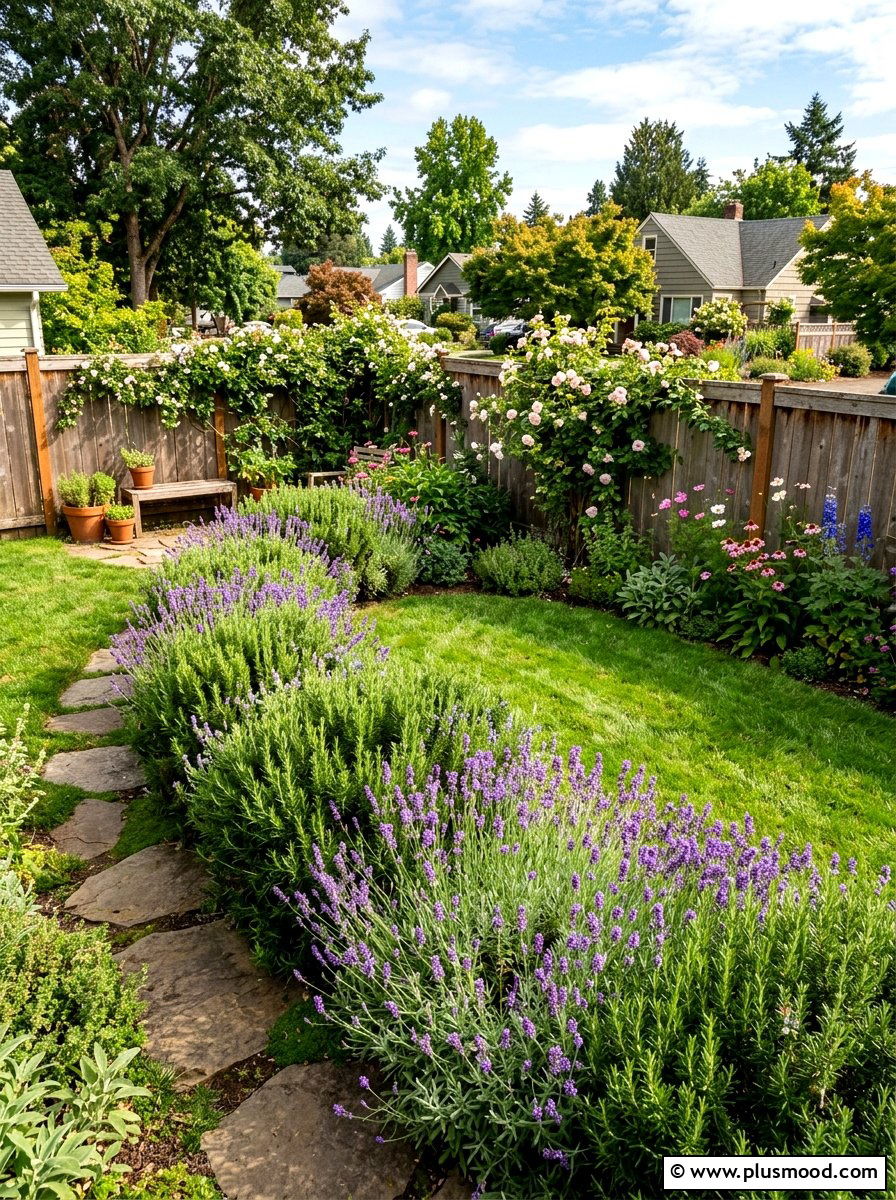
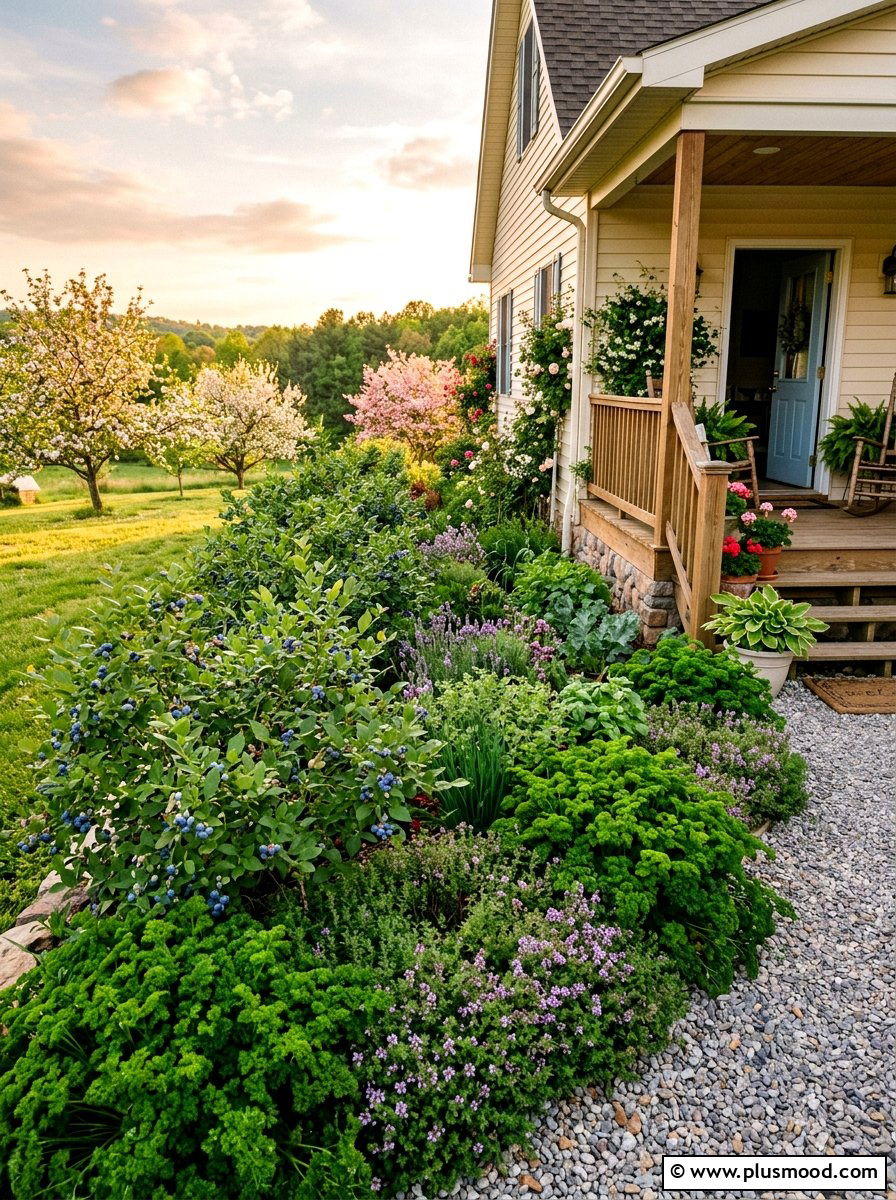
An edible landscape border replaces traditional ornamental shrubs with beautiful and functional herbs along the perimeter of your backyard. Instead of using standard boxwoods, you can plant large mounds of rosemary, sage, or lavender to create a fragrant and productive hedge. This approach integrates the herb garden so seamlessly into the overall landscaping that it does not feel like a separate utility area. It saves space by serving two purposes at once: defining the yard's boundaries and providing a massive harvest. This design choice results in a lush, full look that makes the most of every square foot available.
21. Stock Tank Herb Garden
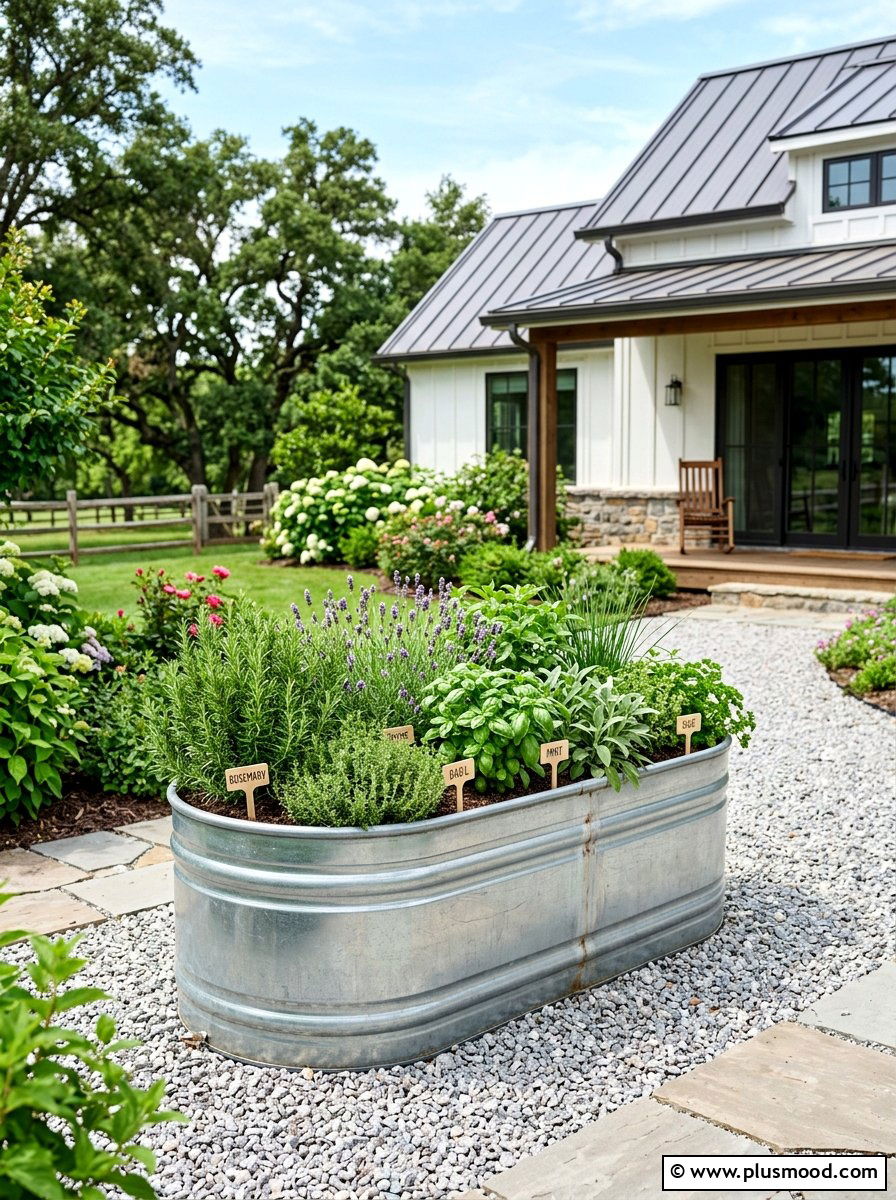
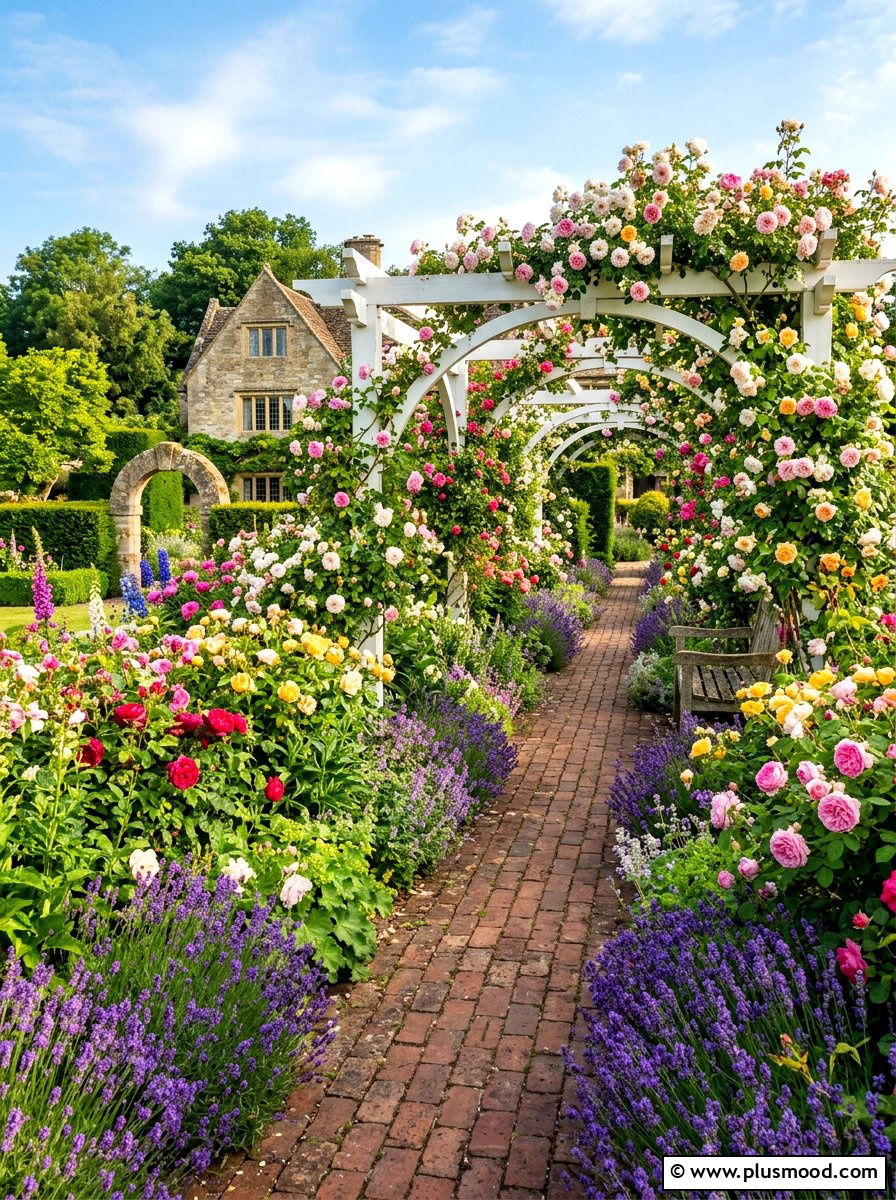
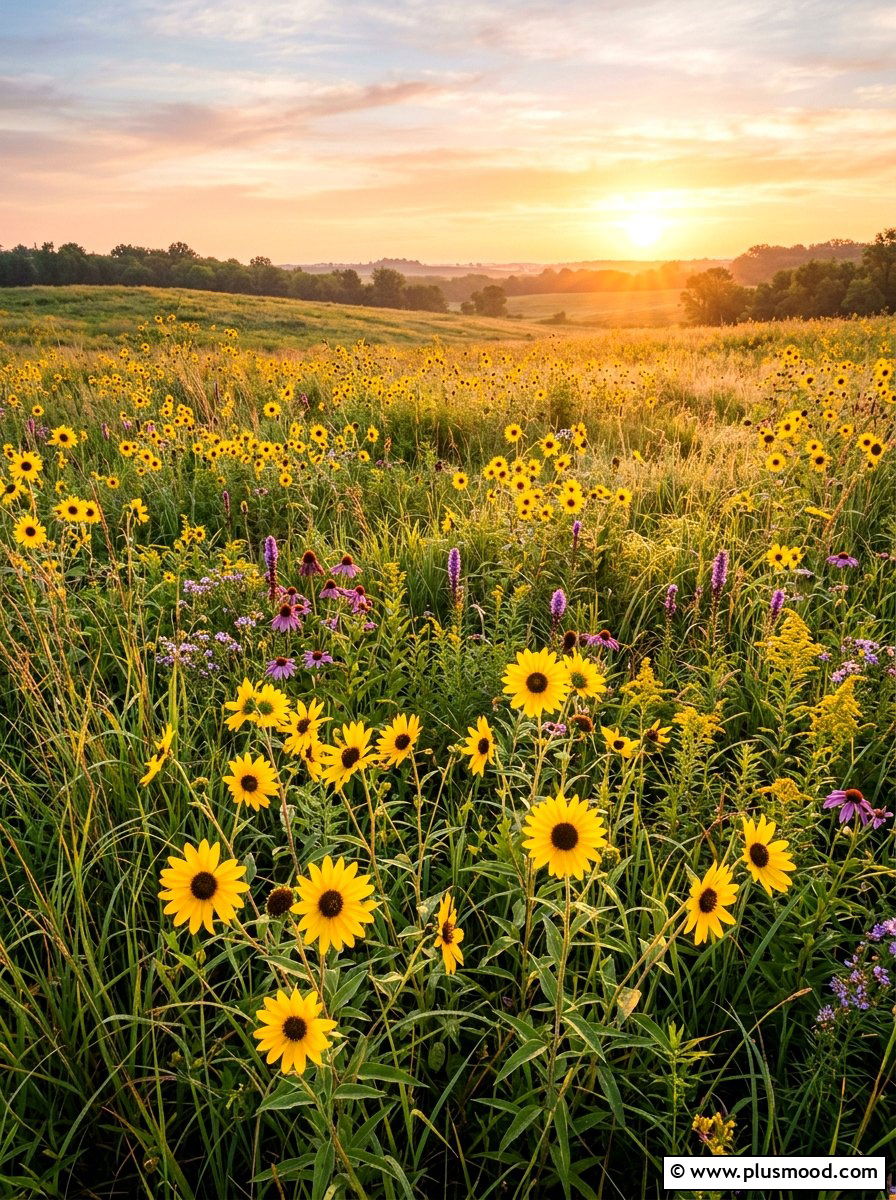
Stock tank herb gardens utilize large metal water troughs, typically used for livestock, as oversized and stylish raised planters. These tanks are very popular in modern farmhouse and industrial designs because they are deep, durable, and offer a significant planting surface. Because they are deep, you can grow herbs with larger root systems or even combine them with small vegetable plants. The high sides protect the plants from some pests and keep the garden at a convenient height for tending. Using a stock tank is a quick way to add a major design element to your small backyard with very little construction.
22. Herb Tower
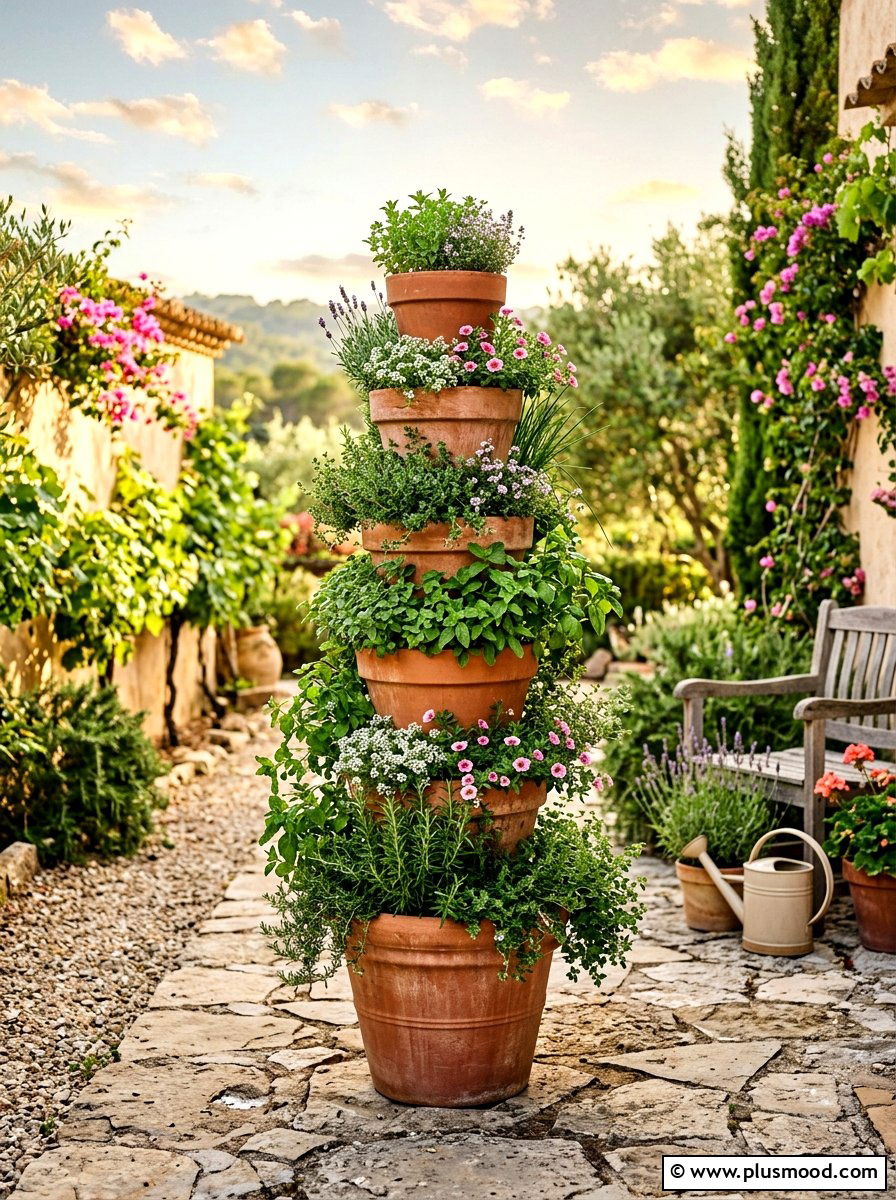
An herb tower is a vertical planting system that stacks several pots or planting rings on top of one another to create a pillar of greenery. This is one of the most space-efficient ways to grow a large variety of herbs because it only takes up about two square feet of ground space. You can buy pre-made plastic towers or build your own using terracotta pots of decreasing sizes stacked on a central rod. As the herbs grow, they cover the structure, resulting in a beautiful flowering tower that looks like a centerpiece. It is perfect for placing right next to a seating area.
23. Checkerboard Herb Patio
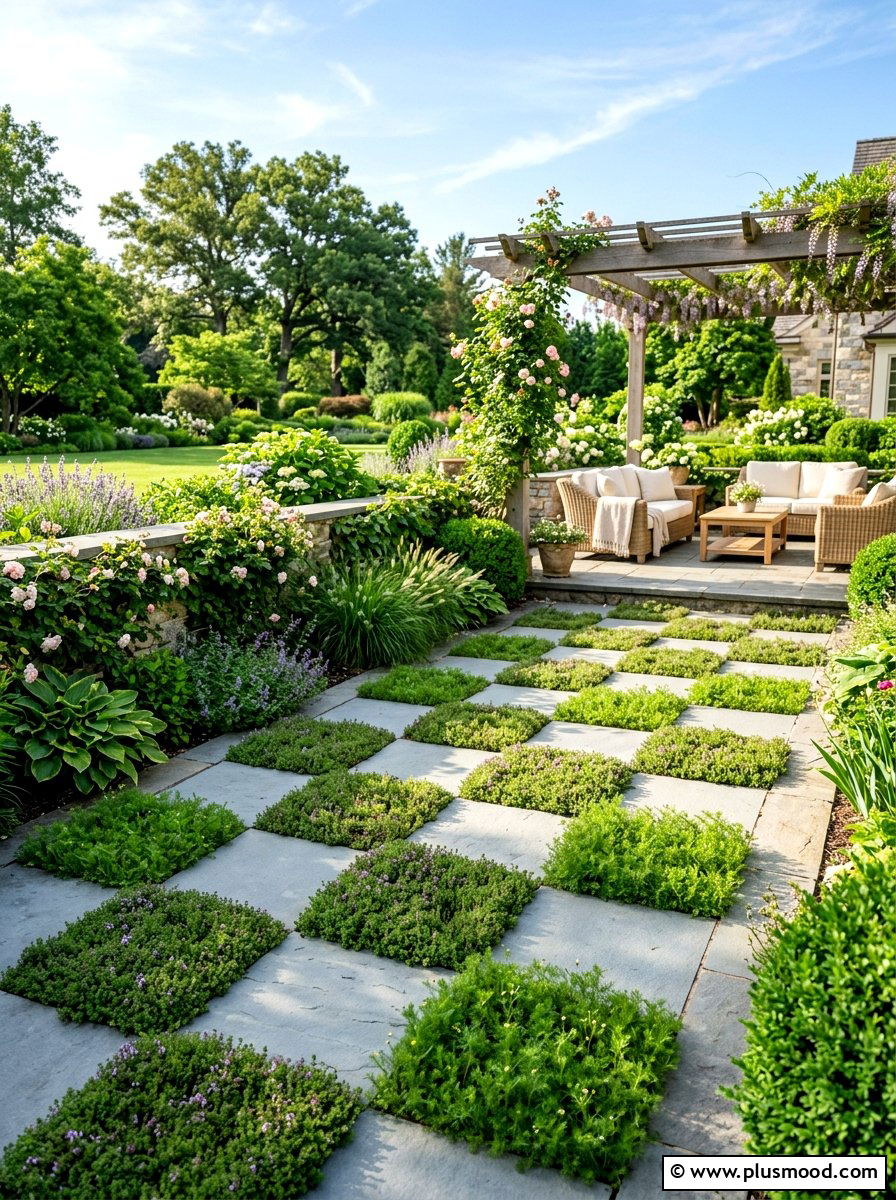
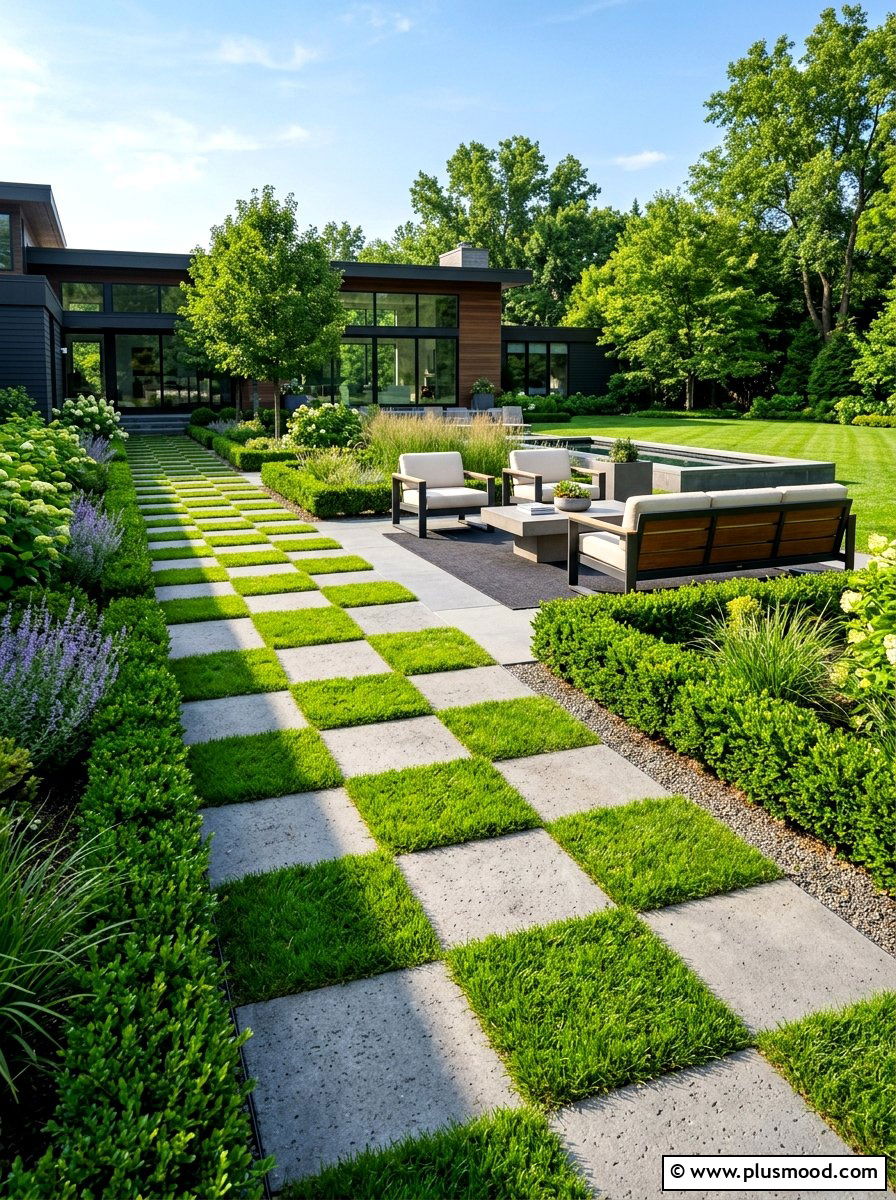
A checkerboard herb patio replaces traditional solid paving with a pattern of alternating stone pavers and low-growing herbs. Creeping thyme or chamomile are planted in the squares between the stones, creating a living carpet that releases a delightful fragrance when stepped upon. This design softens the look of a hardscaped backyard and introduces a sense of old-world charm and whimsy. It is a highly creative way to incorporate a garden without losing any functional floor space for your outdoor furniture. The contrast between the hard stone and the soft, green herbs is visually striking and very sophisticated.
24. Window Box Planter
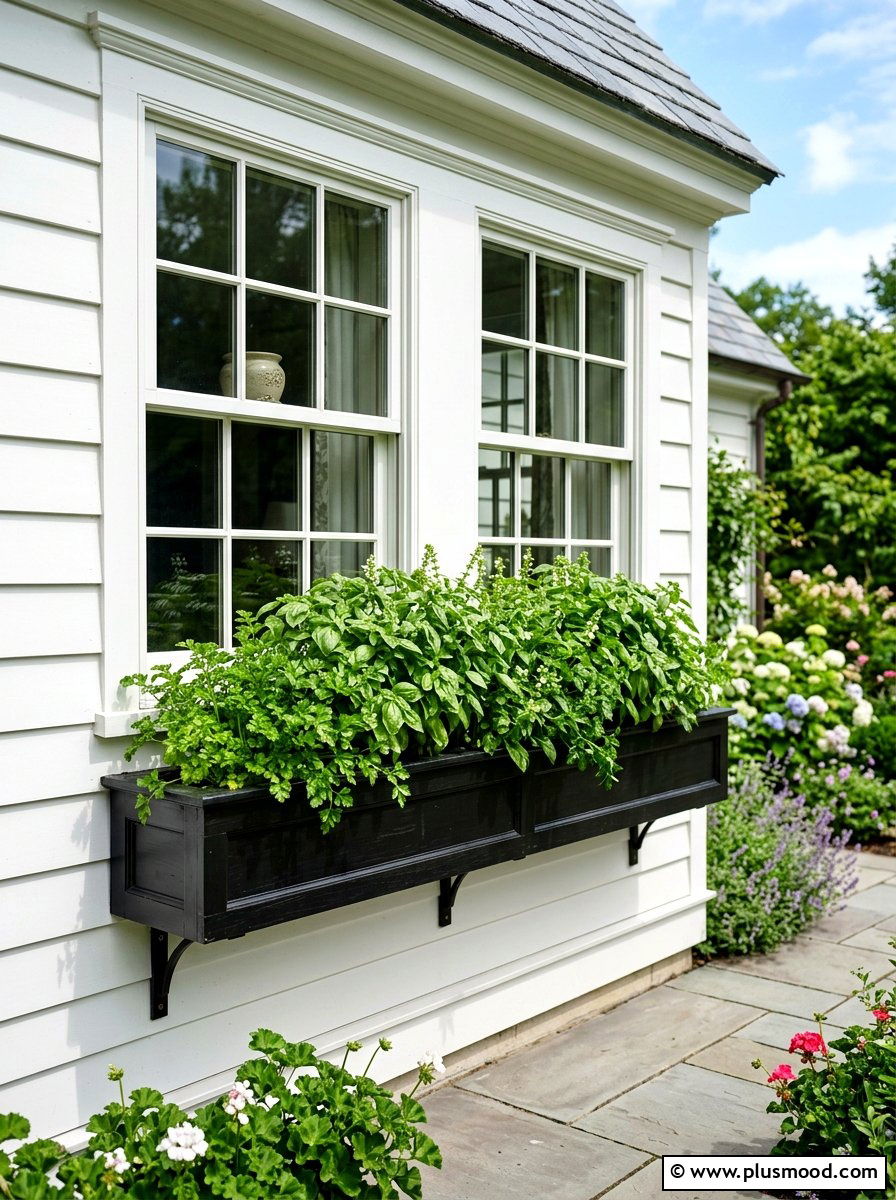
Window box planters are a classic solution for small backyards, especially those that are mostly occupied by a patio or deck right against the house. By attaching long planters directly beneath your windows or onto your deck railings, you bring the garden up to a comfortable height. This placement allows you to enjoy the sight and scent of your herbs from both inside and outside the home. They are very easy to maintain and can be changed out seasonally to keep your backyard looking fresh. Window boxes add a layer of charm and curb appeal that makes any small space feel cozy.
25. Herb Garden Fountain
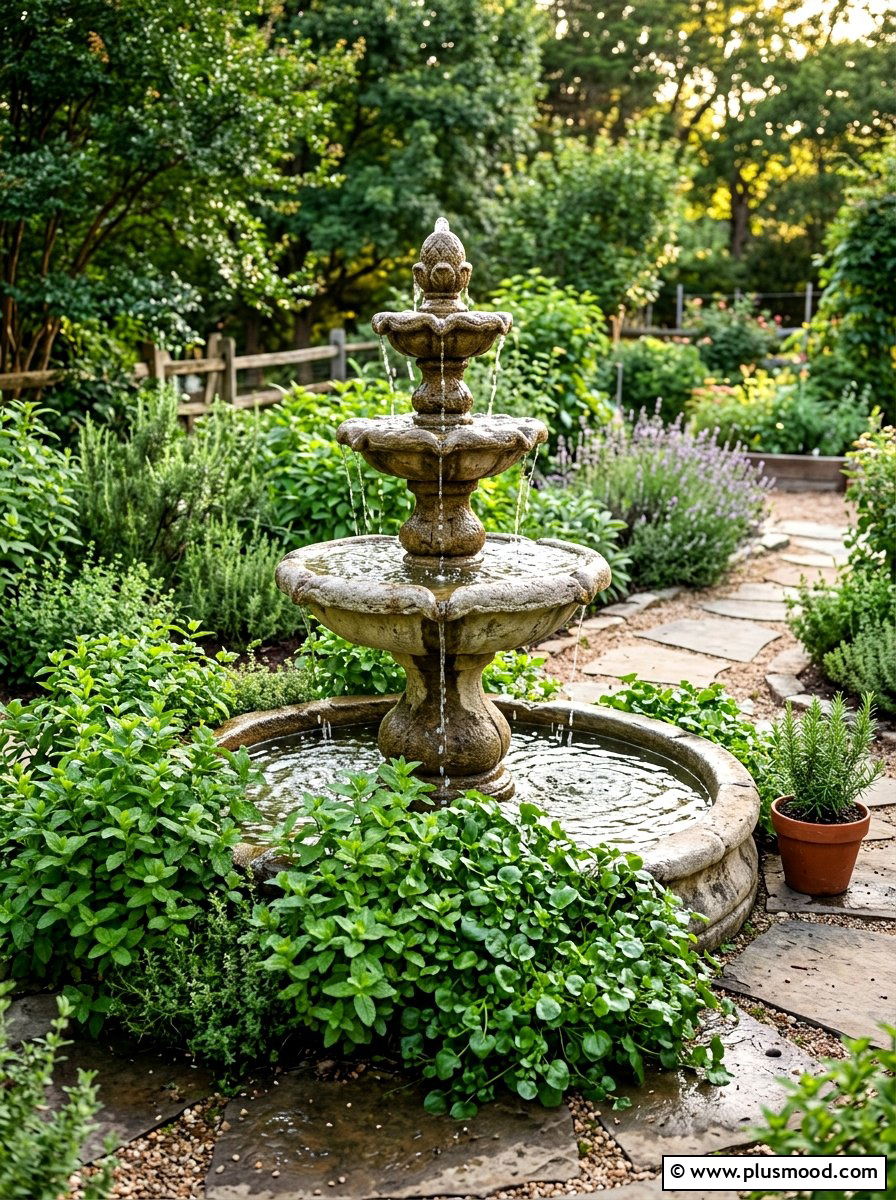
An herb garden fountain combines the soothing sound of running water with the lush beauty of an herbal planting. You can find or create tiered fountains where the water flows in the center while the outer rings are filled with moisture-loving herbs like watercress or mint. This dual-feature provides a powerful focal point that blocks out city noise while providing a fresh harvest. The humidity from the water helps certain herbs thrive in hot weather, making it a functional choice for warmer climates. It transforms a standard backyard into a luxurious, multi-sensory retreat that feels incredibly high-end and very tranquil.
Conclusion:
Creating a small backyard that includes a thriving herb garden is a wonderful way to enhance your lifestyle and the value of your home. Whether you choose a vertical wall, a modern stock tank, or a whimsical herb spiral, the key is to blend functionality with your personal aesthetic style. These ideas prove that you do not need a massive estate to enjoy the luxury of fresh ingredients and a beautiful outdoor sanctuary. By thinking vertically and utilizing multi-purpose furniture, you can turn any compact space into a green oasis. We hope these inspirations help you start your journey toward a more fragrant, flavorful, and visually stunning backyard retreat today.
Related posts:
Leave a Reply